Ecology and Biogeography
Study these flashcardsFree · spaced repetition · iPhone, Android, Mac & web
All cards
1
relationships between population, communities, ecosystem and biomes
Multiple individuals of one species
living in the same area are a population. Interacting populations of different species are communities. A community plus its
associated non-living systems (soil, air, water etc.) form an ecosystem. Similar ecosystems are grouped into classes called biomes.
2
autotrophs vs heterotrophs
Organisms (mostly plants) that obtain energy directly from non-living sources, by photosynthesis or chemosynthesis, are called
“autotrophs” (from Greek words for “self” and “feeding”). Other organisms are known as heterotrophs (“other feeding”); this
indicates that they obtain organic matter by consuming the bodies of other organisms. Heterotrophs then obtain energy by
reacting some of that organic carbon with oxygen. Animals are typically heterotrophs, but so are some plants and most fungi.
3
gross primary production and net primary production
When plants create energy, they create cellulose. This glucose either gets converted to biomass (so mass for the organism) or gets released during cellular respiration. The gross primary production is the total amount of glucose that is created, regardless of whether it gets released due to cellular respiration or biomass. The net primary production is the sole amount that gets converted to biomass. So net_primary = gross - respiration. gross and net production are typically measured in terms of trophic levels however so net primary production refer to the entire amount of biomass available per trophic level and gross represents the total created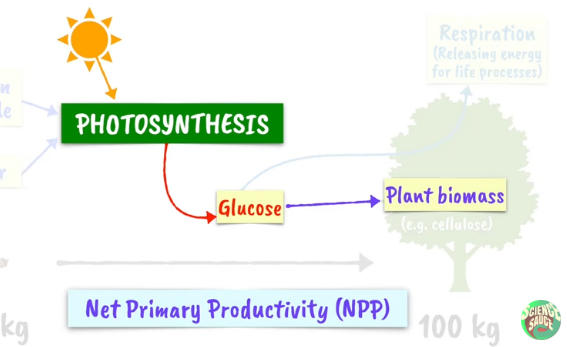
4
Explain the role of decomposers in this image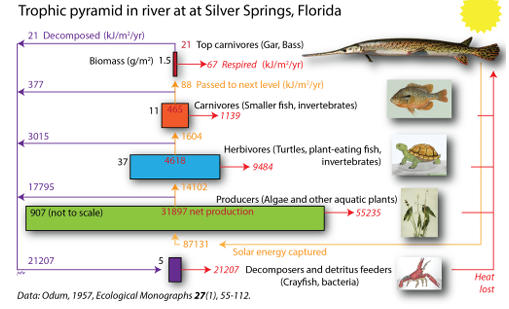
This image is showcasing the amount of biomass available at each level. The decomposers role is to break down and decompose all the dead organisms from each level as indicated by the purple arrows that go towards the decomposers from each level
5
ecological niche and invasive species
Each organism in an ecosystem occupies its own niche. When another competitor appears to threaten this role, they will try to eliminate each other (this doesnt necessarily mean they directly do it, but more so the more efficient species will survive). The competitor that gets introduced later on is called the invasive species.
6
fauna and floras
Flora means the plant life of a particular place; fauna means the animal life there.
7
biogeographic provinces or ecozones
Barriers to migration that result in regions with distinct faunas and floras 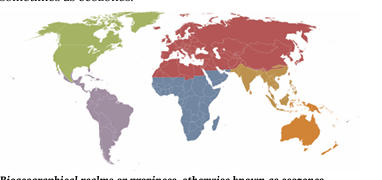
8
what period were trilobites common and what class of animals are they
They are arthropods (animals with a hard jointed exoskeleton) and were common in the paleozoic era (540 to 250 Ma) 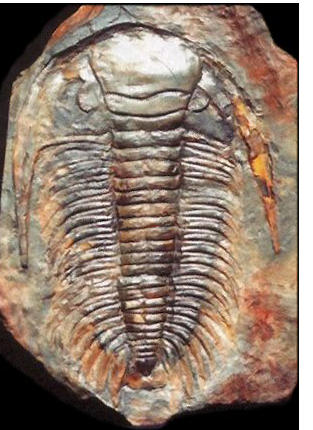
9
faunal provinces
type of biogeographic province where the fauna (type of animals) are different
More Science flashcards
KringlopenScience · DutchYaniKingdom Animalia and PhylaScience · EnglishBrothersfanDNA and Genetics RevisionScience · EnglishEmilyGATech BIOS 1208 Comprehensive Flash CardsScience · EnglishcreativeHamBiology - Photosynthesis keywords Science · Englishan OutLearn studentMissed Test 4 Questions Science · EnglishmbChemistry second trimesterScience · EnglishMochiTerm Test 1 review notesScience · EnglishDariusMitosis Chapter 9Science · EnglishEmanElectromagnetismScience · EnglishAli_vxxxAmino AcidsScienceEmanGCSE Edexcel Physics 11 - Static ElectricityScience · EnglishKonrad
Study these decks in the app
Free on iPhone, Android, Mac and the web. Add any deck to your account in one tap.

