Muscular System
Study these flashcardsFree · spaced repetition · iPhone, Android, Mac & web
All cards
1
Levers
Rigid, moving structures (bones) that move on a fixed point (fulcrum) when muscles provide applied force to overcome a load; each joint is a fulcrum
2
Fulcrum
The fixed point on which a lever moves; each joint acts as a fulcrum
3
Origin
Fixed point of attachment of a muscle to bone; usually proximal to insertion
4
Insertion
Movable point of attachment of a muscle to bone
5
Actions
Movements produced by muscle contraction; described in terms of effect on bone or joint
6
Agonist
Muscle mostly responsible for producing a particular movement
7
Antagonist
Muscle that opposes the movement of a particular agonist
8
Synergist
A smaller muscle that assists a larger agonist
9
Fixator
A stabilizing muscle that prevents movement at other joints
10
Muscle opposition
Agonists and antagonists work in pairs; when one contracts the other elongates (e.g., flexors-extensors, abductors-adductors)
11
Number of skeletal muscles in the body
Approximately 700
12
Axial muscles
Muscles grouped based on location and function
13
Muscles of facial expression
Cranial nerve VII; originate on skull
14
Muscles of mastication
Cranial nerve V; move the mandible
15
Muscles of the tongue
Cranial nerve XII; names end in glossus
16
Muscles of the pharynx
Cranial nerve X; begin the swallowing process
17
Extrinsic eye muscles
Cranial nerves III, IV, and VI; originate on surface of orbit; control position of eyes
18
Muscles of the anterior neck
Control position of larynx, depress mandible, tense floor of mouth, support muscles of tongue and pharynx
19
Six extrinsic eye muscles
Inferior rectus, medial rectus, superior rectus, lateral rectus, inferior oblique, superior oblique
20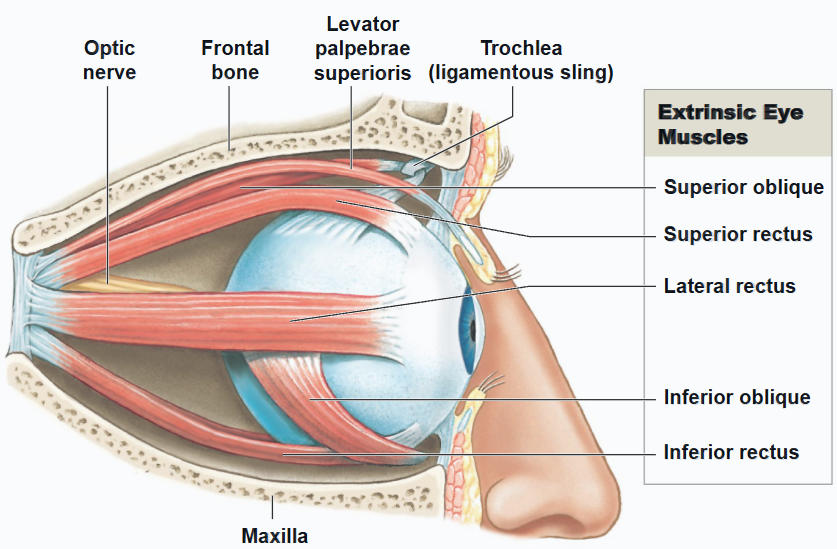
Inferior rectus and superior rectus need to be remembered
21
Masseter
Strongest jaw muscle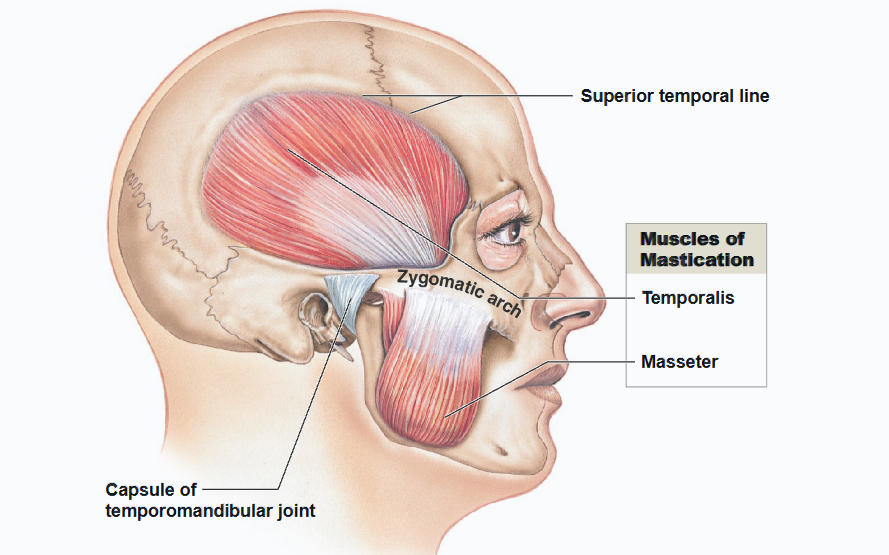
22
Temporalis
Helps elevate the mandible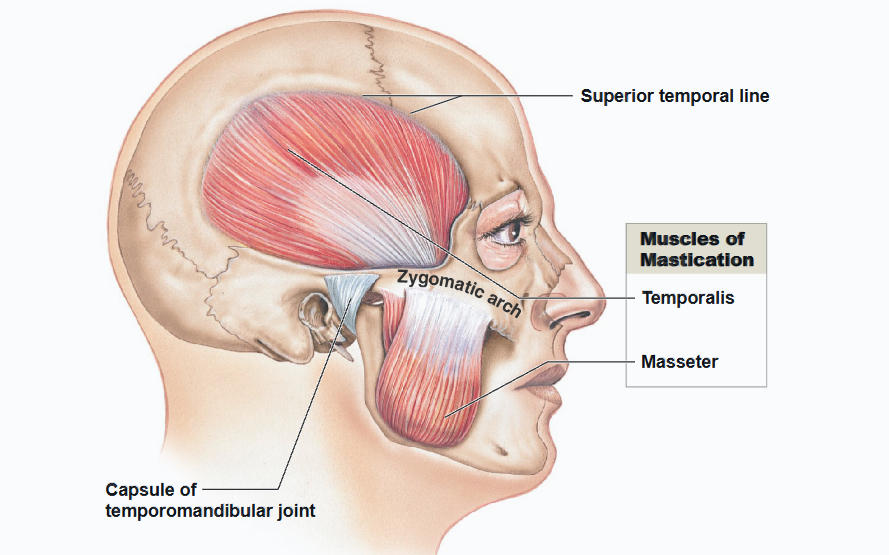
23
Medial and lateral pterygoid muscles
Elevate, depress, and protract mandible; slide mandible side to side (lateral excursion)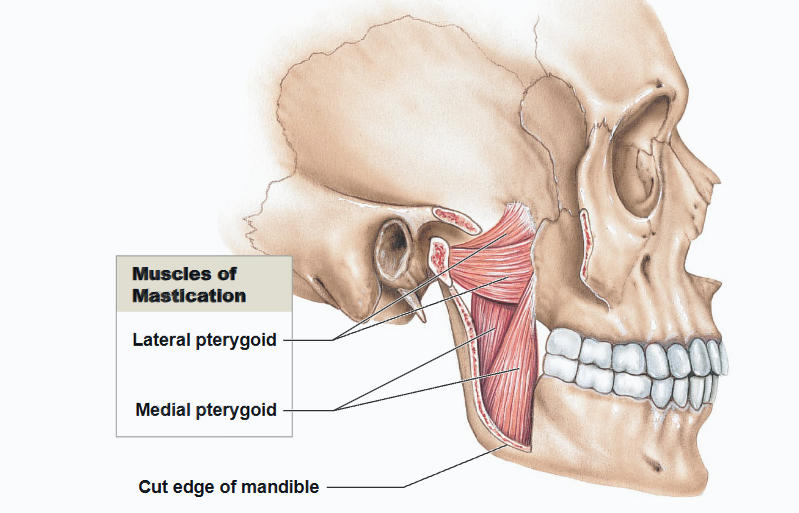
24
Muscles of the tongue (list)
Palatoglossus, styloglossus, genioglossus, hyoglossus; all named for origin and insertion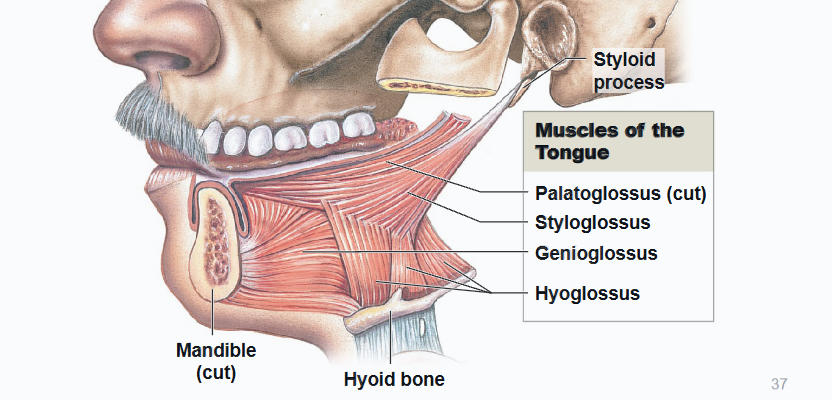
25
Sternocleidomastoid
Extends from clavicle and sternum to mastoid; turns head obliquely to opposite side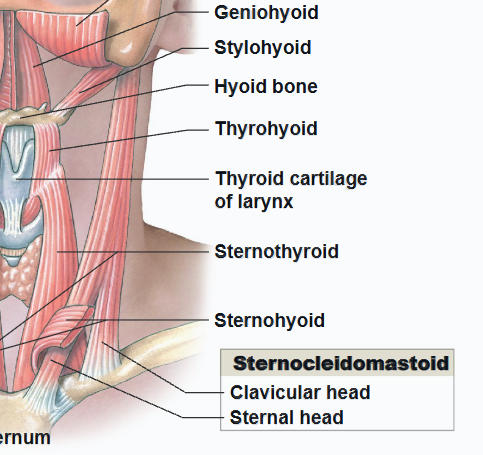
26
Scalenes
Flex neck and elevate upper ribs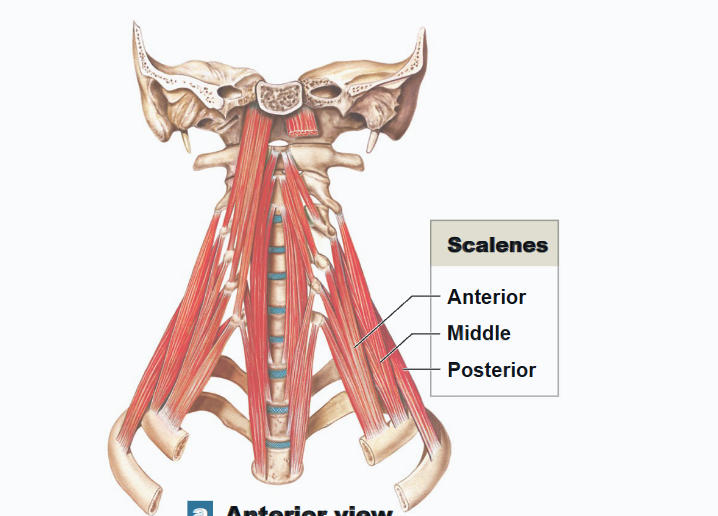
27
Erector spinae
Spinal extension muscles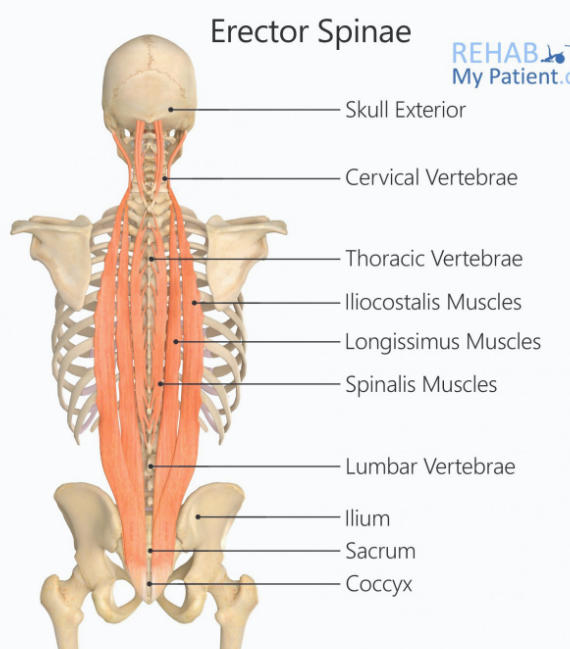
28
Deep spinal stabilizer muscles
Semispinalis group, multifidus, interspinales, intertransversarii, rotatores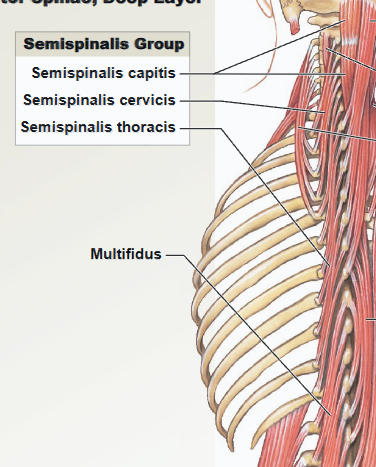
29
Quadratus lumborum
Spinal lateral flexor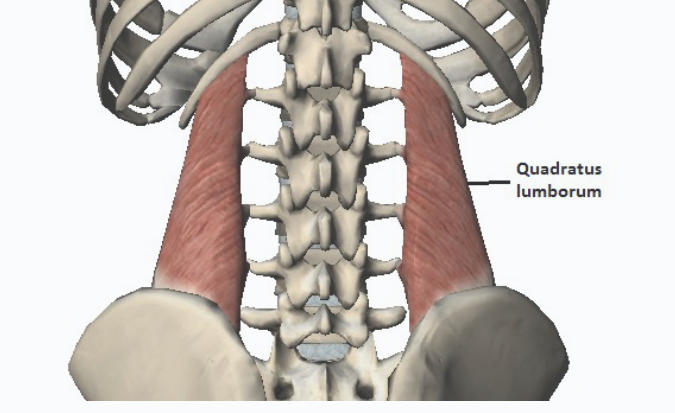
30
Spinal Rotators
Internal/ external obliques 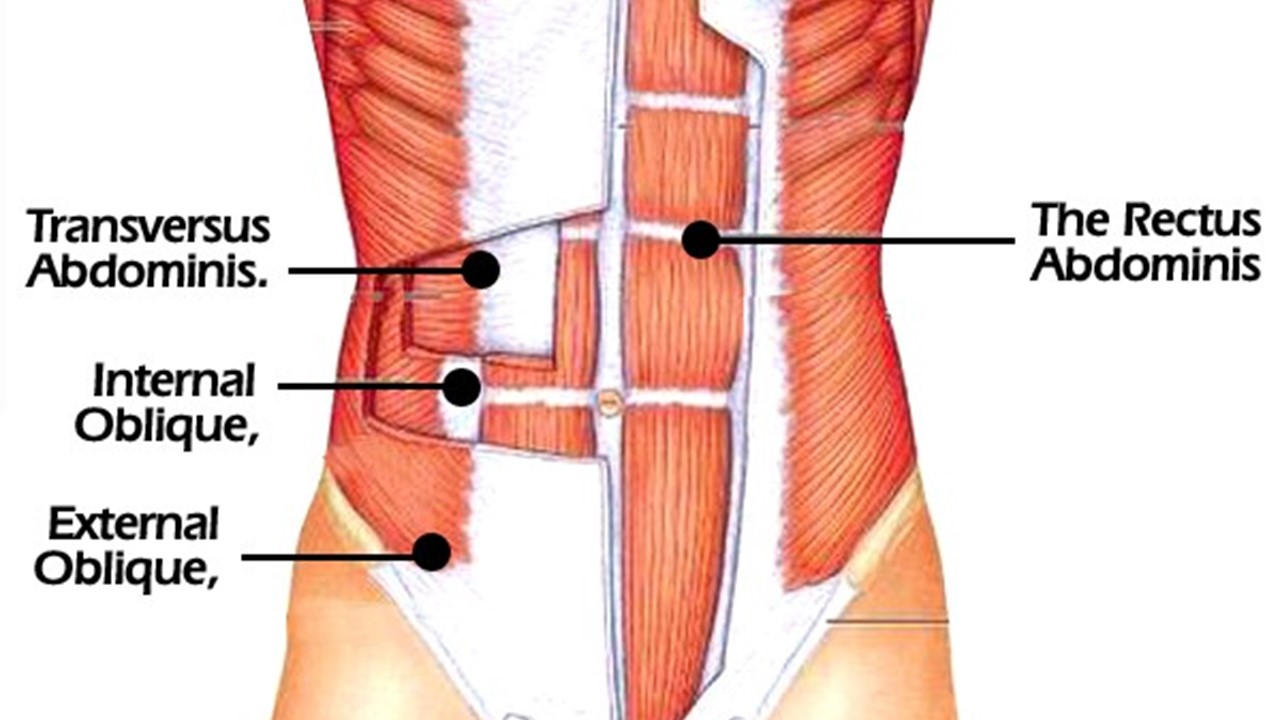
31
Longus capitis and longus colli
Neck spinal flexors (deep neck flexors)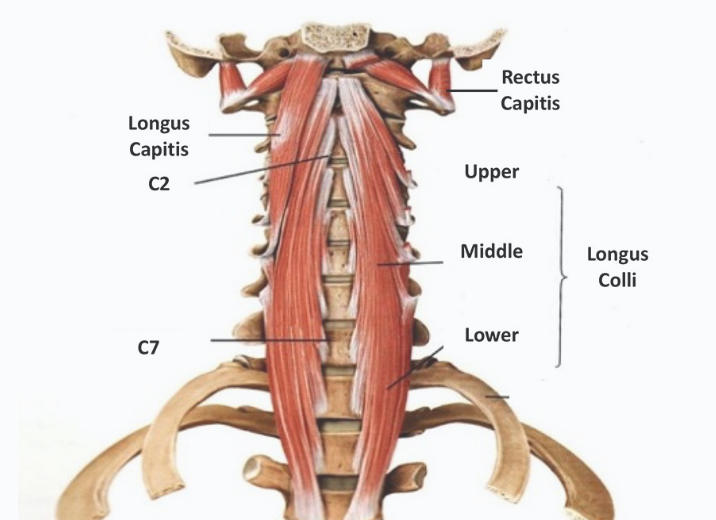
32
Rectus abdominis
Thoracolumbar flexor between xiphoid process and pubic symphysis; divided longitudinally by linea alba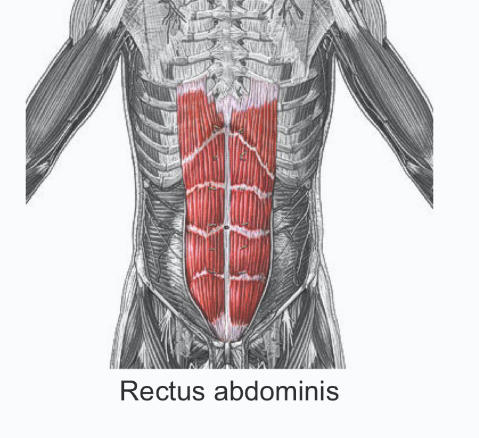
33
External and internal intercostal muscles
Aid in breathing movements of ribs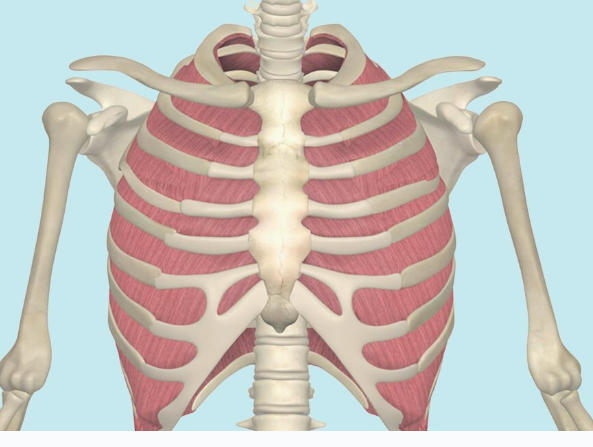
34
Transverse abdominis
Wraps around waist for stabilization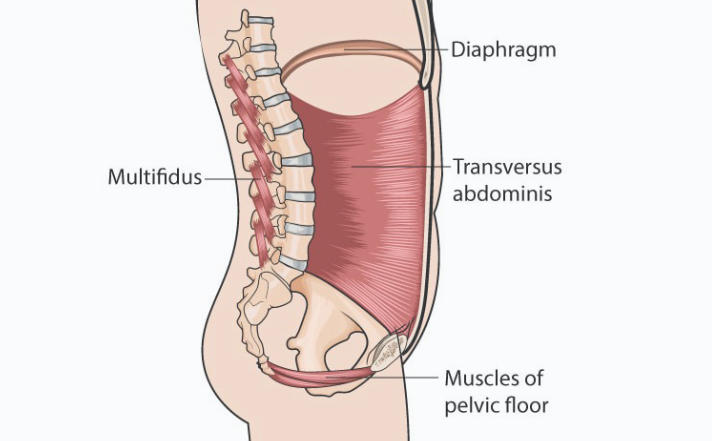
35
Diaphragm
Divides thoracic and abdominopelvic cavities; major muscle used in breathing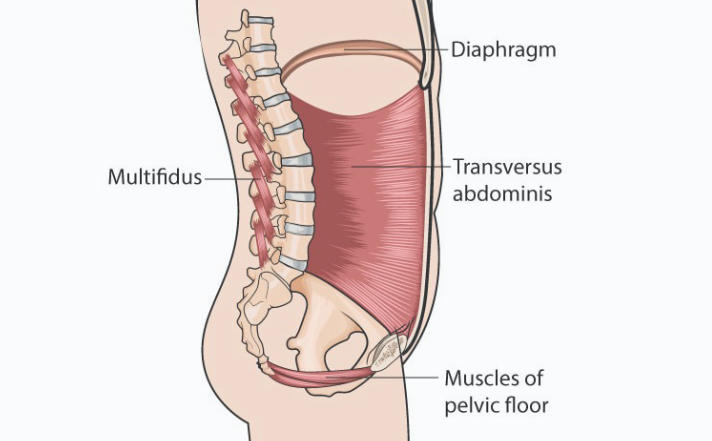
36
Muscles of the pelvic floor
Support organs of pelvic cavity and control movement of materials through urethra and anus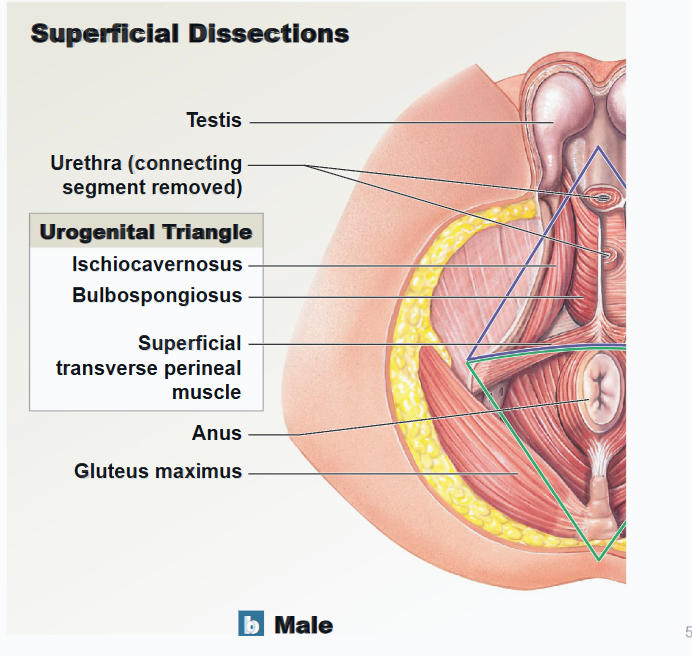
37
Appendicular muscles
Position and stabilize pectoral and pelvic girdles; move upper and lower limbs
38
Serratus anterior
Fan-shaped muscle on chest; originates along ribs, inserts on medial border of scapula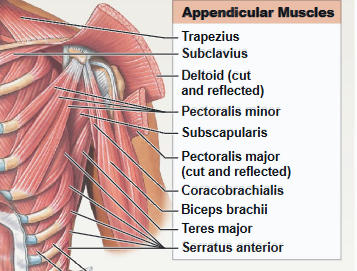
39
Pectoralis minor
Originates on ribs, attaches to coracoid process of scapula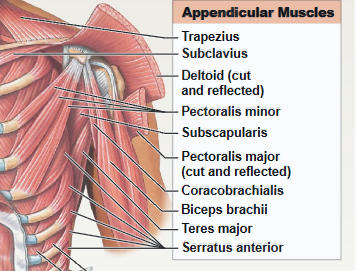
40
Trapezius (three sections)
Upper elevates scapulae, middle retracts scapulae, lower depresses scapulae; originates from skull to spinous process of T12, inserts on scapula and clavicle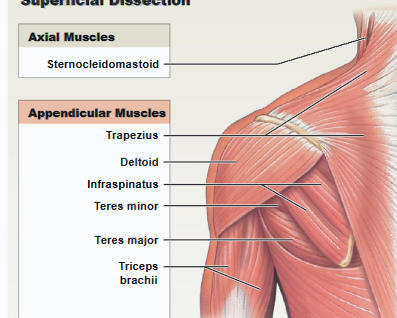
41
Rhomboid major, rhomboid minor, and levator scapulae
Deep to trapezius; attach to cervical and thoracic vertebrae, insert on medial border of each scapula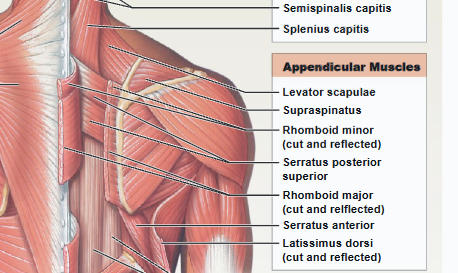
42
Deltoid
The major abductor of the arm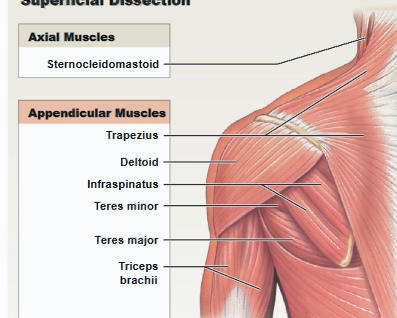
43
Supraspinatus
Assists deltoid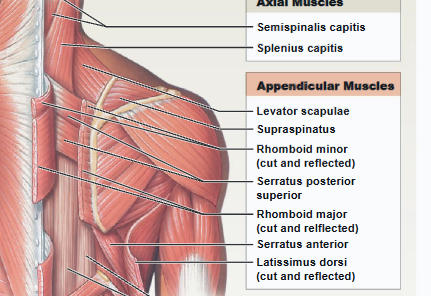
44
Subscapularis and teres major
Produce medial rotation at shoulder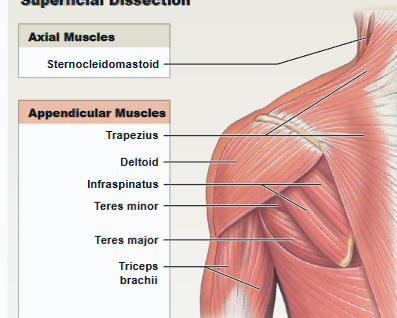
45
Infraspinatus and teres minor
Produce lateral rotation at shoulder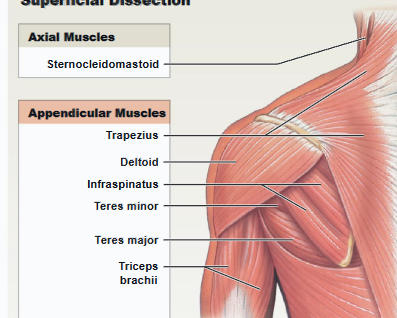
46
Pectoralis major
Between anterior chest and greater tubercle of humerus; produces adduction and internal rotation at shoulder joint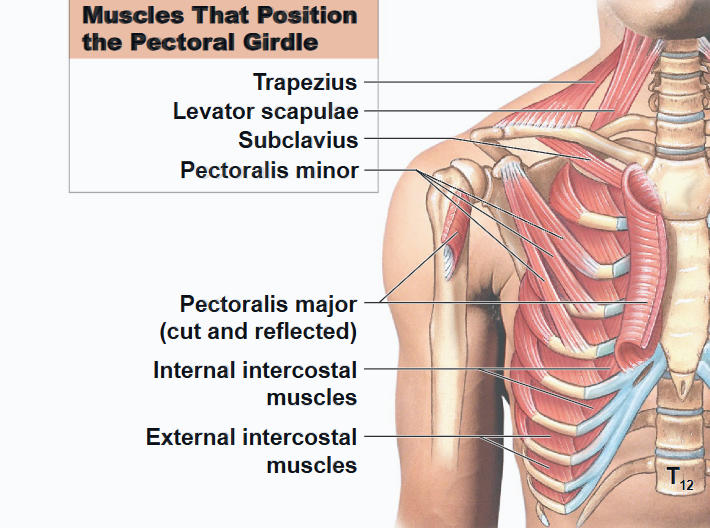
47
Latissimus dorsi
Between thoracic vertebrae and humerus; produces extension, adduction, and internal rotation at shoulder joint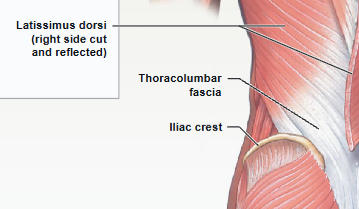
48
Rotator cuff
Muscles involved in shoulder rotation: supraspinatus, infraspinatus, teres minor, subscapularis
49
Biceps brachii
The major flexor of the elbow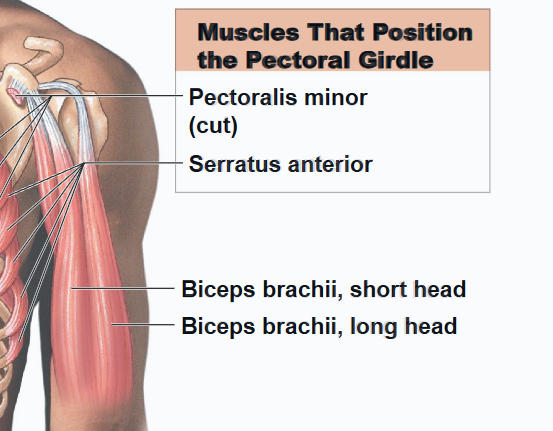
50
Brachialis and brachioradialis
Other elbow flexors
51
Triceps brachii
The major extensor of the elbow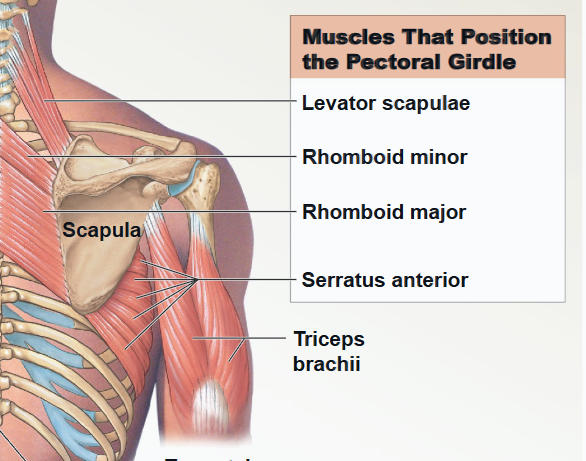
52
Biceps brachii and long head of triceps brachii
Originate on scapula
53
Wrist and finger extensors
Mainly on posterior and lateral surfaces of arm
54
Wrist and finger flexors
Mainly on anterior and medial surfaces of arm
55
Supinator and pronator teres
Originate on humerus and ulna; rotate radius
56
Pronator quadratus
Originates on ulna; assists pronator teres in opposing actions of supinator or biceps brachii
57
Flexor carpi ulnaris
Flexes and adducts wrist
58
Flexor carpi radialis
Flexes and abducts wrist
59
Palmaris longus
Flexes wrist
60
Extensor carpi radialis
Extends and abducts wrist
61
Extensor carpi ulnaris
Extends and adducts wrist
62
Extrinsic muscles of the hand
Lie in forearm; only tendons cross wrist; provide strength and gross movement of hand and fingers
63
Intrinsic muscles of the hand
Originate on carpal and metacarpal bones; no muscles originate on phalanges; provide fine motor movement of the hand
64
Gluteus maximus
Largest, most posterior gluteal muscle; produces extension and lateral rotation at hip
65
Tensor fasciae latae
Works with gluteus maximus to pull on iliotibial tract of lateral surface of thigh
66
Gluteus medius and gluteus minimus
Originate anterior to gluteus maximus; insert on greater trochanter of femur
67
Lateral rotators
Group of six muscles, including the dominant piriformis
68
Pectineus
Produces hip adduction and flexion
69
Adductor brevis, adductor longus, and gracilis
Produce hip adduction
70
Adductor magnus
Produces adduction and extension
71
Iliopsoas
Two hip flexors that insert on the same tendon: psoas major and iliacus
72
Knee flexors
Most originate on edges of pelvis; insert on tibia and fibula
73
Knee extensors
Most originate on shaft of femur; insert on the patella
74
Hamstring muscles
Biceps femoris, semitendinosus, semimembranosus
75
Sartorius
A knee flexor
76
Quadriceps femoris
Knee extensors consisting of three vastus muscles and rectus femoris
77
Plantar flexion muscles
Gastrocnemius, soleus, fibularis muscles, tibialis posterior
78
Calcaneal (Achilles) tendon
Shared by the gastrocnemius and soleus
79
Tibialis anterior
Extrinsic muscle producing flexion at ankle; opposes the gastrocnemius
80
Extensor digitorum longus and extensor hallucis longus
Extrinsic muscles producing flexion at ankle
81
Flexor digitorum longus and flexor hallucis longus
Extrinsic muscles producing flexion at toes
82
Intrinsic muscles of the foot
Originate on tarsal and metatarsal bones; move toes and maintain longitudinal arch of foot