Epidemiology and Public Health
Study these flashcardsFree · spaced repetition · iPhone, Android, Mac & web
First 300 of 1911 cards
1
epidemiological triad involves and
epidemiological triad involves agent host and environment
2
epidemiological triangle involves
agent
host
environment
time
host
environment
time
3
diseases that show iceberg phenomenon
PM Jumped In Ditch To Have Ruby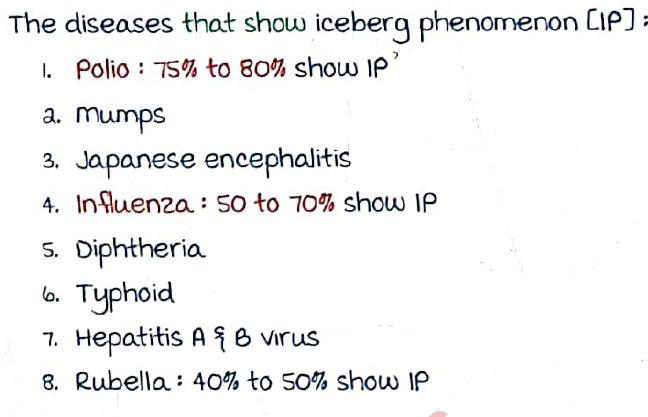
4
diseases that dont show iceberg phenomenon
TRM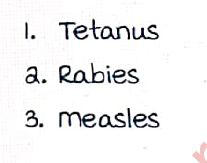
5
isolation is done for people
isolation is done for infected people
6
quarantine is done for people
quarantine is done for apparently healthy people
7
isolation is done till
isolation is done till period of communicability
8
quarantine is done till
quarantine is done till max incubation period
9
cordon sanitaire means
cordon sanitaire means buffer zone
10
primordial prevention prevents
primordial prevention prevents emergence of risk factors
11
primary prevention prevents
primary prevention prevents contrction of disease
12
secondary prevention prevents
secondary prevention prevents complication from disease
13
tertiary prevention prevents
tertiary prevention prevents death/disability from disease
14
current life expectancy in india is years
current life expectancy in india is 67.5 years
15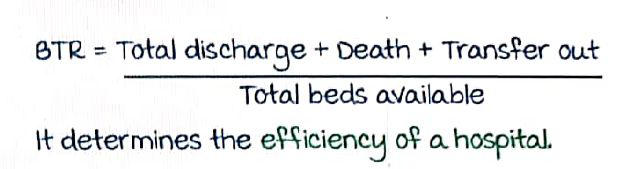
formula for bed turnover rate
16
beds available =50
total population =1,00,000
bed supply rate=
total population =1,00,000
bed supply rate=
0.5/1000
**
should be >5/1000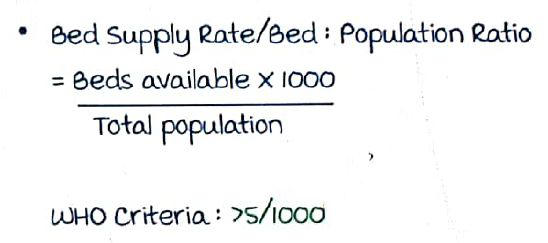
**
should be >5/1000
17
WHO criteria for bed supply rate is
>5/1000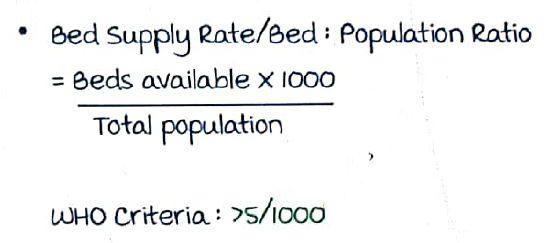
18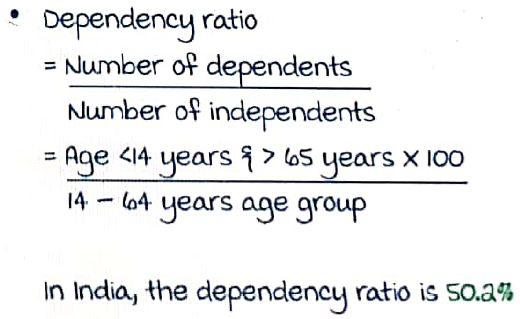
dependency ratio formula
19
dependency ratio in india is
dependency ratio in india is 50.2%
20
age for effective literacy rate is years
age for effective literacy rate is >7 years
21
current effective literacy rate of india is %
current effective literacy rate of india is 74%
22
impairment means
impairment means loss of anatomical organ or physiological function
23
disability means loss of
disability means loss of activity or action
24
handicap means
handicap means social loss or job loss
25
DALY full form is
DALY full form is disability adjusted life years
26
best indicator to assess burden of a disease in population is
best indicator to assess burden of a disease in population is DALY
27
highest DALY is for
highest DALY is for depression
28
2nd highest DALY is for
2nd highest DALY is for hearing loss
29
sullivan index
number of years of life lived free from disability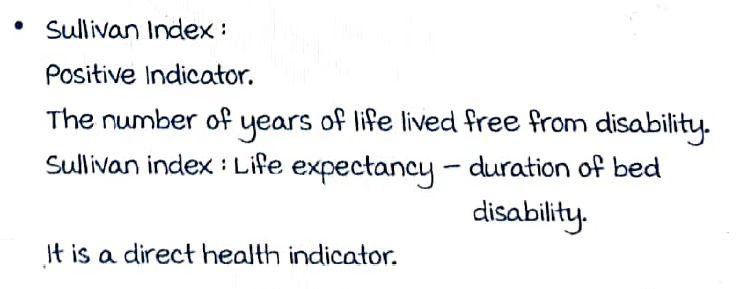
30
HALE(health adjusted life expectancy) means
number of years lived in full health
which is free from ill health
which is free from ill health
31
assesses value for money for health interventions
QALY assesses value for money for health interventions
32
standard of living depends upon
standard of living depends upon income
33
PQLI(physical quality of life index) includes
infant mortality rate
life expectancy at 1 year
literacy rate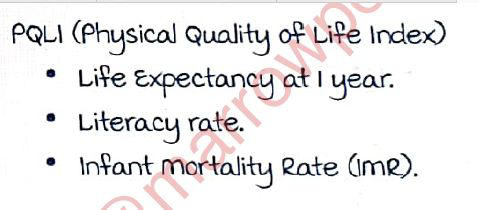
life expectancy at 1 year
literacy rate
34
3 dimensions of human devlopment index(HDI)
longetivity of life
knowledge
standard of living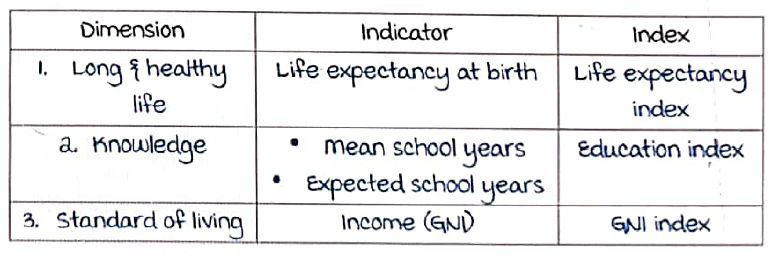
knowledge
standard of living
35
indicators of human devlopment index(HDI)
life expectancy at birth
mean school years
expected school years
income
PQLI
infant mortality rate
life expectancy at 1 year
literacy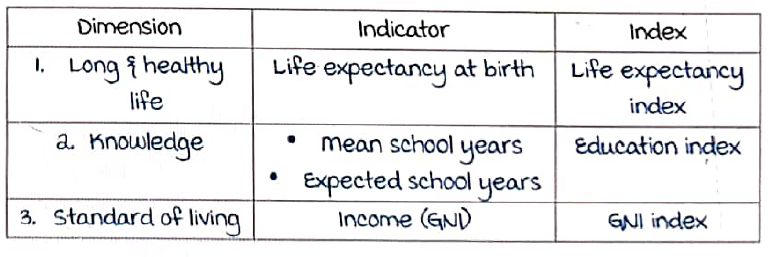
mean school years
expected school years
income
PQLI
infant mortality rate
life expectancy at 1 year
literacy
36
MC route of nasocomial infection is
MC route of nasocomial infection is unclean hands
37
nasocomial infection means
nasocomial infection means hospital aquired infection
38
mc pathogen involved in hospital aquired infection is
mc pathogen involved in hospital aquired infection is staph aureus
39
mc area for hospital aquired infection is
mc area for hospital aquired infection is long term urinary catheters
40
2 criterias for epidemic
>2 standard deviation(SD) of cases and
>80% of expected frequency
>80% of expected frequency
41
human is a dead end host for
rabies
japanese encephalitis
tetanus
bubonic plague
RJ TB announces end of humans
japanese encephalitis
tetanus
bubonic plague
RJ TB announces end of humans
42
reservoir and source for tetanus are
reservoir and source for tetanus are soil
43
index case is
index case is 1st case identified in a community
44
primary case is
primary case is the 1st case in the community
45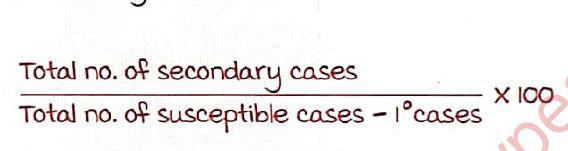
formula for secondary attaack rate
46
main difference between subclinical case and laternt case is
latent case is never a carrier
subclinical case can be a carrier
subclinical case can be a carrier
47
diseases that can have healthy carriers
Community Medicine is DPT
cholera
meningitis
diptheria
polio
typhoid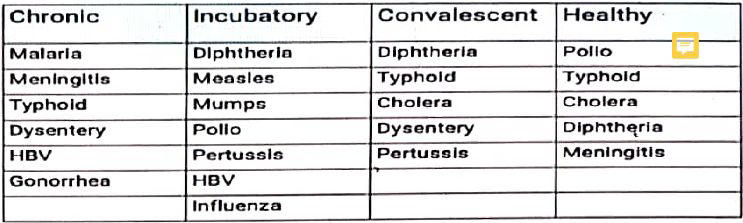
cholera
meningitis
diptheria
polio
typhoid
48
healthy carrier arises due to
healthy carrier arises due to subclinical cases or avirulent strain
49
travel distance of droplet is
travel distance of droplet is 6 feet
50
airborne particle size is
airborne particle size is <10 microns
51
is transmitted in 1st trimester
rubella virus is transmitted in 1st trimester
52
is transmitted in 2nd trimester
parvo virus is transmitted in 2nd trimester
53
infections transmitted via soil
tetanus
mycosis
soil transmitted helminthes(STH)
mycosis
soil transmitted helminthes(STH)
54
example of propagative transmission
plague
covid
covid
55
example of cyclo devlopmental transmission
microfilaria
means no proliferation in numbers only devloopment
means no proliferation in numbers only devloopment
56
example of cyclo propagative transmission
malaria
57
trans stadial transmission is
trans stadial transmission is infection is carried on between different stages of devlopmental stages in
58
infection is not carried on in different stages of devlopmental stages in trans transmission
infection is not carried on in different stages of devlopmental stages in trans ovarian transmission
59
examples of diseases spreading via airborne route
TB
measles
disemminated varicella-not localized
influenza
measles
disemminated varicella-not localized
influenza
60
generation time is the time between
generation time is the time between entry of organism to max. communicability of it
61
is the time between primary and secondary case
serial interval is the time between primary and secondary case
62
incubation period for hepatitis A is
incubation period for hepatitis A is 15-50 days
63
food borne hepatitis are
food borne hepatitis are hepatitis A and E
64
steps for donning of PPE kit are
1.apron
2.mask
3.eye cover(face shield\/glasses)
4.gloves[last ]
logical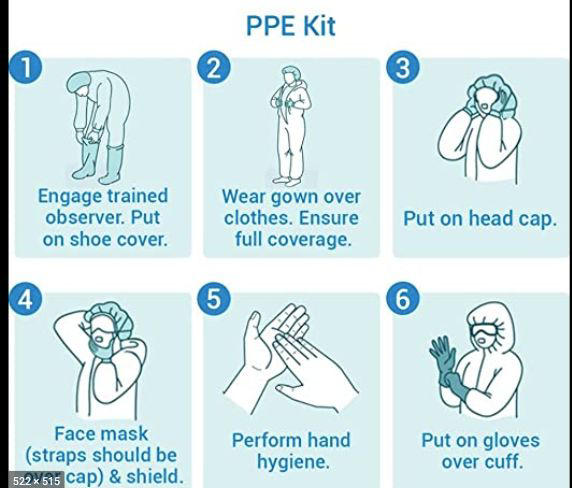
2.mask
3.eye cover(face shield\/glasses)
4.gloves[last ]
logical
65
steps for doffing of PPE kit are
1.gloves
2.eye cover
3.apron
4.mask
MCQ
(up to down in doffing
down to up in donning)
donning
1.apron
2.mask
3.eye cover(face shield\/glasses)
4.gloves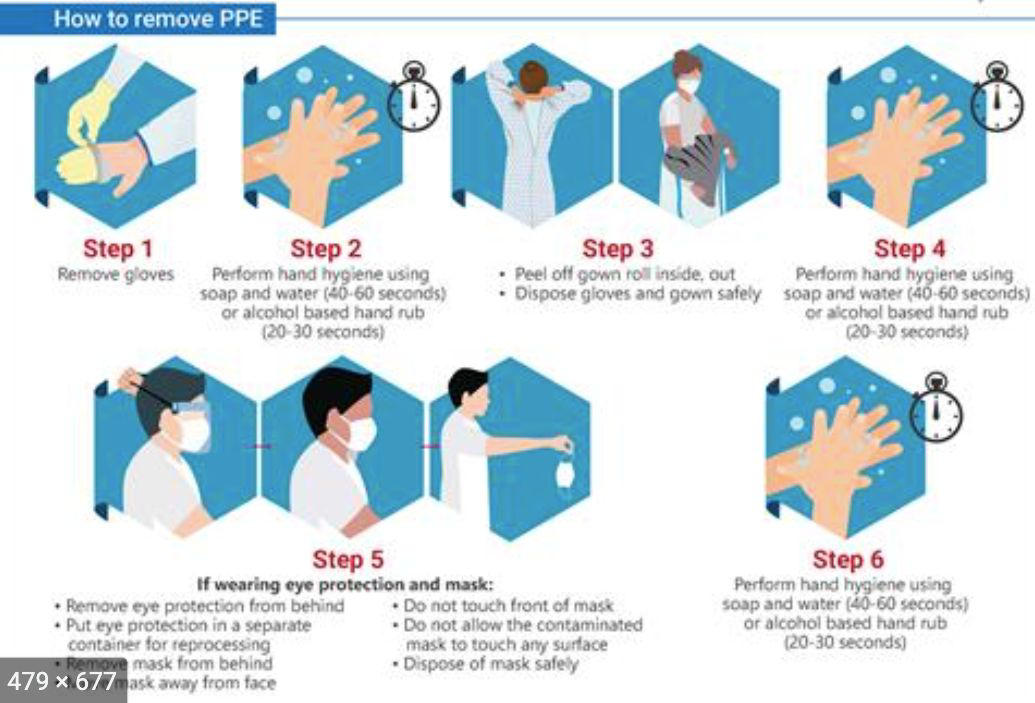
2.eye cover
3.apron
4.mask
MCQ
(up to down in doffing
down to up in donning)
donning
1.apron
2.mask
3.eye cover(face shield\/glasses)
4.gloves
66
rate is expressed in terms of
rate is expressed in terms of time
67
case fatality rate formula is
an example of proportion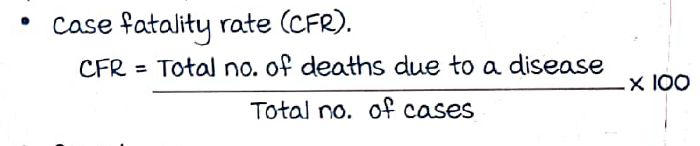
68
kaplan mier analysis method is for
kaplan mier analysis method is for survival statistics
69
point prevalence on march 1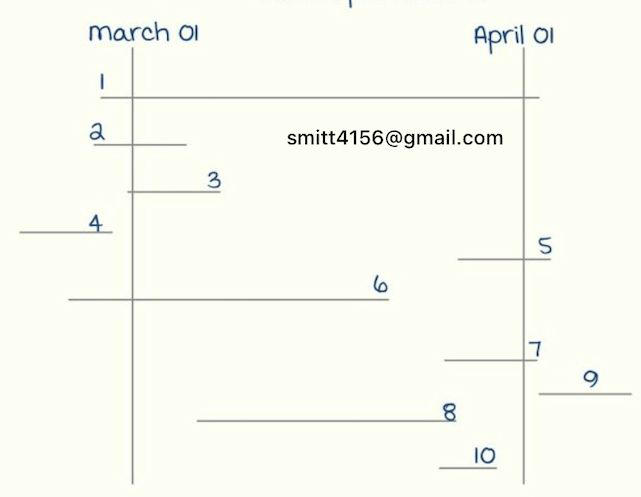
1,2,6
70
point prevalance on april 1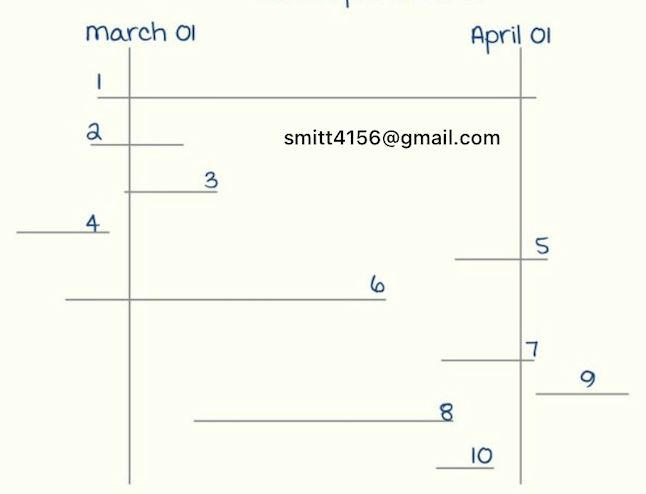
1,5,7
71
period prevalance between march and april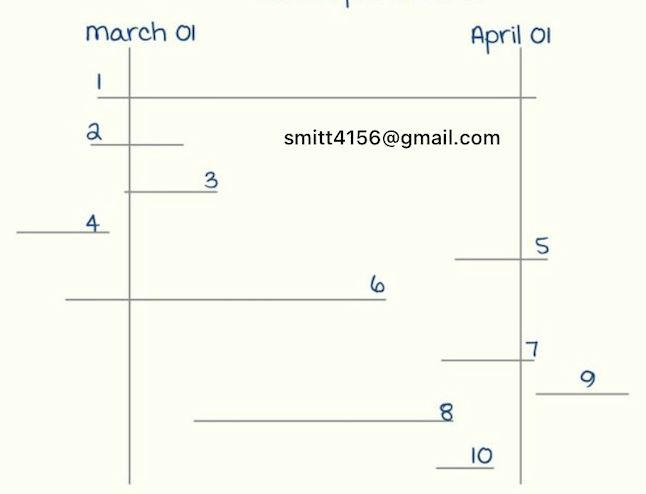
all except 4 and 9
72
father of evidence based medicine is
David Sackett
73
father of epidemiology
john snow
and froucastorian was founder
john M Last gave iceberg phenomenon
and froucastorian was founder
john M Last gave iceberg phenomenon
74
father of immunology is
Edward Jenner
louis pasteur is the father of bacteriology
louis pasteur is the father of bacteriology
75
germ theory was given by
Louise pasteur
76
iceberg phenomenon was given by
John M Last
last iceberg was lost with John
last iceberg was lost with John
77
largest international trial for treatment of covid 19
solidarity trial
78
kangari carcinoma is seen in
kangari carcinoma is seen in jammu
79
kala azar is mostly seen in , ,
kala azar is mostly seen in UP,Bihar,west bengal
80
age distribution of hodgkins lymphoma is
age distribution of hodgkins lymphoma is bimodal
81
a cross sectional study starts with
a cross sectional study starts with total population
82
cross sectional study determines
cross sectional study determines prevalence of a disease
83
study is aka snapshot study
cross sectional study is aka snapshot study
84
case control study starts with
case control study starts with diseased and non diseased population
85
study goes from effect to cause
case control study goes from effect to cause
86
case control study is associated with bias
case control study is associated with recall bias
87
is the unit of study in cohort study
individual is the unit of study in cohort study
88
study goes from cause to effect
cohort study goes from cause to effect
89
cohort study determines of a disease
cohort study determines incidence of a disease
90
formula of odd's ratio is
ad\/bc
aka cross production ratio
*
SUPRA
not total -but affected /non affected -NOT TOTAL
remember as logical divided by illogical
aka cross production ratio
*
SUPRA
not total -but affected /non affected -NOT TOTAL
remember as logical divided by illogical
91
odd's ratio is calculated in study
odd's ratio is calculated in case control study
92
ratios calculated from cohort study are
risk ratio
attributable risk ratio
population atttibutable risk ratio
attributable risk ratio
population atttibutable risk ratio
93
incidence in exposed=50%
incidence in non exposed=10%
risk ratio=
incidence in non exposed=10%
risk ratio=
incidence in exposed=50%
incidence in non exposed=10%
risk ratio=5
incidence in non exposed=10%
risk ratio=5
94
nested case control is a type of
nested case control is a type of cohort study
95
is the study of choice in rare/expensive investigation
nested case control is the study of choice in rare/expensive investigation
96
cross sectional study is associated with biases
cross sectional study is associated with selection and observation biases
97
study is aka longitudinal prospective study
cohort study is aka longitudinal prospective study
98
types of observational studies are and
types of observational studies are descriptive and analytical
99
types of experimental trials are
types of experimental trials are randomised and non randomised
100
historical controls are used in trials
historical controls are used in non randomised uncontrolled trials
101
uncontrolled trials are used for
uncontrolled trials are used for assesing of public health intervention
102
randomisation removes bias
randomisation removes selection bias
103
is at the hearth of randomised control trials(RCT)
randomisation is at the hearth of randomised control trials(RCT)
104
advantage of cross over study design is
advantage of cross over study design is no ethical problems
105
cross over study design is not useful in which conditions
drug with long t1/2
curative drug
acute/fatal disease
a type of RCT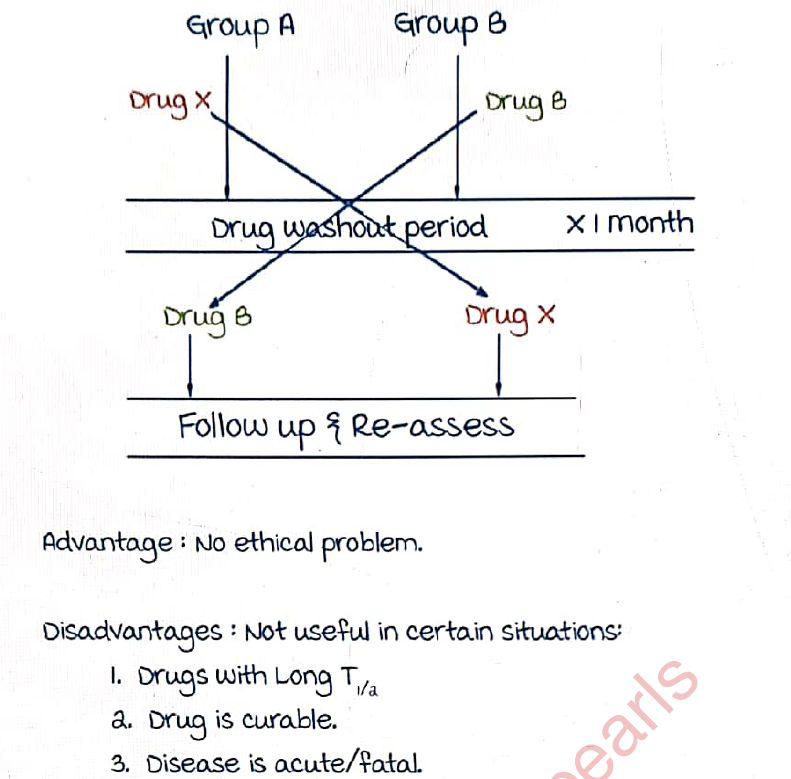
curative drug
acute/fatal disease
a type of RCT
106
2 methods of interpretation of randomised control trial(RCT) are
intention to treat analysis
per protocol analysis
per protocol analysis
107
attrition means
attrition means patients lost that dont follow up
108
analysis method is preferred to interpret RCT
intention to treat analysis method is preferred to interpret RCT
109
number needed to treat/harm is counted in
number needed to treat/harm is counted in randomised control trial
110
formula for numbers needed to treat is
1/ARR
absolute risk reduction
*
MCQ
calulated in RCT
absolute risk reduction
*
MCQ
calulated in RCT
111
is the best method to assess causality
meta analysis is the best method to assess causality
112
plot helps to analyse the overall effect in meta analysis
forest plot helps to analyse the overall effect in meta analysis
113
is used to detect bias publication
funnel plot is used to detect bias publication
114
funnel plot is used to
funnel plot is used to detect bias publication
115
quarternary prevention is done to prevent
quarternary prevention is done to prevent over diagnosis of patients
116
deductive research applies aproach
deductive research applies top to bottom aproach
117
inductive research applies approach
inductive research applies bottom to top approach
118
is the most difficult criteria to establish causal association
specificity of association is the most difficult criteria to establish causal association
119
is the most essential criteria to establish causal relationship
temporality of association is the most essential criteria to establish causal relationship
120
bias is seen in hospital based case control studies
berksonian bias is seen in hospital based case control studies
121
berksonian bias is seen in
berksonian bias is seen in hospital based case control studies
122
bias is aka prevalance bias
neyman bias is aka prevalance bias
123
neyman bias is aka bias
neyman bias is aka prevalance bias
124
bias is seen when there is long time between exposure and disease
neyman bias is seen when there is long time between exposure and disease
125
hawthorn bias means
change in attitude while under observation
**
SEEN IN COHORT STUDY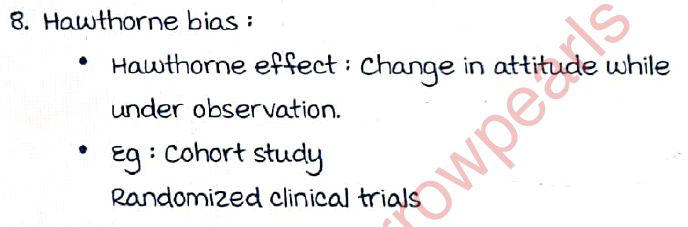
**
SEEN IN COHORT STUDY
126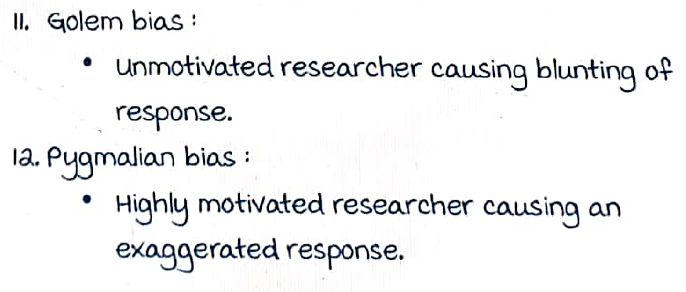
golem bias
127
what is highly motivated researcher causing exaggerated response called ?
pygmalion bias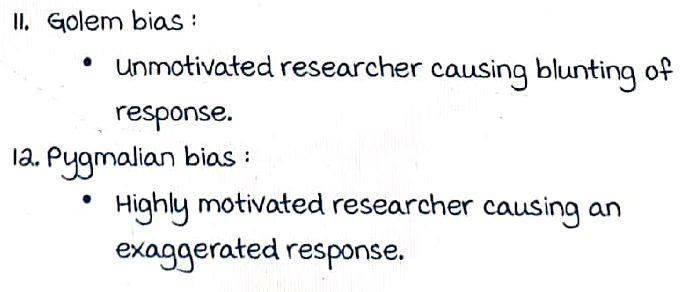
128
known confounder is treated with and
known confounder is treated with matching and randomisation
129
unknown confounder is treated with
RSSR
randomisation
standardisation
stratification
regression
**
MCQ AIIMS 19
randomisation
standardisation
stratification
regression
**
MCQ AIIMS 19
130
studies help in forming a hypothesis
descriptive studies help in forming a hypothesis
131
studies help in testing hypothesis
analytical studies help in testing hypothesis
132
studies help in validation of hypothesis
experimental and evidence based studies help in validation of hypothesis
133
is most important for assesing causality
evidence based medicine is most important for assesing causality
134
study gives natural history of a disease
cohort study gives natural history of a disease
135
types of screening are
mass screening
high risk screening
multiphasic screening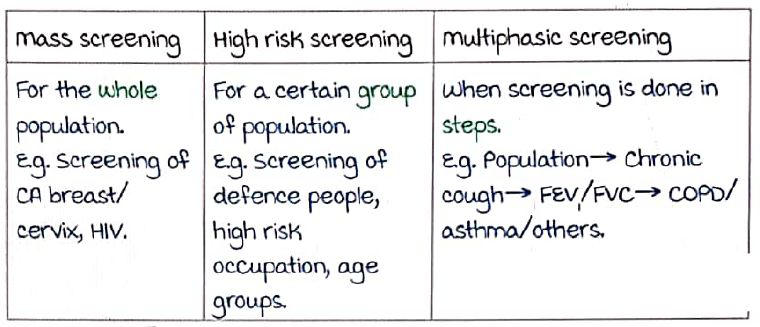
high risk screening
multiphasic screening
136
prescriptive screening works on level of prevention
prescriptive screening works on secondary level of prevention
137
presumptive screening works on level of prevention
presumptive screening works on primary level of prevention
138
latent period is time between
latent period is time between start of pathogensis and 1st sign/symptom
139
screening time is the time between
screening time is the time between 1st possible point of diagnosis and critical point of diagnosis
140
lead time is the time between
lead time is the time between 1st possible point of diagnosis and usual point of diagnosis
141
bias means
bias means systemic errors
142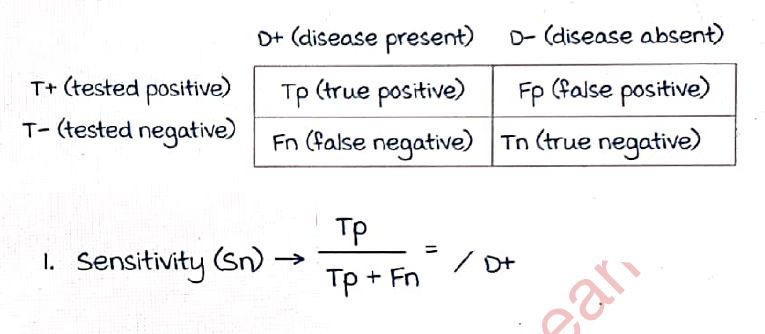
formula for sensitivity
143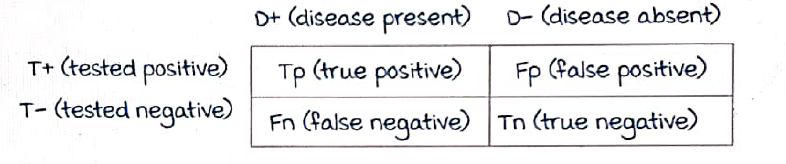
formula for specificity
144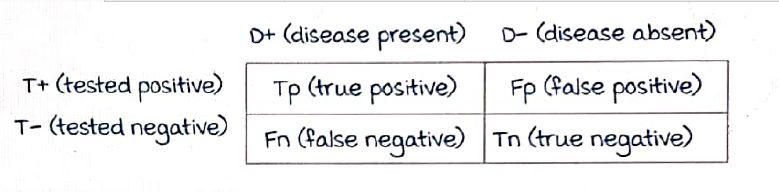
formula for FPER(False positive error rate)
145
formula for false negative error rate(FNER)
Fn/Fn+Tp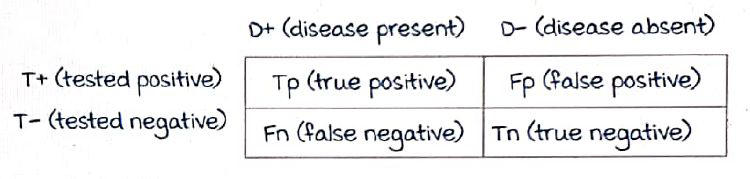
146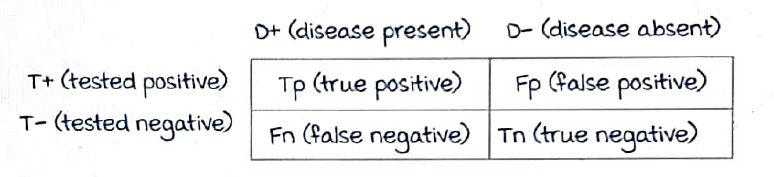
formula for PPV(positive predictive value)
147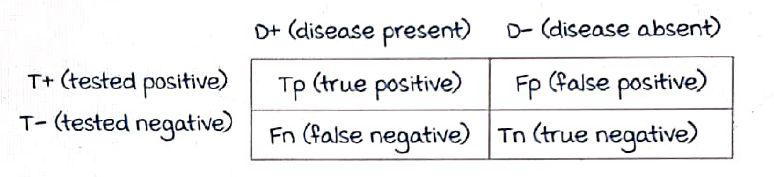
formula for negative predictive value(PPV)
148
bias is associated with ecological study design
ecological fallacy bias is associated with ecological study design
149
false postitive error rate is related to error
false postitive error rate is related to type 1 error
150
false negative error rate is related to error
false negative error rate is related to type 2 error
151
false error is more serious than false error
false positive error is more serious than false negative error
152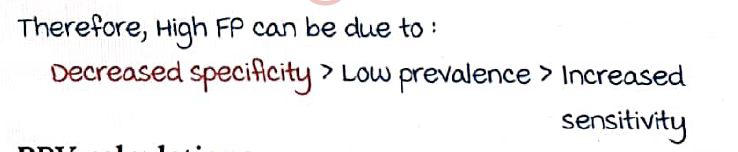
high false positives can be due to
153
odds=0.5
probability=
probability=
0.33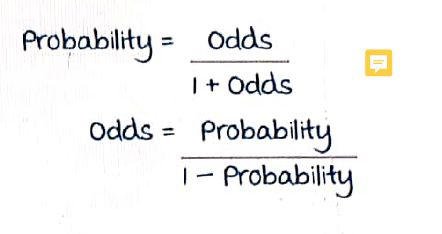
154
probability=0.2
odds=
odds=
0.25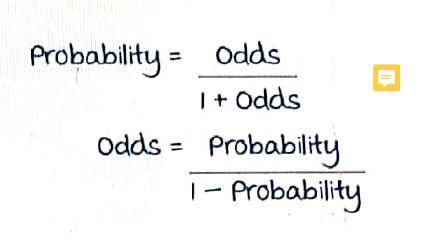
155
pre test probability means
pre test probability means prevalence
156
post test probability means
post test probability means postitive predictive value (PPV)
157
positive predictive value is most affected by
positive predictive value is most affected by prevalence
158
R-charts give and of tests
R-charts give precision and validity of tests
159
LJ charts give and of a test
LJ charts give validity and accuracy of a test
160
yield of a test corresponds to
yield of a test corresponds to PPV
161
diagnostic capacity of a test is given by
diagnostic capacity of a test is given by positive predictive value
162
formula for diagnostic accuracy of a test
remember---truth(both true values)/speak(everything all 4)
1-beta for ???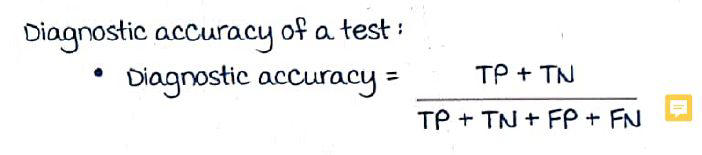
1-beta for ???
163
youden's index gives
youden's index gives utility of a test
164
blood pressure is type of data
blood pressure is quantitative type of data
165
type I error[alpha] means
type I error[alpha] means when a true null hypothesis is rejected
166
Type 2 error[beta] means
Type 2 error[beta] means when false null hypothesis is accepted
167
geometric mean is calculated in cases of
geometric mean is calculated in cases of extreme values and exponential data
168
harmonic mean is calculated in cases of
harmonic mean is calculated in cases of inverse data and fractional values
169
is the best measure of central tendency
mean is the best measure of central tendency
170
measure is the most affected by extreme values
mean measure is the most affected by extreme values
171
measure is the least affected by extreme values
median measure is the least affected by extreme values
172
median=40
mean=20
Mode=
mean=20
Mode=
Mode=80
mode=3 median - 2 mean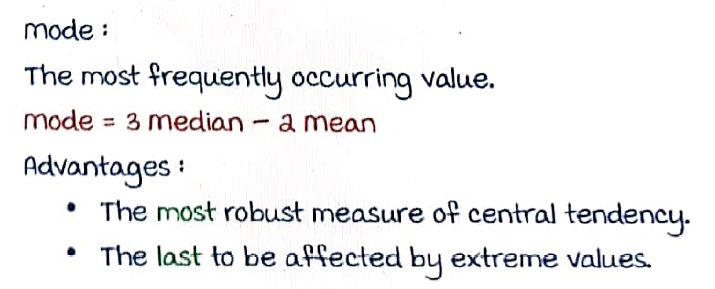
mode=3 median - 2 mean
173
is the most robust measure of central tendancy
mode is the most robust measure of central tendancy
174
is the last affected measure by extreme values
mode is the last affected measure by extreme values
175
standard deviation formula is
root mean squared deviation
take whole root
n-1 if <30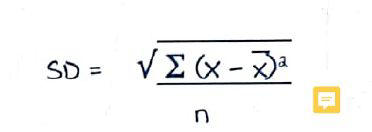
take whole root
n-1 if <30
176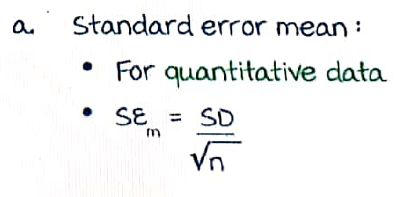
SE[standard error mean] formula(for quantitative data)
177
standard error mean is calculated for data
standard error mean is calculated for quantitative data
178
standard error means
standard error means means of standard deviation
179
standard error proportions is calculated for data
standard error proportions is calculated for qualitative data
180
normal distribution curve is aka
normal distribution curve is aka gaussian distribution curve
181
zone of normalsy in normal distribution curve is between
zone of normalsy in normal distribution curve is between +2 and -2 SD(standard deviation)
182
cut off for z score is
cut off for z score is 2 SD(standard deviate)
183
observed Hb=18 g/dl
mean Hb=14 g/dl
standard deviation =2 g/dl
z score=?
mean Hb=14 g/dl
standard deviation =2 g/dl
z score=?
z score=2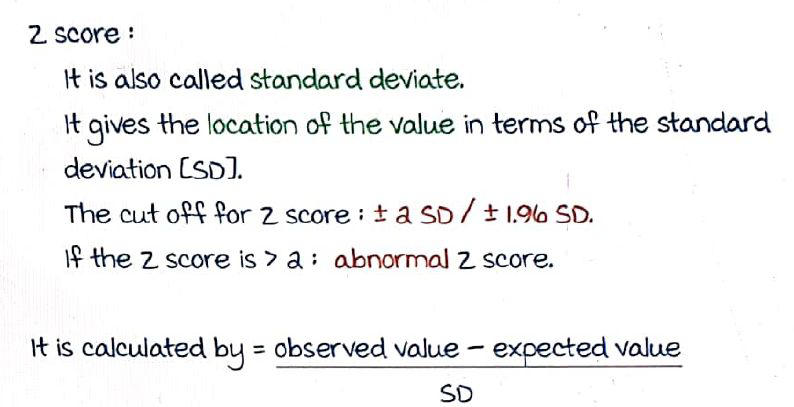
184
p value ranges from
p value ranges from 0 to 1
185
null hypothesis is if p value is >0.05
null hypothesis is accepted if p value is >0.05
186
null hypothesis is accepted if p value is
null hypothesis is accepted if p value is >0.05
187
parametric test of significance is done for data
parametric test of significance is done for quantitative and normal distriibution data
188
non-parametric test of significance is done for and data
non-parametric test of significance is done for qualitative and non normal distribution data
189
test of significance for is wilcoxan rank test
test of significance for ordinal data is wilcoxan rank test
190
test of significance for ordinal data is test
test of significance for ordinal data is wilcoxan rank test
191
test of significance for normalcy of data is test
test of significance for normalcy of data is kolmogorov smirnov test
192
test of significance for outliers is test
test of significance for outliers is Dixon's Q test
193
is a test of significance for internal consistency of questionnaire
cronbach's alpha score is a test of significance for internal consistency of questionnaire
194
cronbach's alpha score is a test of significance for
cronbach's alpha score is a test of significance for internal consistency of questionnaire
195
is the test of significance for to compare a new test with a gold standard test
Bland altman analysis is the test of significance for to compare a new test with a gold standard test
196
Bland altman analysis is the test of significance for
Bland altman analysis is the test of significance for to compare a new test with a gold standard test
197
is the test of significance for level of agreement bw 2 criteria
KAPPA test is the test of significance for level of agreement bw 2 criteria
198
plots are used to plot correlation
scatter plots are used to plot correlation
199
plot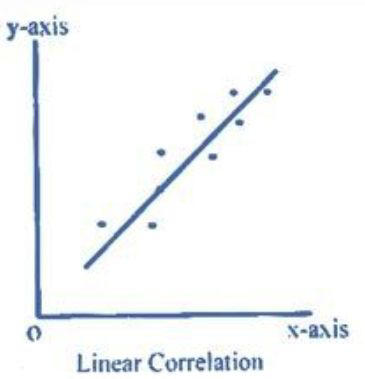
pearson correlation plot
200
plot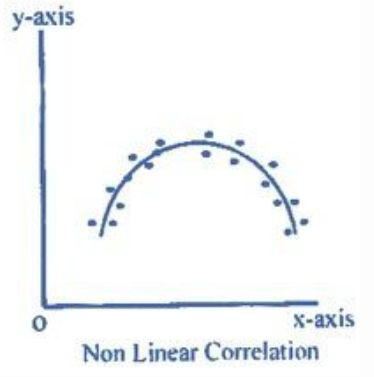
spearman correalation plot
201
coefficient of determination formula
r being correlation value
202
regression in psm means
regression in psm means prediction
203
type regression is used for quantitative variations
linear type regression is used for quantitative variations
204
regression is type in qualiitative variation
regression is logistic type in qualiitative variation
205
snowball sampling is done for
snowball sampling is done for diseases with social stigma
206
Most commonly used sampling method is
Most commonly used sampling method is simple random sampling
207
cluster sampling is done to
cluster sampling is done to evaluate the health services
208
sampling is done in large homogenous population
cluster sampling is done in large homogenous population
209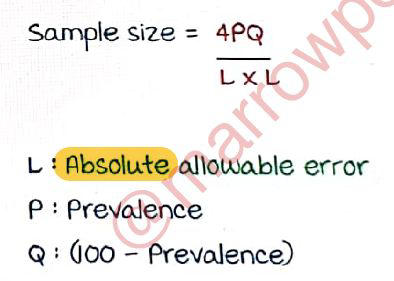
formula for sample size calculation
210
cyclical trend for measles in pre vaccination era was
cyclical trend for measles in pre vaccination era was 2-3 years
211
cyclical trend for rubella was
cyclical trend for rubella was 6-7 years
212
cyclical trend for influenza was
cyclical trend for influenza was 7-10 years
213
Incidence in exposed=50%
incidence in non exposed=10%
attributable risk=
incidence in non exposed=10%
attributable risk=
80%
found in cohort study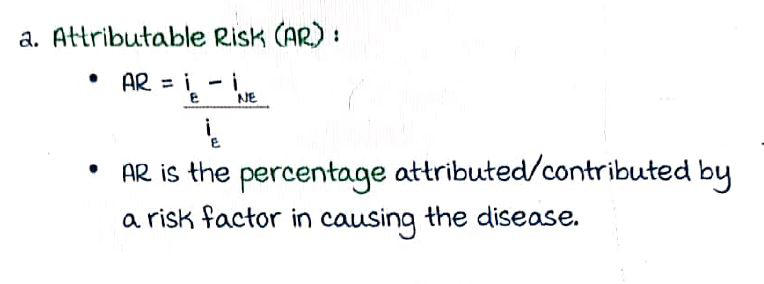
found in cohort study
214
population attributable risk =
calculated in cohort study
formula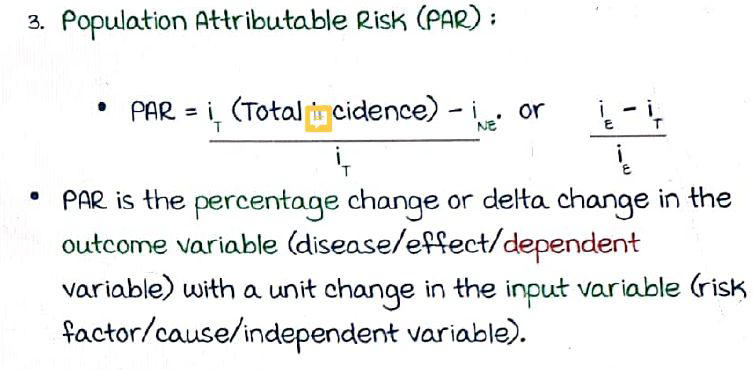
formula
215
unit of study in ecological study design is
population
*
MCQ
*
MCQ
216
study is aka correlation study
ecological study is aka correlation study
217
hawthorne bias is seen in study
hawthorne bias is seen in cohort study
218
types of non randomised trials are
1.pre post study
2.uncontrolled trial
3.natural experiment
2.uncontrolled trial
3.natural experiment
219
India was declared small pox eradicated in
India was declared small pox eradicated in april 1977
220
small pox was globally eradicated in
small pox was globally eradicated in may 1980
221
period of communicability(POC) of chicken pox is
period of communicability(POC) of chicken pox is 2 days before rash and 4 days after rash
222
SAR(secondary attack rate) in chicken pox is % in non immunised children
SAR(secondary attack rate) in chicken pox is 90% in non immunised children
223
active vaccine of varicella contains strain
active vaccine of varicella contains OKA strain
224
2nd dose of varicella active vaccine is given at
2nd dose of varicella active vaccine is given at 2 years
225
immunity from active varcella vaccine starts from and lasts
immunity from active varcella vaccine starts from 5-7 days and lasts 10 years
226
contraindications of varicella vaccine are
PICA
pregnancy
immunocompromissed
anaphylaxis
pregnancy
immunocompromissed
anaphylaxis
227
varicella zoster immunoglobulins(VZIg) are given within of exposure
varicella zoster immunoglobulins(VZIg) are given within 72 hours of exposure
228
spots inside mouth are diagnostic of measles
koplic's spots inside mouth are diagnostic of measles
229
mc feature of measles is
mc feature of measles is diarrhea
230
mc complication of measles is
mc complication of measles is otitis media
231
MC cause of death in measles is
MC cause of death in measles is severe pneumonia
232
IP for vaccine induced measles like illness is
IP for vaccine induced measles like illness is 7 days
233
period of communicability for measles is
period of communicability for measles is 4-5 days before and 4-5 after rash
234
period of isolation for measles is
period of isolation for measles is from catarrhal stage to 7 days after rash
235
measles Ig are given within of exposure
measles Ig are given within 3-4 days of exposure
236
measles vaccine is given after of gap after giving Ig
measles vaccine is given after 2-3 months of gap after giving Ig
237
measles vaccine has strain
measles vaccine has Edmonsten Zagreb strain
238
live vaccien of measles should be used within time
live vaccien of measles should be used within 4 hours time
239
components of measles vaccine are
sorbitol
gelatin
neomycin
so C/I in neomycin allergy
gelatin
neomycin
so C/I in neomycin allergy
240
1st dose of measles vaccine is given at of age
1st dose of measles vaccine is given at 9 months of age
241
2nd dose of measles vaccine is given at of age
2nd dose of measles vaccine is given at 16-24 months of age
242
immunity from measles vaccine starts at
immunity from measles vaccine starts at 10 days
243
immunity from measles vaccine lasts till
immunity from measles vaccine lasts till lifetime
244
mc adverse effect of measles vaccine is
mc adverse effect of measles vaccine is mild measles like illness
245
rare adverse effect of measles vaccine is
rare adverse effect of measles vaccine is subacute sclerosing pan encephalitis(SSPE)
246
catch up phase in measles vaccination includes
1 dose of vaccine to all children between 9 months to 14 years age
keep up-2nd dose
follow up
keep up-2nd dose
follow up
247
keep up phase in measles vaccination includes
2nd dose of vaccine
248
measles vaccine in HIV patients should be given at of age
measles vaccine in HIV patients should be given at 6 months of age
249
target of measles rubella strategic plan is
>95% coverage
>95% reduction in mortality
>95% reduction in mortality
250
POC(period of comm.) for mumps is
POC(period of comm.) for mumps is 5 days before onset of signs till swelling subsides
251
maximum infectivity of mumps is at
maximum infectivity of mumps is at onset of parotitis
252
secondary attack rate of mumps is % in non immune persons
secondary attack rate of mumps is 86% in non immune persons
253
strains in mumps vaccine are
jerryl lynn
L zagreb
RIT 4385 strain
JaLZiRA
L zagreb
RIT 4385 strain
JaLZiRA
254
2 doses of mumps vaccine are given at
1.1 year
2.4-6 years of age
remember large gap
2.4-6 years of age
remember large gap
255
rubella is aka
rubella is aka 3 day measles
256
period of communicability for rubella is
period of communicability for rubella is 7 days before rash and 7 days after rash
257
rubella vaccine(MMR) uses strain
rubella vaccine(MMR) uses wistar RA27/3 strain
258
CCID(cell culture infective dose 50%) for measles and rubella in MMR vaccine should be
CCID(cell culture infective dose 50%) for measles and rubella in MMR vaccine should be >1000
259
CCID(cell culture infective dose 50%) for mumps strain in MMR vaccine should be
CCID(cell culture infective dose 50%) for mumps strain in MMR vaccine should be >5000
260
in outbreak of rubella,vaccine is 1st given to
in outbreak of rubella,vaccine is 1st given to all non pregnant women of reproductive age
261
IP of influenza is
IP of influenza is 18-72 hours
262
POC of influenza is
POC of influenza is 1-2 days before symptoms to 1-2 days after onset of symptoms
263
types of influenza viruses present in India are
H1N1(MC circulating)
H3N2
Type B virus
H3N2
Type B virus
264
SAR of influenza is % in non immune
SAR of influenza is 50-60% in non immune
265
killed vaccine for influenza is based
killed vaccine for influenza is egg based
266
live attenuated vaccine of influenza is in form
live attenuated vaccine of influenza is in nasal spray form
267
contraindication of killed vaccine for influenza is
contraindication of killed vaccine for influenza is egg allergy
268
mc age of presentation of diptheria is
mc age of presentation of diptheria is 1-5 years
269
carriers are more dangerous than throat carriers in diptheria`
nasal carriers are more dangerous than throat carriers in diptheria`
270
nasal carriers are more dangerous than throat carriers in `
nasal carriers are more dangerous than throat carriers in diptheria`
271
mode of transmission in diptheria is done via
mode of transmission in diptheria is done via nasopharyngeal secretions
272
untreated diptheria may spread for days after onset
untreated diptheria may spread for 14-28 days after onset
273
treated diptheria becomes non infectious within
treated diptheria becomes non infectious within 48 hours
274
Case fatality ratio in untreated diptheria is %
Case fatality ratio in untreated diptheria is 10%
275
range of diptheria antitoxin dose is
range of diptheria antitoxin dose is 20,000-1,00,000 IU
276
DOC for diptheria case is or
DOC for diptheria case is penicillin G or erythromycin
277
DOC for diptheria carriers is
DOC for diptheria carriers is erythromycin
278
erythromycin is given for atleast days in diptheria carriers
erythromycin is given for atleast 10 days in diptheria carriers
279
dose route and site of adm. of DPT vaccine
0.5 ml I.M.
left anterolateral thigh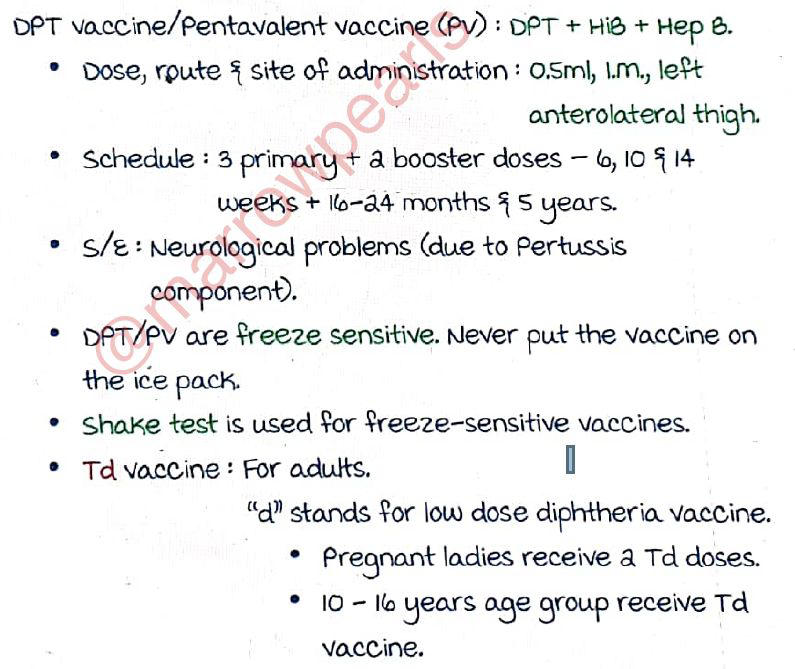
left anterolateral thigh
280
schedule of DPT vaccine
3 primary+2 booster doses-
6,10,14 weeks
+16-24 months and 5 years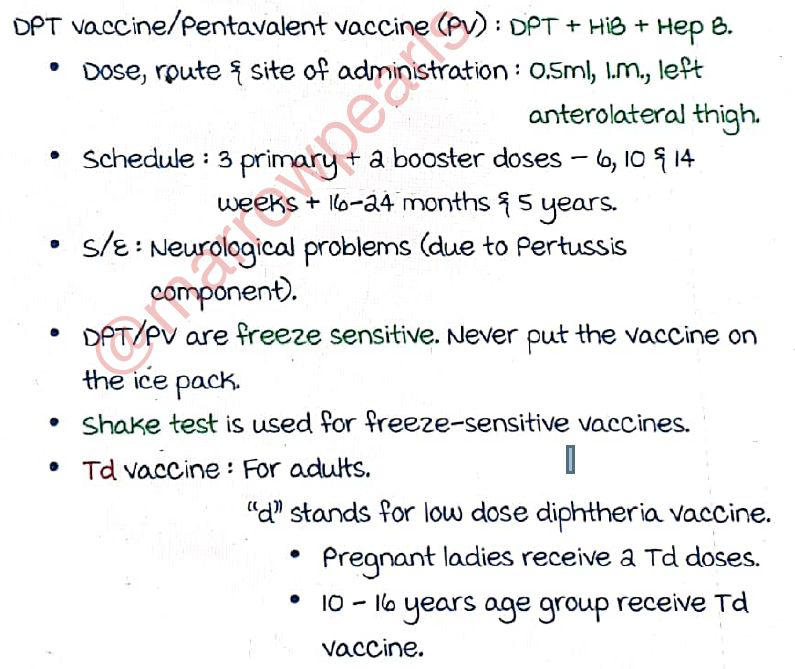
6,10,14 weeks
+16-24 months and 5 years
281
side effect of DPT vaccine is
side effect of DPT vaccine is neurological problems
282
neurological problems in DPT vaccine are mostly due to component
neurological problems in DPT vaccine are mostly due to pertusis component
283
MC age of presentation of pertusis is
MC age of presentation of pertusis is <5 years
284
is aka 100 days cough
pertusis is aka 100 days cough
285
POC of pertusis is
POC of pertusis is from 1 week after exposure till 3 weeks of paroxysmal stage
286
maximum communicability of pertusis is in phase
maximum communicability of pertusis is in early paroxysmal phase
287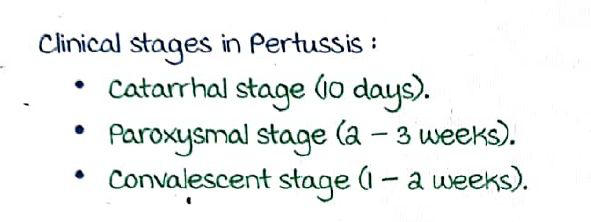
3 stages of pertusis are
288
case fatality ratio in pertusis is %
case fatality ratio in pertusis is 5-6%
289
SAR in pertusis is % in unimmunised
SAR in pertusis is 90% in unimmunised
290
DOC for pertusis is
DOC for pertusis is erythromycin
291
is the father of public health
cholera is the father of public health
292
IP for cholera is
IP for cholera is 1-2 days
293
POC in cholera is
POC in cholera is 8 days to months
294
% of cholera cases devlop severe dehydration
15-20% of cholera cases devlop severe dehydration
295
epidemic tail phenomenon is seen in
epidemic tail phenomenon is seen in cholera
296
is the disinfectant of choice in cholera
coal tar is the disinfectant of choice in cholera
297
is used for chemoprophyaxis in cholera
doxycycline is used for chemoprophyaxis in cholera
298
types of vaccines for cholera are
dukoral
sanechol
euvicol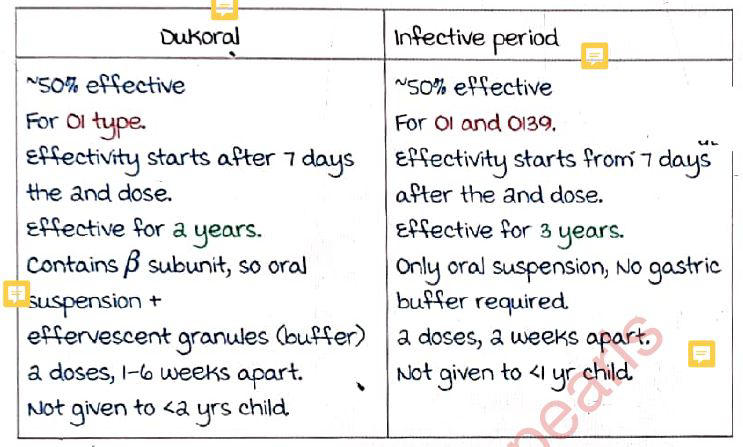
sanechol
euvicol
299
dukoral vaccine is for serotype of cholera
dukoral vaccine is for O1 serotype of cholera
300
dukoral vaccine of cholera is effective is for
dukoral vaccine of cholera is effective is for 2 years
1611 more cards in OutLearn. Open the full deck
More Medicine & health flashcards
PeriodizationMedicine & health · EnglishAristotelisChapter 2 Basic concepts of infectious diseaseMedicine & health · EnglishKatlynKESchizophrenia: Biological Explanations & TreatmentsMedicine & health · EnglishMariE. coliMedicine & health · EnglishcaeGoogle Docs week 2Medicine & health · Englishjocyt9Anatomy: Abdominal Landmarks and OrgansMedicine & health · EnglishKrisMedCardsMedical Terminology: Color Word RootsMedicine & health · EnglishMorgy52The KidneyMedicine & health · Englishkarebear04: The Muscular SystemMedicine & health · EnglishAndrewHISTORY IN PHARMACYMedicine & health · EnglishcharmMNT for Endocrine and Metabolic Disorders: Part 2Medicine & health · EnglishAngelicSkeletal AnatomyMedicine & health · EnglishAristotelis
Study these decks in the app
Free on iPhone, Android, Mac and the web. Add any deck to your account in one tap.

