MileDown's MCAT Decks
Study these flashcardsFree · spaced repetition · iPhone, Android, Mac & web
First 300 of 2887 cards
1
In element notation, A is the 
In element notation, A is the Mass number
2
In element notation, Z is the 
In element notation, Z is the atomic number
3
is the weighted average of the masses of an element's isotopes
Atomic weight is the weighted average of the masses of an element's isotopes
4
The states that an atom is mostly empty space, with electrons orbiting a fixed, positively charged nucleus
The Rutherford Model states that an atom is mostly empty space, with electrons orbiting a fixed, positively charged nucleus
5
According to the , electrons orbit the nucleus in orbits that have a set size and energy
According to the Bohr Model, electrons orbit the nucleus in orbits that have a set size and energy
6
The states that it is impossible to know the momentum and position of an electron simultaneously
The Heisenberg Uncertainty Principle states that it is impossible to know the momentum and position of an electron simultaneously
7
states that all orbitals must first have one electron before any orbital can obtain a second electron
Hund’s Rule states that all orbitals must first have one electron before any orbital can obtain a second electron
8
The states that no two electrons can share the same four identical quantum numbers
The Pauli Exclusion Principle states that no two electrons can share the same four identical quantum numbers
9
Avogadro’s Number =
Avogadro’s Number = 6.022 × 1023 = 1 mol
10
Planck’s Constant (h) =
Planck’s Constant (h) = 6.626 × 10⁻³⁴ J•s
11
Speed of Light (c) =
Speed of Light (c) = 3.0 × 10⁸ m/s
12
Give the equation for energy of a photon:
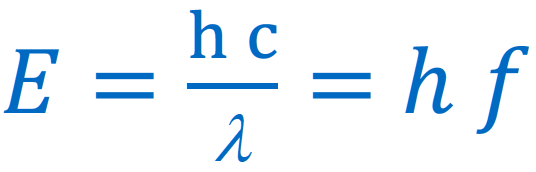
Give the equation for energy of a photon:
13
Diamagnetic materials are by an external magnetic field
Diamagnetic materials are repelled by an external magnetic field
14
Paramagnetic materials are an external magnetic field
Paramagnetic materials are pulled into an external magnetic field
15
He is
He is diamagnetic
16
Li is
Li is paramagnetic
17
Quantum number is the principal quantum number and gives the electron
Quantum number n is the principal quantum number and gives the electron energy level or shell number
18
Quantum number is the azimuthal quantum number and gives the of an orbital
Quantum number l is the azimuthal quantum number and gives the 3D shape (subshell) of an orbital
19
Quantum number is the magnetic quantum number and gives the orbital
Quantum number ml is the magnetic quantum number and gives the orbital sub-type
20
Quantum number is the spin quantum number and gives the of the electron
Quantum number ms is the spin quantum number and gives the electronic spin of the electron
21
The maximum number of electrons in a single energy level in terms of principal quantum number =
The maximum number of electrons in a single energy level in terms of principal quantum number = 2n2
22
The maximum number of electrons in a single subshell in terms of the azimuthal quantum number =
The maximum number of electrons in a single subshell in terms of the azimuthal quantum number = 4l + 2
23
A/an is an atom or molecule with an unpaired electron
A/an free radical is an atom or molecule with an unpaired electron
24
The Azimuthal quantum number for this orbital is 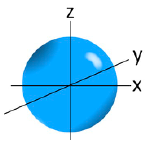
The Azimuthal quantum number for this orbital is 0 = s orbital
25
The Azimuthal quantum number for this orbital is 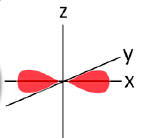
The Azimuthal quantum number for this orbital is 1 = p orbital
26
The Azimuthal quantum number for this orbital is 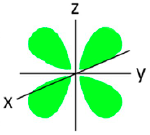
The Azimuthal quantum number for this orbital is 2 = d orbital
27
The Azimuthal quantum number for this orbital is 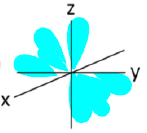
The Azimuthal quantum number for this orbital is 3 = f orbital
28
Give the principal and azimuthal quantum number labels for the periodic table
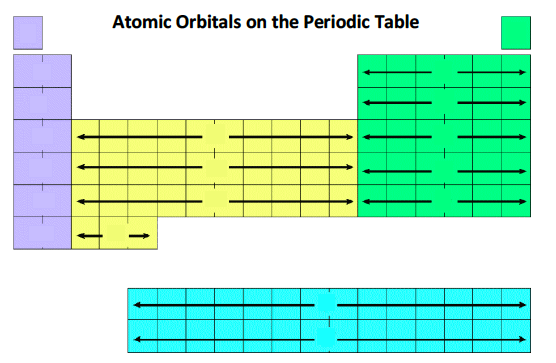
Give the principal and azimuthal quantum number labels for the periodic table
29
The states that electrons will fill the lower energy levels before moving to higher energy orbitals
The Aufbau Principle states that electrons will fill the lower energy levels before moving to higher energy orbitals
30
The elements in the group labeled with ? are known as 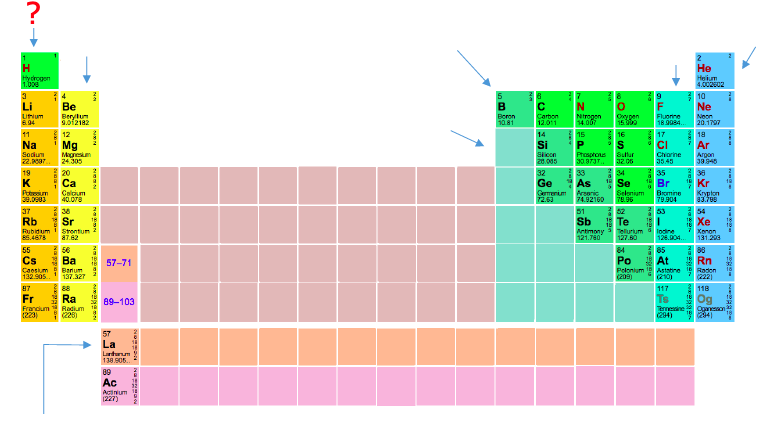
The elements in the group labeled with ? are known as alkali metals
31
The elements in the group labeled with ? are known as 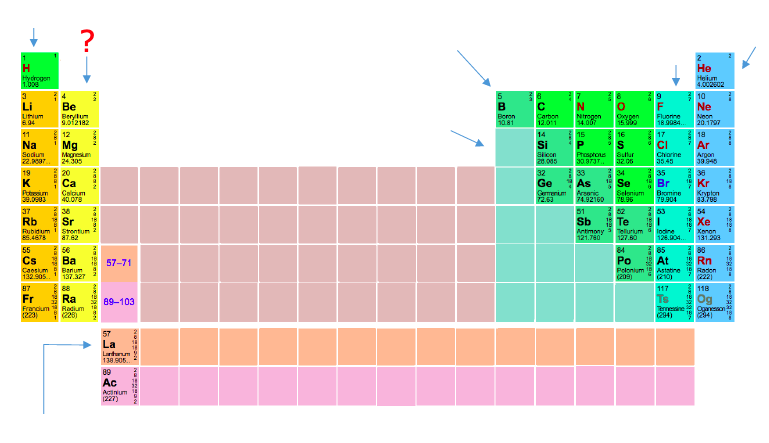
The elements in the group labeled with ? are known as alkaline earth metals
32
The elements in the groups labeled with ? are known as 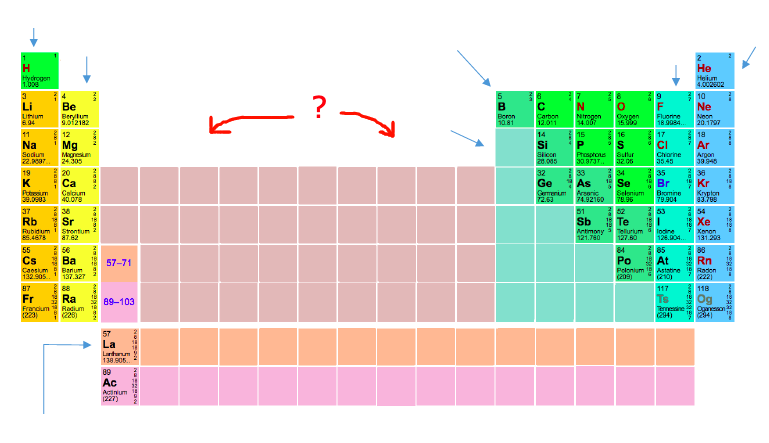
The elements in the groups labeled with ? are known as transition metals
33
The elements in the group labeled with ? are known as 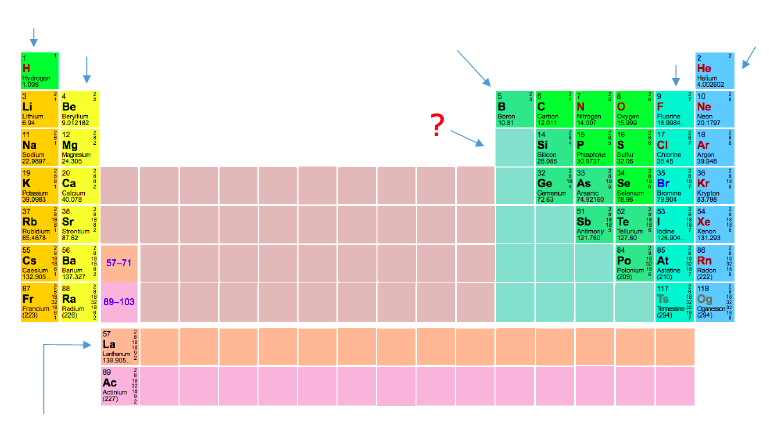
The elements in the group labeled with ? are known as post-transition metals
34
The elements in the group labeled with ? are known as 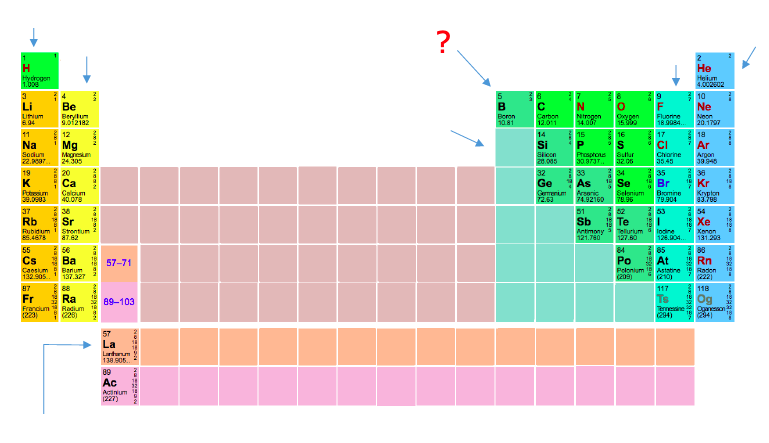
The elements in the group labeled with ? are known as metalloids
35
The elements in the groups labeled with ? are known as 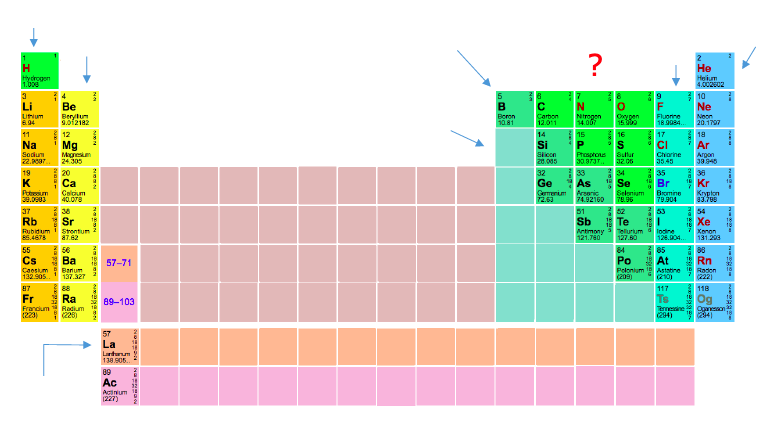
The elements in the groups labeled with ? are known as non-metals
36
The elements in the group labeled with ? are known as 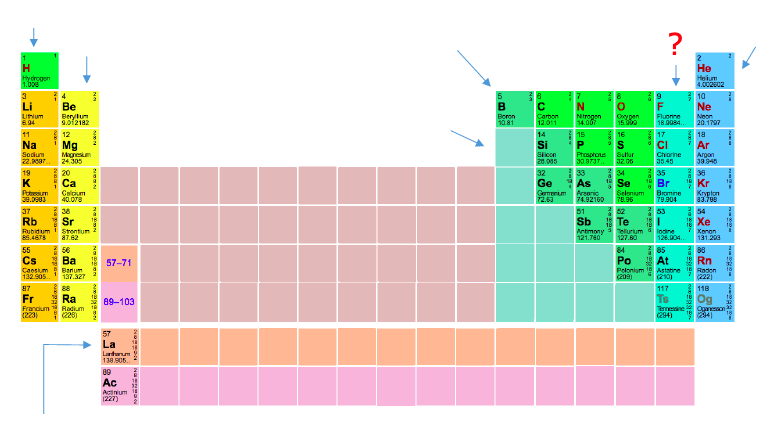
The elements in the group labeled with ? are known as halogens
37
The elements in the group labeled with ? are known as 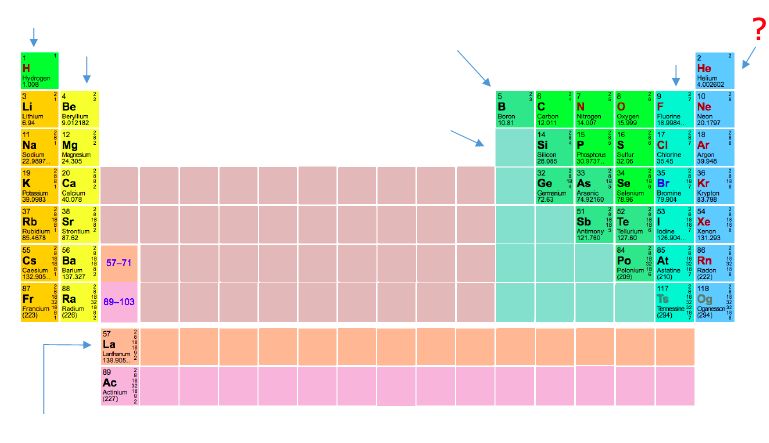
The elements in the group labeled with ? are known as noble gases
38
The elements in the groups labeled with ? are known as 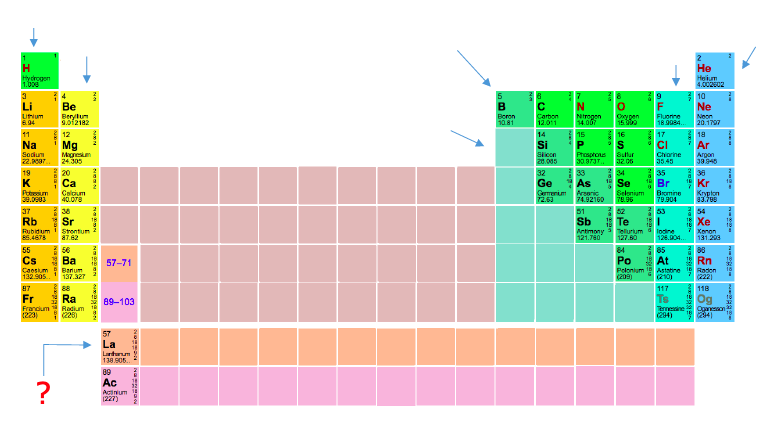
The elements in the groups labeled with ? are known as rare earth metals
39
is the attractive positive charge of nuclear protons acting on valence electrons
Zeff is the attractive positive charge of nuclear protons acting on valence electrons
40
What is the periodic trend for effective nuclear charge?
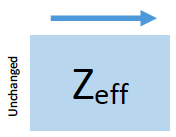
What is the periodic trend for effective nuclear charge?
41
is the amount of energy required to remove an electron
Ionization energy is the amount of energy required to remove an electron
42
What is the periodic trend for ionization energy?
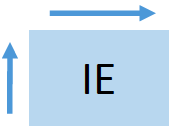
What is the periodic trend for ionization energy?
43
is the amount of energy released when an electron is added to the atom
Electron affinity is the amount of energy released when an electron is added to the atom
44
What is the periodic trend for electron affinity?
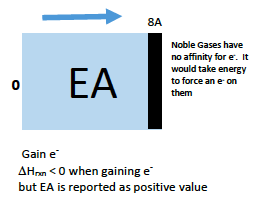
What is the periodic trend for electron affinity?
45
is a measure of how strongly atoms attract electrons
Electronegativity is a measure of how strongly atoms attract electrons
46
What is the periodic trend for electronegativity?
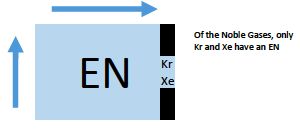
What is the periodic trend for electronegativity?
47
What is the periodic trend for atomic size?
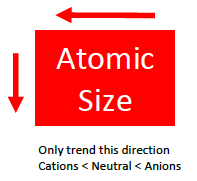
What is the periodic trend for atomic size?
48
Give the approximate electronegativity values of H, C, N, O, and F
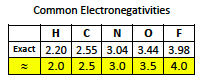
Give the approximate electronegativity values of H, C, N, O, and F
49
A/an bond is the sharing of electrons between two elements
A/an covalent bond is the sharing of electrons between two elements
50
bonds are when a single atom provides both bonding electrons
Coordinate covalent bonds are when a single atom provides both bonding electrons
51
bonds are formed by the complete transfer of valence electron(s) between atoms
Ionic bonds are formed by the complete transfer of valence electron(s) between atoms
52
refers to the number of bonds between two atoms (single, double, or triple bond)
Bond order refers to the number of bonds between two atoms (single, double, or triple bond)
53
The greater the number of bonds (bond order) the the bond strength and the the bond
The greater the number of bonds (bond order) the higher the bond strength and the shorter the bond
54
Non-polar bonds have a △EN that is
Non-polar bonds have a △EN that is less than 0.5
55
Polar bonds have a △EN that is between and
Polar bonds have a △EN that is between 0.5 and 1.7
56
Cations are ions with a charge
Cations are ions with a positive charge
57
Anions are ions with a charge
Anions are ions with a negative charge
58
are large, organized arrays of ions
Crystalline lattices are large, organized arrays of ions
59
Hydrogen bonds are most often formed between hydrogen and the following elements:
Hydrogen bonds are most often formed between hydrogen and the following elements: O, N and F
60
Van der Waals Forces is a general term that includes forces and forces
Van der Waals Forces is a general term that includes dipole-dipole forces and London dispersion forces
61
forces are attractive forces between the positive end of one polar molecule and the negative end of another polar molecule
Dipole-dipole forces are attractive forces between the positive end of one polar molecule and the negative end of another polar molecule
62
forces are temporary attractive forces created when a temporary dipole induces a dipole in a neighboring molecule
London dispersion forces are temporary attractive forces created when a temporary dipole induces a dipole in a neighboring molecule
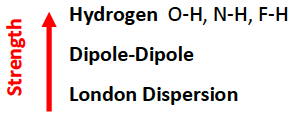
63
Place in order of strength:
hydrogen bonds, dipole-dipole forces, and London dispersion forces
hydrogen bonds, dipole-dipole forces, and London dispersion forces
Place in order of strength:
hydrogen bonds, dipole-dipole forces, and London dispersion forces
hydrogen bonds, dipole-dipole forces, and London dispersion forces
64
bonds are formed by head-on overlapping between atomic orbitals
Sigma bonds are formed by head-on overlapping between atomic orbitals
65
bonds are formed by lateral (side-by-side) overlap of atomic orbitals
Pi bonds are formed by lateral (side-by-side) overlap of atomic orbitals
66
is the charge given to an individual element within a molecule
Formal charge is the charge given to an individual element within a molecule
67
Give the formula for formal charge
Formal Charge =
Formal Charge =
Give the formula for formal charge
Formal Charge = valence electrons − dots − sticks
Formal Charge = valence electrons − dots − sticks
68
O is the hydrogen bond
N is the hydrogen bond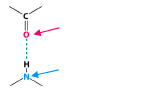
N is the hydrogen bond
O is the hydrogen bond acceptor
N is the hydrogen bond donor
N is the hydrogen bond donor
69
The bond angle of an sp hybridized atom is
The bond angle of an sp hybridized atom is 180°
70
The bond angle of an sp2 hybridized atom is
The bond angle of an sp2 hybridized atom is 120°
71
The bond angle of an sp3 hybridized atom is
The bond angle of an sp3 hybridized atom is 109.5°
72
Bond angles of an sp3d hybridized atom are and
Bond angles of an sp3d hybridized atom are 90° and 120°
73
The bond angle of an sp3d2 hybridized atom is
The bond angle of an sp3d2 hybridized atom is 90°
74
An H2O molecule is a bent because
An H2O molecule is a bent because the lone pair of electrons repulse each other and push the H atoms away
75
An formula is the simplest whole-number ratio of atoms
An empirical formula is the simplest whole-number ratio of atoms
76
The formula shows the exact number of atoms of each element
The molecular formula shows the exact number of atoms of each element
77
The nucleoid region is found in and contains
The nucleoid region is found in prokaryotes and contains DNA
78
The nucleolus makes
The nucleolus makes ribosomes
79
Peroxisomes material
Peroxisomes break down material
80
The ER makes proteins from mRNA
The rough ER makes proteins from mRNA
81
The ER is involved in detox and also in lipid formation
The smooth ER is involved in detox and also in lipid formation
82
The modifies and distributes proteins
The Golgi Apparatus modifies and distributes proteins
83
In the Vesicular Transport Model, the cis-, medial-, and trans-Golgi cisternae are structures
In the Vesicular Transport Model, the cis-, medial-, and trans-Golgi cisternae are static structures
84
In the Cisternal Maturation Model, cisternae
In the Cisternal Maturation Model, cisternae evolve and mature
85
are the demolition and recycling center
Lysosomes are the demolition and recycling center
86
Centrioles contain 9 groups of and they pull apart
Centrioles contain 9 groups of microtubules and they pull chromosomes apart
87
A/an is a small prokaryotic DNA molecule separate from chromosomal DNA
A/an plasmid is a small prokaryotic DNA molecule separate from chromosomal DNA
88
Microfilaments make up part of the cell's
Microfilaments make up part of the cell's cytoskeleton
89
Microtubules help the cell compression forces
Microtubules help the cell resist compression forces
90
This is an example of epithelial tissue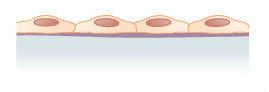
This is an example of simple squamous epithelial tissue
91
This is an example of epithelial tissue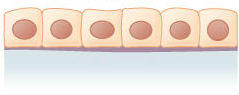
This is an example of simple cuboidal epithelial tissue
92
This is an example of epithelial tissue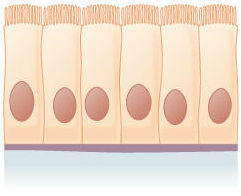
This is an example of simple columnar epithelial tissue
93
This is an example of epithelial tissue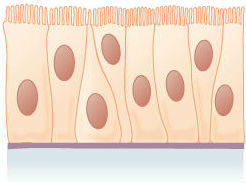
This is an example of pseudostratified columnar epithelial tissue
94
This is an example of epithelial tissue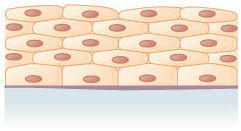
This is an example of stratified squamous epithelial tissue
95
This is an example of epithelial tissue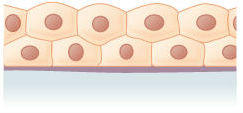
This is an example of stratified cuboidal epithelial tissue
96
This is an example of epithelial tissue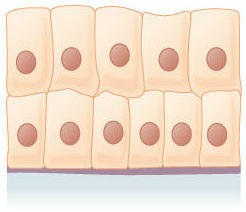
This is an example of stratified columnar epithelial tissue
97
This is an example of epithelial tissue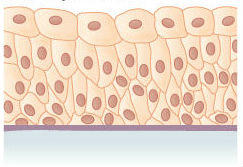
This is an example of transitional epithelial tissue
98
Bone, cartilage, tendon, and blood are examples of tissue
Bone, cartilage, tendon, and blood are examples of connective tissue
99
Epithelial tissue covers and surfaces of the body
Epithelial tissue covers internal and external surfaces of the body
100
This is an example of bacteria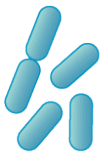
This is an example of bacilli (rod) bacteria
101
This is an example of bacteria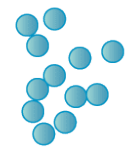
This is an example of cocci (sphere) bacteria
102
This is an example of bacteria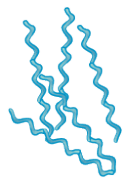
This is an example of spirilla (spiral) bacteria
103
require O2
Obligate aerobes require O2
104
die in O2
Obligate anaerobes die in O2
105
toggle between aerobic and anaerobic
Facultative anaerobes toggle between aerobic and anaerobic
106
do not use O2 but tolerate it
Aerotolerant anaerobes do not use O2 but tolerate it
107
Gram + is and has a wall
Gram + is purple and has a thick wall
108
Gram - is and has a wall
Gram - is pink / red and has a thin wall
109
is when bacteria gets genetic info from the environment
Transformation is when bacteria gets genetic info from the environment
110
Conjugation is the transfer genetic info via a/an
Conjugation is the transfer genetic info via a/an conjugation bridge
111
is the transfer genetic material using a bacteriophage
Transduction is the transfer genetic material using a bacteriophage
112
are DNA sequences that can change their position within a genome
Transposons are DNA sequences that can change their position within a genome
113
In eukaryotes, the electron transport chain takes place in the
In eukaryotes, the electron transport chain takes place in the inner mitochondrial membrane
114
In prokaryotes, the electron transport chain takes place in the
In prokaryotes, the electron transport chain takes place in the cell membrane
115
Eukaryotic cells reproduce via
Eukaryotic cells reproduce via mitosis
116
Prokaryotic cells reproduce via
Prokaryotic cells reproduce via binary fission
117
are infectious proteins and can trigger misfolding
Prions are infectious proteins and can trigger misfolding
118
are plant pathogens
Viroids are plant pathogens
119
are bacteria viruses that use a tail sheath to inject DNA / RNA
Bacteriophages are bacteria viruses that use a tail sheath to inject DNA / RNA
120
A/an is the protein shell of a virus
A/an capsid is the protein shell of a virus
121
are individual virus particles that are found extracellular
Virions are individual virus particles that are found extracellular
122
genomes may be made of DNA or RNA and may be single or double stranded
Viral genomes may be made of DNA or RNA and may be single or double stranded
123
A sense RNA strand is itself an mRNA and can be transcribed directly into DNA
A positive sense RNA strand is itself an mRNA and can be transcribed directly into DNA
124
Retroviruses are single stranded
Retroviruses are single stranded RNA
125
In a bacteriophage life cycle, virions are made until the cell lyses
In a lytic bacteriophage life cycle, virions are made until the cell lyses
126
During the , cells synthesize mRNA and proteins
During the G1 phase, cells synthesize mRNA and proteins
127
A cell will enter if it does not need to divide
A cell will enter G0 phase if it does not need to divide
128
At the checkpoint, cells choose whether or not to divide
At the G1 checkpoint, cells choose whether or not to divide
129
DNA is replicated in the
DNA is replicated in the S phase
130
In the , cells grow and make organelles
In the G2 phase, cells grow and make organelles
131
At the checkpoint, the cell will check that the DNA has replicated correctly
At the G2 checkpoint, the cell will check that the DNA has replicated correctly
132
Mitosis and cytokinesis occur in the
Mitosis and cytokinesis occur in the M phase
133
The four phases of Mitosis:
The four phases of Mitosis:
Prophase
Metaphase
Anaphase
Telophase
Prophase
Metaphase
Anaphase
Telophase
134
Interphase includes
Interphase includes G1, S, and G2 phases
135
In , the DNA condenses, centrioles migrate to opposite poles, and microtubules form
In prophase, the DNA condenses, centrioles migrate to opposite poles, and microtubules form
136
In , chromosomes meet in middle of the cell
In metaphase, chromosomes meet in middle of the cell
137
In , sister chromatids separate and move to opposite poles
In anaphase, sister chromatids separate and move to opposite poles
138
In , chromosomes decondense, the nuclear membrane forms, and cytokinesis occurs
In telophase, chromosomes decondense, the nuclear membrane forms, and cytokinesis occurs
139
The number of complete sets of chromosomes in a cell is referred to as the of a cell
The number of complete sets of chromosomes in a cell is referred to as the ploidy of a cell
140
The phases of meiosis:
The phases of meiosis:
Prophase IMetaphase I
Anaphase I
Telophase I
Prophase II
Metaphase II
Anaphase II
Telophase II
Prophase IMetaphase I
Anaphase I
Telophase I
Prophase II
Metaphase II
Anaphase II
Telophase II
141
is when sister chromatids don’t separate properly during anaphase
Nondisjunction is when sister chromatids don’t separate properly during anaphase
142
is when two chromosomes of a homologous pair exchange segments with each other
Crossing over is when two chromosomes of a homologous pair exchange segments with each other
143
Crossing over occurs in
Crossing over occurs in prophase I
144
states that two alleles of each gene become separated and only one allele from each parent will be passed to the offspring
The law of segregation states that two alleles of each gene become separated and only one allele from each parent will be passed to the offspring
145
The law of segregation occurs in
The law of segregation occurs in anaphase I
146
Female chromosome pairs are
Female chromosome pairs are XX
147
Male chromosome pairs are
Male chromosome pairs are XY
148
refers to genetic conditions associated with mutations in genes on the X chromosome
X-linked recessive inheritance refers to genetic conditions associated with mutations in genes on the X chromosome
149
In males with an X-linked recessive mutation, the mutation be expressed
In males with an X-linked recessive mutation, the mutation will be expressed
150
In females with an X-linked recessive mutation, the mutation be expressed
In females with an X-linked recessive mutation, the mutation will not be expressed
151
The is responsible for initiation of male sex determination and codes for testicles
The SRY gene is responsible for initiation of male sex determination and codes for testicles
152
Semen is a combination of and
Semen is a combination of sperm and seminal fluid
153
The makes viscous fluid to clean out the urethra
The bulbourethral gland makes viscous fluid to clean out the urethra
154
and the make alkaline fluid to help sperm survive the acidic environment of the female reproductive tract
Seminal vesicles and the prostate gland make alkaline fluid to help sperm survive the acidic environment of the female reproductive tract
155
Pathway of sperm during ejaculation:
Pathway of sperm during ejaculation:
SEVE(N) UP mnemonic
SEVE(N) UP mnemonic
156
The have follicles that produce ova
The ovaries have follicles that produce ova
157
is the production of female gametes
Oogenesis is the production of female gametes
158
develops the female reproductive tract and thickens the uterine wall
Estrogen develops the female reproductive tract and thickens the uterine wall
159
maintains and protects the endometrium
Progesterone maintains and protects the endometrium
160
Female egg pathway:
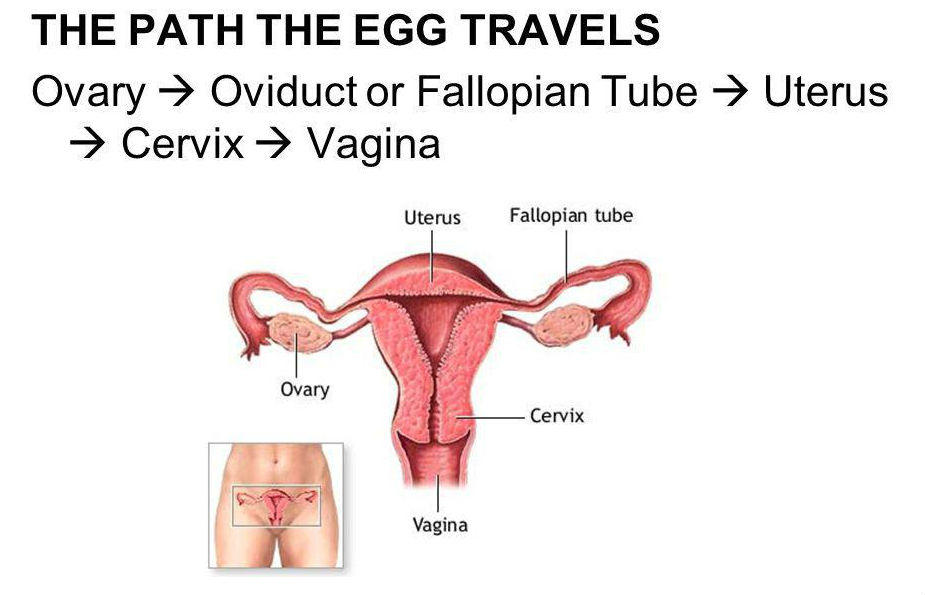
Female egg pathway:
161
induces ovulation in females and, in males, it initiates the production of testosterone
Luteinizing Hormone (LH) induces ovulation in females and, in males, it initiates the production of testosterone
162
GnRH stimulates the anterior pituitary to release and
GnRH stimulates the anterior pituitary to release FSH and LH
163
Fertilization occurs in the
Fertilization occurs in the fallopian tube
164
A/an is a solid ball of cells resulting from division of a fertilized ovum
A/an morula is a solid ball of cells resulting from division of a fertilized ovum
165
A/an is a hollow sphere of cells, referred to as blastomeres that implants in the endometrial lining
A/an blastula is a hollow sphere of cells, referred to as blastomeres that implants in the endometrial lining
166
develops into the nervous system, skin, hair, nails, mouth, and anus
Ectoderm develops into the nervous system, skin, hair, nails, mouth, and anus
167
develops into muscoskeleton, circulatory system, gonads, and adrenal cortex
Mesoderm develops into muscoskeleton, circulatory system, gonads, and adrenal cortex
168
develops into the GI tract, respiratory tract, endocrine glands, bronchi, bladder, and stomach
Endoderm develops into the GI tract, respiratory tract, endocrine glands, bronchi, bladder, and stomach
169
The CNS and PNS derive from the
The CNS and PNS derive from the ectoderm
170
stem cells have the potential to develop into any cell found in the human body
Totipotent stem cells have the potential to develop into any cell found in the human body
171
stem cells can be any cell except those found in placental structures
Pluripotent stem cells can be any cell except those found in placental structures
172
stem cells can develop into multiple specialized cell types
Multipotent stem cells can develop into multiple specialized cell types
173
Fetal hemoglobin has a affinity for O2 than adult hemoglobin
Fetal hemoglobin has a greater affinity for O2 than adult hemoglobin
174
Blood in the umbilical artery is
Blood in the umbilical artery is deoxygenated
175
Blood in the umbilical vein is
Blood in the umbilical vein is oxygenated
176
Fraternal twins are
Fraternal twins are dizygotic
177
Identical twins are
Identical twins are monozygotic
178
is when a cell commits to becoming a certain type of cell
Cell determination is when a cell commits to becoming a certain type of cell
179
is when a cell acquires the structures and functions of a specialized cell
Cell differentiation is when a cell acquires the structures and functions of a specialized cell
180
is when a group of cells influence the fate of nearby cells
Induction is when a group of cells influence the fate of nearby cells
181
is when the cell secretes a hormone or chemical messenger that binds to a receptor on itself
Autocrine signaling is when the cell secretes a hormone or chemical messenger that binds to a receptor on itself
182
signaling is when a cell produces a signal to induce changes in nearby cells
Paracrine signaling is when a cell produces a signal to induce changes in nearby cells
183
signaling is when a cell signals another cell that is directly adjacent or attached
Juxtacrine signaling is when a cell signals another cell that is directly adjacent or attached
184
signaling releases signals into the bloodstream, which carries them to target cells in distant parts of the body
Endocrine signaling releases signals into the bloodstream, which carries them to target cells in distant parts of the body
185
A/an is a hole or a small passage which allows fluid to move from one part of the body to another
A/an shunt is a hole or a small passage which allows fluid to move from one part of the body to another
186
is a shunt that allows blood to bypass the fetal lungs
Patent Foramen Ovule is a shunt that allows blood to bypass the fetal lungs
187
The is a shunt that allows blood from the right ventricle to bypass the fetus's non-functioning lungs
The Patent ductus arteriosus is a shunt that allows blood from the right ventricle to bypass the fetus's non-functioning lungs
188
This amino acid is 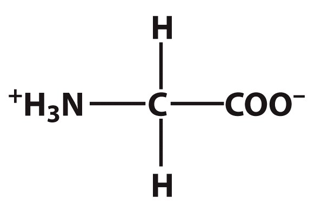
This amino acid is Glycine
189
This amino acid is 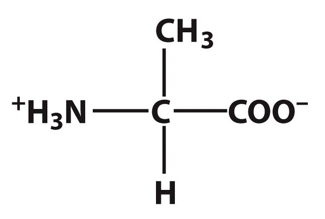
This amino acid is Alanine
190
This amino acid is 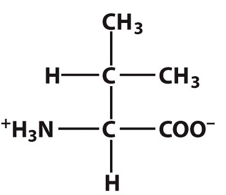
This amino acid is Valine
191
This amino acid is 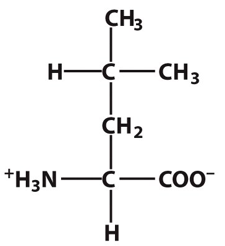
This amino acid is Leucine
192
This amino acid is 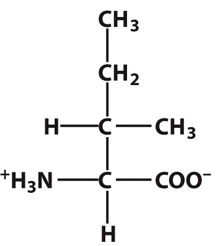
This amino acid is Isoleucine
193
This amino acid is 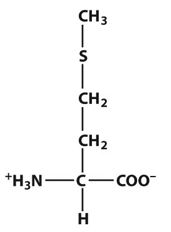
This amino acid is Methionine
194
This amino acid is 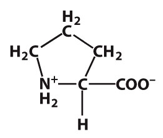
This amino acid is Proline
195
This amino acid is 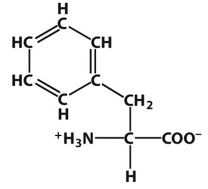
This amino acid is Phenylalanine
196
This amino acid is 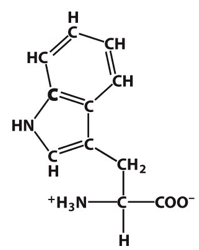
This amino acid is Tryptophan
197
This amino acid is 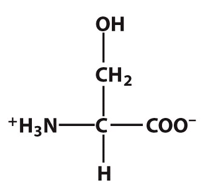
This amino acid is Serine
198
This amino acid is 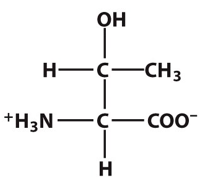
This amino acid is Threonine
199
This amino acid is 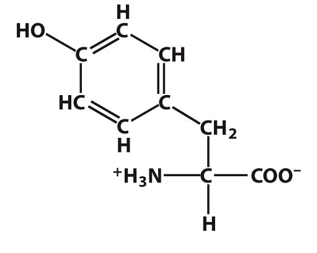
This amino acid is Tyrosine
200
This amino acid is 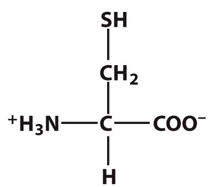
This amino acid is Cysteine
201
This amino acid is 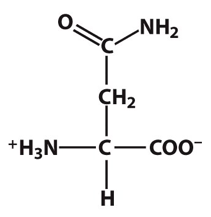
This amino acid is Asparagine
202
This amino acid is 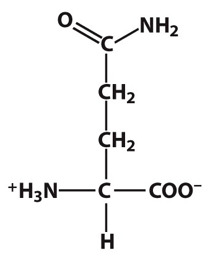
This amino acid is Glutamine
203
This amino acid is 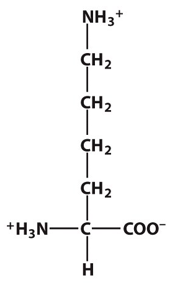
This amino acid is Lysine
204
This amino acid is 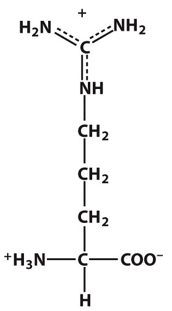
This amino acid is Arginine
205
This amino acid is 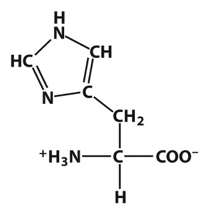
This amino acid is Histidine
206
This amino acid is 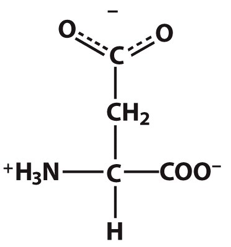
This amino acid is Aspartate
207
This amino acid is 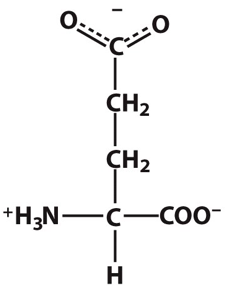
This amino acid is Glutamate
208
This is the group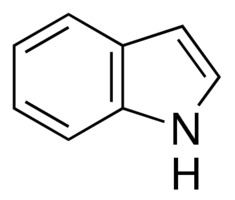
This is the indole group
209
This is the group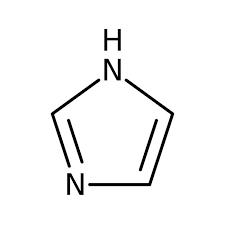
This is the imidazole group
210
This is the group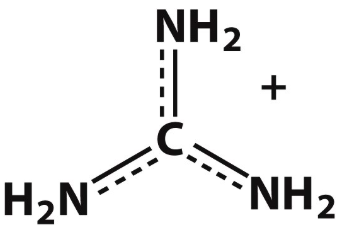
This is the guanidinium group
211
Amino acids are simple organic compounds containing both a/an group and a/an group
Amino acids are simple organic compounds containing both a/an carboxyl (—COOH) group and a/an amino (—NH2) group
212
is the only amino acid that is not chiral
Glycine is the only amino acid that is not chiral
213
The stereochemistry of the α-carbon in all eukaryotic amino acids (except glycine) is
The stereochemistry of the α-carbon in all eukaryotic amino acids (except glycine) is L
214
All chiral amino acids except cysteine have configuration
All chiral amino acids except cysteine have (S) configuration
215
L and D indicate configuration
S and R indicate configuration
S and R indicate configuration
L and D indicate relative configuration
S and R indicate absolute configuration
S and R indicate absolute configuration
216
Amphoteric molecules can act as either a/an or a/an
Amphoteric molecules can act as either a/an base or a/an acid
217
The pH at which half of the species is deprotonated is called the
The pH at which half of the species is deprotonated is called the pKa
218
A low pH will cause amino acids to be
A low pH will cause amino acids to be full protonated
219
is the pH at which an amino acid is in zwitterion form
Isoelectric point is the pH at which an amino acid is in zwitterion form
220
A/an is when all charges cancel out, so the molecule is neutral
A/an zwitterion is when all charges cancel out, so the molecule is neutral
221
The isoelectric point formula when there is no side chain is:
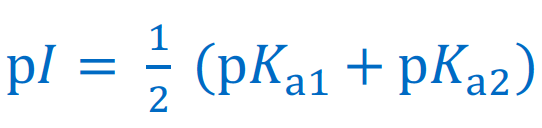
The isoelectric point formula when there is no side chain is:
222
The isoelectric point formula when there is a neutral side chain is:
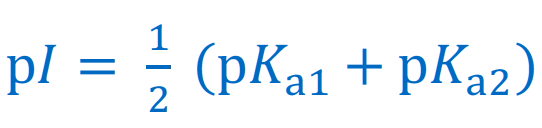
The isoelectric point formula when there is a neutral side chain is:
223
The isoelectric point formula when there is a basic side chain is:
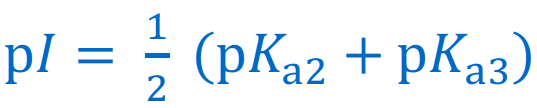
The isoelectric point formula when there is a basic side chain is:
224
The isoelectric point formula when there is an acidic side chain is:

The isoelectric point formula when there is an acidic side chain is:
225
At the midpoint of a titration, the pH =
At the midpoint of a titration, the pH = pKa
226
At the equivalence point of a titration, pH =
At the equivalence point of a titration, pH = pI
227
The structure of proteins is the linear sequence of amino acids in a peptide
The 1° structure of proteins is the linear sequence of amino acids in a peptide
228
The structure of proteins is the local folding of neighboring amino acids including α-helices and β-pleated sheets
The 2° structure of proteins is the local folding of neighboring amino acids including α-helices and β-pleated sheets
229
The structure of proteins is the 3-D shape of a single polypeptide chain
The 3° structure of proteins is the 3-D shape of a single polypeptide chain
230
The structure of proteins is the interaction between peptides in proteins that contain multiple subunits
The 4° structure of proteins is the interaction between peptides in proteins that contain multiple subunits
231
are clockwise coils around a central axis and are a common protein structure
α-helices are clockwise coils around a central axis and are a common 2° protein structure
232
are rippled strands that can be parallel or antiparallel and are a common protein structure
β-pleated sheets are rippled strands that can be parallel or antiparallel and are a common 2° protein structure
233
has a rigid cyclic structure and can interrupt 2° protein structure
Proline has a rigid cyclic structure and can interrupt 2° protein structure
234
is when a protein (or nucleic acid) loses its 4°, 3°, and 2° structures due to breaking non-covalent interactions
Denaturation is when a protein (or nucleic acid) loses its 4°, 3°, and 2° structures due to breaking non-covalent interactions
235
The pushes hydrophobic R groups to the interior of a protein, which entropy of the surrounding water molecules
The hydrophobic effect pushes hydrophobic R groups to the interior of a protein, which increases entropy of the surrounding water molecules
236
occur when two cysteine molecules are oxidized and create a covalent bond between their thiol groups
Disulfide bonds occur when two cysteine molecules are oxidized and create a covalent bond between their thiol groups
237
are complex proteins, such as hemoglobin, consisting of amino acids combined with other substances
Conjugated proteins are complex proteins, such as hemoglobin, consisting of amino acids combined with other substances
238
A/an is the attached molecule in a conjugated protein and can be a metal ion, vitamin, lipid, carbohydrate, or nucleic acid
A/an prosthetic group is the attached molecule in a conjugated protein and can be a metal ion, vitamin, lipid, carbohydrate, or nucleic acid
239
Peptide bonds link the of one amino acid to the of the next amino acid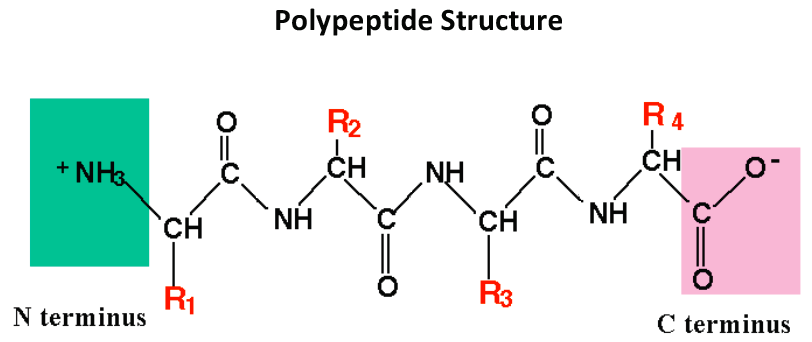
Peptide bonds link the α-carboxyl group of one amino acid to the α-amino group of the next amino acid
240
are reusable catalysts that are unchanged by the reactions they catalyze
Enzymes are reusable catalysts that are unchanged by the reactions they catalyze
241
Exergonic reactions energy
Exergonic reactions release energy
242
Endergonic reactions energy
Endergonic reactions require energy
243
A/an catalyzes REDOX reactions that involve the transfer of electrons
A/an oxidoreductase catalyzes REDOX reactions that involve the transfer of electrons
244
A/an moves a functional group from one molecule to another
A/an transferase moves a functional group from one molecule to another
245
A/an catalyzes cleavage with the addition of H2O
A/an hydrolase catalyzes cleavage with the addition of H2O
246
A/an catalyzes cleavage without the addition of H2O and without the transfer of electrons
A/an lyase catalyzes cleavage without the addition of H2O and without the transfer of electrons
247
A/an catalyzes the interconversion of isomers
A/an isomerase catalyzes the interconversion of isomers
248
A/an joins two large biomolecules, often of the same type
A/an ligase joins two large biomolecules, often of the same type
249
A/an catalyzes the hydrolysis of fats
A/an lipase catalyzes the hydrolysis of fats
250
A/an adds a phosphate group from ATP to a substrate
A/an kinase adds a phosphate group from ATP to a substrate
251
A/an removes a phosphate group
A/an phosphatase removes a phosphate group
252
A/an adds a phosphate group from an inorganic phosphate like HPO4 to a substrate
A/an phosphorylase adds a phosphate group from an inorganic phosphate like HPO4 to a substrate
253
A Michaelis-Menten curve is
A Michaelis-Menten curve is hyperbolic
254
is the substrate concentration that gives you a reaction rate that is halfway to Vmax
Km is the substrate concentration that gives you a reaction rate that is halfway to Vmax
255
is the maximum rate at which an enzyme can catalyze a reaction
Vmax is the maximum rate at which an enzyme can catalyze a reaction
256
The Michaelis–Menten equation is:
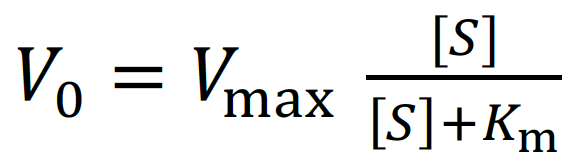
The Michaelis–Menten equation is:
257
Cooperative enzymes display a curve
Cooperative enzymes display a sigmoidal curve
258
is when the binding of the first molecule of B to A changes the binding affinity of the second B molecule, making it more or less likely to bind
Cooperative binding is when the binding of the first molecule of B to A changes the binding affinity of the second B molecule, making it more or less likely to bind
259
The is the site of catalysis
The active site is the site of catalysis
260
The states that the enzyme and substrate are exactly complementary and fit together like a key into a lock
The lock and key theory states that the enzyme and substrate are exactly complementary and fit together like a key into a lock
261
The states that the enzyme and substrate undergo conformational changes in order to interact fully
The induced fit theory states that the enzyme and substrate undergo conformational changes in order to interact fully
262
A/an is a metal cation that is required by some enzymes
A/an cofactor is a metal cation that is required by some enzymes
263
A/an is an organic molecule that is required by some enzymes
A/an cofactor or coenzyme is an organic molecule that is required by some enzymes
264
of an enzyme is when an enzyme is inhibited by high levels of a product from later in the same pathway
Feedback inhibition of an enzyme is when an enzyme is inhibited by high levels of a product from later in the same pathway
265
A/an binds at the active site and thus prevents the substrate from binding
A/an competitive inhibitor binds at the active site and thus prevents the substrate from binding
266
A/an binds only with the enzyme-substrate complex
A/an uncompetitive inhibitor binds only with the enzyme-substrate complex
267
A/an binds at the allosteric site, away from the active site
A/an noncompetitive inhibitor binds at the allosteric site, away from the active site
268
In competitive inhibition:
Vmax:
Km:
Vmax:
Km:
In competitive inhibition:
Vmax: has no change
Km: goes up
Vmax: has no change
Km: goes up
269
In uncompetitive inhibition:
Vmax:
Km:
Vmax:
Km:
In uncompetitive inhibition:
Vmax: goes down
Km: goes down
Vmax: goes down
Km: goes down
270
In noncompetitive inhibition:
Vmax:
Km:
Vmax:
Km:
In noncompetitive inhibition:
Vmax: goes down
Km: has no change
Vmax: goes down
Km: has no change
271
Lineweaver-Burk Plot:
X-intercept =
Y-intercept =
Ratio indicated by the slope =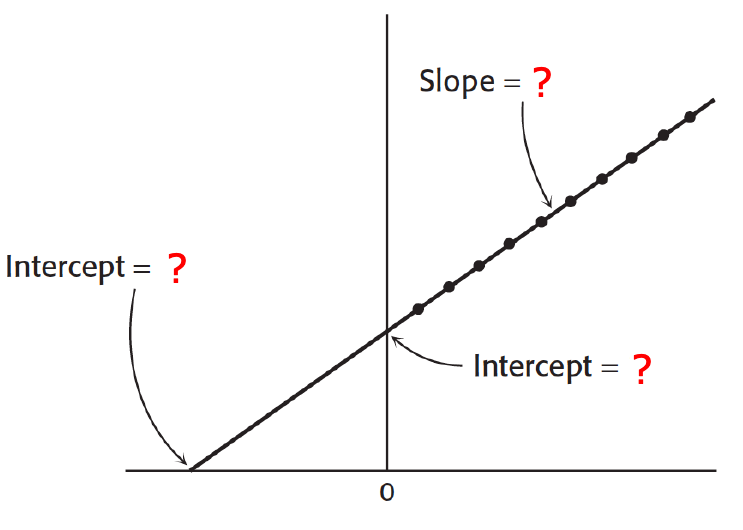
X-intercept =
Y-intercept =
Ratio indicated by the slope =
Lineweaver-Burk Plot:
X-intercept = -1/Km
Y-intercept = 1/Vmax
Ratio indicated by the slope = Km/Vmax
X-intercept = -1/Km
Y-intercept = 1/Vmax
Ratio indicated by the slope = Km/Vmax
272
This graph shows the activity of a/an 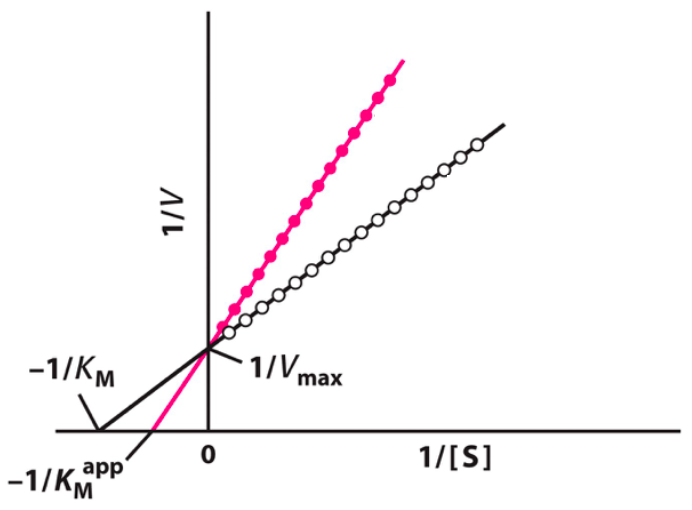
This graph shows the activity of a/an competitive inhibitor
273
This graph shows the activity of a/an 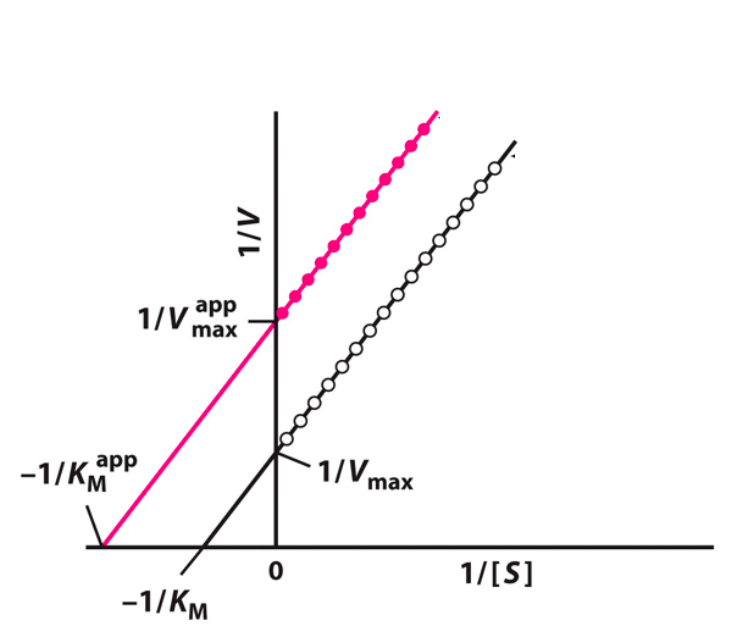
This graph shows the activity of a/an uncompetitive inhibitor
274
This graph shows the activity of a/an 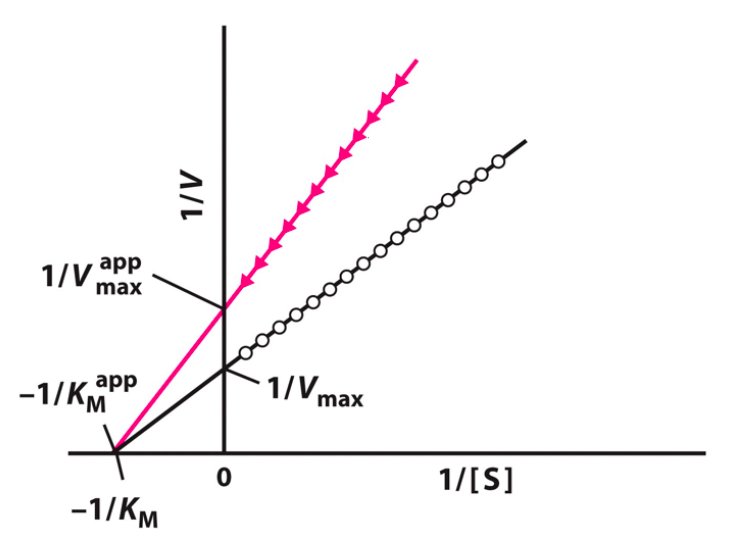
This graph shows the activity of a/an noncompetitive inhibitor
275
Lineweaver-Burk plots are described as double reciprocal plots because the X-intercept is and the Y-intercept is ; both of them reciprocals
Lineweaver-Burk plots are described as double reciprocal plots because the X-intercept is -1/Km and the Y-intercept is 1/Vmax; both of them reciprocals
276
An irreversible inhibitor is any inhibitor that to the active site of some enzyme, thus eliminating its activity
An irreversible inhibitor is any inhibitor that covalently binds to the active site of some enzyme, thus eliminating its activity
277
is an irreversible form of enzyme inhibition that occurs when an enzyme binds a substrate analog and forms an irreversible complex
Suicide inhibition is an irreversible form of enzyme inhibition that occurs when an enzyme binds a substrate analog and forms an irreversible complex
278
A/an binds at the allosteric site and induces a change in the conformation of the enzyme so the substrate can no longer bind to the active site
A/an allosteric effector binds at the allosteric site and induces a change in the conformation of the enzyme so the substrate can no longer bind to the active site
279
A/an is an allosteric regulator that is also the substrate
A/an homotropic effector is an allosteric regulator that is also the substrate
280
A/an is an allosteric regulator molecule that is different from the substrate
A/an heterotropic effector is an allosteric regulator molecule that is different from the substrate
281
is the chemical addition of a phosphoryl group (PO3-) to an organic molecule
Phosphorylation is the chemical addition of a phosphoryl group (PO3-) to an organic molecule
282
is the chemical addition of a carbohydrate
Glycosylation is the chemical addition of a carbohydrate
283
are precursors to an enzyme
Zymogens are precursors to an enzyme
284
The Michaelis-Menten reaction scheme is:
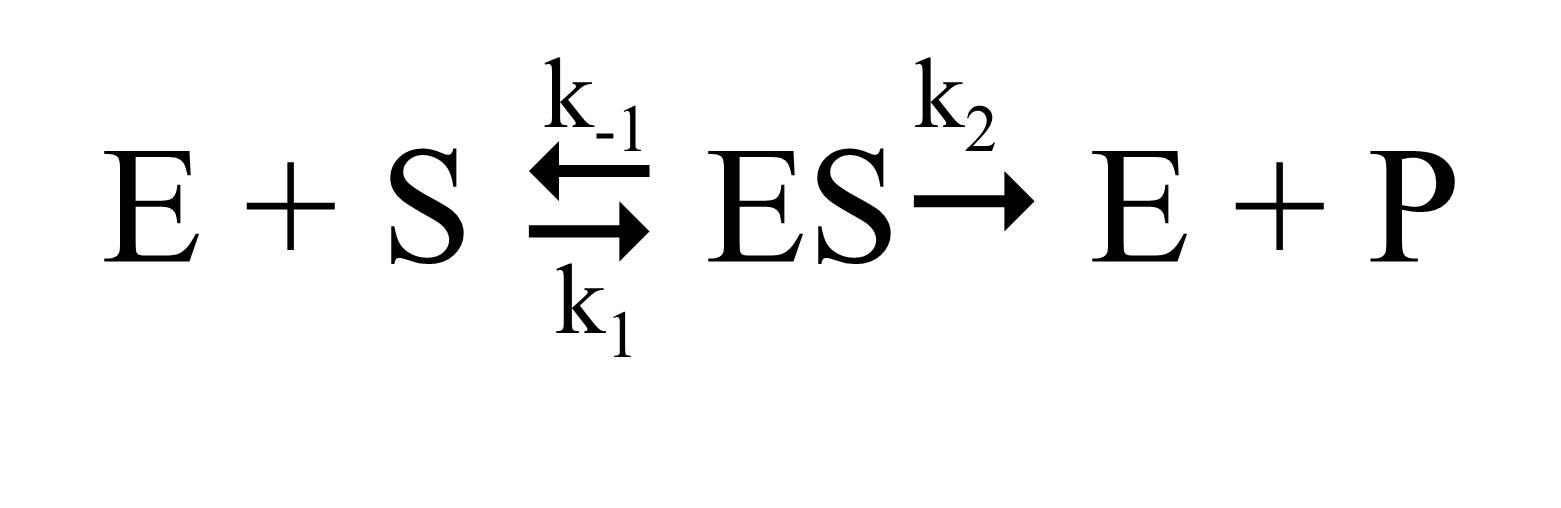
The Michaelis-Menten reaction scheme is:
285
compose the cytoskeleton, anchoring proteins, and much of the extracellular matrix
Structural proteins compose the cytoskeleton, anchoring proteins, and much of the extracellular matrix
286
convert chemical energy into mechanical work by the hydrolysis of ATP
Motor proteins convert chemical energy into mechanical work by the hydrolysis of ATP
287
A/an is any protein that acts as an agent to bind two or more molecules together
A/an binding protein is any protein that acts as an agent to bind two or more molecules together
288
allow cells to bind to other cells or surfaces
Cell Adhesion Molecules allow cells to bind to other cells or surfaces
289
are calcium dependent glycoproteins that hold similar cells together
Cadherins are calcium dependent glycoproteins that hold similar cells together
290
have two membrane-spanning chains and permit cells to adhere to proteins in the extracellular matrix
Integrins have two membrane-spanning chains and permit cells to adhere to proteins in the extracellular matrix
291
allow cells to adhere to carbohydrates on the surfaces of other cells and are most commonly used in the immune system
Selectins allow cells to adhere to carbohydrates on the surfaces of other cells and are most commonly used in the immune system
292
are used by the immune system to target a specific antigen, which may be a protein on the surface of a pathogen or a toxin
Antibodies are used by the immune system to target a specific antigen, which may be a protein on the surface of a pathogen or a toxin
293
are protein molecules that span across the cell membrane allowing the passage of ions from one side of the membrane to the other
Ion channels are protein molecules that span across the cell membrane allowing the passage of ions from one side of the membrane to the other
294
Ungated ion channels are open
Ungated ion channels are always open
295
open within a range of membrane potentials
Voltage-gated channels open within a range of membrane potentials
296
open in the presence of a specific binding substance, usually a hormone or neurotransmitter
Ligand-gated channels open in the presence of a specific binding substance, usually a hormone or neurotransmitter
297
Enzyme-linked receptors participate in cell signaling through extracellular ligand binding and initiation of
Enzyme-linked receptors participate in cell signaling through extracellular ligand binding and initiation of 2nd messenger cascades
298
detect molecules outside the cell then activate internal signal transduction pathways and, ultimately, cellular responses
G protein-coupled receptors detect molecules outside the cell then activate internal signal transduction pathways and, ultimately, cellular responses
299
The 1st messenger in the above example of a G-protein coupled receptor is 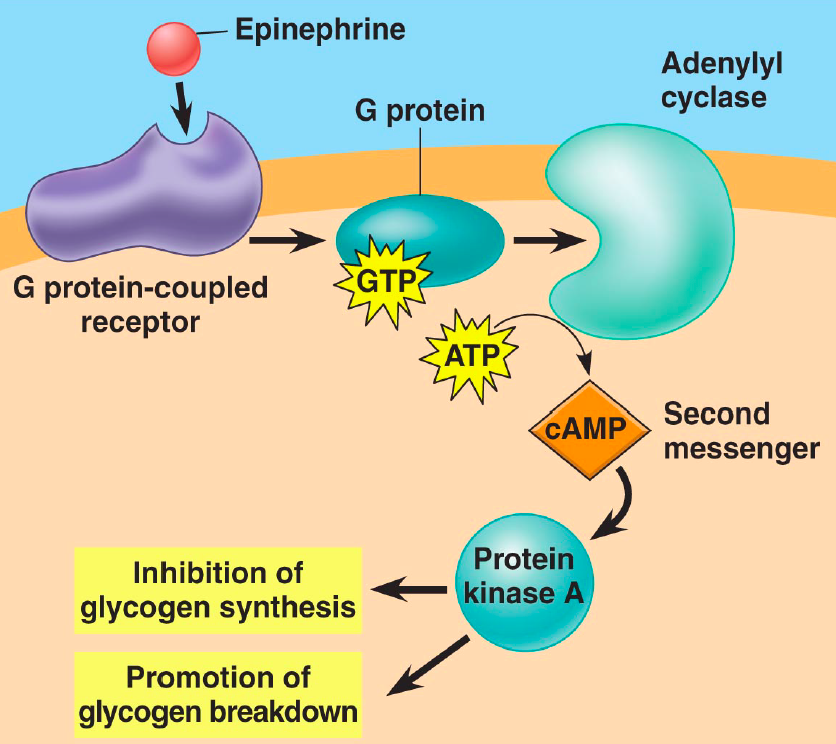
The 1st messenger in the above example of a G-protein coupled receptor is epinephrine
300
are physical quantities that have both magnitude and direction
Vectors are physical quantities that have both magnitude and direction
2587 more cards in OutLearn. Open the full deck