ACG2021 Chapter 1 (Principles of Financial Accounting)
Study these flashcardsFree · spaced repetition · iPhone, Android, Mac & web
All cards
1
Accounting
Accounting is the information system that measures business activities, processes the information into reports, and communicates the results to decision makers.
2
Financial accounting
Financial accounting provides information for external decision makers, such as outside investors, lenders, customers, and the federal government.
3
Managerial accounting
Managerial accounting focuses on providing information for internal decision makers, such as the company’s managers and employees.
4
Creditors
Any person or business that is owed money by another party (debtor).
*debtor pronunced deter
*debtor pronunced deter
5
What certifications can accountants get?
-CPA
-CGMA
-CMA
-CFP
-CGMA
-CMA
-CFP
6
CPA
Cerified Public Accountant
They are licensed professional accountants who serve the general public
*The Association of International Certified Public Accountants (AICPA) Web site (http://www.thiswaytocpa.com) contains a wealth of information about becoming a CPA or CGMA
They are licensed professional accountants who serve the general public
*The Association of International Certified Public Accountants (AICPA) Web site (http://www.thiswaytocpa.com) contains a wealth of information about becoming a CPA or CGMA
7
CGMA
Chartered Global Management Accountant
They are professional accountants with advanced knowledge in finance, operations, strategy, and management.
*The Association of International Certified Public Accountants (AICPA) Web site (http://www.thiswaytocpa.com) contains a wealth of information about becoming a CPA or CGMA
They are professional accountants with advanced knowledge in finance, operations, strategy, and management.
*The Association of International Certified Public Accountants (AICPA) Web site (http://www.thiswaytocpa.com) contains a wealth of information about becoming a CPA or CGMA
8
CMA
Certified Management Accountants
Professional accountants who specialize in accounting and financial management knowledge
*You can find info of the CMA certification on the Institute of Management Accountants (IMA) Web site (http://www.imanet.org).
Professional accountants who specialize in accounting and financial management knowledge
*You can find info of the CMA certification on the Institute of Management Accountants (IMA) Web site (http://www.imanet.org).
9
CFP
Certified Financial Planner
Certified professionals who speclizes in budgeting, saving for retirement, and mananging finances.
Certified professionals who speclizes in budgeting, saving for retirement, and mananging finances.
10
What are the big four in public accounting?
Deloitte
PwC (PricewaterhouseCoopers)
EY (Ernst & Young)
KPMG
PwC (PricewaterhouseCoopers)
EY (Ernst & Young)
KPMG
11
Data Analytics
The process of examining data, identifying trends, and drawing conclusions,
12
Data Visulatization
The presentation of data, trends, and conclusions in a graphical format
13
What are the two main stock exchanges
New York Stock Exchange (NYSE)
National Association of Securities Dealers Automated Quotations (NASDAQ)
National Association of Securities Dealers Automated Quotations (NASDAQ)
14
FASB
Financial Accounting Standards Board
A private organization that oversees the creation and governance of accounting standards in the US.
A private organization that oversees the creation and governance of accounting standards in the US.
15
SEC
Securities exchange commission
The SEC is the U.S. governmental agency that oversees the U.S. financial markets
The SEC is the U.S. governmental agency that oversees the U.S. financial markets
16
GAAP
Generally Accepted Accounting Principles
GAAP is the main U.S. accounting rule book/Accounting guidlines. formultaed by the FASB
GAAP is the main U.S. accounting rule book/Accounting guidlines. formultaed by the FASB
17
IASB
International Accounting Standards Board
A private organization that oversees the creation and governance of International Financial Reporting Standards
A private organization that oversees the creation and governance of International Financial Reporting Standards
18
IFRS
International Financial Reporting Standards
Companies that are incorporated in or do significant business in another country might be required to publish financial statements using IFRS.
IFRS is a set of global accounting standards that is required by 144 countries/jurisdictions.
Companies that are incorporated in or do significant business in another country might be required to publish financial statements using IFRS.
IFRS is a set of global accounting standards that is required by 144 countries/jurisdictions.
19
Faithful Representation
Providing information that is complete, neutral, and free from error.
20
economic entity assumption
An economic (business) entity is an organization that stands apart as a separate economic unit. We draw boundaries around each entity to keep its affairs distinct from those of other entities. An entity refers to one business, separate from its owners.
21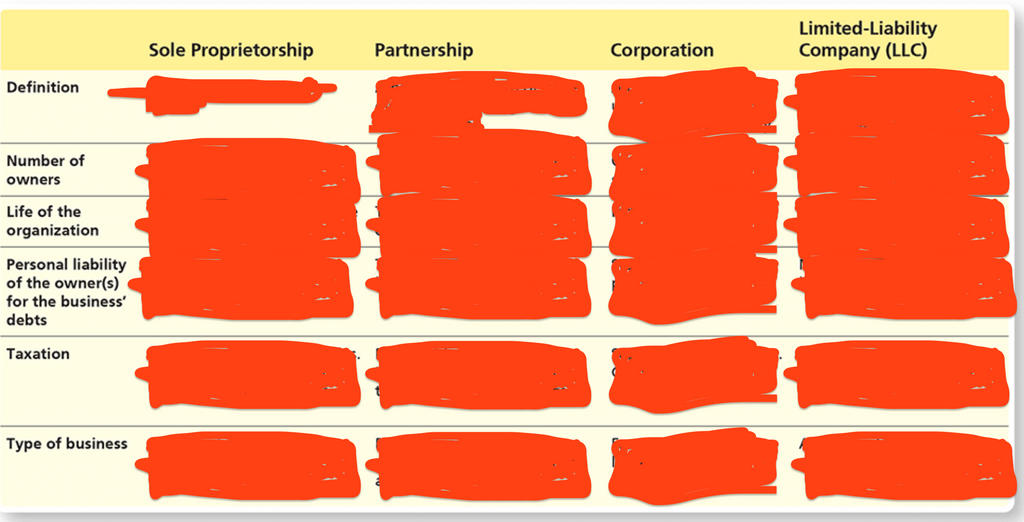
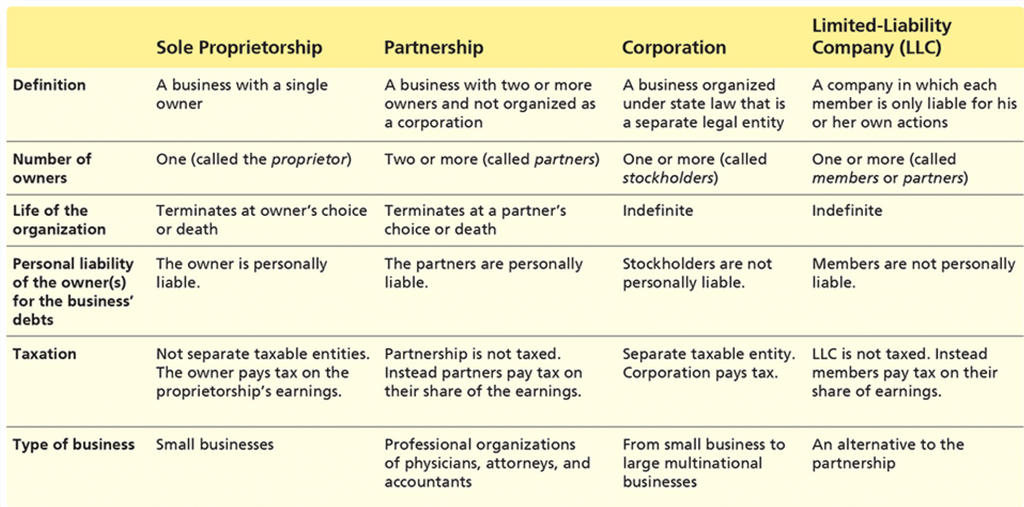
22
Proxy Voting
A person can vote on behalf of the share holders
23
"No Mutual Agency" for shareholders meaning?
-Each shareholder acts independently
-One shareholder cannot sign contracts, incur debts, or make promises that legally bind:
- the other shareholders
- or, the corporation itself
- Authority exists only if explicitly granted (e.g., officer role, board resolution, power of attorney)
-One shareholder cannot sign contracts, incur debts, or make promises that legally bind:
- the other shareholders
- or, the corporation itself
- Authority exists only if explicitly granted (e.g., officer role, board resolution, power of attorney)
24
Limited Liability of Stockholders
The most that stockholders can lose is the amount they originally paid for the stock.
25
Why do coproations raise more moeny than propreitorships or partnerships?
"The combination of limited liability and no mutual agency means that persons can invest unlimited amounts in a corporation with only the fear of losing whatever amount the individual has invested if the business fails. This attractive feature enables a corporation to raise more money than proprietorships and partnerships."
26
Differences in taxes between Corporations of Sole proeships & partnerships
Federal and state income taxes: Corporate earnings are subject to double taxation. First, corporations pay their own income tax on corporate income. Then, the stockholders pay personal income tax on the dividends that they receive from corporations. This is different from sole proprietorships and partnerships, which pay no business income tax. Instead, the tax falls solely on the individual owners.
27
Who electes the board of directors the run the corporation
The stock holders
28
Explain how a corporation is organized
"Organization of a CorporationAs noted earlier, creation of a corporation begins when its organizers, called the incorporators, obtain a charter from the state. The charter includes the authorization for the corporation to issue a certain number of shares of stock, which represent the ownership in the corporation. The incorporators pay fees, sign the charter, and file the required documents with the state. Once the first share of stock is issued, the corporation comes into existence. The incorporators agree to a set of bylaws, which act as the constitution for governing the corporation. Bylaws are the rule book that guides the corporation."
1. Obtain A charter
2. Blylaws
1. Obtain A charter
2. Blylaws
29
Structure of a corportion
*The BOD elects the chairperson of the board. The chairperson typically jas the most power.
*The BOD also typically elects the president.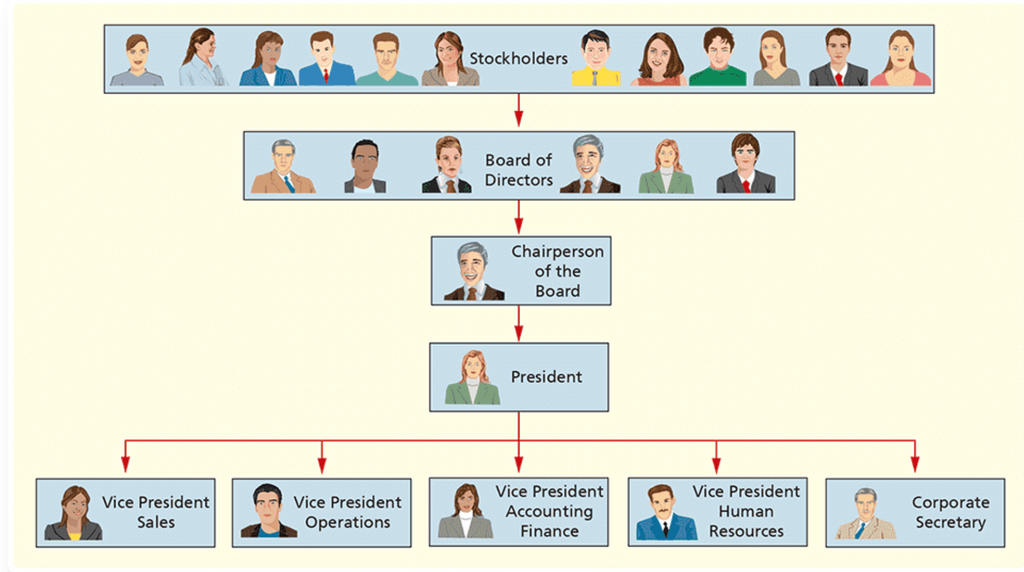
*The BOD also typically elects the president.
30
Cost Principle
That an acquired assets and services should be recorded at their actual cost (known as historical cost) and not fair value (The fair value is the market value, which is how much would get back to being sold).
So, if you buy land for \$20,000, in the next year you think the land is worth \$25,000, you will still record the land as \$20,000 (The amount you paid for it).
So, if you buy land for \$20,000, in the next year you think the land is worth \$25,000, you will still record the land as \$20,000 (The amount you paid for it).
31
going concern assumption
This assumes that the entity will remain in operation for the foreseeable future.
-This is a reason why accountants should use the histroical cost instead of the fair cost. If the business was going to fail in the future, then it would make sense to make use the fair cost since the company will have to liquidate it. But if the company will remain in the future, then it makes sense to base the cost on the amount the business paid for it.
-This is a reason why accountants should use the histroical cost instead of the fair cost. If the business was going to fail in the future, then it would make sense to make use the fair cost since the company will have to liquidate it. But if the company will remain in the future, then it makes sense to base the cost on the amount the business paid for it.
32
monetary unit assumption
Only items that can be measured in money are recorded in the accounting records, and money is treated as a stable unit of measure.
-So, they employee salary, not employee skills, which cannot be measured by money
-Also, Money is treated as a stable unit of measurment, so inflmation and deflation are ignored
-So, they employee salary, not employee skills, which cannot be measured by money
-Also, Money is treated as a stable unit of measurment, so inflmation and deflation are ignored
33
Audit
An audit is an examination of a company’s financial statements and records. The independent accountants then issue an opinion that states whether the financial statements give a fair picture of the company’s financial situation.
34
Sarbanes-Oxley Act (SOX)
-SOX requires management to review internal control and take responsibility for the accuracy and completeness of their financial reports.
-In addition, SOX made it a criminal offense to falsify financial statements.
-The Sarbanes-Oxley Act also created a new watchdog agency, the Public Company Accounting Oversight Board (PCAOB)
-In addition, SOX made it a criminal offense to falsify financial statements.
-The Sarbanes-Oxley Act also created a new watchdog agency, the Public Company Accounting Oversight Board (PCAOB)
35
PCAOB
Public Company Accounting Oversight Board
monitors the work of independent accountants who audit public companies.
monitors the work of independent accountants who audit public companies.
36
Accounting Equation
Assets = Liabilities + Equity
37
Asset
an economic resource that is expected to benefit the business in the future and something the business owns or has control over
38
Liabilities
The amount the business owes to a creditor.
*This also represents the amount the creditors claim to the business asset
*Many liabilities have the word "payable" in them. (ex, Accountant Payable, Notes Payable)
*This also represents the amount the creditors claim to the business asset
*Many liabilities have the word "payable" in them. (ex, Accountant Payable, Notes Payable)
39
Equity
Equity represents the amount of assets left over after the company has paid its liabilities
Equity represents the companies net worth
Equity represents the claims to the assets of a business
Equity = Assets - Liabilities
Equity represents the companies net worth
Equity represents the claims to the assets of a business
Equity = Assets - Liabilities
40
Two main components of Equity Explained
Equity consists of two main components: contributed capital and retained earnings.
Contributed Capital
-Money or other assets that shareholders invest in the business in exchange for stock.
Retained Earnings
-Profits that are kept in the company, instead of being paid out as dividends.
The more profit the higher retained earnings. But giving out dividends would decrease this.
Contributed Capital
-Money or other assets that shareholders invest in the business in exchange for stock.
Retained Earnings
-Profits that are kept in the company, instead of being paid out as dividends.
The more profit the higher retained earnings. But giving out dividends would decrease this.
41
Revenue
The total amount of money the business earned
42
Expenses
The costs incurred to generate revenue or run the business.
ex), rent, advertising, salaries
ex), rent, advertising, salaries
43
Net Income / Net Loss
Net Income: total revenues are greater than total expenses
Net loss: total reveues are less than total expenses
Net loss: total reveues are less than total expenses
44
Retained Earning formula
Dividends + Revenues - Expenses
45
Ending Equity Formula
Beginning Equity + issuance of common stock -Dividend distribution + Revenues - Expenses
=
Ending Equity
=
Ending Equity
46
Transaction
A transaction is any event that affects the financial position of the business and can be measured with faithful representation.
*although recessions can effect the financial position of a company, accountants don't measure that since it cannot be relaiblliy measured in dollars.
*although recessions can effect the financial position of a company, accountants don't measure that since it cannot be relaiblliy measured in dollars.
47
Synonym for "buying on credit"
"buying on account"
48
If a company buys supplies, is that considered an expense or an asset
If the supplies are expected to be consumed in 12 months or less, most companies will record the supplies as an expense instead of an asset.
49
Account Recievable
The promise to recieve payment from consumers in the future.
(ex, business does a service for \$3000, but will get paid next month)
*Accounts would say that the business did the service "on account"
*Account payable is the opposite, meaning the business owes somone else money
(ex, business does a service for \$3000, but will get paid next month)
*Accounts would say that the business did the service "on account"
*Account payable is the opposite, meaning the business owes somone else money
50
"collect cash on account" meaning
To record an increase in cash and a decrease in account recievables
epxlanantion: You have an account recievabke for \$2,000. This is listed as an asset. But, when you actually recieve it, now you label that \$2,000 as cash.
epxlanantion: You have an account recievabke for \$2,000. This is listed as an asset. But, when you actually recieve it, now you label that \$2,000 as cash.
51
Income Statment
(Also known as a statment of earning)
Shows the revenue and earning of a business and wether the business enjoyed net income or suffered net loss.
Net income: Revenue > expenses
Net Loss: Expense > Revenue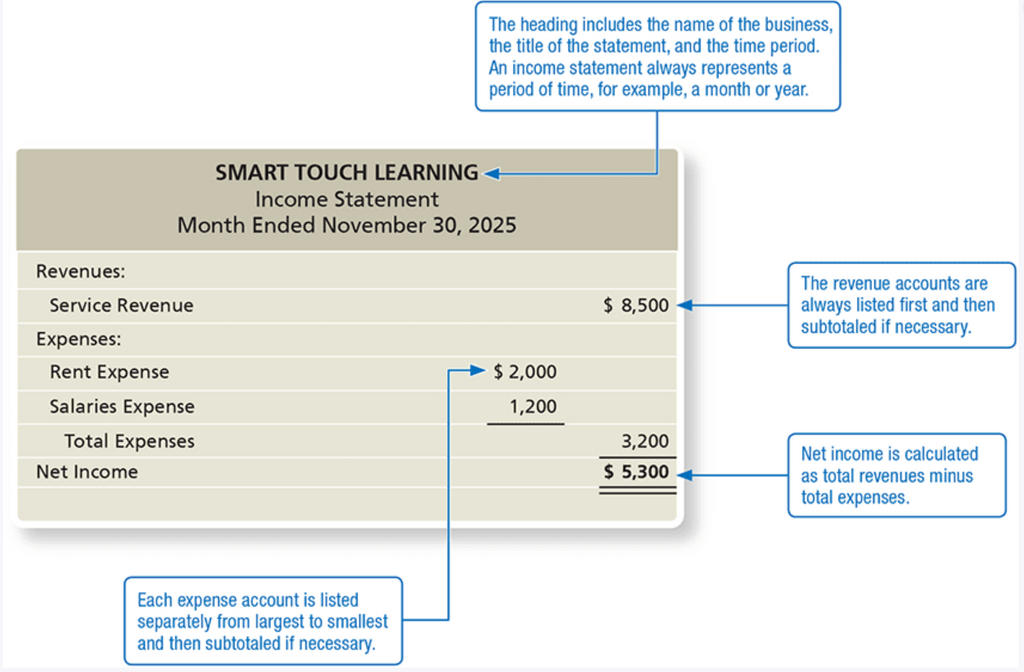
Shows the revenue and earning of a business and wether the business enjoyed net income or suffered net loss.
Net income: Revenue > expenses
Net Loss: Expense > Revenue
52
Net Income = Revenue - Expenses
Net Income
Net Income = Revenue - Expenses
53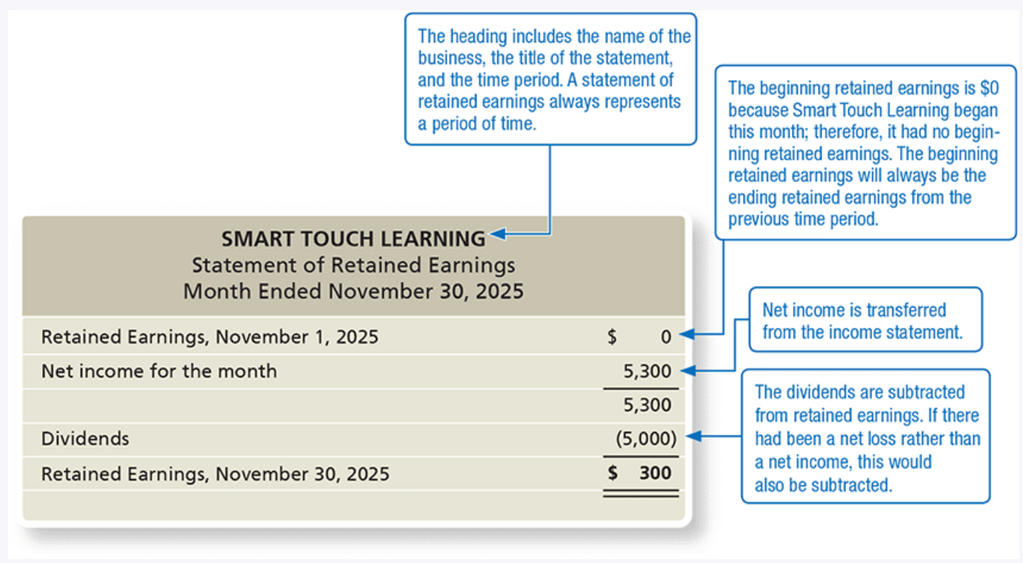
Statment of Retained Earnings
54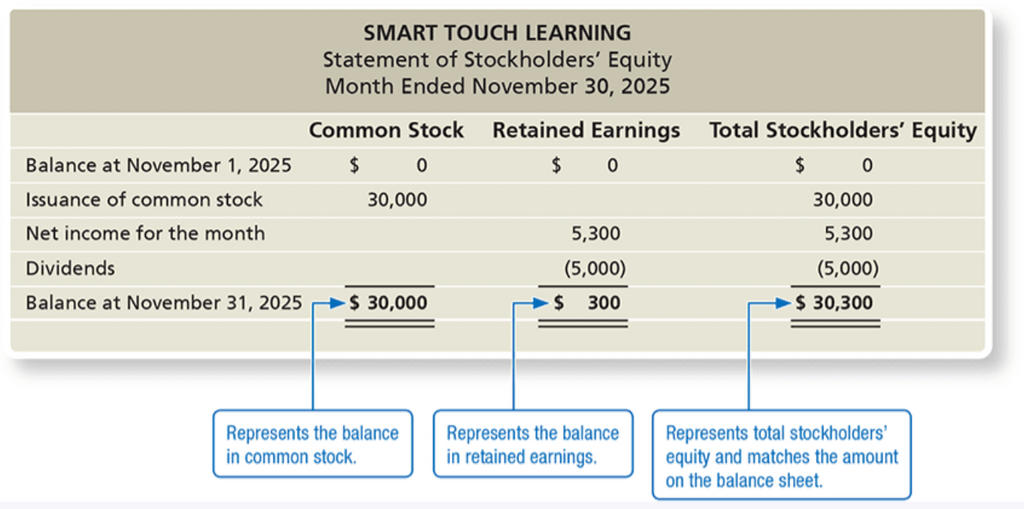
Statment of Stockholders Equity
55
(Also known as the statment of financial position)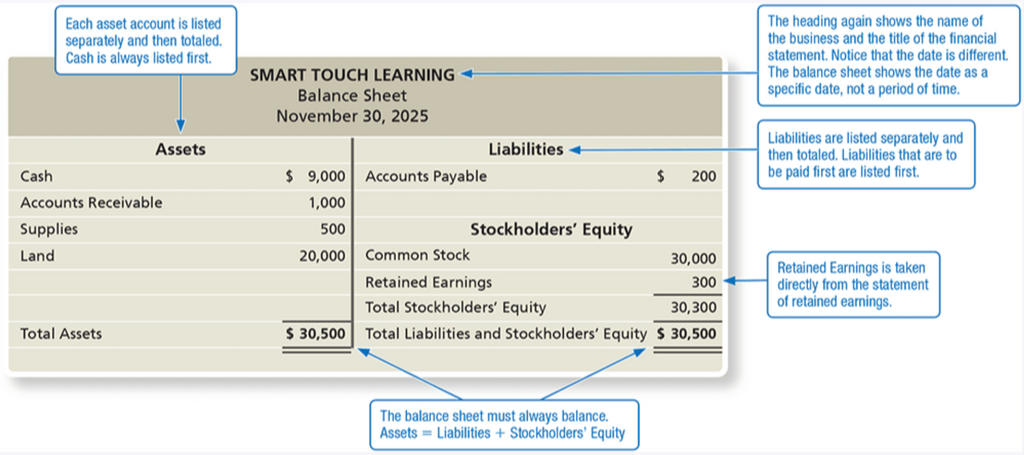
Balance Sheet
(Also known as the statment of financial position)
56
Statment of Cash Flow
Reports cash coming in and cash coming out
*Would not include purchases on account or Account recivbles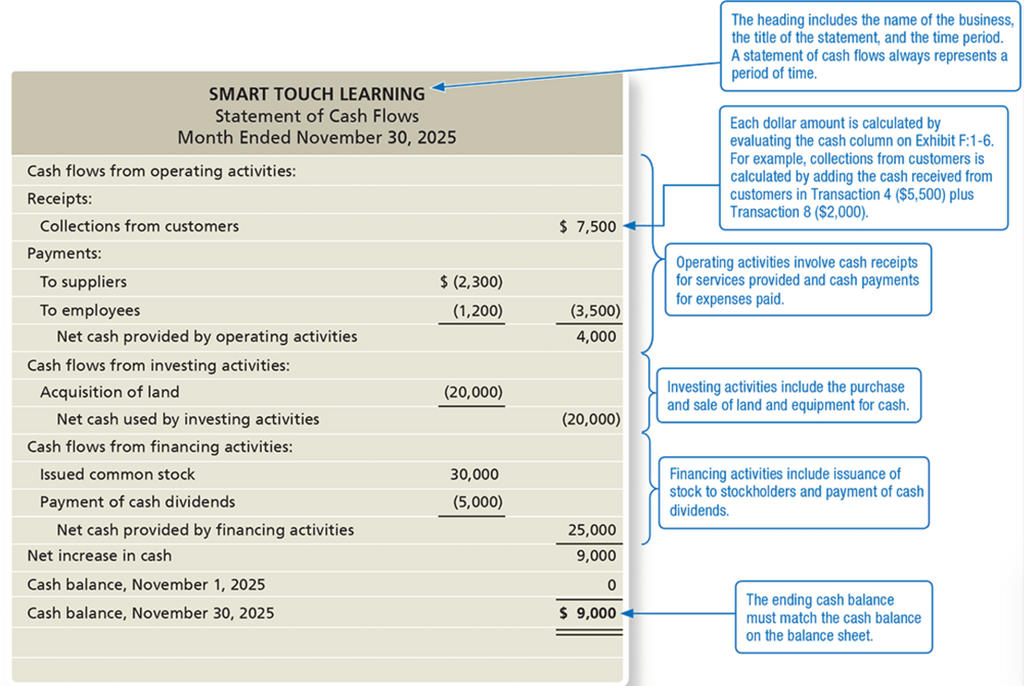
*Would not include purchases on account or Account recivbles
57
What are the three sections of the "Statment of Cash Flow"
1. Operating Activities
-Cash recipets for services provided
-Cash payment for expenses
2. Investing Activities
-from buying/sell long-term assets
3. Financing Activities
-Cash from issuing shares
-Cash from borrowing
-Cash recipets for services provided
-Cash payment for expenses
2. Investing Activities
-from buying/sell long-term assets
3. Financing Activities
-Cash from issuing shares
-Cash from borrowing
58
define 'receipts' for accounting
Cash (or other forms of money) recived by a business
59
"Cash" since its the most liquid
What is the first asset to put on a balance sheet
"Cash" since its the most liquid
60
What order to prepare Financial Statements
1. Income Statment
2. Statments of retianed earnings
3. Balance Sheet
4. Statment of Cash Flow
2. Statments of retianed earnings
3. Balance Sheet
4. Statment of Cash Flow
61
ROA
Return on Assets (ROA)
ROA = Net Income / Average Total Assets
Average Total Assets =
(Beginning Total assets + Ending total assets)/2
Beginning Total Assets: The total value of all assets at the beginning of the accounting period (e.g. start of the year)
Ending Total Assets: The total value of all assets at the end of th eaccounting period (e.g. end of the year)
*The higher ROA, the better, since higher rate of return
62
What financial statmemnt detemines proability
Income Statment
63
External vs internal decsiton makers
External: Outside of the organzaiton and hold no authortiy
Internal: Have authority in the business and belong to the organization
Internal: Have authority in the business and belong to the organization
64
Do account payables or account recieavbles involve cash accounts
NO!
65
What does “Paid 1,800 on account” mean?
1) The business is paying 1,800 to what they owe. So they are paying an account payable
2) The business paid somone 1,800 on credit
1) The business is paying 1,800 to what they owe. So they are paying an account payable
2) The business paid somone 1,800 on credit
1) The business is paying 1,800 to what they owe. So they are paying an account payable in the liability section using cash
NOT THE SECOND ONE
NOT THE SECOND ONE
66
Its profit pretty much. Revenue - Expenses = Net Income
What is "Net Income"
Its profit pretty much. Revenue - Expenses = Net Income
More Business & economics flashcards
H4 marketingmodellenBusiness & economics · DutchDemiBURBS 250 FINAL*Business & economics · EnglishAlyssaModule 7: Organizational Management PBusiness & economicsAngelicFin 332 Midterm Chap 1-2Business & economics · Englishmattmc032- Money MarketsBusiness & economics · EnglishMercedesFinance ExamBusiness & economics · EnglishCharleyAccounting Analytical Measures Business & economics · EnglishJosiahEcon 101 - Lecture 2Business & economics · EnglishVincent2 A Brand Its Image and Its WorthBusiness & economics · EnglishJohnMarketing Basics: Exchange, Markets and MixBusiness & economics · EnglishCallieLeadership Styles: Autocratic, Participative and MoreBusiness & economics · EnglishnightmareTürsteuerung, Aufgaben ZGF, StreckenlisteBusiness & economics · GermanJulia
All Business & economics decks
Study these decks in the app
Free on iPhone, Android, Mac and the web. Add any deck to your account in one tap.

