cell structure and organisation 1.2
Réviser ces flashcardsGratuit · répétition espacée · iPhone, Android, Mac et web
Toutes les cartes
1
What is the orange organelle called?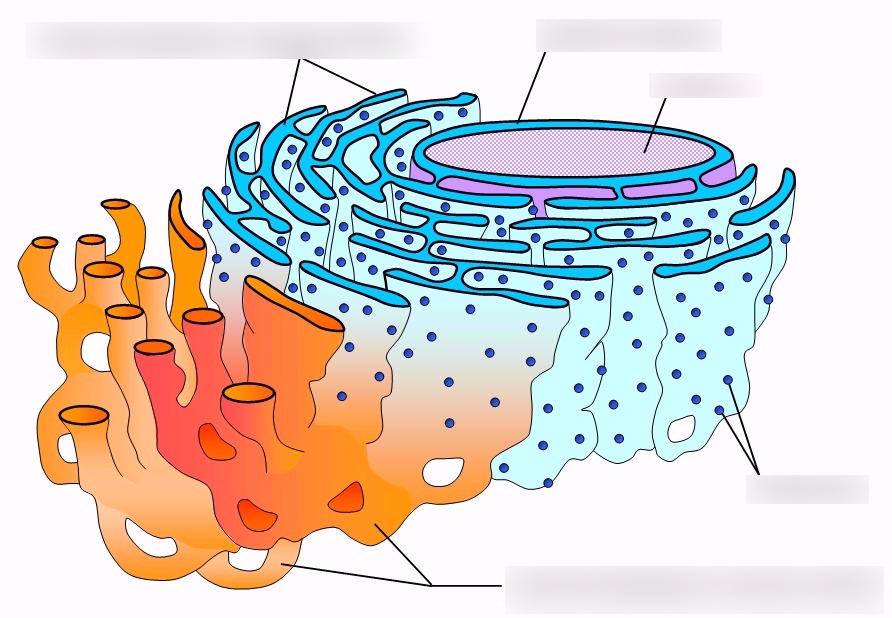
Smooth endoplasmic reticulum
2
What is the blue organelle called?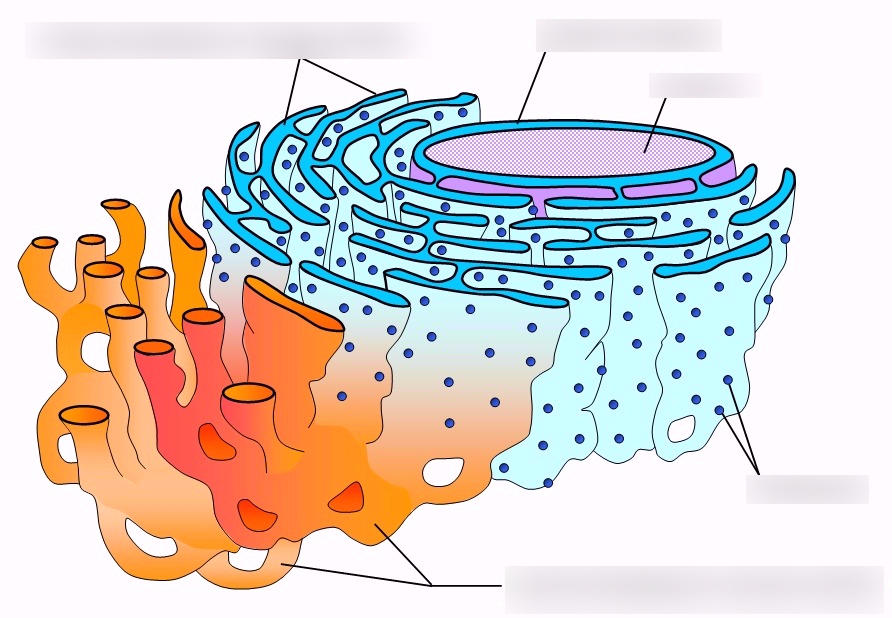
Rough endoplasmic reticulum
3
What is this organelle?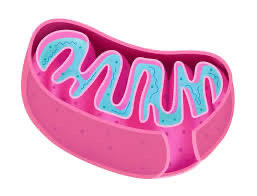
Mitochondria
4
What is this organelle?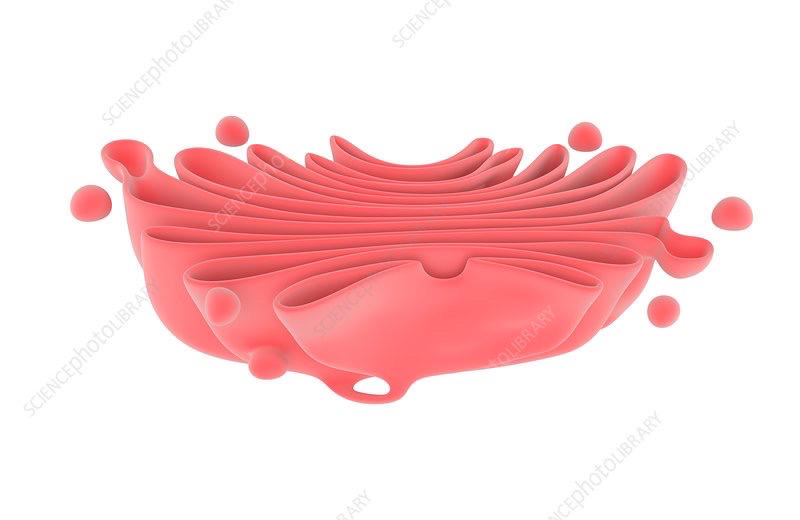
Golgi body/apparatus
5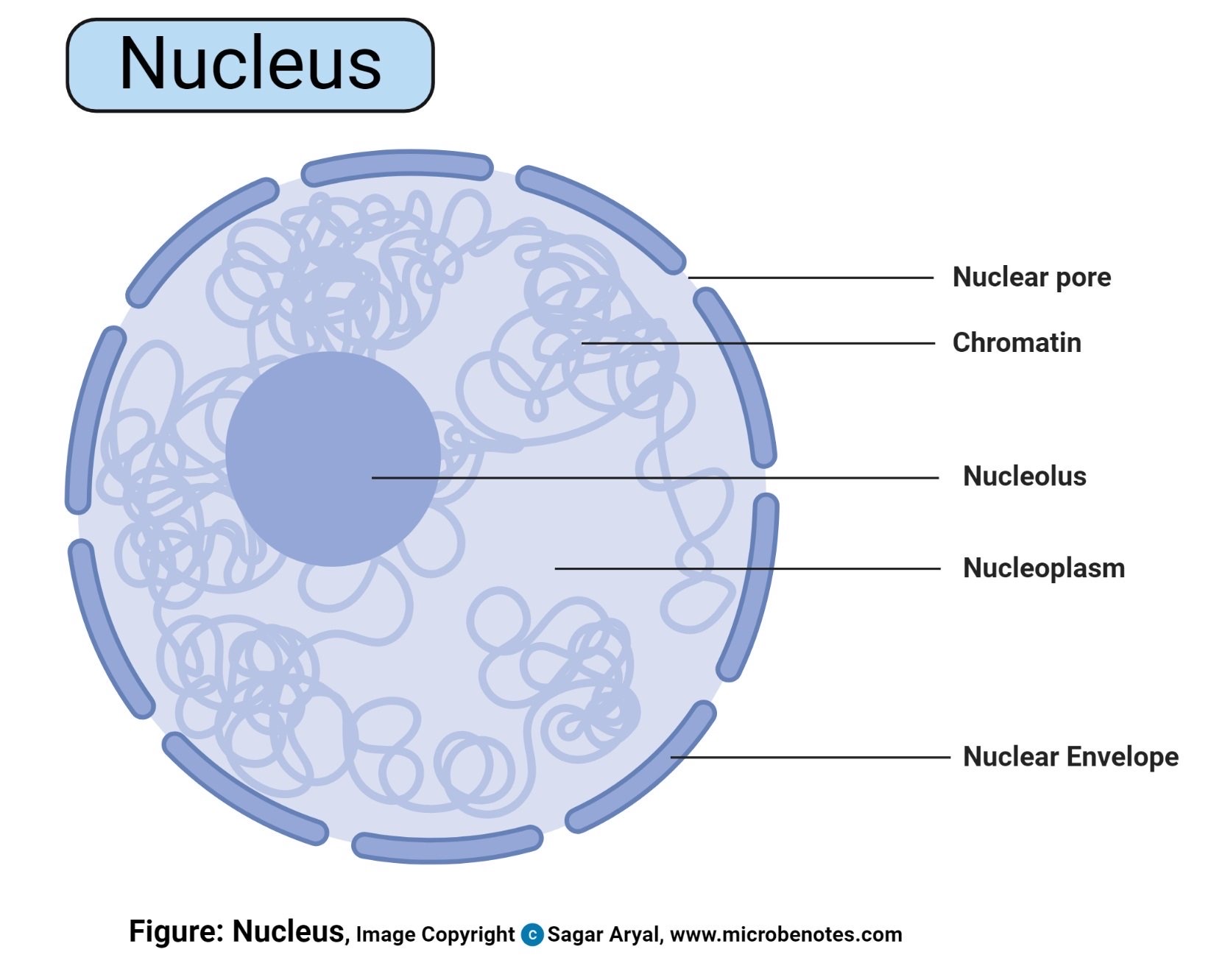
Occultation d’image : retrouve les étiquettes masquées
6
Occultation d’image : retrouve les étiquettes masquées
7
Occultation d’image : retrouve les étiquettes masquées
8
Occultation d’image : retrouve les étiquettes masquées
9
Occultation d’image : retrouve les étiquettes masquées
10
Occultation d’image : retrouve les étiquettes masquées
11
Describe the Nucleus
- Largest organelle
- Contauns genetic material of cell (chromatin)
- Contauns genetic material of cell (chromatin)
12
What is chromatin made out of?
DNA and histone proteins
13
What does the genetic code in DNA code for?
Polypeptides
14
Describe the nuclear envelope
- Double membrane
- Surrounds nucleus
- Has nuclear pores, allows stuff in n out
- Surrounds nucleus
- Has nuclear pores, allows stuff in n out
15
Describe the nucleolus
- Makes RNA + ribosomes
- Sends them to cytoplasm
- Darkly stained area of nucleus
- Made from condensed chromatin
- Sends them to cytoplasm
- Darkly stained area of nucleus
- Made from condensed chromatin
16
Describe the smooth endoplasmic reticulum
- Involved in producing lipids
- Doesn’t have ribosomes
- Series of flattened membrane-bound sacs
- Doesn’t have ribosomes
- Series of flattened membrane-bound sacs
17
Describe the rough endoplasmic reticulum
- Covered in ribosomes
- Involved in protein synthesis + transporting them
- Series of flattened membrane-bound sacs
- Involved in protein synthesis + transporting them
- Series of flattened membrane-bound sacs
18
Describe the cilia / flagella
- Hair-like extensions that can move
19
Describe the ribosomes
- Site of protein synthesis
- mRNA -> amino acids
- mRNA -> amino acids
20
Describe the centrioles
- Protein fibres
- Involved in cell division
- Involved in production of spindle fibres
- Involved in cell division
- Involved in production of spindle fibres
21
Describe the mitochondria
- Generates energy
- Site of respiration
- Produces ATP
- Cristae and Matrix in structure
- Site of respiration
- Produces ATP
- Cristae and Matrix in structure
22
Describe the golgi apparatus / body
- Modifies and packages proteins
- Puts proteins in vesticles for transportation
- Puts proteins in vesticles for transportation
23
Describe the chloroplast
- Site of photosynthesis
24
Describe the vacuole
- Large organelle
- Plant cell
- Filled wirh fluid and nutrients
- Plant cell
- Filled wirh fluid and nutrients
25
Describe the lysosome
- Small sacs in cytoplasm
- Contains enzymes that break down substances
- Contains enzymes that break down substances
26
Describe the cell wall
- Made of strands of cellulose
- Creates rigidity to support cell
- Creates rigidity to support cell
27
Describe the cell membrane
- Phospholipid bilayer
- Controls substances coming in n out of cell
- Controls substances coming in n out of cell
28
Describe the cytoskeleton
- Network of protein fibres
- Maintains cell shape
- Maintains cell shape
29
What ribosomes does a prokaryotic cell have?
70s
30
What ribosomes does a eukaryotic cell have?
80s
31
Why do all mitochondria look different?
They’re all cut at different planes
32
What size are 70s ribosomes?
0.1 to 5 μm (micrometers)
33
What size are 80s ribosomes?
10 to 100 μm (micrometers)
34
What was the first type of cell?
Prokaryotic cell
35
Which cell has it’s DNA in the nucleus and which doesn’t?
Prokaryotic- DNA not in nucleus, in cytoplasm
Eukaryotic- DNA in nucleus
Eukaryotic- DNA in nucleus
36
What living things are Eukaryotes?
- Animals
- Plants
- Fungi
- Plants
- Fungi
37
What did cell did Eukaryotes evolve from?
Prokaryotic cells
38
What organelle is this?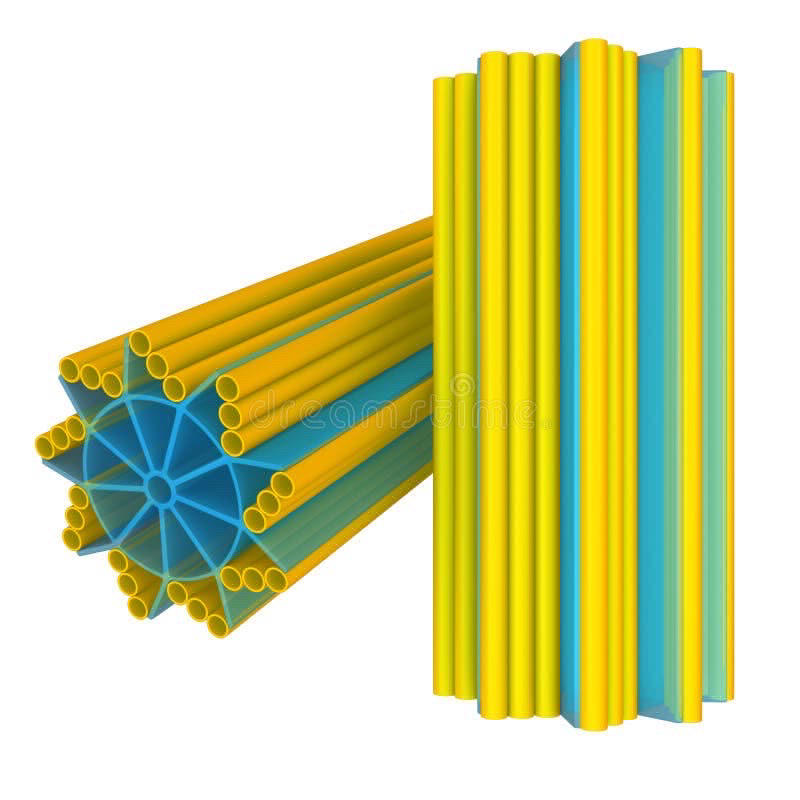
Centriole
39
What organelle is this?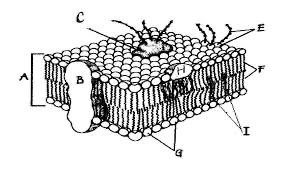
Phospholipid bilayer, plasma membrane
40
What organelles are ONLY in plant cells?
- Cell wall
- Vacuole
- Chloroplast
- Vacuole
- Chloroplast
41
What organelle is ONLY in animal cells?
- Centriole
42
What organelles are in a chloroplast?
Stroma
Granum
Starch grain
Double membrane
Thylakoid membrane
Thylakoid
Ribosome
DNA
Granum
Starch grain
Double membrane
Thylakoid membrane
Thylakoid
Ribosome
DNA
43
Describe the Stroma
Site of chemical reactions. eg. calvin cycle
44
Describe the thylakoid
Site of reaction for photosynthesis
45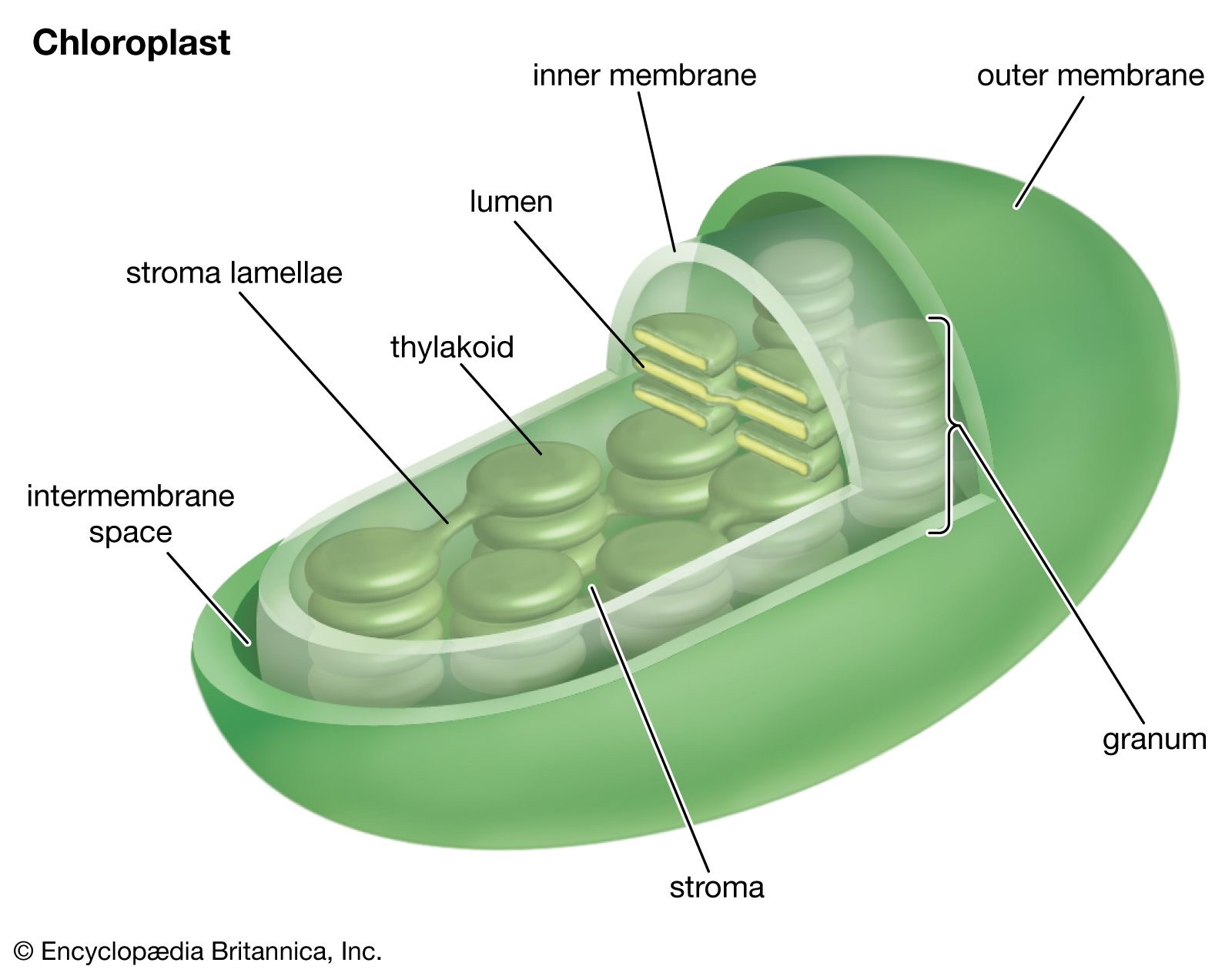
Occultation d’image : retrouve les étiquettes masquées
46
Occultation d’image : retrouve les étiquettes masquées
47
Occultation d’image : retrouve les étiquettes masquées
48
Occultation d’image : retrouve les étiquettes masquées
49
Occultation d’image : retrouve les étiquettes masquées
50
Occultation d’image : retrouve les étiquettes masquées
51
Occultation d’image : retrouve les étiquettes masquées
52
Occultation d’image : retrouve les étiquettes masquées
53
Occultation d’image : retrouve les étiquettes masquées
54
Describe viruses
20nm-400nm
No cell structure, too small for organelles
Acellular (not alive)
Need a host to survive
Genome inside a capsid
No cell structure, too small for organelles
Acellular (not alive)
Need a host to survive
Genome inside a capsid
55
Describe exocytosis
Secretion of substances from cells
Adds new membrane by fusing vesicles
Increases surface area of plasma membrane
Adds new membrane by fusing vesicles
Increases surface area of plasma membrane
56
Describe endocytosis
Takes in substances
Infolds plasma membrane to form phagocytic vesicles
Decreases surface area of plasma membrane
Infolds plasma membrane to form phagocytic vesicles
Decreases surface area of plasma membrane
57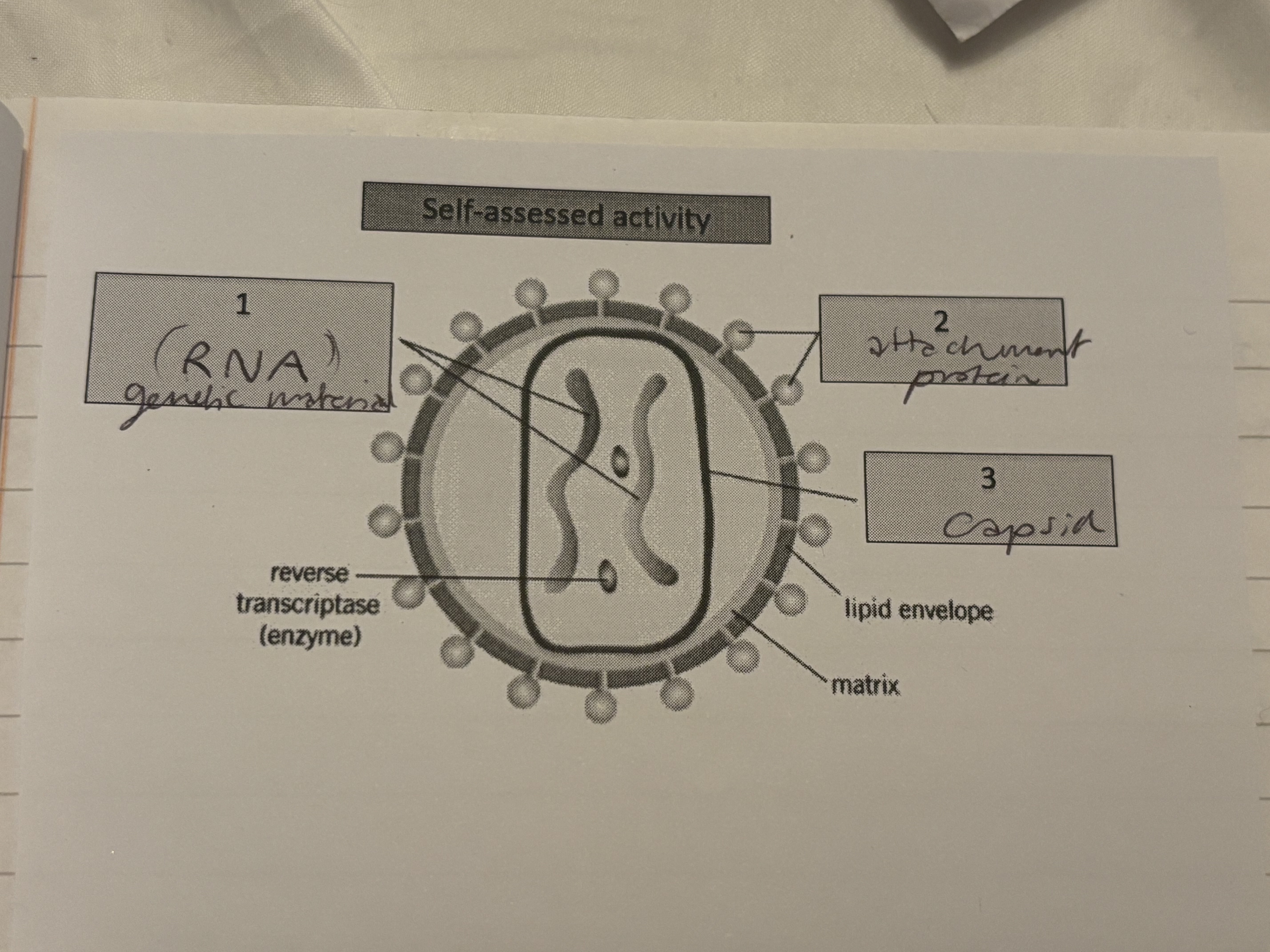
Occultation d’image : retrouve les étiquettes masquées
58
Occultation d’image : retrouve les étiquettes masquées
59
Occultation d’image : retrouve les étiquettes masquées
60
Occultation d’image : retrouve les étiquettes masquées
61
Occultation d’image : retrouve les étiquettes masquées
62
Occultation d’image : retrouve les étiquettes masquées
63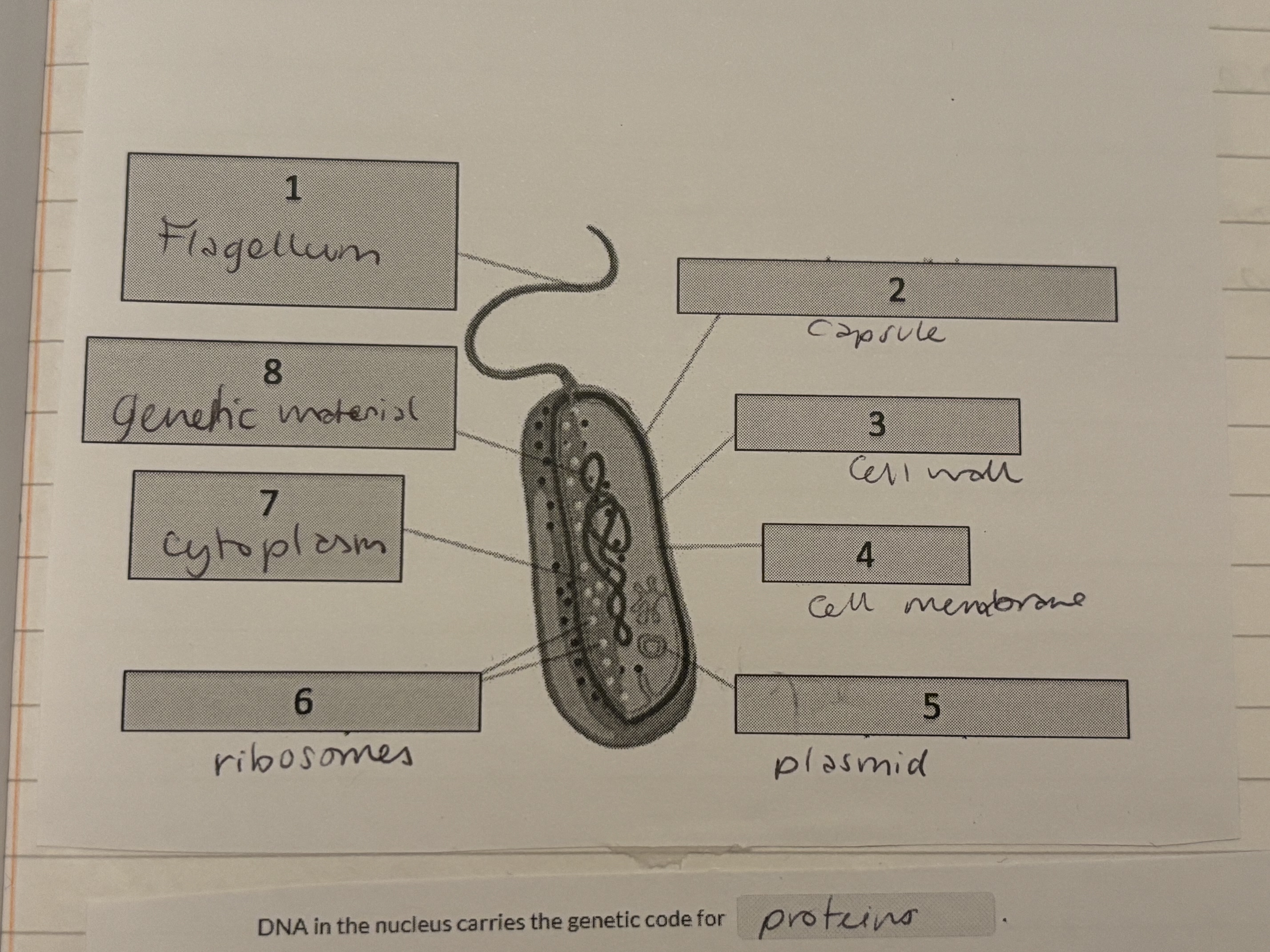
Occultation d’image : retrouve les étiquettes masquées
64
Occultation d’image : retrouve les étiquettes masquées
65
Occultation d’image : retrouve les étiquettes masquées
66
Occultation d’image : retrouve les étiquettes masquées
67
Occultation d’image : retrouve les étiquettes masquées
68
Occultation d’image : retrouve les étiquettes masquées
69
Occultation d’image : retrouve les étiquettes masquées
70
Occultation d’image : retrouve les étiquettes masquées
71
Whats a mesosome?
Folded part of the plasma membrane of a bacterial cell, increases the surface area
72
What are the 4 types of tissue
Epithelial
Connective
Muscle
Nervous
Connective
Muscle
Nervous
73
What are the diff types of connective tissue
Loose connective
Fibrous
Bone
Adipose
Cartilage
Blood
Fibrous
Bone
Adipose
Cartilage
Blood
74
What are the diff types of epithelial tissue
Simple squamous
Columnar
Cuboidal
Stratified
Columnar
Cuboidal
Stratified
75
What are the types of muscle tissues
Skeletal
Smooth muscle
Cardiac muscle
Smooth muscle
Cardiac muscle
76
Which tissue has basement membranes?
Epithelial
77
What is transitional tissue?
A mixture of tissues
78
What is stratified tissue?
More than one layer of tissue, eg. oesophagus
79
What is magnification?
How much bigger the image you see is to the actual size of it
80
What is resolution?
How detailed the image is / how well a microscope distinguishes between 2 points that are close together
81
Describe a light microscope
Uses beams of light
Can see colour
Live specimens
Low resolution
Low magnification
Can see colour
Live specimens
Low resolution
Low magnification
82
Describe a electron microscope
Uses beams of electrons
Black and white
High resolution
High magnification
Dead specimens
Black and white
High resolution
High magnification
Dead specimens
83
How to find magnification?
mag = length of image
———————-
length of specimen
———————-
length of specimen
Plus de flashcards : Sciences
BIOL 2120 Plant Biology PracticalSciences · AnglaisNateKingdom Animalia and PhylaSciences · AnglaisBrothersfanBiologie: Stavba prokaryotní buňkySciences · TchèqueOlikGATech BIOS 1208 Comprehensive Flash CardsSciences · AnglaiscreativeHamAstronomy 2022 October 24-26Sciences · AnglaisEmmaAnalysis of Urine & Other Body FluidsSciences · AnglaisJEChapter 11 VocabularySciences · AnglaisEman07. Static Electricity and CapacitanceSciences · AnglaisNicoAllgemeiner Teil 7_EvolutionSciences · AllemandJenniferMCB Lec 10Sciences · AnglaisAmmooBio Test OneSciences · AnglaisCabotSoil Mechanics and Fluid Mechanics TermsSciences · AnglaisMPLE
Révise ces decks dans l’app
Gratuit sur iPhone, Android, Mac et le web. Ajoute n’importe quel deck à ton compte en un tap.

