Medical Pathology and Hematology Review
Diese Karteikarten lernenKostenlos · Spaced Repetition · iPhone, Android, Mac & Web
Die ersten 300 von 1268 Karten
1
What are the two types of ITP? What initiates each? What is the natural history of each?
Acute: arises in children after viral infection or immunization; self-limiting
Chronic: arises in adults (usually women of childbearing age). May be primary or secondary (SLE).
*Important to note: in preganant women, short-lived thrombocytopenia can occur in offspring, since maternal antiplatelet IgG can cross the placenta
Chronic: arises in adults (usually women of childbearing age). May be primary or secondary (SLE).
*Important to note: in preganant women, short-lived thrombocytopenia can occur in offspring, since maternal antiplatelet IgG can cross the placenta
2
What causes Bernard-Soulier syndrome? What is the classic finding on blood smear? What results do you expect from a ristocetin cofactor assay?
Genetic GP1b deficiency; platelet adhesion is impaired (vs. impaired aggregation in Glanzmann thrombocytopenia)
Blood smear shows mild thrombocytopenia with enlarged platelets
No agglutination on ristocetin cofactor assay
mind you a negative restocetin test could mean either VWF ds or Bernard solier ds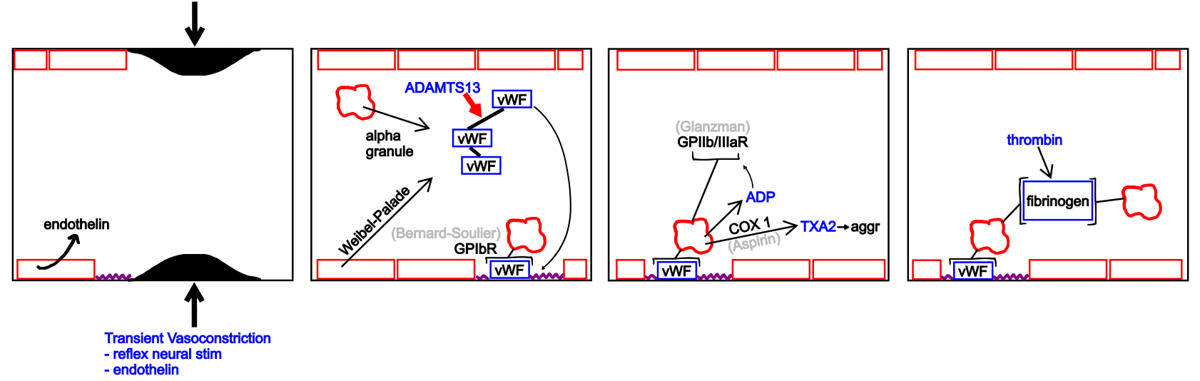
Blood smear shows mild thrombocytopenia with enlarged platelets
No agglutination on ristocetin cofactor assay
mind you a negative restocetin test could mean either VWF ds or Bernard solier ds
3
What causes Glanzmann thrombasthenia? What result do you expect from a ristocetin cofactor assay?
Genetic GPIIb/IIIa deficiency; platelet aggregation is impaired (vs. impaired adhesion in Bernard-Soulier)
There will be agglutination with ristocetin cofactor assay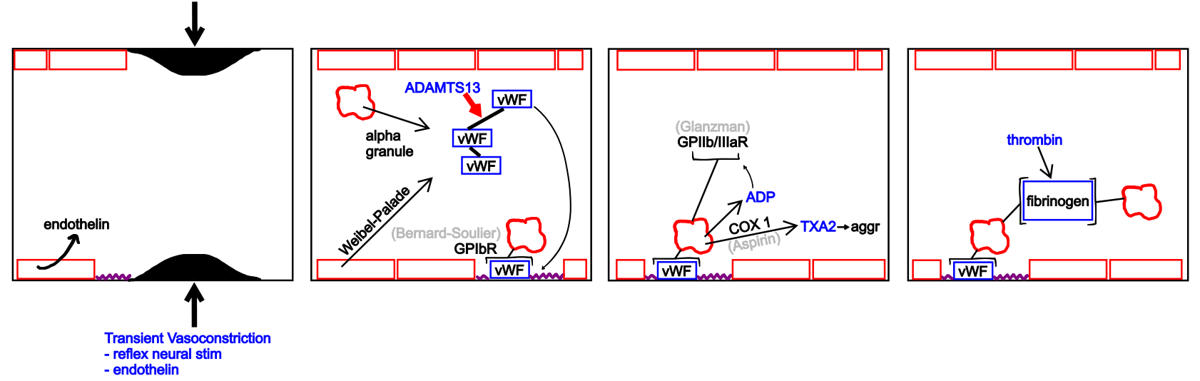
There will be agglutination with ristocetin cofactor assay
4 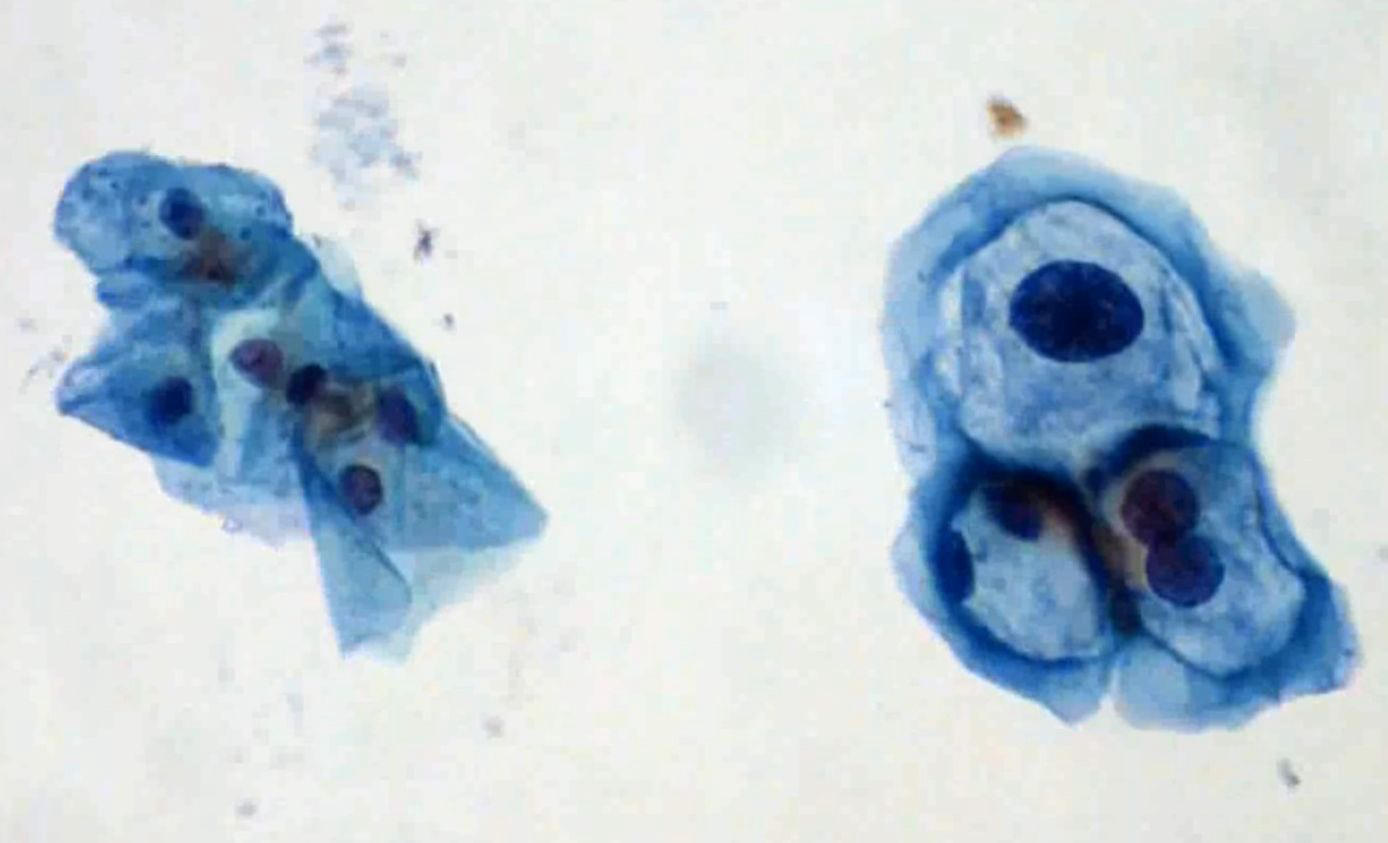
Koilocytes
5
Which two leukemias tend to present with a rash (representing cutaneous infiltration)?
Mycosis fungoides and Adult T cell Leukemia (ATLL)
*Note that both of these are cutaneous T cell lymphoma/leukemias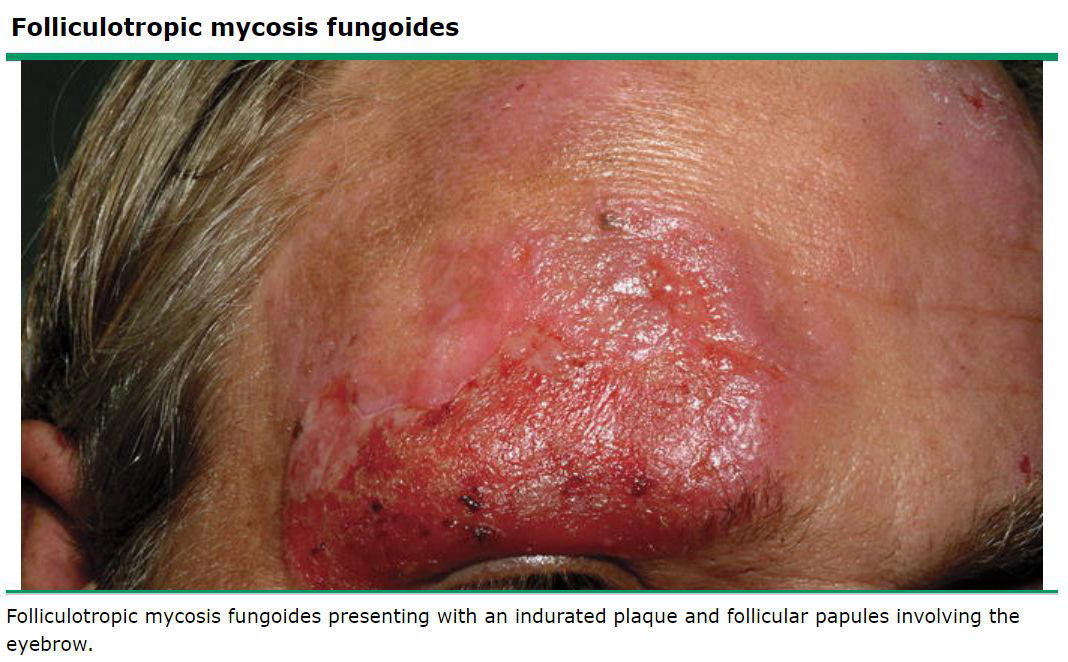
*Note that both of these are cutaneous T cell lymphoma/leukemias
6
What type of emphysema does alpha-1 antitrypsin (A1AT) deficiency result in?
Panacinar emphysema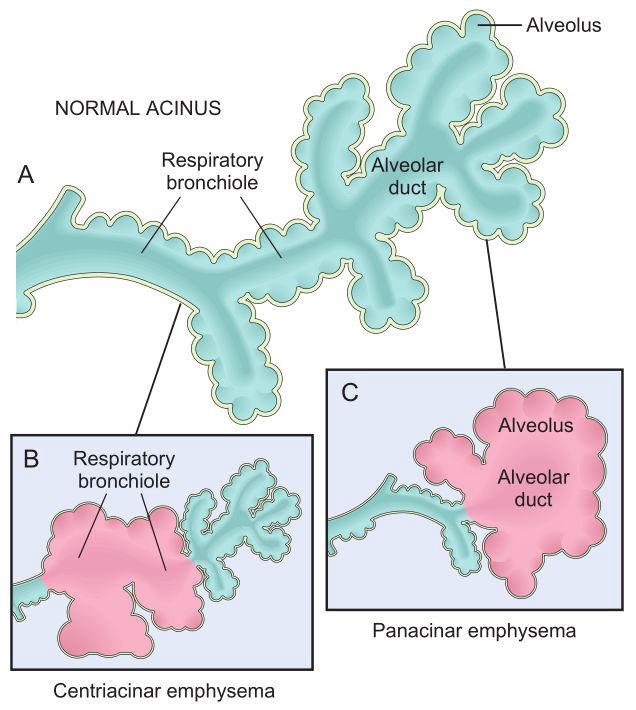
7
What is WAGR syndrome? Denys-Drash syndrome? Beckwith-Widemann syndrome? How are these entities genetically different?
WAGR syndrome: Wilm's tumor, Aniridia, Genital abnormalities and mental and motor Retardation.
- associated with deletion of the WT1 gene
Denys-Drash syndrome: Wilms tumor, progressive renal disease, male pseudohermaphroditism
- associated with WT1 mutations
Beckwith-Widemann syndrome: Wilms tumor, neonatal hypoglycemia, muscular hemihypertrophy and organomegaly (including tongue)
- Mutations in the WT2 cluster, particularly IGF-2
Desperate Memory Tips:
Denys-Drash: like "Denny dash," hurry to go to bathroom at Denny's, GU tract involved
Beckwith-Widemann: "Wide man" genes are size "2" and not "1"; so wide on one side of hyphen, like imbalanced muscles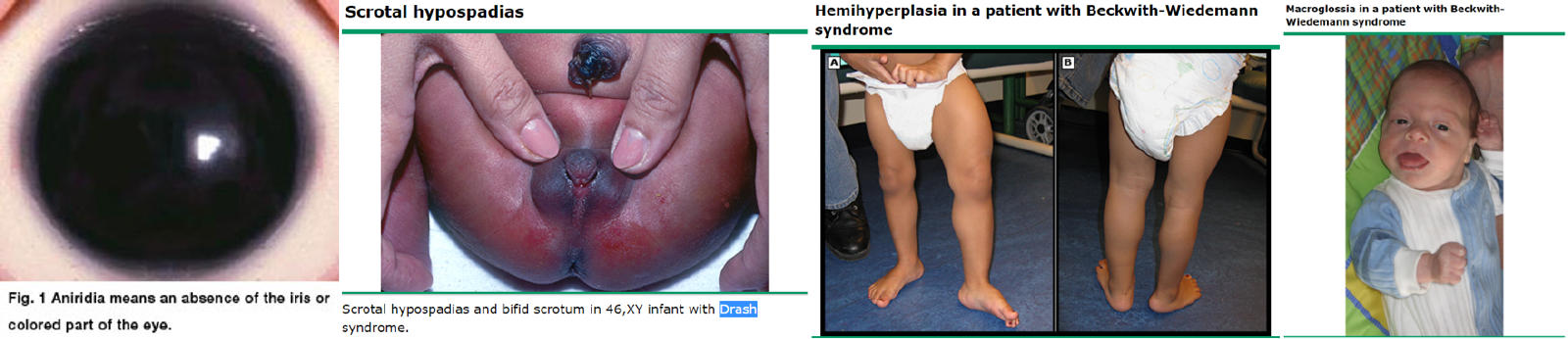
- associated with deletion of the WT1 gene
Denys-Drash syndrome: Wilms tumor, progressive renal disease, male pseudohermaphroditism
- associated with WT1 mutations
Beckwith-Widemann syndrome: Wilms tumor, neonatal hypoglycemia, muscular hemihypertrophy and organomegaly (including tongue)
- Mutations in the WT2 cluster, particularly IGF-2
Desperate Memory Tips:
Denys-Drash: like "Denny dash," hurry to go to bathroom at Denny's, GU tract involved
Beckwith-Widemann: "Wide man" genes are size "2" and not "1"; so wide on one side of hyphen, like imbalanced muscles
8
What does this histology specimen show? Diagnosis?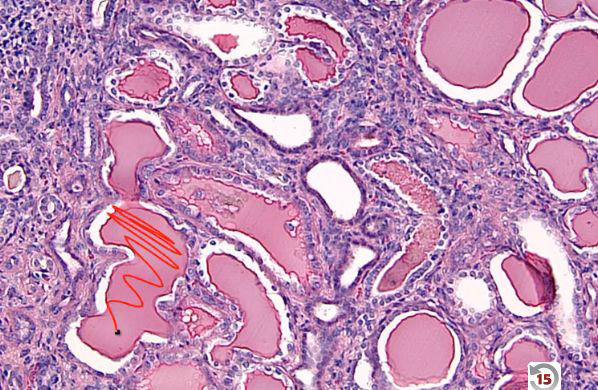
Thyroidization of the kidney - chronic pyelonephritis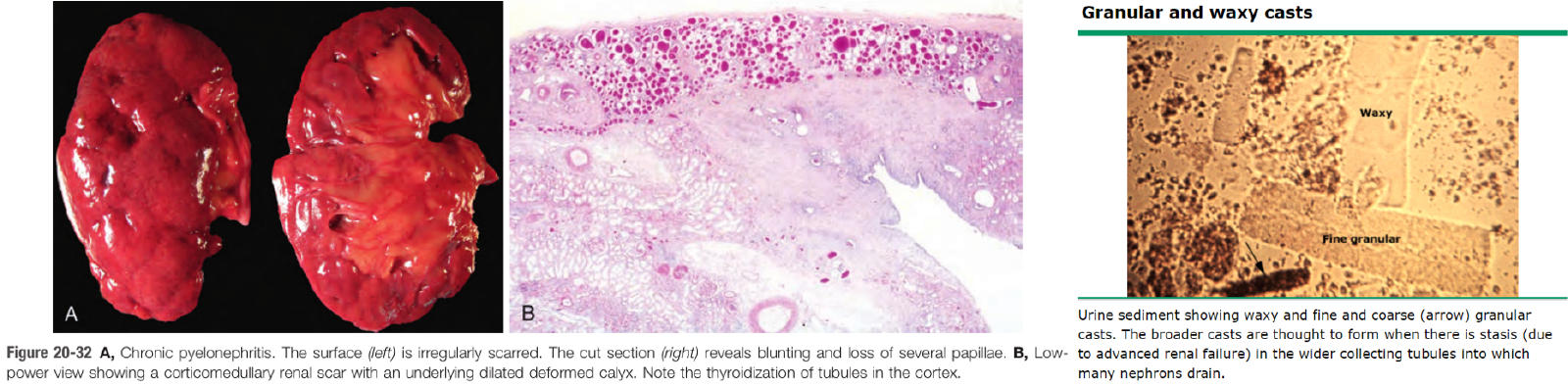
9
What is depicted in this histological specimen?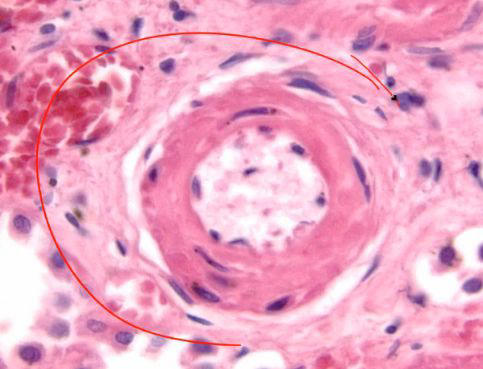
Hyaline arteriolosclerosis
vs. hyperplastic arteriolosclerosis: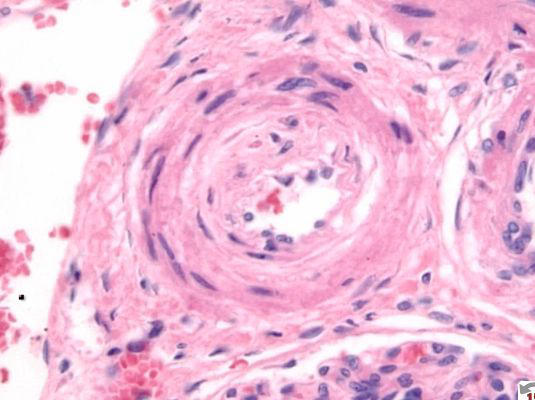
vs. hyperplastic arteriolosclerosis:
10
What is depicted in the histological specimen below?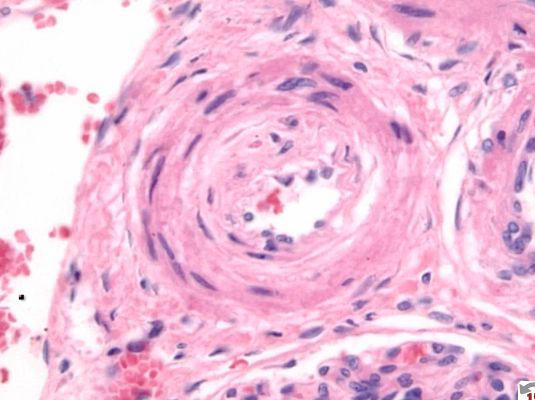
Hyperplastic arteriolosclerosis
vs. hyaline arteriolosclerosis: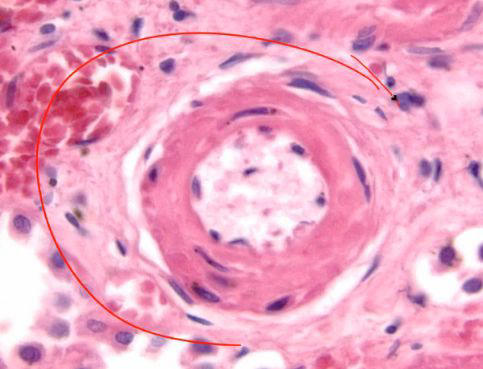
vs. hyaline arteriolosclerosis:
11
Breast biopsy returns this histological specimen. Diagnosis?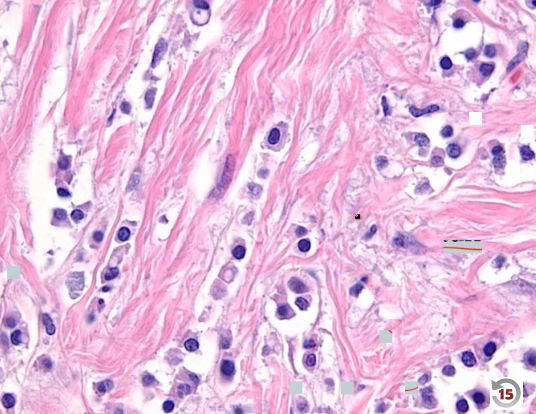
Invasive Lobular Carcinoma - note the "single file/Indian file" pattern of cells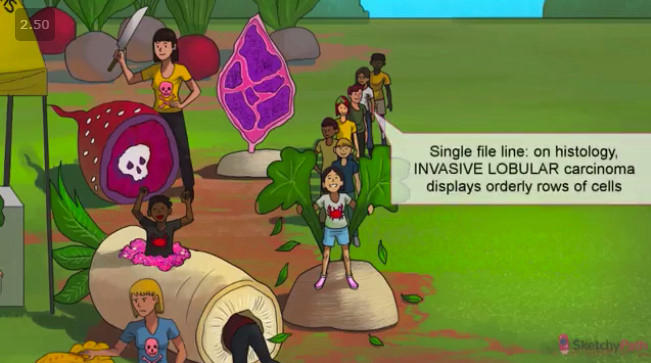
12
High levels of inhibit organification of I2, and therefore inhibit synthesis of thyroid hormones (Wolff-Chaikoff effect)
High levels of I- inhibit organification of I2, and therefore inhibit synthesis of thyroid hormones (Wolff-Chaikoff effect)
13
High levels of I- inhibit of I2, and therefore inhibit synthesis of thyroid hormones (Wolff-Chaikoff effect)
High levels of I- inhibit organification of I2, and therefore inhibit synthesis of thyroid hormones (Wolff-Chaikoff effect)
14
High levels of I- inhibit organification of I2, and therefore inhibit synthesis of thyroid hormones ( effect)
High levels of I- inhibit organification of I2, and therefore inhibit synthesis of thyroid hormones (Wolff-Chaikoff effect)
15
The suppression test is useful in patients with hypercortisolism (Cushing syndrome)
The dexamethasone suppression test is useful in patients with hypercortisolism (Cushing syndrome)
16
The dexamethasone suppression test is useful in patients with
The dexamethasone suppression test is useful in patients with hypercortisolism (Cushing syndrome)
17
What is the result of the dexamethasone suppression test in a normal patient?
What is the result of the dexamethasone suppression test in a normal patient?
Low-dose dexamethasone inhibits ACTH secretion and consequently cortisol secretion
Low-dose dexamethasone inhibits ACTH secretion and consequently cortisol secretion
18
What is the result of a dexamethasone suppression test if the cause of hypercortisolism is an ACTH-secreting tumor of the anterior pituitary?
What is the result of a dexamethasone suppression test if the cause of hypercortisolism is an ACTH-secreting tumor of the anterior pituitary?
LOW dose of dexamethasone does not suppress cortisol secretion, but HIGH dose does
LOW dose of dexamethasone does not suppress cortisol secretion, but HIGH dose does
19
What is the result of a dexamethasone suppression test if the cause of hypercortisolism is an adrenal cortical tumor?
What is the result of a dexamethasone suppression test if the cause of hypercortisolism is an adrenal cortical tumor?
Neither low nor high dose dexamethasone suppresses cortisol secretion
Neither low nor high dose dexamethasone suppresses cortisol secretion
20
How do sulfonylurea drugs (e.g. tolbutamide, glyburde) cause an increased insulin secretion?
How do sulfonylurea drugs (e.g. tolbutamide, glyburde) cause an increased insulin secretion?
By closing the ATP-dependent K+ channels, causing depolarization and subsequent insulin release
By closing the ATP-dependent K+ channels, causing depolarization and subsequent insulin release
21
The test may be used to aid in the diagnosis of Zollinger-Ellison syndrome
The secretin stimulation test may be used to aid in the diagnosis of Zollinger-Ellison syndrome
22
Zollinger-Ellison syndrome is caused by a(n) of the pancreas or duodenum
Zollinger-Ellison syndrome is caused by a(n) gastrinoma of the pancreas or duodenum
23
Laron syndrome, or dwarfism, is characterized by GH and IGF-1
Laron syndrome, or dwarfism, is characterized by increased GH and decreased IGF-1
24
The cells of the male gonads synthesize testosterone
The Leydig cells of the male gonads synthesize testosterone
25
The Leydig cells of the male gonads synthesize
The Leydig cells of the male gonads synthesize testosterone
26
In the development of a female, the duct degenerates and the duct develops
In the development of a female, the mesonephric (Wolffian) duct degenerates and the paramesonephric (Müllerian) duct develops
27
What appearance is associated with the following scores using the Apgar score?
0:
1:
2:
0:
1:
2:
What appearance is associated with the following scores using the Apgar score?
0: Pale or blue
1: Extremities blue
2: Pink
0: Pale or blue
1: Extremities blue
2: Pink
28
What pulse is associated with the following scores using the Apgar score?
0:
1:
2:
0:
1:
2:
What pulse is associated with the following scores using the Apgar score?
0: No pulse
1: Pulse < 100 bpm
2: Pulse ≥ 100 bpm
0: No pulse
1: Pulse < 100 bpm
2: Pulse ≥ 100 bpm
29
What grimace is associated with the following scores using the Apgar score?
0:
1:
2:
0:
1:
2:
What grimace is associated with the following scores using the Apgar score?
0: No response to stimulation
1: Grimaces or weak cry
2: Cries and pulls away
0: No response to stimulation
1: Grimaces or weak cry
2: Cries and pulls away
30
What activity is associated with each of the following scores using the Apgar score?
0:
1:
2:
0:
1:
2:
What activity is associated with each of the following scores using the Apgar score?
0: No movement
1: Arms, legs flexed
2: Active movement
0: No movement
1: Arms, legs flexed
2: Active movement
31
Breast cancer that has Her2/neu amplification is associated with good response to
Breast cancer that has Her2/neu amplification is associated with good response to trastuzumab (herceptin)
32
What gene is defective in Menkes disease?
What gene is defective in Menkes disease?
ATP7A
ATP7A
33
What class of diseases is Friedreich ataxia a part of?
What class of diseases is Friedreich ataxia a part of?
Trinucleotide repeat expansion diseases
Trinucleotide repeat expansion diseases
34
What sequence of nucleotides is repeated in Friedreich ataxia?
What sequence of nucleotides is repeated in Friedreich ataxia?
GAA
GAA
35
Is the fourth heart sound (S4) normally audible in young adults?
Is the fourth heart sound (S4) normally audible in young adults?
No
No
36
The heart sound can be associated with ventricular noncompliance
The heart sound S4 can be associated with ventricular noncompliance
37
The heart sound S4 can be associated with ventricular
The heart sound S4 can be associated with ventricular noncompliance
38
The abnormal heart sounds S3 and S4 are best heard at the , with the patient in left lateral decubitus position
The abnormal heart sounds S3 and S4 are best heard at the mitral area (apex), with the patient in left lateral decubitus position
39
Which abnormal heart sound may be audible during atrial systole (late ventricular diastole)?
Which abnormal heart sound may be audible during atrial systole (late ventricular diastole)?
S4
S4
40
Inspiration delays closure of the valve which causes splitting of the S2 heart sound
Inspiration delays closure of the pulmonic valve which causes splitting of the S2 heart sound
41
Inspiration delays closure of the pulmonic valve which causes of the S2 heart sound
Inspiration delays closure of the pulmonic valve which causes splitting of the S2 heart sound
42
During rapid ventricular filling, the left ventricular pressure becomes less than the left atrial pressure and the valve opens
During rapid ventricular filling, the left ventricular pressure becomes less than the left atrial pressure and the mitral valve opens
43
How does atrial pressure change during rapid ventricular filling?
How does atrial pressure change during rapid ventricular filling?
Decrease
Decrease
44
The abnormal heart sound may be audible during rapid ventricular filling (early diastole)
The abnormal heart sound S3 may be audible during rapid ventricular filling (early diastole)
45
In what demographics may the heart sound S3 be normal?
In what demographics may the heart sound S3 be normal?
Children, young adults, pregnant patients, athletes
Children, young adults, pregnant patients, athletes
46
The presence of the heart sound S3 in middle-aged or older adults indicates overload
The presence of the heart sound S3 in middle-aged or older adults indicates volume overload
47
Information from the carotid sinus baroreceptor is carried to the via the glossopharyngeal (CN IX) nerve
Information from the carotid sinus baroreceptor is carried to the nucleus tractus solitarius (NTS) via the glossopharyngeal (CN IX) nerve
48
Information from the carotid sinus baroreceptor is carried to the nucleus tractus solitarius (NTS) via the nerve
Information from the carotid sinus baroreceptor is carried to the nucleus tractus solitarius (NTS) via the glossopharyngeal (CN IX) nerve
49
Information from the aortic arch baroreceptors is carried to the via the vagus nerve
Information from the aortic arch baroreceptors is carried to the nucleus tractus solitarius (NTS) via the vagus nerve
50
Information from the aortic arch baroreceptors is carried to the nucleus tractus solitarius (NTS) via the nerve
Information from the aortic arch baroreceptors is carried to the nucleus tractus solitarius (NTS) via the vagus nerve
51
What effect does decreased stretch (e.g., hemorrhage) have on the afferent firing rate of a baroreceptor?
What effect does decreased stretch (e.g., hemorrhage) have on the afferent firing rate of a baroreceptor?
Decreased firing rate
Decreased firing rate
52
In response to decreased afferent baroreceptor firing, there is efferent sympathetic firing (baroreceptor reflex)
In response to decreased afferent baroreceptor firing, there is increased efferent sympathetic firing (baroreceptor reflex)
53
In response to decreased afferent baroreceptor firing, there is efferent parasympathetic firing (baroreceptor reflex)
In response to decreased afferent baroreceptor firing, there is decreased efferent parasympathetic firing (baroreceptor reflex)
54
How does increased efferent sympathetic firing (e.g., baroreceptor reflex) affect contractility?
How does increased efferent sympathetic firing (e.g., baroreceptor reflex) affect contractility?
Increased contractility
Increased contractility
55
Atrial natriuretic peptide dilates afferent renal arterioles and constricts efferent renal arterioles, along with downregulating on the collecting tubules, therefore increasing the excretion of Na+ and water
Atrial natriuretic peptide dilates afferent renal arterioles and constricts efferent renal arterioles, along with downregulating ENaC on the collecting tubules, therefore increasing the excretion of Na+ and water
56
Atrial natriuretic peptide dilates afferent renal arterioles and constricts efferent renal arterioles, along with downregulating ENaC on the collecting tubules, therefore the excretion of Na+ and water
Atrial natriuretic peptide dilates afferent renal arterioles and constricts efferent renal arterioles, along with downregulating ENaC on the collecting tubules, therefore increasing the excretion of Na+ and water
57
is a good approximation of left atrial pressure
Pulmonary capillary wedge pressure (PCWP) is a good approximation of left atrial pressure
58
Pulmonary capillary wedge pressure (PCWP) is a good approximation of pressure
Pulmonary capillary wedge pressure (PCWP) is a good approximation of left atrial pressure
59
What is used to measure pulmonary capillary wedge pressure (PCWP)?
What is used to measure pulmonary capillary wedge pressure (PCWP)?
Pulmonary artery catheter (Swan-Ganz catheter)
Pulmonary artery catheter (Swan-Ganz catheter)
60
is a polymorphic ventricular tachycardia with shifting sinusoidal waveforms on ECG
Torsades de pointes is a polymorphic ventricular tachycardia with shifting sinusoidal waveforms on ECG
61
Torsades de pointes can progress to ventricular
Torsades de pointes can progress to ventricular fibrillation (VF)
62
A long predisposes to torsades de pointes
A long QT interval predisposes to torsades de pointes
63
Treatment for torsades de pointes includes
Treatment for torsades de pointes includes magnesium sulfate
64
Deficiencies of which three cations are associated with torsades de pointes?
Deficiencies of which three cations are associated with torsades de pointes?
K+, Mg2+, Ca2+
K+, Mg2+, Ca2+
65
Congenital long QT syndrome is an inherited disorder of myocardial repolarization, typically due to defects
Congenital long QT syndrome is an inherited disorder of myocardial repolarization, typically due to ion channel defects
66
Congenital long QT syndrome (LQTS) has increased risk of sudden cardiac death (SCD) due to
Congenital long QT syndrome (LQTS) has increased risk of sudden cardiac death (SCD) due to torsades de pointes (TdP)
67
syndrome is a form of long QT syndrome that is purely cardiac (no deafness)
Romano-Ward syndrome is a form of long QT syndrome that is purely cardiac (no deafness)
68
syndrome is a form of long QT syndrome that involves sensorineural deafness
Jervell and Lange-Nielsen syndrome is a form of long QT syndrome that involves sensorineural deafness
69
What is the inheritance of Romano-Ward syndrome (a form of long QT syndrome)?
What is the inheritance of Romano-Ward syndrome (a form of long QT syndrome)?
Autosomal dominant
Autosomal dominant
70
What is the inheritance of Jervell and Lange-Nielsen syndrome (a form of long QT syndrome)?
What is the inheritance of Jervell and Lange-Nielsen syndrome (a form of long QT syndrome)?
Autosomal recessive
Autosomal recessive
71
What is the inheritance of Brugada syndrome?
What is the inheritance of Brugada syndrome?
Autosomal dominant
Autosomal dominant
72
What demographic is most commonly affected by Brugada syndrome?
What demographic is most commonly affected by Brugada syndrome?
Asian males
Asian males
73
syndrome presents with an ECG pattern of pseudo-right bundle branch block (RBBB) and ST elevations in leads V1 - V3
Brugada syndrome presents with an ECG pattern of pseudo-right bundle branch block (RBBB) and ST elevations in leads V1 - V3
74
Brugada syndrome presents with an ECG pattern of and ST elevations in leads V1 - V3
Brugada syndrome presents with an ECG pattern of pseudo-right bundle branch block (RBBB) and ST elevations in leads V1 - V3
75
Brugada syndrome presents with an ECG pattern of pseudo-right bundle branch block (RBBB) and in leads V1 - V3
Brugada syndrome presents with an ECG pattern of pseudo-right bundle branch block (RBBB) and ST elevations in leads V1 - V3
76
Brugada syndrome presents with an ECG pattern of pseudo-right bundle branch block (RBBB) and ST elevations in leads
Brugada syndrome presents with an ECG pattern of pseudo-right bundle branch block (RBBB) and ST elevations in leads V1 - V3
77
Patients with Brugada syndrome are at increased risk of ventricular and sudden cardiac death (SCD)
Patients with Brugada syndrome are at increased risk of ventricular tachyarrhythmias and sudden cardiac death (SCD)
78
Patients with Brugada syndrome may prevent sudden cardiac death with an implantable
Patients with Brugada syndrome may prevent sudden cardiac death with an implantable cardioverter-defibrillator (ICD)
79
syndrome is the most common type of ventricular pre-excitation syndrome
Wolff-Parkinson-White syndrome is the most common type of ventricular pre-excitation syndrome
80
syndrome is due to an abnormally fast accessory conduction pathway from the atria to ventricle via the bundle of Kent, which bypasses the slower AV node
Wolff-Parkinson-White syndrome is due to an abnormally fast accessory conduction pathway from the atria to ventricle via the bundle of Kent, which bypasses the slower AV node
81
Wolff-Parkinson-White syndrome is due to an abnormally fast accessory conduction pathway from the atria to ventricle via the bundle of , which bypasses the slower AV node
Wolff-Parkinson-White syndrome is due to an abnormally fast accessory conduction pathway from the atria to ventricle via the bundle of Kent, which bypasses the slower AV node
82
Wolff-Parkinson-White syndrome presents with a characteristic wave on ECG
Wolff-Parkinson-White syndrome presents with a characteristic delta wave on ECG
83
Wolff-Parkinson-White syndrome presents with a(n) QRS complex and PR interval on ECG
Wolff-Parkinson-White syndrome presents with a(n) widened QRS complex and shortened PR interval on ECG
84
Wolff-Parkinson-White syndrome may result in a re-entry circuit, causing supraventricular
Wolff-Parkinson-White syndrome may result in a re-entry circuit, causing supraventricular tachycardia
85
A murmur due to may radiate to the axilla
A murmur due to mitral regurgitation may radiate to the axilla
86
A murmur due to mitral regurgitation may radiate to the
A murmur due to mitral regurgitation may radiate to the axilla
87
A continuous, machine-like murmur is indicative of what pathology?
A continuous, machine-like murmur is indicative of what pathology?
Patent ductus arteriosus (PDA)
Patent ductus arteriosus (PDA)
88
syndrome is an autoimmune complication that may occur several weeks (6-8) after an MI
Dressler syndrome is an autoimmune complication that may occur several weeks (6-8) after an MI
89
What does the J in J♥NES criteria represent?
What does the J in J♥NES criteria represent?
Joint (migratory polyarthritis)
Joint (migratory polyarthritis)
90
What does the ♥ in J♥NES criteria represent?
What does the ♥ in J♥NES criteria represent?
Pancarditis (includes endocarditis, myocarditis, and pericarditis)
Pancarditis (includes endocarditis, myocarditis, and pericarditis)
91
What does the N in J♥NES criteria represent?
What does the N in J♥NES criteria represent?
Nodules in skin (subcutaneous)
Nodules in skin (subcutaneous)
92
What does the E in J♥NES criteria represent?
What does the E in J♥NES criteria represent?
Erythema marginatum
Erythema marginatum
93
What does the S in J♥NES criteria represent?
What does the S in J♥NES criteria represent?
Sydenham chorea
Sydenham chorea
94
Hypertrophic cardiomyopathy is associated with the trinucleotide repeat expansion disease
Hypertrophic cardiomyopathy is associated with the trinucleotide repeat expansion disease Friedreich ataxia
95
sign is increased jugular venous pressure on inspiration
Kussmaul sign is increased jugular venous pressure on inspiration
96
Kussmaul sign is jugular venous pressure on inspiration
Kussmaul sign is increased jugular venous pressure on inspiration
97
Kussmaul sign is increased jugular venous pressure on
Kussmaul sign is increased jugular venous pressure on inspiration
98
Kussmaul sign (increased JVP on inspiration) may be seen with constrictive and restrictive cardiomyopathies
Kussmaul sign (increased JVP on inspiration) may be seen with constrictive pericarditis and restrictive cardiomyopathies
99
Kussmaul sign (increased JVP on inspiration) may be seen with constrictive pericarditis and cardiomyopathies
Kussmaul sign (increased JVP on inspiration) may be seen with constrictive pericarditis and restrictive cardiomyopathies
100
ECG changes associated with acute include widespread, diffuse ST elevation and/or PR depression
ECG changes associated with acute pericarditis include widespread, diffuse ST elevation and/or PR depression
101
ECG changes associated with acute pericarditis include widespread, diffuse elevation and/or depression
ECG changes associated with acute pericarditis include widespread, diffuse ST elevation and/or PR depression
102
ECG changes associated with acute pericarditis include widespread, diffuse ST and/or PR
ECG changes associated with acute pericarditis include widespread, diffuse ST elevation and/or PR depression
103
may present with Beck triad of:
- Hypotension
- Distended neck veins
- Distant heart sounds
- Hypotension
- Distended neck veins
- Distant heart sounds
Cardiac tamponade may present with Beck triad of:
- Hypotension
- Distended neck veins
- Distant heart sounds
- Hypotension
- Distended neck veins
- Distant heart sounds
104
Cardiac tamponade may present with Beck triad of:
-
-
-
-
-
-
Cardiac tamponade may present with Beck triad of:
- Hypotension
- Distended neck veins
- Distant heart sounds
- Hypotension
- Distended neck veins
- Distant heart sounds
105
One ECG change associated with cardiac tamponade is , which occurs due to "swinging" movement of the heart in a large effusion
One ECG change associated with cardiac tamponade is electrical alternans, which occurs due to "swinging" movement of the heart in a large effusion
106
What equation may be used to determine the physiologic dead space (VD)?
What equation may be used to determine the physiologic dead space (VD)?
$V_D = V_T \times \frac{P_{aCO_2} \space - \space P_{ECO_2} }{P_{aCO_2} }$
$V_D = V_T \times \frac{P_{aCO_2} \space - \space P_{ECO_2} }{P_{aCO_2} }$
107
Lung describes the change in lung volume for a given change in lung pressure (ΔV / ΔP)
Lung compliance describes the change in lung volume for a given change in lung pressure (ΔV / ΔP)
108
Lung compliance may be calculated by the equation C =
Lung compliance may be calculated by the equation C = ΔV/ΔP
109
The compliance of the lungs and chest wall is proportional to their elastance
The compliance of the lungs and chest wall is inversely proportional to their elastance
110
The compliance of the lungs and chest wall is proportional to the wall stiffness
The compliance of the lungs and chest wall is inversely proportional to the wall stiffness
111
Elastic recoil is proportional to compliance and proportional to elastance
Elastic recoil is inversely proportional to compliance and directly proportional to elastance
112
A lung with compliance is easier to fill
A lung with high compliance is easier to fill
113
A lung with compliance is harder to fill
A lung with low compliance is harder to fill
114
The of a respiratory system pressure-volume curve represents lung compliance
The slope of a respiratory system pressure-volume curve represents lung compliance
115
The slope of a respiratory system pressure-volume curve represents lung
The slope of a respiratory system pressure-volume curve represents lung compliance
116
The slope (compliance) of the pressure-volume loop curves for inspiration and expiration are different due to a phenomenon known as
The slope (compliance) of the pressure-volume loop curves for inspiration and expiration are different due to a phenomenon known as hysteresis
117
During expiration, the slope of the pressure-volume loop as the density of surfactant molecules rapidly
During expiration, the slope of the pressure-volume loop increases as the density of surfactant molecules rapidly increases
118
The compliance of the lung-chest wall system is than that of the lungs or chest wall alone
The compliance of the lung-chest wall system is less than that of the lungs or chest wall alone
119
What is the effect of emphysema on lung compliance?
What is the effect of emphysema on lung compliance?
Increased compliance
Increased compliance
120
At the original FRC, the tendency of the lung to collapse in a patient with emphysema is than the tendency of the chest wall to expand
At the original FRC, the tendency of the lung to collapse in a patient with emphysema is less than the tendency of the chest wall to expand
121
What is the effect of normal aging on lung compliance?
What is the effect of normal aging on lung compliance?
Increased compliance
Increased compliance
122
What is the effect of pulmonary fibrosis on lung compliance?
What is the effect of pulmonary fibrosis on lung compliance?
Decreased compliance
Decreased compliance
123
At the original FRC, the tendency of the lung to collapse in a patient with pulmonary fibrosis is than the tendency of the chest wall to expand
At the original FRC, the tendency of the lung to collapse in a patient with pulmonary fibrosis is greater than the tendency of the chest wall to expand
124
What is the effect of pulmonary edema on lung compliance?
What is the effect of pulmonary edema on lung compliance?
Decreased compliance
Decreased compliance
125
What is the effect of pneumonia on lung compliance?
What is the effect of pneumonia on lung compliance?
Decreased compliance
Decreased compliance
126
What is the effect of surfactant on lung compliance?
What is the effect of surfactant on lung compliance?
Increased compliance
Increased compliance
127
Methemoglobinemia can be treated with or vitamin C (ascorbic acid)
Methemoglobinemia can be treated with methylene blue or vitamin C (ascorbic acid)
128
Methemoglobinemia can be treated with methylene blue or
Methemoglobinemia can be treated with methylene blue or vitamin C (ascorbic acid)
129
The dorsal respiratory group receives sensory input from peripheral chemoreceptors via the and nerves
The dorsal respiratory group receives sensory input from peripheral chemoreceptors via the glossopharyngeal (CN IX) and vagus (CN X) nerves
130
is used as an antidote for methanol or ethylene glycol poisoning
Fomepizole is used as an antidote for methanol or ethylene glycol poisoning
131
Fomepizole is used as an antidote for or poisoning
Fomepizole is used as an antidote for methanol or ethylene glycol poisoning
132
What non-volatile acid may be elevated with ethylene glycol ingestion?
What non-volatile acid may be elevated with ethylene glycol ingestion?
Oxalic acid
Oxalic acid
133
is the difference between measured plasma osmolarity and estimated plasma osmolarity
Osmolar gap is the difference between measured plasma osmolarity and estimated plasma osmolarity
134
The major risk factor for transitional cell carcinoma is
The major risk factor for transitional cell carcinoma is cigarette smoke
135
is a renal tubular disorder characterized by a(n) autosomal recessive inherited deficiency of the enzyme 11β-hydroxysteroid dehydrogenase
Syndrome of apparent mineralocorticoid excess (SAME) is a renal tubular disorder characterized by a(n) autosomal recessive inherited deficiency of the enzyme 11β-hydroxysteroid dehydrogenase
136
Syndrome of apparent mineralocorticoid excess (SAME) is a renal tubular disorder characterized by a(n) inherited deficiency of the enzyme 11β-hydroxysteroid dehydrogenase
Syndrome of apparent mineralocorticoid excess (SAME) is a renal tubular disorder characterized by a(n) autosomal recessive inherited deficiency of the enzyme 11β-hydroxysteroid dehydrogenase
137
Syndrome of apparent mineralocorticoid excess (SAME) is a renal tubular disorder characterized by a(n) autosomal recessive inherited deficiency of the enzyme
Syndrome of apparent mineralocorticoid excess (SAME) is a renal tubular disorder characterized by a(n) autosomal recessive inherited deficiency of the enzyme 11β-hydroxysteroid dehydrogenase
138
In cells containing mineralocorticoid receptors, may be converted to cortisone by the enzyme 11β-hydroxysteroid dehydrogenase
In cells containing mineralocorticoid receptors, cortisol may be converted to cortisone by the enzyme 11β-hydroxysteroid dehydrogenase
139
In cells containing mineralocorticoid receptors, cortisol may be converted to by the enzyme 11β-hydroxysteroid dehydrogenase
In cells containing mineralocorticoid receptors, cortisol may be converted to cortisone by the enzyme 11β-hydroxysteroid dehydrogenase
140
In cells containing mineralocorticoid receptors, cortisol may be converted to cortisone by the enzyme
In cells containing mineralocorticoid receptors, cortisol may be converted to cortisone by the enzyme 11β-hydroxysteroid dehydrogenase
141
is a substance present in licorice that may block activity of the enzyme 11β-hydroxysteroid dehydrogenase
Glycyrrhetinic acid is a substance present in licorice that may block activity of the enzyme 11β-hydroxysteroid dehydrogenase
142
Glycyrrhetinic acid is a substance present in that may block activity of the enzyme 11β-hydroxysteroid dehydrogenase
Glycyrrhetinic acid is a substance present in licorice that may block activity of the enzyme 11β-hydroxysteroid dehydrogenase
143
Glycyrrhetinic acid is a substance present in licorice that may block activity of the enzyme
Glycyrrhetinic acid is a substance present in licorice that may block activity of the enzyme 11β-hydroxysteroid dehydrogenase
144
Which electrolyte disturbance causes stones, bones, groans, thrones, and psychiatric overtones?
Which electrolyte disturbance causes stones, bones, groans, thrones, and psychiatric overtones?
Hypercalcemia
Hypercalcemia
145
The presence of RBC casts / dysmorphic RBCs in the urine indicates that hematuria/pyuria is of or renal tubular origin
The presence of RBC casts / dysmorphic RBCs in the urine indicates that hematuria/pyuria is of glomerular or renal tubular origin
146
The presence of RBC casts / dysmorphic RBCs in the urine indicates that hematuria/pyuria is of glomerular or origin
The presence of RBC casts / dysmorphic RBCs in the urine indicates that hematuria/pyuria is of glomerular or renal tubular origin
147
Which type of cast is classically seen in glomerulonephritis and hypertensive emergency?
Which type of cast is classically seen in glomerulonephritis and hypertensive emergency?
RBC casts
RBC casts
148
What type of cast may be seen in end-stage renal disease and chronic renal failure?
What type of cast may be seen in end-stage renal disease and chronic renal failure?
Waxy casts
Waxy casts
149
casts are nonspecific and are often seen in concentrated urine samples (can be a normal finding)
Hyaline casts are nonspecific and are often seen in concentrated urine samples (can be a normal finding)
150
Renal is a benign epithelial cell tumor arising from the collecting ducts
Renal oncocytoma is a benign epithelial cell tumor arising from the collecting ducts
151
Renal oncocytoma is a benign epithelial cell tumor arising from the
Renal oncocytoma is a benign epithelial cell tumor arising from the collecting ducts
152
Is renal oncocytoma benign or malignant?
Is renal oncocytoma benign or malignant?
Benign
Benign
153
Which renal tumor is characterized by large eosinophilic cells with abundant mitochondria, but without perinuclear clearing?
Which renal tumor is characterized by large eosinophilic cells with abundant mitochondria, but without perinuclear clearing?
Renal oncocytoma
Renal oncocytoma
154
Gaucher disease is characterized by "Gaucher cells" which are lipid-laden macrophages resembling
Gaucher disease is characterized by "Gaucher cells" which are lipid-laden macrophages resembling crumpled tissue paper
155
is used to treat acute promyelocytic leukemia
All-trans-retinoic acid is used to treat acute promyelocytic leukemia
156
All-trans-retinoic acid is used to treat
All-trans-retinoic acid is used to treat acute promyelocytic leukemia
157
Cystinuria may be treated with agents, such as penicillamine
Cystinuria may be treated with chelating agents, such as penicillamine
158
Cystinuria may be treated with chelating agents, such as
Cystinuria may be treated with chelating agents, such as penicillamine
159
Class switching to Ig is promoted by IL-4 and IL-13
Class switching to IgE is promoted by IL-4 and IL-13
160
Class switching to IgE is promoted by and
Class switching to IgE is promoted by IL-4 and IL-13
161
What type of hypersensitivity reaction is hyperacute transplant rejection?
What type of hypersensitivity reaction is hyperacute transplant rejection?
Type II HSR (inflammation)
Type II HSR (inflammation)
162
Which type of transplant rejection presents with vascular smooth muscle proliferation, parenchymal atrophy, and interstitial fibrosis?
Which type of transplant rejection presents with vascular smooth muscle proliferation, parenchymal atrophy, and interstitial fibrosis?
Chronic transplant rejection
Chronic transplant rejection
163
transplant rejection is dominated by arteriosclerosis
Chronic transplant rejection is dominated by arteriosclerosis
164
Chronic transplant rejection is dominated by
Chronic transplant rejection is dominated by arteriosclerosis
165
Chronic lung transplant rejection typically presents as
Chronic lung transplant rejection typically presents as bronchiolitis obliterans
166
Chronic heart transplant rejection typically presents as
Chronic heart transplant rejection typically presents as accelerated atherosclerosis
167
Chronic kidney transplant rejection typically presents as
Chronic kidney transplant rejection typically presents as chronic allograft nephropathy
168
Chronic liver transplant rejection typically presents as
Chronic liver transplant rejection typically presents as vanishing bile duct syndrome
169
Which type of transplant rejection presents as grafted immunocompetent T cells proliferating and rejecting host cells with "foreign" proteins?
Which type of transplant rejection presents as grafted immunocompetent T cells proliferating and rejecting host cells with "foreign" proteins?
Graft-versus-host-disease (GVHD)
Graft-versus-host-disease (GVHD)
170
Which type of transplant rejection presents with maculopapular rash, jaundice, diarrhea, and hepatosplenomegaly?
Which type of transplant rejection presents with maculopapular rash, jaundice, diarrhea, and hepatosplenomegaly?
Graft-versus-host disease (GVHD)
Graft-versus-host disease (GVHD)
171
Which transplanted organs are associated with graft-versus-host disease?
Which transplanted organs are associated with graft-versus-host disease?
Bone marrow and liver
Bone marrow and liver
172
What is the immunologic difference between atopic and contact dermatitis?
Atopic is a type I hypersensitivity;
contact is a type IV
contact is a type IV
173
Which complement protein is an opsonin for phagocytosis?
Which complement protein is an opsonin for phagocytosis?
C3b
C3b
174
Which immunodeficiency may be diagnosed with the nitroblue tetrazolium test?
Which immunodeficiency may be diagnosed with the nitroblue tetrazolium test?
Chronic granulomatous disease (CGD)
Chronic granulomatous disease (CGD)
175
What HLA subtypes are associated with SLE?
and
and
What HLA subtypes are associated with SLE?
DR2 and DR3
DR2 and DR3
176
Which interleukin is primarily responsible for acute phase reactant production?
Which interleukin is primarily responsible for acute phase reactant production?
IL-6
IL-6
177
Which interleukin is primarily responsible for stimulating IgE production?
Which interleukin is primarily responsible for stimulating IgE production?
IL-4
IL-4
178
Which immune cell(s) secretes IL-4?
Which immune cell(s) secretes IL-4?
Th2 cells
Th2 cells
179
Which blood transfusion reaction presents with urticaria, pruritus, hypotension, and shock?
Which blood transfusion reaction presents with urticaria, pruritus, hypotension, and shock?
Anaphylactic transfusion reaction
Anaphylactic transfusion reaction
180
Which blood transfusion reaction is a reaction against plasma proteins in transfused blood?
Which blood transfusion reaction is a reaction against plasma proteins in transfused blood?
Allergic / anaphylactic reaction
Allergic / anaphylactic reaction
181
What type of hypersensitivity is allergic transfusion reaction?
What type of hypersensitivity is allergic transfusion reaction?
Type I HSR
Type I HSR
182
Which blood transfusion reaction presents with fever, headaches, chills, and flushing?
Which blood transfusion reaction presents with fever, headaches, chills, and flushing?
Febrile nonhemolytic transfusion reaction (FNHTR)
Febrile nonhemolytic transfusion reaction (FNHTR)
183
Which blood transfusion reaction presents with fever, hypotension, tachypnea, hemoglobinuria*, and jaundice?
Which blood transfusion reaction presents with fever, hypotension, tachypnea, hemoglobinuria*, and jaundice?
Acute hemolytic transfusion reaction (AHTR)
Acute hemolytic transfusion reaction (AHTR)
184
Which blood transfusion reaction is caused by host antibodies against donor ABO blood groups or foreign antigen on donor RBCs?
Which blood transfusion reaction is caused by host antibodies against donor ABO blood groups or foreign antigen on donor RBCs?
Acute hemolytic transfusion reaction (AHTR)
Acute hemolytic transfusion reaction (AHTR)
185
What type of hypersensitivity is acute hemolytic transfusion reaction (AHTR)?
What type of hypersensitivity is acute hemolytic transfusion reaction (AHTR)?
Type II HSR
Type II HSR
186
Which blood transfusion reaction presents with respiratory distress, hypotension, and noncardiogenic pulmonary edema?
Which blood transfusion reaction presents with respiratory distress, hypotension, and noncardiogenic pulmonary edema?
Transfusion-related acute lung injury (TRALI)
Transfusion-related acute lung injury (TRALI)
187
Which blood transfusion reaction is caused by donor anti-leukocyte antibodies against recipient neutrophils and pulmonary endothelial cells?
Which blood transfusion reaction is caused by donor anti-leukocyte antibodies against recipient neutrophils and pulmonary endothelial cells?
Transfusion-related acute lung injury (TRALI)
Transfusion-related acute lung injury (TRALI)
188
A child gets mumps, is there a risk of sterility?
A child gets mumps, is there a risk of sterility?
No
No
189
What pathological finding is found in the CT scan below (arrow)?
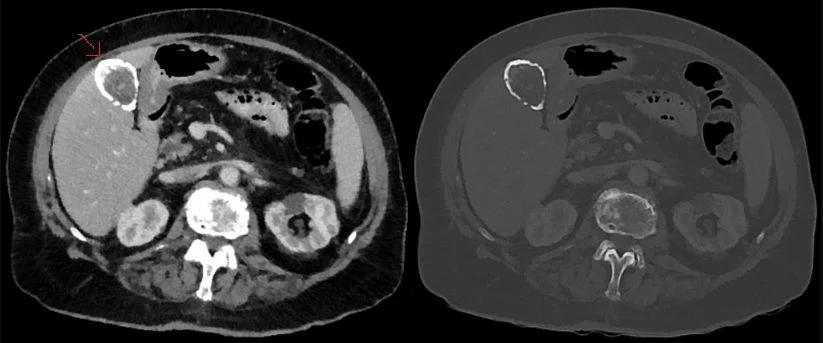
What pathological finding is found in the CT scan below (arrow)?
Porcelain gallbladder
Porcelain gallbladder
190
Hemorrhage into the corpus luteum can result in a:
Hemorrhage into the corpus luteum can result in a:
Hemorrhagic luteal cyst
Hemorrhagic luteal cyst
191
Wegner granulomatosis affects the:
(1)
(2)
(3)
(1)
(2)
(3)
Wegner granulomatosis affects the:
(1) Nasopharynx
(2) Lungs
(3) Kidneys
(1) Nasopharynx
(2) Lungs
(3) Kidneys
192
What are the following values in pre-renal failure?
(1) BUN:Cr:
(2) FENa:
(3) Urine Osm.:
(1) BUN:Cr:
(2) FENa:
(3) Urine Osm.:
What are the following values in pre-renal failure?
(1) BUN:Cr: >15
(2) FENa: <1%
(3) Urine Osm.: >500
(1) BUN:Cr: >15
(2) FENa: <1%
(3) Urine Osm.: >500
193
What is the likely diagnosis in a hepatitis C patient with palpable purpura, hematuria, proteinuria, and low serum complement?
What is the likely diagnosis in a hepatitis C patient with palpable purpura, hematuria, proteinuria, and low serum complement?
Mixed cryoglobulinemia
Mixed cryoglobulinemia
194
Only platelet defect to have both decrease in platelet size as well as number?
Wiskott Aldrich syndrome
195
Tuberous sclerosis cellular mechanism ??
TSC1→codes for hamartin
TSC2→codes for tuberin
hamartin-tuberin form a complex that drives small GTPase(Rheb: Ras homolog enhanced in brain) into an inactive GDP-bound state...
Rheb in active GTP bound state activates mTOR
TSC2→codes for tuberin
hamartin-tuberin form a complex that drives small GTPase(Rheb: Ras homolog enhanced in brain) into an inactive GDP-bound state...
Rheb in active GTP bound state activates mTOR
196
What is the likely diagnosis in a patient taking HCTZ, levothyroxine, and OTC mineral supplements (for osteoporosis) that develops symptomatic hypercalcemia, metabolic alkalosis, and AKI?
What is the likely diagnosis in a patient taking HCTZ, levothyroxine, and OTC mineral supplements (for osteoporosis) that develops symptomatic hypercalcemia, metabolic alkalosis, and AKI?
Milk-alkali syndrome
Milk-alkali syndrome
197
What is the likely diagnosis in a patient with recurrent hemarthrosis after mild trauma and a family history significant for a maternal uncle with a similar issue?
What is the likely diagnosis in a patient with recurrent hemarthrosis after mild trauma and a family history significant for a maternal uncle with a similar issue?
Hemophilia A or B
Hemophilia A or B
198
What is the likely diagnosis in an elderly patient that presents with headaches, blurry vision, hepatosplenomegaly? Serum protein electrophoresis reveals a sharp M-spike of IgM.
What is the likely diagnosis in an elderly patient that presents with headaches, blurry vision, hepatosplenomegaly? Serum protein electrophoresis reveals a sharp M-spike of IgM.
Waldenstrom macroglobulinemia
Waldenstrom macroglobulinemia
199
CMV causes heterophile- mononucleosis
CMV causes heterophile-negative mononucleosis
200
Lymphoma and Small Lymphocytic Lymphoma/CLL are B cell malignancies that have co-expression of CD20 and CD5
Mantle Cell Lymphoma and Small Lymphocytic Lymphoma/CLL are B cell malignancies that have co-expression of CD20 and CD5
201
What dysmorphic feature do patients with Down Syndrome have relating to their ears?
Low-set small ears
Also seen in Edward syndrome
Also seen in Edward syndrome
202
Which proteins in complement are anaphylatoxins?
C3aC4a
C5a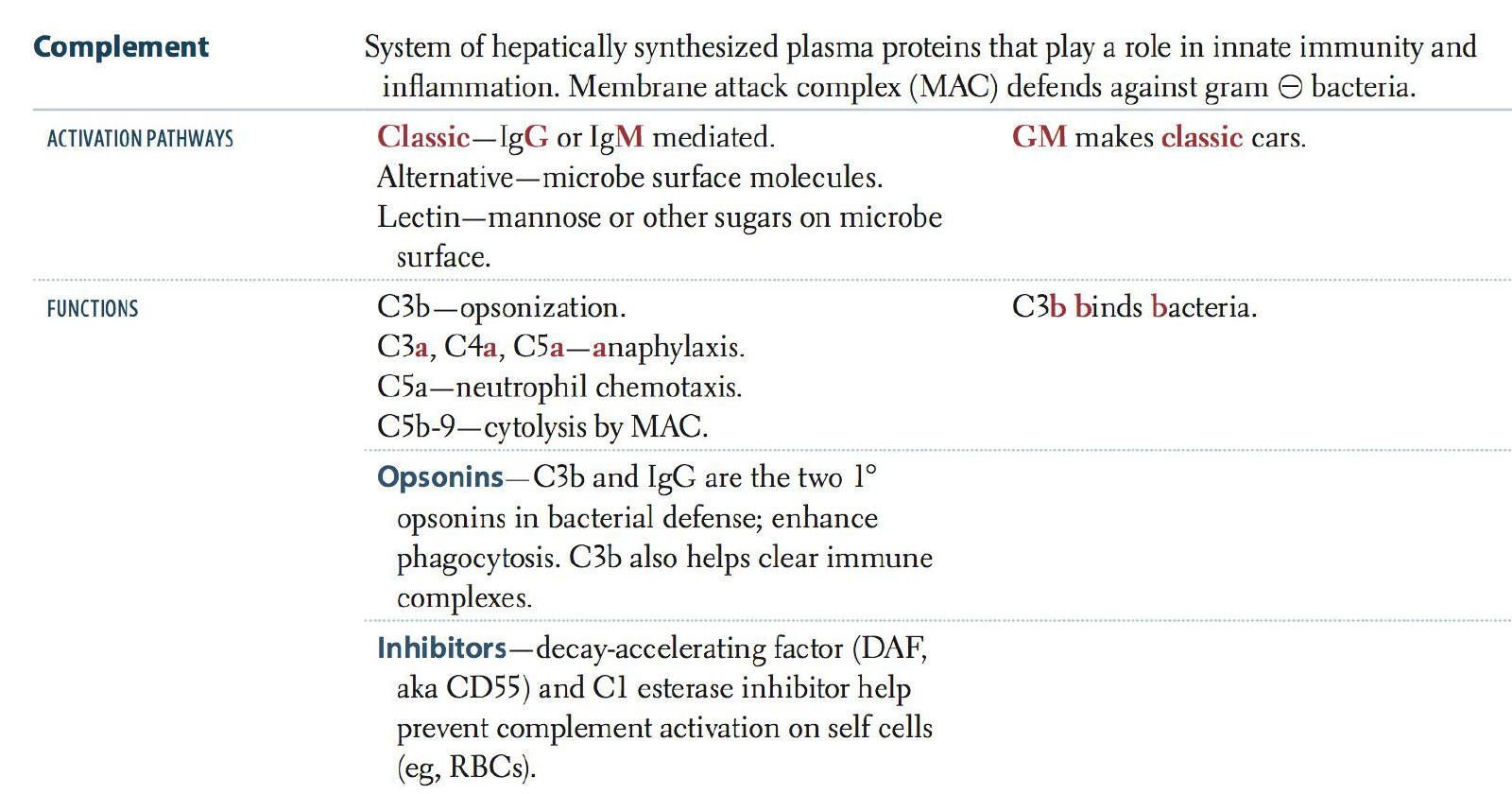
C5a
203
What energy storage molecule is produced through the action of G6PD?
NADPH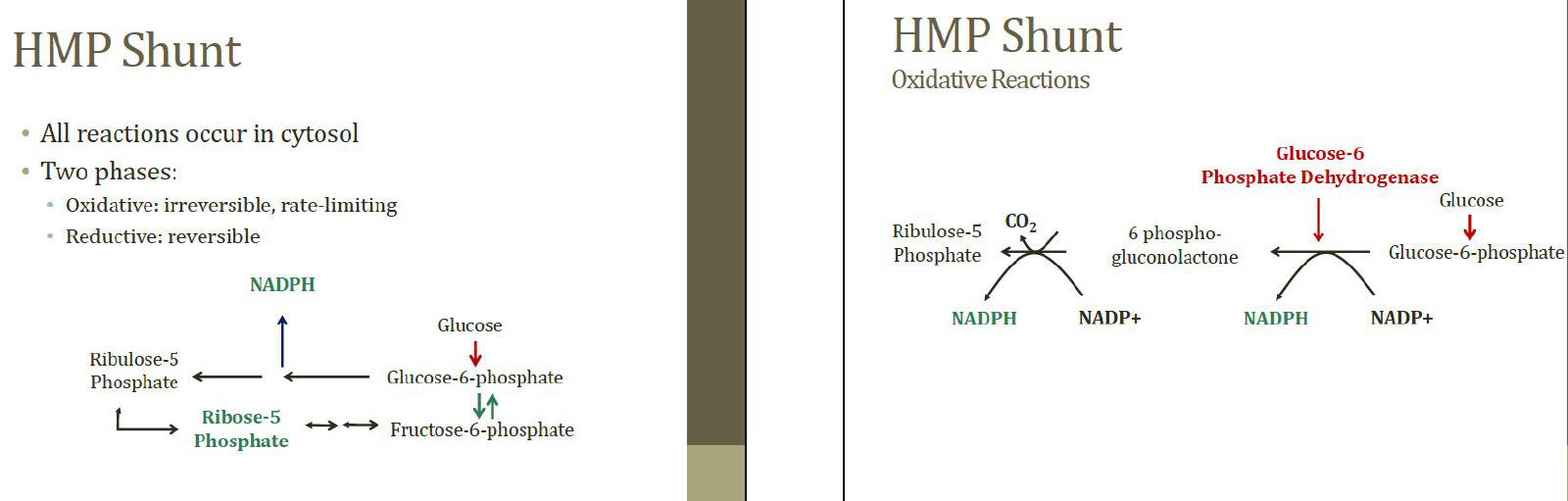
204
Sickle cells cause a(n) in the ESR
Sickle cells cause a(n) decrease in the ESR
205
What unusual cell marker is seen on cells in CLL?
CD5
Normally a T cell marker, however, CLL affects B cells
CD5 is also seen in Mantle cell lymphoma, and Small Lymphocytic Lymphoma
CLL is characteristic bc infected cells co-express CD5, CD20, & CD23
Normally a T cell marker, however, CLL affects B cells
CD5 is also seen in Mantle cell lymphoma, and Small Lymphocytic Lymphoma
CLL is characteristic bc infected cells co-express CD5, CD20, & CD23
206
What is the more common type of Macular Degeneration?
Dry (>80%)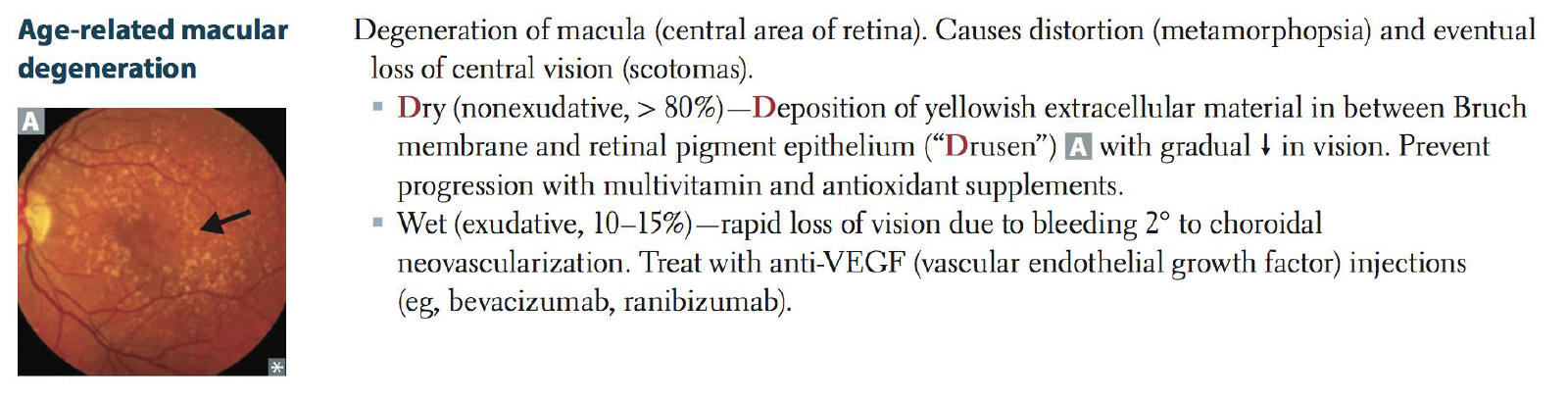
207
Macular Degeneration involves the deposition of Drusen in between Bruch membrane and the retinal pigment epithelium
Dry Macular Degeneration involves the deposition of Drusen in between Bruch membrane and the retinal pigment epithelium
208
Dry Macular Degeneration involves the deposition of in between Bruch membrane and the retinal pigment epithelium
Dry Macular Degeneration involves the deposition of Drusen in between Bruch membrane and the retinal pigment epithelium
209
Dry Macular Degeneration involves the deposition of Drusen in between and
Dry Macular Degeneration involves the deposition of Drusen in between Bruch membrane and the retinal pigment epithelium
210
What condition is shown by the fundoscopic picture shown below?
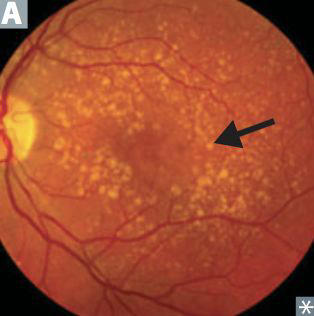
What condition is shown by the fundoscopic picture shown below?
Macular Degeneration
Macular Degeneration
211
What is the extracellular deposition in Dry Macular Degeneration?
Drusen
212
What is the treatment for Dry Macular Degeneration?
MultivitaminAntioxidant supplements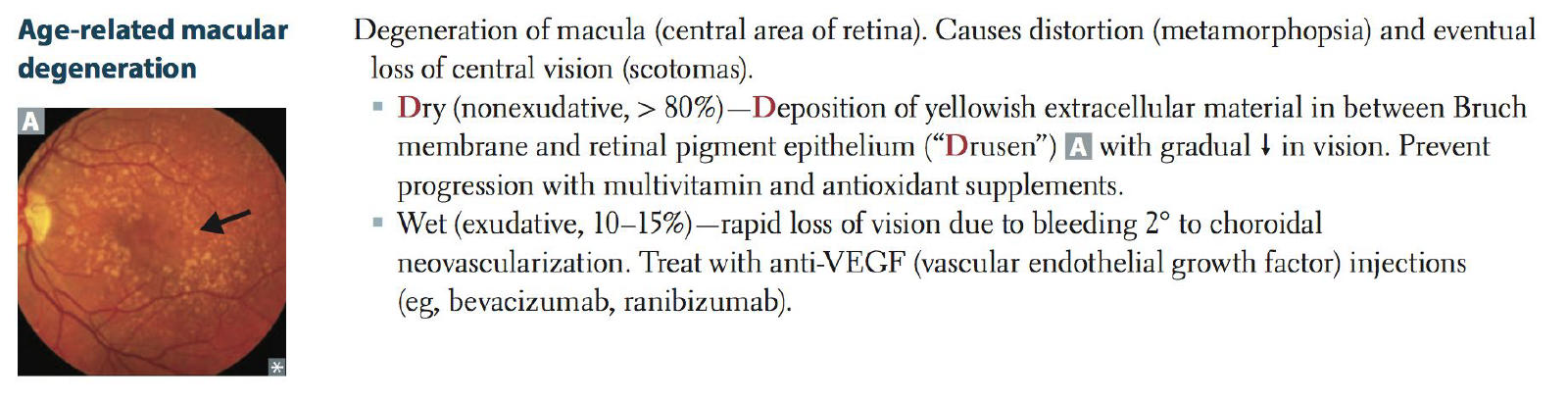
213
The alcohol biomarker takes 2-6 weeks to return to normal after a patient stops drinking
The alcohol biomarker GGT takes 2-6 weeks to return to normal after a patient stops drinking
214
The alcohol biomarker GGT takes to return to normal after a patient stops drinking
The alcohol biomarker GGT takes 2-6 weeks to return to normal after a patient stops drinking
215
What is the clinical usage for Bevacizumab?
Solid tumorsWet-age-related macular degeneration
216
Bevacizumab is used in the treatment of what ocular condition?
Wet-age-related macular degeneration
217
What anti-cancer monoclonal antibody can be used to treat wet macular degeneration?
Bevacizumab
218
Both Prader-Willi and Angelman syndromes are due to mutation or deletion of genes on chromosome
Both Prader-Willi and Angelman syndromes are due to mutation or deletion of genes on chromosome 15
219
is due to an abnormal maternal copy of chromosome 15q11-q13
Angelman Syndrome is due to an abnormal maternal copy of chromosome 15q11-q13
220
Angelman Syndrome is due to an abnormal copy of chromosome 15q11-q13
Angelman Syndrome is due to an abnormal maternal copy of chromosome 15q11-q13
221
The 'Angelman' gene is normally expressed on the chromosome 15
The 'Angelman' gene is normally expressed on the maternal chromosome 15
222
Which disease associated with imprinting causes severe intellectual disability?
Angelman Syndrome
223
Patients with are referred to as having a(n) "Happy Puppet" appearance
Patients with Angelman Syndrome are referred to as having a(n) "Happy Puppet" appearance
224
Patients with Angelman Syndrome are referred to as having a(n) " " appearance
Patients with Angelman Syndrome are referred to as having a(n) "Happy Puppet" appearance
225
Myotonic Dystrophy involves an abnormal gene on chromsome 19
Myotonic Dystrophy involves an abnormal DMPK gene on chromsome 19
226
Myotonic Dystrophy involves an abnormal DMPK gene on chromsome
Myotonic Dystrophy involves an abnormal DMPK gene on chromsome 19
227
Cri-du-chat syndrome involves a deletion of a part of chromosome
Cri-du-chat syndrome involves a deletion of a part of chromosome 5
228
Which disease involves infants displaying a characteristic high pitched meowing sound?
Cri-du-chat syndrome
229
Patients with Cri-du-chat syndrome have cephaly
Patients with Cri-du-chat syndrome have microcephaly
230
"46,XY,5p−" would be an example of which disease?
Cri-du-chat syndrome
231
What type of cardiac septal defect is seen in Cri-du-chat Syndrome?
What type of cardiac septal defect is seen in Cri-du-chat Syndrome?
Ventricular Septal Defect (VSD)
Ventricular Septal Defect (VSD)
232
Which Intermediate filament would be found in a sarcoma?
Vimentin
Found in mesenchymal tumors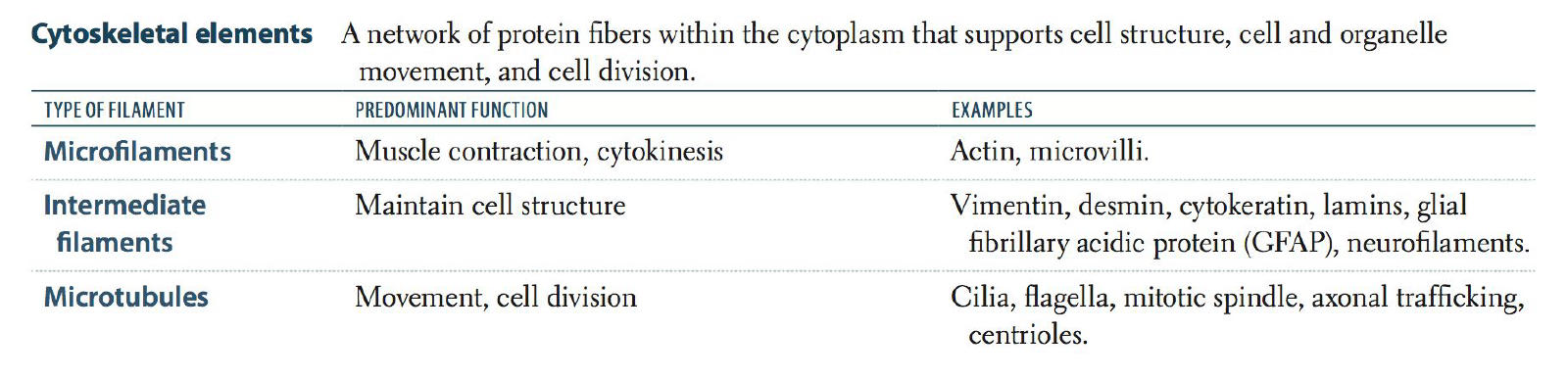
Found in mesenchymal tumors
233
What is a tumor of mesenchymal origin called?
Sarcoma
234
Rhabdomyosarcomas will contain which intermediate filament?
Desmin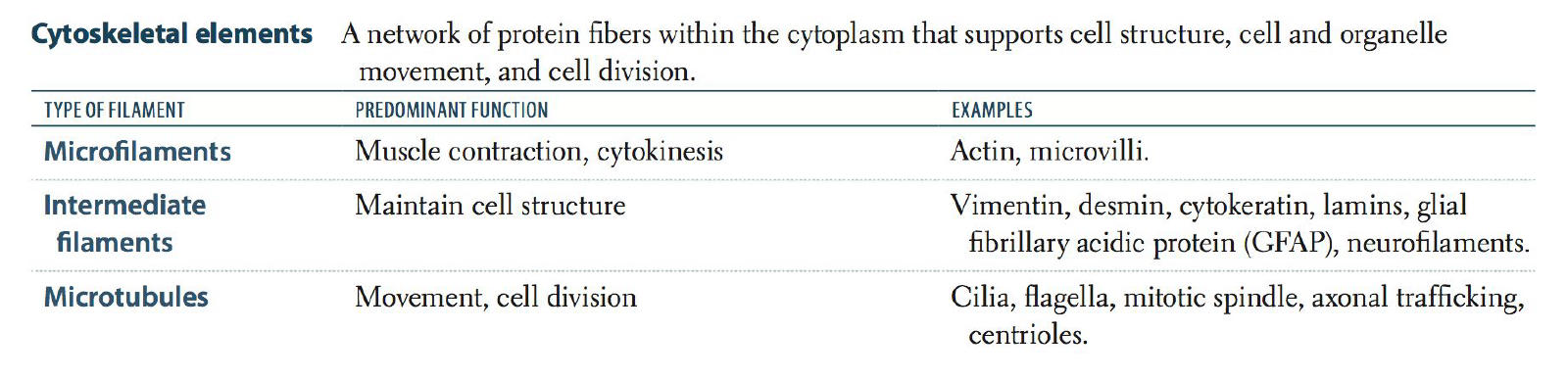
235
What multisystem granulomatous disease has major pulmonary findings?
Sarcoidosis
236
Name 4 signs and symptoms that are associated with all small vessel vasculitis
1) Palpable Purpura 2) Glomerulonephritis
3) =>RPGN
4) Pneumonitis
3) =>RPGN
4) Pneumonitis
237
Where is ADH and oxytocin synthesized? (2; Be specific)
Supraoptic = ADH
Paraventricular = Oxytocin
Paraventricular and supraocular nuclei of hypothalamus
Paraventricular = Oxytocin
Paraventricular and supraocular nuclei of hypothalamus
238
Patients with Celiac disease have an increased risk of which malignancy?
Enteropathy associated T-cell lymphoma(EATL)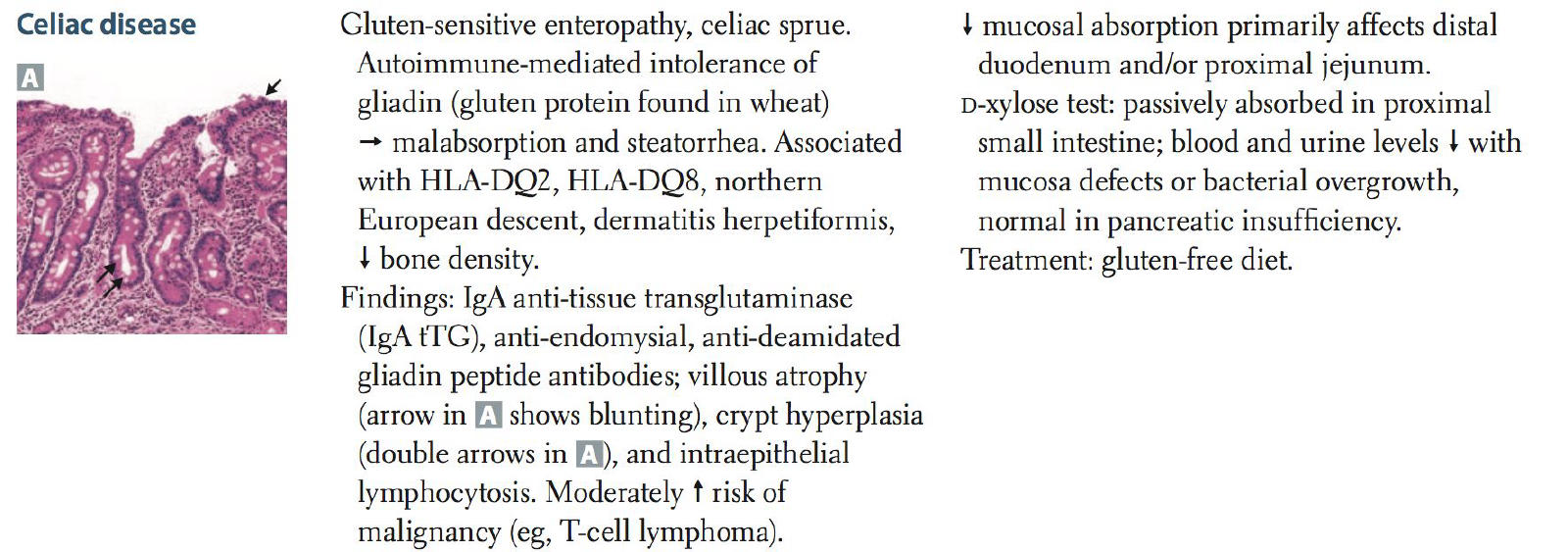
239
Patient with hodgkin lymphoma with fever, night sweats, cervical LAD. lymphoma infilterating spleen is also found...
What's the staging.?
What's the staging.?
IIIB
Note: Spleen inv. is not considered organ inv, Spleen is considered to be just a big lymph node..
Other organs eg Liver, BM are "organs"
This patient is IIIB, B coz she isn't Asymptomatic (A)
Staging is more imp in Hodgkin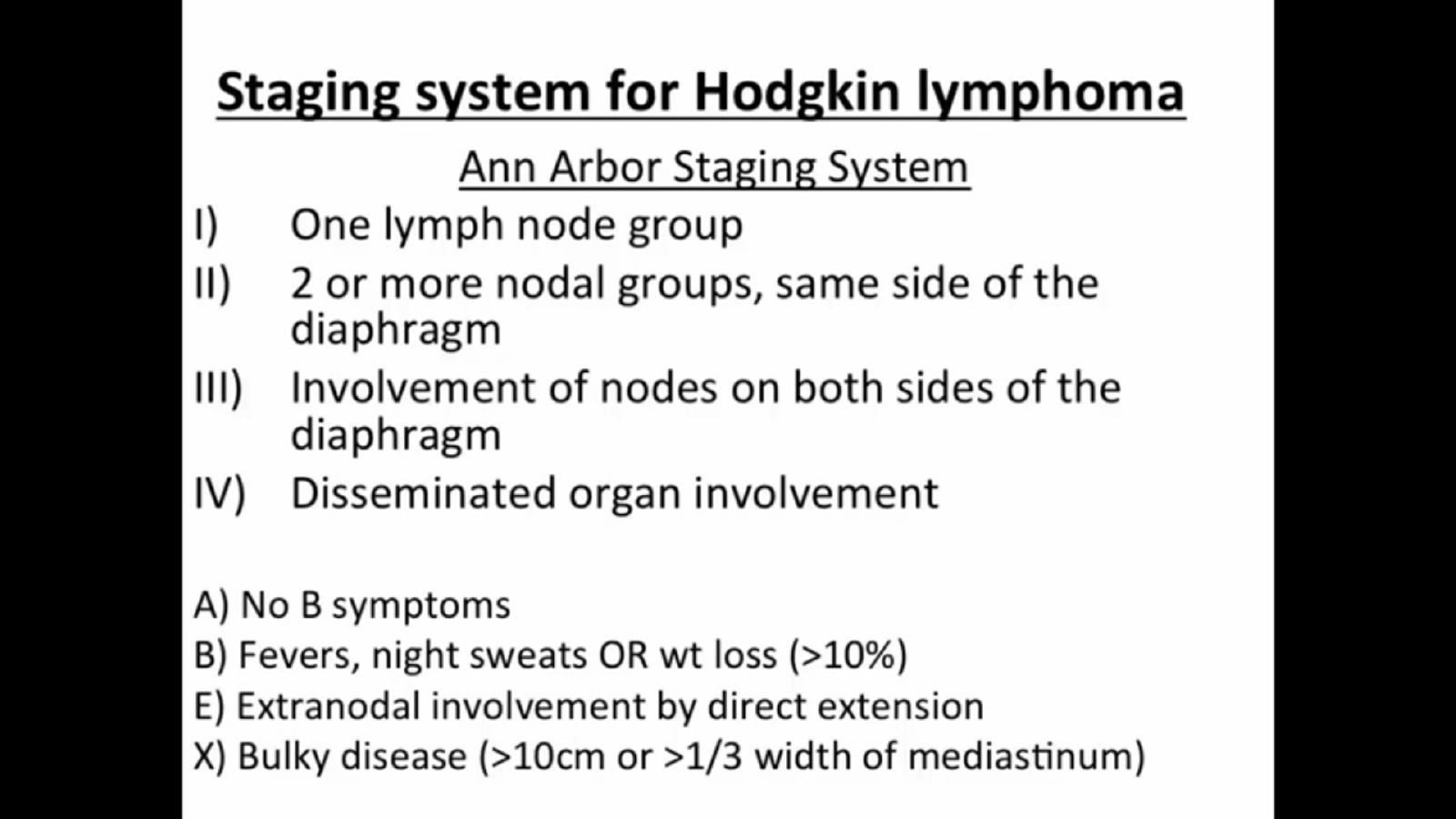
Note: Spleen inv. is not considered organ inv, Spleen is considered to be just a big lymph node..
Other organs eg Liver, BM are "organs"
This patient is IIIB, B coz she isn't Asymptomatic (A)
Staging is more imp in Hodgkin
240
What are the two basic classifications of lymphomas?
Hodgkins & Non-Hodgkins
241
What is the likely diagnosis in an infant that presents with macroglossia, umbilical hernia, hemihyperplasia, and hypoglycemia?
What is the likely diagnosis in an infant that presents with macroglossia, umbilical hernia, hemihyperplasia, and hypoglycemia?
Beckwith-Wiedemann syndrome
Beckwith-Wiedemann syndrome
242
is a condition that involves autoantibodies against desmosomes
Pemphigus vulgaris is a condition that involves autoantibodies against desmosomes
243
Pemphigus vulgaris is a condition that involves autoantibodies against
Pemphigus vulgaris is a condition that involves autoantibodies against desmosomes
244
is a condition that involves autoantibodies against hemidesmosomes
Bullous Pemphigoid is a condition that involves autoantibodies against hemidesmosomes
245
Bullous Pemphigoid is a condition that involves autoantibodies against
Bullous Pemphigoid is a condition that involves autoantibodies against hemidesmosomes
246
is inflammation of the subcutaneous layer of fat in the skin
Panniculitis is inflammation of the subcutaneous layer of fat in the skin
247
Erythema nodosum is associated with which GI condition?
Inflammatory bowel disease
248
What is the classic pathology finding on biopsy of Erythema nodosum?
Septal panniculitis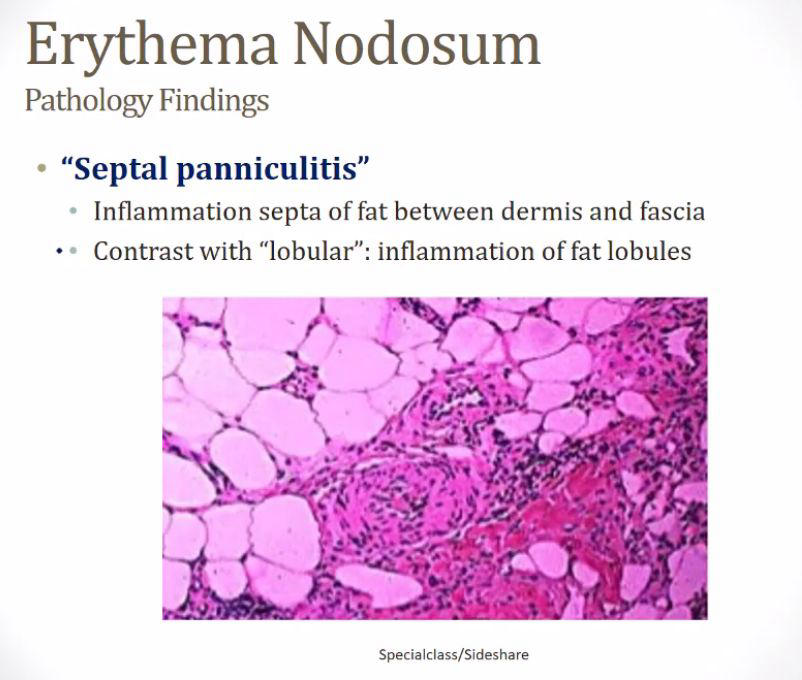
249
Erythema nodosum can be seen in which fungal infections?
Histoplasmosis
Coccidioidomycosis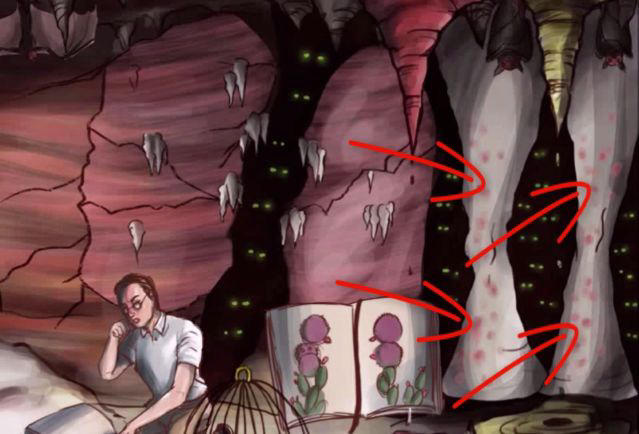
Coccidioidomycosis
250
Erythema nodosum can be seen in which bacterial infections?
Leprosy
TB
Streptococcus
TB
Streptococcus
251
Where is the location of Drusen deposition in Dry age-related macular degeneration?
Between the retinal pigment epithelium and Bruch membrane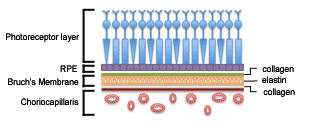
252
Holoprosencephaly occurs with which other medical conditions?
Trisomy 13 (Patau syndrome)
Fetal alcohol syndrome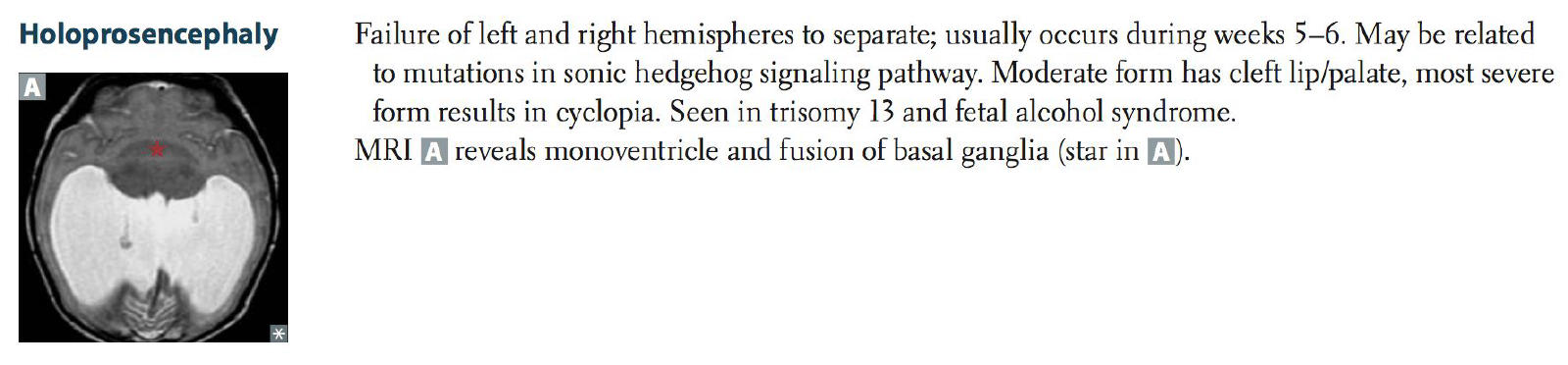
Fetal alcohol syndrome
253
The heads of patients with have a prominent occiput
The heads of patients with Edward syndrome have a prominent occiput
254
The heads of patients with Edward syndrome have a prominent
The heads of patients with Edward syndrome have a prominent occiput
255
What is the finding in the feet of patients with Edward and Patau syndrome?
"Rockerbottom" feet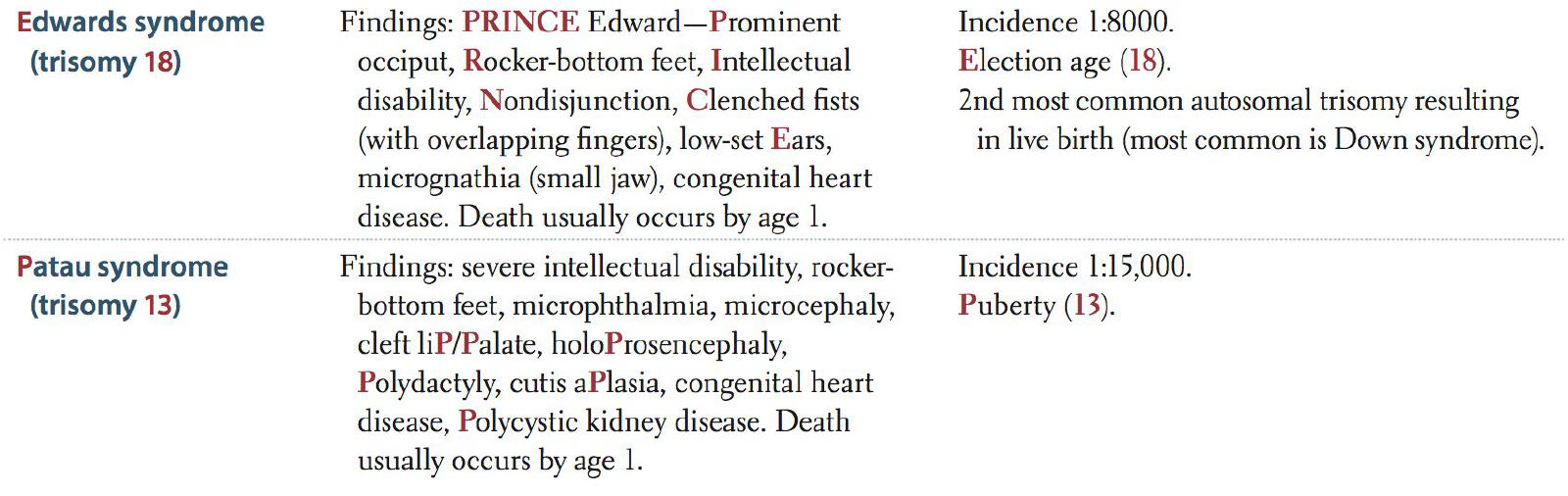
256
What is the finding in the hands of patients with Edward syndrome?
Clenched fists with overlapping fingers
257
What is the finding in the head of patients with Edward syndrome?
Prominent occiput
258
Rocker-bottom feet are associated with which trisomy?
Edward syndrome AND Patau syndrome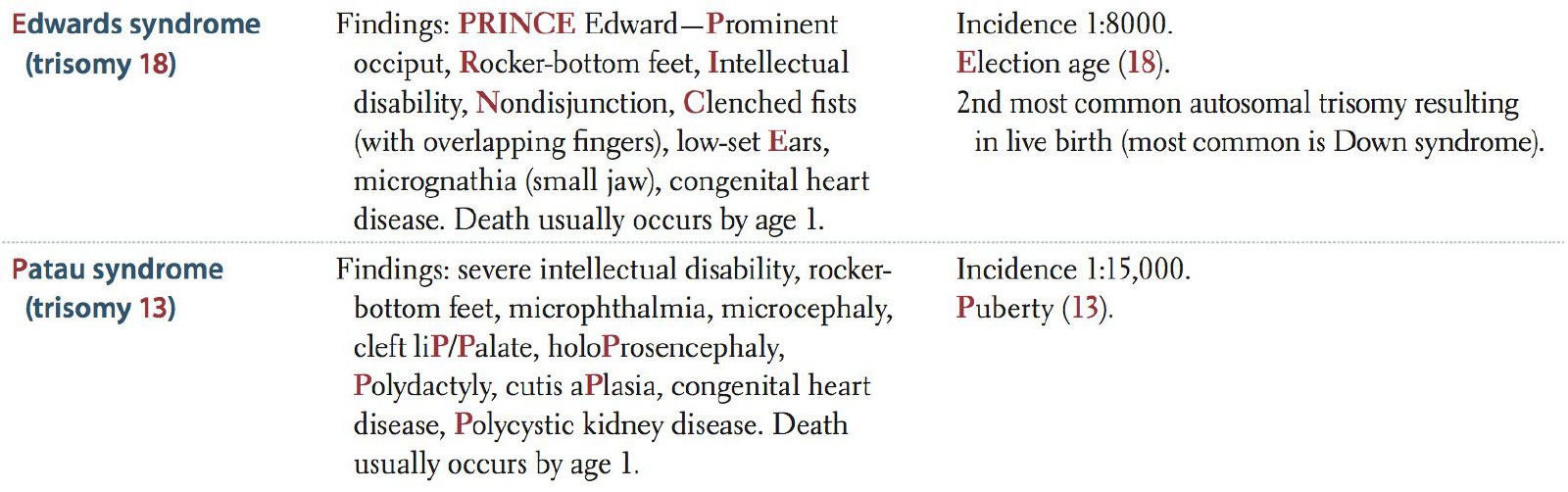
259
Clenched fists with overlapping fingers are associated with which trisomy?
Edward syndrome
260
Holoprosencephaly is associated with which trisomy?
Patau syndrome
261
Polycystic kidney disease is associated with which trisomy?
Patau syndrome
262
Which rash of Inflammatory Bowel Disease is often found on the shins?
Erythema nodosum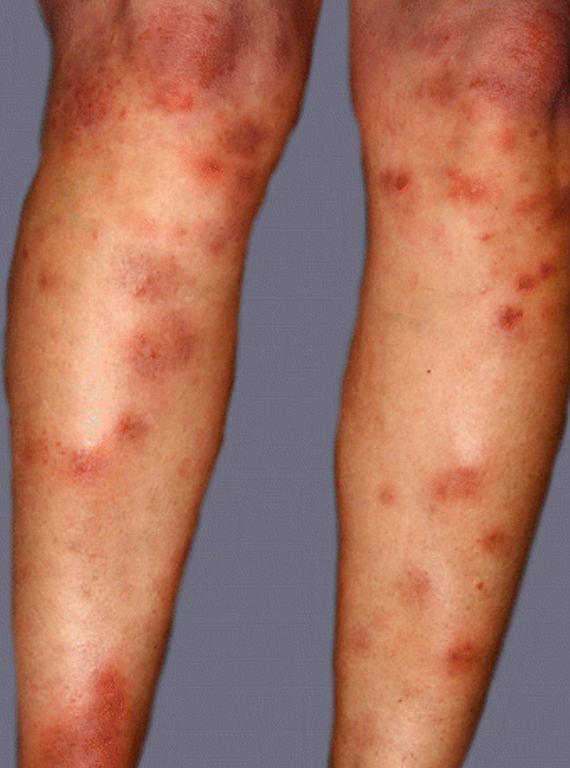
263
Which skin finding in Sarcoidosis is usually located on the lower extremities?
Erythema nodosum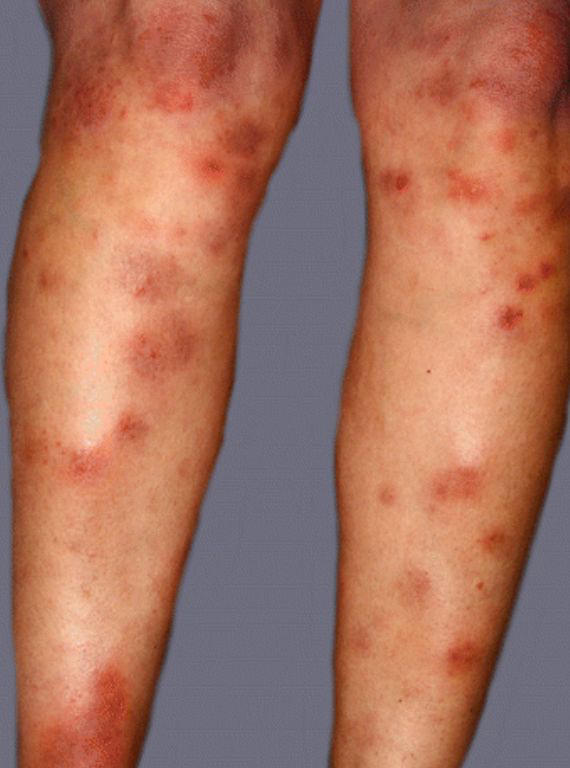
264
is responsible for the renal toxicity of Rhabdomyolysis
Myoglobin is responsible for the renal toxicity of Rhabdomyolysis
265
causes the urine to be dark in Rhabdomyolysis
Myoglobin causes the urine to be dark in Rhabdomyolysis
266
What is the finding in the hands of patients with Edwards syndrome?
Clenched fists with overlapping fingers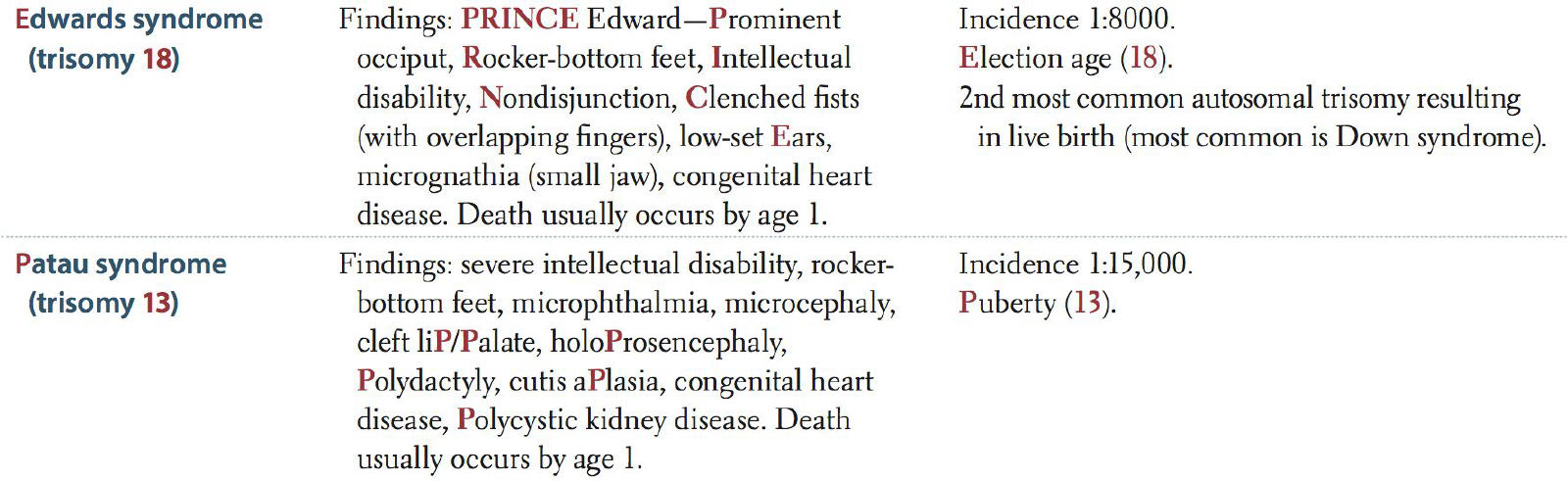
267
What is the finding in the ears of patients with Edwards syndrome?
Low-set ears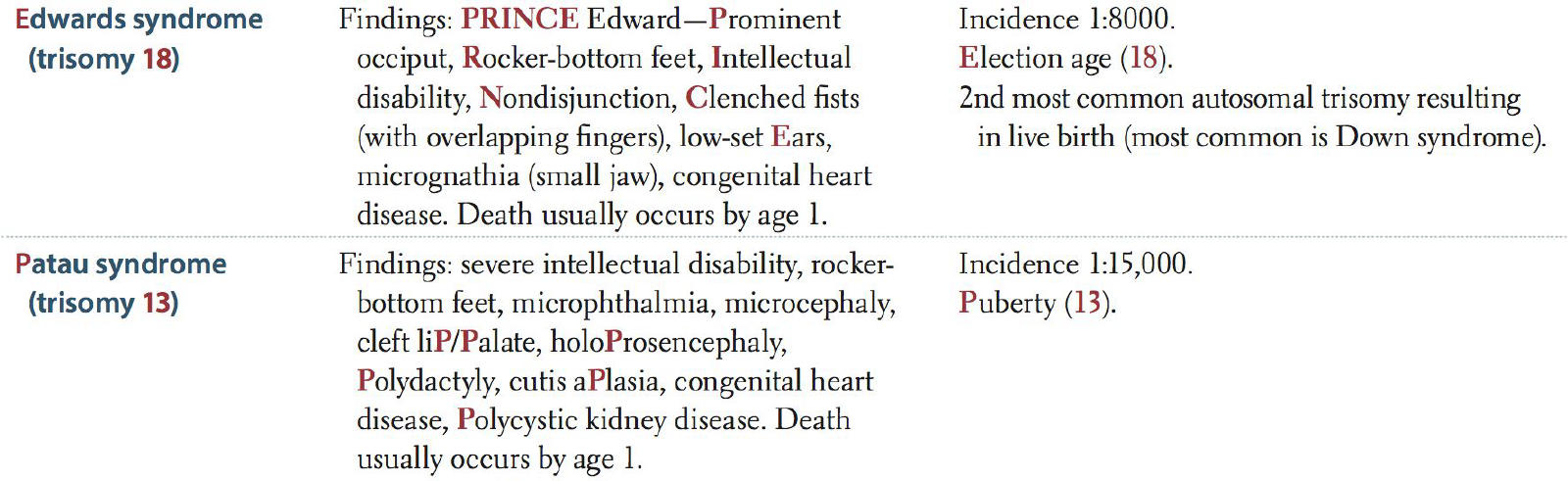
268
What is the finding in the jaw of patients with Edwards syndrome?
Micrognathia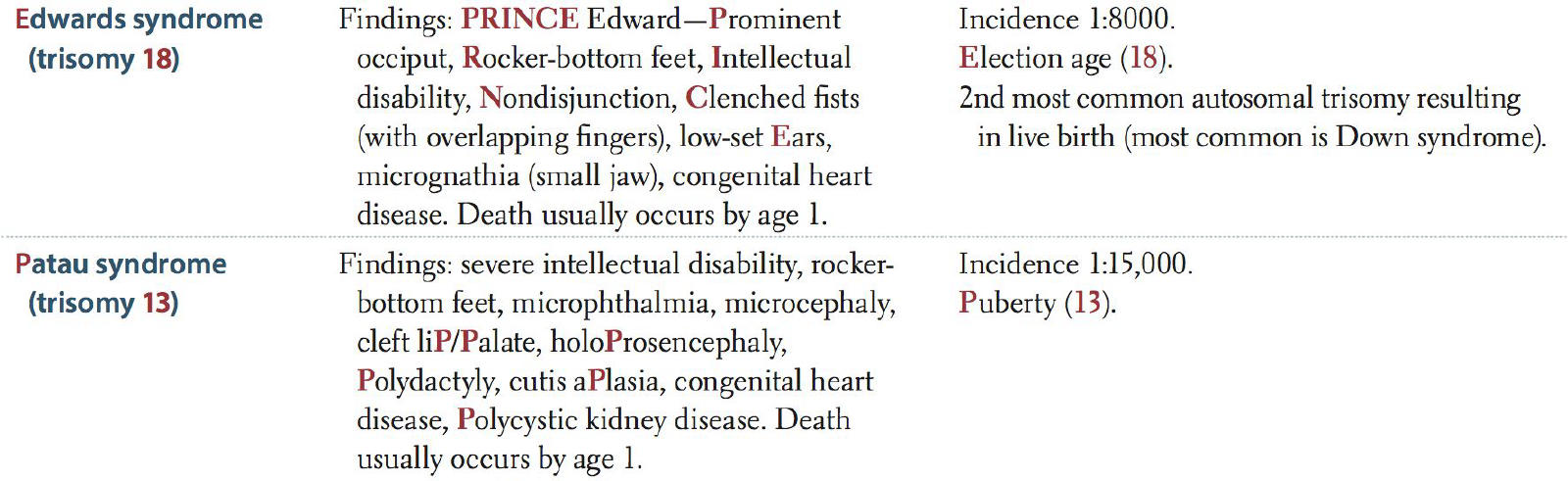
269
What is the neurologic finding in patients with Patau syndrome?
Holoprosencephaly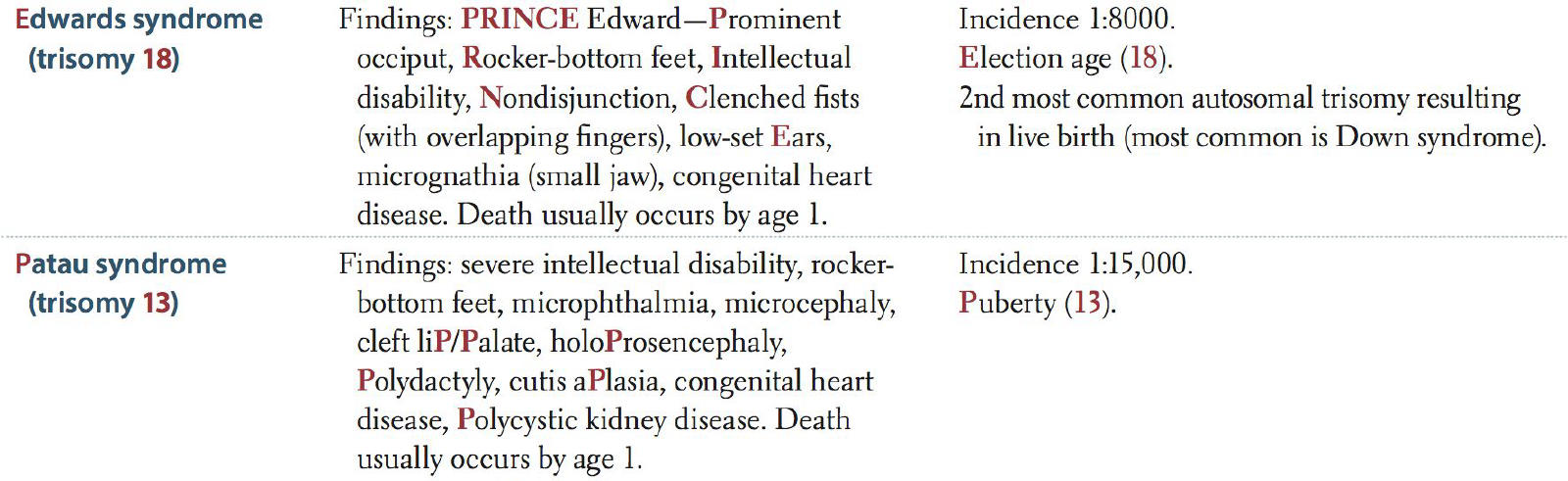
270
What is the renal finding in patients with Patau syndrome?
Polycystic kidney disease
Horseshoe kidney is also associated with trisomy 13, 18, and 21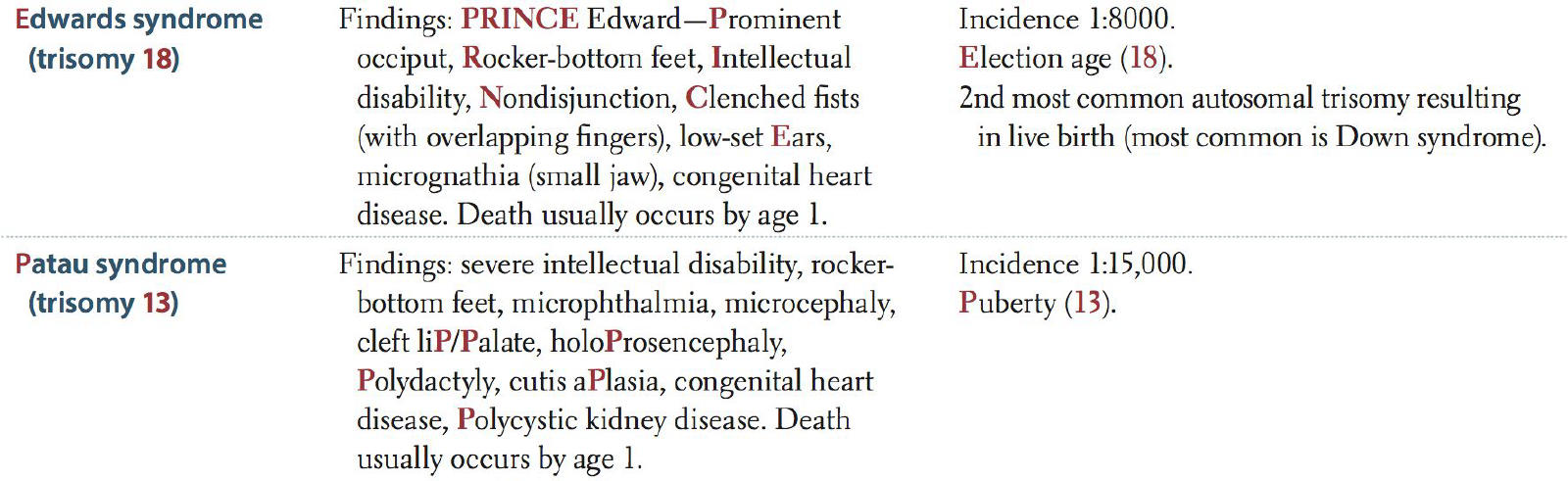
Horseshoe kidney is also associated with trisomy 13, 18, and 21
271
What is the characteristic finding in the heads of patients with Edward syndrome?
Prominent occiput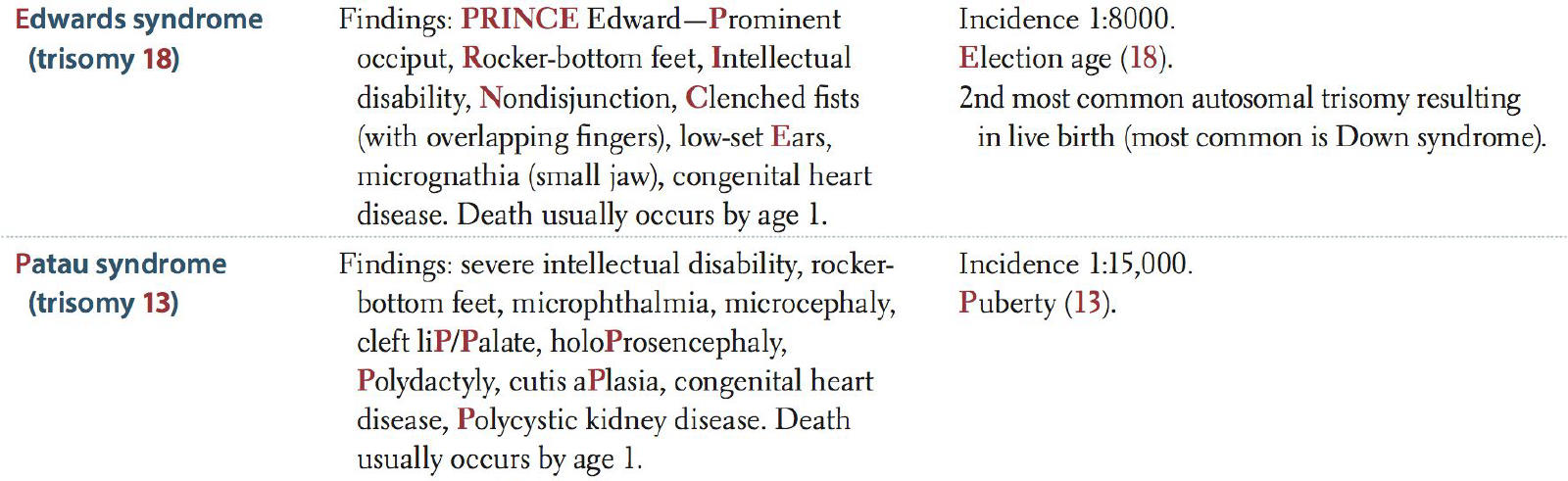
272
Congenital cutis aplasia indicates which trisomy?
Patau syndrome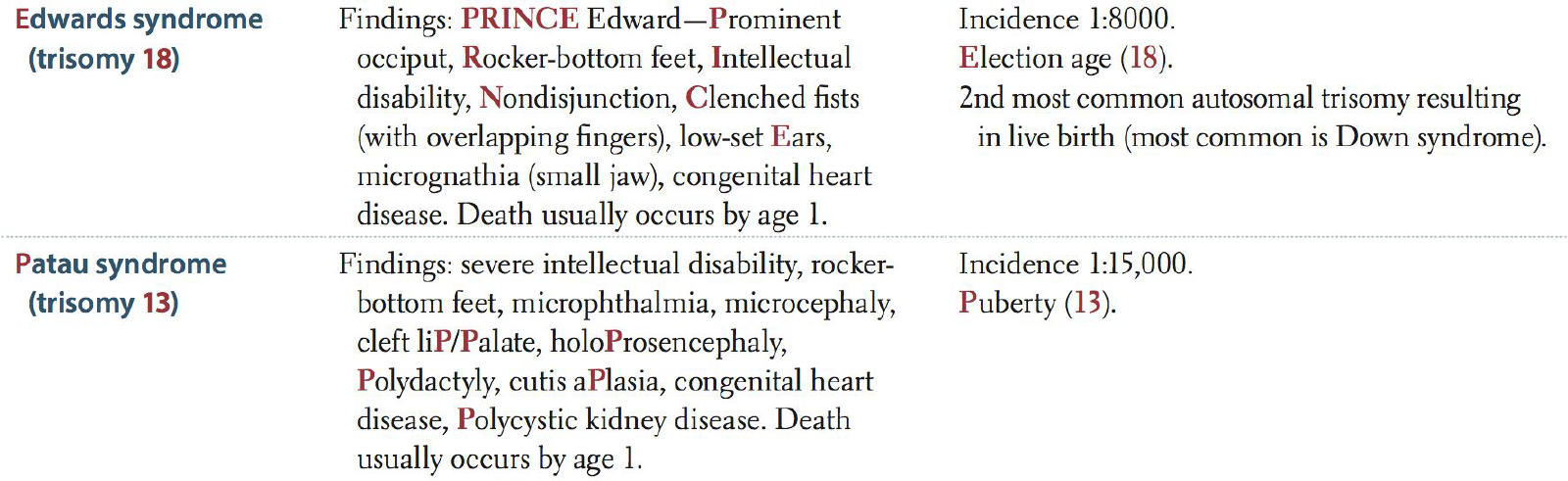
273
In Achalasia, which substances are not released to allow relaxation of the LES?
NOVIP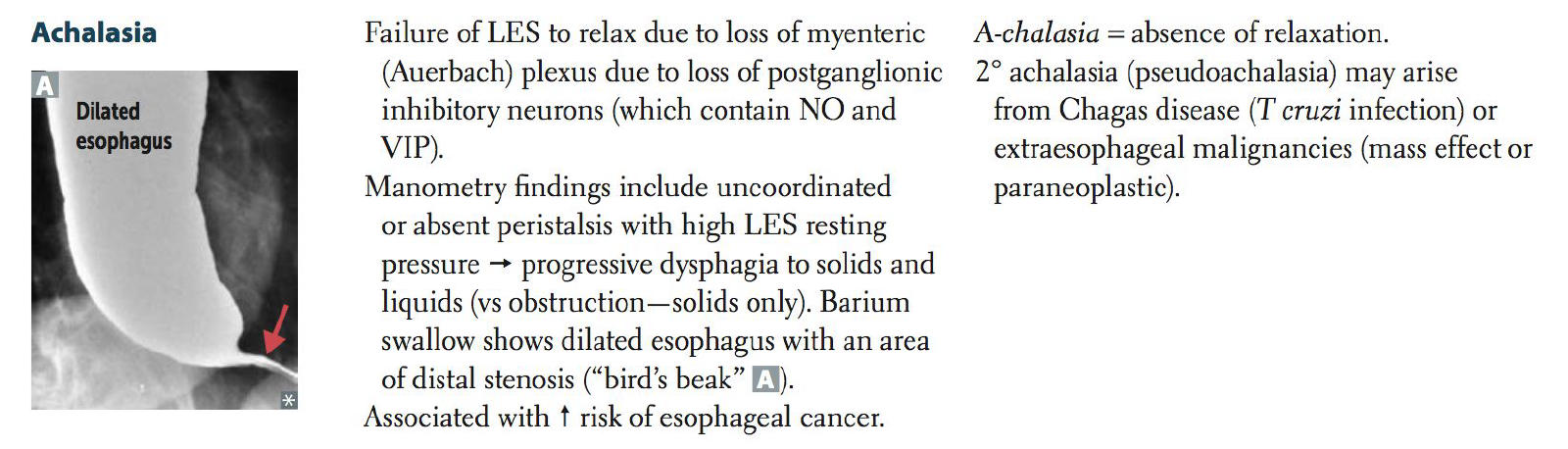
274
and are released by the Myenteric (Auerbach) plexus, and relax the LES, and are absent in Achalasia
NO and VIP are released by the Myenteric (Auerbach) plexus, and relax the LES, and are absent in Achalasia
275
NO and VIP are released by , and relax the LES, and are absent in Achalasia
NO and VIP are released by the Myenteric (Auerbach) plexus, and relax the LES, and are absent in Achalasia
276
What are the cutaneous manifestations of IBD?
Pyoderma gangrenosumErythema nodosum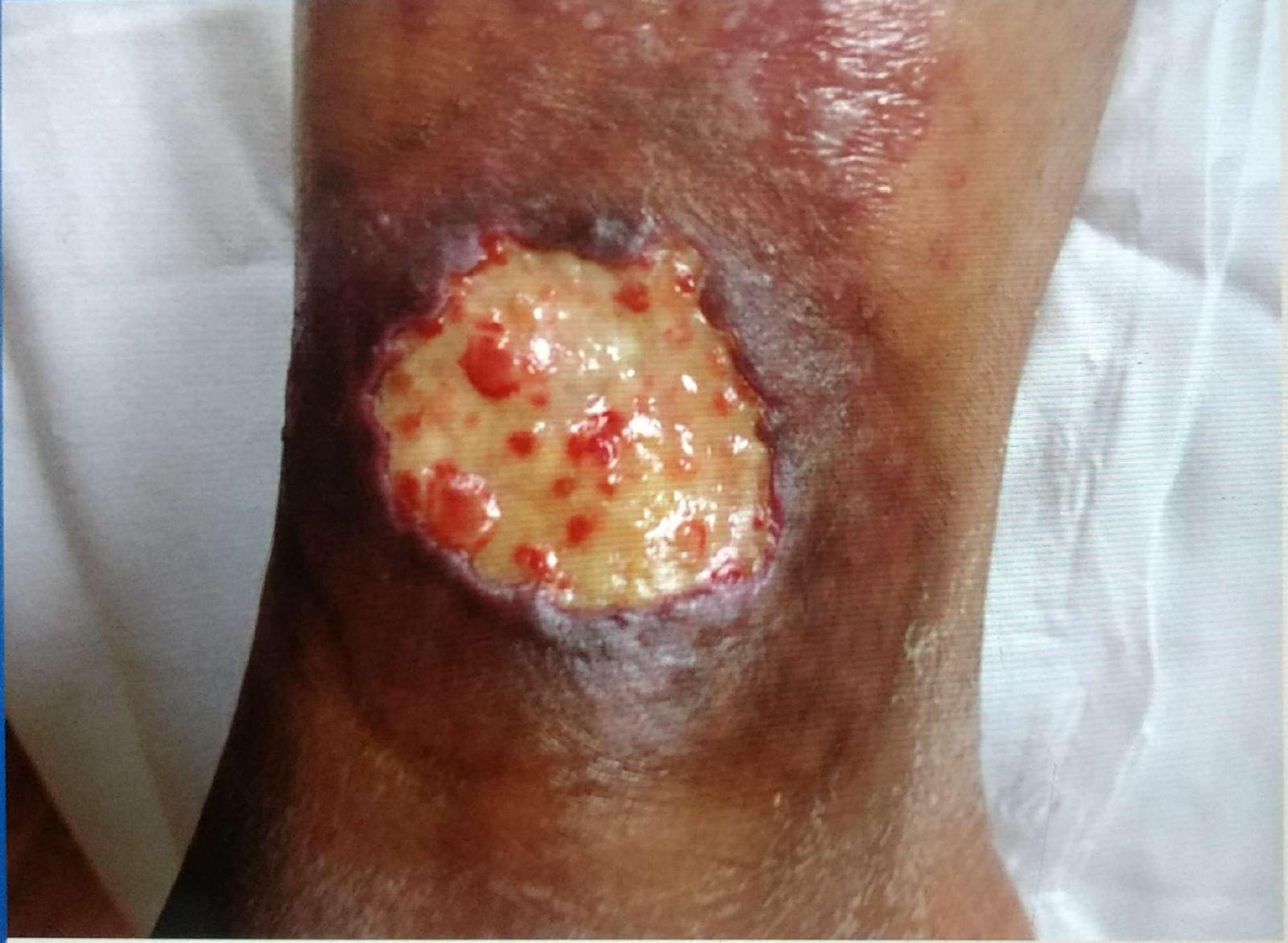
277
Which circumventricular organ allows release of neurosecretory products into circulation?
Median Eminence of Hypothalamus
ADH release from neurohypophysis
ADH release from neurohypophysis
278
Erythema nodosum is an inflammatory lesion of
Erythema nodosum is an inflammatory lesion of subcutaneous fat
279
Erythema nodosum is associated with which autoimmune condition(s)(2)?
SarcoidosisInflammatory Bowel Disease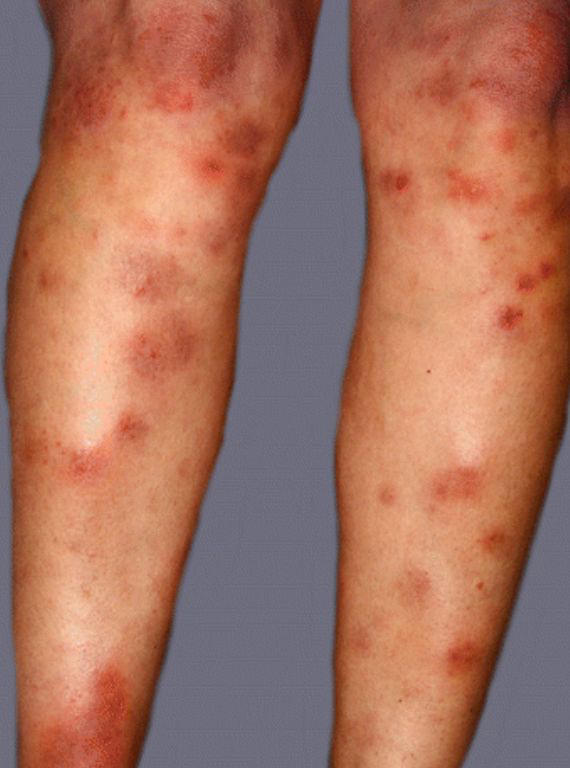
280
Erythema nodosum lesions are
Erythema nodosum lesions are painful
281
What is the finding of the head of patients with Cri-du-chat syndrome?
Microcephaly
282
Which gene mutation is associated with Rett syndrome?
MECP2
283
Which development disorder of females involves regression of cognitive and motor skills?
Rett syndrome
284
Rett syndrome typically appears at what age?
1-4 years old
285
What is the genetic inheritance of Rett syndrome?
X-linked dominant
Though is usually due to a sporadic mutation
Though is usually due to a sporadic mutation
286
The gene is mutated in Rett syndrome
The MECP2 gene is mutated in Rett syndrome
287
The MECP2 gene is mutated in
The MECP2 gene is mutated in Rett syndrome
288
Rett syndrome is lethal in which gender?
Males
289
What is the finding in the hands of patients with Rett syndrome?
Stereotyped hand-wringing
290
Which retinal pathology involves the deposition of Drusen?
Dry macular degeneration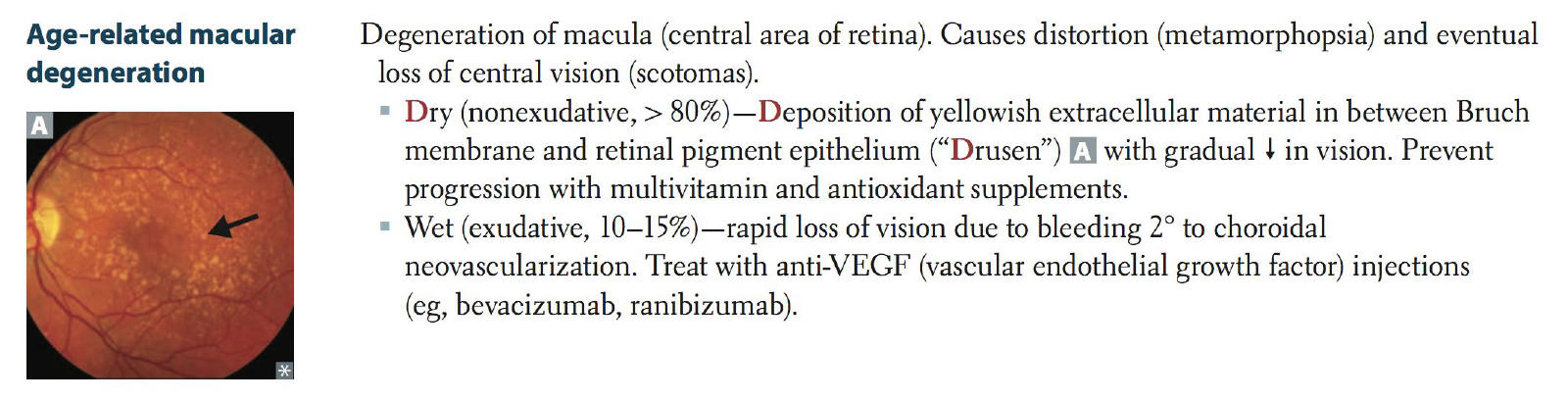
291
Patients with Syndrome have a relatively more severe form of intellectual disability
Patients with Angelman Syndrome have a relatively more severe form of intellectual disability
292
Which gene is mutated in Angelman Syndrome?
UBE3A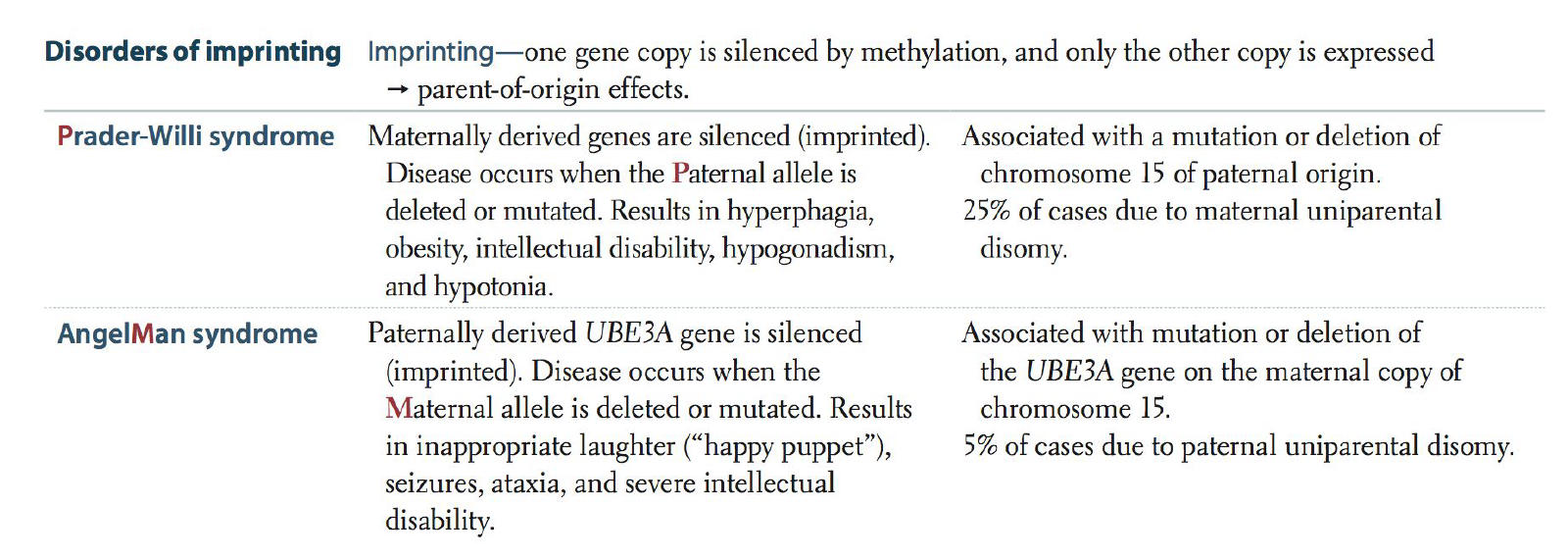
293
UBE3A mutations are seen in which condition?
Angelman syndrome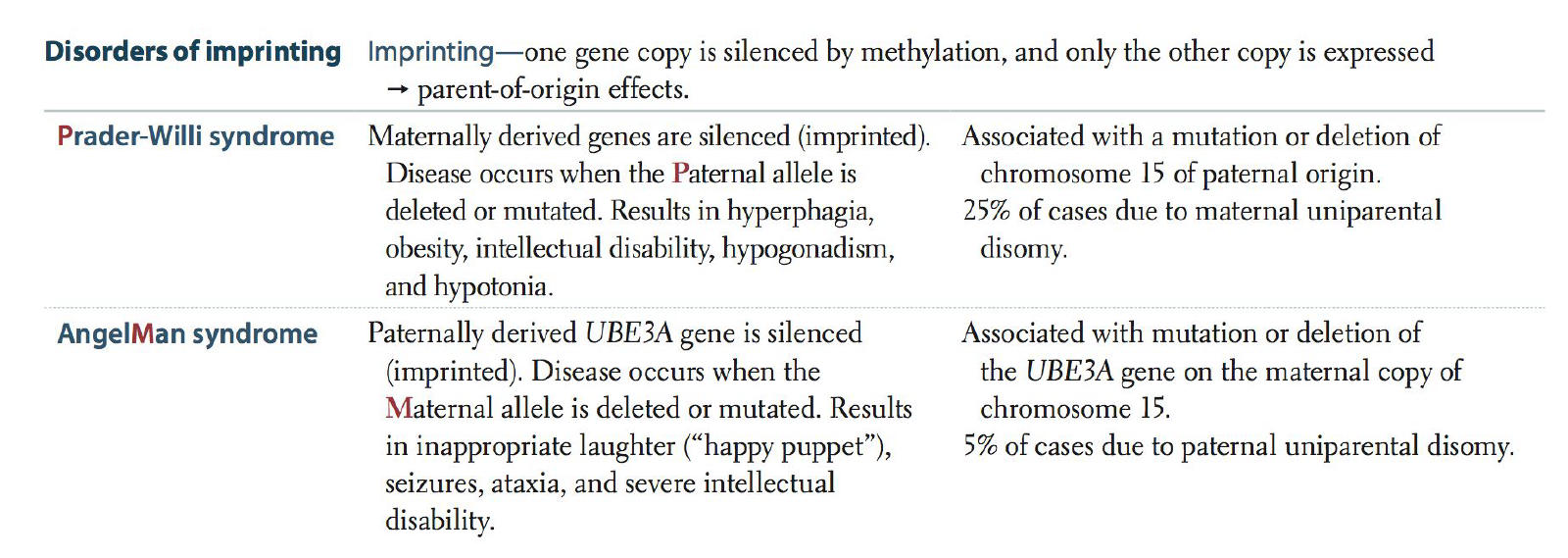
294
Which disorder of imprinting involves inappropriate laughter and ataxia?
Angelman syndrome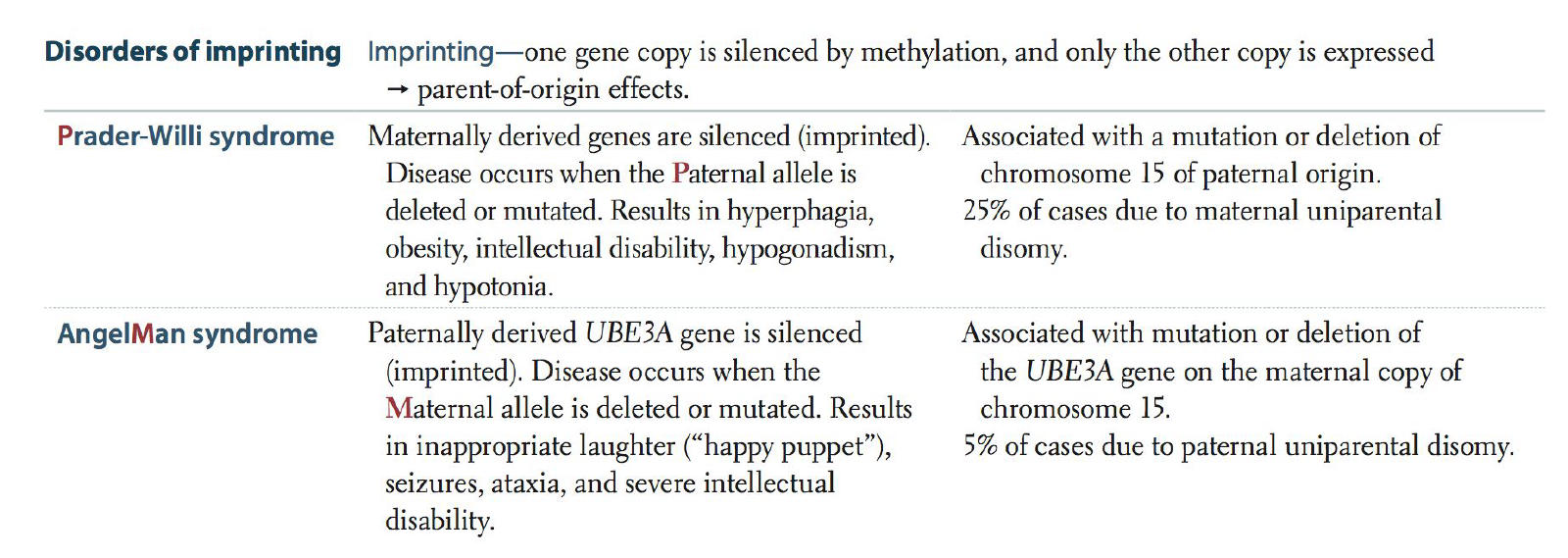
295
What is a classic X-ray finding in a baby with Warfarin Embryopathy?
Stippled epiphyses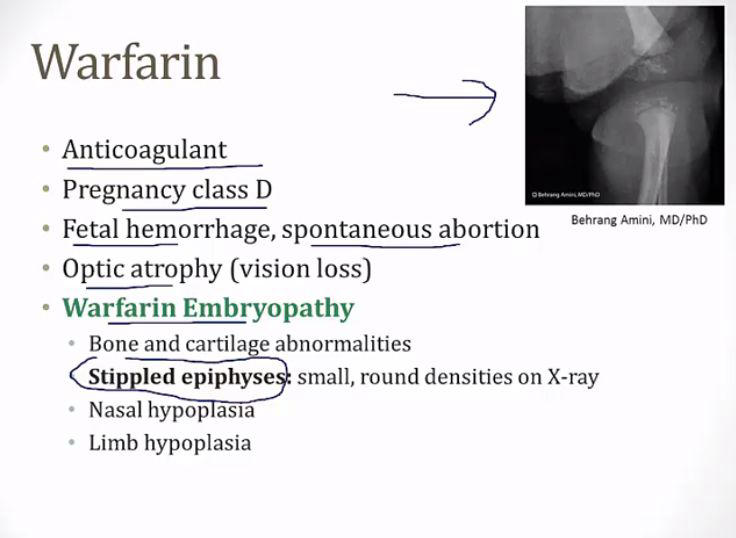
296
What is the pathogenesis of hyperacute transplant rejection?
Pre-existing antibodies against donor antigen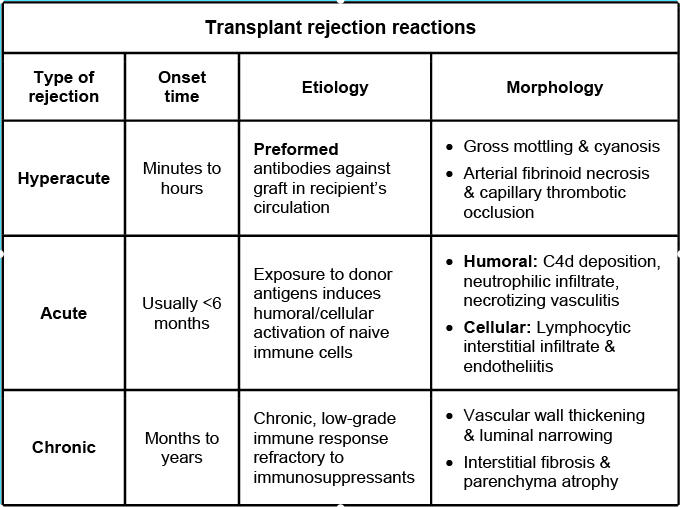
297
Cutis aplasia is seen in which trisomy?
Patau syndrome
298
Uniparental disomy is a relatively less common cause of which disorder of imprinting?
Angelman syndrome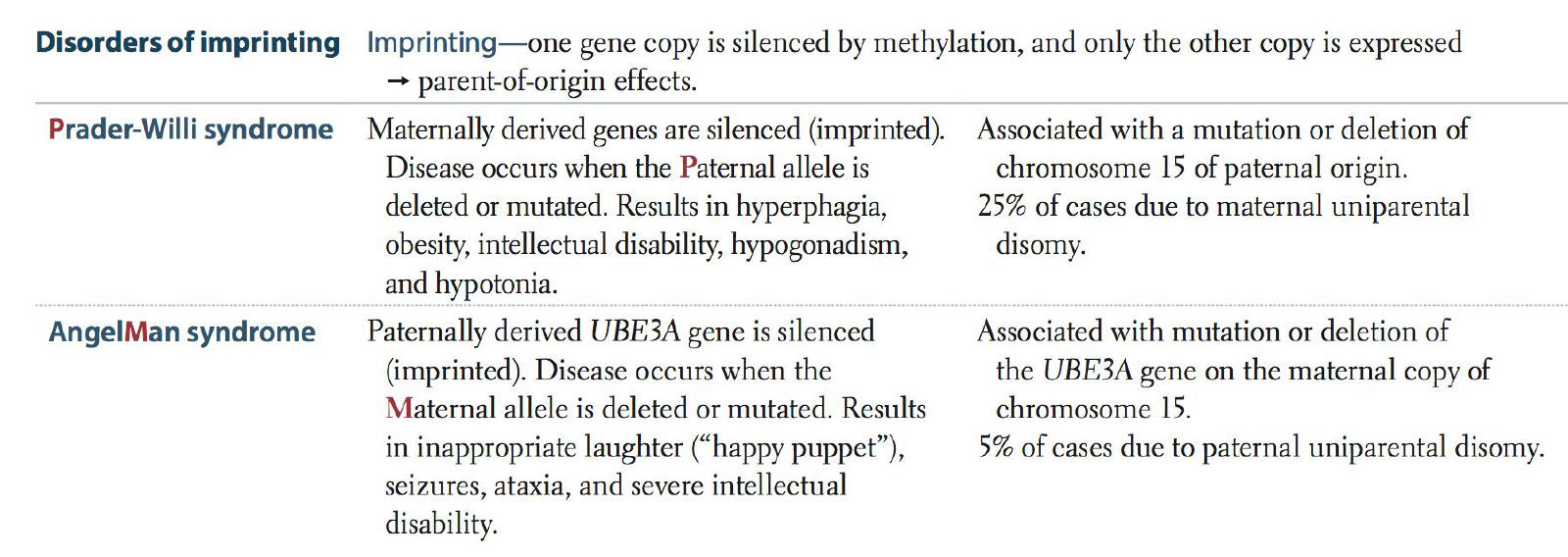
299
What is the most common cardiac clinical finding of Cri-du-chat syndrome?
VSD
300
Which chromsomal deletion syndrome affecting chromosme 5 can cause microcephaly?
Cri-du-chat syndrome
968 weitere Karten in OutLearn. Ganzes Deck öffnen
Mehr Karteikarten: Medizin und Gesundheit
Anatomy 1Medizin und Gesundheit · EnglischOwenMRI Physics: Magnet Systems and SuperconductivityMedizin und Gesundheit · EnglischMollStrep ThroatMedizin und Gesundheit · EnglischKatlynKEMACROSCOPIC URINALYSISMedizin und Gesundheit · EnglischkarebearReceptores Medizin und Gesundheit · SpanischRocíoPTCB DefinitionsMedizin und Gesundheit · EnglischgardneaeChapter 53 PharmMedizin und Gesundheit · EnglischMadiruth2Pediatric Gastrointestinal DisordersMedizin und Gesundheit · Englischeinem OutLearn-StudierendenNervous System and Spinal Nerve AnatomyMedizin und Gesundheit · Englischeinem OutLearn-StudierendenParasitology: Amoeba, Flagellates, CilliatesMedizin und Gesundheit · EnglischJESSQTRANURINARY SYSTEMMedizin und Gesundheit · Englischelijahmembres inférieuresMedizin und Gesundheit · FranzösischOcéane
Alle Decks: Medizin und Gesundheit
Lerne diese Decks in der App
Kostenlos auf iPhone, Android, Mac und im Web. Füge jedes Deck mit einem Tipp zu deinem Konto hinzu.

