Lecture 6 - Disorders associated with passive stabilizing structures
Study these flashcardsFree · spaced repetition · iPhone, Android, Mac & web
All cards
1
Instability Definition
Laxity
subluxation - self corrects
dislocation - needs to be put back in
subluxation - self corrects
dislocation - needs to be put back in
2
Clinical
abnormal motion of the GH that results in pain or sense of displacement
3
Surgical
structural abnormality of the GH that results in dislocation or subluxation
4
Grades of Ligament injury
Grade I - stretch to fibers no disturbance
Grade II - stretch with fiber tearing but not complete disruption
Grade III - complete failure
Grade II - stretch with fiber tearing but not complete disruption
Grade III - complete failure
5
what overloads at the elbow cause instability
varus or valgus
6
Passive HH Stabilizers
capsule
labrum
Coracohumeral ligament
superior GH ligament
labrum
Coracohumeral ligament
superior GH ligament
7
active HH Stabilizers
suprspinatus
infraspinatus
subscap
teres minor
infraspinatus
subscap
teres minor
8
passive scapula stabilizers
middle GH ligament
Inferior GH ligament complex
geometry of humerus
geometry of glenoid
joint cohesion
Inferior GH ligament complex
geometry of humerus
geometry of glenoid
joint cohesion
9
active scapula stabilizers
serratus
trapezii
rhomboids
levator scapulae
pectoralis minor
trapezii
rhomboids
levator scapulae
pectoralis minor
10
superior GH
limits anterior and inferior humeral translation with the arm at the side
11
middle GH
limits anterior humeral translation with the arm at the side and up to 45 deg of abduction
12
inferior GH
ligament complex - with abduction beyond 45 deg the anterior band limits translation with ER and the posterior band limits translation with IR
13
MCL injury
landing on arm fixed laterally
external rotation (valgus torque)
external rotation (valgus torque)
14
LCL injury
landing on arm fixed medially
picking something up hurts
picking something up hurts
15
medial ulnar collateral injury
lateral bow with arm fixed
16
anterior band of mcl
primary restraint to valgus torque
17
posterior band of mcl
valgus torque >90 deg
18
transverse ligament
reduce tensile forces
reinforce contractile structures
prevents distraction
reinforce contractile structures
prevents distraction
19
Lateral radial collateral ligament
keeps radius on humerus and ulna
restraint to varus and supination
restraint to varus and supination
20
annular ligament
keeps the radius on the ulna
21
lateral ulnar collateral
humerus - ulna
stops ulna rotation off the humerus - excessive supination
stops ulna rotation off the humerus - excessive supination
22
FEDS classification
Frequency - how often is dislocates
Etiology - traumatic or atraumatic and what positions make it worse
Direction - varus/valgus, sup/pronation; GH ant, post, inf
Severity - did you put it back or did someone else?
Etiology - traumatic or atraumatic and what positions make it worse
Direction - varus/valgus, sup/pronation; GH ant, post, inf
Severity - did you put it back or did someone else?
23
Common pt phrases
double jointed
I've always been flexible (hypermobile)
I've always been flexible (hypermobile)
24
in the presence of instability mus consider
global laxity scores
25
if global laxity scores high values then consider
other health conditions and refer for subsequent evaluation
26
Other conditions
Ehlers Danlos Syndrome
Marfin's syndrome
Leys-Dietz syndrome
-connective tissue structure disorders
Marfin's syndrome
Leys-Dietz syndrome
-connective tissue structure disorders
27
Traumatic Structural Injuries
Unidirectional
Ligament Injuries
Labral injuries - Bankart, SLAP
Boney Defect - Hill Sachs, Glenoid
likely macrotrauma
Ligament Injuries
Labral injuries - Bankart, SLAP
Boney Defect - Hill Sachs, Glenoid
likely macrotrauma
28
Atraumatic structural injuries
Unidirectional/Multidirectional
Ligament injuries
Labral injuries - Bankart, SLAP
Scapula Dyskinesis
Hypermobility (laxity)
Postural Deficits
Neuromusuclar control deficits
Ligament injuries
Labral injuries - Bankart, SLAP
Scapula Dyskinesis
Hypermobility (laxity)
Postural Deficits
Neuromusuclar control deficits
29
Atraumatic non-structural injuries
unidirectional or multidirectional
Scapula dyskinesis
Hypermobility
Postural deficits
Neuromuscular control deficits
Scapula dyskinesis
Hypermobility
Postural deficits
Neuromuscular control deficits
30
Microtraumatic - Vague Sense of Shoulder Dysfunction
Muscle Imbalance
Similar to RCRSP
Popping/clicking
Aching after activing
Similar to RCRSP
Popping/clicking
Aching after activing
31
Microtraumatic - Repetitive Microtrauma
Tendinopathy
Microtrauma to labrum
Capsule/Ligament/deformation/plasticity
Microtrauma to labrum
Capsule/Ligament/deformation/plasticity
32
Macrotraumatic - Dislocation
Ligament/Capsule
Labrum
Glenoid Injury
Labrum
Glenoid Injury
33
Macrotraumatic - Subluxation
Ligament/Capsule
Labrum Injury
Muscle Injury/Tears
Labrum Injury
Muscle Injury/Tears
34
High Irritability
Pain >7/10
High Disability
Pain with rest and sleep disruption
Inability to tolerate Passive or Active ROM
High Disability
Pain with rest and sleep disruption
Inability to tolerate Passive or Active ROM
35
Moderate Irritability
Pain 4-6/10
Moderate Disability
Pain with movement either passive or active
May have intermittent sleep disturbance
Moderate Disability
Pain with movement either passive or active
May have intermittent sleep disturbance
36
Low Irritability
Pain <3
Minimal disability
able to engage in active motion with pain/fatigue only after increased stress/load
poor functional capacity
Minimal disability
able to engage in active motion with pain/fatigue only after increased stress/load
poor functional capacity
37
most common direction of GH instability
Anterior
38
Surgeon diagnosis of anterior instability
TUBS - Traumatic Unidirectional Bankart Surgery
39
GH Instability - Atrumatic
loose joint where HH easily goes in and out
caused by paralysis (from stroke), RTC muscles are paralyzed so shoulder will dislocate in multiple directions
caused by paralysis (from stroke), RTC muscles are paralyzed so shoulder will dislocate in multiple directions
40
Surgeon diagnosis of atraumatic instability
AMBRII - atraumatic multi directional instability in both shoulders responds to intensive rehabilitation if surgery necessary Inferior capsule shift
41
Anterior Instability - mechanism
Excessive stress in ER, Abduction or extension
42
Anterior Instability - anatomy injured
Ant GH ligaments (HAGL)
Anterior labrum - SLAP
RTC
Anterior labrum - SLAP
RTC
43
Anterior instability symptoms
pain and apprehension with motions stressing structures
44
inferior instability mechanism
traction stress
Overhead (FOOSH)
Overhead (FOOSH)
45
Inferior instability anatomy injured
SGHL
coracohumeral ligament
inferior labrum
capsule
supraspinatus
coracohumeral ligament
inferior labrum
capsule
supraspinatus
46
inferior instability symptoms
pain and apprehension with motions stressing structures
47
posterior instability mechanism
stress in flexion, adduction, IR
48
posterior instability anatomy injured
post capsule
labrum
PB of IGHL
Teres Minor
labrum
PB of IGHL
Teres Minor
49
posterior instability symptoms
pain and apprehension with motions stressing structures
50
Multi Directional instability mechanism
generalized laxity, high demand labor
51
multi directional instability anatomy injured
any or all supporting atructures, static and dynamic
52
multi directional instability symptoms
often self dislocate
scapula instability
scapula instability
53
if labrum lesion more than _____ torn, need surgery
75%
54
bankart leison
tear or disruption of anterior inferior GH labrum
55
posterior bankart
tear or disruption of posterior inferior GH labrum
56
boney bankart
glenoid fracture anterior inferior glenoid
57
hill sachs lesion
contusion or compression fracture of humeral head
bruise on HH usually associated with dislocation
bleeding at the articular surface bc of impact of bone on labrum
bruise on HH usually associated with dislocation
bleeding at the articular surface bc of impact of bone on labrum
58
SLAP
superior labrum anterior posterior
top of labrum where biceps tendon anchors
top of labrum where biceps tendon anchors
59
type 1 slap tear
frayed cartilage at the edge of the labrum
60
type 2 slap tear
labrum tears away from the glenoid cavity
61
type 3 slap tear
bucket handle section tears away from the glenoid cavity
62
type 4 slap tear
slap lesion extends and tears the biceps tendon
63
SLAP microtrauma
type I and type II
64
SLAP macrotrauma
type III and type IV
65
valgus instability mechanism
Macro - FOOSH
Micro - overhead throwing
Micro - overhead throwing
66
valgus anatomy injured
MCL
pronator flexor group
pronator flexor group
67
Varus mechanism of injury
macro - FOSH, fracture of radial head
micro - tendinopathy common extensor tendon
micro - tendinopathy common extensor tendon
68
varus anatomy injured
LCL
LUCL
Extensor supinator group
radial head
LUCL
Extensor supinator group
radial head
69
Posterior lateral mechanism of injury
macro - FOOSH, overload with supination of forearm
micro - tendinopathy
micro - tendinopathy
70
posterior lateral anatomy injured
LUCL
LCL
Ulnar nerve
LCL
Ulnar nerve
71
Complete instability mechanism of injury
High Velocity
Injury with sudden impact
Injury with sudden impact
72
complete instability anatomy injured
postential for both MCL/LCL
anterior capsule
coronoid process
brachialis, brachial artery, and median nerve
anterior capsule
coronoid process
brachialis, brachial artery, and median nerve
73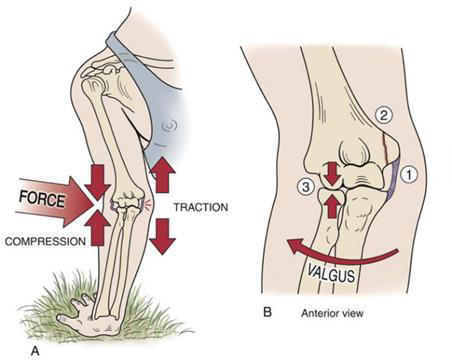
medial elbow instability
74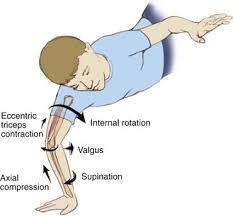
lateral elbow
75
clinical exam
rule out red flags and identify yellow flags
in presence of atraumatic symptoms of shoulder or elbow instability, be sure that cervical spine not contributing factor
in presence of atraumatic symptoms of shoulder or elbow instability, be sure that cervical spine not contributing factor
76
differential diagnosis
peripheral neuropathy shoulder or elbow
77
Tests
test of function
mobility assessment
muscle performance (shoulder and elbow)
Selective tissue tests
mobility assessment
muscle performance (shoulder and elbow)
Selective tissue tests
78
test of function
include postural assessment
79
mobility assessment
Atraumatic - must inlude ROM and Joint play
in the presence of elbow instability GH IR and ER ROM
Traumatic - ROM
in the presence of elbow instability GH IR and ER ROM
Traumatic - ROM
80
muscle performance shoulder
ST muscles
Atraumatic - RTC balance/endurance
Traumatic - ability of RTC and ST muscles to fire
Atraumatic - RTC balance/endurance
Traumatic - ability of RTC and ST muscles to fire
81
anterior mobility assessment
extension, ER + abduction, Horizontal abduction
82
Posterior mobility assessment
flexion, IR, Horizontal adduction
83
supination testing
lateral must be tested
may be painful in pronation on the medial side (radius pushing on the ulna)
may be painful in pronation on the medial side (radius pushing on the ulna)
84
2 types selective tissue tests shoulder
instability
labral
labral
85
instability selective tissue tests shoulder
apprehension / relocation (anterior/posterior)
Load and shift
sulcus
hyperabduction test (>105 GH only)
Load and shift
sulcus
hyperabduction test (>105 GH only)
86
labral selective tissue tests
crank
biceps load I,II
active compression (O'Brien's)
Resisted supination external rotation
biceps load I,II
active compression (O'Brien's)
Resisted supination external rotation
87
Medial elbow selective tissue tests
Valgus stress test
Milking maneuver
Milking maneuver
88
lateral elbow selective tissue tests
varus stress test
prone push up in supination
chair push up in supination
lateral pivot shift test - pt needs to be unconscious
prone push up in supination
chair push up in supination
lateral pivot shift test - pt needs to be unconscious
89
functional performance tests
ASH test
Grip dynamometry
Grip dynamometry
90
ASH test
assesses endurance of RTCin varying positions of overhead
91
examination sensorimotor
end point accuracy - the laser thingy
92
proprioception
local joint receptors
93
joint position sense
local receptors
94
Prognosis - traumatic
Age
-age of 1st dislocation prognostic for repeat dislocation if <20 yo
level of irritability
boney integrity - dislocation with fracture, if immobilized >2 weeks might never get better
-age of 1st dislocation prognostic for repeat dislocation if <20 yo
level of irritability
boney integrity - dislocation with fracture, if immobilized >2 weeks might never get better
95
Prognosis - atraumatic
psychosocial variables - mental health support
Level of irritability - neuroplastic: high
Understanding of disorder - low understanding = poorer prognosis
concomitant connective tissue disorders - prolonged recovery
Level of irritability - neuroplastic: high
Understanding of disorder - low understanding = poorer prognosis
concomitant connective tissue disorders - prolonged recovery