Study Guide for Events of Texas History Test Two
Study these flashcardsFree · spaced repetition · iPhone, Android, Mac & web
All cards
1
The years of the mission system
1718 - 1763
2
The years of the the Seven Years War
1756 - 1763
3
The years of the Runi Inspection tour
1765 - 1767
4
The years of the Louisiana Purchase
1803
5
The year of the Adams Onis Treaty
1814
6
The year of Cry of Dolores / Grito de Delores
1810
7
The year of Plan of Iguala
1821
8
The year of Treaty of Codoba
1821
9
Define the Mission System
The goal was to turn / convert Indigeous people to Christianity
10
Identify the two major forces involved in the mission system. Be able to describe their goals and participation in the mission system.
1. Spanish Governement: The goal was to expand the Spanish Territory. 2. The Catholic Church: Goal was to convert Natives to Christianity.
11
What was life like in the missions?
The Spanish provided food in the missions while the Natives adapted to mission life by learning the Spanish Language and the Catholic religion.
12
Define Acequia
The complex expansive irrigarion systems used in the missions
13
Define Presidio
A Spanish Fort
14
Define Secularization
Process of transfering control of the Spanish Missions from the Catholic Church to Civil Authorities and Private individuals.
15
Define the Casta system
The Casta system is a system that categorizes people based on their racial and ethnic background.
16
Describe the four major categories of the Casta system.
The four major categories are Peninsulares (Spaniards), Criollos (Spanish Americans), Indios (American Indians), and Mestizos (Amerindian and Spanish mix)
17
Identify the 4 resions of Texas
1. Mountain and Basin 2. Northern Central Plain 3. Great Coastal Plains 4. The Great Plains
18
The Mission System
A group of missions founded in by Franciscan monks in the Spanish colonies that forces Native people to convert to Catholicism and adopt Spanish agriculture and culture.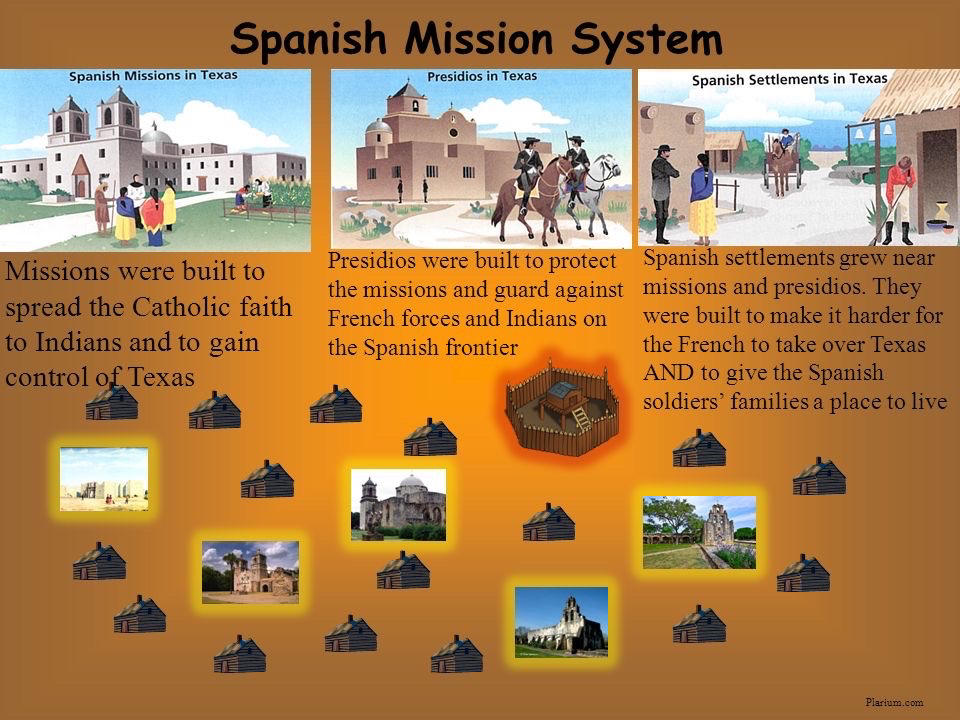
19
The Seven Years War
A conflict between France and Great Britain that began in 1754 as a dispute over North American land claims in the region around Pittsburgh, Pennsylvania. This conflict eventually spread into other parts of world, including Europe, Africa, and Asia.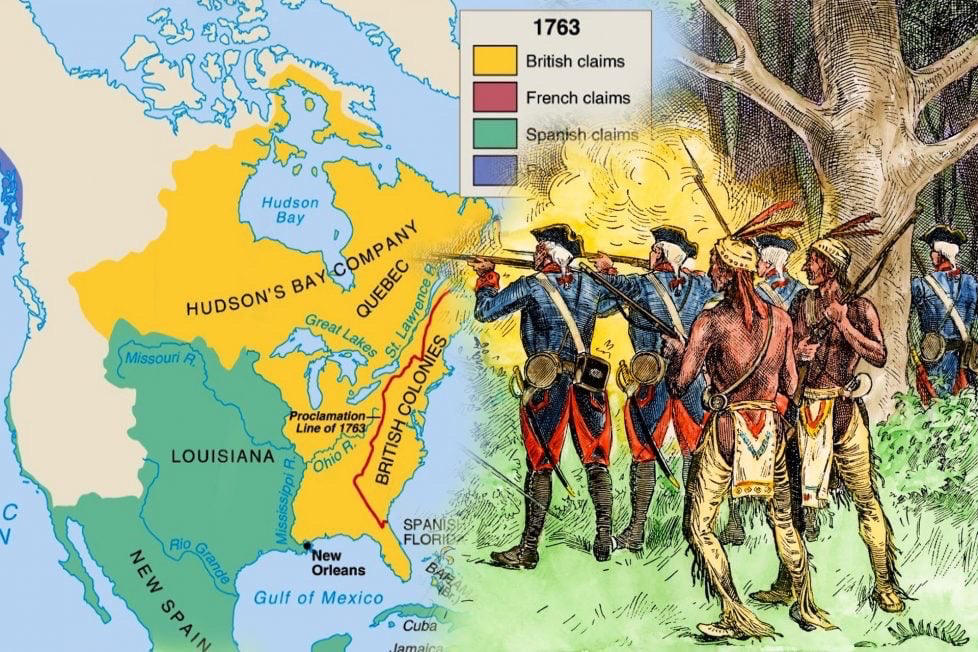
20
Rubi inspection tour
Curious about the state of his overseas territory, the king of Spain sent trusted officials to report on conditions in Spanish America. In 1766 the Marqués de Rubí began a tour of the presidios of New Spain. As he traveled through Texas the next year, Rubí grew concerned about conditions there.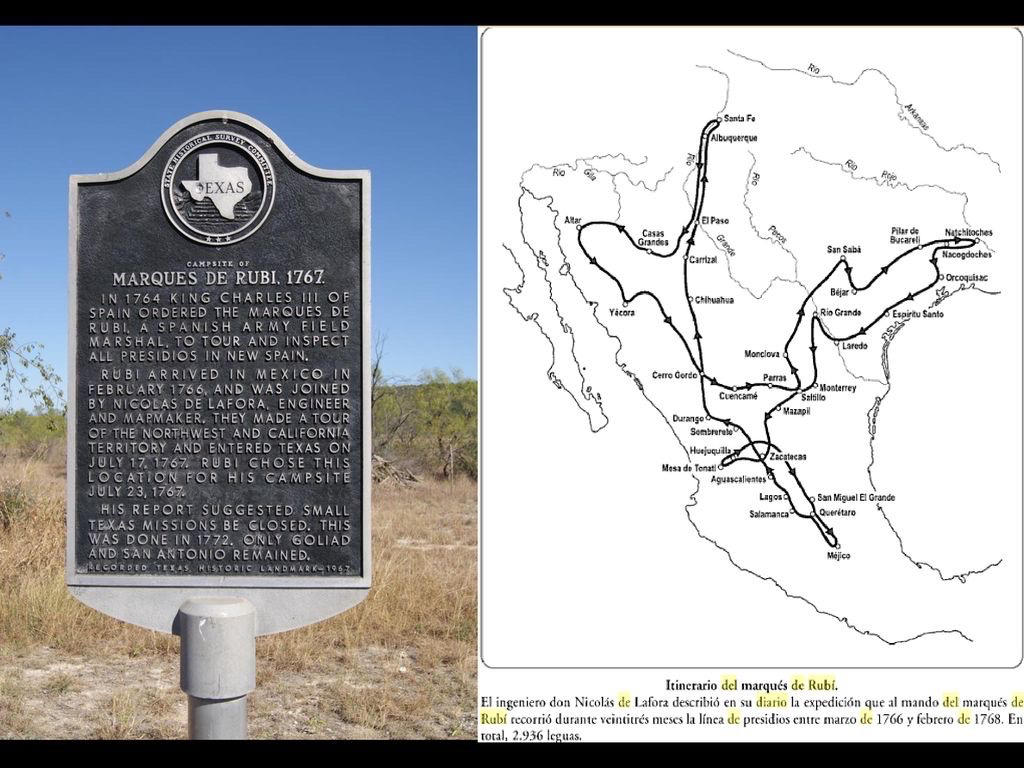
21
Louisiana Purchase
The Louisiana Purchase extended United States sovereignty across the Mississippi River, nearly doubling the nominal size of the country.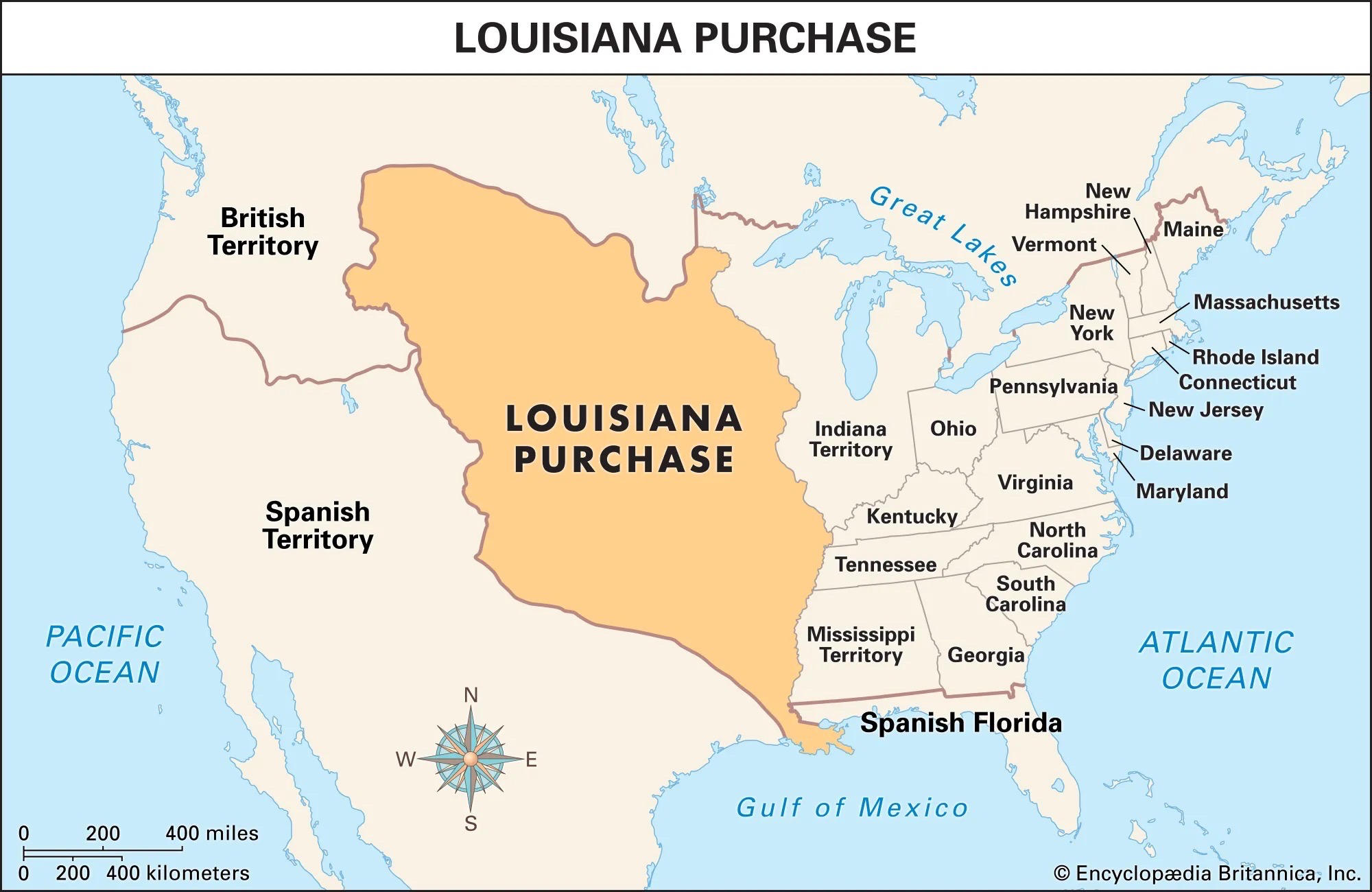
22
Adam Onis Treaty
a treaty between the United States and Spain in 1819 that ceded Florida to the US and defined the boundary between the US and Mexico (New Spain).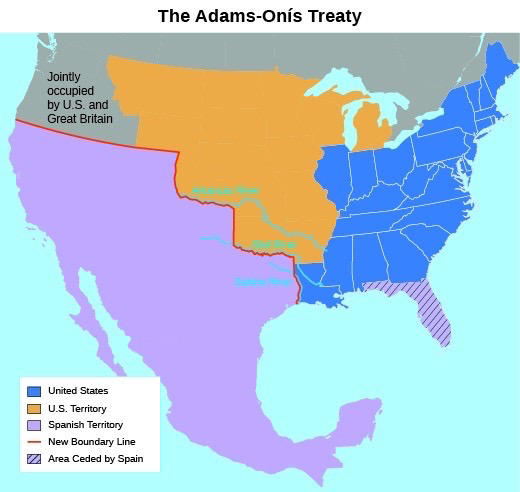
23
Cry of Dolores / Gito de Dolores
The Cry of Dolores occurred in Dolores, Mexico, on 16 September 1810, when Roman Catholic priest Miguel Hidalgo y Costilla rang his church bell and gave the call to arms that triggered the Mexican War of Independence. The Cry of Dolores is most commonly known by the locals as "El Grito de Independencia". 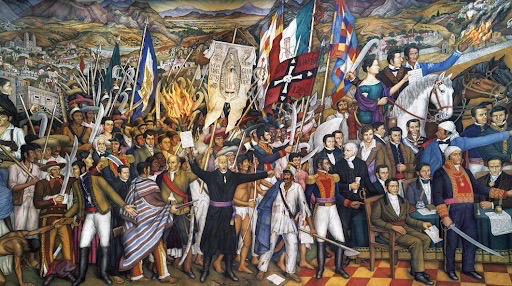
24
Plan of Iguala
The Plan de Iguala also known as The Plan of the Three Guarantees or Act, drafted on February 24, 1821, proclaimed Mexico's independence from Spain, social and political equality for all inhabitants of Mexico regardless of birthplace, and Roman Catholicism as the official religion.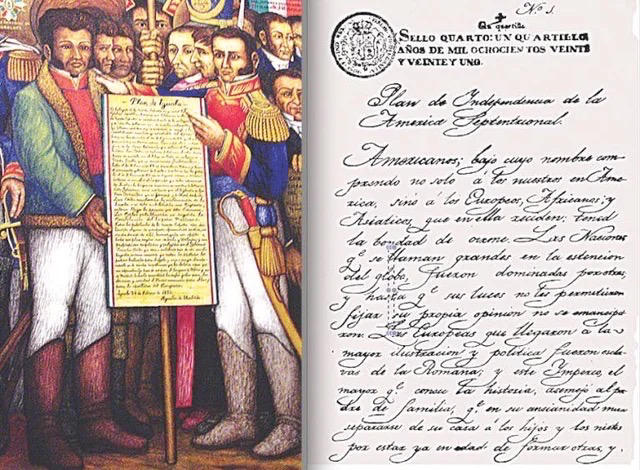
25
Treaty of Cordoba
The Treaty of Córdoba established Mexican independence from Spain at the conclusion of the Mexican War of Independence. 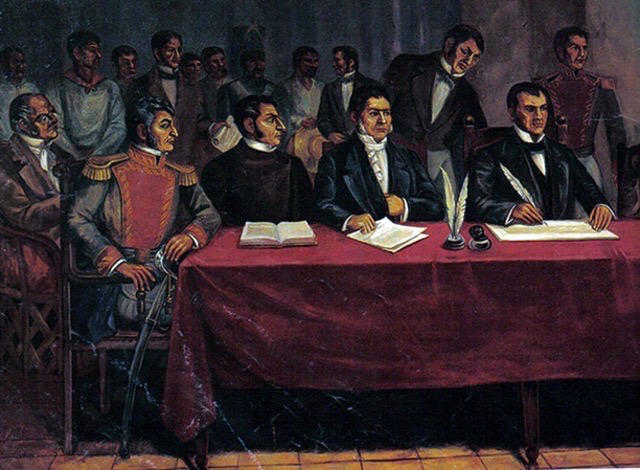
26
Bartolomeo de las Casas
A Spanish clergyman, writer, and activist best known for his work as an historian and social reformer. He arrived in Hispaniola as a layman, then became a Dominican friar. He believed Indians were not inferior to their oppressors. He knew that 'all the peoples of the world are men' – rational human beings, part of a single common humanity. 'For all people of these our Indies are human … and to none are they inferior,'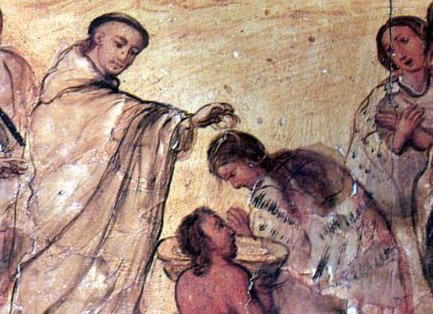
27
Philip Nolan
Philip Nolan was a mustang trader and freebooter in the Spanish province of Tejas. Nolan has become recognized as the first of many filibusters that eventually helped to free Texas from Spanish and Mexican rule. He is often credited with being the first Anglo-American to map Texas, but his map has never been found.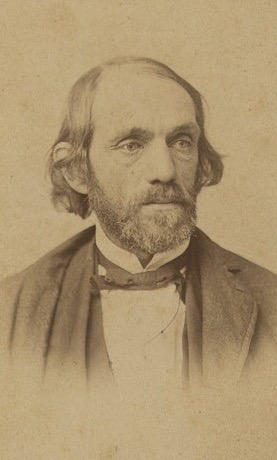
28
James Wilkinson
James Wilkinson was an American soldier, politician, and Spanish secret agent. He disputed that Rexas was part of the Louisiana Purchase.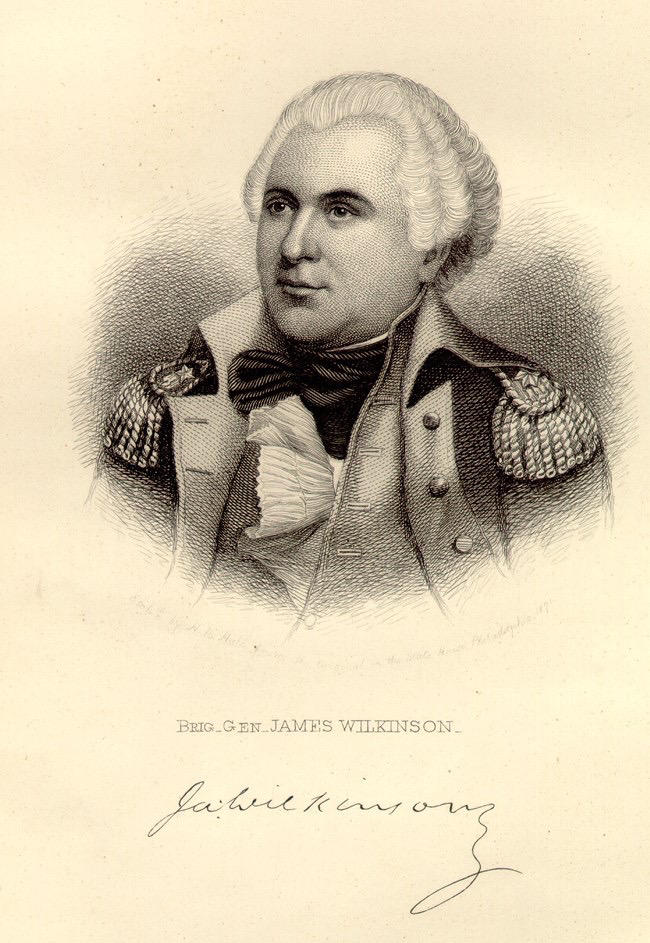
29
James Long
Was an American filibuster who led an unsuccessful expedition to seize control of Spanish Texas between 1819 and 1821.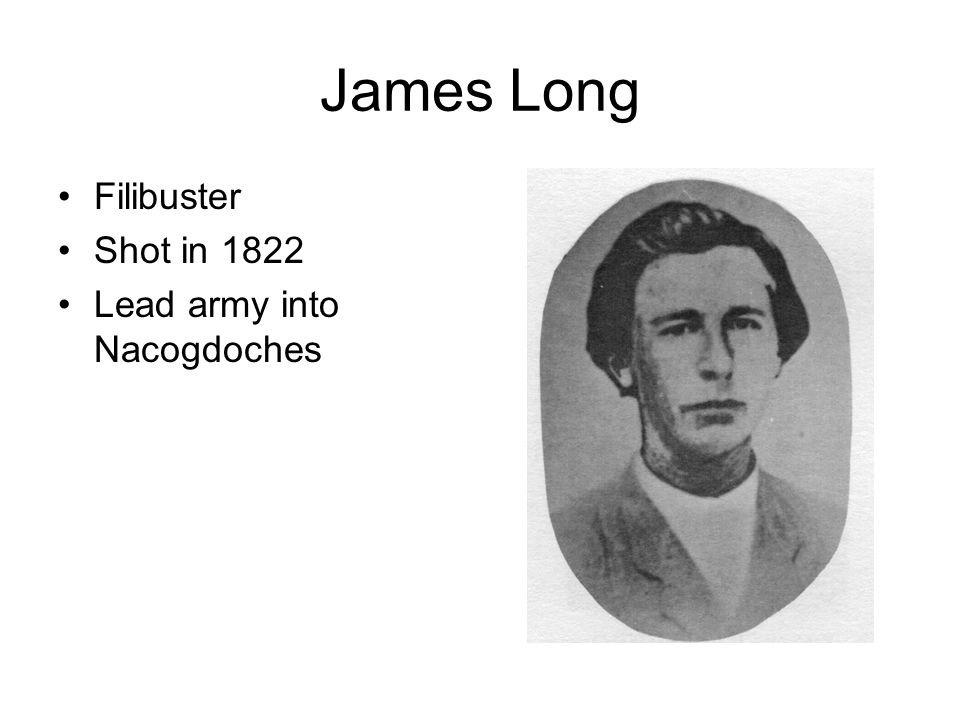
30
Aguayo
Aguayo retook eastern Texas from New France without firing a shot. He established or reestablished seven missions and three presidios, and quadrupled the number of Spanish soldiers stationed in Texas.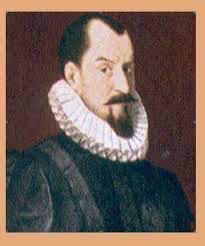
31
Zebulon Pike
He was American explorer for whom Pikes Peak is named, led an expedition (sent by James Wilkinson) into the Texas territory, through the southwestern portion of the newly acquired Louisiana Purchase in 1806-7.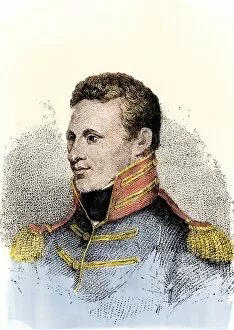
32
Augustus MaGee
He led (Gutierrez-Magee Expedition) an early filibustering expedition against Spanish Texas. He was a disgruntled US military officer who joined Mexican rebels against Spanish rule.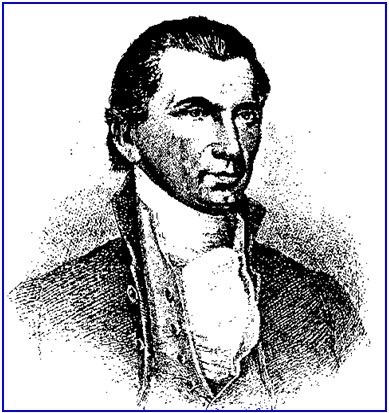
33
Bernardo Guiterez de Lara
Mexican rebel leader who fought for Mexican indepenence from Spain in the Gutierrez-Magee Expedition.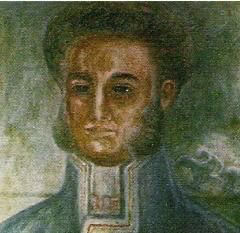
34
Samuel Kemper
Fought for democracy against Spanish monarchy and rejected DeLara's leadership. He was a filibuster commander of the Republican Army of the North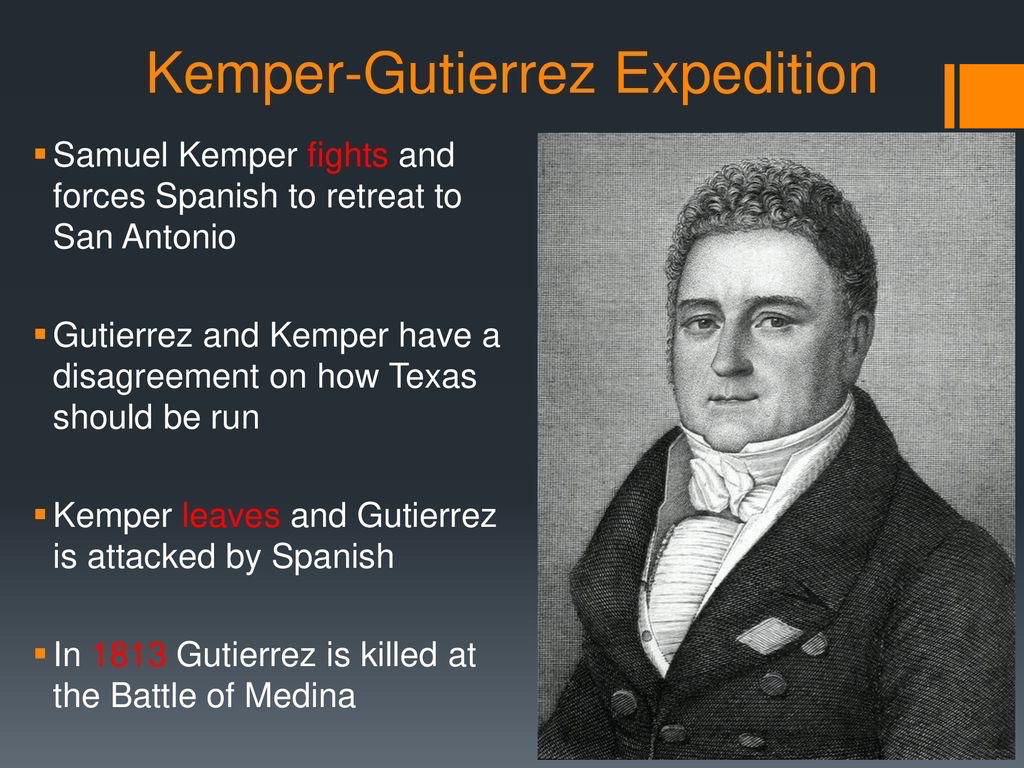
35
Fr. Miguel Hidalgo
Was a priest who started the Independence for Mexicans by the "Cry of Delores". He is generally regarded as the “Father of Mexican Independence.” 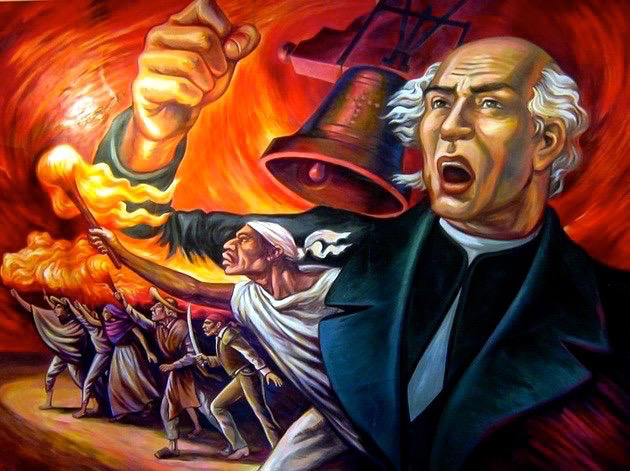
36
Agustín de Iturbide
Final leader of the Mexican revolution. He signed the treaty of Cardoba in 1821.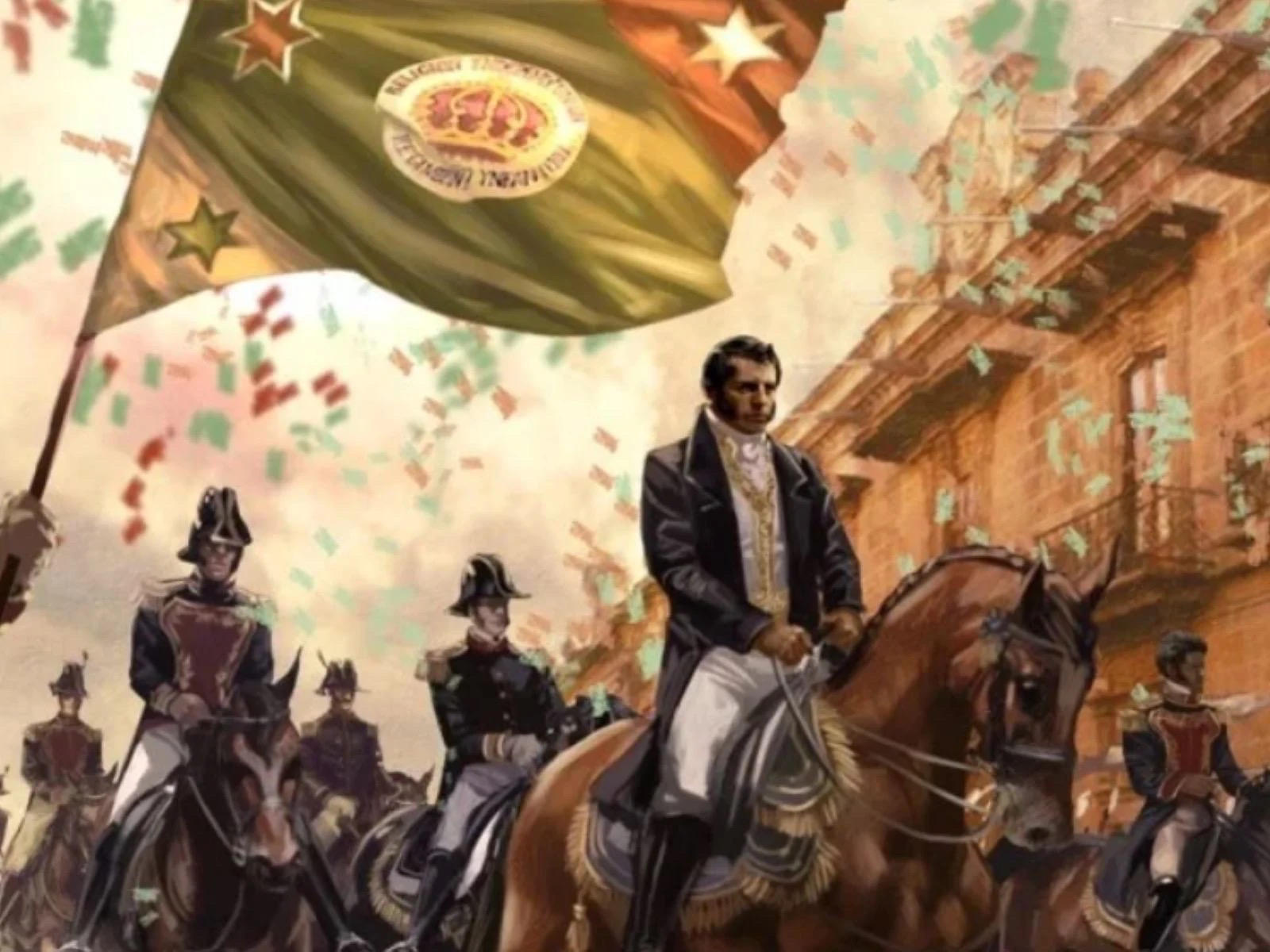
37
Filibuster
A person who starts a war without the state's permission.