Social Studies Unit 6 Vocabulary
Study these flashcardsFree · spaced repetition · iPhone, Android, Mac & web
All cards
1
Feudalism
The political and social system in which Kings gave land to nobles in exchange for the noble's promis to serve them. Those nobles provided military service as Knights for the king.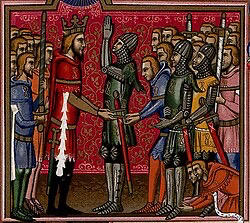
2
Europe several strategic waterways
The Danish Straits (between Denmark and Sweden), the English Channel (between England and France), the Straits of Gibraltar (between Spain and Africa), and the Bosporus Straits (in Turkey connecting the Mediterranean Sea and Black Sea).
3
The Black Plague
(Bubonic Plague) was caused by flea bites from fleas infected by the disease. It killed a third of the European population (a total of 25 million) from 1347 to 1352.
4
Moorish
(Islamic) conquest of Europe was halted by the Pyrenees Mountains in Northern Spain.
5
Eurasia
Europe is part of a large landmass called Eurasia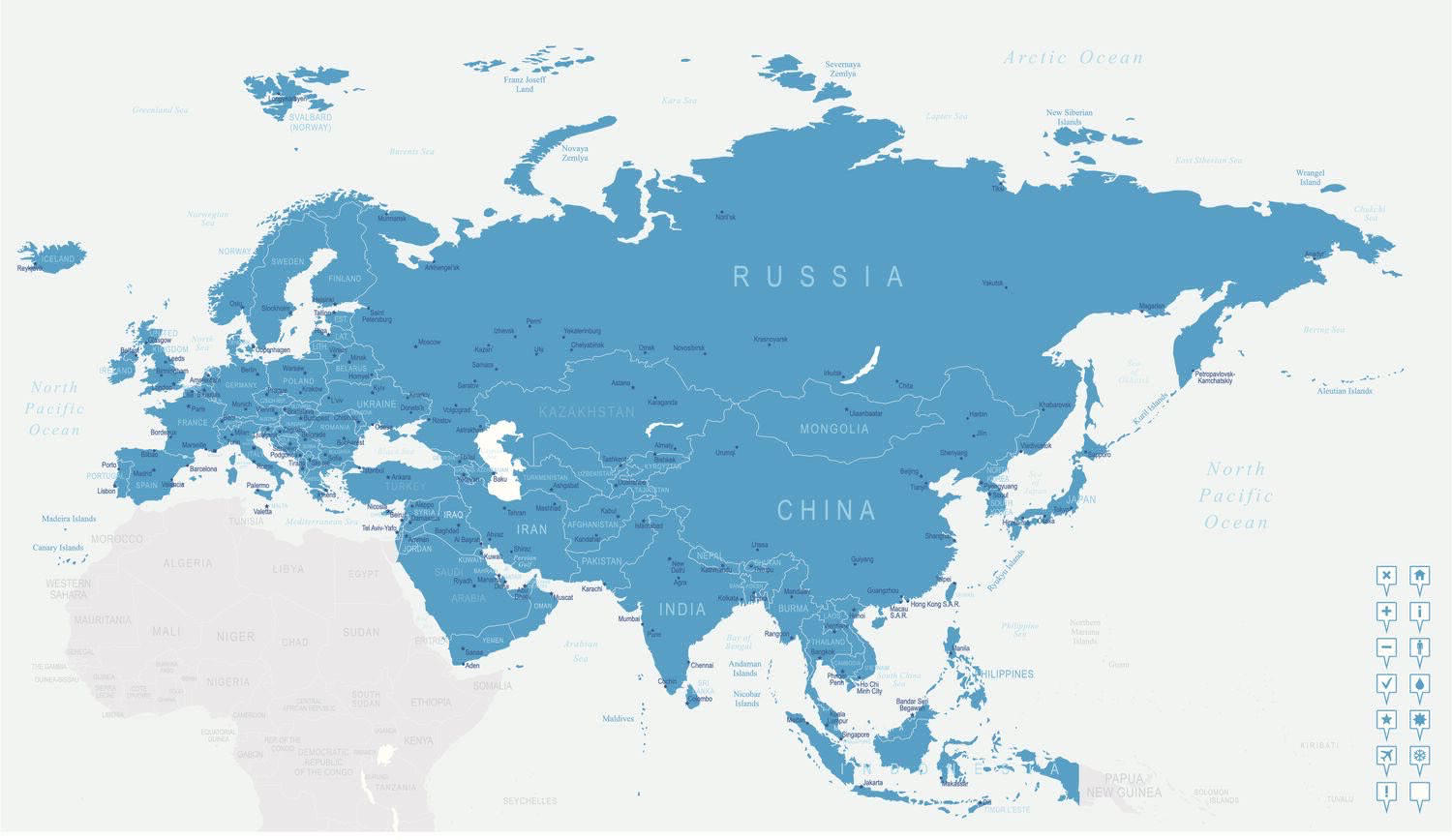
6
Peninsula
Europe is a large peninsula. A peninsula is a body of land that is surrounded by water on three sides.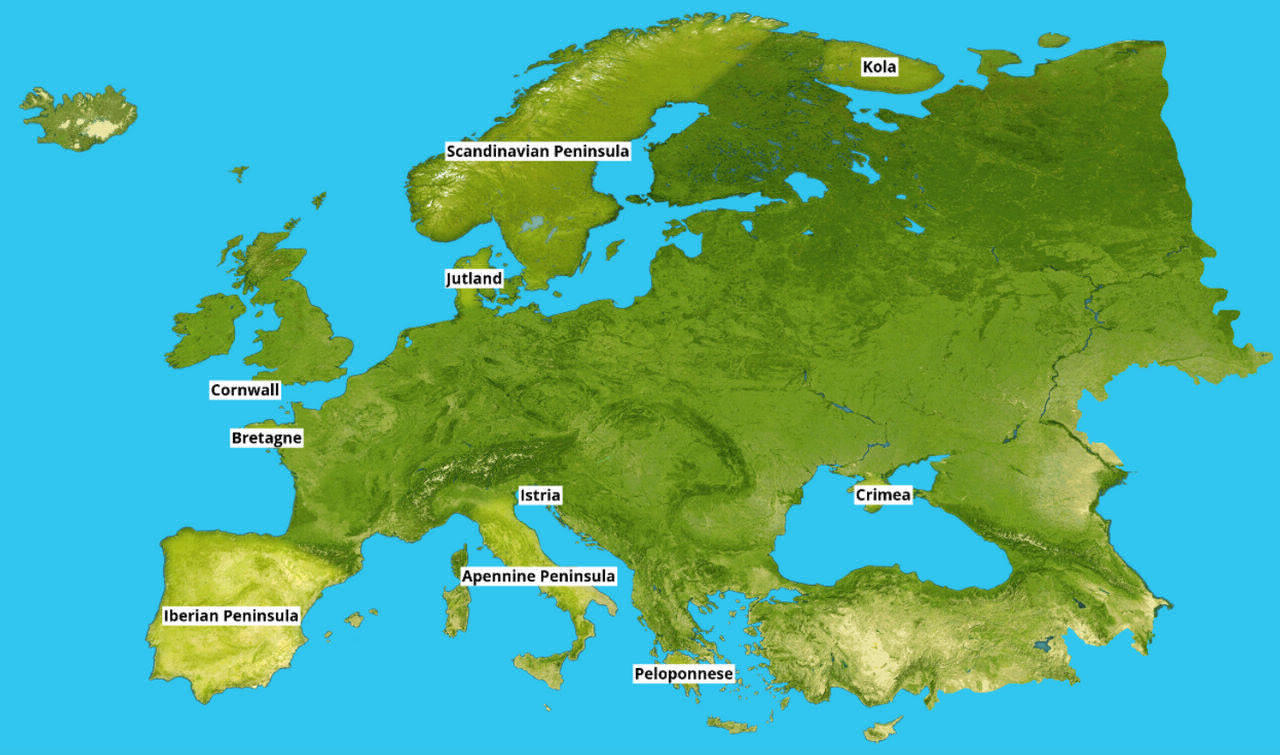
7
The Northern European Plain
The topography of Europe is defined by mountainous southern and extreme northern edges and a flat central area called the Northern European Plain, a flat area that extends from France through the Netherlands, Germany, Poland, and into Russia.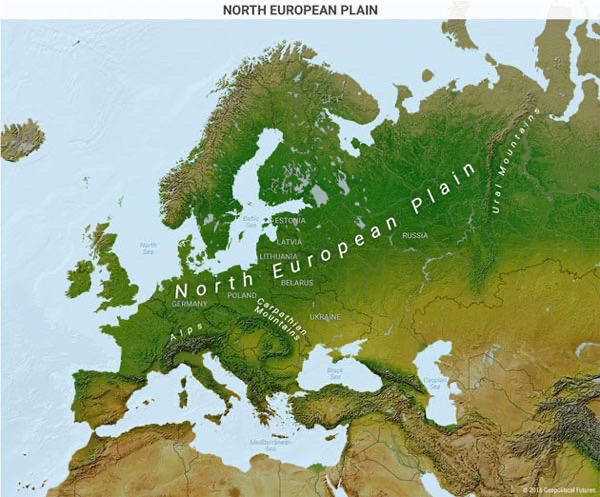
8
Chernozem
The very good soil located in the Northern European Plain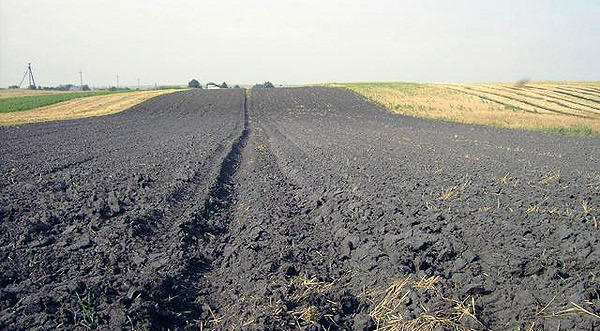
9
The five major European Peninsulas
Europe's main peninsulas are the Iberian, Italian, and Balkan, located in southern Europe, and the Scandinavian and Jutland, located in northern Europe.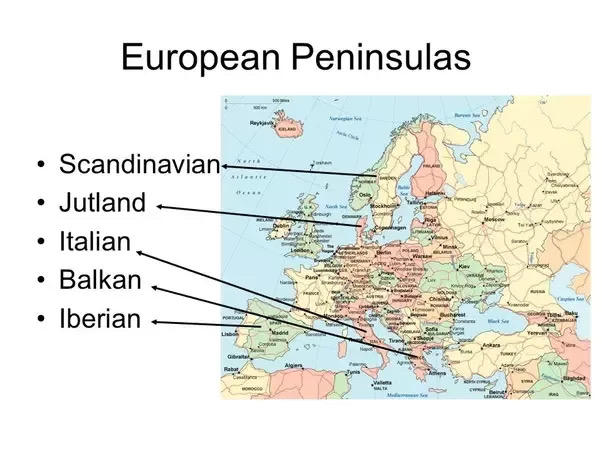
10
Scandinavian Peninsula
The Scadinavian Peninsula is in Northern Europe. Norway, Sweden, and part of Finland are on the Scandinavian Peninsula. The peninsula is surrounded by the Barents Sea, Baltic Sea, Norwegian Sea, and North Sea.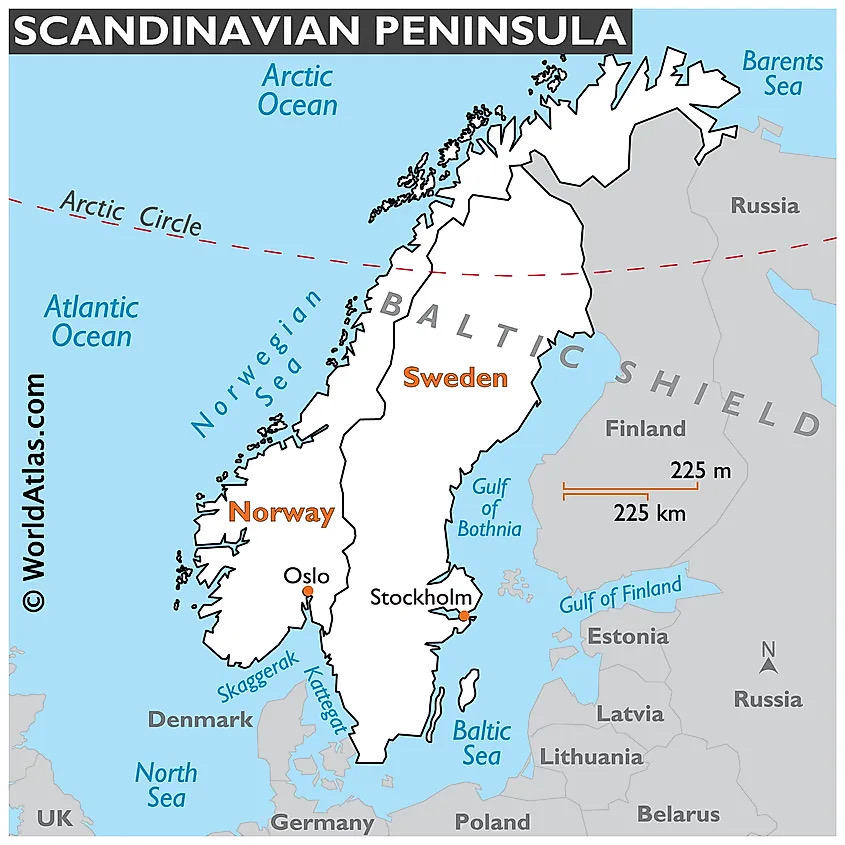
11
fjord
It is a steep, narrow, u-shaped, seawater filled valley that was carved out by a glacier. They are found along the coast of Norway and unique to Scandinavia.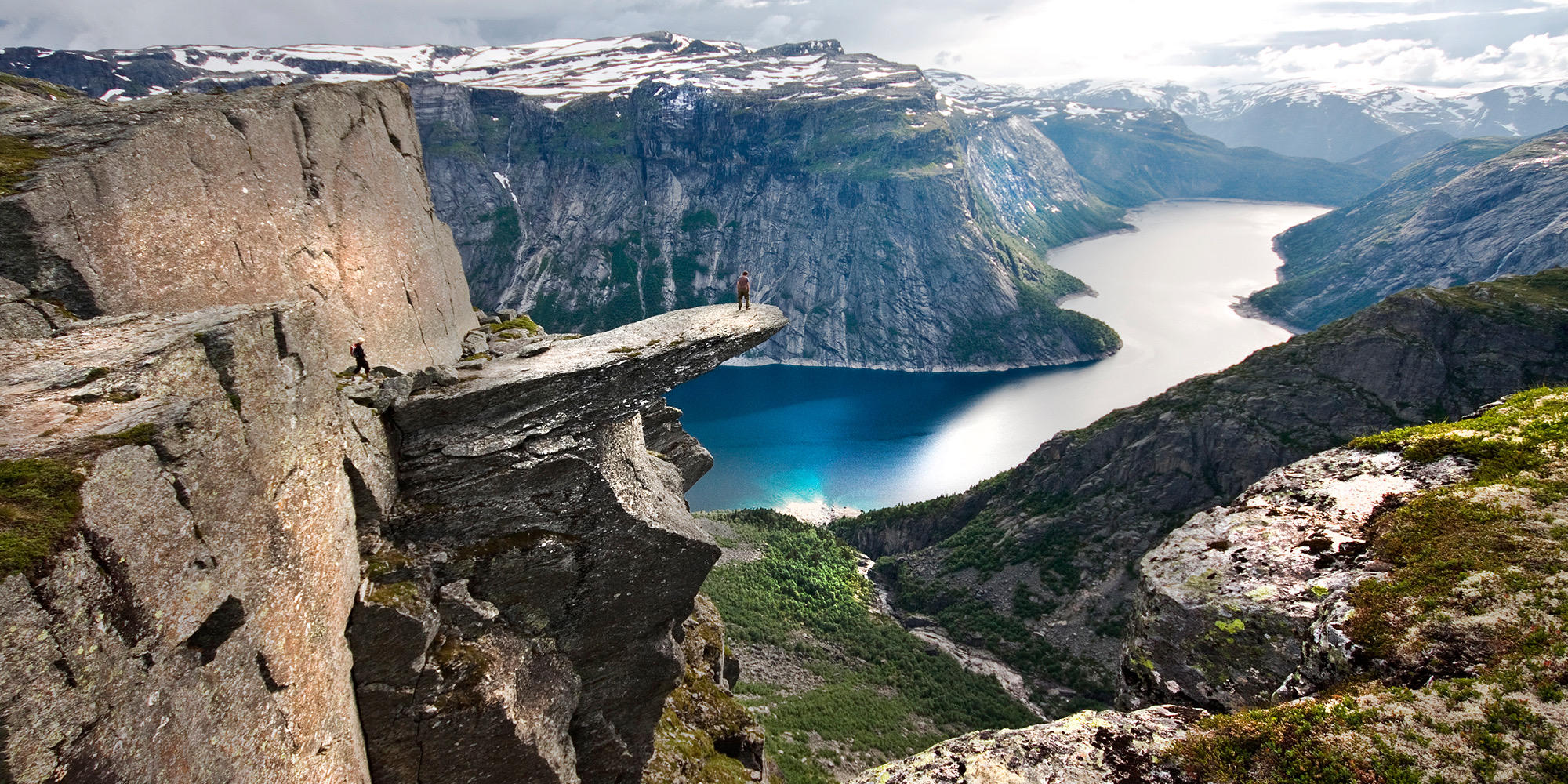
12
Jutland Peninsula
The country of Denmark is on a peninsula called Jutland.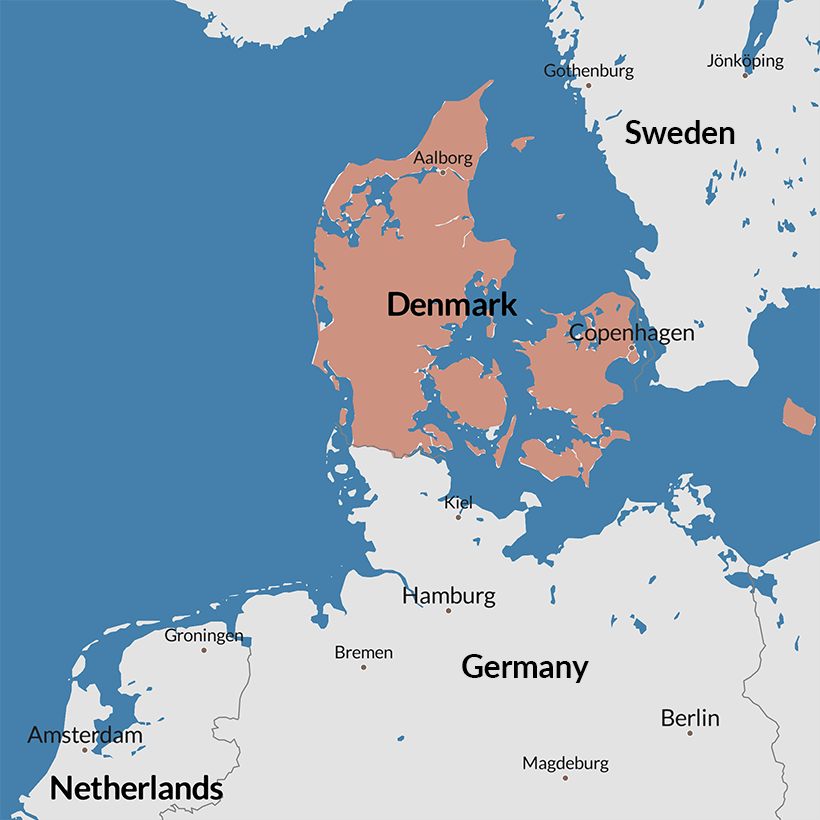
13
Iberian Peninsula
Portugal, Spain, and Andorra are the countries on the Iberian Peninsula.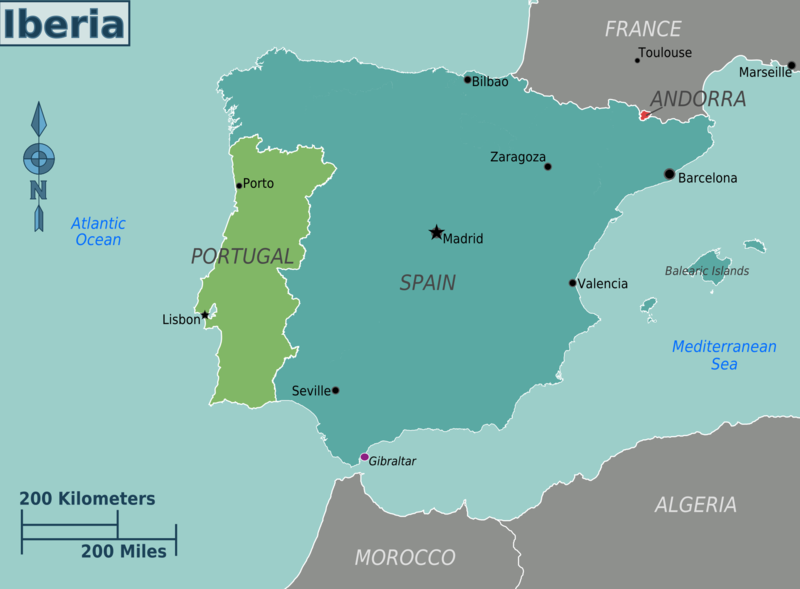
14
Italian Peninsula
Italy is on the Italian Peninsula. It's shaped like a boot.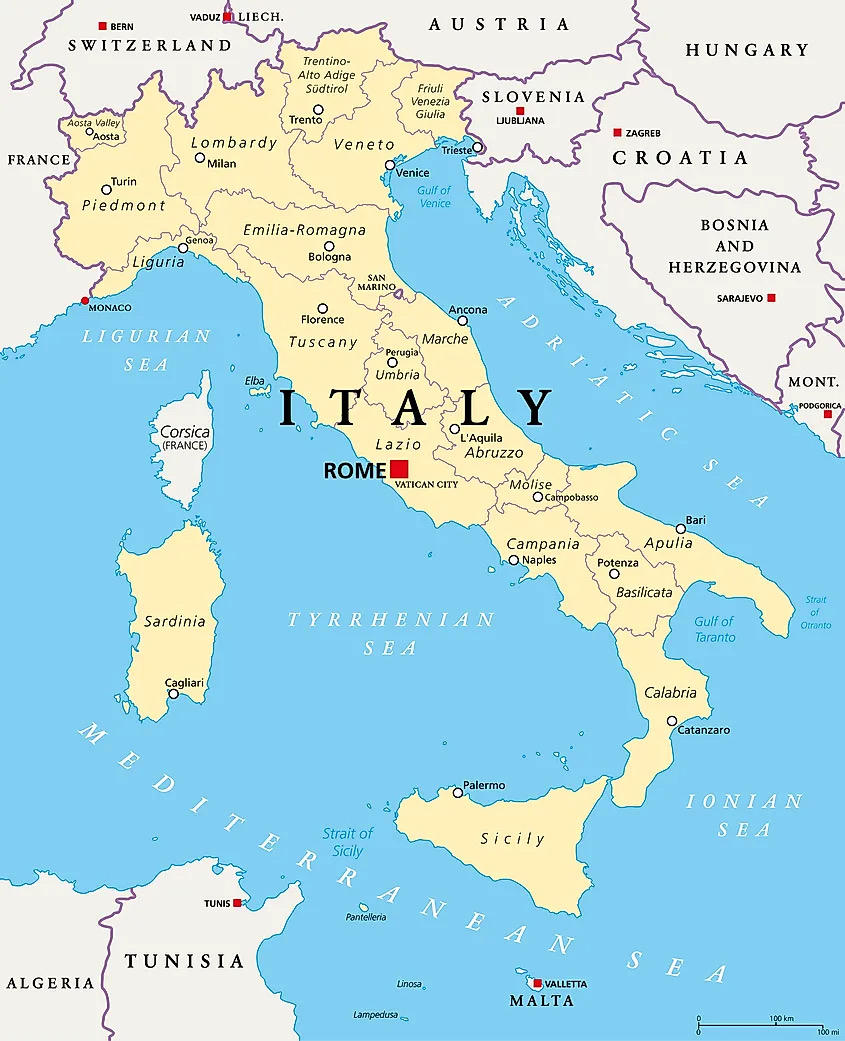
15
Balkan Peninsula
The Balkan Peninsula is surrounded by the Adriatic Sea, Aegean Sea, and Black Sea. It consists of the countries of: Albania, Bulgaria, Bosnia/Herzegovina, Kosovo, Macedonia, Montenegro, Croatia, Greece, Romania, Serbia, Slovenia, and Turkiye.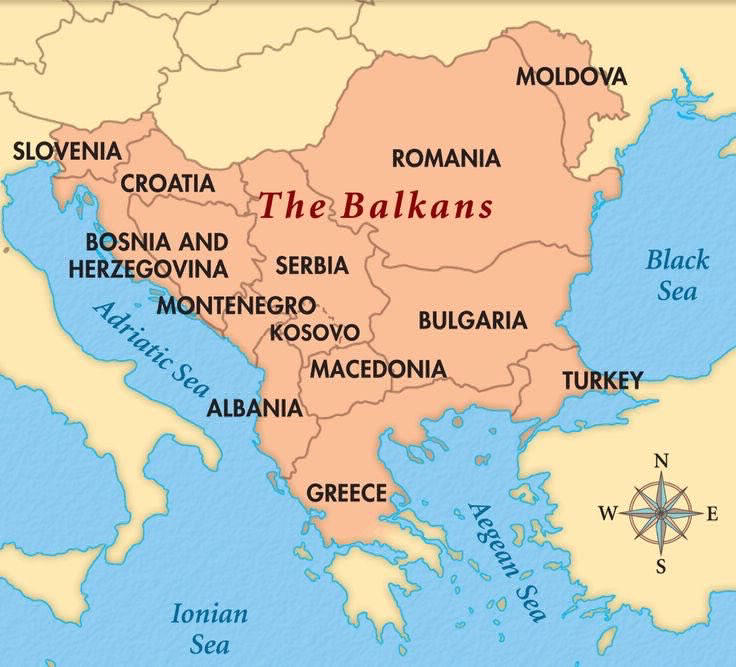
16
Allies
During World War Two (WWII) the “good guys” (U.S.A., England, and France) were called the “Allies”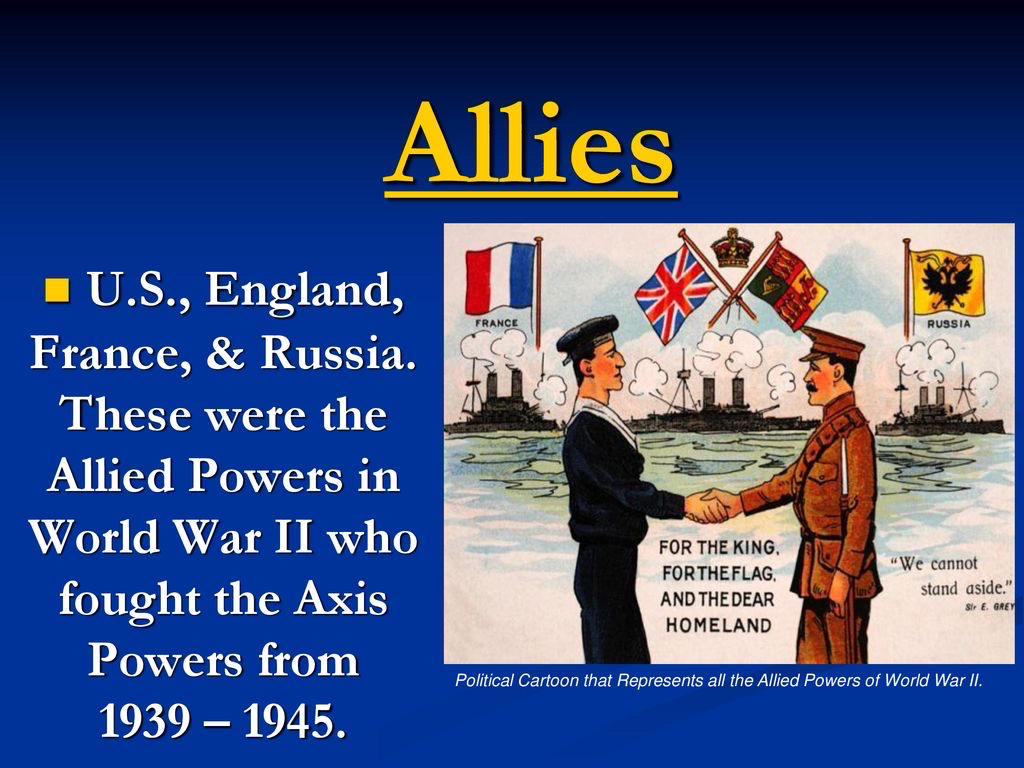
17
Axis Powers
During World War Two (WWII) the “bad guys” (Germany, Italy, and Japan) were called the “Axis Powers”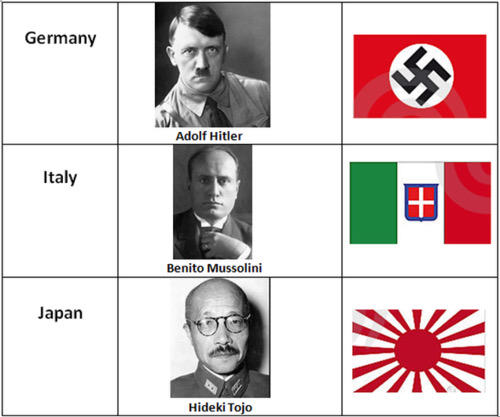
18
ID on map (England)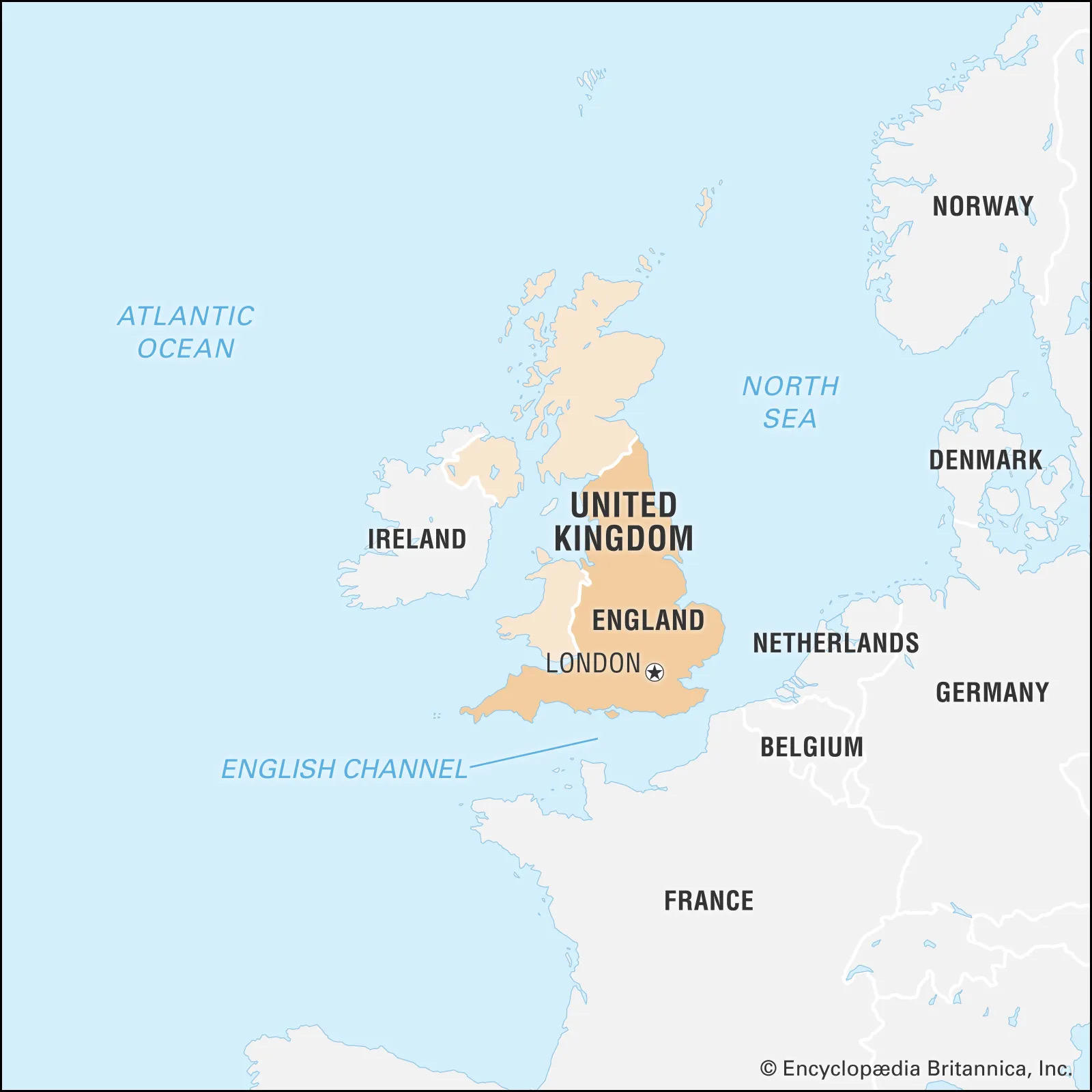
England
19
ID on map (Spain)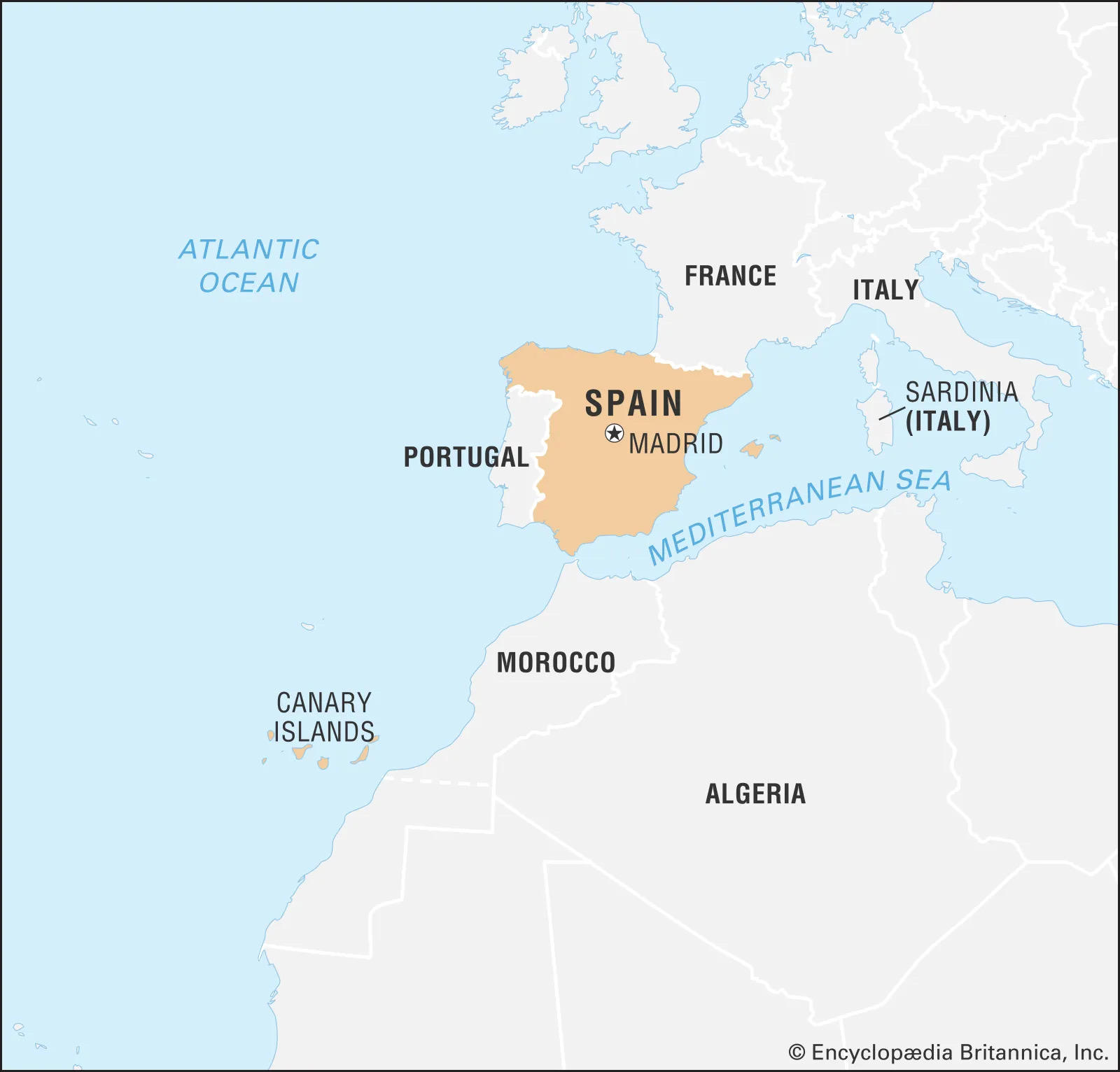
Spain
20
ID on map (Italy)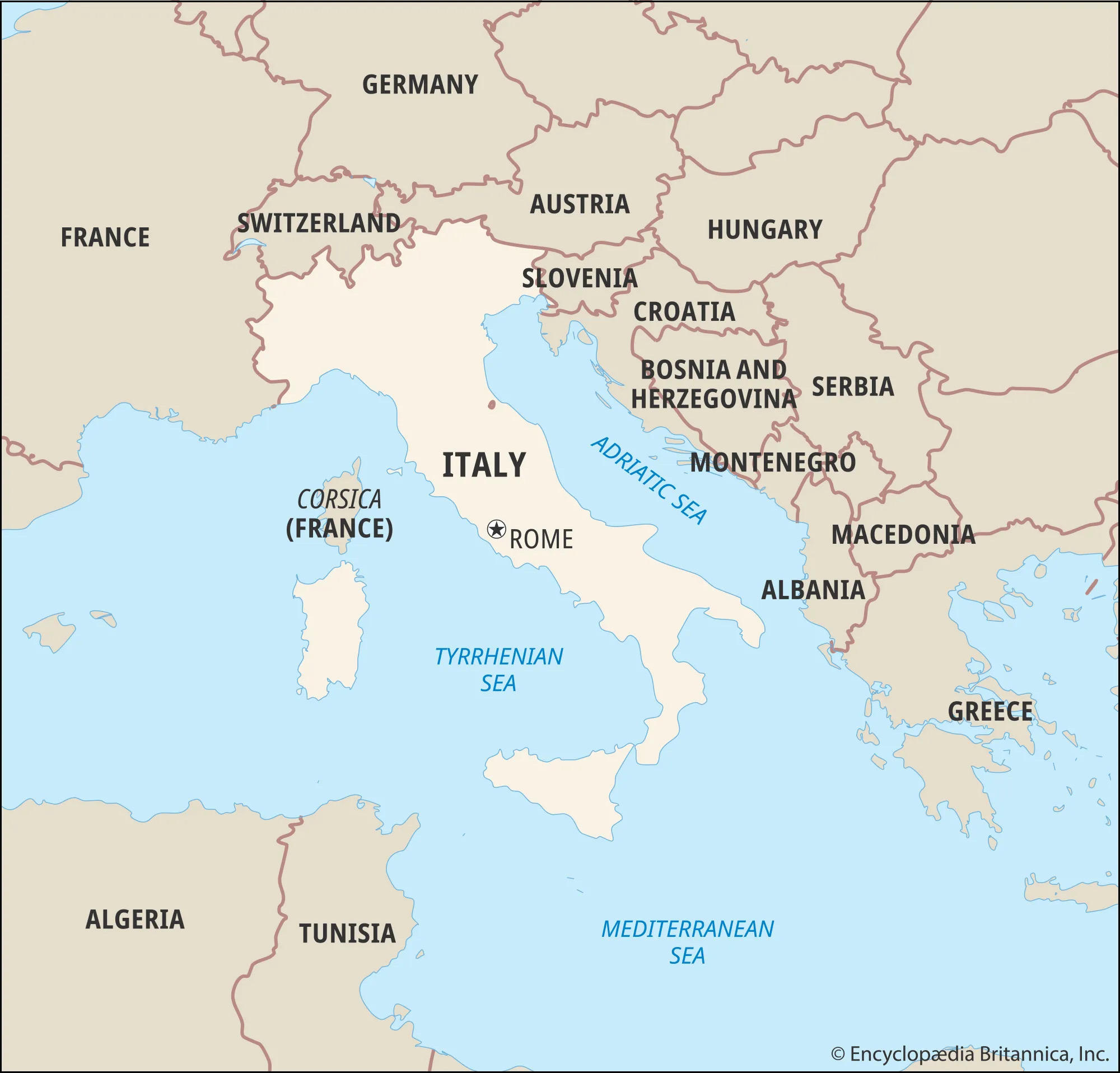
Italy
21
ID on map (Greece)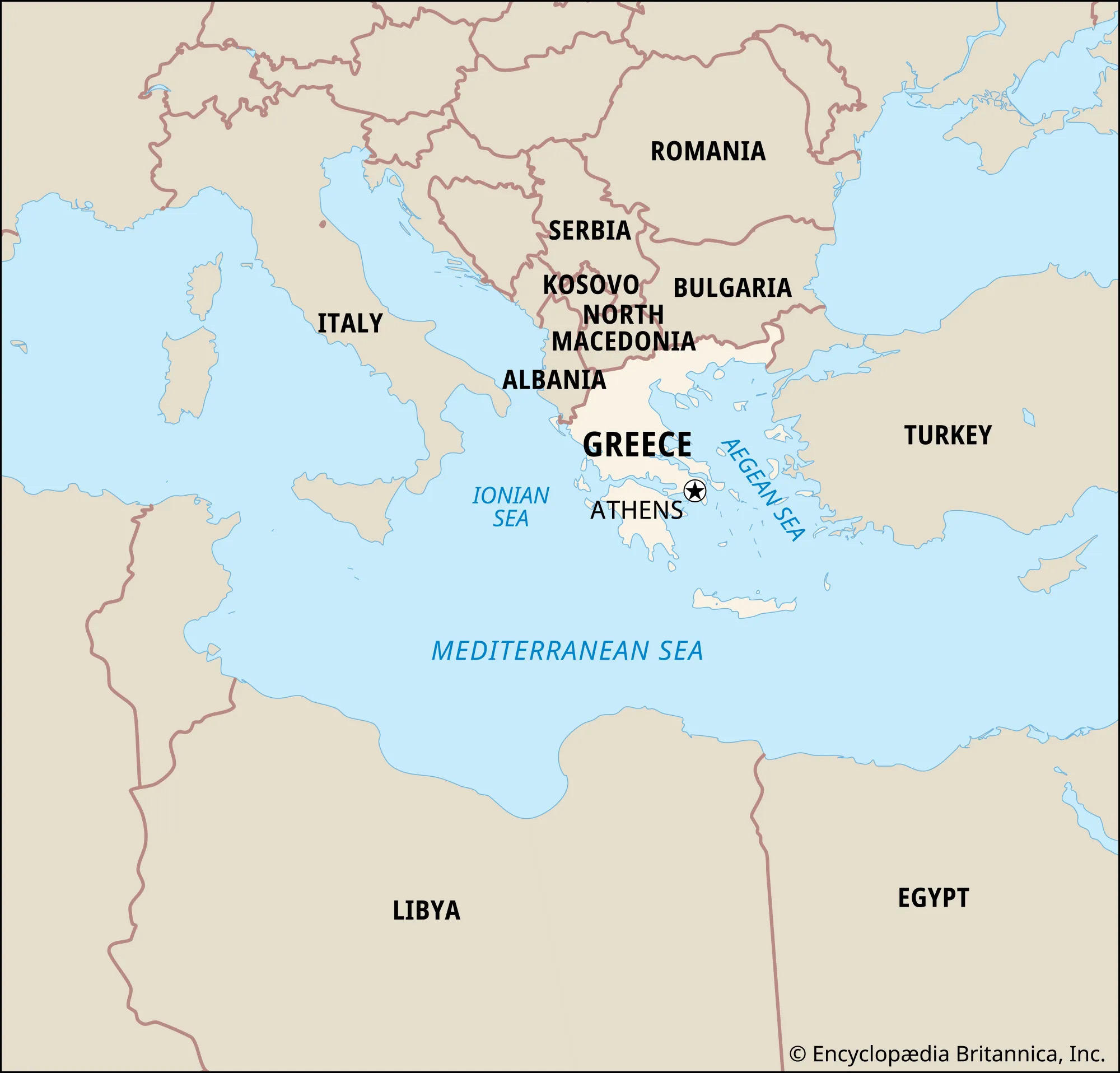
Greece
22
ID on map (Germany)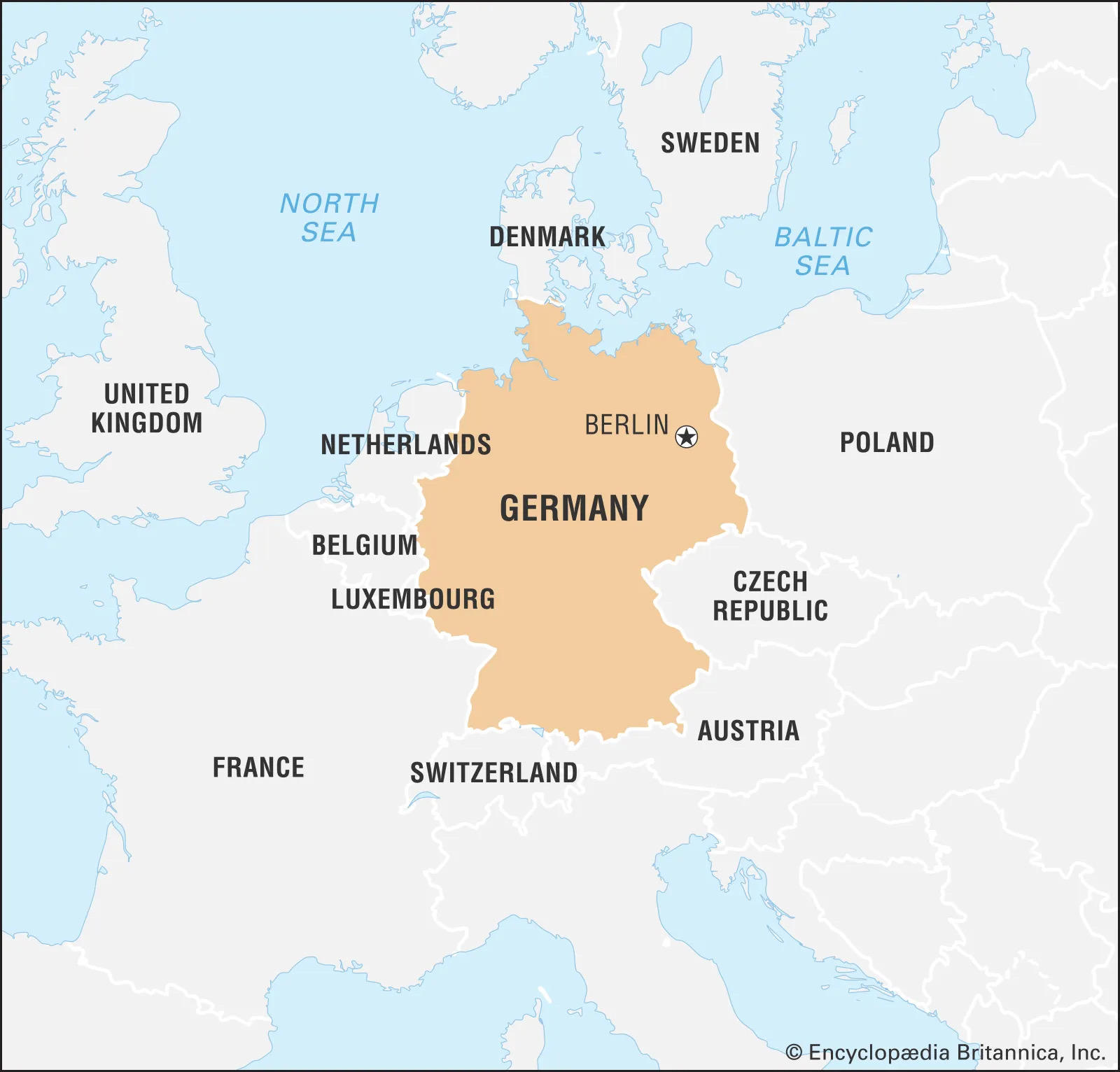
Germany
23
Founders of Democracy
The Ancient Greek civilization has been given credit as the "Founders of Democracy"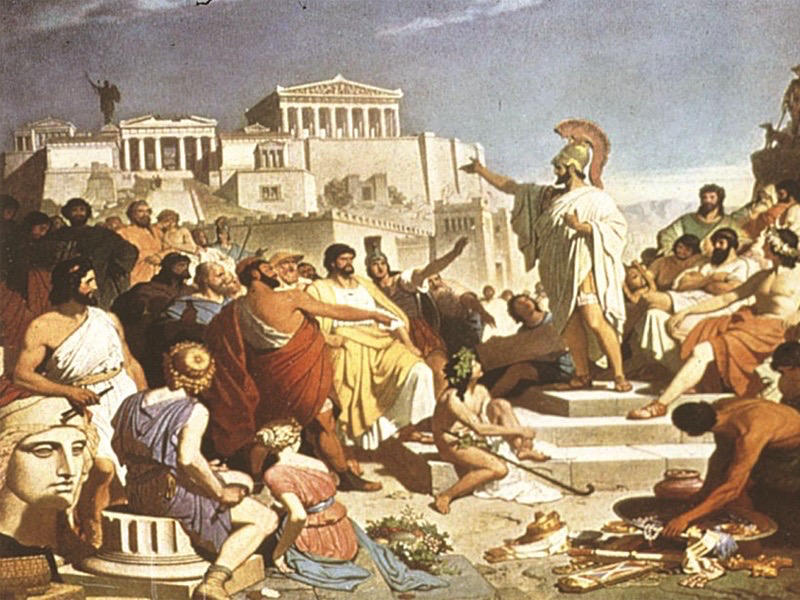
24
Dark Ages
Following the fall of the Roman Empire the whole of Europe fell into a 1,000 year period where the advancement of learning, science, arts, music, and literature almost completely stopped. This is known as the Dark Ages.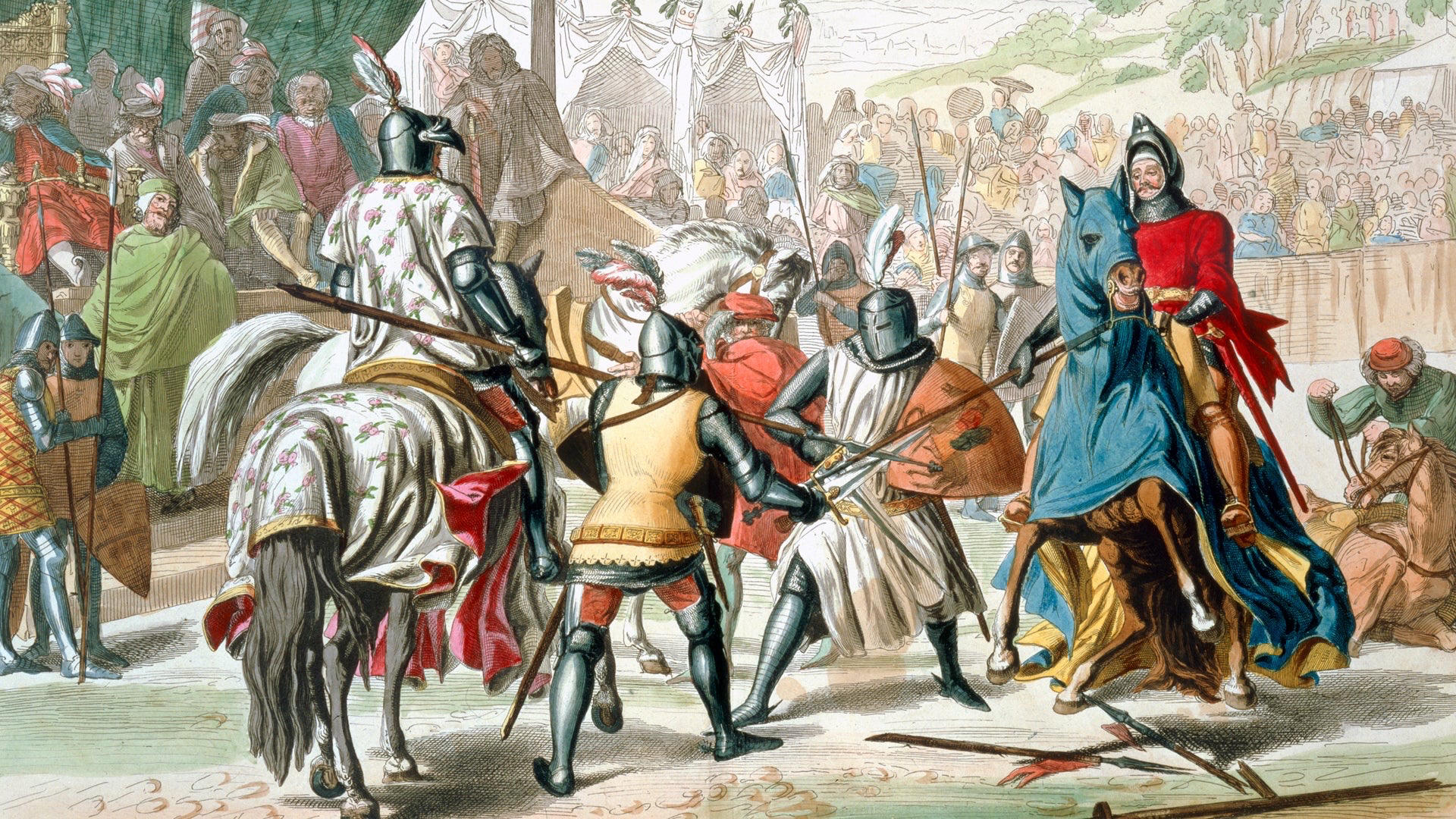
25
Begining of World War One (WW1)on
In 1915 the Austrian-Hungarian Empire blamed the small country of Serbia for the assassination of their Prince, Franz Ferdinand and his wife, triggering the begining of World Ware One.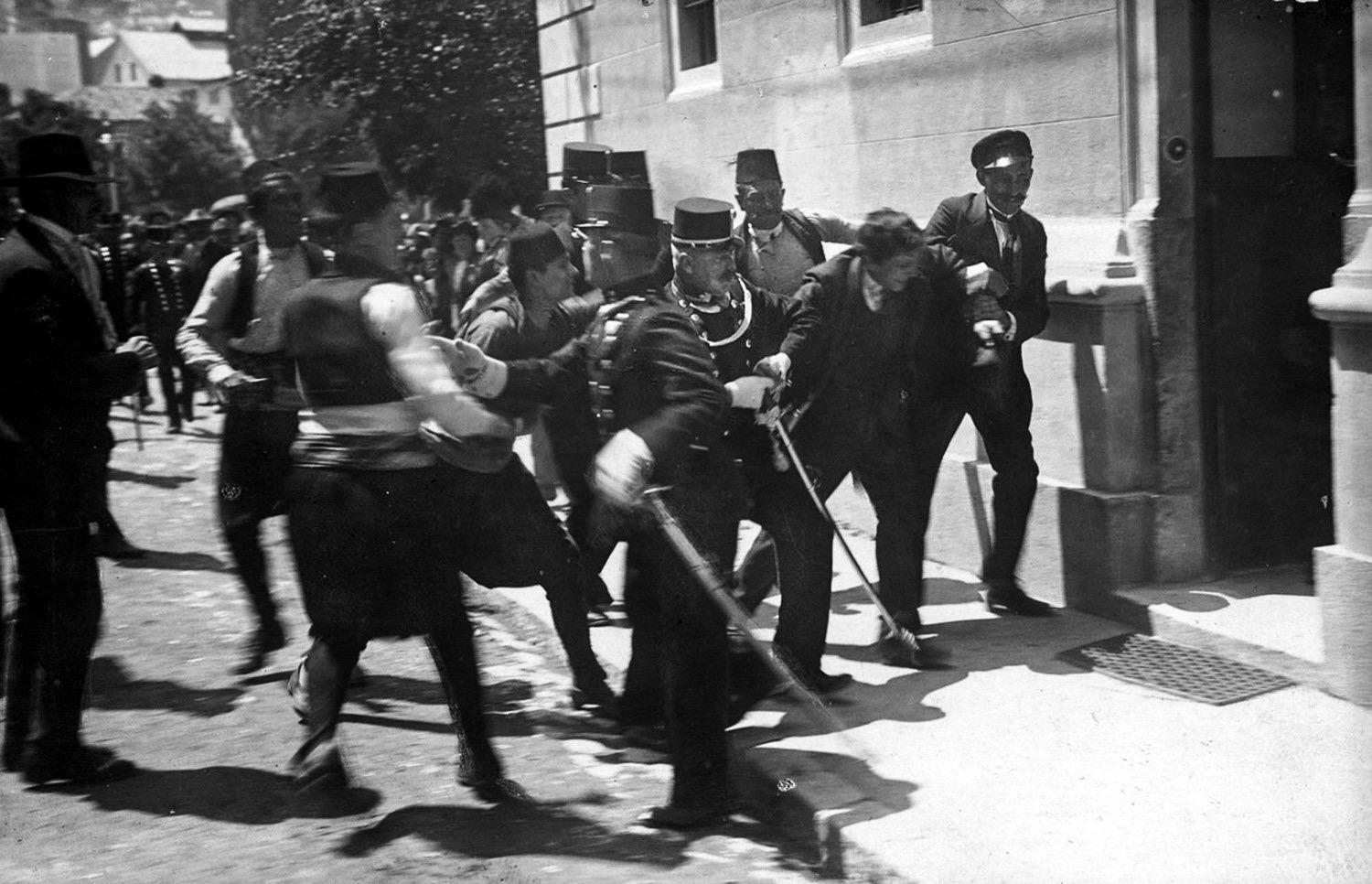
26
East and West Germany
After World War Two (WWII) the country of Germany was broken up into two parts, East and West Germany. The Western half was controlled by the U.S., France, and England. The Eastern half was controlled by the Soviet Union (Russia)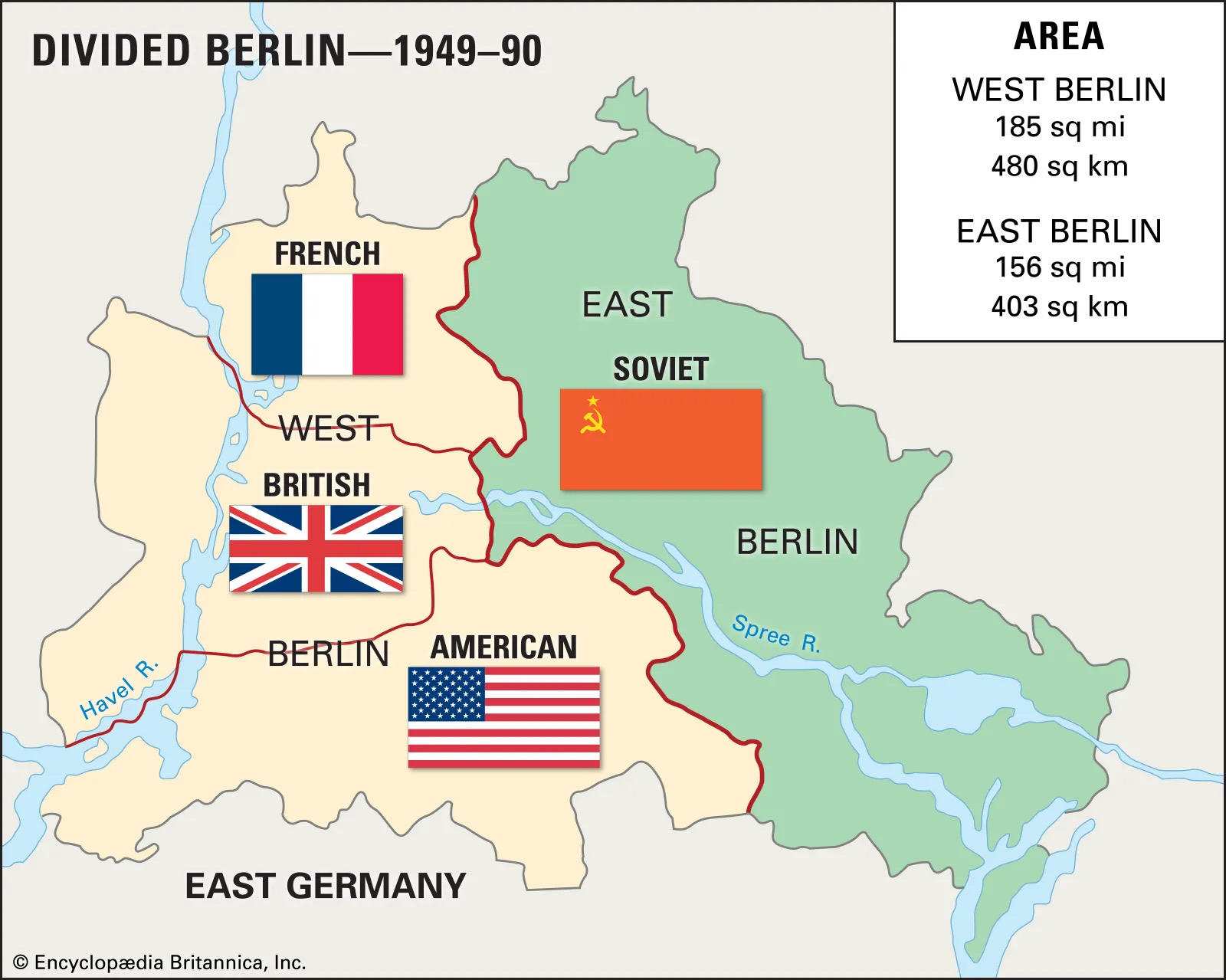
27
Mediteranean Climate
Southern Europe has a warmer "Mediterranean" climate.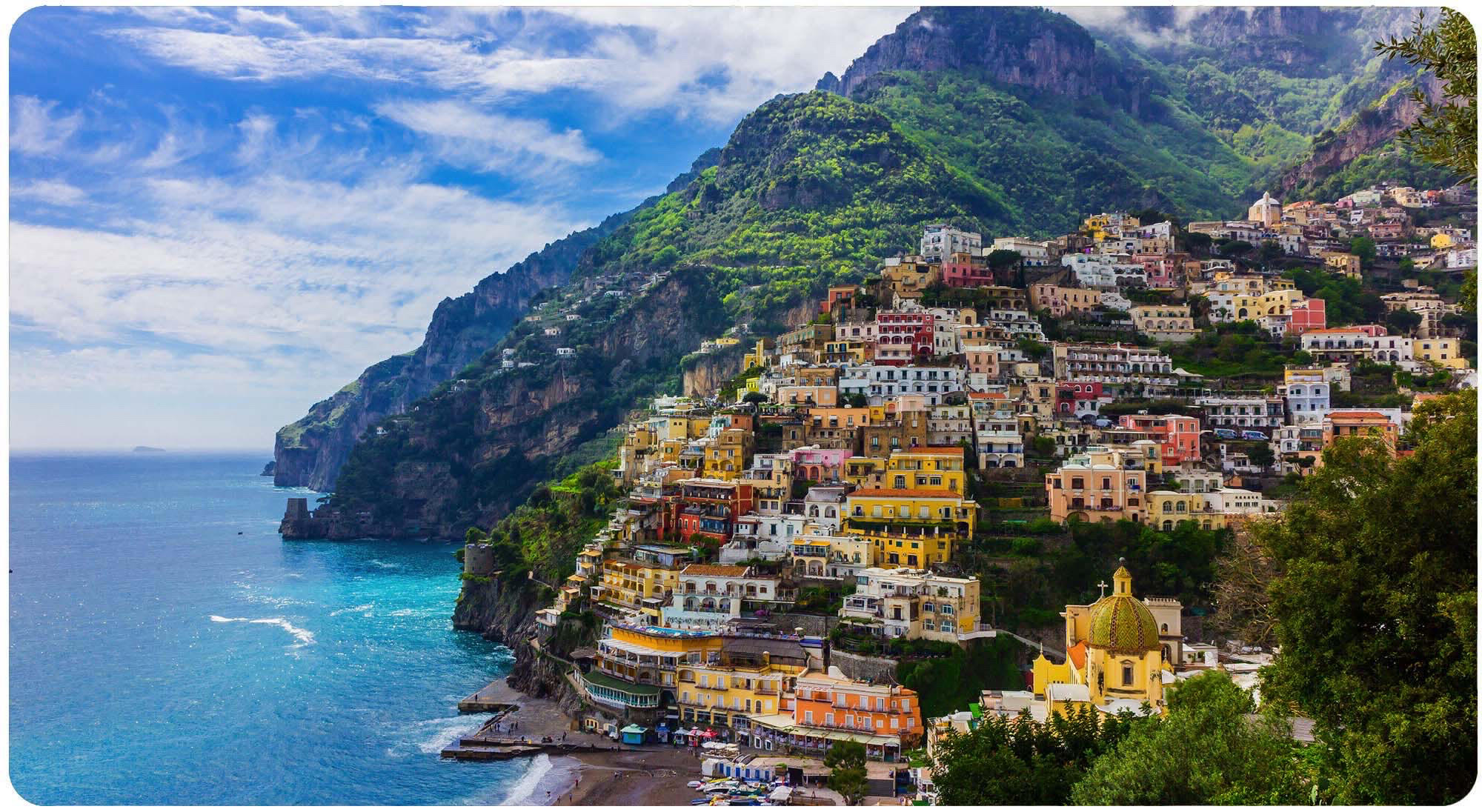
28
Sub-arctic and tundra climate types
Northern Europe's climate is typically sub-artic and tundra climate types.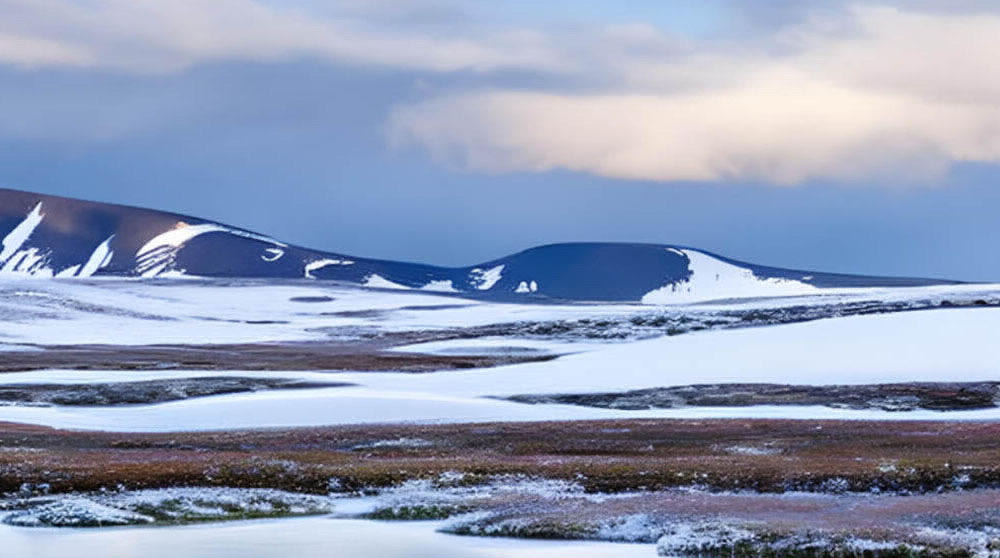
29
Start of the Protestant Reformation in Germany
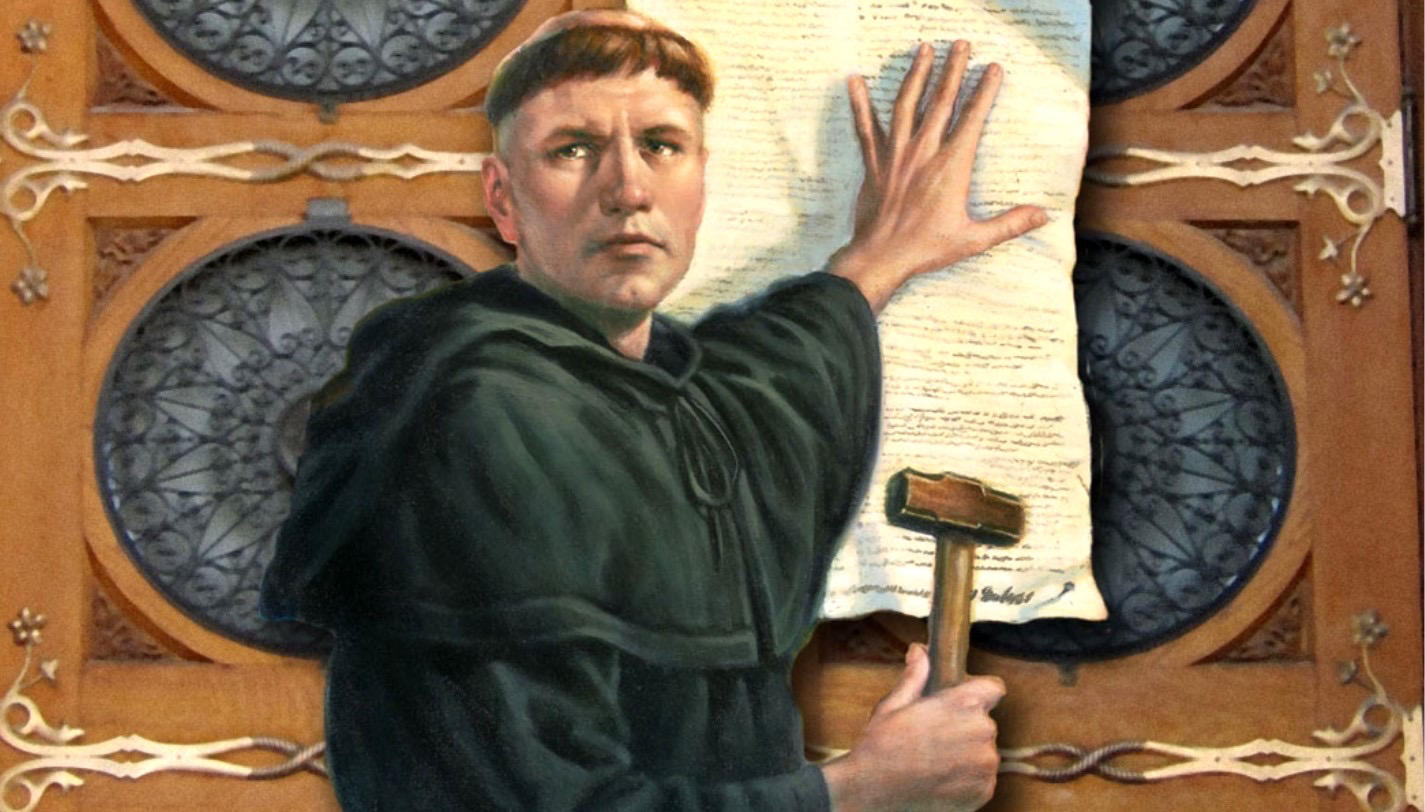
In 1517, a religous leader named Martin Luther led protests against Catholic church practices, which starts the Protestant Reformation in Germany.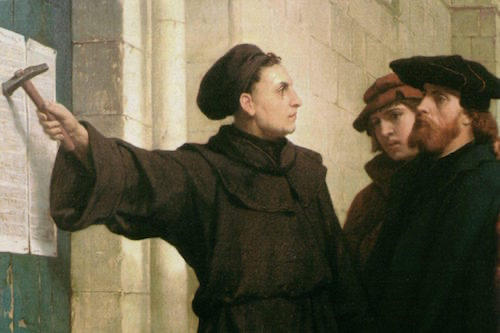
30
Crusades
From 1096 through 1291, Catholic Popes in Rome ordered a series of "crusades" led by noble knights from around Europe in an effort to retake the "Holy Land" (Jerusalem) from the Muslims.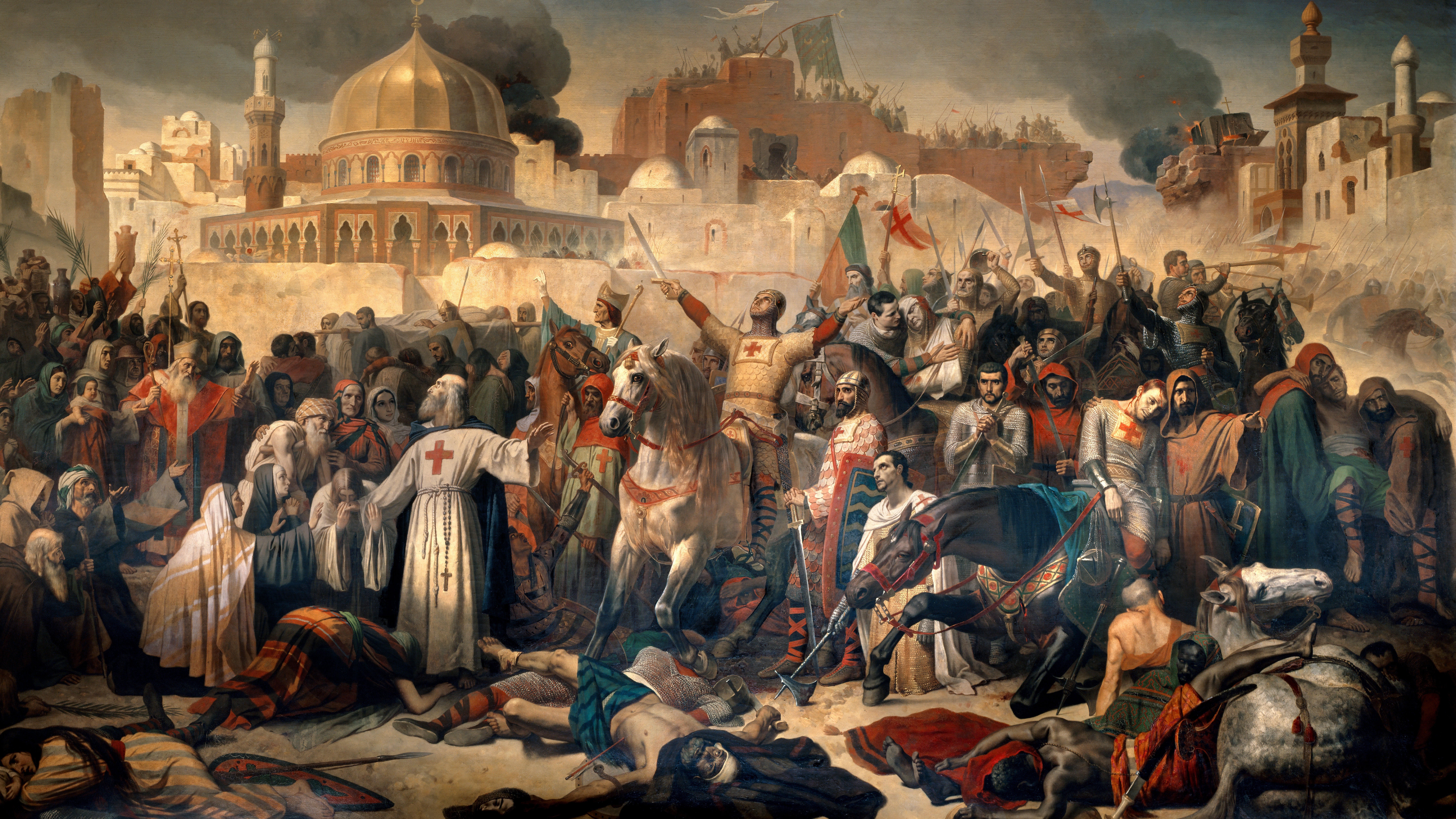
31
Cradle of Democracy
Democracy in ancient Greece served as one of the first forms of self-rule government in the ancient world. The system and ideas employed by the ancient Greeks had profound influences on how democracy developed, and its impact on the formation of the United States Government.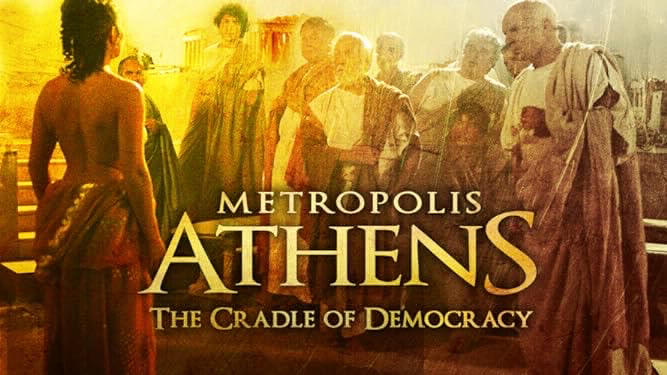
32
Columbian exchange
The transfer of plants, animals, and people between Europe, Asia, and Africa on one side, and the Americas on the other.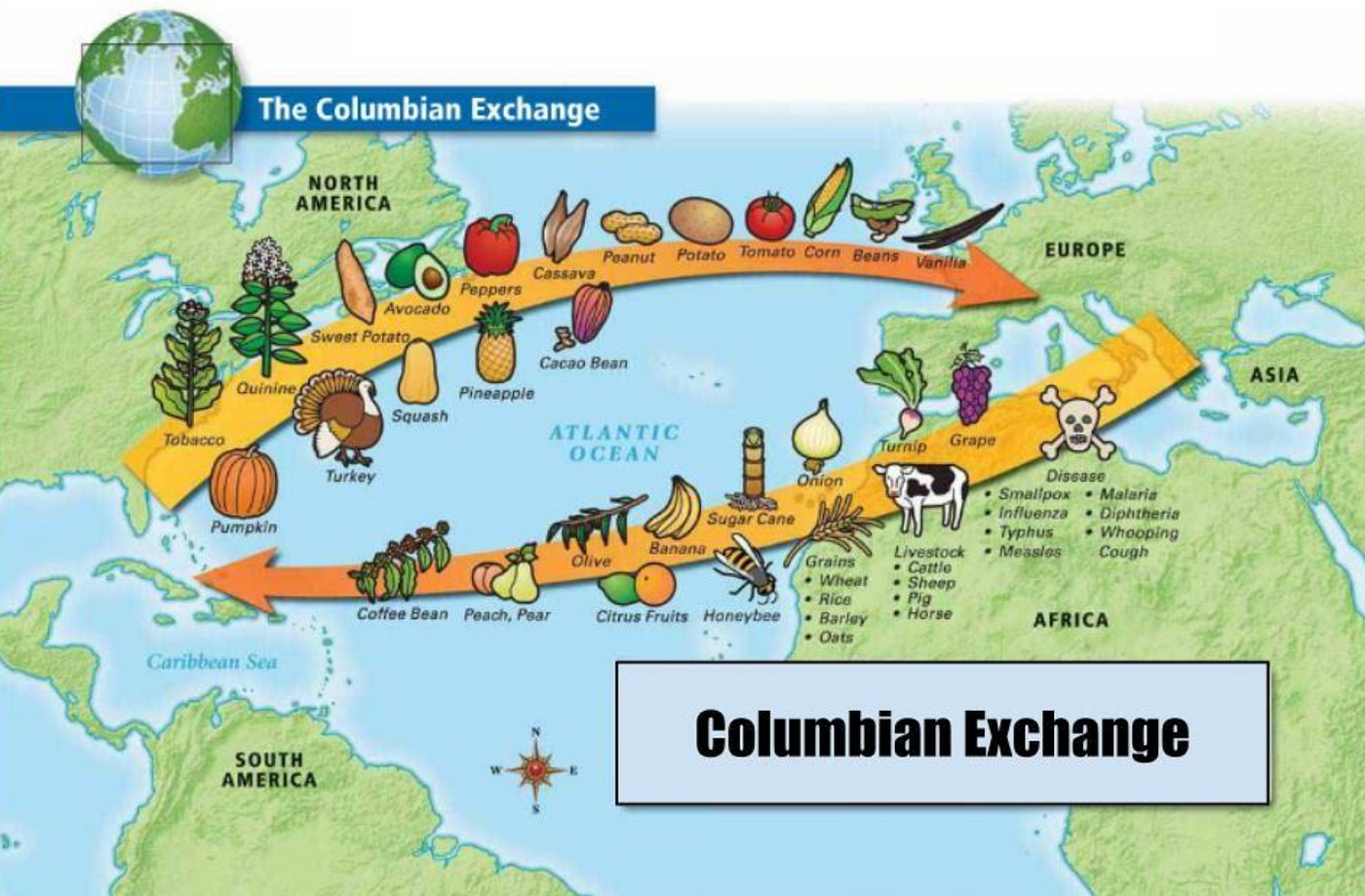
33
Divine Right of Kings
The doctrine that Kings derive their authority from God, not from their subjects, from which it follows that rebellion is the worst of political crimes.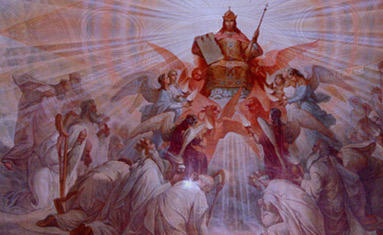
34
Renaissance
The period in Europe that began in Italy in the 1300s and lasted into the 1600s, during which art and learning flourished.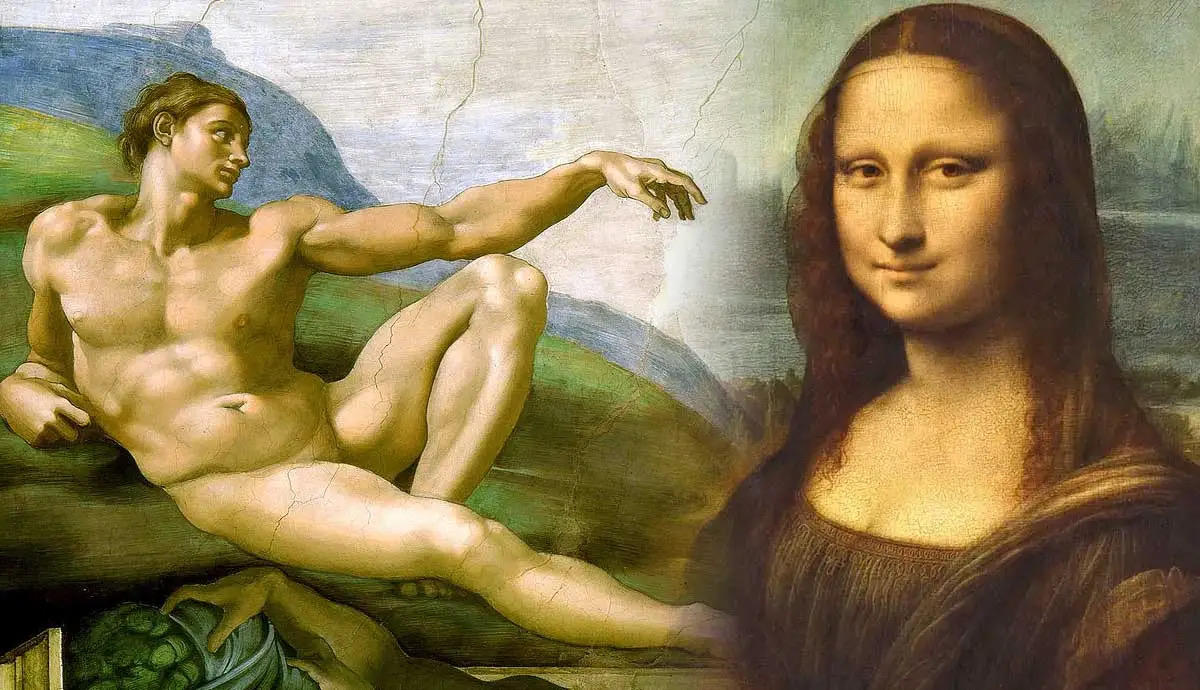
35
Protestant Reformation
The Protestant Reformation was a religous reform movement that swept through Wurope in the 1500s. It resulted in the creation of a branch of Christianity called Protestantism, a named used collectively to refer to the many religous groups that separated from the Roman Catholic Church due to differences in doctrine.