Tajweed Rules final exam
Study these flashcardsFree · spaced repetition · iPhone, Android, Mac & web
All cards
1
What is the English translation?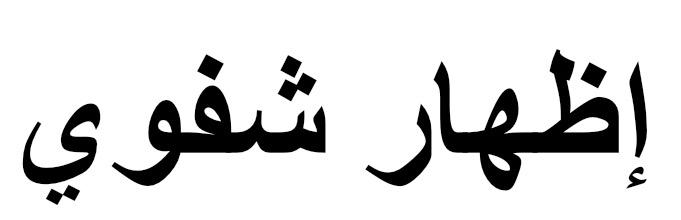
Izhar Shafawi - Oral Clarity
2
What is the definition of Izhar Shafawi?
It is the clear pronunciation of a non-vocalized miim without ghunnah, stopping at the lips.
3
What is the rule for applying Izhar Shafawi?
When a non-vocalized miim (ْم) is followed by any letter except ba or miim.
4
How is Izhar Shafawi applied during recitation?
The miim is pronounced clearly with lips touching, no ghunnah, and the next letter is read separately.
5
Which letters trigger the application of Izhar Shafawi?
All letters except ba and miim.
6
What are the limitations or exceptions to Izhar Shafawi?
It does not apply before ba or miim, and must not be confused with other rules like idghaam or ikhfa, especially before fa and waw.
7
Why is the rule called “Shafawi”?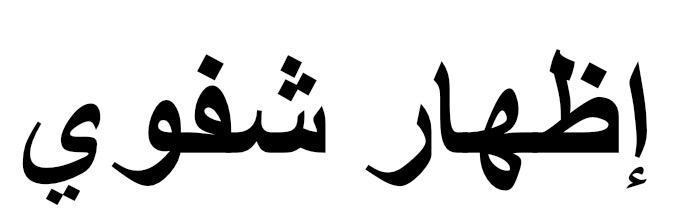
Because it is pronounced at the lips where the miim sound stops naturally without entering the nose.
8
What is the English translation?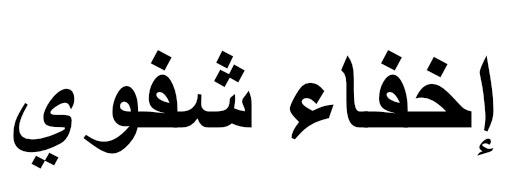
Ikhfa Shafawi – Oral Hiding
9
What is the definition of Ikhfa Shafawi?
It is the hiding of a non-vocalized miim when followed by a ba, while keeping the nasal sound (ghunnah).
10
What is the rule for applying Ikhfa Shafawi?
When a non-vocalized miim is followed by a ba, the miim is hidden and a ghunnah is applied.
11
How is Ikhfa Shafawi applied during recitation?
The lips close slightly, the miim is not pronounced fully, but a nasal sound (ghunnah) is kept before saying the ba.
12
Which letter triggers the application of Ikhfa Shafawi?
The letter ba (ب).
13
What are the limitations or exceptions to Ikhfa Shafawi?
It is only applied between two words, not within the same word, and only with the letter ba.
14
How is Ikhfa Shafawi different from Iqlab?
In Ikhfa Shafawi, the miim is not changed into ba, but hidden; in Iqlab, the noon is changed into ba.
15
Give an example from the Qur’an for Ikhfa Shafawi.
In Surah Al-Adiyat, ayah 11, the miim before ba is hidden with ghunnah.
16
What is the Arabic name of the rule and its English translation?
Idghaam Mithlayn Sagheer – Small Merging of Two Similar Letters
17
What is the definition of Idghaam Mithlayn Sagheer?
It is the merging of a non-vocalized miim into a vocalized miim that comes directly after it.
18
What is the rule for applying Idghaam Mithlayn Sagheer?
When a non-vocalized miim is followed by another miim, the first merges into the second with a ghunnah.
19
How is Idghaam Mithlayn Sagheer applied during recitation?
The first miim is merged into the second with full nasalization (ghunnah), and the second miim takes a shaddah.
20
Which letter triggers the application of Idghaam Mithlayn Sagheer?
The letter miim (م) following a non-vocalized miim.
21
What are the limitations or exceptions to Idghaam Mithlayn Sagheer?
It only applies to miim followed by another miim; not applied to other letters.
22
Give an example from the Qur’an for Idghaam Mithlayn Sagheer.
In Surah Al-Baqarah, “يُممِّلُون” shows the merging of two miims, with the second taking a shaddah and a ghunnah applied.
23
What is the Arabic name of the rule and its English translation?
Madd Lazim Kalimi Muthaqqal – Heavy Word-Based Mandatory Prolongation
24
What is the definition of Madd Lazim Kalimi Muthaqqal?
It is a 6-beat extension that occurs within a single word when a madd letter is followed by a letter with a shaddah.
25
What is the rule for applying Madd Lazim Kalimi Muthaqqal?
When a madd letter is followed by a shaddah within the same word, the madd must be extended for 6 counts.
26
How is Madd Lazim Kalimi Muthaqqal applied during recitation?
The madd is stretched for 6 full beats due to the presence of a hidden sukoon inside the shaddah.
27
What causes this type of madd to be “muthaqqal” or heavy?
The shaddah contains a sukoon and a vowel, making the sound heavier and requiring full extension.
28
What are the required letters or vocalizations for this rule?
A madd letter followed by a letter with shaddah.
29
What are the limitations or exceptions to Madd Lazim Kalimi Muthaqqal?
There are no exceptions; this rule is always applied the same way.
30
Give an example from the Qur’an for Madd Lazim Kalimi Muthaqqal.
In Surah Al-Mu’min (40:106), the word “الضالّين” has a madd before a shaddah and is extended 6 beats.
31
What is the Arabic name of the rule and its English translation?
Madd Lazim Kalimi Mukhaffaf – Light Word-Based Mandatory Prolongation
32
What is the definition of Madd Lazim Kalimi Mukhaffaf?
It is a 6-beat extension that occurs within a word when a madd letter is followed by a letter with a sukoon but without a shaddah.
33
What is the rule for applying Madd Lazim Kalimi Mukhaffaf?
When a madd is followed by a non-vocalized letter (sakin) without a shaddah in the same word, the madd is extended 6 beats.
34
How is Madd Lazim Kalimi Mukhaffaf applied during recitation?
The madd is stretched for 6 full beats, but the following letter is pronounced lightly without heaviness.
35
What makes this rule “mukhaffaf” or light?
There is no shaddah following the madd—only a simple sukoon, making the sound lighter than muthaqqal.
36
What are the required letters or vocalizations for this rule?
A madd letter followed by a sakin letter without a shaddah in the same word.
37
How common is Madd Lazim Kalimi Mukhaffaf in the Qur’an?
It is extremely rare and appears in only two identical words in the Qur’an.
38
Give an example from the Qur’an for Madd Lazim Kalimi Mukhaffaf.
In Surah Yunus, verses 51 and 91, the word “آلآنَ” contains a madd followed by a sukoon without a shaddah and is extended 6 beats.
39
What is the Arabic name of the rule and its English translation?
Madd Lazim Harfi Muthaqqal – Heavy Letter-Based Mandatory Prolongation
40
What is the definition of Madd Lazim Harfi Muthaqqal?
It is a 6-beat extension that occurs in the opening letters of some surahs when a madd letter is followed by a merging letter with ghunnah.
41
What is the rule for applying Madd Lazim Harfi Muthaqqal?
When a letter from the group “سنقص لكم” is extended and followed by a merged letter with ghunnah, it is stretched for 6 beats.
42
How is Madd Lazim Harfi Muthaqqal applied during recitation?
The letter is extended for 6 beats, and the next letter is merged with ghunnah due to idghaam.
43
What makes this type of madd “muthaqqal” or heavy?
The merging (idghaam) of the following letter with ghunnah creates heaviness and requires full extension.
44
Which letters are involved in this rule?
Letters from “سنقص لكم” followed by a merging letter with ghunnah.
45
What are the conditions for Madd Lazim Harfi Muthaqqal to occur?
It only occurs in the disconnected letters at the beginning of some surahs where merging with ghunnah happens.
46
Give an example from the Qur’an for Madd Lazim Harfi Muthaqqal.
In the beginning of Surah Al-Qalam (نٓ), the letter “ن” is extended 6 beats due to merging with a letter with ghunnah.
47
What is the Arabic name of the rule and its English translation?
Madd Lazim Harfi Mukhaffaf – Light Letter-Based Mandatory Prolongation
48
What is the definition of Madd Lazim Harfi Mukhaffaf?
It is a 6-beat extension that occurs in the disconnected letters at the beginning of surahs when a madd letter is followed by a non-merging letter.
49
What is the rule for applying Madd Lazim Harfi Mukhaffaf?
When a letter from “سنقص لكم” is extended and followed by a letter that does not undergo idghaam, the madd is extended 6 beats.
50
How is Madd Lazim Harfi Mukhaffaf applied during recitation?
The letter is extended for 6 beats, but no merging or ghunnah is applied to the following letter.
51
What makes this rule “mukhaffaf” or light?
There is no idghaam (merging) or ghunnah applied to the following letter, making the pronunciation lighter.
52
Which letters are involved in this rule?
Letters from “سنقص لكم” followed by non-merging letters.
53
How do you identify Madd Lazim Harfi Mukhaffaf in the Qur’an?
Look for a 6-beat extended letter from “سنقص لكم” followed by a letter that is not merged or nasalized.
54
Give an example from the Qur’an for Madd Lazim Harfi Mukhaffaf.
In the beginning of Surah Yasin (يسٓ), the letter “س” is extended 6 beats without merging, making it Mukhaffaf
55
What are the luminous or detached letters in the Qur’an called?
The disjointed letters (Al-Huruf Al-Muqattaʿat)
56
How many different luminous letters appear at the beginnings of surahs?
14 letters
57
How many surahs in the Qur’an begin with luminous letters?
29 surahs
58
What mnemonic phrase helps remember the 14 luminous letters?
نمسكه حق علي صراط
59
Where can all 14 luminous letters be found together?
In Surah Al-Fatiha through the phrase “نمسكه حق علي صراط”
60
What are the letters that can have Madd Lazim applied among the luminous letters?
The letters in the phrase “سنقص لكم”
61
What is the extension time for the letter Alif (ا) in the openings of surahs?
No extension
62
What is the extension time for the letters ط هـ ر ح ي?
2 beats
63
What is the extension time for the letters in “سنقص لكم”?
6 beats
64
What determines whether a Madd Lazim Harfi is Muthaqqal or Mukhaffaf?
Whether there is merging with ghunnah (Muthaqqal) or not (Mukhaffaf)
65
What does the green color represent in the breakdown of the luminous letters?
Letters with no Madd Lazim due to being at the end of the word with no merging
66
What does the yellow color represent in luminous letters?
Light Madd Lazim (Mukhaffaf) due to no idghaam being applied
67
What does the red color represent in luminous letters?
Heavy Madd Lazim (Muthaqqal) due to idghaam and ghunnah being applied
68
What is the default weight of the letter Ra (ر) when it has a fatha or dammah?
Heavy
69
What is the weight of Ra when it has a kasrah?
Light
70
How is the weight of Ra determined when it is in a sukoon state?
It depends on the surrounding letters and their harakah
71
What is the default weight of the letter Lam (ل)?
Light
72
When does Lam become heavy?
Only in the word “Allah” when the letter before it has a fatha or dammah
73
When does Lam remain light even in the word “Allah”?
When the letter before it has a kasrah
74
Give an example of a heavy Lam in the word “Allah”.
In “ٱللَّهُ”, the Lam is heavy because the letter before it has a sukoon
75
Give an example of a light Lam in the word “Allah”.
In “بِٱللَّهِ”, the Lam is light because the letter before it has a kasrah
76
What is the vocalization rule for the letter Alif?
Alif is never vocalized by itself
77
How does Alif behave as a madd letter?
It follows the nature of the letter before it
78
When does Alif become heavy?
When the letter before it is heavy
79
When does Alif remain light?
When the letter before it is light
80
What is Idghaam Mutamathilayn?
It is the merging of two identical letters—same letter repeated, where the first is saakin and the second is vocalized.
81
What is the English meaning of Idghaam Mutamathilayn?
Merging of Two Identical Letters
82
What is required for Idghaam Mutamathilayn to occur?
The same letter appears twice, with the first having sukoon and the second having a harakah.
83
What is Idghaam Mutajanisayn?
It is the merging of two letters with the same makhraj (articulation point) but different characteristics.
84
What is the English meaning of Idghaam Mutajanisayn?
Merging of Two Similar Letters (in exit point)
85
What are examples of letter pairs involved in Idghaam Mutajanisayn?
Examples include ت with د, ط with ت, and ذ with ظ
86
What is Idghaam Mutaqaribayn?
It is the merging of two letters that are close in either articulation point or characteristics.
87
What is the English meaning of Idghaam Mutaqaribayn?
Merging of Two Close Letters
88
What are some examples of letters involved in Idghaam Mutaqaribayn?
Examples include ل with ر, and ق with ك
89
What are the three types of Idghaam based on merging completeness?
Sagheer (small), Kabeer (big), and Mutlaq (absolute)
90
What is Idghaam Sagheer?
It occurs when the first letter is saakin and the second is vocalized; the first is fully absorbed into the second.
91
What is Idghaam Kabeer?
It occurs when both letters are vocalized; both are pronounced with clarity.
92
What is Idghaam Mutlaq?
It occurs when the first letter has a harakah and the second is saakin; both are pronounced fully.
93
What is the difference between Kamil and Naqis merging?
Kamil is complete merging with a shaddah; Naqis is incomplete, both letters are heard.
94
Give an example of Idghaam Mutamathilayn from the Qur’an.
In Surah An-Nisa (4:78), “قُلْ مَاتَ” shows two meem letters merging with ghunnah.
95
Give an example of Idghaam Mutajanisayn from the Qur’an.
In Surah Al-Kafirun (109:4), “وَلَا أَنتُمْ” involves merging of letters with the same makhraj.
96
Give an example of Idghaam Mutaqaribayn from the Qur’an.
In Surah An-Nisa (4:158), the phrase “وَكَانَ ٱللَّهُ عَزِيزًا” has close letters merged.