Learner's Permit
Study these flashcardsFree · spaced repetition · iPhone, Android, Mac & web
All cards
1
What can go on your driving record
civil motor vehicle infractions (noncrimial motor vehicle violations such as traffic violations or speeding, resolved by fines, not including parking violations, speeding causes a 90 suspension 1st, a year after), criminal violations (serious offenses such as operating under the infleunce or a suspended license, can be punished by jail time or revocations), and motor vehicle crashes where you are 50% or more at fault (insurance finds at fault by one 19 standard of fault or you have paid more than 1000 in damages that can lead to suspensions)
2
Surchargeable Events
civil and criminal violations, at fault crashes. 3 in two years leads to suspension, 7 in 3 years leads to 60 day suspension and retraining course
3
Convicted of driving without licensed driver Permit
suspension 60 days first, 180 second, year more, 100 dollar fee, retake exam and second offense retraining
4
Convicted during the night driving Permit
suspension 60 days first, 180 second, year more, 100 dollar fee, retake exam second offense retraining
5
Convicted of speeding Permit
suspension 90 days first, year each subsequent, 100 fee, retake exam first
6
Convicted Drag Racing Permit
permit suspension one year first offense, three years each subsequent, 500 fee first offense, 1000 fee each subsequent, retake exam, retraining, road rage management
7
Convicted Mobile Device Use Permit
permit suspension 60 days first offense, 180 days second, year each subsequent, 100 fine first offense, 250 second offense, 500 each subsequent and 100 fee, retake exam and retraining
8
Convicted negligible operation for mobile device use permit
permit suspension 180 days first offense, one year each subsequent offense, 500 fee, second offense retake exam
9
Convicted passenger or night violationLicense
suspension 60 days first offense, 180 days second offense, one year each subsequent offense , 100 fee, retraining first offense retake exam and road test each subsequent offense
10
Convicted speeding License
suspension 90 days first offense, year each subsequent offense, 500 fee, first offense retake exam road test and retraining and road rage
11
Convicted dragracing License
suspension one year first offense, three years each subsequent offense, 500 fee first offense 1000 each subsequent offense, first offense retake exam road test, retraining and road rage course
12
convicted reckless or negligent endangerment
suspension 180 days first offense, one year each subsequent offense in three years, 500 fee, second offense retake exam and road test
13
Convicted mobile device use
suspension 60 days first offense, 180 days second offense, one year each subsequent offense, 100 fine first offense, 250 second offense, 500 each subsequent offense 100 fee, first offense retake exam and road test, retraining
14
convicted negligent operation mobile device use
suspensio 180 days first offense, one year each subsequent offense, 500 fee, second offense retake exam and road test
15
legal blood alcohol
under 0.08, 0.02 can lead to administrative difficulties for JOL
16
Seat Belt Law
all passengers must wear a seatbelt, 25 driver fee, 25 fee for each passenger
17
Driving Defensively
drive as if everything around you is a threat, meaning that you should stay alert and focused on the road, free from impairments or distractions, and keep apropriate space between each car
18
What can go on your driving record
civil motor vehicle infractions (noncrimial motor vehicle violations such as traffic violations or speeding, resolved by fines, not including parking violations, speeding causes a 90 suspension 1st, a year after), criminal violations (serious offenses such as operating under the infleunce or a suspended license, can be punished by jail time or revocations), and motor vehicle crashes where you are 50% or more at fault (insurance finds at fault by one 19 standard of fault or you have paid more than 1000 in damages that can lead to suspensions)
19
horn uses
warn pedestrians in possible trouble, avoid crashes
20
when to use headlights and taillights
half hour after sunset, half hour before sunrise, in bad weather, when you cannot see 500 feet in front of you, to alert other drivers without their headlights on, when in a tunnel
21
Night Driving
drive with caution, slower than normal with more space between vehicles, makesure your headlights are on, rearview mirror is in night position to reduce glare
22
High Beams
use highbeams when visibility is low , turn them off when 500 feet from oncoming traffic and 200 feet behind the car infront of you, flick headlights at another car with innapropriate high beam use
23
Driving in rain and fog
slow down, as rain can cause slippery roads as soon as it starts, use low beams and taillights as soon as rain starts, keep longer distances between cars and use windshield wipers, when hydroplaning, ease off the gas pedal to slow down, do not brake
24
Driving in winter
go slow and keep more space between cars, make sure to not lock your breaks, or else you will skid, be craeful on overpasses as they freeze first, and make sure to go very slow and test traction when driving in snow, keep extra space around plows, never drive with ice and snowon your car, or with less than half a tank of gas and non freeze windsheild wiper fluid to prevent line freezes, keep emergency supplies in the car
25
Pedestrians
be extra careful around children, joggers, skaters, blind, deaf, near bus and train stops, and near senior centers, always stop for pedestrians
26
Bicycles and Mopeds
keep extra space and go very slowly passing bicycles, dim your headlights at night
27
Motorcycles
check for motorcycles twice when changing lanes, and signal merging early, leave four seconds of space between especially in bad weather, never try to share a lane with a motorcyle, let motorcyles pass instead of turning in front at intersections
28
fundamental speed law
driving as a speed that is save and determined based off of traffic, weather, road, and pedestrian conditions, lowering that speed for poor conditions
29
limited access highways
speed limit between 50-65 mph
30
smaller highways
speed limit less than 55 mph
31
mass turnpike minimum speed
40 mph
32
callahan, sumner, and ted wiulliams tunnels
20 mph
33
special cases
limit 20 mph in school zone, 30 mph thickly settled business district, 40 mph outside thickly settled business district, 50 mph highway outside thickly settled business district
34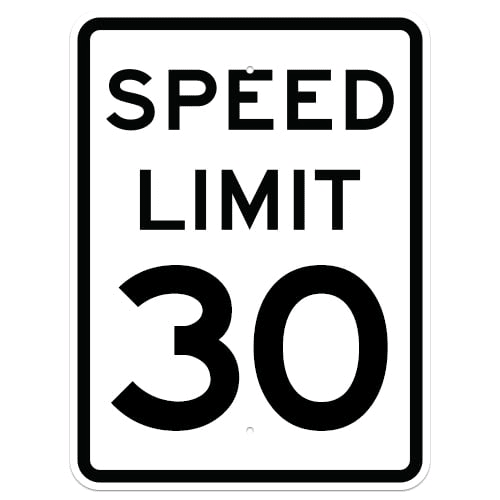
speed limit sign
35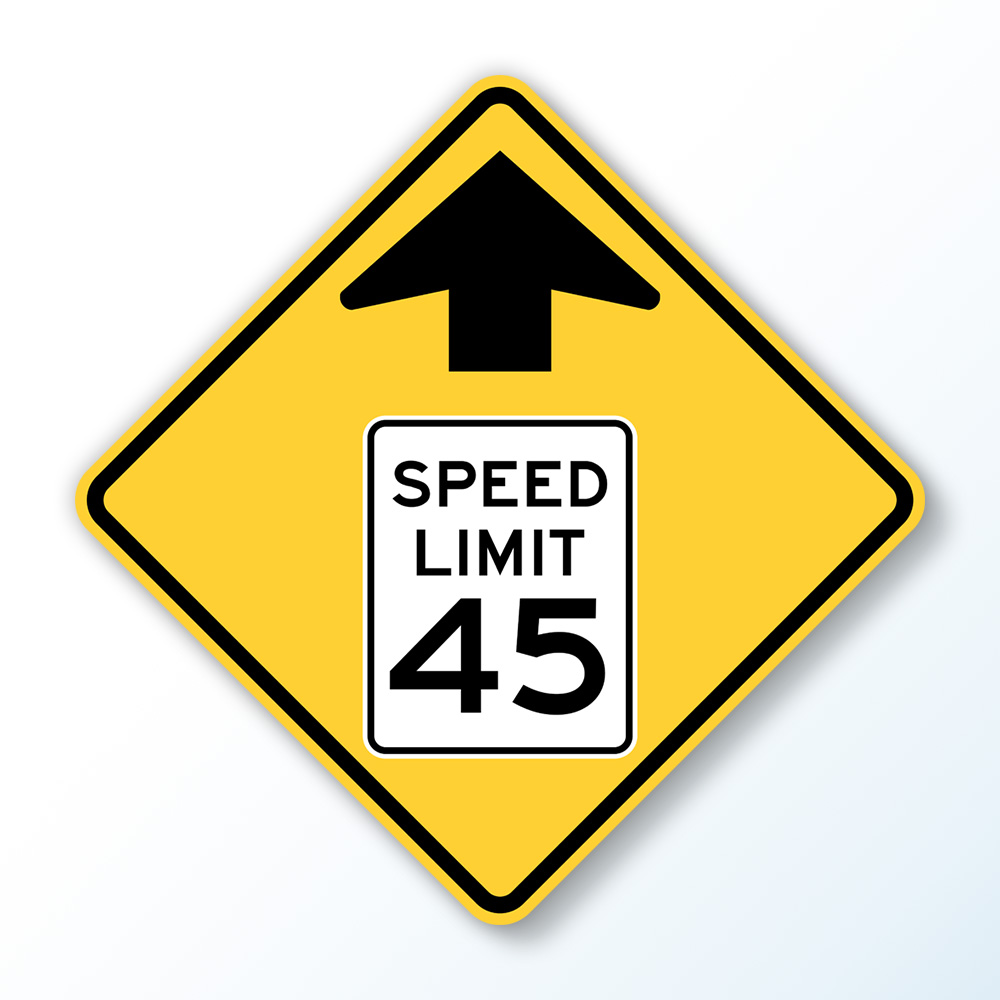
reduced speed ahead sign
36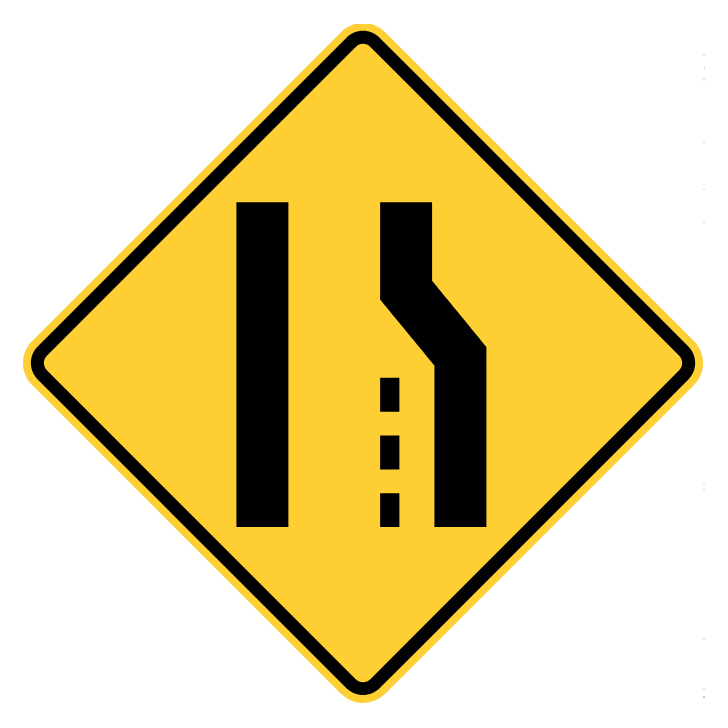
lane ends, road narrows
37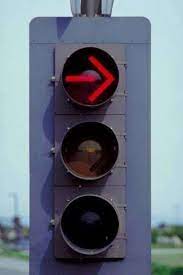
those turning in the direction of the arrow stop completely, can turn on red if not posted otherwise
38
complete stop then proceed with caution, stop before a white line
39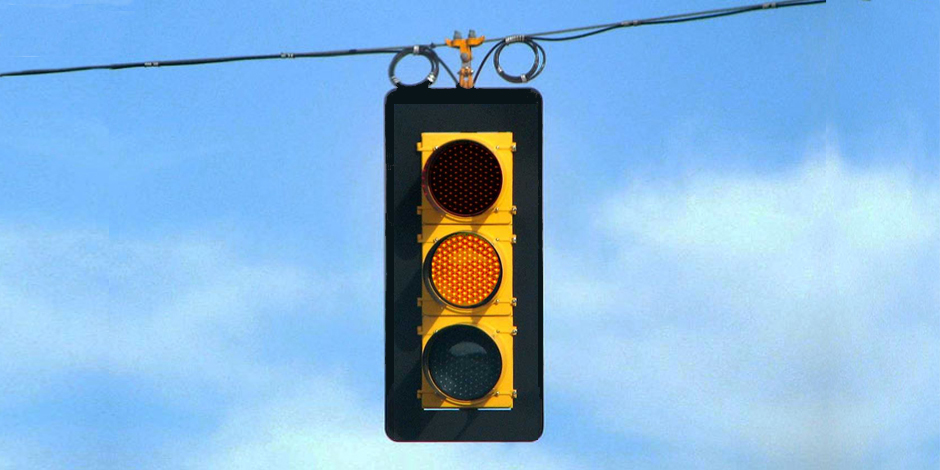
slow to a stop as green turns to red, do not proceed to the intersection if you approach during a yellow
40
What can go on your driving record
civil motor vehicle infractions (noncrimial motor vehicle violations such as traffic violations or speeding, resolved by fines, not including parking violations, speeding causes a 90 suspension 1st, a year after), criminal violations (serious offenses such as operating under the infleunce or a suspended license, can be punished by jail time or revocations), and motor vehicle crashes where you are 50% or more at fault (insurance finds at fault by one 19 standard of fault or you have paid more than 1000 in damages that can lead to suspensions)
41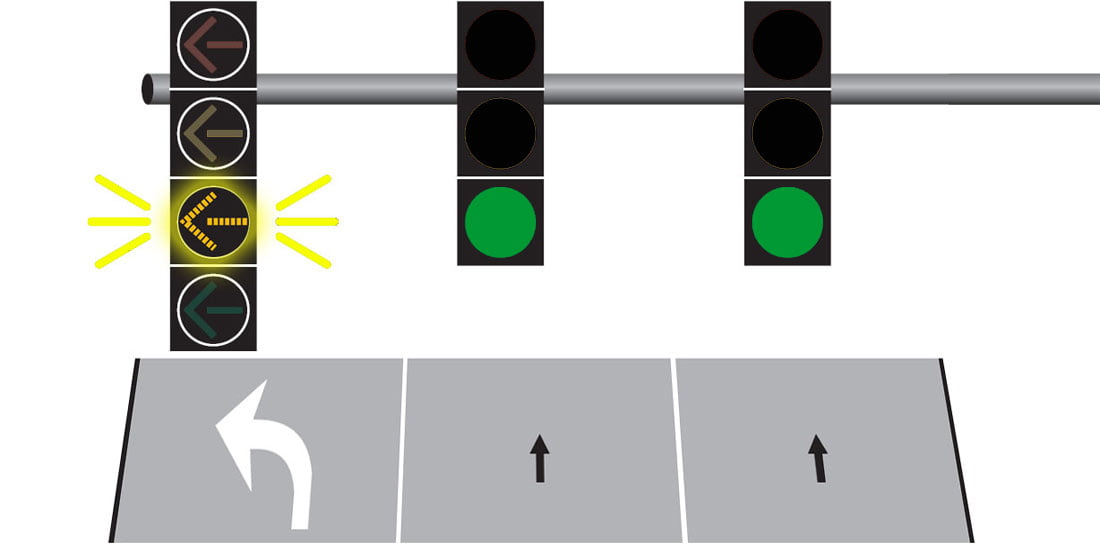
proceed and turn with caution if ther is a break in oncoming traffic
42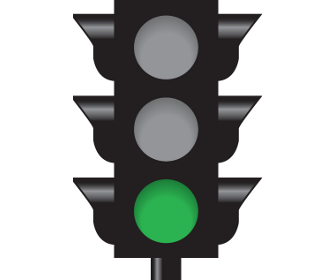
go, yield to appropriate pedestrians and vehicles
43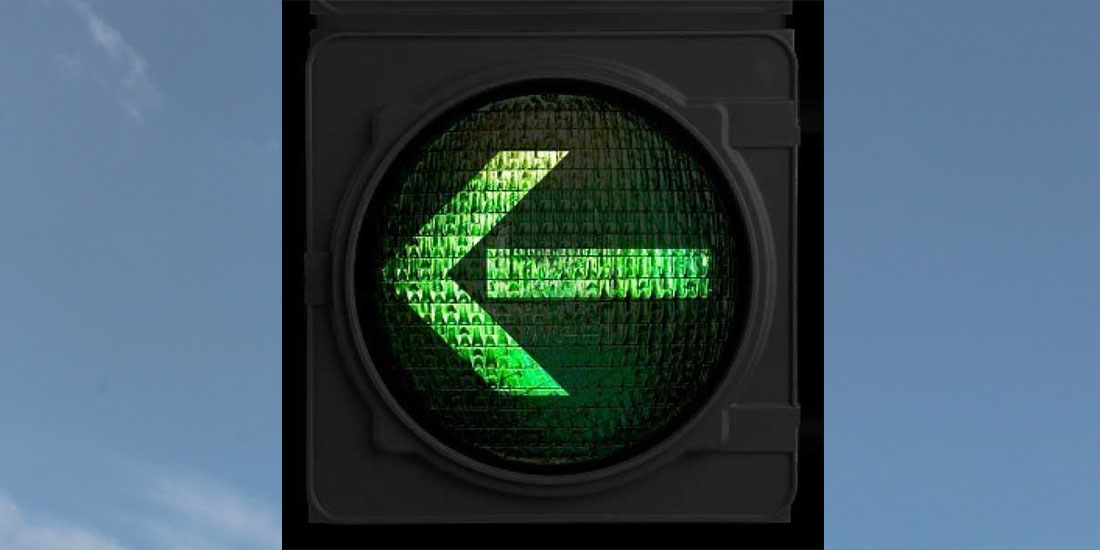
make a protected turn in the direction of the arrow while other pedestrians and vehicles are stopped
44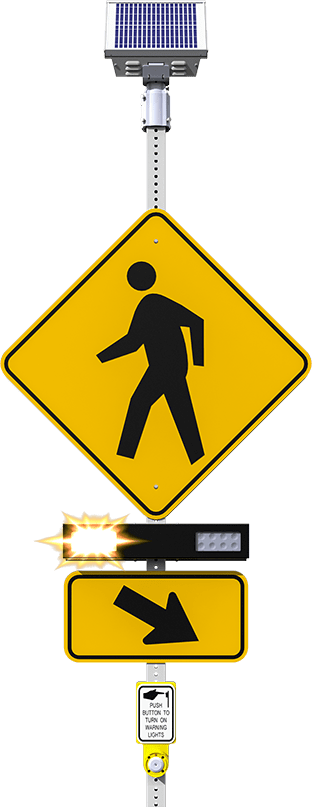
pedestrain crosswalk signal, stop for pedestrian when yellow lights are flashing
45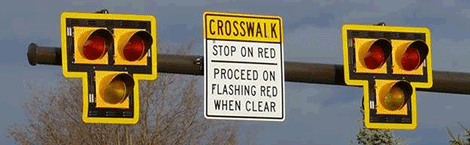
all lights dark, proceed as usual, yellow light flashing slow down, yellow light solid prepare to stop, red lights flashing stop and proceed with caution, red lights solid stop for pedestrians
46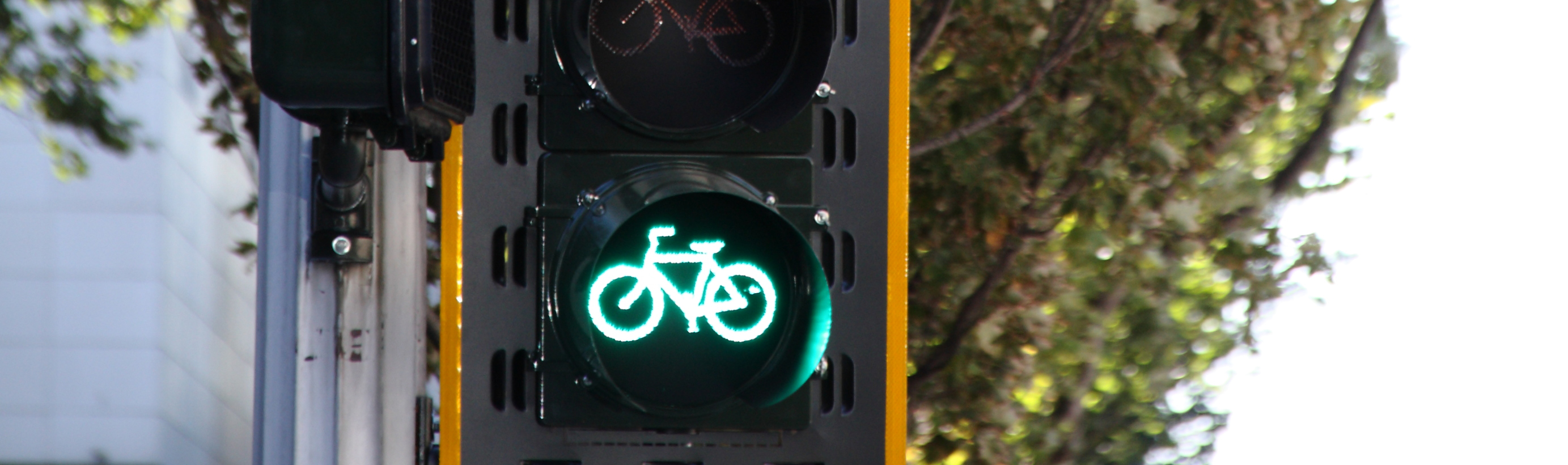
signals for bicycles to go when vehicles are stopped
47
pedestrian signals
yeild to pedestrians if crossing, do not block a crosswalk, do not pass a vehicle slowing for a pedestrian, yield if traffic signal is yellow or red
48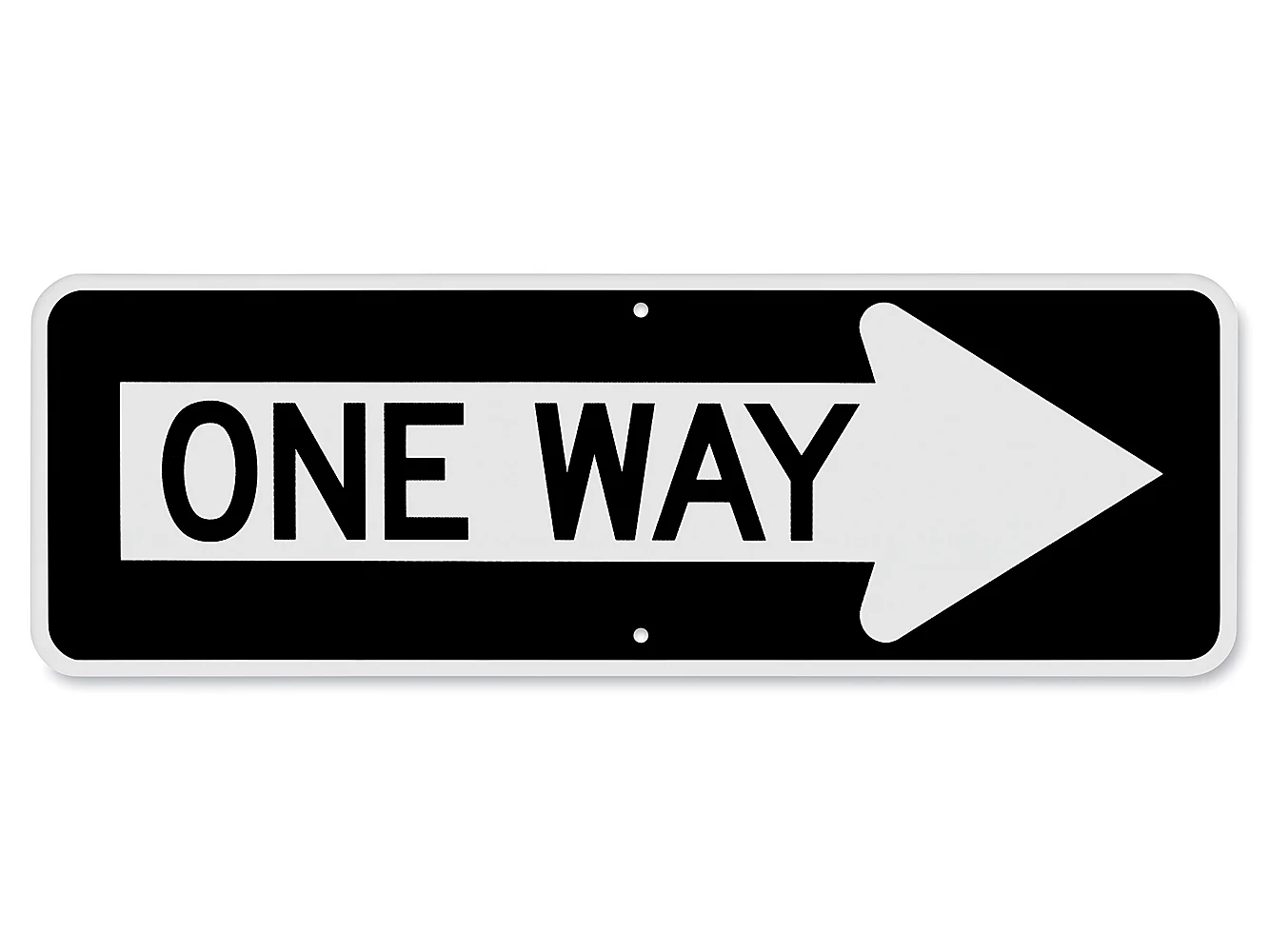
traffic moves only in direction of the arrow
49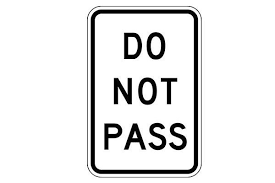
do not overtake another vehicle
50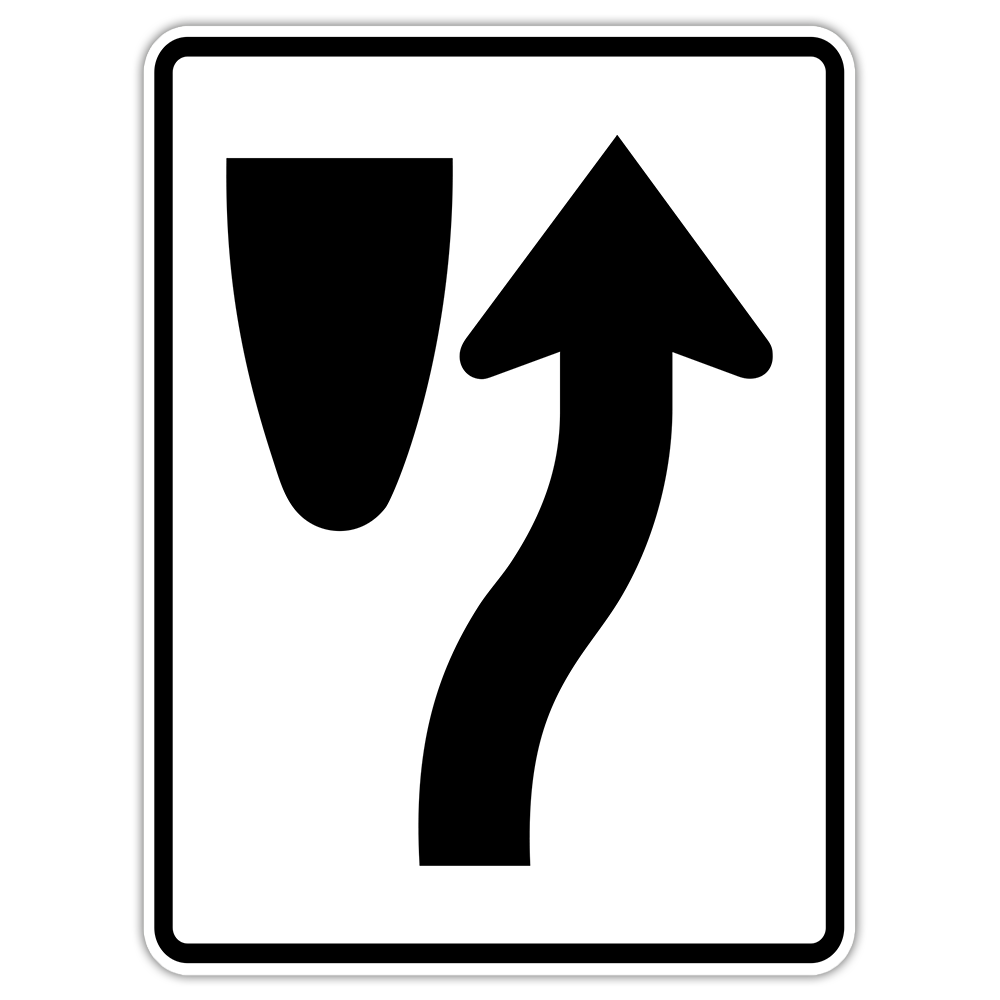
keep to the right of the upcoming median/lane divider
51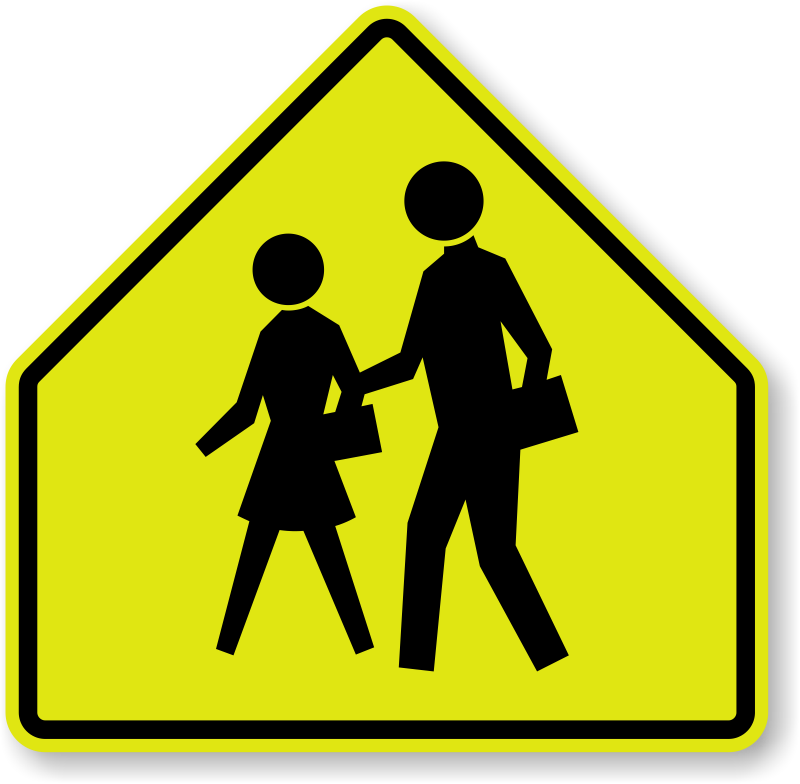
school zone sign, with two lines or arrow mean crossing
52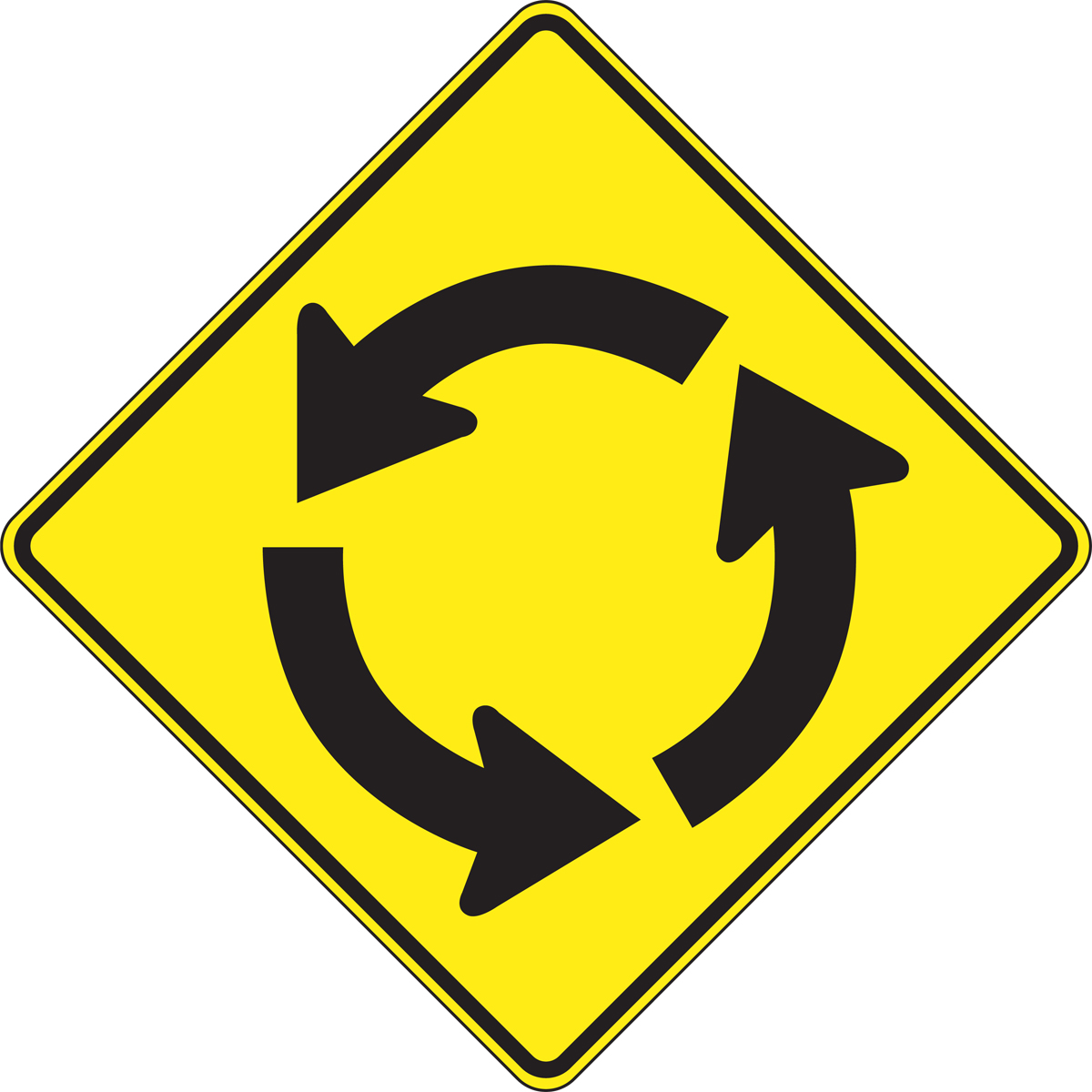
circulat intersection ahead
53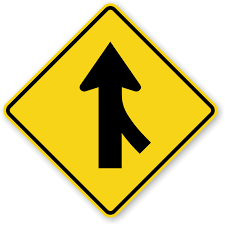
lane merging from right sign
54
lane ends, road narrows
55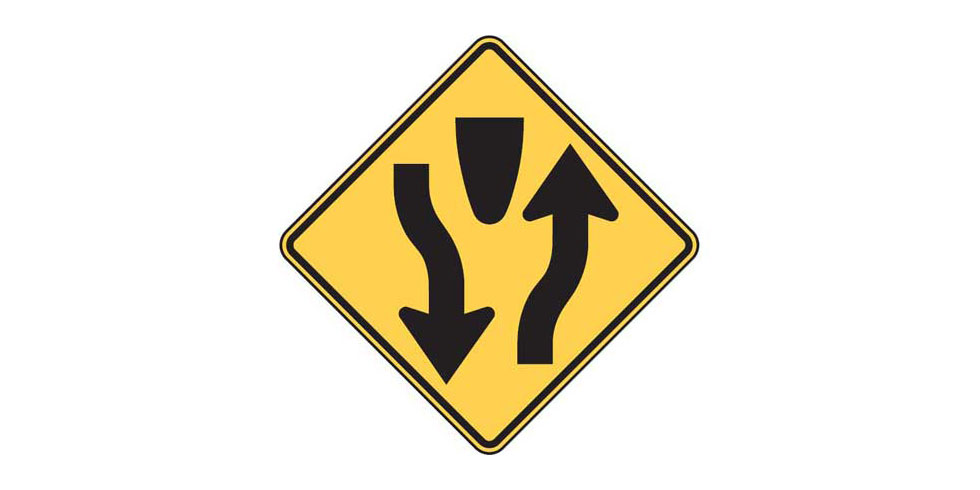
divided highway begins
56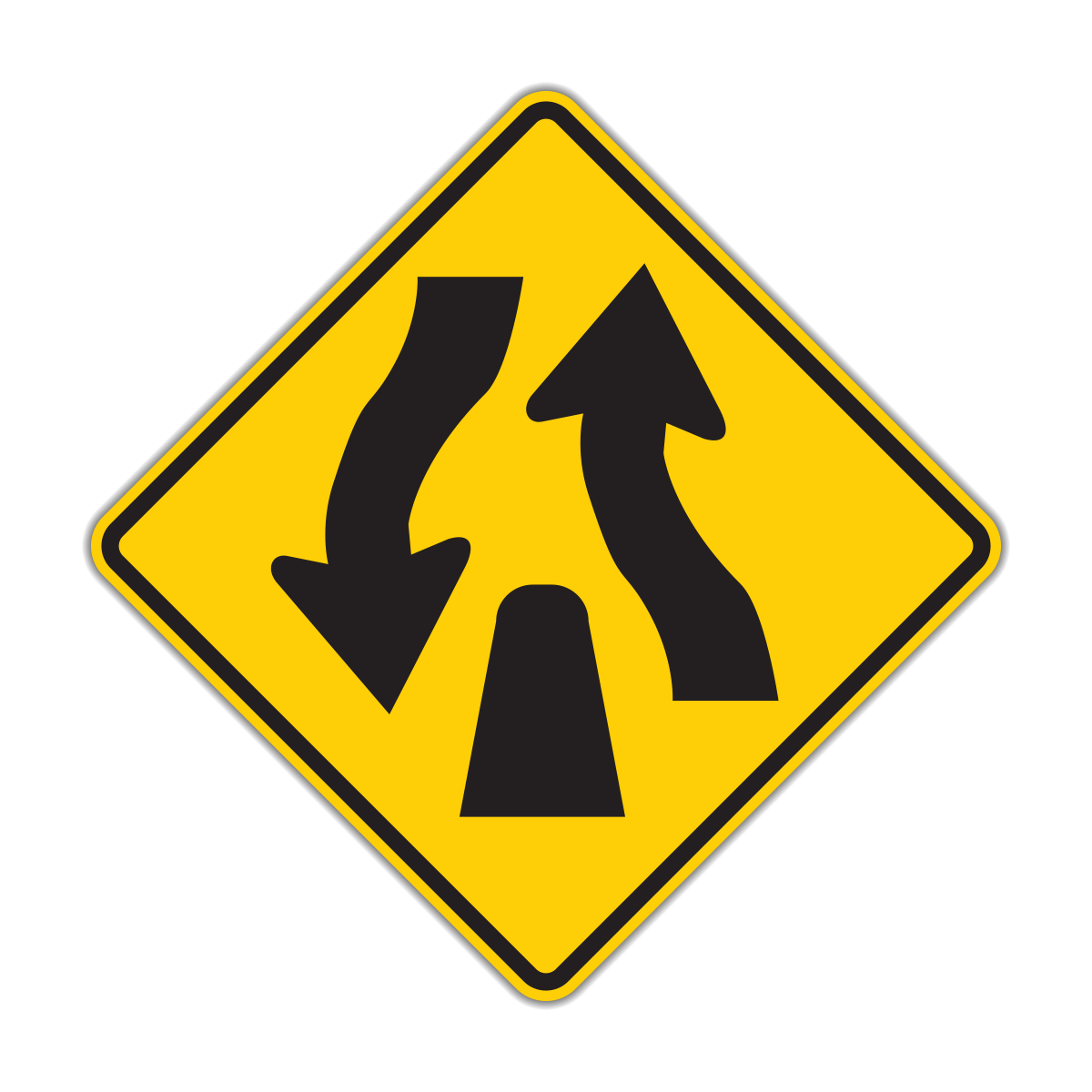
divided highway ends
57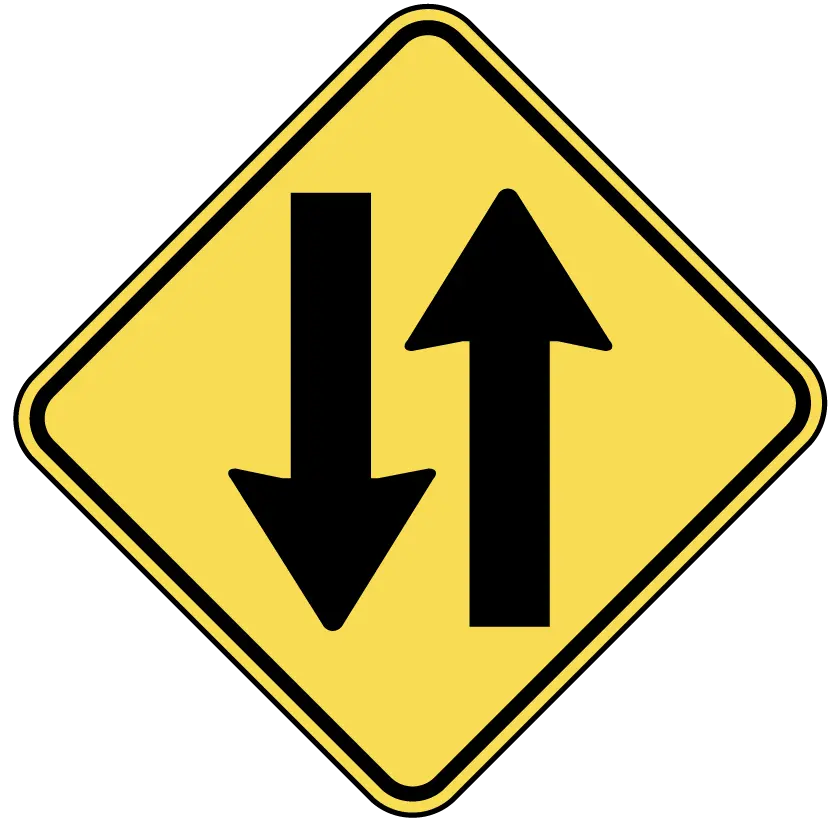
two way traffic sign
58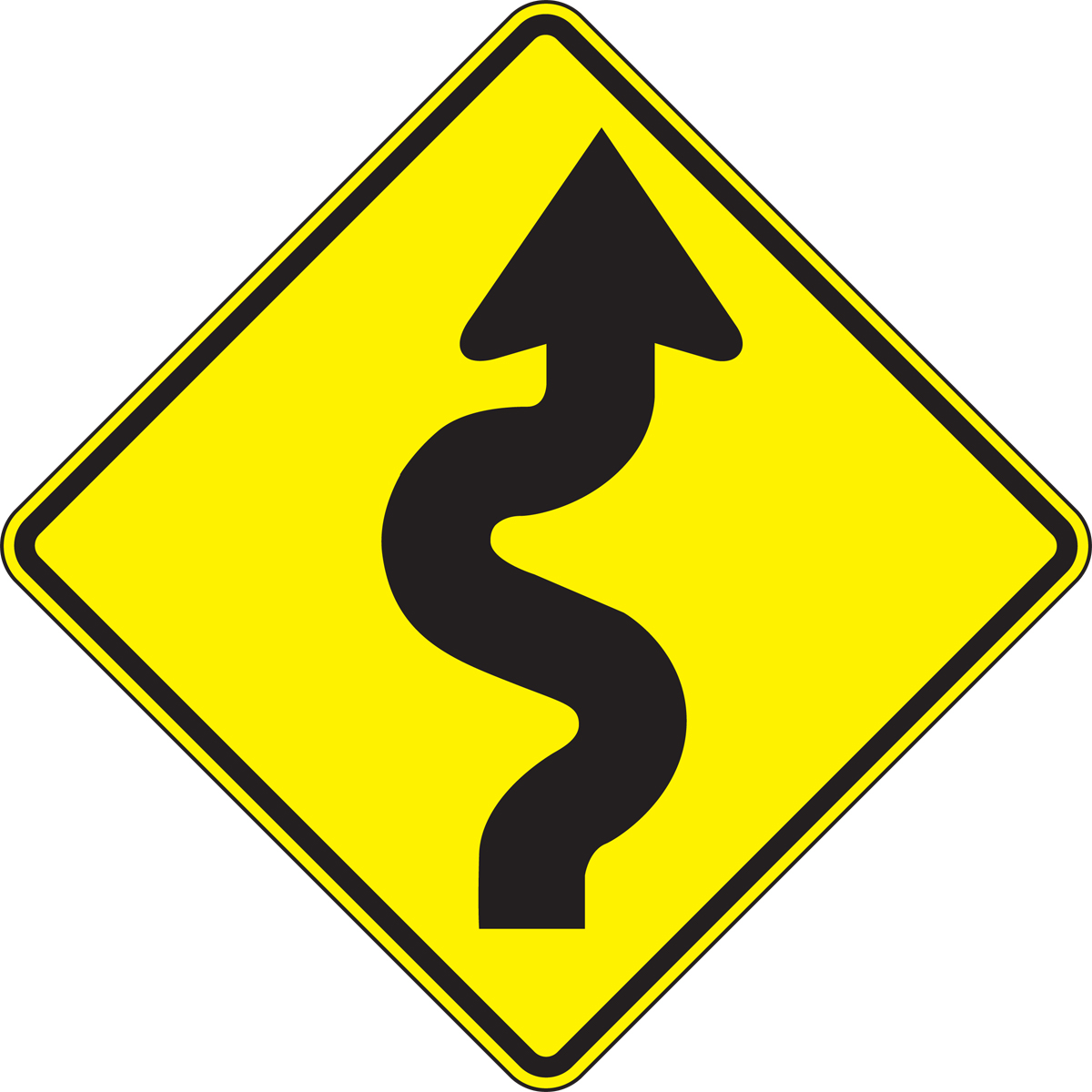
winding road ahead, many curves
59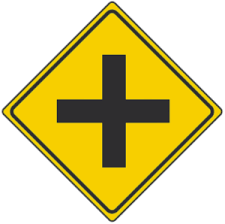
crossroad ahead sign
60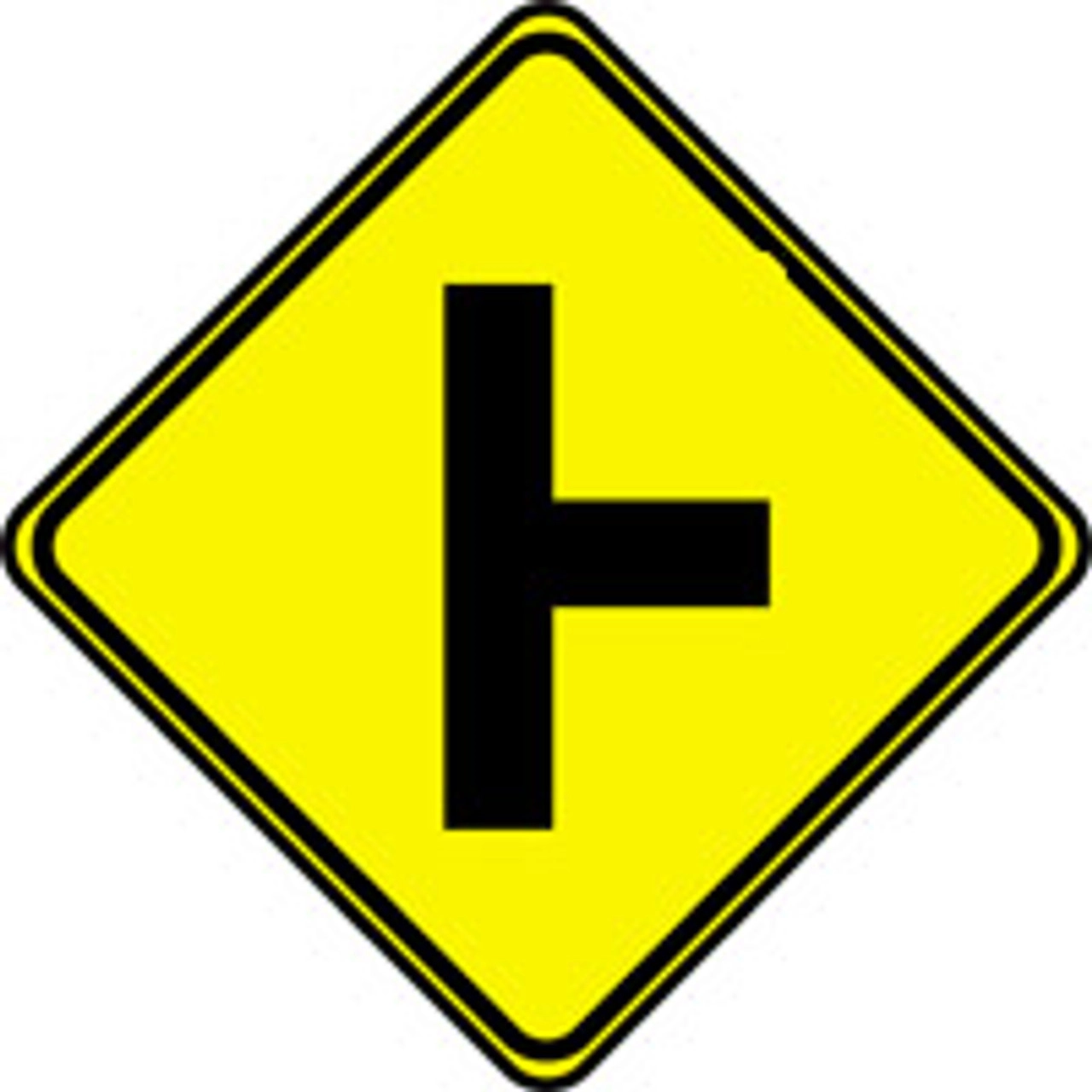
road entering from right sign
61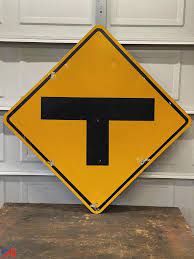
road ends at junction sign
62
area of paved road is soft dirt hazardous
63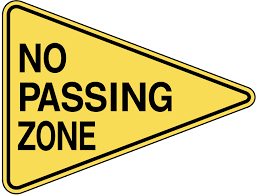
do not cross the yellow line
64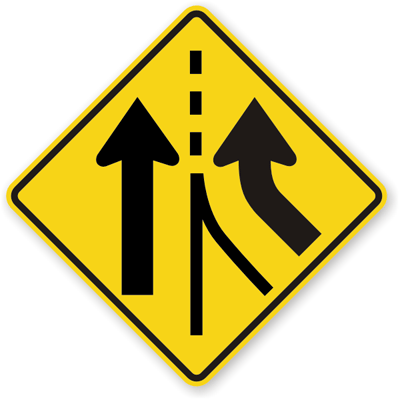
added lane sign
65
railroad crossing
marked with round sign with two rs, but stop 15 feet in front of gate
66
work zone dricing
reduce speed and beware of oncoming traffic, follow directions from police officers, light up arrows and guiding signs, as well as cones and drums are used to guide traffic through the zone
67
broken white lane line
shows differences in lanes traveling same direction of traffic, free to merge if traffic is clear
68
solid white lane line
separates lane of traffic going in the same direction orthe right edge of the road, do not cross
69
solid double white line
separates lanes of traffic going in the same direction, do not cross
70
broken yellow line
separates lanes of traffic that travel in opposite directions, do not cross expect if temporarily safe to when passing a car in front of you
71
double yellow lines, one solid, one broken
separate lanes of travel traveling in opposite directions, is on the side of solid line do not cross, if on the side of broken line do not cross except when passing another car
72
double yellow lines, both solid
separates lanes traveling in opposite directions, do not cross unless turning left and safe to do so
73
arrows painted
indicates lane directions
74
diamond
indicates a lane restriction, like HOV or bus only lane
75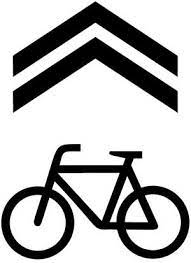
sharrow indicating that bicyclists must be expected and share the lane with vehicles
76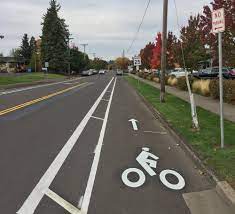
bicycle lane sign, indicates lanes where only bicycle drives unless a motor vehicle is safely turning
77
green pavement
sharing conflicts betweem cars and bicycles , do not stop on it at a red light
78
injuries crash
pull off the road and check for injuries, call emts, get insurance, registration, adress and contact information for the other divers, notify the police and insurance companies within five days of the crash
79
yield line
solid line of white triangle painted to indicate you must yield to other vehicles and pedestrians
80
channelizing island
a divider or island in a road guiding traffic into new lane patterns, do not drive on it
81
general lane rule
use rightmost lane unless it is blocked, you are passing another car, or you are making a left turn
82
general lane rule two
do not change lanes in an intersection, do not travel in the breakdown lane, do not travel in restricted lanes if they do not apply to you
83
controlled access highways/freeways/expressways
highways that are not controlled by traffic signals and are entered and exited on ramps (interchanges)
84
entering a highway
make sure to signal your entering, merge appropriately, and increase your speed to match that of the vehicles on the highway once on
85
exiting a highway
make sure to signal your exit at leat 500 feet before the exit, and slow to the posted speed limit once off, do not stop or attempt to back up if you mix your exit, take the next one
86
lanes on a freeway
if three lanes in your direction, farthest right is for slower driving, middle for faster driving, and left is for passing cars, make sure to keep to the middle of the lane
87
merging rules
look for cars and access, signal the direction of the merge, then move to merge
88
turning rules
merge to the lane closest to the lane you would like to enter (rightmost lane for right turn, left turn lane for left turn), signal the turn 100 feet prior to the intersection (500 feet on highways), reduce your speed, and keep the vehicle centered through the turn
89
turns on red
you can turn right on red once coming to a complete stop, giving right of way to pedestrians and vehicles, and if there is no no turn on red sign posted, you may turn left on red from one one way street to another once coming to a complete stop and giving right of way to pedestrians and vehicles
90
u turns
a tight left turn that allows you to begin traveling in the opposite direction, not to be made where no u turn signs are posted, at the crest of a hill, near a cuirve, or anywhere else drivers cannot see 500 feet in front of them, to be made in the lane closest to the center line
91
three point turns
to be made when u turns are not an option, the street is narrow without driveways and with good visibility, position yourself to the right curb, wait for a 20-30 second gap to signal left and turn perpendicularly, then signal right to reverse back into the opposite direction signalling left and pulling to the proper speed
92
pedestrian right of way
yiled to pedestrians in crosswalks during green lights, yield to blind pedestrians, look for pedestrians when turning
93
uncontrolled intersection right of way
when not guided by traffic signals, yield to traffic coming from the right, and wait for cars to yield for you from the left
94
four way stop right of way
if all four entrances have stop signs, yield to other cars that came to a complete stop before you or a car to your right that came to a complete stop at the same time as you
95
turning left right of way
yield right of way to oncoming cars, cars in the intersection, and pedestrians and cyclists in your path
96
enterting from driveways right of way
stop at the entrance to an intersection and yield right of way to cyclists, vehicles pedestrians in your path
97
throughway right of way
yield right of way to traffic on the throughway before turning in
98
small to big road right of way
if you're on a one or two lane road and turning into a multilane road you must yield to traffic on the multilane road
99
rotary rules
when entering, yield right of way to cars in the rotary, traffic flows counter clockwise, when exiting turn your right turn signal on, yield where posted, if single lane enter from rightmost lane and exit onto right lane of exiting road, if multi lane follow signs or enter on the right and stay to the right for a quarter turn or enter from left travel in the middle and exit on the right for a u turn
100
roundabout
smaller rotaries with yeilds to pedestrians, follow the same rules as rotaries
101
passing cars on the left
never exceed the speed limit, pass when you have 400 feet of visibility, signal the passing and pass before a vehicle is 200 feet in your direction
102
passing on the right
only do it when the vehicle is making a left hand turn, the road is one way, and traffic moves in one direction
103
move over law
if approaching a stationary emergency vehicle slow down and pass safely
104
school buses
if red lights on the stop signal are flashing you must stop and watch for children, do not attempt to pass
105
driving behind trucks
keep more distance, make sure you can see their mirrors so that you're not in the blindspot,
106
parallel parking
pull up paralell to the car in front, leaving two to three feet of space between cars, back up and turn steering wheel toward curb while resting foot on the brake, when you are at the vehicles back bumper, turn wheel opposite direction and continue backing in, being aware of the car behind you, straighten your wheels and pull forward keeping enough space for others to pull out
107
parking on hills
park and keep vehicle in gear, turn wheels inward toward the curb, or outward if there is no curb
108
moving emergency vehicle rules
yield right of way to emergency vehicles with sirens or lights on, pull over as far as possible to the right of the road and stop, when the emergency vehicle is more than 300 ffet in front of you you may merge back to the left
109
skidding
ease off the gas and shift into neutral, do not break, steer in the direction of a skid, back and forth until the car is back in control
110
running off the pavement and onto the shoulder
hold the steering wheel and ease off the gas and apply the brake to slow down, then steer back onto the road
111
if your tire blows
get off the gas and gently apply the brakes, if you skid turn in the direction of the skid, straighten out the car, and pull to the side of the road when possible
112
if your brakes blow
shift to the lowest gear possible, gently apply the parking brake to slow down and pull off, or if not working, flash your lights and honk your horn to alert other drivers
113
if gas pedal is stuck
put car into neutral and press the brake to slow down, try to free the gas with your foot, if it doesnt work breaak again and pull off to bring your car to the side of the road
114
headlight fails
turn on emergency lights and pull off the road after testing the switch with your emergency lights on
115
breakdowns
pull to the side of the road away from the travel lane (breakdown lane), raise the hood and add any reflective signs to alert other drivers to your breakdown
116
property damage crash
move vehicles off the road, get registration, adress, insurance, and contact information for the other drivers, locate the owner and report the crash to the police and insurance companies within 5 days of the crash
117
injuries crash
pull off the road and check for injuries, call emts, get insurance, registration, adress and contact information for the other divers, notify the police and insurance companies within five days of the crash