Futurism, Suprematism, Constructivism
Study these flashcardsFree · spaced repetition · iPhone, Android, Mac & web
All cards
1
What did Futurism emphasise?
emphasized the dynamism, speed, energy, and power of the machine and the vitality, change, and restlessness of modern life.
2
What is suprematism
an abstract art based upon "the supremacy of pure artistic feeling" rather than on visual depiction of objects.
3
What is constructivism?
style or movement in which assorted mechanical objects are combined into abstract mobile structural forms.
4
advocated for the liberation of words from conventional syntax and grammar rules, reflecting the dynamism and energy of modern life. It aimed to break free from traditional literary forms, embracing experimental typography, spatial arrangement, and visual language to convey the essence of Futurist ideology and the spirit of technological progress.
Parole in Libertá: words in freedom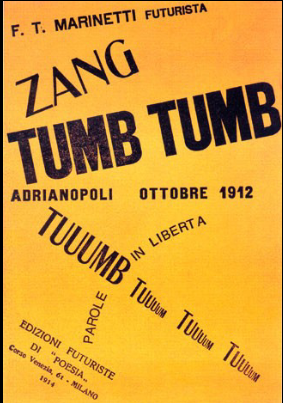
5
a vibrant portrayal of Futurism, dynamic figures and horses merge with industrial elements, capturing the energy and chaos of urbanization. Through bold colors and fragmented forms, Boccioni conveys the relentless motion and vitality of the modern cityscape, embodying the Futurist fascination with speed, technology, and the dynamism of contemporary life.
Umberto Boccioni, The City Rises, 1910-11. oil on canvas. 6’ 6” x 9’ 10”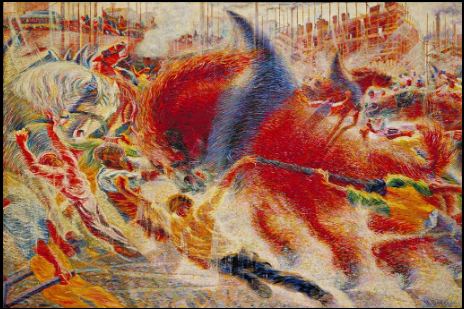
6
What are some similarities and differences between Umberto Boccioni, The City Rises, 1910-
11. oil on canvas. 6’ 6” x 9’ 10” and Claude Monet, Impression Sunrise,
1872. Oil on canvas?
11. oil on canvas. 6’ 6” x 9’ 10” and Claude Monet, Impression Sunrise,
1872. Oil on canvas?
both represent groundbreaking moments in the development of modern art, yet they differ greatly in style and subject matter. Boccioni's painting from 1910-11 depicts the dynamism and energy of urbanization, featuring fragmented forms and bold colors inspired by the Futurist movement, while Monet's work from 1872 captures the tranquil beauty of a harbor scene, characterized by loose brushwork and atmospheric effects, emblematic of Impressionism. Additionally, "The City Rises" reflects Boccioni's interest in the technological advancements and social changes of the early 20th century, whereas "Impression, Sunrise" exemplifies Monet's fascination with capturing fleeting moments of light and color in nature, setting the stage for the Impressionist movement.
7
captures a fleeting moment of dawn over the harbor of Le Havre, utilizing loose brushwork and vibrant colors to convey the ethereal quality of light and atmosphere. This seminal work, showcased at the first Impressionist exhibition in 1874, epitomizes the Impressionist movement's emphasis on capturing the immediacy of perception and the transient effects of light."
Claude Monet, Impression Sunrise,
1872. Oil on canvas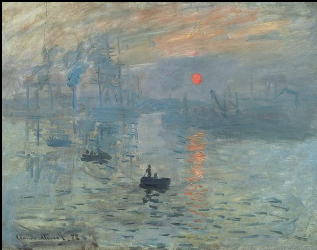
1872. Oil on canvas
8
painted in 1912 during the Cubo-Futurism movement, portrays a dynamic rural landscape infused with geometric shapes and vibrant colors, capturing the essence of the countryside after a tumultuous weather event. Malevich's fusion of Cubist and Futurist elements creates a visually striking composition that transcends traditional representation, inviting viewers to contemplate the intersection of nature and modernity.
Kasimir Malevich, Morning in the Country After the Storm, 1912. Oil on canvas
[Cubo-Futurism]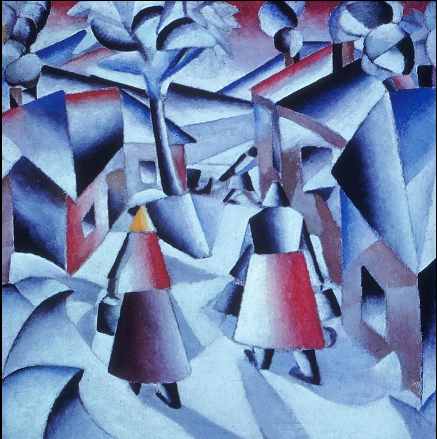
[Cubo-Futurism]
9
exemplifies Cubism, where traditional perspective is fragmented, depicting Fanny Tellier in a geometric, multi-dimensional form, showcasing Picasso's exploration of space and form through abstraction. The painting portrays Fanny Tellier holding a mandolin, with her figure deconstructed into geometric shapes, demonstrating Picasso's innovative approach to representing reality.
Picasso, Girl with Mandolin (Fanny
Tellier), late spring 1910. oil on canvass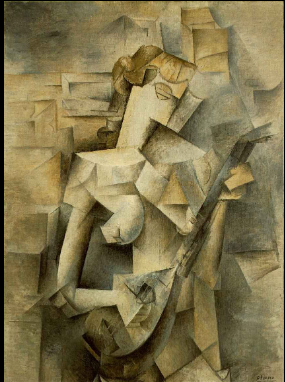
Tellier), late spring 1910. oil on canvass
10
Suprematism. Malevich showcased his revolutionary abstract paintings, featuring geometric forms floating in space, devoid of representational content, aiming to express pure artistic sensation and break away from traditional artistic conventions.
Malevich, Last Futurist Exhibition of Paintings 0.10 St. Petersburg, 1915-1916
[Suprematism]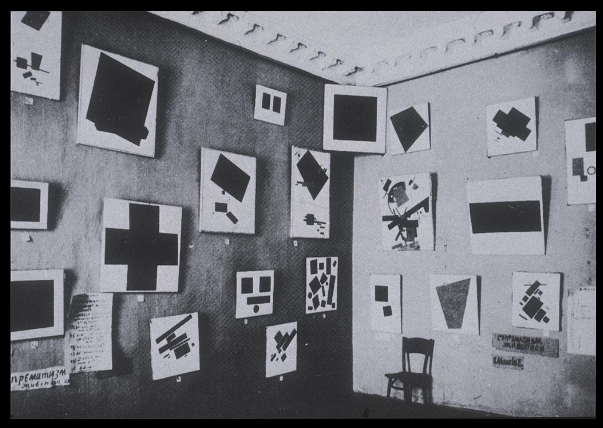
[Suprematism]
11
a stark black square is painted on a white canvas, embodying an abstract exploration of pure form and the rejection of representational art. Through this radical composition, Malevich challenges traditional notions of art, inviting viewers to contemplate the essence of visual expression beyond conventional imagery.
Malevich, Black Square, 1915. Oil on canvas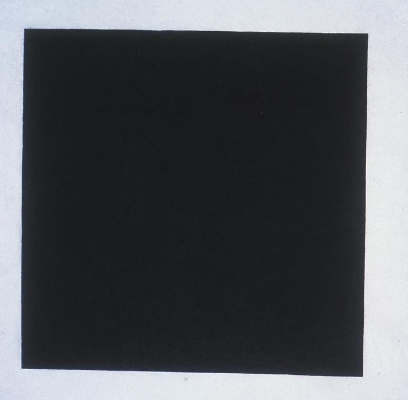
12
avant-garde movement. The poster features geometric shapes, particularly a red wedge, symbolizing the Bolsheviks piercing through the opposition, advocating for the victory of the Bolsheviks over the counter-revolutionary White Army during the Russian Civil War, embodying the principles of Suprematism, a movement Lissitzky was associated with.
El (Eliezer Markovich) Lissitzky, Beat the Whites with the Red Wedge, 1919. Poster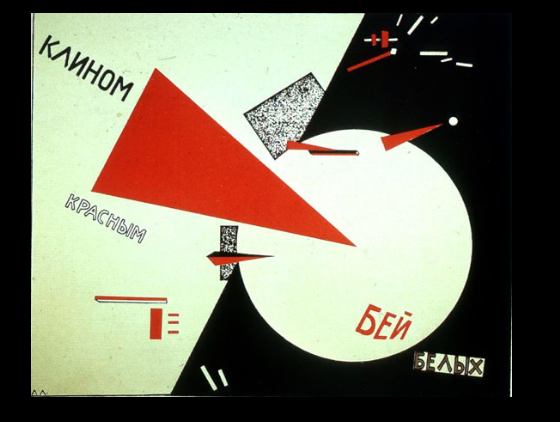
13
This innovation, first used in full production on Oct. 7, 1913, not only transformed industrial processes but also became a symbol of the modernist art movement due to its emphasis on efficiency, standardization, and mass production.
Moving assembly line at Ford Motor Co. Highland Park, Michigan. Used for
First used in full production (flywheel magnetos) on Oct. 7, 1913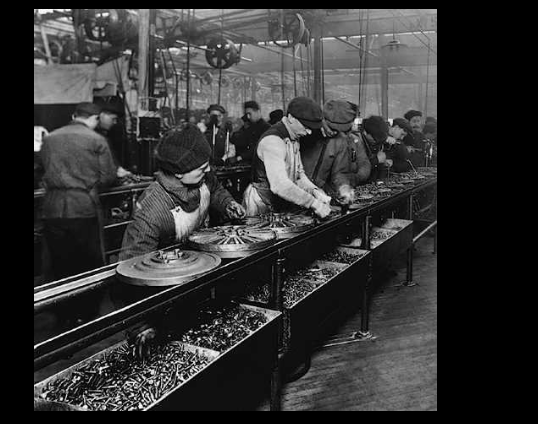
First used in full production (flywheel magnetos) on Oct. 7, 1913
14
epitomizes the Constructivist movement, showcasing industrial materials like iron, copper, wood, and rope arranged dynamically to explore the intersection of art and technology. Through its innovative use of materials and spatial composition, the artwork challenges traditional notions of sculpture, embodying the Constructivist ethos of integrating art with the modern world.
Vladimir Tatlin, Counter-relief,
1915, iron, copper, wood and rope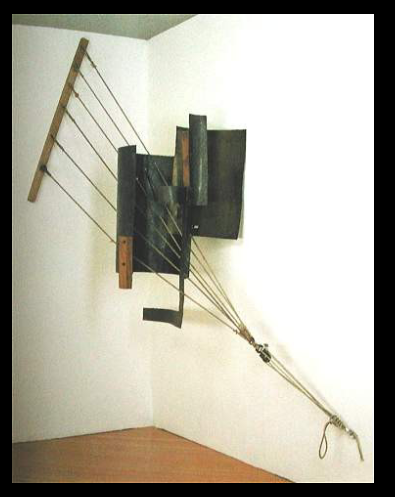
1915, iron, copper, wood and rope
15
What are some similarities and differences between Malevich, Last Futurist Exhibition of Paintings
0.10 St. Petersburg, 1915-1916 and Vladimir Tatlin, Counter-relief,
1915, iron, copper, wood and rope?
0.10 St. Petersburg, 1915-1916 and Vladimir Tatlin, Counter-relief,
1915, iron, copper, wood and rope?
Both Malevich's "Last Futurist Exhibition of Paintings 0.10" and Tatlin's "Counter-relief" are significant examples of Russian avant-garde art from the early 20th century, yet they differ in their approach and medium. Malevich's exhibition, held in 1915-1916, showcased his groundbreaking Suprematist compositions, featuring geometric shapes and a reduction of form to pure abstraction. In contrast, Tatlin's "Counter-relief," created in 1915, is a three-dimensional sculptural work made from iron, copper, wood, and rope, representing his exploration of Constructivist principles and the integration of art with industrial materials and techniques. Additionally, while Malevich's Suprematist compositions aimed to evoke a sense of spiritual and cosmic unity through non-representational forms, Tatlin's "Counter-relief" sought to engage the viewer physically and conceptually with its innovative use of materials and spatial dynamics.
16
What are some similarities and differences between Picasso, Maquette for Guitar, Paris, Oct.
1912. 25” x 13” x 7”. Construction of cardboard, string, wire and Vladimir Tatlin, Counter-relief,
1915, iron, copper, wood and rope?
1912. 25” x 13” x 7”. Construction of cardboard, string, wire and Vladimir Tatlin, Counter-relief,
1915, iron, copper, wood and rope?
both represent significant developments in 20th-century art, particularly within the movements of Cubism and Constructivism, respectively. However, they differ in their materials, techniques, and conceptual approaches. While Picasso's maquette is a small-scale construction made primarily of cardboard, string, and wire, exploring the geometric abstraction of the guitar form, Tatlin's "Counter-relief" is a larger-scale, three-dimensional work crafted from industrial materials such as iron, copper, wood, and rope, embodying the Constructivist principles of integrating art with modern technology and materials. Additionally, while Picasso's maquette focuses on exploring the formal qualities and representation of a specific object, Tatlin's "Counter-relief" seeks to challenge traditional notions of sculpture by incorporating dynamic elements and engaging the viewer in a more participatory experience.
17
created during the Constructivist movement, envisioned a colossal spiraling structure intended to serve as a symbol of revolutionary ideals and as a functional headquarters for the Communist International, reflecting the avant-garde approach to art's integration with politics and technology during the early 20th century. However, the monument was never completed beyond models and plans due to practical and political obstacles, yet its innovative design remains influential in the history of modern architecture and sculpture.
Vladimir Tatlin Monument to the Third
International, 1919-1920. reconstruction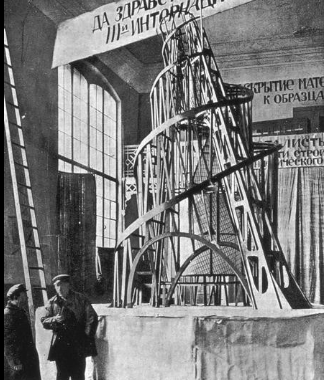
International, 1919-1920. reconstruction