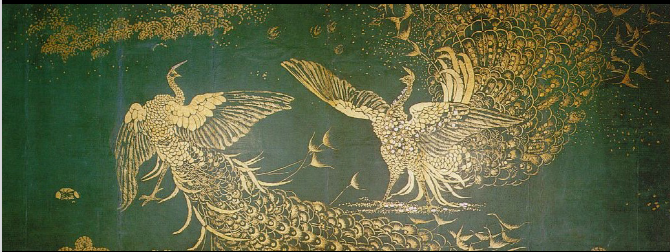
The Aesthetic movement
Study these flashcardsFree · spaced repetition · iPhone, Android, Mac & web
All cards
1
What is the Aesthetic movement?
aimed to escape the ugliness and materialism of the Industrial Age, by focusing instead on producing art that was beautiful rather than having a deeper meaning – 'Art for Art's sake'.
2
a prime example of his Prairie School architectural style, featuring horizontal lines, low-pitched roofs with broad overhangs, and open interior spaces that blend seamlessly with the surrounding landscape. The house exhibits Wright's emphasis on organic architecture, harmonizing with its natural environment while incorporating innovative design elements such as cantilevered balconies and geometric patterns.
Frank Lloyd Wright, Ward Willits House, Highland Park, near Chicago, IL,
1902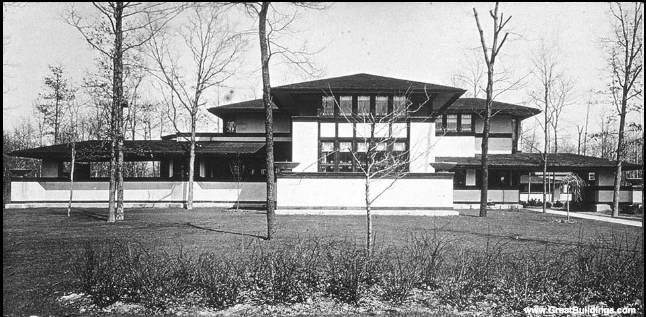
1902
3
It exemplified the Japanese style of art and architecture known as "Edo" or "Meiji," which emphasizes craftsmanship, symmetry, and harmony with nature.
Imperial Japanese Pavilion built for
the World’s Columbian Exposition,
Chicago, 1893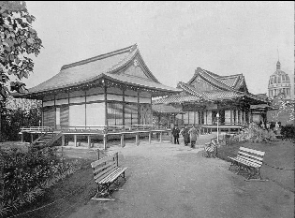
the World’s Columbian Exposition,
Chicago, 1893
4
What are some similarities and differences between Imperial Japanese Pavilion built for
the World’s Columbian Exposition, Chicago, 1893. and Frank Lloyd Wright, Ward Willits House,
Highland Park, near Chicago, IL, 1902?
the World’s Columbian Exposition, Chicago, 1893. and Frank Lloyd Wright, Ward Willits House,
Highland Park, near Chicago, IL, 1902?
They both showcase innovative design principles and a departure from traditional architectural styles. However, while the Imperial Japanese Pavilion reflects a fusion of Japanese aesthetics with Western influences, featuring intricate wooden detailing and a sense of harmony with nature, the Ward Willits House exemplifies Frank Lloyd Wright's pioneering Prairie Style, characterized by its horizontal lines, open floor plan, and integration with the surrounding landscape, marking a shift towards modernist architectural principles in America.
5
What does the Aesthetic movement say about art's existance?
Art should exist for its
own sake, independent of
moral and social concerns.
own sake, independent of
moral and social concerns.
6
is characterized by its intricate lines, elaborate patterns, and stylized figures, showcasing the artist's distinctive Art Nouveau style. The illustration features Beardsley's signature black-and-white aesthetic, with stark contrasts and sinuous forms, capturing the decadence and sensuality of Wilde's play.
Aubrey Beardsley. Illustration for Oscar
Wilde’s Salome, 1894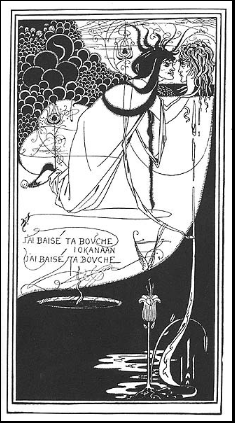
Wilde’s Salome, 1894
7
exemplifies the Aesthetic movement, known for its emphasis on beauty, harmony, and visual pleasure. The painting features a young woman dressed in white against a neutral background, showcasing Whistler's skillful use of color, composition, and delicate brushwork to evoke a sense of ethereal beauty and tranquility.
James Abbott McNeill
Whistler, Symphony in White
No. II, The Little White Girl,
1864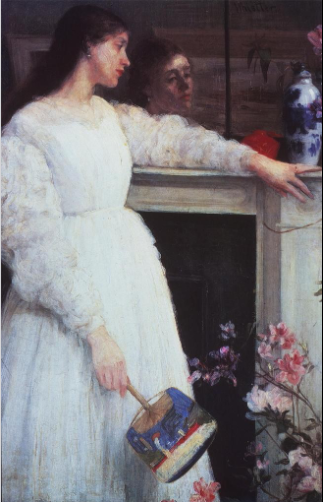
Whistler, Symphony in White
No. II, The Little White Girl,
1864
8
example of ukiyo-e, a style of art popular during the Edo period in Japan. Known for its vibrant colors, intricate details, and depictions of scenes from the "floating world," ukiyo-e prints like Harunobu's often depicted courtesans,
Suzuki Harunobu, Japanese color
woodblock print, ca. 1750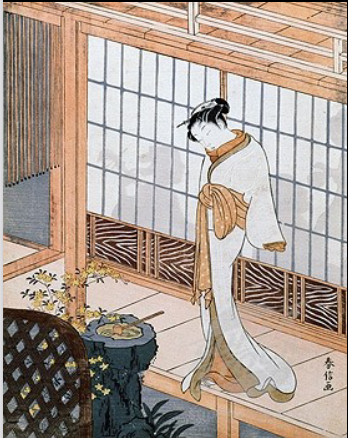
woodblock print, ca. 1750
9
What are some similarities and differences between Suzuki Harunobu, Japanese color
woodblock print, ca. 1750 and Whistler, Symphony in White No.
II, The Little White Girl, 1864?
woodblock print, ca. 1750 and Whistler, Symphony in White No.
II, The Little White Girl, 1864?
Both Suzuki Harunobu's Japanese color woodblock print and Whistler's Symphony in White No. II, The Little White Girl, are examples of art that emphasize composition and color harmony. However, while Harunobu's print embodies the delicate and refined style of Japanese ukiyo-e, portraying a scene from everyday life with intricate patterns and vibrant colors, Whistler's painting is more subdued and atmospheric, focusing on the portrayal of a single figure within a minimalist and abstracted environment, reflecting the Western aesthetic principles of the Aesthetic Movement.
10
a prime example of Tonalism, a style of art characterized by its emphasis on capturing atmospheric effects and the play of light. In this painting, Whistler uses subtle tones of black and gold to evoke a nocturnal scene, featuring a firework illuminating the night sky in a mesmerizing display of color and movement.
James Abbott McNeill Whistler,
Nocturne in Black and Gold: The
Falling Rocket, 1875. Oil on panel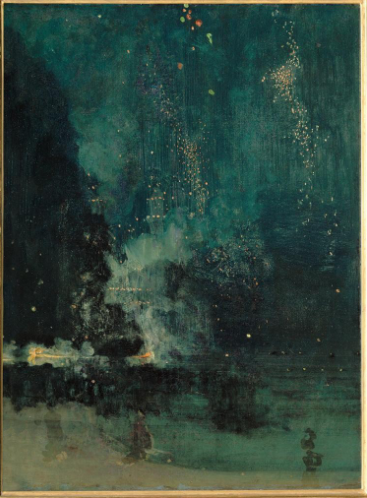
Nocturne in Black and Gold: The
Falling Rocket, 1875. Oil on panel
11
exemplifies the ukiyo-e style of art, characterized by its intricate woodblock printing technique and depiction of everyday life and landscapes in Japan during the Edo period.
Utagawa (Andō) Hiroshige, Upright
Tōkaidō (travelers and porters
crossing a steep pass in the
mountains en route to Kyoto),
(1832) publ. 1855. woodcut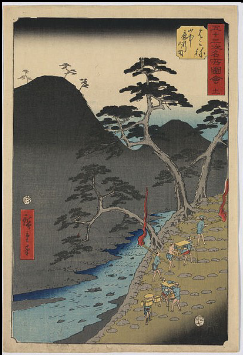
Tōkaidō (travelers and porters
crossing a steep pass in the
mountains en route to Kyoto),
(1832) publ. 1855. woodcut
12
a woodcut print exemplifying the ukiyo-e style of art, known for its intricate details, vibrant colors, and depictions of everyday life in Edo-era Japan.
Hiroshige, Man on Horseback Crossing a
Bridge, from the series Sixty-nine Stations of
the Kisokaidō, (1834-42). woodcut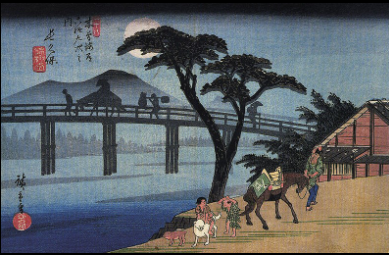
Bridge, from the series Sixty-nine Stations of
the Kisokaidō, (1834-42). woodcut
13
What are some similarities and differences between Utagawa (Andō) Hiroshige, Upright
Tōkaidō (travelers and porterscrossing a steep pass in the mountains en route to Kyoto),
(1832) publ. 1855. woodcut and Hiroshige, Man on Horseback Crossing a Bridge, from the series Sixty-nine Stations of the Kisokaidō, (1834-42). woodcut
Tōkaidō (travelers and porterscrossing a steep pass in the mountains en route to Kyoto),
(1832) publ. 1855. woodcut and Hiroshige, Man on Horseback Crossing a Bridge, from the series Sixty-nine Stations of the Kisokaidō, (1834-42). woodcut
Both woodcuts by Utagawa (Andō) Hiroshige showcase his mastery of composition, perspective, and atmospheric effects, capturing scenes from everyday life and travel along famous Japanese routes. However, while "Upright Tōkaidō" depicts travelers and porters traversing a mountain pass on their journey to Kyoto, emphasizing the rugged terrain and human activity, "Man on Horseback Crossing a Bridge" focuses on a single figure in a serene moment, highlighting the tranquility and isolation of the traveler amidst the natural landscape. Additionally, the prints belong to different series, with "Upright Tōkaidō" from the "Fifty-three Stations of the Tōkaidō" series and "Man on Horseback Crossing a Bridge" from the "Sixty-nine Stations of the Kisokaidō" series, each capturing distinct regions and experiences along Japan's historic highways.
14
exemplifies the Aesthetic movement in art and interior design. It features luxurious blue and gold hues, intricate patterns, and a harmonious arrangement of decorative elements, showcasing Whistler's emphasis on aesthetic beauty and visual harmony. The room, initially designed for Frederick Leyland, is now installed at the Freer Gallery of the Smithsonian Institution, serving as a testament to Whistler's artistic vision and decorative arts expertise.
James Abbott McNeill Whistler, Harmony in Blue and Gold: The Peacock
Room, 1876-77. Completed for Fredrick Leyland. Currently installed at
the Freer Gallery, Smithsonian Institution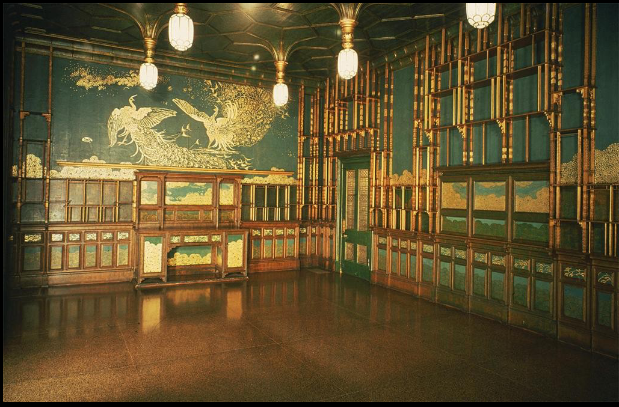
Room, 1876-77. Completed for Fredrick Leyland. Currently installed at
the Freer Gallery, Smithsonian Institution
15
an exemplary piece of Arts and Crafts style interior design. It features intricate patterns, lush green hues, and a focus on handmade craftsmanship, reflecting the ethos of the Arts and Crafts movement.
(William) Morris & Co., The Green
Dining Room, 1866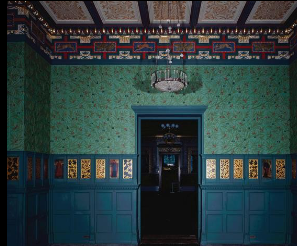
Dining Room, 1866
16
What are some similarities and differences between James Abbott McNeill Whistler,
The Peacock Room, 1876-77. and (William) Morris & Co., The Green
Dining Room, 1866?
The Peacock Room, 1876-77. and (William) Morris & Co., The Green
Dining Room, 1866?
Both the Peacock Room by James Abbott McNeill Whistler and The Green Dining Room by (William) Morris & Co. exemplify the Aesthetic Movement's emphasis on decorative art and interior design. However, while Whistler's Peacock Room features a more opulent and harmonious aesthetic, characterized by its rich blue and gold color scheme and intricate ornamentation inspired by Asian motifs, The Green Dining Room by Morris & Co. showcases a simpler, more organic approach to design, with its earthy green tones and nature-inspired patterns reflecting the Arts and Crafts Movement's emphasis on craftsmanship and the integration of art with daily life.
17
showcased elements of Japanese architecture and design, featuring intricate woodwork, delicate screens, and minimalist aesthetics typical of traditional Japanese art and craftsmanship. The style of art reflected in the interior design of the pavilion is rooted in Japanese traditional art forms such as woodblock prints, ceramics, and lacquerware, characterized by attention to detail, harmony with nature, and refined simplicity.
Interior, Imperial Japanese Pavilion built
for the World’s Columbian Exposition,
Chicago, 1893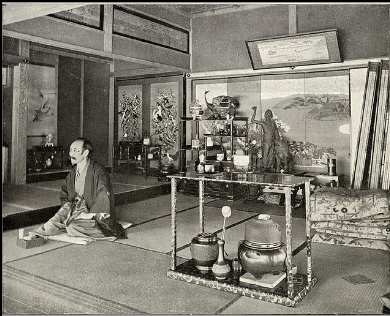
for the World’s Columbian Exposition,
Chicago, 1893
18
exemplifies Whistler's Aesthetic movement style, characterized by its harmonious color palette, delicate ornamentation, and emphasis on beauty for its own sake. The painting depicts a young woman amidst lavish Oriental-inspired décor, reflecting Whistler's fascination with Japanese art and his desire to create immersive aesthetic environments.
Whistler, The Princess from the Land of Porcelain,
The Peacock Room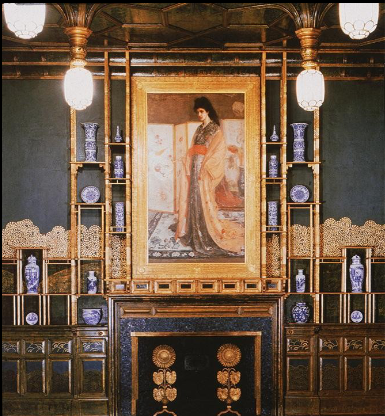
The Peacock Room
19
What are some similarities and differences between Suzuki Harunobu, Japanese
color woodblock print, ca. 1750 and Whistler, The Princess from the Land of Porcelain,
The Peacock Room?
color woodblock print, ca. 1750 and Whistler, The Princess from the Land of Porcelain,
The Peacock Room?
Both Suzuki Harunobu's Japanese color woodblock prints and Whistler's painting "The Princess from the Land of Porcelain" exhibit meticulous attention to detail and a focus on aesthetic beauty.
However, Harunobu's prints typically depict scenes from daily life in Edo-period Japan with intricate patterns and vibrant colors, while Whistler's painting, part of the decorative scheme for the Peacock Room, showcases a fusion of Eastern and Western artistic elements, featuring a single figure amidst opulent surroundings inspired by Asian art and design. Additionally, Harunobu's prints were mass-produced for a popular audience, while Whistler's painting was created as part of a commissioned interior design project for a specific space, reflecting different contexts and purposes for their creation.
However, Harunobu's prints typically depict scenes from daily life in Edo-period Japan with intricate patterns and vibrant colors, while Whistler's painting, part of the decorative scheme for the Peacock Room, showcases a fusion of Eastern and Western artistic elements, featuring a single figure amidst opulent surroundings inspired by Asian art and design. Additionally, Harunobu's prints were mass-produced for a popular audience, while Whistler's painting was created as part of a commissioned interior design project for a specific space, reflecting different contexts and purposes for their creation.
20
The style of art can be described as Aestheticism, characterized by its emphasis on beauty and visual harmony.
Whistler, “Art and Money; or, The Story of the Room”, The Peacock Room