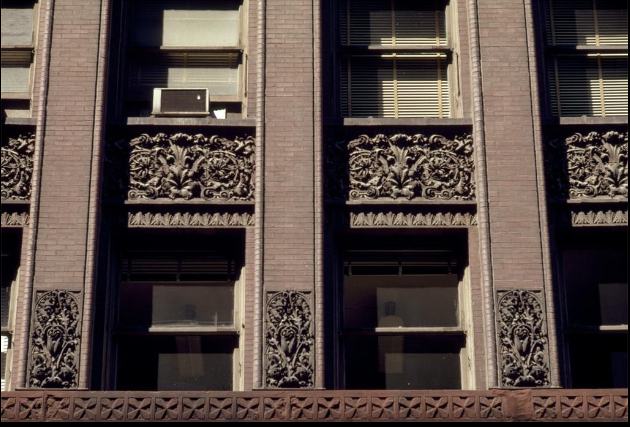
The tall building
Study these flashcardsFree · spaced repetition · iPhone, Android, Mac & web
All cards
1
epitomizes his pioneering Prairie School style of architecture. The house features horizontal lines, low-pitched roofs, overhanging eaves, open floor plans, and integration with the surrounding landscape, all characteristic elements of the Prairie style.
Frank Lloyd Wright, Ward Willits House, Highland Park, near Chicago, IL,
1902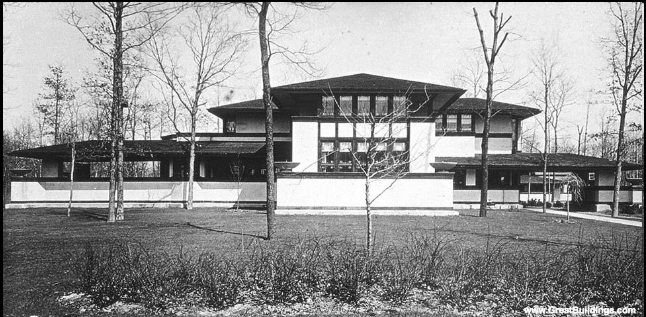
1902
2
exemplifies the Prairie School architectural style. It features low-pitched roofs, horizontal lines, and an emphasis on integration with the surrounding landscape, showcasing Wright's innovative approach to residential design.
Frank Lloyd Wright, porte-cóchere, Ward Willits House, Highland Park,
near Chicago, IL, 1902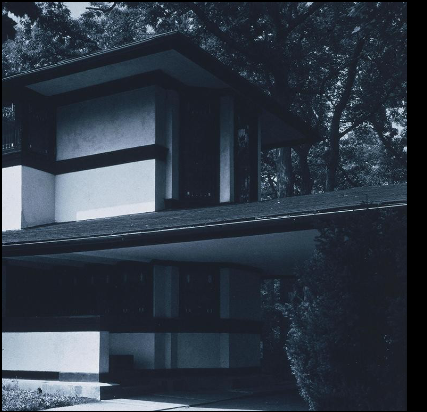
near Chicago, IL, 1902
3
Prairie style. The dining room features low horizontal lines, built-in furniture, and an emphasis on natural materials, reflecting Wright's vision of organic architecture.
Frank Lloyd Wright, Ward Willits House, dining room, Highland Park, near Chicago, IL,
1902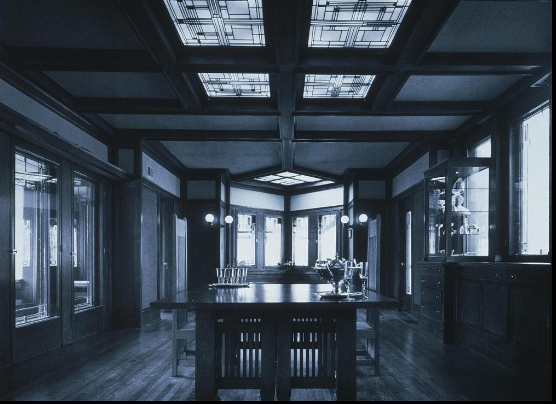
1902
4
exemplifies the architect's signature Prairie Style, featuring geometric lines, organic forms, and an emphasis on horizontal planes. With its clean lines, rectilinear design, and integration of natural materials, this chair embodies Wright's vision of harmonizing architecture with its surroundings.
Frank Lloyd Wright, oak dining chair from the Ward Willits House, Highland Park, near
Chicago, IL, 1902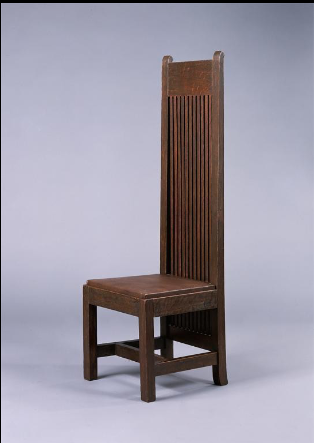
Chicago, IL, 1902
5
a prime example of Richardsonian Romanesque architecture. It features a robust and imposing facade characterized by large arches, rough-hewn stone, and a sense of solidity, reflecting Richardson's signature style inspired by medieval European architecture.
Henry Hobson Richardson, Marshall Field Wholesale building, Chicago, 1885-87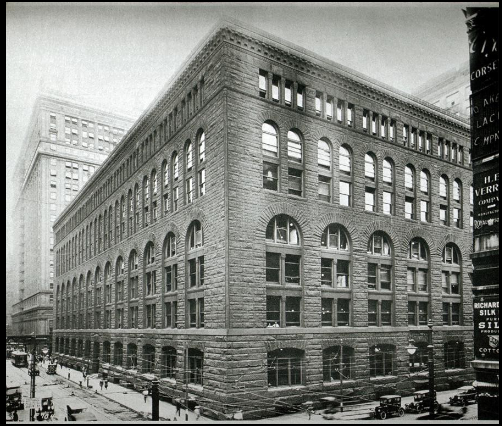
6
Burnham and Root, Reliance
Building, Chicago, 1890-94
Building, Chicago, 1890-94
exemplifies the architectural style of the Chicago School. It features a steel frame structure with large plate glass windows, intricate terra cotta ornamentation, and vertical emphasis, showcasing the emerging aesthetic of early skyscraper design in the late 19th century.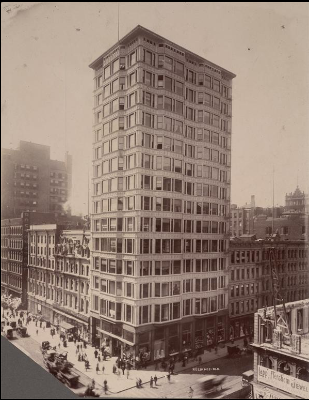
7
a prime example of Richardsonian Romanesque architecture. It features a robust masonry façade characterized by massive stone arches, intricate ornamentation, and a sense of solidity and permanence, reflecting the Romanesque revival style popular in the late 19th century.
Henry Hobson Richardson, Marshall Field
Wholesale building, Chicago, 1885-87
Wholesale building, Chicago, 1885-87
8
What are some similarities and differences between Burnham and Root, Reliance
Building, Chicago, 1890-94 and Henry Hobson Richardson, Marshall Field
Wholesale building, Chicago, 1885-87?
Building, Chicago, 1890-94 and Henry Hobson Richardson, Marshall Field
Wholesale building, Chicago, 1885-87?
Both the Reliance Building by Burnham and Root and the Marshall Field Wholesale Building by Henry Hobson Richardson are significant examples of late 19th-century architecture in Chicago. They both showcase innovative structural techniques and design elements that were influential in the development of modern architecture. However, while the Marshall Field Wholesale Building reflects Richardson's Romanesque Revival style with its heavy massing, rough-hewn stone, and dramatic arches, the Reliance Building is celebrated for its pioneering use of steel frame construction, large glass curtain walls, and the innovative integration of light and space, marking a transition towards the modern skyscraper aesthetic.
9
a prime example of early skyscraper architecture and is often considered one of the first skyscrapers in the world. It exemplifies the Chicago School style of architecture, featuring a steel frame construction, large windows, and decorative terra cotta ornamentation, while also embodying Sullivan's principle of "form follows function," with a clear emphasis on verticality and unity of design.
Adler and Louis Sullivan, Wainwright Building, St. Louis, Mo. 1890-91.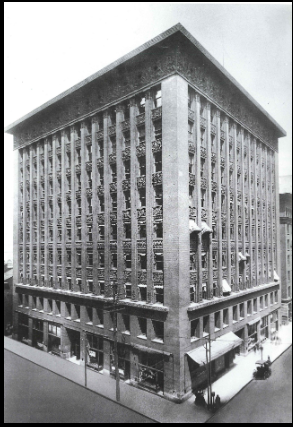
10
what are some similarities and differences between Henry Hobson Richardson,
Marshall Field Wholesalebuilding, Chicago, 1885-87 and Adler and Louis Sullivan,
Wainwright Building, St. Louis, Mo. 1890-91.
Marshall Field Wholesalebuilding, Chicago, 1885-87 and Adler and Louis Sullivan,
Wainwright Building, St. Louis, Mo. 1890-91.
Both buildings, dating from the late 19th century, mark significant progress in architectural design. The Marshall Field Wholesale Building, characterized by its heavy masonry and ornate detailing, reflects a Romanesque Revival style, emphasizing solidity and historical references. In contrast, the Wainwright Building, designed by Adler and Louis Sullivan, pioneers modern skyscraper design with its steel frame construction, abundant use of glass, and decorative terra cotta accents, showcasing a departure from traditional styles towards a sleeker, more functional aesthetic.
11
eclectic architectural style known as High Victorian Gothic, characterized by its ornate detailing, dramatic use of materials, and innovative structural techniques. The Broad Street facade of the building exhibits Furness's signature style, with its dynamic composition, rich ornamentation, and expressive use of brick and stone.
Frank Furness, Pennsylvania Academy
of the Fine Arts, 1872-1876. Broad St.
façade. Philadelphia, PA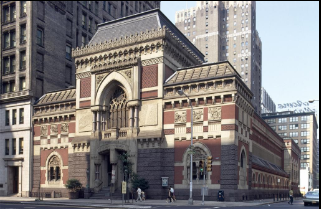
of the Fine Arts, 1872-1876. Broad St.
façade. Philadelphia, PA
12
a landmark film of the Soviet Montage style, known for its revolutionary editing techniques and powerful propaganda narrative depicting the mutiny on the Russian battleship Potemkin in 1905. The film's innovative use of montage and dynamic cinematography revolutionized the art of filmmaking and remains influential in cinema history.
Sergie Eisenstein, Battleship Potemkin, 1925. Film