Differentiating Monocots & Dicots
Study these flashcardsFree · spaced repetition · iPhone, Android, Mac & web
All cards
1
Has two cotyledons in the embryo.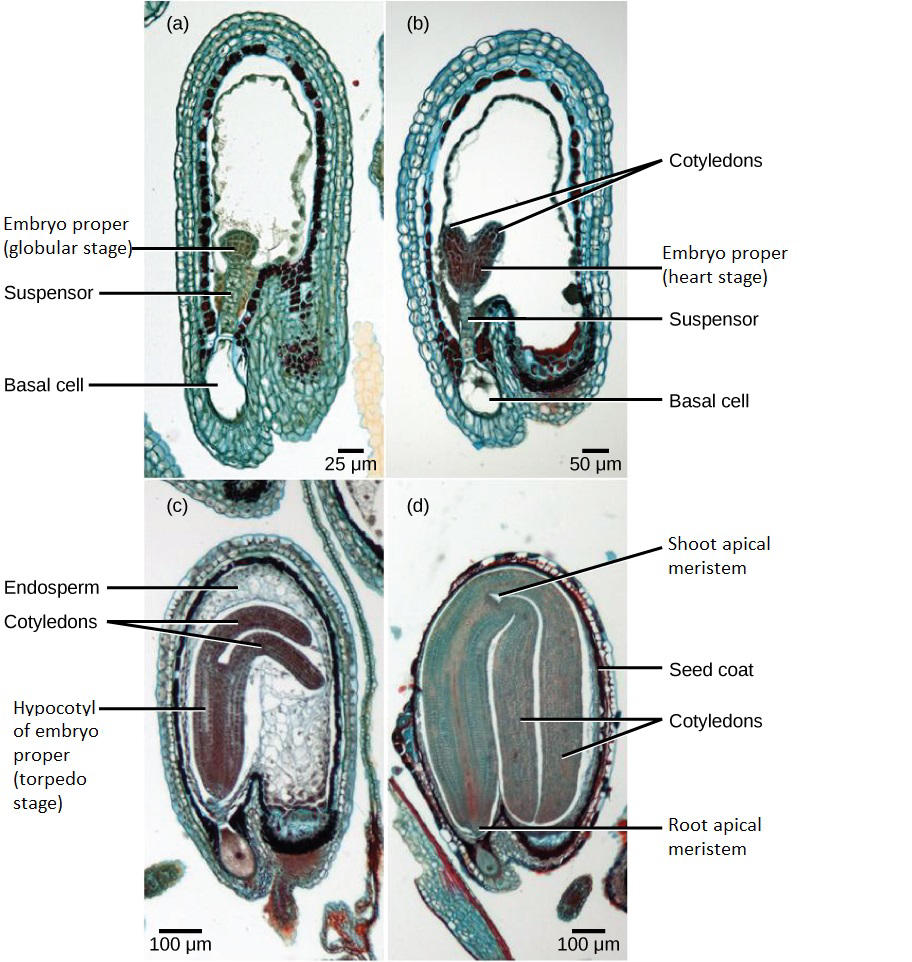
Eudicot/Dicot
2
Has one cotyledon in the Embryo.
Monocot
3
Leaf veins are reticulated (branched).
Eudicot/Dicot
4
Leaf veins are parallel.
Monocot
5
Dorsiventral Leaves (strong difference between sides)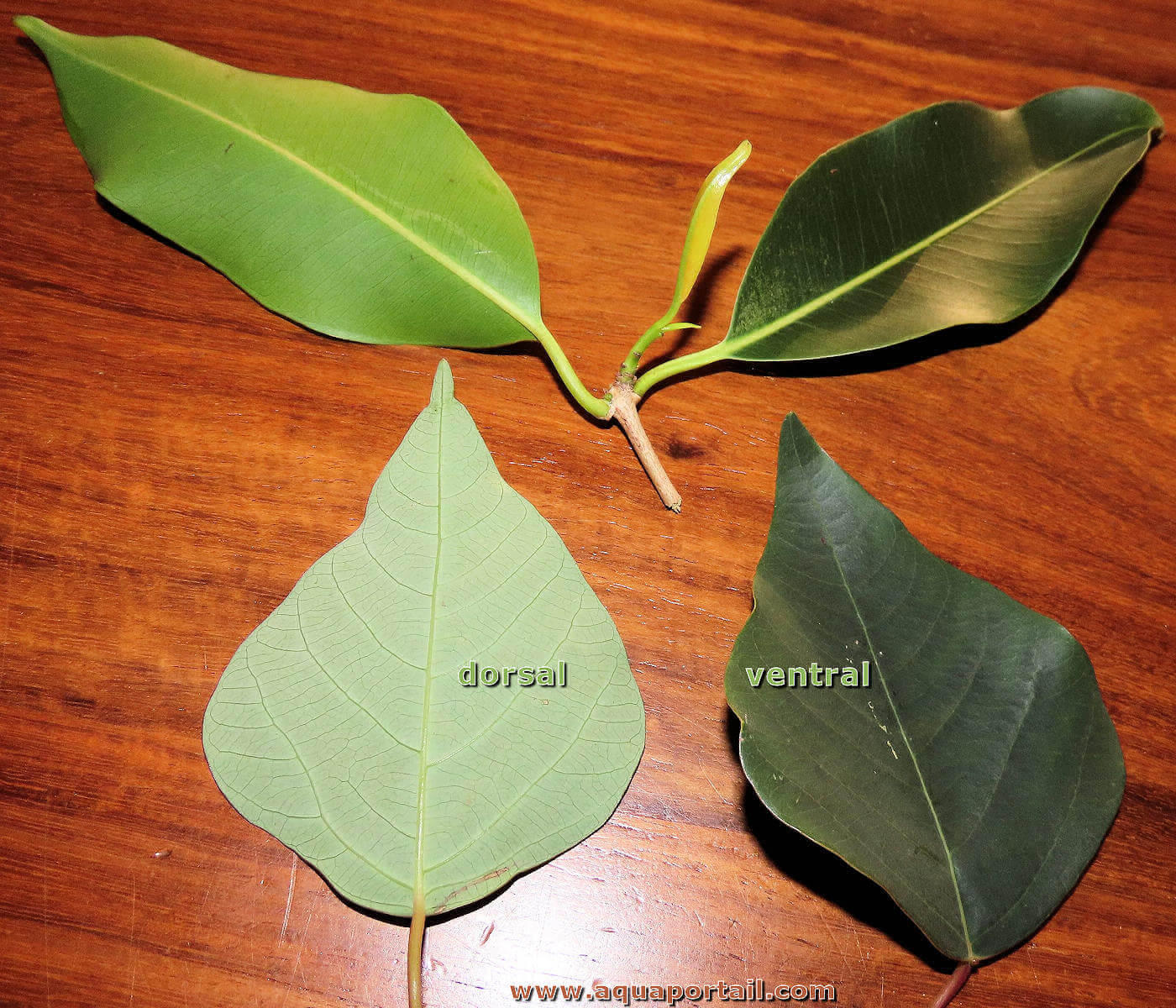
Dicot
6
Isobilateral leaves (looks similar on both sides)
Monocot
7
Some are epistomatous i.e., they have stomata only on one surface on their leaves.
Dicot
8
Are amphistomatous i.e. leaves have stomata on both the upper and lower surface.
Monocot
9
large, specialized epidermal cells that occur on the adaxial (top) side of monocot leaves, used to regulate the loss of water.
Bulliform cells
10
Petals in multiples of four or five. May bear fruit ( if tree).
Dicot
11
Petals in multiples of three.
Monocot
12
Taproot systemBundles of vascular tissue arranged in a ring. The vascular system is divided into a cortex and stele.
Dicot
13
Fibrous root system
Monocot
14
can have secondary growth
Dicot
15
does not produce secondary growth
Monocot
16
Bundles of vascular tissue arranged in a ring. The vascular system is divided into a cortex and stele.
Dicot
17
Bundles of vascular tissue scattered throughout the stem with no particular arrangement, and has no cortex.
Dicot
18
Bundles of vascular tissue scattered throughout the stem with no particular arrangement, and has no cortex.
Monocot
19
Pollen with three furrows or pores.Two
Dicot
20
Pollen with a single furrow or pore
Monocot
21
Both Herbaceous and woody
Dicot
22
Herbaceous
Monocot
23
Two seed leaves
Dicot
24
One seed leaf
Monocot
25
Legumes (pea, beans, lentils, peanuts) daisies, mint, lettuce, tomato and oak are examples of what?
Dicots
26
Grains, (wheat, corn, rice, millet) lilies, daffodils, sugarcane, banana, palm, ginger, onions, bamboo, sugar, cone, palm tree, banana tree, and grass are examples of what?
Monocots