Intro to Psychology Test 3
Study these flashcardsFree · spaced repetition · iPhone, Android, Mac & web
All cards
1
Algorithm
- Inability to view problems from a new angle; focuses thinking but hinders creative problem solving
- Your fast, automatic, effortless feelings and thoughts based on your experience; huge and adaptive but can lead you to overfeel and underthink
- Simple thinking shortcut that lets you act quickly and efficiently but puts you at risk for errors
- Step-by-step rule or procedure that guarantees a solution but requires time and effort
2
Intuition
- Your fast, automatic, effortless feelings and thoughts based on your experience; huge and adaptive but can lead you to overfeel and underthink
- Step-by-step rule or procedure that guarantees a solution but requires time and effort
- Simple thinking shortcut that lets you act quickly and efficiently but puts you at risk for errors
- Inability to view problems from a new angle; focuses thinking but hinders creative problem solving
3
Insight
- Simple thinking shortcut that lets you act quickly and efficiently but puts you at risk for errors
- Your fast, automatic, effortless feelings and thoughts based on your experience; huge and adaptive but can lead you to overfeel and underthink
- Tendency to search for support for your own views and to ignore evidence that opposes them
- Sudden Aha! reaction that instantly reveals the solution
4
Heuristic
- Holding on to your beliefs even after they are proven wrong; closing your mind to new ideas
- Simple thinking shortcut that lets you act quickly and efficiently but puts you at risk for errors
- Tendency to search for support for your own views and to ignore evidence that opposes them
- Sudden Aha! reaction that instantly reveals the solution
5
Fixation
- Simple thinking shortcut that lets you act quickly and efficiently but puts you at risk for errors
- Step-by-step rule or procedure that guarantees a solution but requires time and effort
- Inability to view problems from a new angle; focuses thinking but hinders creative problem solving
- Your fast, automatic, effortless feelings and thoughts based on your experience; huge and adaptive but can lead you to overfeel and underthink
6
Confirmation bias
- Tendency to search for support for your own views and to ignore evidence that opposes them
- Wording a question or statement so that it produces a desired response; can mislead people and influence their decisions
- Overestimating the accuracy of your beliefs and judgments; allows you to be happier and to make decisions more easily, but puts you at risk for errors
- Holding on to your beliefs even after they are proven wrong; closing your mind to new ideas
7
Overconfidence
- The ability to produce novel and valuable ideas
- Wording a question or statement so that it produces a desired response; can mislead people and influence their decisions
- Holding on to your beliefs even after they are proven wrong; closing your mind to new ideas
- Overestimating the accuracy of your beliefs and judgments; allows you to be happier and to make decisions more easily, but puts you at risk for errors
8
Creativity
- Wording a question or statement so that it produces a desired response; can mislead people and influence their decisions
- Framing choices to encourage certain decisions
- The ability to produce novel and valuable ideas
- Holding on to your beliefs even after they are proven wrong; closing your mind to new ideas
9
Framing
- Framing choices to encourage certain decisions
- Sudden Aha! reaction that instantly reveals the solution
- Wording a question or statement so that it produces a desired response; can mislead people and influence their decisions
- The ability to produce novel and valuable ideas
10
Belief perseverance
- Holding on to your beliefs even after they are proven wrong; closing your mind to new ideas
- Tendency to search for support for your own views and to ignore evidence that opposes them
- The ability to produce novel and valuable ideas
- Overestimating the accuracy of your beliefs and judgments; allows you to be happier and to make decisions more easily, but puts you at risk for errors
11
____________ ________________ is one part of the brain that, if damaged, might impair your ability to speak words.
____________ ________________ is one part of the brain that, if damaged, might impair your ability to speak words.
Broca's Area
12
Damage to ___________ _____________ might impair your ability to understand language.
Wernicke's area
13
Sternberg's Three Intelligences:
1. Analytical
2. Creative
3. Practical
2. Creative
3. Practical
14
Cattel-Horn-Carroll intelligence theory
Fluid intelligence
Crystallized intelligence
Crystallized intelligence
15
Hunger occurs in response to _________ (low/high) blood glucose and __________ (low/high) levels of ghrelin.
low; high
16
7. Social networking tends to ___________ (strengthen/weaken) your relationships with people you already know, and ________________ (increase/decrease) your self-disclosure.
strengthen; increase
17
What have researchers found to be an even better predictor of school performance than intelligence test scores?
Self-discipline (grit)
18
According to the Cannon-Bard theory, (a) our physiological response to a stimulus (for example, a pounding heart), and (b) the emotion we experience (for example, fear) occur (simultaneously/sequentially)
simultaenously
19
According to the James-Lange theory, (a) and (b) occur (simultaneously/sequentially).
sequentially
20
According to Schachter and Singer, two factors lead to our experience of an emotion: (a) physiological arousal and (b) _________ appraisal.
cognitive
21
____________ (Women/Men) report experiencing emotions more deeply, and they tend to be more adept at reading nonverbal behavior.
Women
22
1. An example of a physiological need is ___________. An example of a psychological drive is ____________.
- curiosity; a “push” to reduce arousal
- hunger; a “push” to find food
- a “push” to reduce arousal; curiosity
- a “push” to find food; hunger
23
Danielle walks into a friend’s kitchen, smells cookies baking, and begins to feel very hungry. The smell of baking cookies is a(n) _________ (incentive/drive).
incentive
24
With challenging task, such as taking a difficult exam, performance is likely to peak when arousal is
- Very high
- Moderate
- Absent
- Very low
25
_____________ theory attempts to explain behaviors that do NOT reduce physiological needs.
Arousal
26
According to Maslow's hierarchy of needs, our most basic needs are physiological, including the need for food and water; just above these are _____ needs.
- Self-esteem
- Belongingness
- Self-transcendence
- Safety
27
According to the concept of ______ point, our body maintains itself at a particular weight level.
set
28
Which of the following is a genetically predisposed response to food?
- An aversion to eating cats and dogs
- A preference for sweet and salty foods
- An aversion to carbohydrates
- An interest in novel foods
29
Blood sugar provides the body with energy. When it is ________ (low/high), we feel hungry.
low
30
The rate at which your body expends energy while at rest is referred to as the ______ ______ rate.
basal metabolic
31
Obese people often struggle to lose weight permanently. This is due to several factors, including that
- With food restriction, metabolism increases.
- It takes more energy to maintain weight than it did to gain it
- There is a genetic influence on body weight.
- The set point of obese people is lower than average
32
Which of the following is NOT evidence supporting the view that humans are strongly motivated by a need to belong?
- Children who are extremely neglected become withdrawn, frightened, and sometimes even speechless.
- Students who rate themselves as "very happy" also tended to have satisfying close relationships
- Social exclusion - such as exile or solitary confinement - is considered a severe form of punishment
- As adults, adopted children tend to resemble their biological parents
33
If we want to increase our chance of success in achieving a new goal, such as stopping smoking, we ___________ (should/should not) announce the goal publicly, and we ___________ (should/should not) share with others our progress toward achieving that goal.
Should; should
34
The _________ ___________ theory of emotion maintains that our emotional experience occurs after our awareness of a physiological response.
James-Lange
35
Assume that after returning from an hour-long run, you receive a letter saying your scholarship application has been approved. The two-factor theory of emotion would predict that your physical arousal will
- intensify your happiness
- Transform your happiness into relief
- Have no particular effect on your happiness
- Weaken your happiness
36
Zajonc and LeDoux have maintained that some emotional reactions occur before we have had the chance to consciously label or interpret them. Lazarus noted the importance of how we appraise events. These psychologists differ in the emphasis they place on __________ in emotional responses.
- Learning
- Physical arousal
- The hormone epinephrine
- Cognitive processing
37
When people are induced to assume a fearful expression, they often report feeling some fear. This response is known as the _______ _______ effect.
facial feedback
38
A mental grouping of similar things is called a ________.
concept
39
The most systematic procedure for solving a problem is a(n) _______.
algorithm
40
A major obstacle to problem solving is fixation, which is a(n)
- Rule of thumb for judging the likelihood of an event in terms of our mental image of it.
- Tendency to wait for insight to occur.
- Inability to view a problem from a new perspective
- Tendency to base our judgments on vivid memories
41
Terrorist attacks made Americans more fearful of being victimized by foreign terrorism than of other, greater threats. Such exaggerated fear after dramatic events illustrates the ___________ heuristic.
availability
42
When consumers respond more positively to ground beef described as “75 percent lean” than to the same product labeled “25 percent fat,” they have been influenced by __________.
framing
43
Which of the following is NOT a characteristic of a creative person?
- Expertise
- Imaginative thinking skills
- A venturesome personality
- Extrinsic motivation
44
According to Chomsky, humans have a built-in predisposition to learn grammar rules; he called this trait ________________ ___________.
universal grammar
45
Children reach the one-word stage of speech development at about
- 1 year
- 2 year
- 6 months
- 4 months
46
When young children speak in short phrases using mostly verbs and nouns, this is referred to as ______ ________.
Telegraphic speech
47
Most researches agree that apes can
- master language in adulthood.
- gain vocabulary with little difficulty.
- surpass a human 3-year-old in language skills.
- communicate through symbols.
48
Charles Spearman suggested we have one __________ _________ underlying success across a variety of intellectual abilities.
general intelligence (g)
49
The existence of savant syndrome seems to support
- Thorndike’s view of social intelligence.
- criticism of multiple intelligence theories.
- theories of multiple intelligences.
- Sternberg’s distinction among three types of intelligence.
50
Sternberg’s three types of intelligence are________, ______, and ________.
Analytical; creative; practical
51
Emotionally intelligent people tend to
- seek immediate gratification.
- understand their own emotions but not those of others.
- understand others’ emotions but not their own.
- succeed in their careers.
52
The IQ score of 6-year-old Shanice, who has a measured mental age of 9, would be
- 86.
- 67
- 133.
- 150.
53
The Wechsler Adult Intelligence Scale (WAIS) is best able to tell us
- about innate intelligence among groups.
- whether the test-taker has specific skills for music and the performing arts.
- whether the test-taker will succeed in a job.
- how the test-taker compares with other adults in vocabulary and arithmetic reasoning.
54
The Stanford-Binet, the Wechsler Adult Intelligence Scale, and the Wechsler Intelligence Scale for Children yield consistent results, for example on retesting. In other words, these tests have high ___________.
reliability
55
To say that the heritability of intelligence is about 50 percent means that 50 percent of
- the similarities between two groups of people are attributable to genes.
- the variation in intelligence within a group of people is attributable to genetic factors.
- an individual’s intelligence is due to each parent’s genes.
- an individual’s intelligence is due to genetic factors.
56
The strongest support for heredity’s influence on intelligence is the finding that
- children in impoverished families have similar intelligence scores.
- identical twins, but not other siblings, have nearly identical intelligence test scores.
- the correlation between intelligence test scores of fraternal twins is not higher than that for other siblings.
- similarity of mental abilities between adopted siblings increases with age.
57
The environmental influence that has the clearest, most profound effect on intellectual development is
- exposing normal infants to enrichment programs before age 1.
- being an identical twin.
- being raised in conditions of extreme deprivation.
- growing up in an economically disadvantaged home.
58
Which of the following is NOT a possible explanation for the fact that people with higher intelligence scores tend to live longer, healthier lives?
- Prenatal events or early childhood illnesses could influence both intelligence and health.
- Intelligence encourages a more health-promoting lifestyle.
- Intelligence makes it easier to access more education, better jobs, and a healthier environment.
- Intelligent people have slower reaction times, so are less likely to put themselves at risk.
59
When alerted to a negative, uncontrollable event, our ____________ nervous system arouses us. Heart rate and respiration ________ (increase/decrease). Blood is diverted from digestion to the skeletal _________. The body releases sugar and fat. All this prepares the body for the _______-______-______ response
Sympathetic; increase; muscles; fight-or-flight
60
The field of _________ studies mind-body interactions, including the effects of psychological, neural, and endocrine functioning on the immune system and overall health.
psychoneuroimmunology
61
Which component of the Type A personality has been linked most closely to coronary heart disease?
feeling angry and negative most of the time.
62
To cope with stress when we feel in control of our world, we tend to use _________ (emotion/problem)-focused strategies. To cope with stress when we believe we cannot change a situation, we tend to use ___________ (emotion/problem)-focused strategies.
Problem; emotion
63
Which of the following emotion regulation strategies tends to lead toward fewer positive emotions and more negative emotions?
- Situation selection
- Suppression
- Reappraisal
64
Which of the following factors does not predict self-reported happiness?
- Active religious faith
- Sleep and exercise
- Personality traits
- Age
65
The number of short-term illnesses and stress-related psychological disorders was higher than usual in the months following an earthquake. Such findings suggest that
- daily hassles don’t cause stress, but catastrophes can be toxic.
- daily hassles have adverse health consequences.
- experiencing a very stressful event increases a person’s vulnerability to illness.
- the amount of stress a person feels is directly related to the number of stressors experienced.
66
Which of the following is NOT one of the three main types of stressors?
- Significant life changes
- Catastrophes
- Daily hassles
- Pessimism
67
3. Seyle's general adaptation syndrome (GAS) consists of an alarm reaction followed by _______, then _______.
resistance; exhaustion
68
When faced with stress, women are more likely than men to exhibit the ________-and-_______ response.
tend; befriend
69
Stress can suppress the ________ _______ by prompting a decrease in the release of cells that ordinarily attack bacteria, viruses, cancer cells, and other foreign substances.
immune system
70
When faced with a situation over which you feel you have little control, you are more likely to turn to _______ (emotion/problem)-focused coping.
emotion
71
Research has shown that a dog will respond with learned helplessness if it has received repeated shock and has had
- Pain or discomfort
- No control over the shocks
- The opportunity to escape
- No food or water prior to the shocks
72
When people in care facilities take an active part in managing their own care and surroundings, their morale and health tend to improve. Such findings indicate that people do better when they experience an ______ (internal/external) locus of control.
internal locus
73
People who have close relationships are less likely to die prematurely than those who do not, supporting the idea that
- social support has a beneficial effect on health
- gender influences longetivity
- Type A behavior is responsible for many premature deaths
- social ties can be a source of stress.
74
Because it triggers the release of mood-boosting neurotransmitters such as serotonin, _______ exercise raises energy levels and helps alleviate depression and anxiety
aerobic
75
Research on the faith factor has found that
- religious engagement promotes social isolation and repression.
- pessimists tend to be healthier than optimists.
- religiously active people tend to outlive those who are not religiously active.
- our expectations influence our feelings of stress.
76
One of the most consistent findings of psychological research is that happy people are also
- Concentrated in the wealthier nations
- Generally luckier than others
- More likely to help others
- More likely to express anger
77
There will always be someone more successful, more accomplished, or richer with whom to compare ourselves. In psychology, this phenomenon is referred to as the ___________ ___________ principle.
relative deprivation
78
According to Freud’s ideas about the three-part personality structure, the ______ operates on the reality principle and tries to balance demands in a way that produces long-term pleasure rather than pain; the _______________ operates on the pleasure principle and seeks immediate gratification; and the _________ represents the voice of our internalized ideals (our conscience).
ego; id; superego
79
In the psychoanalytic view, conflicts unresolved during one of the psychosexual stages may lead to ________ at that stage.
fixation
80
Freud believed that our defense mechanisms operate __________ (consciously\/unconsciously) and defend us against _________.
Unconsciously; anxiety
81
___________ tests ask test-takers to respond to an ambiguous image by describing it or telling a story about it.
Projective
82
Which two primary dimensions did Hans Eysenck and Sybil Eysenck propose for describing personality variation?
Extraversion-introversion and emotional stability-instability.
83
What are the Big Five personality factors, and why are they scientifically useful?.
1. Openness
2. Conscientiousness
3. Extraversion
4. Agreeableness
5. Neuroticism
2. Conscientiousness
3. Extraversion
4. Agreeableness
5. Neuroticism
84
The _______-________ perspective on personality emphasizes the interaction of people with their environment. To describe the interacting influences of behavior, thoughts, and environment, Albert Bandura used the term ________ _______.
social-cognitive; reciprocal determinism
85
The tendency to accept responsibility for success and blame circumstances or bad luck for failure is called ___________-___________ ________________ .
Self-serving bias
86
_________ (Secure/Defensive) self-esteem is linked to angry and aggressive behavior. ___________(Secure/Defensive) self-esteem is a healthier self-image that allows us to focus beyond ourselves and enjoy a higher quality of life.
Defensive; secure
87
What are two types of motivators?
Extrinsic and intrinsic
88
What are the three components of emotion?
1. Cognitive
2. Physiology
3. Behavioral
2. Physiology
3. Behavioral
89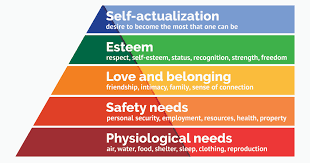
Image occlusion: name the hidden labels
90
Image occlusion: name the hidden labels
91
Image occlusion: name the hidden labels
92
Image occlusion: name the hidden labels
93
Image occlusion: name the hidden labels
94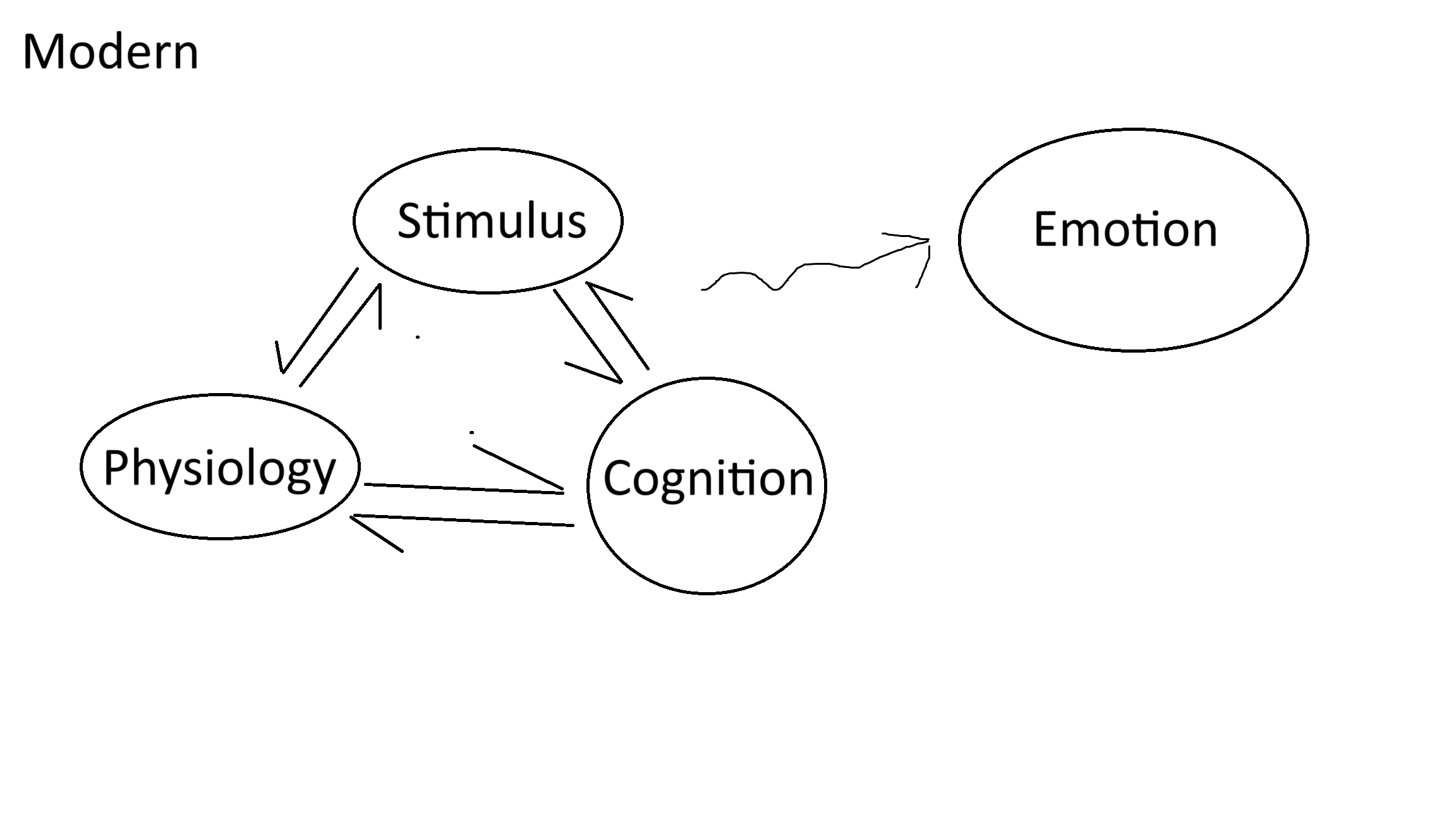
Image occlusion: name the hidden labels
95
Image occlusion: name the hidden labels
96
Image occlusion: name the hidden labels
97
Image occlusion: name the hidden labels
98
Image occlusion: name the hidden labels
99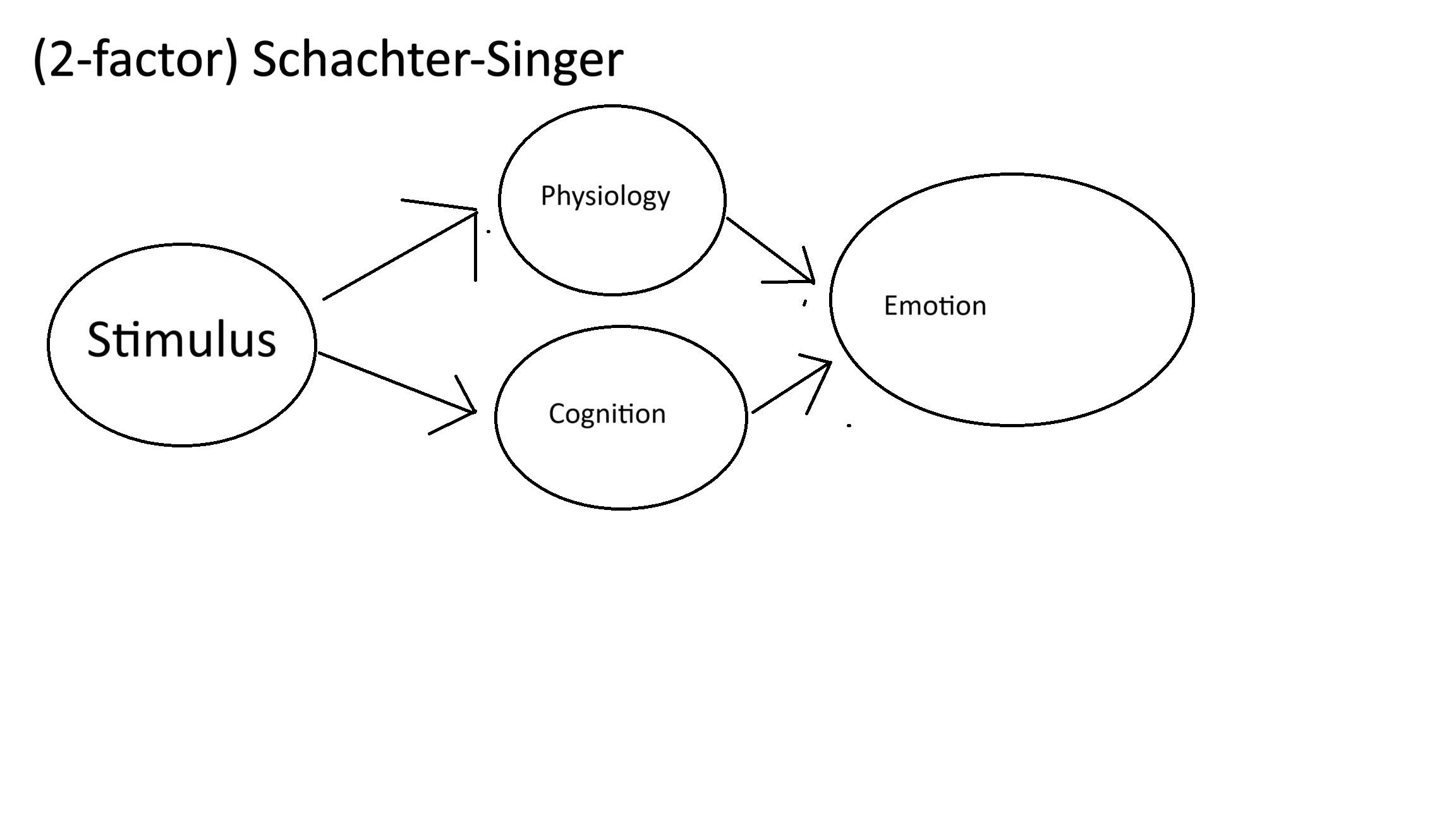
Image occlusion: name the hidden labels
100
Image occlusion: name the hidden labels
101
Image occlusion: name the hidden labels
102
Image occlusion: name the hidden labels
103
Image occlusion: name the hidden labels
104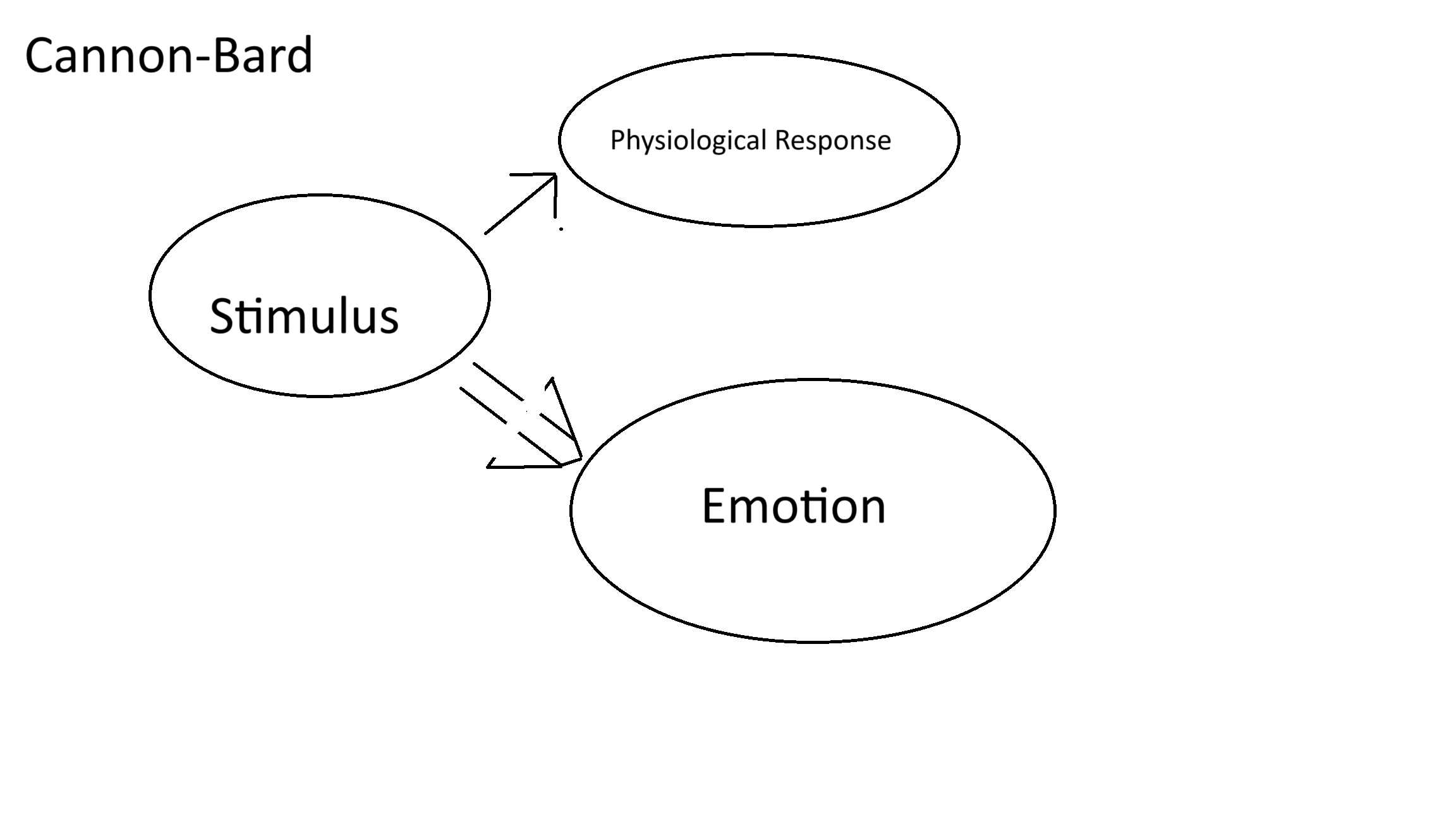
Image occlusion: name the hidden labels
105
Image occlusion: name the hidden labels
106
Image occlusion: name the hidden labels
107
Image occlusion: name the hidden labels
108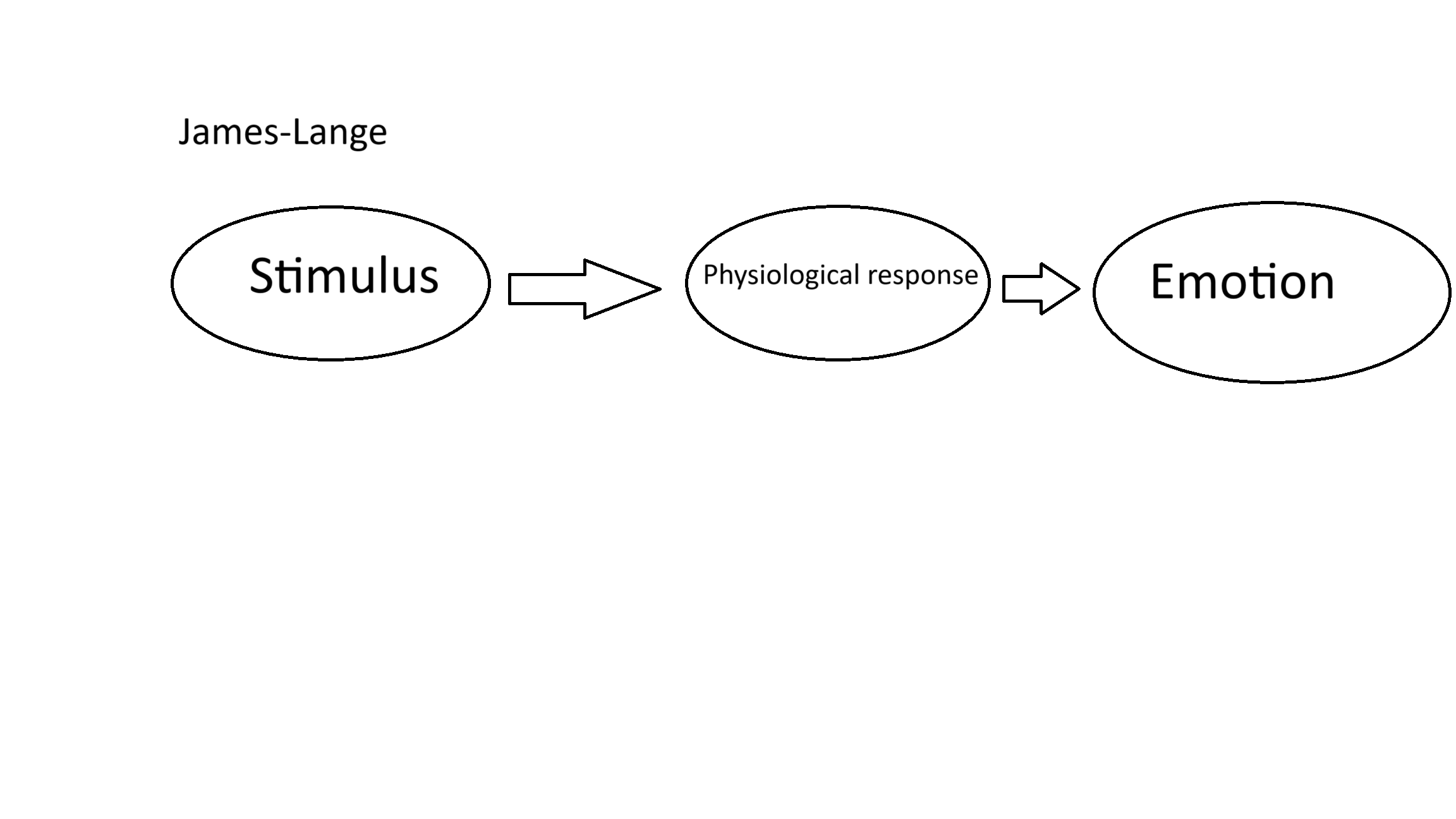
Image occlusion: name the hidden labels
109
Image occlusion: name the hidden labels
110
Image occlusion: name the hidden labels
111
Image occlusion: name the hidden labels
112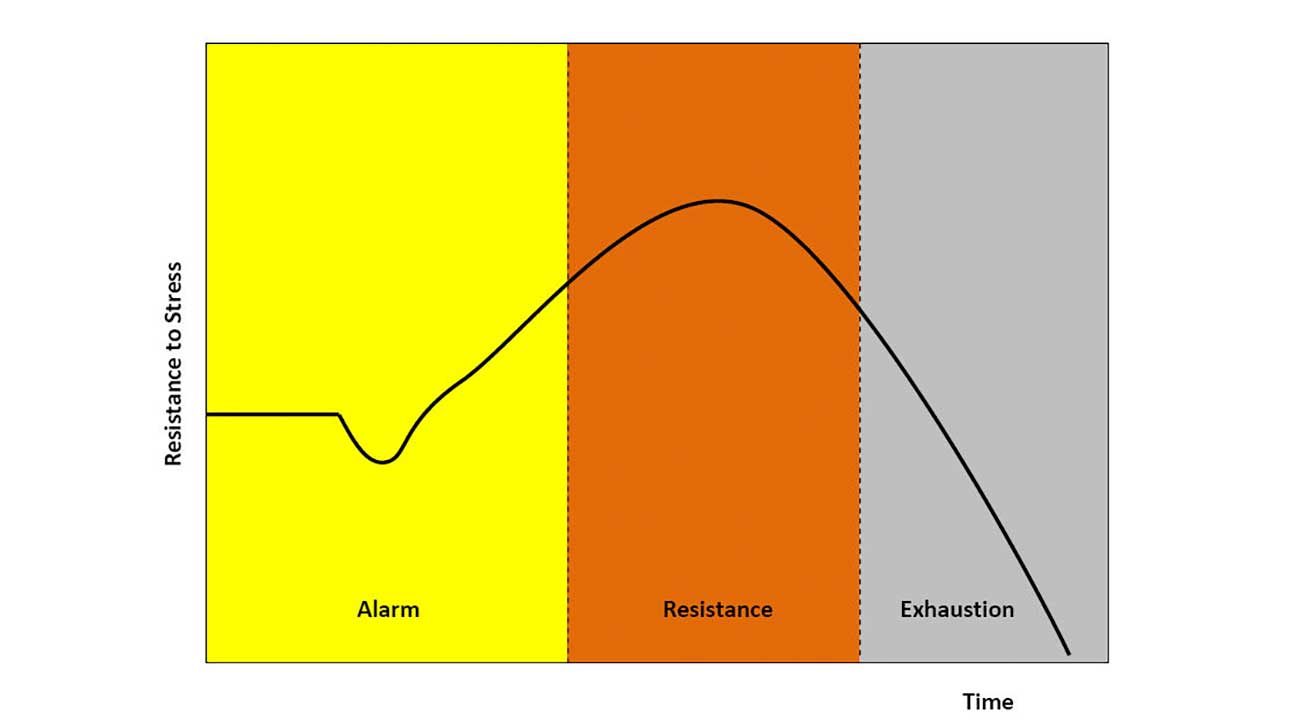
Image occlusion: name the hidden labels
113
Image occlusion: name the hidden labels
114
Image occlusion: name the hidden labels
115
Order of responses in General Adaptation Syndrome
1. Alarm
2. Resistance
3. Exhaustion
2. Resistance
3. Exhaustion
116
Three components of the psyche that influence behavior
id, ego, superego
117
id
pleasure principle
118
Ego
reality principle
119
Superego
Conscience
120
According to Freud's view of personality structure, the "executive" system, the ________ seeks to gratify the impulses of the ________ in more acceptable ways
- ego; id
- ego; superego
- id; superego
- id; ego
121
Freud proposed that the development of the "voice of our moral compass" is related to the _____, which internalizes ideals and provides standards for judgements.
Superego
122
According to the psychoanalytic view of development, we all pass through a series of psychosexual stages, including the oral, anal, and phallic stages. Conflicts unresolved at any of these stages may lead to
- Dormant sexual feelings
- Unconscious blocking of impulses
- A distorted gender identity
- Fixation at that stage
123
Freud believed that defense mechanisms are unconscious attempts to distort or disguise reality, all in an effort to reduce our _______.
Anxiety
124
Freud believed that we may block painful or unacceptable thoughts, wishes, feelings or memories from consciousness through an unconscious process called _________.
Repression
125
In general, neo-Freudians such as Adler and Horney accepted many of Freud's views but placed more emphasis than he did on
- the role of the id
- Social interactions
- Development throughout the life span.
- The collective unconscious
126
Modern-day psychodynamic theorists and therapists agree with Freud about
- The existence of unconscious mental processes
- The superego's role as the executive part of personality.
- The predictive value of Freudian theory
- The Oedipus complex
127
Which of the following is NOT part of the contemporary view of the unconscious?
- Instantly activated emotions and implciit memories of learned skills
- Stereotypes that influence our perceptions and interpreations
- Repressed memories of anxiety-provoking events
- Schemas that influence our preceptions and interpretations
128
Maslow's hierarchy of needs proposes that we must satisfy basic physiological and safety needs before we seek ultimate psychological needs, such as self-actualization. Maslow based his ideas on
- His experiences with patients
- A series of laboratory experiments
- Freudian Theory
- His study of healthy, creative people
129
The total acceptance Rogers advocated as part of a growth-promoting environment is called ___________ __________ __________.
unconditional positive regard
130
________ theories of personality focus on describing characteristic behavior patterns, such as agreeableness or extraversion.
Trait
131
The most widely used personality inventory is the
- Extraversion–Introversion Scale.
- Rorschach
- Person-Situation Inventory
- MMPI
132
Which of the following is NOT one of the Big Five personality factors?
- Anxiety
- Agreeableness
- Conscientiousness
- Extraversion
133
Our scores on personality tests best predict
- our behavior on a specific occasion
- behavior inolving a single trait, such as conscientiousness
- behavior that depends on the situation or context.
- our average behavior across many situations
134
The social-cognitive perspective proposes that our personality is shaped by a process called reciprocal determinism, as internal factors, environmental factors, and behaviors interact. An example of an environmental factor is
- the ability to read at a fourth-grade level
- a preference for outdoor play
- the presence of books in a home.
- the fear of violent action on television
135
Critics say that _____________-_____________ personality theories are very sensitive to an individual’s interactions with particular situations, but that they give too little attention to the person’s enduring traits.
social-cognitive
136
The tendency to overestimate others’ attention to and evaluation of our appearance, performance, and mistakes is called the _______ __________.
spotlight-effect
137
Researchers have found that low self-esteem tends to be linked with life problems. How should this link be interpreted?
- Life problems cause low self-esteem.
- Low self-esteem leads to life problems.
- The answer isn’t clear because the link is correlational and does not indicate cause and effect.
- Because of the self-serving bias, we must assume that external factors cause low self-esteem.
138
Individualist cultures tend to value ____________; collectivist cultures tend to value _________.
- interdependence; independence
- duty; fulfillment
- independence; interdependence
- solidarity; uniqueness