Nail-aahhh no good
Study these flashcardsFree · spaced repetition · iPhone, Android, Mac & web
First 300 of 397 cards
1
Keratinized Proximal Nail Fold (KPNF)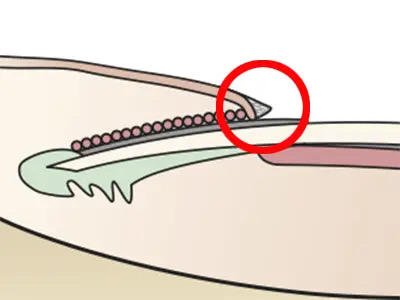
Area where the proximal nail fold meets the nail plate; keratinized (hardened) skin cells create a barrier against harmful bacteria and chemicals; living tissue that cannot be clipped.
2
Onyx
Technical term for the nail.
3
Lunula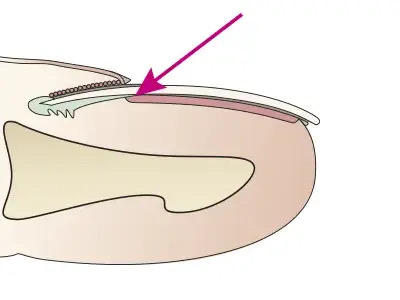
Front portion of the nail matrix that creates a half-moon shape at the base of the nail plate; appears lighter in color when visible.
4
Nail Bed Epithelium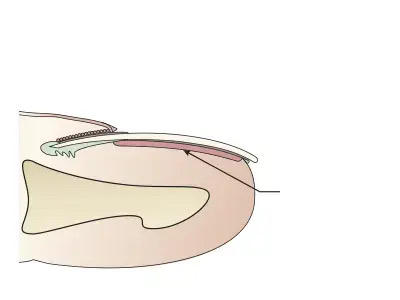
Specialized tissue that adheres to the nail plate through interlocking grooves; grooves allow the nail plate to glide along the epithelium during nail growth, while keeping the nail plate securely in place.
5
Eponychium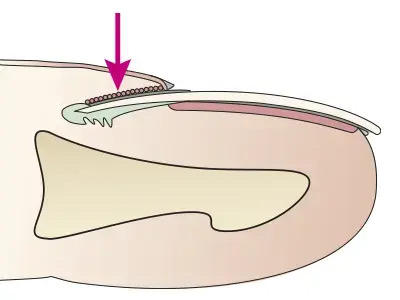
The live tissue at the underside portion of the proximal nail fold (PNF) covering the new growth of the nail plate; houses specialized stem cells that create the cuticle.
6
Nail Matrix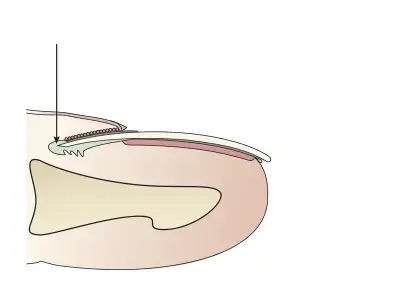
Structure that creates nail cells that harden and flatten as they move outward to form the nail plate; located below the proximal nail fold (PNF) where growth originates.
7
Distal Phalanx/Phalange
The fingertip or toe tip bone that gives structure to the finger or toe; helps give shape to the nail matrix.
8
Nail bed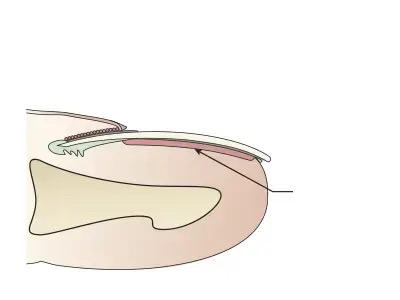
Area where the nail plate rests; nerves and blood vessels found here supply nourishment to the nail.
9
Sidewalls (perionychium)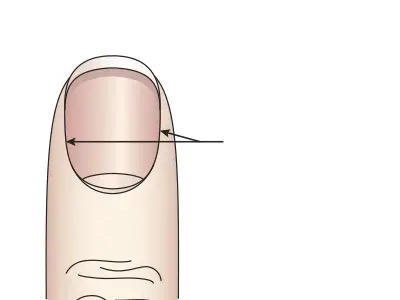
Folds of skin on either side of the nail plate. Also, the area of a nail enhancement that is closest to the nail groove.
10
Onychology
Study of the structure and growth of the nails.
11
The area underneath the free edge that creates a seal to prevent bacteria from entering the nail bed.
Hyponychium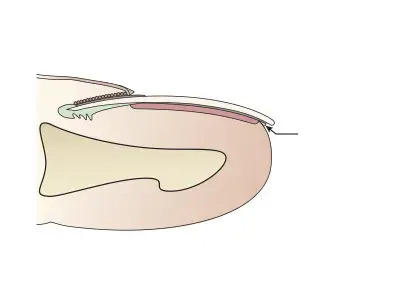
The area underneath the free edge that creates a seal to prevent bacteria from entering the nail bed.
12
The fold of skin at the base above the nail plate; extends from the first joint of the finger to the visible nail plate, back under the skin, to the nail matrix.
Proximal Nail Fold (PNF)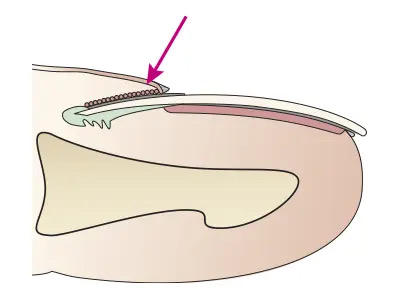
The fold of skin at the base above the nail plate; extends from the first joint of the finger to the visible nail plate, back under the skin, to the nail matrix.
13
Distal Phalanx/Phalange
The fingertip or toe tip bone that gives structure to the finger or toe; helps give shape to the nail matrix.
14
Onychatrophia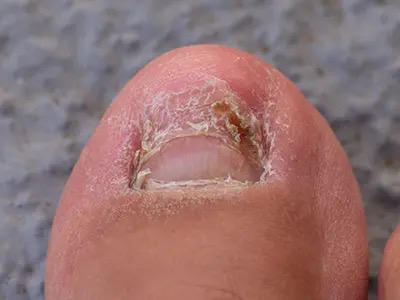
Atrophy or wasting away of the nail.
15
Nail Psoriasis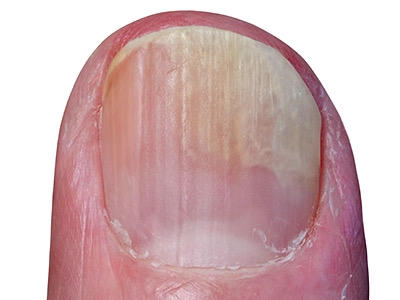
Shallow or deep holes in the nail called pitting; alterations in the normal shape of the nail.
16
Felon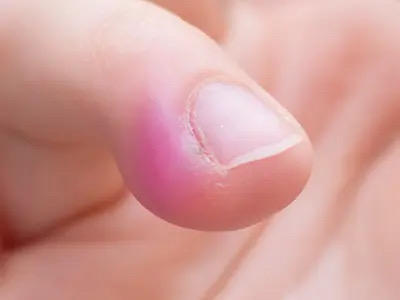
Painful inflammation on the fingertip; resembles a blister.
17
Melanonychia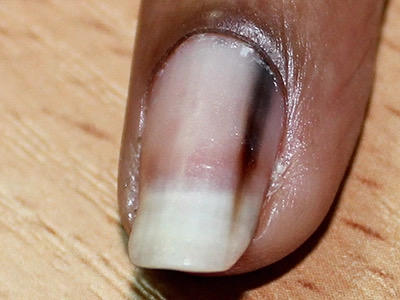
A brown or black darkening of the nail; often appears as a darkened stripe running the length of the nail plate.
18
Furrow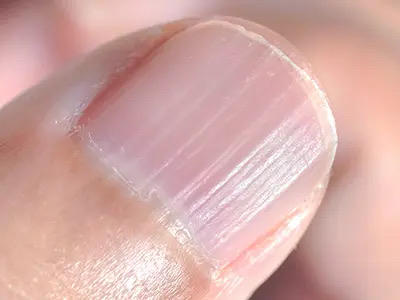
Vertical depressions down the nail plate.
19
Myxoid Cyst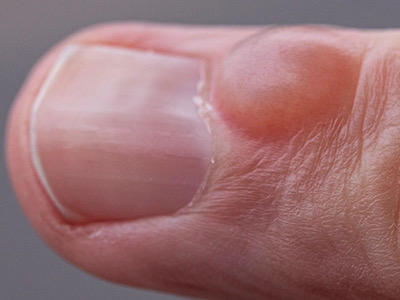
Infection in the proximal nail fold (PNF) when the skin is broken and bacteria get in; small, fluid-filled sacs develop on the finger, usually close to the nearest finger joint.
20
Etiology
The study of the cause of a disease, disorder or condition.
21
Pyogenic Granuloma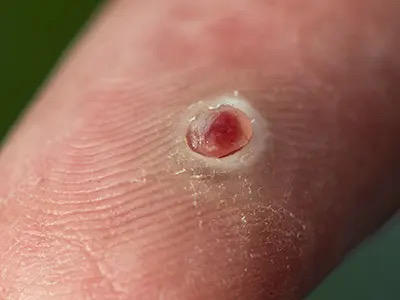
A lesion that can form on the hand/foot or on the nail bed.
22
Koilonychia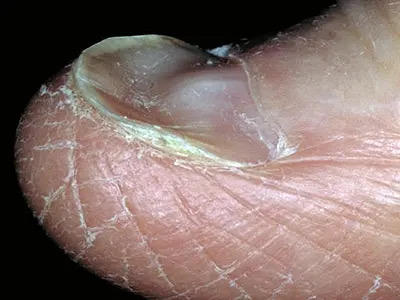
Nails with a concave shape; caused by systemic or long-term illness or nerve disturbance; also called spoon nails.
23
Onychia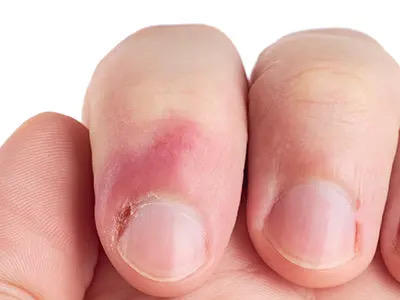
General term for inflammation of the proximal nail fold (PNF) or lateral nail folds (sidewalls).
24
Onychomycosis (Tinea unguium)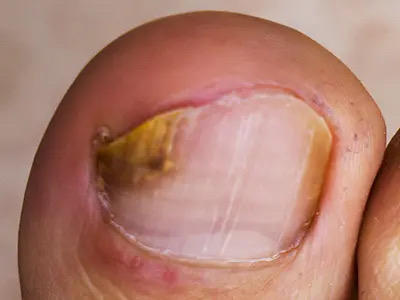
Also known as ringworm of the nail; fungal infection of the fingernail or toenail; contagious
25
Beau’s lines (Horizontal Grooves)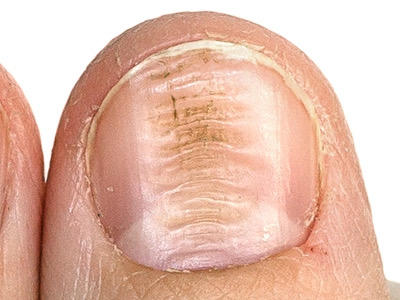
Horizontal depressions across the width of the nail.
26
Onychauxis (Hypertrophy)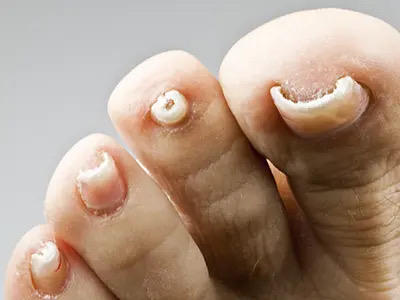
Thickening of the nail plate or an abnormal outgrowth of the nail.
27
Onychomadesis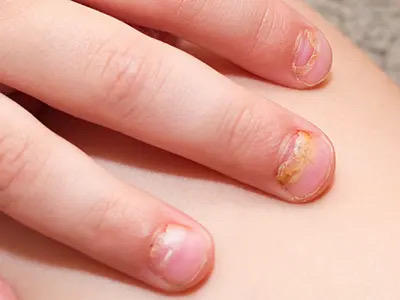
Shedding or loss of the nail plate with separation occurring at the nail matrix
28
Paronychia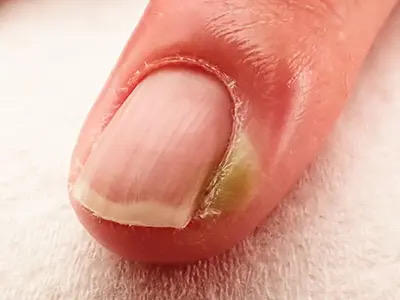
Also known as whitlow; inflammation of the skin around the nail.
29
Hapalonychia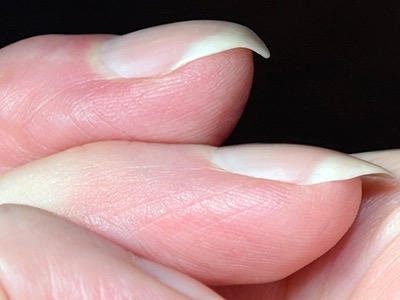
Also called eggshell nails; very thin, soft nails that sometimes curve over the free edge.
30
Onychoschizia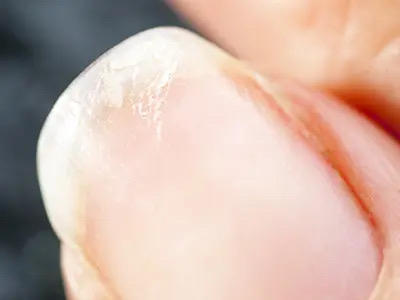
Also known as lamellar dystrophy or delamination; splitting or peeling of the nail plate typically at the free edge.
31
Leukonychia
White spots caused by injury to the nail, heredity, systemic disorders or nutritional deficiency.
32
Onychophagy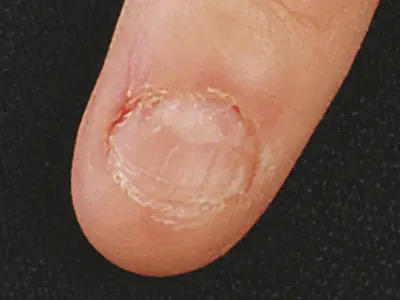
Bitten nails.
33
Discolored Nails
Nails appear bluish, yellow or any variety of colors; can be caused by product staining, systemic or poor circulation.
34
Splinter Hemorrhage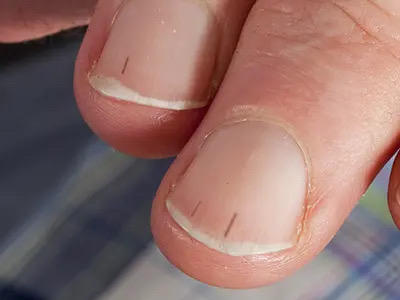
Red-brown vertical line under the nail plate resembling a wood splinter.
35
Pterygium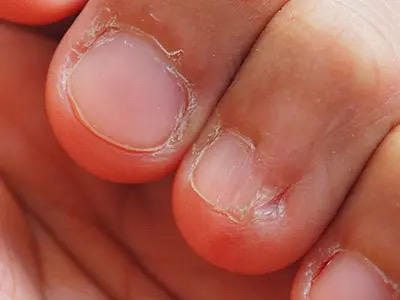
Living skin attached to nail plate either at the eponychium (dorsal pterygium) or hyponychium (inverse pterygium).
36
Plicatured Nails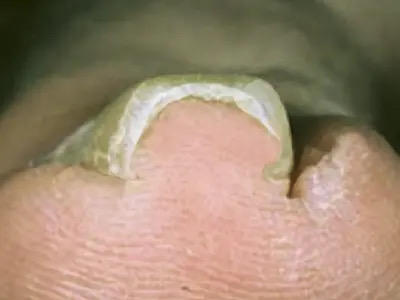
Also called folded nails; sides of the folded nail cut into the soft tissue; nail is flat on top, but one or both sidewalls angle sharply into the soft tissue.
37
Onychocryptosis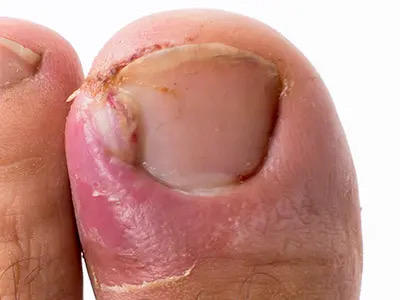
Ingrown nails; causes include environmental or poor nail trimming practices; can become infected.
38
Onychorrhexis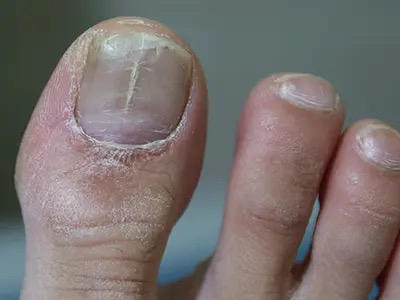
Split or brittle nails.
39
Fan Nails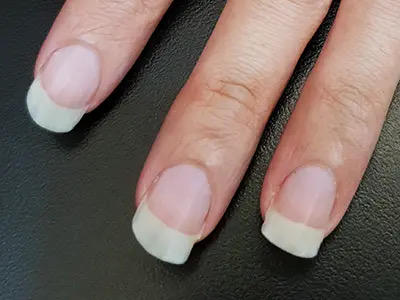
Nail condition where the free edge grows out wider than the nail base.
40
Agnails (Hangnails)
Split (s) in proximal nail fold (PNF) or lateral nail fold (sidewall).
41
Bruised Nail
Nail condition identified by dark, purplish discoloration under the nail; caused by trauma to nail or blood trapped underneath.
42
Onychogryphosis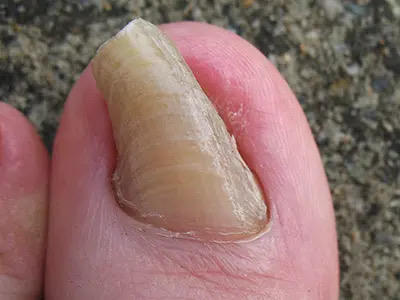
Represents an increased curvature of the nails; also called “claw nails.”
43
Onycholysis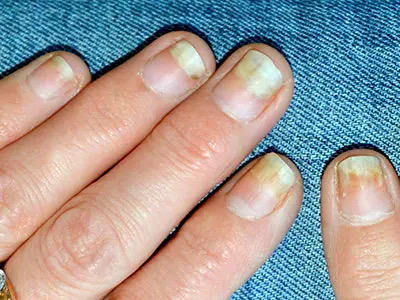
Refers to a loosening or separation of the nail.
44
Pincer Nails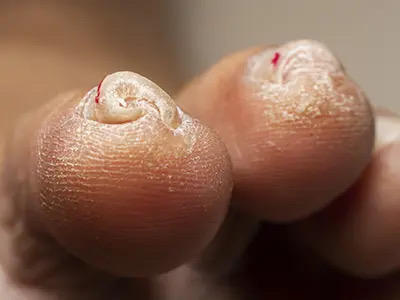
Also called trumpet nails; extreme C-curvature of the nail.
45
Pitted Nails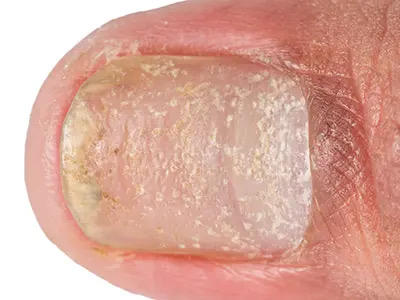
Small pits or dents on the surface of the nail.
46
Wheals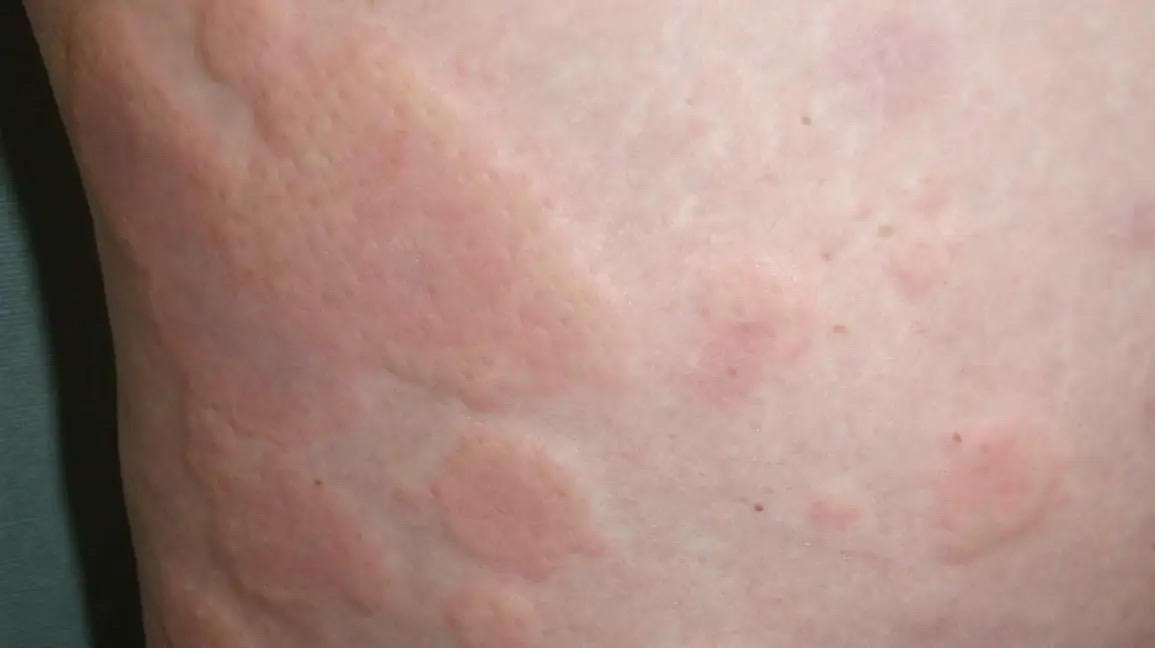
A solid formation above the skin, often caused by an insect bite or allergic reaction; hives, also called urticaria, are an example of wheal lesions.
47
Occupational Disorder
Health condition created or influenced by the work environment.
48
Lentigo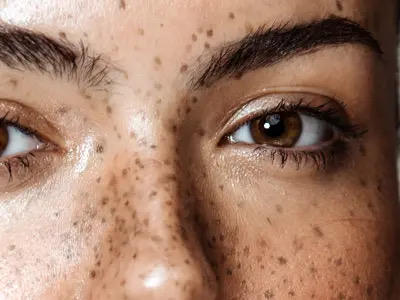
A type of macule that appears larger and darker than a freckle; example of a macule, multiplies due to sun exposure.
49
Cyst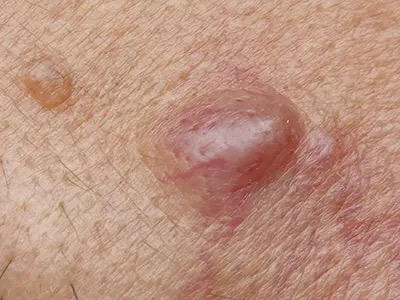
Abnormal membranous sac containing a gaseous, liquid or semi-solid substance.
50
Primary Skin Lesion
Changes in the structure of the skin during the early stages of change and development.
51
Inflammation
An objective symptom characterized by redness, pain, swelling and/or increased temperature.
52
Allergen
A substance or ingredient that causes an abnormal response by your body’s immune system
53
Seasonal Disease
Disease influenced by the weather.
54
Chronic
Condition that is frequent and habitual; constantly reoccurring and long-lasting.
55
Subjective Symptoms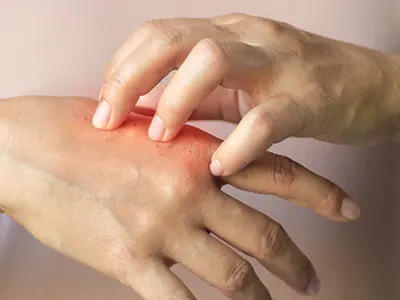
Sign of a disorder or disease that is felt but not necessarily visible; for example, itching and burning.
56
Macules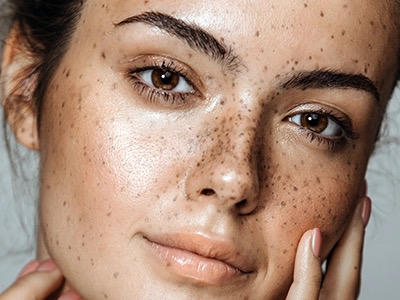
Flat discoloration appearing on the skin’s surface; light brown or red in color; freckles and lentigo are examples of macules.
57
Objective Symptoms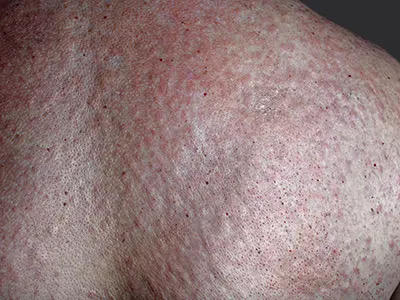
Symptom that can be seen by the individual and observers; examples are pimples, rashes and inflammation
58
Keratosis
The build-up of skin cells on the epidermis.
59
Bulla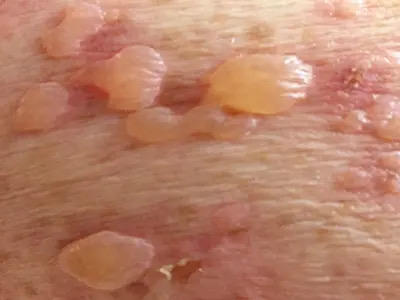
Larger vesicle that contains a clear, watery fluid; a friction blister and second-degree burn are examples of a bulla.
60
Tumors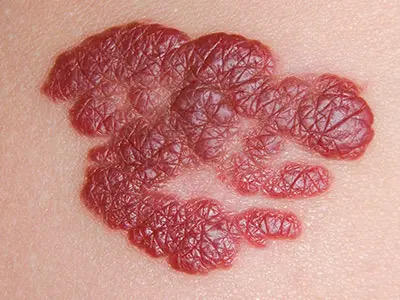
Solid masses in the skin; may be soft or hard; may be fixed or freely movable; generally have a rounded shape; a nodule is a small tumor.
61
Acute
Refers to conditions that are brief and severe.
62
Papules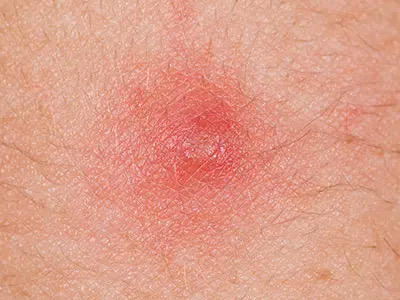
Hardened red elevations of the skin in which no fluid is present; a pimple is an example of a papule.
63
Pustules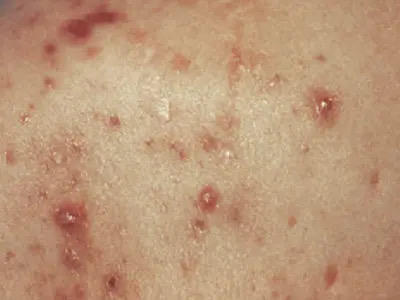
Small elevations of skin similar to vesicles in size and shape but containing pus; a pimple with pus is an example of a pustule.
64
Melanoderma
Hyperpigmentation caused by overactivity of the melanocytes in the epidermis; e.g. chloasma, nevus, birthmark and port-wine stain.
65
Chloasma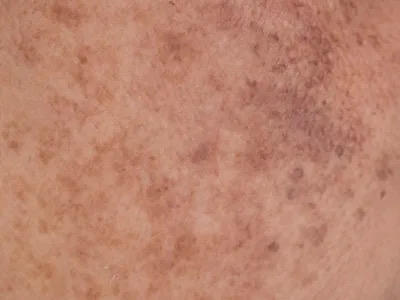
Also known as melasma; pigment abnormality that appears as dark, brownish patches occurring in one place; commonly called the “mask of pregnancy.”
66
Hypertrophy
A skin classification that identifies common skin conditions that involve an overgrowth or excess of skin (new growth)
67
Vesicles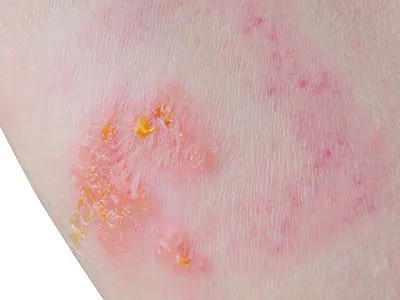
Fluid-filled elevations in the skin caused by localized accumulation of fluids or blood just below the epidermis
68
Ulcers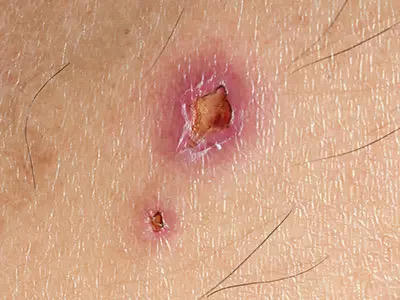
Open lesions visible on the skin surface that may result in the loss of portions of the dermal layer and be accompanied by pus
69
Callus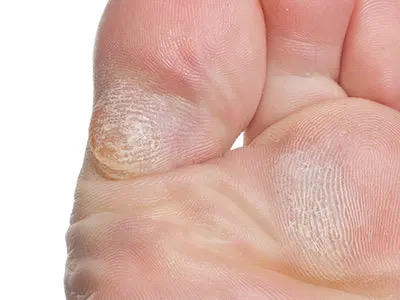
Rough, hardened patch of skin usually found on the palms of the hands or soles of the feet; example of a hyperkeratosis or keratoma.
70
Scars
Formations resulting from a lesion, which extend into the dermal layer or deeper, as part of the normal healing process; keloids are thick scars.
71
Albinism
Congenital failure of the skin to produce melanin pigment.
72
Birthmark
May look like a stain on the body and is generally a flat, reddish-purple mark; caused by dilation of the small blood vessels in the skin.
73
Nevus
Flat or raised pigment abnormality that can be present at birth or appear later in life, e.g. a mole or birthmark.
74
Secondary Skin Lesion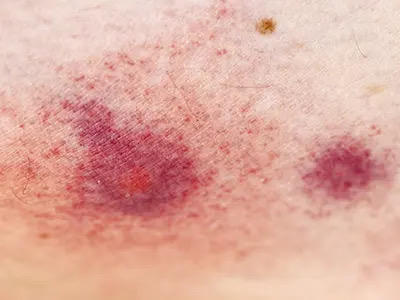
Appears as a disease progresses into the later stages of development.
75
Fissures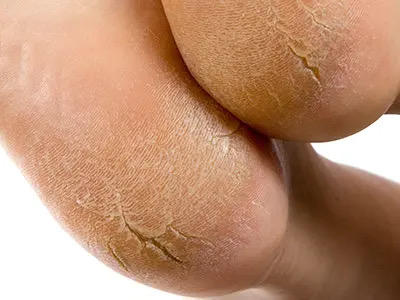
Cracks in the skin; often occur when skin loses its flexibility due to exposure to wind, cold, water, etc.; e.g. chapped lips.
76
Port-Wine Stain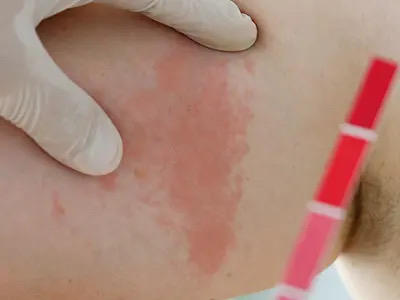
A patch of flat, red skin discoloration; color changes with age to a darker red or purple and can thicken, forming small lumps.
77
Hyperpigmentation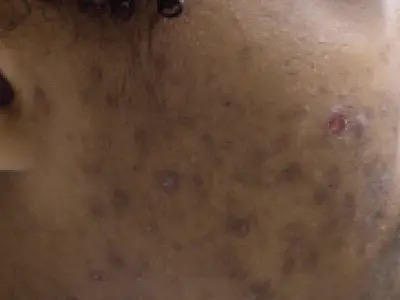
Overactivity of the melanocytes in the epidermis; occurs as a result of external factors such as overexposure to UV rays, acne, injuries to the skin or hormones.
78
Excoriation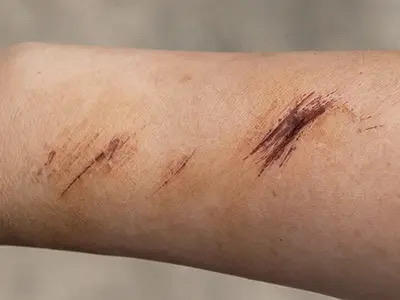
Mechanical abrasions or injuries to the epidermis, e.g., scratches to the surface of the skin.
79
Skin Tags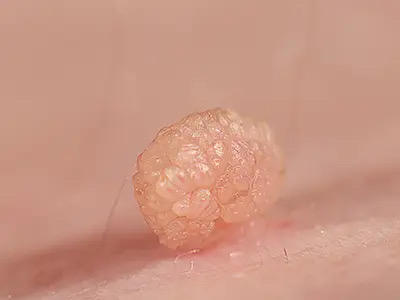
Small elevated growths of skin.
80
Mole
A small, skin-colored or brown-pigmented spot that may be raised and is symmetrical.
81
Scales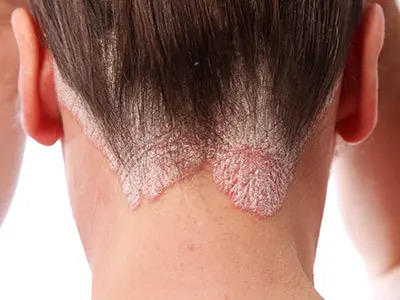
Shedding dead cells of the uppermost layer of the epidermis.
82
Hyperkeratosis
Keratoma; thickening of the epidermis to protect the hands and feet from friction or pressure; causes the skin to develop corns or calluses.
83
Crusts
Dried masses that are the remains of an oozing sore; the scab on a sore is an example of a crust.
84
Hypopigmentation
A condition in which the skin lacks pigmentation due to a decrease in melanocyte activity.
85
Squamous Cell Carcinoma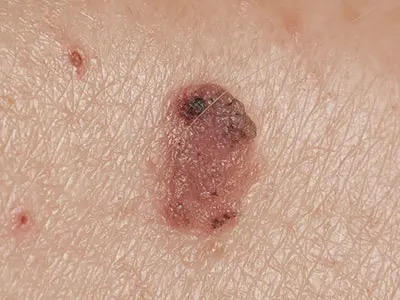
Common skin cancer; appears as irregular, crusted, red papule; occurs in sun-exposed areas.
86
Tinea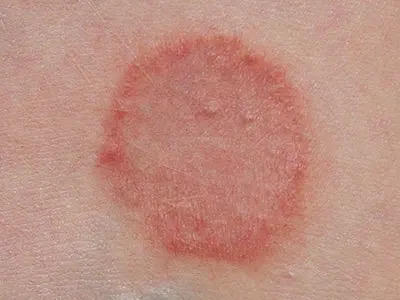
The medical term for ringworm; contagious fungal disease characterized by a red circular patch of blisters caused by a fungal vegetable parasite.
87
Tinea Pedis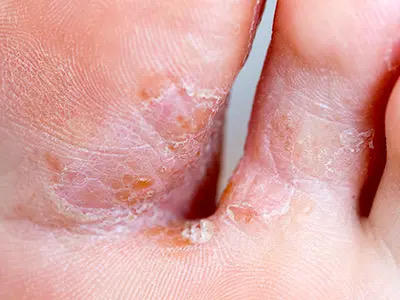
Athlete’s foot or ringworm of the feet.
88
Cellulitis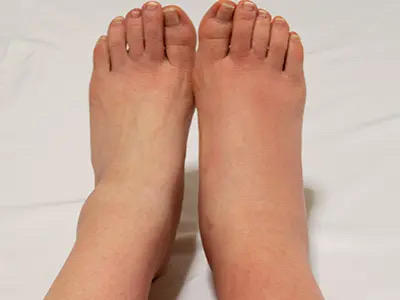
Bacterial infection of the dermis and subcutaneous tissue; may first appear as a red, swollen area; feels hot and tender to the touch.
89
Anhidrosis
The inability to sweat normally; overexposure to the sun or a high fever due to illness can lead to serious illness or heat stroke.
90
Tinea Manus/Manuum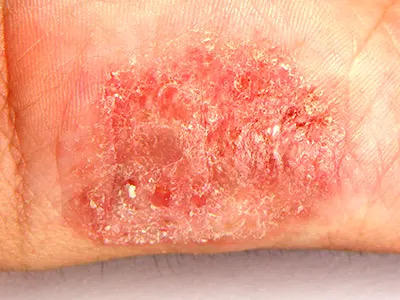
Ringworm of the hand.
91
Dermatitis
Refers to a group of inflammatory conditions within the skin; can include atopic dermatitis, contact dermatitis, psoriasis and eczema.
92
Miliaria Rubra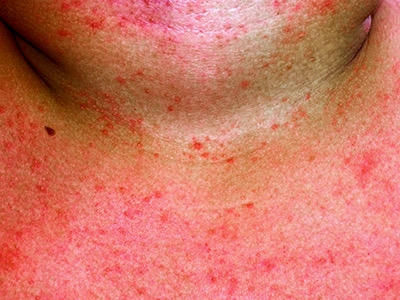
Prickly heat; an acute eruption of small red vesicles with burning and itching of the skin caused by excessive heat.
93
Hyperhidrosis
Overproduction of perspiration caused by excessive heat or general body weakness; requires medical attention.
94
Psoriasis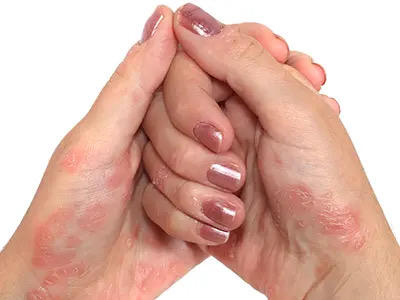
Round, dry patches of skin, covered with rough, silvery scales surrounded by red inflammation; condition is chronic and not contagious; refer client to a physician.
95
Melanoma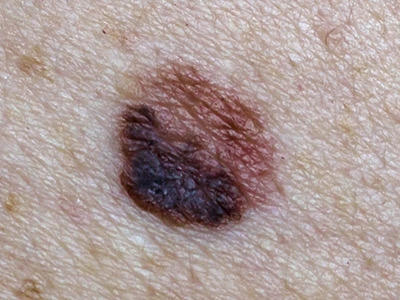
A malignant lesion and dangerous skin growth; evolves from flat or raised pigmented lesions anywhere on the body; untreated growths will change in color, size and shape and become malignant over time.
96
Eczema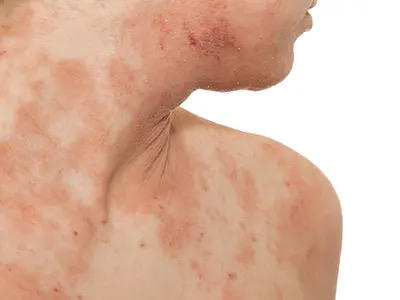
Inflammatory skin condition with an eruption of small vesicles and watery discharge; can be dry or moist; not contagious but requires medical attention.
97
Basal Cell Carcinoma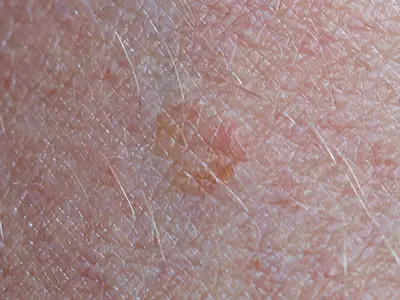
Common malignant lesions that tend to appear translucent, have irregular borders and tiny blood vessels running through them. They can occur anywhere on the body, but typically in sun-exposed areas, such as around the nose and eyes.
98
Atopic Dermatitis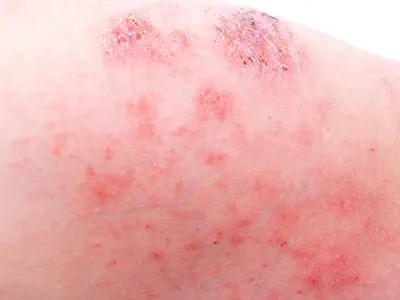
An inflammation of the skin; refers to the tendency for allergic reactions; often inherited.
99
Bromhidrosis
Medical condition sometimes called osmidrosis; characterized by an unpleasant odor from the skin (body odor).
100
Verruca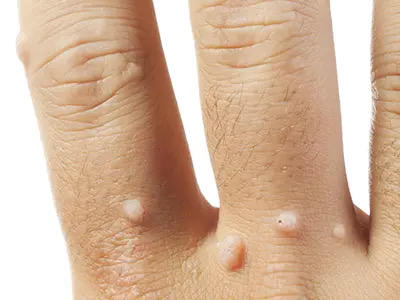
A variety of warts caused by a virus; can be contagious and can spread all over the body.
101
Leukoderma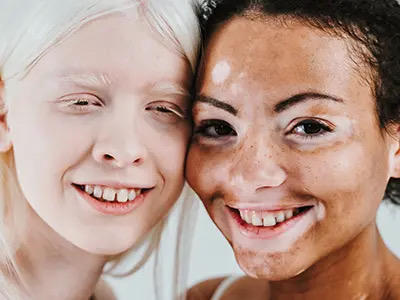
Describes hypopigmentation (lack of pigmentation) of the skin caused by a decrease in activity of melanocytes.
102
Vitiligo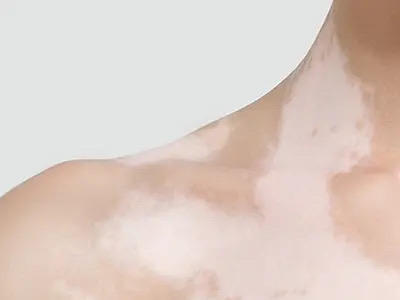
Characterized by oval or irregular patches of white skin that do not have normal pigment.
103
Curing Process
Chemical reaction to create a hard or solid surface of the light-cured gel polish or nail enhancement.
104
Chemical Exfoliation
The process of using natural substances, such as enzymes or hydroxy acids, in conjunction with other ingredients to cause a chemical reaction to remove dead skin cells.
105
Reflexologist
Professionals who practice reflexology.
106
Scrub
Manual exfoliant with a slightly rough or grainy texture to remove dead skin cells and produce soft, smooth, healthy skin.
107
Reflexology
Technique that uses pressure on specific points of the feet, hands and sometimes the ears to influence certain body conditions.
108
Hot Stone Treatment
Treatment performed during a massage to help relax and ease tense muscles.
109
Nail Shapes
Basic nail shapes include square, squoval, oval, round and pointed.
110
Paraffin Wax
Type of wax frequently used in hand and foot services.
111
Hot Oil Manicure
Treatment for dry skin to replenish oils, hydrate the skin and improve nail condition.
112
Manual Exfoliation
The physical process of removing dead skin cells with a granular or abrasive product, such as a scrub.
113
Exfoliate/Exfoliation
A manual or chemical process used to remove the outer layer of epidermal cells, revealing newer skin beneath.
114
Reflexologist
Professionals who practice reflexology.
115
Massage Cream/Oil or Massage Medium
Product used to soften the skin and reduce friction, providing “slip” to the skin during massage.
116
Ridge Filler
Thin, opaque liquid used to create a smoother surface for nail polish application on an uneven nail texture.
117
Nail Bleach/Nail Whitener
Lightening product applied to the nails to remove stains and discoloration on the nail plate.
118
Base Coat
Colorless polish that evens out the nail plate, holds nail color to the nail, and prevents pigments from penetrating and staining the nail plate.
119
Nail Preparation Product
Removes moisture, oil, dust and debris from nail plate; helps polish/coatings and nail enhancements adhere to the nail plate; dehydrates and cleanses nail plate.
120
Backfill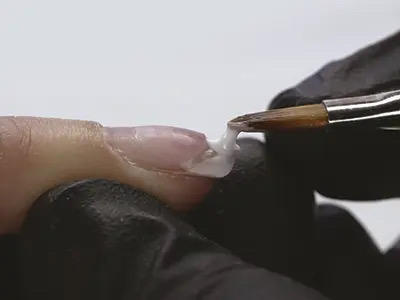
Nail enhancement maintenance service for a French look; rebalances enhancements and repositions the free edge color back to the natural smile line.
121
Overlay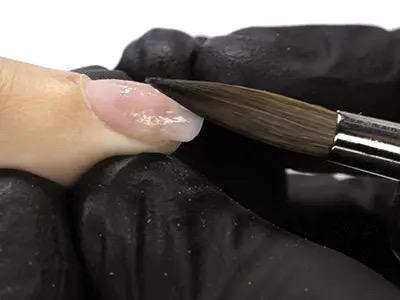
Nail enhancement application method; product is applied over the natural nail.
122
Rebalance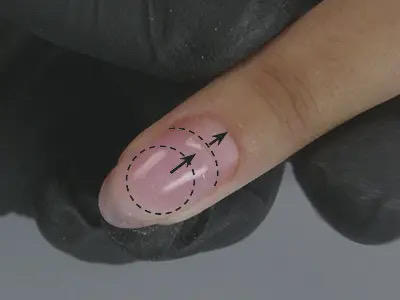
Nail enhancement maintenance service; an infill in addition to repositioning the thickest part of the nail to where it is naturally located.
123
Infill
Nail enhancement maintenance service; reapplication of overlay system to the natural nail outgrowth followed by balancing and finishing procedures.
124
Nail Repair
Standalone service or part of the maintenance service that addresses broken nails and service breakdown.
125
Nail Enhancements
Products and techniques used to improve the appearance of natural nails; example systems are nail wraps, light-cured gels, liquid and powder (L&P) and dip powder nails.
126
Nail Wrap System
Nail enhancement created by applying fabric over the nail plate or nails with tips, reinforced with resin (thick adhesive) then hardened with a catalyst.
127
Nonporous
Material that has no pores and does not allow liquids to be absorbed or pass through (e.g. glass, metal and plastic).
128
Antiseptic
A product applied to the skin to reduce pathogens; sometimes referred to as waterless sanitizers or hand sanitizers.
129
Multi-Use Items
Reusable; refers to nonporous items such as tweezers, cuticle nippers, nail clippers or metal pushers that can be disinfected.
130
Hazard Communication Standard (HCS)
Standard created as a result of the Occupational Safety and Health Act; requires that employees be informed of the dangers of materials used in the workplace and exposure they might have to toxic substances.
131
Infection Control
The efforts taken to prevent the spread of communicable disease.
132
Contact Time
Amount of time a disinfecting product needs to be in direct contact with the item to be disinfected.
133
Sterilization
Infection control method that destroys all microbial life, including spores, which neither cleaning or disinfection can kill.
134
Sterilization
Infection control method that destroys all microbial life, including spores, which neither cleaning or disinfection can kill.
135
Porous
Material with pores that allows liquid or air to pass through; examples are paper, cardboard, cloth, leather and natural stones such as pumice and river rock.
136
Disinfectants
Chemical products used to destroy or kill certain pathogens (bacteria, viruses and fungi) on nonporous surfaces; does not kill bacterial spores.
137
Communicable Disease
Contagious infection that can be spread from one person to another via direct contact.
138
Cleaning
The removal of surface or visible debris and potential pathogens using soap, detergent or chemical cleaner; cleaning is done before disinfection procedures.
139
Canadian Centre for Occupational Health and Safety (CCOHS)
Canadian equivalent of OSHA.
140
Single-Use Items
Disposable; refers to porous items that cannot be properly disinfected and are discarded after each use such as files, orangewood sticks, gloves, spatulas, wipes and cotton swabs.
141
Americans with Disabilities Act
The Americans with Disabilities Act of 1990, or ADA, is a civil rights law that prohibits discrimination based on disability.
142
Disinfection
Infection control method that kills certain pathogens (bacteria, viruses and fungi) on nonporous surfaces, tools and multi-use supplies; does not kill bacterial spores.
143
Immersion
Entire tool is covered by liquid disinfectant.
144
EPA Registration Number
Given to a disinfectant product, along with the approval of the efficacy claims on the label stating what the product will destroy or be effective against.
145
Accelerated Hydrogen Peroxide
A disinfectant category based on stabilized hydrogen peroxide; nontoxic to the skin; available in spray, concentrates and wipes.
146
Aseptic Procedure
Proper handling of disinfected/sterile tools and equipment to minimize contamination from pathogens.
147
Efficacy Label
Informs product user of what the product is effective in fighting against.
148
Bactericidal
A type of disinfectant designed to kill harmful bacteria.
149
Bloodborne Pathogens Standards
OSHA regulations requiring the use of an approved EPA-registered bactericidal, virucidal and fungicidal disinfectant labeled as effective against HBV and HIV when nonporous tools and multi-use supplies come into contact with blood or body fluids.
150
Occupational Safety and Health Administration (OSHA)
The regulating agency under the Department of Labor that enforces safety and health standards in the workplace.
151
Efficacy
The ability to produce results or effectiveness of products used for infection control.
152
EPA (Environmental Protection Agency)
Approves the efficacy of products used for infection control.
153
Autoclave
A pressurized, steam-heated vessel that sterilizes objects with high pressure and heat, or pressurized steam, preventing micro-organisms from surviving.
154
Virucidal
Disinfectant designed to kill viruses.
155
Safety Data Sheets (SDS)
An information sheet designed to provide the key data on a specific product regarding ingredients, associated hazards, combustion levels and storage requirements; formerly known as Material Safety Data Sheet (MSDS).
156
Bloodborne Pathogens
Potentially infectious micro-organisms in human blood that can cause disease in humans; include, but are not limited to, hepatitis B (HBV), hepatitis C (HCV) and Human Immunodeficiency Virus (HIV).
157
EPA-Registered Disinfectant
Refers to chemical products assigned by the EPA as being effective on nonporous surfaces to control the spread of disease; assigned to the EPA’s general category and called broad spectrum; are bactericidal, virucidal and fungicidal.
158
Fungicidal Disinfectant
Disinfectant effective against fungi.
159
Dust Capture System
Acts as a vacuum by pulling dust downward and inside the system to help minimize exposure to dust particles when filing or buffing nails and nail enhancements.
160
Chemical Burn
A contra-action that can occur when a chemical product comes in contact with the skin.
161
Overexposure
Occurs when a safe level of chemical exposure is exceeded; can happen through the inhalation, absorption and ingestion of chemicals.
162
National Institute for Occupational Health and Safety (NIOSH)
A research agency focused on the study of worker safety and health.
163
Allergic Contact Dermatitis (ACD)
Type of contact dermatitis where the repeated exposure to products or chemicals causes the person exposed to develop an allergy.
164
Irritant Contact Dermatitis (ICD)
Inflammatory disorder caused by contact with an irritating chemical or substance.
165
Contact Dermatitis
Inflamed, red, itchy, irritated skin due to an exposure to an irritant or allergen.
166
Ventilated Manicure Table
Provides local exhaust ventilation close to the work area when performing nail services.
167
Contra-Action
An adverse reaction that may occur as a result of a service and/or products used; can occur during or immediately after the service.
168
Human Papillomavirus (HPV)
Common viral infection that can lead to health problems such as genital warts, plantar warts, cervical changes and cervical cancer.
169
General Infection
Also called systemic infection; occurs when the circulatory system carries bacteria and their toxins to all parts of the body.
170
Bacterial Infection
Bacteria cause infections by invading the body through a break in the skin or through any of the body’s natural openings (nose, mouth, eyes, ears or genitals).
171
Hepatitis A Virus (HAV)
Highly contagious virus transmitted by person-to-person contact or consumption of contaminated water.
172
Centers for Disease Control and Prevention (CDC)
U.S. federal government agency whose mission is to protect public health by preventing and controlling disease, injury and disability.
173
Human Immunodeficiency Virus (HIV)
Virus that interferes with the body’s natural immune system and causes it to break down; can lead to Acquired Immunodeficiency Syndrome (AIDS)
174
Antibodies
Produced by the immune system to destroy, kill or inactivate pathogens.
175
Mycobacterium
Large group of contagious bacteria often found in soil and water; can clump together to form a biofilm.
176
Local Infection
Located in a small, confined area; often indicated by a pus-filled boil, pimple or inflamed area.
177
Antitoxins
Special group or type of antibodies which render a toxic substance harmless.
178
Bacteria
Sometimes called germs; one-celled micro-organisms that are either disease-producing or non-disease producing.
179
MRSA (Methicillin-Resistant Staphylococcus Aureus)
Highly contagious bacterium that enters the skin through open wounds and can cause extremely serious staph infections.
180
Pathogenic Bacteria
Disease-producing bacteria; harmful because they cause infection and disease; some produce toxins.
181
Herpes Simplex Virus 1, 2 (HSV-1) (HSV-2)
Contagious, chronic condition characterized by a single vesicle or a group of vesicles on a red, swollen base; presents in the form of cold sores on the face (HSV-1) or the genital region (HSV-2).
182
Contraindication
Pre-existing reason that may prevent or restrict a service; may present as a medical condition, medications used or visual signs.
183
Hepatitis B Virus (HBV)
Bloodborne pathogen transmitted from person to person through blood or body fluids that cause highly infectious diseases affecting the liver.
184
Virus
Sub-microscopic particle that causes familiar diseases like the common cold and other respiratory and gastrointestinal infections, chicken pox, mumps, measles, smallpox, yellow fever, rabies, HIV (AIDS), hepatitis and polio.
185
Infection
Occurs when disease-causing (pathogenic) bacteria or viruses enter the body and multiply to the point of interfering with the body’s normal state.
186
Micro-Organism
Organism of microscopic size; may exist as a one-celled form or a colony of cells.
187
Nonpathogenic Bacteria
Non-disease-producing bacteria; they are harmless and can be very beneficial.
188
Biofilm
Type of highly organized bacterial plaque (sticky slime) that is created when a bacterial colony and water are present.
189
Pathogens
Also called germs; micro-organisms that cause disease.
190
Direct Transmission
Spread of infectious disease that occurs when an infected person exchanges pathogens through direct contact with another person.
191
Immunity
The ability of the body to destroy infectious agents that enter the body.
192
Head Lice
Also known as pediculosis capitis; parasitic insects transmitted directly from one person to another, or by contact with items that have come in contact with an infested person (towels, headbands, brushes, etc.).
193
Contamination
The action of making an object or substance unclean or impure.
194
Noninfectious
Diseases that are not transmitted from one person to another, such as diabetes and asthma.
195
Chemical Reaction
Occurs when the substances of two or more molecules interact and undergo a chemical change.
196
PPE (Personal Protective Equipment)
Equipment such as single-use gloves, apron, face mask and/or safety glasses.
197
External Parasites
Organisms that live on or obtain their nutrients from another organism called a host.
198
Contagious Infection (Disease)
Infection or disease transmitted from one person to another, usually through direct contact or through the air; also known as an infectious or communicable disease.
199
Asymptomatic Carrier
A person or thing that can carry disease-producing bacteria or viruses without recognizable symptoms.
200
Decontamination
The removal of dirt, oil and/or pathogens from an object.
201
Indirect Transmission
Spread of an infectious disease through the air or by contact with a contaminated (dirty) object such as a countertop.
202
Scabies
Medical term for itch mite; red and watery vesicles or pus-filled areas caused by an animal parasite.
203
Mildew
A type of fungus that doesn’t cause human infections but can cause harm to plants or surfaces such as sinks, towel bins, etc.
204
Parasitic Mite
Insects that cause contagious diseases, such as itch mites (scabies) and head lice (pediculosis capitis).
205
Cross-Contamination
The unintentional transfer of harmful bacteria, viruses or fungi from one person, object or surface to another, with or without harmful effects.
206
Active Immunity
The result when exposure to a disease organism triggers the immune system to produce antibodies to that disease.
207
Passive Immunity
Immunity provided when a person is given antibodies to a disease rather than producing them through his or her own immune system.
208
Fungi
All types of molds and yeasts, some of which may produce contagious diseases such as ringworm (tinea).
209
Cross-Infestation
The transfer of parasites that can occur through personal contact or articles previously used and contaminated.
210
Atom
The smallest complete unit of an element.
211
Elements of Matter
Basic substances that cannot be broken down into simpler substances.
212
Neutron
Particle with no electric charge found in the nucleus of an atom.
213
Matter
Refers to anything that occupies space and has weight.
214
Vapor
Gaseous state of certain liquids or solids formed when a liquid evaporates into the air.
215
Fumes
Soot-type particles that intermingle and diffuse in the air with vapors; result of combustion, or something burning.
216
Inorganic Chemistry
Studies all matter that is not alive, has never been alive and does not contain carbon, such as rocks, water and minerals.
217
Liquid
Form of matter having definite weight and volume, but no definite shape.
218
Organic Chemistry
Deals with all matter that is now living or was alive at one time, with carbon present, such as plants and animals.
219
Mixture
Contains two or more substances that are physically combined.
220
Immiscible
Refers to liquids not able to be mixed.
221
Chemistry
The scientific study of matter and the physical and chemical changes of matter.
222
Molecule
Two or more atoms joined together by a chemical bond.
223
Proton
Positively charged particle in the nucleus of an atom.
224
Emulsion
Formed when two or more immiscible substances are united with the help of a binder or gum-like substance known as an emulsifier.
225
Chemical Change
A change in a substance that creates a new substance with chemical characteristics different from those of the original substance.
226
Miscible
Refers to substances that are able to be mixed together without separating, like salt and water.
227
Solid
Form of matter having definite weight, volume and shape.
228
Compound
A substance formed by two or more different types of elements that are united chemically.
229
Physical Change
A change in the physical characteristics of a substance without creating a new substance.
230
Chemical Bond
Bond involving the sharing of electrons of two or more atoms.
231
Gas
Form of matter having definite weight but indefinite volume and shape.
232
Solute
Any substance that dissolves into a liquid to form a solution.
233
Monomer
A small, single molecule that may be chemically bonded to other monomer molecules to form larger, more complex compounds such as oligomers and polymers.
234
Solvent
Any substance able to dissolve another substance.
235
Dye
Liquid colorant additive; offers a larger variation in color but can stain the nail plate.
236
Ultraviolet (UV) Stabilizer
Additive used in traditional polish, gel polish and nail enhancement products; absorbs UV light, which reduces fading and discoloration; prevents sunlight from damaging polymers.
237
Solution
Mixtures of two or more kinds of molecules, evenly dispersed.
238
Oligomer
A short-to-medium-length chain of monomers that are converted into polymers when they come in contact with an initiator and the proper energy source; found in gel form such as light-cured gel products.
239
Acetone
Highly flammable liquid solvent used to soften and/or dissolve most nail polish and nail enhancement products.
240
Inhibitor
Liquid or solid additive in traditional polish, gel polish and nail enhancements that increases shelf-life stability and prevents product from polymerizing, or curing, too soon.
241
Photo Initiator
Chemical compound that absorbs UV light energy and converts it into the energy needed to trigger the chemical reaction of polymerization; ingredient found in light-cured gel products.
242
Dispersant
Liquid additive used in traditional and light-cured gel polish; helps pigments mix quickly and evenly when bottle is shaken; prevents colorant from resettling or clumping together.
243
Primer
Also known as priming agents; products that help improve and promote good adhesion between two surfaces such as nail enhancement products and the nail plate.
244
Colorant
Additive used to impart color or special effects (like glitter) into traditional and light-cured gel polish, nail enhancement and nail art products; examples are pigments, dyes and lakes.
245
Plasticizer
Additive used in traditional polish, gel polish and nail enhancement products; prevents brittleness, cracking, chipping or splitting; increases flexibility and enhances durability.
246
Thermal Initiator
Chemical compound activated by heat energy to start the chemical reaction of polymerization; heat comes from an external source such as the client’s hand or the air in the room.
247
Polymer
Group of monomers that bond together to create larger, more complex compounds.
248
Polymerization
Chemical reaction that takes place when creating nail enhancements; occurs when a monomer or oligomer molecule links with other monomer or oligomer molecules to form polymer chains; commonly referred to as the curing process.
249
Lake
Colorant made by absorbing dye into a solid support; allows for color variations without nail plate staining.
250
Initiator
Chemical compound that starts the chemical reaction of polymerization; two types of initiators are thermal initiators and photo initiators.
251
Catalyst
Ingredient used to control the speed of the chemical reaction; in a nail wrap system, the catalyst (accelerator) speeds up polymerization.
252
Cross-Linking Monomer
Single monomer that links simple polymer chains together to create a cross-linked polymer; creates a stronger bond and strengthens nail enhancements.
253
Adhesion
A type of molecular attraction that causes two different surfaces to stick together through an interaction between molecules.
254
Hydroxyethyl Methacrylate (HEMA)
Ingredient found in liquid monomer; known to cause skin allergies.
255
Electric Current
The flow of electrons that moves along a path called a conductor.
256
Benzoyl Peroxide
Main thermal initiator in a polymer powder; not found in dip powder.
257
Methacrylate
Common type of acrylic used in nail enhancements; most often found in liquid and powder systems.
258
Liquid Monomer
Also known as acrylic liquid and is used in the liquid and powder nail system; combined with powder polymer to form a nail enhancement.
259
Light-Cured Gel Nail System
Nail enhancement system primarily made of oligomer in a gel-like form; contains photo initiators and requires exposure to a UV light source to polymerize (cure).
260
Non-Acetone Polish Remover
Refers to any nail polish remover that doesn’t contain acetone; works slower; doesn’t dissolve nail enhancements.
261
Cyanoacrylate
Common type of acrylic most often found in wrap and dip powder systems.
262
Methoxyethoxymethyl (MEM)
Commonly used, odorless (low-odor) monomer; low evaporation.
263
Acrylic
Refers to a group of chemicals used to make all nail enhancement products; includes cyanoacrylate, acrylates and methacrylates.
264
Powder Polymer
Also called acrylic powder and is used in liquid and powder nail systems; contains polymers and initiators, silica to keep the powder free-flowing and sometimes pigment for color; needs to be mixed with liquid monomer to create nail enhancement.
265
Acrylate
A common type of acrylic; most often found in light-cured gel systems.
266
Exothermic Reaction
A heat reaction or heat spike that can occur during the polymerization (curing) process.
267
Cyanoacrylate Resin
Known as an instant adhesive because it rapidly polymerizes or cures, often in less than a minute, when exposed to moisture in the air.
268
Resin
Product that adheres the fabric to the nail in a wrap system; layered over the fabric to strengthen the nail; made from cyanoacrylate monomers.
269
Ethyl Methacrylate (EMA)
Primary ingredient found in liquid monomer; high evaporation and strong odor.
270
Physiology
The study of the functions that bodily organs and systems perform.
271
Cell Membrane
The outer surface of the cell, which encloses the protoplasm.
272
Pathology
The science of the causes and effects of diseases and disorders.
273
Metabolism
The chemical process in which cells receive nutrients (food) for cell growth and reproduction.
274
Muscular Tissue
Contracts, when stimulated, to produce motion.
275
Histology
Also known as microscopic anatomy; the study of how tissues are structured and how they work; a look at structures too small to be seen except through a microscope.
276
Connective Tissue
One of four primary types of tissue in the human body; supports, protects and holds the body together; gives contour to the body and allows for flexibility.
277
Cells
The basic units of living matter (life).
278
Mitosis
A process of cell division when a cell divides into two identical new cells.
279
Muscular System
Functions include body movement, involvement in the functions of other body systems, skeletal support, body contouring and heat regulation.
280
Integumentary System
Skin and its layers; provides protection; regulates temperature, controls the sebaceous (oil) and sudoriferous (sweat) glands; includes nails, skin, hair and glands
281
Excretory System
Eliminates solid, liquid and gaseous waste products from the body.
282
Body Systems
Groups of body structures and/or organs that together perform one or more vital functions for the body.
283
Digestive System
Also known as the gastrointestinal system; breaks food down into simpler chemical compounds that can be easily absorbed by cells or, if not absorbed, eliminated from the body in waste.
284
Heart
A cone-shaped, muscular organ located in the chest cavity, normally about the size of a closed fist; contracts and relaxes to force blood through the circulatory system.
285
Reproductive System
System responsible for the process by which a living organism procreates and transfers the genetic code from one generation to the next.
286
Muscles
Fibrous tissues that contract, when stimulated by messages carried by the nervous system, to produce movement.
287
Nervous System
Coordinates and controls the overall operation of the human body.
288
Endocrine System
Group of specialized glands that regulate and control the growth, general health and reproduction of the body; directly affects hair growth, skin conditions and energy levels.
289
Tissues
Groups of cells of the same kind performing a specific function in the body.
290
Circulatory System
Controls the circulation of blood and lymph throughout the body
291
Organs
Separate body structures that perform specific functions; composed of two or more different tissues.
292
Respiratory System
Responsible for the intake of oxygen and the exhalation of carbon dioxide.
293
Skeletal System
The physical foundation of the body, composed of 206 bones of different shapes and sizes, each attached to others at movable or immovable joints.
294
Brain
Organ that controls the nervous system and all body functions; referred to as the command center; weighs between 45 and 49 ounces (1.3-1.4 kg).
295
Ligaments
Dense, strong bands of fibrous tissue that connect the bones to each other; bones in the joints are connected by ligaments.
296
Osteology
The study of bones.
297
Bone
Hard part of the skeletal system that is composed of 2/3 mineral matter and 1/3 organic matter and can be described as long, flat or irregular; produces red and white blood cells and stores calcium.
298
Belly
The term applied to the midsection of the muscle, between the two attached sections.
299
Lymph Fluid or Lymph
Colorless liquid that travels through the lymph glands and vessels, removing toxins along the way before moving back into the bloodstream.
300
Lymph Vascular System or Lymphatic System
Network of organs, lymph nodes and lymph vessels that make lymph fluid and move it from tissues into the bloodstream; returns leaked tissue fluid and plasma proteins to the cardiovascular system.
97 more cards in OutLearn. Open the full deck