Neuropsychology
Study these flashcardsFree · spaced repetition · iPhone, Android, Mac & web
All cards
1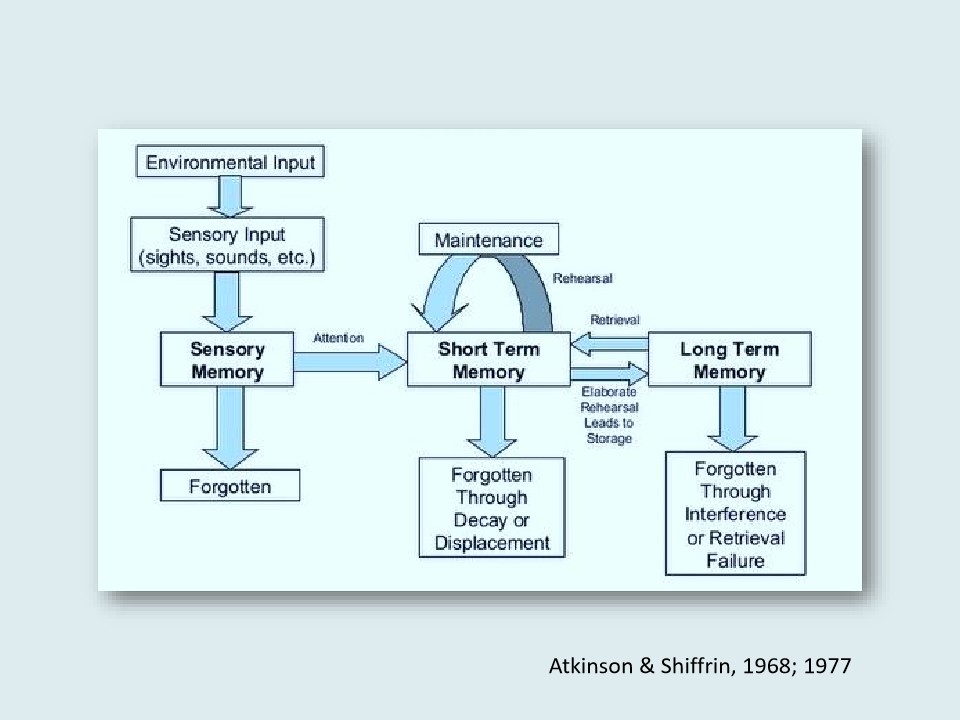
Image occlusion: name the hidden labels
2
Image occlusion: name the hidden labels
3
Image occlusion: name the hidden labels
4
Define clinical neuropsychology
Application of cognitive neuropsychology in the clinical setting
5
Name 3 neuropsychological consequences of neurological disorders
Cognitive
Emotional
Behavioural
Emotional
Behavioural
6
What are the 2 types of referral?
Patient has cognitive symptoms - is it neurological?
Patient has neurological diagnosis - what are the resulting cognitive symptoms?
Patient has neurological diagnosis - what are the resulting cognitive symptoms?
7
What does a neurological profile look like?
Impaired episodic memory
Poor visuo-spatial functioning (poor navigation)
Progressive symptoms
Gross change of behaviour/personality
Impaired activities of daily living
Poor visuo-spatial functioning (poor navigation)
Progressive symptoms
Gross change of behaviour/personality
Impaired activities of daily living
8
What does a non-neurological profile look like?
Impaired attention
Recent stressful life events
Mental health problems
Other illness/pain
Intact episodic memory and other congition
Recent stressful life events
Mental health problems
Other illness/pain
Intact episodic memory and other congition
9
State the 2 sources of extraneous demands
External distractions
Internal distractions
Internal distractions
10
3 aims of assessment
Answer referral question
Develop hypothesis
Test hypothesis
Develop hypothesis
Test hypothesis
11
4 methods of assessment
Outpatient clinic
Remote
Inpatient
Private clinic
Remote
Inpatient
Private clinic
12
What does the interview assess?
Symptoms
Premorbid ability
Neurological/psychological history
Recent stressors
Qualitative observations of speech, memory, behaviour
Premorbid ability
Neurological/psychological history
Recent stressors
Qualitative observations of speech, memory, behaviour
13
What does testing involve?
Standardised tests
Hypothesis driven personalised battery
Index of premorbid IQ
Mood questionnaire
Hypothesis driven personalised battery
Index of premorbid IQ
Mood questionnaire
14
How are results of standardised tests interpreted?
How does patient perform relative to their peer group and to their premorbid level
15
Define premorbid ability
Patient's cognitive ability in absence of any neurological injury
Provides a baseline for comparison
Provides a baseline for comparison
16
Outline the 5 domains of cognition
Memory
Language
Attention
Visuo-spatial function
Executive function
Language
Attention
Visuo-spatial function
Executive function
17
Psychological explanations for poor test results
Cognitive overload
Extraneous factors impairing input
Attention deficit
Extraneous factors impairing input
Attention deficit
18
What might affect the validity and reliability of the test results?
Concentration
External distractions
Mood
Fatigue
Cognitive effort
Motivational issues
Malingering
External distractions
Mood
Fatigue
Cognitive effort
Motivational issues
Malingering
19
Evaluate the method of neuropsychological assessment
+ Scientific method (hypothesis testing)
+ Evidence based
+ Standardised assessments, assess change over time, allows comparisons with peers
+ Assesses individual within context
+ Supported by quantitative and qualitative data
- Limited normative data
- Ceiling effects (pp reaches highest score, may not be measuring their full potential)
- Poor test validity (factor overlap)
- Test results can be skewed by poor motivation/fatigue/distraction
- Dependent on good quality info from patient/carer
+ Evidence based
+ Standardised assessments, assess change over time, allows comparisons with peers
+ Assesses individual within context
+ Supported by quantitative and qualitative data
- Limited normative data
- Ceiling effects (pp reaches highest score, may not be measuring their full potential)
- Poor test validity (factor overlap)
- Test results can be skewed by poor motivation/fatigue/distraction
- Dependent on good quality info from patient/carer
20
How is the neuropsychological assessment used?
Quantitative and qualitative data integrated
Provide opinion in answer to referral question
Provide feedback
Guide intervention
Provide opinion in answer to referral question
Provide feedback
Guide intervention