All cards
1
Baroque
A period of music (17th-18th century ) characterized by dramatic expression, ornamentation (soloistic), and contrast. It reflects broader cultural aesthetics of grandeur and complexity.
2
Castrato
Male singers castrated before puberty to maintain their high vocal range. Significant in opera and sacred music for their unique sound and virtuosity.
3
Basso Continuo
Continuous bass line with improvised chords, foundational in Baroque and opera music, emphasizing harmonic structure. Can be played by Organ, Harp, Bass Viol, etc.
4
Equal Temperament
Tuning system allowing instruments to play in all keys, crucial for the development of complex harmonic music. Not technically equal.
5
Tonality
System of organizing music around a central key, emerging strongly in the Baroque period.
6
Baroque Pitch
Tuning standard lower than modern pitch (A ≈ 415 Hz), impacting instrument design and sound.
7
Colonialism
Expansion and cultural exchange during the Baroque - involves the idea of European culture being superior and others inferior. Influenced how tonality is organized.
8
“Other”
Concept representing non-European cultures, often exoticized in Baroque music. Seen as "savages" and "feminine".
9
Exoticism
Use of non-Western elements in music to evoke foreignness and novelty.
10
Doctrine of Affections
Theory linking specific musical techniques to evoke particular emotions, central to Baroque aesthetics. Example: large intervals = happy, small intervals = sad
11
Stylized Dance
courtly dance music that is stylized to not be for dancing, used in suites and solo music.
12
Solo Madrigal/Monody/Solo Cantata
Expressive solo vocal works with basso continuo, created to make a more interesting form of music to cater to audience's interests. More ornamentation and expressive.
13
Opera
A staged dramatic work combining music, text, and visual elements; emerged in Italy around 1600. Stared as private in Italy for the wealthy, eventually opened to public (Aria, Recicative)
14
Recitative
Speech-like singing with flat contour used to advance the plot in operas and cantatas. Calls for more words, natural speech pattern rhythm.
15
Aria
Lyrical, meodic expressive song showcasing emotion or virtuosity, often in operas or cantatas. Dynamic contour.
16
French Overture
Two-part instrumental piece with a slow, stately opening followed by a lively section; associated with Lully. Designed to show off the king.
17
Solo Sonata
Instrumental work for one instrument with continuo, follows sonata form (Exposition, Development, Recapitulation)
18
Trio Sonata
Chamber piece for two melodic instruments and basso continuo, often in contrasting movements, follows sonata form
19
Concerto
Work for soloist(s) and ensemble, emphasizing contrast and virtuosity of soloist (typically composer); developed by composers like Vivaldi. Late Baroque
20
Lutheran Cantata
Multi-movement vocal work incorporating hymns, often for church services, developed by J.S. Bach.
21
Giulio Caccini
16th century composer, pioneer of monody (solo madrigal) and early opera, wrote Le nuove musiche. Specific about notating ornamentation
22
Barbara Strozzi
17th century prolific composer of secular cantatas in venice, significant for her contributions as a female composer.
23
Jean-Baptiste Lully (17th century)
Founder of French opera, developed French overture.
24
Claudio Monteverdi
17th century composer that bridged Renaissance and Baroque, known as a pioneer for operas like L’Orfeo.
25
Johann Mattheson
18th century music theorist and composer, influential on Baroque aesthetics and believed in doctrine of affections.
26
René Descartes
17th century philosopher whose ideas on emotions influenced Baroque music theory.
27
Élisabeth Jacquet de La Guerre
17th century Female composer known for keyboard and vocal works. Favorite of french king. Composed operas, stylized dance suites.
28
Antonio Vivaldi
18th century prolific composer of concertos, particularly The Four Seasons. One of best known products of Baroque period.
29
Heinrich Biber
17th century master of violin virtuosity and innovative instrumental compositions. Made "mystery" sonata
30
Johann Sebastian Bach (18th century)
Iconic composer of sacred and secular works, master of counterpoint. Talented organist, wrote "well tempered clavier". Bach's death signaled end of baroque period.
31
George Frideric Handel
18th century known for operas, oratorios (The Messiah), and public concerts. Very taleneted keyboardist.
32
Emergence and Spread of Opera
Opera originated in Florence (c. 1600) as a revival of Greek drama. Beginning opera was all about Orpheus, aesthetic ideal reflected in story. Spread through Italy and Europe, adapted by French (Lully) and English (Purcell) traditions. Started as private, then public later.
33
Comparing Bach and Handel
Similarities - Both German-born, worked across sacred and secular genres with an ephasis in sacred. Differences - Bach focused on church music and counterpoint; Handel thrived in opera and oratorio.
34
Baroque Aesthetics in New Genres
Genres like the concerto and opera emphasize dramatic contrasts, emotional expression, and virtuosic display. Emphasized ornamentation and soloistic practices.
35
Patronage and Marketplace Dynamics
Church and courts were major patrons; rise of public concerts broadened audiences. Printing technology allowed widespread dissemination of music, fostering popularity of new forms.
36
Neo-classical
Artistic movement (mid-18th century) revive classical practices, emphasizing order, balance, and clarity, mirroring Enlightenment ideals; influenced music’s structured forms.
37
Esterháza
The palace of Prince Nikolaus Esterházy, where Haydn composed and directed music for decades, showcasing patronage’s role in fostering art.
38
Sonata Form
A structural template for first movements of symphonies, sonatas, and concertos, featuring exposition, development, and recapitulation.
39
Patronage
Financial and social support from aristocrats and the church, crucial for composers like Haydn and Mozart. Kings employed musicians to create compositions that glorified them.
40
Subscription Concert
Public concerts funded by advance ticket sales, reflecting the growing accessibility of music for broader public audiences. Season tickets, rentable spaces
41
Chamber Music
Intimate music for small ensembles, like string quartets, often performed in private settings.
42
Public vs. Private Music
Distinction between music performed in public concerts (e.g., symphonies) and private salons or courts (e.g., chamber music). Depended on status of person (private: wealthy, public: not so much)
43
Tonality
Organization of music around a key center, clear where piece was heading
44
Enlightenment
Intellectual movement advocating reason, individualism, and science, shaping music’s clarity, balance, and emotional restraint. "Natural and rational"
45
Topics in Classical Music
Stylistic elements evoking different social or emotional contexts, such as the pastoral, heroic, or comic. Politics, enlightenment, and individualism, emphasizing social issues.
46
London Symphonies
Haydn’s last 12 symphonies (1791–1795), celebrated for their innovation and public appeal. Aristocratic, prestige.
47
Impresario
Organizer or manager of public concerts and operas, key in promoting large-scale works.
48
Contrafacta
Reuse of existing melodies with new texts, often for sacred or political purposes. "Yankee Doodle"
49
Viennese Classicism
Musical style of Haydn and Mozart, characterized by clarity, balance, and formal innovation.
50
Concerto
Work for soloist and orchestra, emphasizing virtuosic interplay (solo, big group work).
51
Symphony
Multi-movement orchestral work; centerpiece of public concerts, perfected by Haydn and Mozart. Prestigious grandeur.
52
Opera Seria
Serious Italian opera focusing on noble themes and virtuosic arias.
53
Opera Buffa
Comic opera with everyday characters and social satire, exemplified by Mozart’s "The Marriage of Figaro".
54
String Quartet
Chamber ensemble (two violins, viola, cello) representing the pinnacle of Classical instrumental intimacy.
55
Broadside Ballads
Printed songs reflecting popular culture, often used for political or social commentary. "Yankee Doodle" and its contrafact
56
Work Songs
Rhythmic songs to coordinate labor, particularly among enslaved African-American people in the Americas.
57
Jubilee
Spiritual or celebratory songs, often tied to African American traditions of resistance and hope.
58
Joseph Haydn
18th century composer, Father of the symphony and string quartet; worked under patronage at Esterháza and influenced public concert music.
59
Joseph Bologne, Chevalier de Saint-Georges (18th century)
Afro-French composer, virtuoso violinist, fencer, and talented conductor; broke racial barriers in European music.
60
Wolfgang Amadeus Mozart
18th century Prolific composer known for operas, symphonies, and chamber music; exemplified Viennese Classicism. Famous when he was young.
61
Ludwig van Beethoven
18th century Transitional figure between Classical and Romantic eras, celebrated for his symphonies, sonatas, and innovations in emotional expression.
62
Eileen Southern
20th century musicologist who illuminated the contributions of African Americans to music history, emphasizing colonial and early American music. Wrote "The Music of Black Americans-A History"
63
Public Support for Large-Scale Instrumental Music
Rise of subscription concerts in cities like London and Vienna created a new marketplace for symphonies and concertos. Haydn’s London Symphonies exemplify the shift toward public appreciation of instrumental music. Politics heavily involved, interested in what composers have to say.
64
Importation and Transformation of European Music in the Americas
European settlers brought classical forms, hymns, and folk traditions to the New World. Colonized regions adapted European music with indigenous and African influences, creating hybrid genres.
65
Viennese Classicism and Prestige
Came to represent cultural sophistication during the late 18th century due to court patronage and composers like Mozart and Haydn. Emphasized balance, clarity, and formal innovation aligned with Enlightenment ideals.
66
Colonialism’s Impact on New World Music
Imported European musical traditions blended with enslaved African and indigenous music. The emergence of Creole, spirituals, and early African American musical forms reshaped colonial music culture. People who were against it tried to stop it.
67
Impact of Enslavement on New World Music
Enslaved Africans preserved and transformed musical traditions, introducing rhythms, call-and-response, and spirituals. These forms influenced early American folk, religious, and labor songs.
68
Music in Revolutionary America
Served as a tool for unity and morale, with patriotic songs like “Yankee Doodle.” Reflected diverse influences, from European marches to African work songs. Patriotism
69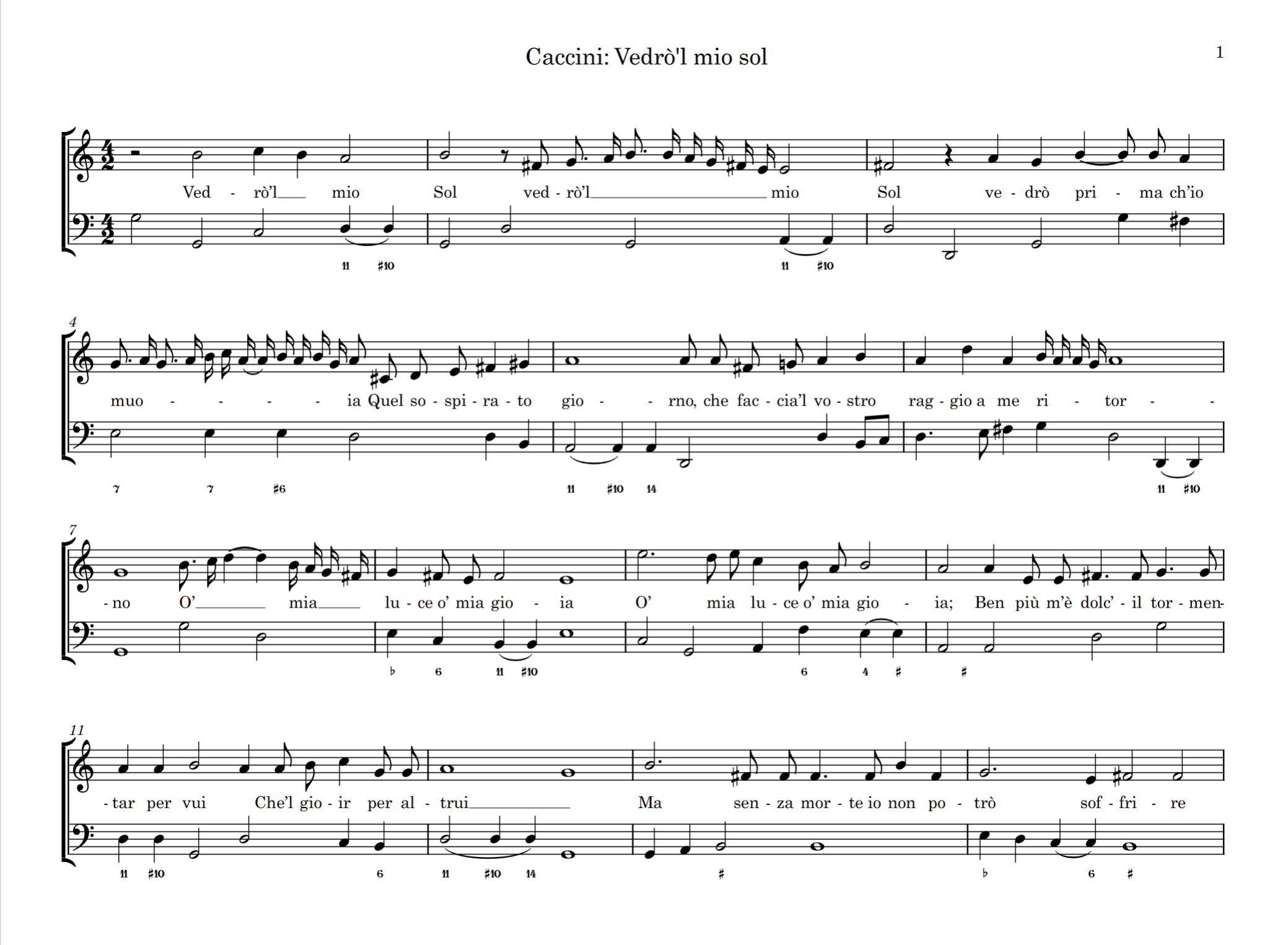
Giulio Caccini
17th Century
17th Century
70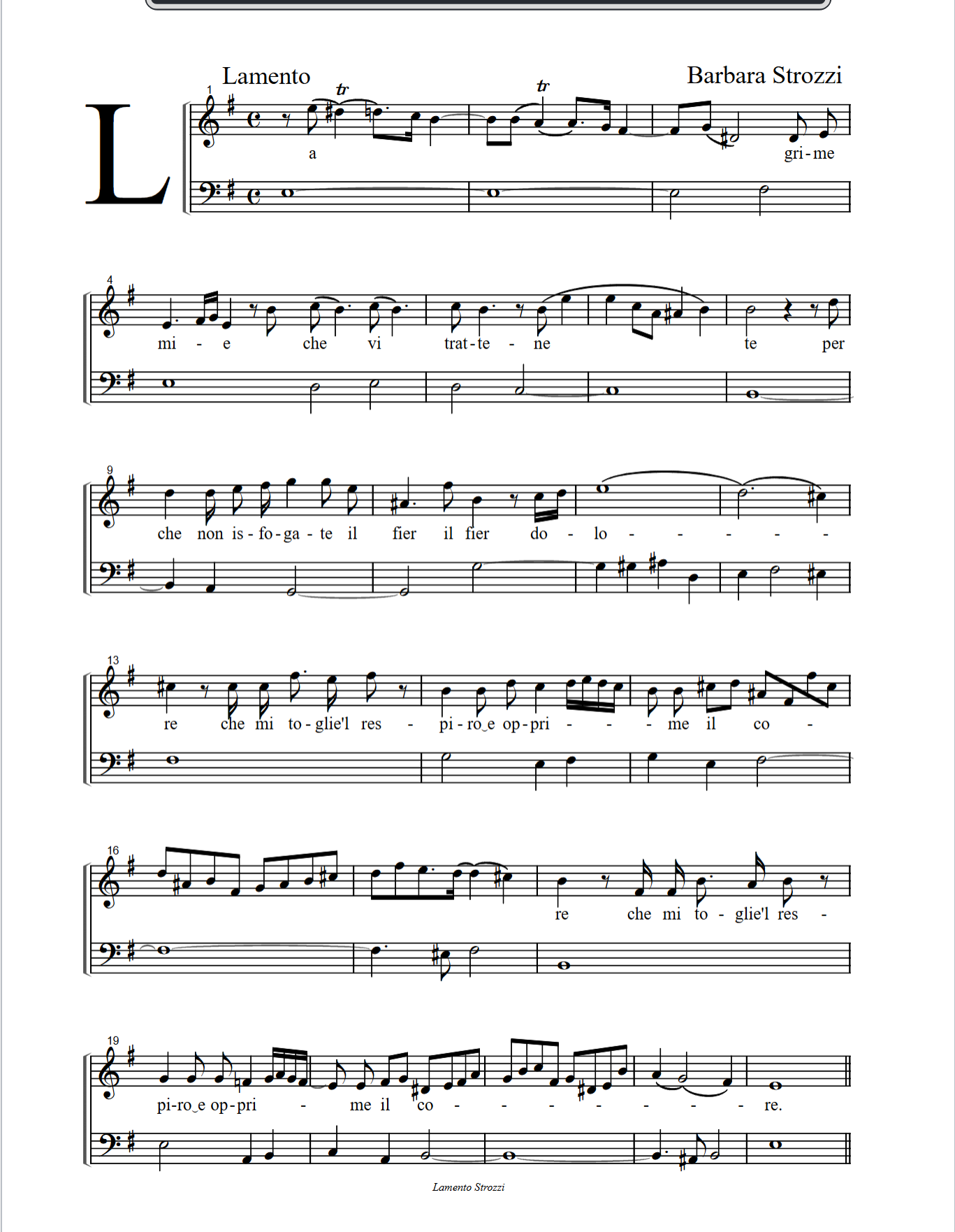
Barbara Strozzi
17th Century
17th Century
71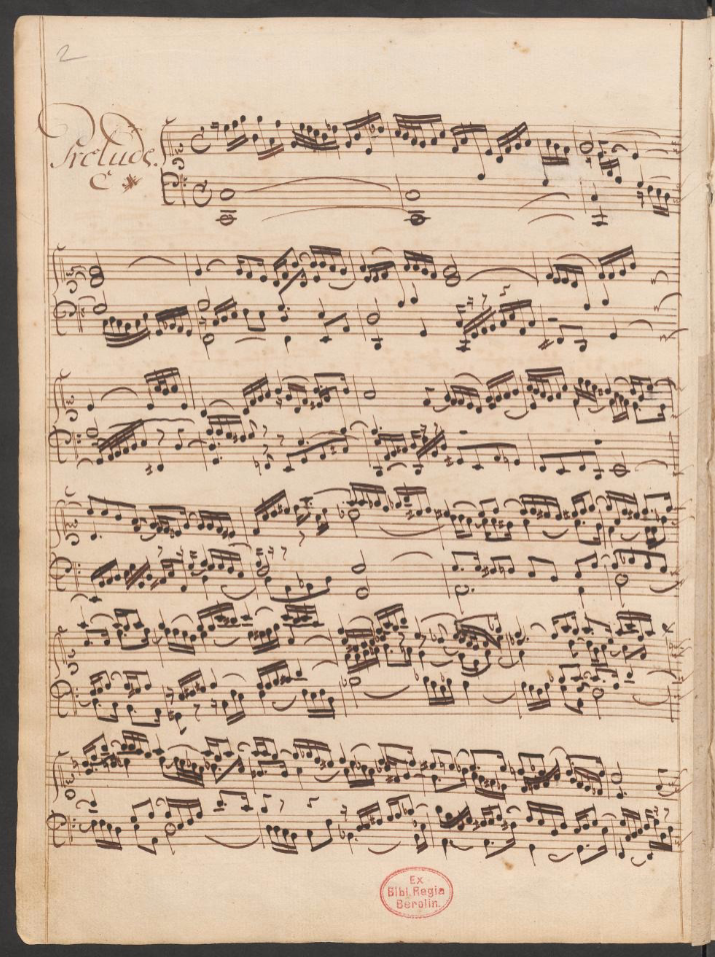
J.S. Bach
17th Century
17th Century
72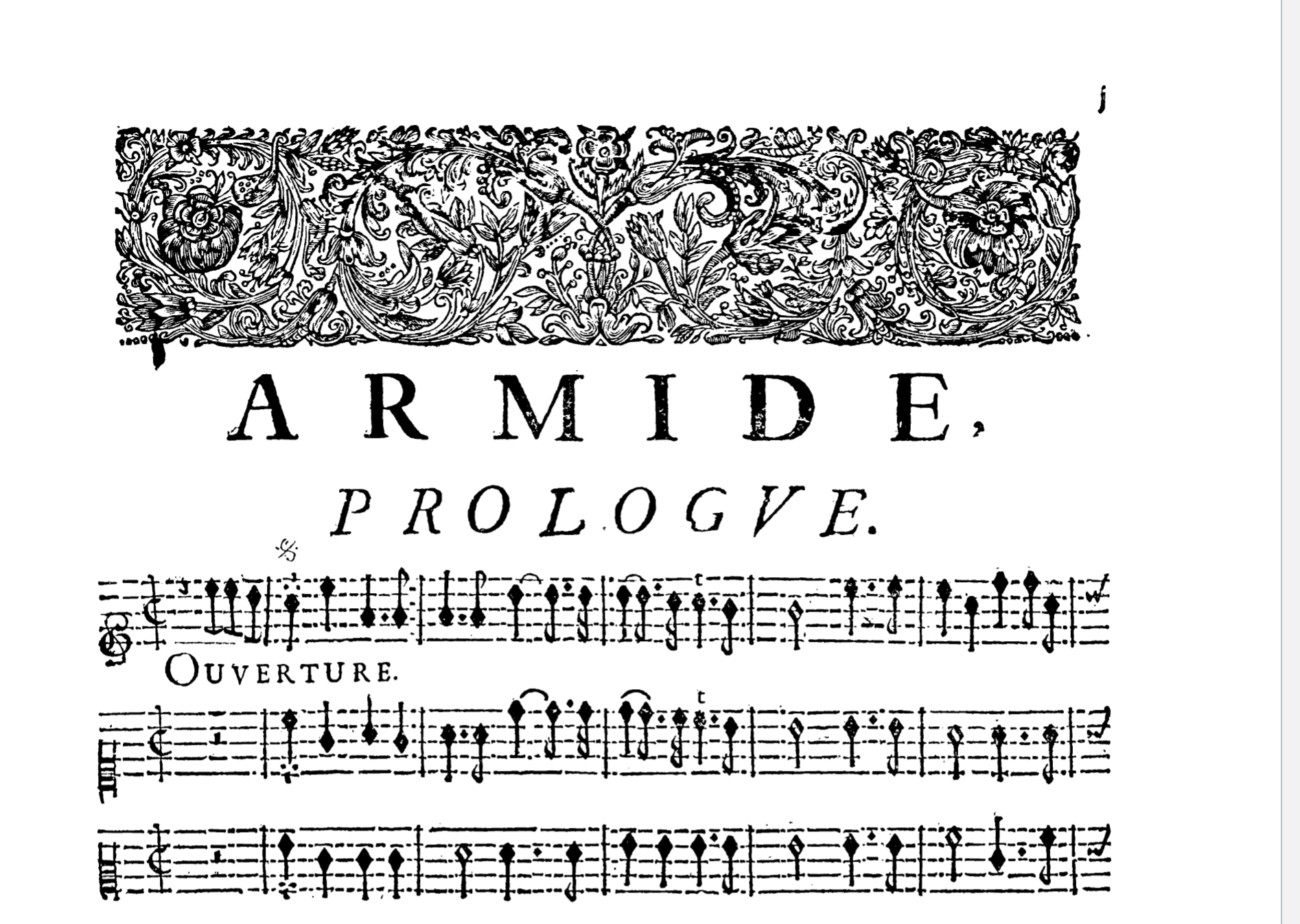
Jean Baptiste-Lully
17th Century
17th Century
73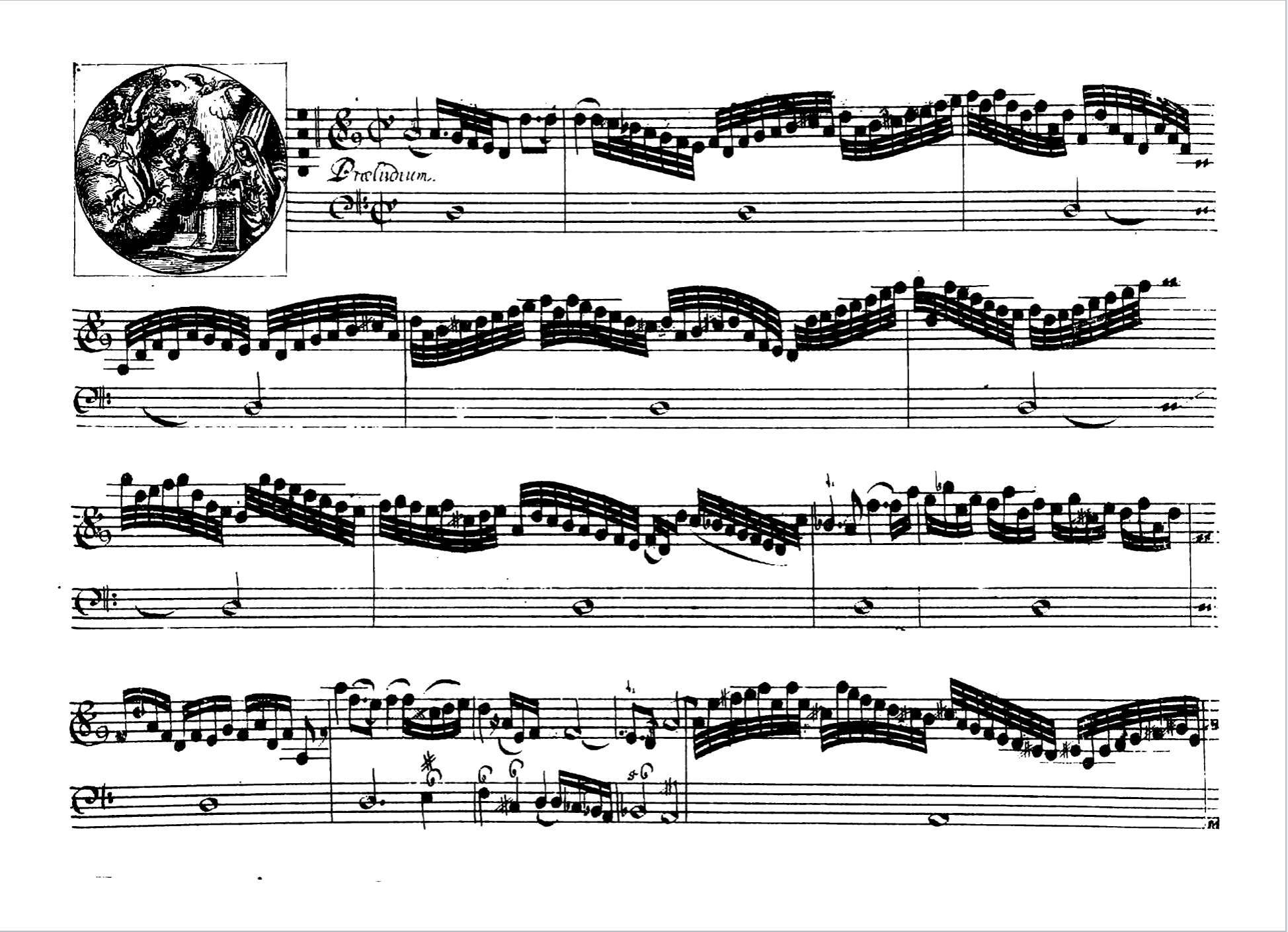
Heinrich Ignaz Franz Biber
17th Century
17th Century
74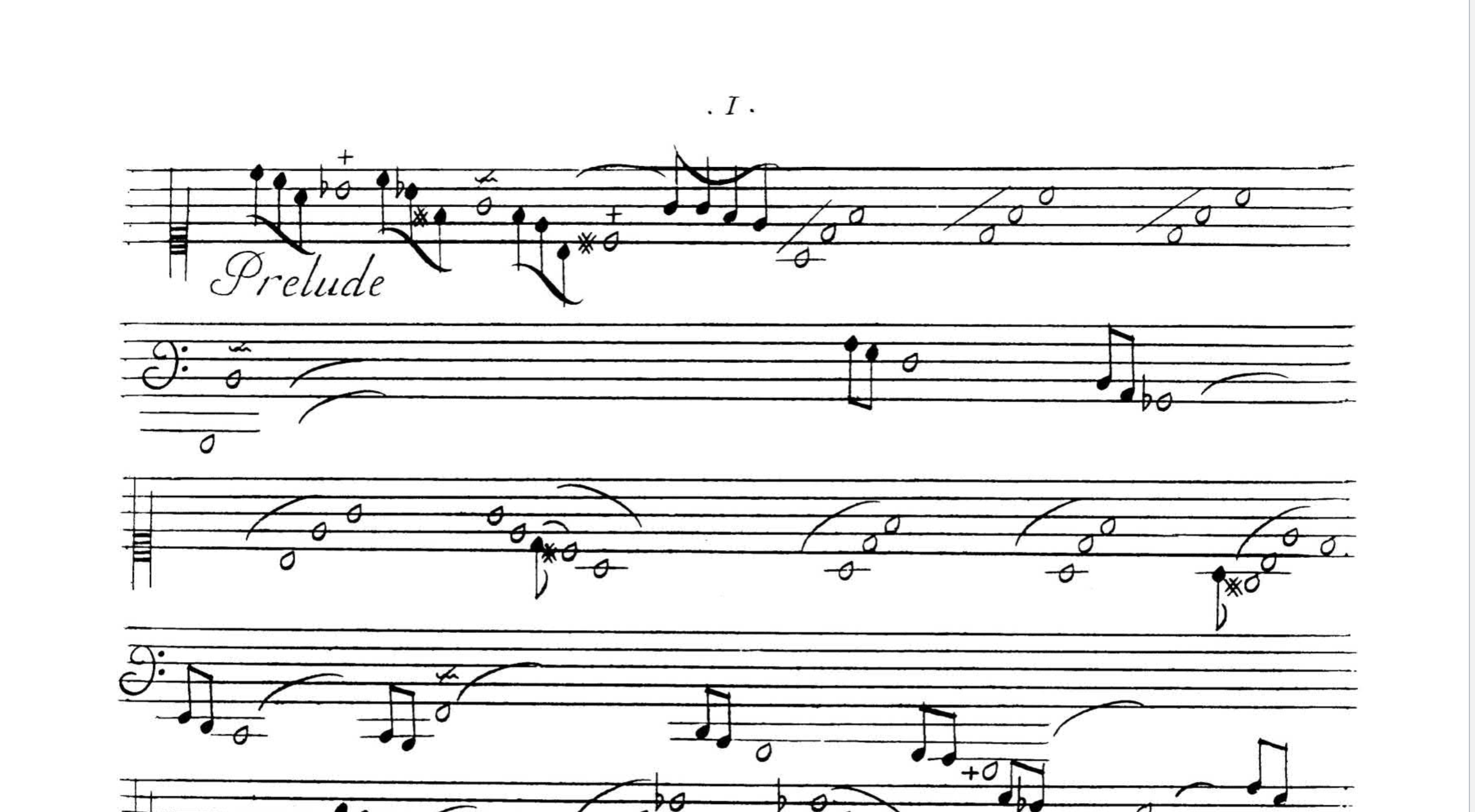
Elizabeth Claude Jaquet de la Guerre
17th Century
17th Century
75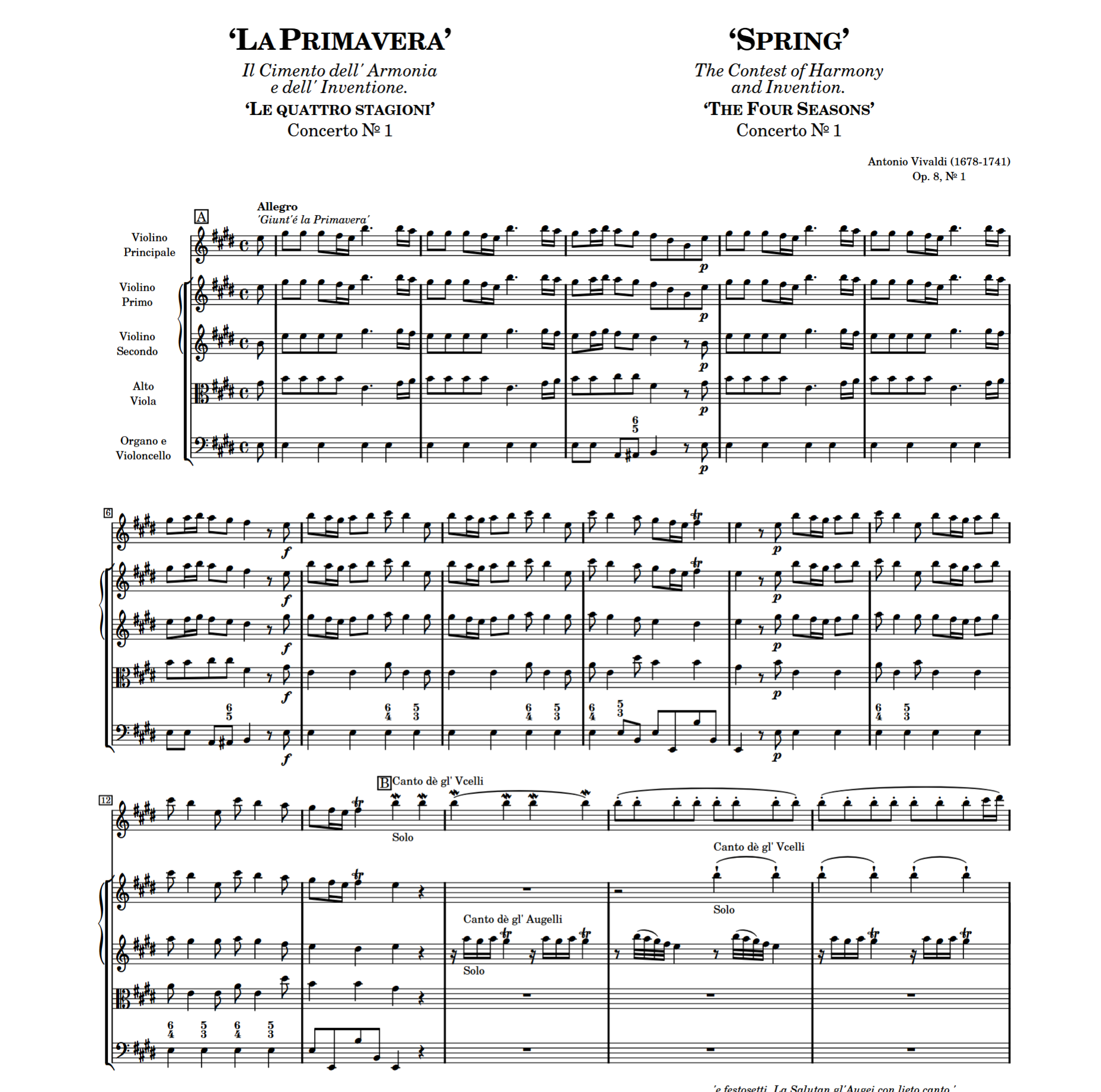
La Primavera
17th Century
17th Century
76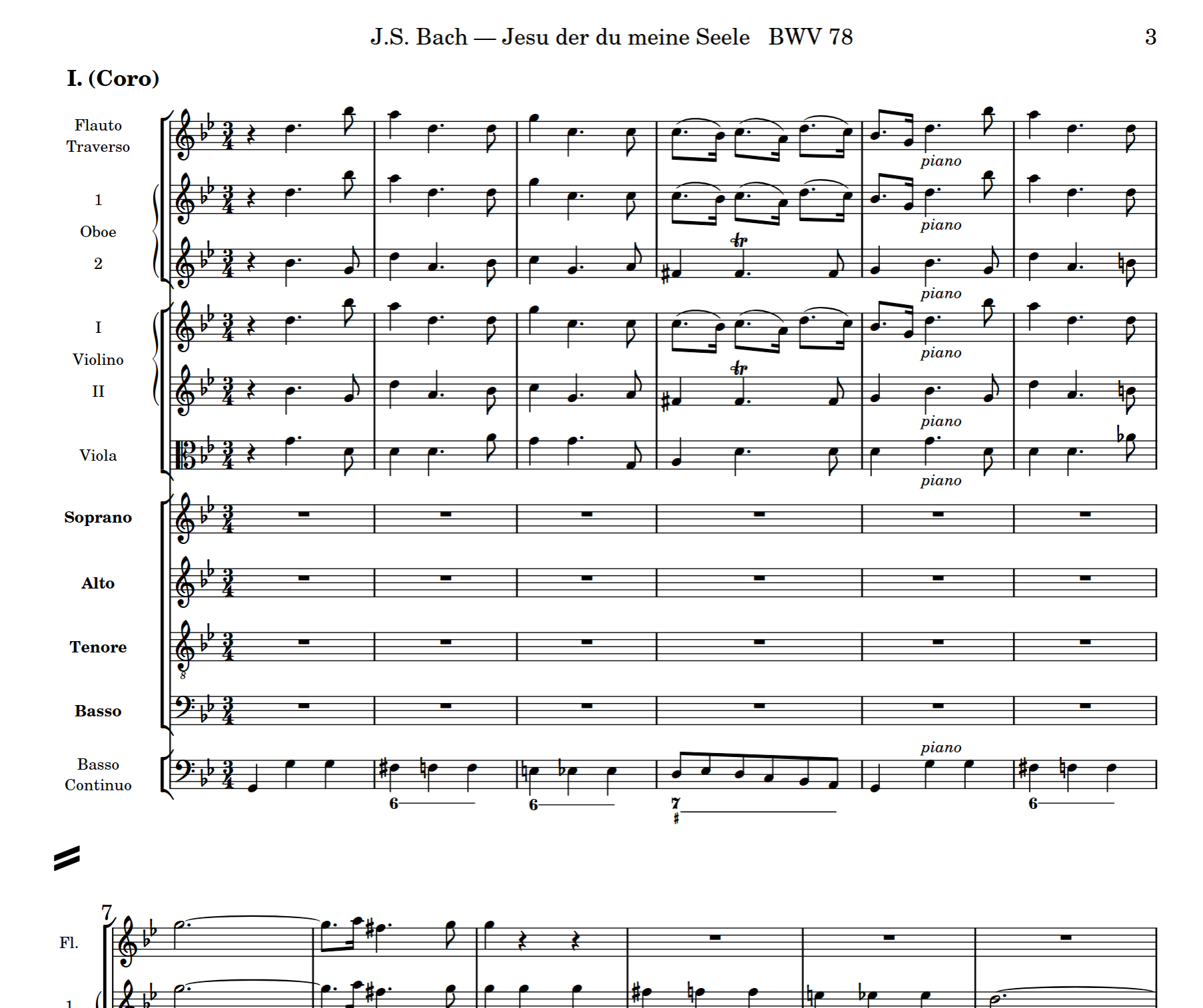
J.S. Bach
17th Century
17th Century
77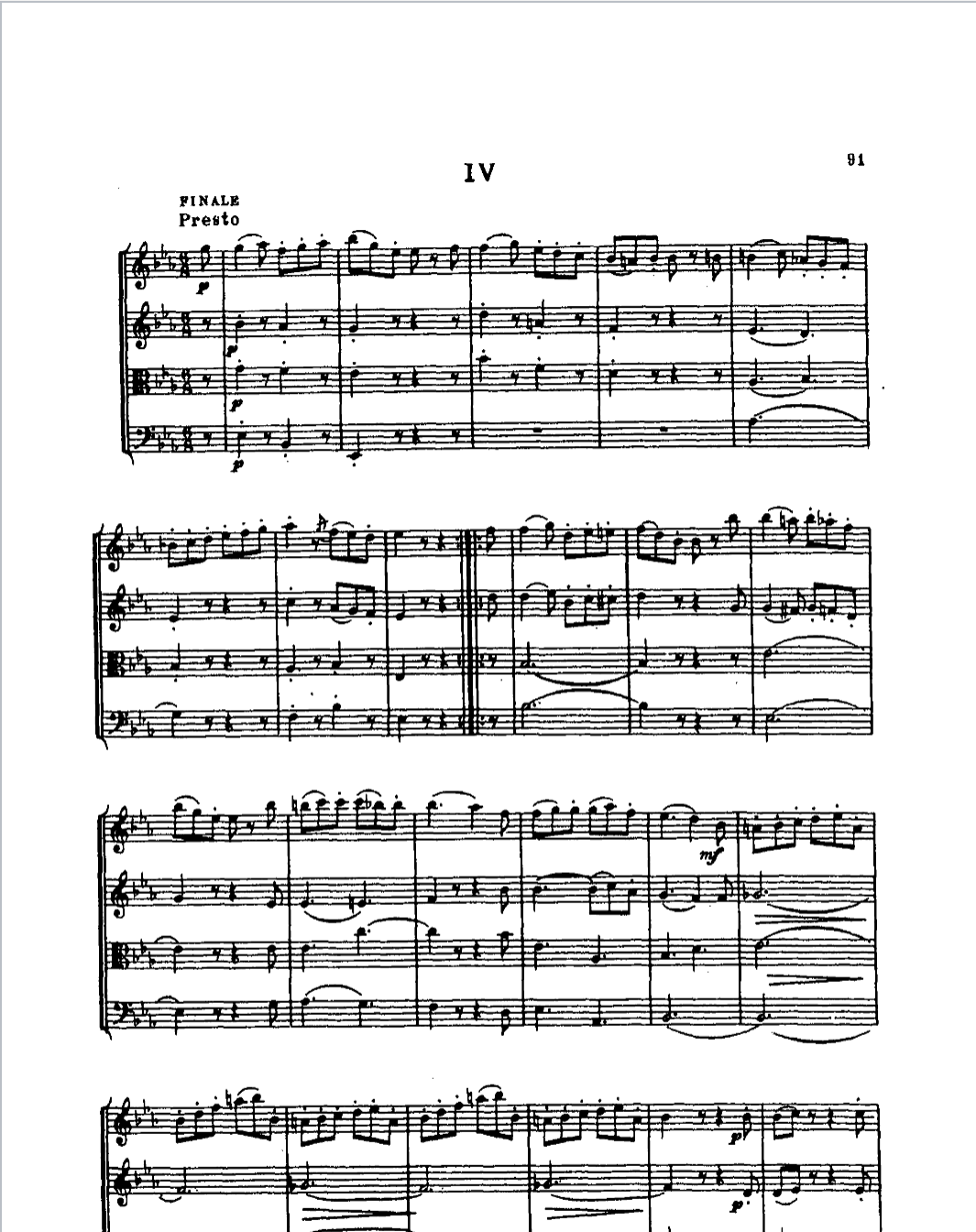
Joseph Haydn
18th Century
18th Century
78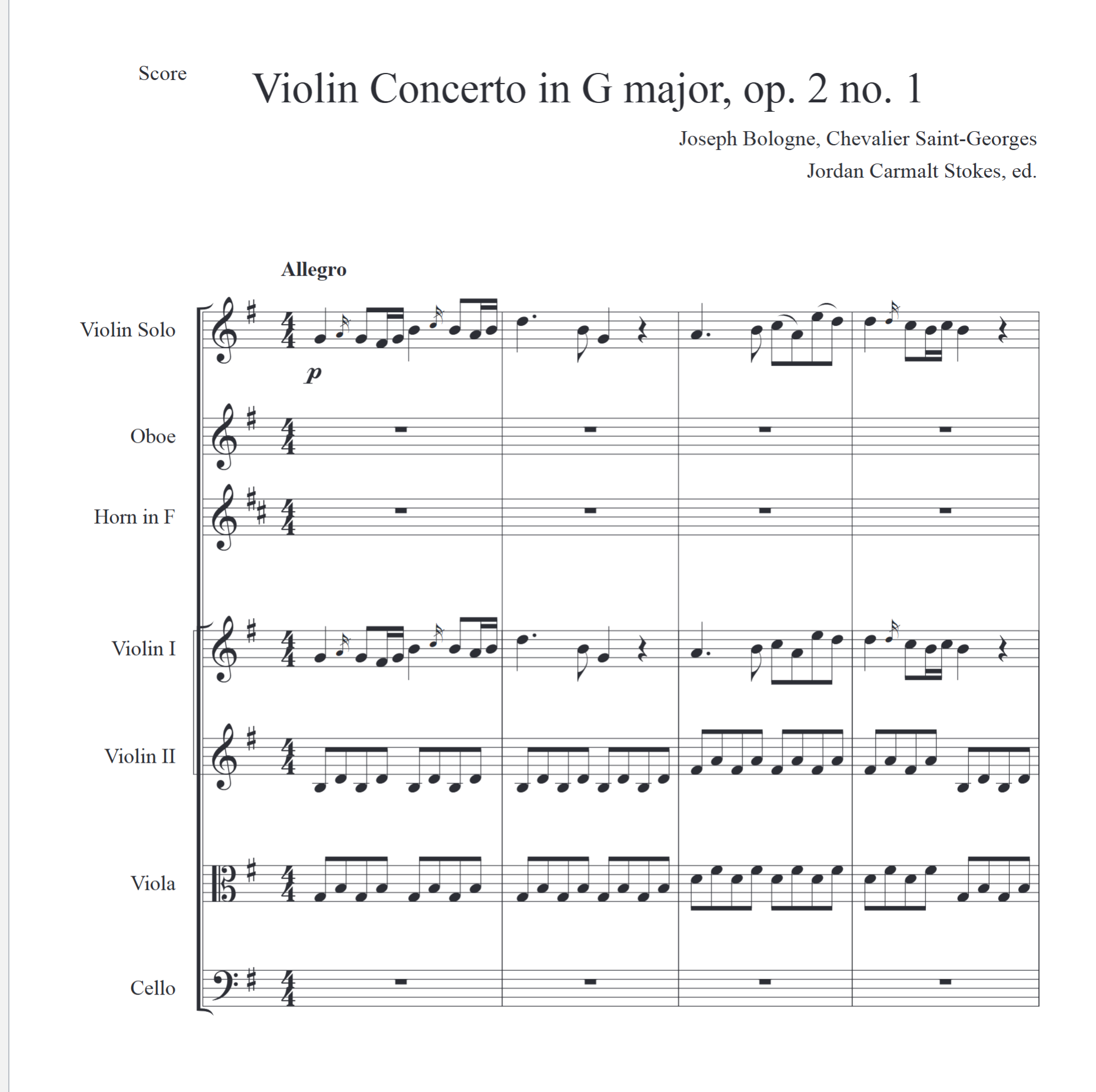
Joseqph Boulogne Chevalier de Saint George
18th Century
18th Century
79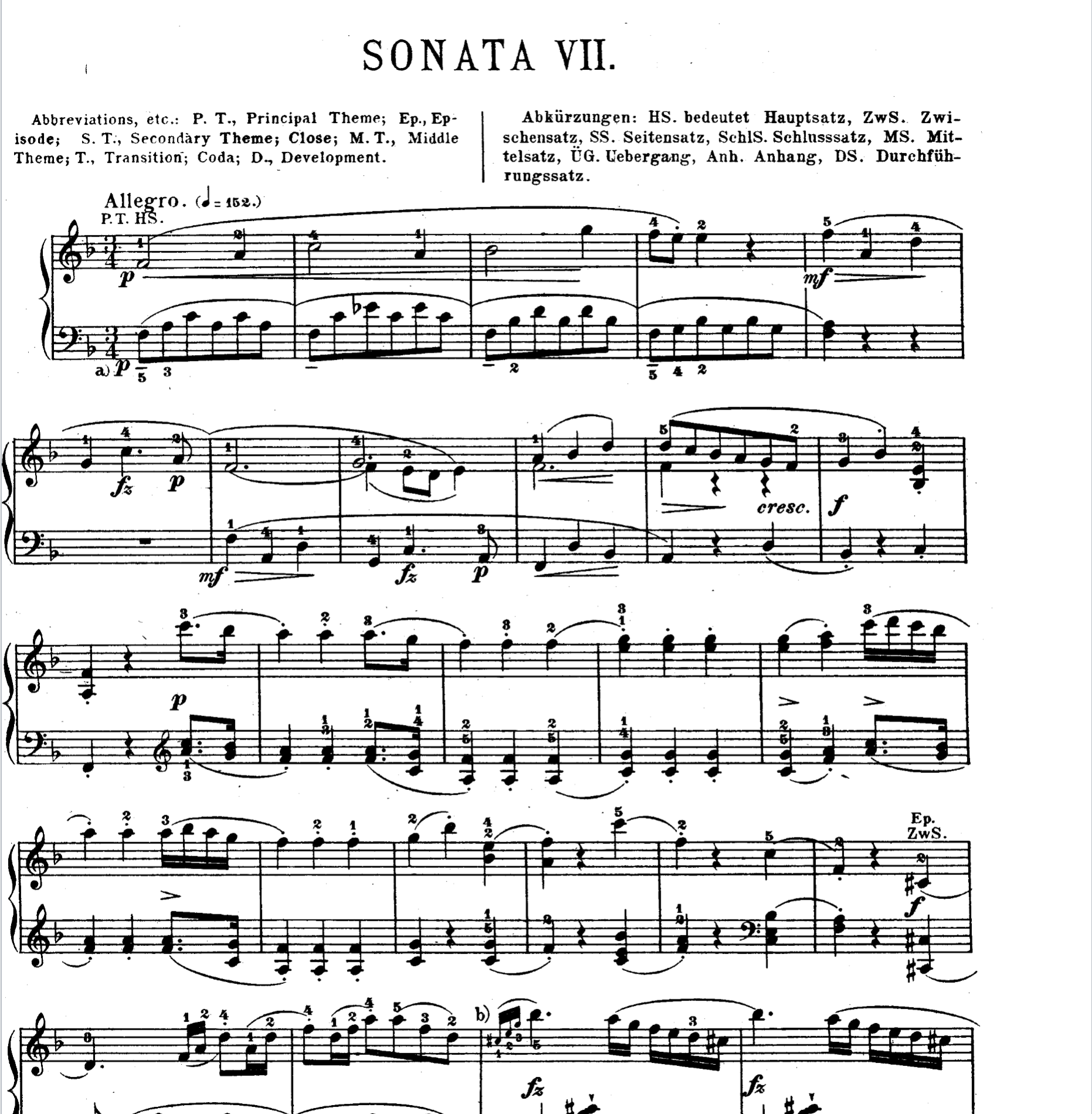
Wolfgang Amadeus Mozart
18th Century
18th Century
80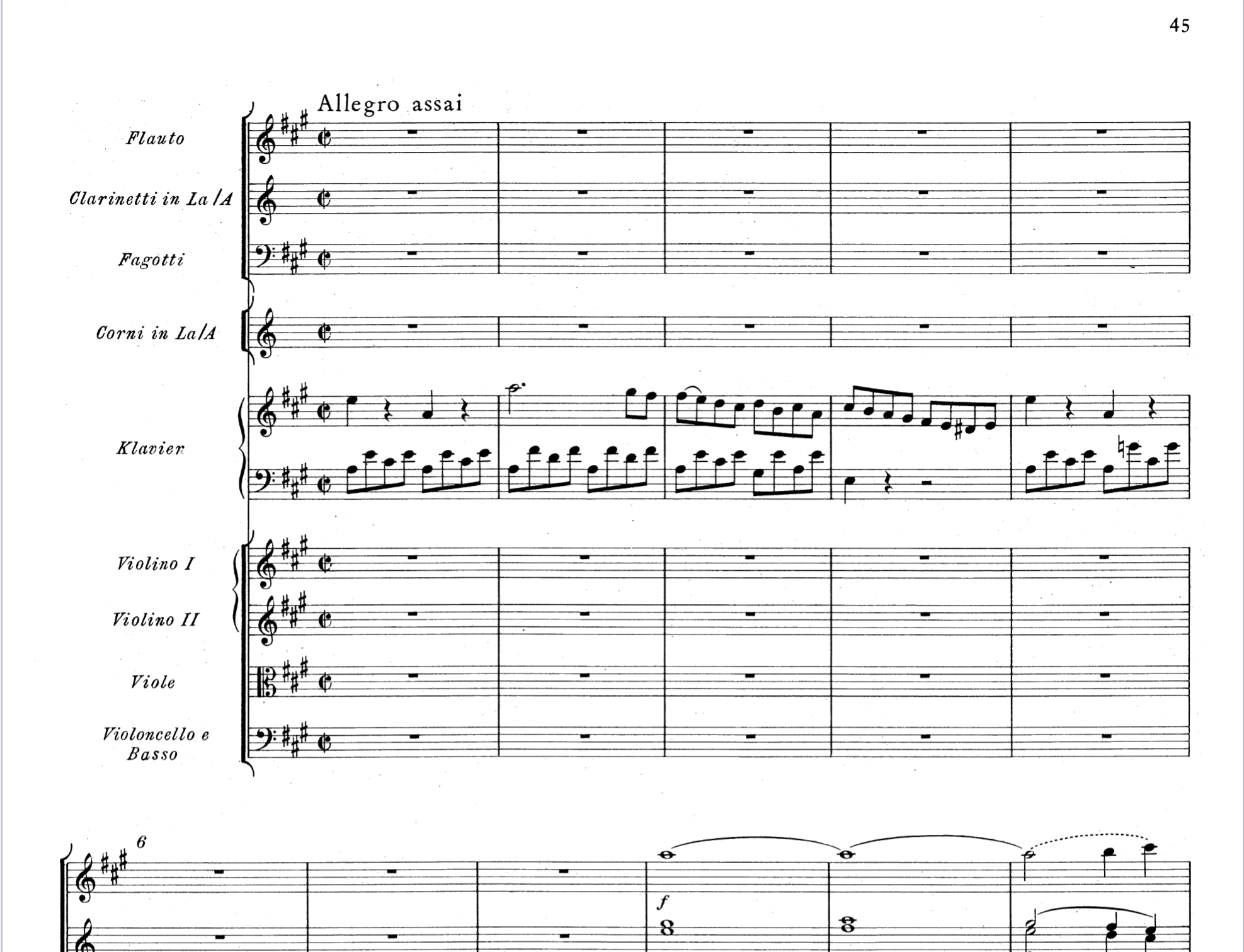
Wolfgang Amadeus Mozart
18th Century
18th Century
81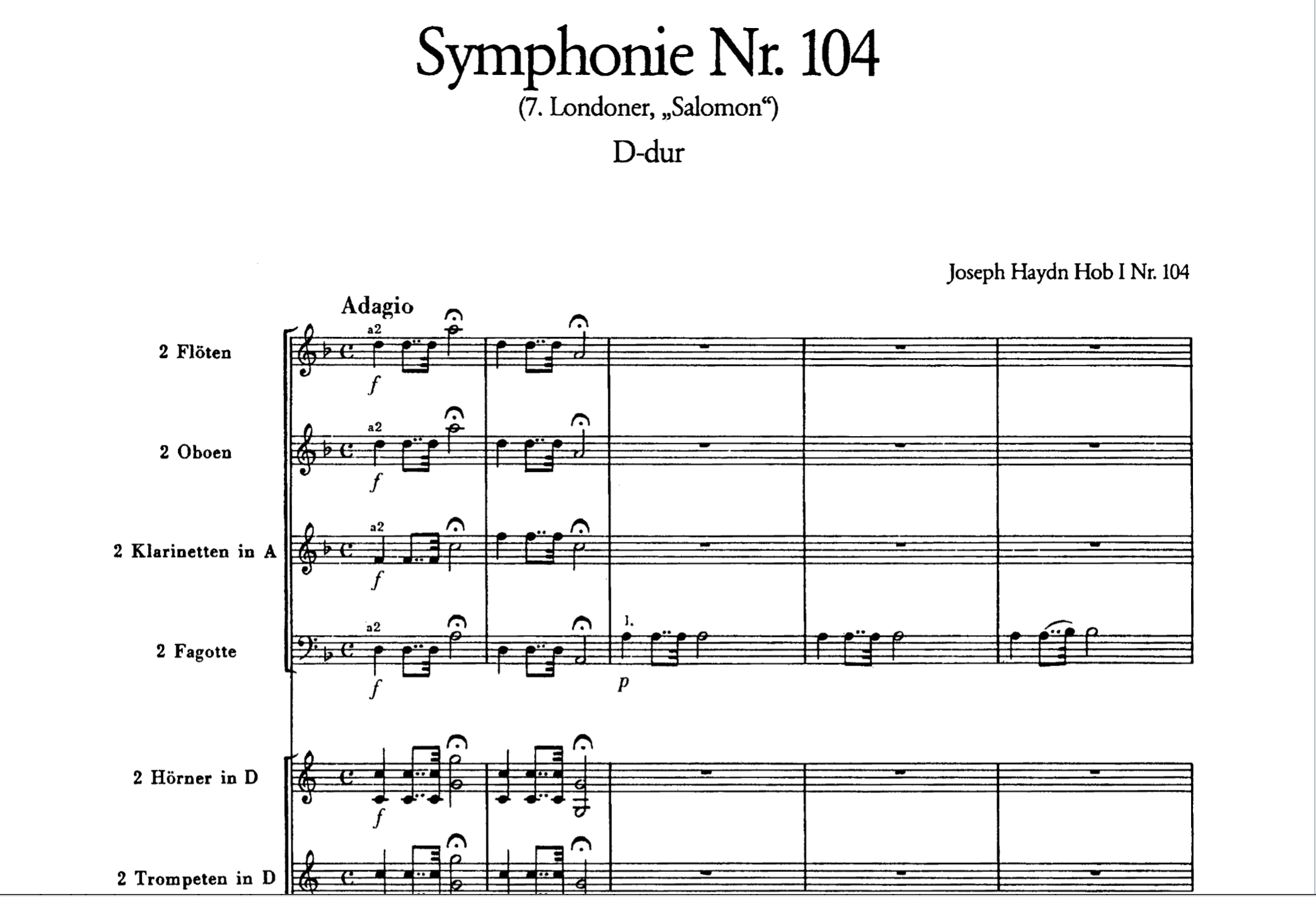
Joseph Haydn
18th Century
18th Century