Set Design
Study these flashcardsFree · spaced repetition · iPhone, Android, Mac & web
All cards
1
Scene Designer
Creates the visual world of the play
2
Periaktoi
vertical three-sided column which could be rotated to present three different scenic pictures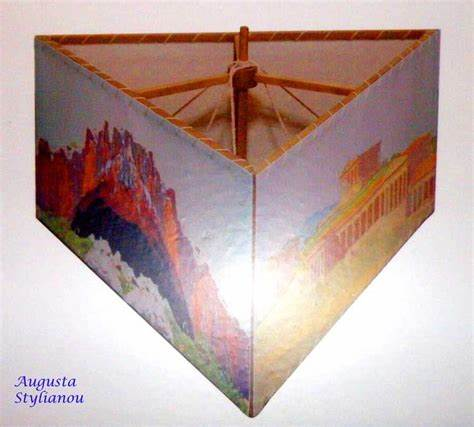
3
Scale
The relationship of the performer in the set to his surroundings
4
8 Objectives of Scene Design
Creating an environment for the performers and the performance
Create mood and style
Distinguish between realistic and non-realistic
Set Locale and Period
Develops a Design Concept
Provide a Central Image or Metaphor
Coordinates the Project As A Whole
Solving Practical Design Problems
Create mood and style
Distinguish between realistic and non-realistic
Set Locale and Period
Develops a Design Concept
Provide a Central Image or Metaphor
Coordinates the Project As A Whole
Solving Practical Design Problems
5
Designers Concept
a unifying idea carried out visually
6
Central Image
closely tied to other aspects of the work such as plot or theme
7
Visual Metaphor
the representation of a person, place, thing, or idea by means of a visual image that suggests a particular association or point of similarity
8
Ground plan
a floor plan, drawn to scale, outlining the various levels on the stage and indication the placement of scenery, furniture, doors, windows, and so on.
9
Stage left and Stage Right
the right and left sides of the stage respectively, as seen from the performers position facing the audience
10
Downstage
the area nearest to the audience
11
Upstage
the area furthest from the audience.
12
Flat
canvas stretched over a wood frame and painted to look like a solid wall
13
Hard Flat
light plywood called lauan, placed on a wooden or metal frame that can be painted and then other elements can be added to it to a three-dimensional piece of scenery which might include molding etc.
14
Scrim
pecial type of scenery made of gauze or cloth which can be painted or dyed. It can be used to create special effects with lighting sources change from front to back.
15
Special Effects
include fog, ghosts, knives or words that appear to stab victims, walls that fall apart and so on.
16
Prop
It refers to any object onstage that is not a permanent part of the stage.
17
Line
the outline or silhouette of elements on stage
18
Mass and Composition
the balance and arrangement of elements
19
Texture
the ‘feel’ projected by surfaces and fabrics
20
Color
the shading and contrasts of color combinations
21
Rhythm
the repetition of shape, color, and texture in a regular setting
22
Movement
the way the action unfolds and the way it progresses from one scene to the next
23
thumbnail sketches
rough sketches
24
rendering
a more complete sketch often with color
25
model
a 3d representation of the rendering
26
CAD
computer assisted design
27
Technical Director
responsible for solving overall technical problems
28
Property Designer
created and executes all props.
29
Scenic Charge Artist
responsible for seeing that sets are built and painted according to the specifications and requirements of the stage designer