Unit 1: Review
Study these flashcardsFree · spaced repetition · iPhone, Android, Mac & web
All cards
1
Blood pressure, heart rate, respiration, body temperature
vital signs
2
difference from what is normal in animals, can be transmittable or non-transmittable (eg broken limbs)
disease
3
genetic abnormalities, injury/environmental stress, chemical toxicity/deficiency, digestive diseases
non-infectious diseases
4
bacteria, viruses, prions, fungi/molds, parasites
infectious diseases
5
reservoir --> venue of transmission --> susceptible animal
infectious disease chain
6
actively acquired by antigen present, antigen gained via disease or via vaccine
acquired immunity
7
introduction of antibodies by placenta/colostrum or serum
passive immunity
8
period of time after treatment in animals that allows for medication to metabolize and disappear from the meat or milk that we may later harvest (a full 24 hours past the last treatment is one day)
withdrawal period
9
also called intradermal, require a shorter needle and need to be given at an angle to ensure product is placed just below the skin
subcutaneous injection
10
requires a long needle and is given perpendicular to the surface of the skin, ensures proper placement
intramuscular injection
11
important area on food-producing animals, provides good blood flow for vaccine but is not an area of valuable meet should it scar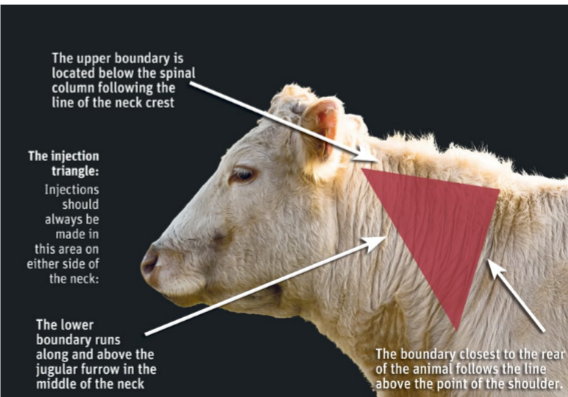
vaccination triangle
12
enter at 90 degrees, needle goes in on one side and exits through the other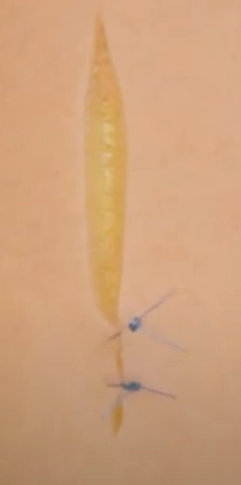
simple interrupted suture
13
used to reapproximate the skin, start deep and end deep, knot is ends up underneath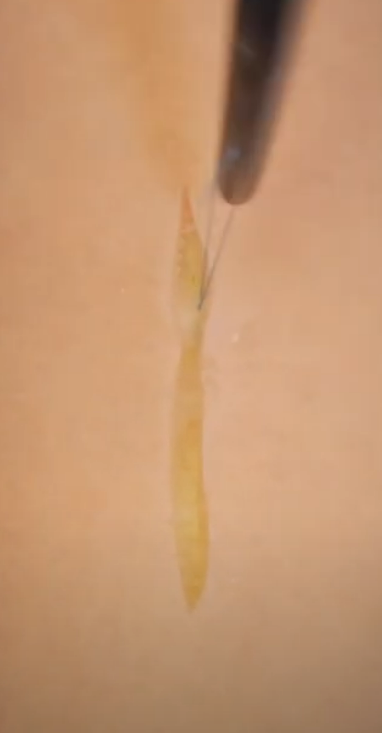
simple interrupted buried suture
14
same technique as simple interrupted suture without stopping, aim is for spacing between sutures to be equal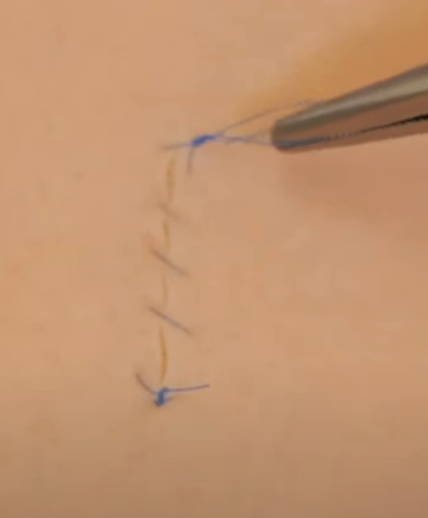
simple continuous suture
15
continuous, begins with simple interrupted, often done with help of assistant, suture stays inside of loop in order to evenly distribute tension, ends with backhand suture bite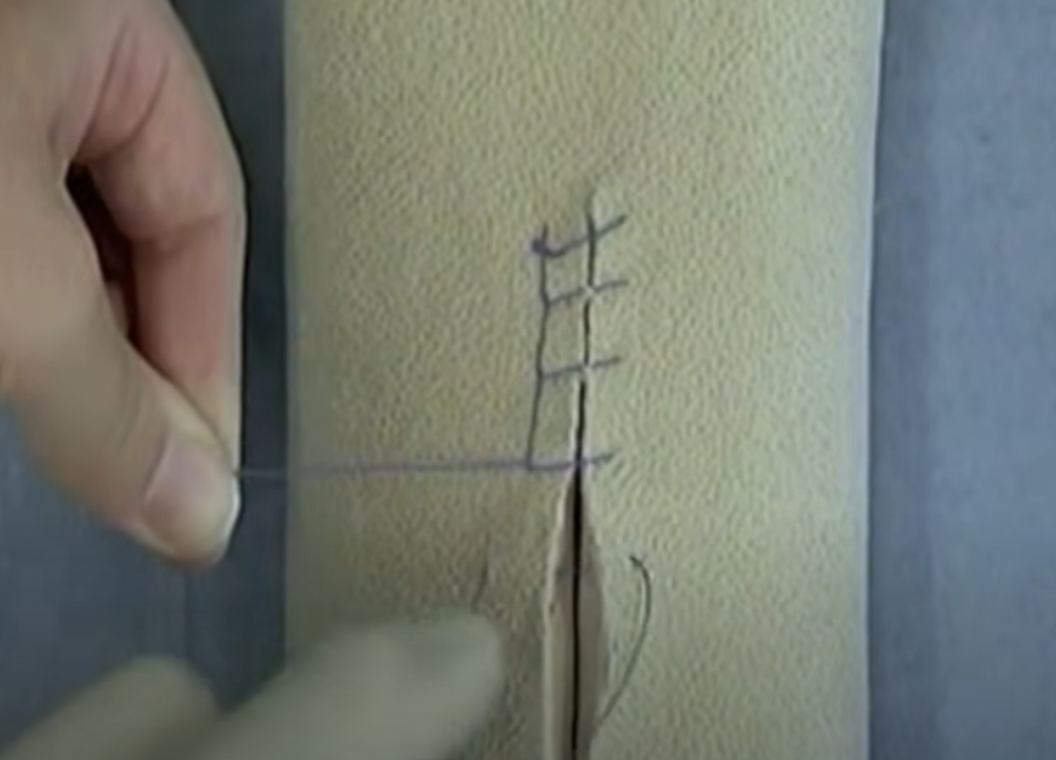
ford interlocking suture
16
medications that can be sold directly to people without a prescription
over the counter medication
17
written prescription from a veterinarian, needed to allow animal caretakers to put antibiotics in feed or water
veterinary feed directive
18
when a veterinarian knows a caretaker's pet or herd well enough to diagnose and treat any medical condition the animal(s) develop
valid client-patient relationship
19
the use of an approved drug in a manner not in accordance with the approved labeling, yet meets the conditions set forth by the Animal
Medicinal Drug Use Clarification Act of 1994 (AMDUCA) and U.S. Food and Drug Administration (FDA) regulations; includes use in another species, use for a different indication, use at a different dose or frequency, and use via a different route of administration
Medicinal Drug Use Clarification Act of 1994 (AMDUCA) and U.S. Food and Drug Administration (FDA) regulations; includes use in another species, use for a different indication, use at a different dose or frequency, and use via a different route of administration
extra label drug use
20
often the seed part of the plant where the energy in concentrated, easily digested by most classes of animals (monogastrics), low in fiber
concentrates
21
less digestable and often the body of the plant
roughages
22
term that describes animals with digestive systems not designed for large amounts of plant body consumption
monogastric
23
term that describes animals with digestive systems that "ferment" with microbes before digestion, able to consume large amounts of plant body
ruminant
24
contain at least 20% protein, often more expensive per unit of weight
protein concentrate feeds
25
contain less than 20% protein and less than 18% fiber
energy concentrate feeds
26
low fiber, more than 10% protein, usually less mature and possibly processed
high quality roughages
27
high fiber, less than 10% protein, usually more mature or mishandled (loses nutrient value), less palatable
low quality roughages
28
added to complete the ration usually in small quantities, can enhance flavor/texture or promote growth
additives
29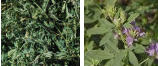
alfalfa hay, roughage
30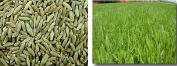
rye, concentrate
31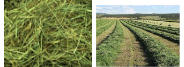
grass hay, roughage
32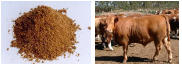
bone meal, additive
33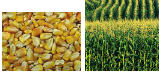
corn whole, concentrate
34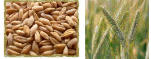
triticale, concentrate
35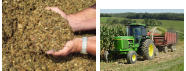
corn silage, roughage
36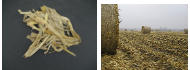
corn stover, roughage
37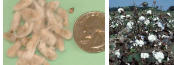
cottonseed, concentrate
38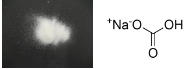
sodium bicarbonate, additive
39
also contributes to need for protein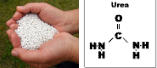
urea, additive
40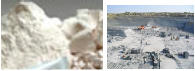
limestone, additive
41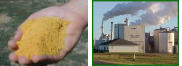
corn gluten feed, concentrate
42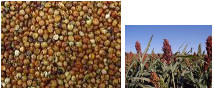
milo/sorghum, concentrate
43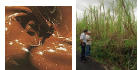
molasses, additive
44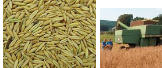
oats, concentrate
45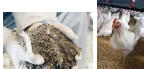
poultry litter, concentrate
46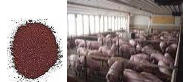
blood meal, additive/concentrate
47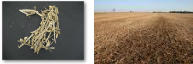
soybean stover, roughage
48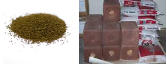
trace mineral mix, additive
49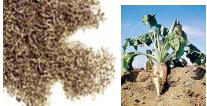
beet pulp, roughage
50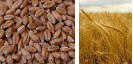
wheat, concentrate
51
barley, wheat, etc.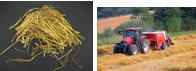
straw, roughage
52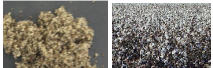
cottonseed hulls, roughage
53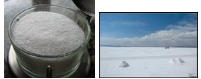
salt, additive
54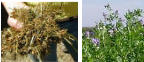
alfalfa haylage, roughage
55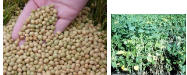
soybeans, concentrate
56
type of processing in which feed is harvested from the plant and left as is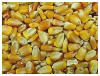
whole
57
type of processing in which particle size is reduced by mechanical shearing, wearing, or impact; smaller and finer in texture
ground
58
type of processing in which feed particle size is reduced by combined breaking and crushing action, more coarse and with some whole seeds when compared to grinding
cracked
59
type of processing in which feed is passed through a set of rollers, splitting the coarse outer grain shell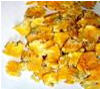
rolled/flaked
60
type of processing in which feed is compressed into a circular or cubic mass, forced through openings by a mechanical process and cut at predetermined lenghts, helps prevent selective sorting of feeds/additives
pelleted
61
type of processing in which feed is forced through narrow openings under pressure to create various shapes and sizes of feeds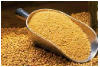
extruded
62
Particle size reduced by cutting with sharp-edged instruments. i.e., knives.
chopped
63
plant materials preserved by anaerobic fermentation.
ensiled
64
cut and air dried in the sun (i.e. hay)
sun cured
65
dehydration process done by freezing material, then reducing surrounding pressure and adding heat to allow frozen water in material to sublime directly from solid phase to gas.
freeze dried
66
specially shaped mixture held together with a binder
formed
67
concentrate feeds that are co-products from ethanol or corn sweetner production
distiller's grain and corn gluten feed
68
ruminant feeds
roughage-based diets
69
monogatric feeds
concentrate-based diets
70
young animal feeds
highly digestible, high-protein diets
71
older animal feeds
less digestible, lower-protein diets
72
high performace animal feeds
high energy, highly digestible diets
73
low performance animals
lower energy, lower digestible diets
74
intact male sheep
ram
75
sheep scientific adjective
ovine
76
young female sheep
ewe lamb
77
mature female sheep
brood ewe
78
sheep offspring
lamb
79
castrated male sheep
wether
80
pig scientific adjective
porcine
81
intact male pig
boar
82
young female pig
gilt
83
mature female pig
sow
84
pig offspring
piglet
85
castrated male pig
barrow
86
cattle scientific adjective
bovine
87
intact male cattle
bull
88
young female cattle
heifer
89
mature female cattle
cow
90
cattle offspring
calf
91
castrated male cattle
steer
92
horse scientific adjective
equine
93
intact male horse
stallion
94
young female horse
filly
95
mature female horse
mare
96
horse offspring
foal
97
castrated male horse
gelding
98
chicken scientific adjective
galline
99
intact male chicken
rooster, cock, cockerel
100
young female chicken
pullet
101
mature female chicken
hen
102
chicken offspring
chick
103
chicken castrated male
capon
104
dog scientific adjective
canine
105
intact male dog
dog
106
mature female dog
bitch
107
dog offspring
pup
108
cat scientific adjective
feline
109
intact male cat
tom
110
mature female cat
queen
111
cat offspring
kitten
112
castrated male cat
gib
113
turkey scientific adjective
meleagrine
114
intact male turkey
tom/jake
115
young female turkey
poult
116
mature female turkey
hen
117
turkey offspring
turkey poult/chick
118
castrated male turkey
hokie capon
119
rabbit scientific adjective
leporine
120
intact male rabbit
buck
121
young female rabbit
doe
122
mature female rabbit
doe
123
rabbit offspring
kit
124
goat scientific adjective
caprine
125
intact male goat
buck
126
young female goat
doe/doe kid
127
mature female goat
doe/doe brood
128
goat offspring
kid
129
castrated goat male
wether goat
130
1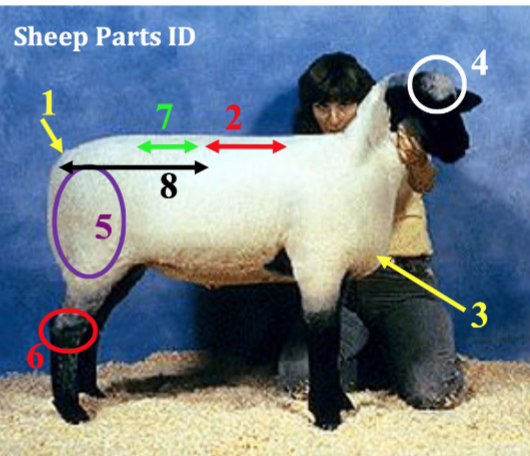
dock
131
2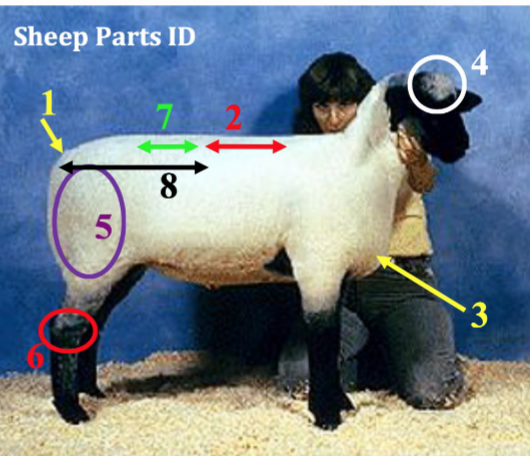
rack
132
3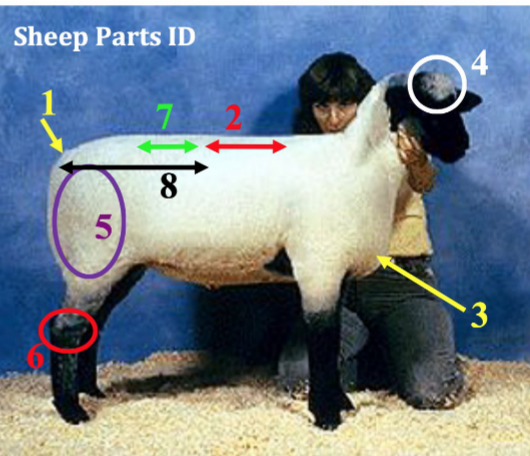
breast
133
4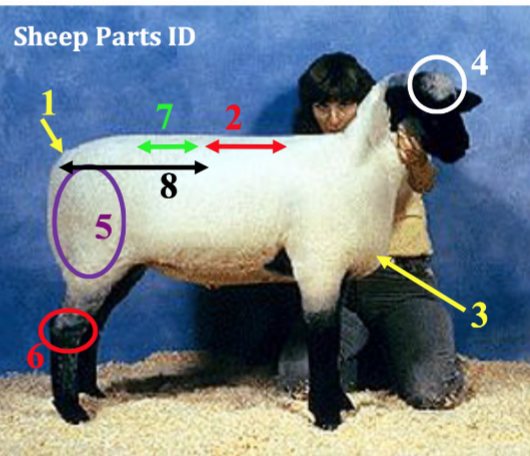
woolcap
134
5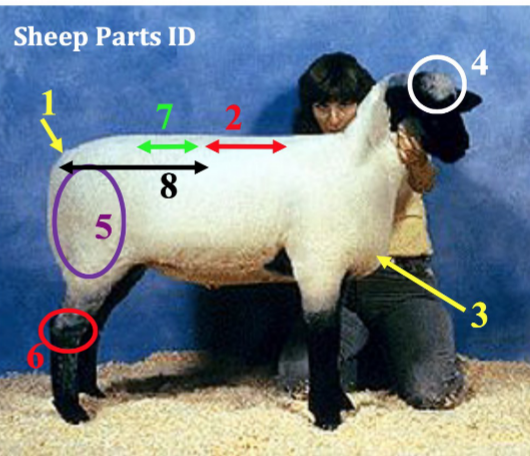
leg
135
6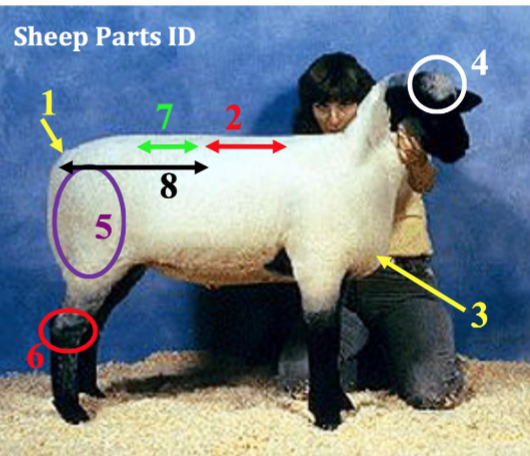
hock
136
7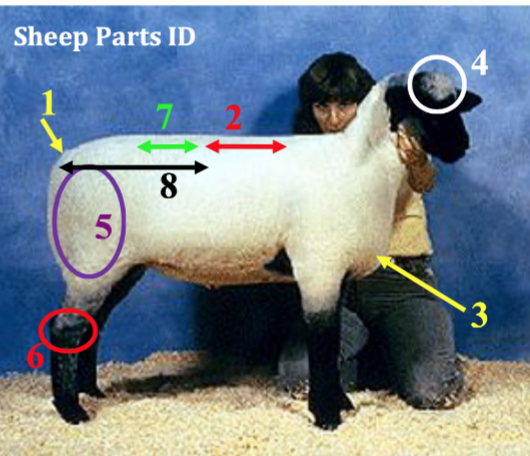
loin
137
8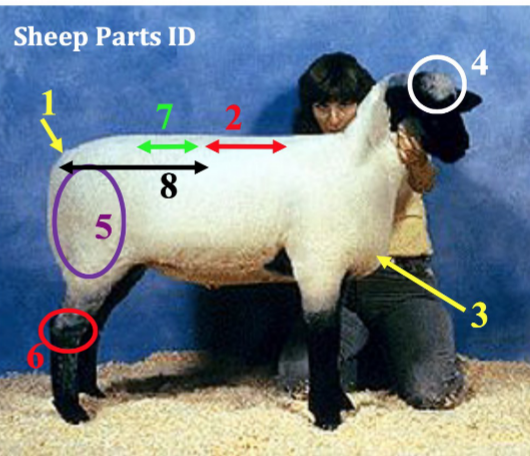
hindsaddle
138
1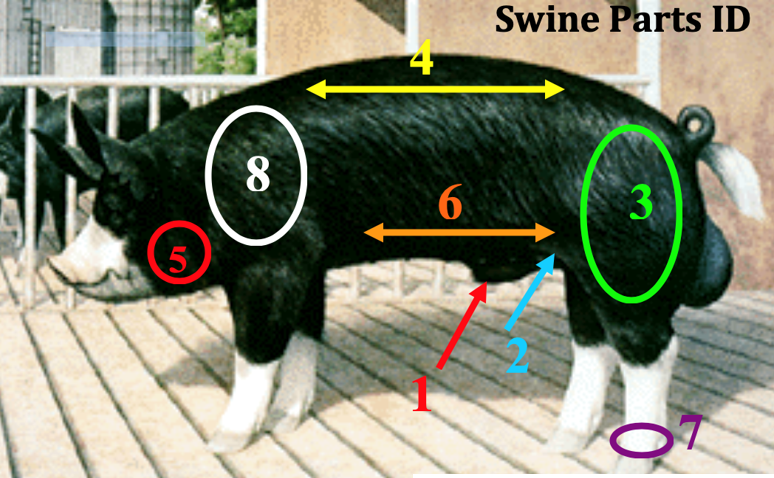
sheath
139
2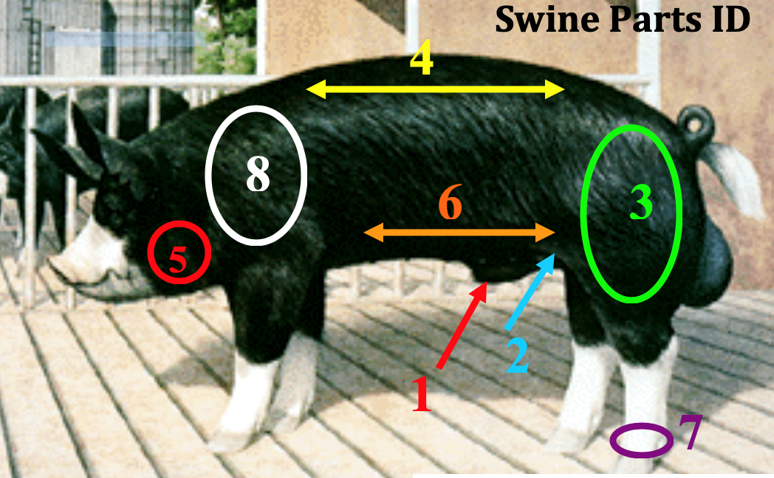
rear flank
140
3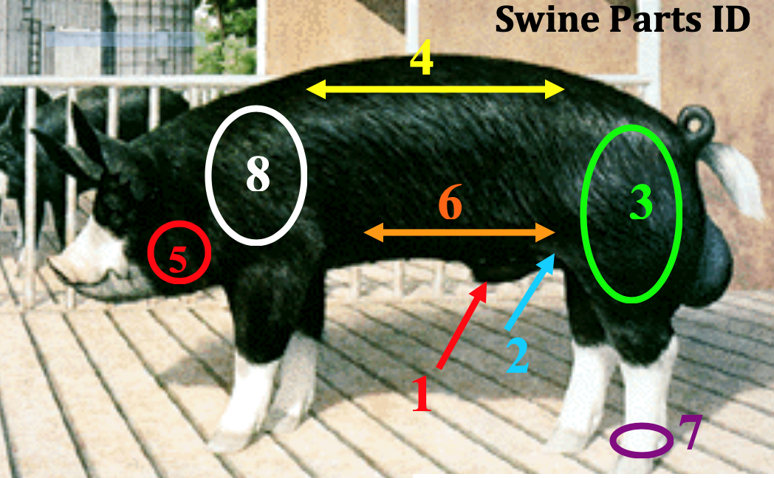
ham
141
4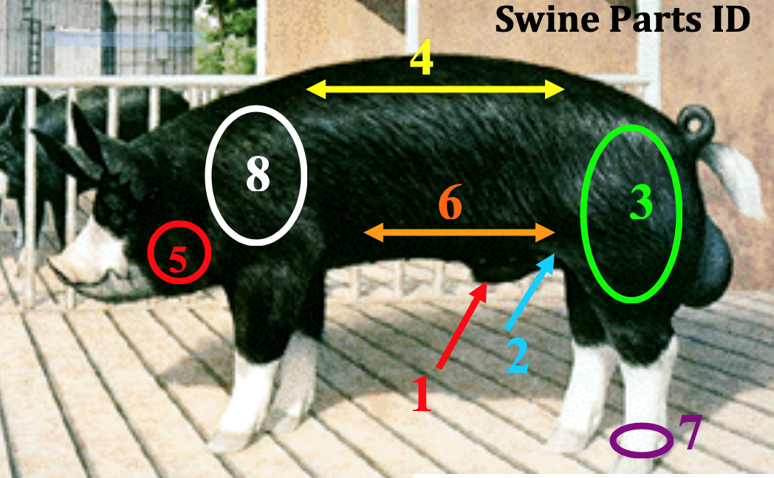
loin
142
5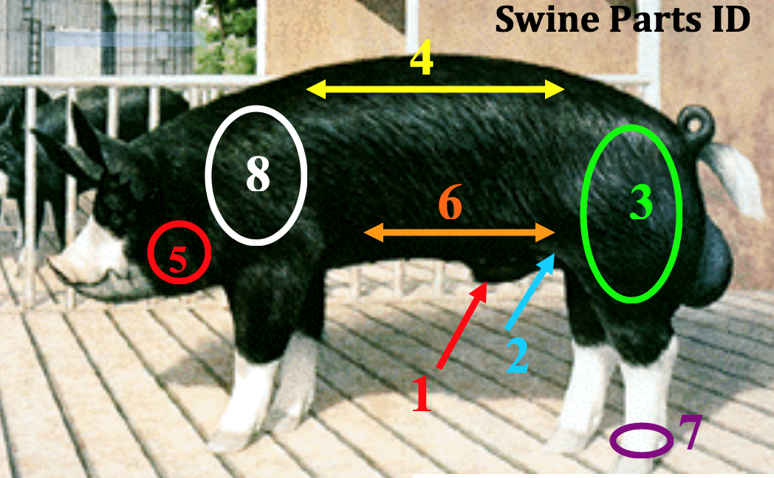
jowl
143
6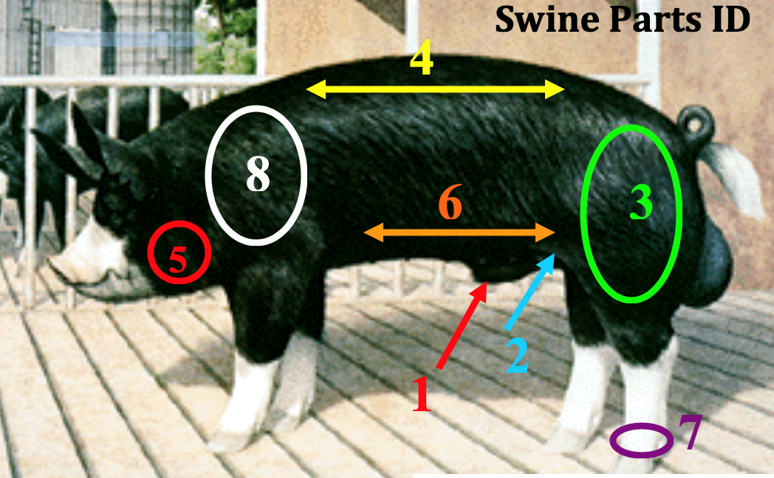
belly
144
7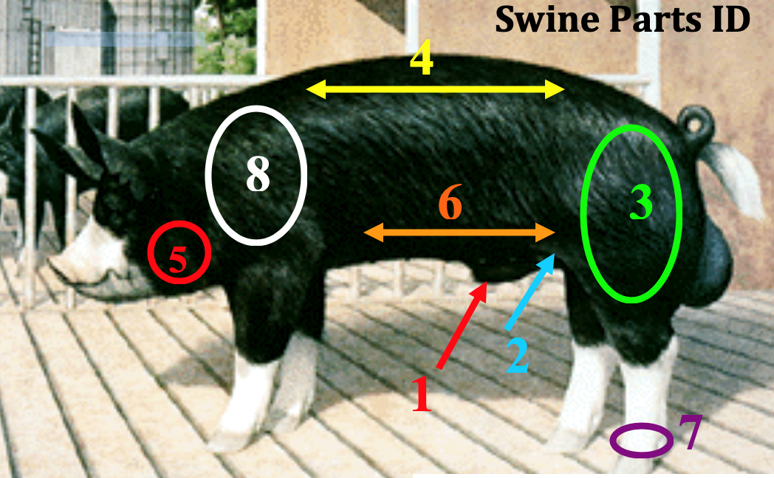
pastern
145
8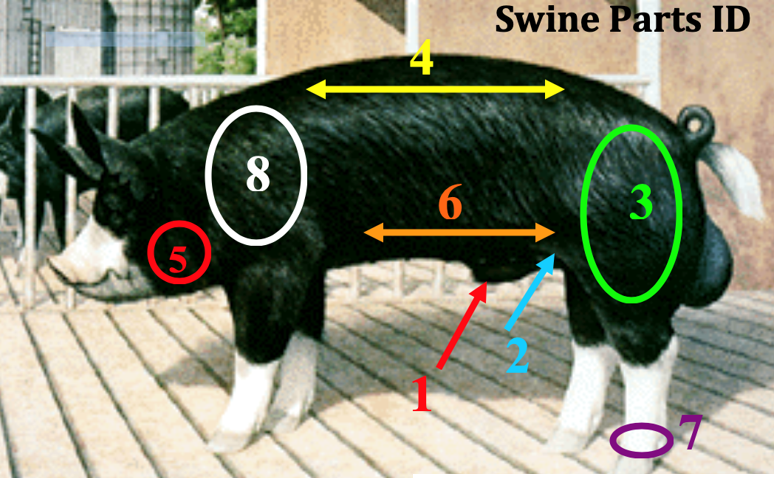
shoulder (picnic shoulder and boston butt if carcass)
146
1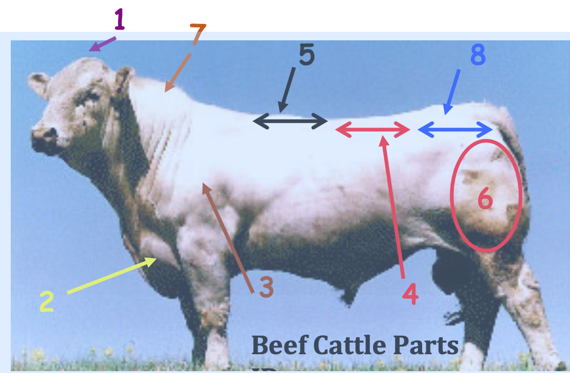
poll
147
2
brisket
148
3
shoulder (chuck if carcass)
149
4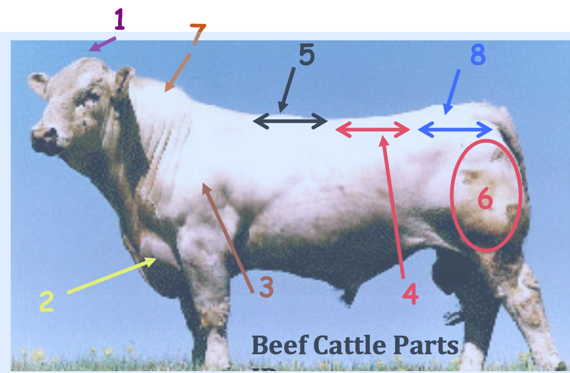
loin
150
5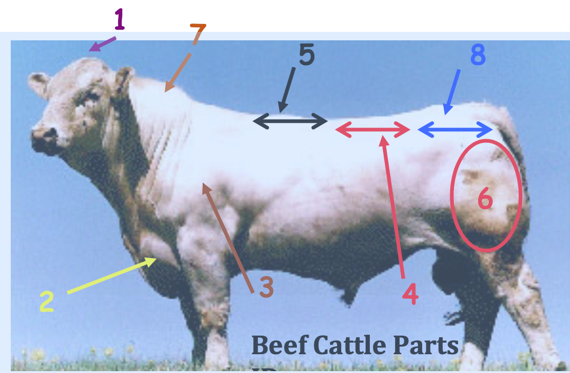
rib
151
6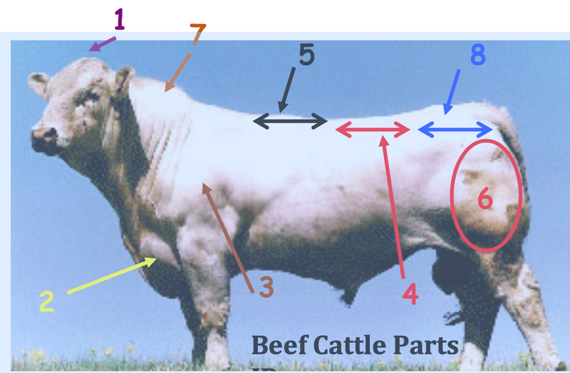
round/quarter
152
7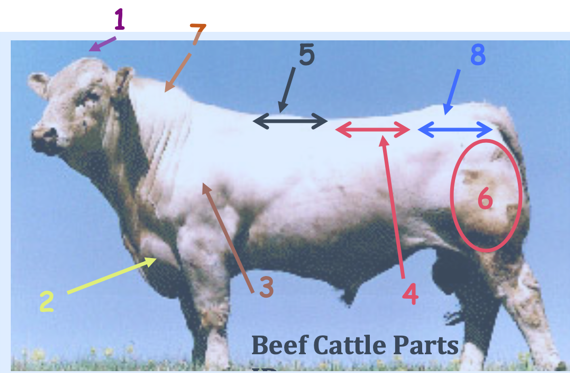
crest
153
8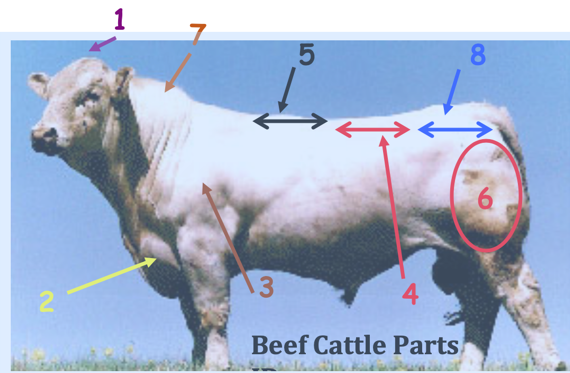
rump
154
1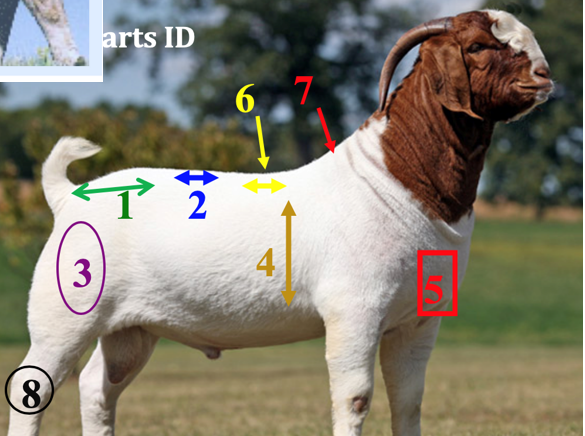
rump
155
2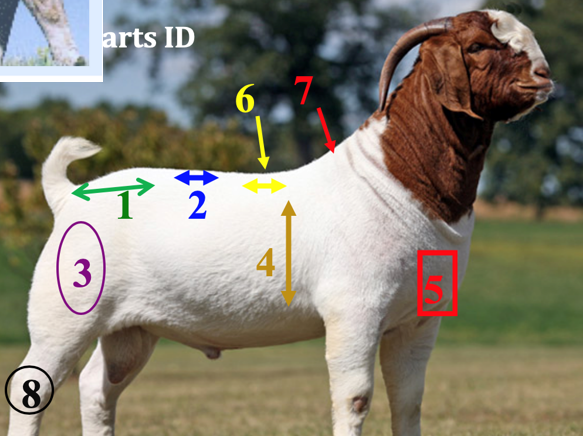
loin
156
3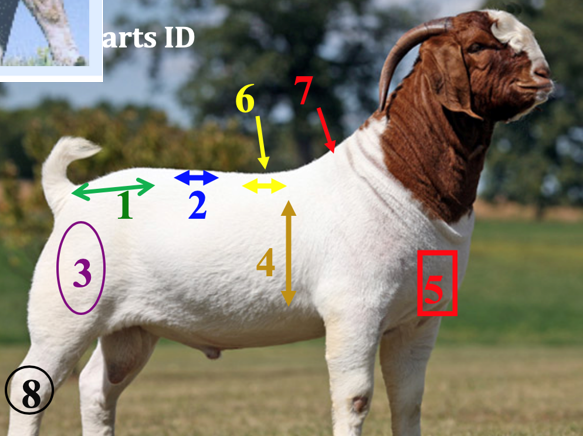
leg
157
4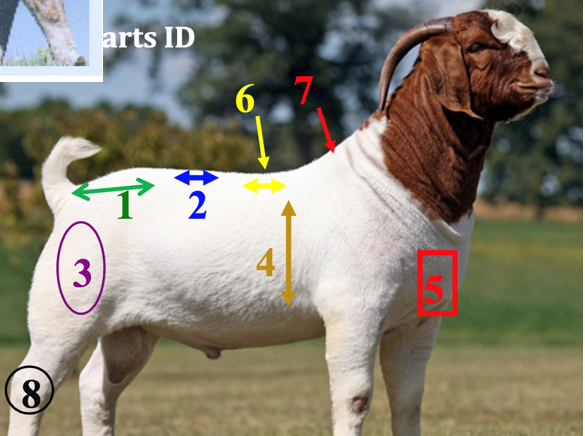
barrel/heart girth
158
5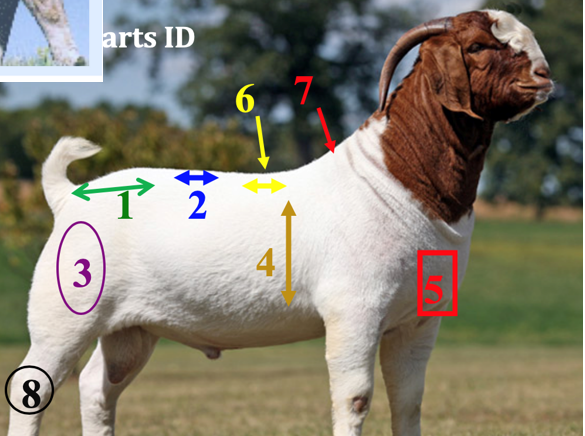
breast
159
6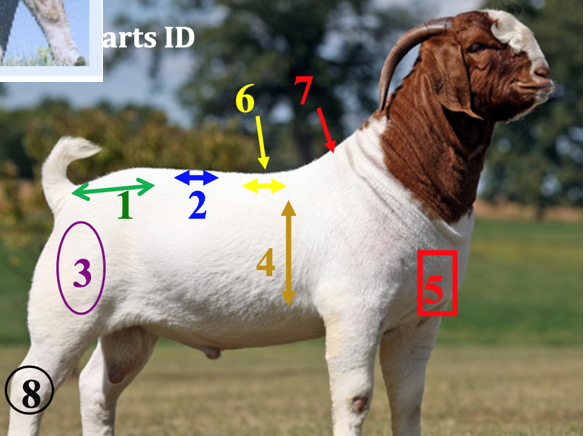
back
160
7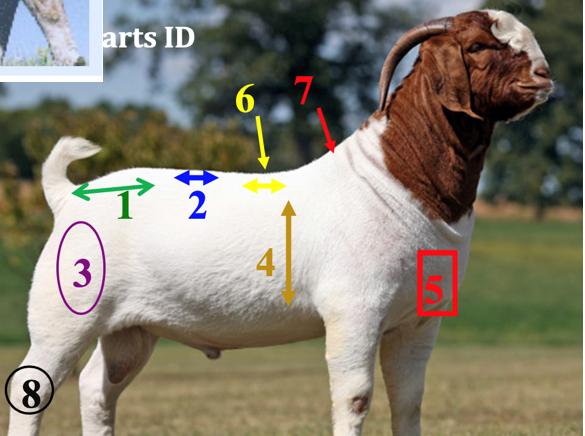
chine
161
8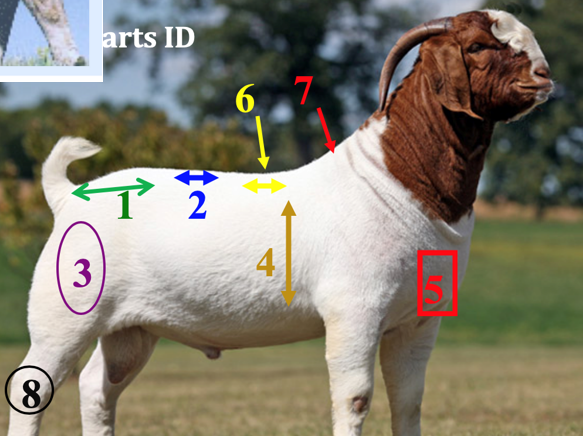
hock
162
degree to which one animal is more or less thickly muscled than another
muscling
163
degree which one animal shows more or less external fat or "condition" than another
fat
164
differences in linear measurement of the animal as a whole (taller/shorter bodied) or certain parts of the animal's body
size/skeletal dimension
165
differences in the percieved volume of the body cavity, lenght, depth, and width of the rib cage and body
capacity/internal volume
166
differences in leg structure and movement, general design and type of the animal (soundness of feet/legs, movement, function, and skeletal design – even eye
appeal when economically important)
appeal when economically important)
structural correctness
167
noninvasive temporary method used on swine, sheep, and beef, applies colored external mark on skin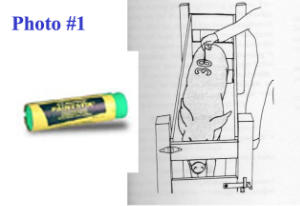
paint stick/paint brand
168
mostly noninvasive semi-permanent method used on cattle, sheep, and goats, marker placed in the animal's ear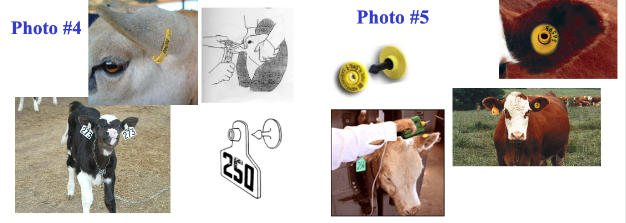
ear tag/EID tag
169
invasive permanent method used on cattle, uses hot iron to mark the skin of the animal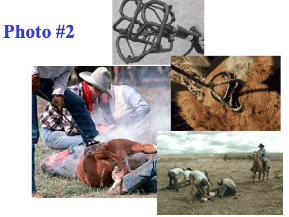
hot brand
170
noninvasive temporary method used on dairy and poultry, bracelet placed around animal's leg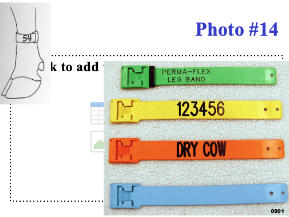
leg band
171
invasie permanent method used on beef and dairy, enters body cavity and sits in reticulum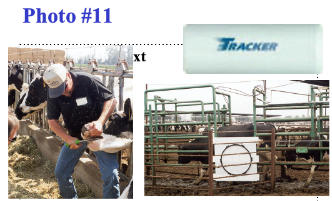
EID bolus
172
semi-invasive temporary method used on poultry, pokes hole in wing in order to place bracelet around it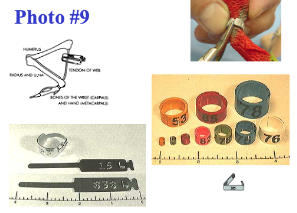
wing band
173
invasive and permanent method used on cats, dogs, and emus, small electronic device placed under the skin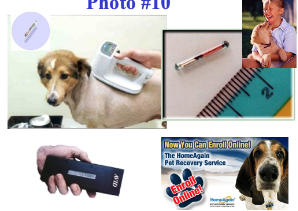
microchip
174
invasive and permanent method that can be used on all animals, uses blood or tissue sample from the animal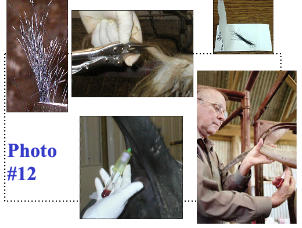
DNA sample
175
invasive and permanent method used on cattle and horses, kills pigment cells so hair grows in white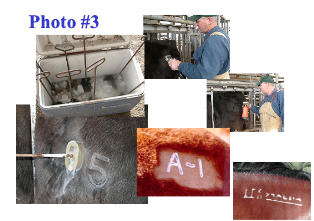
freeze branding
176
invasive and permanent method used on cattle, sheep, swine, rabbits, etc, prints identification on ear, often difficult to read in most cases 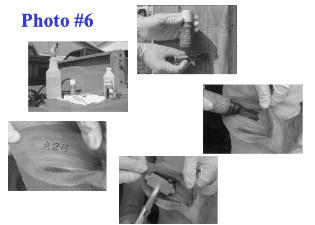
ear tattoo
177
invasive and permanent method used on horses, identification printed inside of lip, often not easily read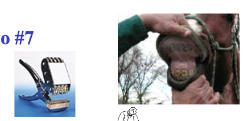
lip tattoo
178
invasive and permanent method used on swine and goats, involves removing tissue/cartilage from the ear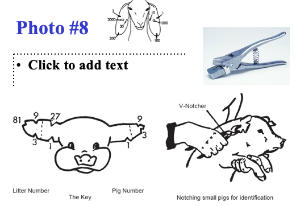
ear notch
179
noninvasive and permanent method used all animals (common in sheep and cattle), scan the animal's eyes for identification 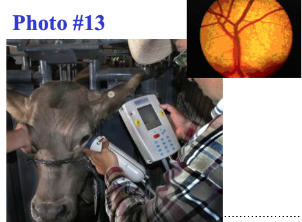
retinal scan
180
invasive and permanent method used on pigs, often printed on shoulder for identification after slaughter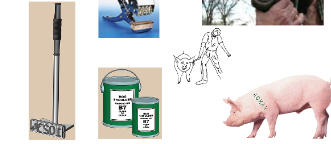
carcass tattoo
181
orientation is on footprint, starts at know point last seen (PLS), may need scent article
tracking dog
182
uses scent discrimination, follows skin rafts that have fallen to ground/higher vegetation, follows human scent, not ground disturbances (wind moves scent away from path over time)
trailing dog
183
picks up airborne scent cone from missing person, may ignore ground scent (follows air scent, not ground)
area search/wilderness dog
184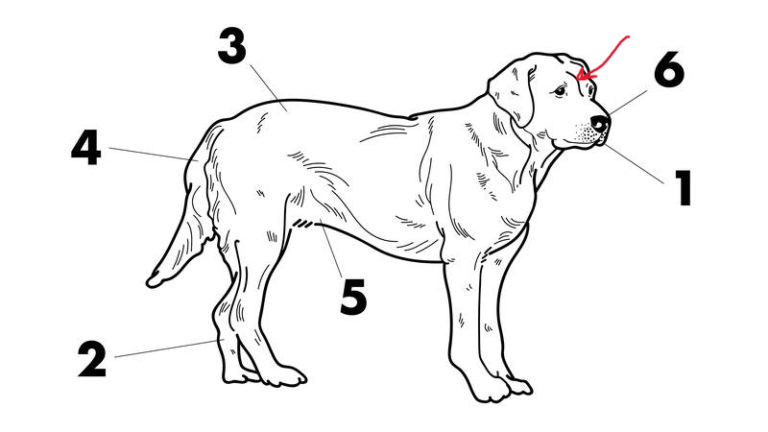
stop
185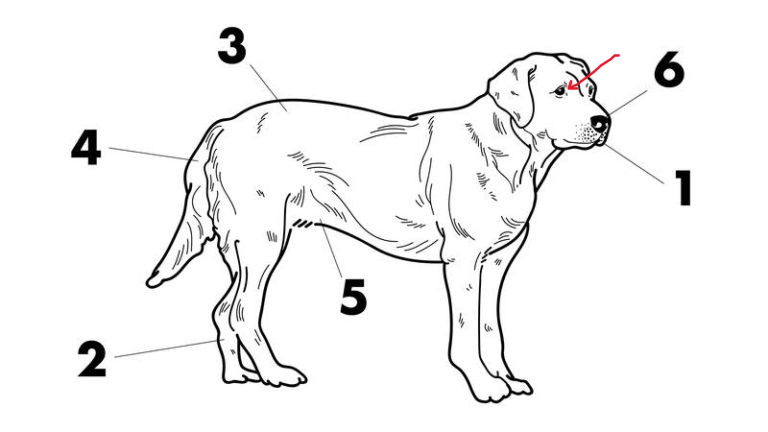
eye
186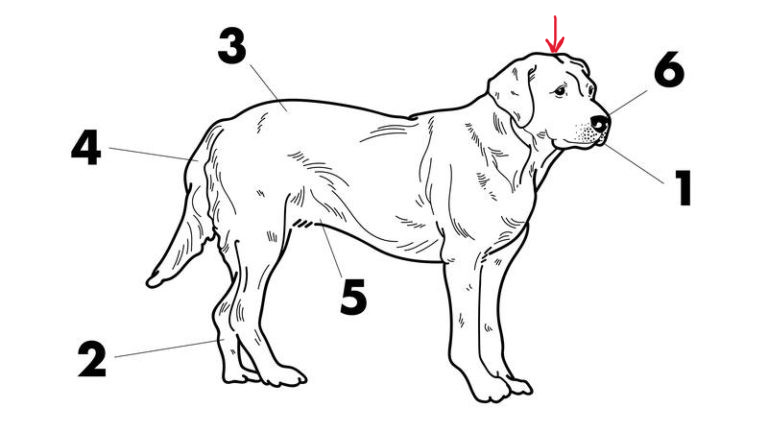
skull
187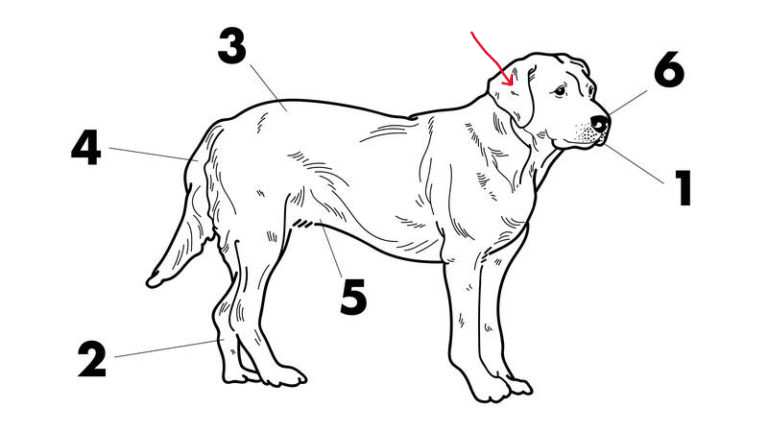
ear
188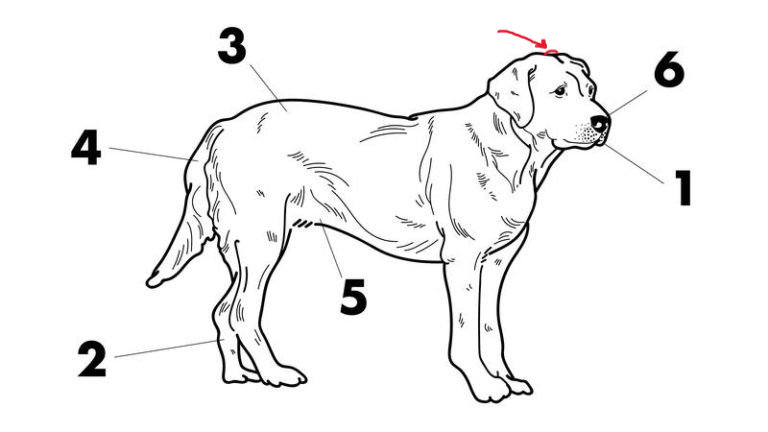
occiput
189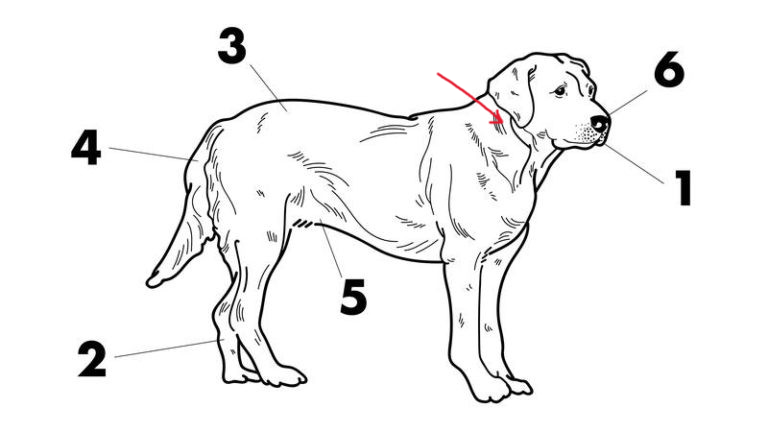
neck
190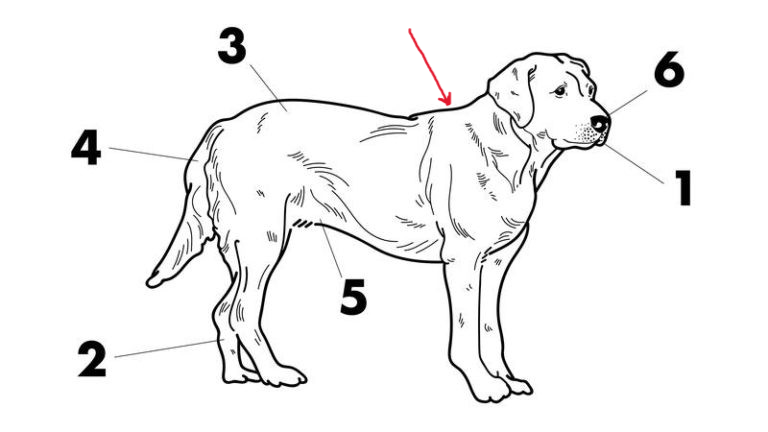
withers
191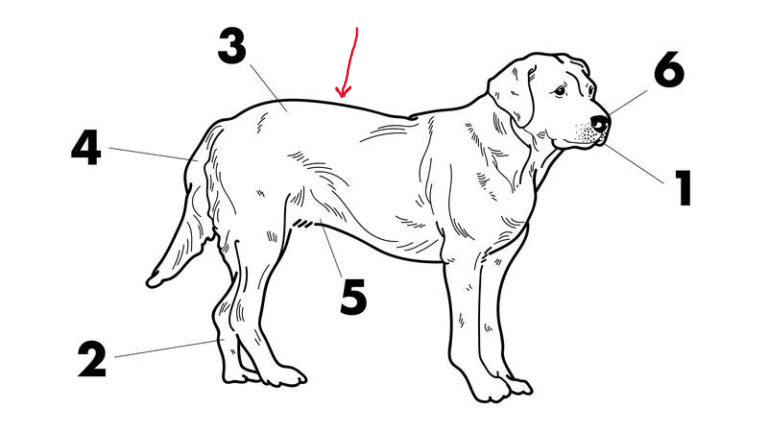
back
192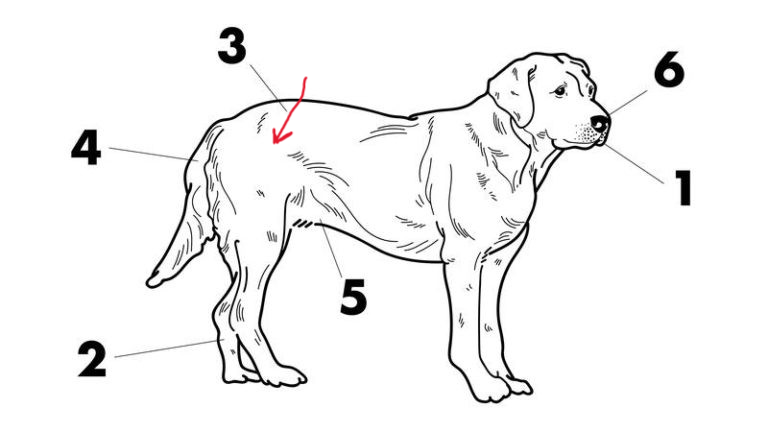
loin
193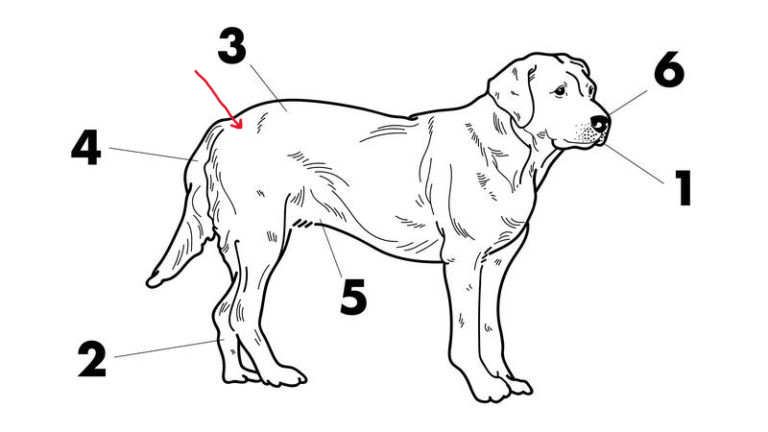
croup
194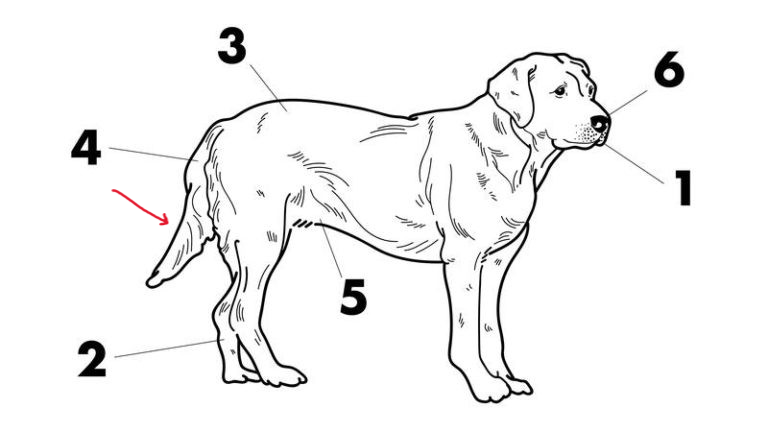
tail
195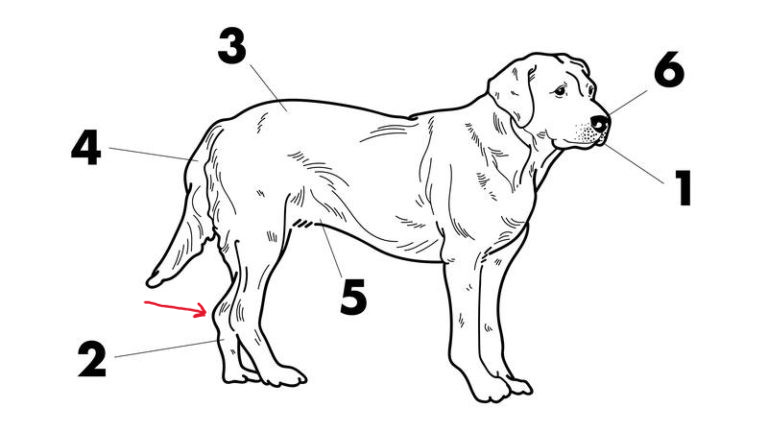
hock
196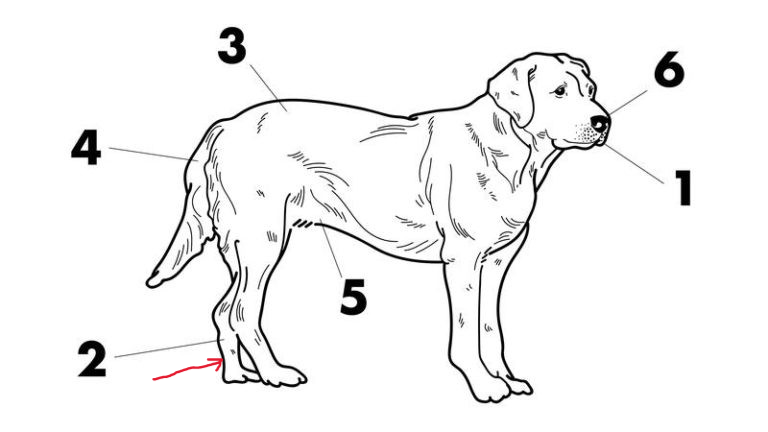
pastern
197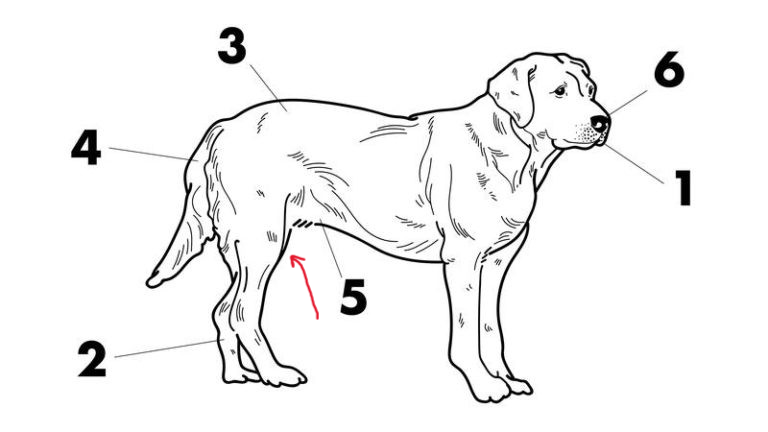
stifle
198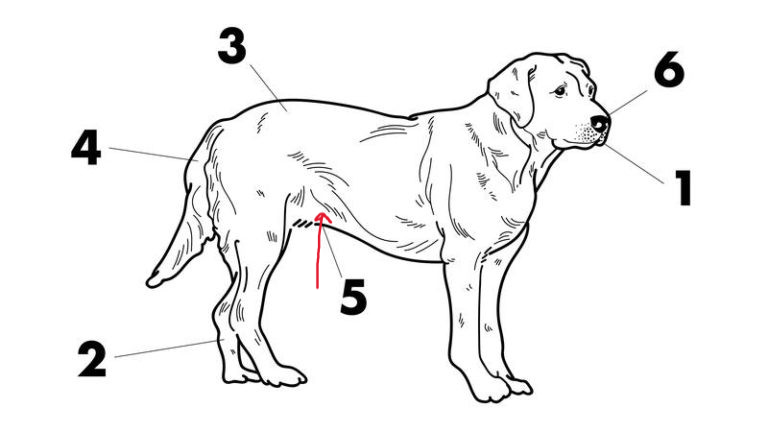
flank
199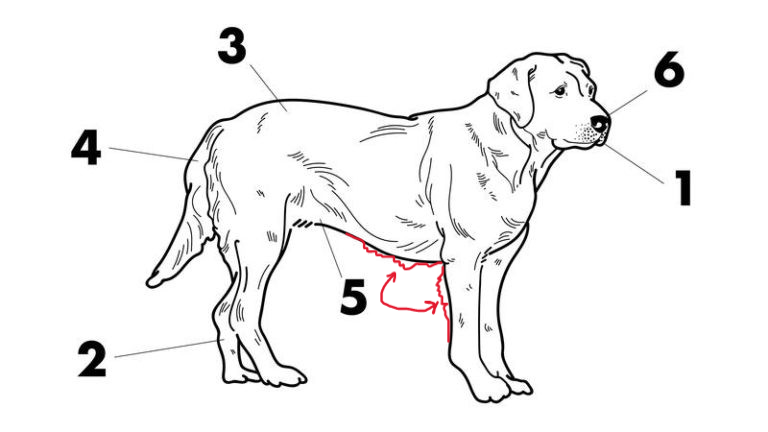
feathers
200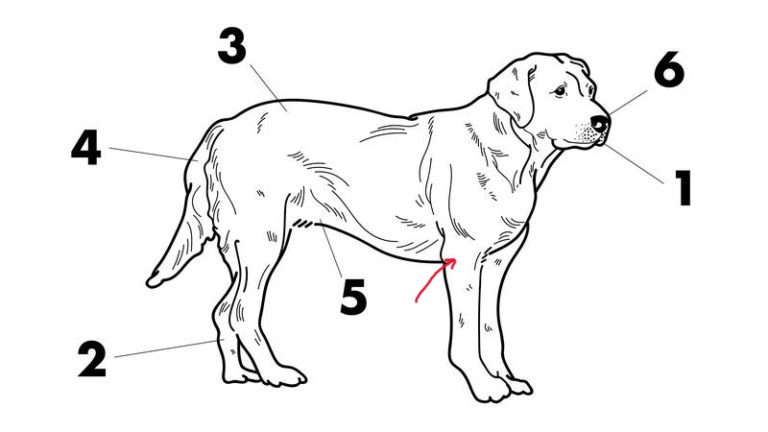
elbow
201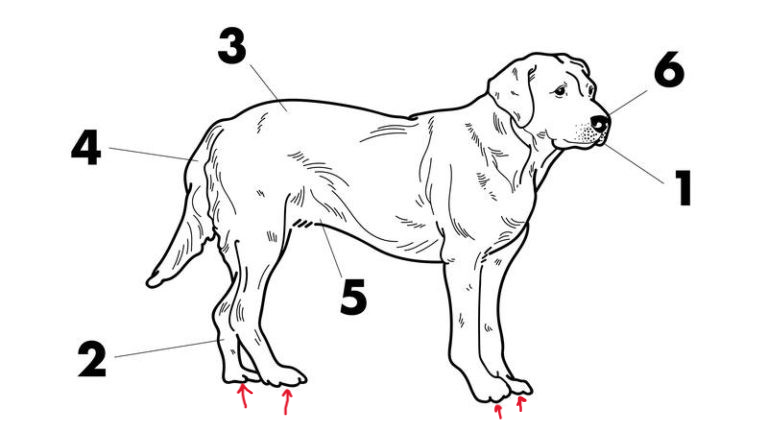
pads
202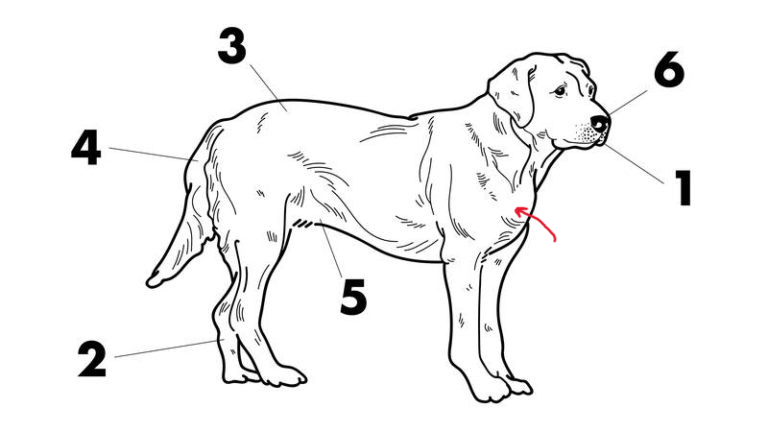
brisket
203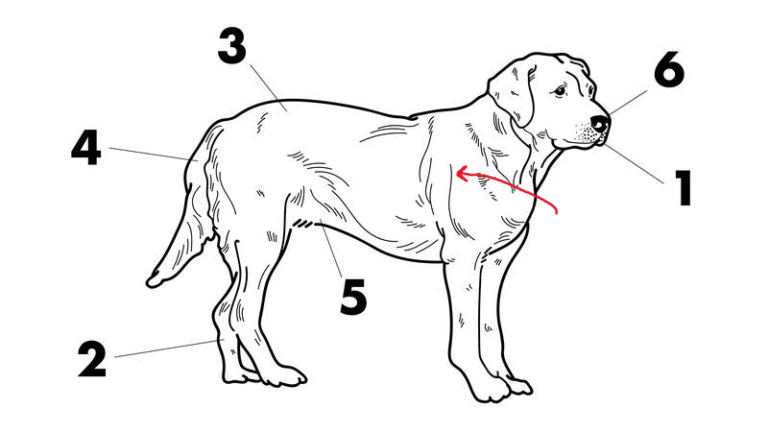
shoulder
204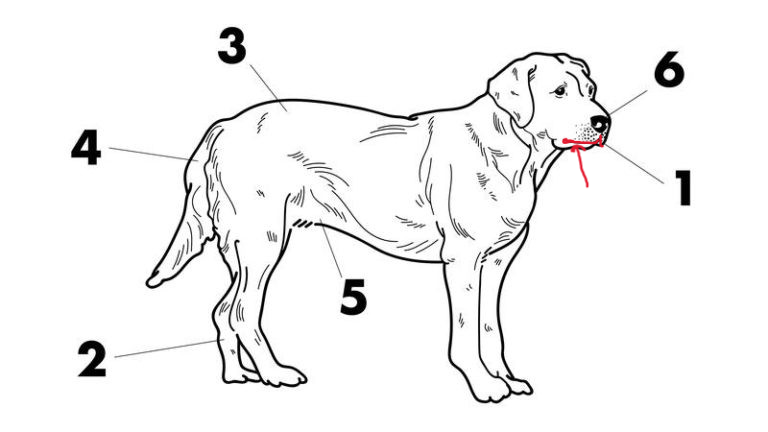
flew
205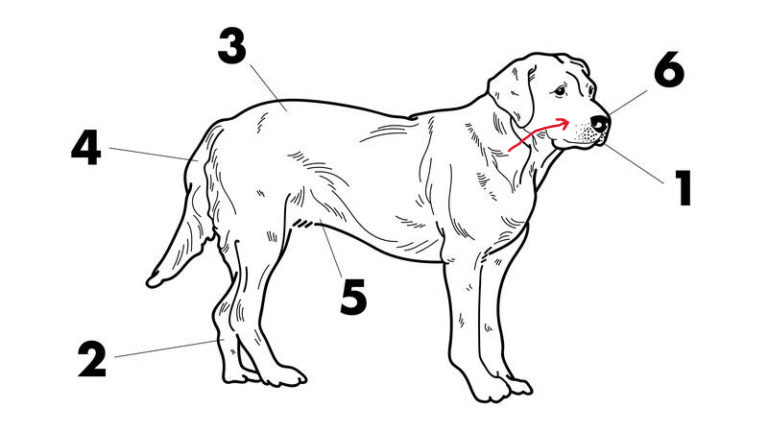
muzzle
206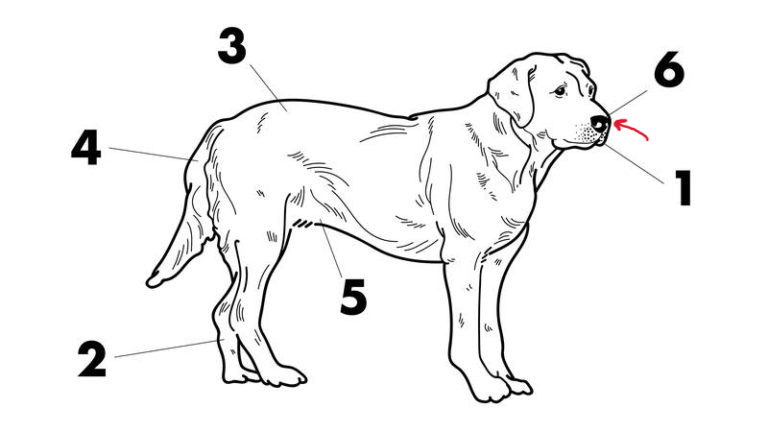
nose
207
Quick to learn, intelligent, capable. Make solid companions. Considerable dimensions and strength. (husky, doberman, great dane)
working dogs
208
Active. Alert. Remarkable instincts in water and woods, Actively participate in hunting and other field activities. Require regular vigorous exercise. (golden retriever, irish setter)
sporting dogs
209
Most have acute scenting powers, stamina, and distinct ability to bay. But great variation in type beyond this (afghan, beagle)
hounds
210
Diminutive size and winsome expressions are the main features. Also tough, and adaptable to small living spaces. (shih tsu, pug)
toy dogs
211
Feisty, energetic dogs with varied sizes between breeds. Typically have little tolerance for other animals, including other dogs. Most have wiry coats.
terriers
212
Fabulous ability to control the movement of other animals. Intelligent, excellent companions, respond beautifully to training exercises. (australian shepherd, border collie)
herding dogs
213
Sturdy build but with great variation in other traits (color, coat, head ear and so on). Originally from the working group. (corgi, chow chow, dalmation)
non-sporting dogs
214
the conscious production of biological products to meet human needs
agriculture
215
art, religion, histroy, trade, government
humanities
216
marked by the transition by humans from hunting animals to controlling and breeding animals
Neolithic Revolution
217
animal-derived product responsible for the economic development of England and Spain
wool
218
historical figure who promoted agriculture coursework in US colleges
Benjamin Franklin
219
interlocking strands of yarn in weaved fabric, used as a metaphor by Dr. Willham to describe relationship between humans and domesticated animals and how it is an integral part of human civilization
warp and woof
220
mutually beneficial relationship
symbiotic
221
organism that has been purposely genetically altered to meet human needs
domestic
222
giving human characteristics to non-human things
anthropomorphic
223
form clusters called lobes in cow's udder, produce milk on a continual basis during lactation
aveoli
224
where milk from cow exits after traveling through gland cistern to teat cistern
teat canal
225
microbial infection the udder is highly susceptible to, teat dripping used as form of prevention
mastitis
226
hand-held device that places a cable over over pig's snout and under canine teet, causes pig to freeze in place allowing for injections to be administered
snare
227
process of turining a sheep onto its rump, allows hands to be free for shearing along midline, trimming feet, examining teeth, and adiministering shots
sheep tipping
228
used to tie or untie halter from rail, easily released if animal should pull strongly against rope or fall while tied and is in risk of choking
quick release knot
229
distimguished by presence of a saddle horn, more substantial stirrups, fenders, deep saddle seat, more substantial cinch strap (or latigo), and a flank or belly strap
western saddle
230
holds western saddle most securely to the horse
cinch strap/latigo
231
learned behavior: desensitization, eg an animal trained to lessen its fight or flight response
habituation
232
the study of behavior in animals
ethology
233
observable, coordinated responses to external/environmental stimuli
behavior
234
learned behavior: associative, "cue, response, reward," aquire new response by association with old one, negatively or positively reinforced
conditioning
235
learned behavior: reinforcement of behavior not continued
extinction
236
learned behavior: phase/age sensitive learning, independent of consequences
imprinted behavior
237
innate behavior: natural tendency to eat food
ingestive
238
innate behavior: natural tendency to urinate/defecate
eliminative
239
innate: tendency to find cover
shelter seeking
240
innate: natural reproductive patterns
sexual
241
innate: fighting behavior
agonistic
242
innate: tendency of offspring to associate with mother figure
mother to offspring
243
flocking instinct (strong in sheep, less so in pigs)
gregarious
244
area around animal that triggers flight response
flight zone
245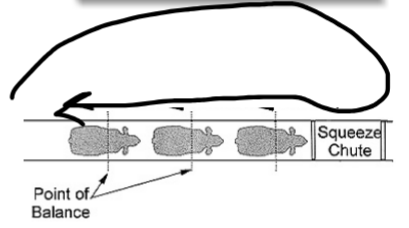
approaching cattle