Topics 7-9
Study these flashcardsFree · spaced repetition · iPhone, Android, Mac & web
All cards
1
vegatative part of fungus, a mat of fungal hyphae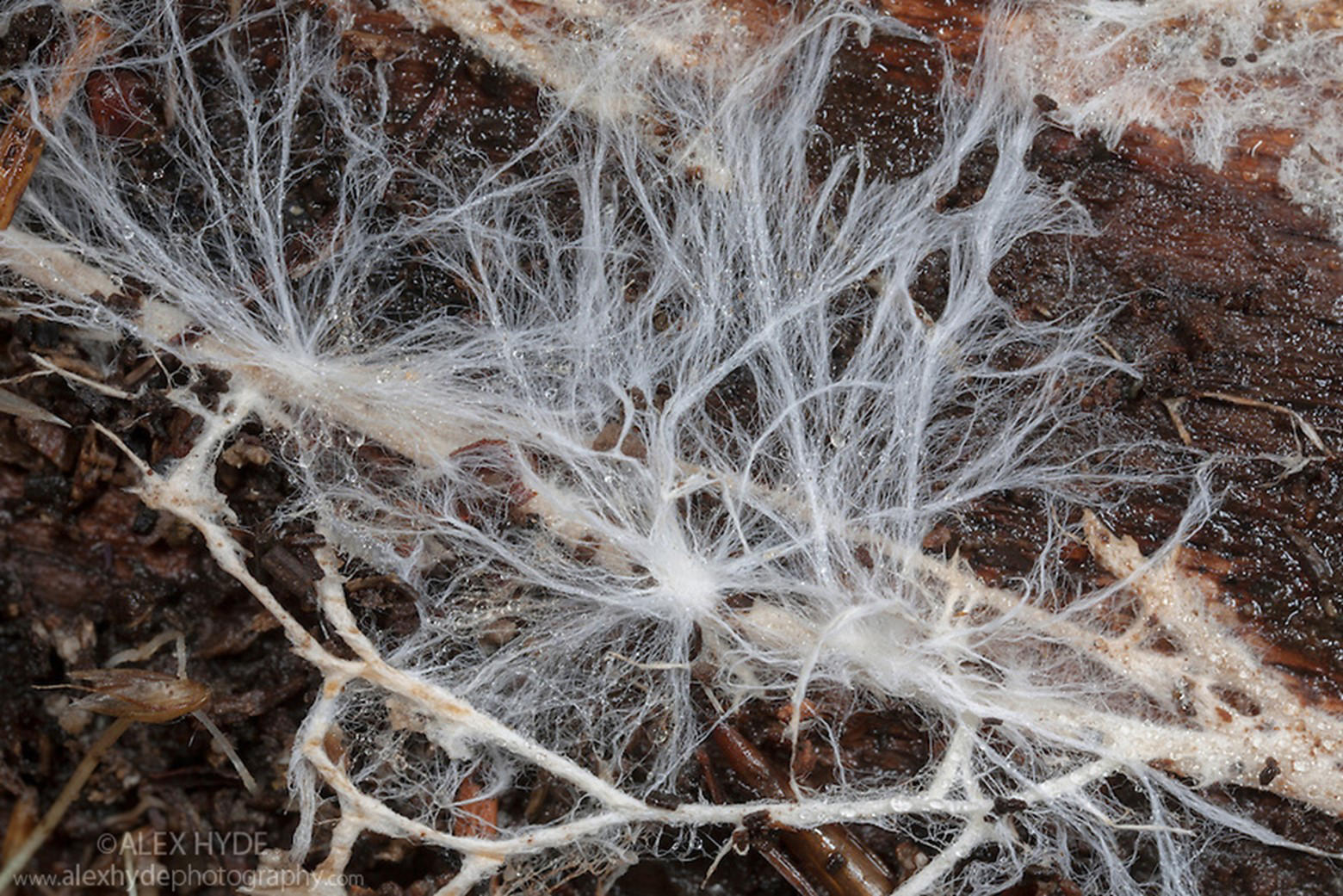
mycelium
2
Saccharomyces cerevisiae, used extensively in baking and fermentation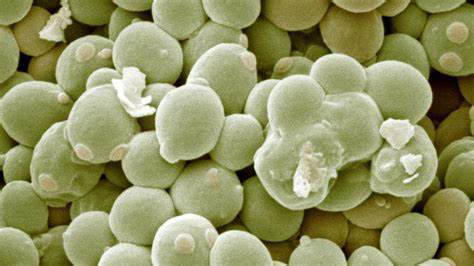
yeast
3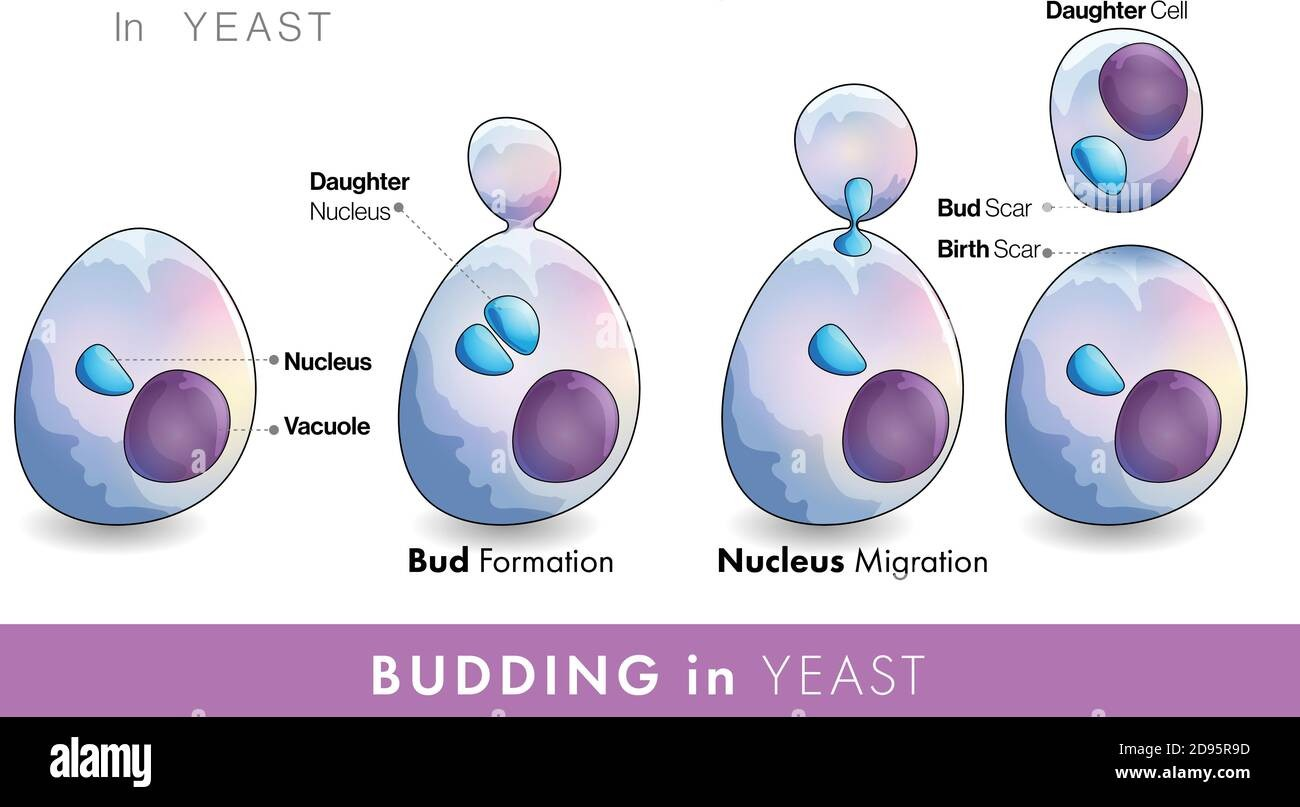
yeast budding
4
type of fungus that forms symbiotic relationship with plant roots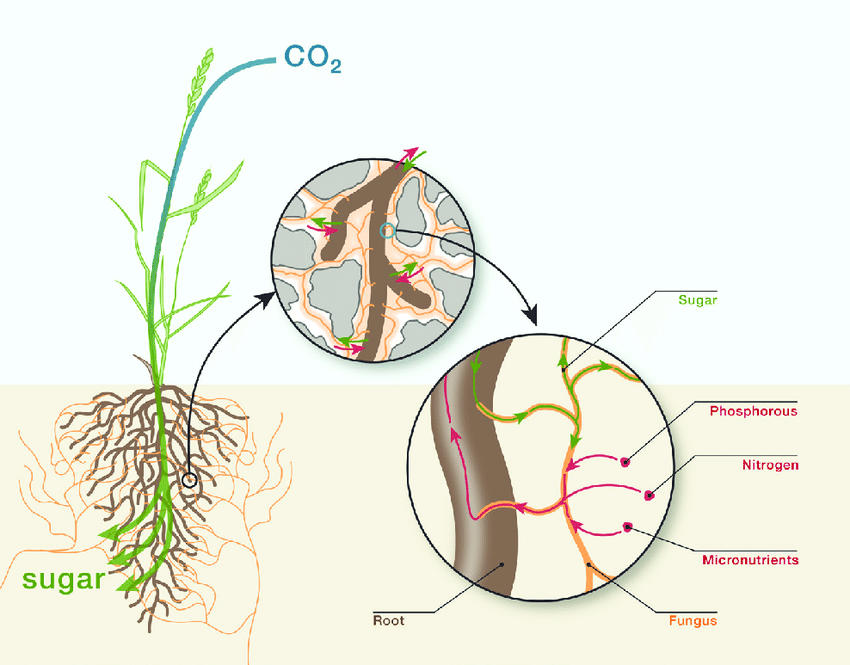
mycorrhizae
5
structures where resistant, round-shaped spores form during sexual reproduction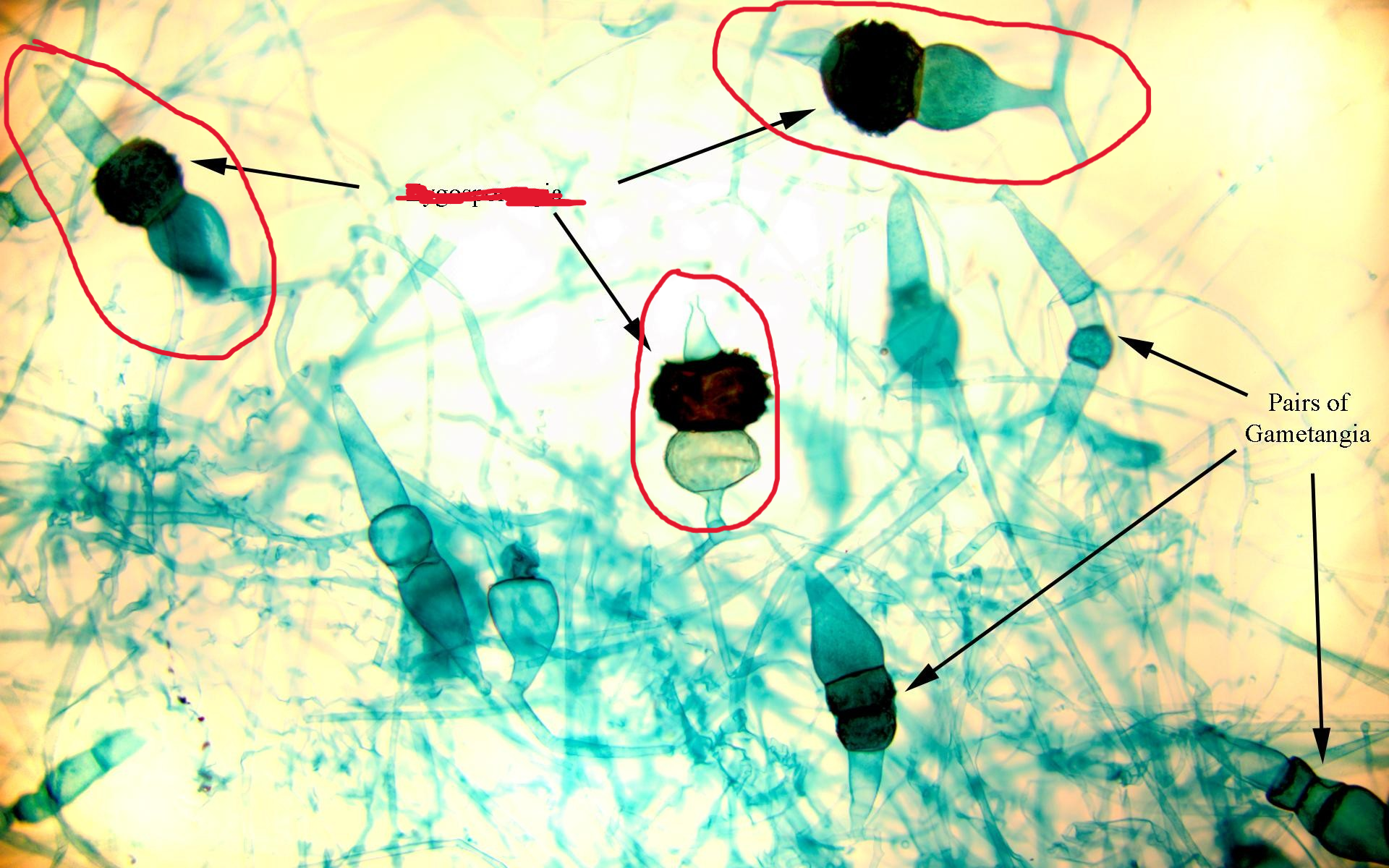
zygomycota zygosporangia
6
hypha of fungus lacks septa (cell walls), seen in zygomycota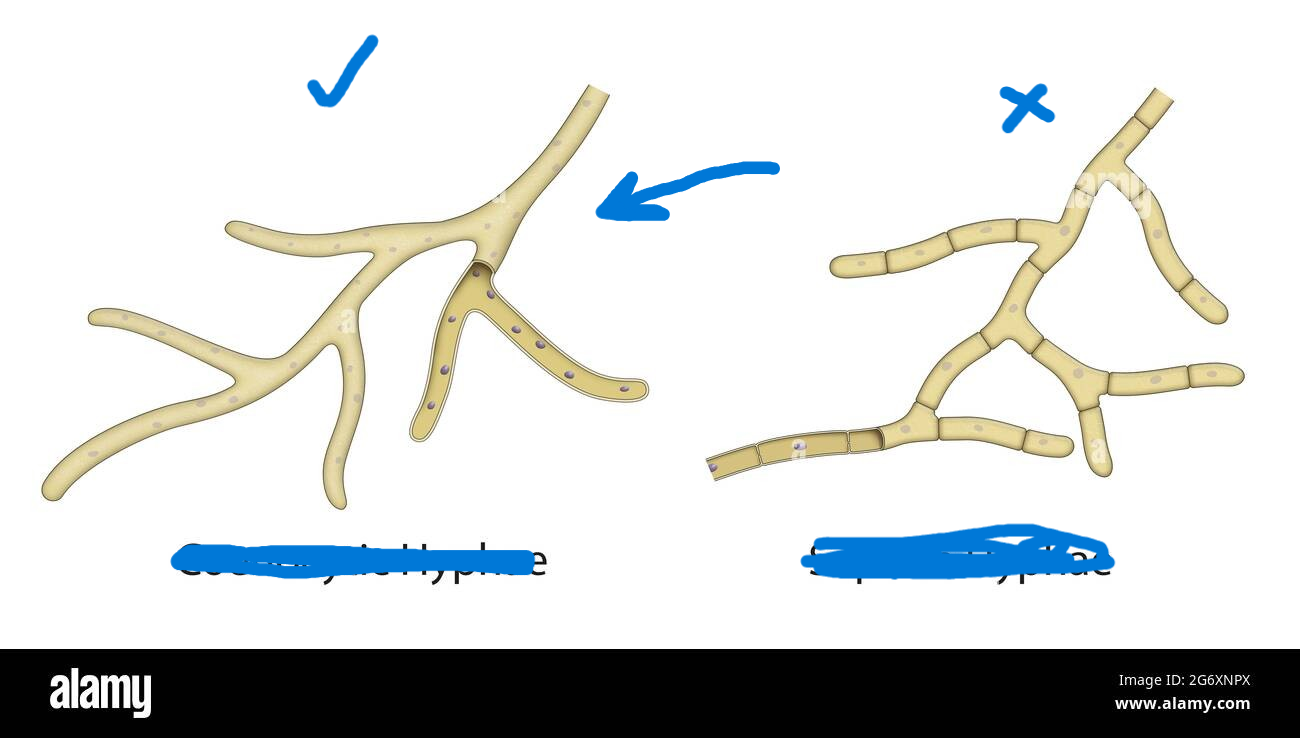
aseptate/coenocytic hyphae
7
specialized structures where spores are produced asexually (forms at tip of a hypha)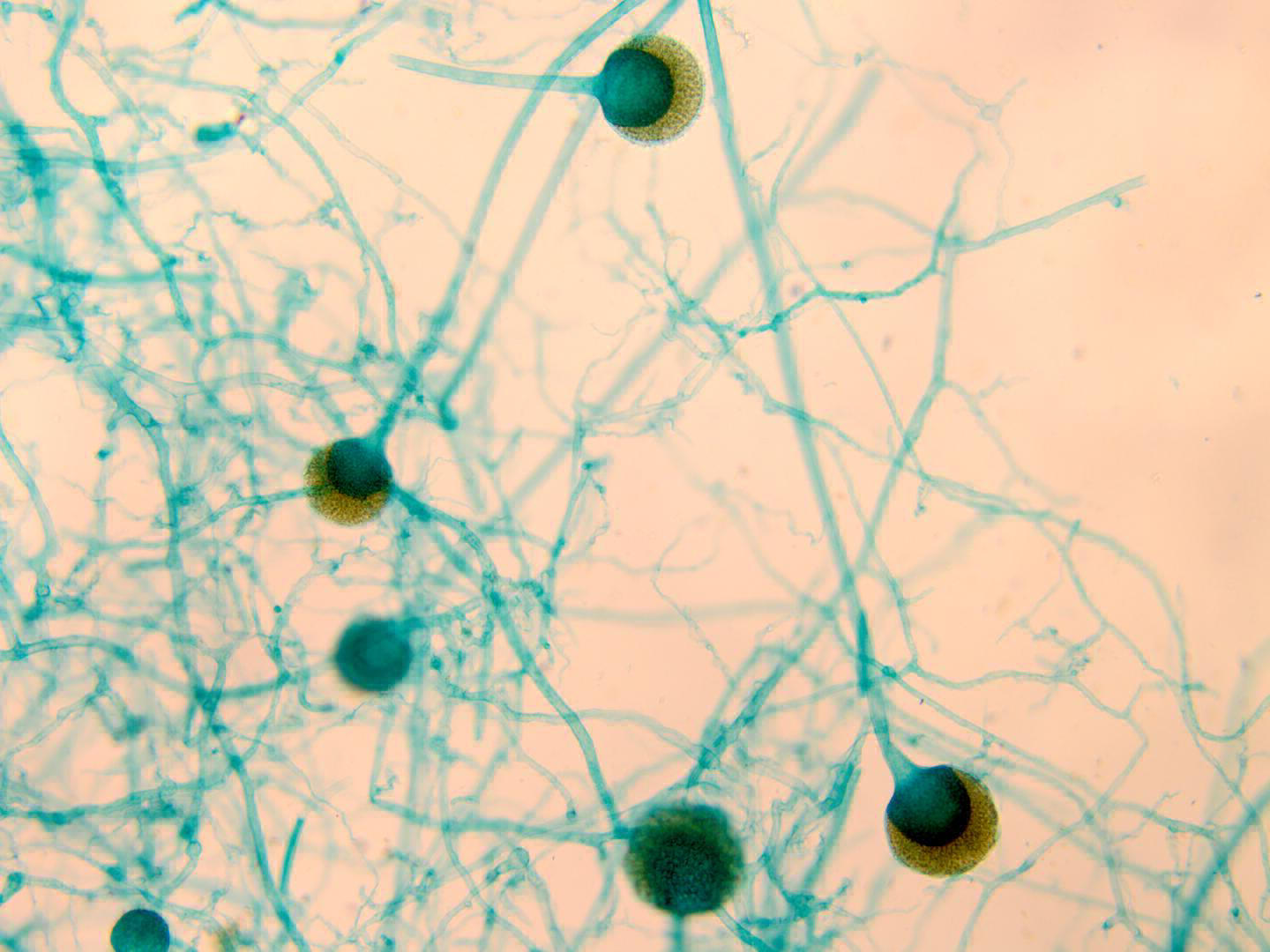
zygomycota sporangia
8
fruiting body, responsible for sexual reproduction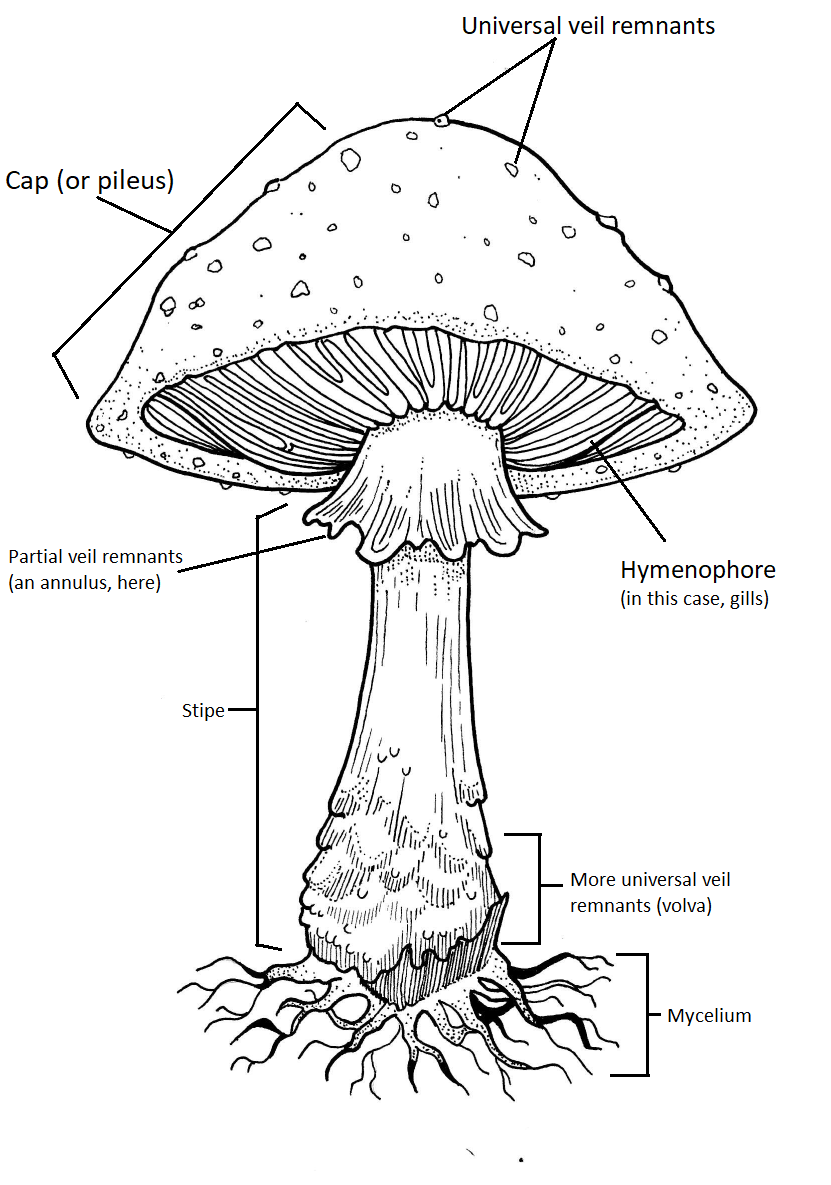
basidiomycota basidiocarp
9
microscopic spore-producing strucutres found on the gills (sexual)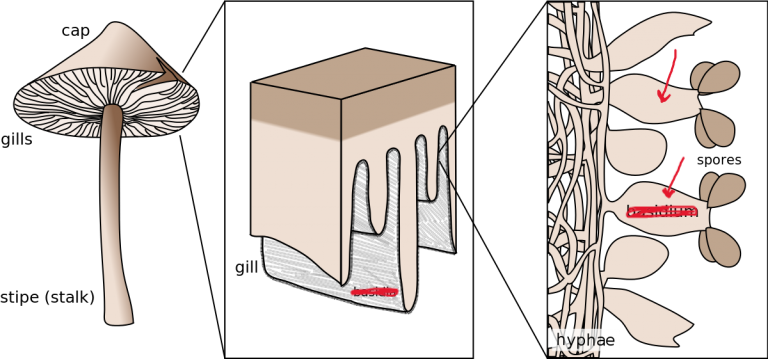
basidiomycota basidia
10
reproductive spores produced by the basidia on the gills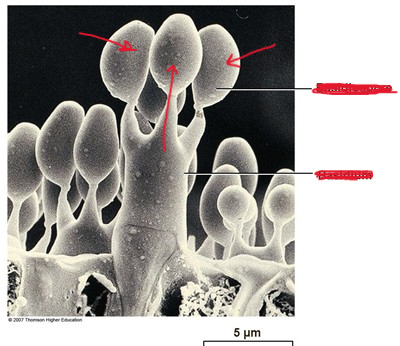
basidiomycota basidiospores
11
thin blade-like structures located beneath the cap, important for reproduction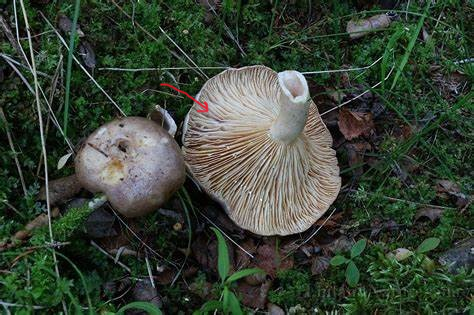
basidiomycota gills
12
hyphae that are divided into cells by internal cross walls called septa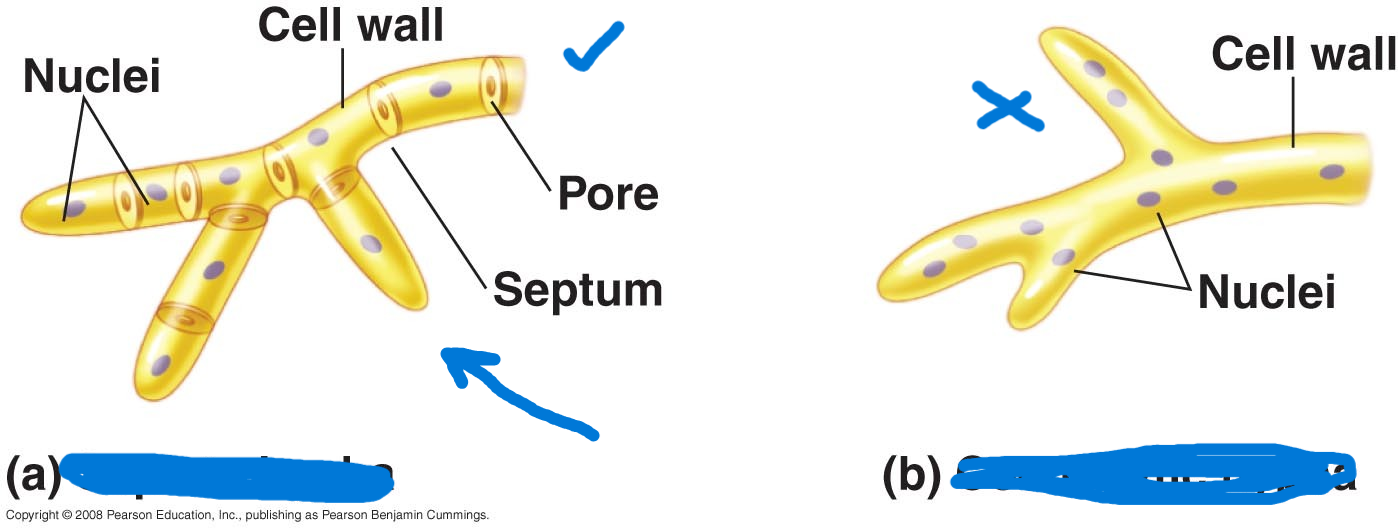
septate hyphae
13
specialized structures responsible for asexual reproduction, produce asexual spores called conidia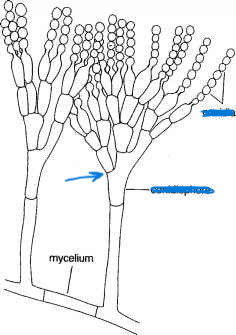
ascomycota conidiophores
14
reproductive spores produced in sac-like structure called ascus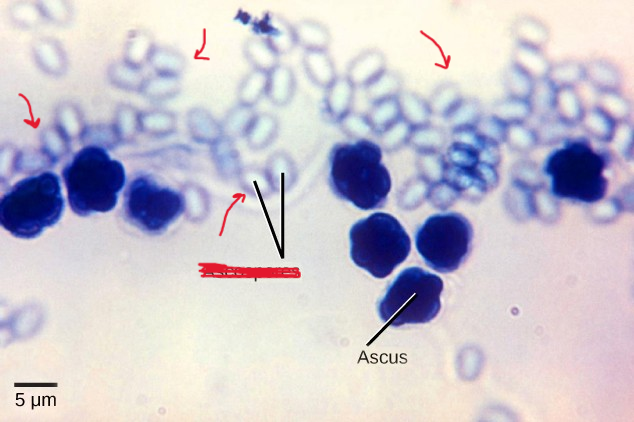
ascomycota ascospores
15
sac-like structures where sexual spores are produced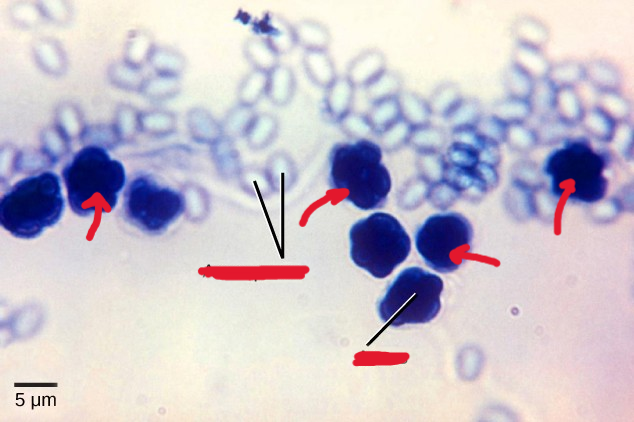
ascomycota asci
16
fruiting body where sexual reproduction occurs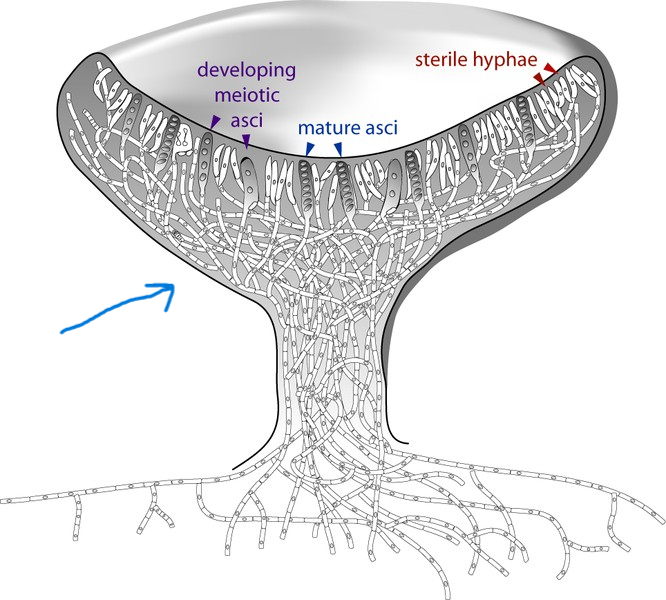
ascomycota ascocarp
17
leaf-like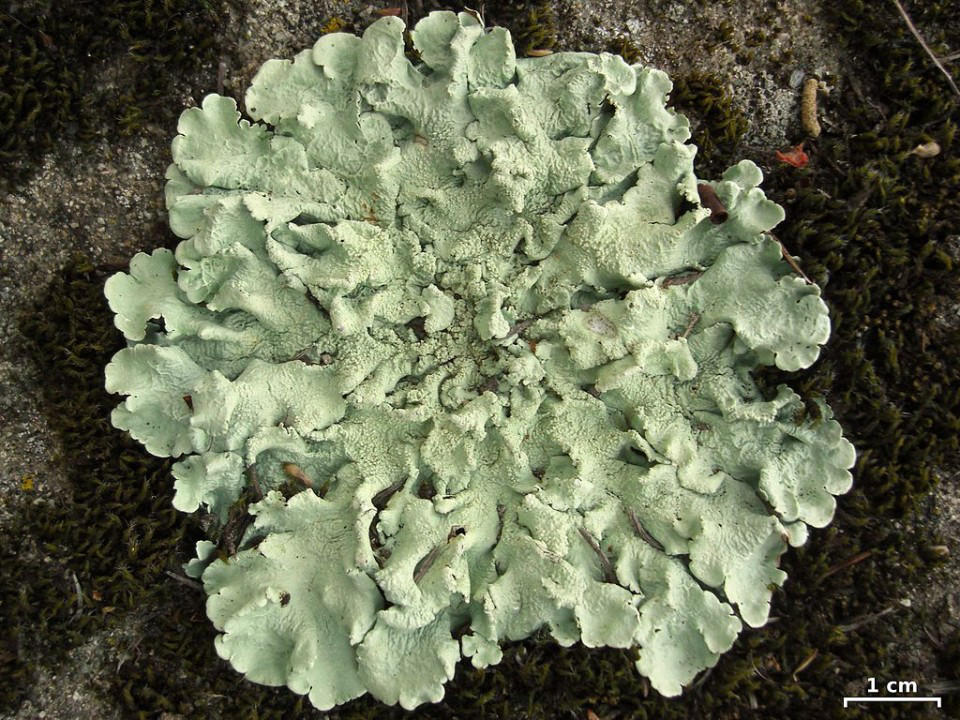
foliose lichen
18
shrubby, branching appearance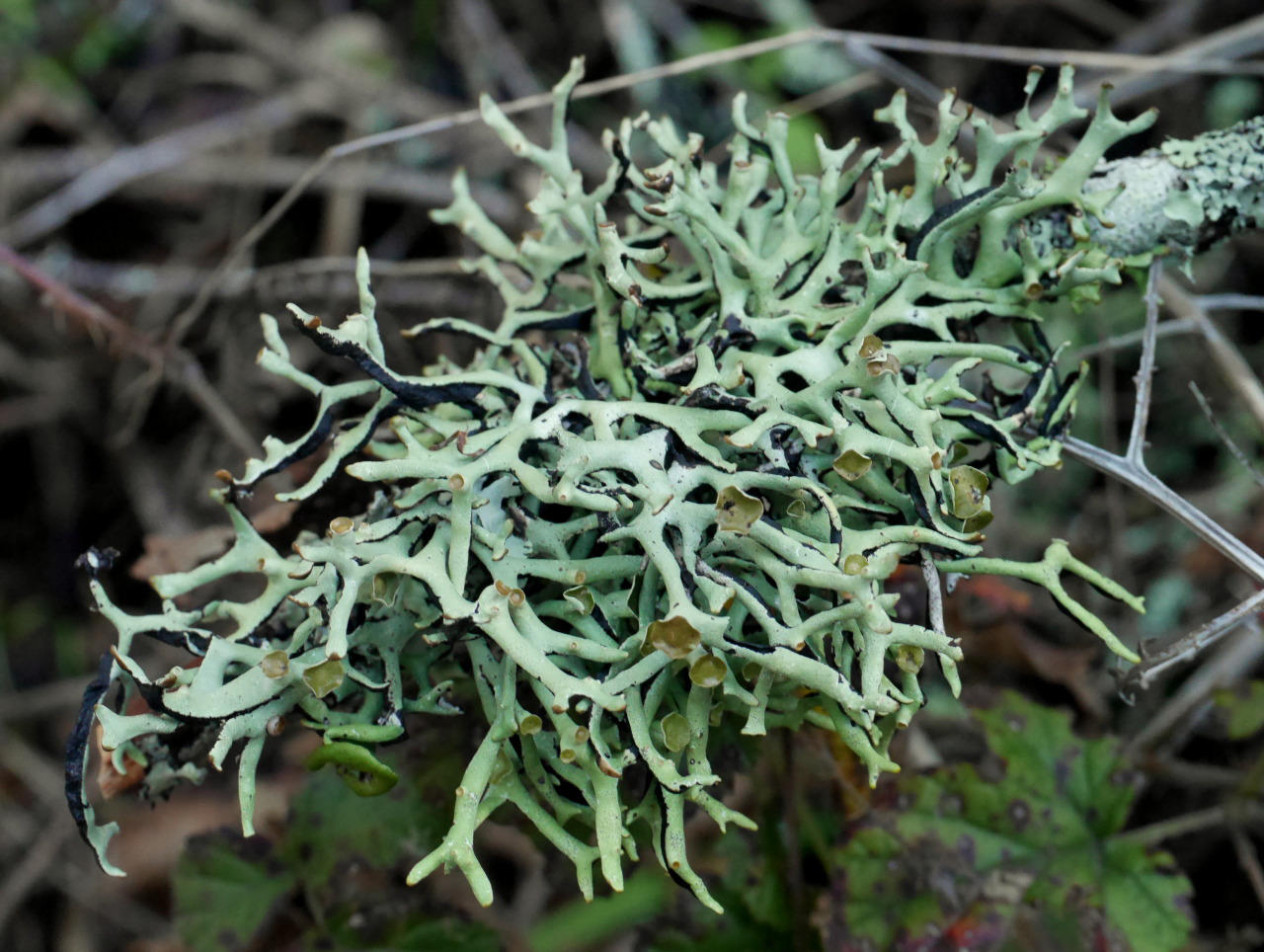
fruticose lichen
19
form crust-like layer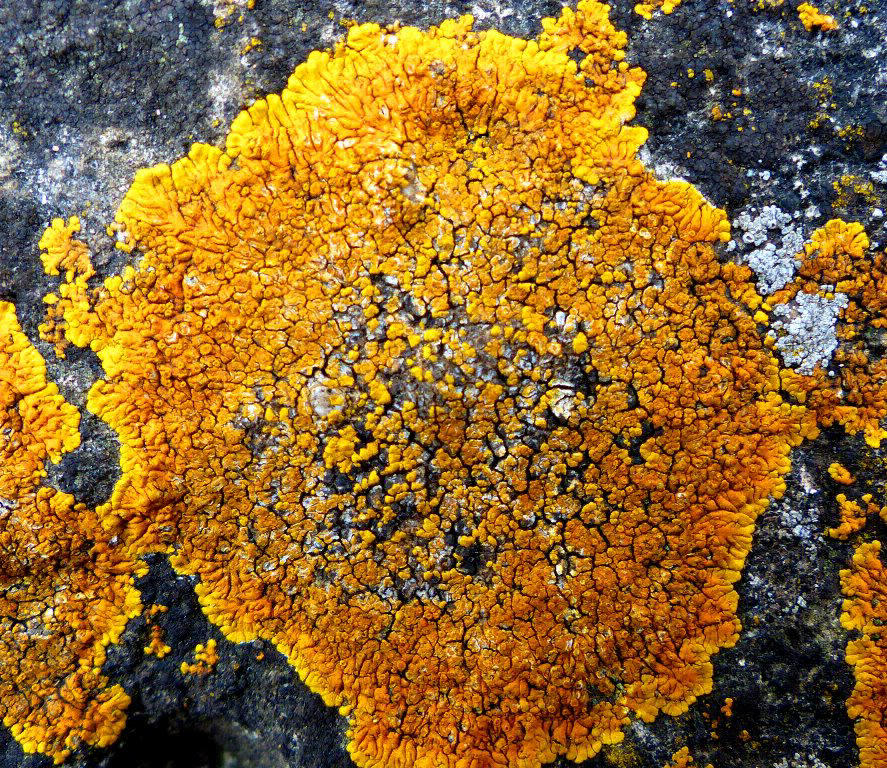
crustose lichen
20
small, vegatative reproductive structures, consist of algal cells surrounded by fungal hyphae (asexual)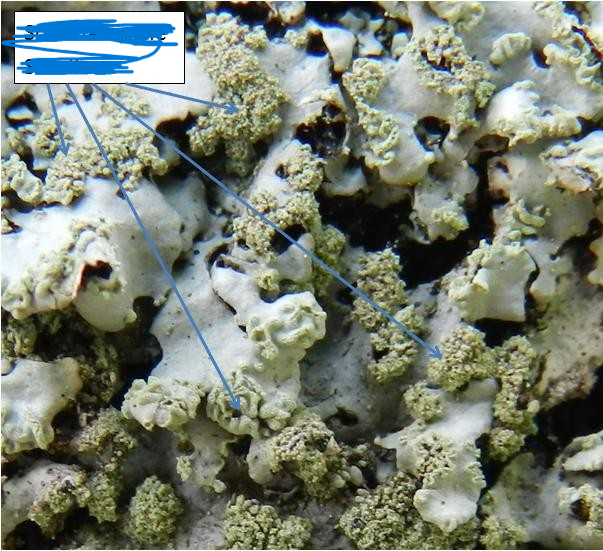
lichen soredia
21
fruiting bodies of certain lichen, cup/disc shape and house the asci (sexual)1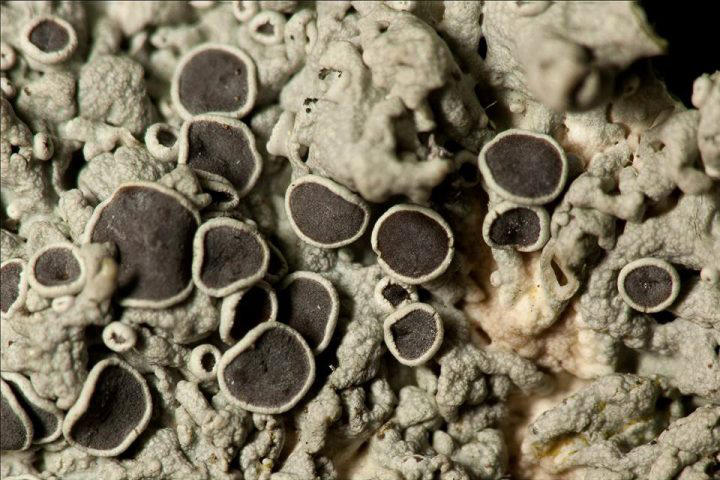
lichen apothecia
22
sexual spores produced within asci in lichen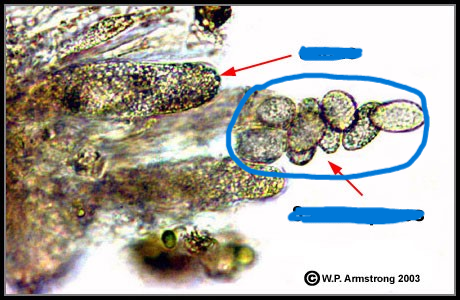
lichen ascospores
23
remnants of partial veil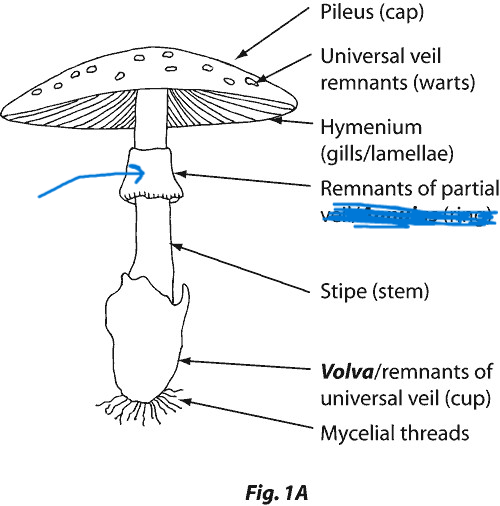
annulus
24
used in asexual reproduction, stored in cup-like structures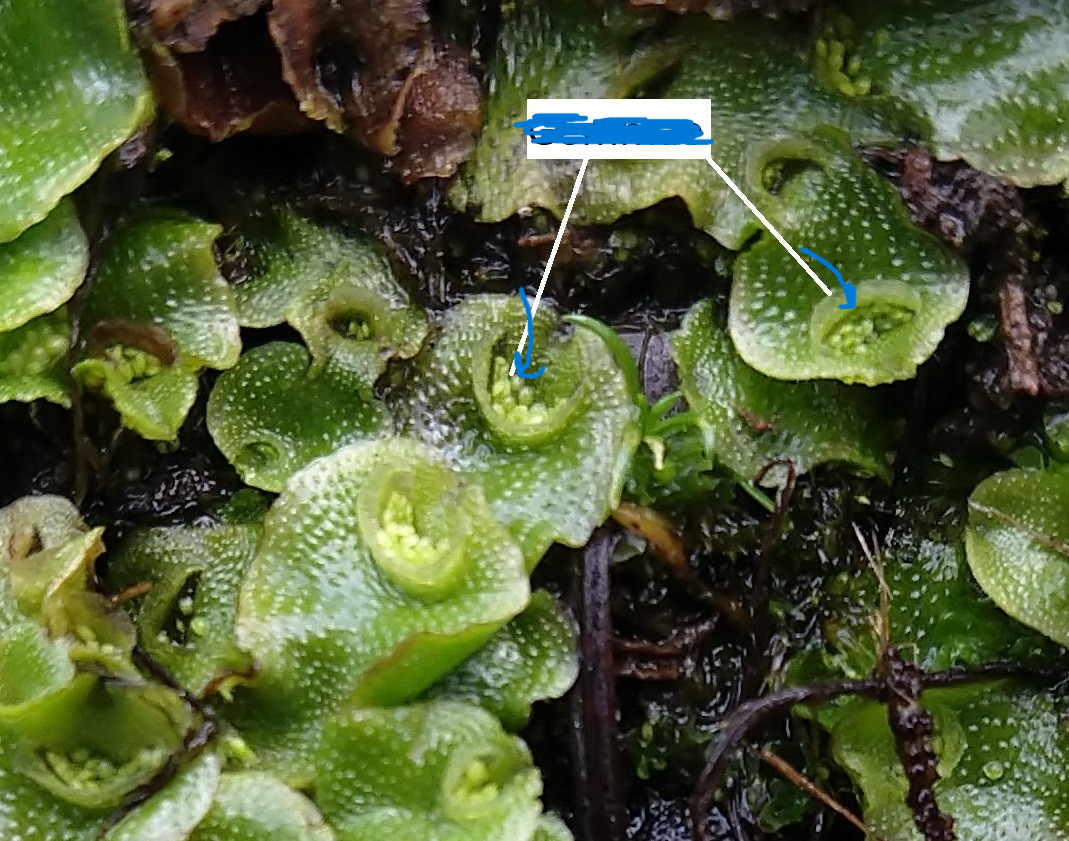
hepaticophyta gemmae
25
dominant stage of life cycle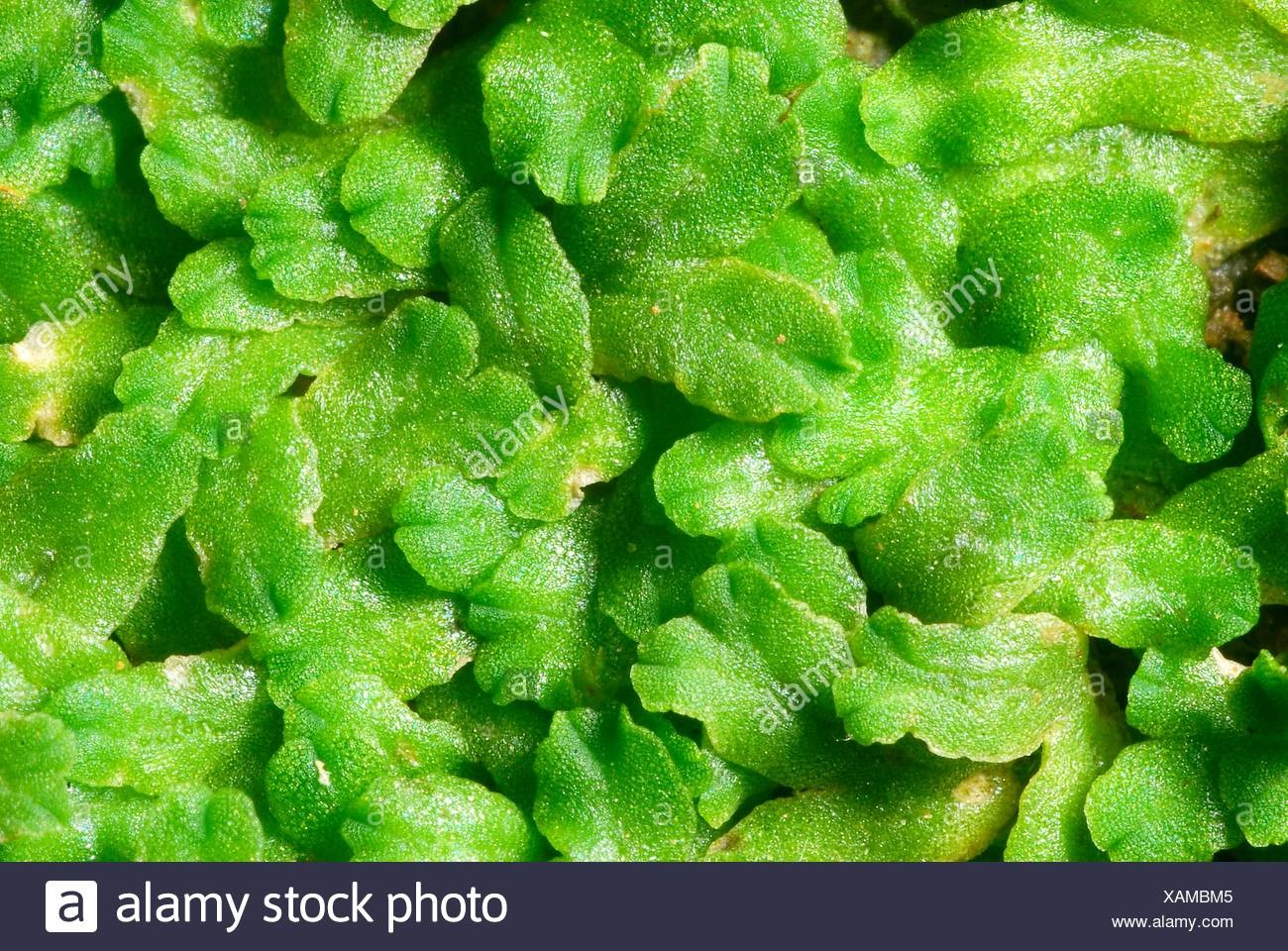
hepaticophyta gametophyte
26
specialized structure that supports the archegonia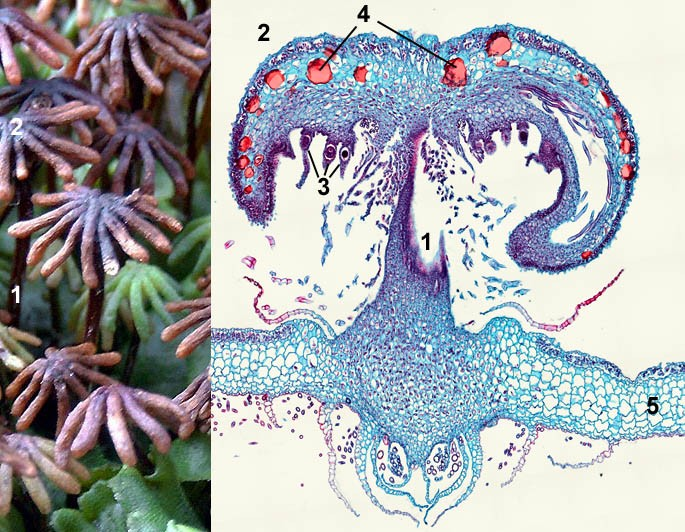
hepaticophyta archegoniophore
27
specialized structure that supports the antheridia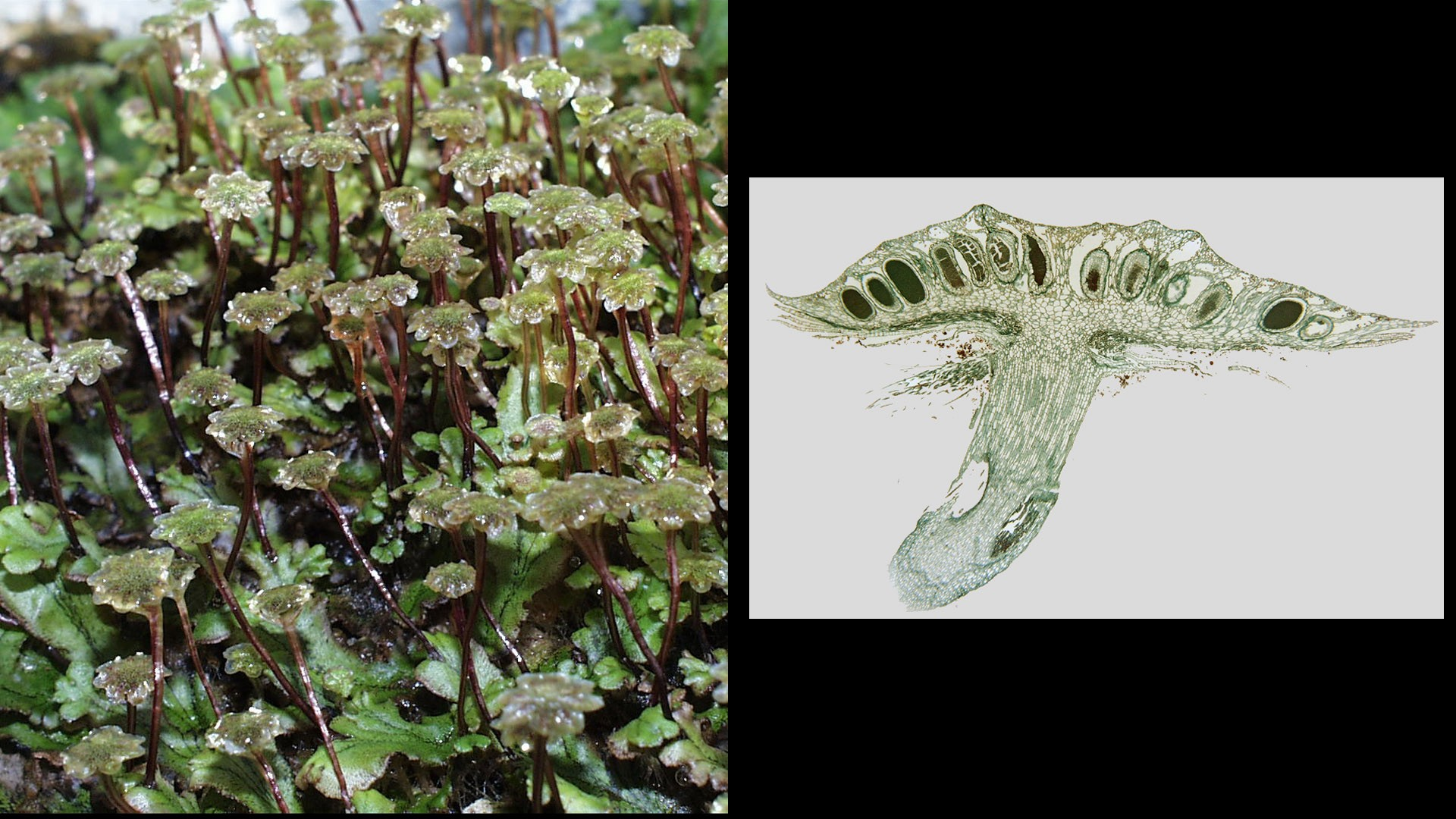
hepaticophyta antheridiophore
28
female reproductive structure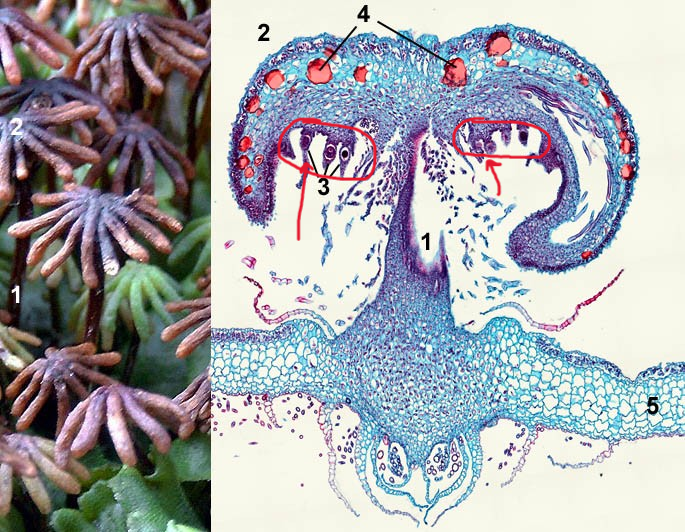
hepaticophyta archegonia
29
male reproductive structure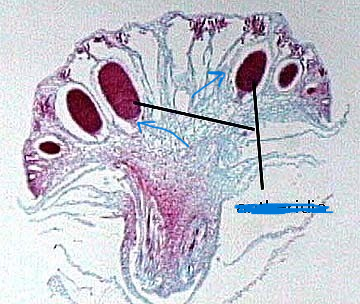
hepaticophyta antheridia
30
diploid, releases spores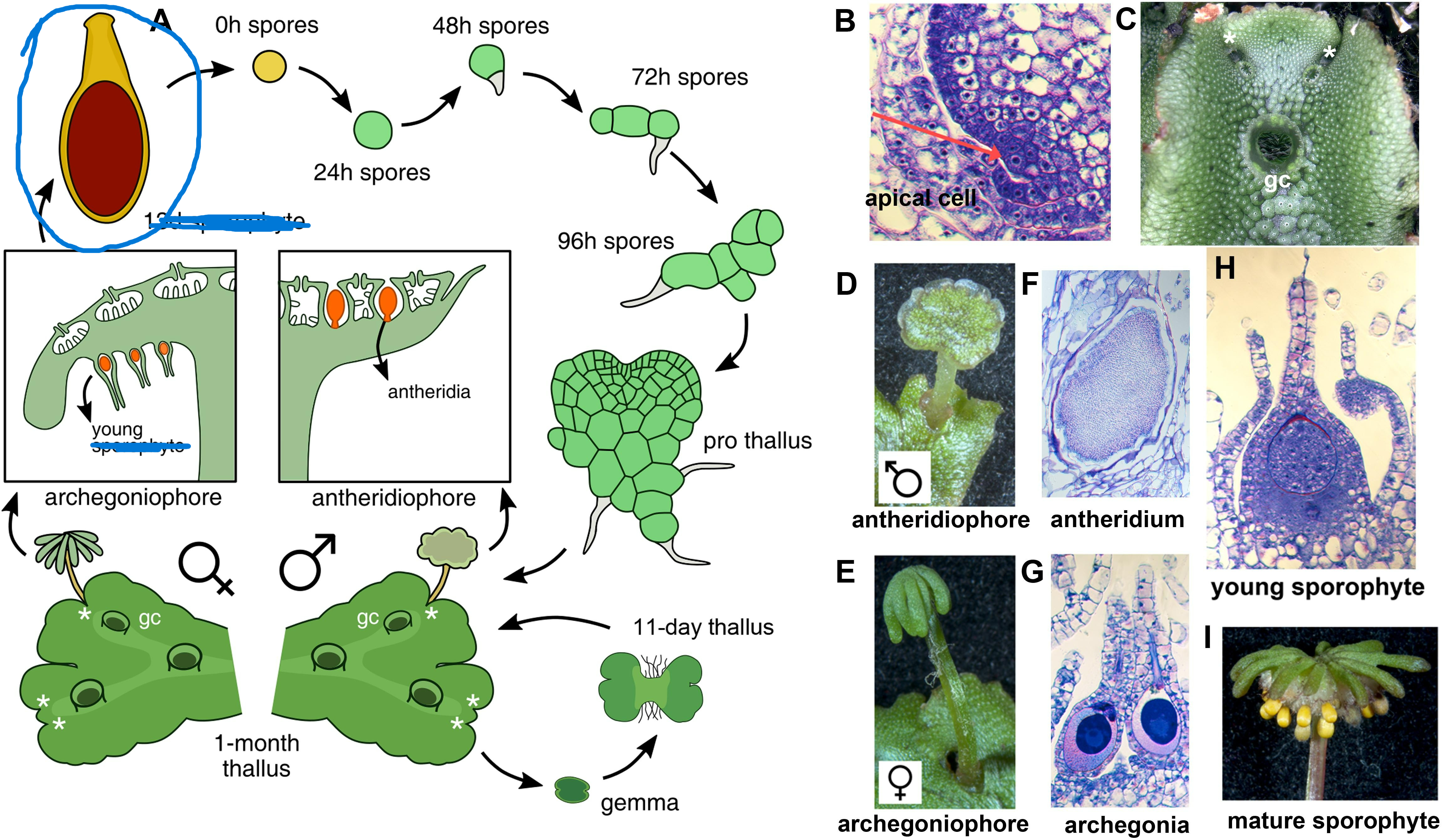
hepaticophyta sporophyte
31
dominant stage of life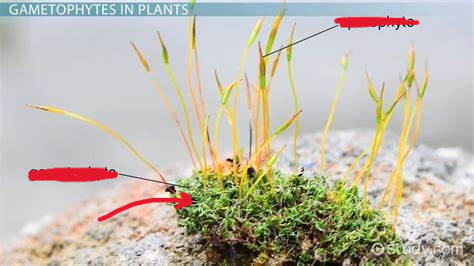
bryophyta gametophyte
32
female reproductive structure, contains the egg cell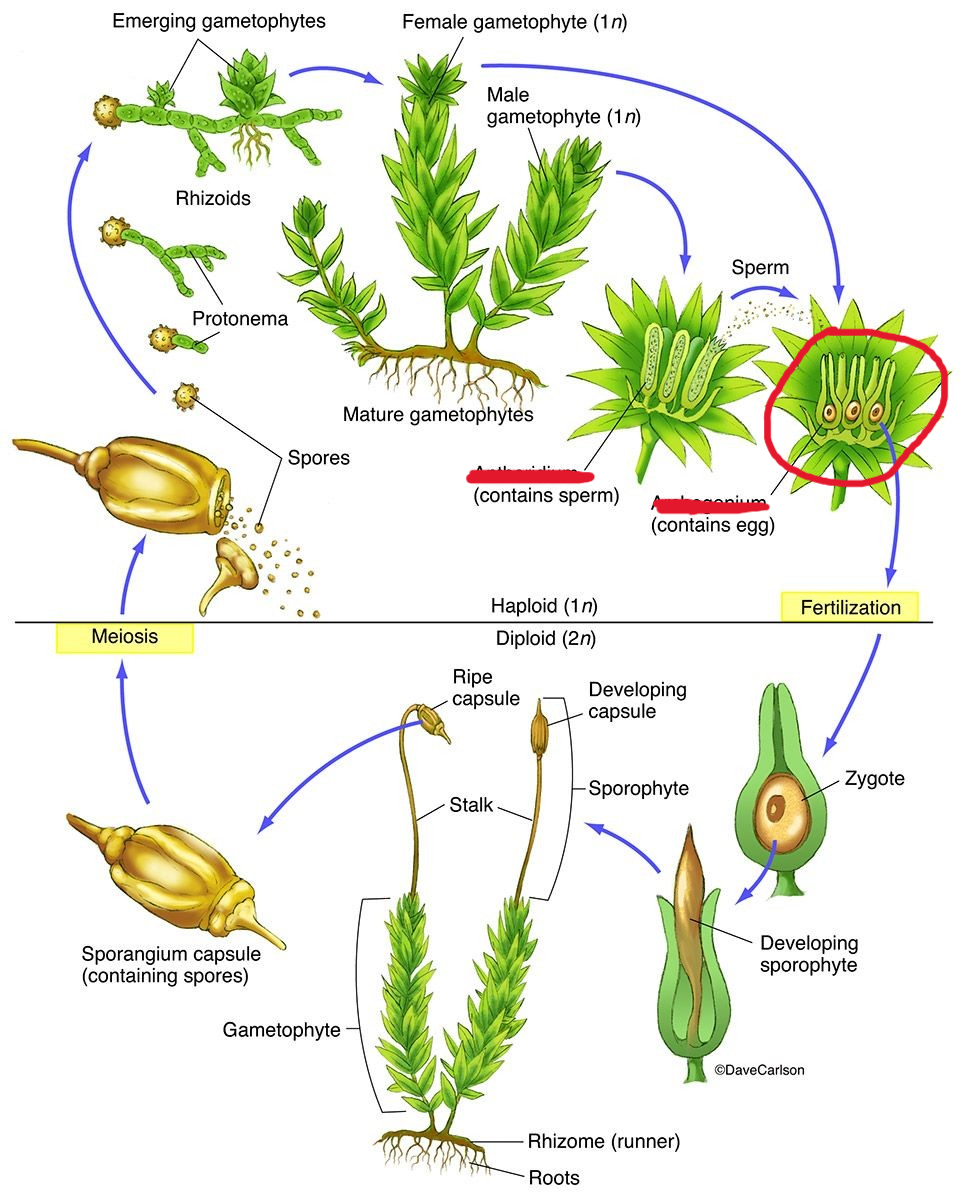
bryophyta archegonia
33
male reproductive structure, produces sperm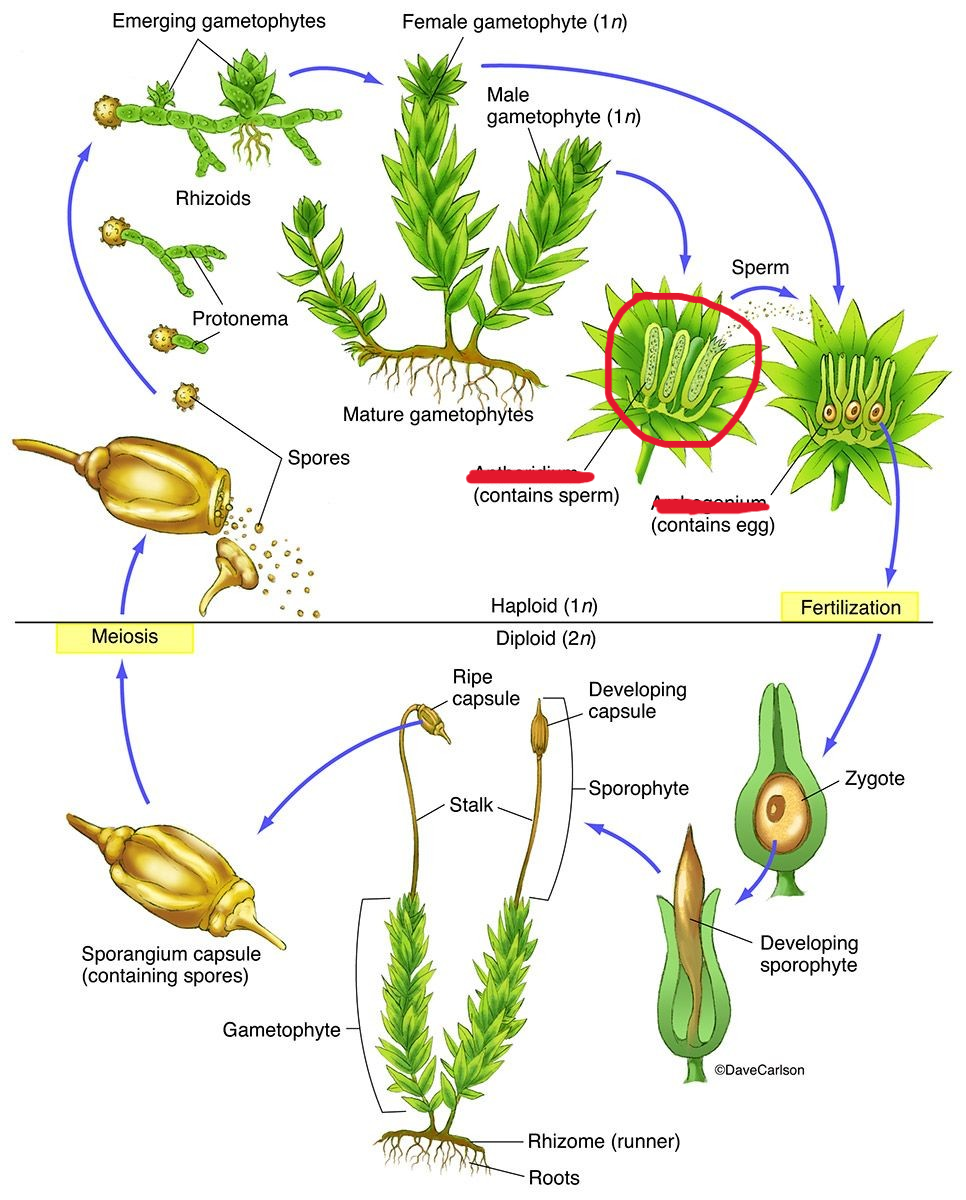
bryophyta antheridia
34
diploid generation that develops from fertilized egg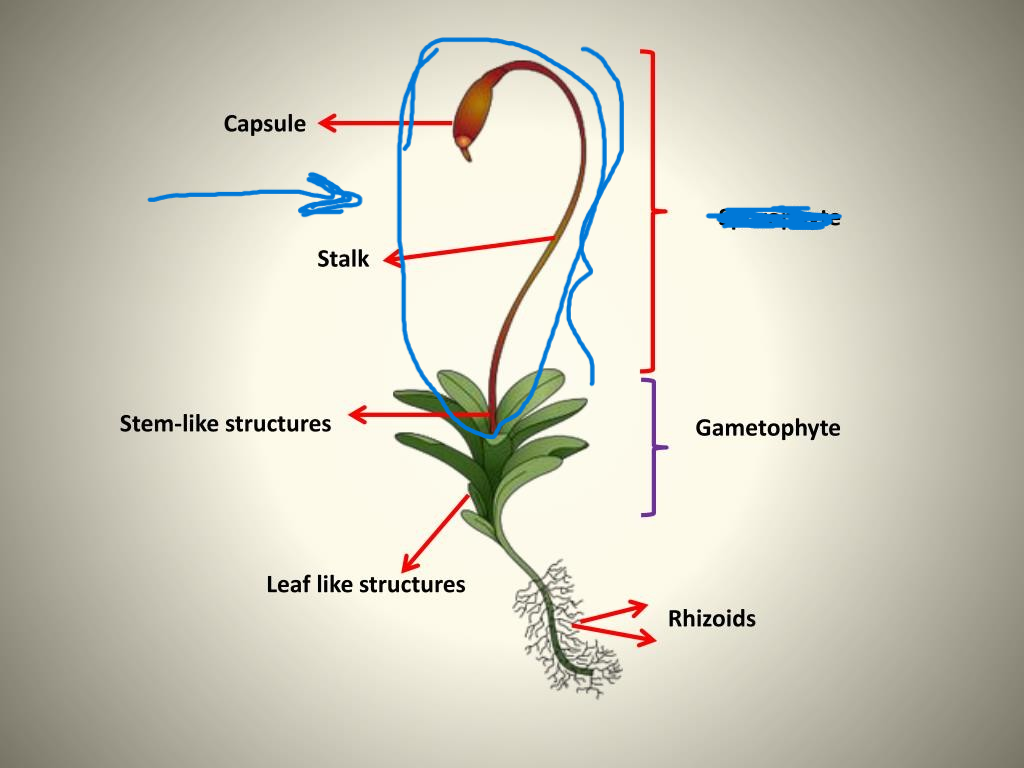
bryophyta sporophyte
35
germinate to form new gametophytes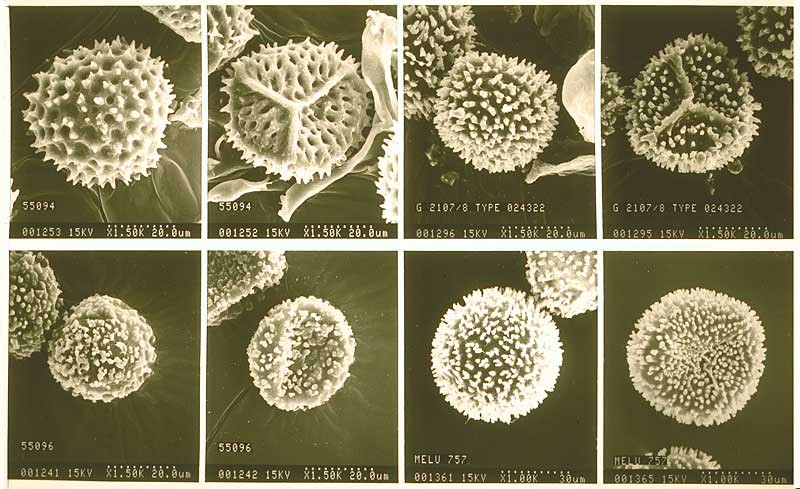
bryophyta spores
36
small, short-lived plant that arises from a spore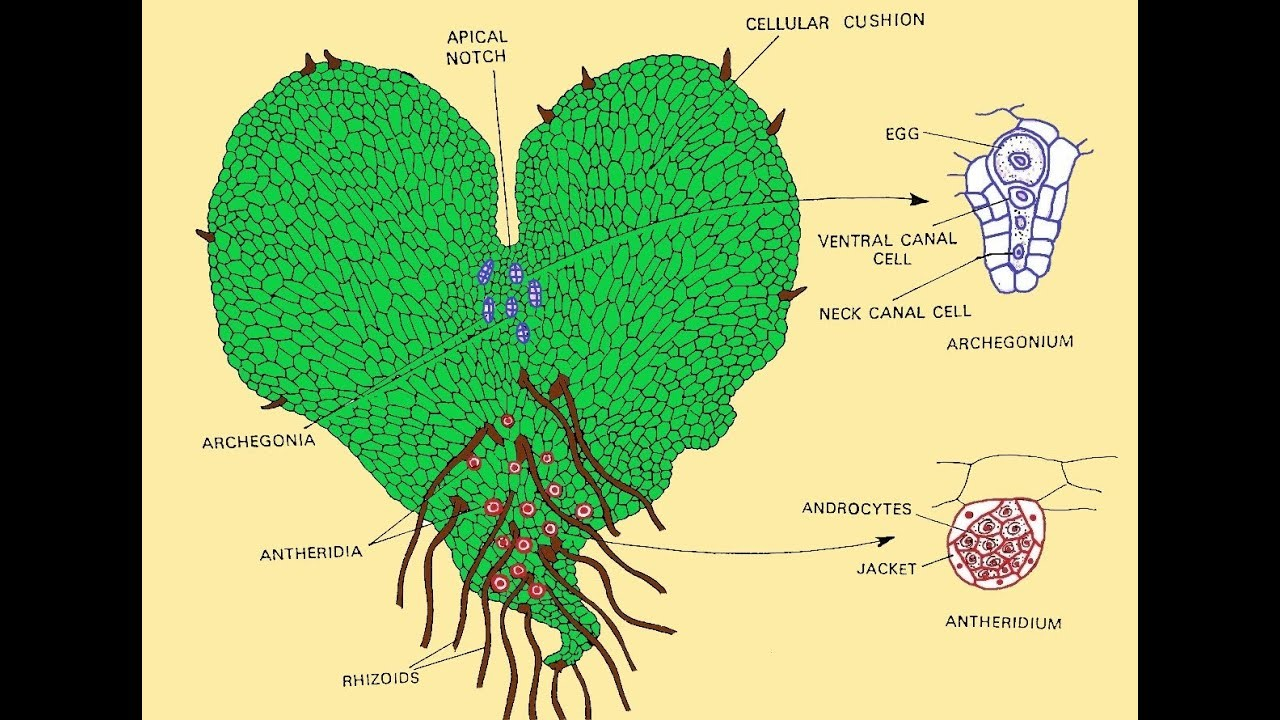
pteridophyta gametophyte
37
male reproductive structure found on gametophyte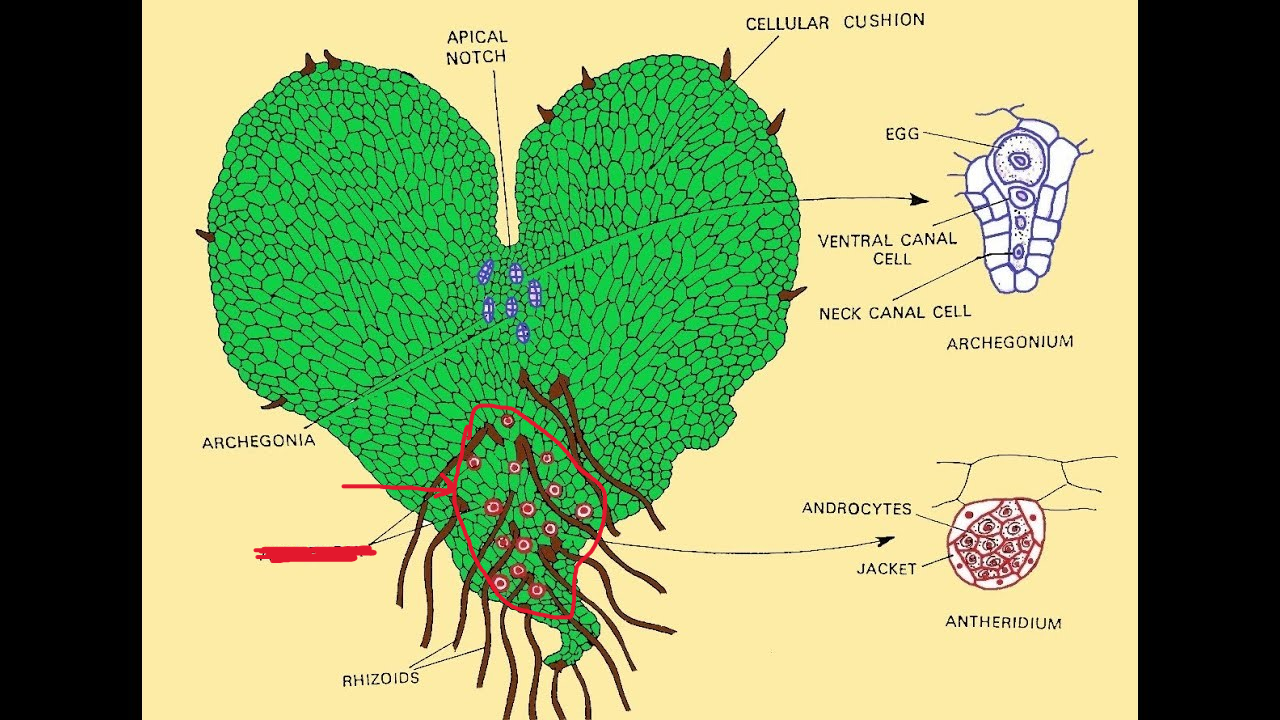
pteridophyta antheridia
38
female reproductive structure found on gametophyte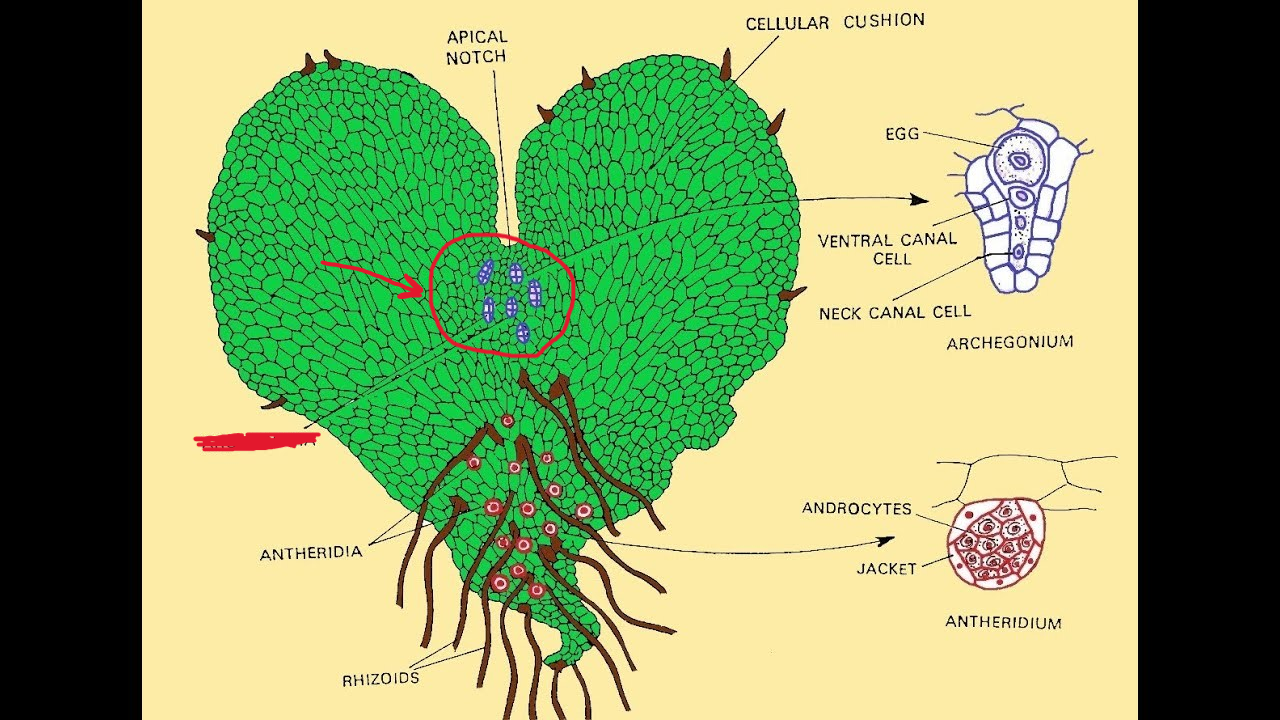
pteridophyta archegonia
39
dominant life cycle phase, develops from fertilized egg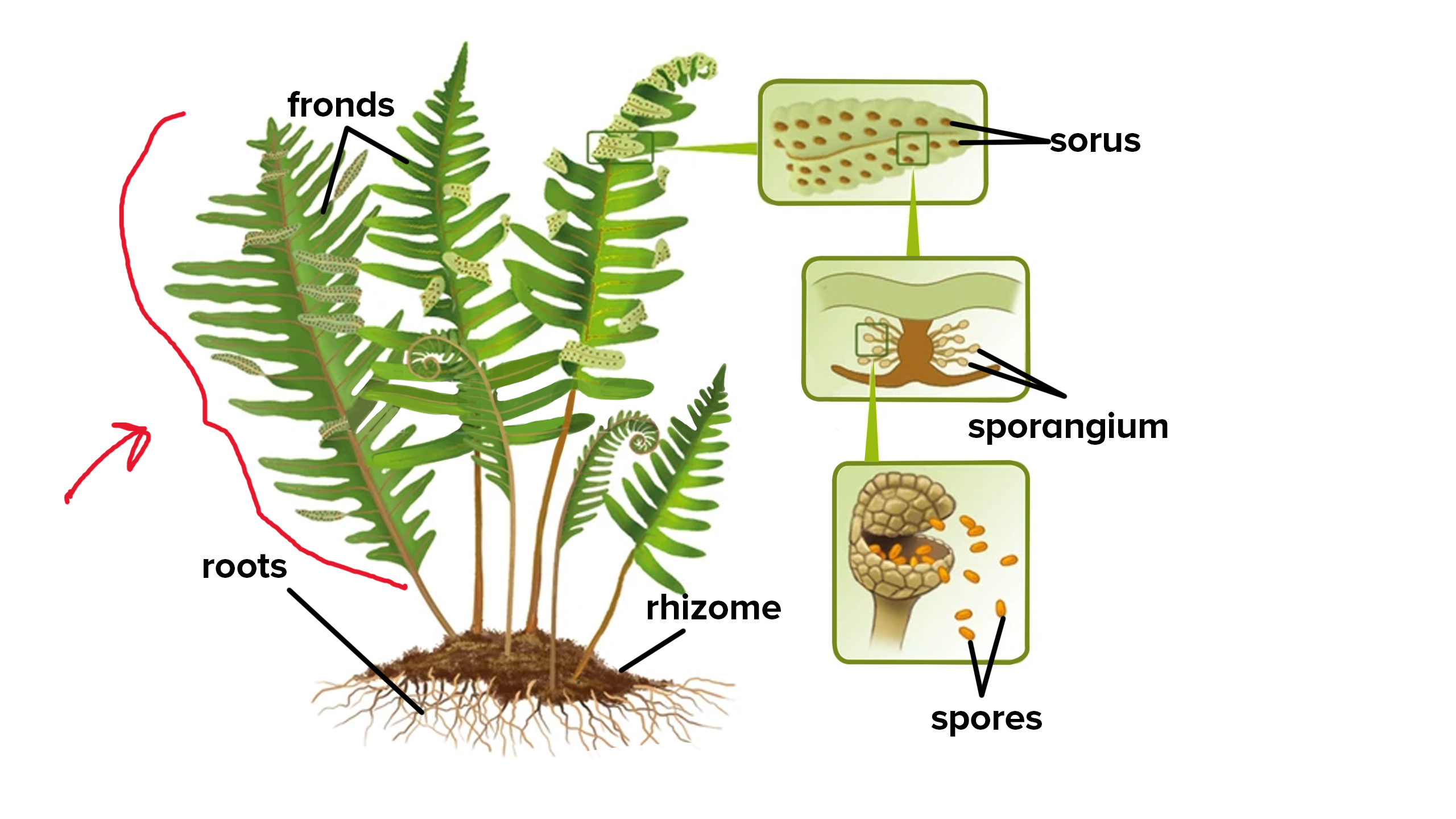
pteridophyta sporophyte
40
clusters of spore-releasing sporangia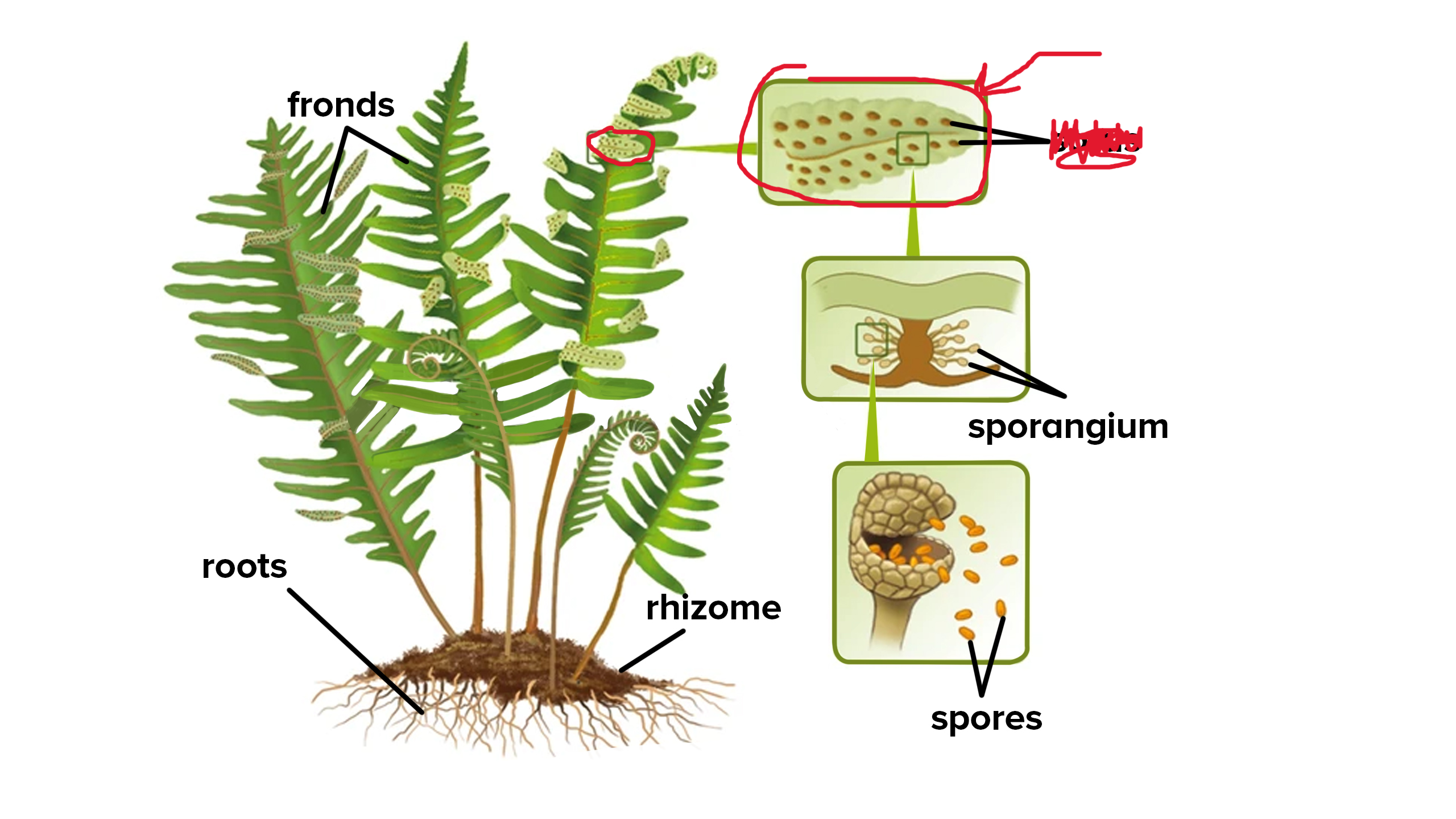
pteridophyta sori
41
dominant phase of life cycle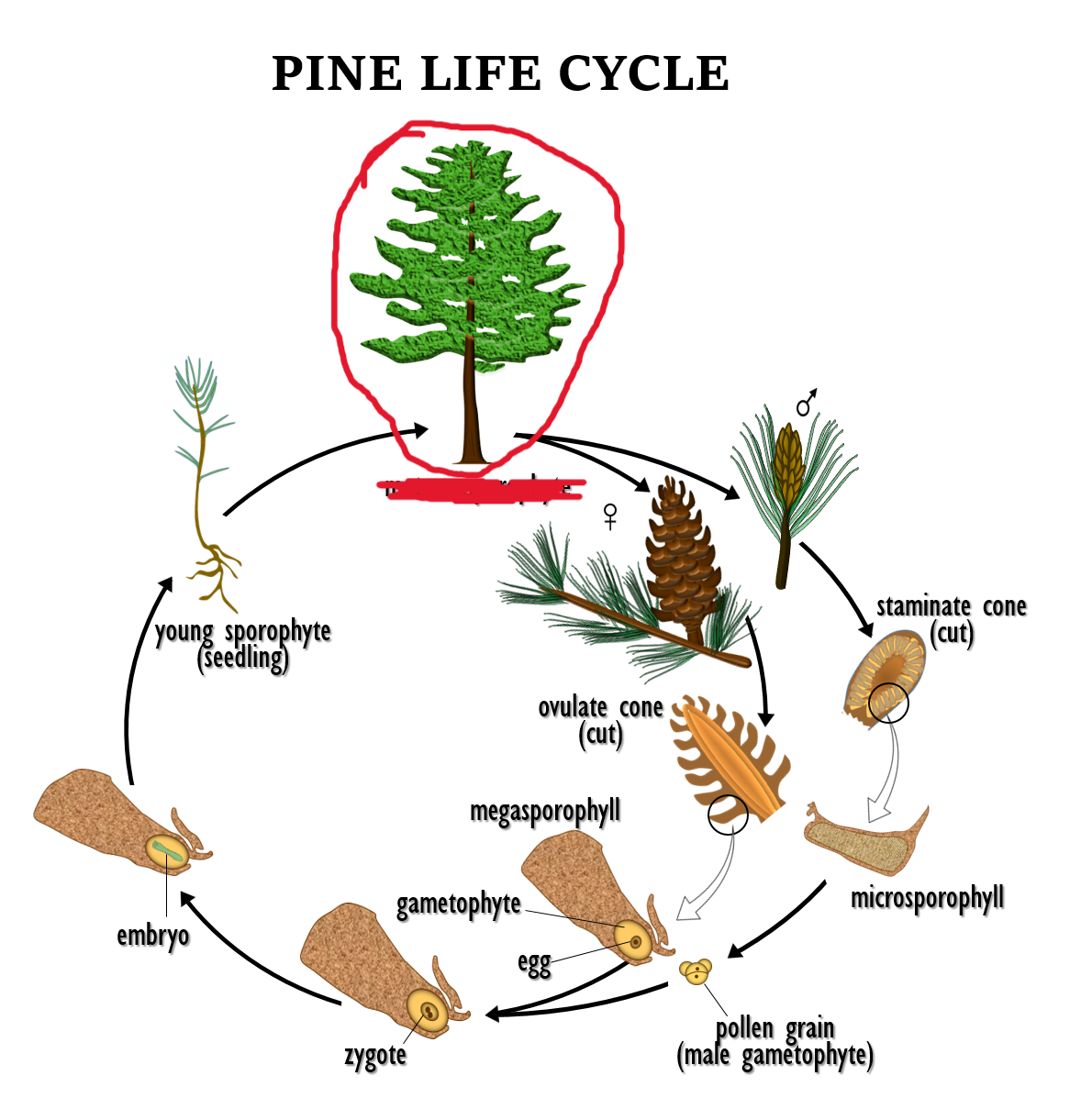
pinophyta sporophyte
42
male reproductive strucutre, typically smaller than female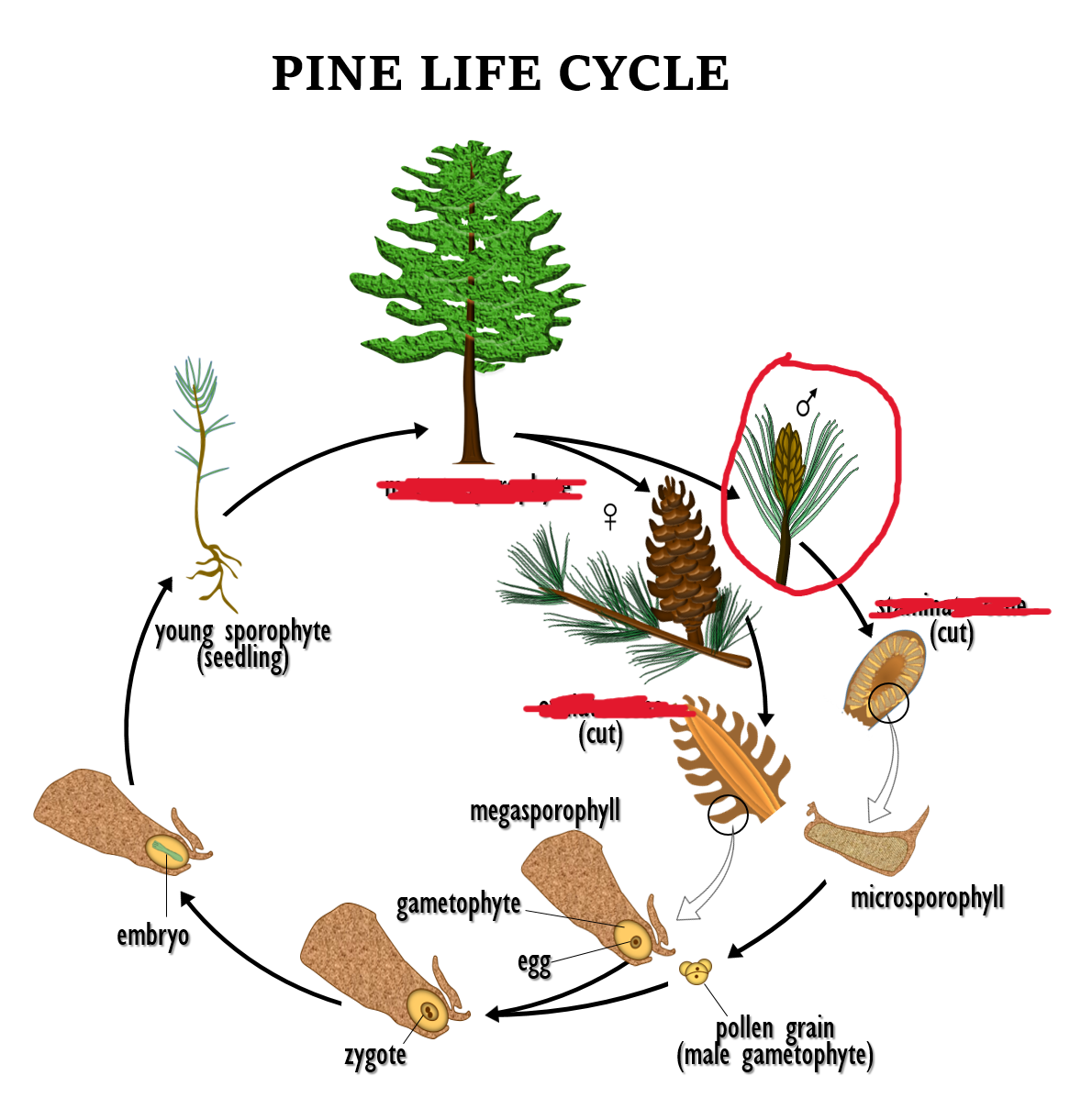
pinophyta pollen cone
43
female reproductive structure, larger and more complex than male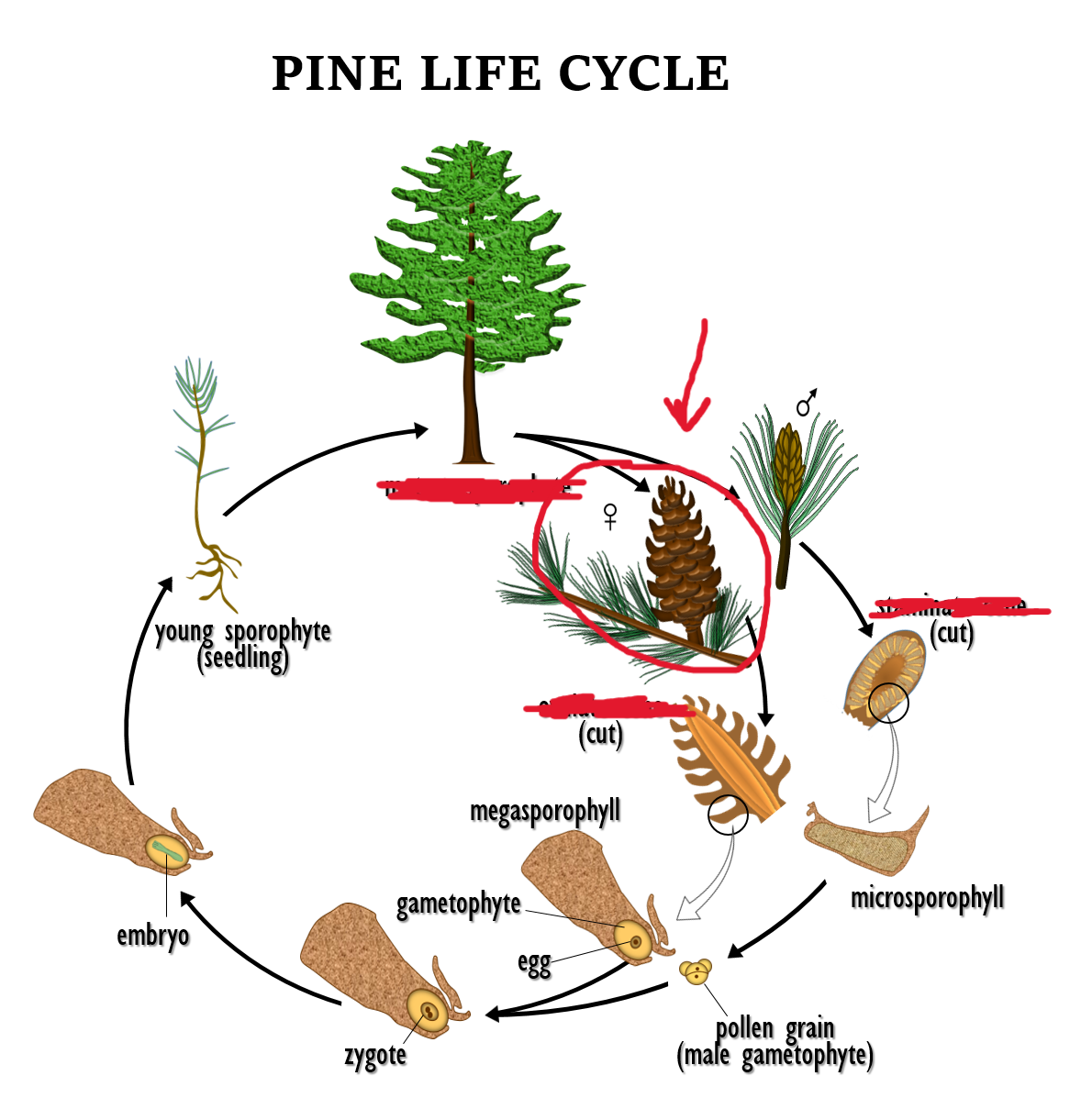
pinophyta ovulate cone
44
represented by pollen grain, develops from the microspore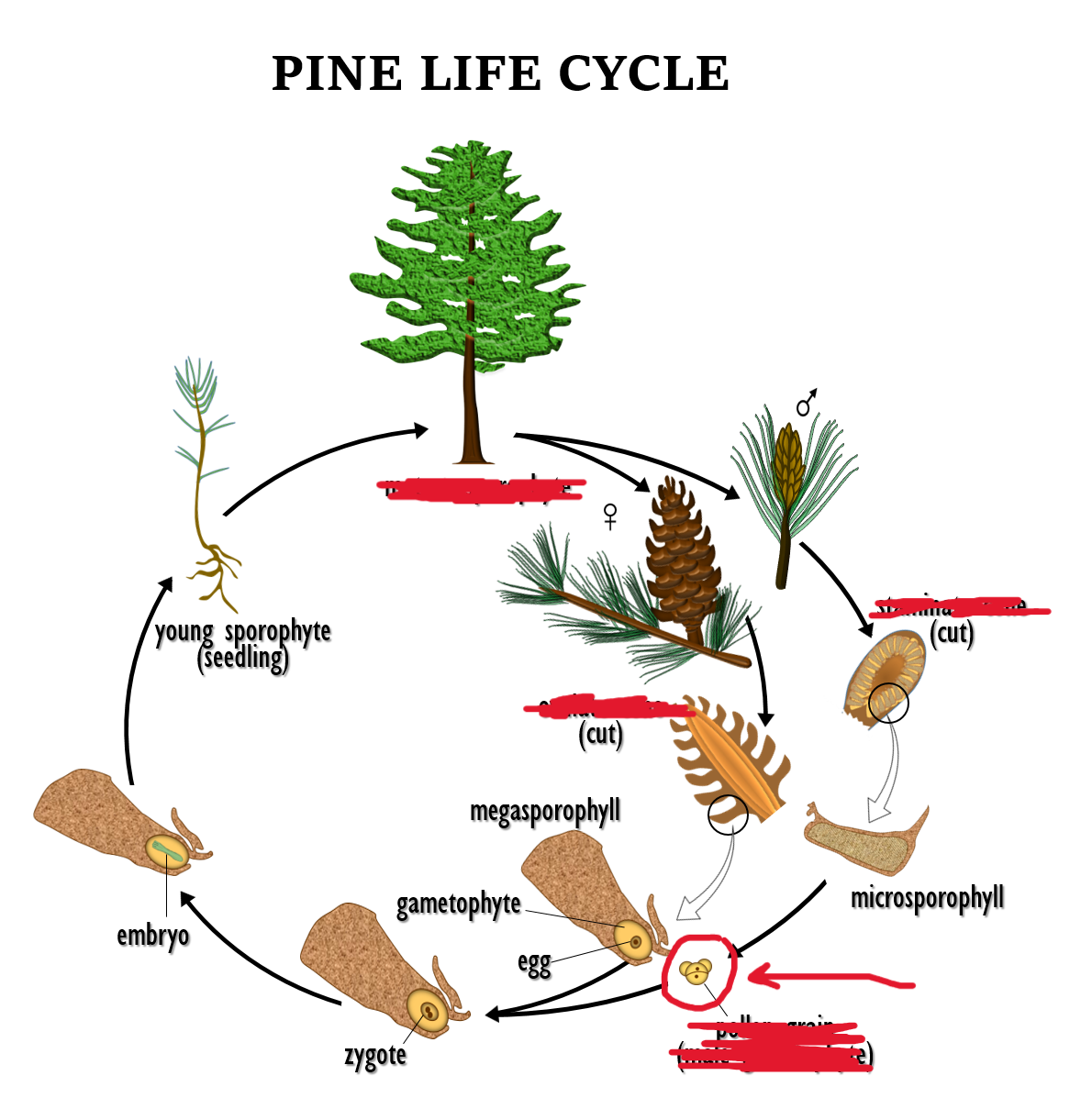
pinophyta male gametophyte
45
develops within the ovule, produces the archegonia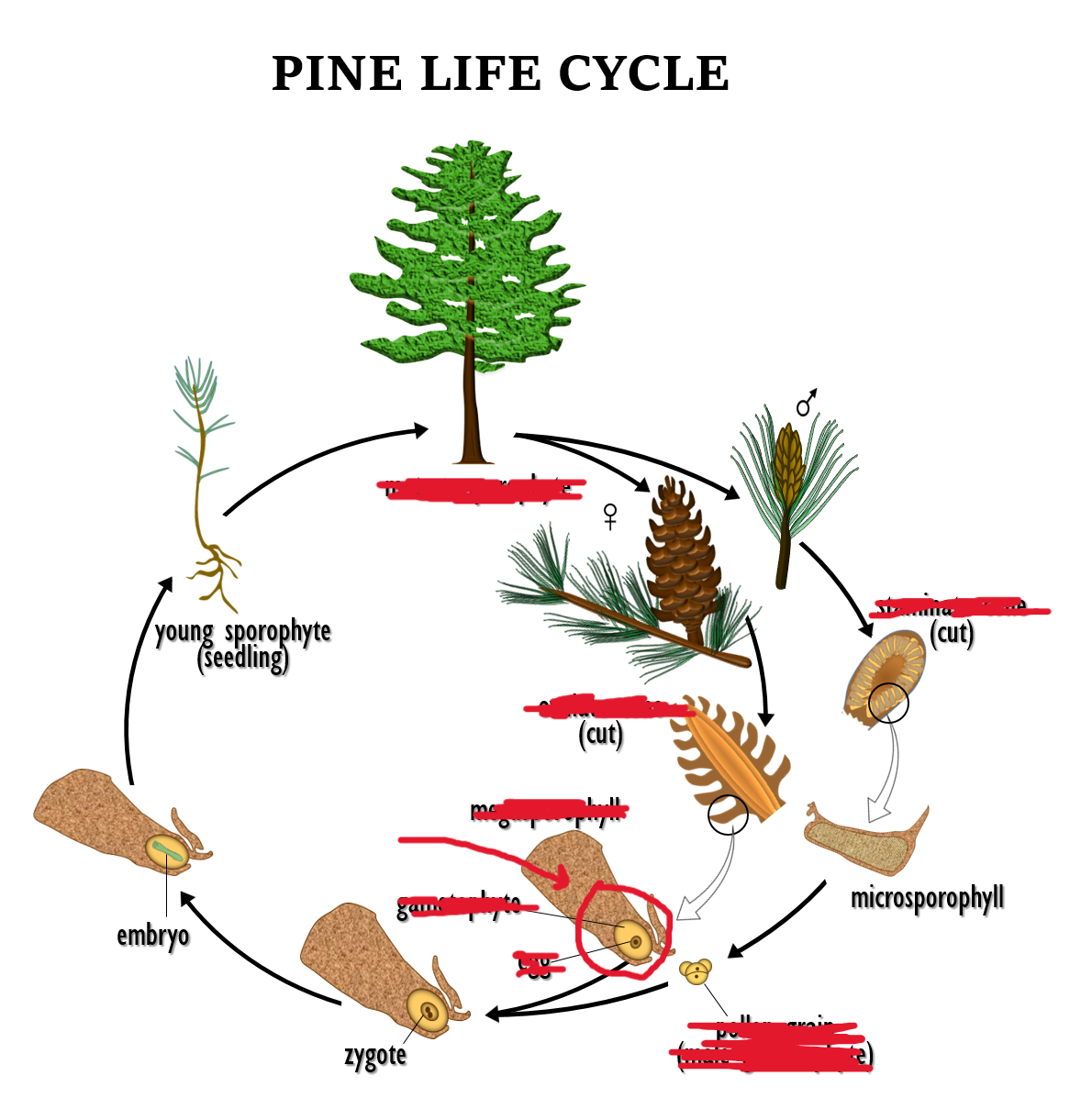
pinophyta female gametophyte
46
dominant and most visible phase of life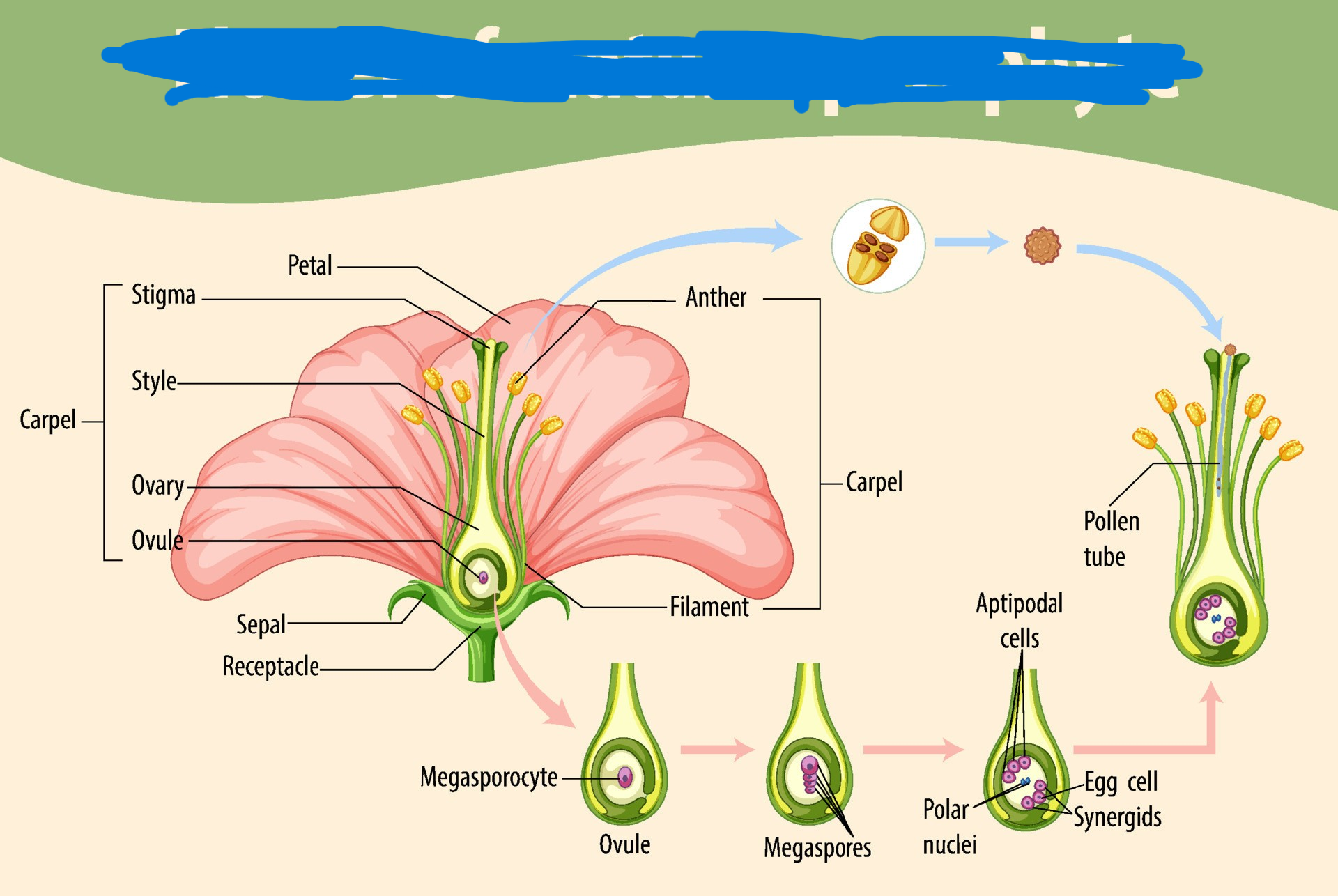
anthophyta sporophyte
47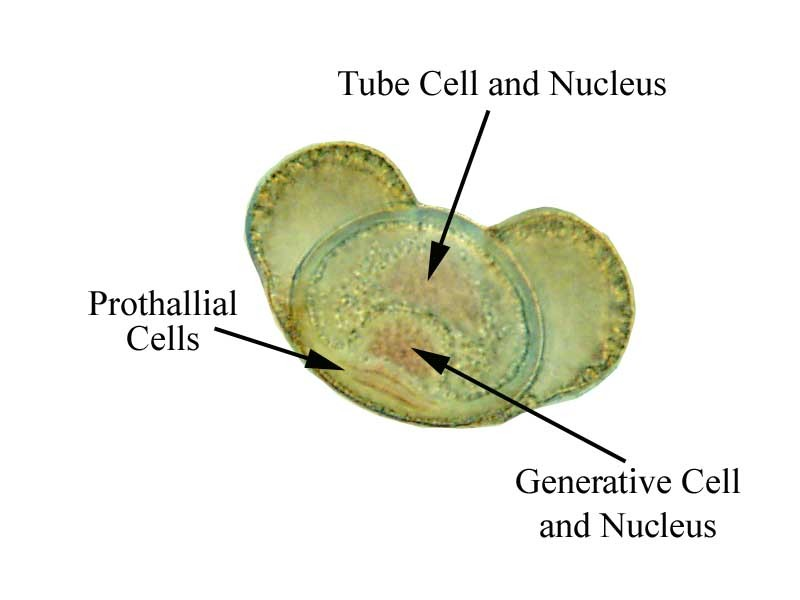
anthophyta pollen grain
48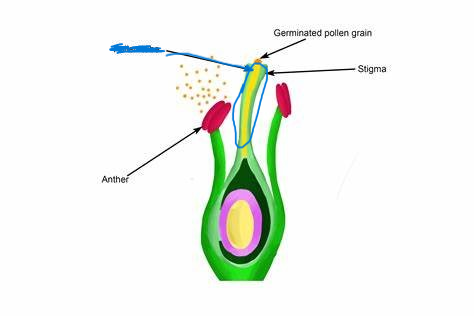
anthophyta pollen tube
49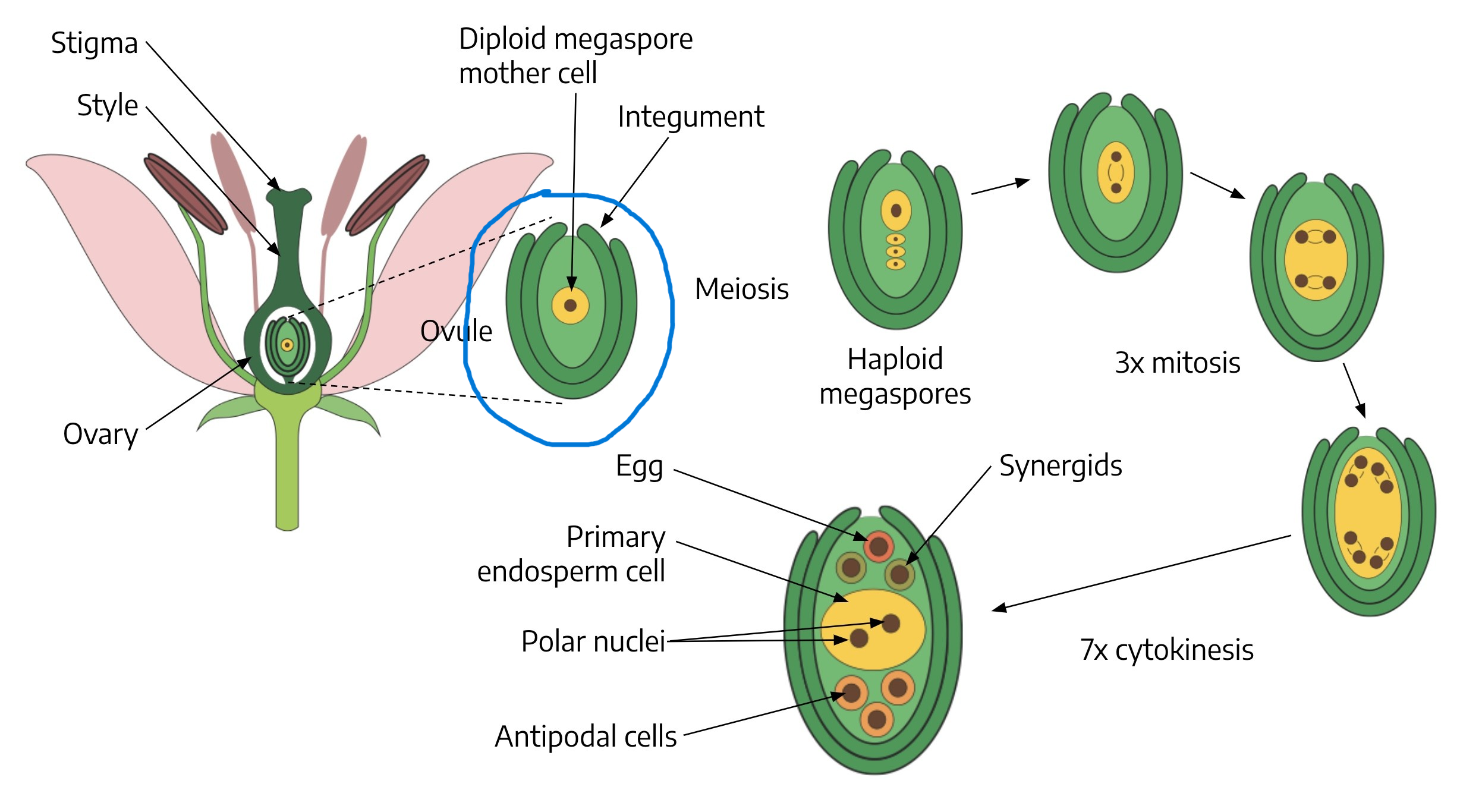
anthophyta female gametophyte
50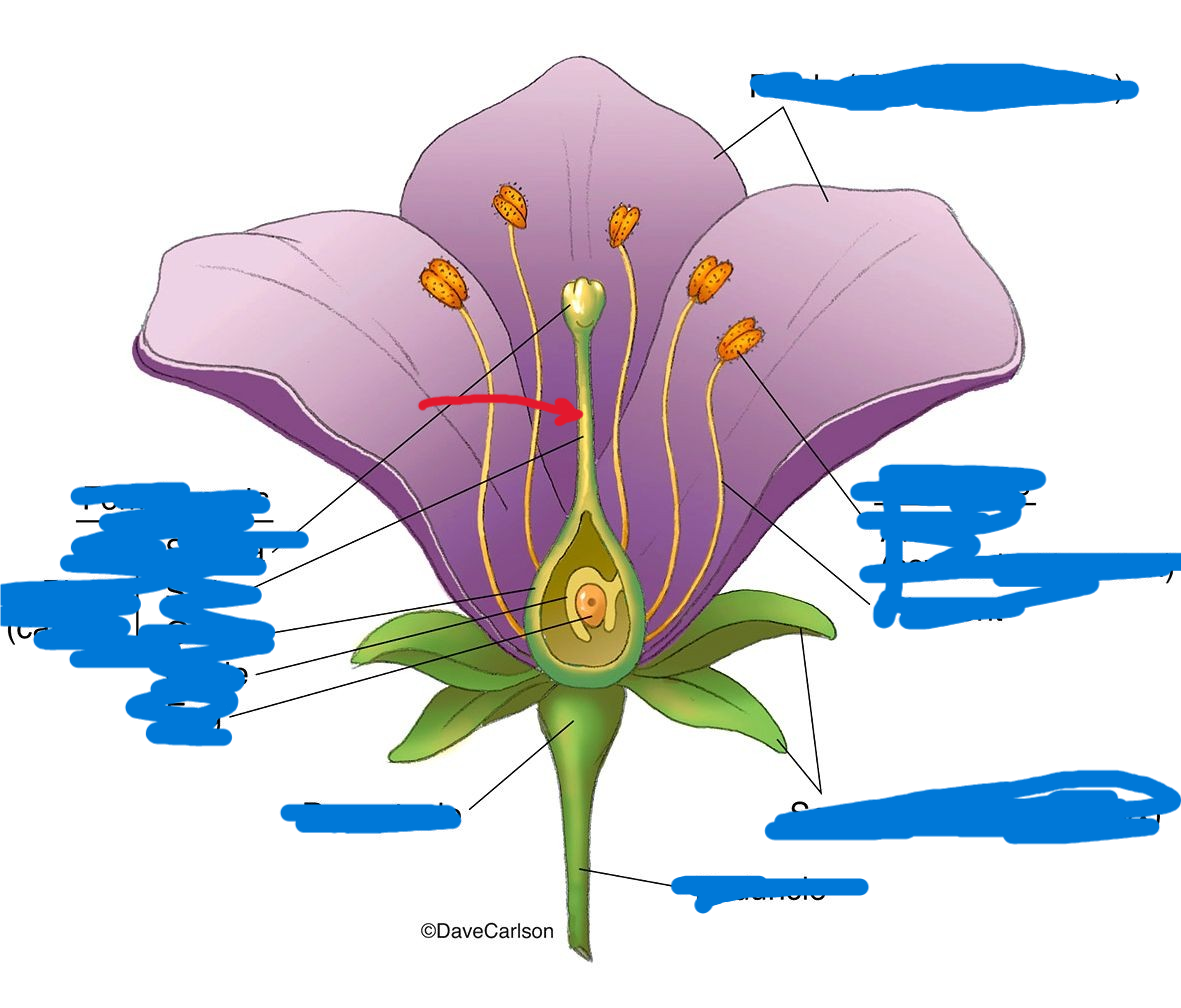
anthophyta style
51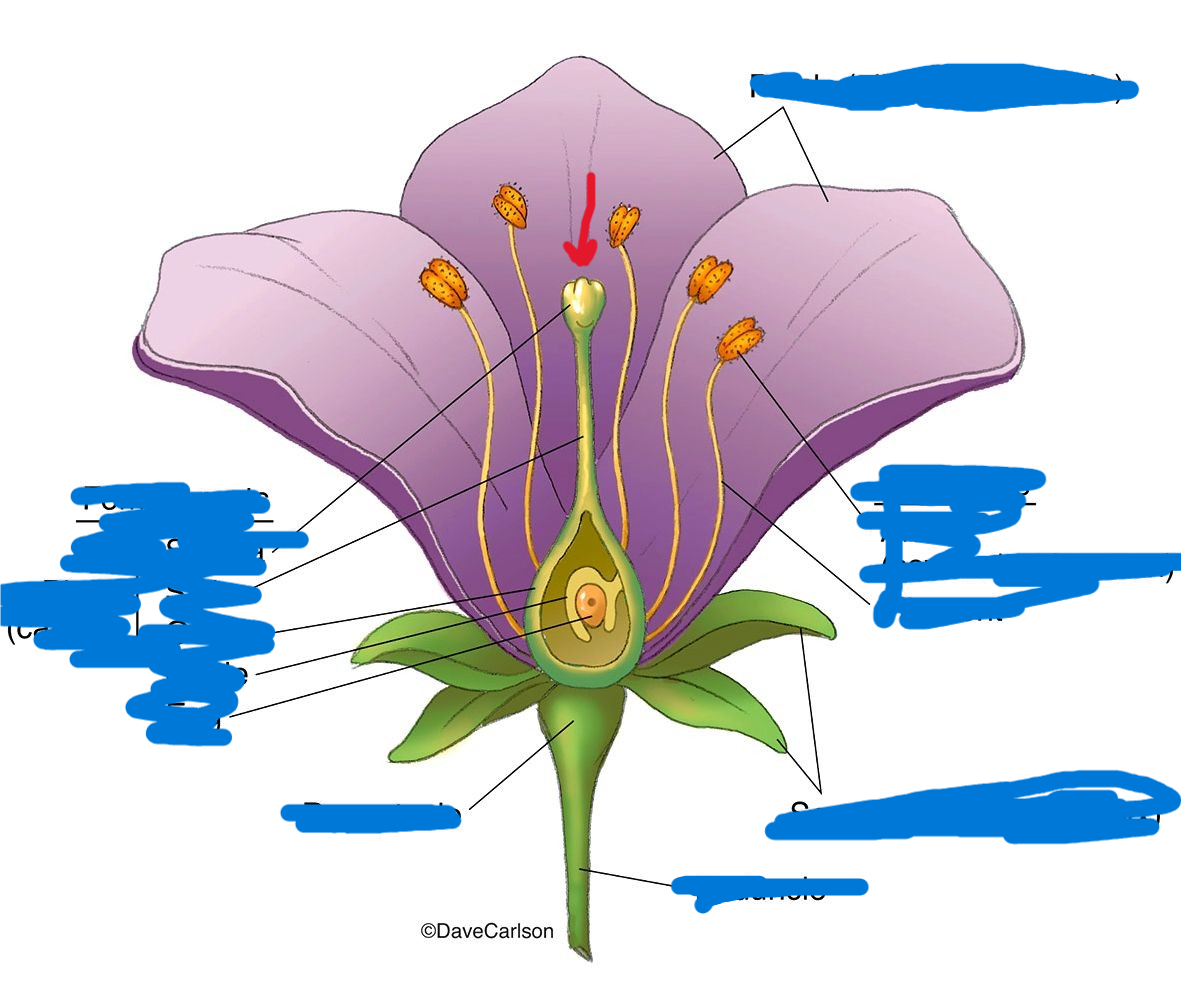
anthophyta stigma
52
entire female part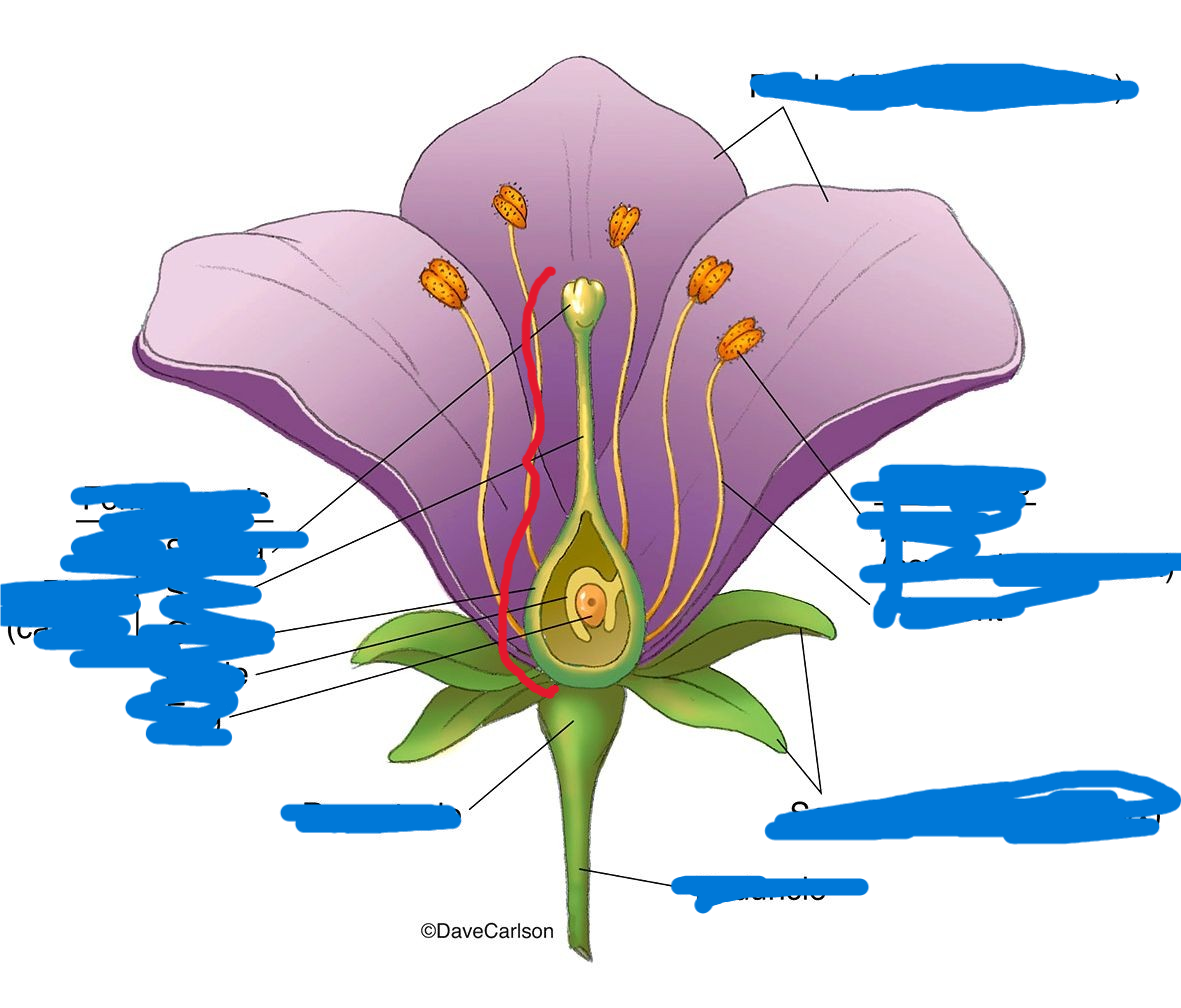
anthophyta pistil
53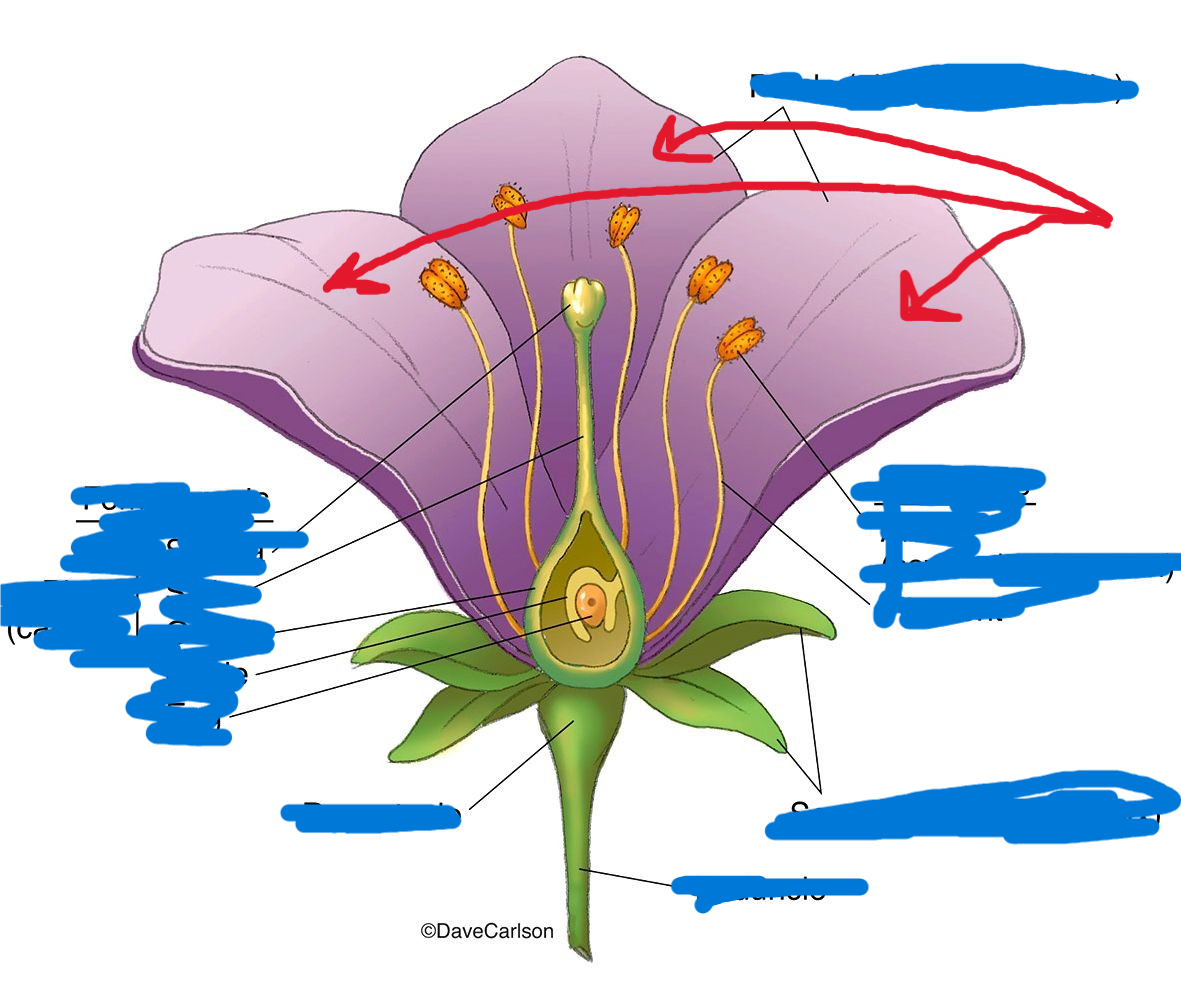
anthophyta petals
54
entire male part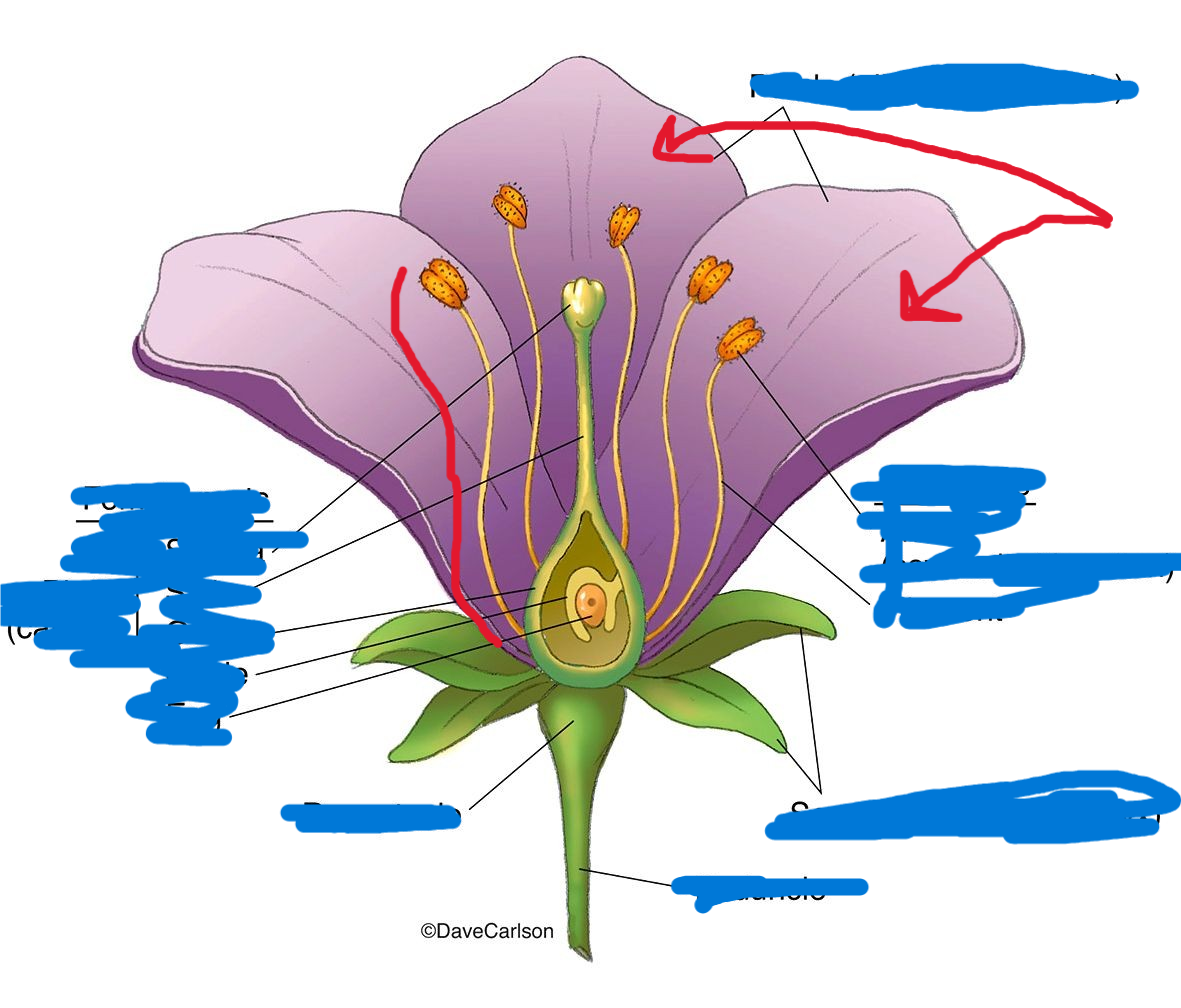
anthophyta stamen
55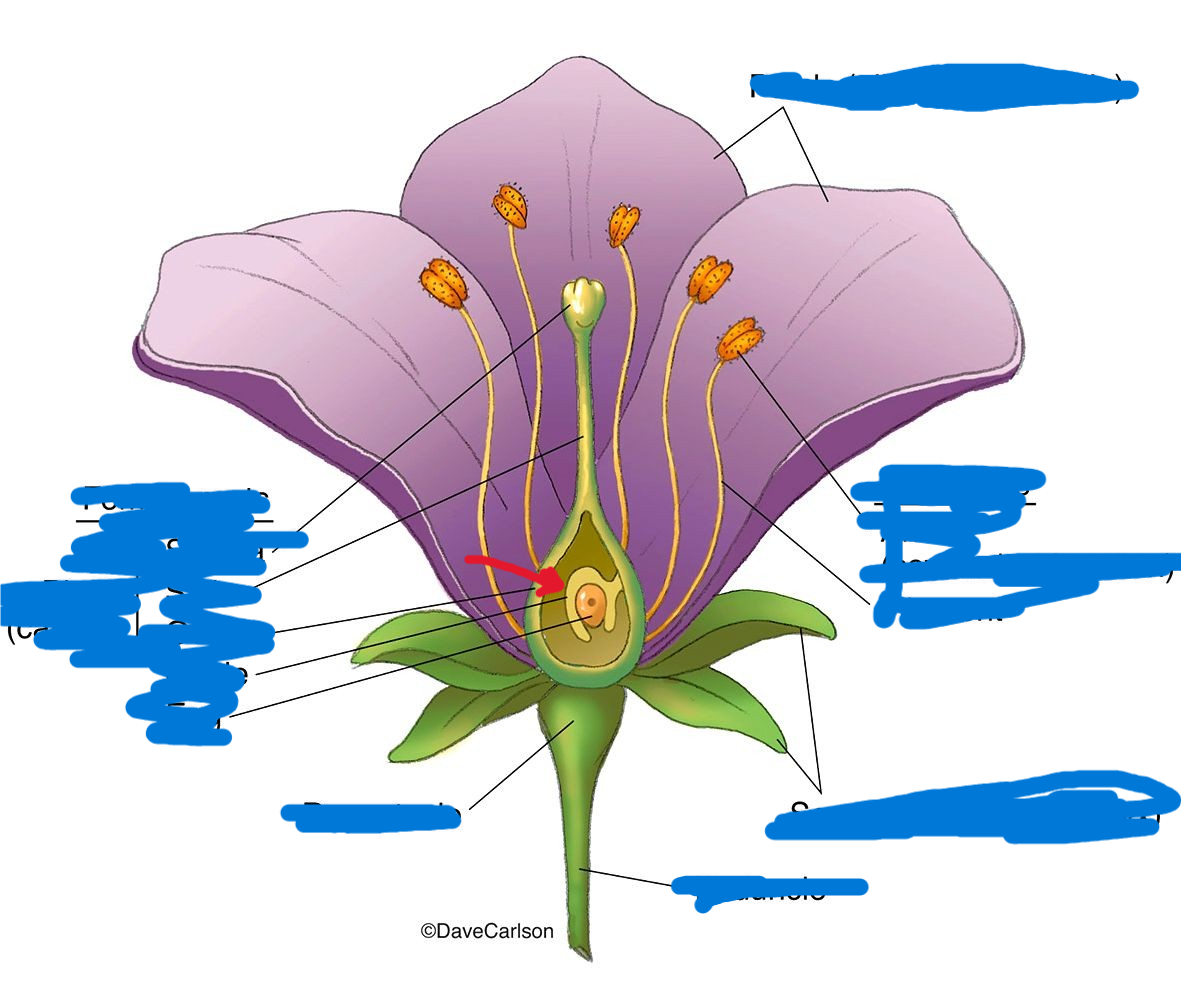
anthophyta ovule
56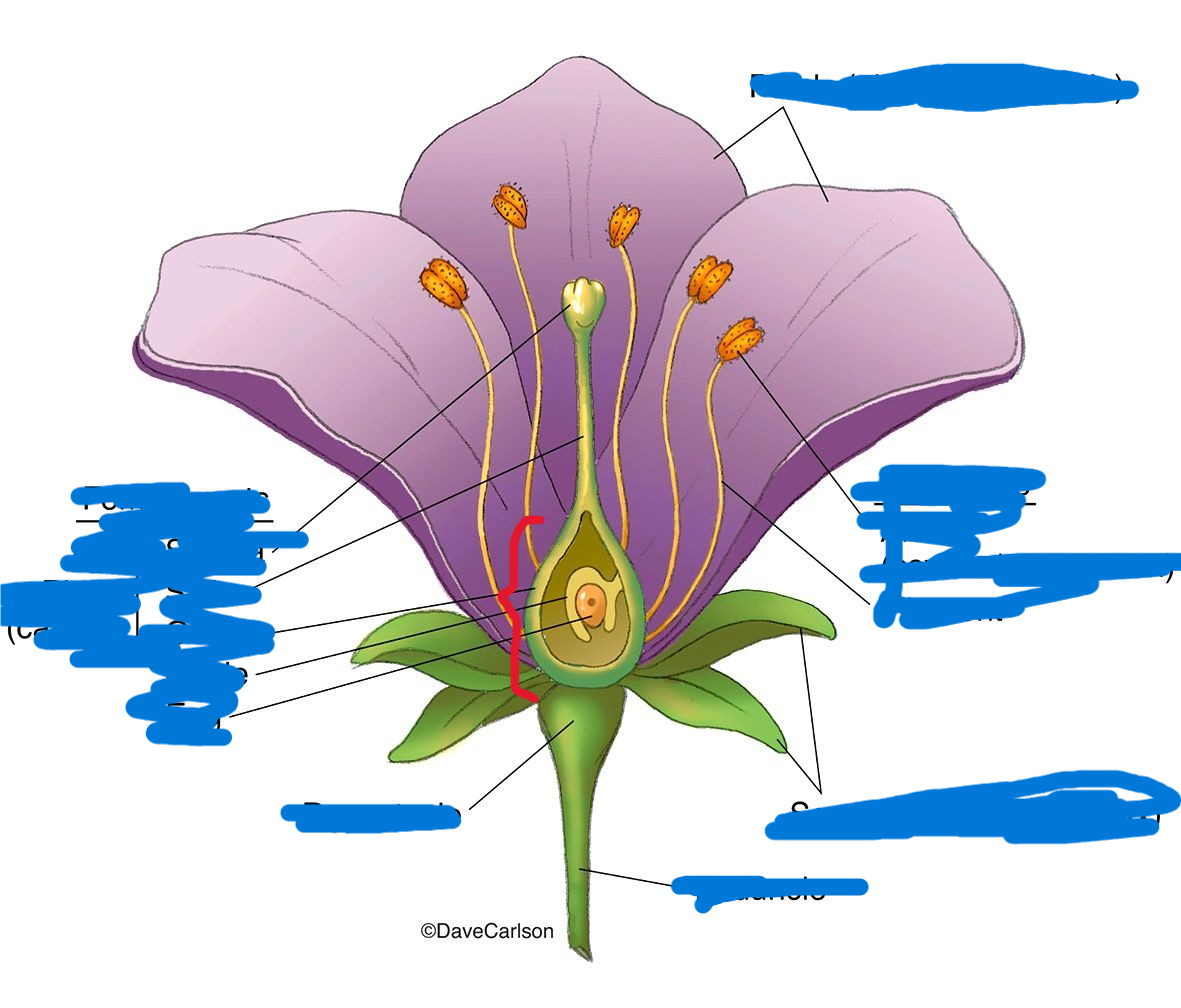
anthophyta ovary
57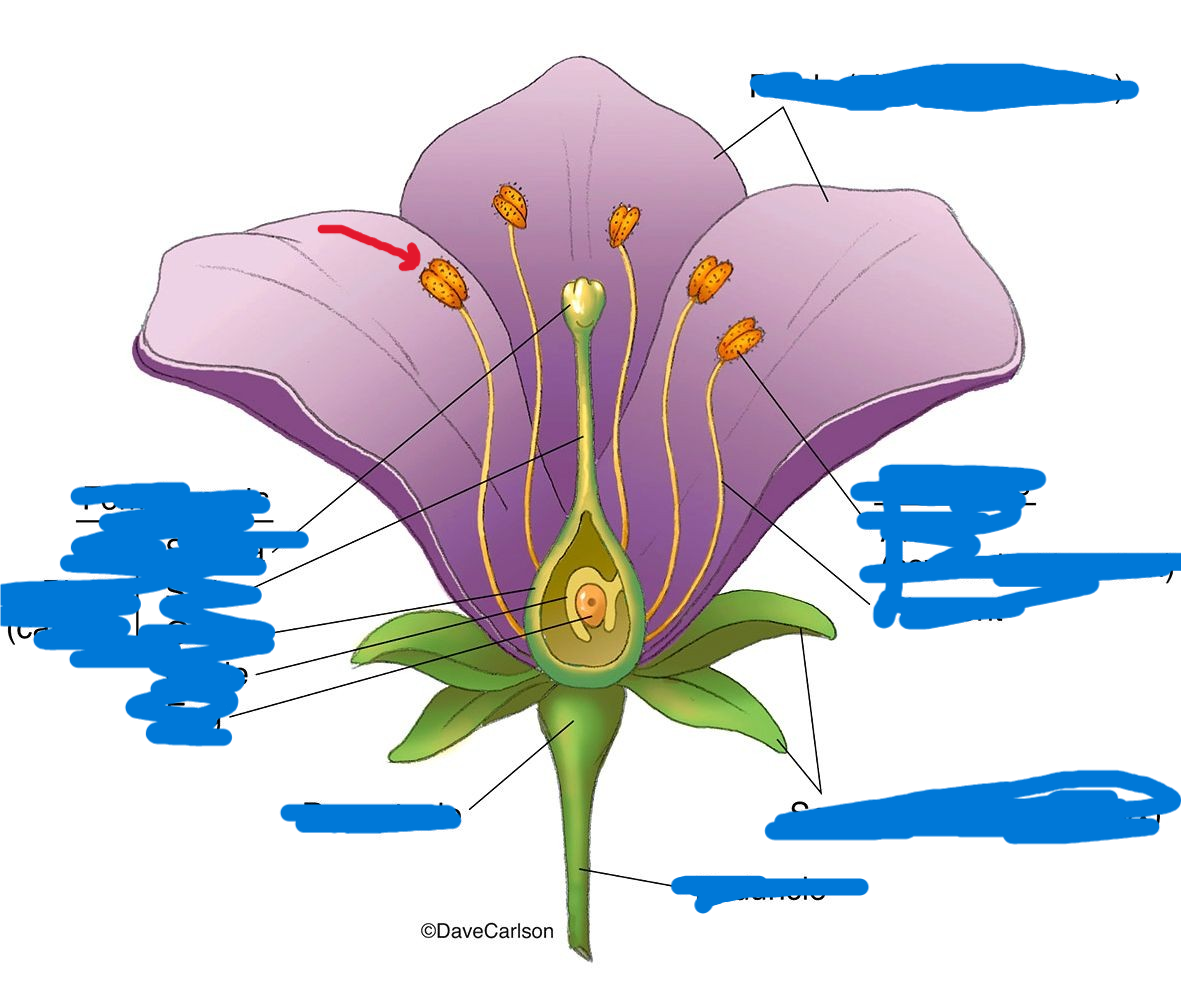
anthophyta anther
58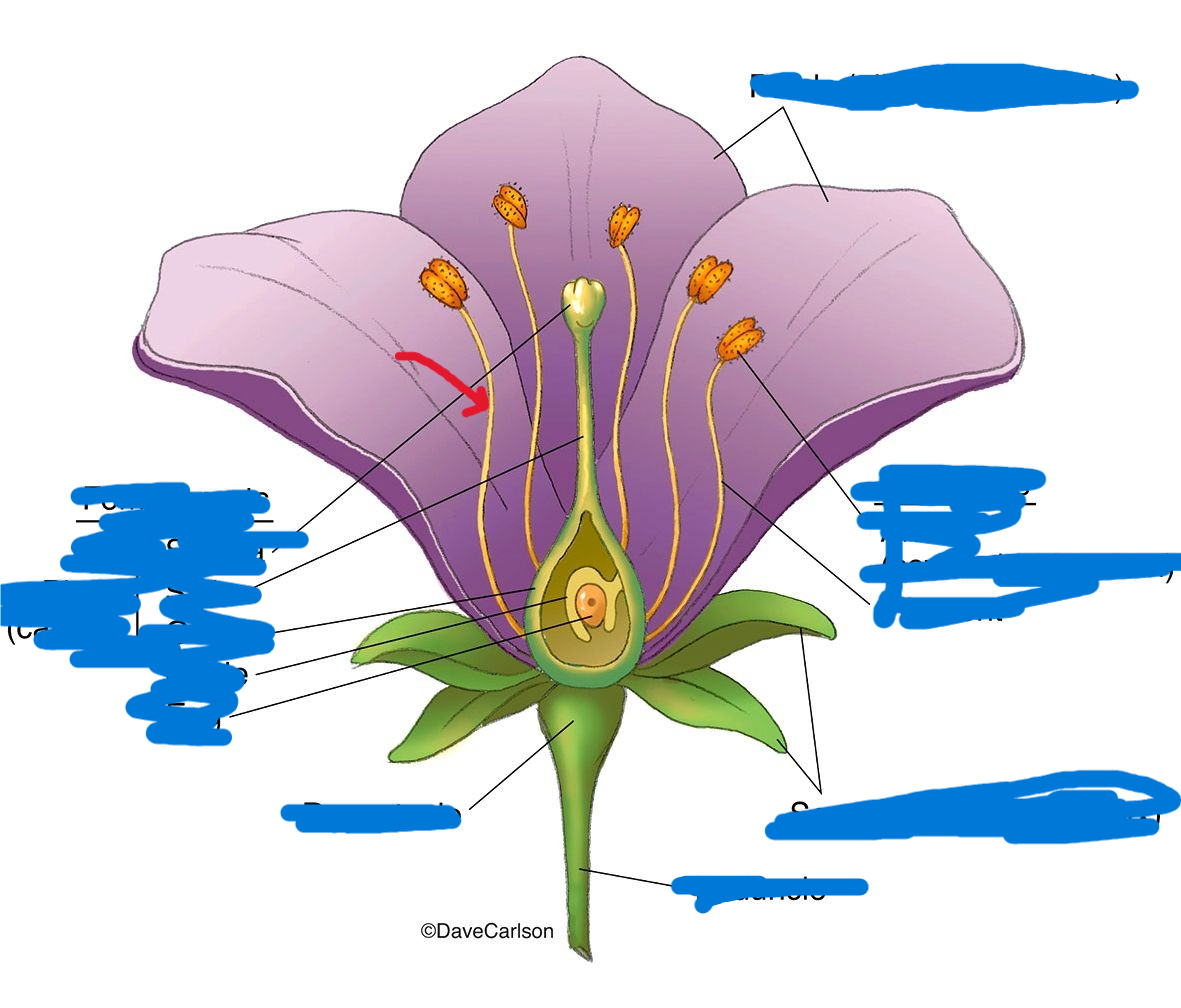
anthophyta filament
59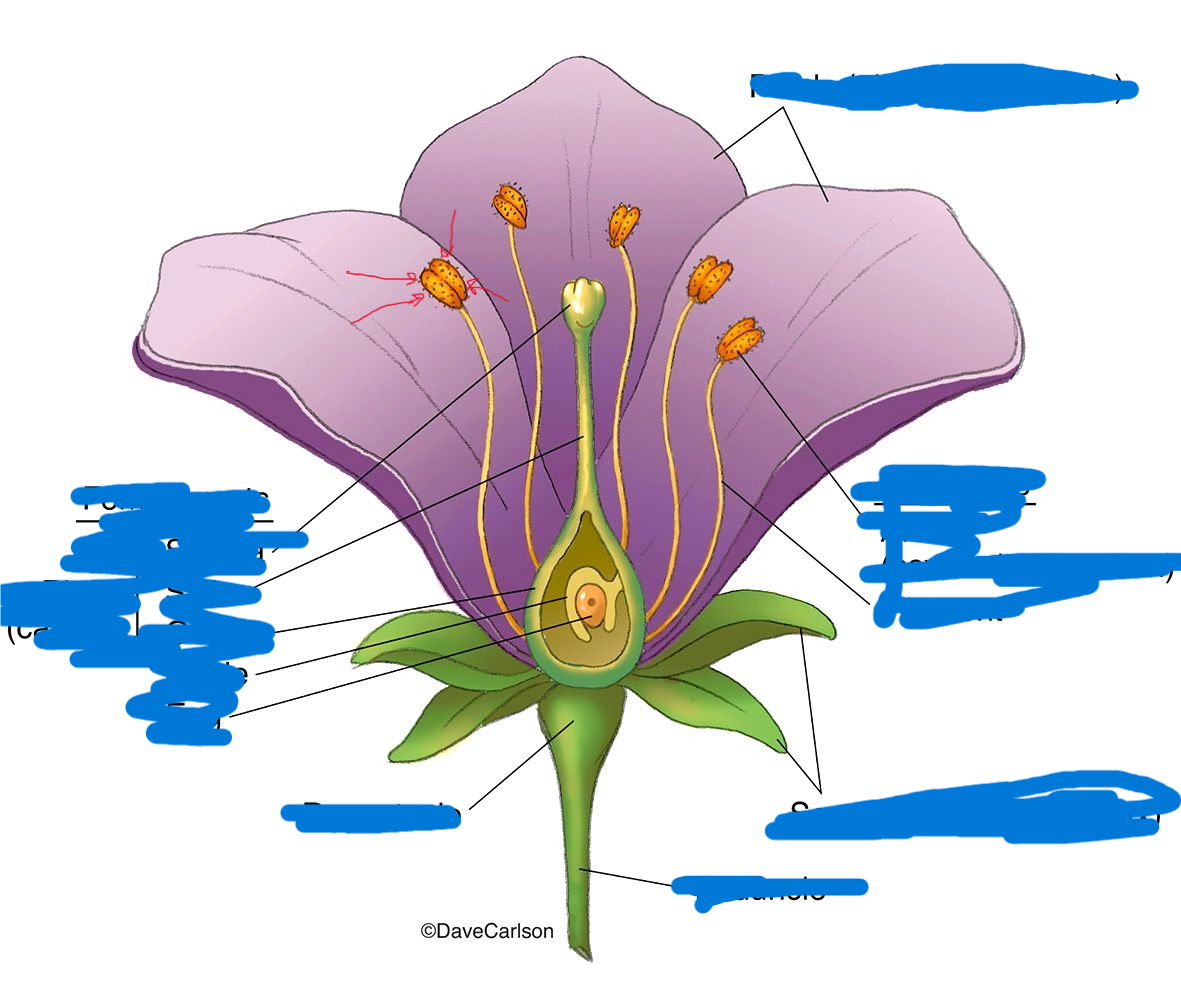
anthophyta pollen grains
60
pollinated by wind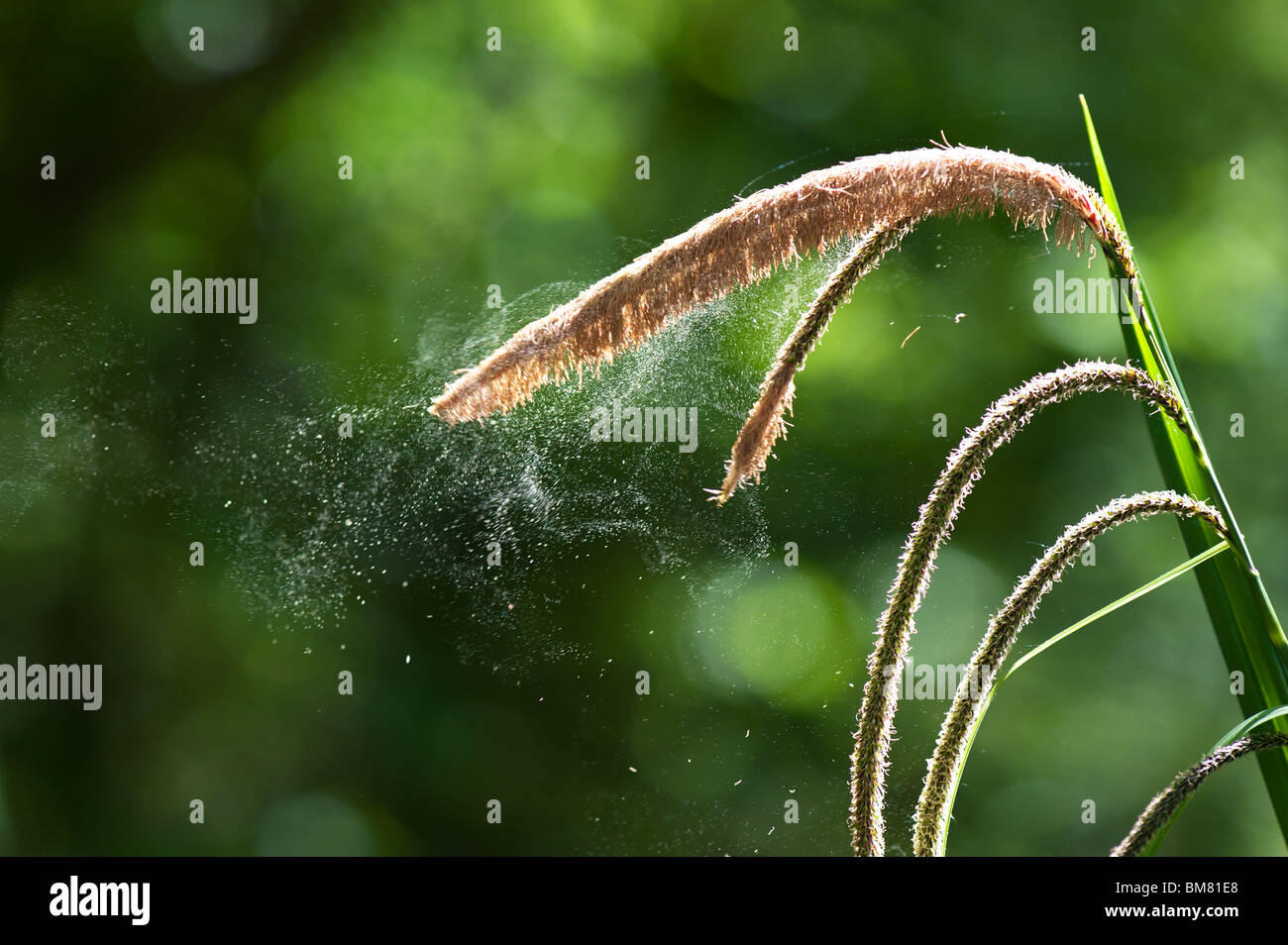
anemophily
61
pollinated by flies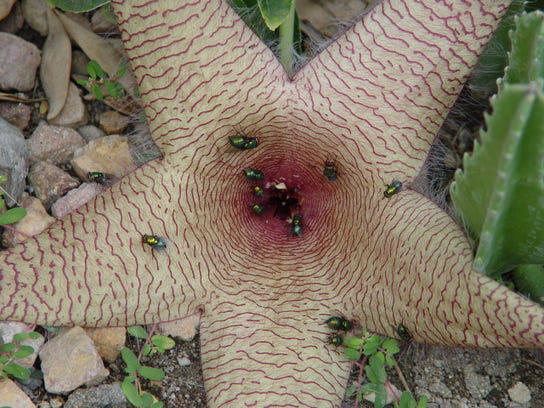
saprophily
62
pollinated by butterflies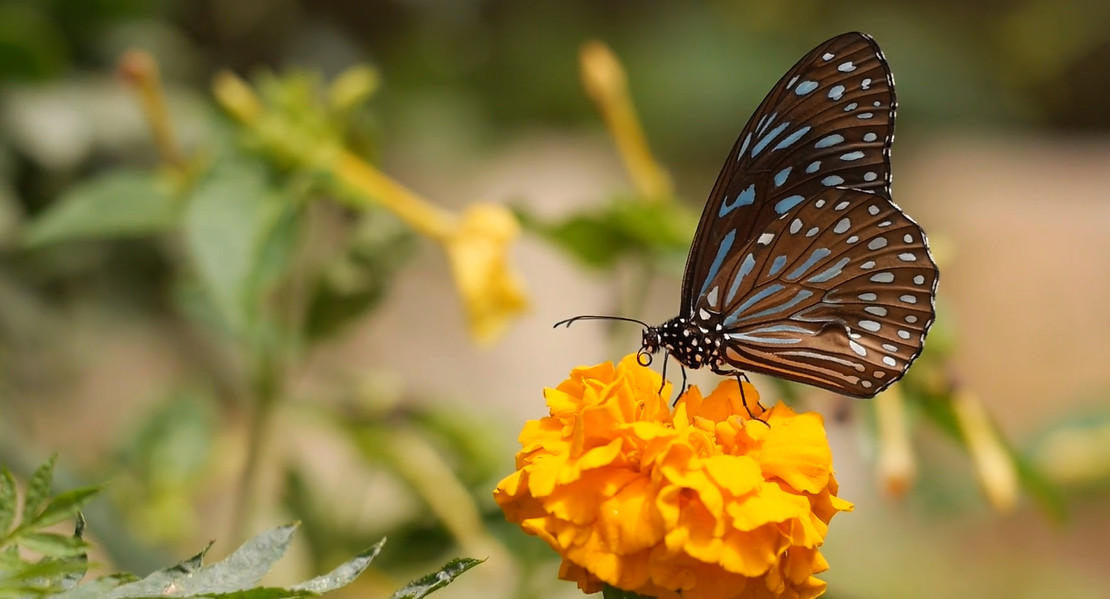
psychophily
63
pollinated by moths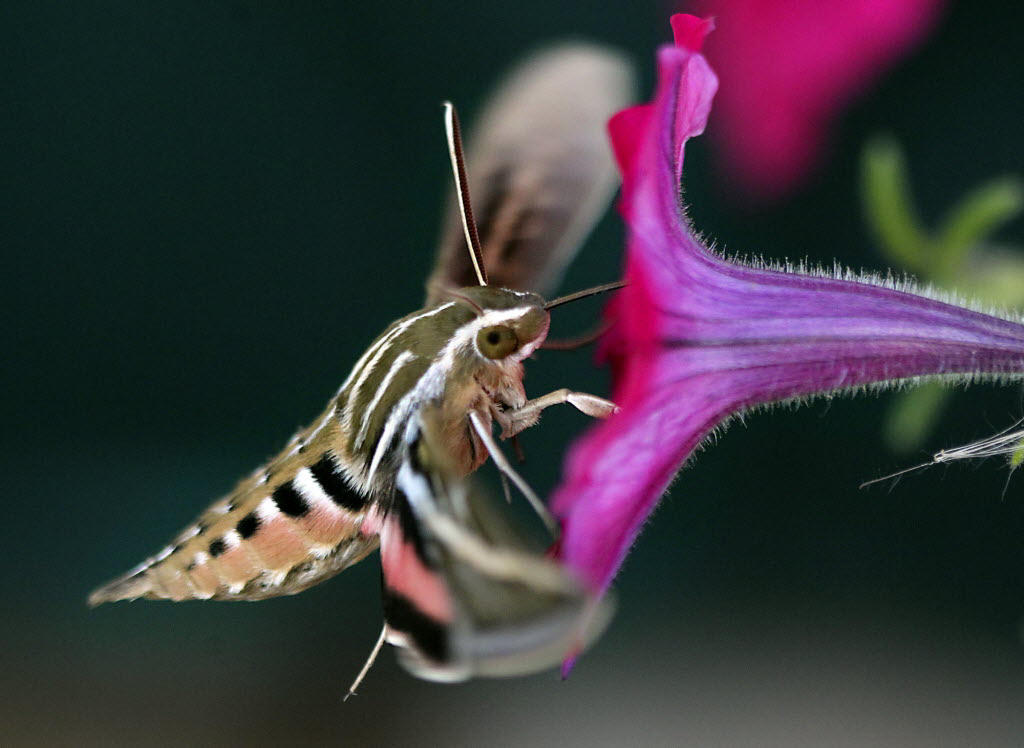
phalaenophily
64
pollinated by bats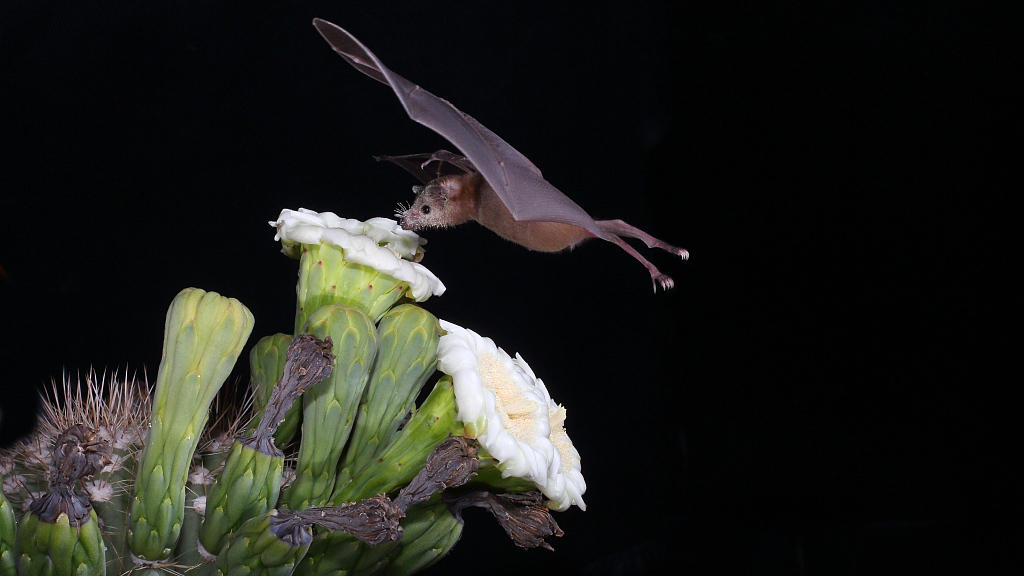
chiropterophily
65
pollinated by birds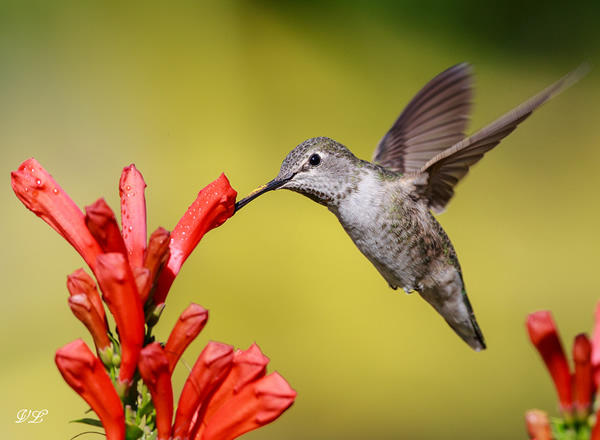
ornithophily
66
technique used by bees to release pollen tightly held in anther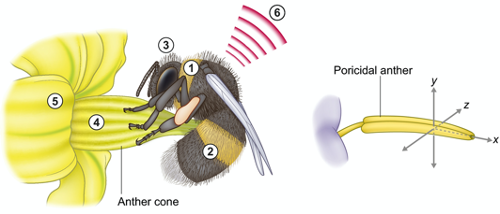
buzz pollination
67
deceptive strategy used by certain plants to attract pollinators (bees)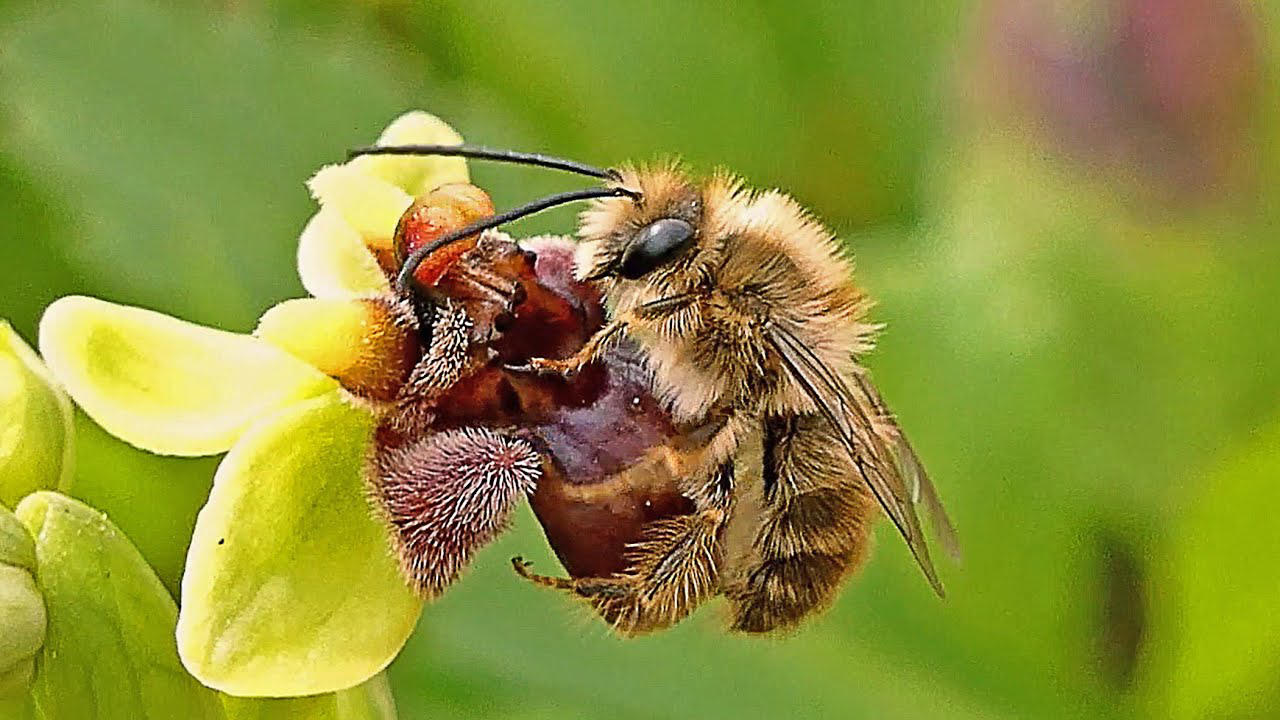
false copulation
68
fruit dispersed by wind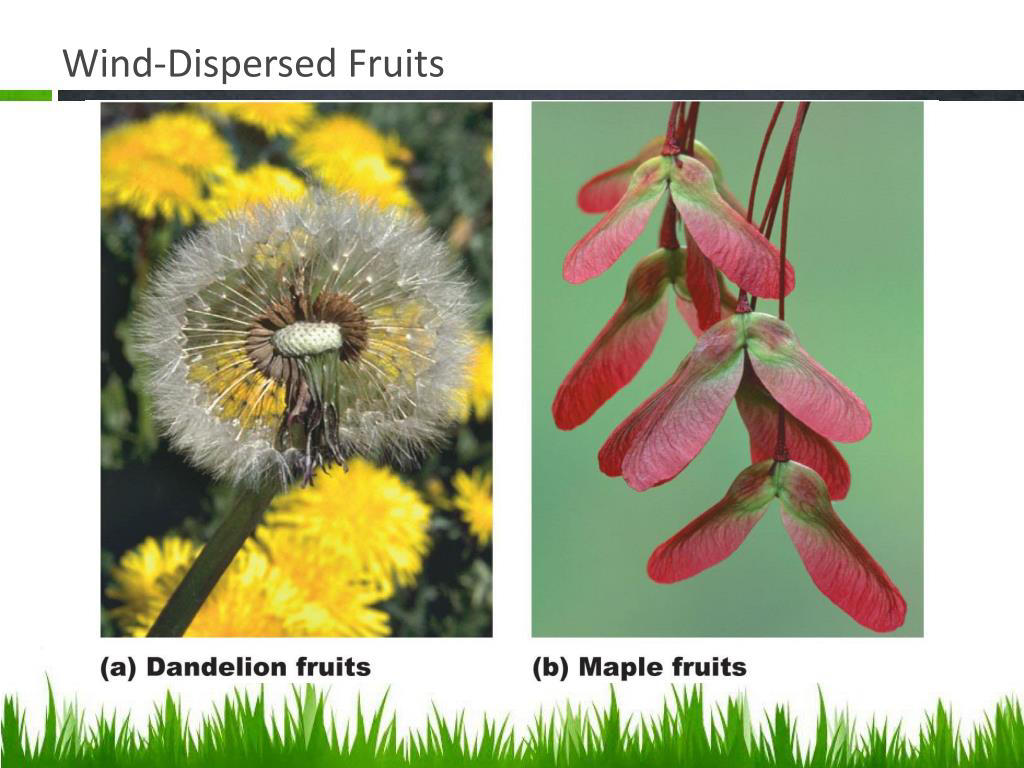
anemochory
69
fruit dispersed by water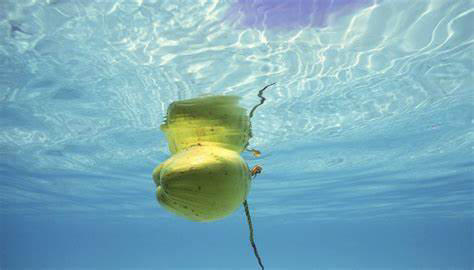
hydrochory
70
fruit dispersed by explosive mechanisms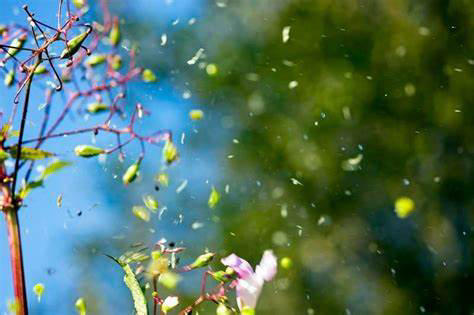
autochory
71
seeds dispersed by attaching to exterior of animal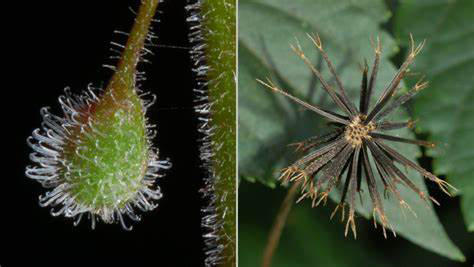
epizoochory
72
seeds dispersed by consumption by animal (internal)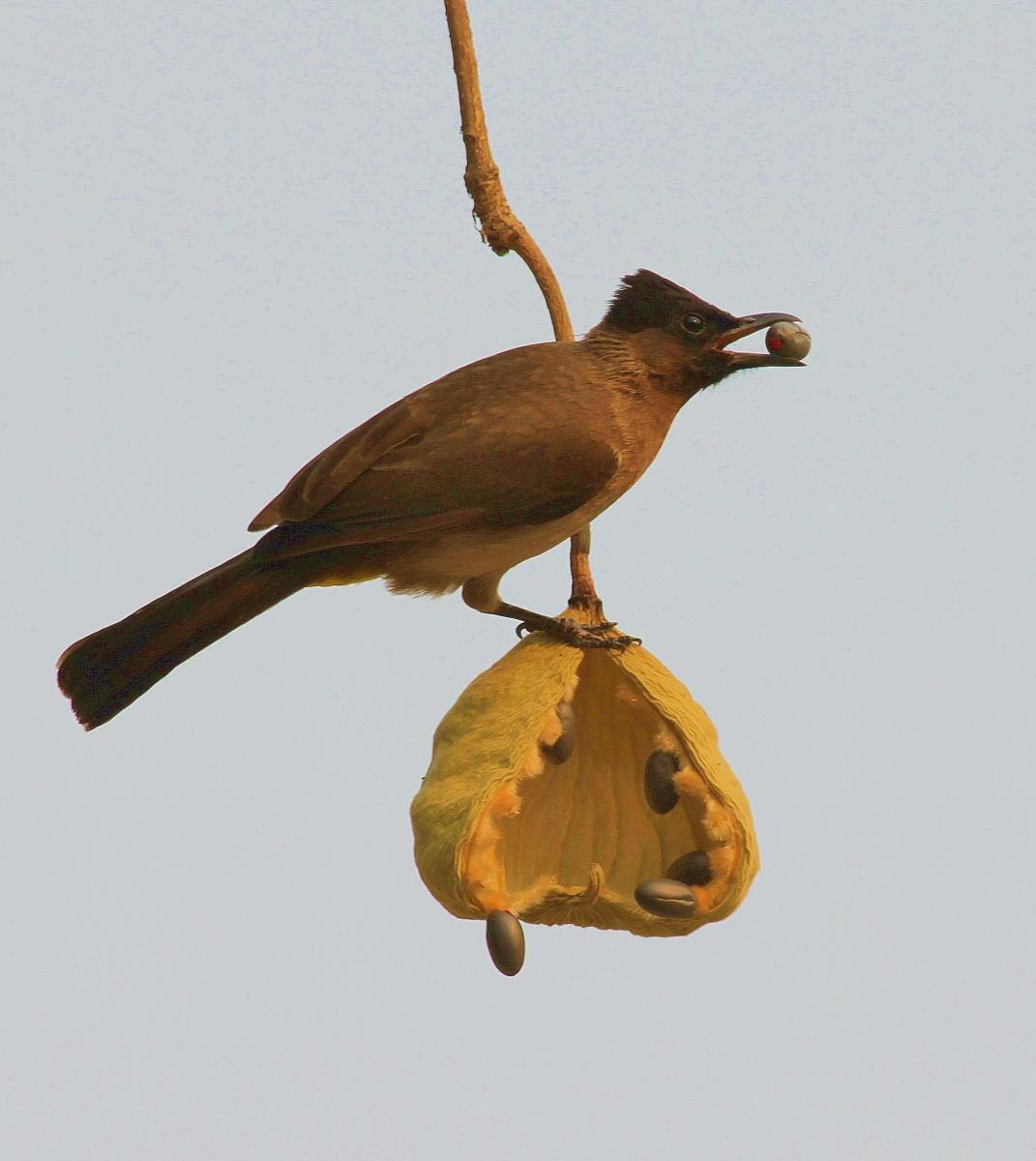
endozoochory
73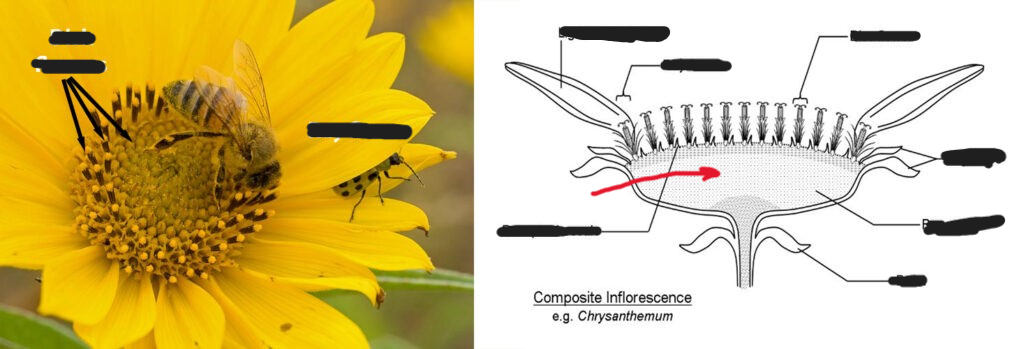
sunflower receptacle
74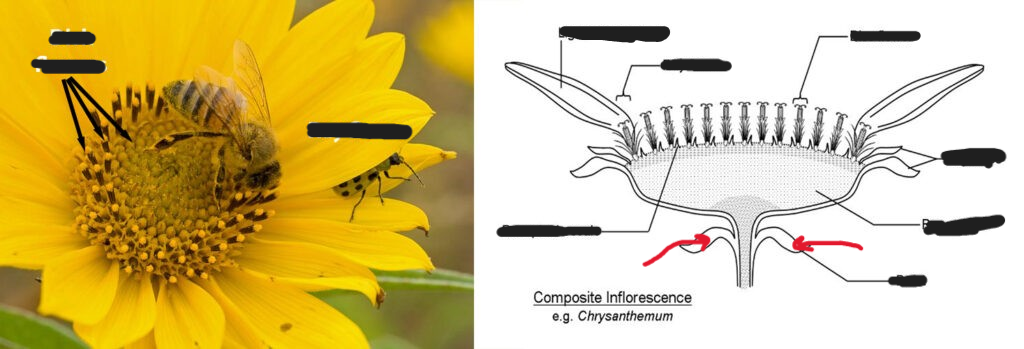
sunflower bract
75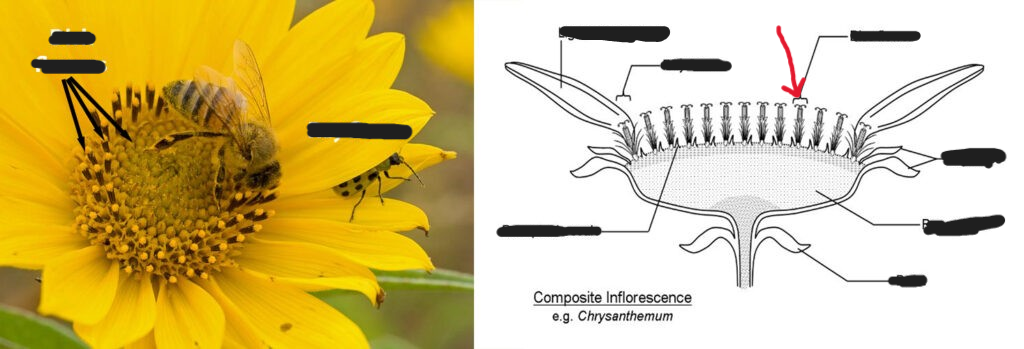
sunflower disk flower
76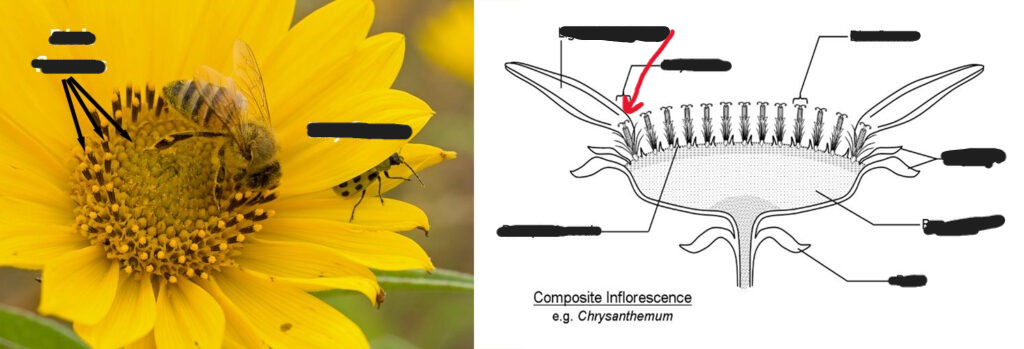
sunflower ray flower
77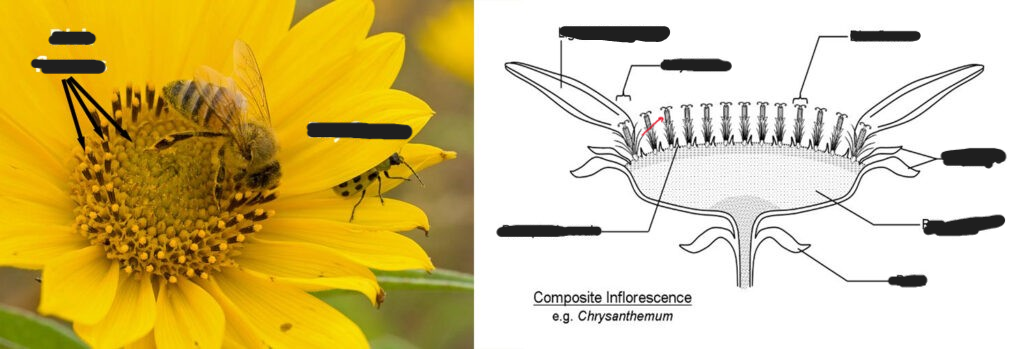
sunflower corolla of disk flower
78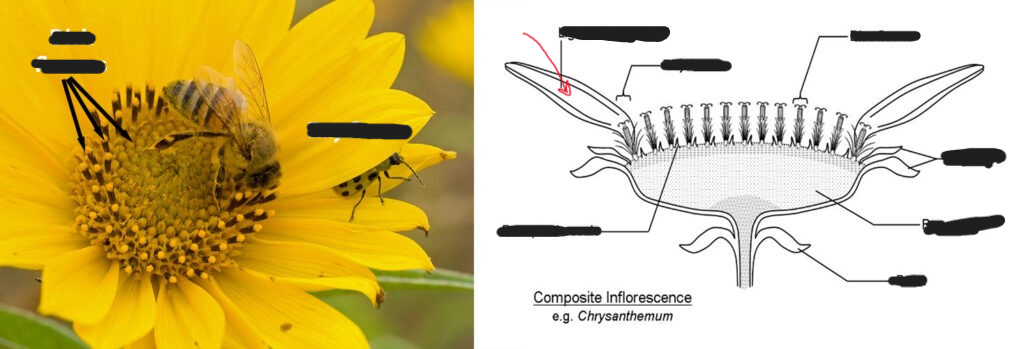
sunflower corolla of ray flower
79
fruit of a sunflower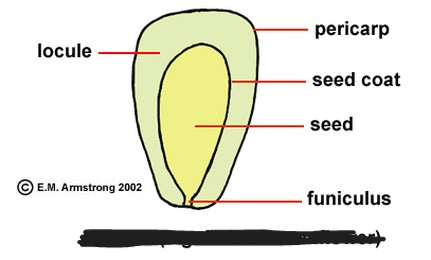
achene
80
also called the hull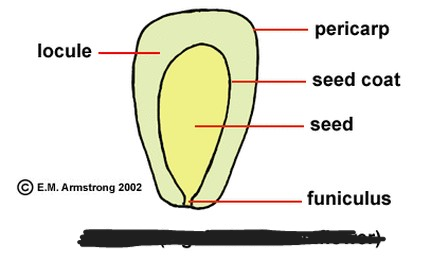
sunflower seed pericarp
81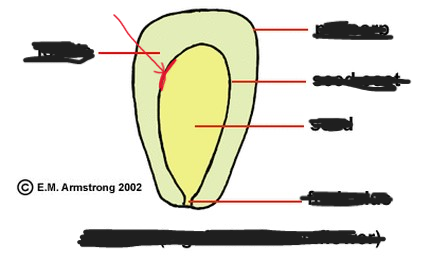
sunflower seed coat
82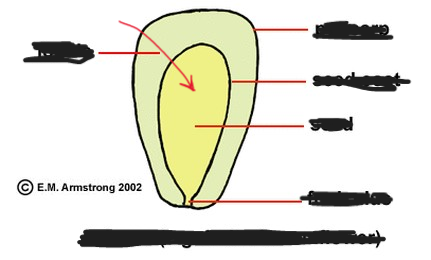
sunflower seed cotyledon
83
eg grasses, rice, corn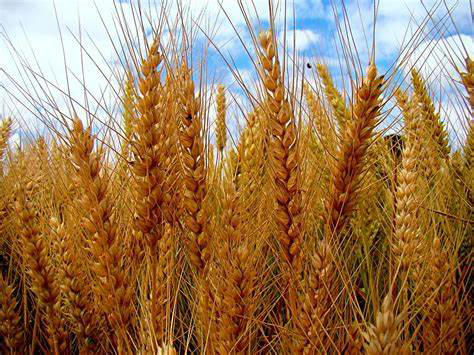
family poaceae
84
mustards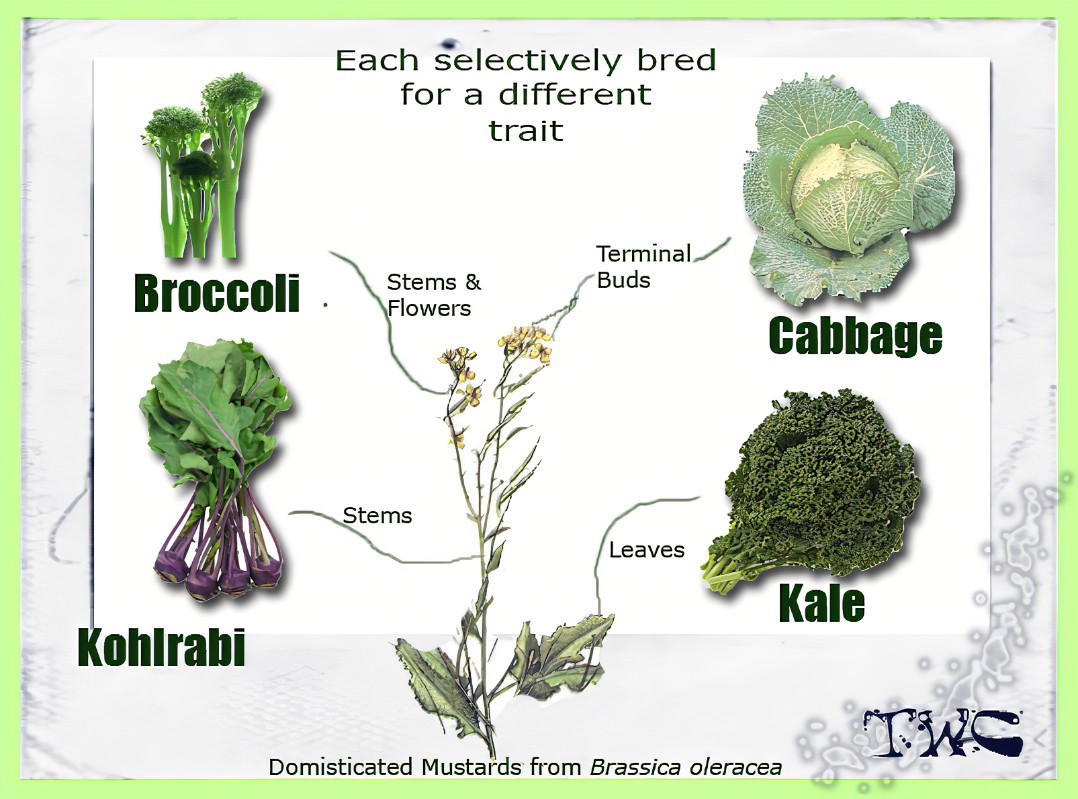
family brassicaceae
85
herbs/mints (scented)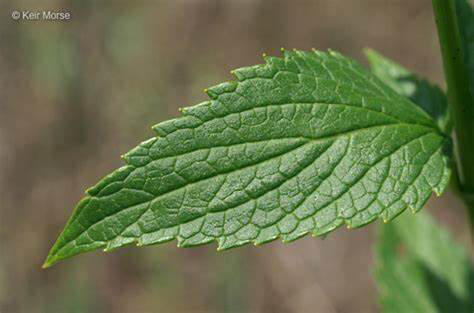
family lamiaceae
86
apple blossoms, cherry blossoms, etc (think 5 petals)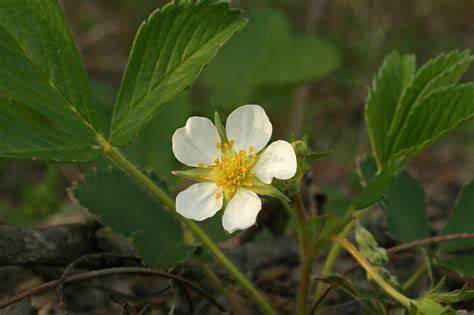
family rosaceae
87
legumes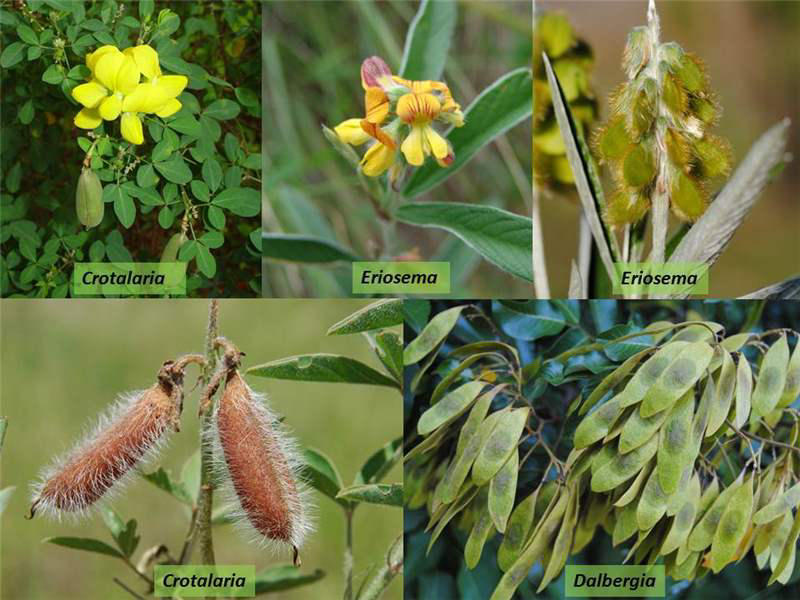
family fabaceae
88
cucumbers, squashes, etc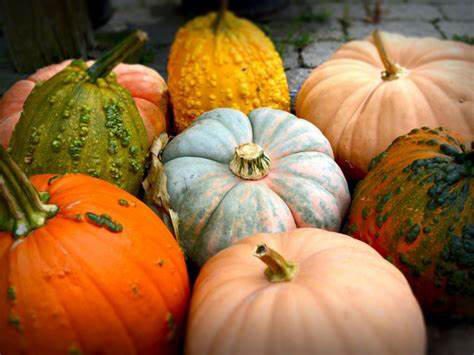
family cucurbitaceae
89
daisys, most flowers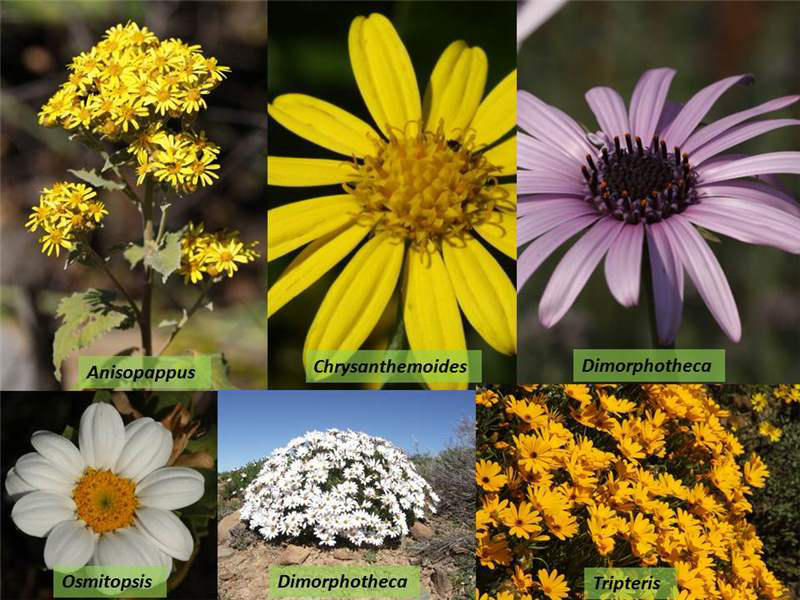
family asteraceae
90
nightshades (potatoes, peppers, tomatoes)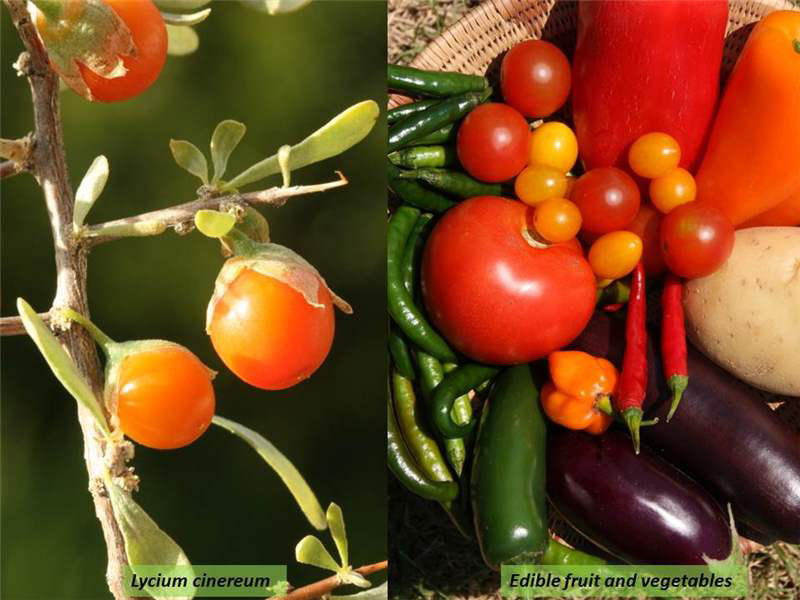
family solanaceae
91
fleshy fruit that contains one or more seeds embedded in flesh, develops from single ovary of single flower (includes eggplant)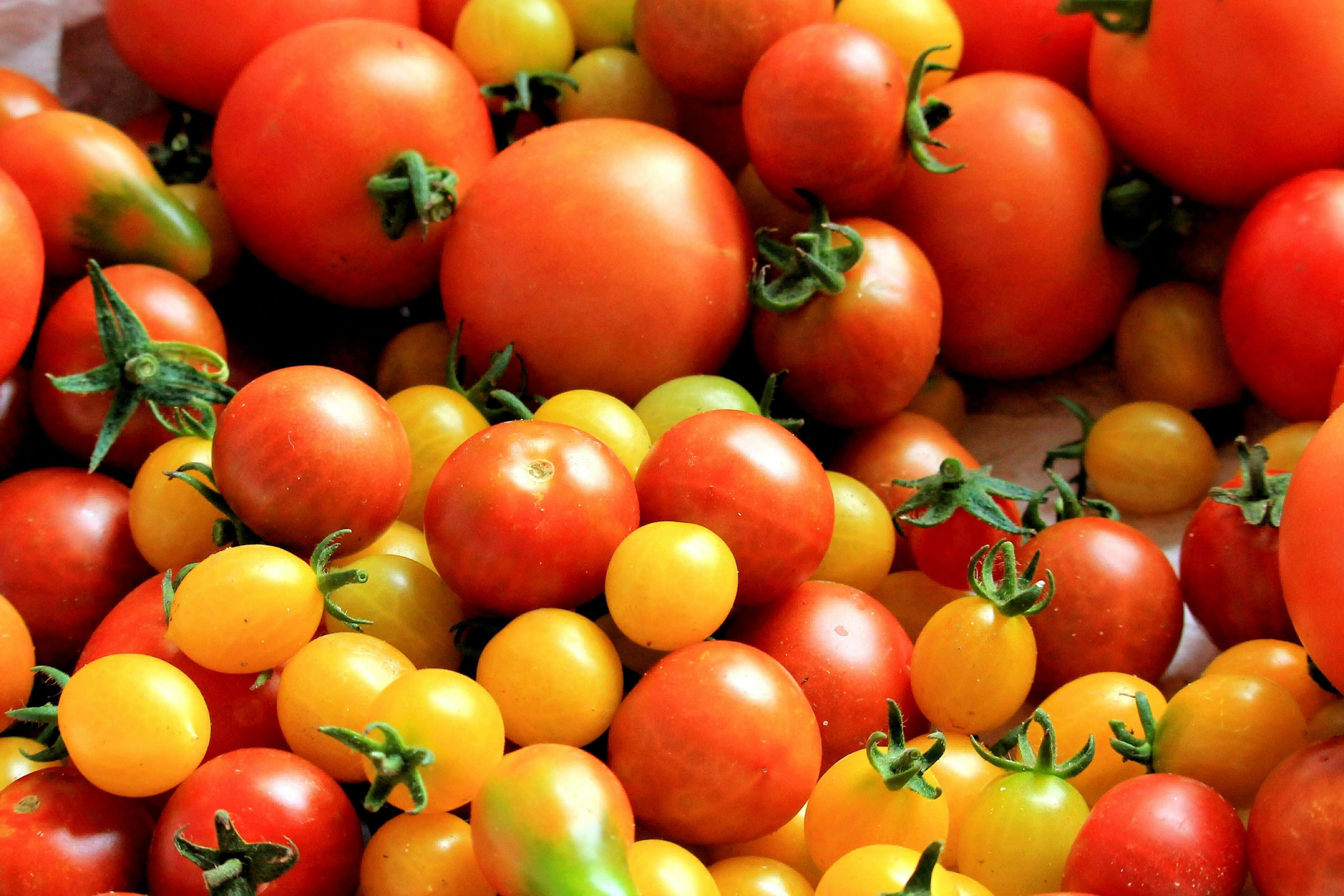
berry
92
also known as stone fruit, fleshy exterior and single hard stone/pit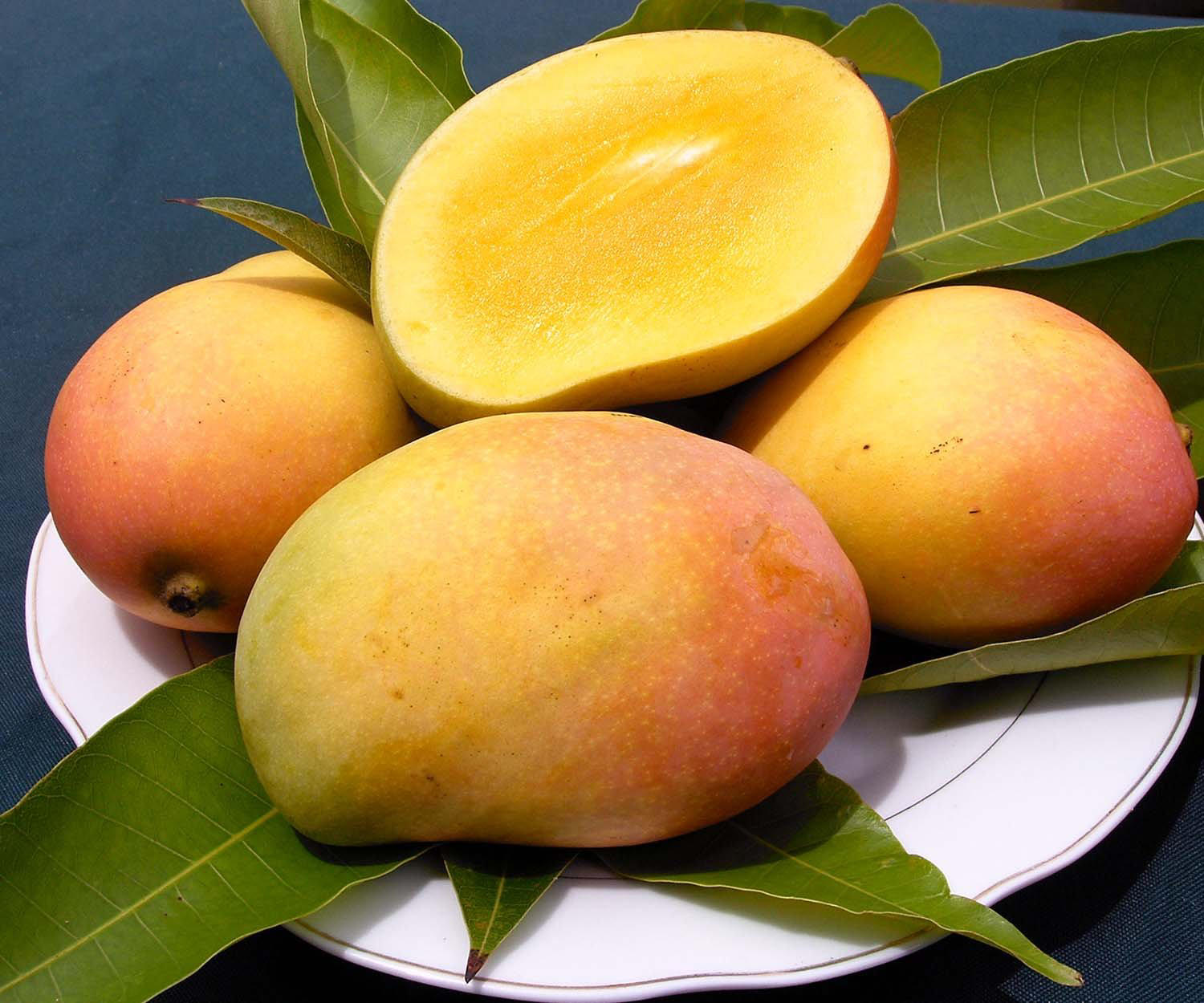
drupe
93
fleshy fruit with fibrous center containing multiple seeds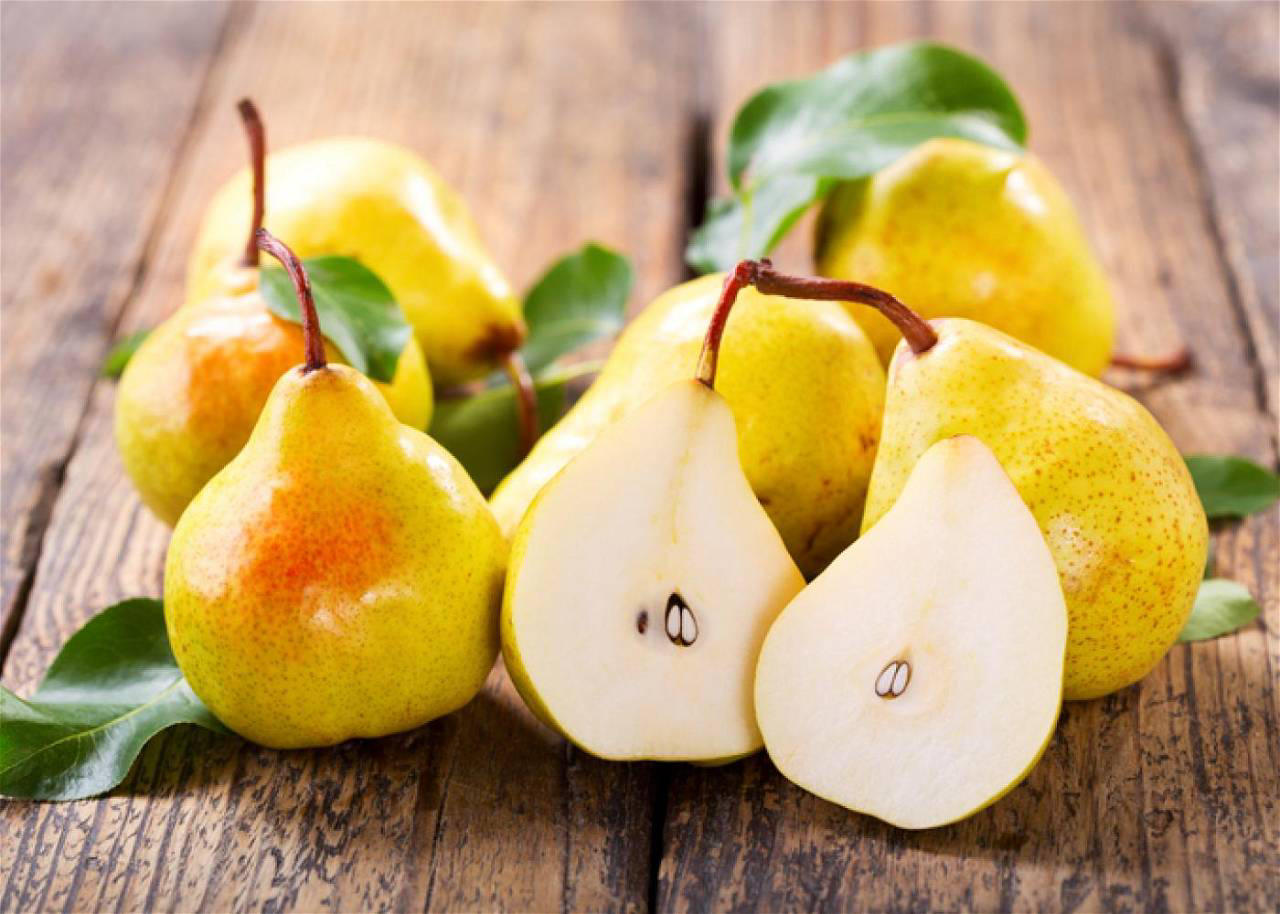
pome
94
thick, hard rind with fleshy interior where seeds are embedded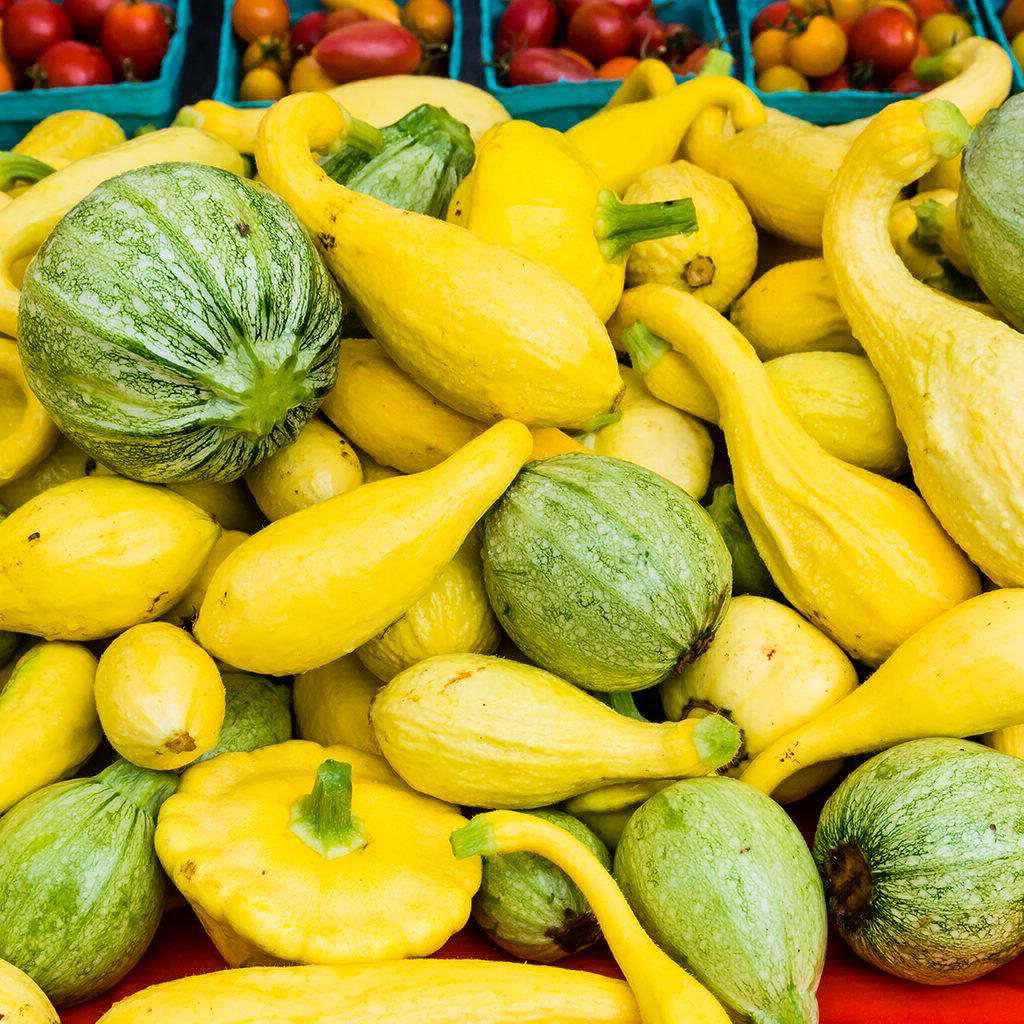
pepo
95
has a leathery rind, refers to citrus fruit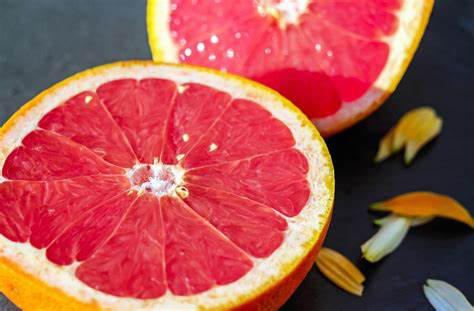
hesperidium
96
emphasized structure in kale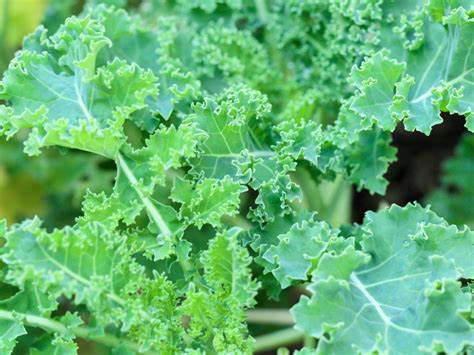
leaf
97
emphasized structure in broccoli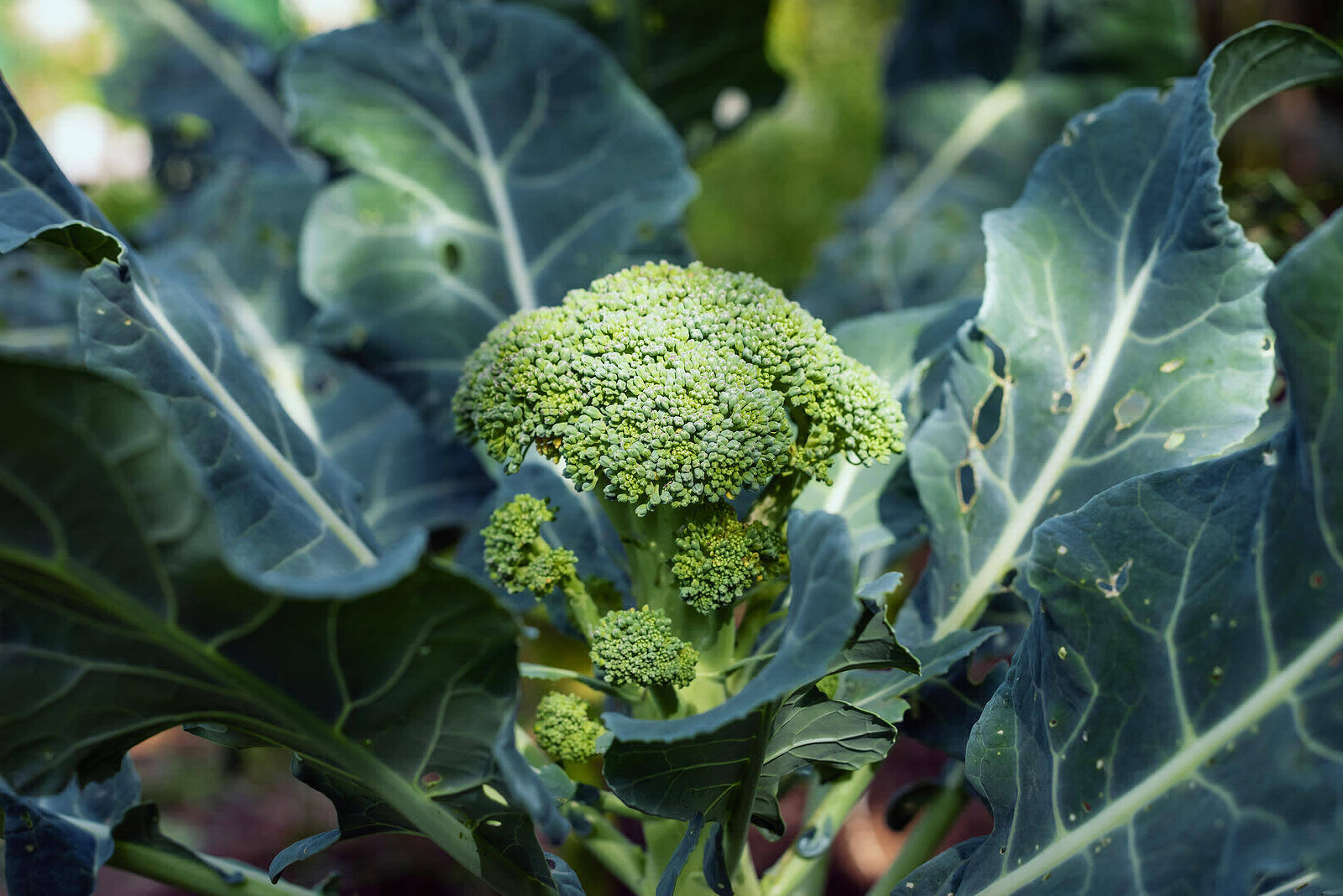
flower bud
98
emphasized structure in cabbage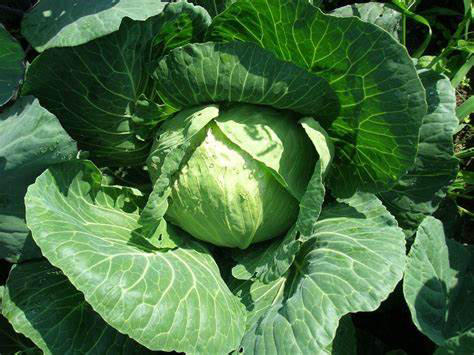
terminal bud
99
emphasized structure in cauliflower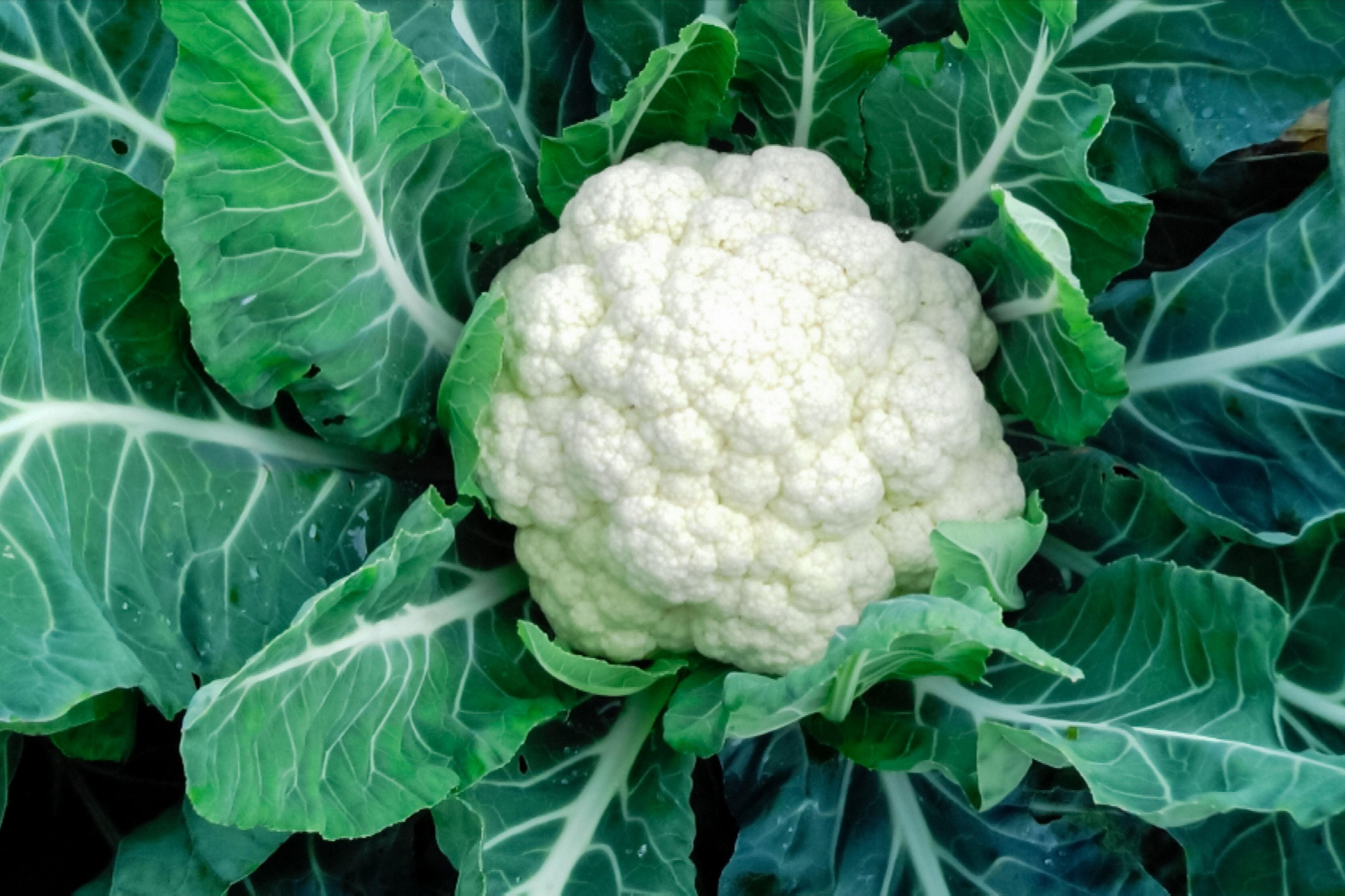
flower bud
100
emphasized structure in kohlrabi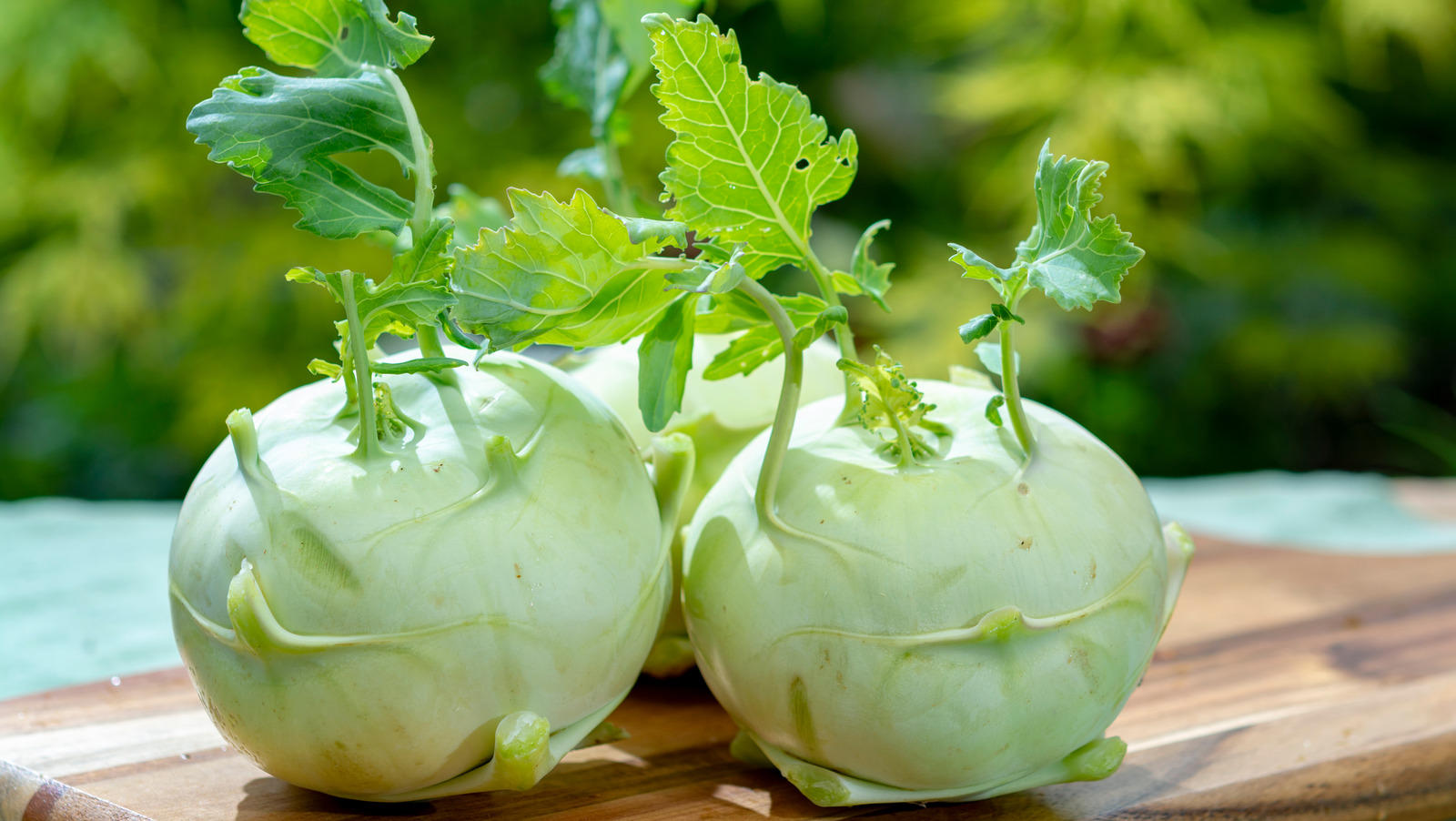
stem
101
emphasized structure in brussel sprouts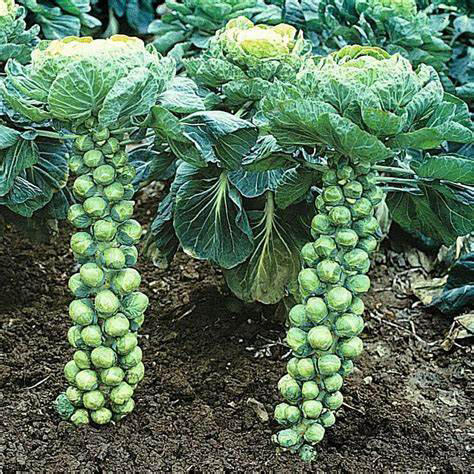
lateral bud