Unit 2: Sheep
Study these flashcardsFree · spaced repetition · iPhone, Android, Mac & web
All cards
1
England/Scotland; short, erect ear; long wooled and hornless; black eye and nose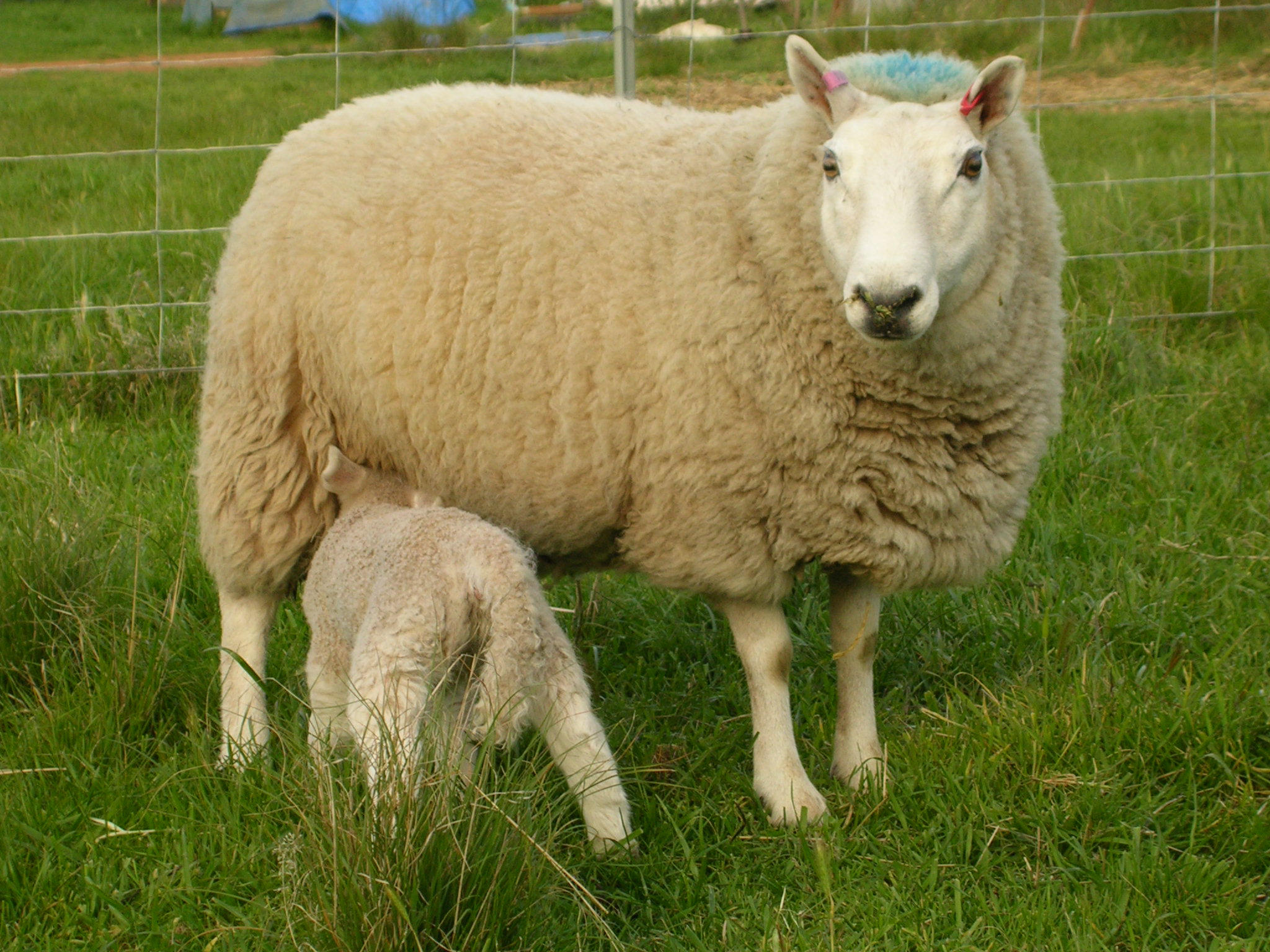
Cheviot
2
South Africa; black faced (there are white faced varieties too)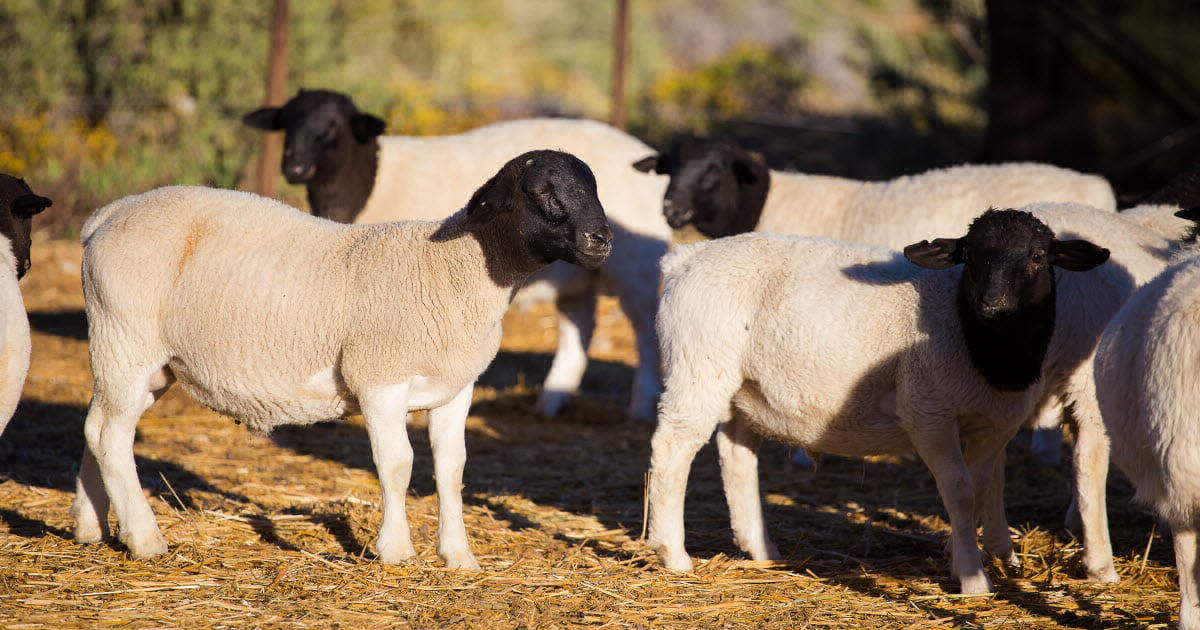
Dorper
3
England (vague history); thick white faced meat breed; large sized; both horned and polled varieties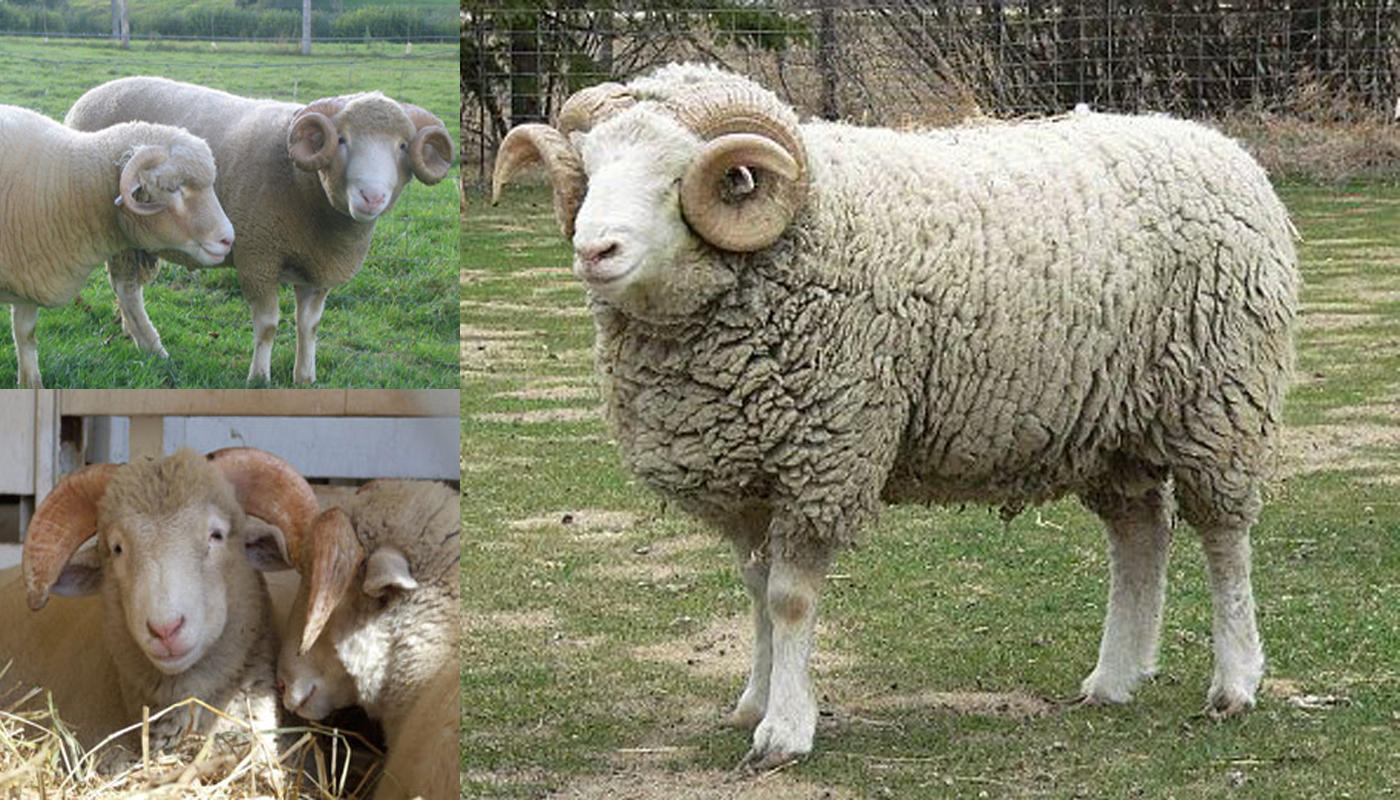
Dorset
4
Finland; slack framed, ill shaped all-white breed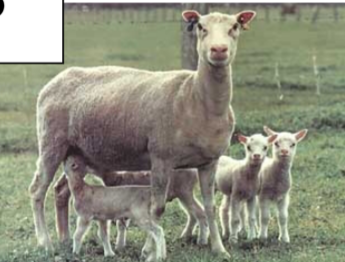
Finnsheep
5
Germany; polled, all white with clean legs; has small think “rat” tail with no wool covering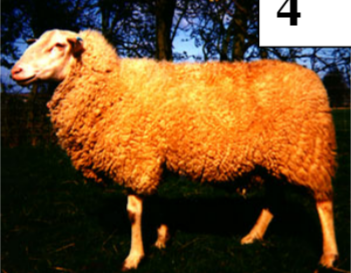
Friesian
6
Isle off coast of Holland; white and clean on head and leg; thick plump leg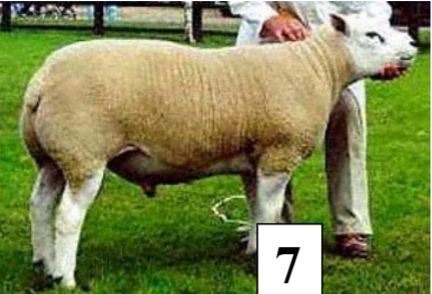
Texel
7
Idaho; all white, moderate size with heavy wool clip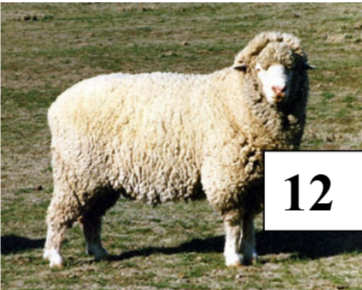
Targhee
8
England; thick muscled, large framed and black faced with straight ear; full wool cap and cleaned channeled preferred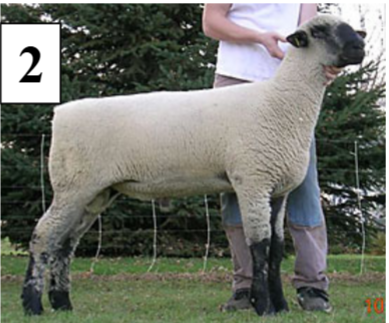
Hampshire
9
Spain; first breed in the new world; long wooled with color and horns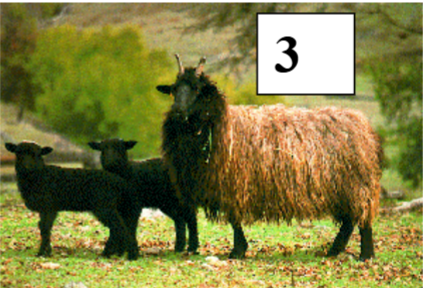
Navajo Churro
10
France (from Merino lines); all white and mostly horned though some polled lines have been developed; not especially heavy muscled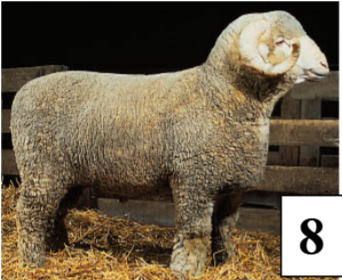
Rambouillet
11
England; traditionally short and early maturing with full wool cap and filled in channels of the face; gray to mouse brown face, polled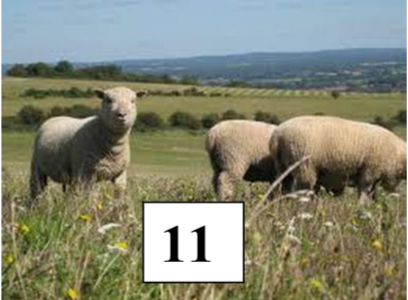
Southdown
12
England; black face with no wool cap or on legs; has bell shaped long ear with flared tip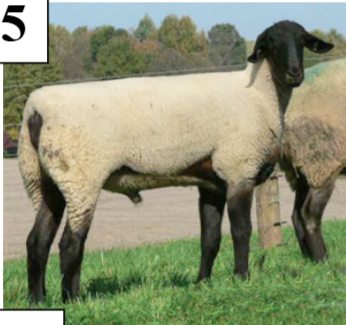
Suffolk
13
Composite breed made in US; white (of course) with open face and small wool cap preferable; not known for overt thickness, nor straight lines but good angles in skeleton; medium straight ear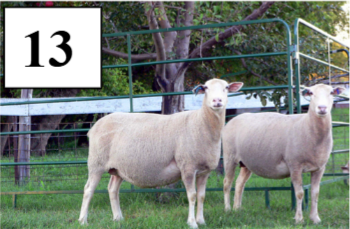
Polypay
14
Russia; mixture of gray wool and black guard hair gives “natural” distinct color; has a white “star” on the forehead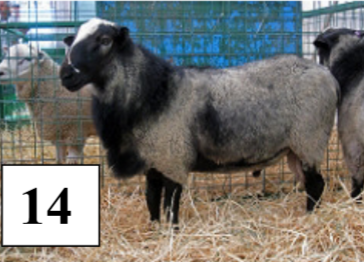
Romanov
15
term that refers to the diameter of individual wool fibers
fineness
16
classification that represents the average fineness of the wool
wool grade
17
classification of wool that includes fineness, length, strength, yield, style, and color
wool classing
18
used to refer to breeding background of sheep, now represents a broad description of fiber diameter (1/2, 3/8, 1/4, low 1/4, common, braid), describes fine grades of wool
American Blood Grading System
19
more technical classification of wool, identifies wool within narrower range of fiber diameter
Spinning Count System
20
precise and descriptive method of measuring average fiber diameter, standard method of measuring this done with microprojection technique
Micron System
21
ISU sheep farm breeds
Hampshire (club/show lambs) and Polypay
22
Polypay lambing month
May (outdoors)
23
Hampshire lambing months
January and February (indoors)
24
small pen for lambing
jug
25
when lambs are docked, navels dipped in disinfectant, and castration is performed
lamb processing
26
sheep gestation length
5 months
27
sheep market weight
130 pounds
28
flocks mainly seen in midwest and east, meat breed base, smaller flock size, higher input
farm flocks
29
flocks seen in the west, white face (wool breed) base, low input, large flock size, 80% of US sheep
range flocks
30
wavy nature of a fiber of wool
crimp
31
type of reproductive cycle of a sheep
seasonally polyestrous
32
buildup of ketone bodies caused by high rates of metabolism of fat to meet fetuses’ needs for energy
ketosis
33
clostridial infection caused by change in diet
overeating disease (enterotoxemia)
34
zoonotic fungal disease of the sheep’s skin
club lamb fungus (ringworm)
35
zoonotic viral infection causing facial sores
contagious ecthyma (sore mouth)
36
encephalopathy disease caused by a prion
scrapie
37
bacterial infection of foot, causing rotting of soft part
foot rot (foot scald)
38
young female sheep
ewe lamb
39
mature female sheep
brood ewe
40
sheep offspring
lamb
41
intact male sheep
ram
42
castrated male sheep
wether