Topics 2-4
Study these flashcardsFree · spaced repetition · iPhone, Android, Mac & web
All cards
1
Microscopic crystalline structures, give sponges rigidity & form, consist of spines / rays that radiate from a point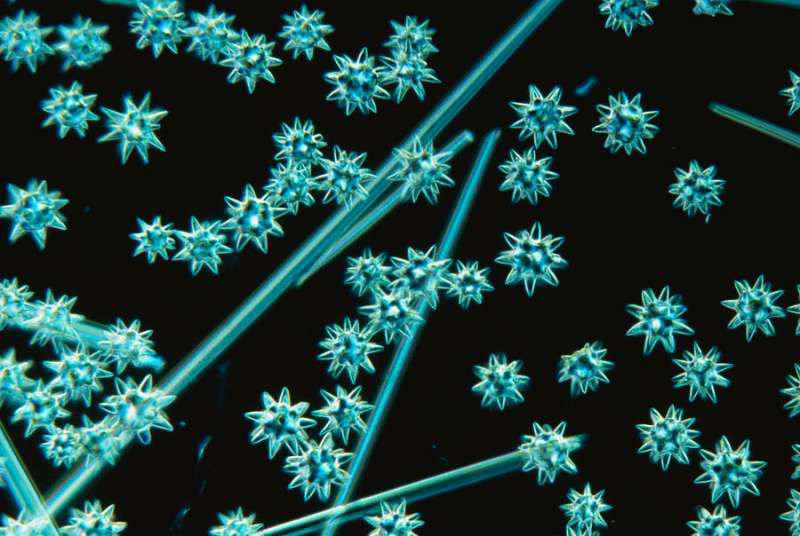
porifera spicules
2
Tiny holes in outer walls through which water is drawn by sponges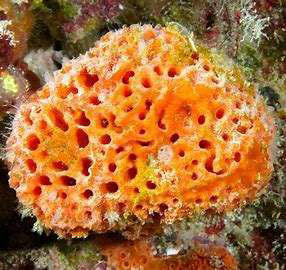
porifera pores
3
Unique cnidarian cell, contains nematocysts (organelles) which are used to deliver sting when triggered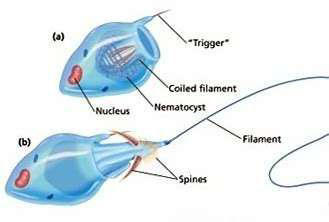
cnidarian cnidocyte
4
Organelle that contains coiled thread, used to sting organisms when triggered, found in cnidarians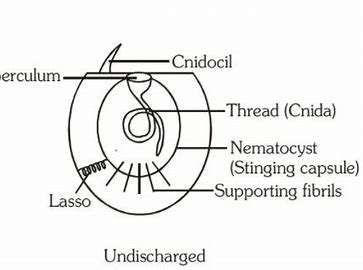
cnidarian nematocyst
5
Cnidarian appendages equipped with stinging cells, used to capture prey and for defense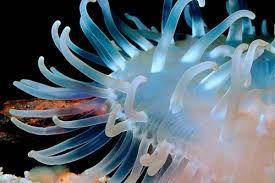
cnidarian tentacles
6
One of two main cnidarian structural forms, cylindrical and sessile, mouth surrounded by tentacles ("upside down jellyfish")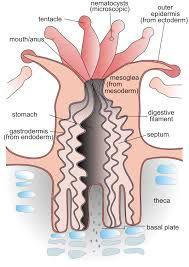
cnidarian polyp
7
One of two cnidarian body forms, free-swimming bell-shaped body with tentacles and a mouth hanging down (jellyfish)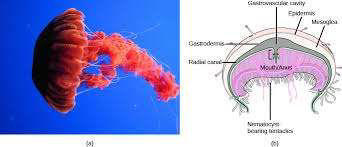
cnidarian medusa
8
Primary organ for digestion and circulation in cnidarians, has a single opening, used in gas exchange, waste disposal, and digestion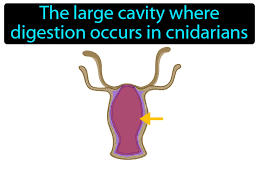
cnidarian gastrovascular cavity
9
Branching cavity that serves as primary organ for digestion and circulation, brings in food and dispels waste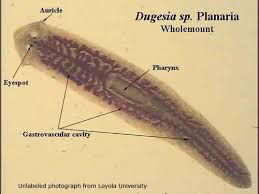
platyhelminth gastrovascular cavity
10
Light-sensitive sensory cells located on head of platyhelminth (flatworm)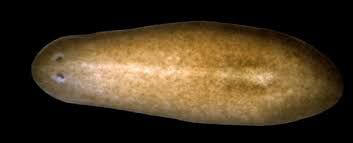
platyhelminth eyespots
11
Platyhelminthes lack a body cavity (lost in evolution), results in flattened body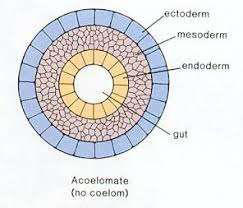
platyhelminth acoelomate body structure
12
Specialized body segment in Platyhelminthes, found at front end of tapeworms, covered with hooks/suckers, used to anchor parasite to host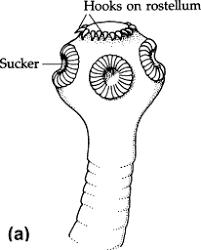
platyhelminth scolex
13
Platyhelminth segment found in tapeworms, self-sufficient units that contain male and female reproductive organs, produced at the scolex and released in feces of host organism (pumpkin seed-shaped when passed, look like rice grains when dry)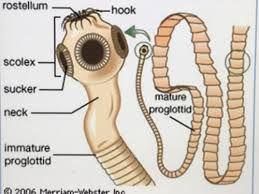
platyhelminth proglottid
14
Large fluid-filled cavity surrounded by mesoderm, provides efficient hydrostatic skeleton, supports metabolic processes, maintains osmotic balance with environment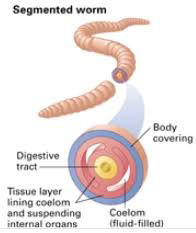
annelid coelom
15
Bodies divided into segments by rings (annuli), organs often repeated, segments able to regrow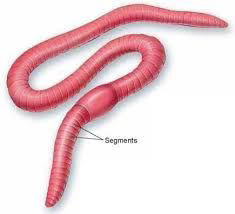
annelid segments
16
Lateral outgrowths from annelid bodies, used for movement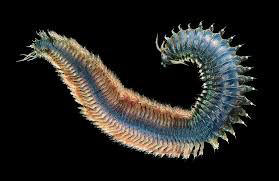
annelid parapodia
17
Microscopic larval stage in bivalves, parasitic and released by females which have evolved fish-like lures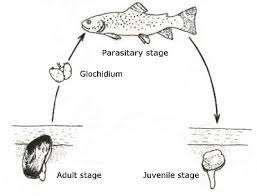
bivalve glochidium
18
Hard, two-part shell that encloses body of bivalve mollusk, each half called a valve and hinged together by elastic ligament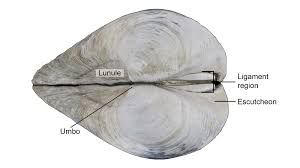
bivalve shell
19
Exoskeleton that protects gastropod's soft body, provides protection, stores calcium, traps and kills parasitic nematodes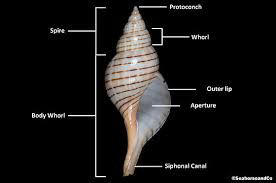
gastropod shell
20
Organ that allows gastropod to move, attach to surfaces, mold egg capsules, connect to shell, seal shell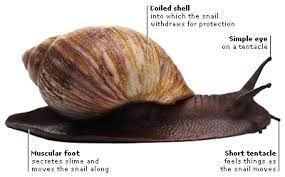
gastropod muscular foot
21
Feeding organ found in gastropods, used to scrape and cut food before entering the esophagus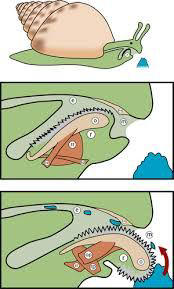
gastropod radula
22
Boneless limbs that extend from cephalopod head, covered in suckers, used to catch prey and adhere to surfaces (shorter appendages)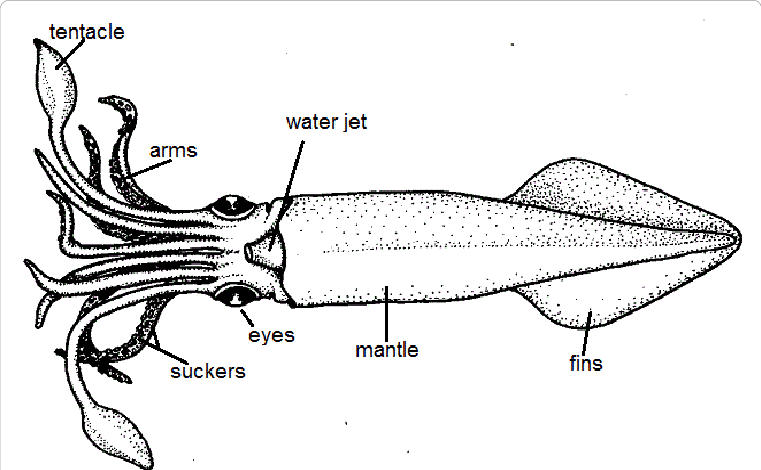
cephalopod arms
23
Series of chambers separated by walls (septa), shape varies between cephalopods: nautilus - spiral nacreous shell, squid - reduced / remnants of shell (pen), octopus - no shell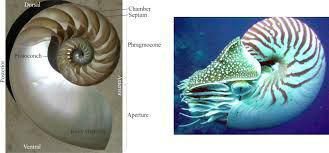
cephalopod shell
24
Key feature, made of chitin, used to slice up prey, made up of upper and lower mandible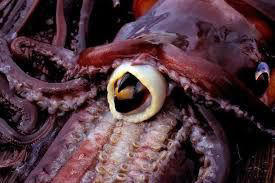
cephalopod beak
25
Fluid-filled body cavity in nematodes, not completely lined with mesoderm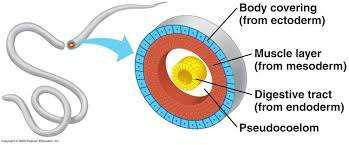
nematode pseudocoelom
26
Multilayered eggshell, protects larvae and allows hatching under favorable conditions, resistant to stress but able to respond to environment, prevents premature hatching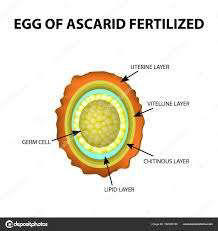
nematode egg
27
Silk-producing organ in spiders, located on the abdomen, tubular/conical in shape with many spigots that connect to silk glands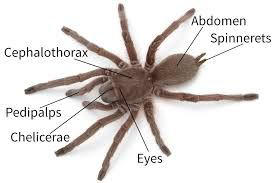
chelicerate spinneret
28
External respiratory appendages found in some chelicerates (eg horseshoe crabs), allow exchange of gasses in water and circulation of blood and water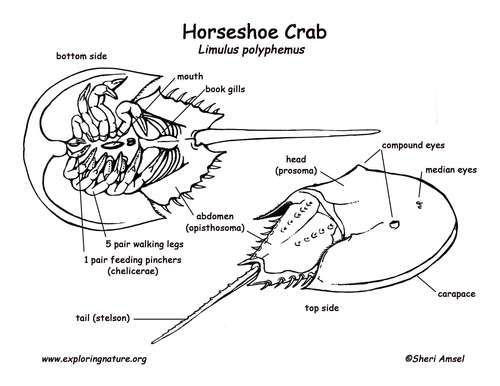
chelicerate book gills
29
Internal, plate-like structures located in abdomen of arachnids, deliver and remove waste gasses from body through blood, likely evolved from book gills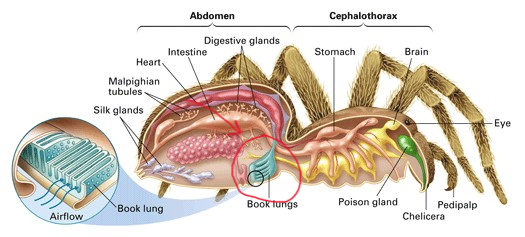
chelicerate book lungs
30
Second pair of appendages on a chelicerate, located laterally to the chelicerae, used to sense environment, manipulate food, and copulate in male spiders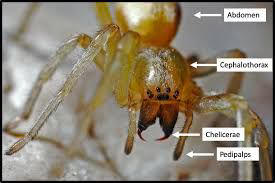
chelicerate pedipalps
31
Tail-like structure present at the end of the abdomen in horseshoe crabs, allows them to right themselves when overturned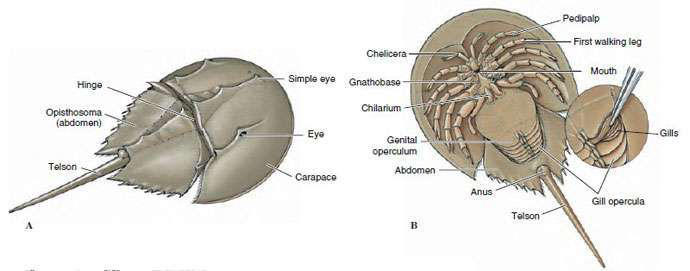
arthropod telson
32
One of two main body segments, contains respiratory and sexual organs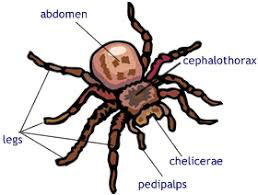
chelicerate abdomen
33
Anterior (front) part of the body, covered by rigid carapace, six pairs of appendages: chelicerae, pedipalps, walking legs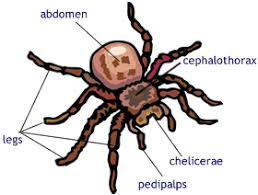
chelicerate cephalothorax
34
Fold of exoskeleton that covers back of head and part of trunk of many crustaceans, protects cephalothorax, helps with respiration, brood care, and hydrodynamic streamlining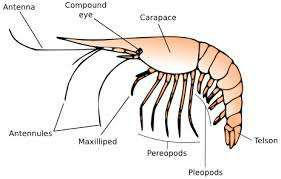
crustacean carapace
35
Mouthpart appendages, used to cut and grind food items, acts a central feeding appendage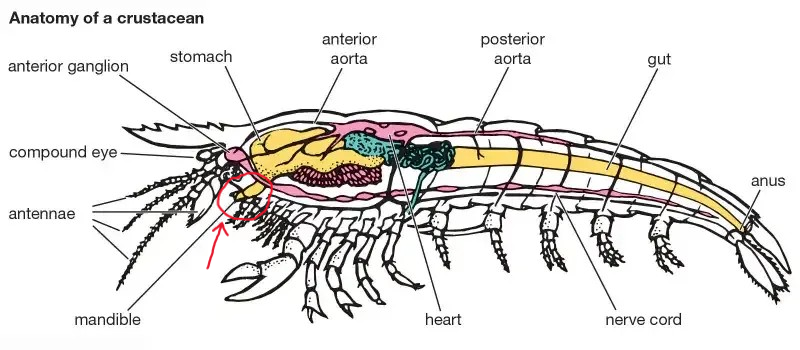
crustacean mandibles
36
Pincer-like appendage, used for defense, grasping food, and courtship in crustaceans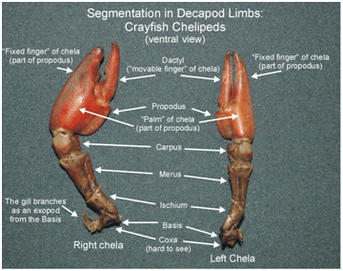
crustacean chela
37
Long, feathery appendages on crustaceans used for feeding, found on barnacles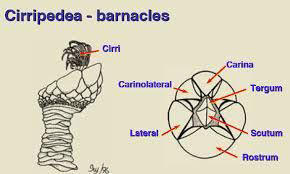
crustacean cirri
38
Used for locomotion on the seabed, allows for bending and extension at each joint, enables movement with coordinated steps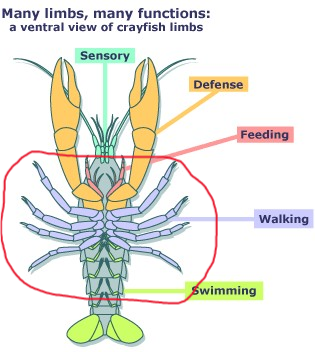
crustacean walking legs
39
Outer layer called a chorion, yolk provides nutrients for the embryo, seen in incomplete and complete metamorphosis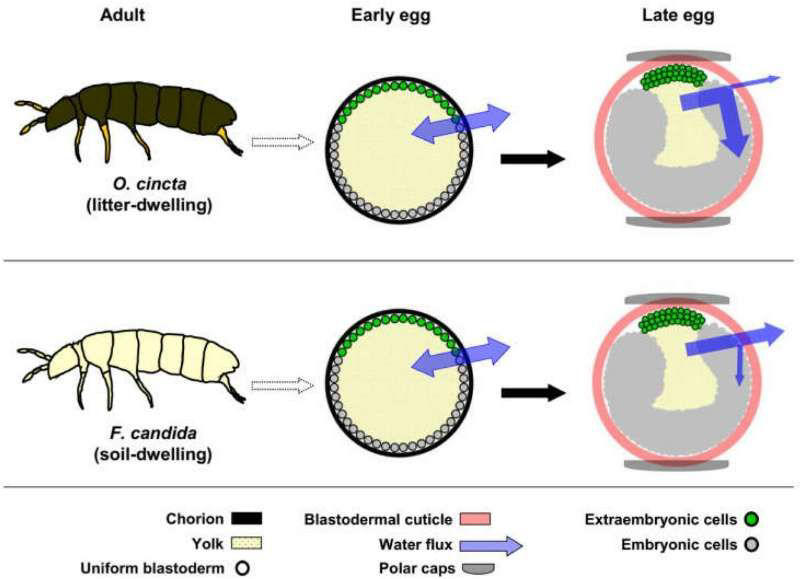
hexapod egg
40
Structure depends on type of hexapod, seen in complete metamorphosis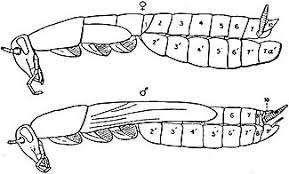
hexapod larvae
41
Immature stage of hexapod with six legs, head, thorax, and abdomen, seen in incomplete metamorphosis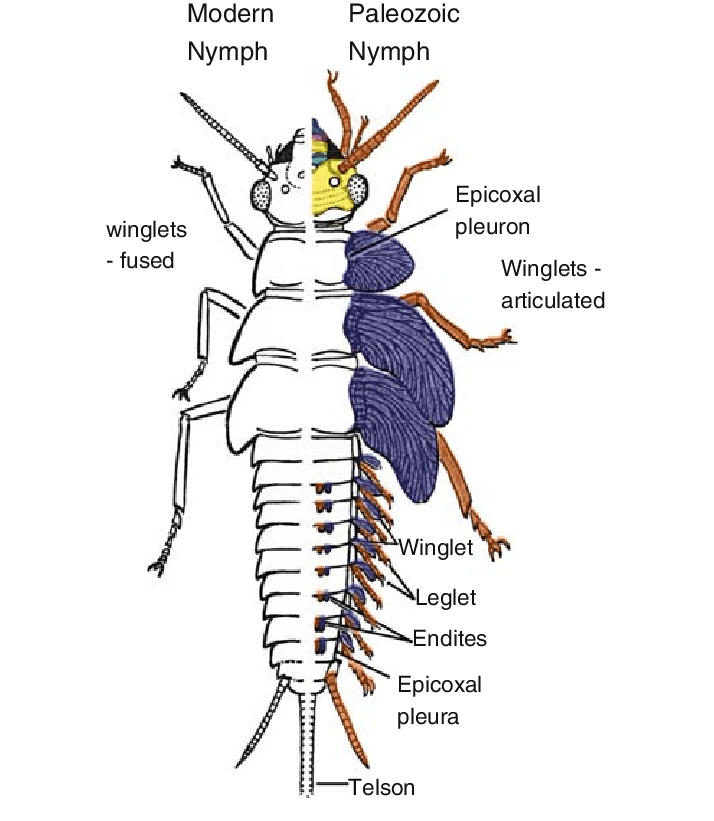
hexapod nymph
42
Mouthpart of chelicerates, usually made up of three sections, size varies across species along with function (blood-feeding in ticks, part of venom gland in spiders)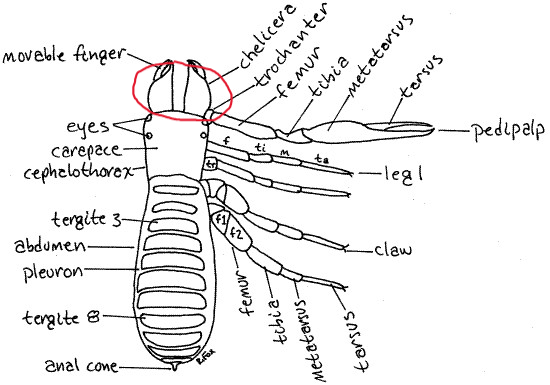
chelicerate chelicerae
43
Part of complete metamorphosis process, period of dormancy often involving cocoon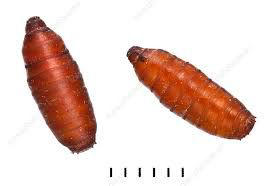
hexapod pupae
44
Usually located on ventral (bottom) side of echinoderms, used for feeding and digestion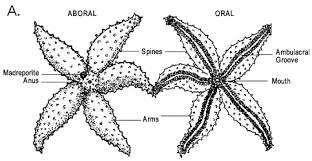
echinoderm oral opening
45
Located on the oral disk, one at the base of each jaw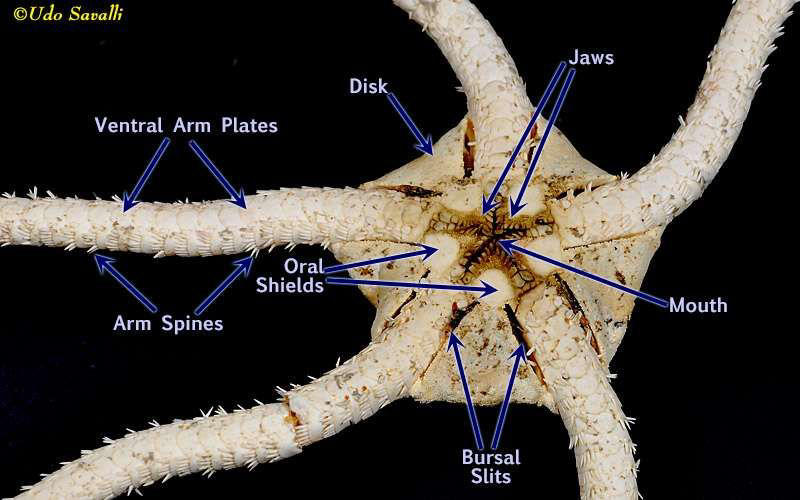
echinoderm oral shield
46
Found in some species like sea urchins, have five of these (self-sharpening), able to converge like a vice to grab food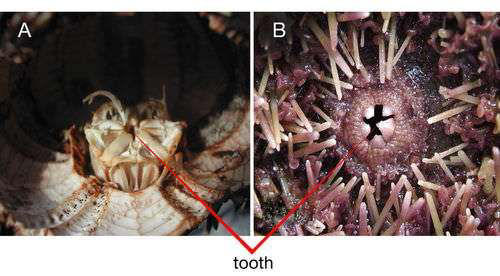
echinoderm teeth
47
Exit for food in digestive system, often located on dorsal (top) side of body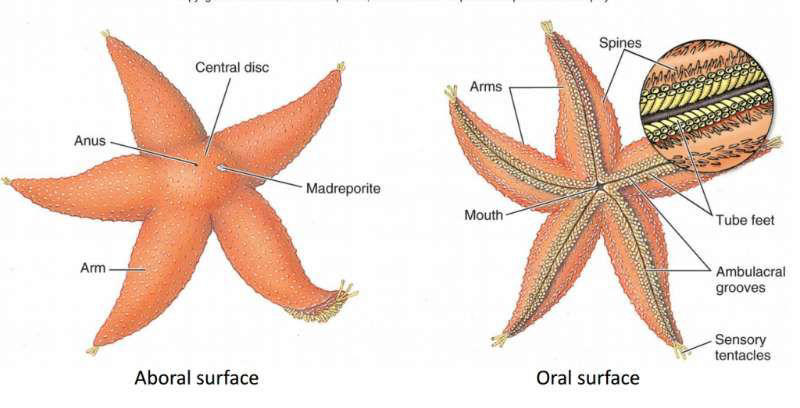
echinoderm anus
48
Used for protection, movement, and digging; long, thin, and sharp on sea urchins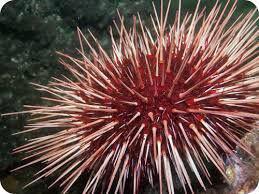
echinoderm spines
49
Interlocking plates of calcium carbonate covered by thin layer of skin (endoskeleton)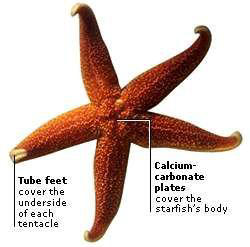
echinoderm test
50
Series of openings in the pharynx of chordates, used in respiration, filter feeding, and developing inner ear & jaw (only present in embryonic development in terrestrial chordates)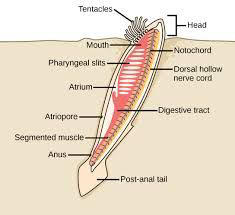
chordate pharyngeal slits
51
Flexible rod of cells and connective tissue that runs along midline of body, main skeletal element of early embryo (essential for elongation) and produces signals that pattern surrounding tissue, seen in lancelets and in embryonic/larval stages of other chordates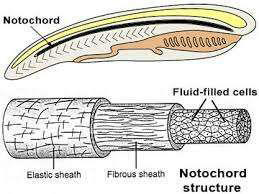
chordate notocord
52
Extension of body that extends past the anus and contains skeletal elements and muscles, used in locomotion (aquatic species), courting, balance, and signaling danger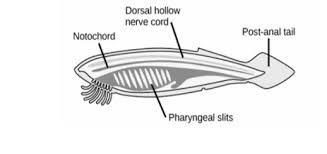
chordate post-anal tail
53
Mesh-like structure in urochordates (tunicates) that contains many slits, water drawn into structure by cilia where mucus traps food particles and water exits through slits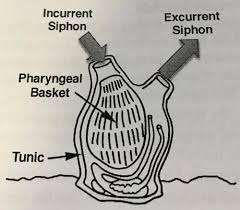
urochordate pharyngeal basket
54
Opening in body cavity of urochordates, allows water and food to enter the animal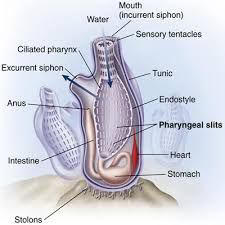
urochordate incurrent siphon
55
Opening in body cavity of urochordates, allows for expulsion of filtered water and waste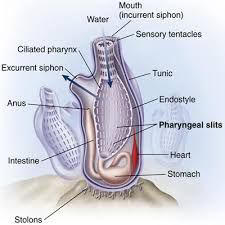
urochordate excurrent siphon
56
Curve formed by the intestine in urochordates, may have one or two loops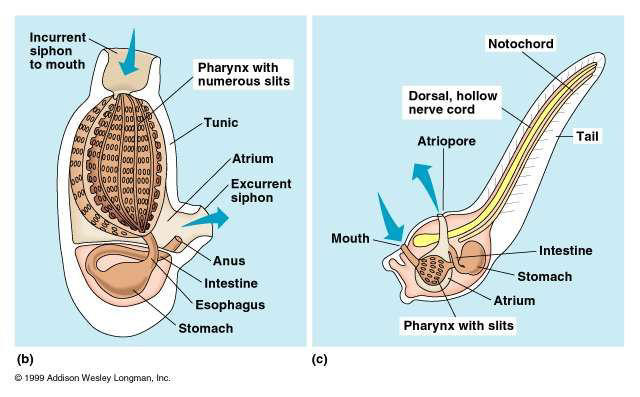
urochordate gut loop
57
important part of digestive system, further digestion of food occurs here after being in stomach, nutrients absorbed into body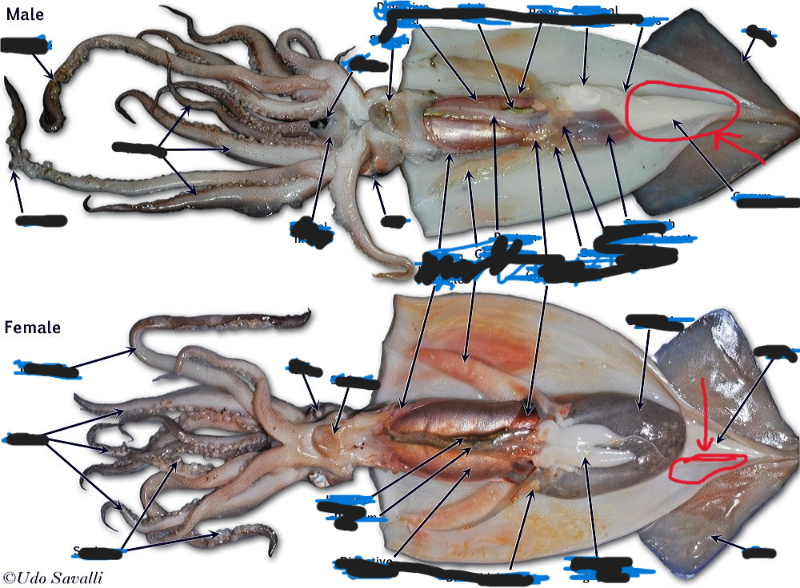
squid cecum
58
specialized pigment-containing cells, allow for color changing/camouflage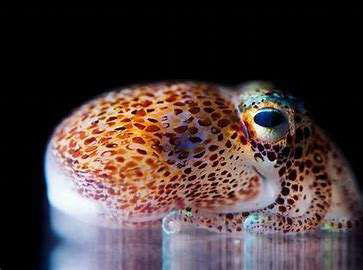
squid chromatophore
59
crucial part of reproductive system, saddle-like ring around the body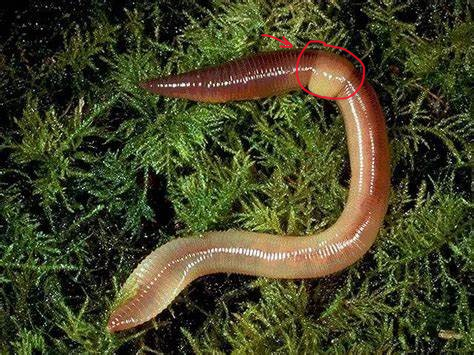
earthworm clitellum
60
sac that stores food for short amount of time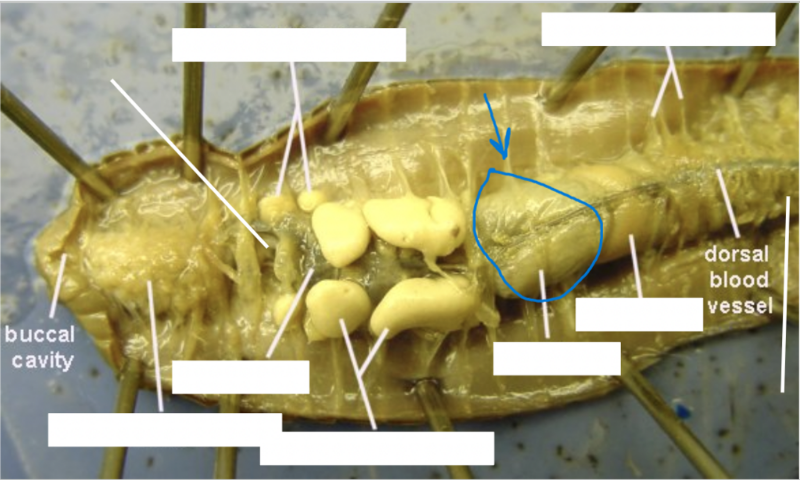
earthworm crop
61
produces digestive enzymes that help break down food and absorb nutrients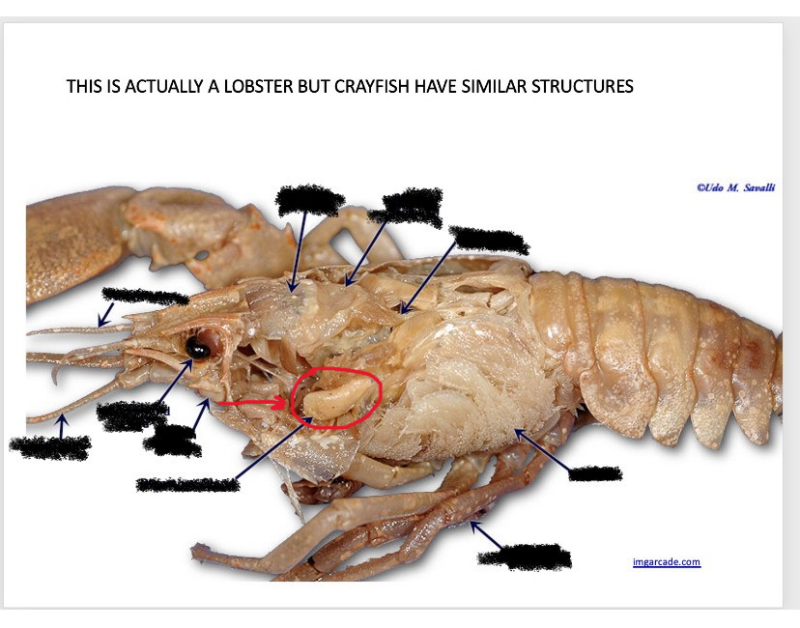
crayfish digestive gland
62
pumps blood to aortic arches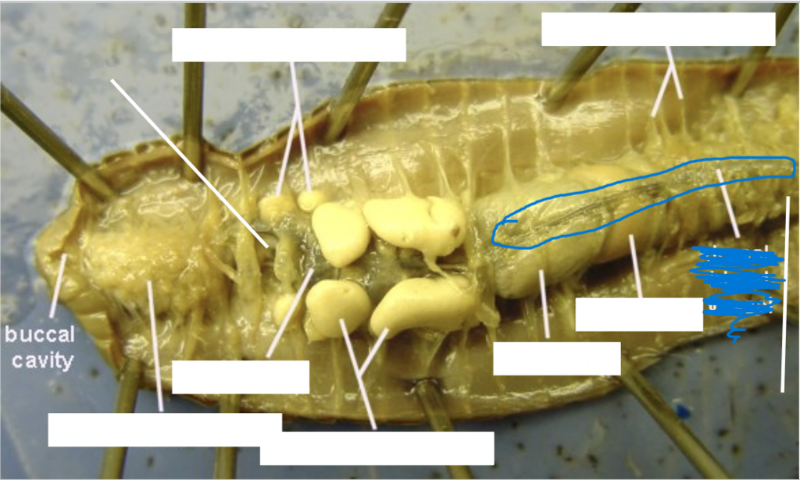
earthworm dorsal blood vessel
63
feathery structures essential for respiration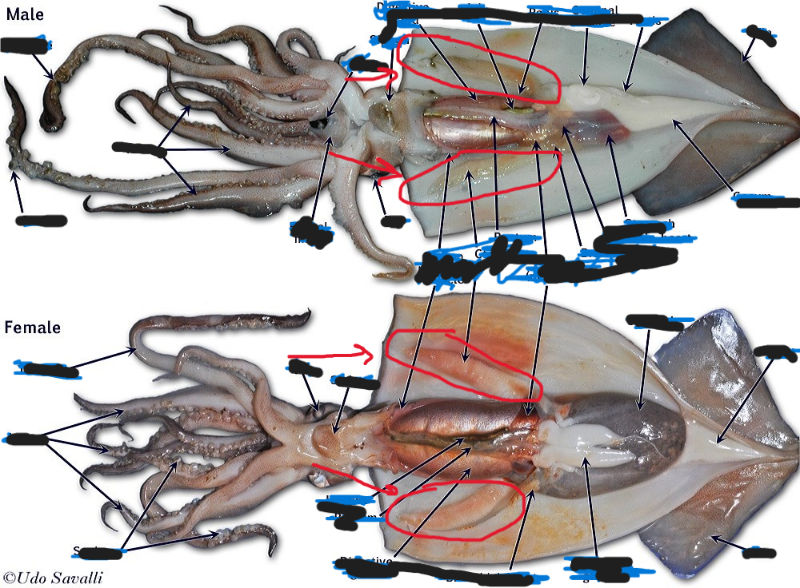
squid gills
64
used in place of teeth to grind up food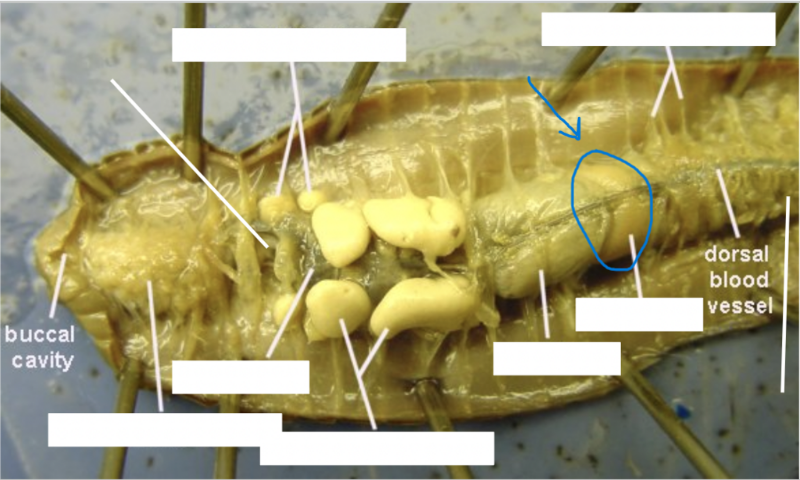
earthworm gizzard muscles
65
five pairs of aortic arches, play central role in circulatory system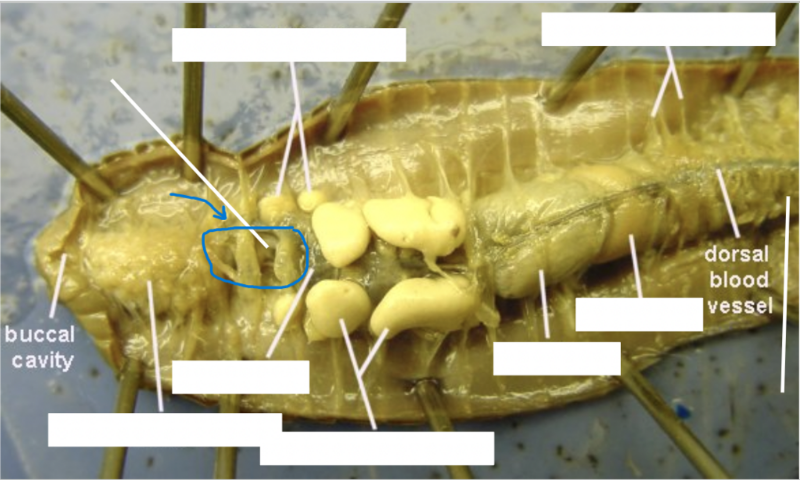
earthworm hearts
66
muscular pouch used for defense, contains ink mainly composed of melanin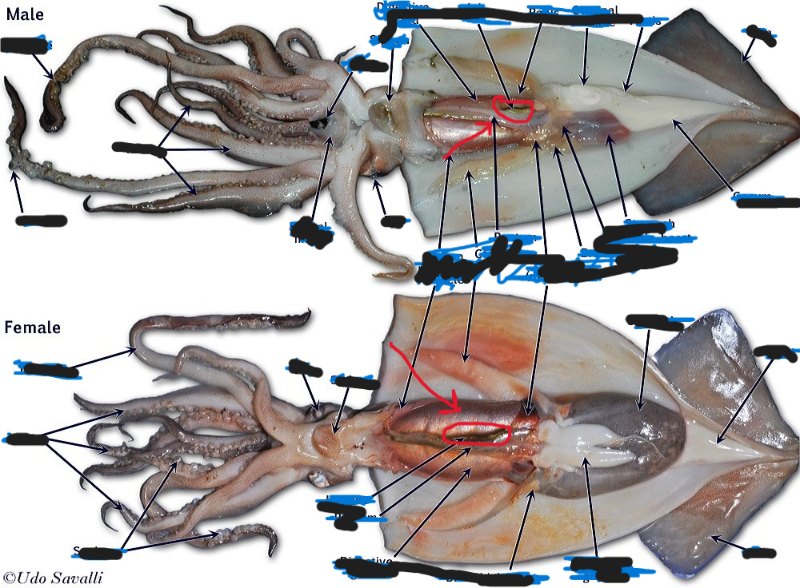
squid ink sac
67
food moves here after being broken up, continues to be broken down by digestive fluids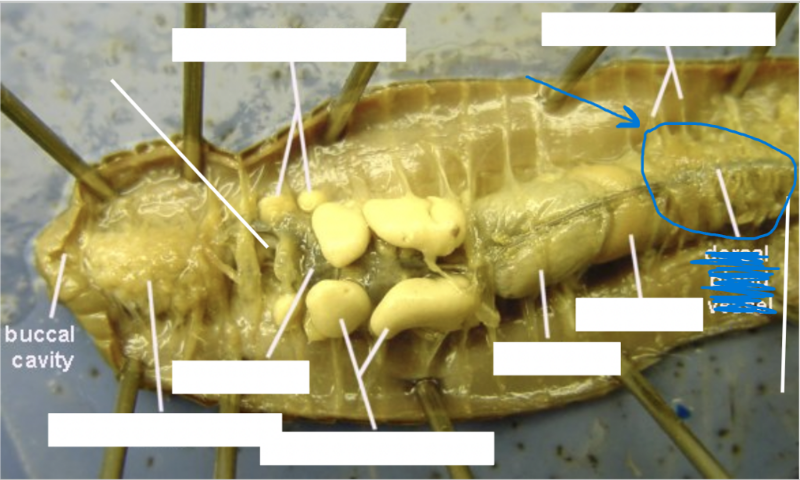
earthworm intestine
68
first pair larger and more rigid, used to transfer sperm to female during mating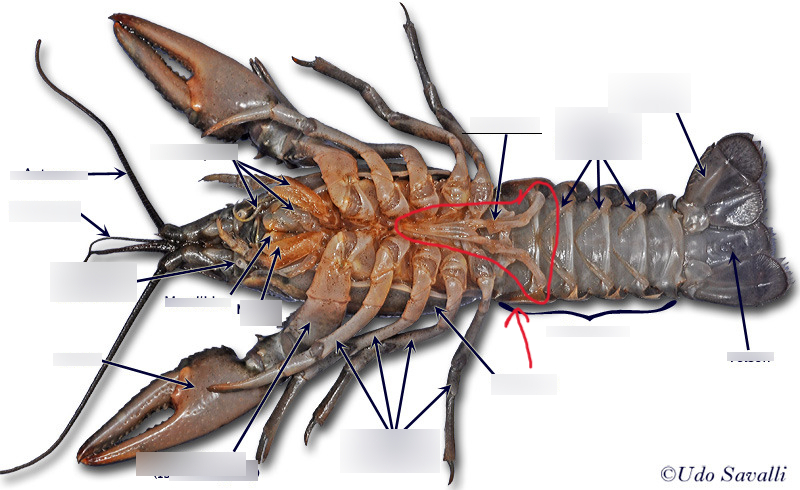
male crayfish swimmerets
69
found in center of arms, used to grind food with radula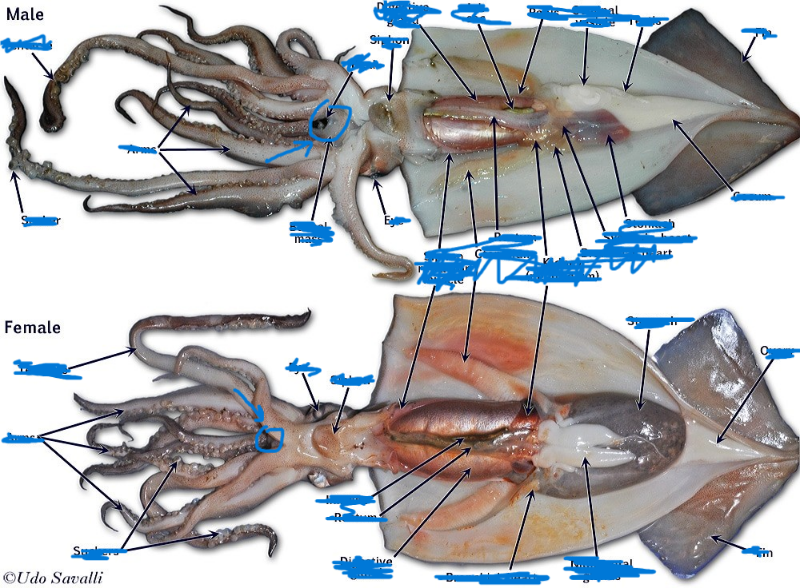
squid mouth
70
responsible for secreting gelatinous substances that forms egg cases/masses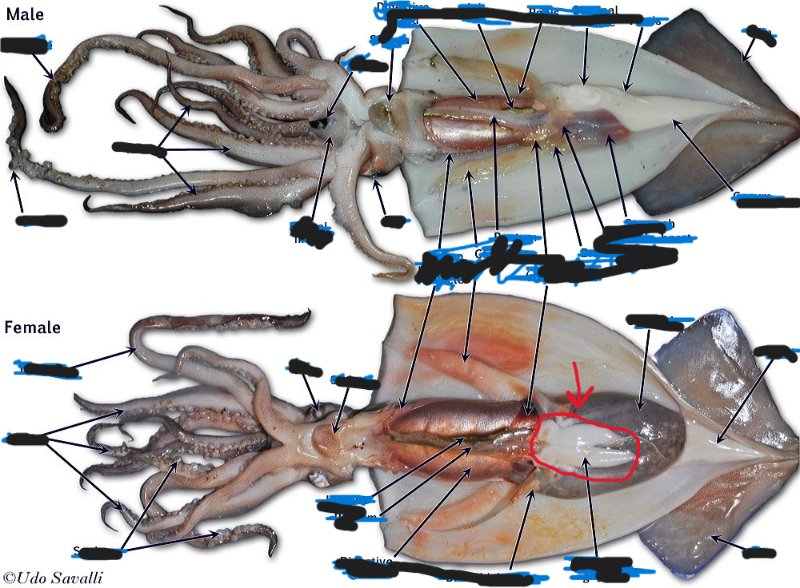
squid nidamental glands
71
located in rear end of mantle cavity, produces thousands of eggs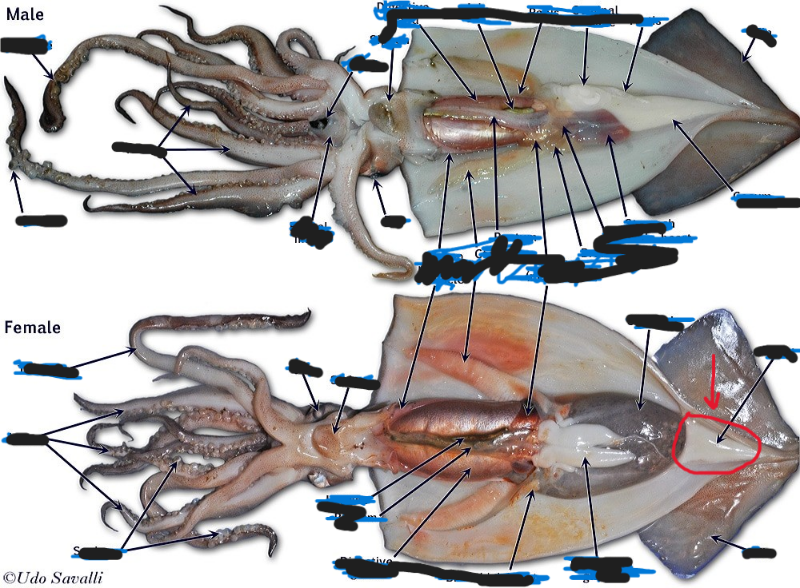
squid ovary
72
transports mature eggs from ovaries to uterus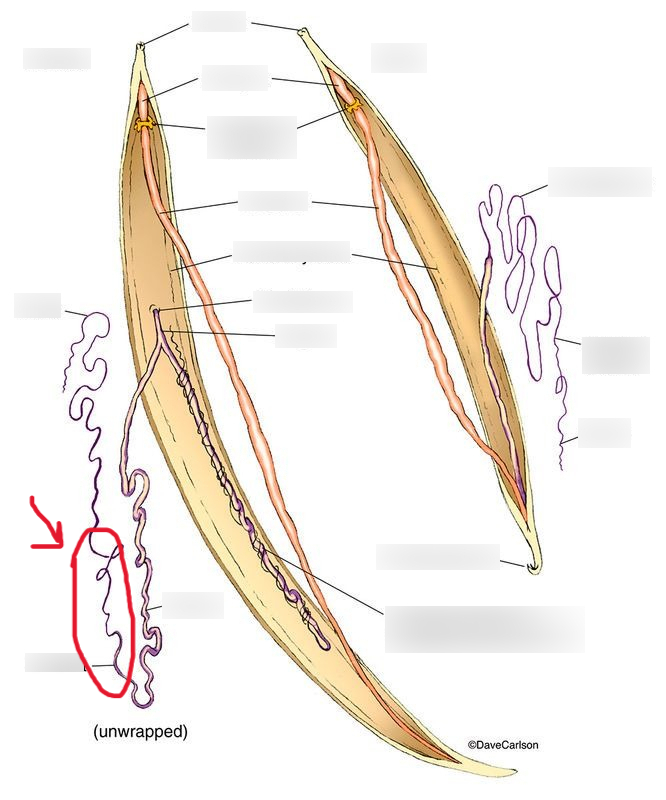
nematode oviduct
73
serves as site for muscle attachment, provides structural support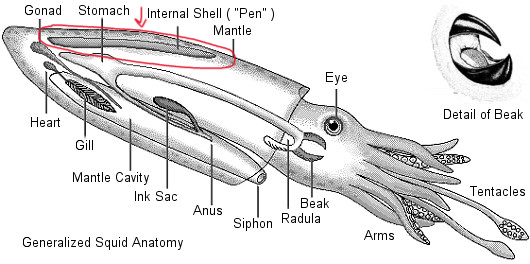
squid pen
74
located within mantle cavity, used to transfer sperm to female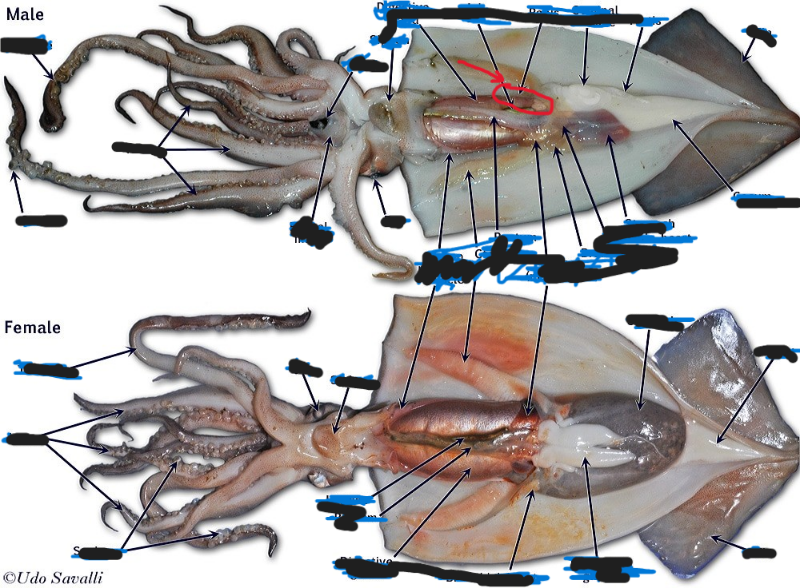
squid penis
75
part of digestion system, creates suction force to ingest soil and food particles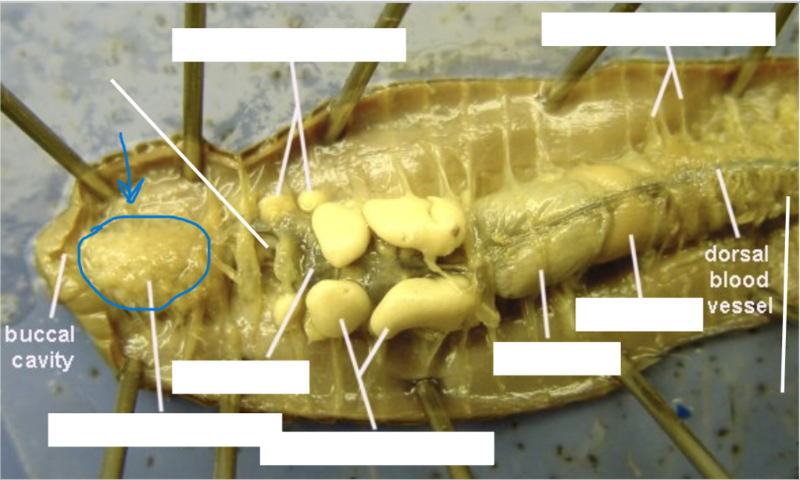
earthworm pharynx
76
structure that stores sperm from another earthworm during copulation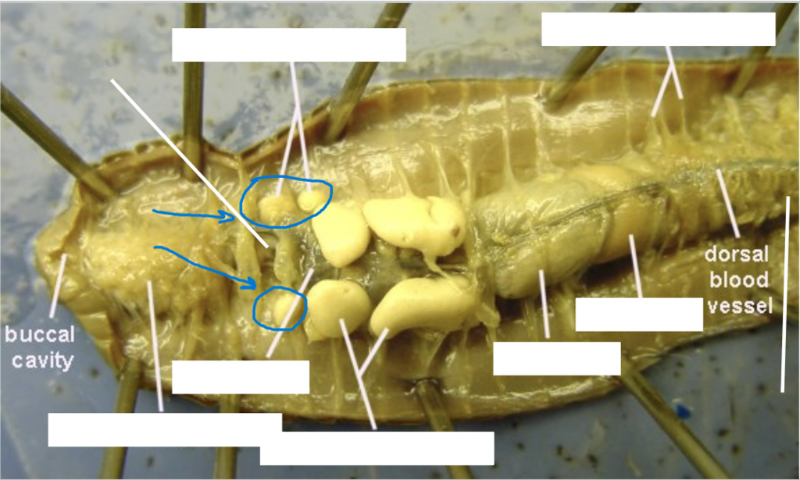
earthworm seminal receptacle
77
used to produce mature sperm, where sperm maturation occurs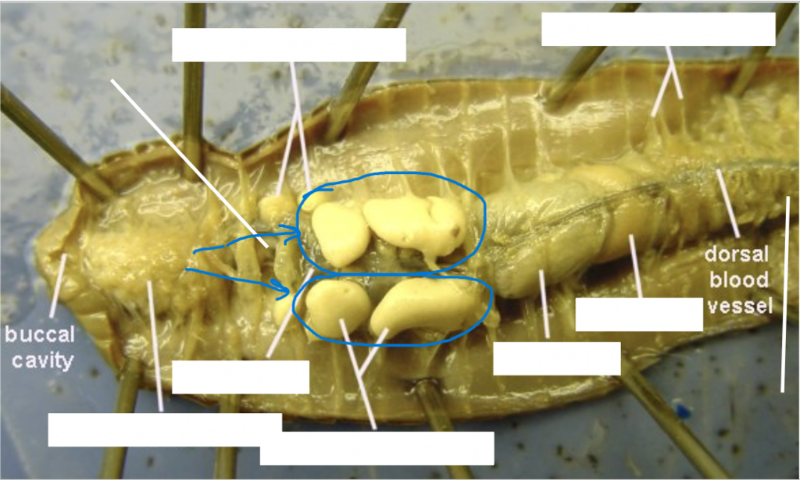
earthworm seminal vesicles
78
tiny, hair-like bristles, used for locomotion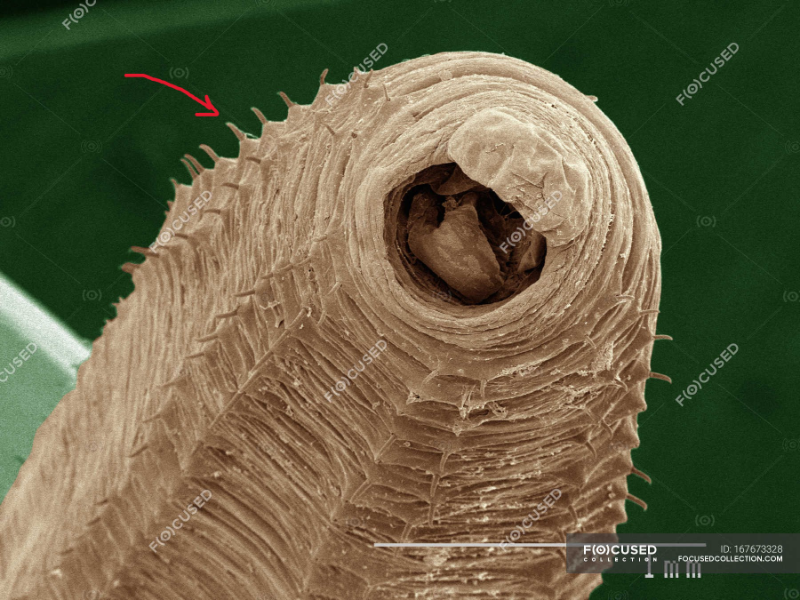
earthworm seta
79
used for jet propulsion, also aids in waste removal, respiration, and ink expulsion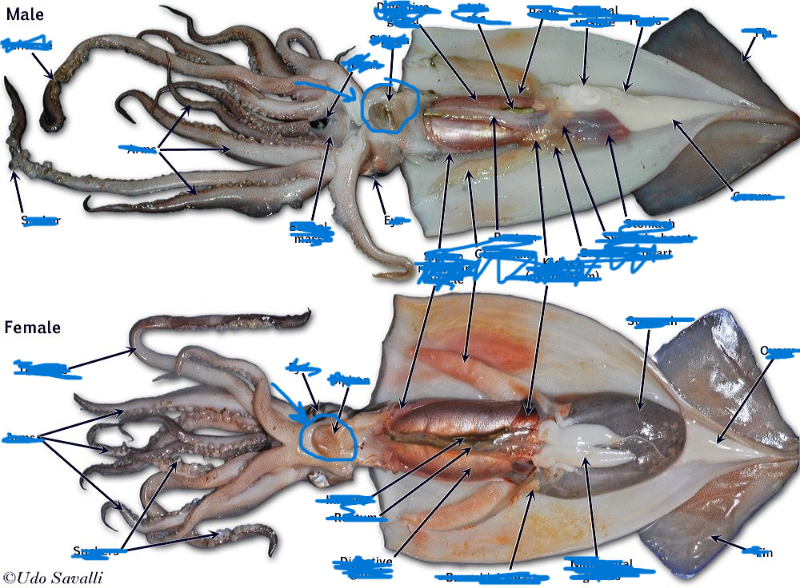
squid siphon
80
small, paired appendages, used for swimming, burrow ventilation, and carrying eggs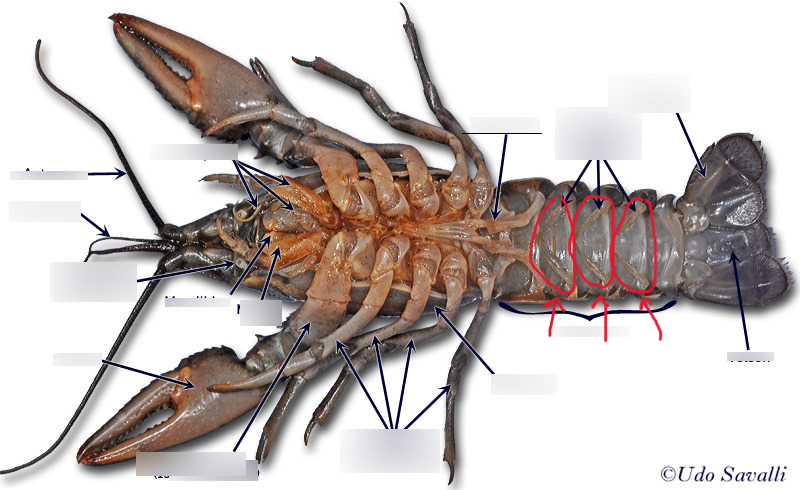
crayfish swimmerets
81
produce and store sperm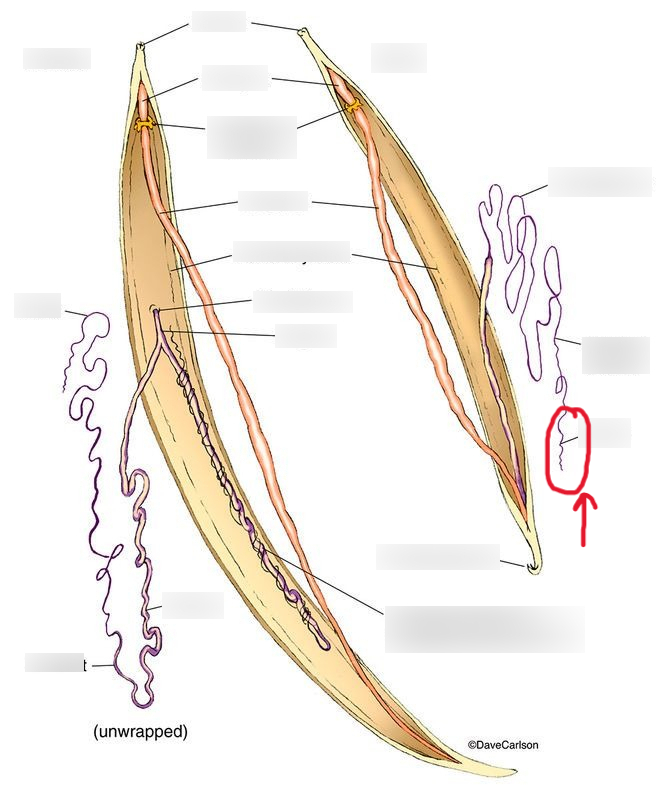
nematode testes
82
houses and nurtures fertilized eggs, connects oviducts to vagina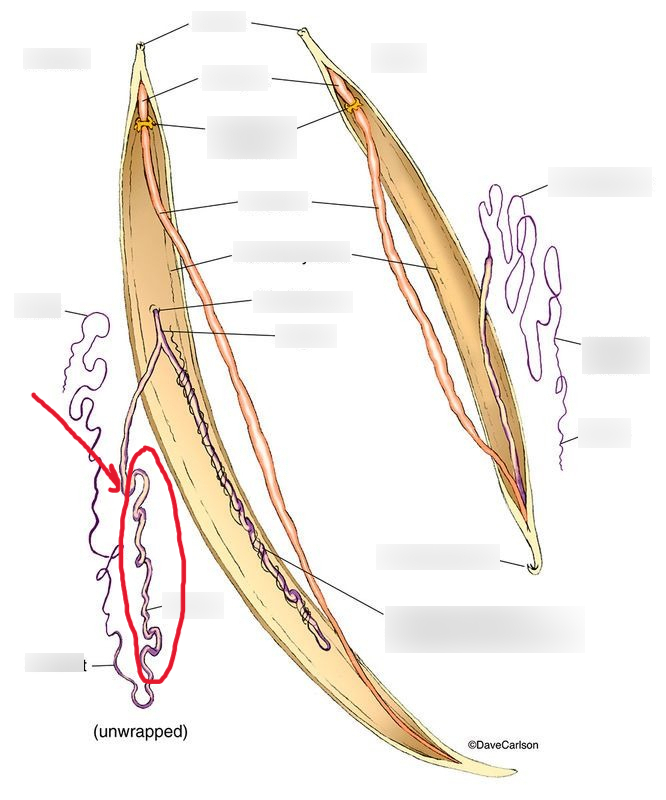
nematode uterus
83
passage through which eggs are expelled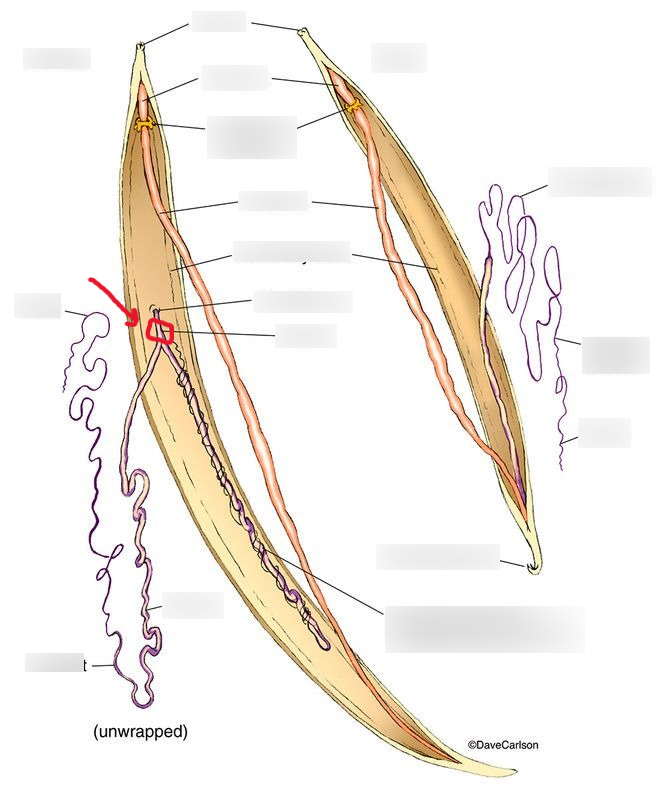
nematode vagina
84
central nervous system, consists of two located above the mouth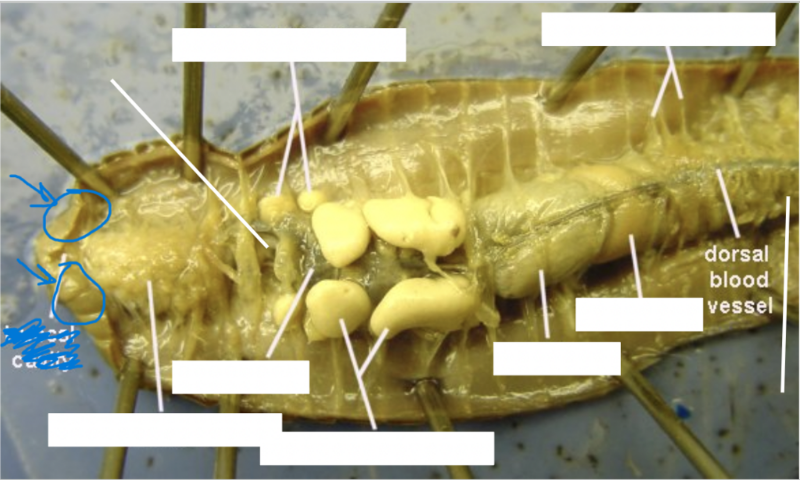
earthworm ganglia
85
main covering, encases internal organs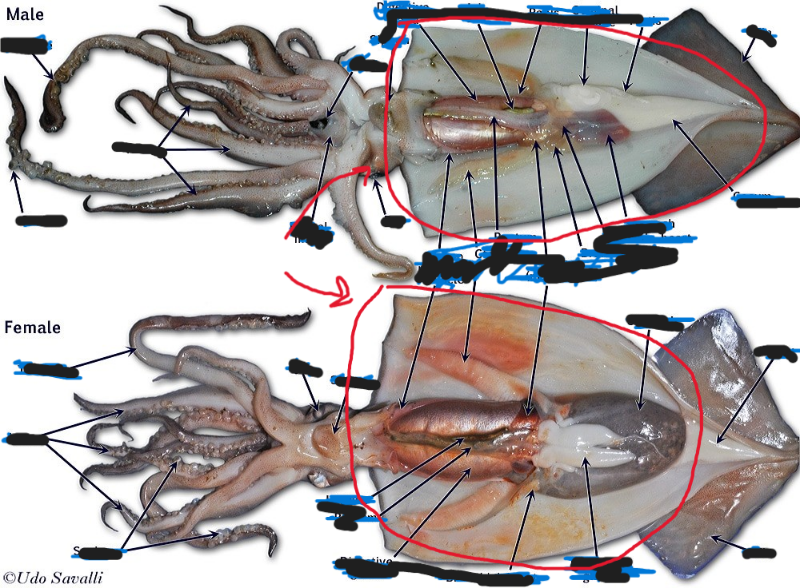
squid mantle
86
pumps food through mouth to intestine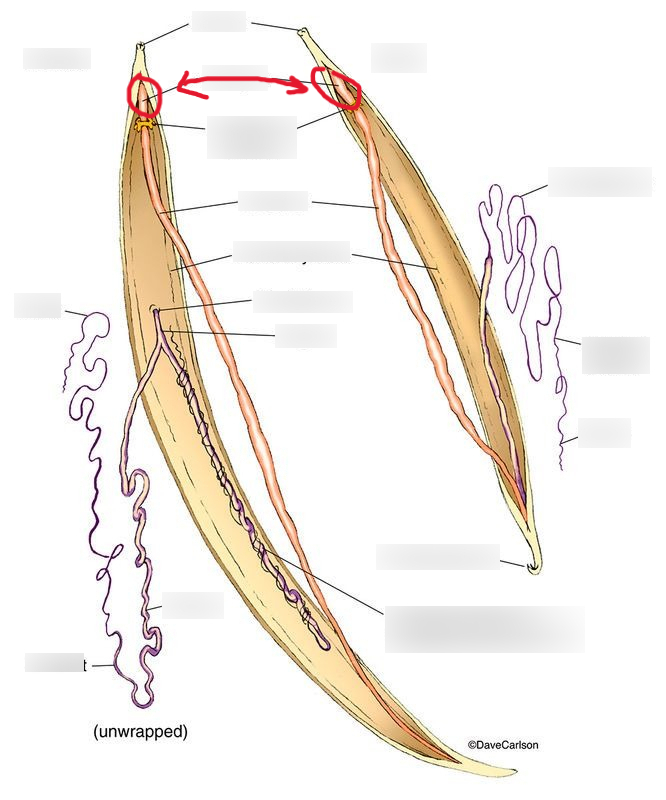
nematode pharynx
87
absorbs nutrients from food that has been broken down by enzymes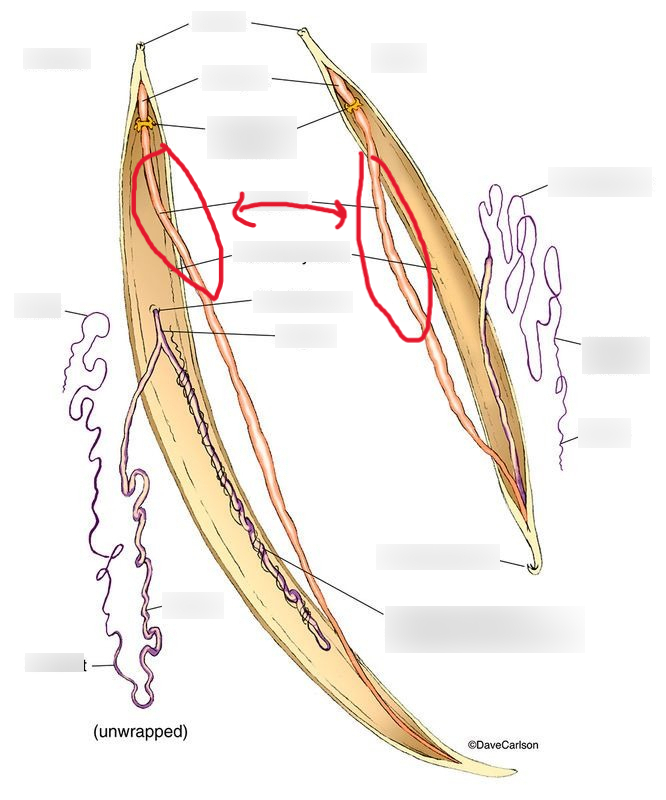
nematode intestine
88
storage sight for spermatogonia which is produces in the testis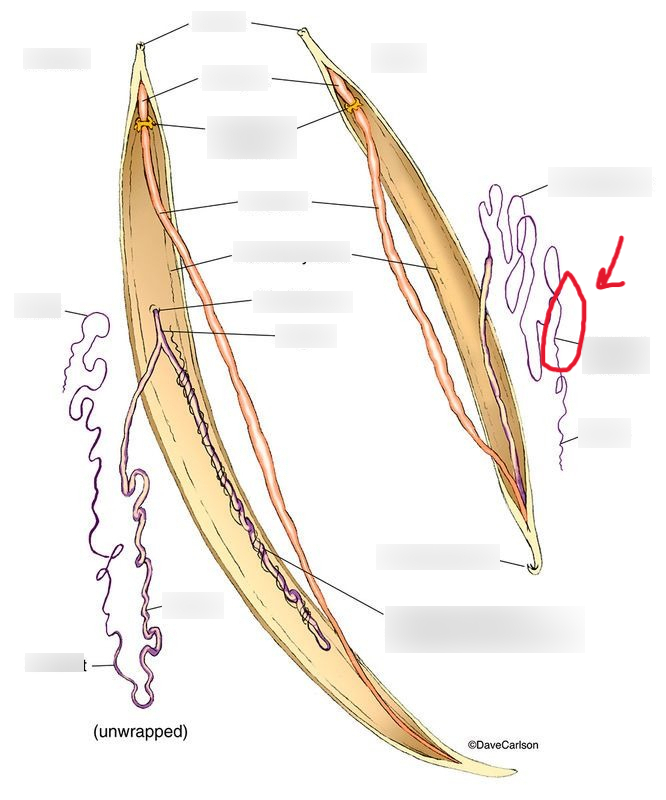
nematode seminal vesicle
89
used in mating to open vulva of female in order for sperm to be transmitted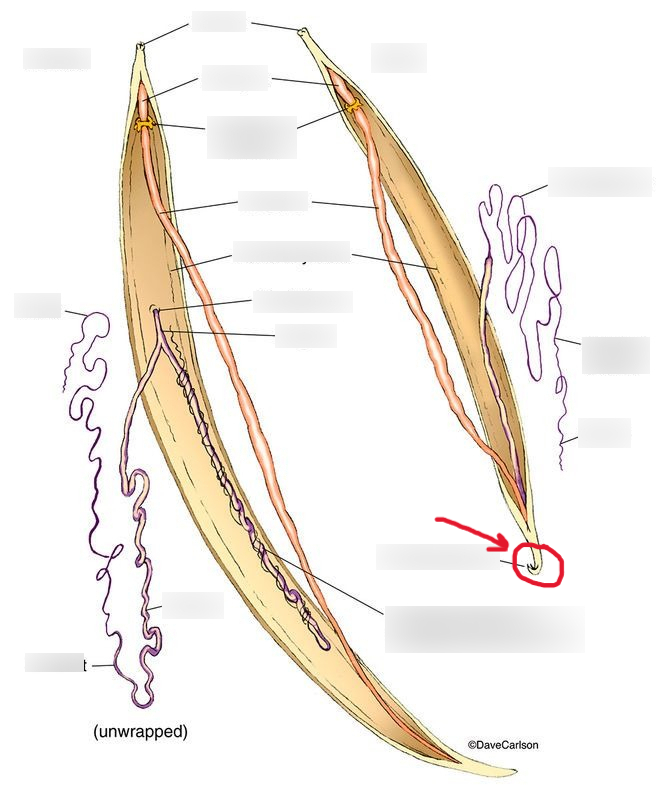
nematode spicule
90
plume-like structures, extract dissolved oxygen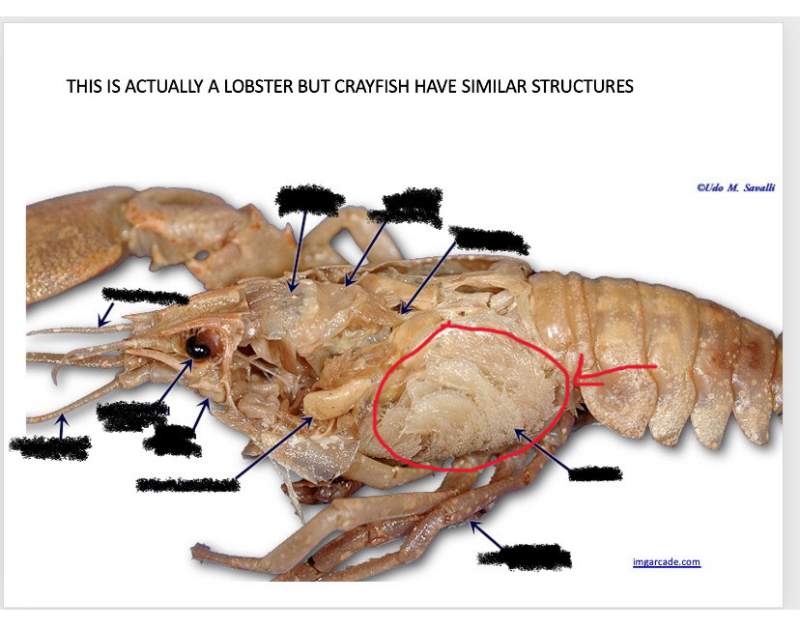
crayfish gills
91
muscles used for rapid escape responses, used in tail movement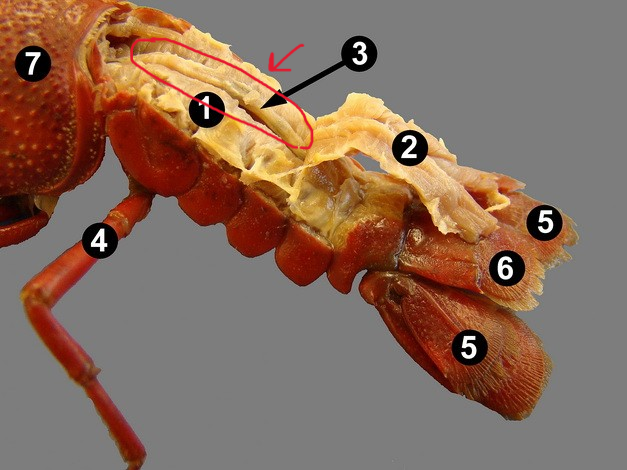
crayfish abdominal flexor
92
part of exoskeleton in hexapods, periodically shed and replaced through molting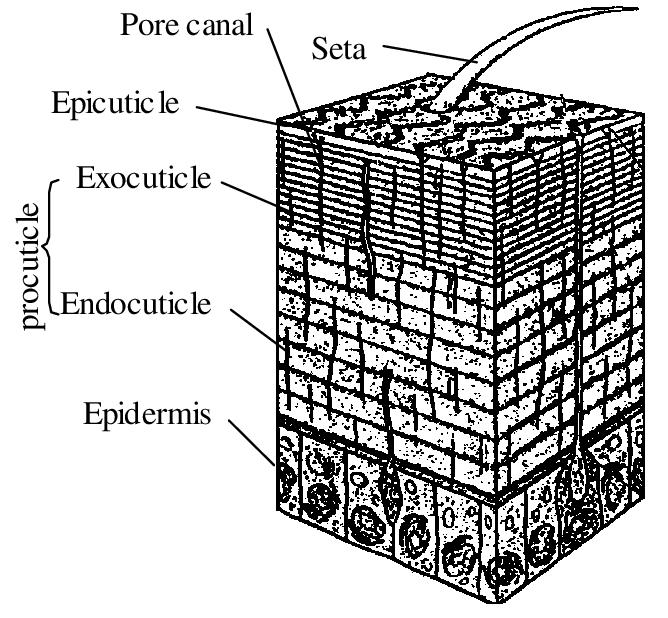
hexapod cuticle
93
hollow strucutre in chordates, develops into the brain and spinal cord, make up central nervous system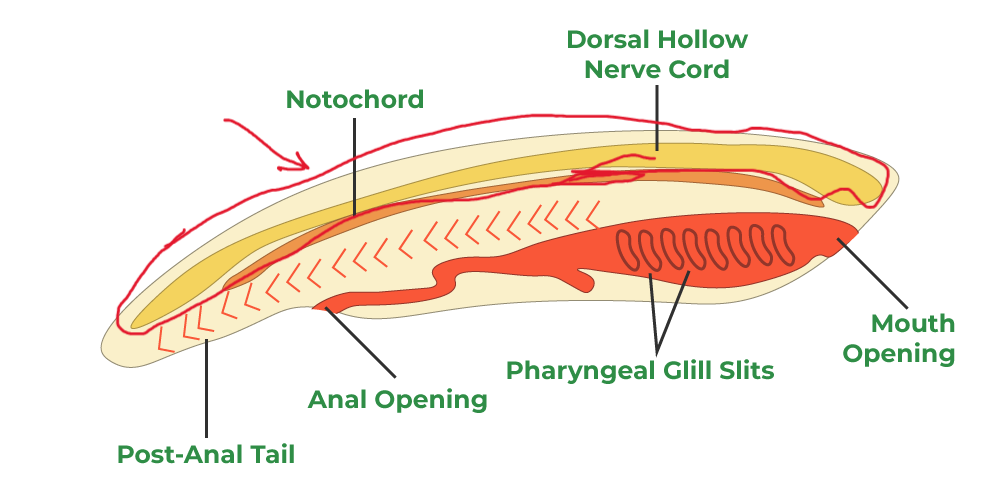
chordate dorsal hollow nerve cord
94
part of crayfish digestive system, functions similarly to teeth but located within stomach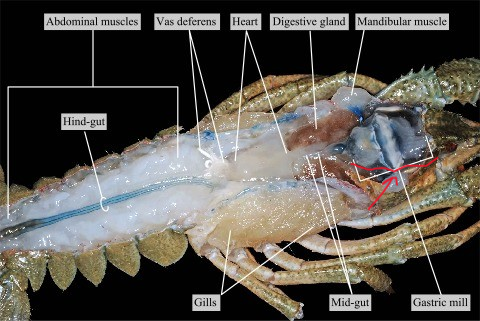
crayfish gastric mill
95
found in the appendages, used in reproduction to release eggs/sperm into the water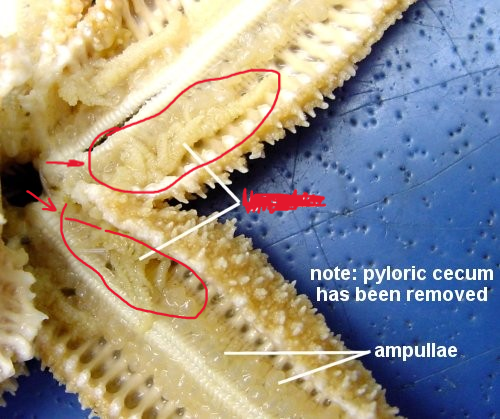
sea star gonads
96
located in the appendages, responsible for enzyme secretion and nutrient abosrbtion/storage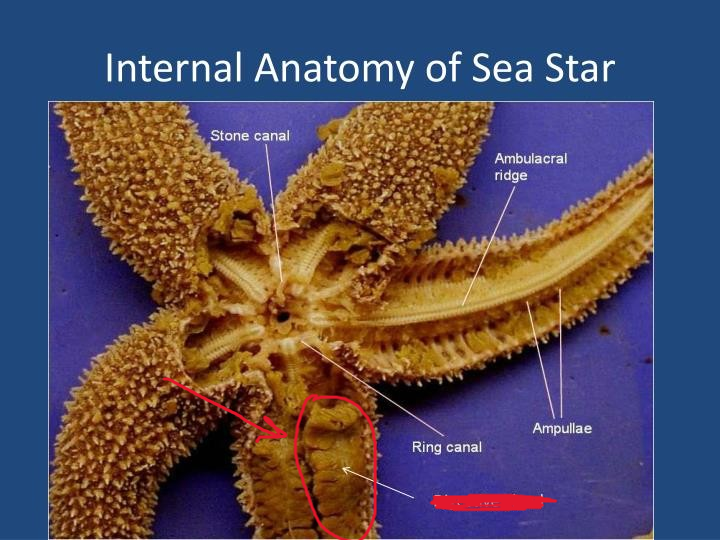
sea star digestive gland
97
used in trout to filter waste products out of the blood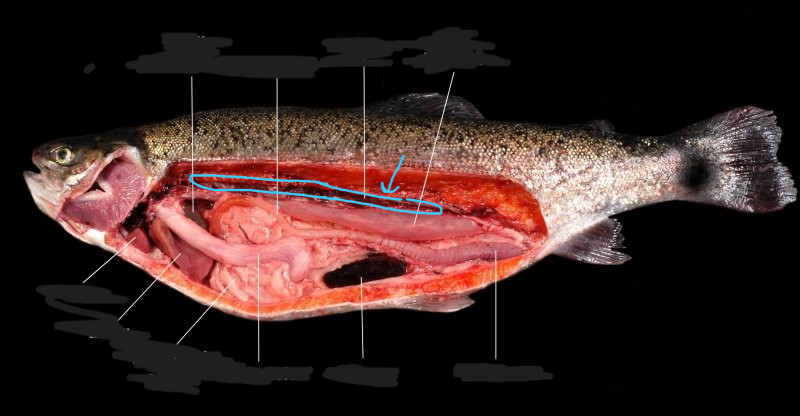
trout kidney
98
used in detoxification and digestion, secretes bile that is stored in the gall bladder to help digest fats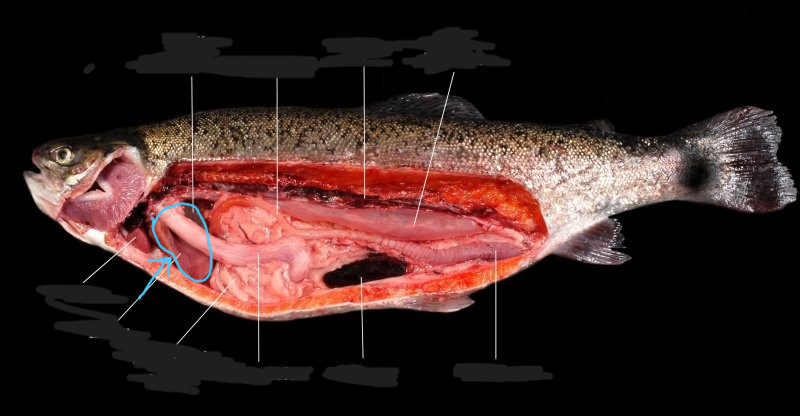
trout liver
99
fleshy fins supported by single bone that extends from body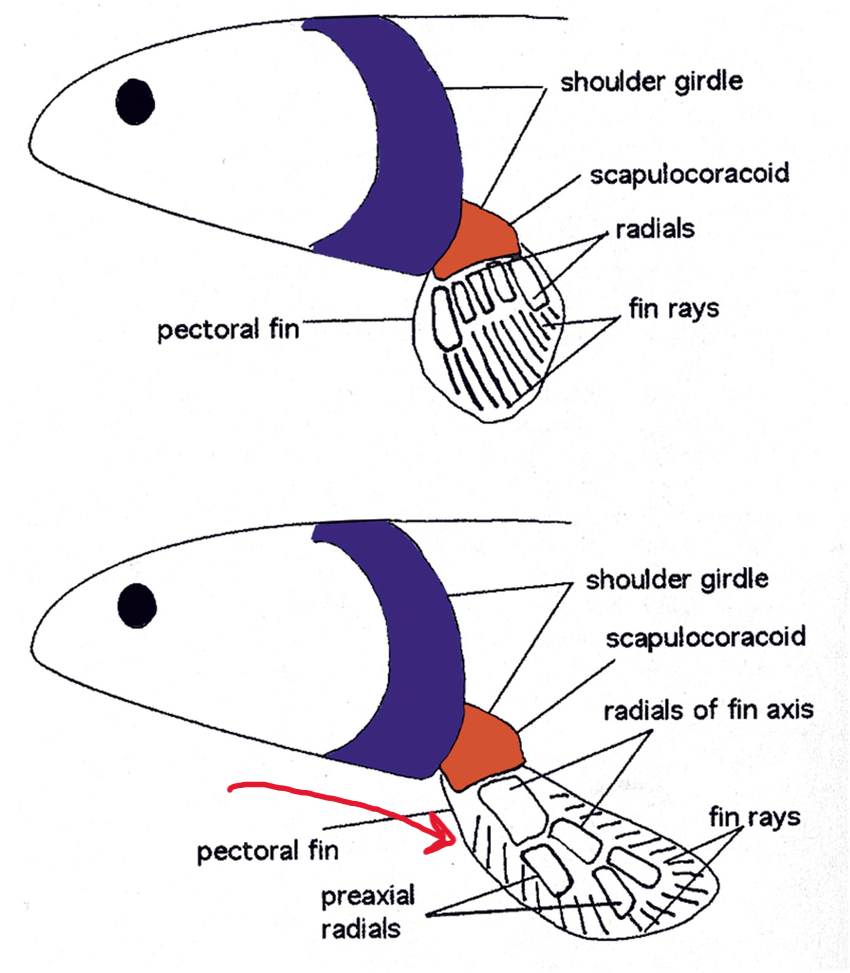
lobed fins
100
located on sea star surface, filters water into vascular system and regulates pressure, allows control over tube feet movement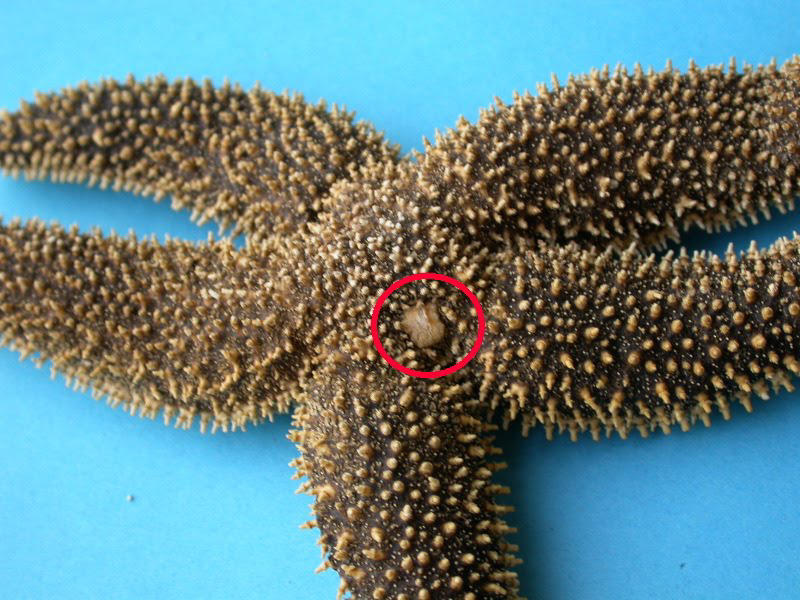
sea star madreporite
101
plate that covers and protects gills in trout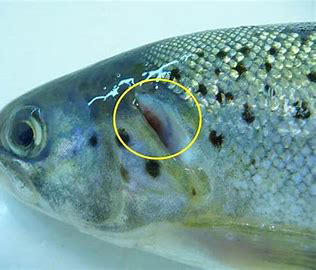
trout operculum
102
small, claw-shaped appendages on sea star, used in defense and capturing prey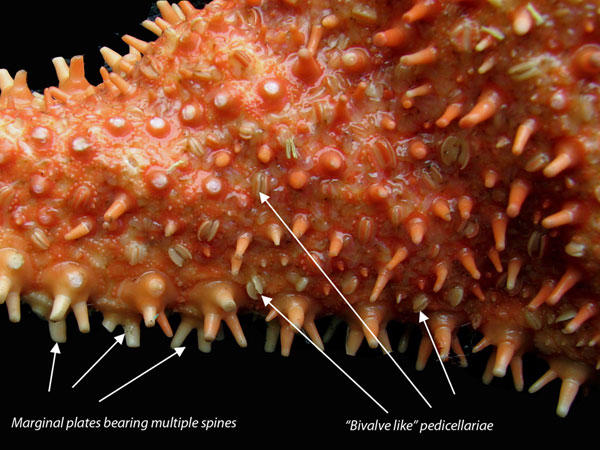
sea star pedicellaria
103
used in digestion and nutrient absorbtion, secretes digestive enzymes in trout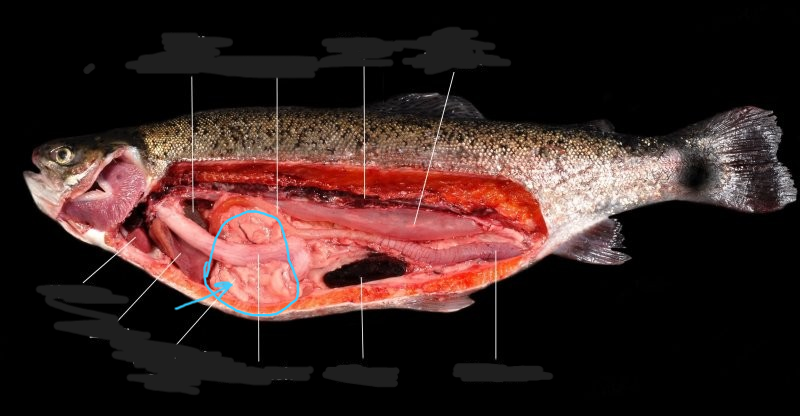
trout pyloric caecum
104
located in central disc of sea star above cardiac stomach, used to process food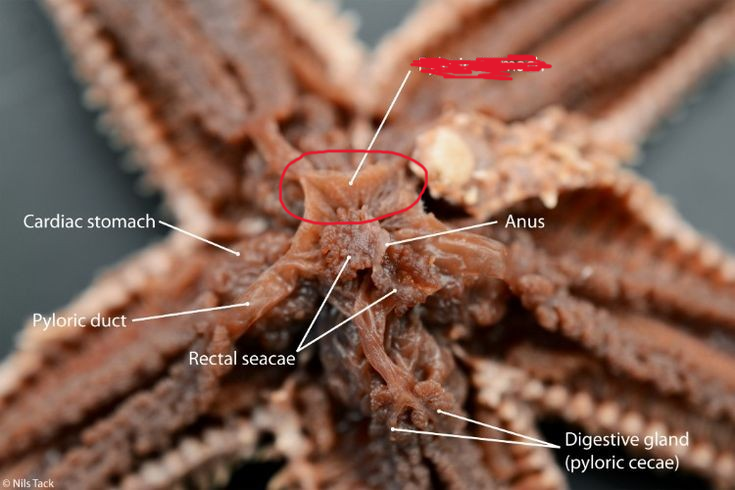
sea star pyloric stomach
105
component of water vascual system, found in appendages, used for movement, feeding, and respiration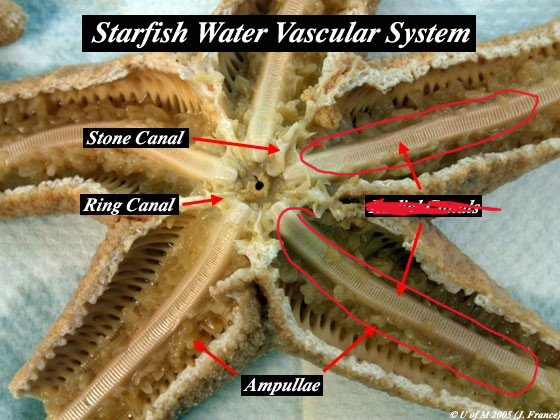
sea star radial canal
106
central component of water vascular, encircles the mouth, used in feeding, movement, and respiration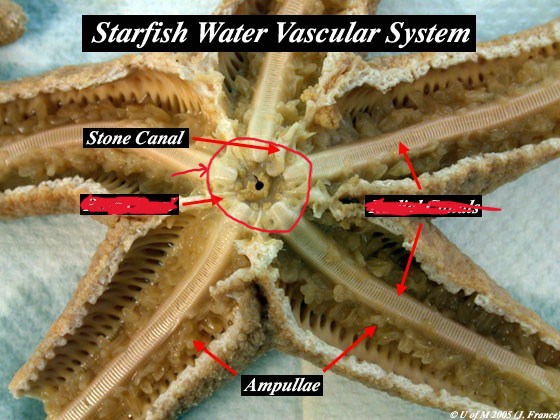
sea star ring canal
107
involved in production of blood cells in trout, crucial for producing antibodies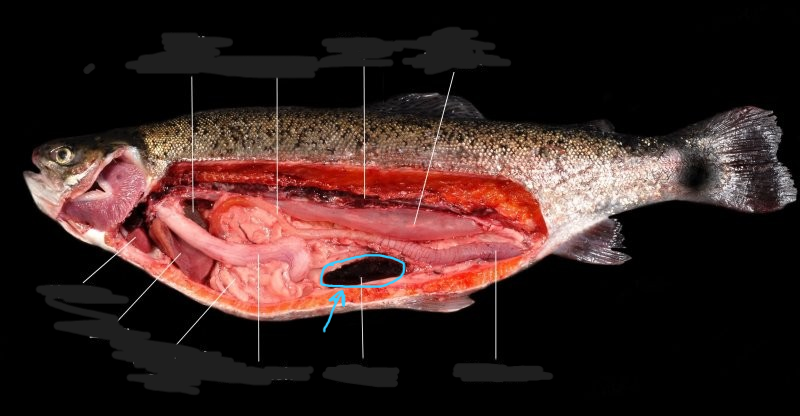
trout spleen
108
crucial part of trout digestive system, breaks down food and initiates digestion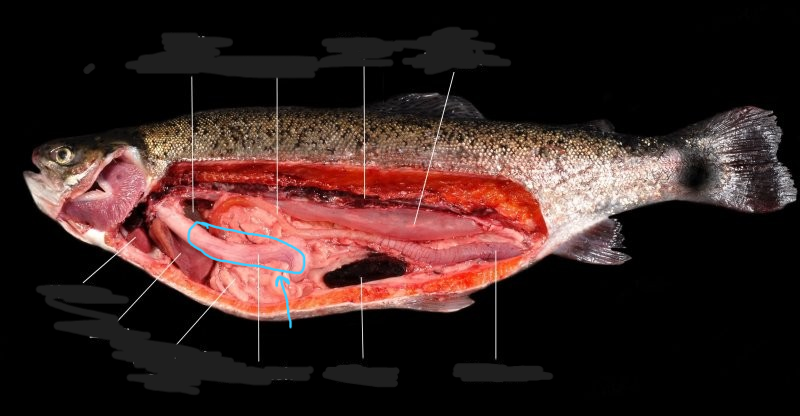
trout stomach
109
organ in trout used to control buoyancy, maintaining depth in water with little energy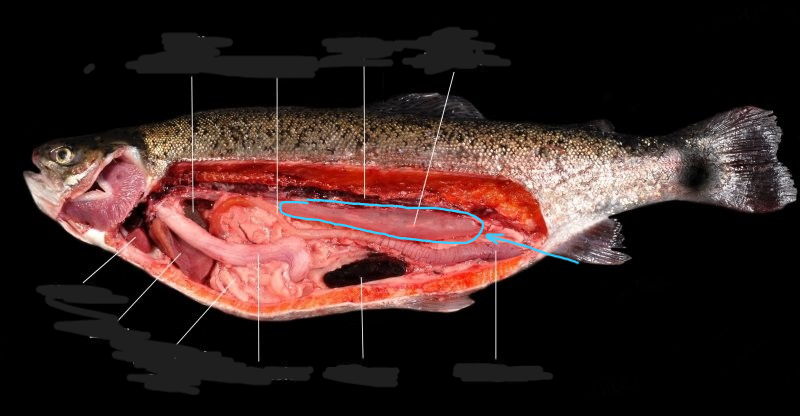
trout swim bladder
110
located on underside of sea star appendages, used for locomotion, feeding, and respiration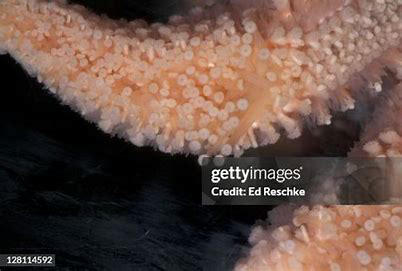
sea star tube feet
111
transport sperm from seminal vesicle to cloaca in reproductive system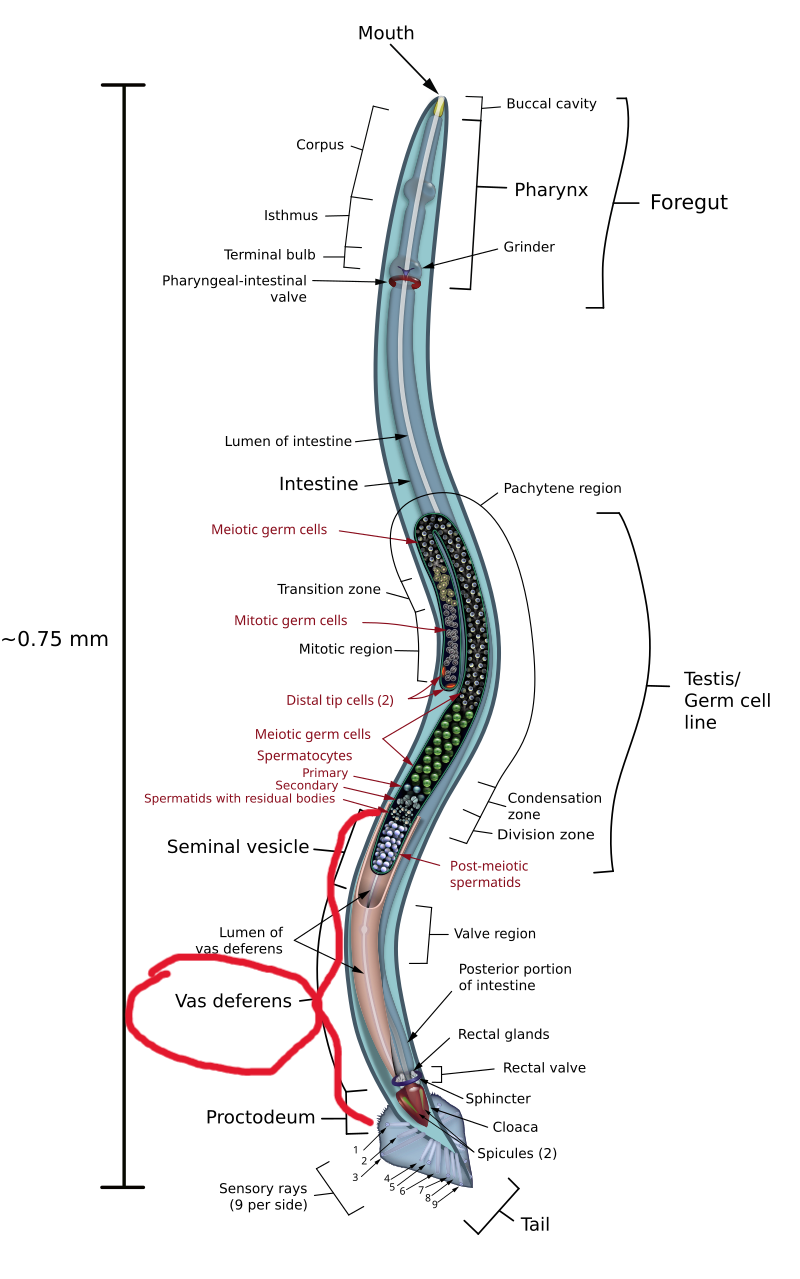
nematode vas deferens
112
allows extraction of oxygen from water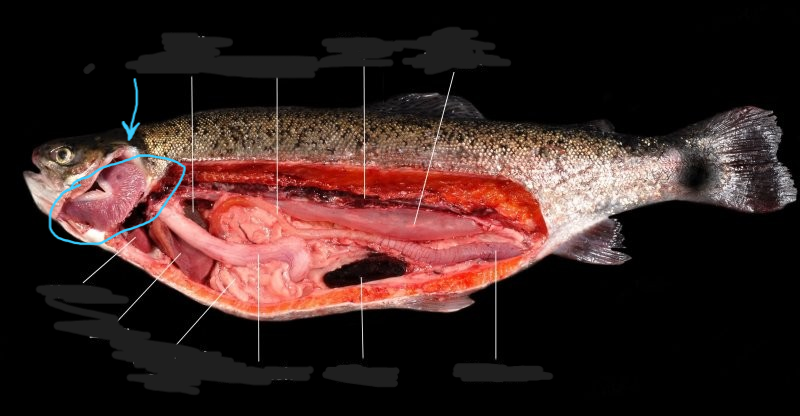
trout gills