1.1 Overview of Physiology + Major Systems of the Body
Study these flashcardsFree · spaced repetition · iPhone, Android, Mac & web
All cards
1
chemical level
studying the human body; to look at atoms, which are the smallest building blocks of matter.
2
atoms
combine to form molecules which then comvine to form macromolecules
3
Macromolecules
proteins + nucleic acids; combine to form organelles
4
organelles
working structures inside of each human cell; examples are the nucleus and mitochondria of the cell
5
cellular level
the smallest units of living and organisms compromise this of structural organization
6
tissue level
many different types of cells in the body that perform various functions and form this
7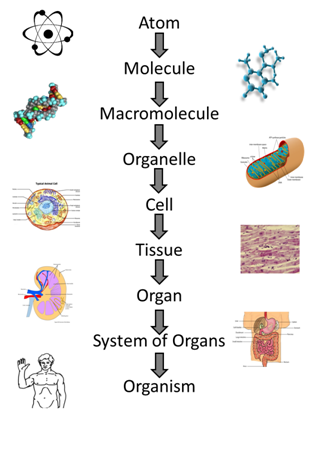
Image occlusion: name the hidden labels
8
tissues
group of cells that perform a common function, each of which is made up of specific cell types that perform specific functions.
9
epithelial tissue
- covers the body surface and lines the cavitites of the body.; specialized for tasks such as secretion and absorption.
- contains closely packed cells with very little matrix
- can be found as one layer or in many layers
- cells are under constant cell division to replace dead cells that shed away
- contains closely packed cells with very little matrix
- can be found as one layer or in many layers
- cells are under constant cell division to replace dead cells that shed away
10
matrix
layer outside the cells
11
what tissue is being shown in pink? 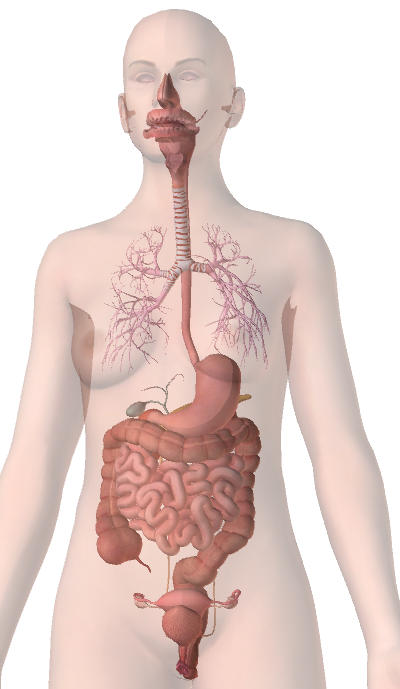
- epithelium
- muscle
- connective
- nervous
12
muscle tissue
enables us to move; cells that make up this tissue are specialized for muscle contraction
13
what tissue is being shown in this anterior view? 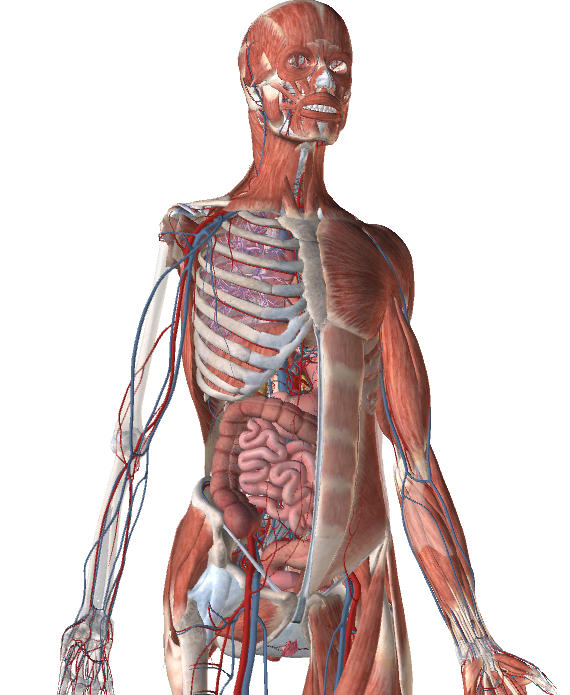
- connective tissue
- epithelium tissue
- muscle tissue
- nervous tissue
14
connective tissue
offers support and protection of body organs; includes bones, tendons, blood, and ligaments. specialized to bind tissues together and play a supportive role.
15
What tissue type is being shown?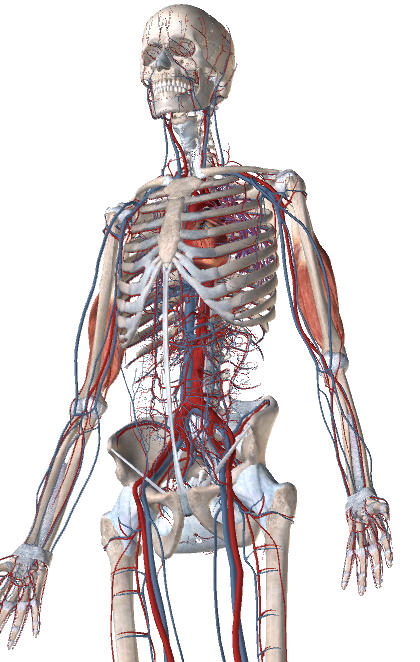
- muscle tissue
- connective tissue
- nervous tissue
- epithelium tissue
16
nervous tissue
responsible for the communication between cells of the body by forming a system of electrical impulses that communicate very rapidly; "wire-like"
17
what tissue type is being shown in yellow?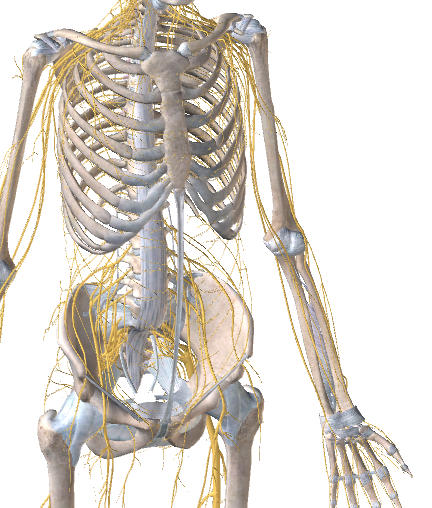
- nervous tissue
- muscle tissue
- epithelial tissue
- connective tissue
18
organ structure level
together the tissues make up this
19
organ systems
examples of this include: the cardiovascular system, integumentary system, skeletal system, muscular system, nervous system, endocrine system, lymphatic system, respiratory system, digestive system, urinary system, and reproductive system.
20
organism
a living thing
21
integumentary system
- largest organ of the body that forms a physical barrier between the external environment and the internal environment that it serves to protect and maintain; includes the epidermis, dermis, hypodermis, associated glands, hair, and nails.
- produces vitamin D and contains pain receptors used in our protection.
- protects the intertnal organs from extreme temperature changes
-sweat and oil glands can also be found here
- produces vitamin D and contains pain receptors used in our protection.
- protects the intertnal organs from extreme temperature changes
-sweat and oil glands can also be found here
22
epidermis
outer layer
23
dermis
middle layer
24
hypodermis
inner, subcutaneous tissue layer; made up mostly of fat that helps anchor the dermis to a layer of fat cells.
25
Adipocytes
fat cells; help insulate and regulate body temperature
26
lymphatic system
if integumentary system is damaged and microbes or chemicals make their way into the body, this system is responsible for mounting the attack to defend our internal environment.
27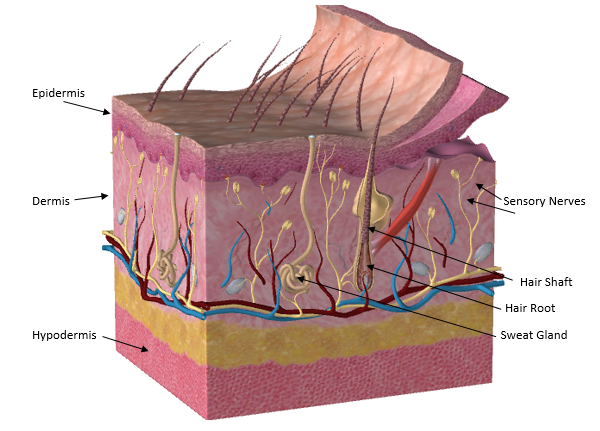
Image occlusion: name the hidden labels
28
skeletal system
Serves as the framework for the muscular system and supports the body organs. This system also provides protection for internal organs and houses blood cells as well as stores minerals. The system provides the framework for which the muscles attach.
29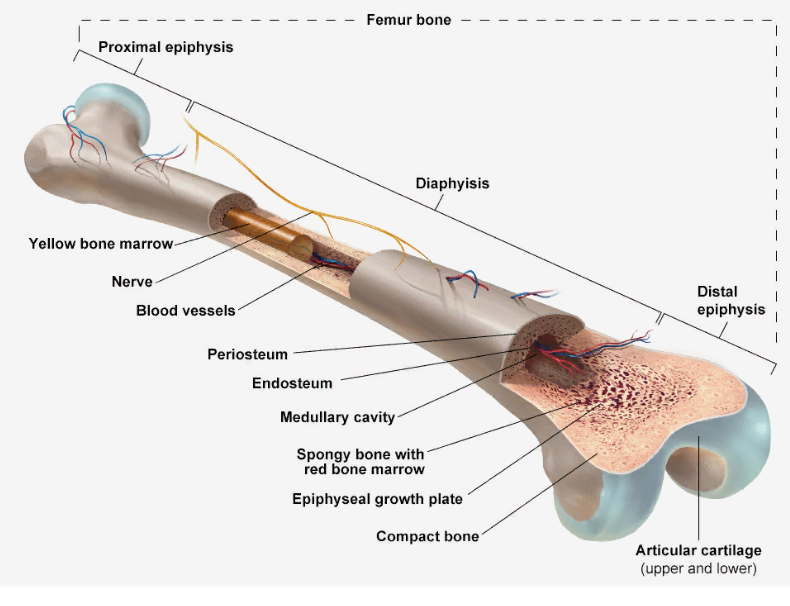
Image occlusion: name the hidden labels
30
muscular system
Allows for movement of the body. Muscles attach to bones to bring movement to the skeletal system. Groups of muscles contract and relax in complex coordination to allow us to perform all our daily activities.
31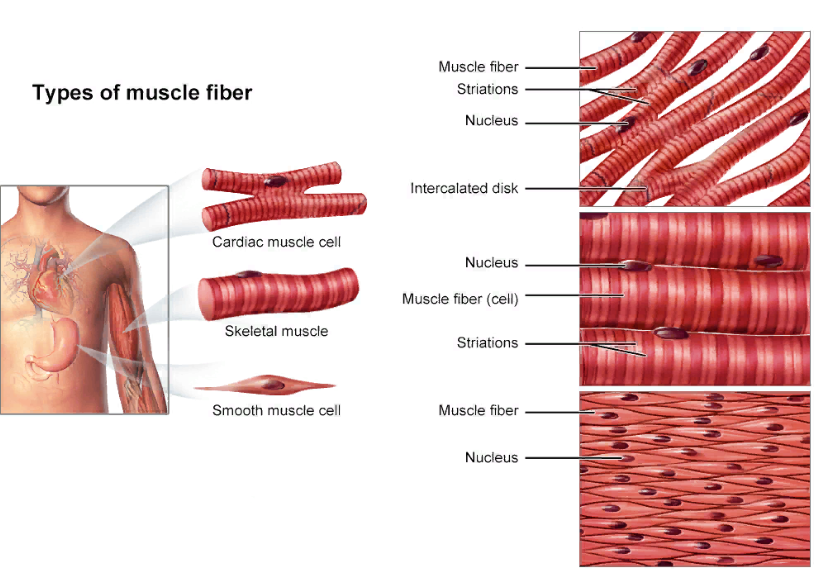
Image occlusion: name the hidden labels
32
nervous system
provides internal communication among the cells of the body. uses electrical impulses to communicate within the body and enable the body to respond to the internal and external environments.
33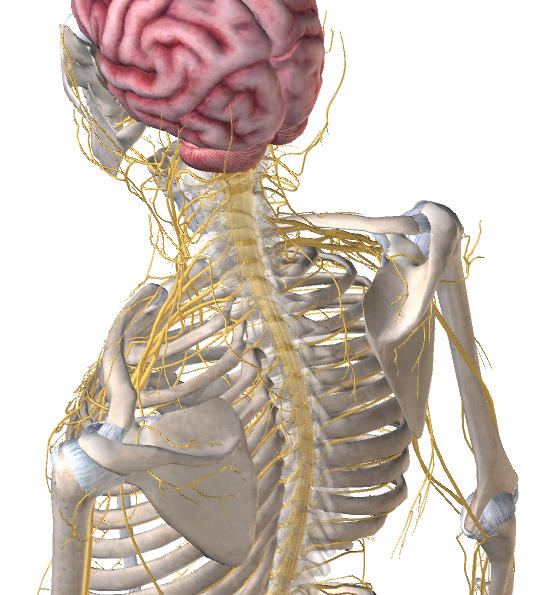
34
digestive system
breaks down food into small molecules; those molecules enter the bloodstream through the small intestine and supply the body with nutrients.
35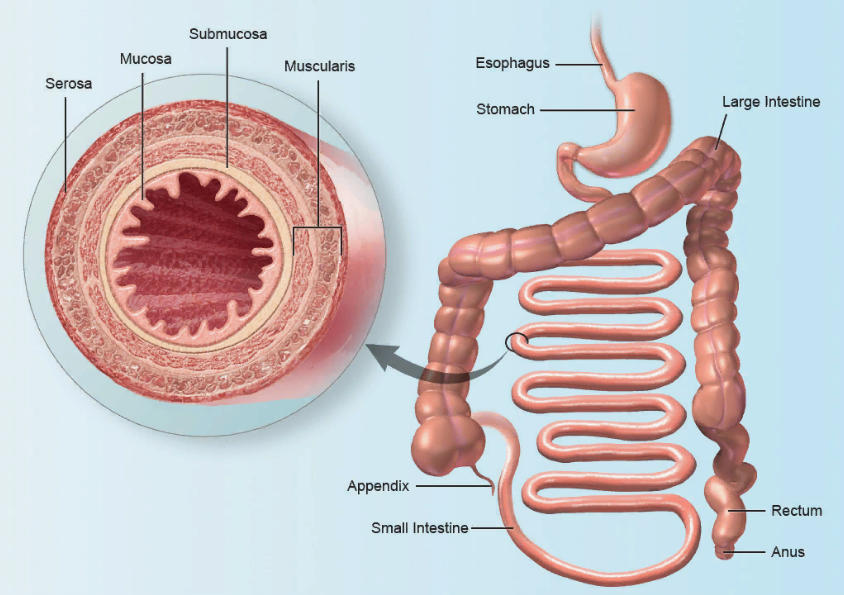
36
endocrine system
made up of glands that makes hormones which regulate the reproductive system and the metabolism of the body
37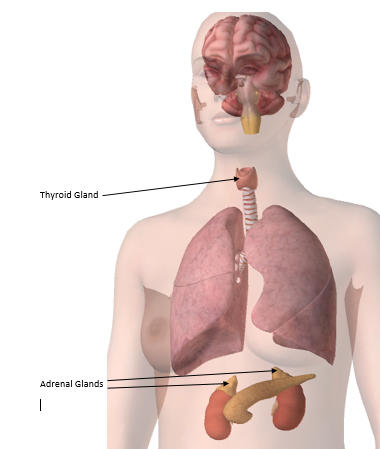
38
metabolism
all the chemical reactions that take place in the body that enable us to function
39
catabolism
the breakdown of substances into their simpler building blocks
40
Anabolism
synthesizing of more complex structures from simpler ones along with oxygen to make AT
41
Cellular Respiration
uses more compex structures along with oxygen to make ATP
42
ATP
very energy-rich molecule that powers cellular activities, allowing cells to have the energy neded to carry out their functions.
43
What is the first thing to happen in the creation of ATP?
- body breaks down a glucose molecule (with 6 carbon atoms) into 2 pyruvic acid molecules, making 2 ATP molecules (glycolysis)
- body breaks down pyruvic acid molecules to create 2 more ATP molecules and release electrons (citric acid cycle)
- in the electron transport chain, the body uses electrons to produce most of the ATP (electron transport system)
44
What is the second thing to hapen in the creation of ATP?
- body breaks down a glucose molecule (with 6 carbon atoms) into 2 pyruvic acid molecules, making 2 ATP molecules (glycolysis)
- in the electron transport chain, the body uses electrons to produce most of the ATP (electron transport system)
- body breaks down pyruvic acid molecules to create 2 more ATP molecules and release electrons (citric acid cycle)
45
What is the final step in the creation of ATP?
- body breaks down pyruvic acid molecules to create 2 more ATP molecules and release electrons (citric acid cycle)
- body breaks down a glucose molecule (with 6 carbon atoms) into 2 pyruvic acid molecules, making 2 ATP molecules (glycolysis)
- in the electron transport chain, the body uses electrons to produce most of the ATP (electron transport system)
46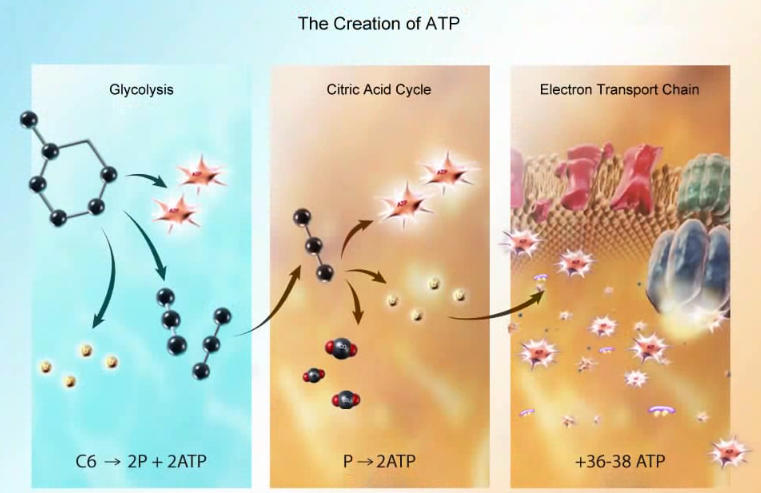
47
Cardiovascular System
made up of blood vessels that move blood, oxygen, and nutrients throughout the body
48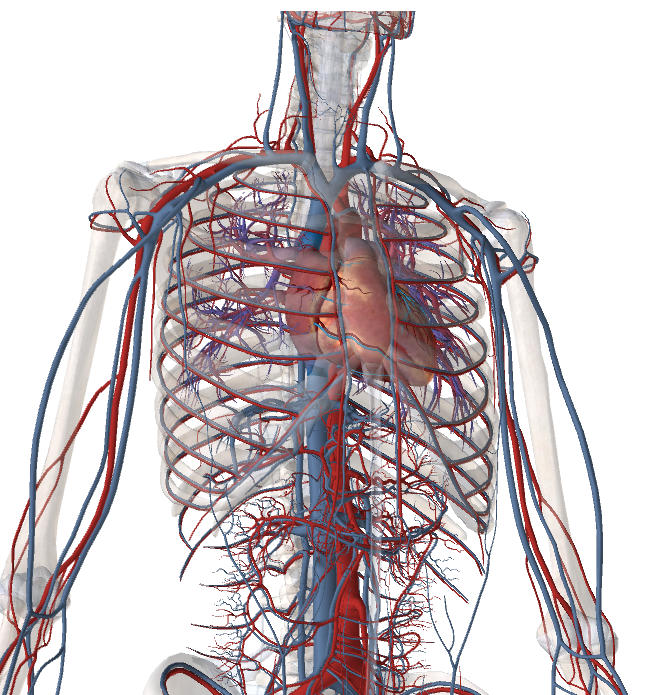
49
Lymphatic Systems
responsible for immunity and fighting off disease, also part of the circulatory system.
Has a complex network of vessels and nodes that allow for the excess fluid to drain back to the heart
Has a complex network of vessels and nodes that allow for the excess fluid to drain back to the heart
50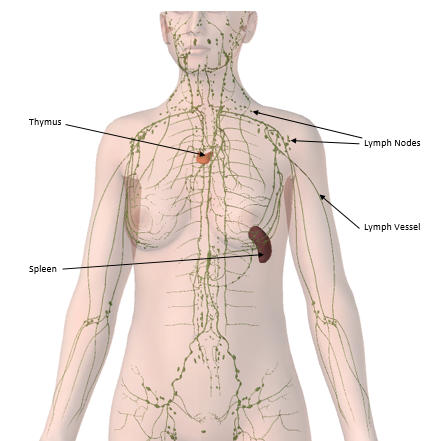
51
Respiratory System
involved in excretion of the waste CO2, which is a byproduct of metabolism; also keeps the blood supplied with oxygen
52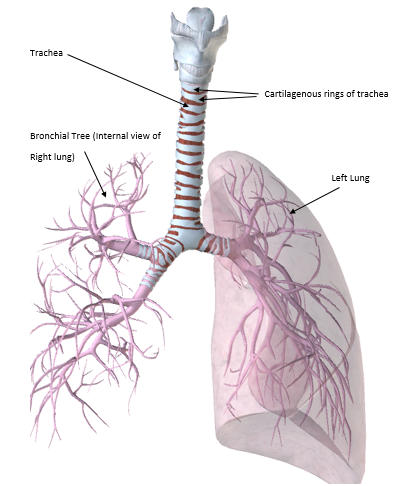
53
Urinary System
involved in excretion of waste from the body; intricately regulates the water and electrolyte balance in the blood.
54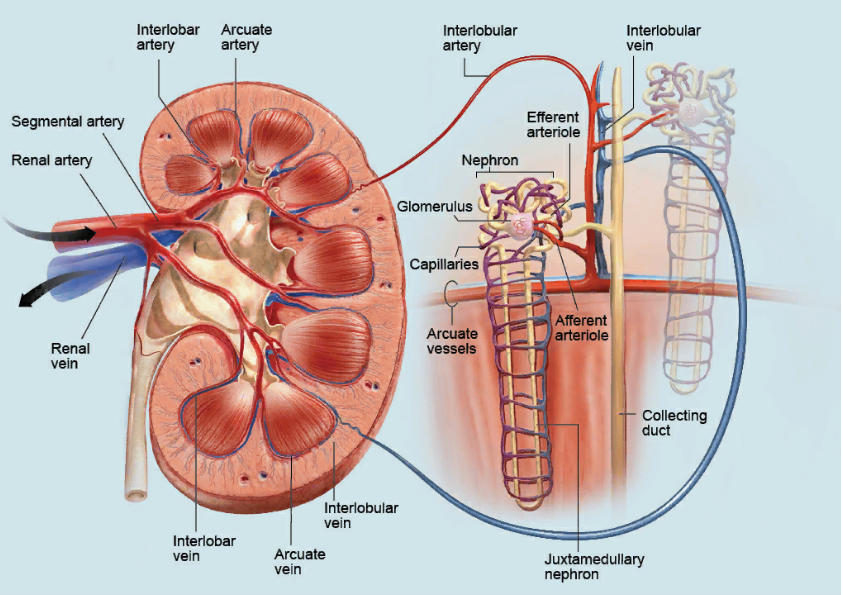
55
nephron
functional unit of the kidney; process blood plasma to form urine for excretion
56
male + female reproductive systems
responsible for creating new life
57
Cellular Reproduction
when the original cell divides, producing two identical daughter cells that are often used for body growth or repar.
58
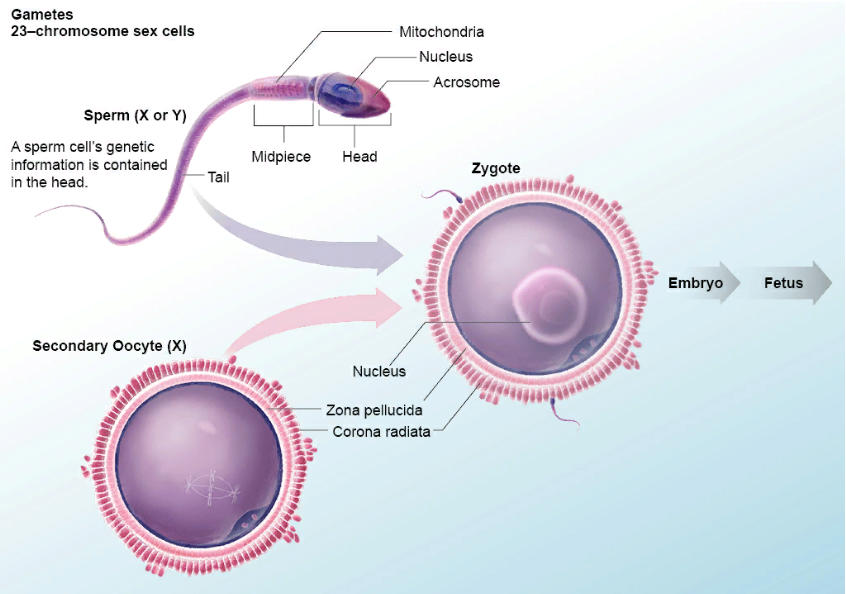
oocyte
female egg
59
Reproductive System
controlled by hormones from the endocrine system
60
zygote
when sperm and oocyte come together to form a new cell
61
Gametes
sex cells, organisms reproductive cells
62