Human body systems vocab. Outlearn
Study these flashcardsFree · spaced repetition · iPhone, Android, Mac & web
All cards
1
the maintenance of a stable internal environment that all the human organ systems work together to achieve
homeostasis
2
organ system, regulates body processes through hormone production
endocrine system
3
organ system, gas exchange between the internal and external environment
respiratory
4
organ system, physical and chemical breakdown of food to aloow absorption of nutrients
digestive
5
organ system, production of reproductive cells that will generate offspring
reproductive
6
organ system, protection against the external environment and regulation of temperature
integumentary
7
organ system, does voluntary and involuntary movement, enables movement
muscular
8
organ system, processing center for sensory input, using the input to elicit appropriate responses
nervous
9
organ system, circulation of blood, which transports gases, nutrients, hormones, and wastes
cardiovascular
10
organ system, circulation of lymph, which maintains fluid balance and helps fight infection
lymphatic (immune)
11
organ system, filtration of blood and excretion of wastes from the body
urinary
12
organ system, support and protection of many internal organs
skeletal
13
this attaches bones together
ligaments
14
this attached skeletal muscles to bones
tendons
15
is a bone where marrow is. blood cells are made in the marrow of this bone.
femur
16
these muscles are involuntary
smooth, cardiac
17
this muscle is voluntary
skeletal
18
muscle usually attached to the skeleton
skeletal muscle
19
muscle found in the walls of the heart
cardiac muscle
20
muscles found in walls of internal organs and blood vessels
smooth muscle
21
the major organ/muscle of the cardiovascular system
heart
22
organ pumps blood through four chambers
heart
23
the bottom chambers of the heart
ventricles
24
the top chambers of the heart
atria (plural for atrium)
25
circulation where blood is pumped to the lungs and back, getting oxygenated in the process
pulmonary circulation
26
circulation where blood is pumped to the whole body starting in the aorta and then come back to the heart
systemic circulation
27
one way door like structures that regulate the flow of blood between the chambers of the heart
valves
28
prevents the backwards flow of blood
valve
29
blood vessels that carry clood away from the heart, to the organs of the body
arteries
30
blood vessels that carry blood back to the heart and away from the body's organs
veins
31
small blood vessels where gas exchange occurs
cappillaries
32
the fluid that circulates in the heart and blood vessels to carry oxygen to organs
blood
33
cells that contain hemoglobin
red blood cells
34
an iron rich protein that carries oxygen, found in red blood cells
hemoglobin
35
function in the immune system, helps fight against foreign particles
white blood cells
36
help in blood clotting
platelets
37
fluid of the blood made mostly of water
plasma
38
organ that helps to filter toxins in the blood
spleen
39
the four main blood types
o, a, b, ab
40
organ chews and grinds food
mouth
41
organ where saliva begins chemical breakdown of food
mouth
42
pipe connecting mouth to the stomach
esophagus
43
organ secretes an extraordinarily strong acid (ph=2) that leads to the breakdown of food
stomach
44
substance formed when food is broken down in the stomach and mixed with digestive juices
chyme
45
organ that produces the hormone insulin that regulates blood sugar levels
pancreas
46
organ that helps neutralie stomach acid
pancreas
47
organ that PRODUCES bile, which breaks down fats in food
liver
48
pouch-like organ that STORES bile for future use
gallbladder
49
chyme enters this organ after digestion is complete where it is absorbed into the bloodstream
small intestine
50
this is what chyme is propelled by. these are folded surfaces located in the small intestine
villi
51
removes water from the chyme and gets the waste ready from excretion
large intestine
52
internal entry and exit point for air
nose
53
serves as a passage way for both air and food at the back of the throat
pharynx
54
your "voicebox"
larynx
55
your "windpipe"
trachea
56
you speak because of this organ when air passes over the vocal chords
larynx
57
connects the pharynx to the lungs
trachea
58
a piece of skin that covers the trachea. when you swallow, preventing food from entering
epiglottis
59
two large passage ways that lead from the trachea to the lungs
bronchi
60
what bronchi are subdivided into
bronchioles
61
what bronchioles subdivide into
alveoli
62
organ that are in clusters, like grapes
alveoli
63
capillaries are where the gas exchange occurs and surround each one of this orga
alveolus (pl. alveoli)
64
the muscle that causes you to breathe
diaphragm
65
hiccups are involuntary contractions of this organ
diaphragm
66
main organ of the excretory system
kidney
67
waste-laden blood enters this organ and the organ filters out urea, excess water, and other waste products, which eventually travel out of the organ as urine
kidney
68
organ that transports urine from kidneys to urinary bladder
ureter
69
solid (food) waste travels out of the body through this organ
rectum
70
sweat glands remove excess water and salts from the body in this organ
skin
71
expels the waste gas called carbon dioxide (CO2)
lungs
72
control center of the body
brain
73
controls thought and senses. in the brain
cerebrum
74
controls motor functions
cerebellum
75
organ that sends instructions from the brain to the rest of the body, and vice versa
spinal cord
76
any organism with a major nerve cord is classified as this
chordate
77
organ conducts impulses to muscle cells throughout the body
nerves
78
what the endocrine system produces and secretes
hormones
79
the first line of defense against foreign particles
skin
80
cells that recognize disease agents (antigens) and create antibodies to tag and remove these antigens
white blood cells (WBCs)
81
the type of WBC that eats and destroys antigens
phagocytes
82
organ that helps restore fluid lost from the blood and return it to the cardiovascular system
lymph nodes
83
the male reproductive cell
sperm
84
organ produces sperm and the hormone testosterone
testes
85
organ that transfers sperm to a female and carries urine out of the body
penis
86
tube that transfers sperm to penis
vas deferens
87
produces the female egg cells necessary for reproduction
ovary
88
transport the egg cell to the site of fertilization, where it gets fertilized by sperm.
fallopian tube
89
where the fertlized egg is implanted into the walls of, beginning the initial stages of pregnancy
uterus
90
outermost layer of skin
epidermis
91
layer of skin below epidermis
dermis
92
layer of skin responsible for sensory details (touch)
epidermis
93
type of joint this is (cranium)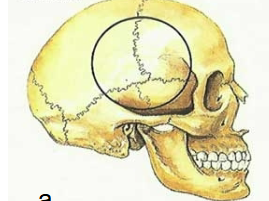
immovable
94
type of joint this is (wrist)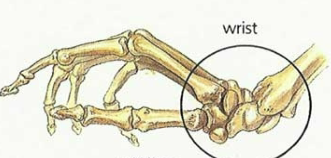
gliding/plane joint
95
type of joint this is (knee)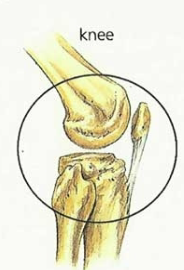
hinge joint
96
type of joint this is (neck)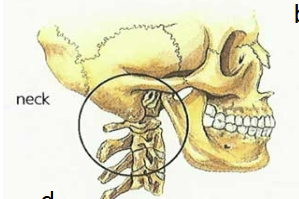
pivot joint
97
type of joint this is (shoulder)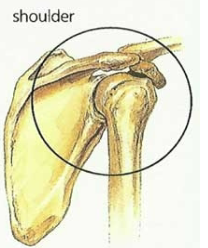
ball and socket joint
98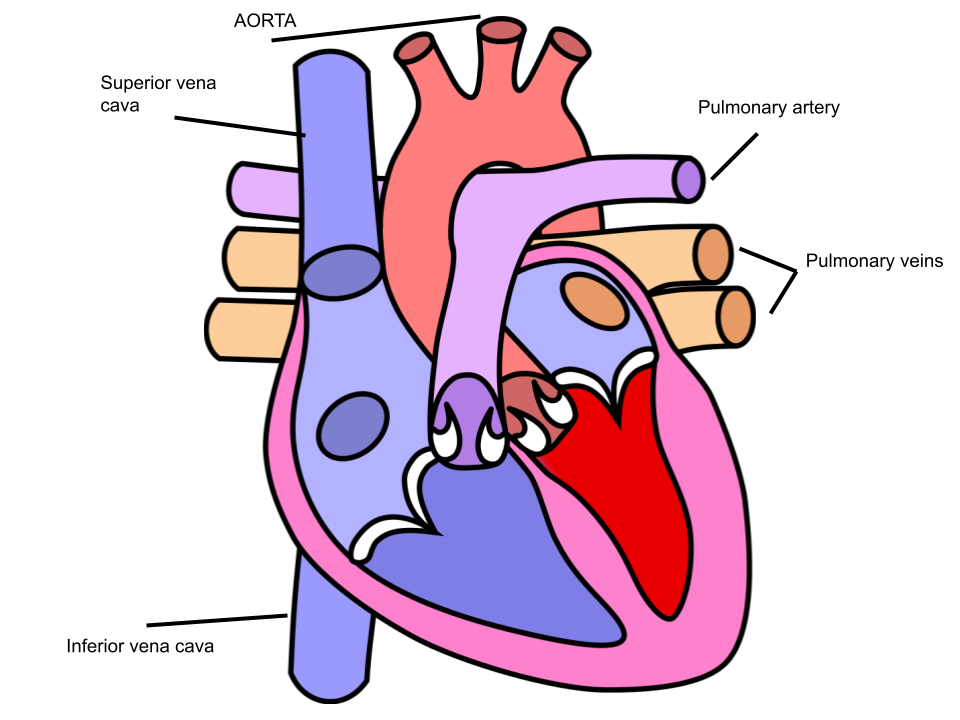
Image occlusion: name the hidden labels
99
Image occlusion: name the hidden labels
100
Image occlusion: name the hidden labels
101
Image occlusion: name the hidden labels
102
Image occlusion: name the hidden labels
103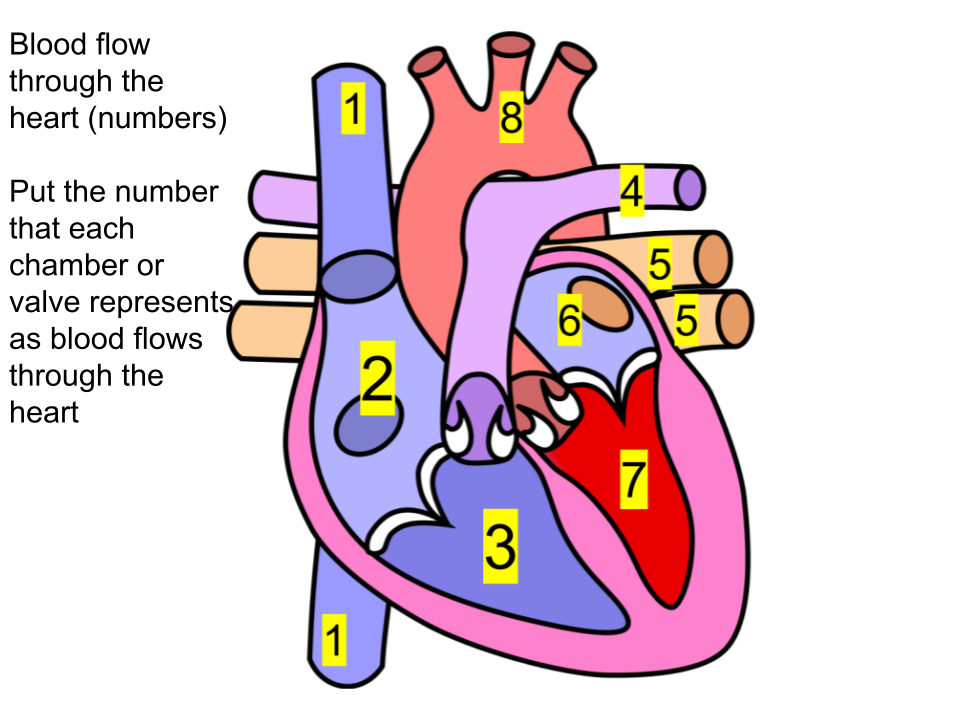
Image occlusion: name the hidden labels
104
Image occlusion: name the hidden labels
105
Image occlusion: name the hidden labels
106
Image occlusion: name the hidden labels
107
Image occlusion: name the hidden labels
108
Image occlusion: name the hidden labels
109
Image occlusion: name the hidden labels
110
Image occlusion: name the hidden labels
111
Image occlusion: name the hidden labels
112
Image occlusion: name the hidden labels
113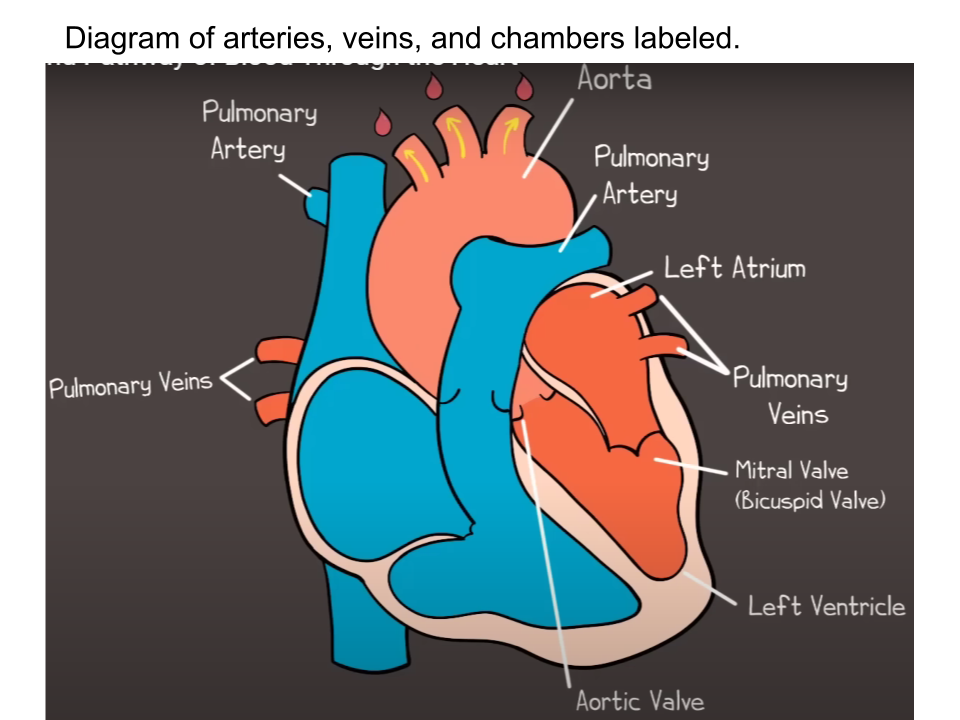
Image occlusion: name the hidden labels
114
Image occlusion: name the hidden labels
115
Image occlusion: name the hidden labels
116
Image occlusion: name the hidden labels
117
Image occlusion: name the hidden labels
118
Image occlusion: name the hidden labels
119
Image occlusion: name the hidden labels
120
Image occlusion: name the hidden labels
121
carries oxygen-rich blood from the left ventricle of the heart to the body
aorta
122
a large vein that carries oxygen-poor blood to the right atrium from the lower half of the body
inferior vena cava
123
heart chamber that recieves oxygen-rich blood ffrom the lungs via the pulmonary vein.
left atrium
124
biggest and longest artery in the body
aorta
125
left upper chamber of the heart
left atrium
126
the left lower chamber of the heart
left ventricle
127
heart chamber that pumps blood through the aortic valve into the aorta
left ventricle
128
the valve between the left atrium and ventricle
mitral valve
129
valve that prevents the back flow of blood from the left ventricle to the left atrium
mitral valve
130
the blood vessel that carries oxygen-poor blood from the right ventricle to the lungs
pulmonary artery
131
the blood vessel that acrries oxygen-rich blood from the lungs to the left atrium
pulmonary vein
132
the right upper chamber of the heart
right atrium
133
chamber ofheart that recieves oxygen-poor blood from the body through the inferior and superior vena cavas
right atrium
134
chamber of heart that pumps blood into the pulmonary artery
right ventricle
135
the muscular wall that speperats the left and right sides of the heart
septum
136
the right lower chamber of the heart
right ventricle
137
a large vein that carries oxygen-poor blood to the right atrium from the upper parts of the body
superior vena cava