Bio Psych 7
Study these flashcardsFree · spaced repetition · iPhone, Android, Mac & web
All cards
1
for perception, what does bottom up mean?
coming from environment
2
for perception, what does top down mean?
coming from brain
3
what is internal represrenation
our construction of reality, 1) Incomplete due to bottom up limitations & 2)inaccurate due to bottom down editing
4
What is sensation (afferent)
stimuli from environment act on sensory receptor organs
5
what are receptor organs mechanisms
a mechanism that turns physical stimulis into an electrical signal that can get into brain
6
what are examples of receptor cells
photoreceptors, hair cells, and receptor organs in our skin
7
what are photoreceptors
receptors located in retina that respond to light
8
what are hair cells
hair located in cochlea, vestibular system that respond to movement or deflection
9
what is an adequate stimulus
a specific type of physical stimulus that activates specific receptor cells
10
what is electromagnetic radiation
light
11
what wave lengths can humans see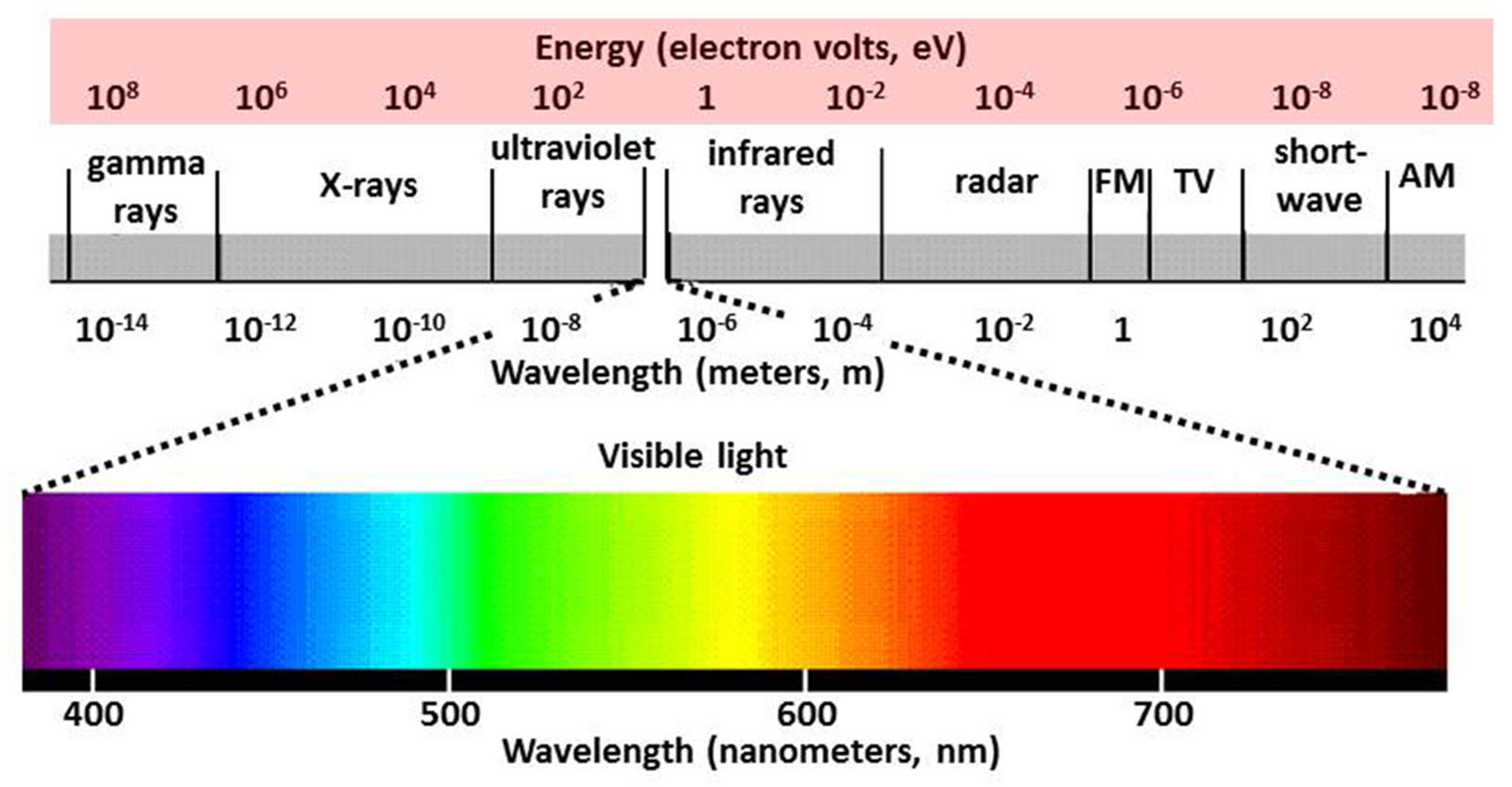
violet wavelength, shortest wave lengths
12
what waves are including on light graph
gamma ray, xray, ultraviolet, infrared, microwave, radio
13
what side of the light graph has the dense and shallow wave lengths
the left side has dense waves, the right side has shallow wave
14
what is happening when we hear
waves of pressure displace hair cells in our ea
15
what is audition
sense of hearing
16
what is the lowest frequency humans can hear
20 hertz
17
what is the highest frequency humans can hear
2000kHz
18
what material can best carry low frequencies
solid matter
19
what is magnetic reception/sensation
detect earths magnetic pole
20
example of animal with electrical sense
shark
21
example of aniaml with echolocation
dolphine
22
what are labeled lines
each sensory modality has own pathway
23
what are the general principles of sensation & perception
sensory transduction, sensory modalities have distinct pathways, receptive fields, adaptation, suppression, and attention
24
what is sensory reduction
environmental stimulus acts on a receptor cell and changes its potential into a receptor/electrical potential
25
what is receptive fields
receptorpstream cells in some modalities like vision, somatosensation, auditory
26
what about sensory modalities
they all have distinct but interacting pathways
27
what is adaptation
cells in sensory pathways change their response with time and prolonged exposure, so less of a response
28
what is suppression
we selectively reduce responding to certain stimuli via various mechanisms and for various reasons
29
what is attention
we preferentially focus on certain stimuli, driven by bottom up or bottom down process and exerted at multiple points in a sensory pathway
30
thinking of the general principles of sensation/perception, what is the process of hearing
in our ear, stimulus is turned into an electrical potential which reaches the cochlea and travels through auditory nerve into the brain
31
can our ears still create electrical potentials without perception of sound
yes, regardless of percept of sound, we can experience auditory stimuli
32
what is the receptor organ for skin
pacinian corpuscle
33
how does the pacinian corpuscle work
depending on type of pressure, the receptor for each corresponding pressure will create an electrical response by changing shape of outer skin
34
what happens after the distortion of lamellae in pacinian corpuscle
when the lamellae is distorted the membrane is stretched which opens mechanically gated sodium channels
35
what type of response does pacinian corpuscle have
graded response, the more intense, the more depolarization
36
what happens if a receptor potential hits the threshold? in pacinian corpuscle
voltage gated sodim channels generate an AP
37
different cells may have different what?
different thresholds
38
distortion of only layers = (P.C)
low intensity
39
distortino of some layers = (P.C)
mid intensity
40
distortion of many layers (P.C)
high intensity
41
what is the limit of AP in a second
1000 hz or 1000 AP per second
42
variation in stimulus is coded in what?
action potentials
43
if we have varation of stimulus then we have what?
action potential
44
intensity of sensations and perceptions
deep amount of pressure, loudness, brightness of a light
45
what is range fractionation
certain cells speecialize in a particular intensity
46
what is AP frequency
nummber of neurons recruited
47
what is a receptive field
area in a space, if a stimulus is presented, a neuron responds
48
what is the size of receptive fields on palms
small reeptive field, each with a neuron
49
what does the neuron do in a receptive field of a palm
keeps track of primary afferent that is sent to the somatosensory cortex in post central gyrus
50
what does each neuron in a receptive field of a palm go
to the somatosensory cortex in the post central gyrus of the brain
51
what is sensory discrimination
unable to differentiate touch in same receptive field
52
each sensory modality has what?
cortical maps
53
what is the general format of most pathways
peripheral nerves to spinal cord to brainstem to thalamus to primary sensory cortex to secondary sensory cortex
54
regarding the general format of most pathways, which step do we become conciously aware?
in primary sensory cortex
55
what happens to somatosensory stimulus
strong activation at the start but then weakens
56
what happens to tonic receptor signaling
maintain activity throughout stimulus
57
what happens to phasic receptor signaling
decreases activity with prolonged stimulation
58
what influences the adaptation of receptor signaling?
perception biases
59
bottom up signals do what
change the amount of stimlui that can reach sensory receptors
60
top down signals do what
reduce/increase the brains response to incoming sensory stimuli
61
example of what top down signaling does
inhibition of auditory signals during speech
62
what is mach band?
reflection of center surround
63
attention in spaces requires what part of the brain?
right parietal lobe
64
what do sensory modalties do with each other
they combine to create a wholisitic percept
65
what are the differences between sensory processes?
alterations in perception
66
what happens if one sensory modalities differs from another sensory?
we go with the more reliable sense
67
what are the three types of touch
exteroceptive, proprioceptive, interoceptive
68
what is exteroceptive sense of touch
external stimuli acting on skin
69
what is proprioceptive sense of touch
msucles and joints position, sense of balance
70
what is interoceptive sense of touch
conditions within the body like blood pressure, hunger, pain, chemical toxins
71
what are the sub senes beneath exteroceptive
touch (pressure/vibration), temp (hot/cold), pain (chemical, thermal)
72
different _______ respond to different properties of _____
receptors, touch
73
properties of pacinian corpuscles
they have large receptive fields, fast adapting respond, and can feel beginning/end of stimuli
74
what are the properties of meissneis corpuscles
small receptive fields, slow adapating, and helpful for determining shape
75
properties of ruffinis endings
large receptive borders, slow adapting, helpful for stretching of skin
76
what type of neurons/afferents are in the pacinian corpuscle, meissneis corpuscle, merkels discs, ruffinis endings?
they are all unipolar neurons and our primary afferent senses
77
what is decussation
crossing in hindbrain
78
what happens in the dorsal column medial lemniscus DCML pathway
nerve ending begins in hand, goes to dorsal to dorsal root to dorsal column, makes first synapse in dorsal column nuclei, decussates, travels up to hind to mid brain in a tract called medial lemniscus to ventral posterior nucleus of thalamus to forebrain and then somatosensory corex
79
what is homuculus
mapping of primary and secondary somatosensory cortex
80
what is the other name for homunculus
somatotopic organization
81
what word describes the primary somatosensory map?
plasticy
82
what is denervation supersensitivity
when the amount of receptors are increased and turns up volume due to loss of nerve signal
83
example of denervation supersensitivity
focal hand dystonia
84
what is collateral sprouting
when a signal is released due to touch of a part of the party, and activates receptors for a different part of the body
85
what is focal hand dystonia
where fingers move together due to bleeding of sensitive areas of primary somatosensory cortex