STEM Unit 1
Study these flashcardsFree · spaced repetition · iPhone, Android, Mac & web
All cards
1
The strongest kids of chemical bonds are _____ & ______
covalent and ionic
2
Covalent bond
occurs when valence electrons are shared by two atoms 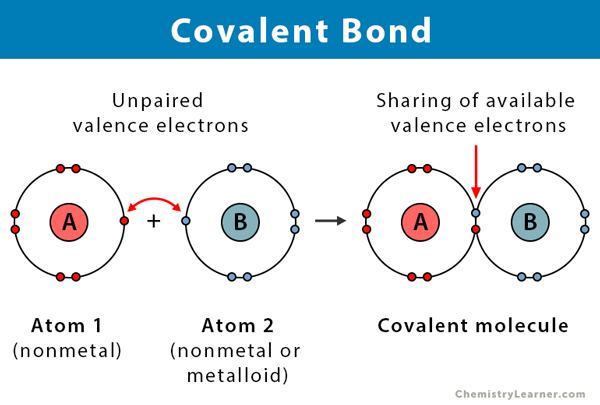
3
Electronegativity
The attraction of a particular atom for the electrons of a covalent bond is called its electronegativity.
4
Nonpolar Covalent bonds
occur when the electrons being shared are shared equally between the two atoms. Examples: O=O and H-H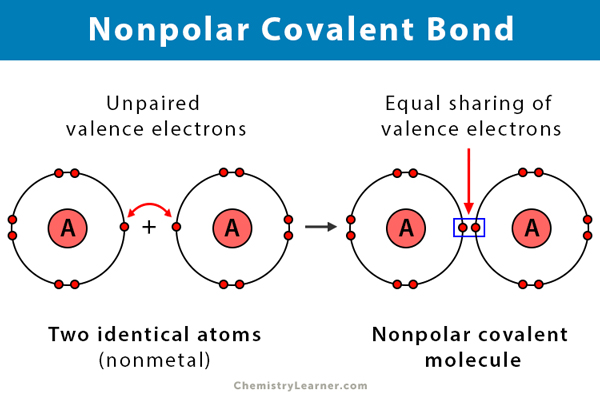
5
Polar covalent bonds
This is the bond where one atom has a greater electronegativity than the other, resulting in an unequal sharing of electrons. This results in the region of the oxygen atom being slightly negative, whereas the regions about the hydrogen atoms are slightly positive.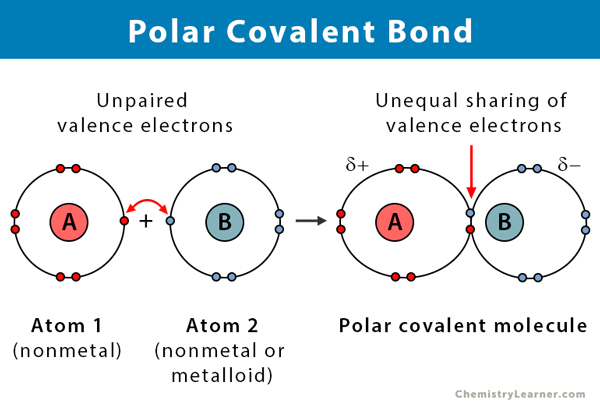
6
Ionic Bonds
It is a bond in which two atoms attract valence electrons so unequally that the more electronegative atom steals the electron away from the less electronegative atom.
Occurs because these ions will be either positively or negatively charged and will be attracted to each other by these opposite charges.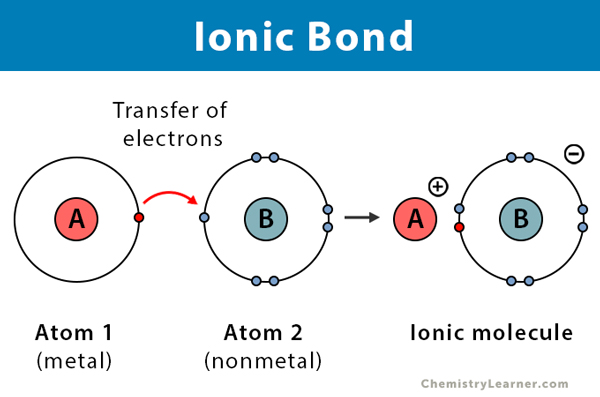
Occurs because these ions will be either positively or negatively charged and will be attracted to each other by these opposite charges.
7
Hydrogen Bonds
Hydrogen bonds are weak bonds that form between partial postive charged hydrogen atom of one molecule and the strongly electronegative oxygen or nitrogen of another molecule. Hydrogen bonds play a major role in the three-dimensional shape of proteins and nucleic acids. 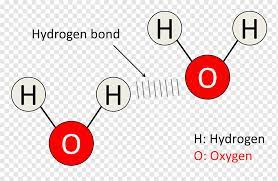
8
Van der Waals interactions
These interactions are very weak, transient connections that are the result of asymmetrical distribution of electrons within a molecule. These weak interations contribute to the three-dimensional shape of molecules. 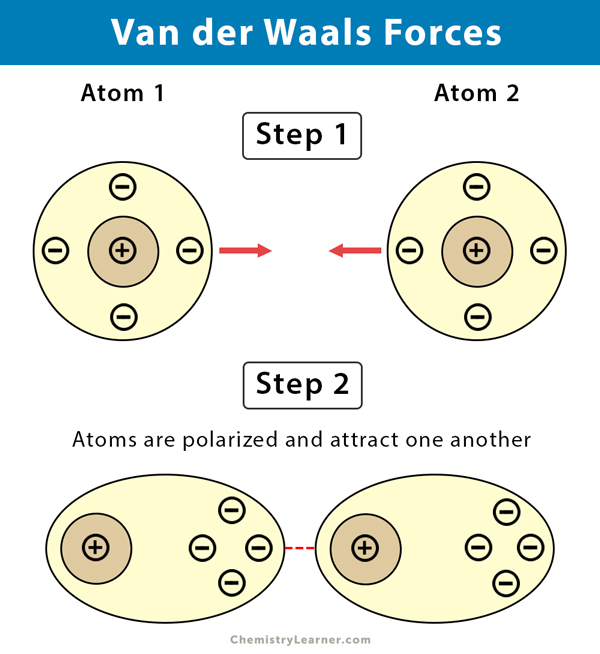
9
_____ _______ are the key to each of the following properties of water and what makes water so unique
Hydrogen Bonds
10
Cohesion
Cohesion is the linking of like molecules. Think "water molecule joined to water molecule" and visualize a water strider walking on the top of a pond due to the surface tension that is the result of this property.
11
Adhesion
Is the clinging of one substance to another. Think "water molecule attactched to some other molecule." such as water droplets adhering to a glass windshield.
12
Transpiration
is the movement of water molecules up the very thin xylem tubes and their evaporation from the stomata in plants. The water molecules cling to each other by cohesion and to the walls of the xylem tubes by adhesion.
13
Specific Heat
Specific heat is the amount of heat required to raise or lower the temperature of a substance by 1 degree Celcius. Relative to most other materials, the temperature of water changes less when a given amount of heat is lost or absorbed. This high specific heat makes the temperature of Earth's oceans relatively stable and able to support vast quantities of plant and animal life.
14
Bases
Bases have an excess of OH- ions, and pH above 7.0 [H+] < [OH-]
15
Buffers
Buffers are substances that minimize changes in pH. They accept H+ from solution when they are in excess and donate H+ when they are depleted. Buffering compounds are essential in living tissues to minimize pH changes.
16
Carbonic acid (H2CO3)
Carbonic acid is an important buffer in living systems. It moderates pH changes in blood plasma and the ocean.
17
Organic compounds
All organic compounds contain carbon, and most also contain hydrogen.
18
Carbon is unparralleled in it ability to form molecules that are large, complex, and diverse. Why?
- It has 4 valence electrons
- It can form up to 4 covalent bonds
- These can be single, double, or triple covalent bonds.
- It can form large molecules
- These molecules can be chains, ring-shaped, or branched.
- It can form up to 4 covalent bonds
- These can be single, double, or triple covalent bonds.
- It can form large molecules
- These molecules can be chains, ring-shaped, or branched.
19
Isomers
Isomers are molecules that have the same molecular formula but differ in their arrangement of these atoms. These differences can result in molecules that vary in their biological activities. Ex: glucose and fructose.
20
Functional groups
Functional groups attached to the carbon skeleton have diverse properties. The behavior of organic molecules is dependent on the identity of their functional groups. 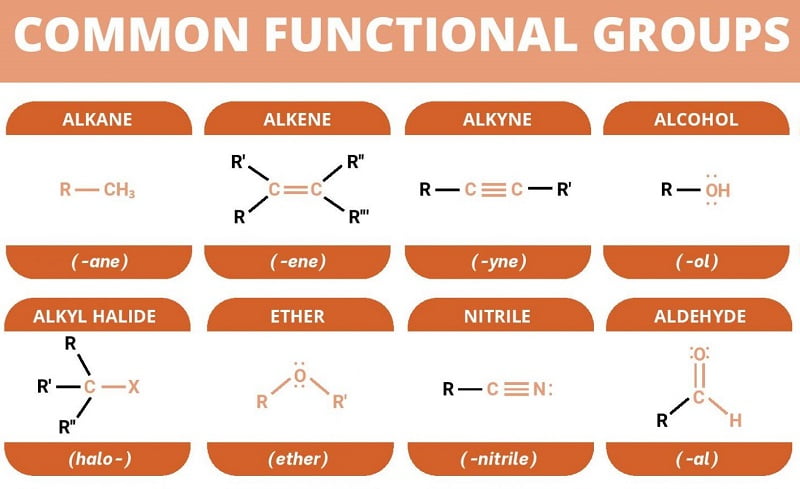
21
Hydroxl, -----OH
Alchohols such as ethanol, methanol; help dissolve molecules such as sugars
22
Carboxyl,----COOH (acid)
Carboxylic acids such as fatty acids and sugars; acidic properties because it tends to ionize; source of H+ ions
23
Carbonyl, ,CO
Ketones and aldehydes such as sugars
24
Carbonyl, CO
Ketones and aldehydes such as sugars 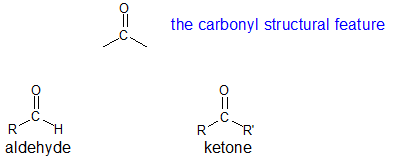
25
Animo, ---NH2 (base)
Amines such as amino acids
26
Phosphate, PO3 (ATP)
Organic phosphates, including ATP, DNA, and phospholipids
27
Sulfhydryl, ---SH (proteins)
This group is found in some amino acids; forms disulfide bridges in proteins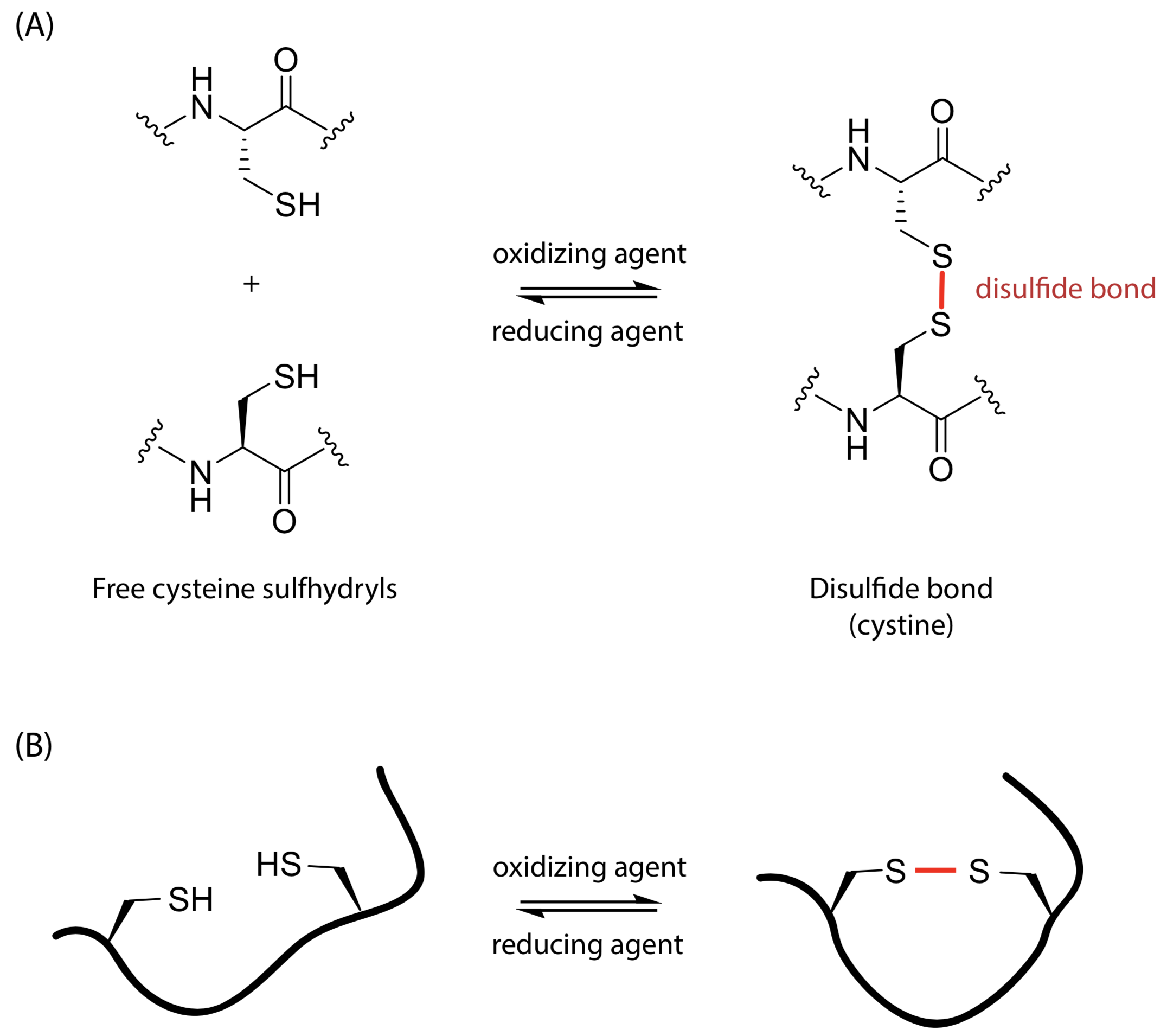
28
Methyl, ---CH3
Addition of methyl group affects expression of genes.
29
Carbohydrates
Carbohydrates include both simple sugars (glucose, fructose, galactose, etc.) and polymers such as starch made from these and other subunits. All carbo-
hydrates exist in a ratio of 1 carbon:2 hydrogen:1 oxygen or CH2O.
hydrates exist in a ratio of 1 carbon:2 hydrogen:1 oxygen or CH2O.
30
Monosaccharides
Monosaccharides are the monomers of carbohydrates. Examples: glucose (C6H12O6) and ribose (C5H10O5). Notice the 1:2:1 ratio discussed above.
31
Polysaccharides
Polysaccharides are polymers of monosaccharides. Examples: starch, cellulose, and glycogen.
32
Polymers
Polymers are long chain molecules made of repeating subunits called monomers. Examples: Starch is a polymer composed of glucose monomers. Proteins are polymers composed of amino acid monomers.
33
Dehydration reactions
Dehydration reactions create polymers from monomers. Two monomers are by removing one molecule of water. Example: C6H12O6 + C6H12O6 ➔ C12H22011 + H20.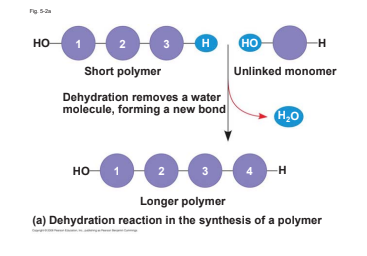
34
Hydrolysis
Hydrolysis occurs when water is added to split large molecules. This occurs in the reverse of the above reaction.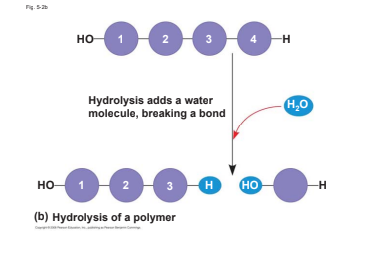
35
Lipids
Lipids are all hydrophobic. They aren't polymers because they are assembled from a variety of components. Ex: waxes, oilds, fats, and steroids
36
What are fats made up of?
Fats are made up of a glycerol molecule and three fatty acid molecules.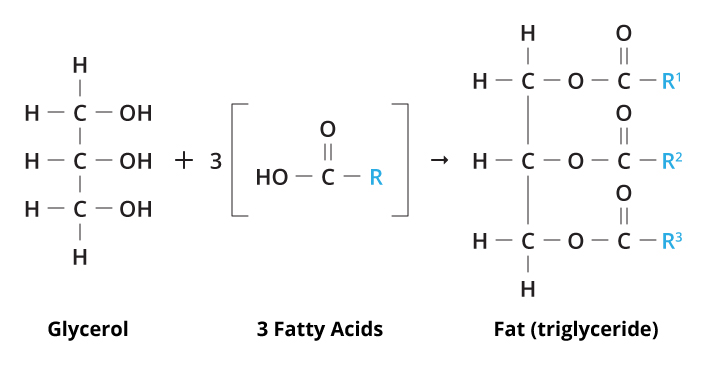
37
Fatty acids
Fatty acids include hydrocarbon chains of variable lengths. These chains are nonpolar and therefore hydrophobic. 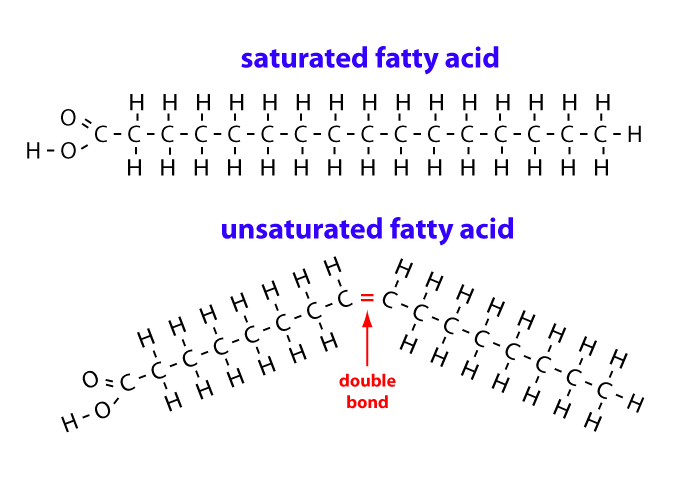
38
Saturated fatty acids
- have no double bonds between carbons
- tend to pack solidly at room temperature
- are linked to cardiovascular disease
- are commonly produced by animals
Exmaples: butter and lard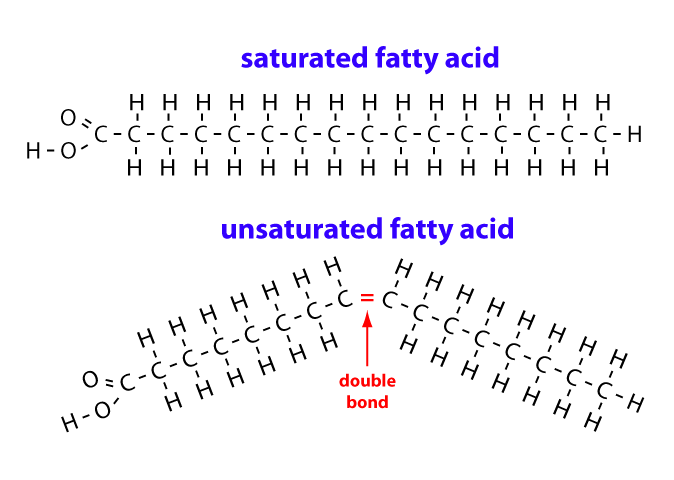
- tend to pack solidly at room temperature
- are linked to cardiovascular disease
- are commonly produced by animals
Exmaples: butter and lard
39
Unsaturated fatty acids
Unsaturated fatty acids
- have some C=C (carbon double bonds); this results in kinks
- tend to be liquid at room temperature
- are commonly produced by animals
Examples: Corn oil and olive oil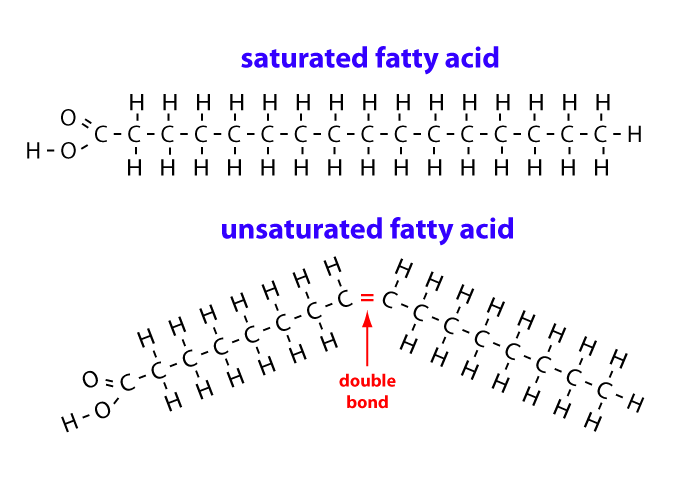
- tend to be liquid at room temperature
- are commonly produced by animals
Examples: Corn oil and olive oil
40
Functions of Lipids
- Energy Storage. Fats store twice as many calories per gram as carbohydrates.
- Protection of vital organs and insulation. In humans and other mammals, fat is stored in adipose cells.
- Protection of vital organs and insulation. In humans and other mammals, fat is stored in adipose cells.
41
Phospholipids
Phospholipids make up cell membranes
They...
- have a hydrophillic (polar) head that included a phosphate group.
- have two fatty acid tails, which are hydrophobic.
- are arranged in a bilayer in forming the cell membrane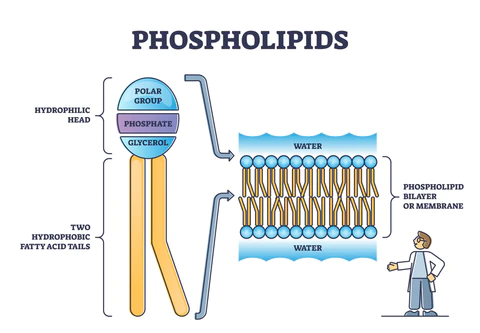
They...
- have a hydrophillic (polar) head that included a phosphate group.
- have two fatty acid tails, which are hydrophobic.
- are arranged in a bilayer in forming the cell membrane
42
Steroids
Steroids are made up of four rings that are fused together
- Cholesterol is a steroid. It is a common component of cell membranes
- Estrogen and testosterone are steroid horomones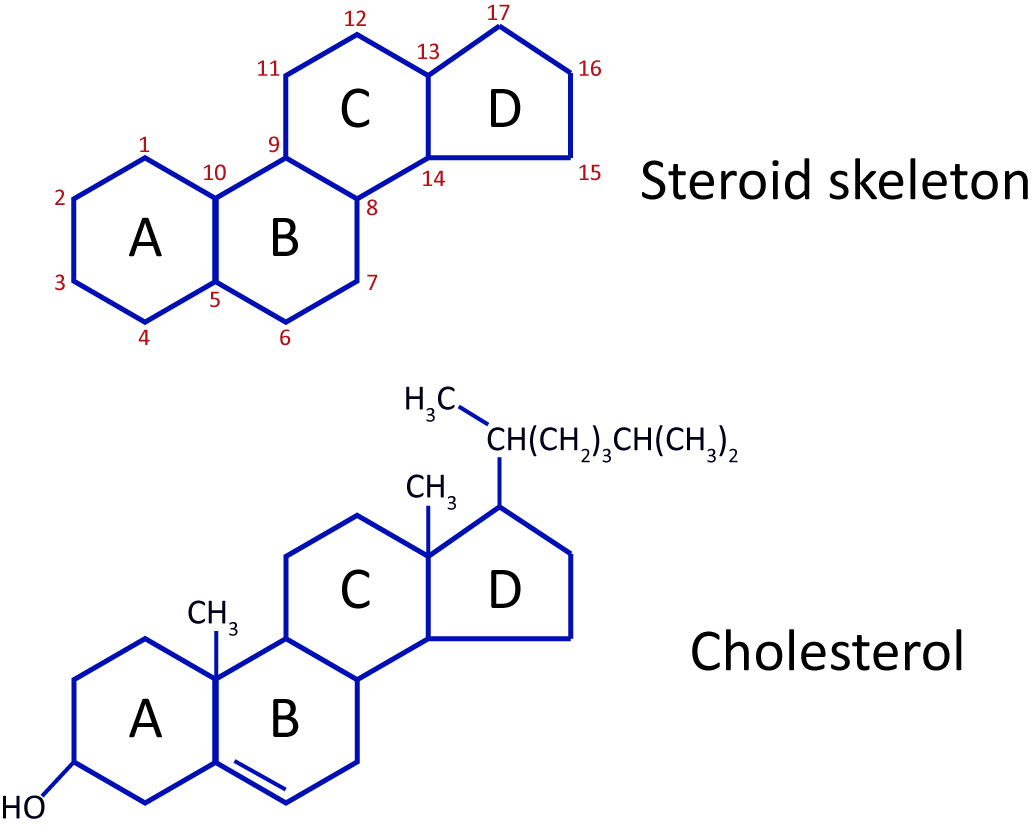
- Cholesterol is a steroid. It is a common component of cell membranes
- Estrogen and testosterone are steroid horomones
43
Proteins
Proteins are polymers made up of amino acid monomers
44
Animo Acids
amino acids contain a central carbon bonded to carboxyl group at one end, an animo group at the other end, a hydrogen atom, and an R group.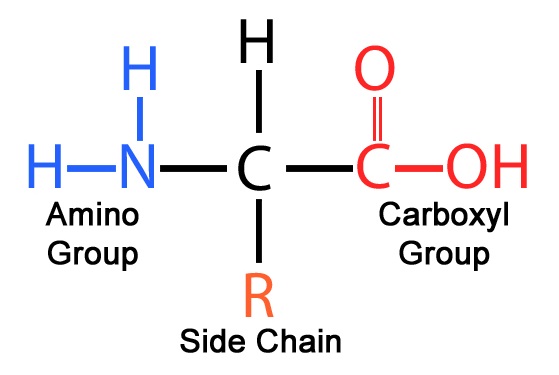
45
Peptide bonds
Peptide bonds link amino acids. They are formed by dehydration synthesis between the animo and carboxyl groups of adjacent monomers. 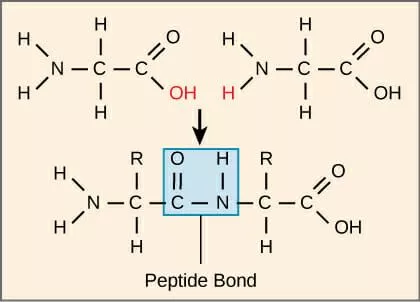
46
Primary Structure
Primary structure is the unique sequnece in which amino acids are joined.
47
Secondary Structure
refers to one of two three-dimensional shapes that are the result of hydrogen bonding between members of the polypeptide backbone (not the amino acid side chain)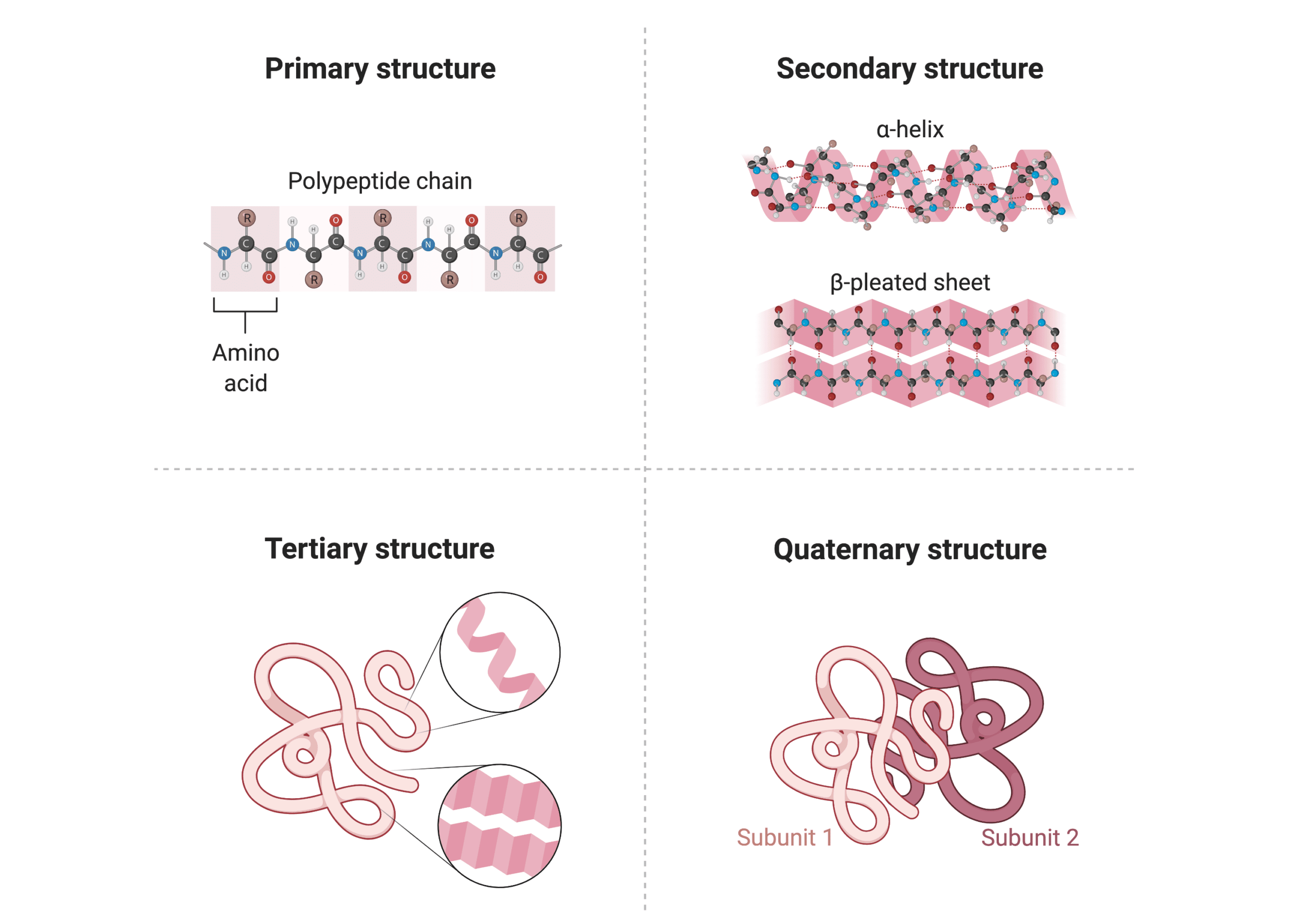
48
Tertiary structure
tertiary structure results in a complex globular shape due to interactions between the side chains (R groups), such as hydrophobic interactions, van der Waals interactions, hydrogen bonds, and disulfide bridges. 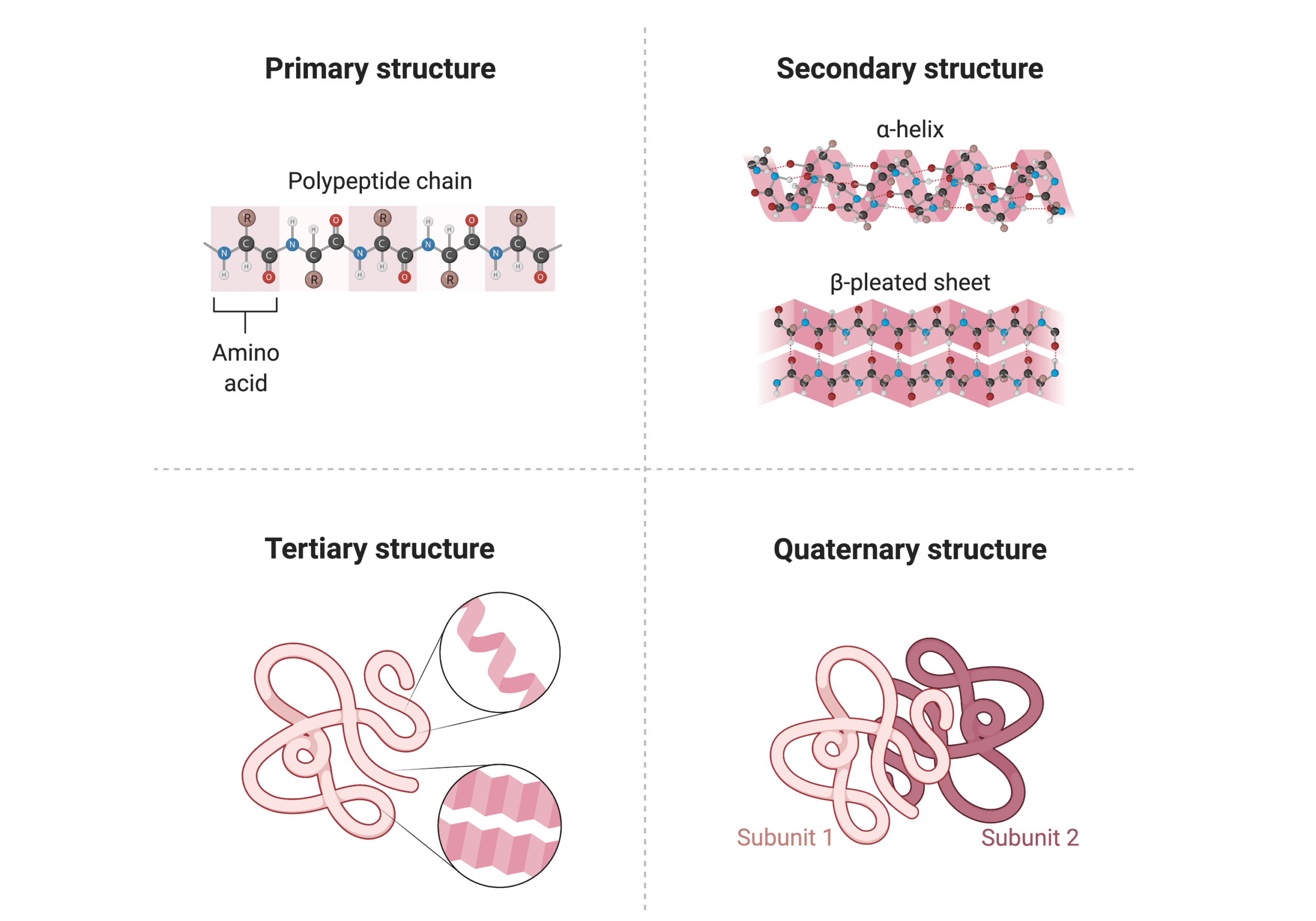
49
Denaturization
A protein is denatured when it loses its shape and ability to function due to heat, a change in pH, or some other disturbance. Keep in mind: change the structure, change the function.
50
DNA and RNA
DNA and RNA are the two nucleic acids. Their monomers are nucleotides.
51
Nucleotides
They are made up of three parts
- Nitrogenous base (adenine, thymine, cytosine, and guanine in DNA; adenine, uracil, cytosine, and guanine in RNA)
- Pentose (5-carbon) sugar (deoxyribose in DNA or ribose in RNA)
- Phosphate group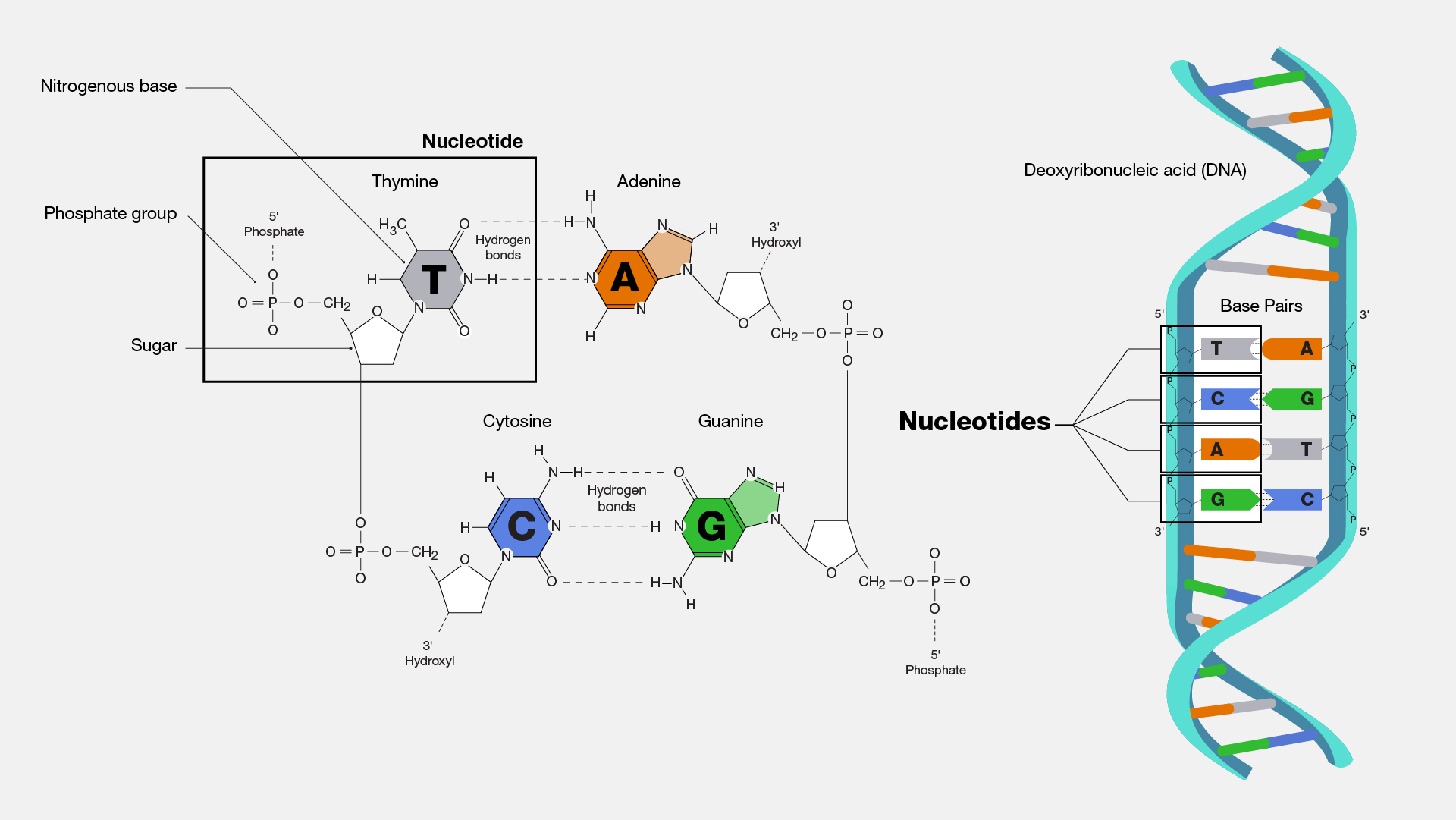
- Nitrogenous base (adenine, thymine, cytosine, and guanine in DNA; adenine, uracil, cytosine, and guanine in RNA)
- Pentose (5-carbon) sugar (deoxyribose in DNA or ribose in RNA)
- Phosphate group