Organisation
Study these flashcardsFree · spaced repetition · iPhone, Android, Mac & web
All cards
1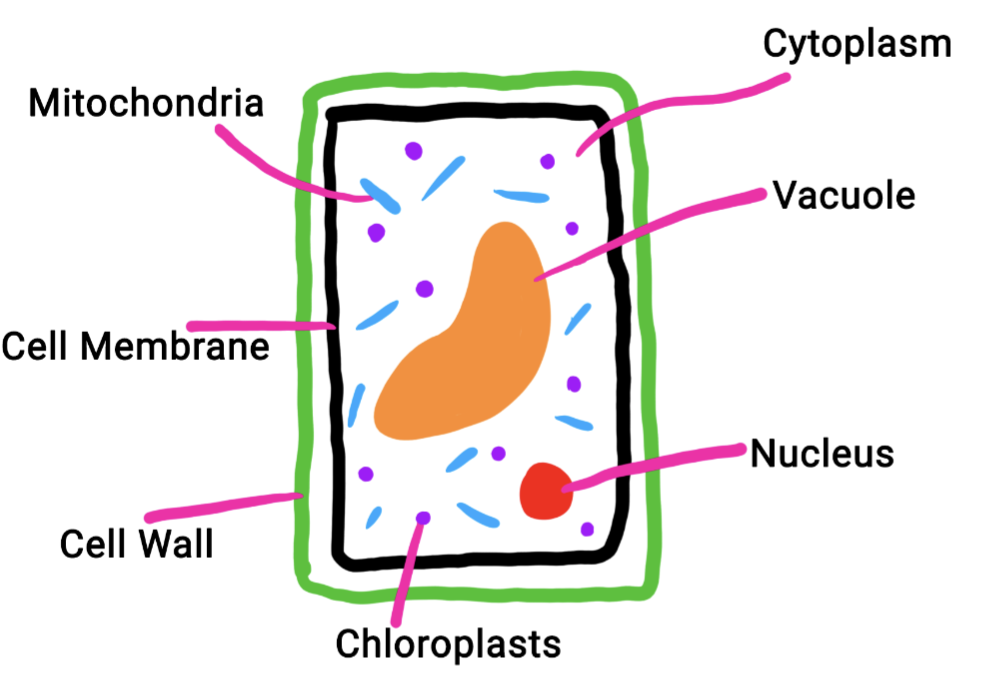
label Plant Cell 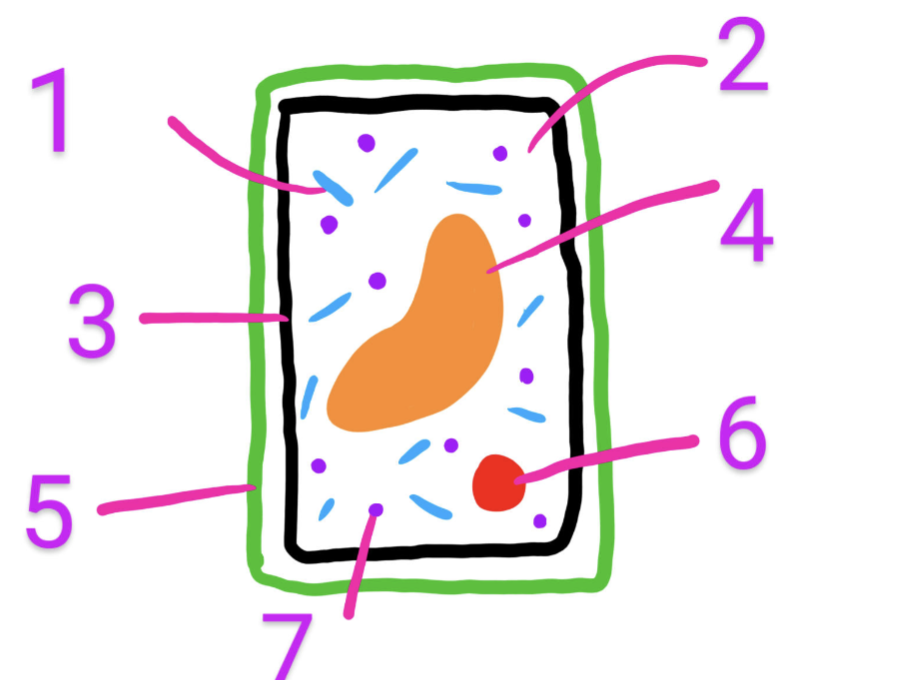
2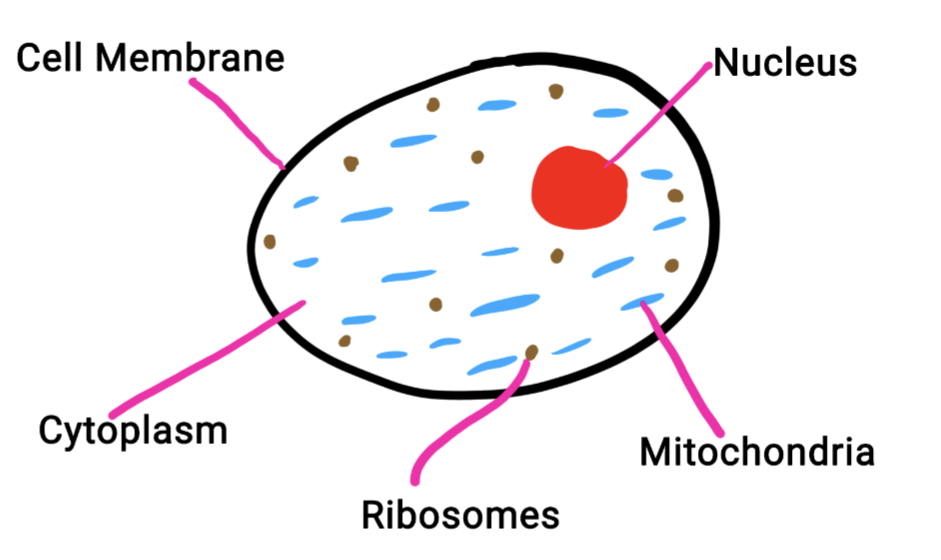
label Animal Cell 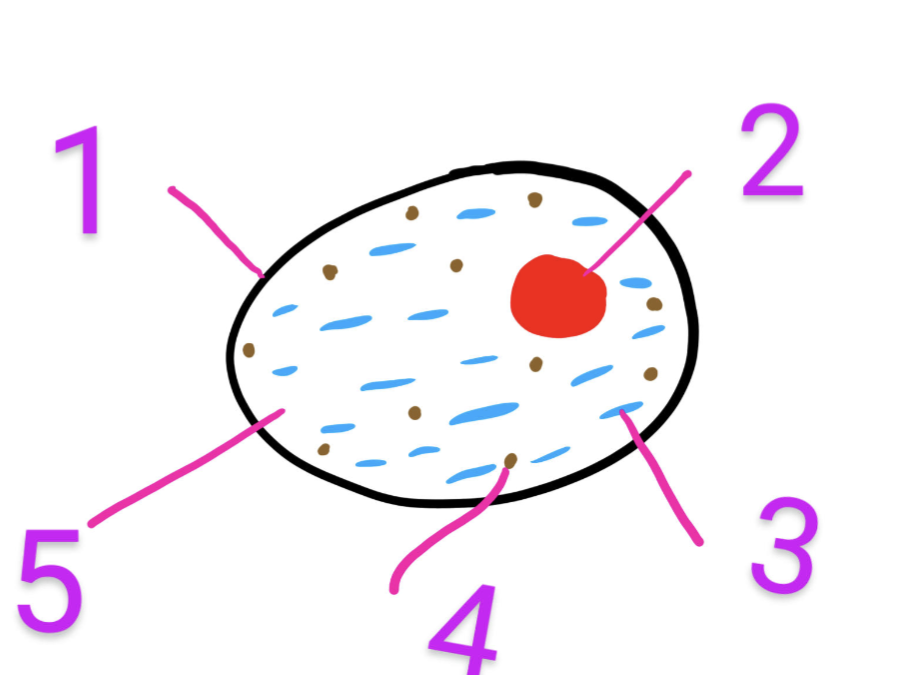
3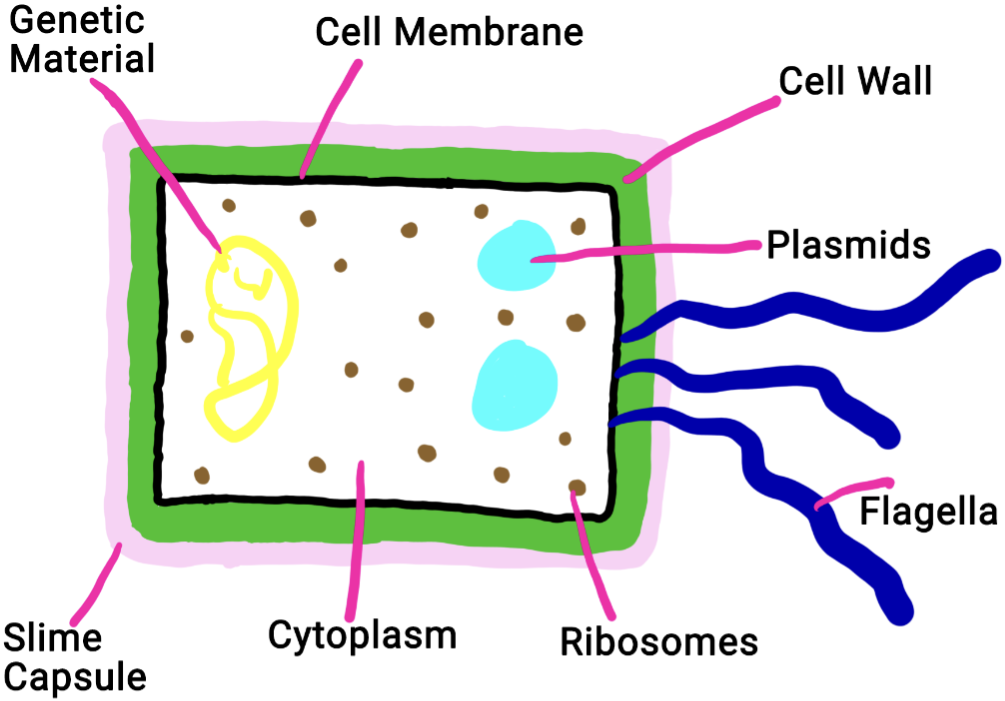
label Bacterial Cell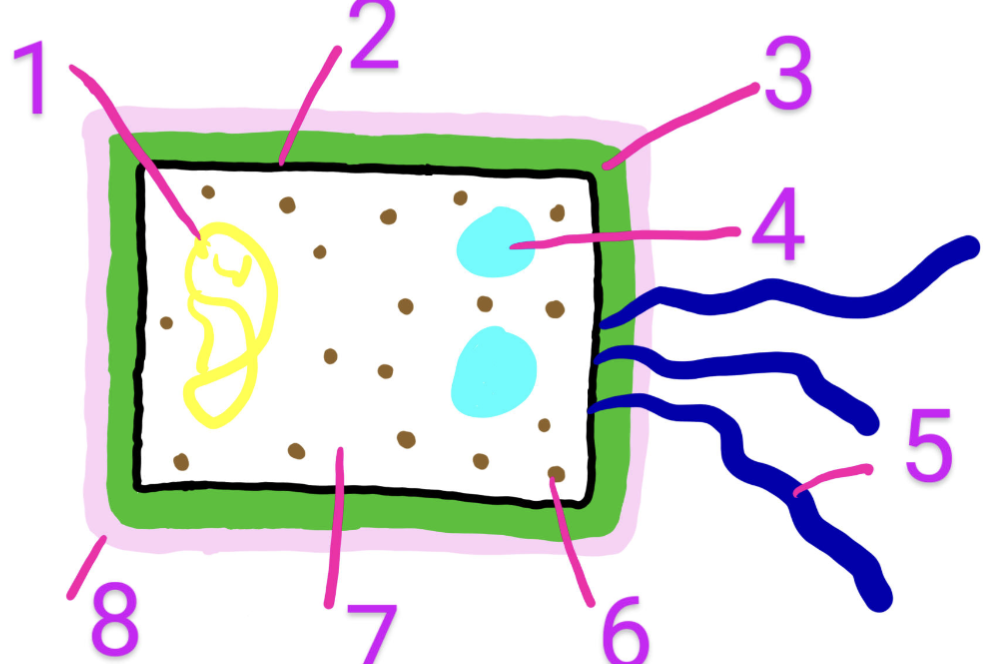
4
What makes up an Multicellular Organism?
Cells make up Tissues.
Tissues make up Organs
Organs make up Organ Systems which make up Organism.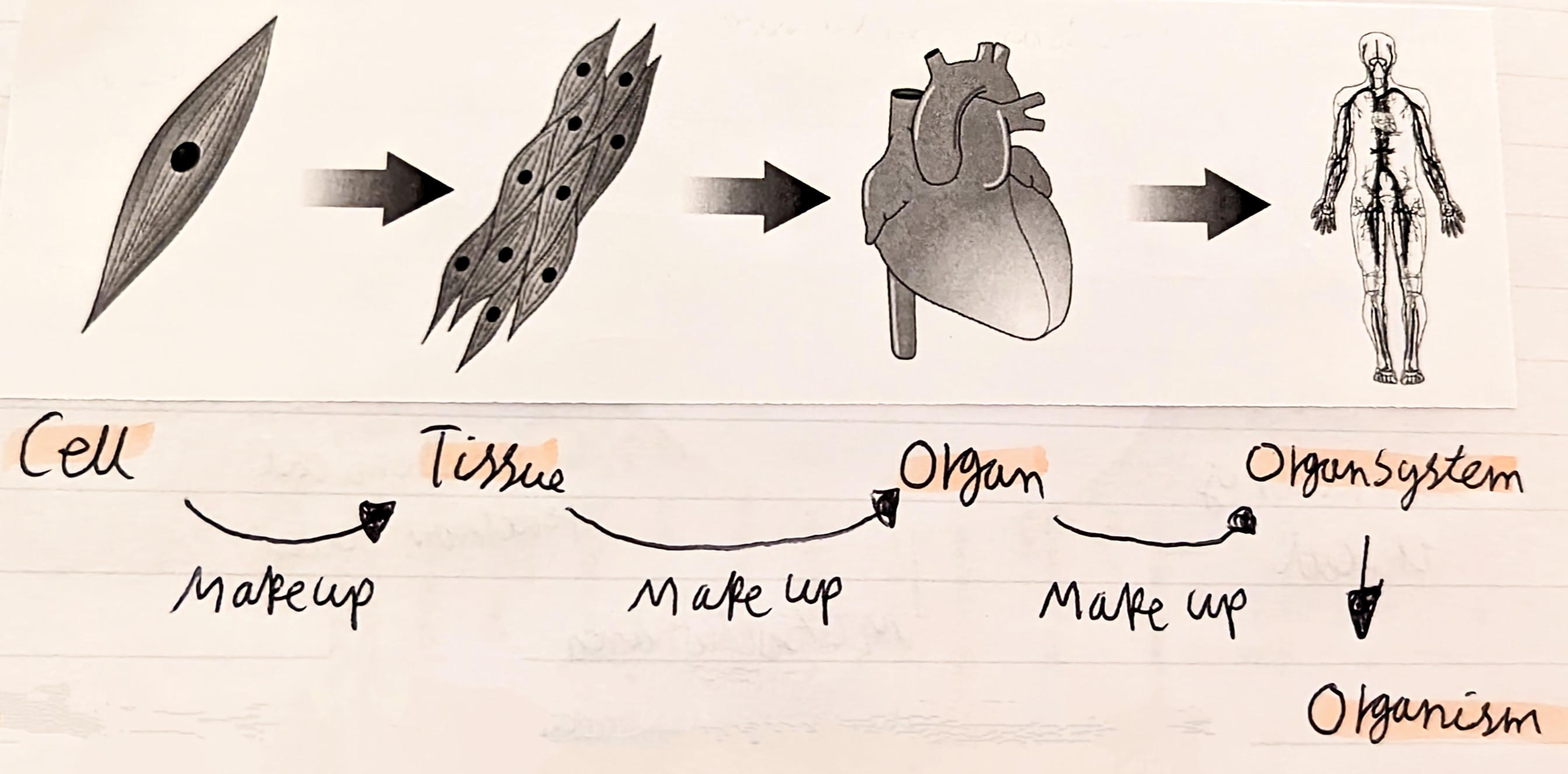
Tissues make up Organs
Organs make up Organ Systems which make up Organism.
5
Definition of a Cell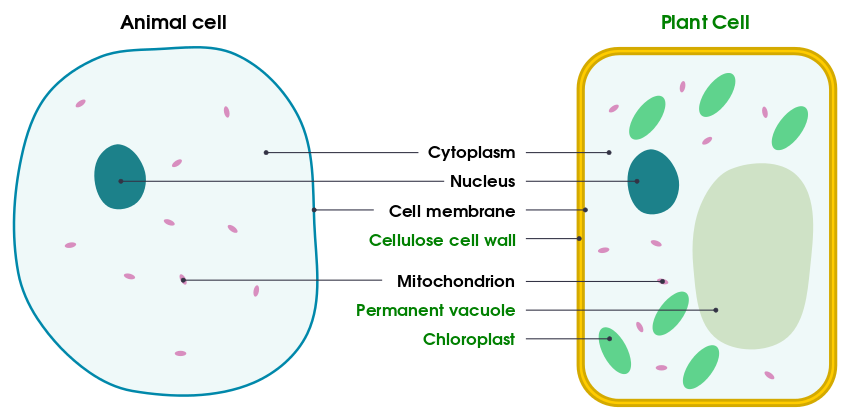
The basic building block of all Organisms.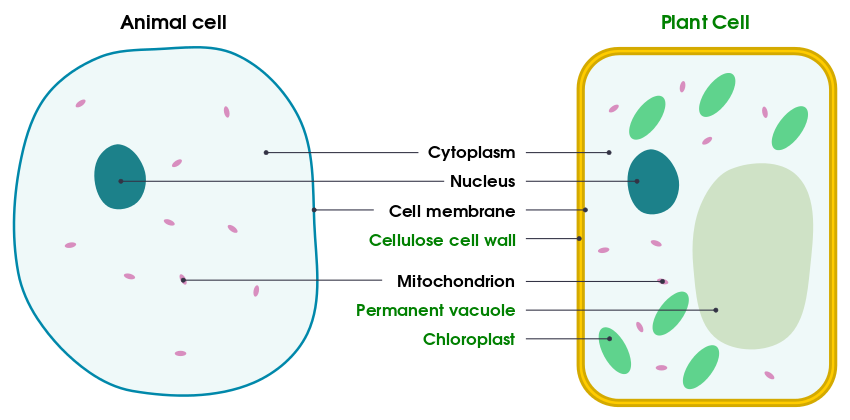
6
Definition of Tissue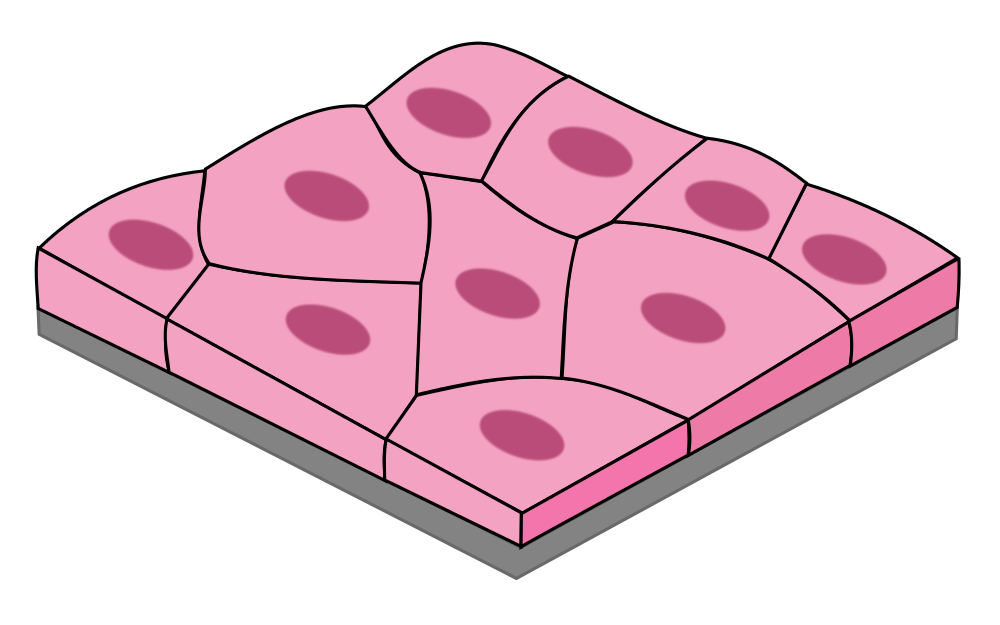
A Group Of Cells With a Similar Structure and Function.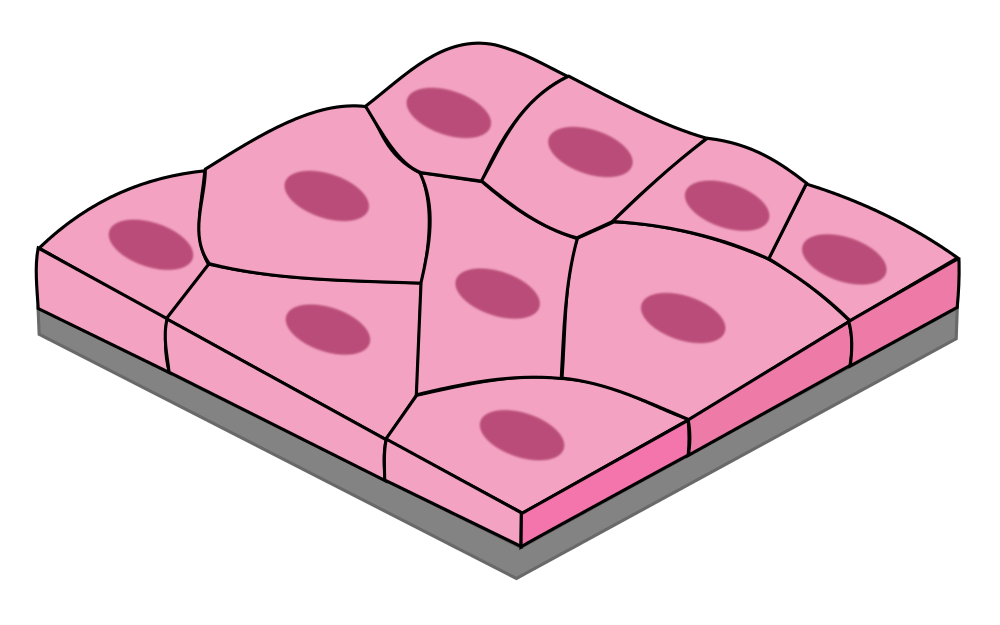
7
Defenition of Organ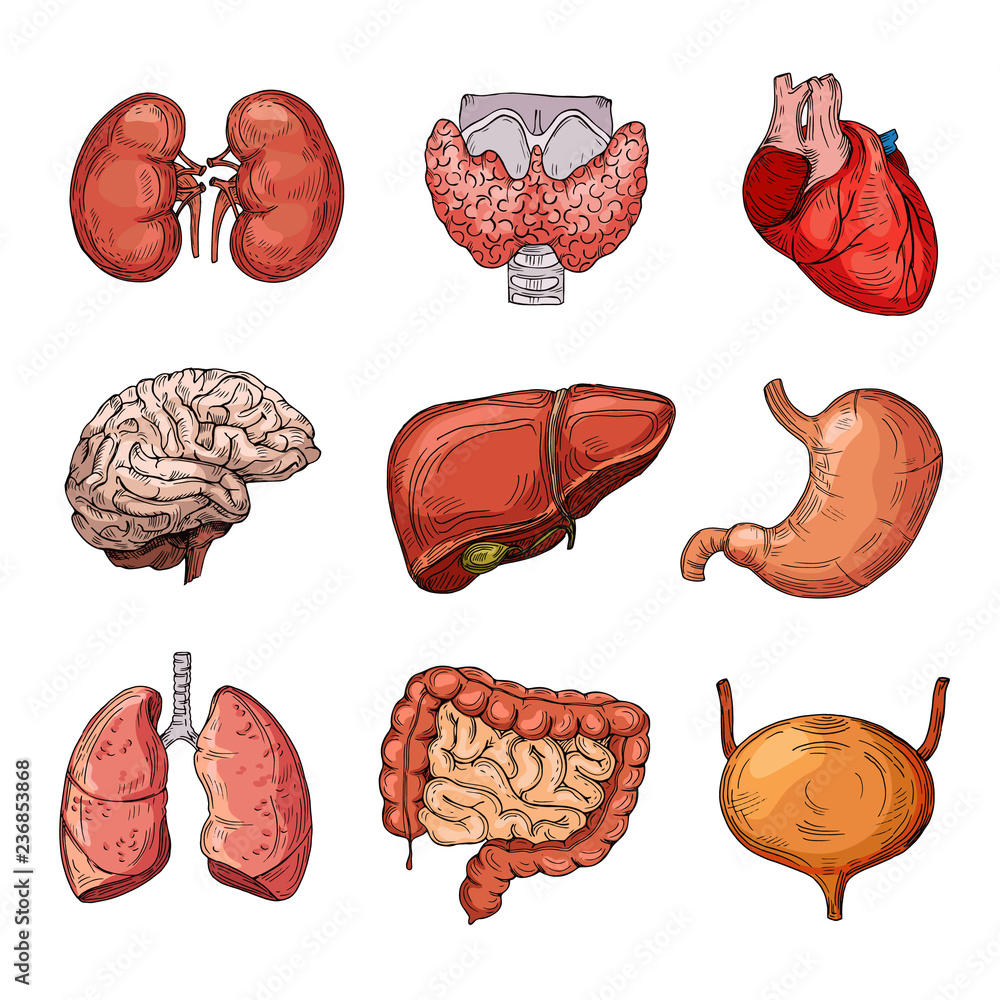
A Group Of Different Tissues Working Together to Perform a Specific Function.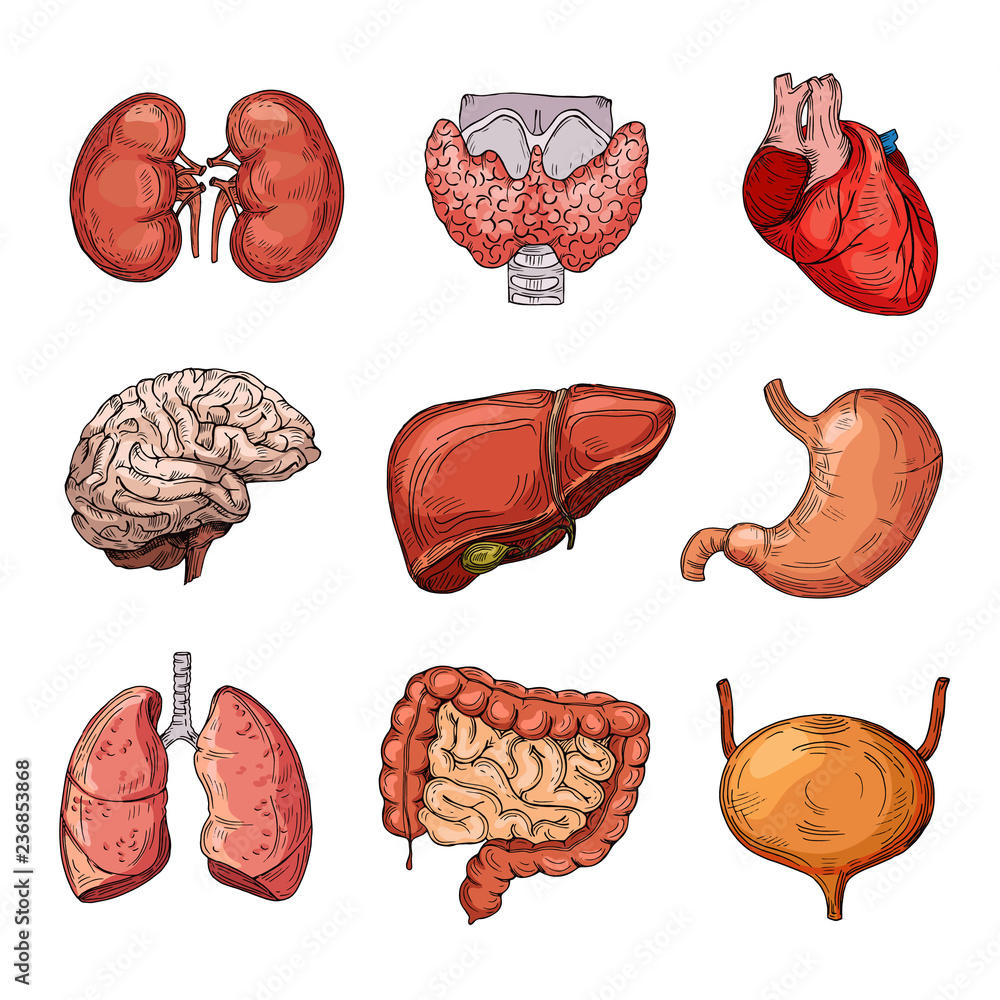
8
Definition of Organ System 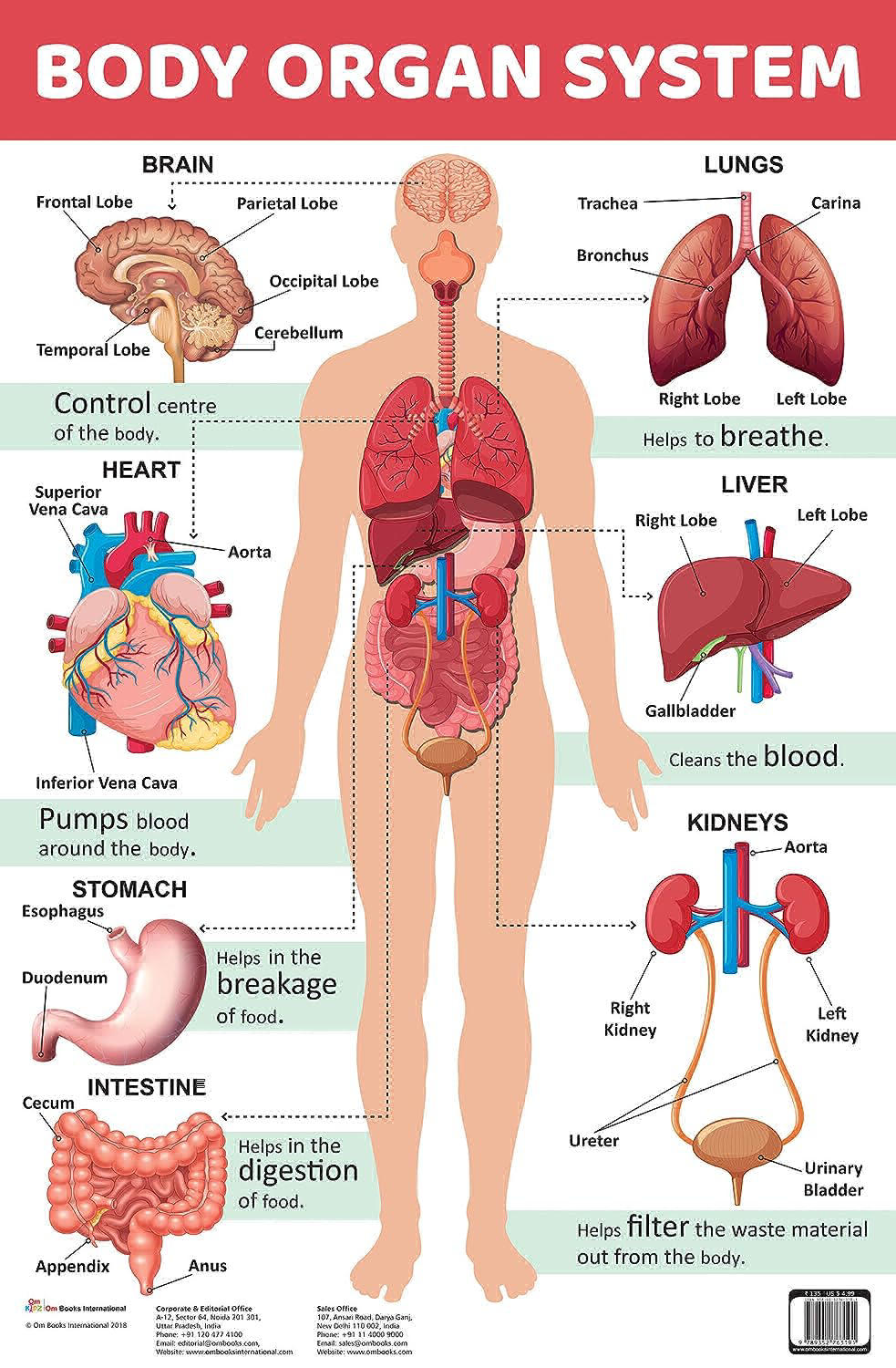
A Group Of Different Organs Working Together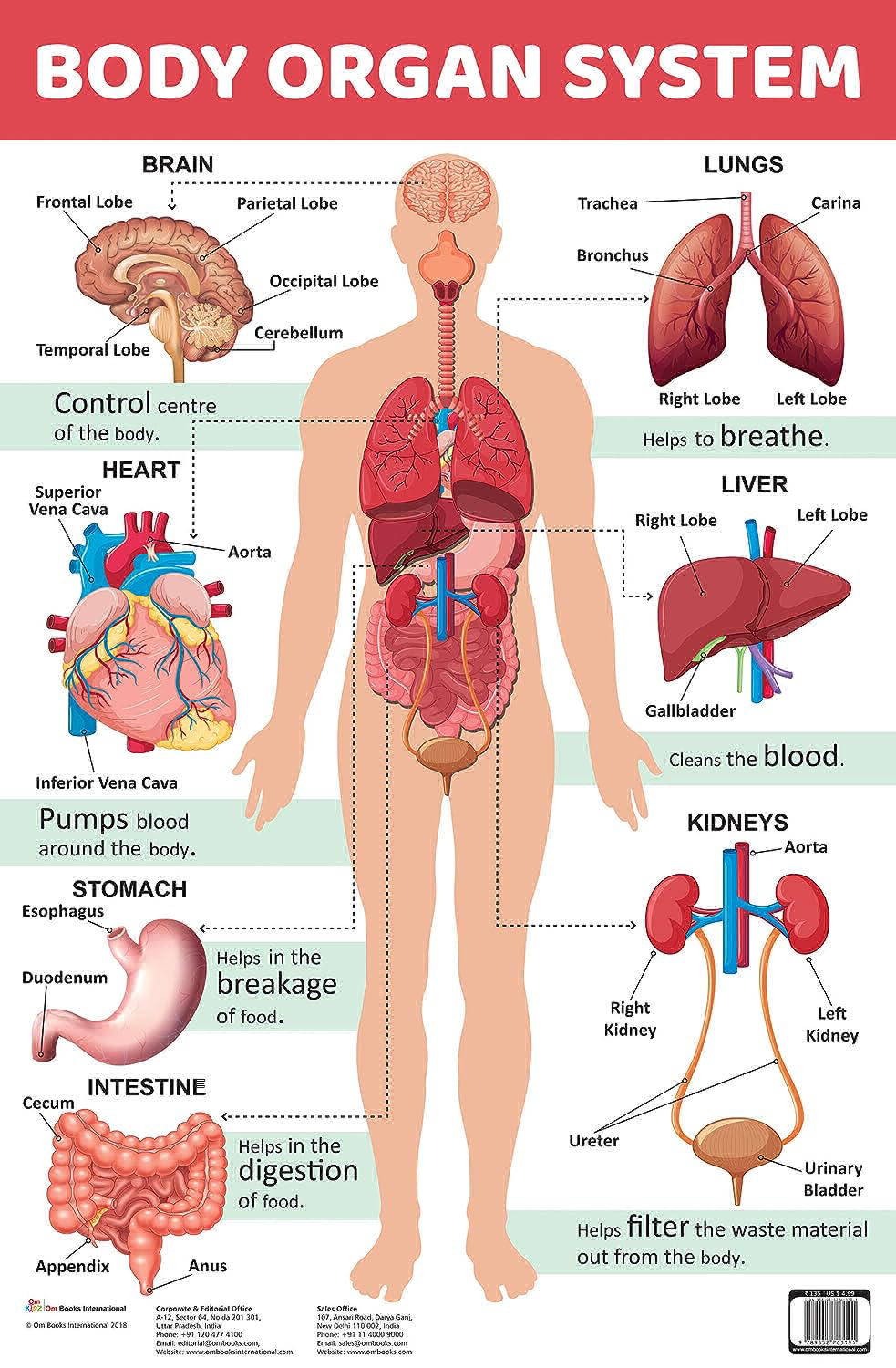
9
Definition of Organism
Living Thing
10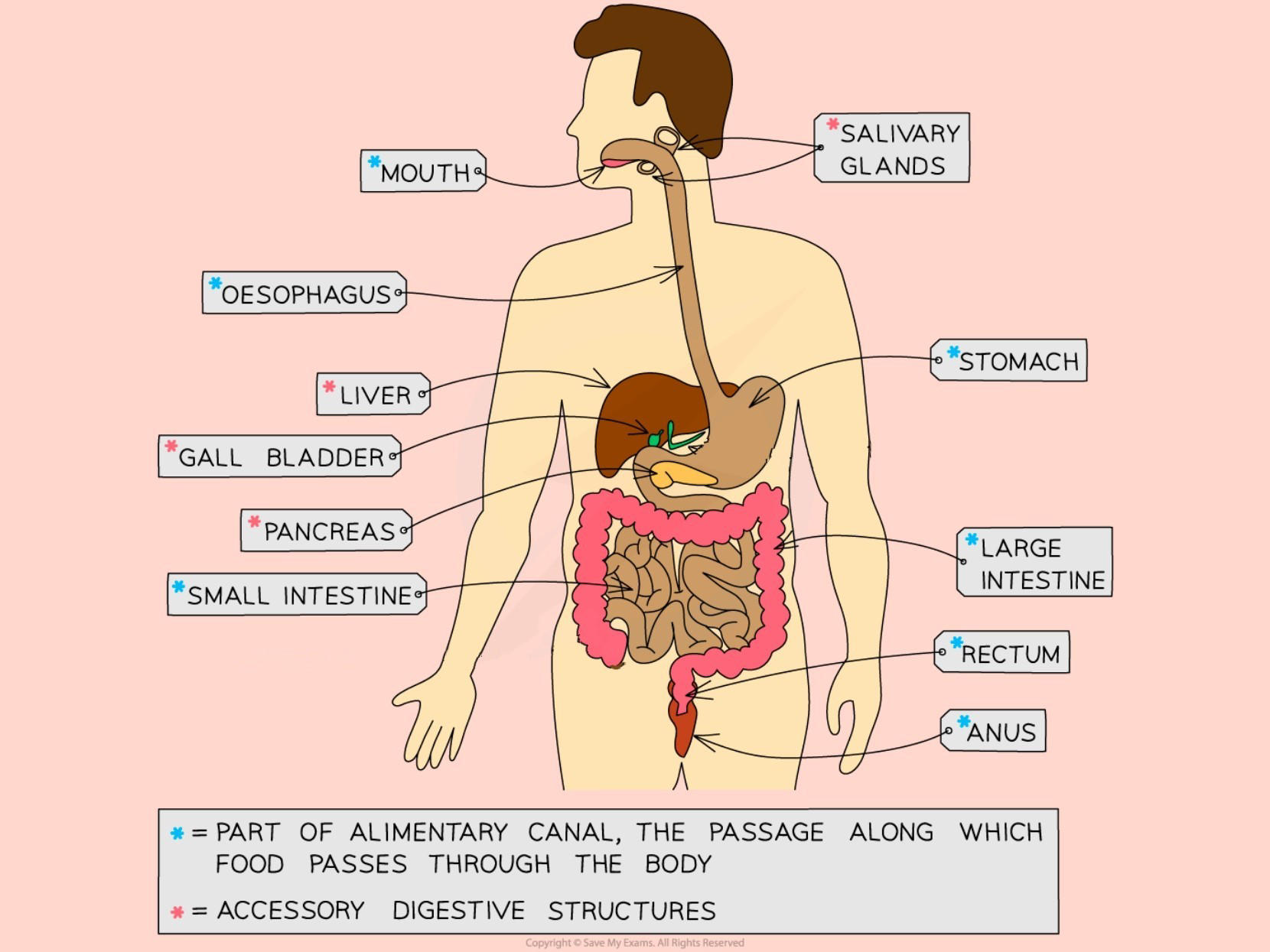
Label the Digestive System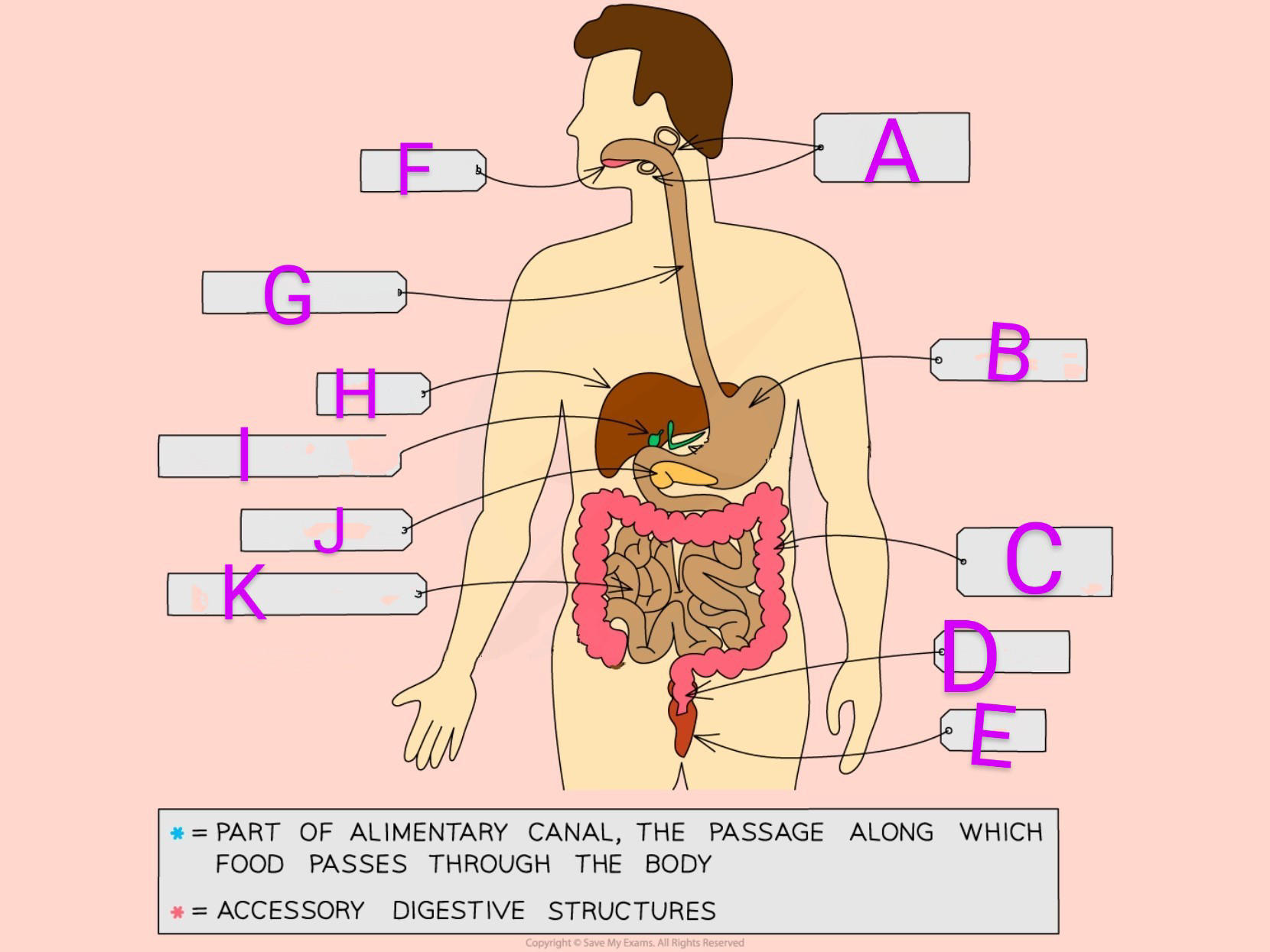
11
What is the function of the Digestive System?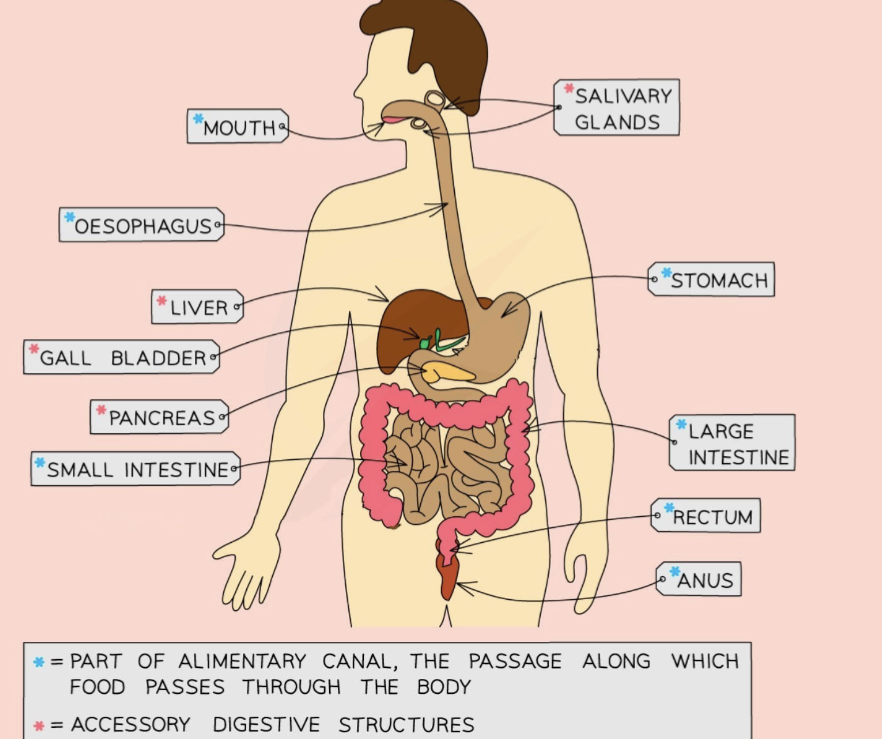
Break Down Food so it can be Absorbed into our Blood Stream & Travel Around Body.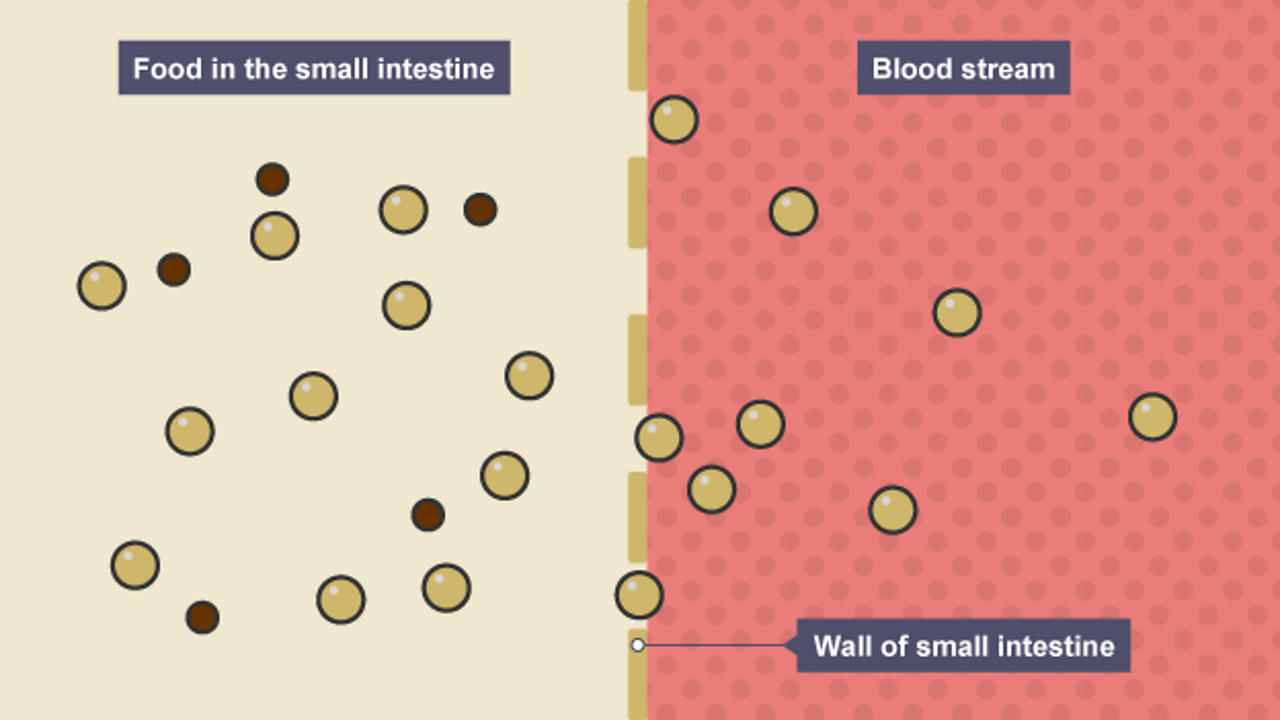
12
Definition of Stomach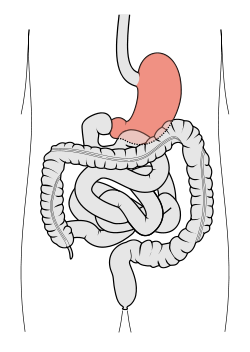
It Holds Food & to Help With Digestion it Mixes up Food with Hydrochloric Acid and Enzymes which it Produces.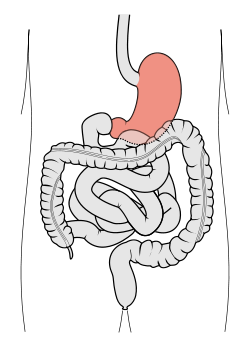
13
Definition of Large Intestine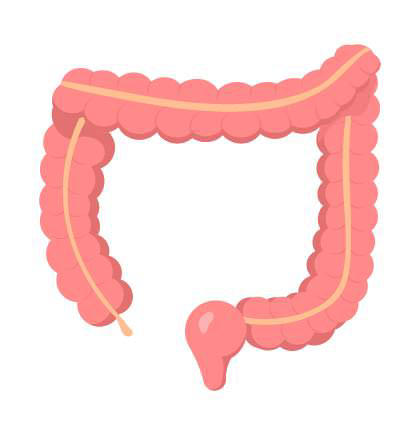
It is Where Water is Absorbed from Undigested Food.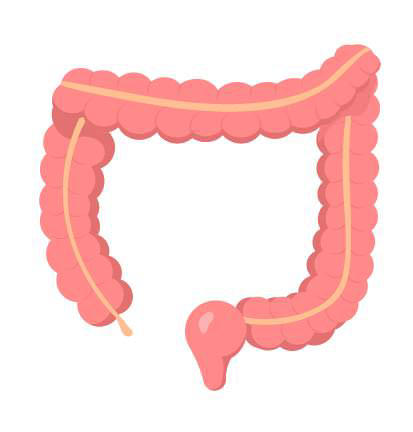
14
Definition of Rectum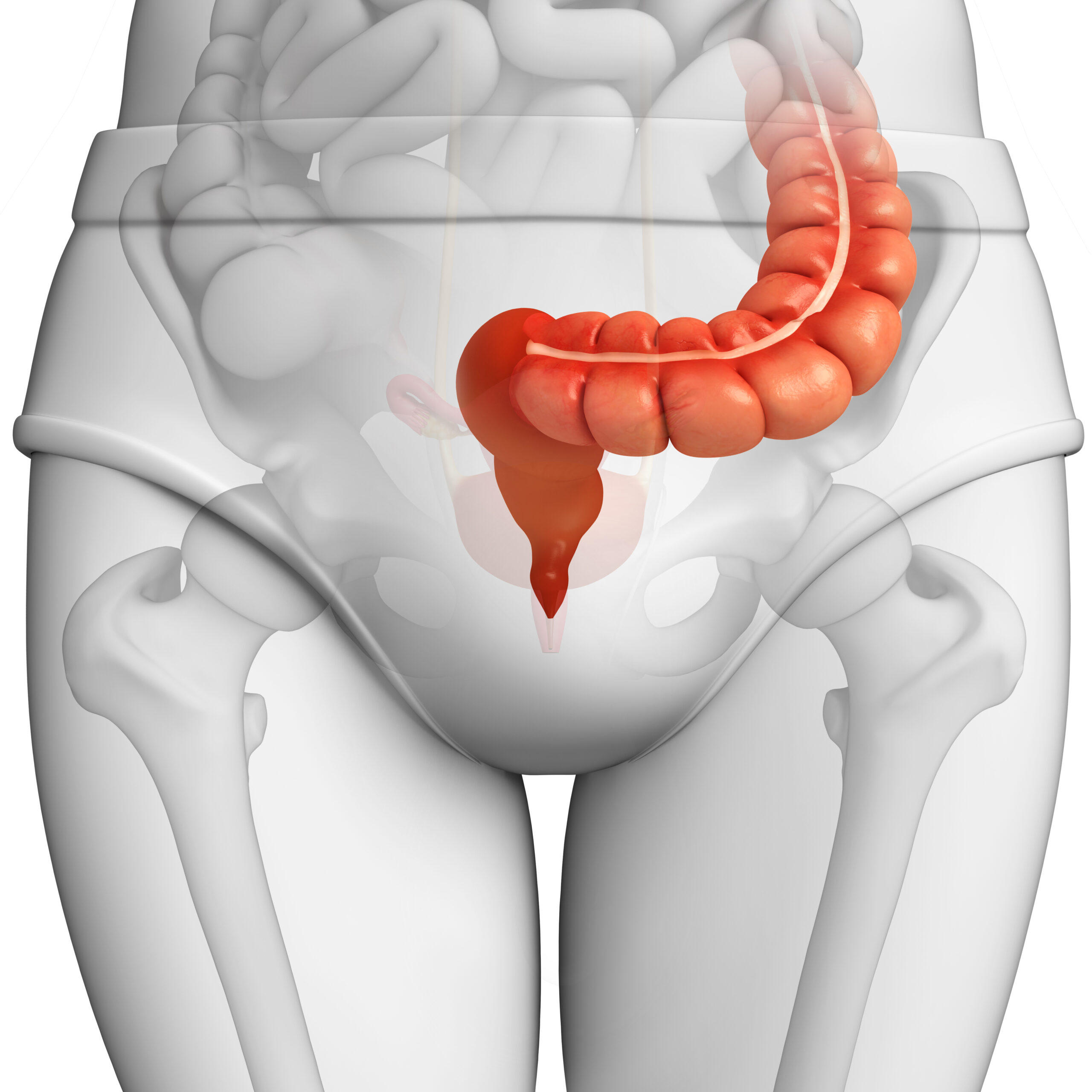
Faeces are Stored Before Exiting Through Anus.
15
Definition of Pancreas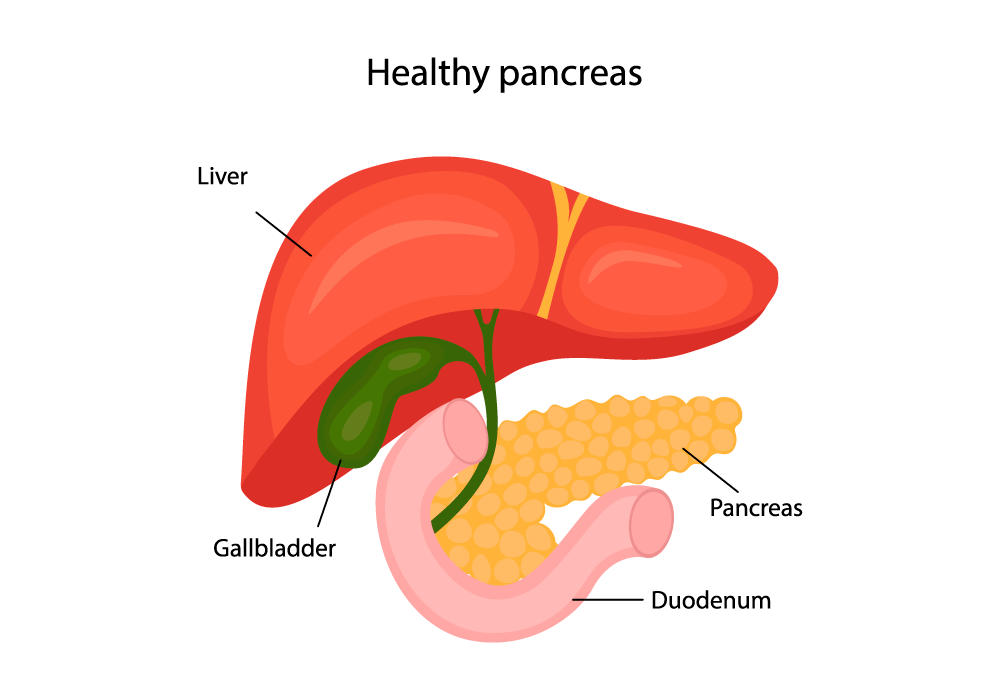
"leaf shaped" Organ which Produces Digestive Enzymes.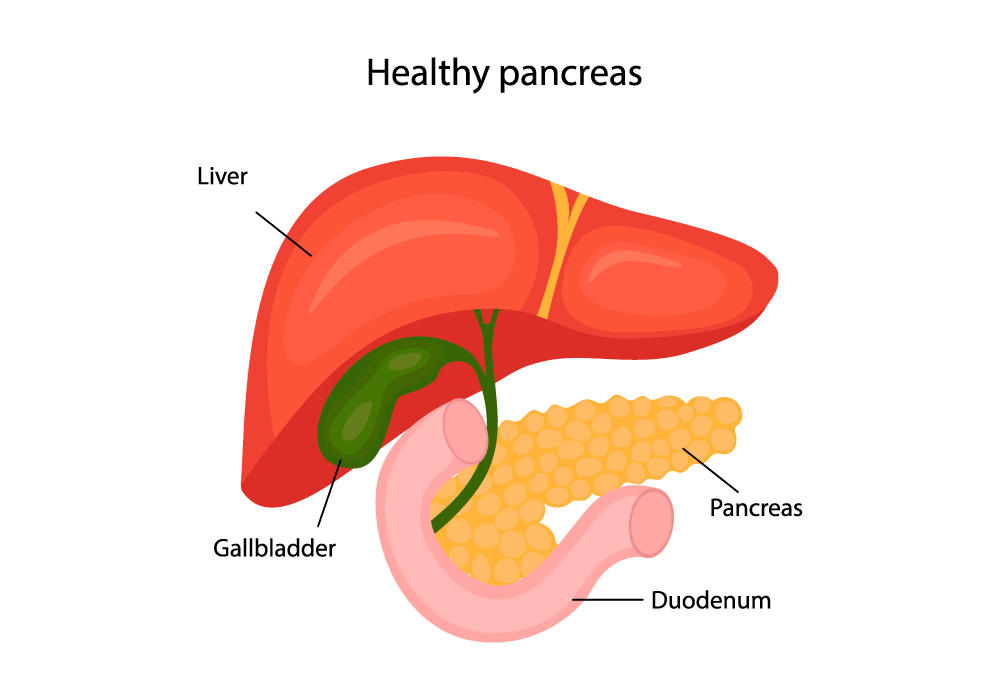
16
Definition of Oesophagus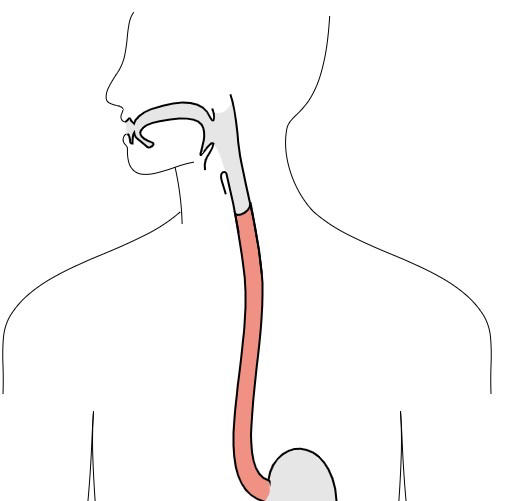
Connects Mouth to Stomach. 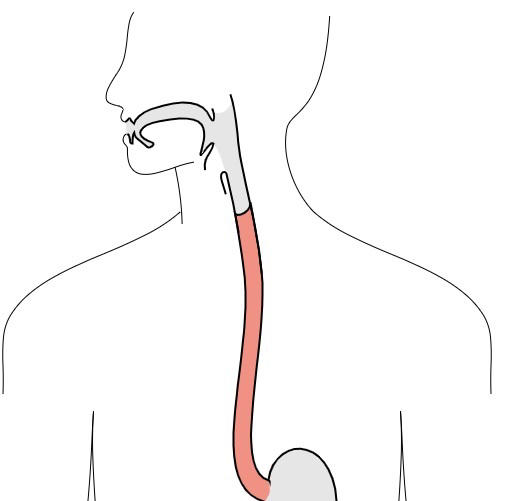
17
Definition of Salivary Glands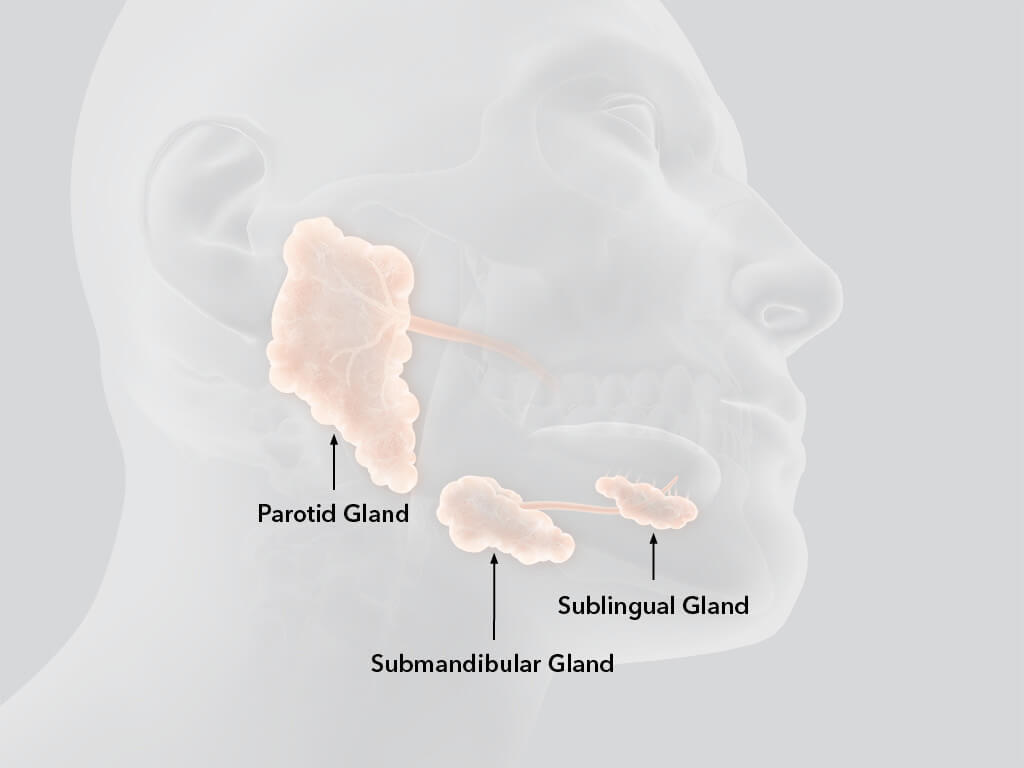
Produces Saliva, Which Helps Swallowing & Digestion.
18
Definition of Liver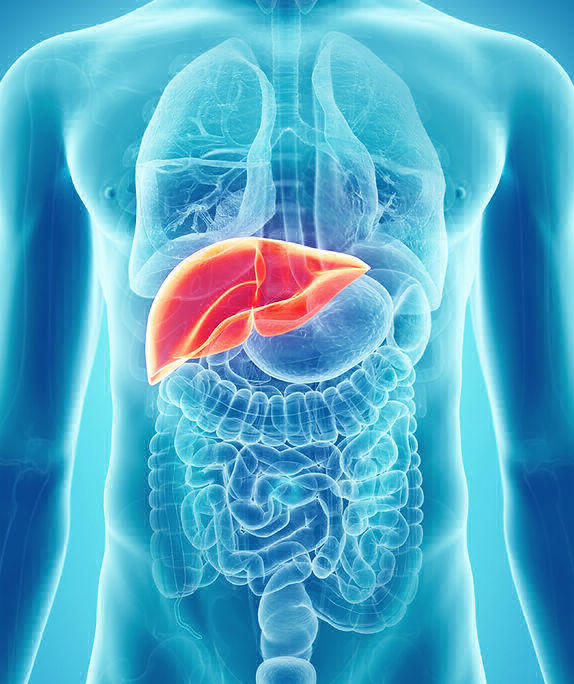
Produces Bile
which Helps Digestion & Fats.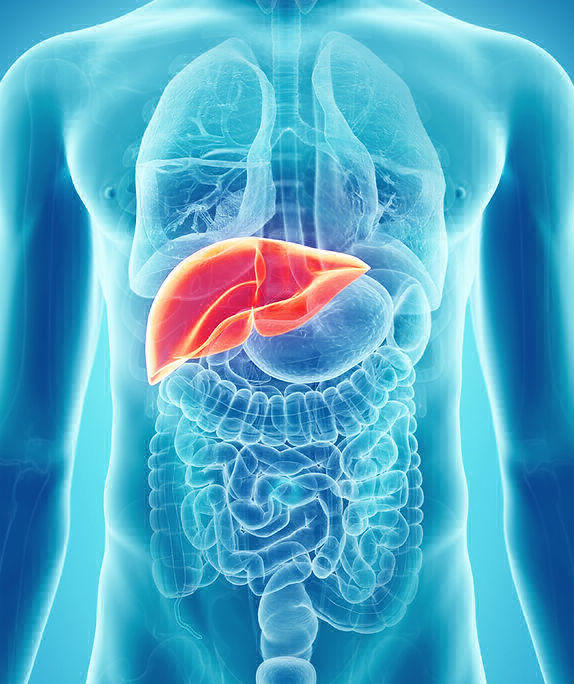
which Helps Digestion & Fats.
19
Function of Small Intestine and what are its features 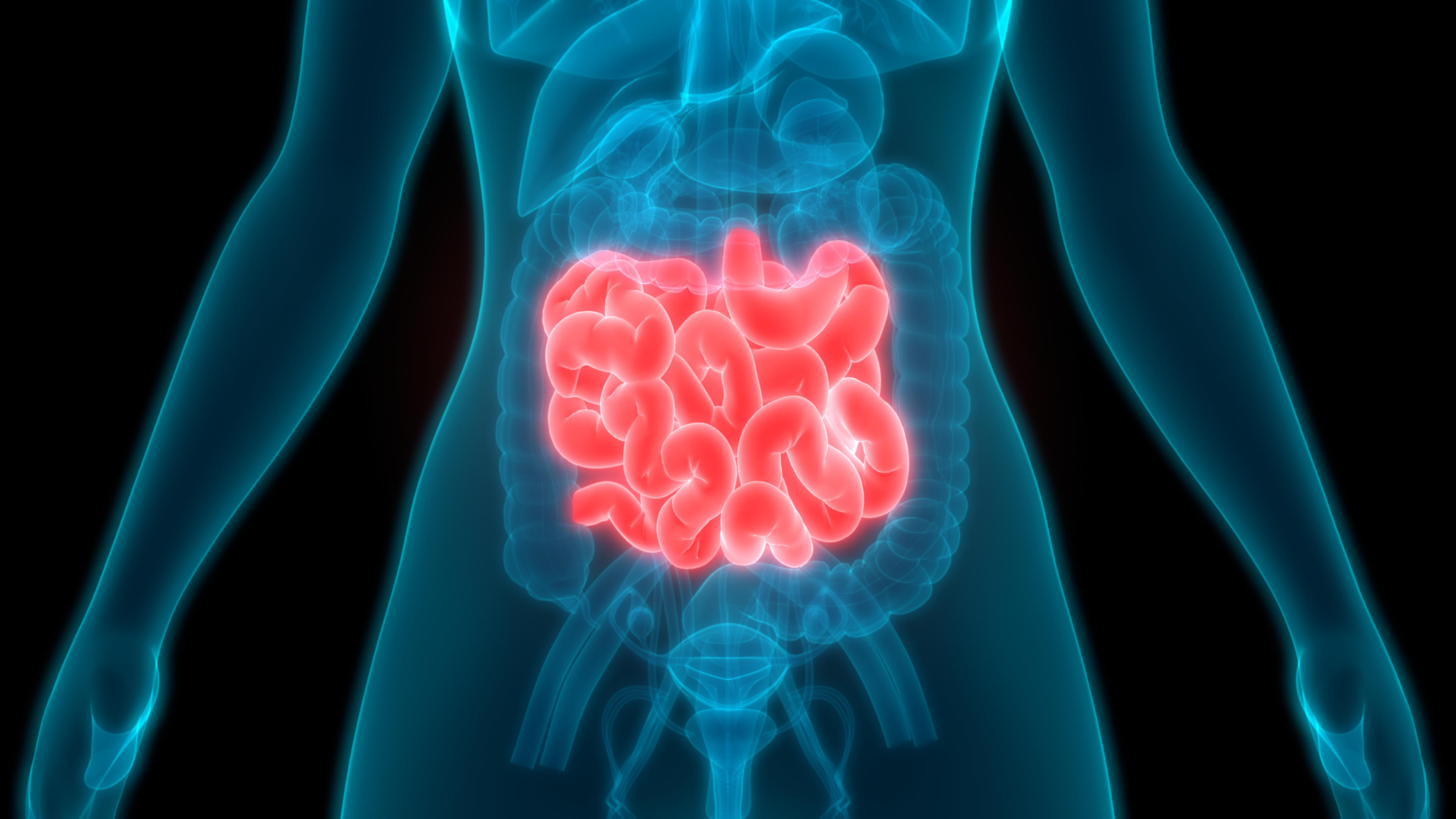
Where Digested Food is Absorbed into the Blood Stream by Diffusion & Active Transport.
Very Long & is Lined With Villi increasing the Surface Area.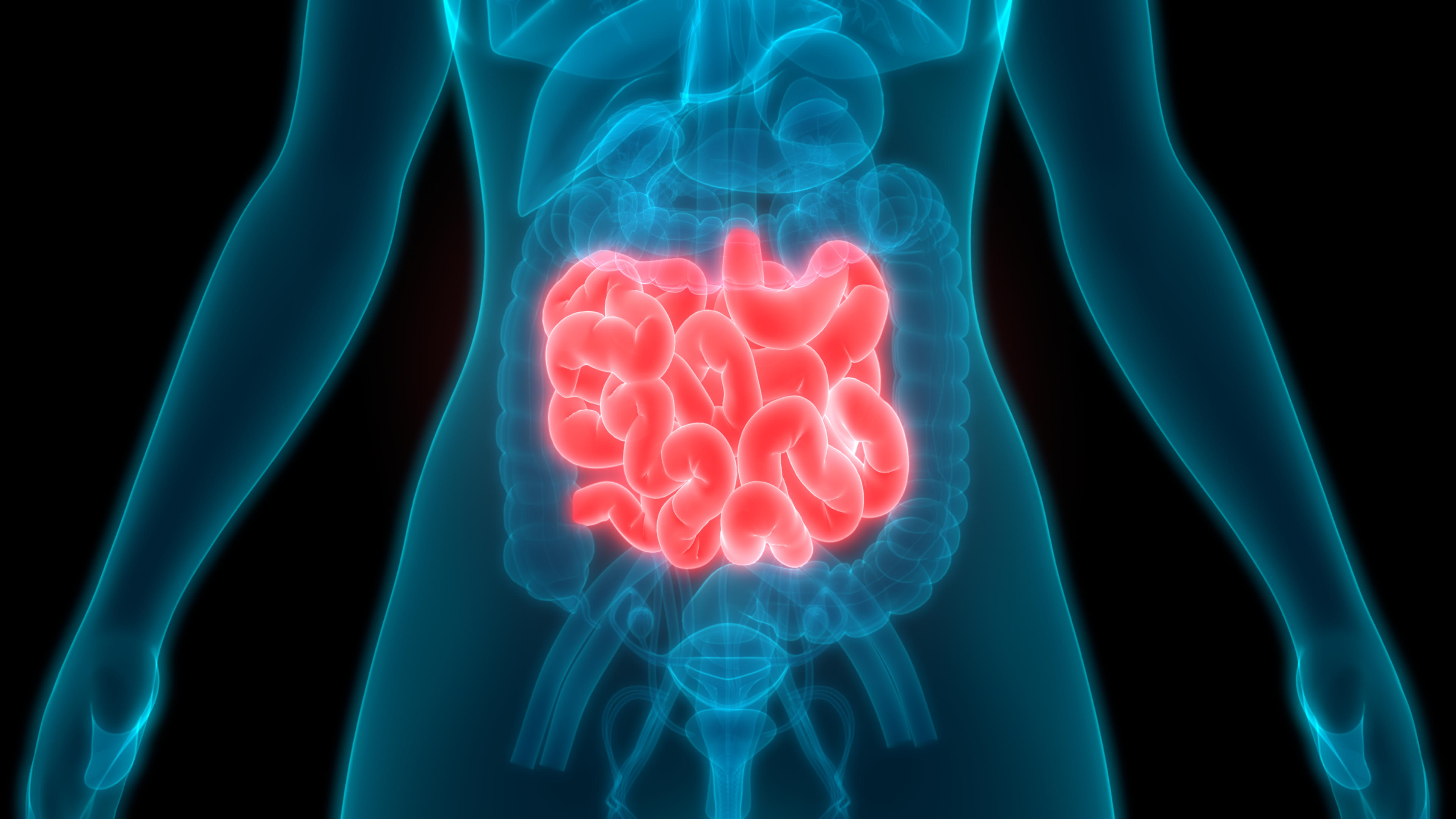
Very Long & is Lined With Villi increasing the Surface Area.
20
Definition of Mouth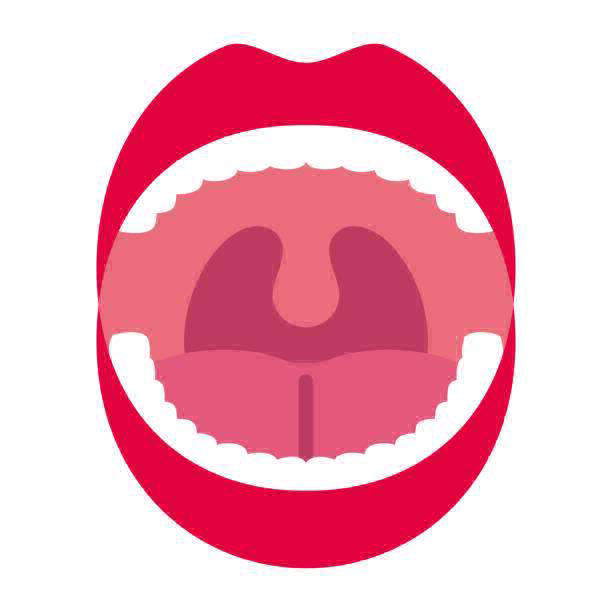
Contains Teeth, which Chop Food Into Smaller Pieces.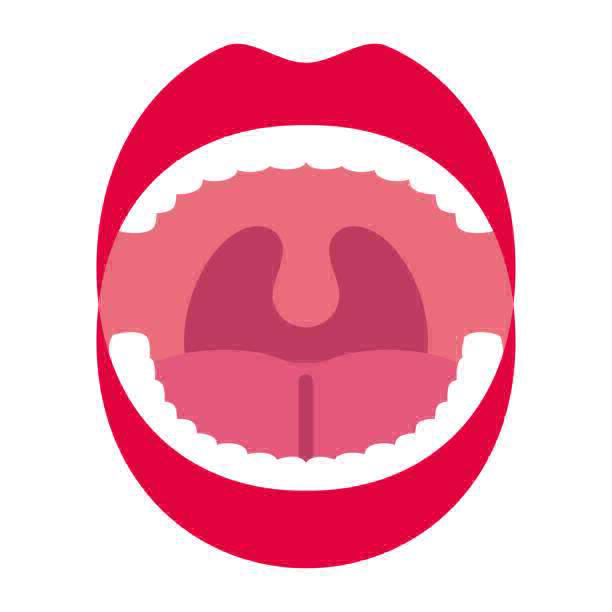
21
What & where is the Inner Epithelial Tissue & what does it do?
Covers inside of the Stomach.
Folded to Allow Stomach To Expand When Food Is Eaten. (increases surface area of stomach)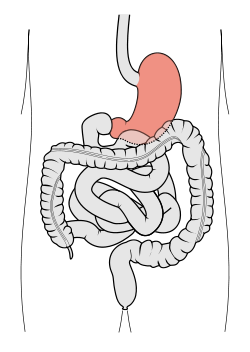
Folded to Allow Stomach To Expand When Food Is Eaten. (increases surface area of stomach)
22
What does Stomach Muscular Tissue do?
It can Contract & Relax to Help Churn Up Food in the Stomach.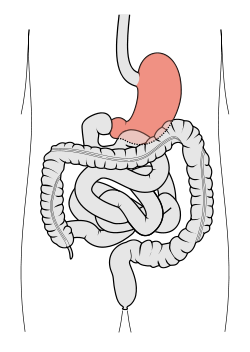
23
Where & What is Granular Tissue?
Found within Inner Epithelial Tissue on inside of Stomach.
It Produces Hydrochloric Acid, Enzymes and Mucus.
Acid helps to Kill Unwanted Micro-organisms and Starts To Break Down Food.
Enzymes Break Down Food into Smaller Particles.
Mucus is a Slimy Layer which Protects Stomach From Being Digested by its Own Acid and Enzymes.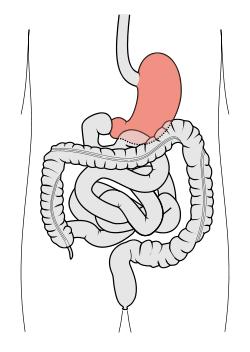
It Produces Hydrochloric Acid, Enzymes and Mucus.
Acid helps to Kill Unwanted Micro-organisms and Starts To Break Down Food.
Enzymes Break Down Food into Smaller Particles.
Mucus is a Slimy Layer which Protects Stomach From Being Digested by its Own Acid and Enzymes.
24
Where & What is the Outer Epithelial Tissue?
Layer Which Covers and Protects Outside Of the Stomach. 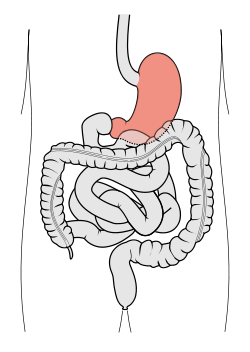
25
How are the Villi adapted for absorption of food in the small intestine?
Small Intestine is Lined with Villi, Increasing the Surface Area.
Also the Villi has Lots of Microvilli on it so it increases the Surface Area Even More.
Mitochondria in the Villi which Releases Energy for Active Transport.
Villi has Thin Walls that are Only One Cell Thick for a Short Diffusion Pathway.
Good Blood Supply because it has lots of Capillarys To Maintain the Concentration Gradient .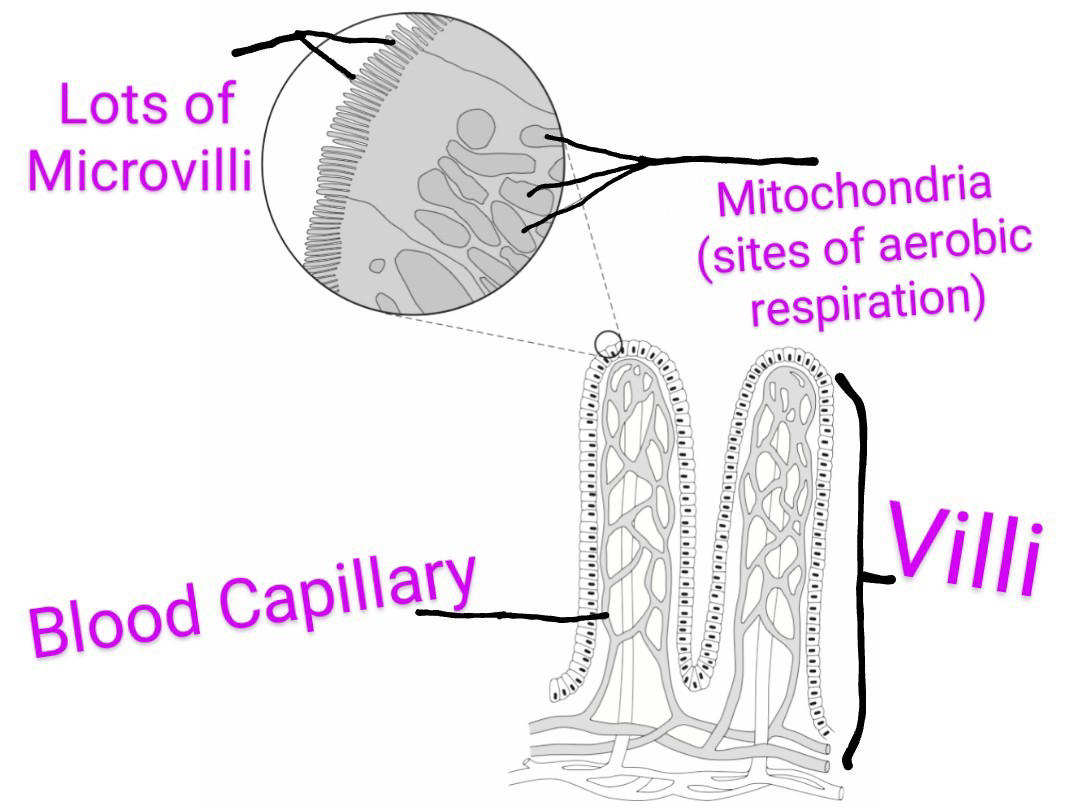
Also the Villi has Lots of Microvilli on it so it increases the Surface Area Even More.
Mitochondria in the Villi which Releases Energy for Active Transport.
Villi has Thin Walls that are Only One Cell Thick for a Short Diffusion Pathway.
Good Blood Supply because it has lots of Capillarys To Maintain the Concentration Gradient .
26
Name Two Carbohydrates
Starch & Sugars
27
What do Lipids (fat) contain?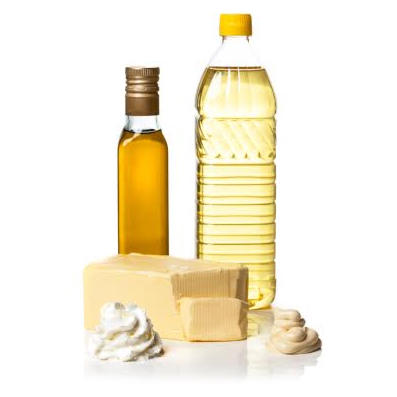
mainly Carbon, Hydrogen and Oxygen
28
What do Proteins contain?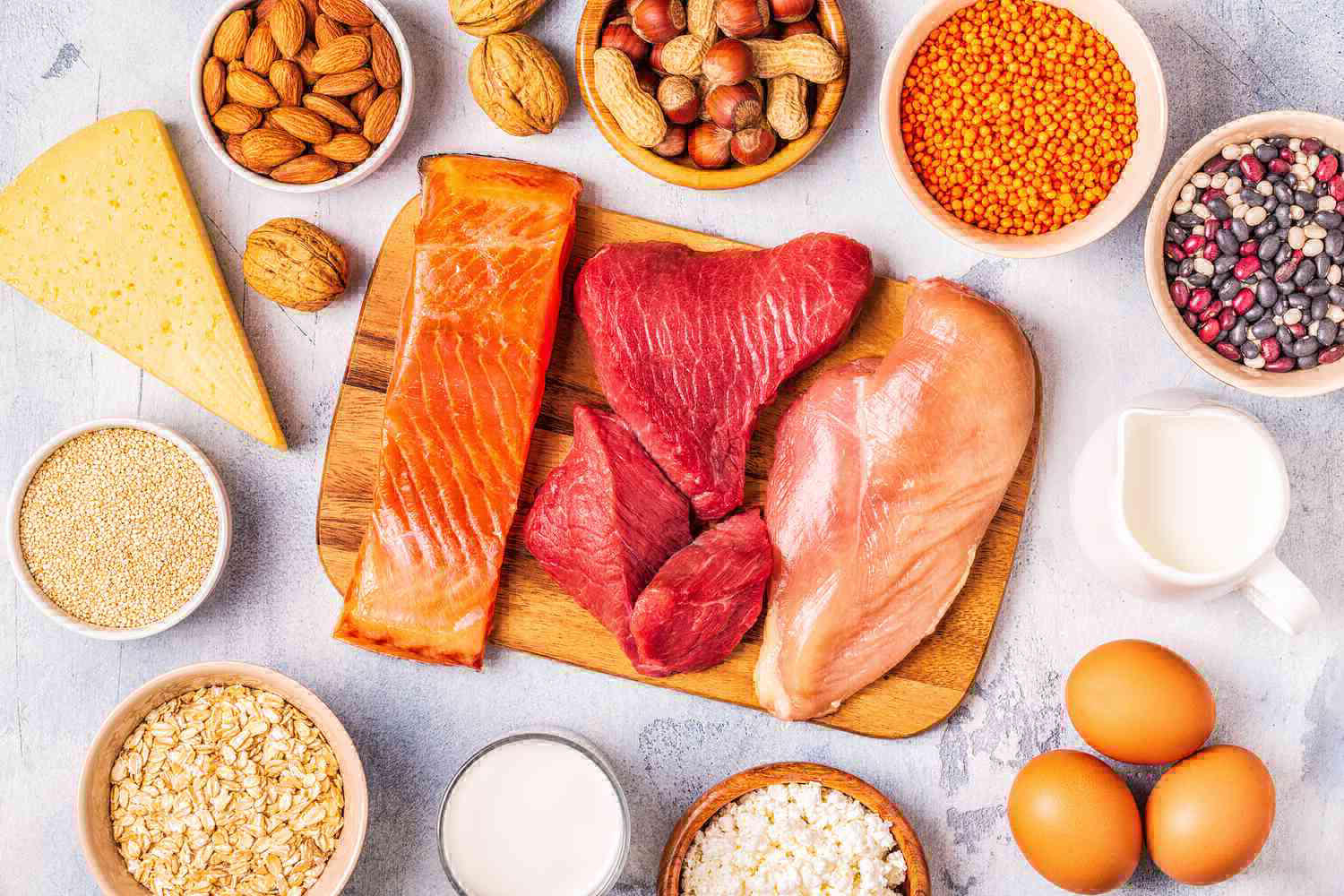
mainly Carbon, Hydrogen, Oxygen and Nitrogen
29
What do Carbohydrates contain?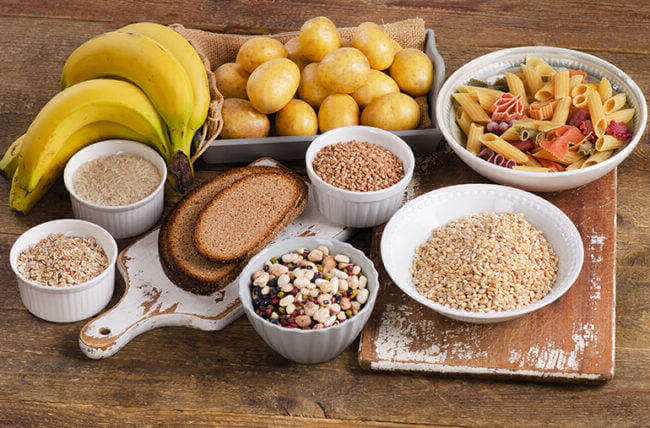
All Carbohydrates contain Carbon, Hydrogen and Oxygen.
30
What are the two different forms of Lipids?
Lipids can be Fats (solid) or Oils (liquid)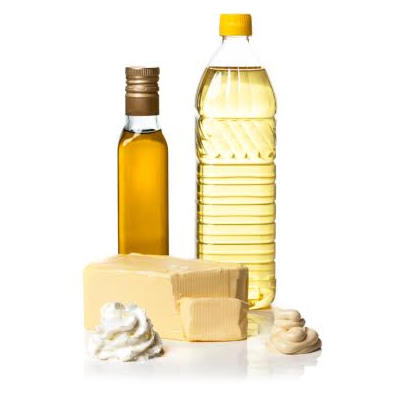
31
what is the structure of a lipid?
1 Molecule of Glycerol bonded to 3 Molecules of Fatty Acid . 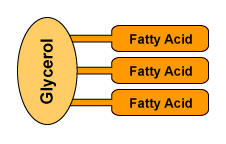
32
what is the structure of a protein?
Proteins are made up of Long Chains of Amino Acids.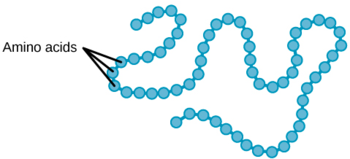
33
What are the Two Types of Carbohydrates?
Complex Carbohydrates & Simple Sugar Carbohydrates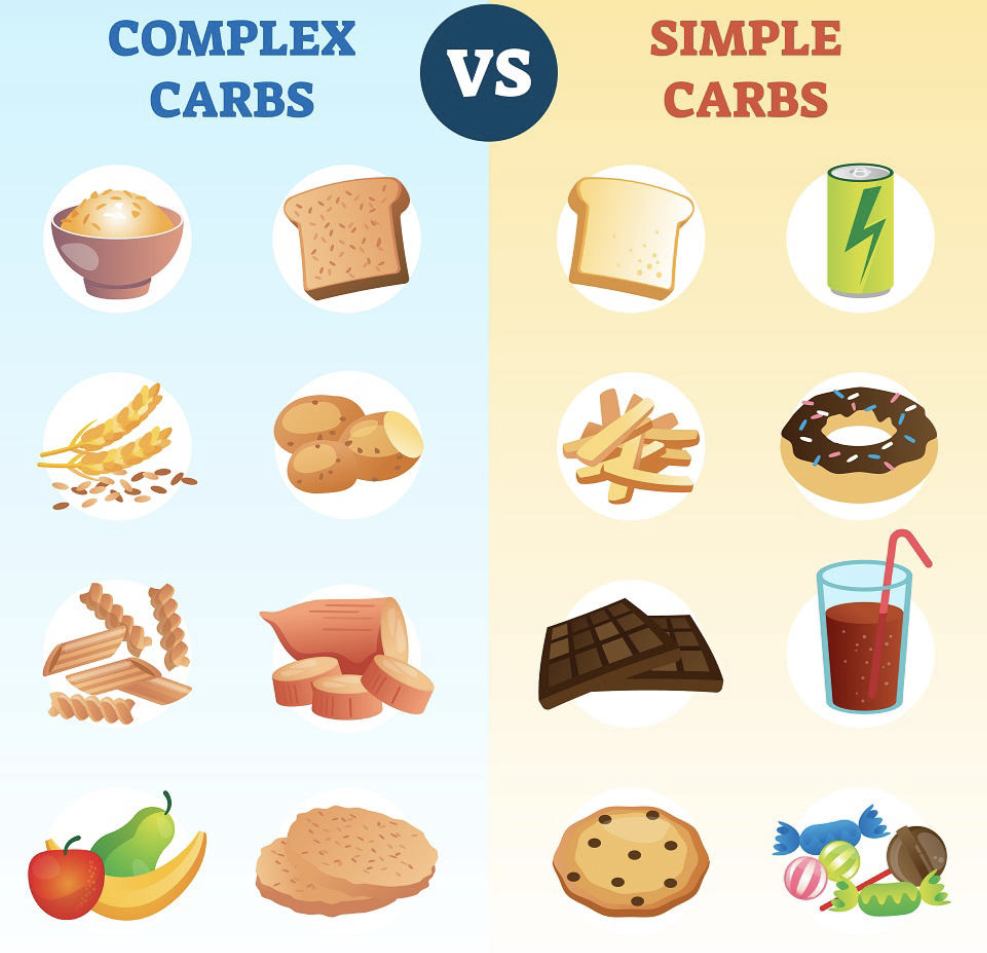
34
What are Complex Carbs made up of and name two?
Made up of Long Chains Of Sugar Units.
Complex Carbs such as Starch and Cellulose.
Complex Carbs such as Starch and Cellulose.
35
What are Simple Sugar Carbohydrates made up of and name two?
Contain Only One or Two Sugar Units.
Simple Sugars such as Glucose or Sucrose.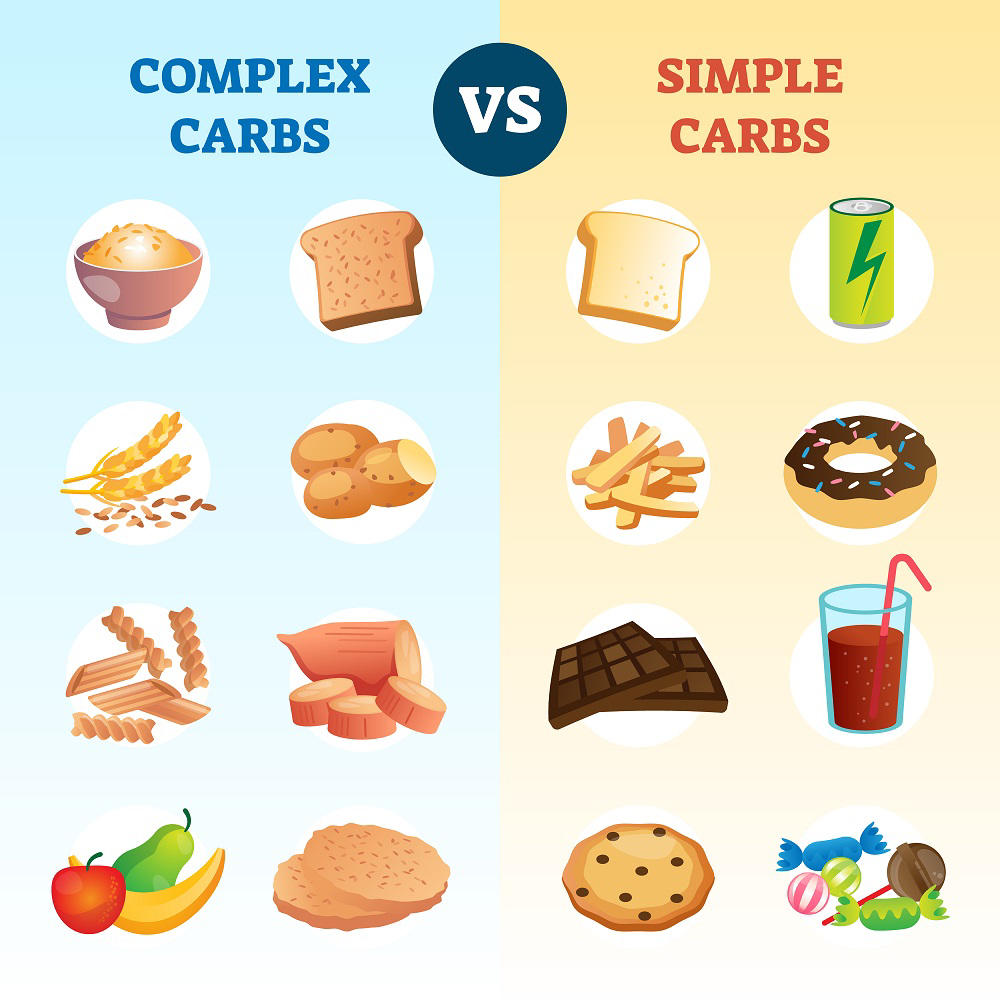
Simple Sugars such as Glucose or Sucrose.
36
How to test for Starch? REQUIRED PRACTICAL- FOOD TESTS
Add Iodine Solution to Food that you are Testing.
If it goes Blue-Black Starch IS present.
If it Stays Orange Brown Starch is NOT present.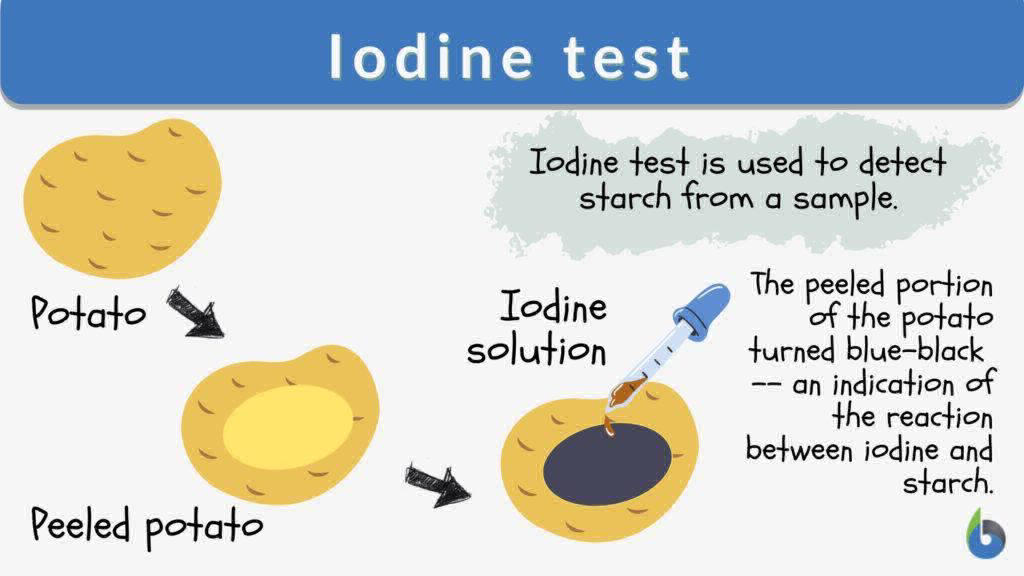
If it goes Blue-Black Starch IS present.
If it Stays Orange Brown Starch is NOT present.
37
How to test for Glucose? REQUIRED PRACTICAL- FOOD TESTS
Add Benedict's Reagent to Food that you are Testing then Heat it in a Water Bath to Minimum 70°c.
If it goes Orange / Brick Red Glucose IS present.
If it stays Blue Glucose are NOT present.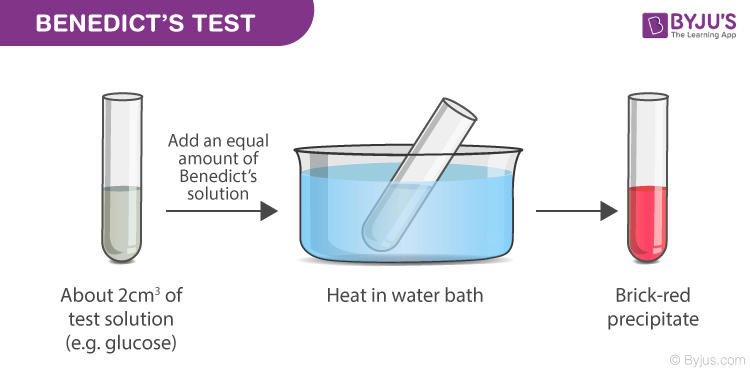
If it goes Orange / Brick Red Glucose IS present.
If it stays Blue Glucose are NOT present.
38
How to test for Protein? REQUIRED PRACTICAL- FOOD TESTS
Add Biuret Reagent to the Food that you are Testing.
If it goes Lilac Protein IS present.
If it stays Blue, Protein is NOT present.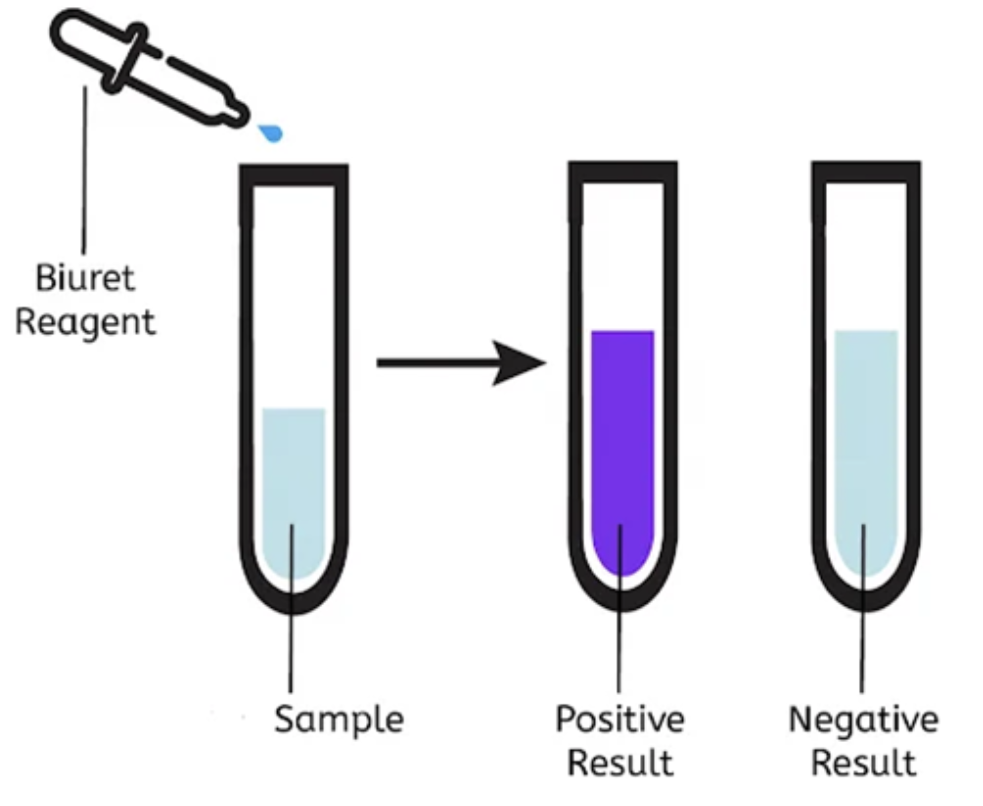
If it goes Lilac Protein IS present.
If it stays Blue, Protein is NOT present.
39
how to test for Lipid? REQUIRED PRACTICAL- FOOD TESTS
Add Ethanol & Distilled Water to the Food that you are Testing and SHAKE.
If a Cloudy Layer Forms at the Top Lipid IS present.
If it stays Clear Lipid is NOT present.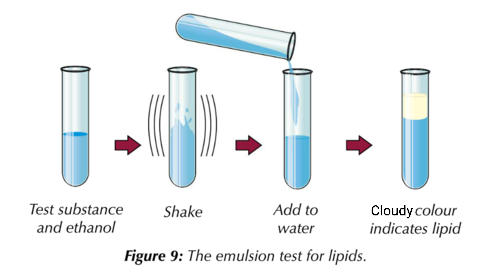
If a Cloudy Layer Forms at the Top Lipid IS present.
If it stays Clear Lipid is NOT present.
40
Give a risk assessment for the Food Tests Required Practical
Ethanol-Flammable
Biuret, Benedict, Iodine- Irritates
Clean spills up immediately
Biuret, Benedict, Iodine- Irritates
Clean spills up immediately
41
what are lipids important for?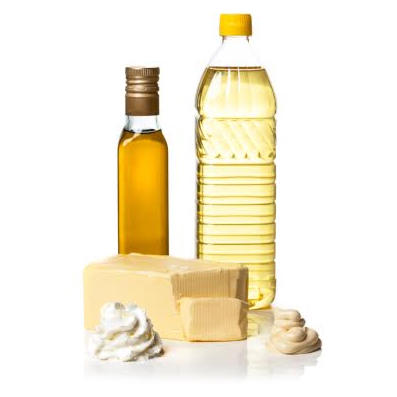
Energy
42
what does a different arrangement of Amino Acids mean?
Different protein structures
43
what are proteins used for?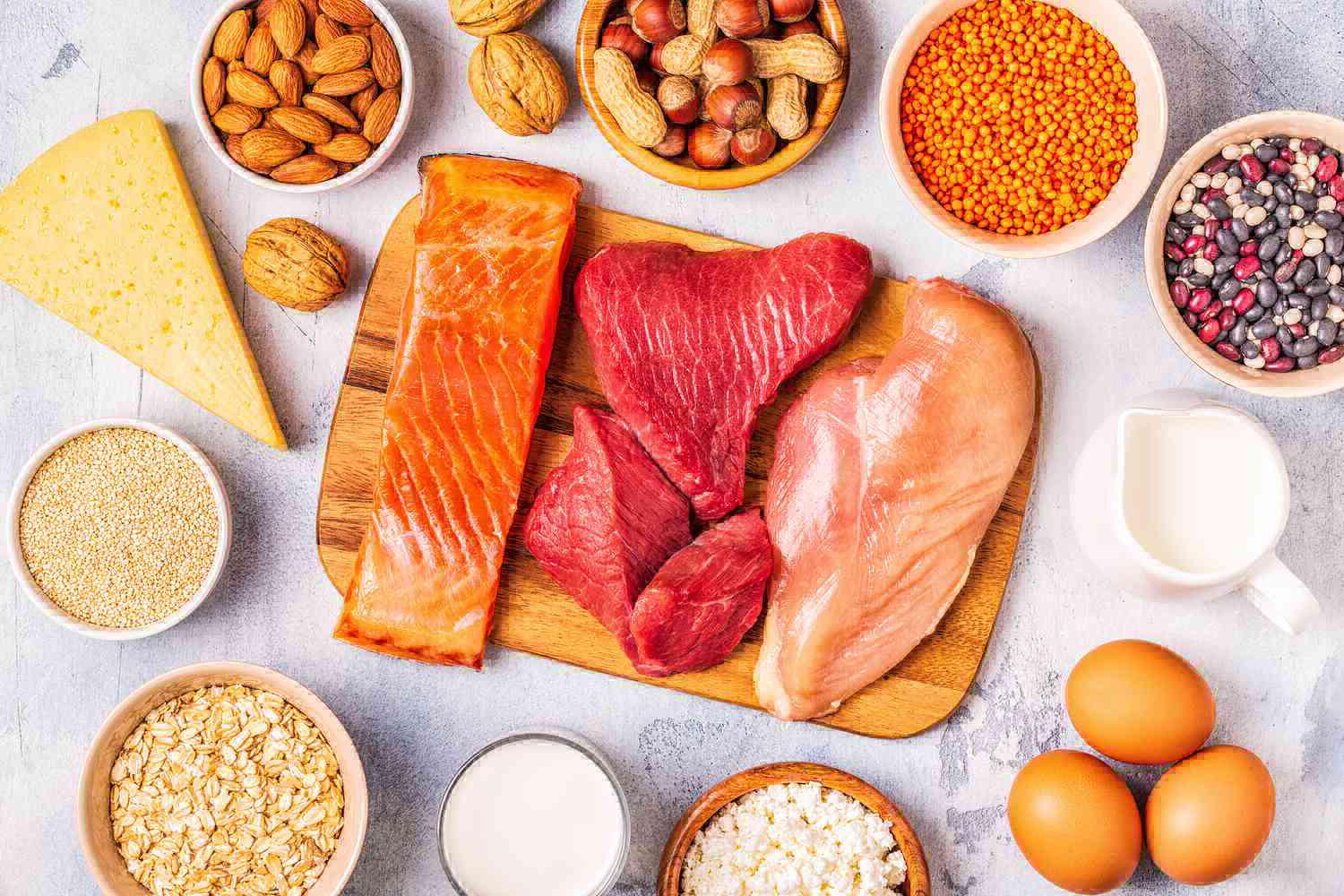
Growth and repair (building muscle and enzymes)
44
what is the use of glucose?
Process of respiration to release energy.
45
What are enzymes and what is their function?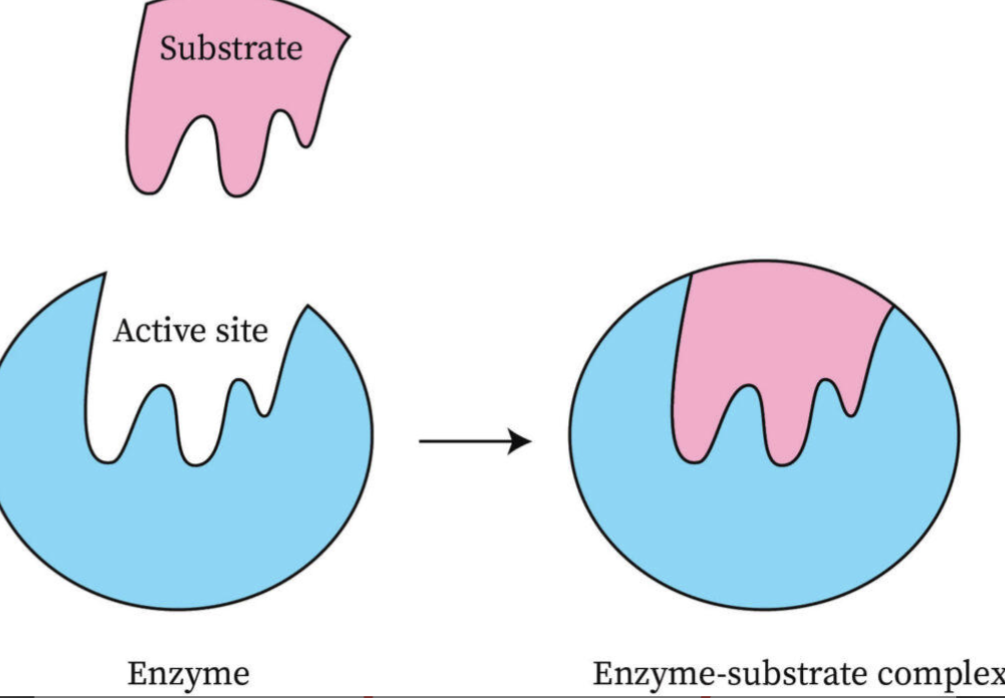
Enzymes are Biological Catalysts.
They Speed Up Chemical Reactions in Living Organisms Without Being Used Up.
They Speed Up Chemical Reactions in Living Organisms Without Being Used Up.
46
What is the physical property of enzymes & what they made up of?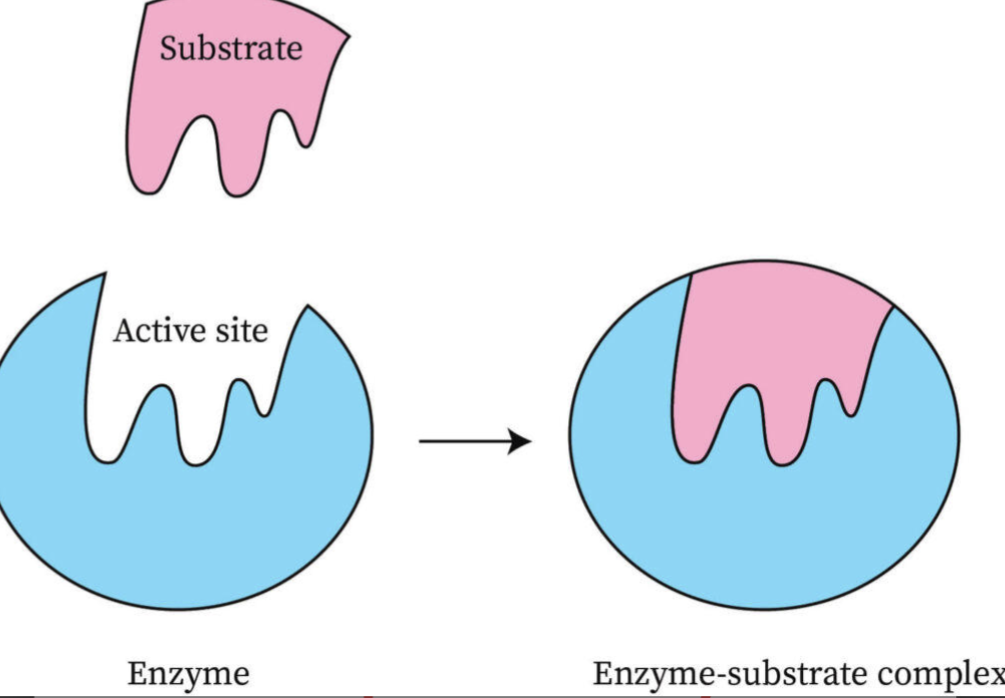
Like All Proteins, Enzymes Have a Specific Shape.
Enzymes are Made Up Of Protein.
Enzymes are Made Up Of Protein.
47
What is different about the shape of an enzyme?
Shape of Enzyme's Active Site fits the Shape of the Substrate.
Shapes are Completely Complementary.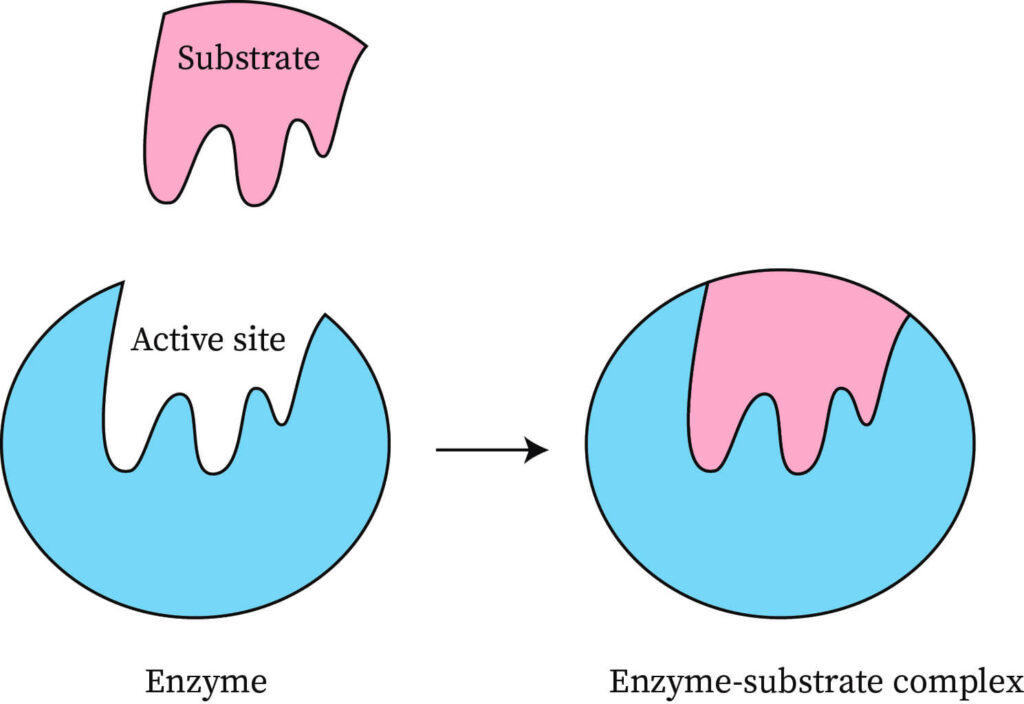
Shapes are Completely Complementary.
48
What's it called when an enzyme and its substrate join together?
An Enzyme-substrate Complex 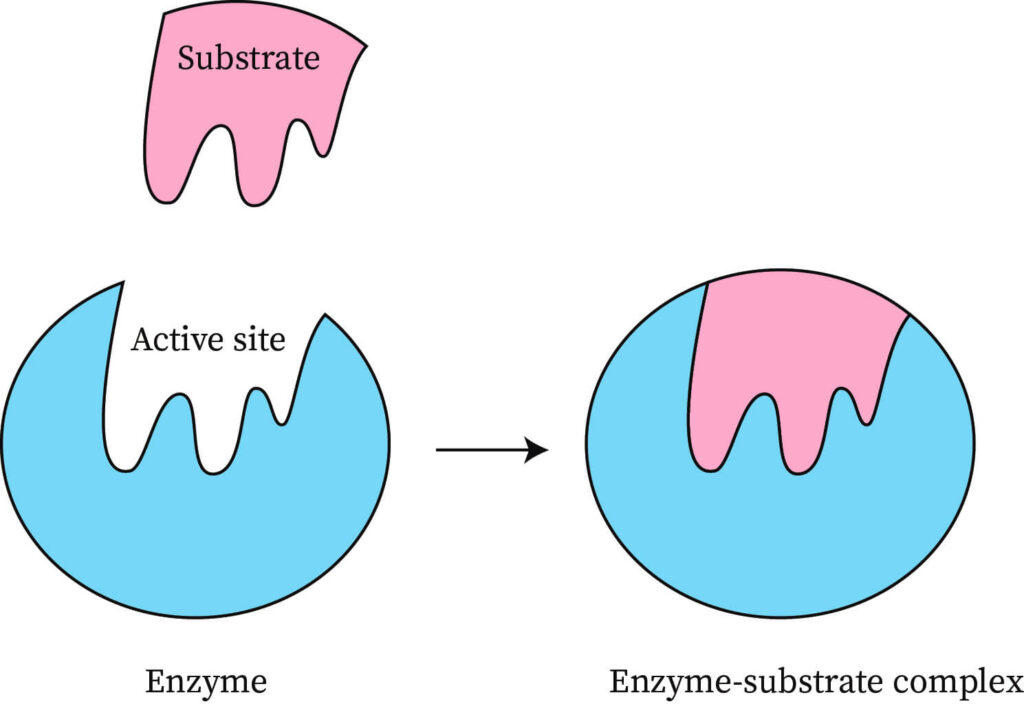
49
When does an Enzyme-substrate complex form?
When an Enzyme and its Substrate join together. 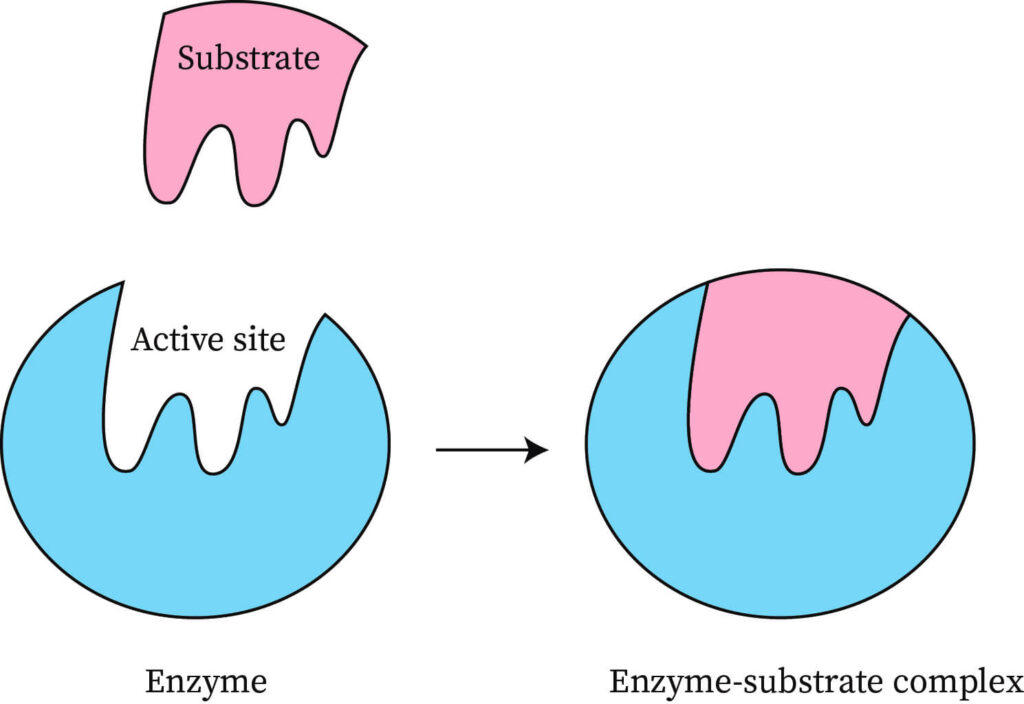
50
what are all the enzymes optimum conditions? (when the enzyme works best)
• a Particular Temperature
(not too HIGH)
• a Particular pH
(not too HIGH or LOW)
(not too HIGH)
• a Particular pH
(not too HIGH or LOW)
51
What happens when the temperature is increased for above the optimum or the pH is too low or high?
The Enzyme Denatures. 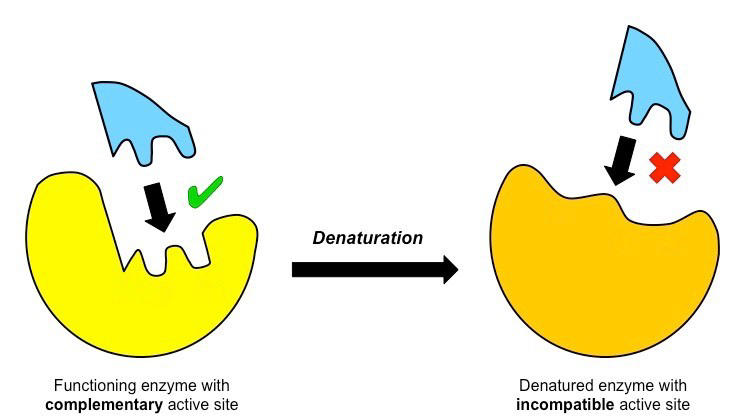
52
What is the 'lock and key' model?
The lock and key model is simplified way to explain how enzymes work.
The lock represents the Enzyme and the key represents the Subsrate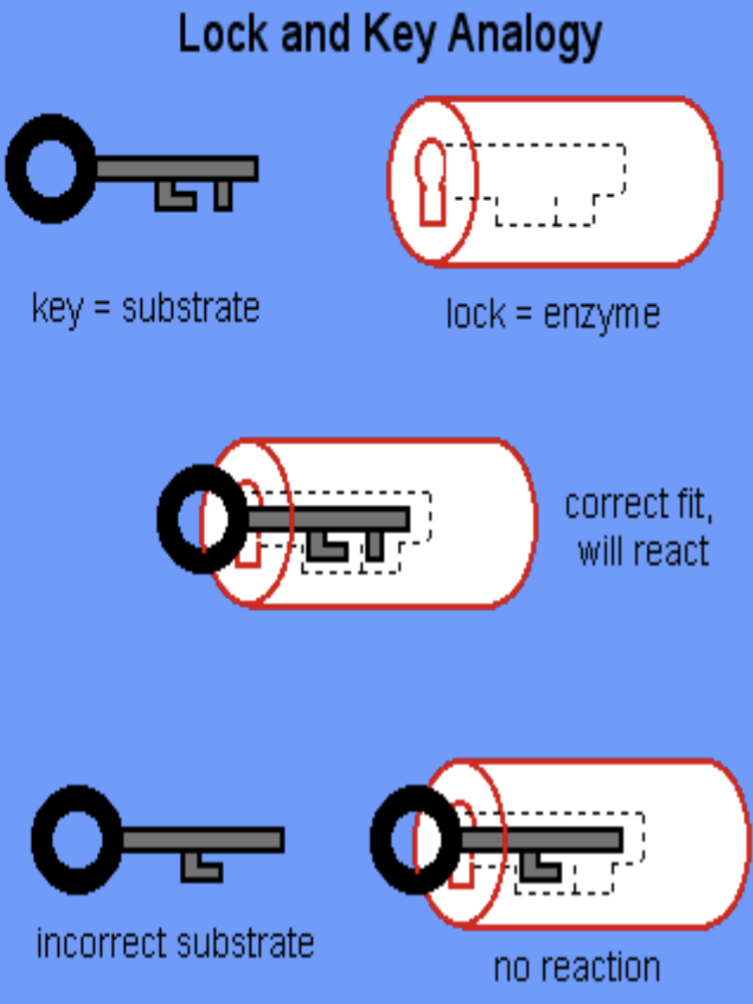
The lock represents the Enzyme and the key represents the Subsrate
53
The lock and key must fit exactly in order to work. How does this relate to enzymes?
This means an enzyme only binds with one particular substrate which has complementary/matching shape. 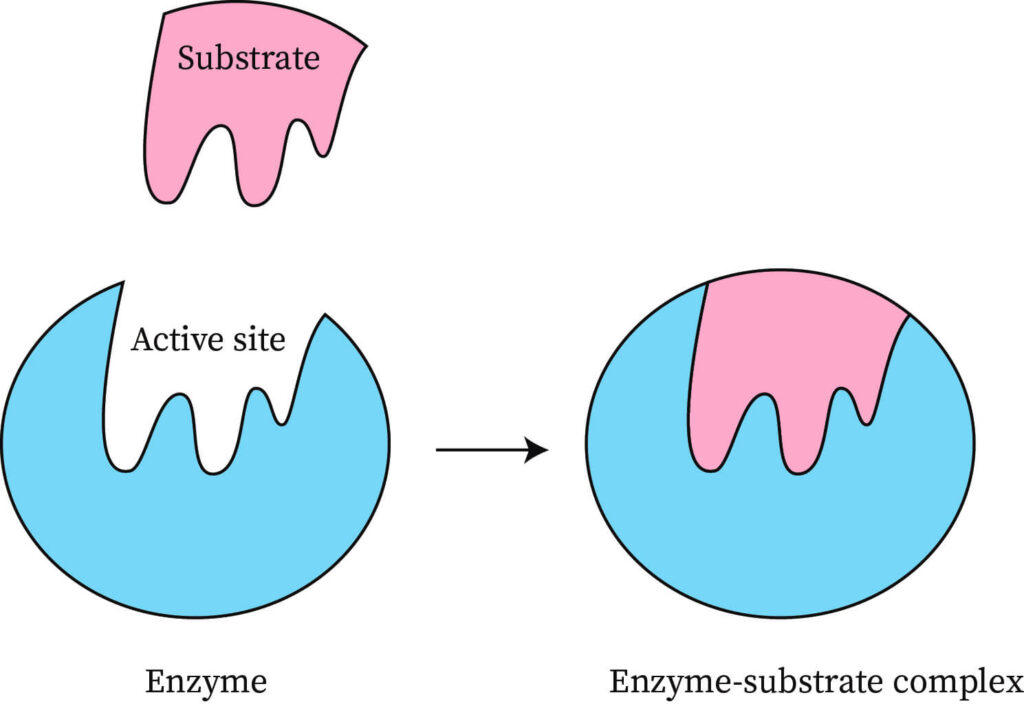
54
why are enzymes in the digestive system?
Human Digestive System contains different enzymes to help chemically break down complex Carbohydrates (starch) Proteins and Lipids.
55
What are All the Enzymes?
All enzymes end in ase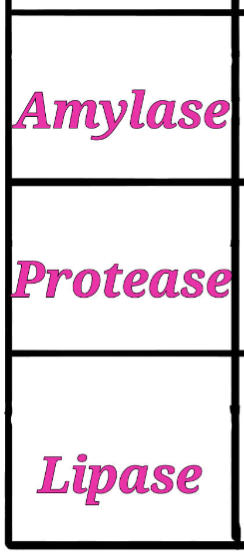
56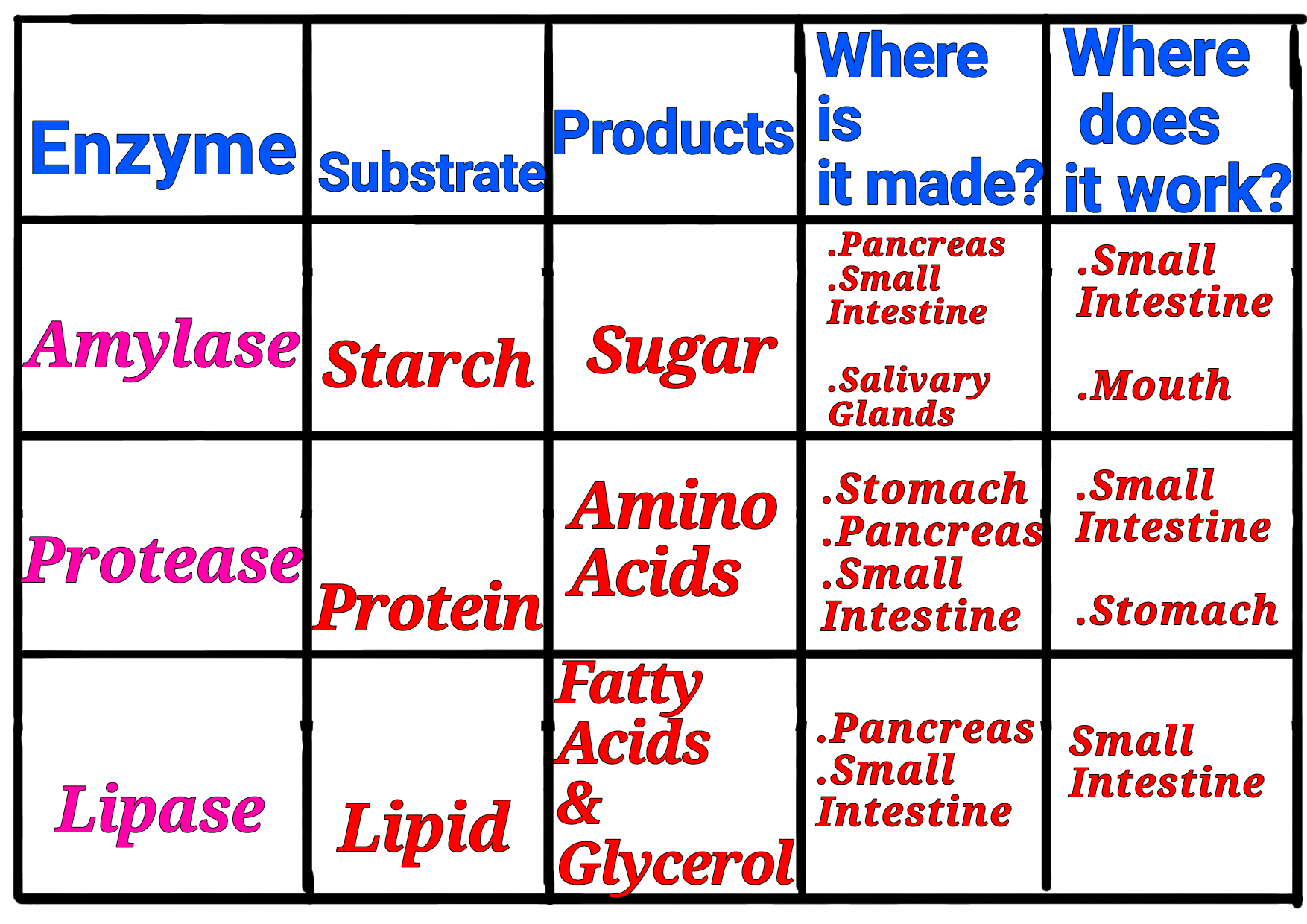
Fill in the table for each enzyme 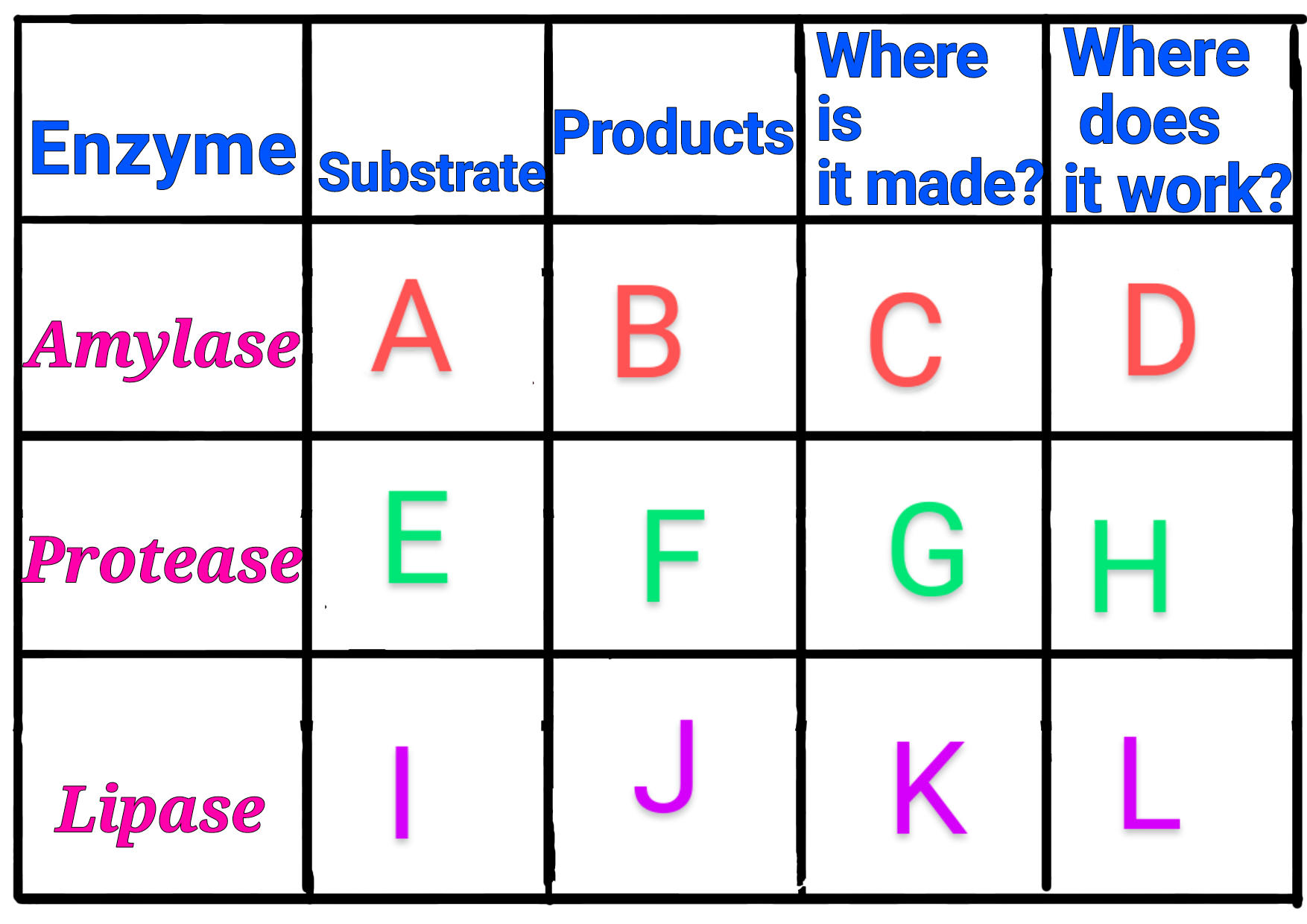
57
What is the method for the Effect Of pH On Enzyme Activity REQUIRED PRACTICAL?
• Need 2 test tubes and Spotting Tile
• 1 test tube with Amylase in it and 1 test tube with Starch and pH buffer of 5
• Put the test tubes in a Hot Water Bath & KEEP IT IN THERE FOR THE WHOLE EXPERIMENT to make sure they are all the Same Temperature
• Put Droplets of Iodine into the Each Spotting Well
• Put the Amylase into the other Test Tube with the Starch and pH buffer in it
• Start Stopwatch and use a Pipette to Remove a Few Drops Of Solution every 20 Seconds from the Test Tube into a Different Well of the Spotting Tile.
• Repeat until the iodine Solution Stops Turning Blue Black. (When it stops going blue black, it means that the enzymes have broken down the starch into sugars)
• Repeat this Experiment but with different pHs
• Once you have finished, draw a graph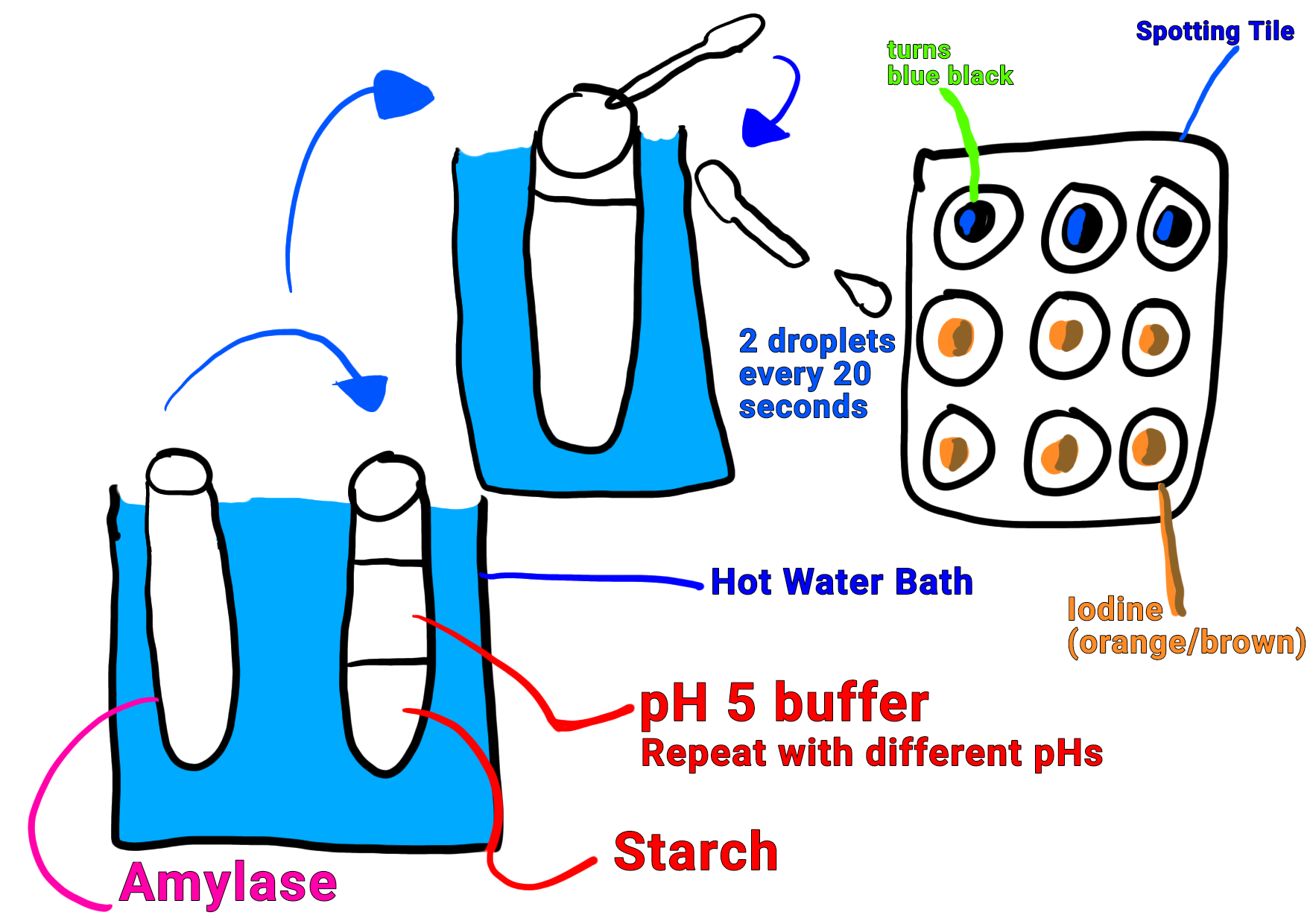
• 1 test tube with Amylase in it and 1 test tube with Starch and pH buffer of 5
• Put the test tubes in a Hot Water Bath & KEEP IT IN THERE FOR THE WHOLE EXPERIMENT to make sure they are all the Same Temperature
• Put Droplets of Iodine into the Each Spotting Well
• Put the Amylase into the other Test Tube with the Starch and pH buffer in it
• Start Stopwatch and use a Pipette to Remove a Few Drops Of Solution every 20 Seconds from the Test Tube into a Different Well of the Spotting Tile.
• Repeat until the iodine Solution Stops Turning Blue Black. (When it stops going blue black, it means that the enzymes have broken down the starch into sugars)
• Repeat this Experiment but with different pHs
• Once you have finished, draw a graph
58
What are the Risk Assessments for The Effects Of pH On Enzymes Activity REQUIRED PRACTICAL?
Iodine Solution may irritate,so where goggles.
Some people are allergic to enzymes so clean up spillages.
Hot Water Baths can burn skin so use tongs.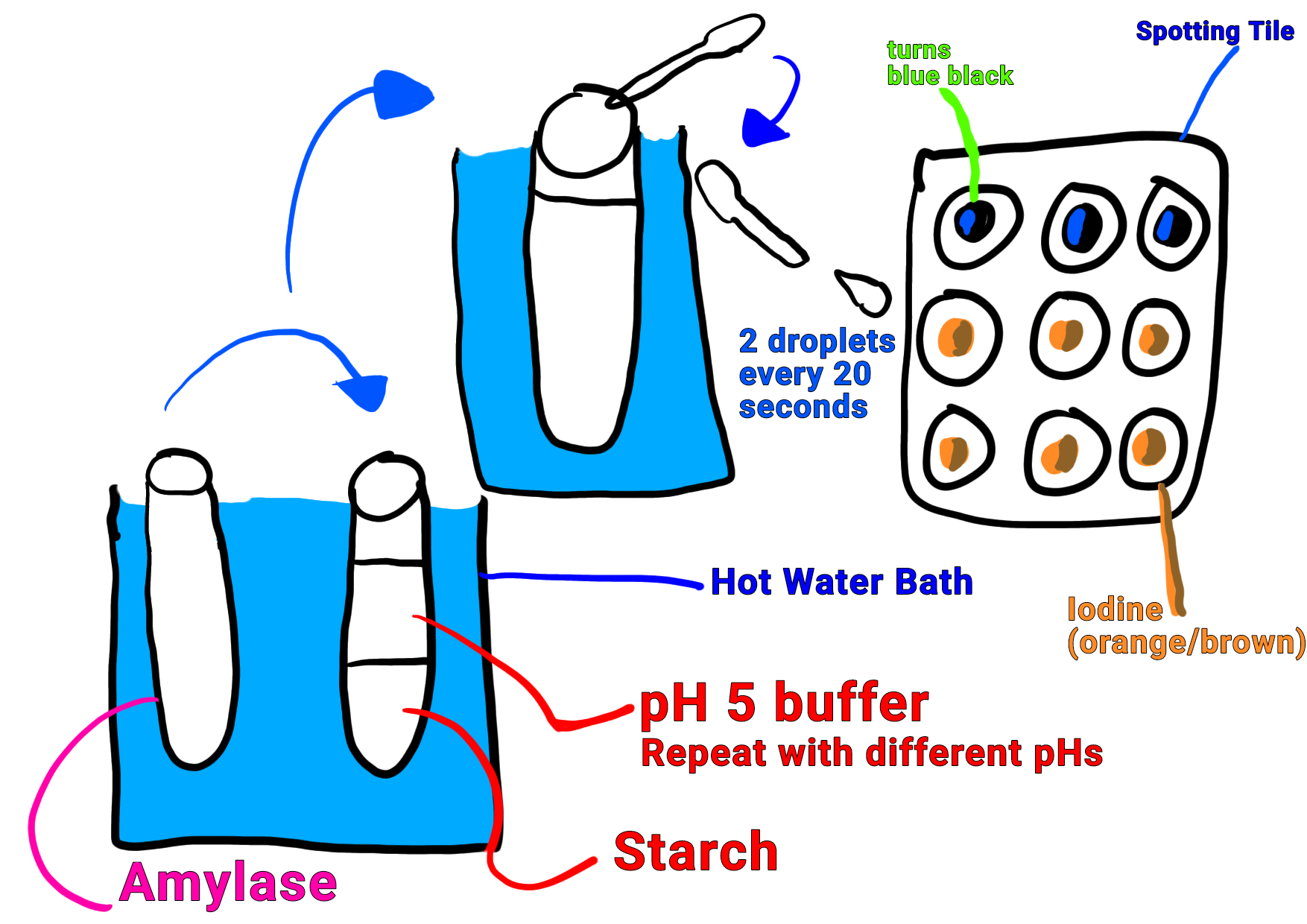
Some people are allergic to enzymes so clean up spillages.
Hot Water Baths can burn skin so use tongs.
59
What are the Variables for The Effect Of pH On Enzyme Activity REQUIRE PRACTICAL?
Inderpendant Variable: pH
Dependant Variable:Time taken for it to stop turning blue black
Control Variable: Same volume of amylase, starch, pH buffer and iodine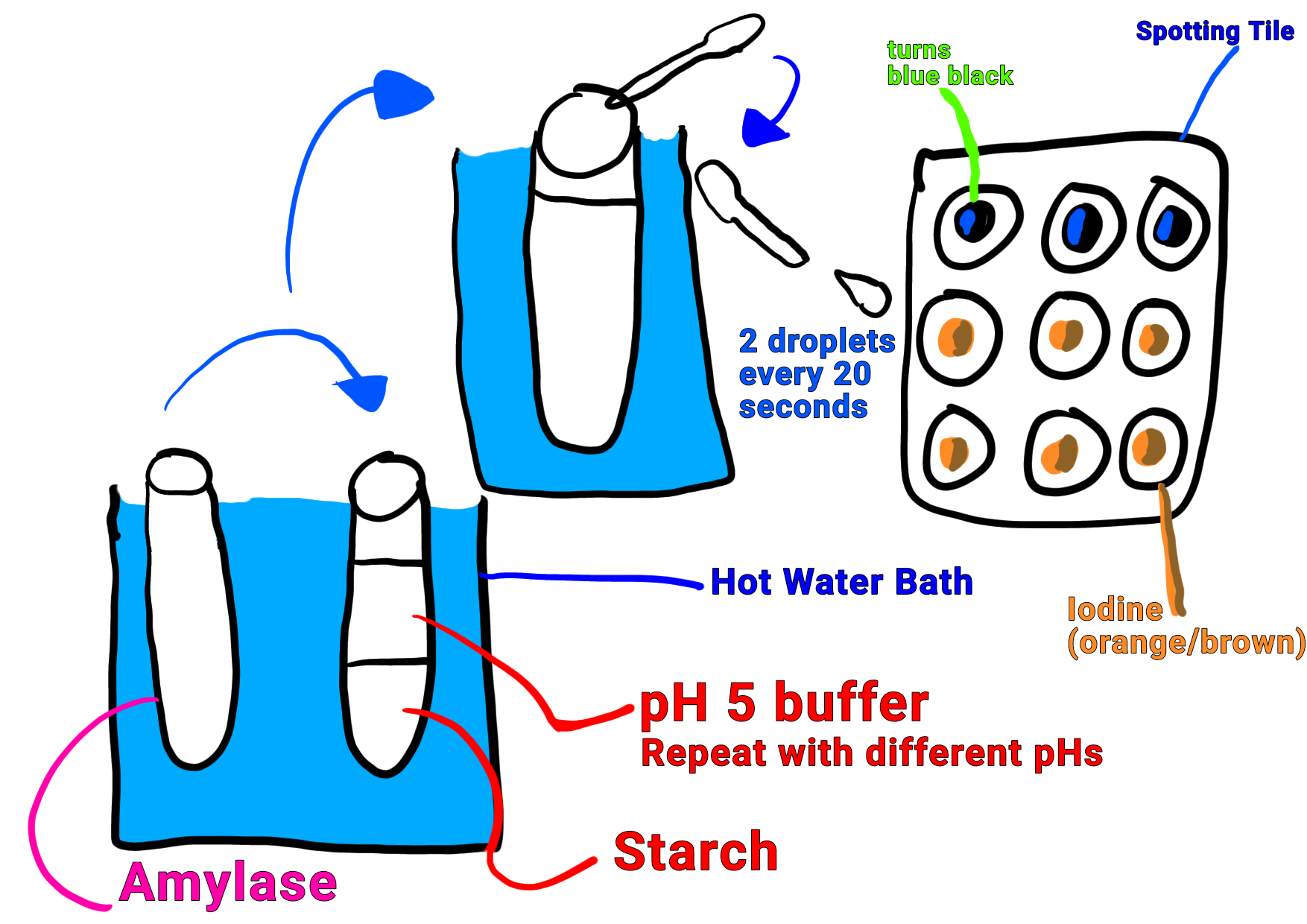
Dependant Variable:Time taken for it to stop turning blue black
Control Variable: Same volume of amylase, starch, pH buffer and iodine
60
what is visking tube and what can it represent in experiments?
Visking tubing is a Partially Permeable Membrane which can be used as a model of the Small Intestine. 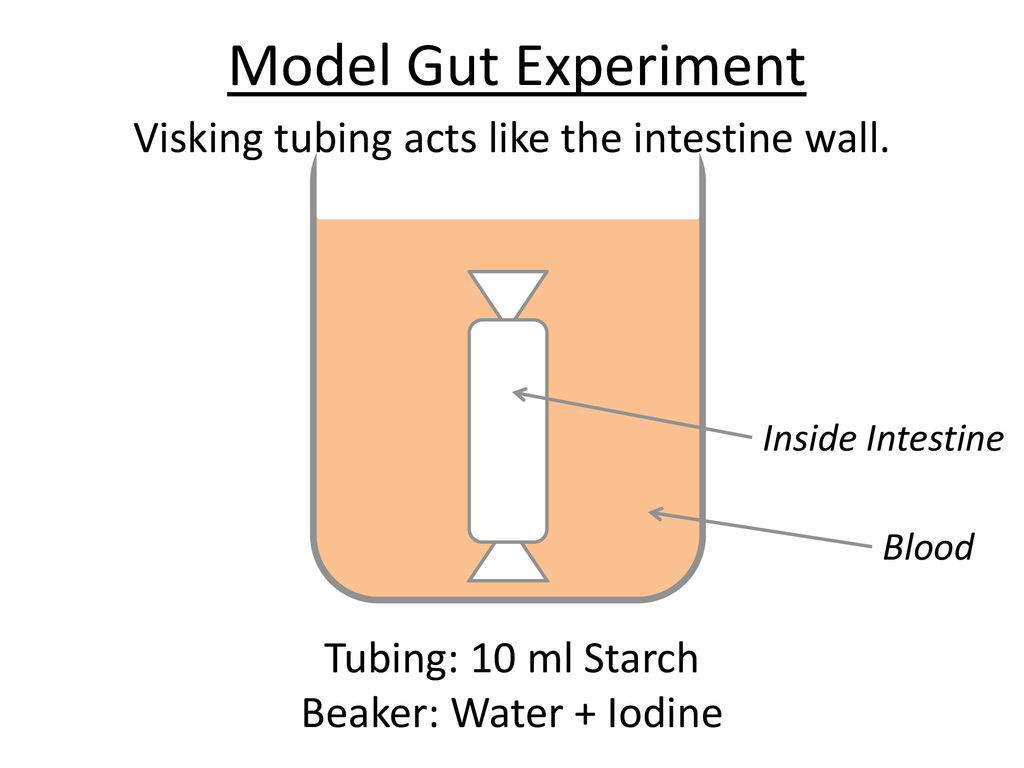
61
What is a Bile and where is it stored & made?
Bile is a Green Liquid that is made in the Liver.
Bile is stored in the Gall Bladder and released into the Small Intestine.
Bile is stored in the Gall Bladder and released into the Small Intestine.
62
What are the functions of Bile?
Bile is Alkaline to Neutralise Hydrochloric Acid from Stomach, Therefore Alkaline Conditions For Enzymes in Small Intestine.
Bile Emulsifies fats- it Breaks Large Droplets of Fat into Smaller Ones, to increase the Surface Area so Enzyme Lipase can Work More Effectively.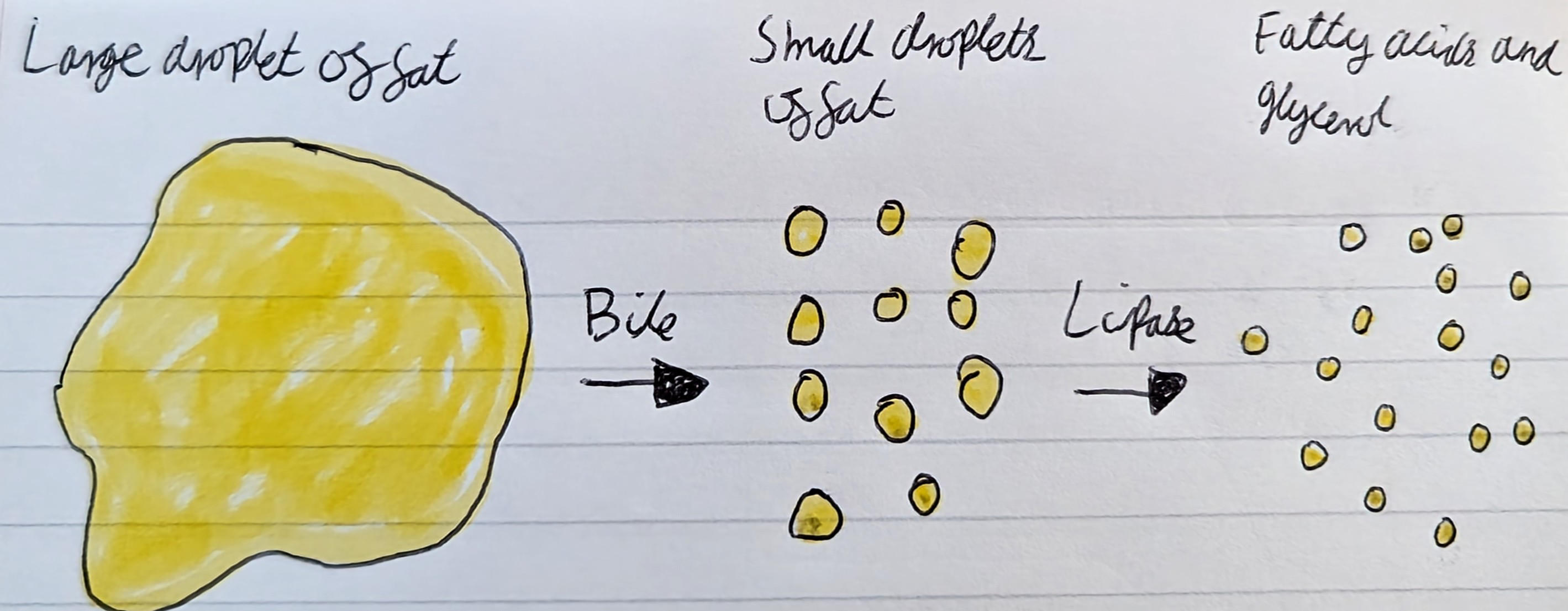
Bile Emulsifies fats- it Breaks Large Droplets of Fat into Smaller Ones, to increase the Surface Area so Enzyme Lipase can Work More Effectively.
63
True or False Bile is an enzyme
False because it doesn't speed up chemical reactions
64
What will happen to the pH of full fat milk if Lipase is added?
As you break down the fat the pH will go down so it will become more acidic.