Electricity Part 2: Mains Electricity
Study these flashcardsFree · spaced repetition · iPhone, Android, Mac & web
All cards
1
Define Alternating Current 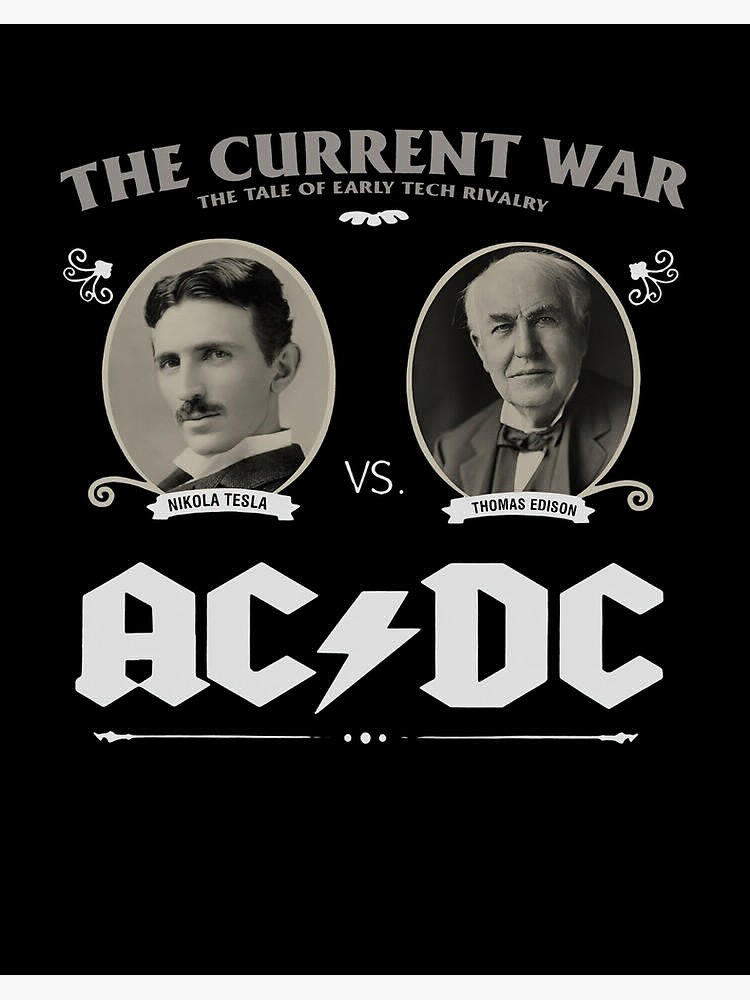
Flow of Electrical Charge is Constantly Switching Direction.
2
Define Direct Current 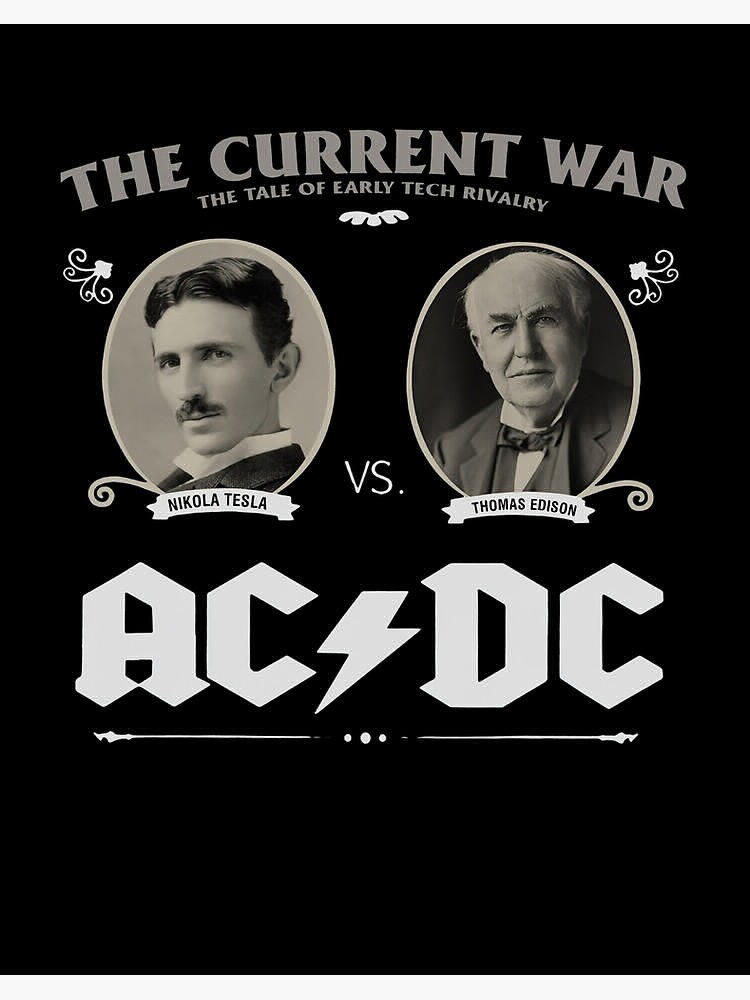
Flow of Electrical Charge is in One Direction. 
3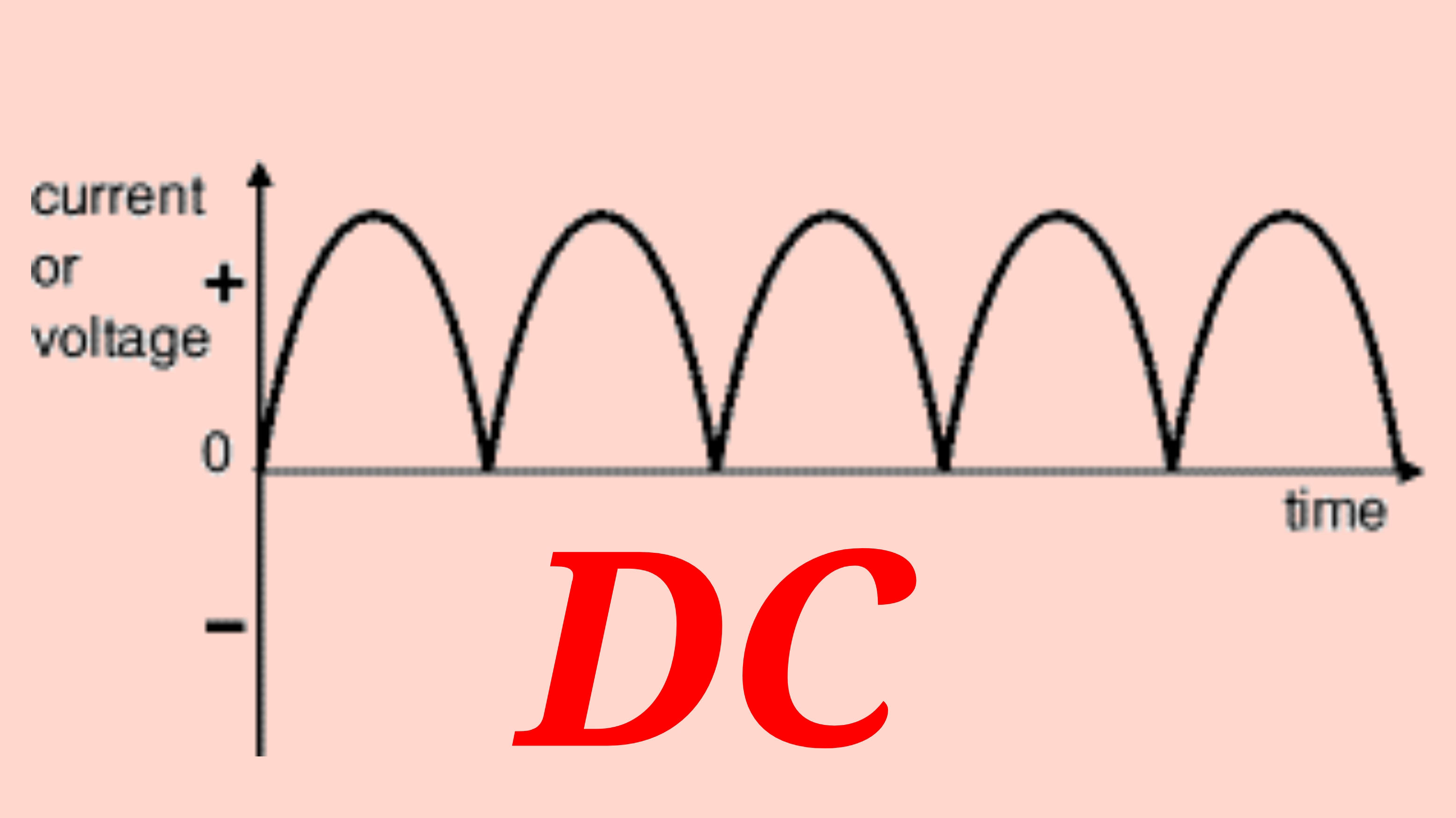
Draw the graph for DC
4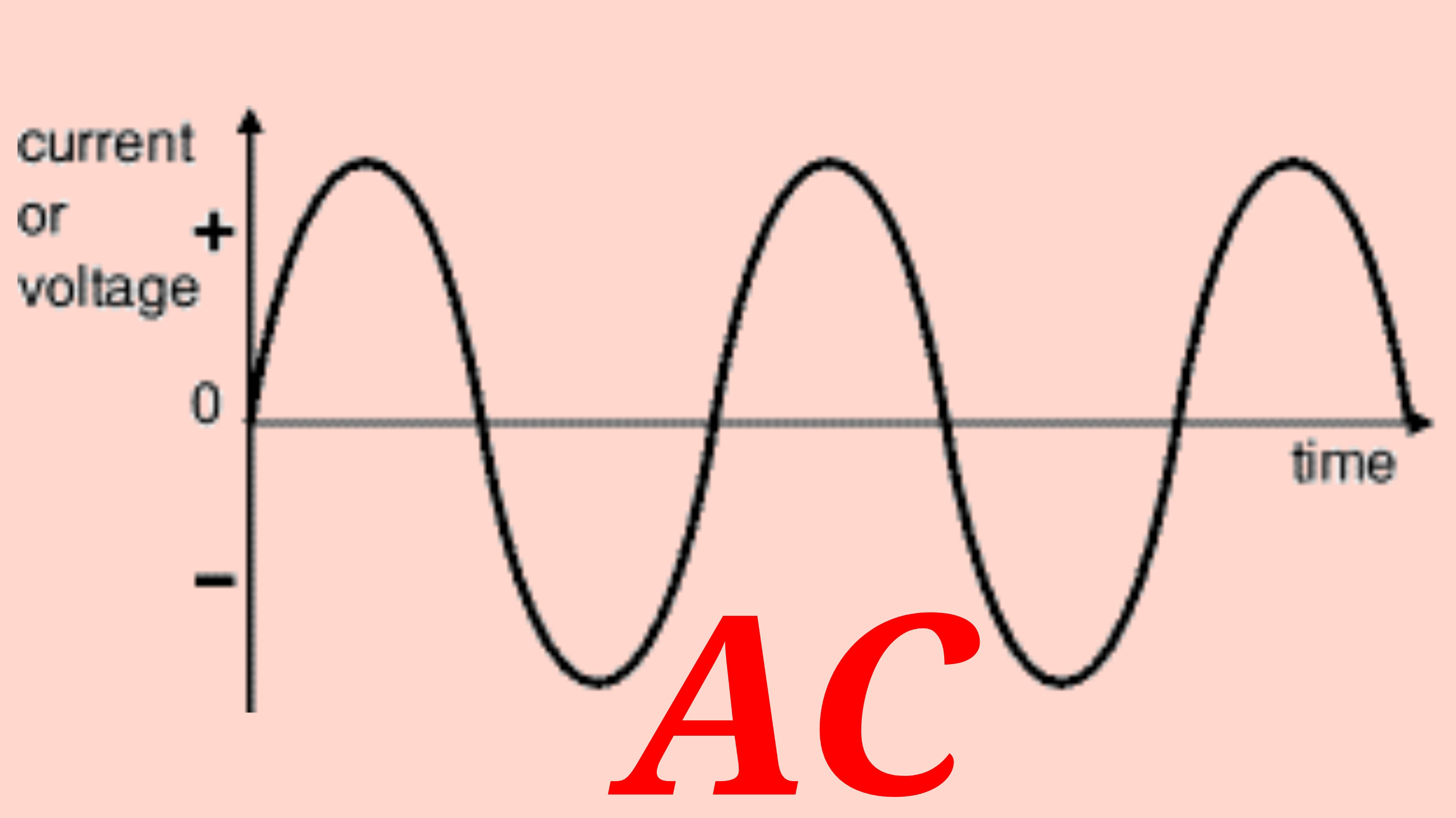
Draw graph for AC
5
What is the frequency of Domestic Electricity Supply?
50Hz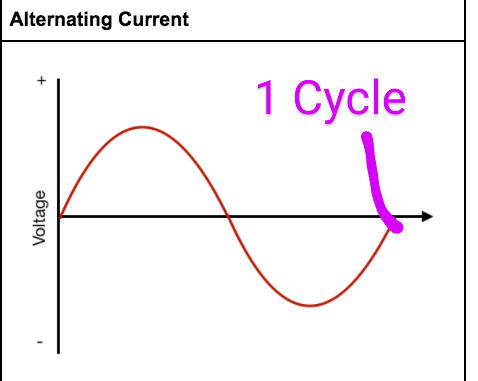
6
What is the Average Voltage of domestic electricity supply and what type of mains does UK use?
230V
UK uses AC (Alternating Current)
UK uses AC (Alternating Current)
7
Define Earth Wire & it's Colour
Yellow & Green
A Safety Wire to Stop the Appliance Becoming Live & Carries Current When Fault.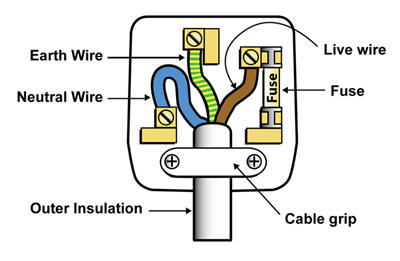
A Safety Wire to Stop the Appliance Becoming Live & Carries Current When Fault.
8
Define Live Wire & it's Colour
Brown
Carries the Alternating Potential Difference from the supply.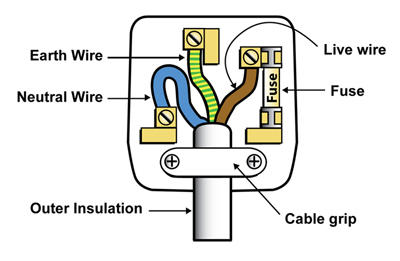
Carries the Alternating Potential Difference from the supply.
9
Define Neutral Wire & it's Colour
Blue
Completes the circuit.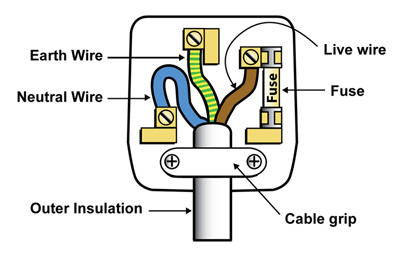
Completes the circuit.
10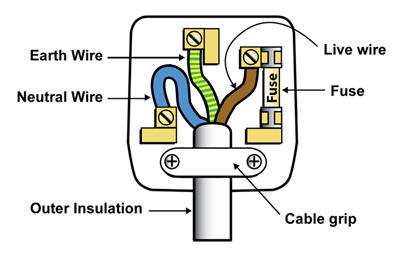
Label inside the Plug 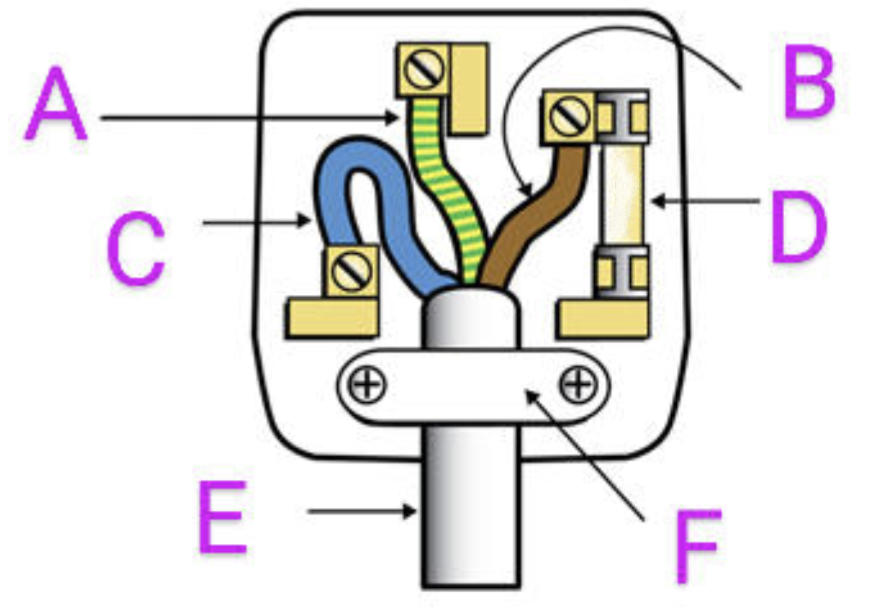
11
Define Mains Electricity
Refers to the Power That is Brought to Consumers.
12
What are the three formulas for power?
If you don't know Potential Difference use
Power=Current²×Resistance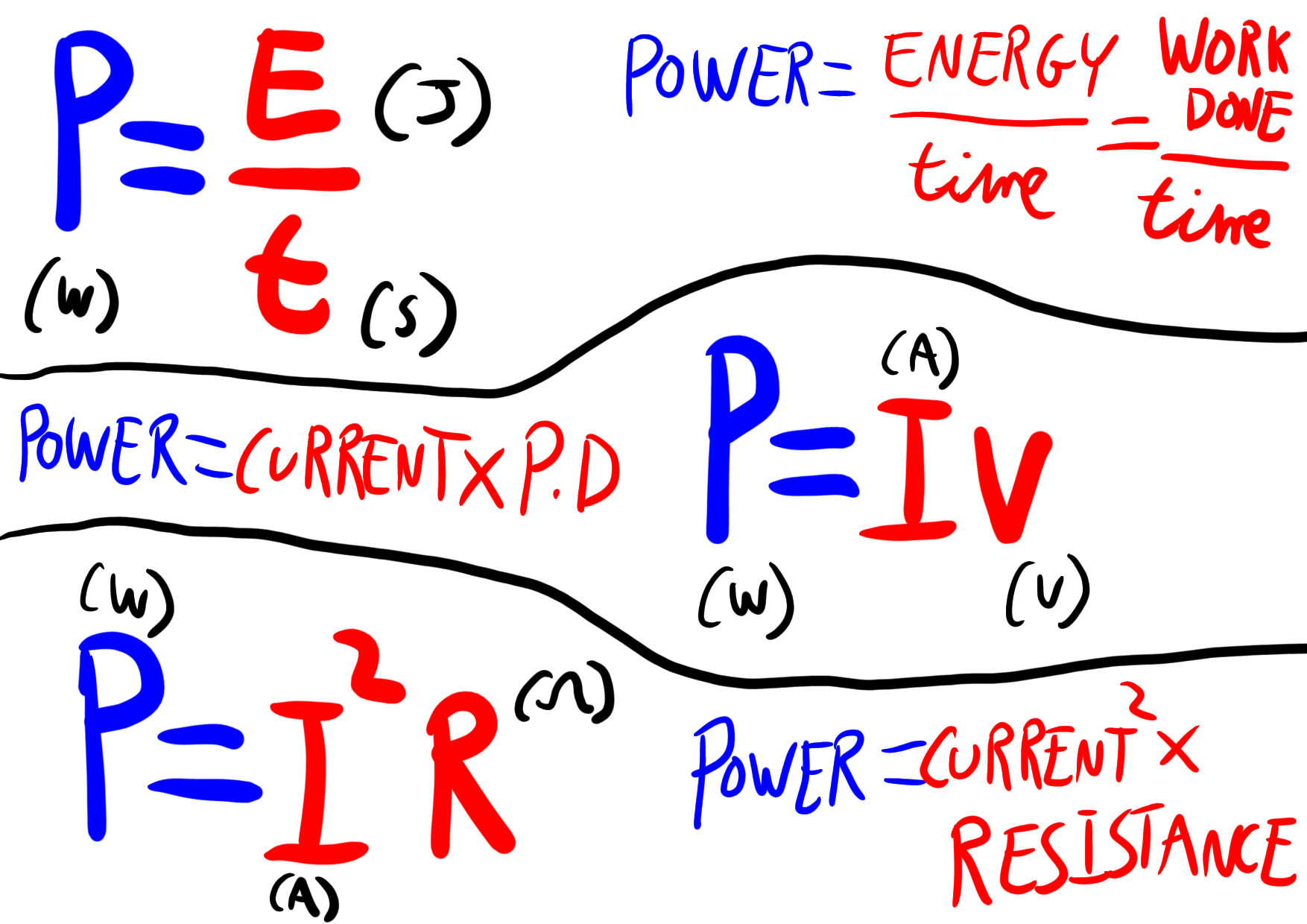
Power=Current²×Resistance
13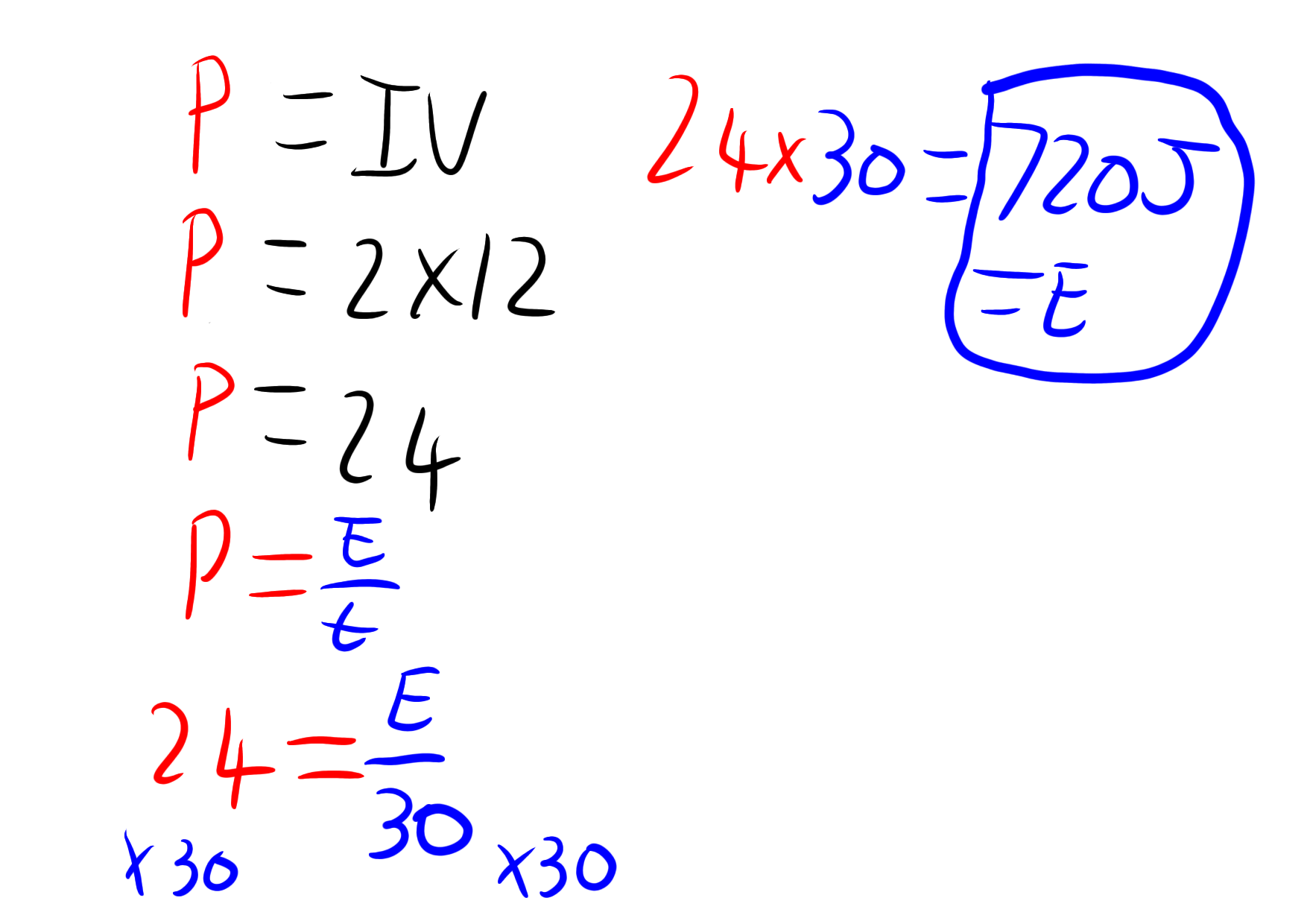
An Electric Motor is connected to a power supply. The Potential Difference across the motor is 12 V and the Current flowing through it is 2 A. How much energy is transferred to the motor in 30 seconds?
14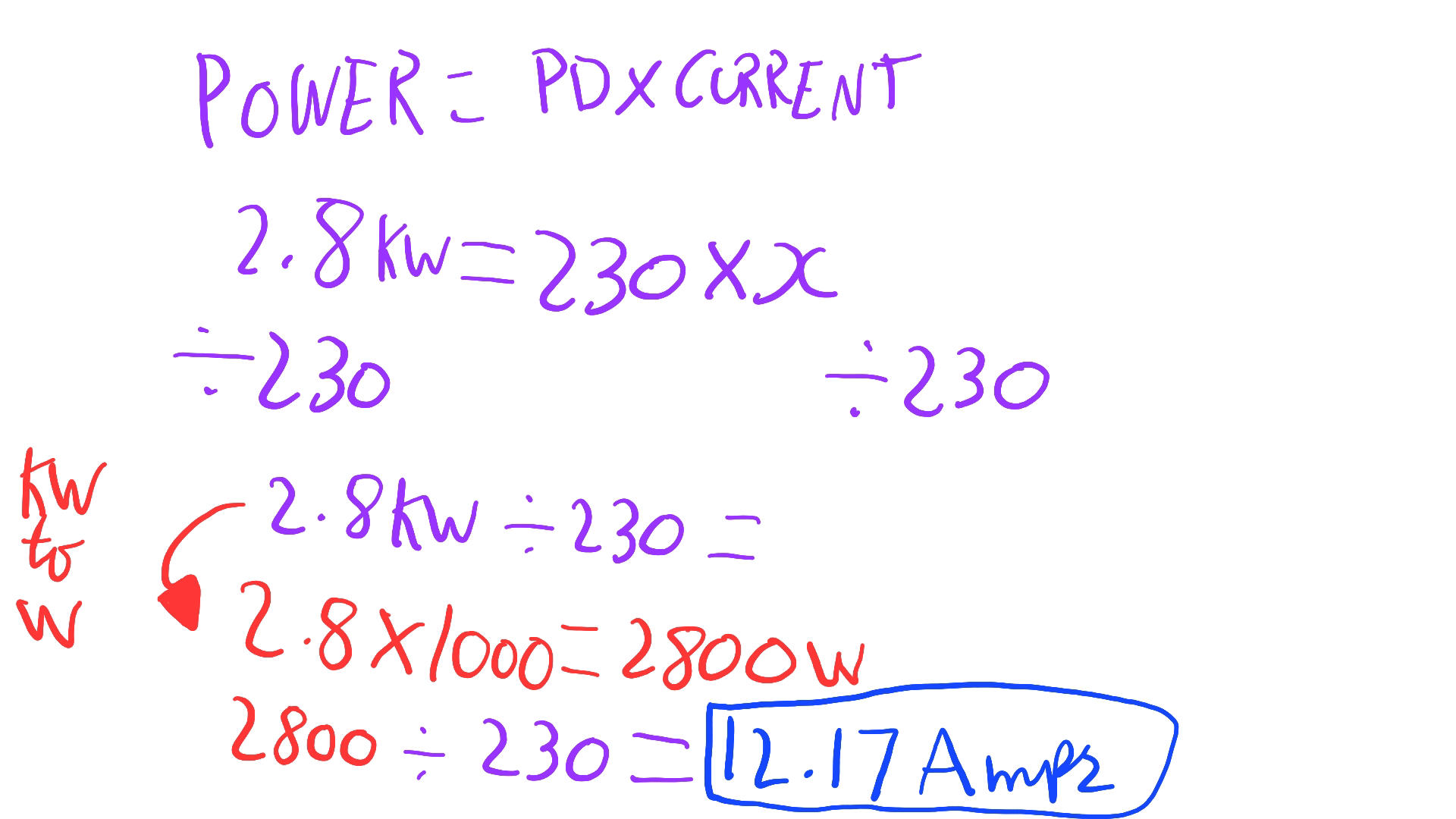
Calculate the current drawn from the mains supply by kettle A. State the correct unit.
15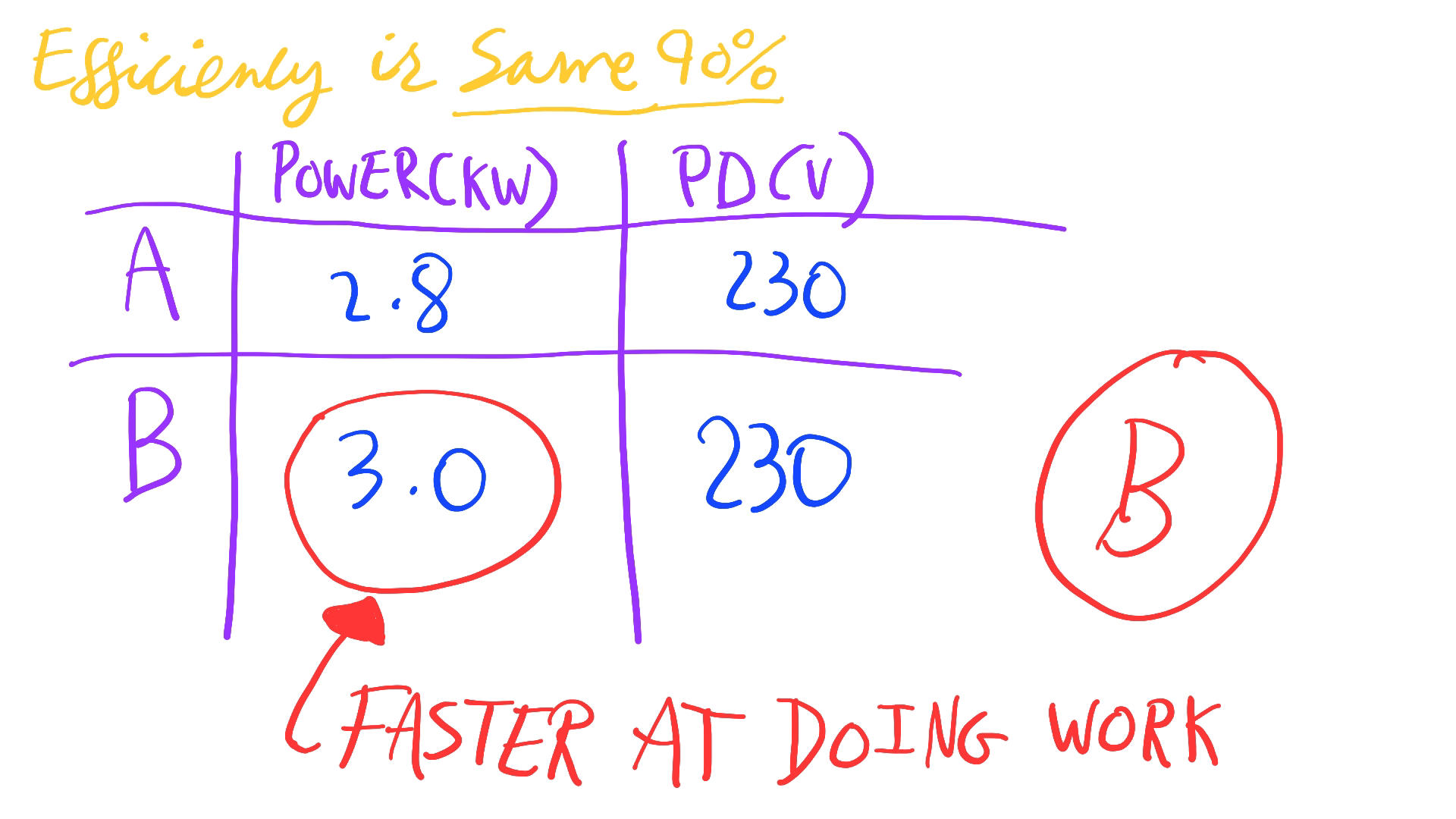
A student is deciding whether to buy kettle A or kettle B. She wants to buy the kettle that boils water faster. Both kettles have an efficiency of 90%.
Suggest which kettle she should choose. Explain your answer.
Suggest which kettle she should choose. Explain your answer.
16
Explain how the Power Transfer in any circuit device is related to the Potential Difference across it and the Current through it?
If either Potential Difference or Current increases, the Power Increases.
17
Define National Grid
A Network of WIRES and TRANSFORMERS used to Deliver Electricity Around the Country. 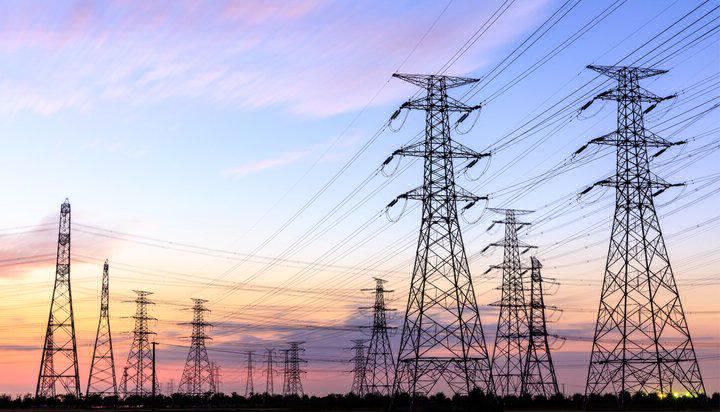
18
How does the National Grid work, fill in the blanks and say how much voltage?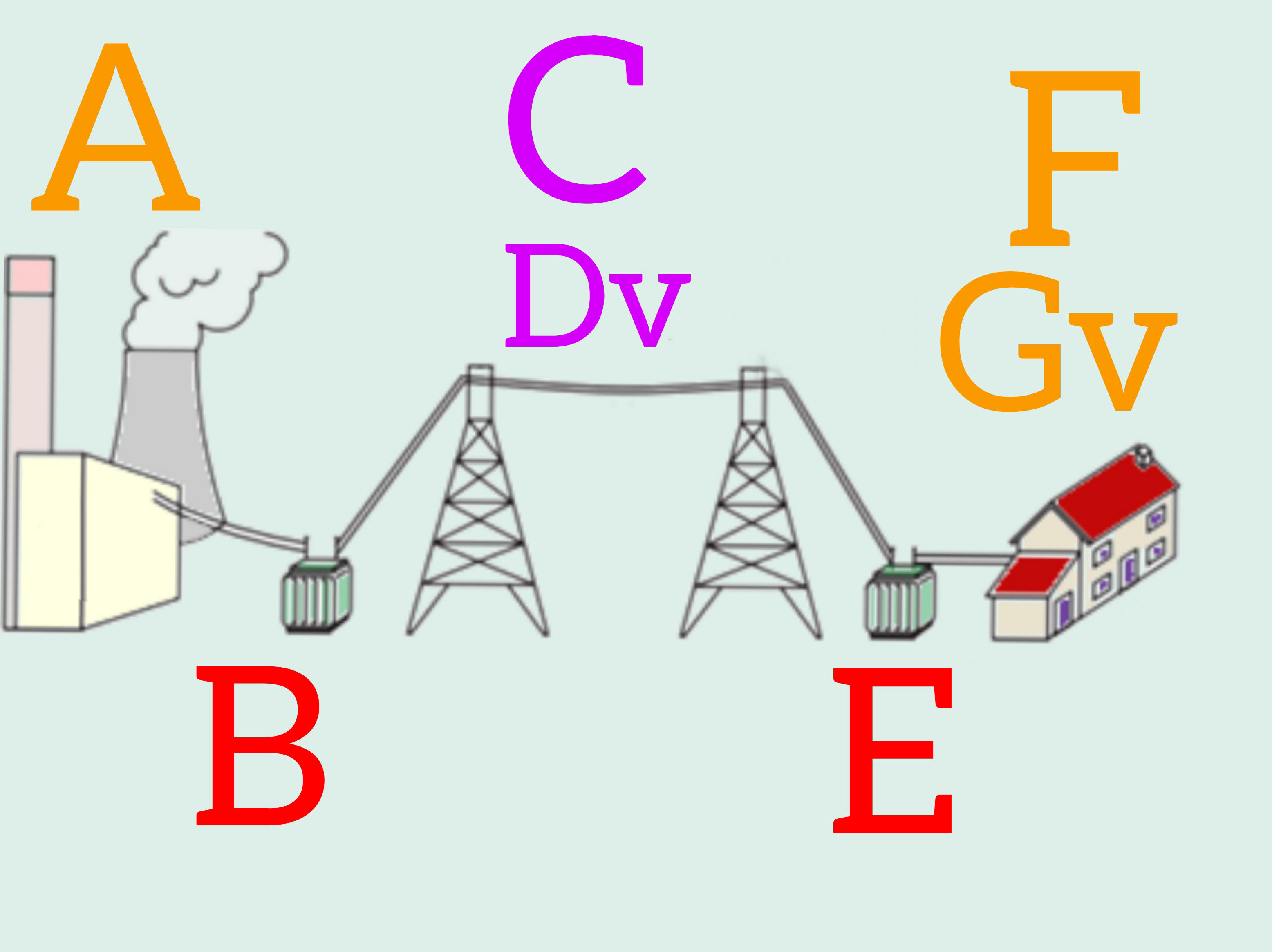
132,000V or 132KV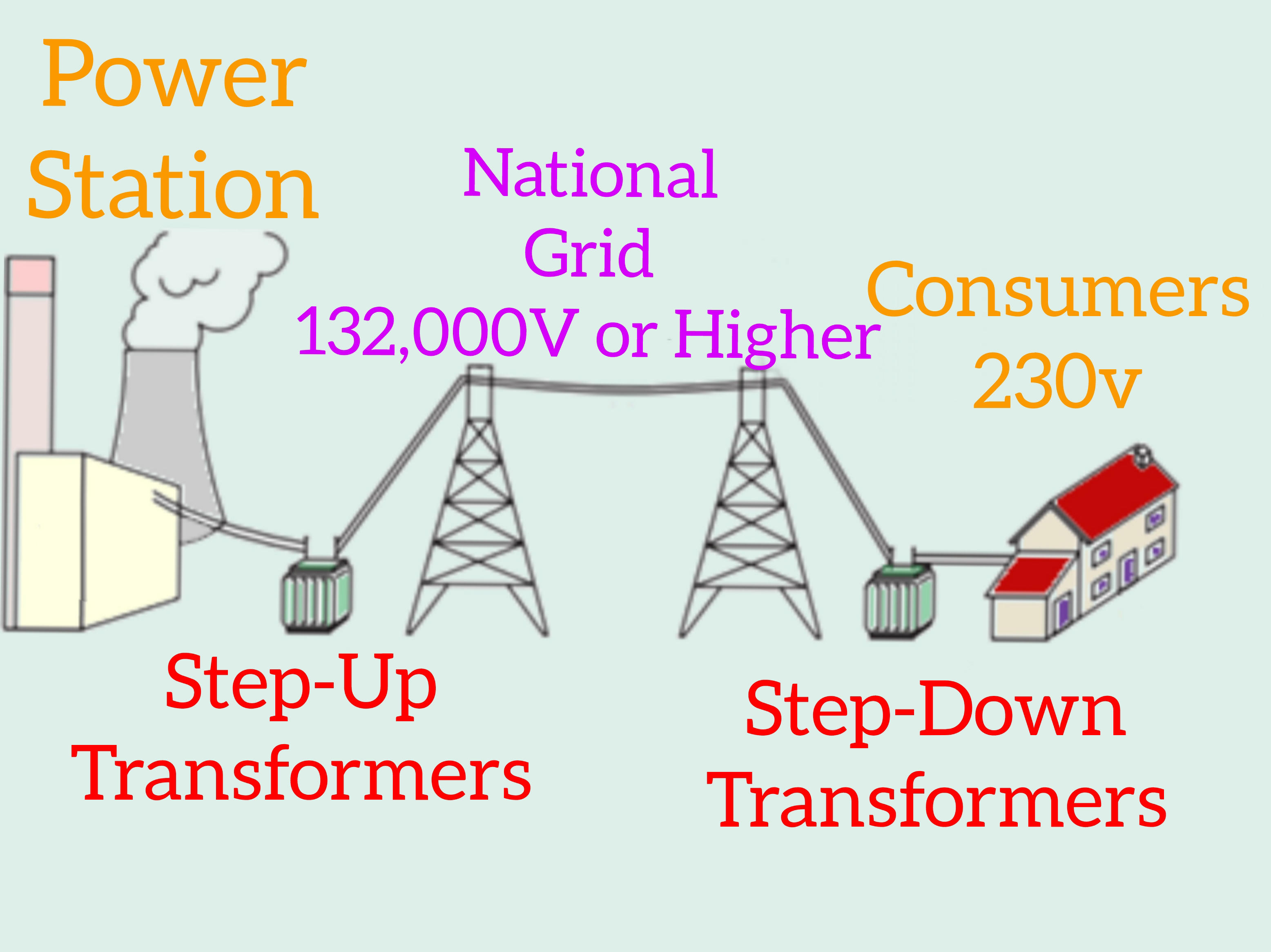
19
How is Electricity created within a Power Station?
1) Fuel is Burned in the Furnace.
2) Water in the Boiler Turns into Steam.
3) Steam Turns the Turbines.
4) The Spinning Turbines Turn the Generator.
5) The Rotating Generator produces Electricity.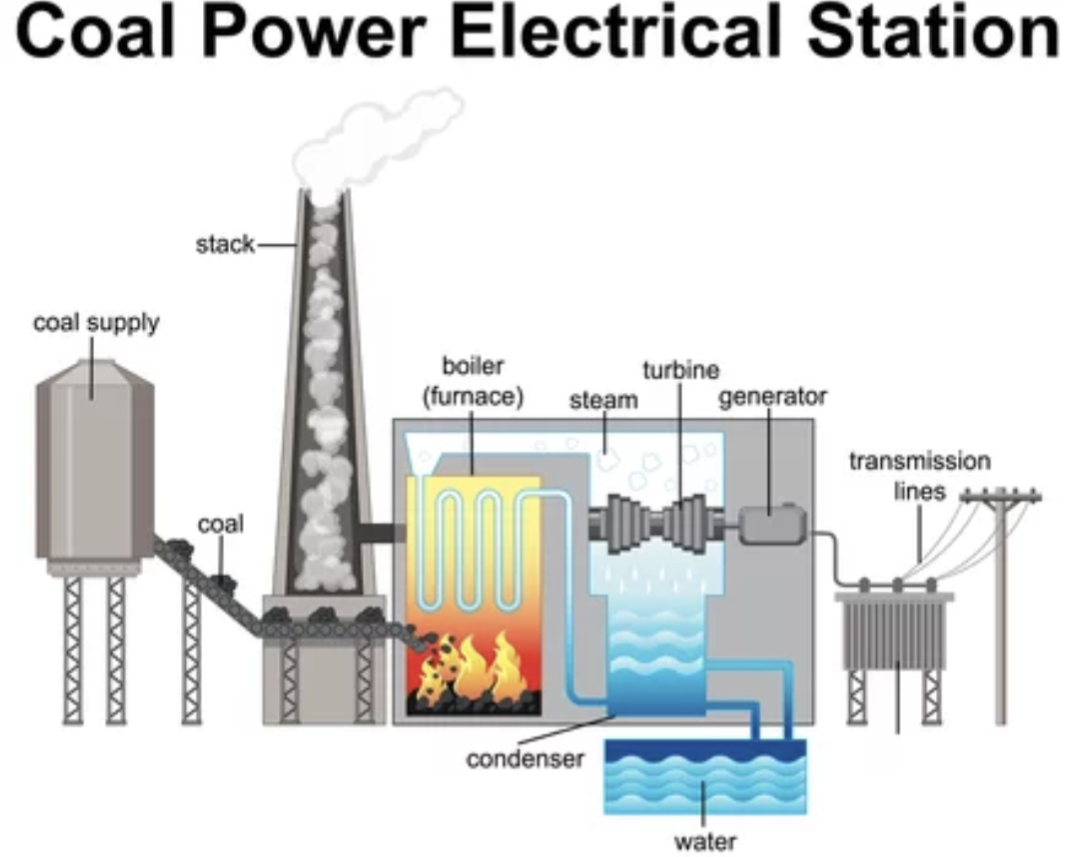
2) Water in the Boiler Turns into Steam.
3) Steam Turns the Turbines.
4) The Spinning Turbines Turn the Generator.
5) The Rotating Generator produces Electricity.
20
Define Power Rating
How much power something can take.
21
What are Transformers Used For?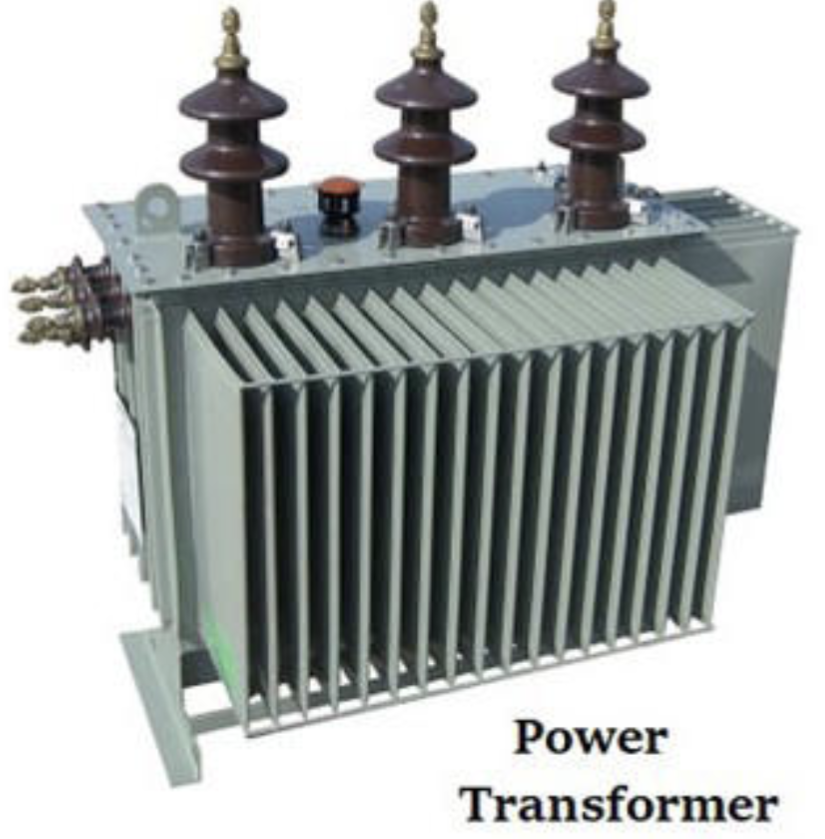
Device that can Change Voltage
of an Alternating Current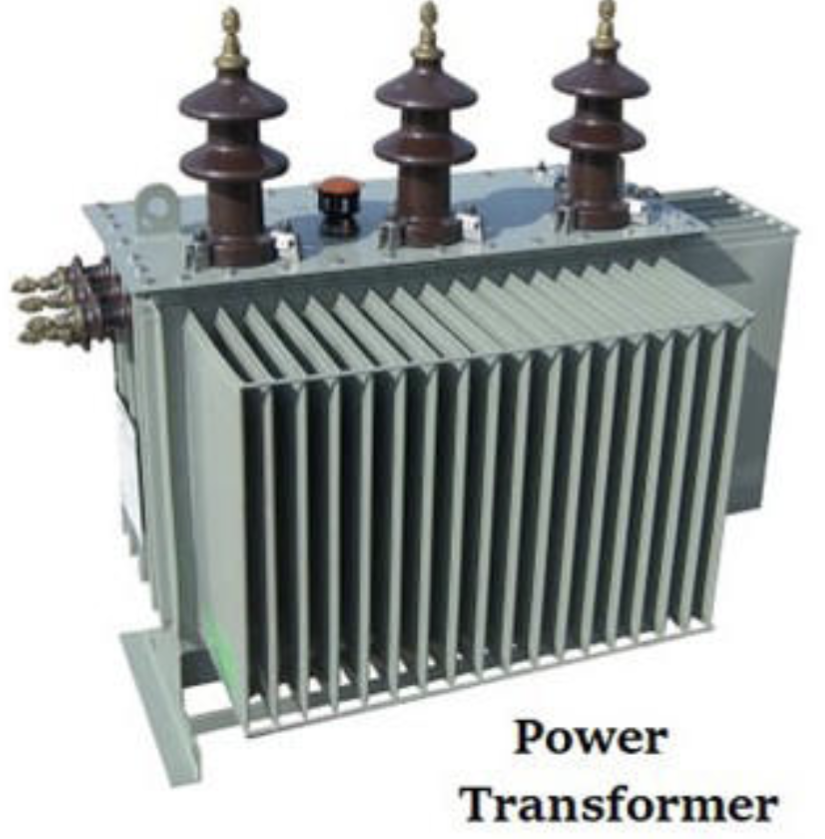
of an Alternating Current
22
Define Transformer 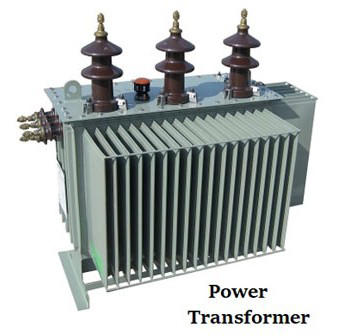
An Electrical Device that Increases or Decreases the Potential Difference of an Alternating Current.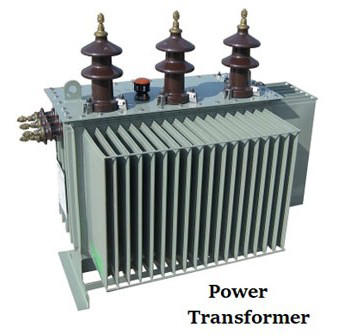
23
What do Step-Up Transformers do? 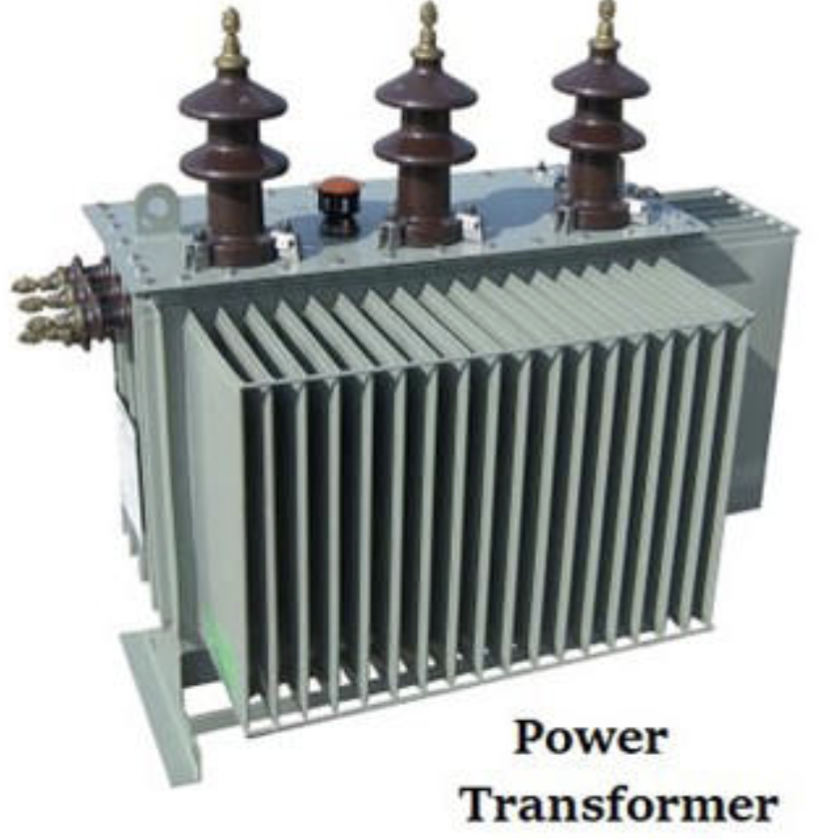
Increase Voltage so Less Energy Lost through Heating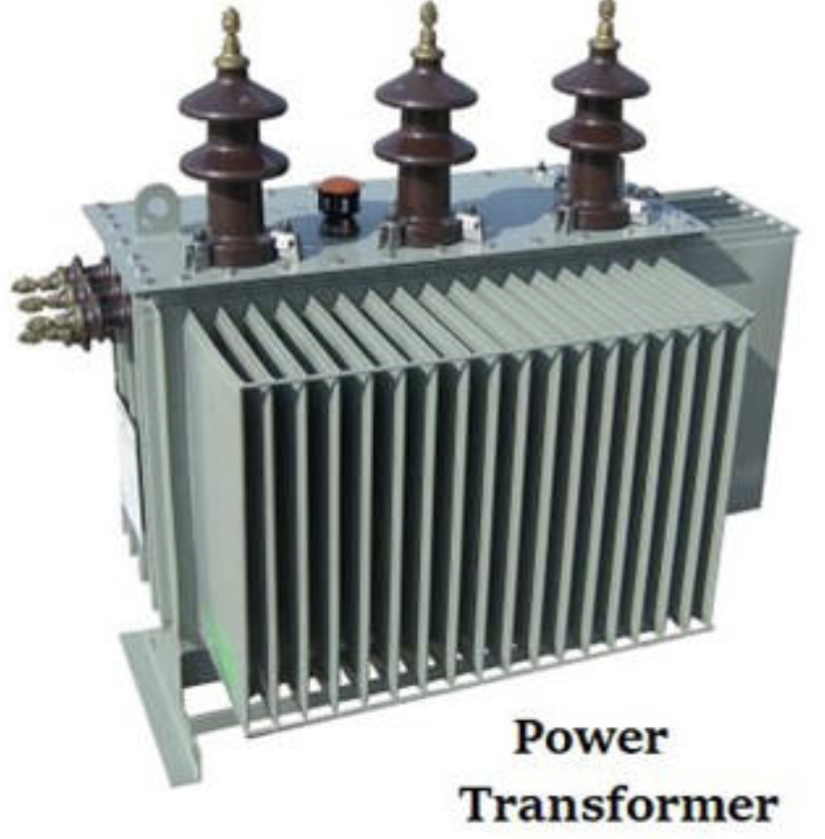
24
What do Step-Down Transformers do? 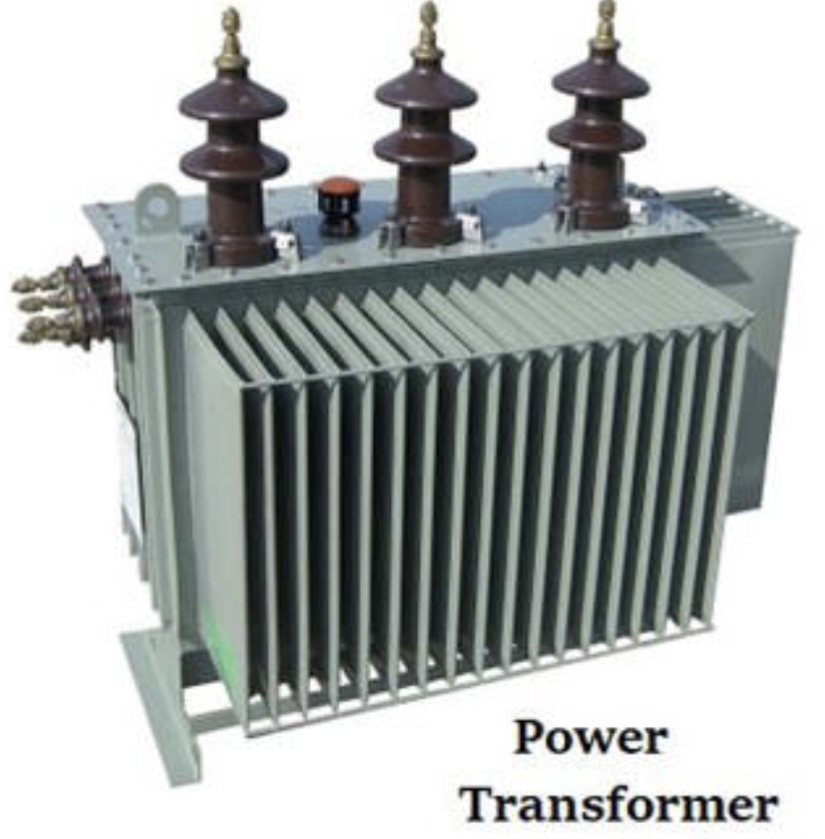
Deacrease Voltage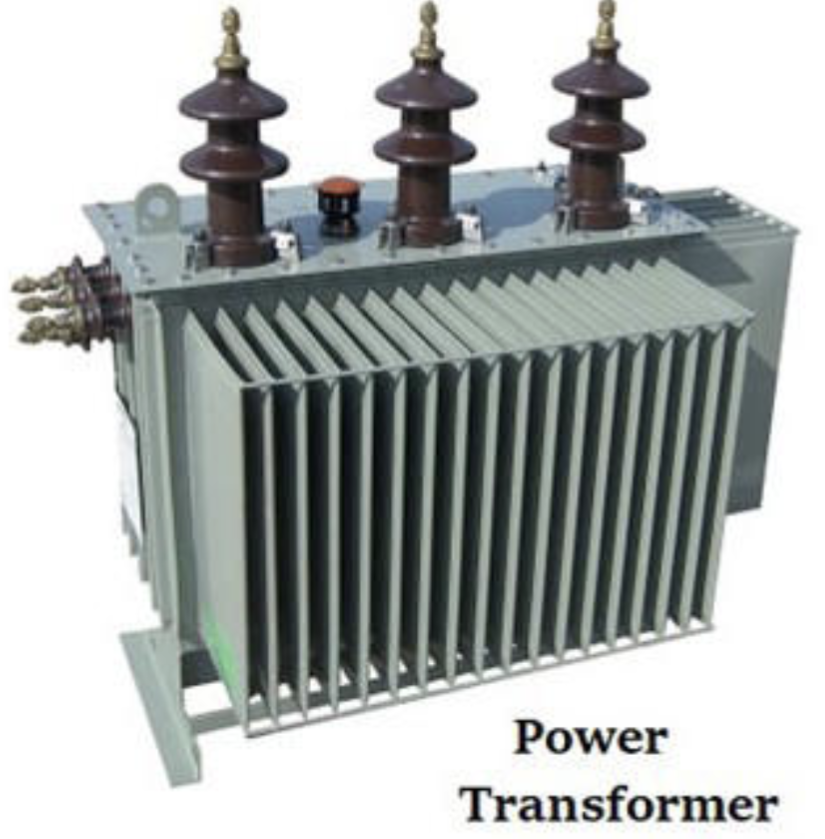
25
State the Potential Difference between the Live and Earth Wire
230v
26
Explain why a Live Wire may be dangerous even when a switch in the mains circuit is open? (off)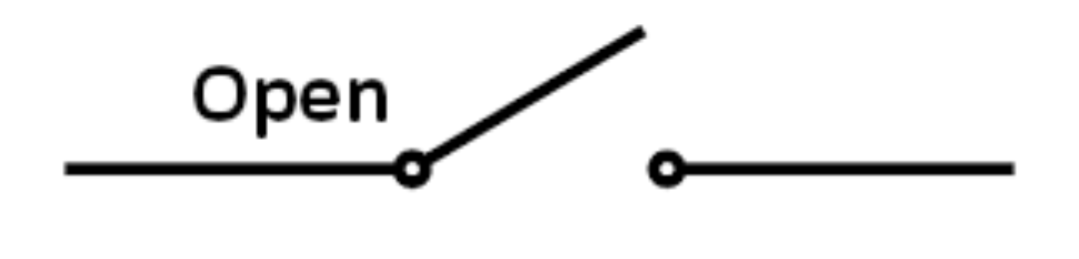
A current isn't flowing, but there is still a Potential Difference in the Live Wire.
If you made contact with the Live Wire, your body would provide a link between the supply and the Earth, so a current would flow through you. Get electric shock
If you made contact with the Live Wire, your body would provide a link between the supply and the Earth, so a current would flow through you. Get electric shock
27
Define Potential Difference (voltage)
A Measure Of Energy, Per Unit of Charge, Transferred Between Two Points in a Circuit
28
Define Power
The Rate of Transferring Energy or (doing work).
29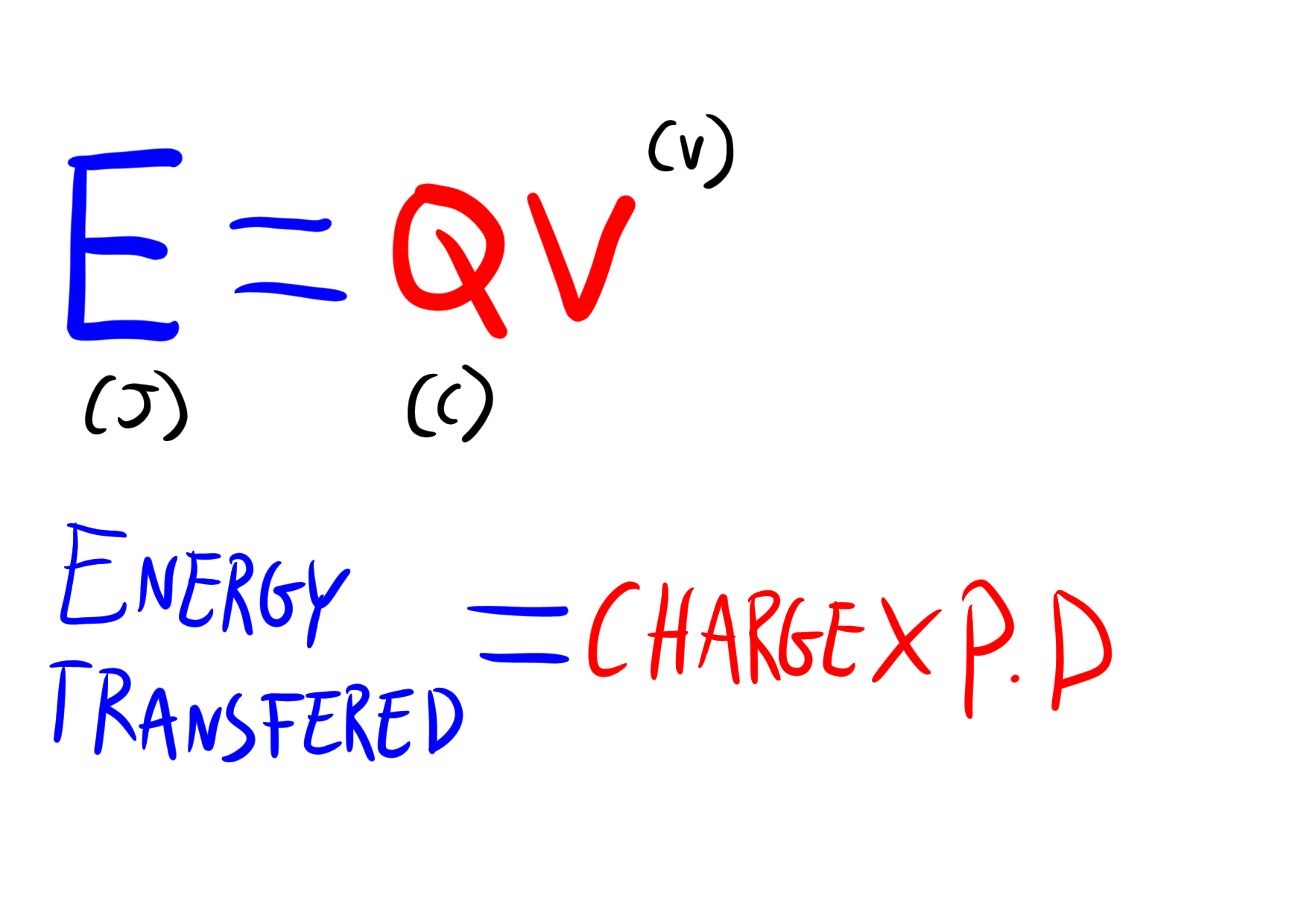
What is the Energy Equations?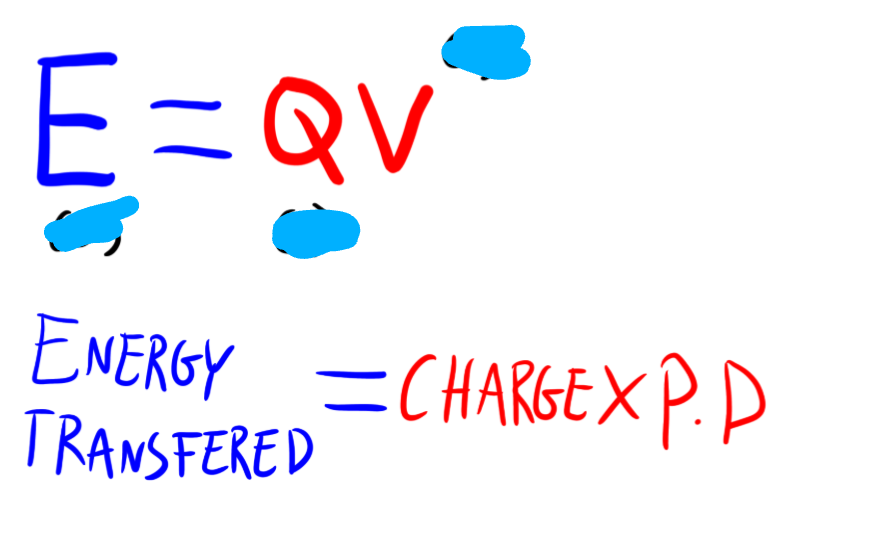
30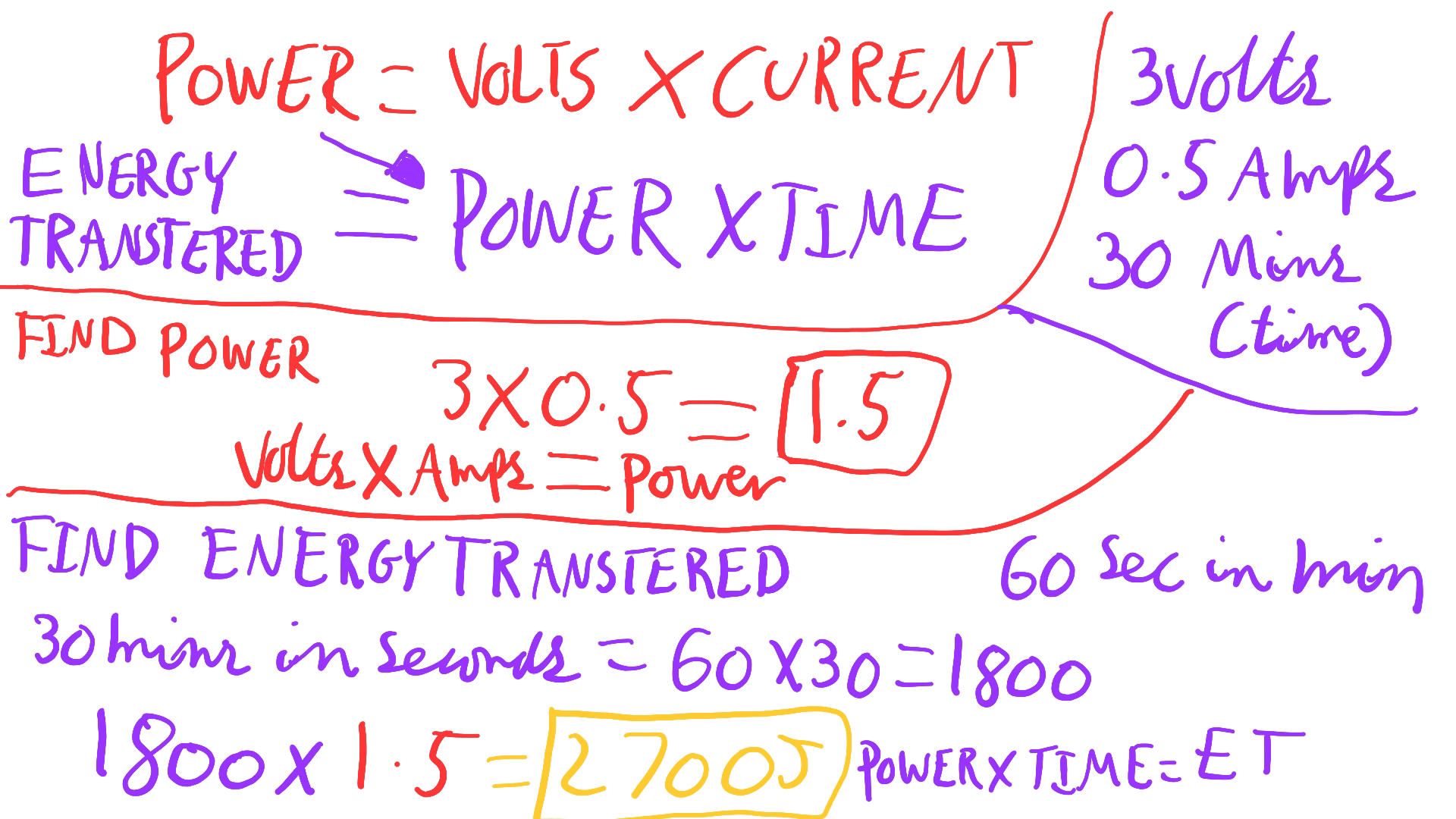
A current of 0.5 A passes through a torch bulb. The torch is powered by a 3.0 V battery.
The torch is on for half an hour.
Calculate the amount of energy transferred from the battery in this time.
The torch is on for half an hour.
Calculate the amount of energy transferred from the battery in this time.
31
Describe, with examples, the relationship between the power ratings for domestic electrical appliances and the changes in stored energy when they are in use.
The higher the rating of your electrical appliance the more quickly the energy is used.
(a kettle has a power rating of 3 KW it will use the energy more quickly than a desk lamp)
As as using the formula:
Energy Transferred=power×time
(a kettle has a power rating of 3 KW it will use the energy more quickly than a desk lamp)
As as using the formula:
Energy Transferred=power×time
32
Explain why the National Grid system is an efficient way to transfer energy, with reference to change in potential difference reducing current. 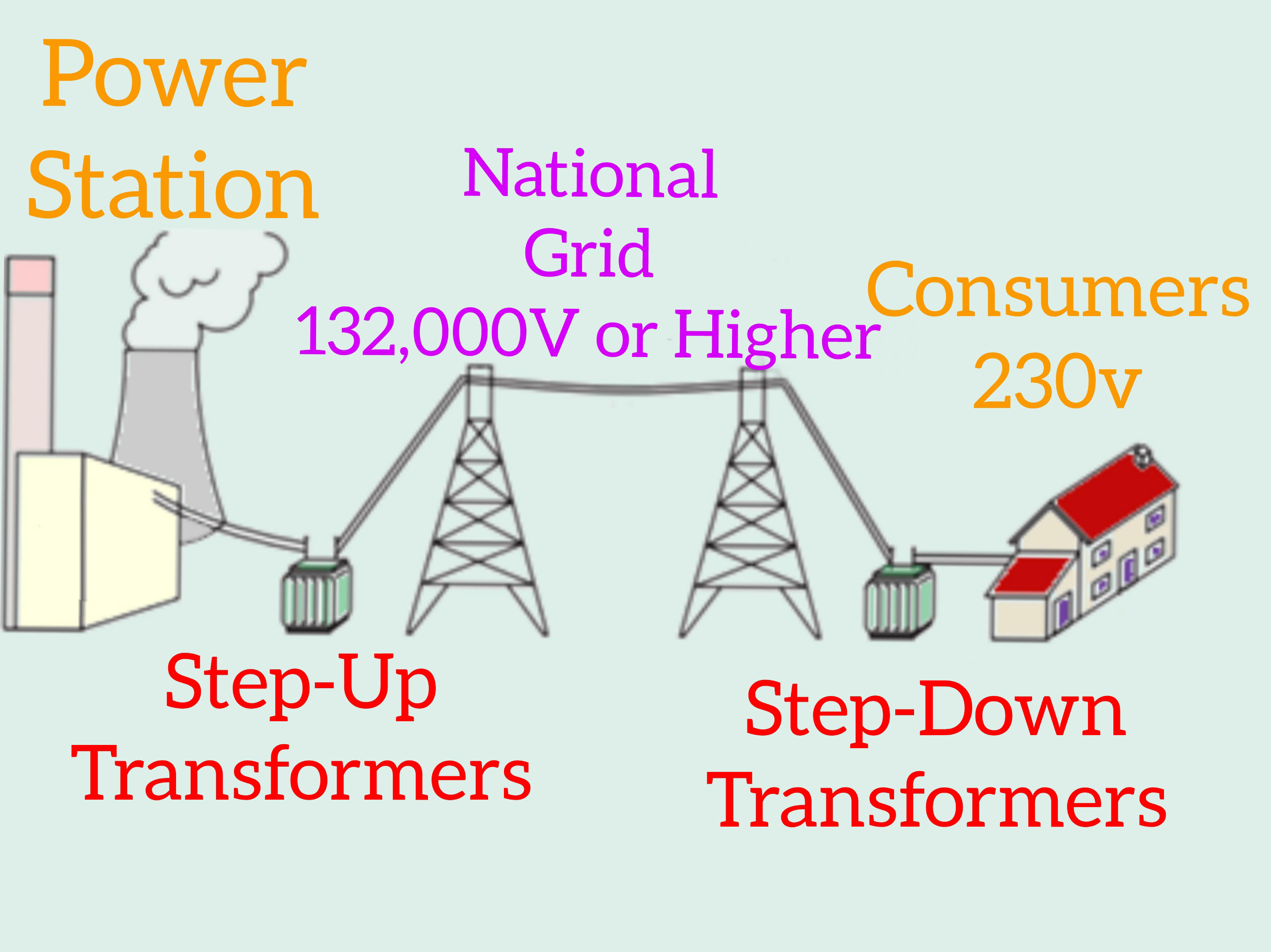
The National Grid Transfers Electricity using Transformers to create High Potential difference and a Low Current.
Because the National Grid needs to transfer a very large amount of energy.
Because the National Grid needs to transfer a very large amount of energy.
33
What are the types of error & how to fix them?
Random Error: caused by human (mistake)
Fix by repeating and Calculating an Mean.
Systematic Error: caused by problem with equipment
Fix by adapting scales.
Fix by repeating and Calculating an Mean.
Systematic Error: caused by problem with equipment
Fix by adapting scales.
34
Define Fuse & Common Ones in Uk
Breaks Circuit if Fault in Appliance Causes Too Much Current To Flow.
3A, 5A, 13A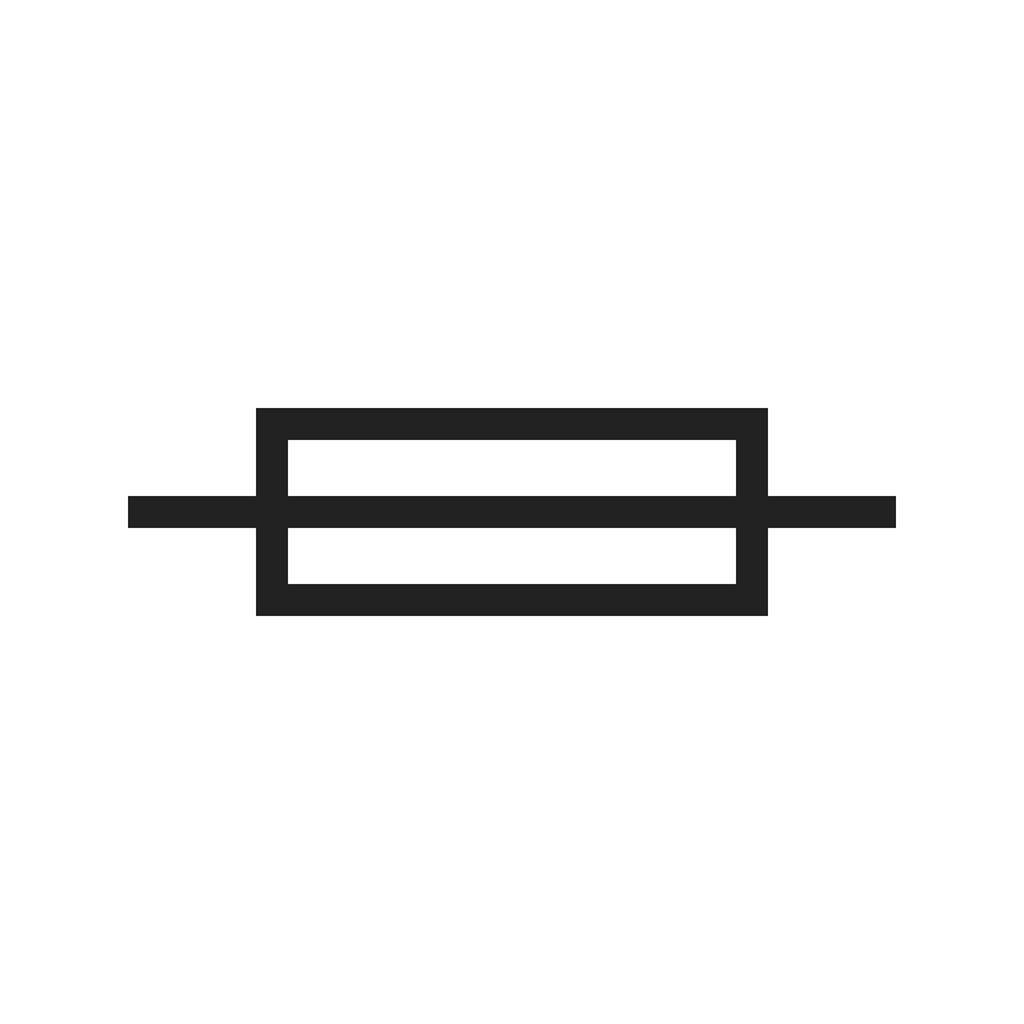
3A, 5A, 13A
35
Define Circuit Breakers
Act as Resettable Fuses
36
Define Double Insulation & what wire does it not include
Two Layers of Insulation- Case & Live & Neutral Wires Insulated
Don't Include Earth Wire.
Don't Include Earth Wire.
37
Under Normal Operating Conditions, which Wires Carry Electric Current??
Live & Neutral
38
What are the Safety Methods for Electricity?
• Earth Wire
• Fuses
• Circuit Breakers
• Double Insulation
• Fuses
• Circuit Breakers
• Double Insulation
39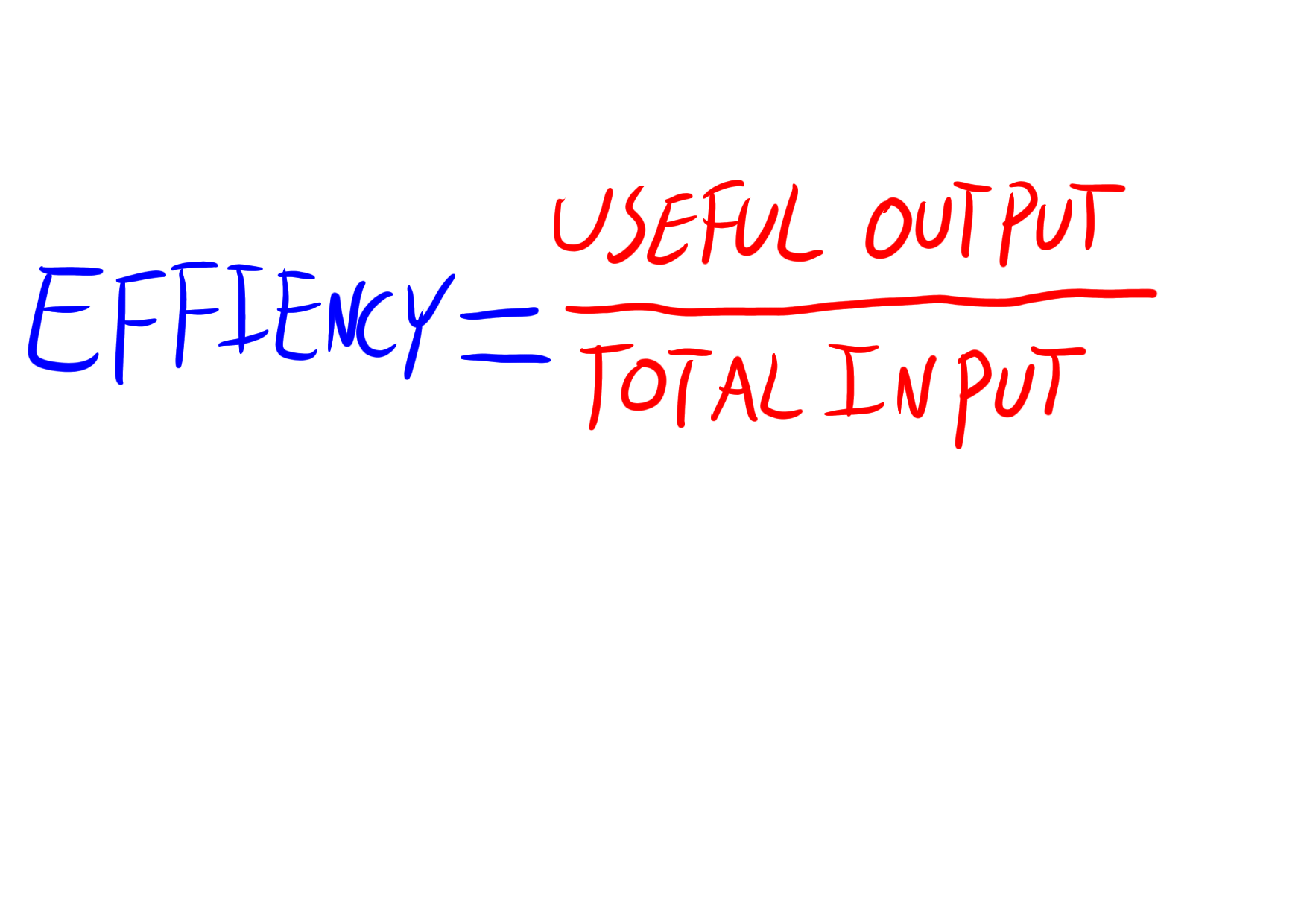
What is the Equation for Efficiency?
40
Dissipated means same as
Wasted into Surroundings