Specialist Technical Principles 30%
Study these flashcardsFree · spaced repetition · iPhone, Android, Mac & web
All cards
1
What are two different types of polymers?
• Thermoforming
• Thermosetting
• Thermosetting
2
What are Properties of Thermoforming Polymers?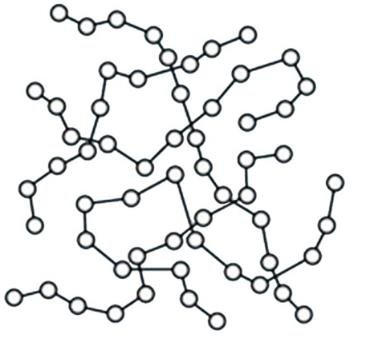
• Soften when Heating
• Can be Reshaped
• More commonly Used in Schools
• Easy to Recycle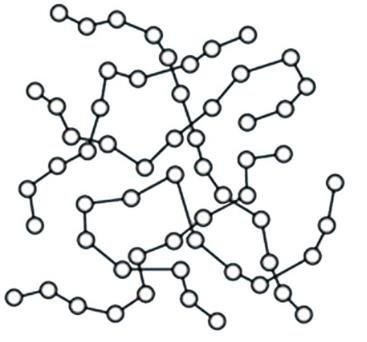
• Can be Reshaped
• More commonly Used in Schools
• Easy to Recycle
3
What are Properties of Thermosetting Polymers?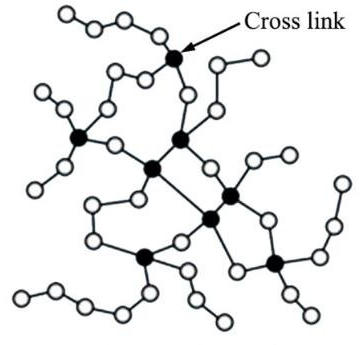
• Initially Set by Heat
• Can't be Reshaped/Reformed Once Set
• Extremely Strong & Durable
• Resistance to Heat
• Difficult to Recycle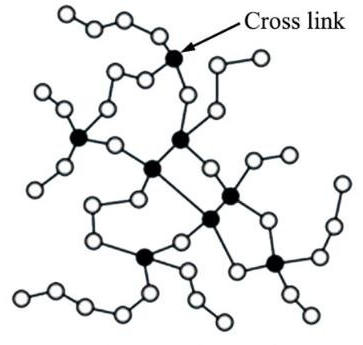
• Can't be Reshaped/Reformed Once Set
• Extremely Strong & Durable
• Resistance to Heat
• Difficult to Recycle
4
Name Thermoforming Plastics and Properties Of Each?
High Impact Polystyrene
Light Strong Using in Vacuum Forming
High Density Polyethylene
Stiff & Hardwareing
Polyethylene Terephthalate
Transparent Used For Blow Moulding
Polyvinyl Chloride
Strong & Stiff
Acrylic
Brittle, Transparent or Coloured
Polypropylene
Tough & Flexible
Low Density Polyethylene
Can Come in Flexible Sheets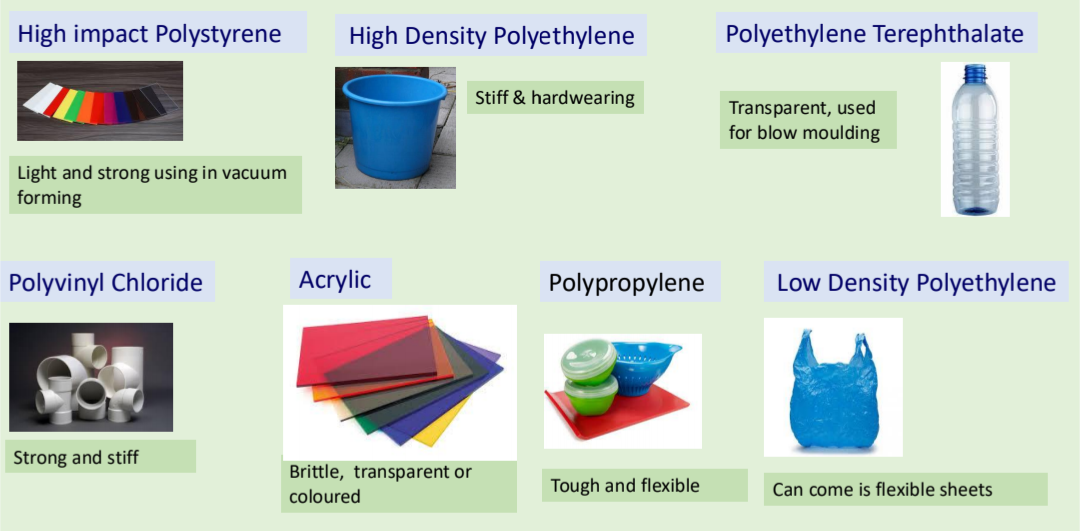
Light Strong Using in Vacuum Forming
High Density Polyethylene
Stiff & Hardwareing
Polyethylene Terephthalate
Transparent Used For Blow Moulding
Polyvinyl Chloride
Strong & Stiff
Acrylic
Brittle, Transparent or Coloured
Polypropylene
Tough & Flexible
Low Density Polyethylene
Can Come in Flexible Sheets
5
Name Thermosetting Plastics and Properties Of Each?
GRP (Glass Reinforced Plastic)
Can be Moulded into Any Shape
Xpoxy Resin
Resists Chemicals
Urea Formaldehyde
Excellent Insulator
Phenol Formaldehyde
Excellent Flame Resistance
Melamine Formaldehyde
Resistant to Heat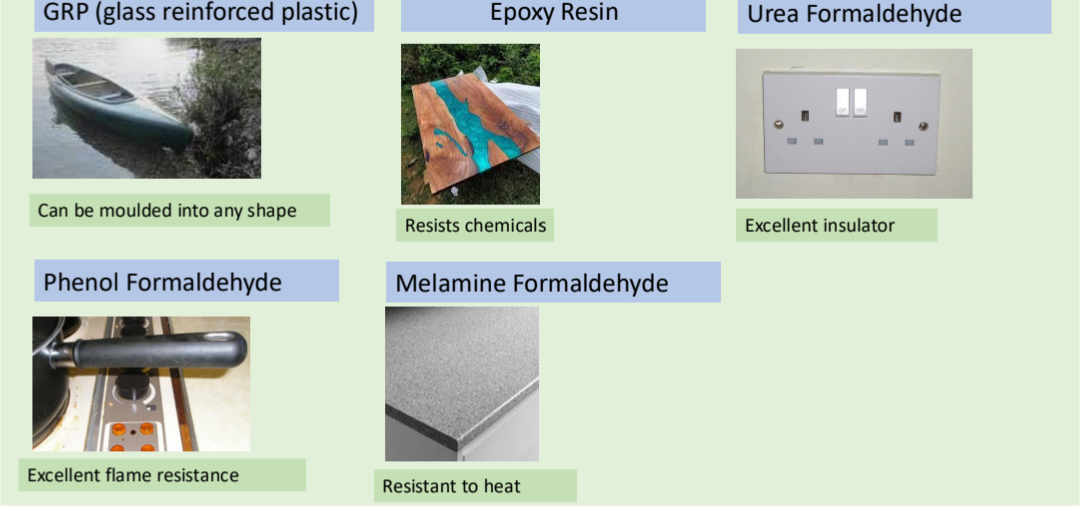
Can be Moulded into Any Shape
Xpoxy Resin
Resists Chemicals
Urea Formaldehyde
Excellent Insulator
Phenol Formaldehyde
Excellent Flame Resistance
Melamine Formaldehyde
Resistant to Heat
6
What three sources do Polymers come from & Give Examples?
• Synthetic Compounds: Crude Oil
• Naturally Occurring Compounds: Rubber Tree
• Plant Based Starches: Corn Starch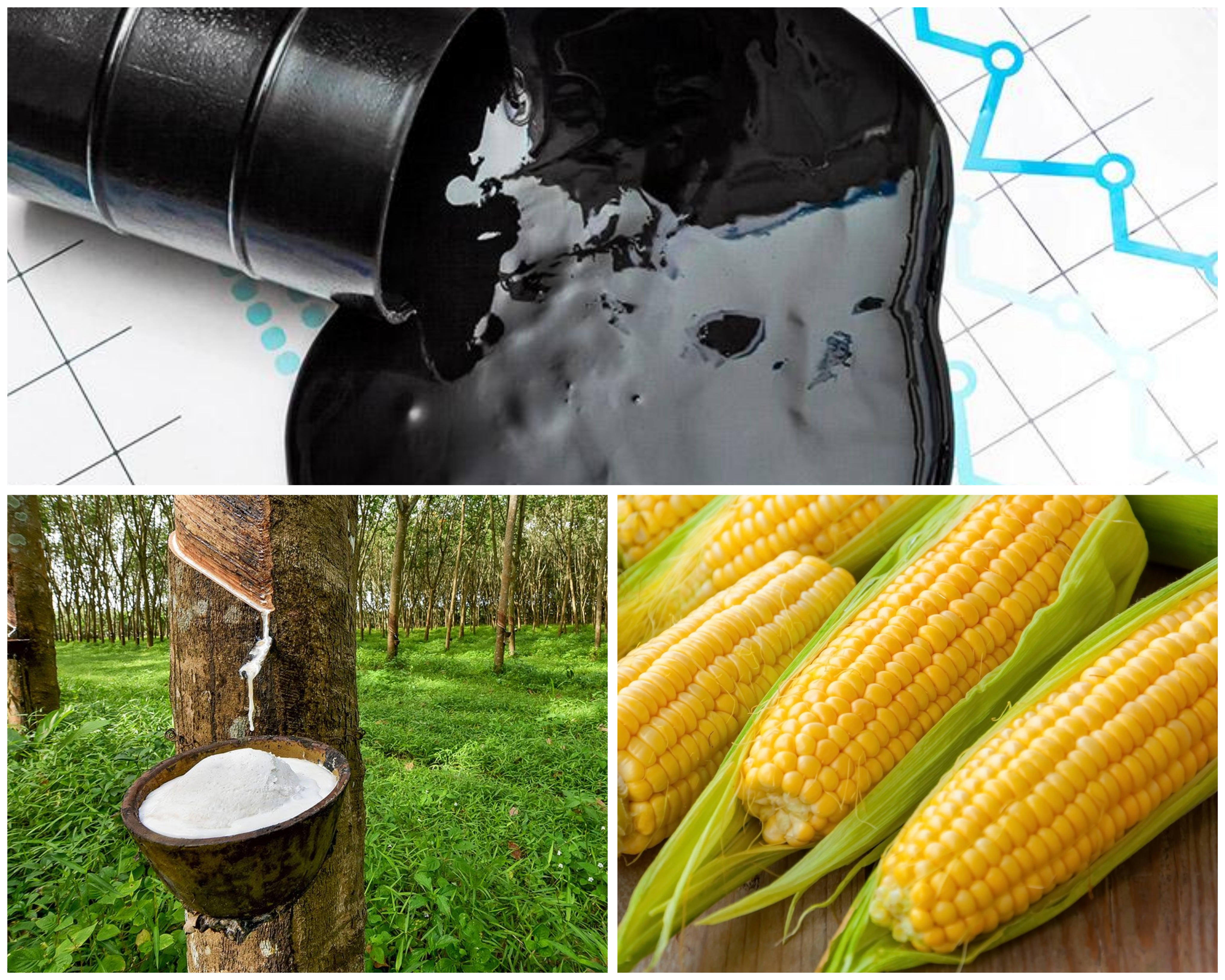
• Naturally Occurring Compounds: Rubber Tree
• Plant Based Starches: Corn Starch
7
What is the difference between Natural & Synthetic Plastics?
Natural plastics can Decompose much More Quickly.
Natural Plastics are made from a Renewable Source but Synthetic Plastics will run out
Natural Plastics are made from a Renewable Source but Synthetic Plastics will run out
8
Why is Thermosetting Polymer more difficult Recycle?
Crossed Linked-Chains, means Polymer Has Set into Shape & Can't Be Reformed Using Heat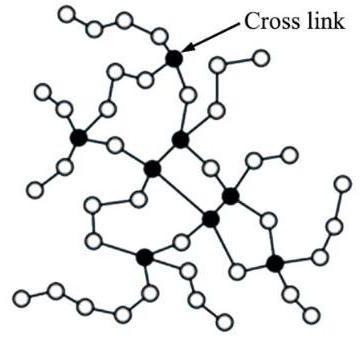
9
How are Polymers Produced?
By Polymerisation
10
When does Polymerisation Occur?
When Molecules of Simpler Compounds known as Monomers, join to Other Monomers to Form Polymers.
11
What Standard Stock Forms can you buy polymers in?
• Rods
• Sheets
• Squares
• Powder
• Granules
• Foam
• Film or Rolls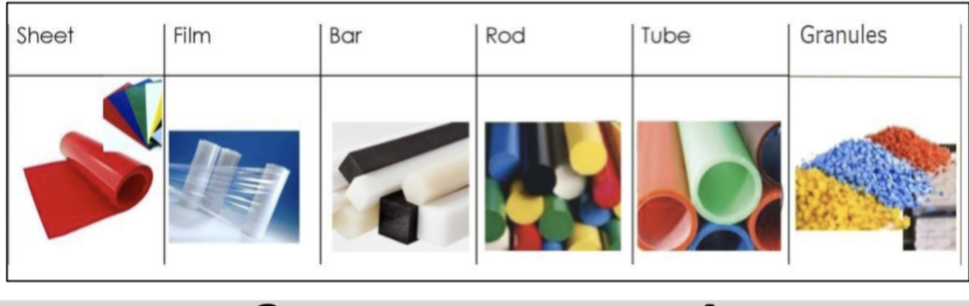
• Sheets
• Squares
• Powder
• Granules
• Foam
• Film or Rolls
12
How is Crude Oil Refined?
1) Crude Oil is Heated
2) Fractional Distillation Occurs in Crude Oil Distillation Unit. (CDU)
Separates Crude Oil into Different Compounds or Fluids
These Fuels contain Large Hydrocarbon Molecules which aren't suitable for Plastics.
3) Refining Process:
Cracking Converts Large Hydrocarbon into Smaller More Useful ones for Raw Material for Plastic Production
4) Ethene and Propane Created for Manufacture of Polymer Granules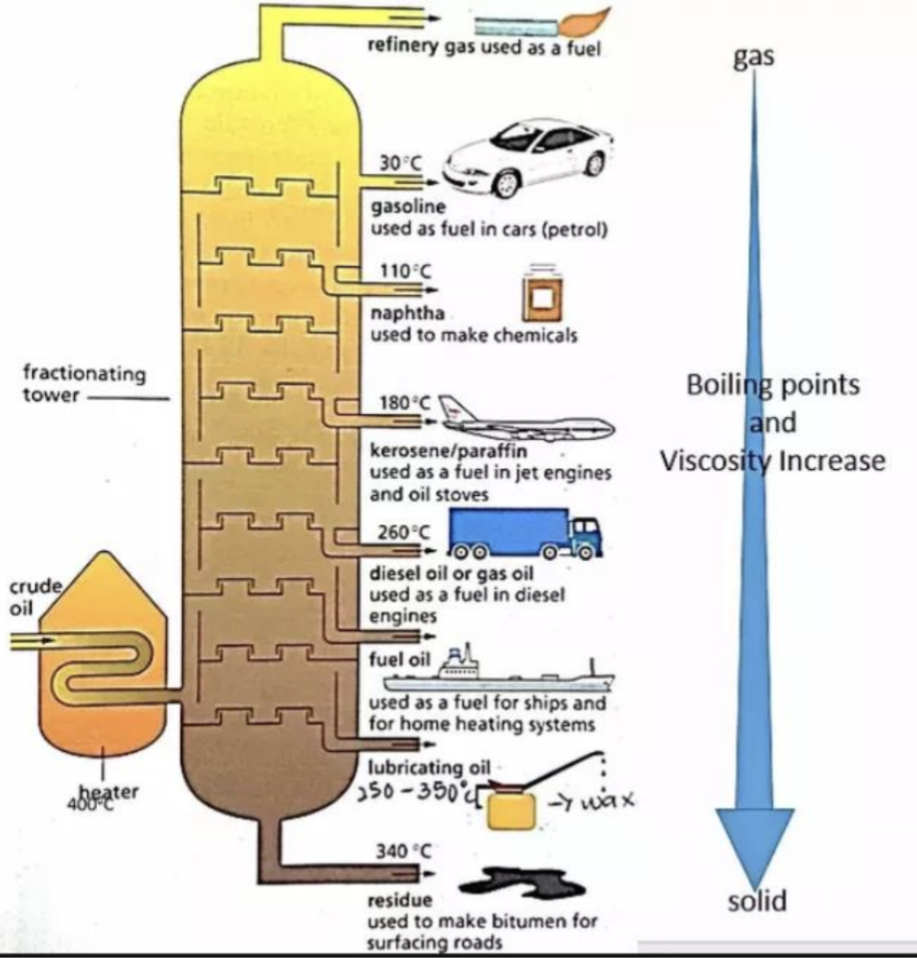
2) Fractional Distillation Occurs in Crude Oil Distillation Unit. (CDU)
Separates Crude Oil into Different Compounds or Fluids
These Fuels contain Large Hydrocarbon Molecules which aren't suitable for Plastics.
3) Refining Process:
Cracking Converts Large Hydrocarbon into Smaller More Useful ones for Raw Material for Plastic Production
4) Ethene and Propane Created for Manufacture of Polymer Granules
13
Define Plastic Additives
Many Different Chemicals can be added to Enhance Function or Aesthetics
14
What can be added to Polymers and why?
Stabilisers:
to make PLASTIC Resistant to Heat or UV Light
Fragrances:
to Toys & Air-Freshners
Pigments:
to Change Colour
Plasticisers:
to Increase Flexability
to make PLASTIC Resistant to Heat or UV Light
Fragrances:
to Toys & Air-Freshners
Pigments:
to Change Colour
Plasticisers:
to Increase Flexability
15
Why are Plasticisers Harmful?
Can cause Cancer because Phthalates Used to make Flexible Plastics.
16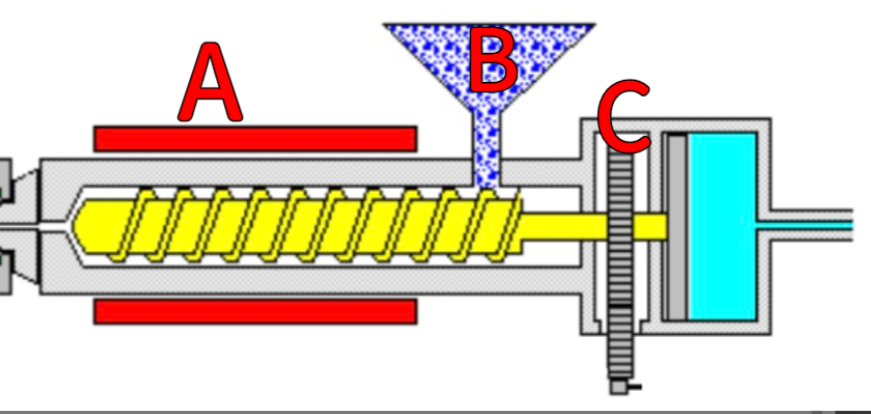
Draw the diagram for the bit that doesn't change for injection. moulding, blow, moulding etc
17
Label Diagram & what type of Machine is this? 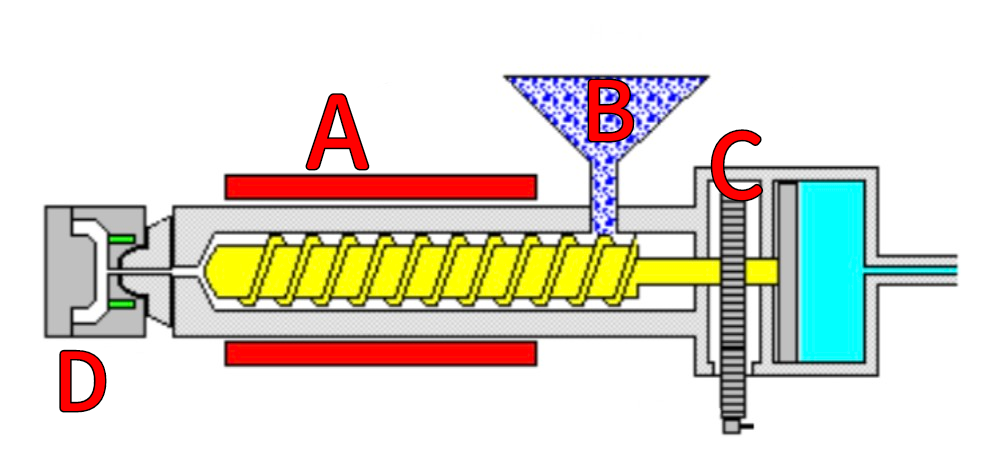
Injection Moulding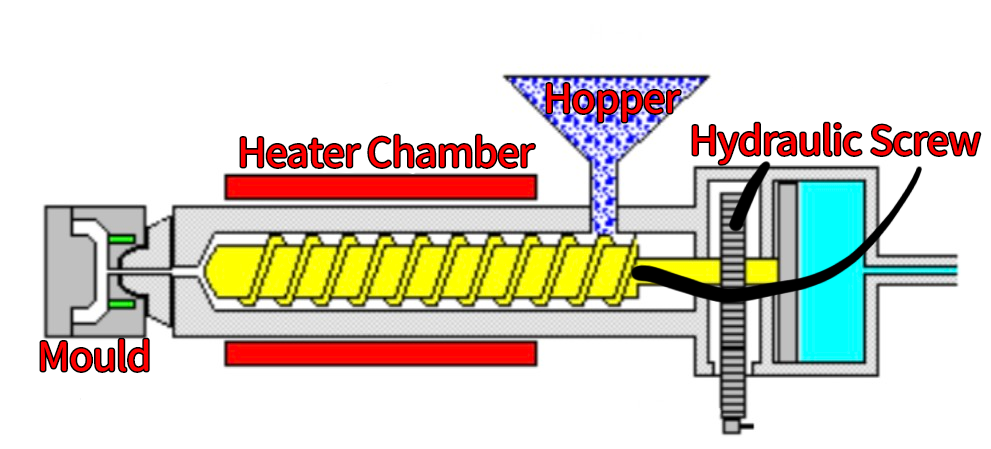
18
Label Diagram & what type of Machine is this? 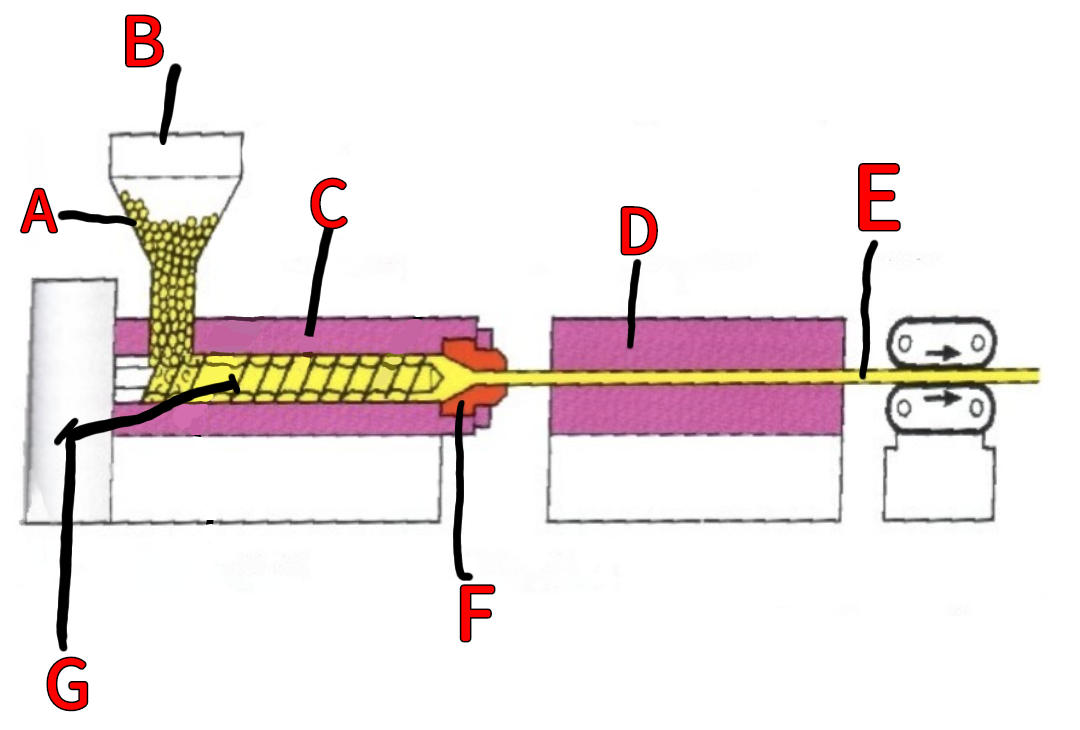
Extrusion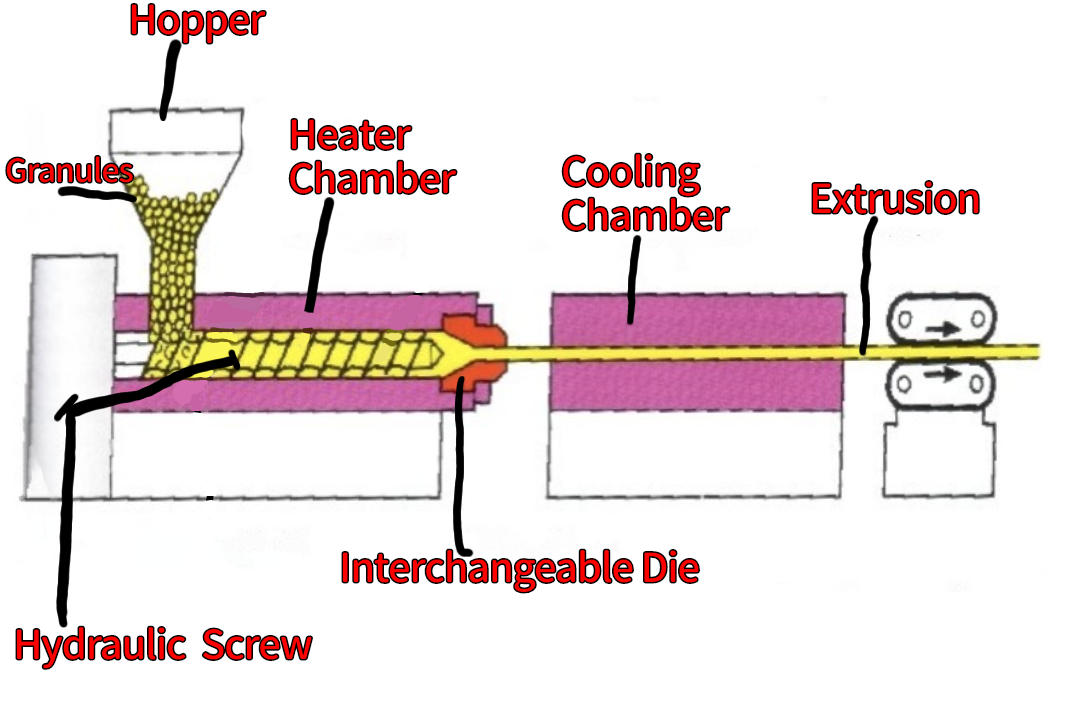
19
Define Injection Moulding
Molten Plastic is Injected Under Pressure into a Cavity Mould and then Cooled.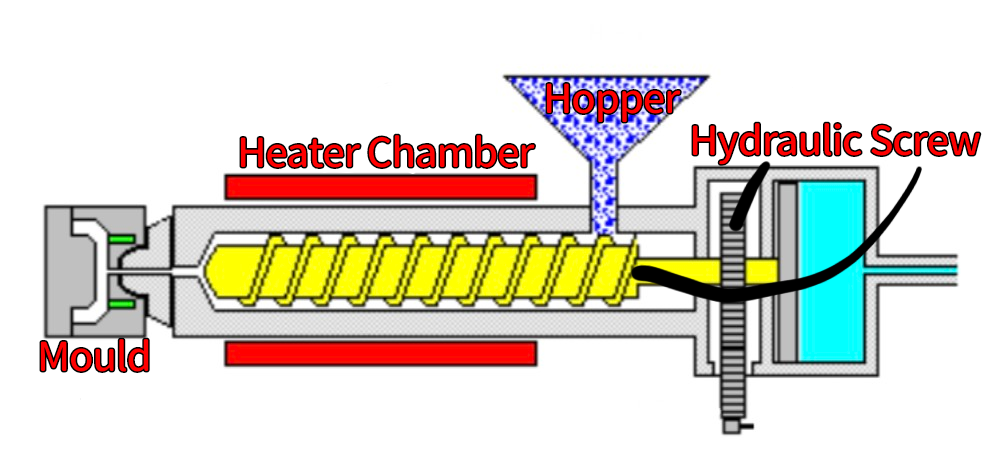
20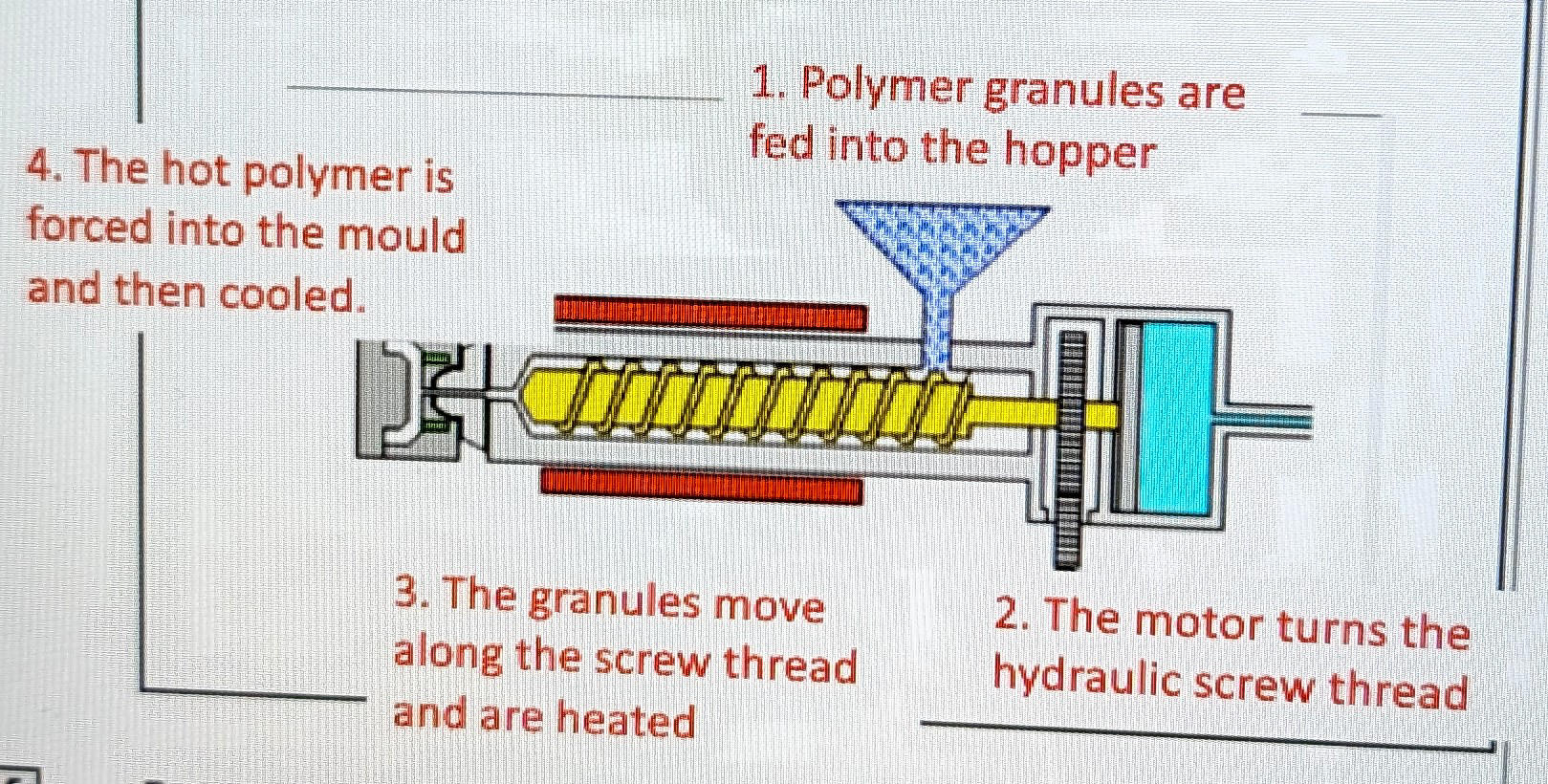
How does Injection Moulding Work?
21
Define Extrusion & the difference between Injection Moulding
Very Similar to Injection Moulding the only difference is the Die & Water Cooling Chamber.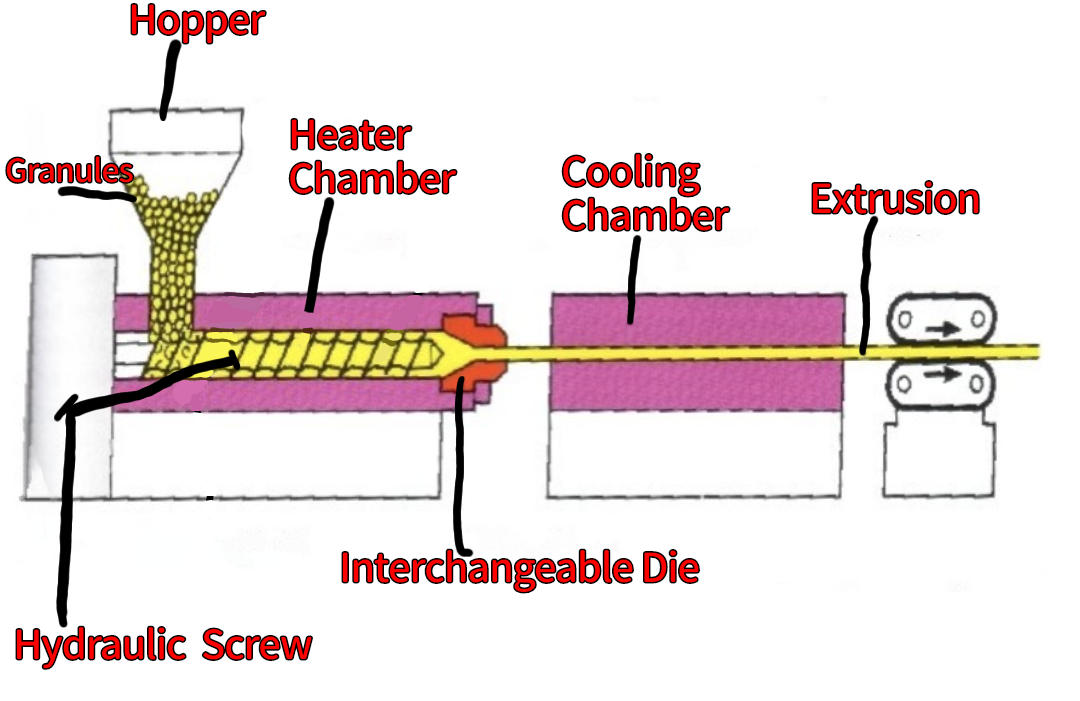
22
What plastic commercial manufacturing process would be suited for Flexible Manufacturing Systems and Why?
Injection Moulding, Extrusion or Blow Moulding because you can Change the Mould/Dies Easily
23
How does Blow Moulding work?
1) The Mould is Closed & Tightened
2) Compressed Air is Blown to Expand Plastic
3) Mould is Opened & Bottle is Trimmed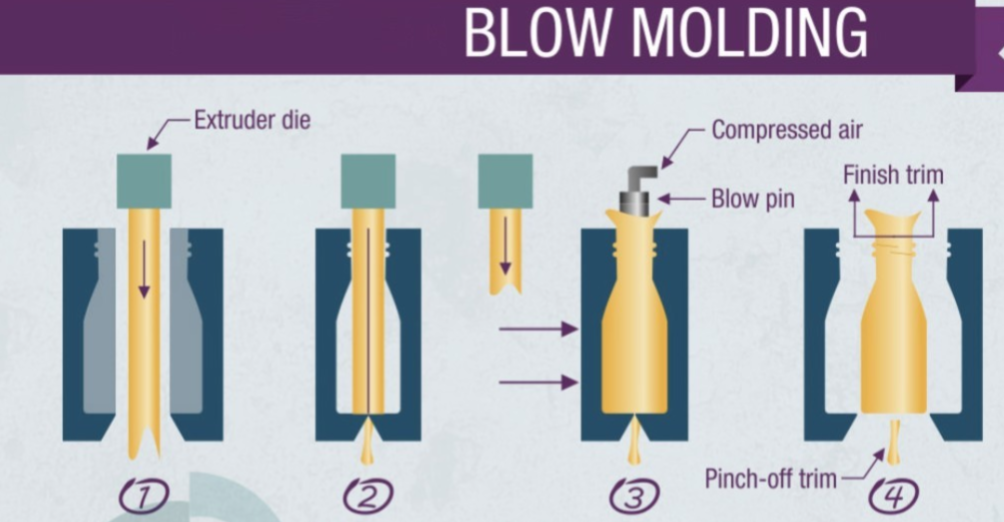
2) Compressed Air is Blown to Expand Plastic
3) Mould is Opened & Bottle is Trimmed
24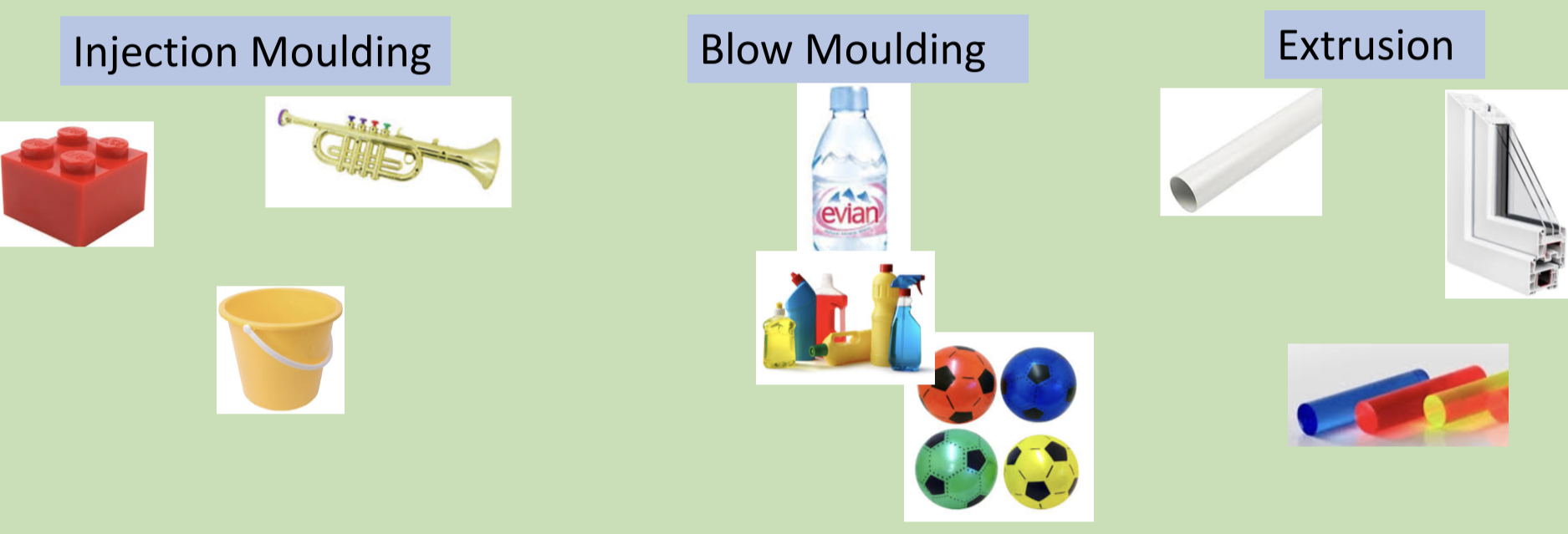
Which Objects go to each process?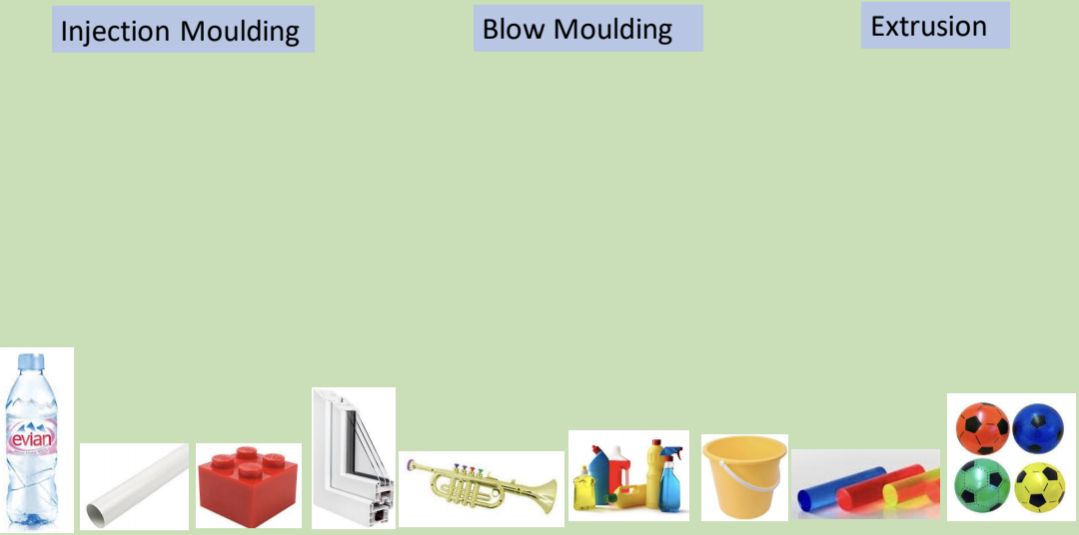
25
Define Parison
Mixture of Blow Moulding & Injection Moulding
26
What is the Process of Parison?
Parison is a Product of Injection Moulding Plastic. It is then Heated & Shaped using Blow Moulding into a Bottle or other Empty Inside Item. 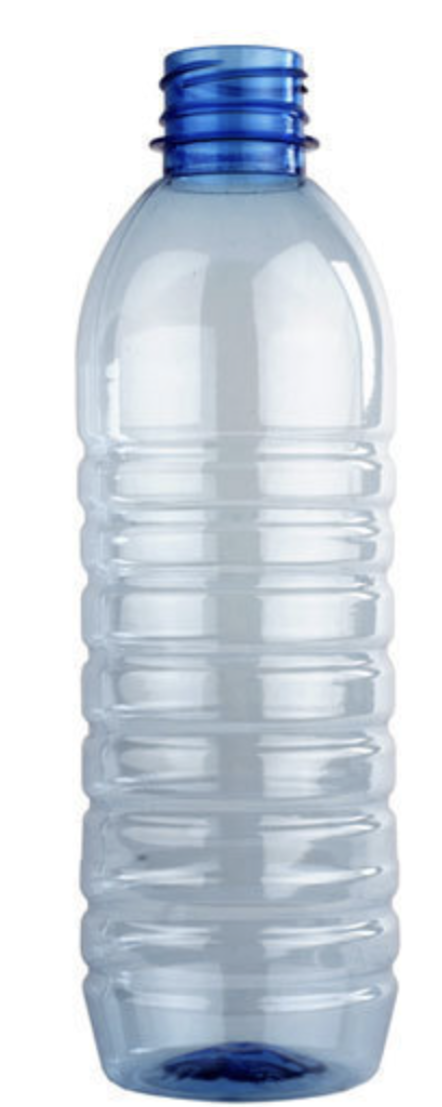
27
What the Method for Vacuum Forming?
1) Mould is Manufactured & Placed on Vacuum Former
2) Plastic Sheet is Placed About the Mould & Clamped
3) Electric Heater is Turned on to Warm the Sheet & Plastic Becomes Flexible
4) Air is Pumped Out of the Area Below the Plastic & Mould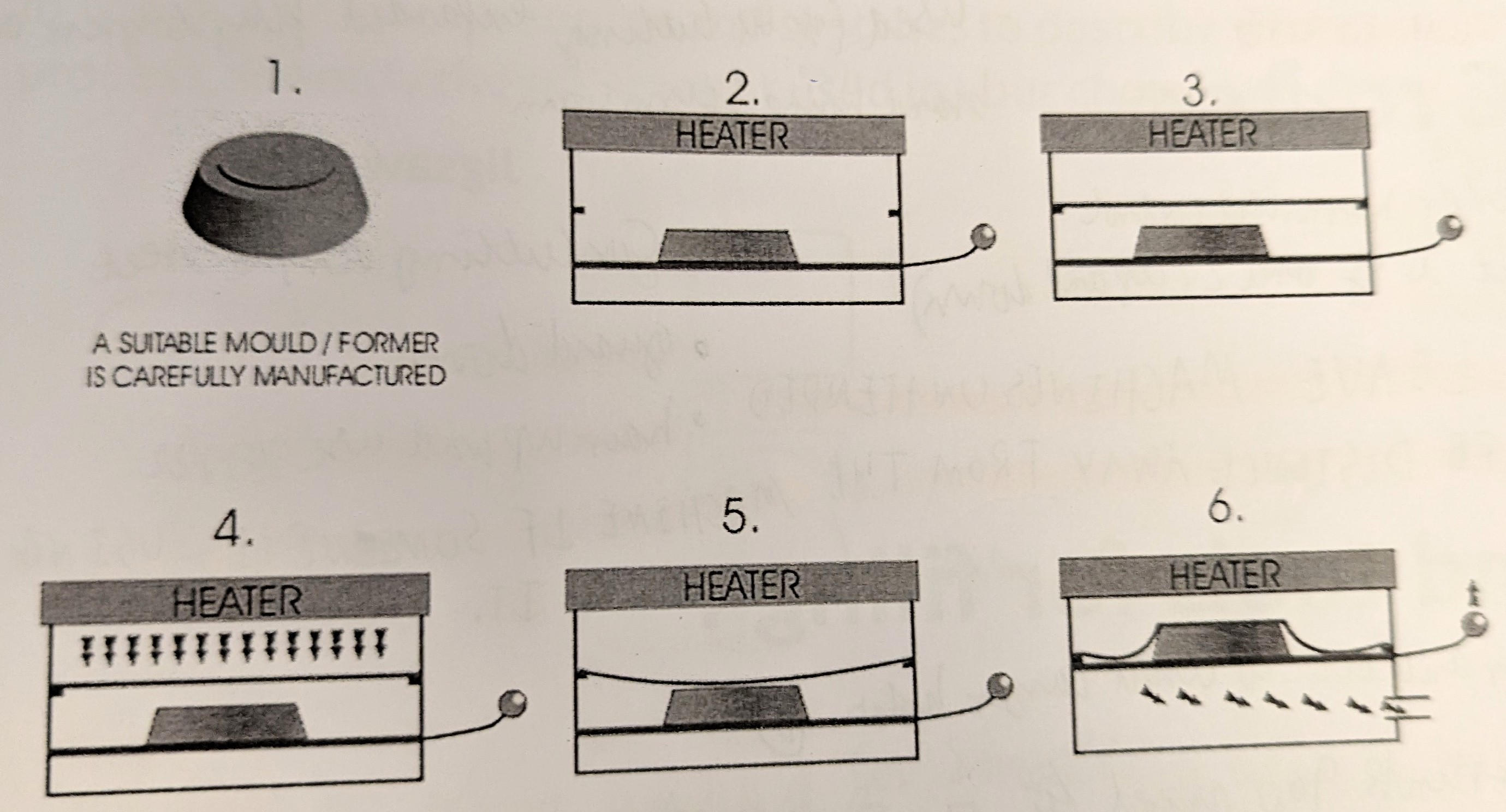
2) Plastic Sheet is Placed About the Mould & Clamped
3) Electric Heater is Turned on to Warm the Sheet & Plastic Becomes Flexible
4) Air is Pumped Out of the Area Below the Plastic & Mould
28
What process is this?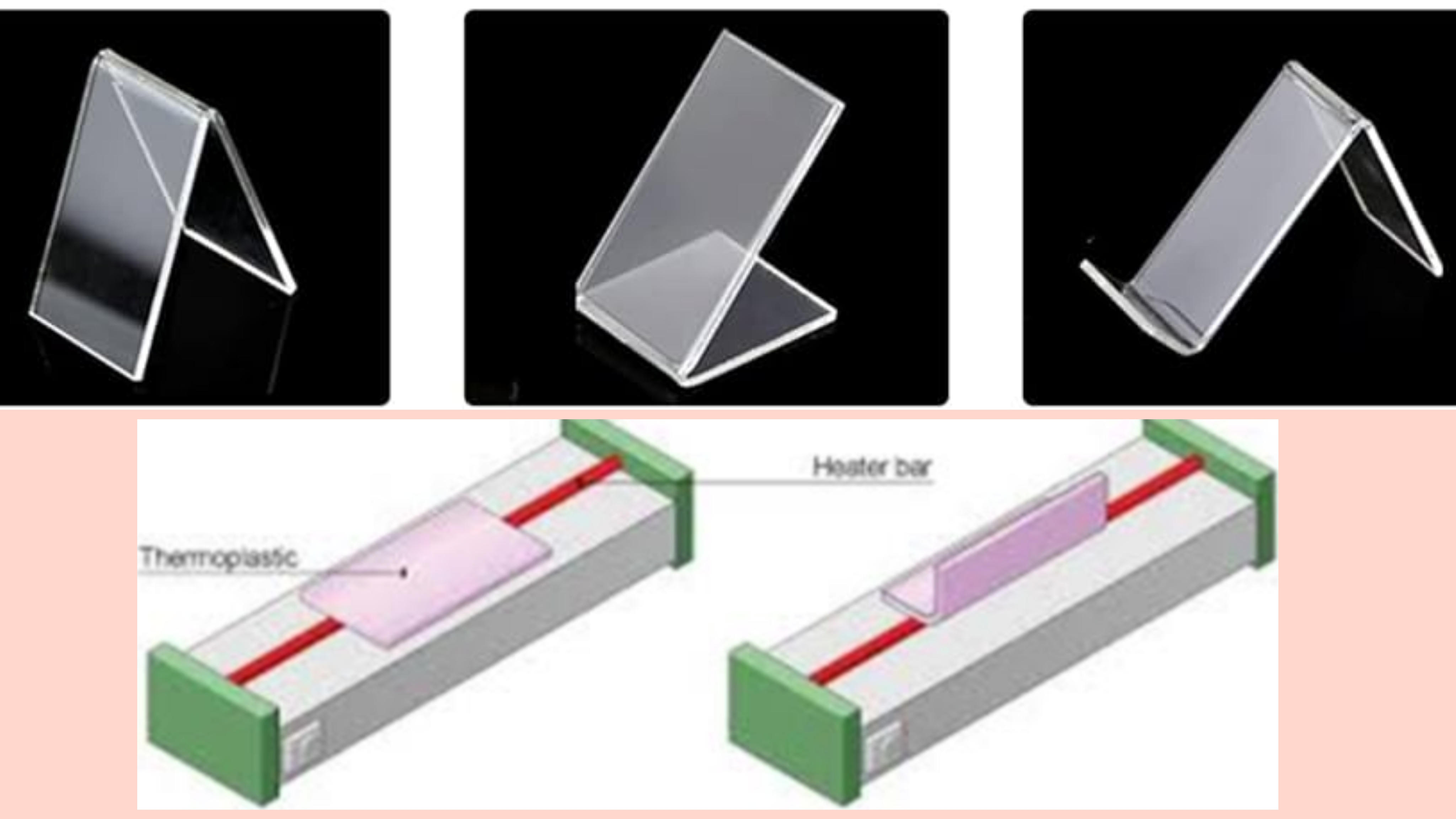
Strip Heater or Line Bending Machine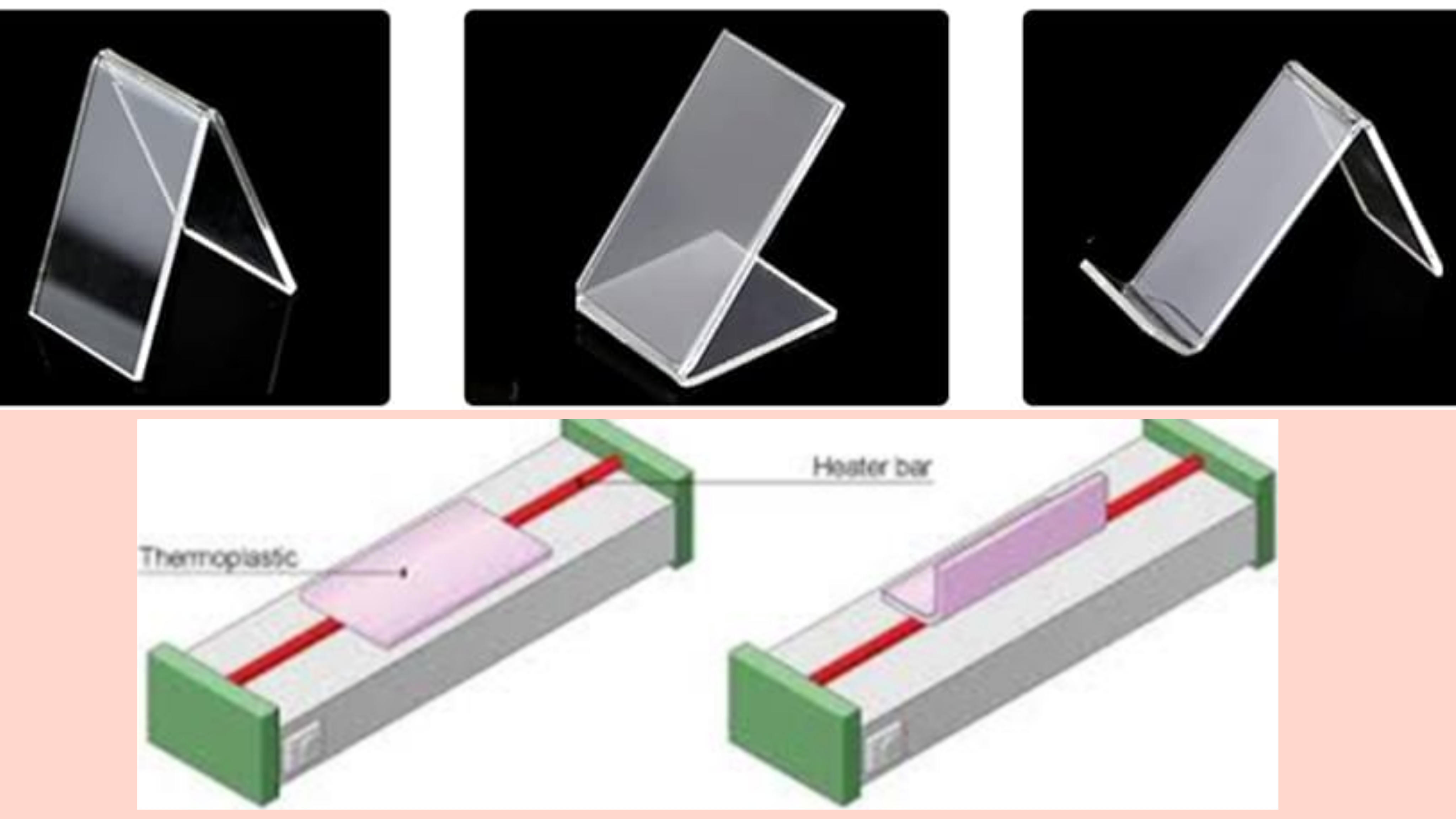
29
Define Wastage
Getting Rid of Material
(Range of Tools & Equipment to Remove Plastic Waste)
(Range of Tools & Equipment to Remove Plastic Waste)
30
What Tools and Equipment can you use to Remove Plastic Waste?
• Hot Wire Cutter
• CNC Router
• Jigsaw
• Hand Tools for Filing
• Drilling
• Jr Hacksaw
• Lazer for Cutting/ Engraving Acrylic Sheet
• Craft Knife for Cutting HIPs
• CNC Router
• Jigsaw
• Hand Tools for Filing
• Drilling
• Jr Hacksaw
• Lazer for Cutting/ Engraving Acrylic Sheet
• Craft Knife for Cutting HIPs
31
Hot Wire Cutter what is it's uses?
• Used in Prototyping for Model Making
• used for Cutting Expanded Polystyrene or (brand name) Styrofoam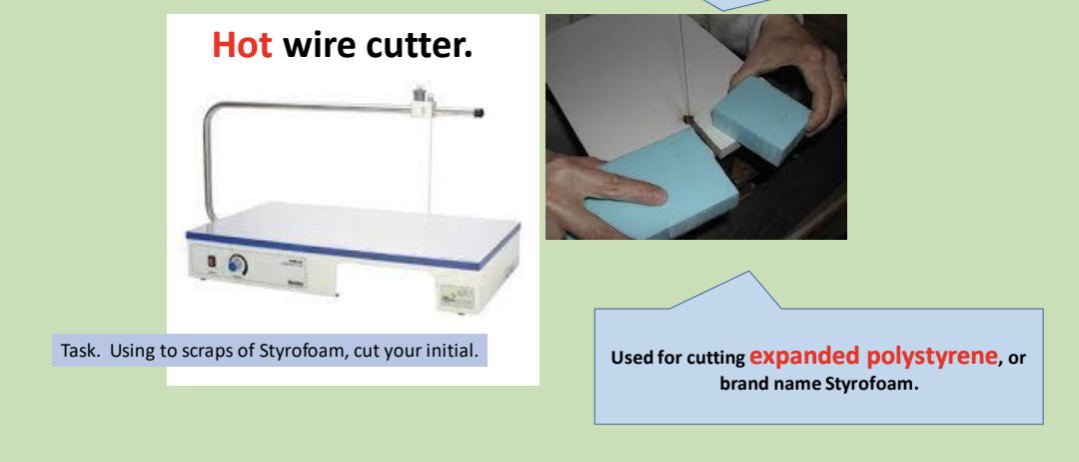
• used for Cutting Expanded Polystyrene or (brand name) Styrofoam
32
What is a CNC Router what is it's uses?
(Computer Numerical Control)
Can Cut X, Y and Z (up & down)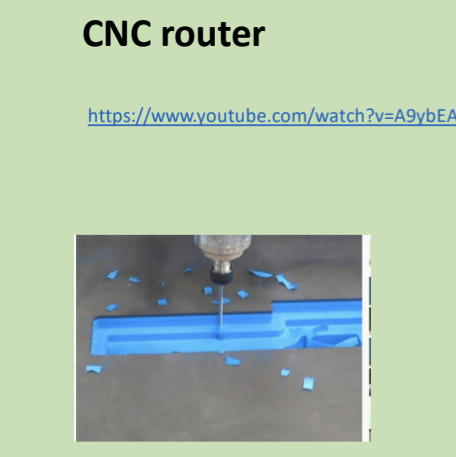
Can Cut X, Y and Z (up & down)
33
Jigsaw what is it's uses?
For Cutting Acrylic Sheets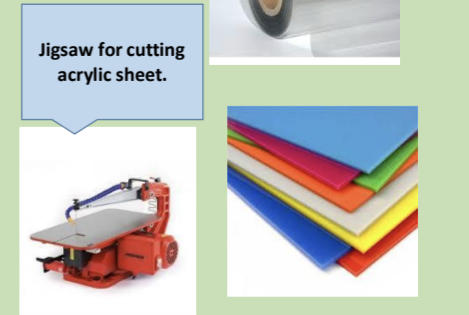
34
what are different types of Drill Bits & uses
• Forstner Drill Bit-
to Drill Larger Holes
• Countersink 90° Angle- to Create a Seating for Screw Head
• Twist Drill-
Drilling Holes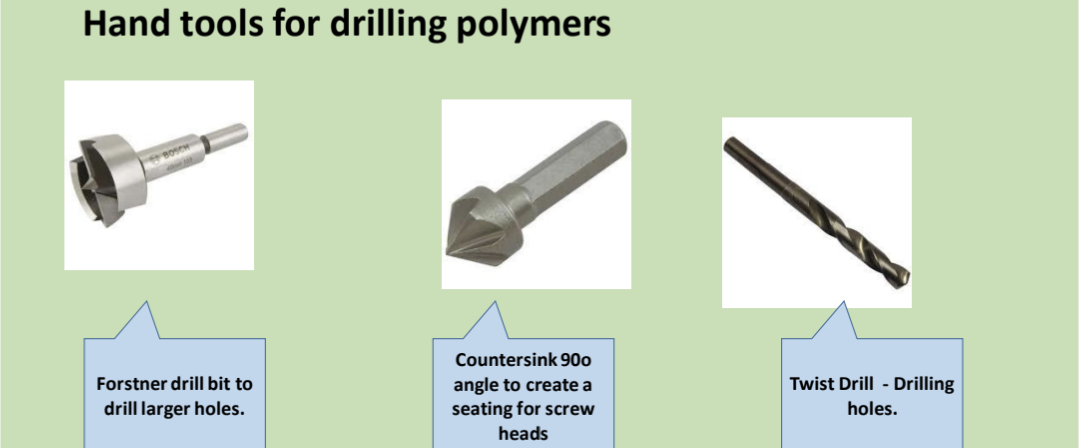
to Drill Larger Holes
• Countersink 90° Angle- to Create a Seating for Screw Head
• Twist Drill-
Drilling Holes
35
Hand Tools for Filing what is it's different types of Files Called & uses ?
• Round, Half Round,
3 Square, Flat
• Used for Smoothing Edges or Removing Waste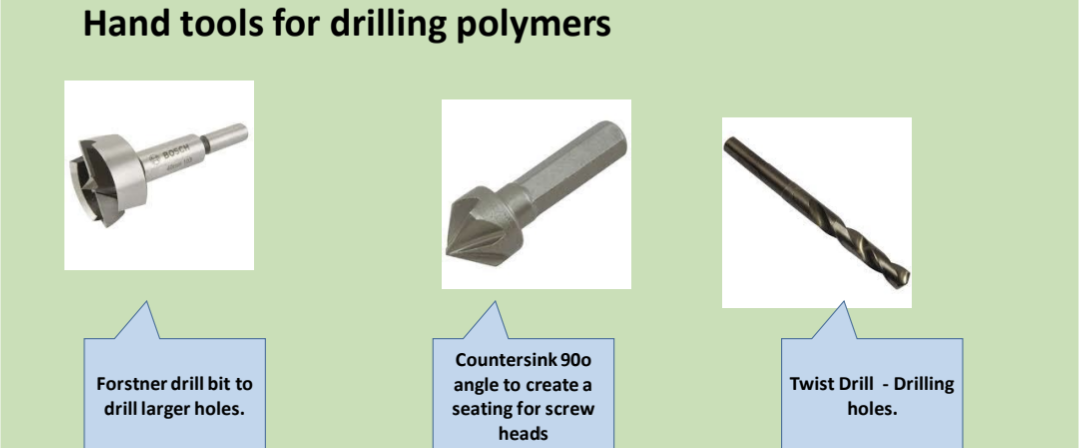
3 Square, Flat
• Used for Smoothing Edges or Removing Waste
36
What is a Jr Hacksaw/Hacksaw & differences what is it's uses ?
• Used to Cut Acrylic Rod or Straight Lines
• Hacksaw has Teeth that Point Forward.
• Jr Hacksaw has Finer Teeth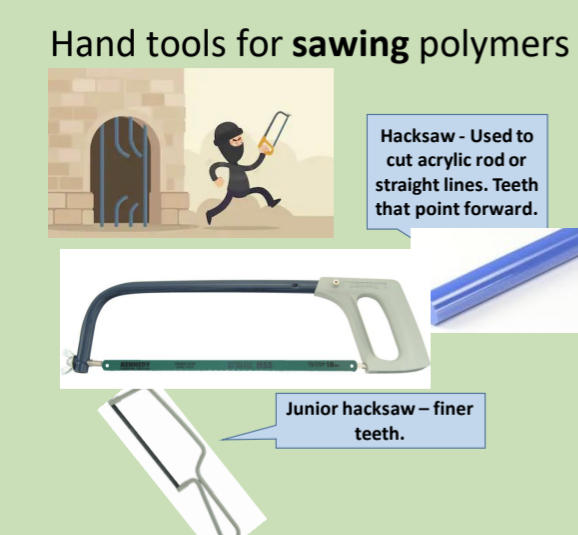
• Hacksaw has Teeth that Point Forward.
• Jr Hacksaw has Finer Teeth
37
What is a Craft Knife for Cutting HIPs what is it's uses ?
For cutting HIPs
(High Impact Polystyrene Sheet)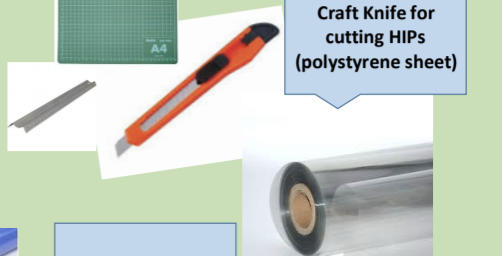
(High Impact Polystyrene Sheet)
38
what is it's uses for Lazer Cutter ?
Lazer for Cutting/ Engraving Acrylic Sheet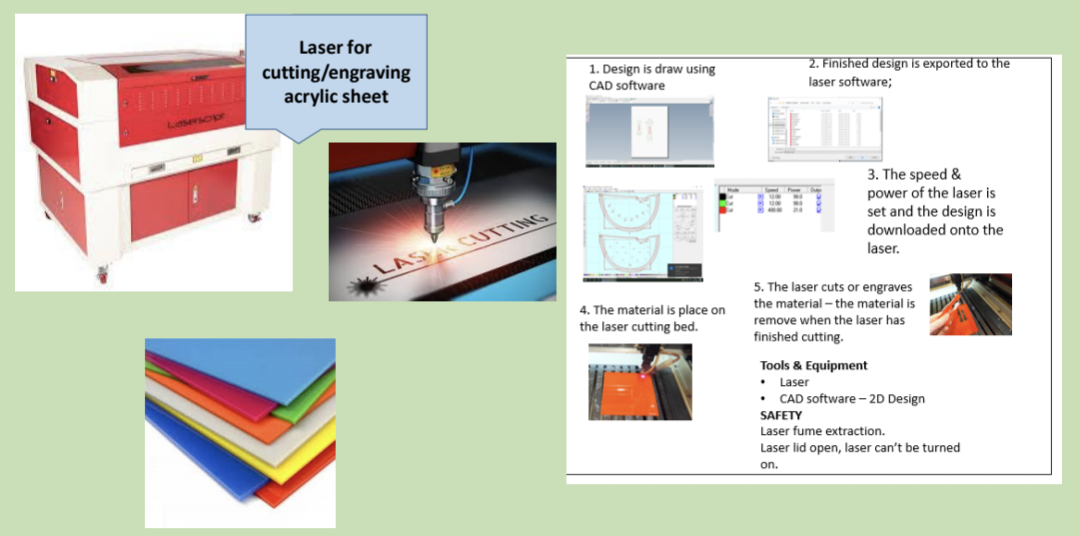
39
What Safety Rules should we Adhere to Hand Tools?
• Keep Tools in Working Order
• Only use Tools been Taught to use
• Don't Run with Tools
• Keep Work Area Tidy & Free from Trip Hazards
• Use Safety Mat & Ruler for Craft Knife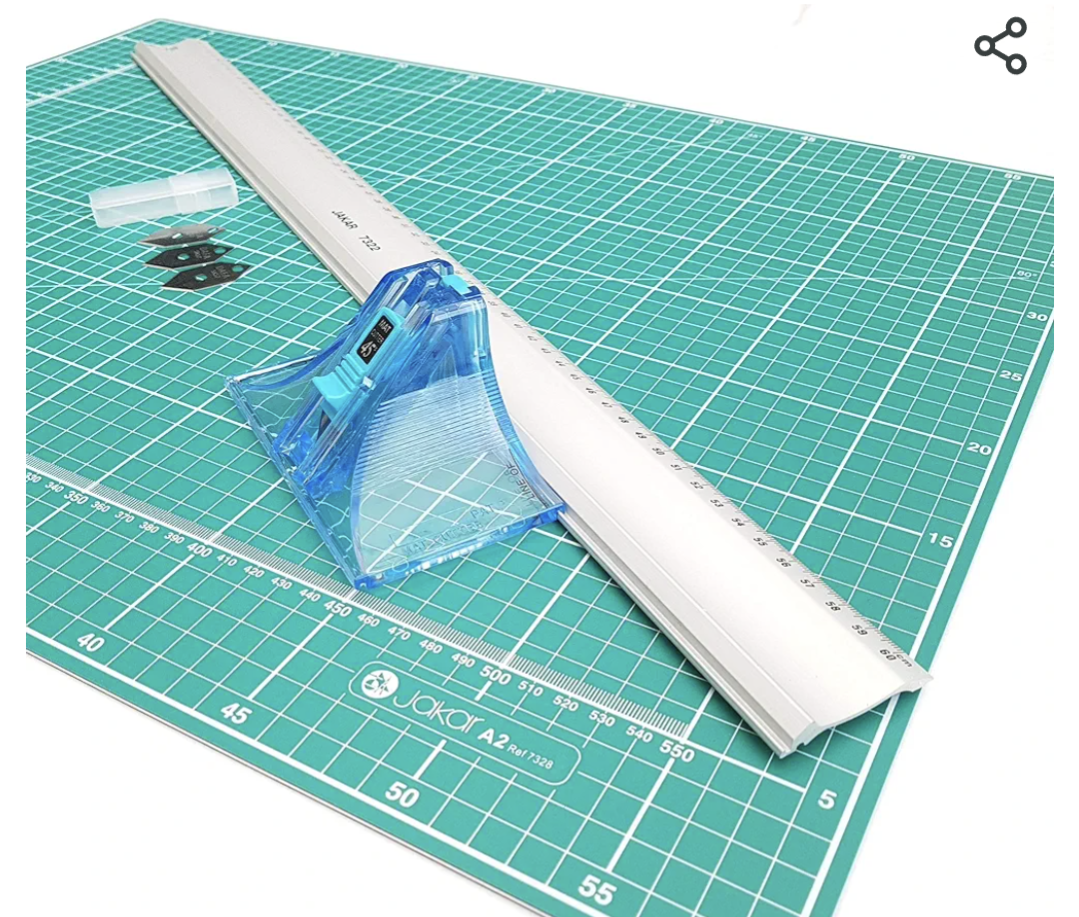
• Only use Tools been Taught to use
• Don't Run with Tools
• Keep Work Area Tidy & Free from Trip Hazards
• Use Safety Mat & Ruler for Craft Knife
40
What Safety Rules should we adhere for Machines
(& specific ones)?
(& specific ones)?
• Never Leave Machine Unatended
• Stay Safe Distance Away from the Machine if Someone is Using it
• Only Use Machines been Taught to Use
• Hair Up & Use Goggles
• Make sure Machines have Appropriate
Guards Down (Drilling & Jigsaw)
• Clamp Work if needed (Drilling)
• For Lazer Cutter Ensure there is
Extraction for Dust & Fumes. Lid must be closed for it to work.
• Stay Safe Distance Away from the Machine if Someone is Using it
• Only Use Machines been Taught to Use
• Hair Up & Use Goggles
• Make sure Machines have Appropriate
Guards Down (Drilling & Jigsaw)
• Clamp Work if needed (Drilling)
• For Lazer Cutter Ensure there is
Extraction for Dust & Fumes. Lid must be closed for it to work.
41
What are the Two Types of Load?
Static Load & Dynamic Load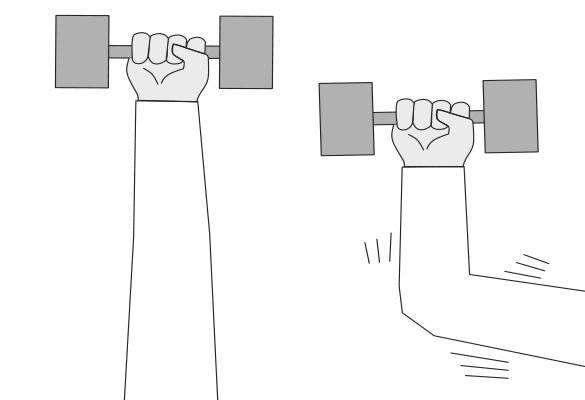
42
Define Static Load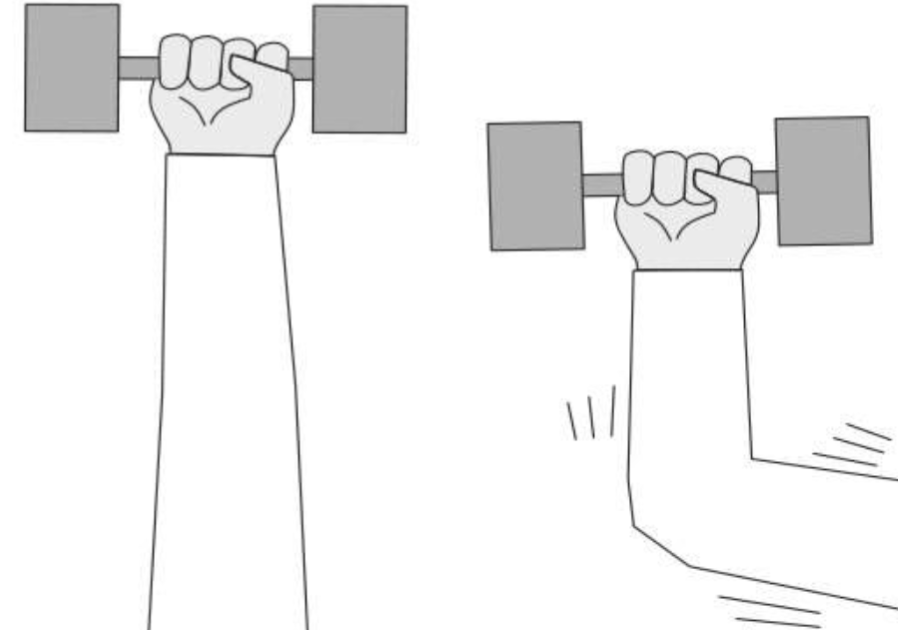
Stationary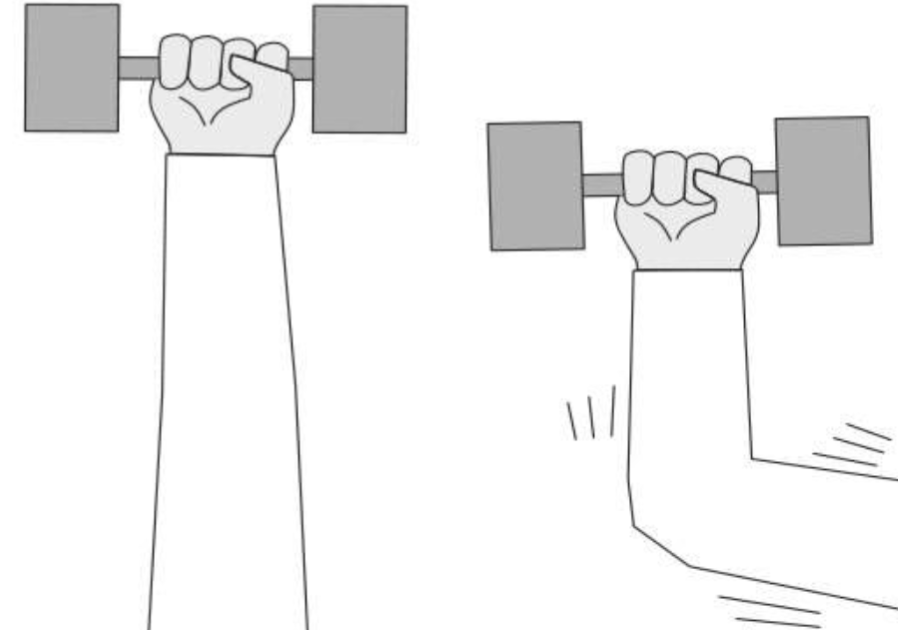
43
Define Dynamic Load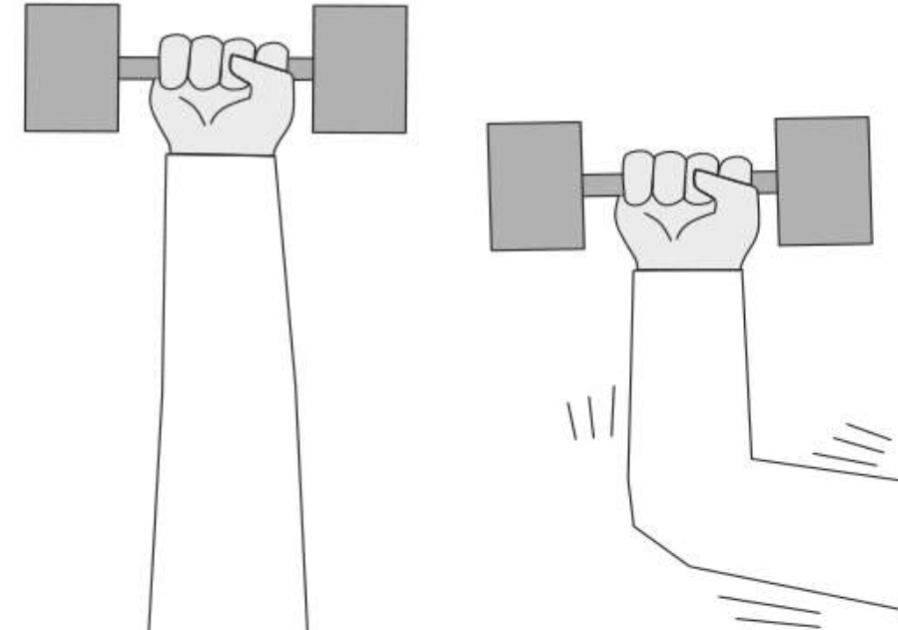
Moving Load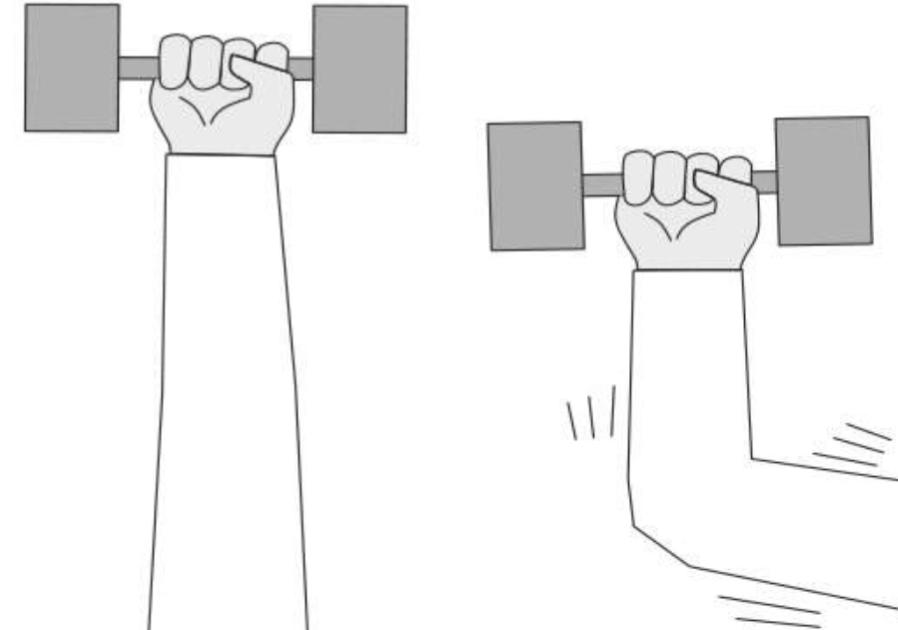
44
Which Force is Greater,
Static Load or Dynamic Load?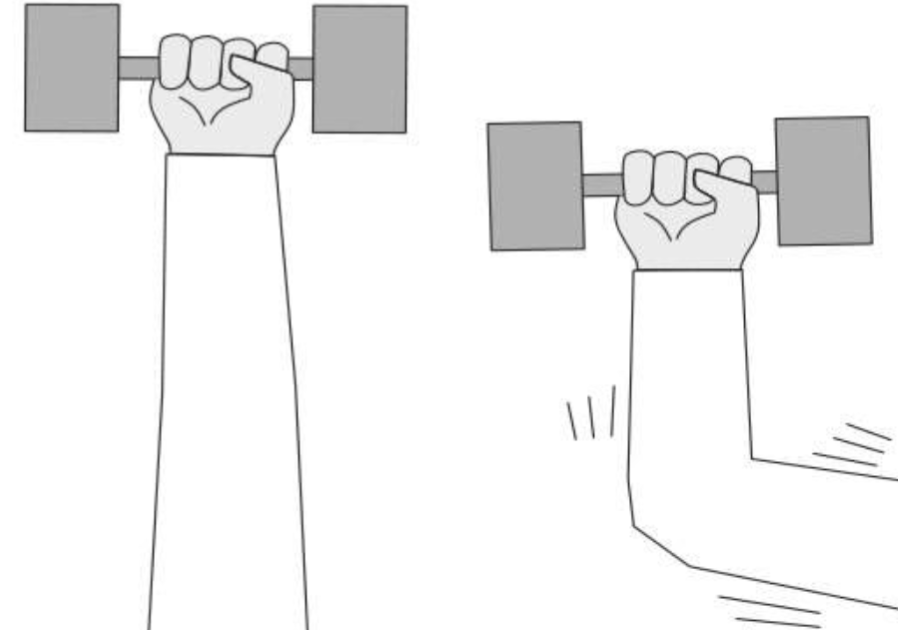
Static Load or Dynamic Load?
Dynamic Load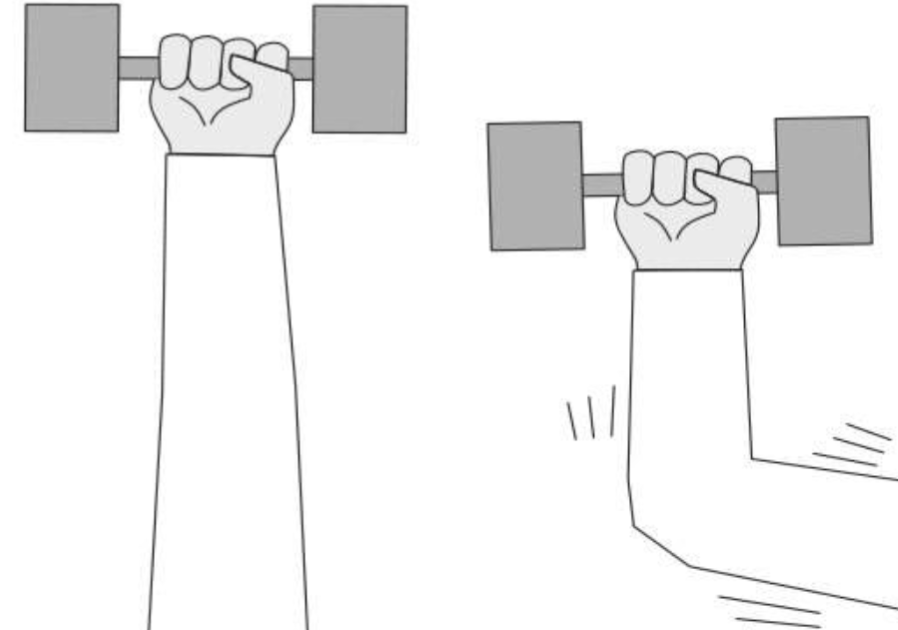
45
What are all the Forces that Act On a Structure?
• Tensile Srength
• Tension
• Compression
• Torsion
• Shear
• Bending
• Tension
• Compression
• Torsion
• Shear
• Bending
46
Define Tension
Force Applied at Both Ends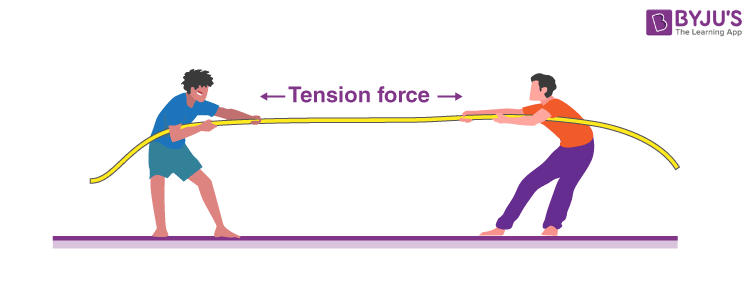
47
Define Compression
Pushing Down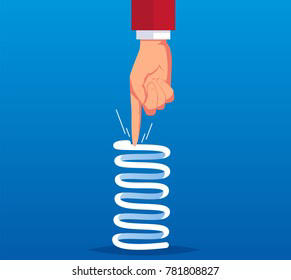
48
Define Torsion
The Two Ends Twist in Opposite
Directions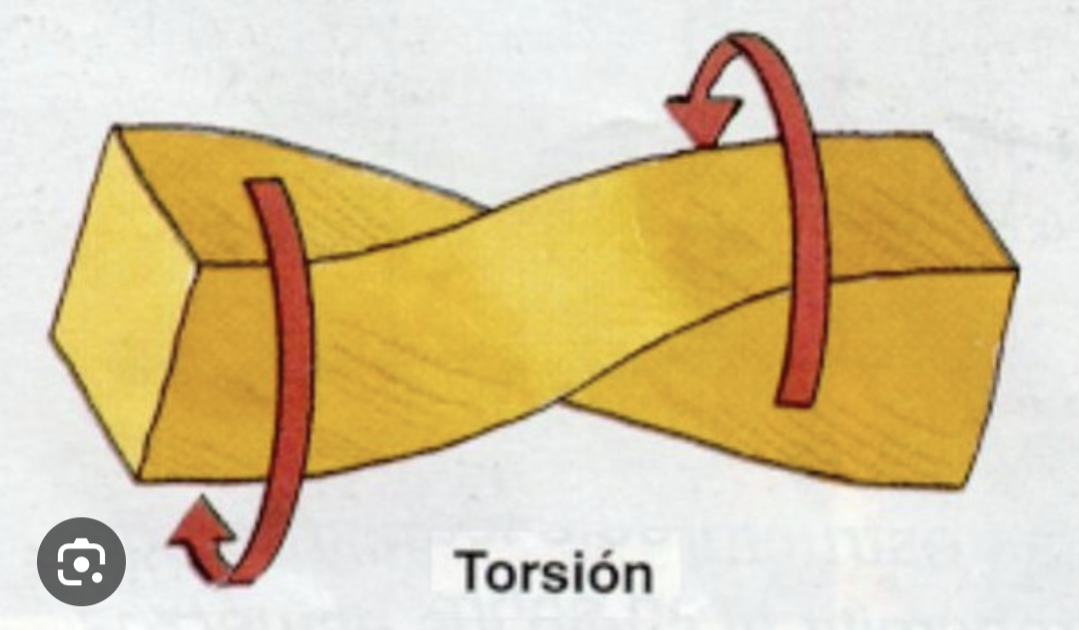
Directions
49
Define Shear
Two Forces in Opposite Directions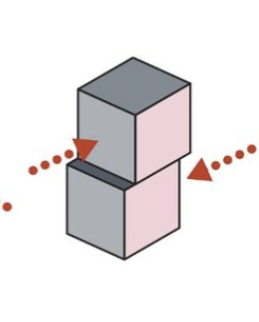
50
Define Bending
Shape or Force into a Curve or Angle
(something straight to curve)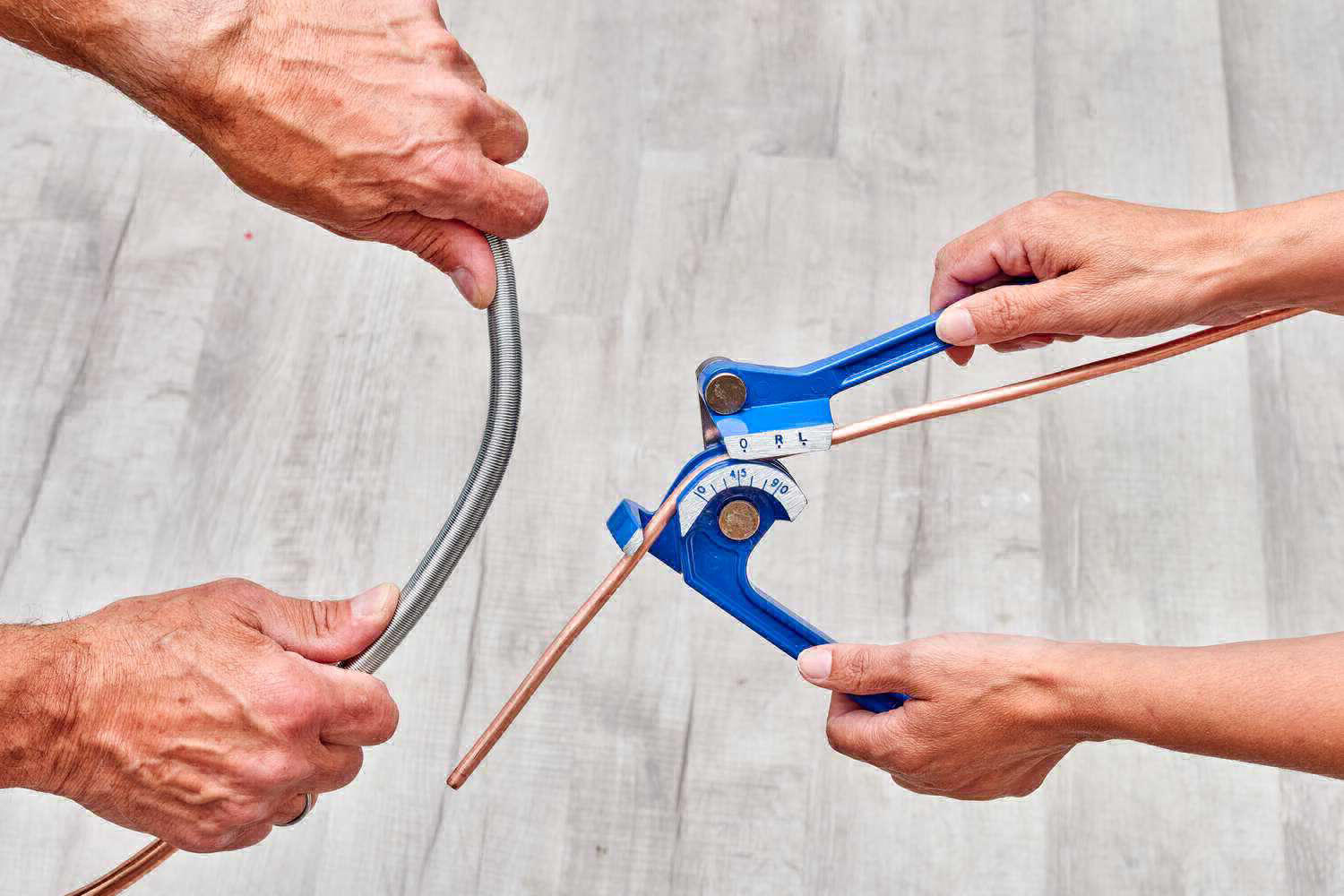
(something straight to curve)
51
Define Tensile Strength
Ability to Resit being Pulled Apart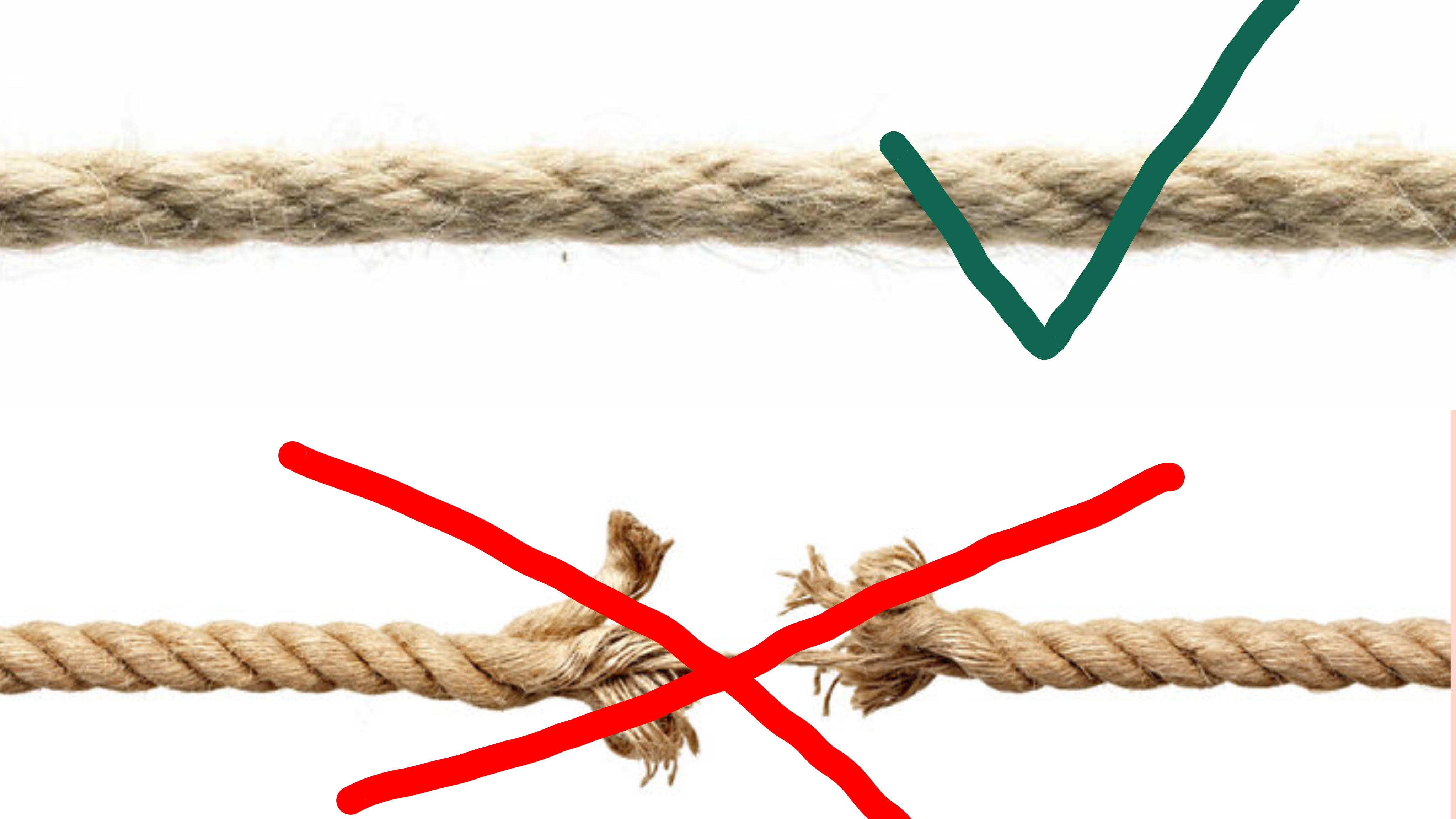
52
Define Strut
The Part has Compressive Force Acting on it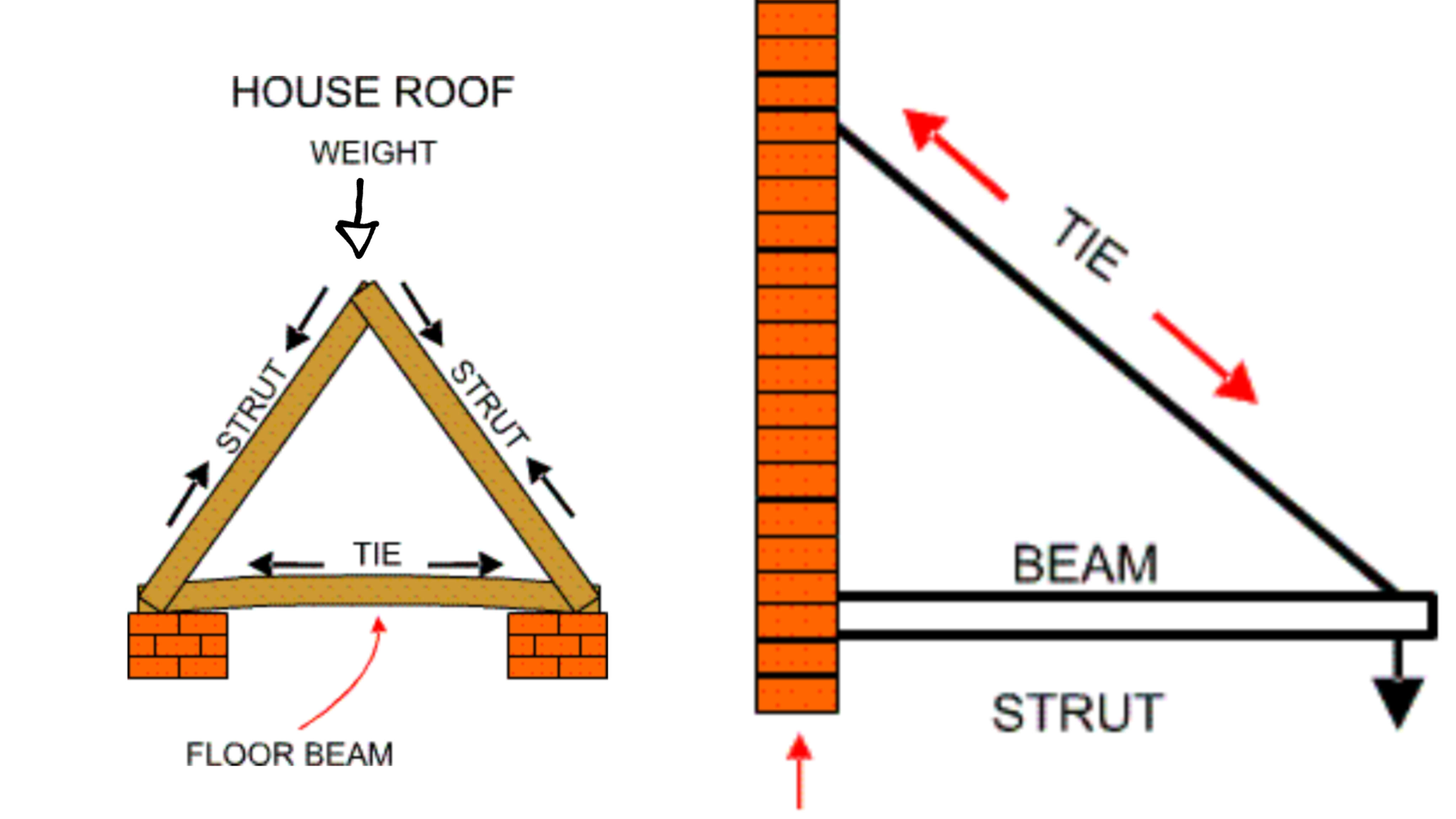
53
Define Tie
The Part of the Structure that has Tensile Force Acting On It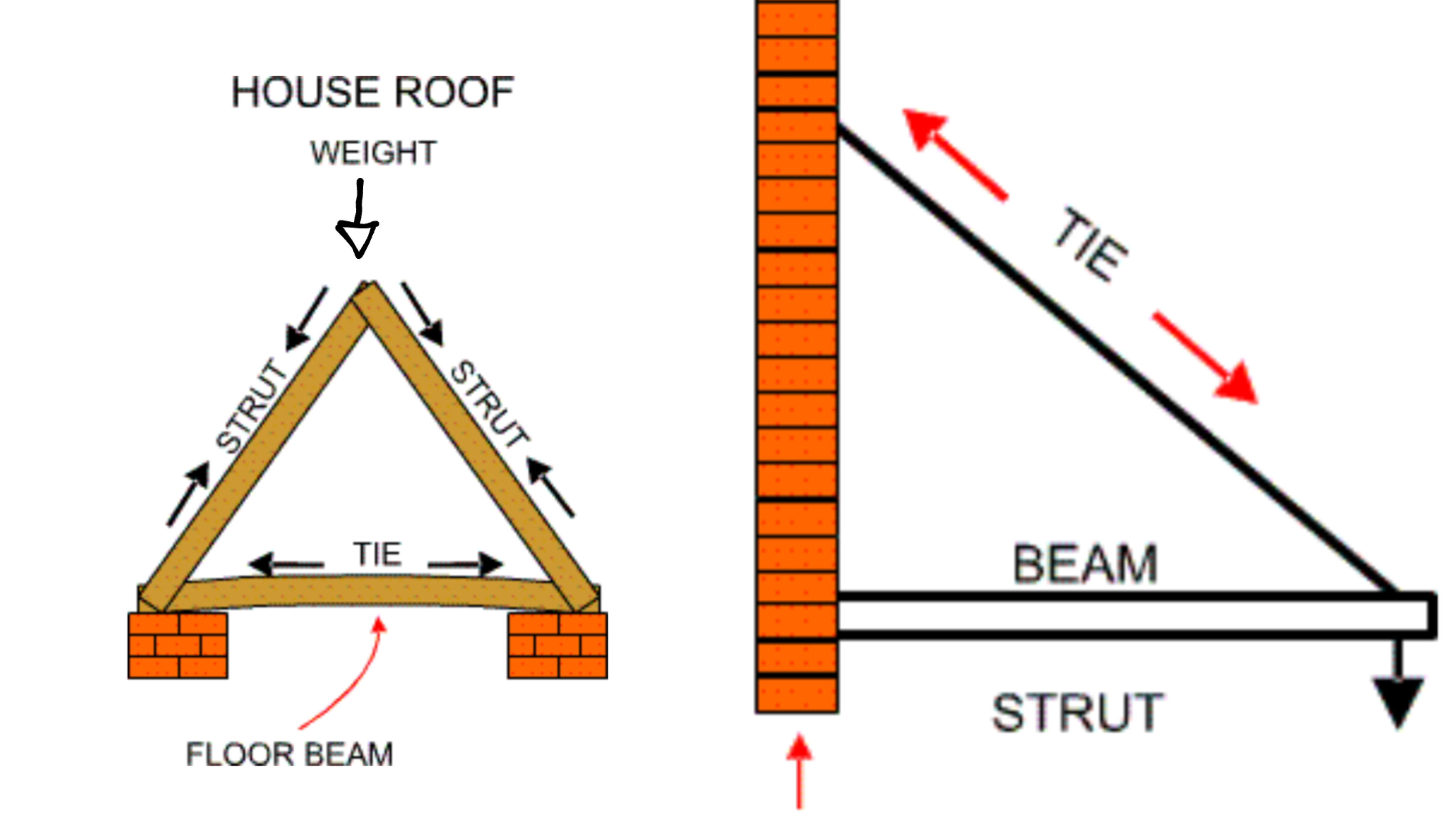
54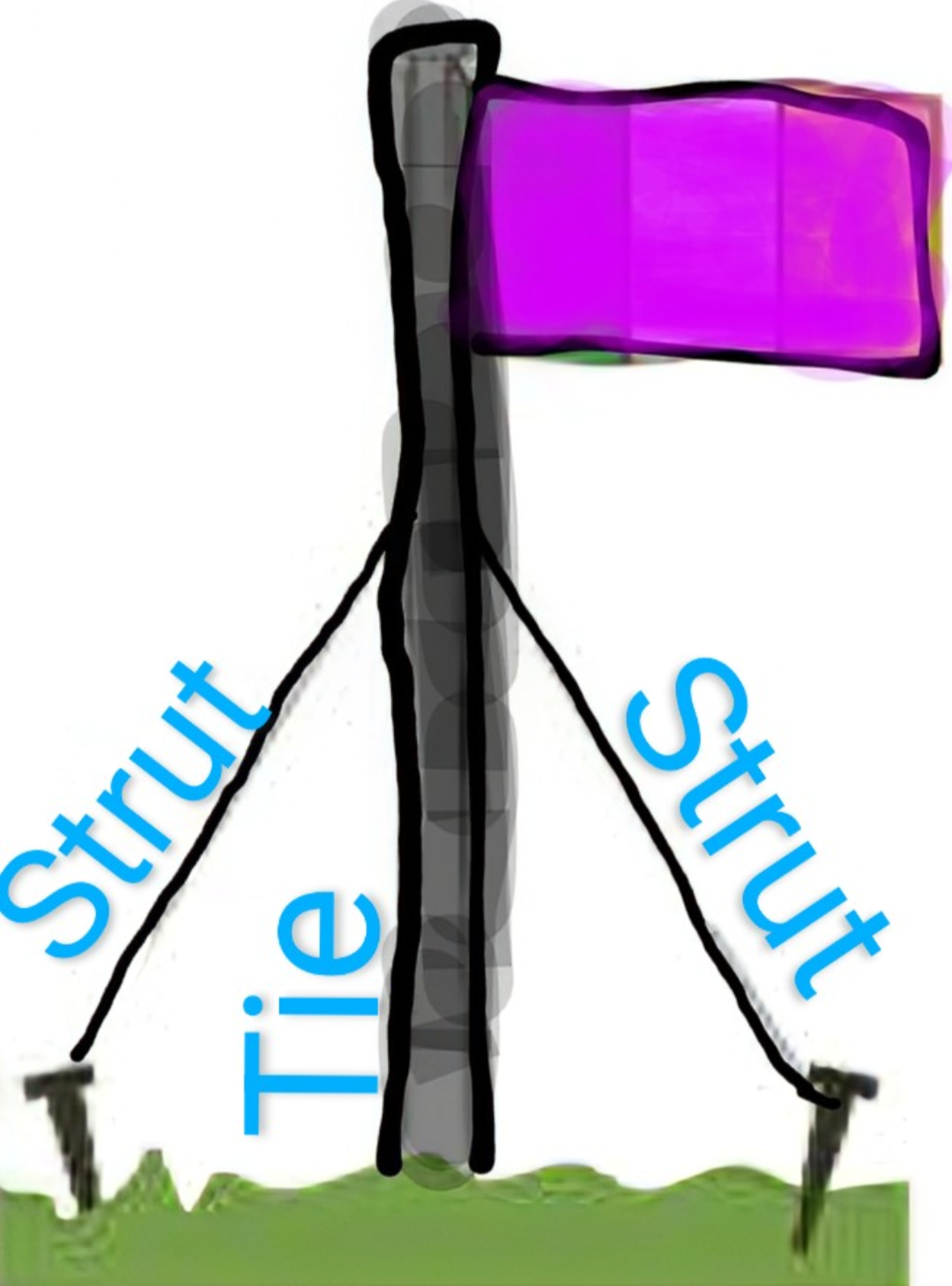
what is the Strut & Tie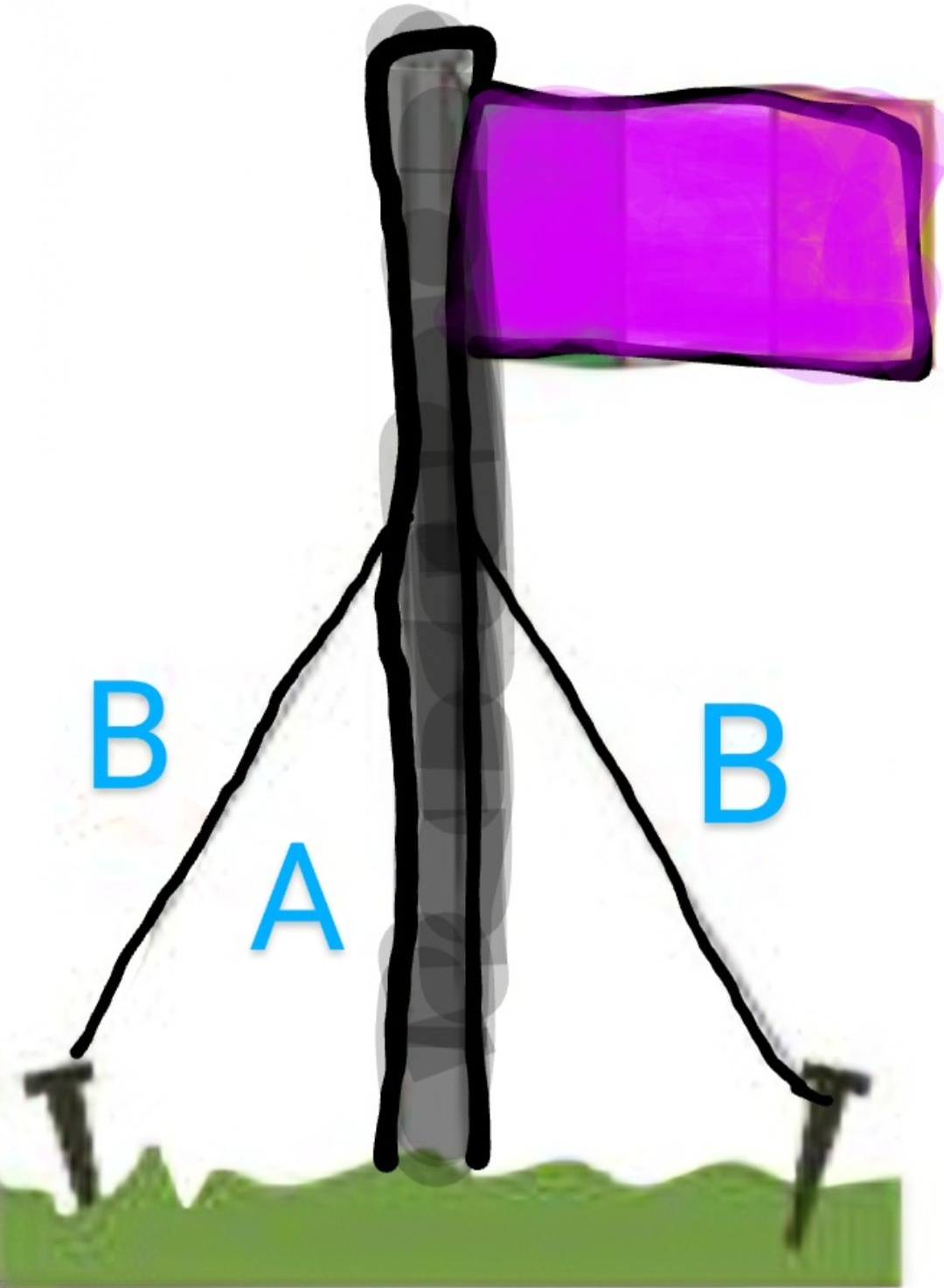
55
What is the type of force being used to cut the fabric?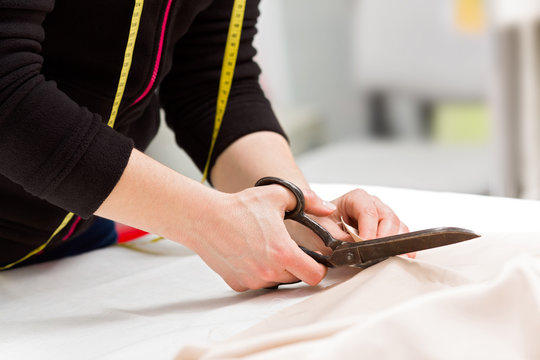
Shear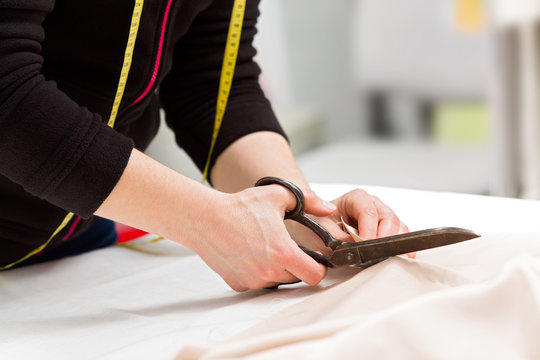
56
What is the force called on a Strut?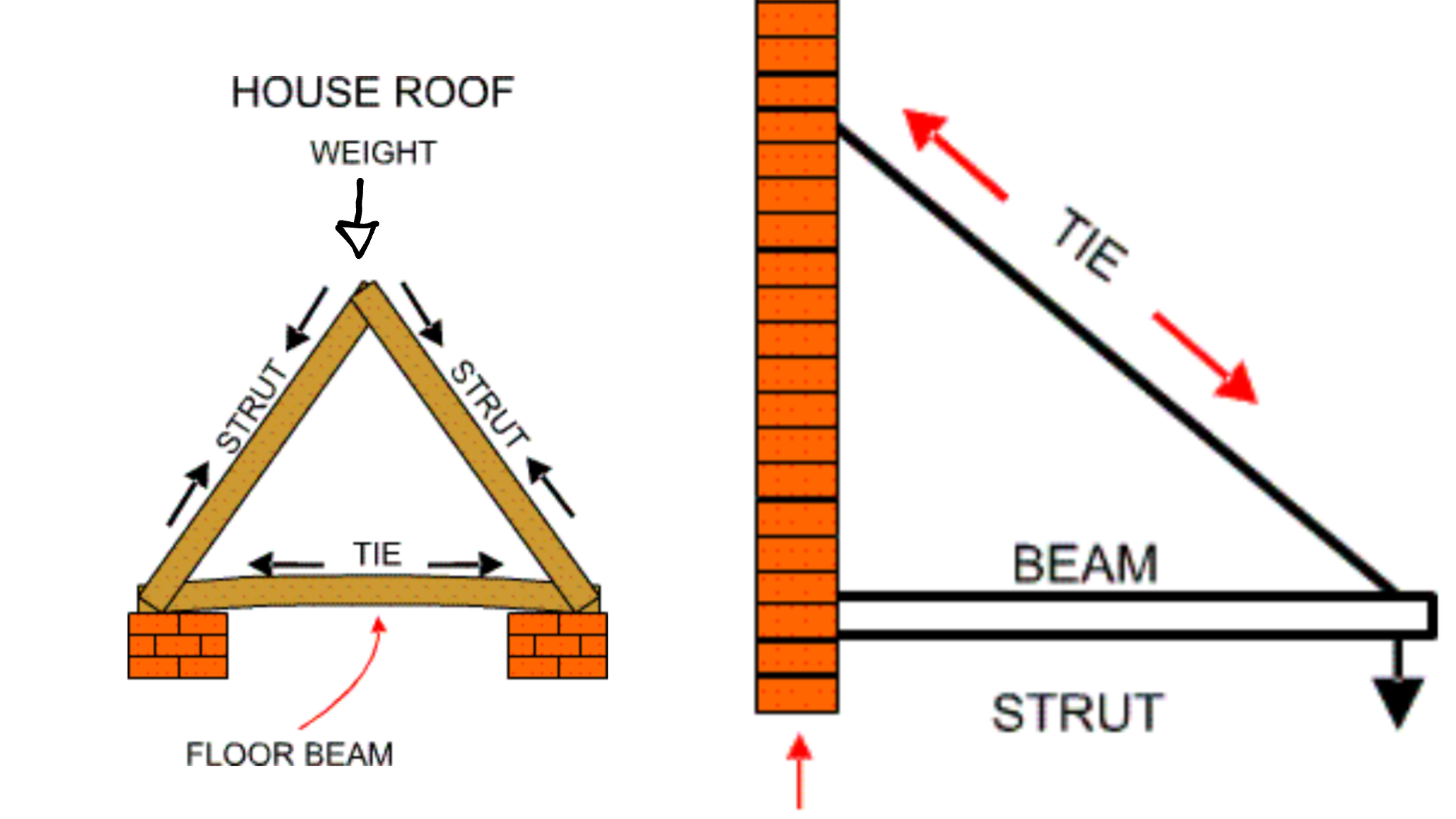
Compression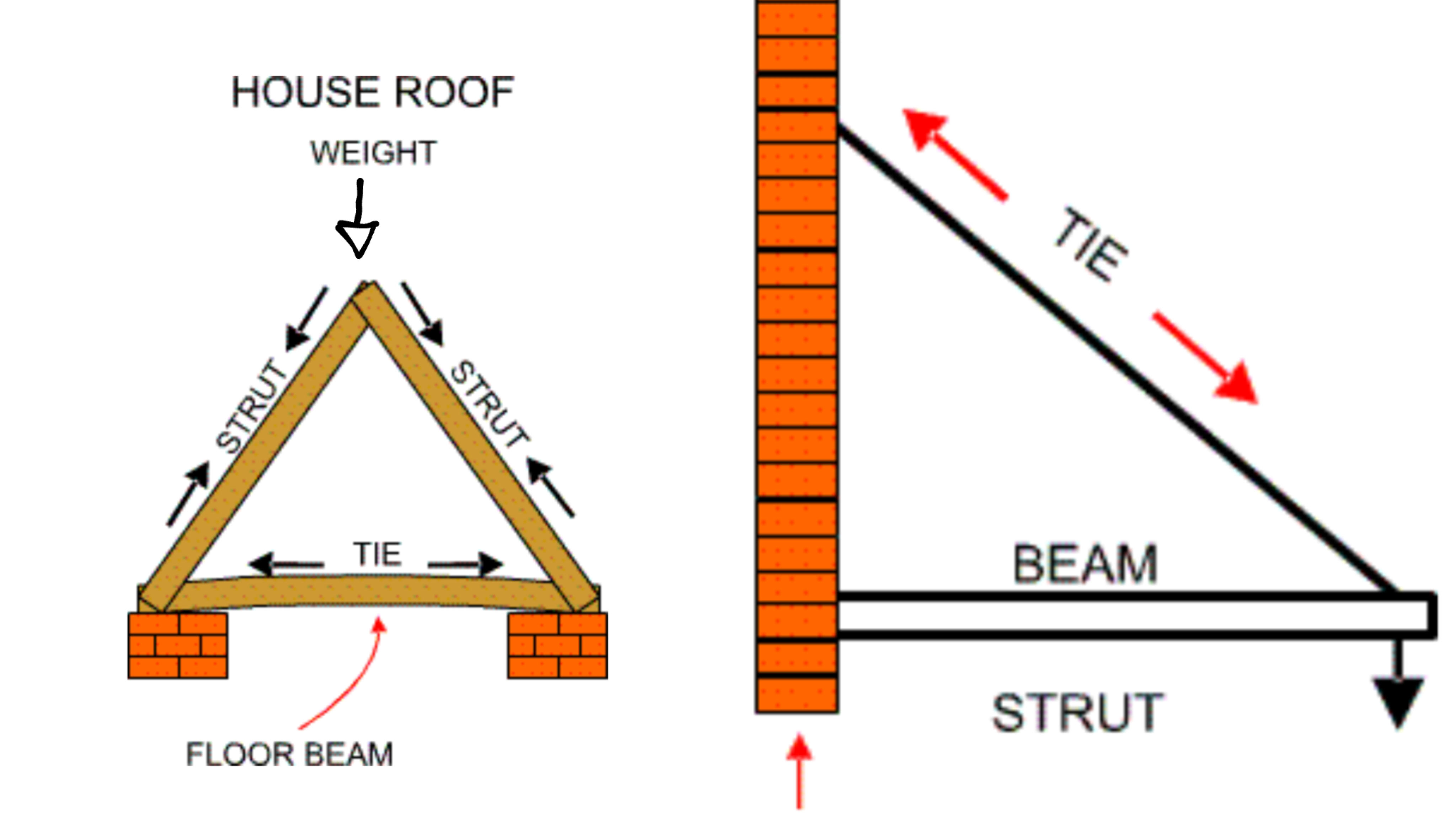
57
What is the force called on a Tie?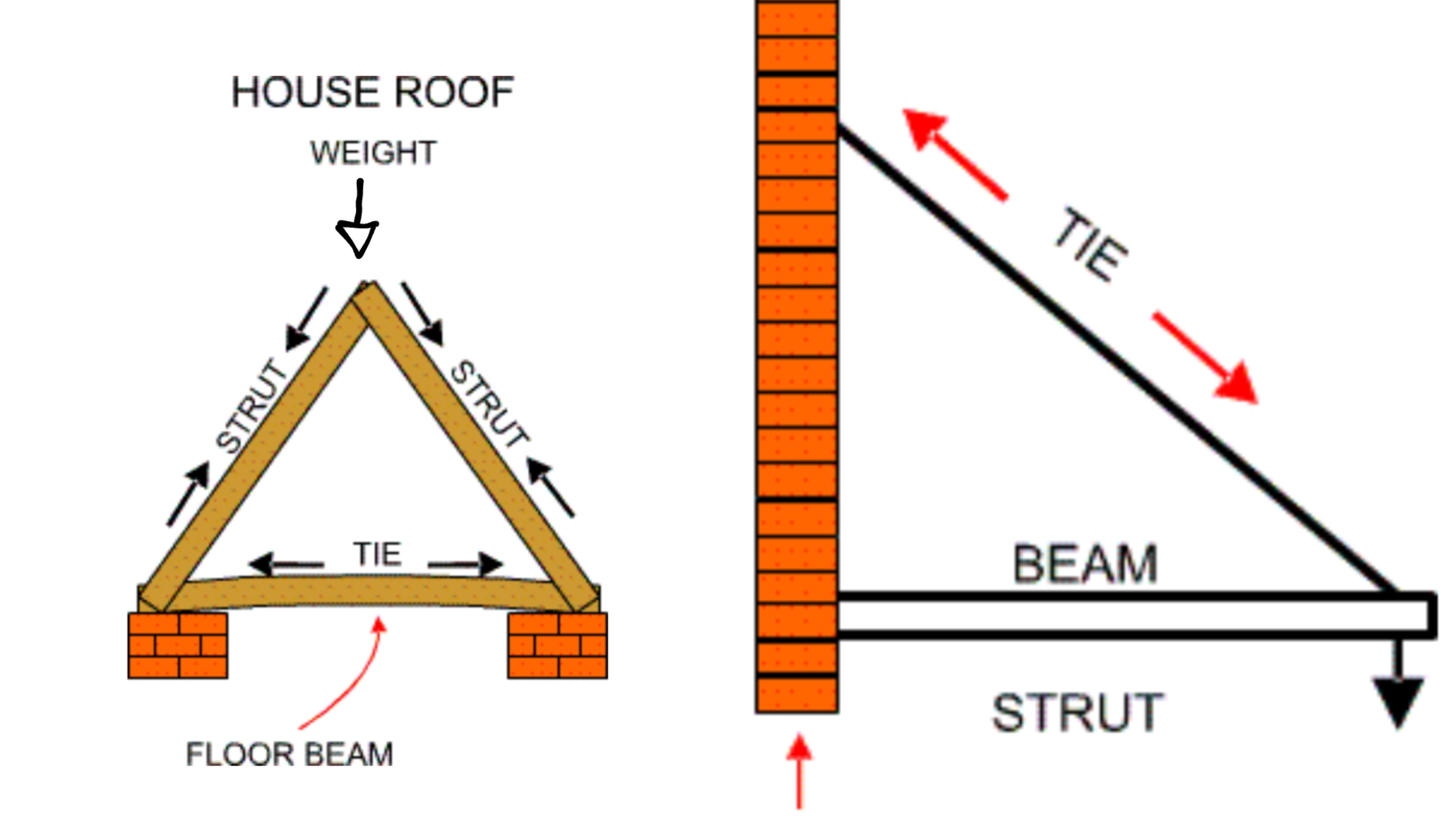
Tension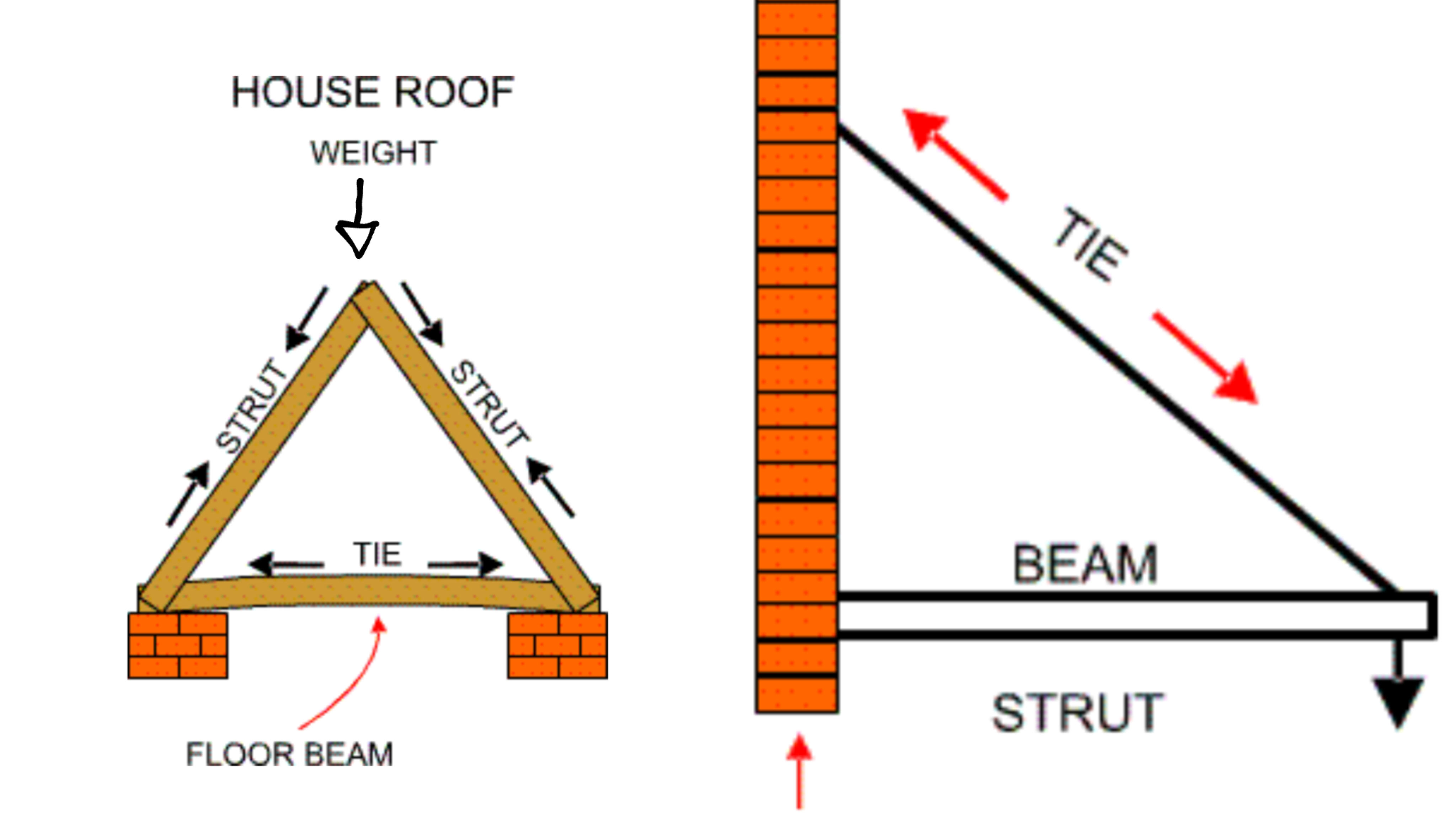
58
What Materials do you Add to Reinforce Plastic?
Glass Fibres & Carbon Fibres
59
What do you add to Concrete to Make it Reinforced?
Steel
60
What is Stronger? Carbon Reinforced Plastic or Glass Reinforced Plastic?
Carbon Reinforced Plastic
61
Define Prototype/One-off Production
• One Product Made at a Time
• Every Product is Different
• Labour Intensive
• May be Made from Hand or Combination of Hand & Machine
• Can be Expensive
• Every Product is Different
• Labour Intensive
• May be Made from Hand or Combination of Hand & Machine
• Can be Expensive
62
What are the Manufacturing Systems?
• Just-in-Time (JIT)
• Flexible Manufacturing System
• Lean Manufacturing
• Flexible Manufacturing System
• Lean Manufacturing
63
Define Just-in-Time Manufacturing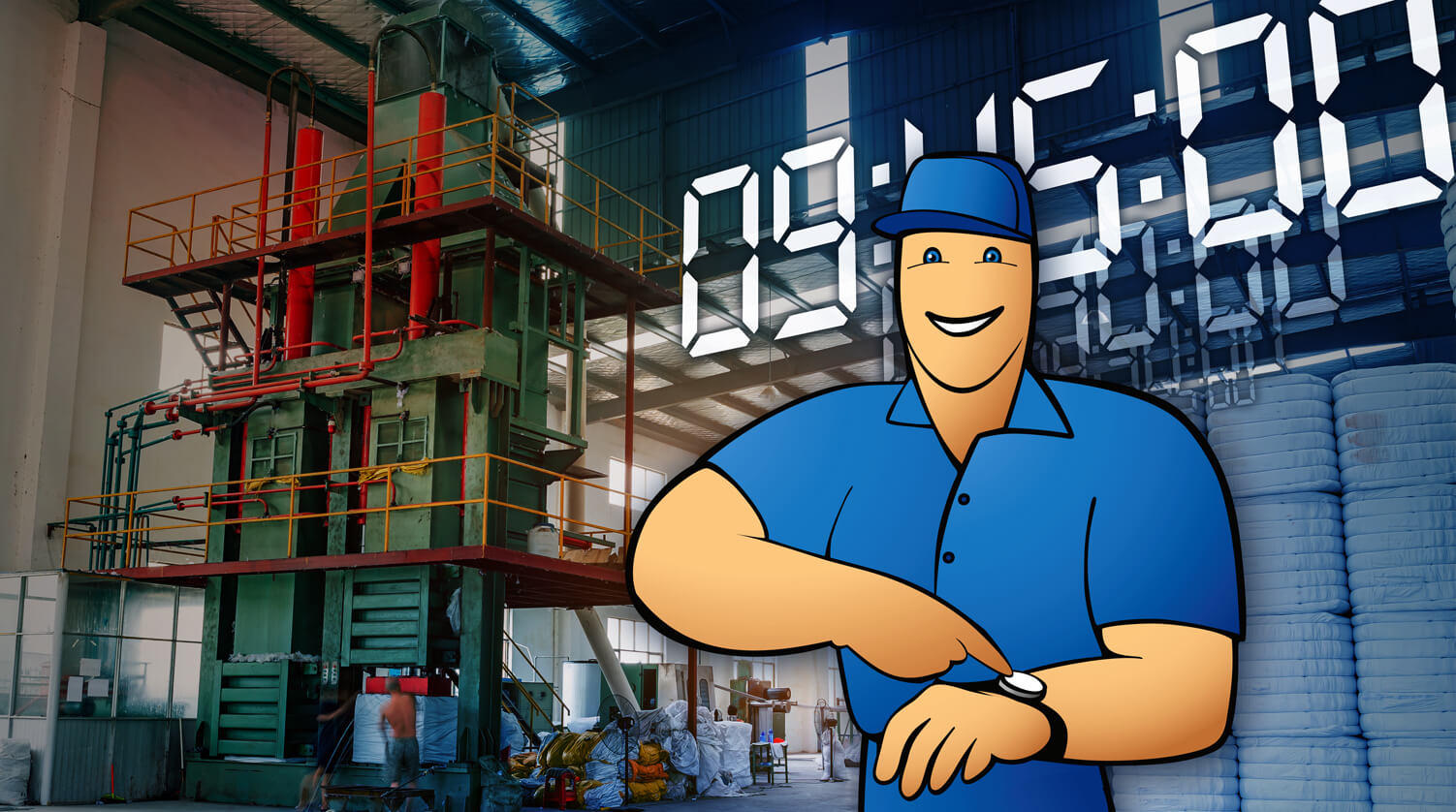
Components Arrive just when they are Needed and are Taken Straight To the Factory Floor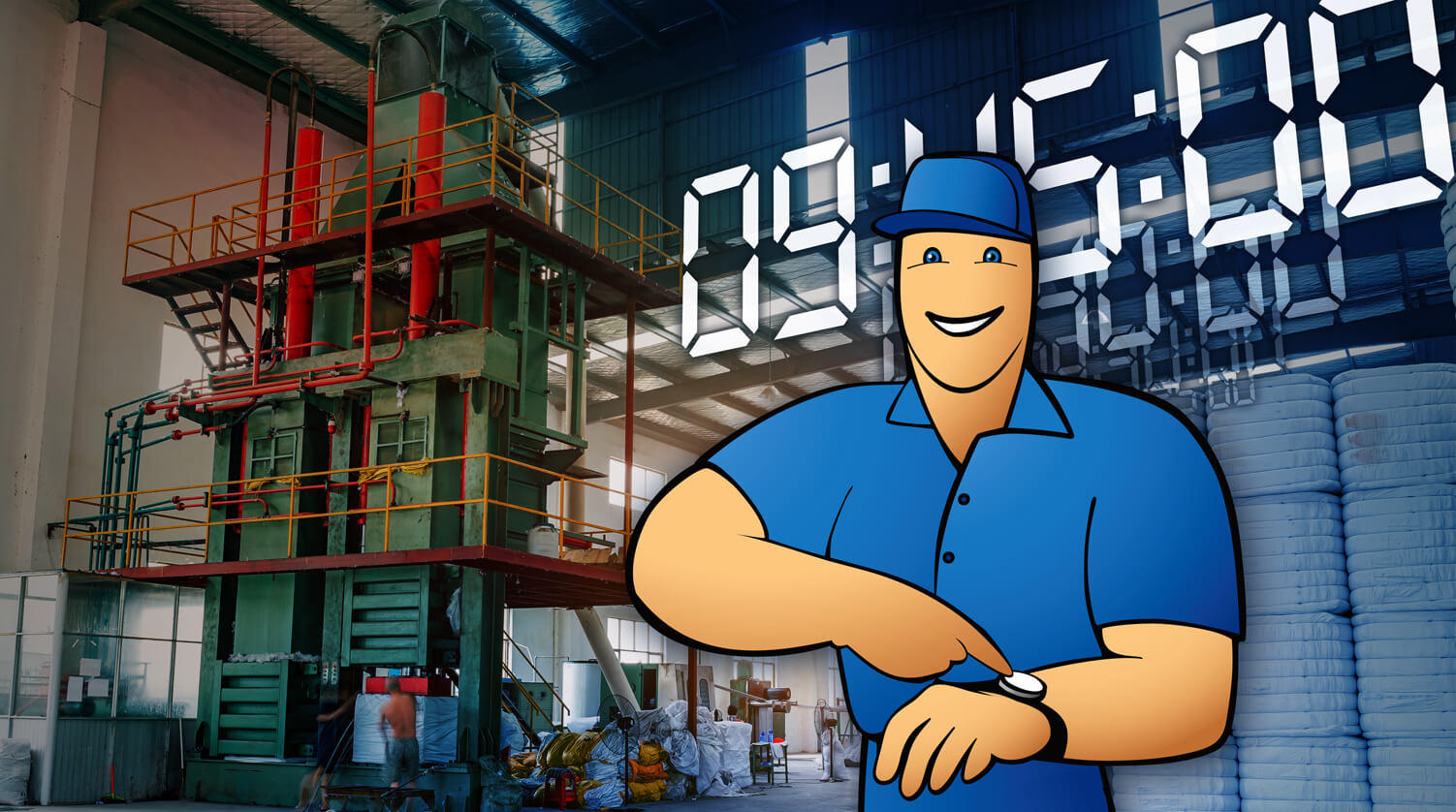
64
Define Flexible Manufacturing System (FMS)
A Series of Different Machines Producing Different Parts for a Product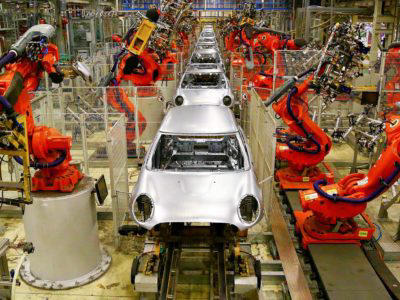
65
Define Lean Manufacturing
A Systematic Approach to Minimising Waste within a Manufacturing System
66
Define Batch Production
• Small Quantity of Identical Products Made
• Jigs & Templates used to Aid Production
• May be Labour Intensive
• Machines Easily Changed to Produce a Batch of a Different Product (yellow mug instead of blue)
• Batches in certain numbers e.g 10, 50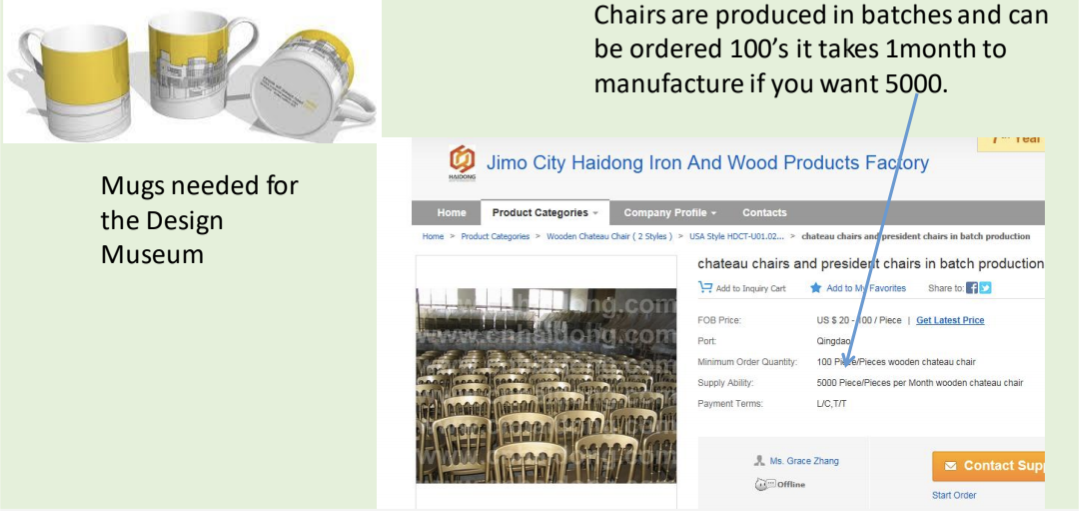
• Jigs & Templates used to Aid Production
• May be Labour Intensive
• Machines Easily Changed to Produce a Batch of a Different Product (yellow mug instead of blue)
• Batches in certain numbers e.g 10, 50
67
Define Mass Production
• Hundreds of Identical Products
• Often Involves the Assembly of a Number of Sub-assemblies of Individual Components
• Parts may be Bought from Other Companies
• Some Automation Of Tasks and this Enables a Smaller Number Of Workers to Output More Products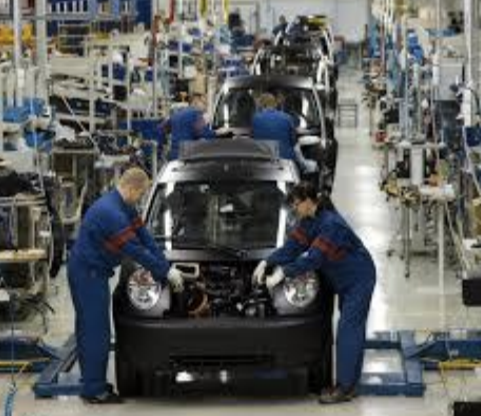
• Often Involves the Assembly of a Number of Sub-assemblies of Individual Components
• Parts may be Bought from Other Companies
• Some Automation Of Tasks and this Enables a Smaller Number Of Workers to Output More Products
68
Define Continuous Flow & the Difference between Mass Production
• When Many Thousands of Identical Products are Made
• Difference between this & Mass Production is that production line Kept Running 24 hours a day, Seven Days a Week to Maximise Production and Eliminate Extra Costs of Starting &
Stopping production process
• Process Highly Automated and Few Workers Required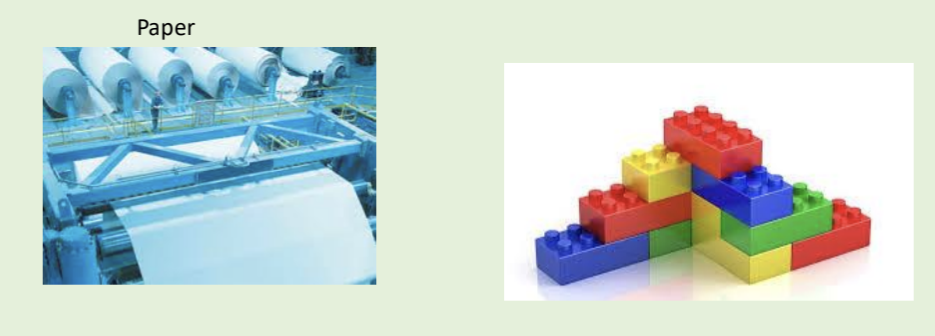
• Difference between this & Mass Production is that production line Kept Running 24 hours a day, Seven Days a Week to Maximise Production and Eliminate Extra Costs of Starting &
Stopping production process
• Process Highly Automated and Few Workers Required
69
What are the names of the Different Scales Of Production in order of Smallest to Largest?
• Prototype/One-off Production
• Batch Production
• Mass Production
• Continuous Flow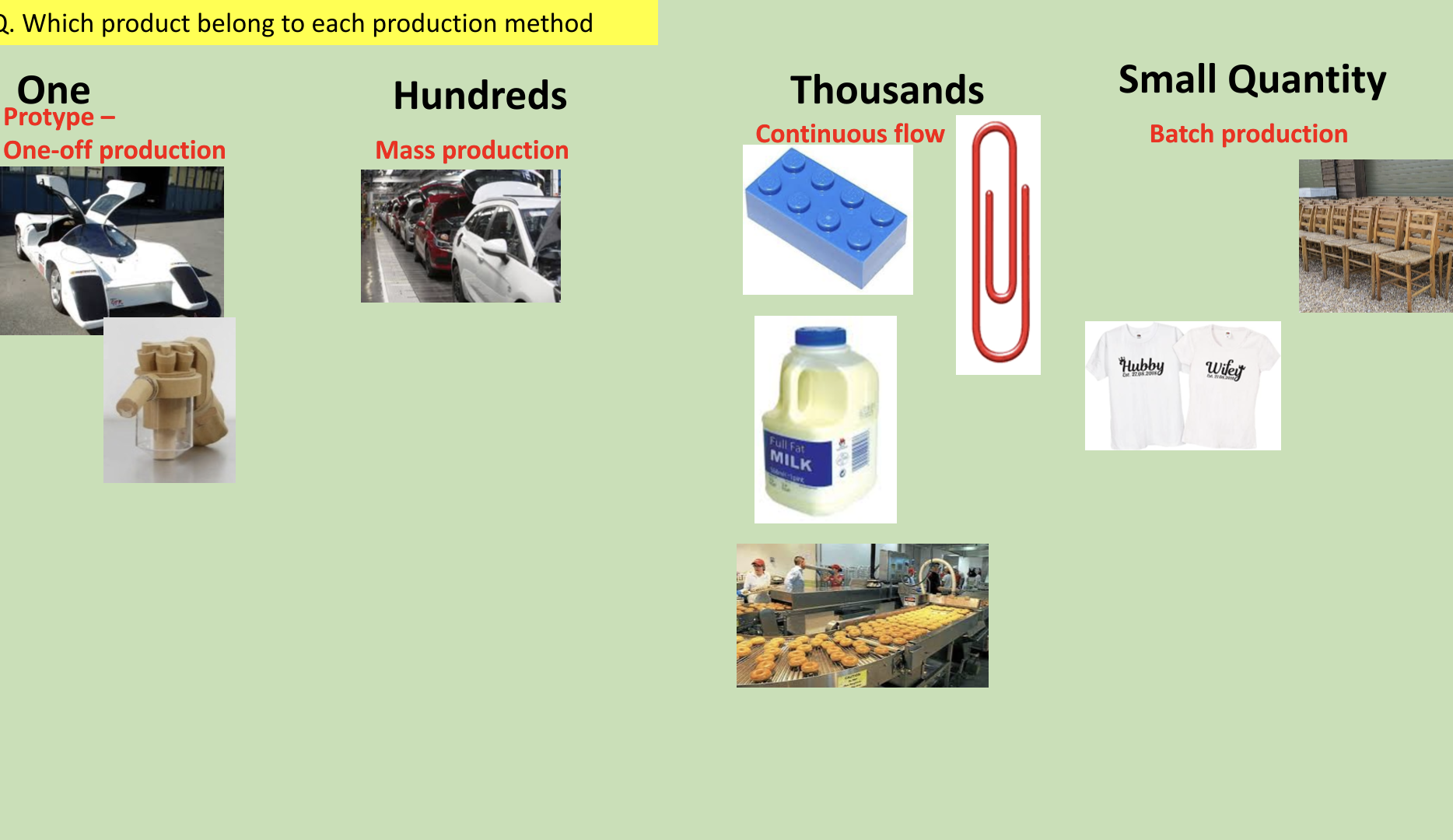
• Batch Production
• Mass Production
• Continuous Flow
70
What production method would you use to make a Thousand gold chairs?
Batch Production
71
What production method would you use to make disposable plastic cups?
Continuous Production/Mass
72
What production method would you use to make a bespoke wedding dress?
one-off/ prototype
73
Define Tolerance
Set with an Upper and Lower Limit + or -,
(a Certain Amount)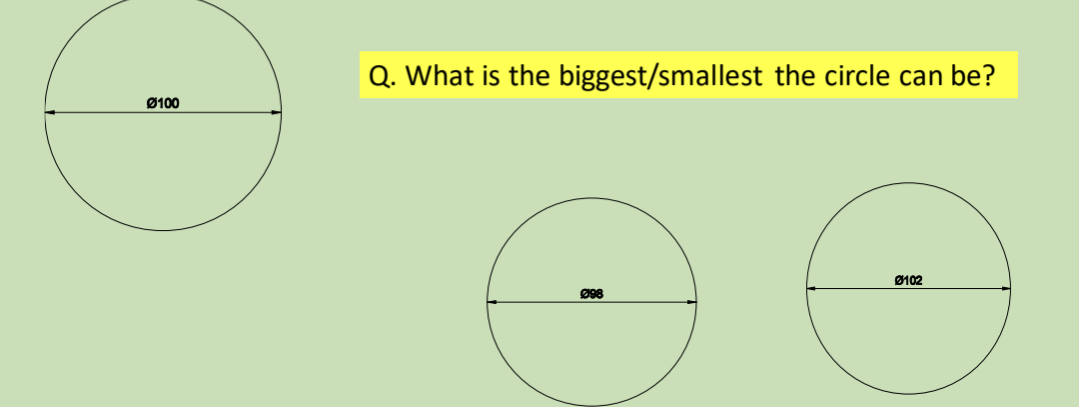
(a Certain Amount)
74
What is the Purpose of Quality Control?
• Product Meets Specifications
• Product Meets Standards
• Product Safe to Use
• Guarantees Accuracy
• Prevent Mistakes or Stops Mistakes Happening with Regular Checking
• Product Meets Standards
• Product Safe to Use
• Guarantees Accuracy
• Prevent Mistakes or Stops Mistakes Happening with Regular Checking
75
Describe the methods used in
"Quality Control" when making Prototypes?
"Quality Control" when making Prototypes?
• Go & No Go Tool for Timber Thickness (Go Tool- meant to work, No Go- isn't meant to work)
• Registration Marks in Printing- to show the Colours are the Right colours
• Visually- how fabric matching is done
• Soak Timers for PCB's to check exposer to UV Light
(anything with circuit board)
• Depth Stops for Drills- put turn on drill bit so it only drills like 10 mm down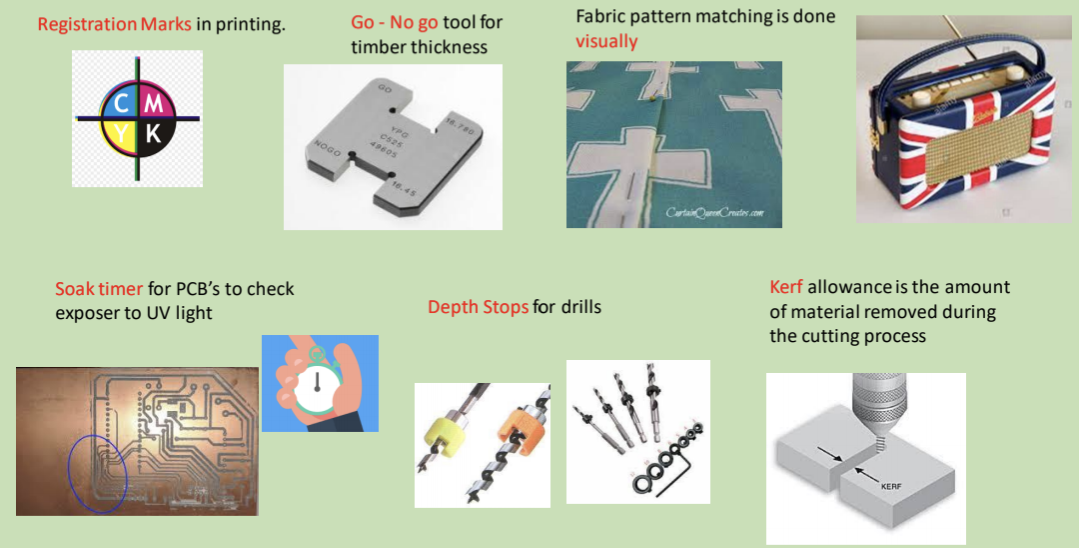
• Registration Marks in Printing- to show the Colours are the Right colours
• Visually- how fabric matching is done
• Soak Timers for PCB's to check exposer to UV Light
(anything with circuit board)
• Depth Stops for Drills- put turn on drill bit so it only drills like 10 mm down
76
Define Kerf Allowence
Is the Amount of Material Removed During Cutting Process
77
Define Production Aids
Help Speed Up a Process
78
Give some examples of Production Aids
• Jigs
• Patterns
• Templates
• Reference Points or Datum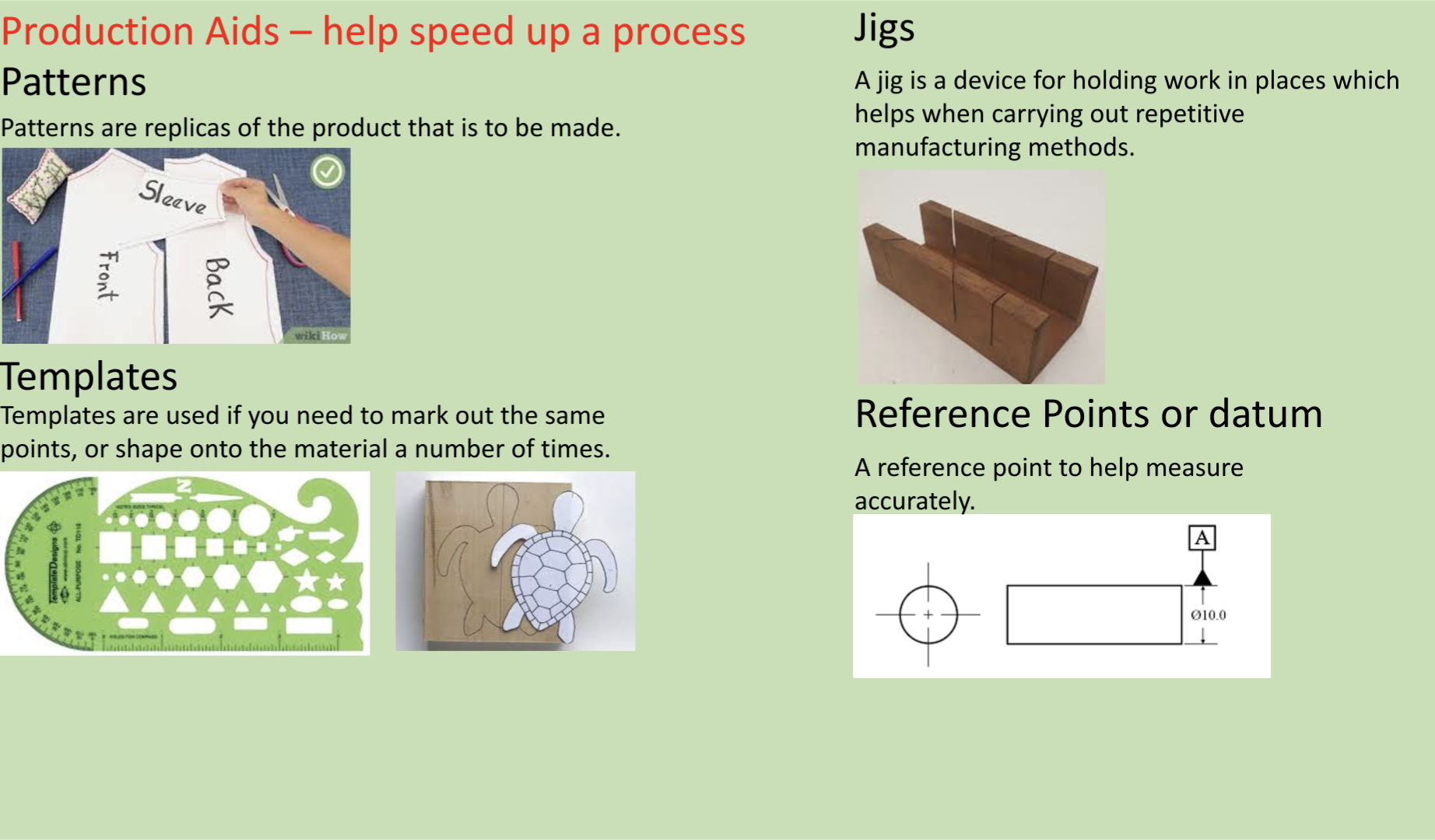
• Patterns
• Templates
• Reference Points or Datum
79
Define Patterns
Replicas of Products that it is Meant to be Made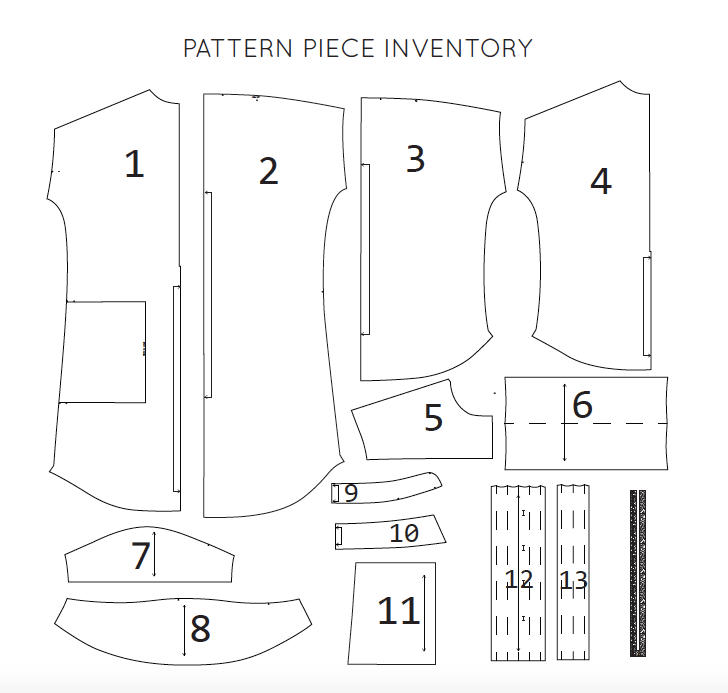
80
Define Templates
Used if you need to mark out Same Points, or Shape Onto the Material A Number Of Times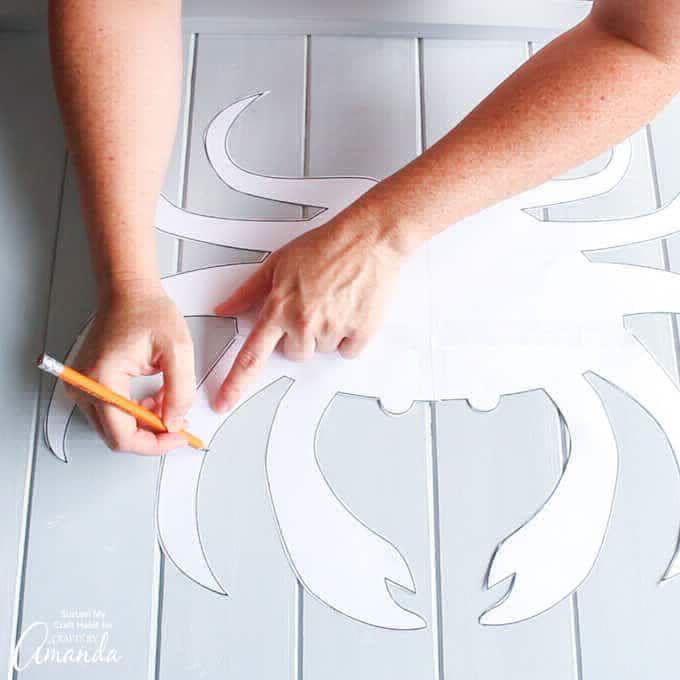
81
Define Jig
Device for Holding Work in Places which Helps when carrying out Repetitive Manufacturing Methods.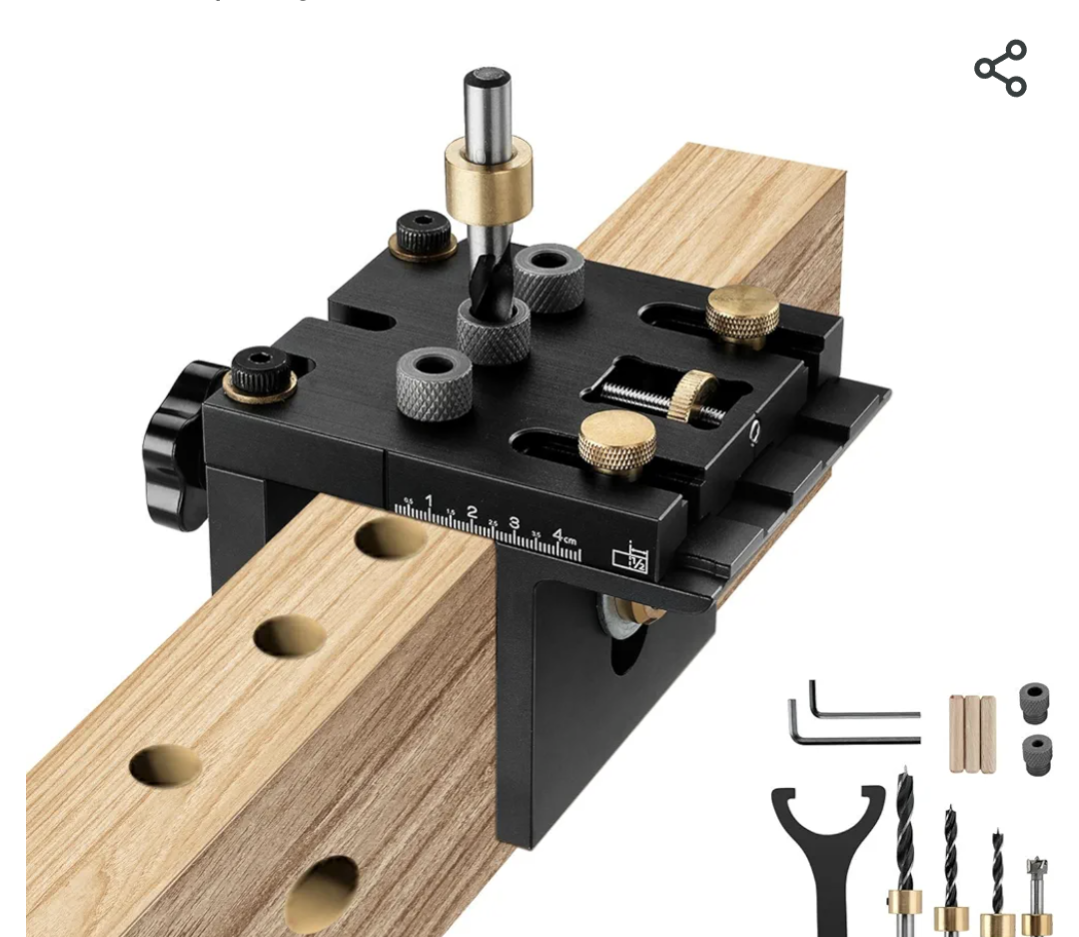
82
Define Reference Points or Datum
A Reference Point to Help Measure Accurately.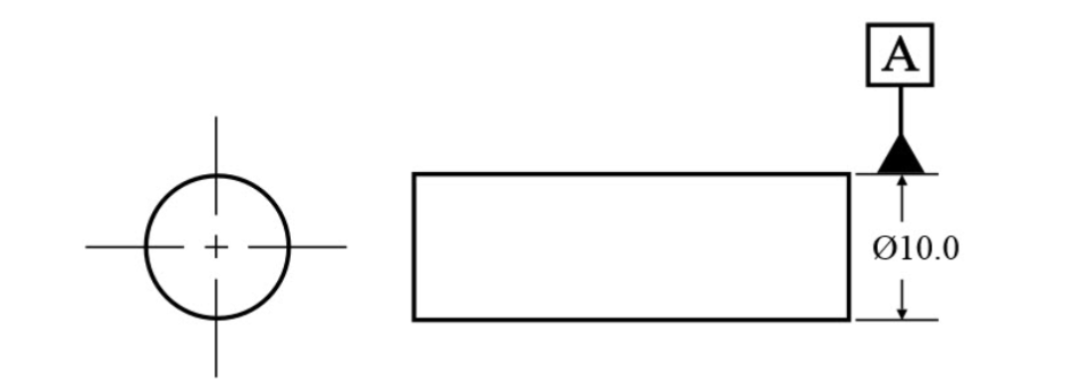
83
What are the Ecological Concerns on Our Planet when Producing Products & Give Examples?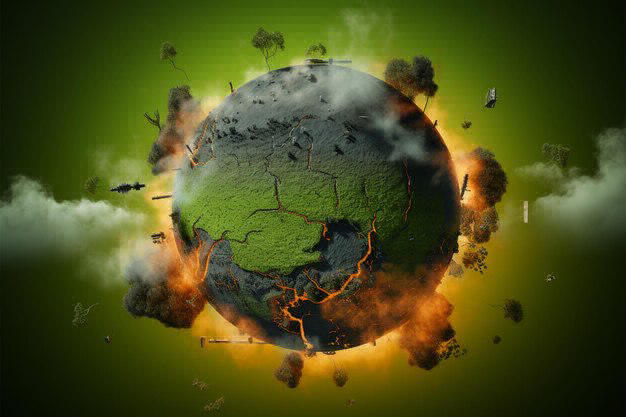
Sourcing Materials
• Soil Erosion
• Changes to the Landscape
• Loss of Habitat
• Raw Materials are Used Up
Manufacturing Processes
• Pollution from Manufacture Processes
• Landfill from Waste Materials
Transport Products
• Pollution from C02 Gasses
• Air Miles
• Soil Erosion
• Changes to the Landscape
• Loss of Habitat
• Raw Materials are Used Up
Manufacturing Processes
• Pollution from Manufacture Processes
• Landfill from Waste Materials
Transport Products
• Pollution from C02 Gasses
• Air Miles
84
Define Life Cycle Assessment
Is a Way For Companies to Assess Environmental Impact on a Product During Different Stages of the Produces Life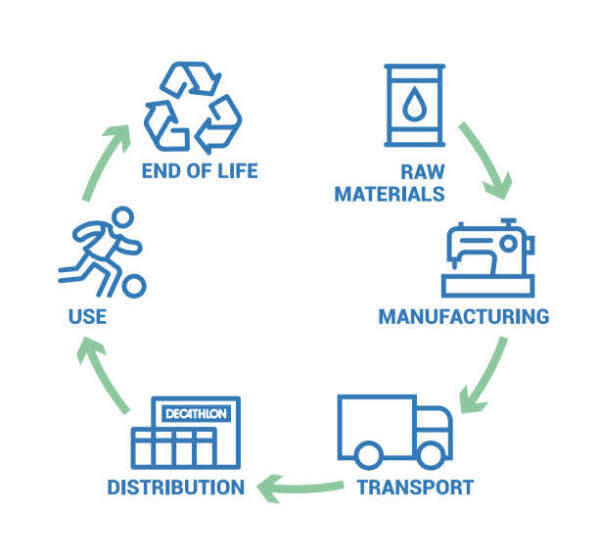
85
What are the Steps for Life Cycle Assessment (LCA)?
1) Resources to Make Product
2) Manufacturing
3) Distribution/Transport
4) Use
5) End of Life Disposal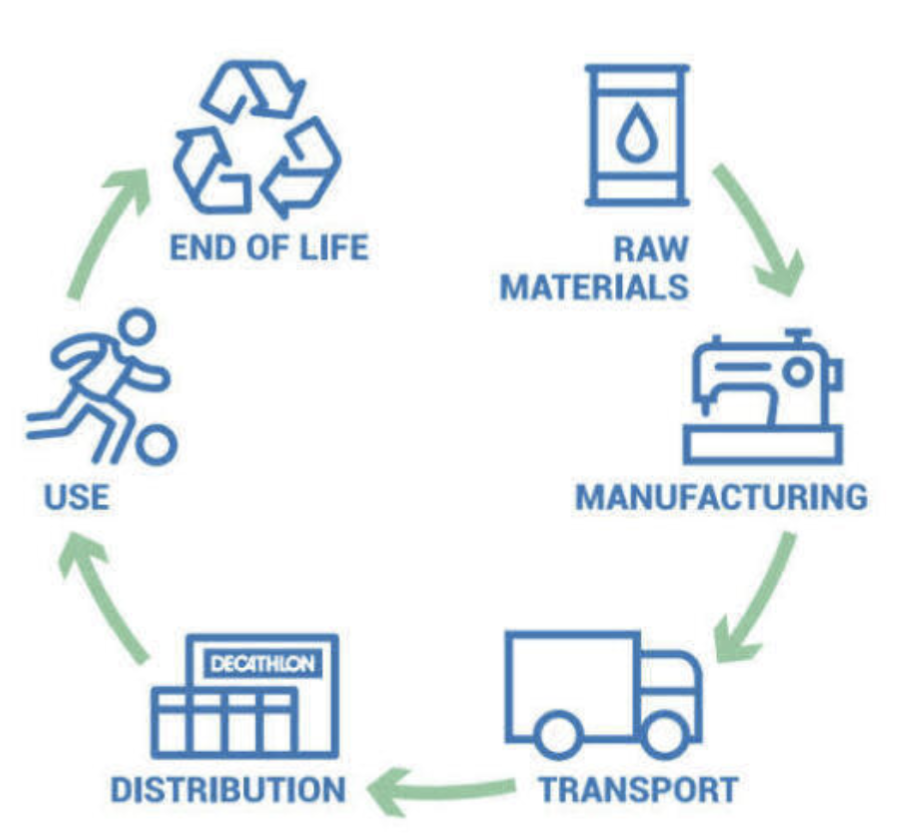
2) Manufacturing
3) Distribution/Transport
4) Use
5) End of Life Disposal
86
What is a Life Cycle Assessment Questions you need to ask yourself? (LCA)?
Resources to Make Product-
Are they..?
• Renewable?
• Recycled?
• Sustainable Sourced?
Manufacturing
•Is Making Process Environmentally Friendly?
• How is Waste Recycled & Reused?
• Is the Energy Used to Manufacture Sustainable?
• Have they used Minimal Material in Manufacture?
Distribution/Transport
• Can it be Sold More Locally?
• Is the Transportation Running on Biofuel or Electrical Energy?
• Is Packaging made of Recycled Materials?
• Is there Minimal Packaging?
Use
• Design Energy Efficient?
• Could it use Less Power?
• Could it use Recycled Batteries?
• Can product be Re-Used?
End of Life Disposal
• Can Parts be Used to Make
Another Product?
• Are the Materials Easy To Recycle?
• Can the Product Be Taken Apart Easily to Be Recycled?
• Are Materials Used Recyclable?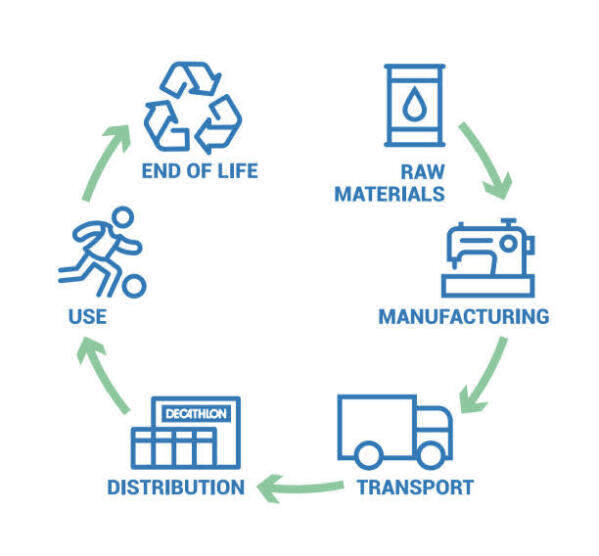
Are they..?
• Renewable?
• Recycled?
• Sustainable Sourced?
Manufacturing
•Is Making Process Environmentally Friendly?
• How is Waste Recycled & Reused?
• Is the Energy Used to Manufacture Sustainable?
• Have they used Minimal Material in Manufacture?
Distribution/Transport
• Can it be Sold More Locally?
• Is the Transportation Running on Biofuel or Electrical Energy?
• Is Packaging made of Recycled Materials?
• Is there Minimal Packaging?
Use
• Design Energy Efficient?
• Could it use Less Power?
• Could it use Recycled Batteries?
• Can product be Re-Used?
End of Life Disposal
• Can Parts be Used to Make
Another Product?
• Are the Materials Easy To Recycle?
• Can the Product Be Taken Apart Easily to Be Recycled?
• Are Materials Used Recyclable?
87
Define Carbon Footprint
The Amount of CO2 Emissions that is Directly Attributes to an Individual Or Company.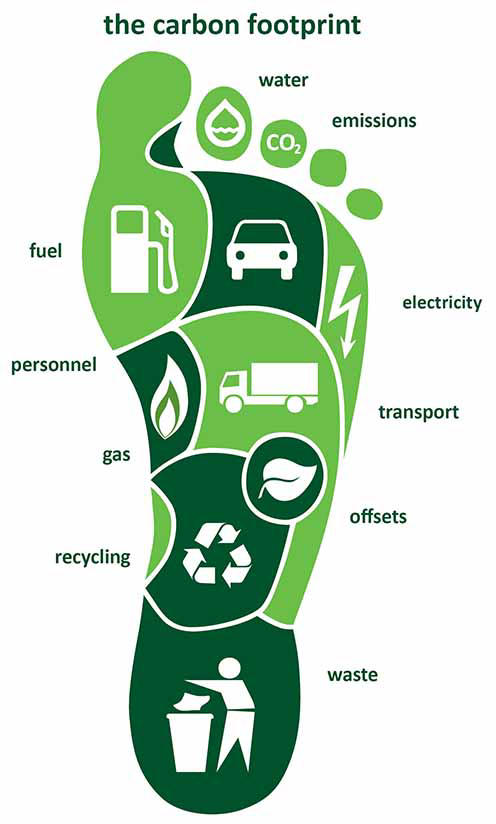
88
What can Companies Do to Reduce Their Carbon Footprint?
• Source For Eco-friendly Materials.
• Use Bio-Fuel Powered Transportation.
• Use Renewable Energy.
• Design Product can Easily be Recycled at End Of Life.
• Work From Home to Reduce C02 Gasses.
• Design using Lean Manufacturing Methods
• Use Bio-Fuel Powered Transportation.
• Use Renewable Energy.
• Design Product can Easily be Recycled at End Of Life.
• Work From Home to Reduce C02 Gasses.
• Design using Lean Manufacturing Methods
89
Define Carbon Offsetting
Investing Money On Eco-friendly Companies
90
How to Reduce Ecological Issues Relating to Polymers?
• Use Biodegradable Plastics wherever possible.
• Recycle Polymer Waste During Manufacture
• Use Recycled Plastics as Raw Materials
• Recycle Polymer Waste During Manufacture
• Use Recycled Plastics as Raw Materials
91
What are the 6 R's
6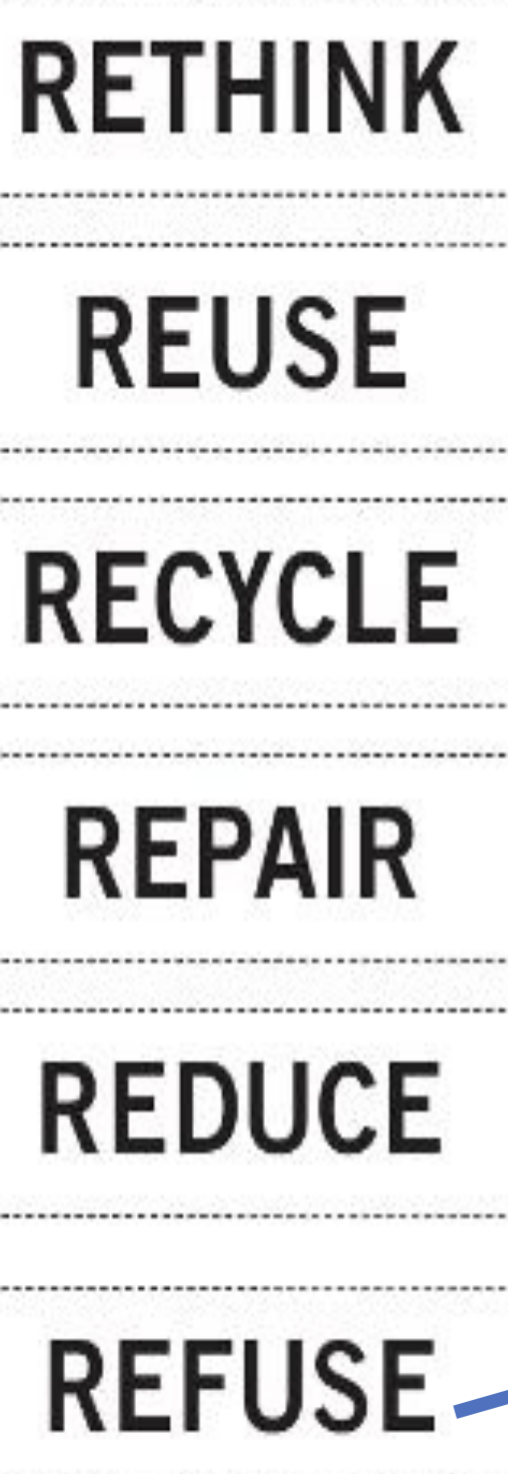
92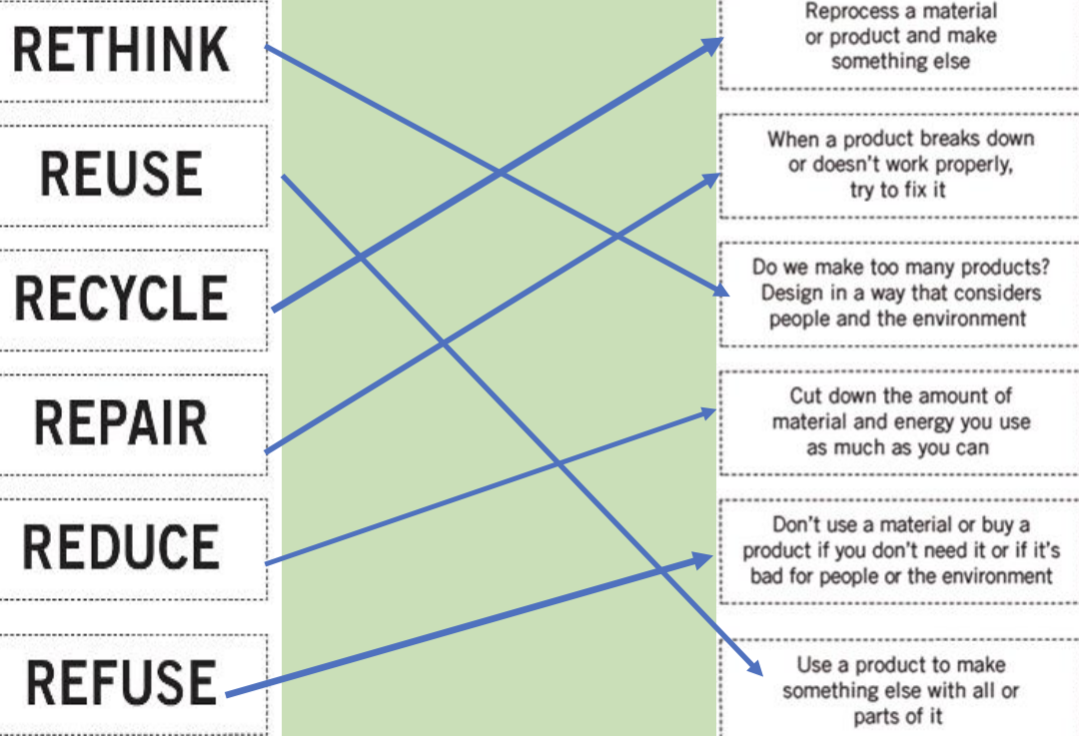
What are the 6 R's Definitions?
93
What is the Difference between a Finite & Infinite Resource?
A Finite source such as Crude Oil Will Run Out, however we can Always Grow More Trees to have timber.
94
Why are Bonded Materials Bad for the Environment?
It is More Difficult to Separate the Materials for Recycling