Natural/Tectonic Hazards
Study these flashcardsFree · spaced repetition · iPhone, Android, Mac & web
All cards
1
what is the definition of a Natural Hazard?
Naturally Occurring Event with Huge Social Impact.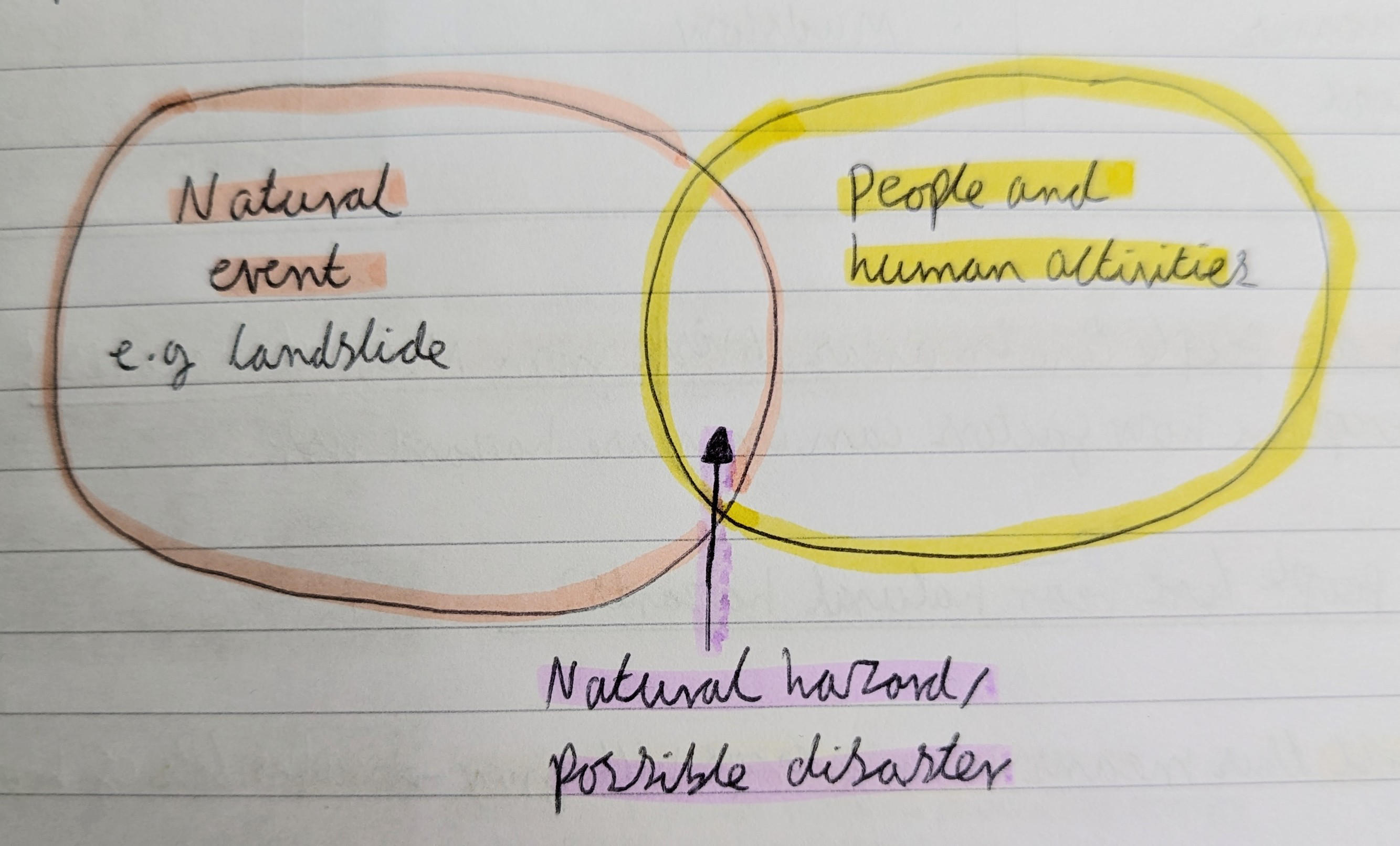
2
What are the two cities involved in the earthquake comparison with HIC & LIC?
Chile=HIC
Nepal=LIC
Nepal=LIC
3
What is the Tropical Storm need to know about called?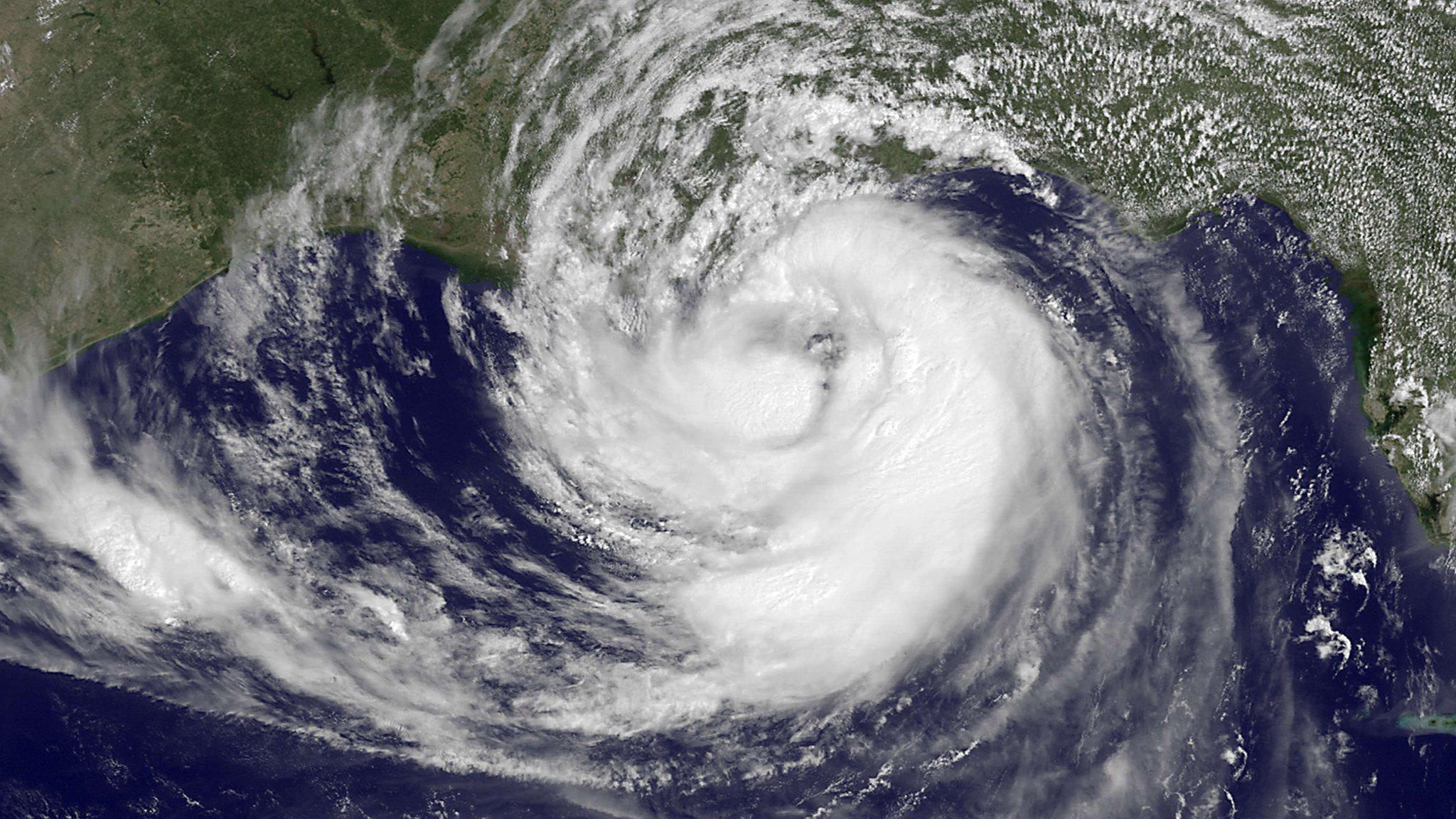
Typhoon Haiyan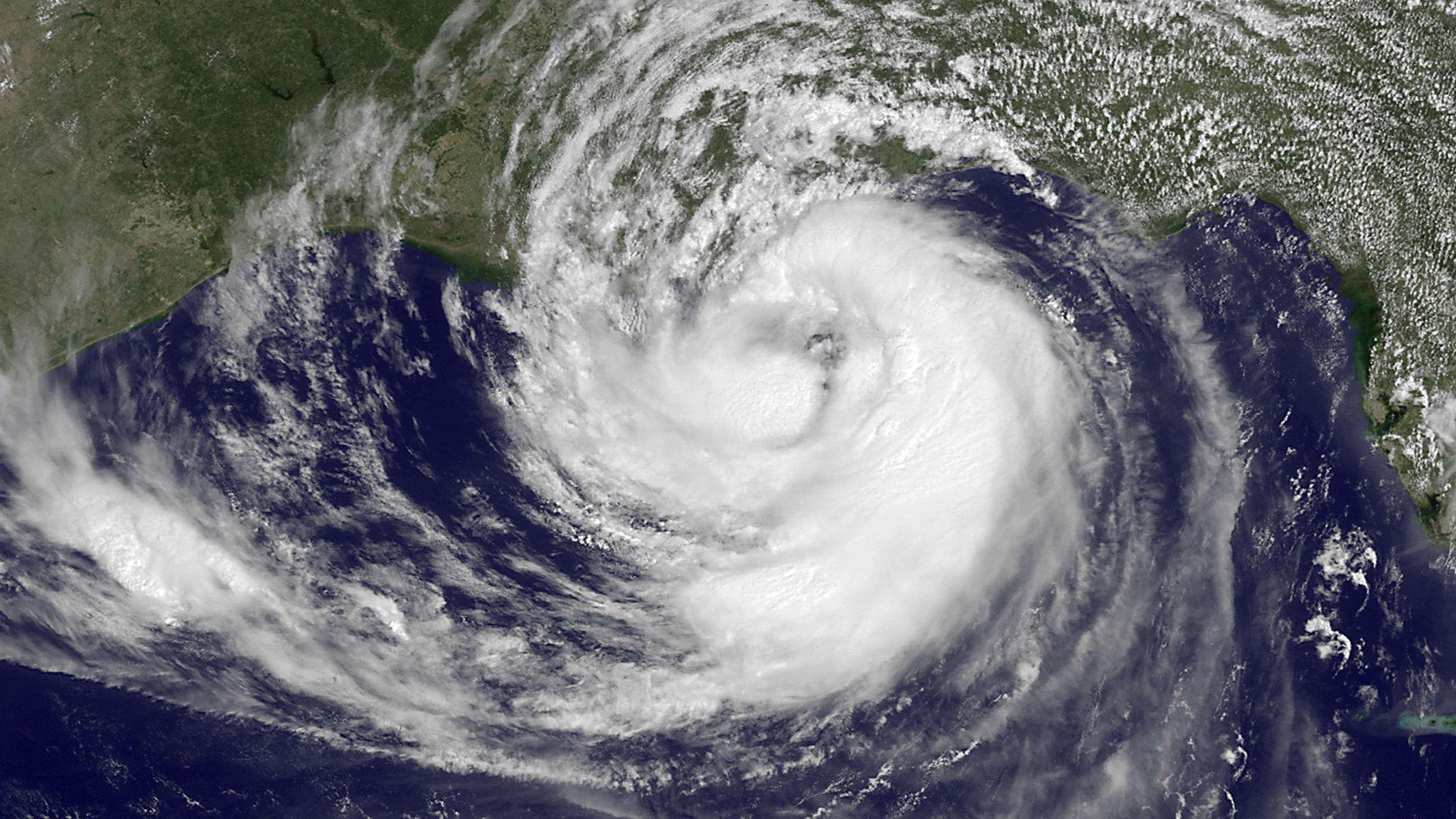
4
What are the different types of Natural Hazard?
Atmospheric: caused by Processes in the Atmosphere (weather)
Hydrological: caused by Water Occurrence, Movement and Distribution
Geological Process: (plate tectonics and ground movement)
Hydrological: caused by Water Occurrence, Movement and Distribution
Geological Process: (plate tectonics and ground movement)
5
what are the examples of Atmospheric Natural Hazards?
• Wind
• Rain
• Lightning
• Snow
• Tropical Storms .
• Drought
• Rain
• Lightning
• Snow
• Tropical Storms .
• Drought
6
what are the examples of Geological Natural Hazards?
• Earthquake
• Landslide
• Avalanche
• Volcanic Eruption
• Mudflow
• Landslide
• Avalanche
• Volcanic Eruption
• Mudflow
7
why do people live near Volcanose- Natural Hazards?
• Fertile Soil: Many Crops will Grow. So Makes Lots Of Money for farmers
• Tourism: from Hotels and Tour Guides. So Locals Make Money and Spend it in Their Area (multiplier effect)
• Generate Electricity: From Heat Of the Volcano (Geothermal Energy)
• Mining Jobs: Gold, Copper, Silver and Diamonds. So Make People Rich
• They have always lived there: Don't Like Change
• Tourism: from Hotels and Tour Guides. So Locals Make Money and Spend it in Their Area (multiplier effect)
• Generate Electricity: From Heat Of the Volcano (Geothermal Energy)
• Mining Jobs: Gold, Copper, Silver and Diamonds. So Make People Rich
• They have always lived there: Don't Like Change
8
what is the definition of Hazard Risk?
Is the chance or probability of being affected by a Natural Event.
9
What are the factors that increase the risk from natural hazards? (more deaths)
• Farming: More farmers live in places that have river floods because it deposits fertile soil
•Poverty: Poverty forces people to live in areas at risk (rich people don't want to live there or they build unstable homes)
• Urbanisation (Cities): Densely populated places are at Great Risk from natural events
• Climate Change: It will make some places wetter, drier and more intense storms and hurricanes
•Poverty: Poverty forces people to live in areas at risk (rich people don't want to live there or they build unstable homes)
• Urbanisation (Cities): Densely populated places are at Great Risk from natural events
• Climate Change: It will make some places wetter, drier and more intense storms and hurricanes
10
Put all the layers of the earth in order from top to centre.
1) Crust
2) Mantle
3) Outer Core
4) Inner Core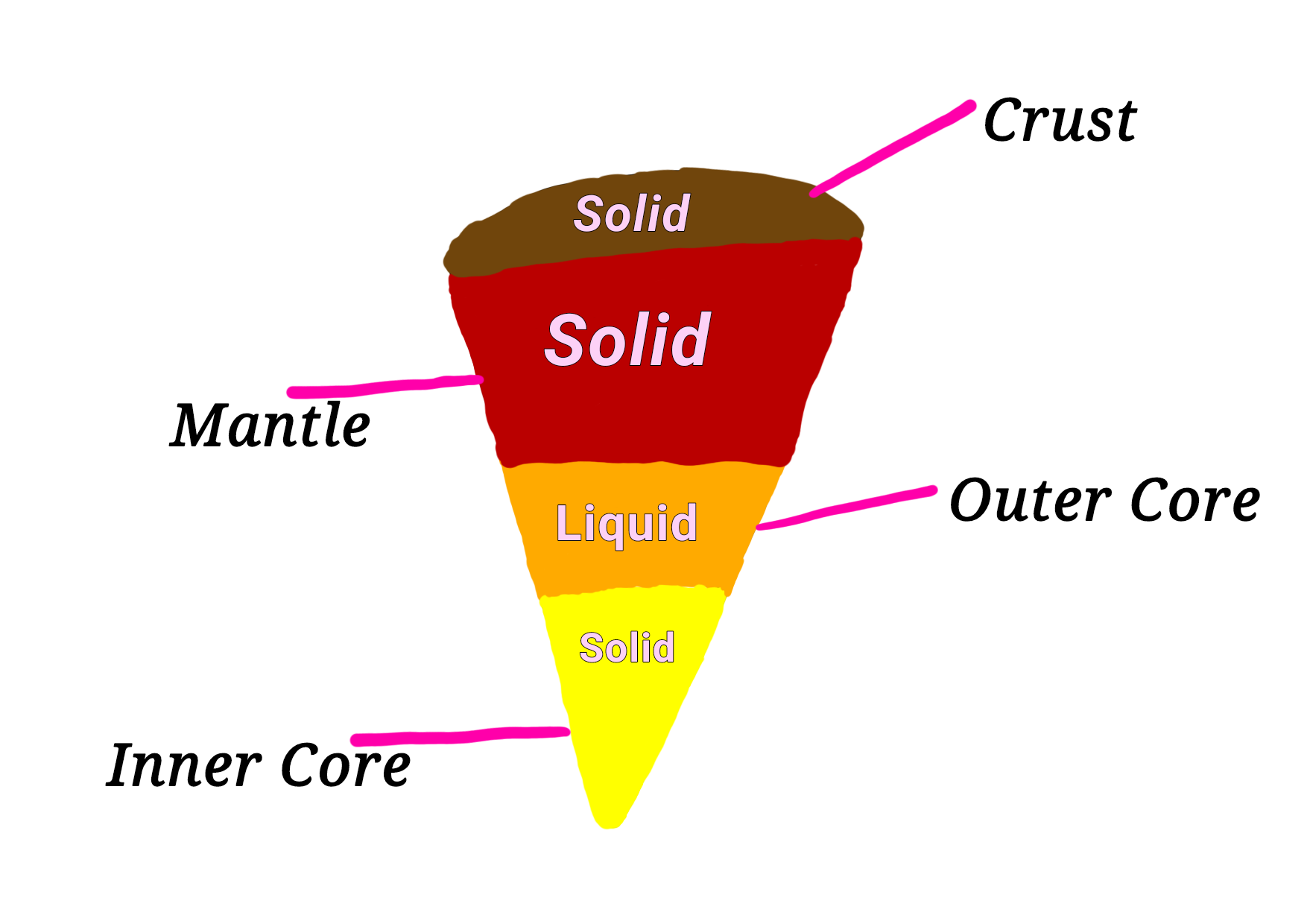
2) Mantle
3) Outer Core
4) Inner Core
11
What is the Crust & what is it broken up into?
It is the Solid Outer Layer of the earth. It is the Thinest Layer- between 5-60km thick & is Broken Up Into Plates. (Oceanic and Continental Plates)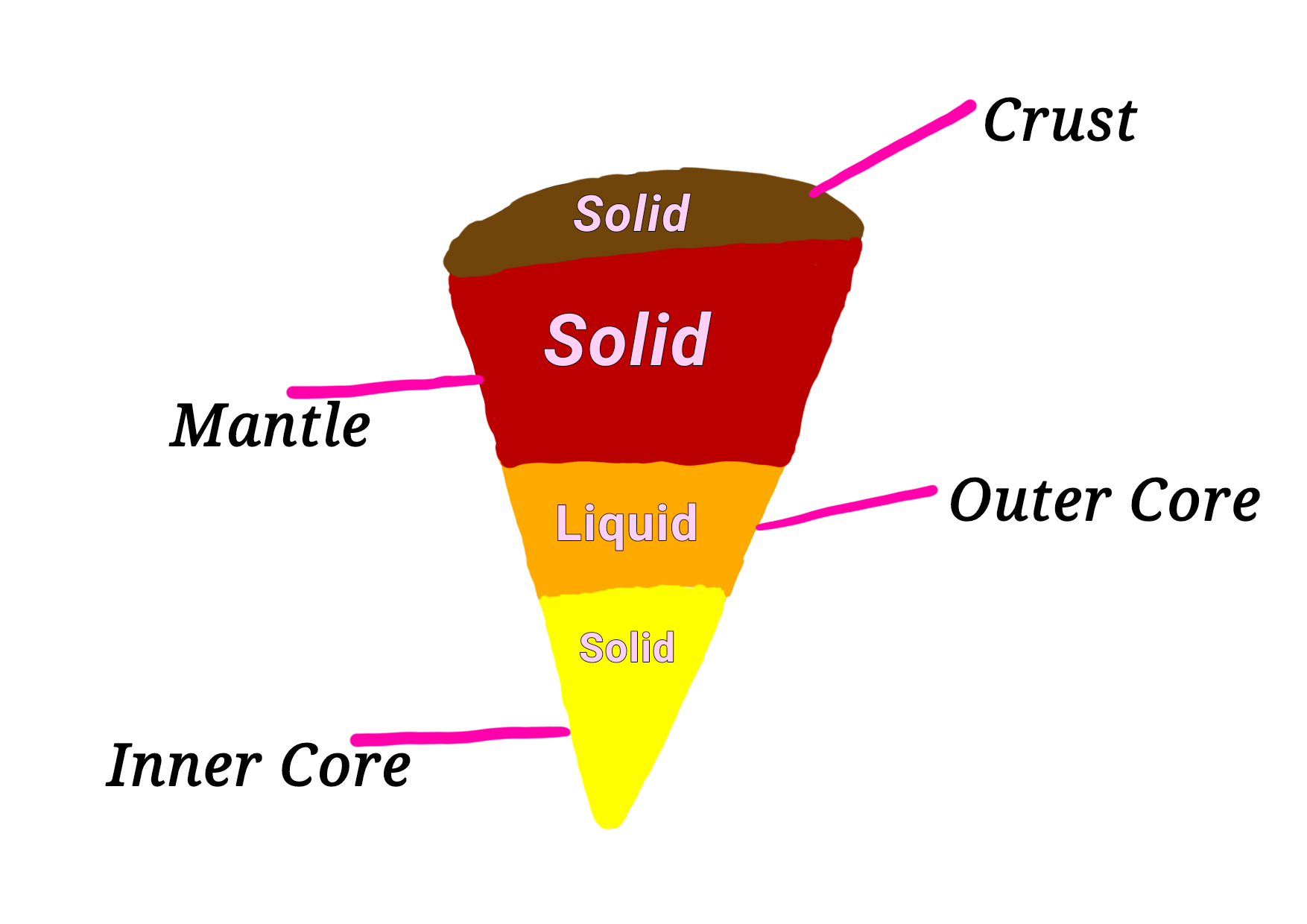
12
What is the Mantle and what happens in this layer?
It is the Thickest Layer of the earth. It is approximately 2900 km wide. It is
Semi-solid & largely made up of Magma.
In this layer, Convection Currents Make Plates Above Move.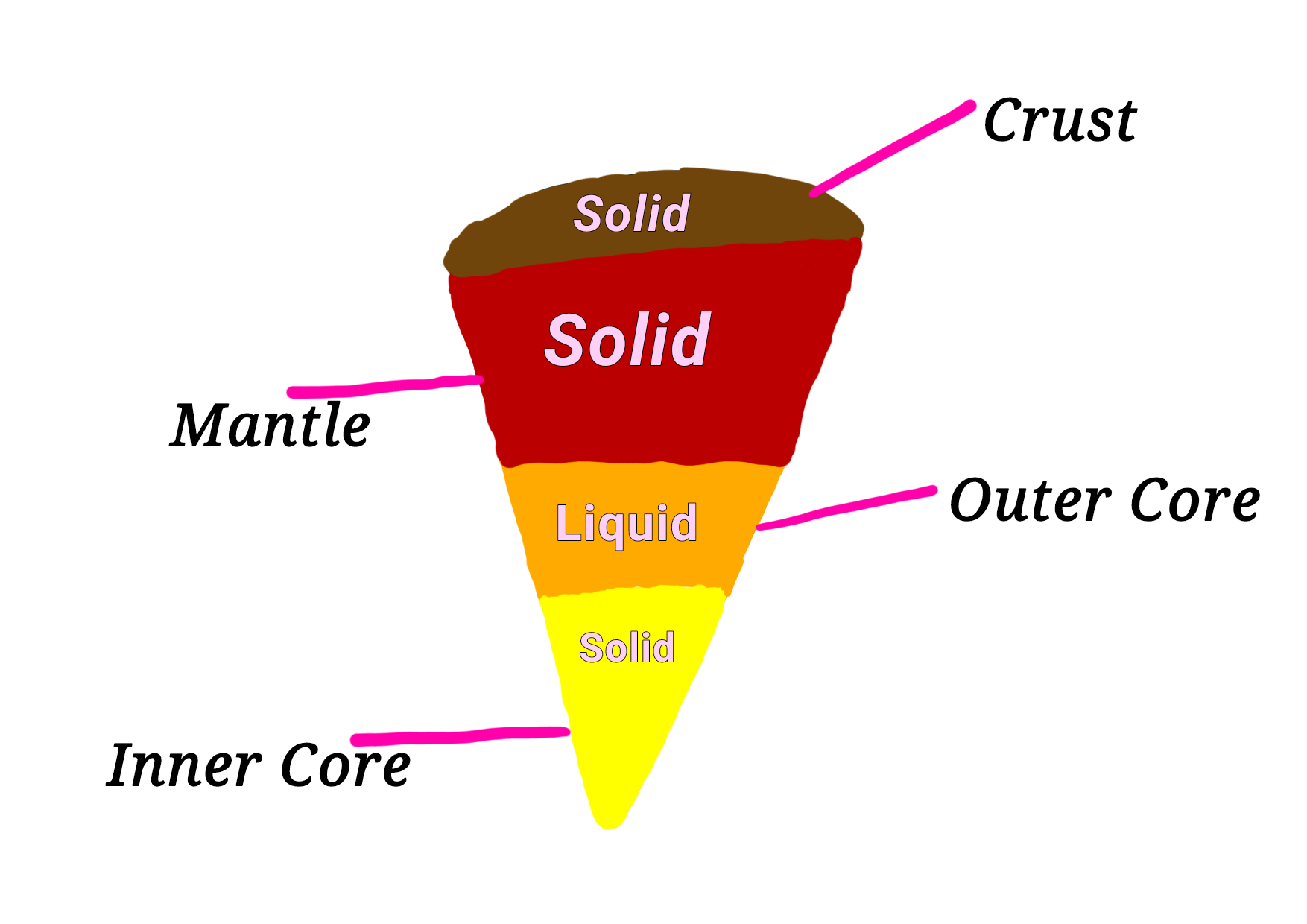
Semi-solid & largely made up of Magma.
In this layer, Convection Currents Make Plates Above Move.
13
What are are all the Plate Margins?
• Constructive
• Destructive
• Conservative
• Destructive
• Conservative
14
What is an earthquake?
Sudden & Violent Period Of Ground Shaking.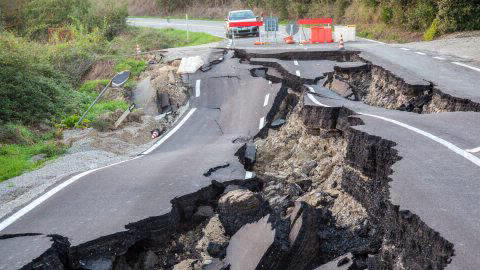
15
What is a volcano & how is it formed & which plates?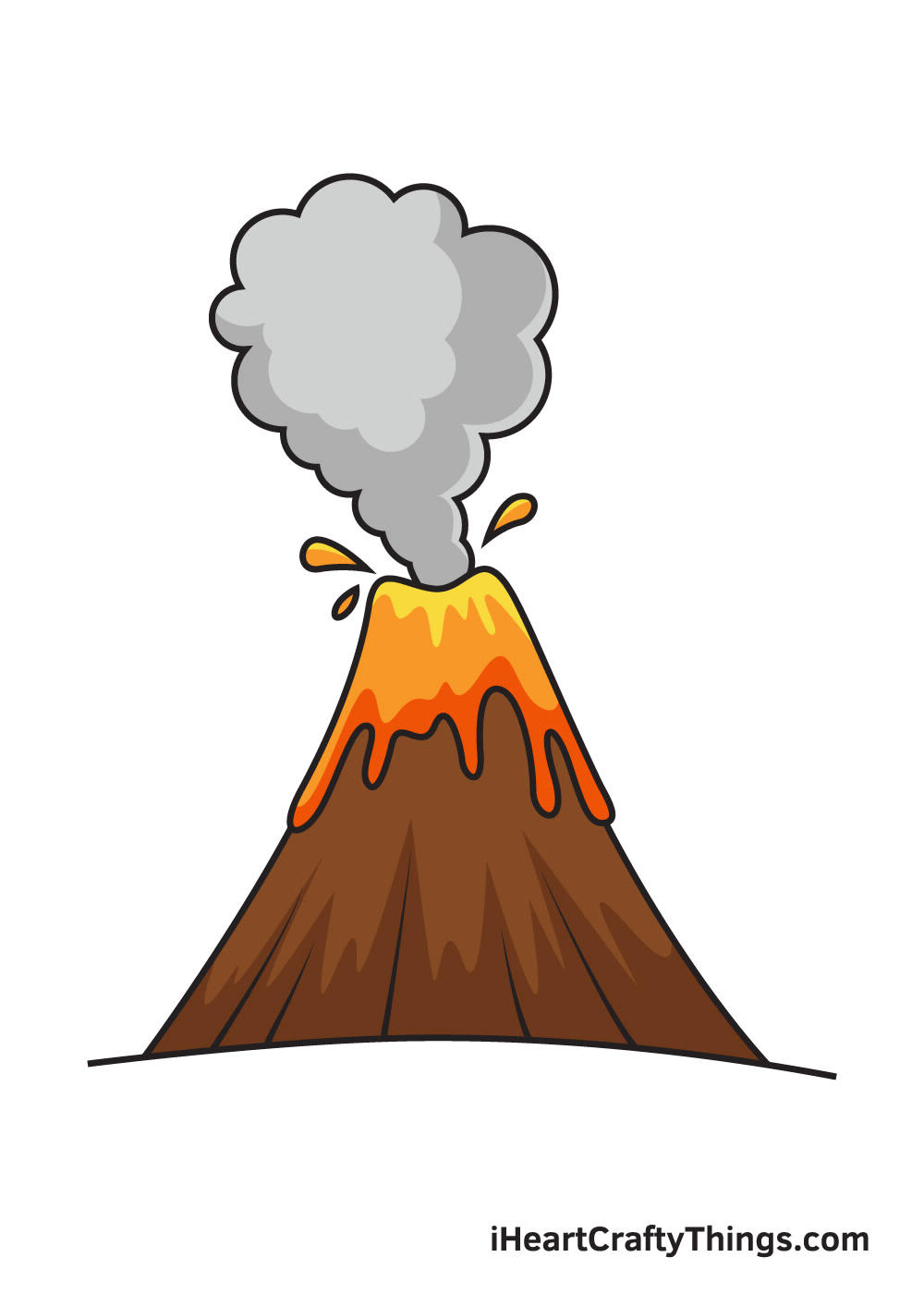
Large and often Consistently Shaped.
It is Usually Formed Over A Long Period Of Time By a Series Of Eruptions.
Constructive & Destructive Plate Margins.
(lots of eruptions)
It is Usually Formed Over A Long Period Of Time By a Series Of Eruptions.
Constructive & Destructive Plate Margins.
(lots of eruptions)
16
Where are earthquakes caused & how are some caused by humans?
Most earthquakes are found along all of the Tectonic Plate Margins.
Or some can be caused by human activity such as: Underground Mining or Oil Extraction.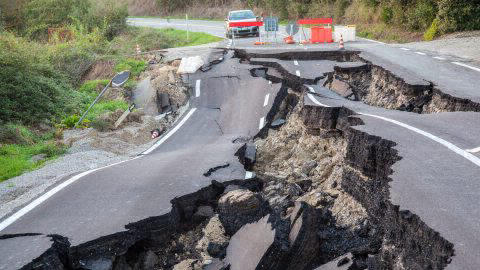
Or some can be caused by human activity such as: Underground Mining or Oil Extraction.
17
What are Destructive Plate Margins & How are volcanoes and earthquakes caused by them?
Plates Move Towards Each Other.
The Dense Oceanic Plate is Subducted Beneath the Less Dense Continental Crust.
EARTHQUAKES
• Built up Friction Causes Stress between the Two Plates and Creates Earthquakes
VOLCANOES
• Magma Breaks Through the Continental Crust to Surface to Create Volcanoes.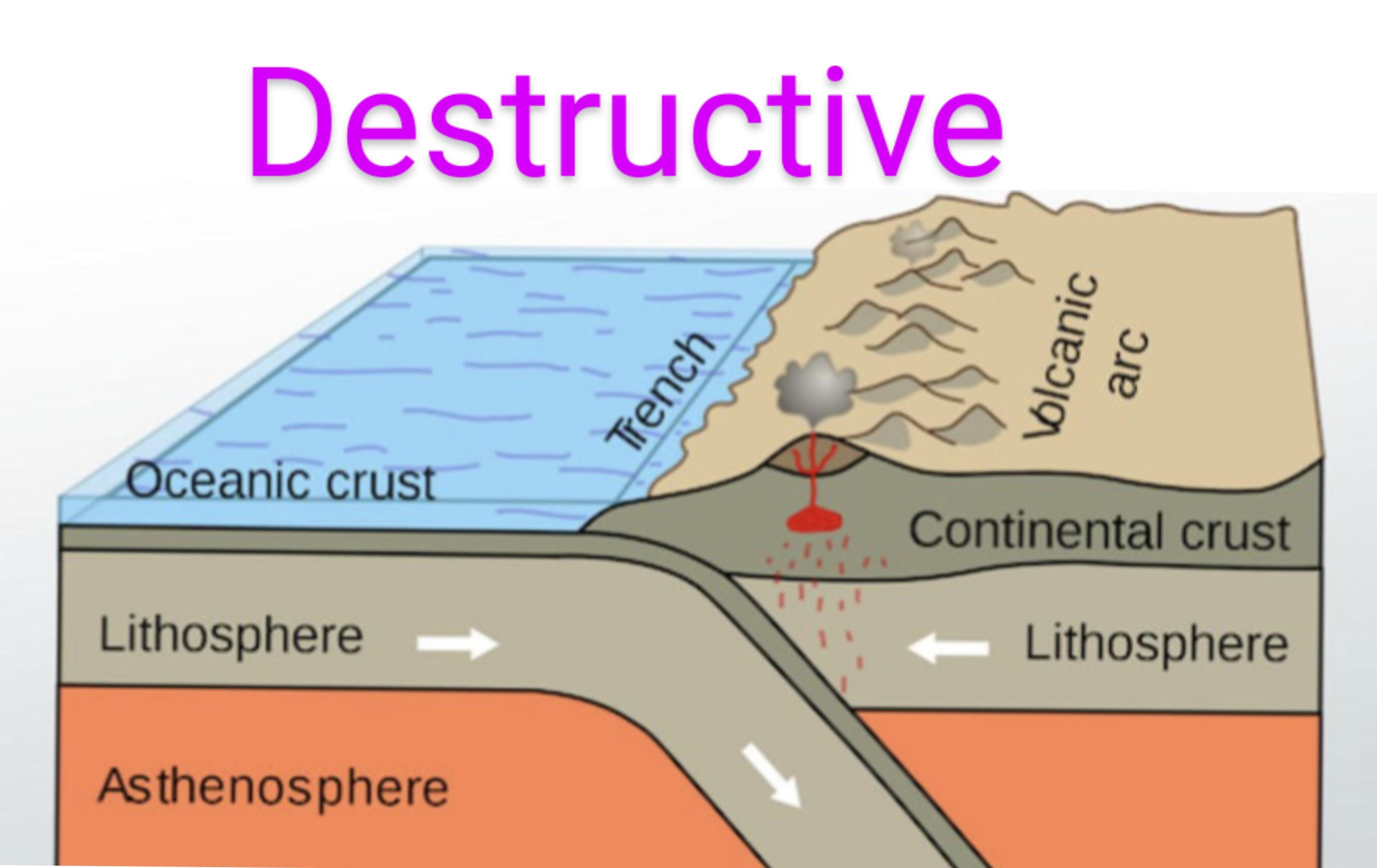
The Dense Oceanic Plate is Subducted Beneath the Less Dense Continental Crust.
EARTHQUAKES
• Built up Friction Causes Stress between the Two Plates and Creates Earthquakes
VOLCANOES
• Magma Breaks Through the Continental Crust to Surface to Create Volcanoes.
18
What are Constructive Plate Margins & How are volcanoes and earthquakes caused by them?
Where Plates Move Apart.
EARTHQUAKE
• Magma Forces Its Way to Surface of Continental Crust as it Breaks Through it Causes Earthquakes.
VOLCANO
• On Reaching the Surface it forms Volcanoes.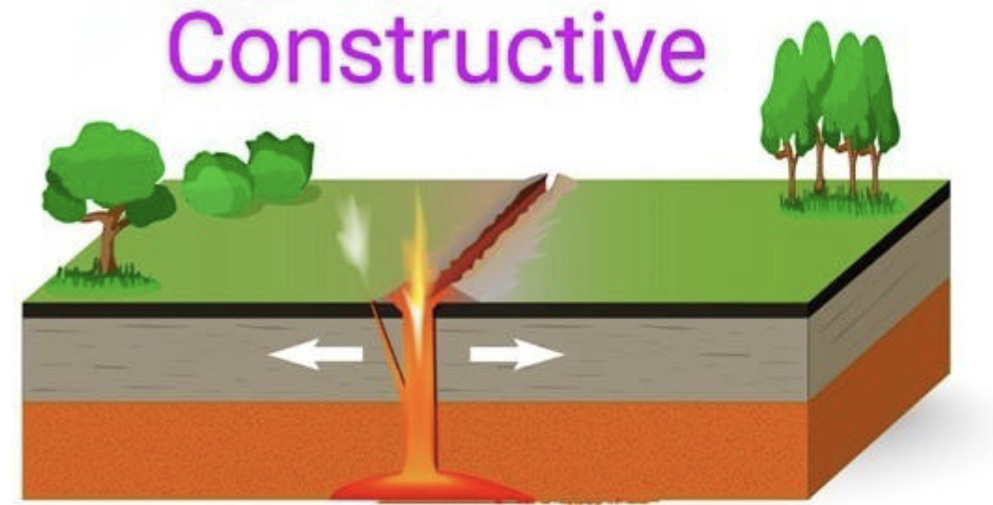
EARTHQUAKE
• Magma Forces Its Way to Surface of Continental Crust as it Breaks Through it Causes Earthquakes.
VOLCANO
• On Reaching the Surface it forms Volcanoes.
19
What are Conservative Plate Margins & How are earthquakes caused by ?
Plates Slide Past Each Other.
EARTHQUAKE
• Caused by Built-up of Friction which Creates Stress Between the Two Plates.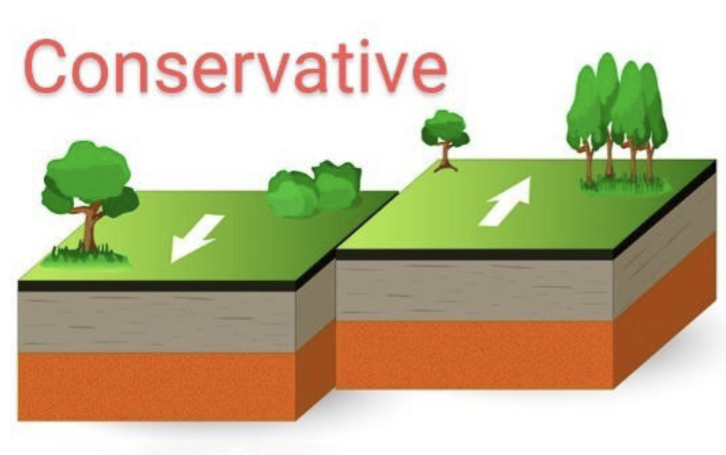
EARTHQUAKE
• Caused by Built-up of Friction which Creates Stress Between the Two Plates.
20
What are the two types of crust?
• Thin and Dense Oceanic Crust.
• Thick & Less Dense Continental crust.
• Thick & Less Dense Continental crust.
21
where do volcanoes occur?
Most ocur along Constructive & Destructive Plate Margins.
But Some Volcanoes formed because of Hot Spots Where the Crust is Thin and Magma Is Able To Break Through to the Surface.
But Some Volcanoes formed because of Hot Spots Where the Crust is Thin and Magma Is Able To Break Through to the Surface.
22
A Constructive Plate Margin & give an example?
Mid Atlantic Ridge.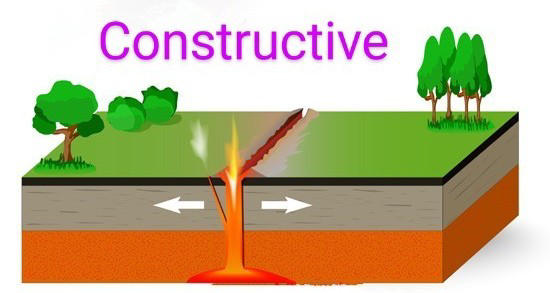
23
A Destructive Plate Margin & give an example?
Nazca and South American plates are Converging.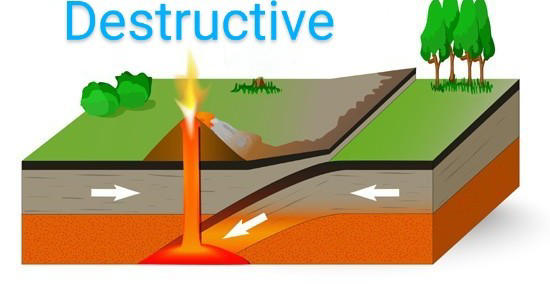
24
A Conservative Plate Margin & give an example?
Example is San Andreas Fault of California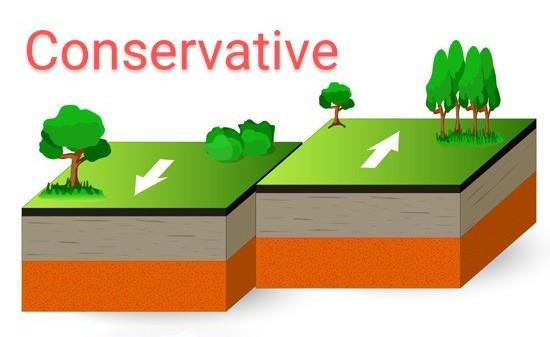
25
What is subduction?
As the Plates Collide, the Dense Oceanic Plate is forced beneath the Less Dense Continental Plate.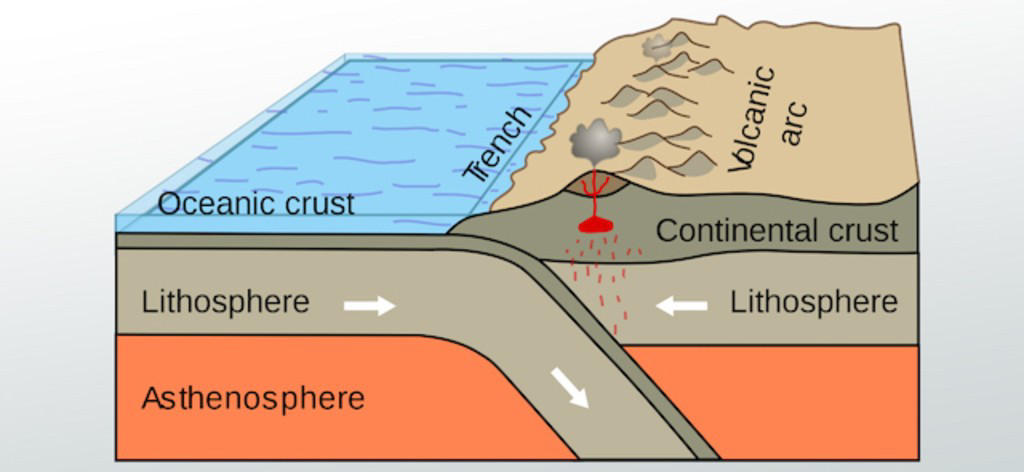
26
What are the after effects of earthquakes?
• Tidal Waves
• Tsunami
• Fire
• Flooding
• Landslides
• Destruction
• Death
• Avalanche
• Homelessness
• Gas Leeks
• Tsunami
• Fire
• Flooding
• Landslides
• Destruction
• Death
• Avalanche
• Homelessness
• Gas Leeks
27
What are the facts about the Chile earthquake, Type of Country, Date, Strength,Type of Boundary, Plates Involved?
Chilie
HIC
Date: 27 February 2010
Strength: 8.8 on Richter Scale
Type of Boundary: Destructive Plate
Plates involved: Nazca Plate and South American Plate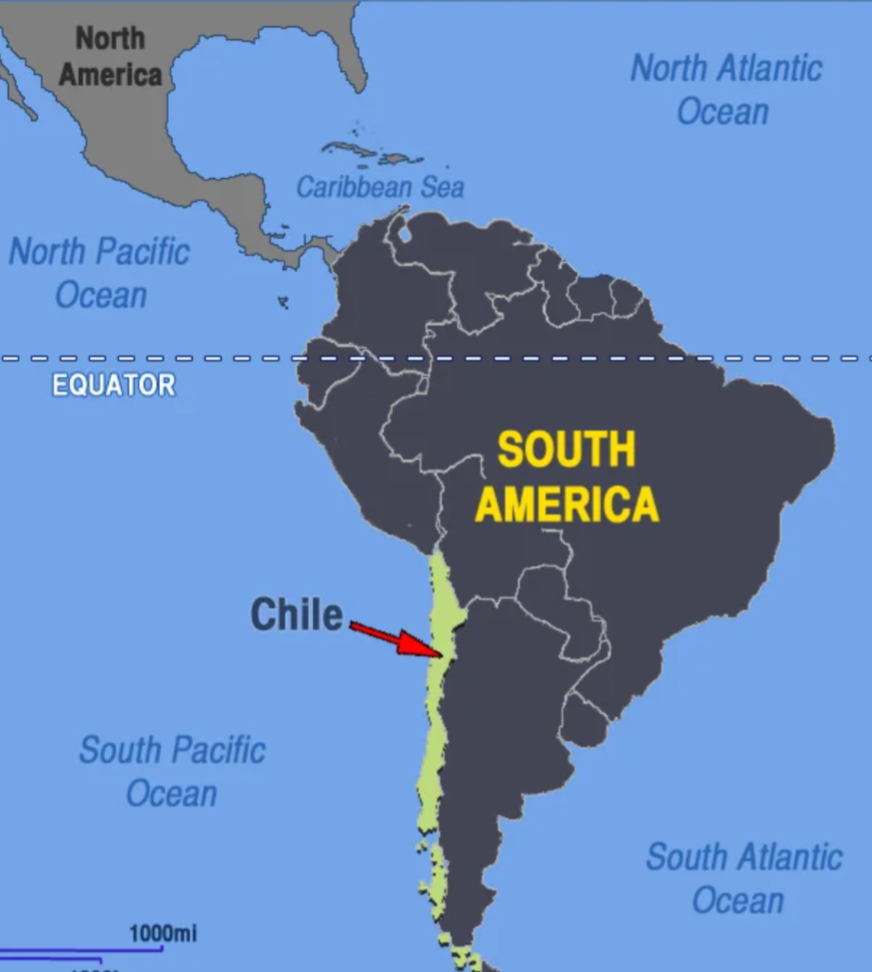
HIC
Date: 27 February 2010
Strength: 8.8 on Richter Scale
Type of Boundary: Destructive Plate
Plates involved: Nazca Plate and South American Plate
28
What are the facts about the Nepal Earthquake, Type of Country, Date, Strength, Type of Boundary, Plates Involves, Depth?
Nepal
LIC
Date: 25 April 2015
Strength: 7.9 on Richter Scale
Type of Boundary: Destructive Plate
Plates involved: Indian and Eurasian plates
Depth: Very shallow (15km bellow surface) that is why it caused a lot of damage
LIC
Date: 25 April 2015
Strength: 7.9 on Richter Scale
Type of Boundary: Destructive Plate
Plates involved: Indian and Eurasian plates
Depth: Very shallow (15km bellow surface) that is why it caused a lot of damage
29
What are the two cities involved in the earthquake comparison with HIC & LIC?
Chile=HIC & Nepal=LIC
30
Define what Immediate Response means.
Immediate Response is the Search and Rescue.
Keeping survivors alive by providing Medical Care, Food, Water and Shelter.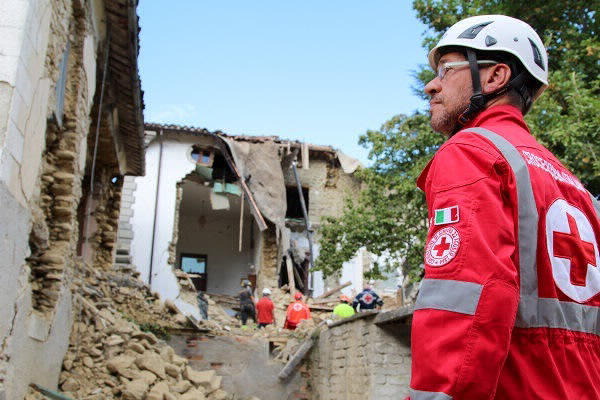
Keeping survivors alive by providing Medical Care, Food, Water and Shelter.
31
Define what Long-term Response means.
Long-term Response is rebuilding and reconstruction.
With the aim of returning people's lives back to normal and reducing future risk.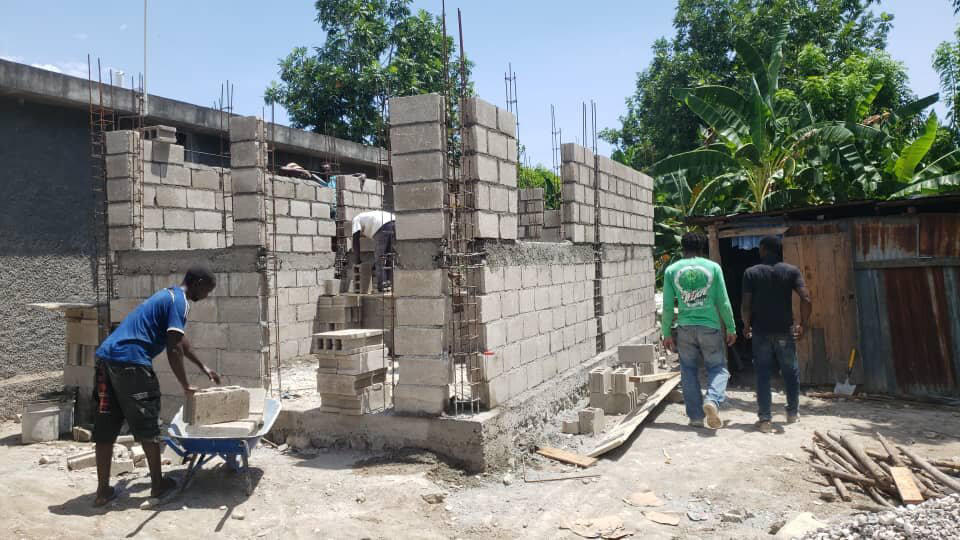
With the aim of returning people's lives back to normal and reducing future risk.
32
where is Nepal?
Nepal is in South Asia. It lies between China and India 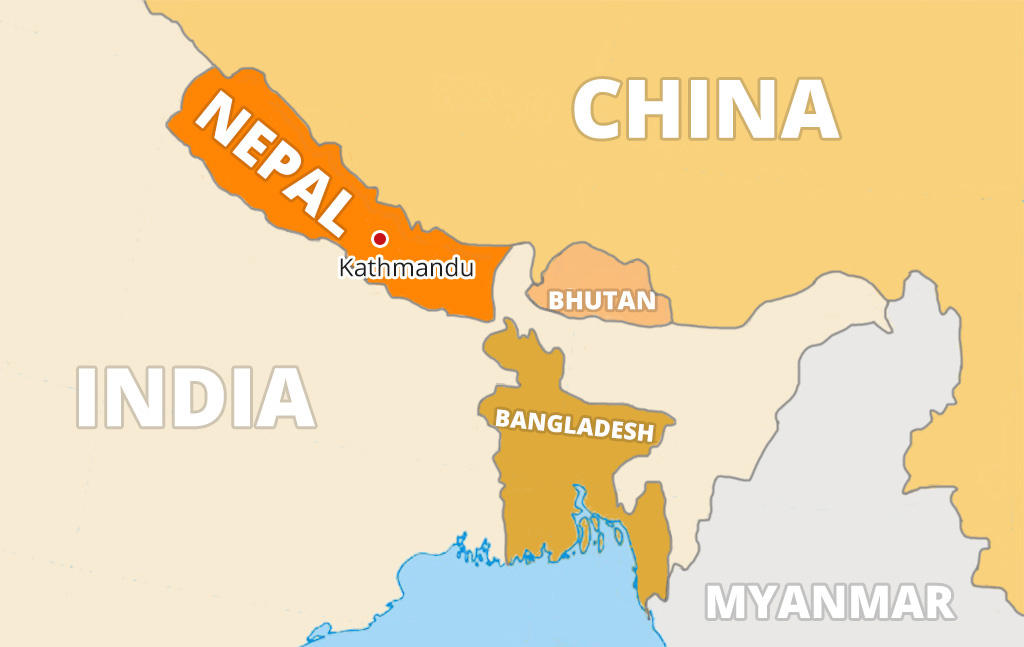
33
What were the Primary Effects and Secondary Effects of the Nepal Earthquake? 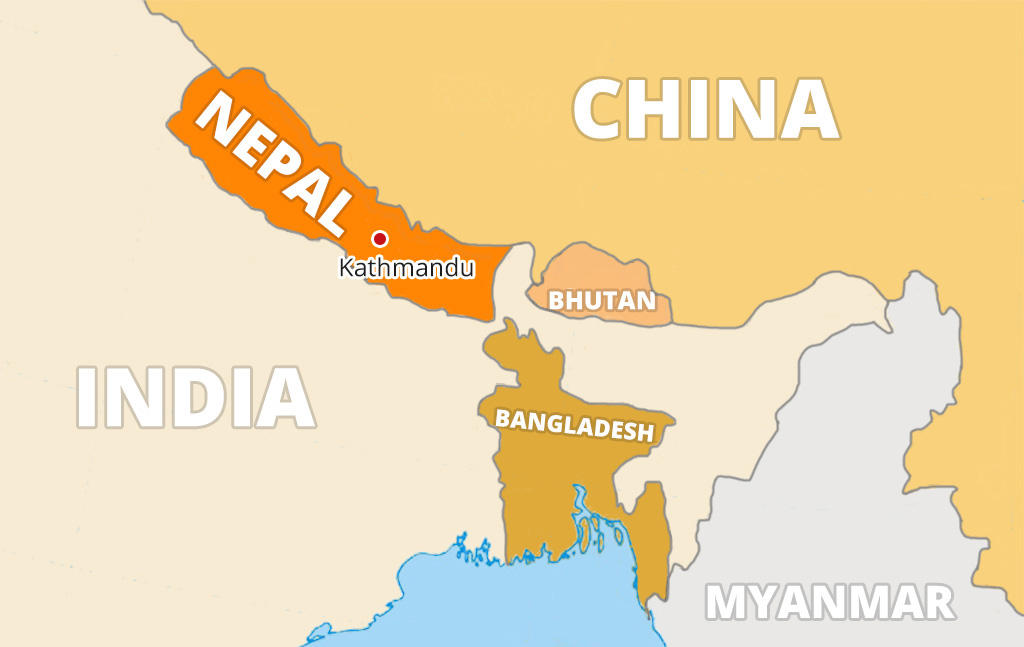
PRIMARY AFFECTS
• 9 Thousand people Died and 20 Thousand injured
• Over 8 million affected
• 3 million Homeless
• 1.4 million Need Food, Water and Shelter
• 50% Shops Crushed and Many Schools Crushed
SECONDARY AFFECTS
• Ground Shaking Triggers Land Slides and Avalanches
• Avalanches on Mount Everest killed 19 people
• Landslides Blocked Rivers & Roads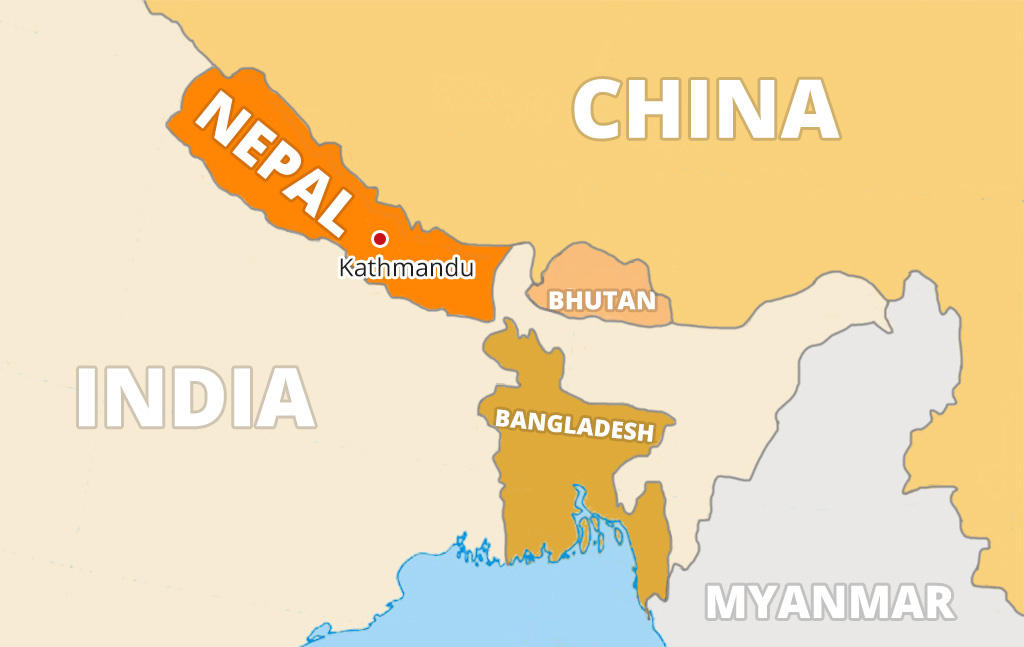
• 9 Thousand people Died and 20 Thousand injured
• Over 8 million affected
• 3 million Homeless
• 1.4 million Need Food, Water and Shelter
• 50% Shops Crushed and Many Schools Crushed
SECONDARY AFFECTS
• Ground Shaking Triggers Land Slides and Avalanches
• Avalanches on Mount Everest killed 19 people
• Landslides Blocked Rivers & Roads
34
What were the Short Term Responses and Long Term Responses of the Nepal Earthquake? 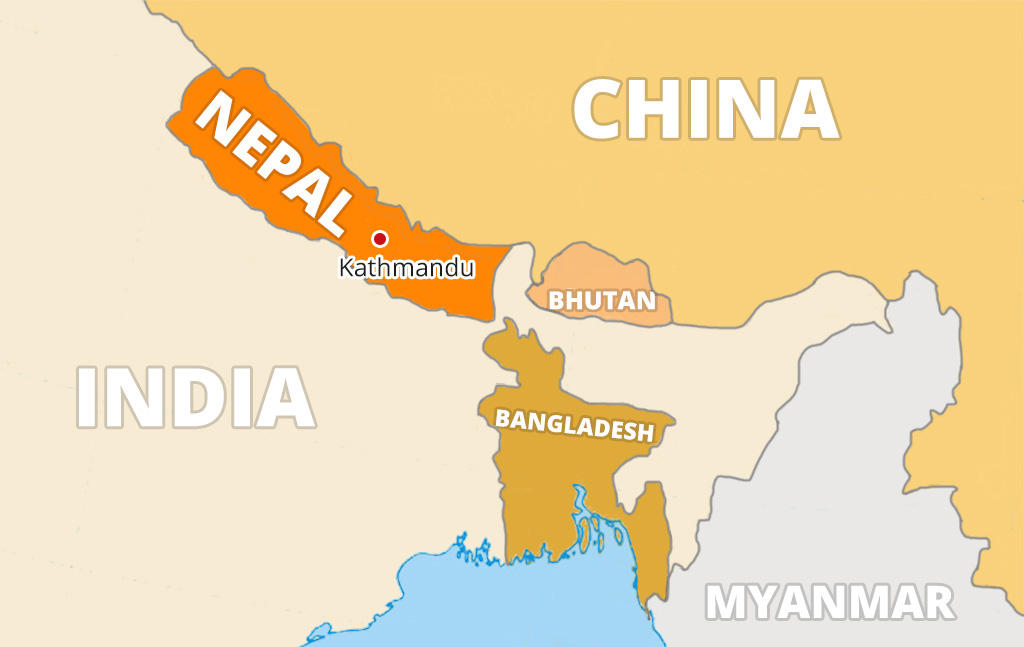
SHORT TERM RESPONSES
• Search & Rescue Came Quickly
• AID and Financial AID Arrived Fast from Countries (water, medical support )
• Half a Million Tents and Lots of Field Hospitals were Needed
LONG TERM RESPONSES
• Roads Repaired
• Homeless re-housed
• Houses Repaired
• 7 Thousand Schools Rebuilt
• Tourism Boosted and Repairs to Everest Base Camp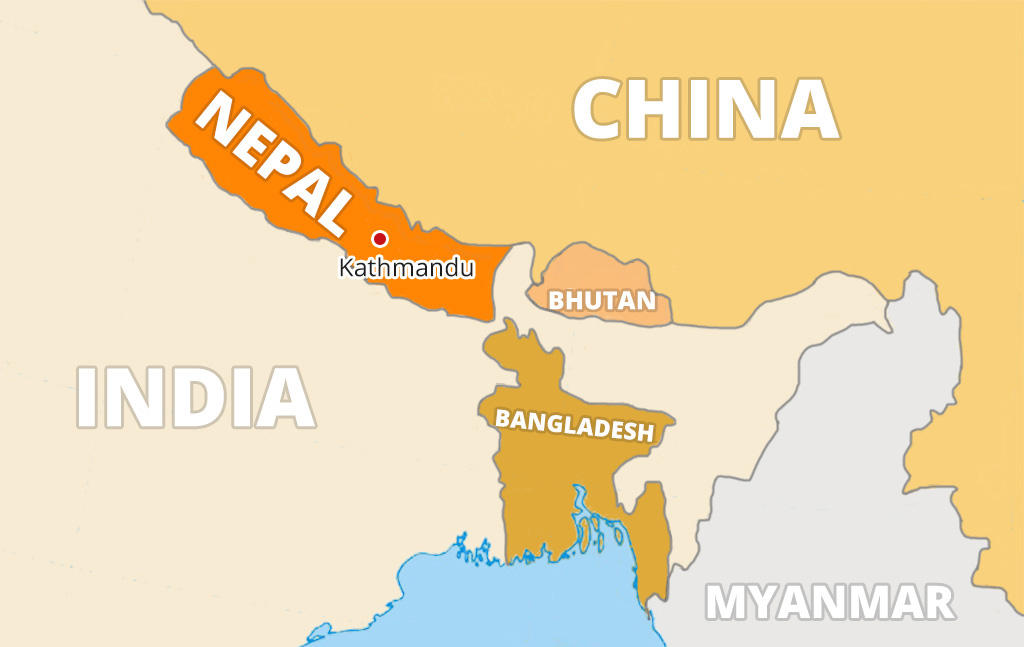
• Search & Rescue Came Quickly
• AID and Financial AID Arrived Fast from Countries (water, medical support )
• Half a Million Tents and Lots of Field Hospitals were Needed
LONG TERM RESPONSES
• Roads Repaired
• Homeless re-housed
• Houses Repaired
• 7 Thousand Schools Rebuilt
• Tourism Boosted and Repairs to Everest Base Camp
35
where is Chile?
Located in Southern South America.
Chile borders the countries of Argentina, Bolivia and Peru.
Chile borders the countries of Argentina, Bolivia and Peru.
36
What were the Primary Effects and Secondary Effects of the Chile Earthquake? 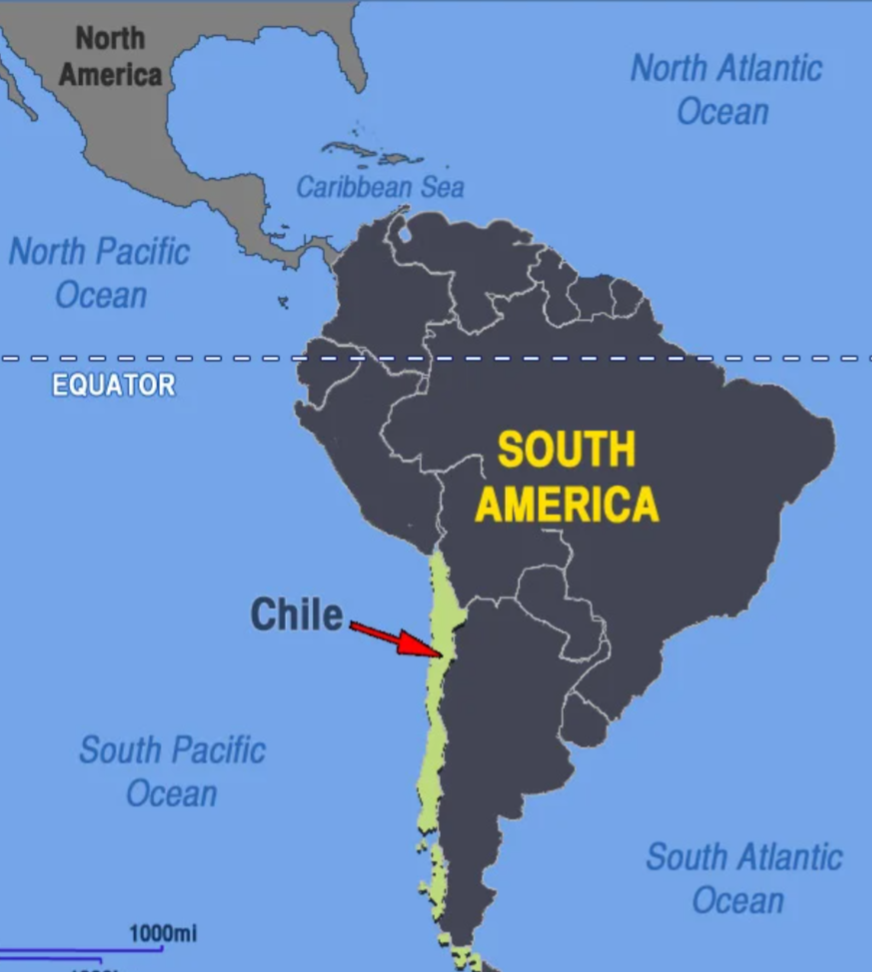
PRIMARY AFFECTS
• 500 People Killed and 12 Thousand Injured .
• 800 thousand people affected.
• Buildings Destroyed:
Homes, Ports, Schools, Hospitals.
• Lost Power, Water & Communication.
SECONDARY AFFECTS
• 1,500 km of Roads Damaged By Landslides.
• Several Coastal Towns Destroyed by Tsunami .
• A Fire At a Chemical Plant Near Santiago.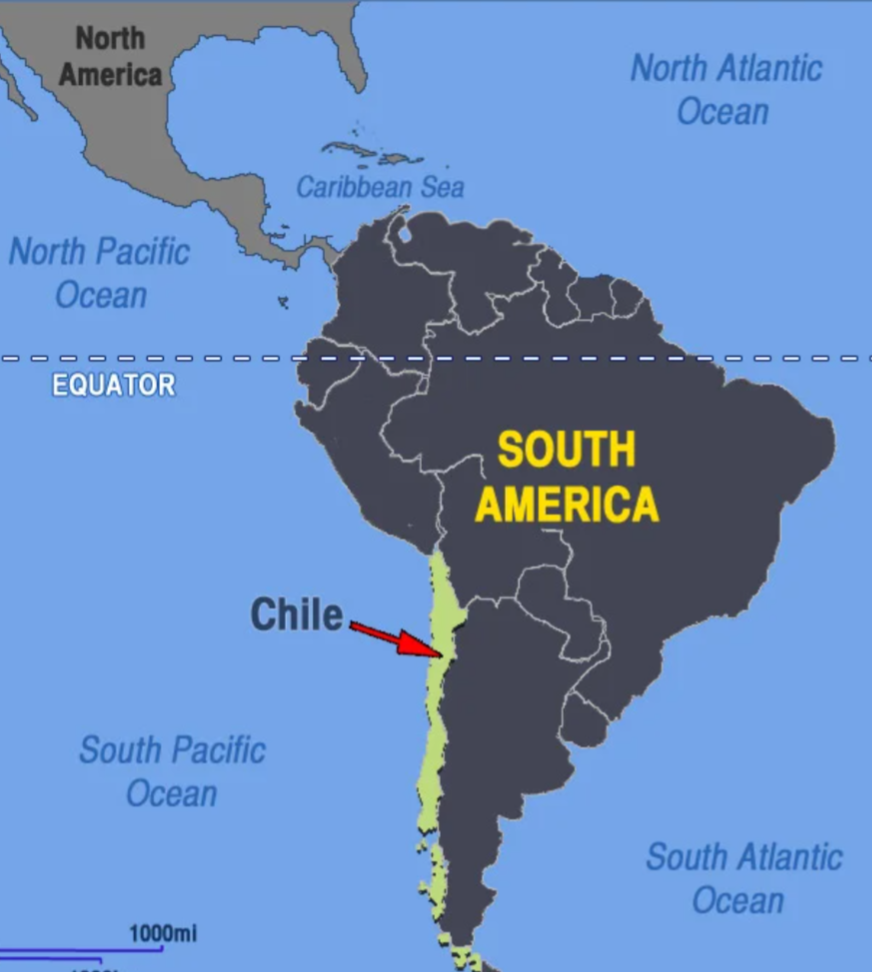
• 500 People Killed and 12 Thousand Injured .
• 800 thousand people affected.
• Buildings Destroyed:
Homes, Ports, Schools, Hospitals.
• Lost Power, Water & Communication.
SECONDARY AFFECTS
• 1,500 km of Roads Damaged By Landslides.
• Several Coastal Towns Destroyed by Tsunami .
• A Fire At a Chemical Plant Near Santiago.
37
What were the Short Term Responses and Long Term Responses of the Chile Earthquake? 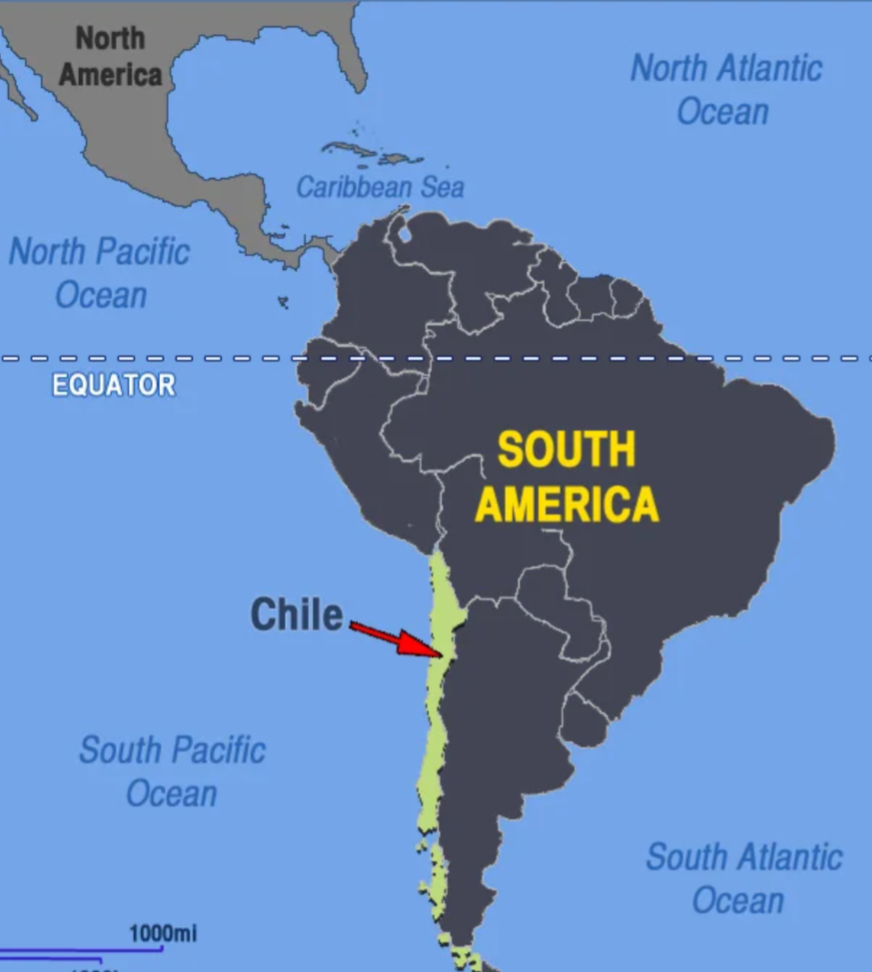
SHORT TERM RESPONSES
• Government Launched Housing Reconstruction.
• It's Economy Based On Copper Exports could be Rebuilt.
• President announced it could take 4 years for it to Fully Recover From Damaged Building etc.
• Emergency Services Act Quickly.
LONG TERM RESPONSES
• AID sent from Countries to Help Supply Field Hospitals, Satellite Phones & Floating Bridges.
• Power and Water Restored to 90% of homes Within 10 days.
• National Appeal Raised 60 Million Dollars.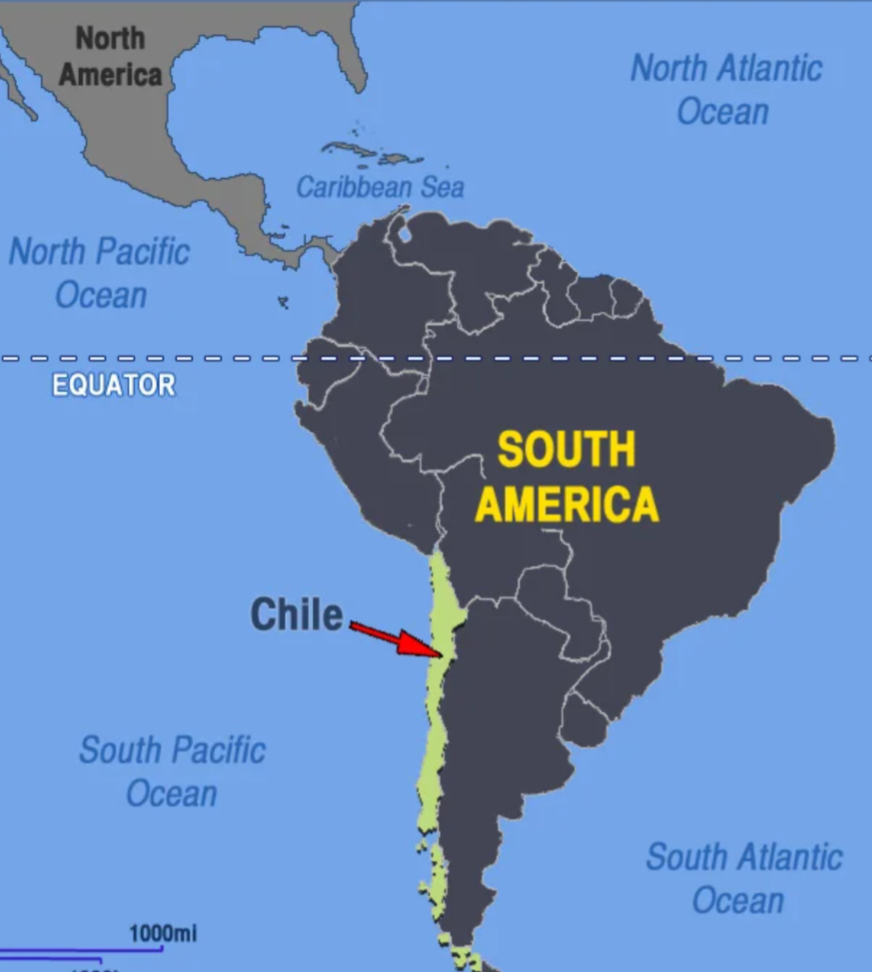
• Government Launched Housing Reconstruction.
• It's Economy Based On Copper Exports could be Rebuilt.
• President announced it could take 4 years for it to Fully Recover From Damaged Building etc.
• Emergency Services Act Quickly.
LONG TERM RESPONSES
• AID sent from Countries to Help Supply Field Hospitals, Satellite Phones & Floating Bridges.
• Power and Water Restored to 90% of homes Within 10 days.
• National Appeal Raised 60 Million Dollars.
38
Definition of Prediction
Using Historical Evidence and Monitoring, Scientists can make Predictions about When and Where a Tectonic Hazard may occur.
39
Definition of Protection For Natural Hazards
Modified Buildings that will withstand a Tectonic Hazard & Tropical Storm
40
Definition of Planning For Natural Hazards
Identifying and the Avoiding of Places Most At Risk.
41
How would scientist predict when or where an Earthquake could occur?
By Looking at Historical Records, Scientist can Identify Areas at Greatest Risk
But saying when it might occur is impossible.
But saying when it might occur is impossible.
42
which warning signsls would allow a scientist to predict when and where a Volcanic Eruption would occur?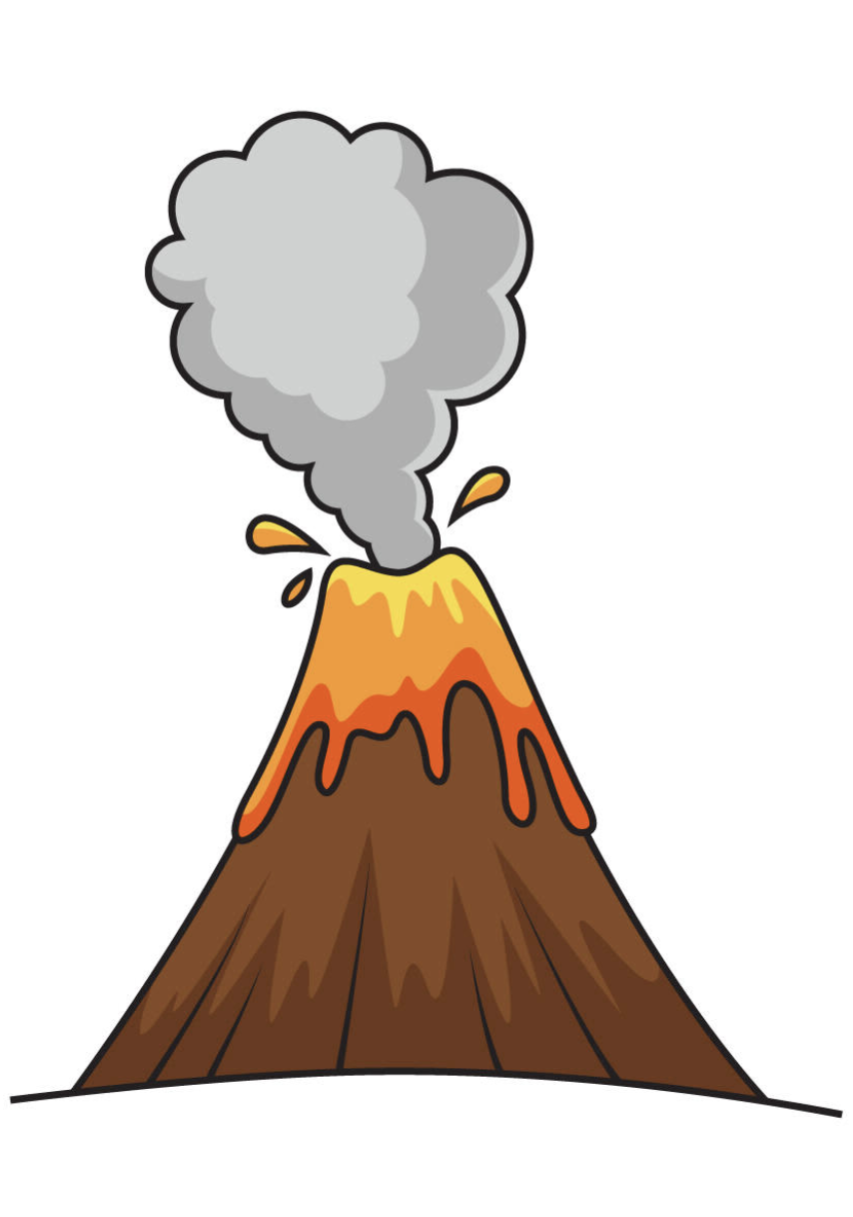
Volcanic Eruptions are easier to predict because they usually give advance warning signals.
Such as:
• Gases
•Increased Heat
• Bulging Of the Ground (bubbling ground)
• Rocks Fracture As Magma Rising can cause Small Earthquakes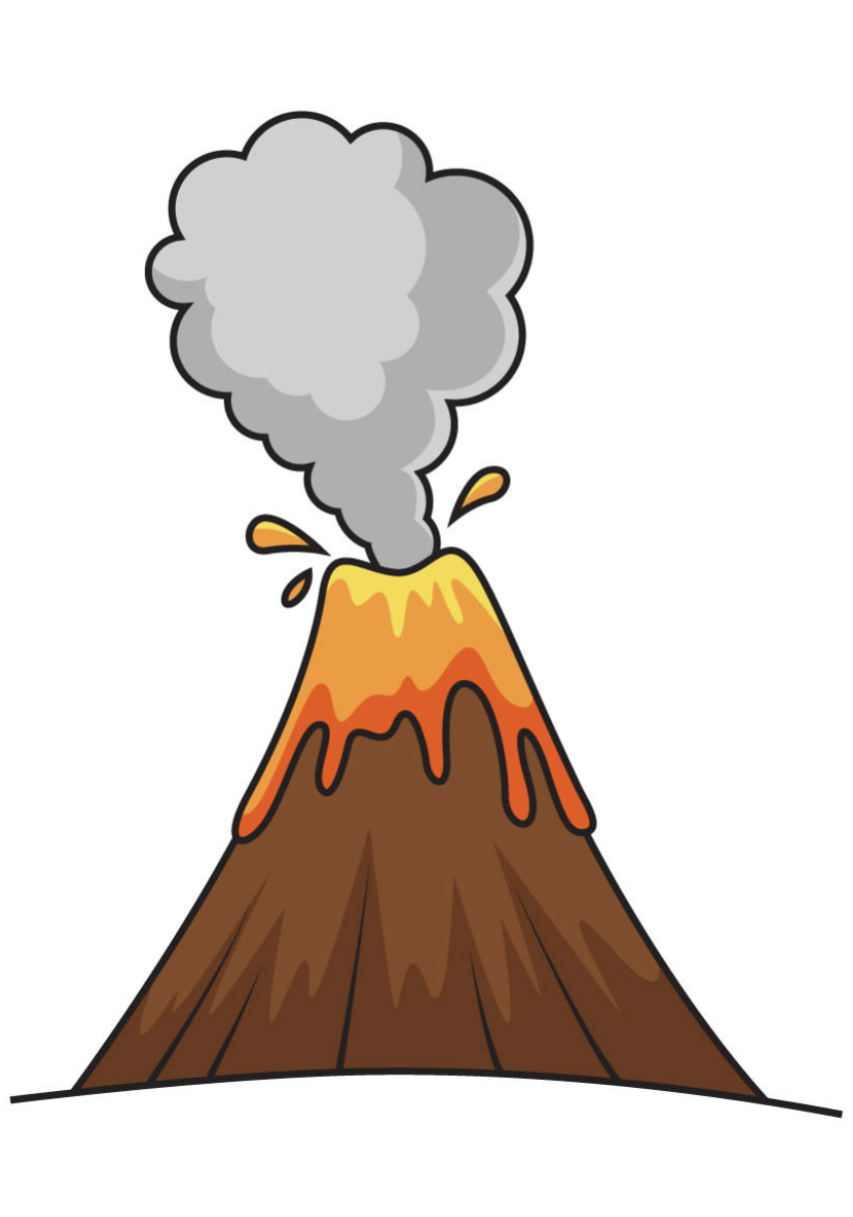
Such as:
• Gases
•Increased Heat
• Bulging Of the Ground (bubbling ground)
• Rocks Fracture As Magma Rising can cause Small Earthquakes
43
How would you protect against earthquakes and what sort of protection features do they have?
Earthquake resistant buildings.
They are built in safe areas for people to gather.
They have:
. Shutters that Come Down Automatically
. Rolling Weights On Roof
. Rubber Shock Absorbers
. Reinforced Lift Shafts with tension cables.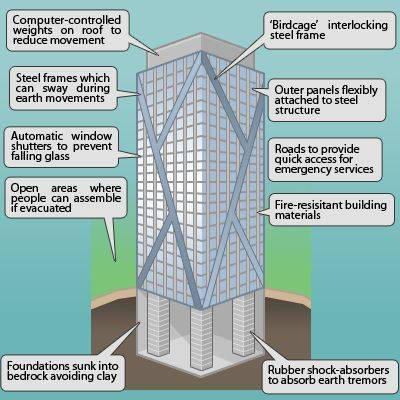
They are built in safe areas for people to gather.
They have:
. Shutters that Come Down Automatically
. Rolling Weights On Roof
. Rubber Shock Absorbers
. Reinforced Lift Shafts with tension cables.
44
what is the best type of protection for volcanoes?
Volcanic Eruptions are very difficult protect against.
Therefore evacuation is the best method.
Therefore evacuation is the best method.
45
Definition of Monitoring
Using Scientific Equipment to Detect Warning Signs Of Events.
Such as a volcanic eruption
Such as a volcanic eruption
46
why is preparation and planning important?
This means that people, the emergency services and authorities know what to do and can act quickly so there is less chaos and fewer casualties.
47
Give examples of preparation and planning.
• Drills
• Evacuation plans
• Know how to turn of gas/electricity
• Emergency supply kits
• Evacuation plans
• Know how to turn of gas/electricity
• Emergency supply kits
48
Define Tropical Storm & Characteristics
A Very Powerful, Low Pressure Weather System.
It has Strong Winds and Heavy Rainfall.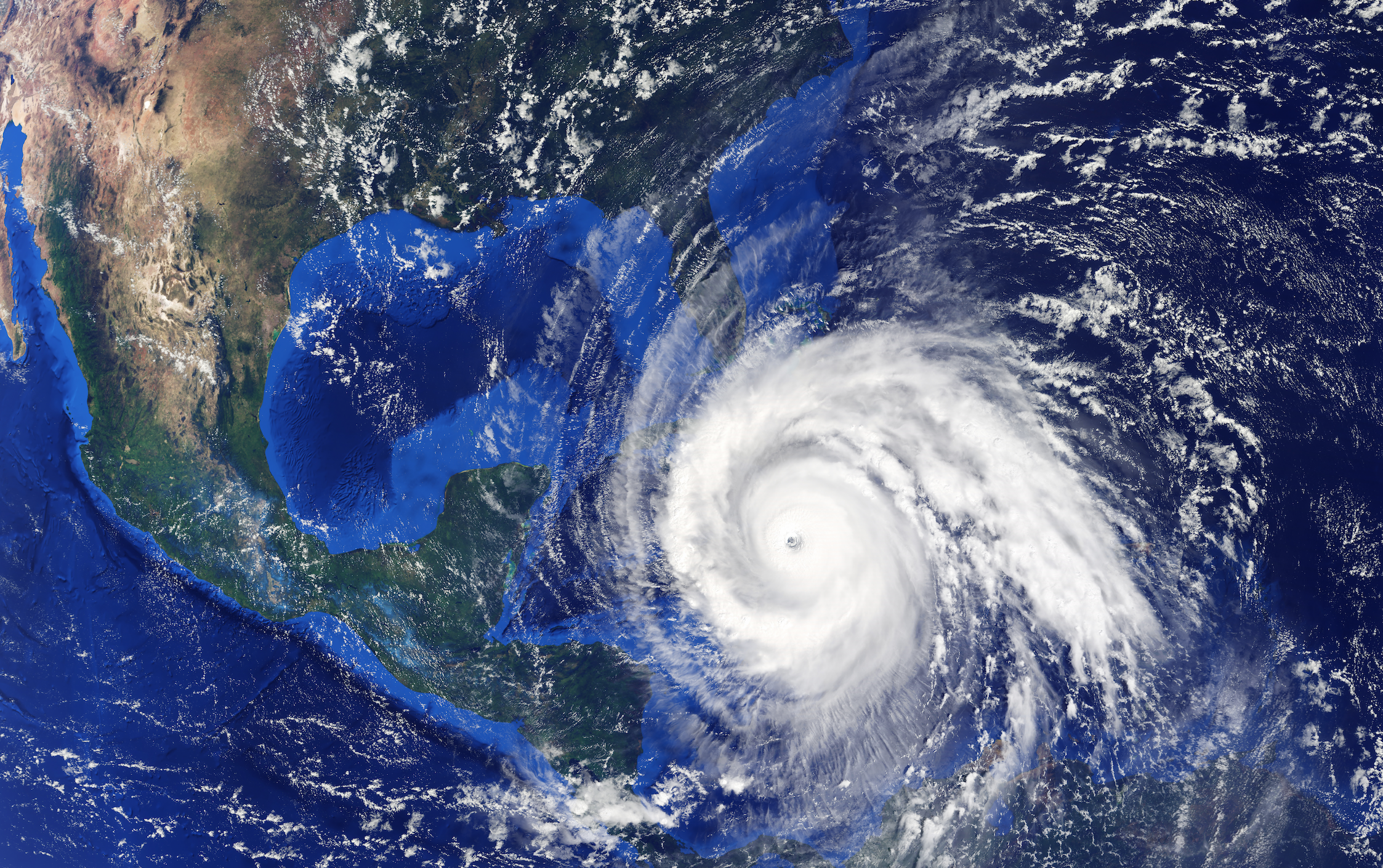
It has Strong Winds and Heavy Rainfall.
49
Where do Tropical Storms form?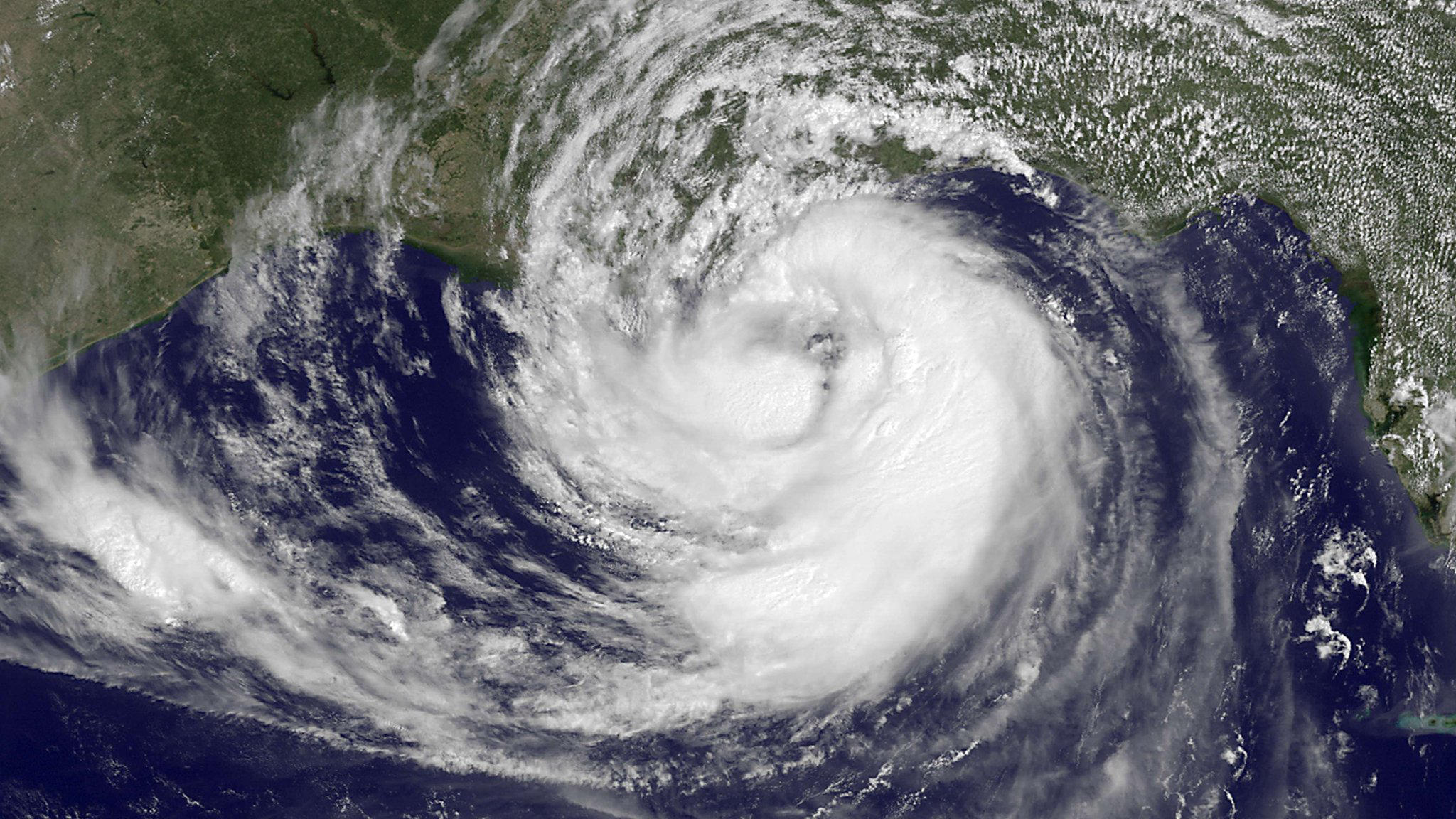
• Form Over Warm Oceans above 27°c.
• In Summer and Autumn when Sea Temperatures Highest.
• Between the Tropics 5-30° North and South of the equator .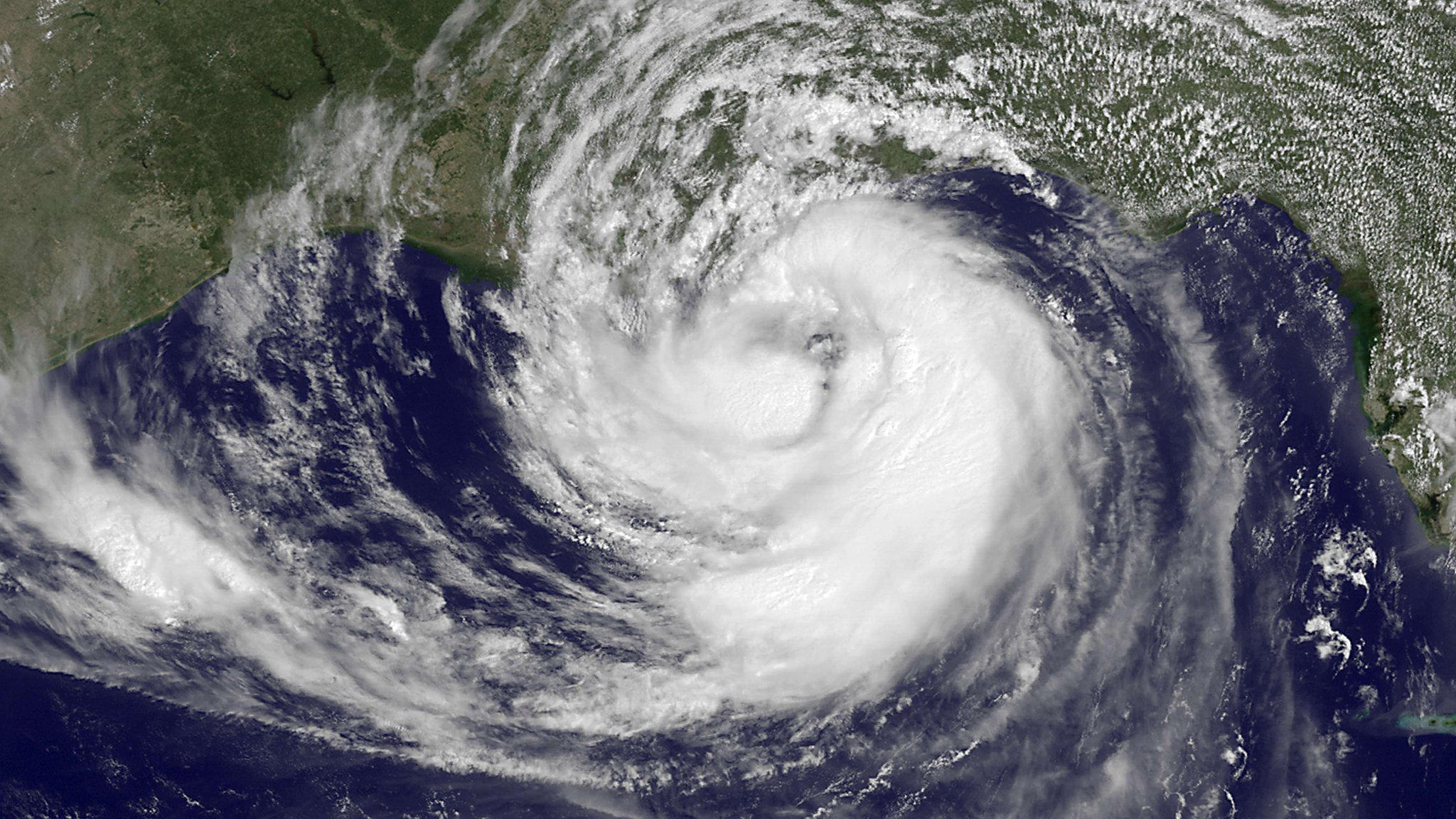
• In Summer and Autumn when Sea Temperatures Highest.
• Between the Tropics 5-30° North and South of the equator .
50
How do tropical storms form?
1) Air is Heated Above Surface of Warm, Tropical Oceans.
2) Warm Air Rises Rapidly, Drawing More Air & Large Volumes of Moisture from Ocean, Causing Strong Winds.
3) Rising Air Cools & Condenses to Form, Cumulonimbus Clouds. Latent (hidden) Heat Released with Condensation Further Powers Storm.
4) Winds Start to Spin Upward due to Coriolis Effect.
5) Cold Air Sinks in Eye-creating Calm, Drier Conditions.
6) Storm Steered by Prevailing Wind.
7) On Reaching Land, Storm Loses Source of its Power & Weakens. Friction Also Slows it Down.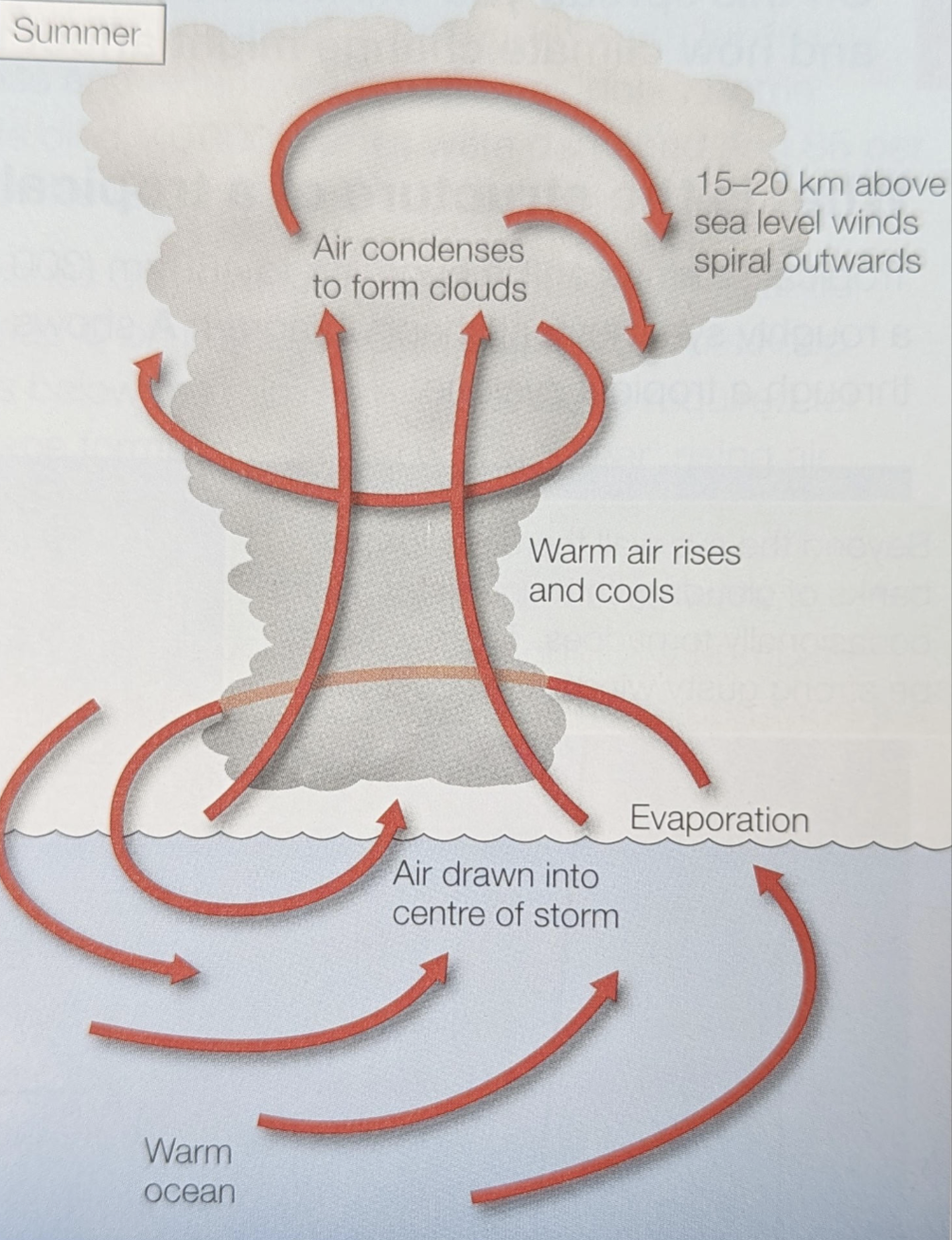
2) Warm Air Rises Rapidly, Drawing More Air & Large Volumes of Moisture from Ocean, Causing Strong Winds.
3) Rising Air Cools & Condenses to Form, Cumulonimbus Clouds. Latent (hidden) Heat Released with Condensation Further Powers Storm.
4) Winds Start to Spin Upward due to Coriolis Effect.
5) Cold Air Sinks in Eye-creating Calm, Drier Conditions.
6) Storm Steered by Prevailing Wind.
7) On Reaching Land, Storm Loses Source of its Power & Weakens. Friction Also Slows it Down.
51
what are the other names for a Tornado?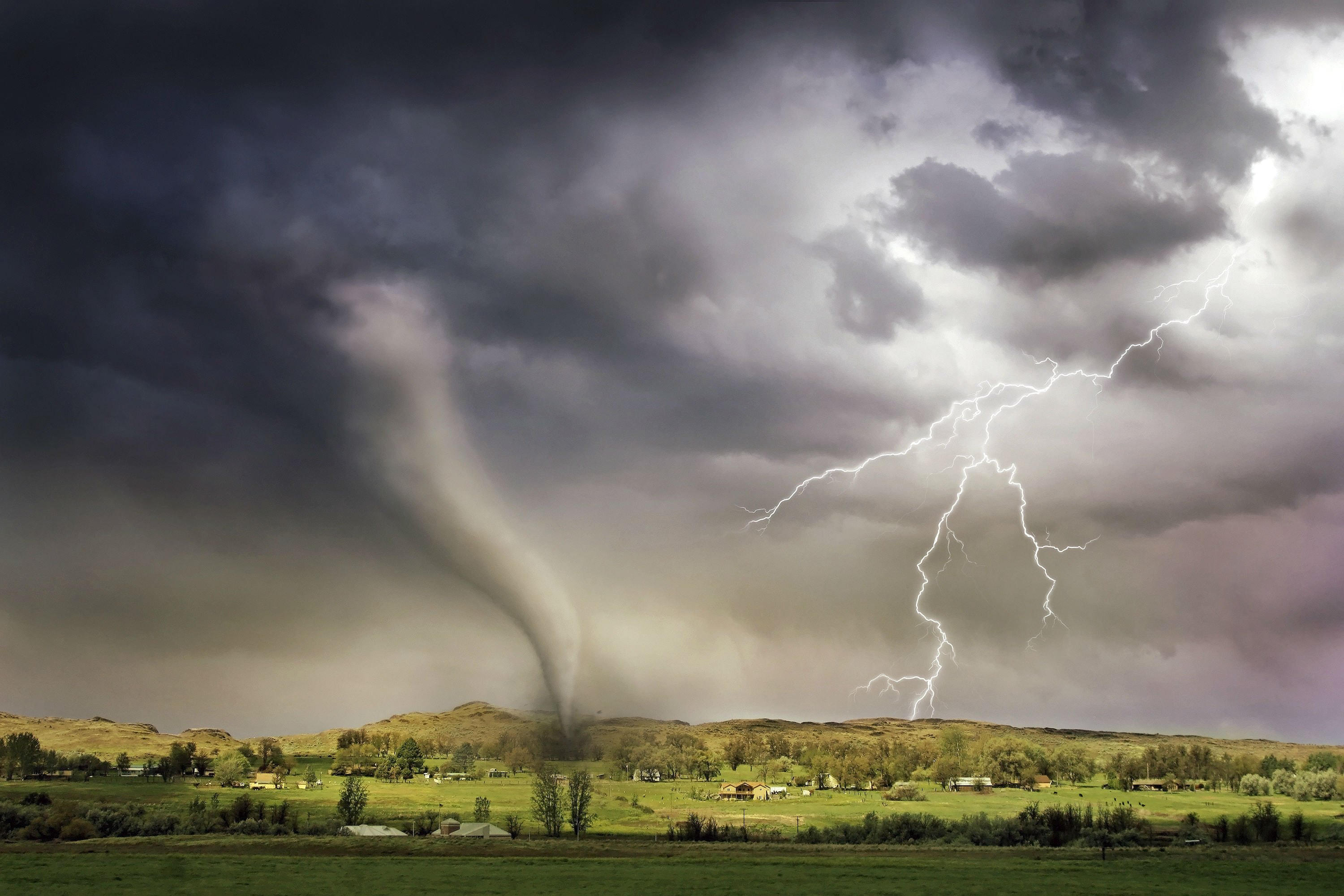
Hurricane, Cyclones & Typhoons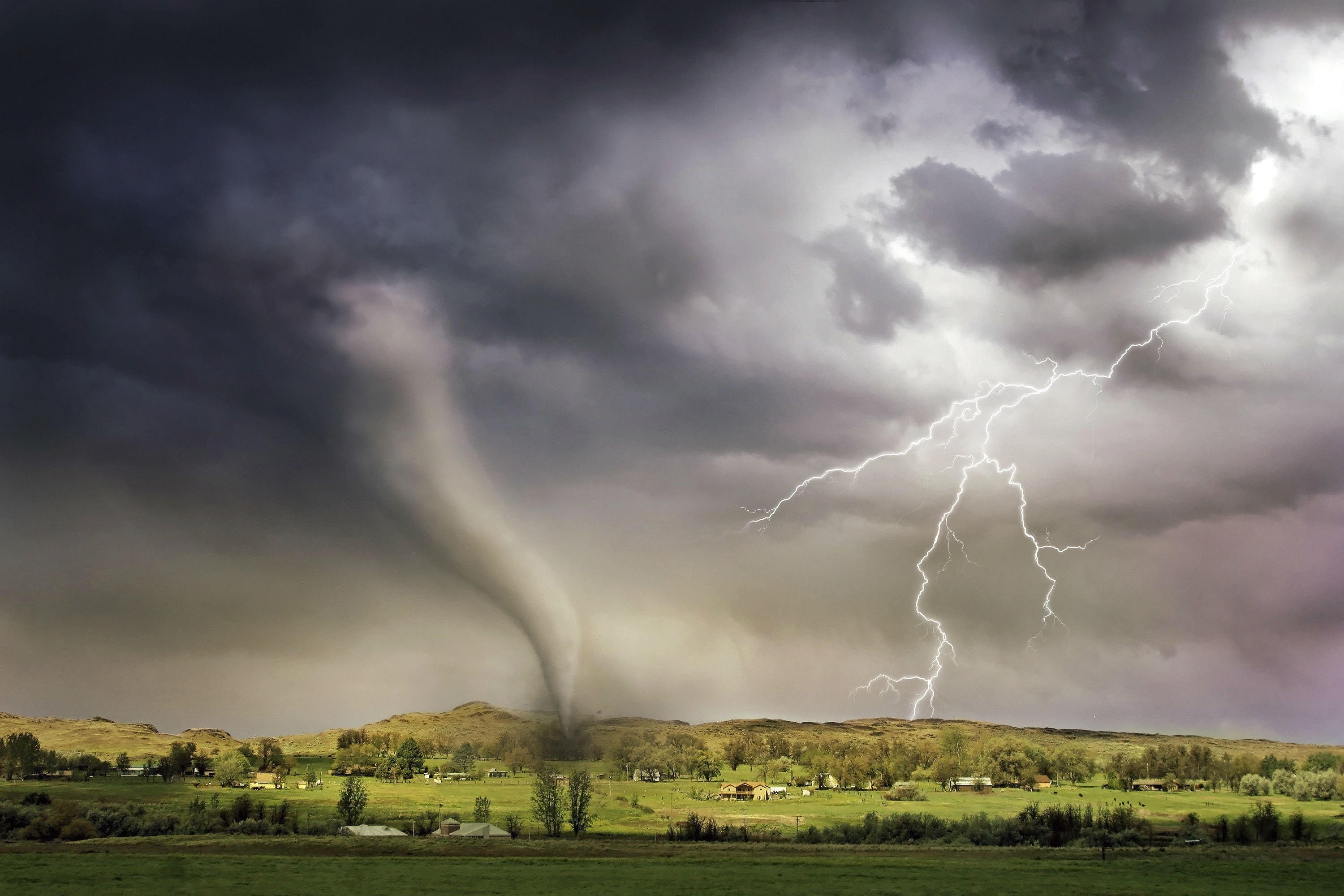
52
what are the signs a Scientist Looks for a Tropical Storms?
Scientists look for:
• Areas of low pressure
• Sea temperatures above 27°C
• Cloud patterns
All of which contribute to the formation of Tropical Storms.
• Areas of low pressure
• Sea temperatures above 27°C
• Cloud patterns
All of which contribute to the formation of Tropical Storms.
53
What are the Features & Structure & Conditions of Stropical Storm & Lable Diagram.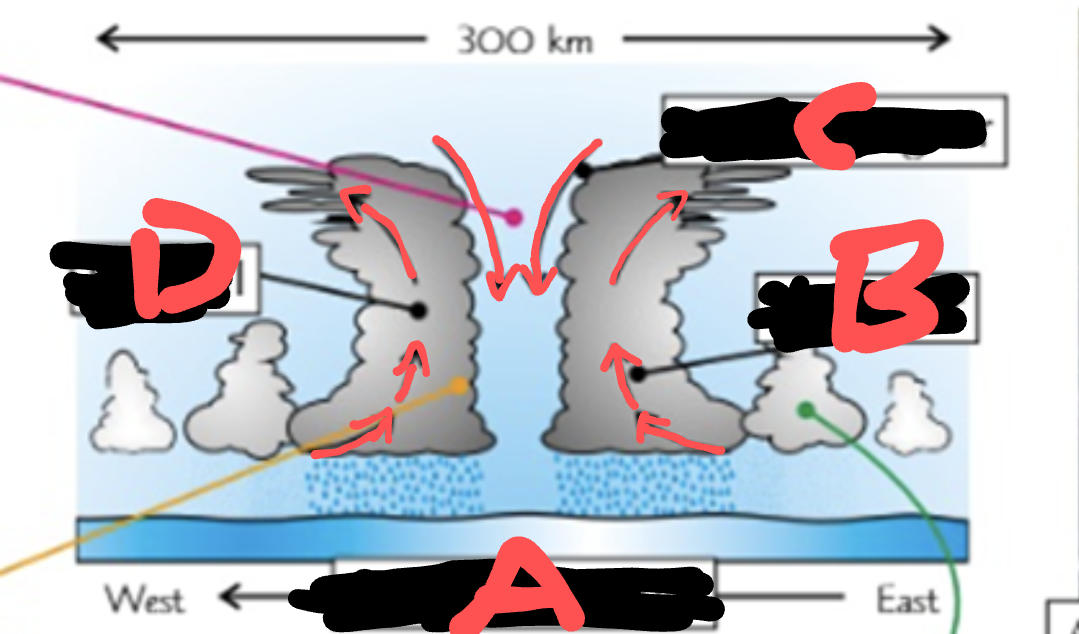
Eye
• Centre of Storm Called Eye & Caused By Descending Air. There's is Very Low Pressure but High Temperature, Calm Winds, No Clouds or Strong Rain in Eye.
Eyewall
• Eye Surrounded by Eyewall where there is Spiralling Rising Air, Very Strong Winds, Storm Clouds, Rain & Low Temp.
Edges of Storm
• Edges of Storm Wind Speed Falls, Clouds Becomes Smaller & Less Intense Rain & Temps Increase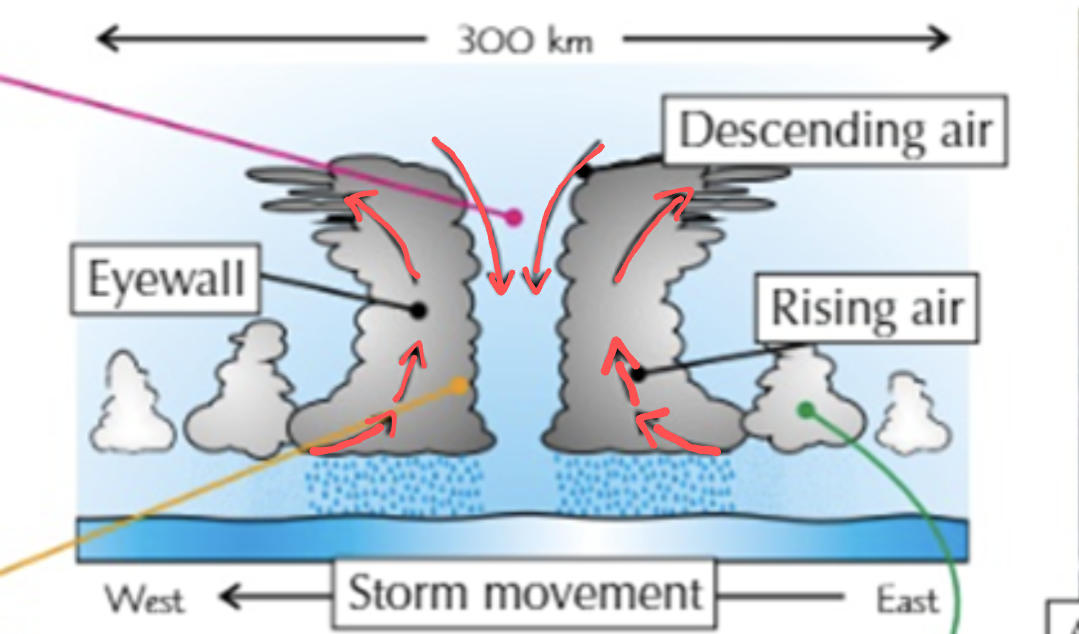
• Centre of Storm Called Eye & Caused By Descending Air. There's is Very Low Pressure but High Temperature, Calm Winds, No Clouds or Strong Rain in Eye.
Eyewall
• Eye Surrounded by Eyewall where there is Spiralling Rising Air, Very Strong Winds, Storm Clouds, Rain & Low Temp.
Edges of Storm
• Edges of Storm Wind Speed Falls, Clouds Becomes Smaller & Less Intense Rain & Temps Increase
54
How do Scientists predict where Tropical Storms can happen & how do they give warnings?
Once a Tropical Storm has formed.
Scientists, can't predict the path of a Tropical Storm.
Analyse Satellite Data to track the Formation of Low Pressure to try & Predict the Path of tropical storms.
Produce a Cone Of Uncertainty which shows the Areas a Tropical Storm could move.
Give Warning Signals such as:
'Hurricane Watch'
(A Hurricane is POSSIBLE)
'Hurricane Warning'
(Hurricane is EXPECTED)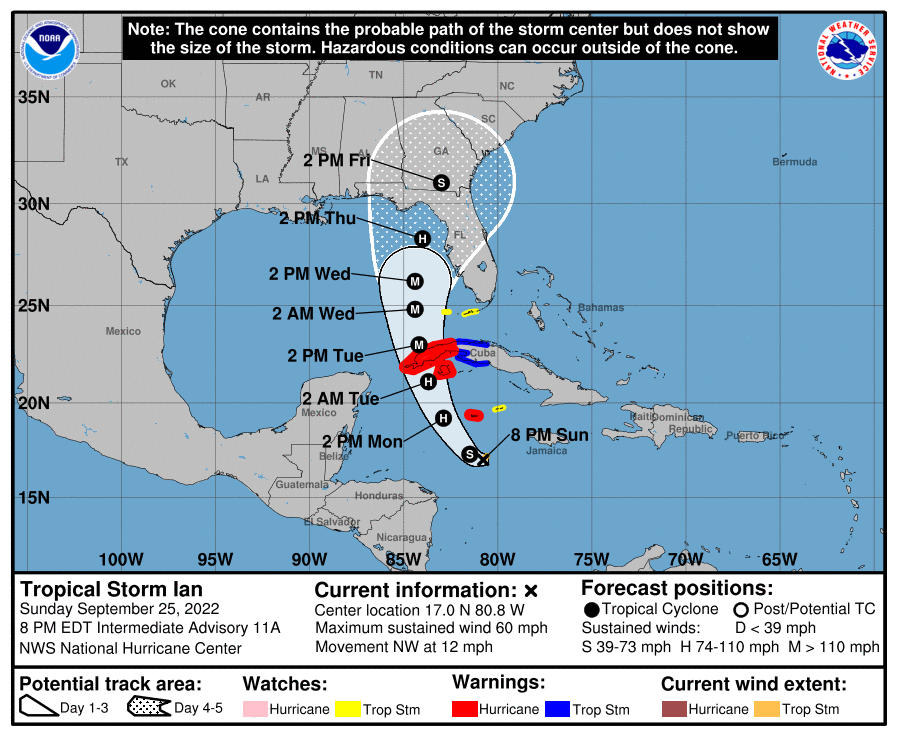
Scientists, can't predict the path of a Tropical Storm.
Analyse Satellite Data to track the Formation of Low Pressure to try & Predict the Path of tropical storms.
Produce a Cone Of Uncertainty which shows the Areas a Tropical Storm could move.
Give Warning Signals such as:
'Hurricane Watch'
(A Hurricane is POSSIBLE)
'Hurricane Warning'
(Hurricane is EXPECTED)
55
what sort of protection features do buildings have that are prone to Tropical Storms ?
Modified Buildings
(Buildings with special features) to protect them.
Such as:
• Built from concrete
(strong & withstand winds & storm surges)
• Shutters
(stop glass being shattered)
• Open area for easy evacuation
(less things flying around)
• Stilts to keep it above ground
(won't be affected by floods/tsunamis)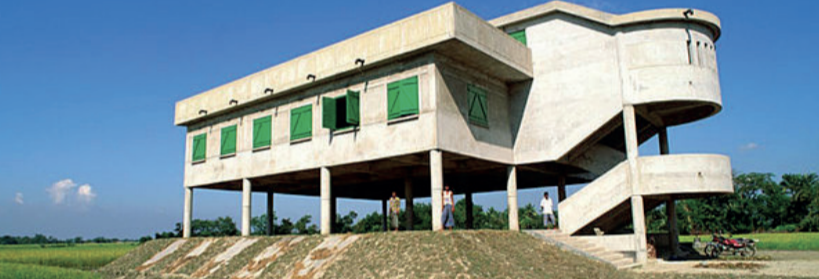
(Buildings with special features) to protect them.
Such as:
• Built from concrete
(strong & withstand winds & storm surges)
• Shutters
(stop glass being shattered)
• Open area for easy evacuation
(less things flying around)
• Stilts to keep it above ground
(won't be affected by floods/tsunamis)
56
Where is planning for Natural Hazards most successful?
HIC
(because they have the money to plan)
(because they have the money to plan)
57
Why is planning less successful in LICs?
• Hard to get warnings out
• Sometimes many people speak different languages
• Remote places are hard to access
• Don't have Money for Prediction
• Sometimes many people speak different languages
• Remote places are hard to access
• Don't have Money for Prediction
58
what are the other Preparation methods used to reduce the effects of a Tropical Storm?
• Governments can create emergency plans
• Families can make basic essential kits
• In the USA they have a particular week where they teach people about Hurricanes
• Educate people about Tropical Storms through TV, internet, radio posters, and leaflets.
• Families can make basic essential kits
• In the USA they have a particular week where they teach people about Hurricanes
• Educate people about Tropical Storms through TV, internet, radio posters, and leaflets.
59
what are the other Protection methods used to reduce the effects of a Tropical Storm?
• Bicycles can be Used to get Warnings Out to Remote Areas
• Create No Build Zones to Prevent Buildings being Built Near Coastlines
• Planting Mangroves Along the Coast to Absorb the Energy of the Storm Surge
• Modified buildings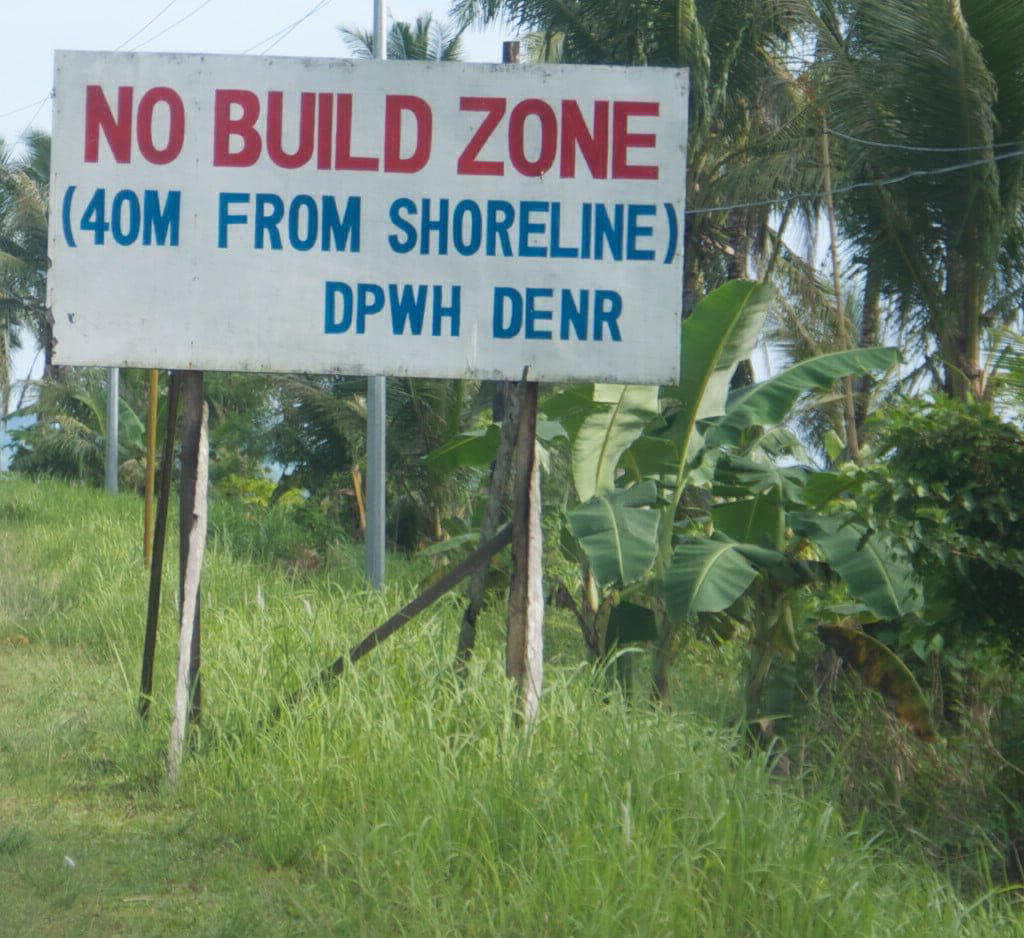
• Create No Build Zones to Prevent Buildings being Built Near Coastlines
• Planting Mangroves Along the Coast to Absorb the Energy of the Storm Surge
• Modified buildings
60
What is a Storm Surge?
This is the Rise In Sea Levels as High Winds Push the Up Towards the Coastline.
It Creates Abnormal Rise Of Water.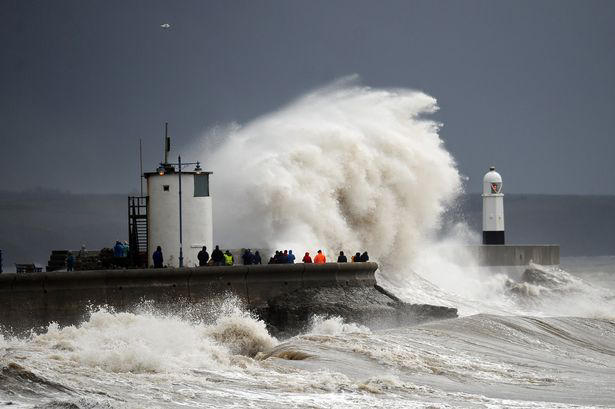
It Creates Abnormal Rise Of Water.
61
Define weather
The day-to-day conditions in the atmosphere
62
Define Climate
The Average Weather Over a Long Period Of Time.
63
what are the different types of UK weather hazards?
• Thunderstorms
• Drought
• Heavy Snow and Extreme Cold
• Prolonged Rainfall (continuous rainfall)
• Hailstones
• Strong Wind
• Extreme Heat
• Drought
• Heavy Snow and Extreme Cold
• Prolonged Rainfall (continuous rainfall)
• Hailstones
• Strong Wind
• Extreme Heat
64
What is an example of a UK Extreme Weather Event?
Storm Eunice February 2022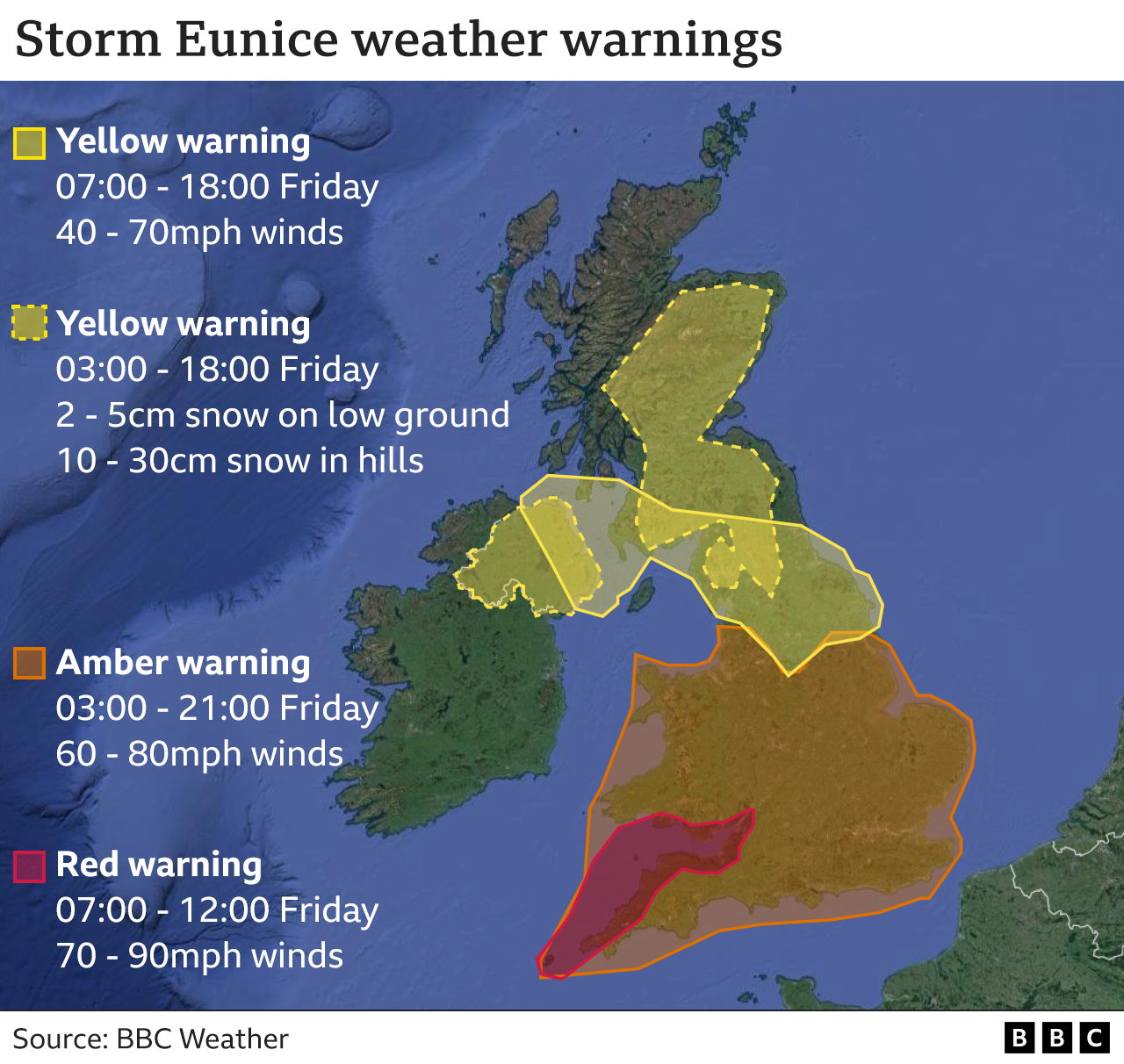
65
What Were the Impacts of Storm Eunice & it's significance?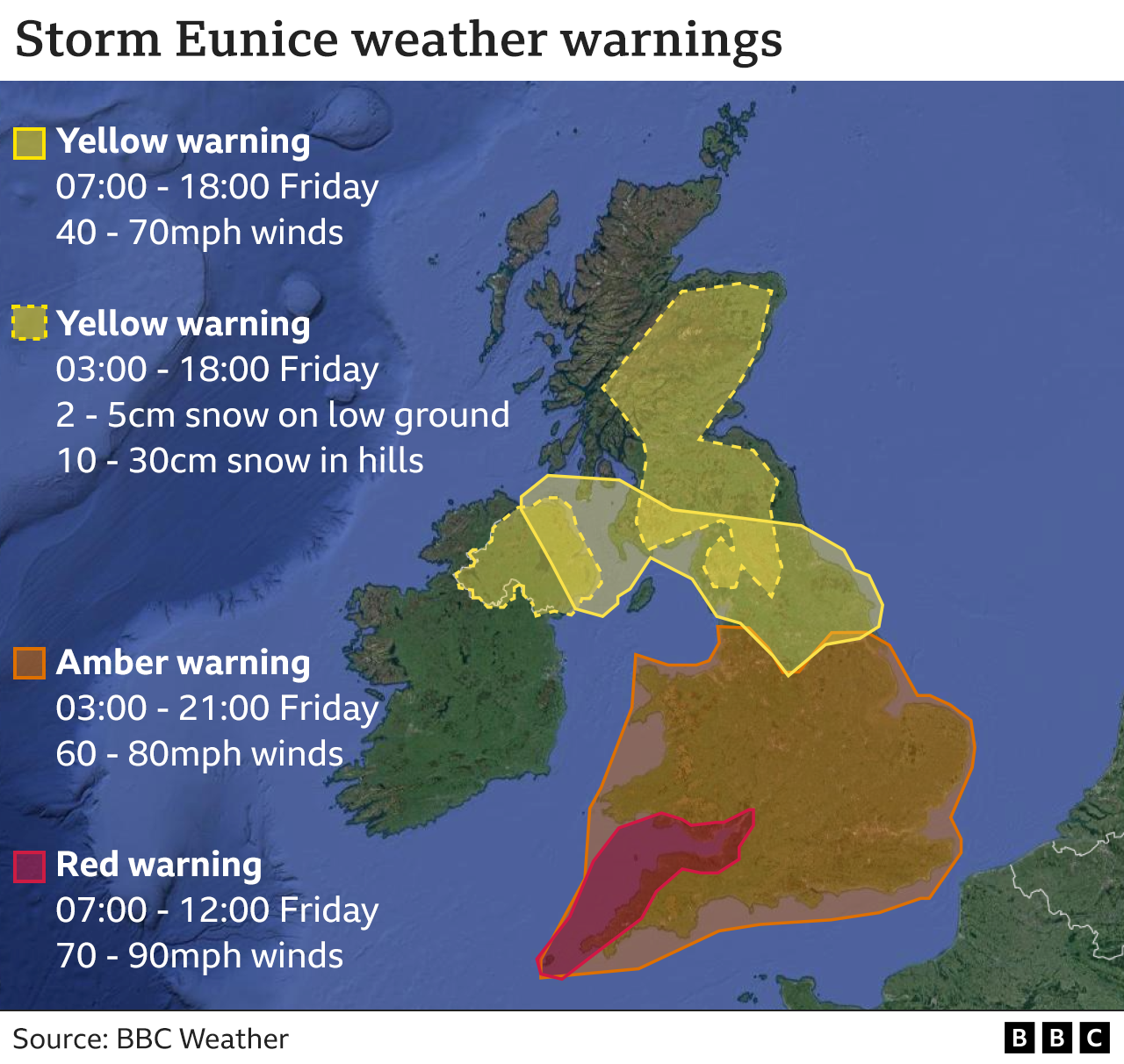
Intensity: Wind Speeds Exceeding 120 Mph (190 km/h).
Deaths: 4 People Killed due to Falling Trees & Flying Debris.
Power Outages: Over 1.4 Million Homes Experienced Power Cuts Across UK & Northern Europe.
Transport Disruption: Major Disruptions to Rail, Air, & Road Transport
Structural Damage: Damage to Buildings, O2 Arena's Roof in London.
Government Response: UK Met Office Issued "RED" Weather Warning, Indicating a Significant Danger to Life.
Emergency Services Responded.
Climate Context: Storm Eunice Caused by Climate Change.
Significance
Highlighted Vulnerability of Infrastructure to Extreme Weather Events & Showed Importance of Preparedness we Must Be to Face Climate Change.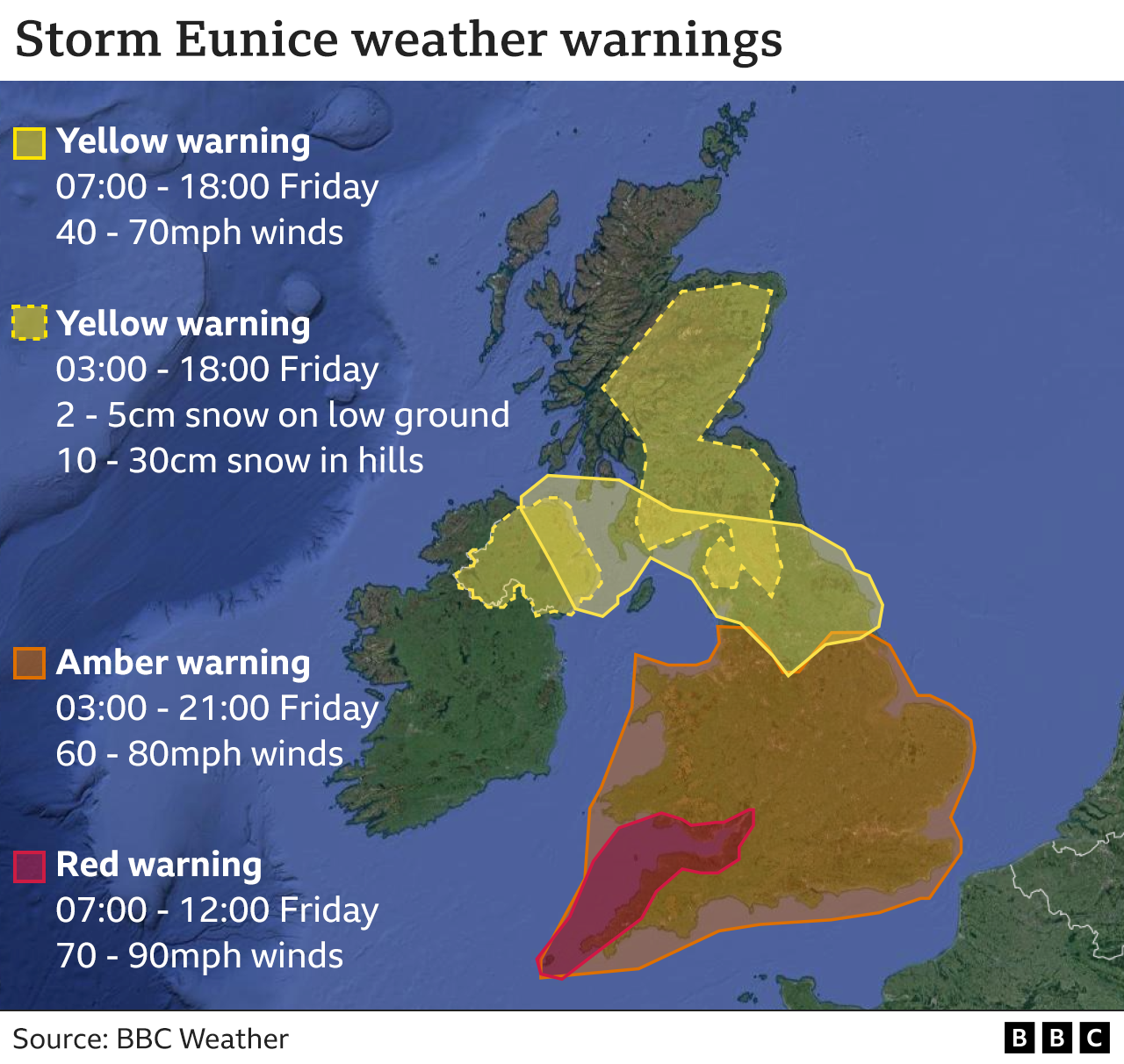
Deaths: 4 People Killed due to Falling Trees & Flying Debris.
Power Outages: Over 1.4 Million Homes Experienced Power Cuts Across UK & Northern Europe.
Transport Disruption: Major Disruptions to Rail, Air, & Road Transport
Structural Damage: Damage to Buildings, O2 Arena's Roof in London.
Government Response: UK Met Office Issued "RED" Weather Warning, Indicating a Significant Danger to Life.
Emergency Services Responded.
Climate Context: Storm Eunice Caused by Climate Change.
Significance
Highlighted Vulnerability of Infrastructure to Extreme Weather Events & Showed Importance of Preparedness we Must Be to Face Climate Change.
66
where do Storms in the UK usually come from*?
Storms can arrive from the Atlantic 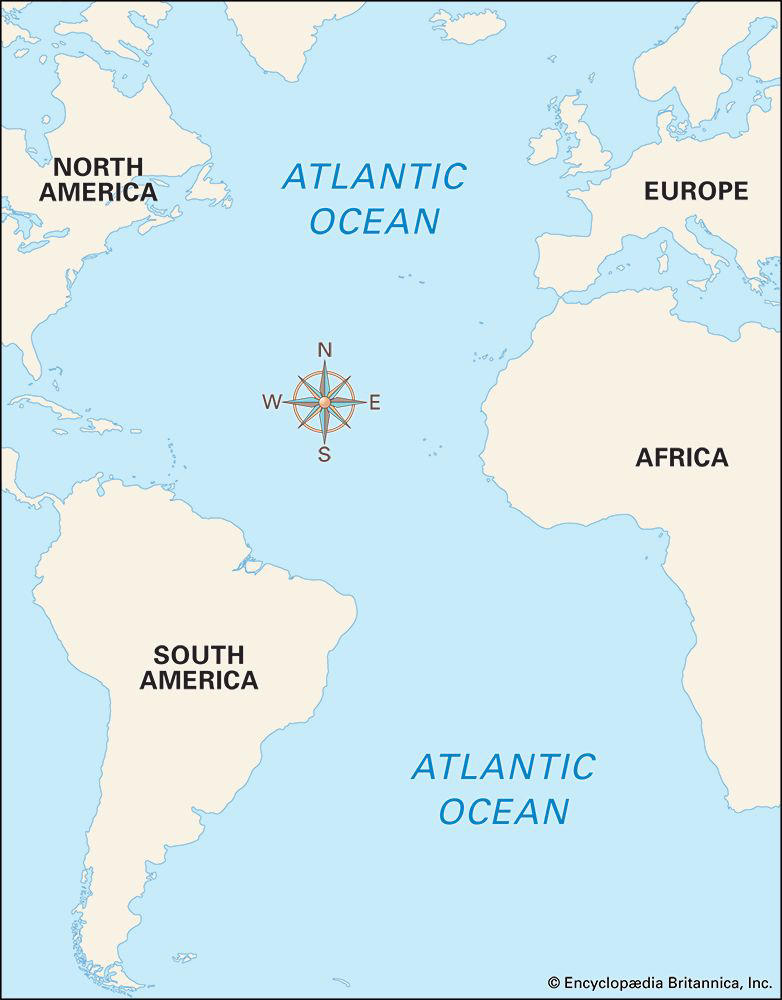
67
where do Cold Conditions in UK usually come from?
Cold Conditions comes from the Arctic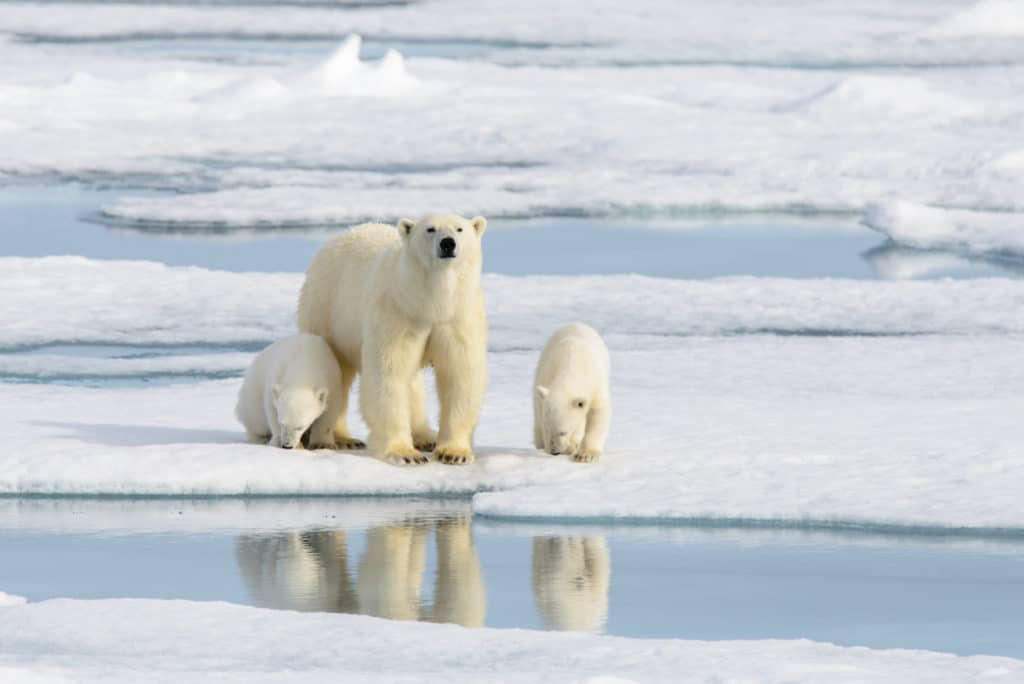
68
where does Hot Weather in UK usually come from?
Hot weather comes from the South.
69
where else can Severe Winter Weather UK come from ?
Severe Winter Weather can comes from the East.
70
what are the different types of extreme weather events in the UK?
• Floods
• Heatwaves
• Strong Wind
• Heavy Snow
• Heatwaves
• Strong Wind
• Heavy Snow
71
when did Extreme Flooding occur in the UK and what happened?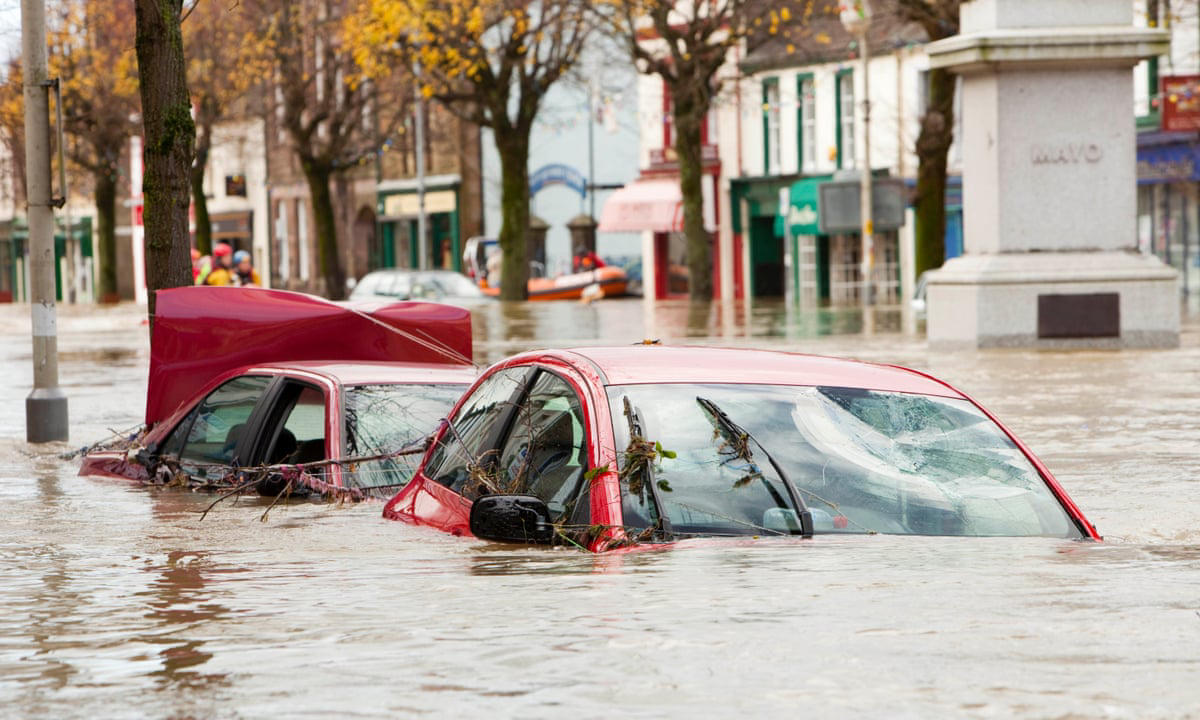
In November 2009
The town of Cockermouth in the Lake District received Record Rainfall and was Devastated By Floods.
Estimated 900 Properties and 1,400 People Affected.
The town of Cockermouth in the Lake District received Record Rainfall and was Devastated By Floods.
Estimated 900 Properties and 1,400 People Affected.
72
when did Heatwave occur in the UK and what happened?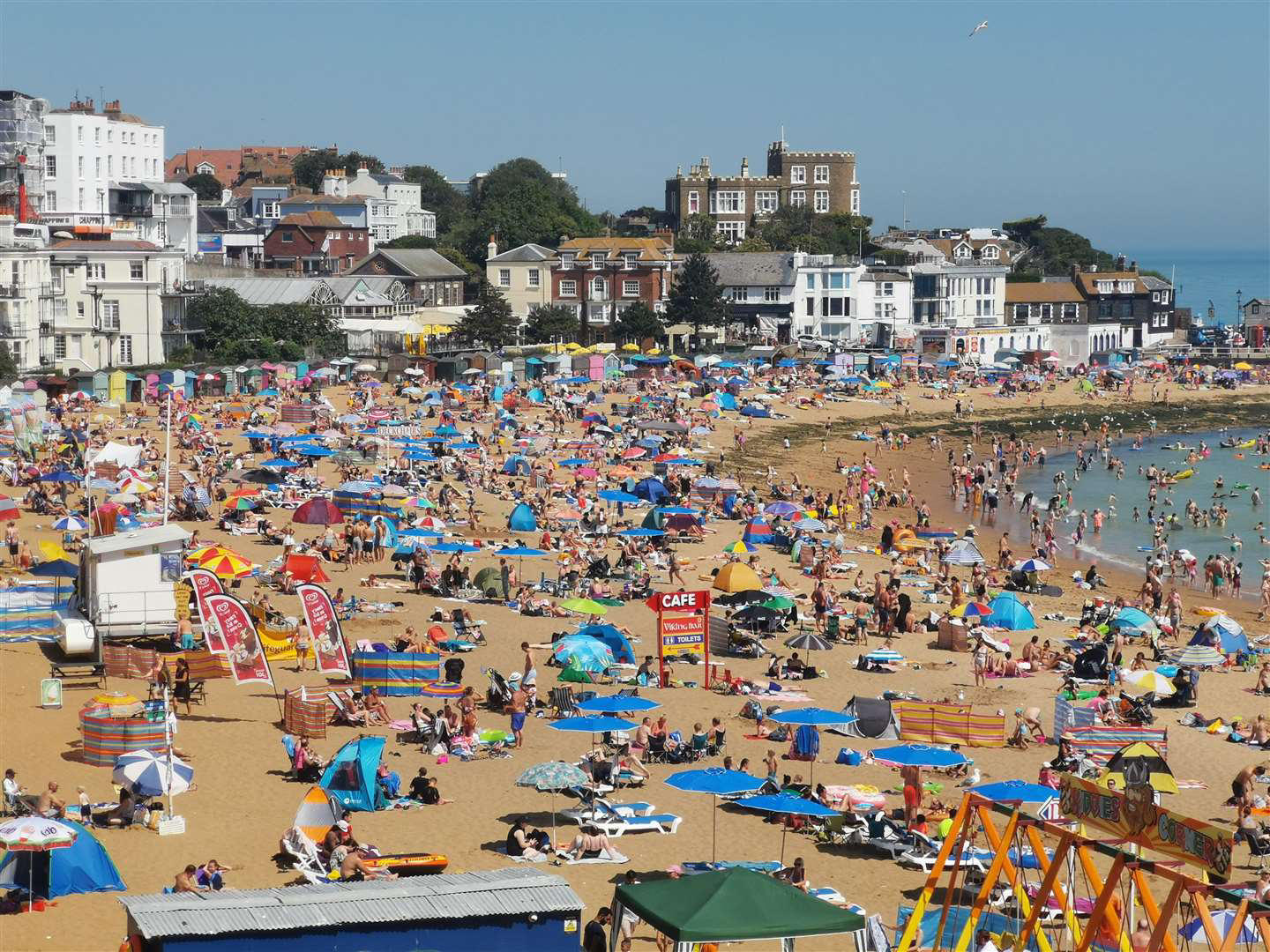
August 2003 in recorded a temperature of 38.5° C in Kent- the highest ever UK temperature at the time.
Over 2,000 People Died due to the Heat. Some Railway Tracks Buckled and in Places in Roads Melted.
Over 2,000 People Died due to the Heat. Some Railway Tracks Buckled and in Places in Roads Melted.
73
when did Strong Winds occur in the UK and what happened & what was the name of the Natural Weather Event that caused it?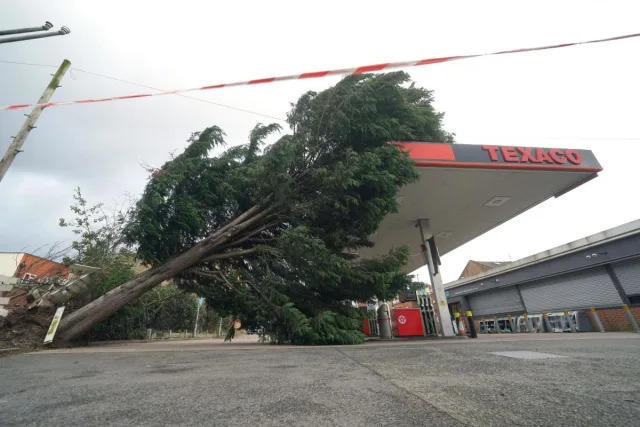
Ex- Hurricane Ophelia-
October 2017
Brought extremely strong winds to Ireland and Western Britain.
Power Cuts and Transport Distruptions were widespread across the region.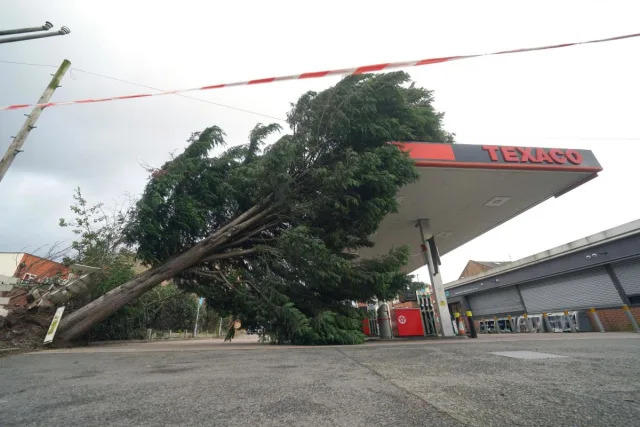
October 2017
Brought extremely strong winds to Ireland and Western Britain.
Power Cuts and Transport Distruptions were widespread across the region.
74
when did Heavy Snow occur in the UK and what happened?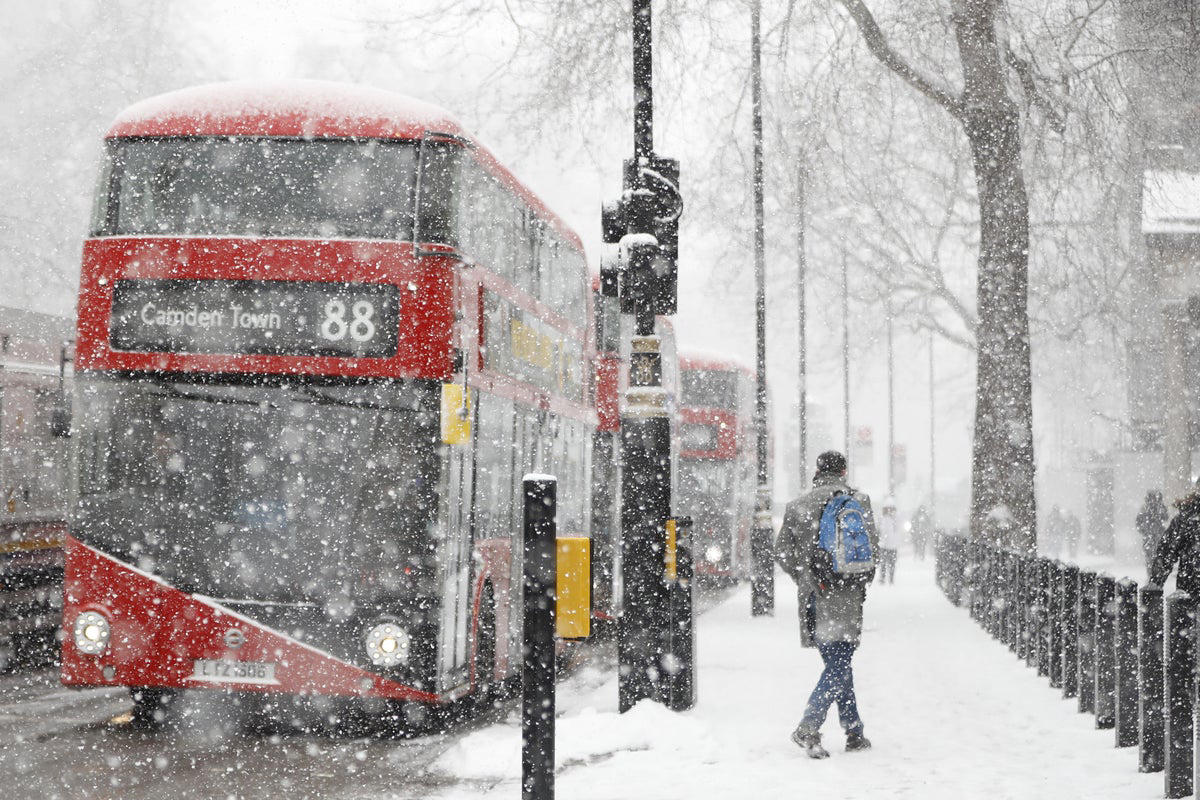
February 2018
"Beast from the East" brought Heavy Snow & Low Temperatures to much of the UK.
Snow depths of an Average of 40 cm were Recorded in Northern England and Southern Scotland.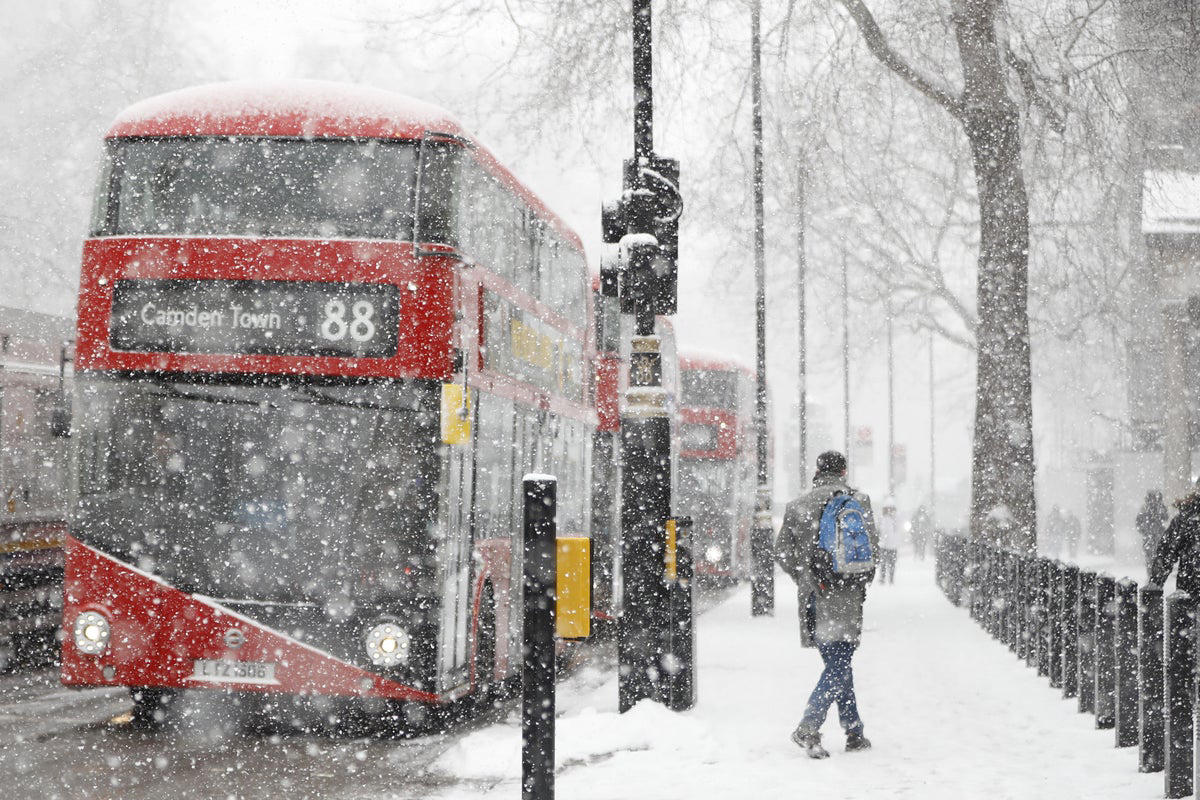
"Beast from the East" brought Heavy Snow & Low Temperatures to much of the UK.
Snow depths of an Average of 40 cm were Recorded in Northern England and Southern Scotland.
75
What are the facts about the Typhoon Haiyan, Country, Date, Strength, Storm Surge Height & Most Affected City? (Tropical Storm)
Typhoon Haiyan
Country: Philippines
Date: Noverember 2013
Strength: Category 5 on Saffir-Simpson Scale
Storm Surge Height:5 Meters
Most effect city:City of Tacloban was worst effected - 220 thousand people Left Homeless
Country: Philippines
Date: Noverember 2013
Strength: Category 5 on Saffir-Simpson Scale
Storm Surge Height:5 Meters
Most effect city:City of Tacloban was worst effected - 220 thousand people Left Homeless
76
What were the Primary Effects and Secondary Effects of the Typhoon Haiyan? 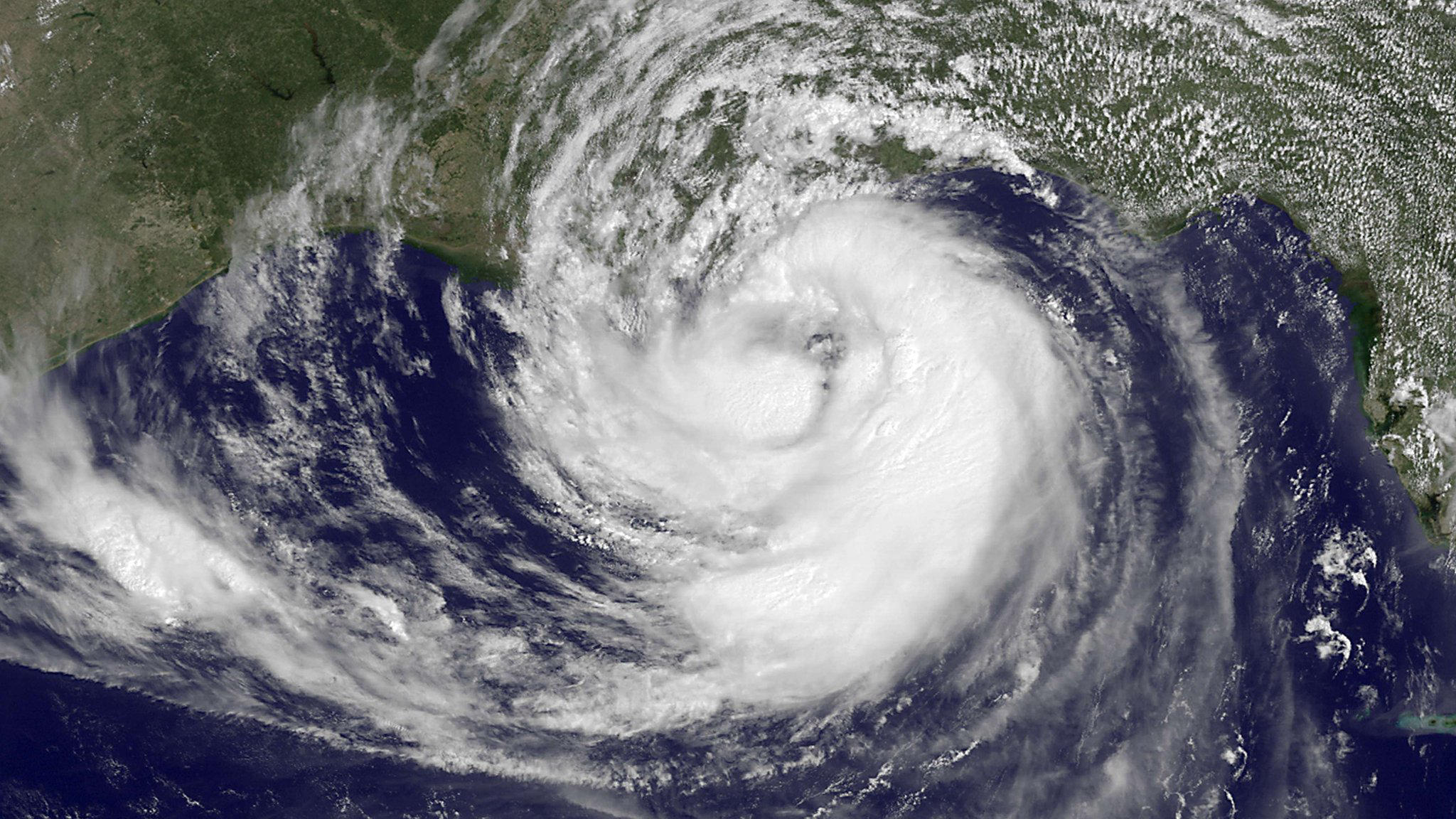
PRIMARY AFFECTS
• 6 Thousand People Killed- most Drowned by the storm surge
• 600 Thousand People Homeless and 40 Thousand Homes Damaged or flattened
• 90% of Tacloban City destroyed
• Tacloban Airport Terminal Badly Damaged
• The Typhoon Destroyed 30 thousand Fishing Boats
• Strong Winds Damaged Buildings and Powerlines and Destroyed Crops
• Over 400mm of Rain Caused Widespread Flooding
SECONDARY AFFECTS
• 14 Million People Affected
• 6 Million People Lost Source of income.
• Flooding caused Landslides and Blocked Roads- cutting off AID to Remote Areas.
• Power Supplies in some areas Cut Off for Month So International Transport Disrupted Slowing Down Aid.
• Shortages of Water, Food and Shelter Affected many People, leading to Outbreaks of Disease.
• Many Jobs Lost, Hospitals were Damaged, Shops Schools were Destroyed
• Looting and Violence Broke Out in Tacloban.
• 6 Thousand People Killed- most Drowned by the storm surge
• 600 Thousand People Homeless and 40 Thousand Homes Damaged or flattened
• 90% of Tacloban City destroyed
• Tacloban Airport Terminal Badly Damaged
• The Typhoon Destroyed 30 thousand Fishing Boats
• Strong Winds Damaged Buildings and Powerlines and Destroyed Crops
• Over 400mm of Rain Caused Widespread Flooding
SECONDARY AFFECTS
• 14 Million People Affected
• 6 Million People Lost Source of income.
• Flooding caused Landslides and Blocked Roads- cutting off AID to Remote Areas.
• Power Supplies in some areas Cut Off for Month So International Transport Disrupted Slowing Down Aid.
• Shortages of Water, Food and Shelter Affected many People, leading to Outbreaks of Disease.
• Many Jobs Lost, Hospitals were Damaged, Shops Schools were Destroyed
• Looting and Violence Broke Out in Tacloban.
77
What were the Short Term and Long Term Responses of the Typhoon Haiyan? 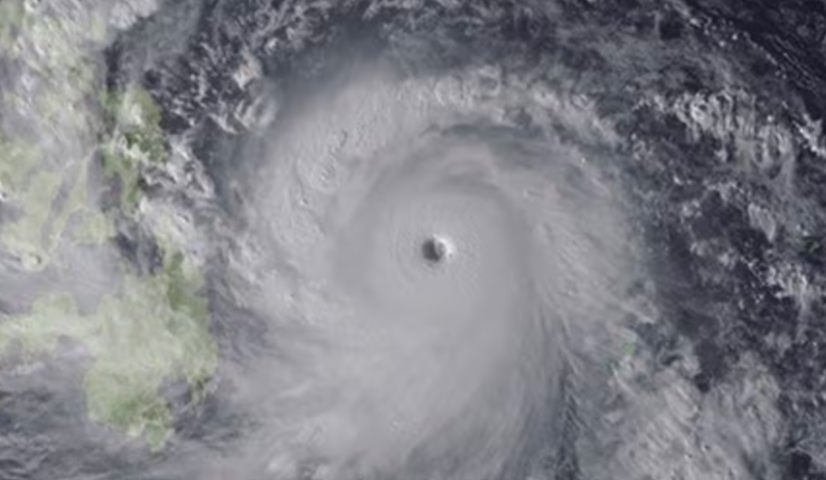
SHORT TERM RESPONSES
• International Government and AID Agencies Responded Quickly with AID.(food, water and shelters)
• US Aircraft Carrier and Helicopters Assisted With Search & Rescue & Delivering of AID.
• Evacuation Centres Set Up to Help the Homeless.
• UK Government Sent Shelter Kits. Other Countries Set Up Hospitals to Help the Injured.
LONG TERM RESPONSES
• The UN and US Donated Financial AID, Supplies and Medical Support.
• Rebuilding of Roads, Bridges and Airport Facilities.
• 'Cash for work' Programmes -Paid Help Clear Debris and Rebuild City.
• Rice Farming and Fishing Quickly Re-established. Coconut production- will Take Longer for trees to bear fruit.
• Thousands of Homes Built Away from Areas at Risk from Flooding.
• International Government and AID Agencies Responded Quickly with AID.(food, water and shelters)
• US Aircraft Carrier and Helicopters Assisted With Search & Rescue & Delivering of AID.
• Evacuation Centres Set Up to Help the Homeless.
• UK Government Sent Shelter Kits. Other Countries Set Up Hospitals to Help the Injured.
LONG TERM RESPONSES
• The UN and US Donated Financial AID, Supplies and Medical Support.
• Rebuilding of Roads, Bridges and Airport Facilities.
• 'Cash for work' Programmes -Paid Help Clear Debris and Rebuild City.
• Rice Farming and Fishing Quickly Re-established. Coconut production- will Take Longer for trees to bear fruit.
• Thousands of Homes Built Away from Areas at Risk from Flooding.
78
Define Primary Effects
Initial impact of a Natural Event on people and property
79
Define Secondary Effects
Longer-term impacts resulting from primary effects.
80
Define low pressure
Low Pressure is when Air Rises, Cools, Condenses and Clouds Form & releases Precipitation.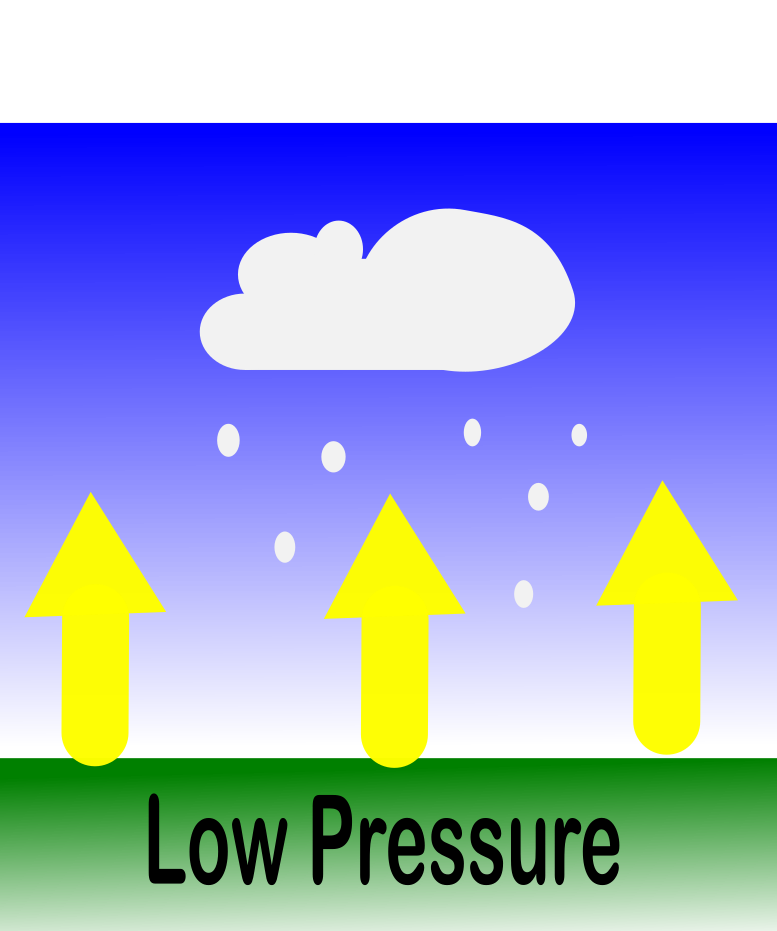
81
Define High Pressure
High Pressure is when Air Sinks and Creates Dry Weather. 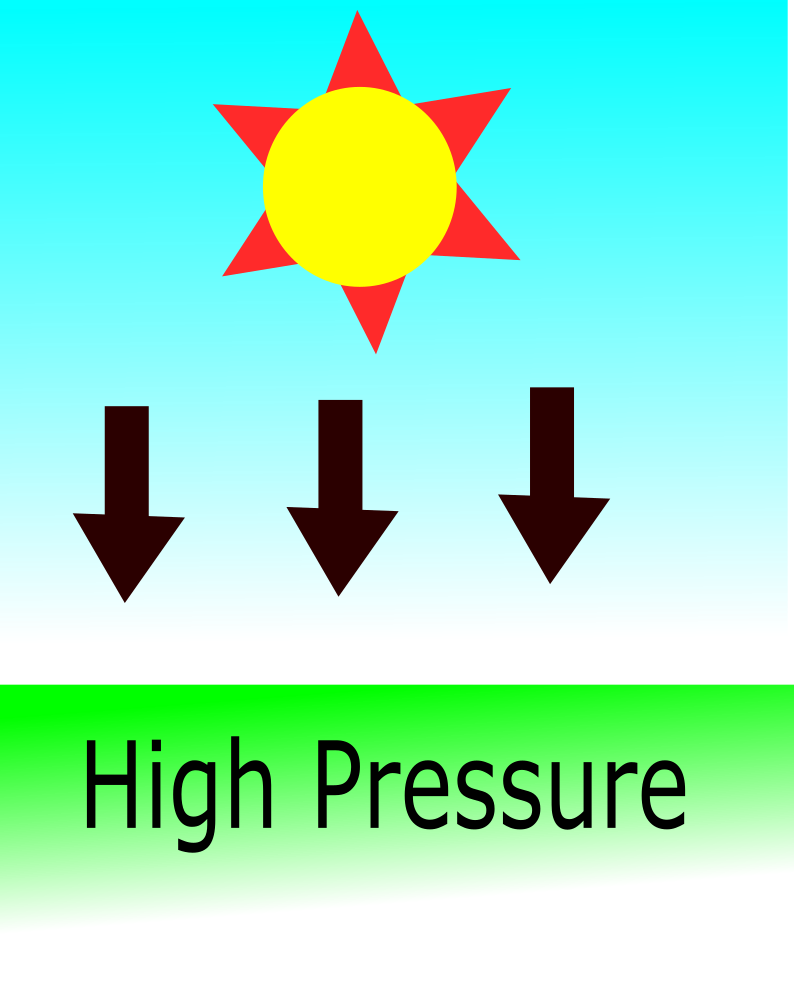
82
How does Global Atmospheric Circulation work?
1) Suns Heat Concentrated At the Equator
2) Warm air rises creating a belt of low pressure. As the air rises it cools, clouds form and then release precipitation. (rain)
3) Above the air will eventually separate and move to higher latitudes.
4) Cool air sinks creating a belt of high pressure. As it sinks, it becomes warmer and dryer.
5) At about 60° North and South, cold polar air mixes with warmer air and rises creating a belt of Low Pressure
6) Air cools and sinks, creating a belt of high pressure and a cold dry climate.
7) Suns heat is spread out.
1) Suns Reys are Concentrated At Equator & Heated Air Rises & Creates Belt of Low Pressure. So as Air Rises it Cools, Condenses & Clouds From & it Rains.
Tropical Rainforests Found at Equator.
2) Dry Air Moves North & South Away Equator to Tropics. Cool Air Sinks as Latitudes Creat Belt High Pressure.
3) Sinking Air Can't Cool & Condense so Few Clouds & Little Rain.
Creates Desserts.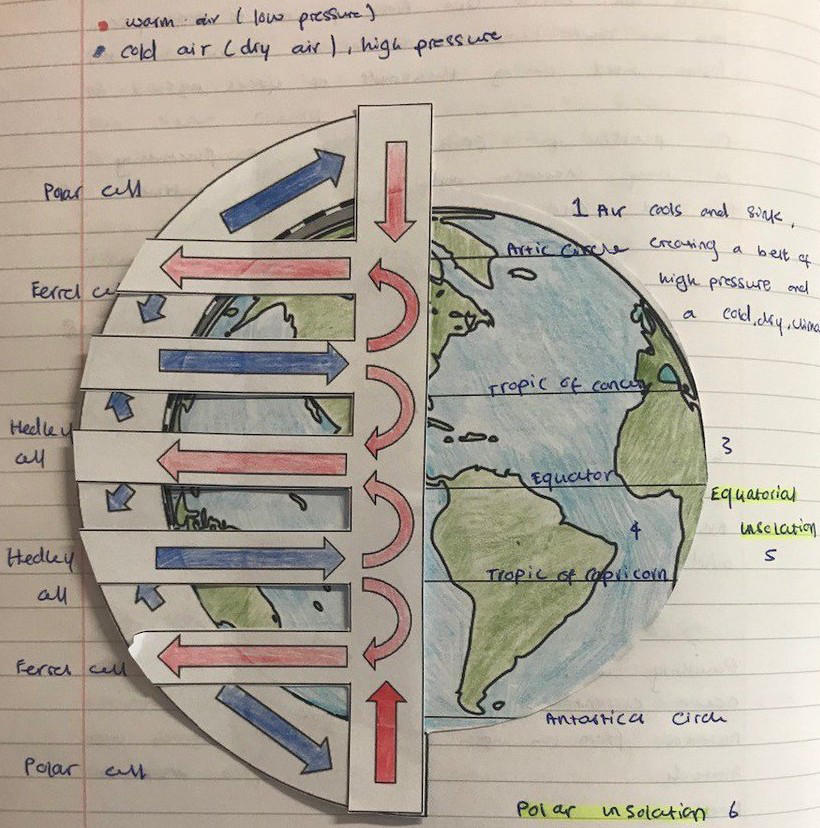
2) Warm air rises creating a belt of low pressure. As the air rises it cools, clouds form and then release precipitation. (rain)
3) Above the air will eventually separate and move to higher latitudes.
4) Cool air sinks creating a belt of high pressure. As it sinks, it becomes warmer and dryer.
5) At about 60° North and South, cold polar air mixes with warmer air and rises creating a belt of Low Pressure
6) Air cools and sinks, creating a belt of high pressure and a cold dry climate.
7) Suns heat is spread out.
1) Suns Reys are Concentrated At Equator & Heated Air Rises & Creates Belt of Low Pressure. So as Air Rises it Cools, Condenses & Clouds From & it Rains.
Tropical Rainforests Found at Equator.
2) Dry Air Moves North & South Away Equator to Tropics. Cool Air Sinks as Latitudes Creat Belt High Pressure.
3) Sinking Air Can't Cool & Condense so Few Clouds & Little Rain.
Creates Desserts.
83
Describe the pattern of temperatures during the Quaternary.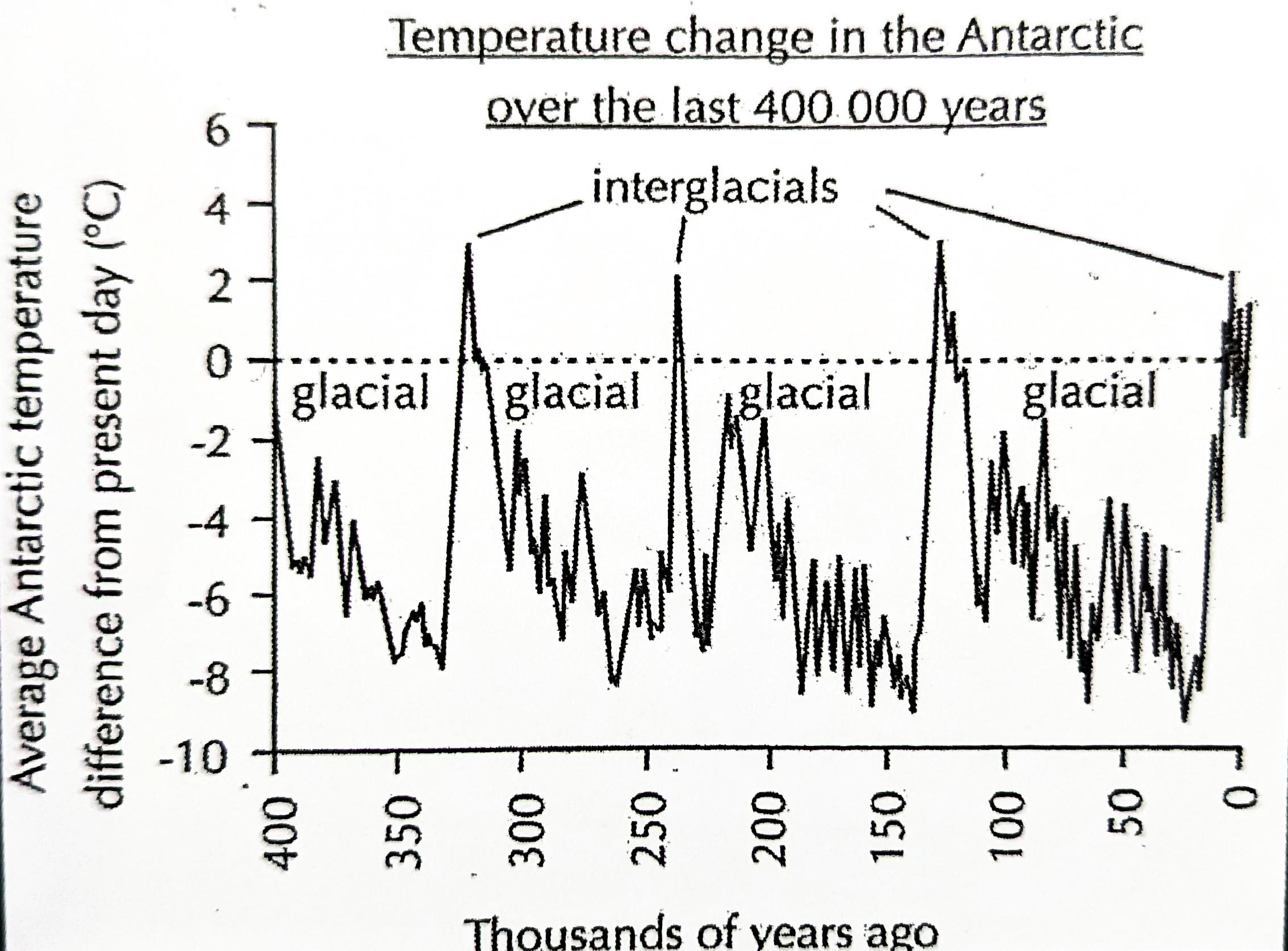
During the Quaternary temperatures have fluctuated.
There have been longer glacial periods and short warmer interglacials.
There have been longer glacial periods and short warmer interglacials.
84
Describe the trend of the average temperature between (date) to (date)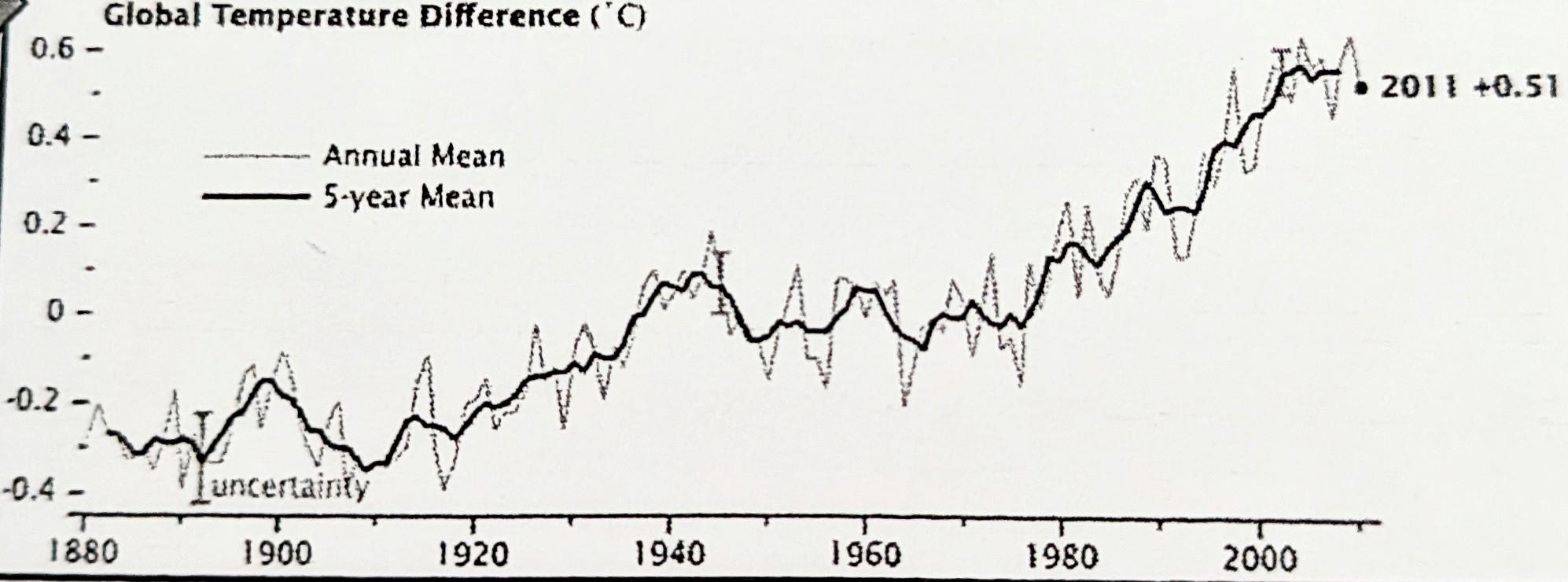
The global temperature difference increase steadly by about (°C)
85
How do Scientists Know that Earth's Climate Has Changed Historically & Getting Warmer Now? 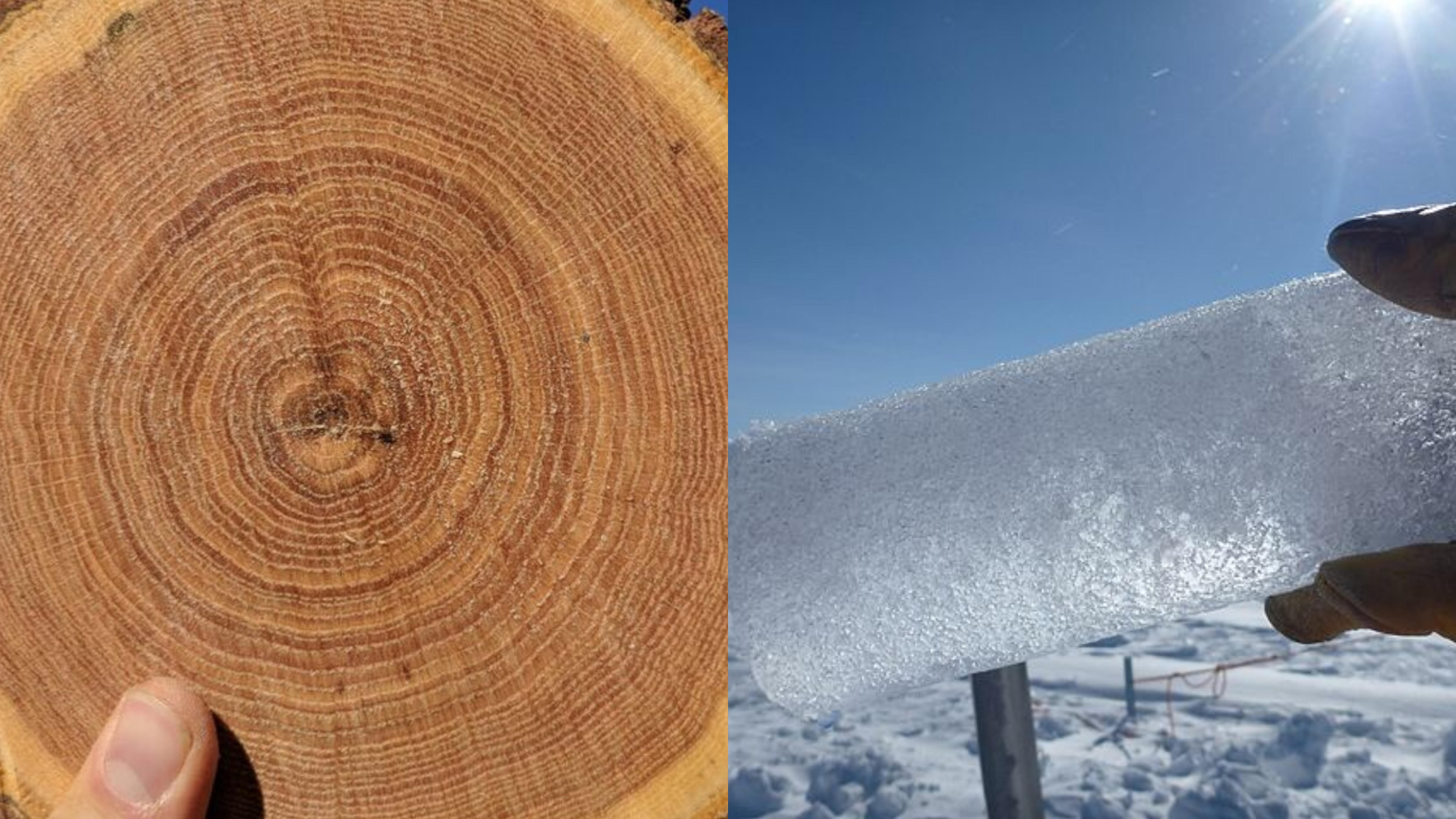
Ice Cores
• Ice Sheets Made of Layers of Ice which Form One Layer Everyear
• Drill into Ice sheets to get Ice Cores & Measure Consentration of Greenhouse Gases.
Tree Rings
• As Trees Grow they Form a Ring Every Year- Thicker in Warm Wet Conditions
• Check Rings to Analyse how Climate has Changed
Temperature Records
• Temperature has been Measured my Thermometers which Gives Short Term Record of Temp.
• Historical Records can Extend Record of Climate Further Back.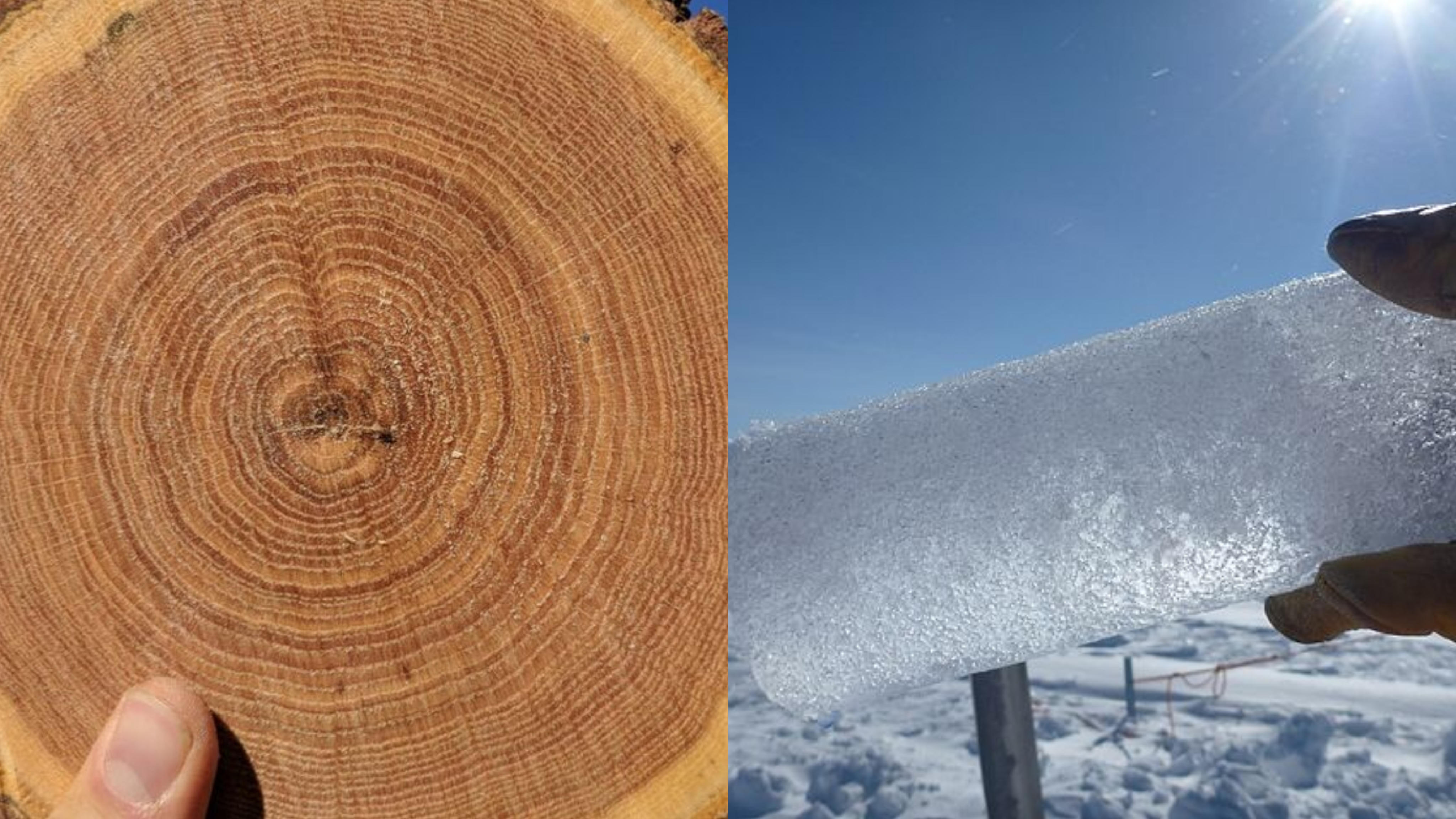
• Ice Sheets Made of Layers of Ice which Form One Layer Everyear
• Drill into Ice sheets to get Ice Cores & Measure Consentration of Greenhouse Gases.
Tree Rings
• As Trees Grow they Form a Ring Every Year- Thicker in Warm Wet Conditions
• Check Rings to Analyse how Climate has Changed
Temperature Records
• Temperature has been Measured my Thermometers which Gives Short Term Record of Temp.
• Historical Records can Extend Record of Climate Further Back.
86
where do scientists do drilling for the ice cores?
Antarctica
87
What is trapped inside the ice cores?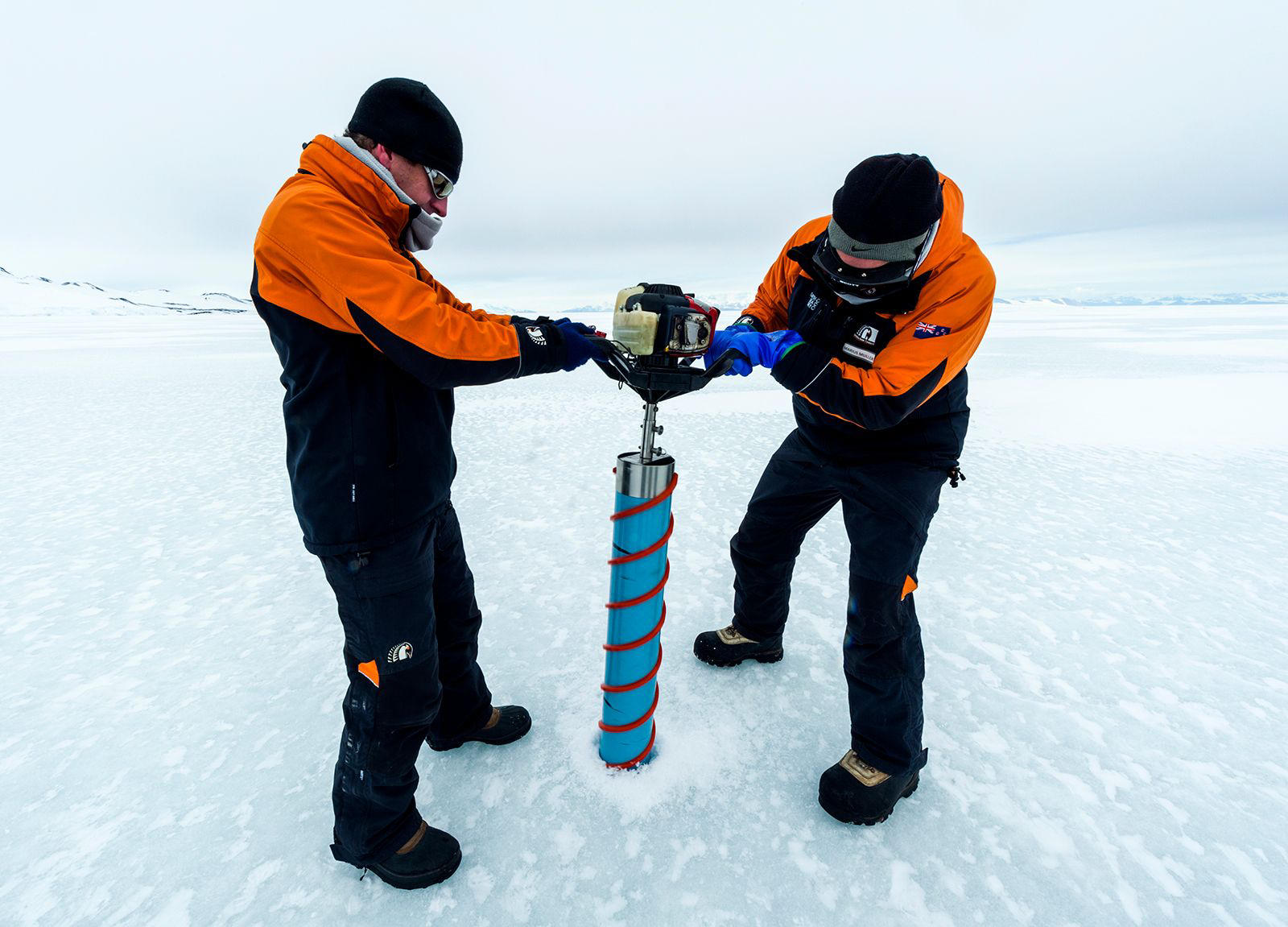
Air Bubbles
88
What are they measuring in the bubbles and What will it enable them to understand?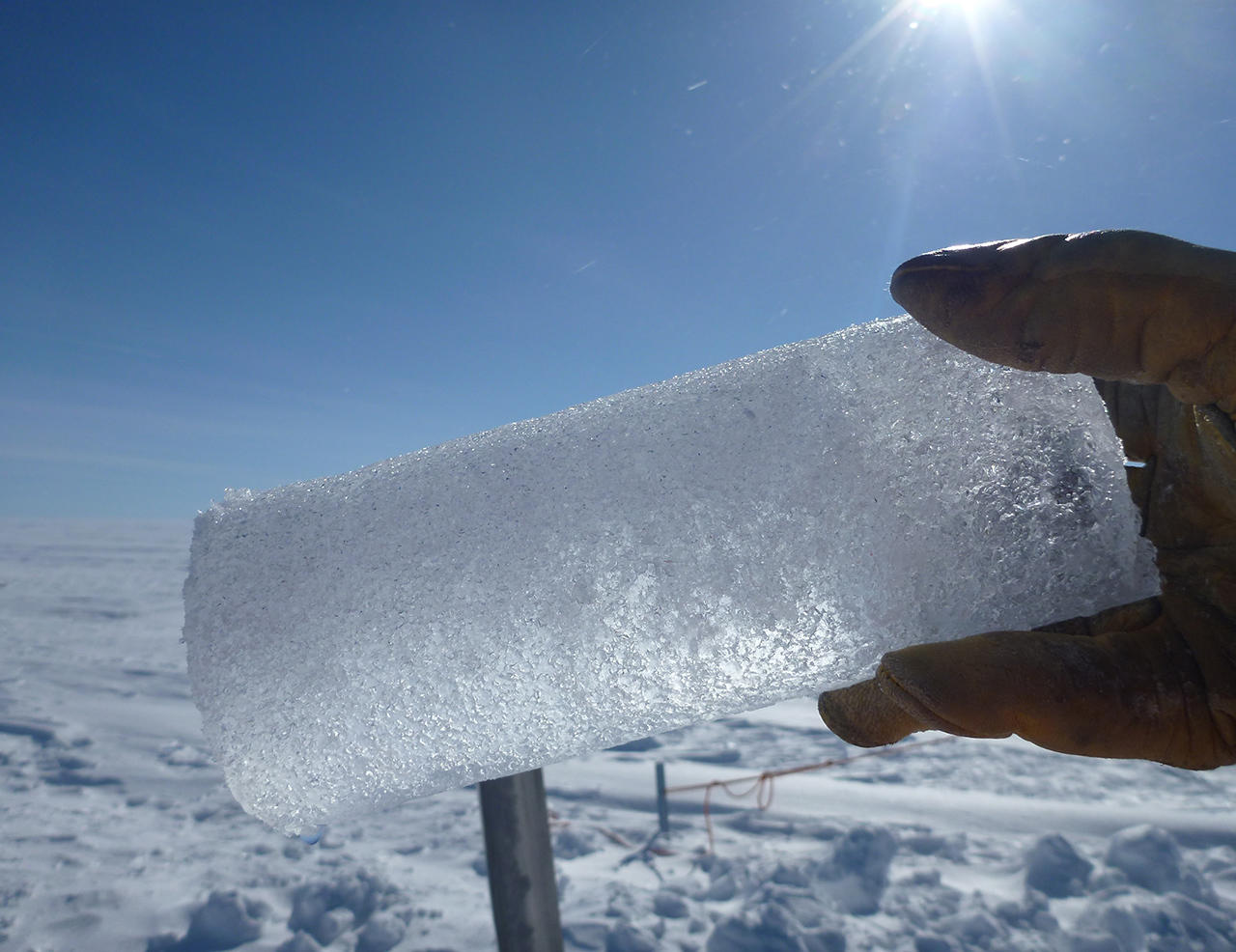
The consentration of greenhouse gases.
It will enable them to understand how the climate has changed over time and how it might change in the future.
It will enable them to understand how the climate has changed over time and how it might change in the future.
89
What is the evidence for the effects of climate change?
1) SHRINKING GLACIERS
Glaciers Throughout World Shrinking & Retreating.
• Andes, Bringing Water Shortages.
2) LESS SEA-ICE COVERAGE
• Arctic ice has Thinned Leads to Polar Bear Extinction.
3) LOW-LYING ISLANDS SINKING
Low-lying Islands and homes & industries near coast are at risk from sea level rises.
• Expensive Coastal Defences & Forced Migration in Maldives
4) RISING GLOBAL SEA LEVELS
The Average Sea Level has Risen because:
a) When Temps Rise, Fresh Water Melts from Glaciers & Ice Caps and Flows Into Seas.
b)Thermal Expansion
5) SEASONAL CHANGES IN MIGRATION PATTERNS
Studies found that the Timing Of Natural Seasonal Activitiesare Coming Earlier
• Brings malaria to Northern Europe
6) WEATHER PATTERNS
Science has shown the Amount Of Water Vapour in the Atmosphere Increased Due To Human causes. The Extra Moisture Increases Climate Change, which alters Characteristics Of Atmosphere, Affects Weather Patterns & Storms.
• Severe Tropical Storms in South-east Asia
7) PESTS
They Survive the Winter.
8) DROUGHTS
• Drought in Amazon
9) FAMINE
Main Cause for Famine is drought.
10) FOREST FIRES
11) ECONOMIC CRASH
Because of the Climate Change. e.g floods, drought & hurricanes ruine businesses & income.
Glaciers Throughout World Shrinking & Retreating.
• Andes, Bringing Water Shortages.
2) LESS SEA-ICE COVERAGE
• Arctic ice has Thinned Leads to Polar Bear Extinction.
3) LOW-LYING ISLANDS SINKING
Low-lying Islands and homes & industries near coast are at risk from sea level rises.
• Expensive Coastal Defences & Forced Migration in Maldives
4) RISING GLOBAL SEA LEVELS
The Average Sea Level has Risen because:
a) When Temps Rise, Fresh Water Melts from Glaciers & Ice Caps and Flows Into Seas.
b)Thermal Expansion
5) SEASONAL CHANGES IN MIGRATION PATTERNS
Studies found that the Timing Of Natural Seasonal Activitiesare Coming Earlier
• Brings malaria to Northern Europe
6) WEATHER PATTERNS
Science has shown the Amount Of Water Vapour in the Atmosphere Increased Due To Human causes. The Extra Moisture Increases Climate Change, which alters Characteristics Of Atmosphere, Affects Weather Patterns & Storms.
• Severe Tropical Storms in South-east Asia
7) PESTS
They Survive the Winter.
8) DROUGHTS
• Drought in Amazon
9) FAMINE
Main Cause for Famine is drought.
10) FOREST FIRES
11) ECONOMIC CRASH
Because of the Climate Change. e.g floods, drought & hurricanes ruine businesses & income.
90
What are the effects of climate change?
• Droughts
• More Forest Fires
• Famine
• Sea Level Rise/Floods
• Glaciers/Ice Caps Melt
• More Severe Storms
• Economic Crash
• Pests
• More Forest Fires
• Famine
• Sea Level Rise/Floods
• Glaciers/Ice Caps Melt
• More Severe Storms
• Economic Crash
• Pests
91
Give examples of the effects of climate change around the world
1) Lower Fish Stocks in Japan Political
Increasing Acidification of the Ocean has Resulted In Lower Fish Stocks being Caught to Feed the Japanese Population and other East Asian countries. This may be Due to Overfishing of Territorial Waters. This has Caused Tension Over Fishing Rights.
2) Potential Malaria Spread in Southern Africa Social
Health in Southern and Eastern Africa may decline as Malaria would increase in Hot Humid Regions that remain hotter for longer in the year.
3) Coral Bleaching in The Great Barrier Reef Environmental
Due to increase of CO2 in the Atmosphere, Sea Water has become More Acidic which causes Coral Bleaching.
4) Flood Risk in the UK Economic
The estimated cost of damage from flooding (from heavy rain) could rise from £2.2 billion currently to £12 billion by 2080s.
Increasing Acidification of the Ocean has Resulted In Lower Fish Stocks being Caught to Feed the Japanese Population and other East Asian countries. This may be Due to Overfishing of Territorial Waters. This has Caused Tension Over Fishing Rights.
2) Potential Malaria Spread in Southern Africa Social
Health in Southern and Eastern Africa may decline as Malaria would increase in Hot Humid Regions that remain hotter for longer in the year.
3) Coral Bleaching in The Great Barrier Reef Environmental
Due to increase of CO2 in the Atmosphere, Sea Water has become More Acidic which causes Coral Bleaching.
4) Flood Risk in the UK Economic
The estimated cost of damage from flooding (from heavy rain) could rise from £2.2 billion currently to £12 billion by 2080s.
92
list all the different types of effects
Environmental: relating to the planet or wildlife
Social: relating to people
Economic: relating to money
Political: relating to governments
Social: relating to people
Economic: relating to money
Political: relating to governments
93
What is Thermal Expansion?
When ocean water is warmed it expands in volume.
94
Define Eccentricity?
The Earth's Orbit Is Not Fixed. It Changes From Circular Around the Sun To Being Elliptical (egg-shaped).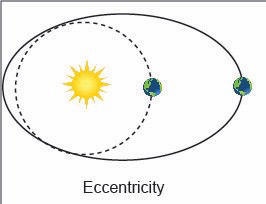
95
Define Axial Tilt
The earth spins on its axis causing night and day the tilt of the angle today is 23.5°. Over period of 40,000 years, the tilt moves back and forth between 21 and 24.5°.
96
Define Precession
Describes natural wobile like a spinning top . To complete a wobbles cycle it takes 26,000 years.
97
What are the effects of high sunspot activity on climate change?
More heat is given off
98
What are the effects of low sunspot activity on climate change?
Less heat is given off
99
how does a volcanic eruption cause a volcanic winter?
Volcanic ash can block some of the sunlight reaching the earth's surface. This can reduce the temperatures on the surface, but it is usually short term until the ash settles.
Fire droplets of sulphur dioxide are turned into sulphuric acid and they act like mirrors reflecting radiation from the sun. This can last longer and can effect the climate for many years.
Fire droplets of sulphur dioxide are turned into sulphuric acid and they act like mirrors reflecting radiation from the sun. This can last longer and can effect the climate for many years.
100
when did the last cold period happen, what was it called?
when did the last cold period happen, what was it called?
1303-1860, the little ice age
101
How do the greenhouse gases warm up our earth?
Earth's Atmosphere Allows Heat From Sun to Pass Through to Heat Earth's Surface (short-wave radiation).
Earth's Surface Gives Off Heat (long-wave radiation).
This Heat is Trapped by Greenhouse Gases Which Radiate the Heat Back Towards Earth.
This Process Heats Up Earth.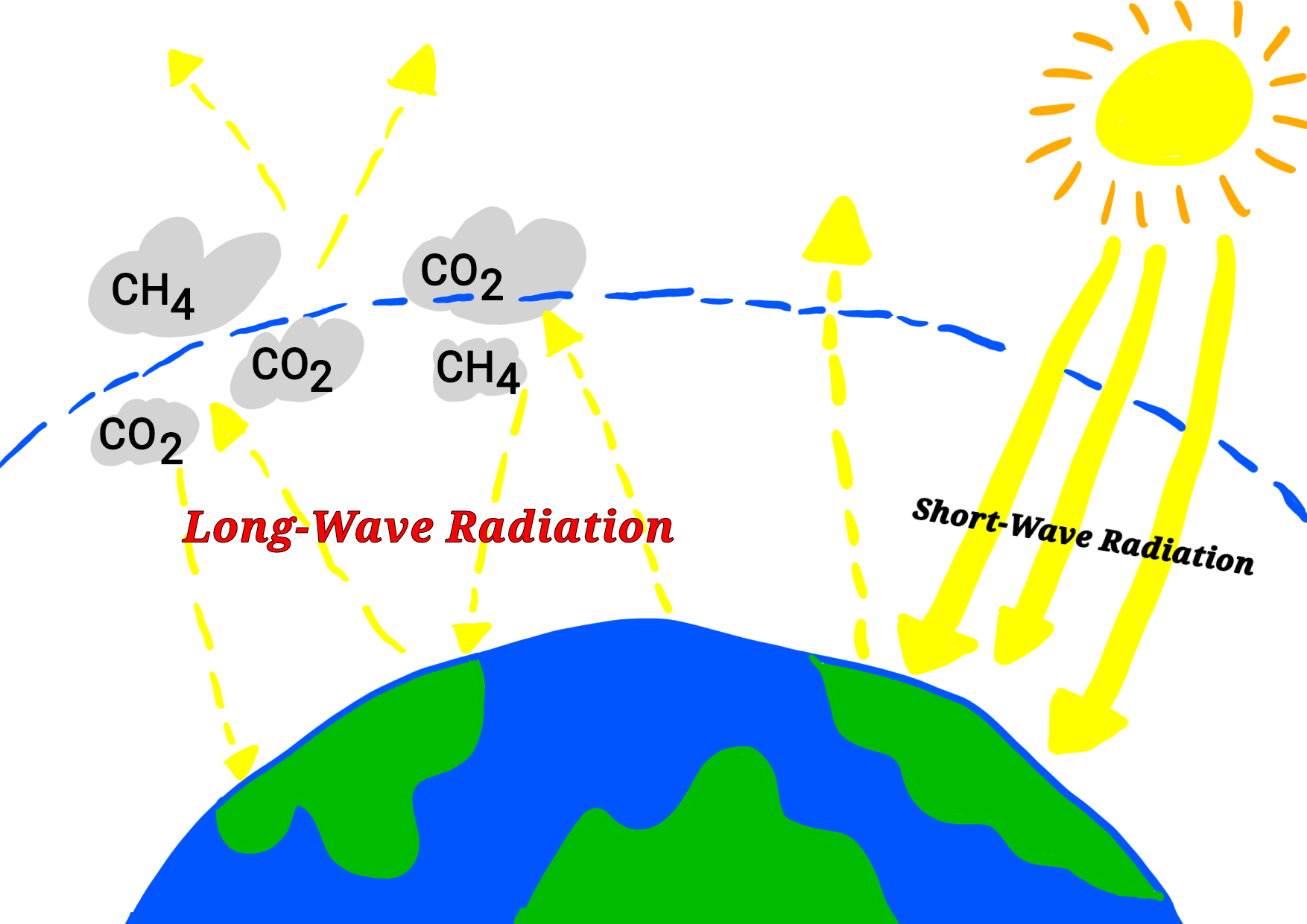
Earth's Surface Gives Off Heat (long-wave radiation).
This Heat is Trapped by Greenhouse Gases Which Radiate the Heat Back Towards Earth.
This Process Heats Up Earth.
102
What is Methane and what creates it?
Methane is Very Effective In Absorbing Heat and it counts for 20% of the Enhanced Greenhouse Effect.
IT IS CAUSED BY:
• Farm Livestock
• Burning Biomass for Energy
• Decaying Organic Matter in Landfill Sites and Compost Tips
• Rice Farming
IT IS CAUSED BY:
• Farm Livestock
• Burning Biomass for Energy
• Decaying Organic Matter in Landfill Sites and Compost Tips
• Rice Farming
103
What are Nitrous Oxides and what causes it?
Nitrous Oxides are very small concentrations in the atmosphere and are up to 300 times More Effective in Capturing Heat, than CO2.
IT IS CAUSED BY:
• Car Exhausts
• Power Stations Producing Electricity
• Sewage Treatment
• Agricultural Fertilisers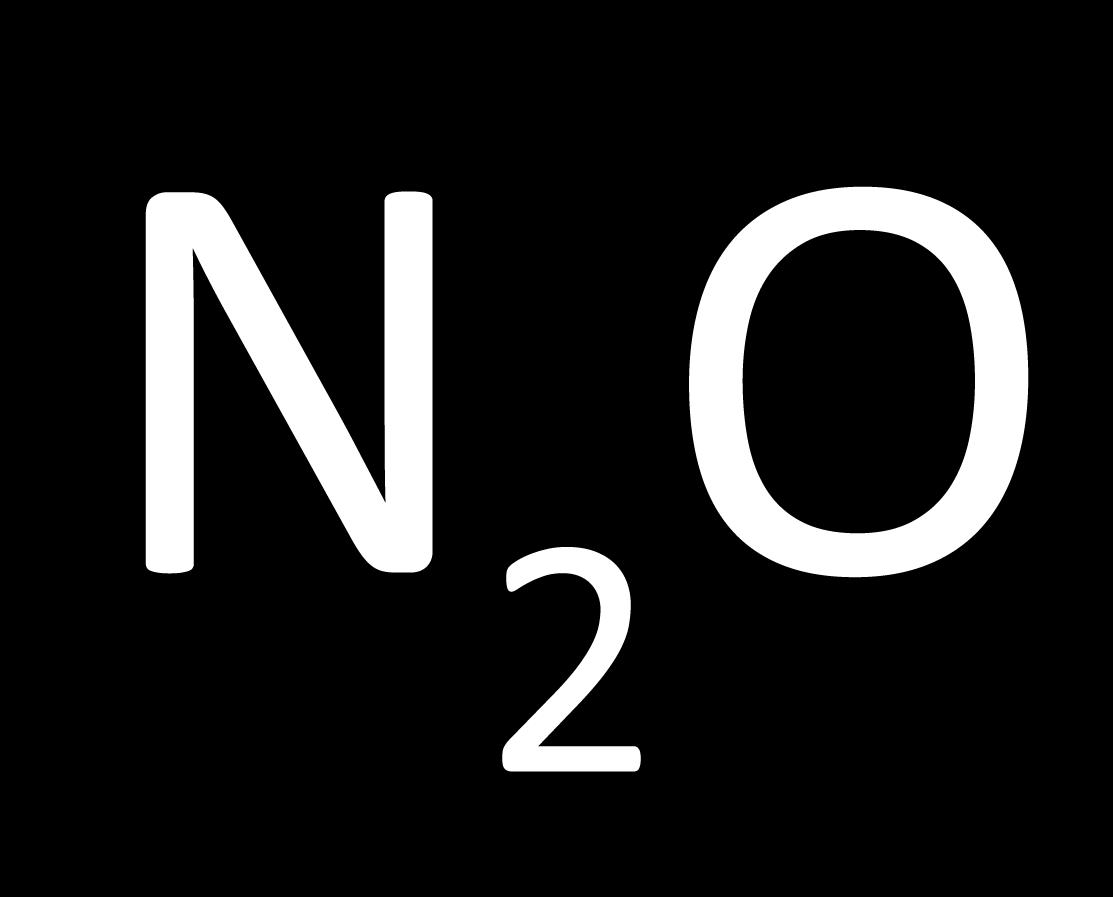
IT IS CAUSED BY:
• Car Exhausts
• Power Stations Producing Electricity
• Sewage Treatment
• Agricultural Fertilisers
104
What is carbon dioxide and what causes it??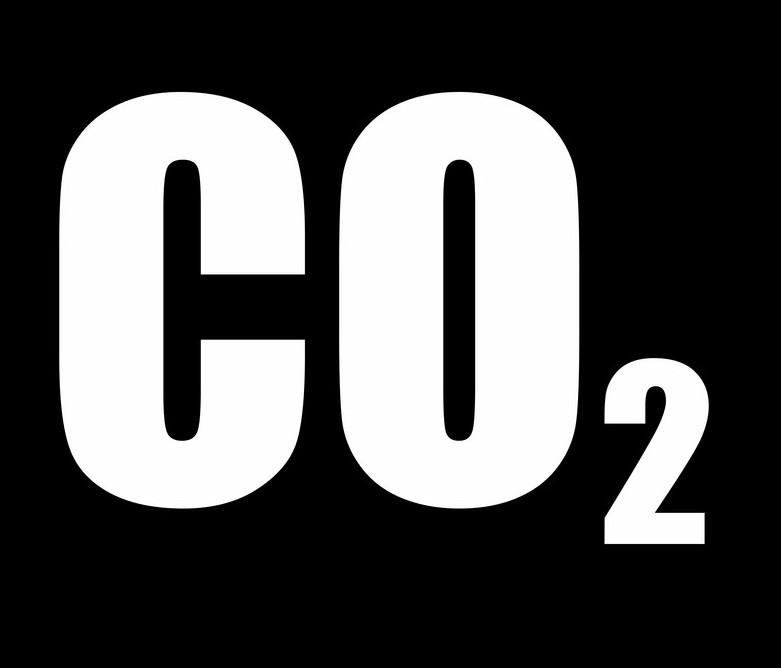
Carbon dioxide counts for an estimate of 60% of the Enhanced Greenhouse Effect. Global concentration of Carbon Dioxide has increased by 30% since 1850.
IT IS CAUSED BY:
• Car Exhausts
• Deforestation and the Burning of Wood
• Burning Fossil Fuels in Industry and Power Stations to produce Electricity
IT IS CAUSED BY:
• Car Exhausts
• Deforestation and the Burning of Wood
• Burning Fossil Fuels in Industry and Power Stations to produce Electricity
105
How climate change be managed?
• Alternative Energy Sources
• Planting Trees/ Afforestation
• International Agreements
• Carbon Capture
• Planting Trees/ Afforestation
• International Agreements
• Carbon Capture
106
Define Mitigate/Mitigation
Mitigation is Reducing The Impacts or to Deal With the Causes of the Problem
107
What are Alternative Energy Sources and How does it reduce CO2 emissions?
Alternative energy is energy that does not come from fossil fuels. Such as:
• Hydroelectricity
• Nuclear Power
• Solar, Wind, Tidal
It's reduces CO2 emissions because they are different ways of creating energy and don't admit a lot of CO2. So they will last a long time and won't run out like Fossil Fuels.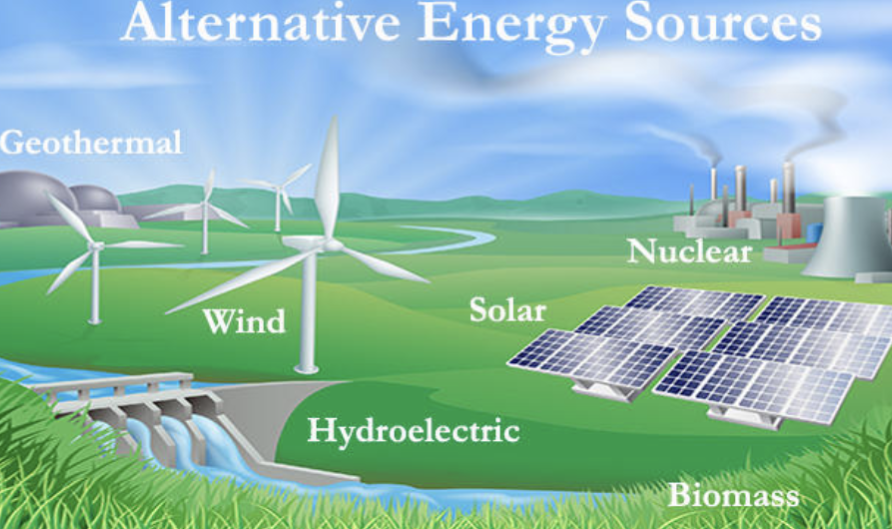
• Hydroelectricity
• Nuclear Power
• Solar, Wind, Tidal
It's reduces CO2 emissions because they are different ways of creating energy and don't admit a lot of CO2. So they will last a long time and won't run out like Fossil Fuels.
108
What are the Advantages and Disadvantages of Alternative Energy Sources? 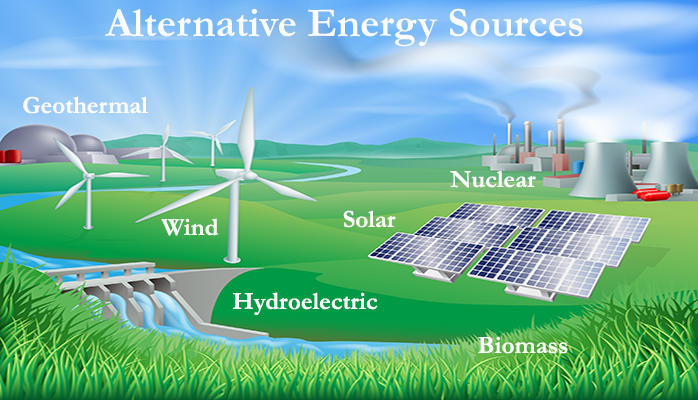
ADVANTAGES
• Last a Long time/don't run out
• Emmits less CO2
• Creates new jobs(Nuclear Plants)
DISADVANTAGES
• Terrorism (terrorist could bomb Nucilar Plant)
• Impacts Bird Migration (Wind Turbines)
• Too expensive (Solar)
• Can Only Be Used In Certain Places & Weather Conditions (Hydroelectric)
• Tidal hasn't been made Commercial
• Last a Long time/don't run out
• Emmits less CO2
• Creates new jobs(Nuclear Plants)
DISADVANTAGES
• Terrorism (terrorist could bomb Nucilar Plant)
• Impacts Bird Migration (Wind Turbines)
• Too expensive (Solar)
• Can Only Be Used In Certain Places & Weather Conditions (Hydroelectric)
• Tidal hasn't been made Commercial
109
What is Carbon Capture and What are the Advantages and Disadvantages?
Carbon Capture uses Technology to Capture/ Trap CO2 by Burning Fossil Fuels, Transporting the CO2 and then Storing CO2 in A Way that it Doesn't Affect the Atmosphere.
ADVANTAGES
• Removes CO2 Quicker from the Atmosphere Than Trees
• Create jobs
DISADVANTAGES
• Very Expensive
• Don't have Enough of them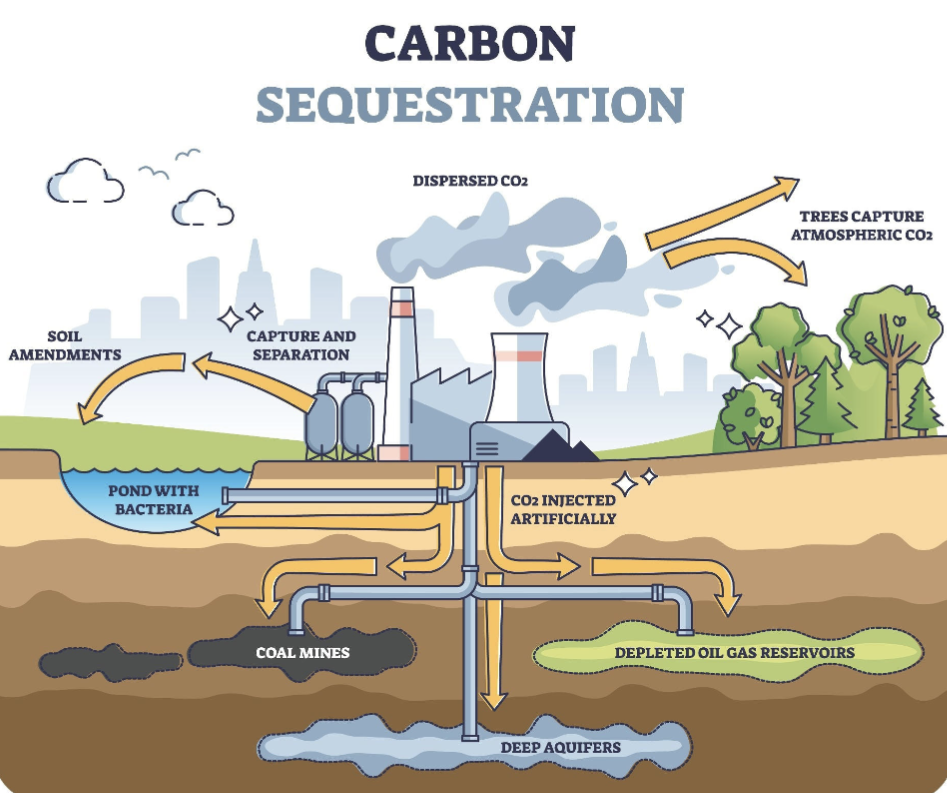
ADVANTAGES
• Removes CO2 Quicker from the Atmosphere Than Trees
• Create jobs
DISADVANTAGES
• Very Expensive
• Don't have Enough of them
110
How does Planting Trees reduce CO2 emissions and what are the Advantages & Disadvantages?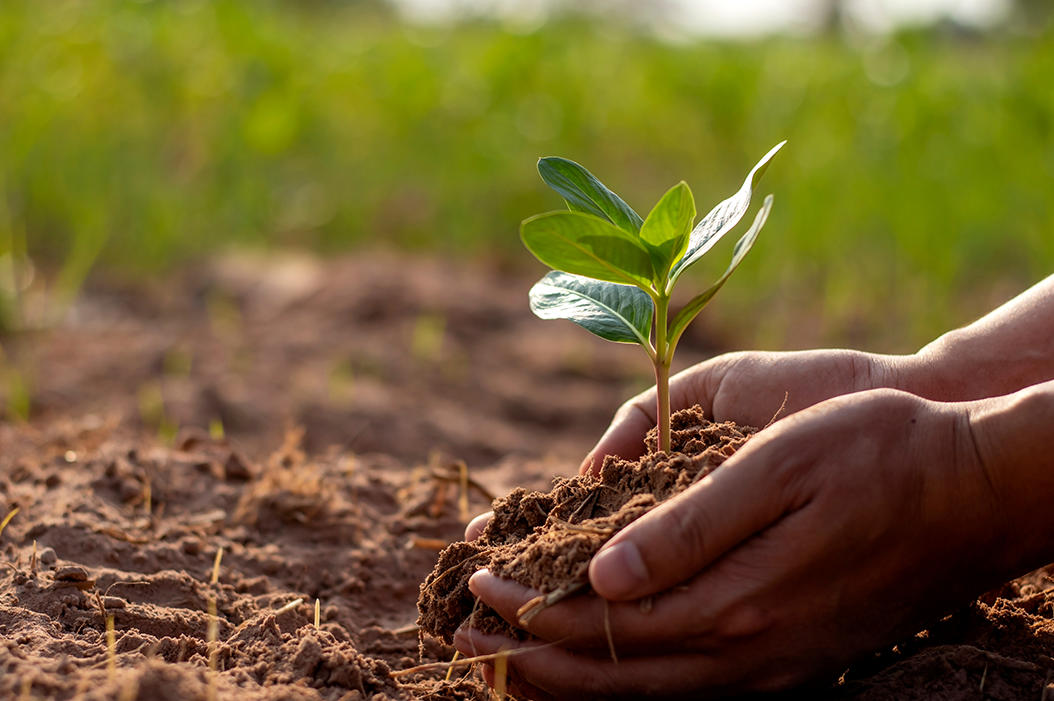
Planting trees Removes CO2 from the Atmosphere. The Carbon is Stored For Decades TreesTrunks, and Branches. When the Tree Dies the CO2 Transfers to the Ground.
ADVANTAGES
• Removes CO2 from Atmosphere in a Natural Way
• Cheep
DISADVANTAGES
• Trees Required A Lot Of Land
• It Takes a Long Time To Plant the Trees and for Them to Grow
ADVANTAGES
• Removes CO2 from Atmosphere in a Natural Way
• Cheep
DISADVANTAGES
• Trees Required A Lot Of Land
• It Takes a Long Time To Plant the Trees and for Them to Grow
111
What are International Agreements and How does it reduce CO2 emissions?
An Agreement Signed Between Countries and Governments to make Commitments To Lowering Carbon Emissions.
(Paris Agreement)
It Reduces CO2 because the Countries have made an Agreement so that Every Year they make a Goal To Help Lower the CO2 Emissions and Lower the Temperature, so it is below 2°C.
(Paris Agreement)
It Reduces CO2 because the Countries have made an Agreement so that Every Year they make a Goal To Help Lower the CO2 Emissions and Lower the Temperature, so it is below 2°C.
112
What is International Agreements and What are the Advantages and Disadvantages?
ADVANTAGES
• 195 Countries are Trying To Lower Emissions
• It is Legally Binding
DISADVANTAGES
• If a Large CO2 emitter Pulls Out. Their Affect Will Be Bad because they will Release More CO2.
• Costs a lot of Money Every Year ($1 billion)
• 195 Countries are Trying To Lower Emissions
• It is Legally Binding
DISADVANTAGES
• If a Large CO2 emitter Pulls Out. Their Affect Will Be Bad because they will Release More CO2.
• Costs a lot of Money Every Year ($1 billion)
113
Define Adaptation
Adaptation is the Actions taken to Adjust To Natural Events, Reduce Potential Damage, Limit the Impacts, Take Advantage of Opportunities or Cope with the Consequences.
114
What adaptations to climate change could you use for Agriculture (farming) & why?
• Introduce Giant Resistant Crops which will Allow Crop Yields to be Maintained in Dry Periods.
• Educate Farmers in Water Harvesting Techniques (water butts) which Allows Water To be Stored to irrigate Crops In Dry Periods.
• New irrigation systems will Provided Water For Crops Using Canals, Pipes and Sprayers. ( watering crops)
• Educate Farmers on Expected Changes so they can Plan Ahead & Change Methods Of Farming & Crops.
• New Planting Patterns means they can Grow Crops Earlier Or Later In the Year to Maintain Yields. (changing planting dates)
• Shade Trees Can Be Planted Next To Crops which / Protect Crops from being Scorched by Sunlight.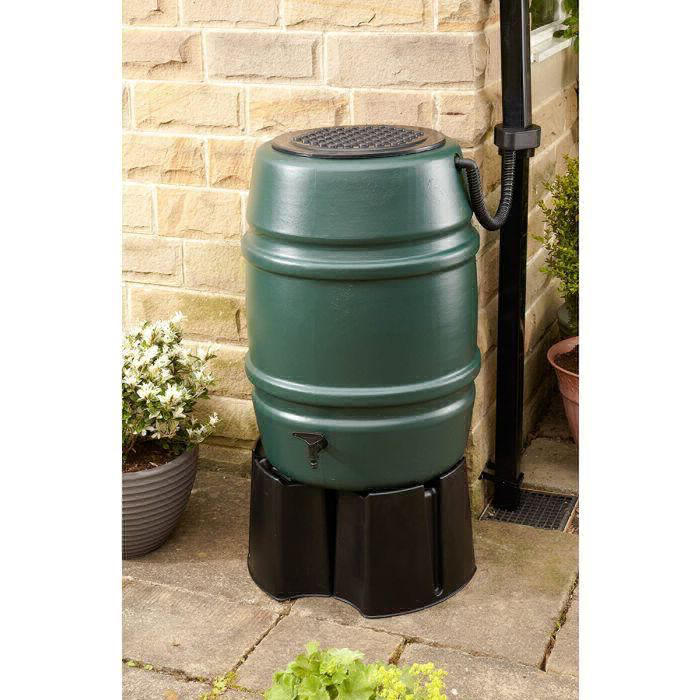
• Educate Farmers in Water Harvesting Techniques (water butts) which Allows Water To be Stored to irrigate Crops In Dry Periods.
• New irrigation systems will Provided Water For Crops Using Canals, Pipes and Sprayers. ( watering crops)
• Educate Farmers on Expected Changes so they can Plan Ahead & Change Methods Of Farming & Crops.
• New Planting Patterns means they can Grow Crops Earlier Or Later In the Year to Maintain Yields. (changing planting dates)
• Shade Trees Can Be Planted Next To Crops which / Protect Crops from being Scorched by Sunlight.
115
What adaptations to climate change could you use for Coping With Water Sea Levels?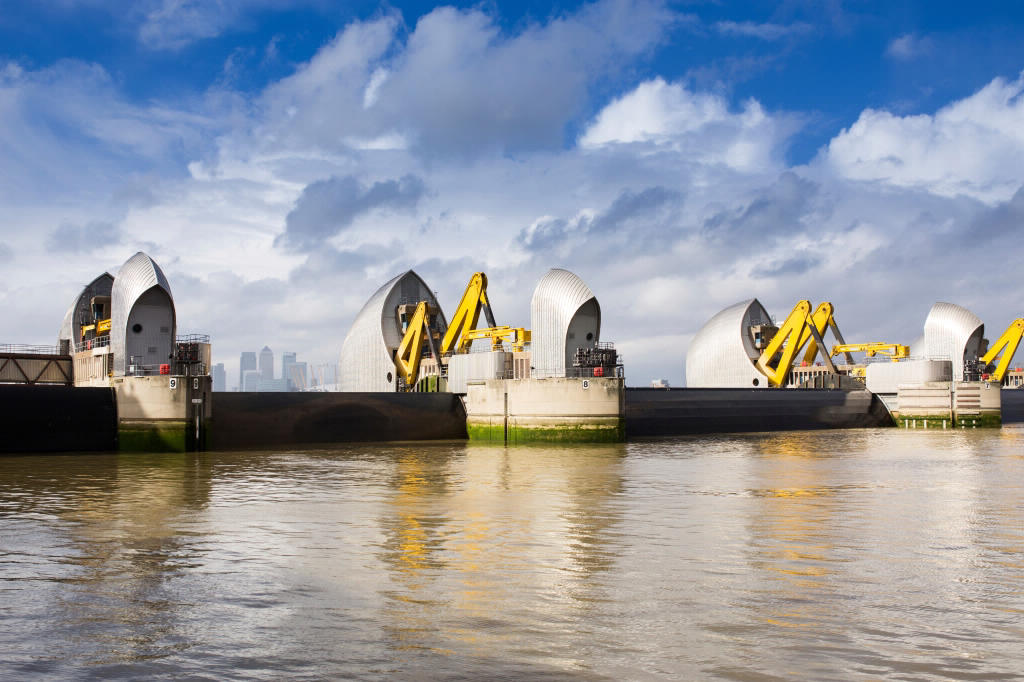
•Better Flood Warnings & Flood Barriers
• Areas Can't Afford Expensive Defences could Build Raised Flood Shelters & Building Houses on Enbankments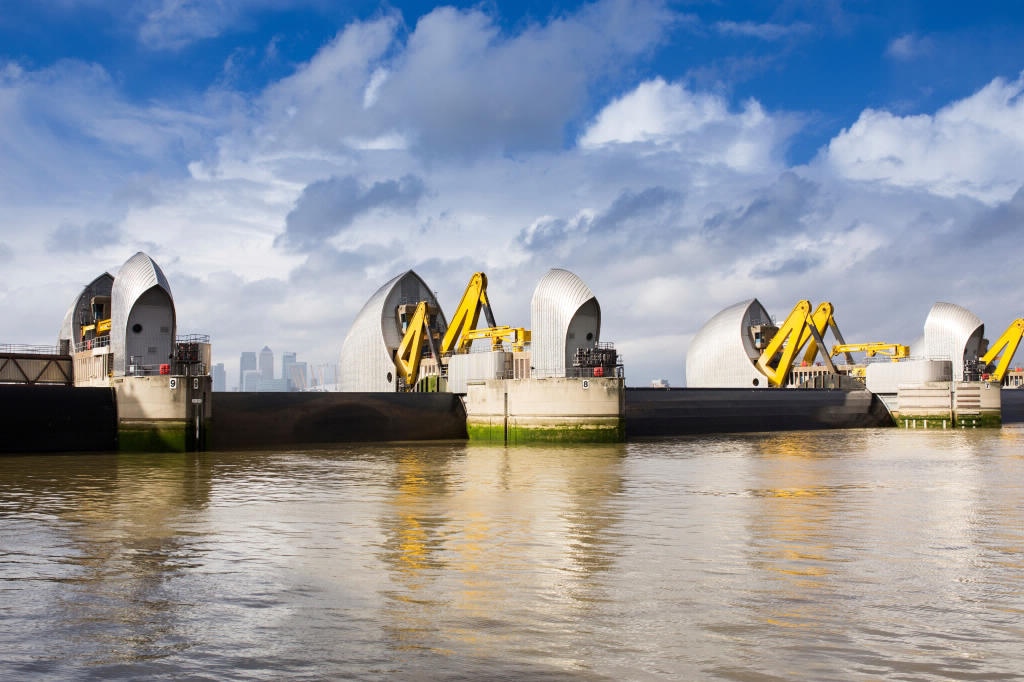
• Areas Can't Afford Expensive Defences could Build Raised Flood Shelters & Building Houses on Enbankments
116
why do villagers need water in the Himalayas?
To grow and plant crops because they are experiencing water shortages in spring due to Climate Change.
117
how does the 'Ice Stupa' work? (man made glacier)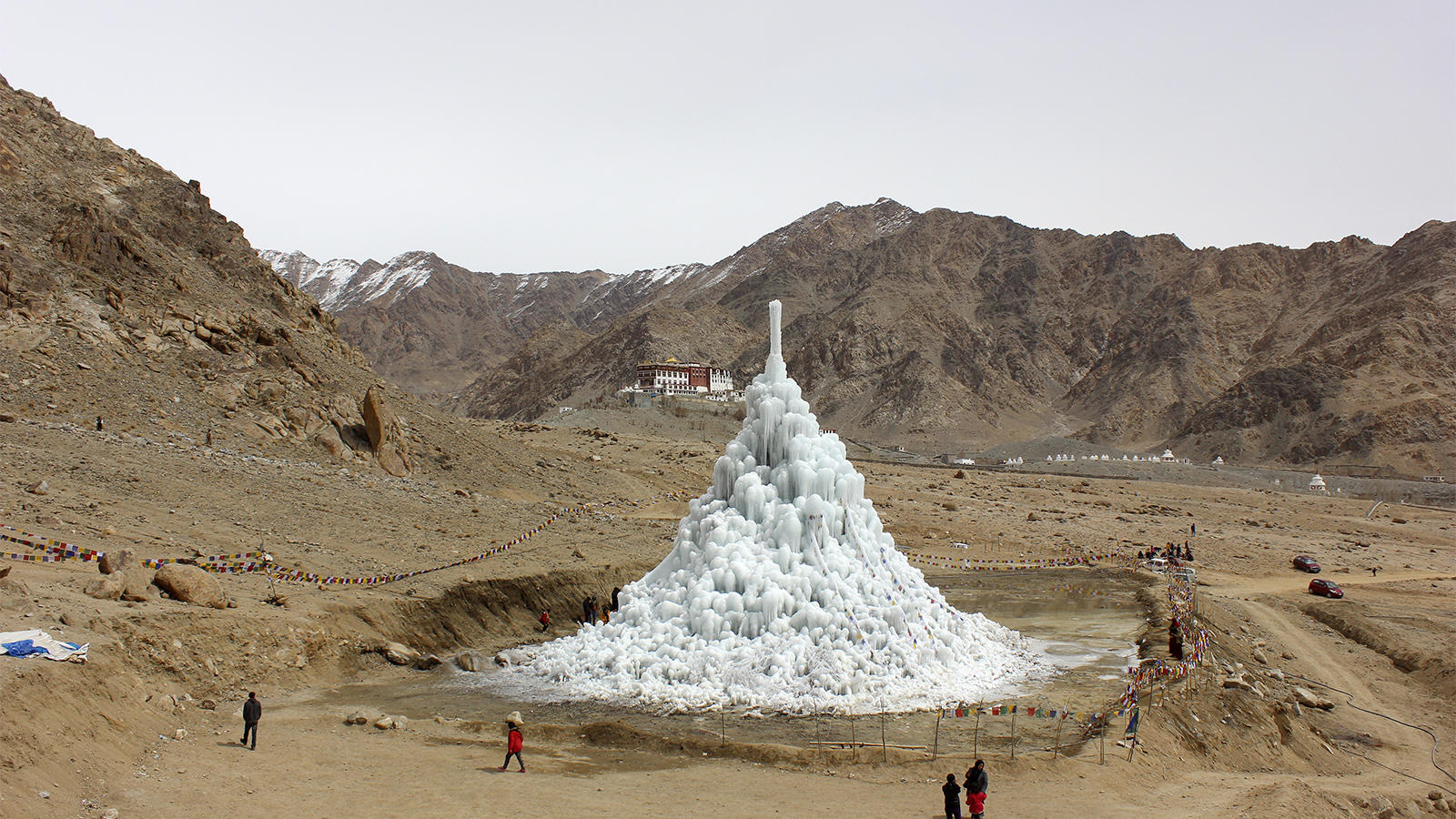
1) They take water from nearby streams during winter.
2) They spray water into the air which freezes and it creates a man-made glacier around a frame of wire and trees.
3) The Ice Melts in Spring watering the land.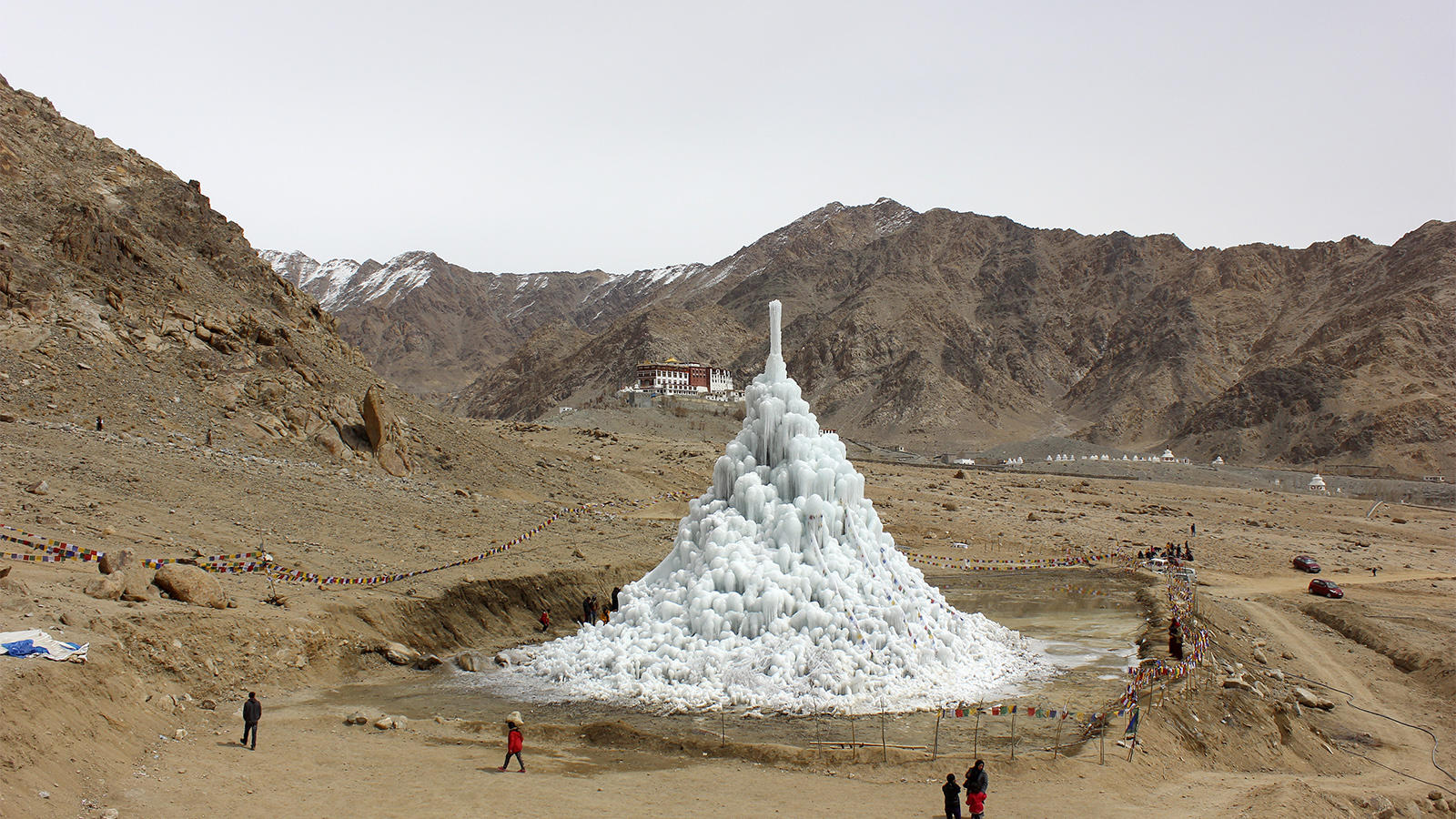
2) They spray water into the air which freezes and it creates a man-made glacier around a frame of wire and trees.
3) The Ice Melts in Spring watering the land.
118
How is a 'Ice Stupa' sustainable?
• It is a cheep way of providing water
• It uses simple technology which is easy to maintain
• It doesn't require Fossil Fuels or other polluting energy sources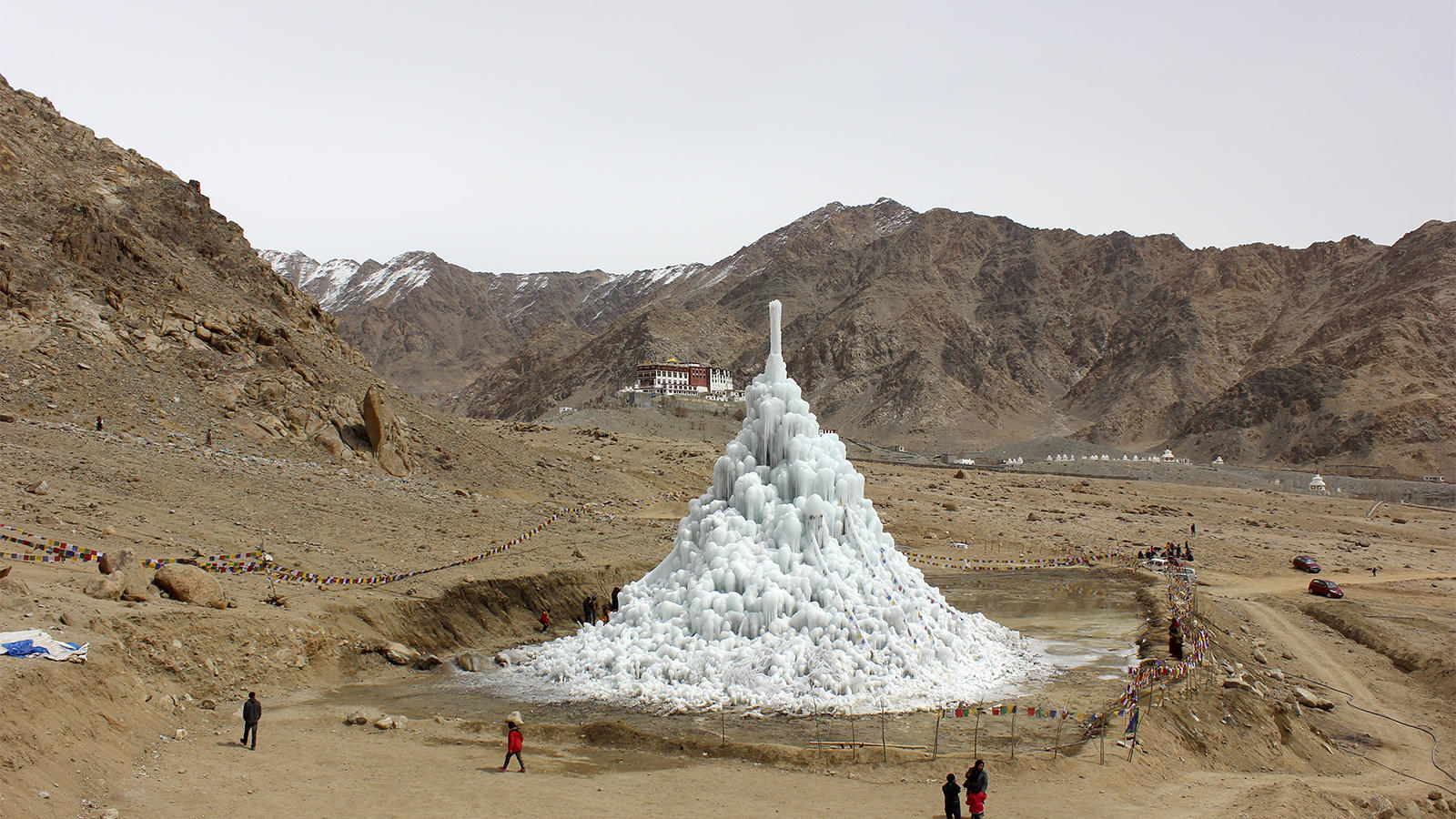
• It uses simple technology which is easy to maintain
• It doesn't require Fossil Fuels or other polluting energy sources
119
where is the Maldives and what is happening to it and what is predicted to happen?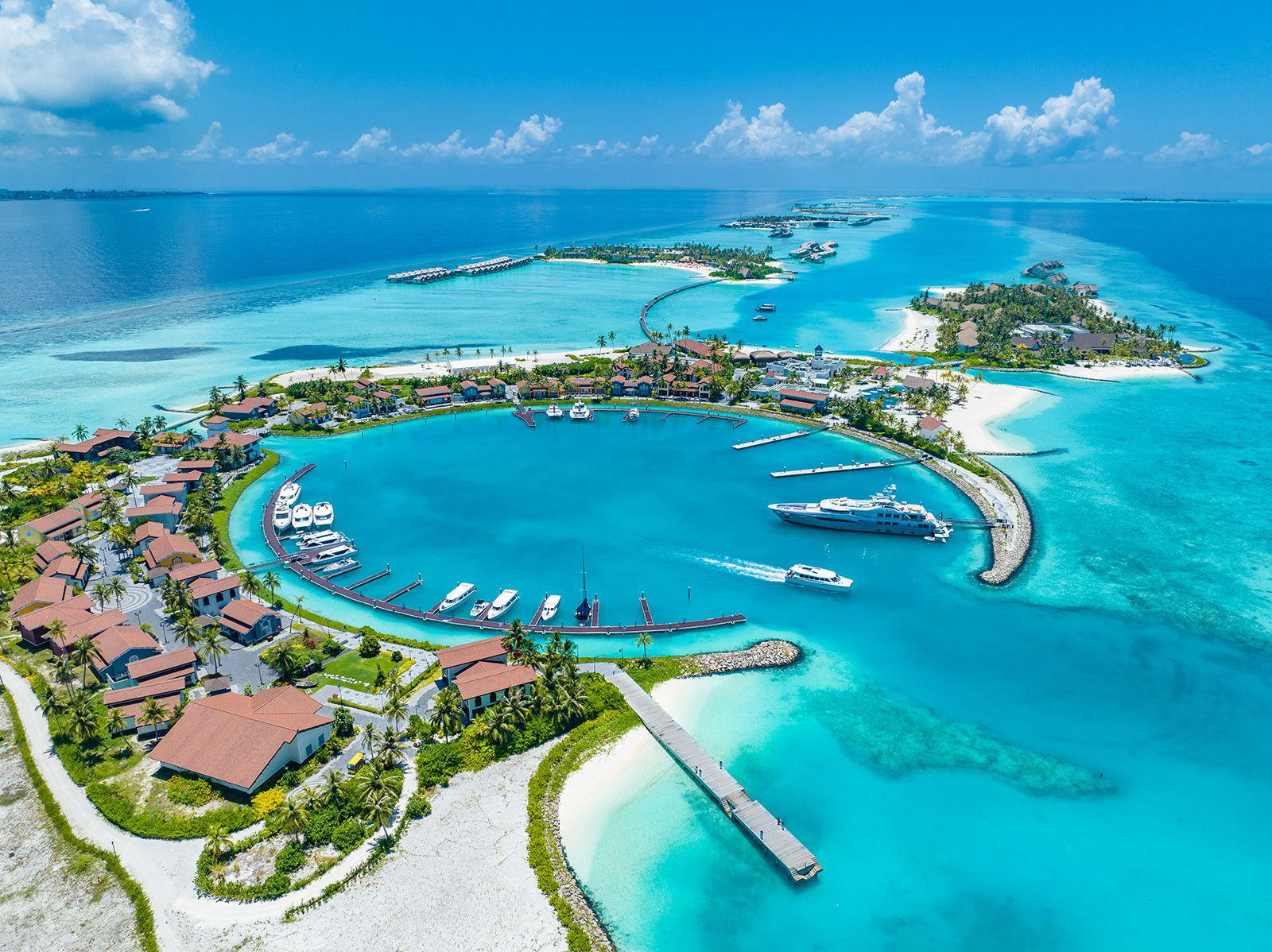
Maldives are a group of small islands in the Indian Ocean west of India.
Some climate change models suggest that the islands are eroding and may be unhabitable by 2040 and submerged by 2100.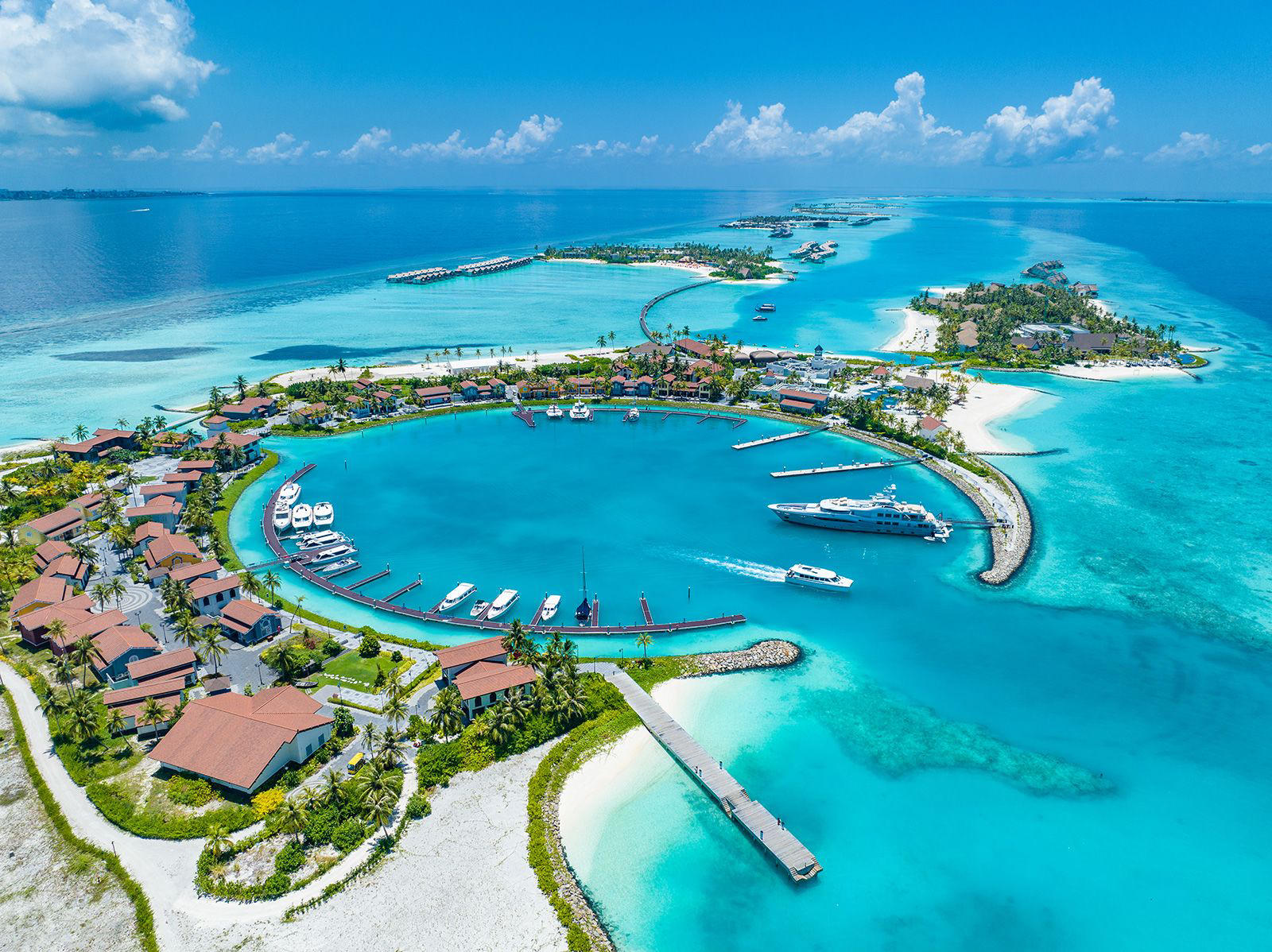
Some climate change models suggest that the islands are eroding and may be unhabitable by 2040 and submerged by 2100.
120
How is the Maldives Managing Sea Level Rise?
• Building Houses Raised On the Ground On Stilts
• Construction of Artificial islands up to 3m High so People Most Can Be Relocated.
• Restoration of Coastal Mangrove Forests because their Tangled Roots Trap Sediment and offer Protection from Storm Waves.
• Building artificial Reefs is a Natural Way Islands create Themselves Although it Takes Many Hundreds of Years
• Constructing of sea walls.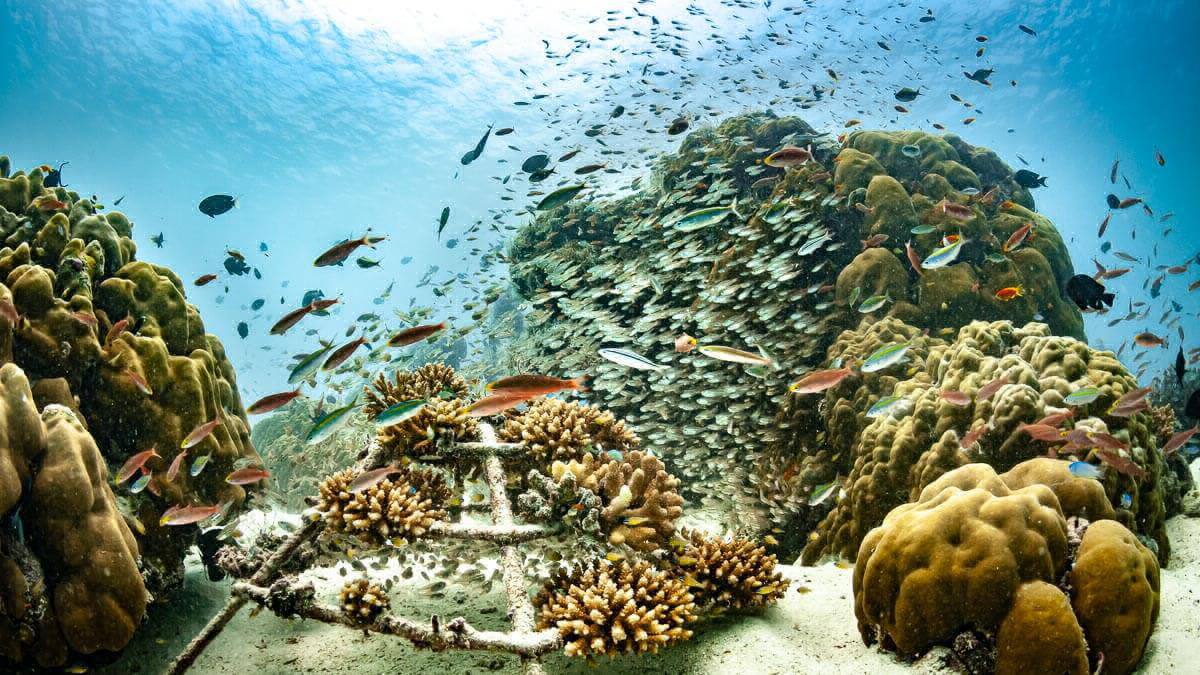
• Construction of Artificial islands up to 3m High so People Most Can Be Relocated.
• Restoration of Coastal Mangrove Forests because their Tangled Roots Trap Sediment and offer Protection from Storm Waves.
• Building artificial Reefs is a Natural Way Islands create Themselves Although it Takes Many Hundreds of Years
• Constructing of sea walls.