Design & Making Principles 50%
Study these flashcardsFree · spaced repetition · iPhone, Android, Mac & web
All cards
1
what are the design Strategies?
• Collaboration
• User-centre Design
• Systems Approach
• Iterative Design
• User-centre Design
• Systems Approach
• Iterative Design
2
Define Collaboration & why do we Collaborate?
Working with others to:
• Gather Data
• Come Up With Design Proposals
• Solve Problems
• inspire ideas
• Feed off others
• Gather Data
• Come Up With Design Proposals
• Solve Problems
• inspire ideas
• Feed off others
3
Define User-centre Design
Client or User is Main Focus throughout the Whole Design Process & Consulted At Every Stage.
4
Can you think of any methods they use to involve the client or user?
• Interview &
Questionnaires
• Video & Audio Capture of
Testing of Existing Products
& New Prototypes.
• Behaviour Analysis of
user/client Looking At
Product.
Questionnaires
• Video & Audio Capture of
Testing of Existing Products
& New Prototypes.
• Behaviour Analysis of
user/client Looking At
Product.
5
Why is it important to gather client feedback throughout the design process, and not just to inform the design brief?
To Check for Likes & Dislikes During
Prototyping
Prototyping
6
What could you do if you disagree with the decision that your client has made, in relation to an aspect of your product?
You Could Try & Convince Your Client With Data/evidence Gather From User-Centred Design
7
Define Systems Approach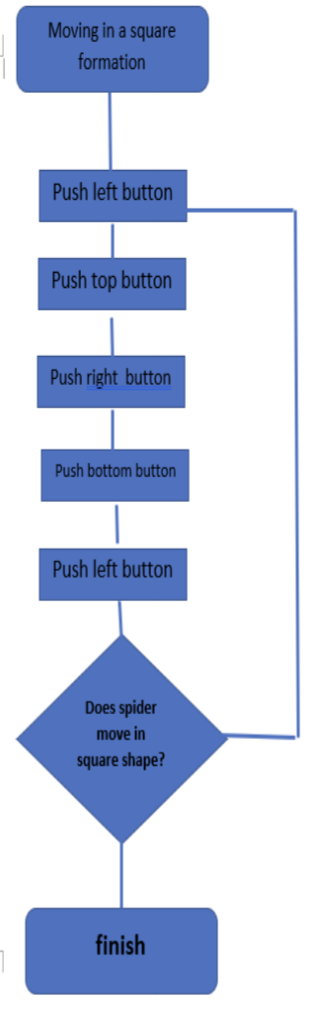
Using a System to Plan the Correct Input, Process, Output or Sequence.
Using Systems Diagrams Such as Flow Chart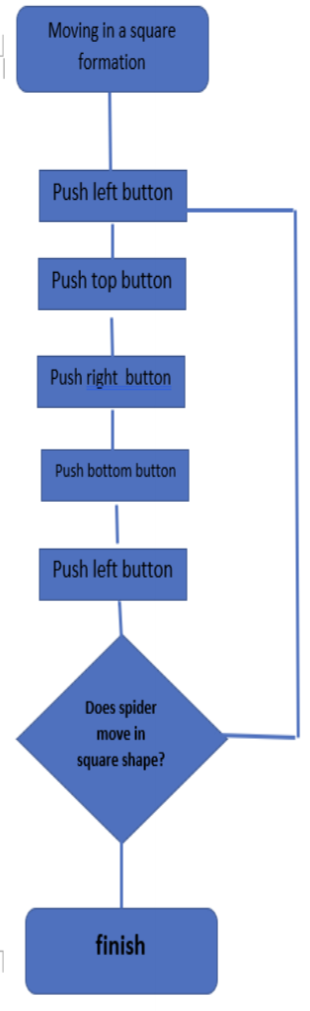
Using Systems Diagrams Such as Flow Chart
8
Define Iterative Design
A Protype is Designed/Made then Tested & Analysed, Allowing the Design to be Refined & Modified Based On the Results.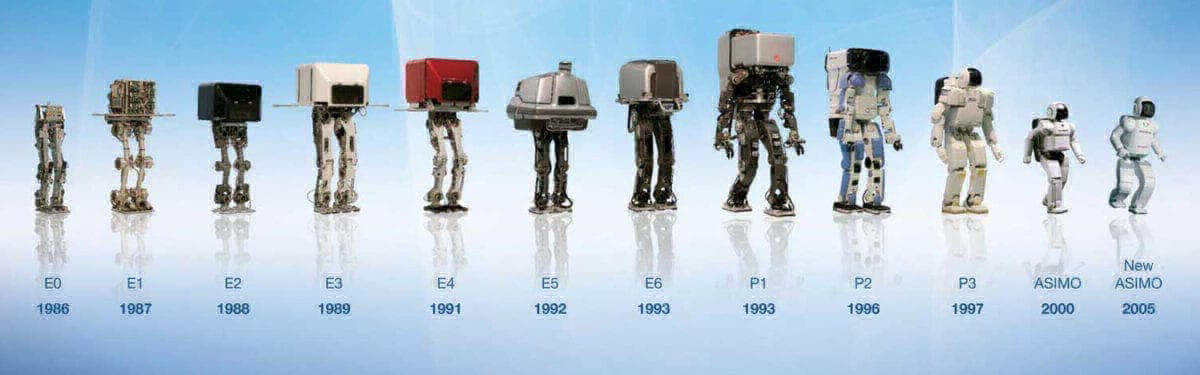
9
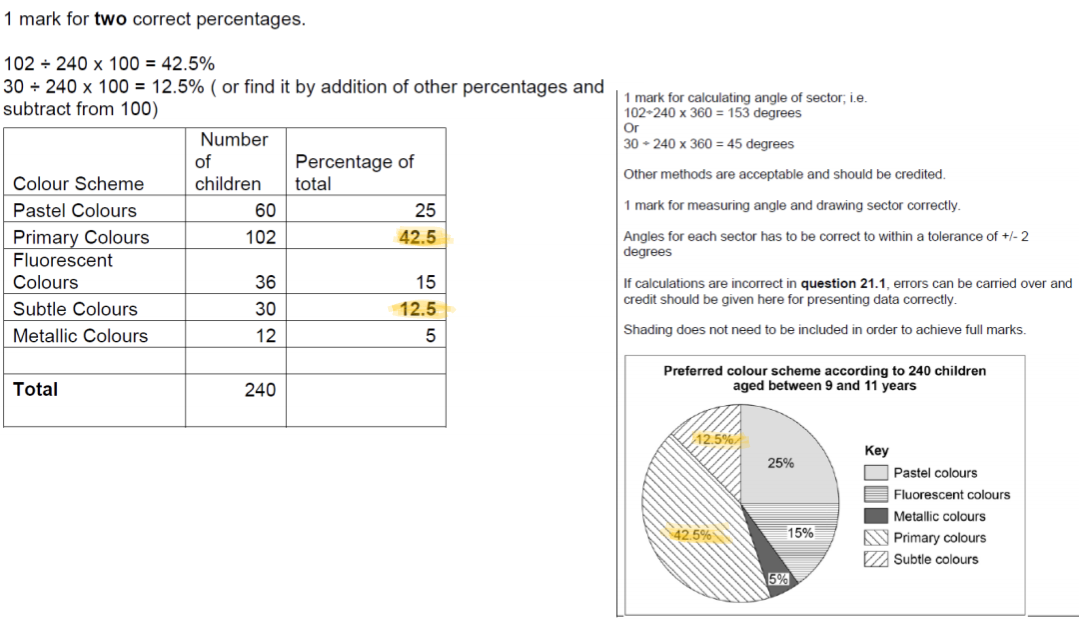
What is Anthropometrics?
Data Gathered from Measurements of Human Body, Thousands Of Measurements are Used To Gather This Data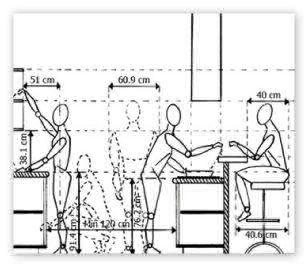
10
Define Ergonomic
Is Relationship Between People & Products They Use- How They Can Be Made More Comfortable & Efficient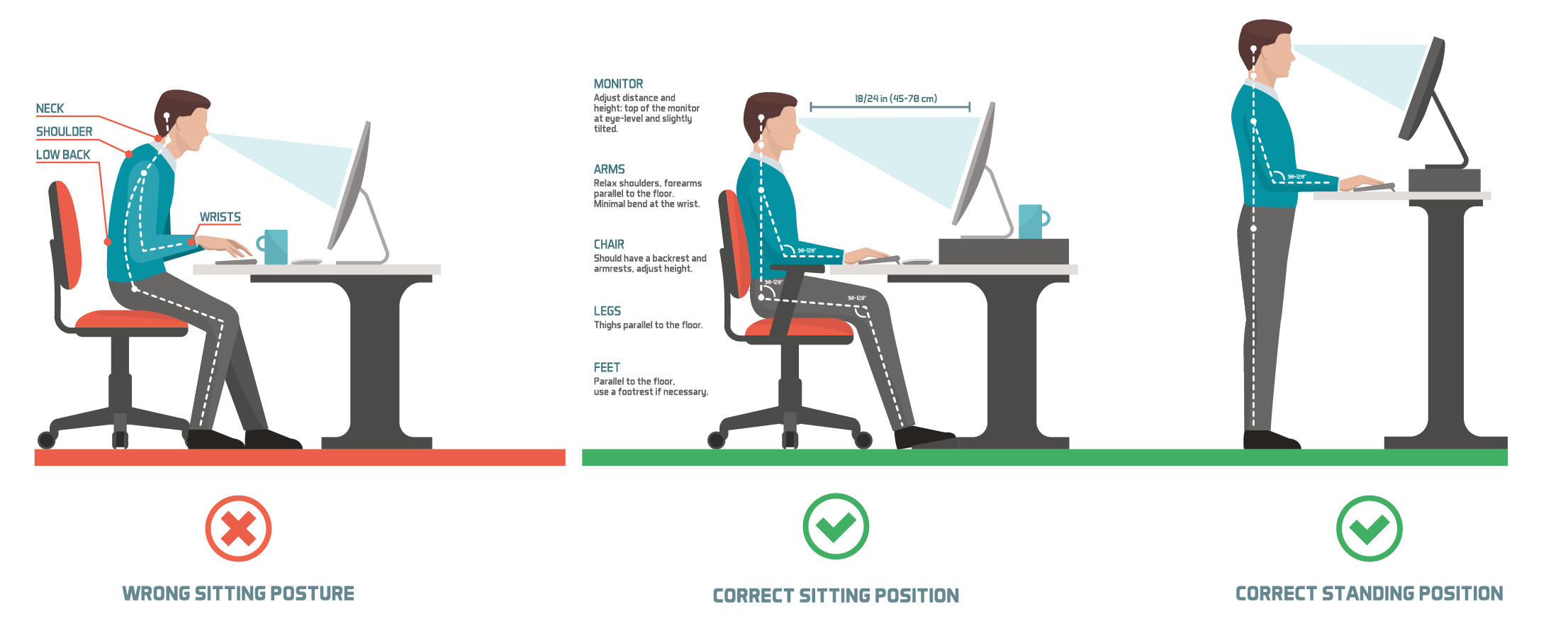
11
Define 50th Percentile
The Value in the Very Middle of a Set Of Measurements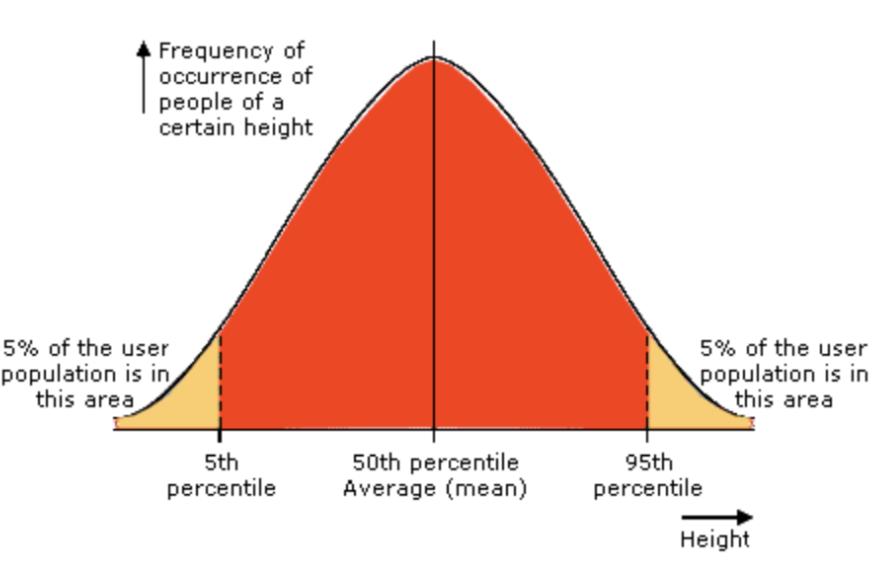
12
Why design for the 50th percentile?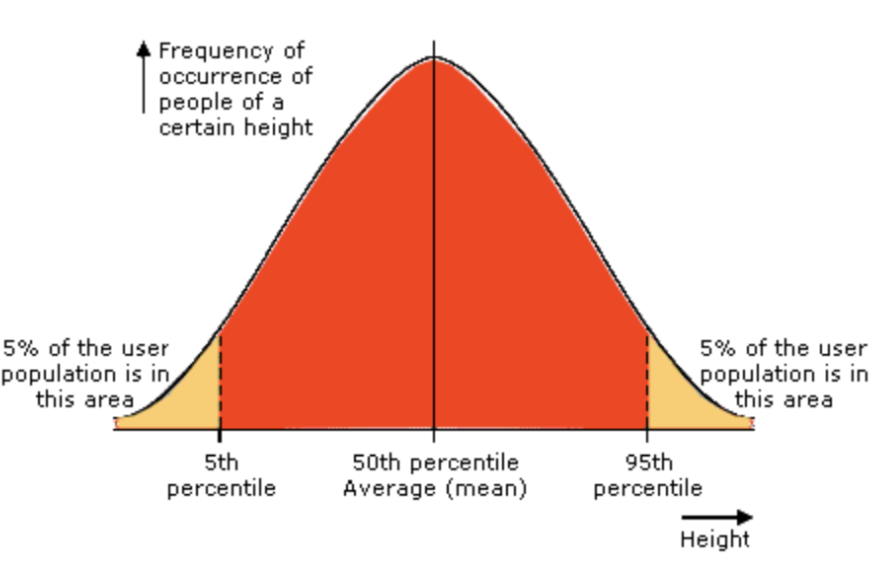
Bigger Market, so you
Can Sell To More People
& More Profit.
It’s More Cost Affective to
Make A Bigger Number Of
Products.
Can Sell To More People
& More Profit.
It’s More Cost Affective to
Make A Bigger Number Of
Products.
13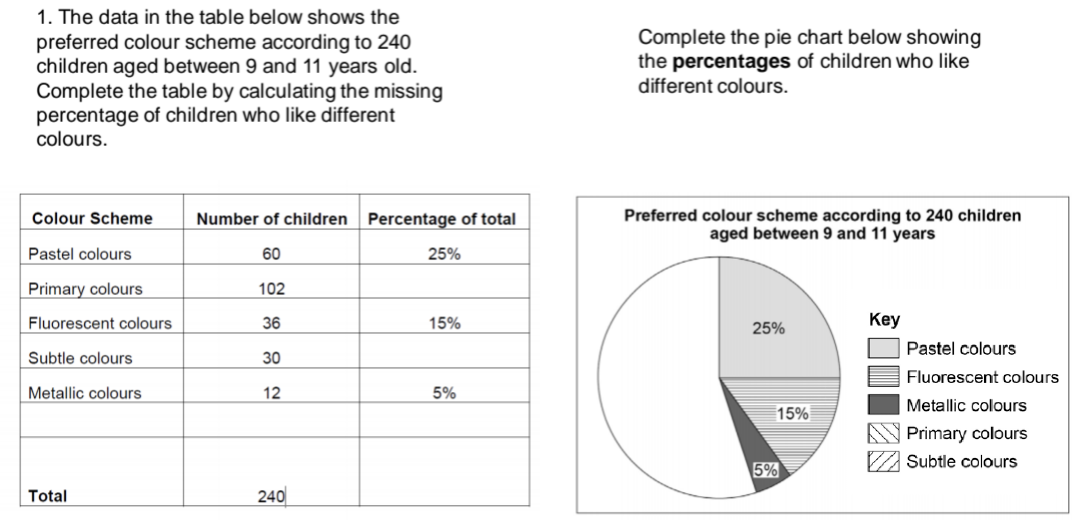
14
Define Innovation
Development of New Idea Which Leads Production of New Product Which can be Sold.
15
Define Primary Data & where it's collected from
Is Collected Directly From People Or User Groups Using:
• Questionnaires
• Surveys
• Interviews
• Focus Groups or Individual Research such as Material Testing or Site Visits.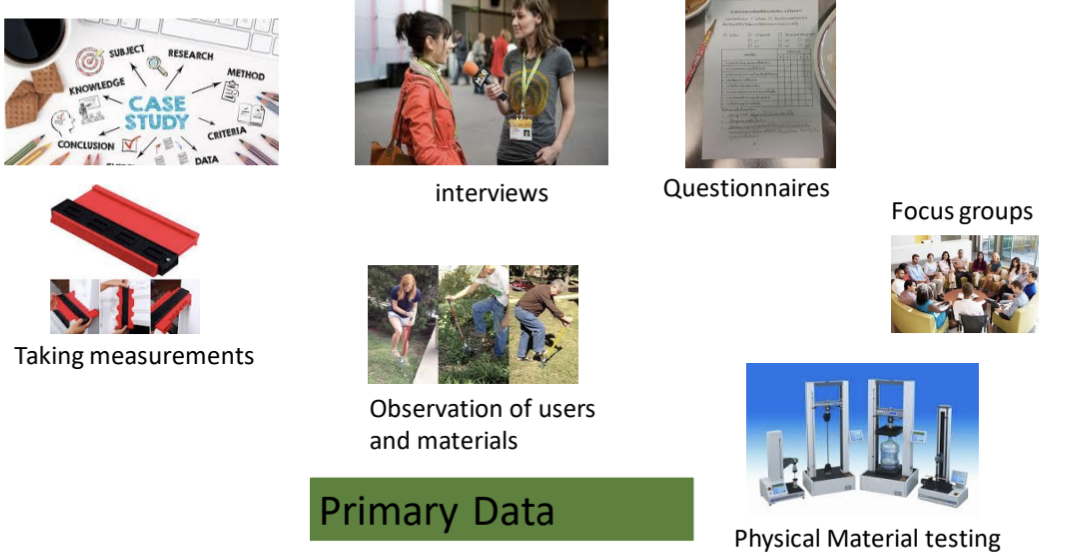
• Questionnaires
• Surveys
• Interviews
• Focus Groups or Individual Research such as Material Testing or Site Visits.
16
Define Secondary Data
Is information that has Already Been Collated by Other People & Presented in any of the Following Ways:
• Books (libraries), Magazines or the Internet
• Government Data or Reference Books
• Trade Organisations
• Analysing the Work of Other Designers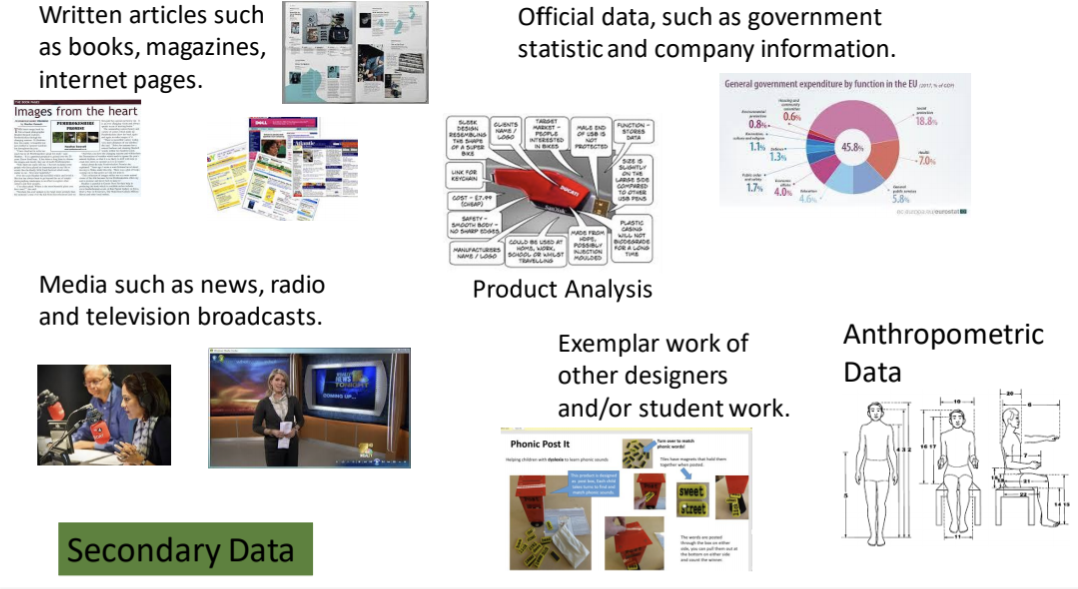
• Books (libraries), Magazines or the Internet
• Government Data or Reference Books
• Trade Organisations
• Analysing the Work of Other Designers
17
Define Orthographic
is a Way Of Showing a 3D Shape in 2D
18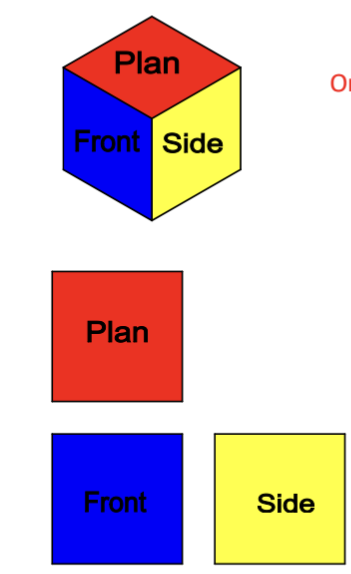
Lable Orthographic Drawing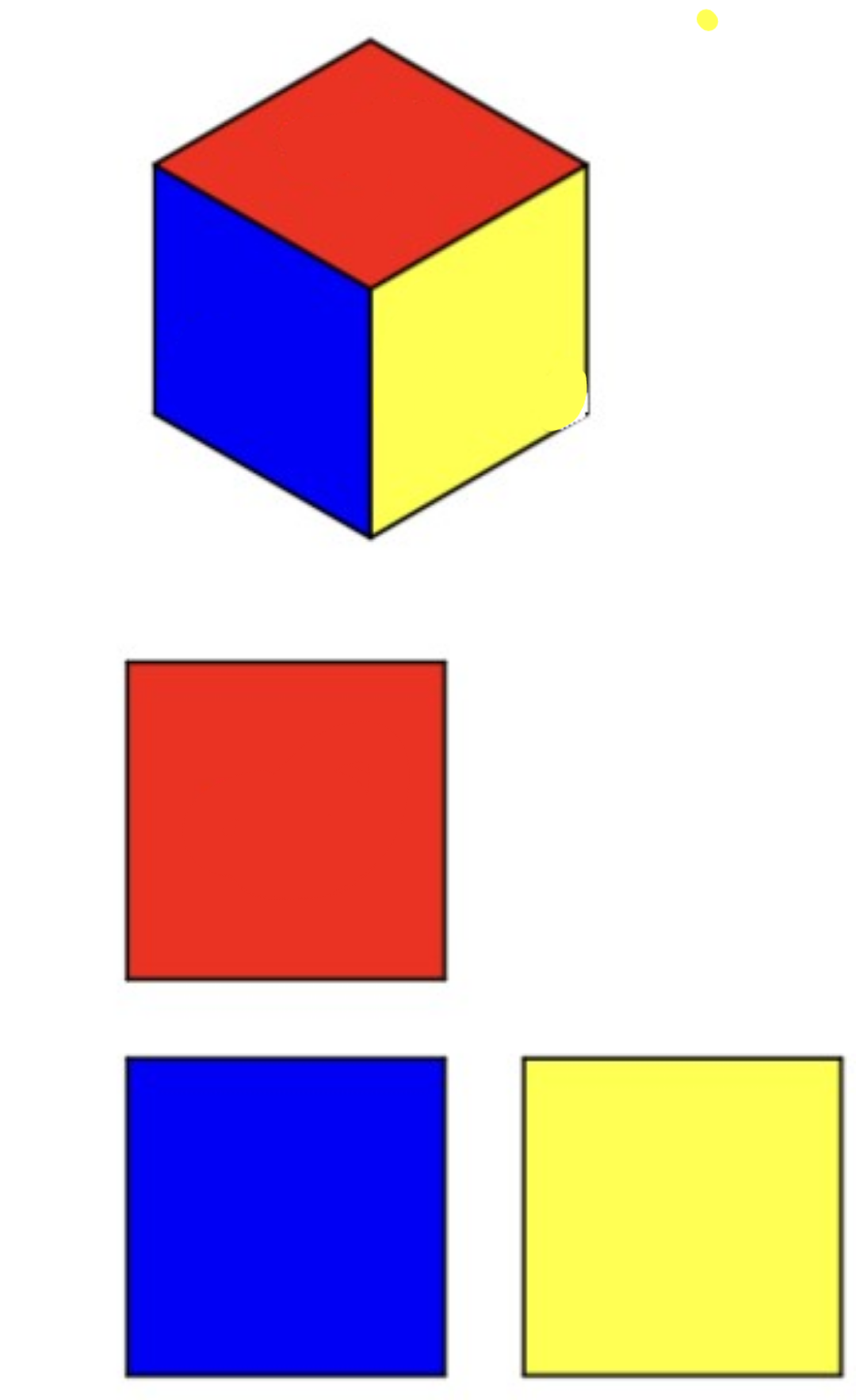
19
Now Lable this & what view is this?
The Order You Use when Drawing an Orthographic Drawing From a Shape to paper.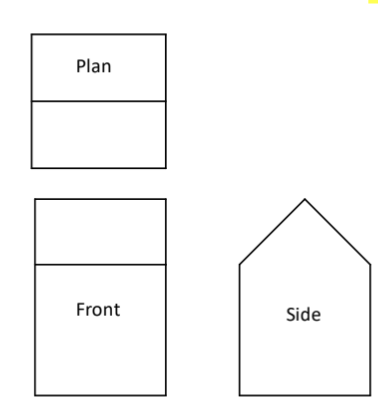
20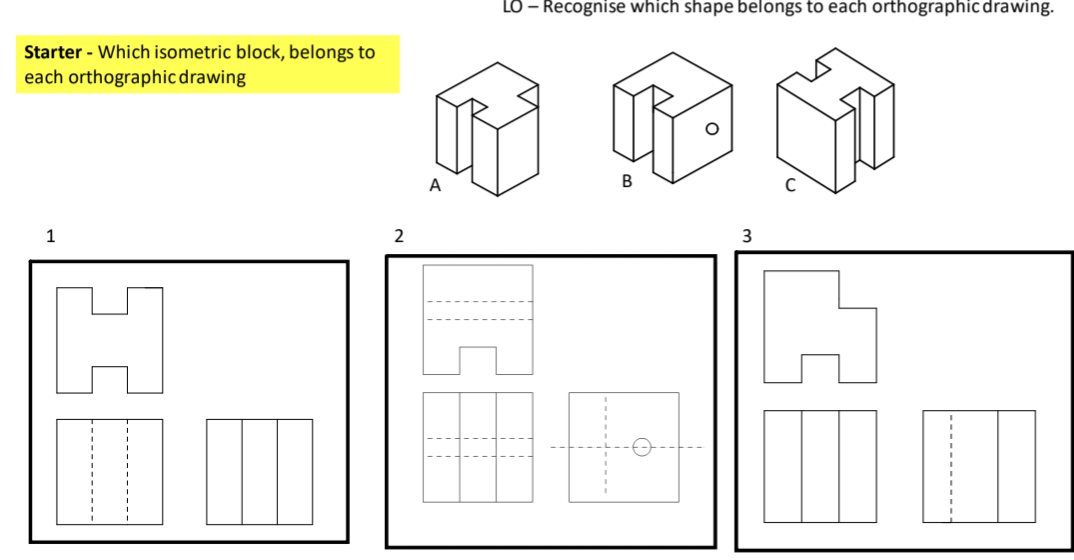
21
When do You Use Thick Lines for Orthographic Drawing?
Used for Outline of Shapes & Components To Make Them Stand Out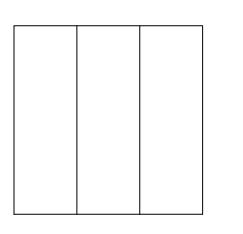
22
When do You Use Thin Lines for Orthographic Drawing?
Used For Construction, Hatching & Dimension Lines.
23
When do You Use Dash Lines for Orthographic Drawing?
To Show Hidden Detail In Drawings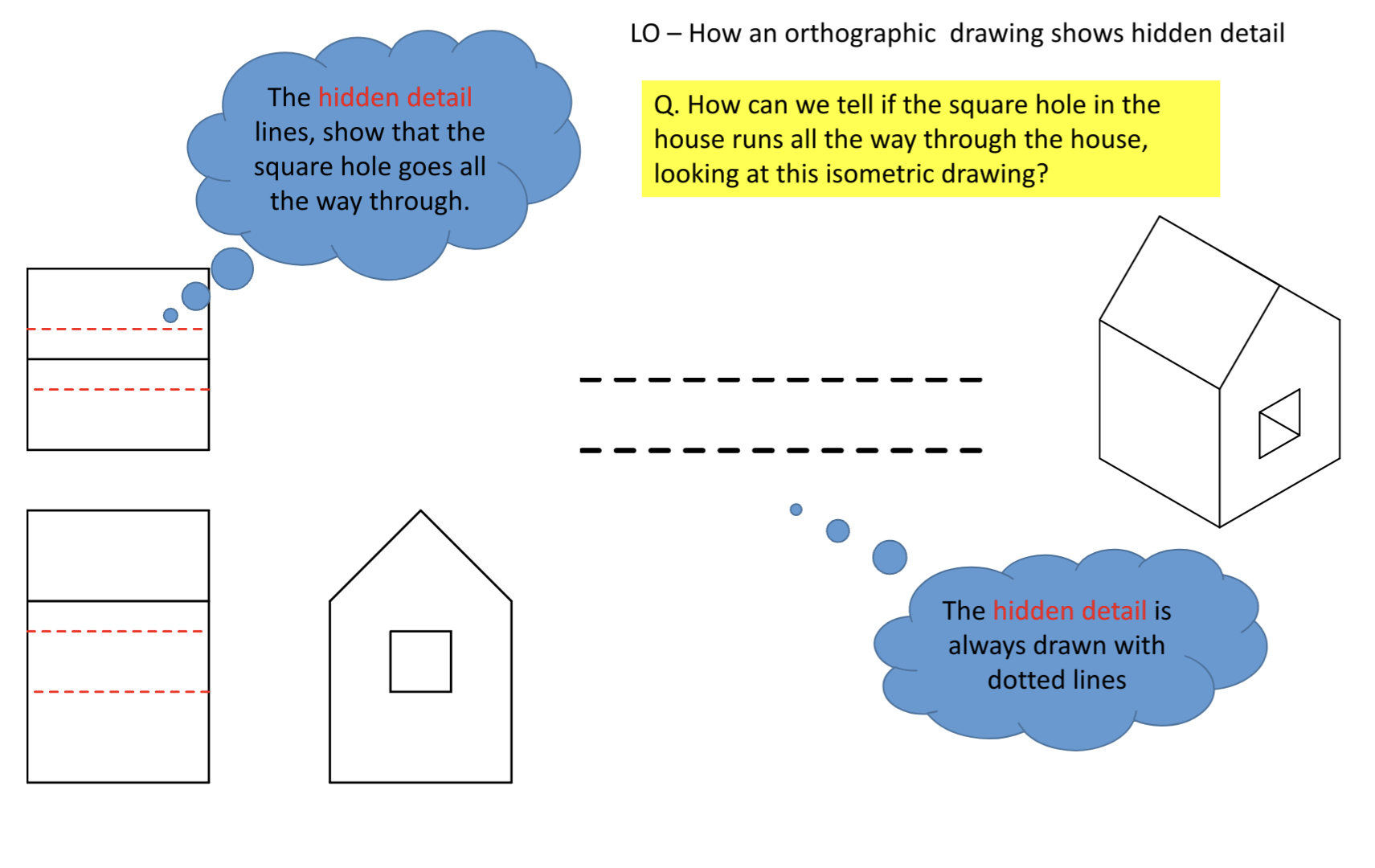
24
When do You Use Chain Lines for Orthographic Drawing?
Used for Centres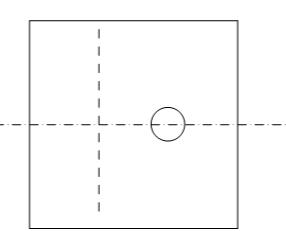
25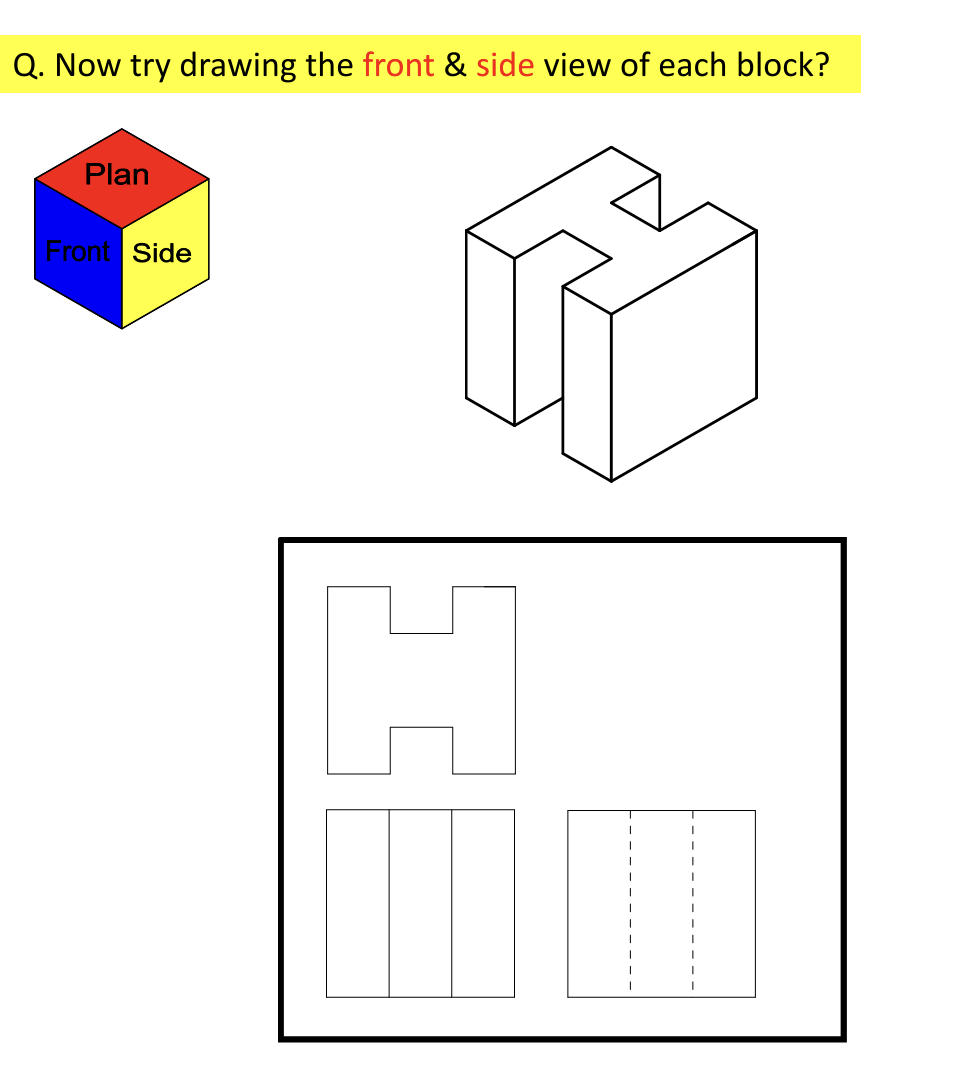
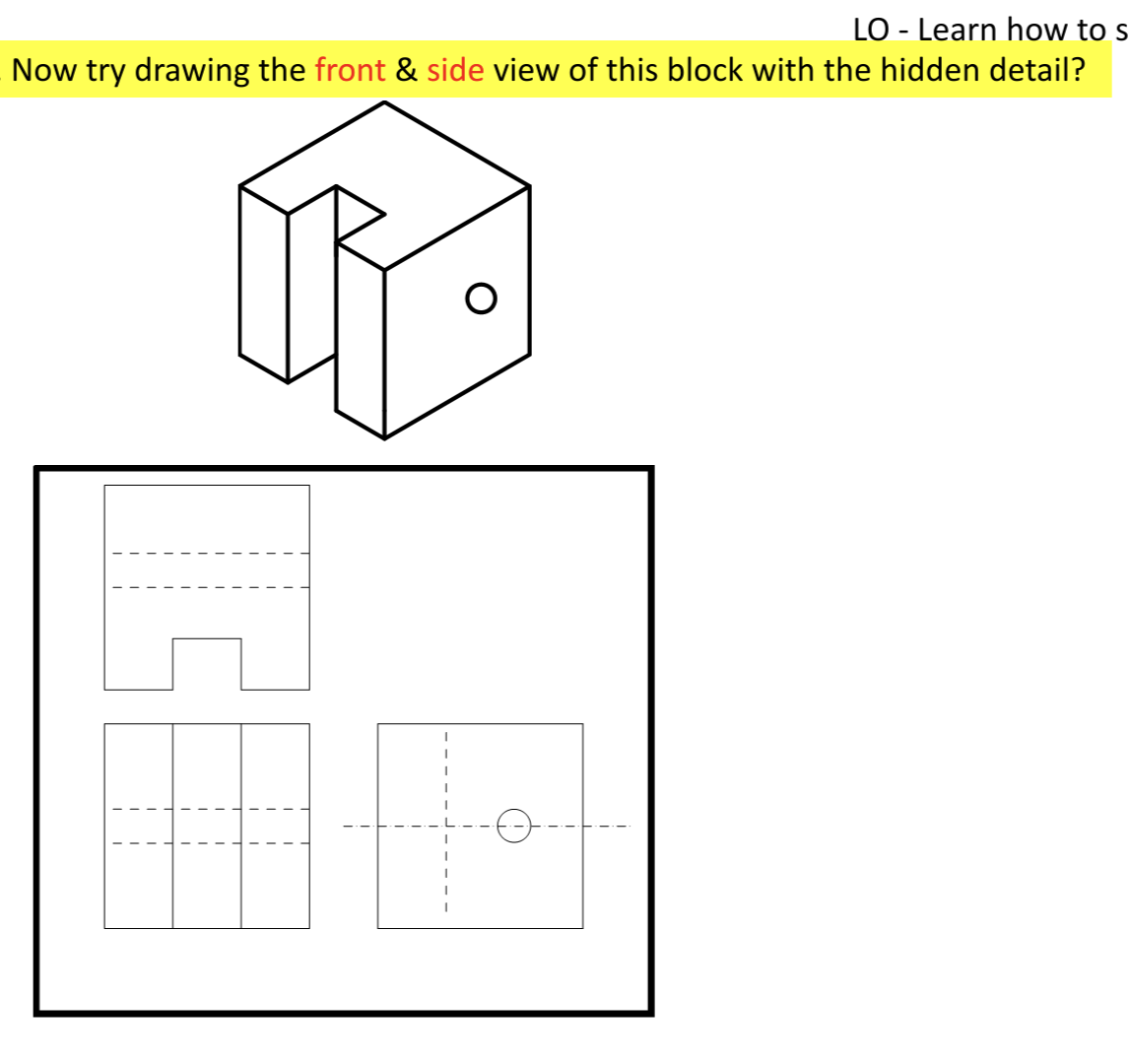
Draw this as an Orthographic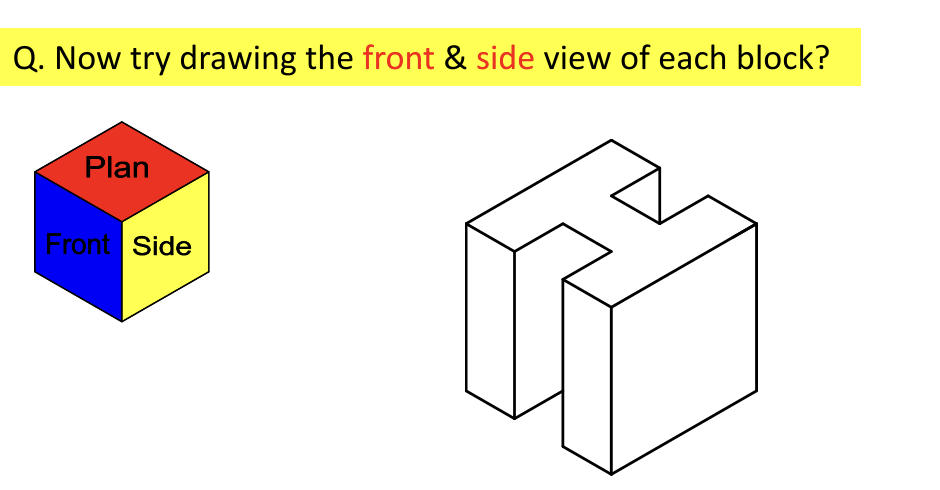
26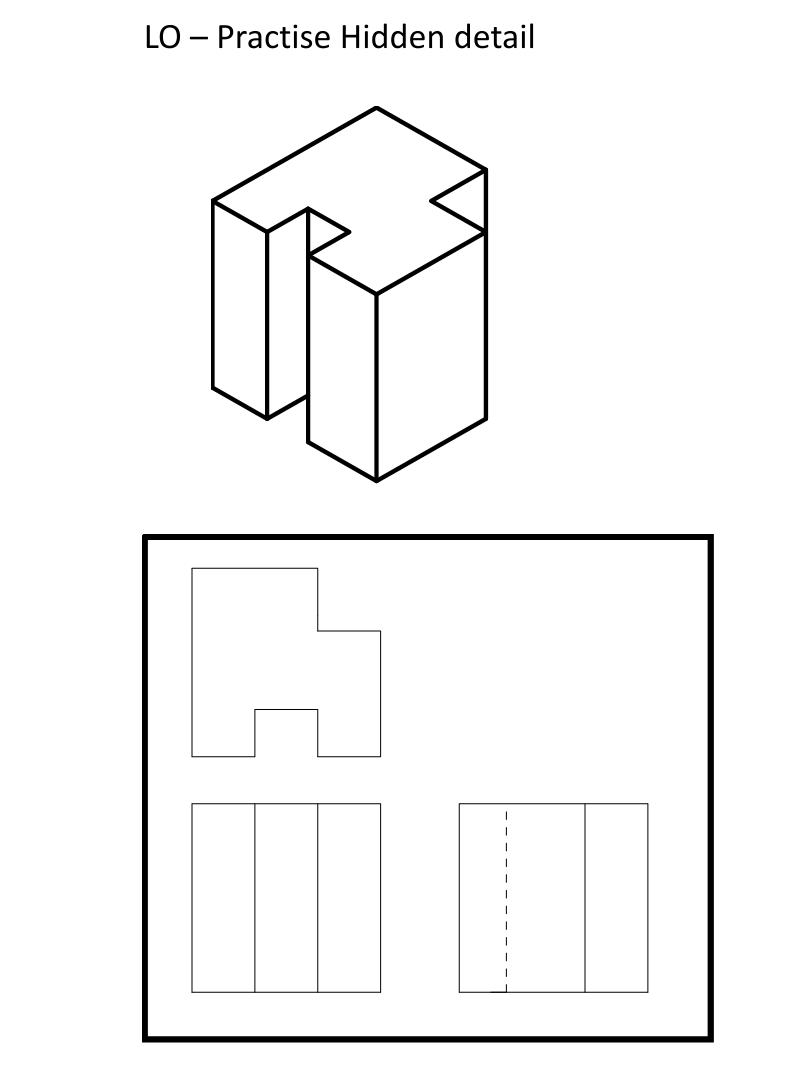
Draw this as an Orthographic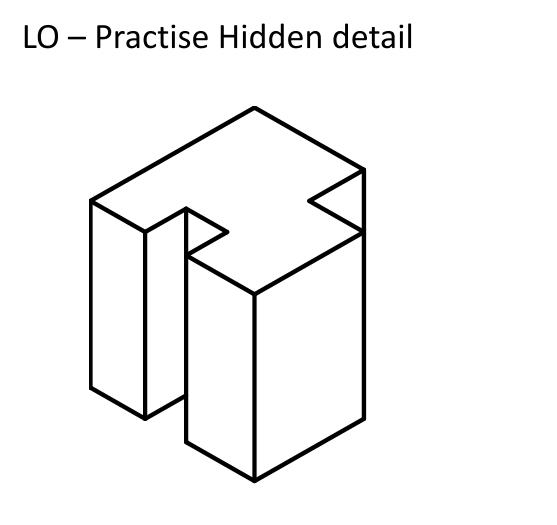
27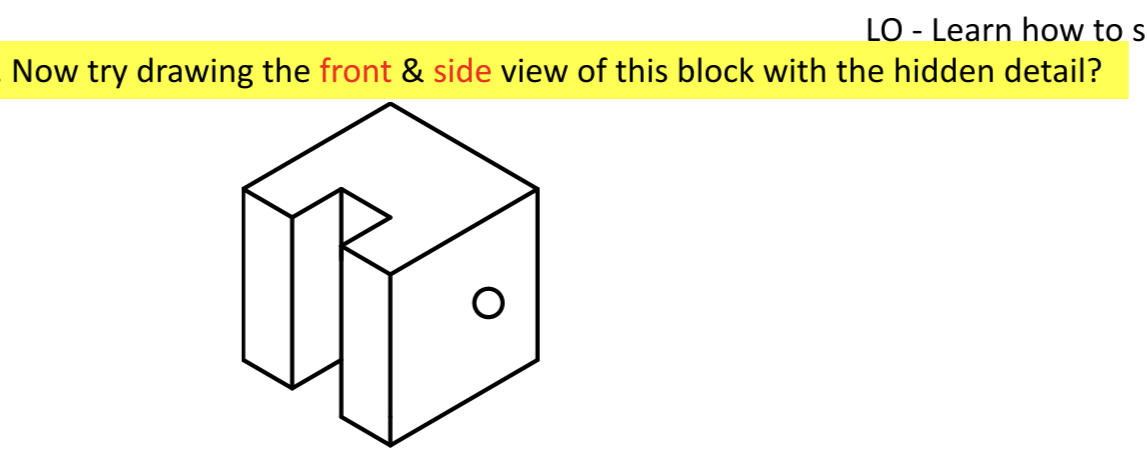
28
Define Tessellation
Method of Maximising Use of Material & Minimizing Wastage By Fitting Shapes Together So that there are No Overlaps Or Gaps.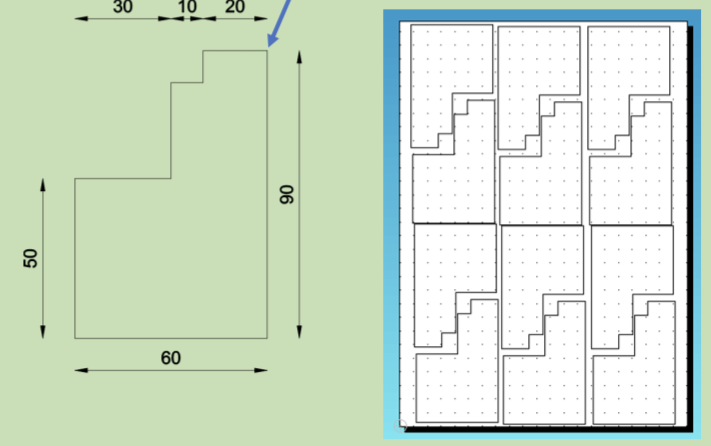
29
What are use Marking Tools?
Leave imprint in Material to Show Where to Cut, Drill or Join.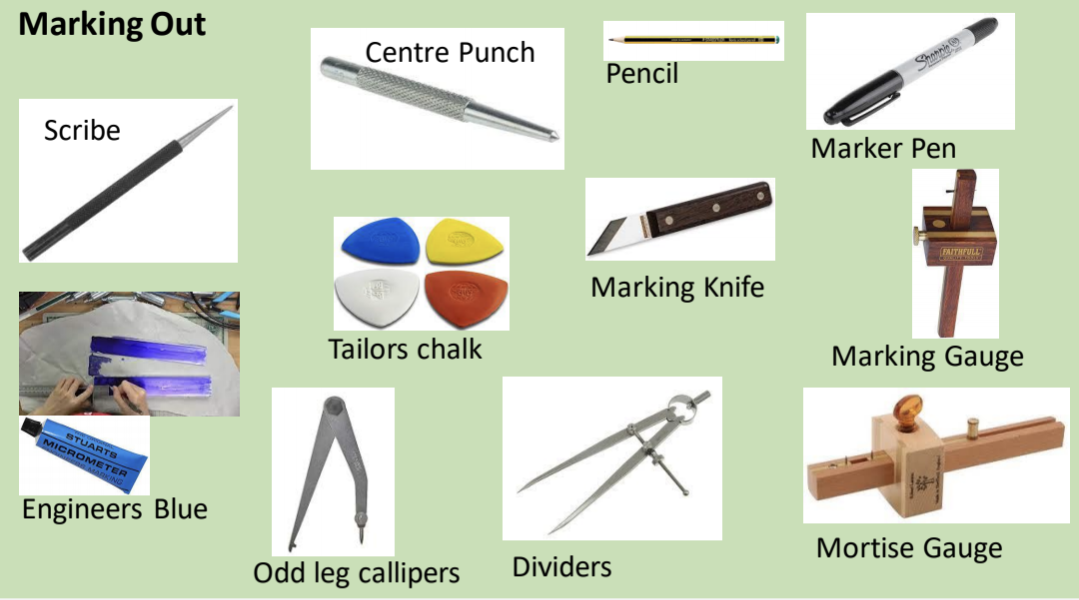
30
What are use Measuring Tools?
Have Dimensions that can be Read.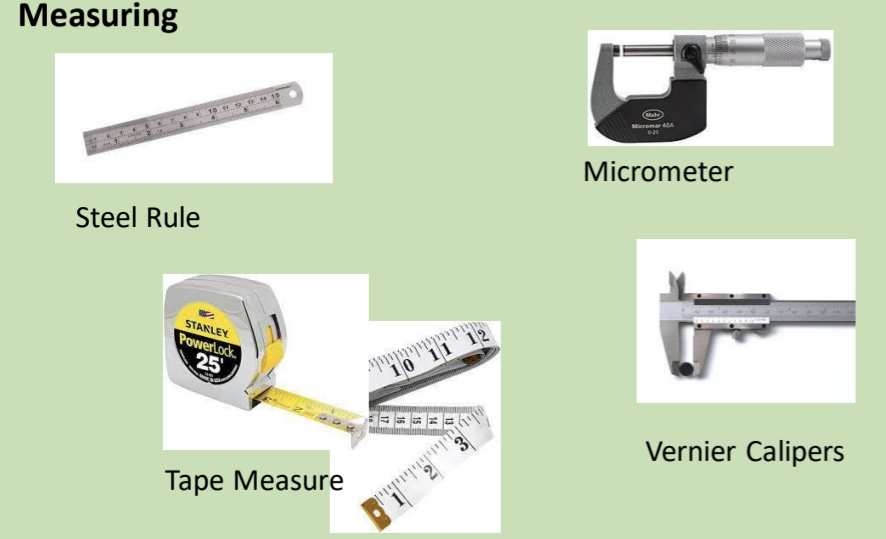
31
Define Guide Tools
Used for Marking & Measuring Tools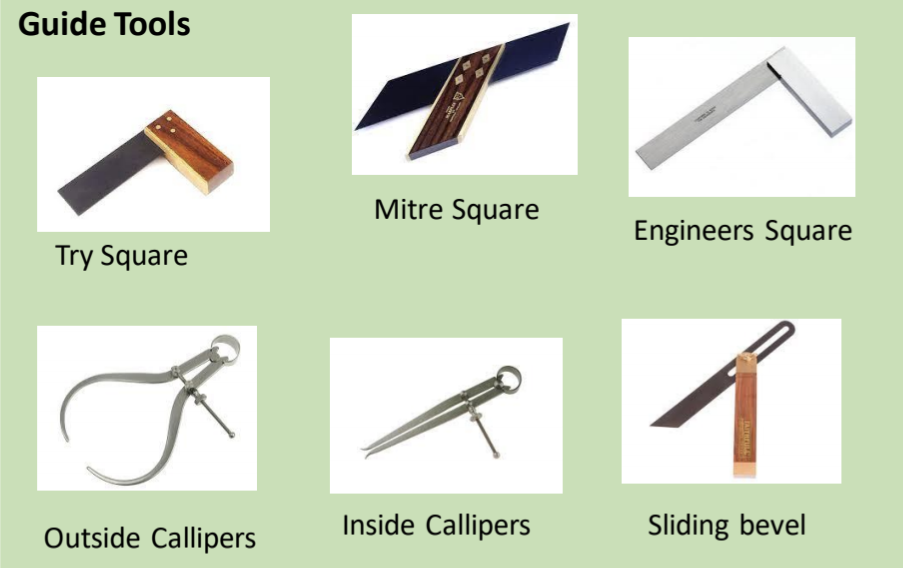
32
What are the Marking Tools?
• Scriber
• Pencil
• Marker Pens
• Centre Punch
• Engineer's Blue
• Tailors Chalk
• Marking Knife
• Marking Gauge
• Mortise Gauge
• Compass
• Dividers
• Odd Leg Callipers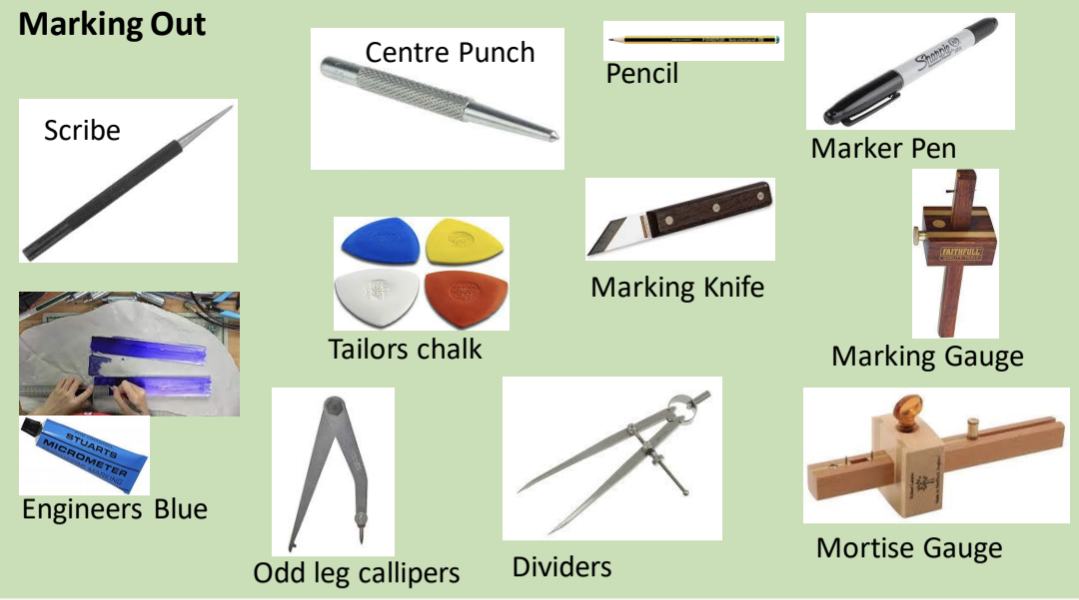
• Pencil
• Marker Pens
• Centre Punch
• Engineer's Blue
• Tailors Chalk
• Marking Knife
• Marking Gauge
• Mortise Gauge
• Compass
• Dividers
• Odd Leg Callipers
33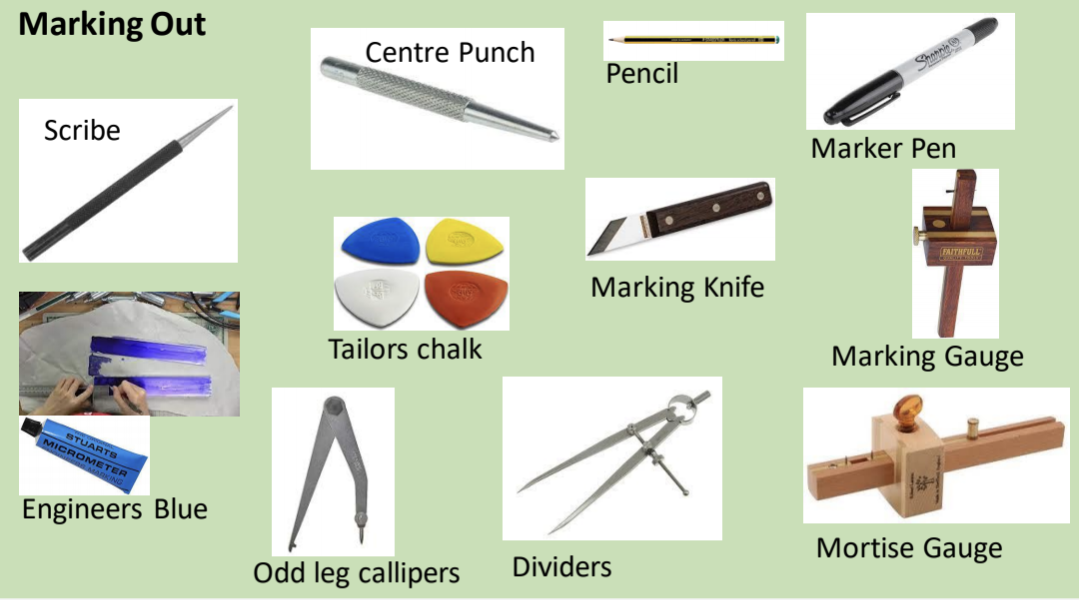
Name these Tools? 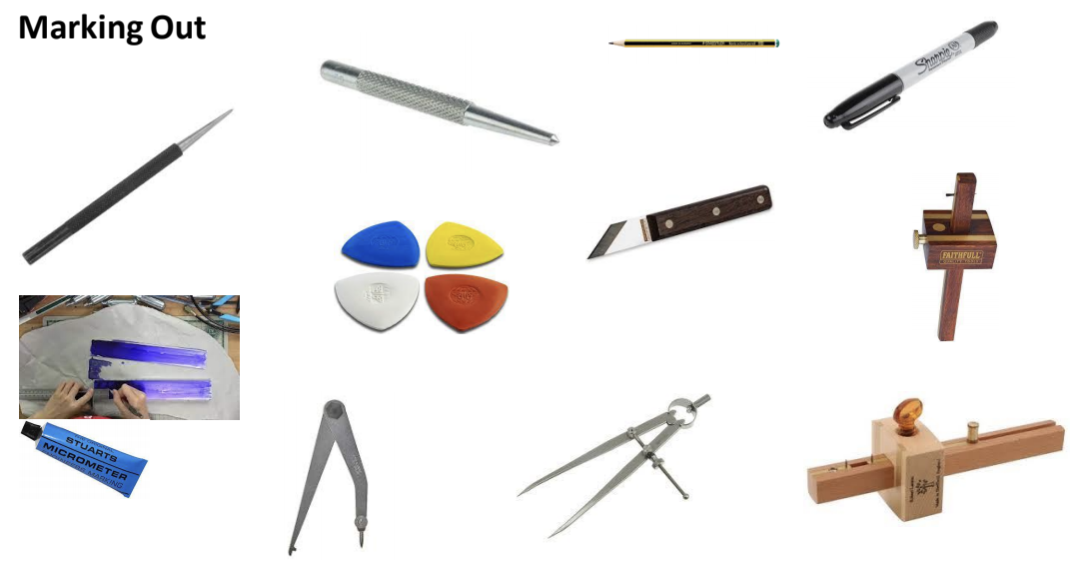
34
What is a Sribe Used for?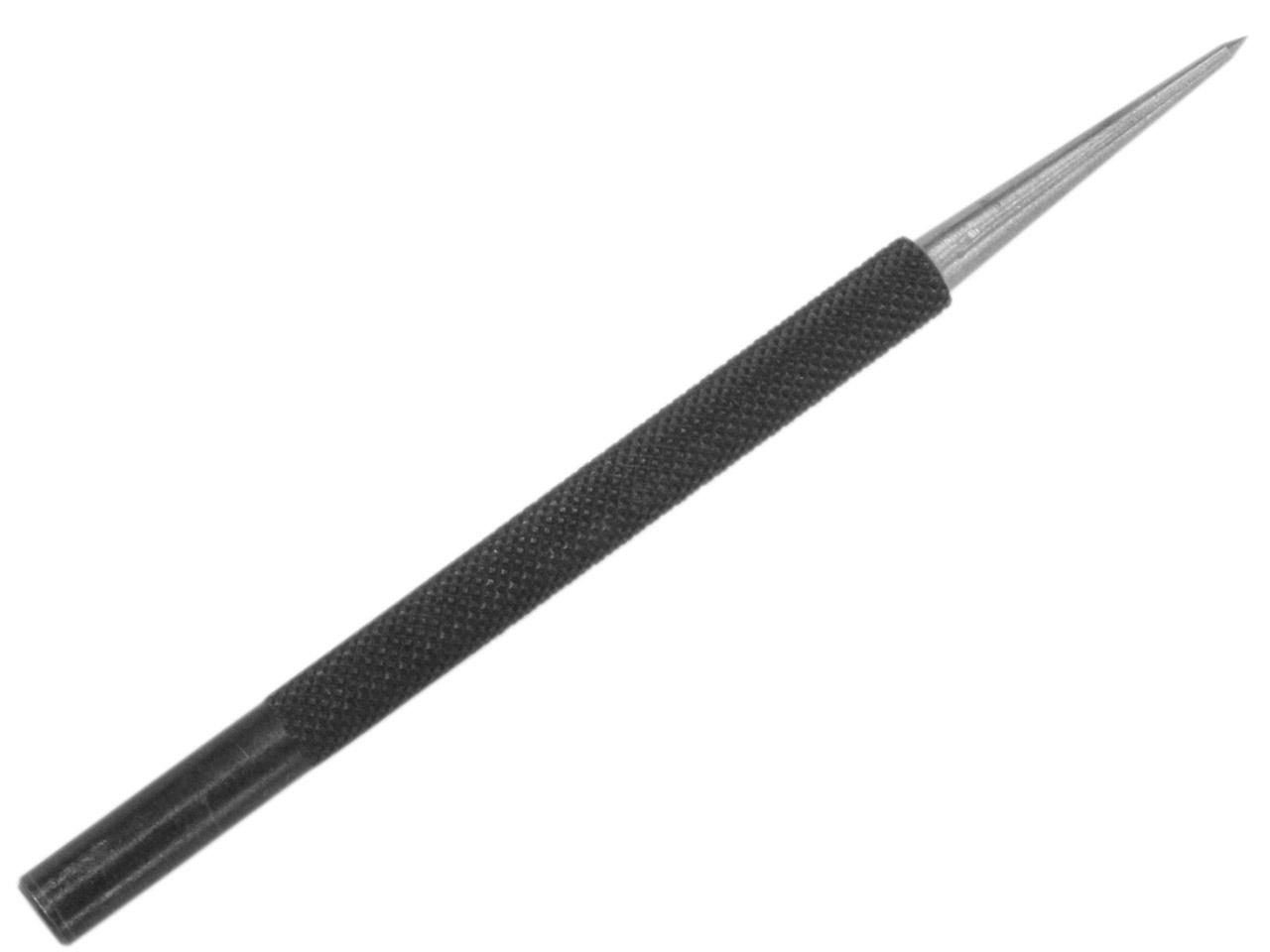
Scratches Lines into Metal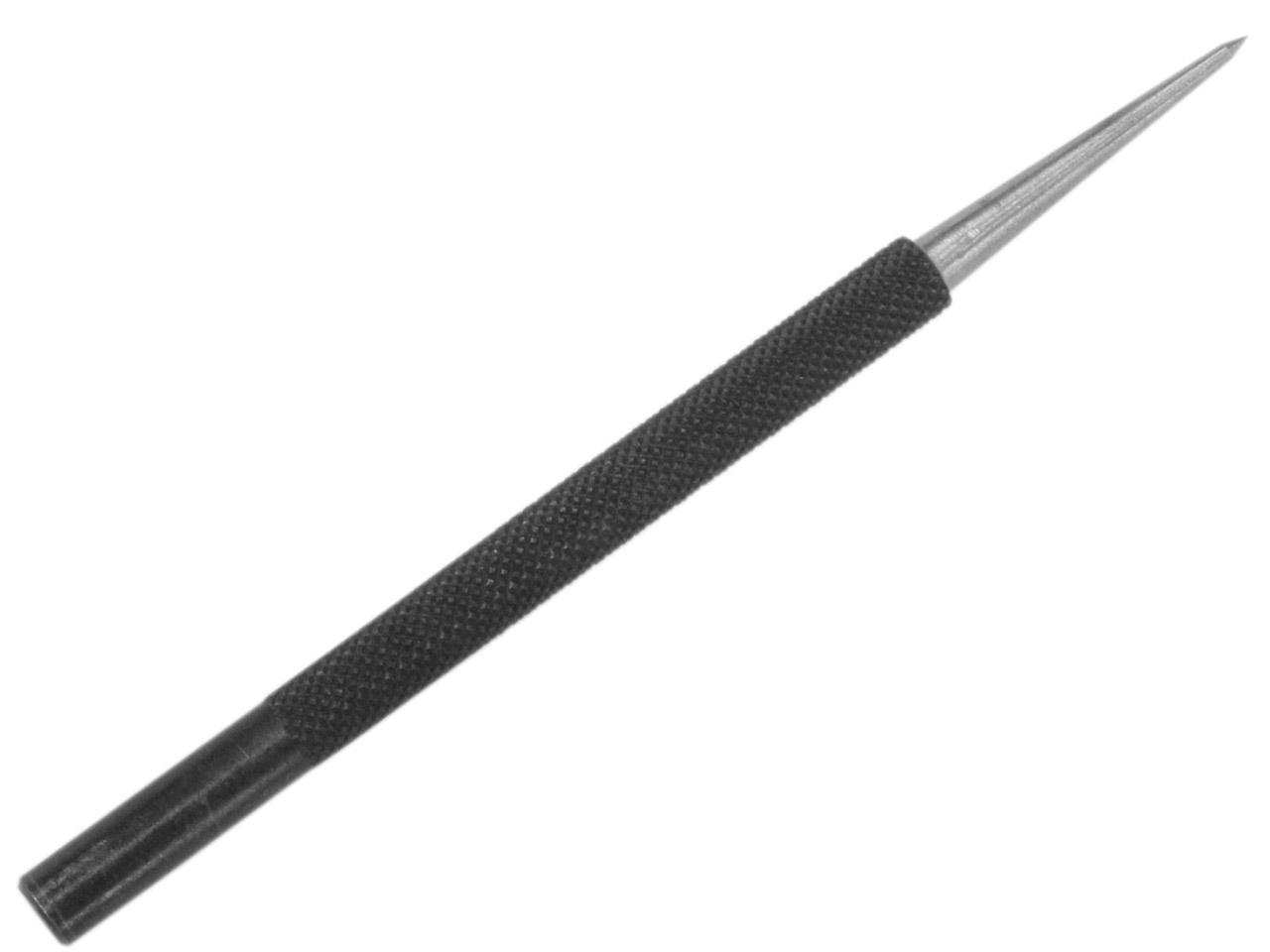
35
What is a Pencil Used for?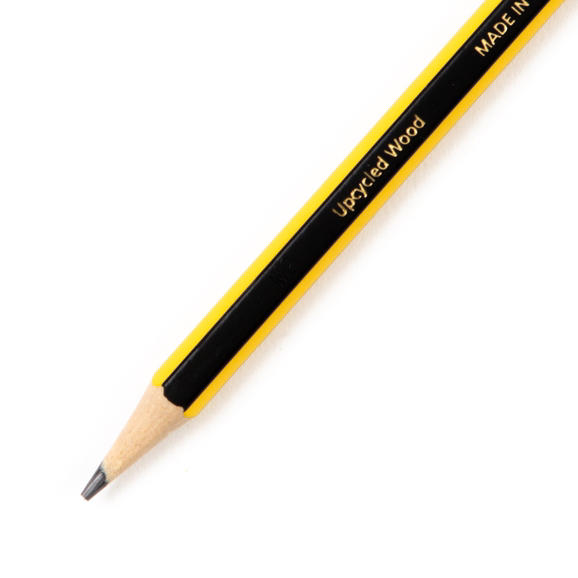
Easily Erased Used on Most Materials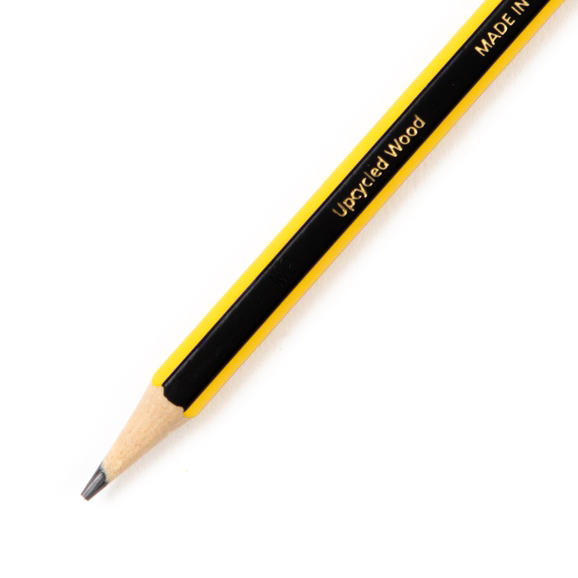
36
What is a Marker Pen Used for & on what material?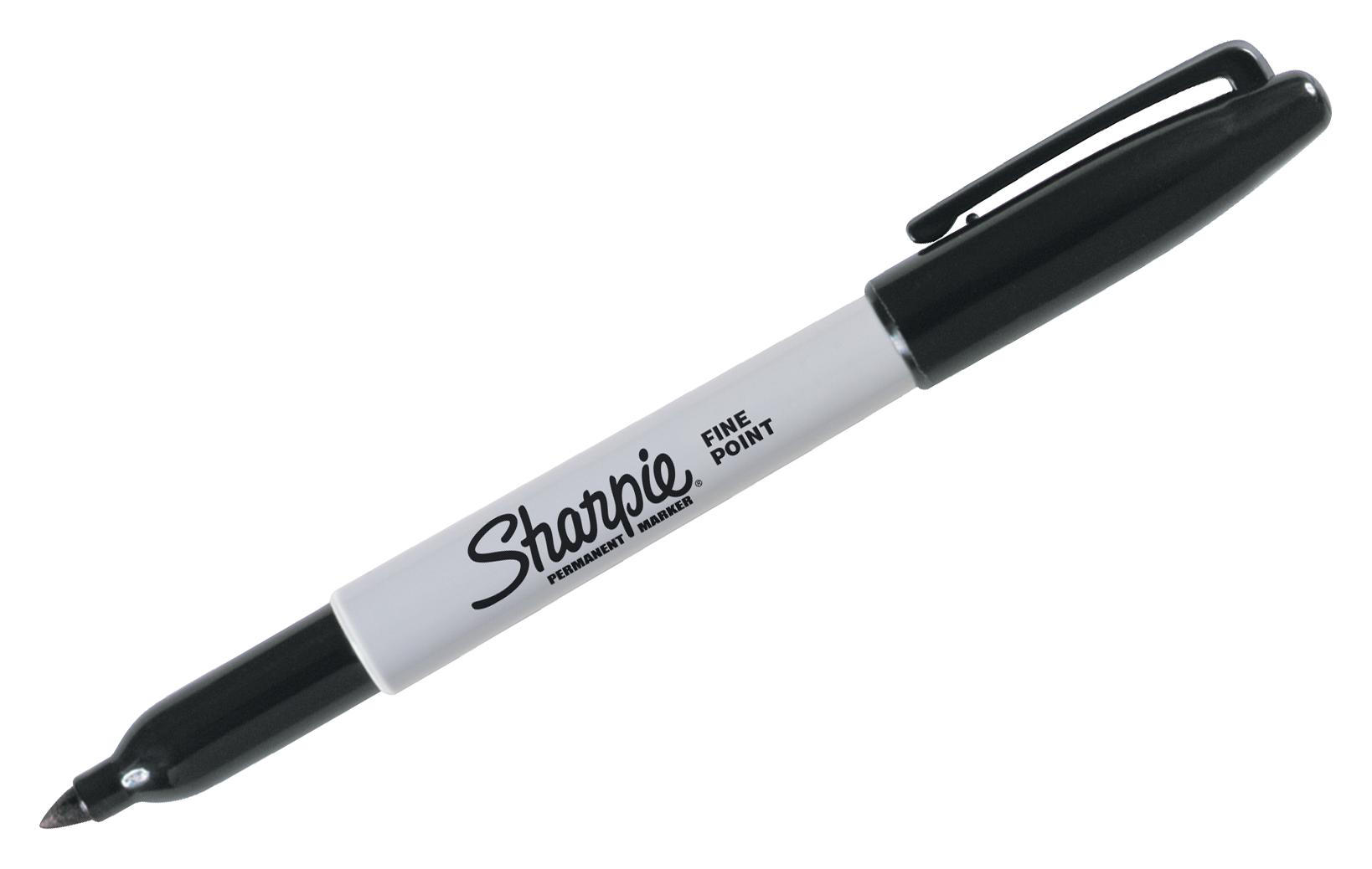
Permanent or Non on Paper, Board or Fabric.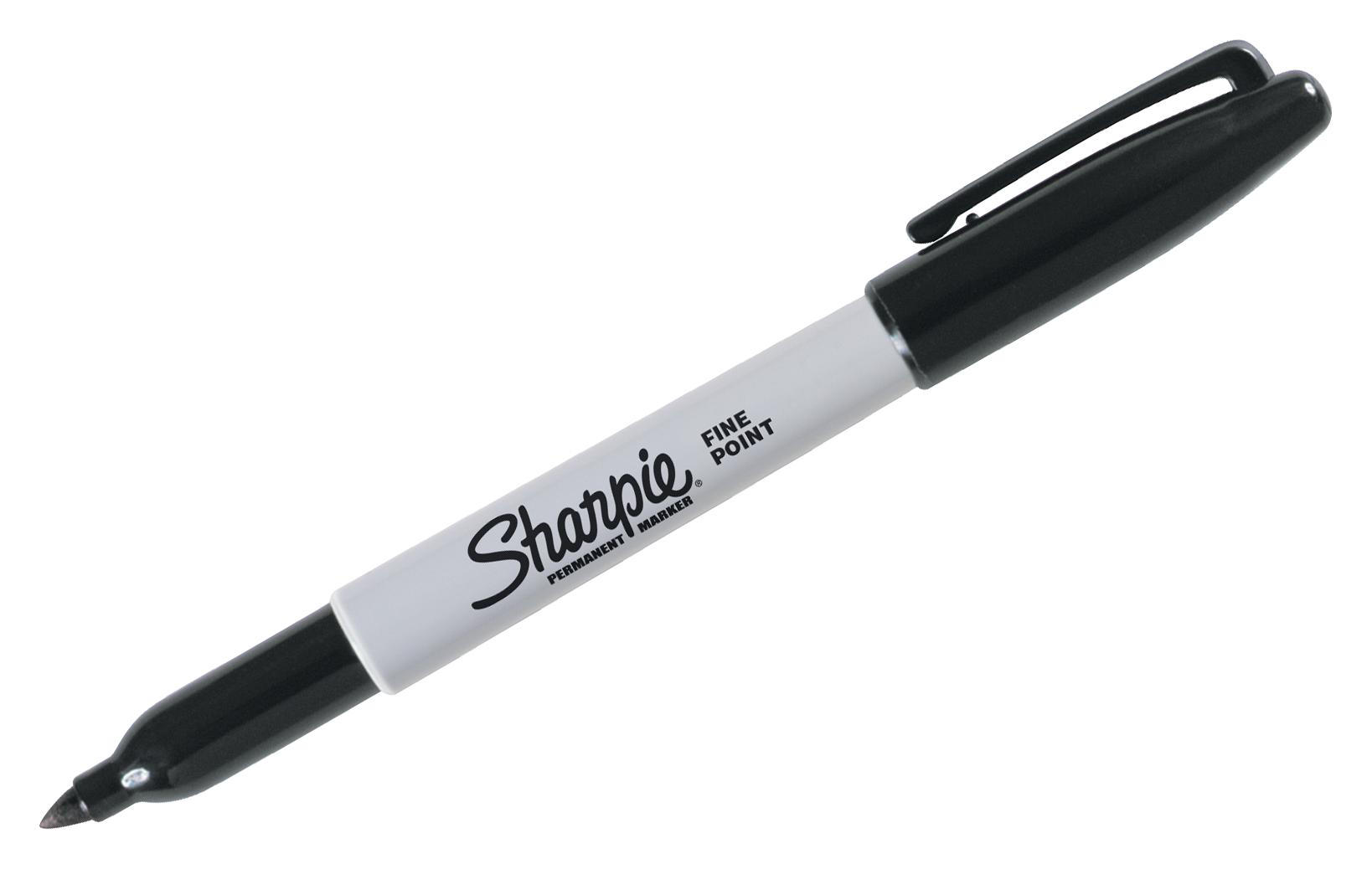
37
What is a Centre Punch Used for?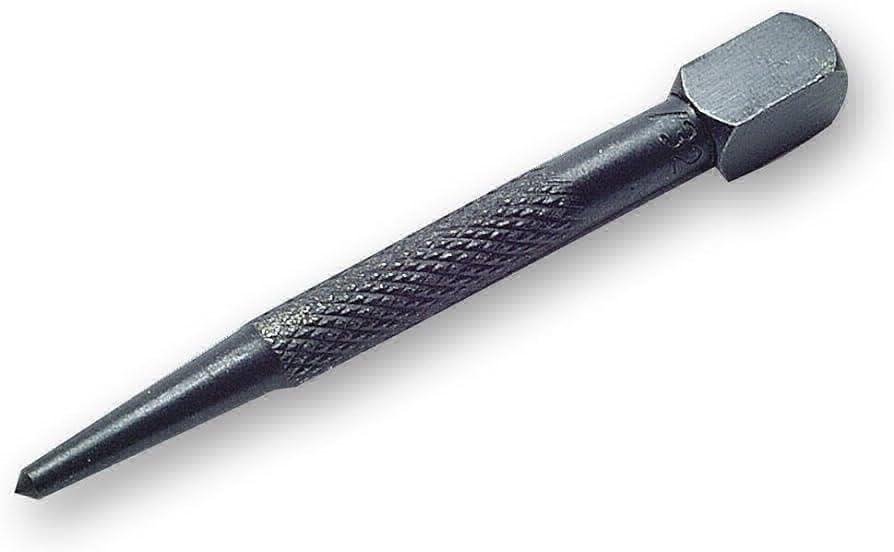
Marks Centres for Holes to be Drilled into Metal.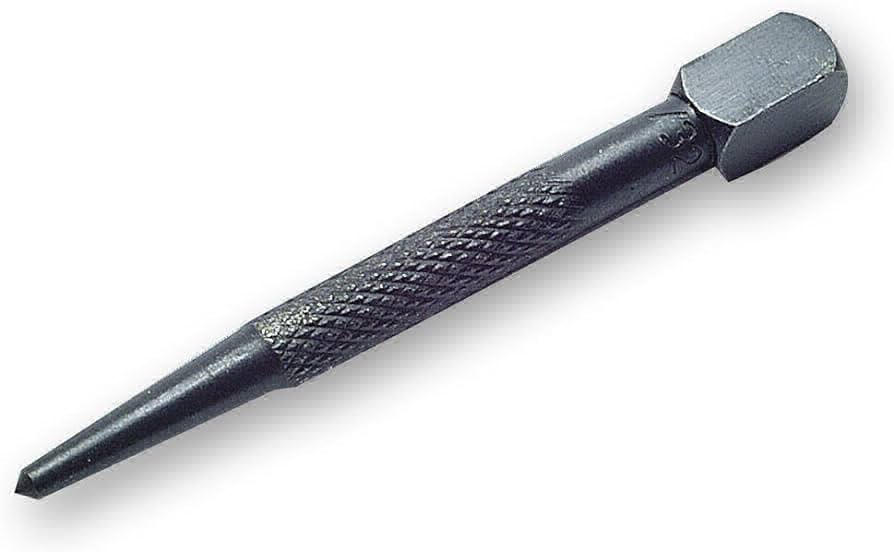
38
What is Engineer's Blue Used for?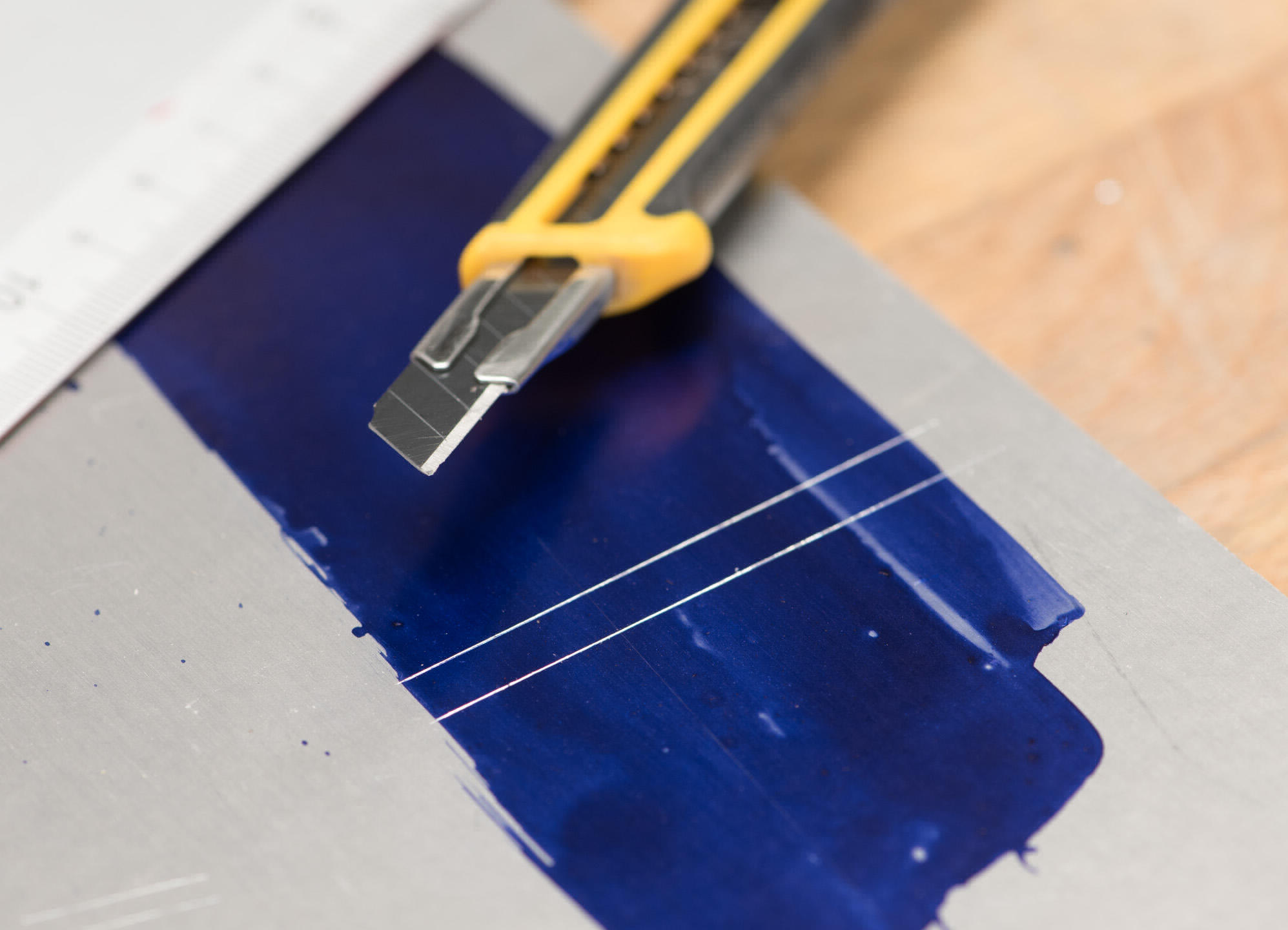
Easier to See Marks on Metal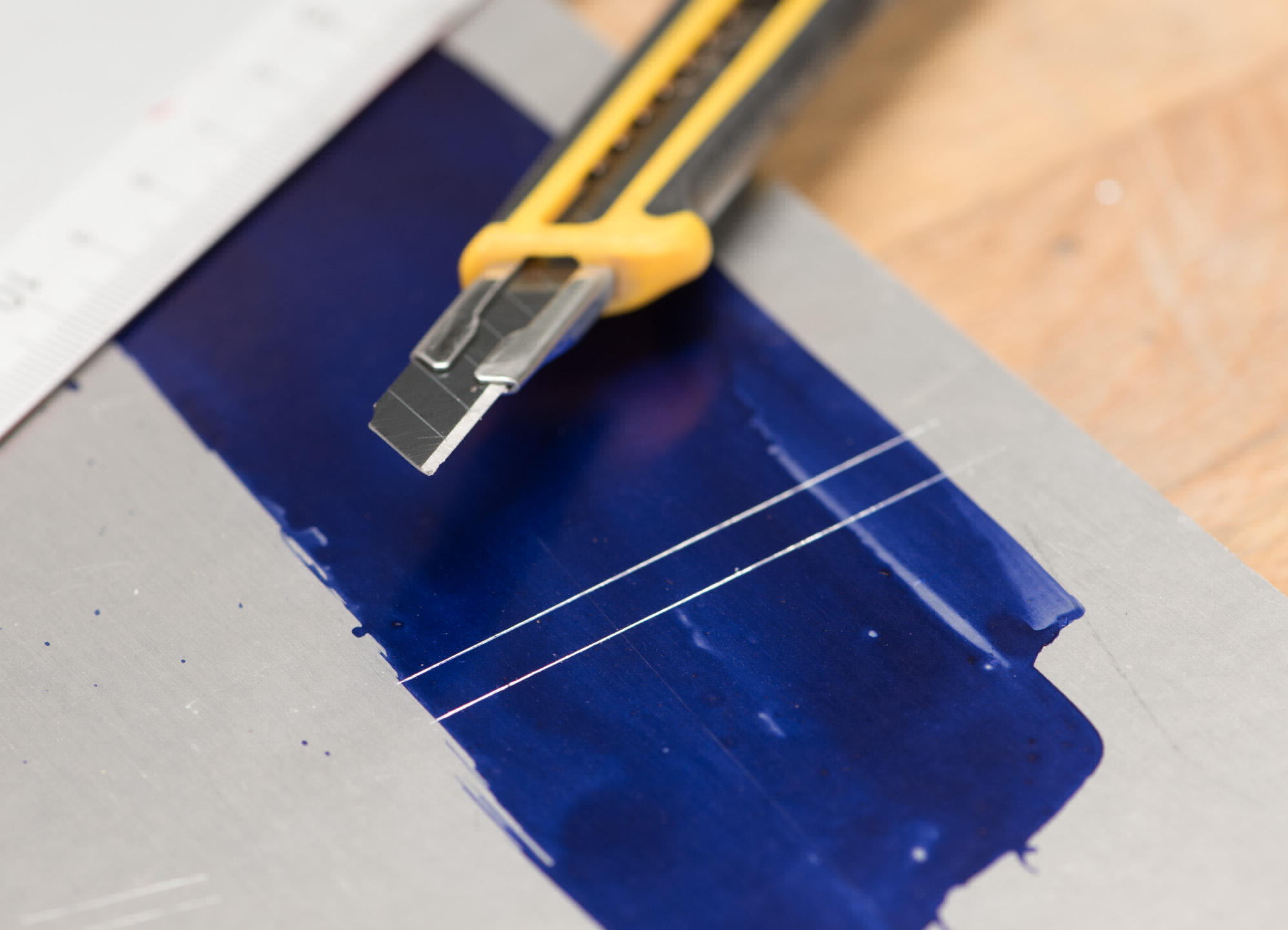
39
What is a Odd Leg Calliper Used for?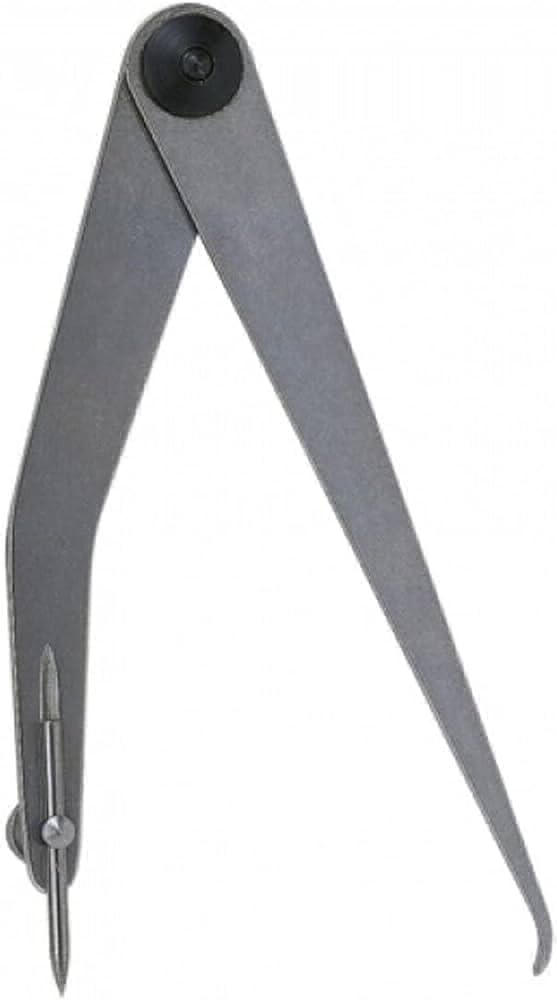
Mark Lines Parallel to Edge of Material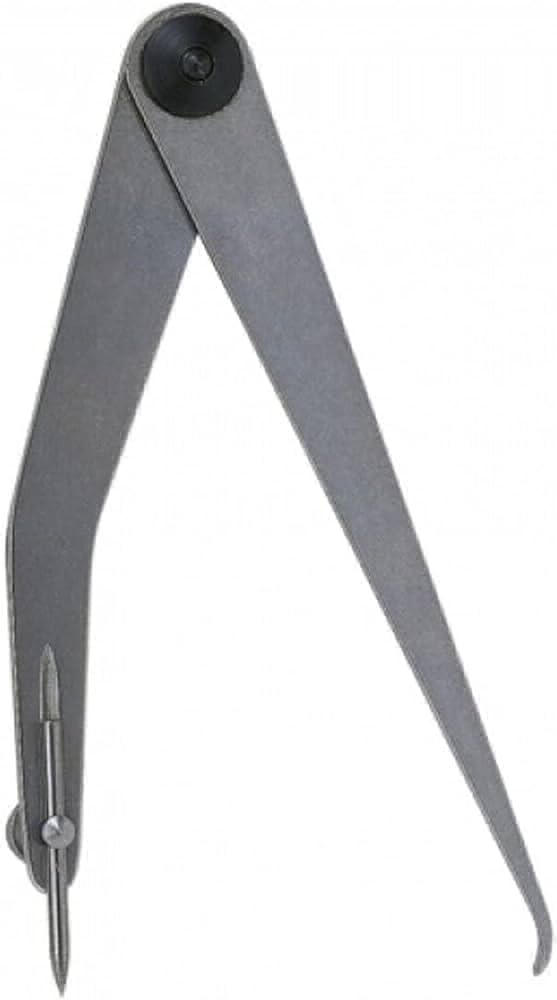
40
What is a Comapss Used for & on what Materials?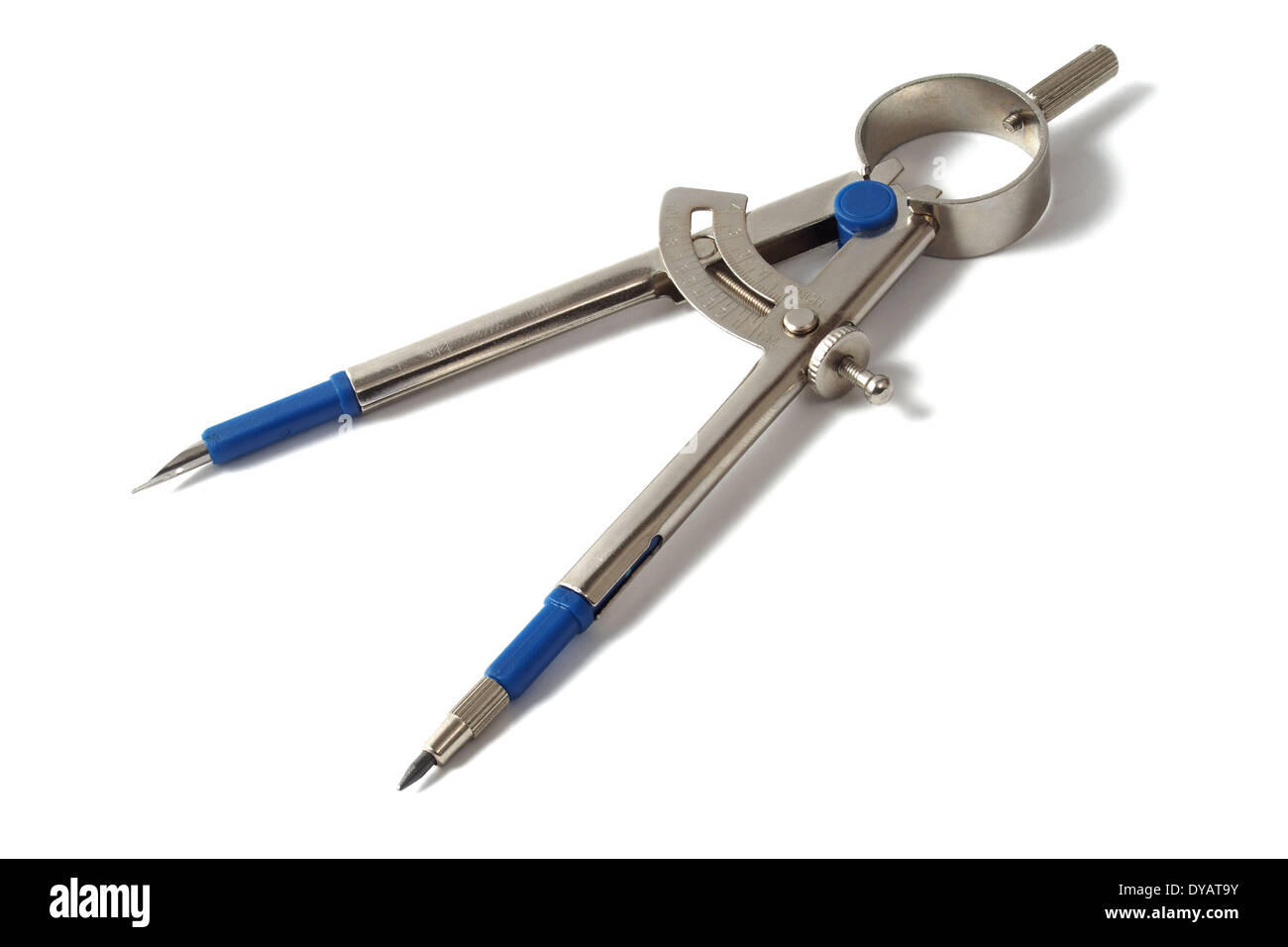
Marking Circles, or Curves on Timber, Paper & Boards.
41
What is are Dividers Used for?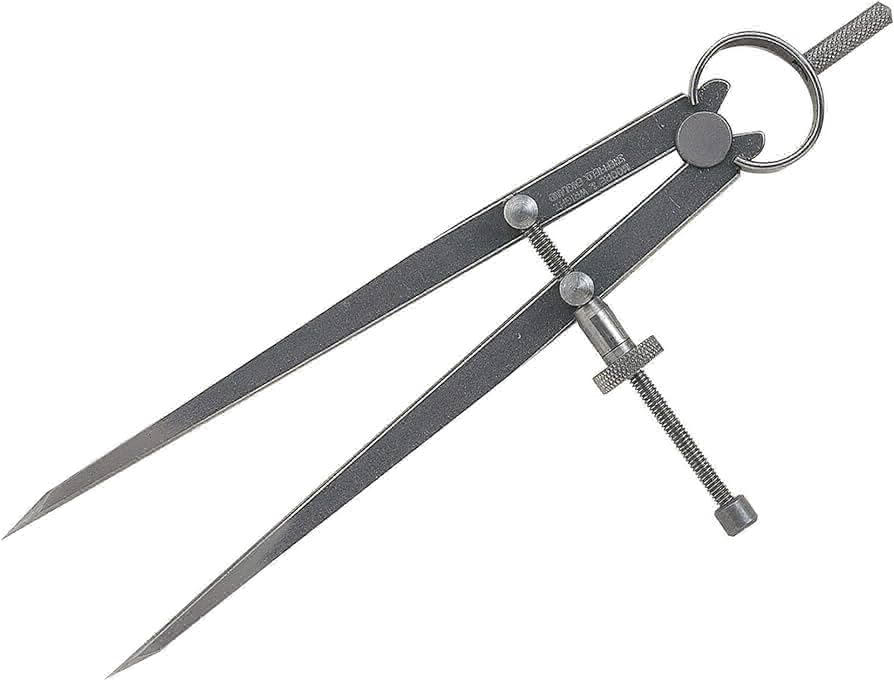
Mark Curves of Circles on Metal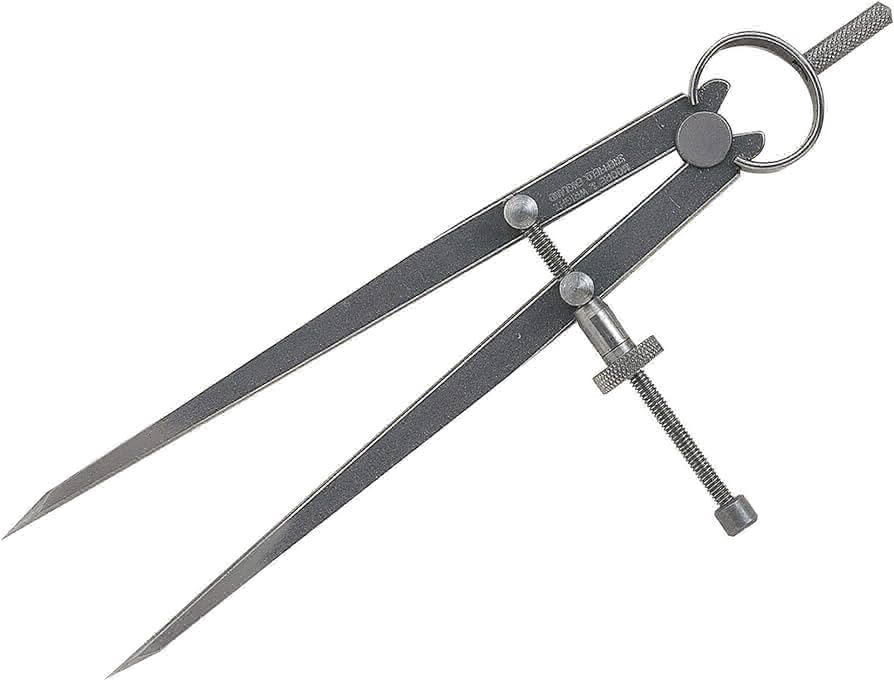
42
What is Tailors Chalk Used for?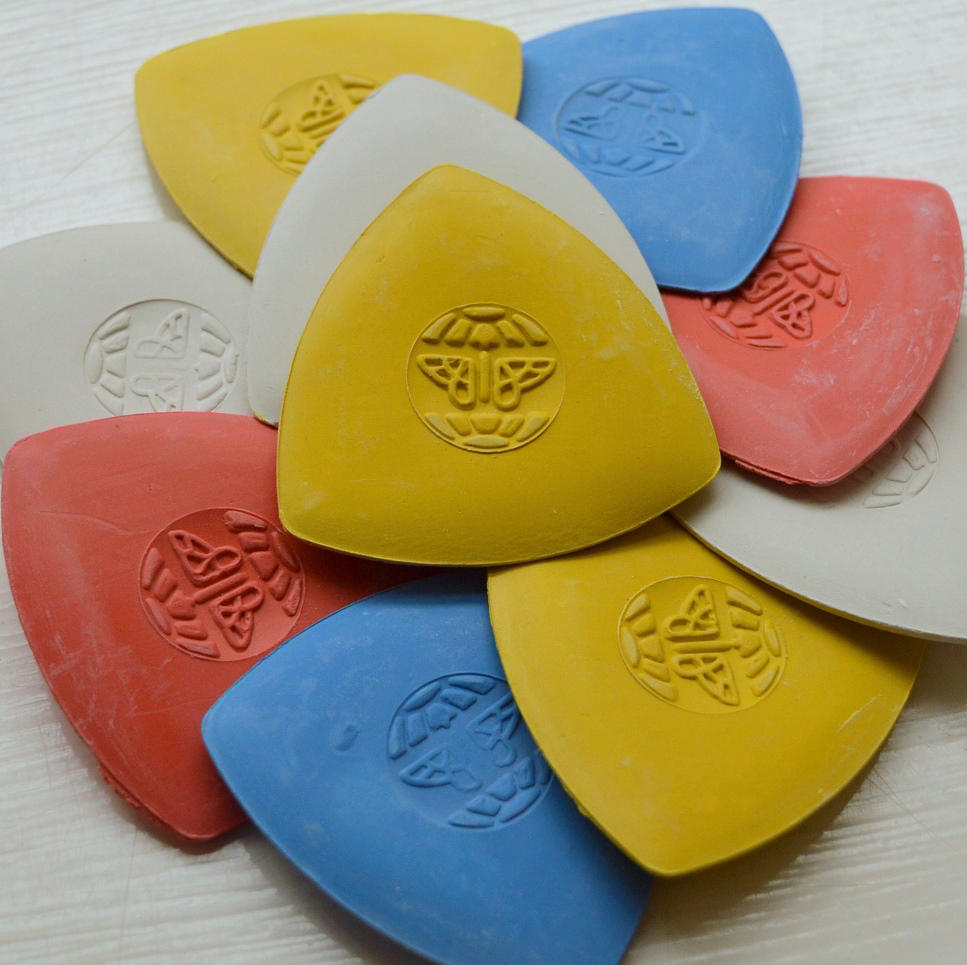
Marking on Fabric
43
What is a Marking Knife Used for?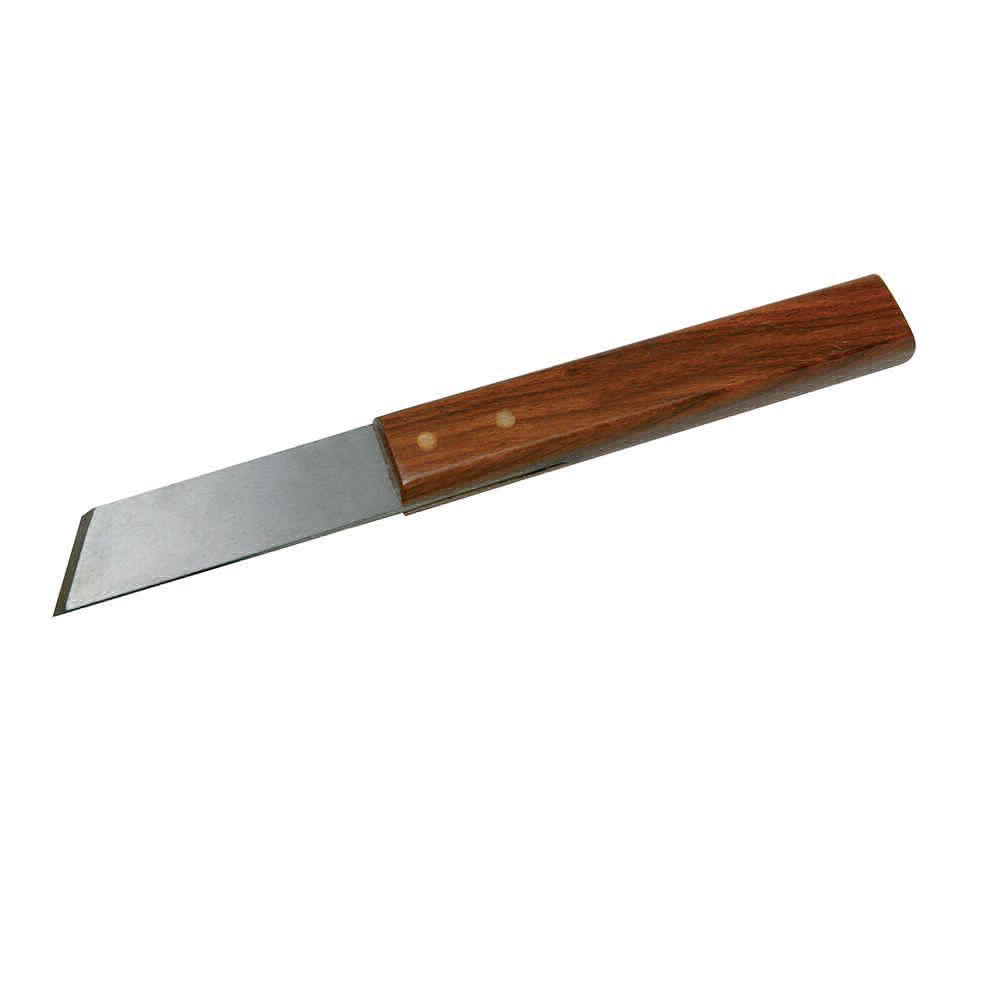
Marks Fine Accurate Lines on Timber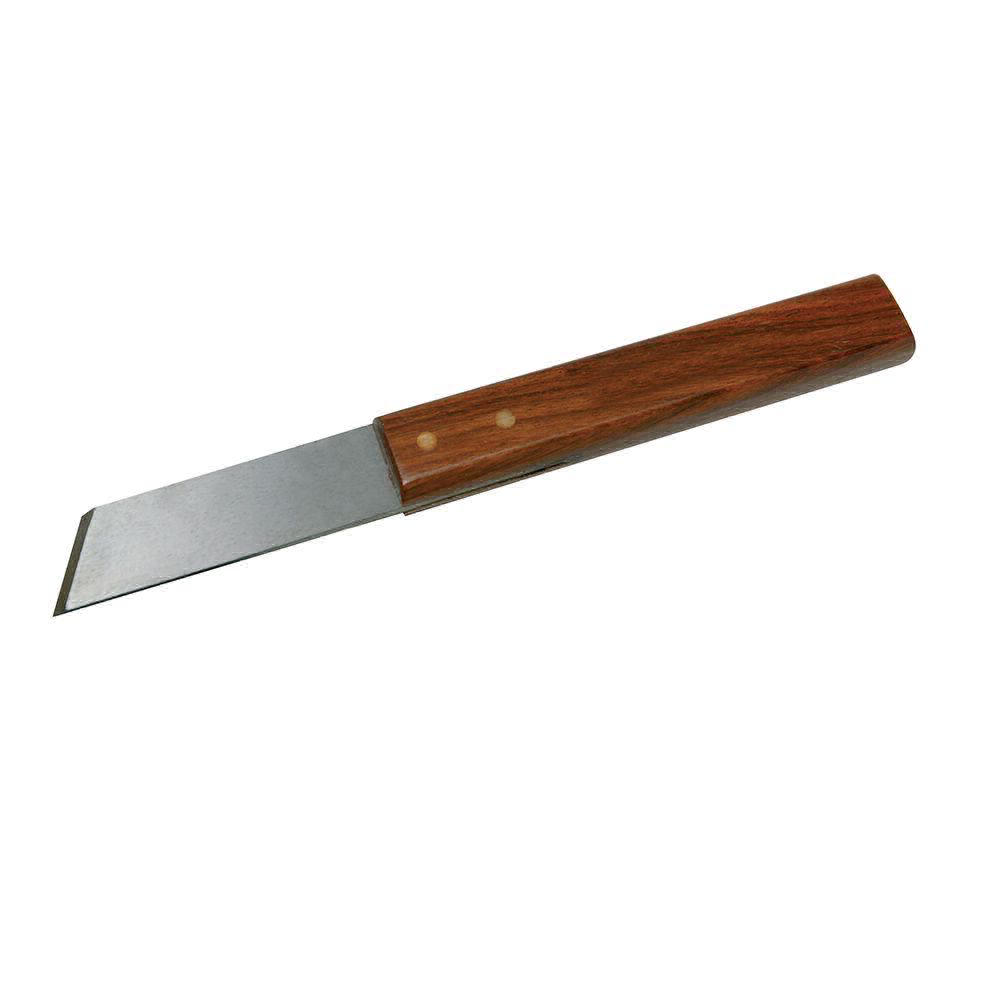
44
What is a Marking Gauge Used for?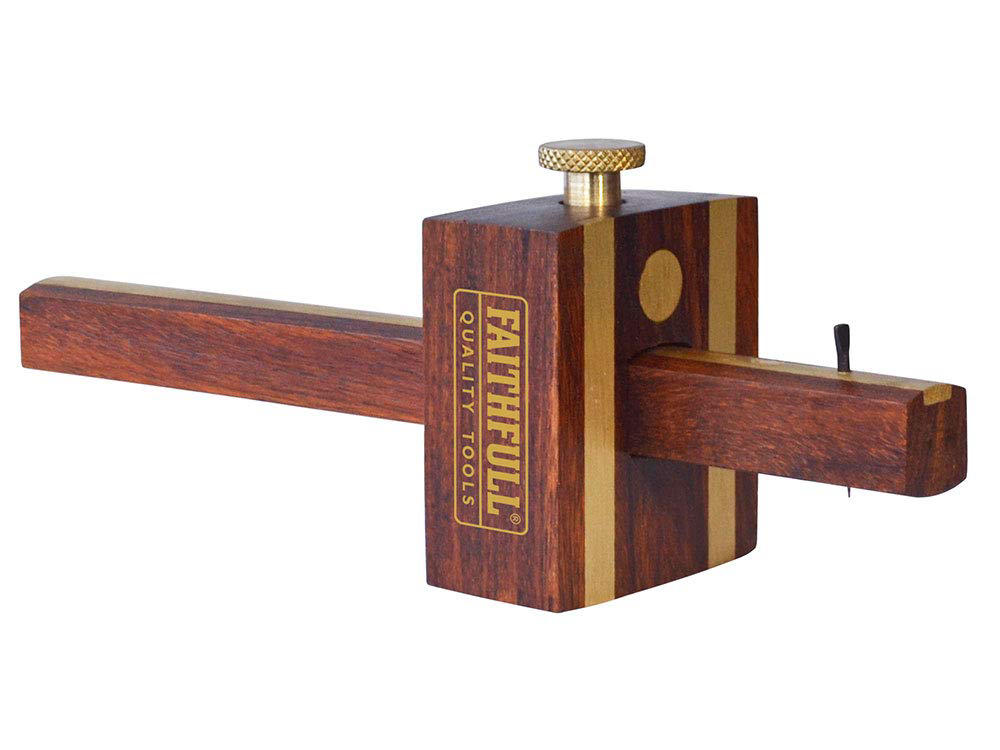
Marking Lines Parallel to Edge of Timber
45
What is a Mortise Gauge Used for?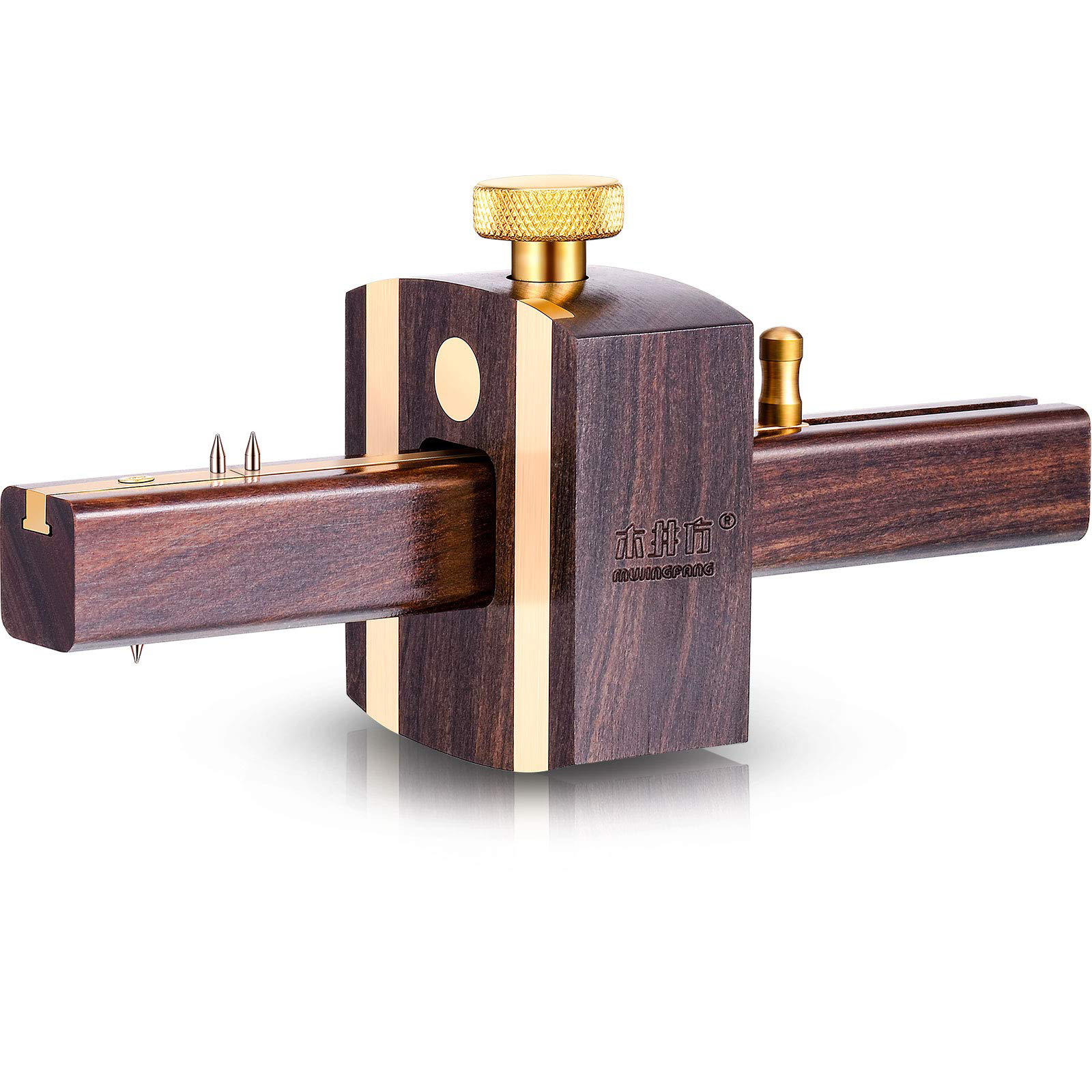
Marks Two Lines Parallel to Edge of of Timber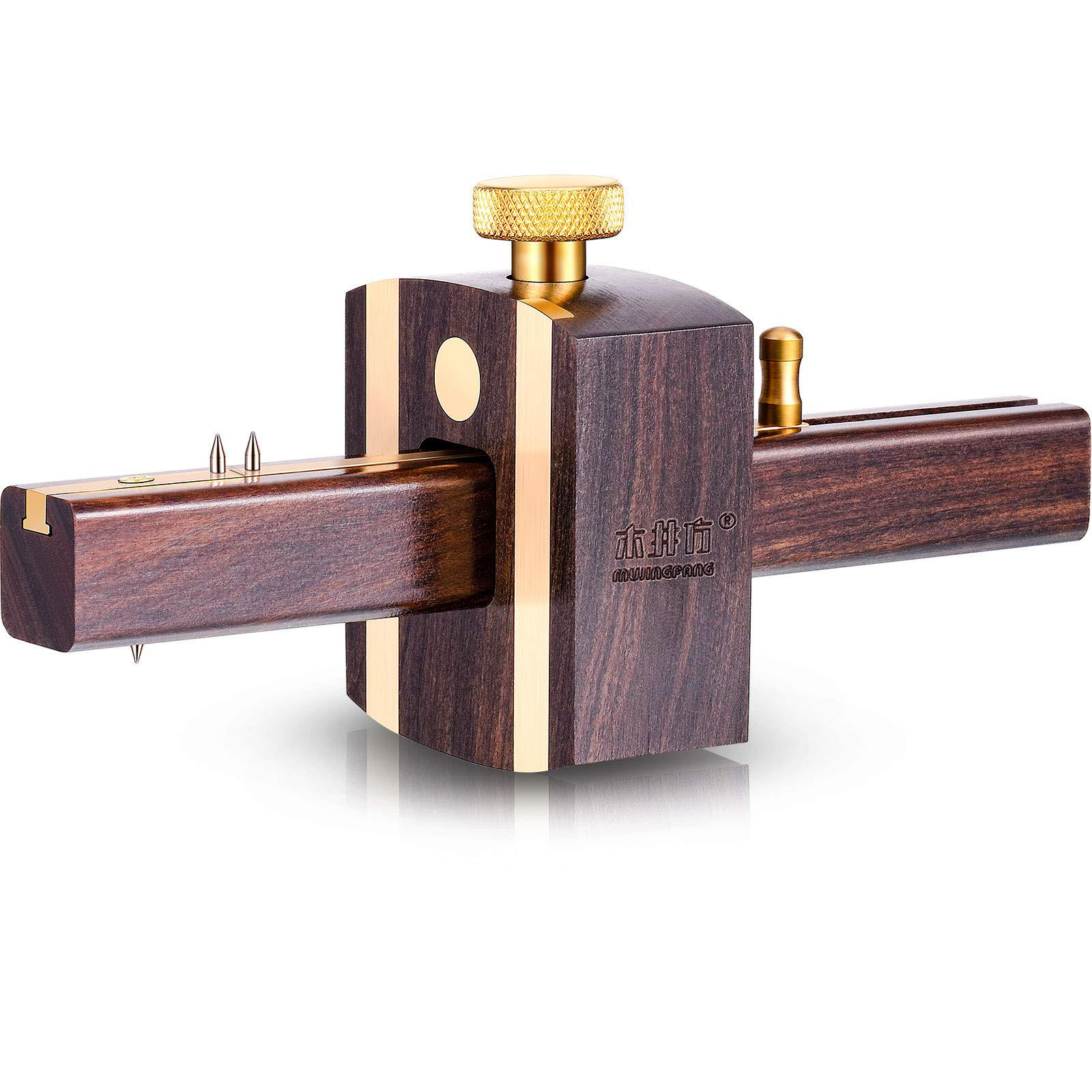
46
What are the Tools for Measuring?
• Steel Rule
• Tape Measuer
• Micrometer
• Vernier Calipers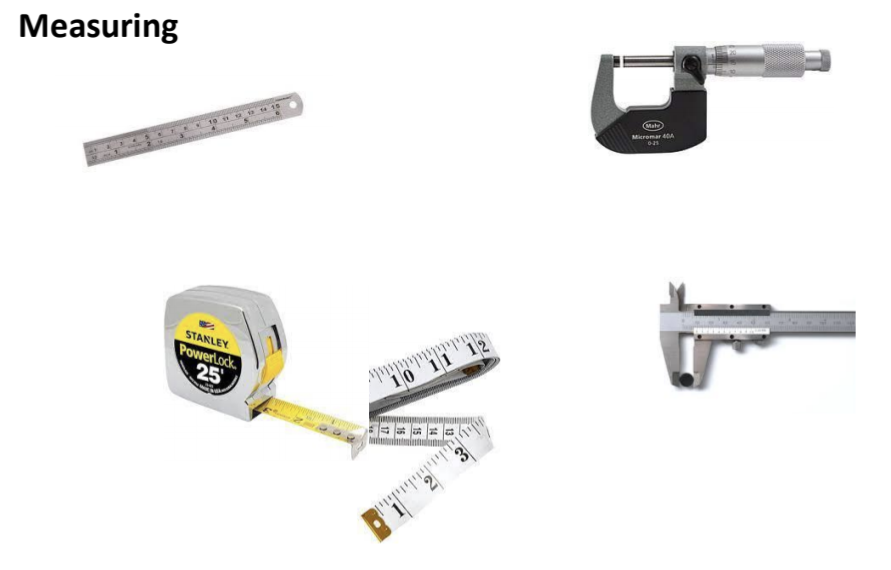
• Tape Measuer
• Micrometer
• Vernier Calipers
47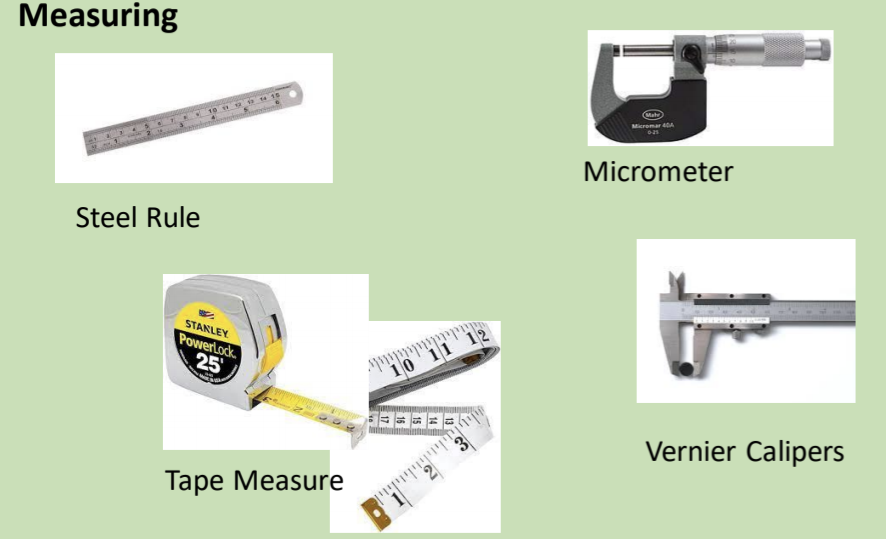
Name these Tools? 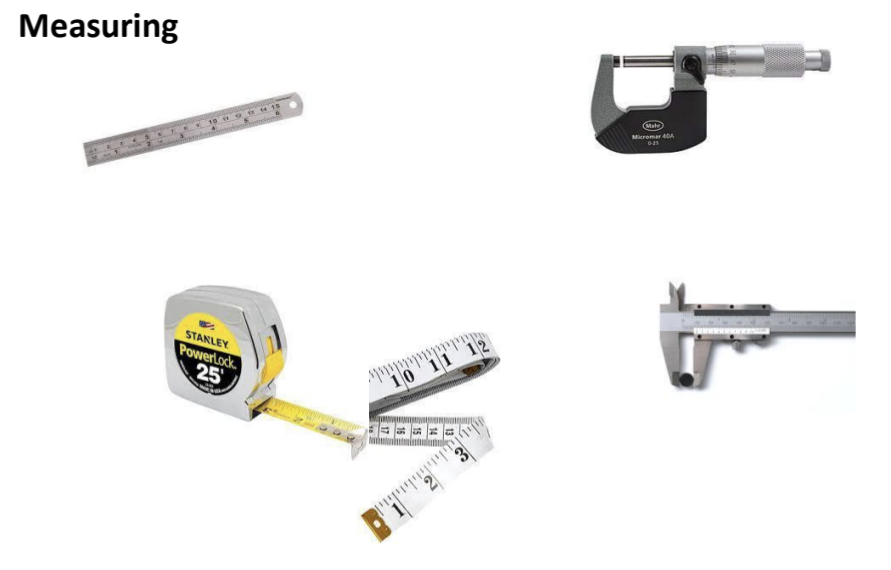
48
What is a Steel Rule Used for?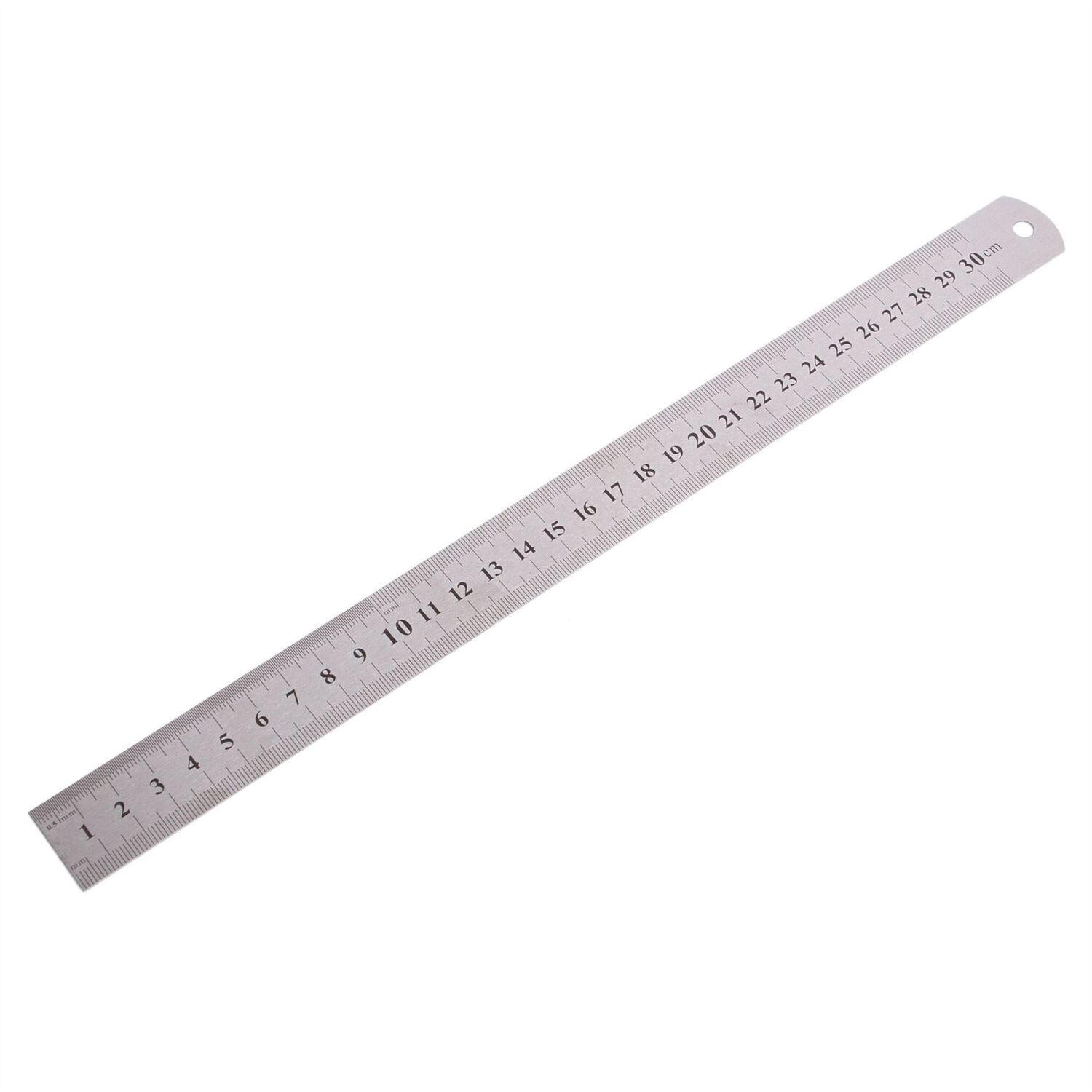
Drawing Straight Lines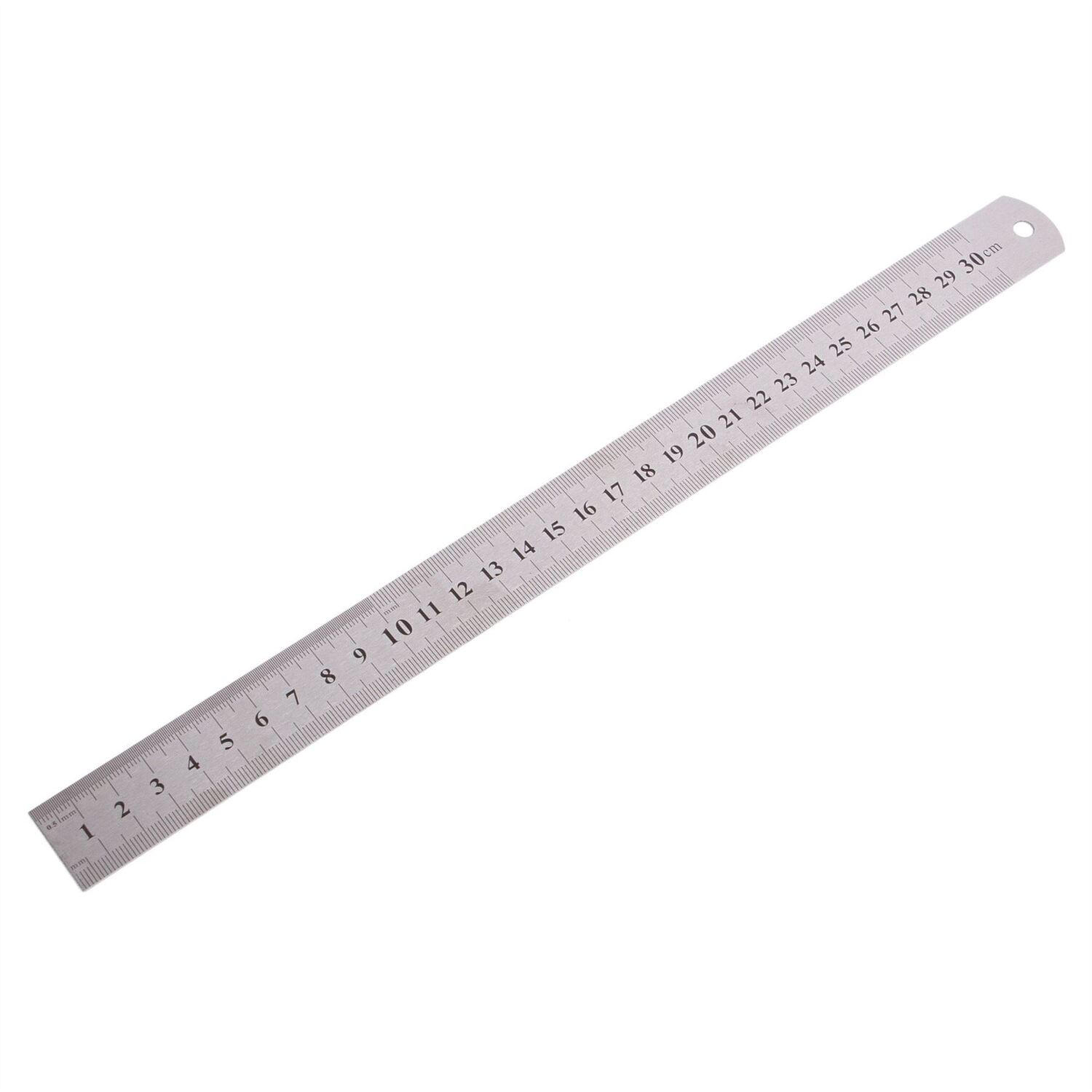
49
What is a Tape Measuer Used for?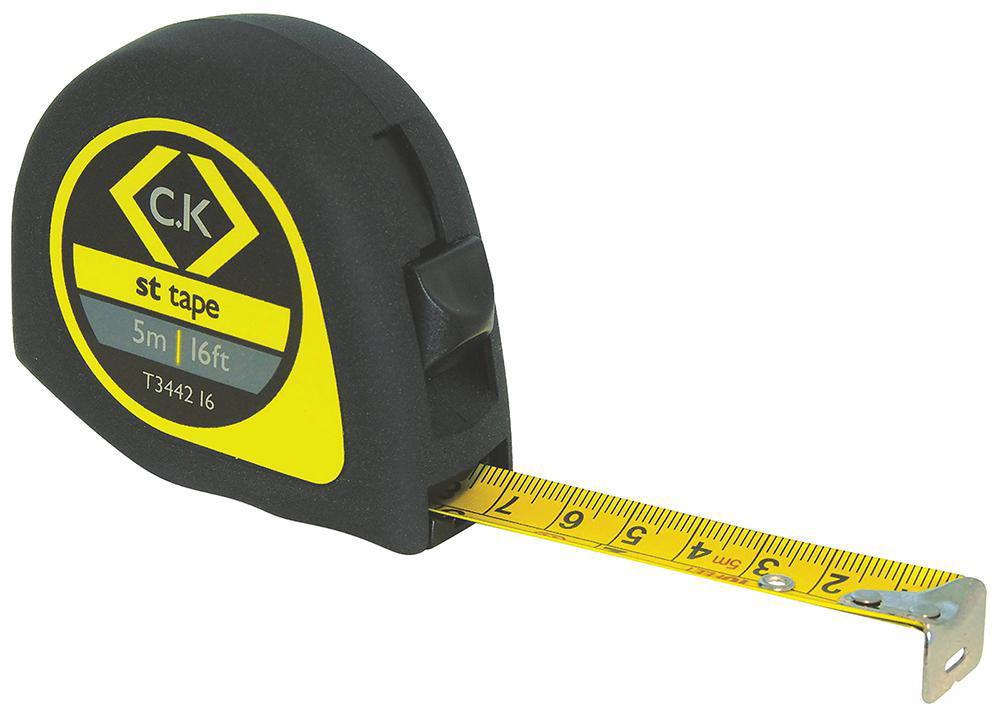
Measuring Straight & Curved Lines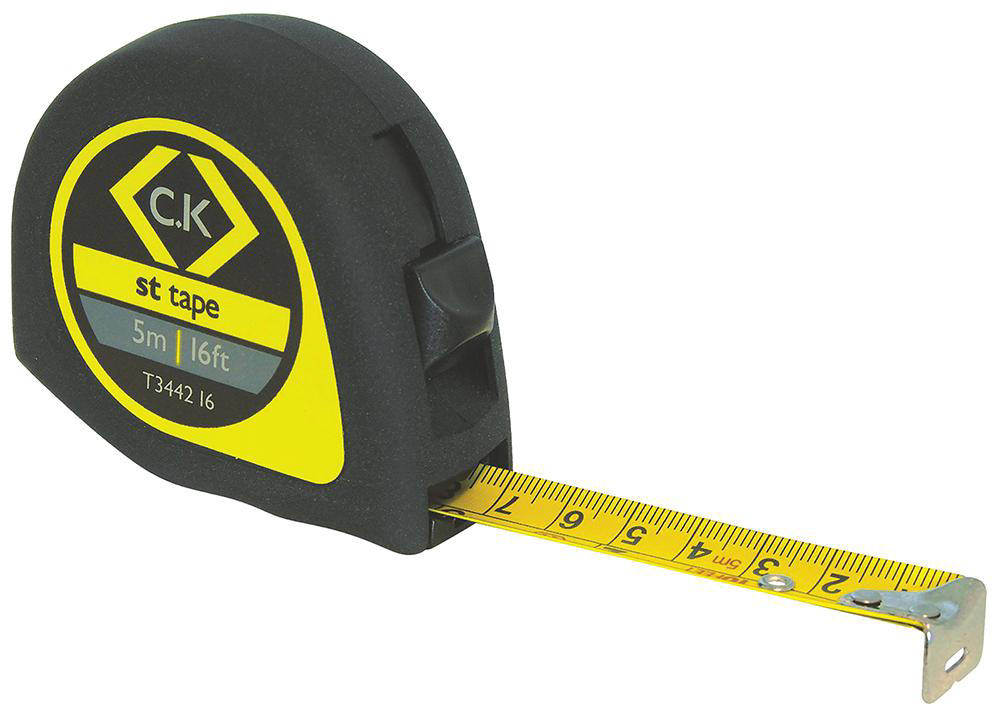
50
What is a Micrometer Used for?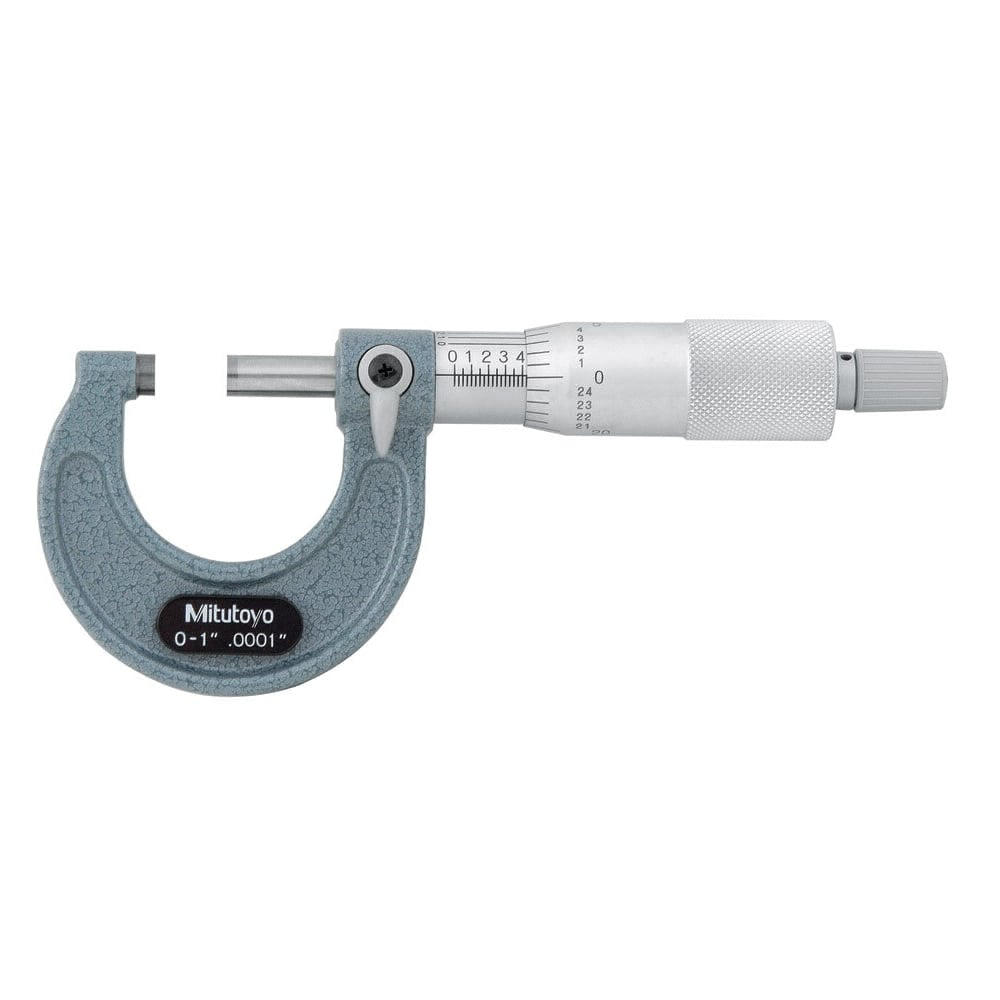
Measuring Thicknesses & Diameters Very Accurately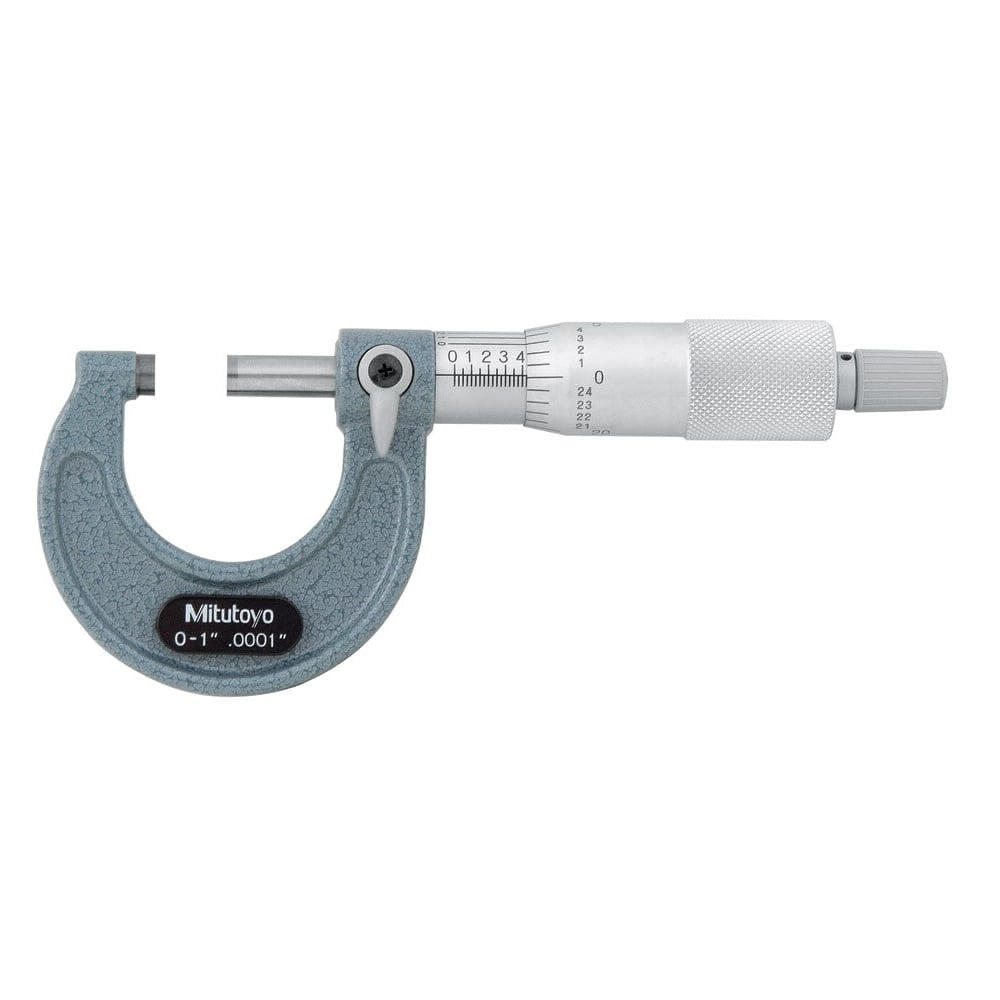
51
What is are Vernier Calipers for?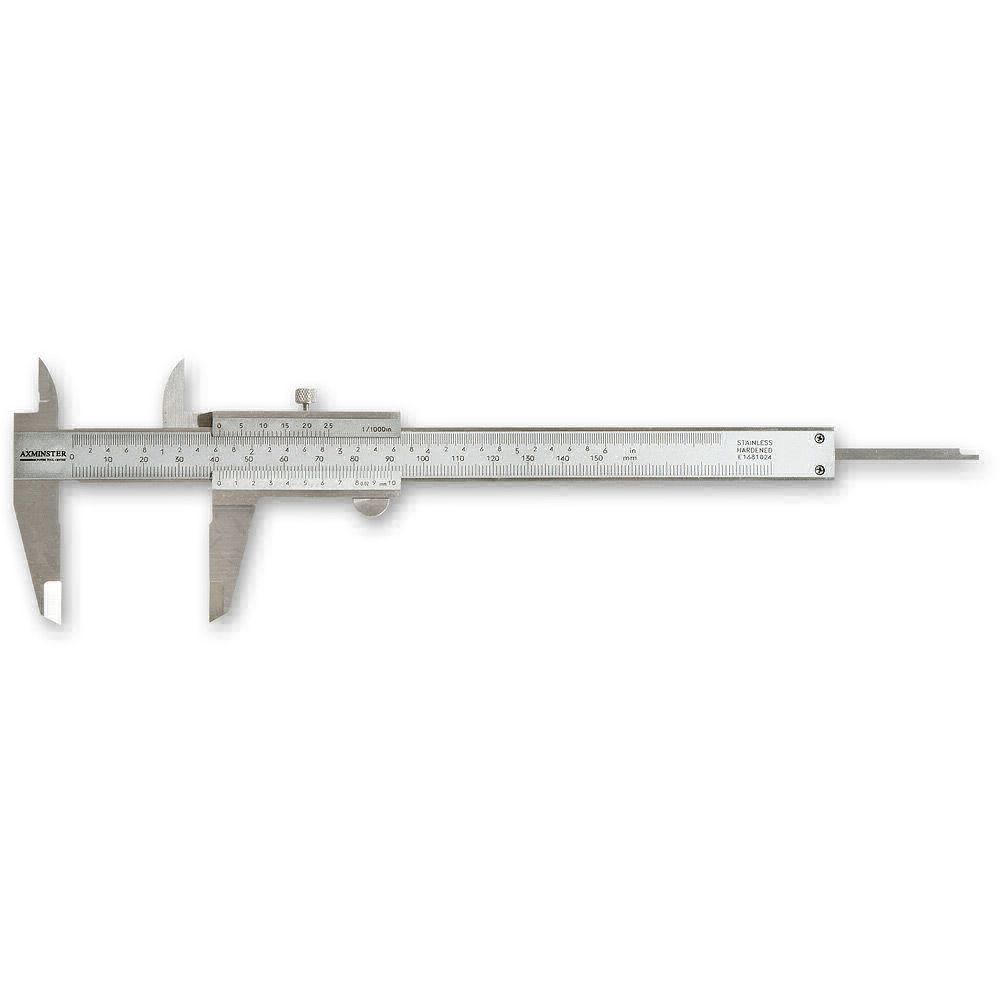
Measure Length, Thicknesses & Depth Accuratley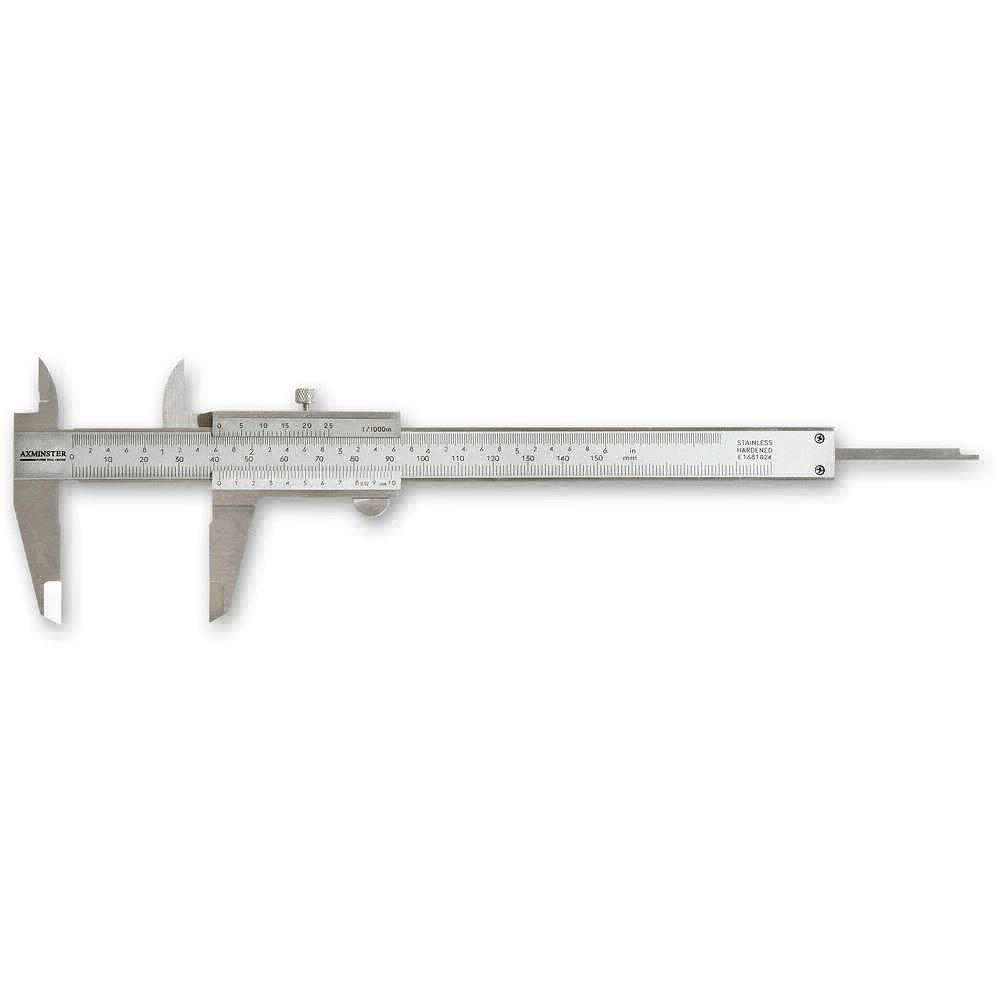
52
What are the Guide Tools?
• Try Square
• Mitre Square
• Engineer's Square
• Outside Callipers
• Inside Callipers
• Sliding Bevel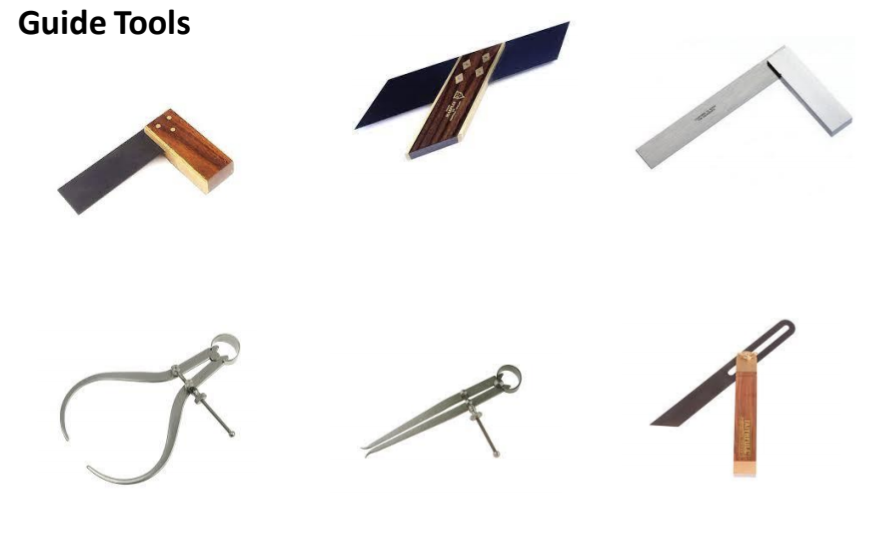
• Mitre Square
• Engineer's Square
• Outside Callipers
• Inside Callipers
• Sliding Bevel
53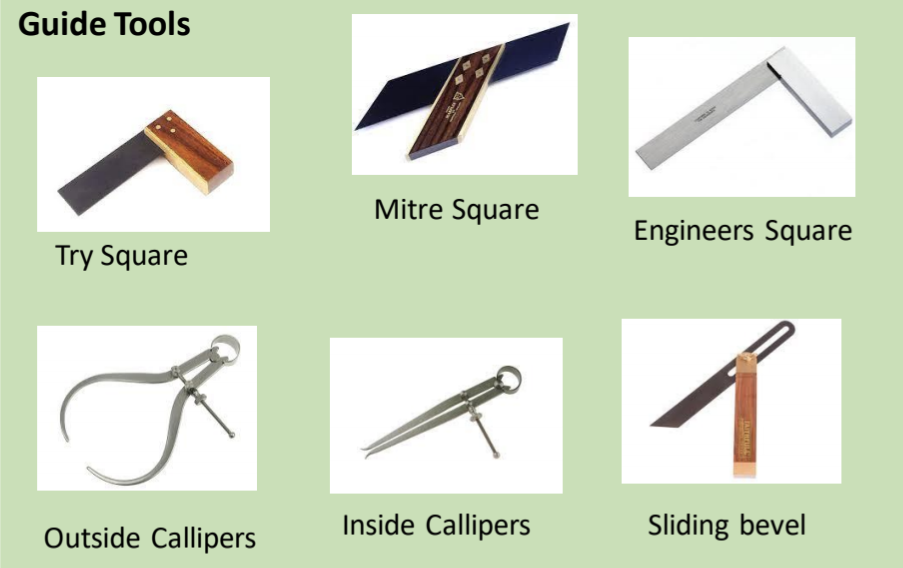
Lable the Tools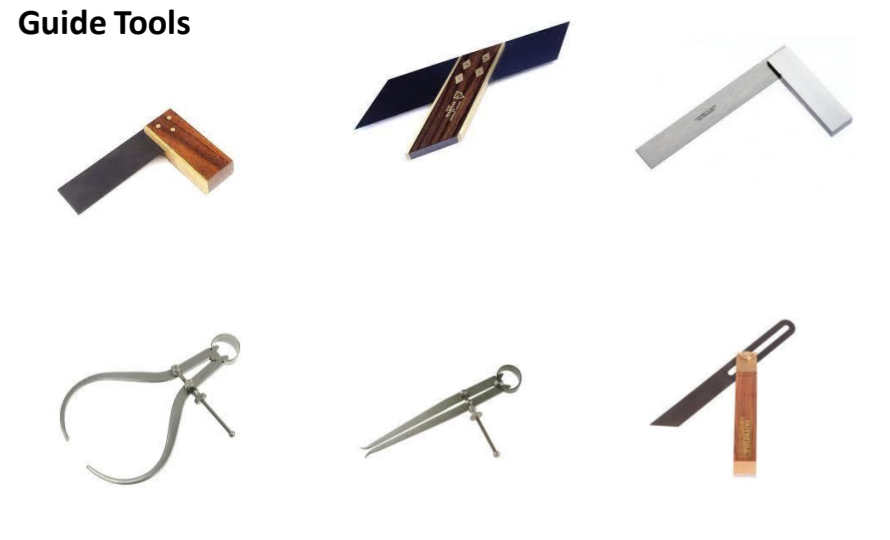
54
What is a Try Square Used for?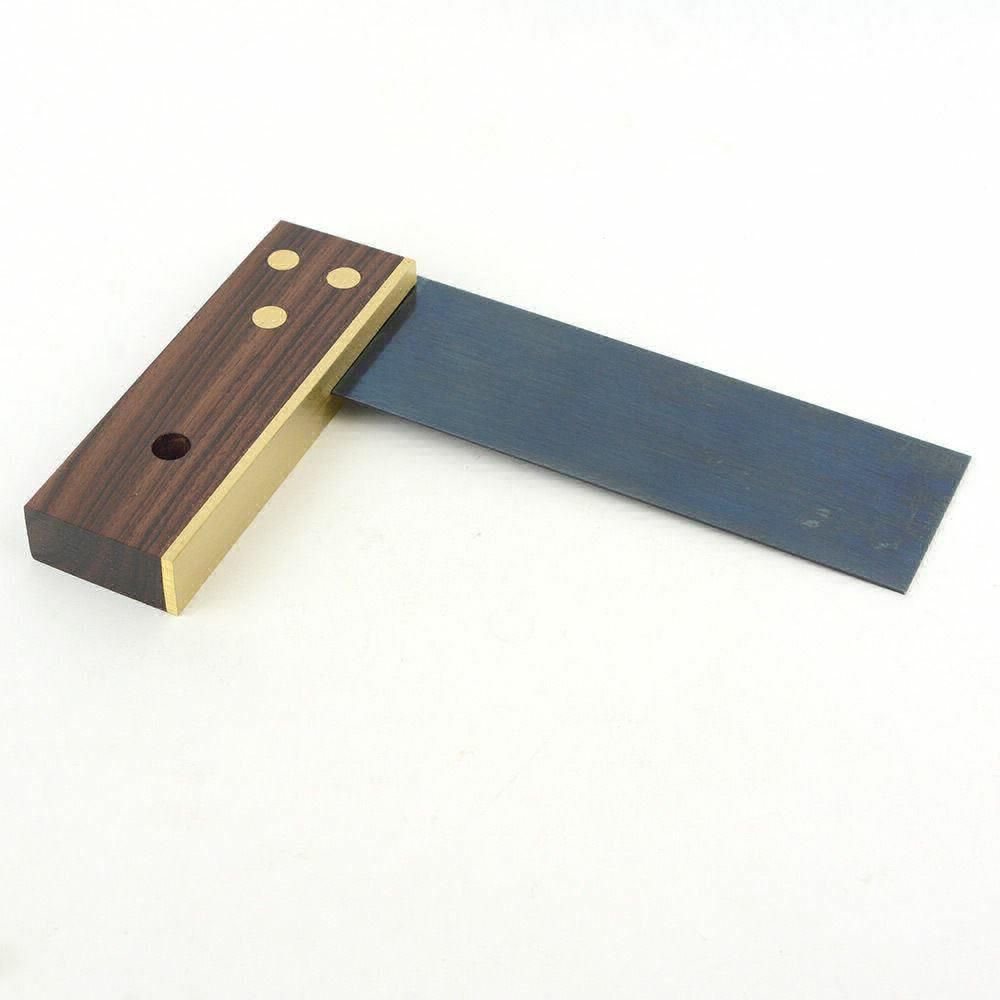
Marking Lines at 90° to Edge of Wood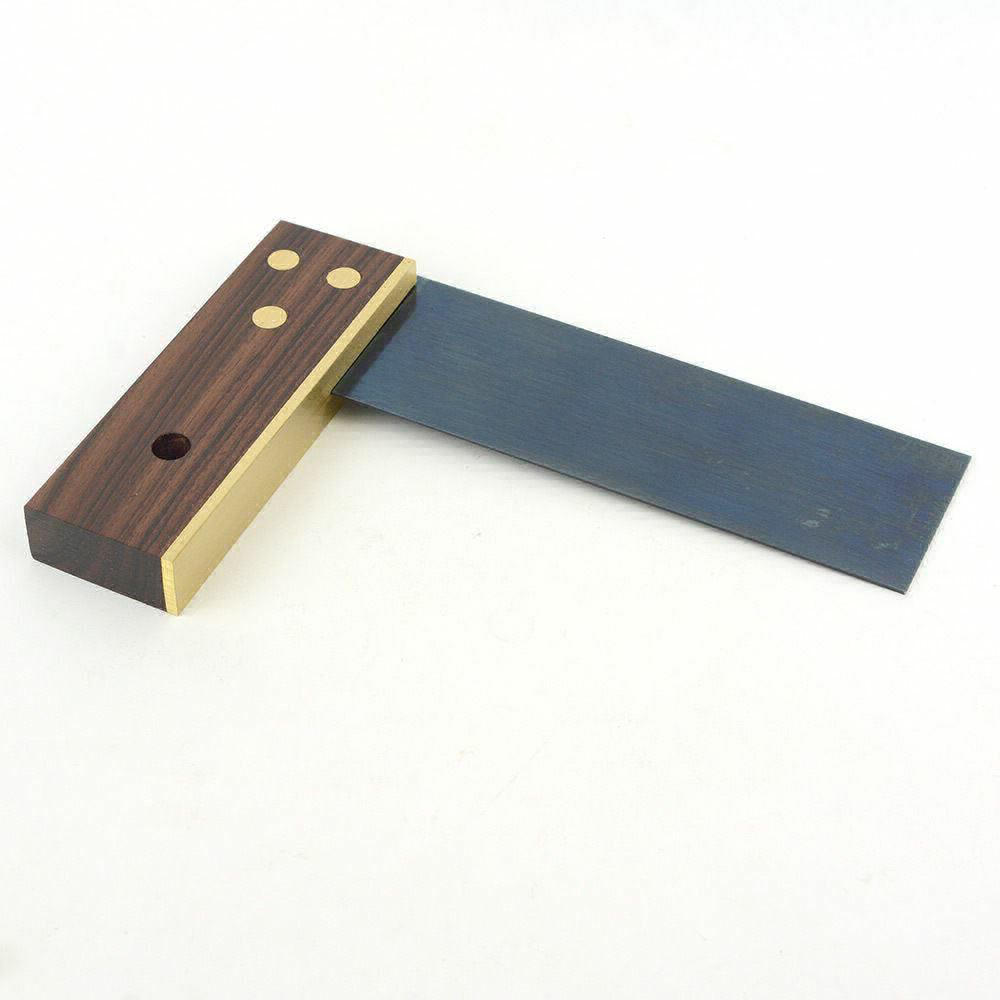
55
What is a Mitre Square Used for?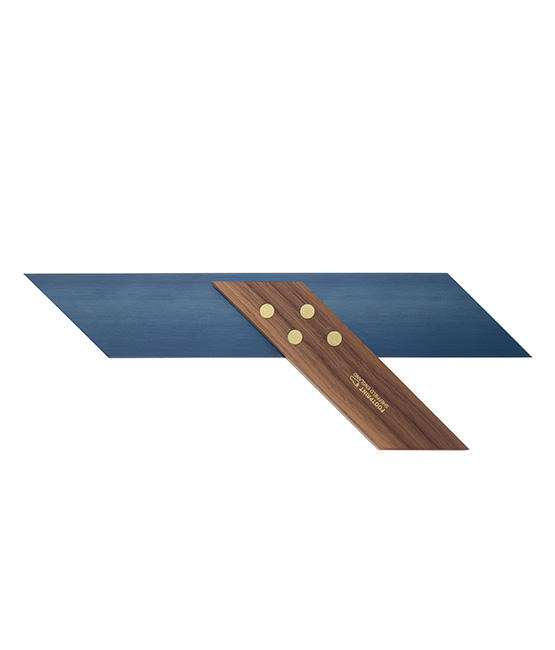
Marking lines at 45° to Edge of Wood
56
What is a Engineer's Square Used for?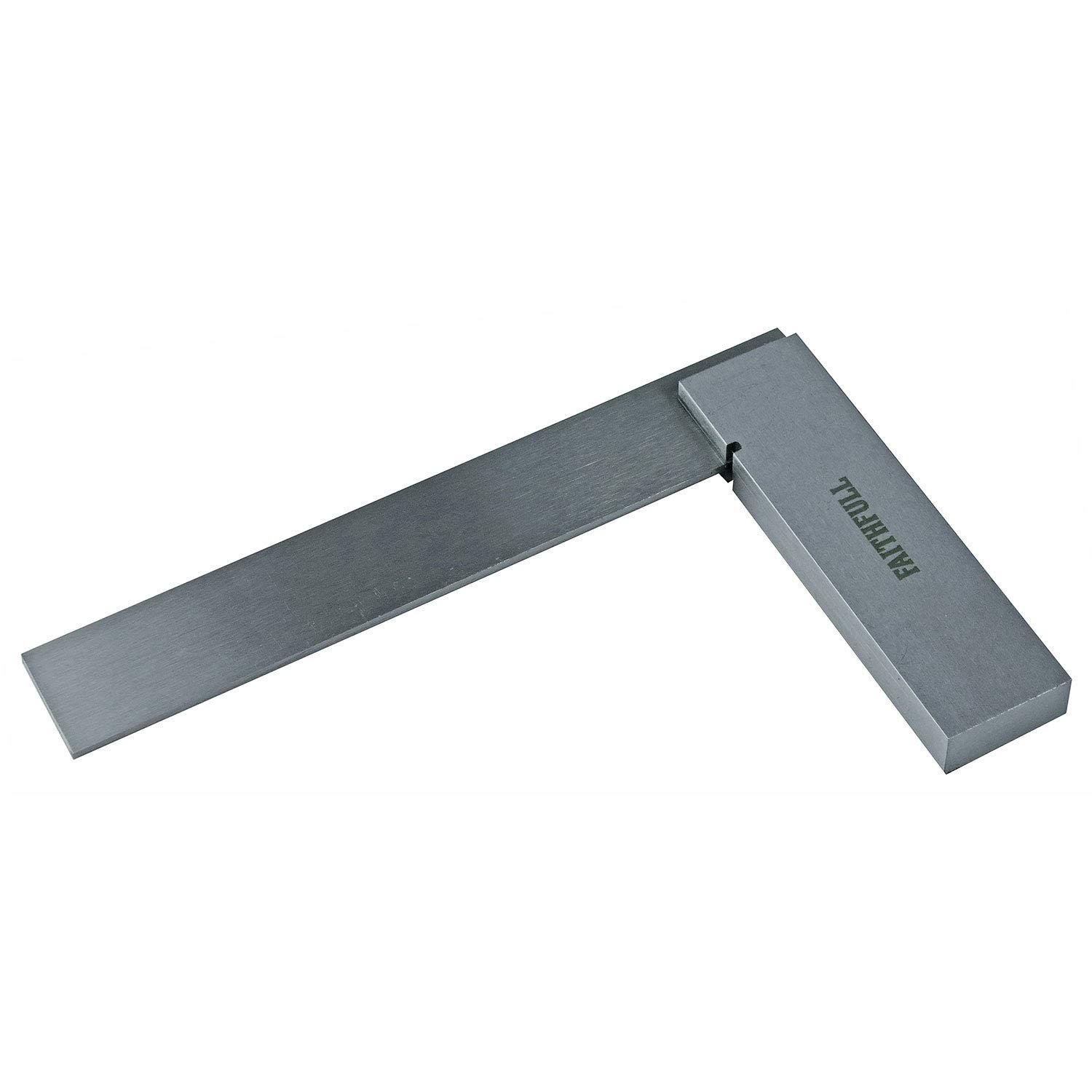
Marking Lines 90° to Edge of Metal
57
What is a Outside Calipers Used for?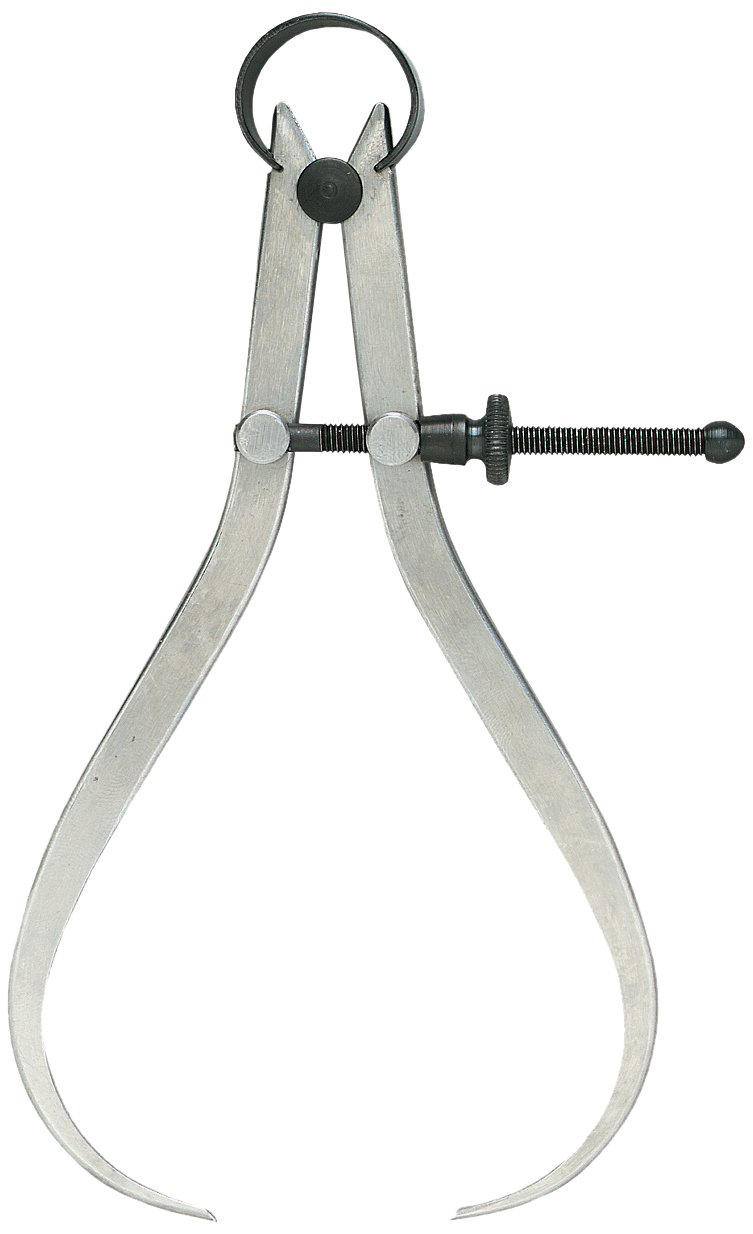
Help Measure Outside Diameter with Steel Rule
58
What is are Inside Calipers Used for?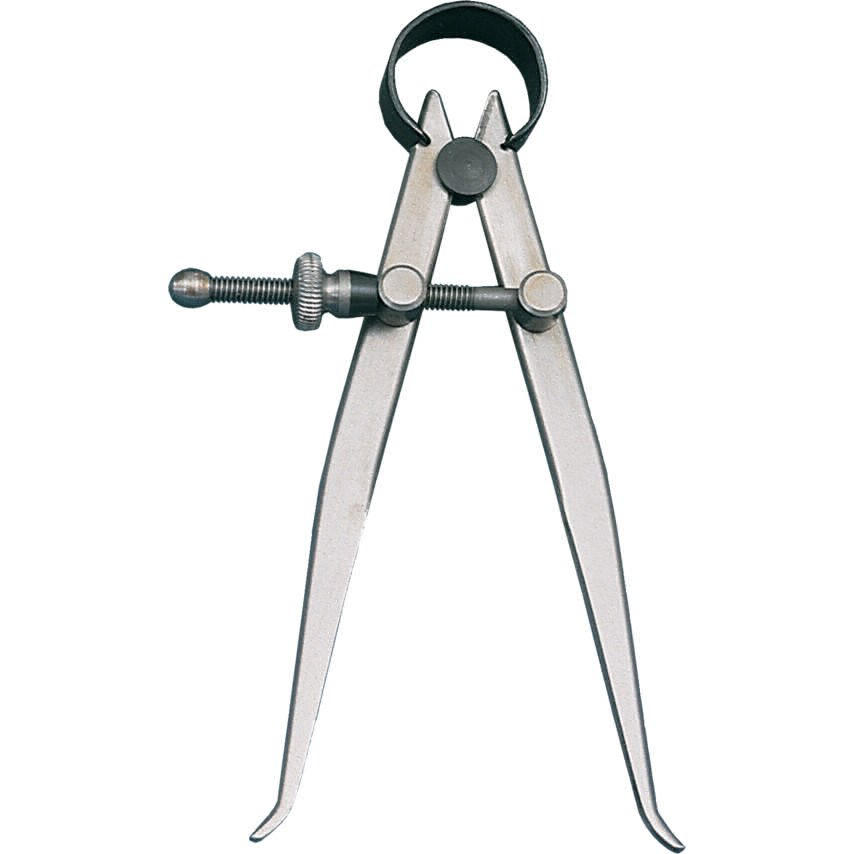
Help Measure Inside Diameter with Steel Rule
59
What is a Sliding Bevel Used for?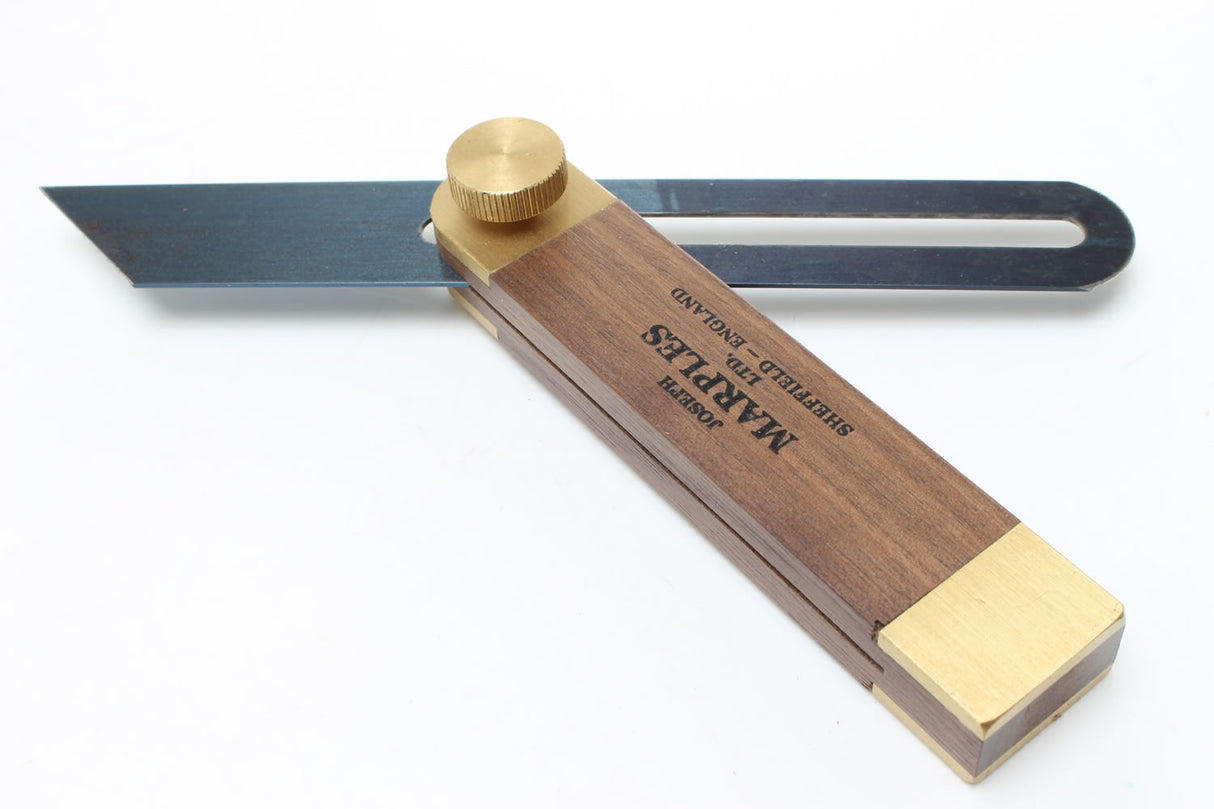
Marking angles that aren't 90° to Edge of Wood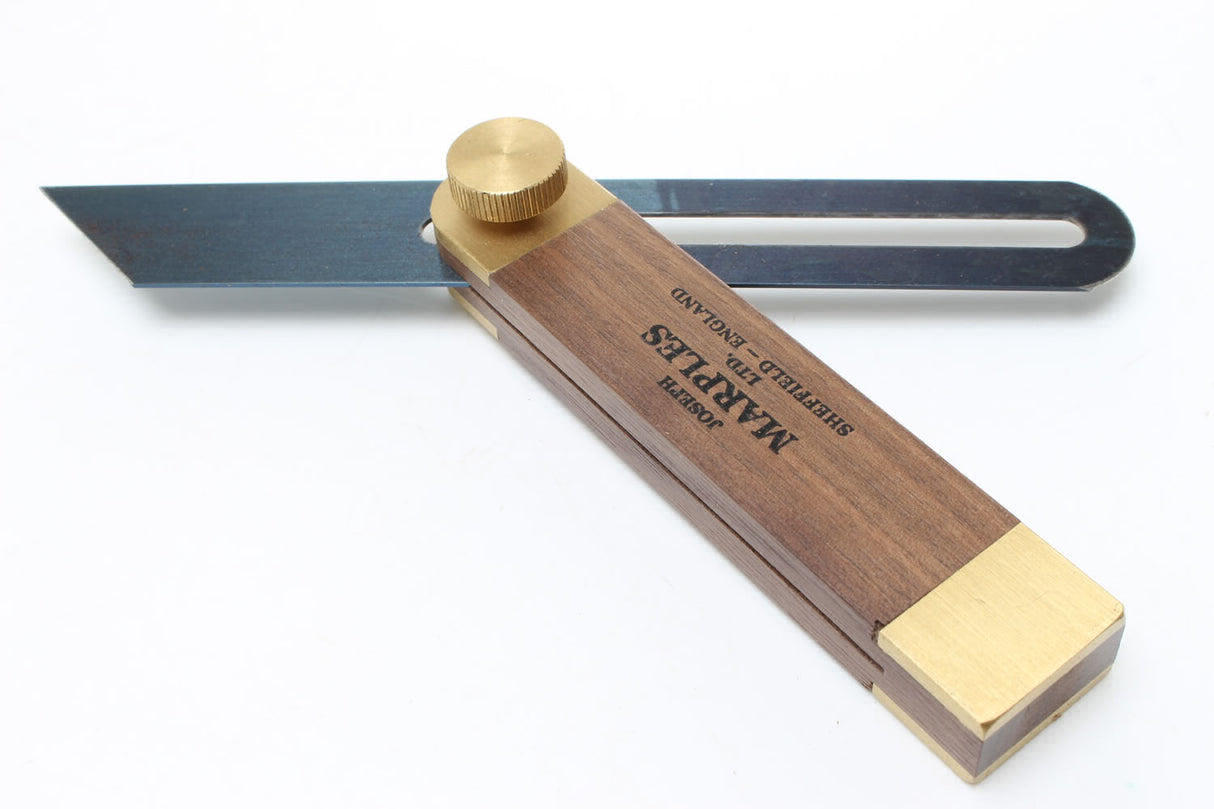
60
Define Systems Diagrams
Use Input Processes, & Output Boxes with Feedback Loops to Represent How a System Would Work.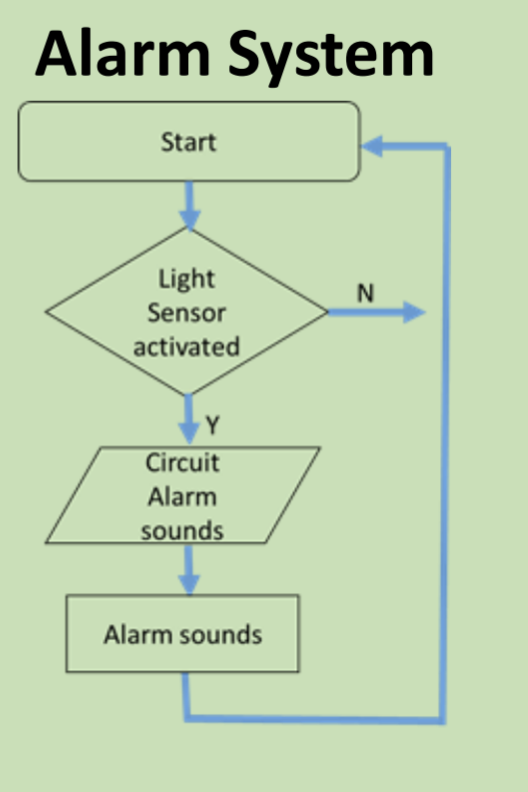
61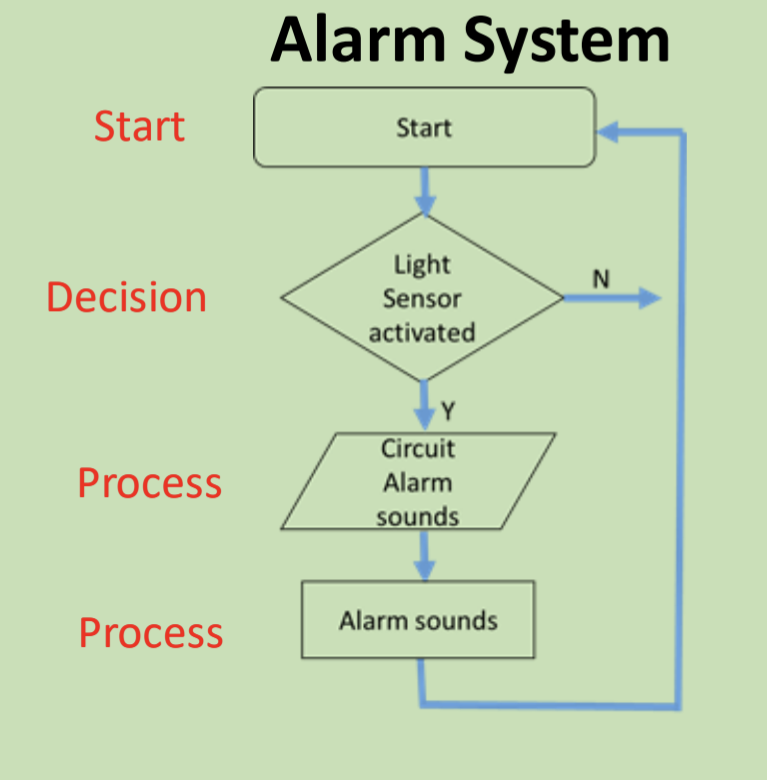
Lable Systems diagram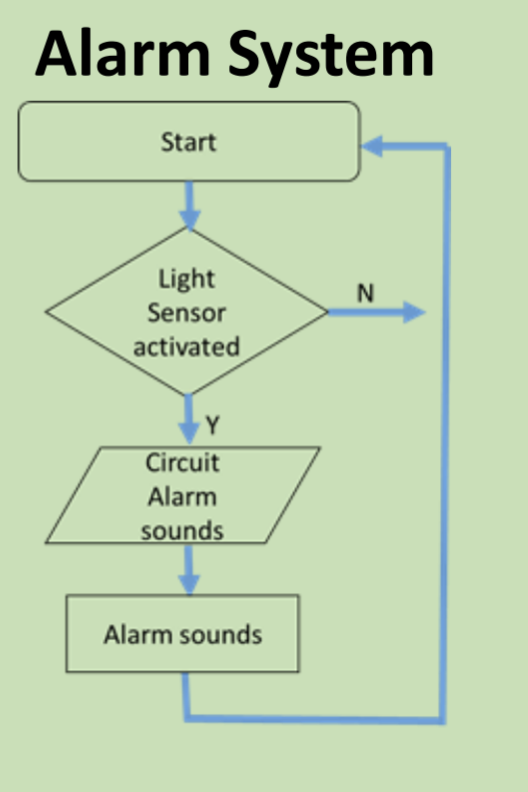
62
What Safety Rules should we Adhere to Hand Tools?
• Keep Tools in Working Order
• Only use Tools been Taught to use
• Don't Run with Tools
• Keep Work Area Tidy & Free from Trip Hazards
• Use Safety Mat & Ruler for Craft Knife
• Only use Tools been Taught to use
• Don't Run with Tools
• Keep Work Area Tidy & Free from Trip Hazards
• Use Safety Mat & Ruler for Craft Knife
63
What Safety Rules should we adhere for Machines
(& specific ones)?
(& specific ones)?
• Never Leave Machine Unatended
• Stay Safe Distance Away from the Machine if Someone is Using it
• Only Use Machines been Taught to Use
• Hair Up & Use Goggles
• Make sure Machines have Appropriate
Guards Down (Drilling & Jigsaw)
• Clamp Work if needed (Drilling)
• For Lazer Cutter Ensure there is
Extraction for Dust & Fumes. Lid must be closed for it to work.
• Stay Safe Distance Away from the Machine if Someone is Using it
• Only Use Machines been Taught to Use
• Hair Up & Use Goggles
• Make sure Machines have Appropriate
Guards Down (Drilling & Jigsaw)
• Clamp Work if needed (Drilling)
• For Lazer Cutter Ensure there is
Extraction for Dust & Fumes. Lid must be closed for it to work.
64
Who is Alessi?
1921 Italian Design Company Producing Household Items which are Mass-produced Mass Produced from Stainless Steel & Bright Colours.
Fun Functional Visually Appealing
Alessi Employed Range Famous Designers including Philip Stark- Juicy Salif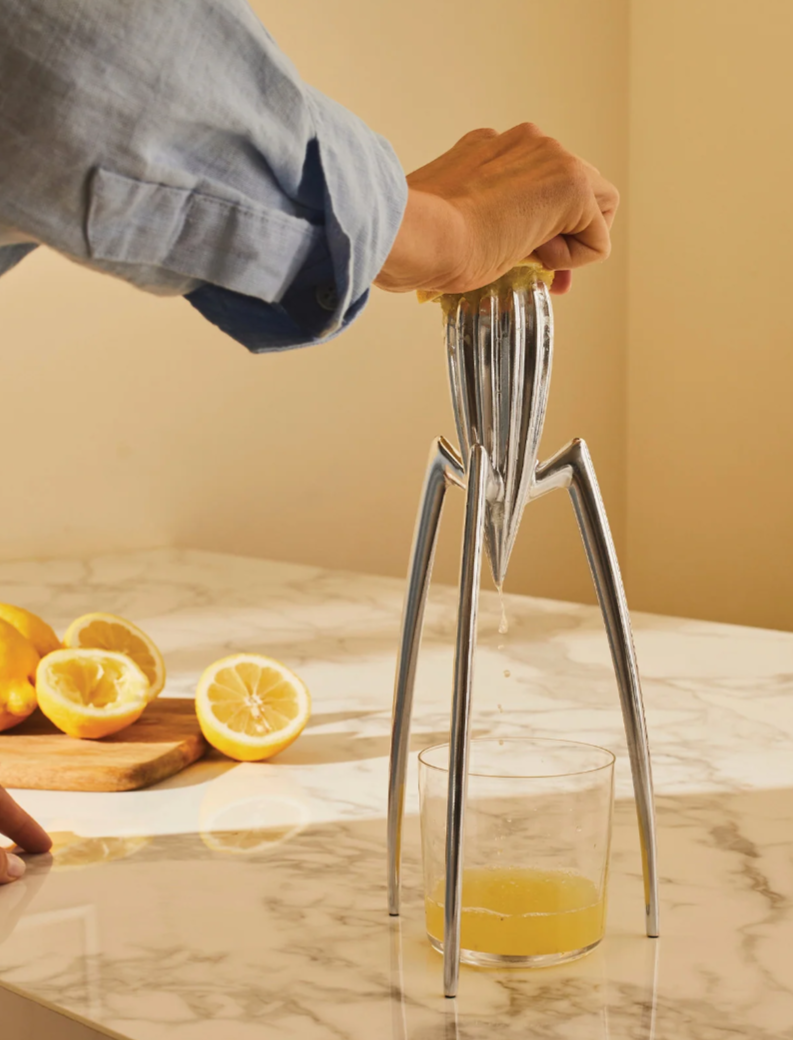
Fun Functional Visually Appealing
Alessi Employed Range Famous Designers including Philip Stark- Juicy Salif
65
what is Dyson?
British Electrical Consumer Appliance Company Founded by James Dyson 1991 who Designed First Bagless Vacuum Cleaner
Other Products such as Fans, Hair/hand Dryers being Designed Following Same Principles of Innovation & Efficacy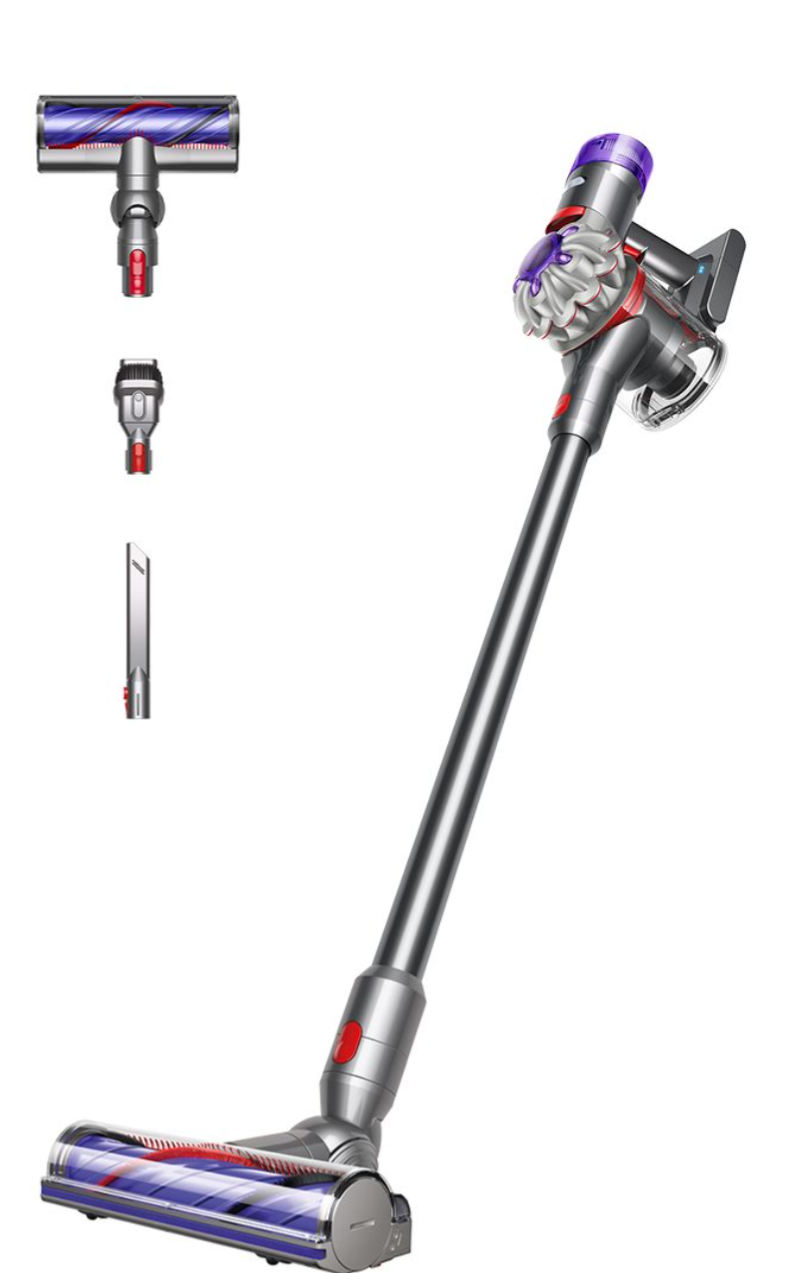
Other Products such as Fans, Hair/hand Dryers being Designed Following Same Principles of Innovation & Efficacy
66
Who is William Morris?
Made Handcrafted Products, Textile Furnishings Wallpapers.
Promenant Role in Arts & Crafts Movement Design Simple Forms Handcrafted Well-made Often Reflected Forms from Nature which used in Furnishings, Furniture and Wallpapers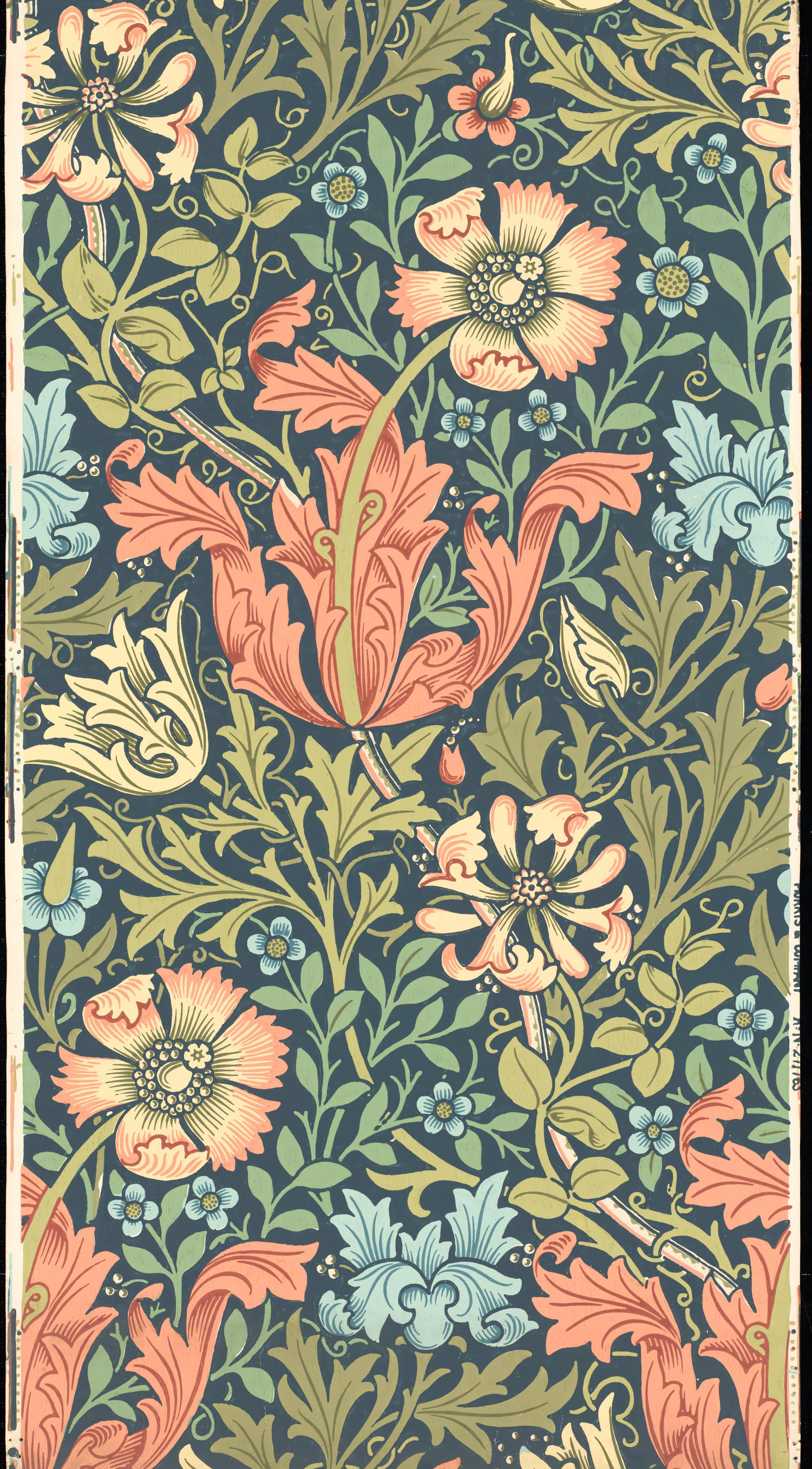
Promenant Role in Arts & Crafts Movement Design Simple Forms Handcrafted Well-made Often Reflected Forms from Nature which used in Furnishings, Furniture and Wallpapers
67
He was Charles Renee Mackintosh & his Style was Influenced by What??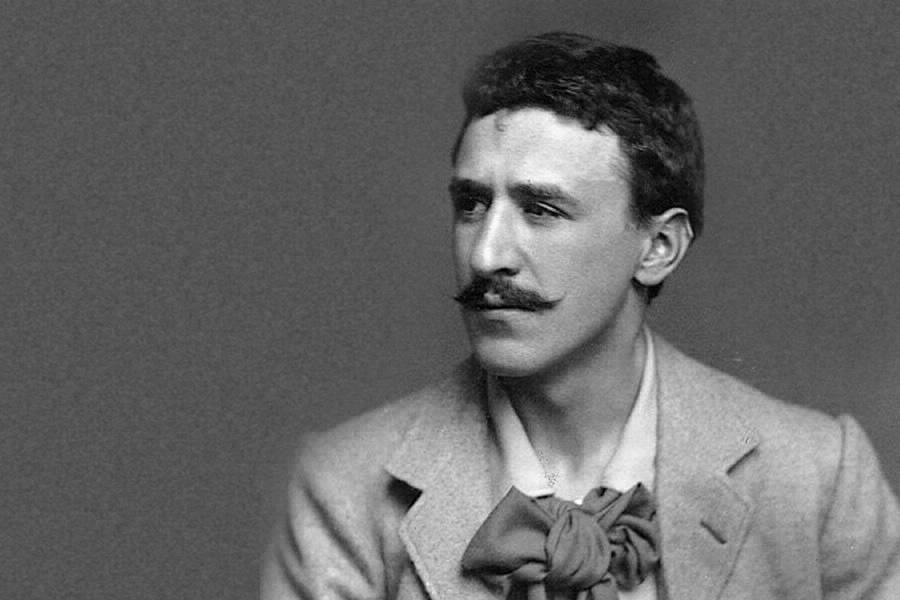
Arctic Furniture, Textile & Interior Designer Produce Innative Simple, Stylish Functional Designs Influenced by Arts & crafts Art Nouveau & Japanese Styles as he Moved To Modernism
Used Geometric Shapes & Natural Materials.
Didn't mass produce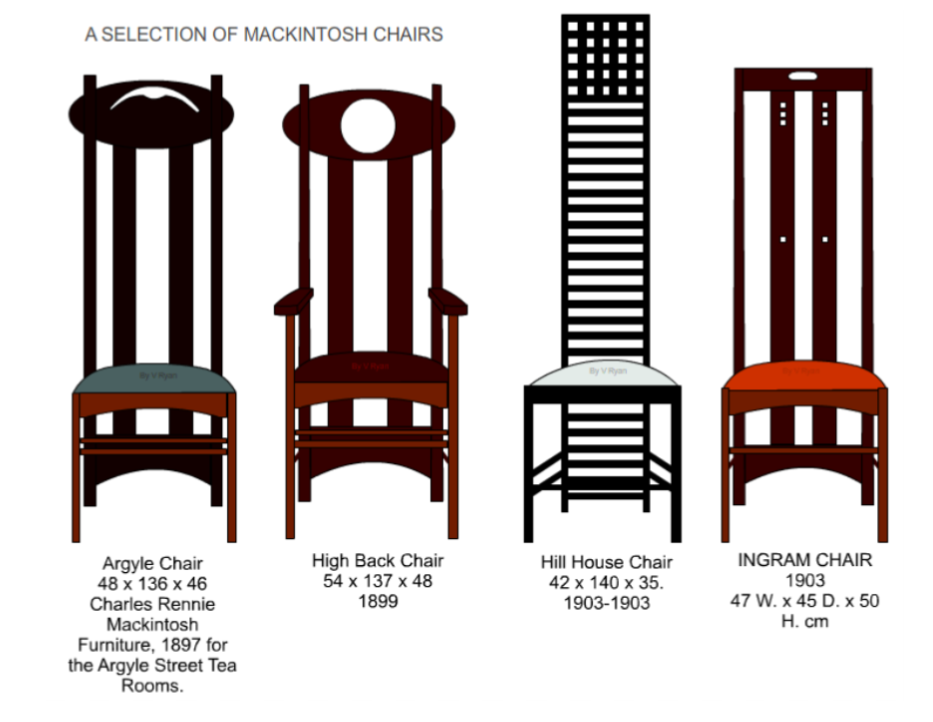
Used Geometric Shapes & Natural Materials.
Didn't mass produce