Ecosystems🏜️
Study these flashcardsFree · spaced repetition · iPhone, Android, Mac & web
All cards
1
What is an Ecosystem Made Up of ?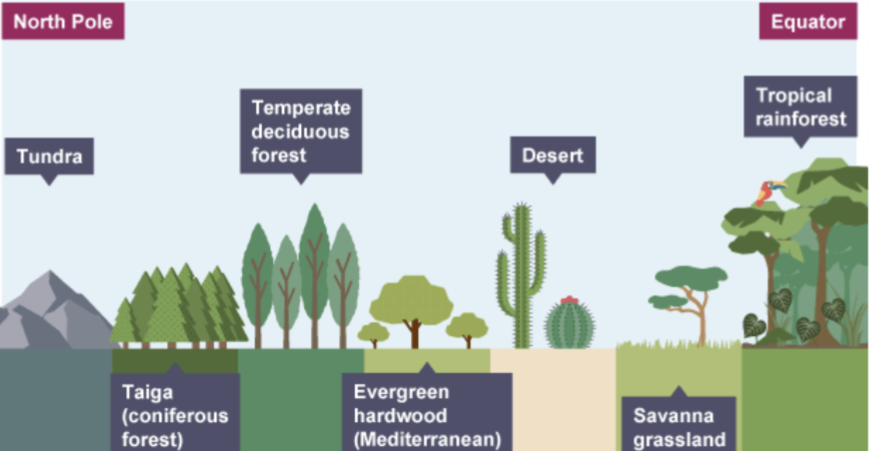
Natural System Made Up of Plants Animals & Environment.
Made up of Complex Links of Biotic & Abiotic Components.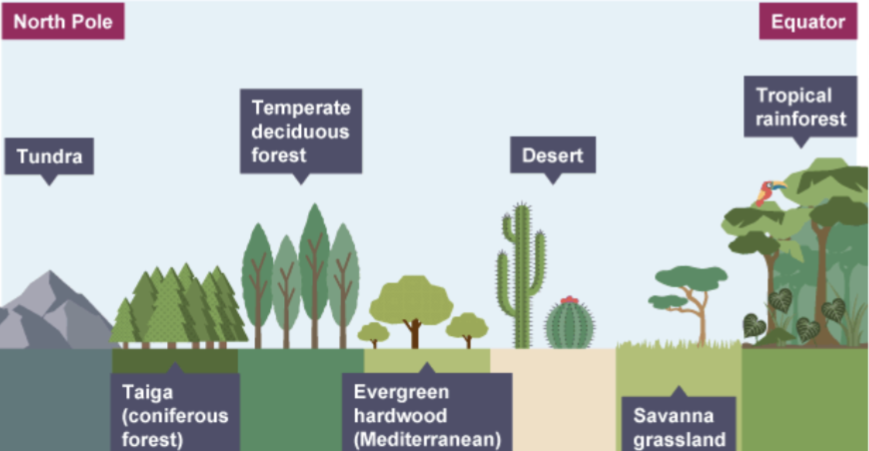
Made up of Complex Links of Biotic & Abiotic Components.
2
What are Biotic Components?
Living Features of Ecosystem such as Animals and Plants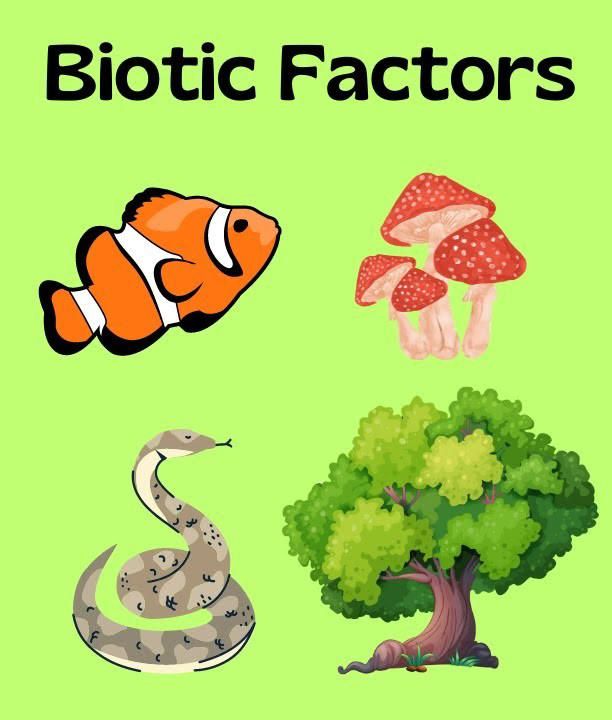
3
What are Abiotic Components?
Non-Living Features of Ecosystem Such as Climate (Rainfall & Temp) Light, Rocks, Water & Soil.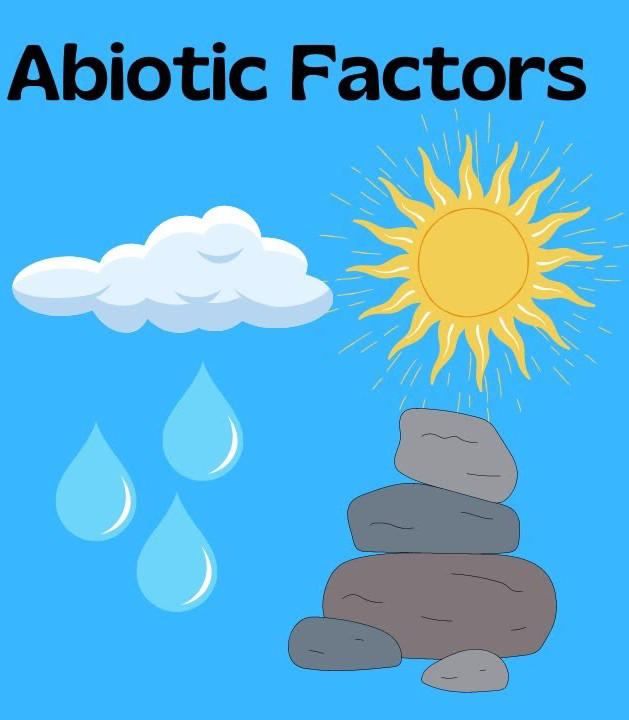
4
Give some Examples of Small Scale/Local Ecosystems
• Ponds
• Hedgerows
• Woodlands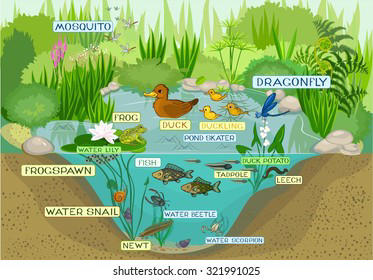
• Hedgerows
• Woodlands
5
Give some Examples of Large Scale Ecosystems and what do they also Known As?
• Tropical Rainforest
• Deciduous Woodlands
• Tundra
• Desserts
Known as Biomes.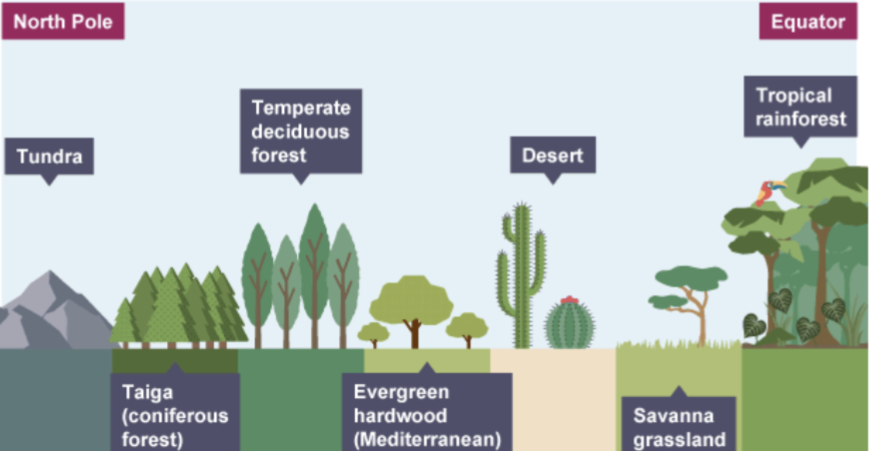
• Deciduous Woodlands
• Tundra
• Desserts
Known as Biomes.
6
Define Interdependence
Dependence if Two or More Things on to Each Other.
squirrels are dependant on trees for food and not trees are dependant on swirls forgetting where they bury their food
squirrels are dependant on trees for food and not trees are dependant on swirls forgetting where they bury their food
7
What are the Case Studies for Small Scale/Local Ecosystem?
Owlbeech & Leechpool Woods, Horsham
8
How Large is Leechpool & Owlbeech Woods, What was Leechpool apart off & What does Owlbeech Also Include & Animals & Plants that Live Their?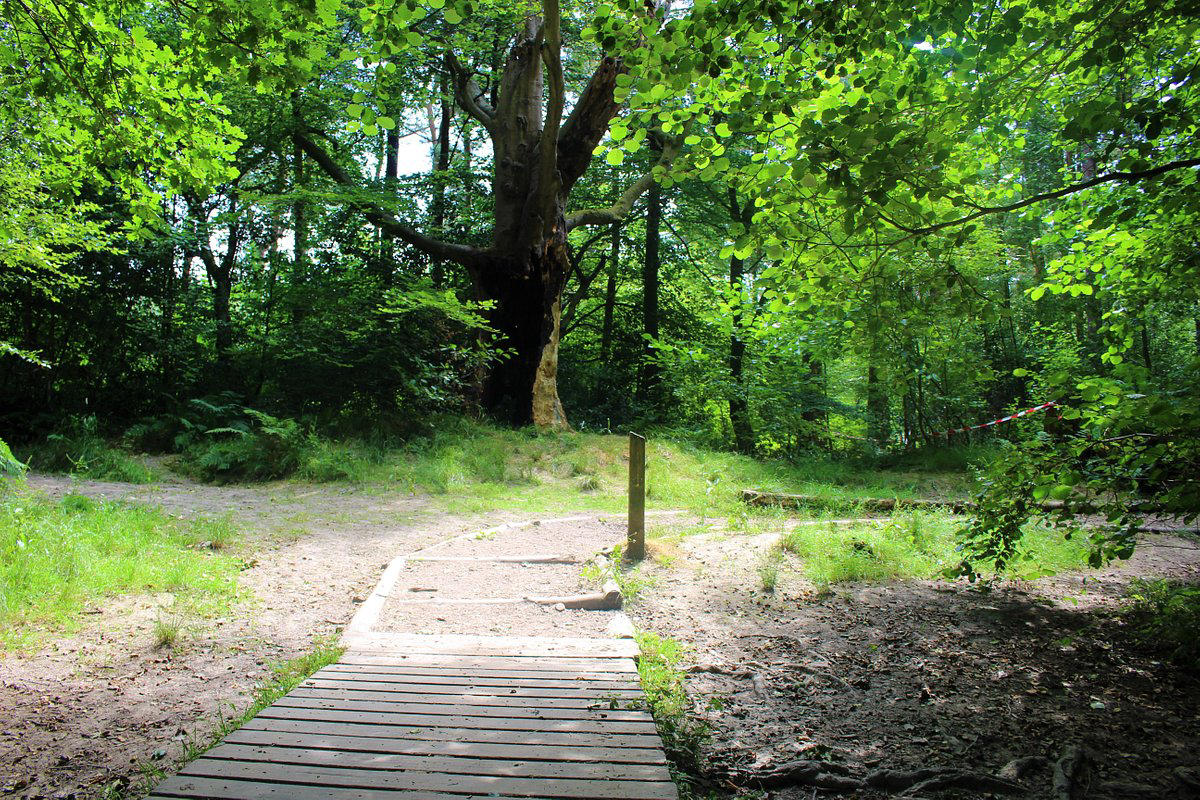
• Leechpool & Owlbeech Woods is 53 Acre Site
• Leechpool was Part of St Leonard's Forest a Former Hunting Ground in Medieval Times
• Owlbeech includes 55 Acres of Heathland Which Has Been Restored After Great Storm of 1987 & Supports Rare Selection of Flora (Plants) & Fauna (Animals) Such as Emerald Dragonflies.
• Mammals Include Grey Squirrels, Foxes Badgers & Bats.
• Birds Woodpeckers, Owls, Robins & Crows.
• In Ponds & Streems Include Newts, Frogs & Toads.
• Leechpool was Part of St Leonard's Forest a Former Hunting Ground in Medieval Times
• Owlbeech includes 55 Acres of Heathland Which Has Been Restored After Great Storm of 1987 & Supports Rare Selection of Flora (Plants) & Fauna (Animals) Such as Emerald Dragonflies.
• Mammals Include Grey Squirrels, Foxes Badgers & Bats.
• Birds Woodpeckers, Owls, Robins & Crows.
• In Ponds & Streems Include Newts, Frogs & Toads.
9
What have they Done to Manage Ecosystem?
By Grazing Animals: Cattle, Sheep & Domestic Horses to Create & Maintain Woodland & Heathland Habitats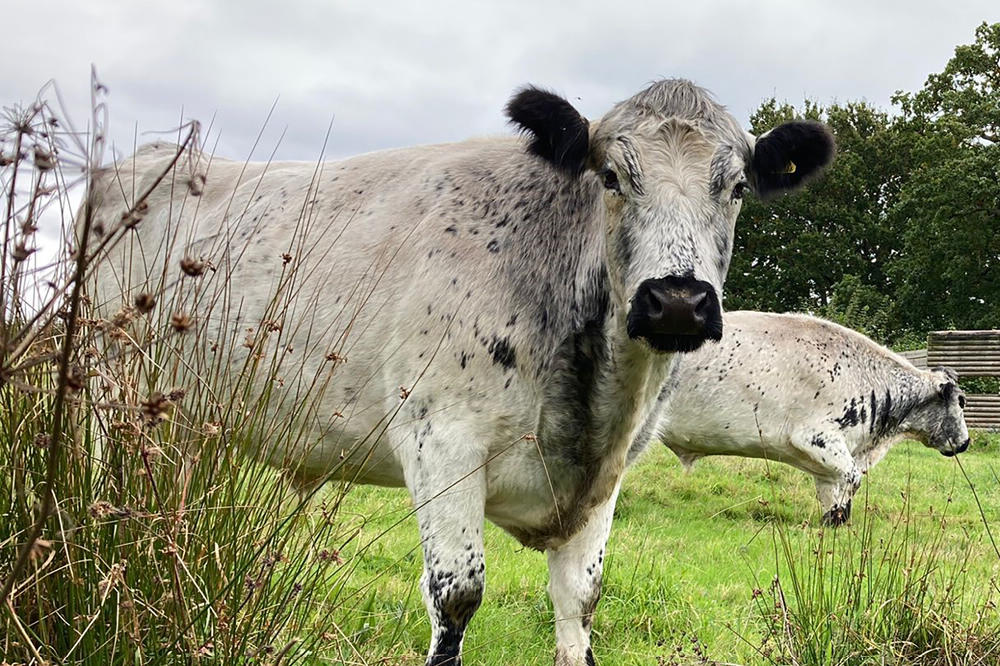
10
Define Food Web
All the Connections Between Organisms in Ecosystem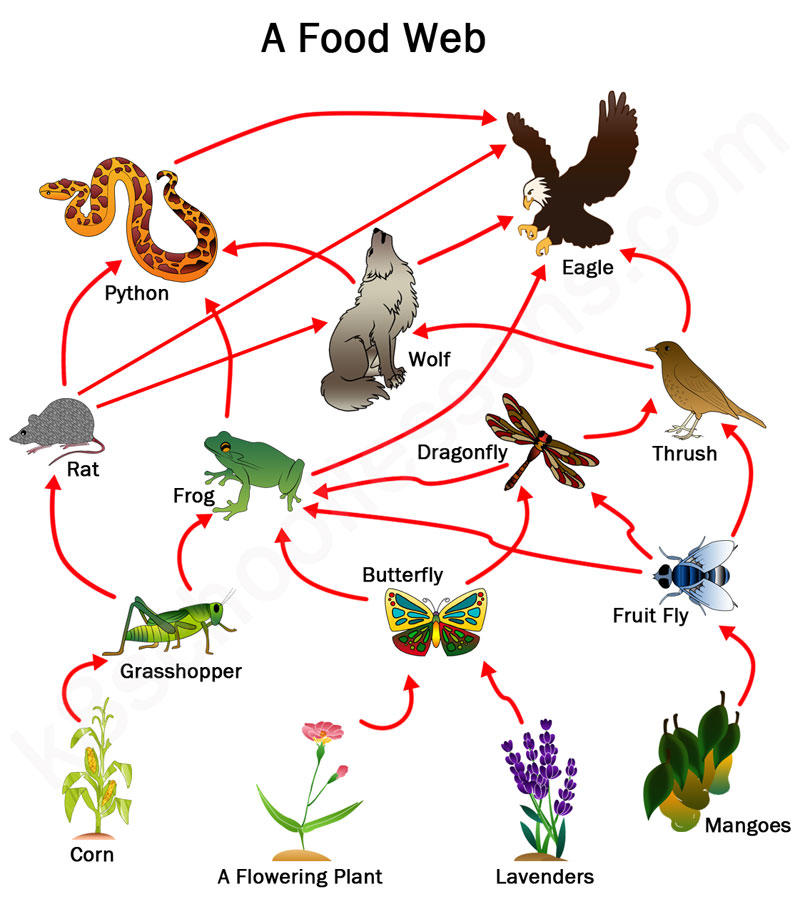
11
Define Food Chain
Shows Direct Links Between Organisms in Ecosystem in Form of a Line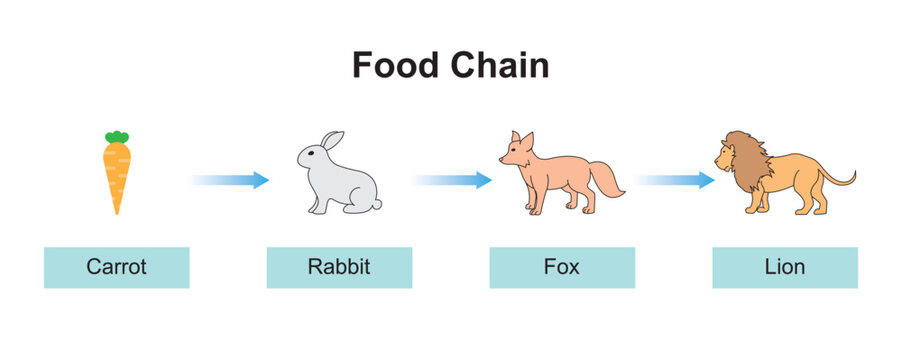
12
What is Nutrients & Define Nutrient Cycling?
Foods Used By Plants or Animals to Grow.
Two Main Sources/ Nutrient Cycling:
• Rainwater Washes Chemicals Out of Atmosphere & Weather The Rock Releases Nutrients into Soil
• When Plants or Animals Die Decomposes Help to Recycle Nutrients Making Them Available Once Again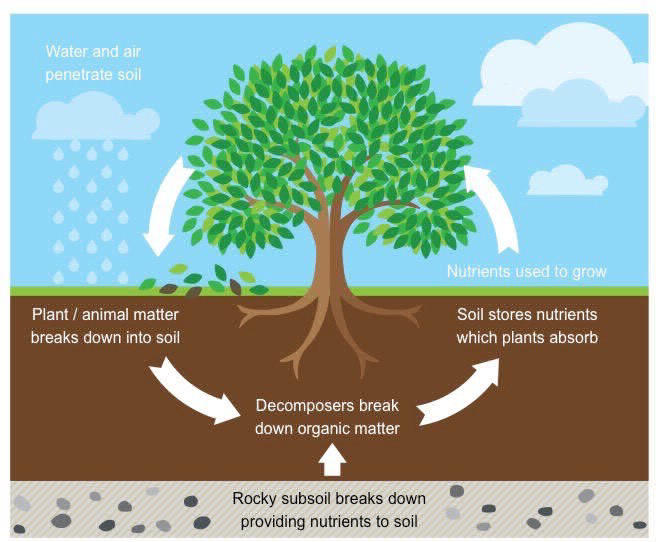
Two Main Sources/ Nutrient Cycling:
• Rainwater Washes Chemicals Out of Atmosphere & Weather The Rock Releases Nutrients into Soil
• When Plants or Animals Die Decomposes Help to Recycle Nutrients Making Them Available Once Again
13
What is the Nutrients Cycle?
1) When Dead Material Decomposes, Nutrients are Released into Soil.
2) Nutrients are Taken Up from Soil By Plants.
Plants May be Eaten By Consumers.
3) When Plants or Consumers Die, Nutrients are Returned to Soil.
Transfer of Nutrients is Called Nutrient Cycling.
2) Nutrients are Taken Up from Soil By Plants.
Plants May be Eaten By Consumers.
3) When Plants or Consumers Die, Nutrients are Returned to Soil.
Transfer of Nutrients is Called Nutrient Cycling.
14
Define Producers
Convert Energy from Environment into Sugars.
e.g Plants
e.g Plants
15
Define Consumers
Get Energy from Sugars Produced by Producers.
e.g Animals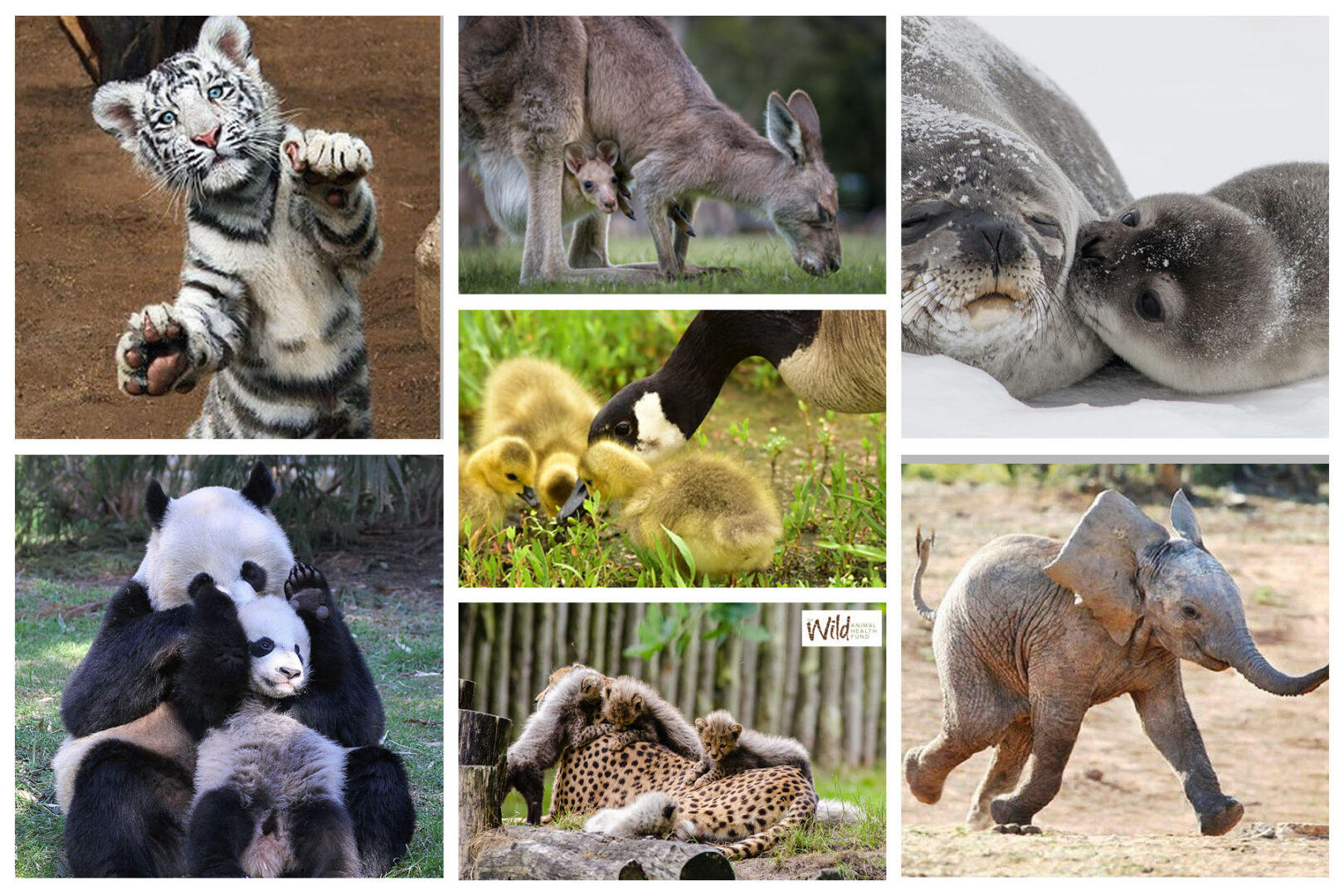
e.g Animals
16
Define Decomposers
Break Down Plant & Animal Material & Return Nutrients to Soil.
e.g Fungi & Bacteria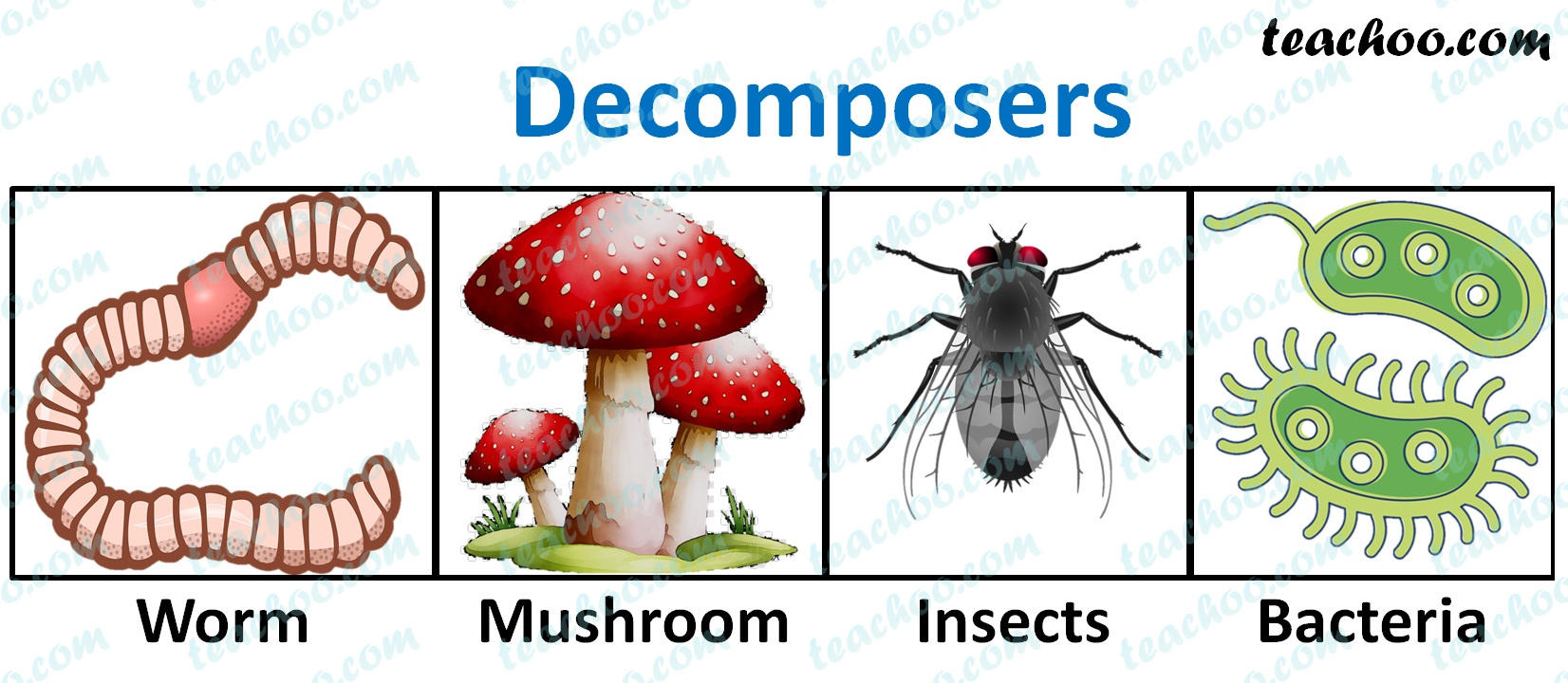
e.g Fungi & Bacteria
17
Name some Small-Scale Ecosystems
• Leechpool & Owlbeech Woods
• Millais School Pond
• Sand Dunes
• Millais School Pond
• Sand Dunes
18
Name some Biomes
• Tundra
• Hot Desert
• Savannah
• Tropical Rainforest
• Deciduous Temperate Forest
• Hot Desert
• Savannah
• Tropical Rainforest
• Deciduous Temperate Forest
19
What Causes Change in an Ecosystem?
Natural
• Extreme Weather
• Decrease in Numbers of Certain Consumers & Decomposers Due to Disease
Human
• Chopping Down Trees
• Dumping Waste e.g Chemicals
• Building on Green Spaces
• Extreme Weather
• Decrease in Numbers of Certain Consumers & Decomposers Due to Disease
Human
• Chopping Down Trees
• Dumping Waste e.g Chemicals
• Building on Green Spaces
20
Why is the Nutrient Cycle Very Important in the Temperate Deciduous Forest ecosystem?
Because Without Nutrient Cycle Leaves Would Not Decompose so there would be Piles of Leaves Everywhere All Year Round.
This is Because Leaves Fall Rot, then Consumers such as Worms Break Them Into Smaller Pieces, then Due to Decomposers they Absorb Into Soil & Nutrients is Absorbed By Plants
This is Because Leaves Fall Rot, then Consumers such as Worms Break Them Into Smaller Pieces, then Due to Decomposers they Absorb Into Soil & Nutrients is Absorbed By Plants
21
Give an example of an Ecosystem that you have Studied and Explain How it is Being Restored?
Owlbeech Woods uses Cattle, Sheep & Domestic Horses to Graze Which Allows More Flowers to Flourish Mowing Would.
22
What are Fauna & Flora?
Animals & Plants
23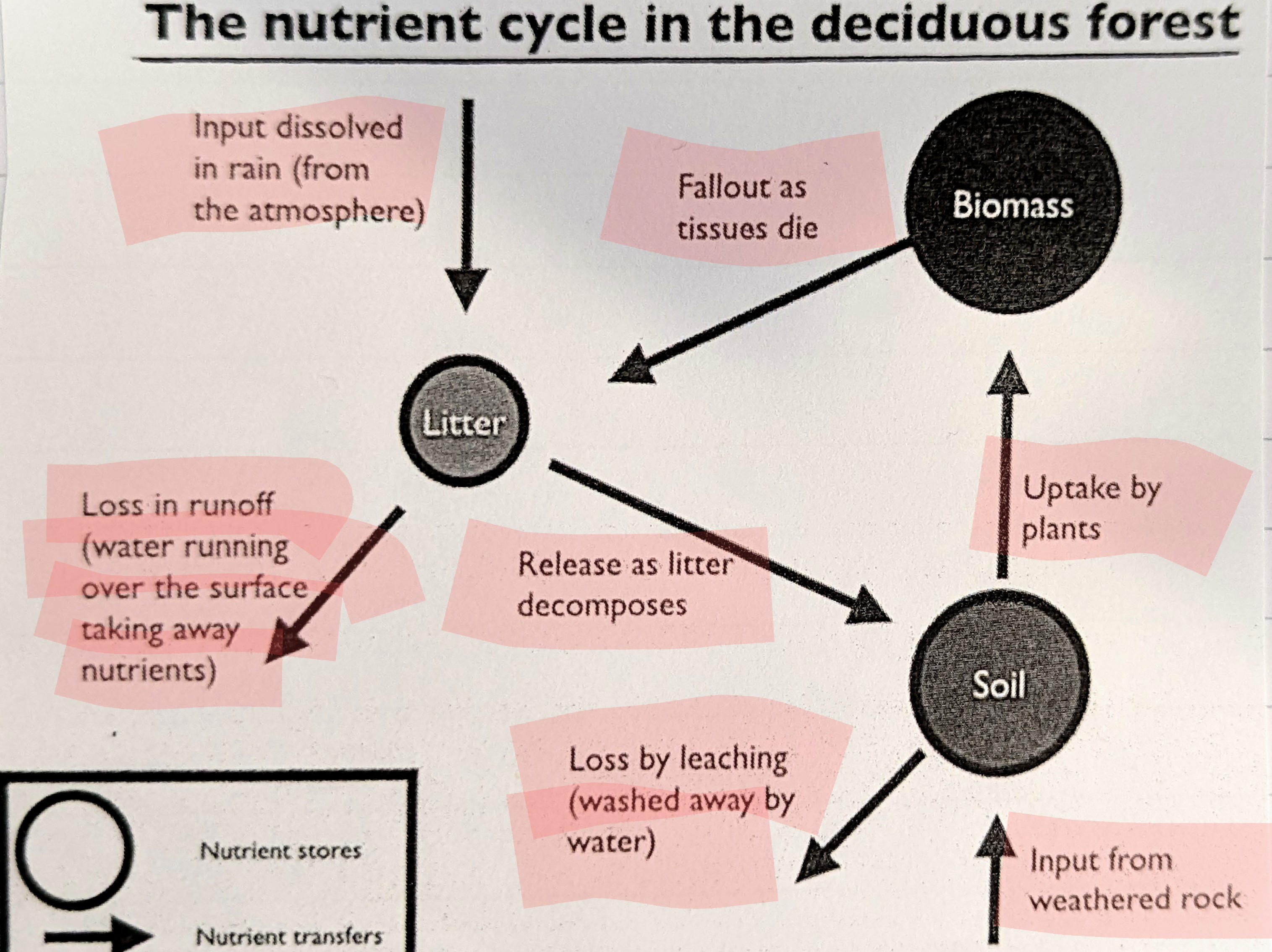
What is the Nutrient Cycle in a Deciduous Rainforest?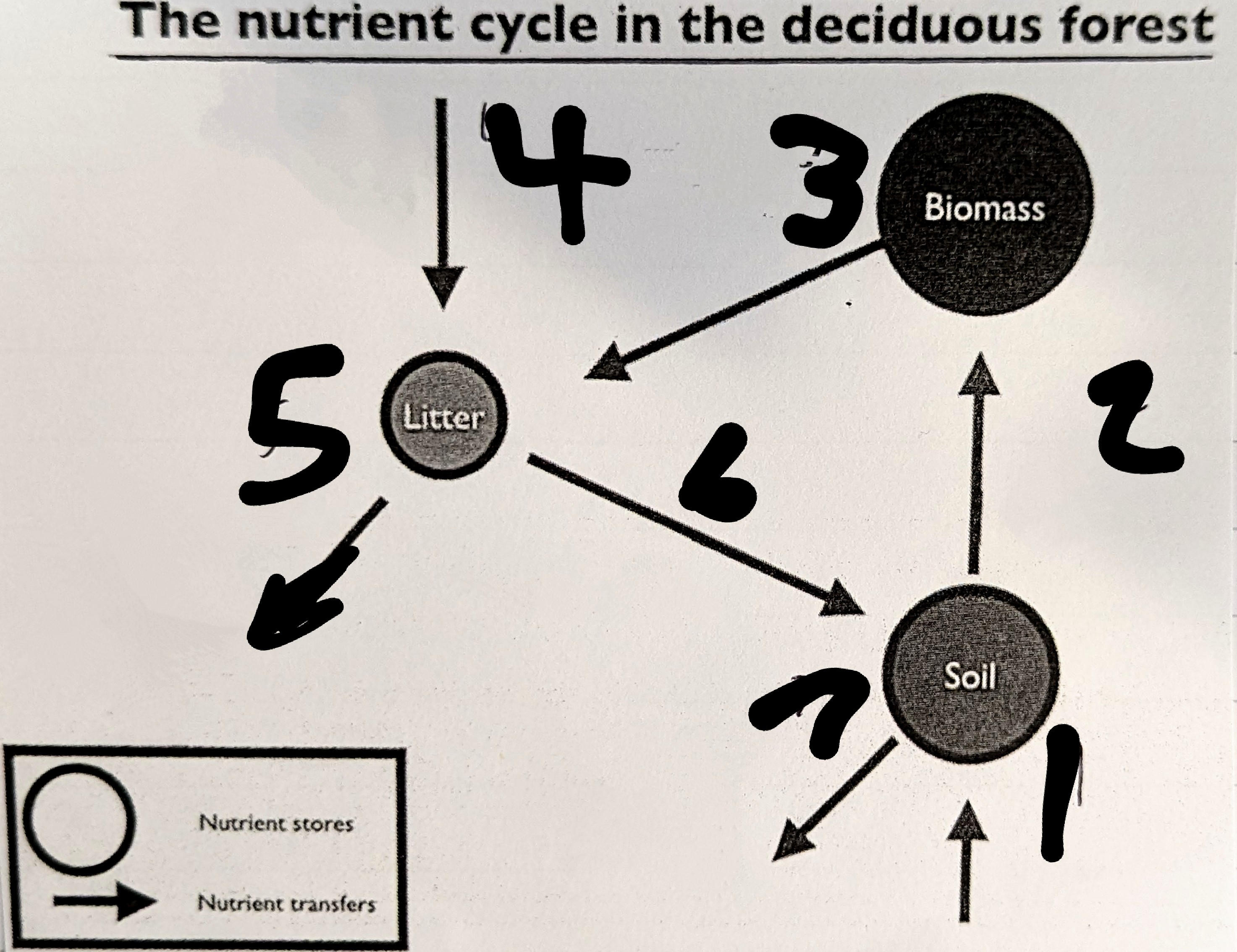
24
What is the Methods of Nutrient Cycle?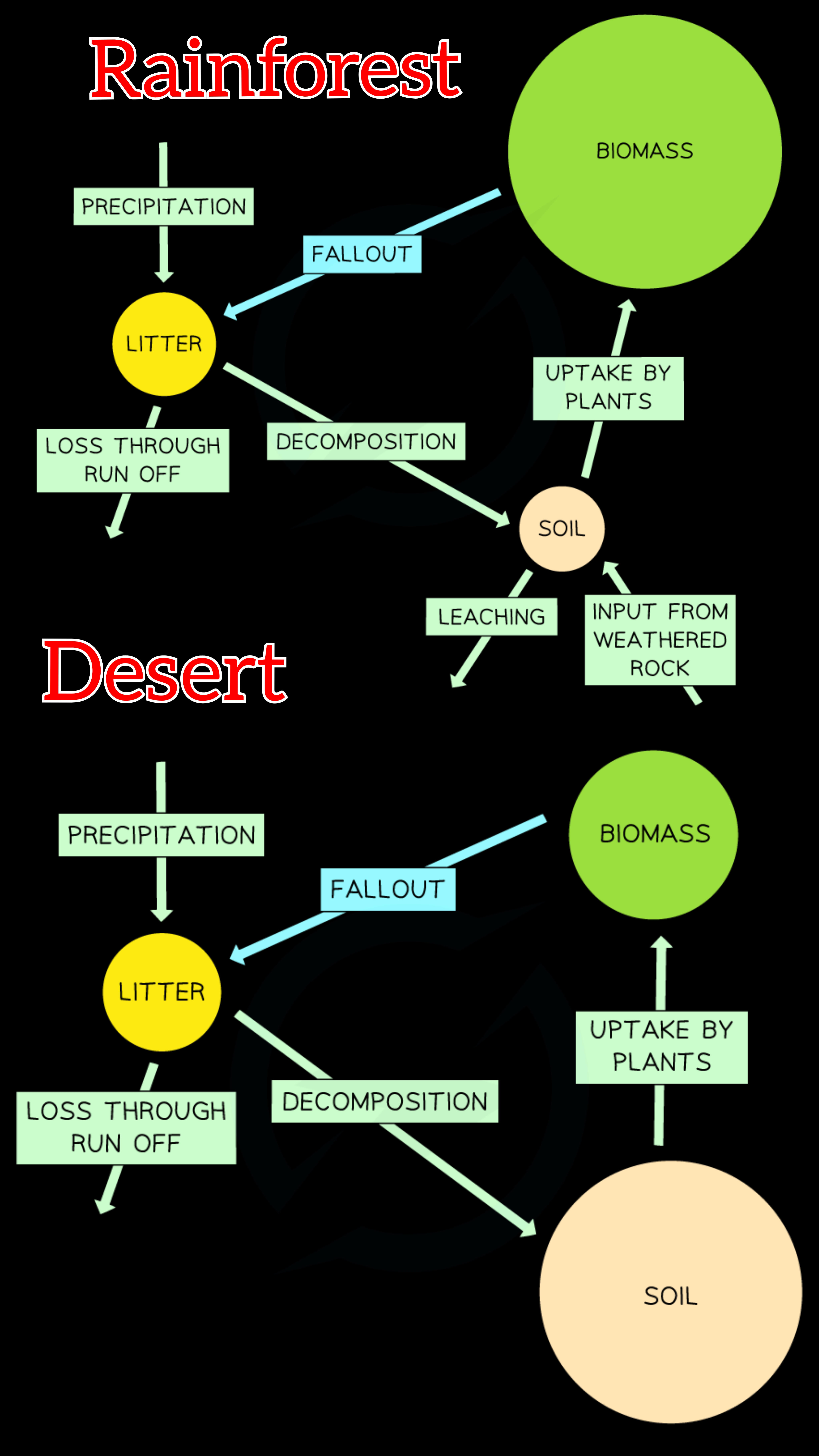
1) Weathering- Releases Nutrients from Bedrock to Soil
2) Plant Uptake- Nutrients Taken Up by Plants from Soil
3) Littering- Dead Bits Falling Off Biomass Onto Litter Layer
4) Precipitation- Can Provide Nutrients to Ecosystem
5) Decomposition- Bacteria Releasing Nutrients from Dead to Soil
6) Surface Run Off- Washes Nutrients Out of Litter Store Out of Ecosystem/into Rivers
7) Leaching- Washing Nutrients Out of Soil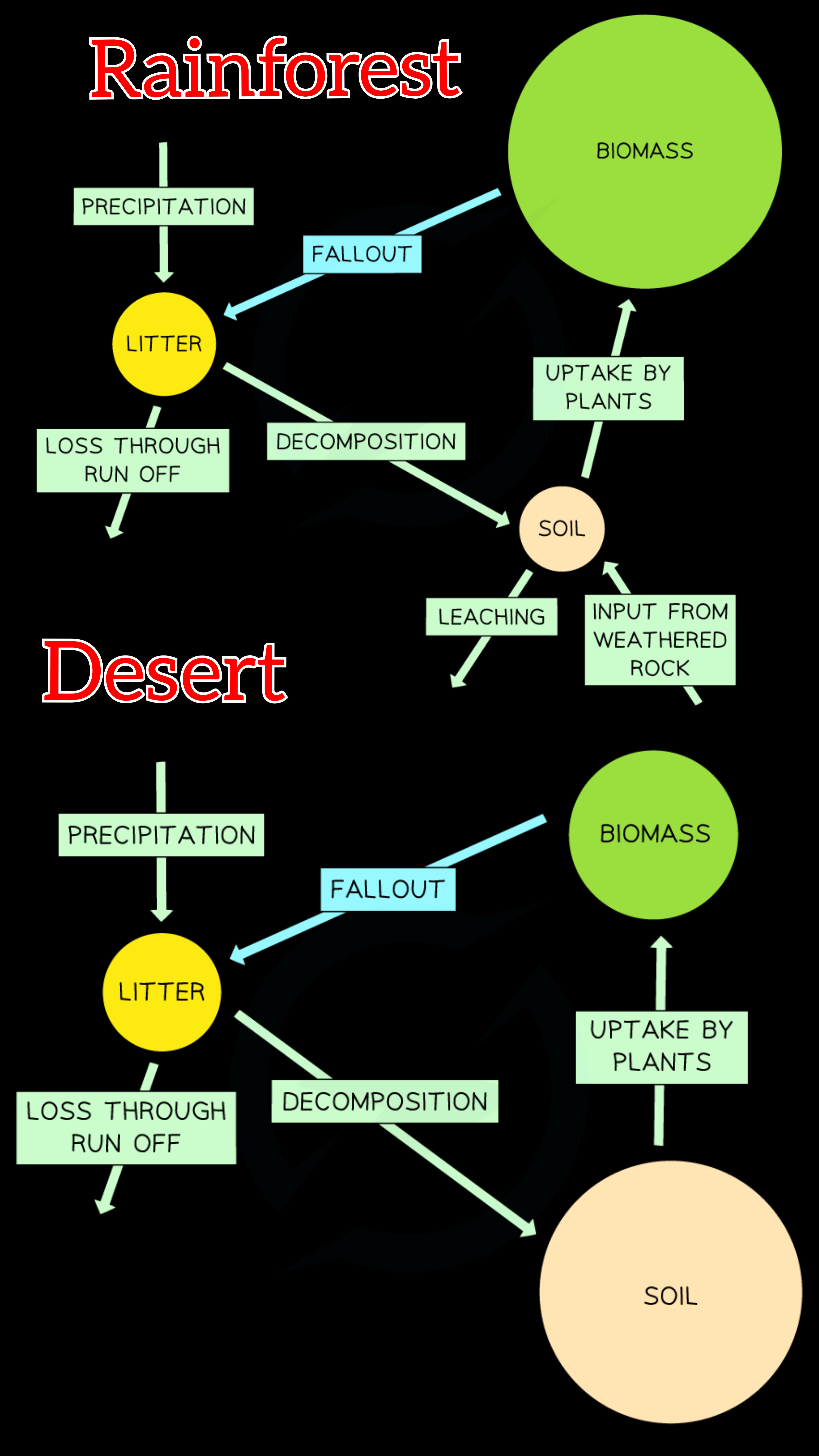
2) Plant Uptake- Nutrients Taken Up by Plants from Soil
3) Littering- Dead Bits Falling Off Biomass Onto Litter Layer
4) Precipitation- Can Provide Nutrients to Ecosystem
5) Decomposition- Bacteria Releasing Nutrients from Dead to Soil
6) Surface Run Off- Washes Nutrients Out of Litter Store Out of Ecosystem/into Rivers
7) Leaching- Washing Nutrients Out of Soil
25
Describe the Dessert Nutrients Cycle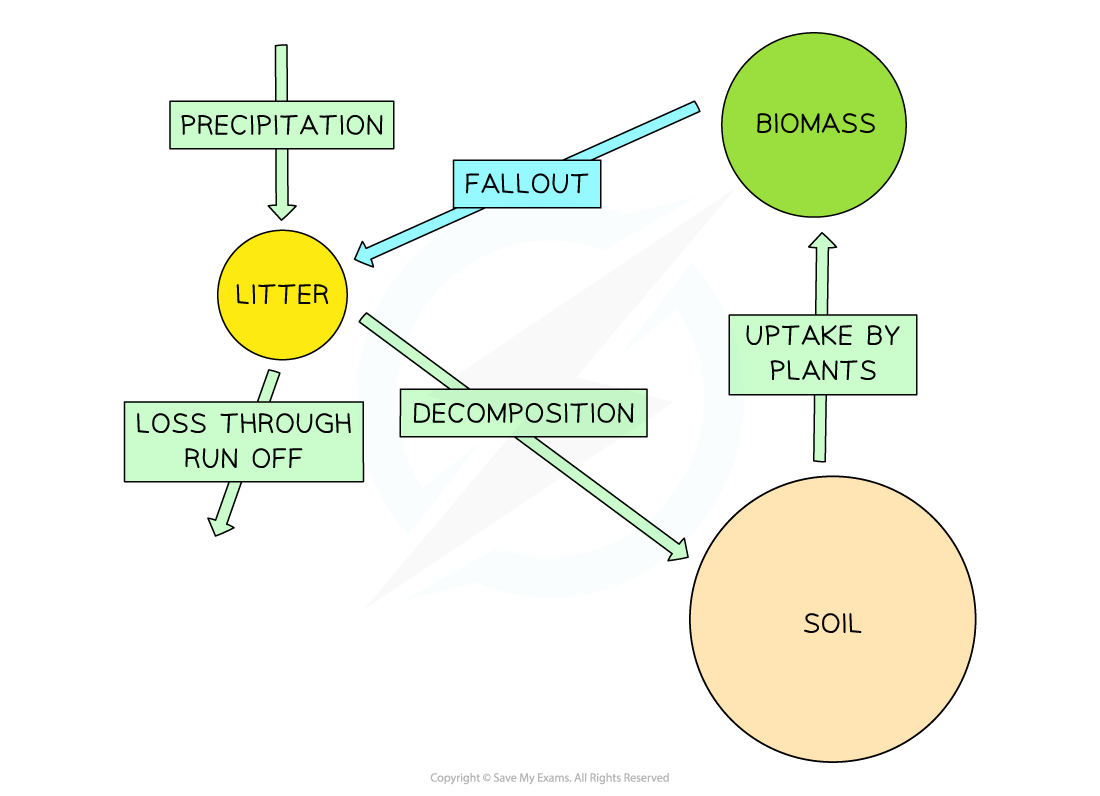
Dessets High Temperature & Low Precipitation= Dry Conditions so Few Plants Survive= Biomass Store Small
Results in Litter Produces Being Small so Store Small
Low Precipitation So Nutrients isn't removed by runoff or leaching so nutrients builds up in Soil = Largest Store Soil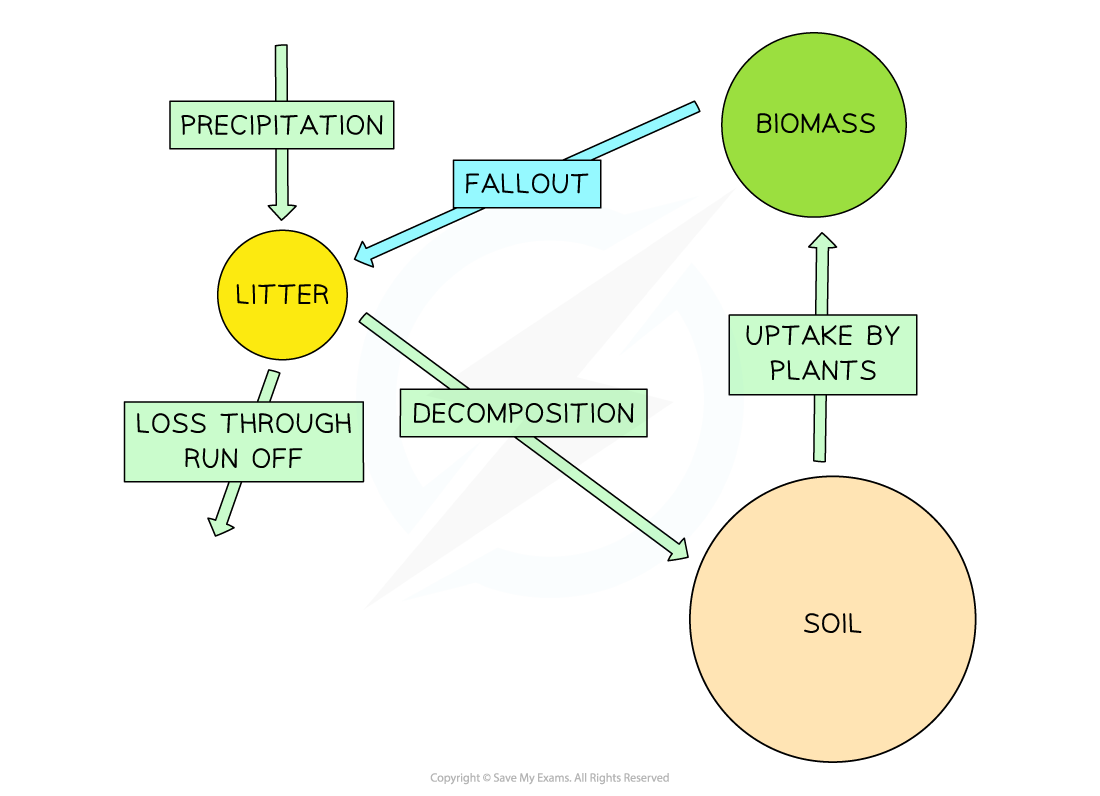
Results in Litter Produces Being Small so Store Small
Low Precipitation So Nutrients isn't removed by runoff or leaching so nutrients builds up in Soil = Largest Store Soil
26
Nutrient Cycle Definition?
Leaf Litter Forms Humus & Make Ground More Fertile
27
Define Global Ecosystem
Very Large Ecological Areas on Earths Surface (or Biomass) with Fauna & Flora Aapting to Their Environment.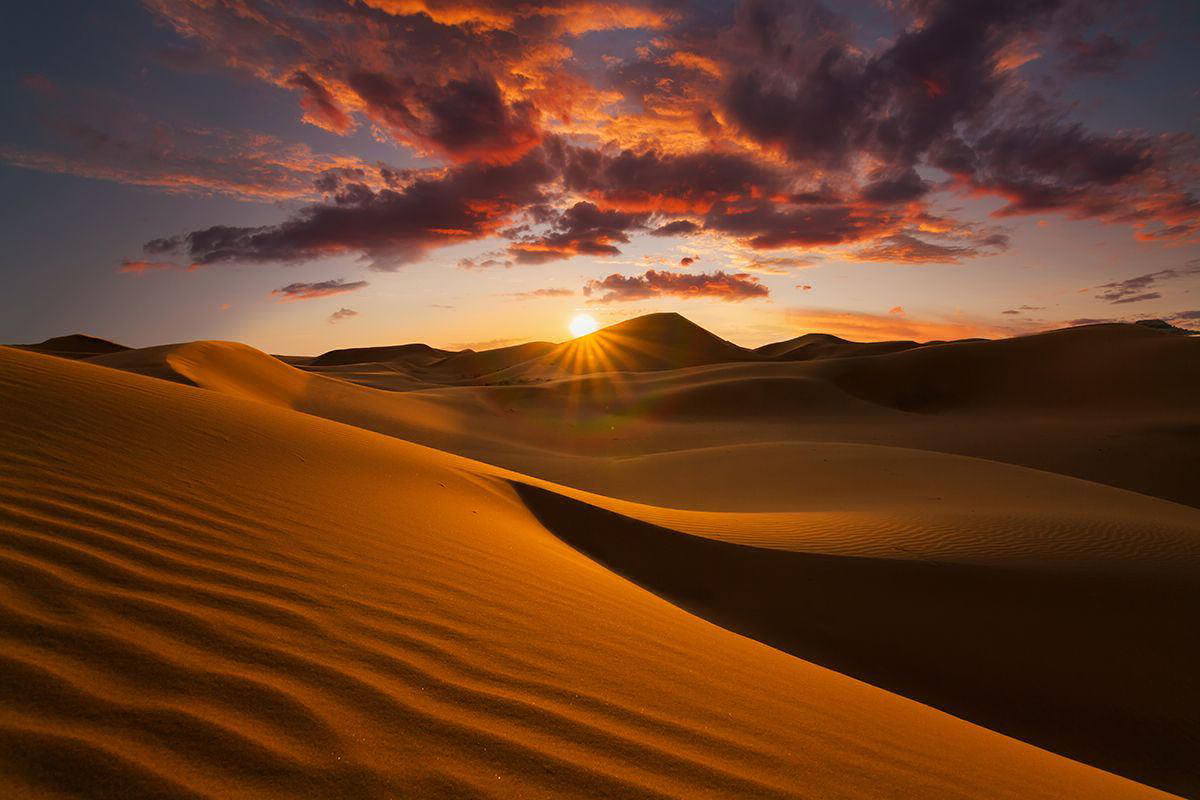
28
What are Large-scale Ecosystems/ Globle Ecosystems or Biomes Defined Mainly By?
Dominant Type of Vegetation that Grows in Region
29
What is the Distribution of Global Ecosystem & Why?
Global Ecosystems Form Broad Belts Across World from West to East Parallel to Lines of Latitude.
This Because Climate & Characteristics of Ecosystems Largely Determined by Global Atmospheric Circulation.
This Because Climate & Characteristics of Ecosystems Largely Determined by Global Atmospheric Circulation.
30
Why are there Variations of West-to-East Belts of Vegetation & What do They Affect?
Due to Factors such as Ocean Currents, Winds & Distribution of Land & Sea.
These Factors Produce Small Variations in Temperature & Moisture which Affect Ecosystems.
These Factors Produce Small Variations in Temperature & Moisture which Affect Ecosystems.
31
Why are Tropical Rainforests Found Along the Equator Rather Than Deserts?
Tropical Rainforest Mostly Found in a Belt 25° North or South of the Equator. because Sun Rays are Concentrated.
This Creates A lot of Evaporation as Warm Air Rises, Cools, Condense and Clouds Form Which Causes Daily Rainfall.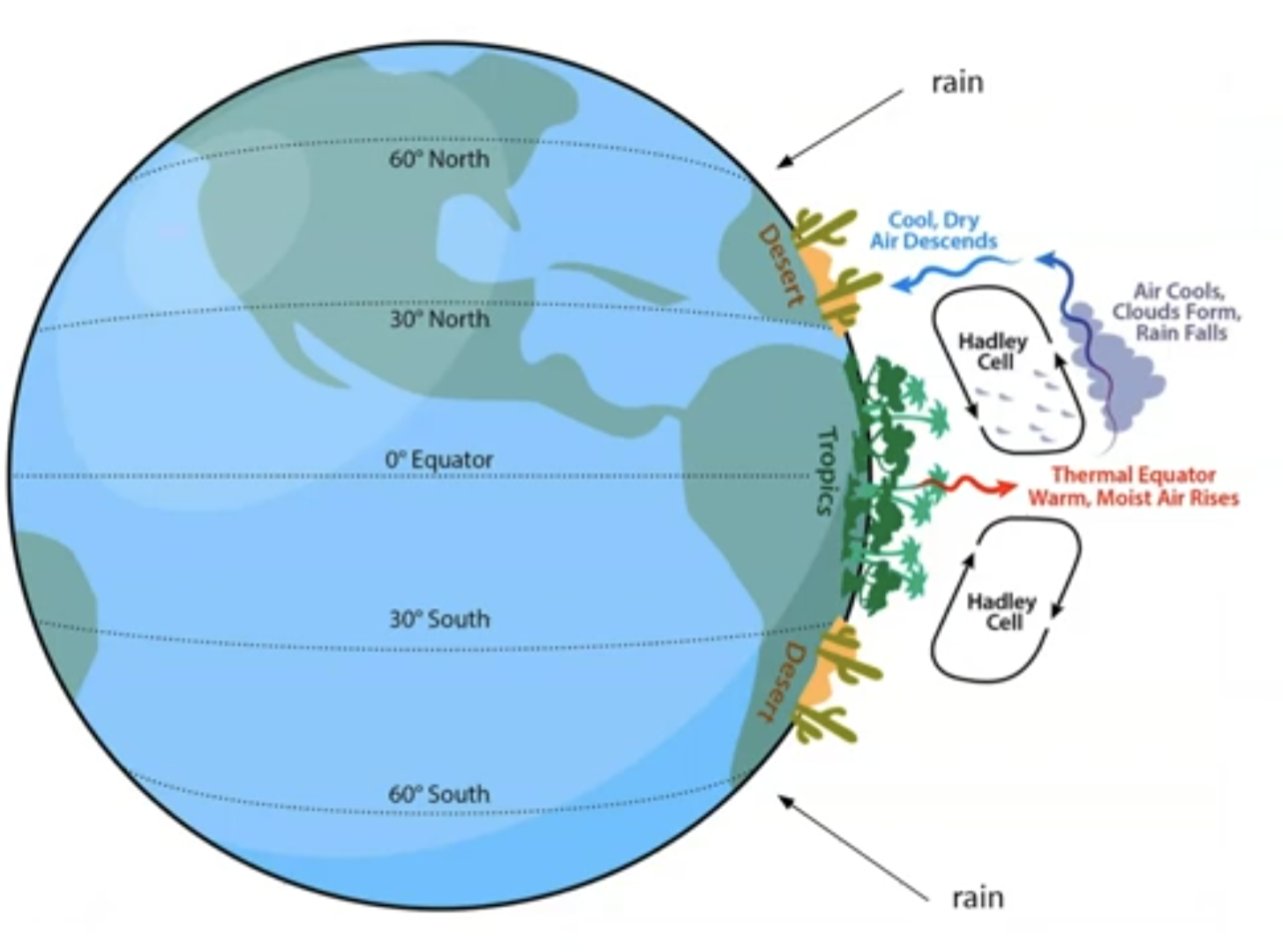
This Creates A lot of Evaporation as Warm Air Rises, Cools, Condense and Clouds Form Which Causes Daily Rainfall.
32
What are the Names of All the Global Ecosystems?
• Coniferous Forests
• Deserts
• Mediterranean
• Mountains
• Savannah Grasslands
• Temperature Deciduous Forests
• Temperate Grasslands
• Tropical Rainforests
• Tundra
• Deserts
• Mediterranean
• Mountains
• Savannah Grasslands
• Temperature Deciduous Forests
• Temperate Grasslands
• Tropical Rainforests
• Tundra
33
Description of Coniferous Forests (trees) & Example where they found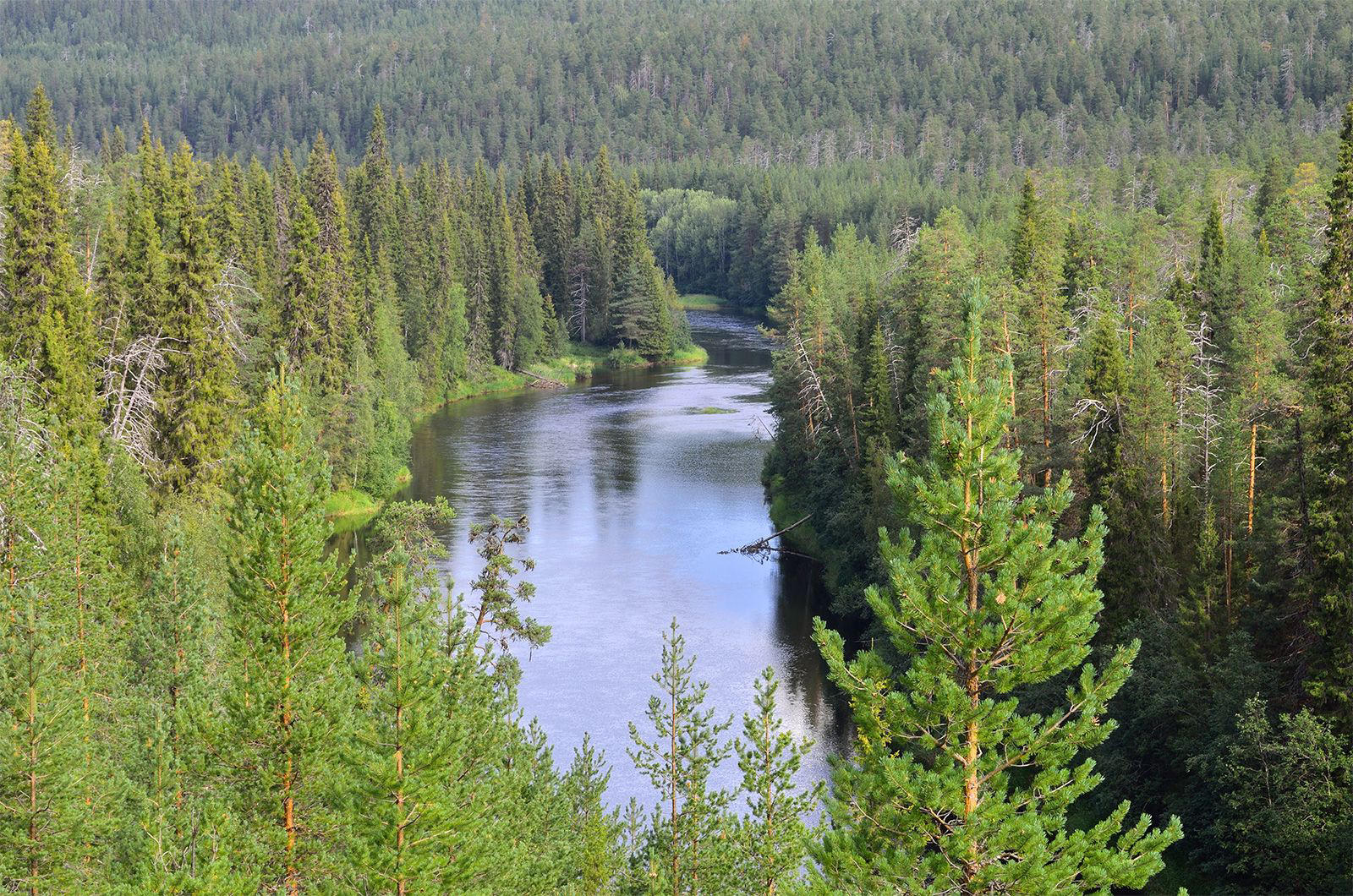
Coniferous Trees are Cone-bearing Evergreens Retaining their Leaves to Maximise Photosynthesis.
Better Suited for Cold Environments.
Russia & Canada.
Better Suited for Cold Environments.
Russia & Canada.
34
Description of Deserts Conditions & Example where they found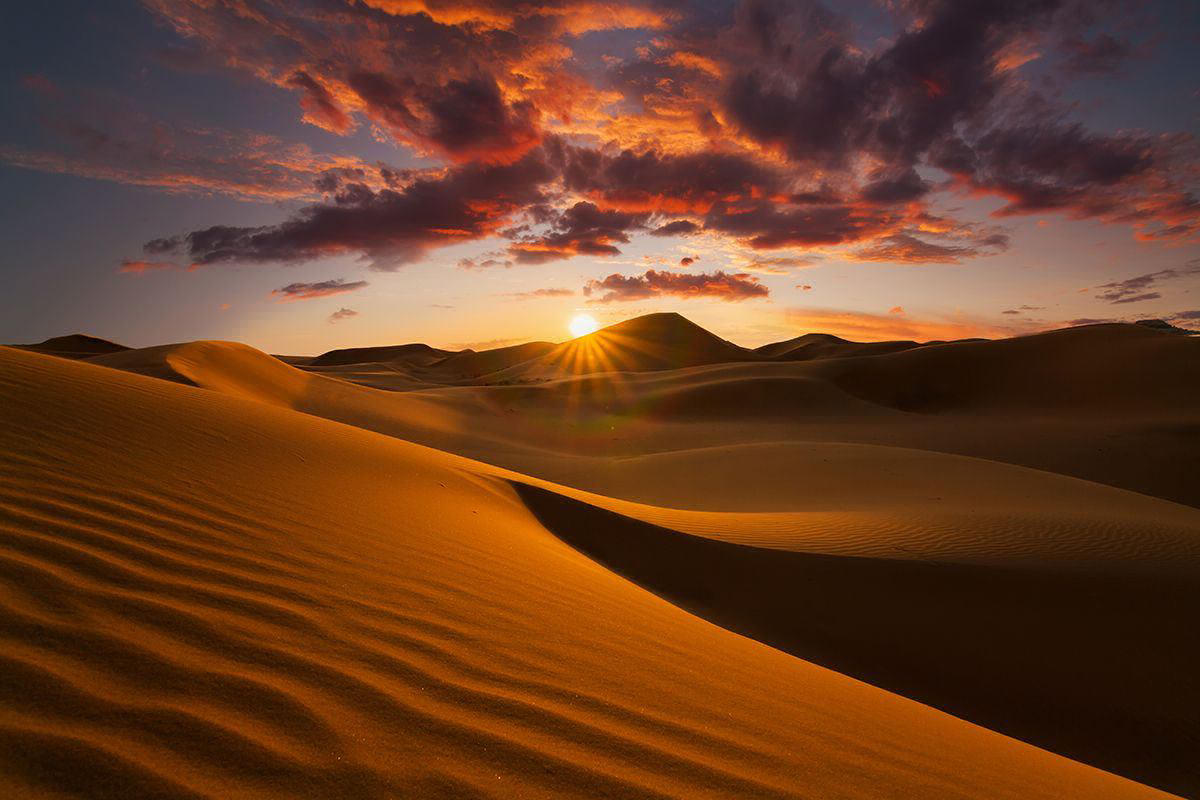
biome covers 1/5 of Earth's Land Surface.
Hot Deserts Associated with Subtropical High Pressure Belts
Sinking Air Stops Clouds from Forming Resulting in High Daytime Temperatures & Low Night Time Temperatures & Low Rainfall.
So Plants & Animals Must Be Well Adapted to Survive.
North Africa (Sahara) & Australia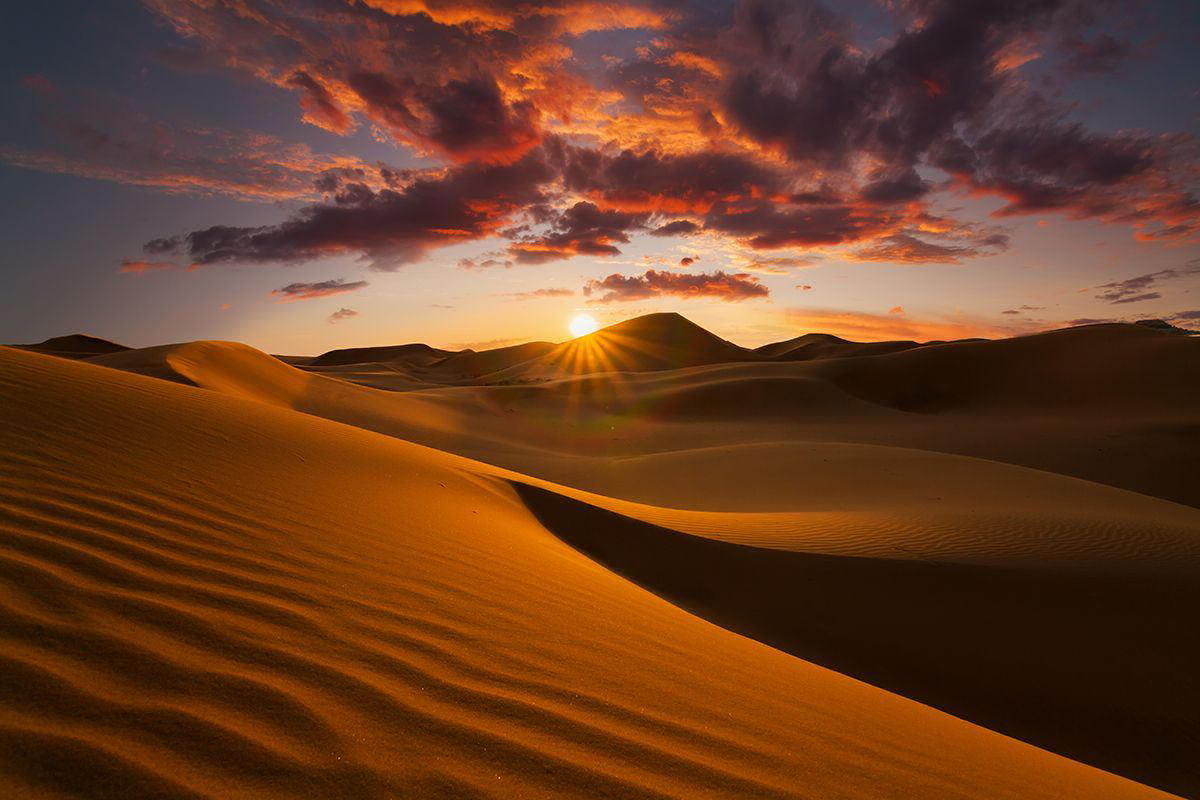
Hot Deserts Associated with Subtropical High Pressure Belts
Sinking Air Stops Clouds from Forming Resulting in High Daytime Temperatures & Low Night Time Temperatures & Low Rainfall.
So Plants & Animals Must Be Well Adapted to Survive.
North Africa (Sahara) & Australia
35
Description of Mediterranean Conditions & Example where they found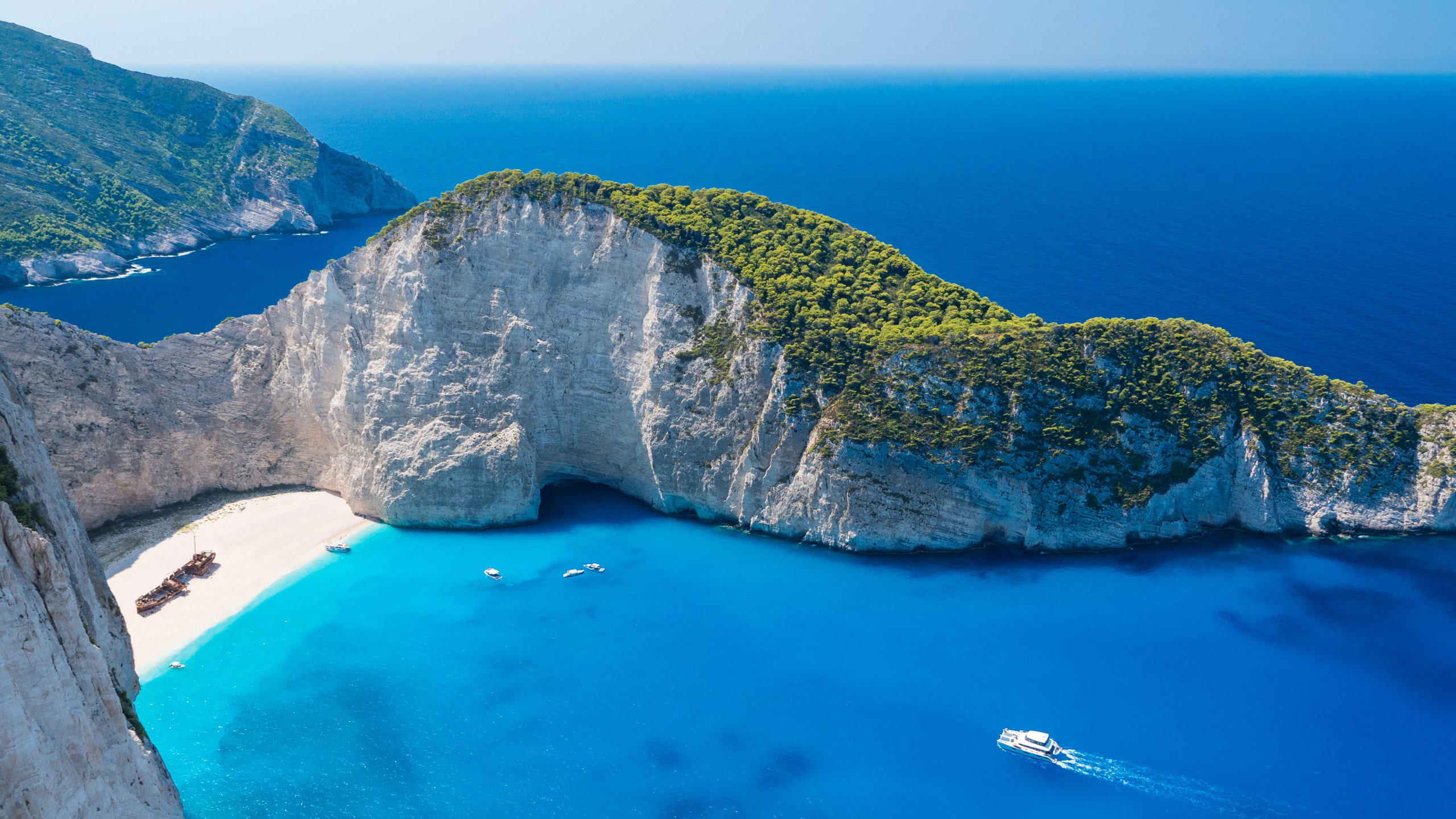
Countries around Mediterranean Have hot sunny & Dry summers with mild winters.
Due to Pressure Belts Migrating Slightly North and South During the Year.
Mediterranean Vegetation Include Olive Trees, Fruit Trees such as Lemons & Oranges.
Moroco & Greece.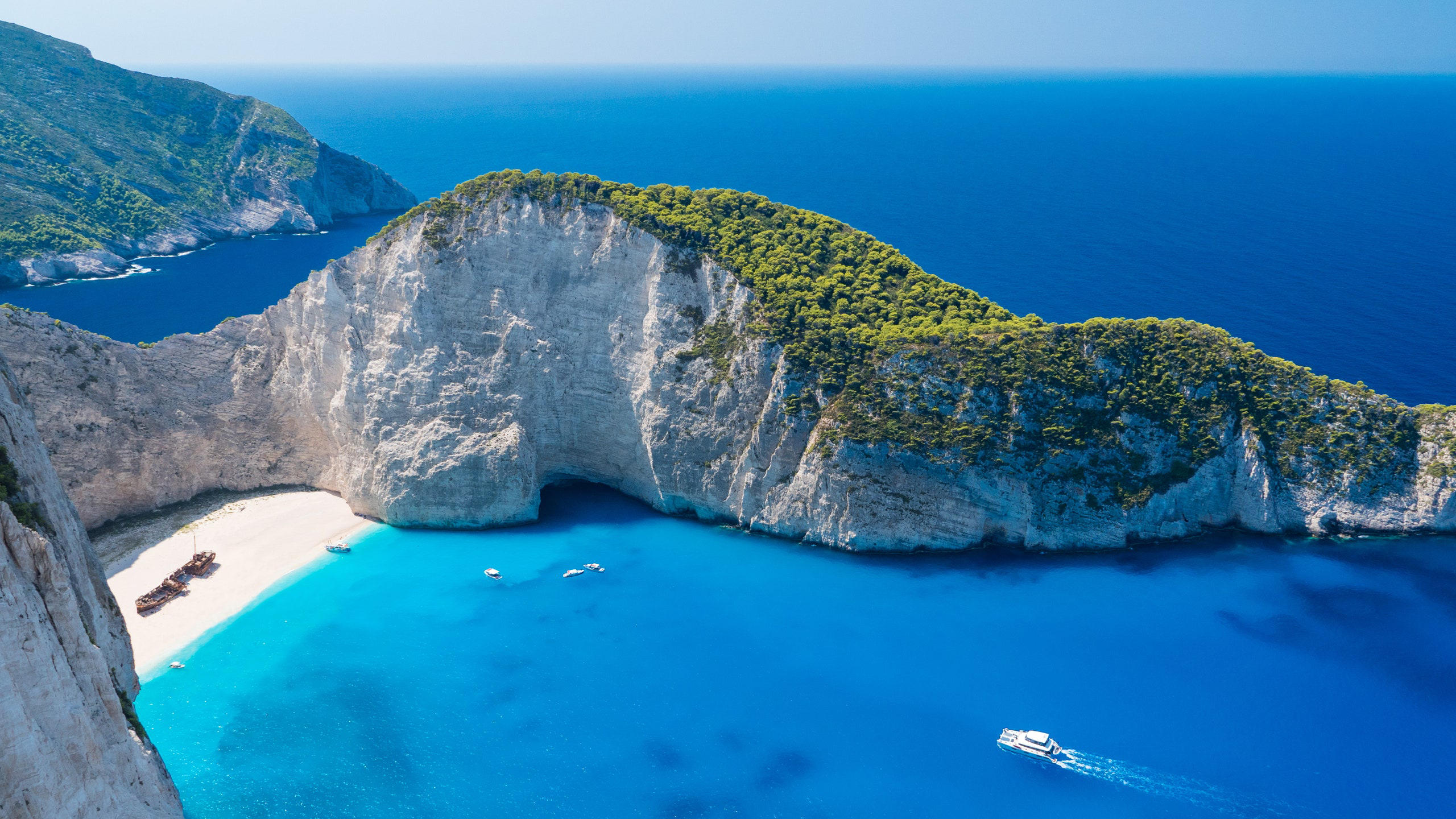
Due to Pressure Belts Migrating Slightly North and South During the Year.
Mediterranean Vegetation Include Olive Trees, Fruit Trees such as Lemons & Oranges.
Moroco & Greece.
36
Description of Mountains Conditions & Example where they found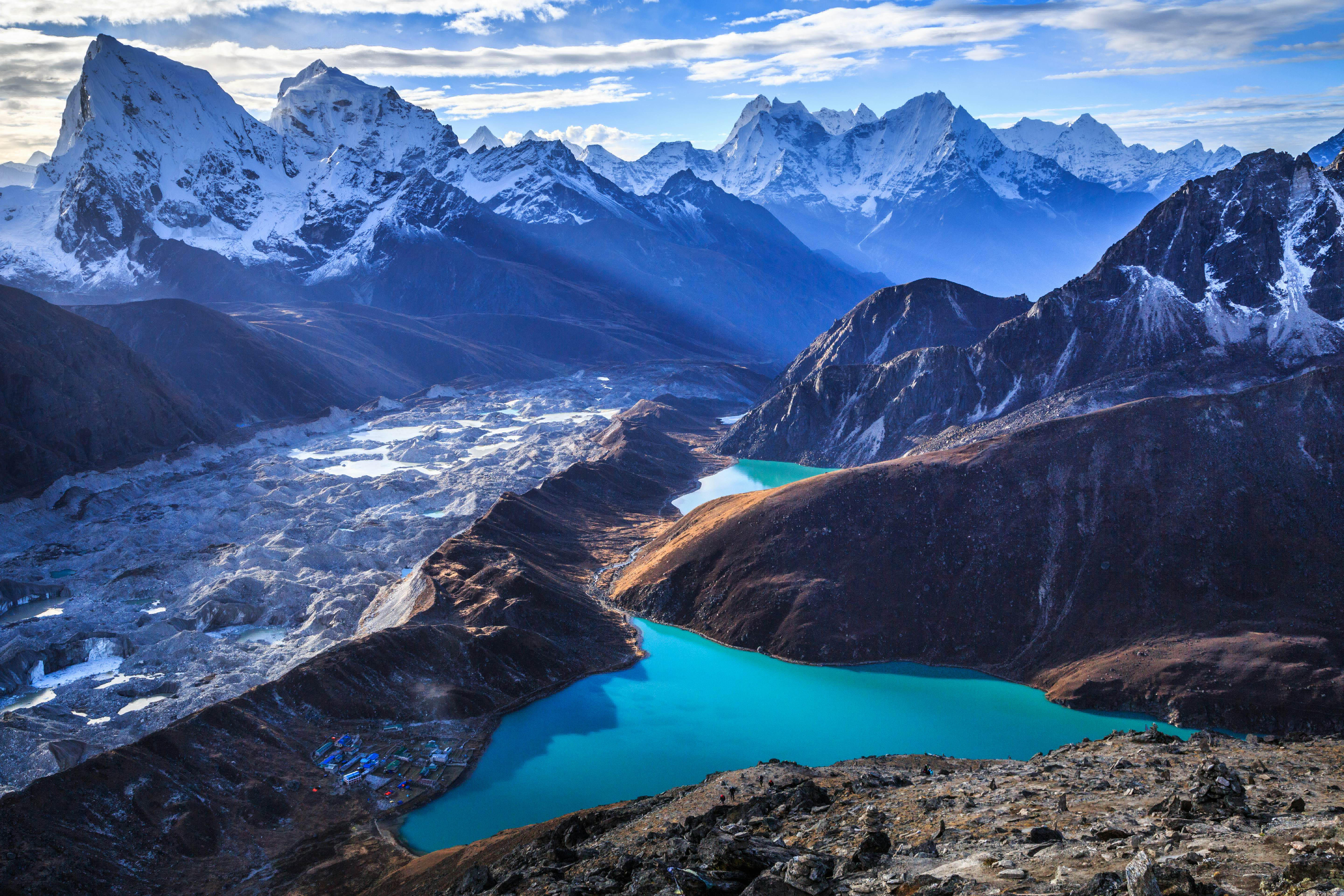
Constantly Changing Environment which Plants & Animal Life Varies with changes in elevation
Further up a Mountain Temperatures get Colder Tree Species Change or Disappear & Plants & Animal Species Different from Those Found on Lower Ground.
Himalayas in Asia & Andies in South America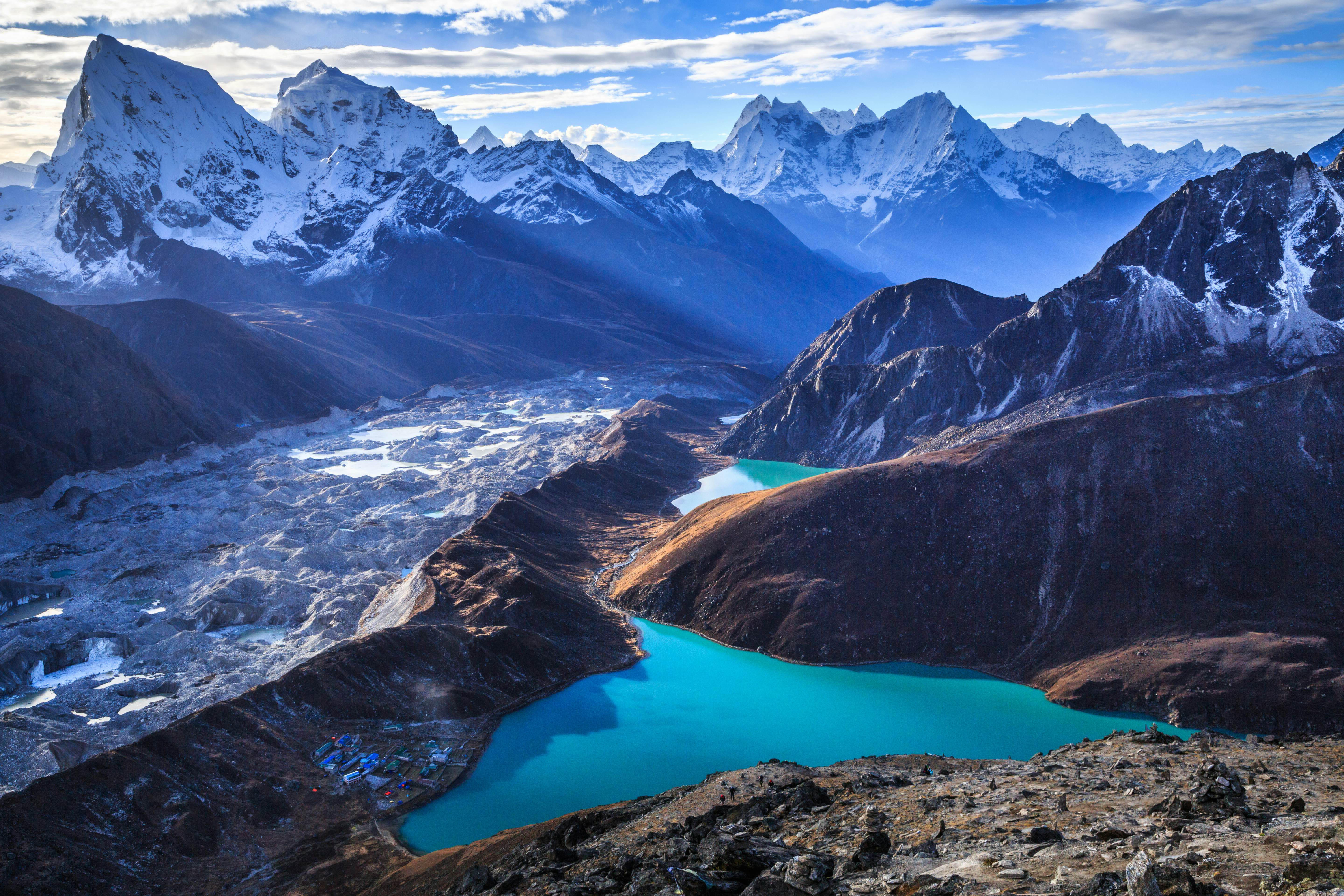
Further up a Mountain Temperatures get Colder Tree Species Change or Disappear & Plants & Animal Species Different from Those Found on Lower Ground.
Himalayas in Asia & Andies in South America
37
Description of Savanna Grasslands Conditions & Example where they found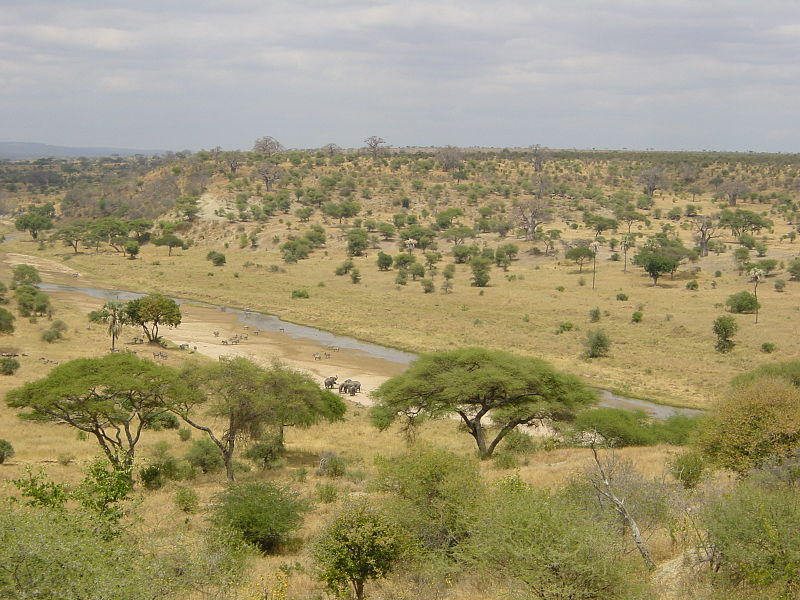
Tropical Climate has Wet & Dry Seasons.
Violent Thunderstorms Can Occur During Wet Season.
Large Herds of Animals Graze on Grasslands such as Lions & Leopards.
Northern Nigeria & Mexico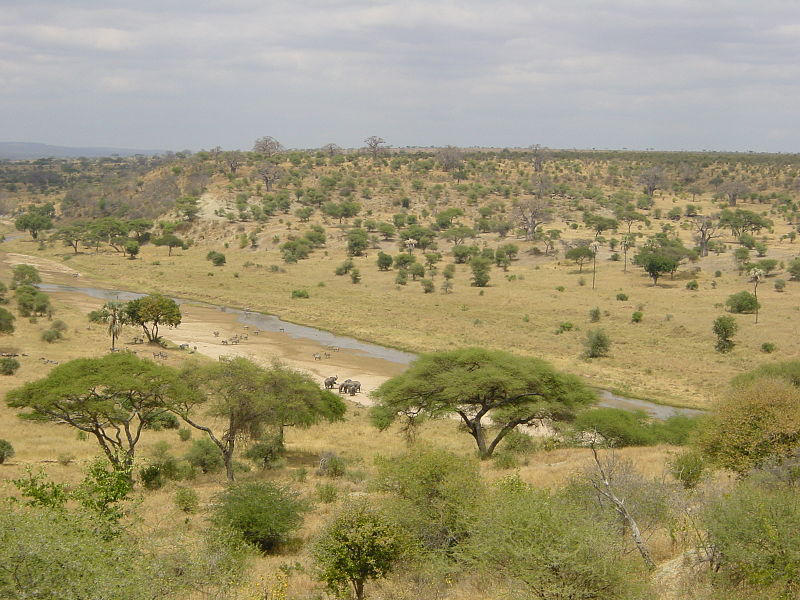
Violent Thunderstorms Can Occur During Wet Season.
Large Herds of Animals Graze on Grasslands such as Lions & Leopards.
Northern Nigeria & Mexico
38
Description of Temporate Deciduous Forest Conditions & Example where they found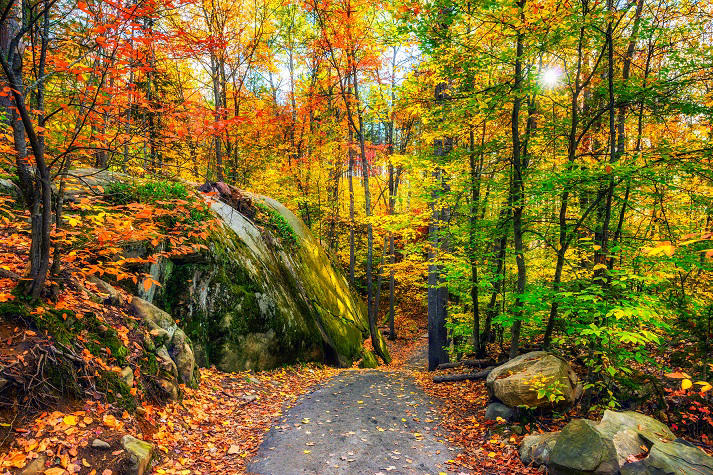
Deciduous Trees Shed their Leaves in Winter to Retain Moisture.
Britain & southern Europe
Britain & southern Europe
39
Description of Temperate Grasslands Conditions & Example where they found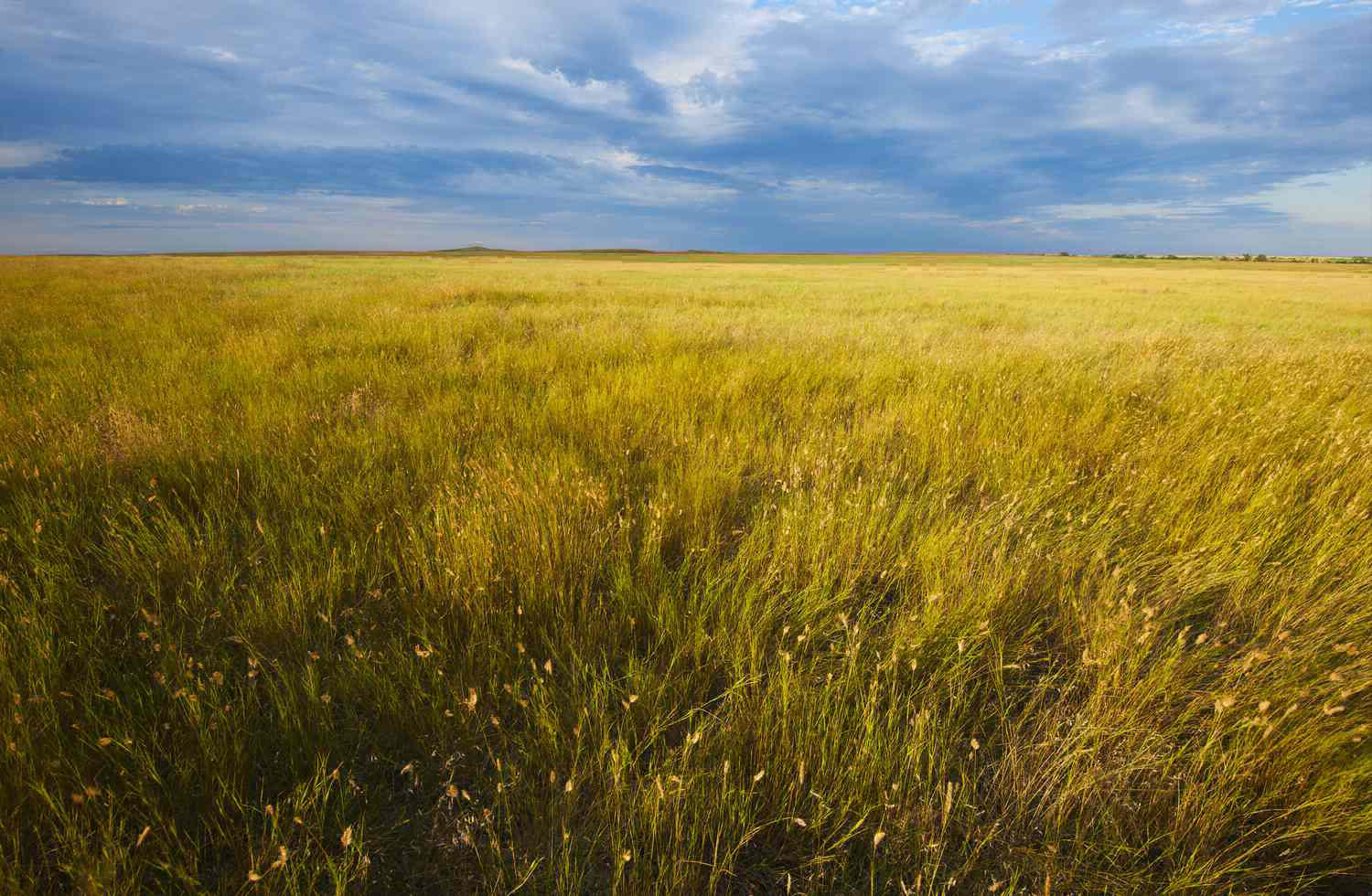
Located Inland Away from Coasts with Hot Summers & Cold Winters Grasses Can Tolerate These Conditions.
Lands is Mainly Used for Grazing Animals.
Kazakhastan
Lands is Mainly Used for Grazing Animals.
Kazakhastan
40
Description of Tropical Rainforests Conditions & Example where they found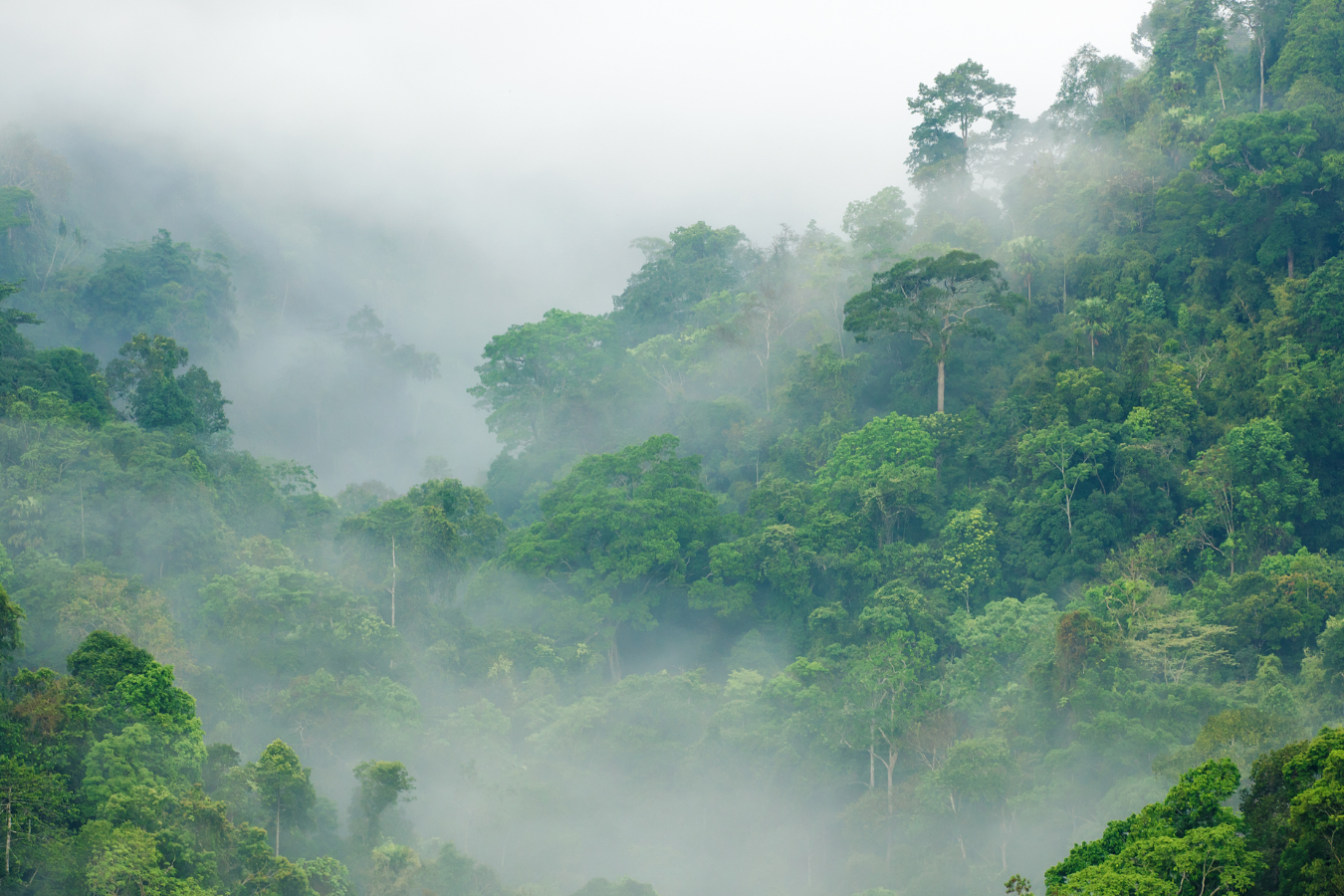
Biome is Close to Equator & Experiences, High Temperature & Heavy Rainfall Due to Equatorial Low Pressure Belt.
Allows ideal Conditions for Plants to Grow.
• Rainforest Cover 6% of Earth's Land
•Surface and over 50% of Earth's Plants & Animals Live in This Ecosystem.
• 25% of all Medicines Come From Rainforest Plants
A Broad Belt Across Equator, including Countries such as Brazil & Malaysia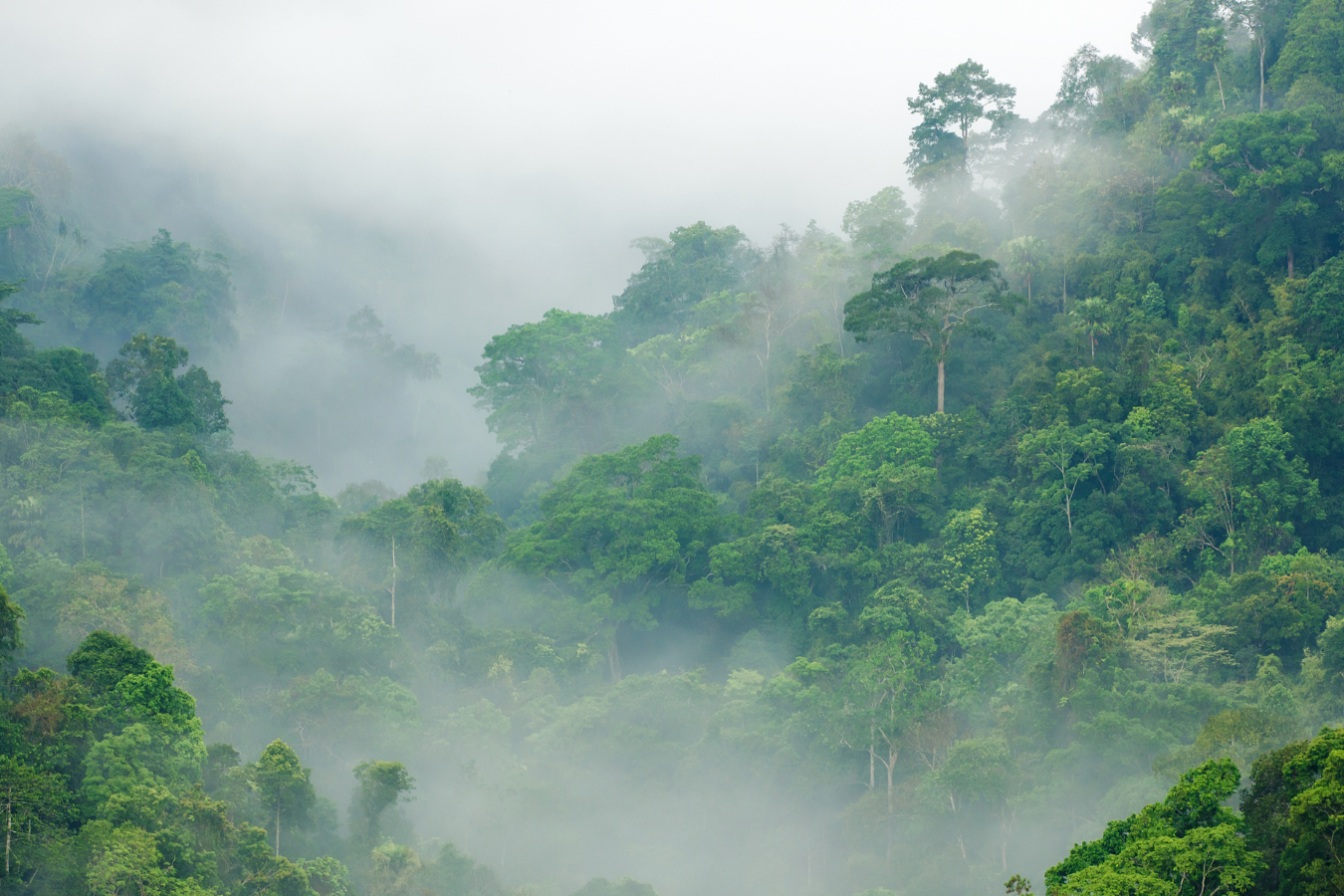
Allows ideal Conditions for Plants to Grow.
• Rainforest Cover 6% of Earth's Land
•Surface and over 50% of Earth's Plants & Animals Live in This Ecosystem.
• 25% of all Medicines Come From Rainforest Plants
A Broad Belt Across Equator, including Countries such as Brazil & Malaysia
41
Description of Tundra Conditions & Adaptations & Example where they found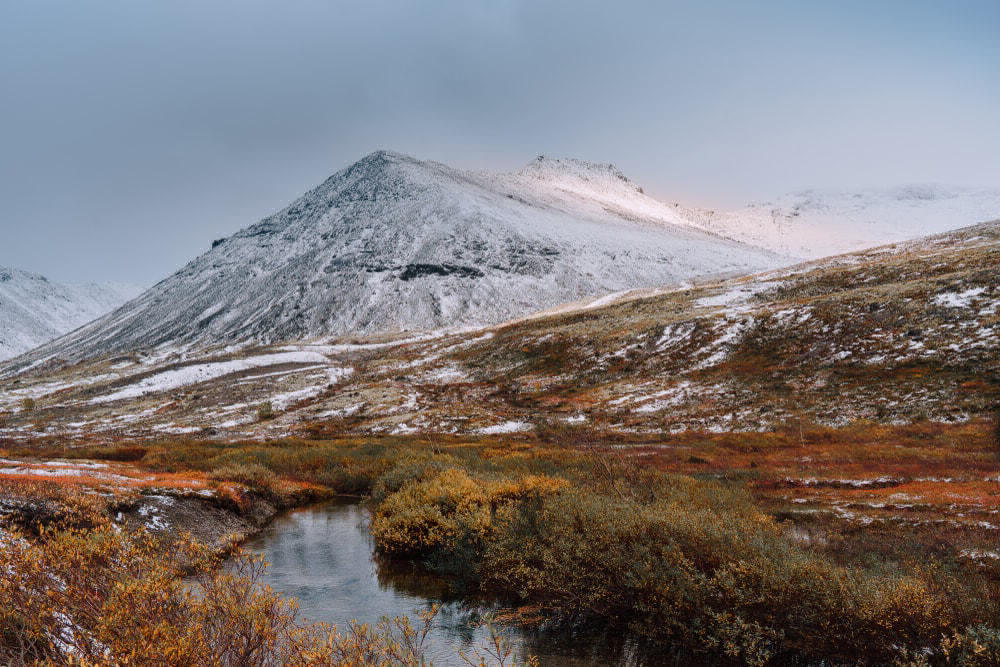
From the Arctic circle, this Biome is Characterised By Low-lying Plants Adapted to Retain Heat & Moisture in Cold, Windy & Dry Conditions.
Animals Such as Reindeer Adapted to Survive Here but Ecosystems Vulnerable to Oil Exploitation & Tourism.
Northern Russia & Canada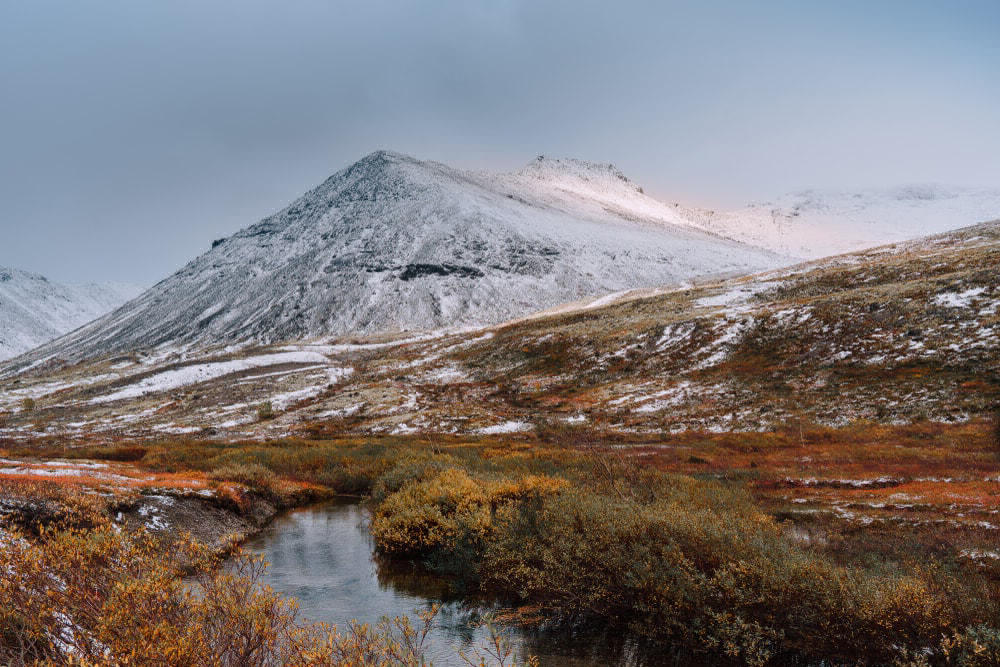
Animals Such as Reindeer Adapted to Survive Here but Ecosystems Vulnerable to Oil Exploitation & Tourism.
Northern Russia & Canada
42
Describe Distribution of Tropical Rainforest Biomes
Occupy 7% World's Land.
Main Area on Amazon Basin, Brazil, Central Africa & Southeast Asia with Largest Area of Tropical Rainforest in Amazon.
Main Area on Amazon Basin, Brazil, Central Africa & Southeast Asia with Largest Area of Tropical Rainforest in Amazon.
43
Why is Biodiversity so High in Tropical Rainforest?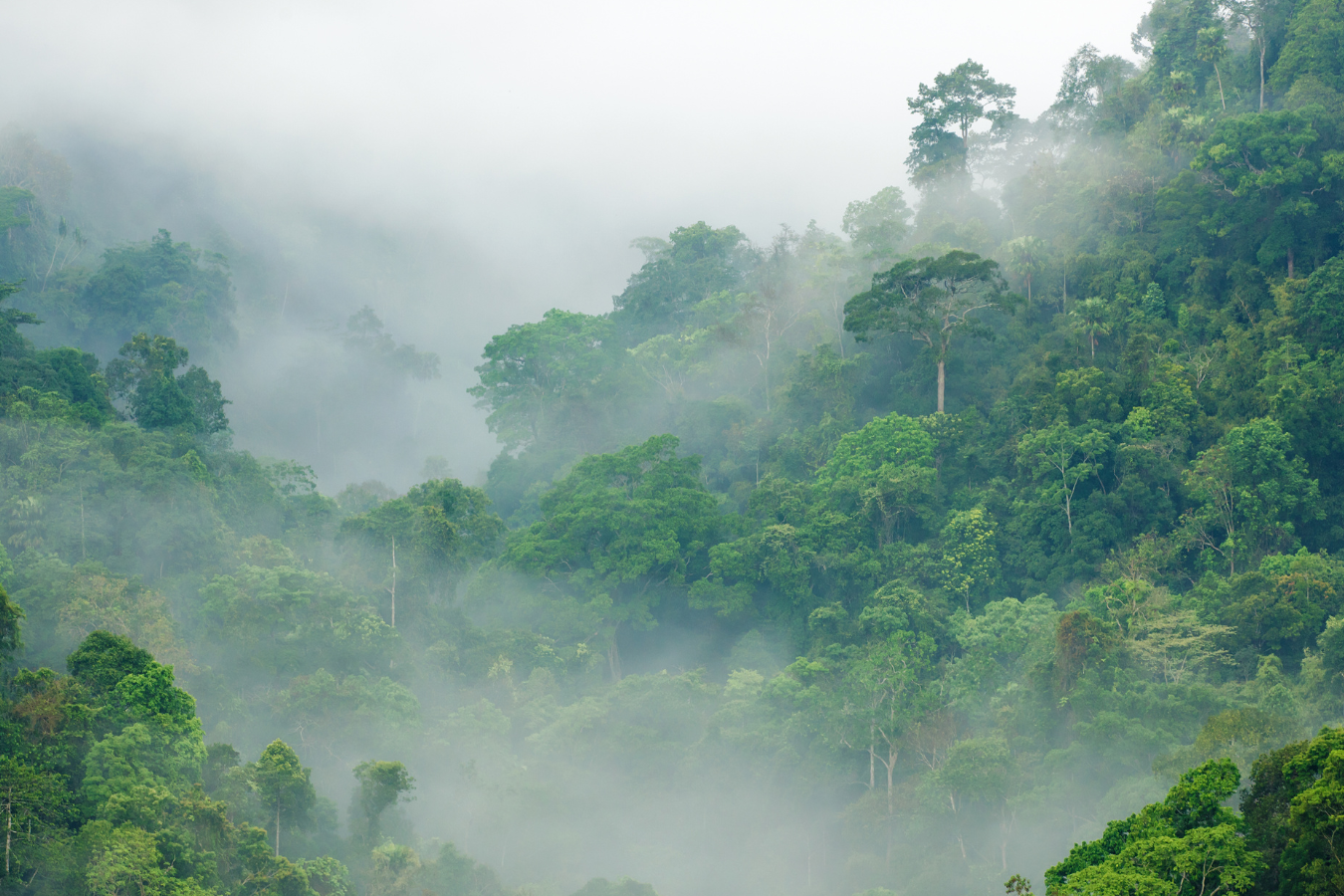
Different Parts of Rainforest are Linked Through Food Webs, Water Cycle, Nutrient Cycle and More Making Them Independent.
If a Change Happens To One Component of Ecosystem it will Affect Other Components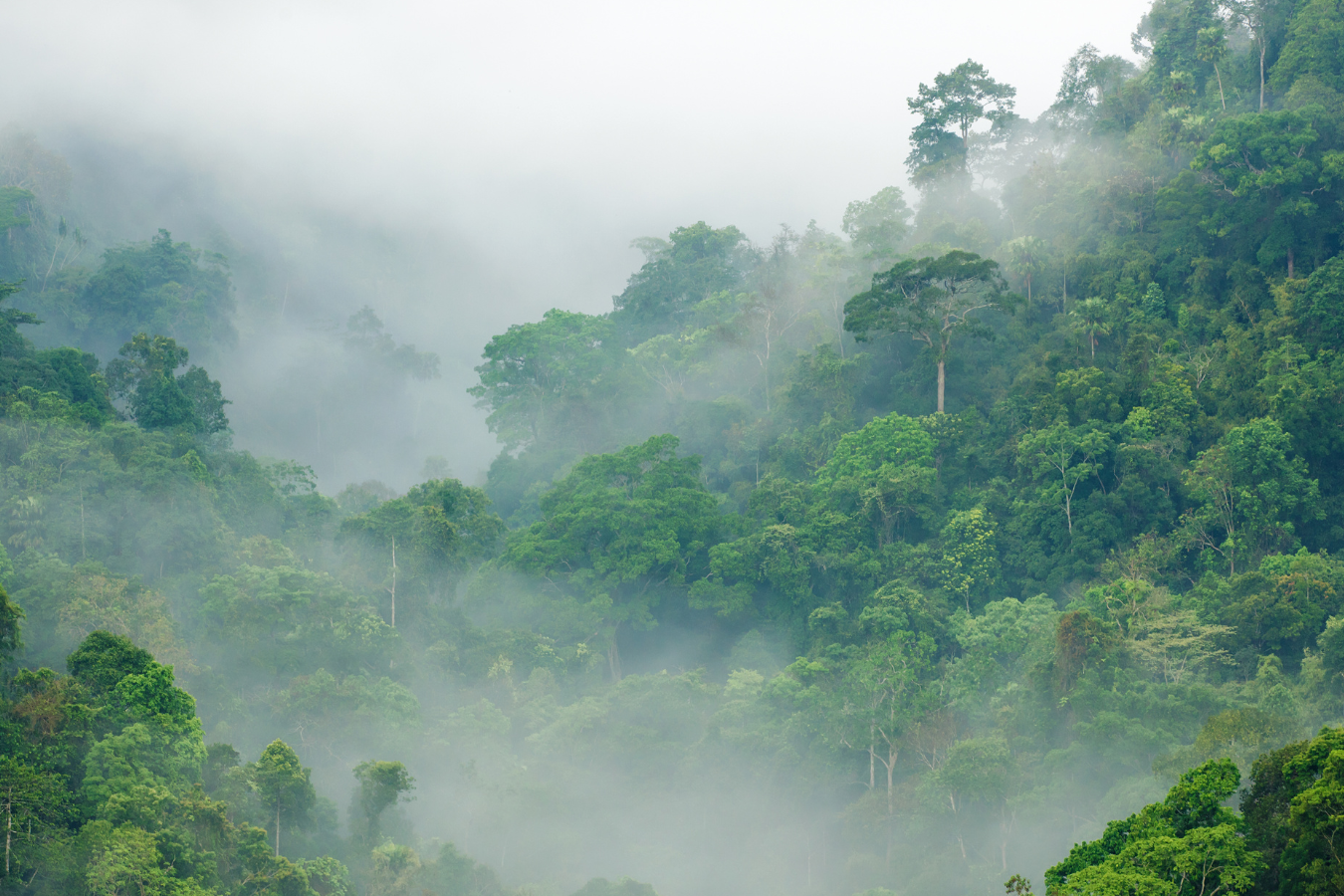
If a Change Happens To One Component of Ecosystem it will Affect Other Components
44
What is the Climate like in Tropical Rainforests?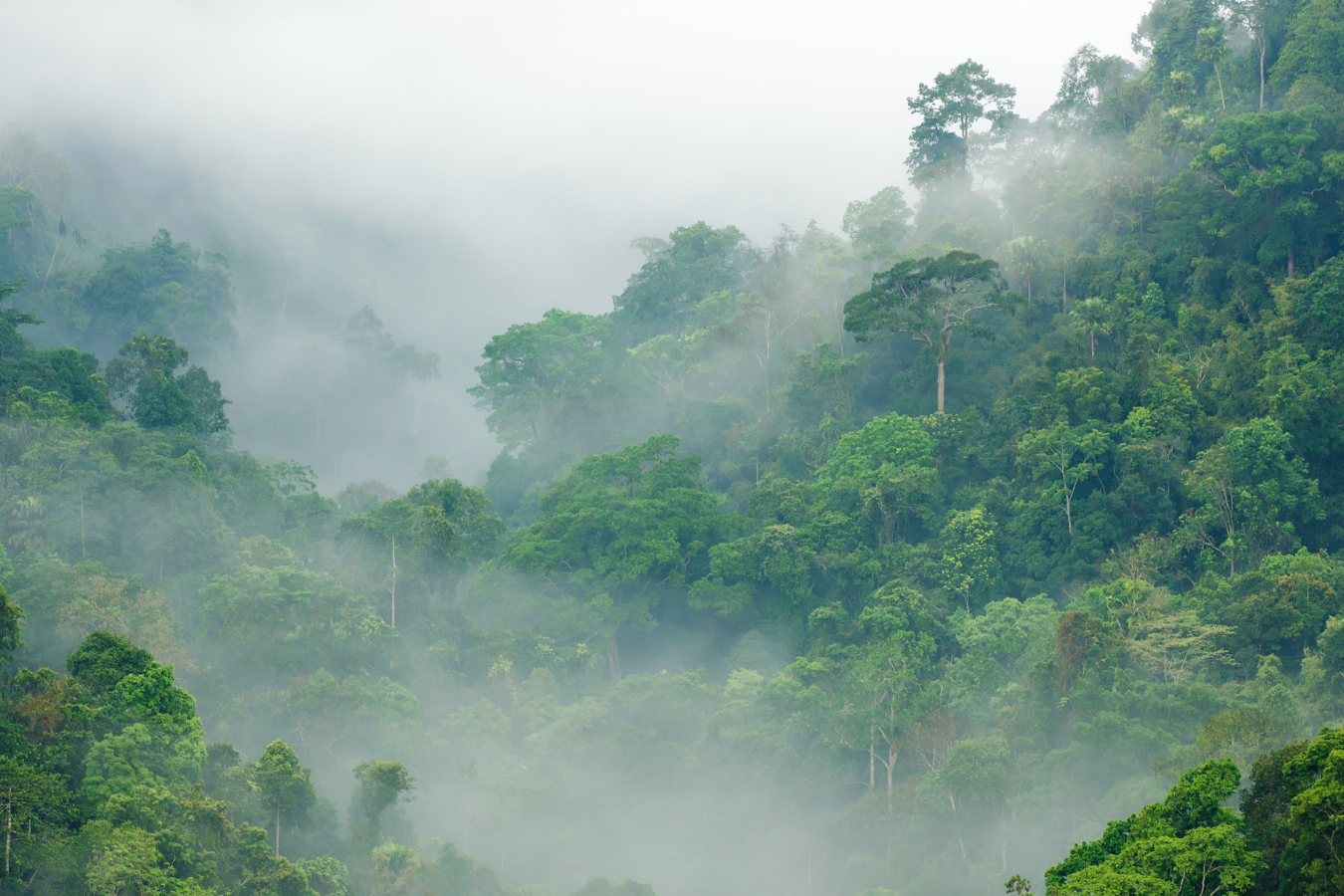
• Average Temperatures are 27° C due to Sun Concentrated at Equator..
• Average Rainfall is Over 2,000mm to Low Pressure Belt with Air Rising & Forming Clouds.
• As this Low Pressure Belt Moves To North, then South over Rainfall Levels Will Vary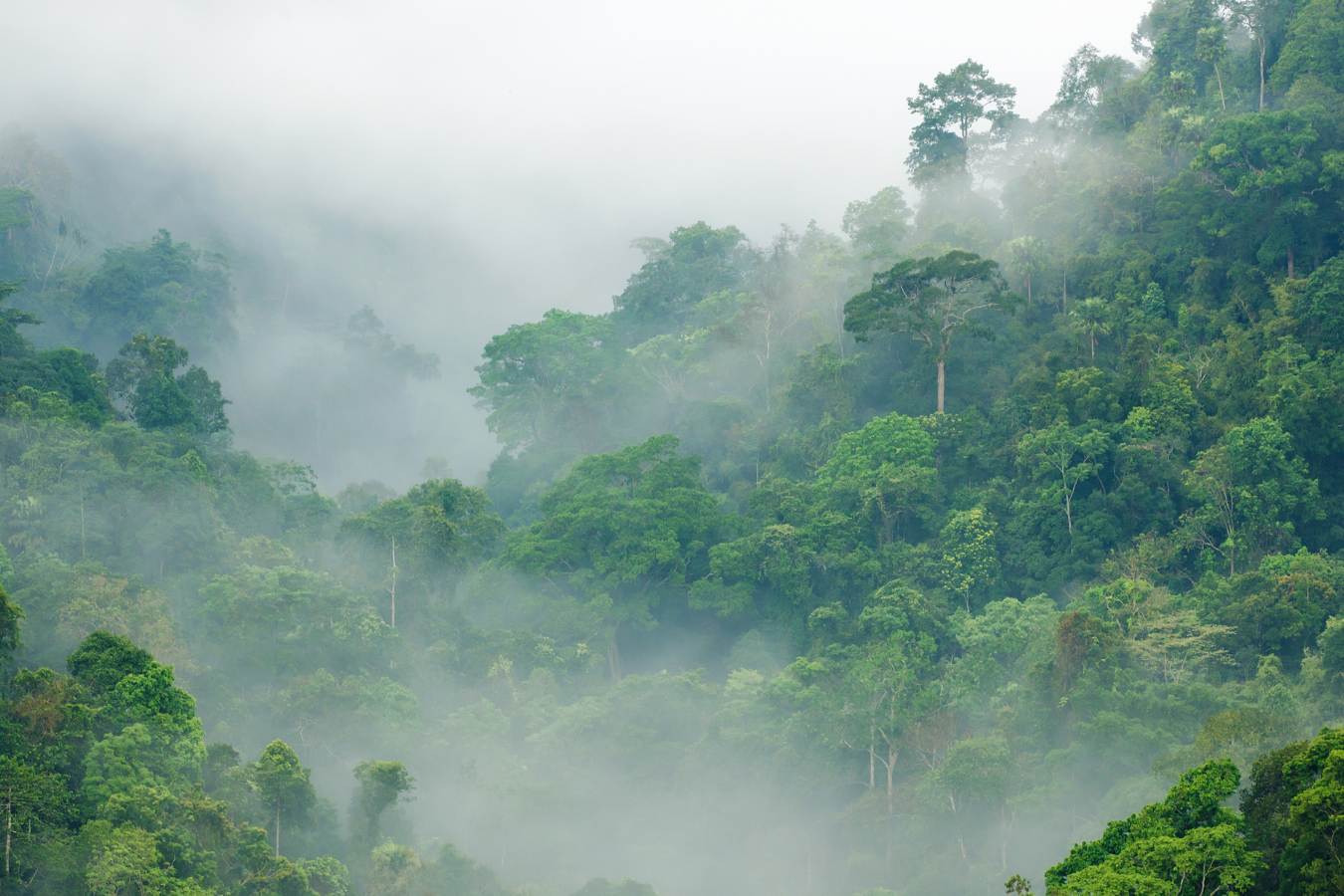
• Average Rainfall is Over 2,000mm to Low Pressure Belt with Air Rising & Forming Clouds.
• As this Low Pressure Belt Moves To North, then South over Rainfall Levels Will Vary
45
What is the Water Cycle Affected by & What Happens to Rain as It Falls to Grpund in Tropical Rainforests?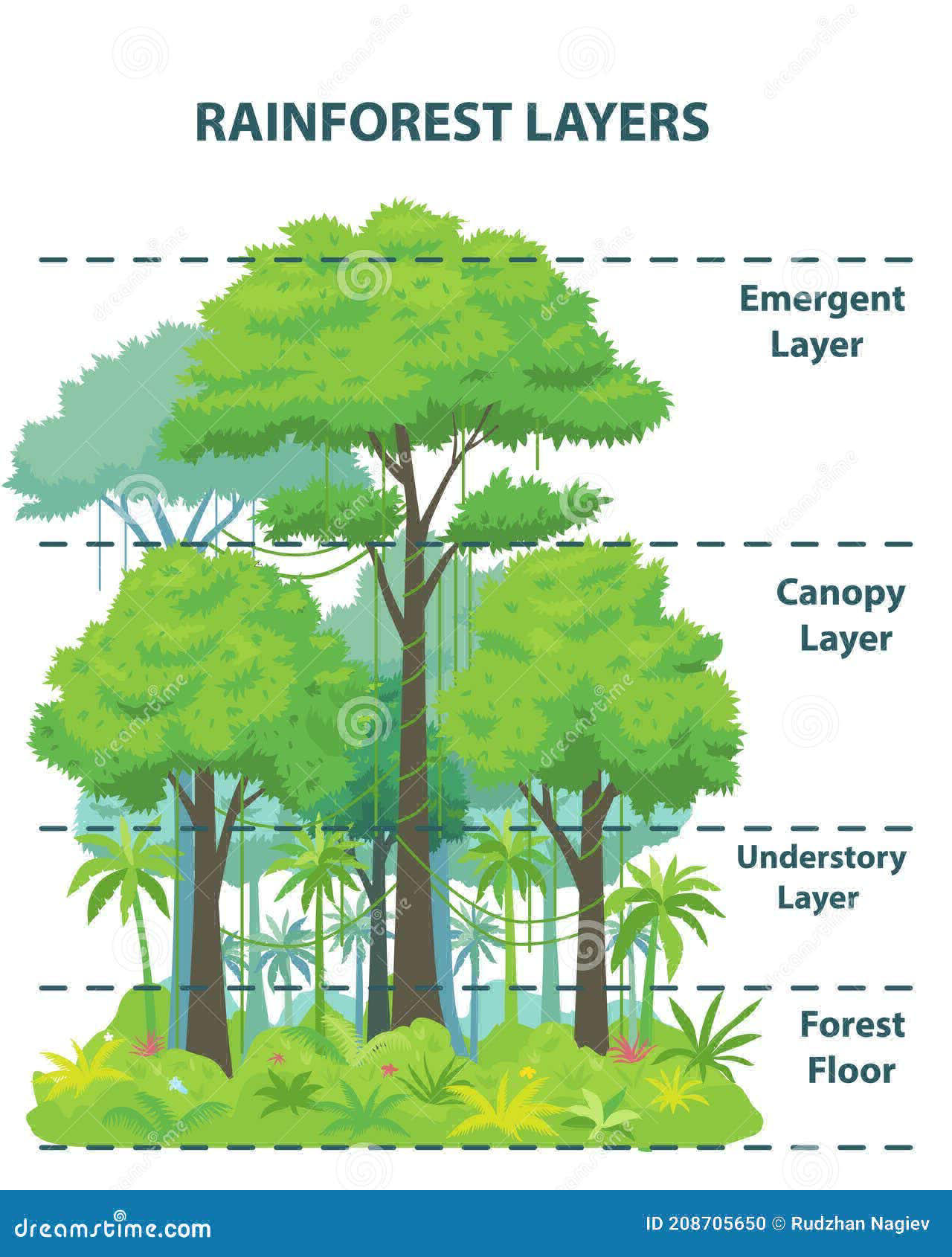
Rainforest Water cycle is Affected by High Temperatures & High Rainfall.
Much of Rain is intercepted by Dense Forest & Quickly Return To Atmosphere through Transpiration.
Rain Reaching Surface May Run into Rivers or Soak Into Ground which is Likely to be Quickly Taken Up Through Plant Roots.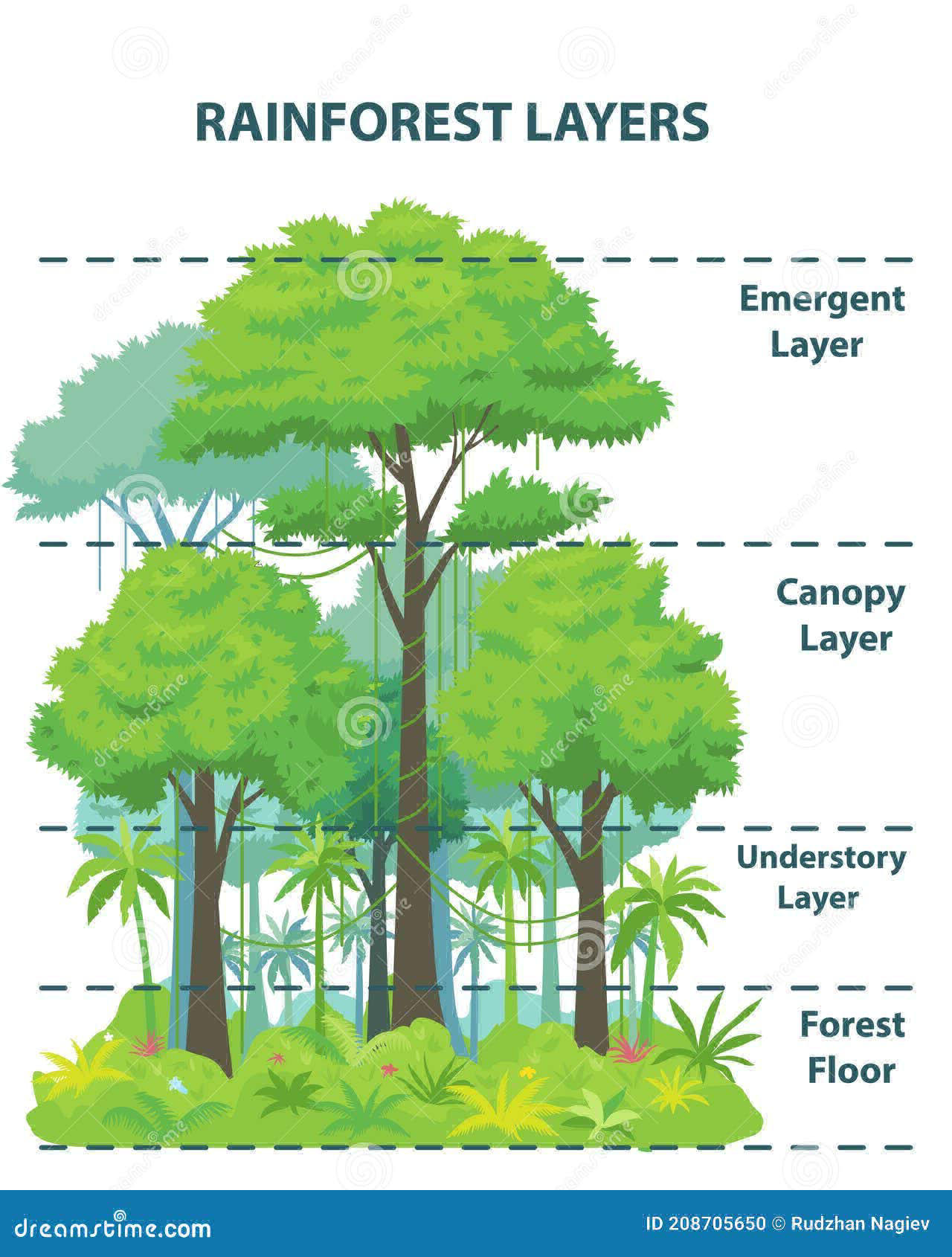
Much of Rain is intercepted by Dense Forest & Quickly Return To Atmosphere through Transpiration.
Rain Reaching Surface May Run into Rivers or Soak Into Ground which is Likely to be Quickly Taken Up Through Plant Roots.
46
What is the Soils like in Tropical Rainforests?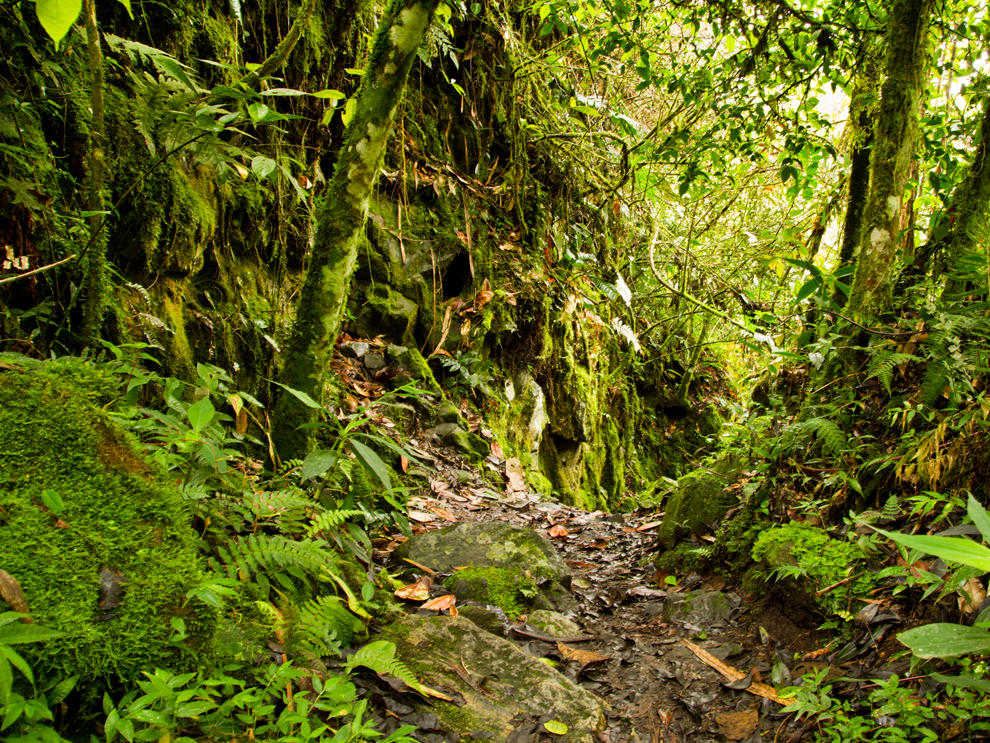
Large Amounts of Decaying Material on Forest Floor which Make Top Layer of Soil Fertile.
Below, Soil is Deep due to Much Material Accumulating but infertile as Plants Have Absorbed Nutrients & Rainwater Has Washed Nutrients Away.
Rainforest Soils Called Latosols.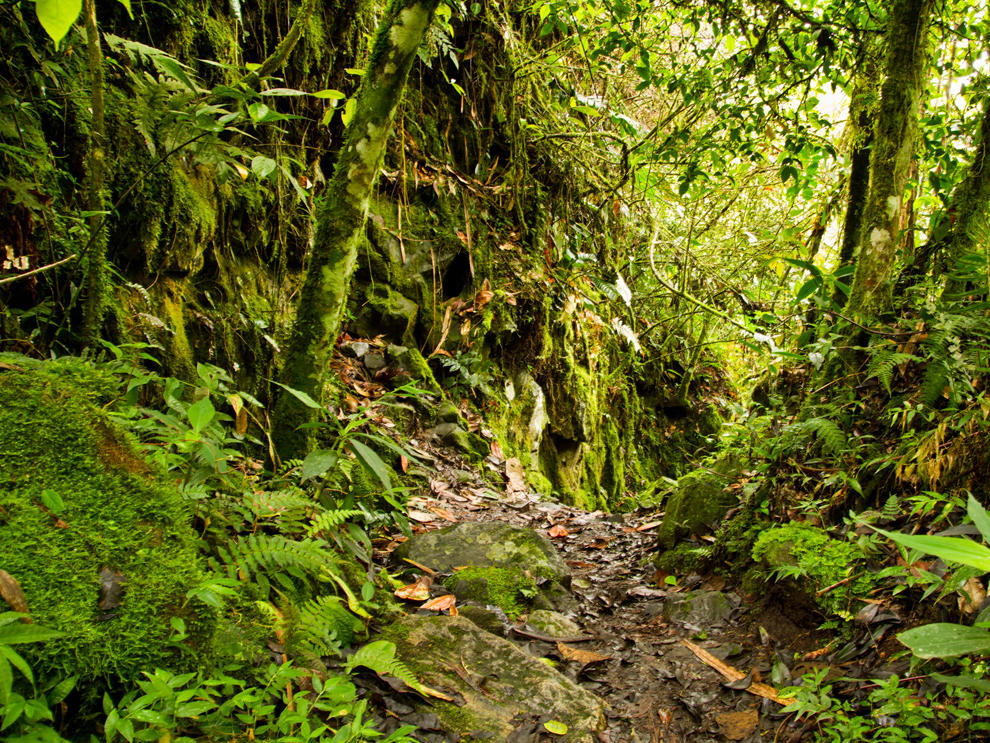
Below, Soil is Deep due to Much Material Accumulating but infertile as Plants Have Absorbed Nutrients & Rainwater Has Washed Nutrients Away.
Rainforest Soils Called Latosols.
47
Where are Animals Found in Tropical Rainforests?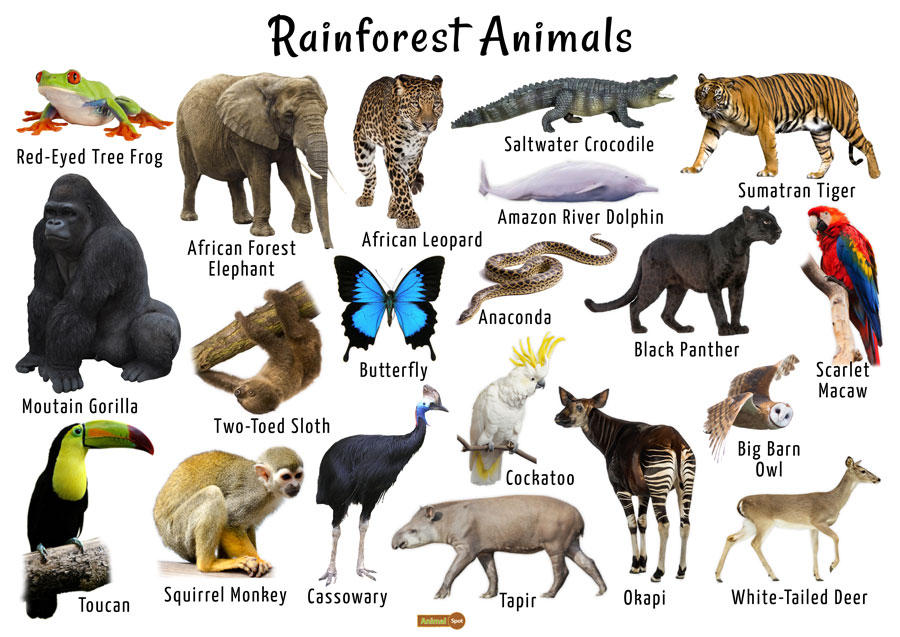
Most Animals Live in Canopy as Most Light.
Birds & Butterflies Found in & Above Canopy.
Mammals Including Sloths & Monkeys Found in Trees Whilst Deer & Rodents Found in Shrub Layer.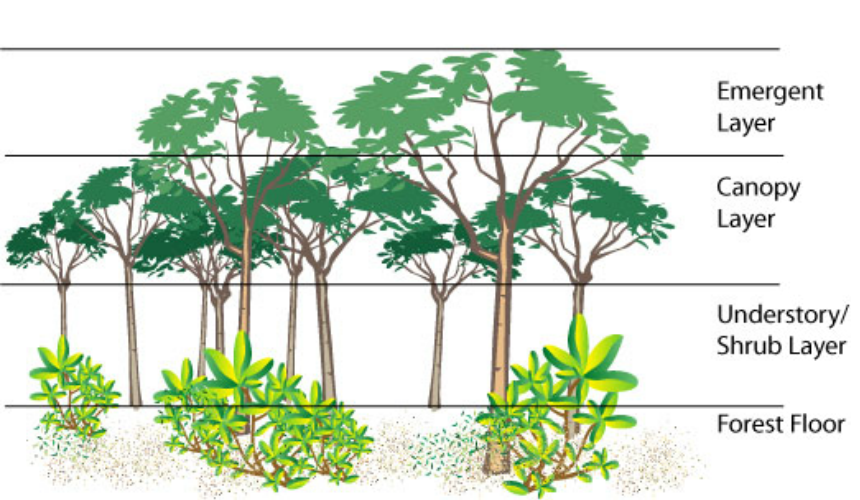
Birds & Butterflies Found in & Above Canopy.
Mammals Including Sloths & Monkeys Found in Trees Whilst Deer & Rodents Found in Shrub Layer.
48
What are the Layers of the Rainforest & What Plants Grow Rheir in Tropical Rainforests?
Forest Floor is Dark & Moist, so Home to Many Decomposers.
Shrub Layer is Found Above this with Smaller Plants Compete for Light
Canopy Main Layer of Vegetation Home To Most Animals.
Emergence are Trees Which Grow to Great Height & Emerge from Main Canopy into Bright Sunlight.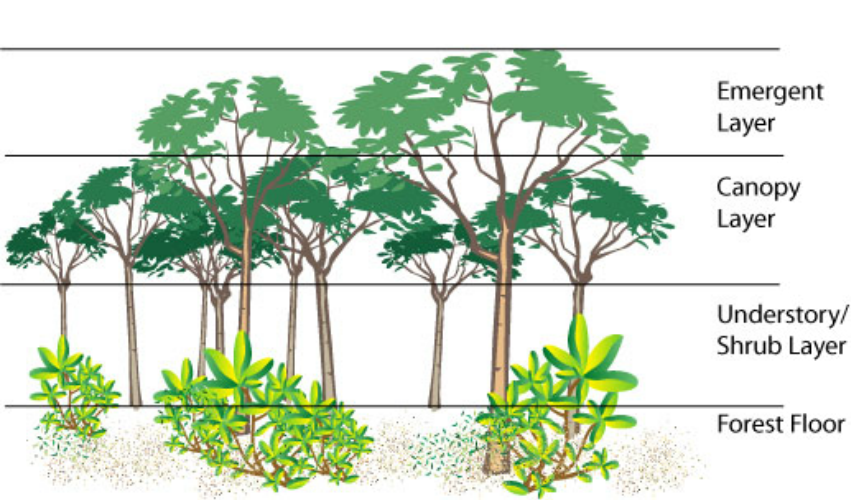
Shrub Layer is Found Above this with Smaller Plants Compete for Light
Canopy Main Layer of Vegetation Home To Most Animals.
Emergence are Trees Which Grow to Great Height & Emerge from Main Canopy into Bright Sunlight.
49
What is the People like in Tropical Rainforests?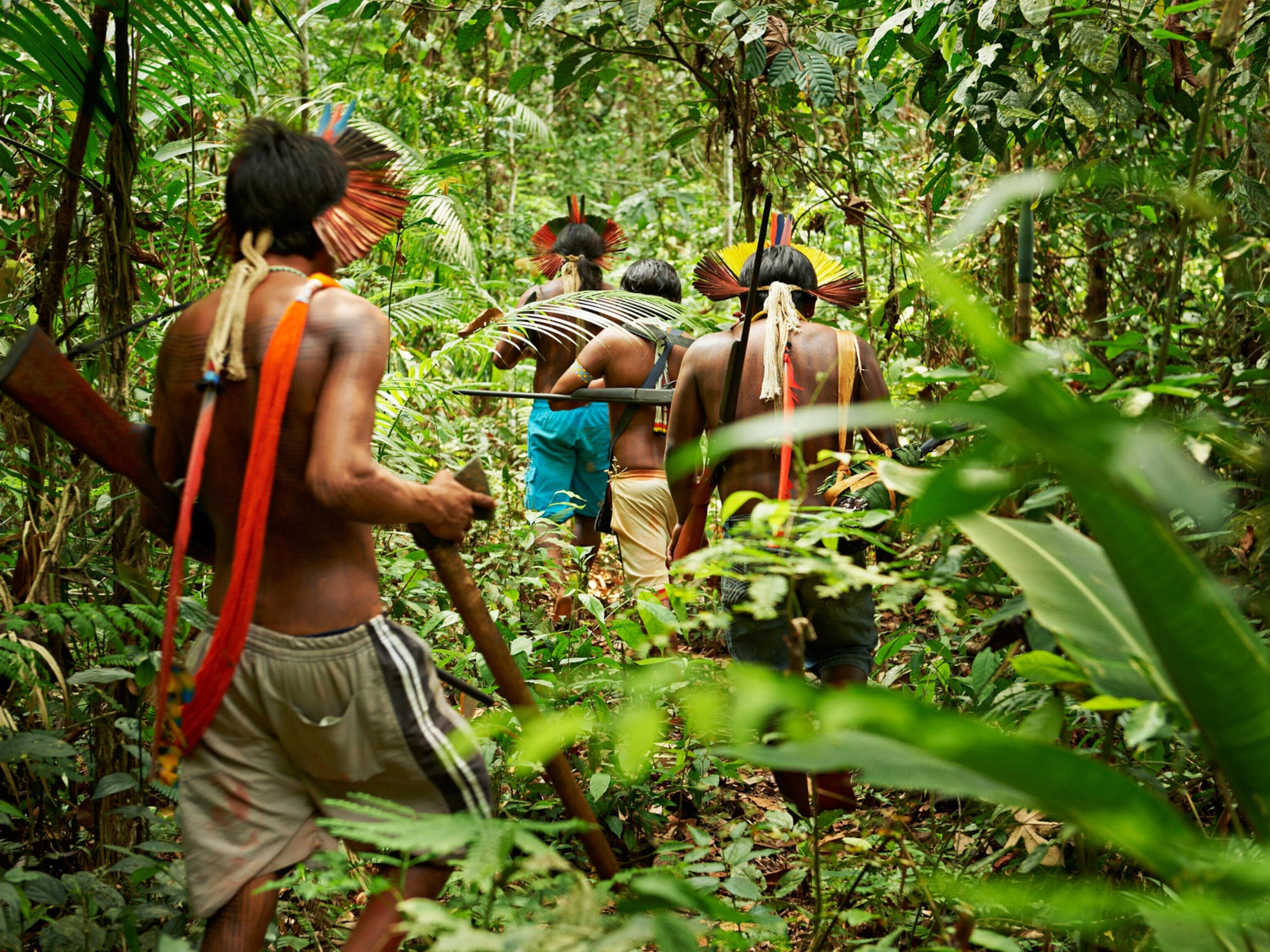
Traditional Groups Known as indigenous People use Vast Resources of Forest to Meet Their Needs but in A Natural & Sustainable Way.
Recently Outsiders Moved In to Exploit Resources Through Farming & Mining.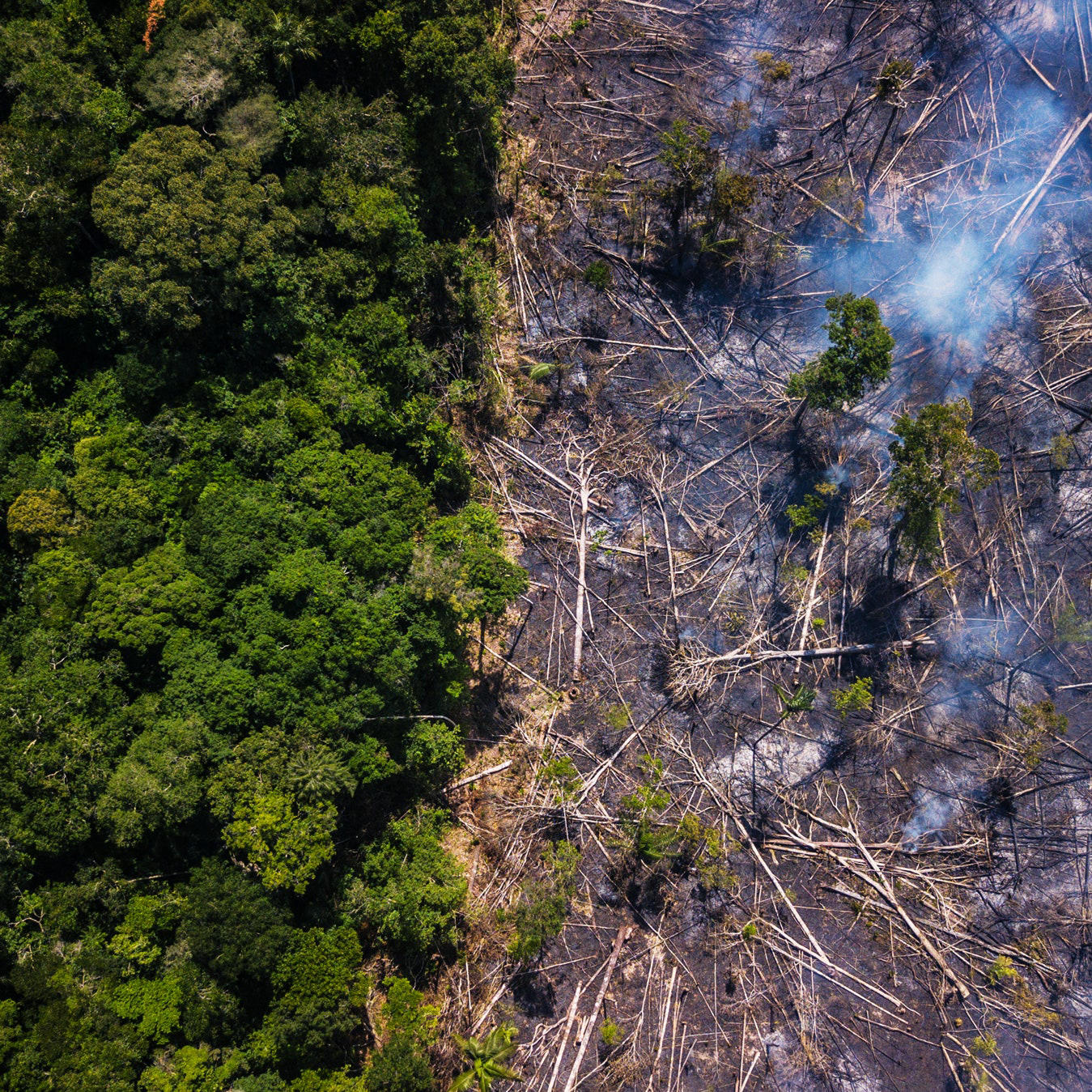
Recently Outsiders Moved In to Exploit Resources Through Farming & Mining.
50
How is Climate Change Affecting Rainforests around the World?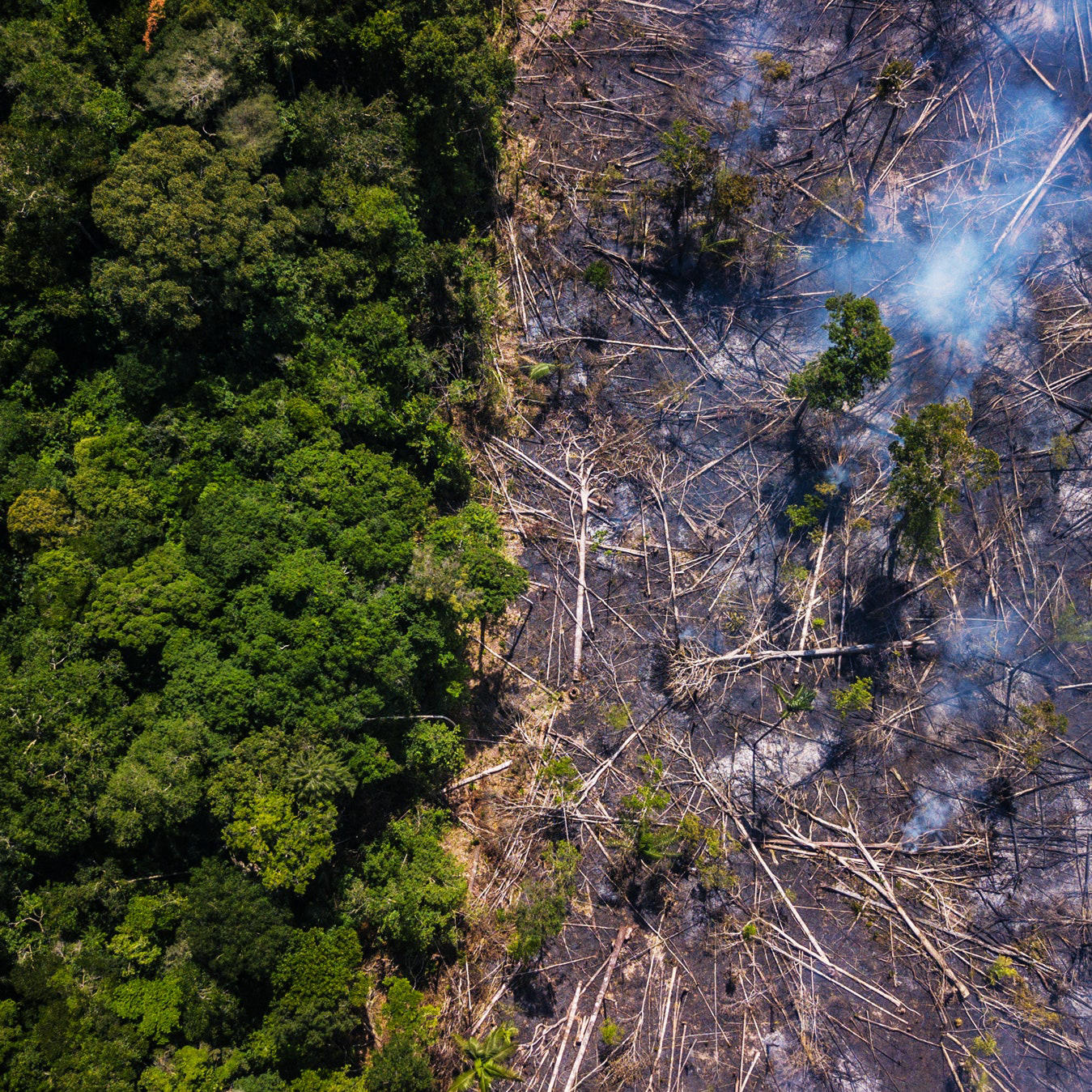
Scientists Found that there is Less Soil Water In Forests in East Amazonia in South America, Meaning that Vegetation could Change to Savanna.
This Would Affect Range Of Plants &, Animals in Area Reducing Biodiversity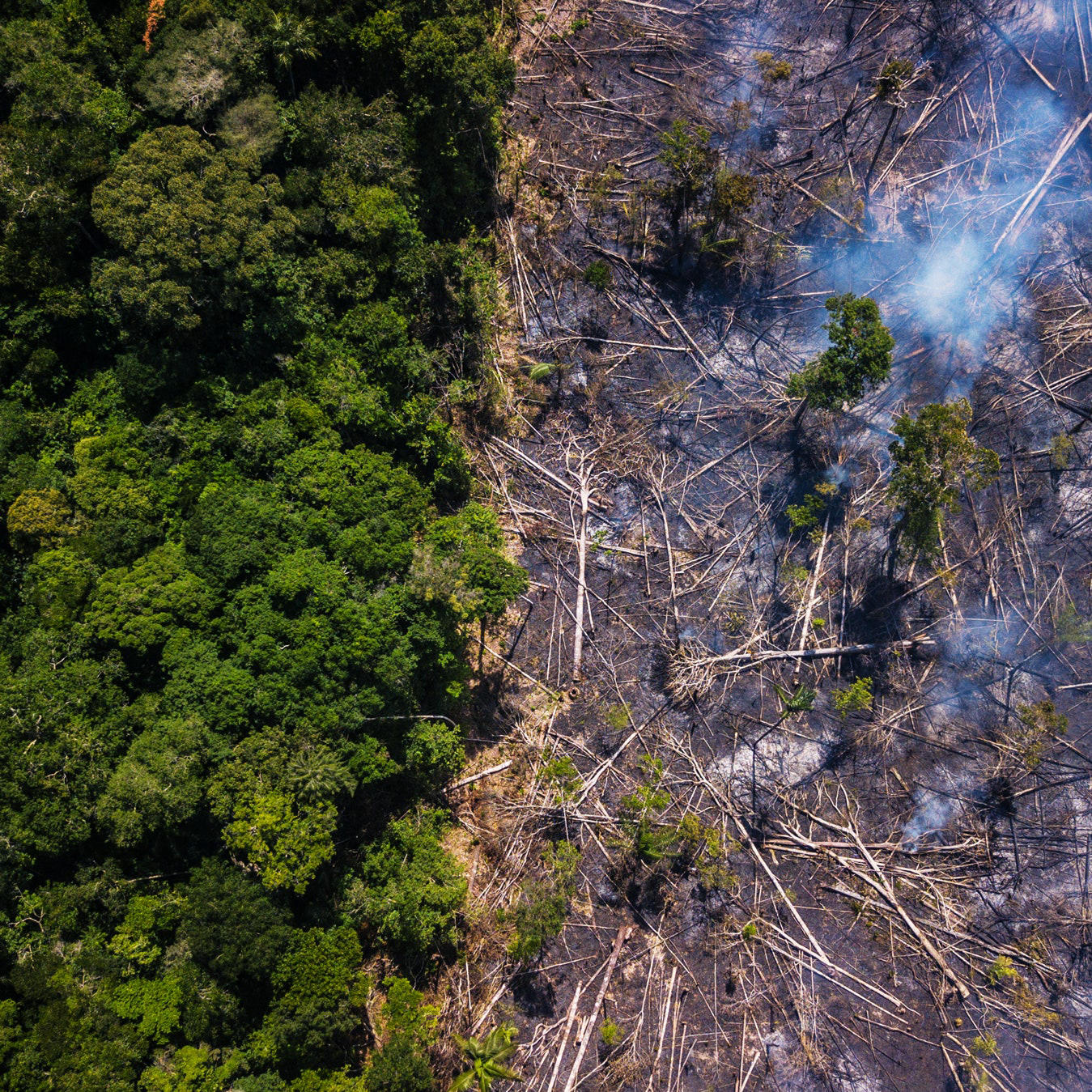
This Would Affect Range Of Plants &, Animals in Area Reducing Biodiversity
51
Define Adaptations
Special Features that Allow Plants & Animals to Survive in an Environment
52
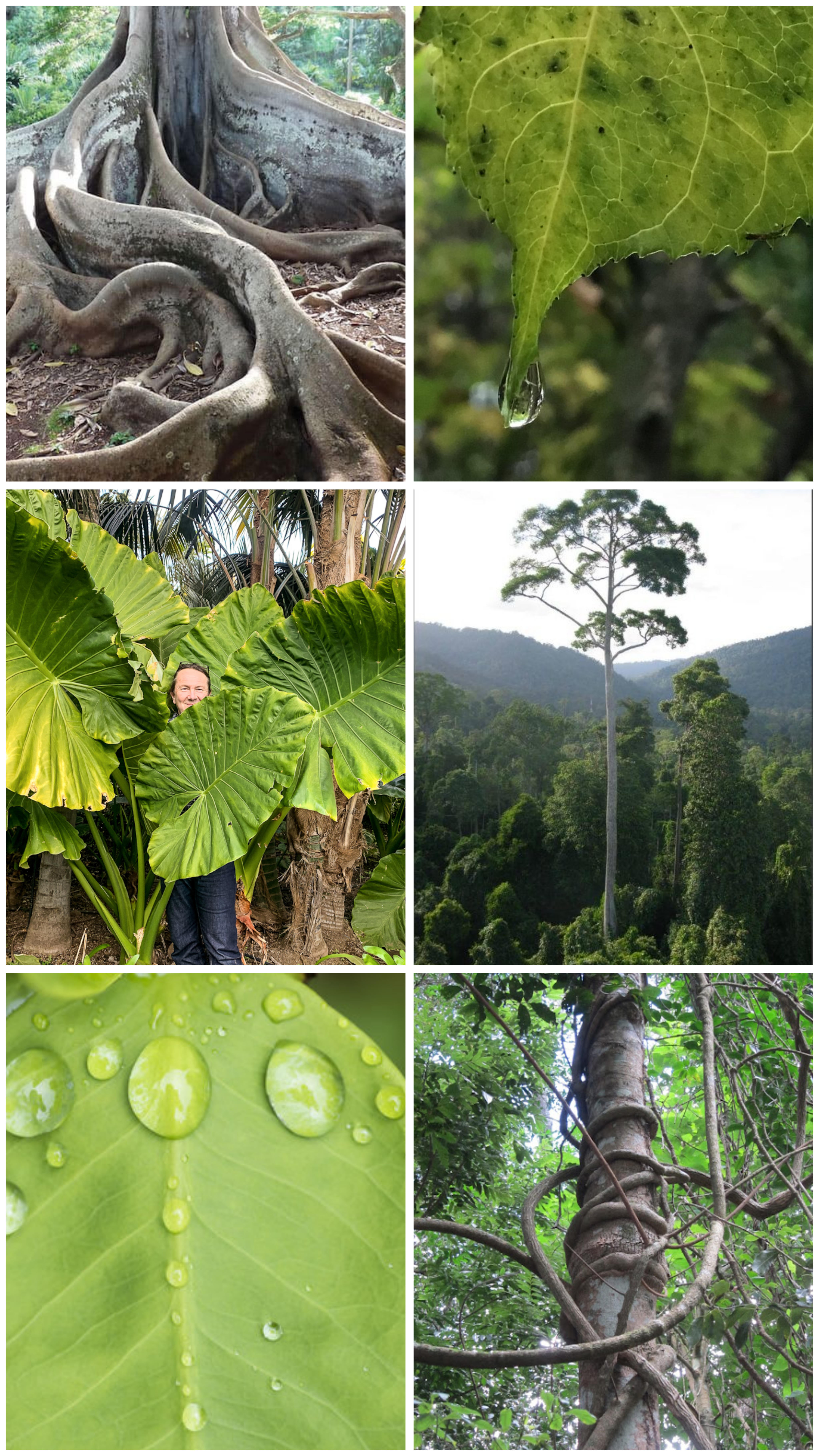
What are the Plant Adaptations in Rainforests?
• Buttress Roots- Roots Stand Above Ground to Give Support Tall Trees
• Large Leaves- Increased Surface Area Helps Plants to Capture Sunlight
• Straight, Branchless Tree Trunks- Helps Plants Grow Taller Quicker. No Energy Wasted Growing Extra Branches.
• Waxy Leaf Coating- Protects Leaves from Harsh Sunlight
• Large Leaves- Increased Surface Area Helps Plants to Capture Sunlight
• Straight, Branchless Tree Trunks- Helps Plants Grow Taller Quicker. No Energy Wasted Growing Extra Branches.
• Waxy Leaf Coating- Protects Leaves from Harsh Sunlight
53
What are the Animal Adaptations in Rainforests, Animal Type, Features & Example?
• Primates: Have Tail & Swing Between Branches in Canopy
e.g Monkey
• Camouflagues: Change Colour & Hide More Easily from Predators
e.g Chameleon
• Birds: Strong Breaks & Able to Eat Nuts & Berries with Tough Outer Shells
e.g Toucans
• Amphibians: Adapted for Both Water & Land & Cope with High Levels of Rain & Water in Rainforest
e.g Frog
• Nocturnals: Awake at Night & Able to Avoid Predators Out in Day
e.g aye-aye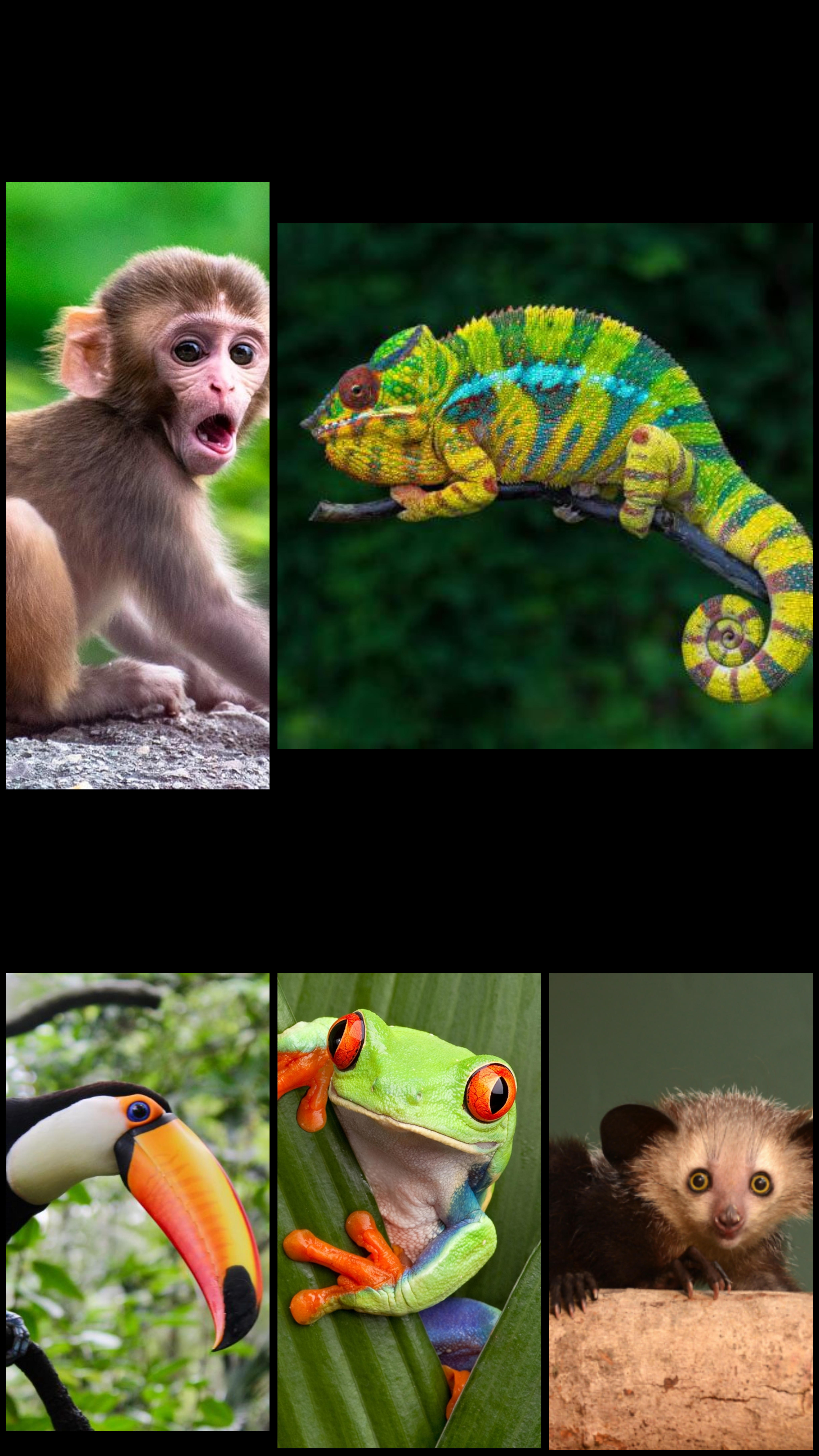
e.g Monkey
• Camouflagues: Change Colour & Hide More Easily from Predators
e.g Chameleon
• Birds: Strong Breaks & Able to Eat Nuts & Berries with Tough Outer Shells
e.g Toucans
• Amphibians: Adapted for Both Water & Land & Cope with High Levels of Rain & Water in Rainforest
e.g Frog
• Nocturnals: Awake at Night & Able to Avoid Predators Out in Day
e.g aye-aye
54
What Case Study Rainforest?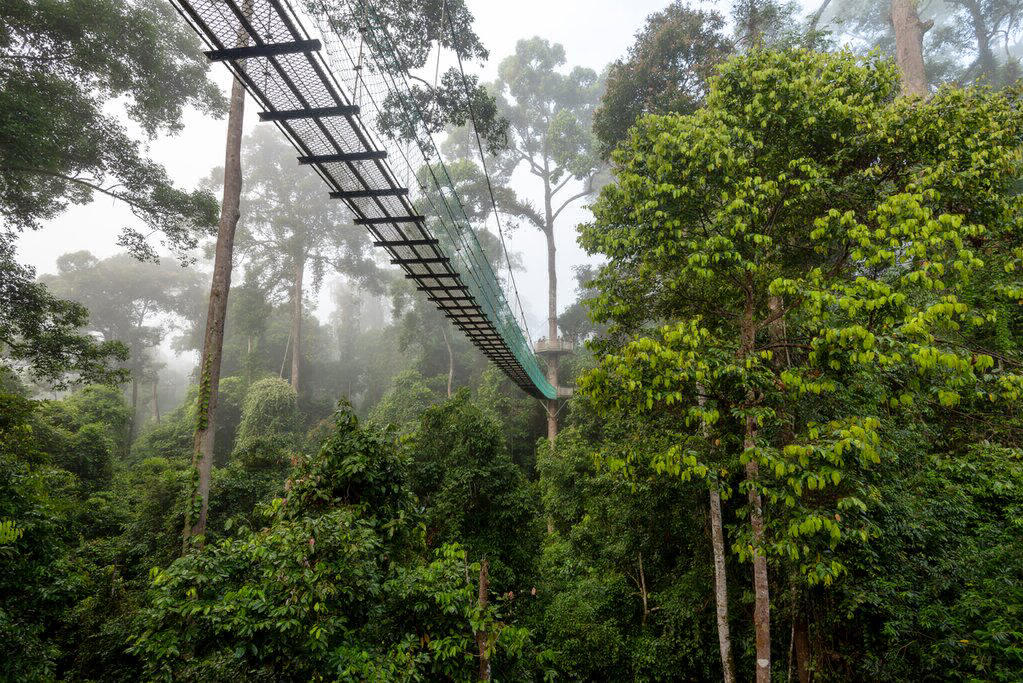
Malaysia Rainforest
55
Where is Malaysia Located & what is it split into ?
Split into West (Peninsula Malaysia) & East Malaysia as it is Composed of Two Noncontiguous Regions.
East Malaysia is Part of Island of Borneo.
• Just North Equator
• In South East Asia
• Located inPacific Ocean, South China Sea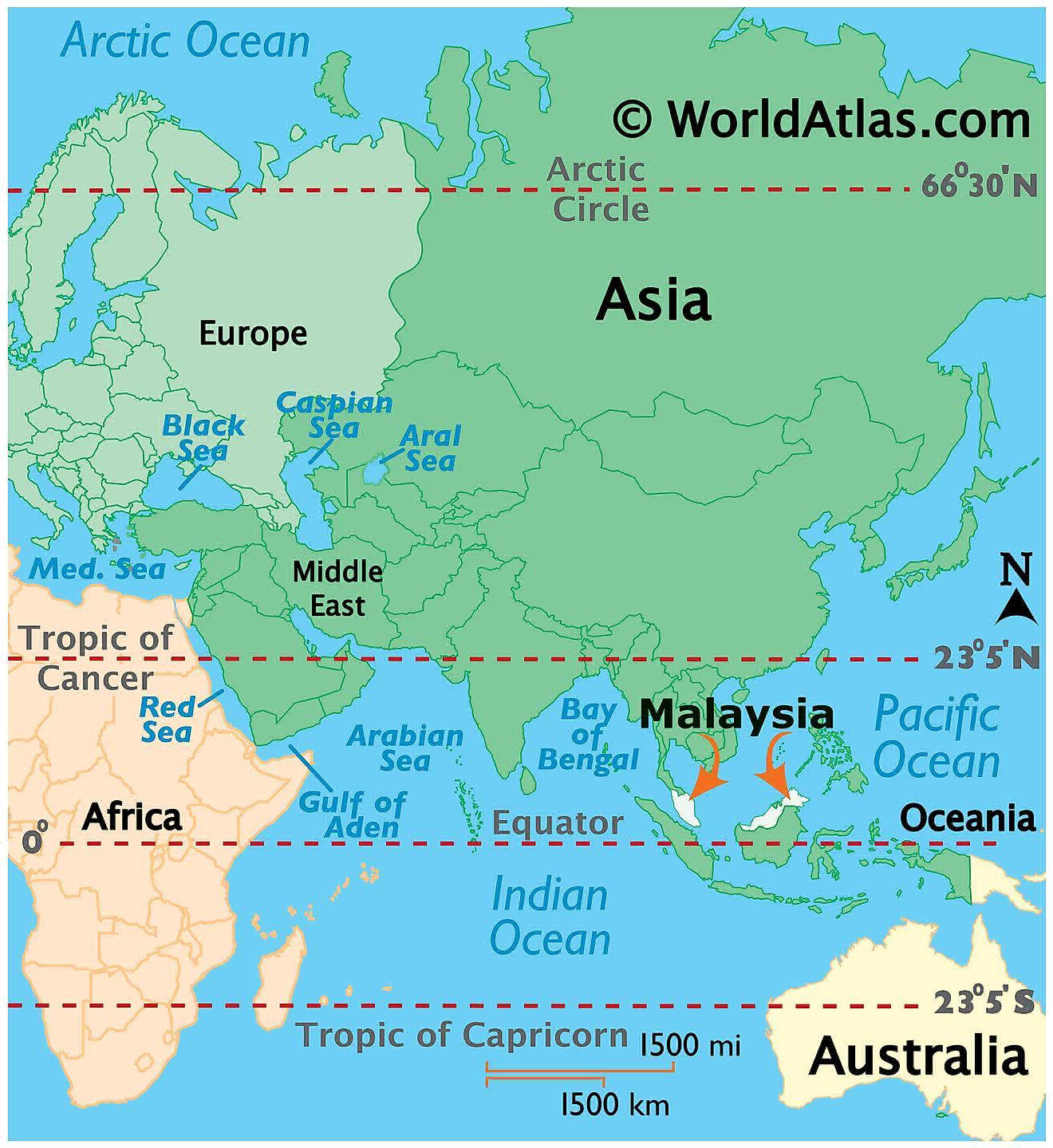
East Malaysia is Part of Island of Borneo.
• Just North Equator
• In South East Asia
• Located inPacific Ocean, South China Sea
56
What Type of Country is Malaysia?
NEE
57
What is Malaysia's Natural Vegetation and what Percentage of the Country is Covered by That?
Tropical Rainforest Covers 60% of Country 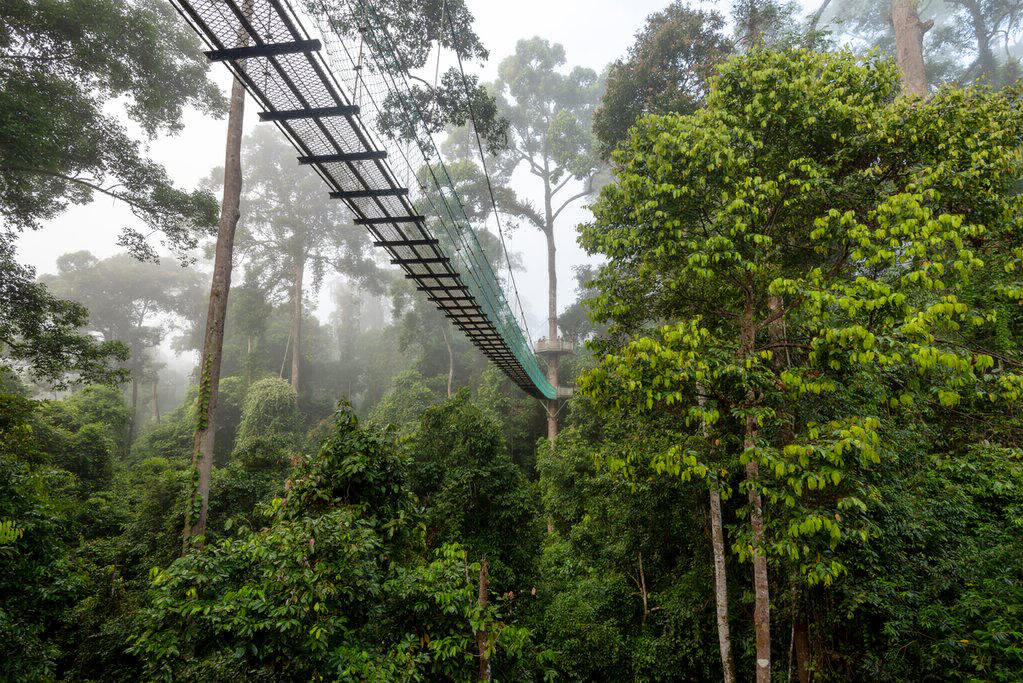
58
Why Malaysia is an Important Rainforest?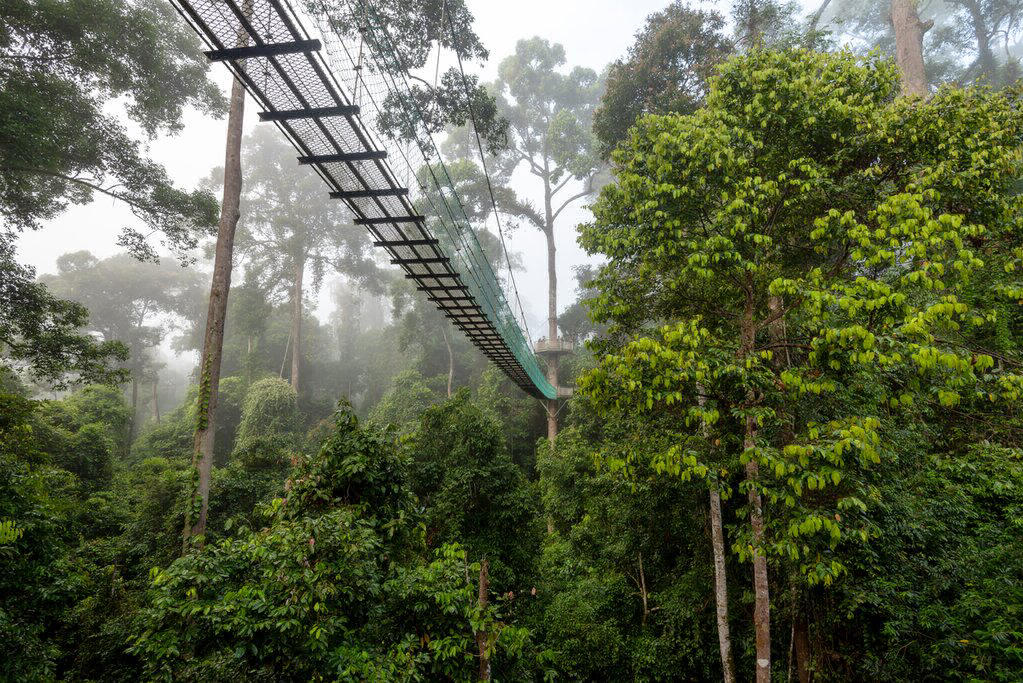
• Rich Biodiversity
• Home to 25% All Plant Species Found in Malaysia e.g 850 Orchid Species
• 600 Species of Bird Found in Peninsular Malaysia e.g Peacock-Pheasant
• Researchers Think Many Undercovered Plants Could Help Medicinal Industry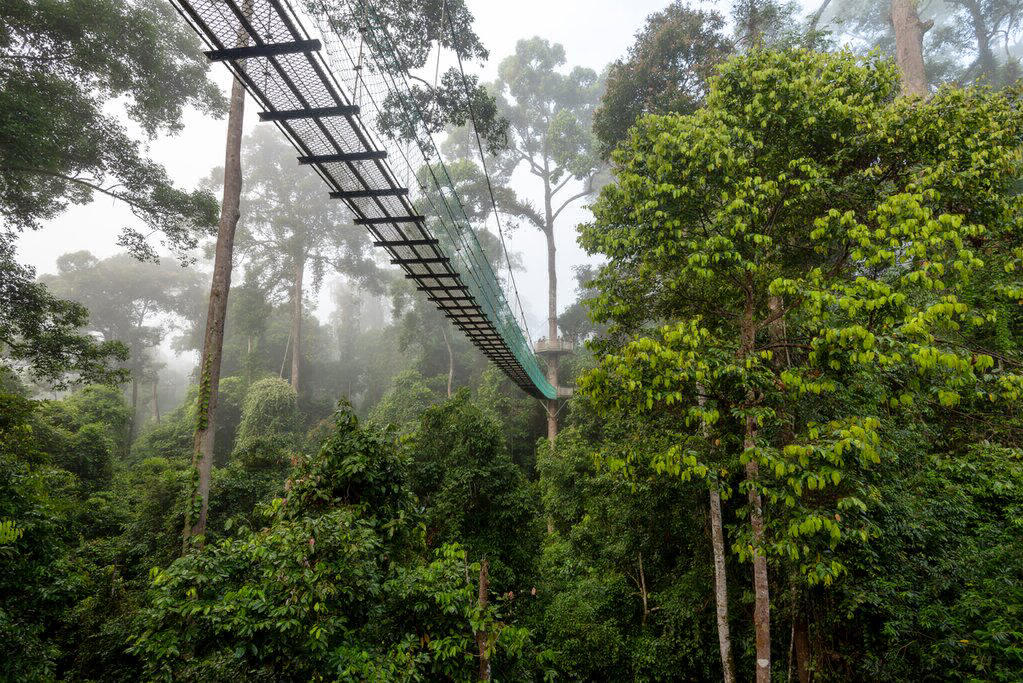
• Home to 25% All Plant Species Found in Malaysia e.g 850 Orchid Species
• 600 Species of Bird Found in Peninsular Malaysia e.g Peacock-Pheasant
• Researchers Think Many Undercovered Plants Could Help Medicinal Industry
59
Define Deforestation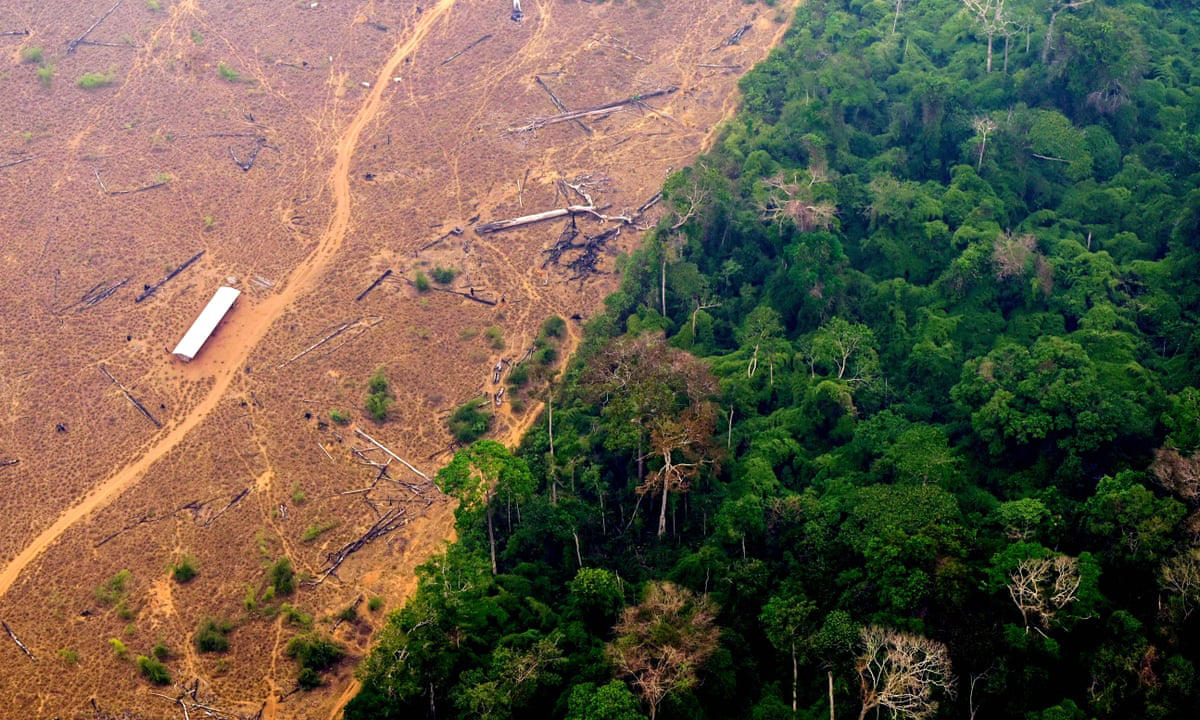
Action or Process of Clearing Forests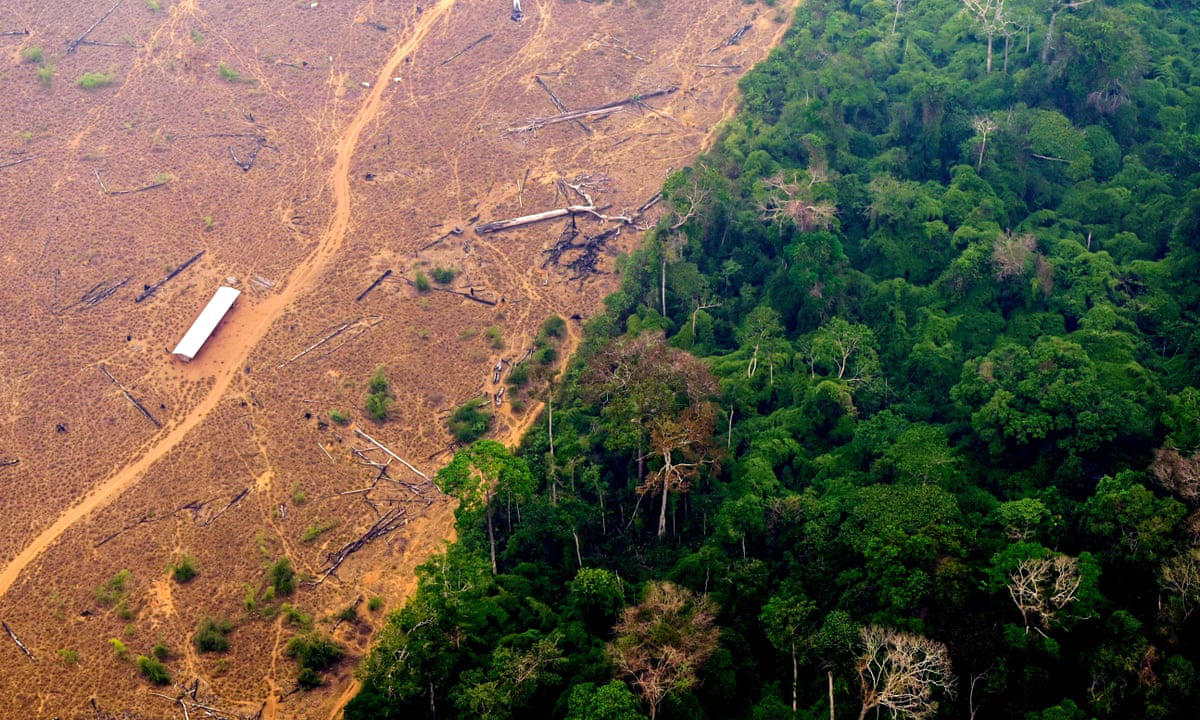
60
Describe the Pattern of Deforestation in Malaysia Part of Borneo Between 1950-2020 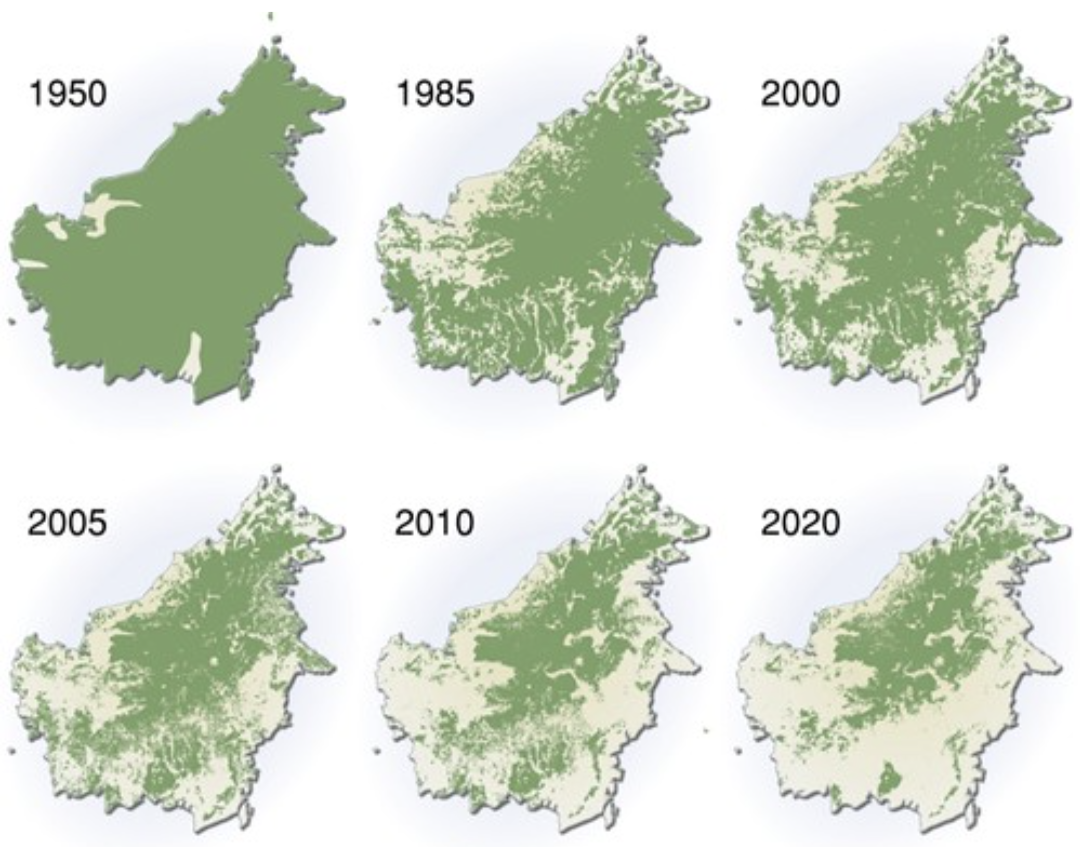
1950-2000 Deforestation Rate Steady.
From 2000 Onwards Rate Increased.
By 2020 More Than Half Tropical Rainforest on Island of Borneo Lost.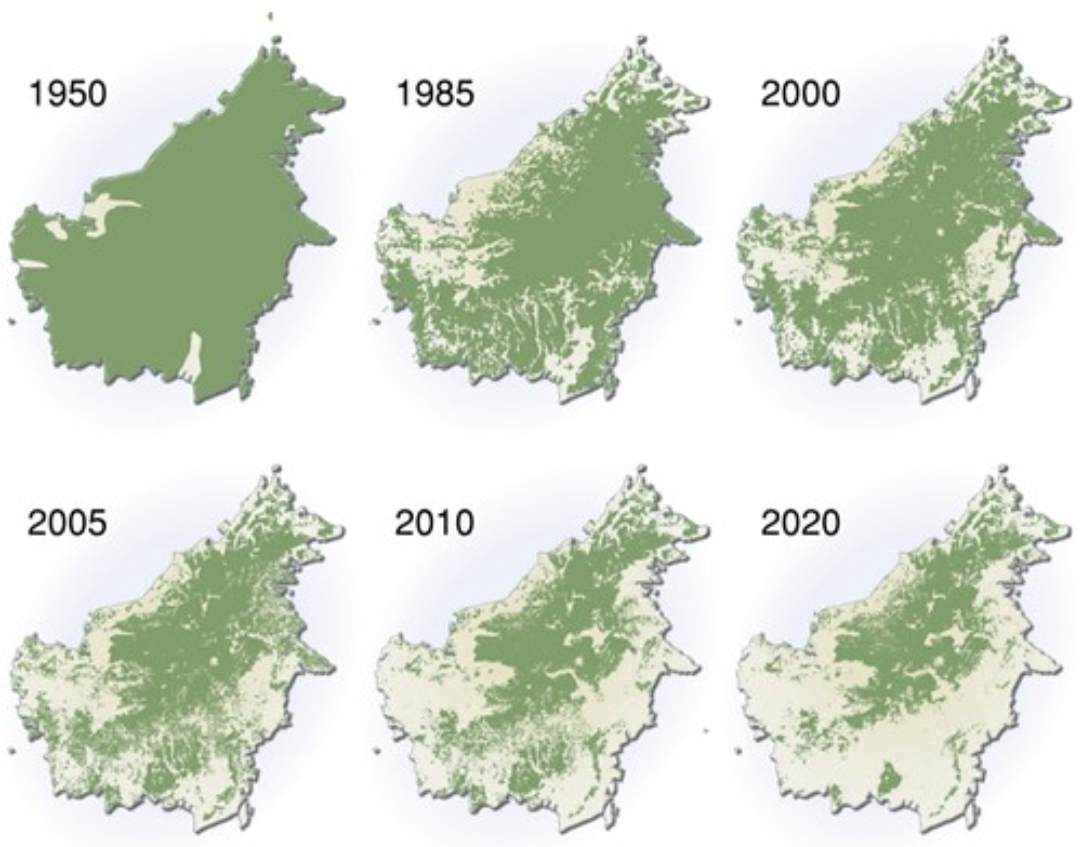
From 2000 Onwards Rate Increased.
By 2020 More Than Half Tropical Rainforest on Island of Borneo Lost.
61
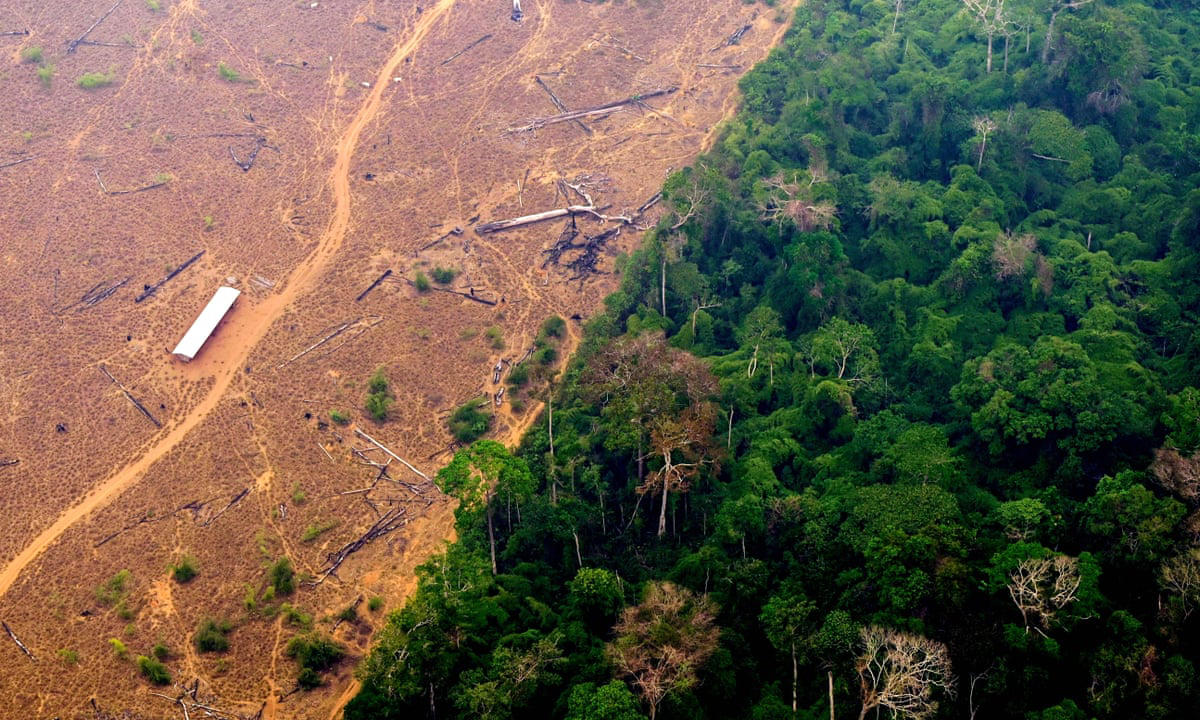
What are Negative Effects/Impacts of Deforestation?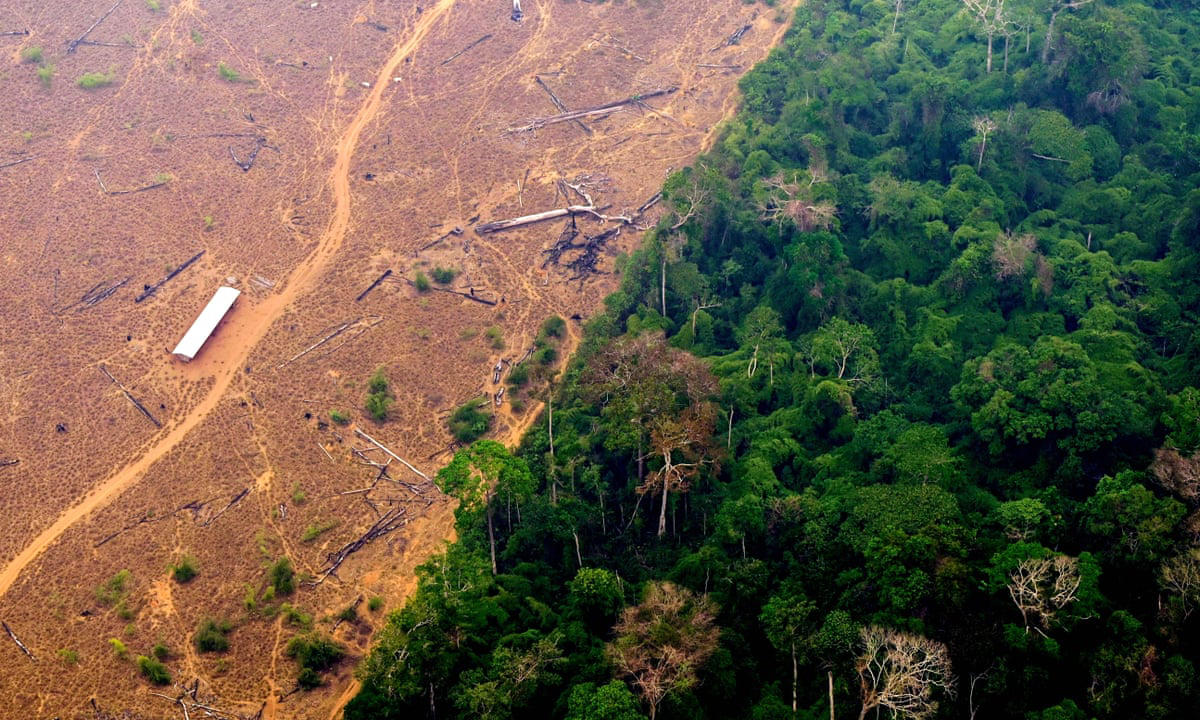
• Loss Habitat- animals Stray to Villages for Food & Increase of Disease
• Increased Flooding- Increase Pests
• Inceased Drought- Failure of Crops & Water Shortage Humans
• Disruption to Water Cycle- Plants Die, Animals No Food & Disrupts Food Chain & Soil Nutrients
• Destruction of Renewable Resources- Increase Use of Non-Renewable Resorces
• Increase Greenhouse Gasses- Increase Climate Change
• Destruction of Homeland- Make Natives Homeless & Ruin Culture
• Wildfires- Increase Green House Affect & Kill Animals
• Soil Erosion -Major Problem as Removal of Plants Wash Soil Away. Cattle ranchers
Farmers Leave.
(LOCAL IMPACT)
• Deforestation- Impacts Worlds Oxygen Supply as 1/3 Stored in Rainforests & Less CO2 Absorbed (GLOBAL)
•
• Increased Flooding- Increase Pests
• Inceased Drought- Failure of Crops & Water Shortage Humans
• Disruption to Water Cycle- Plants Die, Animals No Food & Disrupts Food Chain & Soil Nutrients
• Destruction of Renewable Resources- Increase Use of Non-Renewable Resorces
• Increase Greenhouse Gasses- Increase Climate Change
• Destruction of Homeland- Make Natives Homeless & Ruin Culture
• Wildfires- Increase Green House Affect & Kill Animals
• Soil Erosion -Major Problem as Removal of Plants Wash Soil Away. Cattle ranchers
Farmers Leave.
(LOCAL IMPACT)
• Deforestation- Impacts Worlds Oxygen Supply as 1/3 Stored in Rainforests & Less CO2 Absorbed (GLOBAL)
•
62
How does Deforeststion Effect Nutrient Cycle?
1) Very Few Trees Offering Protection for Soil
2) Few Leaves Dropped As Litter
3) Less Nutrient Rich Soil Is Produced
(very little humus)
4) Rapid Loss of Nutrients by Leaching Results in Acidic Soil (ferralitic soil)
5) Change in Composition (mineral content/pH) Helps Soil Become Infertile
6) Infertile Soil Results in Very Little Vegetative Growth
2) Few Leaves Dropped As Litter
3) Less Nutrient Rich Soil Is Produced
(very little humus)
4) Rapid Loss of Nutrients by Leaching Results in Acidic Soil (ferralitic soil)
5) Change in Composition (mineral content/pH) Helps Soil Become Infertile
6) Infertile Soil Results in Very Little Vegetative Growth
63
Threats & Causes to Malaysian Rainforests
Logging
- Worlds Largest Exporter of Tropical Wood (1980s)
e.g methods
• ‘Clear Felling’ - Where All Trees Cut Down In an Area
- Destroyed Forest Habitat.
• ‘Selective Logging’ - (only cut down trees you want)
-Less Harmful But Can Reduce Biodiversity
(ENVIRONMENTAL)
Hydroelectric Power (HEP)
• BAKUM Dam in Sarawak (built 2011)
• Asia’s largest dam ( 205m)
-203 KM Squared Rainforest Cut Down
-10,000 People Had To Move. They Very Poor & Pay for Own Rehousing. Many Suffered Alcoholism & Depression.
(SOCIAL & ECONOMIC)
Mining
• Tin Mining & Smelting are Common in Malaysia.
- Needed to Clear Rainforest for Mines & Road Construction to Mines.
- Some Areas Mining Led to Land & River Pollution.
- Drilling for Oil & Gas Recently Started in Borneo
(ENVIRONMENTAL)
Transmigration
• Where People Move from urban Areas to Countryside to Relieve Pressures on Cities
- Between 1956 & 1980s 15,000 ha of Rainforest Cleared to Make Space for New Settlements.
(ENVIRONMENTAL)
Commercial Farming
• Malaysia is Largest Export of Palm Oil in World.
- Large Areas Land Cleared to Make Space For Plantations.
- Threatened Survival of Many Species
(ENVIRONMENTAL)
Fires
• Tribal People ‘Slash & Burn’ to Clear Land
- Threatens Survival of Wildlife Habitats but can Create Valuable Nutrients to Help Plants Grow.
- Add CO2 to Atmosphere Creating More Greenhouse Gases.
(ENVIRONMENTAL)
- Worlds Largest Exporter of Tropical Wood (1980s)
e.g methods
• ‘Clear Felling’ - Where All Trees Cut Down In an Area
- Destroyed Forest Habitat.
• ‘Selective Logging’ - (only cut down trees you want)
-Less Harmful But Can Reduce Biodiversity
(ENVIRONMENTAL)
Hydroelectric Power (HEP)
• BAKUM Dam in Sarawak (built 2011)
• Asia’s largest dam ( 205m)
-203 KM Squared Rainforest Cut Down
-10,000 People Had To Move. They Very Poor & Pay for Own Rehousing. Many Suffered Alcoholism & Depression.
(SOCIAL & ECONOMIC)
Mining
• Tin Mining & Smelting are Common in Malaysia.
- Needed to Clear Rainforest for Mines & Road Construction to Mines.
- Some Areas Mining Led to Land & River Pollution.
- Drilling for Oil & Gas Recently Started in Borneo
(ENVIRONMENTAL)
Transmigration
• Where People Move from urban Areas to Countryside to Relieve Pressures on Cities
- Between 1956 & 1980s 15,000 ha of Rainforest Cleared to Make Space for New Settlements.
(ENVIRONMENTAL)
Commercial Farming
• Malaysia is Largest Export of Palm Oil in World.
- Large Areas Land Cleared to Make Space For Plantations.
- Threatened Survival of Many Species
(ENVIRONMENTAL)
Fires
• Tribal People ‘Slash & Burn’ to Clear Land
- Threatens Survival of Wildlife Habitats but can Create Valuable Nutrients to Help Plants Grow.
- Add CO2 to Atmosphere Creating More Greenhouse Gases.
(ENVIRONMENTAL)
64
What are the Positive impacts of Deforestation in Malaysia & is it LOCAL OR GLOBAL, ECONOMIC, ENVIRONMENTAL OR SOCIAL?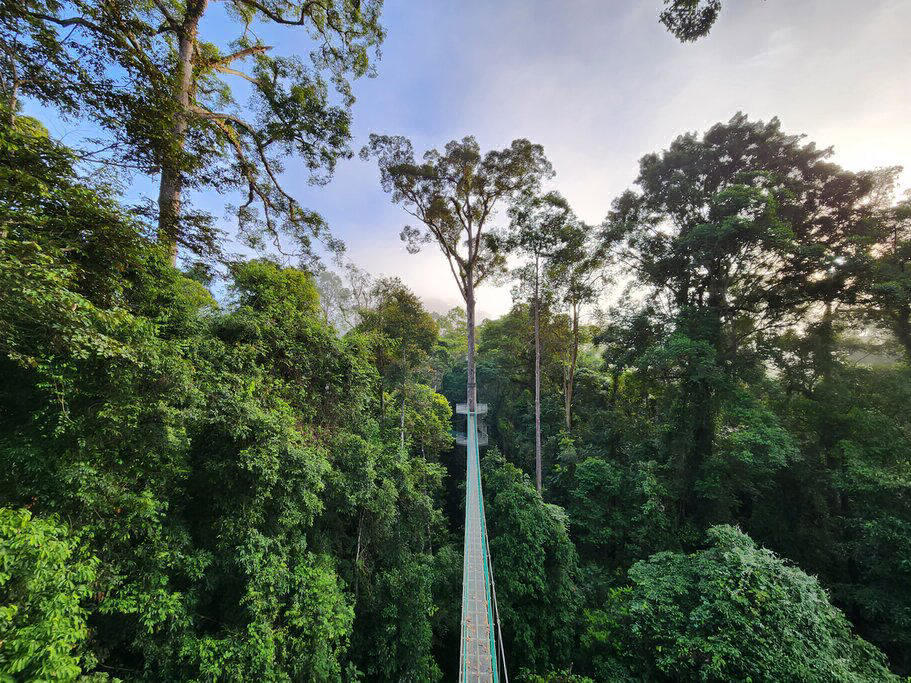
Mining
Provides Jobs & increased incomes.
(LOCAL & ECONOMIC)
Hydro Electric Power (HEP)
Provides Cheap Renewable Energy.
(LOCAL & ECONOMIC)
Palm Oil & Rubber Exports
Provides Valuable Source Of Income, Jobs & Tourism.
(LOCAL & ECONOMIC)
Rainforest is Protected World Heritage Site
Attracts Tourism.
(LOCAL & ECONOMIC)
Natural Resources
Such as Oil, Gas & Gold Provide Valuable Income & Jobs
(LOCAL & ECONOMIC)
Timber ( mainly hardwood)
Sold to Developed Countries & Valuable Source Of Income
(LOCAL & Economic)
Companies Pay Taxes to Government That improves Local Services & Education (LOCAL & ECONOMIC)
Provides Jobs & increased incomes.
(LOCAL & ECONOMIC)
Hydro Electric Power (HEP)
Provides Cheap Renewable Energy.
(LOCAL & ECONOMIC)
Palm Oil & Rubber Exports
Provides Valuable Source Of Income, Jobs & Tourism.
(LOCAL & ECONOMIC)
Rainforest is Protected World Heritage Site
Attracts Tourism.
(LOCAL & ECONOMIC)
Natural Resources
Such as Oil, Gas & Gold Provide Valuable Income & Jobs
(LOCAL & ECONOMIC)
Timber ( mainly hardwood)
Sold to Developed Countries & Valuable Source Of Income
(LOCAL & Economic)
Companies Pay Taxes to Government That improves Local Services & Education (LOCAL & ECONOMIC)
65
Why Should we protect the Rainforest?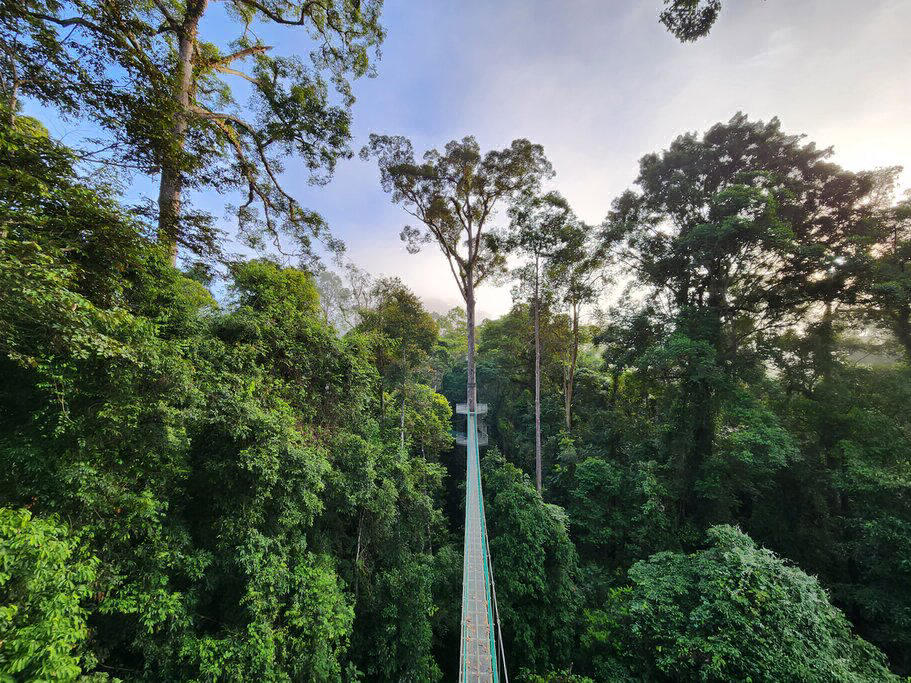
Medicine
Around 25% of All Medicines Come From Rainforest Plants.
Water
Rainforest Most Important Sources of Clean Water for People.
Biodiversity
Rainforests Contain Half All Plants & Animals in World.
Climate
Known as 'Lungs of World' as 28% Worlds Oxygen Come From Rainforests.
People
Indigenous People Live in Harmony with Rainforest. (HOME)
Climate Change
Rainforests Absorb & Store CO2.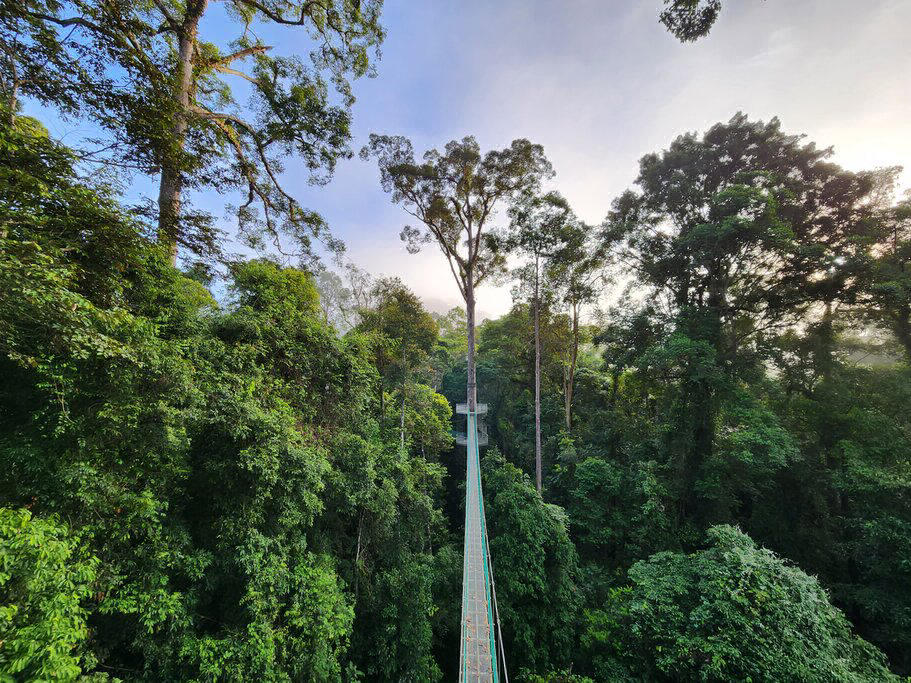
Around 25% of All Medicines Come From Rainforest Plants.
Water
Rainforest Most Important Sources of Clean Water for People.
Biodiversity
Rainforests Contain Half All Plants & Animals in World.
Climate
Known as 'Lungs of World' as 28% Worlds Oxygen Come From Rainforests.
People
Indigenous People Live in Harmony with Rainforest. (HOME)
Climate Change
Rainforests Absorb & Store CO2.
66
Define Goods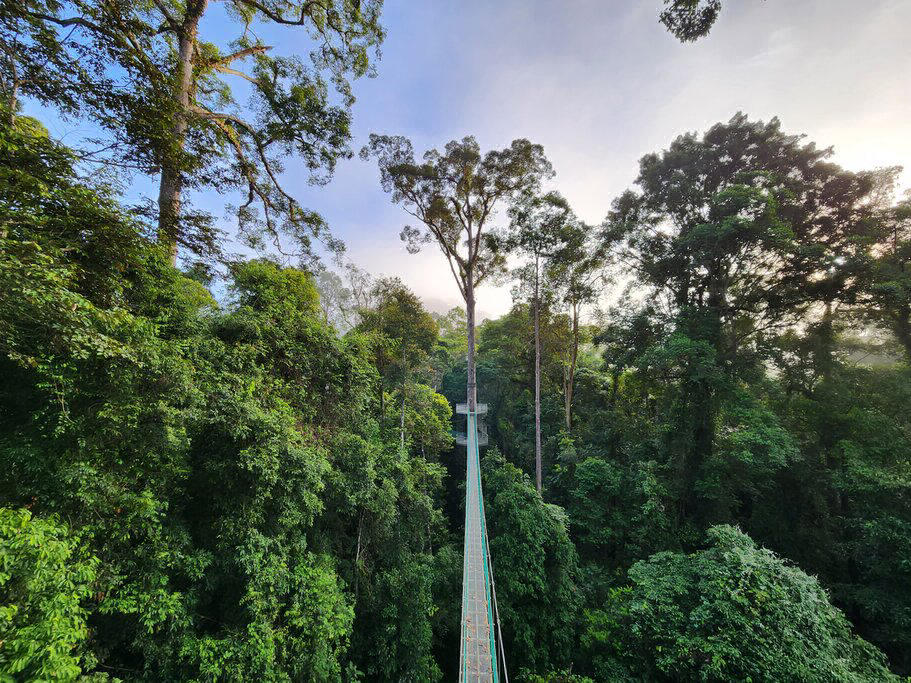
Something of Value That Can Be Taken from Rainforest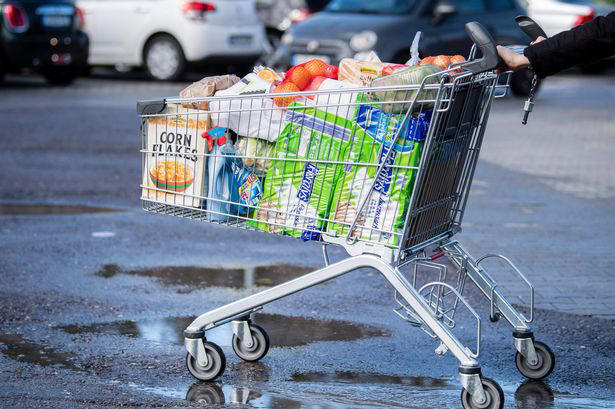
67
Define Services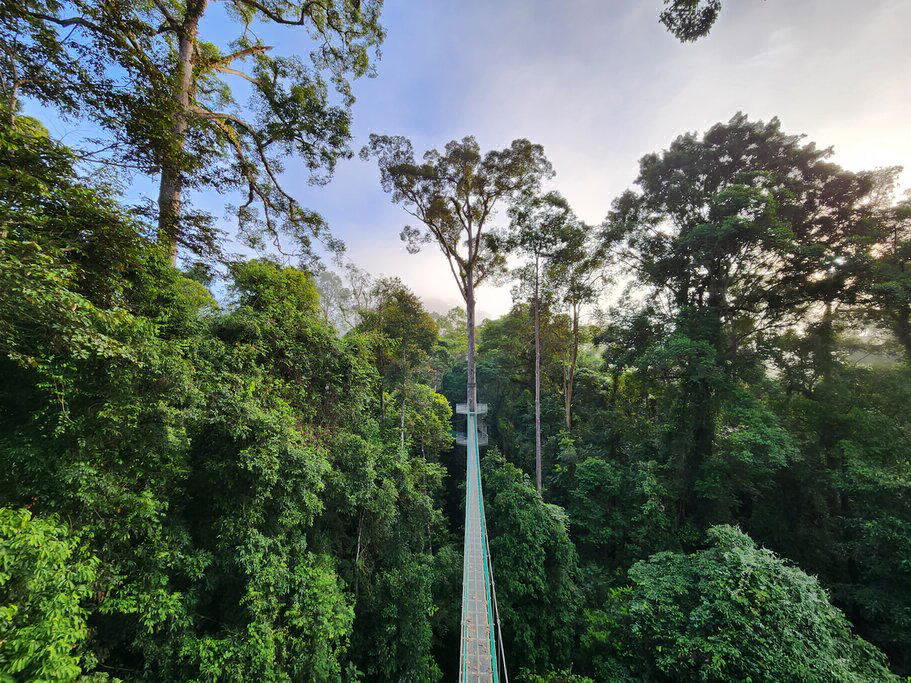
Functions of Rainforest that Satisfy a Particular Need.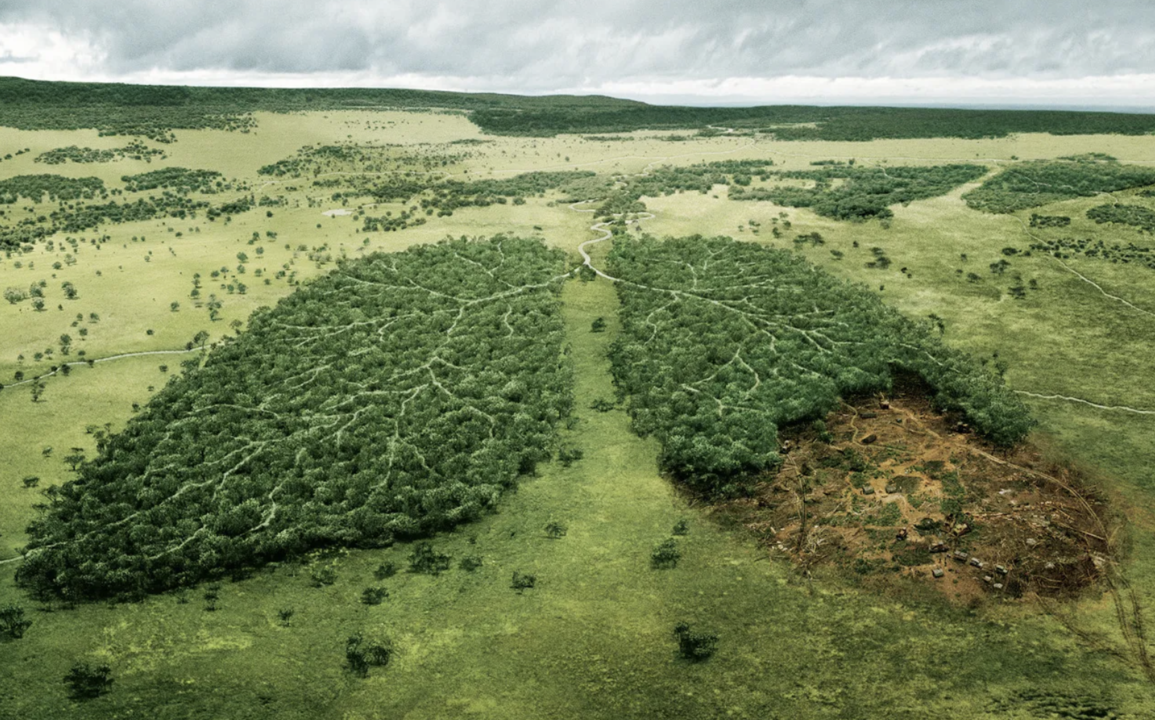
68
What are Some Goods in Malaysia Rainforest?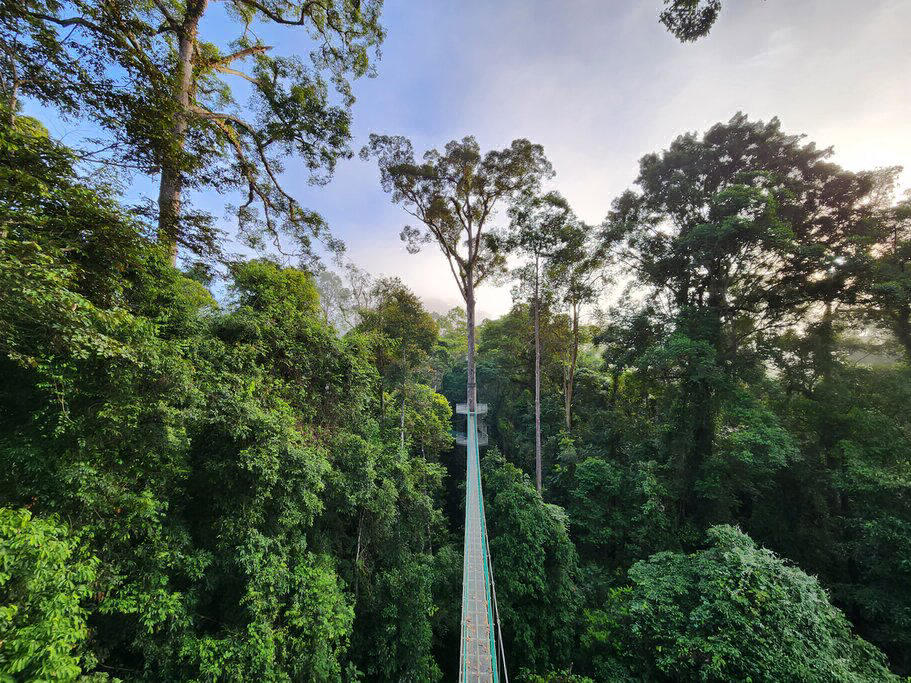
• Berries, Fruits & Nuts
• Meat & Timber
• Crops e.g Cocoa & Palm Oil Provide Income for Indigenous
• Ingredients for Medicine
• Drinking or Irrigation Water
• Biomass
• Rubber for Tyres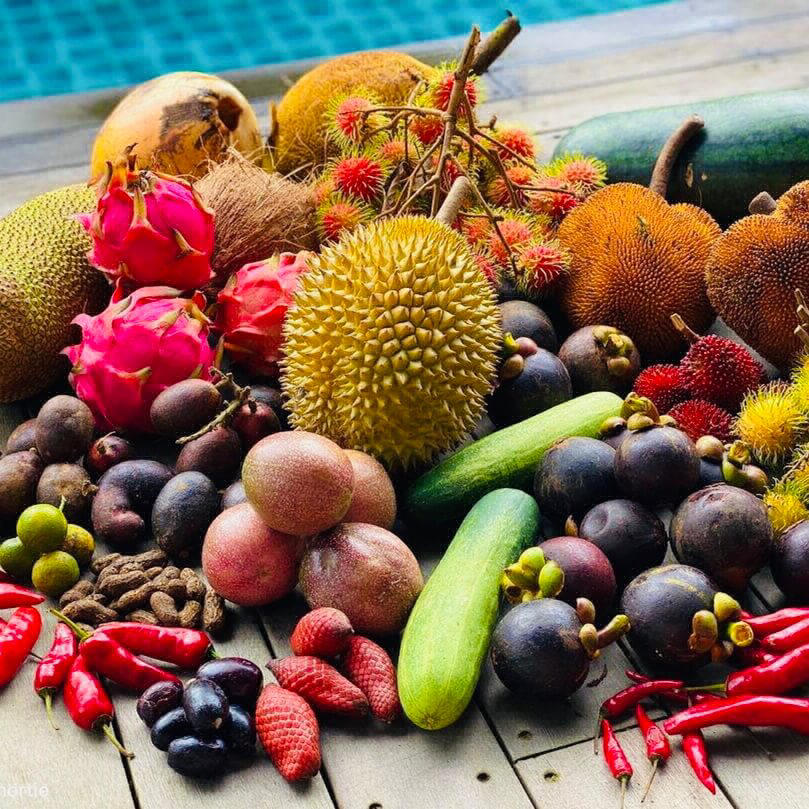
• Meat & Timber
• Crops e.g Cocoa & Palm Oil Provide Income for Indigenous
• Ingredients for Medicine
• Drinking or Irrigation Water
• Biomass
• Rubber for Tyres
69
What are Some Services in Malaysian Rainforest?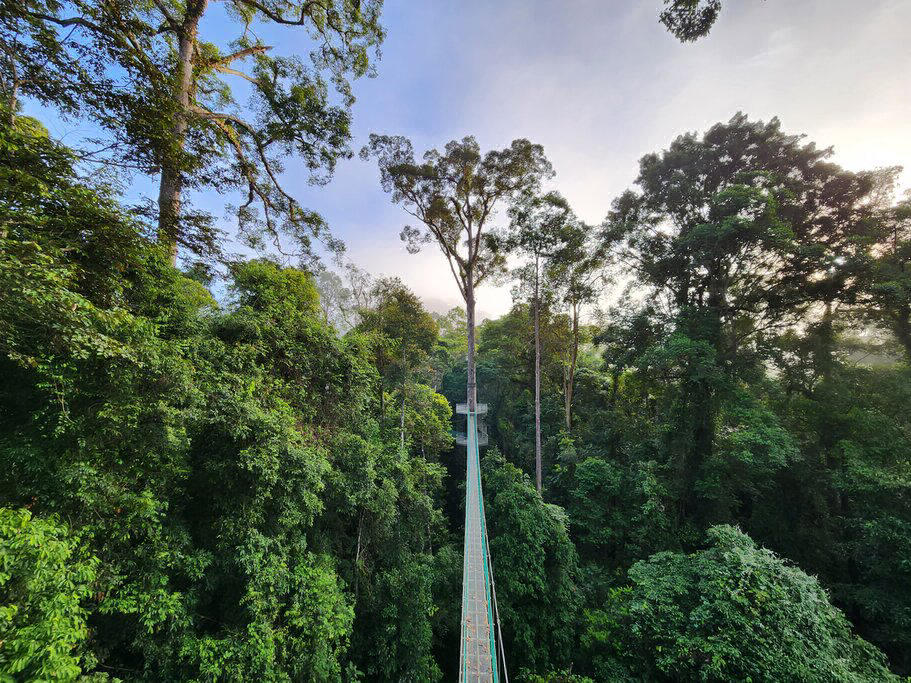
• Protect Soil Underneath
• Ecotourism Help Income for Indigenous
• Green Lungs- Purifucation of Atmosphere
• Habitat for Biodiversity
• Nutrient Cycling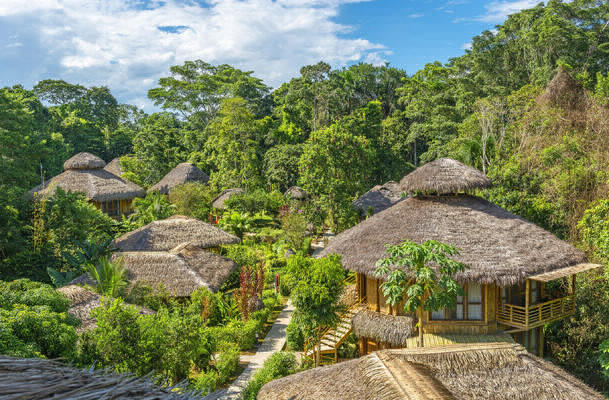
• Ecotourism Help Income for Indigenous
• Green Lungs- Purifucation of Atmosphere
• Habitat for Biodiversity
• Nutrient Cycling
70
Define Sustainable Tropical Rainforest Management
Involves Using Forest in a Way that Provides Social, Economic & Environmental Benefits Now & Ensure Forest Protected for Future Generations.
71
How can Rainforests be Managed Sustainably?
• Selective Logging & Replanting
• Conservation Areas
• Eco-tourism
• International Agreements
- Hardwood Forestry
- Debt Reduction
• Conservation Areas
• Eco-tourism
• International Agreements
- Hardwood Forestry
- Debt Reduction
72
What is Selective Logging?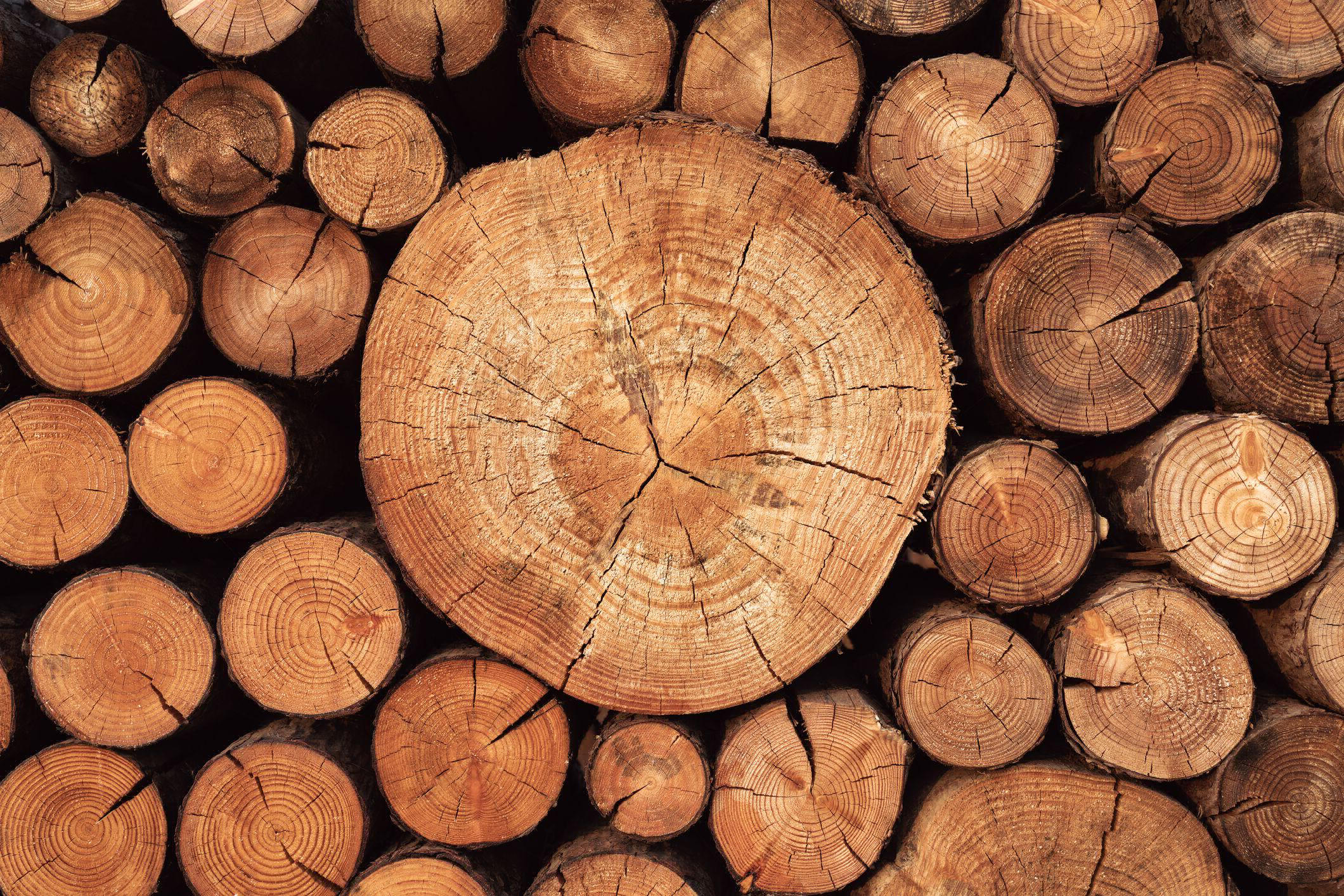
Involves Removing Old & Desire Trees Creating Space for New Growth whilst Protecting Forest Ecosystem.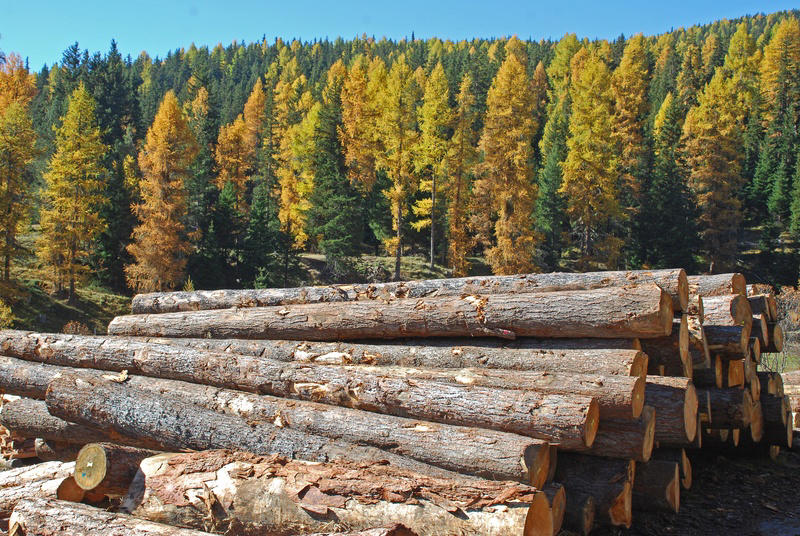
73
What Process of Selective Logging?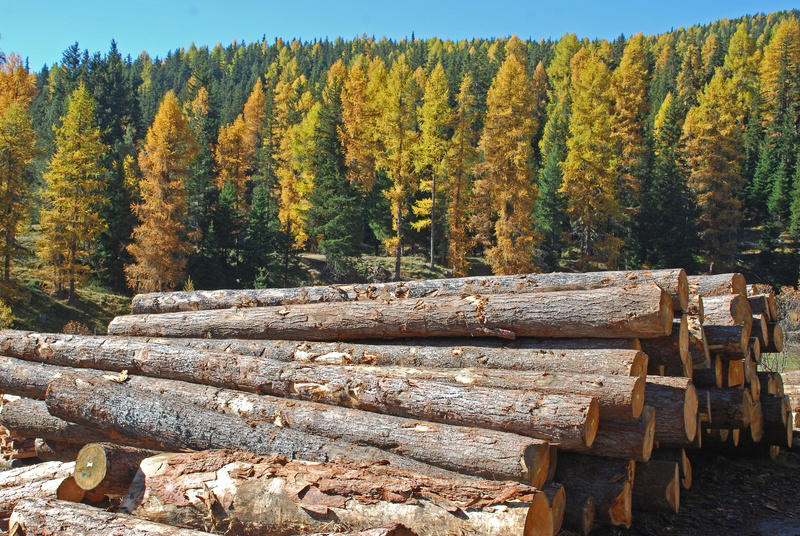
2 Years Before Felling
Pre-felling to Identify What is There.
1 Year Before Felling
Trees Marked. Arrows Painted to Indicate Directing of Felling to Avoid Damaging Others.
3-6 Months After Felling
Survey Check What Been Felled & Prosecution May Result in Illegal Felling.
2 Years After Felling
Treatment Plan Created to Restore Forest.
5-10 Years After Frlling
Replacement Trees Planted.
30-40 Years After Felling
Cycle Begins Again.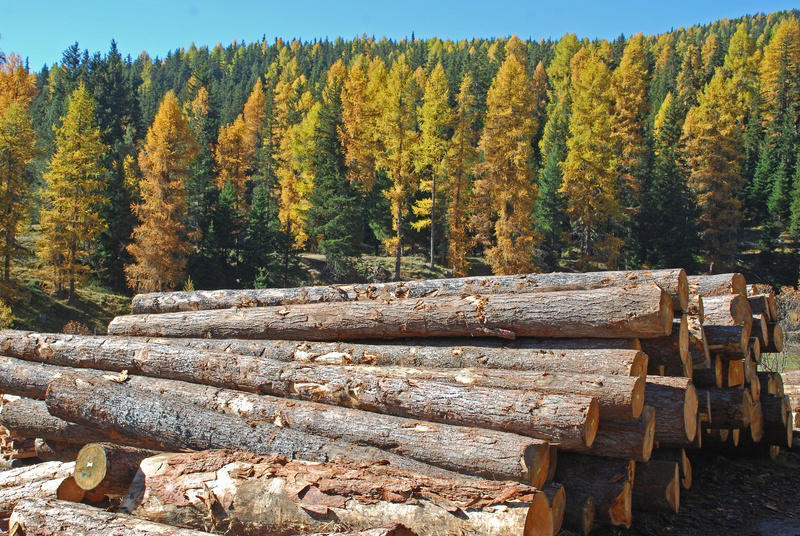
Pre-felling to Identify What is There.
1 Year Before Felling
Trees Marked. Arrows Painted to Indicate Directing of Felling to Avoid Damaging Others.
3-6 Months After Felling
Survey Check What Been Felled & Prosecution May Result in Illegal Felling.
2 Years After Felling
Treatment Plan Created to Restore Forest.
5-10 Years After Frlling
Replacement Trees Planted.
30-40 Years After Felling
Cycle Begins Again.
74
What is a Conservation Area?
Nation Parks or Nature Reserves Used for Education, Tourism & Scientific Research.
75
What is Eco-Tourism?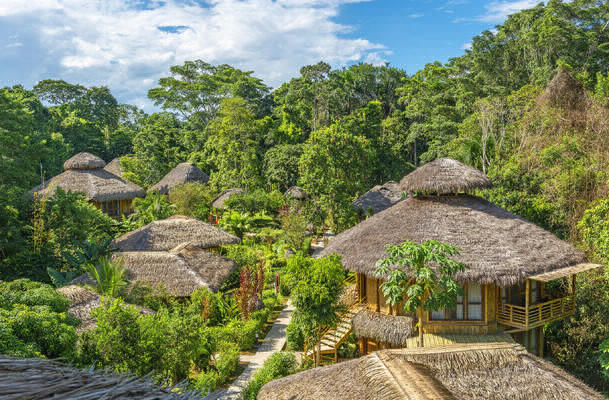
Aims to Introduce People to Natural World to Benefit Local Community & Protect Rainforest.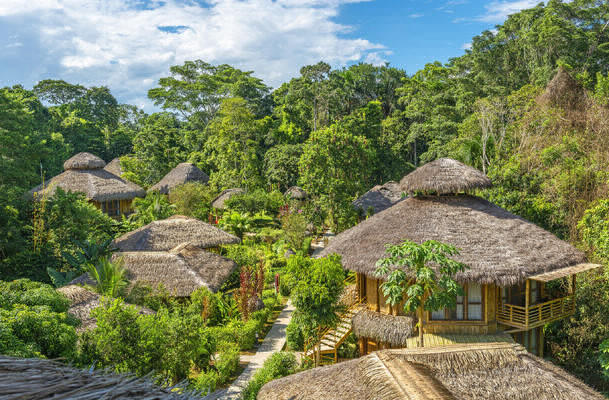
76
What are Pros & Cons of Eco-Tourism?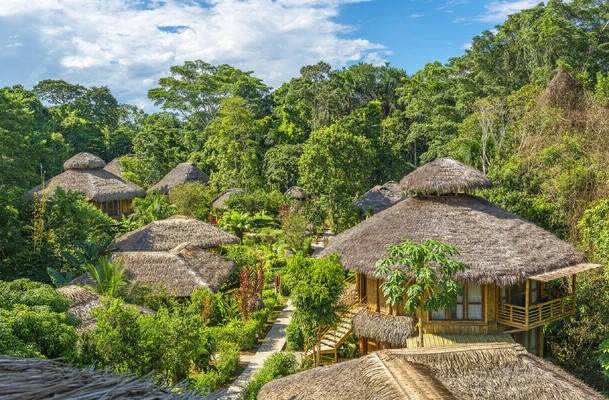
Pros
• Tourists Become Educated
• Help With Research & Development for Managing Habitats Sustainably
• Profit Can be Re-Invested to Sustainability Mange Ecosystem
• Preserve Culture
• Provide Income for Locals
• Introduce People to Environment to Promote Preservation of Habitat
Cons
• Conflict Between People Involved in Scheme & People Who Aren't
(due to Too Many Tourists Putting Pressure on Local Resources)
• Many Tourists Can Cause Ecological Damage
• Few Ecotourism Resorts are Carbon Neutral & Plastic Free so Still have Environmental Impacts Elsewhere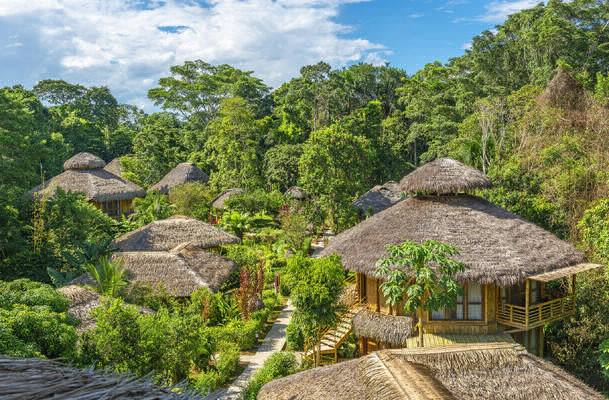
• Tourists Become Educated
• Help With Research & Development for Managing Habitats Sustainably
• Profit Can be Re-Invested to Sustainability Mange Ecosystem
• Preserve Culture
• Provide Income for Locals
• Introduce People to Environment to Promote Preservation of Habitat
Cons
• Conflict Between People Involved in Scheme & People Who Aren't
(due to Too Many Tourists Putting Pressure on Local Resources)
• Many Tourists Can Cause Ecological Damage
• Few Ecotourism Resorts are Carbon Neutral & Plastic Free so Still have Environmental Impacts Elsewhere
77
What is the FSC?
Forest Stewardship Council is International Organistion that Promotes Sustainable Forestry & Products That are Sourced Sustainably Carry FSC Lable.
78
What is 'Debt-for-Debt Nature Swapping'? (Debt Reduction)
Donor Countries & Organisations Reduced Debts to Fund Developments in Return for Agreements Rainforests Won't be Deforested.
(Instead of Debts being Payed by Massive Deforestation Programs)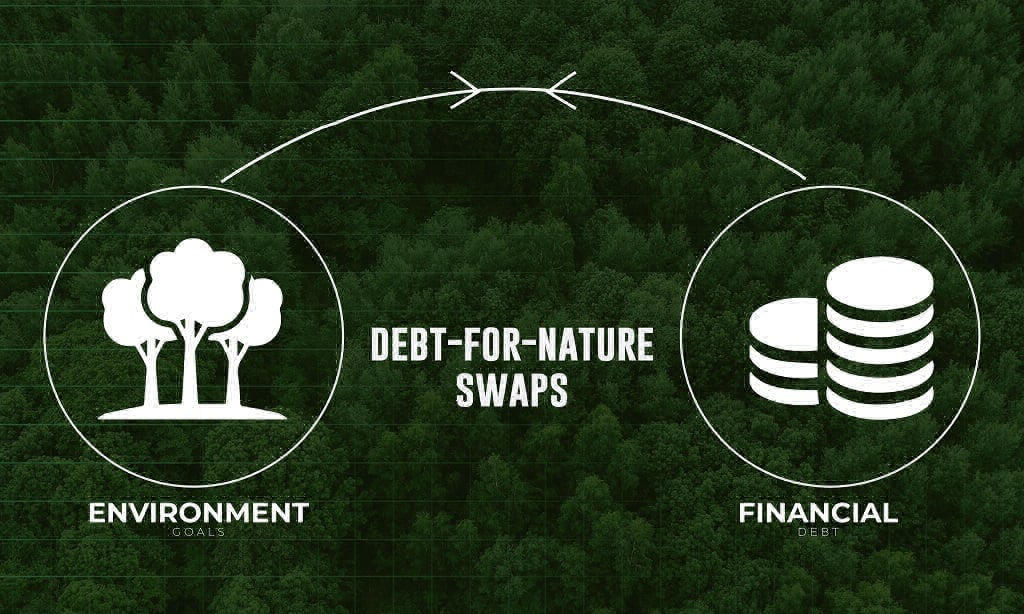
(Instead of Debts being Payed by Massive Deforestation Programs)
79
How Have International Agreements Help to Save Rainforests?
Hardwood Foresty
FSC is International Organistion which Tries Educate Manufacturers & Consumers About Need to Buy Hardwoods that Been Sustainably Sourced.
To Save Rare & Valuable Hardwoods.
'Debt-for-Debt Nature Swapping'
Agreements where Some Donor Countries & Organisations Reduce their Debt Repayment Demands in Return for a Halt to Deforestation.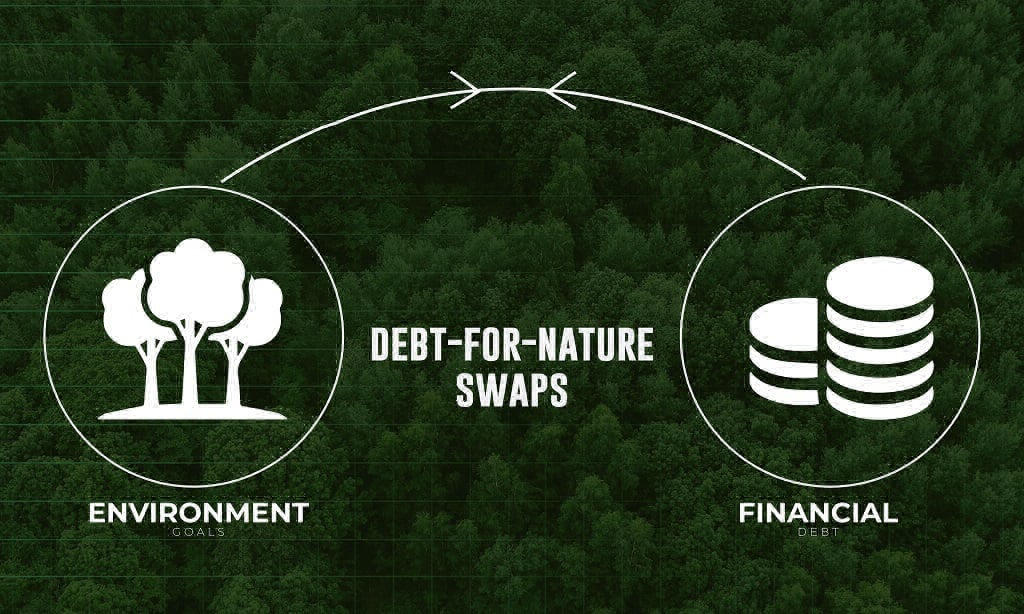
FSC is International Organistion which Tries Educate Manufacturers & Consumers About Need to Buy Hardwoods that Been Sustainably Sourced.
To Save Rare & Valuable Hardwoods.
'Debt-for-Debt Nature Swapping'
Agreements where Some Donor Countries & Organisations Reduce their Debt Repayment Demands in Return for a Halt to Deforestation.
80
Define Desert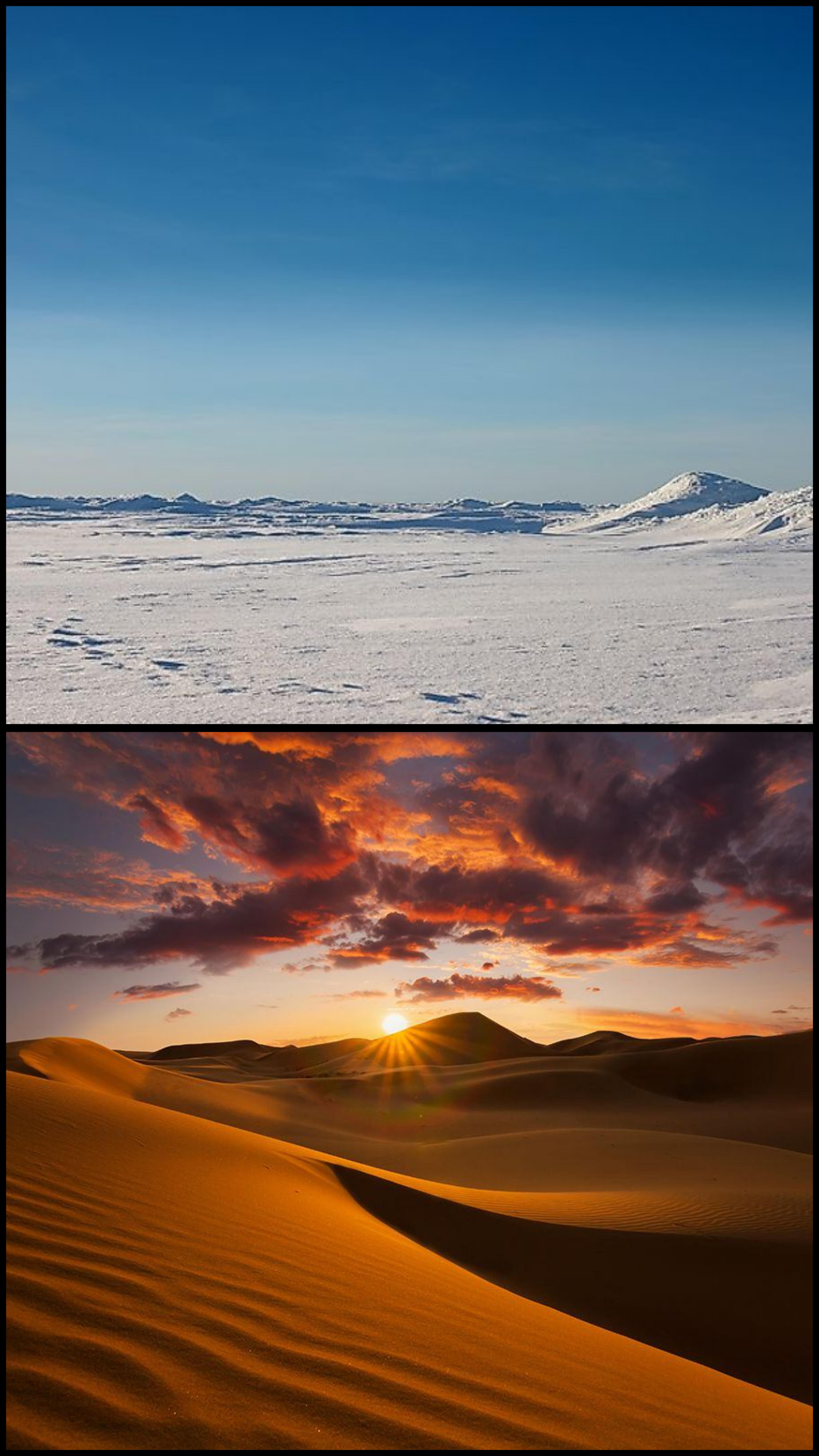
Area Recieving Less than 250mm of Rainfall Per Year.
So Very Dry & Arid.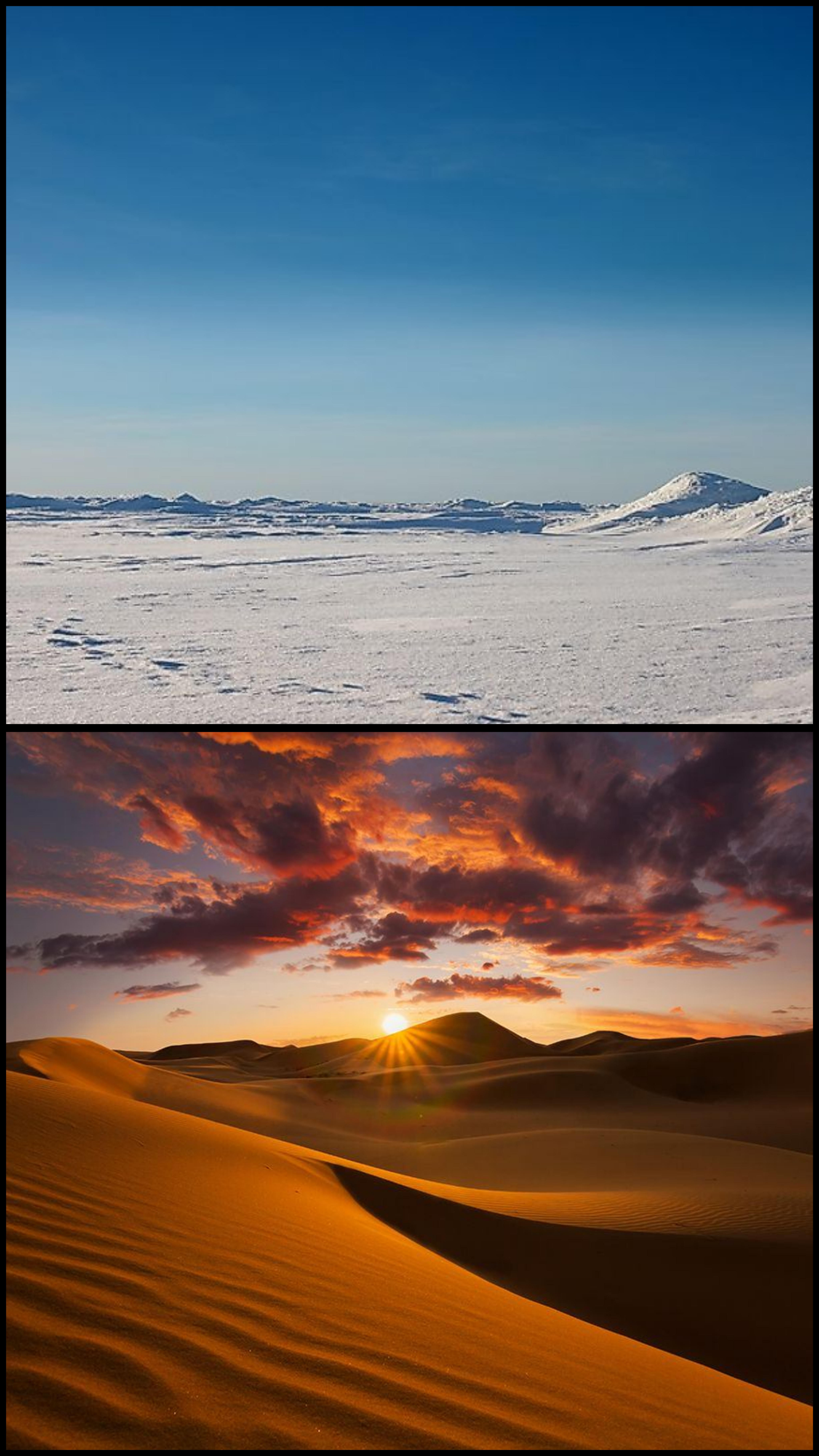
So Very Dry & Arid.
81
Define Aridity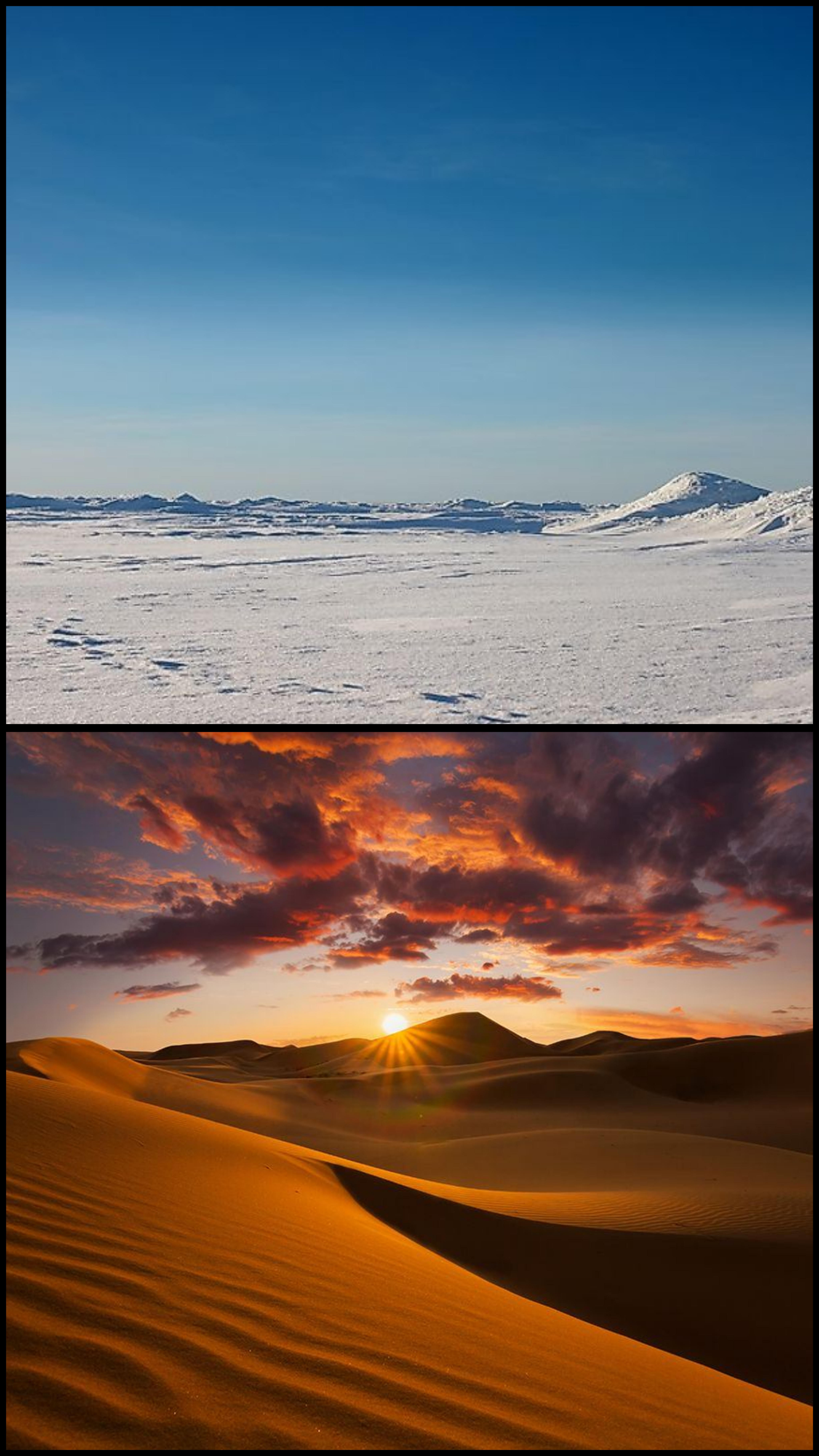
Lacking in Moisture, Dry & Little Rainfall.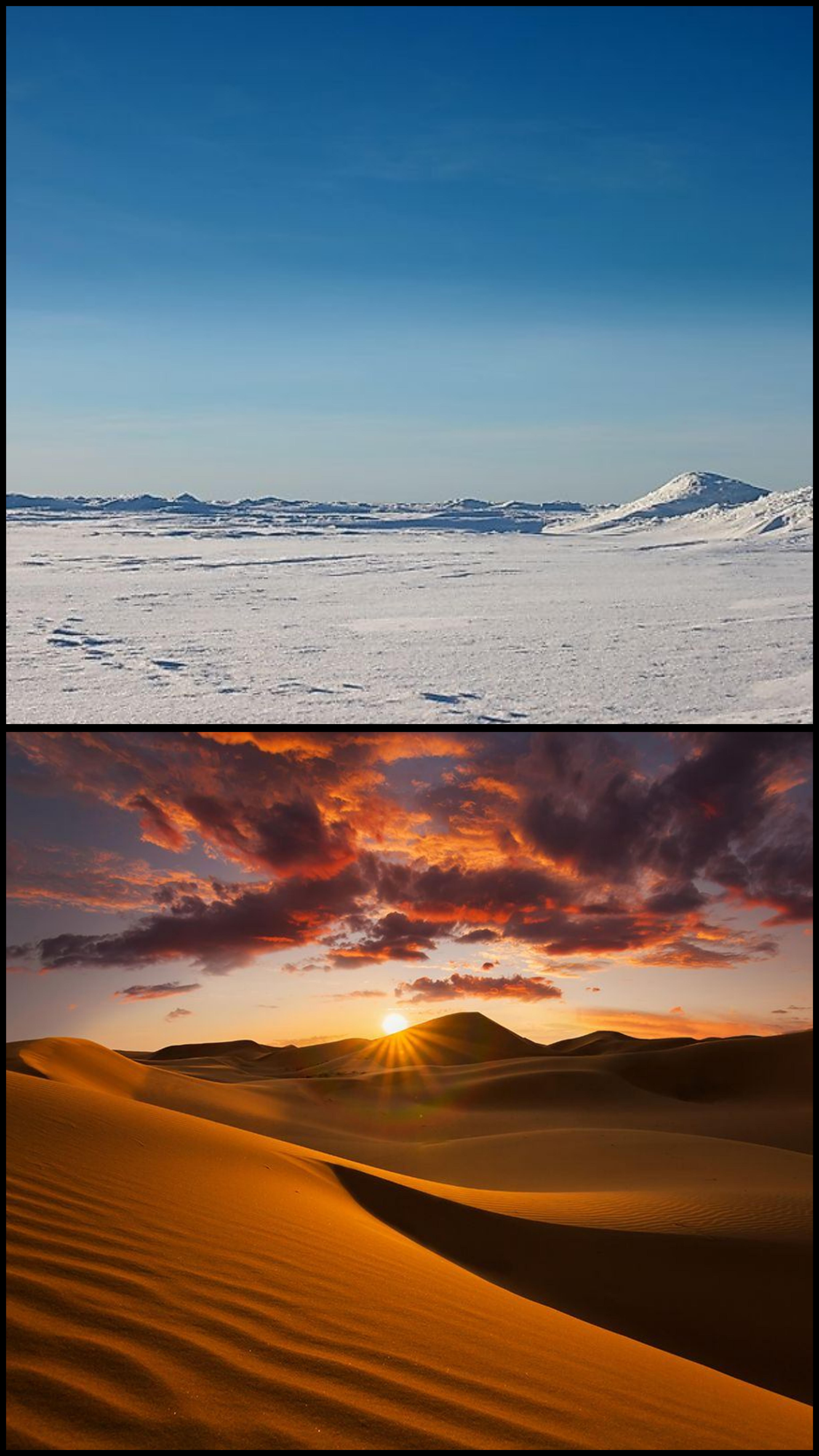
82
Describe Distribution of Hot Desserts
Hot deserts located along 30° North & South Lines of Latitude.
Found in Continents South America, Africa Australasia & Asia.
Large Deserts include Sahara, Namib & Great Sandy Desert.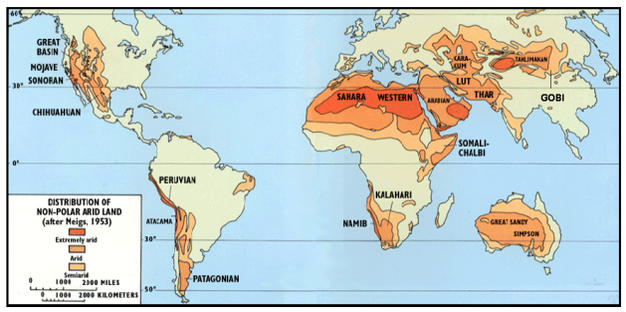
Found in Continents South America, Africa Australasia & Asia.
Large Deserts include Sahara, Namib & Great Sandy Desert.
83
Why is the Climate Hot & Dry & Why are Rainforests Where they are & Same With Rainforest but Rainy & Wet?
1) Suns Reys are Concentrated At Equator & Is Low Pressure Belt Where Heated Air Rises Cools, Condenses & Clouds From & it Rains.
Tropical Rainforests Found at Equator.
2) Dry Air Moves North & South Away Equator to Tropics & High Pressure Belt Formed When Cool Air Sinks & Can' t Cool & Condense so Few Clouds & Little Rain.
Creates Desserts.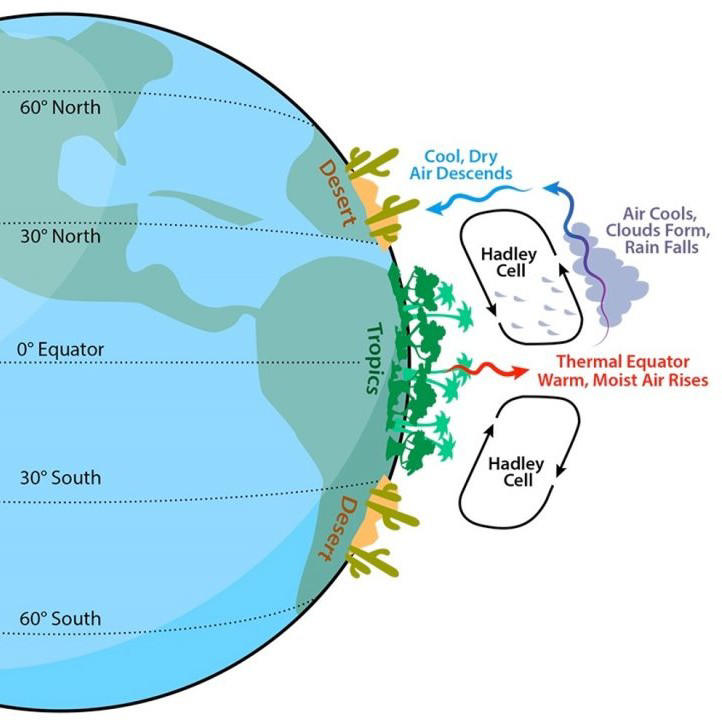
Tropical Rainforests Found at Equator.
2) Dry Air Moves North & South Away Equator to Tropics & High Pressure Belt Formed When Cool Air Sinks & Can' t Cool & Condense so Few Clouds & Little Rain.
Creates Desserts.
84
What are Two haracteristics of Dessert Soil?
• Are Sandy, Rocky & 1 Metre Deep
• Lack Water & Vegetation so Little Organic Matter
• Lack Water & Vegetation so Little Organic Matter
85
When can Dessert Soil be Useful?
Some Soil can be Fertile Due to Nutrients for Vegetation Growth.
When Irigated Can Grow Crops.
When Irigated Can Grow Crops.
86
What are some Adaptations of Camels?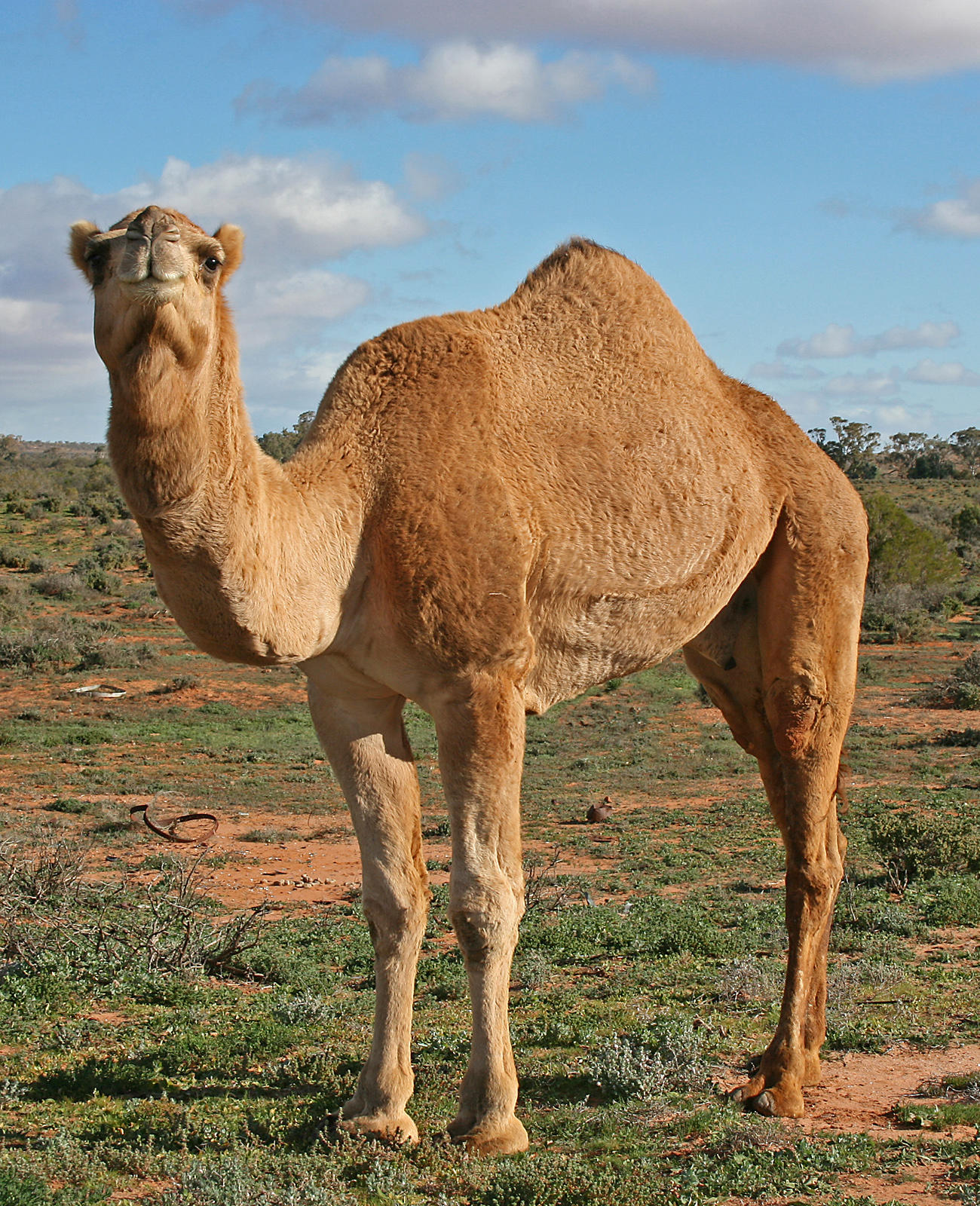
• Long Eye Lashes- Protects Eyes in Sandstorm
• Thick Hairy Eyebrows- Avoid Sand in Eyes & Shade from Sun
• Closing Nostrils- Avoid Sand in Nose
• Thick Fur- Keep Warm
• Wide Padded Feet- Don't Sink in Sand
• Well Camouflaged- Blend in
• Hump- Store Fat so 1 Week Without Water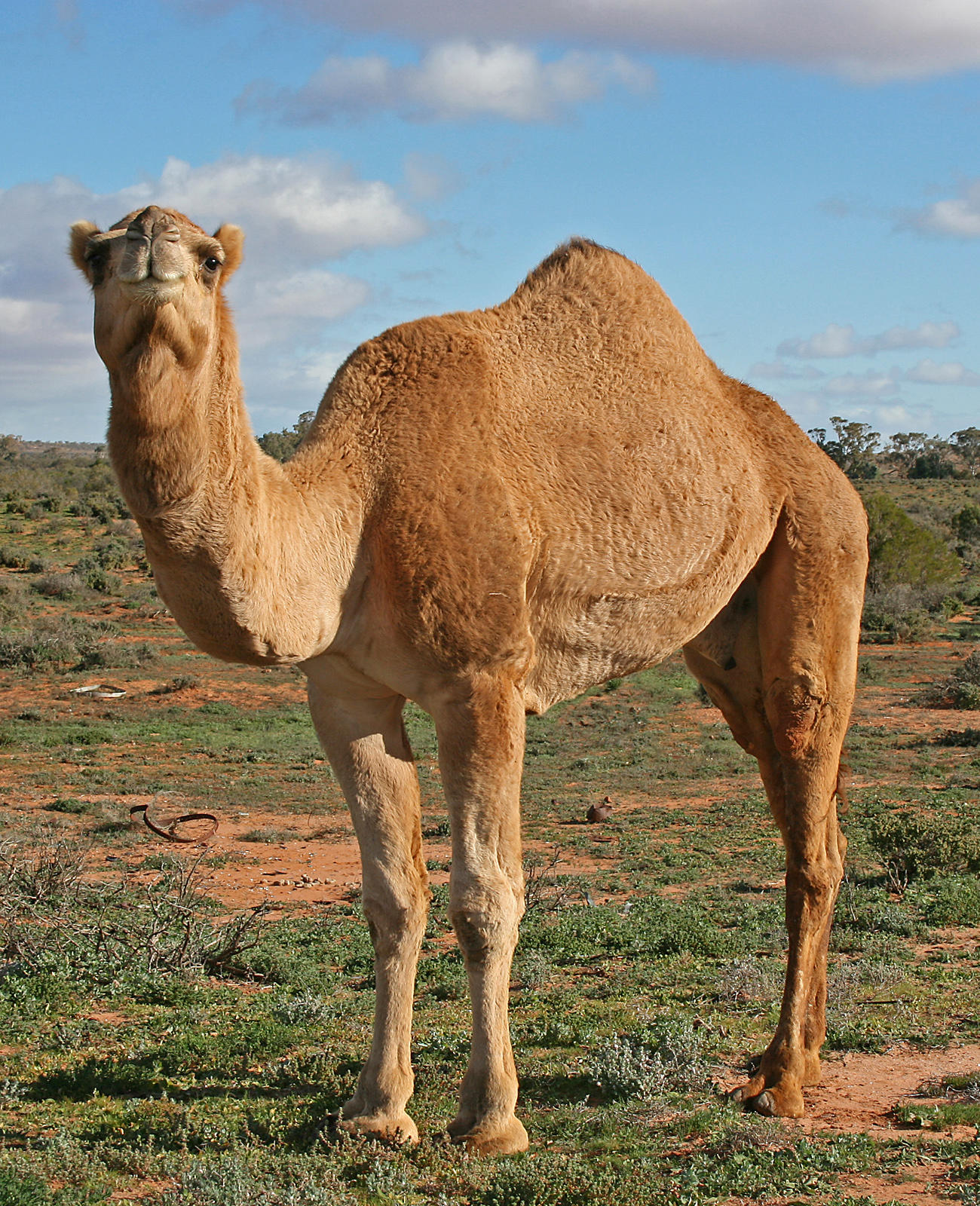
• Thick Hairy Eyebrows- Avoid Sand in Eyes & Shade from Sun
• Closing Nostrils- Avoid Sand in Nose
• Thick Fur- Keep Warm
• Wide Padded Feet- Don't Sink in Sand
• Well Camouflaged- Blend in
• Hump- Store Fat so 1 Week Without Water
87
How have Living Organisms Servived & Created a Biodiversity in Dessert?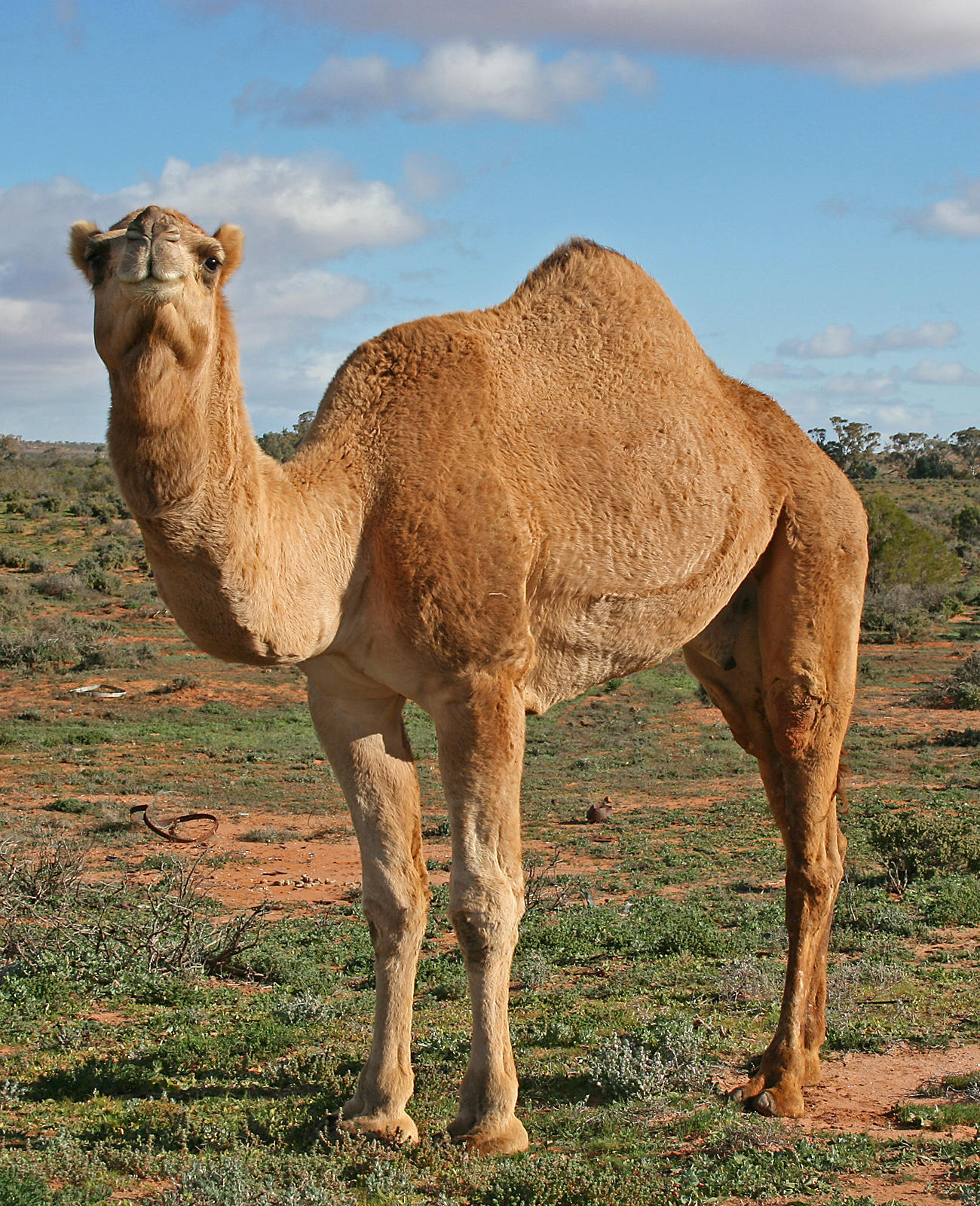
Adaptations Include Water Conservation, Nocturnal Lifestyles & Specalised Body Features to Thrive Avid Environment.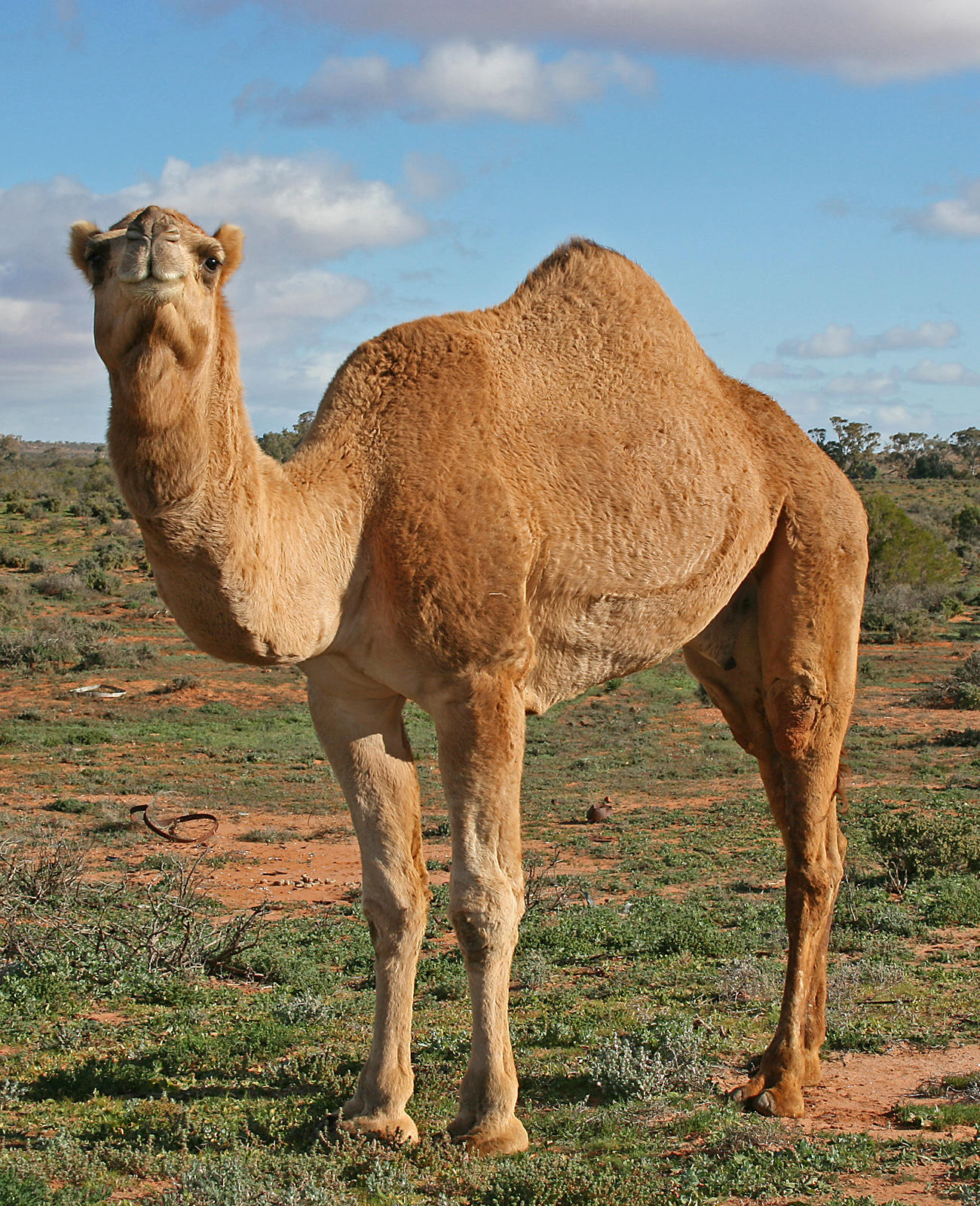
88
What Factors is Affect Biodiversity in the Desert?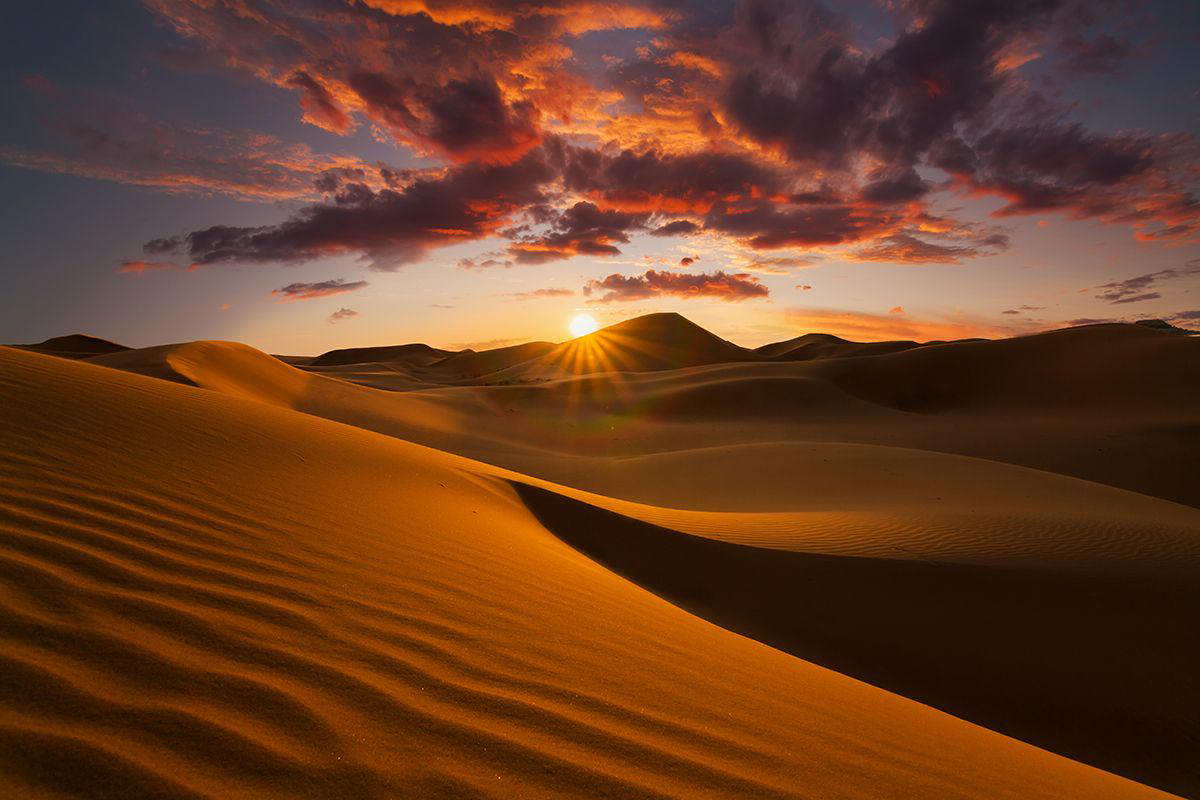
• Little & Infrequent Precipitation
• High Temps Day & Cold Night
• Moving Sand & Sandstorms
• Lack of Water
• Poor Sandy Soil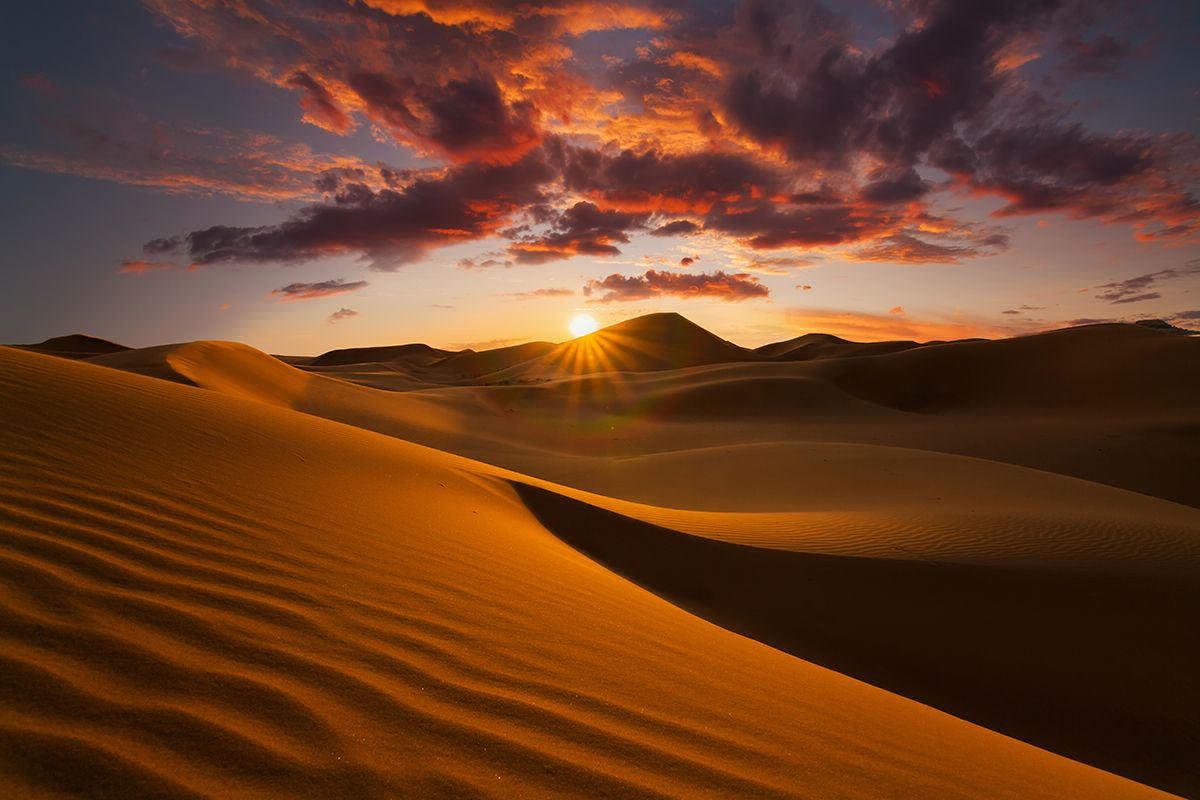
• High Temps Day & Cold Night
• Moving Sand & Sandstorms
• Lack of Water
• Poor Sandy Soil
89
What are Adaptations of a Kangaroo Rat?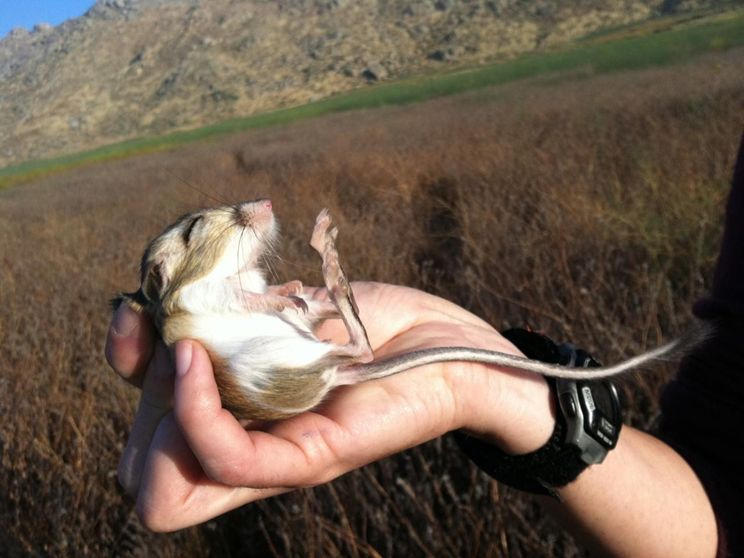
• Small Front Legs Scoop Up Food
• Lives Burrow Avoid Predators & Day Heat
• Expandable Cheek Pouches Store & Carry Food
• Tail to Flick Sand & to Deter Predators
• Very Good Hearing
• Strong Back Legs Support Body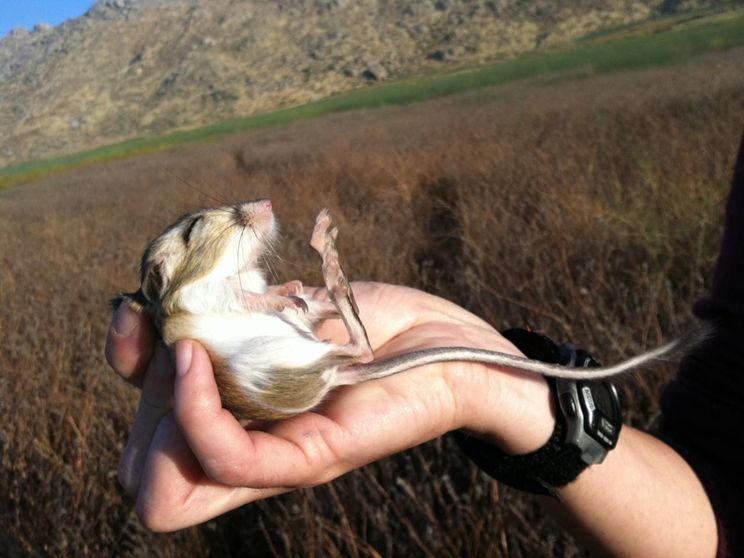
• Lives Burrow Avoid Predators & Day Heat
• Expandable Cheek Pouches Store & Carry Food
• Tail to Flick Sand & to Deter Predators
• Very Good Hearing
• Strong Back Legs Support Body
90
What are Adaptations of a Saguaro Cactus?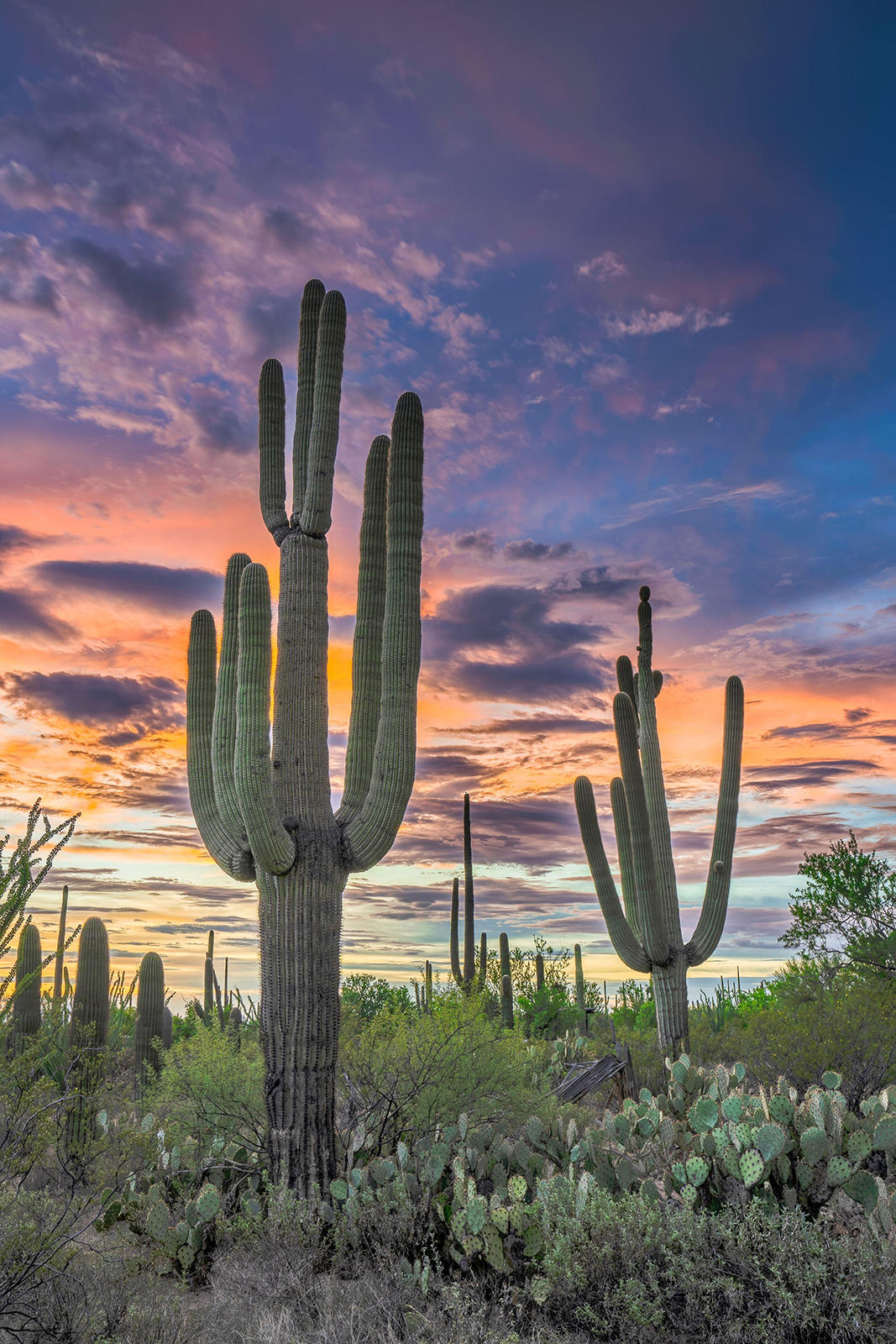
• Flowers at Hight to Attract Pollinators
• Spikes Deter Predators
• Capacity 5 Tons of Water
• Waxy Surface to Reduce Moisture Loss
• Stores Water in Pleated Trunk & Expands
• Long Roots Collects Water Quickly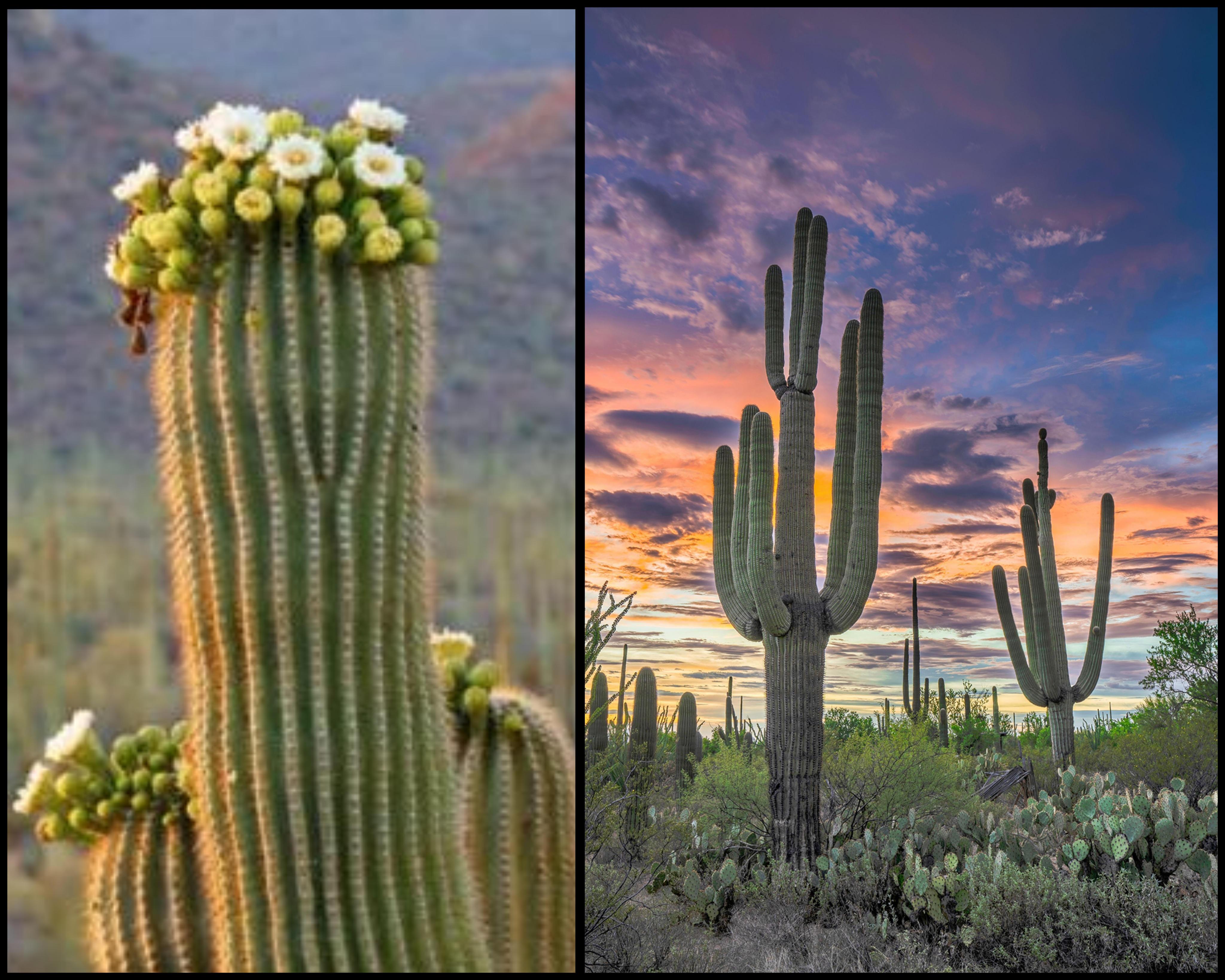
• Spikes Deter Predators
• Capacity 5 Tons of Water
• Waxy Surface to Reduce Moisture Loss
• Stores Water in Pleated Trunk & Expands
• Long Roots Collects Water Quickly
91
Where is the Thar Desert Located?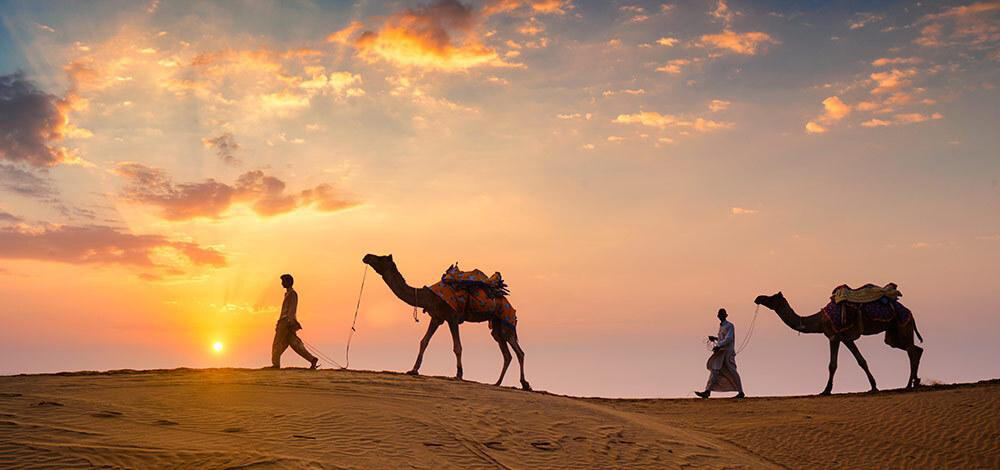
Northwest of India & it Comes Across Border to Pakistan.
North East of Arabian & it's in Asia.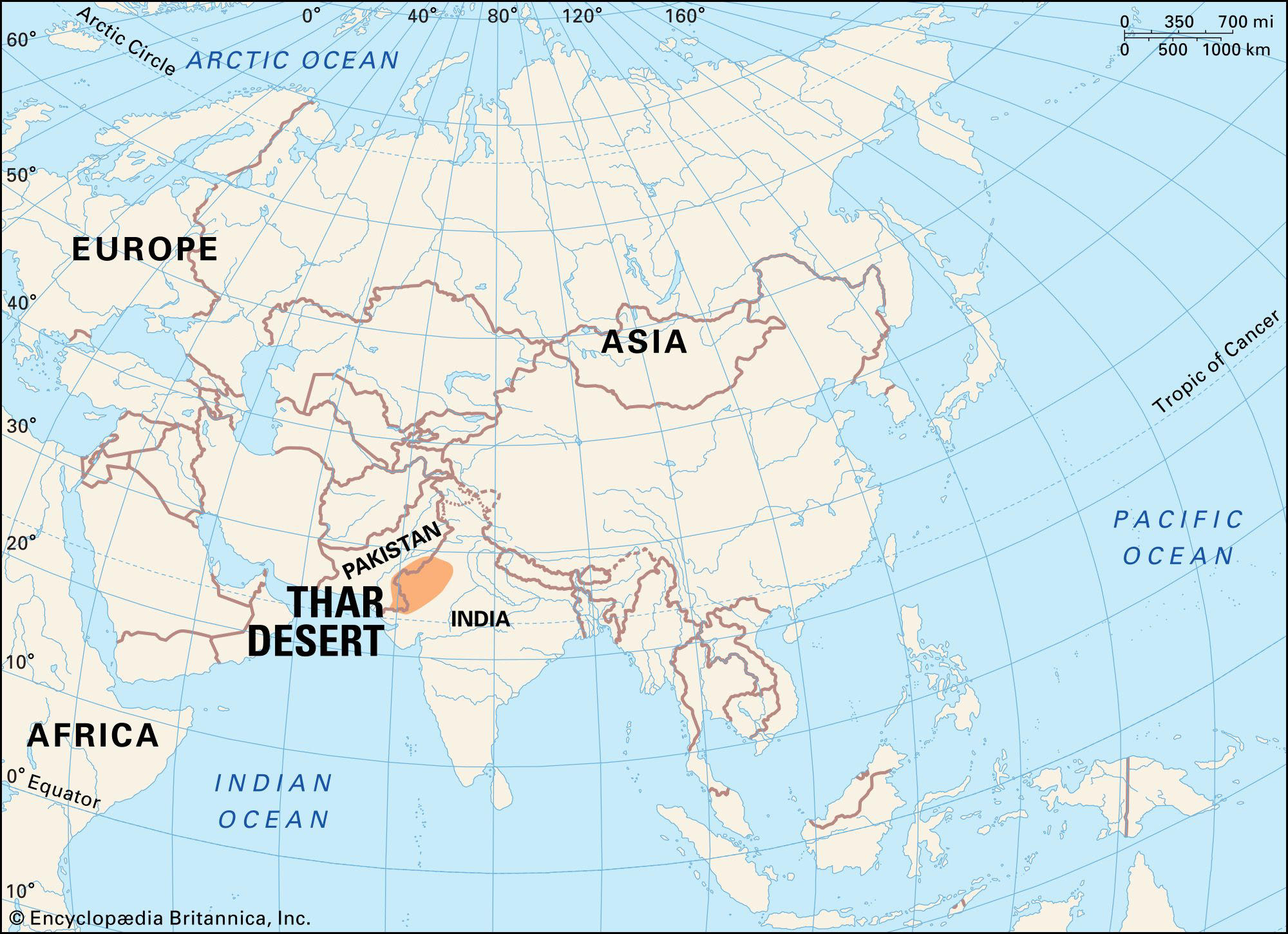
North East of Arabian & it's in Asia.
92
What are the Economic Opportunities living in the Thar Dessert?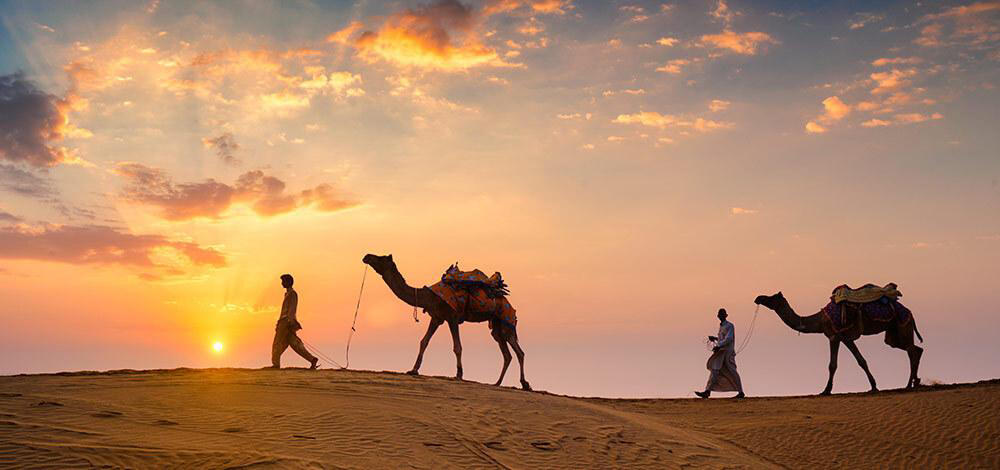
Mineral Extraction
• Desert has Valuable Reserves of Minerals that Used in India & Exported
-Phosphorite - Make Fertiliser
• Main Source of Limestone for Steel Industry in India
• Valuable Reserves of Marble which is Quarried for Construction Industry
Tourism
• Desert Beautiful Landscape have Caused Tourist Attraction
• Thousands People Visit, from Pakistan
• Jaisalmer - Desert Safaris On Camels
(weathly Indians & tourists)
• Annual Winter Desert Festival
• Provides Locals with Money when People Buy Food, Accommodation & Guides
Energy
Coal - Large Amounts of Lignite Coal Deposits
Oil - Large Oil Field
Wind - Jaisalmer Wind Park Constructed in 2001- India's Largest
Solar - Sunny Skies with No Clouds Allows for Solar Power Generation -Some Solar Panels used Provide Energy Treat Water
Farming
• People Living in Desert are Involved in Subsistence Farming - Graze Animals on Grassy Areas, Cultivate Vegetables/Fruit Trees
• Commercial Farming Grown Due & irrigation methods:
-Construction of Indira Gandhi Canal on 1958
-Allowed Growth of Wheat & Cotton in Areas used to be Infertile
-Other Crops - Pulses, Sesame, Maize & Mustard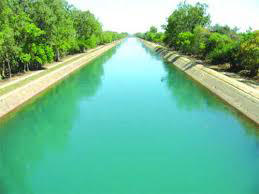
• Desert has Valuable Reserves of Minerals that Used in India & Exported
-Phosphorite - Make Fertiliser
• Main Source of Limestone for Steel Industry in India
• Valuable Reserves of Marble which is Quarried for Construction Industry
Tourism
• Desert Beautiful Landscape have Caused Tourist Attraction
• Thousands People Visit, from Pakistan
• Jaisalmer - Desert Safaris On Camels
(weathly Indians & tourists)
• Annual Winter Desert Festival
• Provides Locals with Money when People Buy Food, Accommodation & Guides
Energy
Coal - Large Amounts of Lignite Coal Deposits
Oil - Large Oil Field
Wind - Jaisalmer Wind Park Constructed in 2001- India's Largest
Solar - Sunny Skies with No Clouds Allows for Solar Power Generation -Some Solar Panels used Provide Energy Treat Water
Farming
• People Living in Desert are Involved in Subsistence Farming - Graze Animals on Grassy Areas, Cultivate Vegetables/Fruit Trees
• Commercial Farming Grown Due & irrigation methods:
-Construction of Indira Gandhi Canal on 1958
-Allowed Growth of Wheat & Cotton in Areas used to be Infertile
-Other Crops - Pulses, Sesame, Maize & Mustard
93
What are the Challenges living in the Thar Dessert?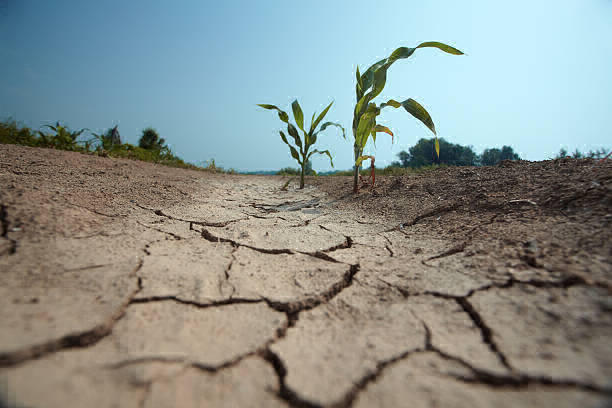
Extreme Temperatures
• Causes Outside Work Difficult (especially farmers),
• Causes High Evaporation Rates = Water Shortages
• Grazing Animal Hard as Not Adapted for Desert so Need Shade
Water Shortages
• Why - Problem Due To Population, Farming & industry growth, Low Annual Rainfall, High Temperatures,strong wind
• What - Several Sources - Drinking Water Traditionally Comes Natural Ponds Robas or Manmade -Johads
• Few Rivers or Streams but are iregular - often Only After Rainfall
• Water Can Be Found from Aquifers (underground sources) using Wells - salty water
Accessibility
• Limited Road Network Across Desert - Due to Extreme Weather & Barren Areas
• High Temperatures Mean Tarmac Melt
• Strong Winds Mean Sand can Blown Over Road
• Public Transport- Very Busy Buses
• Several Places Only Accessible By Camel (traditional transport)
• Causes Outside Work Difficult (especially farmers),
• Causes High Evaporation Rates = Water Shortages
• Grazing Animal Hard as Not Adapted for Desert so Need Shade
Water Shortages
• Why - Problem Due To Population, Farming & industry growth, Low Annual Rainfall, High Temperatures,strong wind
• What - Several Sources - Drinking Water Traditionally Comes Natural Ponds Robas or Manmade -Johads
• Few Rivers or Streams but are iregular - often Only After Rainfall
• Water Can Be Found from Aquifers (underground sources) using Wells - salty water
Accessibility
• Limited Road Network Across Desert - Due to Extreme Weather & Barren Areas
• High Temperatures Mean Tarmac Melt
• Strong Winds Mean Sand can Blown Over Road
• Public Transport- Very Busy Buses
• Several Places Only Accessible By Camel (traditional transport)
94
What is Indira Gandhi Canal, who was mostly affected & how did it benefit people, how long?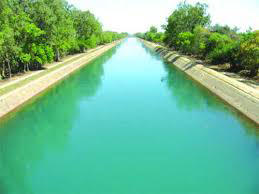
• Main Form irrigation
• Source Water Transformed Infertile Area Desert
• Canal Provides Clean Drinking Water
• Constructed 1959, Total Length 650Km
• Jodhpur & Jaisalmer Benefit Most - over 3500km irrigated Commercial Farming Growth as Result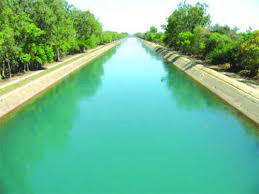
• Source Water Transformed Infertile Area Desert
• Canal Provides Clean Drinking Water
• Constructed 1959, Total Length 650Km
• Jodhpur & Jaisalmer Benefit Most - over 3500km irrigated Commercial Farming Growth as Result
95
Define Desertification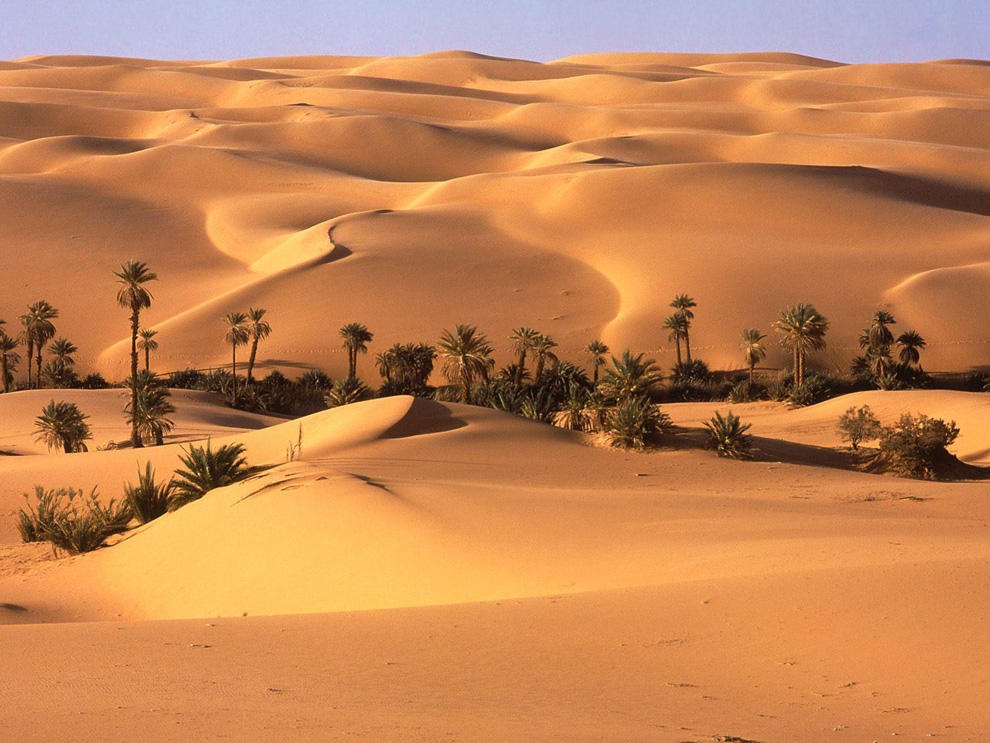
Land Gradually Turned into Desert & Becomes Infertile.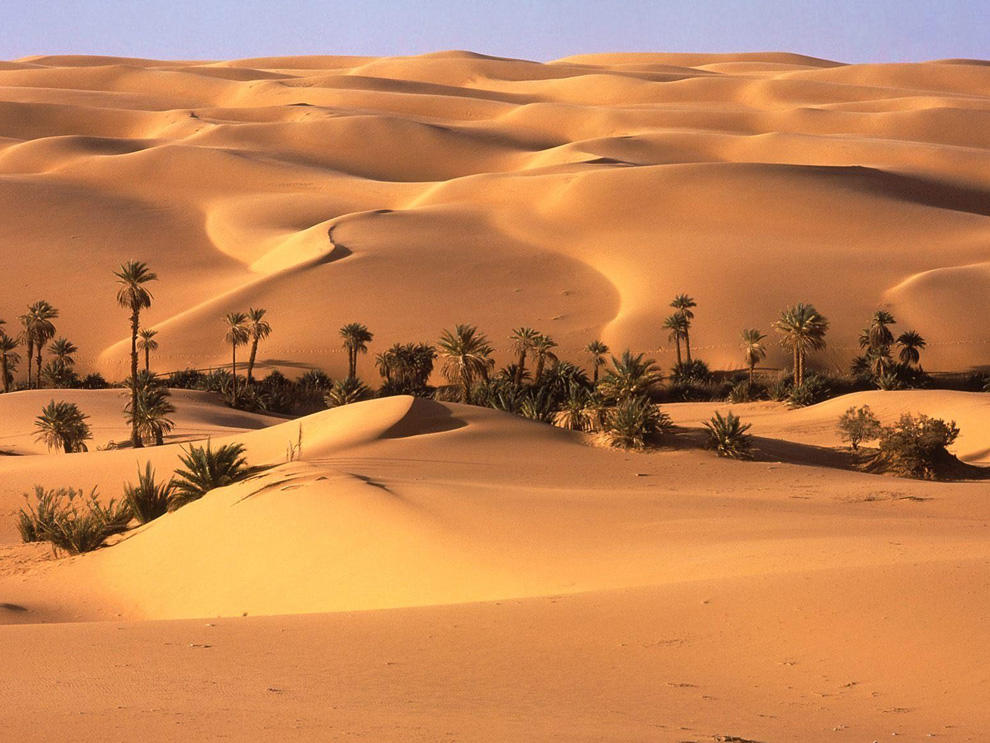
96
Where is Desertification a Problem & how many people are at risk?
Semi-arid Areas Bordering Existing Deserts.
1 Billion People Live in Areas Risk & issues in USA, Spain, Australia etc.
1 Billion People Live in Areas Risk & issues in USA, Spain, Australia etc.
97
What are the Causes of Desertification?
Climate Change- Causes Drier Weather & Unreliable Rainfall.
Soil Erosion- Vegetation Destruction causes Soil to be Exposed to Wind & Rain so Increases Erosion Rate
Population Pressure & Growth- More People so Demand for More Fuel Wood & Food.
-So Trees Striped of Branches & Die.
- Land Overgrazed as Limited Vegetation for Animals = Less Vegetation On Land so Become Infertile
Over Cultivation- Need Produce Food so More Crops Planted & Soil Becomes Infertile & Turn Dust
Natural Events- e.g Droughts Affect Semi-arid Areas as Ecologically Fragile so Little Change = Big Impact
Over irrigation- Can cause sensation evaporation draws water to surface water. high salinity can kill plants rapid evaporation leave salt on surface which affects soil fertility
Soil Erosion- Vegetation Destruction causes Soil to be Exposed to Wind & Rain so Increases Erosion Rate
Population Pressure & Growth- More People so Demand for More Fuel Wood & Food.
-So Trees Striped of Branches & Die.
- Land Overgrazed as Limited Vegetation for Animals = Less Vegetation On Land so Become Infertile
Over Cultivation- Need Produce Food so More Crops Planted & Soil Becomes Infertile & Turn Dust
Natural Events- e.g Droughts Affect Semi-arid Areas as Ecologically Fragile so Little Change = Big Impact
Over irrigation- Can cause sensation evaporation draws water to surface water. high salinity can kill plants rapid evaporation leave salt on surface which affects soil fertility
98
Give two Conditions about Badia & Where it is?
Badia in Jordan Has less than 150 mm rain per year & Reach Temperatures Larger than 40° C.
99
What is the Problem & Causes in badia and what are the Effects of the problem?
• Traditionally Grazed by Sheep, Goats & Camels on Rough Shrub & Grassland
• Increased Number of Sheep from IRAQ after Gulf War in Early in early 90s= Over Grazing=Desertification
• Land Became Unproductive so People Moved Away & Soil Erosion Spread Due to Lack of Vegetation
• Increased Number of Sheep from IRAQ after Gulf War in Early in early 90s= Over Grazing=Desertification
• Land Became Unproductive so People Moved Away & Soil Erosion Spread Due to Lack of Vegetation
100
What are the Methods Slow Down Desertification?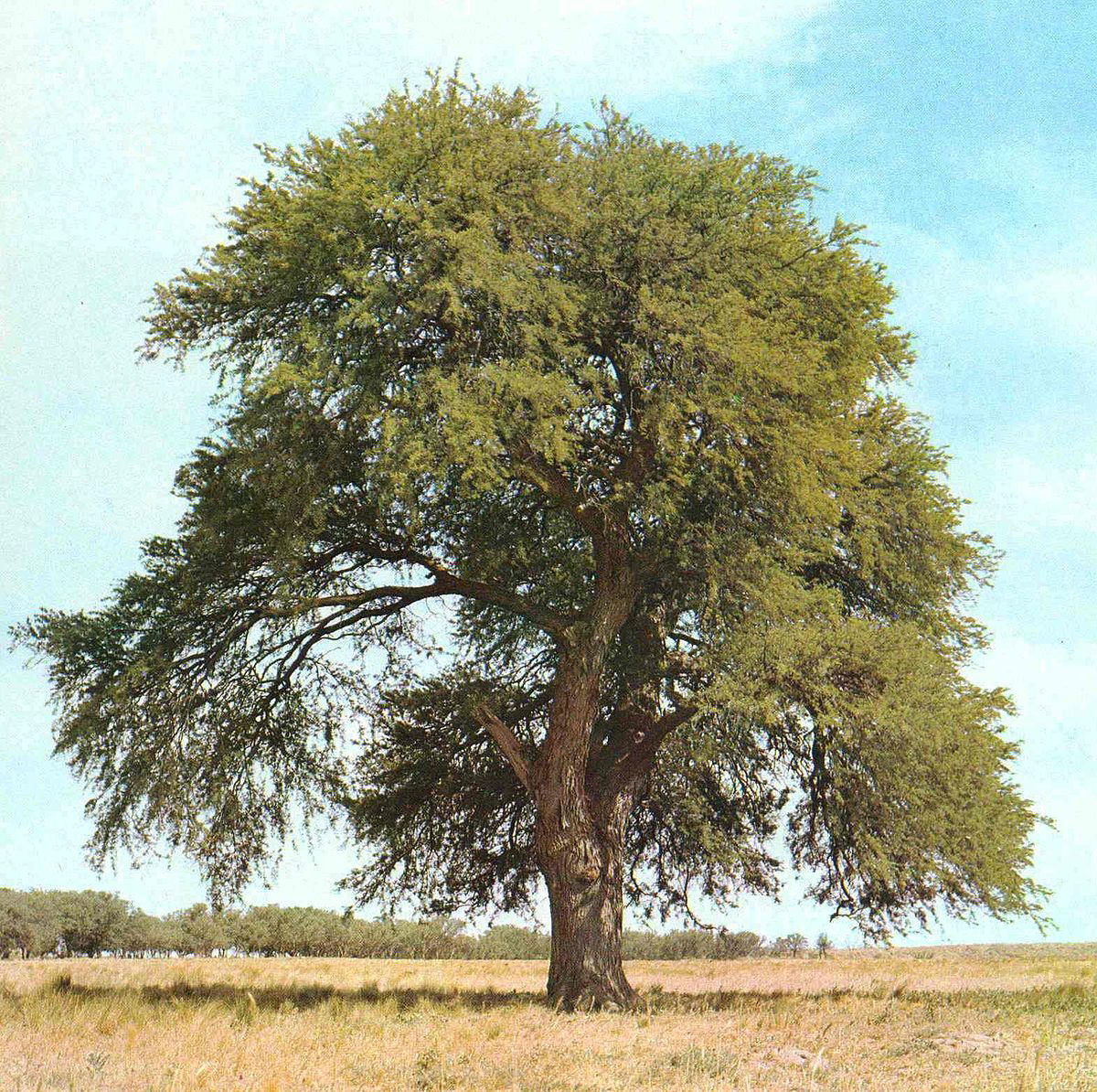
Water & Soil Management
• Water Needed for Commercial Farming & Slow Down Desertification
• Badia- Low Stone Walls to Stop Water Running Down Slopes
• Newly Planted Plants are Well Adapted
- Hold Soil & Provide Vegetation for Grazing
- Soil Improvements Allows New Plants to Grow & Bring Birds/Butterflies
Nationale Parks
• Protects Areas
• Desert National Park (Thar Desert India) Created 1992 Protects 3000km²
Planting Trees
• Reduces Erosion Roots Bind Soil, Leaves
- Prosopis Tree in That Dessert Adapted to Climate
• Foliage & Seeds Animals Eat
• Good Firewood & Building Materials
• Roots Stabilise Dunes
Appropriate Technology
• Magic Stones-Traps Water + Soil when it Rains=Reduces Erosion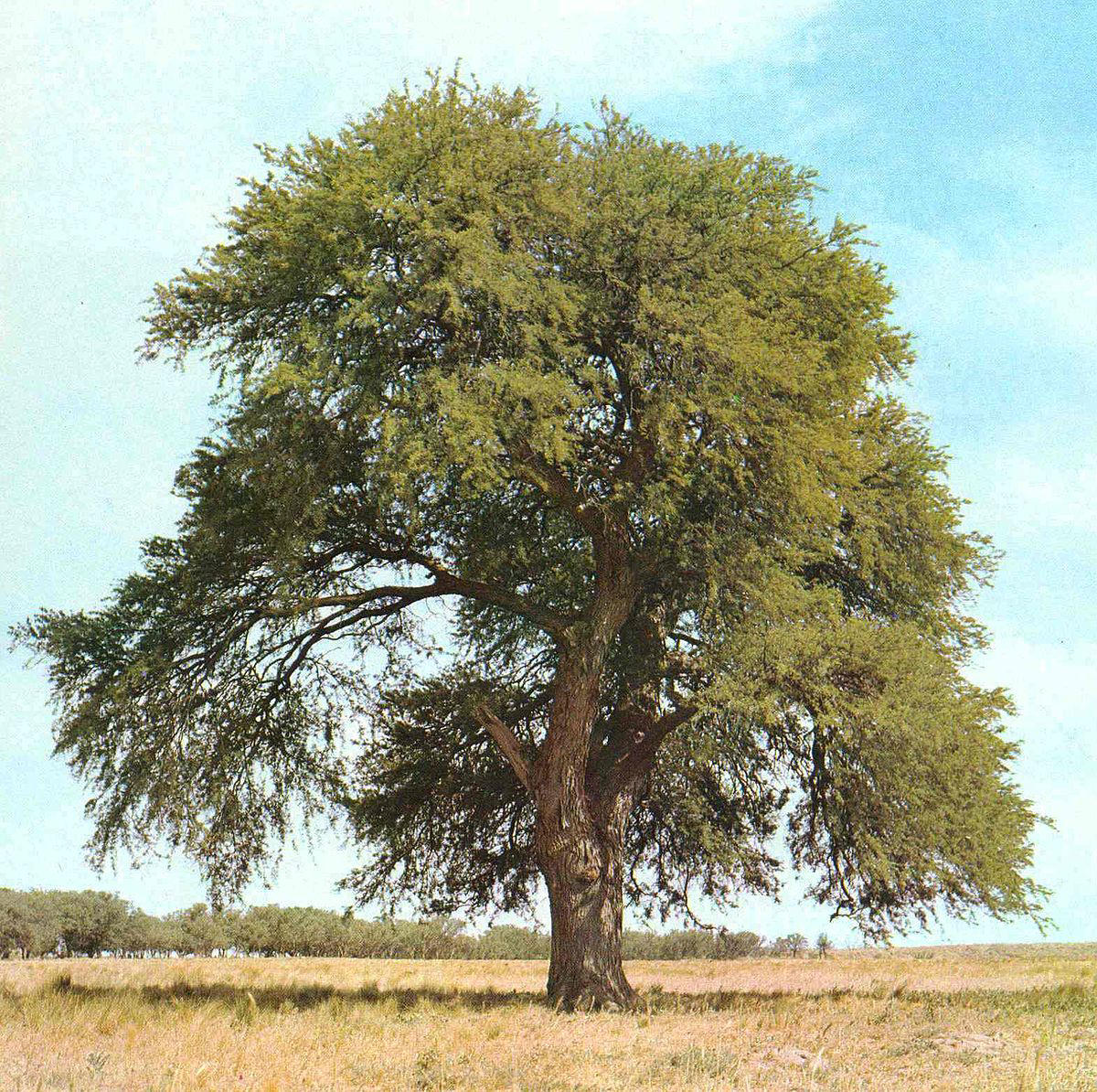
• Water Needed for Commercial Farming & Slow Down Desertification
• Badia- Low Stone Walls to Stop Water Running Down Slopes
• Newly Planted Plants are Well Adapted
- Hold Soil & Provide Vegetation for Grazing
- Soil Improvements Allows New Plants to Grow & Bring Birds/Butterflies
Nationale Parks
• Protects Areas
• Desert National Park (Thar Desert India) Created 1992 Protects 3000km²
Planting Trees
• Reduces Erosion Roots Bind Soil, Leaves
- Prosopis Tree in That Dessert Adapted to Climate
• Foliage & Seeds Animals Eat
• Good Firewood & Building Materials
• Roots Stabilise Dunes
Appropriate Technology
• Magic Stones-Traps Water + Soil when it Rains=Reduces Erosion
101
Where is the Sahel?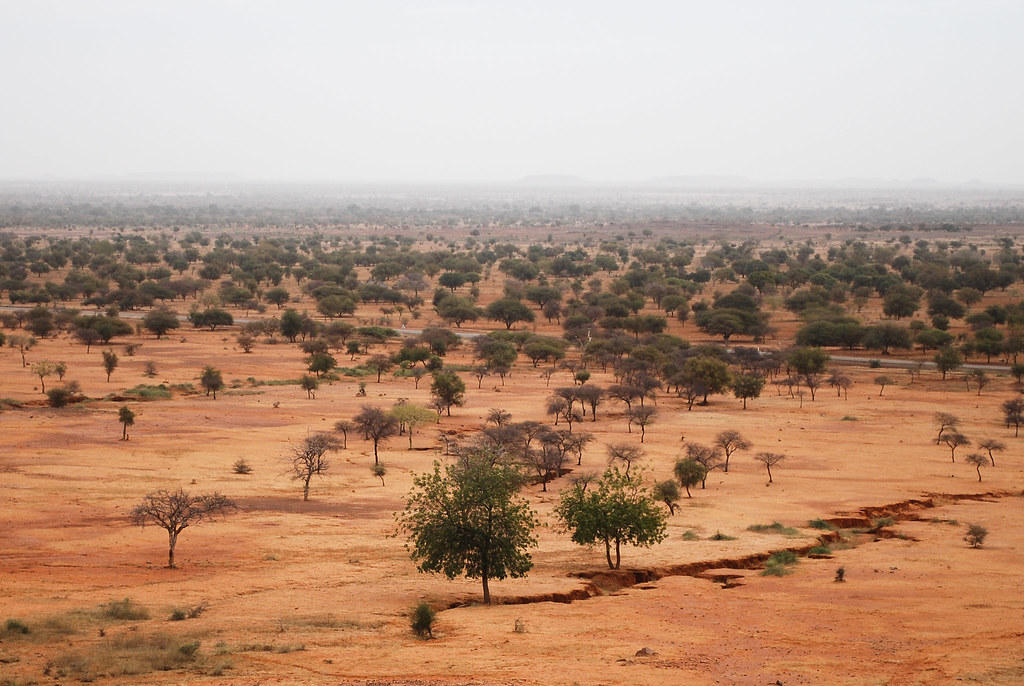
• Borders South Part of Sahara Desert
• Borders Desert, Tropical Rainforest/ Savannah to South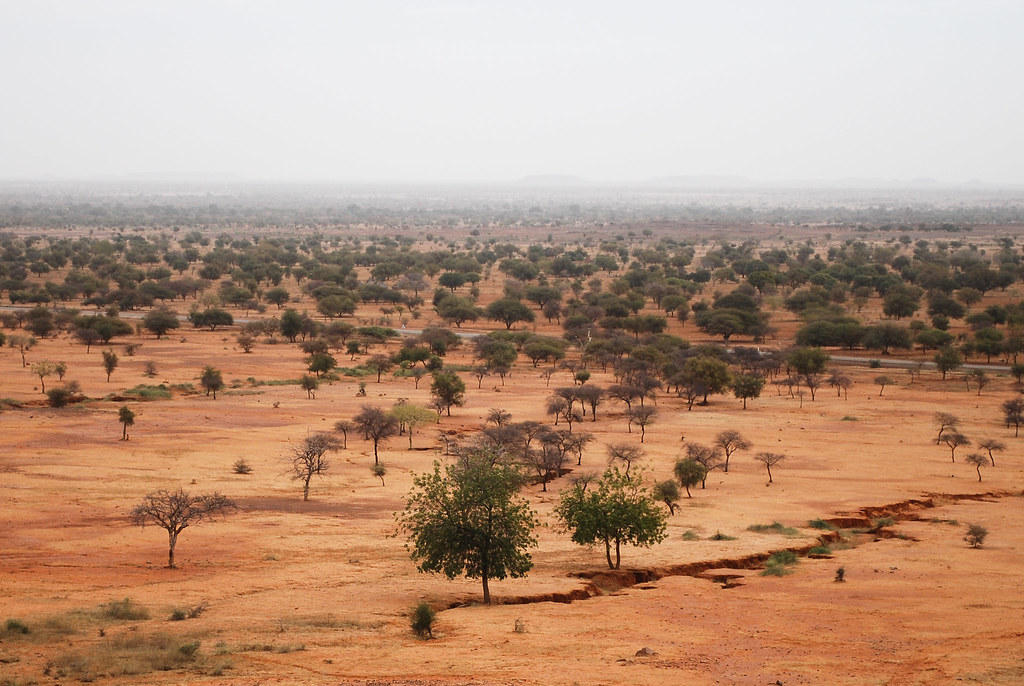
• Borders Desert, Tropical Rainforest/ Savannah to South
102
What are the problems in Sahel?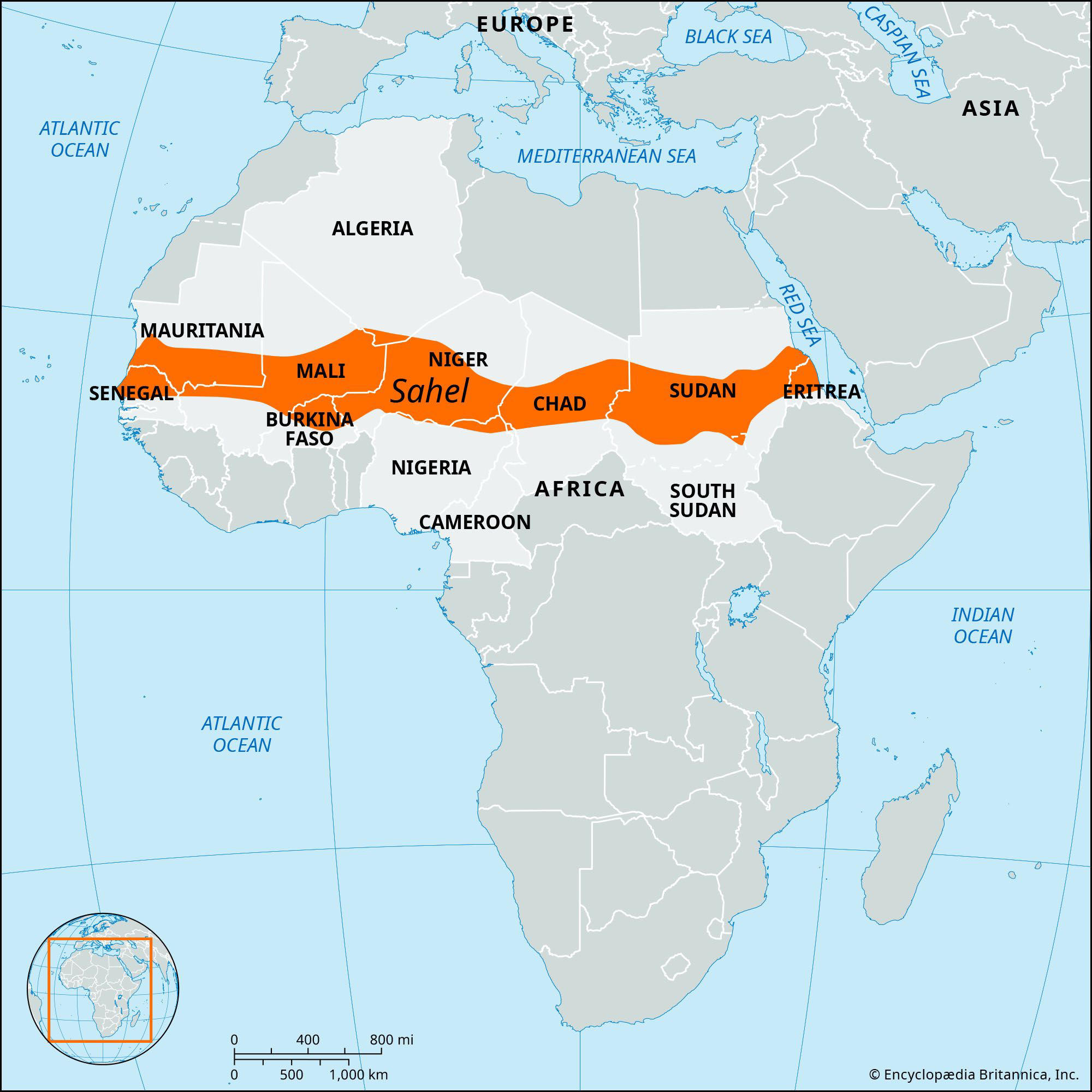
• Under water Stress, Population Growth, Poverty, Over Grazing & Deforestation caused Desertification
• Has Significant Droughts
• 1984-85 Mass Livestock Death Due to Lack Grass Due to Lack Water=Region of Famine
- Ethiopia Worst hit 1.2 Million Deaths & 2.5 Million Eternally Displaced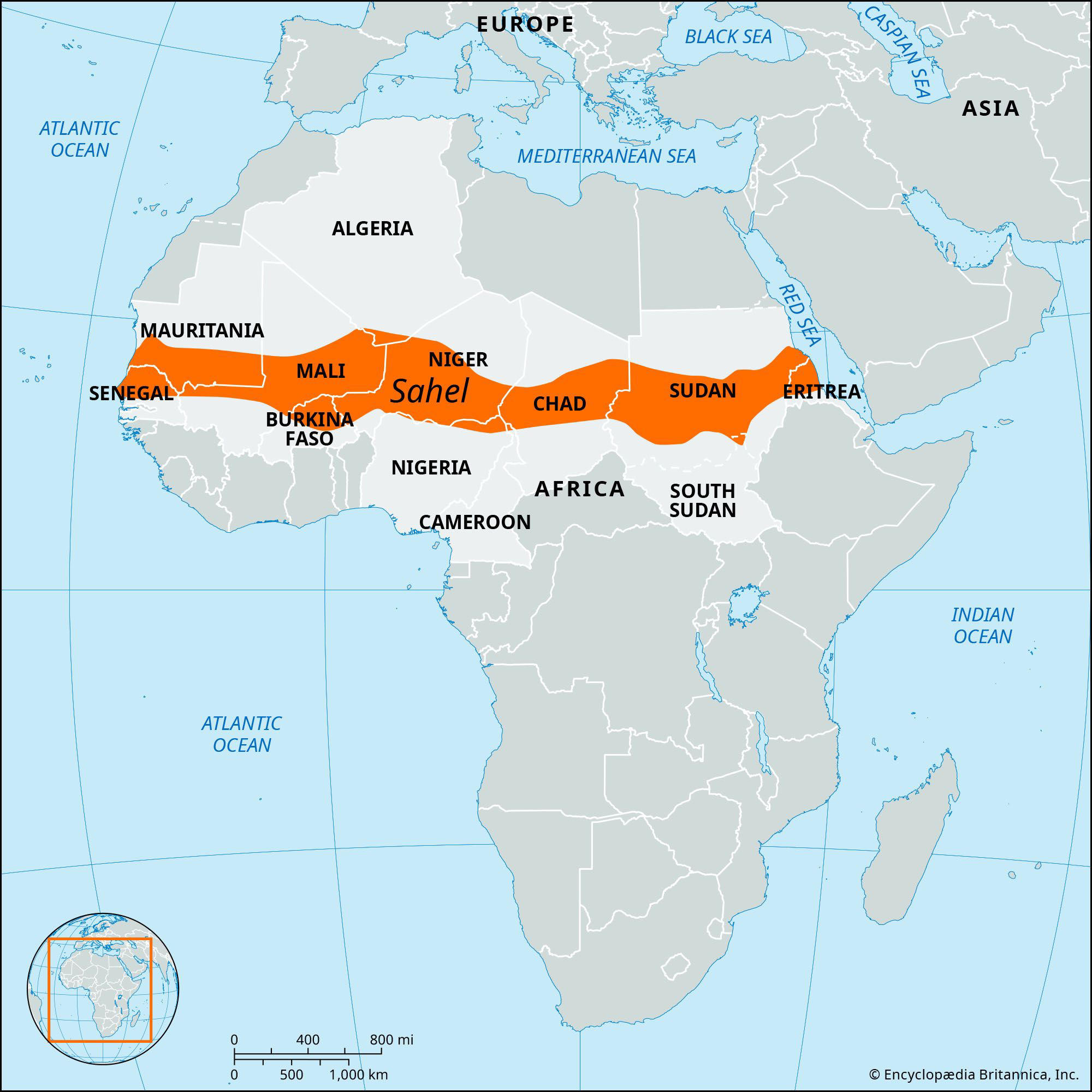
• Has Significant Droughts
• 1984-85 Mass Livestock Death Due to Lack Grass Due to Lack Water=Region of Famine
- Ethiopia Worst hit 1.2 Million Deaths & 2.5 Million Eternally Displaced
103
What are the Long Term Problems in Sahel?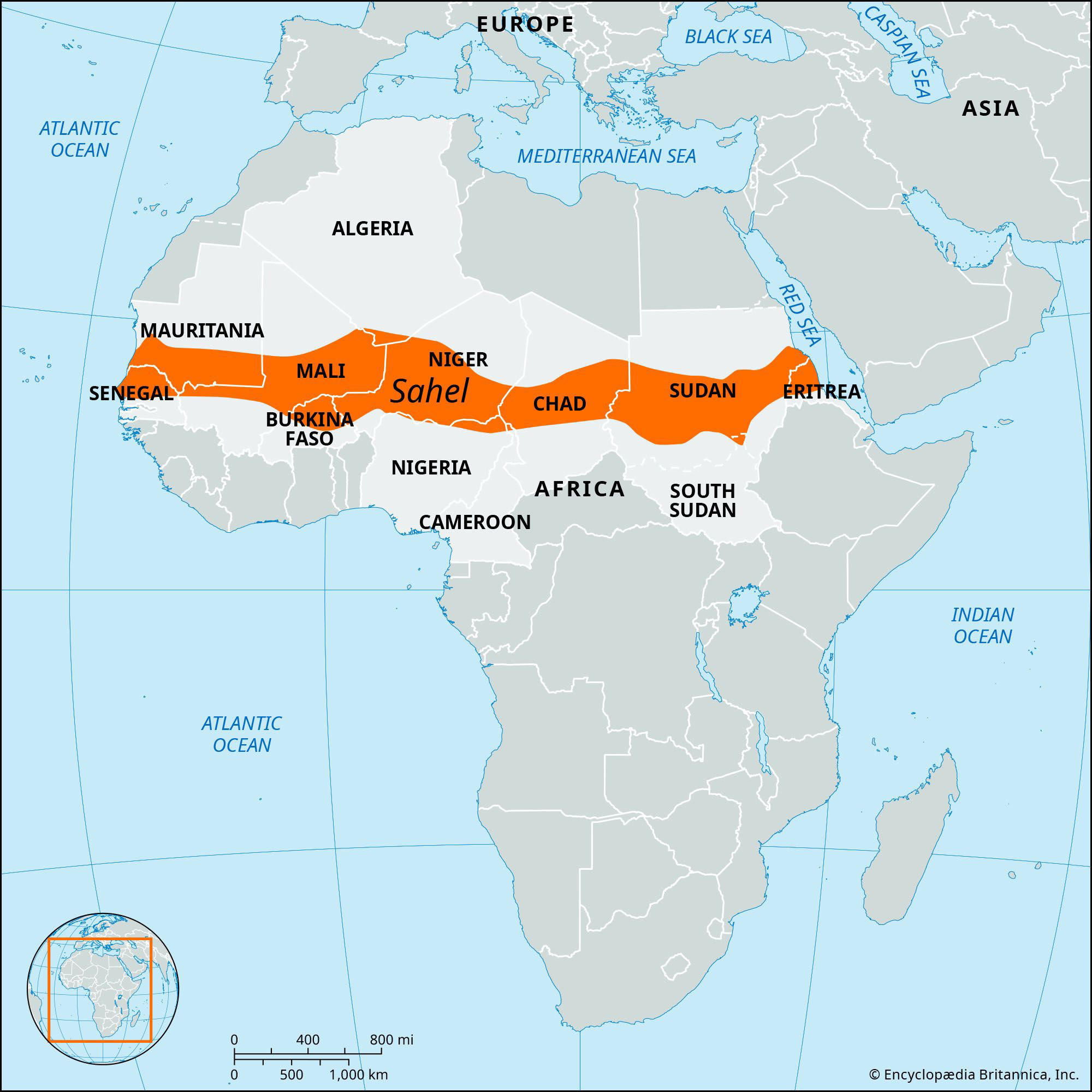
• Another Drought - 1968 & 1974 = Soil Degradation
• Land Exhausted by Overgrazing & Over Production in Rainy Periods = No Resilience in Land in Droughts
• Government Only Thought in Short Term-Economic Gain but made Economy Worse on Long Term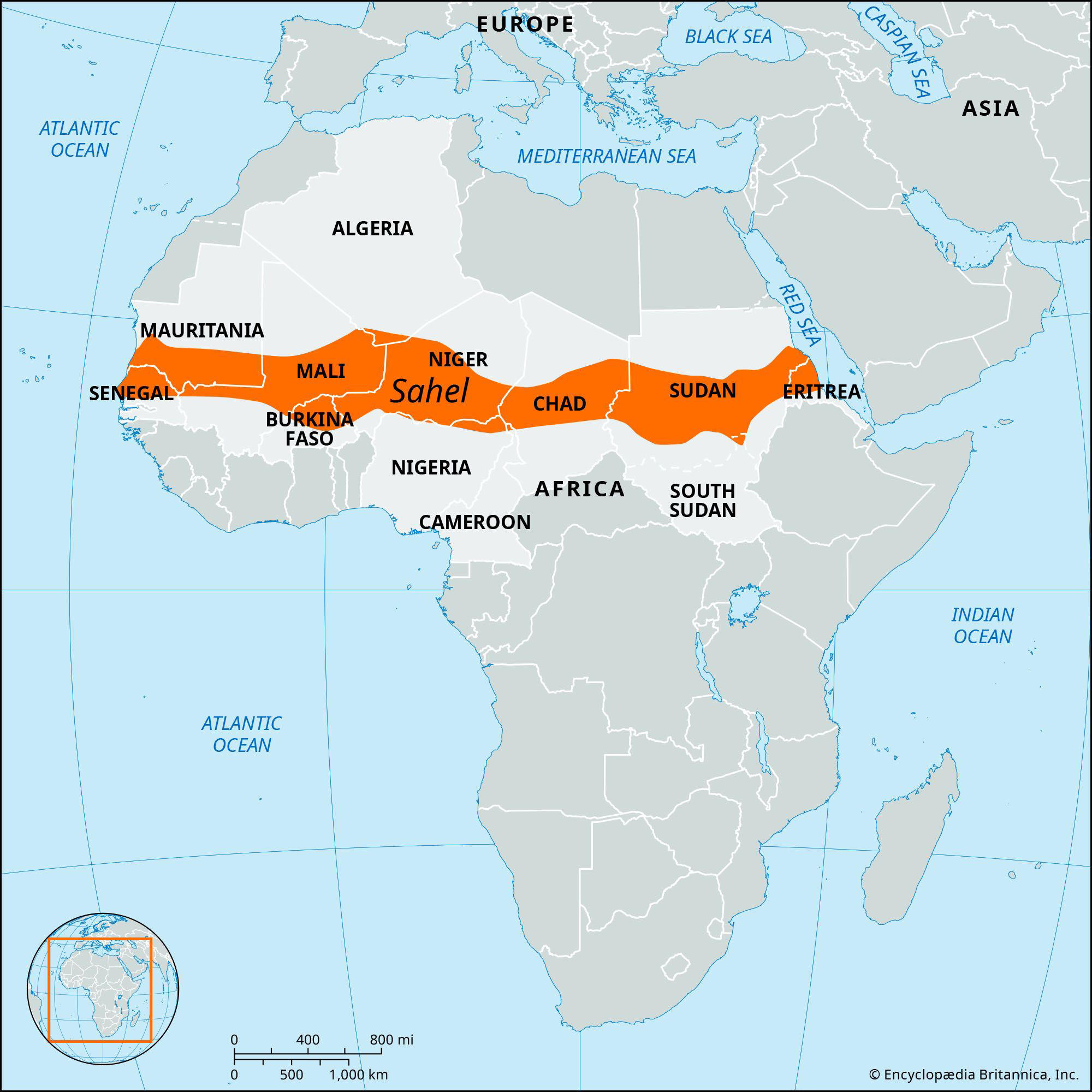
• Land Exhausted by Overgrazing & Over Production in Rainy Periods = No Resilience in Land in Droughts
• Government Only Thought in Short Term-Economic Gain but made Economy Worse on Long Term