Infection & Response
Study these flashcardsFree · spaced repetition · iPhone, Android, Mac & web
All cards
1
Define Pathogen 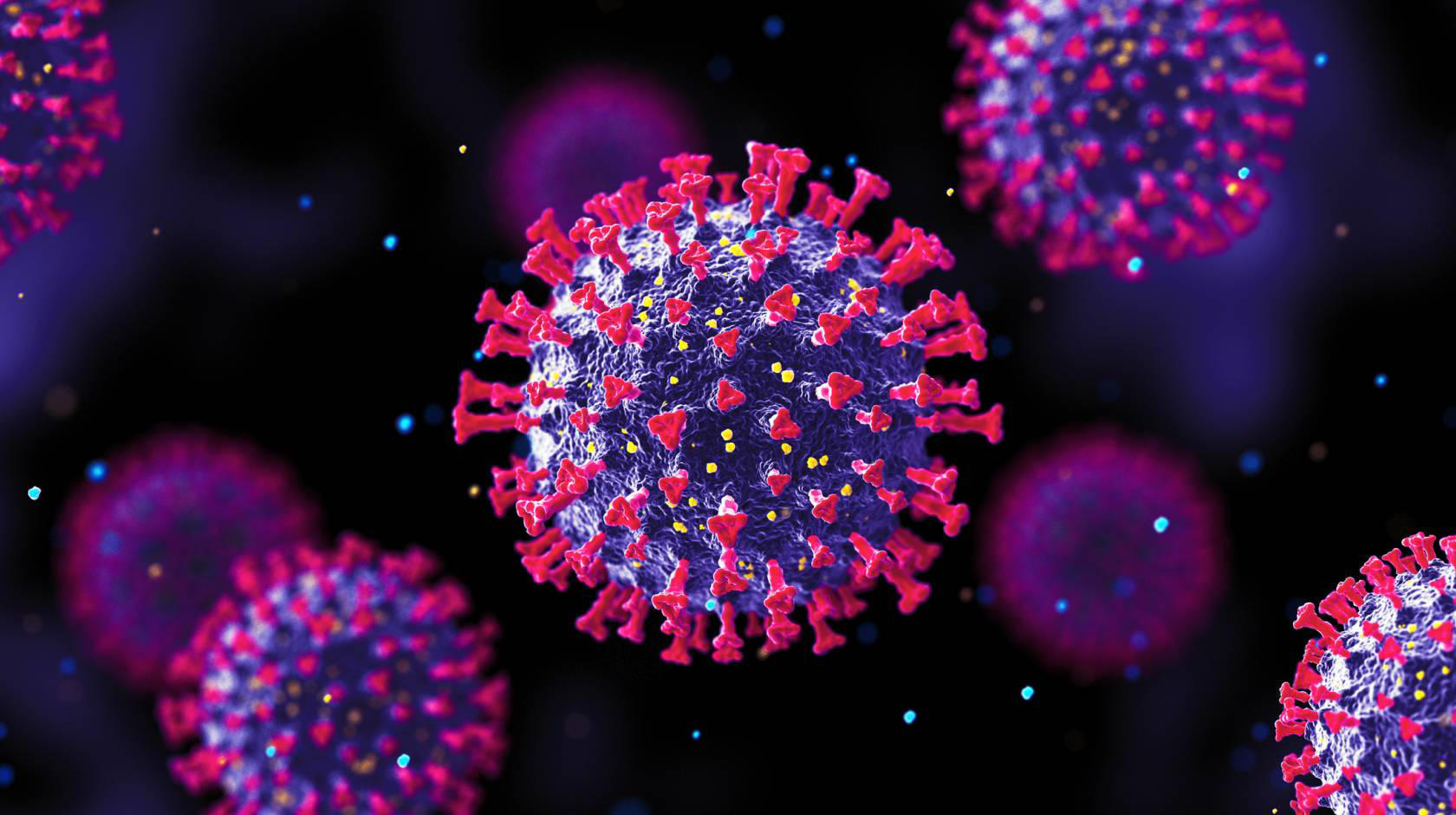
Is a Microorganism that causes a Communicable (infectious) Disease in a Plant or Animal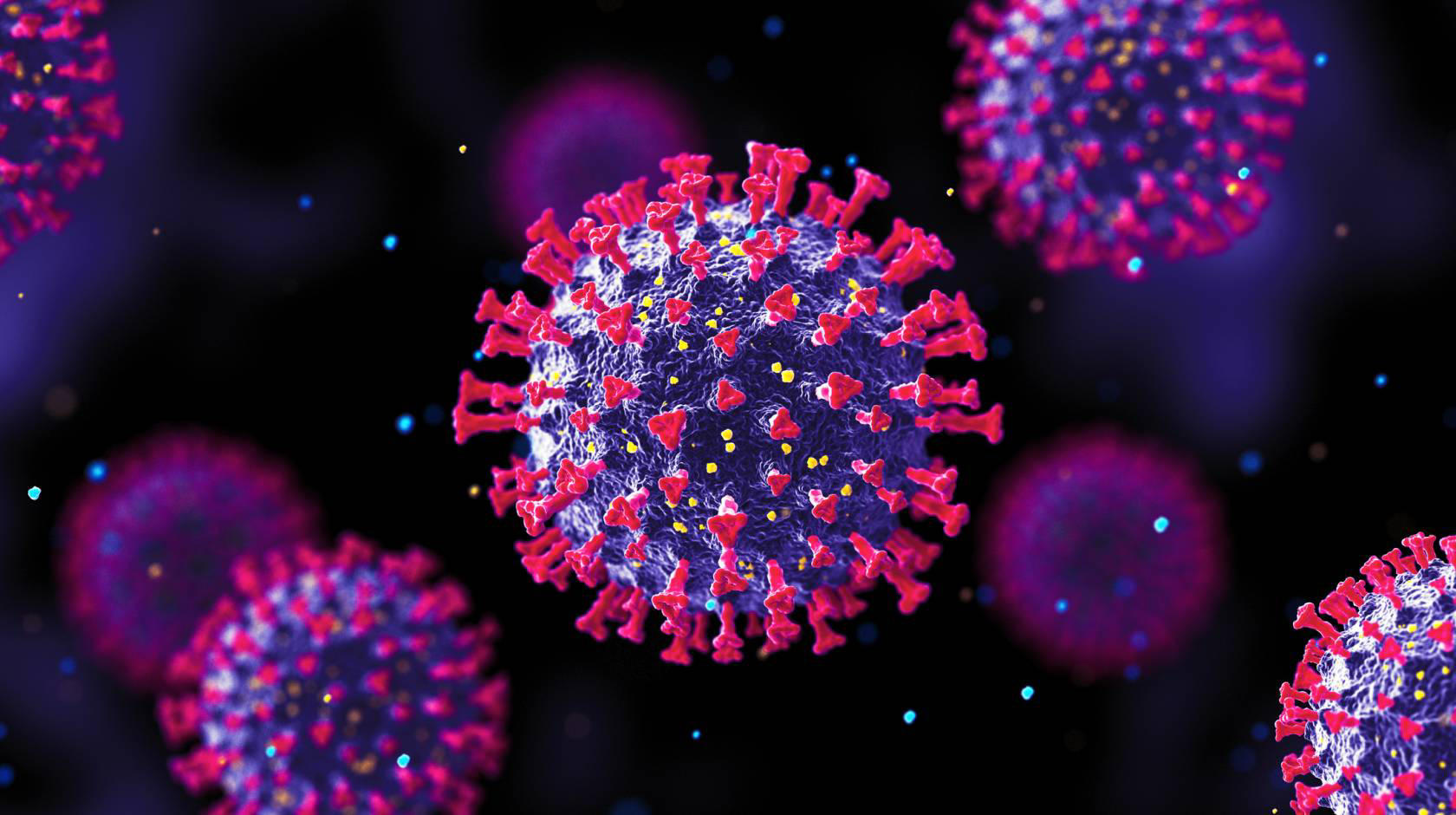
2
Define Communicable Disease
Can spread from one Individual to Another because the Pathogen is Transferred.
e.g through air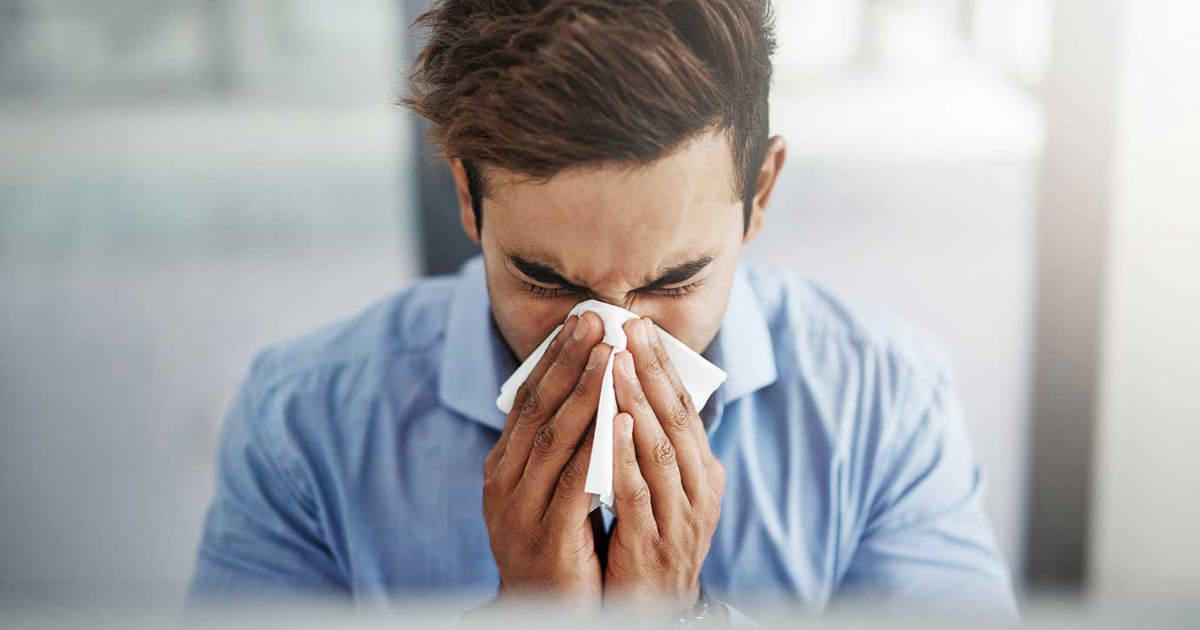
e.g through air
3
What are the four main types of pathogens?
• Viruses
• Bacteria
• Fungi
• Protists
• Bacteria
• Fungi
• Protists
4
Define what Bacteria do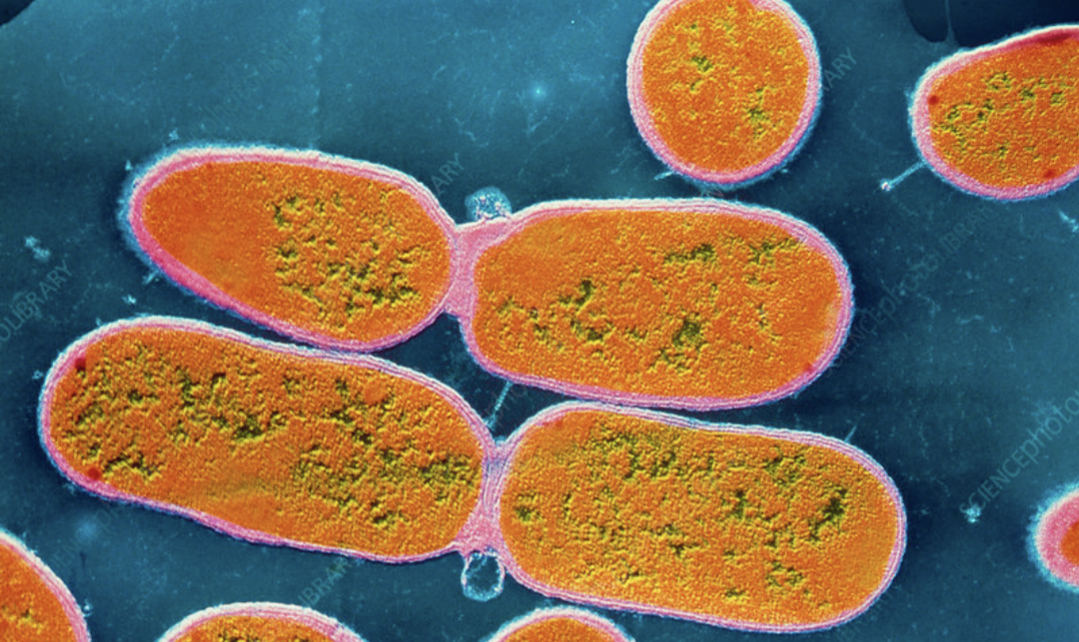
Bacteria Produce Toxins that Damage Cells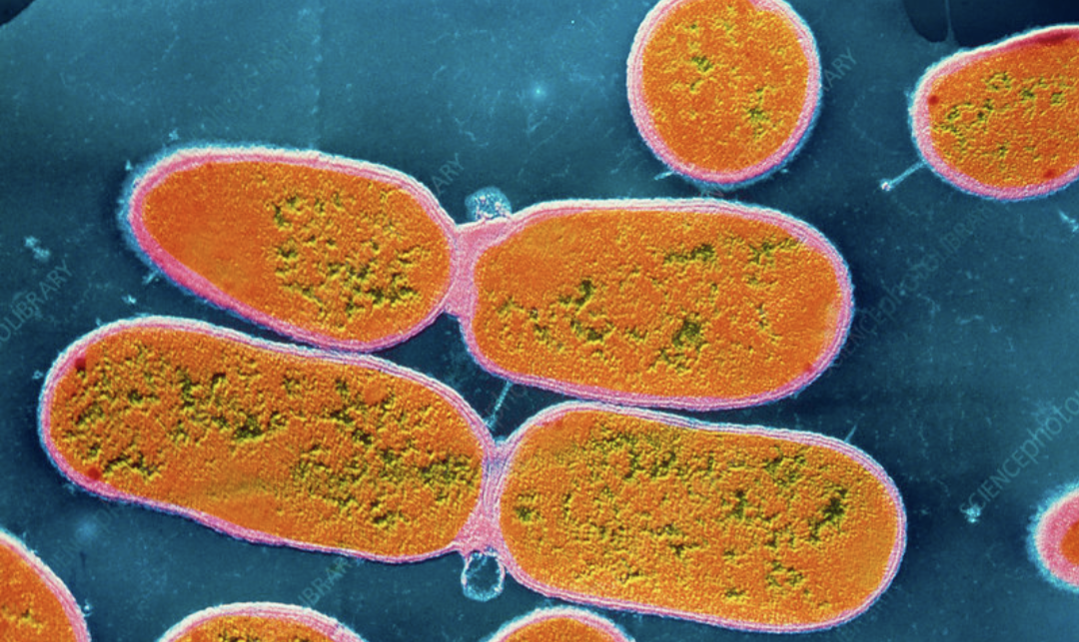
5
Define what Viruses do & where they live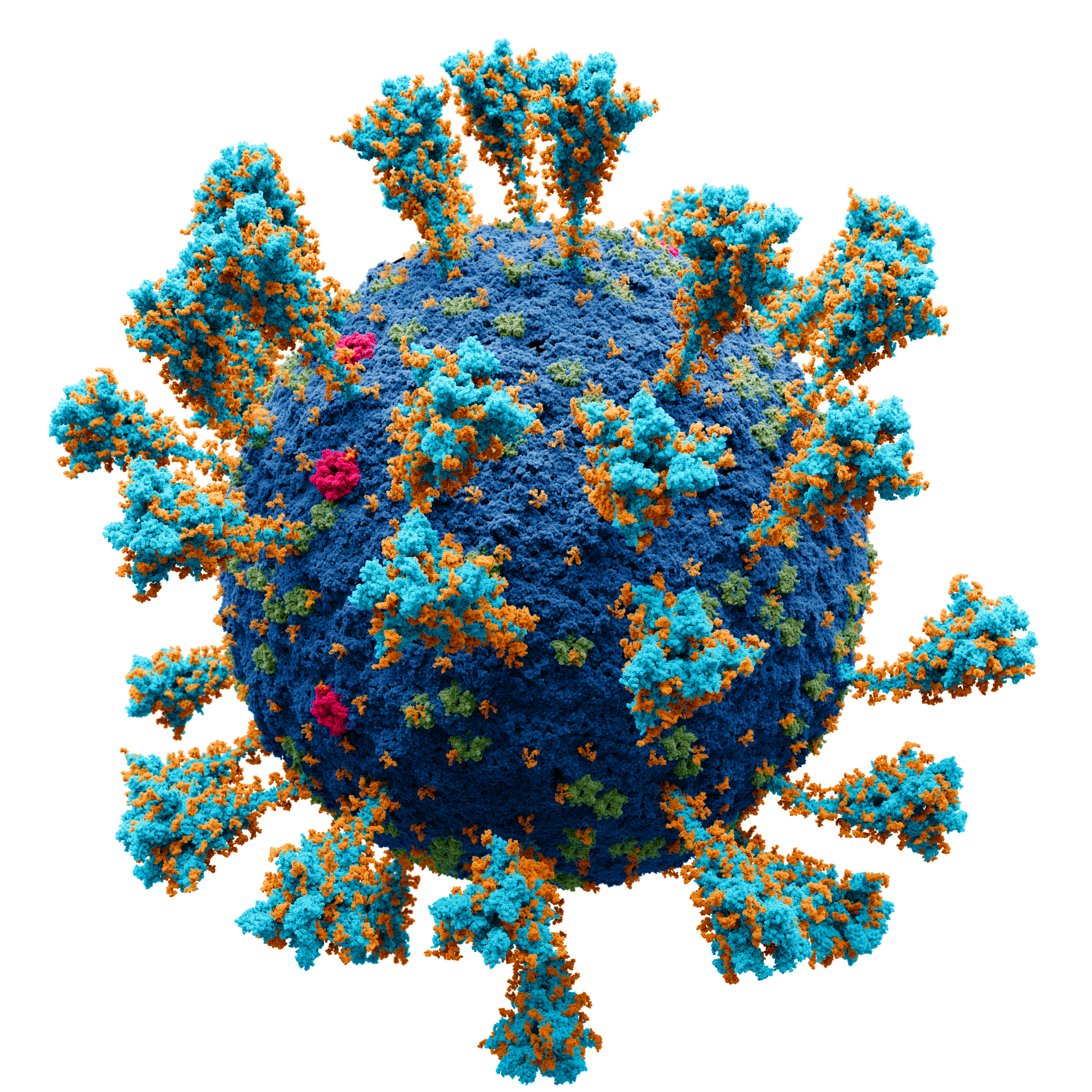
Viruses live & Reproduce Inside Cells causing Cell Damage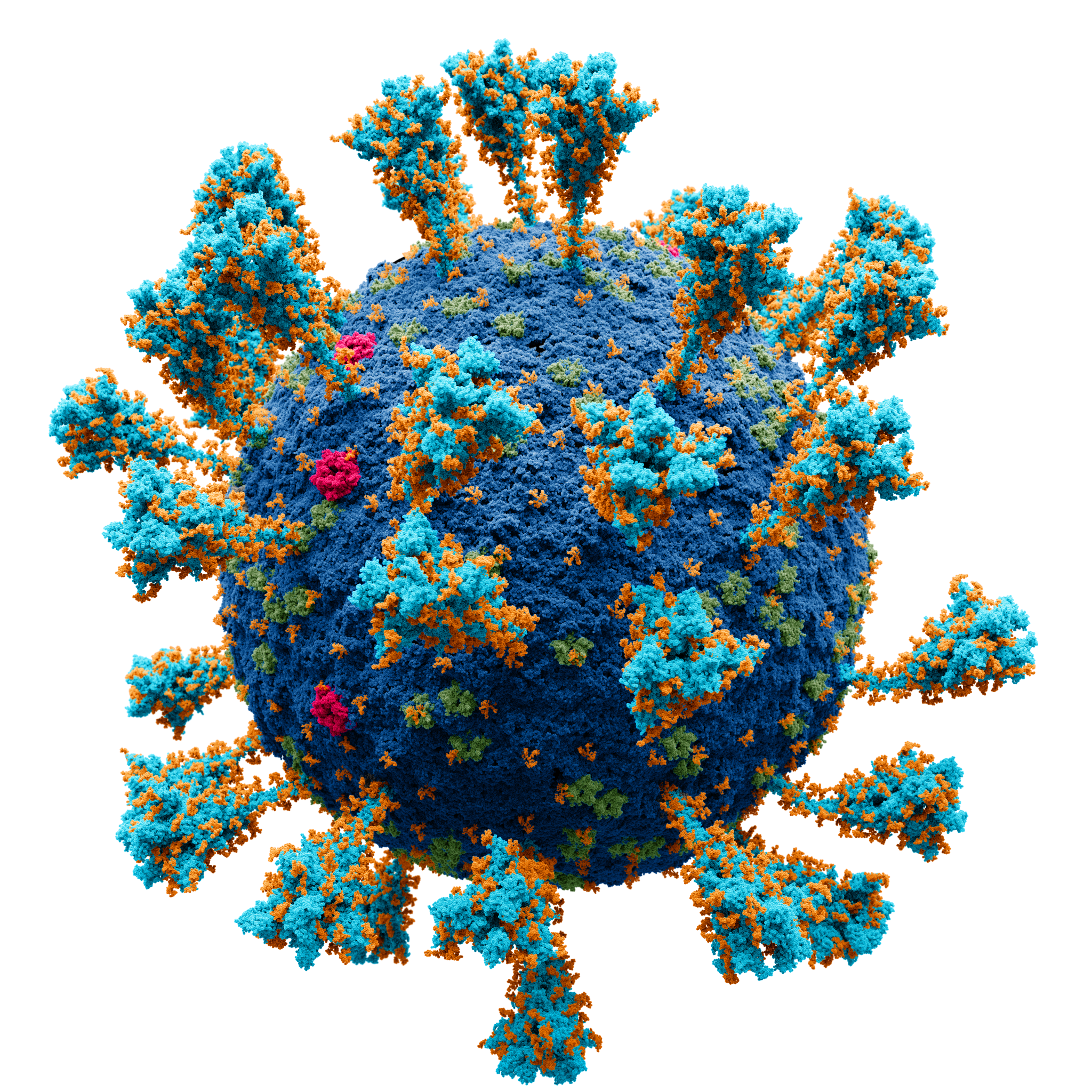
6
Bacteria are what type of cell? 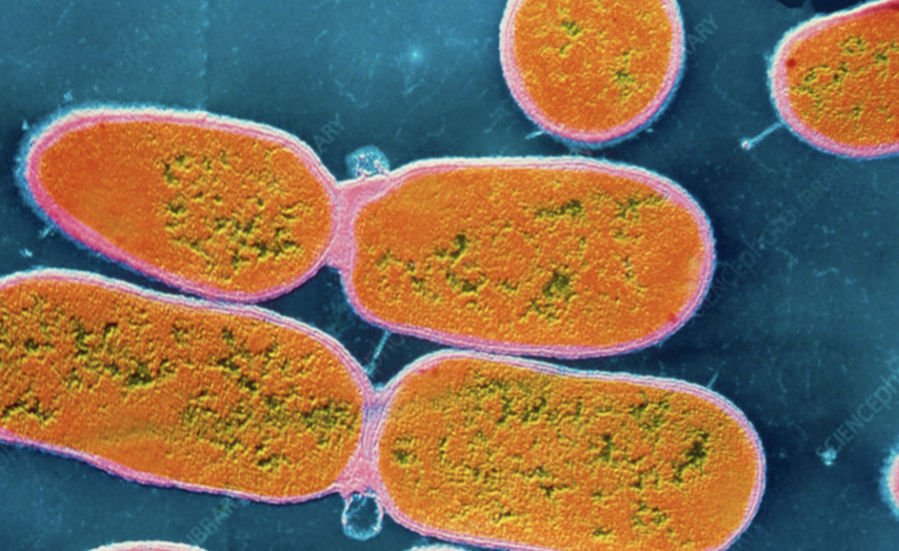
They are Prokaryotic Cells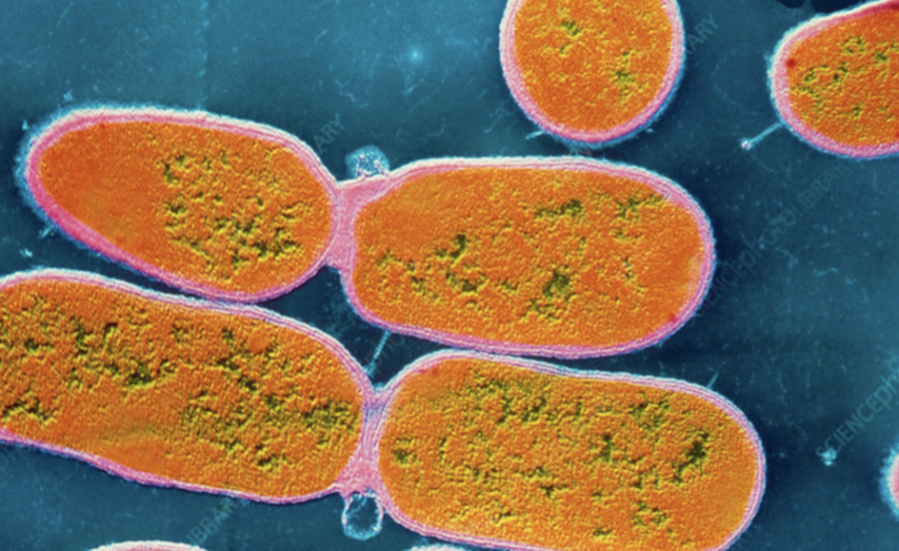
7
How is DNA stored in a Bacterial Cell?
DNA is Not Enclosed in a Nucleus but is a Single DNA Loop & there may be one or more Small Rings of DNA called Plasmids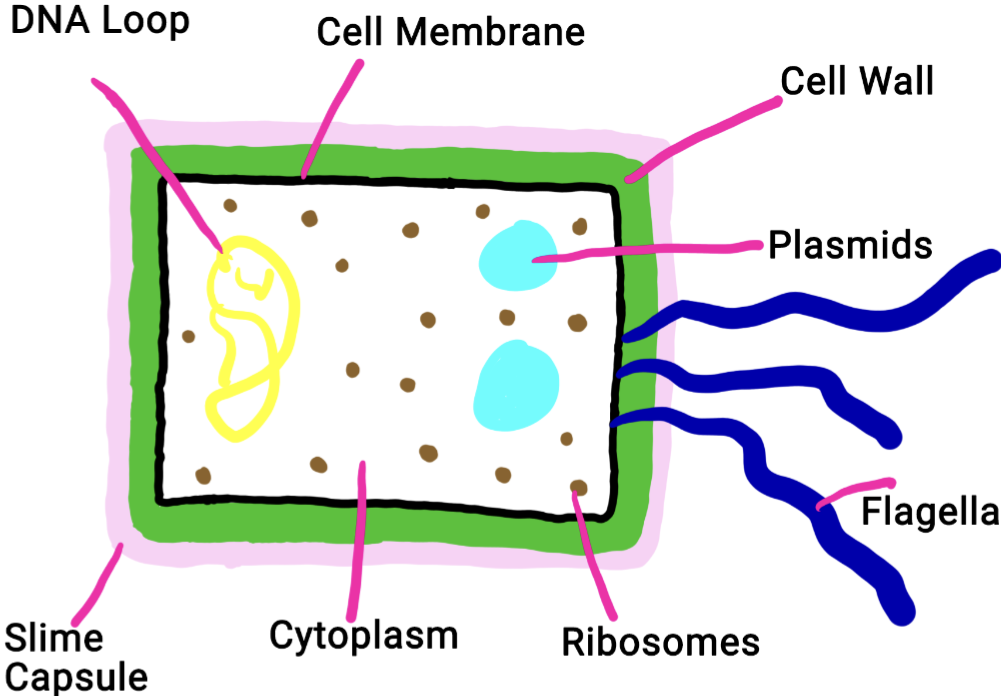
8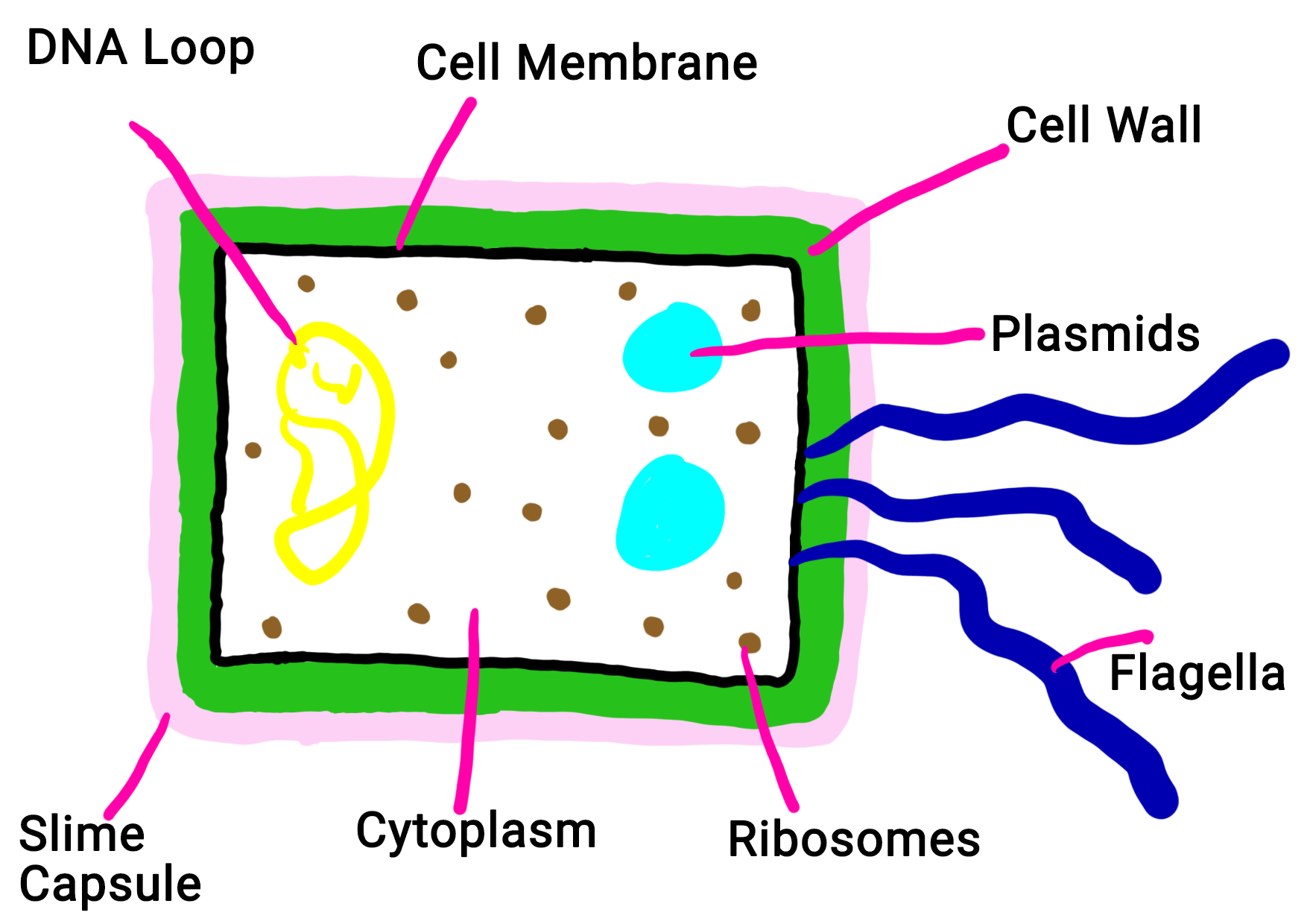
Lable Bacterial Cell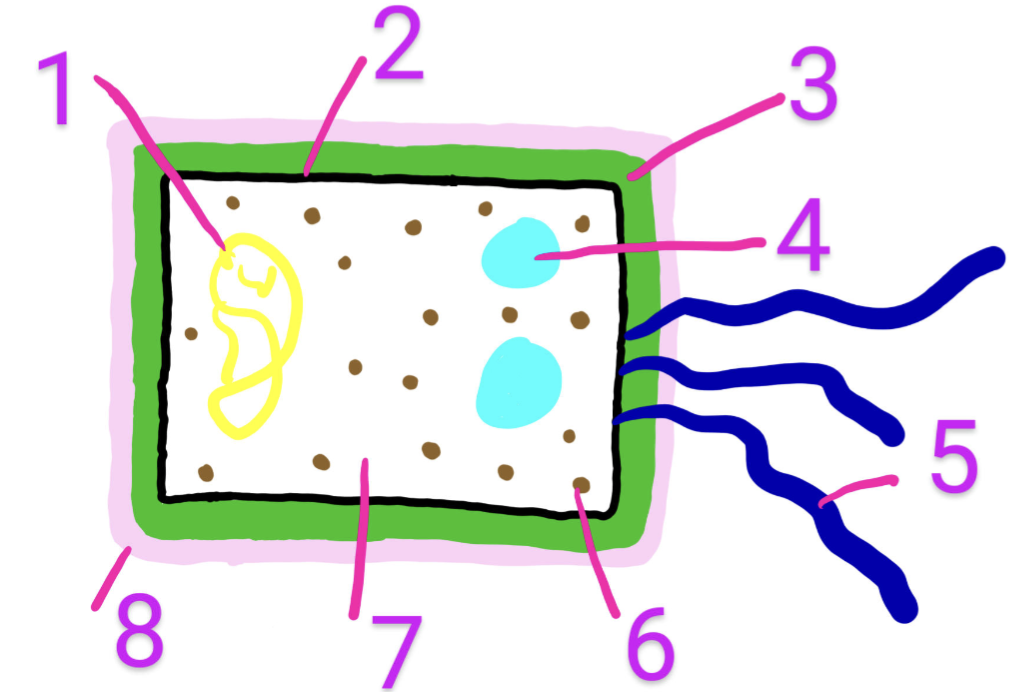
9
What do Bacterial Cells have in common with Plant Cell but not animal?
They both have Cell Wall
10
How long is a Bacterial Cell?
1 Micro Meter
11
mitochondria approximately 1 micrometre long suggest why mitochondria are not found in bacterial cells?
They are too big & don't fit
12
Describe Growth Curve of Bacteria Grown in a Liquid Culture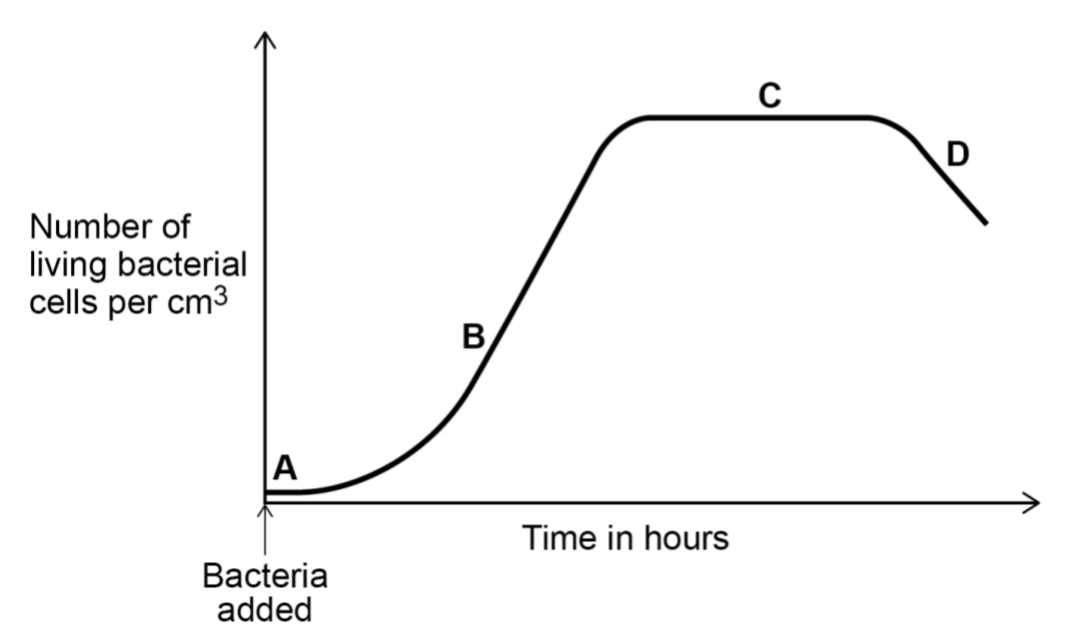
A- Stays same because Bacteria adjusting to New Conditions
B- Exponential Growth (rapid)
C- Stays the same
D- Runs out of nutrients & oxygen
B- Exponential Growth (rapid)
C- Stays the same
D- Runs out of nutrients & oxygen
13
What are the two Bacterial Diseases you need to know?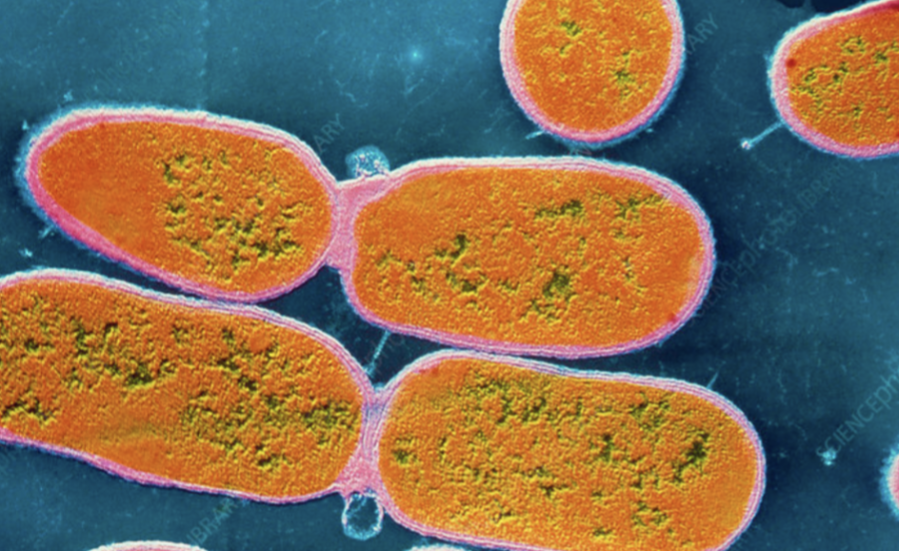
• Salmonella
• Gonorrhea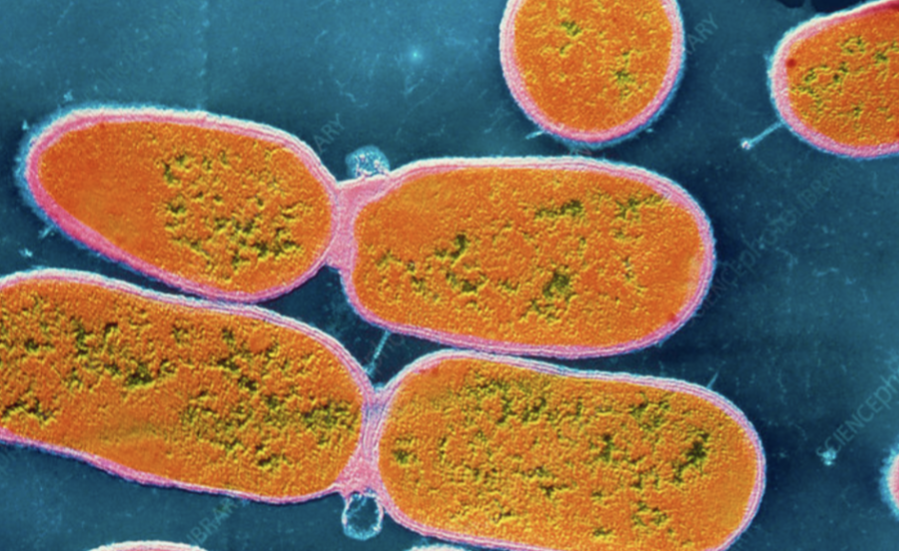
• Gonorrhea
14
What are the symptoms of Gonorrhoea?
Thick Yellow or Green Discharge from the Vagina or Penis and Pain when Urinating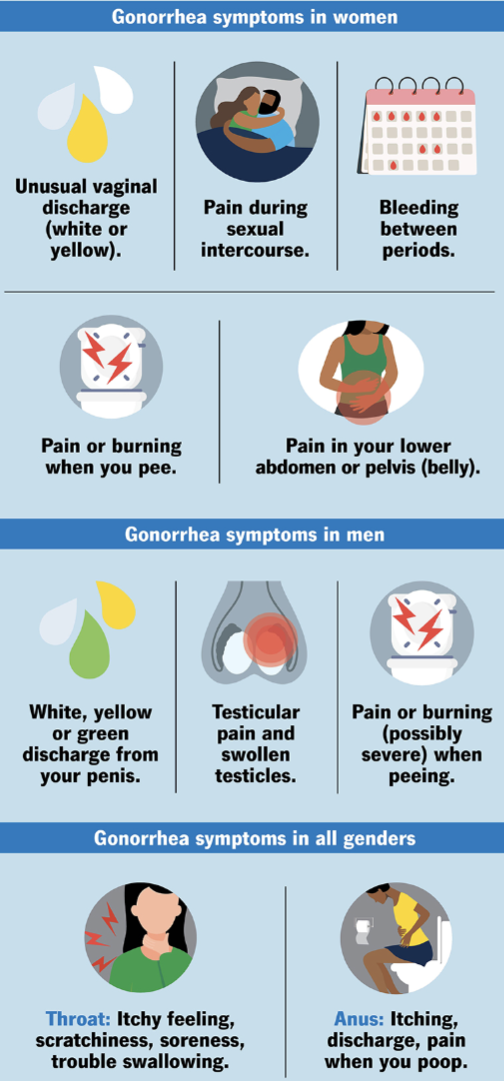
15
How is Gonorrhoea Spread?
Sexually Transmitted Disease (STD)
16
how can the Spread of Gonorrhoea be Reduced?
Using Barrier Method of contraception such as a Condom.
17
Why is Gonorrhoea becoming Harder to Treat?
Antibiotic-Resistant Strains of the Bacterium have developed so it now has to be Treated with a Variety of Antibiotics
18
What are the Symptoms of Salmonella Food Poisoning? What causes the Symptoms?
Diarrhoea, Vomiting, Stomach Cramps and Fever.
Many of the Symptoms caused by Effects of Toxins Secreted by the Bacteria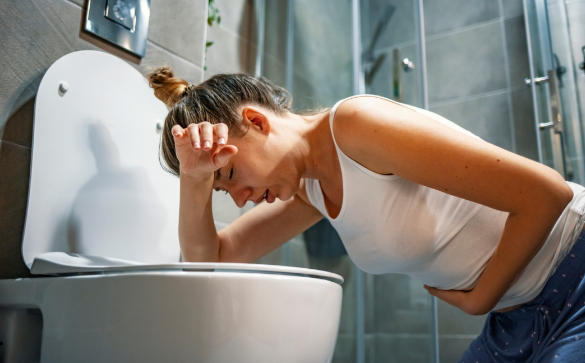
Many of the Symptoms caused by Effects of Toxins Secreted by the Bacteria
19
How is Salmonella spread between humans and how can the spread of Salmonella be Reduced?
Spread from person to person by Poor Hygiene by Failing to Wash Your Hands Properly after going to Toilet or after Holding Contaminated Food
Reduced by Washing Hands properly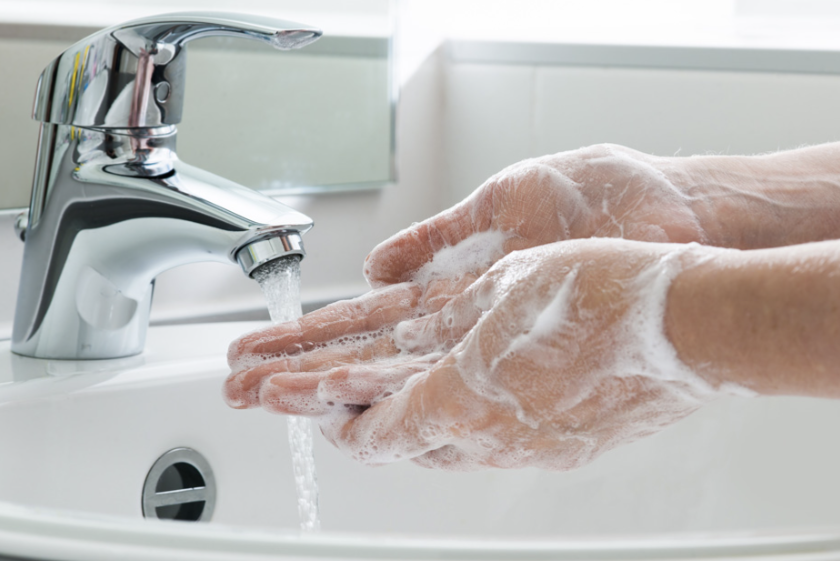
Reduced by Washing Hands properly
20
What is done to Poultry to reduce the spread of Salmonella to Humans?
They are Vaccinated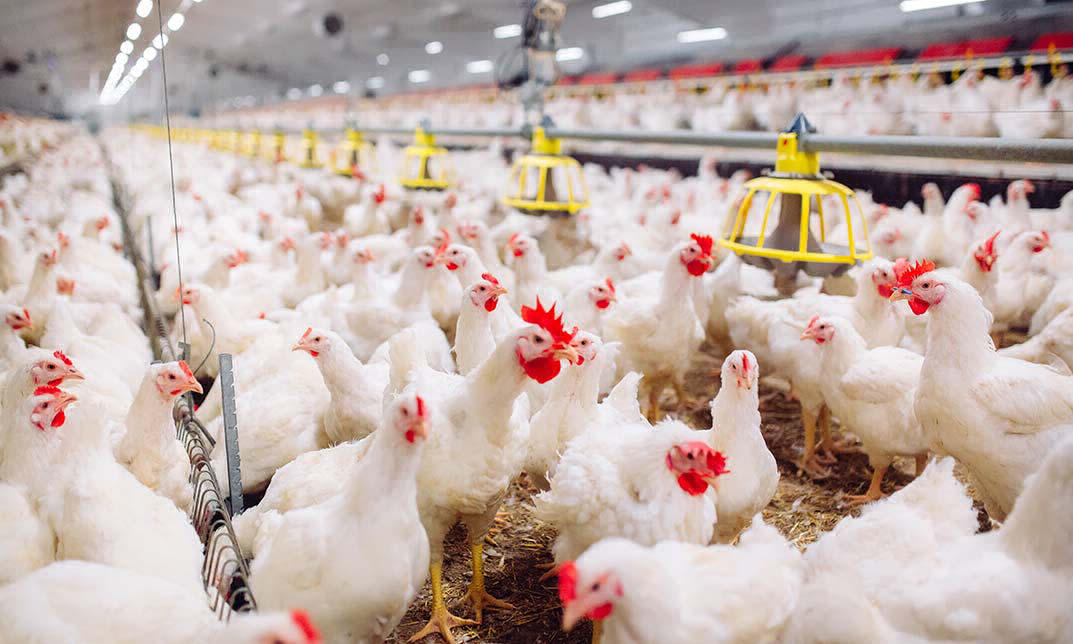
21
What medicines can be used to treat Severe Cases of Salmonella?
Antibiotics
22
What can you do to bacteria to lessen the effect and what should you treat it with?
Bacteria can be Killed or their Growth Rate Reduce by Antibiotics or Antiseptics
23
How can Scientists Test the Effectiveness of Different Antiseptics/ Antibiotics?
In a Laboratory by using an Uncontaminated Culture of Bacteria prepared using Antiseptic Technique.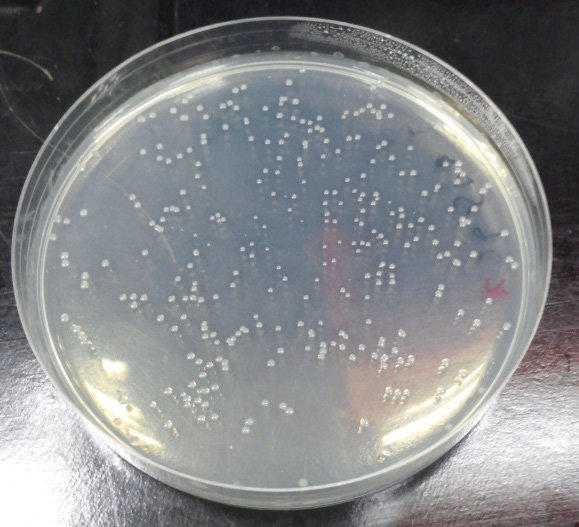
24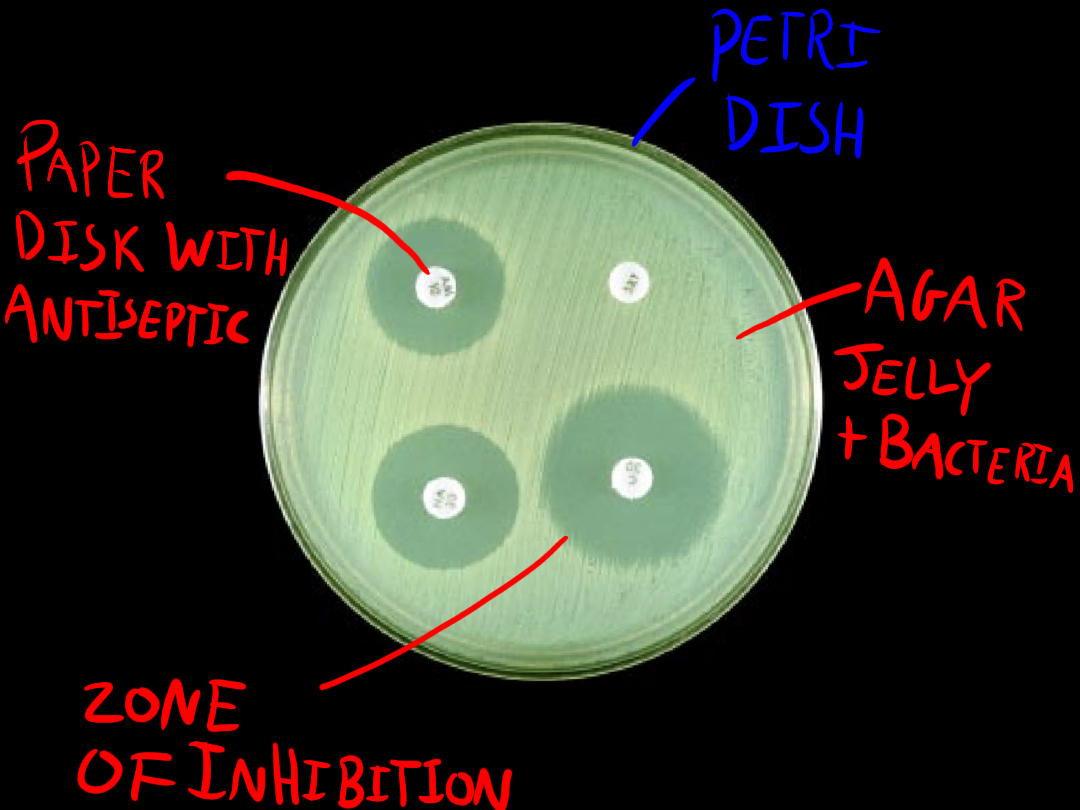
label the bird's eye view from the Petri Dish with Antibiotics in it & bacteria.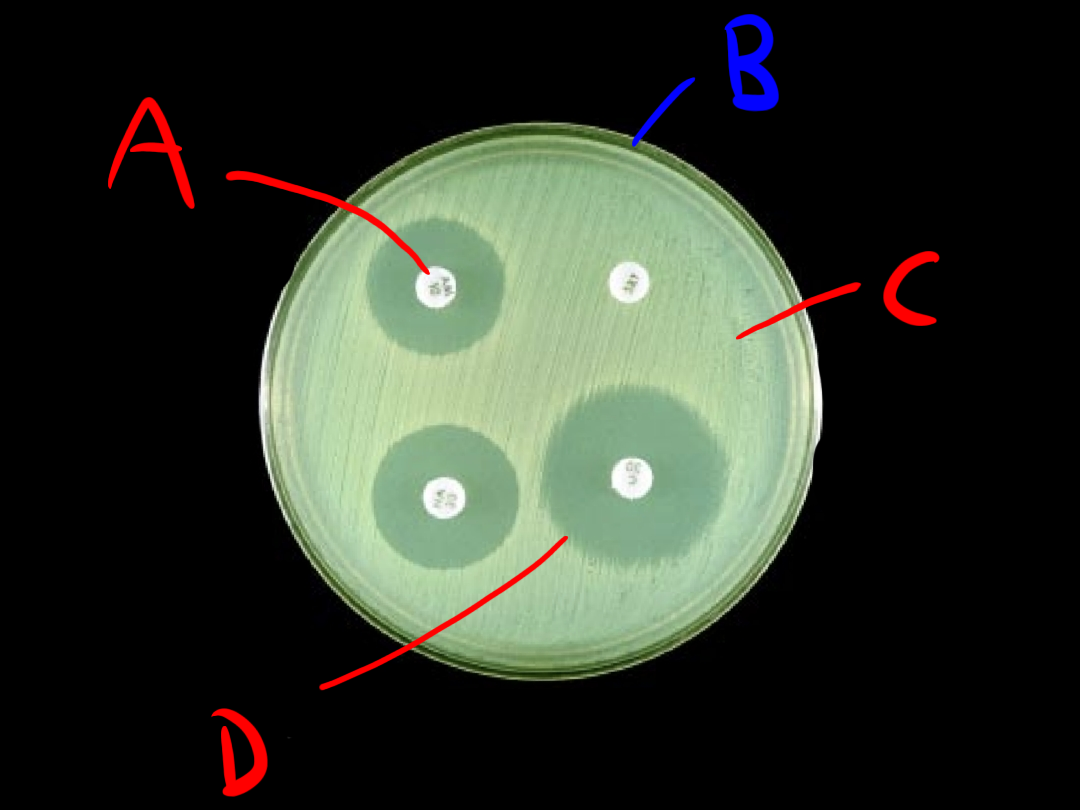
25
What does the antibiotic/ antiseptic with the largest zone of Inhibitition mean?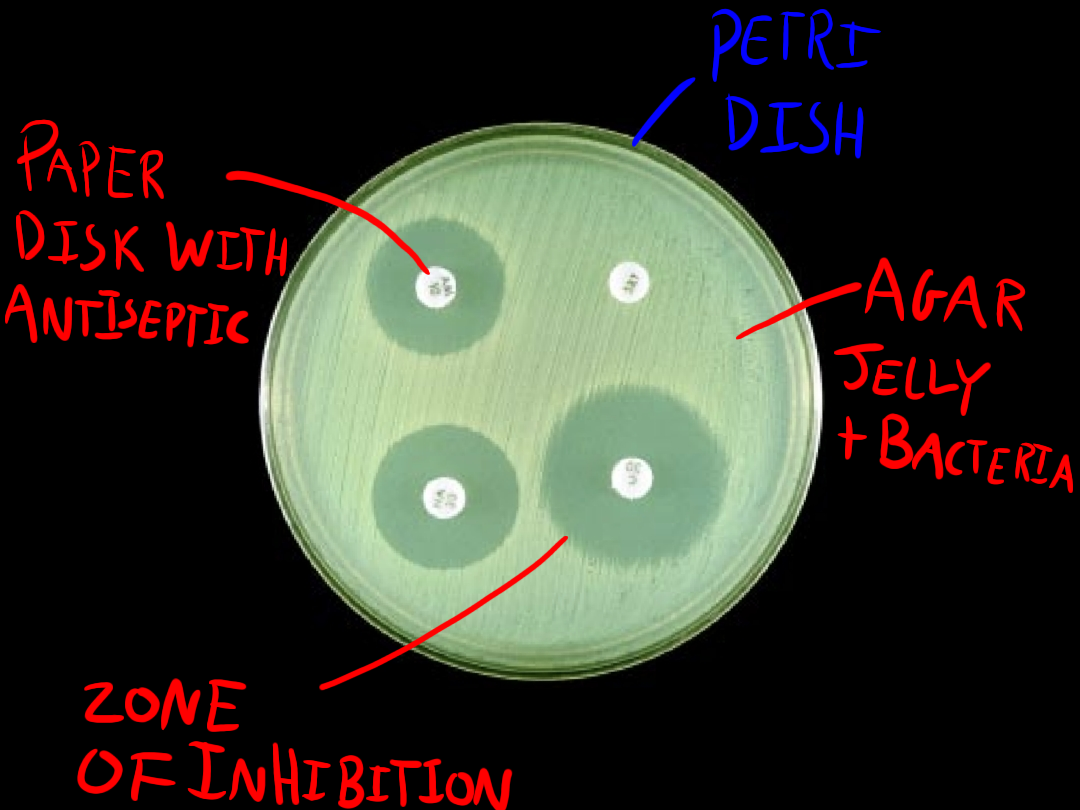
It is the Most Effective antibiotic/antiseptic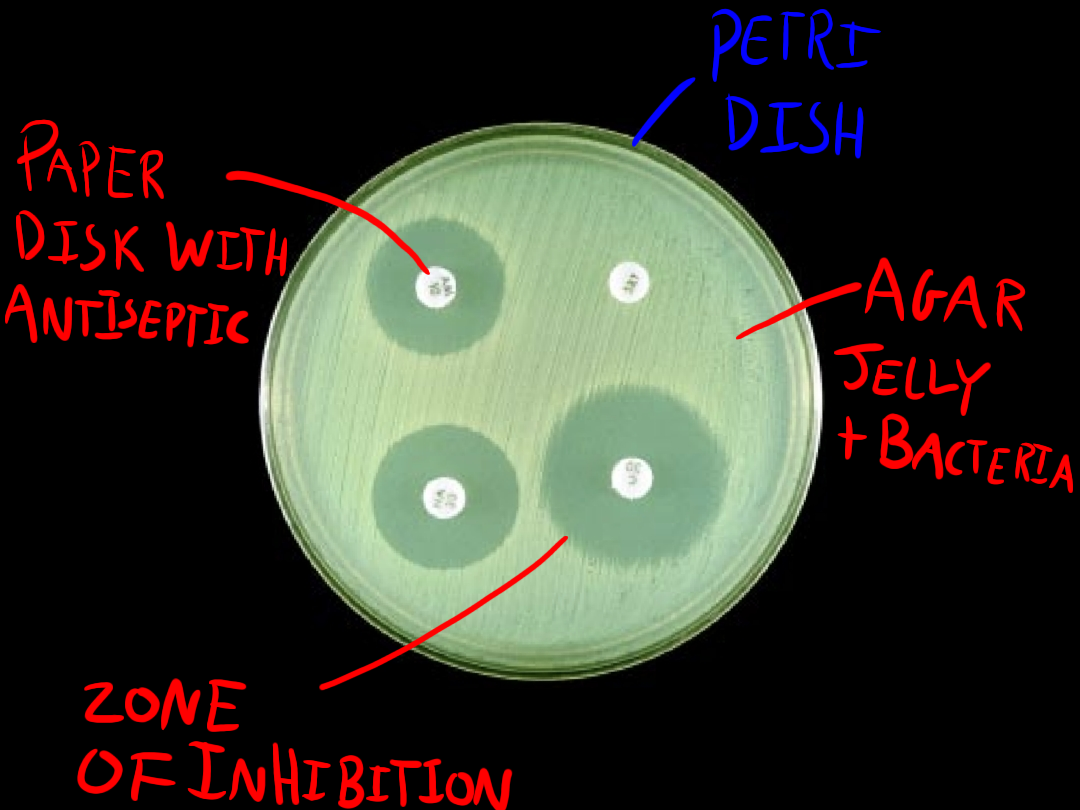
26
What is the method for Growing Bacteria/Microbiology REQUIRED PRACTICAL?
1) Sterile Petri Dish & Agar and Label the Petri Dish & seperate the sections with pen
2) Take off the Lid of the Bottle Containing Bacteria- DON'T PUT LID DOWN OR IT WILL CONTAMINATE
3) Sterile Neck of Bottle by Heating it with a Flame
4) Use a Sterile Pipette to Squeeze Bacteria onto the Agar
Use a Spreader or Inoculartary Loop to make sure the Bacteria is spread out evenly Then sterilise the Spreader with disinfectant.
5) Place the different Antiseptics onto different Filter Paper Discs. e.g Sudocrem
Then lift lid of Petri Dish at an Angle Carefully and use Forceps to place each Filter Paper
Disc onto Agar. Note down the antiseptic applied to each zone.
6) Seal the Lid Shouldn't Completely Seal Lid because you need to Let Oxygen In.
Incubate upside down at Maximum 25°C Prevent Growth of Harmful Pathogens
7) After 1-2 days Measure Zones of Inhibation.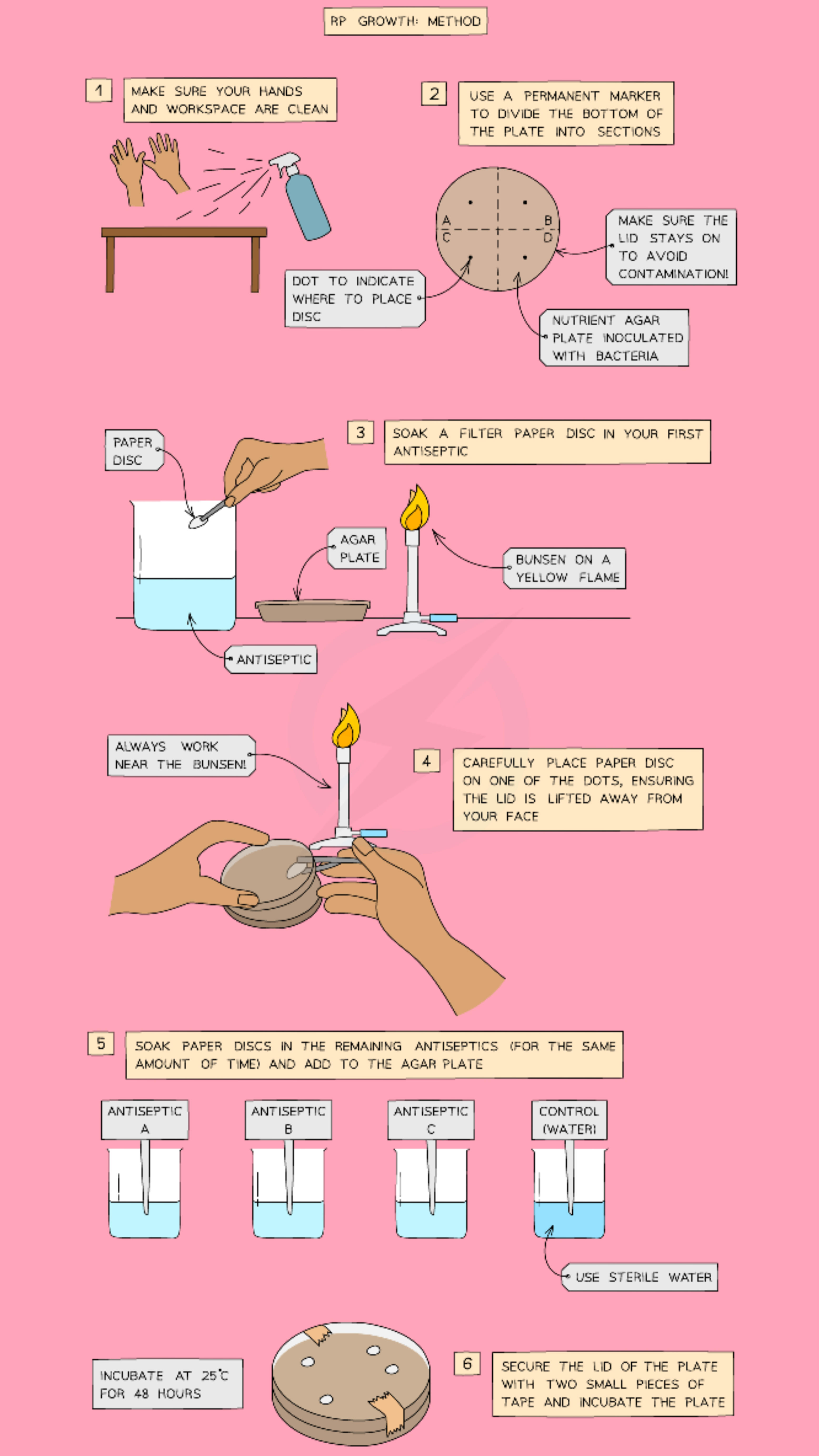
2) Take off the Lid of the Bottle Containing Bacteria- DON'T PUT LID DOWN OR IT WILL CONTAMINATE
3) Sterile Neck of Bottle by Heating it with a Flame
4) Use a Sterile Pipette to Squeeze Bacteria onto the Agar
Use a Spreader or Inoculartary Loop to make sure the Bacteria is spread out evenly Then sterilise the Spreader with disinfectant.
5) Place the different Antiseptics onto different Filter Paper Discs. e.g Sudocrem
Then lift lid of Petri Dish at an Angle Carefully and use Forceps to place each Filter Paper
Disc onto Agar. Note down the antiseptic applied to each zone.
6) Seal the Lid Shouldn't Completely Seal Lid because you need to Let Oxygen In.
Incubate upside down at Maximum 25°C Prevent Growth of Harmful Pathogens
7) After 1-2 days Measure Zones of Inhibation.
27
What is the Variables for Growing Bacteria/Microbiology REQUIRED PRACTICAL?
Inderpendant Variable: Type of Antiseptic
Dependant Variable: Area of zone of inhibition
Contro Variable: Same type of bacteria & same incubation conditions
Dependant Variable: Area of zone of inhibition
Contro Variable: Same type of bacteria & same incubation conditions
28
What could the Control for Growing Bacteria/Microbiology REQUIRED PRACTICAL?
Filter Paper Disc with a Water or Nothing as a Control to show that the Disinfectant Works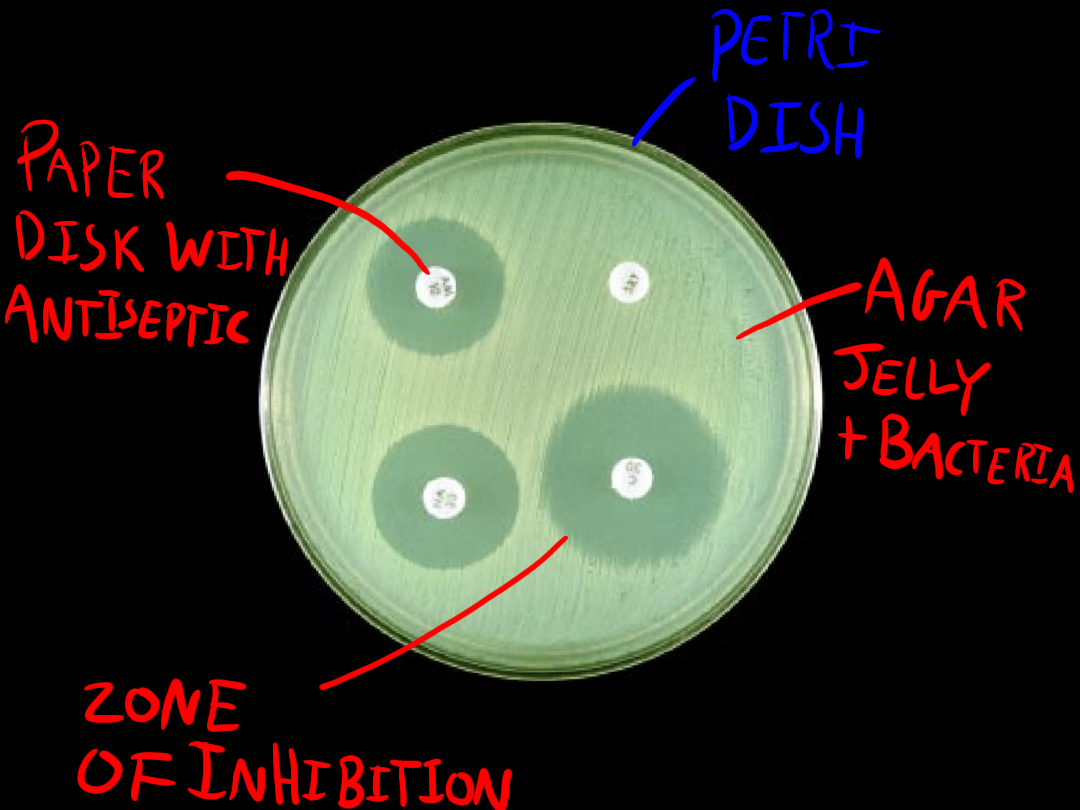
29
How do Viruses Hurt Our Bodies? 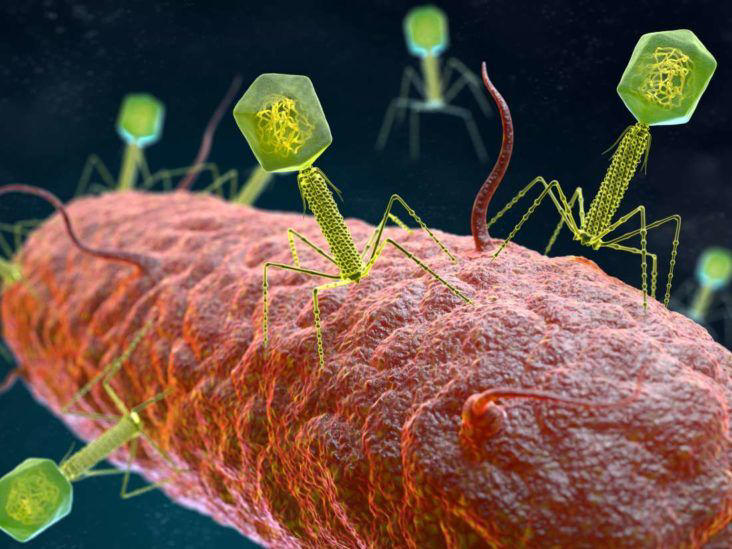
Viruses Reproduce in Cells Causing Damage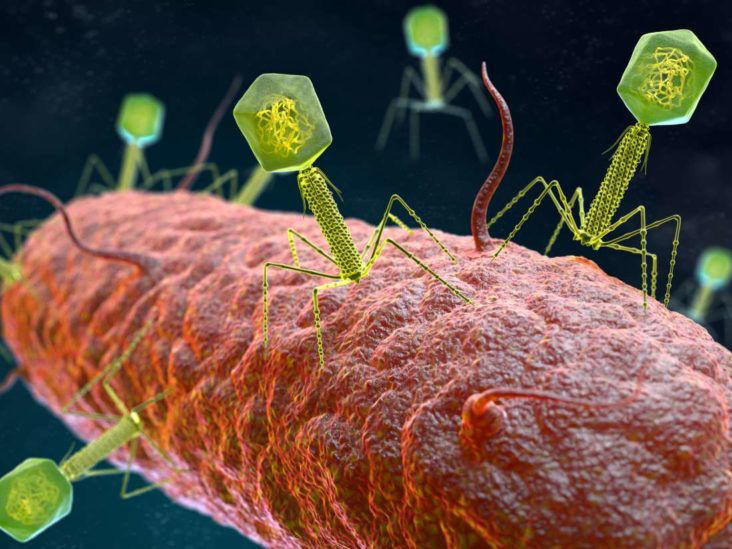
30
Why is it Harder to Develop Medicine to treat Viral Diseases?
these medicines Cannot Reach Them Easily
31
What are the two Viral Diseases you need to know?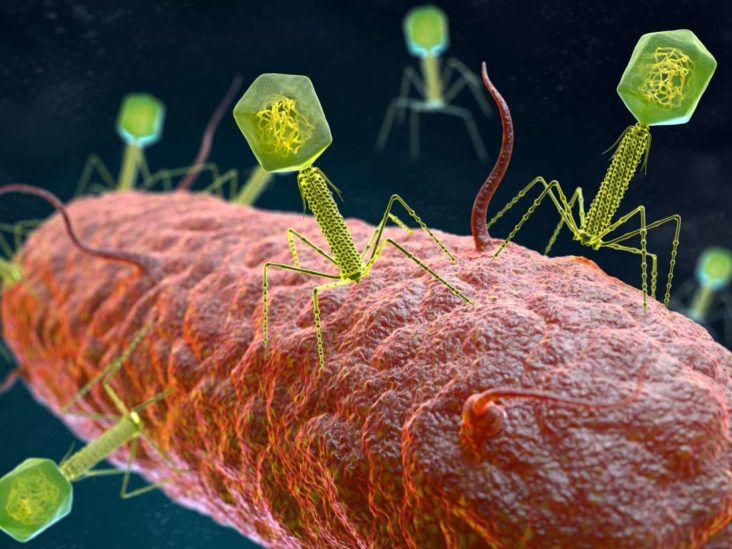
• Measels
• HIV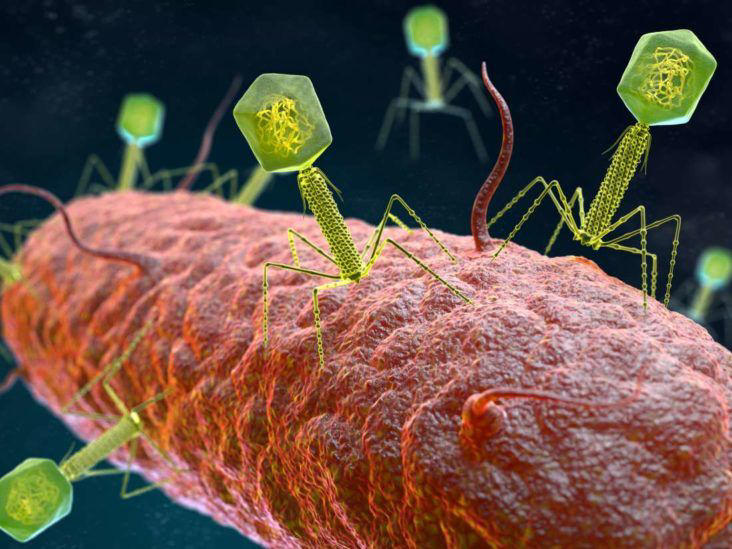
• HIV
32
What are the Symptoms of Measles?
Coughing and Sneezing, Fever and a Red Skin Rash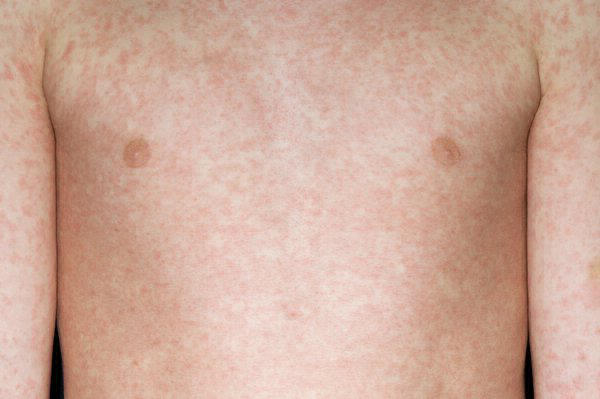
33
Why is it particularly important to vaccinate children against Measles and which vaccine is used?
It can lead to life threatening complications these include Infection of Lungs and Brain.
In Britain it is combined MMR (Measles, Mups & Rubella.
In Britain it is combined MMR (Measles, Mups & Rubella.
34
How is Measles spread & what is this virus contained in?
Measles Virus is contained in Millions of Tiny Droplets that come out of Nose & Mouth when Infected Person, Coughs or Sneezes and when you breathe it in, you can get it.
Or If droplets have settled on surface. By touching and placing hand near Nose or Mouth, you can also get it.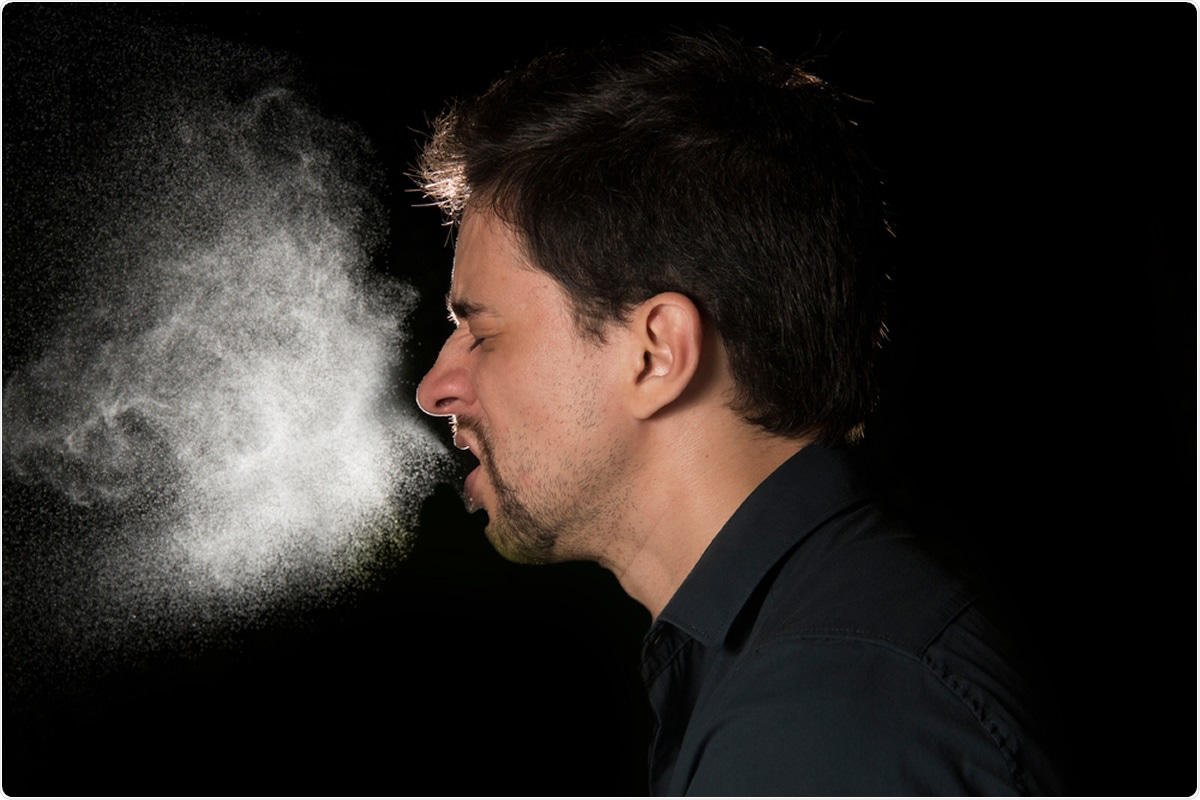
Or If droplets have settled on surface. By touching and placing hand near Nose or Mouth, you can also get it.
35
Which Organ System is affected by HIV virus?
Immune System
36
Why might it be difficult for a doctor to Diagnose HIV initially?
Flu Like Symptoms
37
How can HIV be treated?
No cure for HIV but early diagnosis and effective treatment with Antiretroviral Drugs.
38
Describe ways of reducing spread of HIV?
• Using a Barrier Method during sex e.g Condom
• Not sharing injection equipment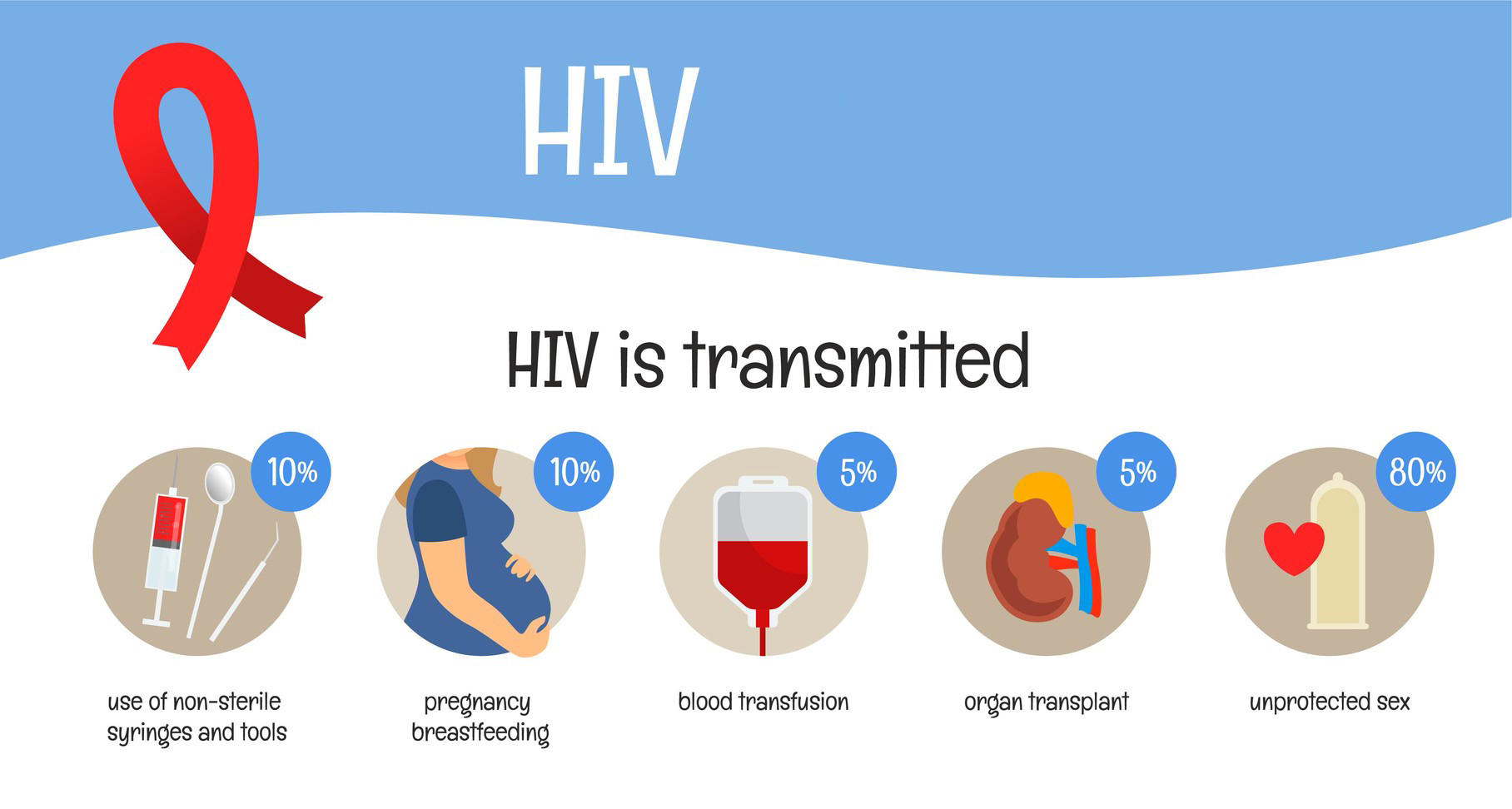
• Not sharing injection equipment
39
What is AIDs?
AIDS is the final stage of HIV infection when the Immune System becomes so badly damaged that they can no longer deal with other infections and Cancers.
40
What is the Protist Disease you need to know about?
Malaria
41
What is Malaria caused by?
By a Protist called Plasmodium.
42
What type of cell are all Protists?
Eukaryotic Cells
43
What are the symptoms of Malaria?
• Damages Blood & Liver Cells
• Causes Recurrent Episodes of Fever & can be Fatal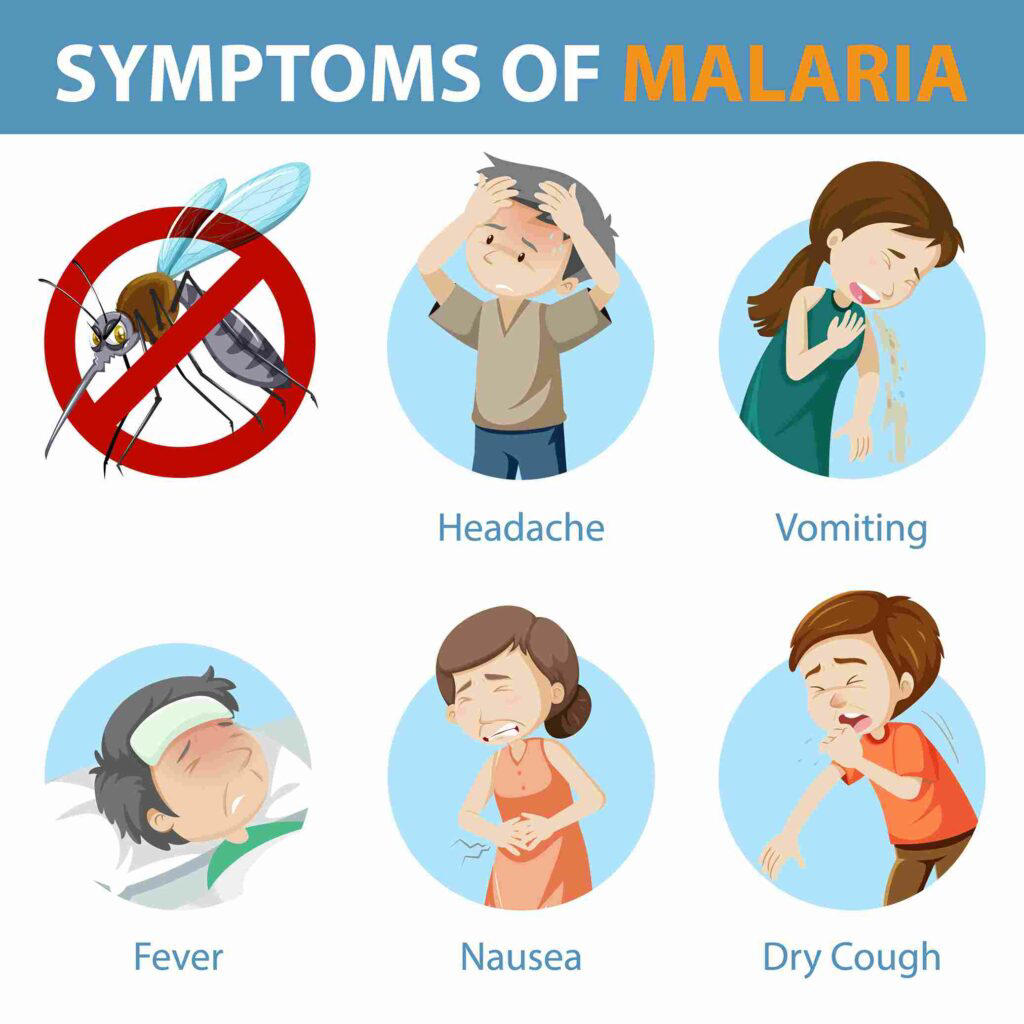
• Causes Recurrent Episodes of Fever & can be Fatal
44
What is the Malaria Protist life cycle?
It includes time in a human & mosquito
45
What are female mosquitoes known as & what does it mean?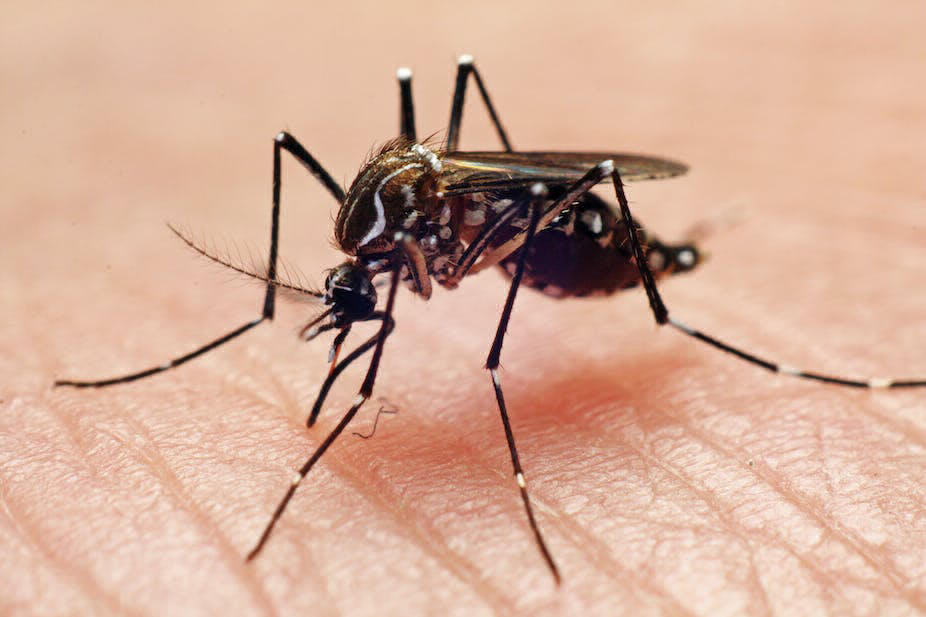
Vectors- they Transfer the Protist When they Bite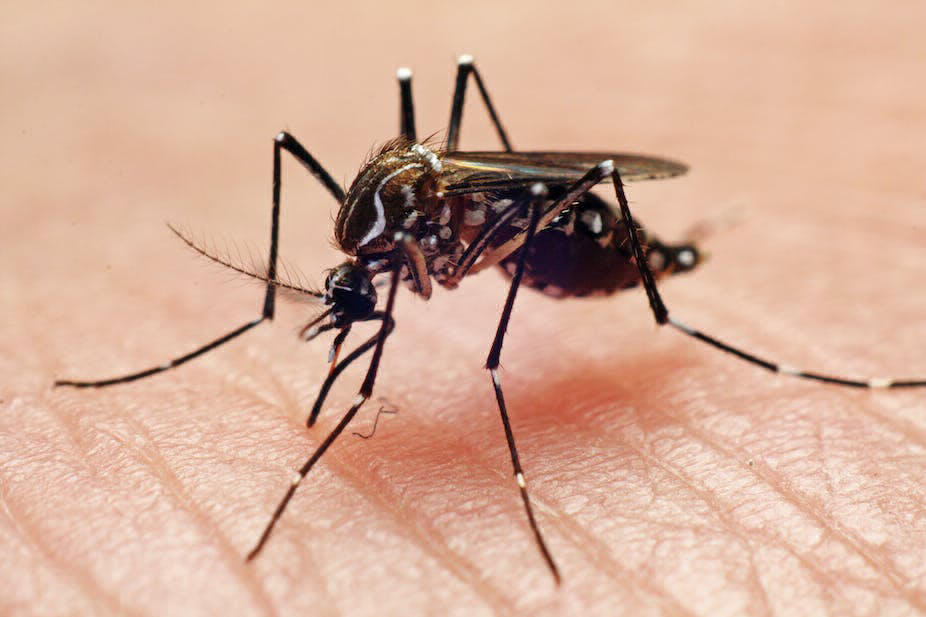
46
What is the Prevention & Treatment for Malaria?
• Stop mosquitoes from breeding (e.g use insecticide or drain swampy areas)
• Use mosquito Nets to Prevent being Bitten
• Use insect Repellents/Sprays to Prevent from being Bitten
• Anti-Malaria Tablets to Kill Protist
• Vaccination
• Use mosquito Nets to Prevent being Bitten
• Use insect Repellents/Sprays to Prevent from being Bitten
• Anti-Malaria Tablets to Kill Protist
• Vaccination
47
What are the Symptoms of Plant Diseases?
• Stunted Growth
• Spots on Leaves
• Areas of Decay/Rot
• Growths (lumps)
• Deformed Stems or Leaves
• Discoloration
• The presence of Pests
• Spots on Leaves
• Areas of Decay/Rot
• Growths (lumps)
• Deformed Stems or Leaves
• Discoloration
• The presence of Pests
48
How can plant diseases be identified by?
• Reference to a Gardening Manual or Website
• Taking Infected Plants to a Laboratory for Identification of the Pathogen
• Using Testing Kits that Contain Monoclonal Antibodies
• Taking Infected Plants to a Laboratory for Identification of the Pathogen
• Using Testing Kits that Contain Monoclonal Antibodies
49
What is Rose Black Spot and what are the Symptoms?
It's a Fungal Disease.
Purple or Black Spots develop on Leaves which often turn Yellow and Drop Early.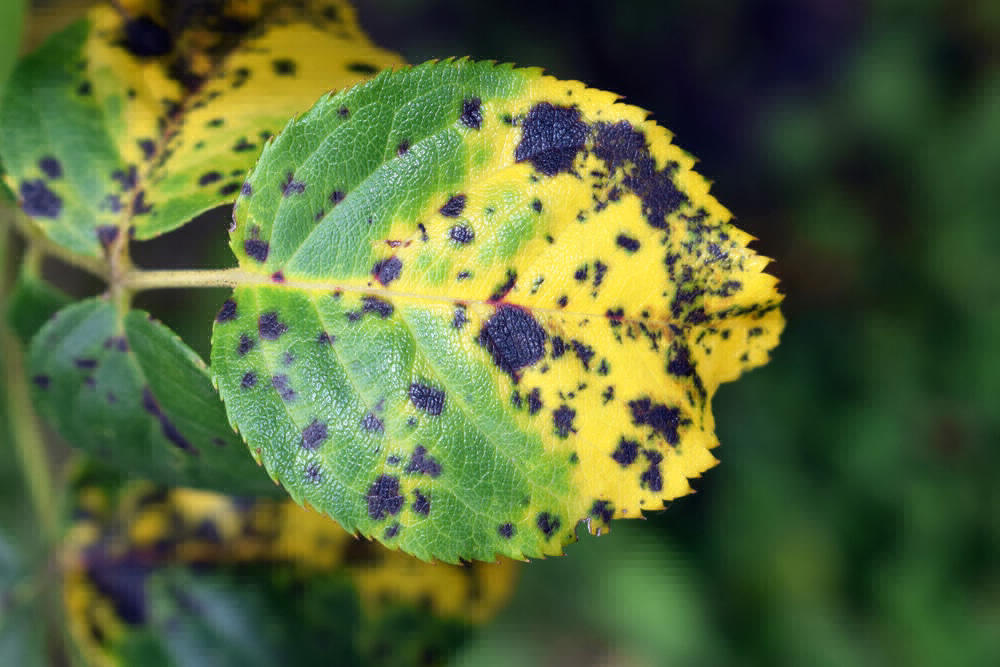
Purple or Black Spots develop on Leaves which often turn Yellow and Drop Early.
50
How is Rose Black Spot Spread and Treated?
Spread by Water or Wind.
Treated by using Fungicides &/or Removing & Destroying Affected Leaves.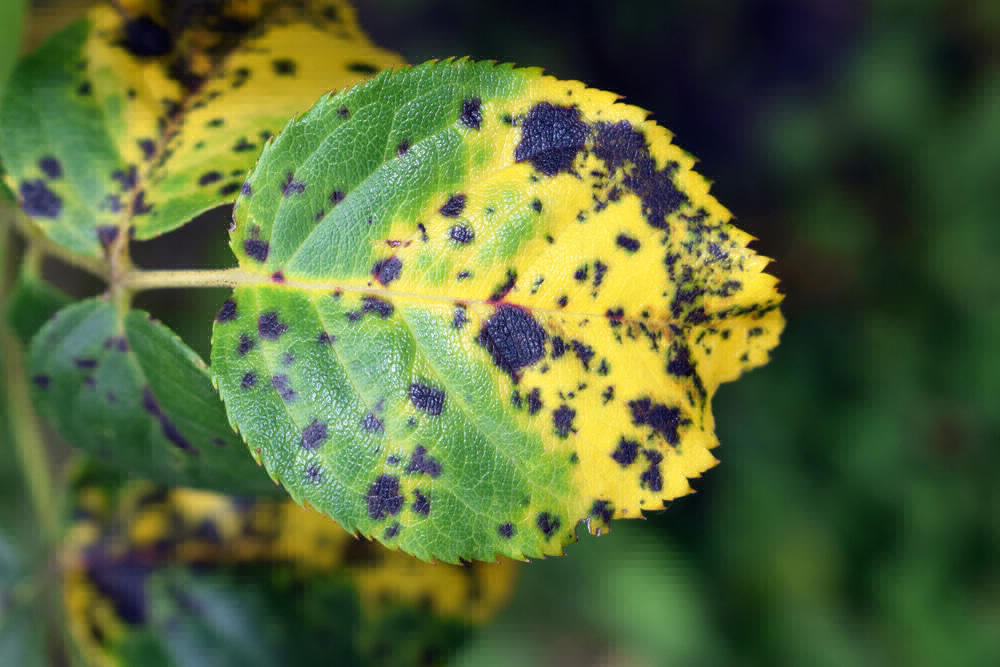
Treated by using Fungicides &/or Removing & Destroying Affected Leaves.
51
Tobacco Mosaic Virus (TMV) What Species does it affect and what does it Produce and Prevent & why do they prevent it ?
It affects many species of plants including Tomatoes.
It Produces a Distinctive Mosaic Pattern of Discoloration on the Leaves which affects Plant Growth
Prevents Photosynthesis Happening because Yellow Parts Contain Less Chlorophyll so there is Less Photosynthesis and Less Glucose & Proteins are Made.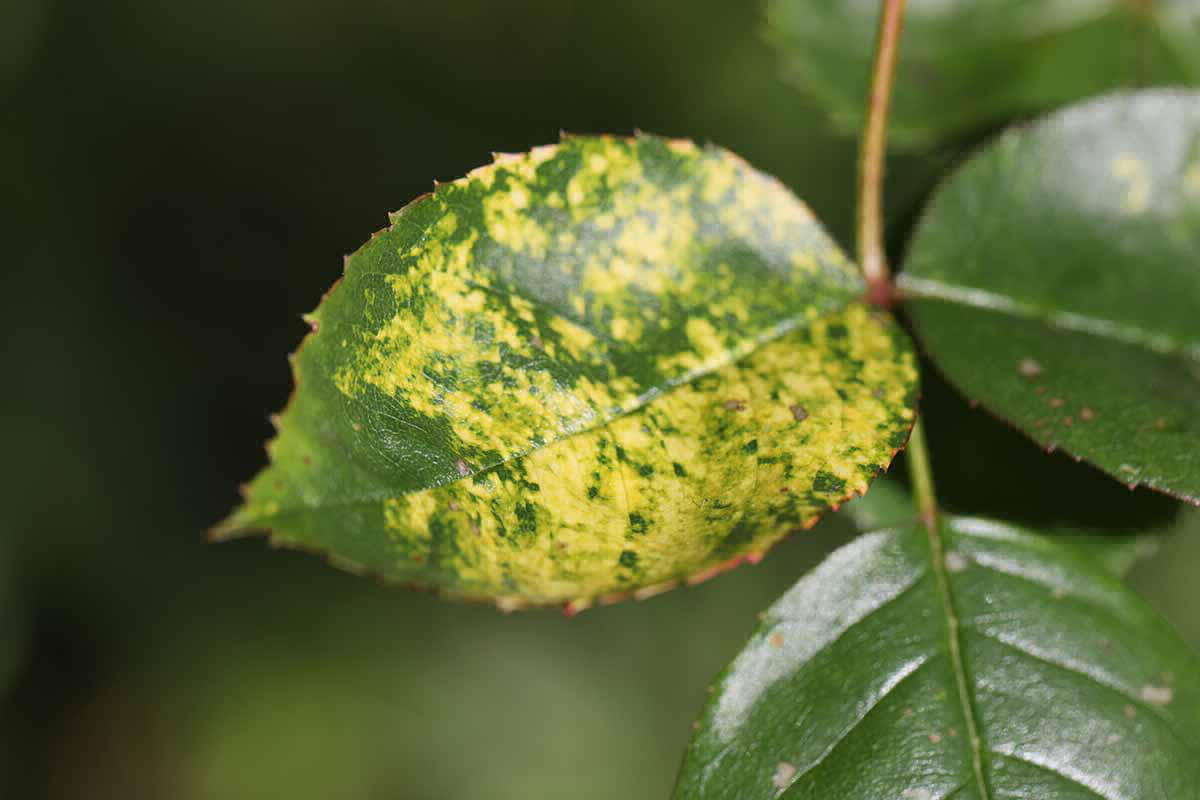
It Produces a Distinctive Mosaic Pattern of Discoloration on the Leaves which affects Plant Growth
Prevents Photosynthesis Happening because Yellow Parts Contain Less Chlorophyll so there is Less Photosynthesis and Less Glucose & Proteins are Made.
52
What are Aphids and the Effects?
Very Common Sap-Sucking insects.
It can cause a Lack of Plant Vigour, Disordered Growth and often excrete a Sticky Substance onto Leaves which allows Growth of Moulds.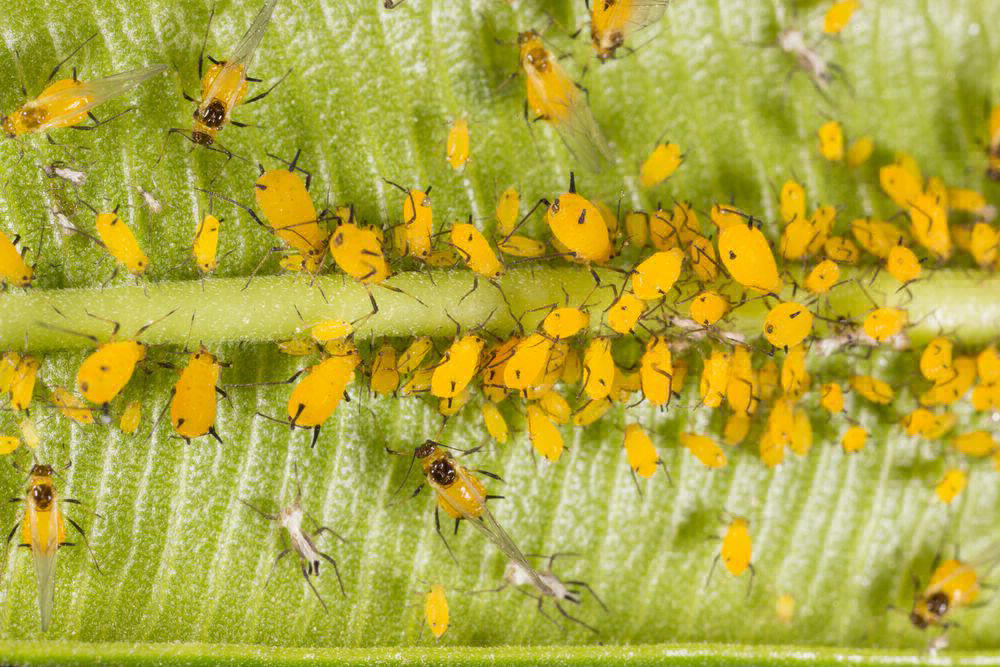
It can cause a Lack of Plant Vigour, Disordered Growth and often excrete a Sticky Substance onto Leaves which allows Growth of Moulds.
53
How can Aphids be treated and what are they also & what part of the plant do they eat?
They can be treated by using Insecticides of Biological Control
(e.g Ladybirds eat them)
Some Aphids also act as Vectors for Plant Viruses.
They feed from Phloem (Sugar)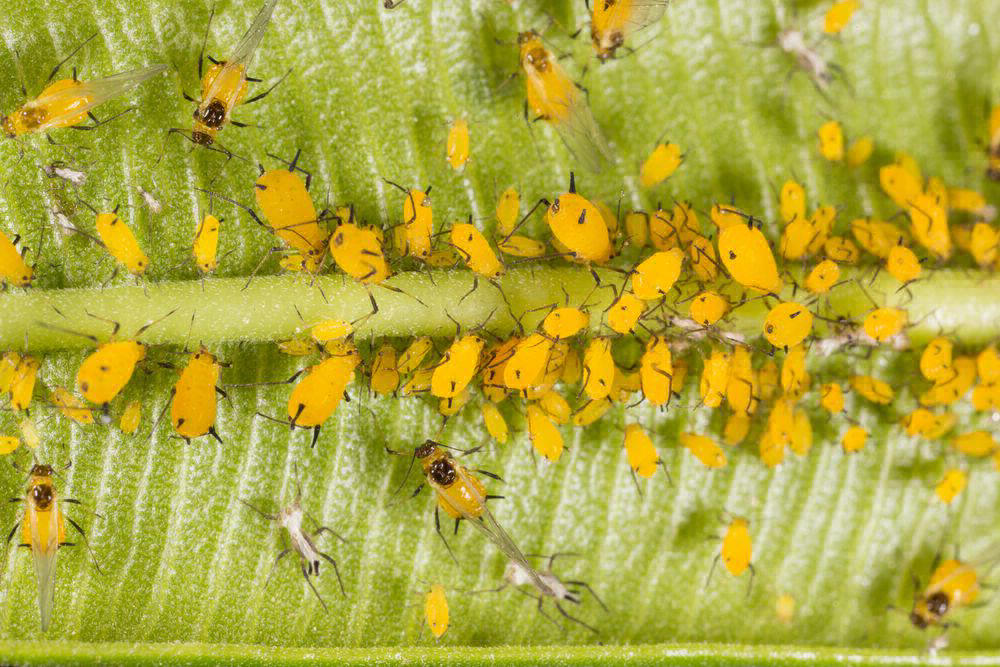
(e.g Ladybirds eat them)
Some Aphids also act as Vectors for Plant Viruses.
They feed from Phloem (Sugar)
54
Define Non-communical Disease
Not caused by Pathogen
55
What can Plants also be Damaged By that is a Non-communical Disease?
Ion Dificency Conditions
56
What does Nitrate Deficiency Cause and Why?
Nitrate Deficiency causes Stunted Growth. Because Nitrate Ions are Needed for Protein Synthesis & therefore Growth.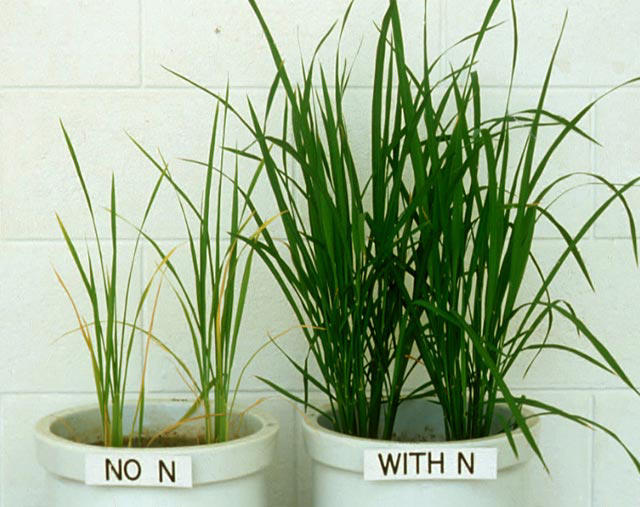
57
What does Magnesium Deficiency Cause and Why?
Causes Chlorosis & will Grow Slowly.(yellowing of leaves)
Because Magnesium Ions Needed To Make Chlorophyll affected plants will grow slowly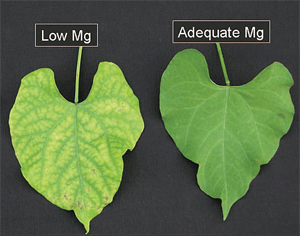
Because Magnesium Ions Needed To Make Chlorophyll affected plants will grow slowly
58
The understanding of Ion Deficiencies Allows Who to What?
It Allows Horticulturalists to Provide Optimum Conditions For Plants.
59
List the Type of Defences that are Plant Uses to defend itself
• Physical Defences
• Chemical Defences
• Mechanical Adaptations
• Chemical Defences
• Mechanical Adaptations
60
Define Physical Defences & List Some for a Plant
Physical Defence Responses are Designed to Resist Invasion of Pathogens
• Cellulose Cell Walls
• Tough Waxy Cuticles on Leaves
• Layers of Dead Cells Around Stems (Bark on Trees)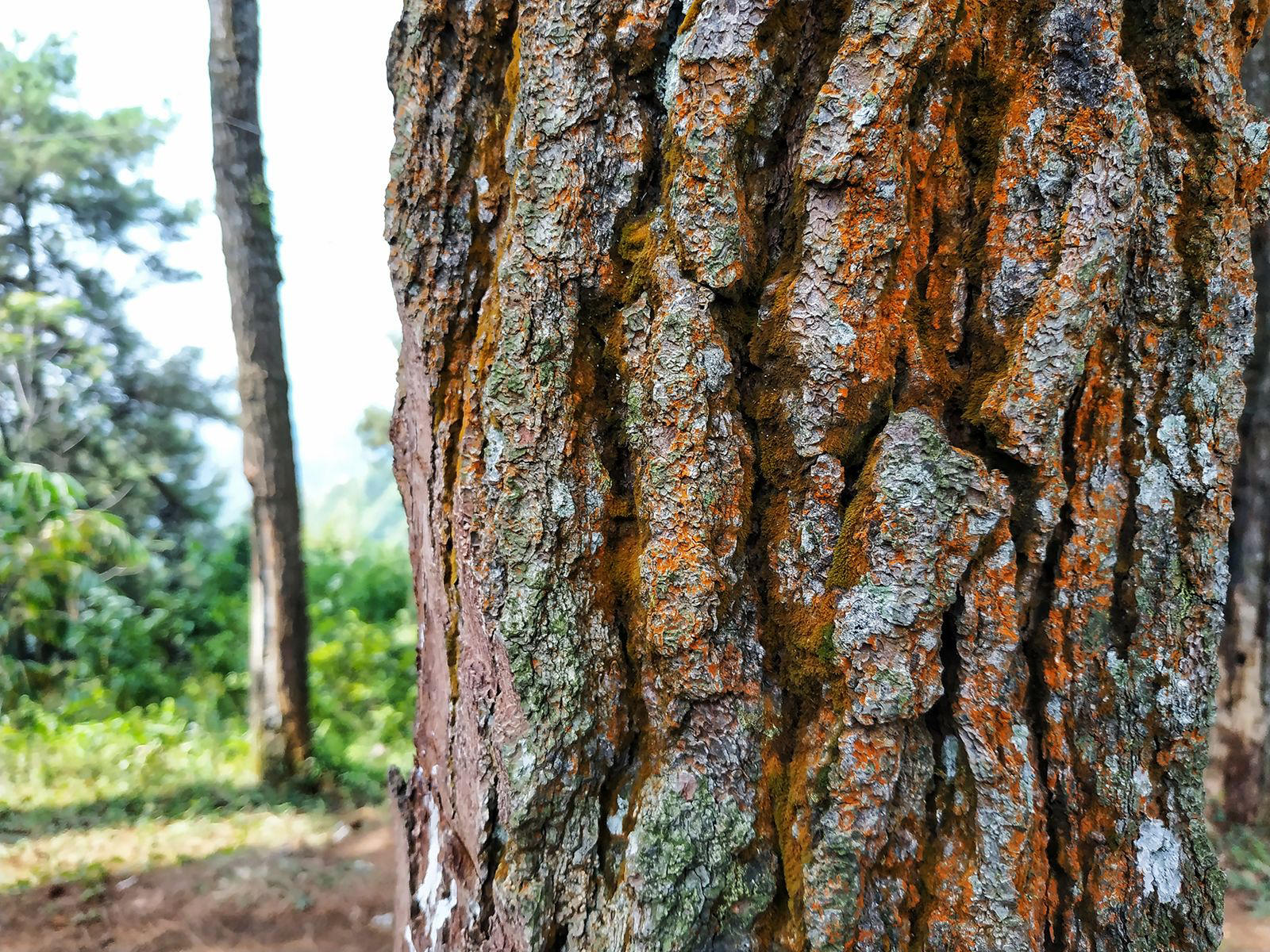
• Cellulose Cell Walls
• Tough Waxy Cuticles on Leaves
• Layers of Dead Cells Around Stems (Bark on Trees)
61
List Some Chemical Defences for a Plant & what they defend from
• Antibacterial Chemicals to Prevent Infection by Pathogens
• Toxins to Deter Herbivores
(repel them with strong flavours or smells)
• Toxins to Deter Herbivores
(repel them with strong flavours or smells)
62
List Some Mechanical Adaptations for a Plant & what do they deter
• Thorns & Hairs that Deter Herbivours.
• Leaves which Droop or Curl when Touched
• Mimery to Trick Herbivores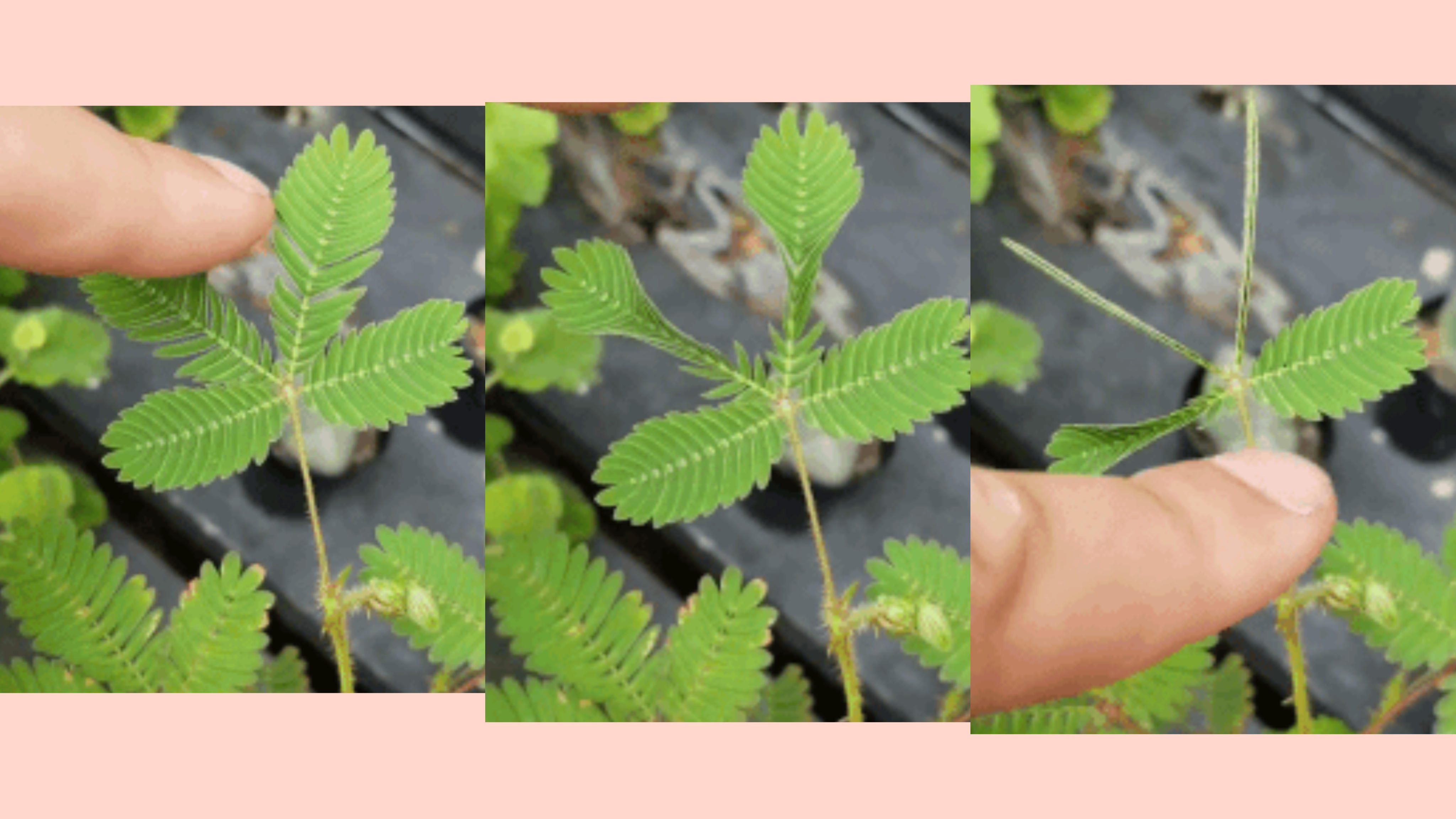
• Leaves which Droop or Curl when Touched
• Mimery to Trick Herbivores
63
What type of Defences does the Human Body have to Defend Against Pathogens?
Non-Specific
64
List some Non-specific Defences Against Pathogens of the Human Body &what they do.
• Airways (trachea, bronchi, nose):Pathogens Trapped in Mucus is Moved by Celia & Pathogens Away From Lungs
• Eyes: Produce Tears & Contains Enzymes which kills some pathogens
• Stomach: Hydrochloric Acid Kills Pathogens
• Skin: Physical Barrier Platelets Form Scab Over Cuts
• Eyes: Produce Tears & Contains Enzymes which kills some pathogens
• Stomach: Hydrochloric Acid Kills Pathogens
• Skin: Physical Barrier Platelets Form Scab Over Cuts
65
What Happens if Pathogens Get Into the Bloodstream & what is involved?
The Body's Immune System Attacks Them. This Mainly Involves White Blood Cells.
66
Name one piece of Equipment used to View Virus
Electron Microscope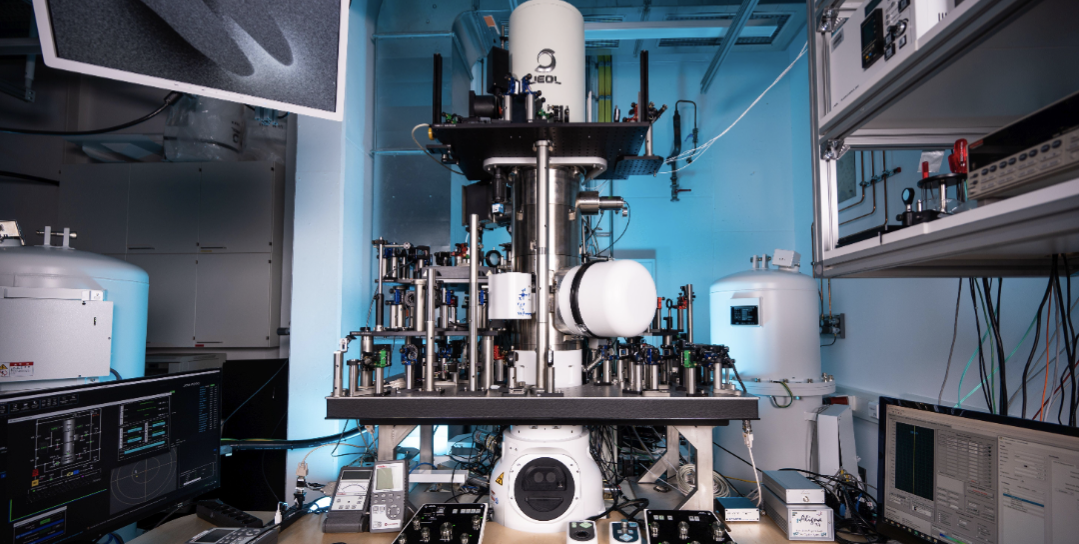
67
Difference Between Electron & Light Microscope 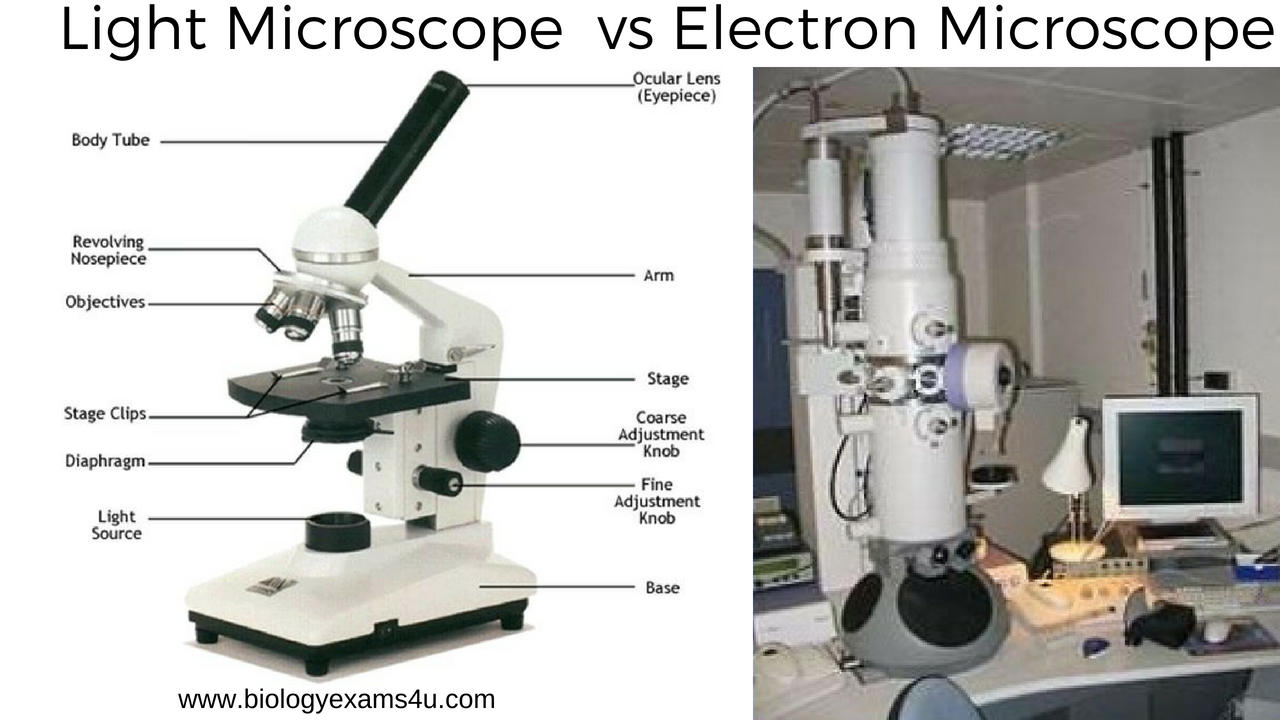
Electron Microscopes Provide Higher Magnifications & Higher Resolution Images but Cannot be Used To View Living Cells.
Light Microscopes Are Used to Study Living Cells & for Regular Use With Relatively Low
Magnification.
Light Microscopes Are Used to Study Living Cells & for Regular Use With Relatively Low
Magnification.
68
What are three Categories for functions/Process of White Blood Cells?
• Producing Antibodies
• Producing Antitoxins
• Phagocytosis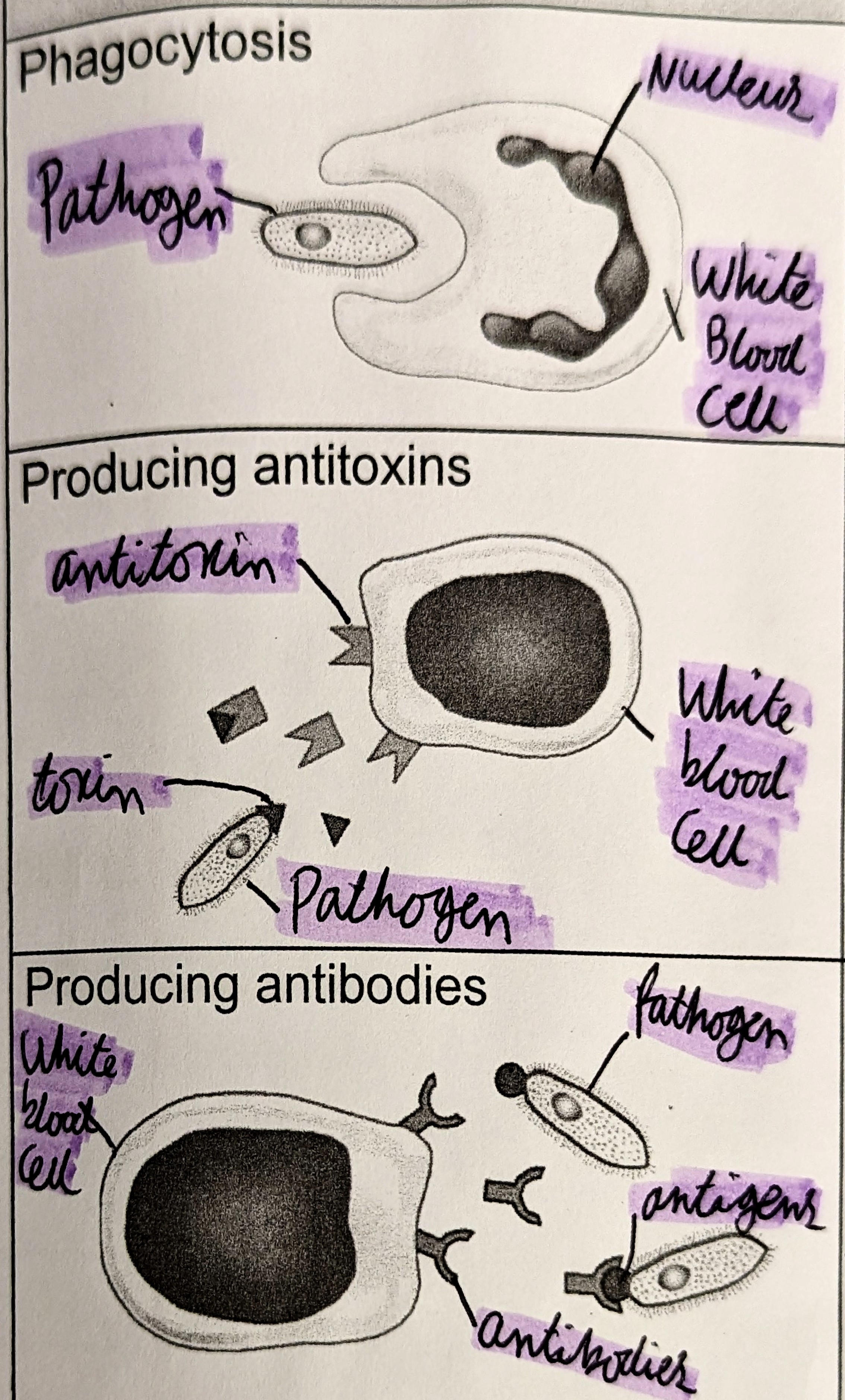
• Producing Antitoxins
• Phagocytosis
69
How does Phagocytosis Process Protect you Against Disease?
Phagocyte White Blood Cell Engulfs & Digests Pathogens.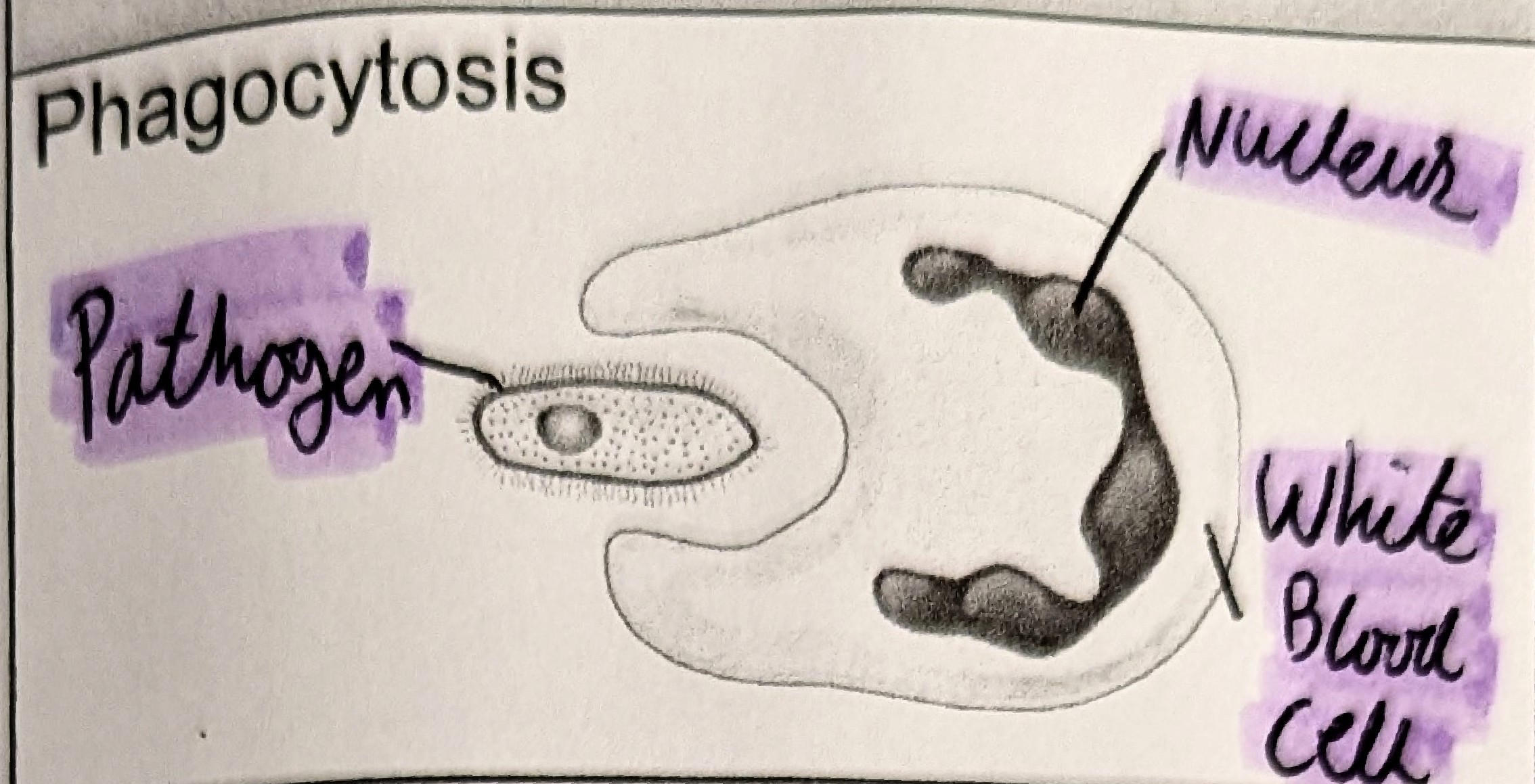
70
Lable the Diagram & what Process/Function is it? 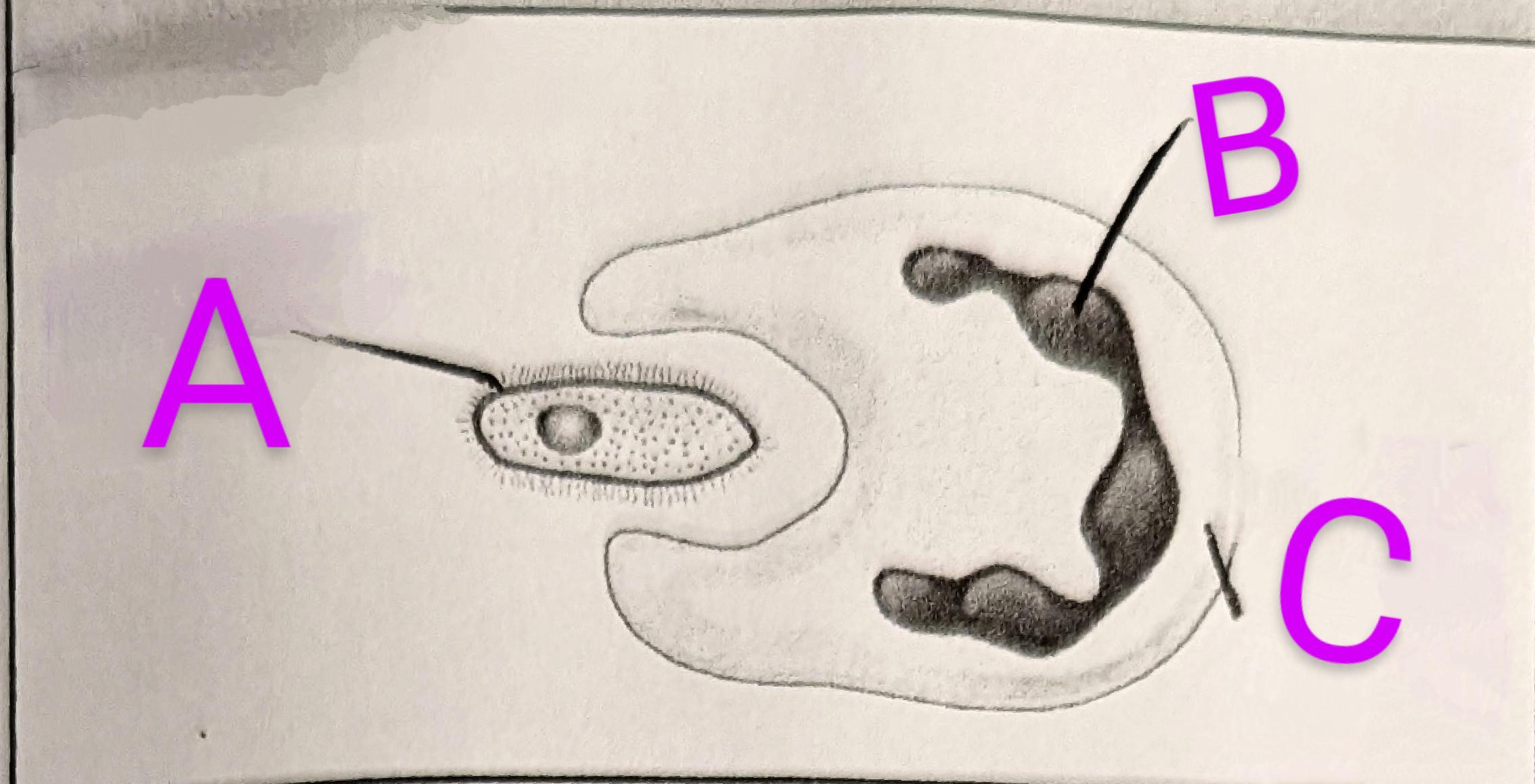
Phagocytosis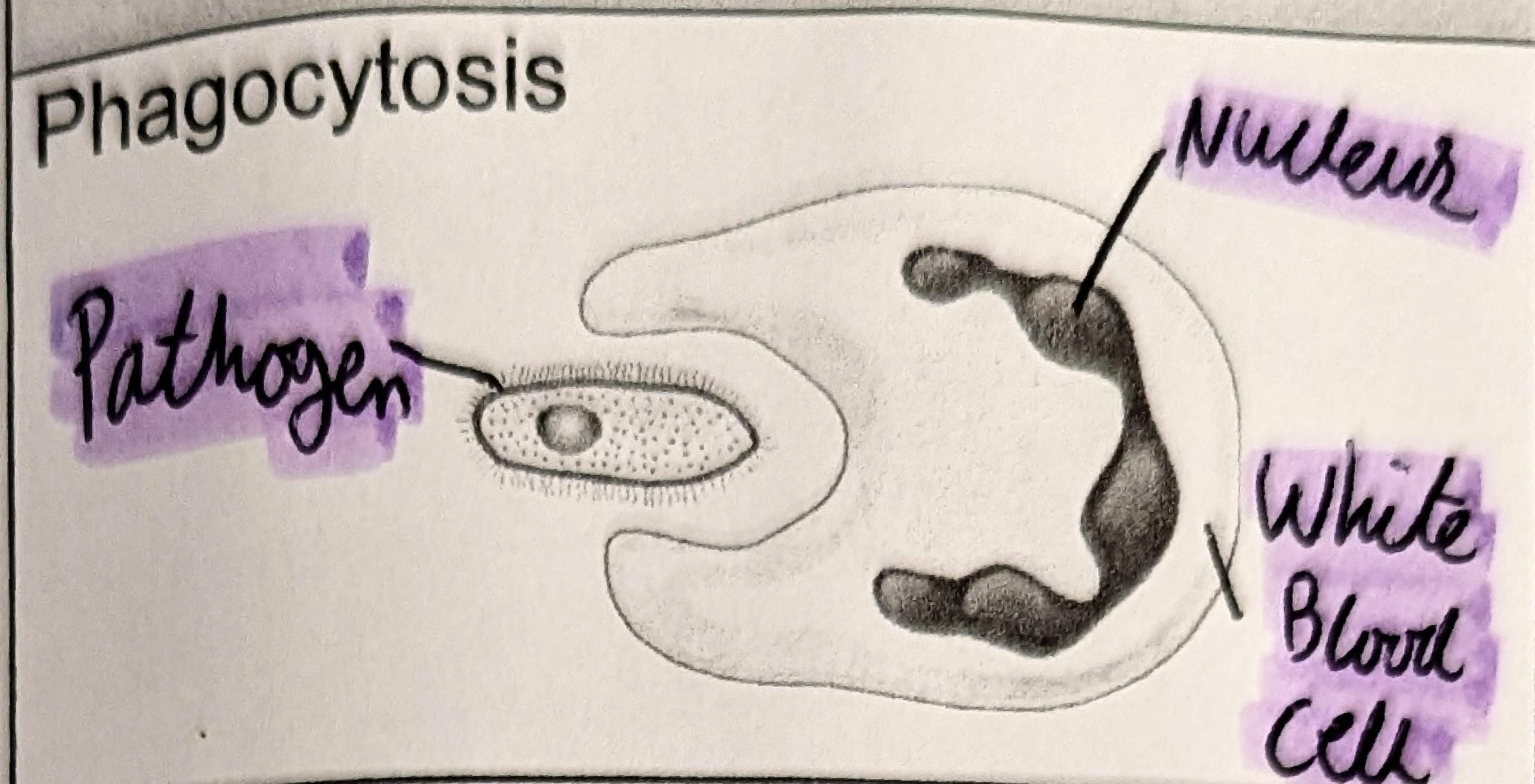
71
How does Producing Antitoxins Process/Function Protect you Against Disease?
Another type White Blood Cell Produces Antitoxins which Counteracts Toxins Released By Some Pathogens.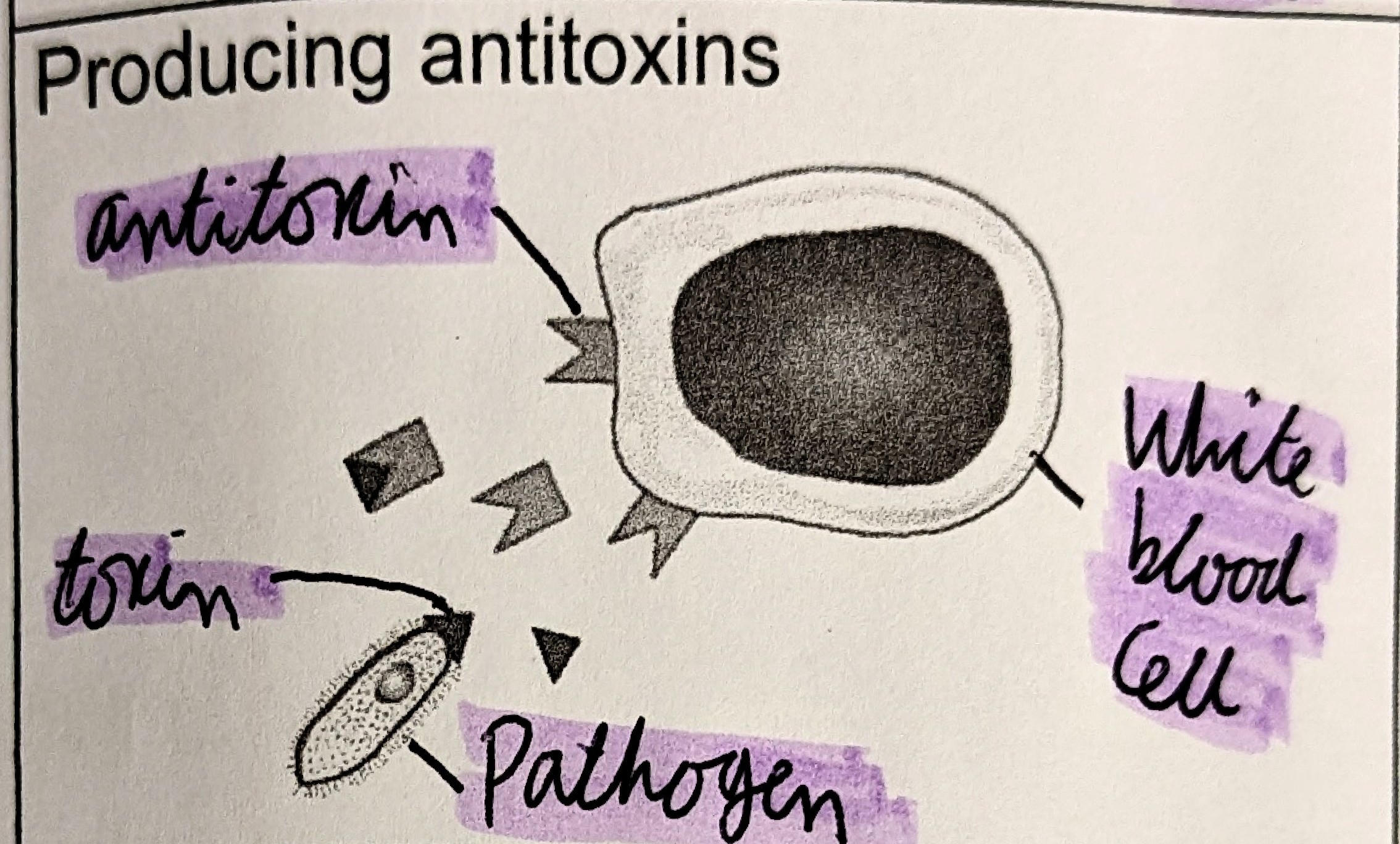
72
Lable the Diagram & what Process/Function is it? 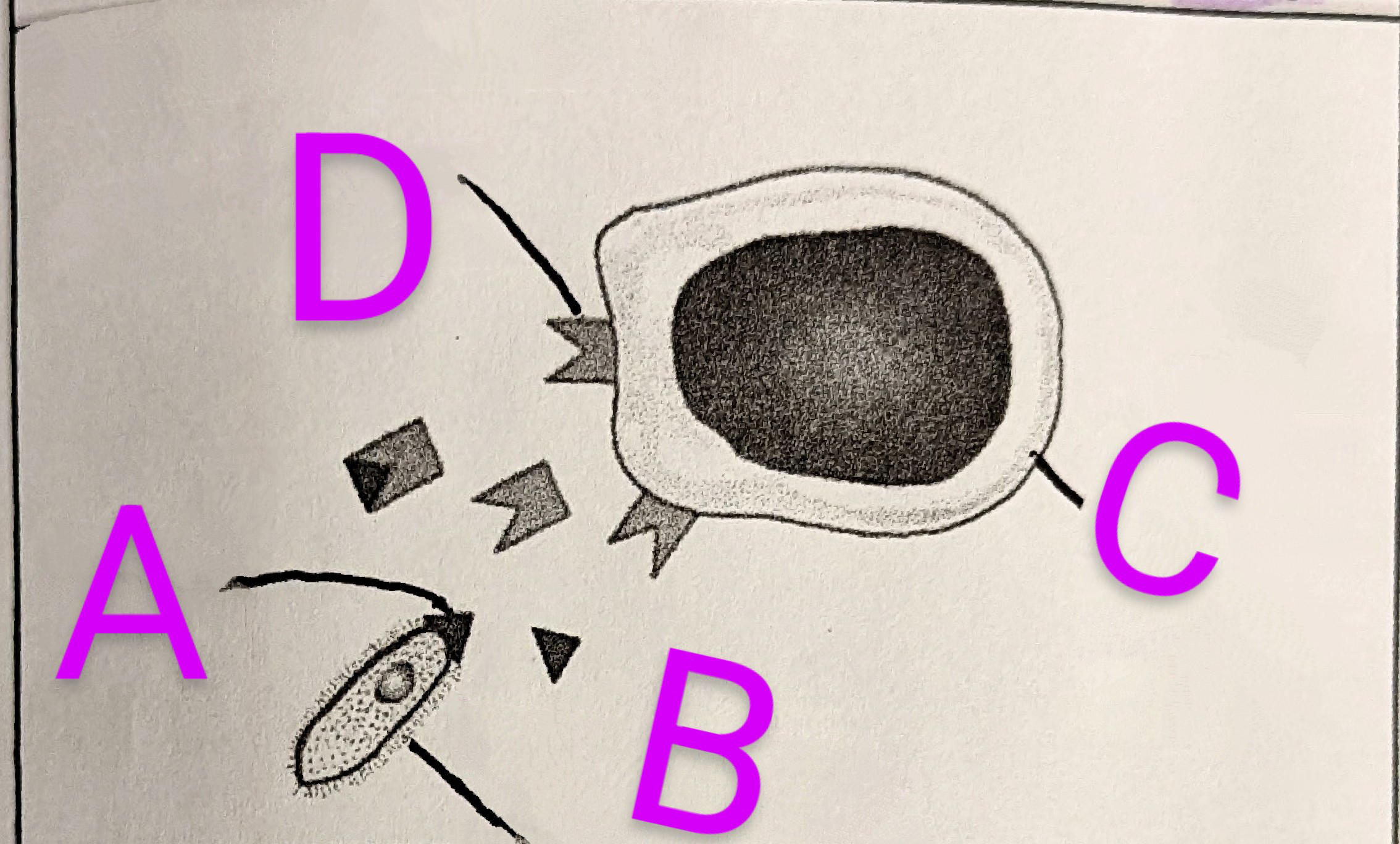
Producing Antitoxins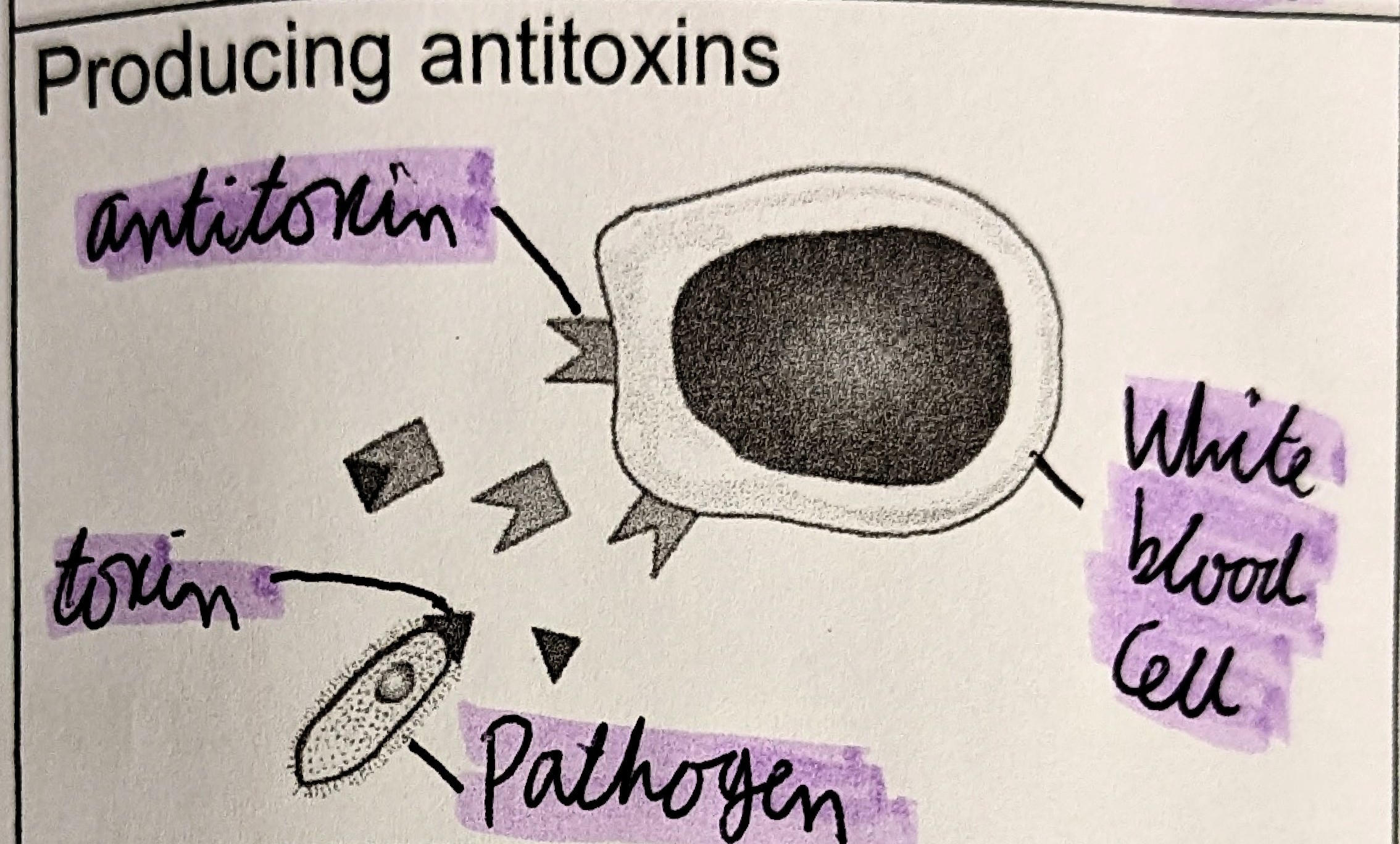
73
What type of White Blood Cell Produces Antibodies Process/Function & How Protect you Against Disease & what are Antibodies & what is then produced?
A Lymphocyte White Blood Cell Produce Antibodies which Destroy Pathogens.
Antibodies are Specific to the Antigen on the Surface of a Pathogen.
Memory Cells are Made & Remain in Blood. These Can Produce More of Correct Antibodies Very Quickly If You Are Infected Again.
Then Pathogens are Destroyed Before they have a Chance to Reproduce. You are Now Immune To That Disease.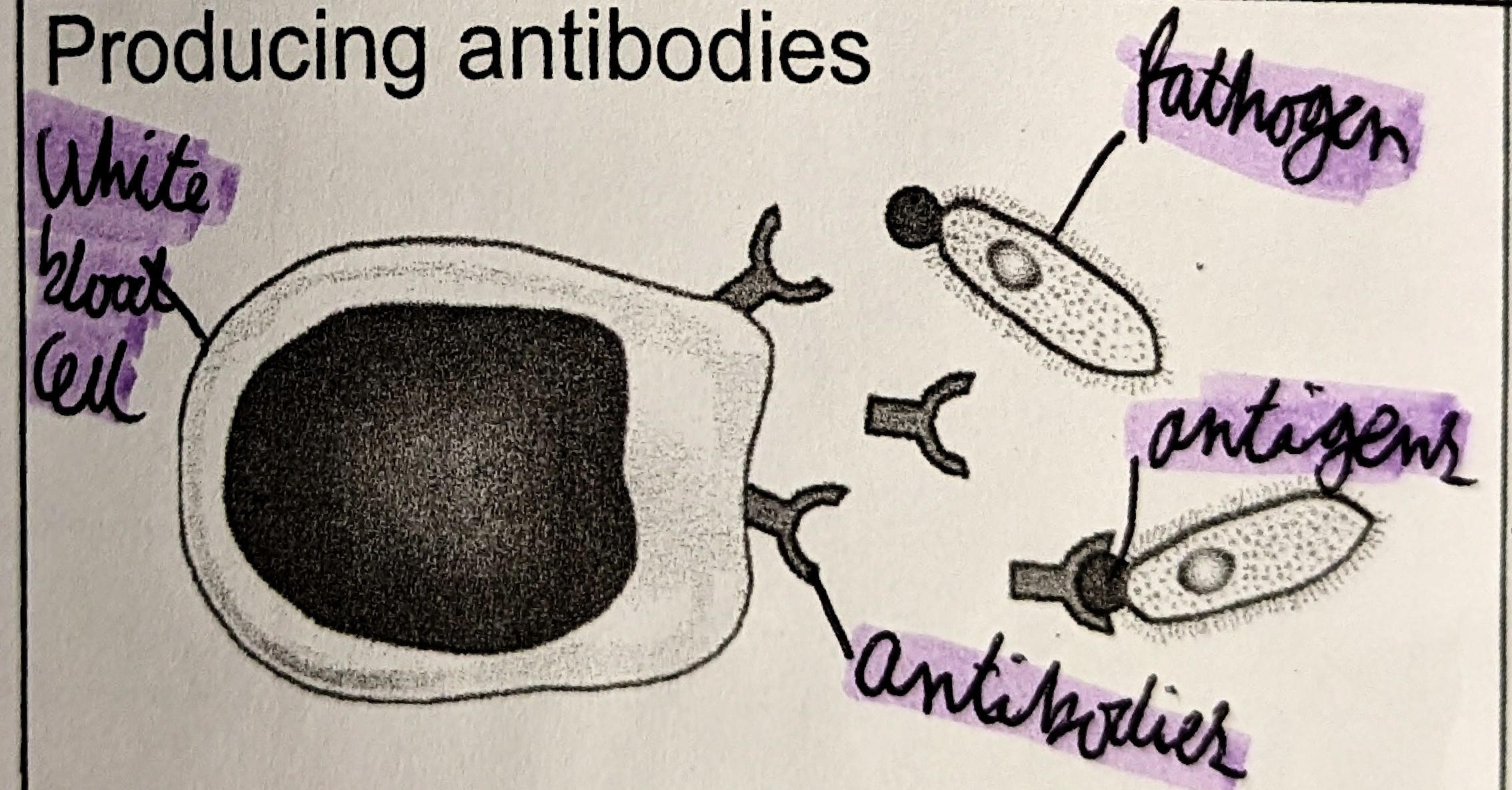
Antibodies are Specific to the Antigen on the Surface of a Pathogen.
Memory Cells are Made & Remain in Blood. These Can Produce More of Correct Antibodies Very Quickly If You Are Infected Again.
Then Pathogens are Destroyed Before they have a Chance to Reproduce. You are Now Immune To That Disease.
74
Lable the Diagram & what Process/Function is it? 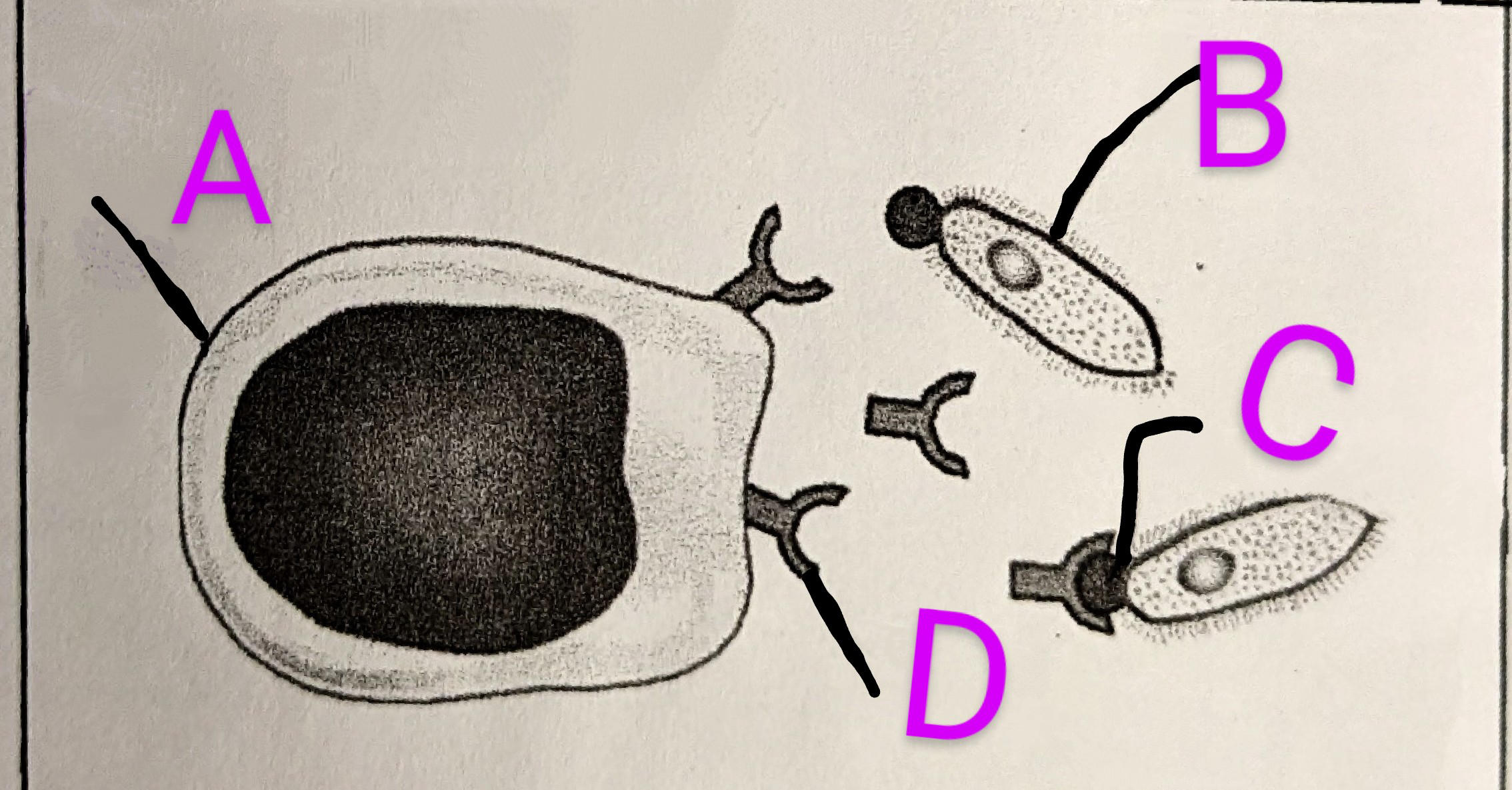
Producing Antibodies 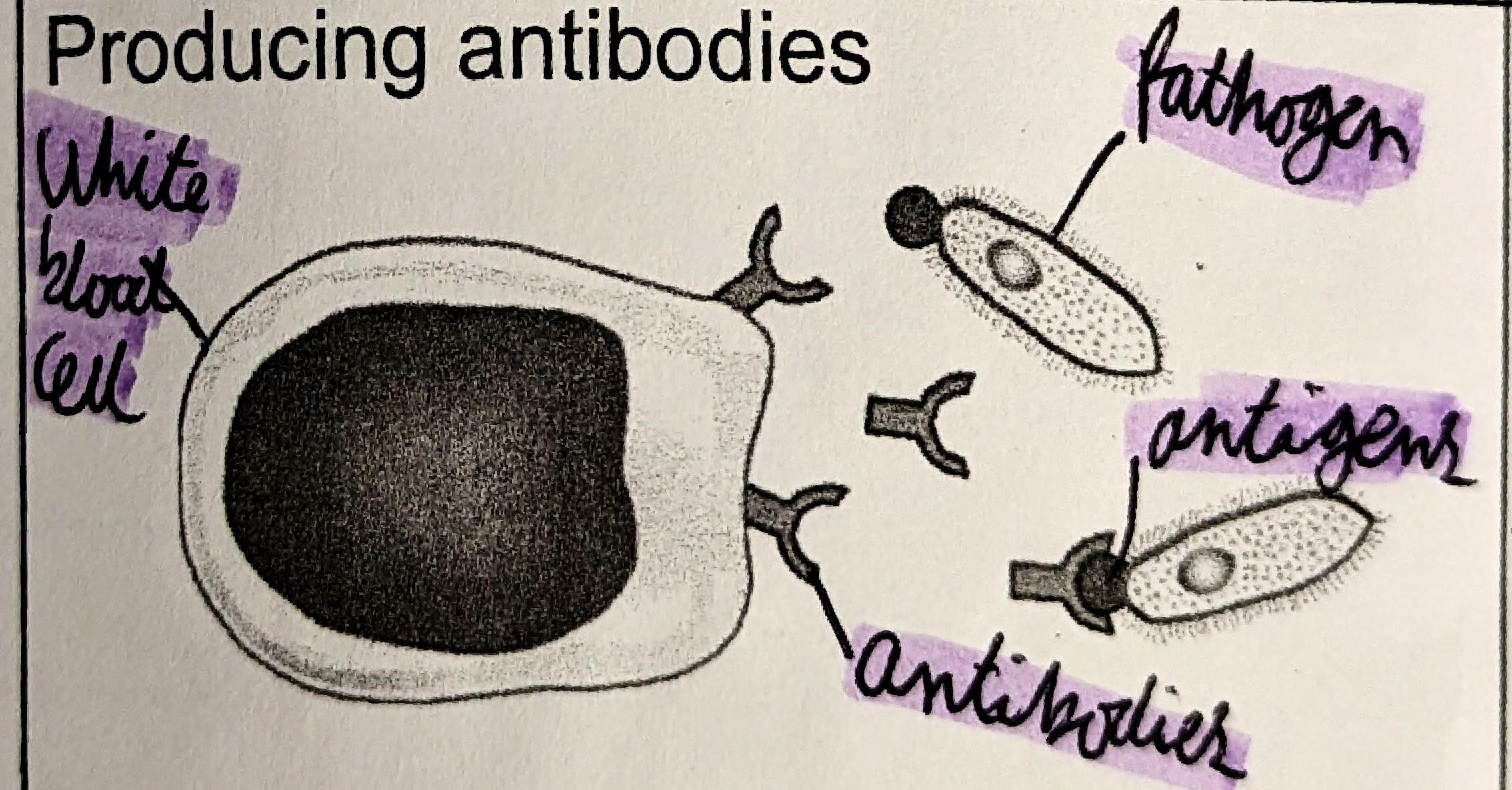
75
What type of White Blood Cell Uses the Process Phagocytosis?
Phagocyte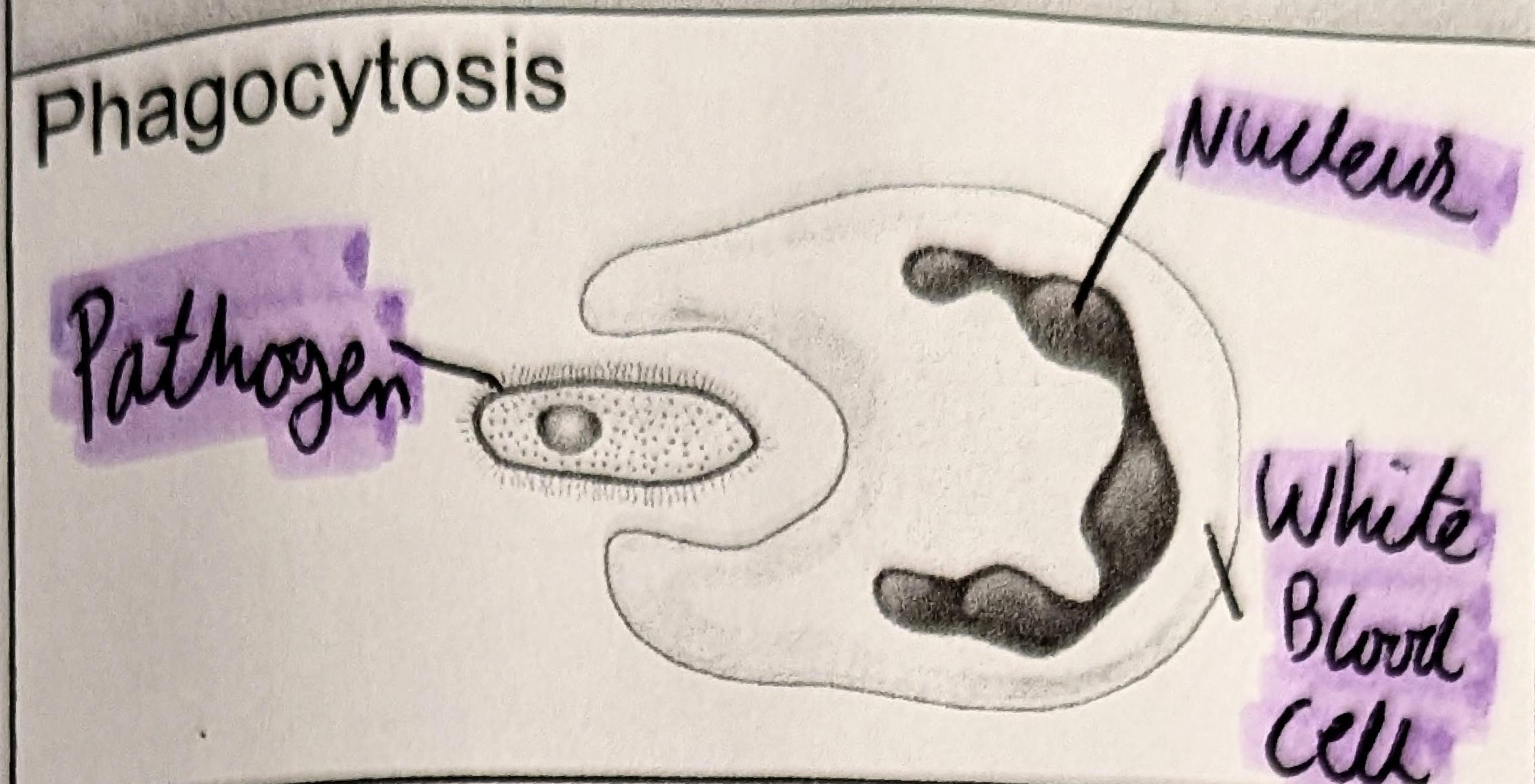
76
What type of White Blood Cell Uses the Process of Producing Antibodies?
Lymphocyte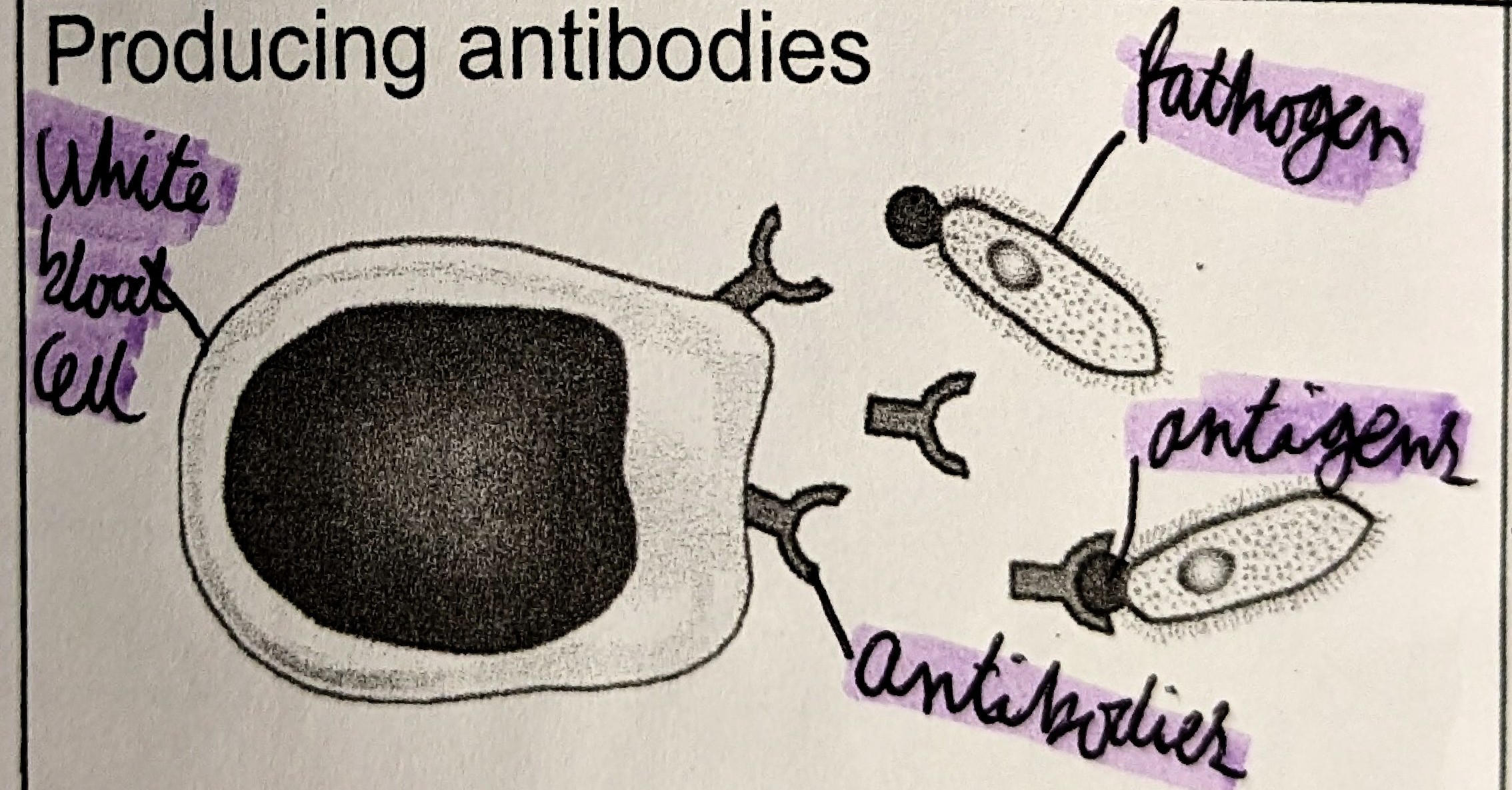
77
Production of Antibodies Over Time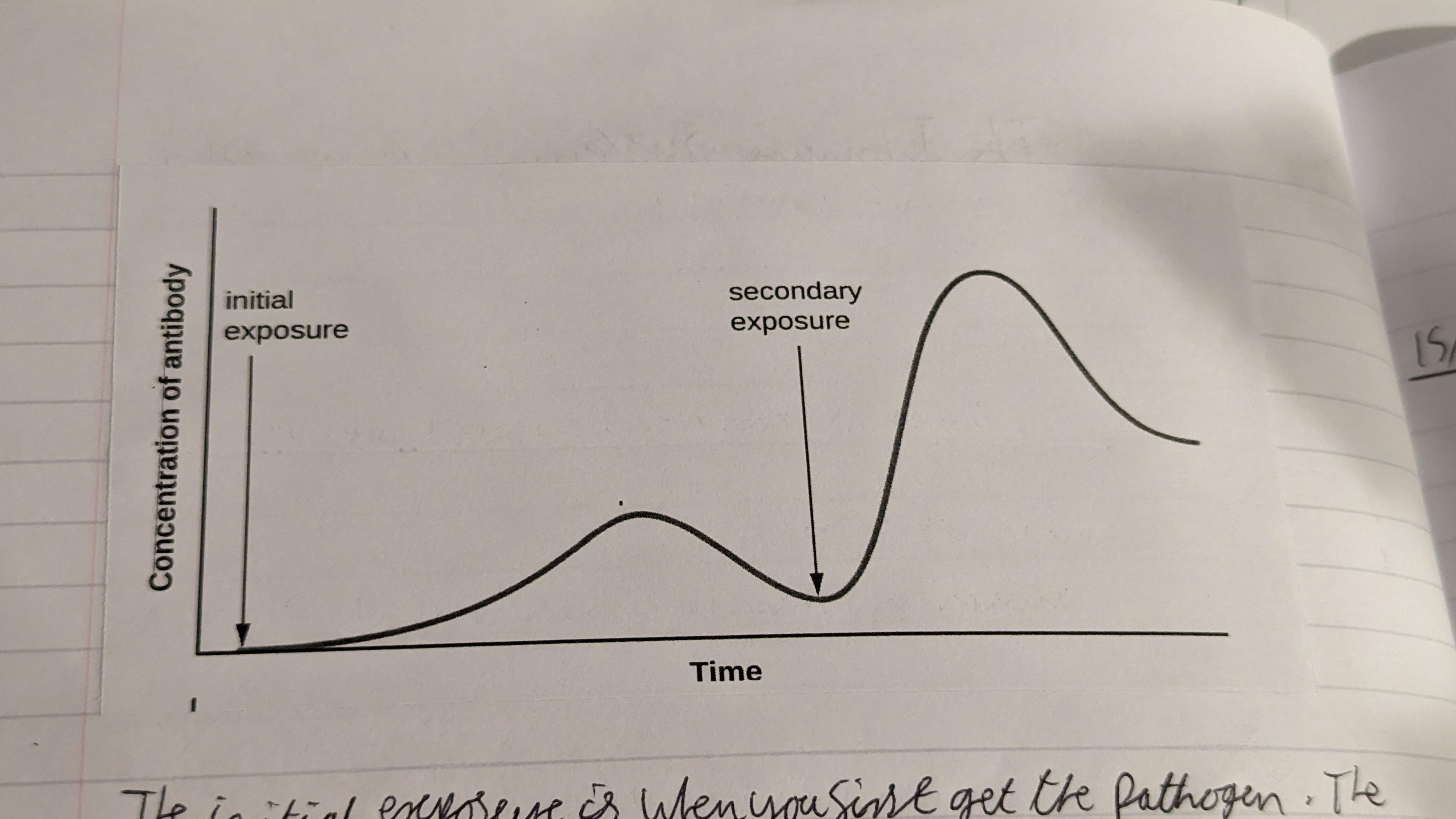
The Initial Exposure is when you First Get the Pathogen. The Antibody Level then Increases as White Blood Cells Make Antibodies.
Then When You Get Rid Of the illness the Antibody Level Then Decreases.
Then when you get Re-exposed your Memory Cells Remember the Pathogens and Therefore Create More Of Correct Antibodies Very Quickly & Destroy Pathogens Before they have Chance To Reproduce.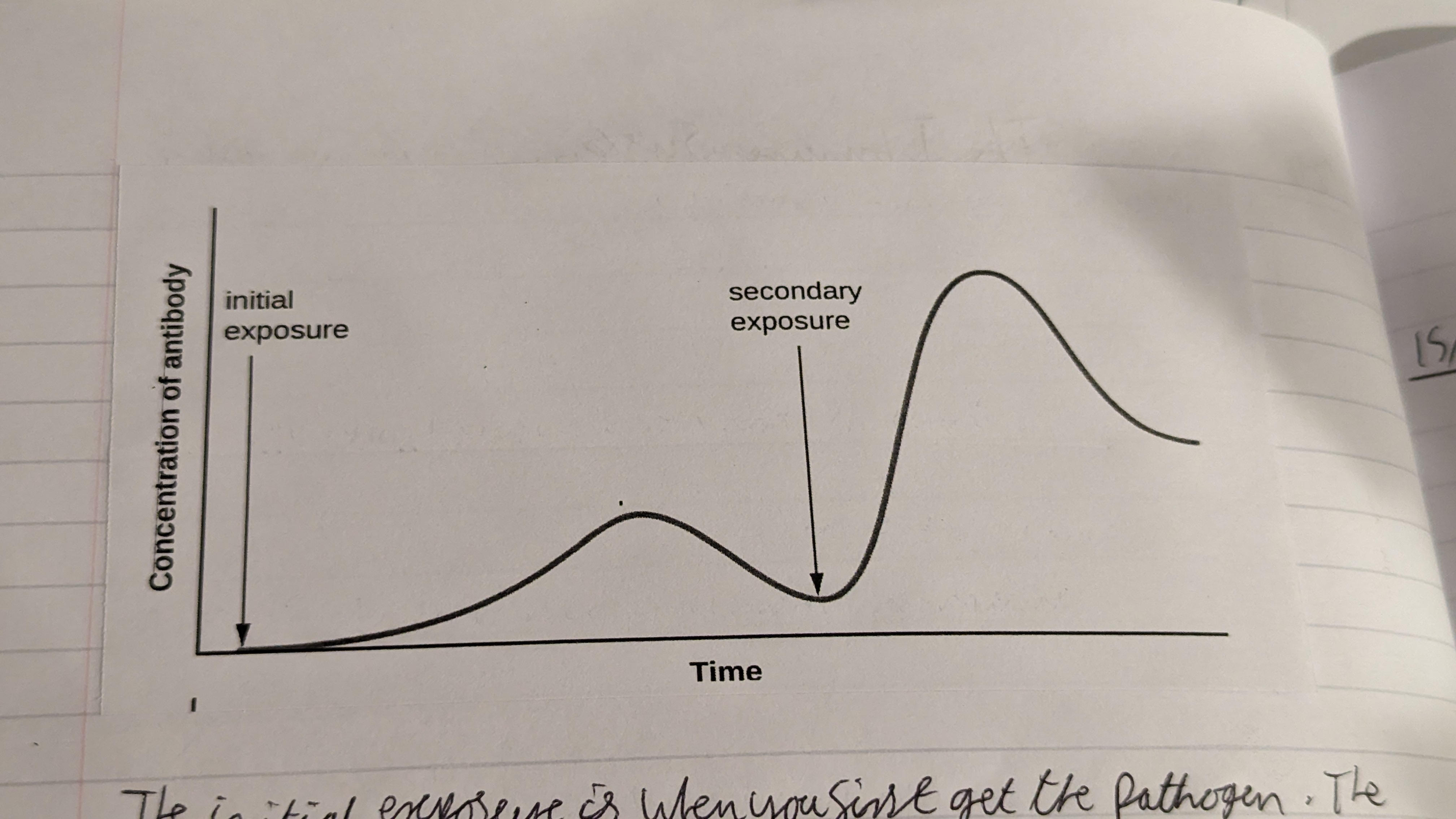
Then When You Get Rid Of the illness the Antibody Level Then Decreases.
Then when you get Re-exposed your Memory Cells Remember the Pathogens and Therefore Create More Of Correct Antibodies Very Quickly & Destroy Pathogens Before they have Chance To Reproduce.
78
Explain why pathogens are more the problem if they get into your blood?
Travel Around Your Body and Easily Access Vital Organs
79
True Or False being Immune to One Disease (chicken pox) doesn't make you Immune to a different disease. (measles)
True
80
What does a Vaccine Contain?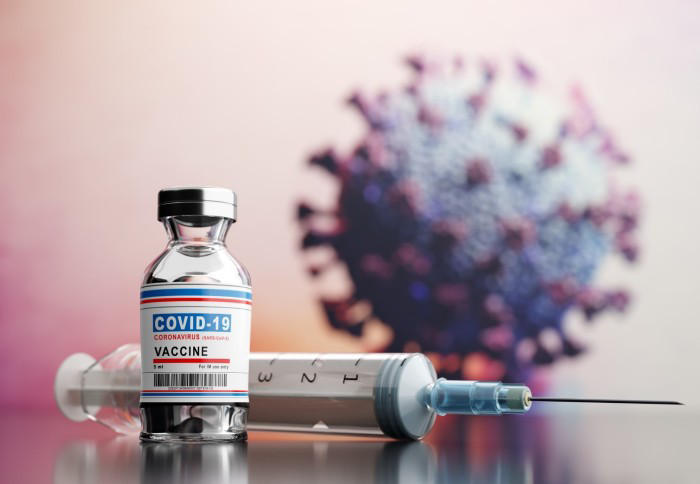
Dead or Inactive Form of a Pathogen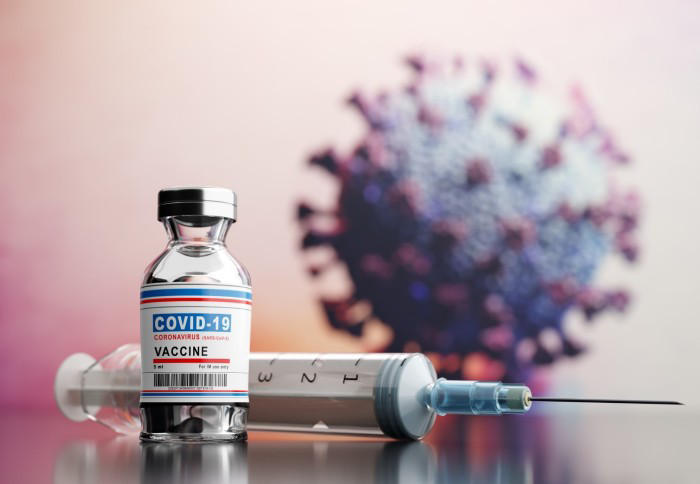
81
Explain how's vaccine works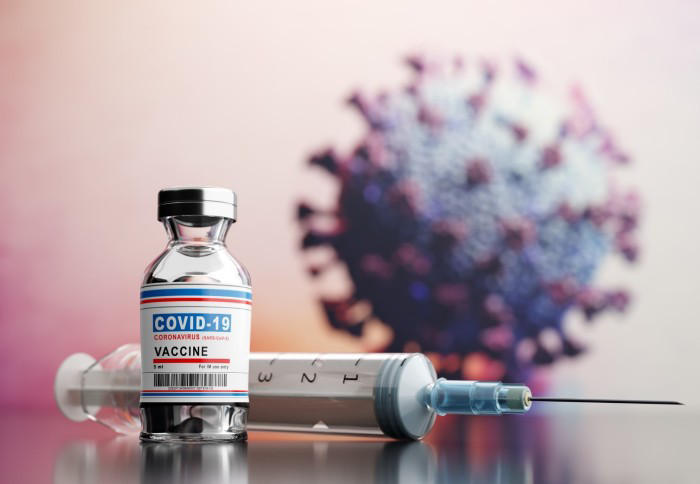
A Vaccine Containing Dead or Inactive Pathogen is Injected Into the Bloodstream.
• The Vaccine Stimulates White Blood Cells To Produce the Correct Shaped Antibodies and Memory Cells Are Made.
• If the Live Pathogen Gets Into the Bloodstream, more Antibodies are Produced Very Quickly Which Destroy Pathogen Before you Get Symptoms.
• You are Now Immune To That Disease.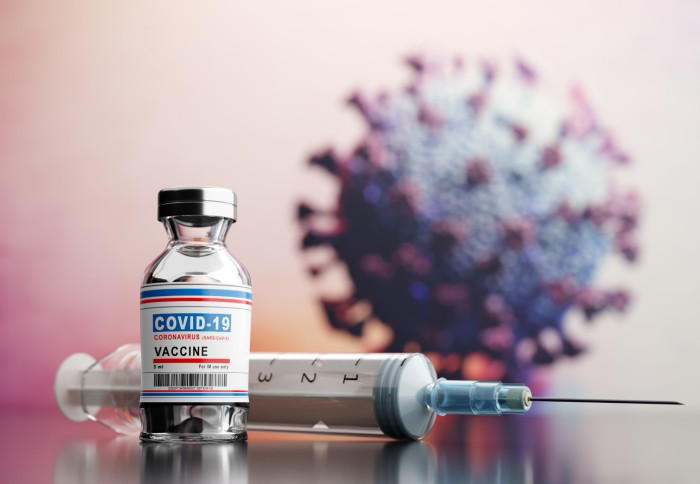
• The Vaccine Stimulates White Blood Cells To Produce the Correct Shaped Antibodies and Memory Cells Are Made.
• If the Live Pathogen Gets Into the Bloodstream, more Antibodies are Produced Very Quickly Which Destroy Pathogen Before you Get Symptoms.
• You are Now Immune To That Disease.
82
What is Herd Immunity & how is it achieved?
Herd Immunity is Achieved When a High Percentage of the Population is Immune to a Disease.
(Either by Having Had the Disease or Being Vaccinated)
This Can Reduce the Spread Of a Disease.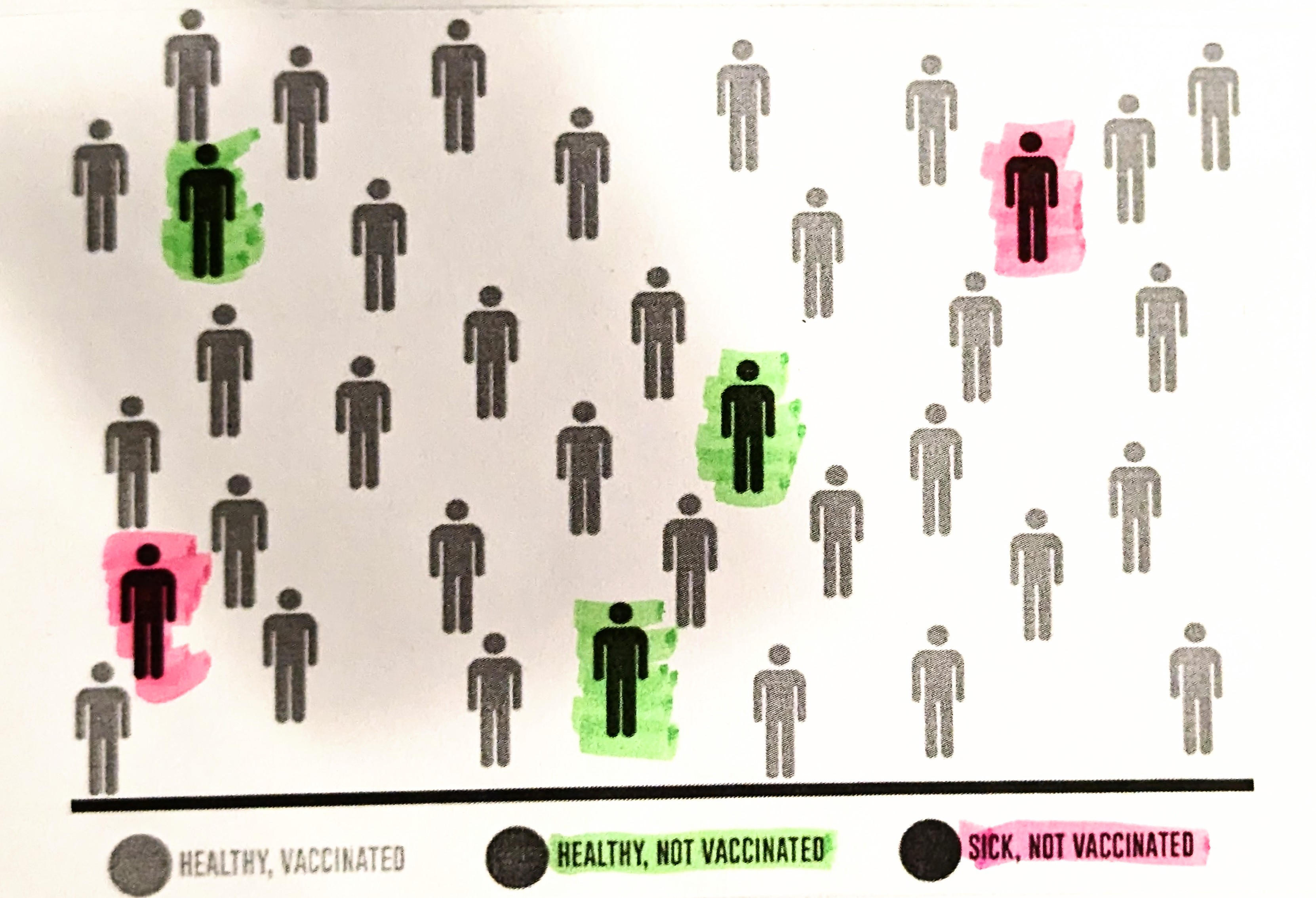
(Either by Having Had the Disease or Being Vaccinated)
This Can Reduce the Spread Of a Disease.
83
Give Examples of people who benefit from Herd Immunity?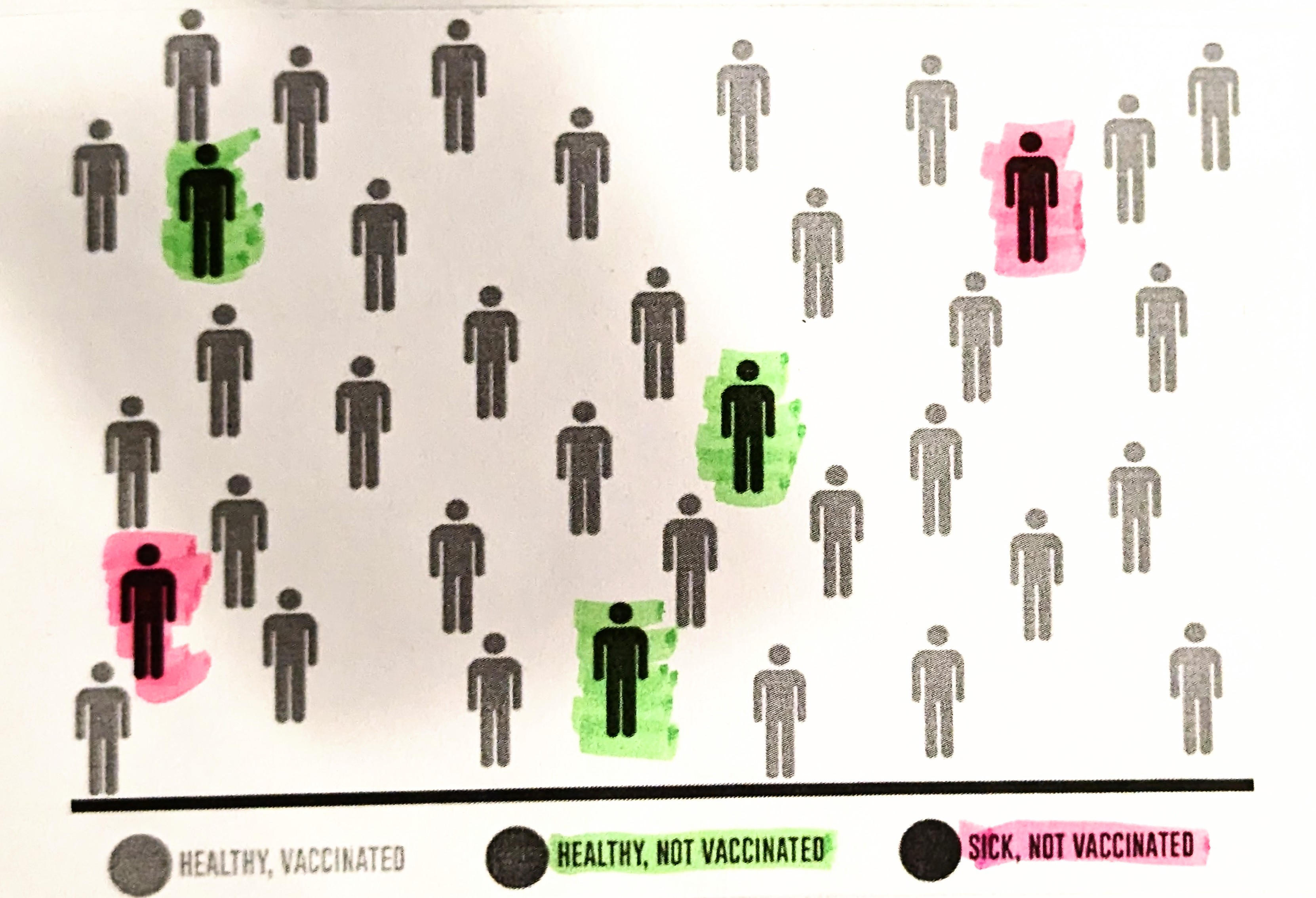
• Newborn Babies
• Older People
• People Who Have Had an Organ Transplant
• People With HIV/AIDS
• People Undergoing Chemotherapy to Treat Cancer
• People who are the Very Ill In Hospital With Other Conditions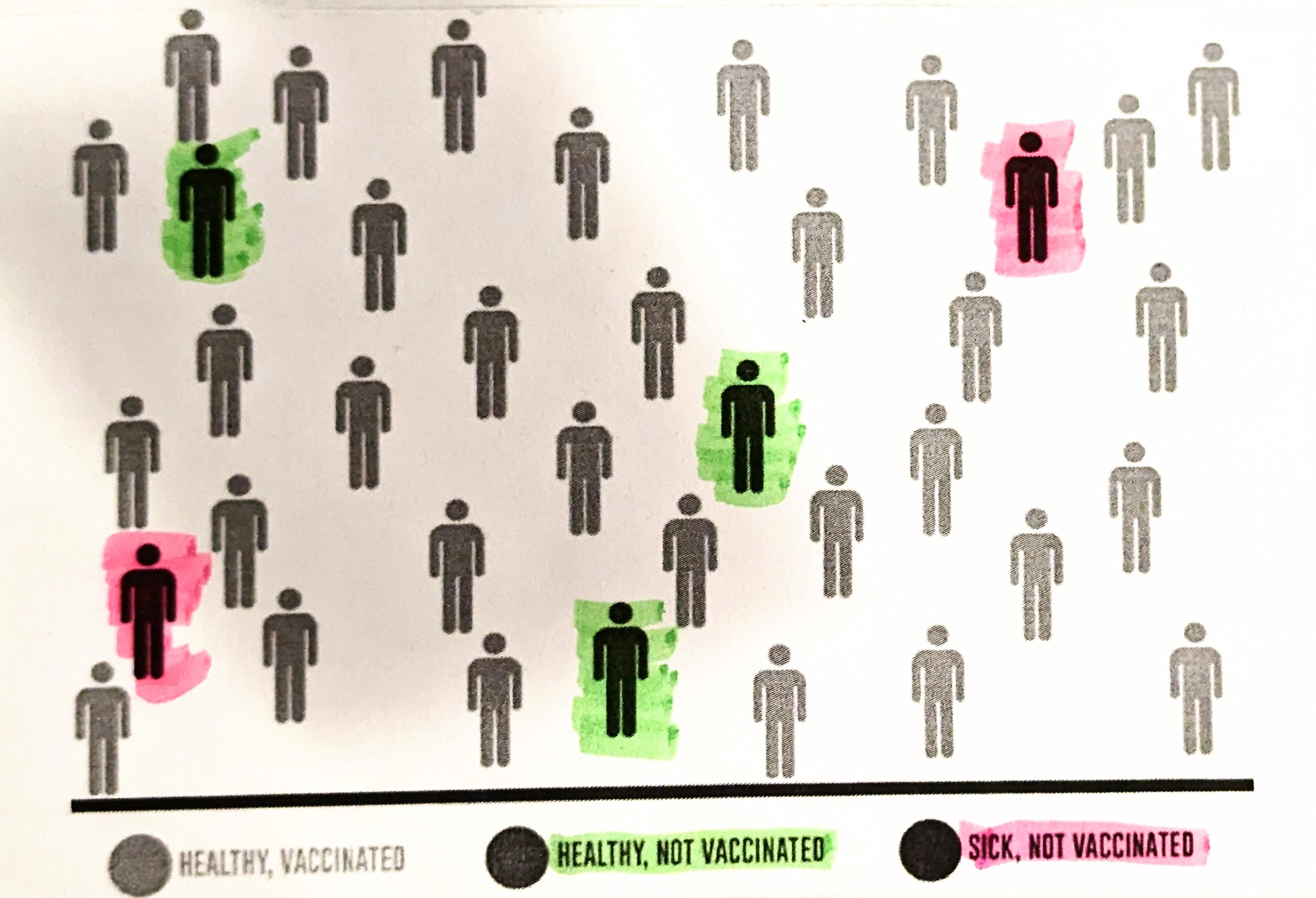
• Older People
• People Who Have Had an Organ Transplant
• People With HIV/AIDS
• People Undergoing Chemotherapy to Treat Cancer
• People who are the Very Ill In Hospital With Other Conditions
84
When do Vaccines Become Less Effective?
Some Pathogens Mutate and the Antigens Change Shape so Vaccines Become Less Effective.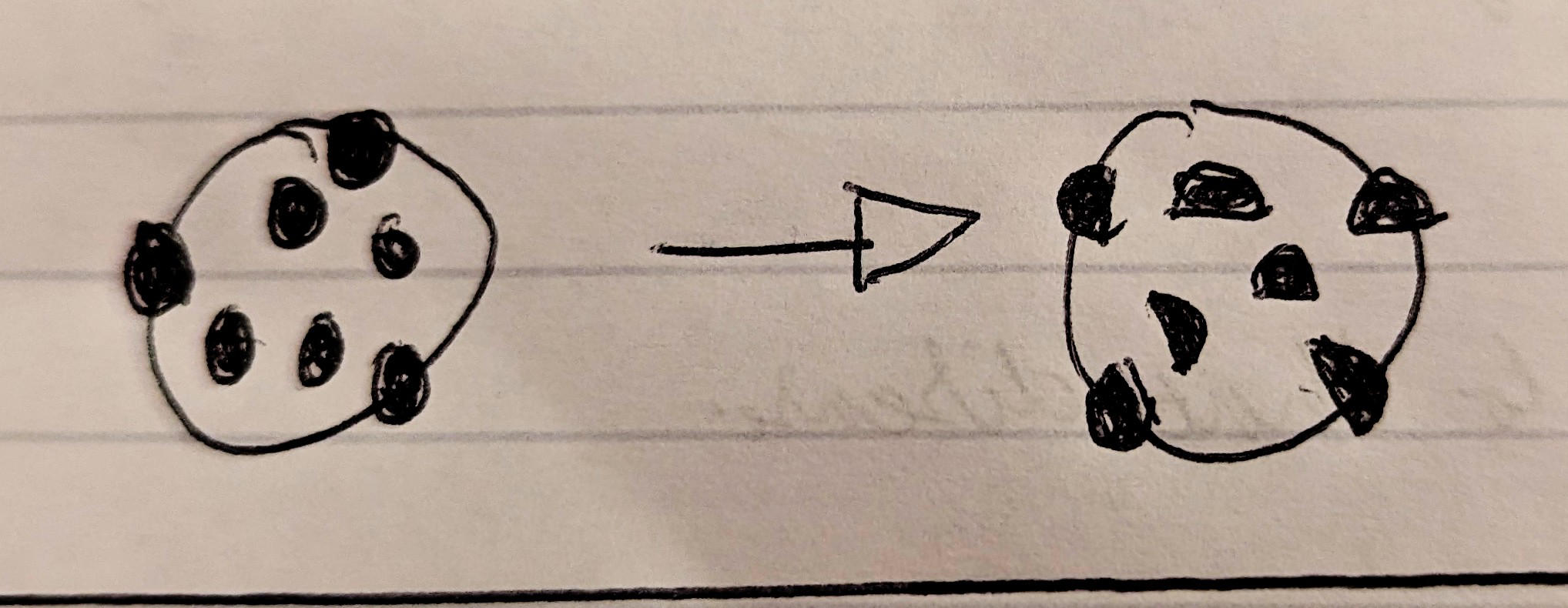
85
What do Painkillers Do?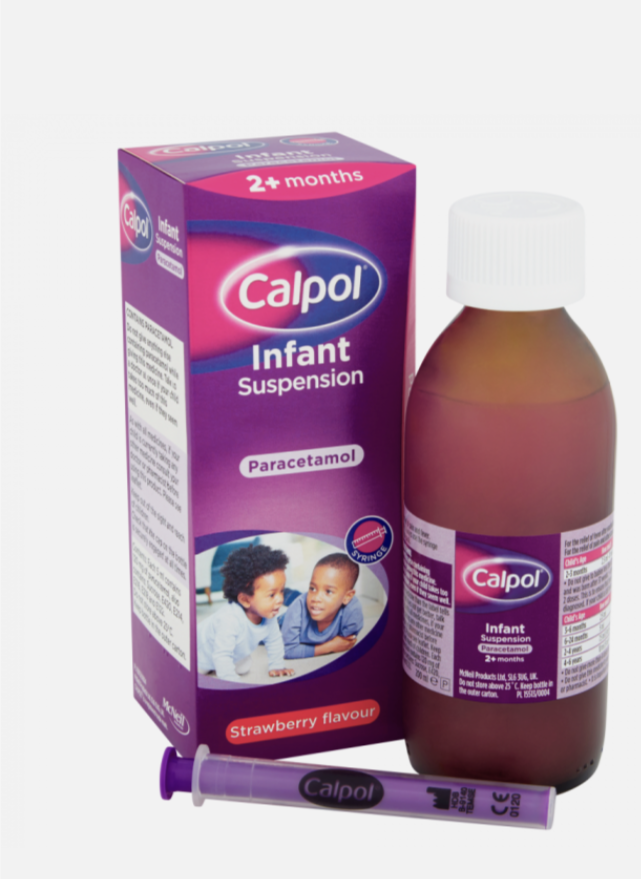
Lessen Symptoms of Infectious Disease Such As Fever and Muscle Ache, but it DOES NOT KILL PATHOGENS.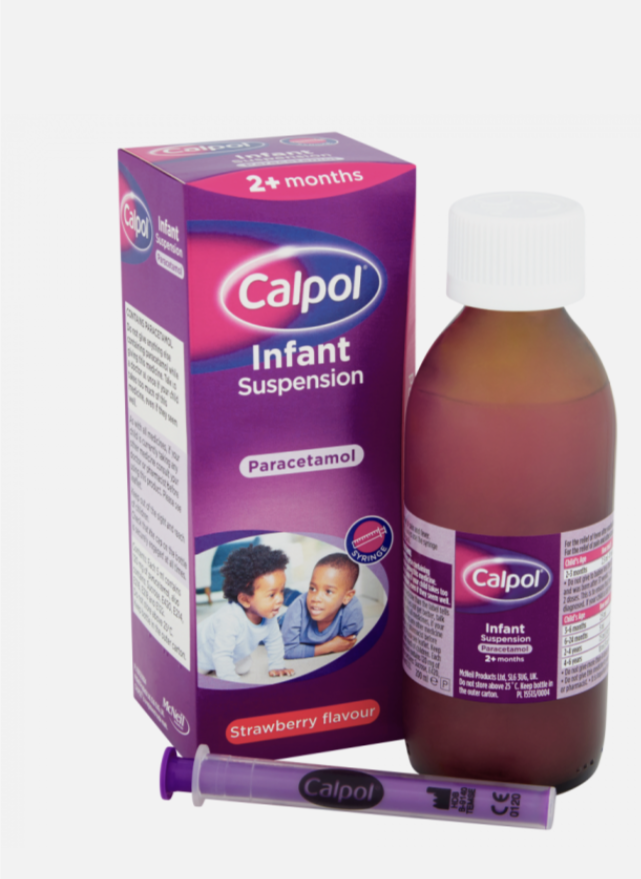
86
Give Three Examples of Painkiller
Paracetamol, Ibuprofen & Aspirin.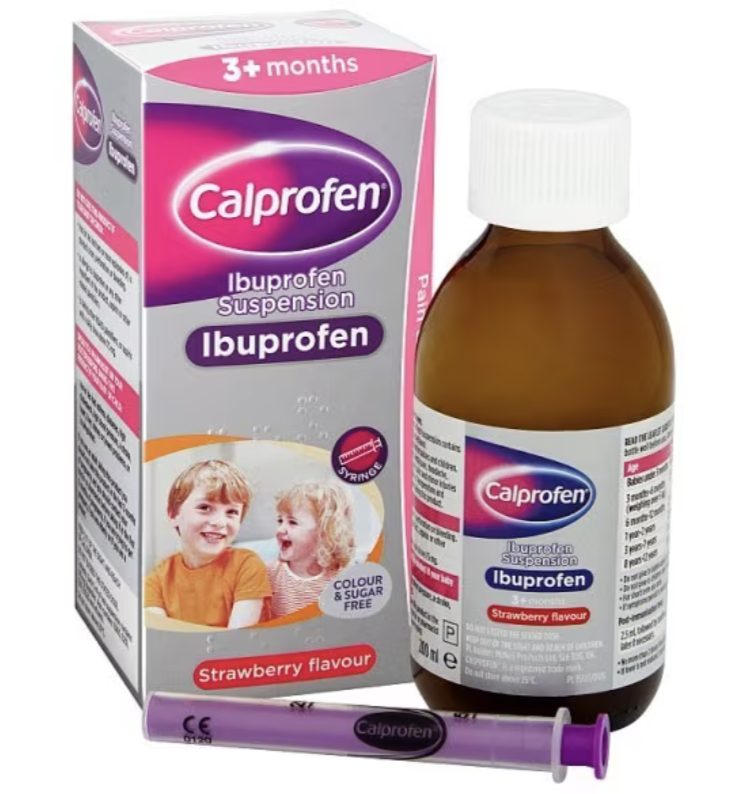
87
What do Antibiotics treat & How?
Medicine Used to Treat Infectious Diseases Caused By BACTERIA.
They do this by Killing Bacteria Inside the Body or by Stopping Bacteria From Reproducing.
They do this by Killing Bacteria Inside the Body or by Stopping Bacteria From Reproducing.
88
What was the First Antibiotics To Be Discovered?
Penicillin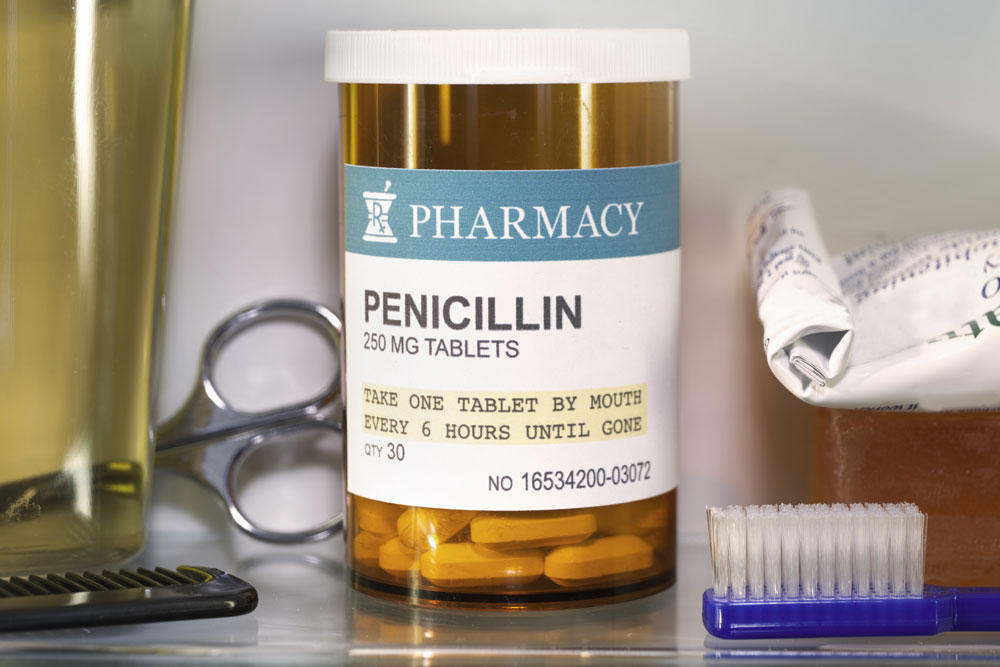
89
Who discovered Penicillin?
Alexander Fleming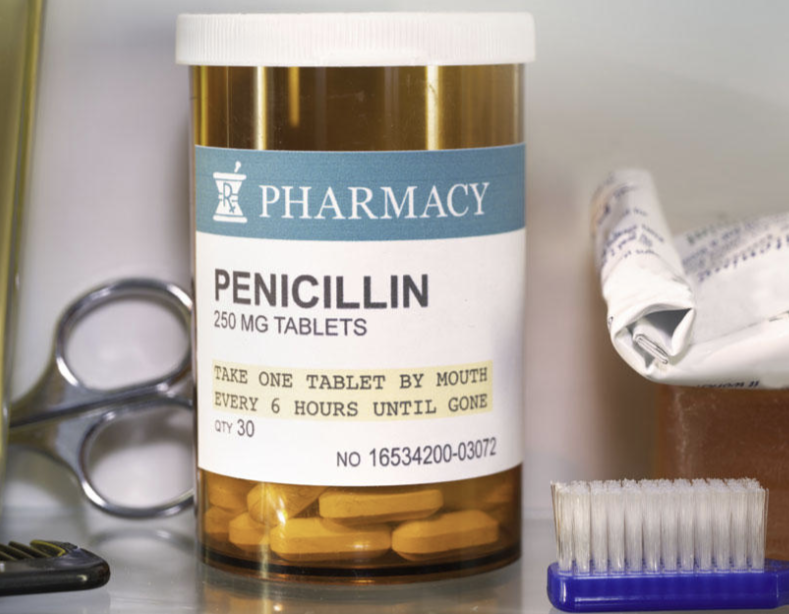
90
Why would your doctor not prescribe antibiotics if you had a cold?
Therefore what medicine could you take to help you feel better?
Therefore what medicine could you take to help you feel better?
A Cold Is Caused By A Virus and Antibiotics Only Kill Bacteria.
So Take Painkillers.
So Take Painkillers.
91
Why are the Many Different Antibiotics?
Because Specific Ones are Made to Treat Specific Diseases
92
Why is it Becoming Harder To Treat Gonorrhoea?
Now Different Strains that can't be Treated by any Antibiotics.
93
What is MRSA?
A 'Superbug' is a Strain of Bacteria that is Resistant To Antibiotics.
94
What are the Problems For the Resistant Bacteria & Why does it Spread?
Resistant Strain Will Spread because People Are Not Immune to it & There Is Not Effective Treatment.
The Development Of New Antibiotics Is Costly and Slow
It Unlikely to Keep Up With the Emergence Of New Resistant Strains.
The Development Of New Antibiotics Is Costly and Slow
It Unlikely to Keep Up With the Emergence Of New Resistant Strains.
95
How to Stop Antibiotical Resistance?
Doctors Should not prescribe Antibiotics for Minor Infections or for Diseases Caused by Viruses
Patients should Always Finish the Course of Antibiotics they Have Been Prescribed.
Scientists Must Develop New Antibiotics
Patients should Always Finish the Course of Antibiotics they Have Been Prescribed.
Scientists Must Develop New Antibiotics
96
Where do most new Drugs come from?
They are Synthesized By Chemists in the Pharmaceutical Industry.
97
What is Sometime Starting Point of a New Drug?
The Starting Point May Still Be a Chemical Extracted From a Plant or Microorganism because Scientists Can Learn About These From Traditional Remedies.
98
Give some examples of Natural Drugs & Where they Come from
• Digitalis (Heart Drug) Originates from Foxgloves
• Asprin (Painkiller) Originates From Willow Bark
• Penicillin (Antibiotic) from Penicillium Mould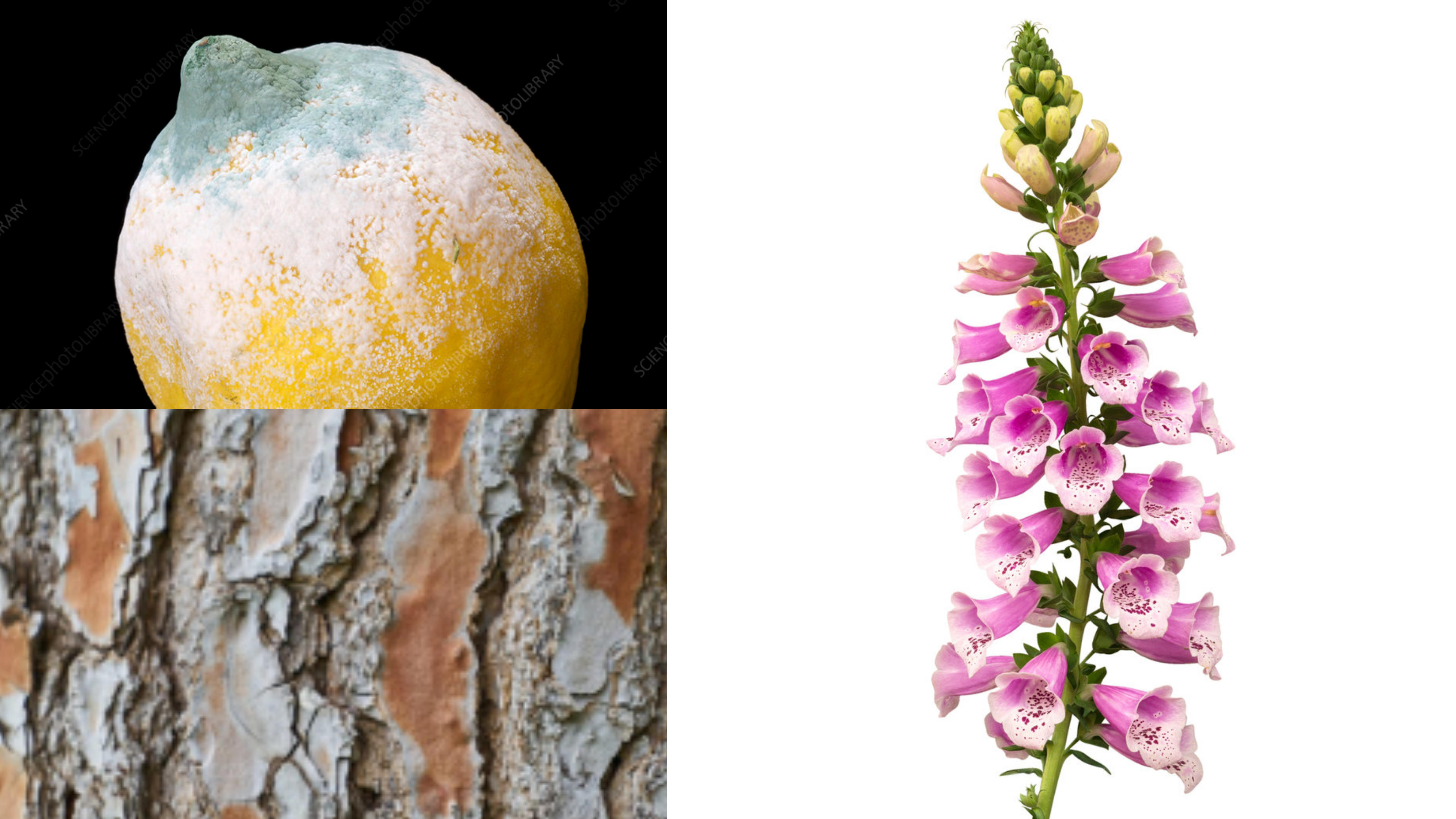
• Asprin (Painkiller) Originates From Willow Bark
• Penicillin (Antibiotic) from Penicillium Mould
99
What should a New Drug be Extensively tested for?
• Toxicity (Is It Safe?)
• Efficacy (Does it Work?)
• Dose (How Much Should You Take?
• Efficacy (Does it Work?)
• Dose (How Much Should You Take?
100
What are the Stages That Happen when Developing A Medicinal Drug?
1) Pre-clinical Testing
2) Stage 1 Clinical Trials
3) Stage 2 Clinical Trials
4) Peer Review
2) Stage 1 Clinical Trials
3) Stage 2 Clinical Trials
4) Peer Review
101
What happens in Preclinical Testing and what is the Purpose?
Check Whether the Drug is Safe or Toxic and get a Better Idea whether it is Effective.
By Testing the Potential New Drug in a Laboratory Using Cells, Tissues, Computer Modelling and Live Animals.
By Testing the Potential New Drug in a Laboratory Using Cells, Tissues, Computer Modelling and Live Animals.
102
What happens in Stage 1 Clinical Trials and what is the Purpose?
Involves Giving Very Low Doses of Drug to Healthy Human Volunteers.
To check Wheather it is Safe For Humans and if there are Side Effects.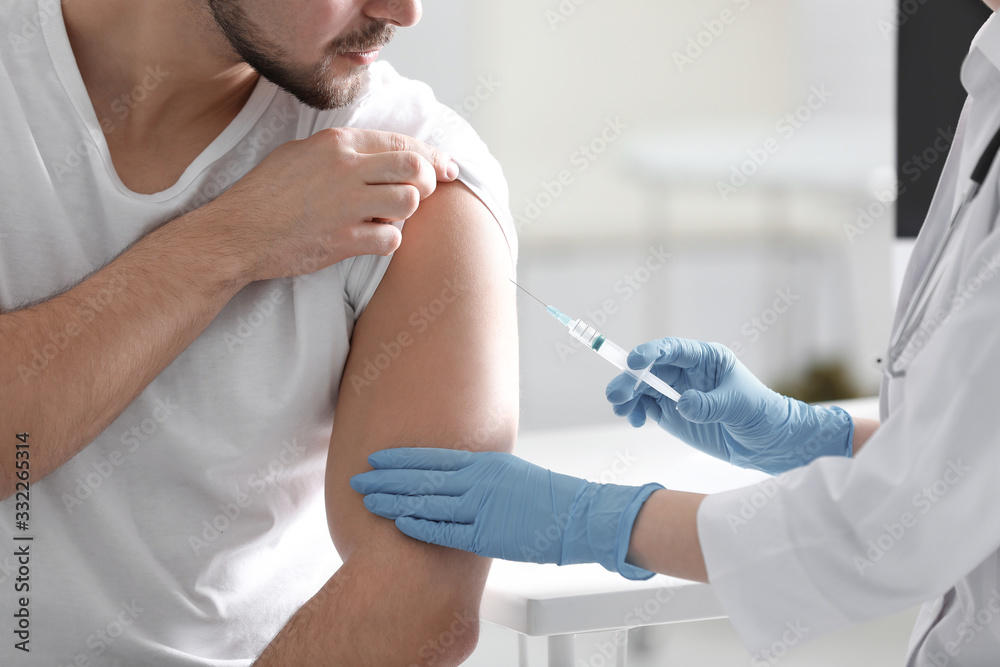
To check Wheather it is Safe For Humans and if there are Side Effects.
103
What happens in Stage 2 Clinical Trialsand what is the Purpose?
Involves Testing the Drug On Patients, mainly To Find Out the Optimum Dose Of the Drug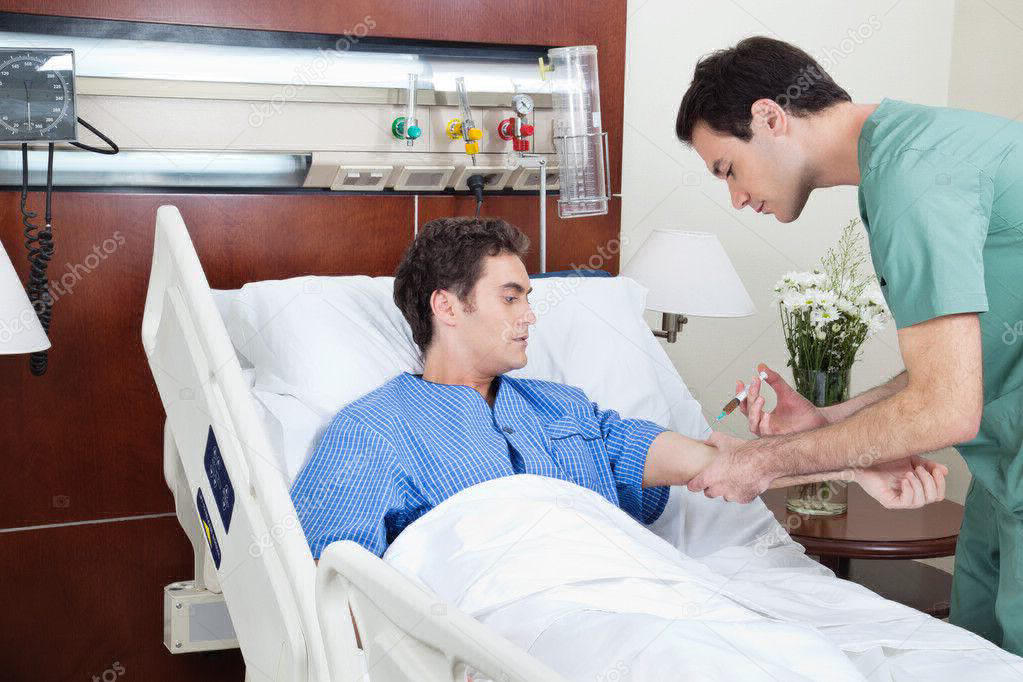
104
What happens in Peer Review and what is the Purpose?
Scientist Study the Results to Check that They are Valid and the Trials have been Carried Out Properly
The Results can then be Published In Scientific Journals
The Results can then be Published In Scientific Journals
105
What is a Placebo?
A 'Fake' Drug
106
What happens in Double Blind and what is the Purpose?
Involves Some Patients Given a Placebo and Some are Given the Real Drug.
Neither the Doctor Nor the Patient Knows who Gets the Real Drug.
To Reduce a Psychological Effects.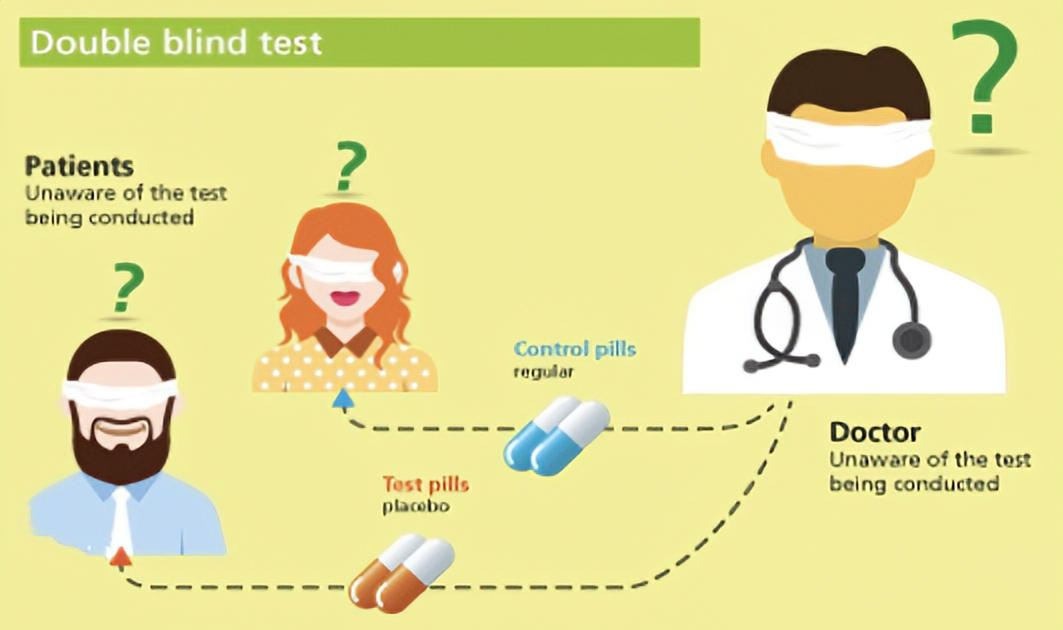
Neither the Doctor Nor the Patient Knows who Gets the Real Drug.
To Reduce a Psychological Effects.
107
How long did it take to be Approved For Use?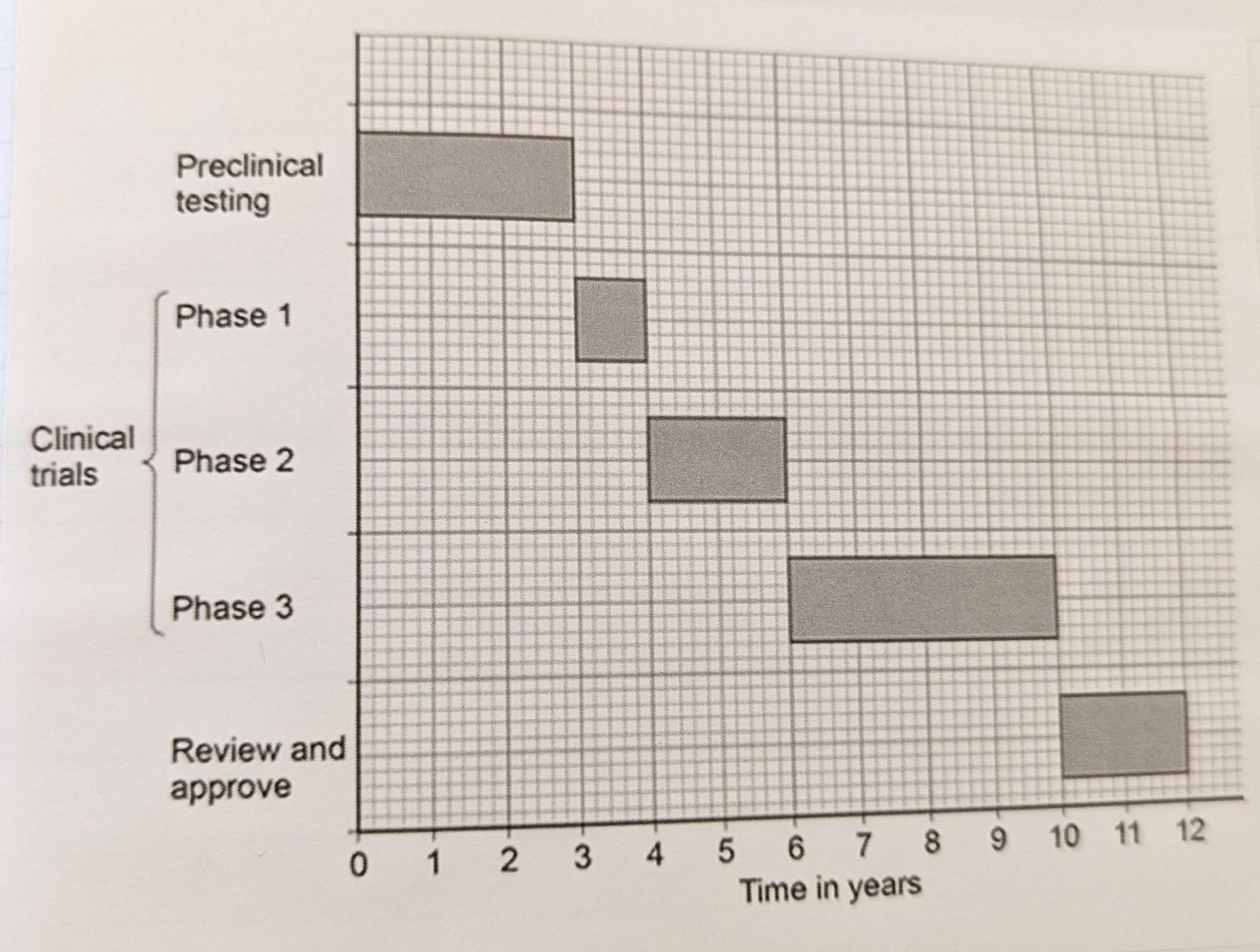
12 Years
108
How long did Clinical trials last for?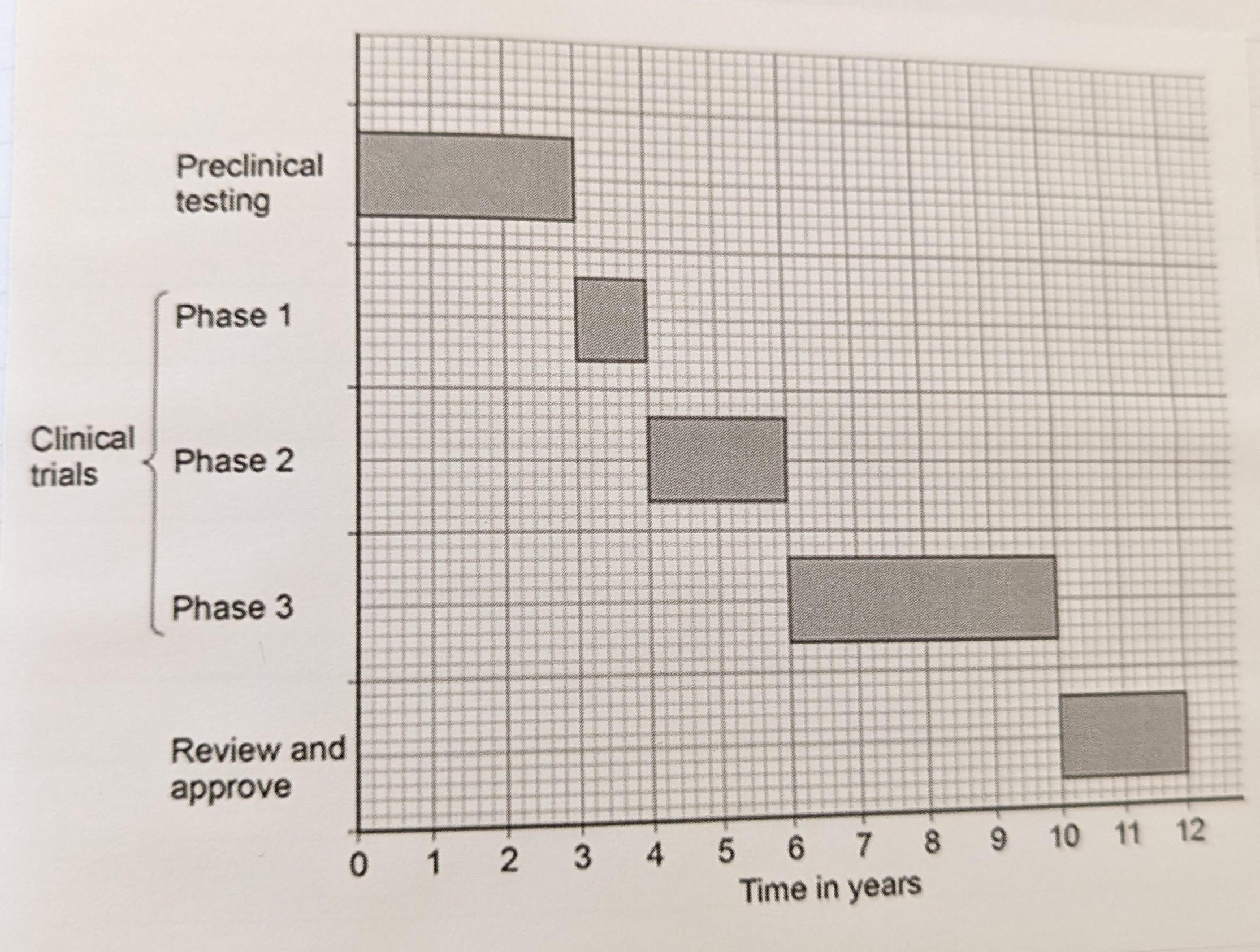
7 Years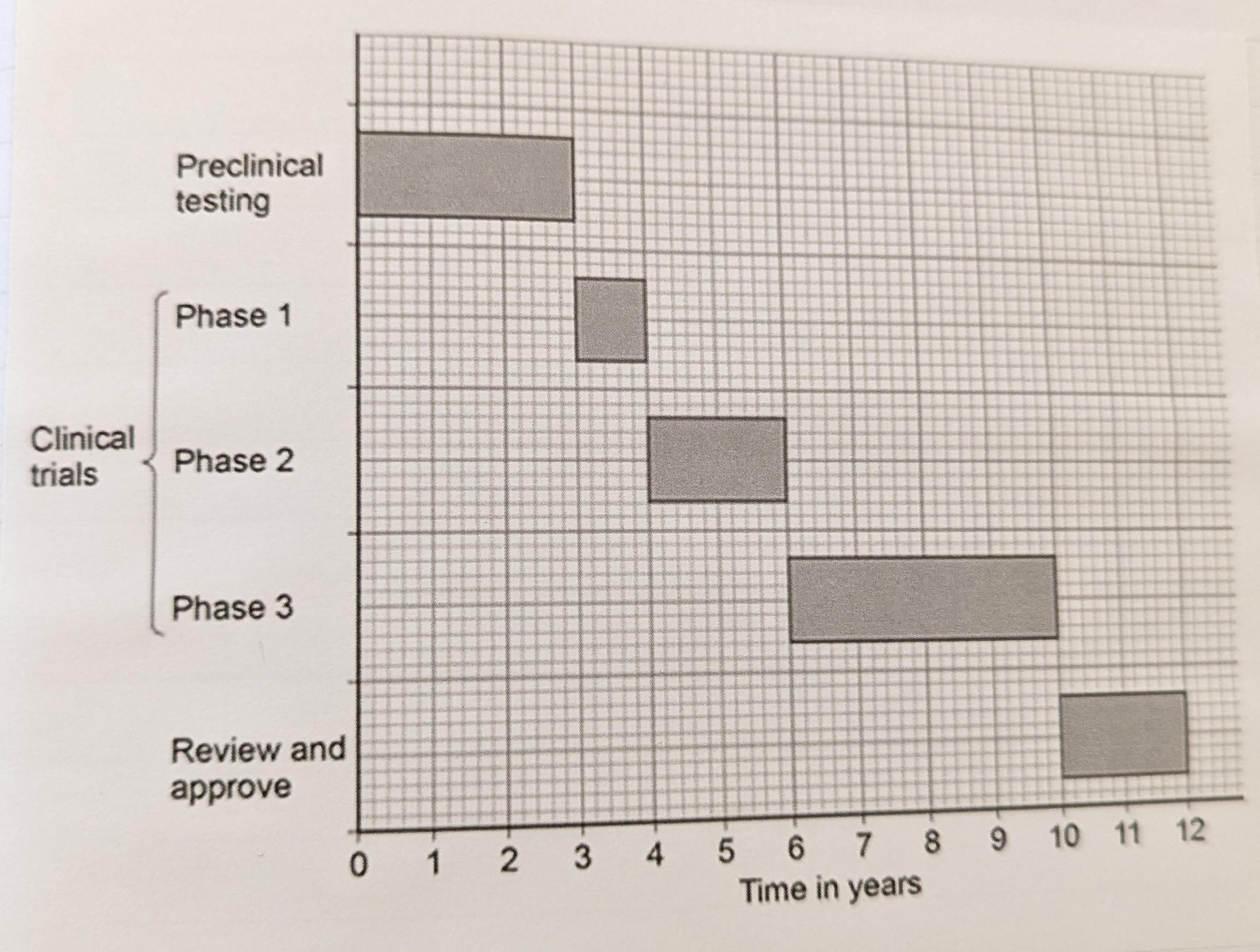
109
How much longer did Clinical trials take than pre-clnical testing?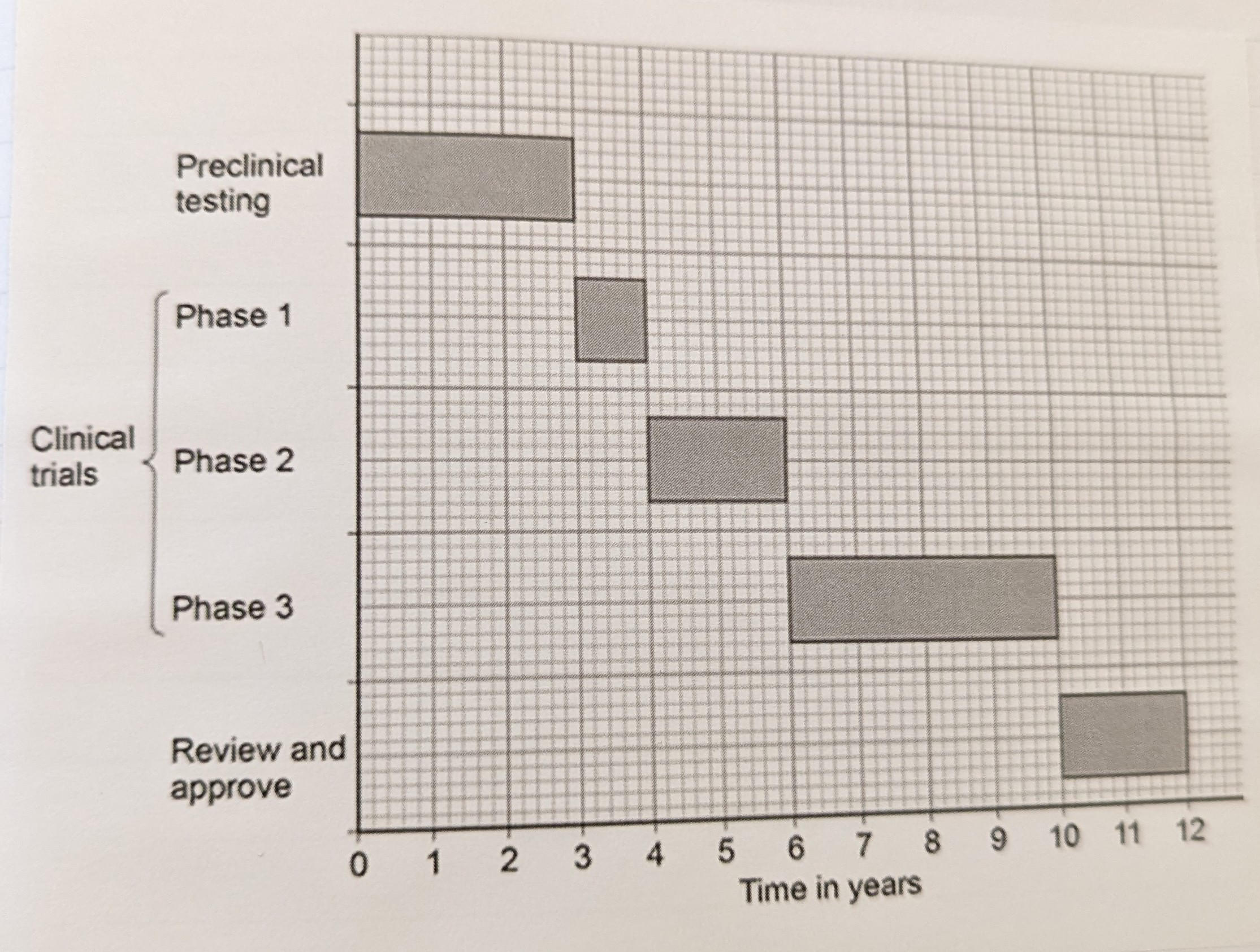
4 Years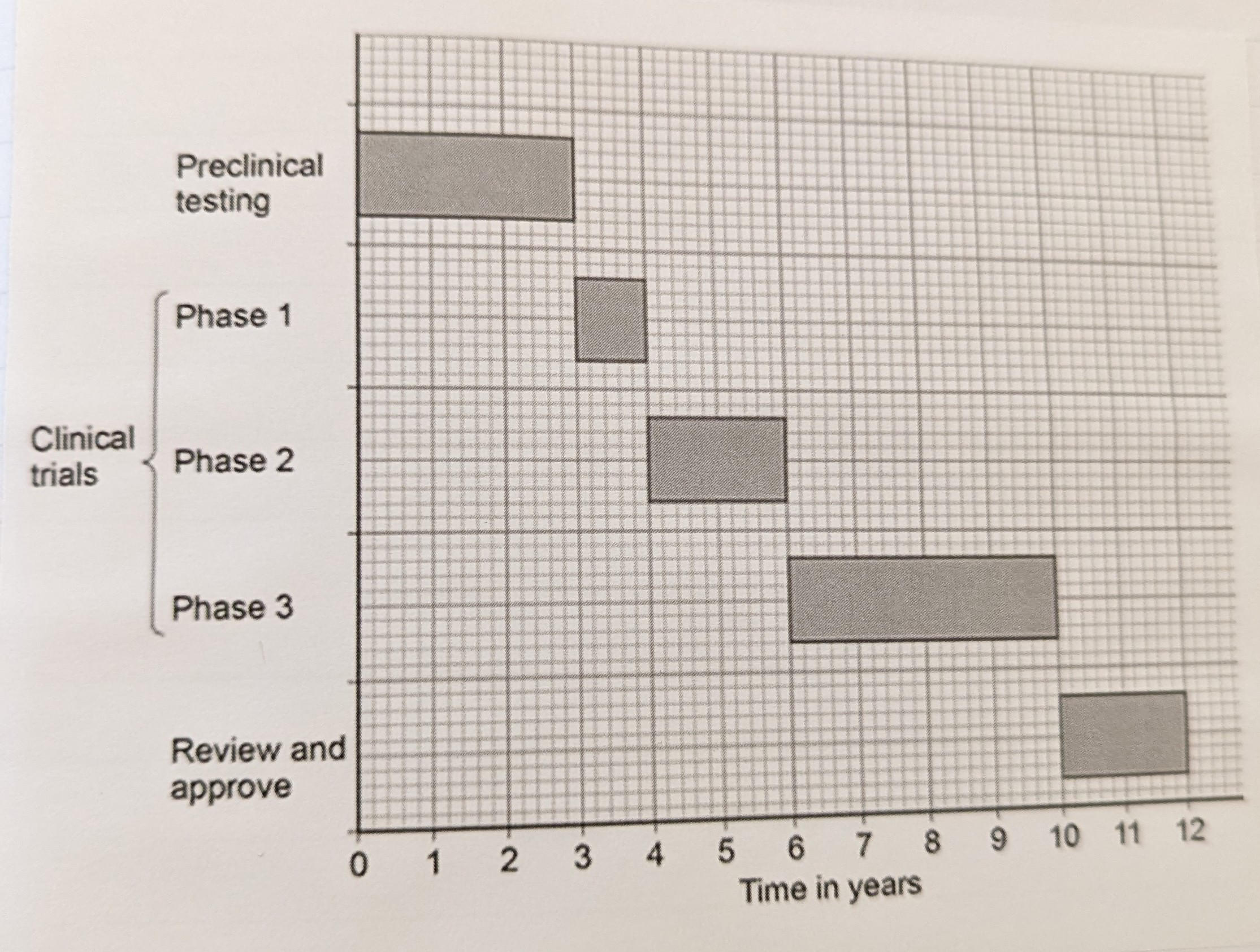
110
What are Monoclonal Antibodies?
The Antbodies will Bind Specifically with Only One Protein Antigen in a Sample
111
What is the Process of Creating Monoclonal Antibodies?
1) A Particular Antigen is Injected Into a Mouse (e.g Human Pregnancy Hormone)
2) Mouse Lymphocytes (type of white blood cell) Are Stimulated To Produce a Specific Antibody
3) Lymphocytes are Combined With a Type of Tumour Cell (myeloma) To Make Hybridoma Cell
4) Hybridoma Cell Can Both Divide & Make Antibody
5) Single Hybridoma Cells Are Cloned To Produce, Many identical Hybridoma Cells
6) Large Amount Of The Antibody Can Be Collected and Purified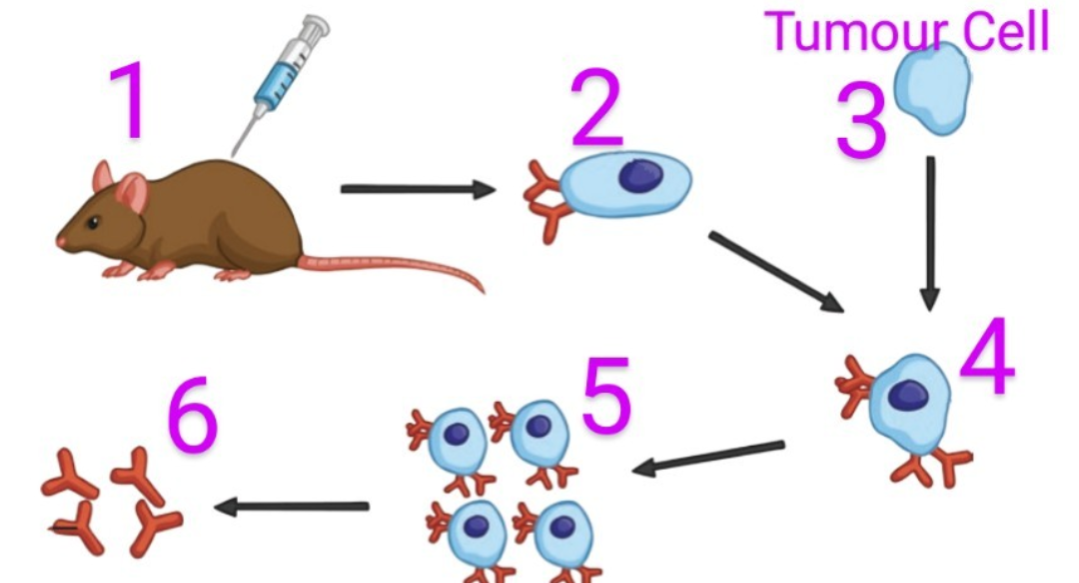
2) Mouse Lymphocytes (type of white blood cell) Are Stimulated To Produce a Specific Antibody
3) Lymphocytes are Combined With a Type of Tumour Cell (myeloma) To Make Hybridoma Cell
4) Hybridoma Cell Can Both Divide & Make Antibody
5) Single Hybridoma Cells Are Cloned To Produce, Many identical Hybridoma Cells
6) Large Amount Of The Antibody Can Be Collected and Purified
112
What is a Lymphocyte?
A Type of White Blood Cell That Produces Antibodies
113
What is a Hybridoma?
Is a Combination of a Tumour Cell & Lymphocyte
(Lymphocyte Produces Antibodies & Tumour Cell Divides Quickly)
(Lymphocyte Produces Antibodies & Tumour Cell Divides Quickly)
114
Why is the Lymphocyte and Tumour Cell Needed to make Monoclonal Antibodies
Lymphocyte Produces Antibodies & Tumour Cell Divides Quickly
115
How Can Coloured or Fluorescent Dye be Attached to Monoclonal Antibodies?
Chemically
116
Why are Scientists Trying To Combine Mice lymphocytes with Human Tumour Cells Rather than Mice Tumour Cells to Form a Hybridoma?
because it is Less Likely to be Rejected By Human Body
117
Name three different types of molecules that can be Chemically Attached To Monoclonal Antibodies to Help Their Use?
• Coloured or Fluorescent Dyes
• Radioactive Substances
• Drugs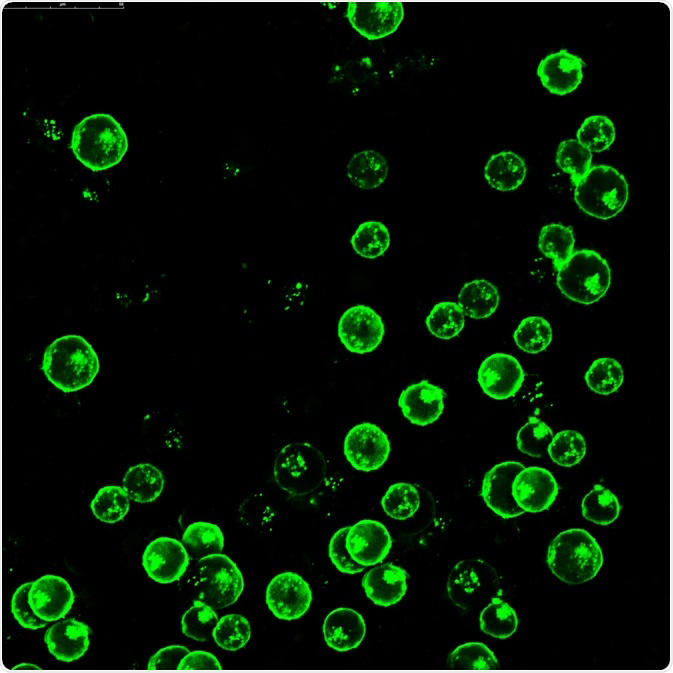
• Radioactive Substances
• Drugs
118
What are the Uses of Monoclonal Antibiotics
• Detection of Pathogens
• Diagnosis
• Scientific Research
• Treatment of Viral Diseases
• Cancer Treatment
• Labatory Analysis
• Diagnosis
• Scientific Research
• Treatment of Viral Diseases
• Cancer Treatment
• Labatory Analysis
119
How are Monoclonal Antibodies Used for Detection Of Pathogens?
Certain Communicable Diseases can be Difficult Diagnose From Their Symptoms, so Monoclonal Antibodies Can be Made which Bind To Specific Antigens Found On the Surface Of Pathogen.
Then Doctors Test Blood Samples From Patients For the Presence Of These Antigens.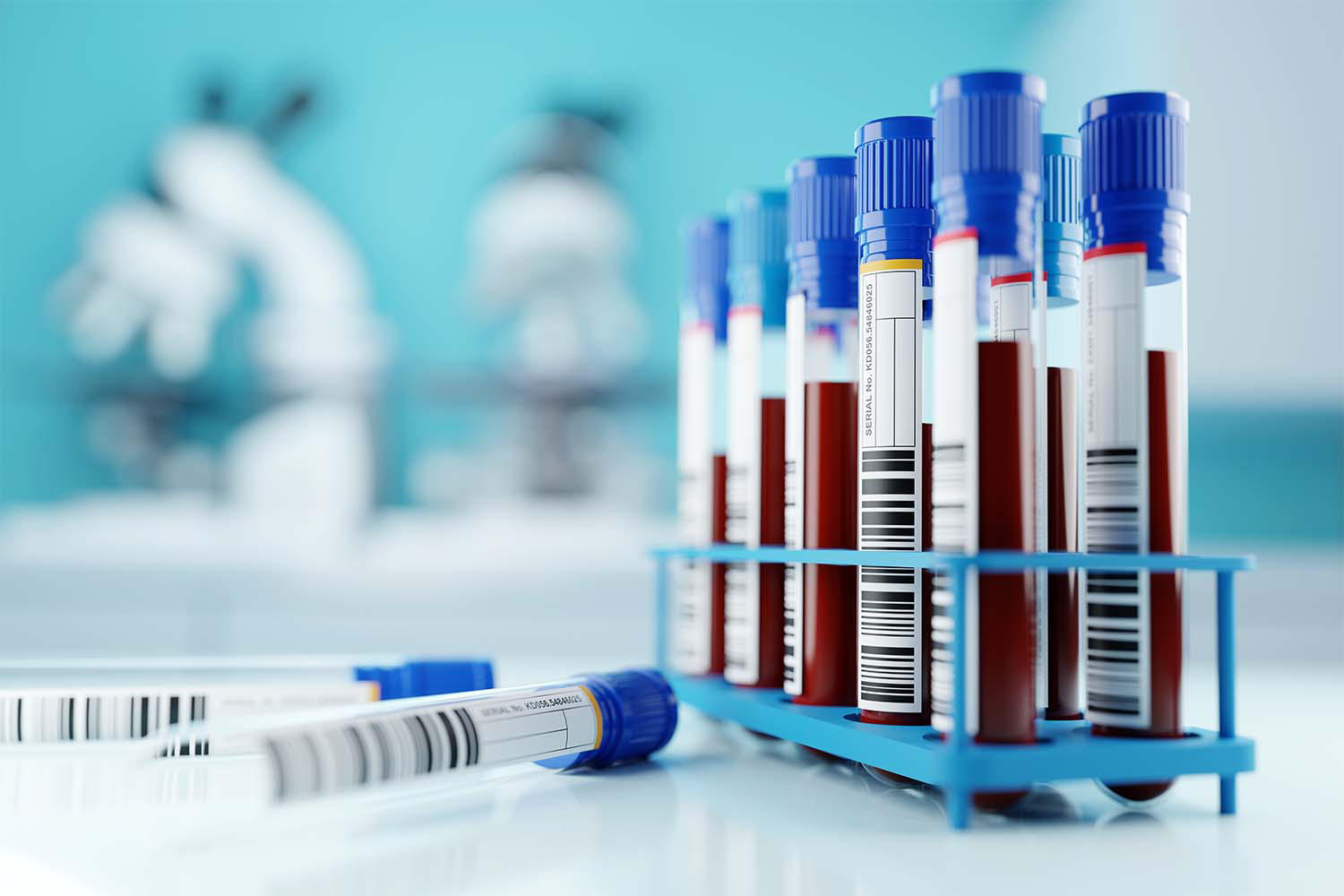
Then Doctors Test Blood Samples From Patients For the Presence Of These Antigens.
120
How are Monoclonal Antibodies Used for Diagnosis?
Pregnancy Test Kits Contain Monoclonal Antibody, which Is Specific For A Hormone Called hCG which is Produced In the Urine From Pregnant Women.
If hCG Protein is Present In The Urine, there will be Colour Change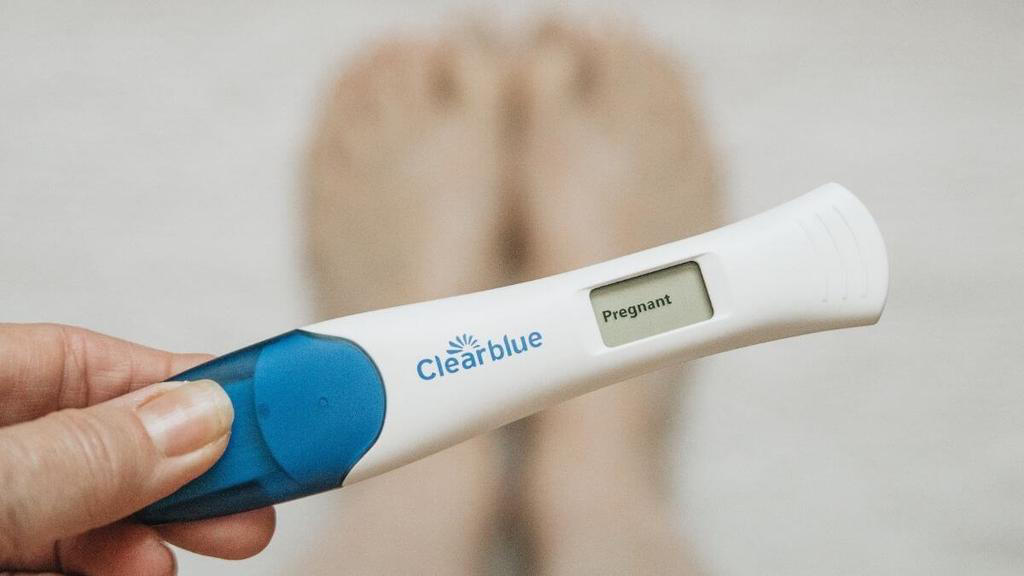
If hCG Protein is Present In The Urine, there will be Colour Change
121
How are Monoclonal Antibodies Used for Scientific Research?
Scientists can Use the Monoclonal Antibodies to Locate & Identify Specific Molecules In A Cell Or Tissue Sample By Bonding Them To a Fluorescent Dye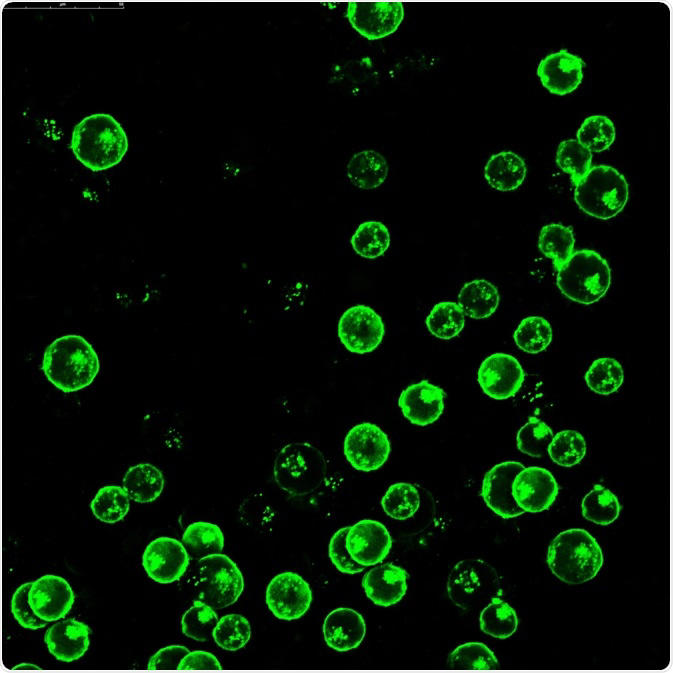
122
How are Monoclonal Antibodies Used for Treatment of Viral Diseases?
Scientists are developing the Monoclonal Antibodies to Treat Some Communicipal Diseases Caused By Viral Pathogens
When the Monoclonal Antibodies Bind, Specifically To Antigens On the Surface Of The Virus, This Makes Them Easier To Detect By Phagocytes
When the Monoclonal Antibodies Bind, Specifically To Antigens On the Surface Of The Virus, This Makes Them Easier To Detect By Phagocytes
123
How are Monoclonal Antibodies Used for Labatory Analysis?
Monoclional Antibodies can be Used To Measure the Levels Of Hormones and Other Chemicals In Blood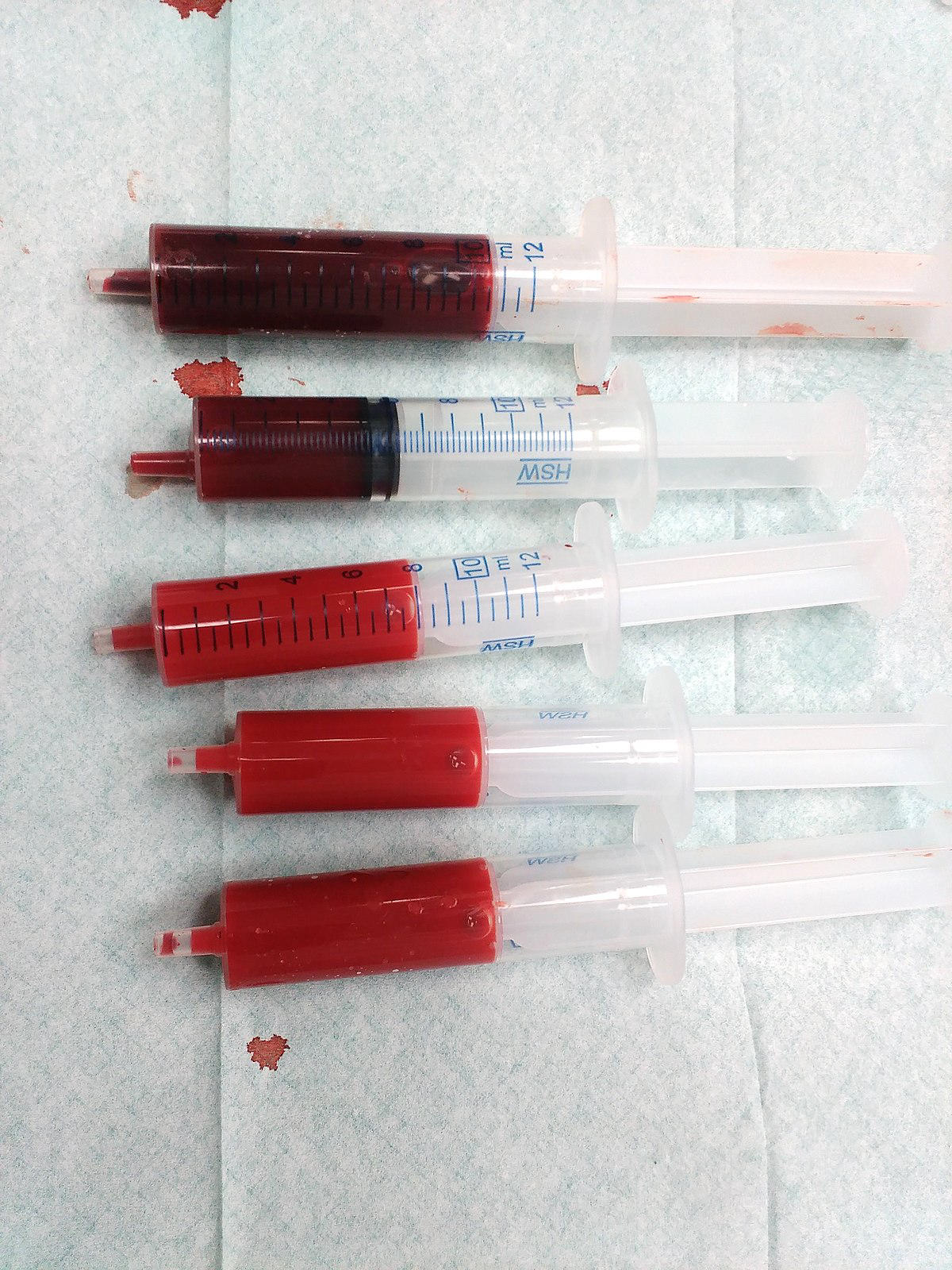
124
How are Monoclonal Antibodies Used for Cancer Treatment?
Some Types Of Cancer Can be Treated Using Monoclonal Antibodies.
The Antibody Is Bound To A Radioactive Substance, a Toxic Drug Or Chemical which Stops The Tumour Cell Growing and Dividing.
It Delivers Substance Specifically to Cancer Cells Without Harming Other Cells in Body
The Antibody Is Bound To A Radioactive Substance, a Toxic Drug Or Chemical which Stops The Tumour Cell Growing and Dividing.
It Delivers Substance Specifically to Cancer Cells Without Harming Other Cells in Body
125
Define Non-communicable Disease
Not Caused by Pathogens & They Can't Spread From One Organism To Another
126
What are the four main Non-communicable diseases?
• Cardiovascular Disease (Heart Disease & Stroke)
• Cancers
• Respiratory Diseases
• Type 2 Diabetes
• Cancers
• Respiratory Diseases
• Type 2 Diabetes
127
What Increases the Chances of Getting a Non-communicable Disease
Risk Factors are Linked to an Increase Rate Of Some
Non-communicable Diseases.
Non-communicable Diseases.
128
What are some Risk Factors for
Non-communical Diseases
Non-communical Diseases
• Genetic
• Aspects of a Person's Lifestyle
• Substances in the Person's Lifestyle
• Aspects of a Person's Lifestyle
• Substances in the Person's Lifestyle
129
What are the Environmental/Lifestyle Risk Factors that can cause/effect Non-commercial Diseases & what are the diseases they can cause?
• Effect of Diet, Smoking, Alcohol & Exercise can cause Cardiovascular Disease
• Effect of Obesity can Cause Type 2 Diabetes
• Alcohol Can Effect Liver & Brain Function
• Effects of Smoking can Cause Respiratory Disease & Lung Cancer
• Effect of Smoking & Alcohol can Effect Unborn Babies
• Effect of Carcinogens, such as Ionising Radiation on Certain types of Cancer
• Effect of Obesity can Cause Type 2 Diabetes
• Alcohol Can Effect Liver & Brain Function
• Effects of Smoking can Cause Respiratory Disease & Lung Cancer
• Effect of Smoking & Alcohol can Effect Unborn Babies
• Effect of Carcinogens, such as Ionising Radiation on Certain types of Cancer
130
What are Two Respiratory Diseases Linked to Smoking? 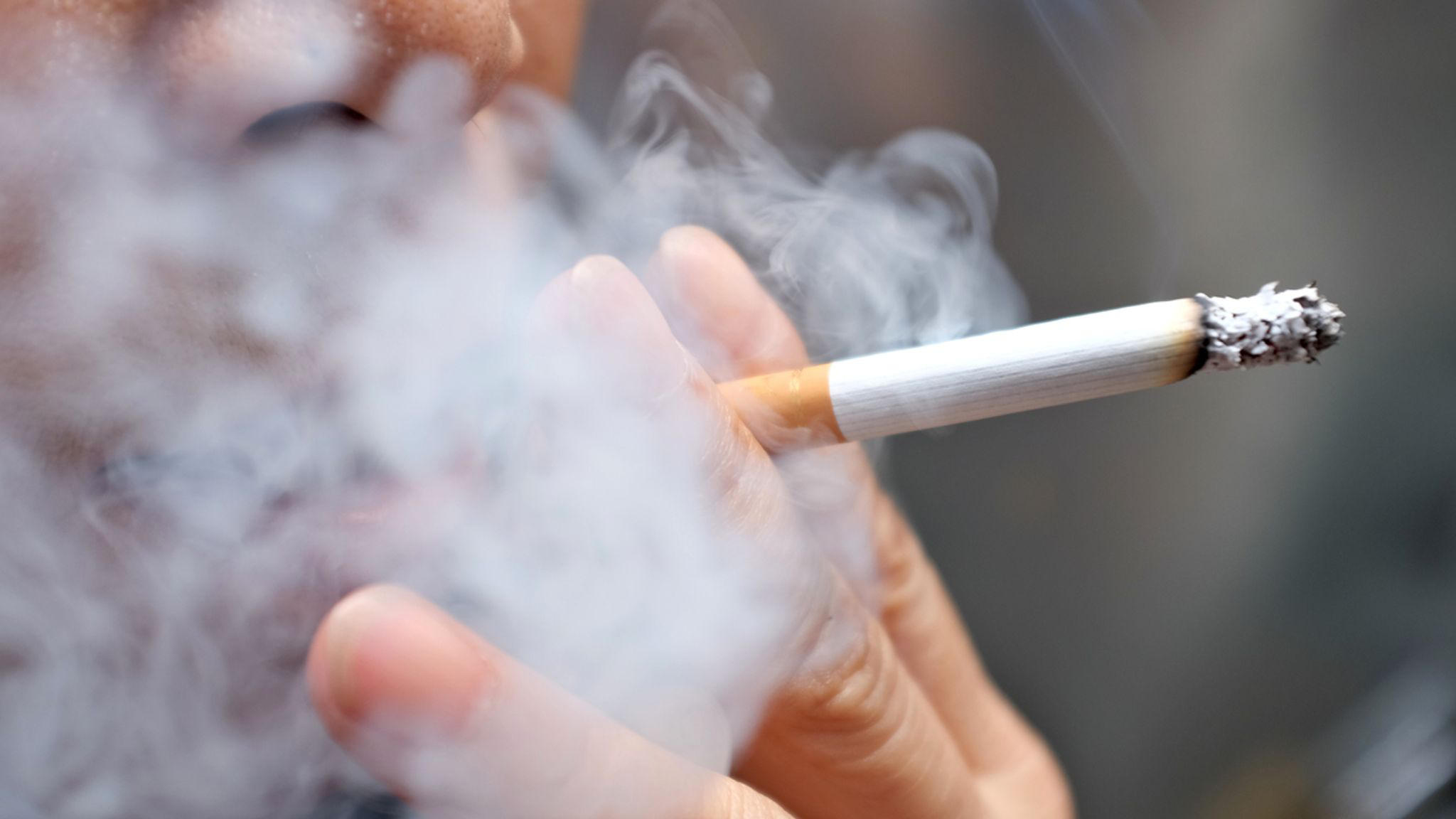
• Lung Cancer
• Cardiovascular Disease
• Cardiovascular Disease
131
Define Carcinogenic & Give an Example of a Carciongenic Chemical
Means Cancer Causing and an example of a Carcinogenic Chemical Is Tar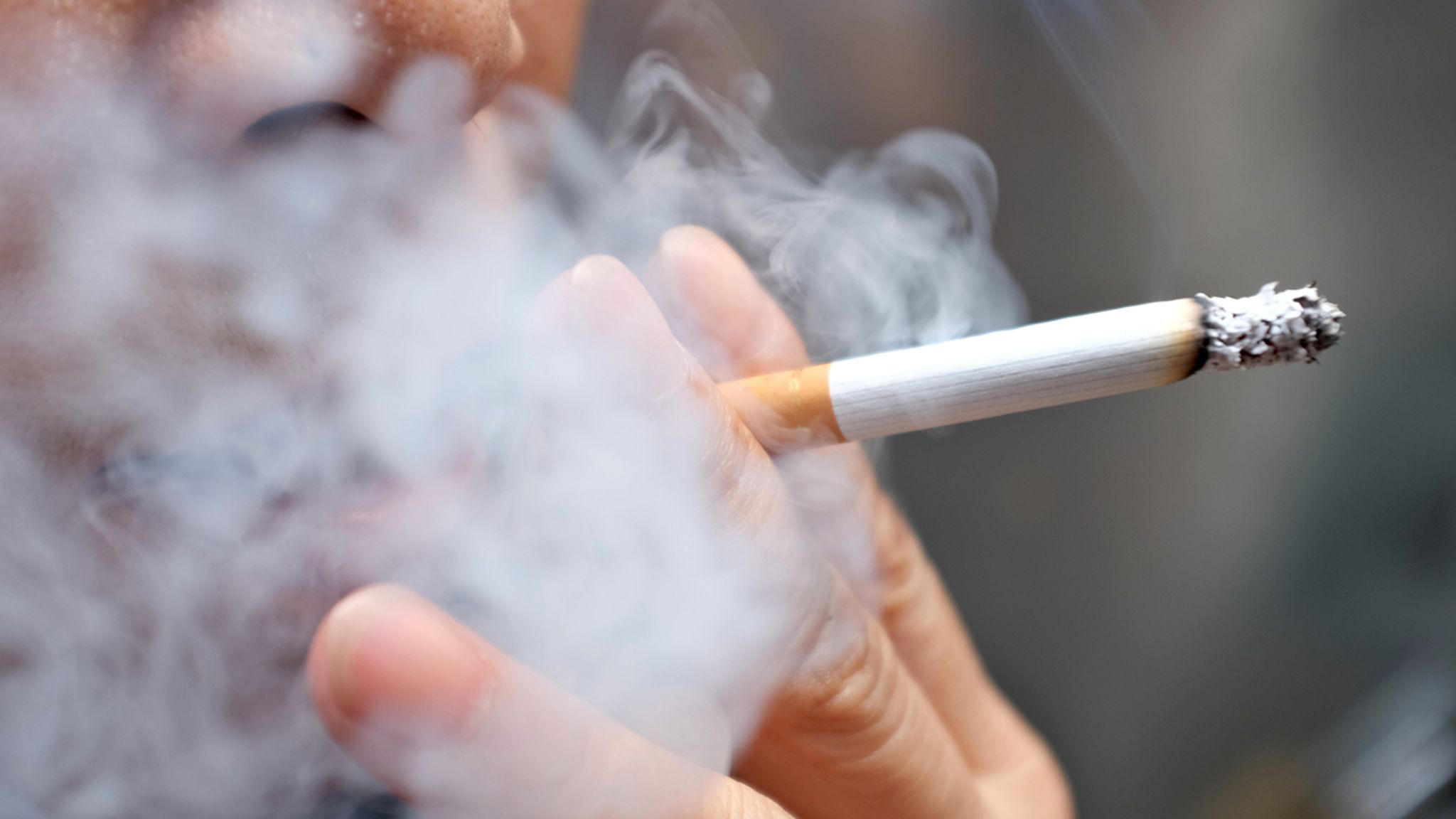
132
What are the Effects of Long-term Smoking To Alveoli and why does it make a Smoker Feel Out Of Breath?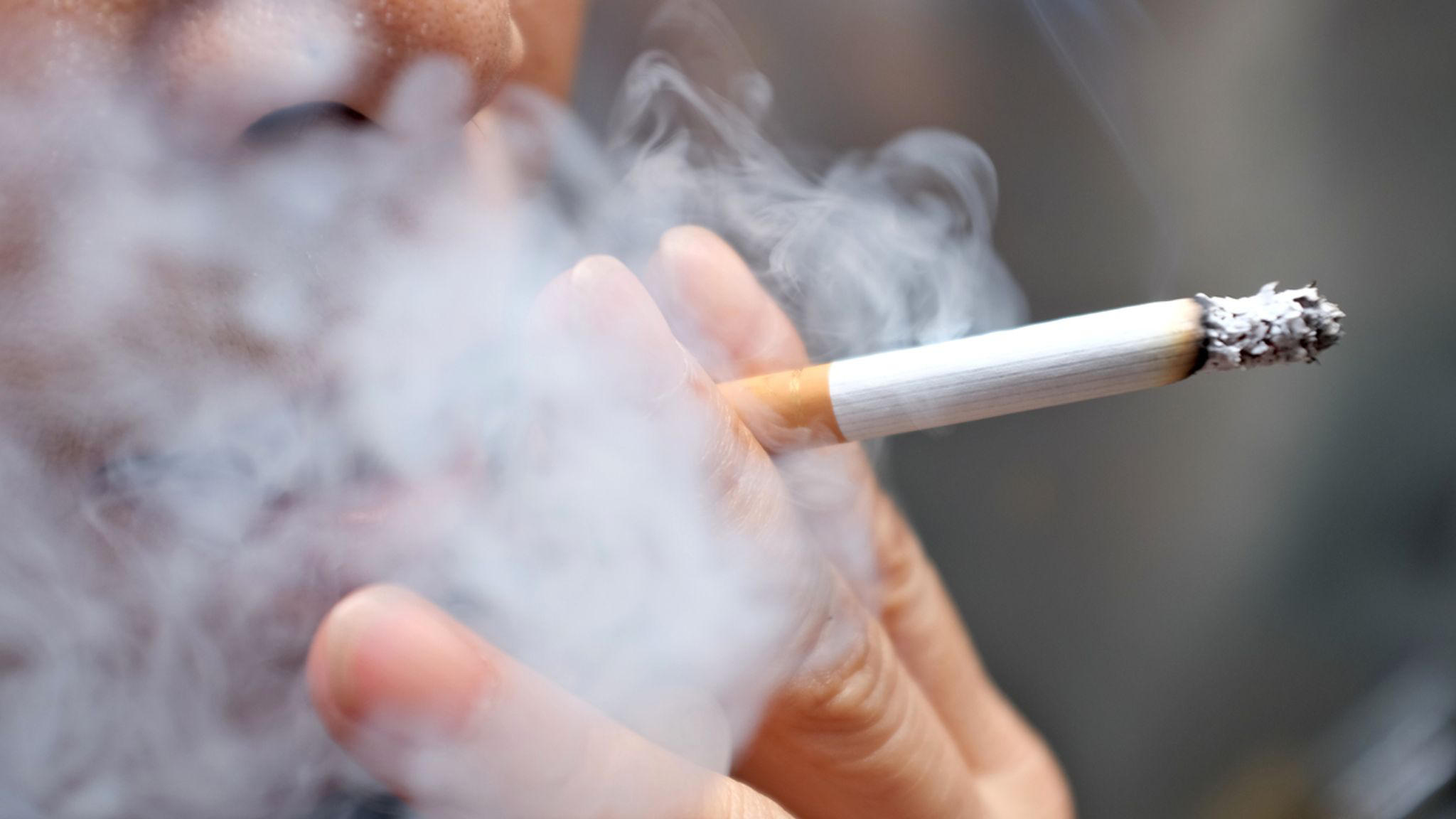
It Thickens the Walls Of Alveoli (air sacks) In The Lungs.
This Makes A Smoker Feel Out Of Breath because it is Harder For Oxygen To Get From the Lungs Into the Blood.
This Makes A Smoker Feel Out Of Breath because it is Harder For Oxygen To Get From the Lungs Into the Blood.
133
How does Carbon Monoxide From Cigarettes affect Blood and why does it make them out of breath?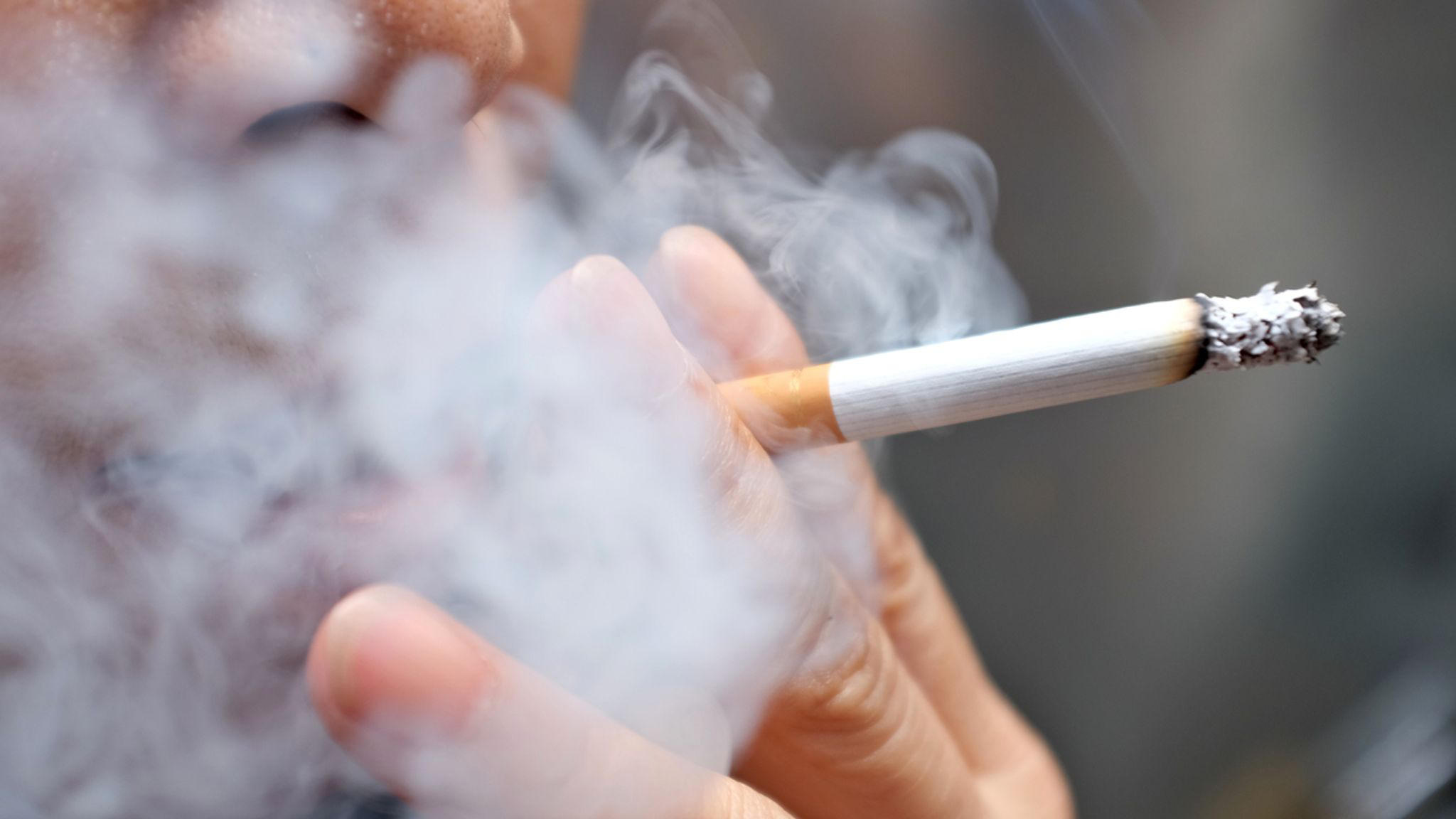
Carbon Monoxide from cigarettes smoke Affects Blood By Binding To Haemoglobin So Reduces Amount of Oxygen that Can be Carried By the blood therefore they feel out of breath.
134
How does Smoking Affect Celia in the Airways and why & what is a smoker more likely get ?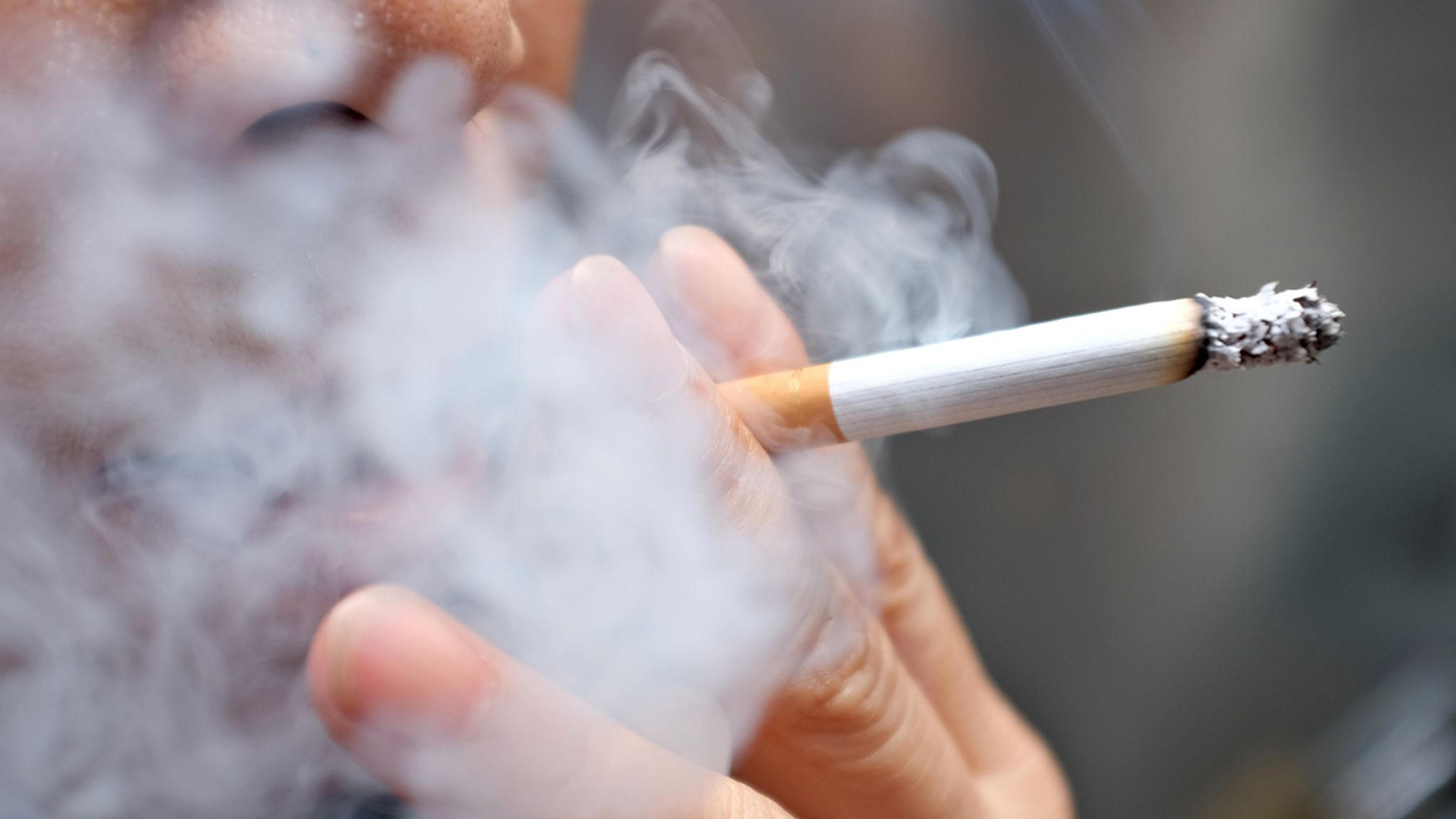
It can Cause Too Much Mucus To Be Made in the Celia.
This means the Smoker is More Likely To get Chest infection then a
Non-smoker because Pathogens Are More Likely To Get Into your Lungs
This means the Smoker is More Likely To get Chest infection then a
Non-smoker because Pathogens Are More Likely To Get Into your Lungs
135
How does Smoking Affect Arteries and what and how can it lead to?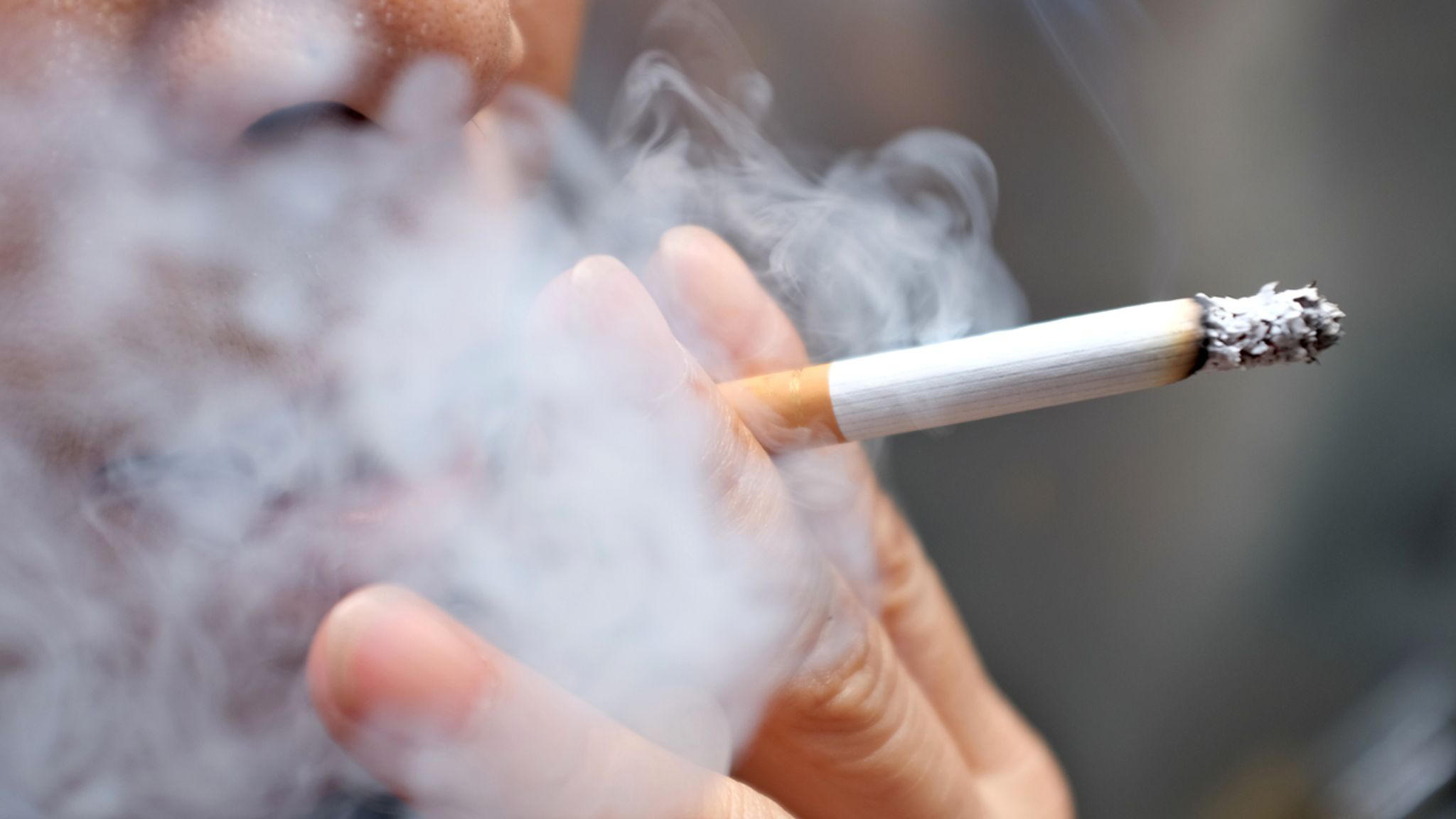
Effects Arteries by Causing Fatty Material To Stick To the Walls Of the Arteries and the Fatty Material Can Begin To Clog Your Arteries and Reduce Space For the Blood Flow Properly.
If the Arteries that Carry Your Blood To your Heart get Clogged, it can Lead To Heart Attack.
Or if the Arteries that Carry the Blood To Your Brain Get Clogged, it can Cause a Stroke.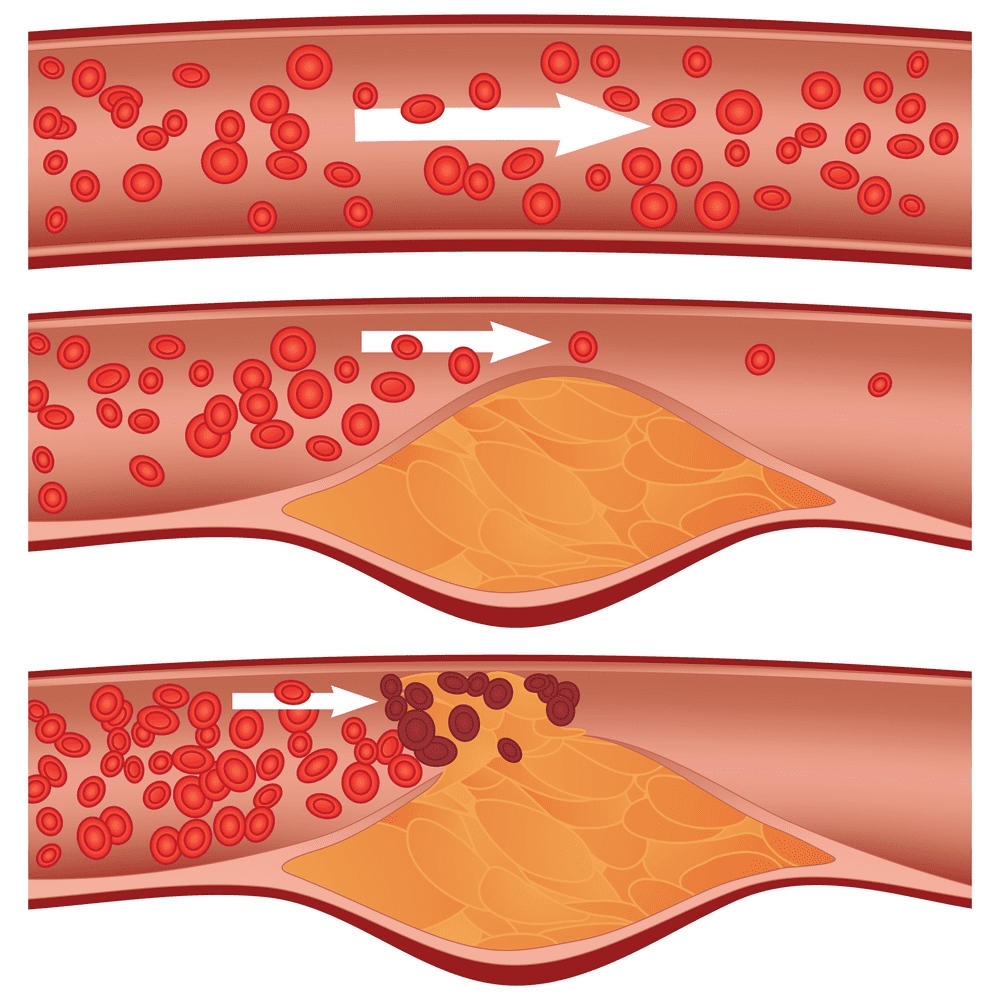
If the Arteries that Carry Your Blood To your Heart get Clogged, it can Lead To Heart Attack.
Or if the Arteries that Carry the Blood To Your Brain Get Clogged, it can Cause a Stroke.
136
Give some Effects of Smoking During Pregnancy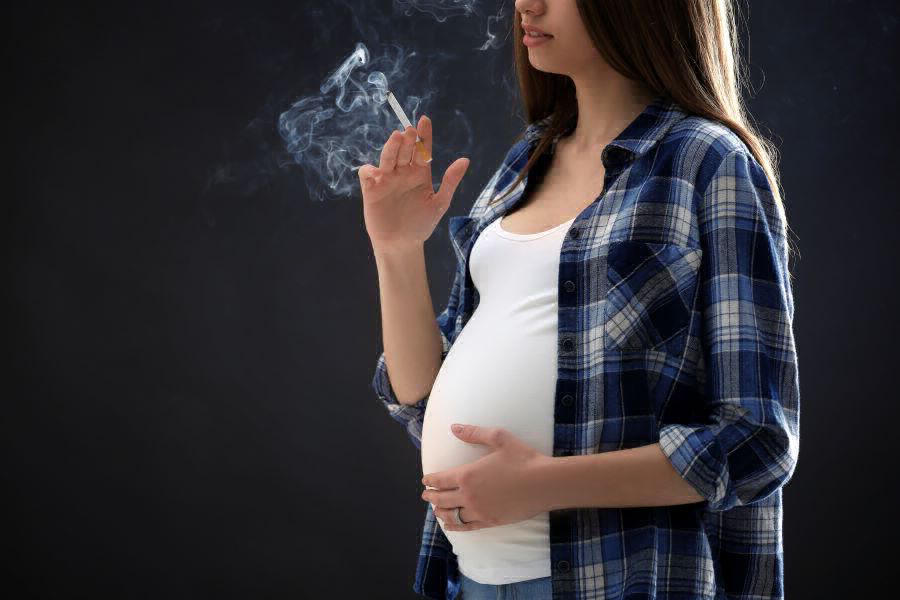
• Increase of Stillbirth or Miscarriage & Baby Born Prematurely
• Increase Being born With Asthma & Cleft Lip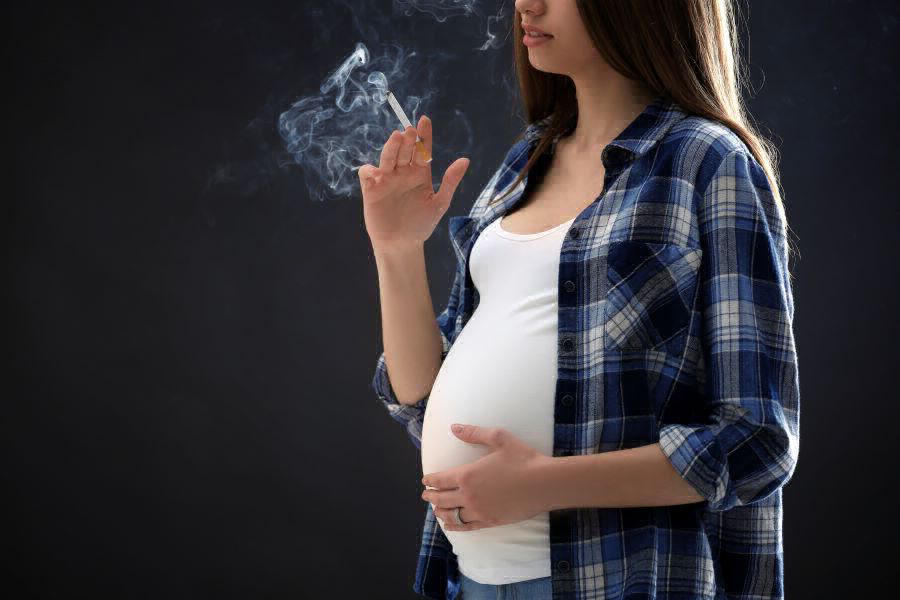
• Increase Being born With Asthma & Cleft Lip
137
What is the Cell Cycle?
Body Cells Divide Regularly to Make New Cells In a Series Of Stages.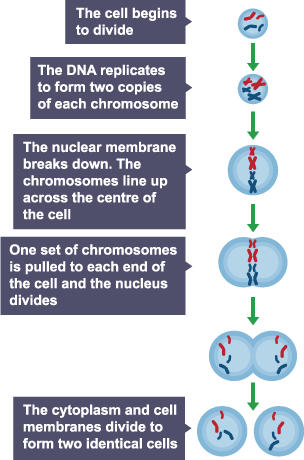
138
What is a Tumour the Result Of?
A Mutation (changing DNA)
which Causes Body Cells to Divide in an Abnormal and Uncontrolled Way
which Causes Body Cells to Divide in an Abnormal and Uncontrolled Way
139
What type of Tumours are there?
Benign or Malignant
140
What do Benign Tumours do?
The Contained in One Area Usually Within A Membrane.
They Do NOT invade Other Parts of the Body.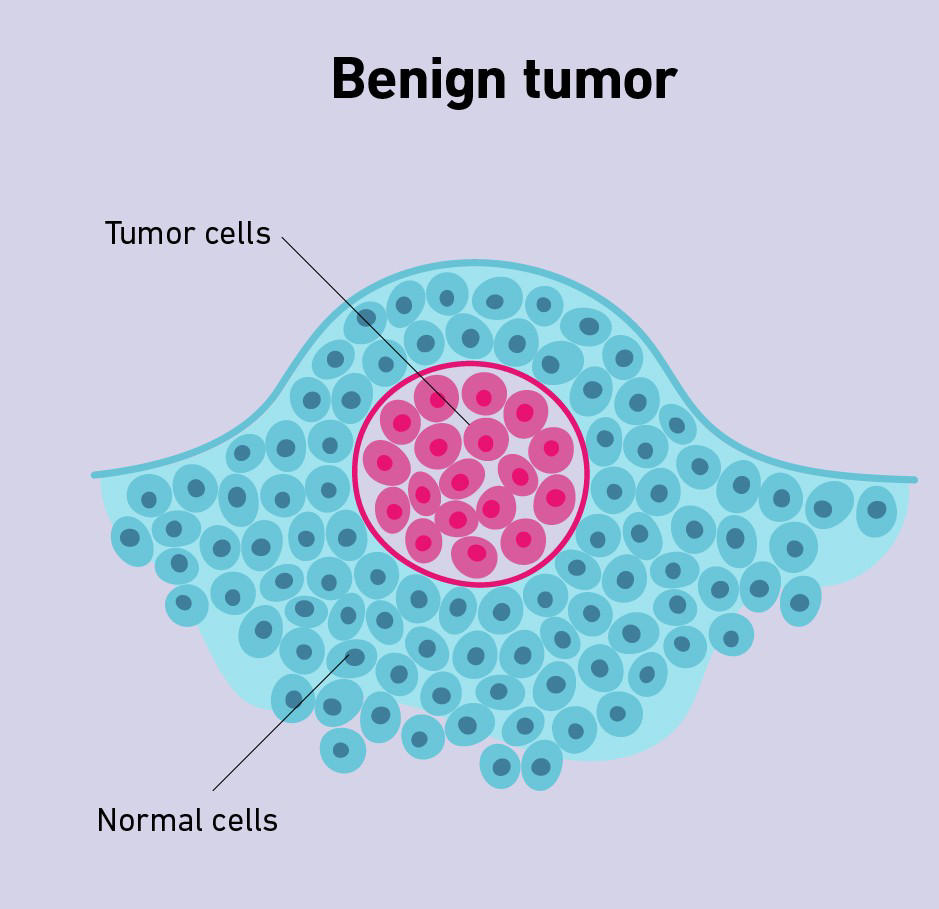
They Do NOT invade Other Parts of the Body.
141
What do Malignant Tumours do?
They are Cancerous.
Can invade Neighbouring Tissues & Spread to Different Parts Of Body Via Bloodstream Causing Secondary Tumours.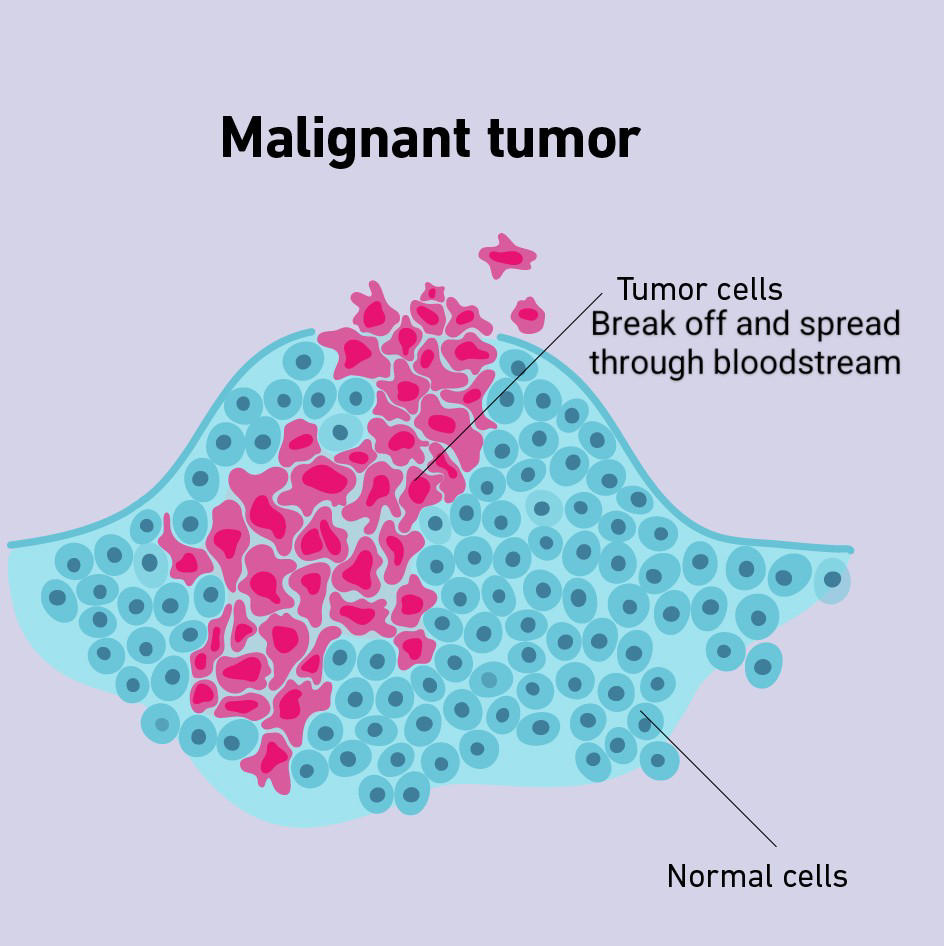
Can invade Neighbouring Tissues & Spread to Different Parts Of Body Via Bloodstream Causing Secondary Tumours.
142
What are the Three Main Ways to Treat Cancer & what is done?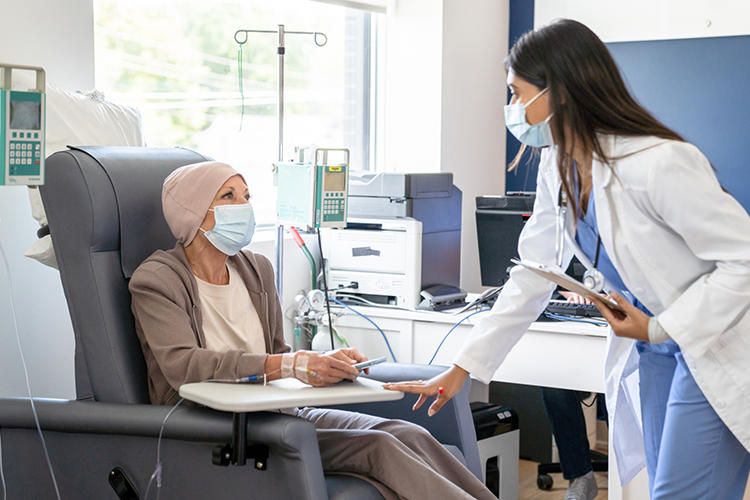
• Surgery: Tumour Cut Out & Removed
• Radiotherapy: Cancer Cells Destroy By Targeted Doses of Radiation
• Chemotherapy: Chemicals Used to Destroy Cancer Cells & or Stop them Dividing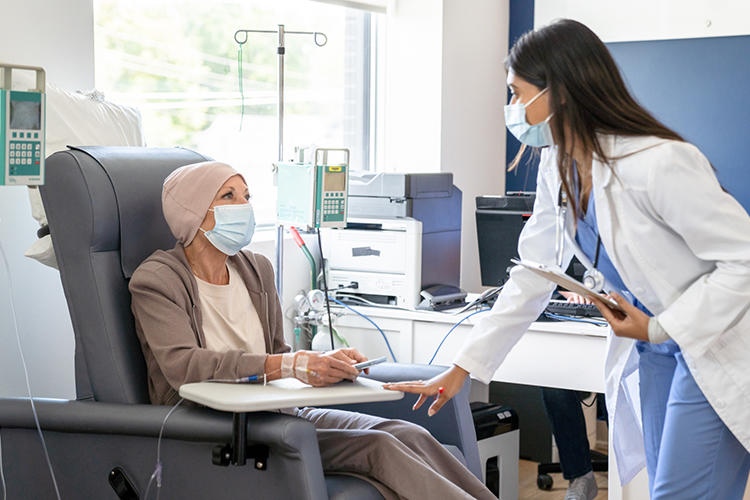
• Radiotherapy: Cancer Cells Destroy By Targeted Doses of Radiation
• Chemotherapy: Chemicals Used to Destroy Cancer Cells & or Stop them Dividing
143
What does Radiotherapy & Chemotherapy have in common?
Both Damage Healthy Cells as well as Cancer Cells.
144
How has Monoclonal Antibodies being used to Help Some Types of Cancer?
• By Delivering Chemotherapy or Radiotherapy Treatment Specifically to Cancer Cells
• By Directly Attacking Cancer Cells
• By Flagging Cancer Cells so the Immune System can Target Them More Easily
• By Directly Attacking Cancer Cells
• By Flagging Cancer Cells so the Immune System can Target Them More Easily
145
What have Scientist Identified About Why People get Different Types of Cancers?
Lifestyle Risk Factors & Genetic Risk Factors
146
What is an Carcinogen & give Examples?
Carcinogen is a Substance or Radiation that can Cause Cancer
Cigarette Smoke, UV rays, X-rays and Radon Gas
Cigarette Smoke, UV rays, X-rays and Radon Gas
147
Define Health
State of Physical & Mental
Well-being.
Well-being.
148
How does Weekend Immune System caused by a Disease Increase Chances of getting what ?
Increases Chances of Getting Infectious Disease
149
What can Viruses Living in Cells caused by a Disease Trigger ?
can Trigger Some Cancers
150
What does Immune Reactions caused by a Disease Trigger ?
can Trigger Allergies such as Rashes & Asthma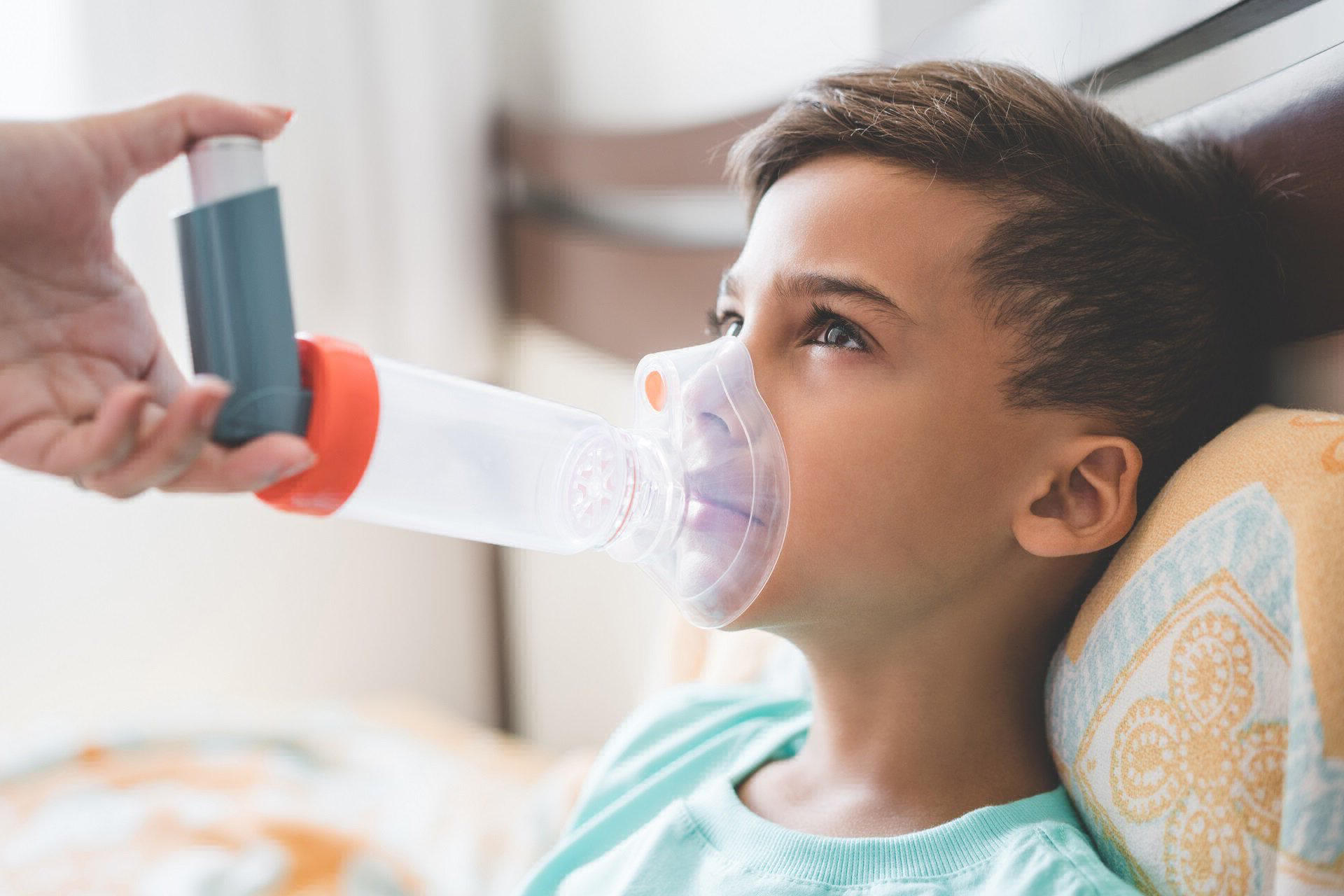
151
What does Severe Physical ill health caused by Disease Lead to ?
can lead to Depression & Other Mental Health Issues