Urban Issues
Study these flashcardsFree · spaced repetition · iPhone, Android, Mac & web
All cards
1
Define Urbanisation
% inscrese of population in living in Towns and Cities. 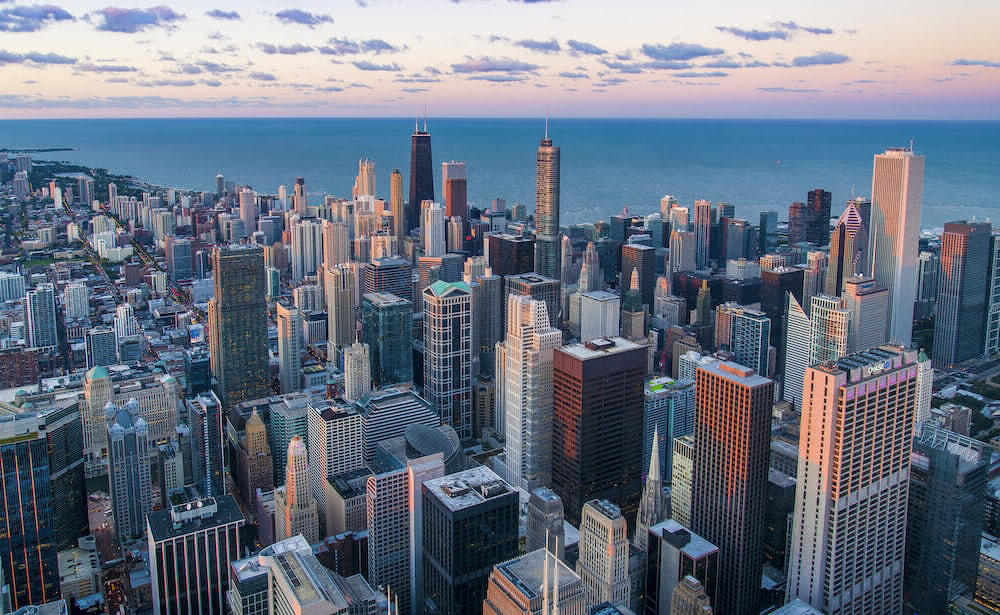
2
Define Urban Population
The number of people living in Towns & Cities. 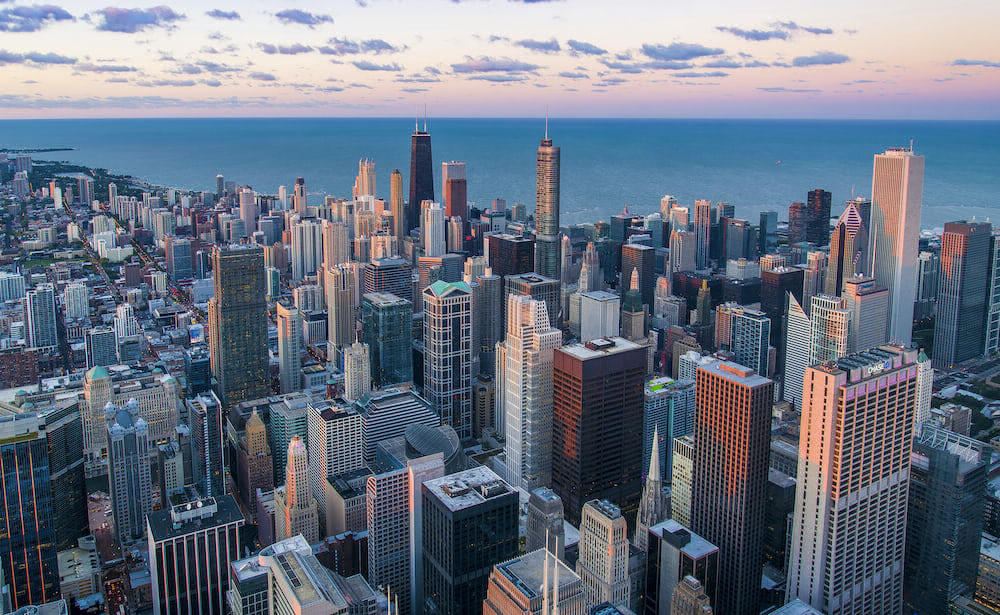
3
In HIC's Urbanisation is....
In HIC's Urbanisation is slowing down.
4
In LIC's Urbanisation is....
In LIC's Urbanisation is speeding up.
5
Why is Urbanisation Slowing down in HIC
• Urbanisation happened earlier
• People can work at home because of better WiFi/Internet.
• People commute to Cities/Town because of better roads/transport .
• Counter-Urbanistation- Move Urban to Rural .
• People can work at home because of better WiFi/Internet.
• People commute to Cities/Town because of better roads/transport .
• Counter-Urbanistation- Move Urban to Rural .
6
What is the % of people living in Urban Areas in HIC's.
75% of people live in Urban Areas in HIC's.
7
What is the % of people living in Urban Areas in LIC's.
Around 35% of people in LIC'S live in Urban Areas.
8
Define Natural Increase
When Birth rate is Larger than Death rate.
9
Define Natural Decrease
When Death Rate is Larger than Birth Rate.
10
Define Rural to Urban
movement of people from Rural to Urban Areas.
11
Define Push Factors
Negative Factors make people want to leave.
12
Define Pull Factors
Positive Factors make people want to live there.
13
What are the Reasons for Urbanisation? (Push & Pull)
Pull
• there are More Well-Paid Jobs
• a higher standard of living is possible
• they have Friends and Family Already Living There
• there is a better chance of getting an Education & Medical Facilities
• Public Transport is Better
• a Range of Entertainments are Available.
Push
• there are Few Doctors Or Hospitals
• Farming is hard and poorly paid
• Schools provide only a very Basic Education
• Rural Areas are Isolated due to Poor Roads.
• Make farming difficult-drought and other climate hazards reduce crop yields
• Farming is often at subsistence level, producing only enough food for family, leaving nothing to sell
• Poor Harvests lead to malnutrition or famine
• Desertification and Soil Erosion
• there are More Well-Paid Jobs
• a higher standard of living is possible
• they have Friends and Family Already Living There
• there is a better chance of getting an Education & Medical Facilities
• Public Transport is Better
• a Range of Entertainments are Available.
Push
• there are Few Doctors Or Hospitals
• Farming is hard and poorly paid
• Schools provide only a very Basic Education
• Rural Areas are Isolated due to Poor Roads.
• Make farming difficult-drought and other climate hazards reduce crop yields
• Farming is often at subsistence level, producing only enough food for family, leaving nothing to sell
• Poor Harvests lead to malnutrition or famine
• Desertification and Soil Erosion
14
Where is Rio De Janeiro?
Country: South East Brazil
Continent: South America
Nearest Ocean: Atlantic Ocean
Compass Directions: South of Amazon Rainforest & Equator, North of Tropic of Cancer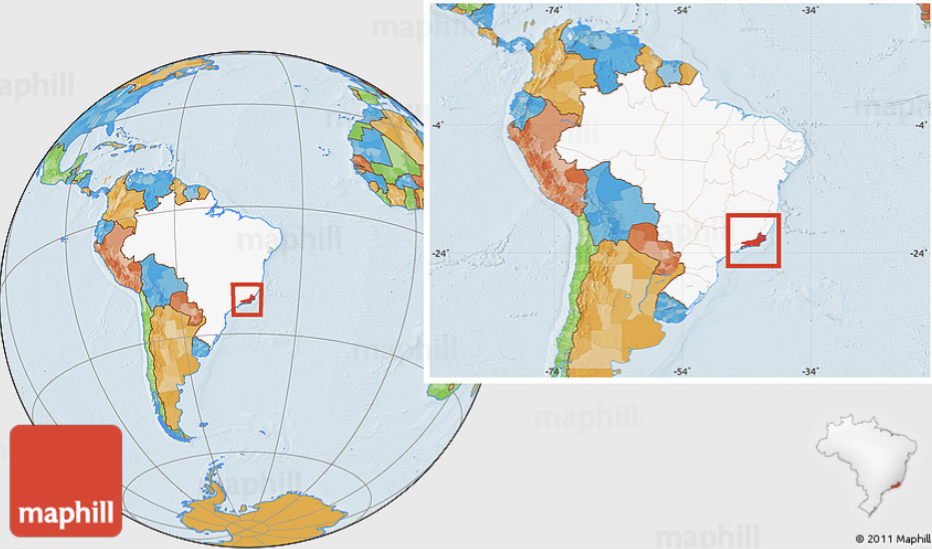
Continent: South America
Nearest Ocean: Atlantic Ocean
Compass Directions: South of Amazon Rainforest & Equator, North of Tropic of Cancer
15
What Type of Country is Rio De Janeiro?
NEE
16
What is it's population statistics overtime, where people mainly live (distribution), density?
Population Now:13 million
Population over time:
Has rapidly Increased
Population Distribution: Unevenly- More people live in the Suburbs and Outer Parts than Rio De Janeiro (Inner Suburbs)
Density?:
Densley Populated (16,100 per square mile)
Predicted Future Population: 20,314.8 million
Comparison to other cities: Sau Paula is 22.6 million growing at 0.7% per anum in 2023 and Rio is 35% less dense than Mexico City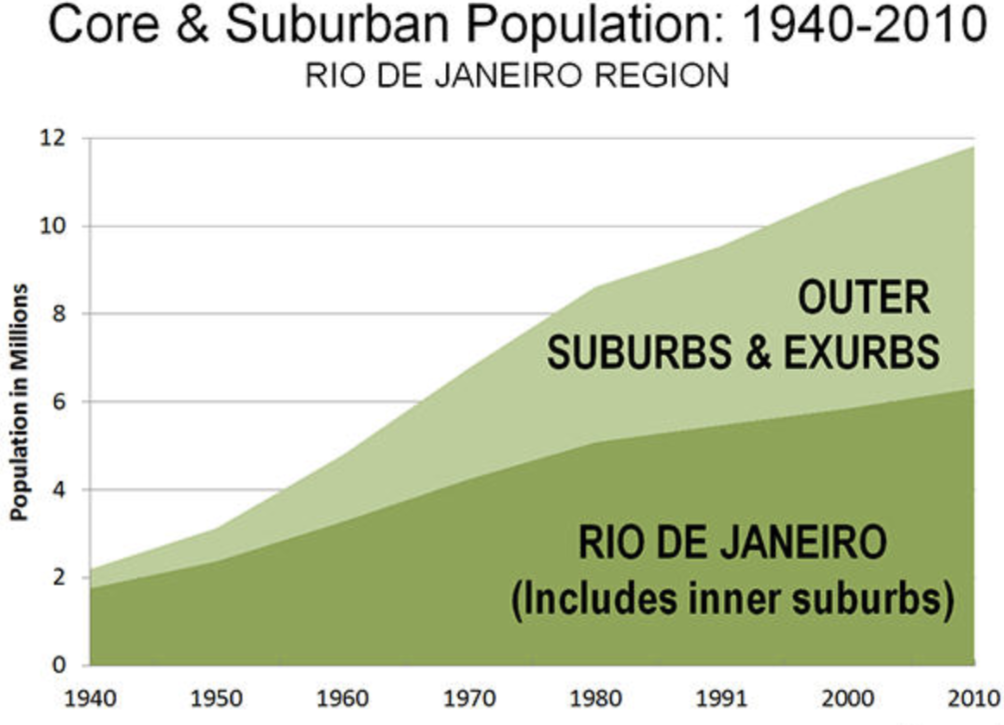
Population over time:
Has rapidly Increased
Population Distribution: Unevenly- More people live in the Suburbs and Outer Parts than Rio De Janeiro (Inner Suburbs)
Density?:
Densley Populated (16,100 per square mile)
Predicted Future Population: 20,314.8 million
Comparison to other cities: Sau Paula is 22.6 million growing at 0.7% per anum in 2023 and Rio is 35% less dense than Mexico City
17
Why is it's population so big in Rio?
• Migration from poor North East Brazil/ 65% of Urban Growth is result of Migration from rural to urban
• High Birth Rate-falling death rate
• High Birth Rate-falling death rate
18
why is Rio de Janeiro important for That region of Brazil, Country of Brazil & Nation?
why is it important for:
That region of Brazil: provides Schools, Universities, Hospitals, Employment & Leisure. It is important for it's, Art and Culture and has an important Transport Hub.
(International Airport and Docks?
The Country of Brazil: While the service sector dominates the cities economy, Rios Manufacturing Industry Produces Wide Range of Products. (e.g textiles, furniture, processed food and ships)
The Nation: Hosted 2016 Olympic and Paralympic Games and 2014 World Cup Tourists come from all over world to see statue of Christ The Redeemer, Beaches, Landmarks and Festivals.
That region of Brazil: provides Schools, Universities, Hospitals, Employment & Leisure. It is important for it's, Art and Culture and has an important Transport Hub.
(International Airport and Docks?
The Country of Brazil: While the service sector dominates the cities economy, Rios Manufacturing Industry Produces Wide Range of Products. (e.g textiles, furniture, processed food and ships)
The Nation: Hosted 2016 Olympic and Paralympic Games and 2014 World Cup Tourists come from all over world to see statue of Christ The Redeemer, Beaches, Landmarks and Festivals.
19
Define CBD
Central Businesses District
20
When did the capital city of Brazil change from Rio to Brazilia?
1960
21
why is Rio de Janeiro important as a city give statements?
1) Rio de Janeiro is Brazil's second most important Industrial Centre, producing 5% of Brazil's GDP. This mainly comes from industrial, financial and tourism industries.
2) Rio de Janeiro has Large Manufacturing industries which employ thousands of skilled workers locally.
(chemicals, pharmaceuticals, clothing and furniture)
3) Rio de Janeiro is an important travel hub, with Ports and International Airports. This makes the city extremely well connected both for business and tourism.
4) The Christ the Redeemer is one of the Seven New Wonders of the World and together with Rio's natural surroundings amazing beaches makes it one of the most visited cities in the southern hemisphere.
5) The city hosted the 2014 a World Cup and the 2016 Olympic Games bringing world sport to the city.
6) Rio de Janeiro's location in Guanabara Bay on the Atlantic Ocean means its Ports continue to expand and allow the exports.
(coffee, sugar and iron ore)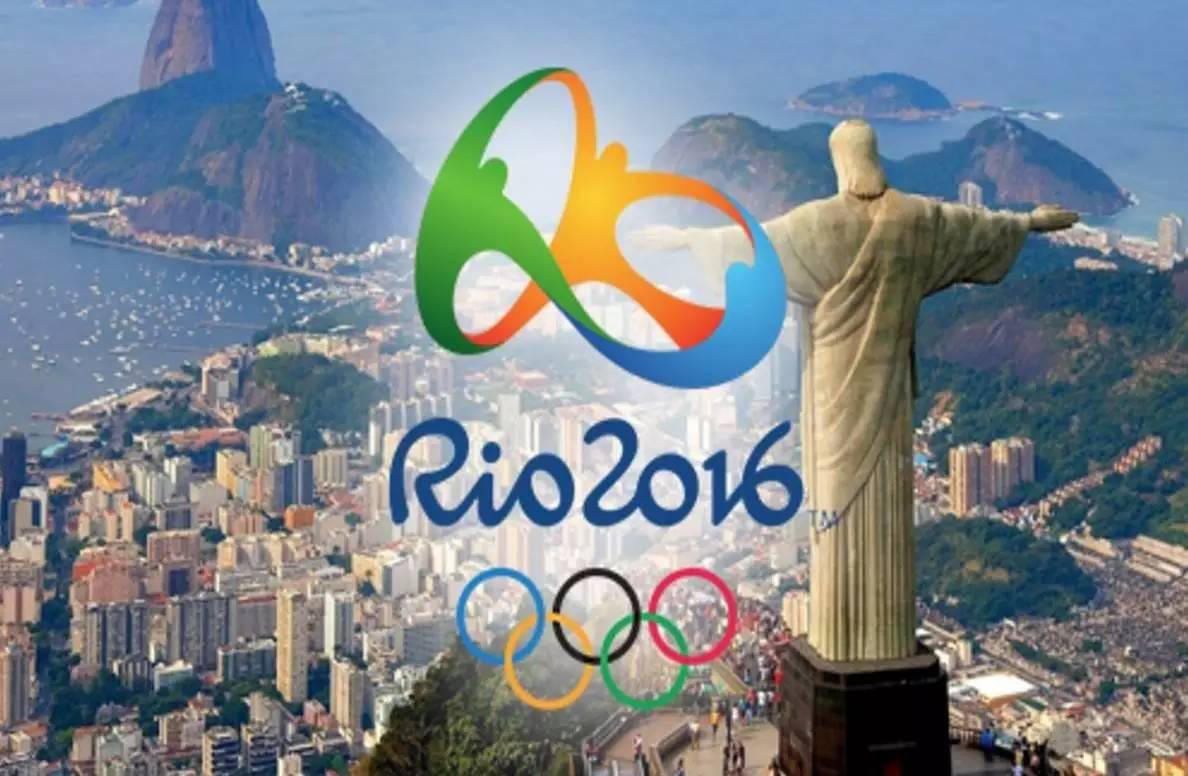
2) Rio de Janeiro has Large Manufacturing industries which employ thousands of skilled workers locally.
(chemicals, pharmaceuticals, clothing and furniture)
3) Rio de Janeiro is an important travel hub, with Ports and International Airports. This makes the city extremely well connected both for business and tourism.
4) The Christ the Redeemer is one of the Seven New Wonders of the World and together with Rio's natural surroundings amazing beaches makes it one of the most visited cities in the southern hemisphere.
5) The city hosted the 2014 a World Cup and the 2016 Olympic Games bringing world sport to the city.
6) Rio de Janeiro's location in Guanabara Bay on the Atlantic Ocean means its Ports continue to expand and allow the exports.
(coffee, sugar and iron ore)
22
What are Favelas?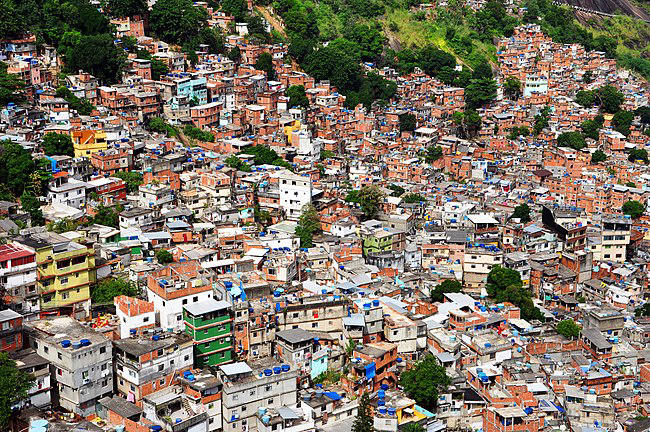
informal Settlements where people have Built Homes On Land that they Didn't Own and they are Areas Of Great Social Deprivation. 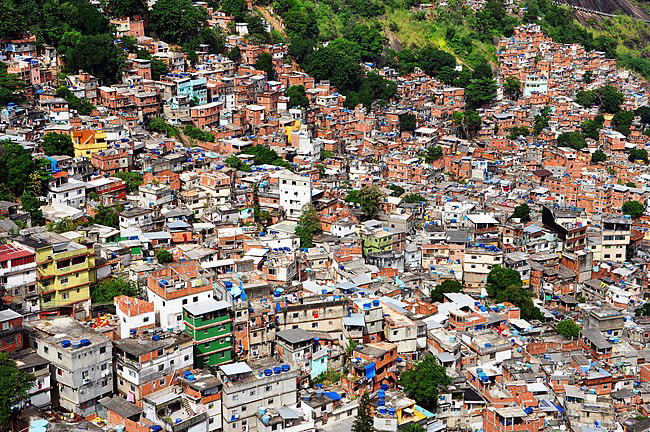
23
who are the sort of people that live in Favelas?
People from Amazonia (rainforests) and drought hit areas of North East of Brazil Countryside so people moved to the city to get work.
24
where have Favelas grown in Rio?
There are up to 1000 Favelas in Greater Rio Area and 60% are in Suburbs and 25% are in Outer Parts of the city.
Mainly Located on Edge of City in Urban Industrial Areas Where Jobs are Available. Others Built Along Main Roads or Built on Marginal Land Areas Of Hillside.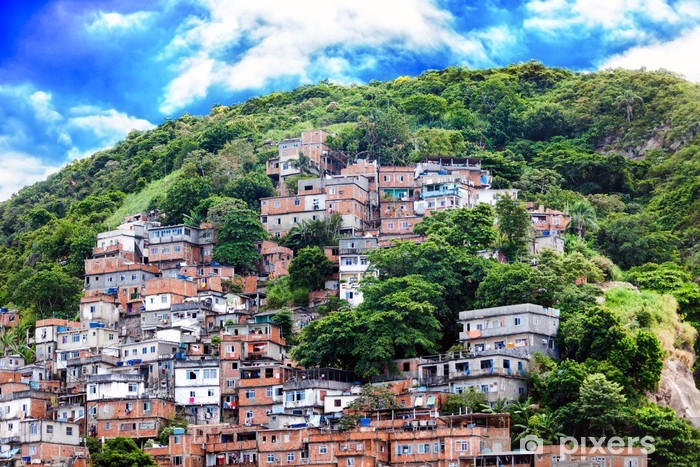
Mainly Located on Edge of City in Urban Industrial Areas Where Jobs are Available. Others Built Along Main Roads or Built on Marginal Land Areas Of Hillside.
25
What is the Crime like in Favelas?
• High Murder Rate 20 per 1,000 people
• Drug Gangs Dominate Favelas
• Many People Distrust Police because of Violence & Corruption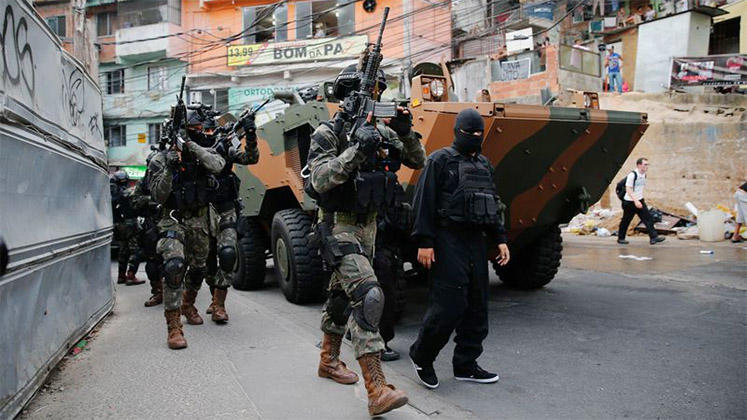
• Drug Gangs Dominate Favelas
• Many People Distrust Police because of Violence & Corruption
26
What are the services like in Favelas?
• 12% of Homes No Running Water
• Drinking Water is a Problem as it is Often Obtained By Tapping Into a City Water Main or Taps Are Often At Bottom Of Steep Slopes.
• 30% No Electricity-Tap Into It
• 50% No Sewage-How Steep Roads Are Rubbish Trucks Can't Get Up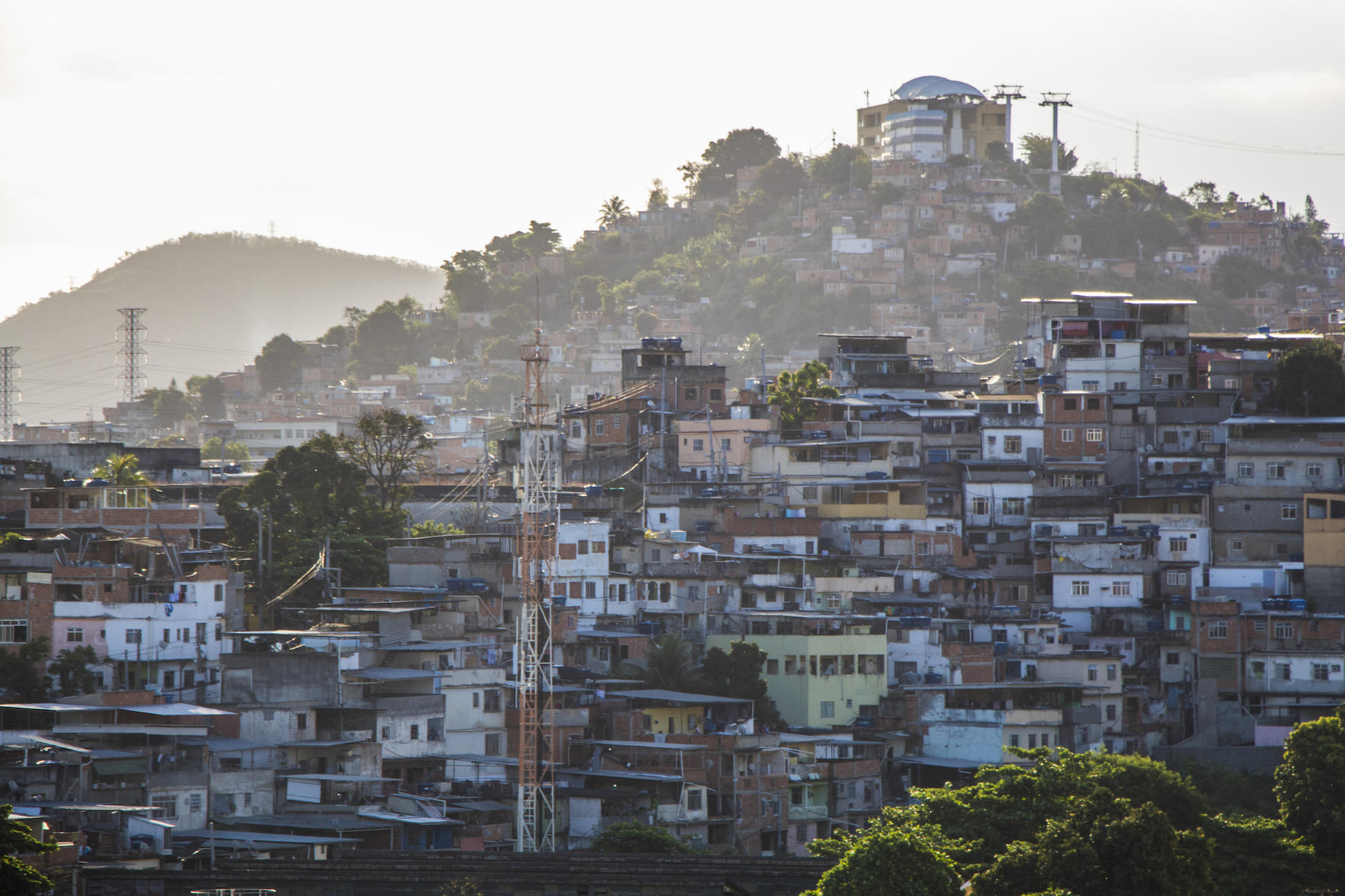
• Drinking Water is a Problem as it is Often Obtained By Tapping Into a City Water Main or Taps Are Often At Bottom Of Steep Slopes.
• 30% No Electricity-Tap Into It
• 50% No Sewage-How Steep Roads Are Rubbish Trucks Can't Get Up
27
What were the Favelas Constructed with & why steep slopes a problem? 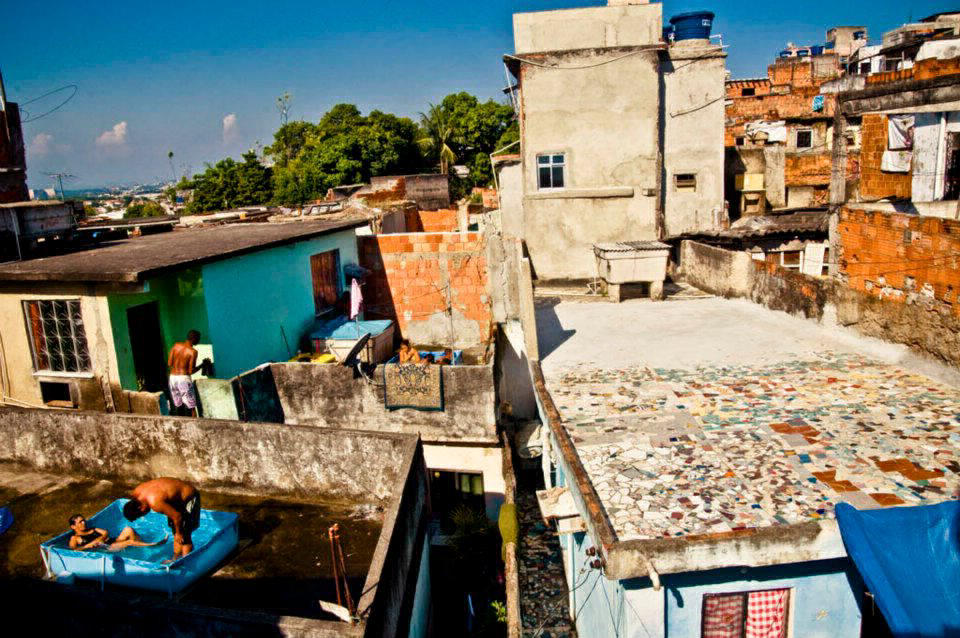
• Houses are Poorly Constructed as they were Built Illegally With Basic Materials such as:
iron, broken bricks and plastic sheets
• Steep Slopes are a problem because Heavy Rain causes Landslides and limites road access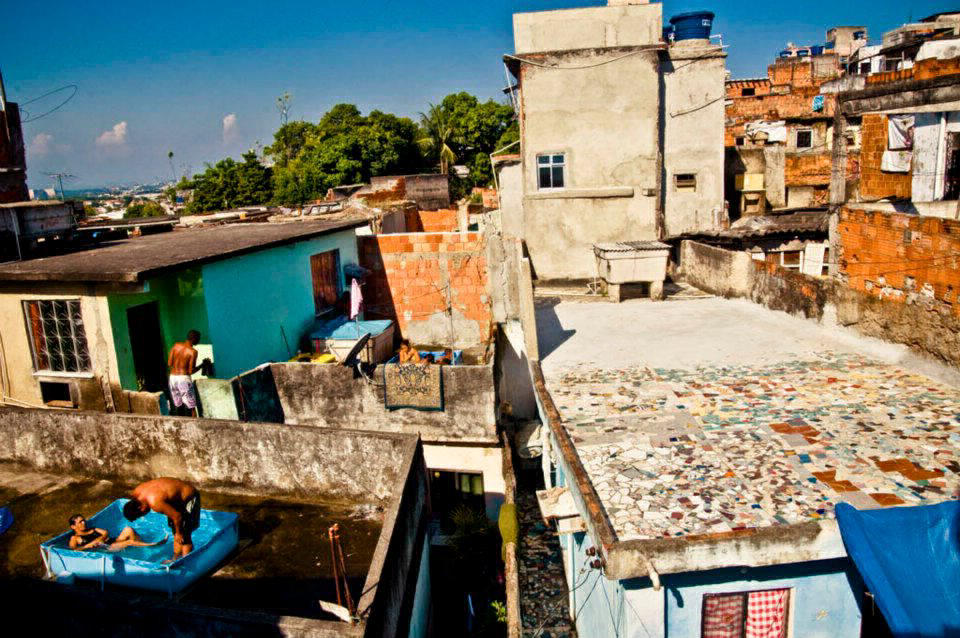
iron, broken bricks and plastic sheets
• Steep Slopes are a problem because Heavy Rain causes Landslides and limites road access
28
what were people's health like in Favelas?
• Infant mortality rate is high 50 per 1000
• Waste can't be Disposed of so Builds Up in Streets Increasing Danger Of Disease.
• Burning Rubbish often sets Fire Wooden Houses and Smoke is Harmful to health.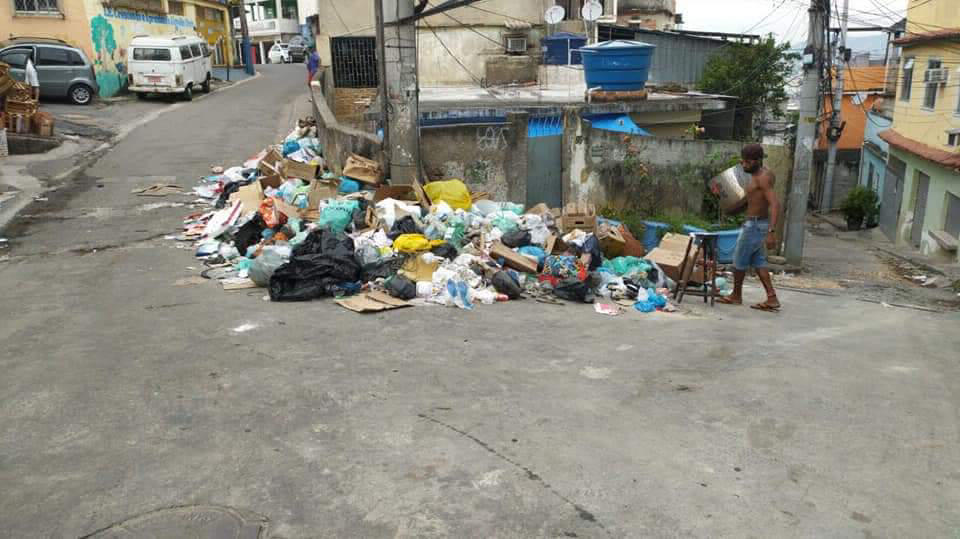
• Waste can't be Disposed of so Builds Up in Streets Increasing Danger Of Disease.
• Burning Rubbish often sets Fire Wooden Houses and Smoke is Harmful to health.
29
What is unemployment like in Favelas?
• Unemployment rate is 20%
• Many work in the Informal Economy (sector)
• Average income is £75 month
• Many work in the Informal Economy (sector)
• Average income is £75 month
30
What are the positives for living in favelas?
• It is near the City & they don't pay tax
31
What were the Environmental Impacts in Rio de Janeiro?
• Water Pollution
• Air pollution
• Waste Pollution
• Traffic Congestion
• Air pollution
• Waste Pollution
• Traffic Congestion
32
What are the Causes, Social Impacts of Environmental Challenges for Air Pollution? 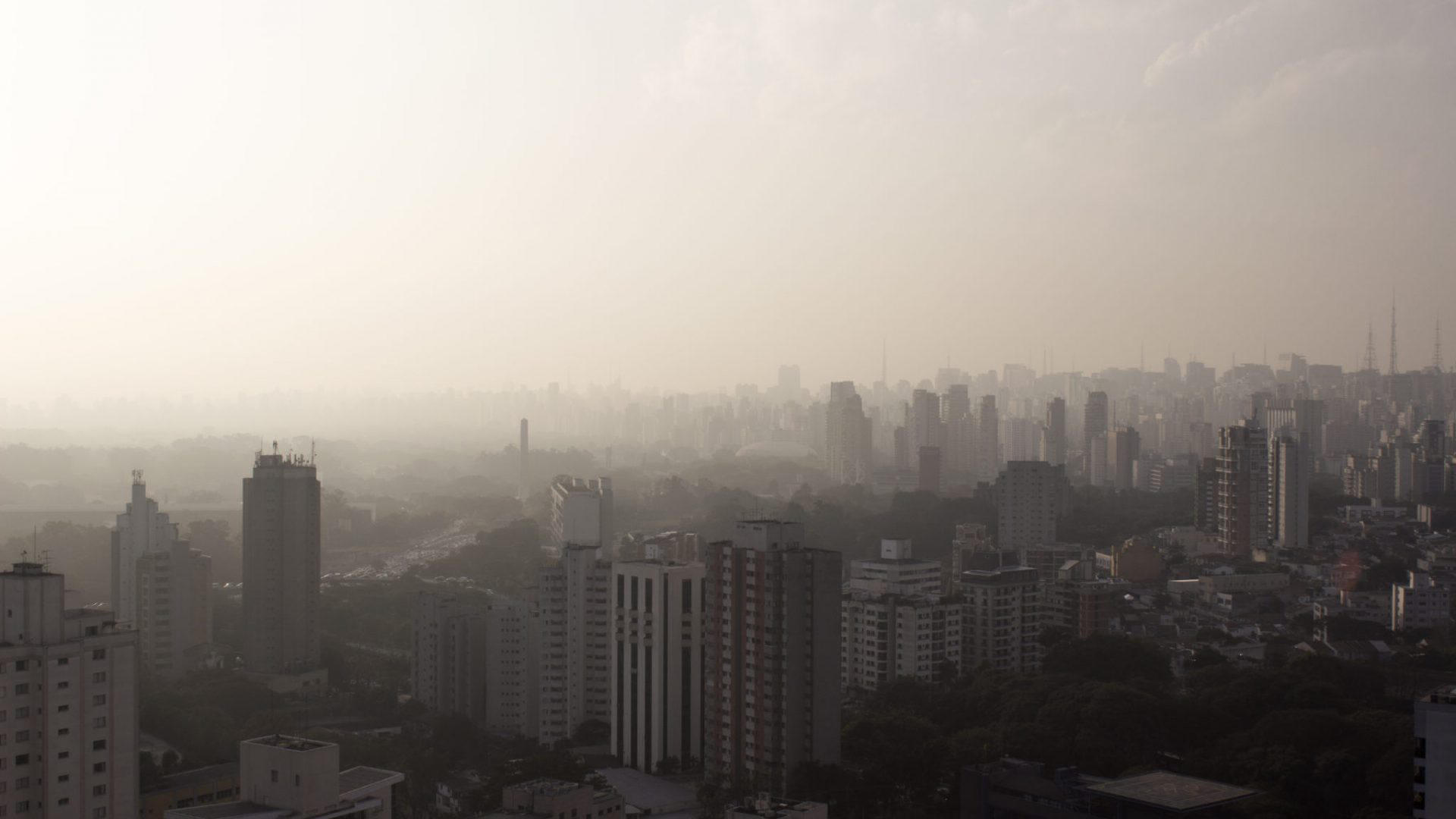
Causes
1) Heavy Traffic Congestion which causes build up of exhaust fumes.
2) Mist from the Atlantic mixes with Vehicle Exhaust Fumes and Pollutant from Factory Chimneys
Social Impacts
1) Air Pollution Causes 5,000 Deaths per year in Rio and can Reduce Life Expectancy.
1) Heavy Traffic Congestion which causes build up of exhaust fumes.
2) Mist from the Atlantic mixes with Vehicle Exhaust Fumes and Pollutant from Factory Chimneys
Social Impacts
1) Air Pollution Causes 5,000 Deaths per year in Rio and can Reduce Life Expectancy.
33
What are the Causes, Social Impacts of Environmental Challenges for Traffic Congestion? 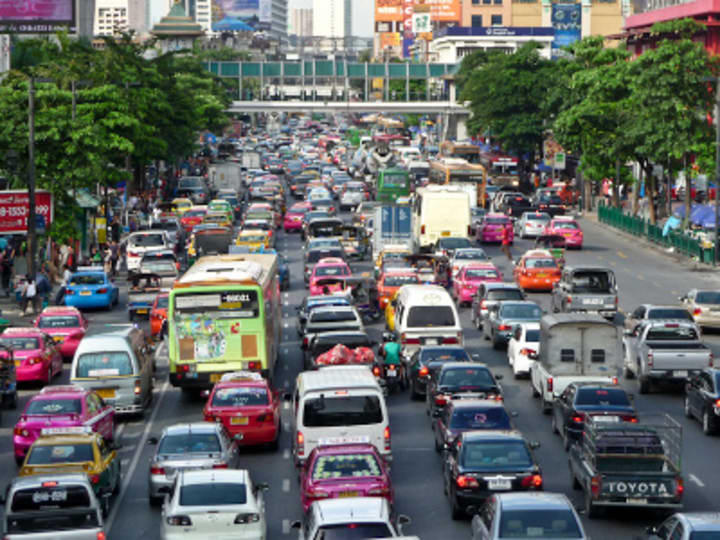
Causes
1) High Crime Levels mean that many people Prefer to Travel By Car
2) Steep Mountain-
Roads can only be Built on Coastal Lowland. Main Transport Routes become very Congested.
3) Tunnels are needed through Mountains To Connect Different Areas of the City
Social Impacts
• Rio is the most congested city in South America leading to Increased Stress Levels for commuters with longer journeys to work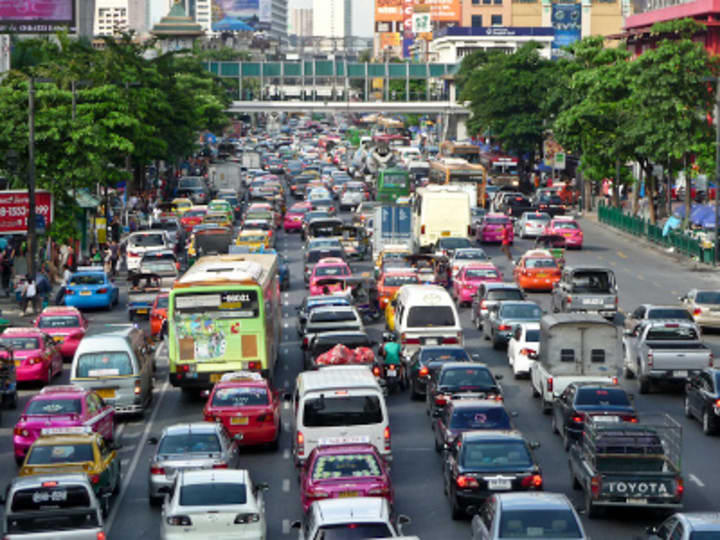
1) High Crime Levels mean that many people Prefer to Travel By Car
2) Steep Mountain-
Roads can only be Built on Coastal Lowland. Main Transport Routes become very Congested.
3) Tunnels are needed through Mountains To Connect Different Areas of the City
Social Impacts
• Rio is the most congested city in South America leading to Increased Stress Levels for commuters with longer journeys to work
34
What are the Causes, Social Impacts and Solutions of Environmental Challenges for Water Pollution? 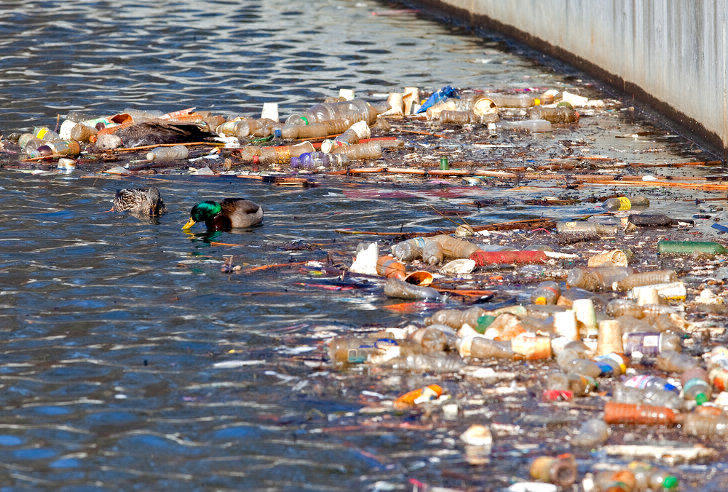
Causes
1) Oil spills from Petrobass Oil Refinery
2) Rivers are polluted by Run Off From Open Sewers in the Favellas
Social Impacts
• Commercial fishing has a declined by 90% resulting in Primary Job losses in Fishing.
Solutions
1) Ships Fined for discharging Fuel Into The Bay illegally.
2) 5km of New Sewage Pipes have been installed around Badly Polluted Areas.
1) Oil spills from Petrobass Oil Refinery
2) Rivers are polluted by Run Off From Open Sewers in the Favellas
Social Impacts
• Commercial fishing has a declined by 90% resulting in Primary Job losses in Fishing.
Solutions
1) Ships Fined for discharging Fuel Into The Bay illegally.
2) 5km of New Sewage Pipes have been installed around Badly Polluted Areas.
35
What are the Causes, Social Impacts and Solutions of Environmental Challenges for Waste Pollution? 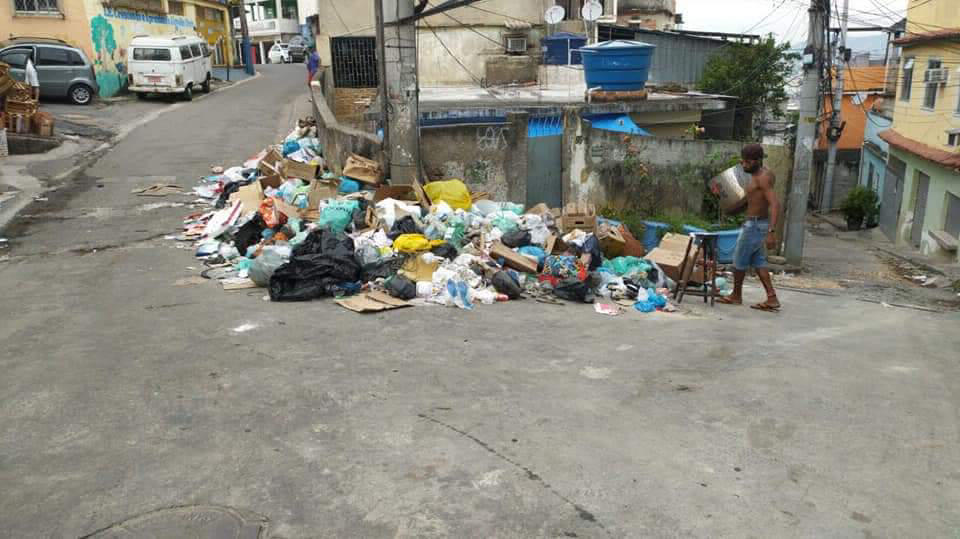
Causes
1) Many Favelas are built on Steep Slopes and have Few Proper Roads Making Access Difficult for Waste Collection Lorries. Most waste is therefore Dumped and pollutes the Water System.
Social Impacts
• Diseases such as Lyme Disease are Spread By Pests such as Ticks which can Decrease Life Expectancy.
Solutions
• A Power Plant has been set up using Methane Gas from Rotting Rubbish. It consumes 30 Tons of Rubbish a Day and Produces Enough Electricity 1,000 homes.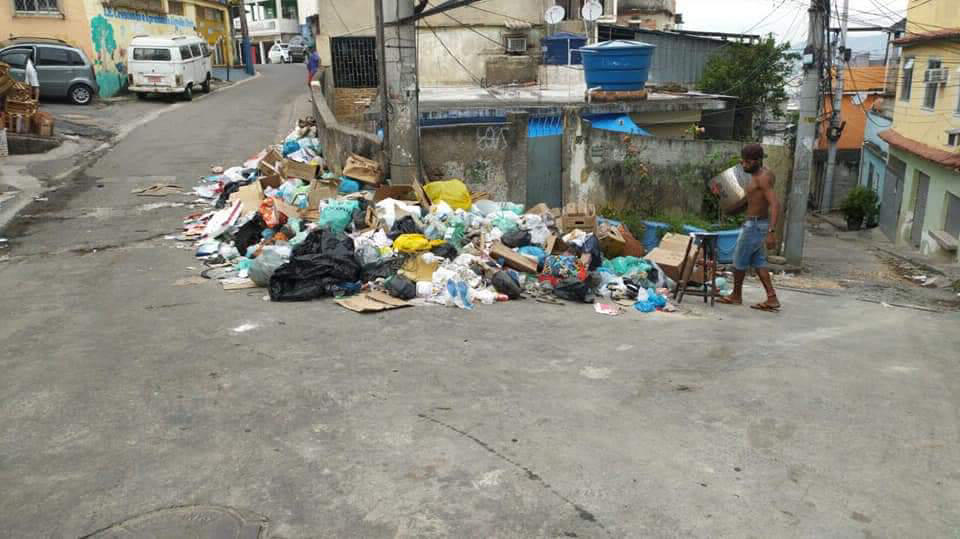
1) Many Favelas are built on Steep Slopes and have Few Proper Roads Making Access Difficult for Waste Collection Lorries. Most waste is therefore Dumped and pollutes the Water System.
Social Impacts
• Diseases such as Lyme Disease are Spread By Pests such as Ticks which can Decrease Life Expectancy.
Solutions
• A Power Plant has been set up using Methane Gas from Rotting Rubbish. It consumes 30 Tons of Rubbish a Day and Produces Enough Electricity 1,000 homes.
36
What are the Solutions for Air Pollution and Traffic Congestion ?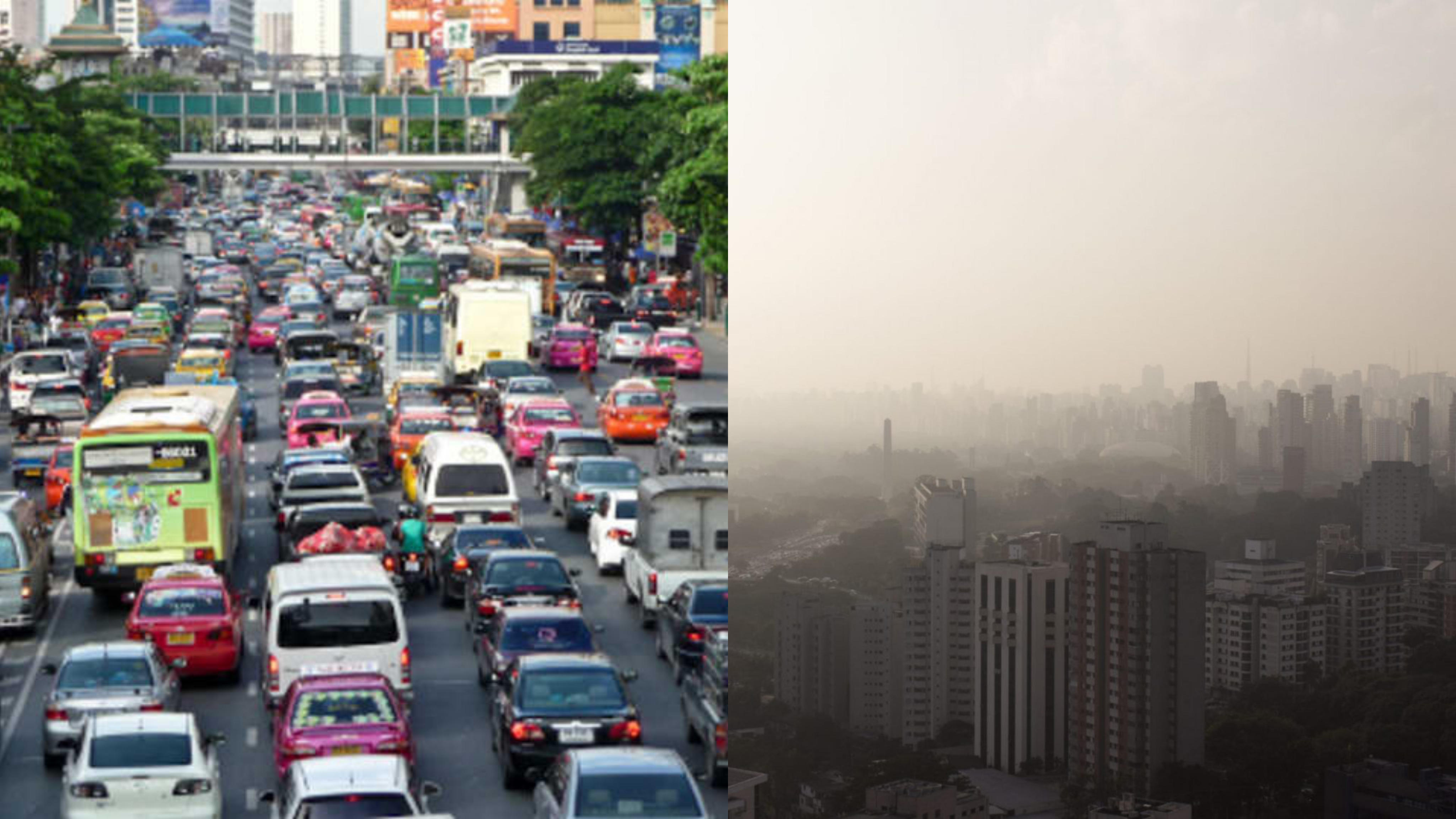
Solutions
1) Expand the Metro System under Guanabara
2) New Toll Roads into the city centre to reduce congestion
3) Making Coast Roads One-Way during Rush Hour to improve traffic flow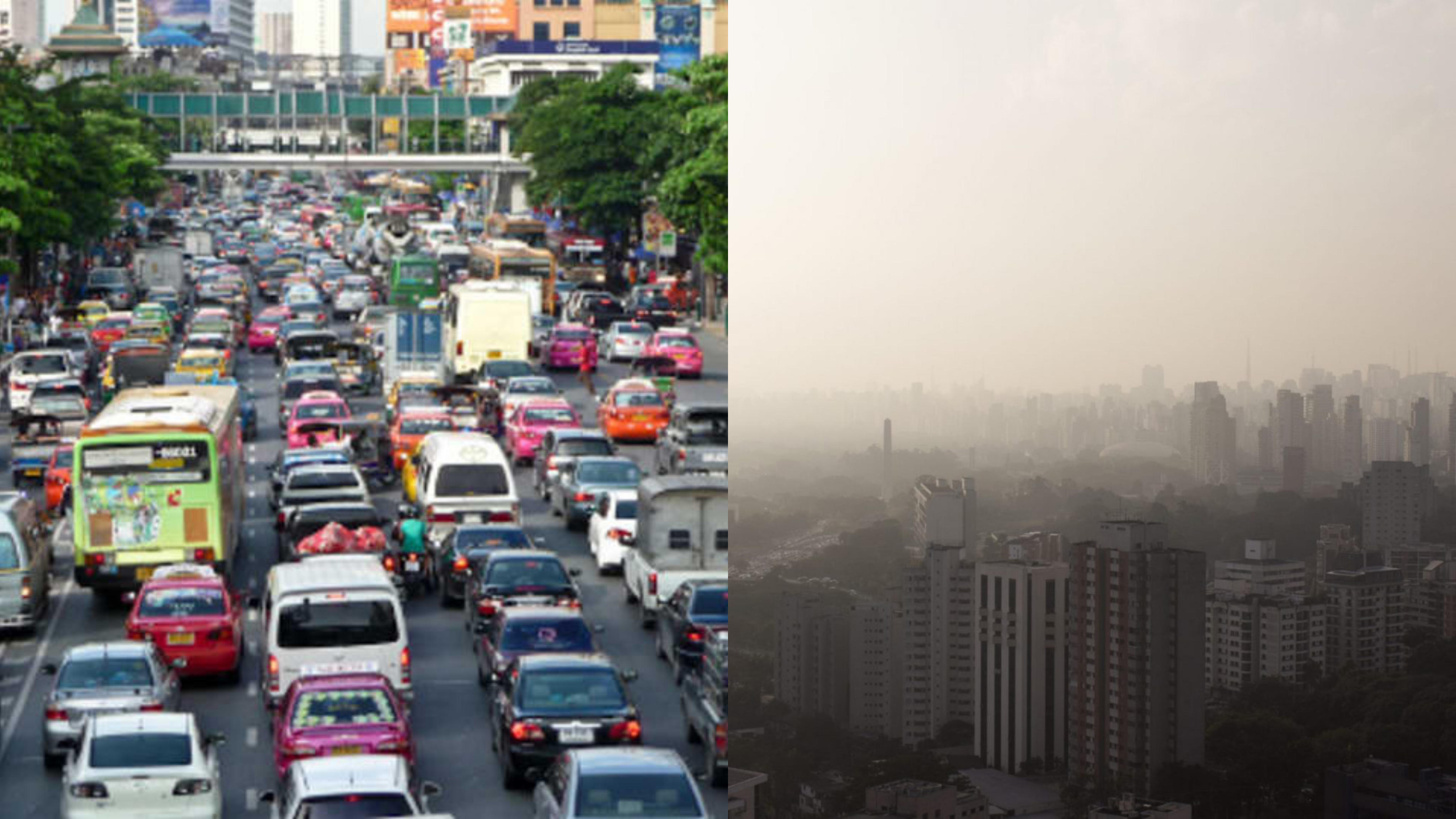
1) Expand the Metro System under Guanabara
2) New Toll Roads into the city centre to reduce congestion
3) Making Coast Roads One-Way during Rush Hour to improve traffic flow
37
State Economic Opportunities in Rio De Janeiro 
• Port Facilities and Youthful Population have encouraged the growth of the Industrial Sector in Rio
• 6% of employment in Brazil Is in Rio
• North Zone of Rio has Largest Steel Works in South America
• West Zone has Large Manufacturing Industries such as Oil Refining
• The Money Generated From Export Earnings and Tax from Employers/Employees has been invested in many areas such as Roads, Ports and key Public Services such as Education
(help the economy).
•TOURISM The Christ the Redeemer is one of the Seven New Wonders of the World & amazing Beaches makes it one of the most Visited Cities in the southern hemisphere.
• Rio de Janeiro is an important travel hub International Airports. This makes the city extremely well connected for tourism.
• 6% of employment in Brazil Is in Rio
• North Zone of Rio has Largest Steel Works in South America
• West Zone has Large Manufacturing Industries such as Oil Refining
• The Money Generated From Export Earnings and Tax from Employers/Employees has been invested in many areas such as Roads, Ports and key Public Services such as Education
(help the economy).
•TOURISM The Christ the Redeemer is one of the Seven New Wonders of the World & amazing Beaches makes it one of the most Visited Cities in the southern hemisphere.
• Rio de Janeiro is an important travel hub International Airports. This makes the city extremely well connected for tourism.
38
State Economic Challenges in Rio De Janeiro 
• A Recession Hit which is a Period of Time When Economic Growth Decreases
So People Lost Jobs and Costs Rised.
• Lots of Robery & Violent Crimes. Lots of powerful Gangs control Drug Trafficking in many Favellas. Government Spent Lots Of Money On Police to sort the problem
• Because 1/3 of population, Work in the Informal Economy and don't pay taxes which means that the Government doesn't earn money to invest in Key Public Services. (education or health)
• 20% of people who live in Favelas are Unemployed. Because they Lack Qualification and Skills to access Formal Economy because 50% of them left school before 14.
• People who work in the Informal Economy, get irregular employment and payed less than £60 per month.
So People Lost Jobs and Costs Rised.
• Lots of Robery & Violent Crimes. Lots of powerful Gangs control Drug Trafficking in many Favellas. Government Spent Lots Of Money On Police to sort the problem
• Because 1/3 of population, Work in the Informal Economy and don't pay taxes which means that the Government doesn't earn money to invest in Key Public Services. (education or health)
• 20% of people who live in Favelas are Unemployed. Because they Lack Qualification and Skills to access Formal Economy because 50% of them left school before 14.
• People who work in the Informal Economy, get irregular employment and payed less than £60 per month.
39
State Social Opportunities in Rio De Janeiro 
Water Supply
City has the Largest Water Treatment (Purification) Works in World so has Greater chance of Fresh Water Supply compared to people in the countryside
Energy
The Percentage of Population with Access to Electricity is 3 times higher than in Countryside
Education
90% of Children Aged 10 can Read & Write because there are Many Schools. Education Is compulsory for children age 6-14
Healthcare
6 hospitals & easy access.
City has the Largest Water Treatment (Purification) Works in World so has Greater chance of Fresh Water Supply compared to people in the countryside
Energy
The Percentage of Population with Access to Electricity is 3 times higher than in Countryside
Education
90% of Children Aged 10 can Read & Write because there are Many Schools. Education Is compulsory for children age 6-14
Healthcare
6 hospitals & easy access.
40
State Social Challenges in Rio De Janeiro 
Water Supply
12% of population do NOT have access to running water because of Leaky Pipes, Fraud and Illegal Access (Tapping in)
Energy
The whole City Suffers from Frequent Blackouts due to Shortage of Electricity. Also poor parts (Favelas) of Rio get their Electricity by Illegally tapping into main supply which is risky and unsafe.
Education
Only Half Of All Children Continue their Education beyond 14 & Many Dropout Of School & some are Forced into Drug Trafficking
Healthcare
Most of these Services are NOT FREE & services were Very Poor For Pregnant Women and Elderly.
12% of population do NOT have access to running water because of Leaky Pipes, Fraud and Illegal Access (Tapping in)
Energy
The whole City Suffers from Frequent Blackouts due to Shortage of Electricity. Also poor parts (Favelas) of Rio get their Electricity by Illegally tapping into main supply which is risky and unsafe.
Education
Only Half Of All Children Continue their Education beyond 14 & Many Dropout Of School & some are Forced into Drug Trafficking
Healthcare
Most of these Services are NOT FREE & services were Very Poor For Pregnant Women and Elderly.
41
what are the Effects of having a Formal Economy Job?
1)Legal Status:
Formal Economy jobs are legally recognized and regulated by Government. Workers in these jobs have Employment Contracts and Job Security therefore don't get Exploited.
2)Regular Income:
Workers typically receive a regular salary often with benefits such as Health Insurance and Retirement Plans.
3)Taxation:
Employers and employees pay taxes, including Income Tax and Social Security Contributions to Key Services
4) Job Benefits:
They get paid vacation, sick leave, and maternity/paternity leave.
5) Workplace Safety:
There are workplace Health & Safety Regulations and standards to protect employees.
6) Education and Skills:
Many formal sector jobs require Specific Education or Skills, leading to a more Skilled Workforce.
7) Job Stability:
Employees generally enjoy more job stability and Legal Protections against unfair dismissal.
Formal Economy jobs are legally recognized and regulated by Government. Workers in these jobs have Employment Contracts and Job Security therefore don't get Exploited.
2)Regular Income:
Workers typically receive a regular salary often with benefits such as Health Insurance and Retirement Plans.
3)Taxation:
Employers and employees pay taxes, including Income Tax and Social Security Contributions to Key Services
4) Job Benefits:
They get paid vacation, sick leave, and maternity/paternity leave.
5) Workplace Safety:
There are workplace Health & Safety Regulations and standards to protect employees.
6) Education and Skills:
Many formal sector jobs require Specific Education or Skills, leading to a more Skilled Workforce.
7) Job Stability:
Employees generally enjoy more job stability and Legal Protections against unfair dismissal.
42
what are the Effects of having a Informal Economy Job?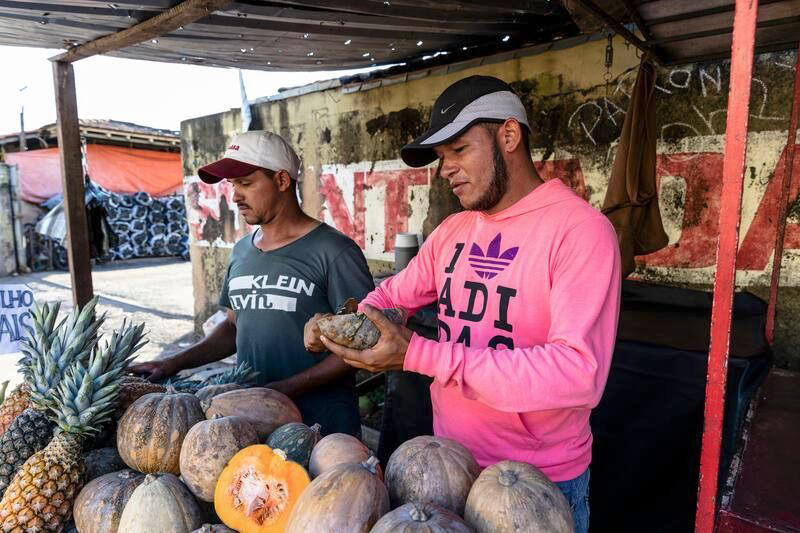
1)Lack of Legal Recognition:
Informal Economy jobs are not Officially Recognized by the government, making them unregulated and often illegal.
2) Irregular Income:
Workers often have irregular and unpredictable incomes. They may be paid in cash.
3) Tax Evasion:
Workers usually do not pay Income Taxes or Social Security Contributions, leading to a loss of government revenue
4) Lack of Benefits:
Workers do not receive benefits such as Health Insurance, Paid Leave, or Retirement Plans.
5) Unsafe Conditions:
The absence of regulations means that workplace safety can be compromised.
6) Low Educational Requirements:
Informal jobs often require fewer skills or Formal Education, making them accessible to a wider range of people.
7)Job Insecurity:
In the informal economy lack job security and may be vulnerable to exploitation by employers.
Informal Economy jobs are not Officially Recognized by the government, making them unregulated and often illegal.
2) Irregular Income:
Workers often have irregular and unpredictable incomes. They may be paid in cash.
3) Tax Evasion:
Workers usually do not pay Income Taxes or Social Security Contributions, leading to a loss of government revenue
4) Lack of Benefits:
Workers do not receive benefits such as Health Insurance, Paid Leave, or Retirement Plans.
5) Unsafe Conditions:
The absence of regulations means that workplace safety can be compromised.
6) Low Educational Requirements:
Informal jobs often require fewer skills or Formal Education, making them accessible to a wider range of people.
7)Job Insecurity:
In the informal economy lack job security and may be vulnerable to exploitation by employers.
43
What were the changes attitudes to Favelas and when?
Until 1980, the Authorities in Rio did not Acknowledge the Existence of Favelas.
City Planners Felt Something Needed to be done Help Poorest People.
Decided to Upgrade some of the Favela Dwellings.
But in 2016 Olympics there was a move to Destroy some Favelas.
City Planners Felt Something Needed to be done Help Poorest People.
Decided to Upgrade some of the Favela Dwellings.
But in 2016 Olympics there was a move to Destroy some Favelas.
44
What was the name of the project that aimed to Improve Favelt and how long did it run and what was its aim & who funded it?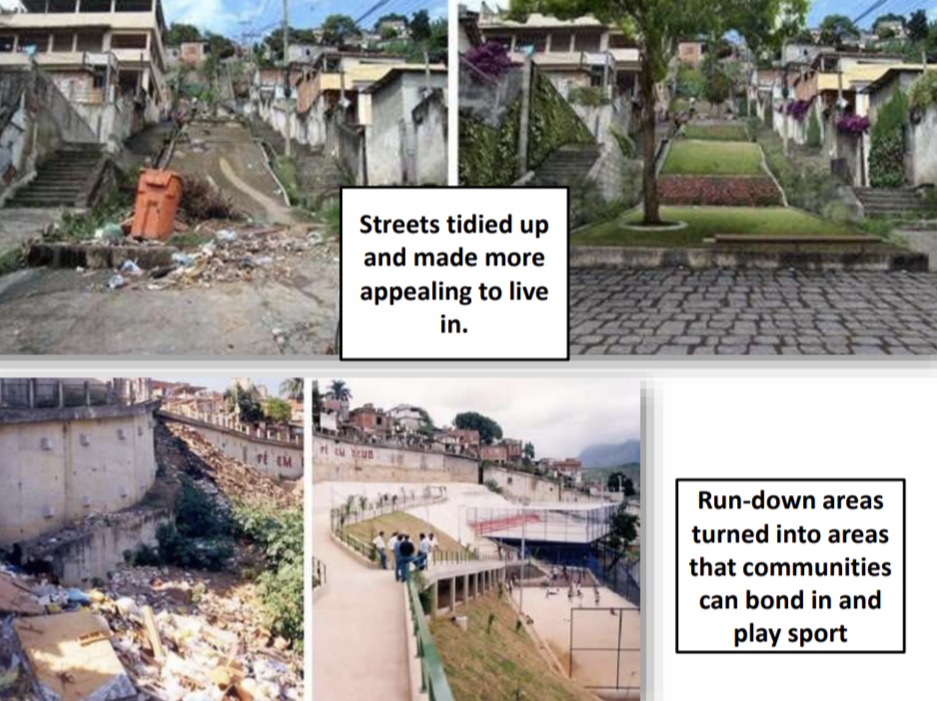
Favela Bairro Project began in 1994 and ran until 2008.
It aimed to recognise the Favelas as neighbourhoods, provide the inhabitants with Essential Services.
It was funded by local government and an American bank.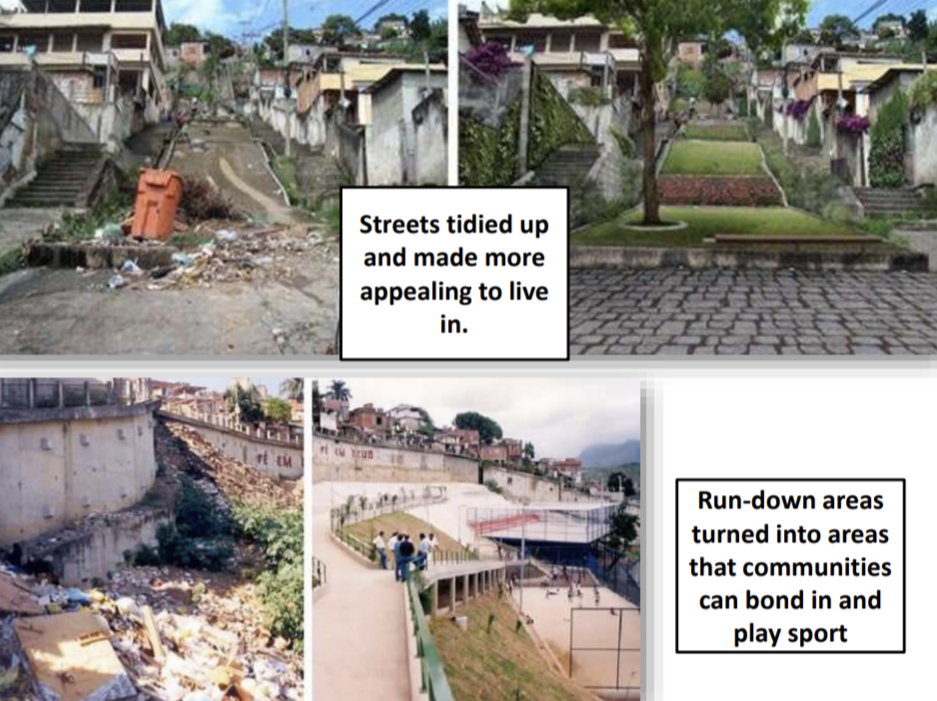
It aimed to recognise the Favelas as neighbourhoods, provide the inhabitants with Essential Services.
It was funded by local government and an American bank.
45
What are the Improvements for Favelas in Rio? 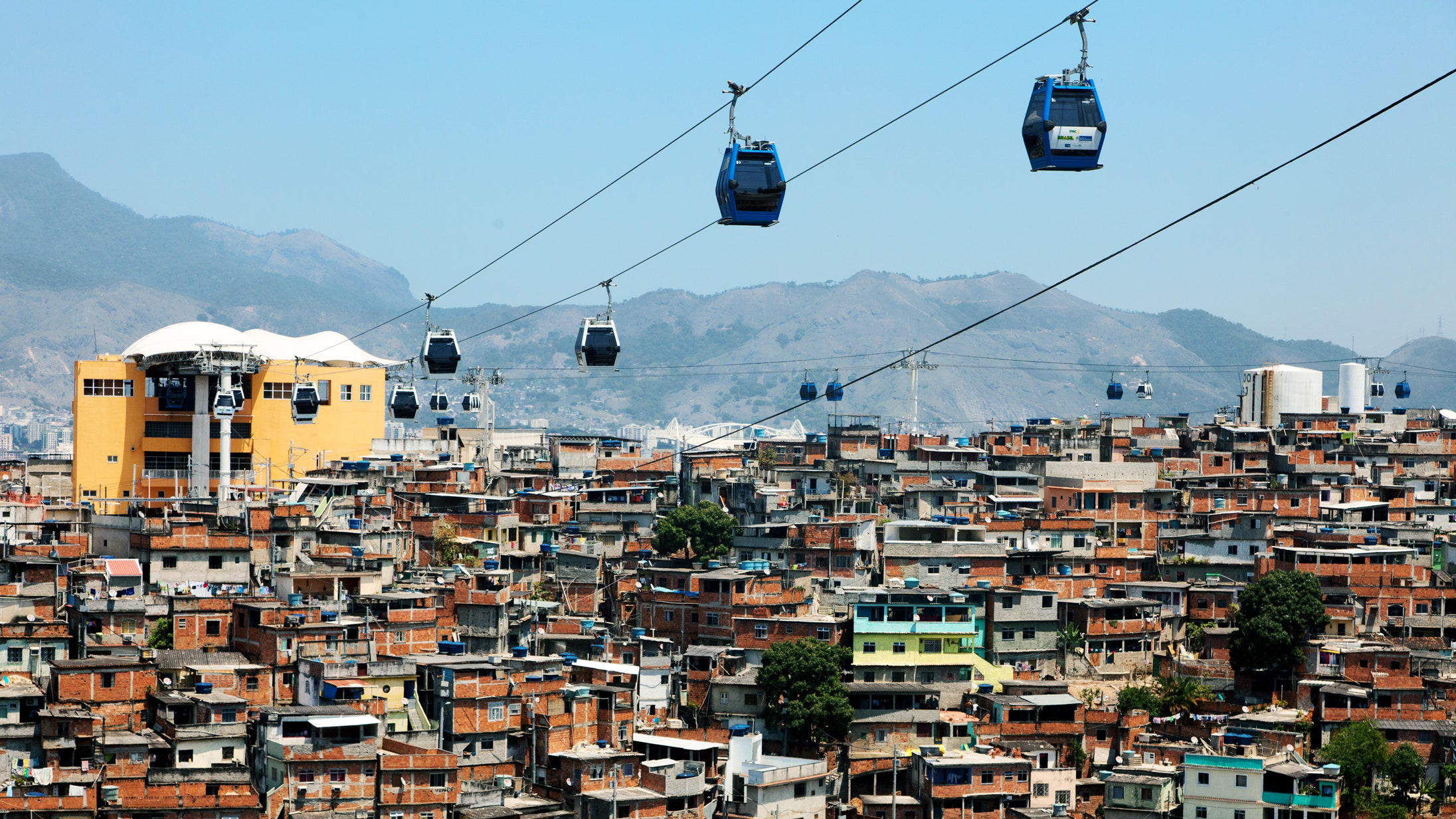
• Installing internet and Telephone's- so people can communicate.
• Installing Clean Water and Sewers- reduces health risks & disease
• Building new Health, Leisure and Education Facilities- allows them to learn skills and develop (education)
• More Police would Reduce Drug Gangs & Crime- making people feel safer
• Installing Safe Electricity- reduce people dangerously stealing cables
• Paved roades and give each road a name to be shown on a map.
• Reinforcing Favelas- prevent them from collapsing making them safer for residents
• Painting Favelas- to make people feel happier about where they live
• Hillsides secured to prevent Landslides or people relocated where necessary
• Installation off cable car to the Commercial Centre Of Ipanema- inhabitants are given one free return ticket a day.
• Access to credit- to allow inhabitants to buy materials to improve their homes.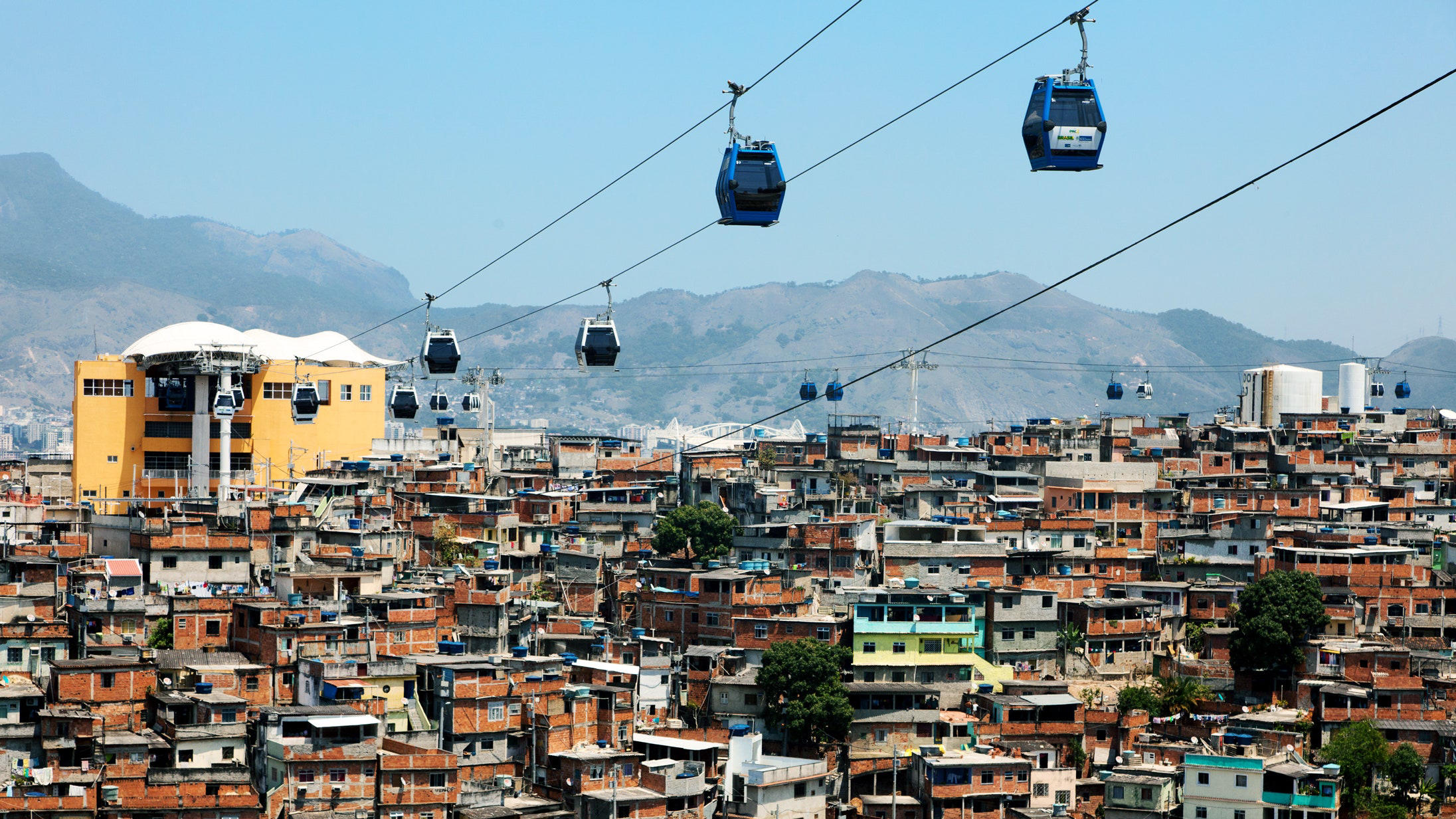
• Installing Clean Water and Sewers- reduces health risks & disease
• Building new Health, Leisure and Education Facilities- allows them to learn skills and develop (education)
• More Police would Reduce Drug Gangs & Crime- making people feel safer
• Installing Safe Electricity- reduce people dangerously stealing cables
• Paved roades and give each road a name to be shown on a map.
• Reinforcing Favelas- prevent them from collapsing making them safer for residents
• Painting Favelas- to make people feel happier about where they live
• Hillsides secured to prevent Landslides or people relocated where necessary
• Installation off cable car to the Commercial Centre Of Ipanema- inhabitants are given one free return ticket a day.
• Access to credit- to allow inhabitants to buy materials to improve their homes.
46
What are the Consensus/Problems about the Improvements for Favelas in Rio?
• Budget of 1 Billion Dollars may not cover every Favela
• Newly-built Infrastructure is not maintained
• Residents lack the Skills and Resources to make Repairs
• More training is needed to improve Literacy & Unemployment
• Rents Rise in the Improved Favelas has meant the Poorest Inhabitants are even worse off
• Newly-built Infrastructure is not maintained
• Residents lack the Skills and Resources to make Repairs
• More training is needed to improve Literacy & Unemployment
• Rents Rise in the Improved Favelas has meant the Poorest Inhabitants are even worse off
47
What is the Self-help Scheme and what are the benefits?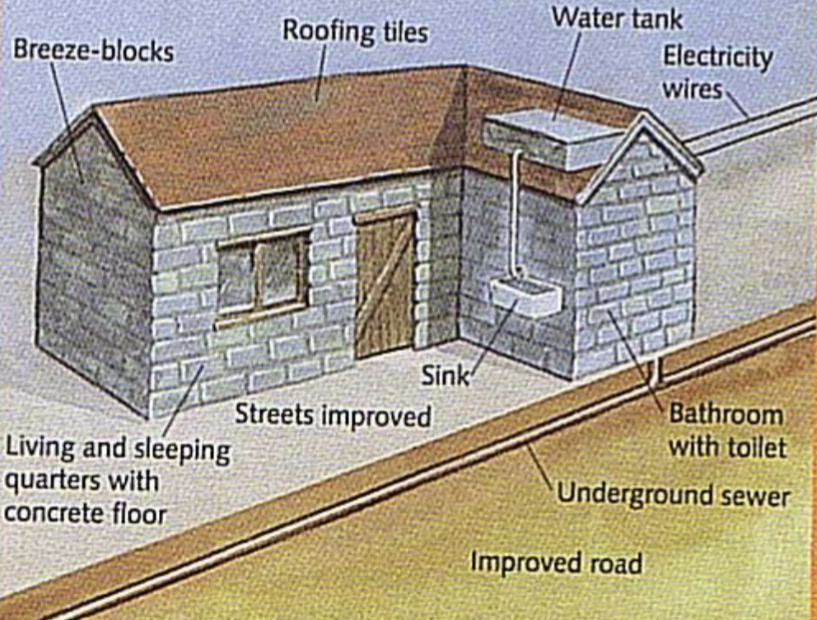
Local authority who upgraded some homes and Relocated some Residents from the Most Unsafe Houses Fitted On Steep Hillside.
Then they were provided with new homes.
This was known as 'site & survice'.
Benefits
• People don't have to pay for materials such as breeze blocks and tiles
• Self-Help Schemes mean Residence now have a right to be on the land and can't be Evicted.
• Homes are Stronger and Less Likely To Collapse.
• Homes were provided with with Electricity, Running Water and Waste Pipes Installed.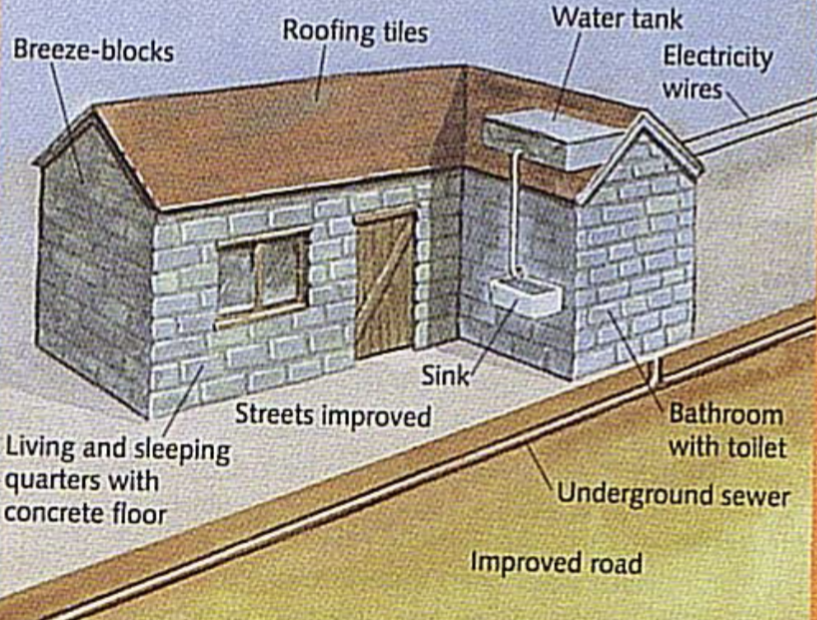
Then they were provided with new homes.
This was known as 'site & survice'.
Benefits
• People don't have to pay for materials such as breeze blocks and tiles
• Self-Help Schemes mean Residence now have a right to be on the land and can't be Evicted.
• Homes are Stronger and Less Likely To Collapse.
• Homes were provided with with Electricity, Running Water and Waste Pipes Installed.
48
What is the Population of the UK?
68 Million
49
How many people live in Cities and what Percentage of the UK?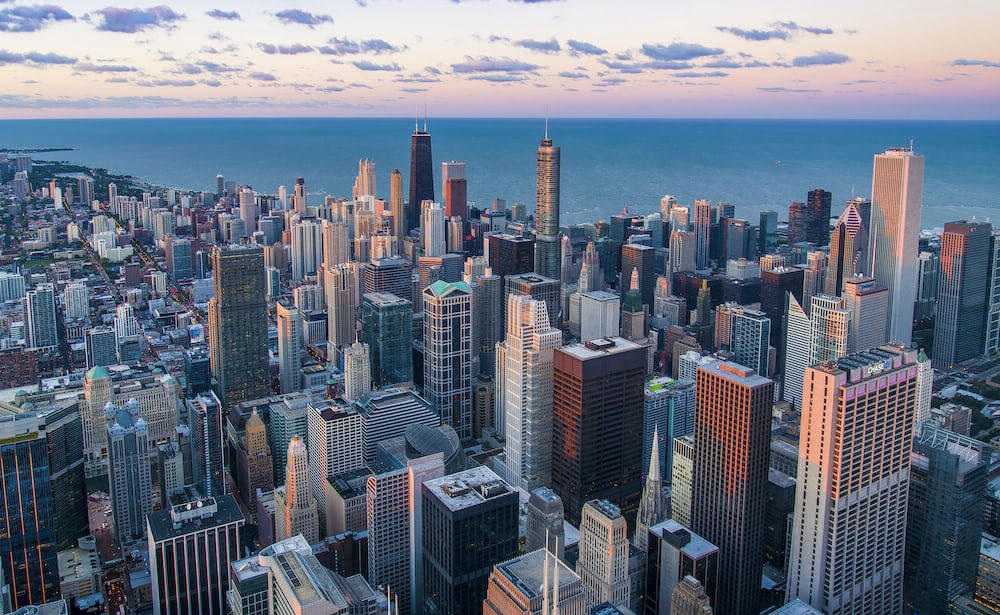
About 55 Million people live in Cities so that means 82% of UK people live in Cities & Towns.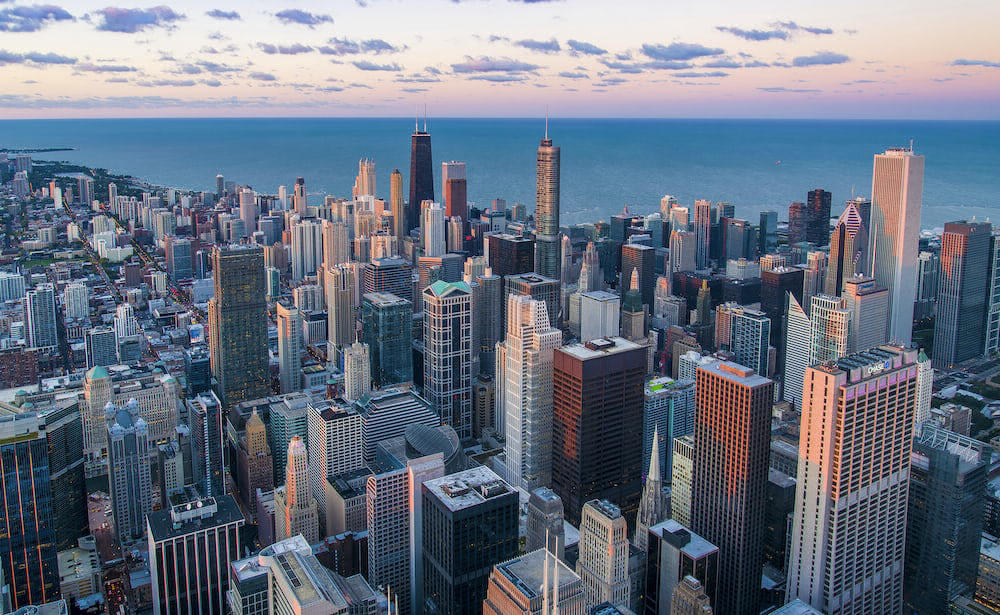
50
Define Densely Populated
An area that has lots of people living in it, Close Together
51
Define Sparsely Populated
An area that has Few People Living in it and that are Spread Out
52
The Distribution of cities in the UK can be Explained by a Range of Geographical factors such as?
Low-land Areas Densely Populated, whereas Upland Areas have Low Population Density. Most urban areas Developed in Lowland Areas because Easier Build On and Favourable Climates
53
Define Historical Factors of UK cities
Many cities originated as Roman settlements, such as London, York, and Bath.
54
How has Physical Geography affected Distribution of UK Cities
The Physical Geography of the UK has influenced the Location of Cities, with many early Settlements established in Areas Good for Agriculture, Near Rivers For Transportation, or Near Natural Resources .
(such as coal and iron ore were accessible during the Industrial Revolution)
(such as coal and iron ore were accessible during the Industrial Revolution)
55
How Has Economic Activity has affected Urban Distribution of UK Cities
The UK's Economic History has Significantly Affected Urban Distribution.
The Industrial Revolution led to a mass Migration Towards Areas Rich In Resources, resulting in growth of Cities In Midlands and the North of England.
( Like Leeds, Sheffield, and Newcastle)
The Industrial Revolution led to a mass Migration Towards Areas Rich In Resources, resulting in growth of Cities In Midlands and the North of England.
( Like Leeds, Sheffield, and Newcastle)
56
Development Transport Networks has affect distribution of UK Cities
The Development Of Transportation Networks, Including Canals,Railways, and Roads, has also shaped the Distribution Of Cities.
London's Transport Network has Established it as a Hub For Both National and International Travel.
Meanwhile, the Developmentof High-speed Rail and Motorways has Connected Distant Cities influencing their growth and accessibility
London's Transport Network has Established it as a Hub For Both National and International Travel.
Meanwhile, the Developmentof High-speed Rail and Motorways has Connected Distant Cities influencing their growth and accessibility
57
Describe & Explain the UK's Population Distribution?
Describe
Densly Populated in London and Southeast. Sparsely populated North of Scotland and Mid Wales.
Explain
Places such as the Midlands and Coast of South Wales are Urbanised because of their Industrial Past.
London as the Capital City of UK & an Important Financial Centre A ccounting for 22% of the UK's GDP.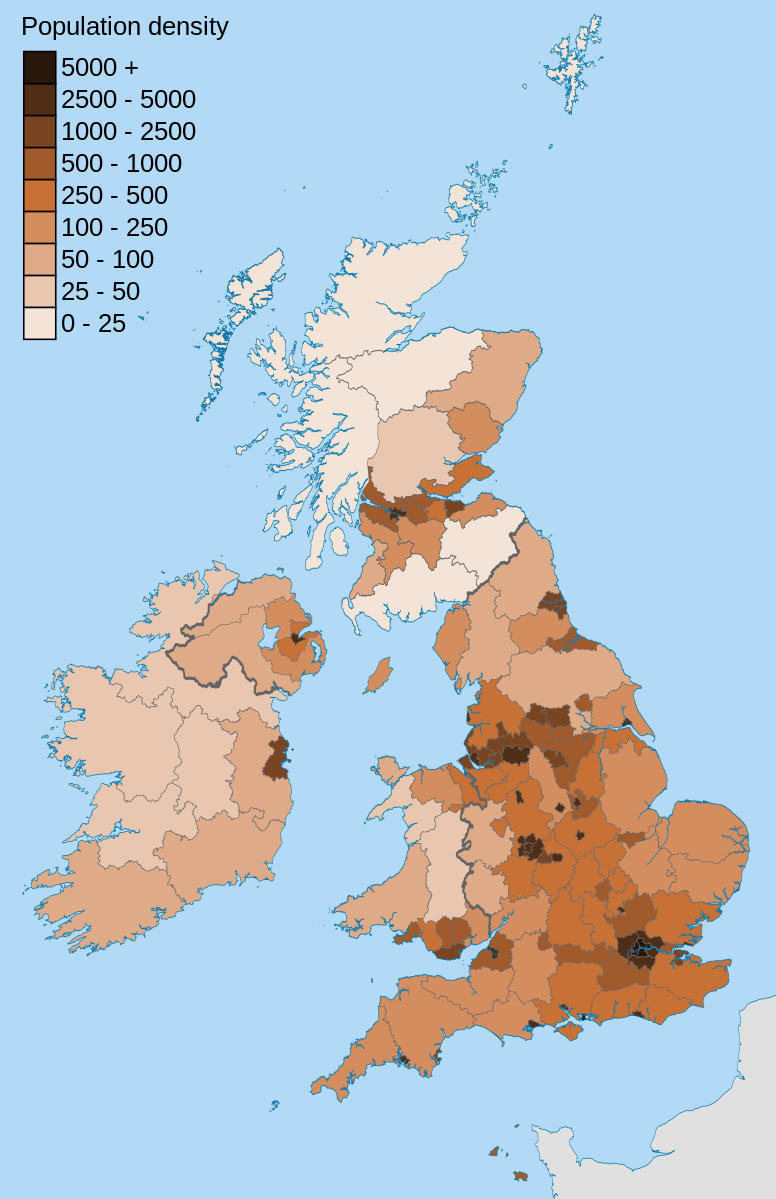
Densly Populated in London and Southeast. Sparsely populated North of Scotland and Mid Wales.
Explain
Places such as the Midlands and Coast of South Wales are Urbanised because of their Industrial Past.
London as the Capital City of UK & an Important Financial Centre A ccounting for 22% of the UK's GDP.
58
Describe How do UK's population has changed over the last 100 years and how is it predicted to change in the Future?
The Population has Gradually Increased over the years but around 2015 it started to speed up rapidly.
In the Future the population is predicted to hit 72 million by 2030.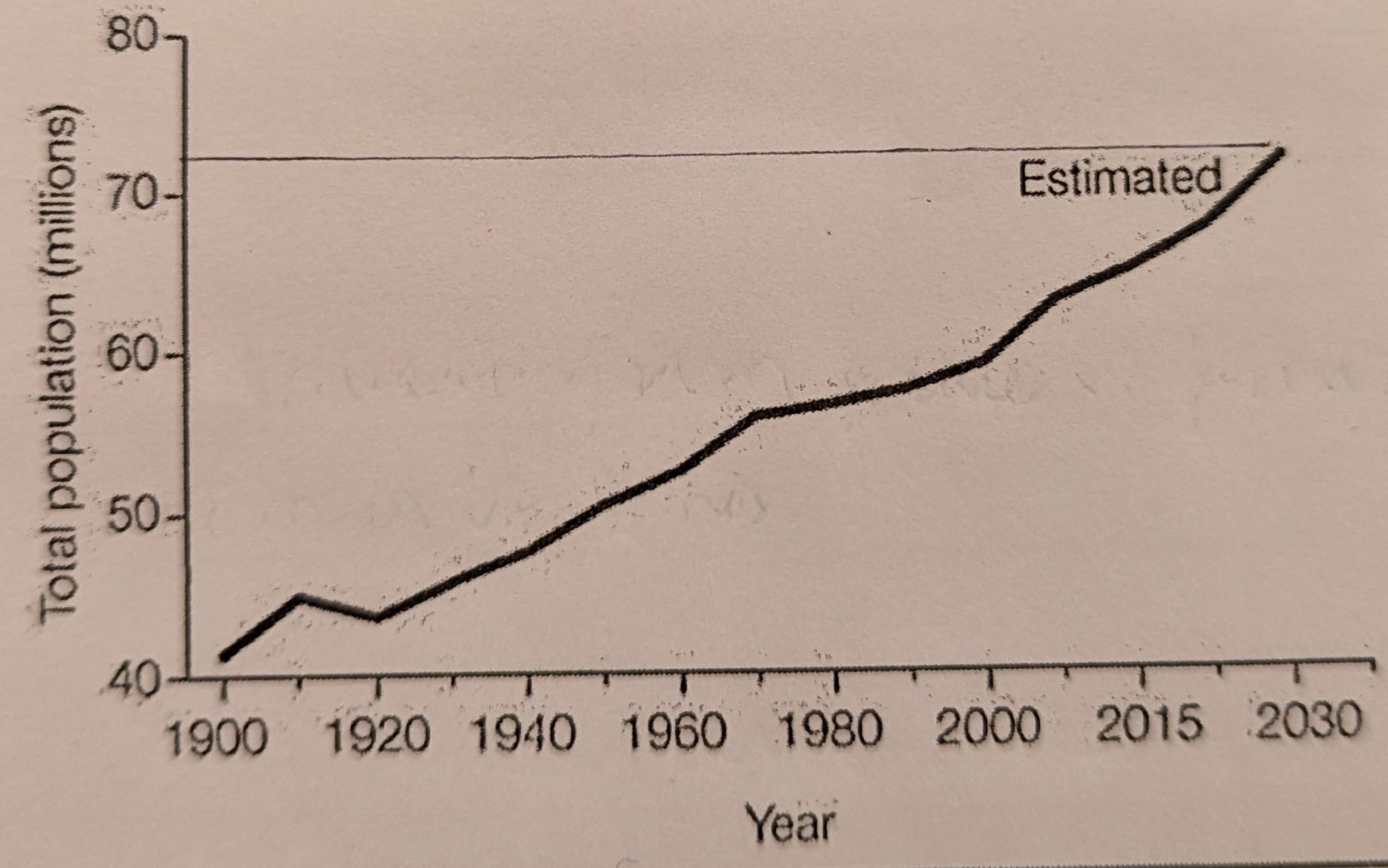
In the Future the population is predicted to hit 72 million by 2030.
59
where is London located?
London located in the South East of England at 51.5° North Latitude.
It is Situated on the River Thames.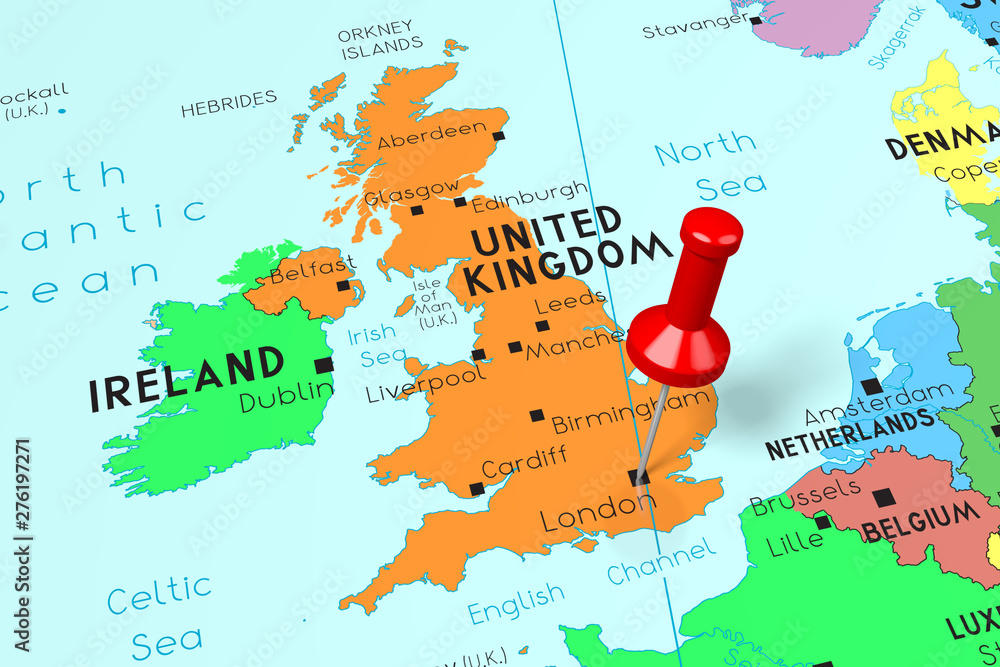
It is Situated on the River Thames.
60
what are the Reasons for London's National Importance?
• London Produced 1/4 of UK's GDP in 2018
• Buckingahm Palace is the Perminant Home of the King
• It's where Parliament is Held
• Around 300 Languages Spoken in London
• 1 in 7 People in UK live in London
• Most Ethnically Diverse Area of UK
• Buckingahm Palace is the Perminant Home of the King
• It's where Parliament is Held
• Around 300 Languages Spoken in London
• 1 in 7 People in UK live in London
• Most Ethnically Diverse Area of UK
61
what are the Reasons for London's International Importance?
• London is the Home to Some of the World's Best Universities
• Four Major Airports Receive Over 100 Thousand Flights a Month
• London's Time Zone Allows Trade with both USA and Far East easley
• Home to Massive Global Brands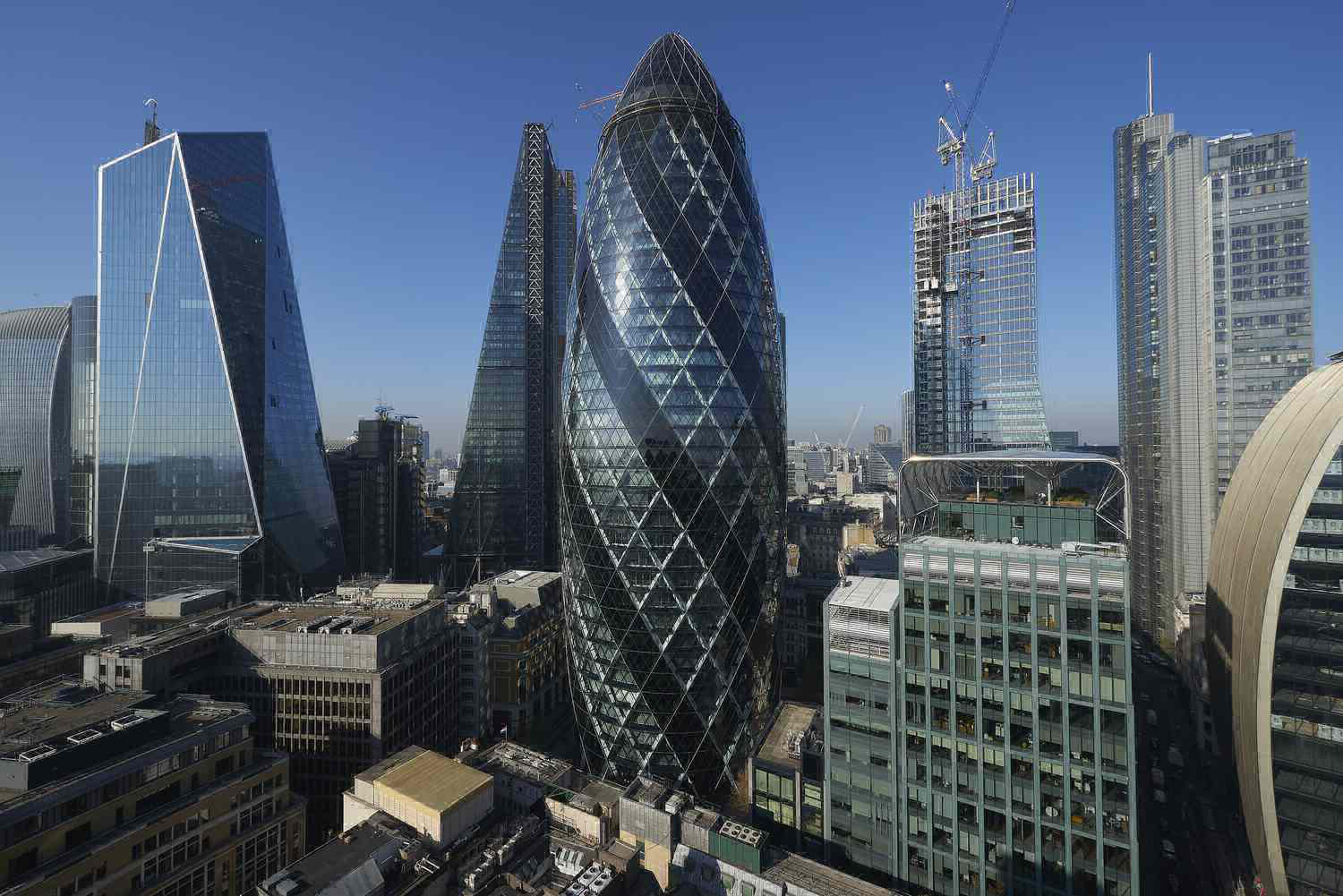
• Four Major Airports Receive Over 100 Thousand Flights a Month
• London's Time Zone Allows Trade with both USA and Far East easley
• Home to Massive Global Brands
62
What is the Location and Importance of London to the UK?
• It's Located In the Southeast of England with the River Thames running from West to East through the City
• It Developed as a Major Port, Administrative Capital and Centre Of Government.
• It's the Largest & Wealthiest City in UK
• It Developed as a Major Port, Administrative Capital and Centre Of Government.
• It's the Largest & Wealthiest City in UK
63
What is the Location and Importance of London to the Wider World?
• Major Global Financial Center.
• Tourism from around the world is a Huge Earner
• Hosted 2012 Olympic Games
• Known for it's Theatres & Other Cultural Attractions.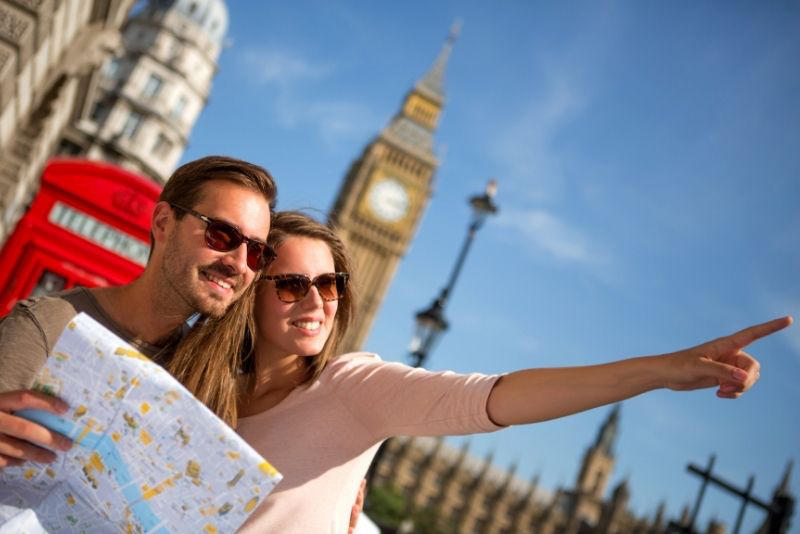
• Tourism from around the world is a Huge Earner
• Hosted 2012 Olympic Games
• Known for it's Theatres & Other Cultural Attractions.
64
What are the Pros of Migration in London?
• Enhance City's Cultural Life & Diversity. Attracts Tourism & improves it's Cultural Status.
• Hard Working & Motivated Workforce
• Contrubutes to both Local & National Economy . Migrants will filll essential roles in the Job Market (both Low and High Skill)
• Mainly Young People so will help balance Ageing Polutlation
• Hard Working & Motivated Workforce
• Contrubutes to both Local & National Economy . Migrants will filll essential roles in the Job Market (both Low and High Skill)
• Mainly Young People so will help balance Ageing Polutlation
65
What are the Cons of Migration in London?
• Pressure on Housing & Employment. Competition for jobs can sometimes lead to Friction between Migrants & Native Population
• London's Diversity can create Social Tension and Challenges with Community.
• Growing Population puts pressure on Housing, Education & Healthcare Services. Leads to Increase Costs.
(costs I needed to provide education for children whose first language is not English
• London's Diversity can create Social Tension and Challenges with Community.
• Growing Population puts pressure on Housing, Education & Healthcare Services. Leads to Increase Costs.
(costs I needed to provide education for children whose first language is not English
66
When did Migration take place in London?
• Post-World War II :
Significant migration from the Commonwealth, notably the Caribbean, India, Pakistan, and Bangladesh.
• Late 20th Century:
Increased migration from African countries and the expansion of the European Union leading to more migrants from Eastern Europe.
Significant migration from the Commonwealth, notably the Caribbean, India, Pakistan, and Bangladesh.
• Late 20th Century:
Increased migration from African countries and the expansion of the European Union leading to more migrants from Eastern Europe.
67
What factors (push & pull) influenced migration?
Push Factors:
Economic Challenges, Political Instability, Conflicts.
Pull Factors:
Economic Opportunities, Political Stability, Diverse Culture &Large Migrant Communities
Economic Challenges, Political Instability, Conflicts.
Pull Factors:
Economic Opportunities, Political Stability, Diverse Culture &Large Migrant Communities
68
How has Migration Affected Political Decisions?
The diverse migrant population influences London's Political Dynamics, affecting:
• Policy Descions
• Voting Patterns
• Goverance
• Policy Descions
• Voting Patterns
• Goverance
69
What are the Social and Economic Opportunities in London?
• Transport
• Tourism
• Culture & Diversity
• Shopping & Leisure
• Environment
• Economy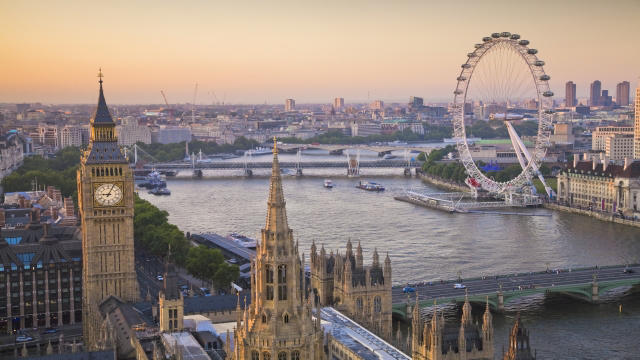
• Tourism
• Culture & Diversity
• Shopping & Leisure
• Environment
• Economy
70
What are the Social and Economic Opportunities for Transport in London?
• 20 thousand Licensed Taxi Drivers
• 11 Underground Lines
• 22 Piers
• London has lots of transport such as Buses, Trains, the Underground, the Overground, Taxis, Bike Hire, and Boats they are all efficiently Linked with information, Ticketing & Journey Planning.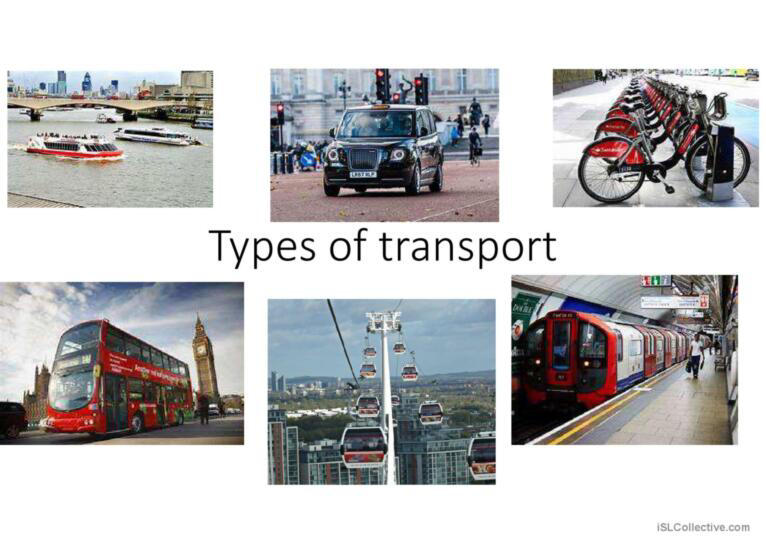
• 11 Underground Lines
• 22 Piers
• London has lots of transport such as Buses, Trains, the Underground, the Overground, Taxis, Bike Hire, and Boats they are all efficiently Linked with information, Ticketing & Journey Planning.
71
What are the Social and Economic Opportunities for Tourism in London?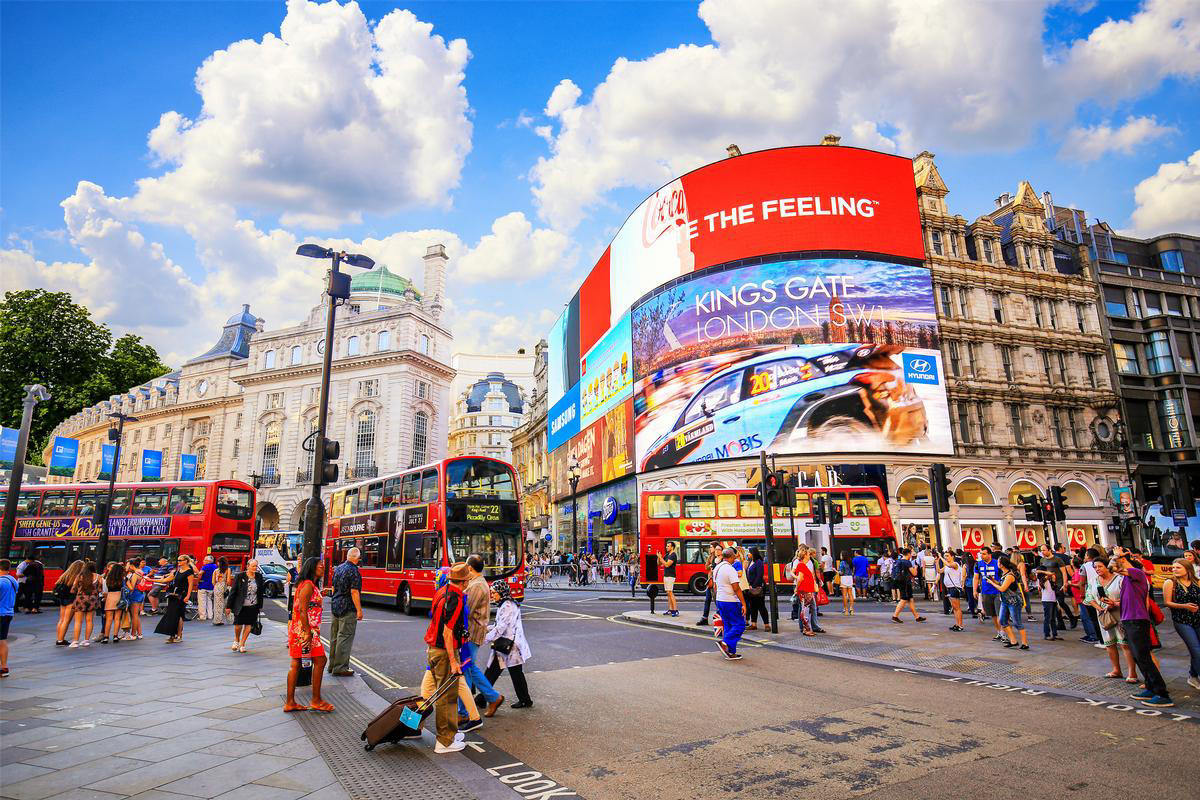
• There were 16.8 Million Visitors in 2013
• London is home to the finest Art Galleries. The Tate Modern has over 70,00 pieces.
• West End & Many Restaurants
• London has 4 UNESCO Sites
- Tower of London
- Kew Gardens
- Maritime Greenwich
-Palace of Westminster, Westminster Abbey & St. Margaret's Church
• London is home to the finest Art Galleries. The Tate Modern has over 70,00 pieces.
• West End & Many Restaurants
• London has 4 UNESCO Sites
- Tower of London
- Kew Gardens
- Maritime Greenwich
-Palace of Westminster, Westminster Abbey & St. Margaret's Church
72
What are the Social and Economic Opportunities for Cultural Diversity in London?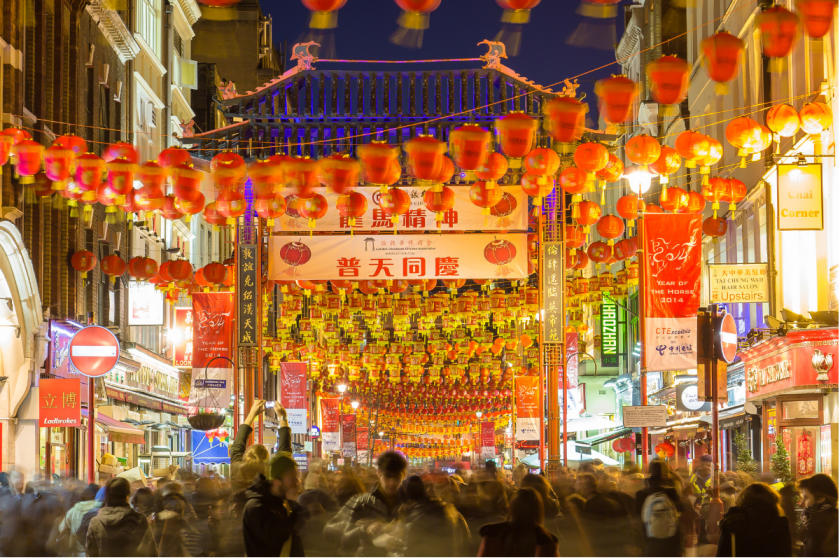
• Over 300 Languages are Spoken
• Great exposure to different Religions, Languages and Cultural Parties
• Amazing array of Food from Different Cultures.
• Has Young and Culturally Diverse Population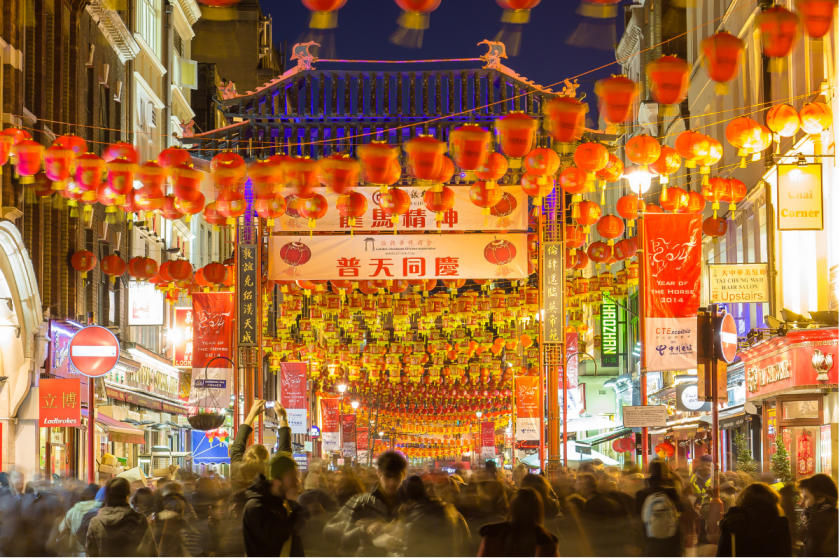
• Great exposure to different Religions, Languages and Cultural Parties
• Amazing array of Food from Different Cultures.
• Has Young and Culturally Diverse Population
73
What are the Social and Economic Opportunities for Shopping & Leisure in London?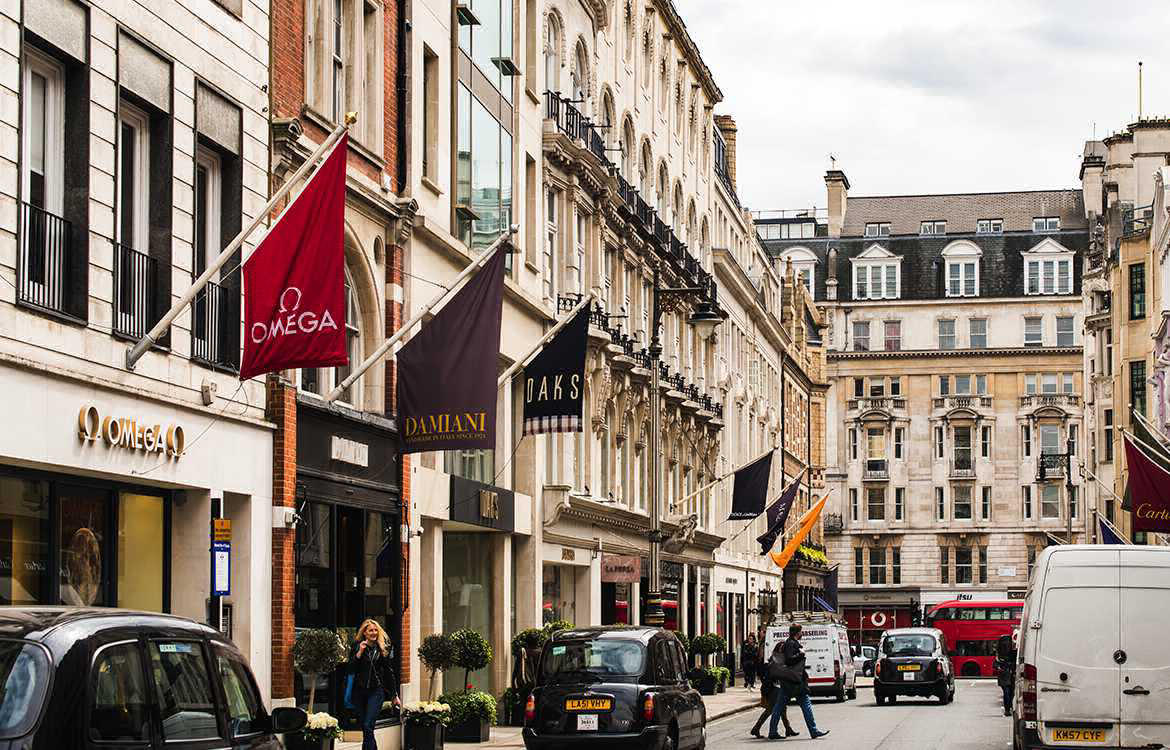
• London is One of the World's Top Destinations for Shopping
• It has Department Stores, Street Markets, Vintage Shops and High-end Boutiques.
• 4,500 Pubs & Bars
• 500 Cinemas
• 300 Theatres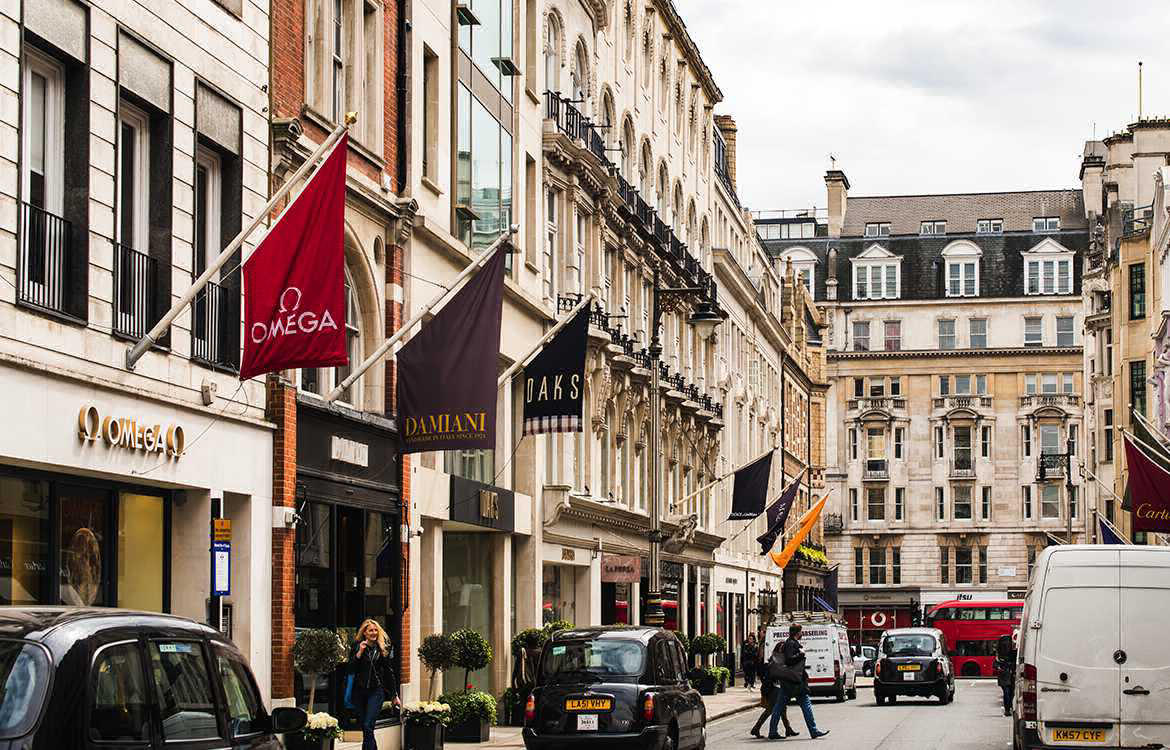
• It has Department Stores, Street Markets, Vintage Shops and High-end Boutiques.
• 4,500 Pubs & Bars
• 500 Cinemas
• 300 Theatres
74
What are the Social and Economic Opportunities for Environment in London?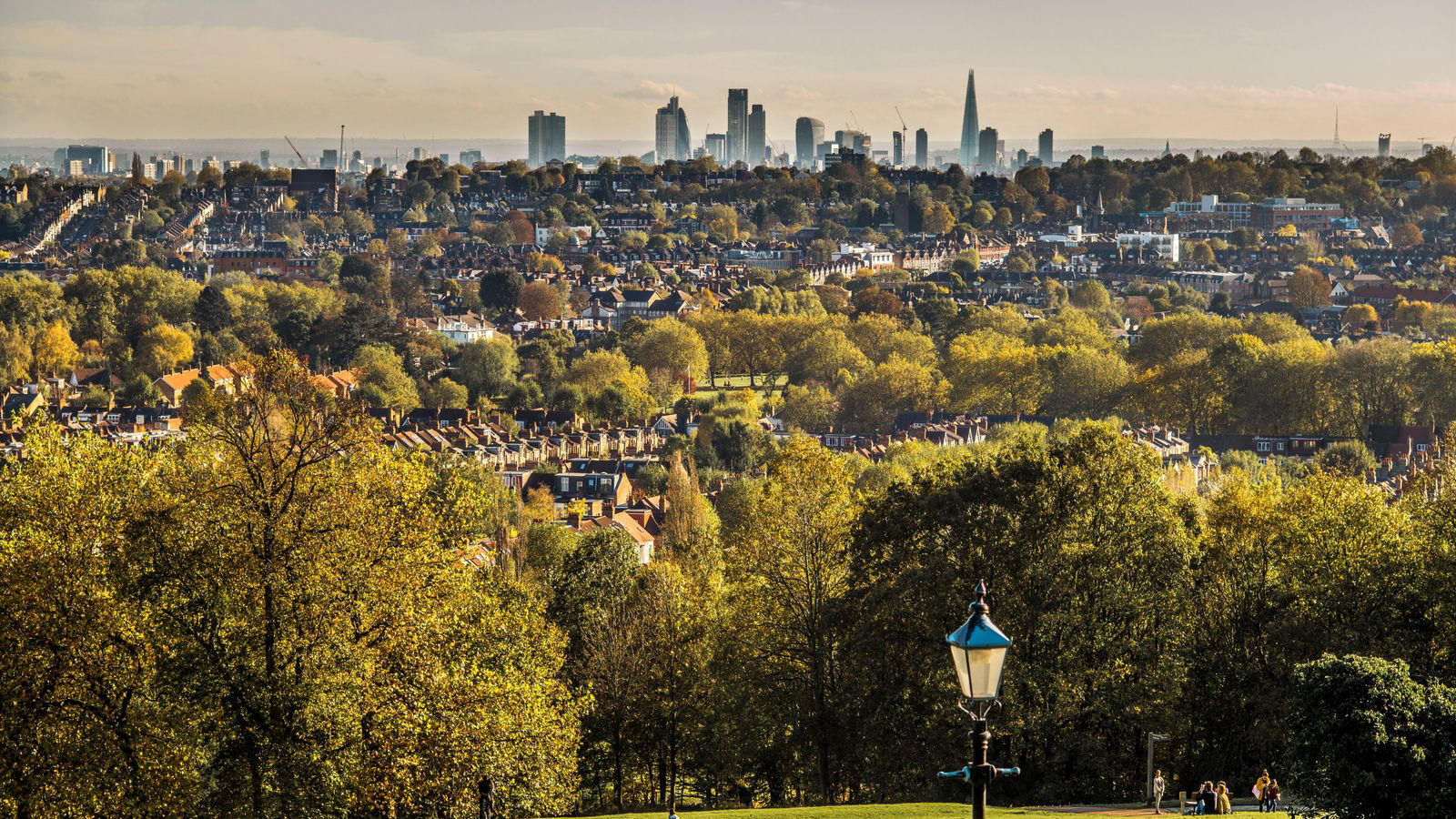
• London has an Environmental Strategy covering:
Air Quality, Climate Change Migration, Energy, Waste, Noise, and a Low Carbon Economy
• Becoming Zero Carbon City by 2025
• 8 million trees
• Now a Quarter of a Million People Work in the Low Carbon & Environmental Goods and Services Sector (green economy)
• Ultra Low Emision Zone is 2nd Largest in the World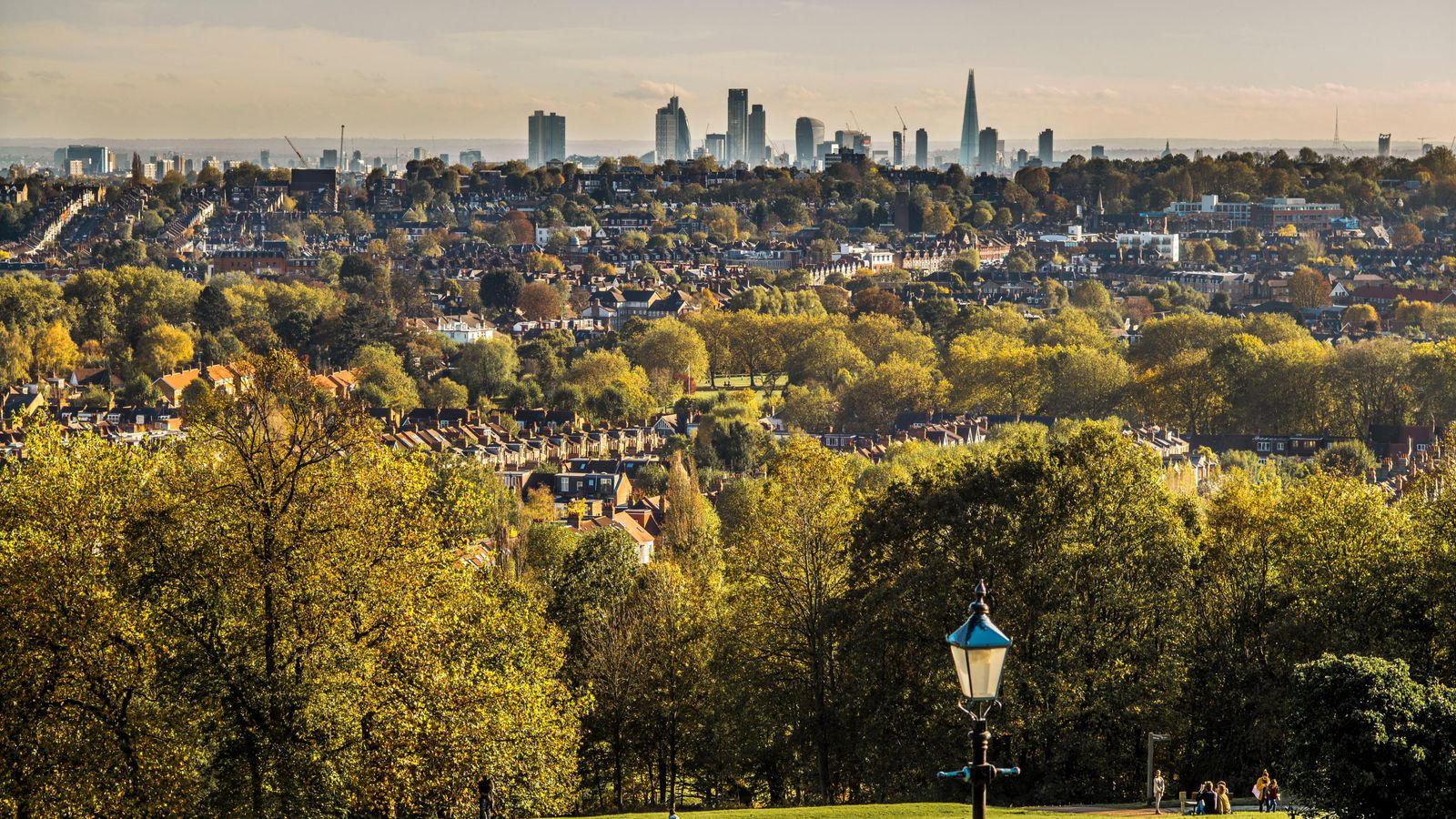
Air Quality, Climate Change Migration, Energy, Waste, Noise, and a Low Carbon Economy
• Becoming Zero Carbon City by 2025
• 8 million trees
• Now a Quarter of a Million People Work in the Low Carbon & Environmental Goods and Services Sector (green economy)
• Ultra Low Emision Zone is 2nd Largest in the World
75
What are the Social and Economic Opportunities for Economy in London?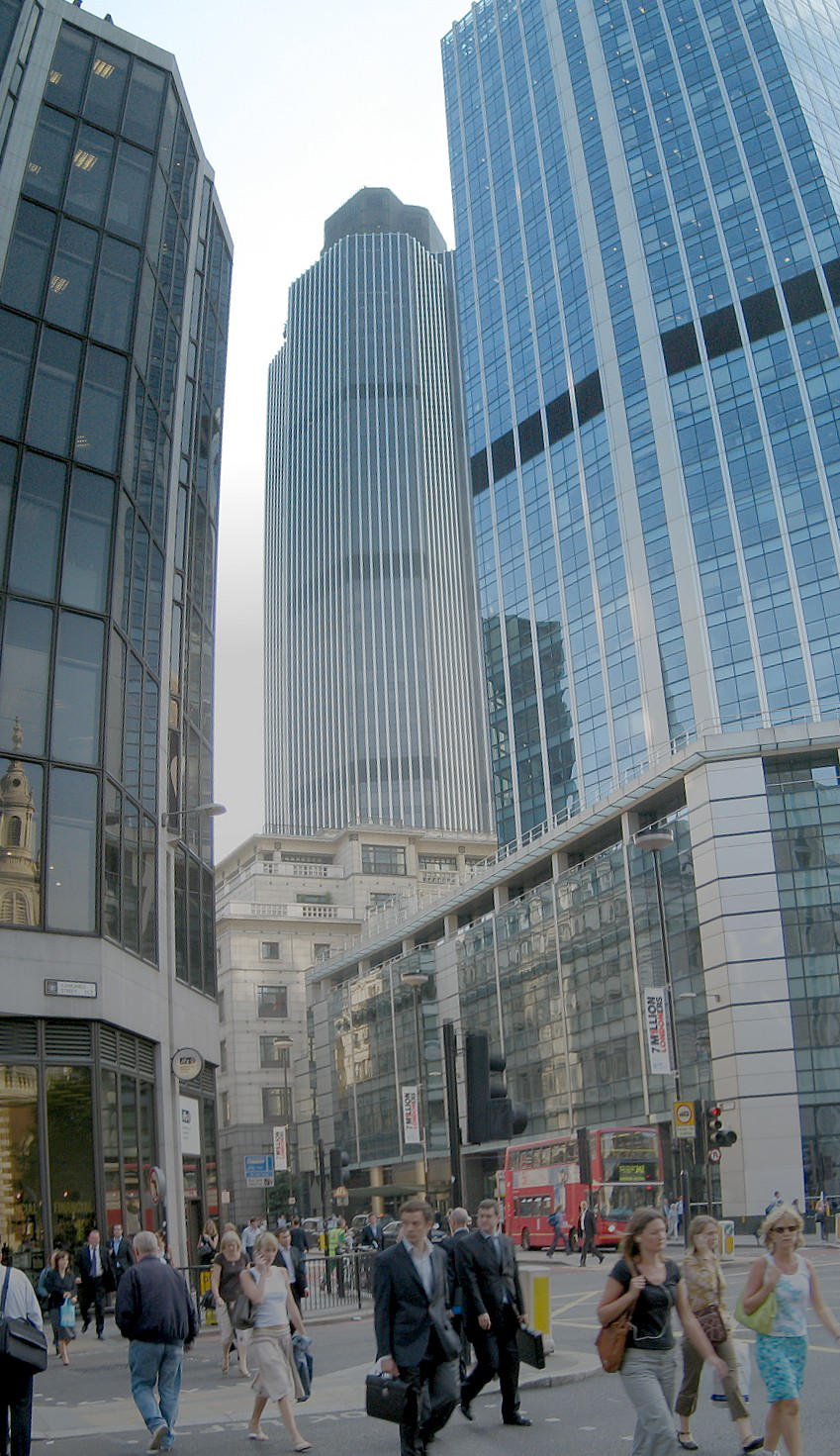
• London's economy generates approximately 25% of the UK's GDP
• 64% of people who live in UK are Full-Time, 17% Part Time & 19% Self Employed
• More People in London are Economically Active at Ages 25-64
• 78% of Males are Economically Active but only 66% of Women are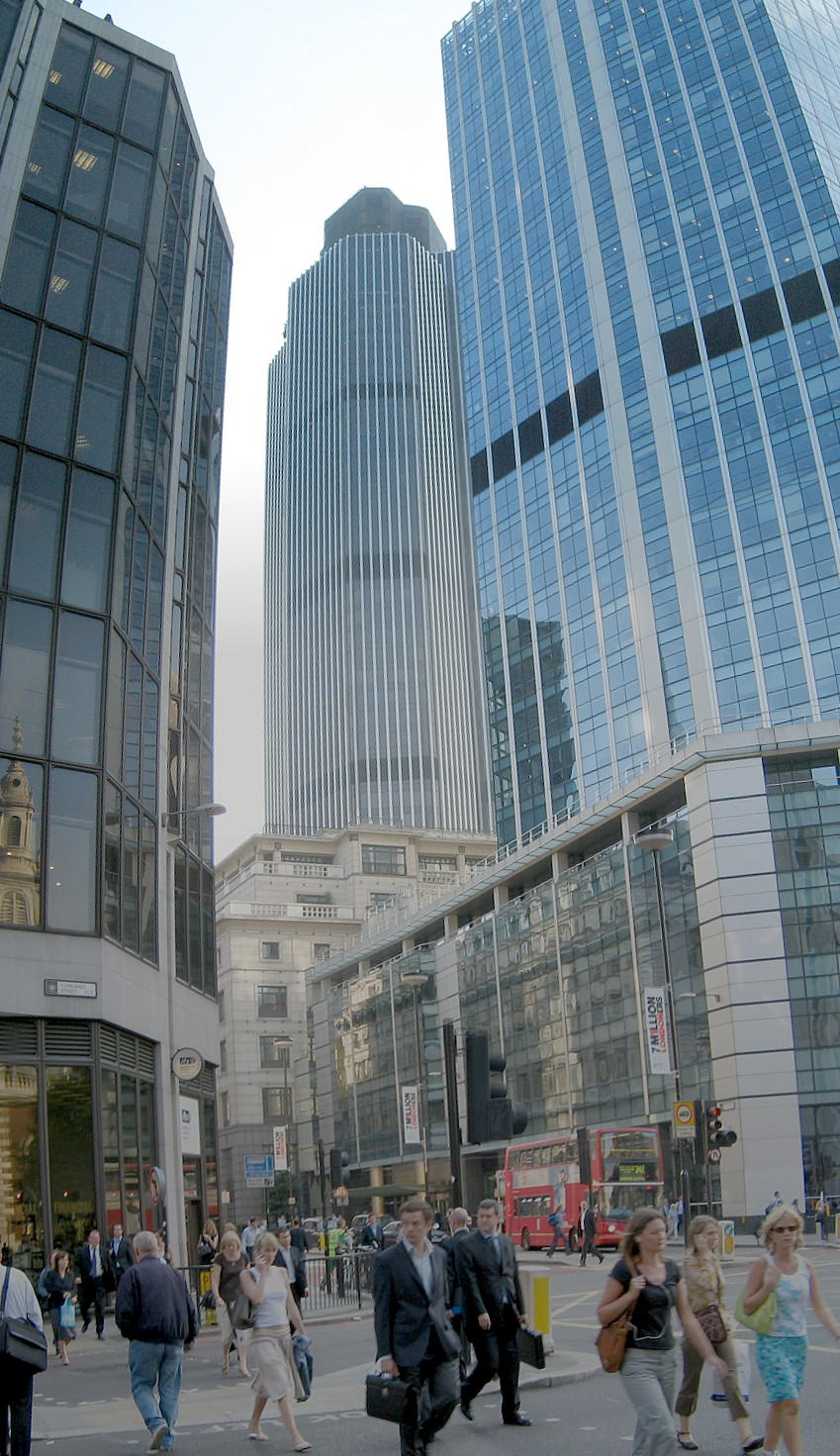
• 64% of people who live in UK are Full-Time, 17% Part Time & 19% Self Employed
• More People in London are Economically Active at Ages 25-64
• 78% of Males are Economically Active but only 66% of Women are
76
Define Brownfield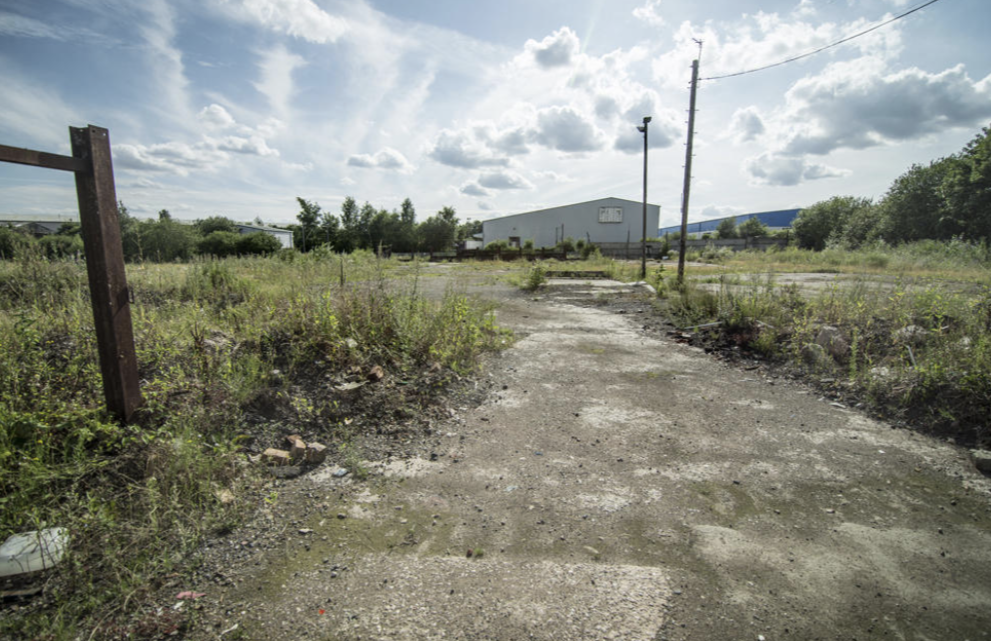
A Site that has Been Built On Before and is ready for Development.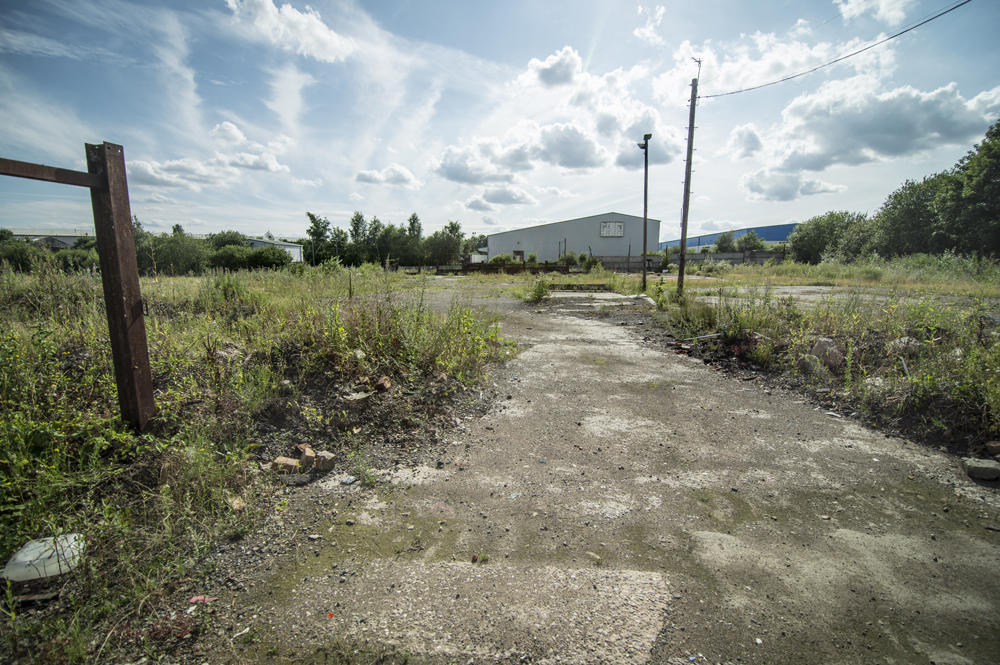
77
Define Greenfield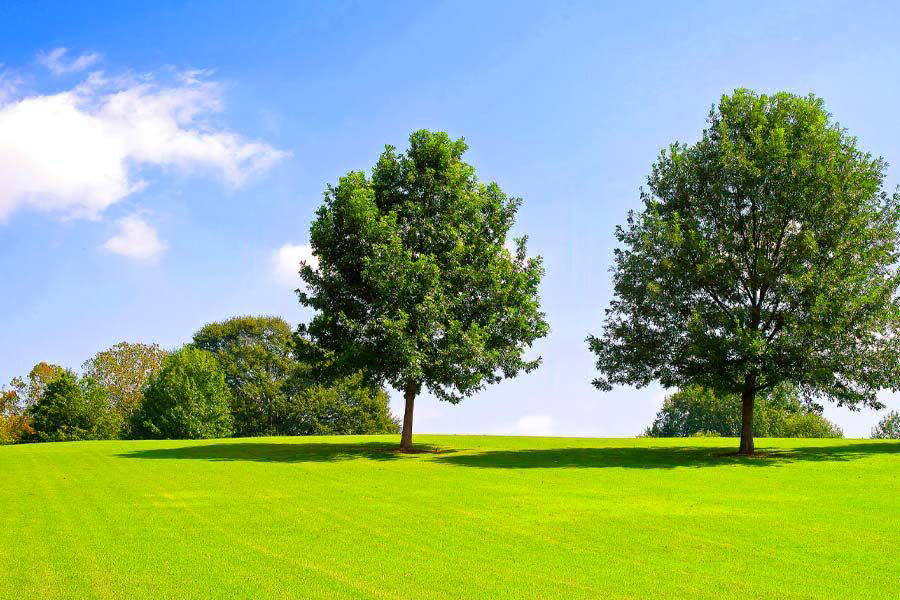
A Site that Has Not been Built on before.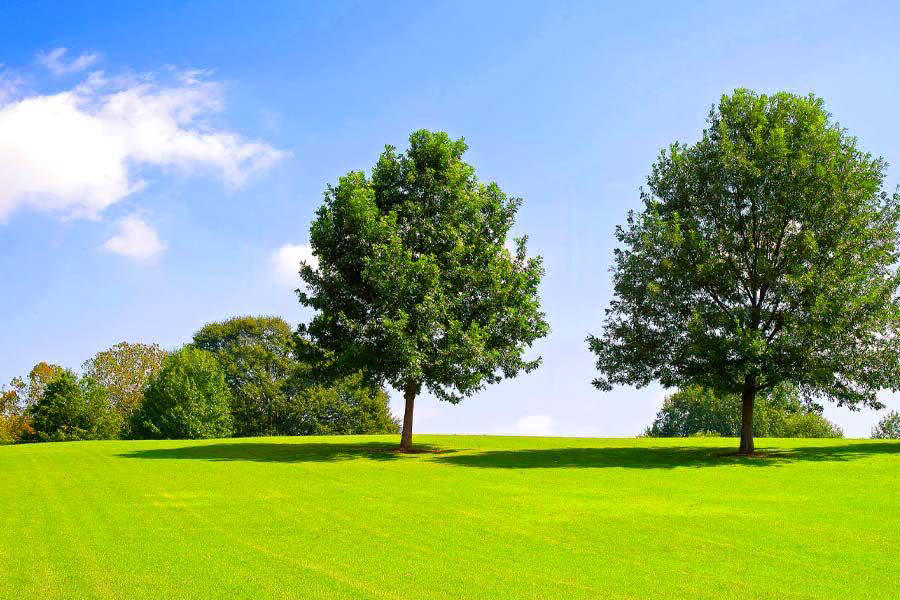
78
Define Green Belt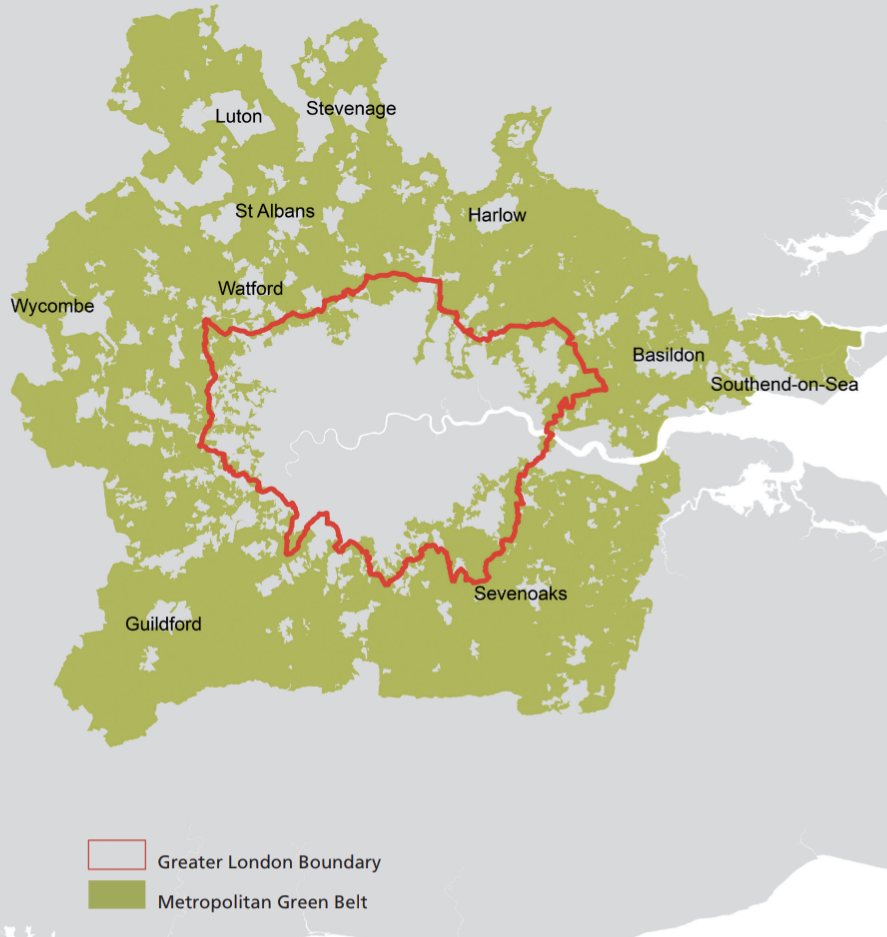
An Area of Countryside around Urban Areas that is Protected to Prevent Urban Sprawl (growth of town/city)
79
Define Urban-Frindge
Area at Very Edge Of City Beside Countryside
80
Define Urban Greening
Process of Encouraging More Vegetation & Green Spaces Amongst City
81
What are the Benefits for Urban Greening in London? Sustainability Benefits, Econimic Benefits, Social Benefits, Environmental Benefits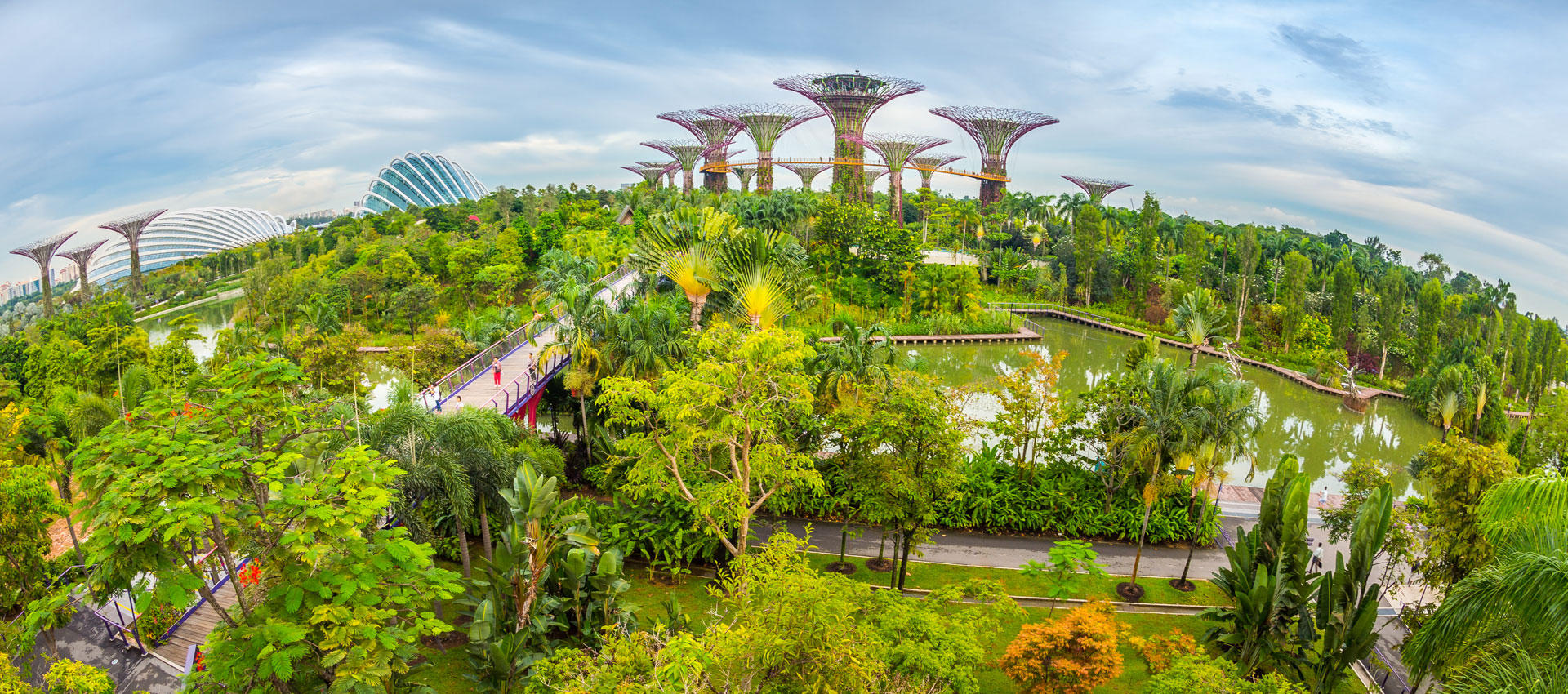
Environmental Benefits
• Improve Air Quality- Plants Absorb CO2 Reducing Air Pollution
• Temperature Regulations- Green Spaces Lower Urban Temps
Social Benefits
• Recreactional Spaces- Provide Areas of Physical Activity & Relaxation, improving Mental Health
• Community Cohesion- Provide Community Interaction
Econimic Benefits
• Increased Property Values- Areas With Urban Greening Often See Increase Real Estate
• Tourism Attraction- Well-maintainted Parks & Green Areas Attract Tourists Boosting Local Economy
Sustainability Benefits
• Biodiversity- Supports Urban Wildlife & Contributes to Ecosystems
• Rain Management- Vegetation & Soil Help Absorb Rainwater Reducing Flooding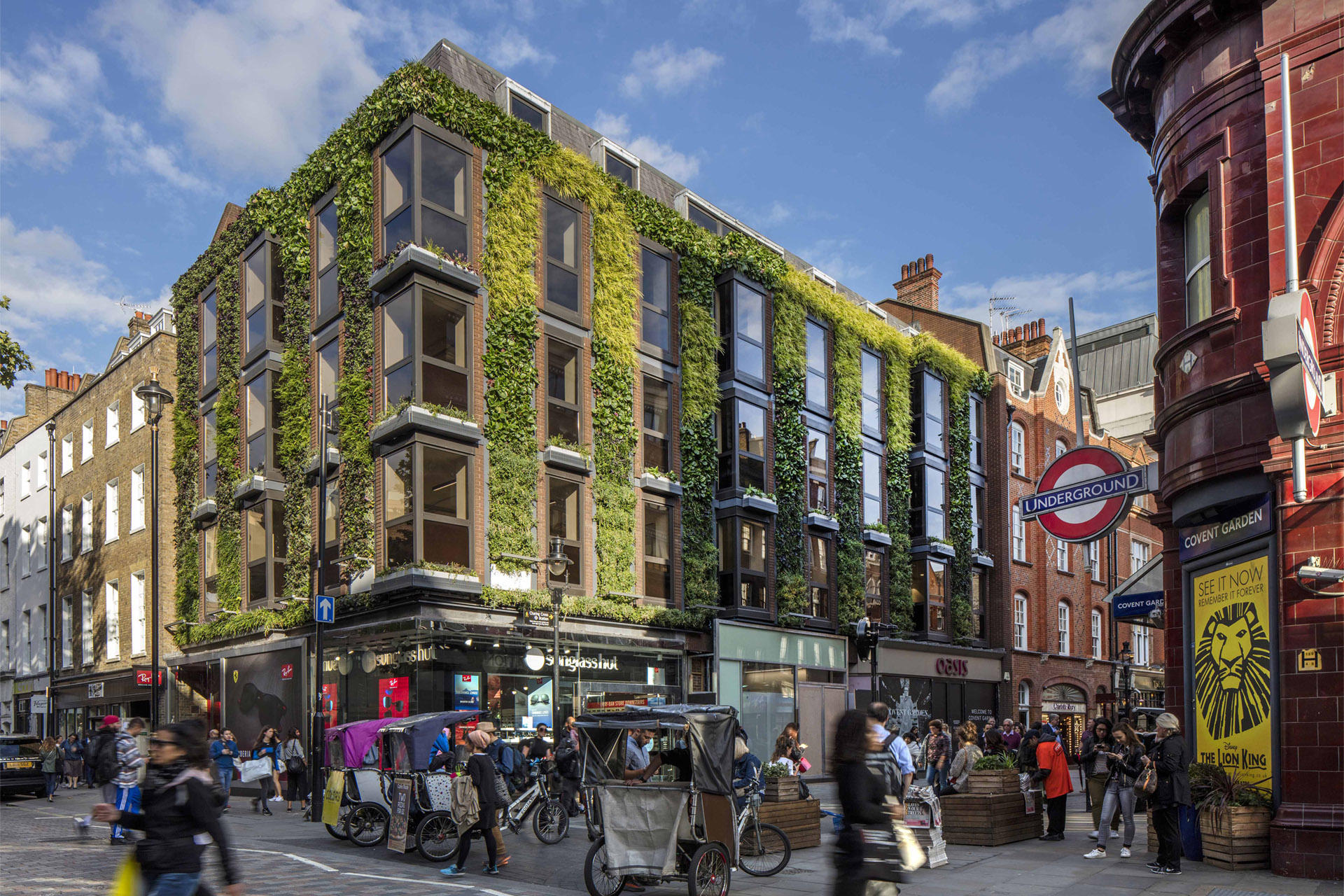
• Improve Air Quality- Plants Absorb CO2 Reducing Air Pollution
• Temperature Regulations- Green Spaces Lower Urban Temps
Social Benefits
• Recreactional Spaces- Provide Areas of Physical Activity & Relaxation, improving Mental Health
• Community Cohesion- Provide Community Interaction
Econimic Benefits
• Increased Property Values- Areas With Urban Greening Often See Increase Real Estate
• Tourism Attraction- Well-maintainted Parks & Green Areas Attract Tourists Boosting Local Economy
Sustainability Benefits
• Biodiversity- Supports Urban Wildlife & Contributes to Ecosystems
• Rain Management- Vegetation & Soil Help Absorb Rainwater Reducing Flooding
82
What are the Strategies for urban Greening in London?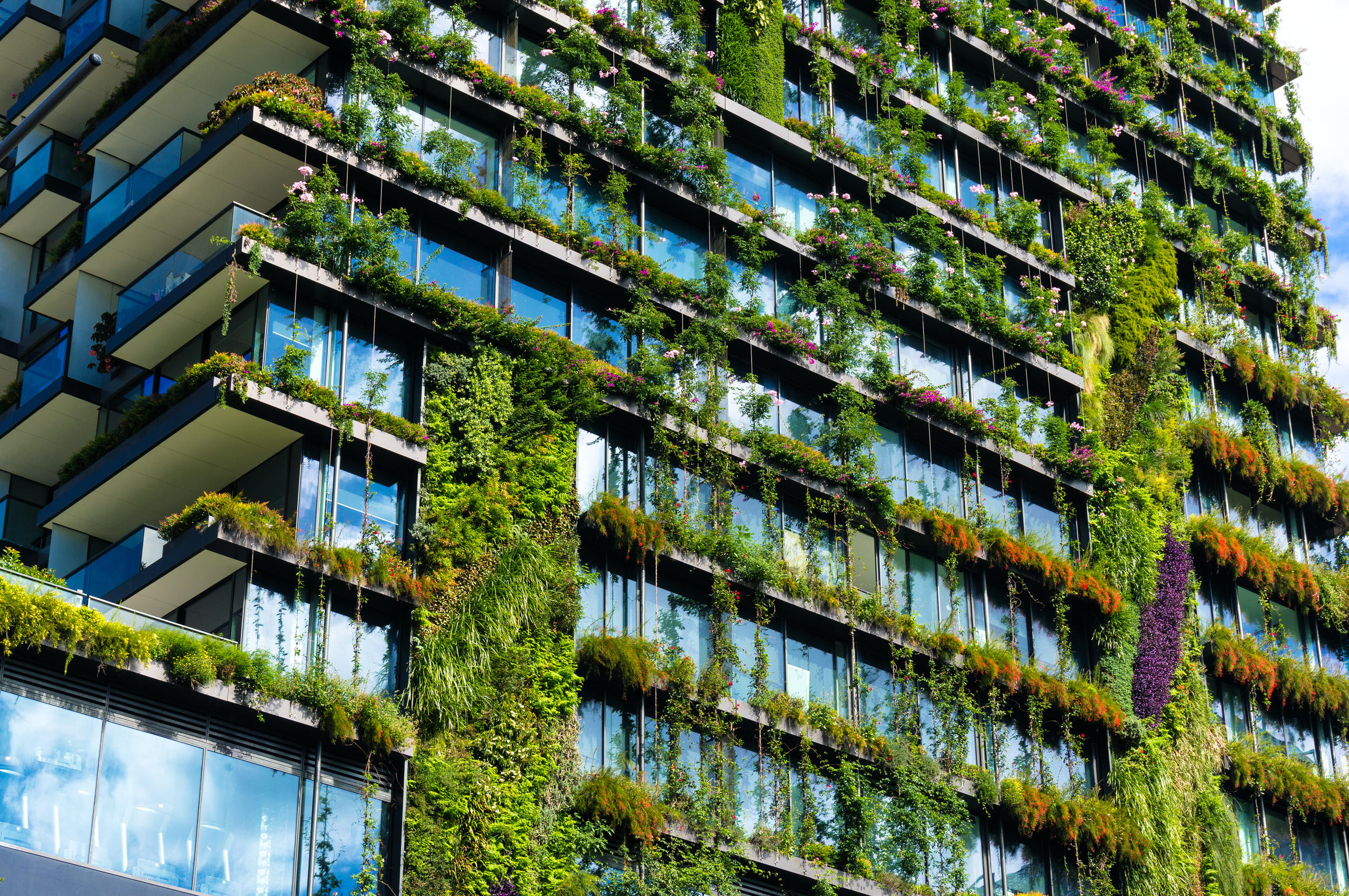
Use of a Space
Projects like Queen Elizabeth Olympic Park aim to Transform Unused Areas into Vibrant Green Spaces
Verticle Greening & Green Roofs
Are Encouraged with Policies & Aiming for London Increase Green Roof Coverage by 5% by 2030
Development of Community Gardens
Local Greening Projects involve Residents Directly & Often Use Crowd- Sourced Funding
London Adopted Biodiversity Action Plans
Targeting Specific Species & Habitats for Conservation & Improving Ecosystems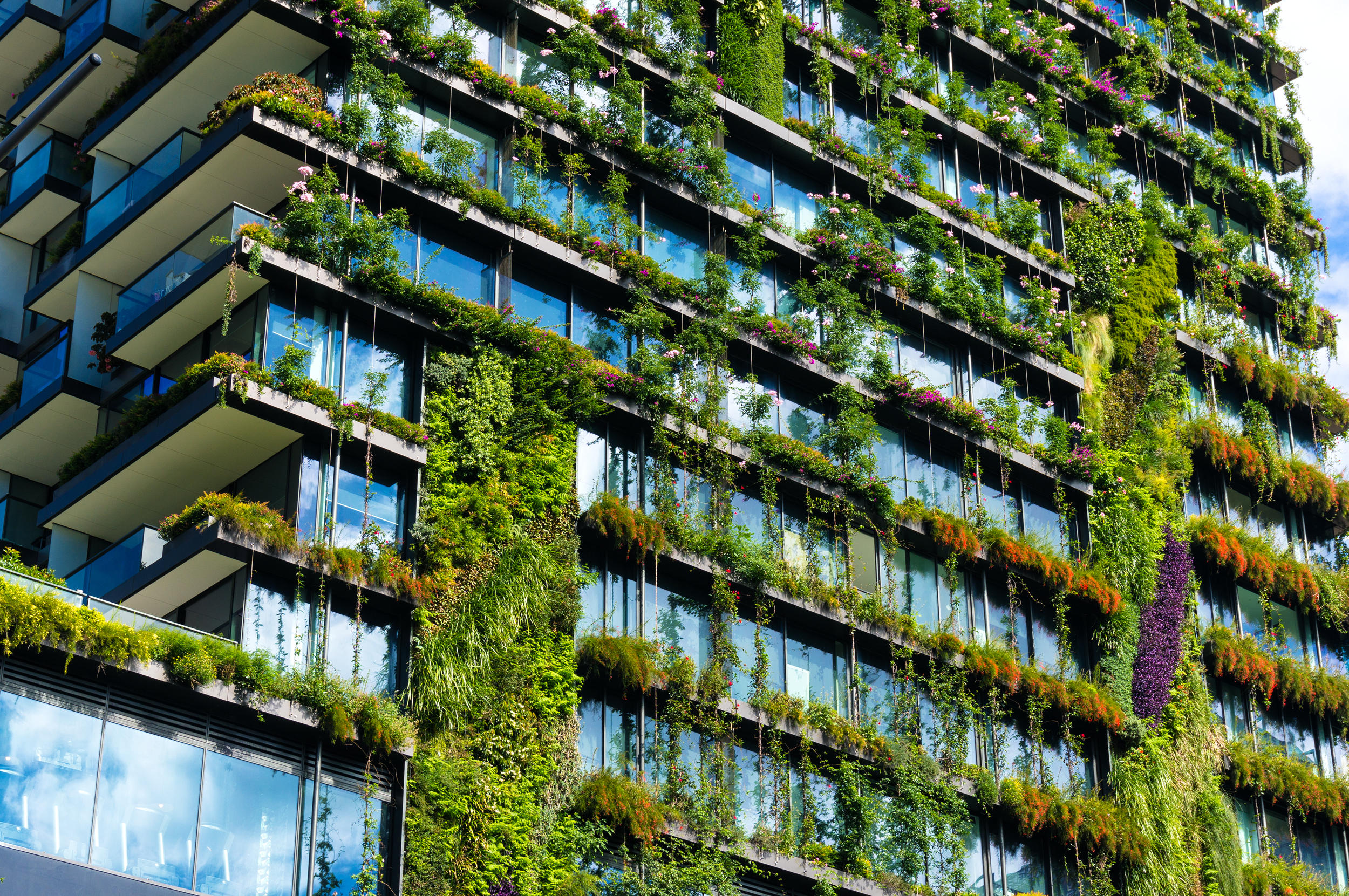
Projects like Queen Elizabeth Olympic Park aim to Transform Unused Areas into Vibrant Green Spaces
Verticle Greening & Green Roofs
Are Encouraged with Policies & Aiming for London Increase Green Roof Coverage by 5% by 2030
Development of Community Gardens
Local Greening Projects involve Residents Directly & Often Use Crowd- Sourced Funding
London Adopted Biodiversity Action Plans
Targeting Specific Species & Habitats for Conservation & Improving Ecosystems
83
What are the Positive and Negatives for Building on Greenfield Sites?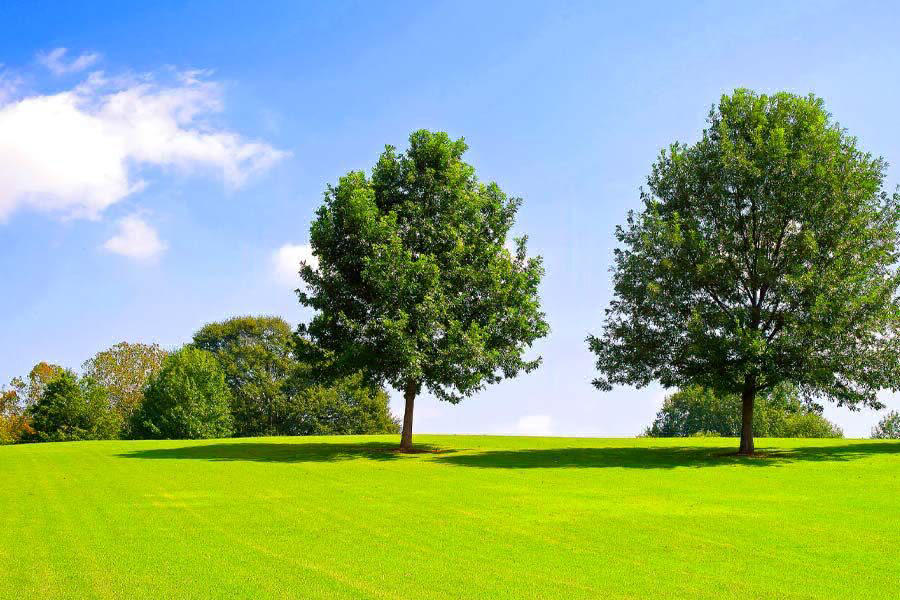
Postives
• More Space Available For Gardens
• Planners & Architects have a Blank Canvas
• Existing Road Networks are Not in Place so Don't Restrict Planning
• Sites on edge of City' often close to Major Motorways providing Good Access
• No Need to Clean Up the Site from Previous Land Uses therefore Cheaper
• Urban Frindge Environment appeals to Buyers
Negatives
• People may Protest Against Development
• New Drainage, Electricity and Roads would have to be Produced.
• Squeezes out habitats & Farmland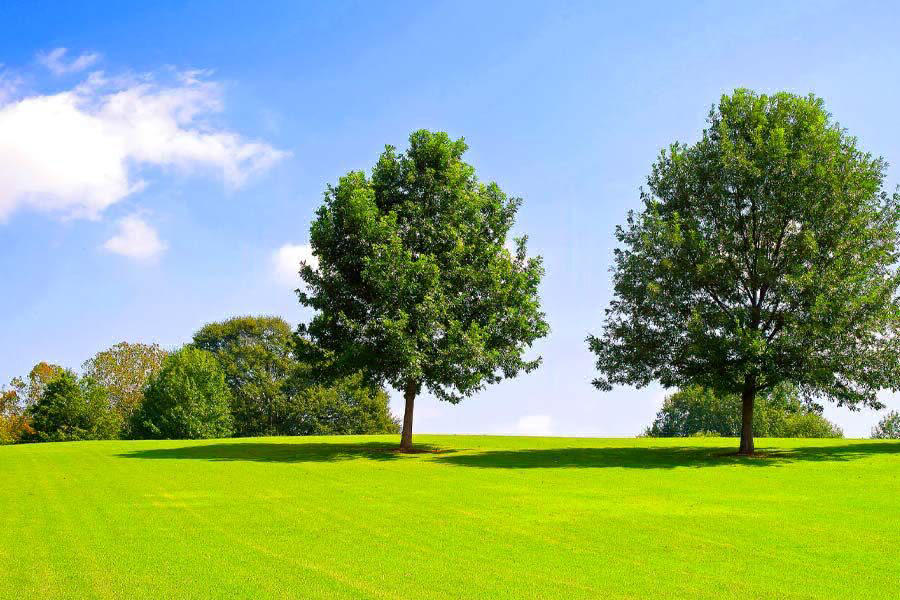
• More Space Available For Gardens
• Planners & Architects have a Blank Canvas
• Existing Road Networks are Not in Place so Don't Restrict Planning
• Sites on edge of City' often close to Major Motorways providing Good Access
• No Need to Clean Up the Site from Previous Land Uses therefore Cheaper
• Urban Frindge Environment appeals to Buyers
Negatives
• People may Protest Against Development
• New Drainage, Electricity and Roads would have to be Produced.
• Squeezes out habitats & Farmland
84
What are the Positive and Negatives for Building on Brownfield Sites?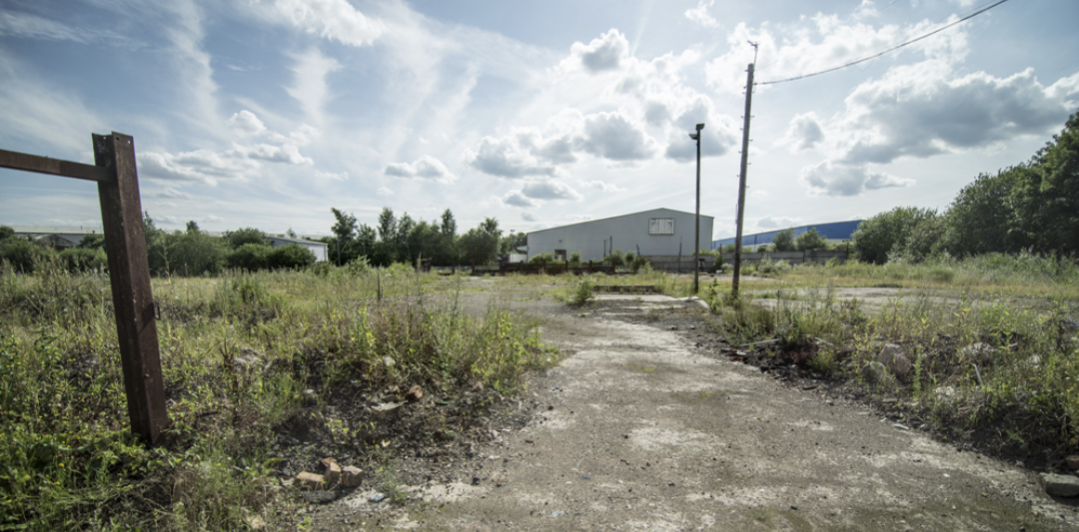
Posotives
• Easier Gain Planning Permission as Councils are eager to resuse
• Stop City Expansion as already in city
• Crime Rates Decrease
• Road & Electricity Networks already exist but may need updating
• Nearer to Central Business District(CBD)
Negatives
• Clearing Rubbish is Expensive
• Many Brownfield Sites were previously used for Industry and Soil is often Contaminated.
• House Prices increase further in Inner London so Local People may not be able to afford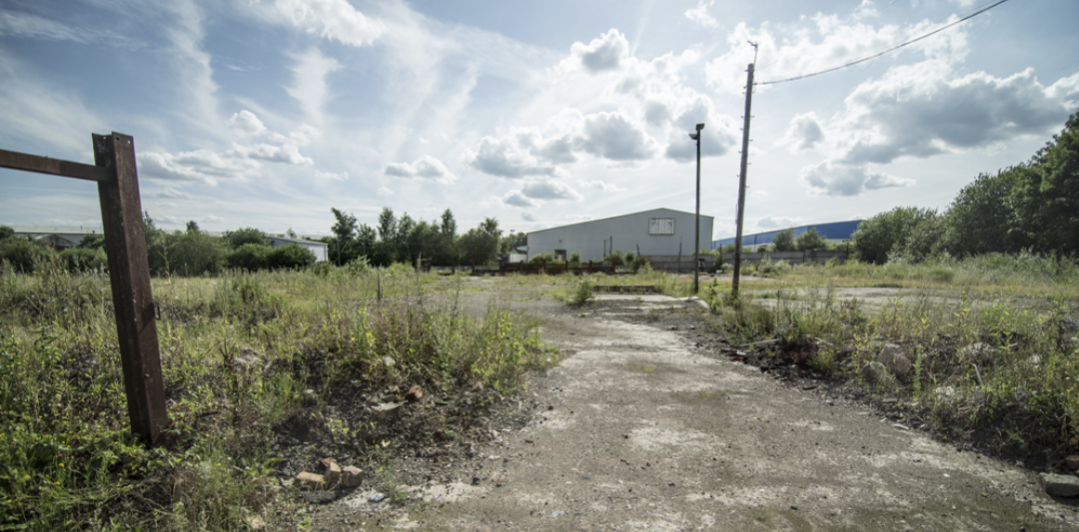
• Easier Gain Planning Permission as Councils are eager to resuse
• Stop City Expansion as already in city
• Crime Rates Decrease
• Road & Electricity Networks already exist but may need updating
• Nearer to Central Business District(CBD)
Negatives
• Clearing Rubbish is Expensive
• Many Brownfield Sites were previously used for Industry and Soil is often Contaminated.
• House Prices increase further in Inner London so Local People may not be able to afford
85
Define Urban Sprawl
Refers to Growth of Cities & Loss of Surrounding Countryside.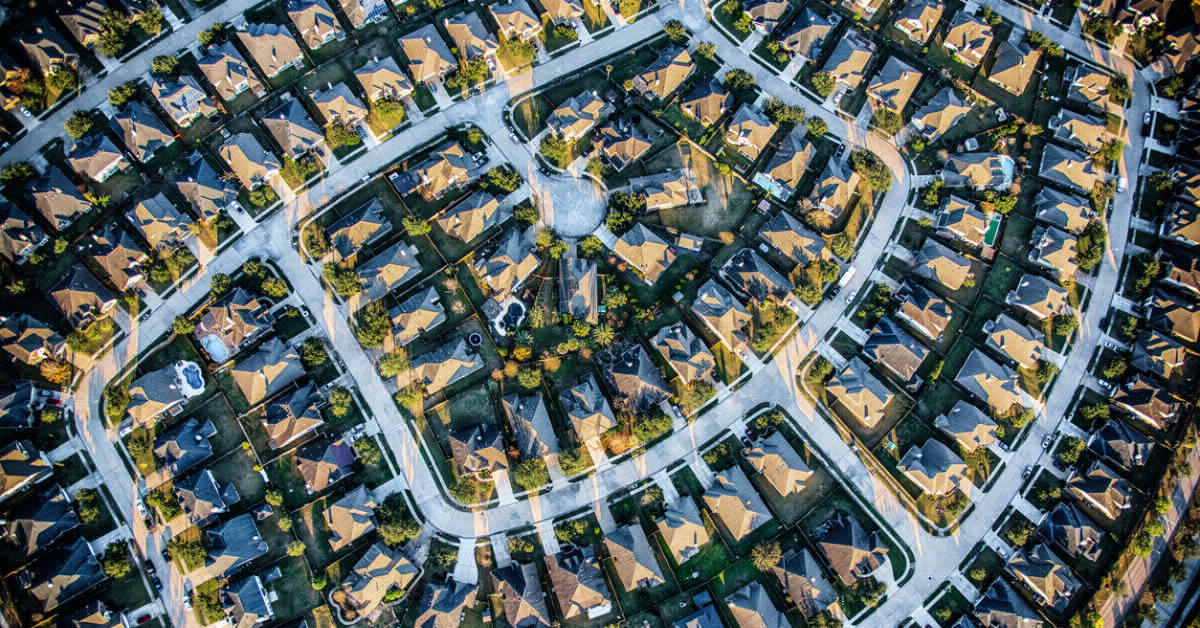
86
What are the issues associated with Urban sprawl in London?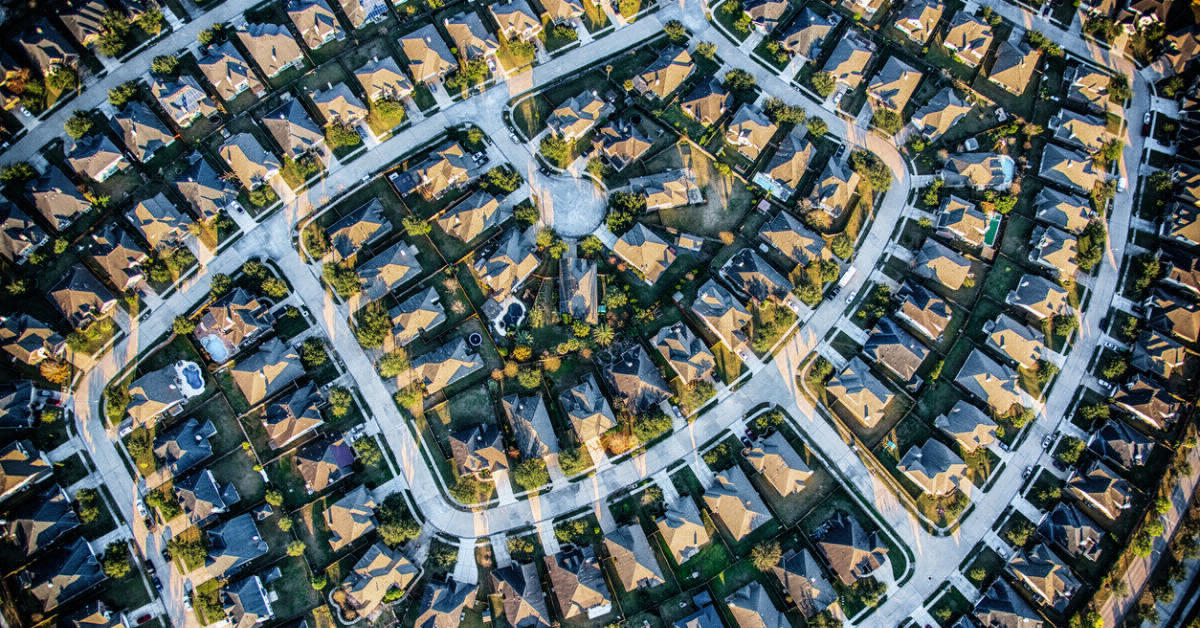
1) Loss Green Spaces
Pressure From Housing Demands Threatens Loss of Green Belts & Open Spaces. Green Belt Covers Over 1 Thousand Square Miles.
2) Increased Traffic & Population
With Urban Sprawl increase in Cars Due to Longer Travel which contributes Air Pollution, Greenhouse Gassesy.
3) Housing Affordability
Leeds Higher House Prices in Newly Developed Areas- In London Prices increased by 50%.
4) Infrastructure Strain
Expanding Urban Areas puts Strain on Existing Infrastructure Requiring Lots of Investment in Transport & Services. London's infrastructure Cost Projected to Need Investment of £1.3 Trillion by 2050 to Cope with Expected Growth.
5) Social Isolation
Urban Sprawl Leeds to Communities with Poor Access to Services, increasing isolation.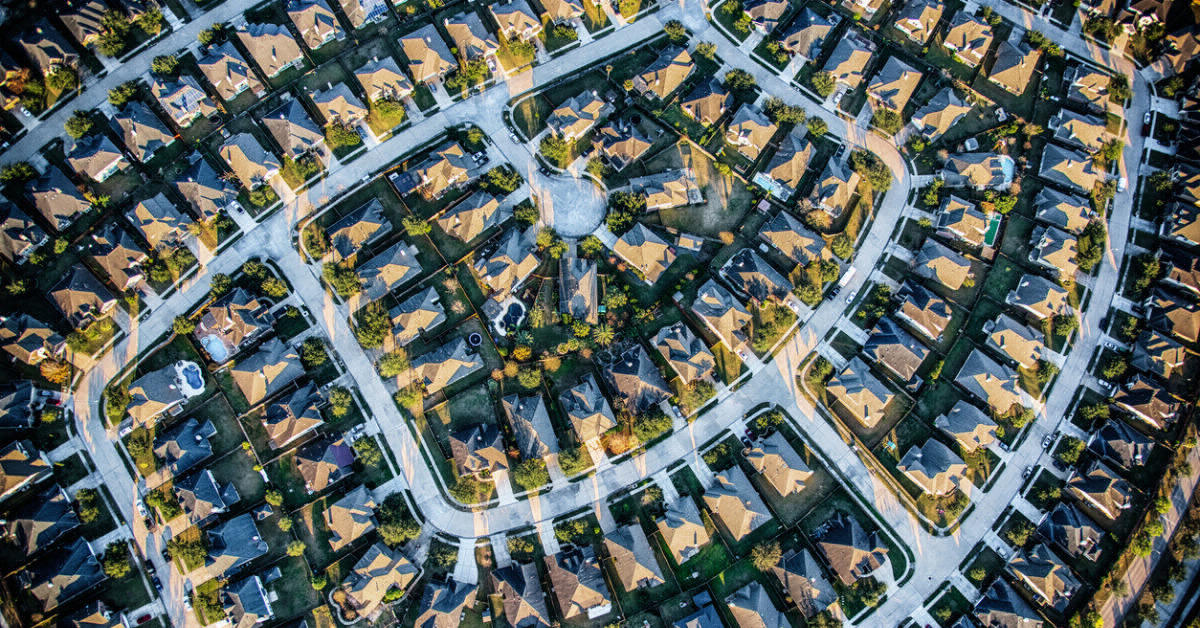
Pressure From Housing Demands Threatens Loss of Green Belts & Open Spaces. Green Belt Covers Over 1 Thousand Square Miles.
2) Increased Traffic & Population
With Urban Sprawl increase in Cars Due to Longer Travel which contributes Air Pollution, Greenhouse Gassesy.
3) Housing Affordability
Leeds Higher House Prices in Newly Developed Areas- In London Prices increased by 50%.
4) Infrastructure Strain
Expanding Urban Areas puts Strain on Existing Infrastructure Requiring Lots of Investment in Transport & Services. London's infrastructure Cost Projected to Need Investment of £1.3 Trillion by 2050 to Cope with Expected Growth.
5) Social Isolation
Urban Sprawl Leeds to Communities with Poor Access to Services, increasing isolation.
87
Define Commuter Town/Village
Which is Mainly Residential & which people leave each day to attend work.
88
What Problems is the Greenbelt Causing?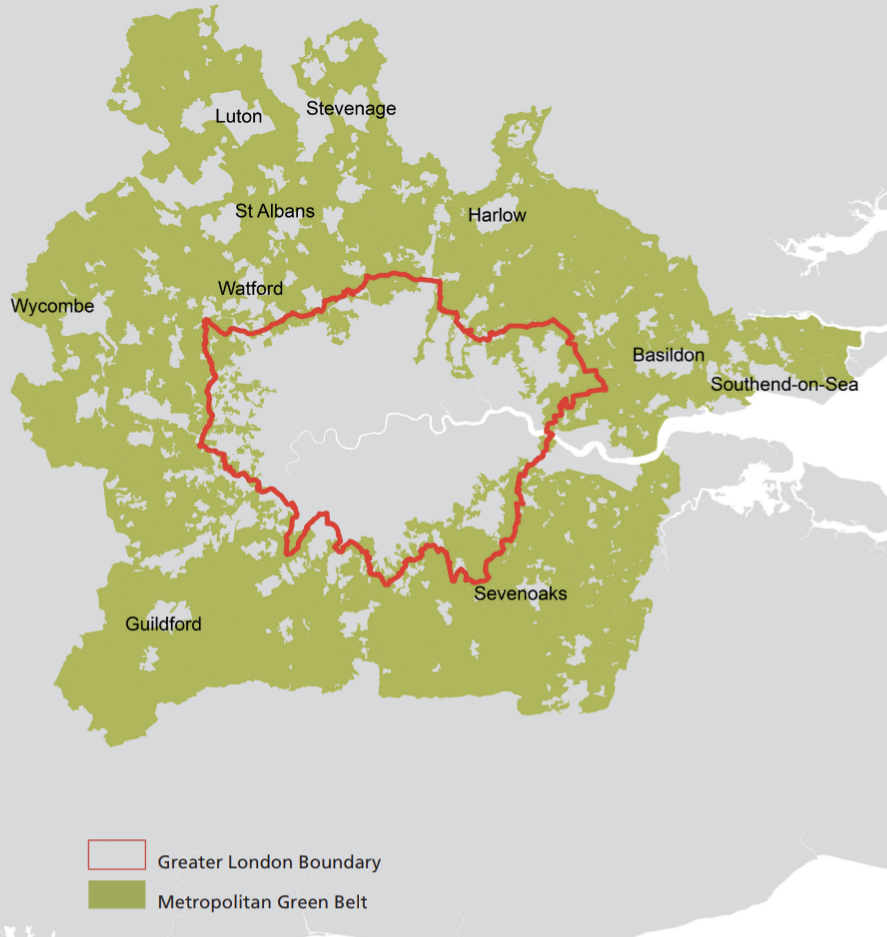
• London has Grown in Population & a Shortage of Housing: Restricions on development is making this worse
• People face Increasing Rents &
un-affordable Housing Costs or Long Commute Journeys (if they moved out of London)
• Businesses Face Shortages of Skilled Workers
• People face Increasing Rents &
un-affordable Housing Costs or Long Commute Journeys (if they moved out of London)
• Businesses Face Shortages of Skilled Workers
89
Reasons to Build on the Greenbelt? (Shelter)
• Some of the Greenbelt is not Unspoiled Land.
• There is a housing crisis which needs to be solved
• People should be given choice
• There is a housing crisis which needs to be solved
• People should be given choice
90
Reasons that we should Preserve the Greenbelt Campaign to Protect Rural England?
• There are Plenty of Brownfield Sites available
• We need to Protect Habitats & Countrside
• It will Protect the Character of Towns in the Greenbelt (won't merge into emg Crawsham)
• We need to Protect Habitats & Countrside
• It will Protect the Character of Towns in the Greenbelt (won't merge into emg Crawsham)
91
What has been the effect of London's unmet demand on the urban fringe of towns outside the Greenbelt such as Horsham? Negatives Positives
Londoners moving to rural towns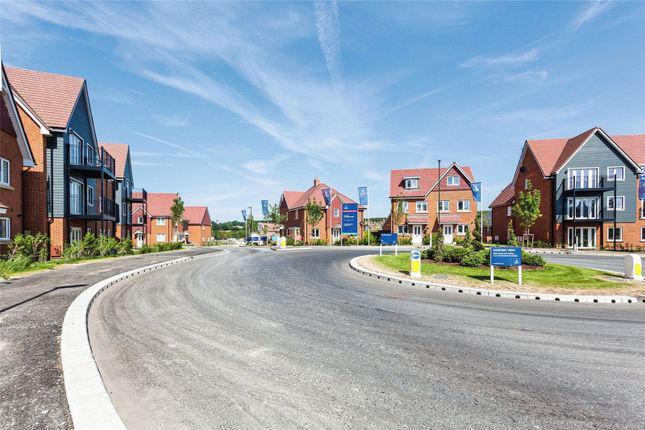
Londoners moving to rural towns
Negatives
• Rising House Prices
• Urban Sprawl (Crawsham: growth City/Town)
• Loss of Countryside
• Pressure on Services: school, hospitals
• Increased Flood Risk
Posotives
• Access to good transport to London
• People Spend Money in the Local Economy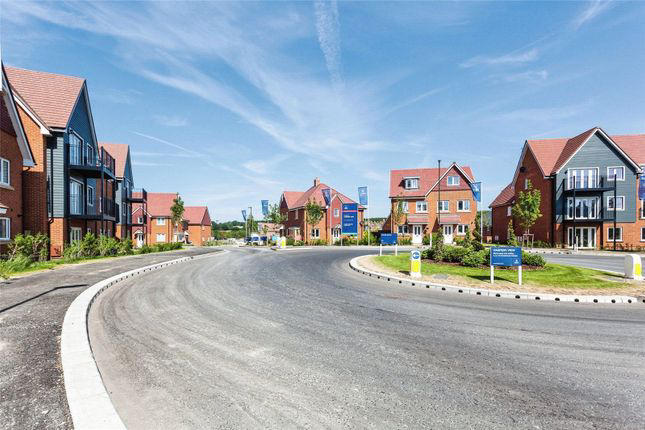
• Rising House Prices
• Urban Sprawl (Crawsham: growth City/Town)
• Loss of Countryside
• Pressure on Services: school, hospitals
• Increased Flood Risk
Posotives
• Access to good transport to London
• People Spend Money in the Local Economy
92
Define Social Deprivation
Refers to the extent an individual or an Area Lacks Services, Decent Housing, Adequate Income & Employment
93
Define Affluent
Refers to having an abundance of goods or riches
94
Define Social Inequality
Refers to the Existence of unequal living Conditions and Opportunities within a Group or Society
95
Define Multiple Deprivation
Is a Measure of Social Inequality looking at a range of factors, including:
• Living Environment
• Crime
• Income & Employment
• Health
• Barriers to Housing & Services
• Education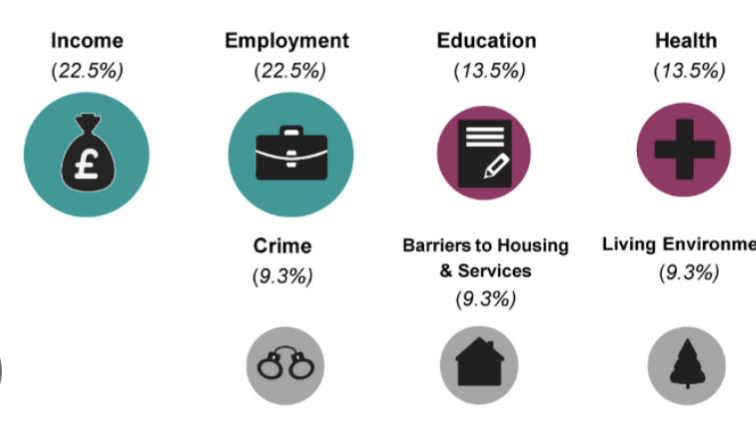
• Living Environment
• Crime
• Income & Employment
• Health
• Barriers to Housing & Services
• Education
96
What is the Pattern of Social Deprivation in London? (Map of London showing % of people getting benefits)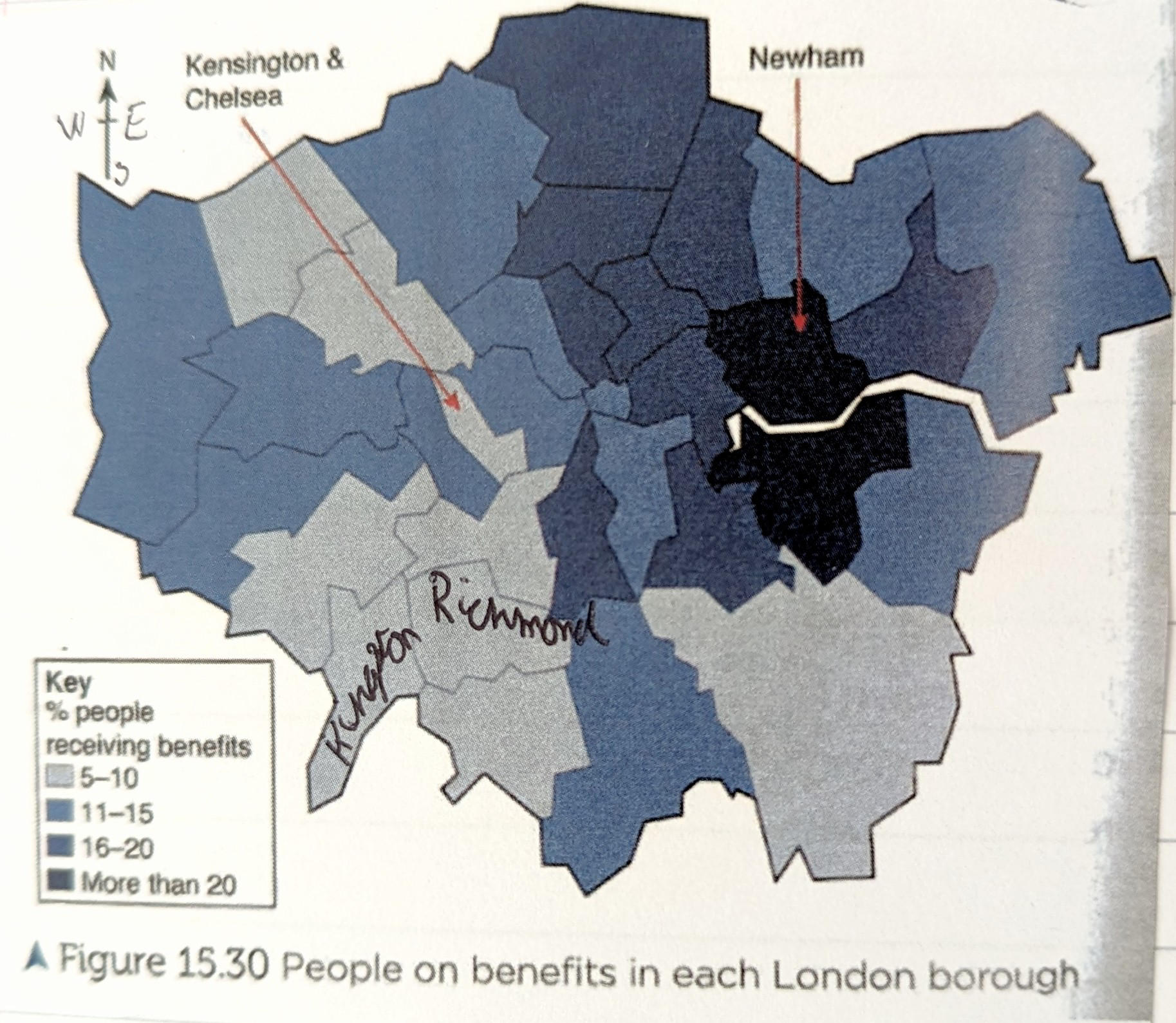
the pattern of social deprivation in London is Unevenly Distributed.
North East London seems to have the Most Deprivated Boroughs.
An example of this is Newham where More than 20% of people are Receiving Benefits.
Whereas Southwest London has Least Deprivated Boroughs. Kensington & Chelsea in Central London only have 5 to 10% of people receiving benefits.
North East London seems to have the Most Deprivated Boroughs.
An example of this is Newham where More than 20% of people are Receiving Benefits.
Whereas Southwest London has Least Deprivated Boroughs. Kensington & Chelsea in Central London only have 5 to 10% of people receiving benefits.
97
Compare Kensington & Chelsea to Newham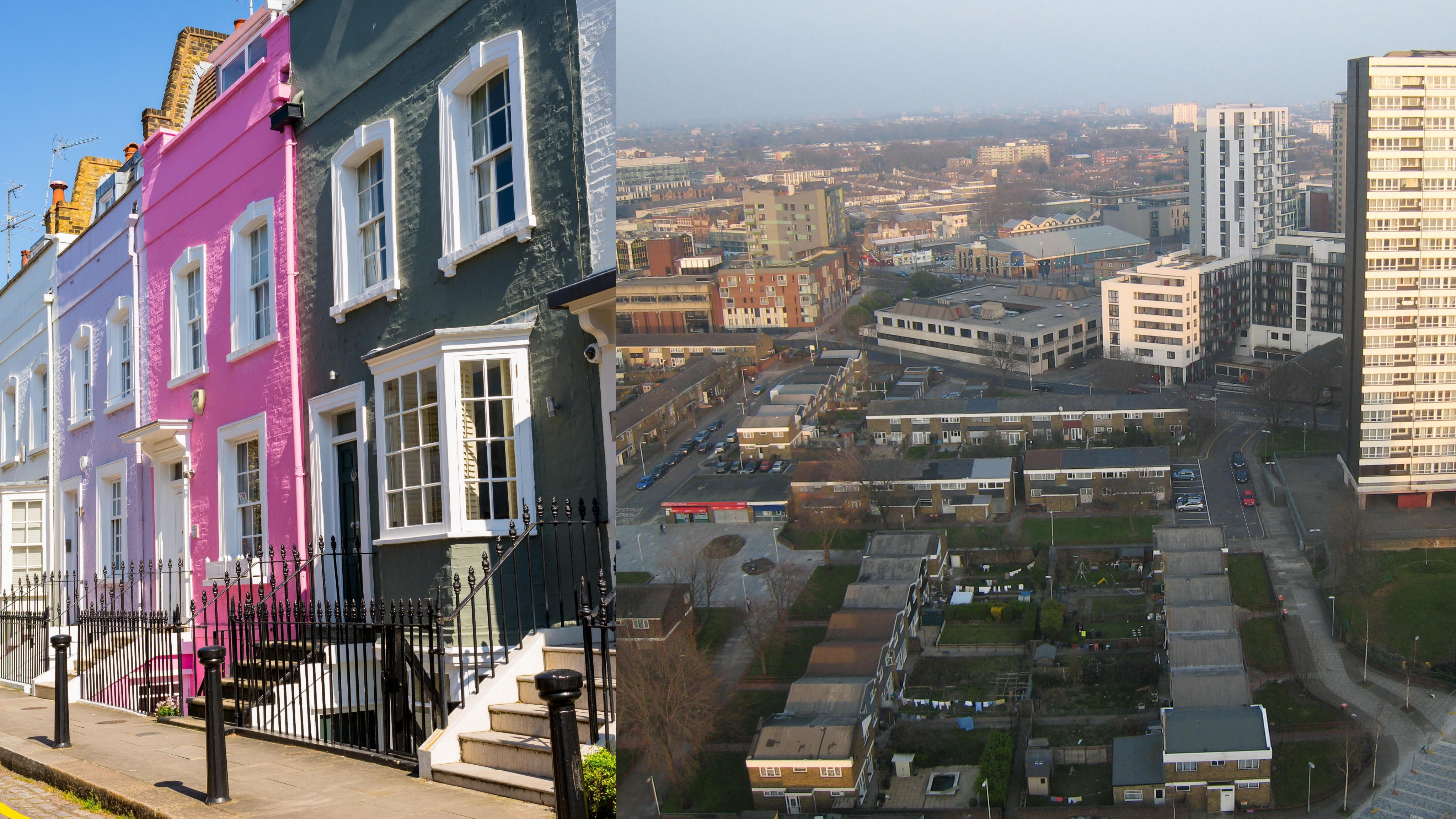
Newham is one of the most deprivated Boroughs in London and Kensington & Chelsea is one of the Least.
For example, in terms of life expectancy Males in Newman live on Average of 75.7 years whereas in K+C it is 83.7, an 8-year age gap.
Percentage of pupils in K+C achieve good grades (5+) are 80% but a Newham only 62% achieve.
This shoes that poverty and bad living conditions affect grades and quality of life.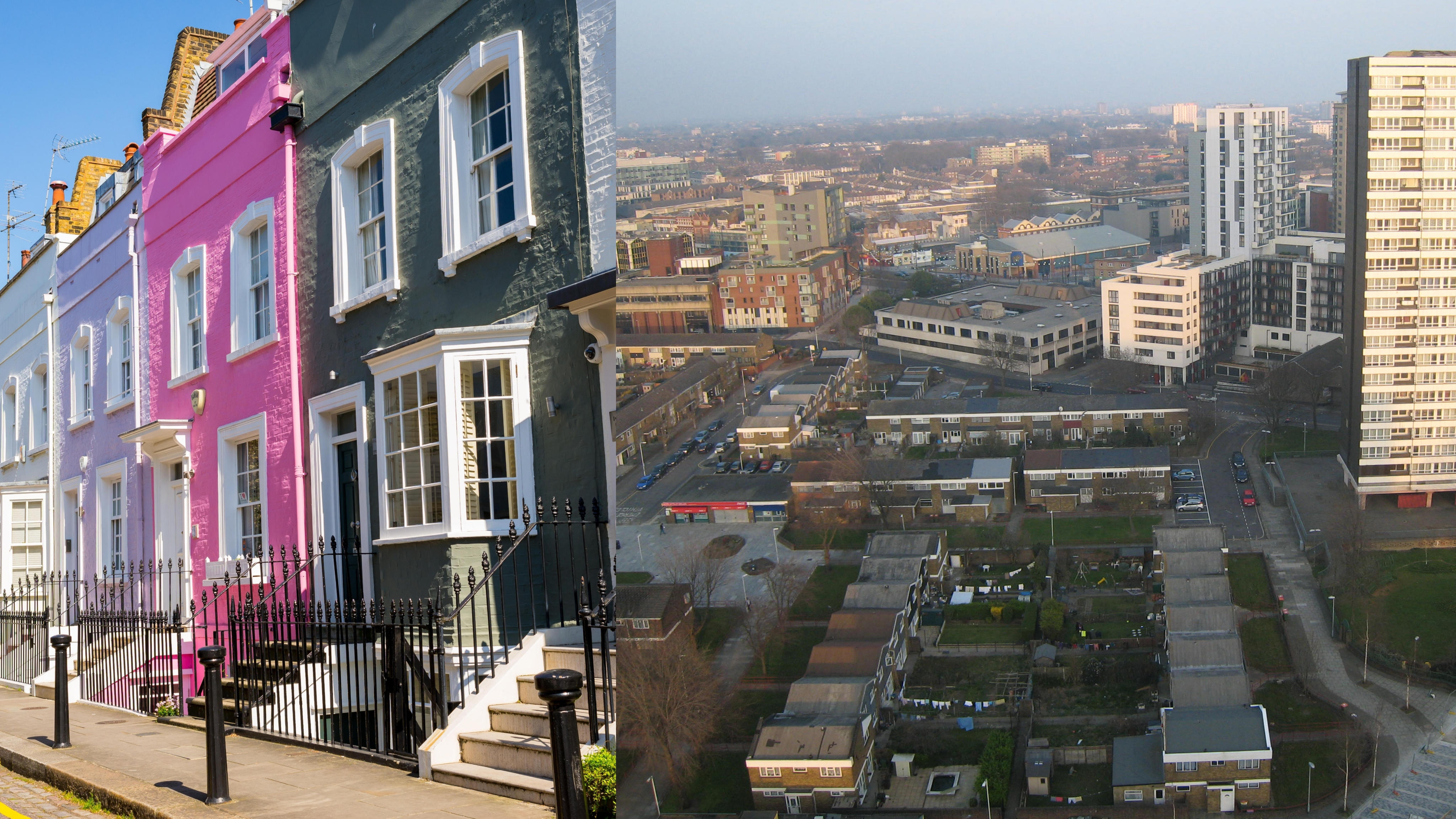
For example, in terms of life expectancy Males in Newman live on Average of 75.7 years whereas in K+C it is 83.7, an 8-year age gap.
Percentage of pupils in K+C achieve good grades (5+) are 80% but a Newham only 62% achieve.
This shoes that poverty and bad living conditions affect grades and quality of life.
98
Define Regeneration
Regeneration is the Revival of Old Parts of the Built-up Area by
• Either Installing Modern Facilities in Old Buildings
• or Opting to Demolish Existing Buildings and Starting Again
• Either Installing Modern Facilities in Old Buildings
• or Opting to Demolish Existing Buildings and Starting Again
99
Where is Stratford Located? 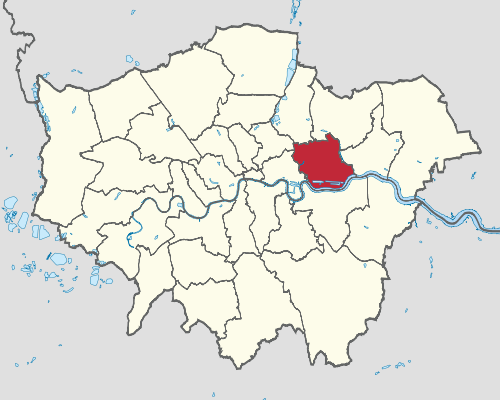
It is located North East of London in the East End & in the Borough of Newham.
It is situated on the River Lea.
Also it is just east of the City of London.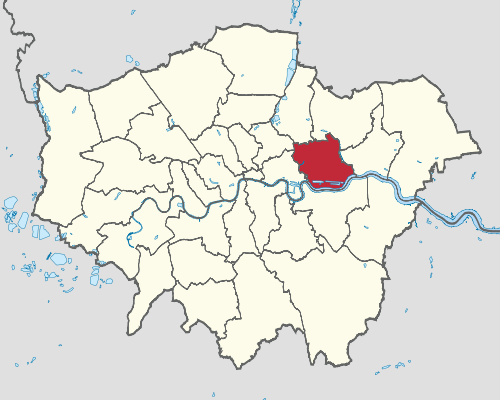
It is situated on the River Lea.
Also it is just east of the City of London.
100
what was Stratford like before it was with regenerated?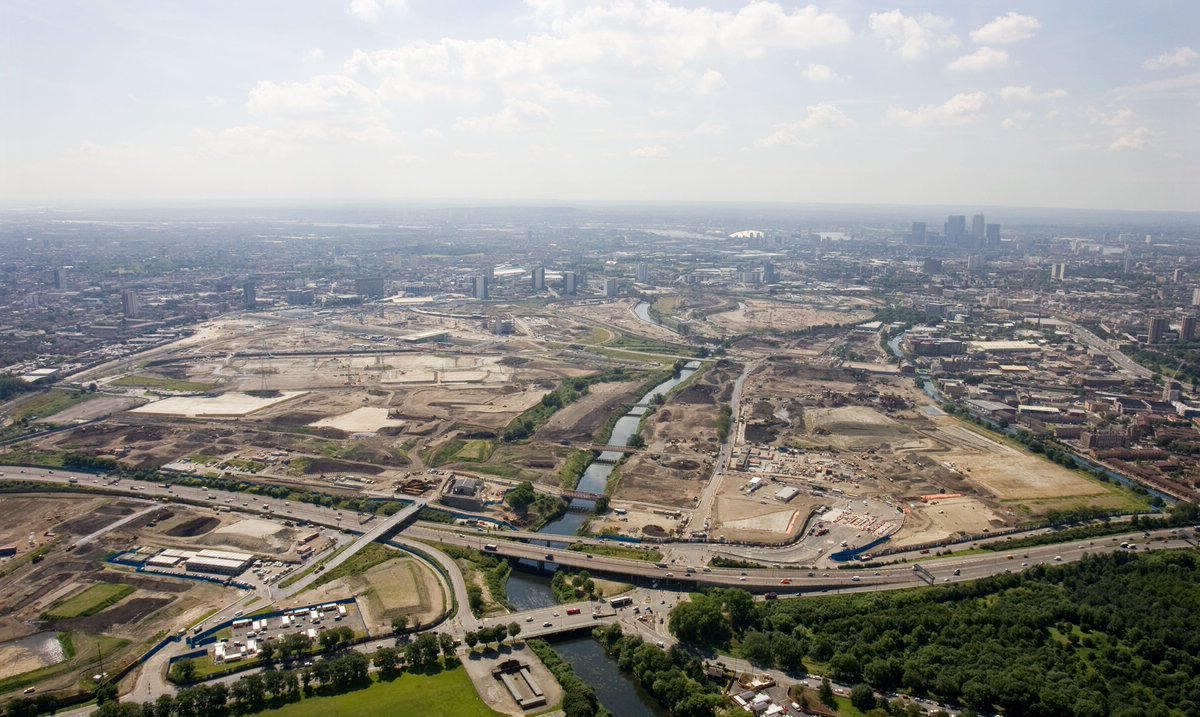
Throughout the 20th century the Area had been in Decline due to the Closure of Factories and Docks so lots of Brownfield Sites
It started regeneration in 1960s with a New Shopping Centre & Improved Transport.
However, the East End of London was Poorest & Most Deprivated part of the country because of Poor Quality Housing, High Unemployment, Poor Education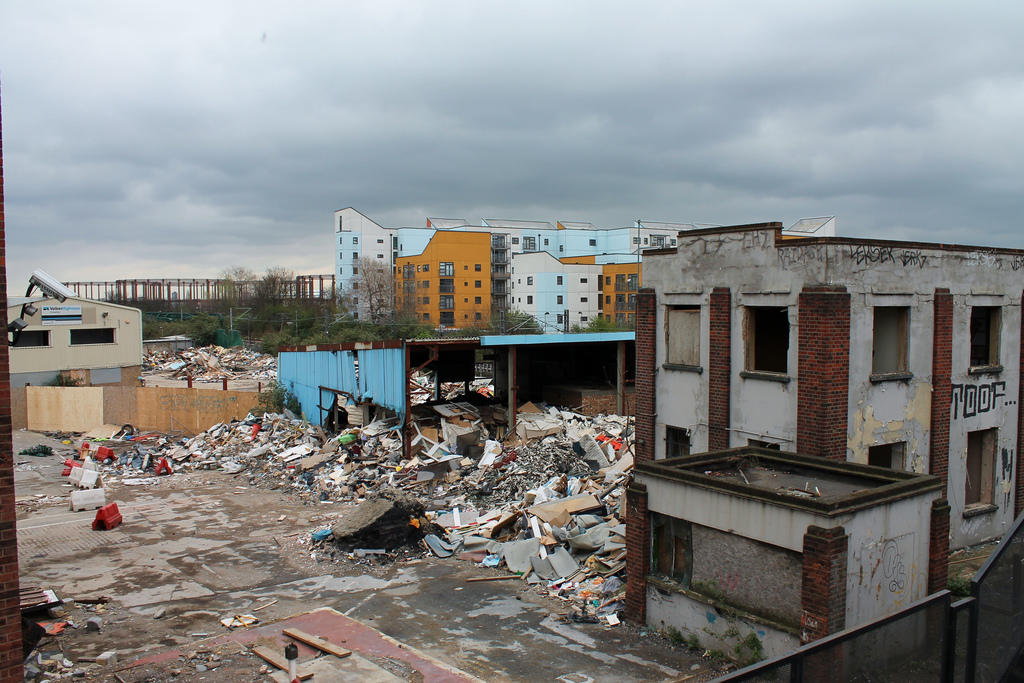
It started regeneration in 1960s with a New Shopping Centre & Improved Transport.
However, the East End of London was Poorest & Most Deprivated part of the country because of Poor Quality Housing, High Unemployment, Poor Education
101
Why was Stratford in Newham Regenerated?
Part of the London 2012 Olympic Games
102
What were the Benefits from the Stratford Regeneration?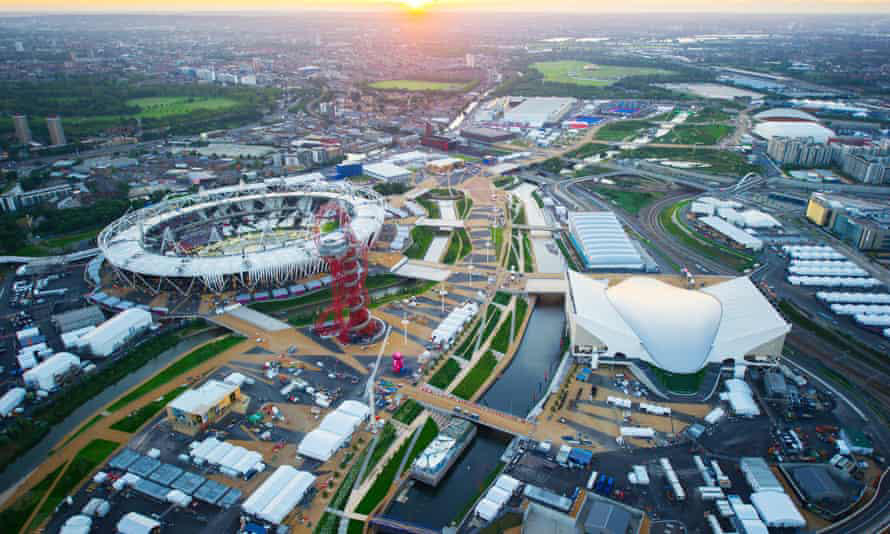
Ecanomic Stimulus:
Boost to the Local Economy through Job Creation & Increased Commercial Activity such as Westfield Centre which created 10 Thousand Perminant Jobs.
Transport Improvements:
Upgrading Stratfords Transport Links making Area More Accessible benefiting both Residents & Businesses
Housing
Former Athletes Village, East Village Providing Thousands of New Homes, many Designated as Affordable
Sporting Legacy
Facility's Built such as the Aquatic Center, Velodrome are used for Both Community & Elite Sporting Events.
Environmental Improvements
Clean up of Contaminated Industrial Land and the Creation of New Green Spaces such as Queen Elizabeth Olympic Park
Cultural Impact
Area has become more Culturally Dynamic New Spaces for Arts and Events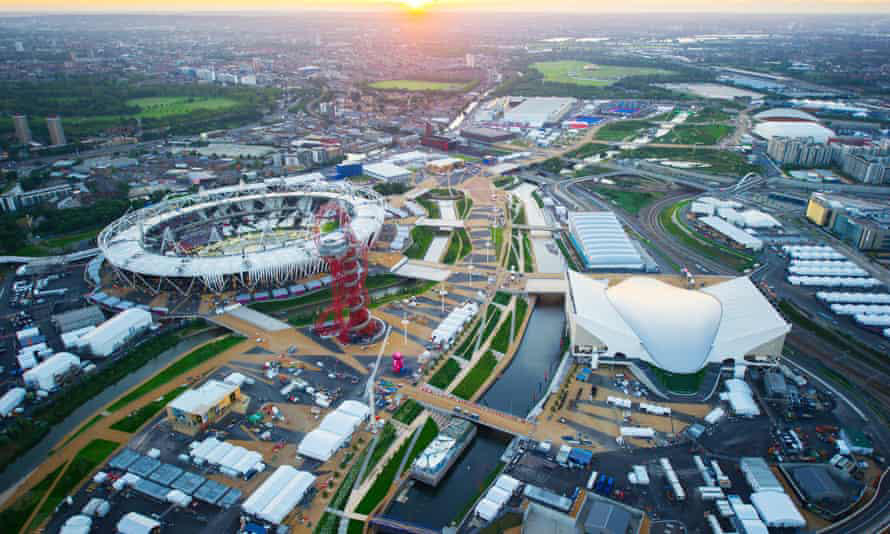
Boost to the Local Economy through Job Creation & Increased Commercial Activity such as Westfield Centre which created 10 Thousand Perminant Jobs.
Transport Improvements:
Upgrading Stratfords Transport Links making Area More Accessible benefiting both Residents & Businesses
Housing
Former Athletes Village, East Village Providing Thousands of New Homes, many Designated as Affordable
Sporting Legacy
Facility's Built such as the Aquatic Center, Velodrome are used for Both Community & Elite Sporting Events.
Environmental Improvements
Clean up of Contaminated Industrial Land and the Creation of New Green Spaces such as Queen Elizabeth Olympic Park
Cultural Impact
Area has become more Culturally Dynamic New Spaces for Arts and Events
103
What were the Concerns/ Criticisms from the Stratford Regeneration? 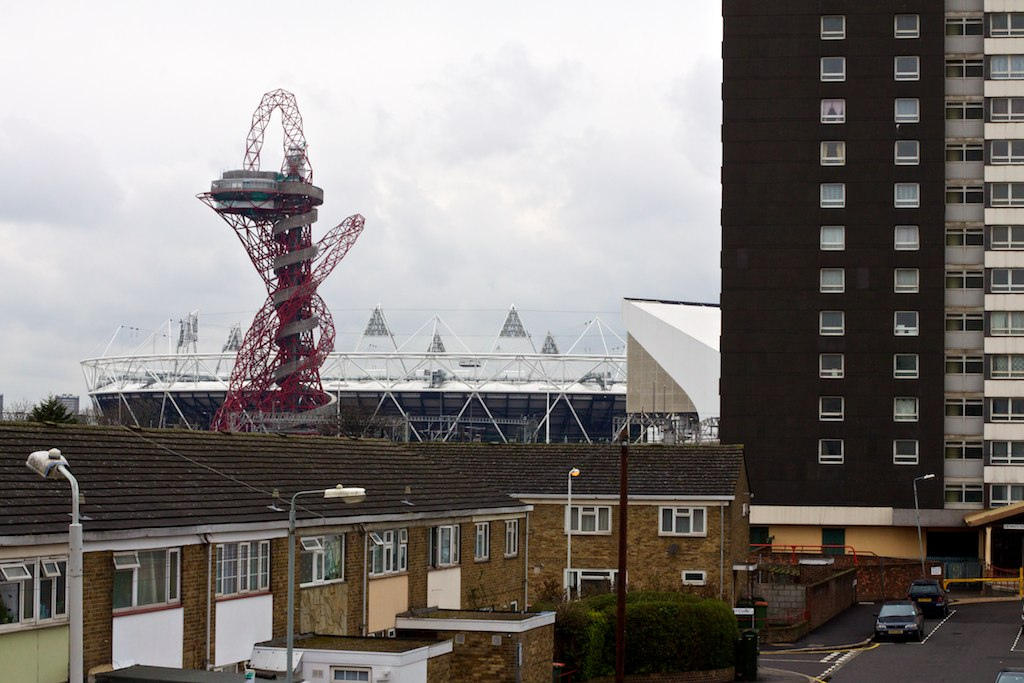
Gentrifacation & Affordability
A Concern that High Prices Kick Out Long-term Residence due to Rising Property Values and Living Cost (gentrification).
There is critism that not enough has been done to ensure that housing romains within financial reach for lower income families.
Displacement
Displacement of some existing communities and businesses
Long Term Employment
Not many long-term jobs
Social Inequality
Regeneration benefits have not been evenly distributed.
Business Interests
Some argue that interests of Larger Businesses have been prioritised over Smaller Local Ones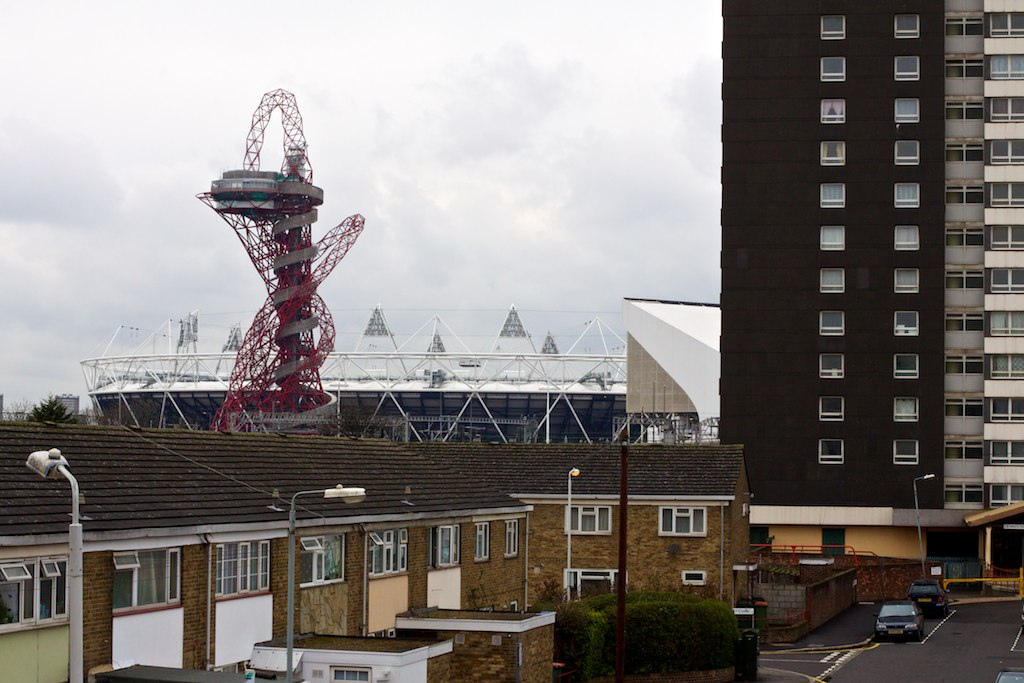
A Concern that High Prices Kick Out Long-term Residence due to Rising Property Values and Living Cost (gentrification).
There is critism that not enough has been done to ensure that housing romains within financial reach for lower income families.
Displacement
Displacement of some existing communities and businesses
Long Term Employment
Not many long-term jobs
Social Inequality
Regeneration benefits have not been evenly distributed.
Business Interests
Some argue that interests of Larger Businesses have been prioritised over Smaller Local Ones
104
What was East Village used for and what is it now?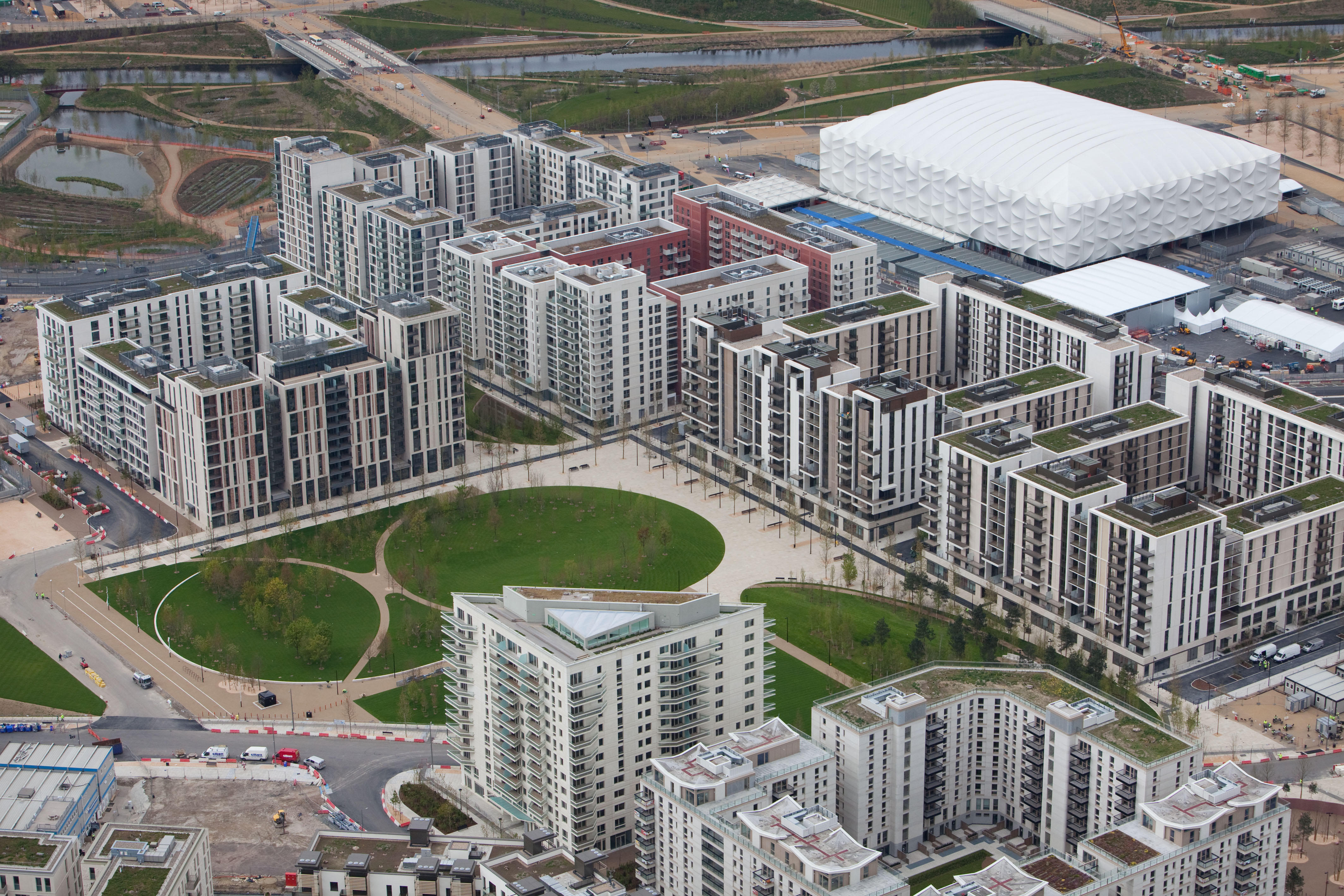
It was part of the London 2012 Olympic Legacy and was converted from the Athletes Village into New Homes after the games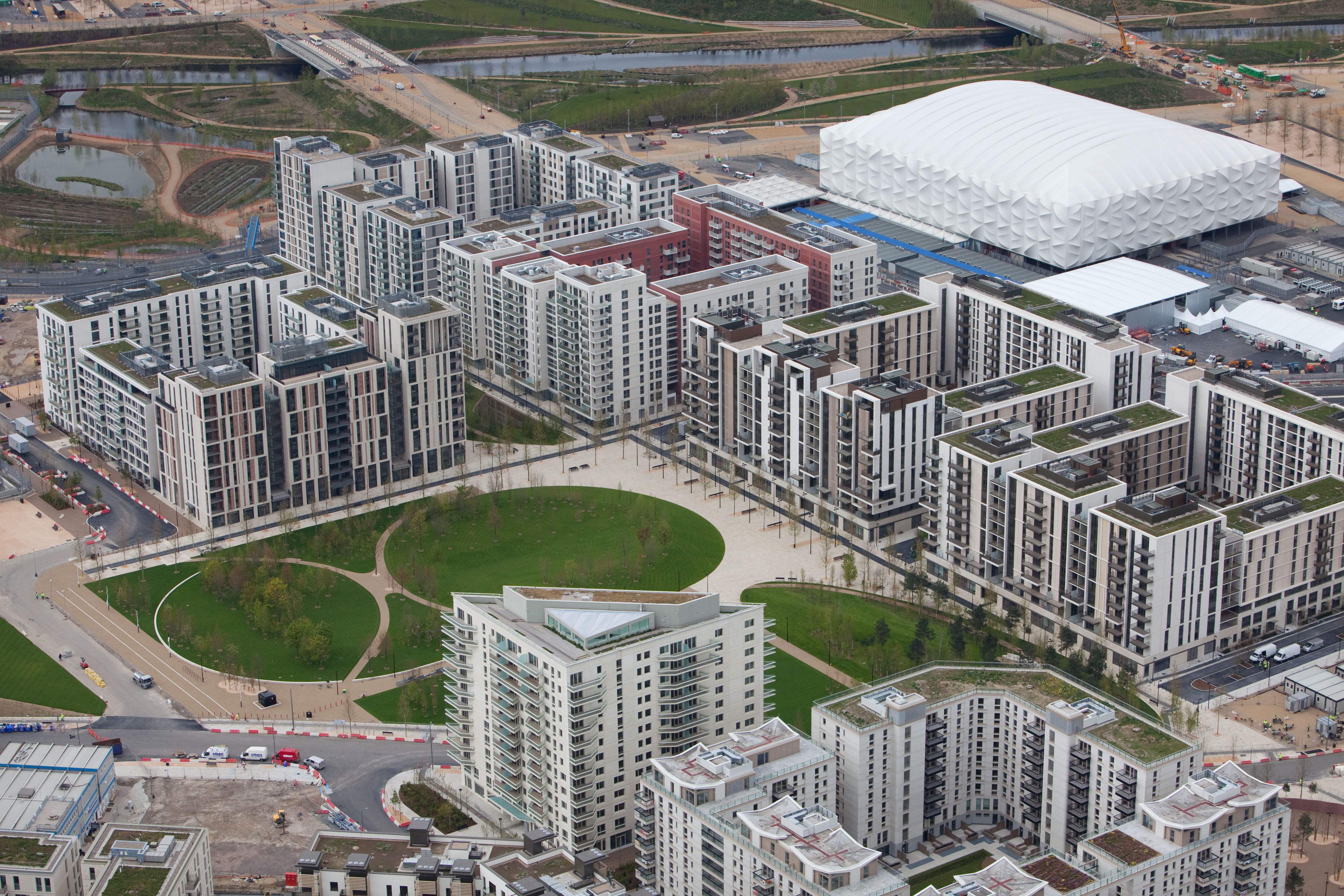
105
Define Sustainable Communities
Sustainable communities meet the Needs of People Today Without purposely Affecting the Needs of Future Generations
106
What does Sustainability Involve?
Sustainability not only involves addressing Environmental Issues, but also ensuring that Communities are Socially & Economically Successful
107
What strategies has East Village employed to help make it sustainable and give examples for each?
Urban Transport:
Create cycle & buss lanes
Wast Recycling:
Make Householders Sort their Waste Before it is Collected
Water Conservation:
Make sure that all new houses have Water Metres
Energy Conservation: Ensure all Houses & Flats have Smart Metres for Electricity
Urban Greening:
Create Parks and Green Roofs
Create cycle & buss lanes
Wast Recycling:
Make Householders Sort their Waste Before it is Collected
Water Conservation:
Make sure that all new houses have Water Metres
Energy Conservation: Ensure all Houses & Flats have Smart Metres for Electricity
Urban Greening:
Create Parks and Green Roofs
108
How is East Village an Example Sustainable Urban Living?
Transport
Local Trains & Bus Services connected to the London Underground and Stratford International station provides access to Central London and Europe
Green Open Spaces
Lots of Parkland containing Hundreds of New Planted Trees and Ponds
Modern High-Density Apartments
Apartments been constructed to a High Standard Of Energy Efficiency and Insulation so lose less heat.
Green Roofs
Green roofs or Living Roof is partially or completely covered with Vegetation They provide Habitats for Wildlife and Slow the Flow of Surface Run Off From Rain.
Affordable Housing
Half of the Homes are Available To Ordinary People in East London as they are available to rent at Lower Rates
Car Parking
Parkings provided for each apartment block but residents must pay extra for a space. However, area has Good Walking and Cycling Routes to encourage people away from their cars
Shops & Services
35 Independent Shops, Cafes and Bars serving the local community.
This keeps money in the local area
Public Services
Large Health Centre has been constructed along with a School for ages 3-18
Local Trains & Bus Services connected to the London Underground and Stratford International station provides access to Central London and Europe
Green Open Spaces
Lots of Parkland containing Hundreds of New Planted Trees and Ponds
Modern High-Density Apartments
Apartments been constructed to a High Standard Of Energy Efficiency and Insulation so lose less heat.
Green Roofs
Green roofs or Living Roof is partially or completely covered with Vegetation They provide Habitats for Wildlife and Slow the Flow of Surface Run Off From Rain.
Affordable Housing
Half of the Homes are Available To Ordinary People in East London as they are available to rent at Lower Rates
Car Parking
Parkings provided for each apartment block but residents must pay extra for a space. However, area has Good Walking and Cycling Routes to encourage people away from their cars
Shops & Services
35 Independent Shops, Cafes and Bars serving the local community.
This keeps money in the local area
Public Services
Large Health Centre has been constructed along with a School for ages 3-18
109
Define Urban Greening
It is about how we increase & protect the Green Spaces we have in Cities.
110
Give an example of Urban greening in East Village and it's Benefits
37% of the Land is Green Open Spaces.
Keep people healthy & happy by doing sport and activities
Keep people healthy & happy by doing sport and activities
111
What are the three Methods of Waste Treatment in the UK?
• Landfill Sites: are often the Destination for Non-recyclable Waste
• Incineration Plants: involves Burning Waste at High Temperature to Generate Energy
• Recycling Centres: where Recyclable Materials are Sent & Processed turned into New Products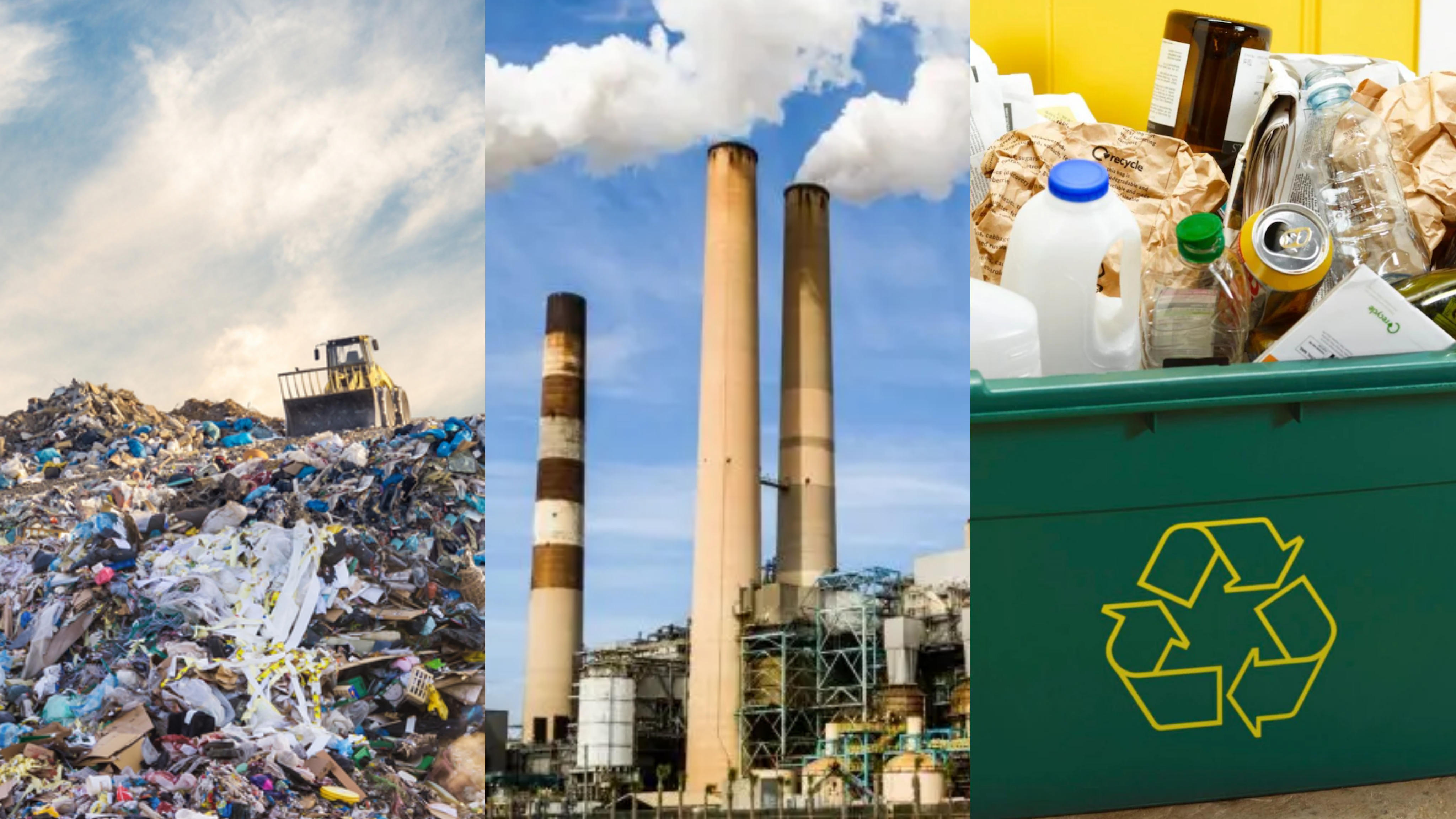
• Incineration Plants: involves Burning Waste at High Temperature to Generate Energy
• Recycling Centres: where Recyclable Materials are Sent & Processed turned into New Products
112
How does East Village recycle it's waste?
• 99% of Parkland Waste is Recycled instead of landfill
• Households are encouragd to recycle often
• It has its own recycling & sorting facility (Jenkins Lame Reuse & Recycling Center)
• Households are encouragd to recycle often
• It has its own recycling & sorting facility (Jenkins Lame Reuse & Recycling Center)
113
How is Water recycled in East Village & what percentage?
Rainwater runs off Green Roofs then it is filtered and Cleaned Naturally in Ponds before being Recycled for Flushing Toilets and irrigating Trees.
50% recycled
50% recycled
114
How does East Village use 30% less energy?
This is because East Village has a Combined Heat & Power or CHP Station. CHP Generates Electricity and Heat from the Same Energy Source in this case Biomass.
115
What are problems with London's transport? 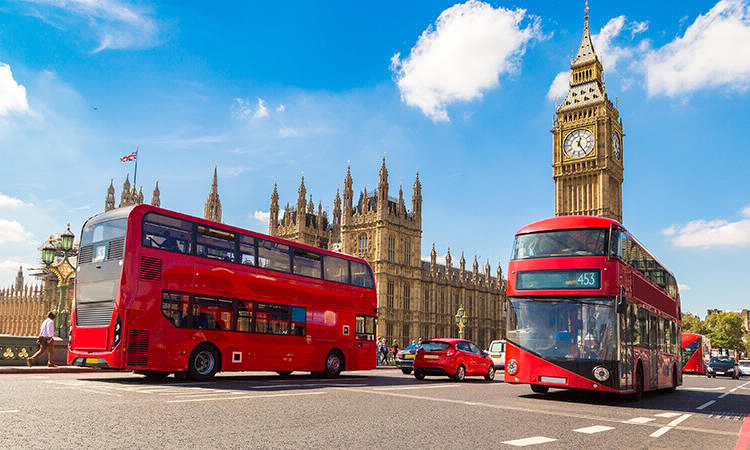
• Congestion: Central London Experiences Over 20 Million Journeys Per Day
• Pollution: Transport Contributes to 40% of Nitrogen Oxide Emissions City Worldwide
• Overcrowding: Tube Operates 150% Capacity During Peak Hours
• Aging Infrastructure: 30% of London underground Network is Over 100 Years Old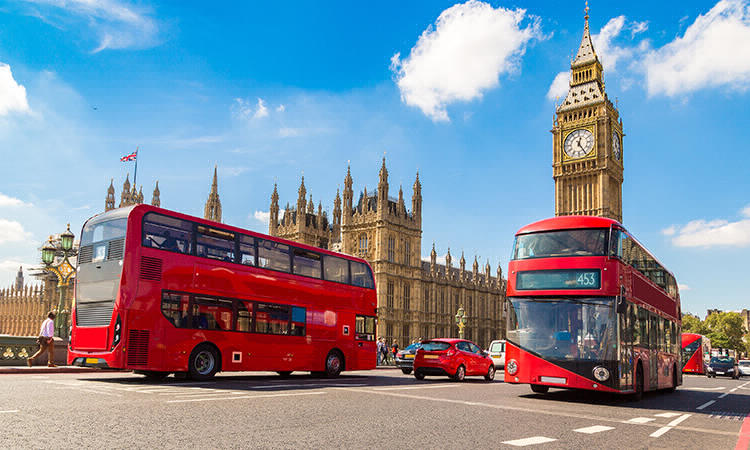
• Pollution: Transport Contributes to 40% of Nitrogen Oxide Emissions City Worldwide
• Overcrowding: Tube Operates 150% Capacity During Peak Hours
• Aging Infrastructure: 30% of London underground Network is Over 100 Years Old
116
What are London's transport strategies/solutions?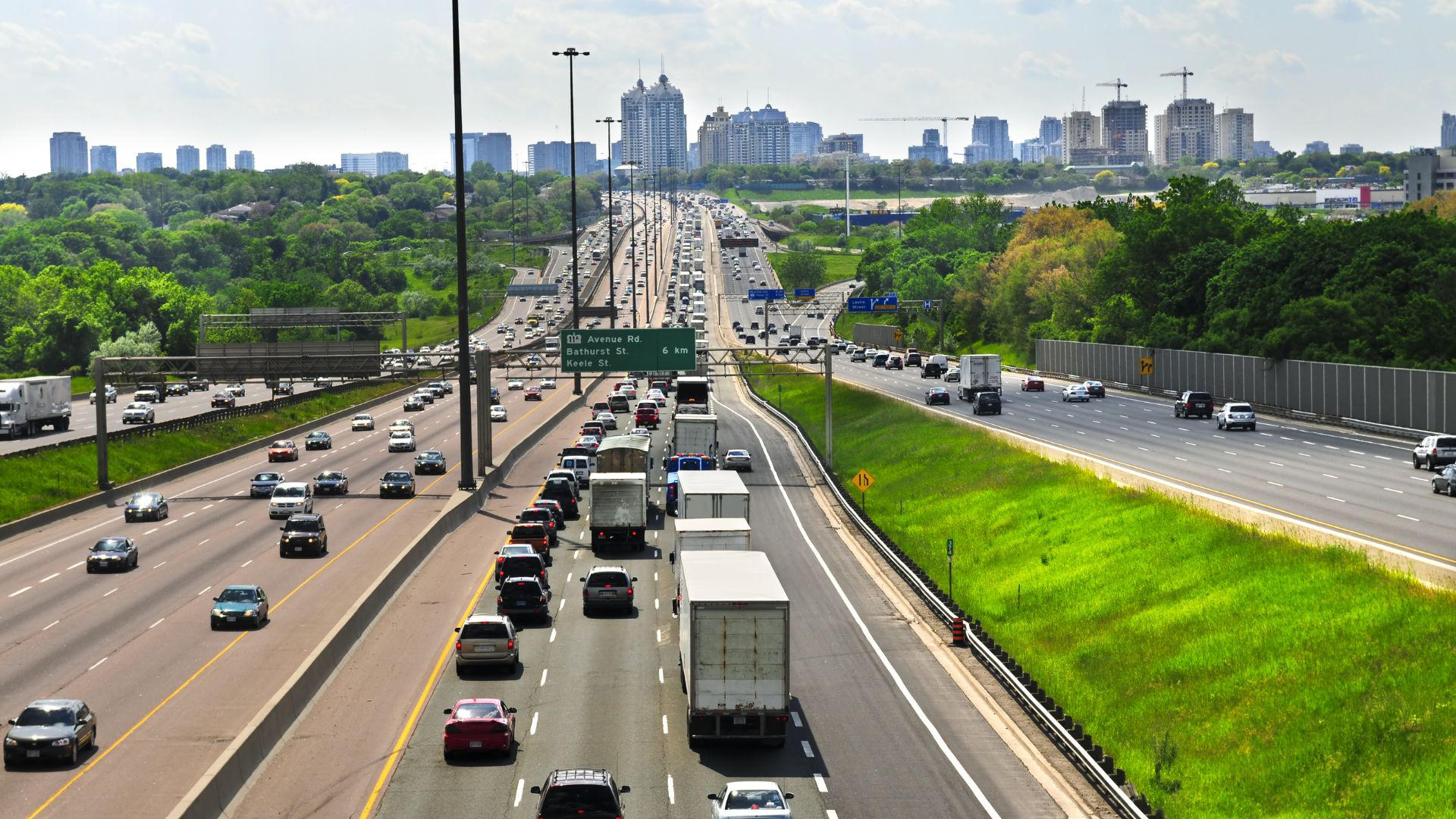
• The Congestion Charge since 2003: drivers pay fee to drive in the city (reduce traffic)
• Cycle Lanes
• Improvemed Public Transport
• Car Sharing
• Pedestrian Zones- NO CARS
• Encourage Use of Electric Vehicles
• Elizabeth Line- expected to serve 200 Million Annually
• Ultra Low Emission Zone- Cut Number of Old Polluting Vehicles Driving in Zone by Third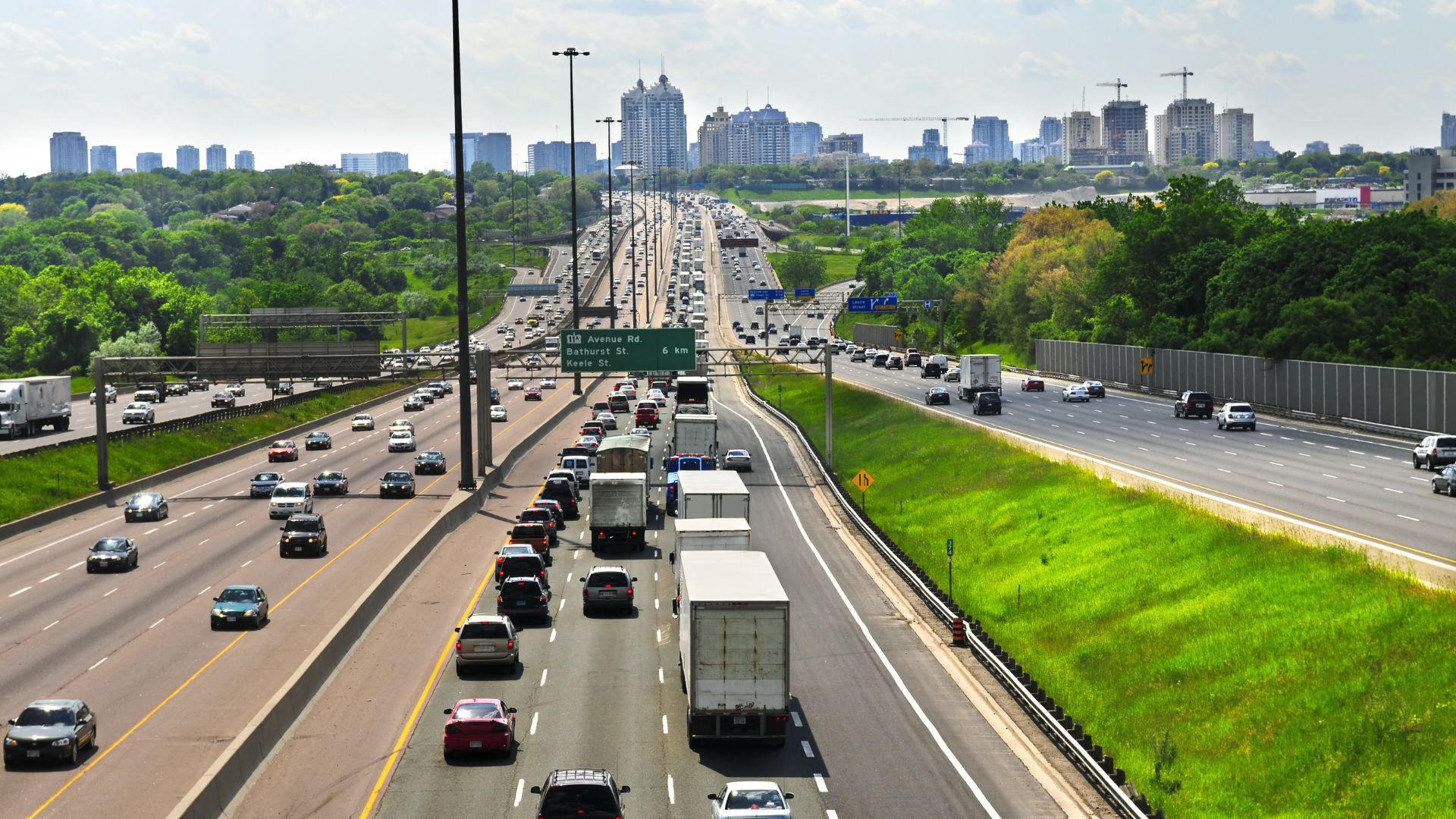
• Cycle Lanes
• Improvemed Public Transport
• Car Sharing
• Pedestrian Zones- NO CARS
• Encourage Use of Electric Vehicles
• Elizabeth Line- expected to serve 200 Million Annually
• Ultra Low Emission Zone- Cut Number of Old Polluting Vehicles Driving in Zone by Third
117
What are the Benefits of East Village Social, Economic & Environmental?
Social
• More than 10 Thousand New Homes have been built in the Park & 5 New Neighborhoods
Economic
• Westfield Stratford Shopping Center Created 10 Thousand Perminant Jobs including 2 Thousand Jobs for Unemployment Local People
Environmental
• The Olympic Park is sustainable, including Public Transport, Walking and Cycling Routes,
• 300 thousand New Plants
• More than 10 Thousand New Homes have been built in the Park & 5 New Neighborhoods
Economic
• Westfield Stratford Shopping Center Created 10 Thousand Perminant Jobs including 2 Thousand Jobs for Unemployment Local People
Environmental
• The Olympic Park is sustainable, including Public Transport, Walking and Cycling Routes,
• 300 thousand New Plants
118
what are the problems associated with East Village: Social Economic, & Environmental Criticisms?
Social
• Criticised for contributing to Gentrification in the area potentially Forcing Long-term Residents to leave because of Rising Costs Of Living
• New development creates a divide between new residents & existing community
Economic
• Small businesses may be displaced due to increase in rent & influx in well of businesses
• Crtitasism Long-term sustainability of area particularly maintenance of facilities
Envrinmental
• Construction of East Village possible harmed local wildlife
• Criticised for contributing to Gentrification in the area potentially Forcing Long-term Residents to leave because of Rising Costs Of Living
• New development creates a divide between new residents & existing community
Economic
• Small businesses may be displaced due to increase in rent & influx in well of businesses
• Crtitasism Long-term sustainability of area particularly maintenance of facilities
Envrinmental
• Construction of East Village possible harmed local wildlife