Punishment
Study these flashcardsFree · spaced repetition · iPhone, Android, Mac & web
All cards
1
why was the Bloody Code abolished in the 1820s and 1830s?
• Wasn't Effective Deterrent-
It Became Entertainment and People Gathered Laughing & Drinking. It was Publicised In Newspapers & Factories Closed On Exacution Days.
• Government Feared Couldn't Keep Order-
Always Risk that Criminals could Escape or get Rescued When Criminals were Popular or Thought They Were innocent.
• By 1800s Juries & Courts Became Less Likely to Convict (find Somebody Guilty) People who Commited Minor Crimes because they thought it was Too Harsh. (Pious Perjury)
• People Believed Punishment Should Fit the Crime and that Criminal Should Be Reformed and Not Just Pay For Their Crimes.
It Became Entertainment and People Gathered Laughing & Drinking. It was Publicised In Newspapers & Factories Closed On Exacution Days.
• Government Feared Couldn't Keep Order-
Always Risk that Criminals could Escape or get Rescued When Criminals were Popular or Thought They Were innocent.
• By 1800s Juries & Courts Became Less Likely to Convict (find Somebody Guilty) People who Commited Minor Crimes because they thought it was Too Harsh. (Pious Perjury)
• People Believed Punishment Should Fit the Crime and that Criminal Should Be Reformed and Not Just Pay For Their Crimes.
2
Who Caused the Abolishion of Bloody Code & How & date?
Sir Robert Peel's Reforms in 1825
3
When was the Bloody Code abolished?
1825
4
why did transportation end in America?
American Independence
5
why did Transportation increase?
• Judges don't want to give the Death Penalty more likely to give Transportation (Pious Perjury)
• The British Empire could Claim Australia
• Crime in Britain would Decrease
• Harsh Punishment therefore a Deterrent
• Reform the Convict (mend their ways and stop them from being a criminal)
• The British Empire could Claim Australia
• Crime in Britain would Decrease
• Harsh Punishment therefore a Deterrent
• Reform the Convict (mend their ways and stop them from being a criminal)
6
What was it called when a Judge didn't want to give the Death Penalty?
Pious Perjury
7
What are the Evidence/Reasons For Transportation? (it was effective)
• Many Died on the Journey to Australia.
Prisoners who Committed Further Crimes Were Whipped and Sent to More Distance Settlements.
Environment was Unforgiving & Unknown so it was Seen As an Effective Deterrent.
• Good Behaviour By Criminals could get them a 'Ticket Of Leave'
(early release). This Gave Prisoners Motivation To Behave (reform).
• Juries were More Likely To Sentence People to Transportation.
Prisoners who Committed Further Crimes Were Whipped and Sent to More Distance Settlements.
Environment was Unforgiving & Unknown so it was Seen As an Effective Deterrent.
• Good Behaviour By Criminals could get them a 'Ticket Of Leave'
(early release). This Gave Prisoners Motivation To Behave (reform).
• Juries were More Likely To Sentence People to Transportation.
8
What are the Reasons Against Transportation? (it was ineffective)
• By 1830s Only Few Died During the 4-month trip.
• Prisoners Who Failed To Complete the Sentence Returned to Britain and Scentenced to Death
(didn't work).
• Britain's Crime Rate had increased.
• The Settlers in Australia Protested About "Dumping" the Convicts In Their Country.
• Gold was Discovered in Australia and Thousands Of People Tried To Go There . (criminals were already there. It made it sound like Australia was a country of opportunity)
• Transportation was Described as a Summer's Journey To a Happy and Better Climate.
• Only a Minority of Convicts Chose to Return to Britain Once a Sentence Was Up.
• Transportation was Costing Half Million Pounds Every Year.
• Wages in Australia were Higher than Britain.
• Prisoners Who Failed To Complete the Sentence Returned to Britain and Scentenced to Death
(didn't work).
• Britain's Crime Rate had increased.
• The Settlers in Australia Protested About "Dumping" the Convicts In Their Country.
• Gold was Discovered in Australia and Thousands Of People Tried To Go There . (criminals were already there. It made it sound like Australia was a country of opportunity)
• Transportation was Described as a Summer's Journey To a Happy and Better Climate.
• Only a Minority of Convicts Chose to Return to Britain Once a Sentence Was Up.
• Transportation was Costing Half Million Pounds Every Year.
• Wages in Australia were Higher than Britain.
9
When did Transportation End to Australia?
1868
10
What were the Conditions in Prisons like in the 1700s?
• Most of the Prisoners Were Sentenced For Debt
• The Ability to Pay Determined Experience Of Prison Life you could pay for extras (e.g non-stale bread)
• Gaolers (jailers) had No Salary so they Relied On Charging Prisoners For Extras (food, visits and pets)
• Poor prisoners would Not Be Able To Leave because they had to Pay a Leaving Fee.
• The Poorest Lived In Crowded Conditions and Relied On Charities To Pay Their Fees.
• No Concept Of Prisoners Rights and All Sorts of Prisoners were Together.
• The Ability to Pay Determined Experience Of Prison Life you could pay for extras (e.g non-stale bread)
• Gaolers (jailers) had No Salary so they Relied On Charging Prisoners For Extras (food, visits and pets)
• Poor prisoners would Not Be Able To Leave because they had to Pay a Leaving Fee.
• The Poorest Lived In Crowded Conditions and Relied On Charities To Pay Their Fees.
• No Concept Of Prisoners Rights and All Sorts of Prisoners were Together.
11
In 1777 what was the main type of prisoner?
Debters (people in debt)
12
how did prison Wardens/Gaolers make a living in 1700s?
They charged criminals for extra fees (shared bed was 1 shilling 3 pence a week)
13
What is a prison Hulk?
Old Ships that Were Used For Transportation To America and after it was abolished in 1776 it was Turned Into Prisons.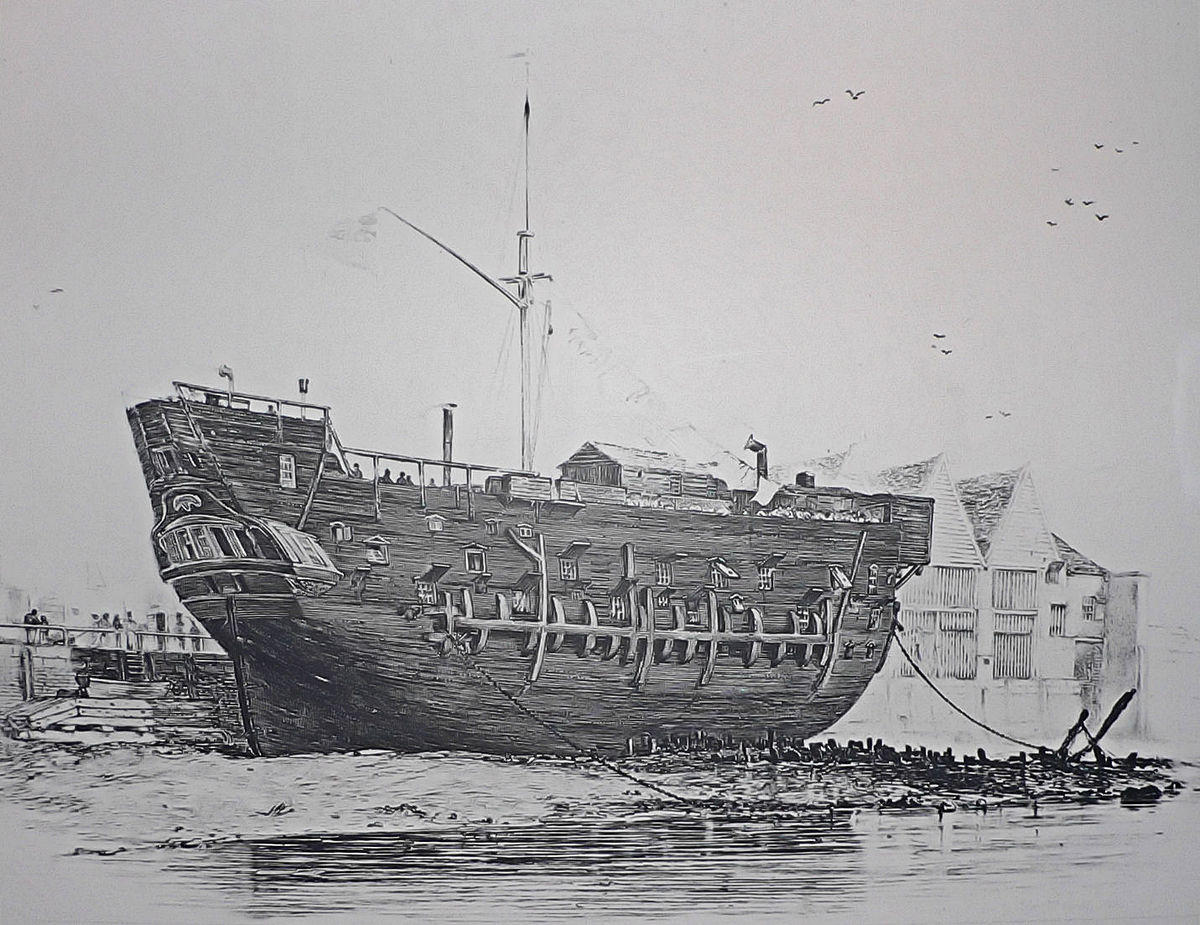
14
When was Sir Robert Peel Appointed Home Secretary & what was his aim?
1882 & Determined Help People's By Reducing Crime & Reassured Politicians Police Force Was No Threat to Freedom.
15
What act made Changes to Prisons for the Better?
Goals Act 1823
16
who made the Goals Act 1823 and What did it change?
Home Secretary Robert Peel's Goal Act 1823
WHAT DID IT CHANGE
ONLY APPLIED TO MAIN TOWNS & CITIES
• Put Into Groups e.g Seperated Women and Men, Serious Criminals and Debtors
• Paid Goalers
• Prisons had to be Healthy so Fresh Water & Good Food
• Each Prison had to have a Governor and a Chaplain
WHAT DID IT CHANGE
ONLY APPLIED TO MAIN TOWNS & CITIES
• Put Into Groups e.g Seperated Women and Men, Serious Criminals and Debtors
• Paid Goalers
• Prisons had to be Healthy so Fresh Water & Good Food
• Each Prison had to have a Governor and a Chaplain
17
why was a Pentonville Prison built & when?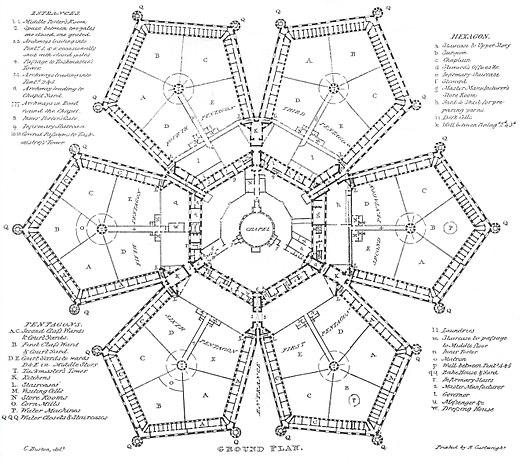
Was an Alternative to Transportation meant to Reform Criminals & Built in 1842. 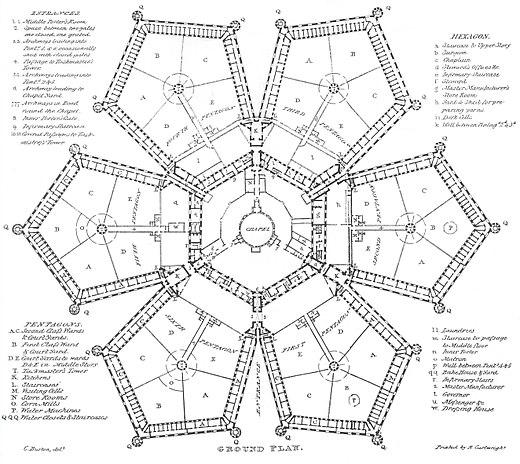
18
What is the Prison that I need to know?
Pentonville Prison
19
What did prison reformers in 1840s want prisoners to become?
Good Citizens
20
How did Pentonville originally try to achieve Good Citizens?
Taught them "usefull" work to help them get work when released.
21
What happened and why to many prisoners in Pentonville prison and what change did this lead to?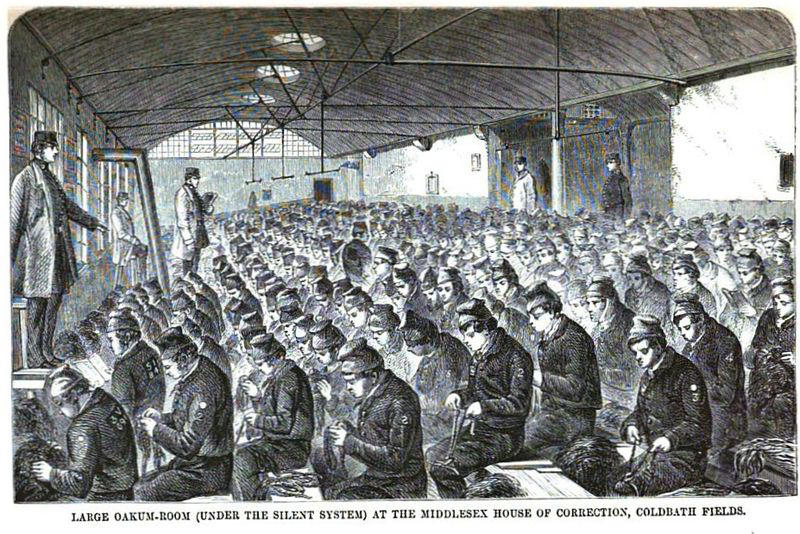
Seperate System: Prisoners Separated to Reflect, Reform and Change their ways.
Solitary Confinement Meant many Prisoners Broke Down, Became insane or Committed Suicide. (1842)
Then it led to...
Silent System:
Could See the Fellow in-mates but Weren't Allowed To Talk. (1860s)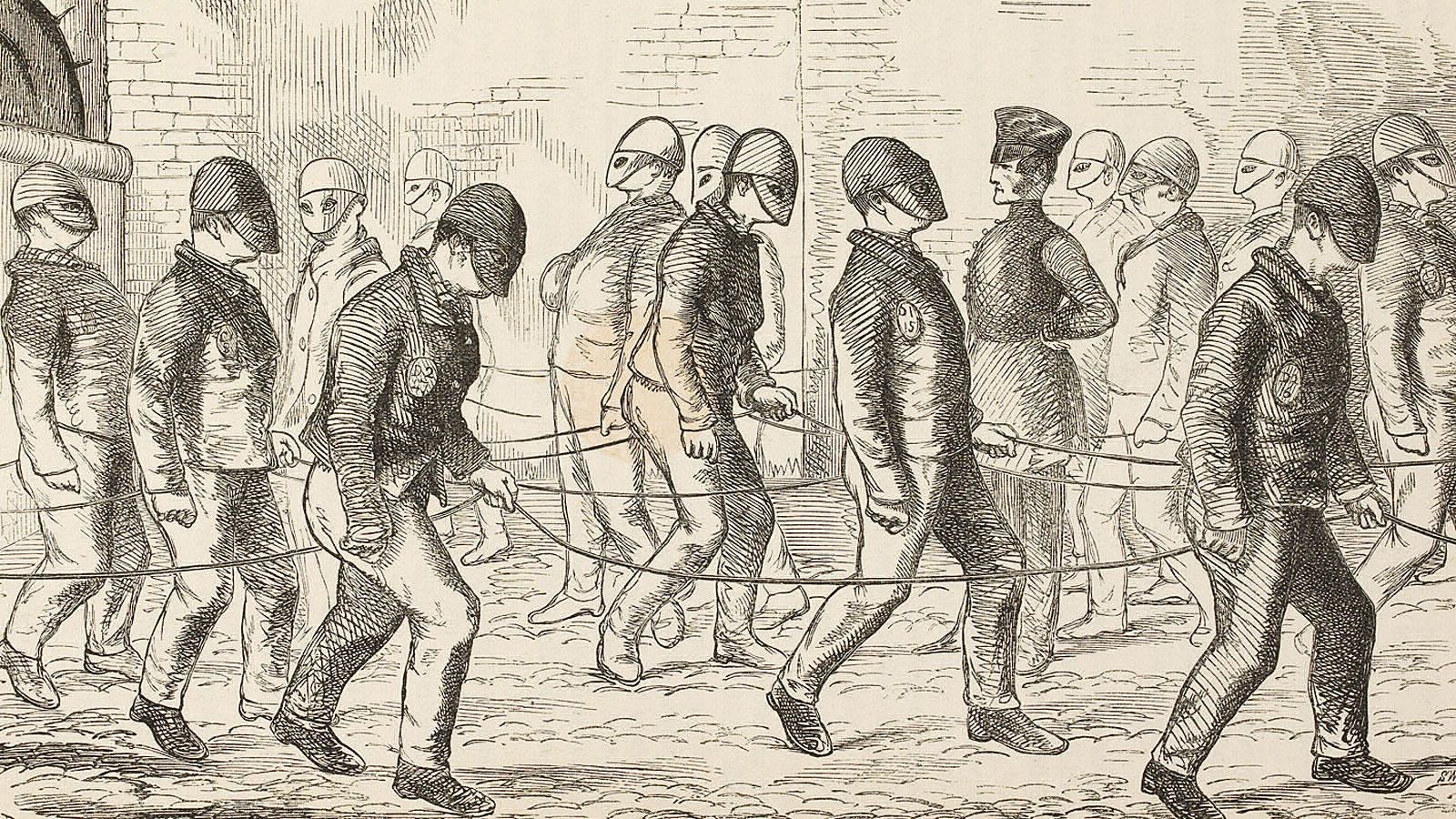
Solitary Confinement Meant many Prisoners Broke Down, Became insane or Committed Suicide. (1842)
Then it led to...
Silent System:
Could See the Fellow in-mates but Weren't Allowed To Talk. (1860s)
22
how did changes in attitudes affect prisons by 1860?
There was Return Of Harsher Methods:
Hard Labour, Hard Board, Hard Fair.
Because People Thought Criminals were Born Bad and Needed Deterrent Not Reform.
Hard Labour, Hard Board, Hard Fair.
Because People Thought Criminals were Born Bad and Needed Deterrent Not Reform.
23
Elizabeth Fry what were her Actions and the Outcomes?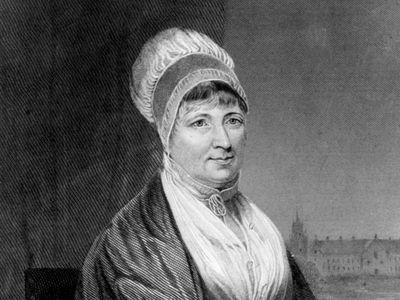
ACTIONS
• Visited Newgate Prison (shocked by conditions)
• Teaches sewing and leads bible classes at Newgate Prison
• Charity work helping the Sick & Poor
• Wrote Letters and Campaigns for Wider Prison Reform
• Helps set up Association for the Reformation of Female prisoners at to Campaign for Better Conditions
OUTCOMES
• Ensured Female Wardens are Employed to Work with Female and Child prisoners
• Improves Living Conditions Providing Prisoners with Furniture and Clothing
• Visited Newgate Prison (shocked by conditions)
• Teaches sewing and leads bible classes at Newgate Prison
• Charity work helping the Sick & Poor
• Wrote Letters and Campaigns for Wider Prison Reform
• Helps set up Association for the Reformation of Female prisoners at to Campaign for Better Conditions
OUTCOMES
• Ensured Female Wardens are Employed to Work with Female and Child prisoners
• Improves Living Conditions Providing Prisoners with Furniture and Clothing
24
John Howard what were her Actions and the Outcomes?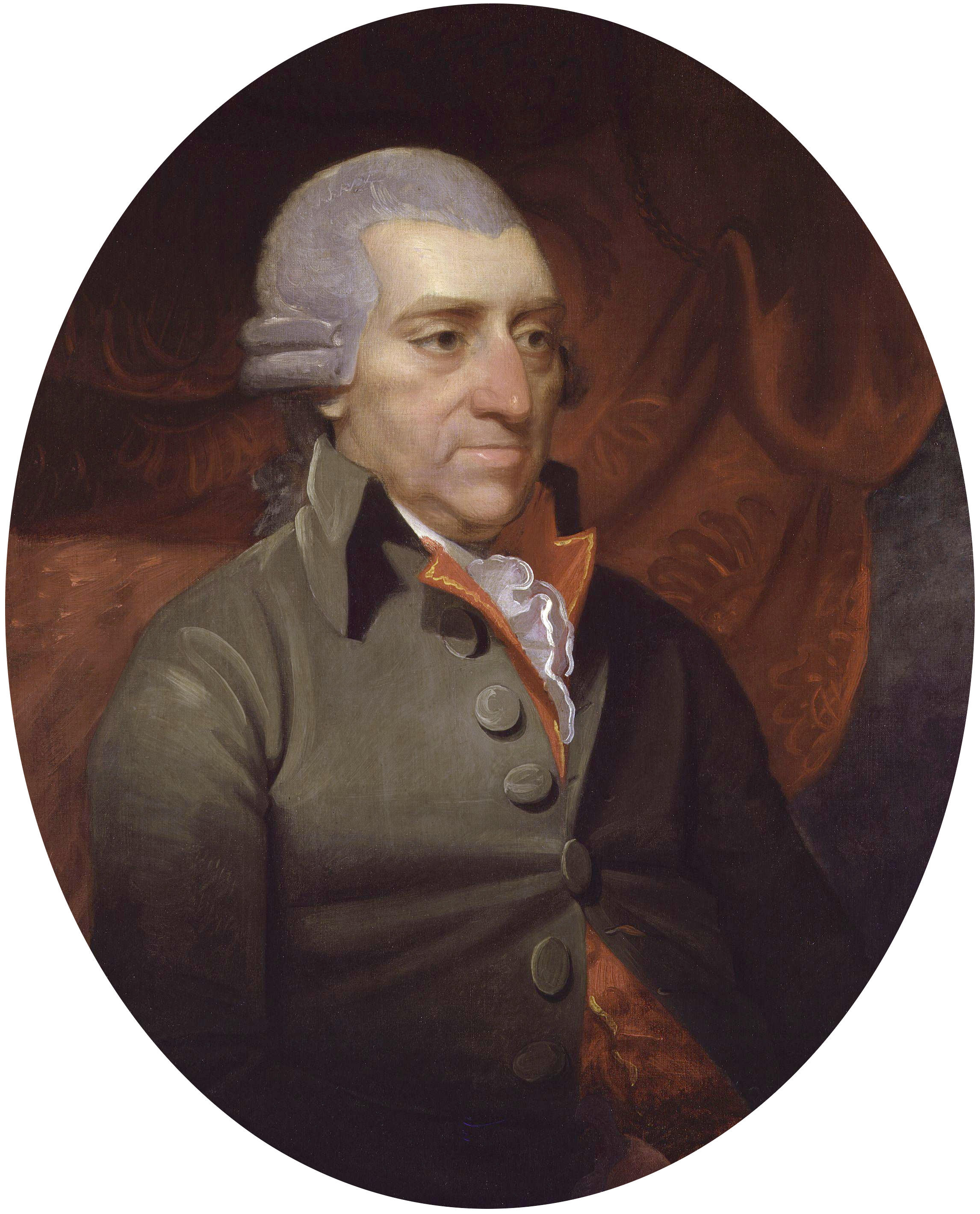
ACTIONS
• Visited Gaols and was Outraged by the Conditions.
• He was Concerned that some Prisoners were Kept In as They could Not Afford their Release Fee. So he Pesuaded Parliment to Ensure that Prisores who Finished their sentence were Released.
• Toured other Prisons, looking for Good Examples to Remodel the Gaols.
• Made Visits to Individual Gaolers to Persuade them to Improve their Practises
• Recommends Clean, Decent Food and water and Useful Work for the prisoners.
OUTCOME
• Published The State of Prisons in England and Wales, Providing Evidence for Other Prison Reformers
• Visited Gaols and was Outraged by the Conditions.
• He was Concerned that some Prisoners were Kept In as They could Not Afford their Release Fee. So he Pesuaded Parliment to Ensure that Prisores who Finished their sentence were Released.
• Toured other Prisons, looking for Good Examples to Remodel the Gaols.
• Made Visits to Individual Gaolers to Persuade them to Improve their Practises
• Recommends Clean, Decent Food and water and Useful Work for the prisoners.
OUTCOME
• Published The State of Prisons in England and Wales, Providing Evidence for Other Prison Reformers
25
What did Reformers like Howard & Fry achieve as a result of there Actions?
Prison reformers like Howard & Fry convinced the Robert Peel
(Home Secretary) that the Gaol system wasn't fit for purpose.
So it resultedin Gaols Act 1823 & changes to improve prison conditions.
(Home Secretary) that the Gaol system wasn't fit for purpose.
So it resultedin Gaols Act 1823 & changes to improve prison conditions.