Middle Ages AD 1000-1500
Study these flashcardsFree · spaced repetition · iPhone, Android, Mac & web
All cards
1
What are the punishments used in Anglo-Saxon England?
• Capital Punishment
• Mutilation
• Stocks & Pilories
• Wergild (fines paid to victims family)
• Blood Feud
• Whipping
• Mutilation
• Stocks & Pilories
• Wergild (fines paid to victims family)
• Blood Feud
• Whipping
2
What are the Law Enforcements used in Anglo-Saxon times?
• Trial by Jury
• All Trial by Ordeals
• Tithings
• Hue & Cry
• Shire Reeve
•Gaols (jail)
• All Trial by Ordeals
• Tithings
• Hue & Cry
• Shire Reeve
•Gaols (jail)
3
What are the Crimes used in Anglo-Saxon times?
Crimes Against Person
- Murder
- Assault
- Rape
Crimes Against Property
- Arson
- Theft
- Poaching (Social)
Crines Against Authority
- Treason
- Rebellion
- Murder
- Assault
- Rape
Crimes Against Property
- Arson
- Theft
- Poaching (Social)
Crines Against Authority
- Treason
- Rebellion
4
what is Capital Punishment & most common used and when and why was it used?
.Death Penalty- Hanged
If the Crime was Very Serious:
.Acting Against the King or Betraying Your Lord
.Death Penalty was meant to Show How Important Loyalty Was.
If the Crime was Very Serious:
.Acting Against the King or Betraying Your Lord
.Death Penalty was meant to Show How Important Loyalty Was.
5
What was Corporal Punishment & name 3?
Physical Punishment- Whipped, Put in Stocks or Pillory
6
How Were Reoffenders Punished?
Mutilation
7
what was Mutilation and what new mutilation was added by the Normans?
Criminals were Punished By Having A Body Part Cut Off
(hand, ear or nose etc)
.Blinding was new for the Normans
(hand, ear or nose etc)
.Blinding was new for the Normans
8
what were the Stocks & Pilories?
.For Minor Crimes
.Number of Hours Daily in Stocks
.Sometimes People Threw Rotten Fruit and Vegetables at Them
.Number of Hours Daily in Stocks
.Sometimes People Threw Rotten Fruit and Vegetables at Them
9
what was Wergild?
Fine that Criminal had to Pay the Victim or Victims Family.
Amount Depended on Who Victim Was
Amount Depended on Who Victim Was
10
what were Fines?
Criminal had to Pay King (William)
11
what was Blood Feud?
Relatives of Anyone who Was Hurt Could Legally Seek Revenge By Harming or Killing Person Responsible.
12
what was Hue and Cry?
Everyone in the village had to chase a suspected criminal to catch them.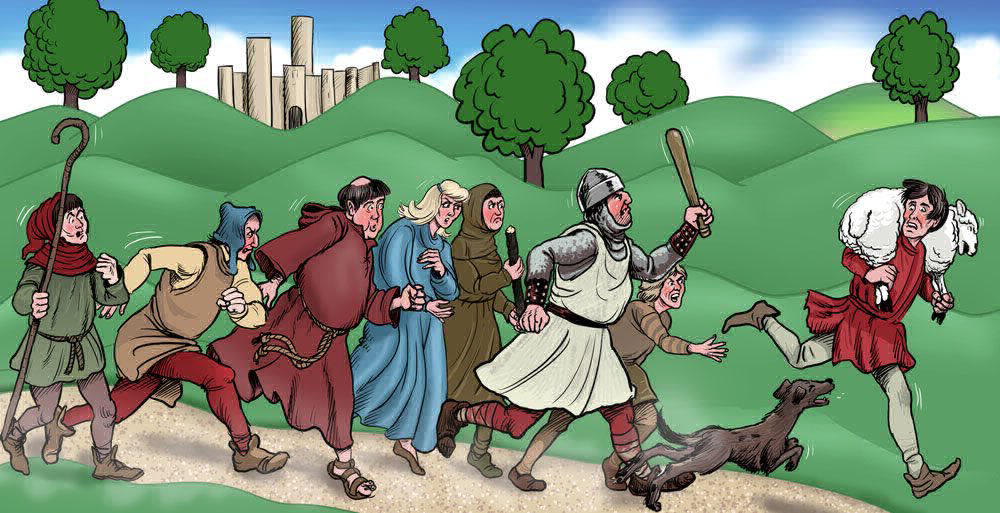
13
what happened if a villager refused to join Hue & Cry?
Whole Village Fined Large Sum of Money by a Court.
14
what was Trial by Jury?
The local jury decides the outcome of a crime
15
what was Trial by Ordeal?
God is the judge
16
what was Trial by Hot Iron?
Suspect takes 3 paces Holding red hot iron.
.If their hand is healing 3 days after they were innocent.
If their hands were not healing they were guilty.
.If their hand is healing 3 days after they were innocent.
If their hands were not healing they were guilty.
17
what was Trial by Cold Water?
The Accusedwas tied up, lowered into the water on a rope.
.A person who floated was guilty and dragged off for punishment.
.If they sunk they were innocent.
.A person who floated was guilty and dragged off for punishment.
.If they sunk they were innocent.
18
what was Trial by Hot Water?
Accused to grab a stone out of a bowl of boiling water.
.If 3 days later their hand was healed, they were innocent.
.If their hands didn't heal, they were guilty.
.If 3 days later their hand was healed, they were innocent.
.If their hands didn't heal, they were guilty.
19
what was Trial by Fire?
The test required to walk over fire while holding red hot iron.
.After 3 days if hands and feet haven't healed they are guilty.
.If they have healed they are inoceant.
.After 3 days if hands and feet haven't healed they are guilty.
.If they have healed they are inoceant.
20
what was Trial by Blessed Bread?
The accused priest would have to eat a certain amount of holy bread.
.If he choked he was guilty.
.If he didn't choke he was inoceant.
.If he choked he was guilty.
.If he didn't choke he was inoceant.
21
what were gaols used for?
Suspects were held in gaols before their trial.
22
what was Trial by Combat?
If 2 people were accusedthey would fight to the death.
.The winner would be innocent (alive)
.The loser would be guilty (dead)
.Created by William
.The winner would be innocent (alive)
.The loser would be guilty (dead)
.Created by William
23
What were Travelling Judges?
Held Serious Crimes
24
what were Tithings?
A Tithing group of 10 men All Responsible for Each Others Behaviour.
.One Man Met with Shire Reeve regularly.
.If One Committed a Crime Others Were Responsible for Bringing him to Justice, if they did not and he was caught anyway the punishment would be given to all members of the tithing.
.One Man Met with Shire Reeve regularly.
.If One Committed a Crime Others Were Responsible for Bringing him to Justice, if they did not and he was caught anyway the punishment would be given to all members of the tithing.
25
what was a Shire Reeve?
A Man Appointed by the Community to Take Criminals to Court and Ensure they were Punished.
26
He was a Constable?
Chosen by the Village and Kept Order
27
Who was a Sheriff?
Appointed by Kings Official Kept Law and Order
28
What was England BEFORE the Battle of Hastings?
Anglo-Saxon England
29
What was England AFTER the Battle of Hastings?
Norman England
30
what were the Punishments used in Norman England?
• Capitol Punishment (Execution)
•Multilation (blinding new)
•Fines (money went to the King)
•Whipping
•Stocks & Pillaries
•Murdrum Fine
•The Harrying of the North
•Multilation (blinding new)
•Fines (money went to the King)
•Whipping
•Stocks & Pillaries
•Murdrum Fine
•The Harrying of the North
31
what were the Forest Laws & who created them?
Normans
• Own Hunting Dog & Hunting/ Poaching for Ordinary People in Royal Forest/New Forest
• Chop Down Tree
• Poaching in Royal
• Own Hunting Dog & Hunting/ Poaching for Ordinary People in Royal Forest/New Forest
• Chop Down Tree
• Poaching in Royal
32
what were the Crimes during Norman England?
illegal:
• To Own a Hunting Dog
• Chop Down a Tree
• Poaching in a Royal Forest (New Forest)
• Peasants to Leave the Lord's Village
• Killing a Norman
• Theft
• Laws Harsher on Women
• To Own a Hunting Dog
• Chop Down a Tree
• Poaching in a Royal Forest (New Forest)
• Peasants to Leave the Lord's Village
• Killing a Norman
• Theft
• Laws Harsher on Women
33
what was the Law Enforcement during Norman England?
•Hue & Cry
•All the Trials by Ordeal (+ Trial by Combat)
•Trial by Jury
•Tithings
•Castles were built
•Church Courts
•Gaols (jail)
•Shire Reeve
•All the Trials by Ordeal (+ Trial by Combat)
•Trial by Jury
•Tithings
•Castles were built
•Church Courts
•Gaols (jail)
•Shire Reeve
34
What were Church Courts used for?
Tried Moral Crimes
(such as adultery)
(such as adultery)
35
who was the king during Norman times?
William 1st (William the conqueror)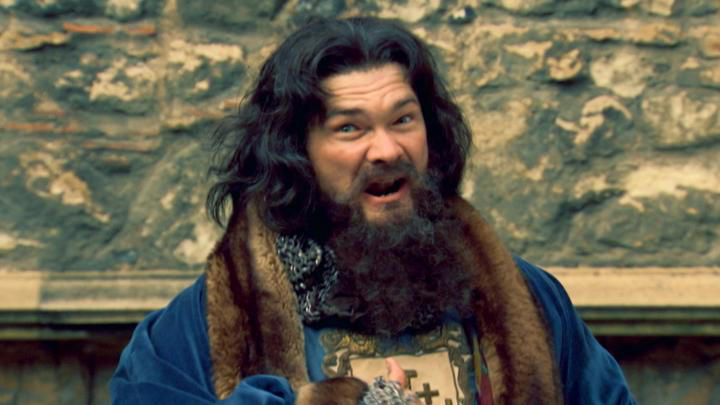
36
When was William the Conqueror crowned King England?
25 December 1066
37
What are all the trial by ordeals in Anglo-Saxon times and which one did the Normans add?
•Trial by Cold Water
•Trial by Hot Water
•Trial by Hot Iron
•Trial by Fire
•Trial by Blessed Bread
•Trial by Combat (Normans)
•Trial by Hot Water
•Trial by Hot Iron
•Trial by Fire
•Trial by Blessed Bread
•Trial by Combat (Normans)
38
when did they choose to do a Trial by Ordeal?
If a Local Jury Could Not Decide the Outcome of a Crime.
Then the Villagers would Turn to a Trial by Ordeal. (Trial by hot Iron)
Then the Villagers would Turn to a Trial by Ordeal. (Trial by hot Iron)
39
What was the Murdrum Fine?
Punishes a Whole Village for Murder of a Norman.
Pay a Large Sum of Money in Place Where the Body was Found.
Pay a Large Sum of Money in Place Where the Body was Found.
40
What was the Harrying of the North?
•All Livestock & Harvest Destroyed & Villages Burned Down Across the North because of Rebellions there.
•Because of the Rebellions 100 Thousand of Innocent People Murdered Along with the Rebels.
•Because of the Rebellions 100 Thousand of Innocent People Murdered Along with the Rebels.
41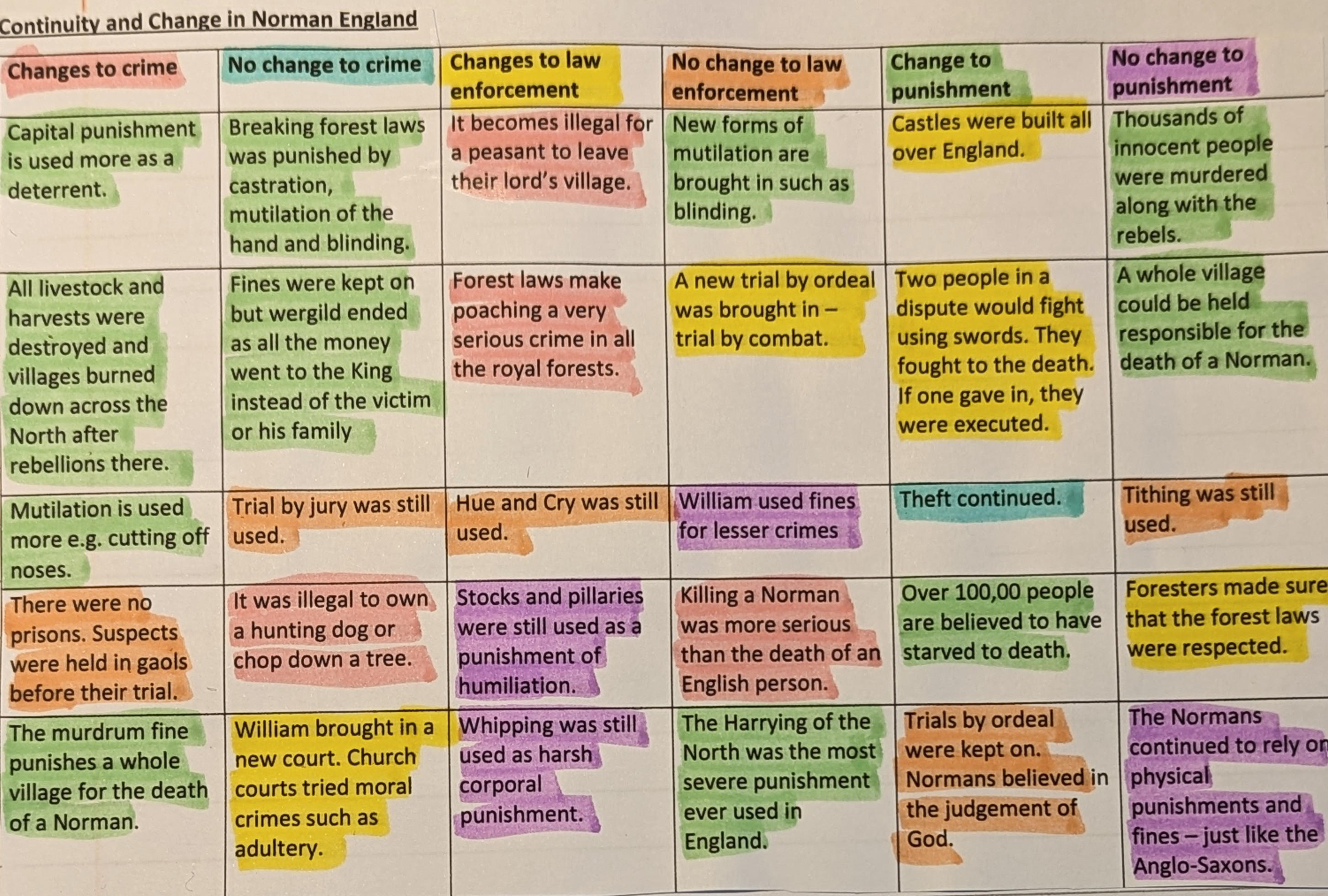
42
What was part of the Medieval Period?
• Anglo-Saxon
• Norman
• Later Middle Ages
• Norman
• Later Middle Ages
43
What was a posse?
A Sheriff Gathered a Posse to Look for Criminals if Hue & Cry Failed.
44
Who was a Coroner?
Investigated Suspicious Deaths
45
What was Trial by Jury?
Accused & Accuser Would Give Their Side of Story.
If No Eye Witness, Accused could Get Required Number of Persons to Swear they Believed Defenders Oath which was Called Oath of Compugation Which Meant their Reputation Mattered.
EVERYONE NEW EACHOTHER
If No Eye Witness, Accused could Get Required Number of Persons to Swear they Believed Defenders Oath which was Called Oath of Compugation Which Meant their Reputation Mattered.
EVERYONE NEW EACHOTHER
46
What were Different Types of Courts and when were they used?
• Royal Courts
• Manor Courts
• Church Courts
• Manor Courts
• Church Courts
47
What & where were Manor Courts & what crimes were tried & who were involved?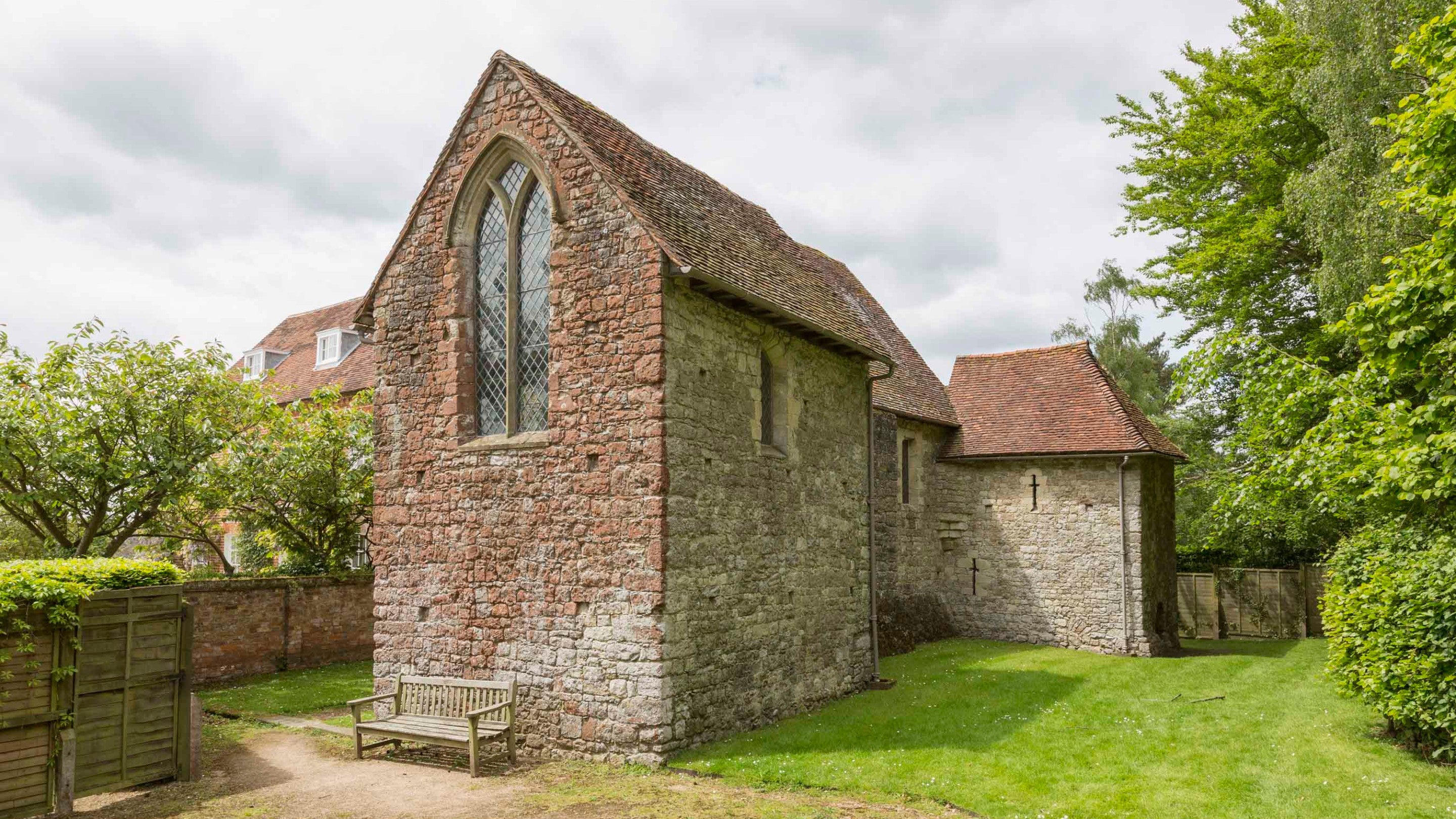
• Run by Lord in his Own Village or Manor.
• Wealthy Villagers Sat on Jury.
• Mainly dealt with Petty Crimes
• Might deal with Petty Crimes that Affected Whole Community,
such as fighting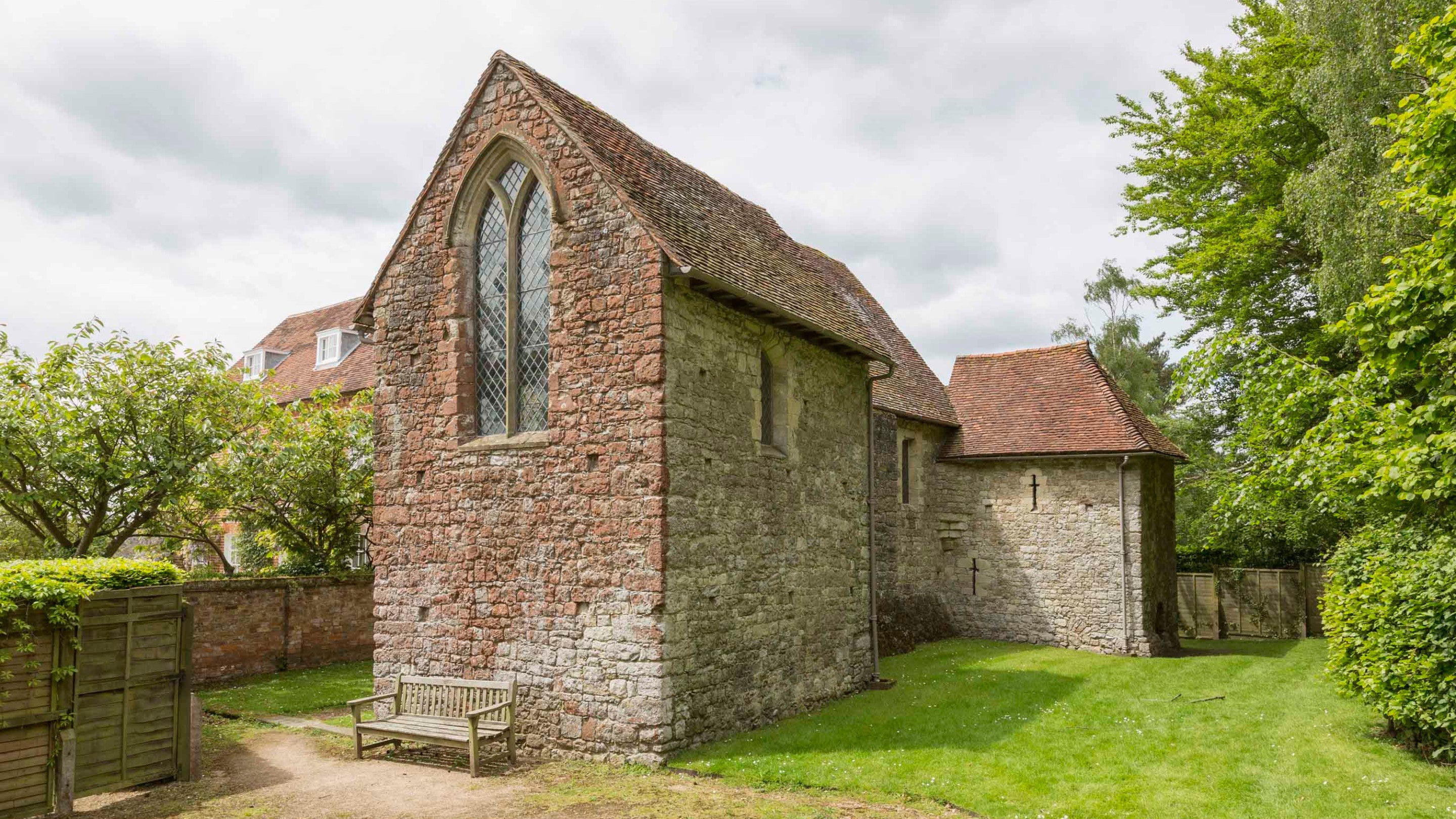
• Wealthy Villagers Sat on Jury.
• Mainly dealt with Petty Crimes
• Might deal with Petty Crimes that Affected Whole Community,
such as fighting
48
What were Royal Courts & what crimes were tried & who were involved?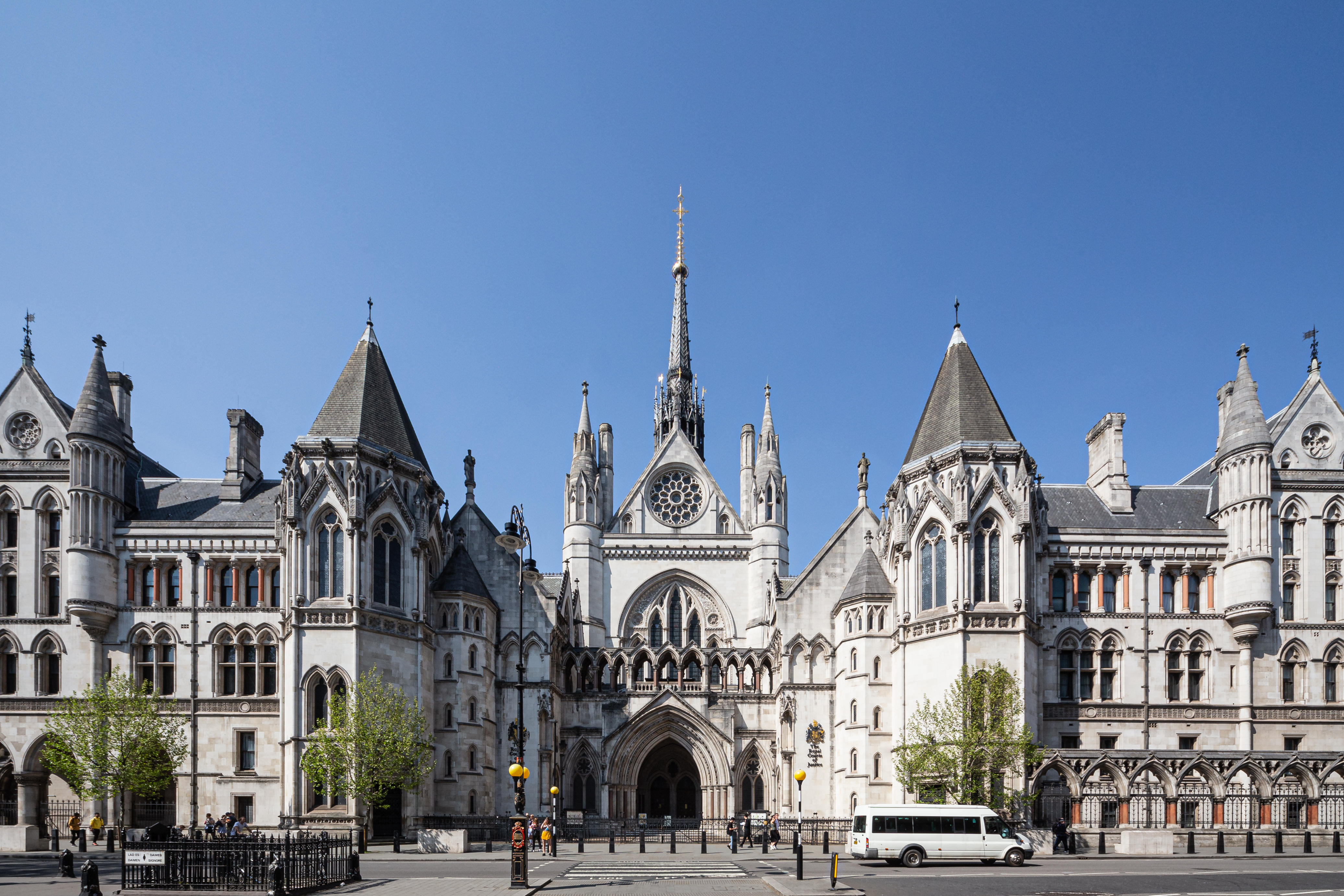
• Run by a Professional, Paid Judge with Assistance of Jury from Criminal’s Area.
• Tried Serious Crimes.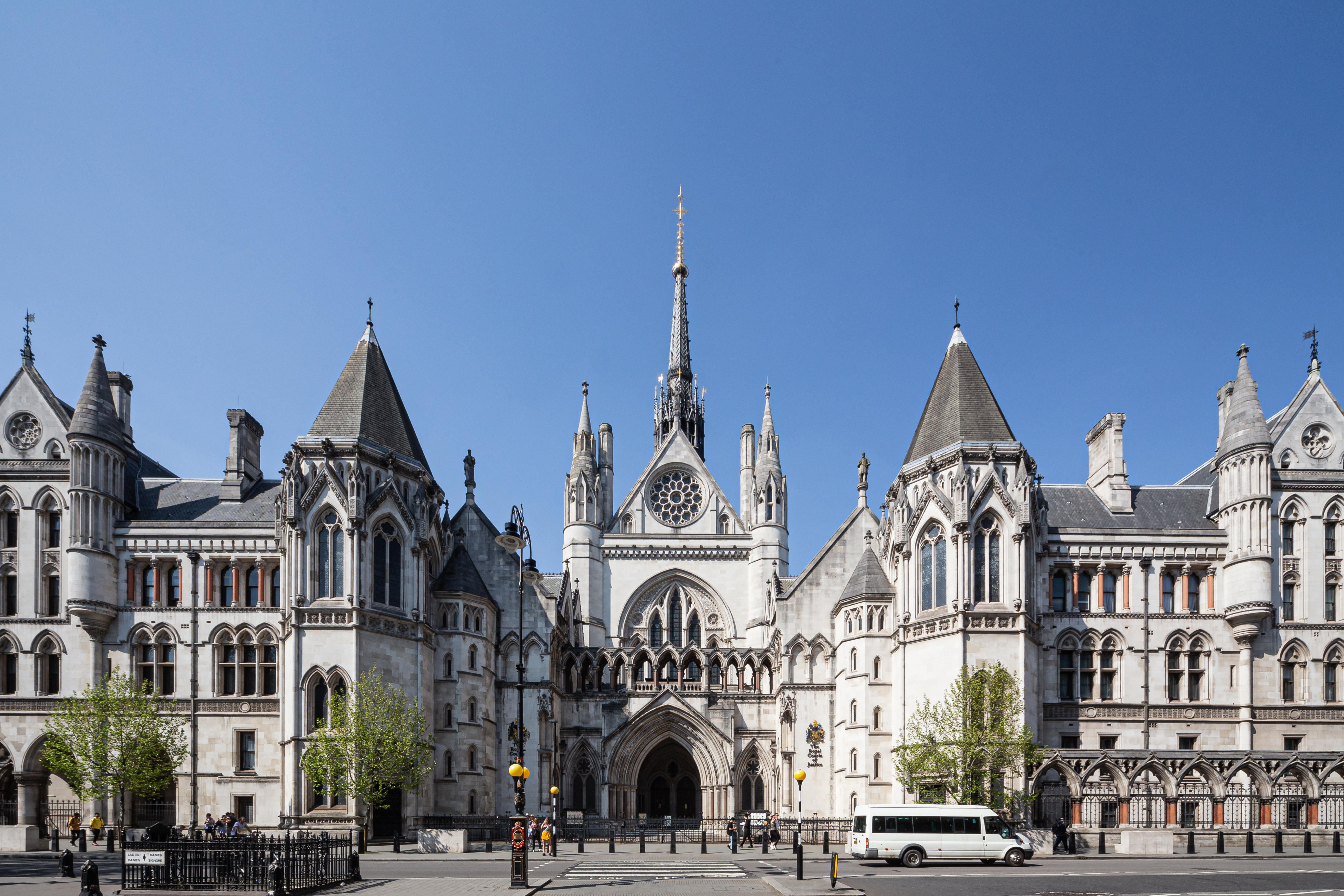
• Tried Serious Crimes.
49
What were Church Courts & what crimes were tried & who were involved?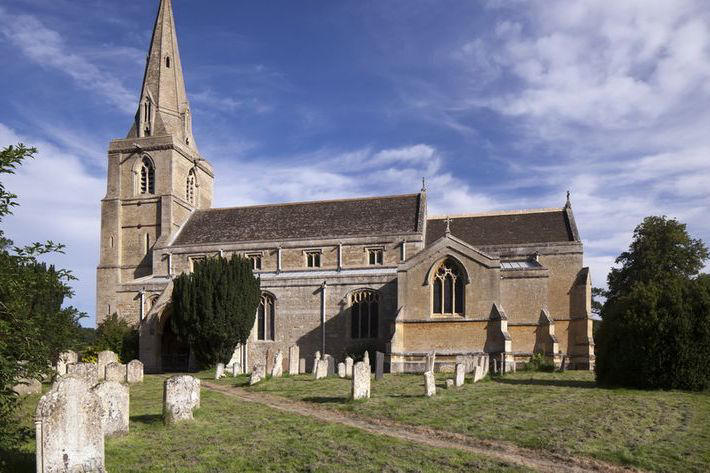
Church Own System of Courts try Moral Crimes, Priests & Other Members of Clergy & Crimes Against Church.
• Church Could Also Put On Trial Anyone Accused Of Offences.
• No Juries in Church Courts & Instead, Priests Passed Judgement.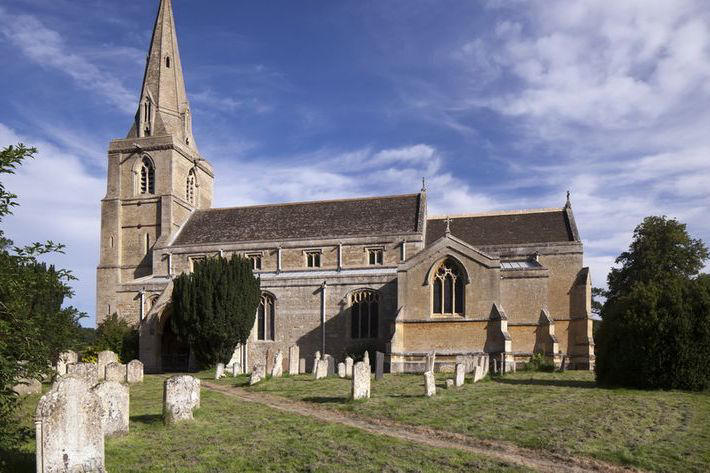
• Church Could Also Put On Trial Anyone Accused Of Offences.
• No Juries in Church Courts & Instead, Priests Passed Judgement.