Physics Paper 1
Study these flashcardsFree · spaced repetition · iPhone, Android, Mac & web
All cards
1
Specific heat capacity
amount of energy needed to raise the temp of 1kg of a substance by 1*C
2
Energy store in muscles
chemical
3
Closed system example
cold spoon dropped into an insulated flask of hot liquid
4
Conduction
process where vibrating particles transfer energy to neighbouring particles
5
Convection
- where energetic particles move away from hotter regions to cooler regions
- only occurs in liquids and gases
- only occurs in liquids and gases
6
Convection currents (4)
- when a region of a gas / liquid is heated, the particles move faster
- space between particles decreases - so density decreases
- because liquids and gases can flow, the warmer and less dense region will rise above the denser, cooler regions
- if there is a constant heat source, a convection current can be created
- space between particles decreases - so density decreases
- because liquids and gases can flow, the warmer and less dense region will rise above the denser, cooler regions
- if there is a constant heat source, a convection current can be created
7
Radiators (3)
- energy transferred when air particles collide with radiator surface
- air by the radiator becomes warmer and less dense
- warm air rises and is replaced by cooler air
- air by the radiator becomes warmer and less dense
- warm air rises and is replaced by cooler air
8
Which is a better conductor: Copper or Steel?
copper
9
Which is a better conductor: Wood or Glass?
Glass
10
What appliances are 100% effective?
electric heaters
11
Relationship between mass and temp
temp increases more slowly when object with greater mass is heated
12
Fibreglass insulation
used in loft insulation - air between fibres reduces rate of energy transfer by conduction
13
Cavity wall insulation
insulation pumped into cavity, better insulator than air it replaces, traps air in small pockets - reducing rate of energy transfer by conduction
14
Aluminium foil between radiator and wall
reflects radiation away from wall - reducing rate of energy transfer by radiation
15
Double-glazed windows
two glass panes with dry air/vacuum inbetween. Dry air reduces rate of energy transfer by conduction, vacuum reduces rate by convection
16
Draught excluders
reduce energy transfers by convection
17
Body at constant temperature
emits infrared at the same rate as it absorbs it and emits across a continuous range of wavelengths
18
How does nuclear power work? (6)
• Uranium fuel in sealed cans at core of reactor
• Unstable nuclei split in 2, transferring energy
• Core becomes very hot from many uranium atoms undergoing fission
• Energy of core transferred by the coolant fluid that is pumped through it
• Newly hot coolant fluid leaves core and flows through pipe to heat exchanger, then back to reactor core
• Energy transferred turns water into steam in the heat exchanger
• Unstable nuclei split in 2, transferring energy
• Core becomes very hot from many uranium atoms undergoing fission
• Energy of core transferred by the coolant fluid that is pumped through it
• Newly hot coolant fluid leaves core and flows through pipe to heat exchanger, then back to reactor core
• Energy transferred turns water into steam in the heat exchanger
19
How does wave power work?
• Motion of waves makes floating generator move up and down, generating electricity
• Cable between generator and shoreline delivers electricity to grid system
• Cable between generator and shoreline delivers electricity to grid system
20
How does tidal power work?
• Water from high tide is trapped behind a barrage
• Then released back into sea through turbines
• Then released back into sea through turbines
21
Hydroelectric power -ves (2)
- flooding of the valley makes vegetation rot (releases methane and CO2)
- loss of habitat
- loss of habitat
22
Biofuel -ves (2)
- take up space / water needed for food crops
- forest clearing - loss of habitat and decay and rotting of vegetation increases methane and CO2
- forest clearing - loss of habitat and decay and rotting of vegetation increases methane and CO2
23
Solar cells
use solar energy to generate electricity directly
24
Solar cell disadvantages (2)
• Convert very little of the solar energy they absorb - only useful where small amounts of electricity are needed (e.g., watch)
• Expensive to buy
• Expensive to buy
25
Solar cell advantages (2)
• Cost nothing to run
• Can be connected to make solar cell panels
• Can be connected to make solar cell panels
26
Solar heating panels
heat water that runs through them
27
How do solar power towers work? (5)
• Thousands of flat mirrors reflect sunlight on to a big water tank at the top of a tower
• Mirrors on the ground surround base of tower
• Water in tank turned into steam by heating effects of solar radiation directed at it
• Steam piped down to ground level
• Mirrors are controlled by a computer to track the sun
• Mirrors on the ground surround base of tower
• Water in tank turned into steam by heating effects of solar radiation directed at it
• Steam piped down to ground level
• Mirrors are controlled by a computer to track the sun
28
How does geothermal power work? (2)
• Energy transferred from radioactive substances deep within the Earth heats surrounding rock
• Water is pumped down to these rocks to produce steam
• Water is pumped down to these rocks to produce steam
29
Ground source heat (2)
• Heat flow from underground can heat buildings in some areas geothermally and directly
• Heat flow heats water in long underground pipes – then pumped up to buildings
• Heat flow heats water in long underground pipes – then pumped up to buildings
30
Geothermal -ves (2)
- not many suitable locations
- cost of building often high compared to amount of energy produced
- cost of building often high compared to amount of energy produced
31
Preventing acid rain
sulfur can be removed from fuels before burning
32
CCS
Carbon capture and storage - expensive
33
Nuclear +ve
much more energy transferred from each kg of uranium/plutonium fuel than fossil fuels
34
Nuclear -ves (2)
• Fuel rods contain radioactive waste
• Expensive to build, run and decommission
• Expensive to build, run and decommission
35
-ve of all power stations
can't start up instantly - depends on type of power
36
Renewable energy costs
cheap to run but expensive to install
37
How is variable demand for electricity met? (4)
• Nuclear and coal provide the base load demand (constant amount of electricity)
• Gas and pumped storage schemes meet daily variations in demand and extra demand in winter
• Renewable used when demand is high, and conditions are suitable
• Renewable produced when demand is low – stored in pumped-storage schemes
• Gas and pumped storage schemes meet daily variations in demand and extra demand in winter
• Renewable used when demand is high, and conditions are suitable
• Renewable produced when demand is low – stored in pumped-storage schemes
38
Fuse symbol
39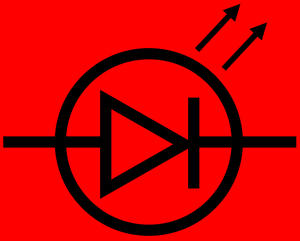
LED symbol
40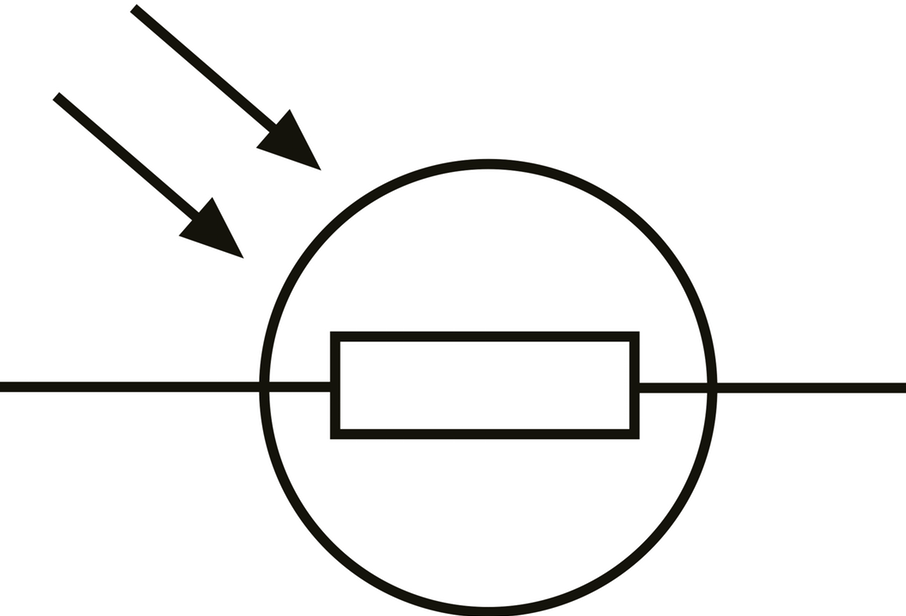
LDR symbol
41
Heater symbol
42
What is current?
the flow of electrical charge
43
LED
light emitting diode - emits light when a current passes through it
44
Variable resistor
allows current to be varied
45
Thermistor
resistance decreases as temp increases
46
Light dependent resistor
resistance decreases as light intensity increases
47
Fan sensor (5)
- circuit with a thermistor and a loop made up of a fixed resistor and fan in parallel
- pd of the power supply is shared out between them according to their resistances
- the bigger a component's resistance, the more of the pd it takes
- as the room gets hotter, the resistance of the thermistor decreases and it takes a smaller share of the pd from the power supply
- so the pd across the fixed resistor and the fan rises, making the fan go faster
- pd of the power supply is shared out between them according to their resistances
- the bigger a component's resistance, the more of the pd it takes
- as the room gets hotter, the resistance of the thermistor decreases and it takes a smaller share of the pd from the power supply
- so the pd across the fixed resistor and the fan rises, making the fan go faster
48
Light sensor (4)
- bulb connected in parallel to an LDR
- pd across both will be high when it's dark because the LDR's resistance is high
- the greater the pd across the component, the more energy it gets
- so the bulb gets brighter as the room gets darker
- pd across both will be high when it's dark because the LDR's resistance is high
- the greater the pd across the component, the more energy it gets
- so the bulb gets brighter as the room gets darker
49
Current in series
same everywhere
50
Ohm's law
• Current through an ohmic conductor at a constant temp is directly proportional to the pd across it
• Means the resistance remains constant as the current changes
• Means the resistance remains constant as the current changes
51
Is wire an ohmic conductor?
yes
52
Non-ohmic conductors (4)
lamps, diodes, thermistors, LDRs
53
Resistance in a filament lamp
increases as temp of filament increases
54
Resistance in a diode
very high in the reverse direction
55
Thermistor uses (3)
temp sensors in fire alarms, ovens, digital thermometers
56
LDR uses (2)
light sensors - automatic lights in the dark, light intensity meters
57
Pd in series
shared between components
58
Current in parallel
sum of currents through each component
59
Pd in parallel
same everywhere
60
Resistance in parallel
less than resistance of smallest individual resistor
61
Why does adding more resistors in series increase the total resistance? (3)
• Total pd shared between more resistors so pd across each is less than before
• Current through the resistors is therefore less than before
• As the total pd is unchanged and the current goes down, resistance increases
• Current through the resistors is therefore less than before
• As the total pd is unchanged and the current goes down, resistance increases
62
Why does adding more resistors in parallel decrease the total resistance?
more pathways for the current to go through - so easier to flow through the circuit
63
Diode use
stops appliance being damaged if batteries are put in wrong way round
64
What is pd?
measure of energy transferred to a component by each coulomb of charge that passes through it
65
Static electricity experiment
polythene and acetate rods being rubbed with a cloth duster
66
Sparking (4)
- happens when there is a high enough pd between a charged object and the earth (or an earthed object)
- strong electric field between the charged object and the earthed object
- causes electrons in the air particles to be removed (ionisation)
- air is normally an insulator but, when ionised, is much more conductive, so a current can flow through it
- strong electric field between the charged object and the earthed object
- causes electrons in the air particles to be removed (ionisation)
- air is normally an insulator but, when ionised, is much more conductive, so a current can flow through it
67
Static shock from a car (3)
- electrons can jump to any earthed conductor nearby if the pd is large enough
- charge builds up on the car's metal frame
- when the car is touched, the charge travels through the body to the earth
- charge builds up on the car's metal frame
- when the car is touched, the charge travels through the body to the earth
68
Mains electricity (3)
AC, 50 Hz, 230 V
69
What are wire cores made of
copper
70
Why is the national grid efficient?
by making the potential difference very large, much less current is needed to transfer the same amount of power
71
Live wire
brown, carries alternating pd from supply
72
Neutral wire
blue, completes circuit
73
Earth wire
green and yellow, stops appliance casing becoming live
74
Neutral wire pd
close to/at 0V
75
What happens if you touch the live wire? (2)
- a large pd is produced across your body and current flows through you
- even if the switch is off, still dangerous - no current flowing but still a pd in the live wire - your body would provide a link between the supply and the earth, so a current would flow through you
- even if the switch is off, still dangerous - no current flowing but still a pd in the live wire - your body would provide a link between the supply and the earth, so a current would flow through you
76
What happens if the live wire touches the earth wire?
complete circuit from mains supply to ground is made - shock or fire likely
77
Longest pin in a 3-pin plug
connected to earth wire - appliances with metal cases have their cases automatically earthed when plugged in
78
What are plug pins made of?
brass - good conductor, doesn't rust or oxidise
79
Where is the fuse in a plug?
between the live pin and live wire
80
What are 2-core cables used for?
appliances with plastic cases
81
Cables that join together wall sockets
thicker than those that join together light fittings - more current passes along so they have to be thicker to have less resistance heating
82
Short circuit
- live wire inside an appliance touches neutral wire - very big current passes between the two
- provided fuse blows, current is cut off
- provided fuse blows, current is cut off
83
Advantage of transferring electricity directly to homes (no national grid)
less energy loss as cables are shorter
84
Overhead cable advantages (2)
- cables are cooled by air (no cooling systems needed)
- air acts as an insulator (no layers of insulation needed)
- air acts as an insulator (no layers of insulation needed)
85
Why is the live wire dangerous?
potential repeatedly changes from + to - and back every cycle
86
Internal energy
total kinetic + total potential
87
What does the energy supplied in a change of state affect?
the internal energy (not the temperature)
88
Specific latent heat (2)
- amount of energy needed to change the state of 1kg of a substance with no change in temperature
- for cooling - energy released by a change in state
- for cooling - energy released by a change in state
89
What force does pressure produce?
a net force at right angles to the walls of a gas container
90
Outward gas pressure in a container
total force exerted by all of the particles in the gas on a unit of area of the container walls
91
Temperature of a gas when it's compressed rapidly
can increase - work is done on the gas and this energy isn't transferred quickly enough to the surroundings
92
Why is density of a gas lowest?
occupies the greatest volume but mass in each state is the same
93
How can pressure change the volume of a container? (3)
- pressure of a gas causes a net outwards force at right angles to the surface of its container
- also a force on the outside of the container due to the pressure of the gas around it
- if a container can easily change its size (eg. balloon), then any change in these pressures will cause the container to compress or expand, due to the overall force
- also a force on the outside of the container due to the pressure of the gas around it
- if a container can easily change its size (eg. balloon), then any change in these pressures will cause the container to compress or expand, due to the overall force
94
What happens as a helium balloon rises? (2)
- atmospheric pressure decreases with altitude so the pressure outside the balloon decreases
- this makes the balloon expand until the pressure inside drops to the same as the atmospheric pressure
- this makes the balloon expand until the pressure inside drops to the same as the atmospheric pressure
95
Forces of attraction in solids
strong - keep particles in place and only vibrating about fixed positions
96
Forces of attraction in liquids
particles have enough energy to break free from some forces of attraction
97
Forces of attraction in gases
none
98
What is kinetic energy in a substance due to?
individual motions of partices relative to each other
99
What is potential energy in a substance due to?
individual positions of partices relative to each other
100
What doesn't internal energy include?
gravitational potential energy or kinetic energy caused by motion of the whole substance
101
How can electron arrangement change?
absorption of EM radiation can make electrons move further away from the nucleus to a high energy level
102
Niels Bohr adaptation of nuclear model (2)
- noticed that light emitted by substances on heating had very specific amounts of energy
- this was the energy emitted as electrons fell to a lower energy level
- this was the energy emitted as electrons fell to a lower energy level
103
Radioactive decay
random process of unstable nuclei giving out radiation as they change to become more stable
104
Activity
rate at which a source of unstable nuclei decays, Bq
105
Count rate
number of decays recorded each second by a detector
106
Beta particle ejection
from the nucleus as a neutron turns into a proton
107
What can also be emitted as a form of nuclear radiation?
neutrons (n)
108
Alpha absorber material
thin sheet of paper
109
Alpha range in air
about 5cm
110
Alpha use in smoke detectors (3)
- ionises air particles, causing a current to flow
- if there is smoke in the air, it binds to the ions
- so the current stops and the alarm sounds
- if there is smoke in the air, it binds to the ions
- so the current stops and the alarm sounds
111
Beta absorber materials
- 5mm aluminium sheet
- 2-3mm lead sheet
- 2-3mm lead sheet
112
Beta range in air
about 1m
113
Beta use
test thicknesses of sheets of metal
114
Gamma absorber materials
- several cm lead sheet
- over 1m concrete
- over 1m concrete
115
Why is gamma emitted?
way of getting rid of excess energy from a nucleus
116
Half-life
time for number of nuclei of the isotope or count rate to halve
117
Why is half-life used?
activity never quite reaches zero
118
Radioactive contamination
unwanted presence of materials containing radioactive atoms on other materials
119
Radiation dose units
Sieverts (Sv)
120
Radiation sickness
due to high doses that kill lots of cells completely - vomiting, tiredness and hair loss
121
Iodine-123
- absorbed by thyroid gland (like normal iodine-127)
- gives out radiation that can be detected to indicate whether thyroid gland is taking in iodine as it should
- gives out radiation that can be detected to indicate whether thyroid gland is taking in iodine as it should
122
Count rate after n half lives
initial count rate $/$ 2$n$
123
Where does natural background radiation come from?
rocks and cosmic rays
124
Radioactive tracers
- contain a radioactive isotope that emits gamma
- patient drinks water containing a tiny amount of the radioactive substance
- patient drinks water containing a tiny amount of the radioactive substance
125
Spontaneous fission
rare - usually a neutron must be absorbed
126
Products of nuclear fission
- nucleus splits into 2 smaller daughter nuclei (roughly equal in size) and emits 2-3 neutrons plus gamma rays
- these neutrons can start a chain reaction
- all fission products have kinetic energy
- energy not transferred to kinetic energy stores of products is carried away by gamma rays
- these neutrons can start a chain reaction
- all fission products have kinetic energy
- energy not transferred to kinetic energy stores of products is carried away by gamma rays
127
How is the amount of energy transferred by fission controlled?
control rods lowered and raised inside nuclear reactor to absorb neutrons, slow down chain reaction and control amount of energy released
128
Nuclear fusion (3)
- two light nuclei collide at a high speed and fuse to create a larger, heavier nucleus
- heavy nucleus doesn't have as much mass as the 2 separate nuclei
- some of the mass is converted to energy
- heavy nucleus doesn't have as much mass as the 2 separate nuclei
- some of the mass is converted to energy