Bio 25 exam 1
Study these flashcardsFree · spaced repetition · iPhone, Android, Mac & web
All cards
1
levels of bio organization
atom, molecule, cell, tissue, organ, organ system, organism, population, community, ecosystem, biosphere
2
atoms
smallest unit of matter
join to make molecules
join to make molecules
3
molecules
join to make organelles
4
Organelles
form the cell
5
cell
combine to make tissue
6
tissue
carries out important functions
join together to form organs
join together to form organs
7
organs
tissues acting on different functions
form a living organism
form a living organism
8
population
comprised of multiple organisms; living species
many populations form communities
many populations form communities
9
ecosystems
community of living and non living objects
10
biosphere
all communities on earth
11
Homeostasis
acts as a regulator
maintains balance in the body
needs a receptor, effector, and control center
maintains balance in the body
needs a receptor, effector, and control center
12
receptor
protein that detects a signal molecule and performs an action in response
13
effector
an organ or cell that acts in response to a stimulus.
14
control center
processes the signal and sends instructions
15
steps of a reflex
1)stimulus
2)receptor
3)sensory neuron
4)control center
5)motorneurons
6)effector
7)response
2)receptor
3)sensory neuron
4)control center
5)motorneurons
6)effector
7)response
16
local change
controlled with nearby cells
17
reflex change
controlled by cells far away
18
positive feedback
Feedback that tends to magnify a process or increase its output.
19
negative feedback
A type of regulation that responds to a change in conditions by initiating responses that will counteract the change. Maintains a steady state.
20
prokaryotic cell
cell that does not have a nucleus or other membrane-bound organelles; unicellular organism
21
Eukaryotic cells
Contain a nucleus and other organelles that are bound by membranes; multicellular organisms
22
Pinocytosis
the ingestion of liquid into a cell; very small
23
Phagocytosis
ingestion of material such as bacteria in the cell
24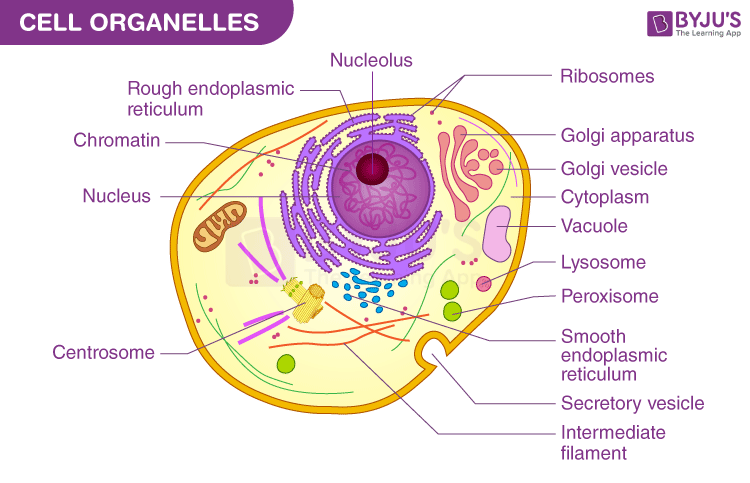
Image occlusion: name the hidden labels
25
Image occlusion: name the hidden labels
26
Image occlusion: name the hidden labels
27
Image occlusion: name the hidden labels
28
Image occlusion: name the hidden labels
29
Image occlusion: name the hidden labels
30
Image occlusion: name the hidden labels
31
Image occlusion: name the hidden labels
32
Image occlusion: name the hidden labels
33
Image occlusion: name the hidden labels
34
Image occlusion: name the hidden labels
35
Image occlusion: name the hidden labels
36
Image occlusion: name the hidden labels
37
Image occlusion: name the hidden labels
38
Image occlusion: name the hidden labels
39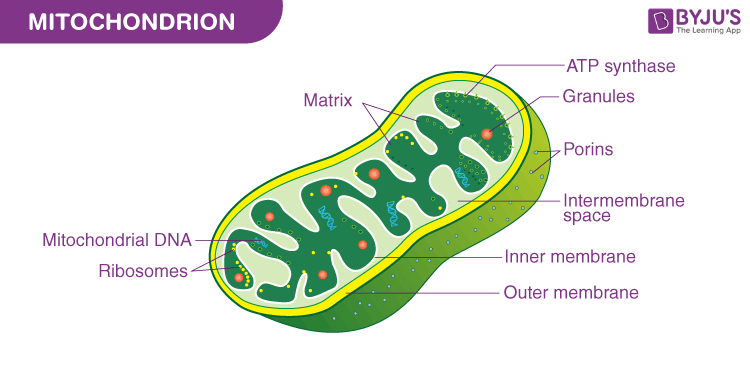
Image occlusion: name the hidden labels
40
Image occlusion: name the hidden labels
41
Image occlusion: name the hidden labels
42
Image occlusion: name the hidden labels
43
Image occlusion: name the hidden labels
44
Image occlusion: name the hidden labels
45
Image occlusion: name the hidden labels
46
Image occlusion: name the hidden labels
47
Image occlusion: name the hidden labels
48
nucleus
Control center of the cell
49
Ribosomes
Makes proteins; protein synthesis
50
plasma membrane (cell membrane)
Regulates what enters and leaves the cell and separates the internal environment of the cell from the external environment
51
Endoplasmic Reticulum (ER)
The transportation system of the cell. It moves materials around the cell; makes protein and lipids
52
Rough Endoplasmic Reticulum (RER)
the region of the endoplasmic reticulum that is studded with ribosomes and engages in protein modification
53
Smooth Endoplasmic Reticulum (SER)
Site of steroid synthesis and detoxification of drugs and poisons.
54
Golgi apparatus
A system of membranes that modifies and packages proteins for export by the cell
55
Lysosomes
An organelle containing digestive enzymes; breaks down unwanted material
56
Mitochondria
Powerhouse of the cell
57
Golgi vesicles
Organelles that attach carbohydrates and lipids to proteins
58
Peroxisomes
Break down fatty acids and produce hydrogen peroxide; digests fatty acid and alcohol
59
ATP
(adenosine triphosphate) main energy source that cells use for most of their work
60
Pathway for protein synthesis
Rough endoplasmic reticulum → transport vesicles → Golgi apparatus→Golgi Cisternae → transport vesicles → Outer cellular surface
61
transcription
synthesis (creation)of an RNA molecule from a DNA template
62
translation
converting genetics information into protein; mRNA is code for ribosomes to be made
63
Gap junctions (communicating junctions)
provide cytoplasmic channels between adjacent cells; quick
64
tight junctions (zonula occludens)
Membranes of neighboring cells are pressed together, preventing leakage of extracellular fluid
65
zona adherens (adhesion belt)
band of glycoproteins, binds cells together
66
Desmosomes (anchoring junctions)
A type of cell junction in cells that functions like rivets, fastening cells together into strong sheets
67
Hemidesmosomes
anchor cells to the basement membrane
68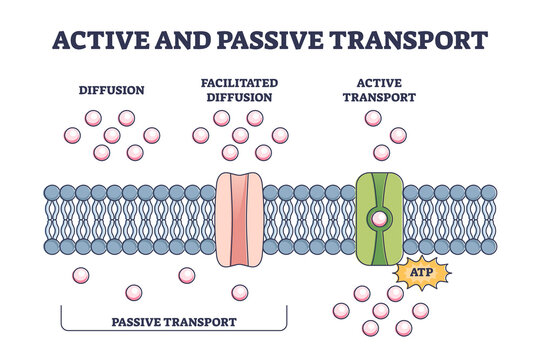
Image occlusion: name the hidden labels
69
Image occlusion: name the hidden labels
70
Image occlusion: name the hidden labels
71
Image occlusion: name the hidden labels
72
Image occlusion: name the hidden labels
73
horomones
chemical substances that carry messages through the body in blood
74
synapses
Tiny spaces between neurons; the gaps between neurons are referred to as synaptic gaps; provides communication for ATP
75
metabolism
All of the chemical reactions that occur within an organism
76
Glycolysis
the breakdown of glucose by enzymes, releasing energy and pyruvic acid.
77
Pyruvate to Acytal CoA
a carboxyl group is removed from pyruvate and released as carbon dioxide. The two-carbon molecule from the first step is oxidized, and NAD+ accepts the electrons to form NADH. The oxidized two-carbon molecule, an acetyl group, is attached to Coenzyme A to form acetyl CoA.
78
Kreb Cycle (Citric Acid Cycle)
the second stage of glucose oxidation which occurs in the mitochondrial matrix; pyruvate is taken in and broken down and reassembled; in the process 2 CO2 molecules made, 1 ATP, 3 NADH, and 1 FADH
79
Where and how is ATP made?
it occurs in the mitochondria
it occurs through cellular respiration and created energy
it occurs through cellular respiration and created energy
80
Enzymes
Proteins that speed up chemical reactions
81
Tonicity
the ability of a surrounding solution to cause a cell to gain or lose water
82
Hypotonic
Having a lower concentration of solute outside the cell than higher solution inside
83
Hypertonic
solution with higher concentration is outside, lower inside
84
Isotonic
when the concentration of two solutions is the same
85
Osmolarity
total concentration of all solute particles in a solution
86
Iso-osmotic
two solutions having the same osmolarity
87
hypo-osmotic
less then 300 mOmol/liter if solutes
88
Hyper-osmotic
greater than 300 mOmol/liter of solute
89
concentration gradient (diffusion)
The concentration of a solution is the mass of solute in a given volume of solution, or mass/volume. In diffusion, more concentrated particles move to less concentrated areas.
90
Osmosis
diffusion of water
91
Solute
A substance that is dissolved in a solution.
92
Solvent
the substance in which the solute dissolves
93
Solution
A mixture that forms when one substance dissolves another.
94
Concentration
The spread of something over a given area; represented with percents
95
Diffusion
Movement of molecules from an area of higher concentration to an area of lower concentration.
96
membrane potential
The voltage across a cell's plasma membrane.
97
Channels in the cell membrane
help maintain the concentration gradient
98
cellular flux
the rate of turnover of molecules through a metabolic pathway