Finals fc2
Study these flashcardsFree · spaced repetition · iPhone, Android, Mac & web
All cards
1
Examples of Bio fortification
GMO's (Golden Rice)
2
Examples of Microbial Fortification
Yakult, yogurt, etc.
3
What's the difference between Pre-biotic and probiotic
Pre-biotic is the food/substrate of probiotics
4
Why do people usually have diarrhea when they drink antibiotics?
They kill bacteria but also means the stomach microbiome which leads to microbial imbalance which results to imbalance in gut health.
5
What vitamin are oils usually fortified with? What
Vitamin A
6
What does ROS mean
What does ROS mean
Reactive Oxygen Species
7
What does Endogenous substance mean?
substances produced by the body
8
What does exogenous substances mean?
Substances that cannot be made by the body
9
What is an unavoidable byproduct of Krebs cycle and oxidative phosphorelation
Reactive Oxidative Species
10
What's the layman's term for Reactive Oxidative Species
Free Radicals
11
True or False. Oxidative Phospharelation happens after Krebs cycle
False. OPR happens BEFORE Krebs Cycle
12
What do you call cell death?
Apoptosis
13
What are abberant proteins?
Abnormal proteins that causes illness
14
This refers to "the practice of deliberately adding the content of an essential micronutrients in food which were not originally in the food before processing.
Fortification
15
4 Main methods of food fortification
1. Biofortification
2. Microbial biofortification and synthetic biology
3. Commercial and industrial fortification
4. Home fortification
2. Microbial biofortification and synthetic biology
3. Commercial and industrial fortification
4. Home fortification
16
Examples of fortified foods
1. Milk with Vitamin D
2. Salt with Iodine
3. Fruit Juice
4. Water or toothpaste with fluoride
5. Flour with Folic Acid
6. Bread with Niacin
2. Salt with Iodine
3. Fruit Juice
4. Water or toothpaste with fluoride
5. Flour with Folic Acid
6. Bread with Niacin
17
It is a mineral that is frequently added to fruit juices, carbonated beverages and rice
Calcium
18
White rice is frequently enriched to replace lost nutrients during _____.
Milling
19
_____ rich flour is utilized for food making to increase dietary consumption
Amylase
20
PURPOSE OF FOOD FORTIFICATION
• Improve nutritional quality of food
• Reduce nutritional disorders
• Fortification for body building
• Fortification for medical treatment
• Reduce nutritional disorders
• Fortification for body building
• Fortification for medical treatment
21
It is when the vitamins and/or minerals which were lost have simply been added back to restore it to it’s original nutritional value
Enrichment
22
These are molecules capable ofreducing the causes or effects of oxidative stress
Antioxidants
23
Oxidative stress can be caused by:
1. Environmental factors
2. Disease
3. Infection
4. Inflammation
5. Aging
2. Disease
3. Infection
4. Inflammation
5. Aging
24
Examples of Endogenous Antioxidants (5)
1. Glutathione
2. Catalase
3. Glucose
4. Albumin
5. Melatonin
2. Catalase
3. Glucose
4. Albumin
5. Melatonin
25
Examples of Exogenous Antioxidants
1. Vitamin E
2. Vitamin C
3. Tannins
4. Carotenoids
5. Anthocyanins
2. Vitamin C
3. Tannins
4. Carotenoids
5. Anthocyanins
26
The accumulation of ___ leads to organelle dysfunction
aberrant proteins
27
Sources of antioxidants in diets (5)
1. Tannins (Red wine)
2. Flavonoids (Cranberries)
3. Vitamin C (Citrusy Fruits)
4. Catechins (Chocolate)
5. Resveratrol (Red Wine)
2. Flavonoids (Cranberries)
3. Vitamin C (Citrusy Fruits)
4. Catechins (Chocolate)
5. Resveratrol (Red Wine)
28
In humans, are carried in the along with
In humans, carotenoids are carried in the LDL along with tocopherol
29
are present in the human eye (macula) and are thought to protect the retina from oxidative stress
Lutein and zeaxanthin are present in the human eye (macula) and are thought to protect the retina from oxidative stress
30
It is a substance that opposes oxidation or inhibits reactions promoted by oxygen or peroxides
Antioxidants
31
These are highly reactive free radicals
Reactive Oxygen Species (ROS)
32
Types of ROS
1. Superoxide (protonation forms of OOH)
2. Hydroxyl radical (most reactive)
3. Peroxyl radicals (more selective)
4. Alkoxy radicals
5. Peroxy nitrite
2. Hydroxyl radical (most reactive)
3. Peroxyl radicals (more selective)
4. Alkoxy radicals
5. Peroxy nitrite
33
In vivo, many ROS are formed in the by phagocytes and peroxisomes, and activities
In vivo, many ROS are formed in the mitochondria by phagocytes and peroxisomes, and CYTOCHROME P450 activities
34
This is a phenomena where In certain regions of France, the incidence of cardiovascular disease is relatively low, despite a diet high in saturated fats
French Paradox
35
What is the probable cause of the French Paradox
High consumption of Red Wine that's rich in Resveratrol
36
Explain how Resveratrol is thought to be the "fountain of youth" and how it supposedly extends one's lifespan.
Resveratrol activates the Sirtuin proteins and these proteins regulate aging.
37
This is a type of protein that is a key regulator of energy and metabolic homeostasis, and may also regulate apoptosis.
SIRT1
38
It is an ancient culinary practice aimed at preserving food articles such as mango, lime, etc for fairly long periods by the addition of salt and spices.
Pickling
39
It is an ancient method of food preservation, usually for meat or fish, which relies partly on drying and partly on the preserving chemicals in the smoke
Smoking
40
Fermentation produces what?
Lactic Acid
41
This was an inexpensive food colouring used in ancient egypt
Saffron
42
This pigment is extracted from the insect Coccus cacti
Cochineal
43
What did romans use in substitute for sugar?
concentrated grape juice
44
What was used in 1840s to preserve butter
Sodium nitrate
45
any substance not normally consumed as a food by itself or used as a typical ingredient of the food,
whether or not it has nutritive value, the intentional addition of which to food for a technological purpose in the manufacture, processing, preparation, treatment, packing, packaging, transport or holding of such food results, or may be reasonably expected to result (directly or indirectly), in it or its by- products becoming a component of or otherwise affecting the characteristics of such food but does not include ―contaminants or substances added to food for maintaining or improving nutritional qualities
whether or not it has nutritive value, the intentional addition of which to food for a technological purpose in the manufacture, processing, preparation, treatment, packing, packaging, transport or holding of such food results, or may be reasonably expected to result (directly or indirectly), in it or its by- products becoming a component of or otherwise affecting the characteristics of such food but does not include ―contaminants or substances added to food for maintaining or improving nutritional qualities
Food additives
46
Examples of Additives in the first category
1. Colouring agents
2. Flavouring agents
3. Sweeteners
4. preservatives
5. acidulant
6. Stabilizing agents
2. Flavouring agents
3. Sweeteners
4. preservatives
5. acidulant
6. Stabilizing agents
47
Examples of addtives in the secondary category
1. Contaminants
2. Harmful by products
2. Harmful by products
48
Five uses of additives
1. Additives provide protection against food spoilage
2. Makes packaging and processing conveninet
3. Fortification and enrichment of food
4. Additives regulate food environment like humectants and etc.
5. Prevents food waste
2. Makes packaging and processing conveninet
3. Fortification and enrichment of food
4. Additives regulate food environment like humectants and etc.
5. Prevents food waste
49
Preservative found in carbonated drinks, pickles,sauces
Side effects:
>Aggravates asthma
>suspected to be a
>neurotoxin and carcinogen
>may cause fetal
abnormalities
>Worsens hyperactivity
Side effects:
>Aggravates asthma
>suspected to be a
>neurotoxin and carcinogen
>may cause fetal
abnormalities
>Worsens hyperactivity
Sodium Benzoate
50
Preservative found in sausages, hotdogs, smoked fish, and canned meats.
Side effects:
>Nitrite is a Carcinogen
>Increases risk of miscarriages , fetal deaths and birth defects
Side effects:
>Nitrite is a Carcinogen
>Increases risk of miscarriages , fetal deaths and birth defects
Sodium nitrate/nitrite
51
Preservative found in drink, low sugar cereals and meat products
Side effects:
> May temporarily inhibit digestive enzyme function.
> May deplete GLYCINE levels
> Triggers asthma
Side effects:
> May temporarily inhibit digestive enzyme function.
> May deplete GLYCINE levels
> Triggers asthma
Benzoic acid
52
Preservative found in potato chips, vegetable oils, and chewing gum
Side effects:
> Carcinogenic
> Toxic to liver
Side effects:
> Carcinogenic
> Toxic to liver
BHA/BHT (butylated hydroxy anisole/toluene)
53
These additives make the food look appealing and so, taste better.
colouring agents
54
They are called the most dangerous additive
Colouring agents
55
Functions of water (7)
1. Carries nutrients and waste products
2. Maintains structure of large molecules
3. Participates in metabolic reactions
4. serves as a solvent
5. acts as a lubricant and cushion
6. Aids in regulation of body temperature
7. maintains blood volume
2. Maintains structure of large molecules
3. Participates in metabolic reactions
4. serves as a solvent
5. acts as a lubricant and cushion
6. Aids in regulation of body temperature
7. maintains blood volume
56
Two types of cellular fluids
1. Intracellular fluid
2. Extracellular fluid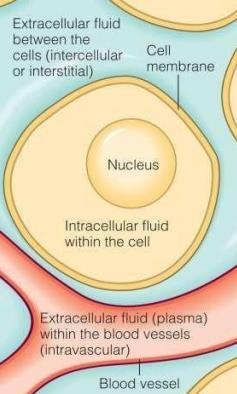
2. Extracellular fluid
57
Recommended amount of water intake daily?
1450-2800mL
58
Two types of water
1. Hard water
2. Soft water
2. Soft water
59
Which organ regulates the blood volume and blood pressure
Kidneys
60
What does ADH mean?
Antidiuretic hormone
61
What does the antidiuretic hormone do?
1. Stimulates kidneys to reabsorb water
2. triggers thirst
2. triggers thirst
62
Enzyme released by kidney cells when blood pressure is low
Renin
63
Renin causes the kidneys to reabsorb?
Sodium
64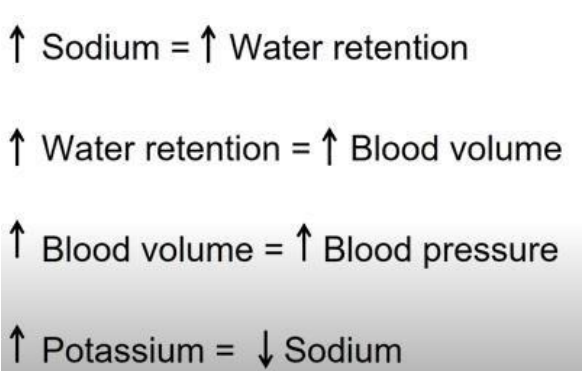
Image occlusion: name the hidden labels
65
Distribution of fluid balance in the cell.
2/3 inside cell
1/3 outside cell
1/3 outside cell
66
Electrolytes predominantly outside of cell
Sodium, chloride and calcium
67
Electrolytes predominantly inside of cell
Potassium, magnesium, phosphate, sulfate
68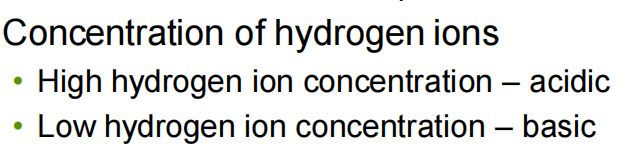
Image occlusion: name the hidden labels
69
Image occlusion: name the hidden labels
70
What are the buffers in body fluids
1. Bicarbonate (basic)
2. Carbonic acid (acid)
2. Carbonic acid (acid)
71
what happens to our blood ph when we exercise?
The pH drops from respiration
72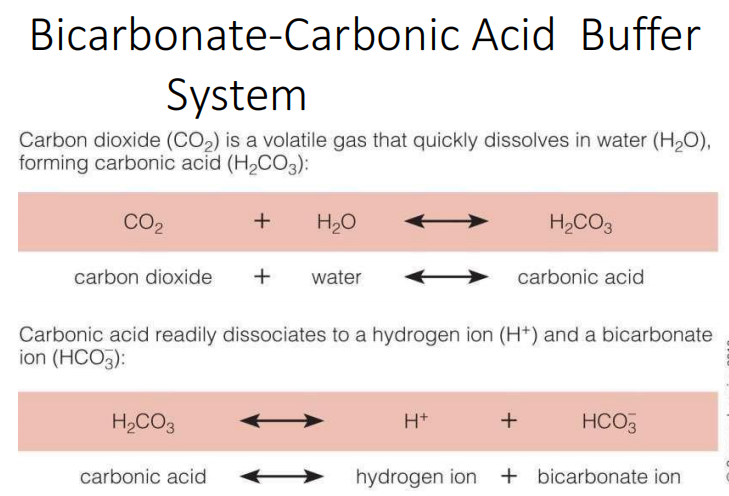
Image occlusion: name the hidden labels
73
Image occlusion: name the hidden labels
74
What's the main difference between major and trace minerals
It's the variation in amounts needed
75
The elements always retain their chemical identity and cannot be destroyed by heat, air, acid, or mixing.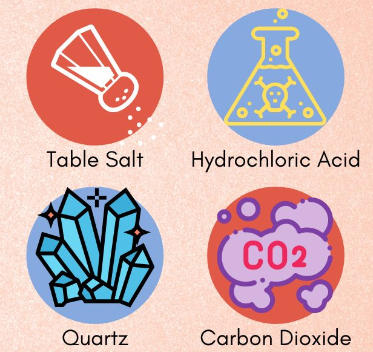
Inorganic elements/compounds
76
The body's absorption and handling of minerals depends on two things:
1. If the mineral can be absrobed freely or with carriers
2. The bioavailability
2. The bioavailability
77
It is the extent and rate at which the active ingredient or drug is absorbed into the bloodstream and becomes available at the site of action.
Bioavailability
78
What are the three most abundant minerals in the human body does
1st - Calcium
2nd - Phosphorus
3rd - Potassium
2nd - Phosphorus
3rd - Potassium
79
This mineral is the principal cation of extracellular fluid
Sodium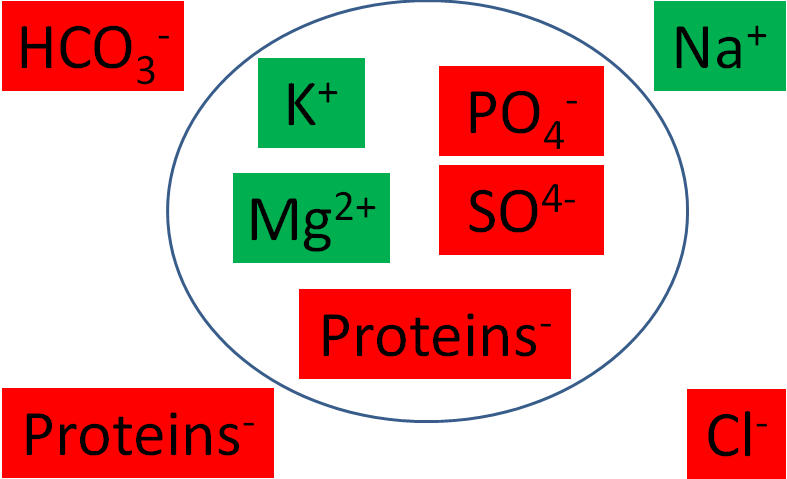
80
It is a healthy-eating plan that's designed to help treat or prevent high blood pressure.
DASH Diet
81
What does DASH mean in Dash diet
Dietary Approaches to Stop Hypertension
82
How does high sodium intake lead to osteoporosis?
An increase in salt results in your body excreting the salt, but with it, calcium is also excreted.
83
Sodium deficiency is called?
Hyponatremia
84
What is this disease?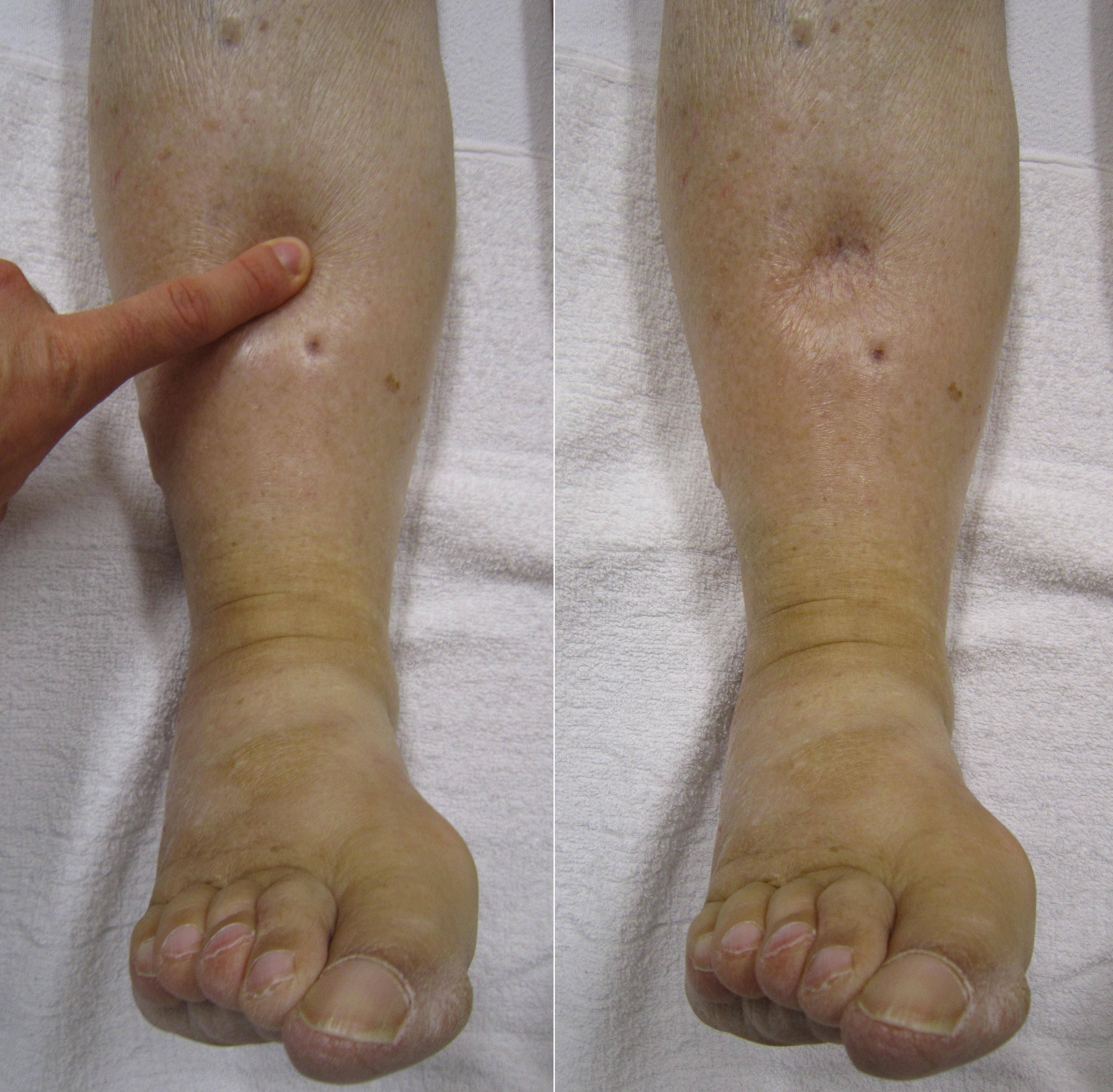
Edema. Casued when there is too much liquid trapped in the body's tissues.
85
It is the major anion of EXTRAcellular fluids
Chloride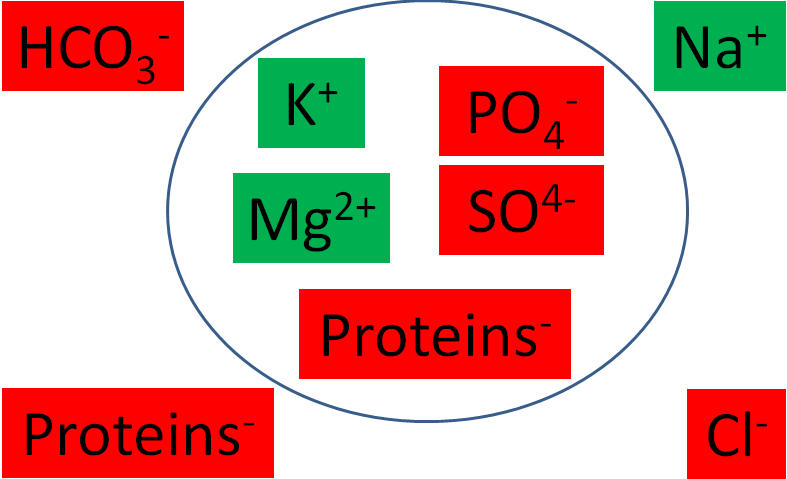
86
It is the principal INTRAcellular cation. It also helps maintain fluid and electrolyte balance. Maintains cell integrity
Potassium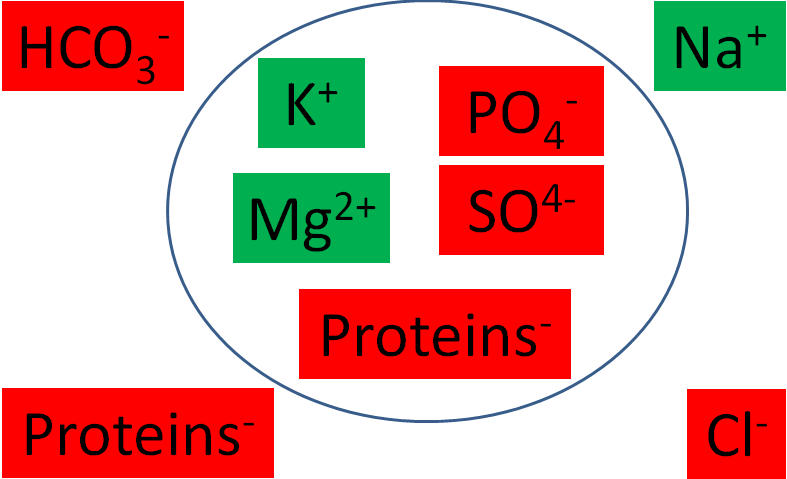
87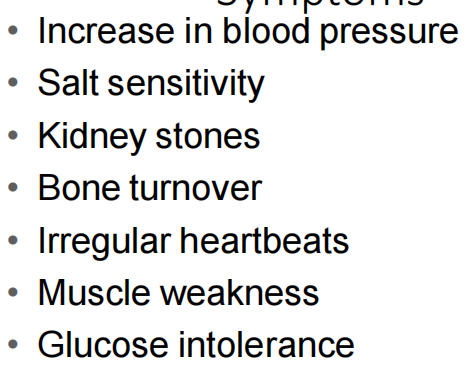
Potassium defficiency symptoms
88
This is the most abundant mineral in the body
Calcium
89
True or False. Calcium is both intracellular and extracellular
True
90
What hormone INHIBITS the activation of vitamin D?
Calcitonin
91
What hormone stimulates the activation of vitamin D?
Parathyroid hormone
92
True or Flase. Vitamin D and parathyroid hormone stimulates calcium absorption in the intestines.
FALSE. Only Vitamin D in the intestines
93
The hydroxyapatite crystals of bone and teeth.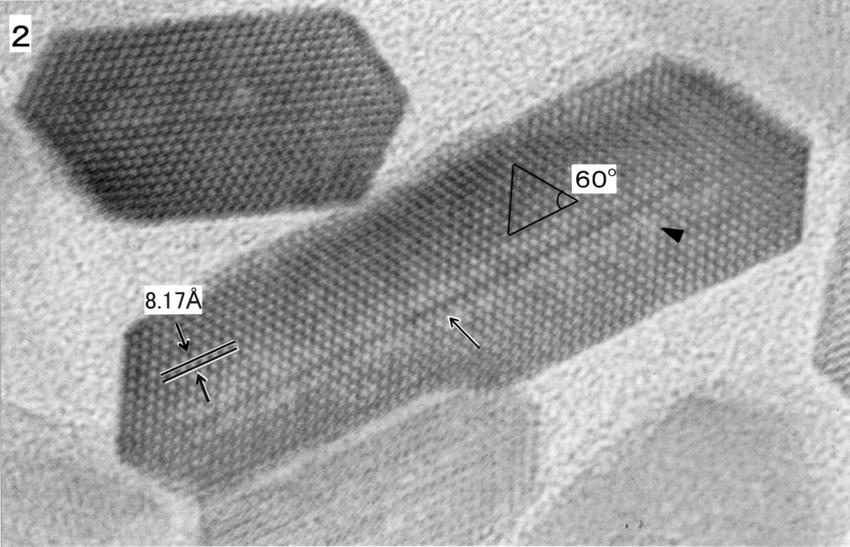
Phosphorus
94
What part of the body is magnesium usually found?
Bones
95
This is the hard outer shell of the bone.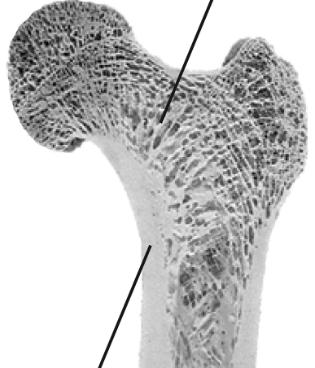
Cortical bone
96
This part of the bone gives up calcium when diet runs short. This is the lacy matrix.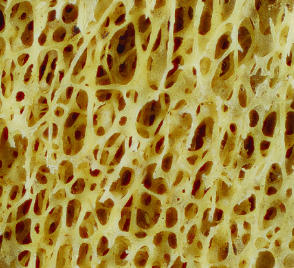
Trabecular bone
97
Familiarize (mugawas ni sure ko. jk feel ra nako)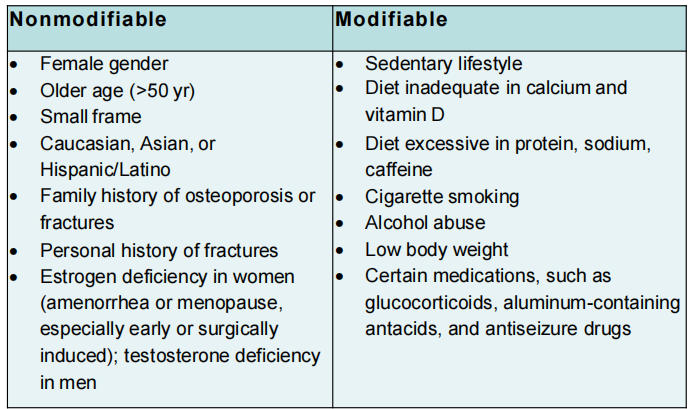
98
Extracellular electrolytes
1. Sodium
2. Chloride
3. Calcium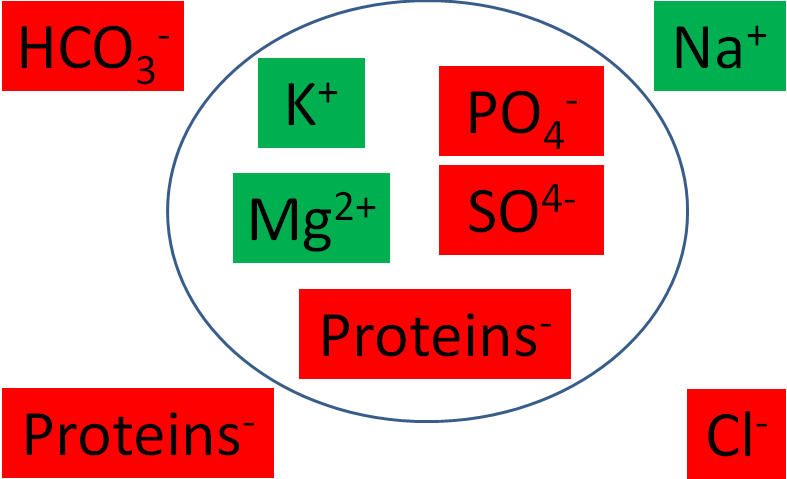
2. Chloride
3. Calcium
99
Intracellular electrolytes
1. Potassium
2. Magnesium
3. Phosphate
4. Sulfate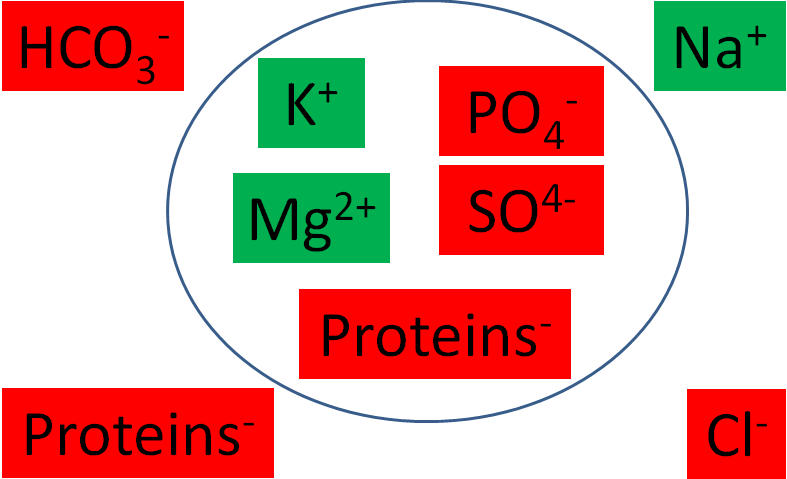
2. Magnesium
3. Phosphate
4. Sulfate