POST HARVEST MIDTERM
Study these flashcardsFree · spaced repetition · iPhone, Android, Mac & web
All cards
1
It is a facility where commodity is received and processed prior to distribution to market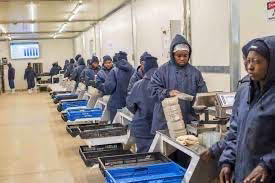
Packinghouse
2
Factors to be considered for Location of Packinghouse
1. Accessibility to the production areas, the proposed markets and transport routes
2. Availability of labor
3. Availability of basic services
4. Water to be used for washing produce should be checked for quality
2. Availability of labor
3. Availability of basic services
4. Water to be used for washing produce should be checked for quality
3
Site Characteristics
1. The site should be level
2. Sheltered from exposure to strong winds
3. The site should have room for expansion
4. There must be room for the movement and parking of the largest number and size of vehicles
5. Roadways must be at least 3.5 m wide
6. Drainage must be adequate to cope with rain runoff and the water used in packing operations
7. The site should lend itself to security arrangements: fencing, watchmen
2. Sheltered from exposure to strong winds
3. The site should have room for expansion
4. There must be room for the movement and parking of the largest number and size of vehicles
5. Roadways must be at least 3.5 m wide
6. Drainage must be adequate to cope with rain runoff and the water used in packing operations
7. The site should lend itself to security arrangements: fencing, watchmen
4
Most convenient layout arrangement:
1. One receiving area
2. One dispatching area
3. Separate reception area
4. Avoid congestion
2. One dispatching area
3. Separate reception area
4. Avoid congestion
5
This is a restricted area dimension, It is not a recommended layout
U shaped layout
6
This is an area in the packinghouse that controls the receiving, sorting and cleaning of produce, including washing?
Reception
7
This is an area in the packinghouse where the main activity will be, the packing of the cleaned produce, with selection and grading facilities, if needed and include facilities for special treatments, drying facilities for produce washed or treated or both?
Preparation and packing
8
This is an area in the packinghouse that is kept completely clear of permanent equipment and it is large enough to provide temporary storage of packed produce?
Dispatch
9
Materials for Small-scale packing, on-the-farm location
1. Cheap local materials (such as bamboo, bush poles, dried grass or other thatch)
2. Can be built of a wooden frame with roof and walls of corrugated sheet metal over a concrete floor
3. Sheet metal is not recommended
2. Can be built of a wooden frame with roof and walls of corrugated sheet metal over a concrete floor
3. Sheet metal is not recommended
10
Materials for Permanent packinghouses
1. Should have non-slip concrete floors laid with a fall to drainage channels for easy cleaning.
2. Antidusting surface treatment of concrete is an advantage
2. Antidusting surface treatment of concrete is an advantage
11
Commonly Equipments in packinghouses? (6)
1. Bins/trays
2. Pushcarts
3. Roller conveyors
4. Belt conveyors
5. Hand-pushed lift trucks
6. Motorized forklift
2. Pushcarts
3. Roller conveyors
4. Belt conveyors
5. Hand-pushed lift trucks
6. Motorized forklift
12
Additional Equipment in packinghouses
1. Weighing scale
2. Washing equipment
3. Sorting Equipment
4. Waxing Equipment
5. Drying equipment
6. Packing Equipment
2. Washing equipment
3. Sorting Equipment
4. Waxing Equipment
5. Drying equipment
6. Packing Equipment
13
Process of Packing Perishables (7)
1. Dumping
2. Washing
3. Waxing
4. Sorting
5. Sizing
6. Packing
7. Storage
2. Washing
3. Waxing
4. Sorting
5. Sizing
6. Packing
7. Storage
14
Process of Packing Durables (3)
1. Drying
2. Threshing
3. Storage
2. Threshing
3. Storage
15
It is where a reliable knowledge of the size and arrival times of produce crops to the packing house is essential to its efficient operation?
Procurement and control
16
Who has responsibility for all packing house activities requires that he be technically qualified and able to train his foremen.
The manager
17
Factors affecting crop quality
1. Genetic factors
2. Climactic factors
2. Climactic factors
18
TRUE OR FALSE. No amount of postharvest treatment can transform a poor quality produce into a good quality one.
True
19
It is a physiological disorder in plants and crops consisting of small brown spots induced by exposure to ethylene.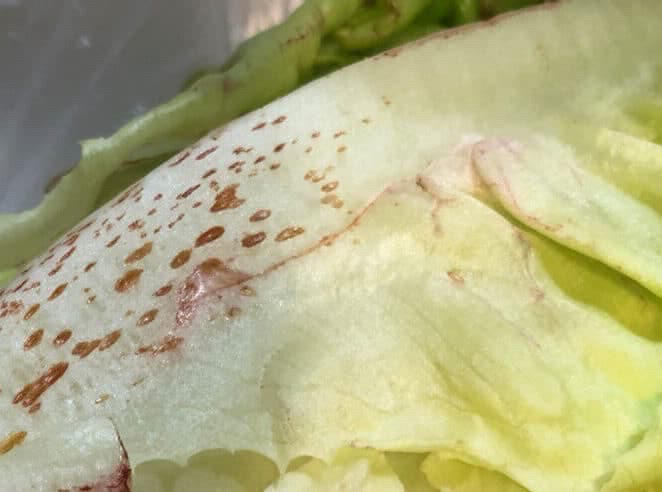
Russet spotting
20
Characteristics of Fruits and vegetables that change when exposed to sunlight and high temperatures. (7)
1. Peel color
2. Peel Damage
3. Dry matter
4. Soluble acids content
5. Frut firmness
6. Acidity
7. Rate of ripening
2. Peel Damage
3. Dry matter
4. Soluble acids content
5. Frut firmness
6. Acidity
7. Rate of ripening
21
What are the factors that affect crop maturation rate, composition, eating quality and color?
1. Light
2. Wind
3. Relative humidity
4. Rainfall
2. Wind
3. Relative humidity
4. Rainfall
22
It is a milky sap in fruits that causes burning on the fruit’s skin when it comes into contact.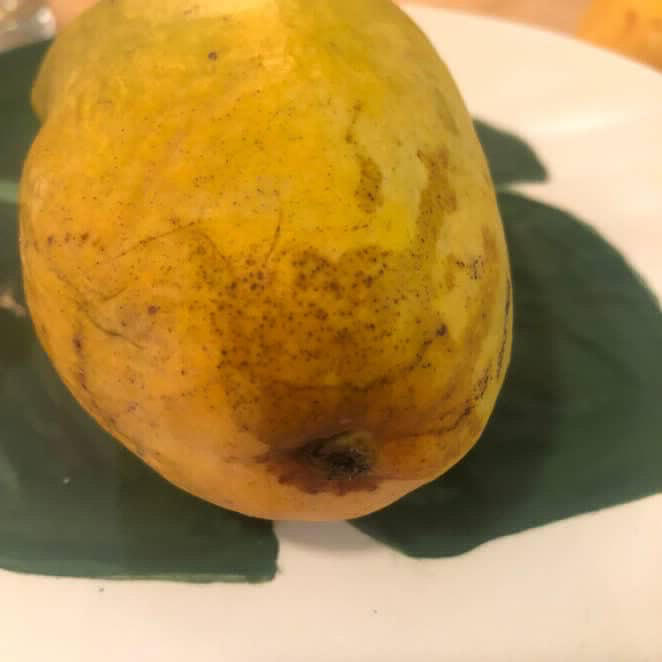
Latex
23
What is the fungal disease that affects mangoes, causing dark lesions on the fruit and significant yield losses?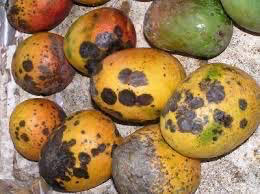
Anthracnose
24
It is the preharvest process of separating the edible part of cereal crops (such as wheat, rice, barley, etc.) from the inedible parts, such as the husk or chaff, using mechanical means.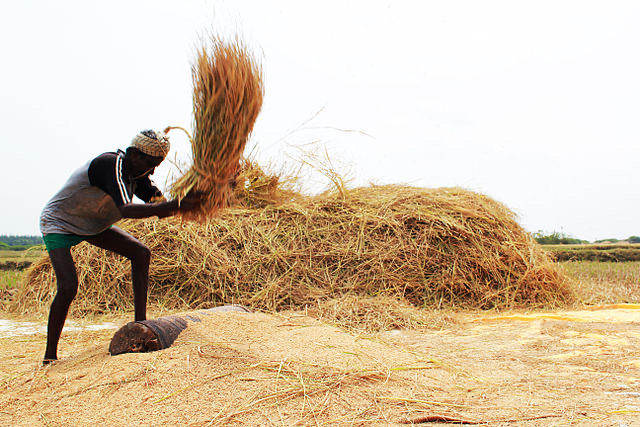
Threshing
25
What is the purpose of using protein bait during pre-harvest in agriculture?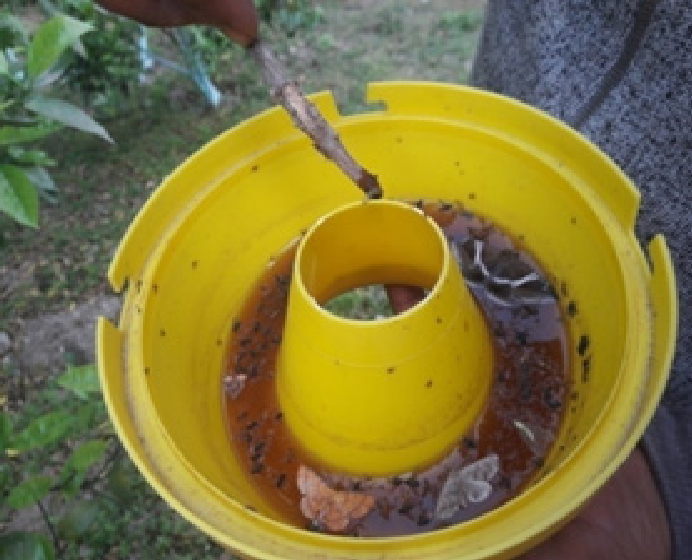
It is used to attract and eliminate pest insects before crop harvesting.
26
Common sources of protein used in protein baits (name atleast 2)
yeast hydrolysate, soybean meal, and fish meal
27
This refers to the practice of enclosing individual fruits or clusters of fruits in protective bags or covers before they are fully ripe or harvested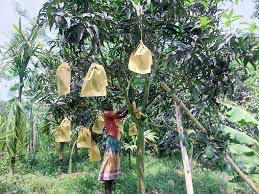
Bagging
28
These are dark brown to black streaks or lesions in the vascular tissues of cassava stems and roots.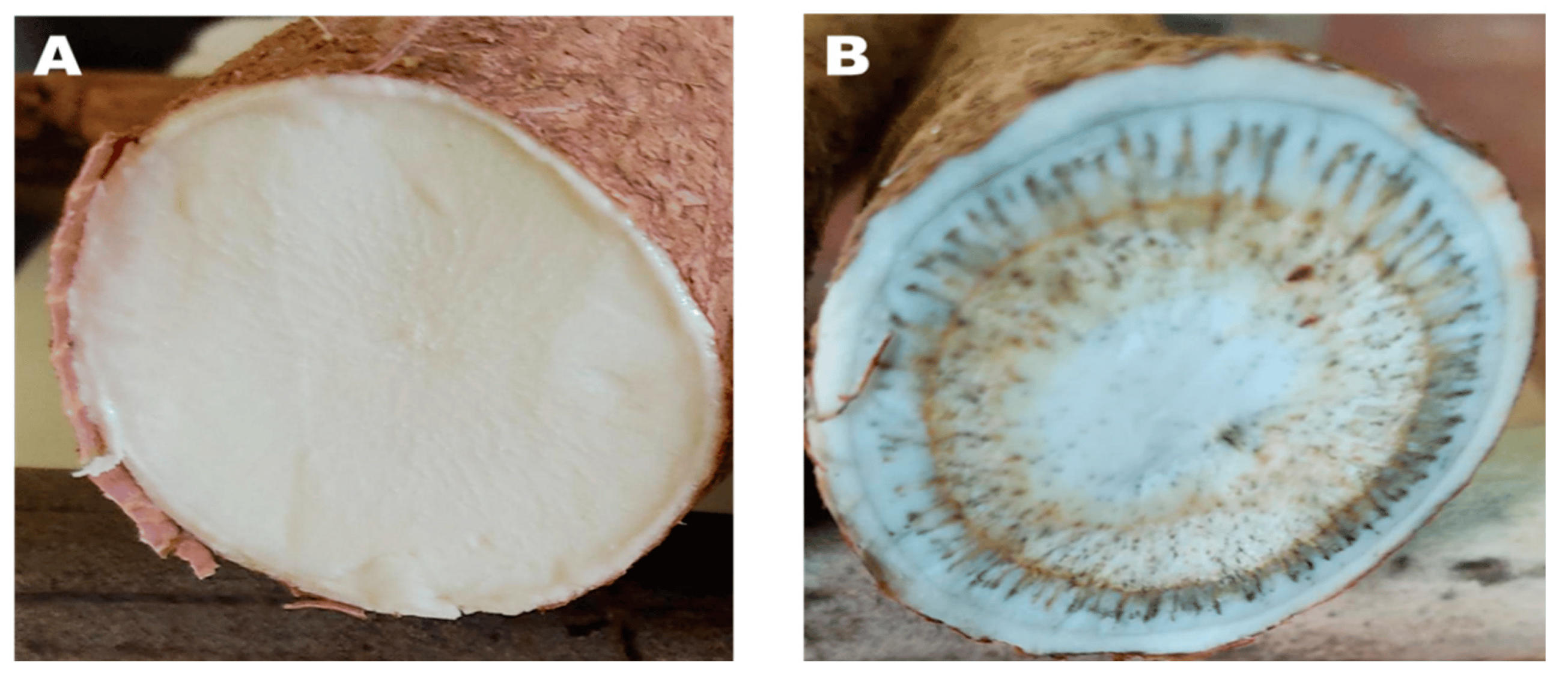
Vascular Streaking
29
What is done to cassave to minimize vascular streakin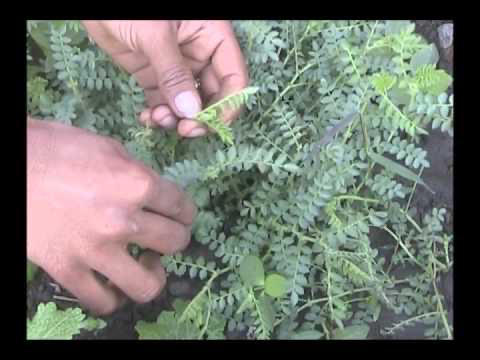
Detopping or the addition of Hydrogen cynide
30
What is dehaulming of potatoes?
De-haulming of potatoes refers to the process of removing haulm or foliage from potato plants prior to harvesting.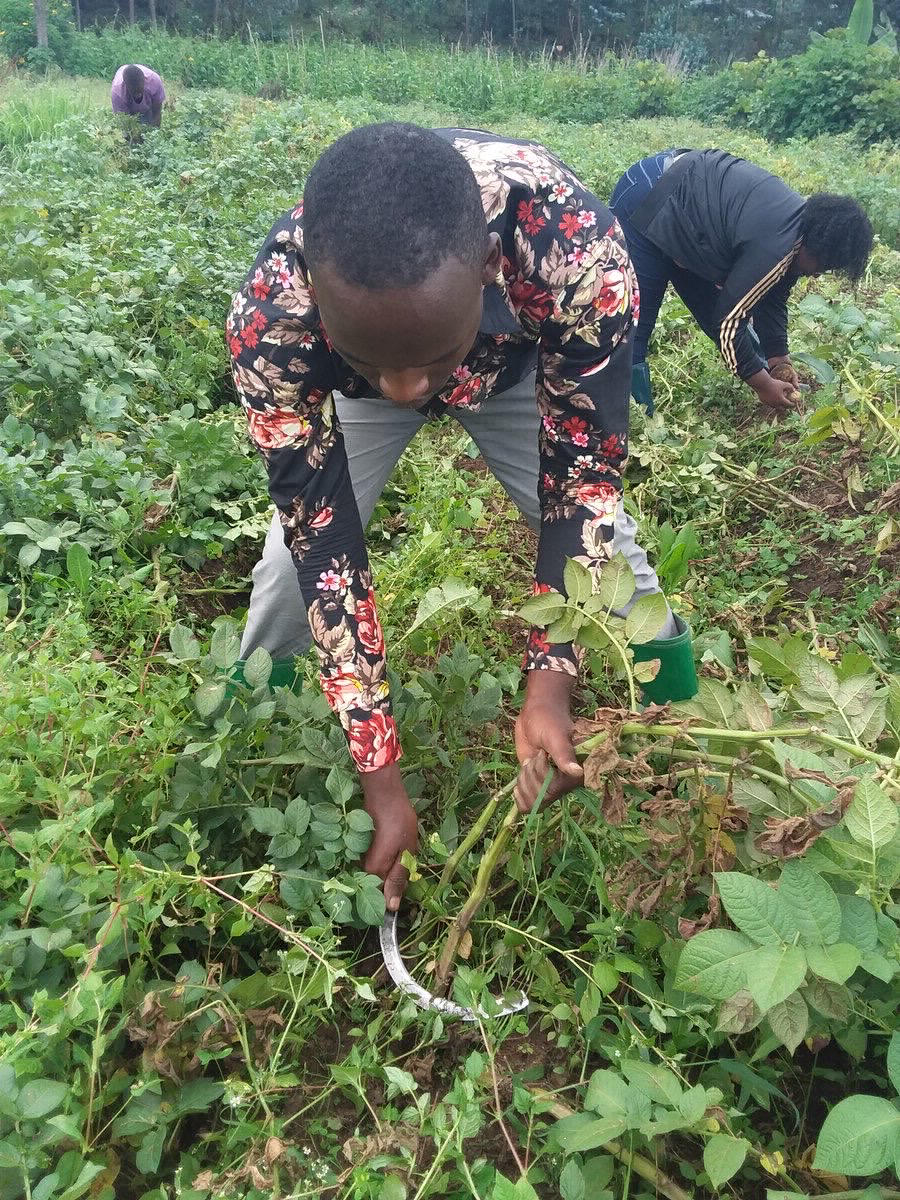
31
It is primarily used as a growth regulator and herbicide in agriculture which mainly functions by inhibiting cell division and growth in plants, leading to stunted growth, reduced flowering, and delayed senescence (aging). Commonly applied to onions.
Maleic hydrazide
32
It is a gardening and agricultural practice that involves covering the soil surface around plants with a layer of organic or inorganic material. 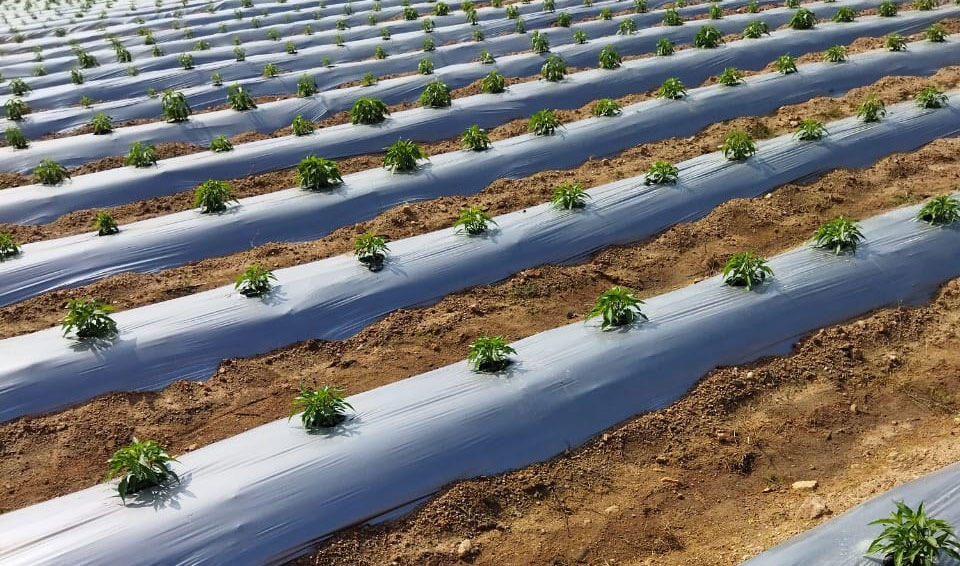
Mulching
33
It is the process of gathering a ripe crop from the fields
Harvesting
34
Three stages of lifespan of fruits and vegetables
1. Maturation
2. Ripening
3. Senescence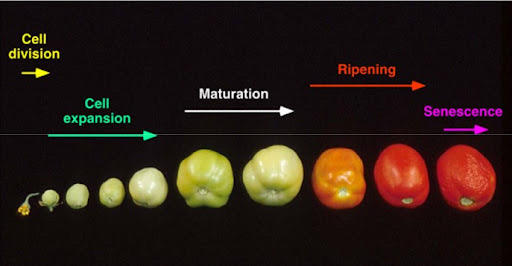
2. Ripening
3. Senescence
35
Enumerate the life cycle of fruits and vegetables (in order)
1. Cell Division
2. Cell expansion
3. Maturation
4. Ripening
5. Senescence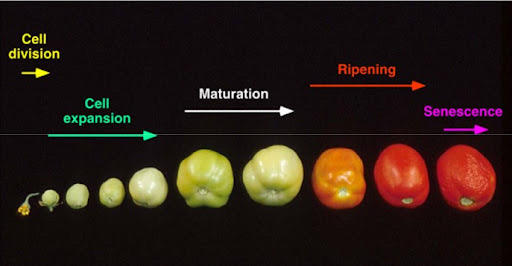
2. Cell expansion
3. Maturation
4. Ripening
5. Senescence
36
Life cycle for the harvesting of durables (in order)
1. Vegetative (1-19 & 21-41 days)
2. Reproductive (43-53 & 54-77 days)
3. Maturative (83-99 days)
2. Reproductive (43-53 & 54-77 days)
3. Maturative (83-99 days)
37
It is the stage at which a commodity has reached a sufficient stage of development that after harvesting and postharvest handling, its quality will be at least the minimum acceptable to the ultimate consumer
Maturity
38
Two types of Maturity
1. Physilogical maturity
2. Horticultural maturity
2. Horticultural maturity
39
A type of maturity where the stage of development when a plant part will continue development even if detached
Physiological maturity
40
a type of maturity where the stage of development when a plant part possesses the necessary characteristics for use by consumers
Horticultural Maturity
41
It is used to determine maturity, predict harvest date and to assess quality of crop
Maturity index
42
Three practical uses of Maturity Index
1. Standard of acceptability for export market
2. Marketing strategies to obtain premium prices for commodities (plays with supply and demand)
3. Efficient labor (right timing of labor force per perid of harvest)
2. Marketing strategies to obtain premium prices for commodities (plays with supply and demand)
3. Efficient labor (right timing of labor force per perid of harvest)
43
Types of Maturity Index (17)
1. Skin color
2. Size
3. Shape
4. Aroma
5. Optical Methods
6. Fruit Ripening
7. Leaf Changes
8. Adscission (cut)
9. Firmness / tenderness
10. Juice Content
11. Astringency
12. Ethylene production
13. Oil Content and Dry weight percentage
14. Moisture Content
15. Starch Content
16. soluble solids/sugars
17. Acidity
2. Size
3. Shape
4. Aroma
5. Optical Methods
6. Fruit Ripening
7. Leaf Changes
8. Adscission (cut)
9. Firmness / tenderness
10. Juice Content
11. Astringency
12. Ethylene production
13. Oil Content and Dry weight percentage
14. Moisture Content
15. Starch Content
16. soluble solids/sugars
17. Acidity
44
What’s the difference between cereals and pulses
Cereals, belonging to the grass family, are rich in carbohydrates and primarily cultivated for their edible grains, while pulses, from the legume family, are protein-rich seeds grown for their nutritional value and used in various dishes.
45
Harvesting containers must be:
1. Easy to handle
2. Smooth without shart objects
2. Smooth without shart objects
46
Methods of Harvesting
1. Manual harvesting
2. Mechanical harvesting
3. Field Packing
2. Mechanical harvesting
3. Field Packing
47
This refers to the process of ensuring that harvested agricultural products meet specific quality, safety, and regulatory standards before they are marketed or further processed.
Standardization
48
A good standard must consist of:
1. Definition of produce
2. Provisions concerning quality
3. Provisions concerning sizing
4. provisions concerning tolerances (quality and size)
5. Promvisions concerning presentations
6. marking or labelling
7. list of contaminants
8. hygiene
2. Provisions concerning quality
3. Provisions concerning sizing
4. provisions concerning tolerances (quality and size)
5. Promvisions concerning presentations
6. marking or labelling
7. list of contaminants
8. hygiene
49
Two types of crops (based on storing capacity)
1. Perishable
2. Durable
2. Durable
50
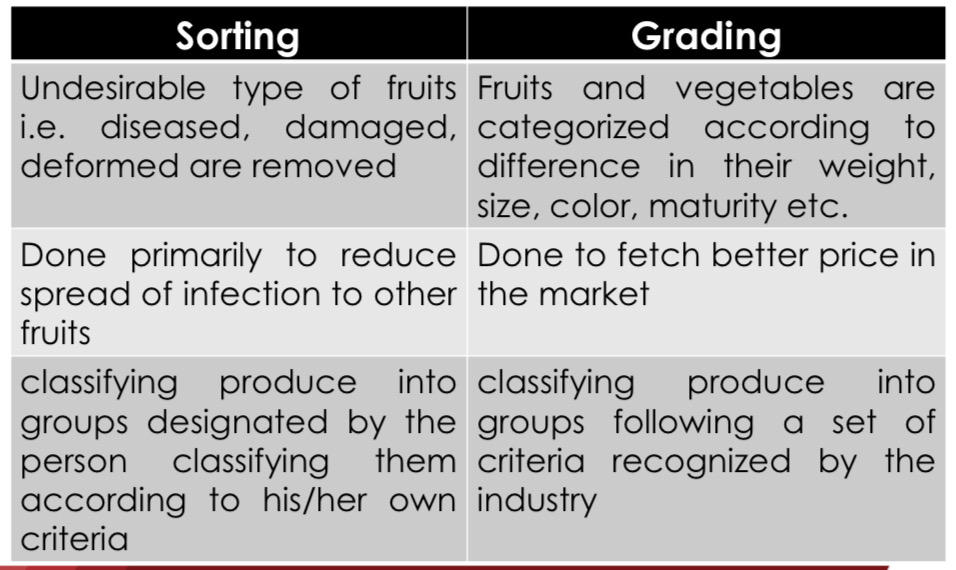
What is the difference between sorting and grading?
Sorting involves separating harvested products based on observable attributes like size, color, and defects, while grading evaluates and categorizes products according to predetermined standards such as size, quality, and defects. Sorting focuses on physical characteristics for grouping products, while grading assigns products to quality grades based on established criteria.
51
Milled rice has ___ numerical grades and sample grade.
6
52
What are the benefits of grading for buyers and sellers
Buyers:
1. Quality Assurance
2. Ease in processing
Sellers:
1. pricing
2. Reputation of business
3. lesser damage of produce
1. Quality Assurance
2. Ease in processing
Sellers:
1. pricing
2. Reputation of business
3. lesser damage of produce
53
How does packaging become a hindrance to the quality of produce and shelf-life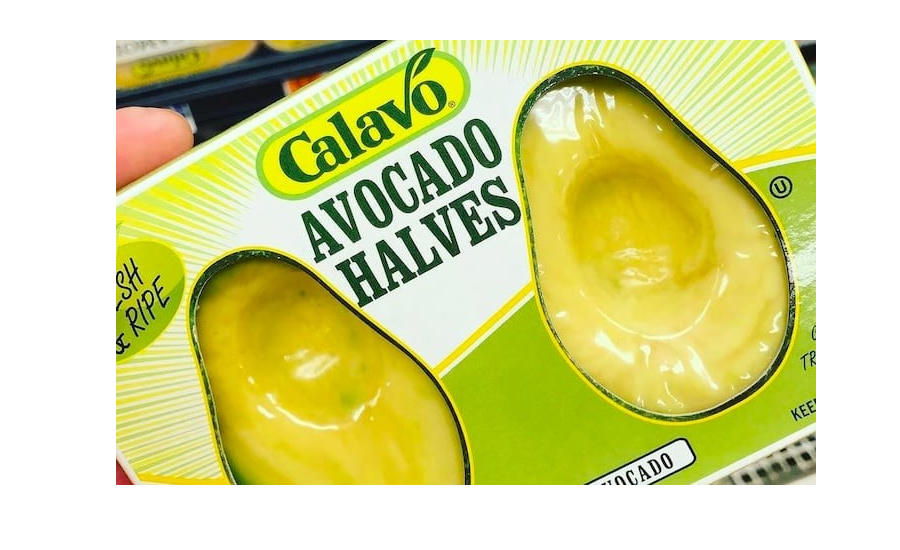
It can become a hindrance if ventilation is insufficient, over-packaging occurs, or it impacts sensory quality and the environment.
54
Importance of packaging
1. Prevents produce from physical damage and deterioratin
2. Prevents insects
3. Extends the shelf life
4. Convenient for handling, transporting, and marketing
2. Prevents insects
3. Extends the shelf life
4. Convenient for handling, transporting, and marketing
55
types of packaging materials
1. Natural materials (bamboo, rattan)
2. Wood
3. Cardboard
4. moulded plastics
5. Natural and synthetic fibers
6. paper film
7. plastic film
2. Wood
3. Cardboard
4. moulded plastics
5. Natural and synthetic fibers
6. paper film
7. plastic film
56
What are the factors to consider when choosing the right packaging?
1. type of produce
2. cost
3. availability
4. acceptability
2. cost
3. availability
4. acceptability
57
They aid in advertising for the product's producer, packer and/or shippers and can be preprinted on fiberboard boxes, or glued, stamped or stenciled containers on to containers.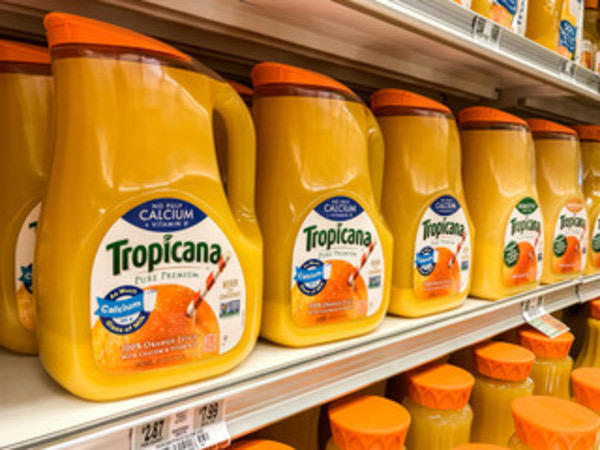
Labels
58
This is a type of pacjaging that involves the exposure of produce to the atmosphere generated in a package by the interaction of produce, the package and the external atmosphere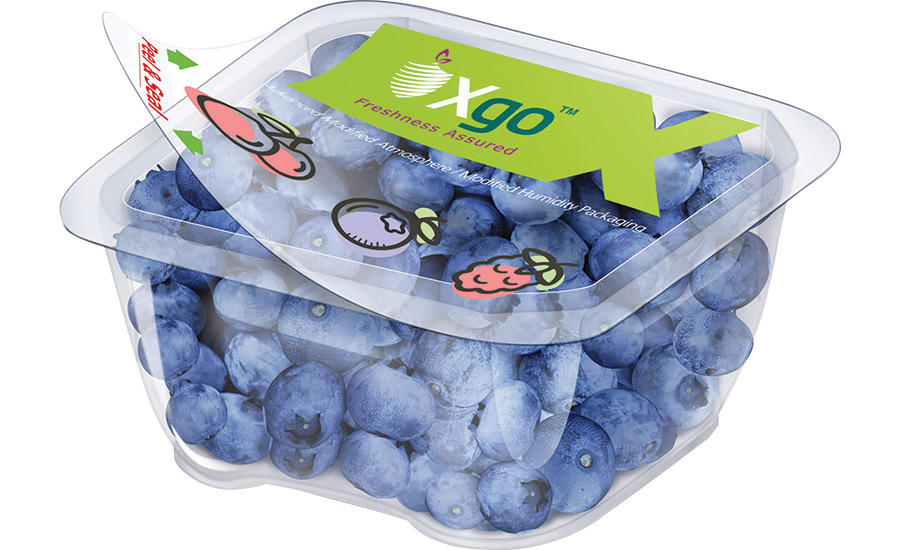
Modified Atmosphere Packaging
59
It is a highly coordinated and irreversible phenomenon involving a series of physiological, biochemical, and organoleptic changes and it makes fruits acceptable for consumption
Ripening
60
What are the two classifications of fruits
1. Climacteric
2. Non-climacteric
2. Non-climacteric
61
This is a classification of fruits that undergo a stage of fruit ripening associated with increased ethylene production and a rise in cellular respiration
Climacteric
62
It is a plant hormone that regulates and coordinates the different aspects of the ripening process
Ethylene
63
What does it mean when Ethylene promotes its own biosynthesis?
It means that ethylene, a gaseous plant hormone, has the ability to stimulate its own production within plant tissues. This creates a positive feedback loop that accelerates the ripening process in climacteric fruits.
64
An oxidation process by which organic materials or products of photosynthesis are broken down to simpler forms accompanied by release of energy and heat
Respiration
65
It is the loss of water from plants.
Transpiration
66
This refers to the pressure exerted by the fluid (usually water) inside the central vacuole of plant cells against the cell wall. This pressure is essential for maintaining the rigidity and shape of plant cells, as well as supporting the overall structure of the plant.
Turgor pressure
67
TRUE OR FALSE. The Cell walls degrades and crystallizes during ripening.
False. The cell walls degrade and SOLUBILIZES
68
TRUE OR FALSE. During fruit ripening, sugar degrades into starch.
FALSE. Starch degrades into sugar.
69
TRUE OR FALSE. Total organic acid is DECREASED with ripening.
TRUE
70
TRUE OR FALSE. Degradation of Chlorophyll pigment results in the formation of phenolic pigments.
FALSE. phenols aren’t pigments. degradation of chlorophyll sometimes yields anthocyanins and carotenoids
71
TRUE OR FALSE. Ascorbic acid decreases in fruits during ripening of citrus fruits.
False. Ascorbic acid increases in ripening in citrus fruits.
72
TRUE OR FALSE. the use of artificial ethylene to promote ripening is strictly prohibited due to its toxicity.
FALSE. Ethylene is non-toxic and has been approved by the FDA to be used.
73
What are the enzymes produced when ethylene initiates the ripening process? (4)
1. Hydrolase
2. Pectinase
3. Kinase
4. Amylase
2. Pectinase
3. Kinase
4. Amylase
74
It is a systemic plant growth regulator belonging to
the phosphonate family.
the phosphonate family.
Ethephon (Ethrel)
75
Ripening agents aside from ethylene
1. Acetylene
2. Calcium Carbide
3. Propylene
4. Auxins
5. Methyl Jasmonate
6. Ethephon
2. Calcium Carbide
3. Propylene
4. Auxins
5. Methyl Jasmonate
6. Ethephon
76
Methods of harvesting
1. Mechanical
2. Manual
2. Manual
77
It is the process of exposing “green fruit” to higher ethylene concentrations to enhance coloration.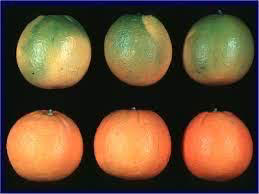
Degreening
78
It is a widely used chemical to hasten ripening and contains arsenic and phosphorus. It reacts moisture in the air to produce acytelene gas.
Calcium Carbide (Kalburo)
79
This is a fruit ripening method generated by burning kerosene stove inside and airtight chamber. The smoke from the burning kerosene emenates ethylene gas.
Smoking
80
When plants are subject to a variety of stresses they often exhibit symptoms of exposure to ethylene.
Stress ethylene
81
this is a chemical that tightly binds to the ethylene receptor site in fruit tissues thereby blocking the effects of ethylene. Widely used in the market.
1-Methylcyclopropane (1-MCP)
82
Ethylene Management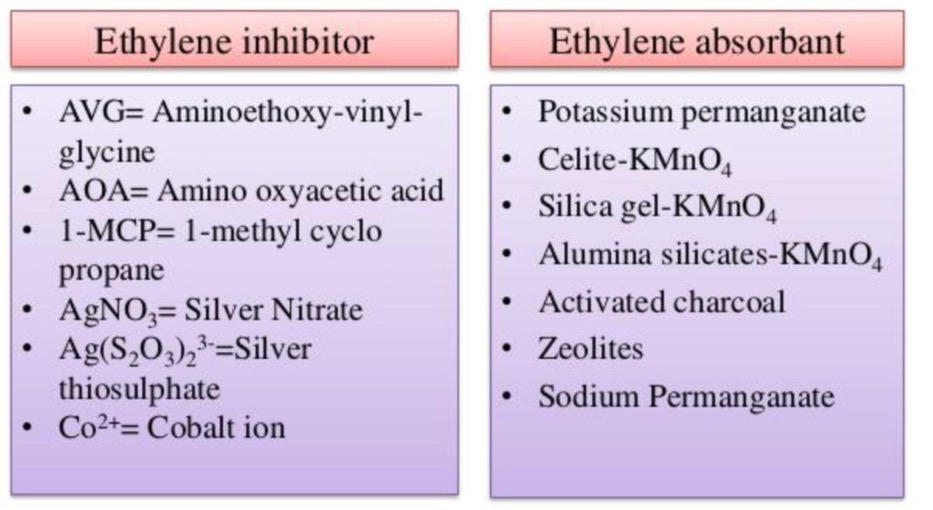
1. Inhibitor
2. Absorbant
2. Absorbant
83
These are ethylene absorbing tubes and sachets used worldwide for the safe transportation and storage of fresh fruits, flowers, and vegetables
TMC Ethylene Absorbers (Magic cubes) 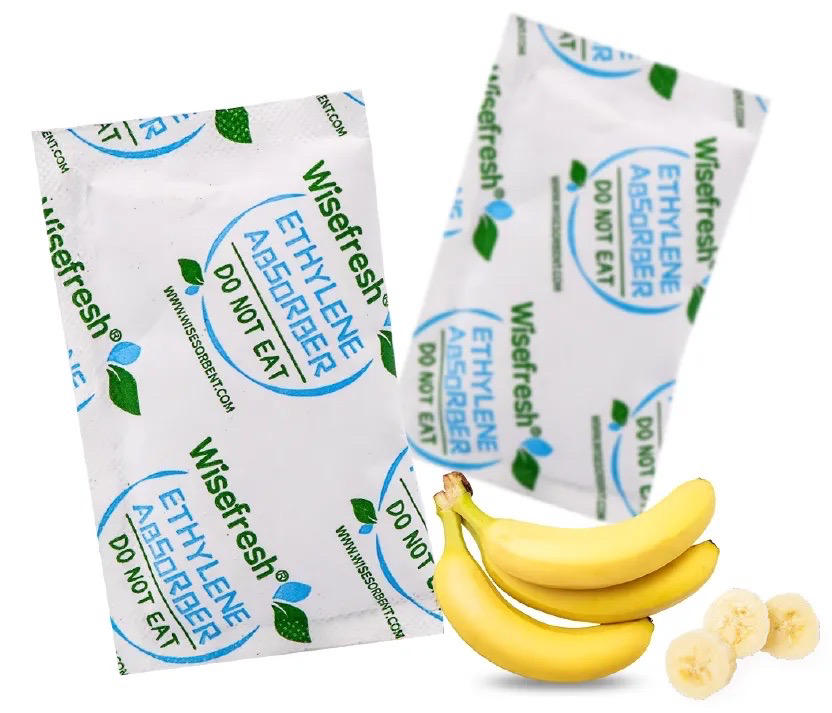
84
A term for adding colr to flowers
Tinting
85
It is the removal of the inedible or undesirable portions from produce and undesirable parts but lead to nutrient loss and decay of the commodity?
Trimming
86
Removal of chemical residue received by produce in the field, dirt, stains, insect, and molds from the surface of the commodity (Includes dusting, washing, and sanitizing)?
Cleaning
87
Cleaning Methods (2)
1. Brushing
2. Washing
2. Washing
88
Method of cleaning used for such commodities; kiwifruits and avocadoes?
Brushing
89
Method of cleaning used for such as bananas and carrots?
Washing
90
Commodities that are washed before cooling and packing? (3)
1. Tomatoes
2. Cucumbers
3. Leafy greens
2. Cucumbers
3. Leafy greens
91
Commodities that are washed to remove latex, reduce staining? (2)
1. Mangoes
2. Bananas
2. Bananas
92
Commodities that are washed after storage?(3)
1. Sweet potatoes
2. Potatoes
3. Carrots
2. Potatoes
3. Carrots
93
Commodities that are dry brushed after curing or storage?(3)
1. Onions
2. Garlic
3. Kiwifruit
2. Garlic
3. Kiwifruit
94
Commodities that do not require washing?(3)pe
1. Melons
2. Cabbage
3. Pepper
2. Cabbage
3. Pepper
95
Types of Dumping?(2)
Dumping refers to the unloading or depositing of harvested crops or produce, often in bulk quantities, at a designated location.
Dumping refers to the unloading or depositing of harvested crops or produce, often in bulk quantities, at a designated location.
1. Wet Dumping
2. Dry Dumping
2. Dry Dumping
96
This is usually the first step to the washing process and creates a soft landing for emptying crates of produce and provide an initial wash?
Dumping
97
This process can decrease bruising and abrasions by using moving, chlorinated (100-150 ppm) water to carry delicate produce?
Wet Dumping
98
This refers to the direct unloading of harvested crops, such as grains or fruits, from the harvesting equipment (e.g., combine harvester or fruit picking machine) onto the ground or into a storage area without any additional processing or treatment.
Dry Dumping
99
This process moves product from one place to another place using wate?
Fluming
100
Chemicals for Wash Water?(6)
1. Plain water
2. Chlorine
3. Hypochlorite
4. Sodium Metabisulfite
5. Produce cleaning solutions (notyetregulated)
6. Fungicide
2. Chlorine
3. Hypochlorite
4. Sodium Metabisulfite
5. Produce cleaning solutions (notyetregulated)
6. Fungicide
101
How much ppm of Cl is used in chlorine treatments?
100-150ppm of Cl
102
This sanitation agent is used for citrus fruits?
Sodium-ortho-phenyl-phenate (SOPP)
103
Soaking time of Sanitation agents?
3-5 minutes
104
Problems during Cleaning?(4)
1. Over cleaning and washing
2. Cross contamination
3. Excess addition of reagent
4. Excess water was not removed
2. Cross contamination
3. Excess addition of reagent
4. Excess water was not removed
105
Cleaning and washing should only take how many minutes?
3-5 minutes
106
Effect of over cleaning and washing?
Bruising
107
It is an important practice for root and tuber crops that are to be stored for any length of time?
Curing
108
What crop is termed as wound healing, development of epidermal tissue?
Roots and tubers
109
This process allows the external layers of skin and neck tissue to dry out prior to handling and storage?
Curing in bulbs
110
This process can be cured outdoors if piled in a partially shaded areas?
Field Curing
111
If field is not available in curing?
A ventilated shed are used for curing
112
This can be placed on the floor near the bins of produce for curing?
Heater
113
It is the most uniform distribution of heat is obtained when heat is introduced near the floor level of a curing structure?
Curing with heated air
114
This is done to increase the relative humidity?(2)
1. Wetting the floor
2. Evaporative Cooler
2. Evaporative Cooler
115
When the conditions such as rain or flooded fields do not permit field curing and curing facilities are not available, a temporary tent can be used for curing onions?
Emergency Curing
116
Factors Affecting Curing(5)
1. Temperature
2. Relative Humidity
3. Gases
4. Damage
5. Length of period after harvest
2. Relative Humidity
3. Gases
4. Damage
5. Length of period after harvest
117
It is a common practice that applies a thin film of surface coating to produce
Waxing
118
Immature fruit vegetables
1. Cucumber
2. Squash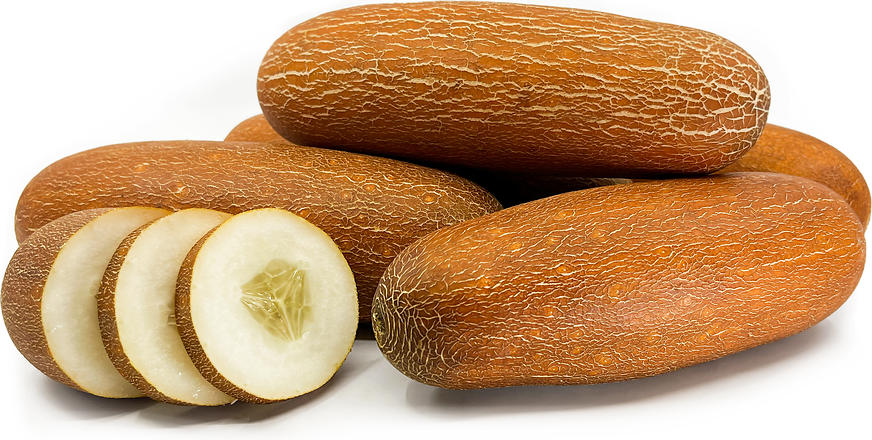
2. Squash
119
Mature fruit vegetables(5)
1. eggplant
2. peppers
3. tomatoes
4. apples
5. peaches
2. peppers
3. tomatoes
4. apples
5. peaches
120
It is used to replace some of the natural waxes removed in washing and cleaning operations
Food Grade Wax
121
Appropriate Coatings Characteristis (7)
• Transparent
• Glossy
• Odorless
• Tasteless
• Biodegradable
• Safe
• Sufficient permeability to gases and impermeability to wate
• Glossy
• Odorless
• Tasteless
• Biodegradable
• Safe
• Sufficient permeability to gases and impermeability to wate
122
Waxed Commodities in Developed Countries(9)
1. citrus
2. apple
3. cucumber
4. pepper
5. squash
6. avocado
7. camote
8. passion fruit
9. melons
2. apple
3. cucumber
4. pepper
5. squash
6. avocado
7. camote
8. passion fruit
9. melons
123
Waxed Commodities in PH(3)
1. pineapple (exported)
2. pomelo
3. mandarin
2. pomelo
3. mandarin
124
Waxed Commodities in Indonesia(2)
1. avocado
2. tomato
2. tomato
125
Waxed Commodities in Thailand(2)
1. tangerines
2. durian
2. durian
126
Commodities not to be waxed(6)
1. leafy vegetables
2. bunched roots,
3. cabbage,
4. cauliflower,
5. rambutan,
6. okra
2. bunched roots,
3. cabbage,
4. cauliflower,
5. rambutan,
6. okra
127
These are based on natural resin and other waxes to alter gas exchange in plants?
Lipids
128
It is a wax that’s from the palm native to Brazil; more permeable to carbon dioxide and oxygen and imparts luster?
Carnauba
129
It is a petroleum-based wax, gives poor luster but gives good control of water loss
Parrafin
130
It is wax secreted by bees; gives poor luster but gives good control of water loss
Beeswax
131
This is a solid/semisolid organic substance soluble in ether or alcohol; enhances gloss?
Resin
132
it is used in high gloss fruit coatings that come from an insect; slows down respiration and maintain firmness?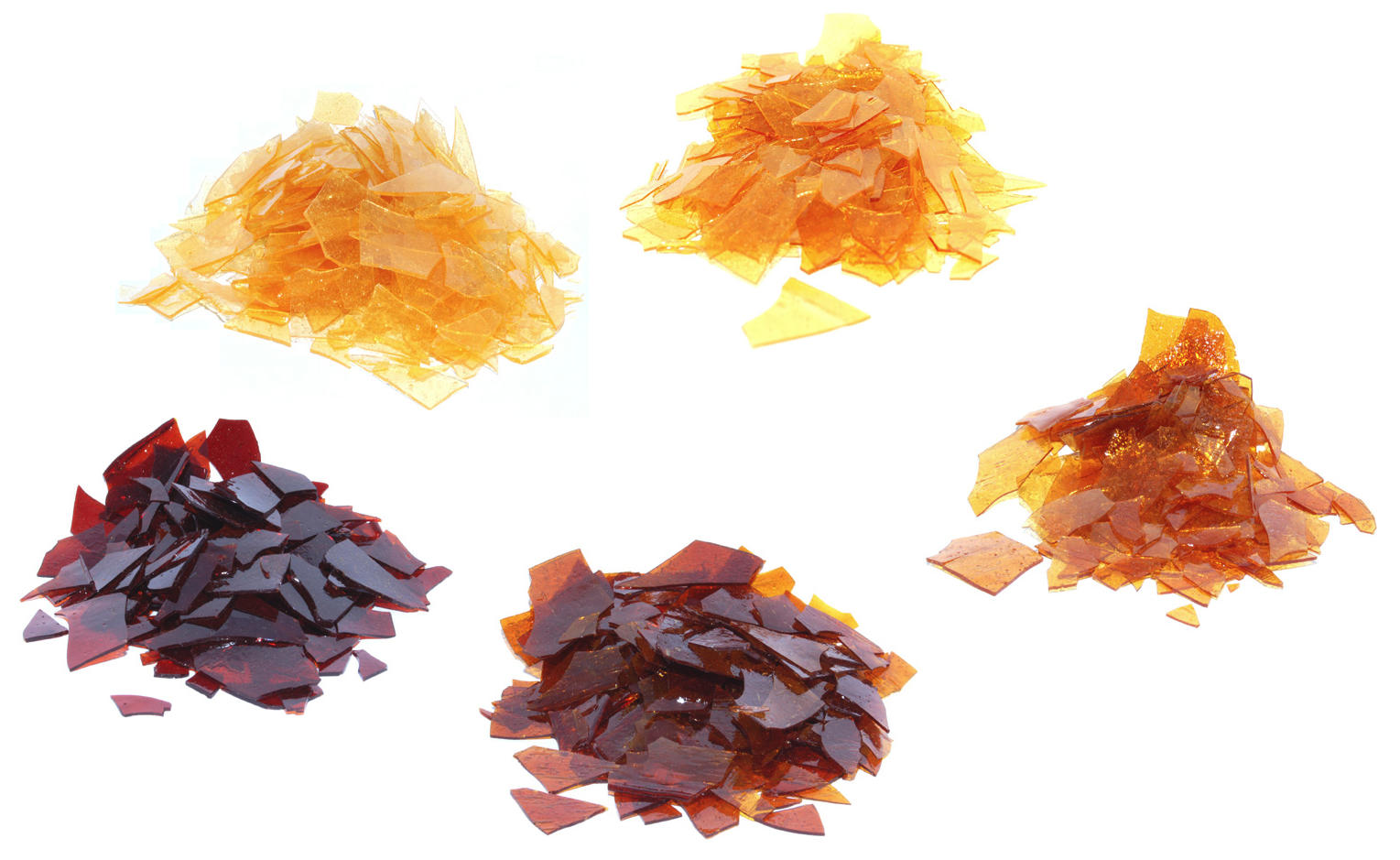
Shellac
133
It is a new edible coating from thermoplastic synthetic polymer; prevents decay
Polyvinyl acetate
134
It is used for commodities that are eaten without the peel or skin?
Polyethylene wax
135
It has very effective selective permeabilities but do not prevent water loss nor enhance gloss?
Polysaccharide-based Coatings
136
It is the most important cellulose stable at pH 7-9 and it serves as a thickening agent, water retention agent, film-forming agent, emulsifier, stabilizer, and binding agent in food, pharmaceuticals, cosmetics, and other applications.
Carboxymethyl cellulose
137
It is a water soluble, high molecular weight polysaccharide coating as seafood by product?
Chitosan
138
It is a good barriers of oxygen and carbon dioxide at low RH; incorporation of plasticizers (glycerin, fatty acids)?
Protein
139
This is type of coating that’s a merge of desirable properties of different films to improve permeability?
Composite Coatings
140
These are types of waxes that’s 70-80% hydrocarbons and can act as solvents such as acetone or ethyl acetate
Solvent Waxes
141
It’s a wax that’s a mixture of low melting point waxes that’s made into bars (mostly paraffin)?
Slab Wax
142
It is a type of wax mainly composed of paraffin with different melting points blended to the desired viscosity?
Paste Wax
143
it is an emulsion/solution wax?
Water Wax
144
Effects of Waxing
1. Reduce water loss
2. Maintain/enhance natural gloss and increase visual appeal
3. Slows down respiration rate and ripening proces
2. Maintain/enhance natural gloss and increase visual appeal
3. Slows down respiration rate and ripening proces
145
Considerations in Waxing(6)
1. Produce Quality
2. Type of Wax
3. Amount of Wax
4. Presence of free moisture
5. Dry Fruit Surface
6. Time of Application
2. Type of Wax
3. Amount of Wax
4. Presence of free moisture
5. Dry Fruit Surface
6. Time of Application
146
It makes use of dipping tank and drying racks with a mesh size that gives only minimum contact between the fruit and mesh?
Dipping
147
It is a waxing method commonly used in packinghouses that continuously handle large quantities of fruits and vegetables
Foam Waxing
148
It uses high pressure spray applicators delivering formulation at 414-552 kPa
Spray Waxing
149
It is a type of waxing method where the fruit receives a fine spray dissolved in a high volatile solvent?
Solvent waxing
150
It is a type of waxing method where hot molten wax without solvent is sprayed on the fruit in a heated chamber in fog form
Hot Fog
151
It is a type of waxing method where the waxes used are bar/slabs composed of mixtures of other waxes (method not suitable for produce w trichomes)
Brush Method
152
It is a type of waxing method where the emitters of different sizes discharge large droplets of varying volumes delivered directly to the produce or brushes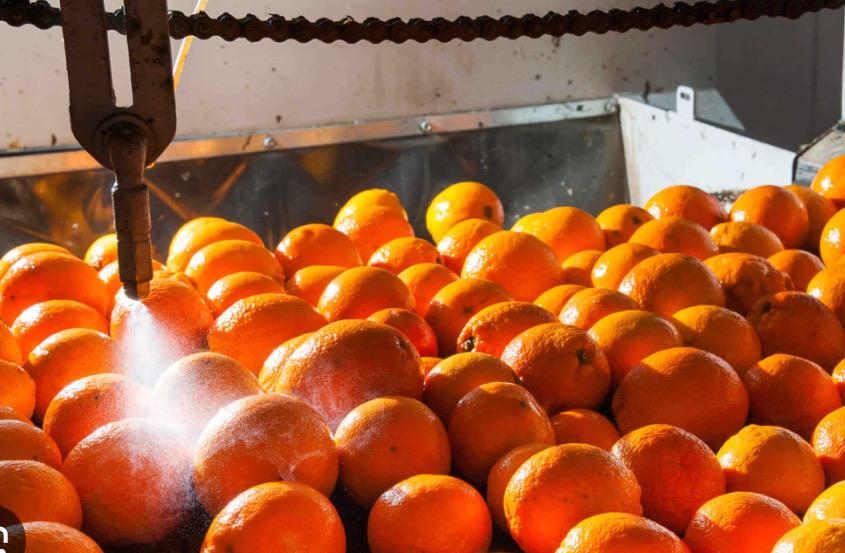
Drip Method
153
It is a type of waxing method where the low pressure metering pumps are used to deliver coatings to a nozzle housing to which a rotating disc is attached
Controlled Drop Application
154
PLEASE FAMILIARIZE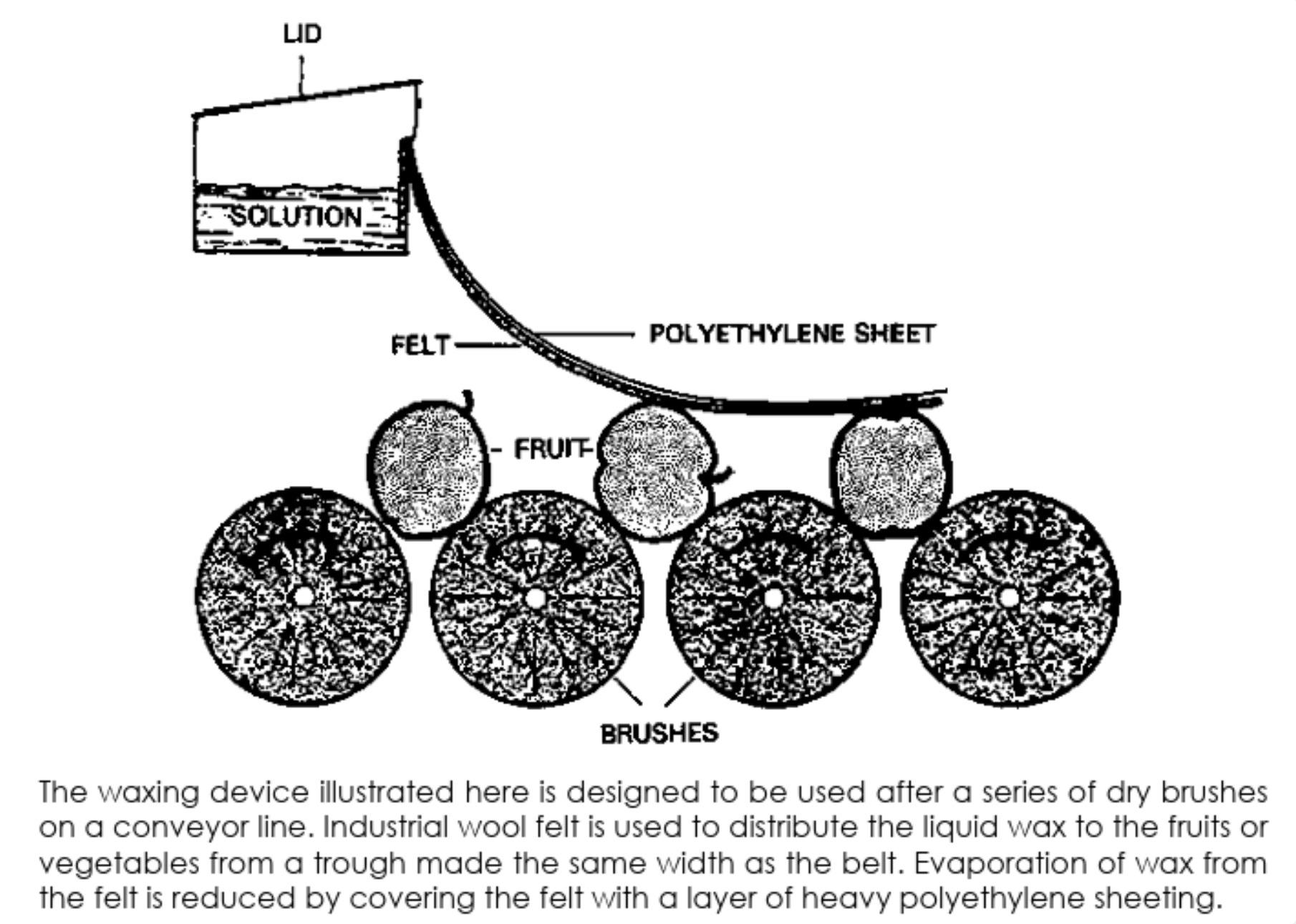
155
PLEASE FAMILIARIZE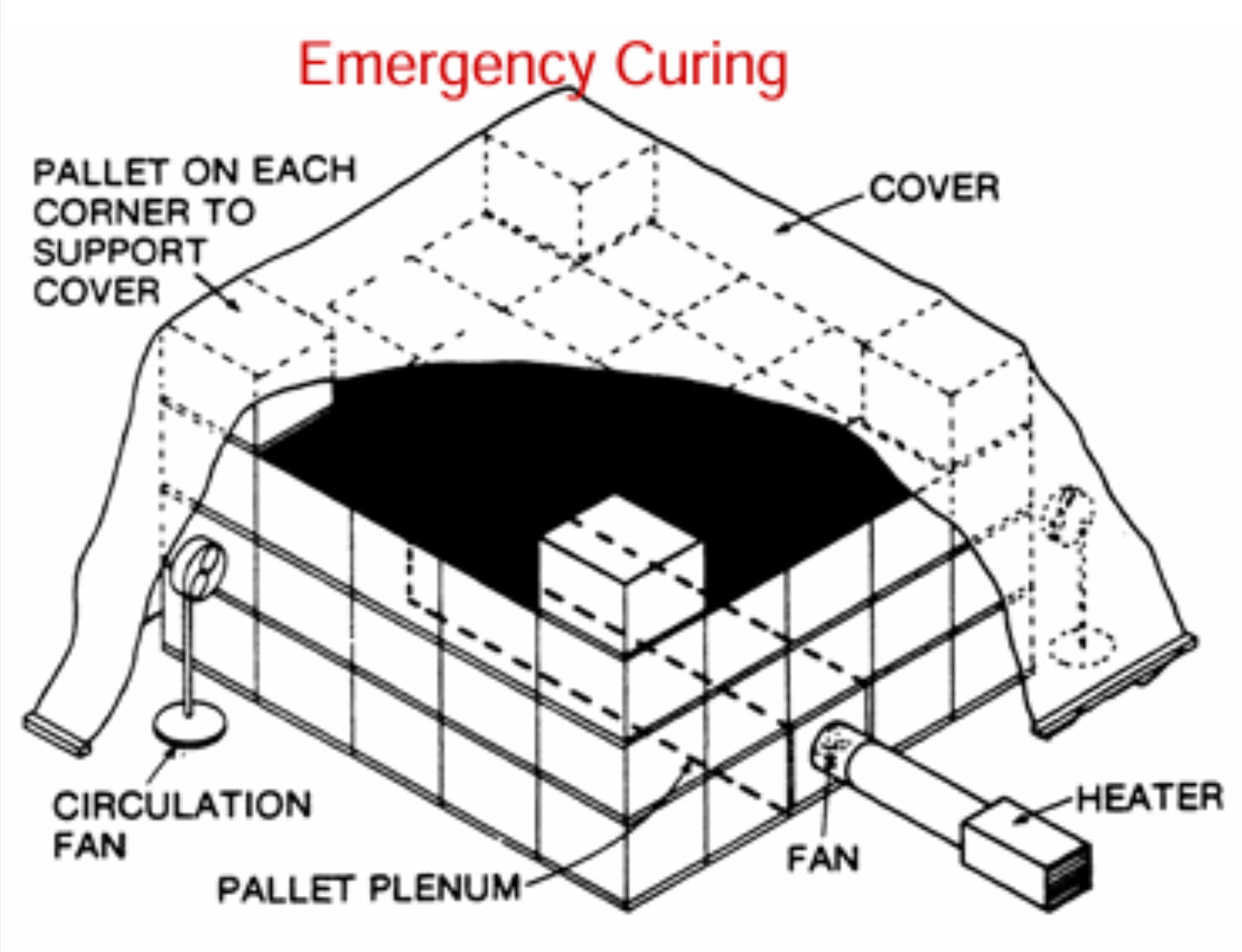
156
PLEASE FAMILIARIZE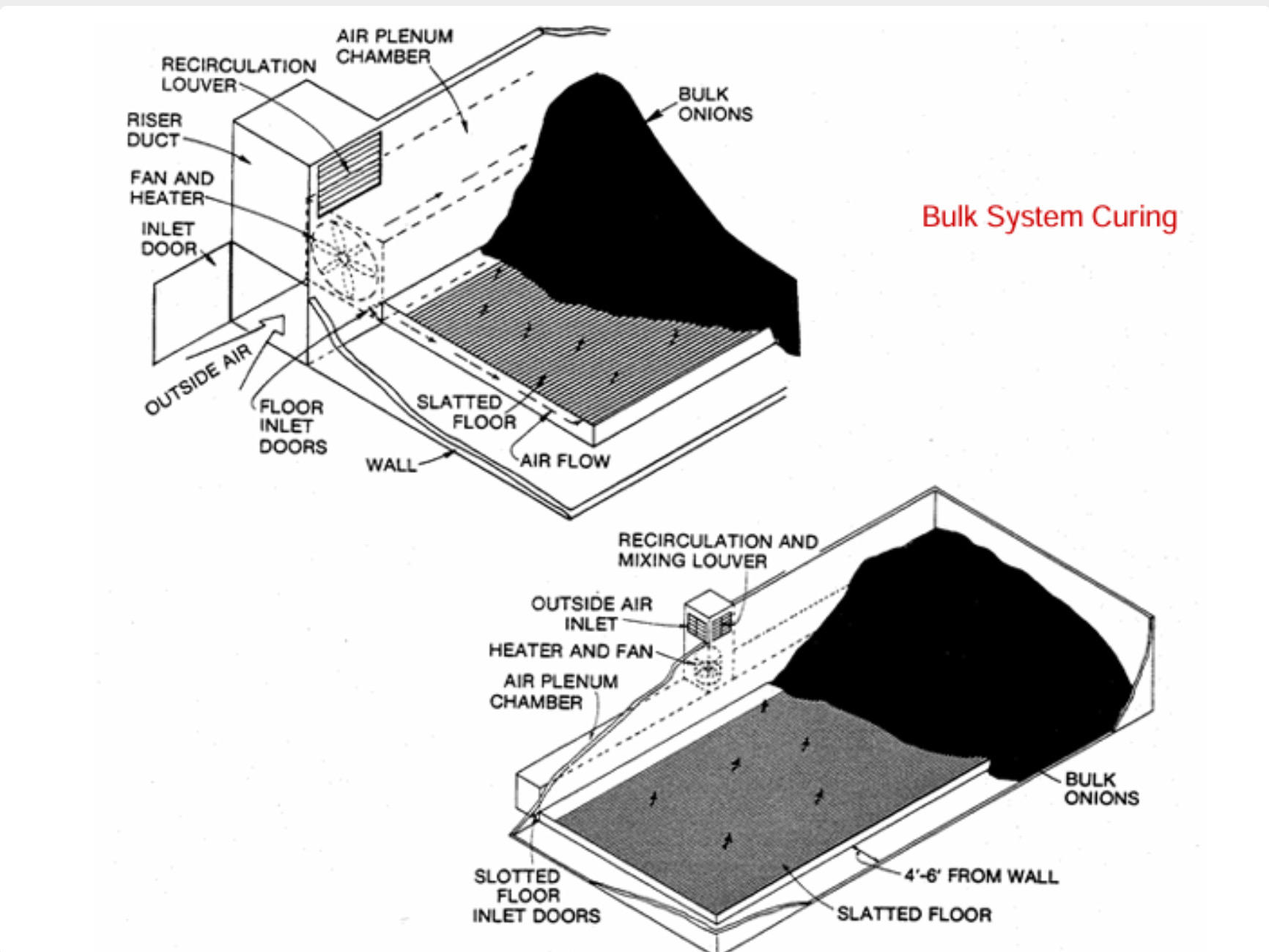
157
PLEASE FAMILIARIZE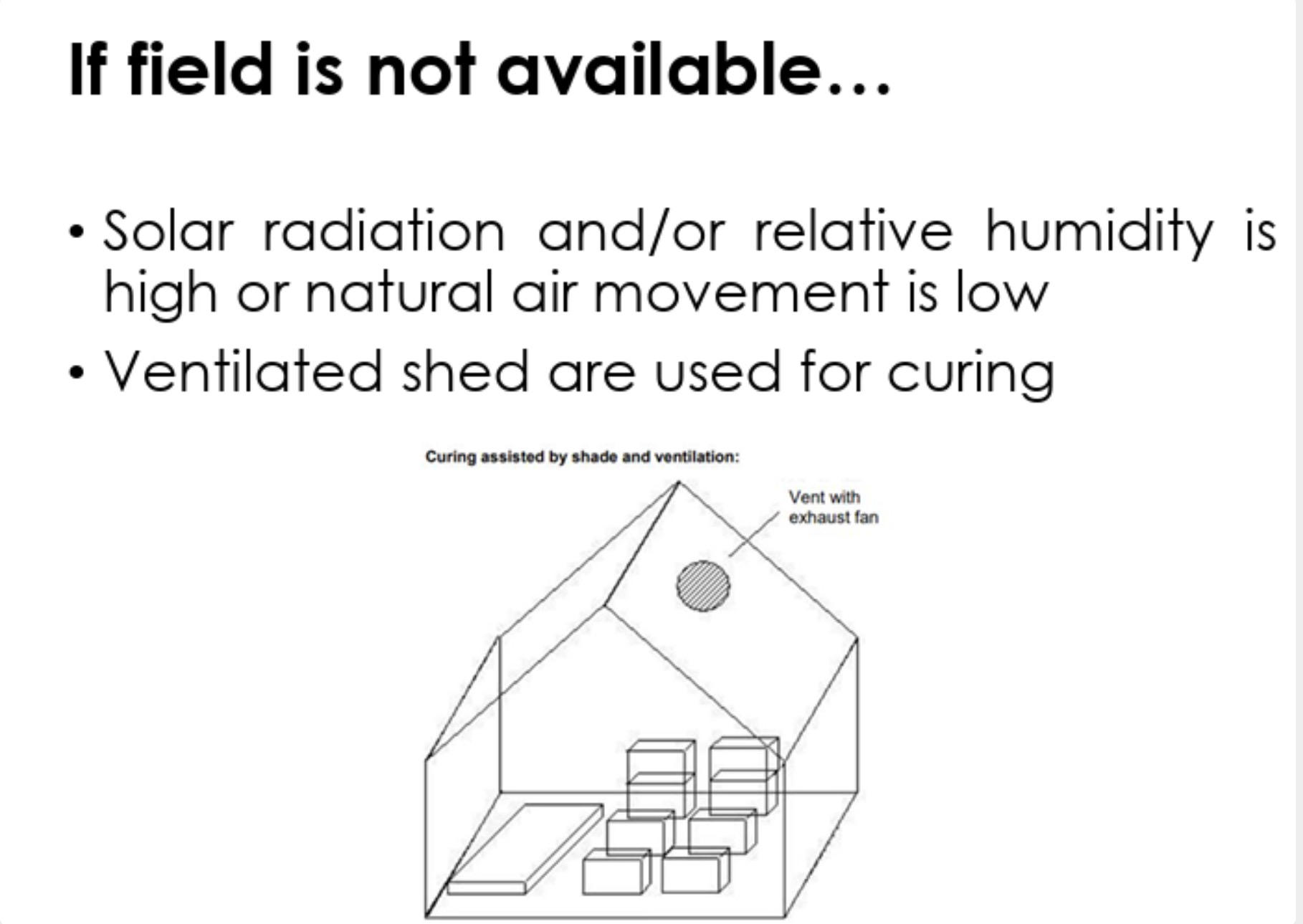
158
PLEASE FAMILIARIZE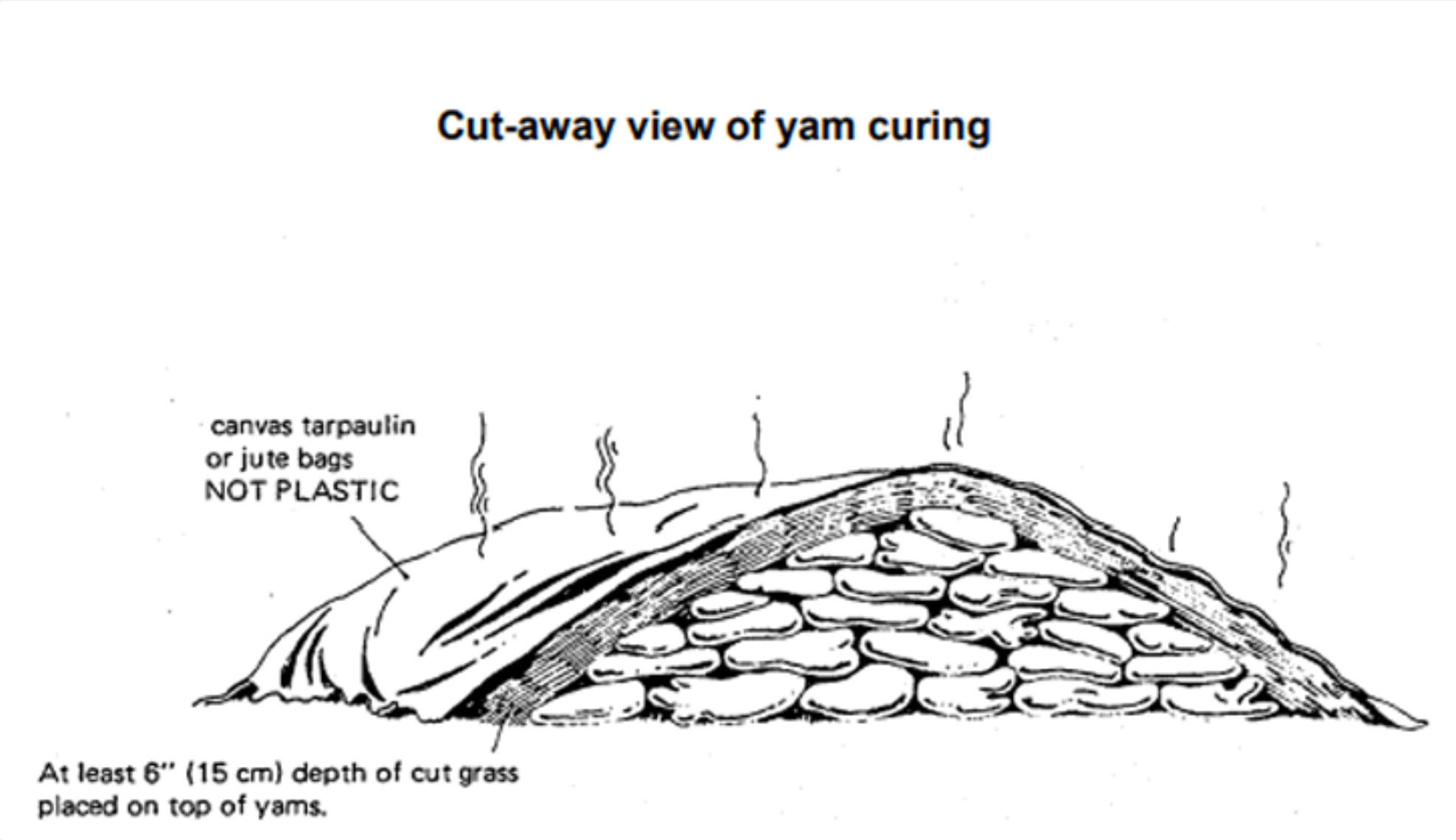
159
PLEASE FAMILIARIZE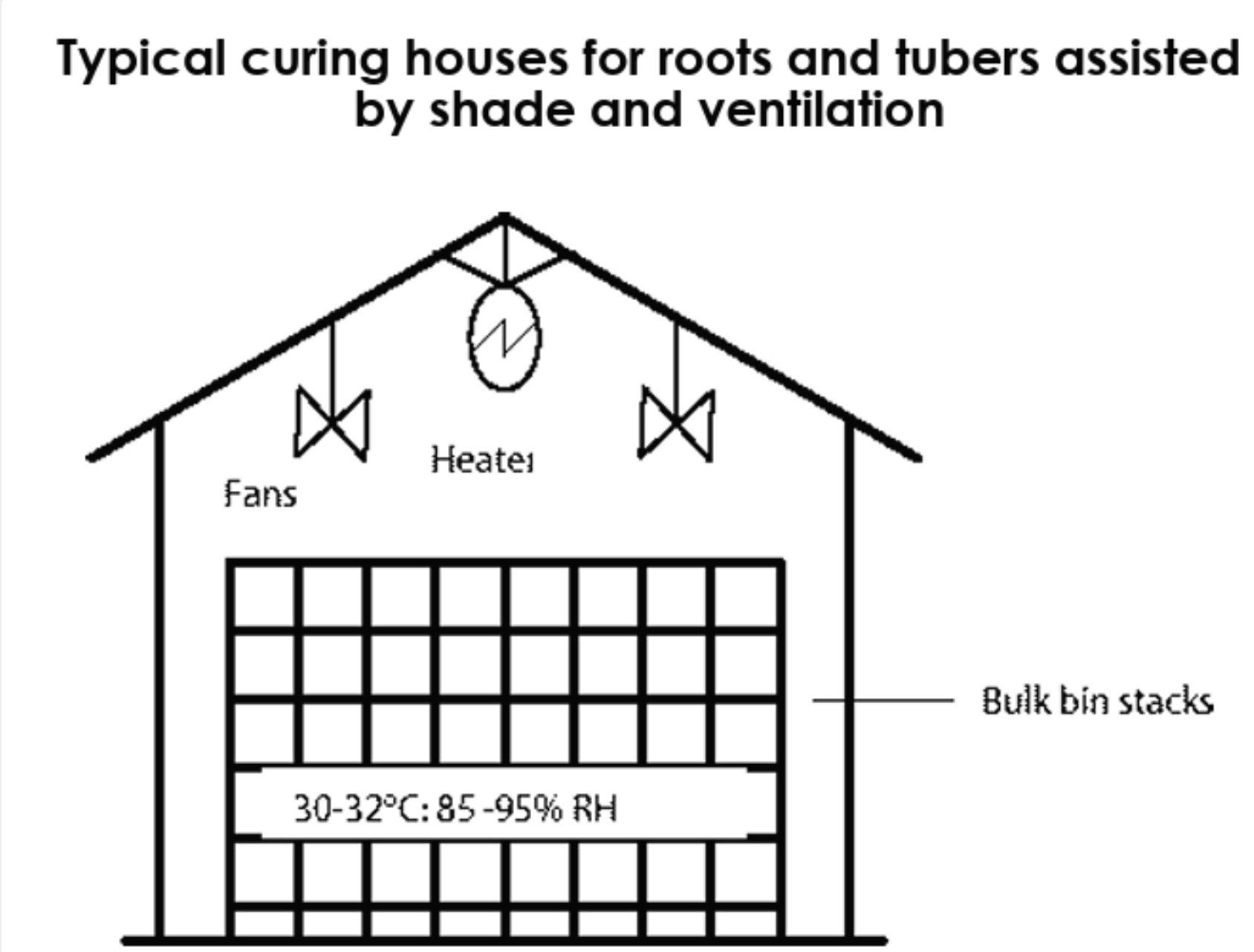
160
PLEASE FAMILIARIZE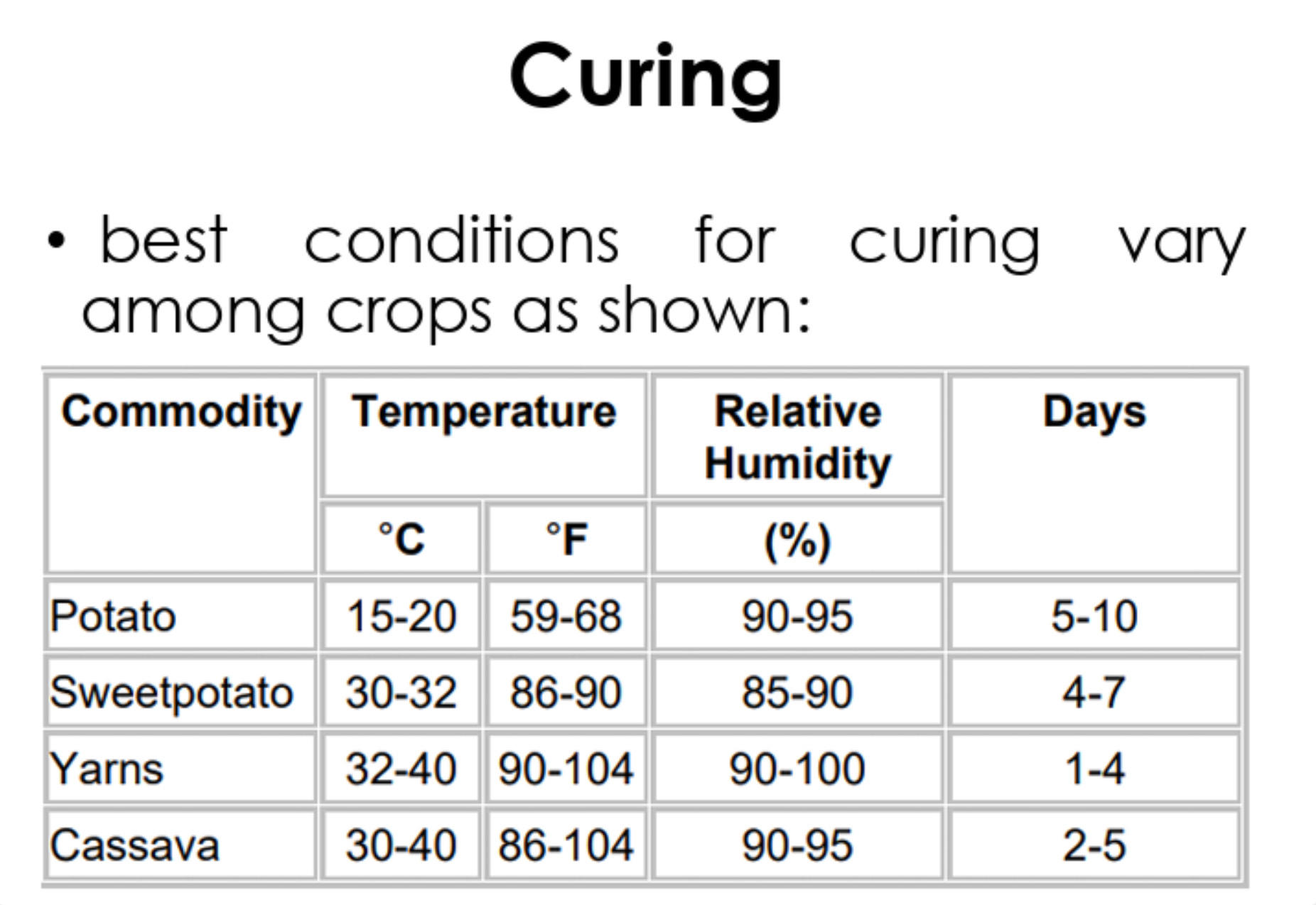
161
PLEASE FAMILIARIZE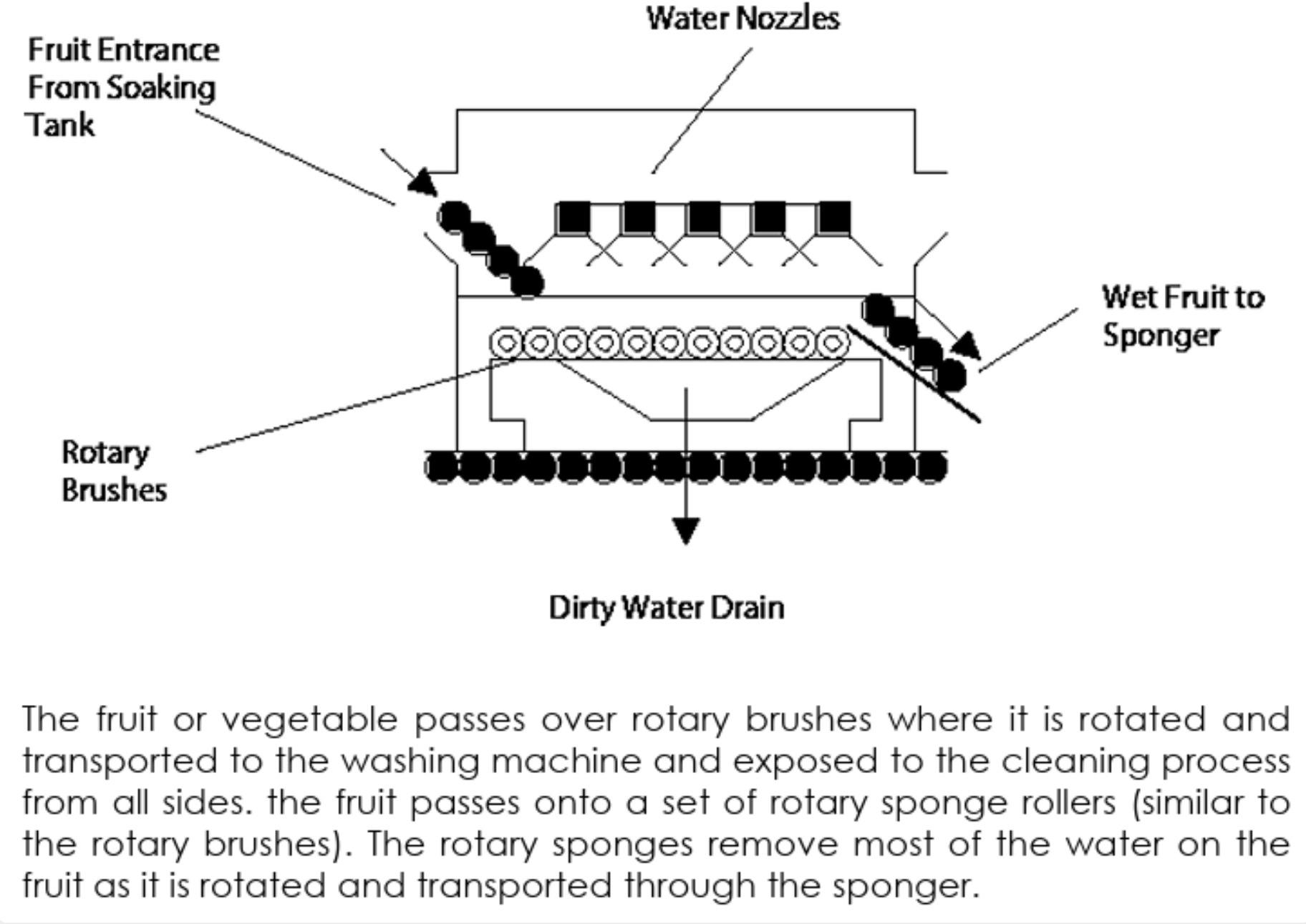
162
PLEASE FAMILIARIZE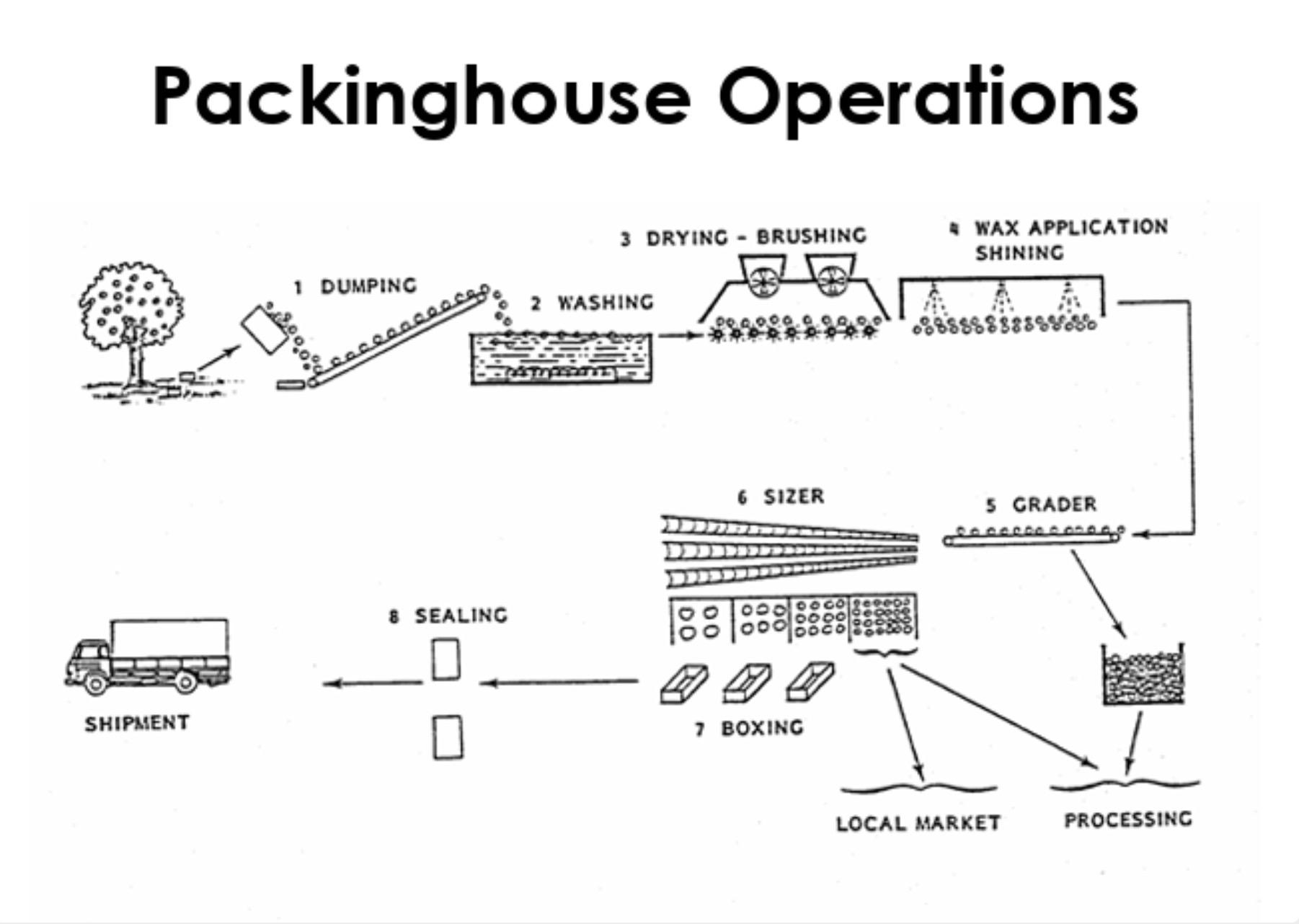
163
PLEASE FAMILIARIZE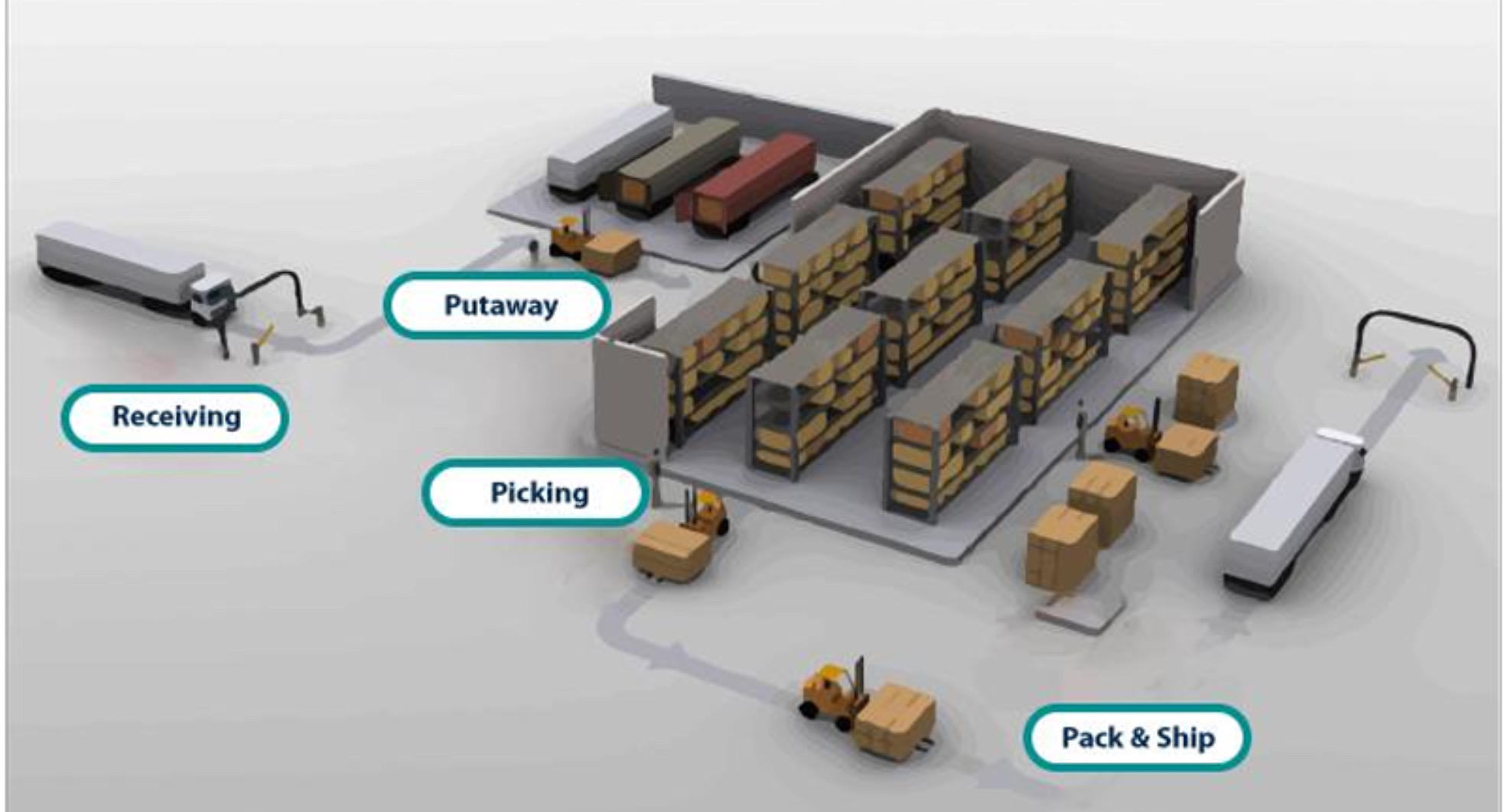
164
PLEASE FAMILIARIZE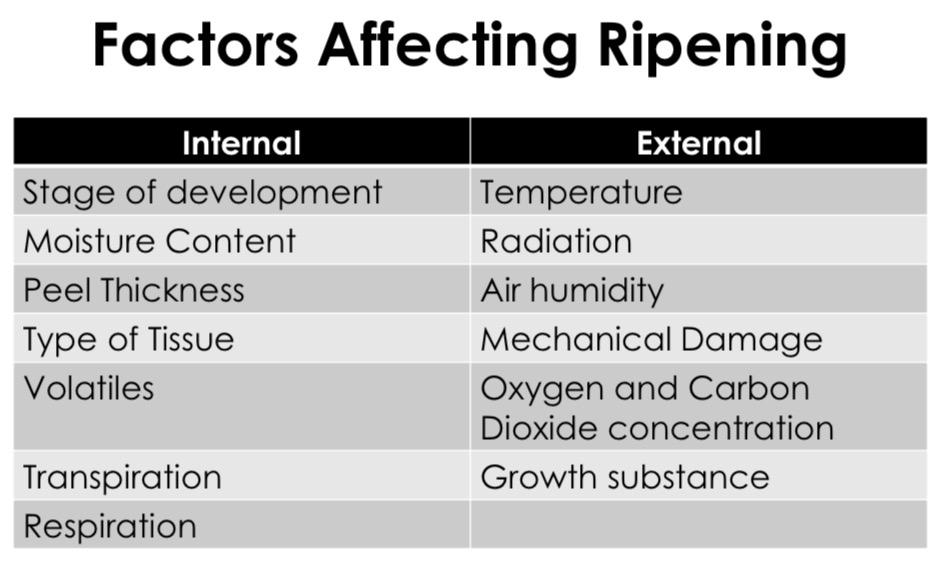
165
PLEASE FAMILIARIZE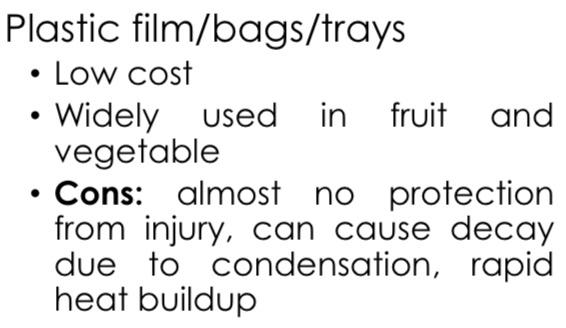
166
PLEASE FAMILIARIZE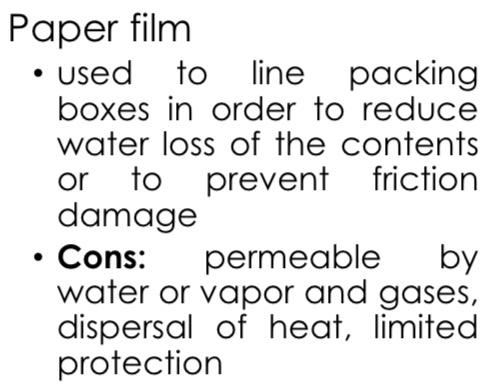
167
PLEASE FAMILIARIZE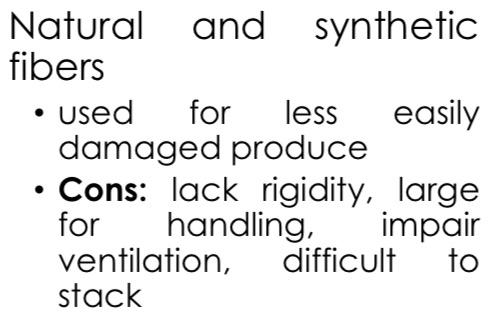
168
PLEASE FAMILIARIZE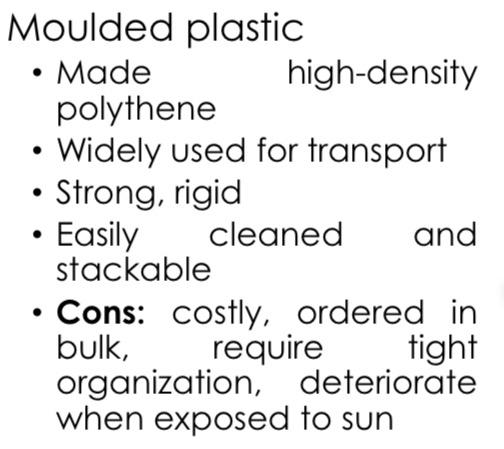
169
PLEASE FAMILIARIZE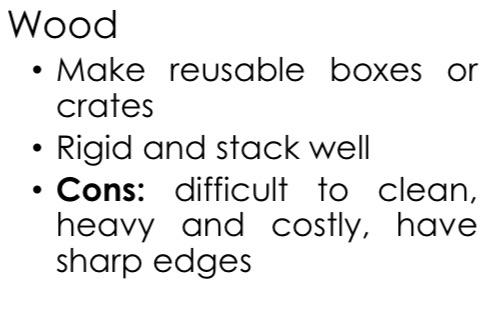
170
PLEASE FAMILIARIZE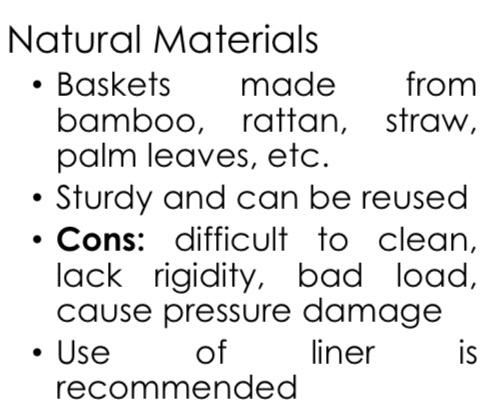
171
PLEASE FAMILIARIZE