E2 Controlling Performance
Study these flashcardsFree · spaced repetition · iPhone, Android, Mac & web
All cards
1
What is management control?
the whole system of controls, financial and otherwise, established by the management in order to carry on the business of the enterprise in an orderly and efficiant manner.
2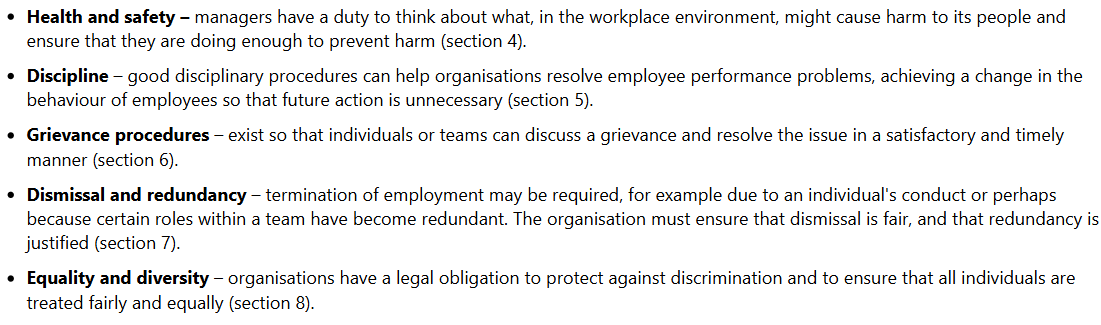
What are the 5 areas of control?
3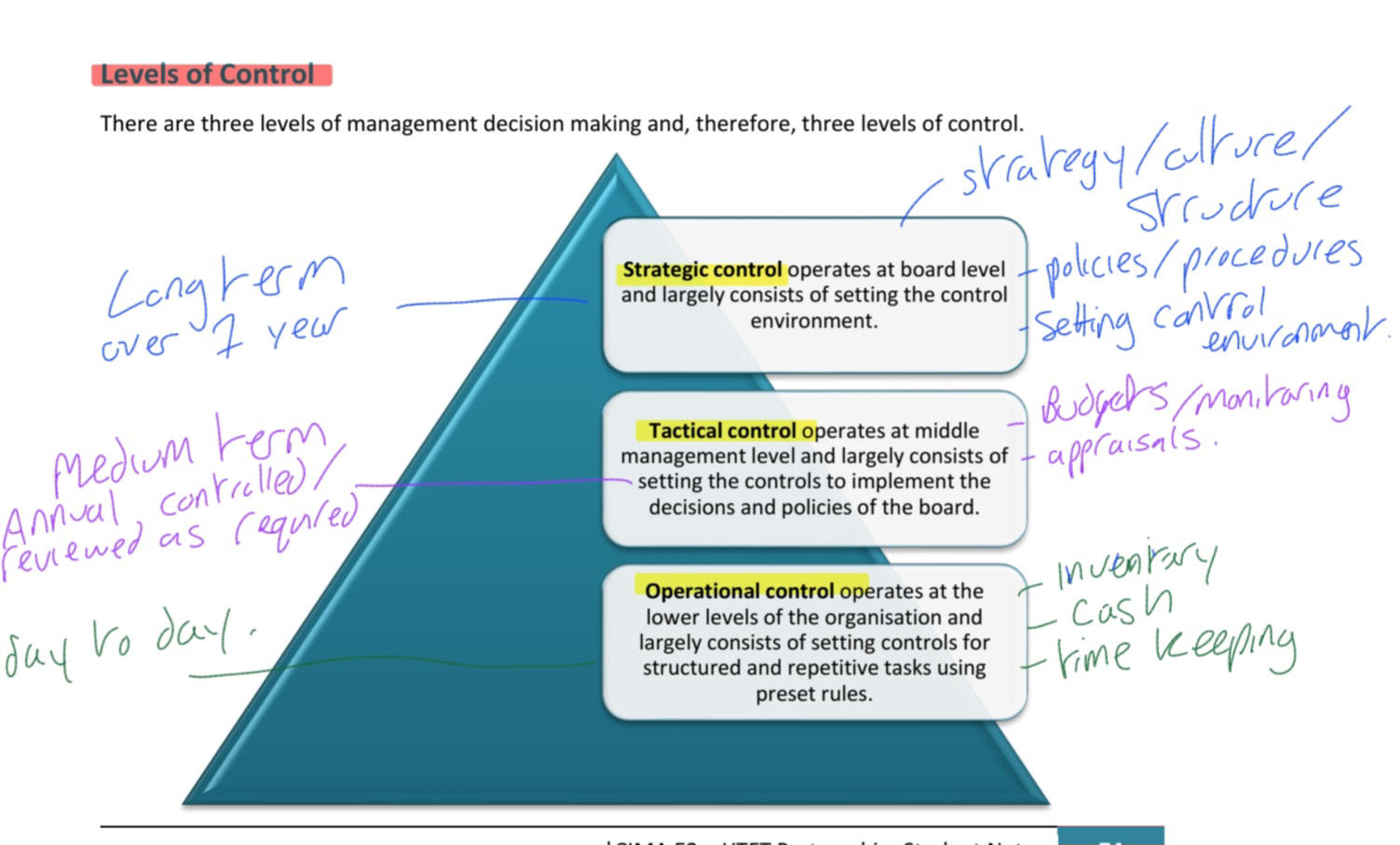
What are the 3 levels of control?
4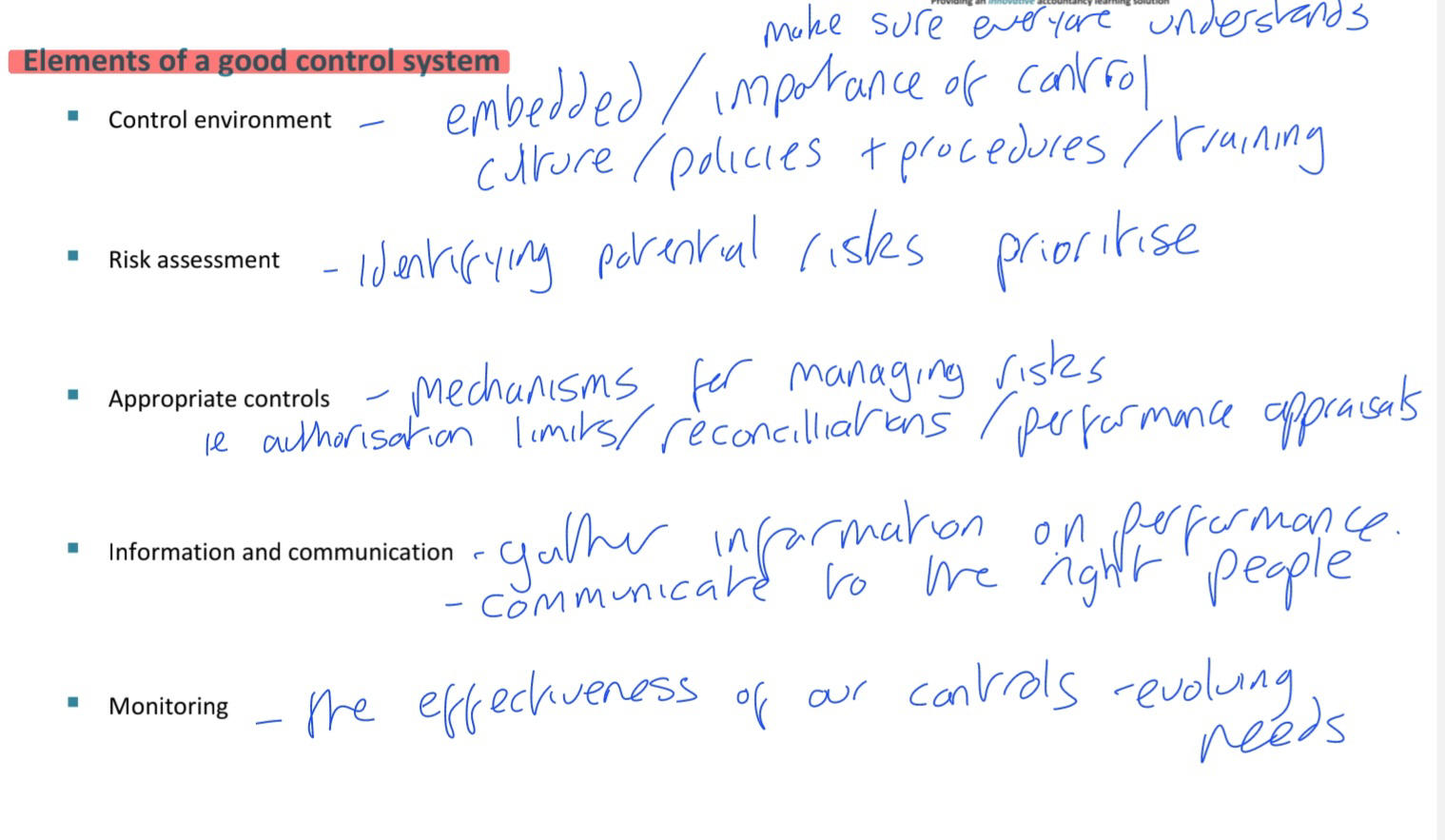
What are the elements of a good control system? (5)
5
What are the benefits of health and safety controls?
6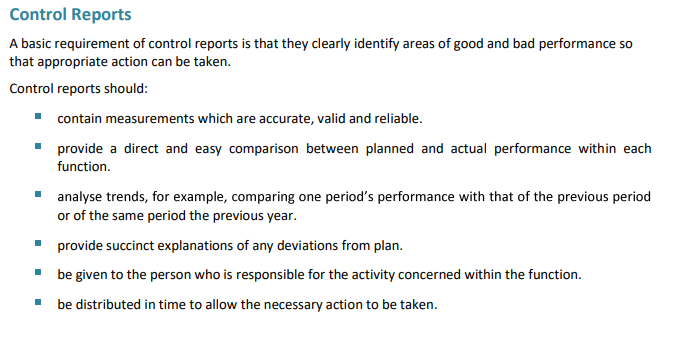
What should a control report contain?
7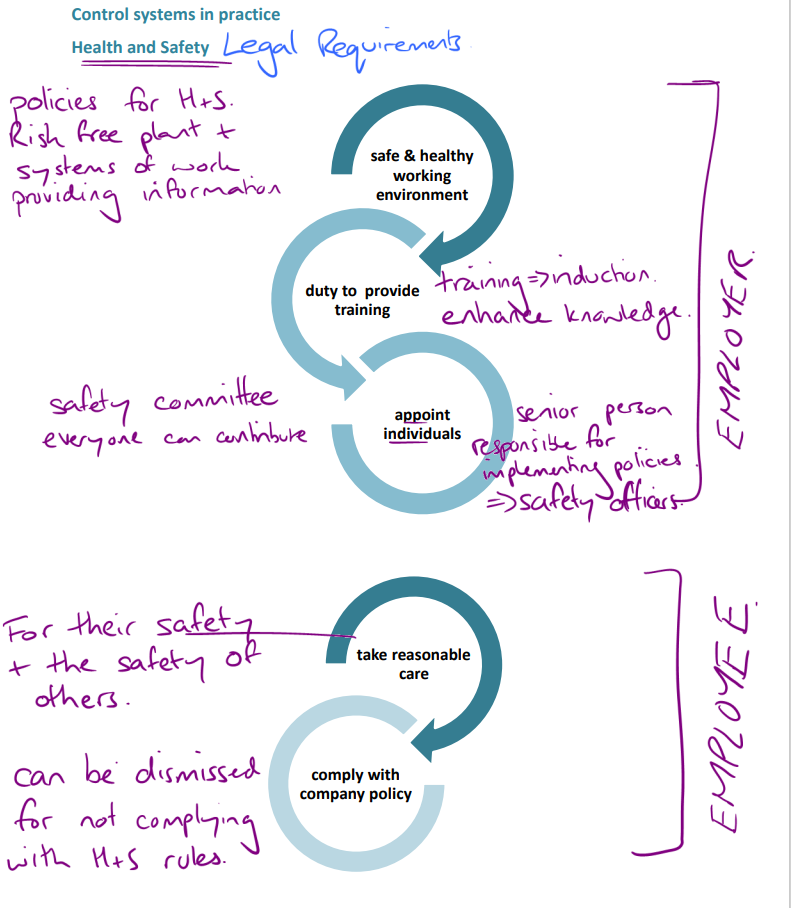
Whata re the responsibilities of the emplyer and employee for health and safety
8
Whaat is the goal of disciplinary proceedures?
To correct unsatisfactory behaviour
9
What health and safety policies should organisations with over 5 staff produce?
10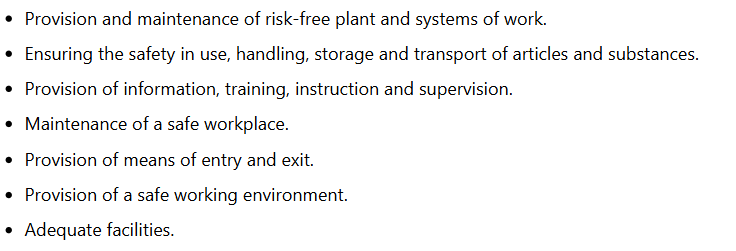
What key areas should be highlighted to staff in the health and safety policies?
11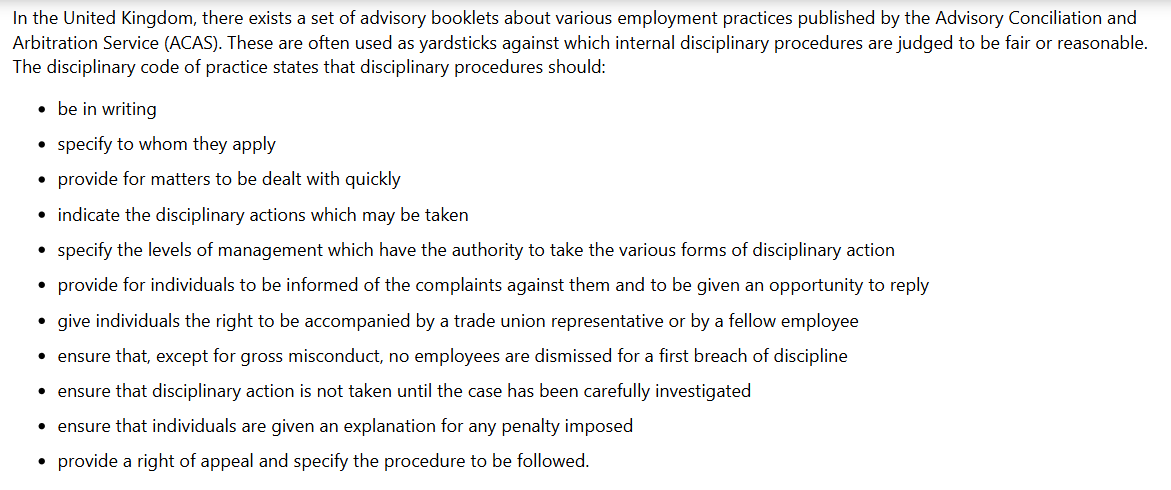
What does ACAS (advisory conciliation and arbitration service) state disciplinary procedures should be?
12
What are the 3 steps in a statutory procedure?
13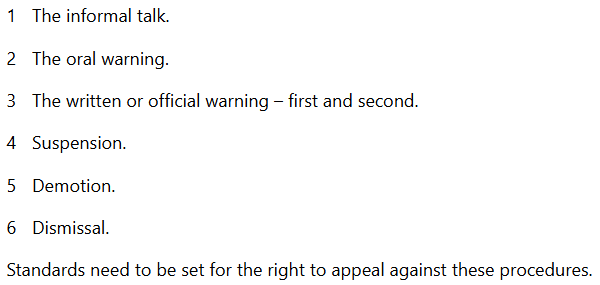
What stages should be followed for disciplinary procedures?
14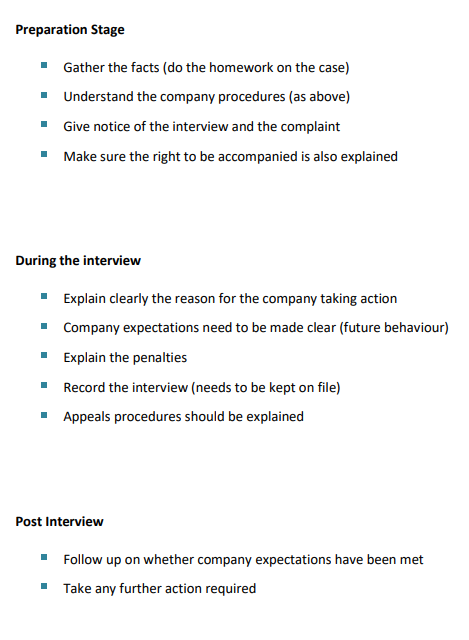
What should be the discipliary interview process?
15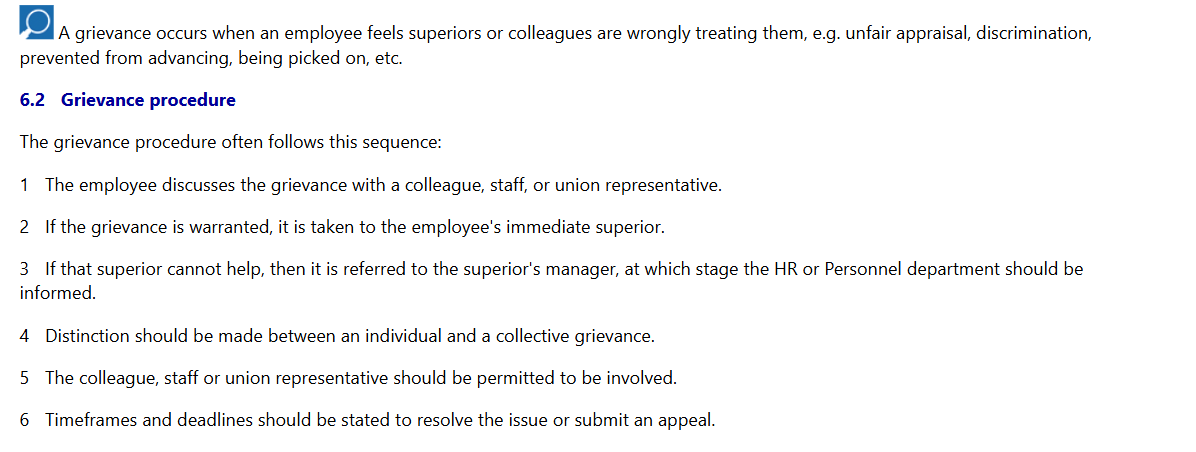
What should be the grievance procedure?
16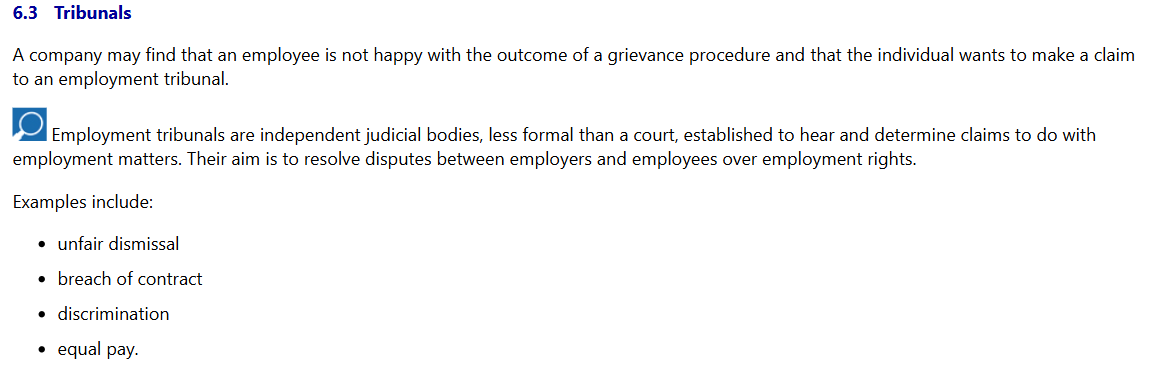
What are the common reasons for emplyment tribunals?
17
How can disputes be resolved without tribunals?
* Arbitration
* Mediation
* Conciliation
* Mediation
* Conciliation
18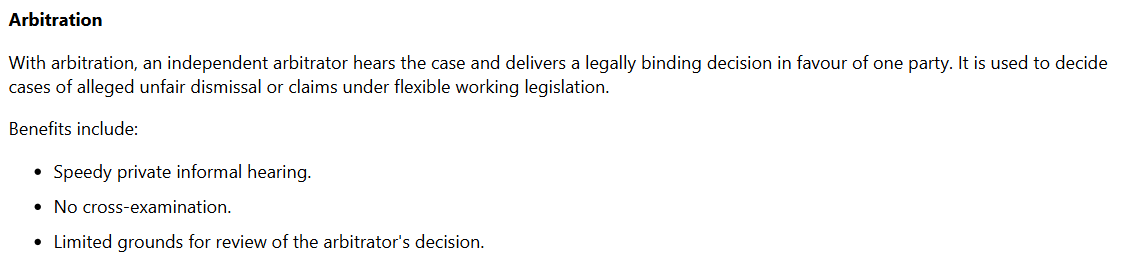
What is arbitration?
19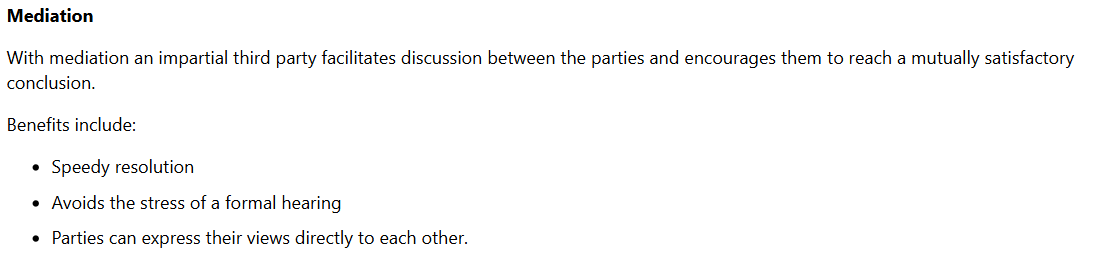
What is mediation
20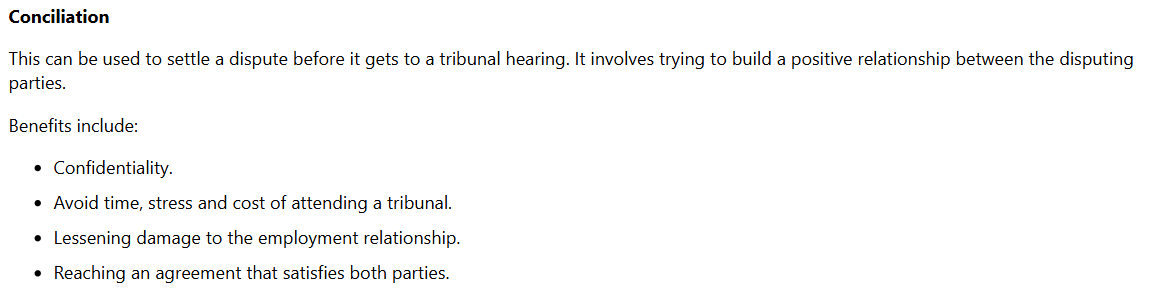
what is conciliation
21
What are the 5 areas of human resource management?
* Dismissal
* Redundancy
* Fairness and equality
* Equality and diversity
* Equal opportunities
* Redundancy
* Fairness and equality
* Equality and diversity
* Equal opportunities
22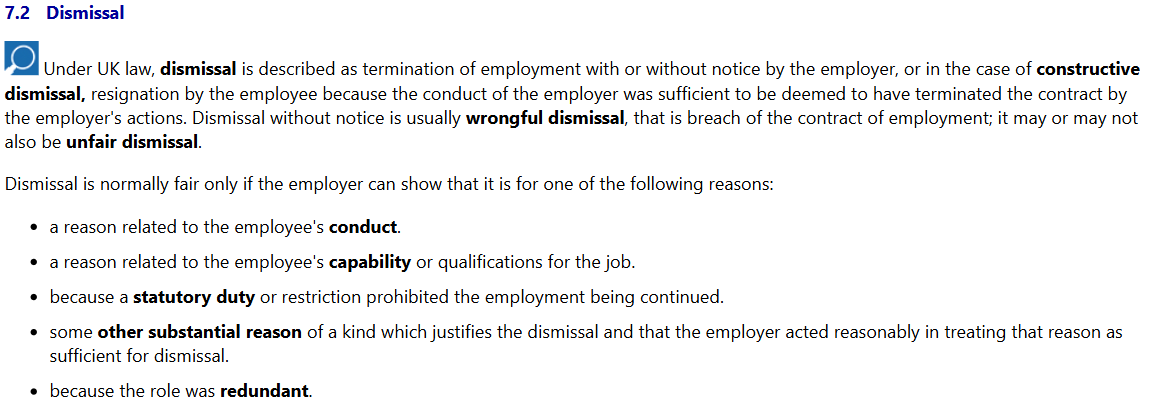
Explain dismissal
23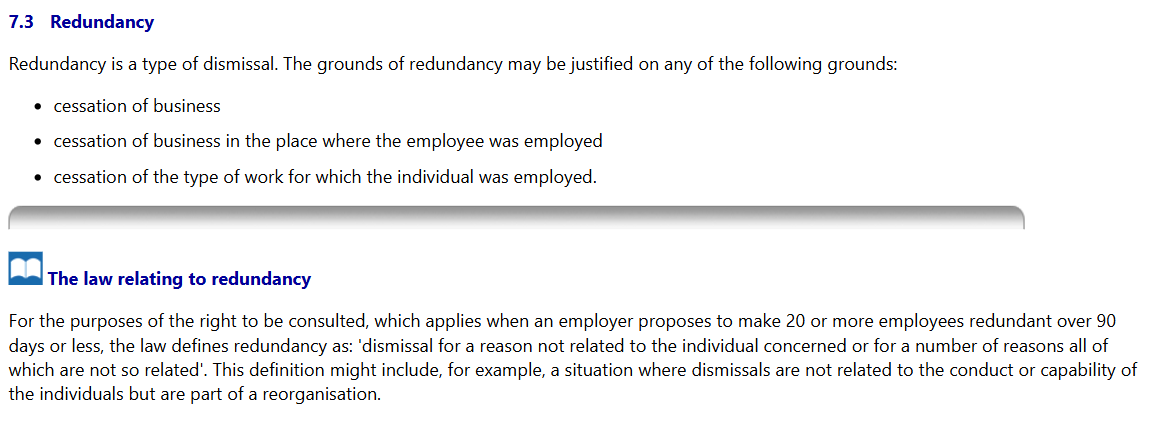
Explain redundancy
24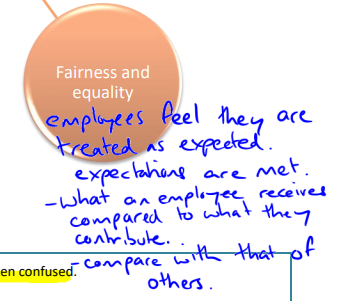
Explain fairness & equality
25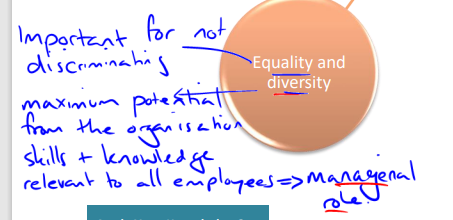
Explain equality & diversity
26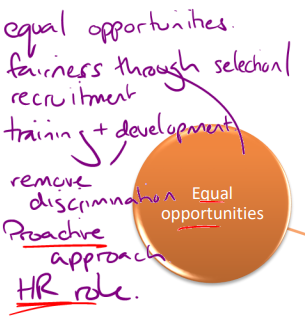
Explain equal opportunities
27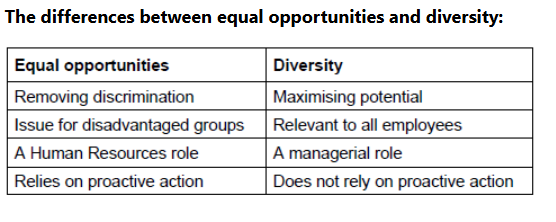
What is the difference between equal opportunities and diversity
28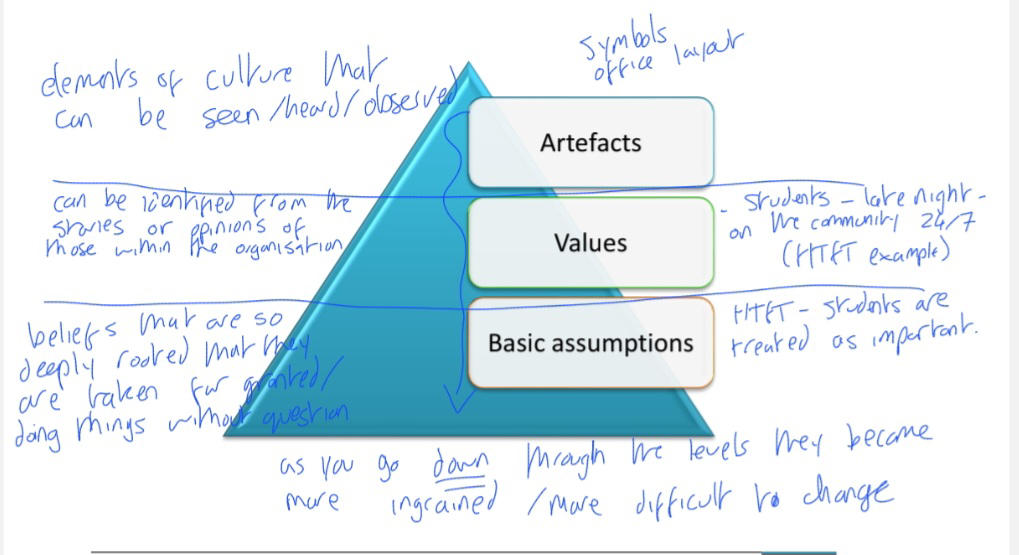
what are the 3 levels of culture
29
Explain the arefacts level of culture
30
explain the values level of culture
31
explain the basic assumptions level of culture
32
What is the organisational iceberg
the idea of hidden elements in culture
The iceberg discribes 2 levels at which culture operates
* Formal aspects (visible) above the water
* Behavioural aspects (hidden) below the water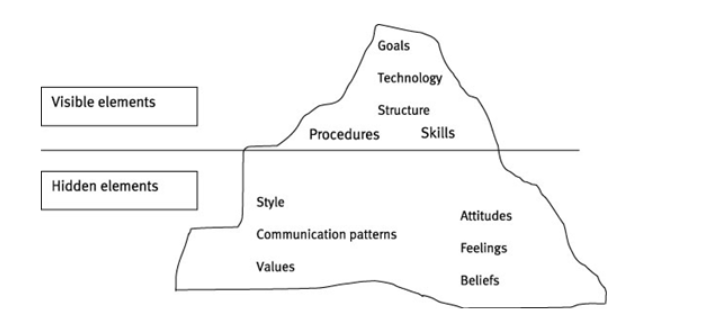
The iceberg discribes 2 levels at which culture operates
* Formal aspects (visible) above the water
* Behavioural aspects (hidden) below the water
33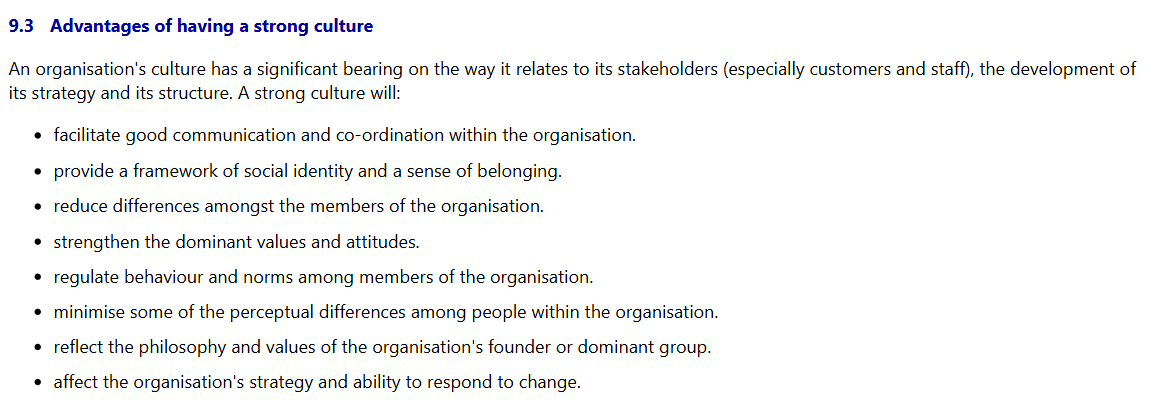
What are the advantages of a stong culture?
34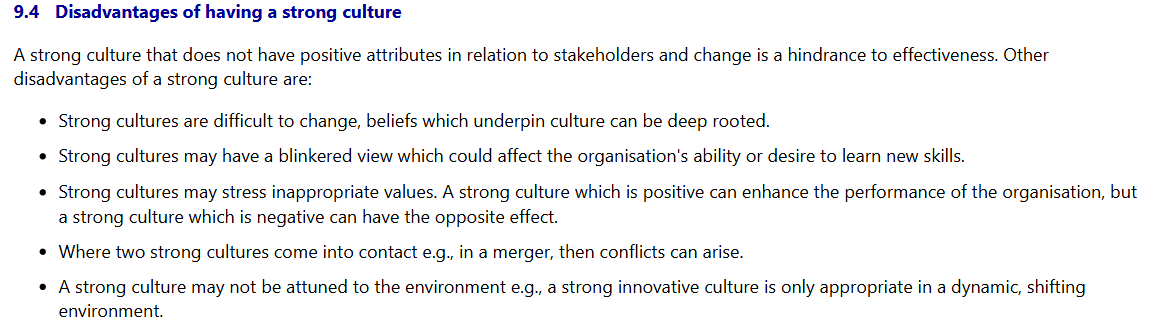
Whata re the disadvantages of a strong culture?
35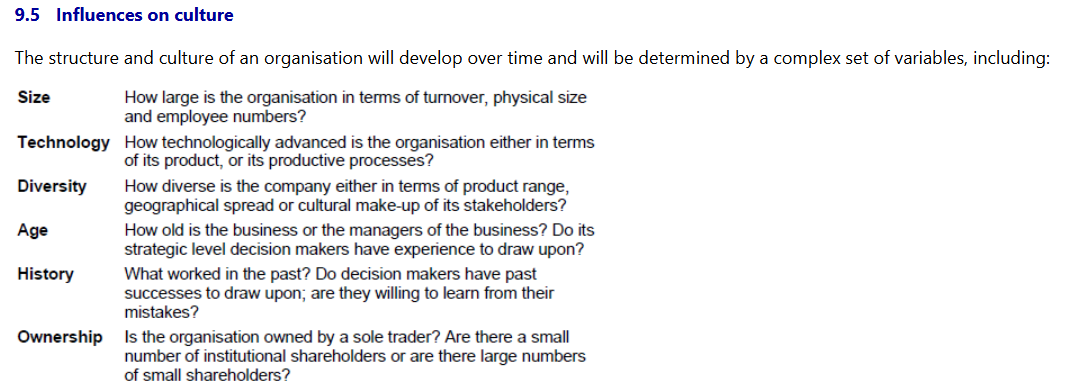
What influences culture?
36
What are Charles Handys 4 types of organisation
* Power culture (Zues)
* Role culture (Apollo)
* Task culture (Athena)
* Person culture (Dionysus)
* Role culture (Apollo)
* Task culture (Athena)
* Person culture (Dionysus)
37
explain Charles Handys power culture
38
explain Charles Handys role culture
39
explain Charles Handys task culture
40
explain Charles Handys person culture
41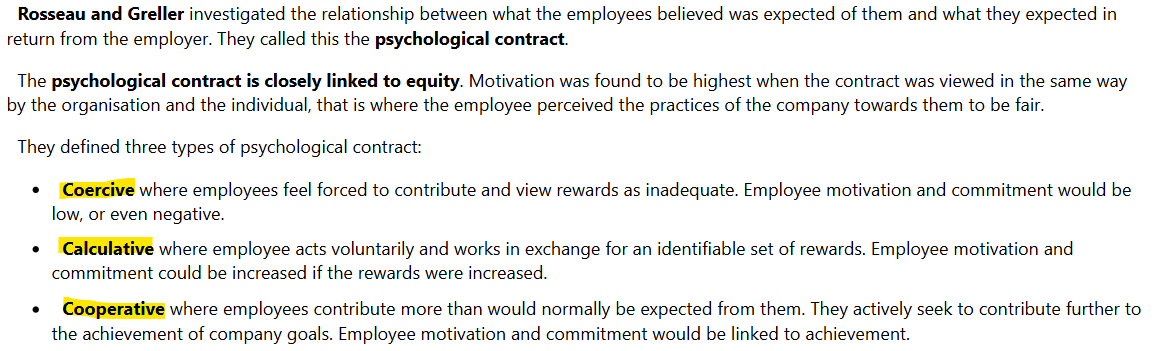
What are Rosseau & Grellers 3 types of psychological contract?
42
What is behavioural control?
Where we look to modify behaviour through controls
This is a managers responsibility
We want to get people to do the right things
Get people to act ethically
Motivate them
Improve productivity
Improve quality
Prevent mistakes
This is a managers responsibility
We want to get people to do the right things
Get people to act ethically
Motivate them
Improve productivity
Improve quality
Prevent mistakes
43
What are the control mechanisms?
* Organisational structure
* Targets / budget setting - set expectations
* Supervision
* Culture
* Control systems - TARA / budgeting
* Policies & Guidelines
* Targets / budget setting - set expectations
* Supervision
* Culture
* Control systems - TARA / budgeting
* Policies & Guidelines
44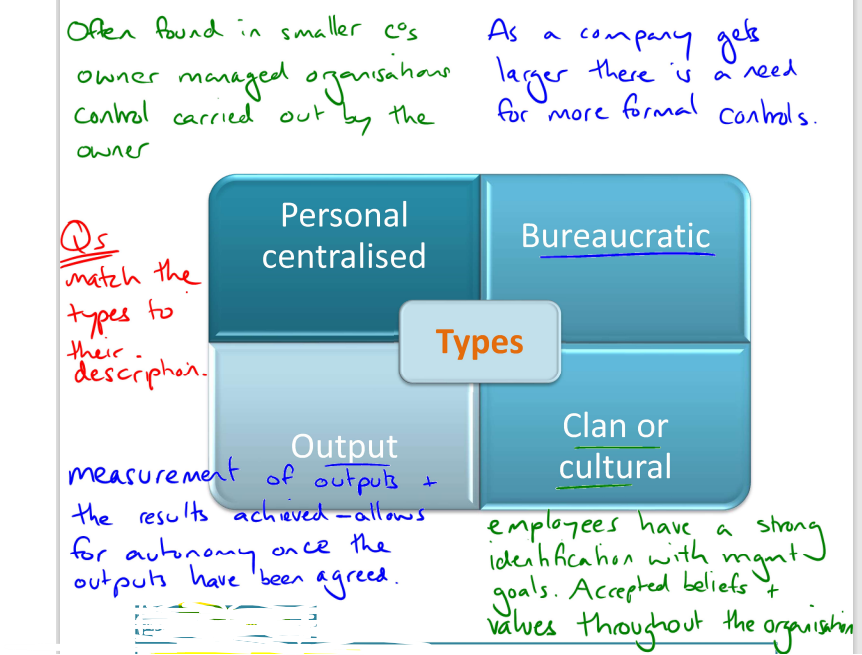
What are the 4 types of control?
45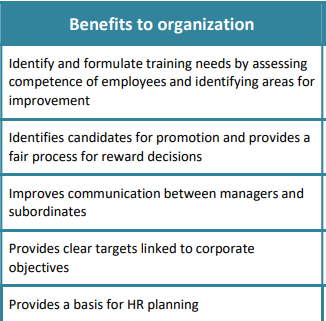
What are the benefits to an organisation of doing performance appraisals
46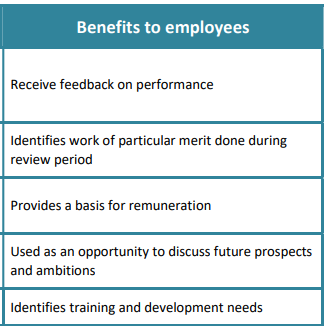
What are the benefits to an employee of the company doing performance appraisals
47
What are the 4 approaches to appraisals
* The ranking system = scored 1 - 5 on agreed targets (1 usually bad)
* The unstructured format = Essays / short form answers, open ended and can cover any aspect not just agreed targets
* 360 approach - manager appraise individuals, individuals appraise managers, can also appraise colleagues
* Self rating - you rate your own performance and give it to your manager, then they make their own assesment
* The unstructured format = Essays / short form answers, open ended and can cover any aspect not just agreed targets
* 360 approach - manager appraise individuals, individuals appraise managers, can also appraise colleagues
* Self rating - you rate your own performance and give it to your manager, then they make their own assesment
48
What are the 5 F's to effective appraisals?
* Fair - no bias or favouratism - dont be judgemental
* Factual - evidenced - not a chat
* Firm -- it is ok to give negative feedback as long as it is constructive - not confrontational
* Frequent - as is required - managers to put in effort to undertake regular feedback - dont just do them annually
* Feedback - meant to be about continuous improvement - no unfinished business left
* Factual - evidenced - not a chat
* Firm -- it is ok to give negative feedback as long as it is constructive - not confrontational
* Frequent - as is required - managers to put in effort to undertake regular feedback - dont just do them annually
* Feedback - meant to be about continuous improvement - no unfinished business left
49
What are Herzbergs dual factor motivators
* Intrinsic - to do with the job itself - accomplishment - recognition - increased responsibiity
* Extrinsic - not to do with the job itself - policies - health & safety - treated fairly - appropriate salary
Extrinsic motivators are not actually motivators they just prevent dissatisfaction, intrinsic motivate.
* Extrinsic - not to do with the job itself - policies - health & safety - treated fairly - appropriate salary
Extrinsic motivators are not actually motivators they just prevent dissatisfaction, intrinsic motivate.
50
What are the 7 insentive schemes
* PRP - performance related pay - tied to the performance of the company
* Piecework - paid solely on output of work
* Profit sharing - profits distributed to employees
* MBO - management by objectives - key results = rewards are paid for achieving them
* Commision - usually sales - proportion of sales made paid to employee
* Points scheme - Range of rewards based on the scale of the acheivment
* Bonus scheme - usually a one off payment for acheiving specific target
* Piecework - paid solely on output of work
* Profit sharing - profits distributed to employees
* MBO - management by objectives - key results = rewards are paid for achieving them
* Commision - usually sales - proportion of sales made paid to employee
* Points scheme - Range of rewards based on the scale of the acheivment
* Bonus scheme - usually a one off payment for acheiving specific target
51
What are Druckers 8 suggested objectives (management by objectives)
Profitability - sales/profit/ROCE
Innovation - time to market / how many new products
Market standing - market share relative to others
Productivity - output targets
Financial & Physical resources - financing debt / share equity
Managerial performance and development - training / new accreditations
Worker performance attitude - behavioural controls / performance reviews
Public responsibility - corporate social responsibility / ethical values
Innovation - time to market / how many new products
Market standing - market share relative to others
Productivity - output targets
Financial & Physical resources - financing debt / share equity
Managerial performance and development - training / new accreditations
Worker performance attitude - behavioural controls / performance reviews
Public responsibility - corporate social responsibility / ethical values
52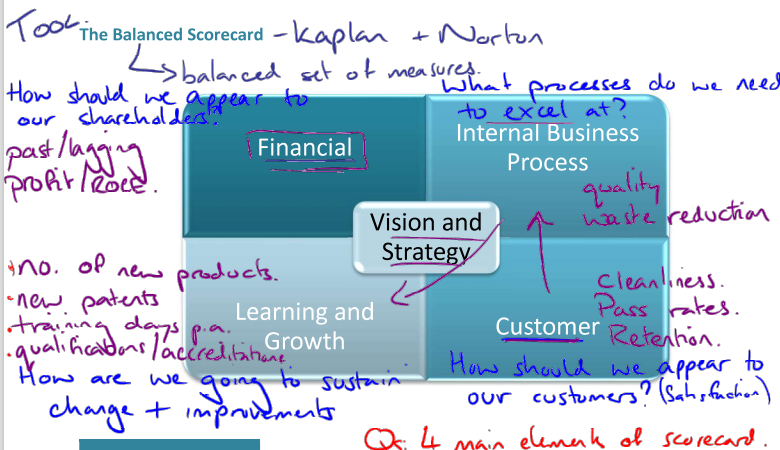
What are the 4 elements to a balanced scorcard (Kaplan & Norton)
53
what is a mentor
54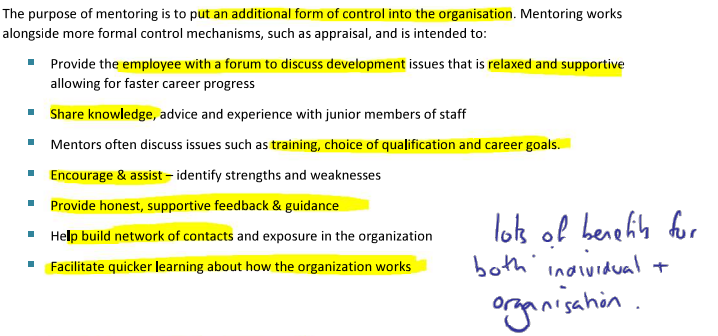
what is the purpose of mentoring
55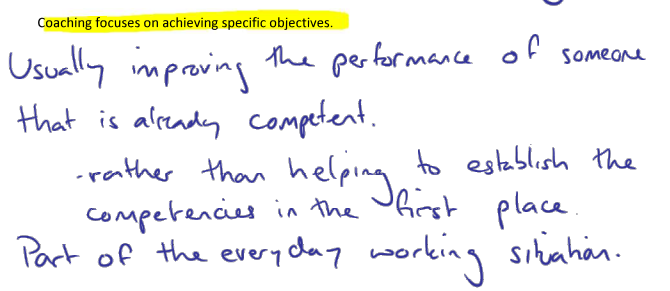
what is coaching