Exam 3 vocab
Study these flashcardsFree · spaced repetition · iPhone, Android, Mac & web
All cards
1
a building used for communal Islamic worship
Mosque
2
The mosque wall oriented toward Mecca indicated by the mihrab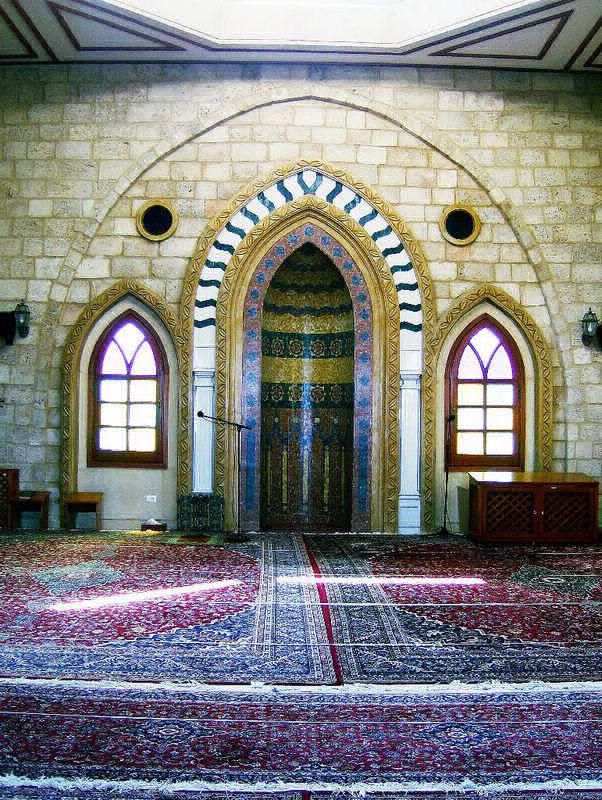
Qibla
3
a recess or niche that distinguishes the wall oriented toward Mecca (qibla) in a mosque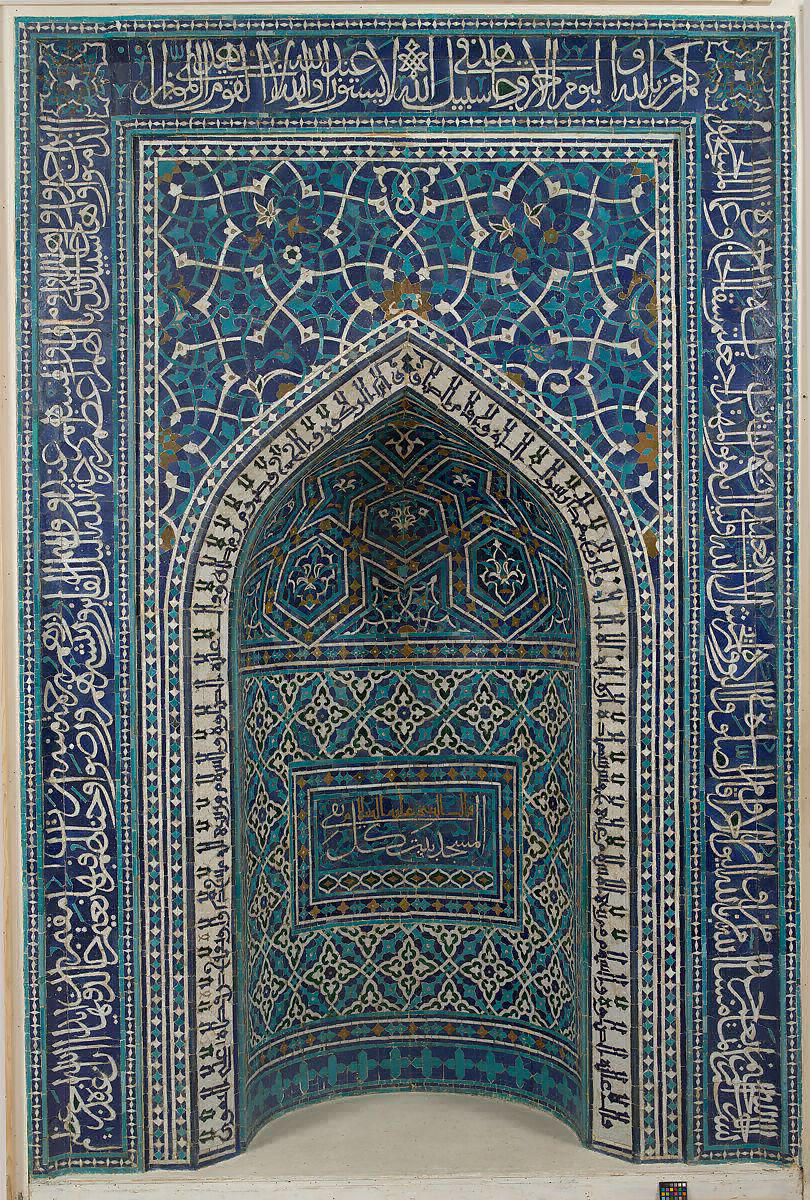
Mihrab
4
an enclosure for rulers or dignitaries in front of the mihrab of a mosque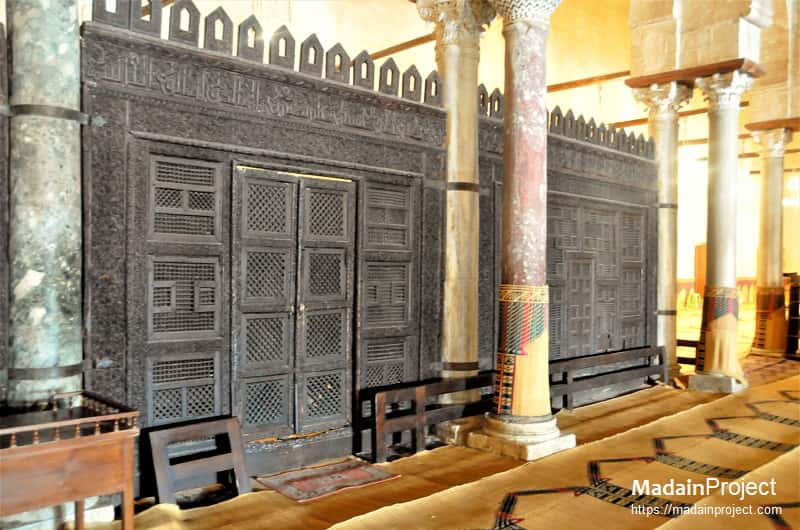
Maqsura
5
a platform or pulpit in an Islamic mosque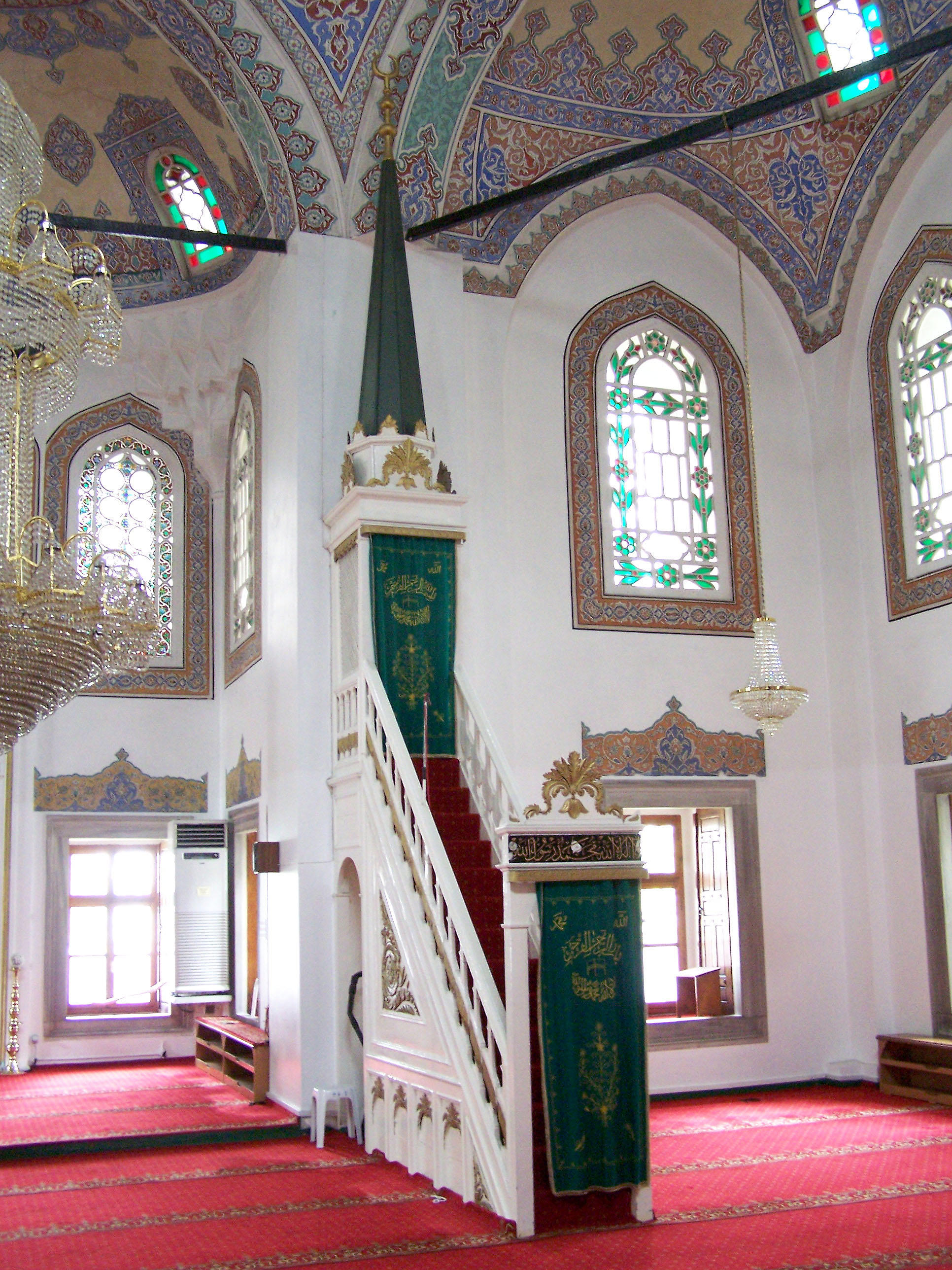
Minbar
6
a tall slender tower on or near a mosque from which Muslims are called to prayer five times a day
Minaret
7
an Islamic institution of higher learning, where teaching is focused on theology and law
Madrasa
8
in Islamic architecture, a large, vaulted chamber with a monumental arched opening on one one side, sometimes used as classrooms or mosques
iwan
9
juxtaposes stone of contrasting colors; sometimes has joggled voussoirs, like puzzle pieces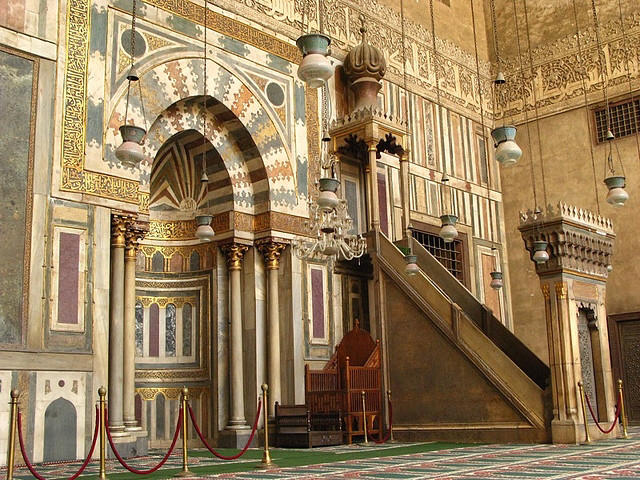
Ablaq masonry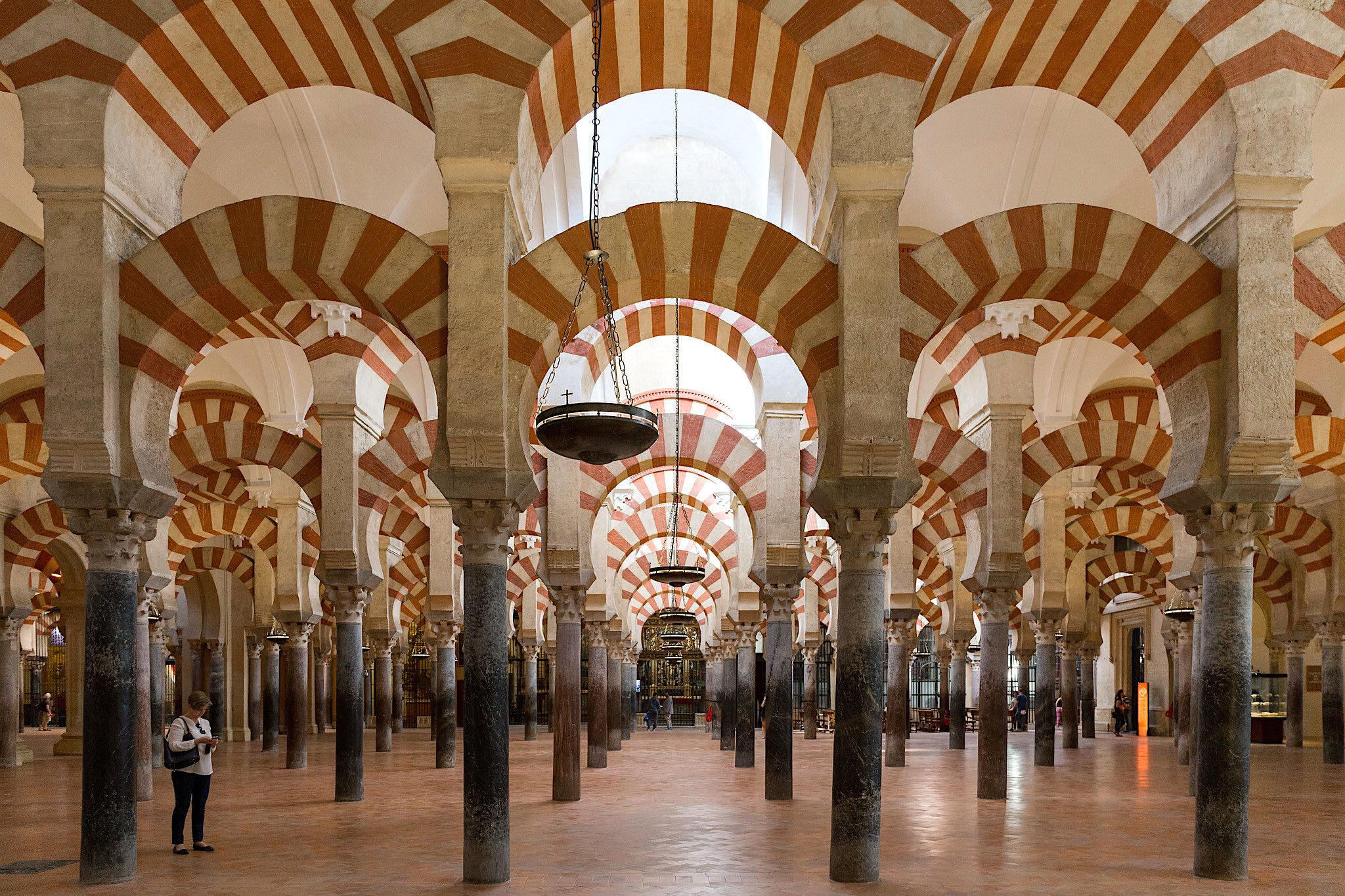
10
a process whereby artists assimilate and combine images and ideas from different cultural traditions, beliefs, and practices, giving them new meanings.
Syncretism
11
In Buddhism, stories associated with the previous lives of Shakyamuni, the historical Buddha.
Jataka tales
12
A type of hard, glossy surface varnish, originally developed for use on objects in
East Asian cultures, made from the sap of the Asian sumac or from shellac, a resinous secretion from the lac insect
East Asian cultures, made from the sap of the Asian sumac or from shellac, a resinous secretion from the lac insect
Lacquer
13
Large-scale wooden sculpture constructed by a method developed in Japan. The entire
work is made from smaller hollow blocks, each individually carved, and assembled when
complete. The multiple joints alleviate the problems of drying and cracking found with
sculpture carved from a single block.
work is made from smaller hollow blocks, each individually carved, and assembled when
complete. The multiple joints alleviate the problems of drying and cracking found with
sculpture carved from a single block.
Joined-block sculpture
14
An image of the cosmos represented by an arrangement of circles or concentric geometric shapes containing diagrams or images. Used for meditation and contemplation by Buddhists.
Mandala
15
in Buddhism, a being who has attained enlightenment but chooses to remain in this world in order to help others advance spiritually
Bodhisattva
16
a native style of Japanese painting developed during the 12th and 13th centuries, distinguished from Japanese painting styles that emulate Chinese traditions
Yamato-e
17
niche like components stacked in tiers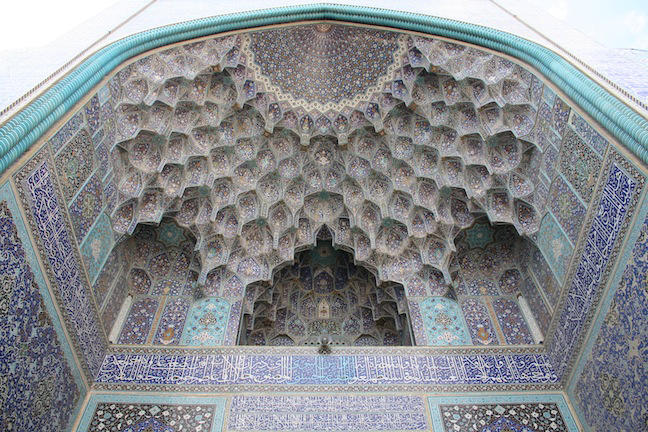
muqarnas
18
deities or spirits of Japan’s native Shinto religion
Kami
19
a hall filled with buddhist images used for worship and ceremonies
kondo
20
a buddhist reliquary which is not entered
pagoda
21
the general in chief, separate from the emperor, but with “supreme military and political power”
Shogun
22
a painstaking cut gold leaf technique orginating in China but "perfected" in Japan used to embellish scrolls
kirikane
23
“welcoming approach,” depicts the Amida Buddha and bodhisattvas coming down to earth to welcome the soul of a believer
Raigo painting
24
simpler than esoteric Buddhism, making it more popular, promised the western land of paradise with practice of chants, “hail to the Amida buddha”
Pure Land Buddhism
25
hierarchical buddhism, deities have complex relationships to one another and there are many of them. Historic buddha loses significance over Dainichi, the universal Buddha, “great sun” in Japanese, thought to preside over the universe. Most popular among educated aristocracy.
Esoteric Buddhism