Biological Molecules
Study these flashcardsFree · spaced repetition · iPhone, Android, Mac & web
All cards
1
glycine
Gly, G
Non-polar Hydrophobic
pK_R = N/A
alpha carbon is achiral
Non-polar Hydrophobic
pK_R = N/A
alpha carbon is achiral
2
alanine
Ala, A
Non-polar Hydrophobic
pK_R=N/A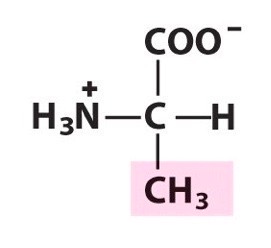
Non-polar Hydrophobic
pK_R=N/A
3
valine
Val, V
Non-polar Hydrophobic
pK_R= N/A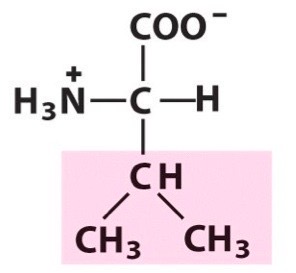
Non-polar Hydrophobic
pK_R= N/A
4
leucine
Leu. L
Non-polar Hydrophobic
pK_R= N/A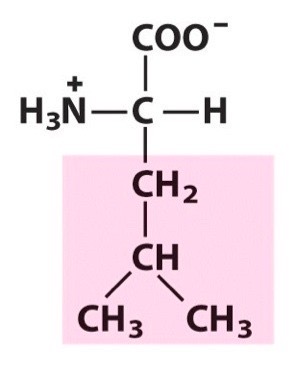
Non-polar Hydrophobic
pK_R= N/A
5
isoleucine
Ile, I
Non-polar Hydrophobic
pK_R= N/A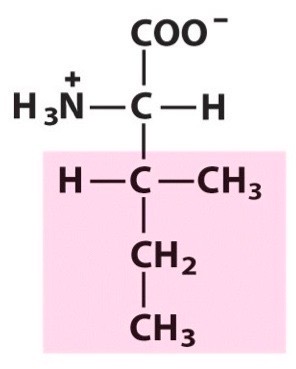
Non-polar Hydrophobic
pK_R= N/A
6
proline
Pro, P
Non-polar Hydrophobic
pK_R= N/A
Adds rigidity to polypeptide
Imino acid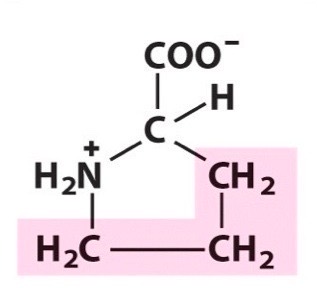
Non-polar Hydrophobic
pK_R= N/A
Adds rigidity to polypeptide
Imino acid
7
phenylalanine
Phe, F
Non-polar Hydrophobic
pK_R= N/A
Aromatic; shows up in UV-spec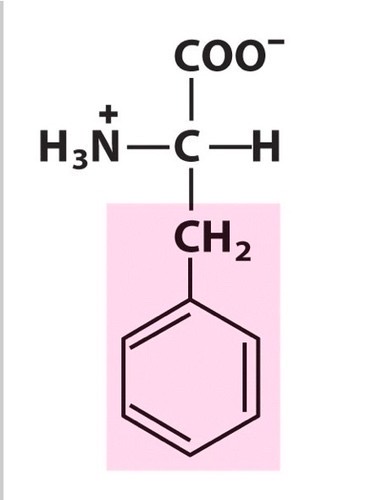
Non-polar Hydrophobic
pK_R= N/A
Aromatic; shows up in UV-spec
8
tryptophan
Trp, W
Non-polar Hydrophobic
pK_R= N/A
Aromatic; shows up most intense in UV-spec
precursor to seratonin and melatonin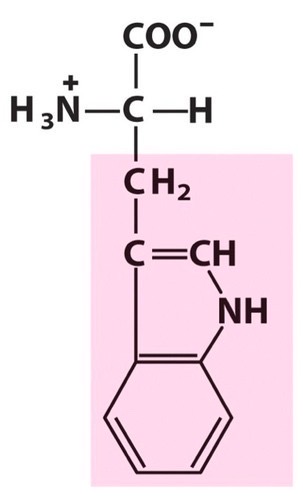
Non-polar Hydrophobic
pK_R= N/A
Aromatic; shows up most intense in UV-spec
precursor to seratonin and melatonin
9
tyrosine
Tyr, Y
Polar Hydrophilic
pK_R= 10
Phosphorylation
Aromatic; shows up on UV-spec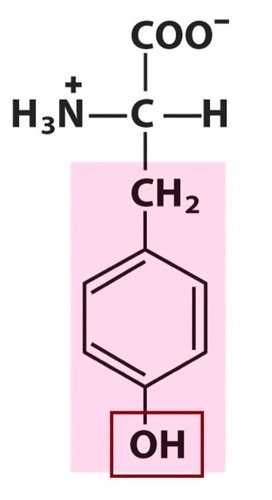
Polar Hydrophilic
pK_R= 10
Phosphorylation
Aromatic; shows up on UV-spec
10
serine
Ser, S
Polar Hydrophilic
pK_R= 13 (not easily ionized or deprotonated)
Phosphorylation on its side chain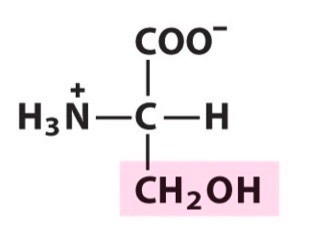
Polar Hydrophilic
pK_R= 13 (not easily ionized or deprotonated)
Phosphorylation on its side chain
11
threonine
Thr, T
Polar Hydrophilic
pK_R= 13
Phosphorylation on its side chain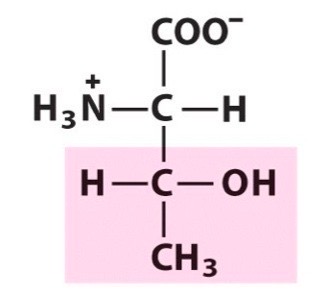
Polar Hydrophilic
pK_R= 13
Phosphorylation on its side chain
12
cysteine
Tyr, Y
Polar Hydrophilic
pK_R= 8
Disulfide bonds (tertiary/quaternary structure)
(sometimes non-polar, somewhere in between)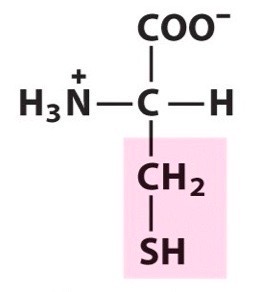
Polar Hydrophilic
pK_R= 8
Disulfide bonds (tertiary/quaternary structure)
(sometimes non-polar, somewhere in between)
13
methionine
Met, M
Non-polar Hydrophobic
pK_R= N/A (no acidic H so no disulfide bridges)
encoded by start codon AUG found in mRNA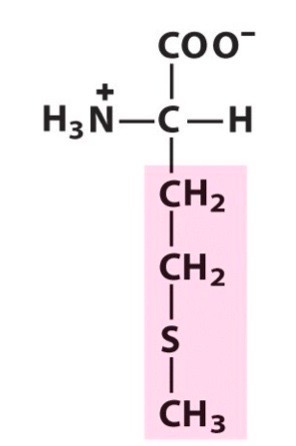
Non-polar Hydrophobic
pK_R= N/A (no acidic H so no disulfide bridges)
encoded by start codon AUG found in mRNA
14
lysine
Lys, K
Basic
pK_R= 10.5, pI= 9.5
Important role in histones; can be acetylated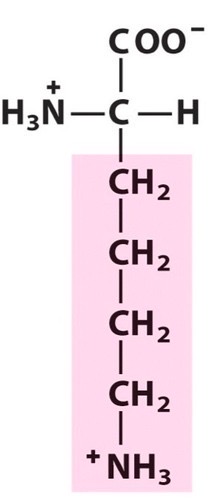
Basic
pK_R= 10.5, pI= 9.5
Important role in histones; can be acetylated
15
arginine
Arg, R
Basic
pK_R= 12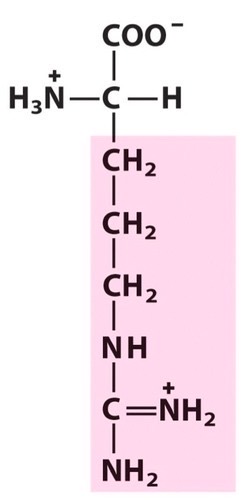
Basic
pK_R= 12
16
histidine
His, H
Basic
pK_R= 6 (neutral at phys. pH)
Imidazole functional group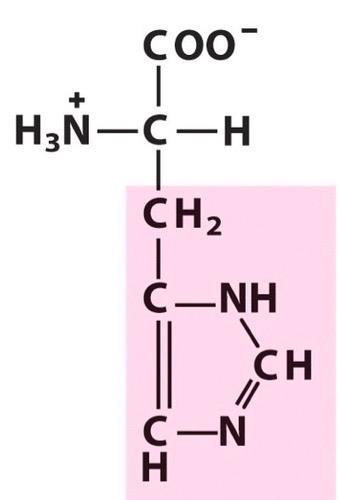
Basic
pK_R= 6 (neutral at phys. pH)
Imidazole functional group
17
aspartic acid
Asp, D
Acidic
pK_R= 4
deprotonated at phys. pH (Aspartate); net charge of -1
can form Ionic bonds, acceptor in H bonding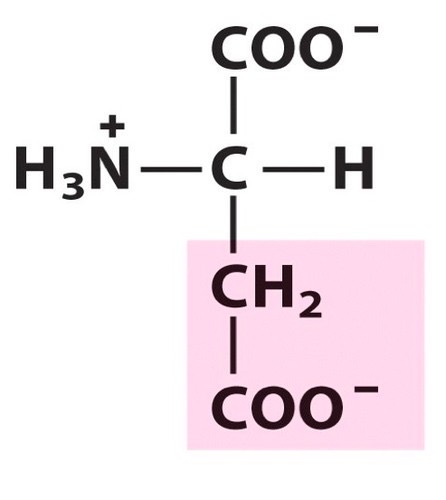
Acidic
pK_R= 4
deprotonated at phys. pH (Aspartate); net charge of -1
can form Ionic bonds, acceptor in H bonding
18
glutamic acid
Glu, E
Acidic
pK_R= 4
deprotonated at phys. pH (Glutamate); net charge of -1
can form Ionic bonds, acceptor in H bonding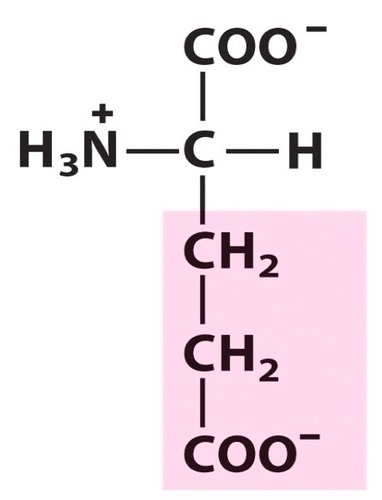
Acidic
pK_R= 4
deprotonated at phys. pH (Glutamate); net charge of -1
can form Ionic bonds, acceptor in H bonding
19
asparagine
Asn, N
Polar Hydrophilic
pK_R= N/A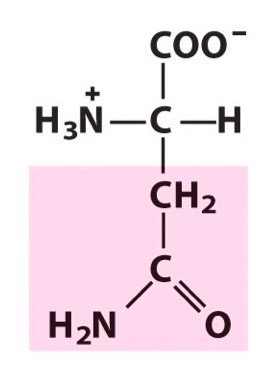
Polar Hydrophilic
pK_R= N/A
20
glutamine
Gln, Q
Polar Hydrophilic
pK_R= N/A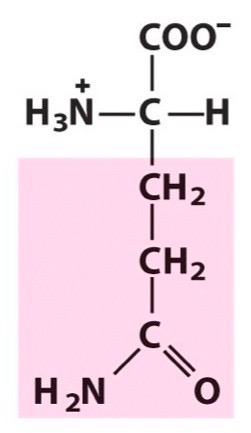
Polar Hydrophilic
pK_R= N/A
21
glucose
C6H12O6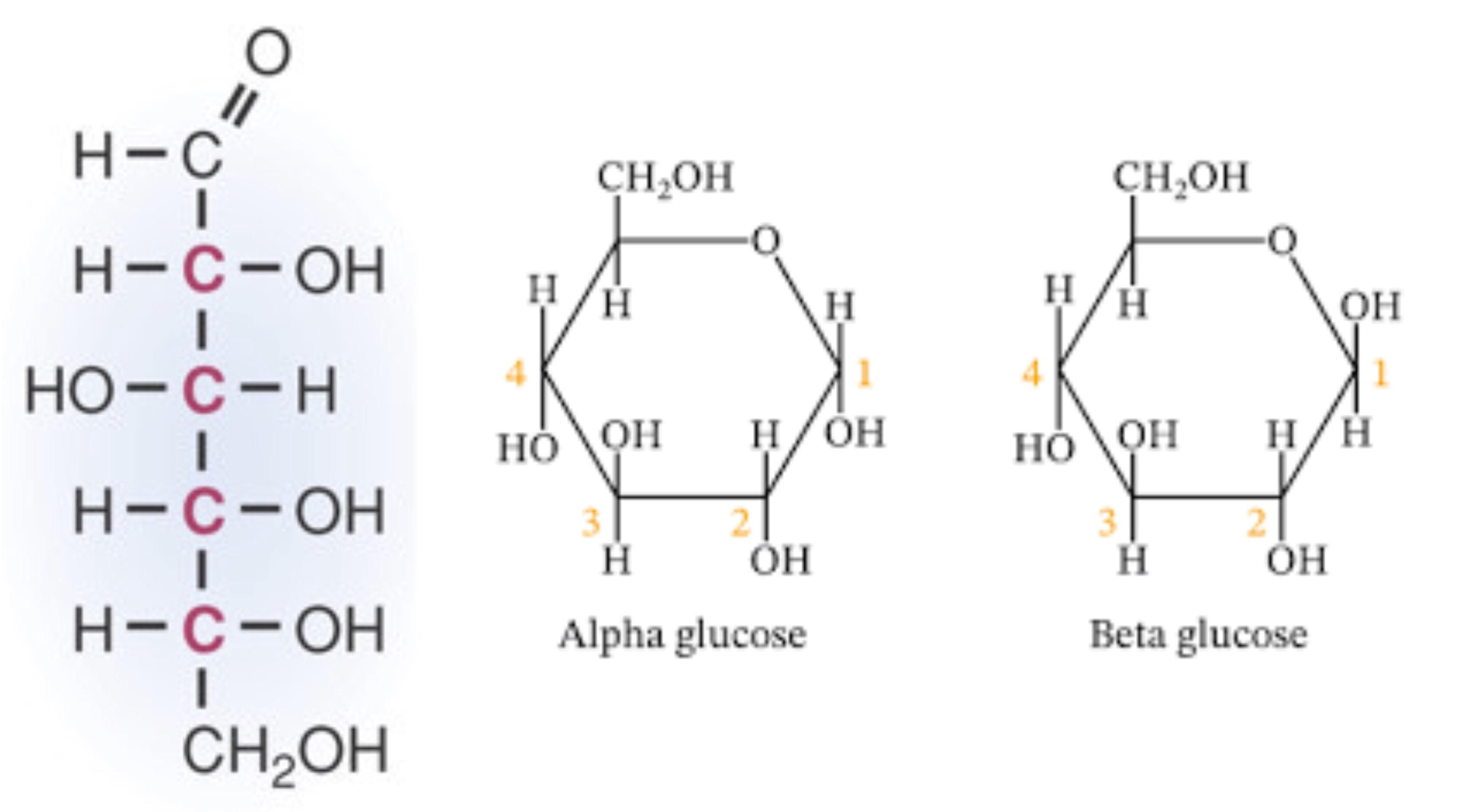
22
fructose
C6H12O6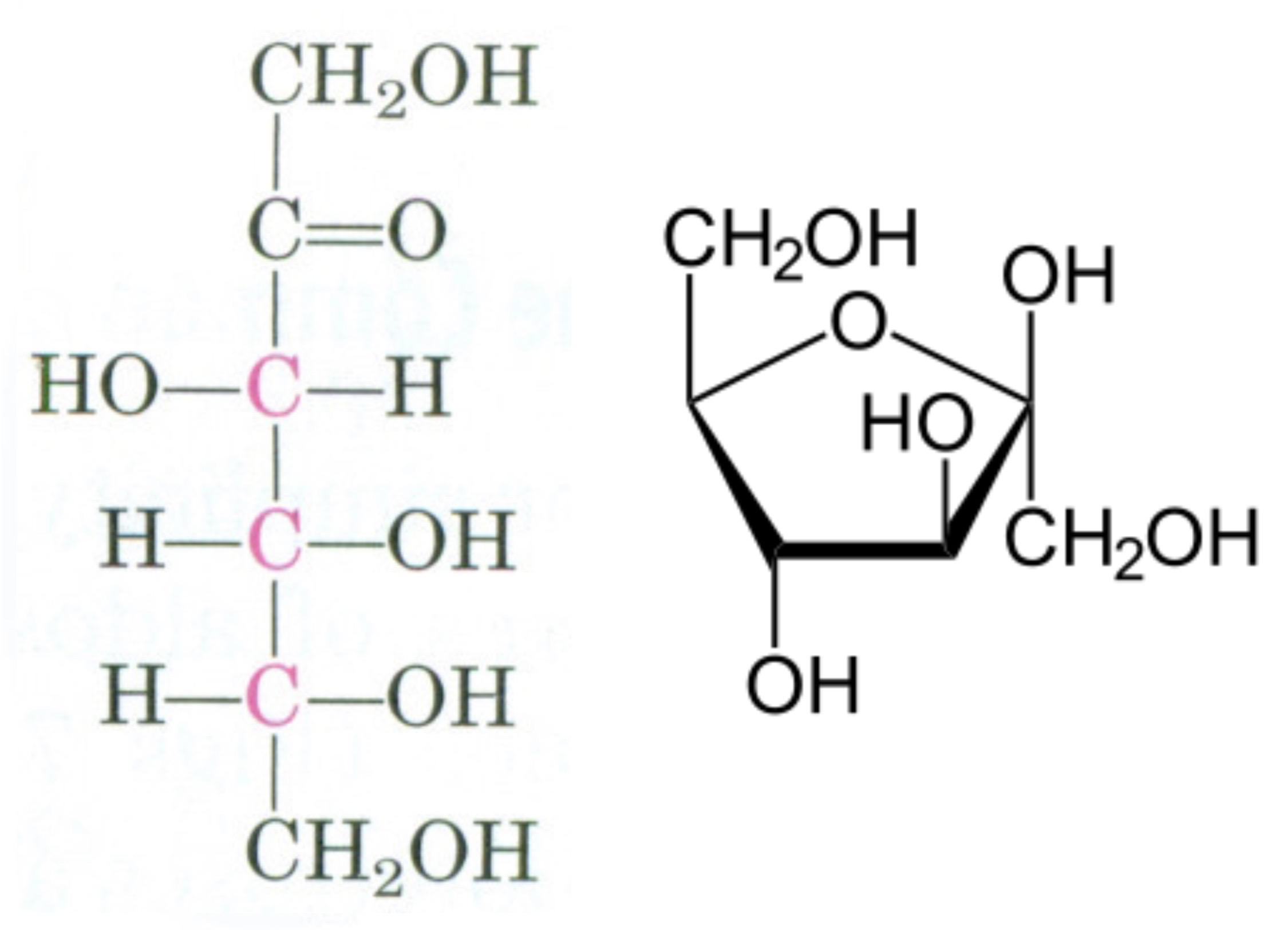
23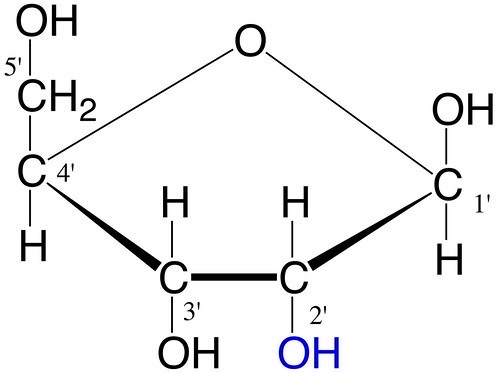
ribose
24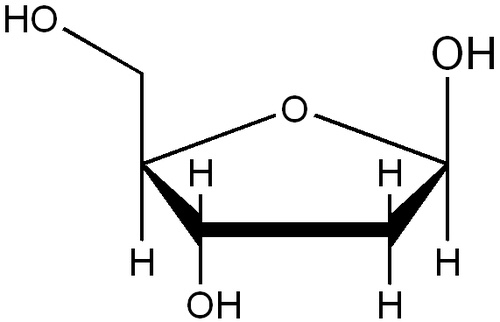
deoxyribose
25
maltose
C12H22O11 (reducing sugar)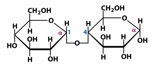
26
sucrose
C12H22O11 (non-reducing sugar)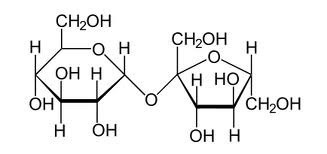
27
lactose
C12H22O11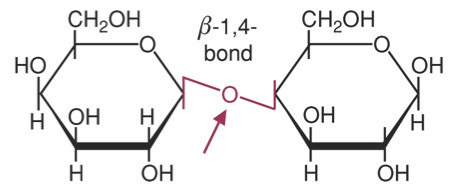
28
glycogen
C24H42O21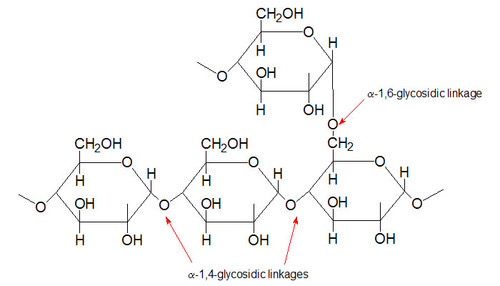
29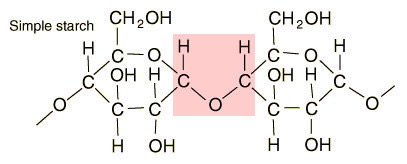
starch
30
cellulose
(C6H10O5)n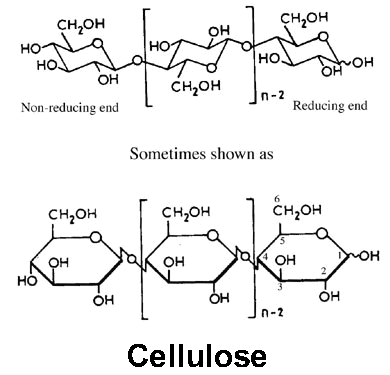
31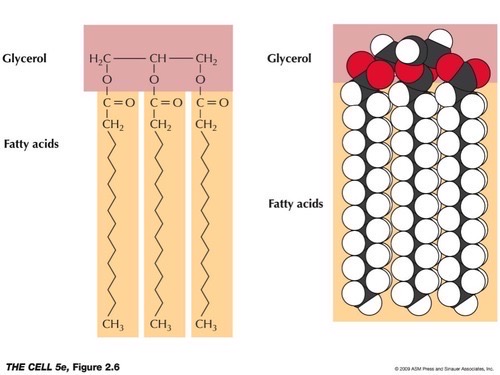
triacylglyceride
32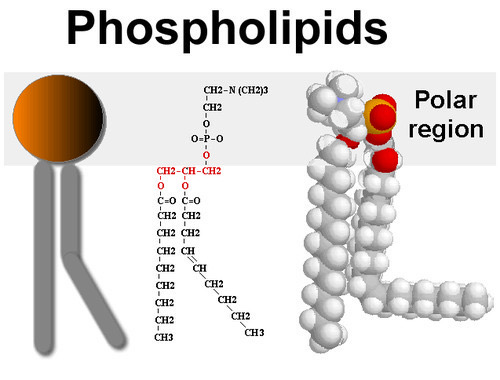
phospholipid
33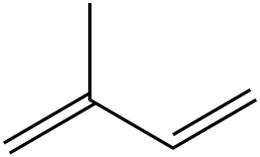
terpene
34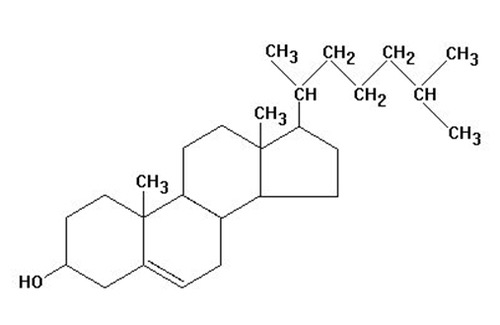
cholesterol
35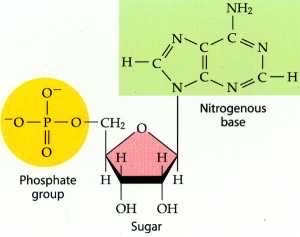
nucleotide
36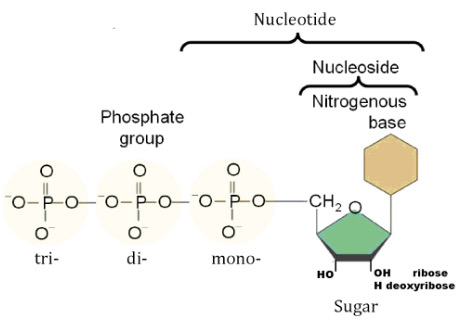
nucleoside
37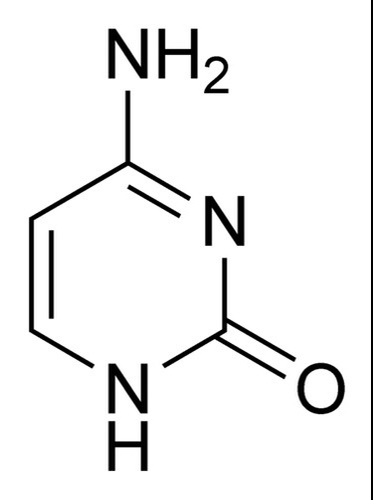
cytosine
38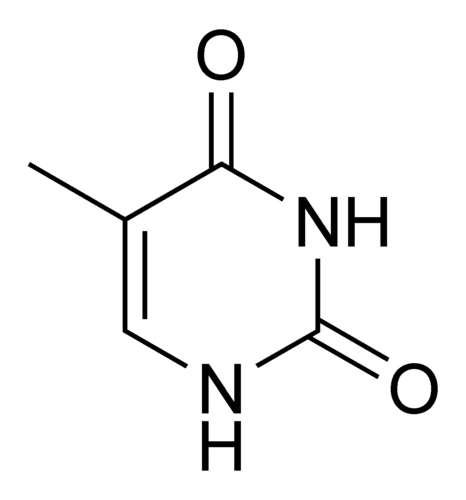
thymine
39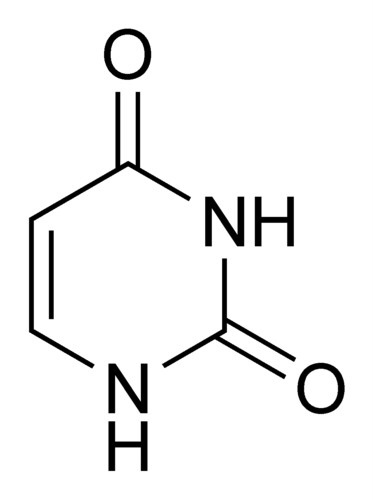
uracil
40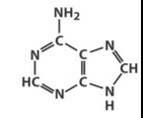
adenine
41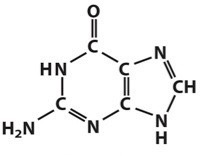
guanine
42
glucose
6 Carbons, glycolysis start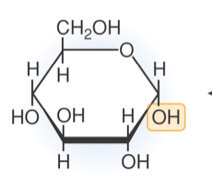
43
glucose-6-P
Glycolysis Step 1 -one way reaction, traps glucose in cell, 6 CARBONS
adds first phosphate
enzyme: Hexokinase
uses 1 ATP -> ADP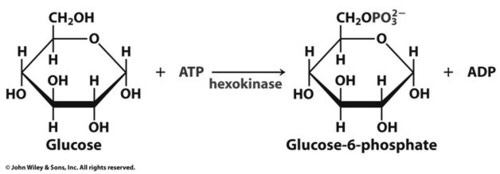
adds first phosphate
enzyme: Hexokinase
uses 1 ATP -> ADP
44
fructose-6-P
Glycolysis Step 2 -requires open/linear form intermediate to isomerase, 6 CARBONS
convert to fructose
enzyme: Phosphoglucoisomerase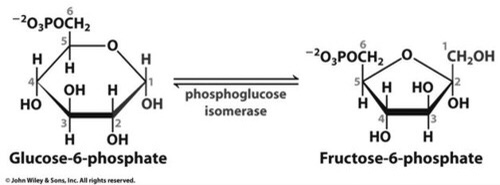
convert to fructose
enzyme: Phosphoglucoisomerase
45
fructose-1,6-P2
Glycolysis Step 3 -one way reaction, rate limiting step, 6 CARBONS
adds second phosphate
enzyme: Phosphofructokinase
uses 1 ATP -> ADP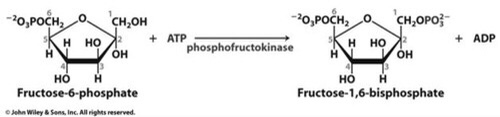
adds second phosphate
enzyme: Phosphofructokinase
uses 1 ATP -> ADP
46
glyceraldehyde-3-P (G3P or GAP)
Glycolysis Step 4 -F16BP <-> G3P and DHAP, G3P: 3 CARBONS
breaks open/linear form of fructose in half (one phosphate to each)
enzyme: Aldolase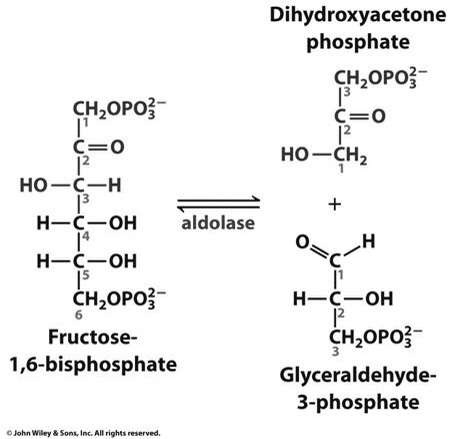
breaks open/linear form of fructose in half (one phosphate to each)
enzyme: Aldolase
47
dihydroxyacetone-P (DHAP)
Glycolysis Step 5 - this step produces a second G3P for phase 2 of glycolysis, DHAP: 3 CARBONS
reason why 1 glucose makes 2 pyruvate
enzyme: Triose Phosphate Isomerase (TPI)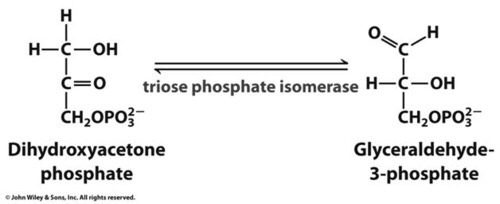
reason why 1 glucose makes 2 pyruvate
enzyme: Triose Phosphate Isomerase (TPI)
48
1,3-bisphosphoglycerate
Glycolysis Step 6 -redox reaction (first release of high energy electrons); oxodative phosphorylation (ADP + Pi), 1-3BPG: 3 CARBONS
adds a phosphate to each G3P
enzyme: Glyceraldehyde-3 Phosphate Dehydrogenase
makes 2 NADH + 2 H+ (cuz 2 G3Ps)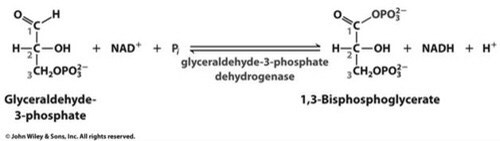
adds a phosphate to each G3P
enzyme: Glyceraldehyde-3 Phosphate Dehydrogenase
makes 2 NADH + 2 H+ (cuz 2 G3Ps)
49
3-phosphoglycerate
Glycolysis Step 7 -substrate level phosphorylation (ADP + molecule), 3PG: 3 CARBONS
extracts first phosphate to make ATP (from each 1-3BPG)
enzyme: Phosphoglycerate Kinase
makes 2 ATP (cuz 2 1-3BPGs)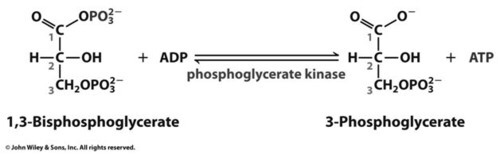
extracts first phosphate to make ATP (from each 1-3BPG)
enzyme: Phosphoglycerate Kinase
makes 2 ATP (cuz 2 1-3BPGs)
50
2-phosphoglycerate
Glycolysis Step 8 -mutate phosphate to middle C, 3 CARBONS
2-3 BPG: stable intermediate; signals HGB to bring O2
enzyme: Phosphoglycerate Mutase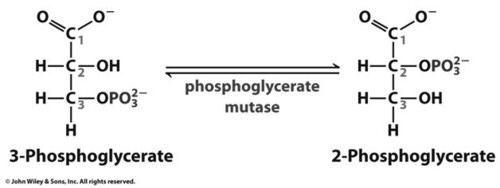
2-3 BPG: stable intermediate; signals HGB to bring O2
enzyme: Phosphoglycerate Mutase
51
phosphoenolpyruvate (PEP)
Glycolysis Step 9 - convert to enol, 3 CARBONS
enzyme: Enolase
produces 2 H2O (cuz 2 2PGs)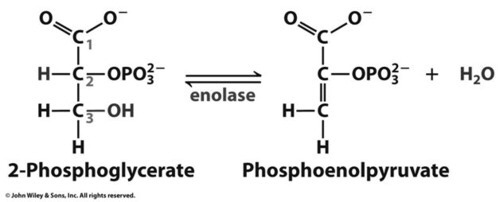
enzyme: Enolase
produces 2 H2O (cuz 2 2PGs)
52
pyruvate
Glycolysis Step 10 - one way reaction (big energy release), substrate level phosphorylation (ADP + molecule), 3 CARBONS
extract second phosphate to make ATP (from each PEP)
enzyme: Pyruvate Kinase
makes 2 ATP and 2 pyruvate (cuz 2 PEPs)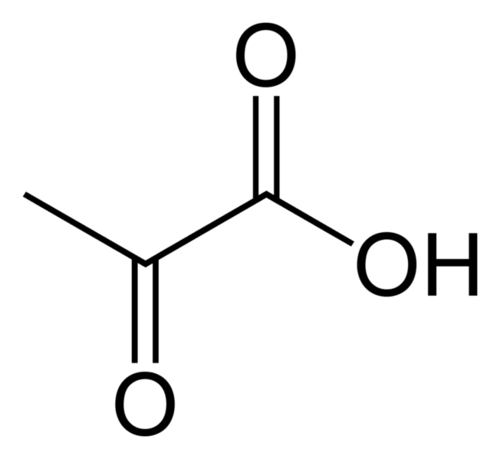
extract second phosphate to make ATP (from each PEP)
enzyme: Pyruvate Kinase
makes 2 ATP and 2 pyruvate (cuz 2 PEPs)
53
lactate
pyruvate -> lactate from fermentation
3 CARBONS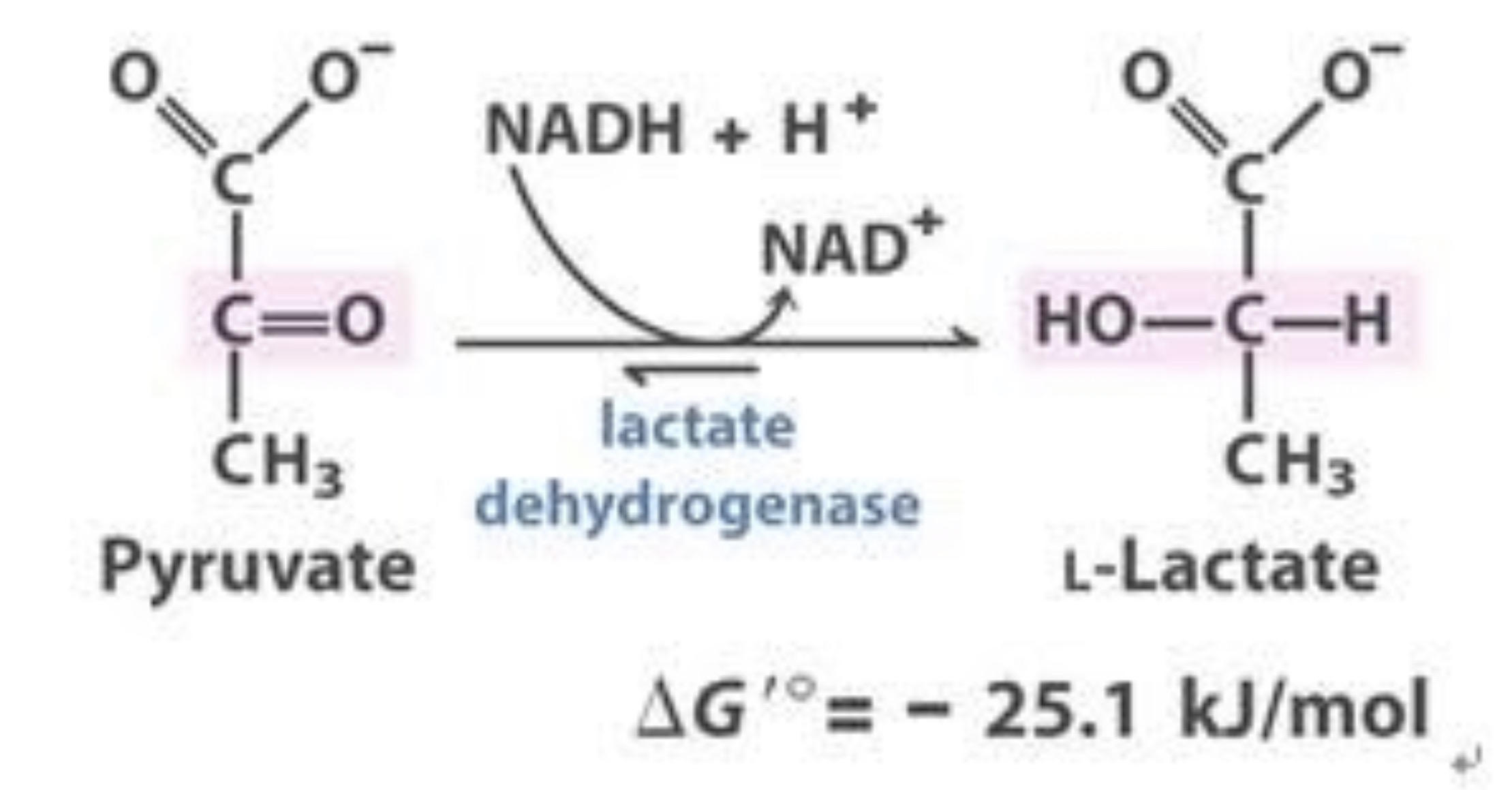
3 CARBONS
54
acetyl-CoA
Pyruvate -> Acetyl CoA during pyruvate dehydrogenase complex (PDC)
(produces NADH and CO2) (x2 since 2 pyruvate from glycolysis)
start of citric acid cycle
2 CARBONS (for ONE pyruvate)
added to oxaloacetate at start (2 + 4)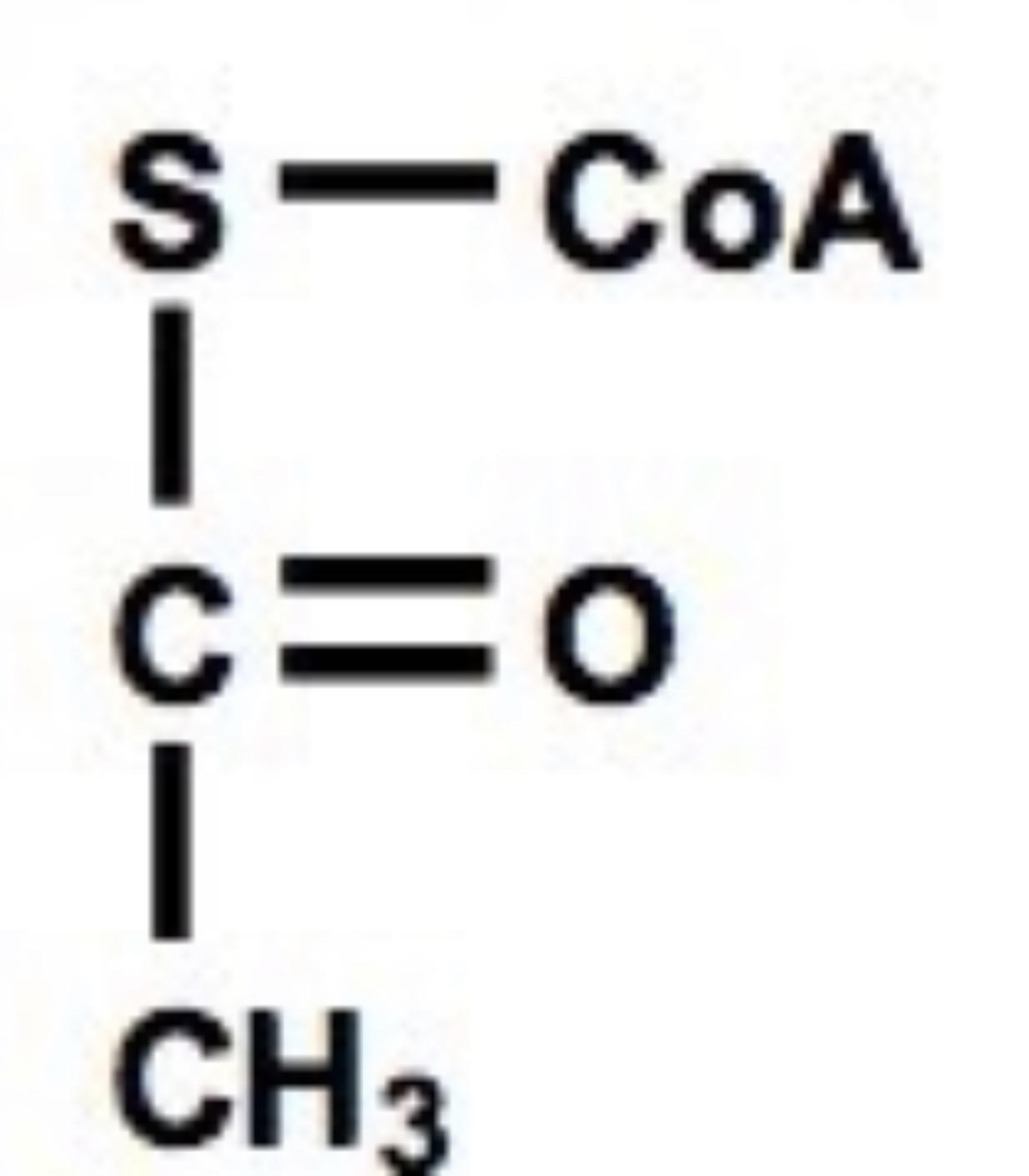
(produces NADH and CO2) (x2 since 2 pyruvate from glycolysis)
start of citric acid cycle
2 CARBONS (for ONE pyruvate)
added to oxaloacetate at start (2 + 4)
55
citrate
Step 1 Citric Acid Cycle
Acetyl CoA + Oxaloacetate -> Citrate
hydrolysis/ breaking of CoA-SH from C powers reaction
enzyme: Citrate Synthase
6 CARBONS
acetyl coA added to oxaloacetate at start (2 + 4)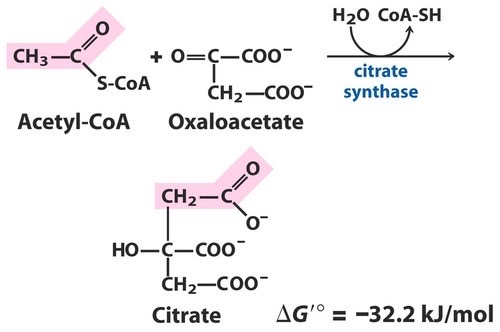
Acetyl CoA + Oxaloacetate -> Citrate
hydrolysis/ breaking of CoA-SH from C powers reaction
enzyme: Citrate Synthase
6 CARBONS
acetyl coA added to oxaloacetate at start (2 + 4)
56
isocitrate
Step 2 Citric Acid Cycle
Citrate -> Isocitrate
rearrangement - dehydration and hydration reaction with intermediate (Cis-Aconitase) in between
enzyme: Aconitase
6 CARBONS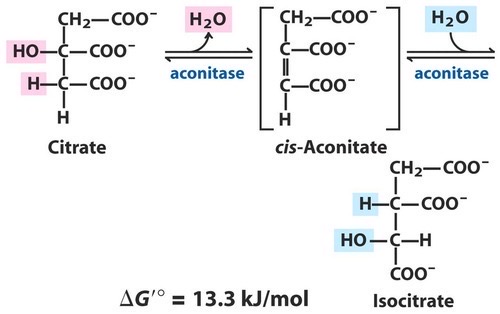
Citrate -> Isocitrate
rearrangement - dehydration and hydration reaction with intermediate (Cis-Aconitase) in between
enzyme: Aconitase
6 CARBONS
57
alpha-ketoglutarate
Step 3 Citric Acid Cycle
Isocitrate -> alpha-ketoglutarate
oxidative decarboxylation (middle carboxyl leaves), produces NADH + CO2
enzyme: Isocitrate dehydrogenase
5 CARBONS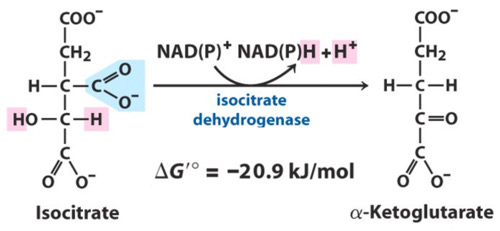
Isocitrate -> alpha-ketoglutarate
oxidative decarboxylation (middle carboxyl leaves), produces NADH + CO2
enzyme: Isocitrate dehydrogenase
5 CARBONS
58
succinyl-CoA
Step 4 Citric Acid Cycle
alpha-ketoglutarate -> Succinyl-CoA
oxidative decarboxylation (bottom carboxyl leaves, adds S-CoA in its place), produces NADH + CO2
enzyme: alpha-ketoglutarate dehydrogenase
4 CARBONS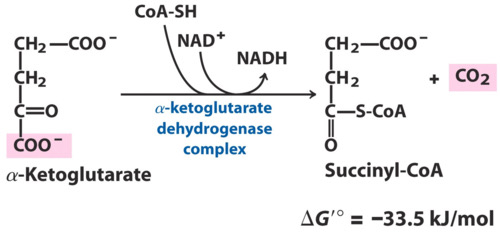
alpha-ketoglutarate -> Succinyl-CoA
oxidative decarboxylation (bottom carboxyl leaves, adds S-CoA in its place), produces NADH + CO2
enzyme: alpha-ketoglutarate dehydrogenase
4 CARBONS
59
succinate
Step 5 Citric Acid Cycle
Succinyl-CoA -> Succinate
breaking SH-CoA and C bond drives phosphorylation of GDP, produces GTP
enzyme: Succinyl-CoA synthetase
4 CARBONS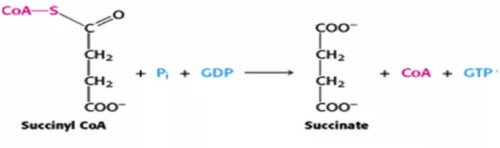
Succinyl-CoA -> Succinate
breaking SH-CoA and C bond drives phosphorylation of GDP, produces GTP
enzyme: Succinyl-CoA synthetase
4 CARBONS
60
fumarate
Step 6 Citric Acid Cycle
Succinate -> Fumarate
dehydrogenation, an H leaves from EACH of the two middle CH2s, produces FADH2
enzyme: Succinate Dehydrogenase
4 CARBONS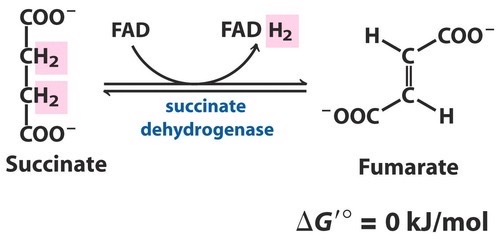
Succinate -> Fumarate
dehydrogenation, an H leaves from EACH of the two middle CH2s, produces FADH2
enzyme: Succinate Dehydrogenase
4 CARBONS
61
L-malate
Step 7 Citric Acid Cycle
Fumarate -> Malate
hydration reaction, adds H2O (lower CH gets an H and the top CH gets an OH)
enzyme: Fumarase
4 CARBONS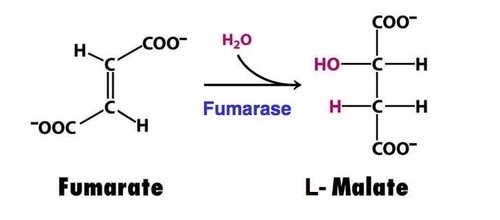
Fumarate -> Malate
hydration reaction, adds H2O (lower CH gets an H and the top CH gets an OH)
enzyme: Fumarase
4 CARBONS
62
oxaloacetate (OAA)
Step 8 Citric Acid Cycle
Malate -> Oxaloacetate
dehydrogenase reaction, produces NADH
enzyme: Malate Dehydrogenase
4 CARBONS
acetyl coA added to oxaloacetate at start (2 + 4)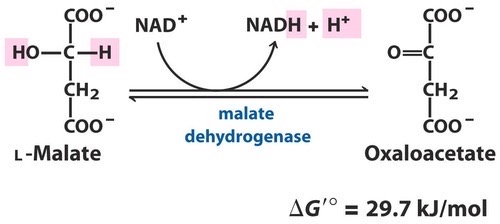
Malate -> Oxaloacetate
dehydrogenase reaction, produces NADH
enzyme: Malate Dehydrogenase
4 CARBONS
acetyl coA added to oxaloacetate at start (2 + 4)
63
NAD+/NADH
nicotinamide adenine dinucleotide 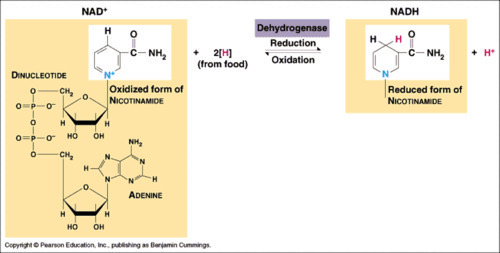
64
FAD+/FADH2
Flavin adenine dinucleotide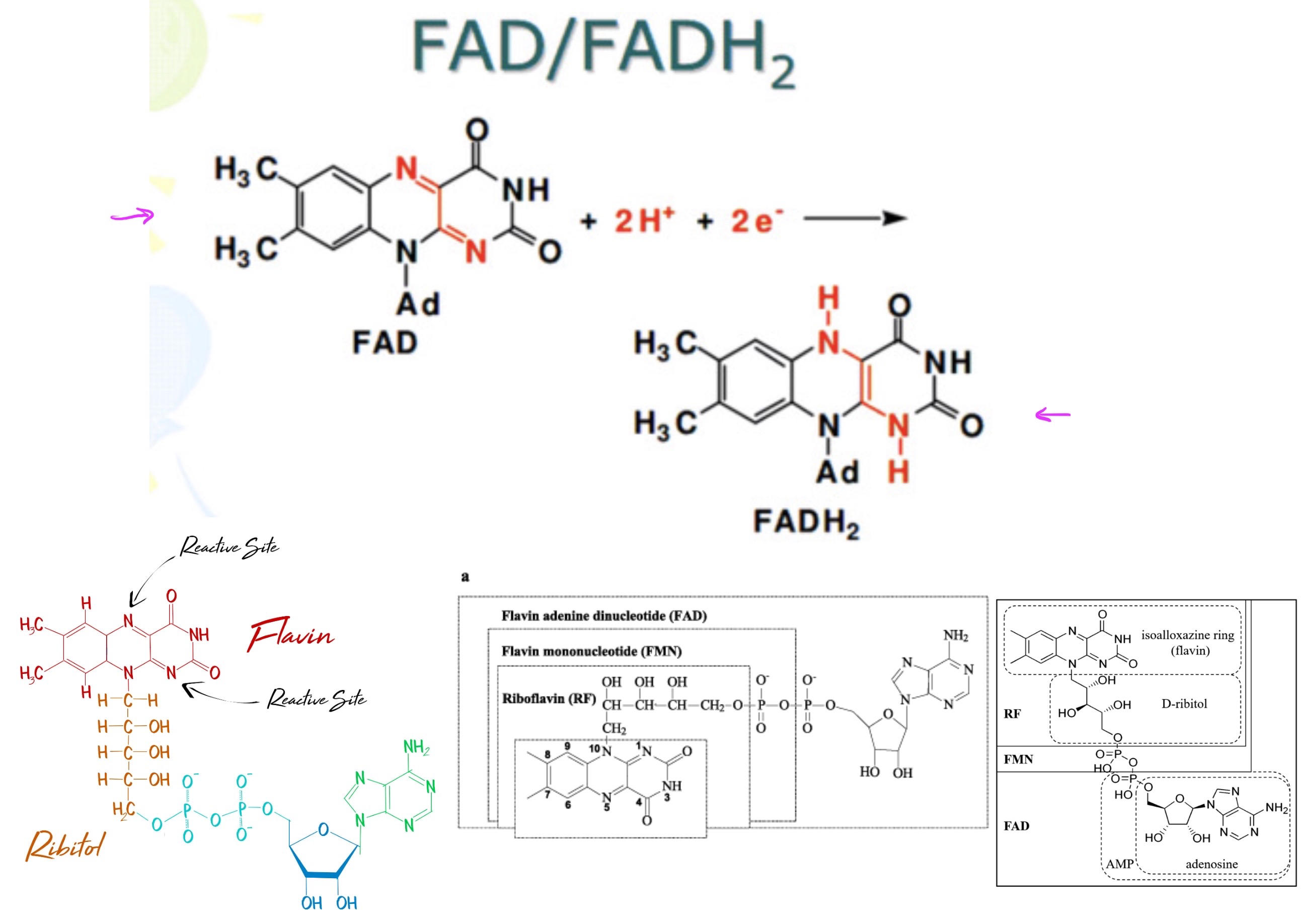
65
ATP
adenosine tri phosphate (nucleoside naming in order to know the exact number of phosphates attached)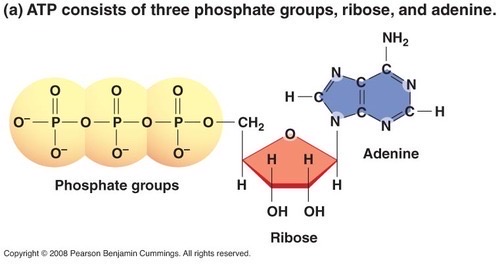
66
cAMP
cyclic adenosine mono phosphate 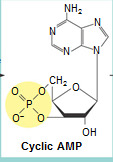
67
ribulose-5-P
end product of oxidative phase of pentose phosphate pathway (PPP) - 5 CARBONS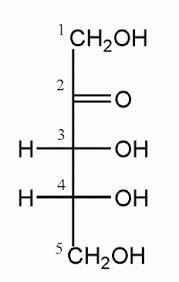
68
ribose-5-P
start of non-oxidative phase of pentose phosphate pathway (PPP) - 5 CARBONS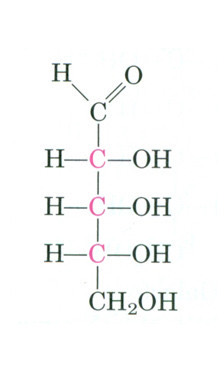
69
malonyl-CoA
regulates fatty acid synthesis (rate determining itntermediate) and oxidation (allosteric inhibitor)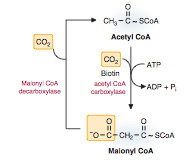
70
acetoacetate
2 Acetyl CoA combined (ketogenesis), precursor to ketones (BHB and acetone)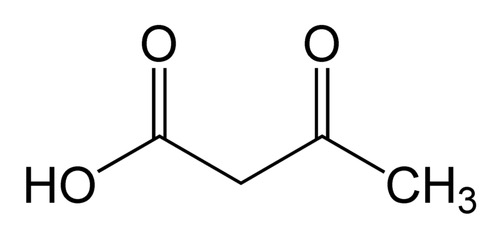
71
acetone
ketone produced by liver in ketogenesis, used in brain to regenerate acetyl-CoA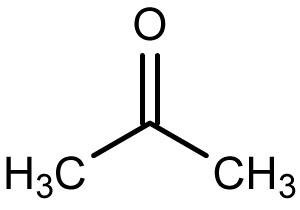
72
D-beta hydroxybutyrate
BHB, ketone produced by liver in ketogenesis, used in brain to regenerate acetyl-CoA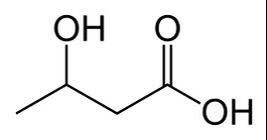
73
hydroquinone
reduced form of quinone, precursor of coenzyme Q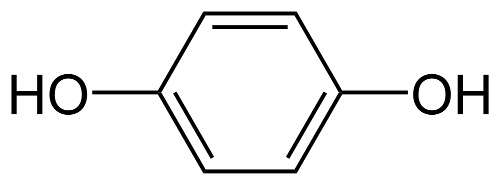
74
ubiquinone
AKA: coenzyme Q, part of the ETC; reduced by NADH to its hydroquinone form, Ubiquinol.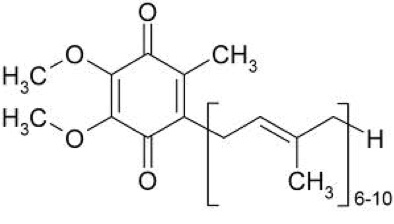
75
benzoquinone
quinone; easily reversed oxidized form of hydroquinone, precursor of coenzyme Q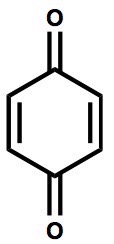
76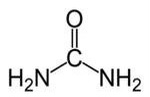
urea
77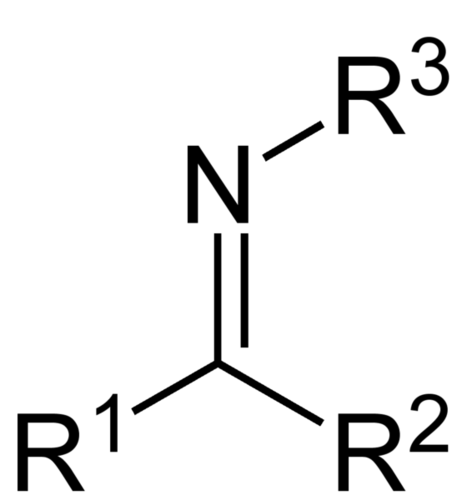
imine
78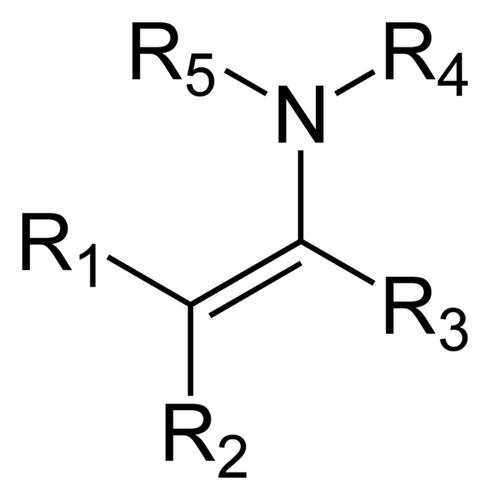
enamine
79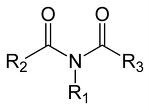
imide
80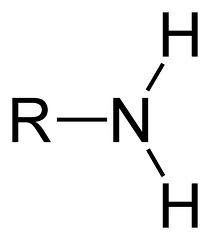
amine
81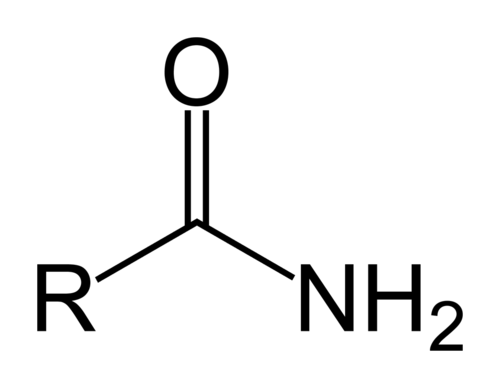
amide
82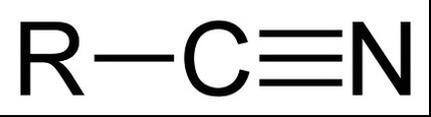
nitrile
83
azide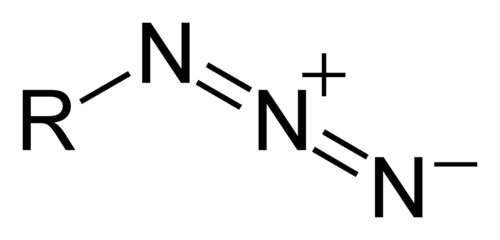
84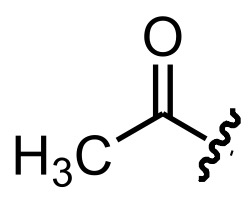
acetyl
85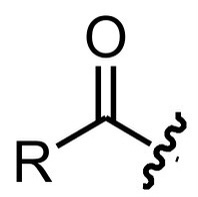
acyl
86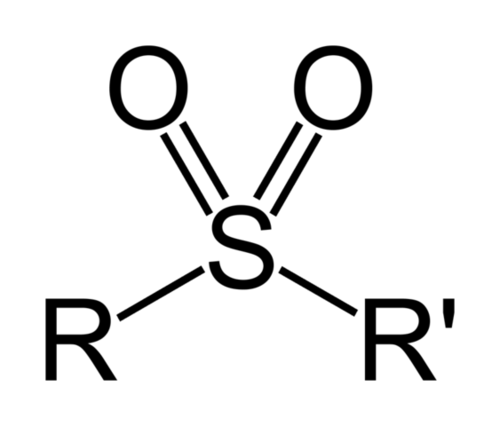
sulfonyl
87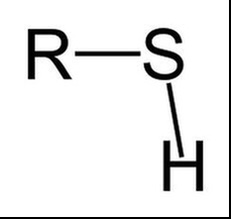
sulfhydryl
88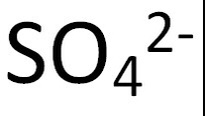
sulfate
89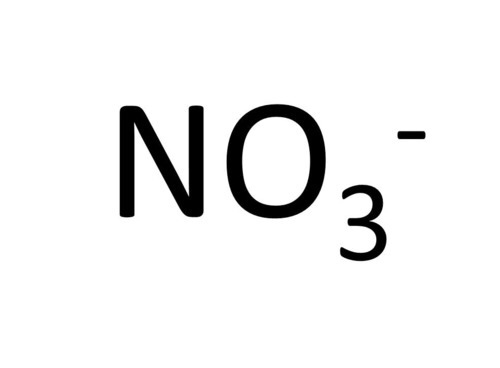
nitrate
90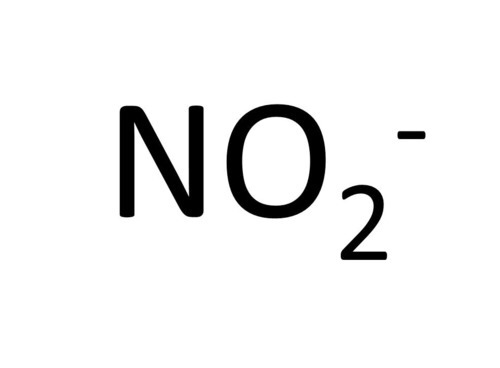
nitrite
91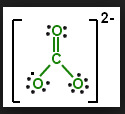
carbonate
92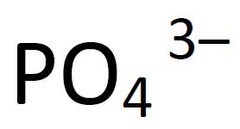
phosphate
93
acetate
picture is ethyl acetate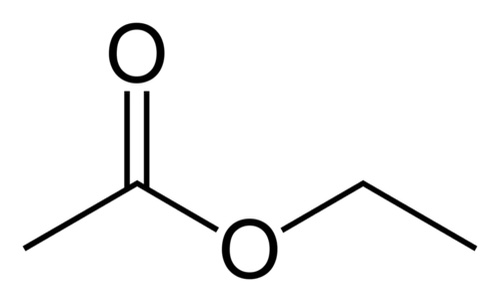
94
benzyl
"benzyl is bigger"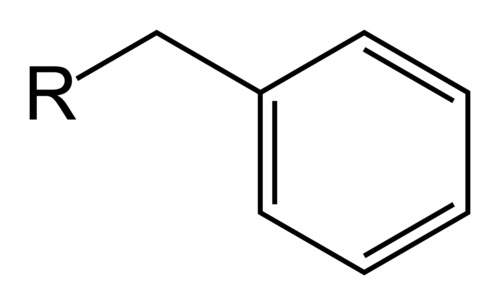
95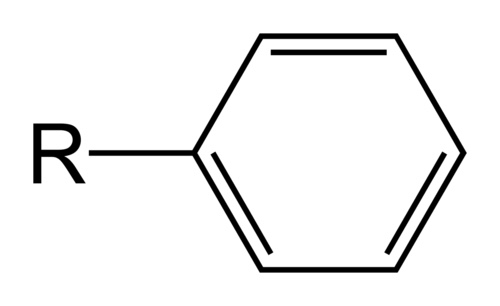
phenyl
96
pyrrole
O/N are opposite from the name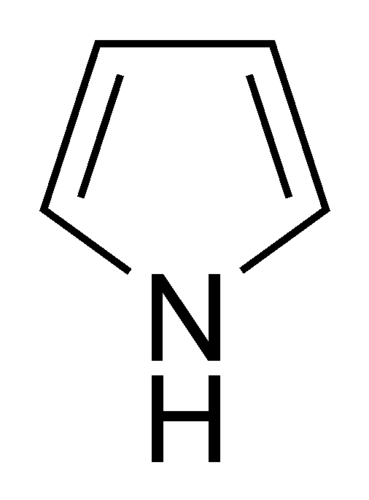
97
furan
O/N are opposite from the name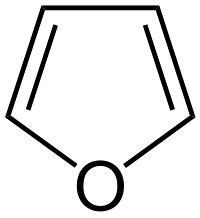
98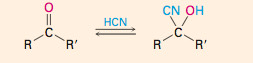
cyanohydrin
99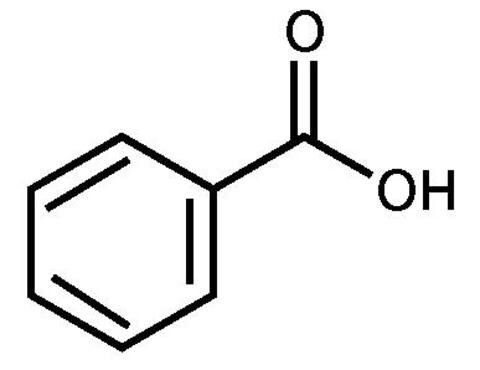
benzoic acid
100
ethanoic acid
acetic acid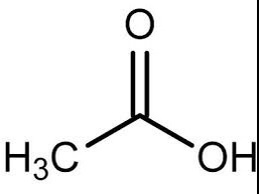
101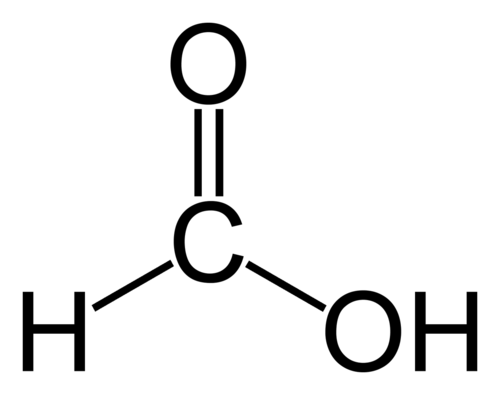
formic acid
102
acetone
103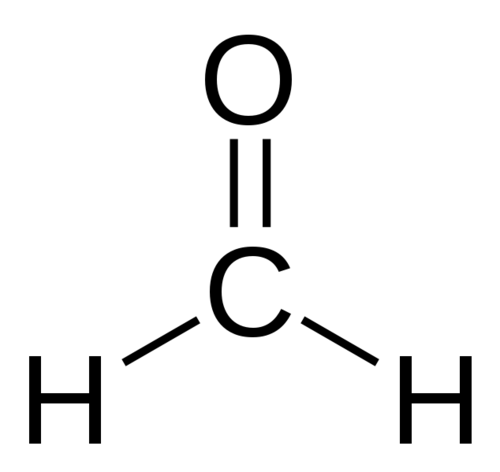
formaldehyde
104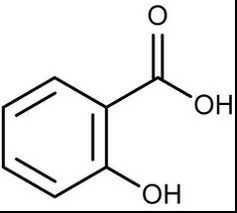
salicylic acid
105
phosphate
H3PO4
106
phosphonate/phosphorus acid
H3PO3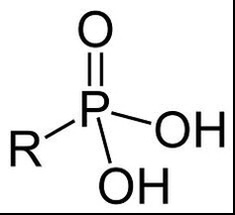
107
ammonia
108

ammonium
109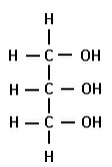
glycerol