Fastening
Study these flashcardsFree · spaced repetition · iPhone, Android, Mac & web
All cards
1
Stapler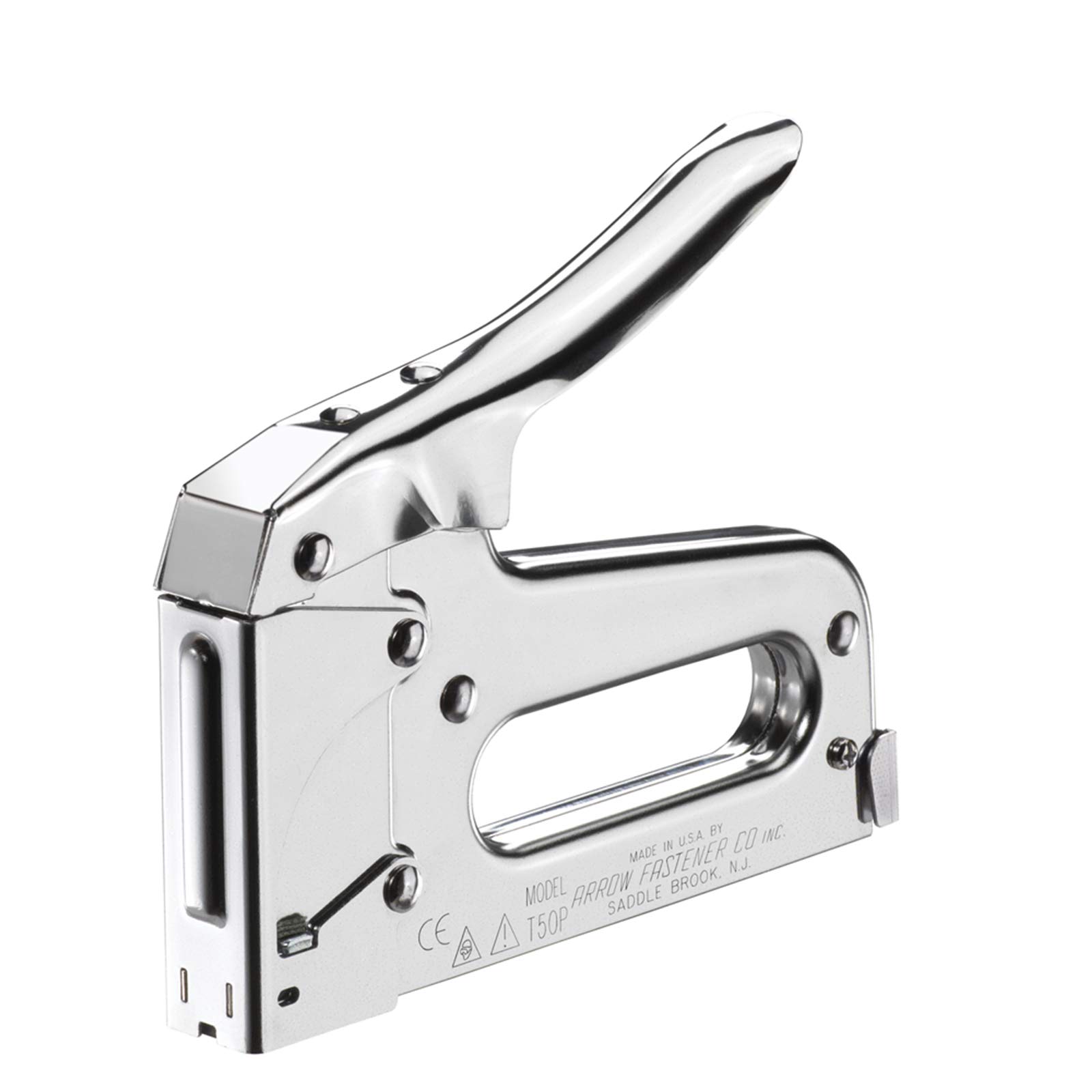
A fastening tool. Heavy-duty staplers can staple roofing felt to a roof, for instance.
2
Wrenches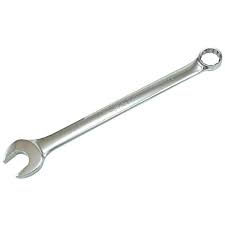
They turn nuts and bolts. The bolt or nut fits between the jaws of the wrench, and the wrench turns the bolt. Some wrenches have adjustable jaws. Not only can wrenches be used to turn nuts and bolts, but they may also be used to keep nuts and bolts stationary.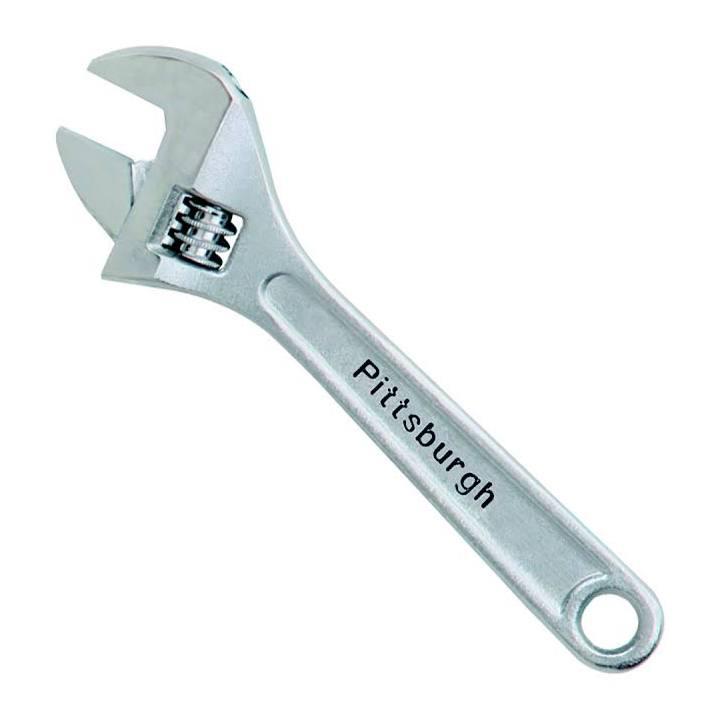
3
Box wrenches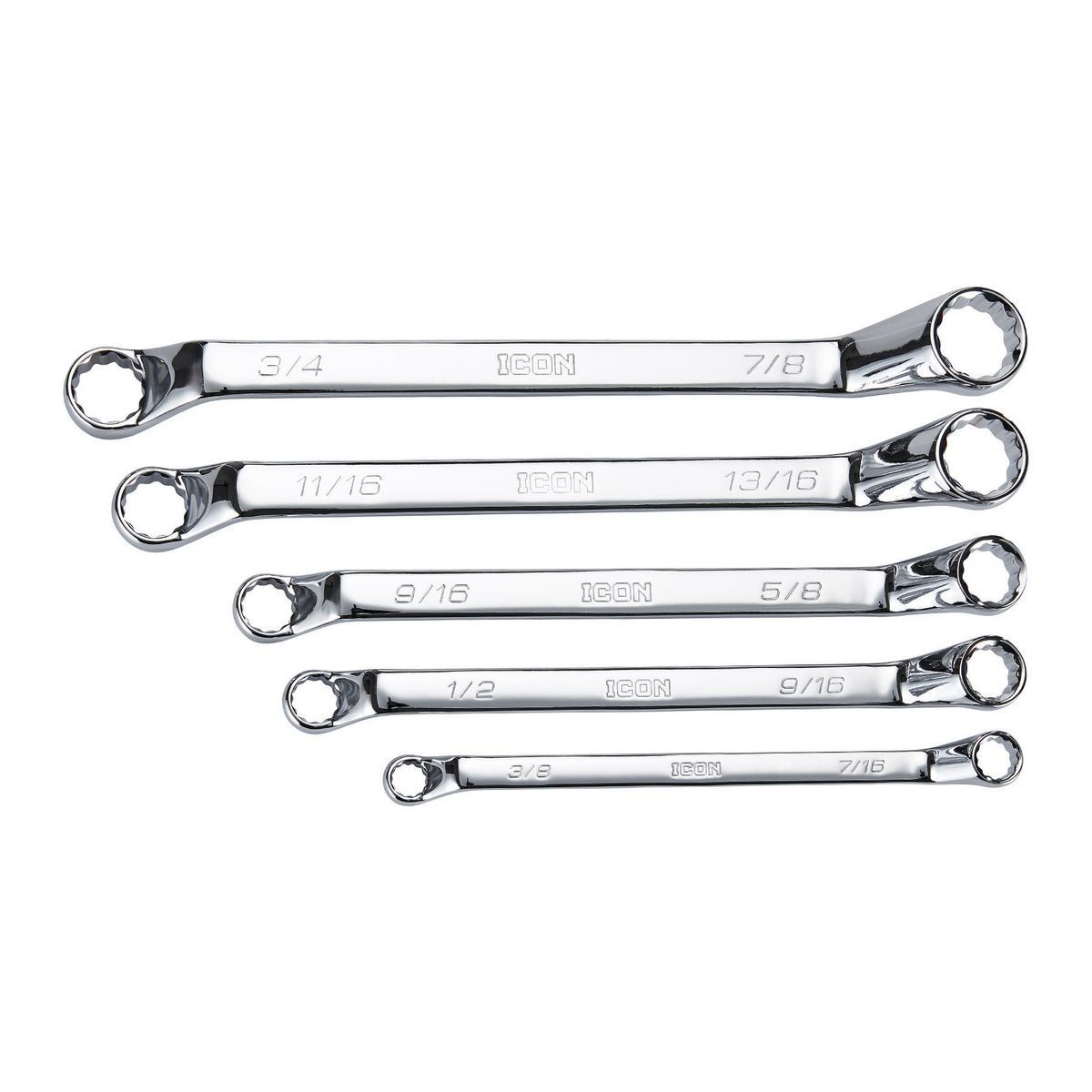
box wrenches are closed. Some wrenches have open-end jaws on one and a box wrench on the other hand.
4
Open-end wrenches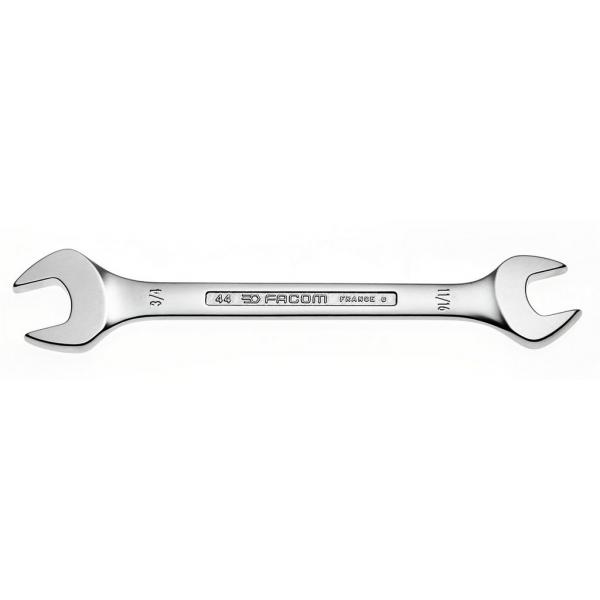
These wrenches have open jaws.
5
Socket wrenches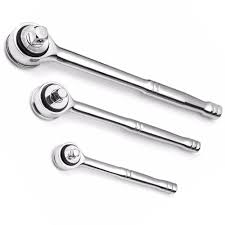
They have box-type sockets of varying sizes that can be attached to a handle, which in turn can be attached to an extension.
6
Torque wrenches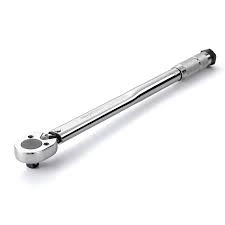
These wrenches apply measured leverage to a fastener. A torque wrench looks much like a socket wrench but has additional internal mechanisms designed to measure and limit the amount of torque (twisting force) being applied.
7
Pipe wrenches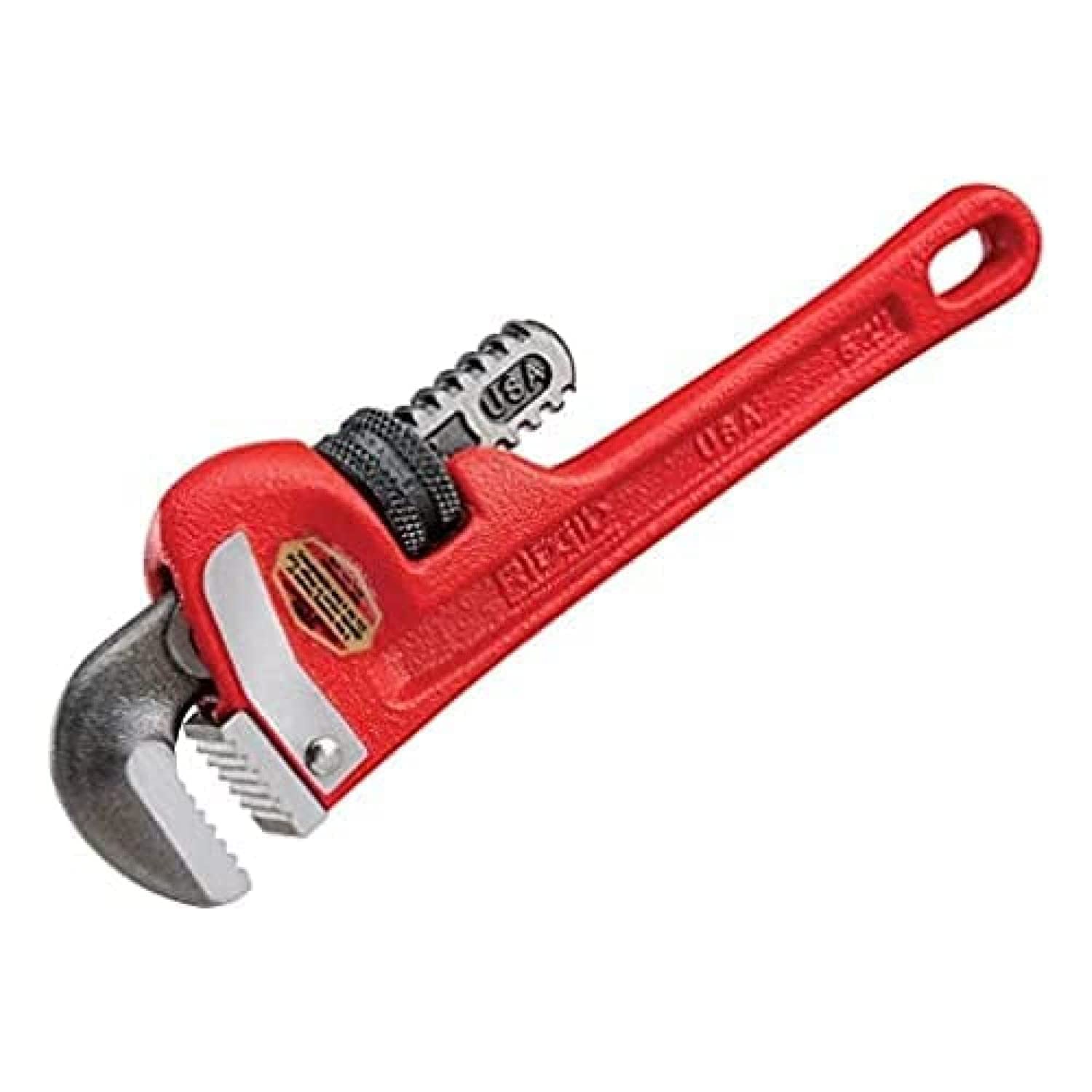
have serrated jaws and grip round objects.
8
Screwdrivers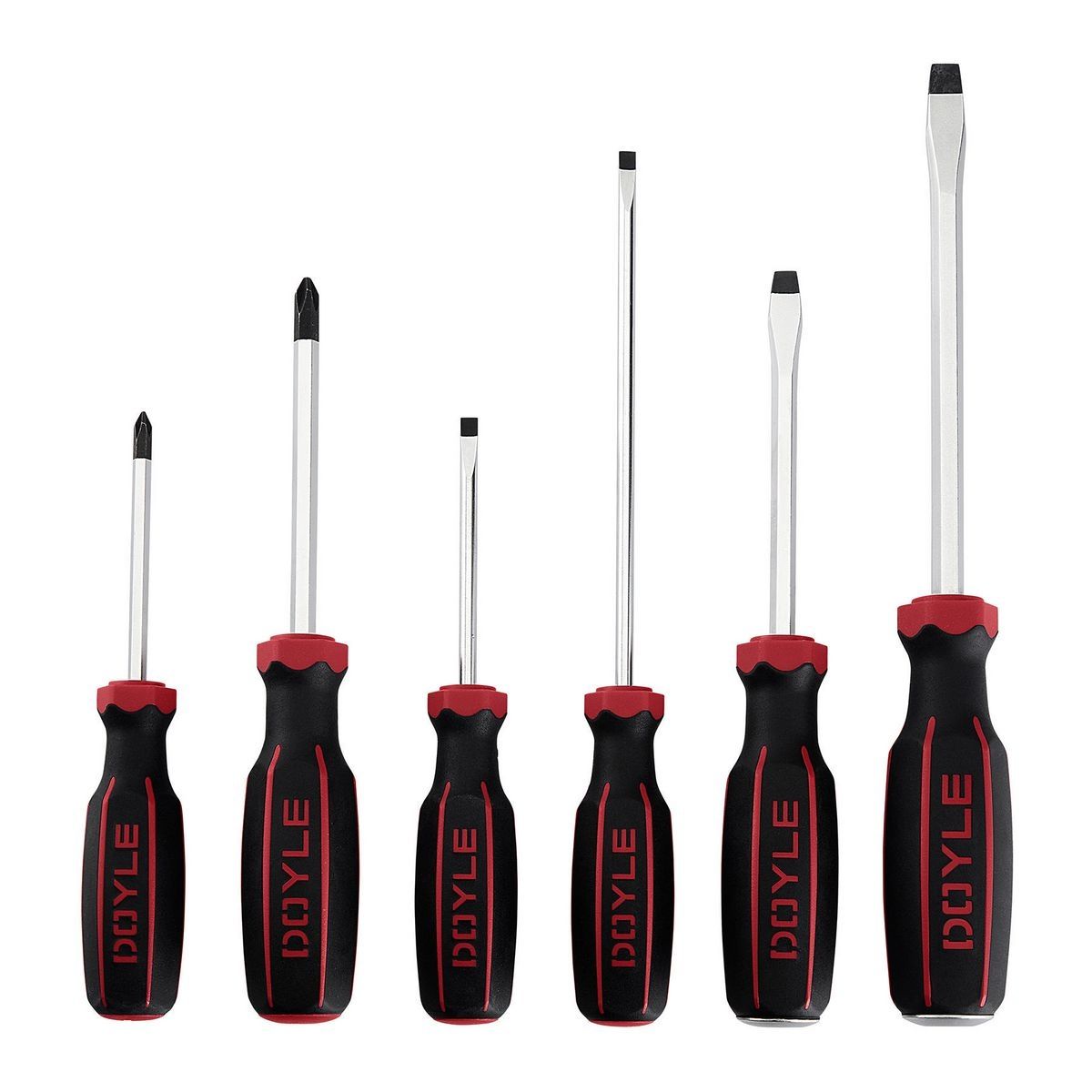
screwdriver, in the shop world, turns screws. Some special screwdrivers have different tips to fit different types of screws: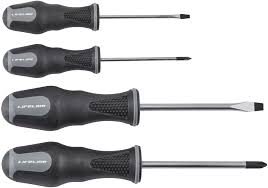
9
Allen wrench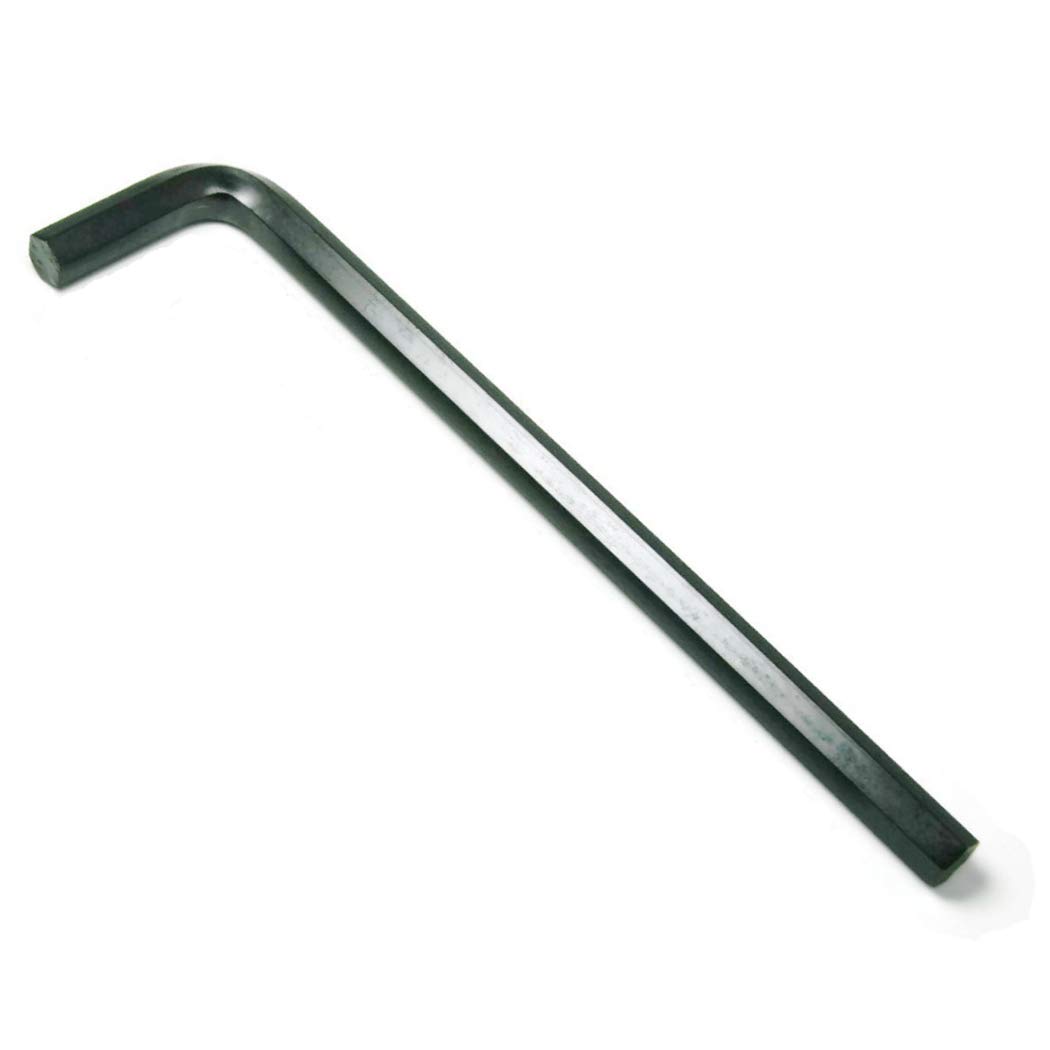
Fits hexagonal screw heads. It's used on hexagonal screws. It's sometimes also called an hexagonal key.
10
Pliers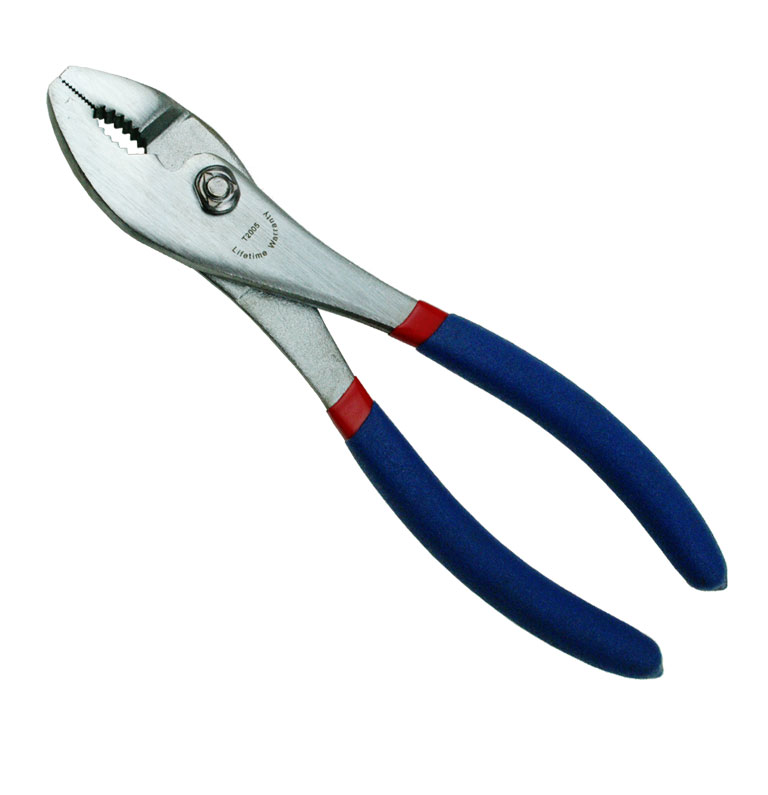
can be used to fasten and unfasten fasteners, hold objects, and cut material. When you squeeze the handles, the jaws of the pliers come together.
11
Long-nosed or needle-nosed 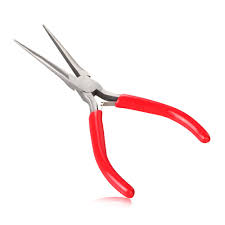
have tapered jaws that can hold small objects or fit into a small spaces.
12
Curved-nose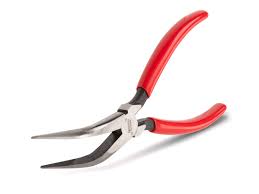
These pliers gave curved jaws.
13
Slip-joint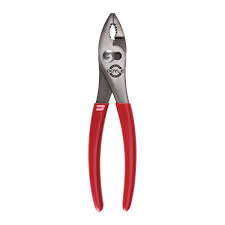
These pliers can be adjusted so the jaws open wider.
14
Wrench and vise-grip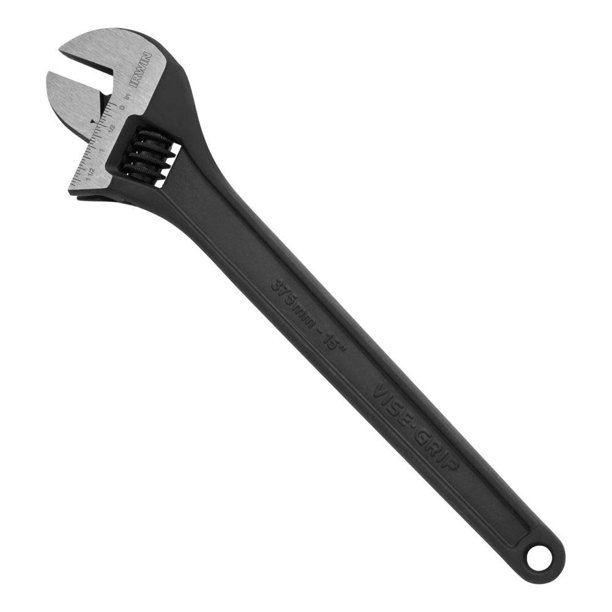
have serrated jaws that clamps onto and hold objects of all shapes. Vise-grip pliers are adjustable and can lock into a closed position.
15
Cutting 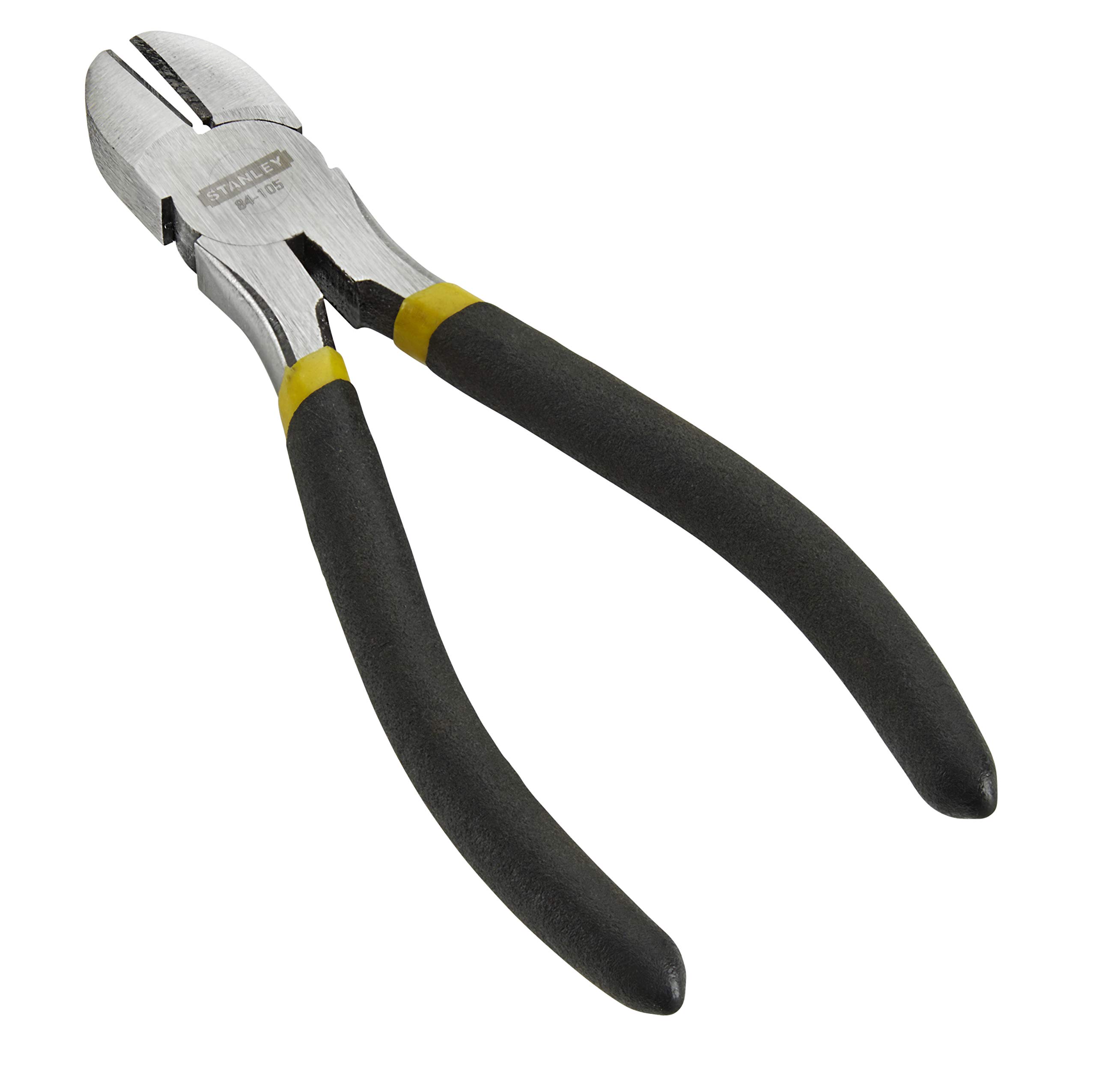
These pliers are used to cut wire.