Lecture 2 - Cardiovascular System
Study these flashcardsFree · spaced repetition · iPhone, Android, Mac & web
All cards
1
What is the primary role of circulatory systems in multicellular organisms?
To supplement diffusion with bulk transport
2
Which component of the circulatory system is responsible for moving fluids?
Pump
3
What is the function of vessels in a circulatory system?
To move fluid between the pump and body tissues
4
Which of the following correctly describes one of the components of a circulatory system?
a) Vessels carry molecules directly into cells
b) The pump regulates the flow of oxygen into the bloodstream
c) Fluid carries transported molecules and cells
d) Diffusion controls the bulk transport of nutrients
a) Vessels carry molecules directly into cells
b) The pump regulates the flow of oxygen into the bloodstream
c) Fluid carries transported molecules and cells
d) Diffusion controls the bulk transport of nutrients
c) Fluid carries transported molecules and cells
5
What percentage of blood volume is made up of plasma?
a) 35%
b) 45%
c) 55%
d) 90%
a) 35%
b) 45%
c) 55%
d) 90%
c) 55%
6
Which of the following is the most abundant type of plasma protein?
a) Hemoglobin
b) Albumin
c) Lipoproteins
d) Thrombopoietin
a) Hemoglobin
b) Albumin
c) Lipoproteins
d) Thrombopoietin
b) Albumin
7
What is the primary function of erythrocytes?
a) To fight infections
b) To transport oxygen
c) To form blood clots
d) To carry plasma proteins
a) To fight infections
b) To transport oxygen
c) To form blood clots
d) To carry plasma proteins
b) To transport oxygen
8
Which organ is responsible for removing old erythrocytes from circulation?
a) Liver
b) Kidney
c) Spleen
d) Lymph nodes
a) Liver
b) Kidney
c) Spleen
d) Lymph nodes
c) Spleen
9
What hormone stimulates the production of new erythrocytes?
a) Thrombopoietin
b) Erythropoietin
c) Insulin
d) Aldosterone
a) Thrombopoietin
b) Erythropoietin
c) Insulin
d) Aldosterone
b) Erythropoietin
10
Which cells are key components of the vertebrate immune system?
a) Erythrocytes
b) Platelets
c) Leukocytes
d) Plasma cells
a) Erythrocytes
b) Platelets
c) Leukocytes
d) Plasma cells
c) Leukocytes
11
What process is platelets primarily involved in?
a) Oxygen transport
b) Blood clotting
c) Fighting infection
d) Gas exchange
a) Oxygen transport
b) Blood clotting
c) Fighting infection
d) Gas exchange
b) Blood clotting
12
What is the function of the lymphatic system?
a) To carry oxygen to tissues
b) To remove old blood cells
c) To return excess fluid to the blood
d) To regulate heart rate
a) To carry oxygen to tissues
b) To remove old blood cells
c) To return excess fluid to the blood
d) To regulate heart rate
c) To return excess fluid to the blood
13
What is the role of capillaries in the circulatory system?
a) To transport blood from the heart to the tissues
b) To facilitate gas exchange between blood and tissues
c) To store erythrocytes
d) To regulate blood pressure
a) To transport blood from the heart to the tissues
b) To facilitate gas exchange between blood and tissues
c) To store erythrocytes
d) To regulate blood pressure
b) To facilitate gas exchange between blood and tissues
14
Which blood pressure value represents the pressure during heart contraction?
a) Systolic blood pressure
b) Diastolic blood pressure
c) Mean arterial pressure
d) Capillary pressure
a) Systolic blood pressure
b) Diastolic blood pressure
c) Mean arterial pressure
d) Capillary pressure
a) Systolic blood pressure
15
What is the main function of the heart valves?
a) To prevent blood from flowing backward
b) To pump blood into the arteries
c) To regulate the speed of blood flow
d) To control oxygen exchange
a) To prevent blood from flowing backward
b) To pump blood into the arteries
c) To regulate the speed of blood flow
d) To control oxygen exchange
a) To prevent blood from flowing backward
16
Which of the following chambers of the heart receives oxygenated blood from the lungs?
a) Right atrium
b) Left atrium
c) Right ventricle
d) Left ventricle
a) Right atrium
b) Left atrium
c) Right ventricle
d) Left ventricle
b) Left atrium
17
What is the primary purpose of coronary arteries?
a) To supply blood to the brain
b) To deliver nutrients to the lungs
c) To supply blood to the heart muscle itself
d) To carry oxygen-depleted blood to the liver
a) To supply blood to the brain
b) To deliver nutrients to the lungs
c) To supply blood to the heart muscle itself
d) To carry oxygen-depleted blood to the liver
c) To supply blood to the heart muscle itself
18
Which of the following blood vessels carries oxygenated blood?
a) Pulmonary artery
b) Pulmonary vein
c) Inferior vena cava
d) Superior vena cava
a) Pulmonary artery
b) Pulmonary vein
c) Inferior vena cava
d) Superior vena cava
b) Pulmonary vein
19
Where does gas exchange between the blood and tissues occur?
a) Arteries
b) Veins
c) Capillaries
d) Arterioles
a) Arteries
b) Veins
c) Capillaries
d) Arterioles
c) Capillaries
20
Which layer of the heart wall is primarily responsible for contracting and pumping blood?
a) Endocardium
b) Pericardium
c) Myocardium
d) Epicardium
a) Endocardium
b) Pericardium
c) Myocardium
d) Epicardium
c) Myocardium
21
During which phase of the cardiac cycle do the ventricles fill with blood?
a) Systole
b) Diastole
c) Myocardial relaxation
d) Ventricular ejection
a) Systole
b) Diastole
c) Myocardial relaxation
d) Ventricular ejection
b) Diastole
22
Which of the following blood vessels has the thickest walls to withstand high pressure?
a) Capillaries
b) Veins
c) Arteries
d) Venules
a) Capillaries
b) Veins
c) Arteries
d) Venules
c) Arteries
23
Which type of blood vessel has valves to prevent backflow of blood?
a) Capillaries
b) Veins
c) Arteries
d) Arterioles
a) Capillaries
b) Veins
c) Arteries
d) Arterioles
b) Veins
24
What is the function of the aorta?
a) To carry deoxygenated blood to the lungs
b) To transport oxygenated blood to the body
c) To remove carbon dioxide from the blood
d) To carry nutrients to the heart
a) To carry deoxygenated blood to the lungs
b) To transport oxygenated blood to the body
c) To remove carbon dioxide from the blood
d) To carry nutrients to the heart
b) To transport oxygenated blood to the body
25
Which chamber of the heart pumps oxygenated blood into the systemic circulation?
a) Right atrium
b) Left atrium
c) Right ventricle
d) Left ventricle
a) Right atrium
b) Left atrium
c) Right ventricle
d) Left ventricle
d) Left ventricle
26
Which blood vessels carry blood back to the heart?
a) Arteries
b) Veins
c) Capillaries
d) Arterioles
a) Arteries
b) Veins
c) Capillaries
d) Arterioles
b) Veins
27
What is the role of hemoglobin in red blood cells?
a) To help with blood clotting
b) To fight off infections
c) To bind and transport oxygen
d) To remove waste products
a) To help with blood clotting
b) To fight off infections
c) To bind and transport oxygen
d) To remove waste products
c) To bind and transport oxygen
28
Which heart valve separates the left atrium from the left ventricle?
a) Tricuspid valve
b) Pulmonary valve
c) Mitral (bicuspid) valve
d) Aortic valve
a) Tricuspid valve
b) Pulmonary valve
c) Mitral (bicuspid) valve
d) Aortic valve
c) Mitral (bicuspid) valve
29
What happens during ventricular systole?
a) The atria contract
b) The ventricles contract, pushing blood into the arteries
c) The ventricles relax, allowing them to fill with blood
d) The heart stops for a brief period
a) The atria contract
b) The ventricles contract, pushing blood into the arteries
c) The ventricles relax, allowing them to fill with blood
d) The heart stops for a brief period
b) The ventricles contract, pushing blood into the arteries
30
Which part of the heart receives deoxygenated blood from the body?
a) Right atrium
b) Left atrium
c) Right ventricle
d) Left ventricle
a) Right atrium
b) Left atrium
c) Right ventricle
d) Left ventricle
a) Right atrium
31
What is the function of pulmonary circulation?
a) To supply the body with oxygen
b) To carry oxygen-depleted blood to the lungs for gas exchange
c) To regulate blood pressure
d) To remove waste products from tissues
a) To supply the body with oxygen
b) To carry oxygen-depleted blood to the lungs for gas exchange
c) To regulate blood pressure
d) To remove waste products from tissues
b) To carry oxygen-depleted blood to the lungs for gas exchange
32
What happens during diastole?
a) The ventricles contract
b) The atria fill with blood
c) The heart rests and refills with blood
d) Blood is pumped into the lungs
a) The ventricles contract
b) The atria fill with blood
c) The heart rests and refills with blood
d) Blood is pumped into the lungs
c) The heart rests and refills with blood
33
Which component of blood is responsible for forming clots to stop bleeding?
a) Red blood cells
b) White blood cells
c) Platelets
d) Plasma
a) Red blood cells
b) White blood cells
c) Platelets
d) Plasma
c) Platelets
34
What is the formula for calculating Mean Arterial Pressure (MAP)?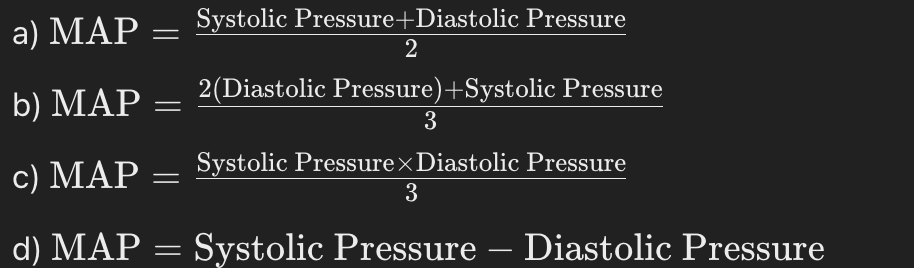
diastolic pressure + 1/3 (systolic pressure - diastolic pressure) or see pic 
35
What is the Mean Arterial Pressure (MAP) if the systolic pressure is 120 mmHg and the diastolic pressure is 80 mmHg?
a) 90 mmHg
b) 100 mmHg
c) 93.3 mmHg
d) 110 mmHg
a) 90 mmHg
b) 100 mmHg
c) 93.3 mmHg
d) 110 mmHg
c) 93.3 mmHg
36
A patient's blood pressure is 130/85 mmHg. What is the Mean Arterial Pressure (MAP)?
a) 100 mmHg
b) 95 mmHg
c) 92 mmHg
d) 90 mmHg
a) 100 mmHg
b) 95 mmHg
c) 92 mmHg
d) 90 mmHg
a) 100 mmHg
37
Why is the Mean Arterial Pressure (MAP) important?
a) It indicates the average blood pressure in the veins
b) It represents the average pressure driving blood into the tissues
c) It measures the maximum pressure during heart contraction
d) It is used to calculate heart rate
a) It indicates the average blood pressure in the veins
b) It represents the average pressure driving blood into the tissues
c) It measures the maximum pressure during heart contraction
d) It is used to calculate heart rate
b) It represents the average pressure driving blood into the tissues
38
Which of the following values of Mean Arterial Pressure (MAP) would most likely indicate hypotension?
a) 70 mmHg
b) 90 mmHg
c) 100 mmHg
d) 120 mmHg
a) 70 mmHg
b) 90 mmHg
c) 100 mmHg
d) 120 mmHg
a) 70 mmHg
39
If a patient's MAP is consistently below 60 mmHg, what could be a potential consequence?
a) Hypertension
b) Reduced perfusion to vital organs
c) Increased heart rate
d) High oxygen saturation
a) Hypertension
b) Reduced perfusion to vital organs
c) Increased heart rate
d) High oxygen saturation
b) Reduced perfusion to vital organs
40
Which of the following blood pressures would result in the highest Mean Arterial Pressure (MAP)?
a) 100/60 mmHg
b) 120/80 mmHg
c) 140/90 mmHg
d) 110/70 mmHg
a) 100/60 mmHg
b) 120/80 mmHg
c) 140/90 mmHg
d) 110/70 mmHg
c) 140/90 mmHg
41
What is hematocrit?
% of blood volume occupied by cells.
42
What is plasma?
An aqueous medium for transport of inorganic ions, gases, and organic solute.
43
What % of hematocrit if RBCs? (in normal patients)
45%
44
What % of plasma is there in normal patients?
55%
45
What % of water is there in normal patients?
90%
46
Where can you find lipoproteins?
In plasma
47
What do lipoproteins do?
carry energy lipids (triglycerides) and structural lipids (phosphlipids and cholestrol).
48
Where can you find electrolytes and hormones?
Plasma
49
What % of centrifuged blood sample is the buffy coat?
<1%
50
What does the buffy coat consist of?
Platelet and leukocytes (WBC)
51
Which WBCs are found in the buffy coat?
Leukocytes
Monocytes
Basophils
Neutrophils
Eosinophils
Monocytes
Basophils
Neutrophils
Eosinophils
52
What is the life span of an RBC?
120 days or 4 months
53
What is the shape of erythrocytes?
Biconcave discs
54
What do erythrocytes contain?
Hemoglobin
55
What is the spleen's function?
Removed old erythocytes and stores healthy erythrocytes, platelets, and lymphocytes
56
What is hemopoietic tissue?
Red bone marrow. Where erythropoiesis occurs.
57
Which cell gives rise to platelets?
megakaryocytes in bone marrow
58
What is thrombopoietin? (TPO)
regulates megakaryocyte development and platelet production.
59
Where is TPO produced?
Liver and Kidney
60
Which chamber of the heart receives oxygen-poor blood from the body?
a) Left atrium
b) Left ventricle
c) Right atrium
d) Right ventricle
a) Left atrium
b) Left ventricle
c) Right atrium
d) Right ventricle
c) Right atrium
61
After blood leaves the right ventricle, where does it go next?
a) Aorta
b) Left atrium
c) Pulmonary veins
d) Pulmonary arteries
a) Aorta
b) Left atrium
c) Pulmonary veins
d) Pulmonary arteries
d) Pulmonary arteries
62
What is the function of the pulmonary veins?
a) To carry oxygen-poor blood from the right atrium to the right ventricle
b) To return oxygen-rich blood from the lungs to the left atrium
c) To transport blood from the heart to the lungs
d) To carry blood from the left ventricle to the rest of the body
a) To carry oxygen-poor blood from the right atrium to the right ventricle
b) To return oxygen-rich blood from the lungs to the left atrium
c) To transport blood from the heart to the lungs
d) To carry blood from the left ventricle to the rest of the body
b) To return oxygen-rich blood from the lungs to the left atrium
63
Which valve separates the left atrium from the left ventricle?
a) Tricuspid valve
b) Aortic semilunar valve
c) Pulmonary semilunar valve
d) Mitral (bicuspid) valve
a) Tricuspid valve
b) Aortic semilunar valve
c) Pulmonary semilunar valve
d) Mitral (bicuspid) valve
d) Mitral (bicuspid) valve
64
What is the role of the aorta in blood circulation?
a) It transports oxygen-poor blood to the lungs
b) It carries oxygen-rich blood to the systemic circulation
c) It returns blood from the body to the heart
d) It pumps blood from the heart to the kidneys
a) It transports oxygen-poor blood to the lungs
b) It carries oxygen-rich blood to the systemic circulation
c) It returns blood from the body to the heart
d) It pumps blood from the heart to the kidneys
b) It carries oxygen-rich blood to the systemic circulation
65
Which heart chamber has the thickest wall and why?
a) Right ventricle, to pump blood to the lungs
b) Left ventricle, to pump blood throughout the body
c) Left atrium, to receive oxygenated blood from the lungs
d) Right atrium, to receive deoxygenated blood from the body
a) Right ventricle, to pump blood to the lungs
b) Left ventricle, to pump blood throughout the body
c) Left atrium, to receive oxygenated blood from the lungs
d) Right atrium, to receive deoxygenated blood from the body
b) Left ventricle, to pump blood throughout the body
66
Which vessels carry deoxygenated blood from the body to the heart?
a) Pulmonary veins
b) Pulmonary arteries
c) Superior and inferior vena cava
d) Aorta
a) Pulmonary veins
b) Pulmonary arteries
c) Superior and inferior vena cava
d) Aorta
c) Superior and inferior vena cava
67
In which order does blood flow through the heart starting from the body?
a) Right atrium → Right ventricle → Lungs → Left atrium → Left ventricle → Body
b) Right atrium → Left atrium → Right ventricle → Lungs → Left ventricle
c) Left ventricle → Right atrium → Lungs → Right ventricle → Body
d) Left atrium → Right atrium → Left ventricle → Lungs → Right ventricle
a) Right atrium → Right ventricle → Lungs → Left atrium → Left ventricle → Body
b) Right atrium → Left atrium → Right ventricle → Lungs → Left ventricle
c) Left ventricle → Right atrium → Lungs → Right ventricle → Body
d) Left atrium → Right atrium → Left ventricle → Lungs → Right ventricle
a) Right atrium → Right ventricle → Lungs → Left atrium → Left ventricle → Body
68
What is the role of the septum in the heart?
a) It allows blood to pass between the atria
b) It prevents backflow of blood between the ventricles
c) It separates the right and left sides of the heart
d) It connects the pulmonary and systemic circulations
a) It allows blood to pass between the atria
b) It prevents backflow of blood between the ventricles
c) It separates the right and left sides of the heart
d) It connects the pulmonary and systemic circulations
c) It separates the right and left sides of the heart
69
Where does oxygen exchange take place in the circulatory system?
a) In the capillaries of the lungs and body tissues
b) In the heart chambers
c) In the arteries
d) In the veins
a) In the capillaries of the lungs and body tissues
b) In the heart chambers
c) In the arteries
d) In the veins
a) In the capillaries of the lungs and body tissues
70
What is the primary function of the chordae tendineae in the heart?
A) To pump blood from the ventricles to the lungs
B) To prevent backflow of blood into the atria
C) To facilitate the conduction of electrical signals
D) To regulate the heart rate
A) To pump blood from the ventricles to the lungs
B) To prevent backflow of blood into the atria
C) To facilitate the conduction of electrical signals
D) To regulate the heart rate
B) To prevent backflow of blood into the atria
71
Which structure directly pulls on the chordae tendineae to help close the AV valves?
A) The interventricular septum
B) The sinoatrial node
C) The papillary muscles
D) The aortic arch
A) The interventricular septum
B) The sinoatrial node
C) The papillary muscles
D) The aortic arch
C) The papillary muscles
72
What can occur if the chordae tendineae are damaged?
A) Increased blood pressure in the arteries
B) Valve prolapse and regurgitation
C) Decreased heart rate
D) Improved oxygenation of the blood
A) Increased blood pressure in the arteries
B) Valve prolapse and regurgitation
C) Decreased heart rate
D) Improved oxygenation of the blood
B) Valve prolapse and regurgitation
73
During which phase of the cardiac cycle are the papillary muscles most active?
A) Diastole
B) Systole
C) Isovolumetric relaxation
D) Early diastole
A) Diastole
B) Systole
C) Isovolumetric relaxation
D) Early diastole
B) Systole
74
What is the effect of papillary muscle dysfunction on heart valves?
A) Improved valve closure
B) Increased heart rate
C) Valve insufficiency or prolapse
D) Enhanced valve opening
A) Improved valve closure
B) Increased heart rate
C) Valve insufficiency or prolapse
D) Enhanced valve opening
C) Valve insufficiency or prolapse
75
Which valve is NOT directly affected by the chordae tendineae?
A) Mitral valve
B) Tricuspid valve
C) Aortic valve
D) Pulmonary valve
A) Mitral valve
B) Tricuspid valve
C) Aortic valve
D) Pulmonary valve
C) Aortic valve
76
Do arteries have large or small radi and why?
Large radii offer little resistance to flow. Blood flows at high velocity
77
What do arteries serve as?
Pressure reservoirs
78
What does the arteries elasticity enable them to do?
Expand during ventricular systole
79
What is responsible for the continued flow of blood during diastole?
Elastic recoil is the driving force
80
How is arterial blood pressure expressed as?
fraction; systolic/distolic
81
What happens when vasocontriction in the arteries occurs?
More resistance = less blood = decreased flow through the vessel
82
What happens when Vasoldilation in the arteries occurs?
bigger diameter = less resistance = increased flow through the vessels.
83
How is the amount of blood flow received by each organ regulated?
A) By the total volume of blood pumped by the heart
B) By the number and diameter of its arterioles
C) By the speed of electrical impulses in the heart
D) By the level of oxygen in the blood
A) By the total volume of blood pumped by the heart
B) By the number and diameter of its arterioles
C) By the speed of electrical impulses in the heart
D) By the level of oxygen in the blood
B) By the number and diameter of its arterioles
84
What is the role of local (intrinsic) controls in regulating blood flow to a tissue?
A) They alter the total blood volume pumped by the heart
B) They change the radii of arterioles within the tissue
C) They modify the heart rate to adjust blood flow
D) They influence the speed of electrical conduction in the heart
A) They alter the total blood volume pumped by the heart
B) They change the radii of arterioles within the tissue
C) They modify the heart rate to adjust blood flow
D) They influence the speed of electrical conduction in the heart
B) They change the radii of arterioles within the tissue
85
What is active hyperemia and how does it affect arteriolar smooth muscle?
A) It is a response to cold exposure that causes vasoconstriction
B) It is a local metabolic change that relaxes arteriolar smooth muscle to increase blood flow
C) It is an inflammatory response that constricts blood vessels
D) It is a reaction to histamine release that decreases blood flow
A) It is a response to cold exposure that causes vasoconstriction
B) It is a local metabolic change that relaxes arteriolar smooth muscle to increase blood flow
C) It is an inflammatory response that constricts blood vessels
D) It is a reaction to histamine release that decreases blood flow
B) It is a local metabolic change that relaxes arteriolar smooth muscle to increase blood flow
86
How does histamine release affect blood vessels?
A) It causes vasoconstriction as an inflammatory response
B) It increases heart rate to enhance blood flow
C) It causes vasodilation as an inflammatory response
D) It directly affects the diameter of the arteries
A) It causes vasoconstriction as an inflammatory response
B) It increases heart rate to enhance blood flow
C) It causes vasodilation as an inflammatory response
D) It directly affects the diameter of the arteries
C) It causes vasodilation as an inflammatory response
87
What is the effect of exposure to heat or cold on blood vessels?
A) It causes changes in heart rate to regulate blood flow
B) It affects the diameter of blood vessels through direct vasoconstriction or vasodilation
C) It alters the number of arterioles in a tissue
D) It stimulates the release of histamine to control blood flow
A) It causes changes in heart rate to regulate blood flow
B) It affects the diameter of blood vessels through direct vasoconstriction or vasodilation
C) It alters the number of arterioles in a tissue
D) It stimulates the release of histamine to control blood flow
B) It affects the diameter of blood vessels through direct vasoconstriction or vasodilation
88
What is the result of stretch-induced myogenic response in blood vessels?
A) Vasodilation of the vessels
B) Vasoconstriction of the vessels
C) Increased blood flow due to relaxation of arteriolar smooth muscle
D) Decreased blood flow due to reduced vessel diameter
A) Vasodilation of the vessels
B) Vasoconstriction of the vessels
C) Increased blood flow due to relaxation of arteriolar smooth muscle
D) Decreased blood flow due to reduced vessel diameter
B) Vasoconstriction of the vessels
89
Through what process does glucose move from the capilaries and into the tissue?
Facilitated diffuion by carrier
90
What is the primary function of the lymphatic system?
A) To produce red blood cells
B) To return excess filtered fluid to the blood
C) To regulate heart rate
D) To release hormones into the bloodstream
A) To produce red blood cells
B) To return excess filtered fluid to the blood
C) To regulate heart rate
D) To release hormones into the bloodstream
To return excess filtered fluid to the blood
91
How do lymphatic vessels function within the body?
A) They form a network of two-way vessels
B) They are a network of one-way vessels
C) They connect directly to the arteries
D) They are responsible for blood clotting
A) They form a network of two-way vessels
B) They are a network of one-way vessels
C) They connect directly to the arteries
D) They are responsible for blood clotting
B) They are a network of one-way vessels
92
Where does interstitial fluid first enter the lymphatic system?
A) Through large veins
B) Into small blind-ended terminal vessels (initial lymphatics)
C) Through capillaries
D) Directly into the heart
A) Through large veins
B) Into small blind-ended terminal vessels (initial lymphatics)
C) Through capillaries
D) Directly into the heart
B) Into small blind-ended terminal vessels (initial lymphatics)
93
Where do lymph vessels ultimately drain their contents?
A) Into the pulmonary veins
B) Into the venous system near the heart
C) Directly into the lungs
D) Into the digestive tract
A) Into the pulmonary veins
B) Into the venous system near the heart
C) Directly into the lungs
D) Into the digestive tract
B) Into the venous system near the heart
94
What role do lymph nodes play in the lymphatic system?
A) They aid in the absorption of nutrients
B) They serve as a site for red blood cell production
C) They assist in immune defense against disease
D) They regulate blood pressure
A) They aid in the absorption of nutrients
B) They serve as a site for red blood cell production
C) They assist in immune defense against disease
D) They regulate blood pressure
C) They assist in immune defense against disease
95
How do lymph vessels contribute to digestion?
A) By filtering out toxins from the blood
B) By absorbing fat from the digestive tract
C) By producing digestive enzymes
D) By regulating blood sugar levels
A) By filtering out toxins from the blood
B) By absorbing fat from the digestive tract
C) By producing digestive enzymes
D) By regulating blood sugar levels
B) By absorbing fat from the digestive tract
96
Is the lymphatic system an open or closed system?
Open
97
What type of cells can be found in lymph nodes?
T-cells and B-cells
98
What is considered a secondary lymphoid organ?
lymph nodes and spleen
99
What is considered primary lymphoid organ?
thymus - t cells
bone marrow - b-cells
bone marrow - b-cells
100
Which gland secretes Antidiuretic Hormone (ADH)?
A) Anterior pituitary
B) Posterior pituitary
C) Thyroid gland
D) Adrenal gland
A) Anterior pituitary
B) Posterior pituitary
C) Thyroid gland
D) Adrenal gland
B) Posterior pituitary
101
What triggers the secretion of Antidiuretic Hormone (ADH)?
A) High blood glucose levels
B) Low blood volume and/or increased blood osmolarity
C) High blood pressure
D) Increased oxygen levels in the blood
A) High blood glucose levels
B) Low blood volume and/or increased blood osmolarity
C) High blood pressure
D) Increased oxygen levels in the blood
B) Low blood volume and/or increased blood osmolarity
102
What is the primary effect of Antidiuretic Hormone (ADH) on the kidneys?
A) Increases sodium excretion
B) Decreases potassium reabsorption
C) Increases water retention
D) Decreases urine production
A) Increases sodium excretion
B) Decreases potassium reabsorption
C) Increases water retention
D) Decreases urine production
C) Increases water retention
103
How does Antidiuretic Hormone (ADH) help to maintain blood volume?
A) By increasing the rate of urine production
B) By promoting the release of aldosterone
C) By reducing further reduction in blood volume through increased water retention
D) By decreasing the absorption of water in the intestines
A) By increasing the rate of urine production
B) By promoting the release of aldosterone
C) By reducing further reduction in blood volume through increased water retention
D) By decreasing the absorption of water in the intestines
C) By reducing further reduction in blood volume through increased water retention
104
Which gland secretes aldosterone?
A) Posterior pituitary
B) Anterior pituitary
C) Adrenal cortex
D) Thyroid gland
A) Posterior pituitary
B) Anterior pituitary
C) Adrenal cortex
D) Thyroid gland
C) Adrenal cortex
105
What triggers the secretion of aldosterone?
A) High blood glucose levels
B) Low blood pressure and low blood flow to the kidneys
C) Increased blood osmolarity
D) High blood calcium levels
A) High blood glucose levels
B) Low blood pressure and low blood flow to the kidneys
C) Increased blood osmolarity
D) High blood calcium levels
B) Low blood pressure and low blood flow to the kidneys
106
What is the primary effect of aldosterone on the kidneys?
A) Decreases the reabsorption of water and salt
B) Increases the excretion of potassium
C) Increases the reabsorption of both water and salt
D) Reduces urine production
A) Decreases the reabsorption of water and salt
B) Increases the excretion of potassium
C) Increases the reabsorption of both water and salt
D) Reduces urine production
C) Increases the reabsorption of both water and salt
107
How does aldosterone help maintain blood volume and pressure?
A) By decreasing the absorption of water in the intestines
B) By increasing the production of urine to reduce blood volume
C) By increasing the reabsorption of water and salt to prevent a reduction in blood volume
D) By stimulating the release of Antidiuretic Hormone (ADH)
A) By decreasing the absorption of water in the intestines
B) By increasing the production of urine to reduce blood volume
C) By increasing the reabsorption of water and salt to prevent a reduction in blood volume
D) By stimulating the release of Antidiuretic Hormone (ADH)
C) By increasing the reabsorption of water and salt to prevent a reduction in blood volume
108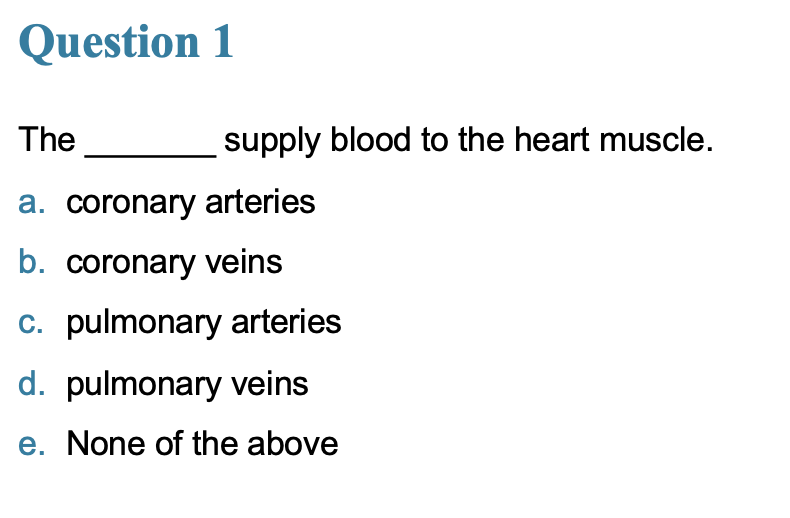
A
109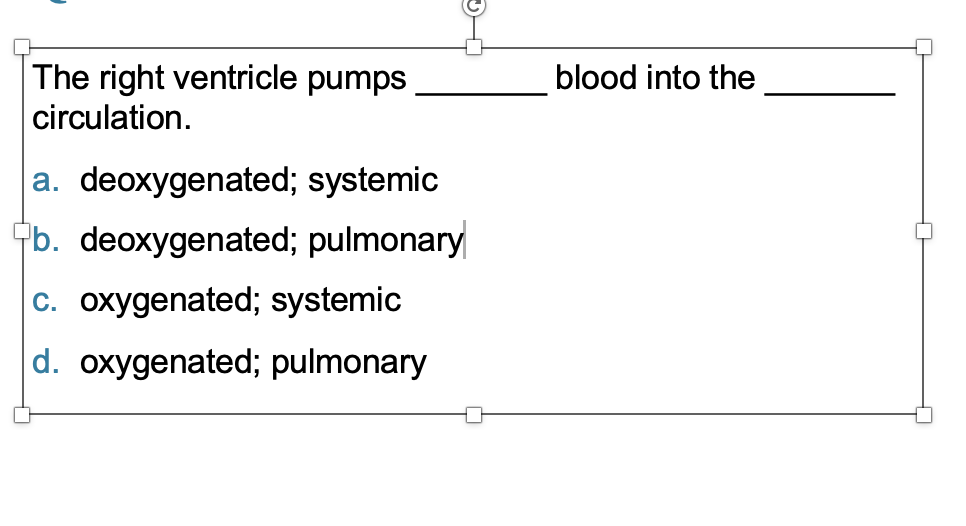
B
110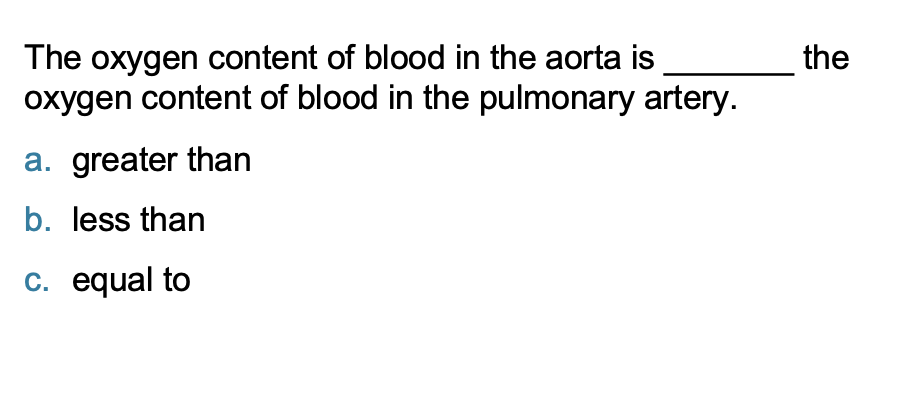
A
111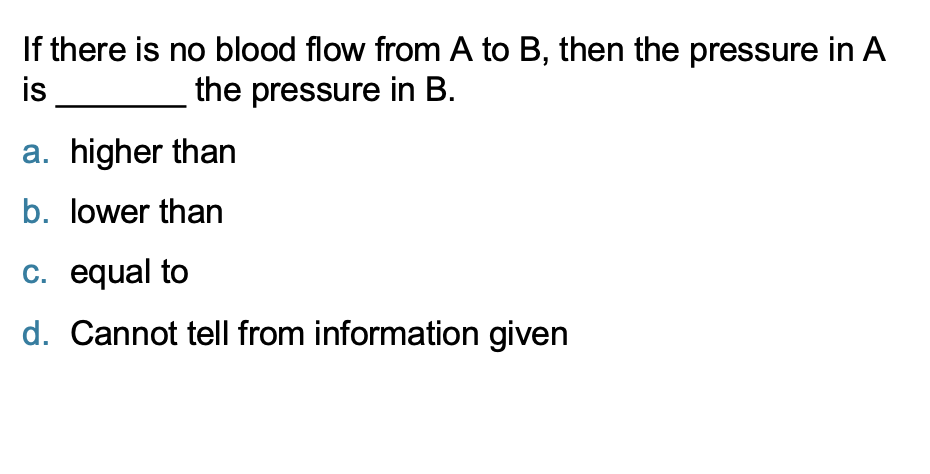
C.
112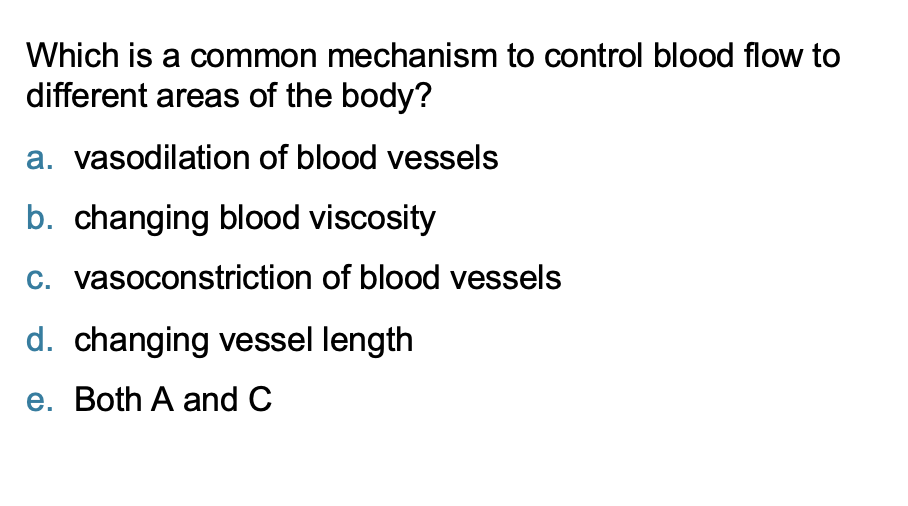
E.
113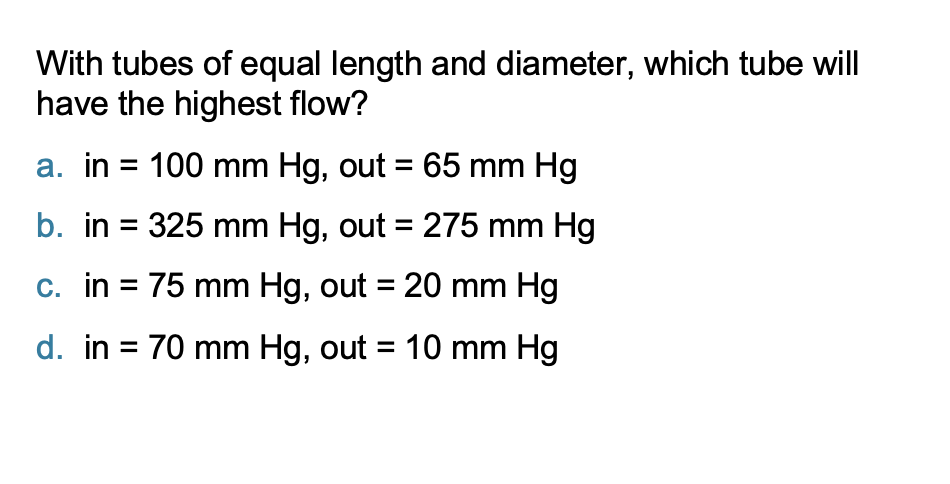
D.
114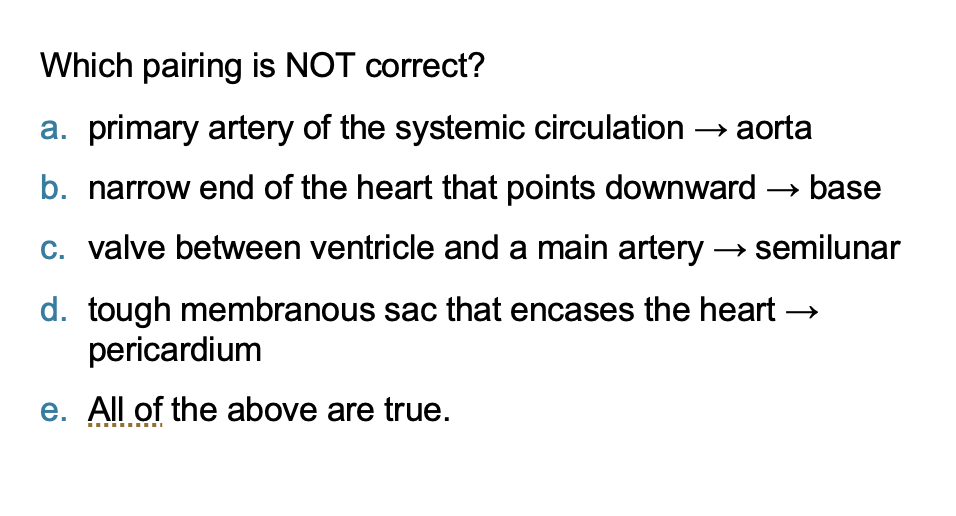
B.