Lecture 1 - Introduction to Human Parasitology
Study these flashcardsFree · spaced repetition · iPhone, Android, Mac & web
All cards
1
What is a symbiont relationship?
organisms live together, mutually benefit
2
What is a commensals relationship?
organisms live together, one benefits and other is neutral.
3
What is the host-parasite relationship?
Parasites benefit from the host (usually nutrition), while often harming the host.
4
What is it called when a parasite harms a host?
pathogenic
5
What is the host's response to a parasite?
immunologic response.
6
What are the four categories in which parasites can be classified as?
Obligate
Facultative
Endoparasites
Ectoparasites
Facultative
Endoparasites
Ectoparasites
7
What is an obligate parasite?
a parasite that depends on the host to live.
8
What is a facultative parasite?
a parasite that can be free-living or parasitic, depending on the situation.
9
Give an example of a facultative parasite?
Naegleria
10
How are the hosts classified as?
Definitive
Intermediate
Transfer/paratenic
Intermediate
Transfer/paratenic
11
What is a definitive host?
required host for the parasite to reach sexual maturity (part of the parasite's lifecyle)
12
What is an intermediate host?
Host that is temporary part of life cycle, short of sexual maturity.
13
What is a transfer/paratenic host?
Host that is not necessary for life cycle, temporary refuge.
14
What is an example of a vector?
mosquito
15
What is another name for vectors?
arthropods
16
Why are vectors useful?
essential for completion of the parasite's life cycle and transmits the parasite to human/vertebrate host.
17
What is another name for animal hosts?
reservoir hosts
18
What type of animal hosts are there?
Wild animal and domestic animal. 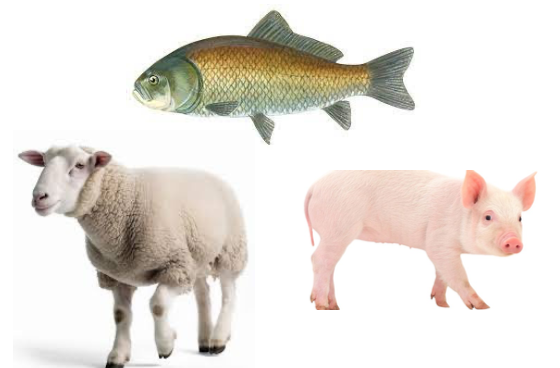
19
What is another name for a wild animal host?
Sylvatic reservoir host
20
What is another name for a domestic animal host?
domestic reservoir host
21
What are a major differences between parasites vs. bacteria/viruses/fungi?
Parasites reproduce slower; less progeny & cause chronic
Bacteria/Viruses/fungi reproduce rapidly; high number of progeny & acute.
Bacteria/Viruses/fungi reproduce rapidly; high number of progeny & acute.
22
How can parasitic transmission be prevented?
target the intermediate hosts. but must be careful not to disrupt local ecology too drastically.
or
Vector control. (ex. mosquito repellant)
or
Vector control. (ex. mosquito repellant)
23
What are some reasons there is higher prevalence of infection in some countries?
Unsanitary living conditions
Lack of public health funding
Poor nutrition
Health education
Climate
Underlying disease (opportunistic infections)
Lack of public health funding
Poor nutrition
Health education
Climate
Underlying disease (opportunistic infections)
24
When does hyperplasia occur due to host invasion?
inflammation/attempted repair.
25
When does hypertrophy occur due to host invasion?
engorgement by intracellular parasites.