Biochemistry S1 Unit 1
Study these flashcardsFree · spaced repetition · iPhone, Android, Mac & web
All cards
1
such as DNA and RNA are linear sequences of nucleotides linked by 3′- to 5′-phosphodiester bonds between the sugars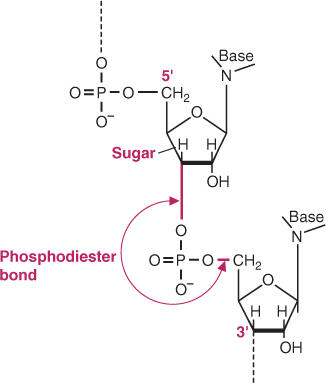
polynucleotides
2
contain the nucleotide sequence that is converted into the amino acid sequence of a protein in the process of translation
mRNAs
3
has extensive internal base pairing and complexes with proteins to form ribonucleoprotein particles called ribosomes
rRNAs
4
binds and activates a specific amino acid for insertion into the polypeptide chain
tRNA
5
A unique trinucleotide sequence on each tRNA called an ________________ binds to a complementary codon on the mRNA, thereby ensuring insertion of the correct amino acid
anticodon
6
neoplasm
mass of rapidly proliferating cells
7
mass of rapidly proliferating cells, called a neoplasm (neo = new; plasm = growth), which is formed from epithelial cells growing into a gland-like structure.
adenoma
8
viruses must _________________ and commandeer their DNA, RNA, and protein-synthesizing machinery to reproduce. Both eukaryotes and prokaryotes can be infected by viruses.
invade other cells
9
small, circular DNA molecules that can enter bacteria and replicate autonomously, that is, outside the host genome.
plasmids
10
In nucleosides, the nitrogenous base is linked by an ________ bond to the anomeric carbon of the sugar, either ribose or deoxyribose.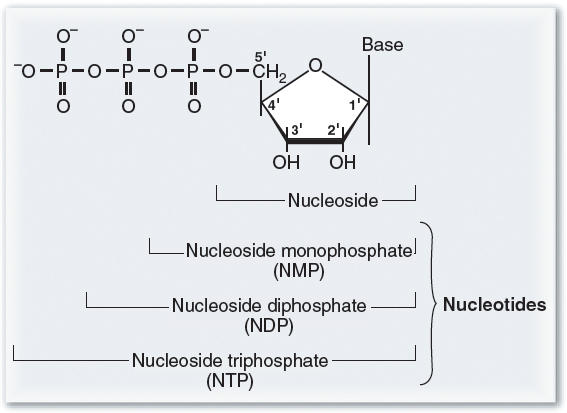
N-glycosidic
11
nucleoside adenine
adenosine
12
nucleoside guanine
guanosine
13
nucleoside cytosine
cytidine
14
nucleoside thymine
thymidine
15
nucleoside uracil
uridine
16
nucleoside analog reverse transcriptase inhibitor drug and is an analog of the thymine nucleotide found in DNA
Zidovudine (ZDV)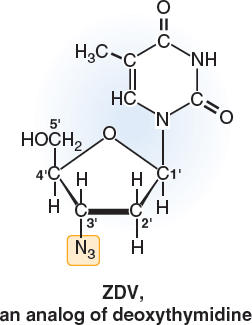
17
Reverse transcriptase has a higher affinity for ZDV than does normal human cellular DNA polymerases, enabling the drug to target _______________ replication more specfically than cellular replication
viral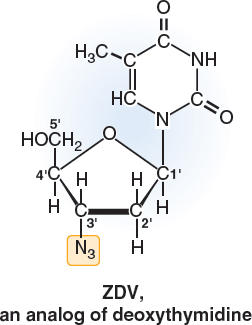
18
_______________ allows one strand of DNA to serve as a template for the synthesis of the other strand. ______________also allows a strand of DNA to serve as a template for the synthesis of a complementary strand of RNA.
base pairing
19
a natural product with a complex multiring structure that intercalates or slips in between the stacked base pairs of DNA and inhibits replication and transcription.
doxorubicin
20
the double helix generates __________ forces that in addotion to hydrogen bonding of bps, stabilize the helix
hydrophobic stacking
21
right handed heliz with 3.4 A between bp and 10.4bp per turn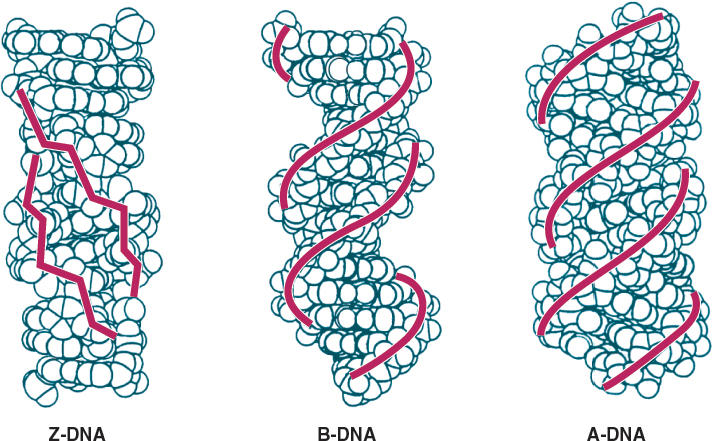
B helix
22
more compact b form, 2.3 A between bp and 11 bp per turn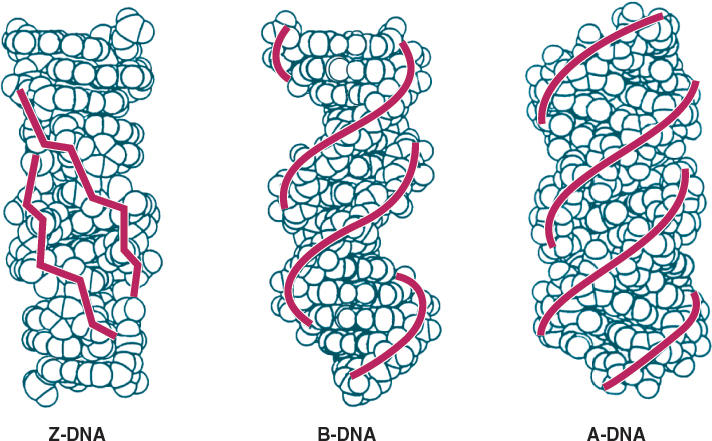
a helux
23
left handed helix, 3.8 A sbetween bp and 11 bp per tuen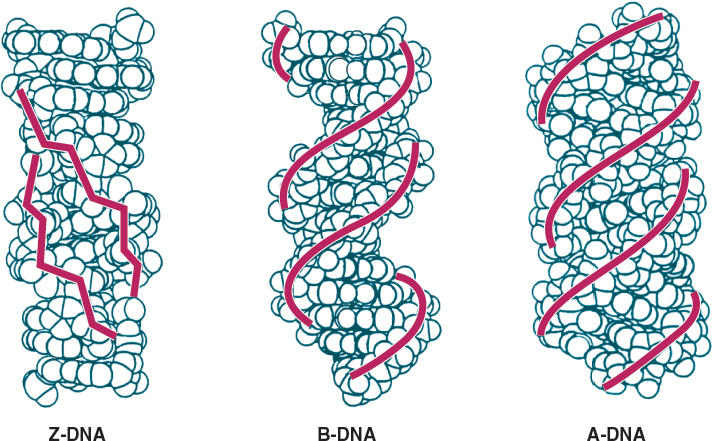
z helix
24
causes DNA strands to seperate but doesnt break phosphodiester bomds in DNA (does in RNA)
alkali
25
The process by which a single-stranded DNA anneals with complementary strands of RNA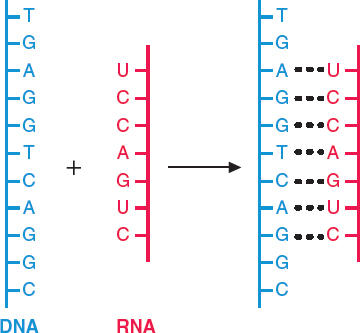
hybridization
26
a pyrimidine base similar to uracil and thymine. inhibits the synthesis of the thymine nucleotides required for DNA replication; chemotherapy agent
5-flurouracil
27
ribosomes that act as enymes
ribozyme
28
three different types of prokaryotic ribosomes
16s, 23s, 5s
29
these ribosomes join fprces in prokaryotes to make 70s
30s and 50s
30
cytoplasmic rRNA ribsomes in eujaryotes (x4)
18s, 28s, 5s, 5.8s
31
mitochondria ribsomes (rRNA)
55s
32
antibiotic that inhibits protein synthesis on prokarypotic ribosomes, but not eukaryotic ribosomes; binds to 50s subunit
azithromycin
33
serve as primers for DNA replication (RNA)
oligonucleotides
34
whats so special abt retroviruses vs a regular virus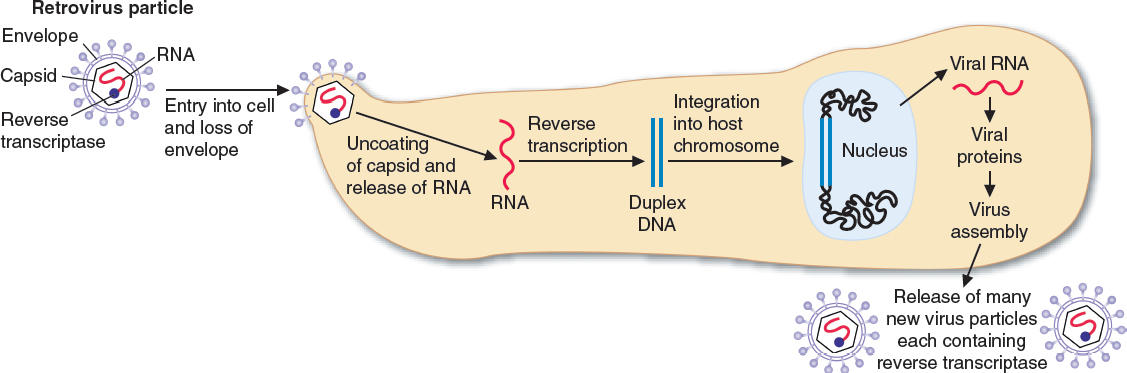
When retroviruses invade cells, their RNA genome is transcribed to produce a DNA copy. The enzyme that catalyzes this process is encoded in the viral RNA and is known as reverse transcriptase. This DNA copy integrates into the genome of the infected cell, and enzymes of the host cell are used to produce many copies of the viral RNA, as well as viral proteins, which can be packaged into new viral particles.
35
dna synthesis occurs by the [process of...
replication
36
the site at which replication is occurring at any given moment is called
replication fork
37
prevent DNA strands from reanealing
single strand binding proteins
38
copies each parental template strand in the 3′-to-5′ direction, producing new strands in a 5′-to-3′ direction
DNA polymerase
39
what direction does DNA replication take place?
3-5'
40
in urine, If large numbers of organisms are seen microscopically and they are accompanied by white blood cells, what is diagnosed?
UTI
41
prokaryotes: a single point of origin (known as the origin of replication), designated ______, where the DNA coils around the DnaA core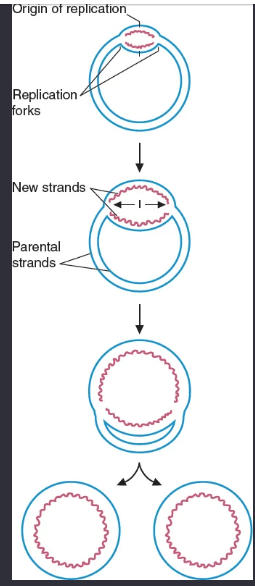
oriC
42
how many points of replication do prokaryotes have?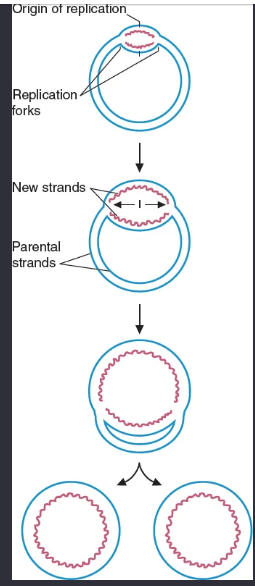
1
43
synthesiseplication of prokaryptic dna is (bidiectionalnidirectional)somerase in
bidirectional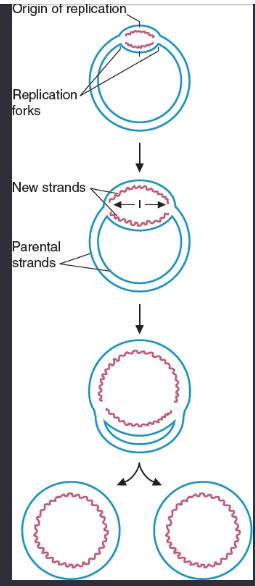
44
The complex of proteins required for DNA replication is known as theoi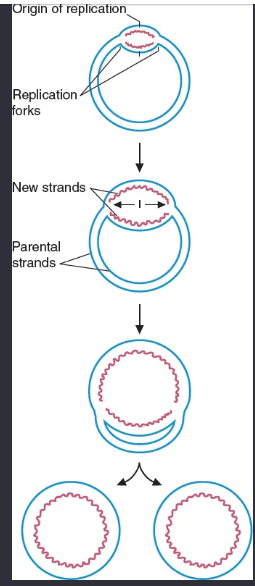
replisome
45
prevent the strands from reassociating and protect them from enzymes that cleave single-stranded DNA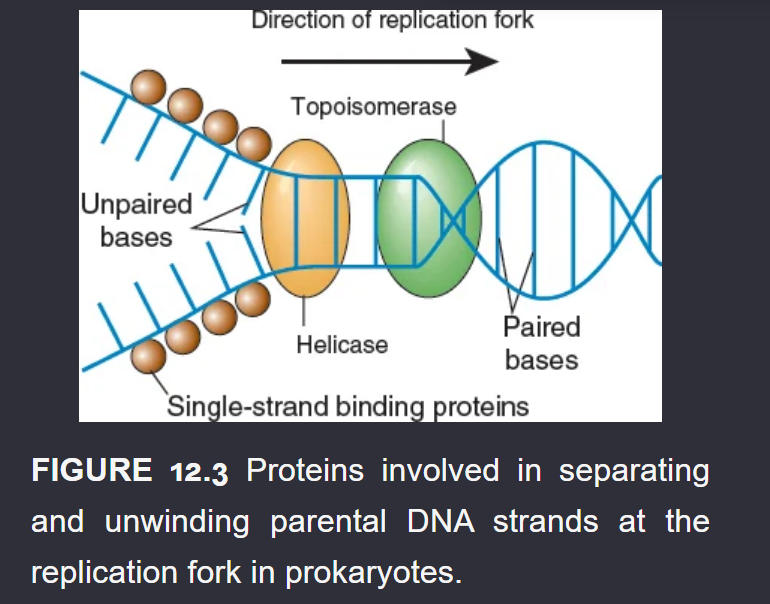
single strand binding protein
46
enzymes that can break phosphodiester bonds and rejoin them, relieve the supercoiling of the parental duplex caused by unwinding.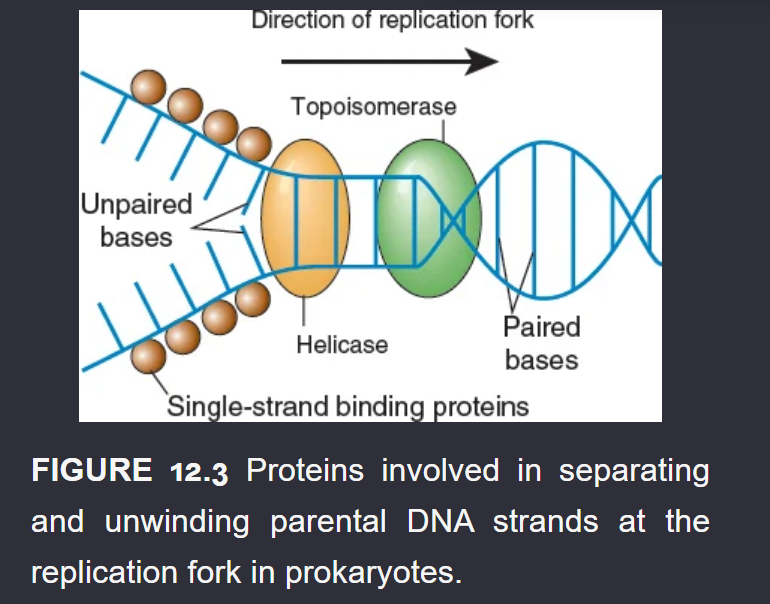
topoisomerases
47
major topoisomerase in bacterial cells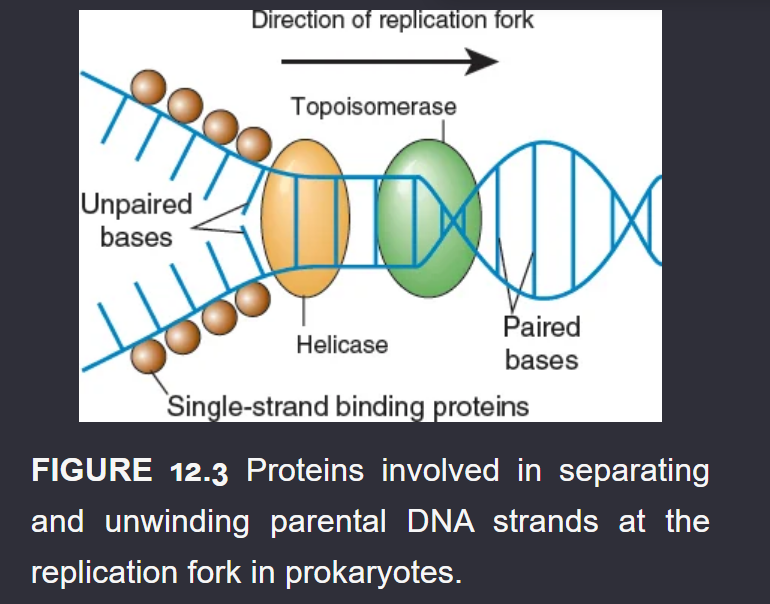
gyrase
48
DNA polymerases in E coli (most bacteria)
POl 1-3
49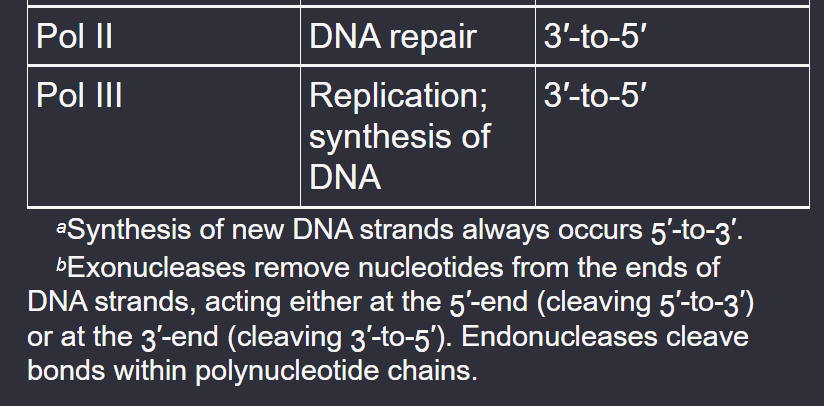
Image occlusion: name the hidden labels
50
Image occlusion: name the hidden labels
51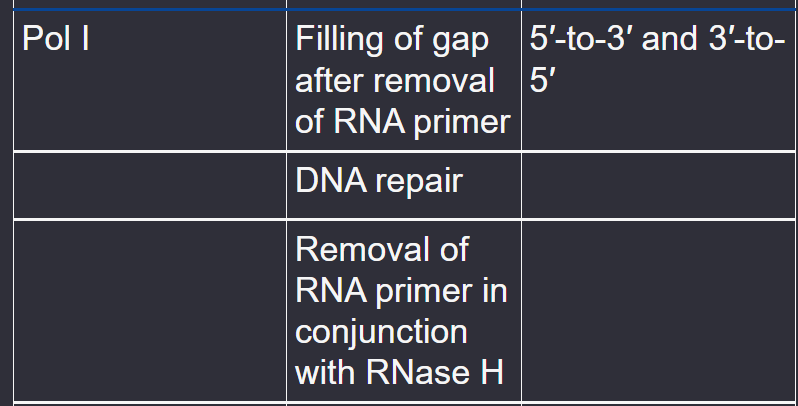
Image occlusion: name the hidden labels
52
bacteria: ___________ serve as precursors (substrates) used by DNA polymerase to lengthen the DNA chain. DNA polymerase copies the DNA template strand in the 3′-to-5′ direction.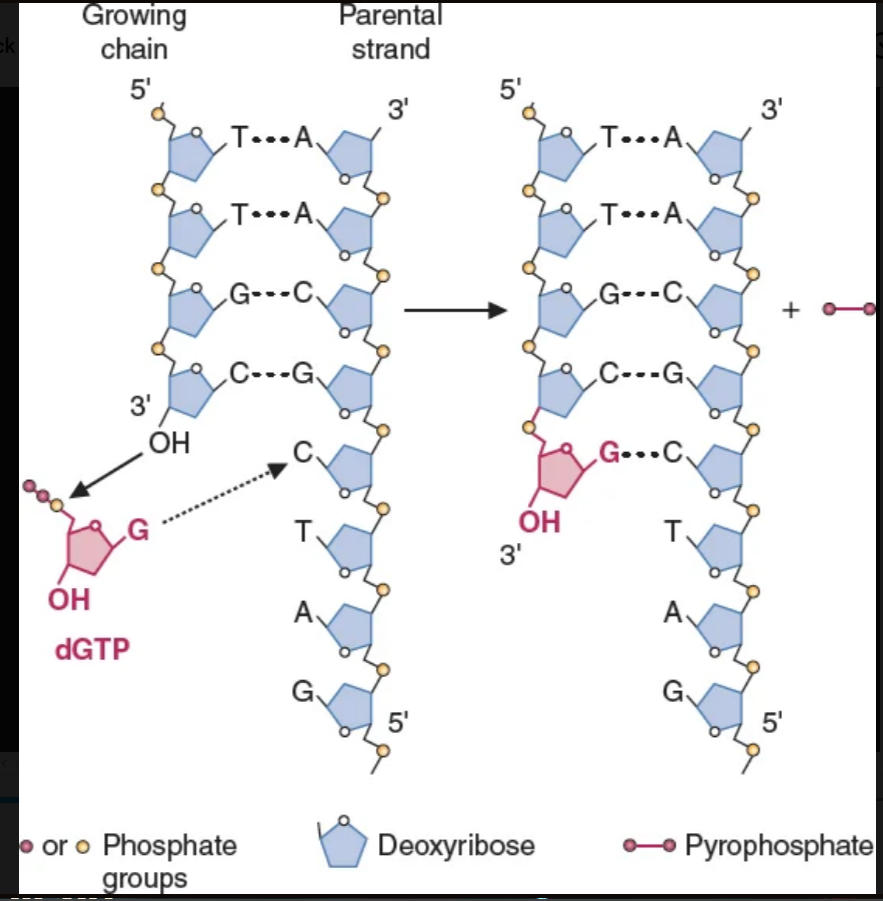
deoxyribonucleoside triphosphate
53
DNA polymerase cannot initiate the synthesis of new strands; it requires the presence of a free 3′-OH group to function. Therefore, a primer is required to supply the free 3′-OH group. This primer is a____________________ It is synthesized in a 5′-to-3′ direction by an RNA polymerase (primase) that copies the DNA template strand.
RNA oligonucleotide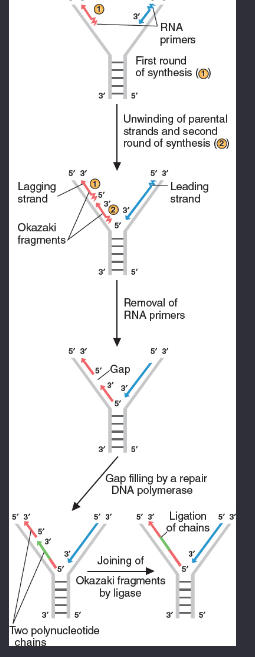
54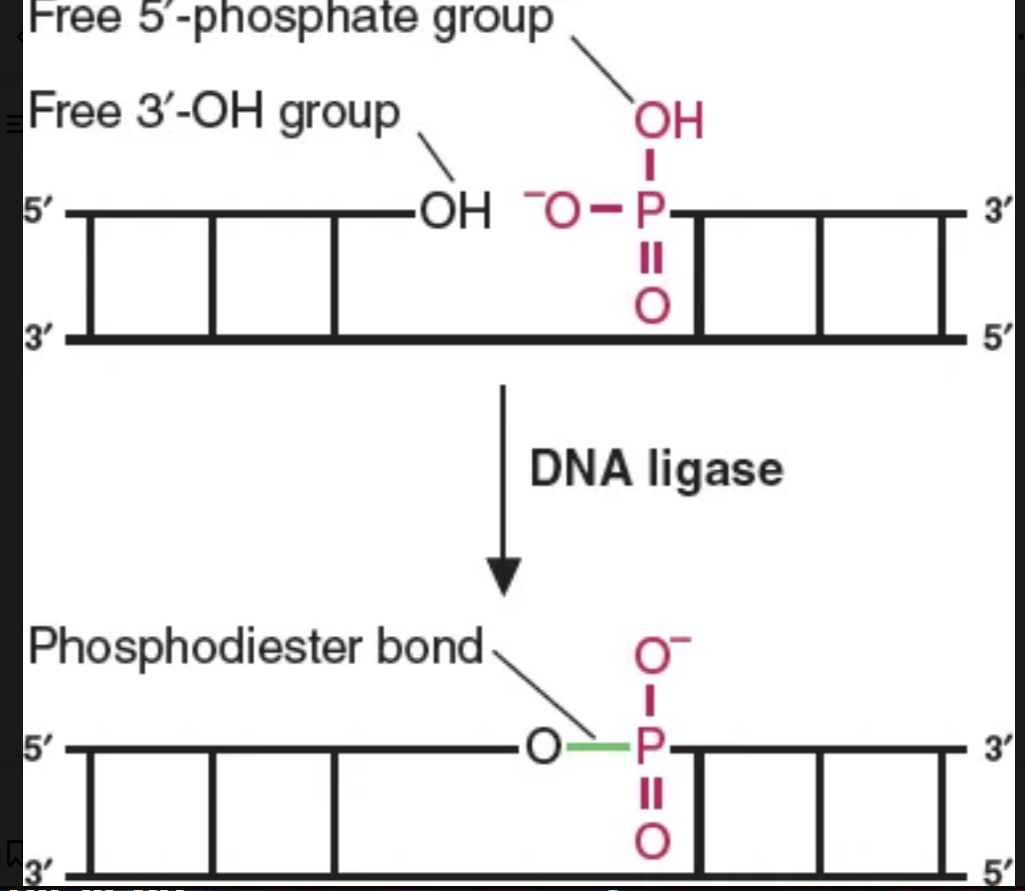
Image occlusion: name the hidden labels
55
Image occlusion: name the hidden labels
56
prkaryotes: this polymerase fills in the gaps produced by reoving RNA primers
polymerase I
57
Fx poly a
Replication (in a complex with primase and aids in starting the primer)
DNA repair
-no exonuclease activity
DNA repair
-no exonuclease activity
58
Fx Poly b
DNA repair exclusively
-no exonuclease activity
-no exonuclease activity
59
poly y fx
DNA replication in mitochondria
-exonuclease 3-5'
-exonuclease 3-5'
60
poly delta fx
replicaton lagging strand
dna repair
-exonuclease 3-5'
dna repair
-exonuclease 3-5'
61
poly E fx
replication leading strand
dna repair
exonuclease 3-5'
dna repair
exonuclease 3-5'
62
poly k fx
dna repair (bypass polymerase)
-no exonuclease
-no exonuclease
63
poly n function
dna repair (bypass polymerase)
-no exonuclease
-no exonuclease
64
poly squigly repair
Dna repar (bypass polymerase)
0no exoonuclease
0no exoonuclease
65
poly i fx
DNA repair (bypass polymerase)
-no exonuclease
-no exonuclease
66
Add nucleotides to a strand growing 5′-to-3′, copying a DNA template 3′-to-5′
DNA polymerase
67
Synthesizes RNA primers
primase
68
Separate parental DNA strands, i.e., unwind the double helix
helivases
69
Relieve torsional strain on parental duplex caused by unwinding
topoisomerases
70
Joins, by forming a phosphodiester bond, two adjacent DNA strands that are bound to the same template
DNA ligases
71
Enhances processivity of the DNA polymerases; binds to many proteins present at the replication fork
PCNA
72
The primer of the previously synthesized Okazaki fragment is removed by (X2)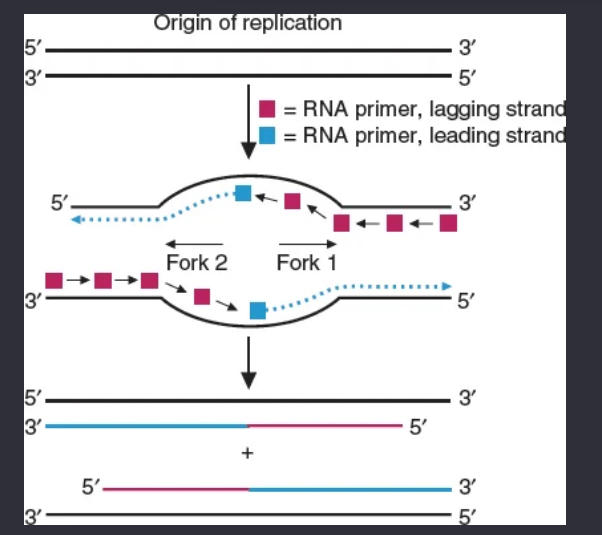
flap endonuclease I (FENI) and RNase H
73
Pyrimidine dimers occur frequently in the skin. Usually, repair mechanisms correct this damage, and cancer rarely occurs. However, in individuals with_____, cancers are extremely common. These individuals have defects in their DNA repair systems.
XP
74
cancer develops once __________ mutate
proto-ocogenes or tumor-supressor genes
75
involves local distortions of the DNA helix, such as mismatched bases or bulky adducts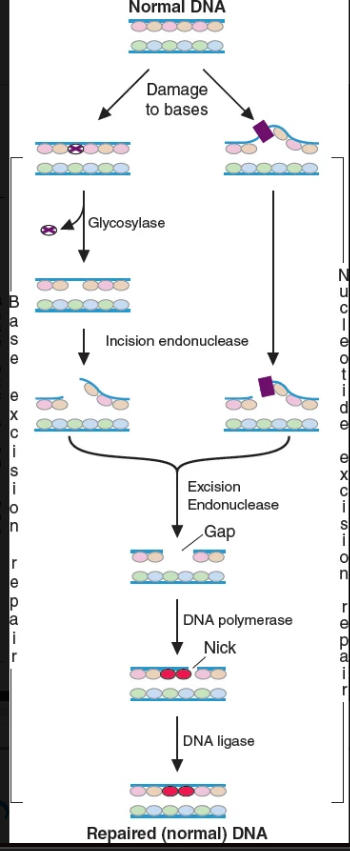
nucleotide excision repair (NER)
76
describe NER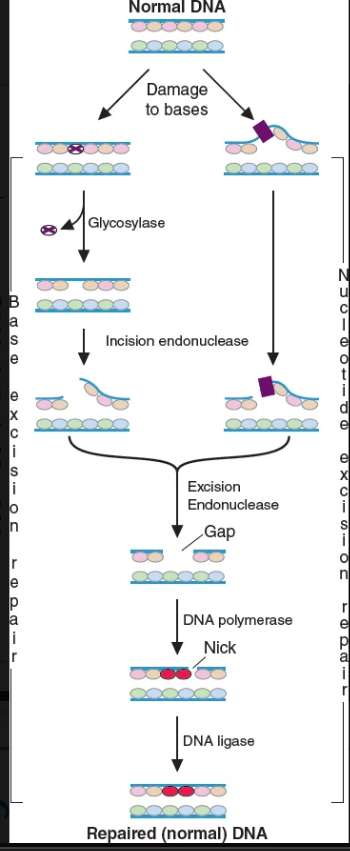
Specific repair endonucleases cleave the abnormal chain and remove the distorted region. The gap is then filled by a DNA polymerase that adds deoxyribonucleotides, one at a time, to the 3′-end of the cleaved DNA, using the intact, complementary DNA strand as a template. The newly synthesized segment is joined to the 5′-end of the remainder of the original DNA strand by a DNA ligase.
77
describe Base excision repair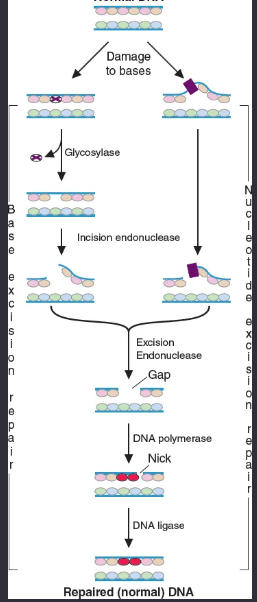
DNA glycosylases recognize small distortions in DNA involving lesions caused by damage to a single base. A glycosylase cleaves the N-glycosidic bond that joins the damaged base to deoxyribose
-AP endonuclease cleaves the sugar–phosphate strand at this site. Subsequently, the same types of enzymes involved in other types of repair mechanisms restore this region to normal.
-AP endonuclease cleaves the sugar–phosphate strand at this site. Subsequently, the same types of enzymes involved in other types of repair mechanisms restore this region to normal.
78
describe mismatched repair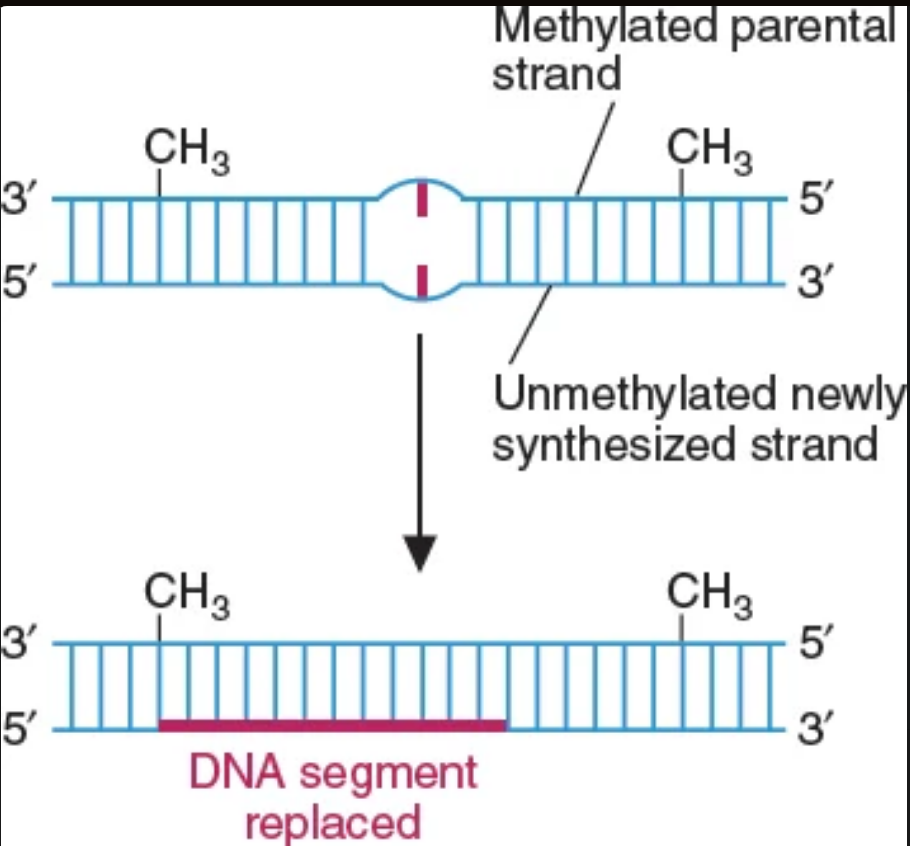
Mismatched bases (bases that do not form normal Watson–Crick base pairs) are recognized by enzymes of the mismatch-repair system
79
describe transcription coupled repair
Genes that are actively transcribed to produce mRNA are preferentially repaired. The RNA polymerase that is transcribing a gene (see Chapter 13 for a description of the process) stalls when it encounters a damaged region of the DNA template. Excision repair proteins are attracted to this site and repair the damaged region, similar to the process of NER
80
Hereditary nonpolyposis colorectal cancer (a human cancer that does not arise from intestinal polyps) is caused by mutations in genes for proteins involved in
mismatch repair
81
When cytosine is deaminated _____ is oroduced; this gets rid f it
uracil; uracil N glycosylase
82
describe the steps of single strand break repair
The first step is detection of the SSB, the second step is preparing the ends of the break for DNA synthesis, the third step is using a repair DNA polymerase to fill in the gap created by the second step, using the intact strand as a template, and the final step is catalyzed by DNA ligase, creating the final phosphodiester bond between the newly synthesized DNA and the existing DNA.
83
_____ recognizes SSBs in the DNA and binds to that region of DNA. Upon binding the enzymatic activity __________ is activated, and using NAD+ as a substrate, transfers ADP-ribose to amino acid sidechains of proteins surrounding the damage (primarily histones, other DNA repair proteins, and transcription factors).
Parp1; parp
84
will create polymers of ADP-ribose, both linear and branched, on these proteins to act as a signal for other proteins to find the damage to bind to this region such that repair can begin
PARP1
85
recruited to the site of damage, and once ______ is bound, other DNA repair enzymes are recruited by_______ to carry out the repair of the SSB
XRCC1
86
pathways for repairing Double stranded breaks
homologous recombination (HR) or nonhomologous end joining (NHEJ
87
describe homologous recomb
damage is recognized by the MRN complex (consisting of proteins named MRE11, RAD50, and NBS1), which activates the ataxia telangiectasia mutated (ATM) kinase.
The activation of ATM leads to a full DNA repair response requiring the participation of numerous proteins, including both BRCA1 and BRCA2 (breast cancer type 1 [or 2] susceptibility gene). The complex of proteins now bound to the DSB initiate HR, providing a sister chromatid is available.
The activation of ATM leads to a full DNA repair response requiring the participation of numerous proteins, including both BRCA1 and BRCA2 (breast cancer type 1 [or 2] susceptibility gene). The complex of proteins now bound to the DSB initiate HR, providing a sister chromatid is available.
88
BRCA1 maps to chromosome 17 and acts as a tumor suppressor. The biochemical function of BRCA1 is to participate in the response to ____________ BRCA1 is phosphorylated by a variety of kinases, each of which is activated by a different form of DNA damage.
dna damage
89
Sets of genes that encode proteins with related functions are organized into
operons
90
facilitate RNA polymerase binding (positive control).
activator prpteins
91
Repressors are controlled by nutrients or their metabolites and are classified as
inducers
92
eukaryotes: Transcription of specific genes is regulated by proteins (called
specific transcription factors or transactivators
93
The genes encoding proteins are called
structural genes
94
When a repressor is bound to the operator, the operon (is/is not transcribed) because the repressor protein either physically blocks the binding of RNA polymerase to the promoter or prevents the RNA polymerase from initiating transcription
is not
95
Two regulatory mechanisms work through controlling repressors:
induction (an inducer inactivates the repressor) and repression (a corepressor is required to activate the repressor).
96
involves a small molecule, known as an inducer, which stimulates expression of the operon by binding to the repressor and changing its conformation so that it can no longer bind to the operator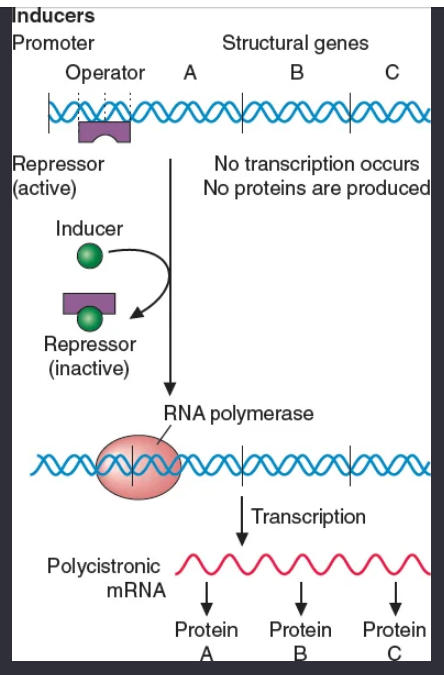
induction
97
In a regulatory model called repression, the repressor is inactive until a small molecule called a _______ (a nutrient or its metabolite) binds to the repressor, activating it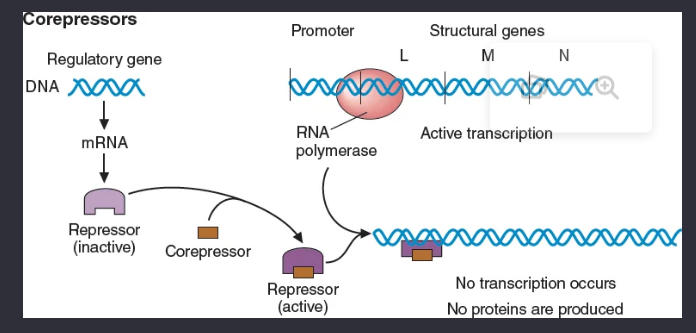
corepressor
98
transcription of the lac operon can only be induced if this is present and this is absent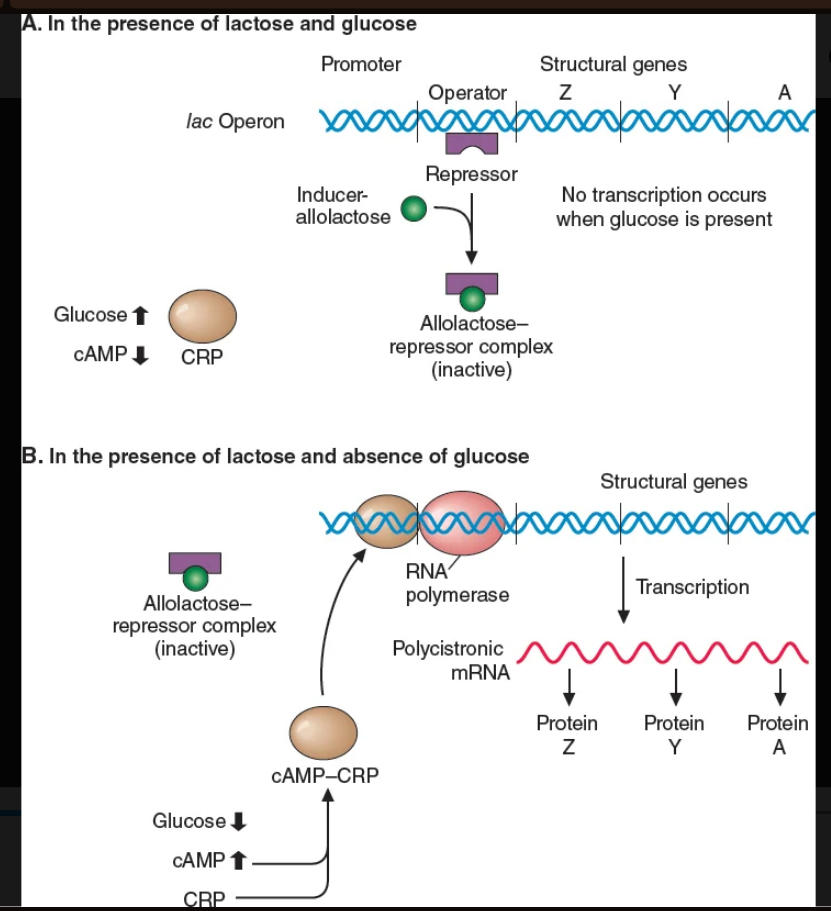
lactose present; glucose absent
99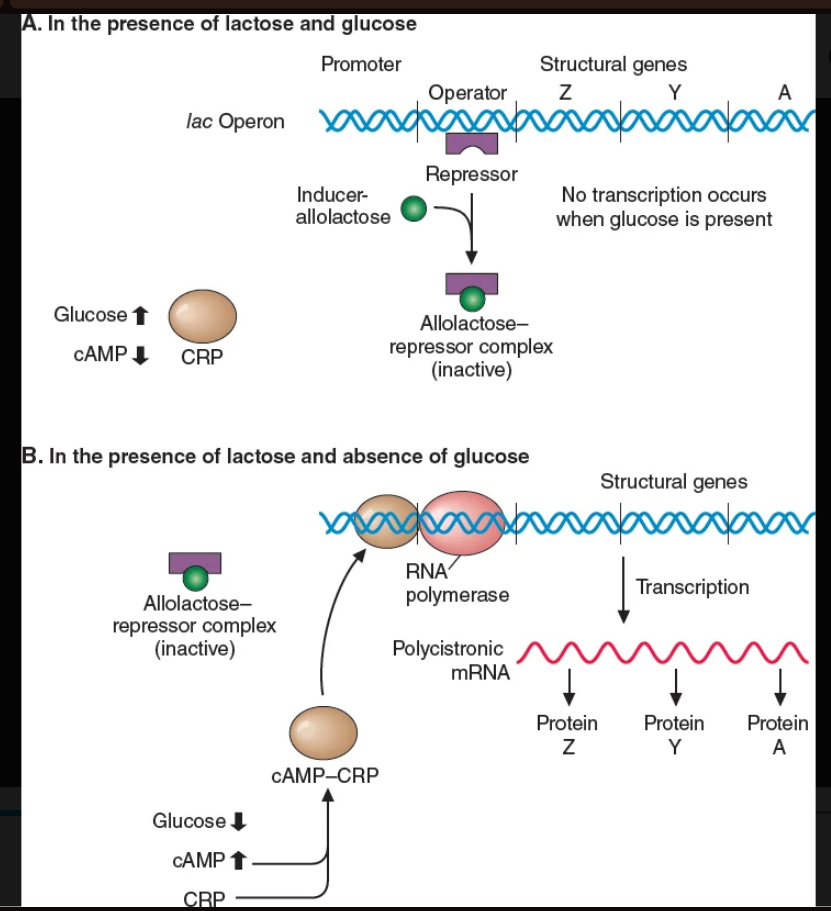
Image occlusion: name the hidden labels
100
Image occlusion: name the hidden labels
101
what operons are regulated by attenulatioon
tryptophan, histidine, leucine, phenylalanine, and threonine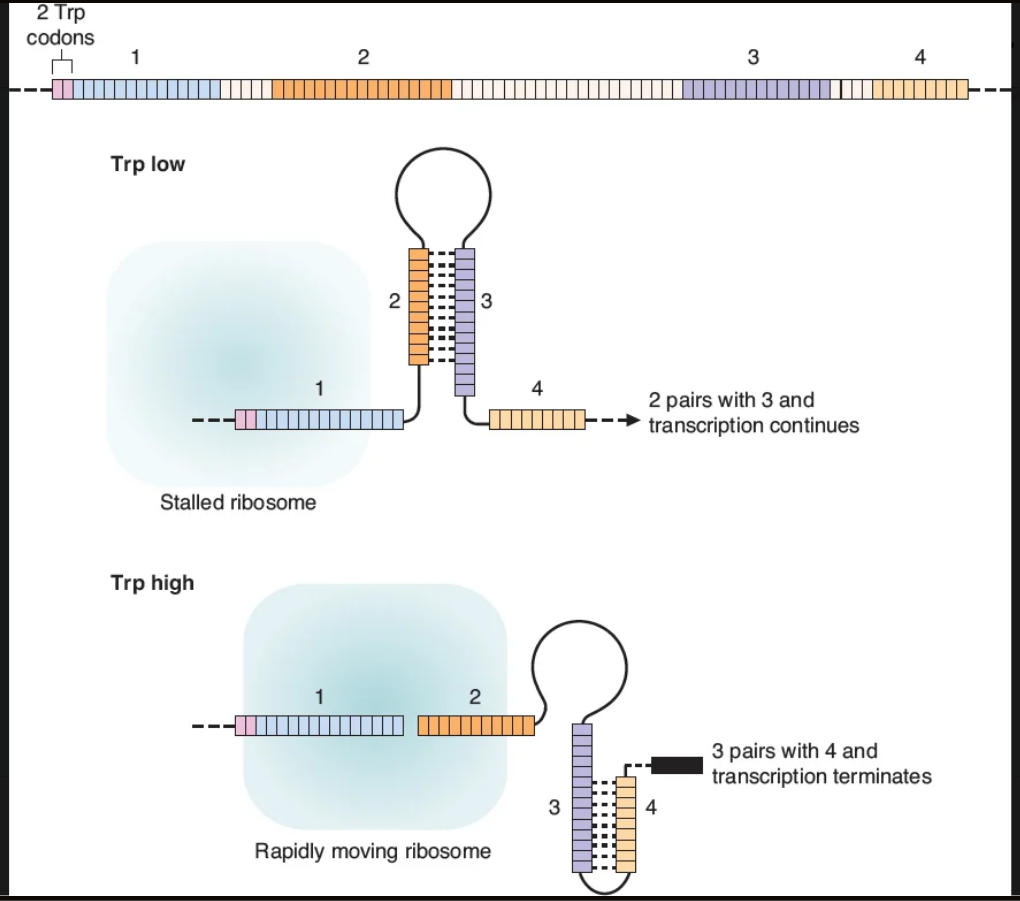
102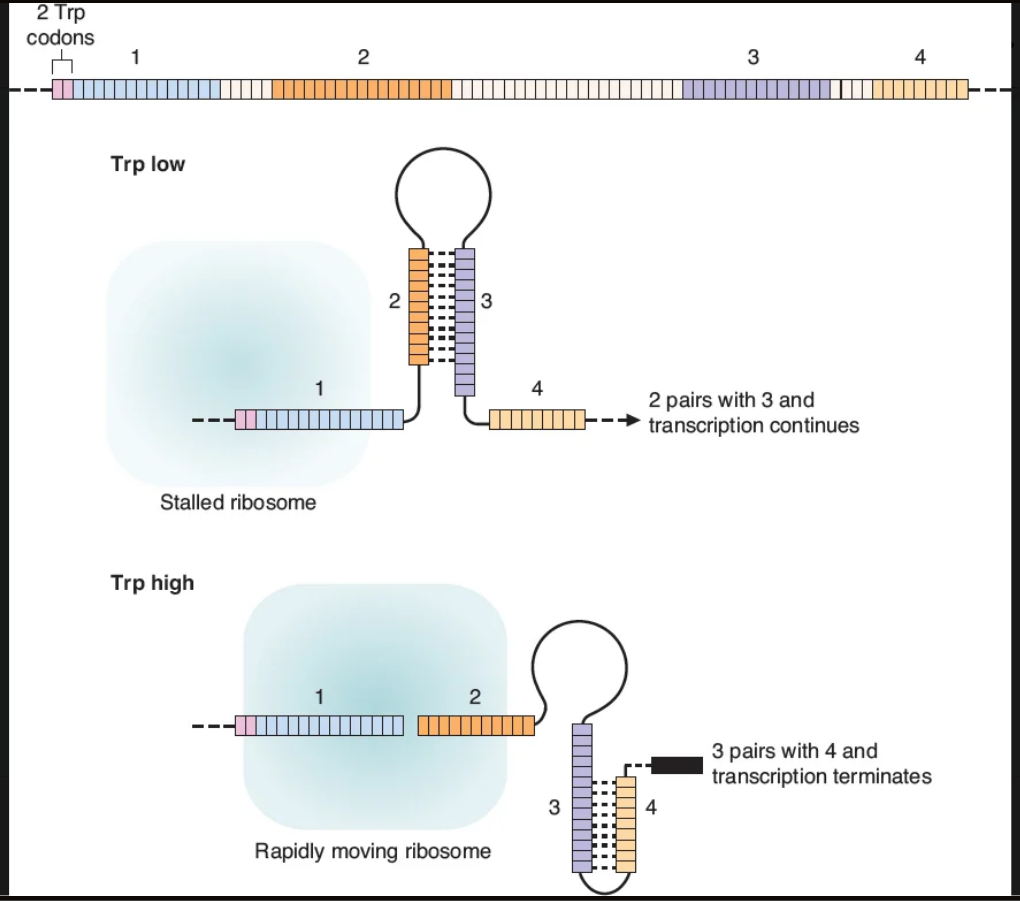
Image occlusion: name the hidden labels
103
Image occlusion: name the hidden labels
104
mechanisms of chromatin remodeling (x2)
The first mechanism is by an adenosine triphosphate (ATP)–driven chromatin remodeling complex, which uses energy from ATP hydrolysis to unwind certain sections of DNA from the nucleosome core. The second mechanism is by covalent modification of the histone tails through acetylation 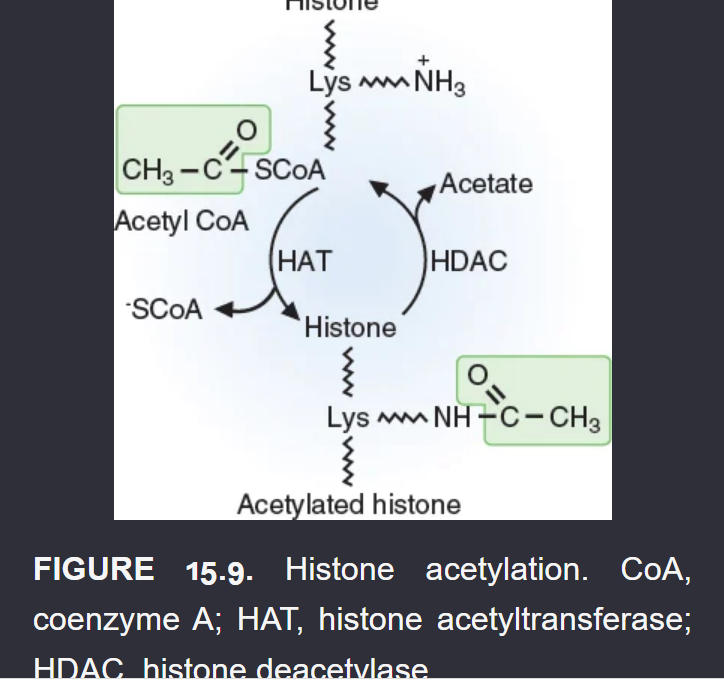
105
commonly found in the DNA-binding domain of steroid hormone receptors) contain a bound zinc chelated at four positions with either histidine or cysteine in a sequence of approximately 20 amino acids
zinc finger motifs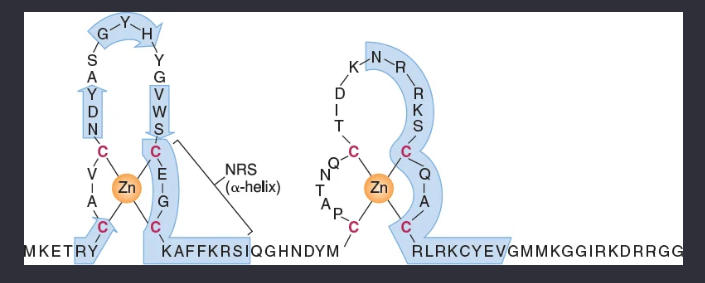
106
an α-helix of 30 to 40 amino acid residues that contains a leucine every seven amino acids, positioned so that theyalign on the same side of the helix
-
-
leucine zipper motif
107
one helix fits into the major groove of DNA, making most of the DNA-binding contacts
-It is joined to a segment containing two additional helices that lie across the DNA-binding helix at right angles. Thus, a very stable structure is obtained without dimerization.
-It is joined to a segment containing two additional helices that lie across the DNA-binding helix at right angles. Thus, a very stable structure is obtained without dimerization.
helix turn helix
108
transcription factors are a fourth structural type of DNA-binding protein (see Fig. 15.15D). They also function as dimers that fit around and grip DNA in a manner geometrically similar to leucine-zipper proteins. The dimerization region consists of a portion of the DNA-gripping helix and a loop to another helix.
helix loop helix
109
When eIF2α is _________ by heme-regulated inhibitor kinase, it is inactive, and protein synthesis cannot be initiated.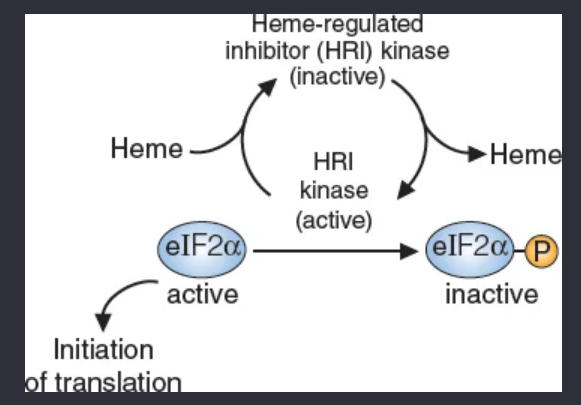
phosphorylated
110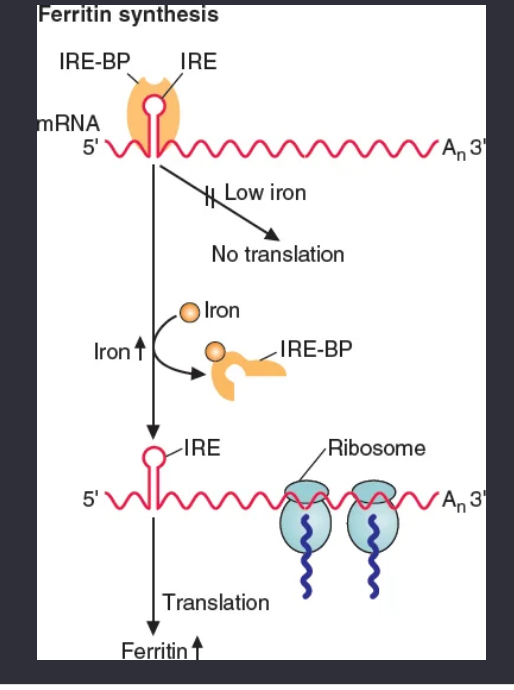
Image occlusion: name the hidden labels
111
Image occlusion: name the hidden labels
112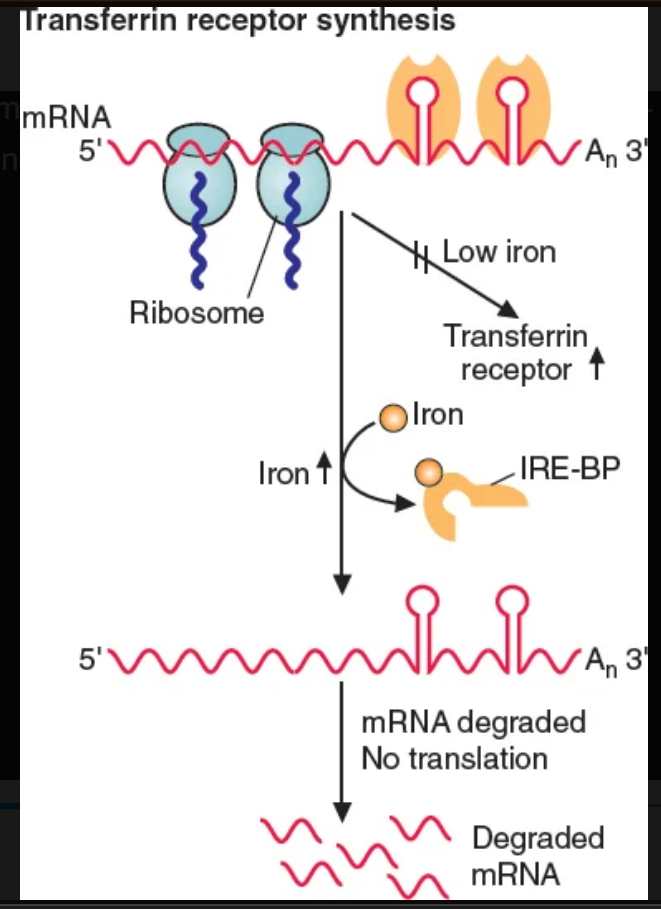
Image occlusion: name the hidden labels
113
Image occlusion: name the hidden labels
114
Image occlusion: name the hidden labels